The sparkling rise of Alta Langa

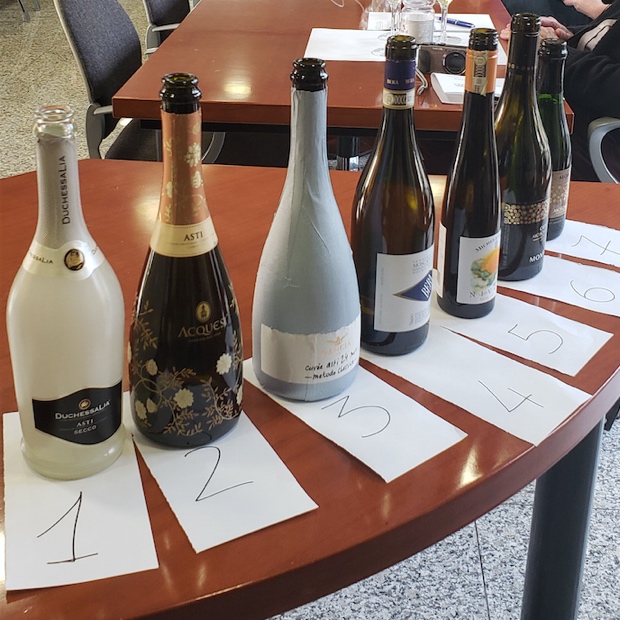
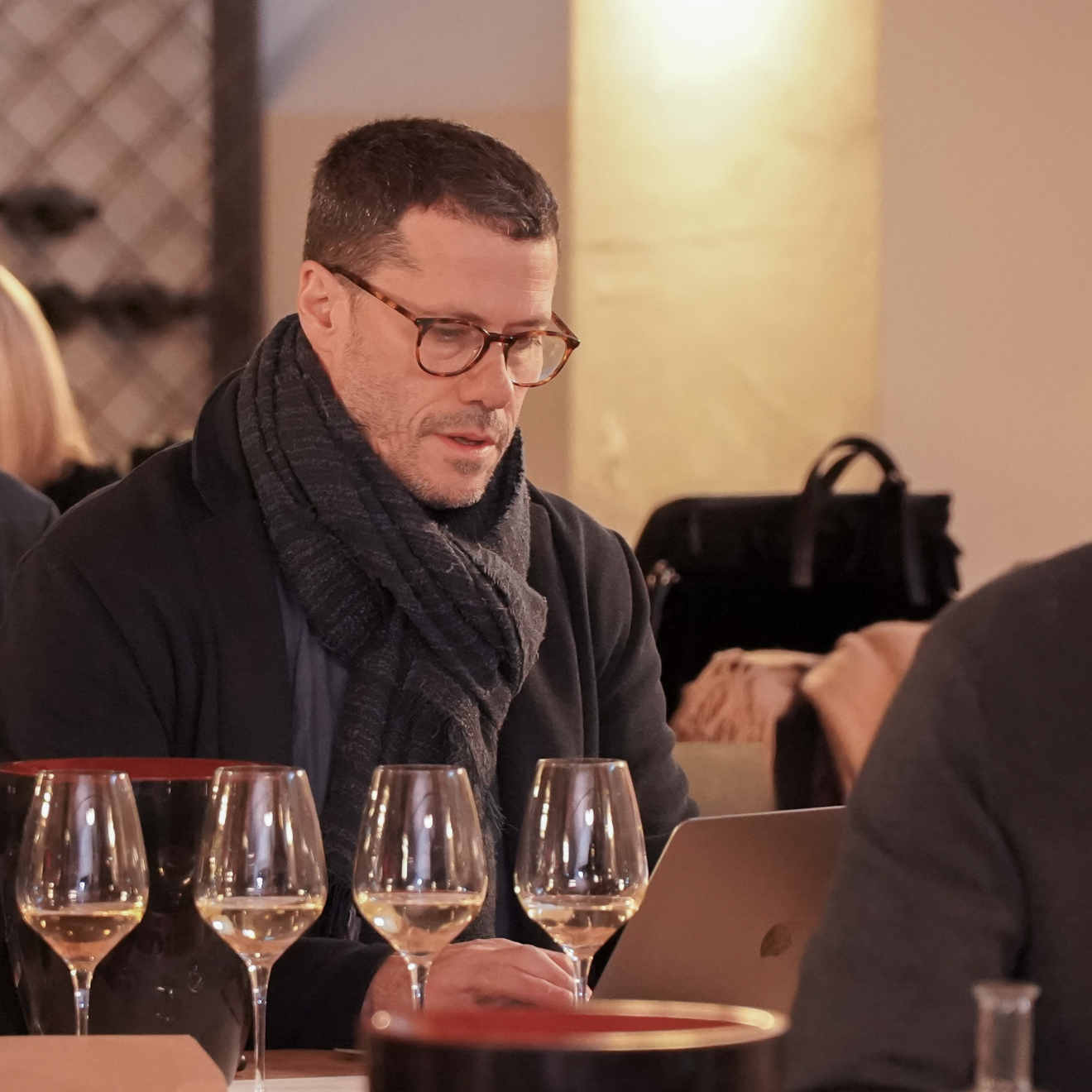
Godello, Alta Langa blind tasting (c) Anastasia Florea and Consorzio Alta Langa DOCG

This is the story of Alta Langa, Alte Bollicine Piemontesi. A portrait of proposal for a clearly defined class and style of sparkling wines led by a young, energetic and promising 20-year old Consorzio. An organization led by President MariaCristina Castelletta of Tosti1820 and Vice-President Giovanni Carlo Bussi of San Marzano Oliveto charged with the valourization of Alta Langa DOCG, a dry, vintage-dated Spumante obtained through the traditional method from pinot noir and chardonnay grapes grown on the Piedmontese hills. Their work carries forward from past Consorzio Alta Langa presidents Giulio Bava (Giulio Cocchi, 2013-2022), Lamberto Vallarino Gancia (F.lli Gancia, 2010-2013), Giovanni Carlo Bussi (Viticoltore di San Marzano Oliveto, 2004-2010) and Giorgio Giusiana (Martini & Rossi, 2001-2004). The date was June 15, 2001 in Asti, after more than 10 years of in-depth and methodical research and studies on the suitability of the area, to bring together winegrowers and producers involved in the development of a wine, an appellation and a territory. The common link was the steadfast adherence to classic Champenoise method sparkling wines made with grapes six years after planting. Il Consorzio Alta Langa protects and promotes the ideals of like-minded producers in search of the finest bubbles that can be made.
For the last two years the wine and also social media narrative has been played annoyingly on repeat, of grave reports concerning the decline of global wine consumption and yet there is an essential category on the rise. Sparkling wines are doing fine, with thanks of course in great part to bottles of Italian method examples produced in the hundreds of millions. A skewed graph perhaps but as long as there are bubbles we can’t really complain and yet we know that traditional method styles are what matter most. This is why news of the acclivity and proliferation of classic method effervescent wines is of the best kind. The question is how many are aware about production out of the northwestern part of Italy? For there is Piemonte, from the word piedmont, meaning “at the foot of a mountain,” an alpine arc of a vineterland surrounded to the south, west, and north by the vast Ligurian Apennines. Best known for growing red grape varieties, namely nebbiolo, barbera and dolcetto, also the whites of cortese and arneis, but in Piedmont there is this great affinity with the expatriate grapes from Champagne. The affair is nearly 175 years old, but what has been occurring over the last two decades will act as the impetus for shaping the future.
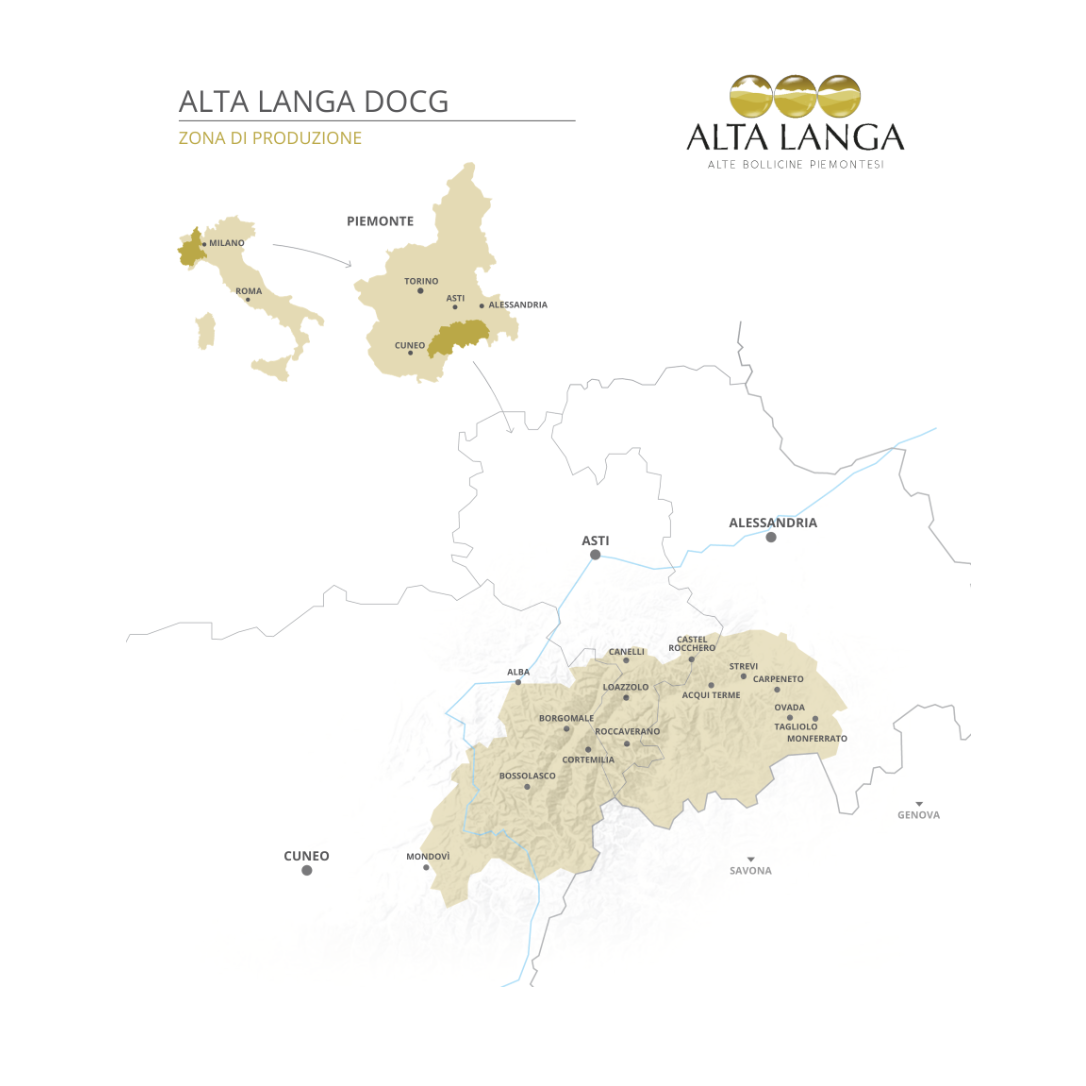
Where in Piemonte?

The Alta Langa DOCG area of production of grapes intended for the production of Alta Langa sparkling wines consists of the parcels on hillsides in the provinces of Cuneo, Asti and Alessandria, in the territories of the following municipalities:

Province of Alessandria: Acqui Terme, Alice Bel Colle, Belforte Monferrato, Bistagno, Bosio, Capriata d’Orba, Carpeneto, Cartosio, Casaleggio Boiro, Castelnuovo Bormida, Castelletto d’Erro, Castelletto d’Orba, Cassine, Cassinelle, Cavatore, Cremolino, Denice, Grognardo, Lerma, Malvicino, Melazzo, Merana, Molare, Montaldeo, Montaldo Bormida, Montechiaro d’Acqui, Morbello, Mornese, Morsasco, Orsara Bormida, Ovada, Pareto, Parodi Ligure, Ponti, Ponzone, Prasco, Predosa, Ricaldone, Rivalta Bormida, Rocca Grimalda, San Cris toforo, Sezzadio, Silvano d’Orba, Spigno Monferrato, Strevi, Tagliolo Monferrato, Terzo, Trisobbio and Visone.

Province of Asti: Bubbio, Calamandrana, Calosso, Canelli, Cassinasco, Castel Boglione, Castelletto Molina, Castelrocchero, Cessole, Coazzolo, Fontanile, Loazzolo, Maranzana, Monastero Bormida, Mombaldone, Mombaruzzo, Montabone, Olmo Gentile, Quaranti, Roccaverano, Rocchetta Palafea, San Giorgio Scarampi, San Marzano Oliveto, Serole, Sessame and Vesime.

Province of Cuneo: Alba (territori alla destra orografica del fiume Tanaro), Albaretto Torre, Arguello, Bastia, Belvedere Langhe, Benevello, Bergolo, Bonvicino, Borgomale, Bosia, Bossolasco, Briaglia, Camerana, Camo, Carrù, Castellino Tanaro, Castelletto Uzzone, Castiglione Tinella, Castino, Cerretto Langhe, Ceva (territori alla destra orografica del torrente Cevetta fino alla confluenza nel Tanaro, da qui i territori alla destra orografica del fiume Tanaro), Cigliè, Clavesana, Cortemilia, Cossano Belbo, Cravanzana, Diano d’Alba, Dogliani, Farigliano, Feisoglio, Cissone, Gorzegno, Gottasecca, Grinzane Cavour, Igliano, Lequio Berria, Levice, Mango, Marsaglia, Mombarcaro, Monchiero, Mondovi’ (territori alla destra orografica del torrente Ellero fino a raggiungere da sud l’abitato di Mondovi, quindi proseguendo verso nord-est i territori a destra della s.s. 28 per Fossano, fino al confine comunale con Magliano Alpi), Monesiglio, Monforte d’Alba, Montelupo Albese, Murazzano, Neviglie, Niella Belbo, Niella Tanaro, Novello, Paroldo, Perletto, Pezzolo Valle Uzzone, Piozzo, Prunetto, Roascio, Rocca di Cigliè, Rocchetta Belbo, Roddino, Rodello, Sale Langhe, Sale San Giovanni, Saliceto, San Benedetto Belbo, Santo Stefano Belbo, Serralunga d’Alba, Serravalle Langhe, Sinio, Somano, Torre Bormida, Torresina, Treiso, Trezzo Tinella and Vicoforte.
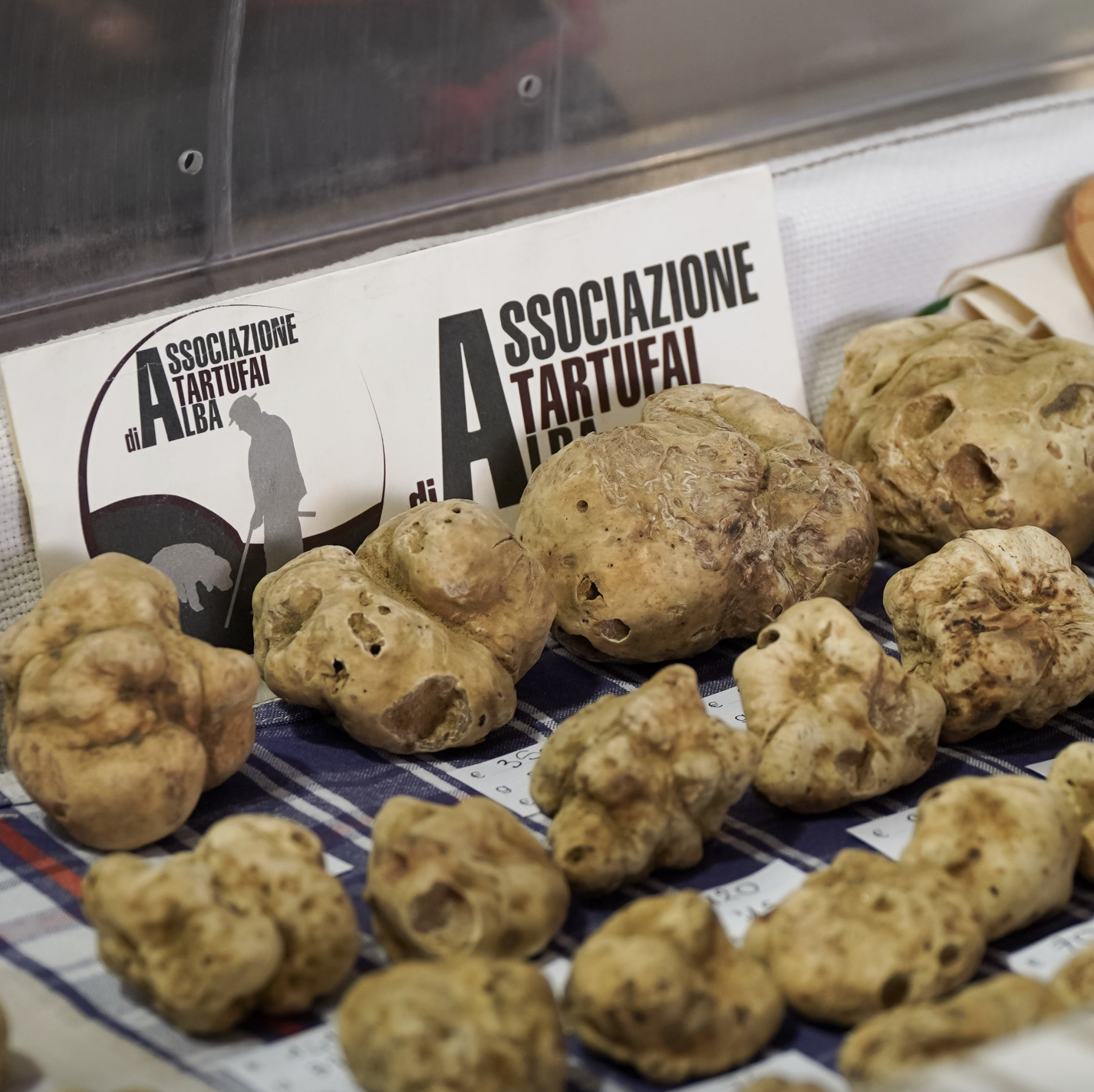
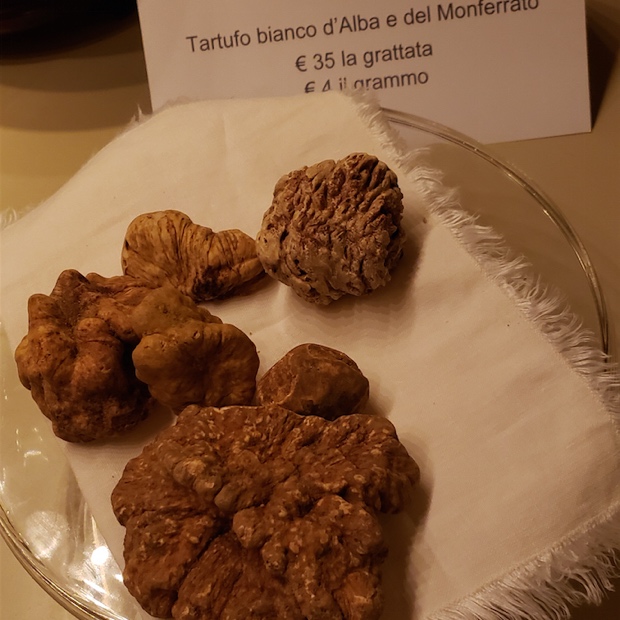
Alba truffles

The goods on geology

Two agronomy experts, Edmondo Bonelli (soils) and Maurizio Gily (viticulture) present Alta Langa to a group of local and foreign journalists. It begins with the sedimentary origin of crystalline rocks from two geological areas, first the firmer central and then the outer areas of alpine rocks. Currently there are no vineyards in this area yet but likely will be so in the future. Challenging terroir, but it’s coming. Sedimentary soils are of marine origin, silty or sandy, on hillsides and usually calcareous, most relatively high in water retention capacity. The calcaire is not the same as chalk but it is calcium carbonate. Layered rocks with marls, sand, conglomerates or gypsum, 30-2.5 million years in origin (Oligocene-Miocene-Pliocene), again sand-silt-clay-calcium carbonate. Sandstones are Pietra di Langhe and can be as deep as six kms of stratified rocks down into the earth. The descriptor “Langhe” comes from Langiano or Langian – a geological epoch named after this area. There are the Molare Formation, Cassinasco Formation and sandstones of Diano. Monseglio Formation, Cortemilla Formation, Cessole Formation, Lequio Formation, Murazzano Formation, each named after a village in the Langhe area (of sandy and silty layers and high calcium carbonate). Rochetta Formation, Marls of Parolo, Sant’Agata Marls (silty medium calcium carbonate).
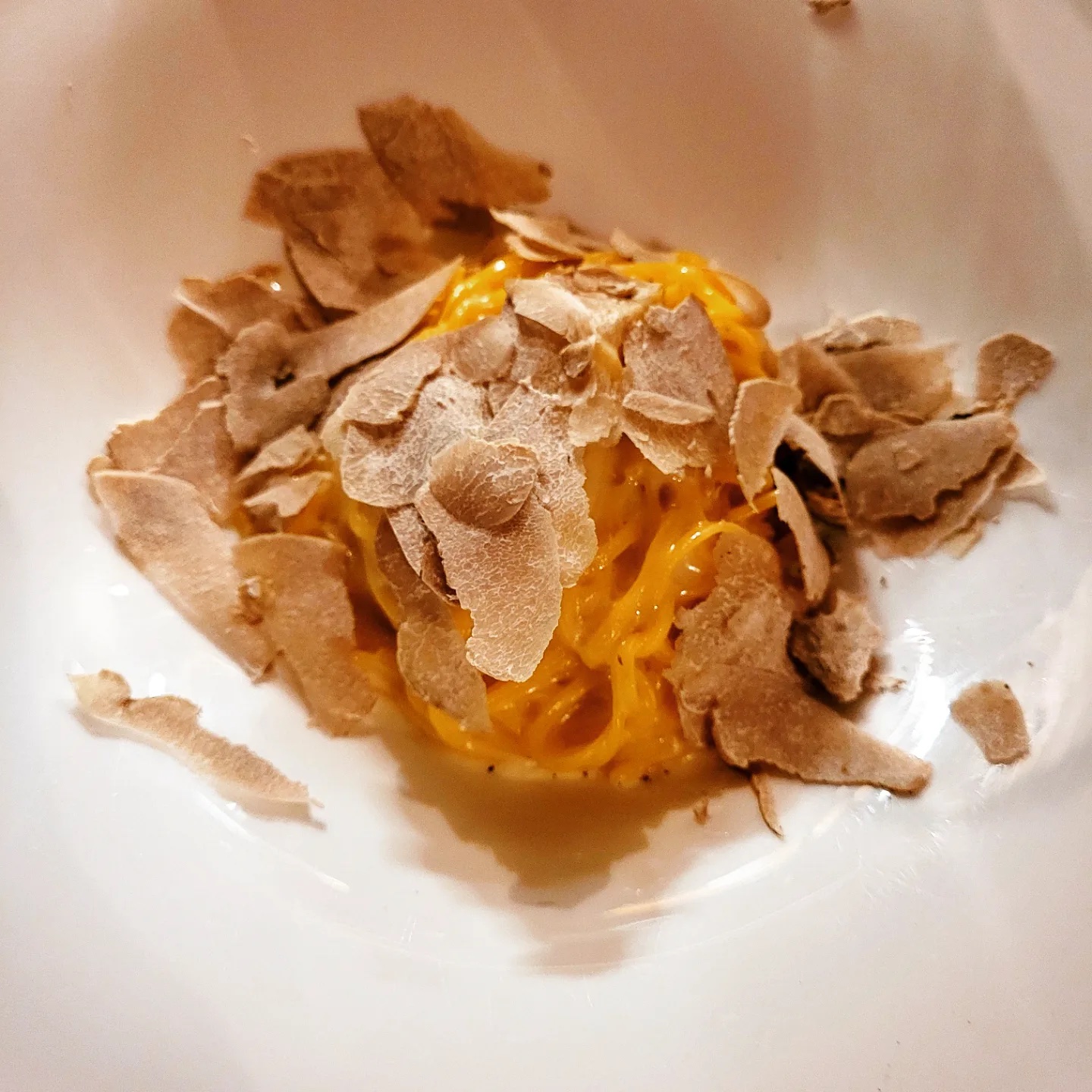
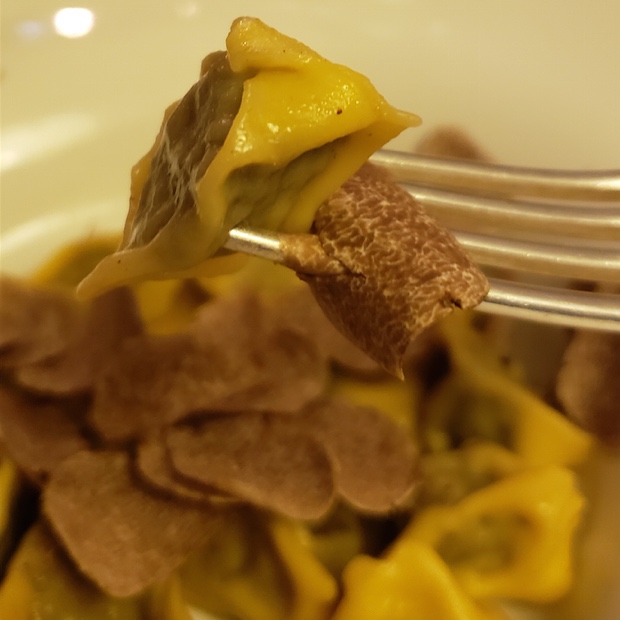
Tajarin con Tartufo Alba Bianco

The Carta Geologica dell’Alta Lange is spilt into eight formations, of eight colours, highlighted by La Malora Beppe Fenoglio, famous Romanzo from San Benedetto Belbo. If we compare Winkler zones, the area is ccooler than Barolo yet quite a bit warmer than Champagne. Biodiversity of the hills is always considered, as are the forests, animals and rivers, they being the Tanaro, Bello, Bormida and Orba. Light soils “dip,” darker soils “anti-dip.” Truth is they are relatively young geologically speaking with lots of erosion and soil movement. Their retention and release of water depends on soil structure and this is also what determines vine (and canopy) growth more than any other factor. But it is the type of soil that deals in different water dynamics. The vines adapt their metabolism  by following their soil conditions. A lot of research has gone into picking the right clone of pinot nero for making Alta Langa.
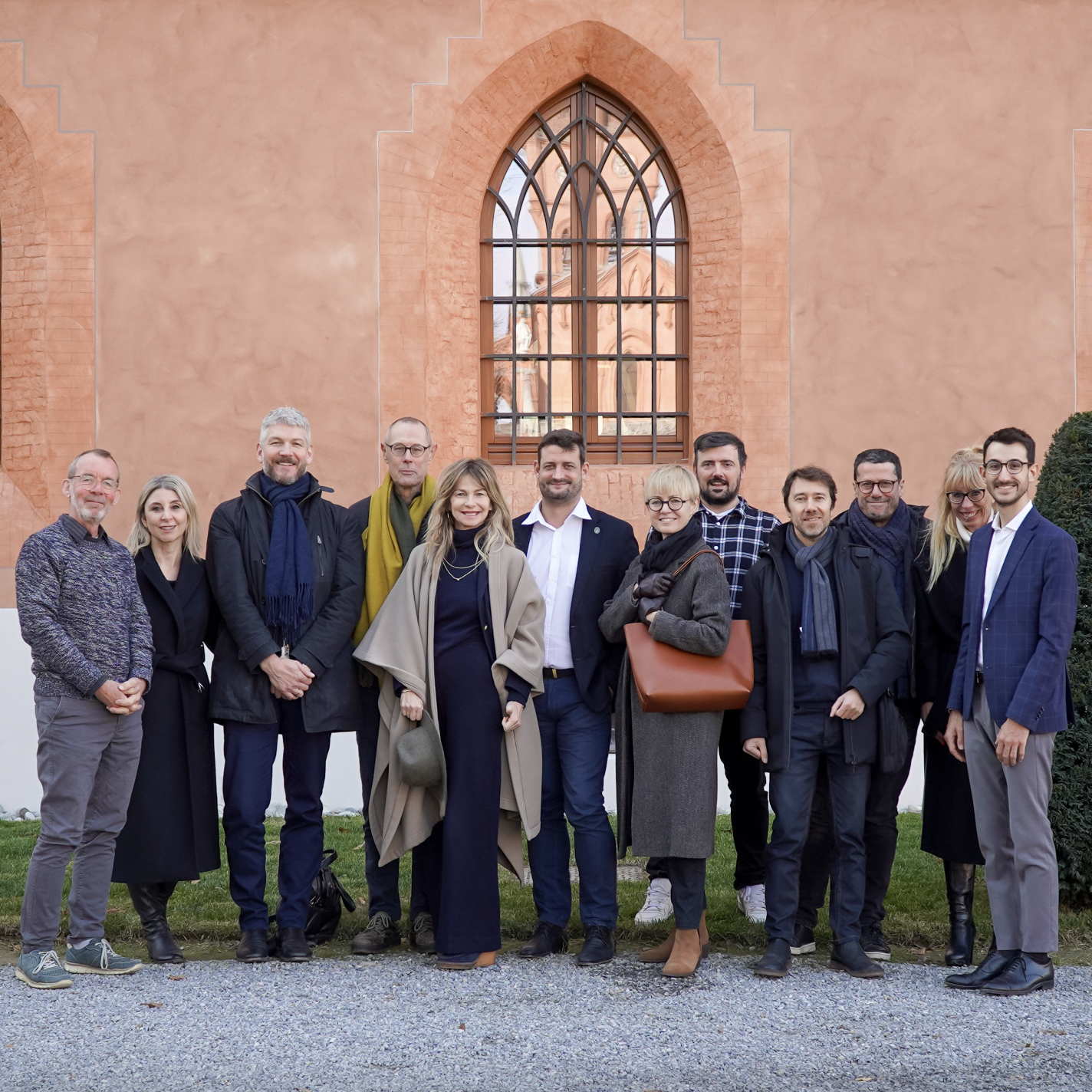
Alta Langa journalists with President Mariacristina Castelletta of Tosti1820 (c) Anastasia Florea and Consorzio Alta Langa DOCG

Disciplinare

Alta Langa DOCG regulations say that pinot noir and/or chardonnay vines account for 90 to 100 percent of the wines and grapes from non-aromatic varieties suitable for cultivation in Piedmont and may contribute the remaining 10 percent. In the vineyards minimum elevation is set at 250 masl, planting density not less than 4,000 vines per hectare, training forms and pruning systems need be traditional, of low espalier with traditional Guyot or spurred cordon pruning. Maximum grape yields are 11 tonnes per hectare and minimum alcohol is set at 11.5 percent abv. Minimum total acidity is 5 g/l and minimum non-reducing extract is 15 g/l. Yields are subject to change, by approval, in circumstances of favourable and also challenging vintages. Vinification, bottling, processing and aging operations of “Alta Langa” wines must be carried out in Piedmont. From vintage to vintage the maximum addition is 15 percent, of younger “Alta Langa” to older “Alta Langa.”

With the AIS Piemonte Sommeliers

The use of the simple term “bottle fermentation” is prohibited in the designation of Alta Langa DOCG. Allowable definitions and descriptions are  “bottle fermentation according to the traditional method,” or “traditional method,” or “classic method,” or “traditional classic method.” Lees aging rules are no  less than thirty months for Alta Langa Spumante DOCG and Alta Langa Spumante Rosé DOCG. Wines labelled as Riserva require 36 months of lees aging.

Godello at the Masterclass given by Bonelli and Gily (c) Anastasia Florea and Consorzio Alta Langa DOCG

History

It was around 1850 when Marquis Leopoldo Incisa included several French grape varieties in his ampelographic collection located in the vineyards of Rocchetta Tanaro, in what was then the province of Alessandria (which also included Asti). At that time these grape varieties did not meet with much favour, especially among winegrowers. However Gancia created the first Italian Spumante with a Muscat base, in 1865, at a time when farmers held an aversion to foreign vines. This was still witnessed toward the end of the century by the complaints of the owner who succeeded Marquis Incisa, who could find no farmers willing to grow them. In fact, by the mid-19th century, there was no shortage of pinot noir plantings in Piedmont. As early as the first decades of the 1800s, the Counts of Sambuy had begun to introduce some renowned French grape varieties with the specific aim of improving local wine production.
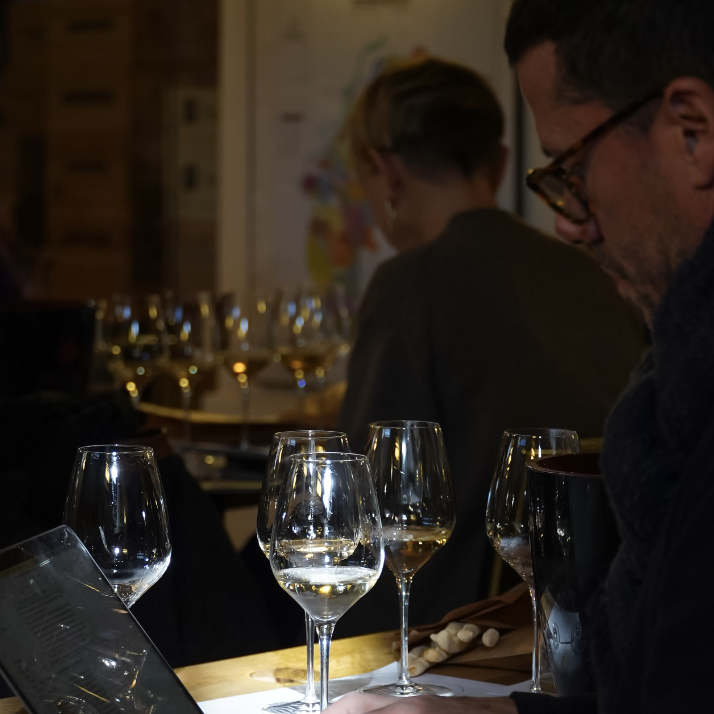
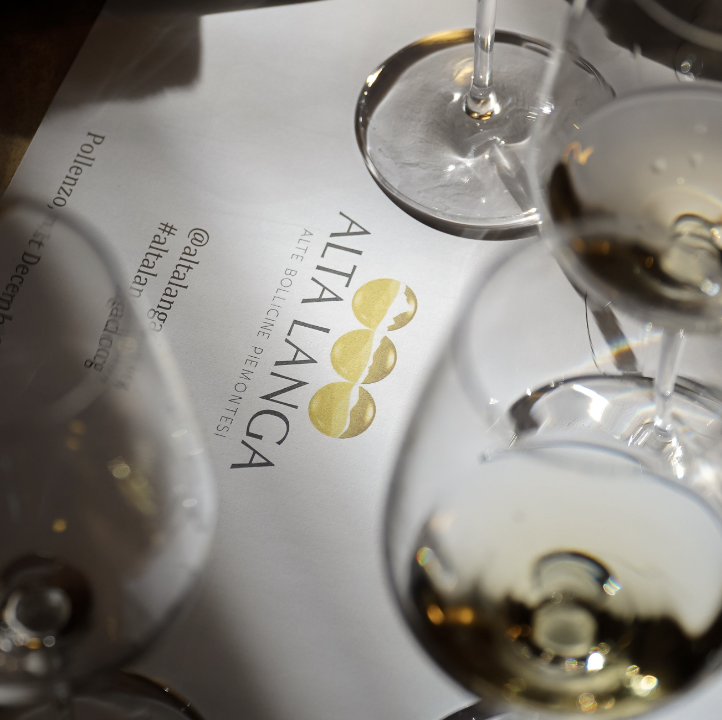
Blind tasting Alta Langa DOCG wines (c) Anastasia Florea and Consorzio Alta Langa

Carlo Gancia was the pioneer who favoured the spread of pinot noir and chardonnay among the winegrowers in the Canelli district. Gancia saw the possibilities for having a certain quantity to use in the production of his sparkling wines. With the Spumante Metodo Classico Project in Piedmont, of which the “Alta Langa” appellation was born, the Piedmont sparkling wine industry made a valuable contribution of economic and technological commitment to a vocation that had remained unexpressed for decades outside the mere scientific sphere. It was shown that the hills of Piedmont, where vines had over time settled a significant and enduring presence, could work very well with the French grape varieties.
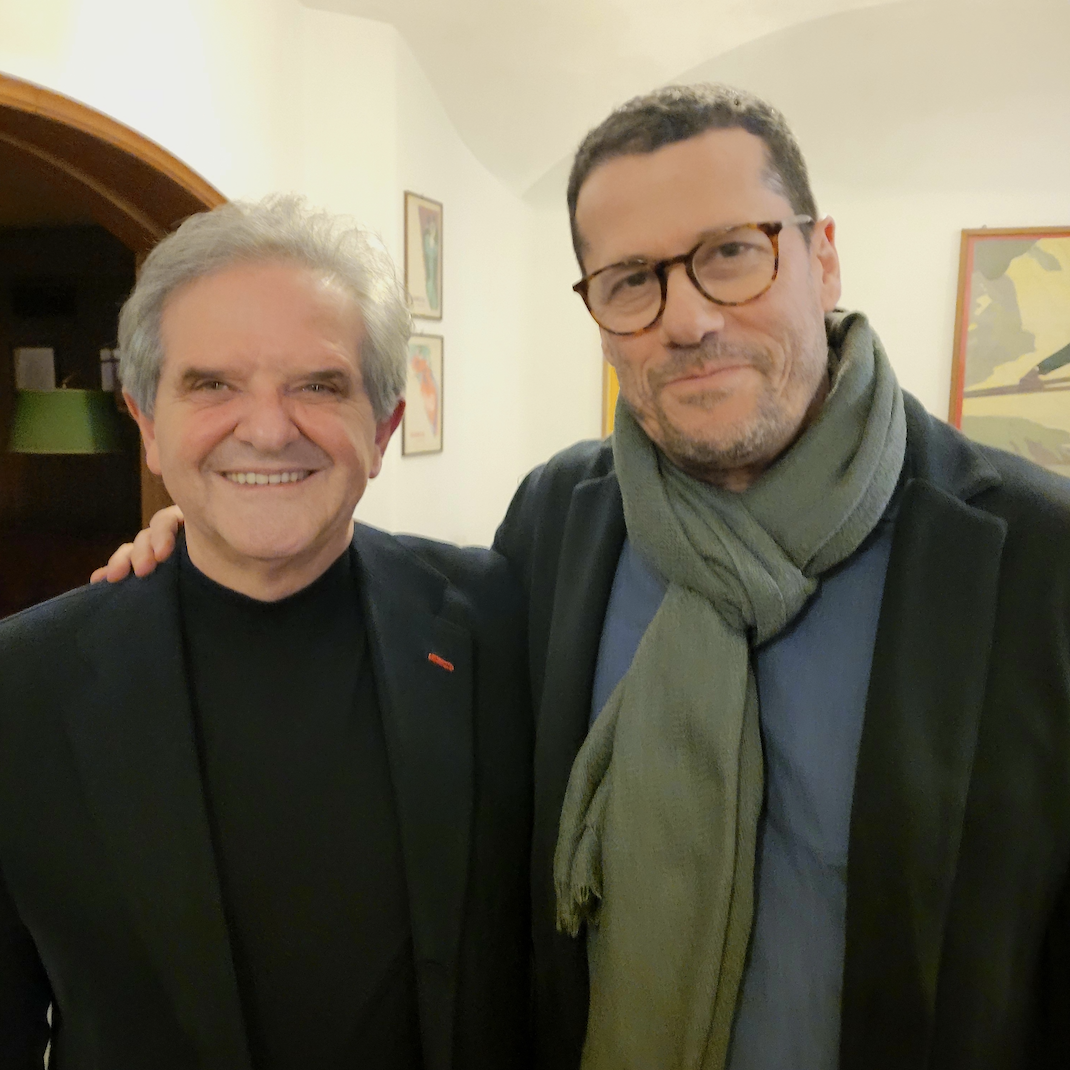
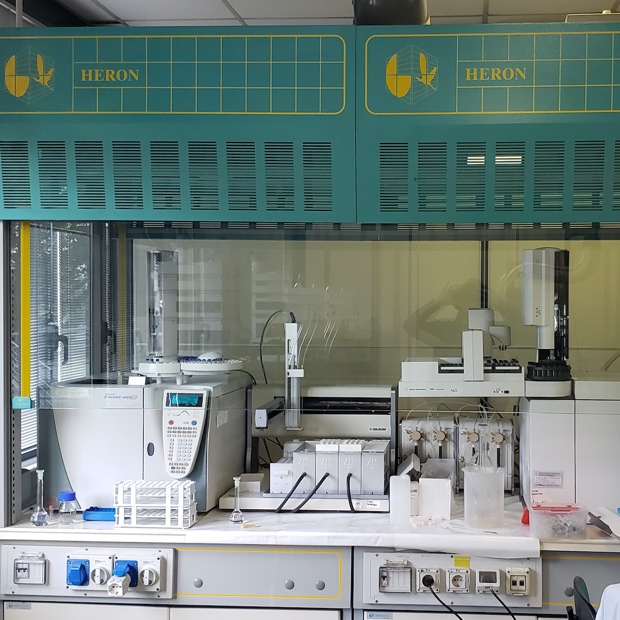
With Gancia oenologist Dr. Donato Lanati

The wines of Gancia today

Gancia is the forerunner of today’s experimental innovation that acts as the basis for the production of the Brut Alta Langa. In 1931 the company contributed to the creation of the denomination Asti for sweet sparkling wines made from muscat and also the first white vermouth made from the moscato. In 1980 they launched the first sparkling wine “pinot di pinot,” using three varieties of that family of grapes. The most important work has come with lees aging using a mix of Champagne grapes. “Whether or not you like a particular aroma in a wine is a subjective fact,” explains renowned Oenologist Dr. Donato Lanati. “It’s all about the amino acids coming together over time – they make the aromas.” Dr. Lanati believes the wines plateau after a 60-70 months stay on lees. After that they will not continues to develop enough favourable nuance and complexity. He recommends that after 10 years you have to turn the bottles nose down in storage to avoid unwanted excess oxidation.

Gancia Vino Base Pinot Nero 36 Mesi Rosé Alta Langa (Campione Da Vasca) 2023

A base wine destined for Alta Langa, still turbid with a high content of yeast activity using amino acids to get somewhere intentional over a long period of time. Salty entry and salty finish with intensities through the middle, grapefruit standing out and unrefined acids – rough for now. Comes from vineyards at 450m and the breeze does blow through this striking base wine. Dr. Donato Lanati explains that it is ”kept cloudy on purpose to avoid having to sulphur because the yeasts are a thousand times more effective as a protector against oxidation then sulphur dioxide.” Just a part of a cuvée and the process that sees an opaque sample mix with other cloudy base wines to create clarity in its final housing.  Tasted December 2023

Gancia Cuvée Gancia 36 Mesi Alta Langa Rosé DOCG 2018

Minor reduction which is in fact something that is important because “things would be a lot more serious if drinking a glass would make you want to drink a glass of water,” kids Dr. Donato Lanati. Sounds like a joke but in these climate change and extreme times you can taste what would not have been tasted before and Gancia knows, with 150 years of experience in crafting sparkling wines. Aging some of the base wines in wood goes a long way to control the reduction and yet some reduction is a good thing. There is some sweetness in the perfume which is a result of a portion having been aged in a “sweet” wood. This sulphur dioxide character mixed with some acetates that have yet to fully dissipate are what drive aromatic pulchritude and it is the esters (within reason) which will bind with amino acids to eliminate any semblance of confection. There is a small dosage here but it in fact under wonderful control and while Rosé by nature is rounder than Bianco, well no matter or judgement because the mix of tension and elasticity is really well managed. Drink 2024-2029.  Tasted December 2023

Gancia Cuvée Gancia 36 Mesi Brut Alta Langa DOCG 2015

Same amount of time on the yeasts and yet three years further bottle time although Bianco (Brut) is always different than Rosé with this Gancia Alta Langa immediately caught with more tension and overall taut behaviour. Freshness incarnate and scintillant intensity without compromise and all intentions are exercised for good and proper reason. Impressive balance and stage presence here from a master sparkling wine producer that is not just the original but currently under the supervisor of a master scientist, that being Dr. Donato Lanati who is one with the chemistry and physiology of these sparkling wines. Drink 2025-2032.  Tasted December 2023
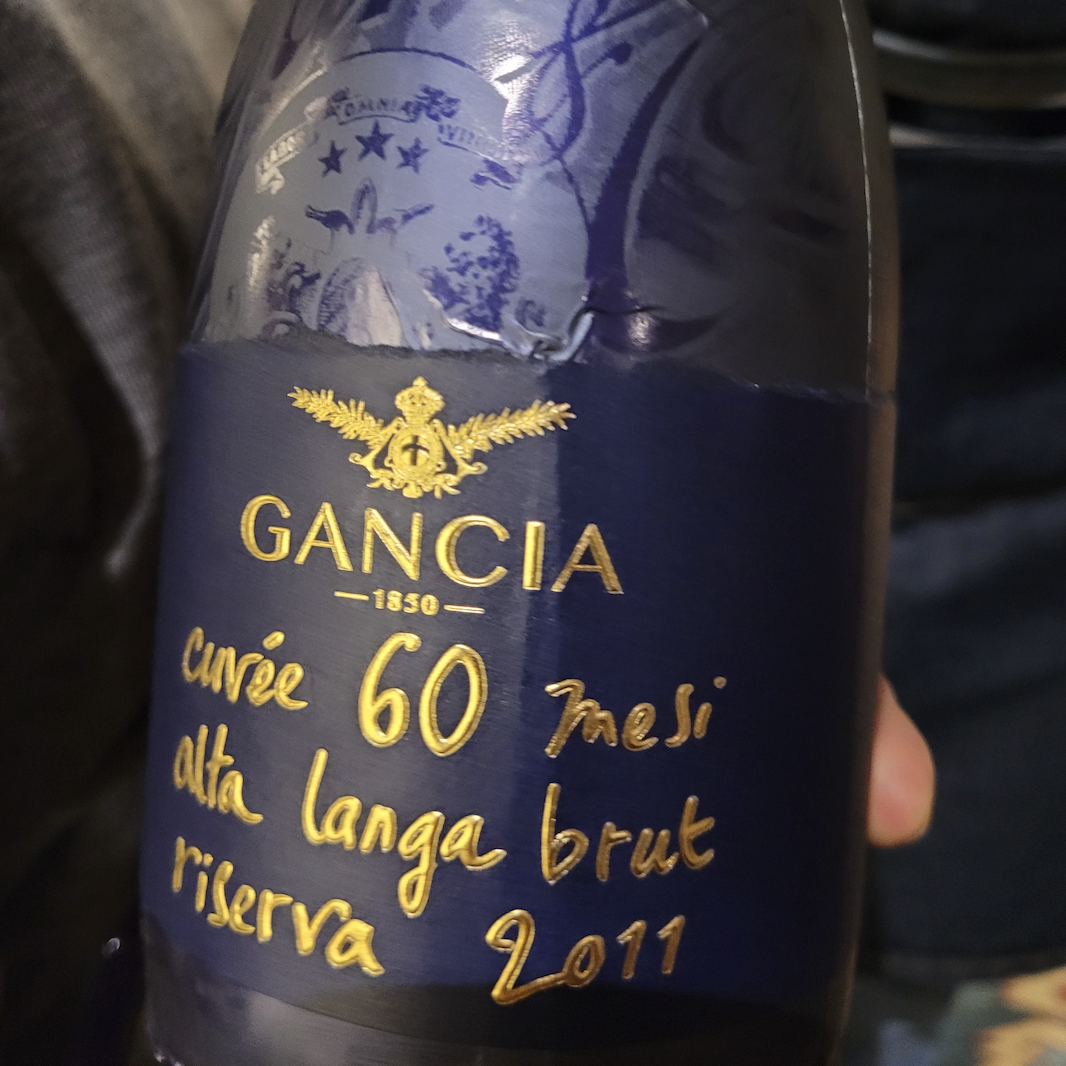
Gancia Cuvée Gancia Riserva 60 Mesi Brut Alta Langa DOCG 2012

Wild to taste this just about five years to the day after the 24 month-ages 2012 back in December of 2019. All the scientific tenets of sulphur dioxide, amino acids, yeasts and esters come to their development line at 60 months of aging on the less and this Brut has passed over by leaving any awkwardness of unresolved notes behind. It is now in fine linear verticality and drinks with Bianco distinction. Crisp, fresh, crunchy and fraught with important if profound tension, citrus and herbs, length and just that right amount of finishing bitters. Scientific does not begin to explain how precise and well designed this acts and delivers as Alta Langa sparkling wine. That said another year will only serve to solidify the evolution and set this up for all we, they and everyone else could hope it could be. Drink 2024-2034.  Tasted December 2023

Cuvée Gancia Riserva 170 Mesi Brut Alta Langa DOCG 2005

From a wine made by previous illustrious oenologist Piergiorgio Cane and found by Dr. Donato Lanati who resisted any temptation to change, delete or add anything to the wine. That it has aged between 14 and 15 years on the lees begs the question of how long is too long or more to the point where is the line at which the wine no longer changes to develop more nuances for positive results. Intuitively, if also extrospectively in its maturation to arrive at this dried porcino mushroom and oxidative state. It’s a museum wine in every respect and while it does not deliver freshness or pretty pleasure it does deliver a most fascinating tasting experience. The palate is really in fine shape and that is where some excitement and freshness persists. Twenty minutes does not kill the wine and it continues to evolve, so in the end this does what it surely was intended and wanted to do. Drink 2023-2025.  Tasted December 2023

Enrico Serafino

The innovation of Enrico Serafino

In a word, a visionary. Cavaliere Enrico Serafino (of the Romano Cavanese) is considered to be one of the “wise men of oenology” that defines Italian wine. He sold wine in China as far bak as 1910 and the winery is one of the first producers of Alta Langa to invest in concrete vats.  Today the company led by President & CEO Nico Conta produces eight different sparkling wines from 56 parcels in 41 vineyards found in 16 villages. In 1994 Enrico Serafino joined the (1990 established) Piedmont Sparkling Wine Project, the year of the first experimental vintage, with the aim of identifying the best areas to plant pinot noir and chardonnay. The 2023 harvest marked their 145th and the annual sparkling production is approximately 200,000 (of 360,000 total) bottles. Serafino ws acquired in 2014 by Kyle Krause Gentile and the current ownership recently purchased Elena Penna and Luca Corrado’s Vietti.
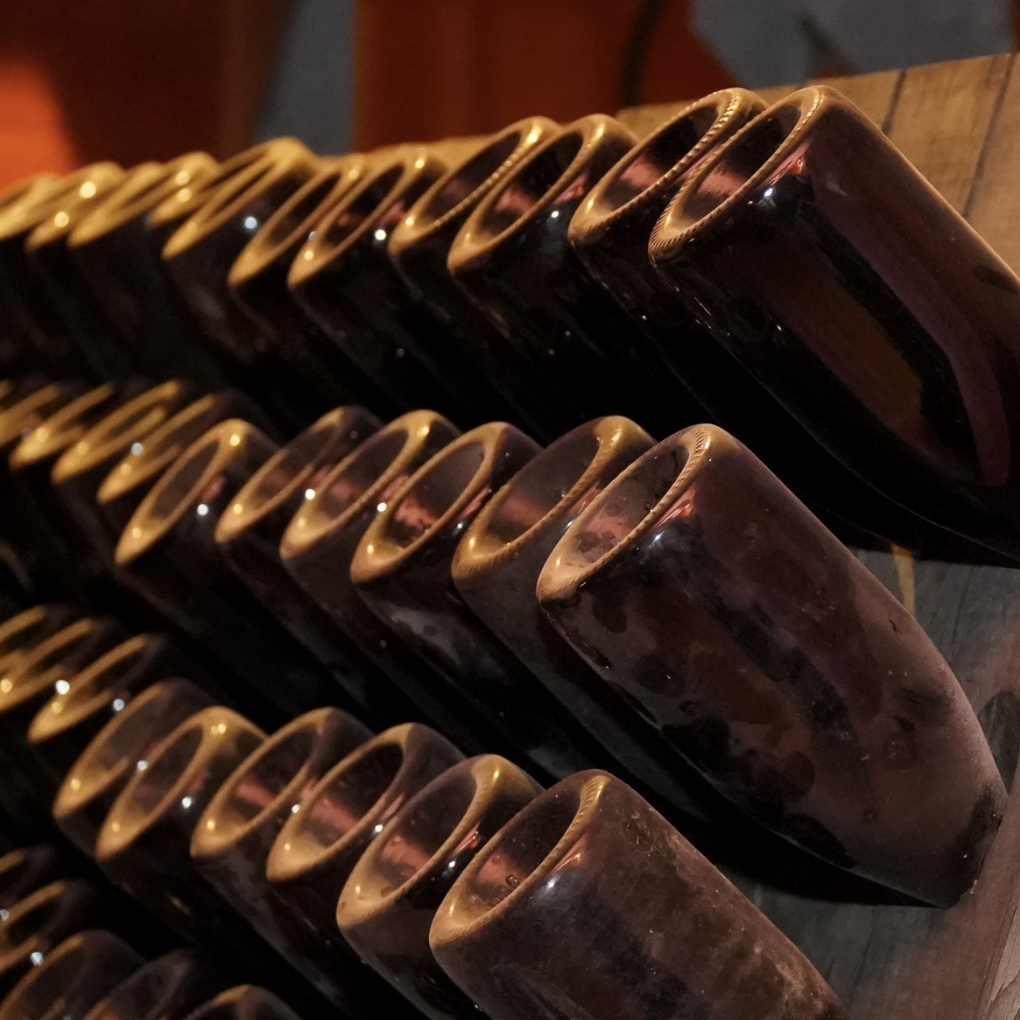
The company practices sustainable viticulture, biodiversity protection and the promotion of social initiatives. It actively works to reduce water consumption and uses 100 percent electricity from renewable sources. Bottles are made from at least 65 percent recycled glass, packaging from 70 percent natural paper (International Forest Certification System and corks are 100 percent recyclable. In 2021 Serafino obtained the renewal of VIVA Certification of Organization as well as product for Alta Langa Oudeis, the only Alta Langa certified. VIVA is a protocol of the Italian Ministry of Environment and Land and Sea Protection designed to assess sustainability performance and communicate it to consumers.

Enrico Serafino Alta Langa Riserva DOCG Zero Pas Dosé 2012

The no dosage metodo classico is known as Sboccatura Tardiva, meaning late disgorgement and a wine first made in 2004. Poured from magnum which is well known to deliver a markedly fresher and youthful sparkling wine when the traditional method is involved. The ’12 is the first to be a solo pinot noir, here with zero residual sugar and a disgorgment from 2018. Extreme level of toast and a pH under 3.0, wondrous and excitable because the total acidity runs higher than 8.5 g/L, yet comfortably under 9.0. Makes for a salty bubble compounded by the silty, calcareous soils of marine origin. Citrus zesty, both lemon and orange, with more spiced accents to this dry Martini of a sparkling wine. Lip-smacking, briny and effortlessly saline, chalky-dry and so well arranged from 100 months on its lees. Drink 2024-2028.  Tasted December 2023

Enrico Serafino Alta Langa Riserva DOCG Zero 140 Pas Dosé 2012

“140,” as in that number of months “potentially” spent on lees which in many cases runs past the vanishing point of increased returns, but with Serafino the extra 40 (or more) seems plenty justified. A 20,000-30,000 bottle production that acts so much more demure and soft than the (100 – 2012) with aromatics spoken in a seductive whisper. Everything changes with a dynamic paradigm shift onto the explosive palate where the 85 percent pinot noir (and 15 chardonnay) begins to quiver with nervous tension and excitement before complex flavours emerge. This bottle was disgorged this year and so took the full 140 advantage. The longest level of aging suggests this should be left open to evolve in the glass as long as any sparkling wine on the planet. That is if you are looking for an aromatic emergence, with an awakening forest, pencil shavings and poached pear. Subtle at first, many layers to unfold, a toasty quality, acidity and chalky earth, less obvious than the ’12 but with more mystery, fantasy and possibility. Drink 2024-2030.  Tasted December 2023
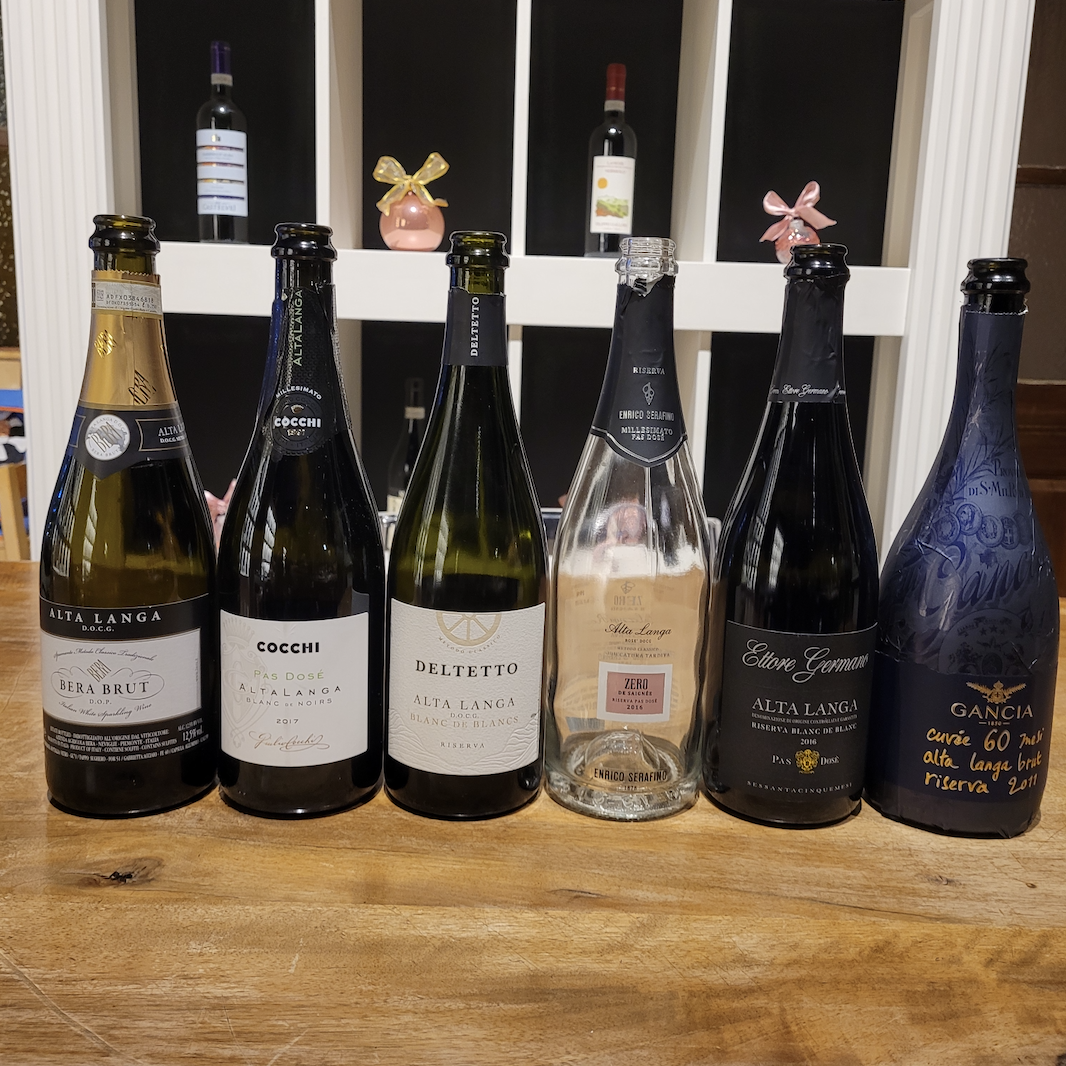
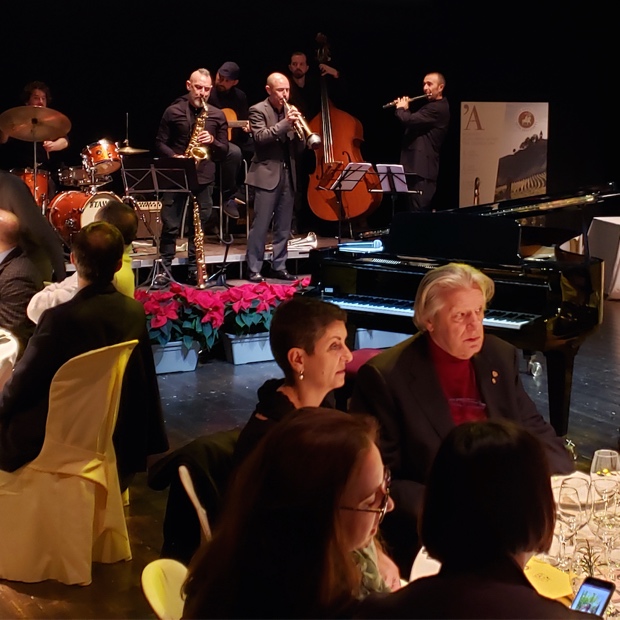
Alta Langa dinner at

Some dinner wines

Bera Alta Langa DOCG Brut 2018

Also labeled as DOP because “dad always believed that DOP stood for quality,” tells oenologist Umberto Bera. He was also one of the first 10 to join the Consorzio Alta Langa. The mix is 70 percent chardonnay and (30) pinot noir, 15 months on lees. A mix of toasty and autolytic notes, 5 g/L of RS, well beneath the Brut threshold. Disgorged in May, 2023 and so the aging time is nearly three times that 15 months and Bera disgorges three times per year. Showing some secondary level maturity with ample freshness preserved and a persistence of energy.  Last tasted December 2023

Nothing overt but yes there is a phenolic and also metallic presence within the aromas. Lemon drop and also herbs, not quite sweet but like basil or better yet slightly more resinous like tarragon. Good crunch in palate texture with stuffing and a mouthful to be had before moving sideways into more metals and botanicals. A periodic wave of elements and emotions form this Extra Brut mix of chardonnay and pinot noir, likely close to half and half. Drink 2023-2026.  Tasted Blind with the Consorzio Alta Langa in Asti, December 2023

Cocchi Alta Langa DOCG Blanc De Noirs Pas Dosé 2017

Under the ownership of Giulio Bava, created in 1981 and has always produced Alta Langa in Piemonte. “Alta Langa has a soul of its own,” tells Roberto Bava, “and a personality reflective of just two varieties, pinot noir and chardonnay.” The B de N is 100 percent pinot, five years spent on lees and Bava notes the sapidity of this wine. “next to (minerality), which all Alta Langa wines must have, played out in different ways.” Truly stoic and direct with dried herbal notes, pencil lead, sage and dry, dry, dry. Who needs sugar in such wines? Drink 2023-2026.  Tasted December 2023

Deltetto Alta Langa DOCG Blanc de Blancs Pas Dosé 2016

“A great passion of my father was Spumante Método Classico, first made in 1980,” tells Carlo Deltetto. “The business card of the winery is the Alta Langa.” This despite the winery being primarily a Roero producer. The ’16 is the inaugural Riserva, pas dosé style which for Alta Langa incidentally is done incredibly well as a sparkling wine region. The key here is elevation, of vineyards averaging 470m, directing the sapid nature of this bubble. Who needs sugar when you have an arc of both richness and flavour, developed of natural sweetness, all leading to captured balance. Impressive acids help the wine be direct and precise, already now with good age in pocket. Drink 2023-2027.  Tasted December 2023

Enrico Serafino Alta Langa Rosato Riserva DOCG Pas Dosé Zero De Saignée 2016

Ripe, high level fruit and mature, advancing and settling into a secondary state. Scents of lemon iced tea and this from a wine no longer part of the Serafino portfolio. Simple, 100 percent pinot nero, pas dosé, disgorged in 2022. Demure on the nose yet explosively expressive on the palate. Labeled saignée but like much of Alta Langa Rosato it’s really just a matter of a quick maceration to bring out the rusty hue. A curious acidity to make this seem as dry as any of the no dosage style. Drink 2023-2025.  Tasted December 2023

Ettore Germano Alta Langa Riserva DOCG Pas Dosé Blanc De Blanc 65 Mesi 2016

If at first this seems to be par for the no dosage course well think again because with chardonnay the fruit stands out so very expressive. Germano’s dream was to make Bianco and so 1988 was the year to exploit riesling and chardonnay at 500-600m of vineyard elevation in the Tanaro River valley. In 2000 the sparkling journey began and the first cuvée was made in 2003. This ’16 marks the second vintage of the blanc de blanc, 65 months on lees, an equal mix of salinity and sapidity for gastronomy in a bottle. Three essential pillars of Alta Lang that give the sessantacinque its credibility and promise of top quality. Precise, chiseled and full of class. Fabulous traditional method sparkling white. Drink 2023-2029.  Tasted December 2023

Gancia Cuvée Gancia 60 Mesi Brut Riserva Alta Langa DOCG 2011

Clarity of a blue sky with some density to it and the smoothest, most polished Gancia Alta Langa there ever was. For the entire denomination in fact, or any style of sparkling wine. Obviously vintage related but also the extra time allotted, above and beyond 60 months on lees. Luxe aromas and flavours, rich polyphenolic moments and the sweetset sapidity ever. Polyphonic, multi tonal, melodic lines melting into and becoming one another. Tonic, lemon preserve and the finest of bitters. Serious simultaneity and seamless presence. Drink 2023-2026.  Tasted December 2023

Tosti1820 Alta Langa Riserva DOCG Bicentenario Pas Dosé 2010

Tosti has spent 200 years of making this 100 percent pinot noir, pas dosé cuvée, not always but this anniversary edition saw some wood aging. Just 2-3 g/L of (inconsequential) residual sugar an 105 months of lees aging, disgorged in 2020. From two plots in Canelli and Alba, estate and grower fruit. Rich, a mellow golden toast, intensity of flavour, fleshy and lengthy. Very all-purpose sparkling wine, well formed, formulated and generous. Quintessentially Alta Langa. Drink 2023-2026.  Tasted December 2023

Alta Langa seminar

The blind tasting (69 wines)

Bianco

San Silvestro Alta Langa DOCG Albarè Pas Dosé 2020

Blanc de Blancs, only chardonnay as per the disciplinare and pas dosé so just the natural fruit facts. Subtlety and therefore what should be noted as a light toast and once again the fruity notes continue to press the theory that chardonnay performs more in this way with no dosage as compared to pinot noir. The sharpness and lightning strike on the palate is consistent with the theoretical style. Finishes with neutral citrus pith and minor bitters. Drink 2023-2026.  Tasted Blind with the Consorzio Alta Langa in Asti, December 2023

Coppo Alta Langa DOCG Brut Luigi Coppo 2020

Strikes out at a higher aromatic tone, less subtle and demure as a chardonnay and so the terroir feels heavier, of more density in the soil structure and a weightier result comes out. Palate presence is sturdy and strong, flavours wild and exotic, lemongrass namely and also a guava to lemon curd connection. Great flavour intensity and length. Drink 2023-2027.  Tasted Blind with the Consorzio Alta Langa in Asti, December 2023

Deltetto Alta Langa DOCG Brut 2020

A heavy aromatic inhalant, weighty and not easily induced with little to no aerosol quality. An oxidative style with lemongrass, ginger and cardamom, neither herbal nor particularly fruity. Quite tart, citrus namely and quite chardonnay of nature, though a bit gangly and awkward overall. Drink 2023-2024.  Tasted Blind with the Consorzio Alta Langa in Asti, December 2023

Ferraris Agricola Alta Langa DOCG Brut Tenuta Santa Chiara 2020

Leaning oxidative with maturing notes up front. Complex and exotic, gingered, toasty and very expressive with a wide range of fruit, herb and mineral flavours. Textural as well to add another dimension and potentially three of them from this curious and crafty chardonnay. That early note of oxidation will serve it well. Not long on the lees, yet really well made. Drink 2023-2026.  Tasted Blind with the Consorzio Alta Langa in Asti, December 2023

Terrabianca Alta Langa DOCG Brut 2021

Young specimen, a Bianco (therefore 100 percent chardonnay) not long, if likely the bare minimum on its lees. Tight, I mean really taut and wound around like a winch tightening a spindle. There is citrus but not really any other fruit to speak largely of. Lighting strike of Alta Langa without autolysis, bready-yeasty quality of density. Power is all up front and neutrality follows. Just too young to see through the trees but not certain much else will follow. Drink 2023-2024.  Tasted Blind with the Consorzio Alta Langa in Asti, December 2023

Vite Colte Alta Langa DOCG Brut Cinquecento 2020

Quite the complex nose for a young Alta Langa Bianco with that nice little note of fresh cheese that should develop some nuttiness, compound butter flavour and receive its structure after some time in bottle. Even more so than other cuvées of similar vintage and ilk that have yet to be disgorged. Brut so there is some sugar but hardly noticeable because acids and intensity are both in charge. Drink 2024-2027.  Tasted Blind with the Consorzio Alta Langa in Asti, December 2023

Cerrino Alta Langa DOCG Pas Dosé 2019

Nothing but chardonnay and a few years on lease for a yeasty, autolytic and on autopilot example. A bit too much autolytic behaviour and so some odd flavours have crept in. Not a pristine pour to be sure.  Tasted Blind with the Consorzio Alta Langa in Asti, December 2023

Contratto Alta Langa DOCG Pas Dosé Blanc de Blancs 2019

Brilliant beginning to this 100 percent chardonnay without dosage. Power yet a restrained one and seamless transitions throughout. Fine balance between acidity and texture, intention and complexity. True deal in the Alta Langa style that delivers fruit from chardonnay while also a matter of soil and place. Drink 2024-2029.  Tasted Blind with the Consorzio Alta Langa in Asti, December 2023

Fabio Perrone Alta Langa DOCG Pas Dosé 2019

Chardonnay and no dosage with that ever consistent play of fruit first on the nose and then replayed with lovely swirls as the palate presence and flavours march on. Good density and purity here with fine acid structure though either a bit young or not necessarily the most complex example. Perfect right now and will stay this way for another year – after that it will likely soften and the bitters expand upon. Drink 2023-2024.  Tasted Blind with the Consorzio Alta Langa in Asti, December 2023

Mauro Sebaste Alta Langa DOCG Pas Dosé Avremo 2019

Some foraged fungi on the nose, not unusual for chardonnay however it replaces the fruit to a good degree. Good and fine bitters with lemon in many respects. A bit of preserve but mostly the juiced fruit if not the one most perfectly fresh. Drink 2023-2024.  Tasted Blind with the Consorzio Alta Langa in Asti, December 2023
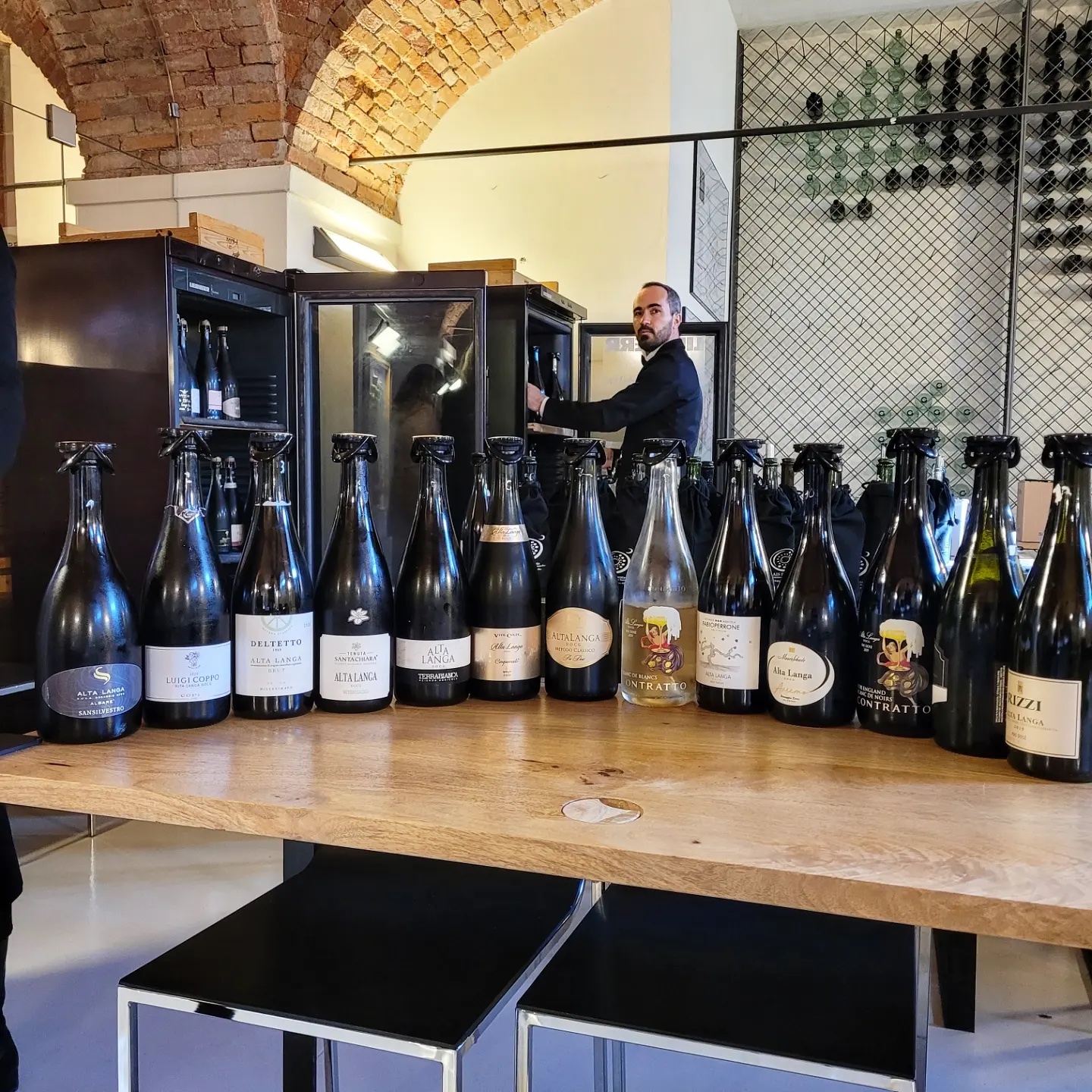
Alta Langa blind tasting revealed

Contratto Alta Langa DOCG Pas Dosé For England Blanc de Noirs 2019

Maturing and oxidative example, noted first in golden hue and then the bronzing, sun-tanned feeling on the aromatics. Gingered and orange scraped palate notes yet dry as the desert and caught up in taut intensity. Really complex, very “Cap Classique” in style or Champagne that leans notably oxidative. A specific way of doing things for sure and one done very well. Drink 2023-2026.  Tasted Blind with the Consorzio Alta Langa in Asti, December 2023

Pianbello Alta Langa DOCG Pas Dosé Orme 2019

Quite classic, stoic, taut and yet highly tonal pronounced iteration of untreated chardonnay without dosage. Straightforward, unabashed, running hither and thither with just about everything Alta Langa will offer in this dry, untamed and free to be style. Very well made in all these knowable respects. Drink 2023-2027.  Tasted Blind with the Consorzio Alta Langa in Asti, December 2023

Rizzi Alta Langa DOCG Pas Dosé 2019

Aromatic, more than many, especially considering the style, that being Blanc de Blancs without any dosage. The flavours and textures follow suit though the autolysis takes charge in notes of cheese rind plus bitters. A bit overdone in this regard and so the finish falls off as a result though there is certainly character and charm for short term drinking. Drink 2023-2024.  Tasted Blind with the Consorzio Alta Langa in Asti, December 2023

Tenuta Carretta Alta Langa DOCG Pas Dosé Airali 2019

Quite phenolic and reserved aromatically speaking. True aridity in the pas dosé idiom and the palate changes nothing about that in this way. Crunchy Alta Langa and it does begin to change and become something other with some time in glass. Next level flavours and also texture comes out to finish with that pencil lead and bitter tincture drops of chardonnay God. Give this some time. Drink 2024-2028.  Tasted Blind with the Consorzio Alta Langa in Asti, December 2023

Banfi Alta Langa DOCG Extra Brut Cuvée Aurora 2019

Another phenolic entry and so one of those sapid style of Alta Langa chardonnay is expected. And so it is with dry botanical aromatic notes followed by great flesh, lemon and lime in all their parts and extended play for a very important and lengthy example. Holds all the necessary tenets and stuffing to see this age well, but also evolve to become something special. Drink 2024-2028.  Tasted Blind with the Consorzio Alta Langa in Asti, December 2023

Daffara & Grasso Alta Langa DOCG Extra Brut 2019

Very lemon up front, bigger aromatic thrust than many but we’re out of Pas Dosé and into Extra Brut with this Blanc de Blancs. Fine lines and pretty good purity with quite a notable level of bitters though we are aware of how well they integrate into the fabric and framework of a properly executed and structured sparkling wine. Drink 2023-2027.  Tasted Blind with the Consorzio Alta Langa in Asti, December 2023

Ettore Germano Alta Langa DOCG Extra Brut 2019

Extra Brut accommodation and you feel the juxtaposition of sugars and acids in the aromatics. Feels riper and fleshier but only the palate can confirm or confound that idea. Does the first and then goes into full citrus juice squeeze, though it’s manifold, of lemon, lime and also grapefruit. The destiny of this wine is to see some cheese and funk in the future but so many will see the love and the beats in that next stage. Drink 2023-2026.  Tasted Blind with the Consorzio Alta Langa in Asti, December 2023
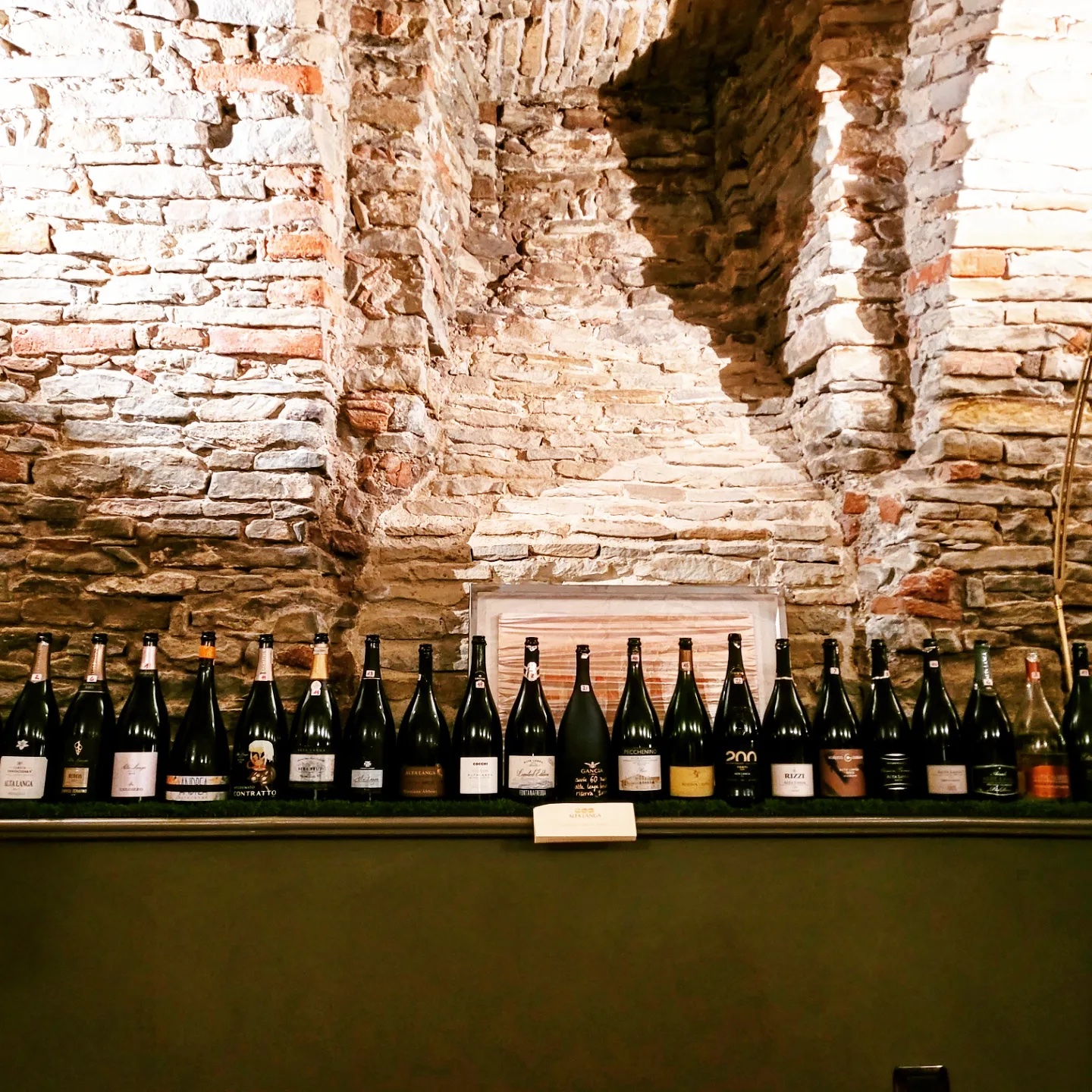
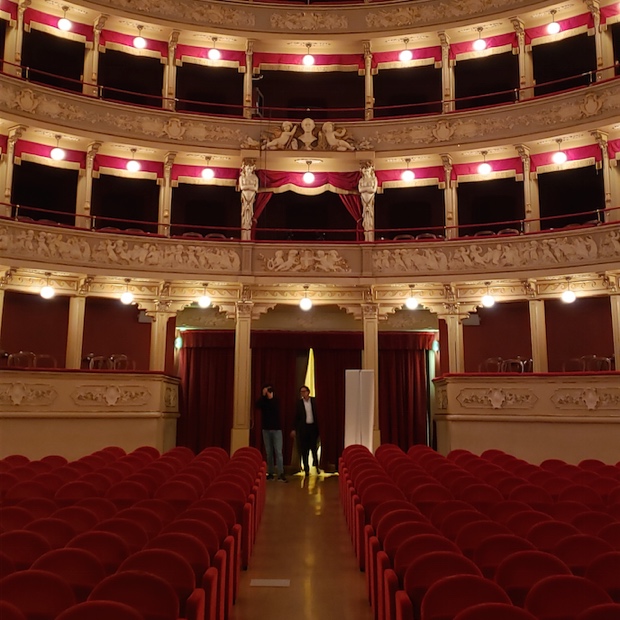
Alta Langa at Relais San Maurizio, Santo Stefano Belbo

Ivaldi Alta Langa DOCG Extra Brut Andrea Blanc de Blancs 2019

Quite phenolic, plenty of citrus flesh but also custardy orchard fruit. Extra Brut and you note the sweetness, nothing simple here and it does elevate the style. This will have wide appeal for its easy, if earlier drinking ability. Drink 2023-2024.  Tasted Blind with the Consorzio Alta Langa in Asti, December 2023

Marcalberto Alta Langa DOCG Extra Brut Millesimo2mila19 2019

Truly proper in the Extra Brut Bianco ways of Alta Langa are extracted, exerted and extrapolated upon with a fine 2019. Lemons and apples, tart and tight on the palate, great acidity moving all ways including sideways, all parts together, linear, vertical and powerfully restrained. A very fine example from a warm and yet promising vintage. Drink 2024-2029.  Tasted Blind with the Consorzio Alta Langa in Asti, December 2023

Marziano Abbona Alta Langa DOCG Extra Brut 2019

The sapidity spoken of by agronomists and producers is here on the phenolic front in this Bianco Extra Brut. Captures a certain side of Chardonnay and does so with stoic, reserved, complicated and trenchant nature. This wine has purpose and feels so very serious. It will need a few years to settle and hopefully prepare some flesh for a more pronounced Alta Langa experience. Drink 2025-2030.  Tasted Blind with the Consorzio Alta Langa in Asti, December 2023

Massimo Rivetti Alta Langa DOCG Extra Brut 2019

More juiciness and terpene action up front as compared to many and so a slightly later harvest from a warm vintage seems to be the fruit matter on order. Some maturity and a bruised apple note in the flavour profile confirms this and while acidity is spot on there is this feeling of flattening out at the finish. Drink 2023-2024.  Tasted Blind with the Consorzio Alta Langa in Asti, December 2023

Roberto Garbarino Alta Langa DOCG Extra Brut Le Rapide 2019

The Extra Brut Alta Langa as Bianco seem to act tart in one of the three ways. Sharp and restrained, maturing or as it does here which is phenolic to imagine a sapid sparkling wine. Not exactly the opposite of salty but a different sort of mineral style, that is to say a sparkling wine that is a direct result or at least one that speaks with true correlative nature to the place. That being a terroir surely sandstone based with some slit, minor calcareous parts and older soils, geologically speaking. A vertical wine with great apposite if transferring and complimentary fleshy texture and a wine as long as is gets. Drink 2024-2029.  Tasted Blind with the Consorzio Alta Langa in Asti, December 2023

Roccasanta Alta Langa DOCG Extra Brut 2019

Phenolic, for the most part with some green notes and plenty of terpene as well. A bit overdone, likely picked a bit tardy and so acidity is more dense and botanical than the team probably wished it to be. Drink 2023-2024.  Tasted Blind with the Consorzio Alta Langa in Asti, December 2023

Tenuta Rocca Alta Langa DOCG Extra Brut 2019

Expressive and quite tightly wound example of Extra Brut for chardonnay as a Bianco or Blanc de Blancs style. Lemon in every respect, more juice and zest than pith but it’s all truly represented. Fine work in a very specific, taut, direct and scintillant way. Drink 2023-2026.  Tasted Blind with the Consorzio Alta Langa in Asti, December 2023

Roberto Garbarino Alta Langa DOCG Extra Brut Il Viaggio 2019

Still in the Extra Brut conceptualization for (chardonnay) Bianco and of the three styles this comes out phenolic and well extracted. An example that transfers really well onto the palate with tart juiciness and true blue varietal acidity that travels up and down the sides of the palate. Not the most complex sparkling wine and lacks some depth but it’s solid, well made and serves great purpose. Drink 2023-2026.  Tasted Blind with the Consorzio Alta Langa in Asti, December 2023

Agricola Brandini Alta Langa DOCG Brut 2019

The first true reductive Alta Langa in flight of 69 with this being the 26th pour. Agitation does blow off some steam and allow fruit to rise like cream to the surface. What is next is great purity and a creaminess to the mousse unlike any other thus far. These flavours are rich and frankly delicious though that reduction will be a detraction for some. The finish is long and nurturing. Stick with this wine if you want the right kind of reward. Drink 2023-2027.  Tasted Blind with the Consorzio Alta Langa in Asti, December 2023
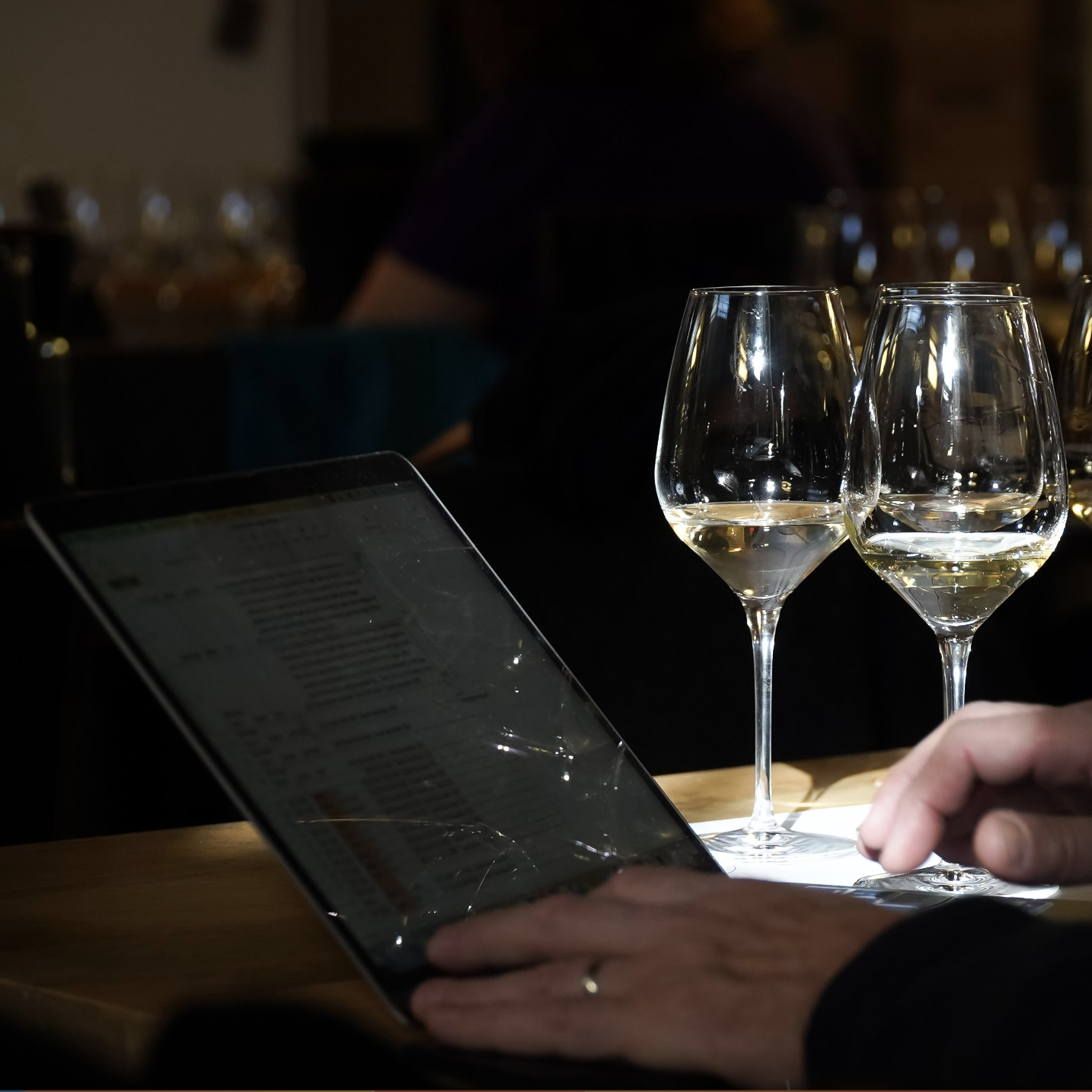
Blind tasting Alta Langa (c) Anastasia Florea and Consorzio Alta Langa DOCG

Bosca Alta Langa DOCG Brut Ispiro 2019

As quiet as it gets aromatically speaking from a Brut for chardonnay out of a warm and promising vintage. Though the entry was a reserved and yet giving one there is much more happening on the palate. Heavy dose of lemon, fresh squeezed and ready to integrate with the sapid-mineral wealth of this wishing to be serious example. Here is an Alta Langa with true karst from bones that stand upright with great skeletal verticality that suggests poor soils and plenty of calcium carbonate for a result that could only be like this. This winemaking team paid great respect to the terroir. Drink 2024-2029.  Tasted Blind with the Consorzio Alta Langa in Asti, December 2023

Cascina Cerutti Alta Langa DOCG Brut Enrico Cerutti 2019

Well made, simple, straightforward, a bit bitter and creamy iteration of chardonnay in the local ways of Brut sparkling wine. Short and to the point. Drink 2023-2024.  Tasted Blind with the Consorzio Alta Langa in Asti, December 2023

Fontanafredda Alta Langa DOCG Brut Blanc de Blancs 2019

Quite the phenolic lift as opposed to that aromatic ripeness style that can sometimes weigh down Alta Langa sparkling. A botanical example with replay on the palate that confirms the suspicion. Good integration of parts with acidity more than well and good but the phenols outweigh all else and take back power in the end. An herbal example, possibly because of heavier and more organic soils that deliver some increased vigour and therefore likely yields iin the vines. Drink 2023-2024.  Tasted Blind with the Consorzio Alta Langa in Asti, December 2023

Il Cascinone Alta Langa Riserva DOCG Brut Alasia 2019

The first Alta Langa Riserva at pour number 30 in a flight of 69 and a stoic one at that, with must reserve in the tank. High ranking parts, namely substantial if notably compact fruit that puts this is a place of yet unresolved business. The acidity is similar of nature meaning its not of scintillant action but rather one of weight as well. This could use some time to see if it will open up and rise up as it likely wants to, after being interred by too much gravity. Drink 2024-2027.  Tasted Blind with the Consorzio Alta Langa in Asti, December 2023

Paolo Berutti Alta Langa DOCG Brut 2019

High terpene level and so orchard fruit (namely apples) are front and centre for this chardonnay of Brut categorization. Crisp enough and acidity is elevated though the parts are a bit disparate and there is some bruising of the fruit. Drink 2023-2024.  Tasted Blind with the Consorzio Alta Langa in Asti, December 2023

Pecchenino Alta Langa DOCG Brut Ecole 2019

Cheese funky and bruised. Not a good bottle or perhaps past prime.  Tasted Blind with the Consorzio Alta Langa in Asti, December 2023
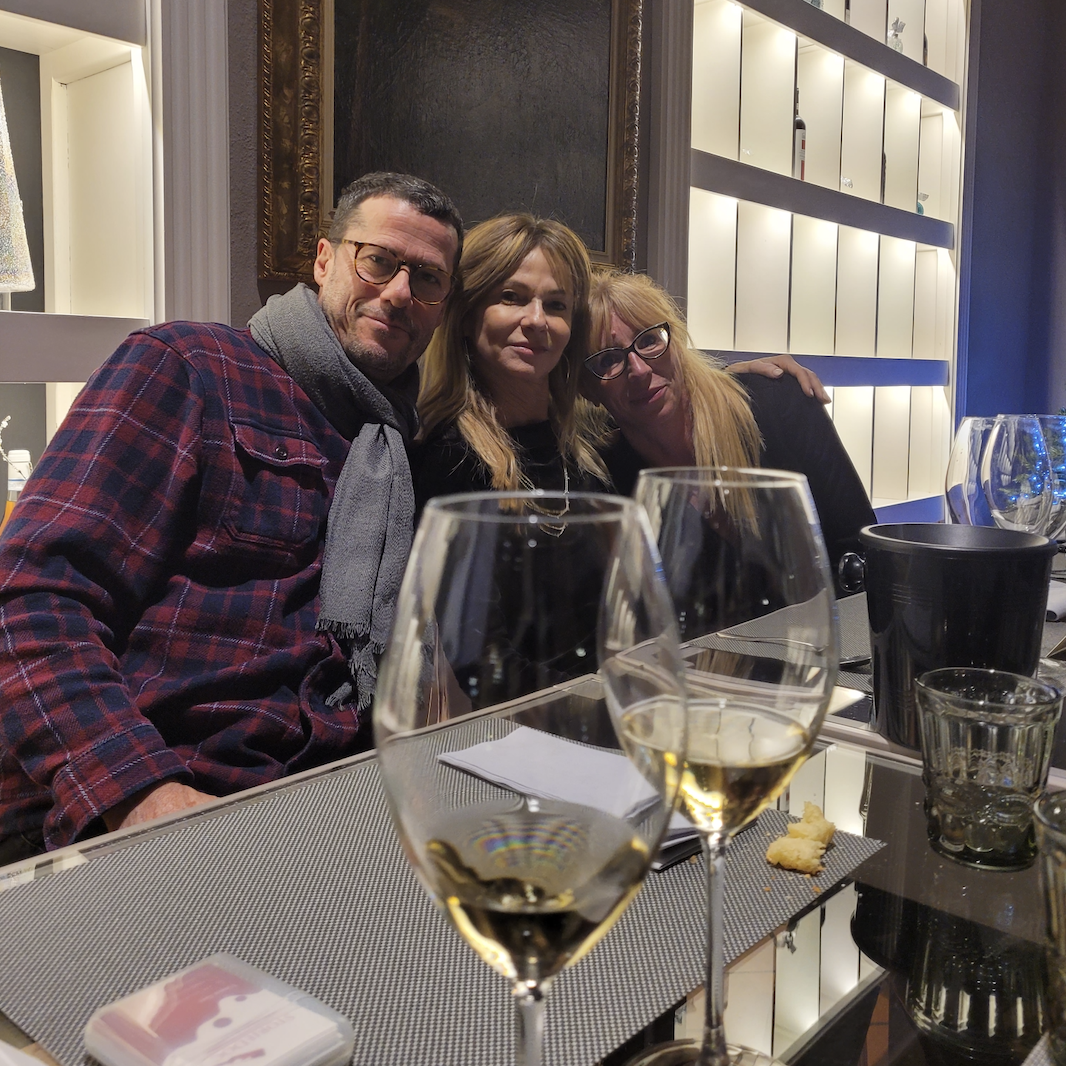
With Alta Langa Consorzio President Mariacristina Castelletta and Journalist Åsa Johansson (c) Anastasia Florea and Consorzio Alta Langa DOCG

Piazzo Comm. Armando Alta Langa DOCG Brut Ritorno in 2019

Reduction released by agitation quite quickly so note to self and to others be sure to give this sparkling Alta Langa a swish and a swirl. Grippy example, fully fleshed and giving much aromatic fruit, palate presence, fleshiness, some creamy texture and finally that local sapidity so often talked about. There is much going on in this Brut though it does not soften in the end. Drink 2023-2026.  Tasted Blind with the Consorzio Alta Langa in Asti, December 2023

Sara Vezza Alta Langa DOCG Brut 2019

The kind of aromatic entry that causes a raise of one eyebrow because it’s a combination of maturity and intrigue. A very young wine in one respect and on the other also one of experience. Rich at first and then repeated, but also a matter of fine acidity before rising and then settling with tonic and bitters. Seriously complex activity here and if perhaps a polarizing Bianco then so be it because the chardonnay and pinot noir each do so much to variegate the blend. They make this work. Drink 2023-2028.  Tasted Blind with the Consorzio Alta Langa in Asti, December 2023

Vinchio Vaglio Alta Langa DOCG Brut 2019

Cool, sapid, salt-licked, rising to meet the ethereal and the first notably mint-savoury Alta Langa noted in this long flight of 69. Tart and full on tang, fleshy, ripe and chewy – sure more than 95 percent of what can be tasted. This will have great appeal for its generosity and acumen.  Tasted Blind with the Consorzio Alta Langa in Asti, December 2023

Ravasini Alta Langa Riserva DOCG Pas Dosé 2019

Mature, oxidative and not perfectly clean. Very natural feel, pas dosé and obvious for a style that was intended to be played out. Does not quite function as we, or at least some might have wished it to. Not convinced Alta Langa can yet do this style consistenly well, at least not this early in its tenure. Drink 2023-2026.  Tasted Blind with the Consorzio Alta Langa in Asti, December 2023

Enrico Serafino Alta Langa DOCG Extra Brut Parcellaire 2019

An Extra Brut Bianco with some extra lees aging time, here from a cooler and wetter vintage which is duly noted on the aromatic entry of the wine. Part reduction and part reserve, a tight and grippy wine that shows its strength through structure overarching above all else. A sapidity that its maker surely wanted and a holding back so that it can continue to develop, morph and become something next or at at the very least, other. The palate delivers the full experience and there is some great flesh hanging taut on these solid bones. A fine Alta Langa in this specific style – there can be no arguing this as a fact. Drink 2024-2028.  Tasted Blind with the Consorzio Alta Langa in Asti, December 2023

Terre del Barolo Alta Langa DOCG Extra Brut Vinum Vita Est 2019

Firm iteration of an Extra Brut stylistic that could use some generous aeration so that the aromas can be released. They will and do, though it would seem acting less effusive then some. This goes more at a line that is tight and the end of Alta Langa predicated on intensity and drive. Plenty of spirit here and a finish dotted by fine bitters, of pith and tubers. Drink 2023-2027.  Tasted Blind with the Consorzio Alta Langa in Asti, December 2023

Bera Alta Langa DOCG Brut 2018

Also labeled as DOP because “dad always believed that DOP stood for quality,” tells oenologist Umberto Bera. He was also one of the first 10 to join the Consorzio Alta Langa. The mix is 70 percent chardonnay and (30) pinot noir, 15 months on lees. A mix of toasty and autolytic notes, 5 g/L of RS, well beneath the Brut threshold. Disgorged in May, 2023 and so the aging time is nearly three times that 15 months and Bera disgorges three times per year. Showing some secondary level maturity with ample freshness preserved and a persistence of energy.  Last tasted December 2023

Nothing overt but yes there is a phenolic and also metallic presence within the aromas. Lemon drop and also herbs, not quite sweet but like basil or better yet slightly more resinous like tarragon. Good crunch in palate texture with stuffing and a mouthful to be had before moving sideways into more metals and botanicals. A periodic wave of elements and emotions form this Extra Brut mix of chardonnay and pinot noir, likely close to half and half. Drink 2023-2026.  Tasted Blind with the Consorzio Alta Langa in Asti, December 2023

Ravasini Alta Langa DOCG Brut Cuvée Leonora 2018

Maturing aromas and so the vintage plus lees aging have come to a place where the wine is moving into secondary stage. Just that hint of fungi, basic like a meadow variety, horse or commercial button, but with no sign of truffle. That will likely happen soon enough so get at this Brut styled Bianco sooner rather than later. Flavour profile is open and strong though again evolution is in full movement forward. Drink 2023-2024.  Tasted Blind with the Consorzio Alta Langa in Asti, December 2023

Cocchi Alta Langa DOCG Pas Dosé 2017

Now heading back a few years with a warm and dry vintage of little worry for a producer and their pas dosé methodology. The nose is quiet and comforting, the perfumes more demure and beautiful than many of similar ilk. This Alta Langa may not scream of its intentions nor will it appeal to a mass audience but it’s character is quietly impressive and its style something worth repeating. Consistently reserved, never demanding and always in complete control. Fine and proper if again not the most gregarious sparkling wine you are likely to encounter. Drink 2023-2027.  Tasted Blind with the Consorzio Alta Langa in Asti, December 2023

Tosti1820 Alta Langa DOCG Brut Giulio I 2017

Truly unique nose on this 2017 Brut which seems to put pinot noir first though not convinced its percentage exceeds that of chardonnay. A clean funk or better said classic Langhe earthiness involved and so this seems to be an Alta Langa true to terroir. Plenty of textural chew and citrus preserve but also this cool, gelid and slightly bitter feeling to the fruit. The lees are a major part of this exercise and while they are not 100 percent clean they are the kind that lend and promote great character. Drink 2023-2026.  Tasted Blind with the Consorzio Alta Langa in Asti, December 2023

Cocchi Alta Langa DOCG Brut Bianc’d Bianc 2017

Plenty of lees aging and effect here for a 2017 Alta Langa of a warm and extremely dry vintage. Seems to have really settled into its skin with softening aroma and creaming textures that are seamlessly integrated at this advanced stage. If getting to know and understand aged Alta Langa and its potential is on your wish list then this Brut is a very solid place to start that journey. Drink 2023-2025.  Tasted Blind with the Consorzio Alta Langa in Asti, December 2023

Banfi Alta Langa DOCG Pas Dosé Cuvée Aurora Blanc de Noirs 2016

Truly toasty and piquant example of pas dosé Alta Langa with a curious cotton candy or slightly caramelized peachy note to begin. Really well aged with clean lees and a fine gem-metal aspect to join the maturing fruit notes. This holds its line and maintains its composure to great length and effect. Drink 2023-2027.  Tasted Blind with the Consorzio Alta Langa in Asti, December 2023

Tenute Rade Alta Langa DOCG Pas Dosé 2016

No dosage and a very restrained example that whiffs of neutral or virgin concrete, dry and severe. Not a sound bottle perhaps though a second bottle delivers much of the same. The palate is improved with fleshy citrus flavours yet that musty note prevails.  Tasted Blind with the Consorzio Alta Langa in Asti, December 2023
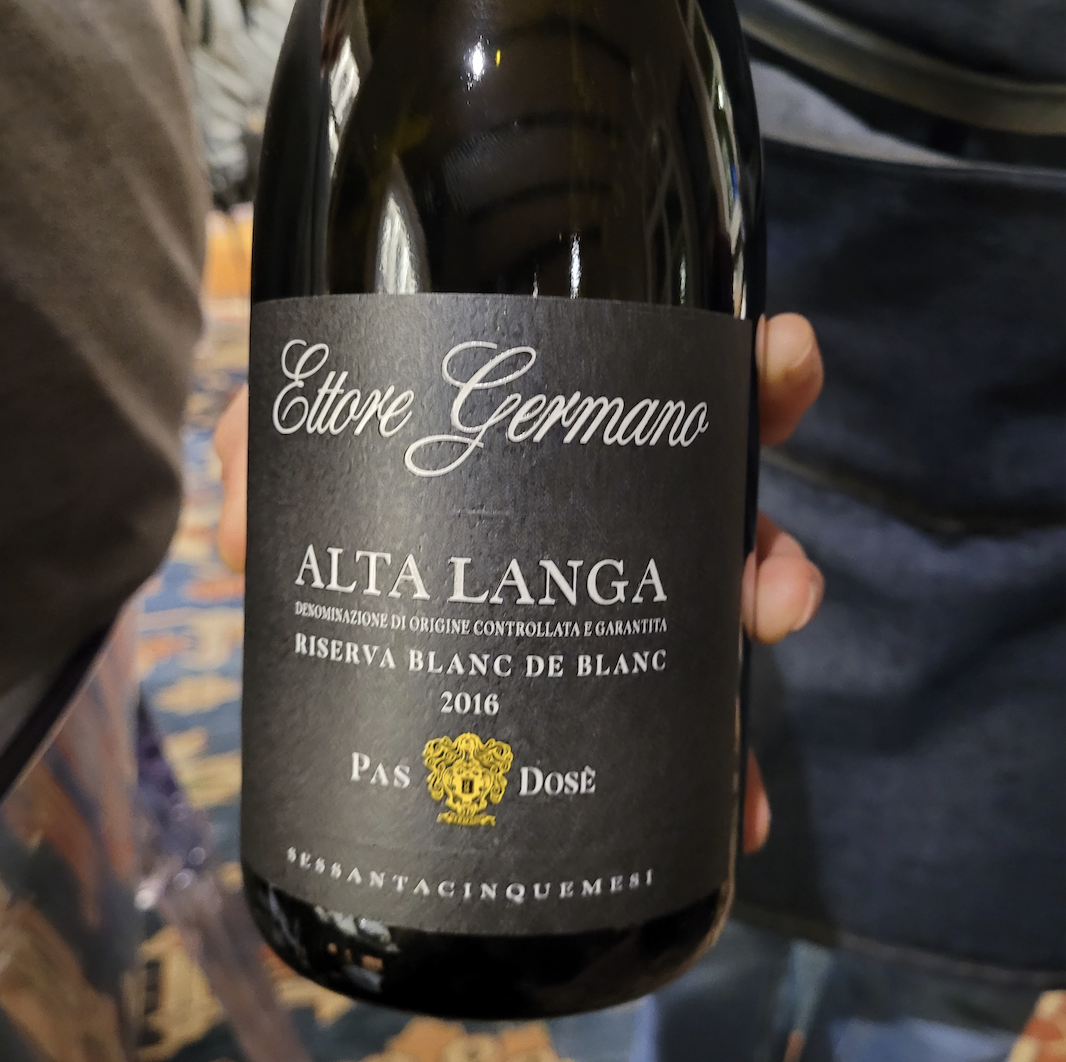
Ettore Germano Alta Langa Riserva DOCG Pas Dosé Blanc de Noir 65 Mesi 2016

It seems that Riserva is not just a matter of longer aging time but also a product of greater fruit quality. This 2016 from a powerful and tannic vintage brings the goods in ways few others seem want to deliver. Crisp and in charge, an intensity of parts that begin with quality fruit never letting up or seemingly willing to relent. Carries items with dignity and confidence for a wine or great Alta Langa respect, of its heritage and place. Feels like the clear juice from pinot noir stands above the chardonnay in this cuvée of great purpose and interest. Drink 2023-2030.  Tasted Blind with the Consorzio Alta Langa in Asti, December 2023

Roccasanta Alta Langa Riserva DOCG Pas Dosé 2016

Not overly expressive in fact this holds back despite its age and lees aging time as per the Riserva style. The palate is appsoite, mature, of slight caramel and notably soft. This has done its time and the time is now to drink up. Has developed a minor cider note to confer that suggestion.  Tasted Blind with the Consorzio Alta Langa in Asti, December 2023

Tenute Rade Alta Langa Riserva DOCG Pas Dosé 2015

From 2015 and a no dosage Bianco iteration of volatility, maturity and a mix of caramelization meets oxidation. A lovely old drop in one respect and because the acidity rises high it’s well preserved and so should be well perceived and received as a sparkling wine of age. Flattens after the initial weak palate display before fading off into the proverbial Alta Langa sunset.  Tasted Blind with the Consorzio Alta Langa in Asti, December 2023

Daffara & Grasso Alta Langa Riserva DOCG Pas Dosé 290 mesi 2014

Alta Langa in Riserva form with that extension from extra Lees aging and no dosage for that magical combination. This has truly developed next level character while staying level on its legs and staying a course that will allow even further aging excellence. Labels Bianco though tasted blind it can be nothing but Blanc de Blancs because the chardonnay stands out like a hitchhiker with an extra large thump. A guide to the Alta Langa galaxy right here in the glass, heady, steady and grippy with a real plan, even if the world may not think that this place and these wines have this fully entrenched in mind. The real deal will reveal itself and this 2014 has done just that. Drink 2023-2027.   Tasted Blind with the Consorzio Alta Langa in Asti, December 2023

Fontanafredda Alta Langa Riserva DOCG Pas Dosé Vigna Gatinera 96 mesi Blanc Noir 2014

Only Alta Langa it seems can effect this intricate mix of long lees aging time and no dosage for such great and curious effect. As here though this 2014 Bianco is showing some oxidative maturity even even while it persists as a reductive example by way of its pinot noir and chardonnay cuvée. Still crunchy and truly flavourful with both yellow citrus and small red berry fruit in combinative affair. Finds its groove late and accumulates more and more pleasantries as you taste through a few sips. You need to hang in with this nine year-old Alta Langa and if you do there will be greater reward. Drink 2023-2026.  Tasted Blind with the Consorzio Alta Langa in Asti, December 2023. asted December 2023

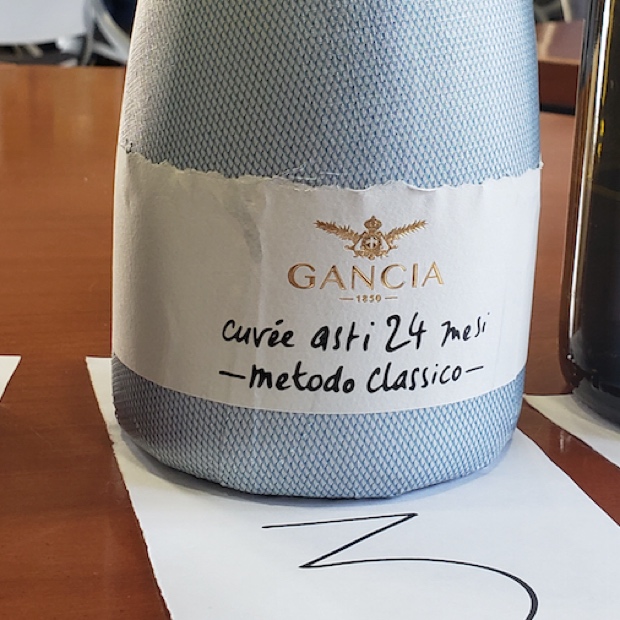
Gancia Alta Langa DOCG Pas Dosé Cuvée 36 mesi 2014

A Bianco long on its lees and showing maturity though also a stoic nature to begin. Still crunchy and like a mouthful of citrus and stones. This would have been singing with its finest voice just a year ore two ago though still does so dutifully and truthfully today. Drink 2023-2025.  Tasted Blind with the Consorzio Alta Langa in Asti, December 2023

Bera Alta Langa DOCG Brut (90 mesi) 2013

A mildly oxidative and advancing example though having strong 10 years in. Plenty of experience, of creamy fruit, almost a custard of the orchards and while pinot noir makes a play it is the Chardonnay making the bigger statement. Shows off heritage and good planning to exact more emotion for what kind of potential Alta Langa holds for wines to age this length of time. Drink 2023-2025.  Tasted Blind with the Consorzio Alta Langa in Asti, December 2023

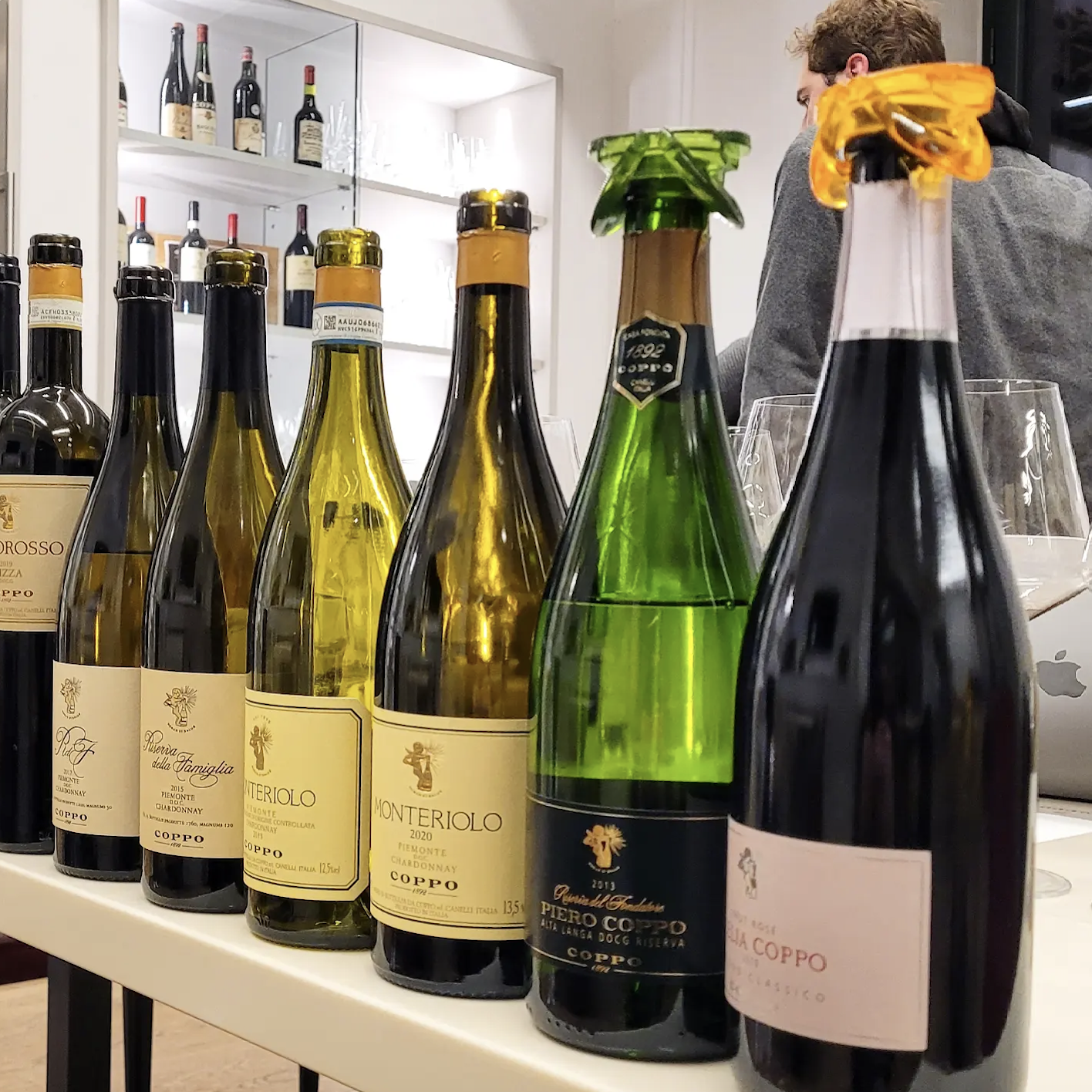
Coppo Alta Langa Riserva DOCG Brut Riserva Piero Coppo 2013

A Riserva of Bianco that reeks at least as much of pinot noir as it does so from chardonnay. At ten years of age it have proven to have lasted and lingered as well as could be expected with the best times presented right here and now. Feels like a wine of age and drinks with nurturing comfort at this stage, like a blanket or a parent. Drink up and savour every last moment.  Last tasted blind with the Consorzio Alta Langa in Asti, December 2023

The 2013 vintage is the turning point to this 60 percent pinot noir and (40) chardonnay becoming and being labeled Alta Langa, recently disgorged in 2022. Previous disgorgements were labelled Vino Spumante di Qualità. Now into wildly vivid and famous complexity, toasty yes but there’s a crème frâiche and an almost strawberries and cream component. Eonologists GianMario Cerrutti, Guiliermo Grasso and Vittorio Pescarmona conspired to see this age 85 to 90 months on the lees, almost unprecedented around Asti. Has hit its stride, in the right place between crunchy and the kind of sparkling wine that you begin to ruminate with in the mouth. Cerebral wine in every respect. Drink 2023-2027.  Tasted January 2023

Tosti1820 Alta Langa Riserva DOCG Riserva Giulio I 100 Mesi 2012

More than 10 years old and still a quietly demure and not overtly philanthropic example of Alta Langa Riserva. Getting as much red fruit pinot noir as citrus chardonnay on the nose though together they combine and accumulate for a very fruity sparkling wine. Also toasty and even just flinty enough to consider the calcari, the argilla and the arenaria in the earth from whence this once emerged and has now arrived. A beautiful ALR after all these years and I for one would relish a pour anytime it might be forthcoming. Drink 2023-2026.  Tasted Blind with the Consorzio Alta Langa in Asti, December 2023

Enrico Serafino Alta Langa Riserva DOCG Pas Dosé Zero 140 2010

No sugar added at tirage and yet you will not find more natural fruit in an Alta Langa Bianco or Riserva, especially in this style. Magnificently organized and perfumed of all the fruit blossoms and then the ripeness of that fruit as it arrived at fruition. Toasty, even still slightly reductive and almost no signs of true maturity – certainly limited oxidation. The truth is alive and these bubbles prove that Alta Langa ages really, really well. Drink 2023-2027.  Tasted Blind with the Consorzio Alta Langa in Asti, December 2023

Gancia Alta Langa Riserva DOCG Brut Cuvée 120 mesi 2010

Nearly 13 years of age and a wine doing well, thank you very much. Many years (upwards of 140 months) on its lees and using every bit of those clean yeasts to conduct a current and fully realize the fruit for dramatic effect. Just a bit toasty and over excited (as it must have always been) to rise above the fruit but acidity is fine, racy and its charge well executed to make this work as well as it should. Drink 2023-2026.  Tasted Blind with the Consorzio Alta Langa in Asti, December 2023
Blind tasting Alta Langa (c) Anastasia Florea and Consorzio Alta Langa DOCG

Rosato

Colombo Alta Langa Rosato DOCG Brut 2020

Just a wee youthful one, of maximum 24 months on lees for a Rosato (namely Blanc de Noirs) that modernizes Alta Langa with ever increasingly utilized pinot noir. Well short of saignée and just a few hours run off with clean juice that came from pure fruit of a well timed sparkling pick. The clarity puts this in spot on territory for the idiom. Creates a dictionary entry Rosato for the denomination. Drink 2023-2027.  Tasted Blind with the Consorzio Alta Langa in Asti, December 2023

Ivaldi Alta Langa Rosato DOCG Extra Brut Andrea 2020

Extra Brut with a bit more dosage that foils if not perfectly aligns with the fruit and acidity for what collates as a slightly rustic example. Well and substantial fruit and complimentary savour if just off-putting because the combinations create some mismatching and misappropriated flavours. More than serviceable if not truly representative of potential. Drink 2023-2025.  Tasted Blind with the Consorzio Alta Langa in Asti, December 2023

Banfi Alta Langa Rosato DOCG Extra Brut Cuvée Aurora 2019

A few years of lees aging has done well to set this Extra Brut Rosato up for rusty copper Alta Langa success. More than ample richness, orchard fruit that involves crab apple and then a turn to more savoury elements with low-creeping vines that deliver leaf and red fruit in elastic flavours. Carries with nimble ability, without distraction and only purity. Very well made with the capability to age at least a few if not five-plus years. Drink 2023-2028.  Tasted Blind with the Consorzio Alta Langa in Asti, December 2023

Massimo Rivetti Alta Langa Rosato DOCG Extra Brut 2019

Quite pale for Alta Langa Rosato and so though a factor of pinot noir and blanc de noirs it is noted how the maceration was quick and oh so gentle. Not as overtly aromatic as some though there is a yeasty autolytic note involved to tell us quite a bit about the style and also the intention. Pay attention to the stage presence and the seriousness with which this intends to capture your palate. Succeeds for the most part though does not hold on as long as some deeper and more impressive examples. Drink 2023-2026.  Tasted Blind with the Consorzio Alta Langa in Asti, December 2023

Il Cascinone Alta Langa Rosato DOCG Brut Alasia 2019

Quiet aromas, a bit of citrus tablet dissolve and more dosage noted than many. Simpler, easy and getable ahead of the game. Lacks the complexity and drive of more serious examples in the Brut Rosato category. Drink 2023-2025.  Tasted Blind with the Consorzio Alta Langa in Asti, December 2023

Ravasini Alta Langa Rosato DOCG Brut Cuvée Leonora Rosé 2019

Cider notes, of terpene and juiced orchard fruit that suggests more than pinot noir but is likely just a matter of how this was pressed. Acetic and volatile more than anything else. Something went wrong in this case.  Tasted Blind with the Consorzio Alta Langa in Asti, December 2023

Tosti1820 Alta Langa Rosato DOCG Brut Rachele Rosè 2019

A funky cheese rind note mixes with a rusty and rustic red fruit style anchored by strawberry then accepted by rhubarb, baking spices and earth. A savoury kind of Brut Rosato that’s not so much a matter of overripe fruit bit more so terroir and then winemaking. An is what it is Alta Langa that succeeds because it is unique. Sweetness comes out at the finish to mix and merge with tonics and bitters. Drink 2023-2025.  Tasted Blind with the Consorzio Alta Langa in Asti, December 2023

Agricola Brandini Alta Langa Rosato DOCG Brut 2018

Crisp, earthy and crunchy Rosato, savoury and with some strawberry sweetness across the board. Begins savoury and finishes on a sweeter if also earthier note. An interesting Rosato that will likely morph and change into something of greater interest because the yeasts are clean, the fruit pure and the potential quite good. Drink 2024-2027.  Tasted Blind with the Consorzio Alta Langa in Asti, December 2023

Gancia Alta Langa Rosato DOCG Brut Cuvée 36 Mesi Rosé 2018

Rusty, savoury and cheese rind aromatic with plenty of yeasty lees notes that likely need more time to integrate. That said the rusticity can’t be ignored nor denied so keep in mind how parochial and local this will always purport to be. It’s really quite comforting and with some excited energy on the palate their is a true affinity with growers’ Rosé Champagne. That’s a compliment because authenticity and respect for terroir are more than half the battle and reason to appreciate an Alta Langa sparkling wine.  Last tasted Blind with the Consorzio Alta Langa in Asti, December 2023

Minor reduction which is in fact something that is important because “things would be a lot more serious if drinking a glass would make you want to drink a glass of water,” kids Dr. Donato Lanati. Sounds like a joke but in these climate change and extreme times you can taste what would not have been tasted before and Gancia knows, with 150 years of experience in crafting sparkling wines. Aging some of the base wines in wood goes a long way to control the reduction and yet some reduction is a good thing. There is some sweetness in the perfume which is a result of a portion having been aged in a “sweet” wood. This sulphur dioxide character mixed with some acetates that have yet to fully dissipate are what drive aromatic pulchritude and it is the esters (within reason) which will bind with amino acids to eliminate any semblance of confection. There is a small dosage here but it in fact under wonderful control and while Rosé by nature is rounder than Bianco, well no matter or judgement because the mix of tension and elasticity is really well managed. Drink 2024-2029.  Tasted December 2023

Enrico Serafino Alta Langa Rosato Riserva DOCG Pas Dosé Zero Rosé 2017

This Rosato may be pas dosé but screams form the glass with a wealth of ripe fruit captured to be put to great use. Richness and energy combine from start to finish, exert upon the palate and continue to rise through every moment of this fine Alta Langa sparkling wine. No let up, time off, sick days, stops or starts. Continuous and righteous. The potential is still great and the faint bitterness on the palate is just so appropriate. Drink 2023-2026.  Tasted Blind with the Consorzio Alta Langa in Asti, December 2023

Cocchi Alta Langa Rosato DOCG Brut Rösa 2017

Good aromatic presence, a nose into Orange Pekoe tea and earth before the leafy red fruit notes become involved. Tight and bracing on the palate with piercing acidity, never acetic nor volatile but very much in charge. An intense example that still needs time to flesh out even if it’s a wine from back in 2017. Not sure it will ever really change but if you like this excitable style than this is the Alta Langa Rosato for you. Drink 2023-2026.  Tasted Blind with the Consorzio Alta Langa in Asti, December 2023

Fontanafredda Alta Langa Rosato DOCG Brut Contessa Rosa Rosè 2017

Notable extra fruit substance and also yeasty notes determine the Riserva designation and set this Rosato up for plenty of slow maturing, unfolding and unraveling days ahead. Rusty, earthy, gingered and tonic-botanical notes but also evergreen so quite a variegate composition from pinot noir. Complex tones for sure if just that ever so slight disadvantage as a wine that will act and therefore be an acquired taste. Drink 2023-2026.  Tasted Blind with the Consorzio Alta Langa in Asti, December 2023

Roberto Garbarino Alta Langa Rosato DOCG Extra Brut L’Istinto 2016

The oldest of the Roasto and the only one defined as Extra Brut in a flight of 13 Alta Langa examples. The most fruit blossom forward on the nose, rich and expressive, sweetness so well incorporated and the fruit comes away so finely crossed between citrus and berries. Really well delineated and defined, of accords struck and alliances formed. This will live a great long iife. Drink 2023-2028. Tasted Blind with the Consorzio Alta Langa in Asti, December 2023

Good to go!

godello

Godello, Alta Langa blind tasting

Twitter: @mgodello

Instagram: mgodello
WineAlign

We are all Asti

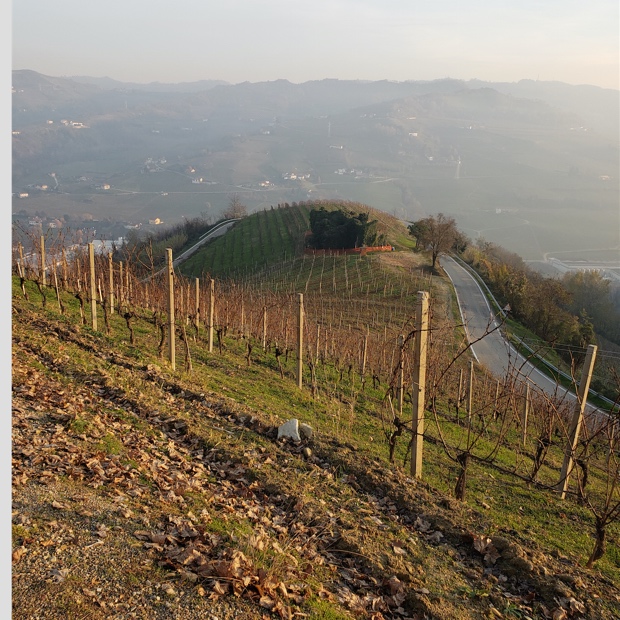
    Moscato vineyard, Castiglione Tinella

We search the world’s most famous regions for the most profound and moving wines but are caught up by a mix of pedigree and marketing, so often not truly making the connections. We are bought and sold, invested in the attractive and oft times the austere. Beauty is everywhere and sometimes right under our noses, yet are we not blinded or at the very least distracted by confidence and power? These thoughts can be applied to many things but as it pertains to wine there is a clear message. Open your heart, mind and palate to seek what others pass over, to experience what is real. And so en route to Alba for Nebbiolo Prima I first made way to the land of moscato. There and for the third time in four years I visited with seven prominent producers to further an education and understanding about a most important wine. Moscato d’Asti. Why? Simply because we are all Asti.

Moscato, Castiglione Tinella

Related – Asti DOCG 2022 – Special Report

In October of 2022 I hosted three events in Toronto to pour, speak about and celebrate the precocious joy of Moscato d’Asti. A sommelier lunch and consumer event, both held at Barque Smokehouse shared 18 examples of the lightly sparkling, low alcohol, impeccably balanced, multi-styled, food-friendly and Piedmontese heritage wines. More than 100 professionals and wine lovers chose to experience the wonders of these refreshing wines. Why? Once again the answer is the same. We are all Asti.

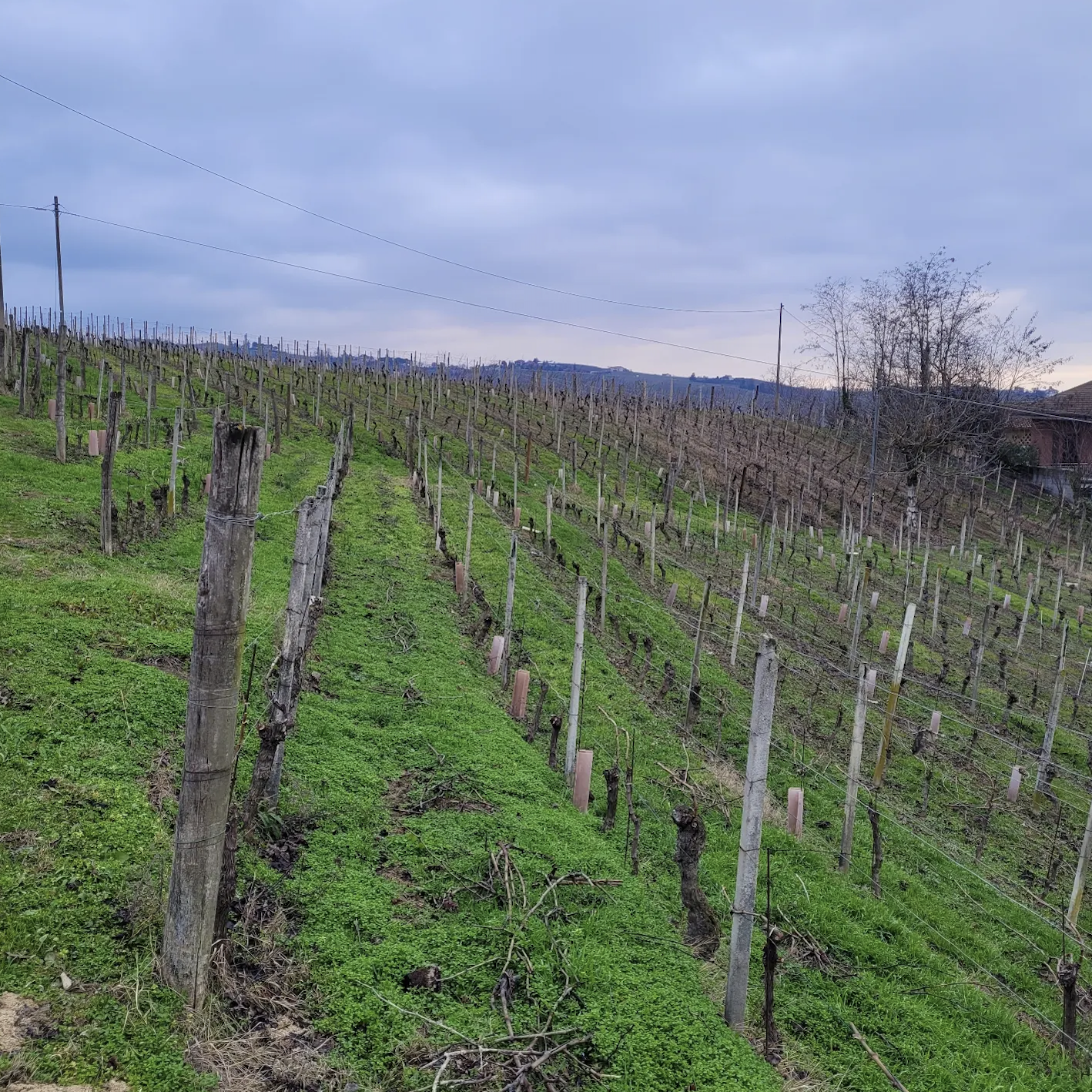
Monferrato Hills, Piemonte

I visited the region in December of 2018 and also 2019, then returned again this past January, to reconnect with the land and the people who share an imperative to keep heritage alive, but today growers and producers do so much more than merely follow tradition. New vinification and filtration techniques not only create the cleanest Moscato d’Asti ever made but also equip the wines with better aging potential than before. Moscato d’Asti does age well, in fact I tasted several examples of three to four year-old wines mired in a dumb phase but also seven to 10 year old wines that having now re-emerged, were drinking with giddy delight.

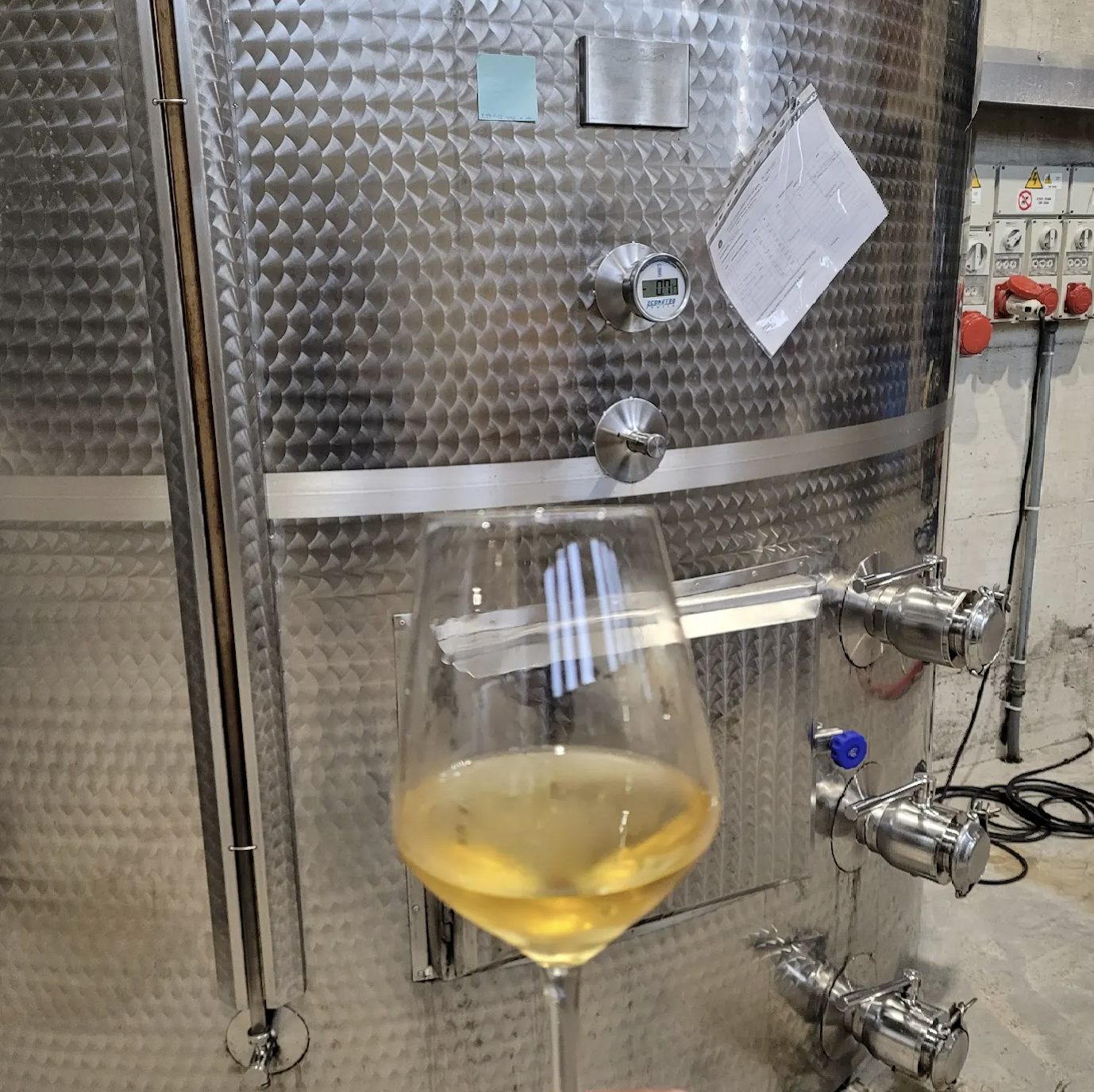
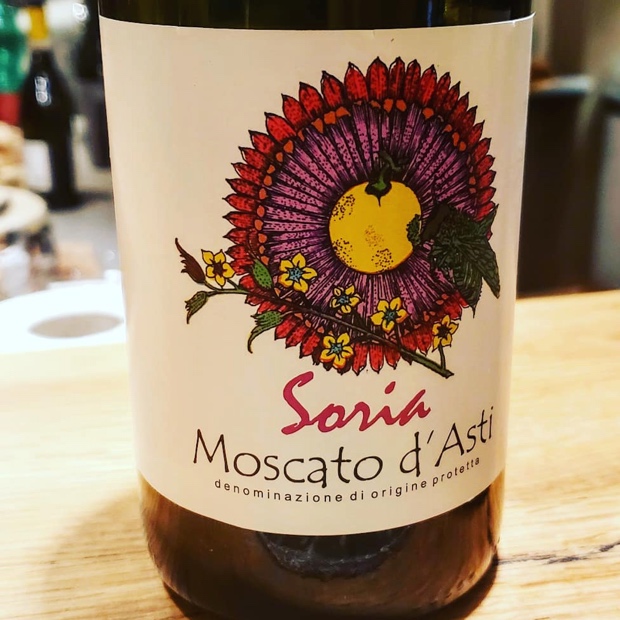
Filtration system, Matteo Sorìa

These moscato producers are 100 per cent all in. Many may make other wines but when it comes to Moscato d’Asti there are no distractions from any other grapes; not barbera, dolcetto, nebbiolo, chardonnay, etc. Some are experimenting with dry iterations while others are practicing long lees aging to craft complex moscato as traditional method sparkling wine. The permutations are endless and while promise is everywhere there is no deviation from the original. Every producer makes one because they could not imagine abandoning their heritage.

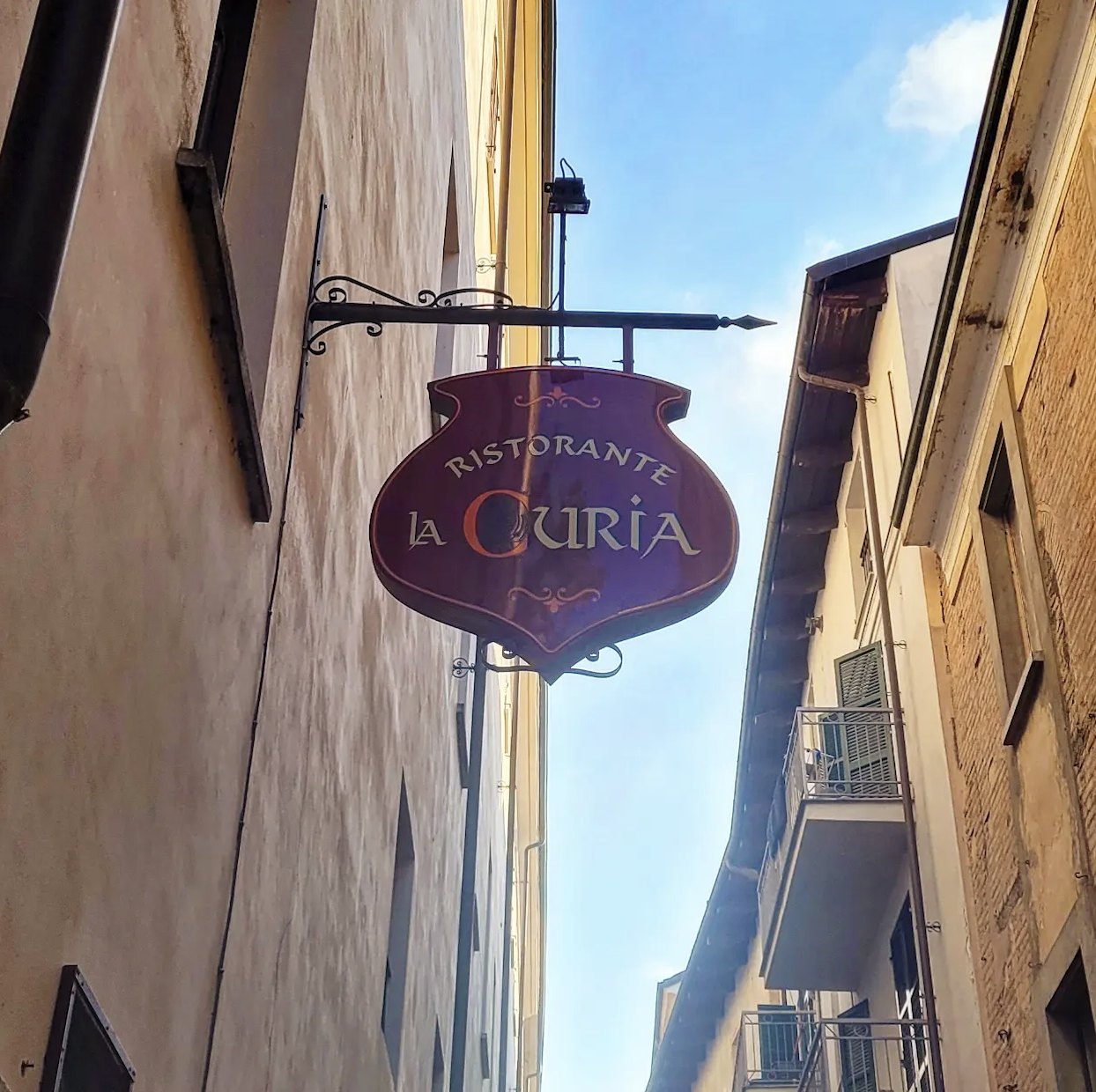
Ristorante Curia, Acqui Terme

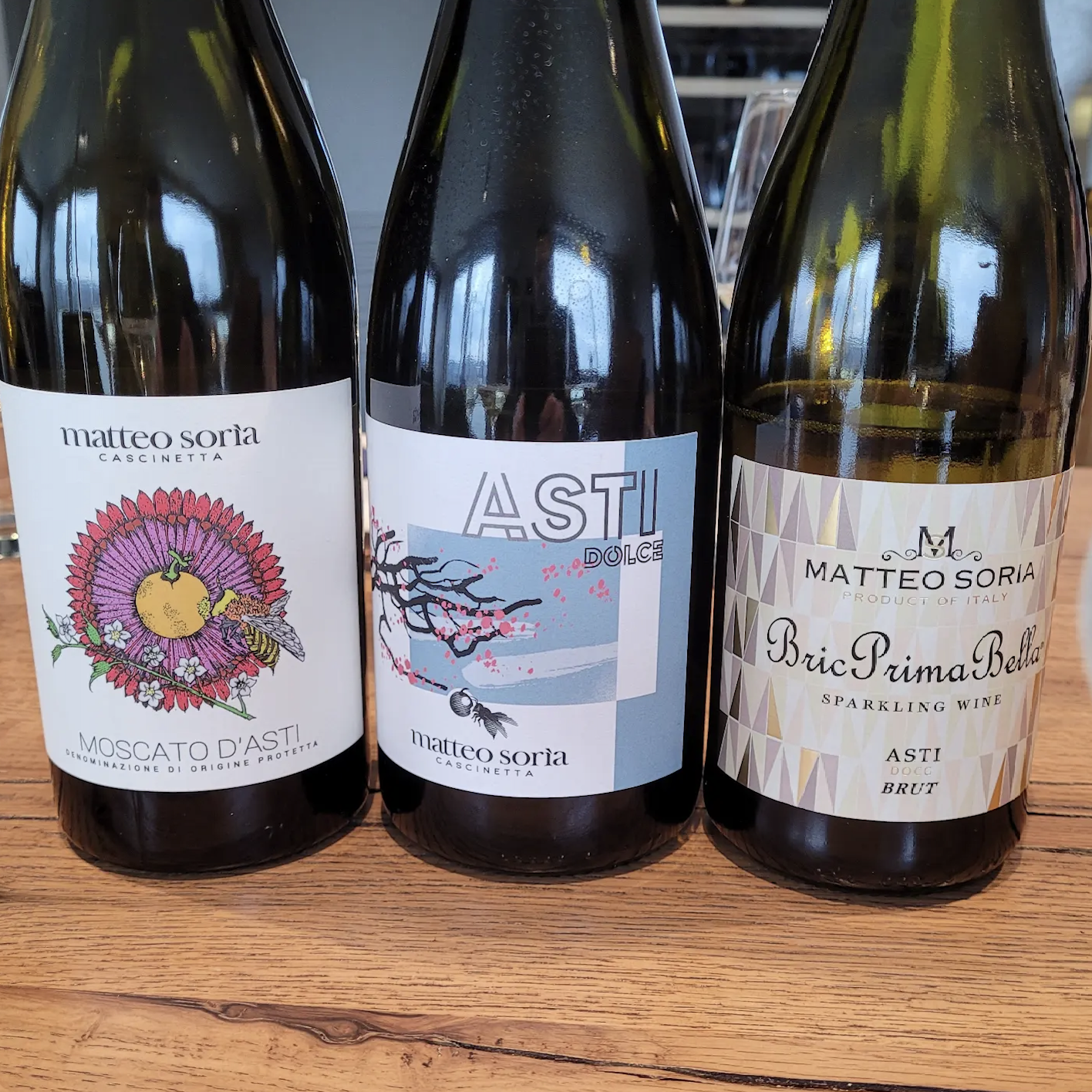
With moscato one needs to avoid bacteria and fermentative aromas at all costs. Allows the machinery and modern technology to purify, cleanse and determine the purity of these wines though they are all made from hand-picked grapes. They are the cleanest wines in the territory but also expressive of their place, from Canelli to Castiglione Tinella to Strevi. In some cases each year a percentage of the last year’s must is integrated into the current vintage and so in the case of Matteo Soria, each time there is 15 per cent from two years previous, and three, and so on. It’s like a Solera in effect with a decreasing percentage of a previous vintage within the whole of current must amounts.

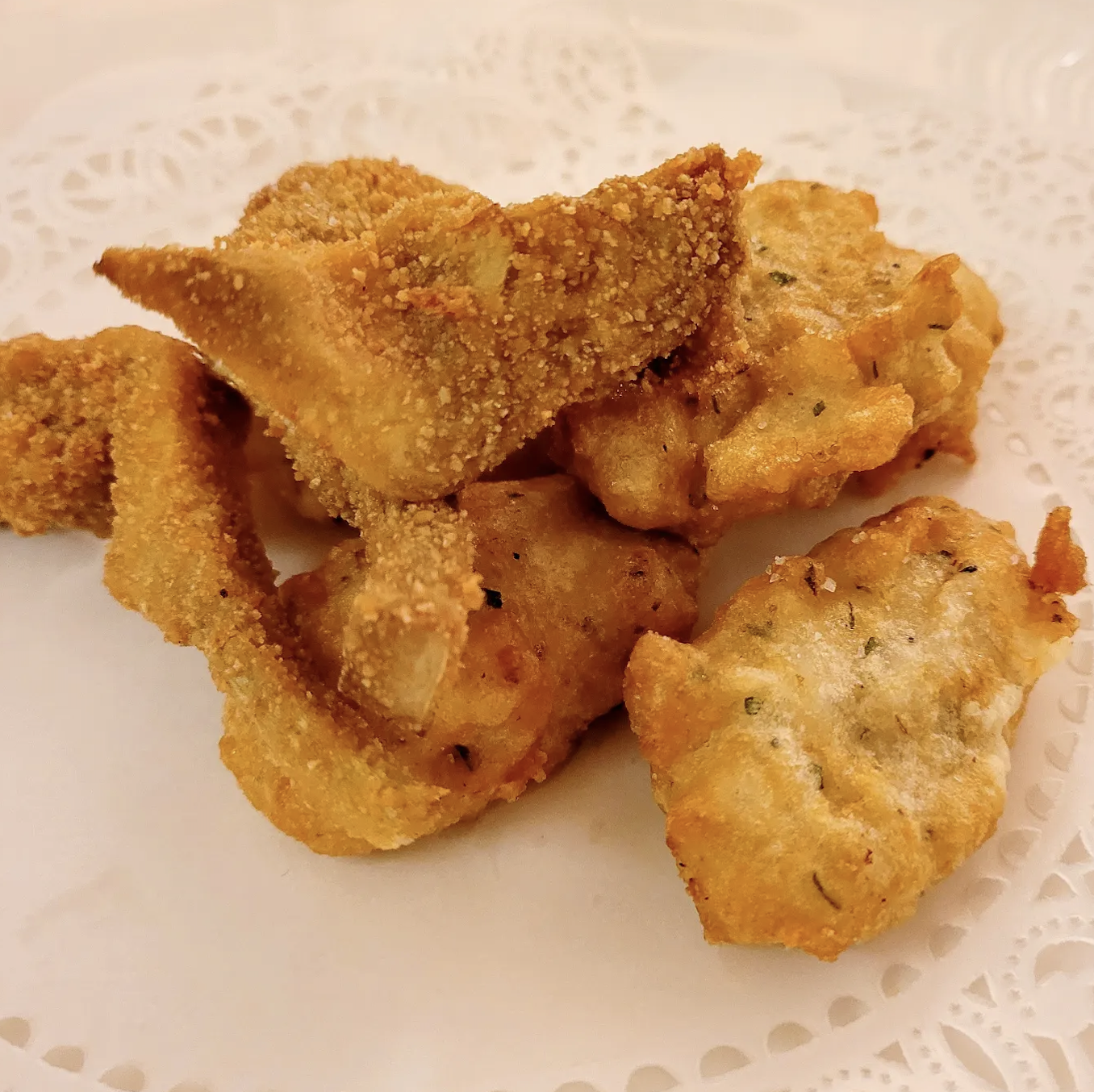
Carciofi Fritti at Ristorante Curia, Acqui Terme

The following are tasting notes on 18 Moscato d’Asti tasted in Piemonte back in January, 2023. The producers did of course share other wines and so those 28 reviews are included at the bottom of this report. A huge thank you to the Consorzio dell’Asti, to Direttore Giacomo Pondini, Martina Bukavec and my chaperone Paola Baldi. Ci vediamo.

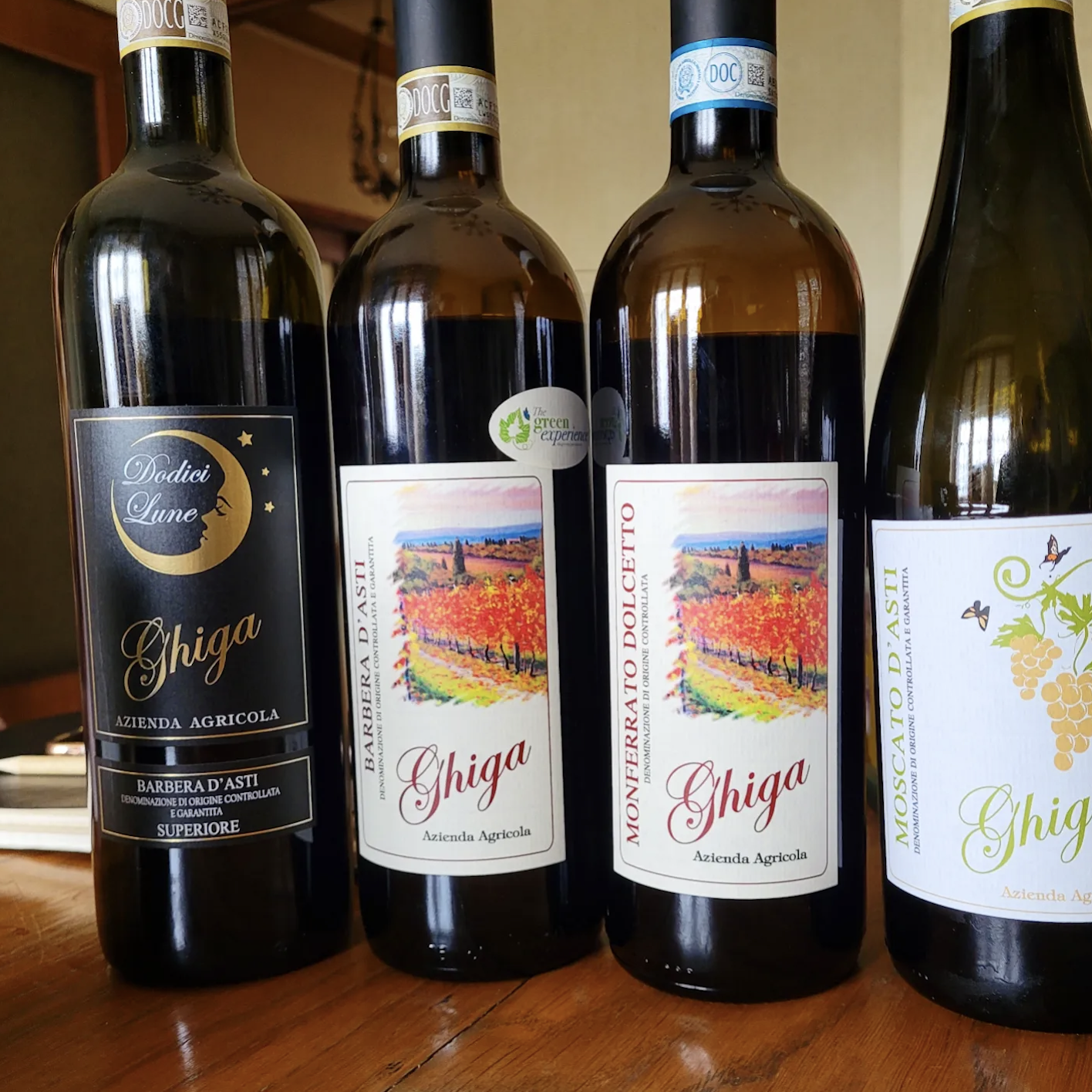
Azienda Agricola Ghiga Enrico Moscato d’Asti DOCG 2022

Davide Ghiga finished oenology school in Alba 2014, his brother in 2009. They are really the only young winemakers making a go of it in Castiglione, the first generation to make wines here, since 2012. Their uncle’s grapes were sold off to cooperatives before then and while barbera, dolcetto and nebbiolo have gained importance, the true heritage is still moscato. Freshness and high aromatic intensity are on full open display, as it must be with a varietal wine that bleeds this place, that being Castiglione Tinella. There are several exposures available, starting with the northern grapes and moving around the exposure wheel, east and west picked next and south the last, where sugars are high and acidity low. Pressed, three musts chosen from, kept at 0-1 degrees celsius, unfermented at this time. Blended, filtered, natural yeasts eliminated, back to zero degree holding tanks. Now in late October early November the vinification starts, selected yeasts are used, for 10-12 days, honing in on and fixing the aromatics and CO2. Done at 14-15 degrees with pressure at one bar. Followed by filtering again and tartaric stabilization at negative four or five degrees. Ready to bottle. Sugar at 120 g\L, acidity between 5.5 and 6, alcohol at five per cent. Tough work but someone has to do it. Spot on moscato in low alcohol, light fizz style with stone fruit and citrus aromatics on full display and in utmost control. Labour of love sets up true Ghiga success. Drink 2023-2026.  Tasted January 2023

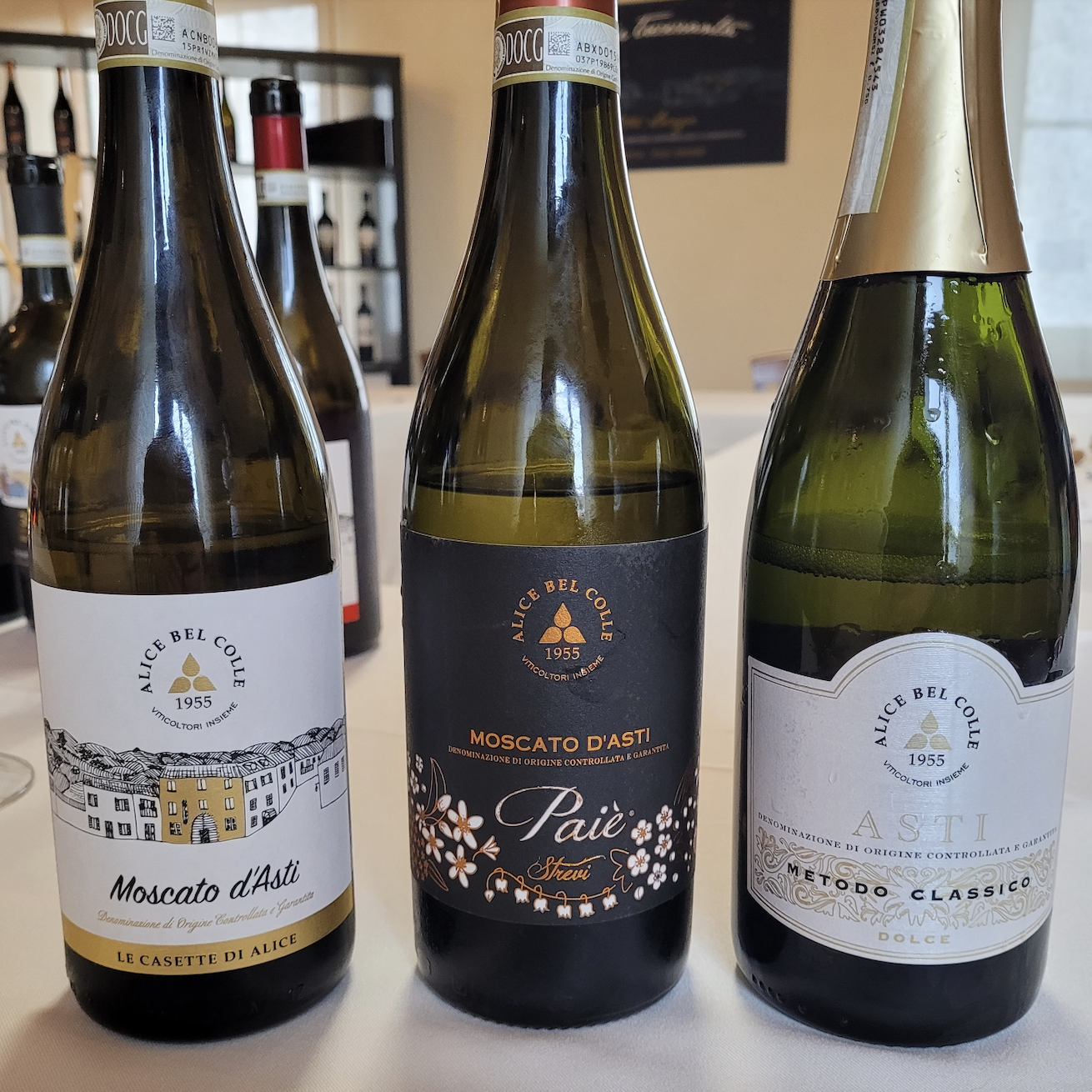
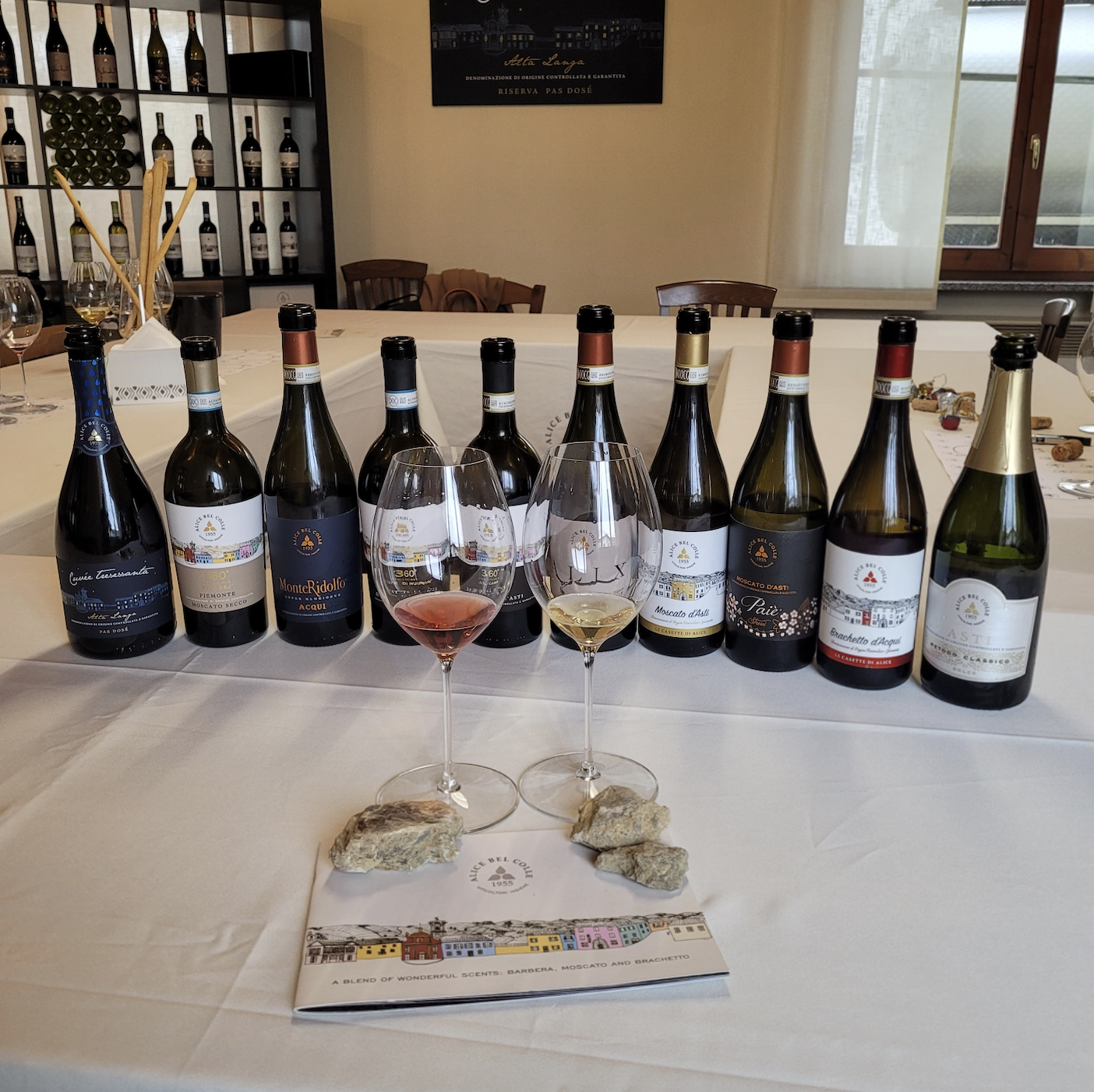
Cantina Alice Bel Colle Moscato d’Asti DOCG Le Casette di Alice 2022

A truly airy, frothy and easy moscato and yet the tannins of 2022 are there, as always across the board in this vintage. High acidity matches to the 120 g\L of sugar and 5.5 per cent alcohol. So much pear, soft and broken down by citrus with fresh white flowers. This is the straightforward and getable Md’A in all respects. Drink 2023-2024.  Tasted January 2023

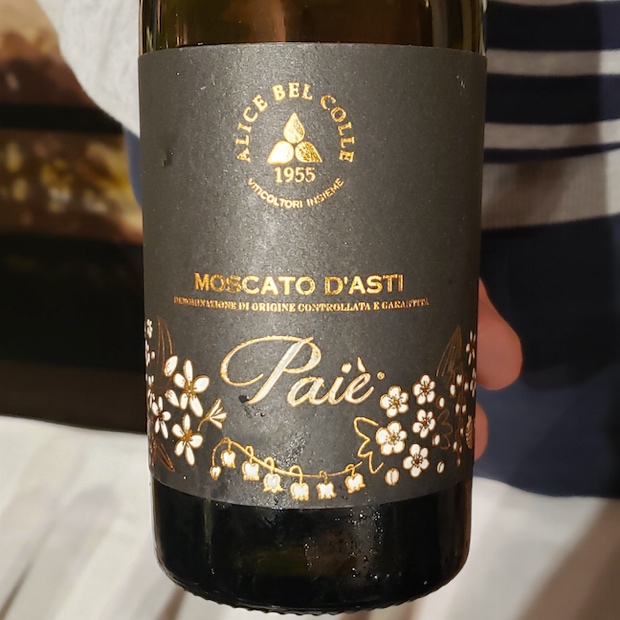
Cantina Alice Bel Colle Moscato d’Asti DOCG Paiè 2020

The cooperative of Alice bel Colle comprises 350 hectares spilt between 200 moscato, 100 brachetto, 50 barbera plus small amounts of dolcetto and chardonnay. There are approx. 100 members and more than 2,000,000 annual bottles are produced. “Our idea is not to grow too much, otherwise we will lose quality” says President Claudio Negrino who oversees the Cantina along with Vice President Bruno Roffredo. Moscato d’Asti as Paiè is a contra style to the normale, a bit of age added on and yet shy of the dumb phase that is sure to follow. There is more concentration and density on the nose with fresh herbs, sage mainly and even white balsamic. Paiè is a small valley with a warmer micro-climate and the potential for over ripeness. This brings more sugar (140 g\L of RS here), body and stage presence. Stylistically this will attract a different consumer who wants to think about things a bit and also appreciates a bigger wine that matches to more specific cuisine. The suggestion here is of course dessert but also spicy coconut curries. Drink 2023-2026.  Tasted January 2023

Cantina Alice Bel Colle Asti DOCG Dolce Metodo Classico

Disgorged in 2015, seven-plus years on the lees and unmistakably white balsamic in aroma. The flowers and orange skin are now candied, the fennel slowly braised with Vidalia to bring out the sweetness. One of the most curious examples of using the moscato grape variety for a style of wine never really having been afforded the opportunity to try. Now a toasty expression fuelled by linalool that has turned to smouldering paraffin and camphor oil. Fine bitters though the sweetness still triumphs in the end. Nothing like this at all, a wine of experience and to experience, wholly unique. Drink 2023-2025.  Tasted January 2023

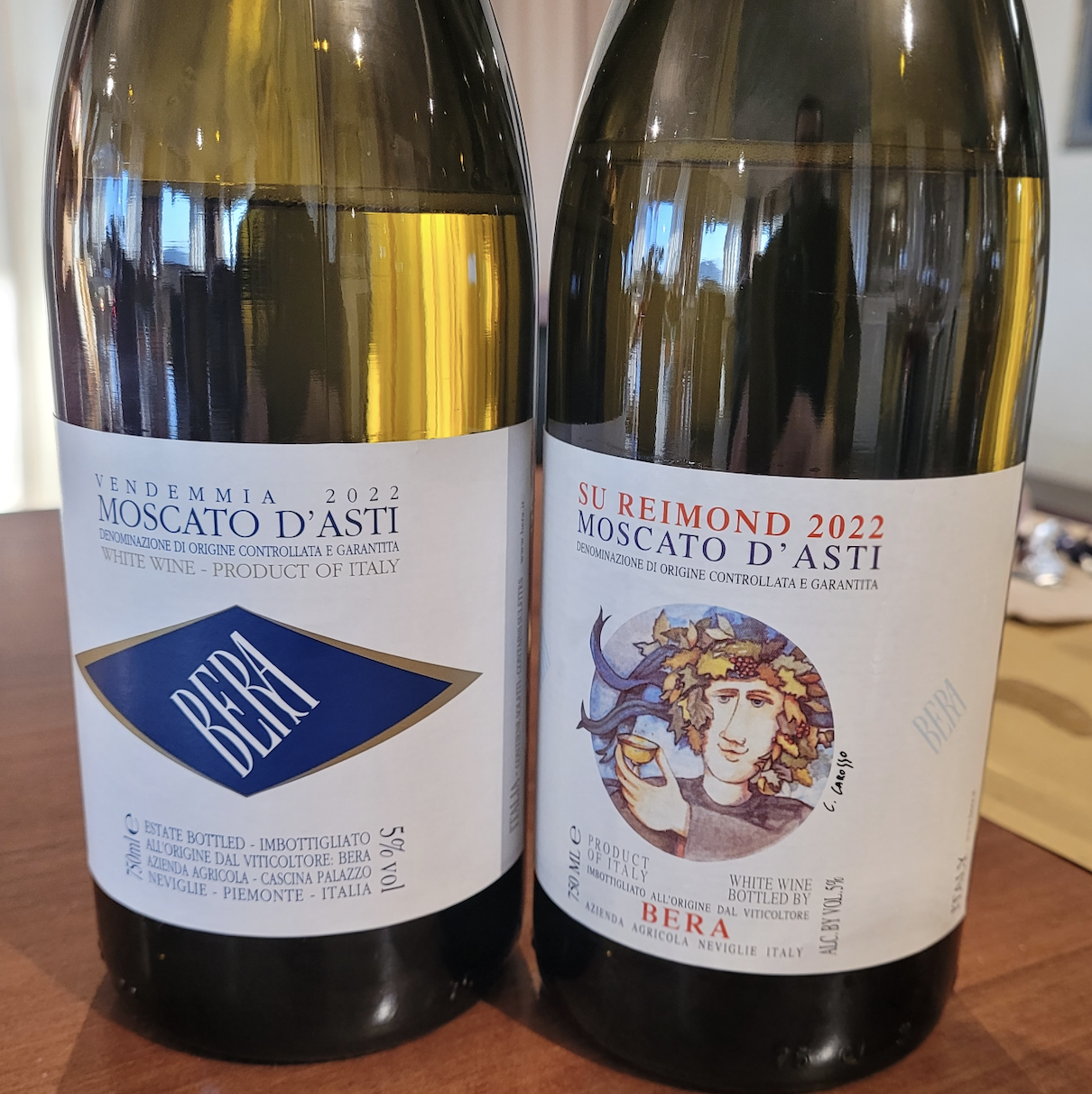
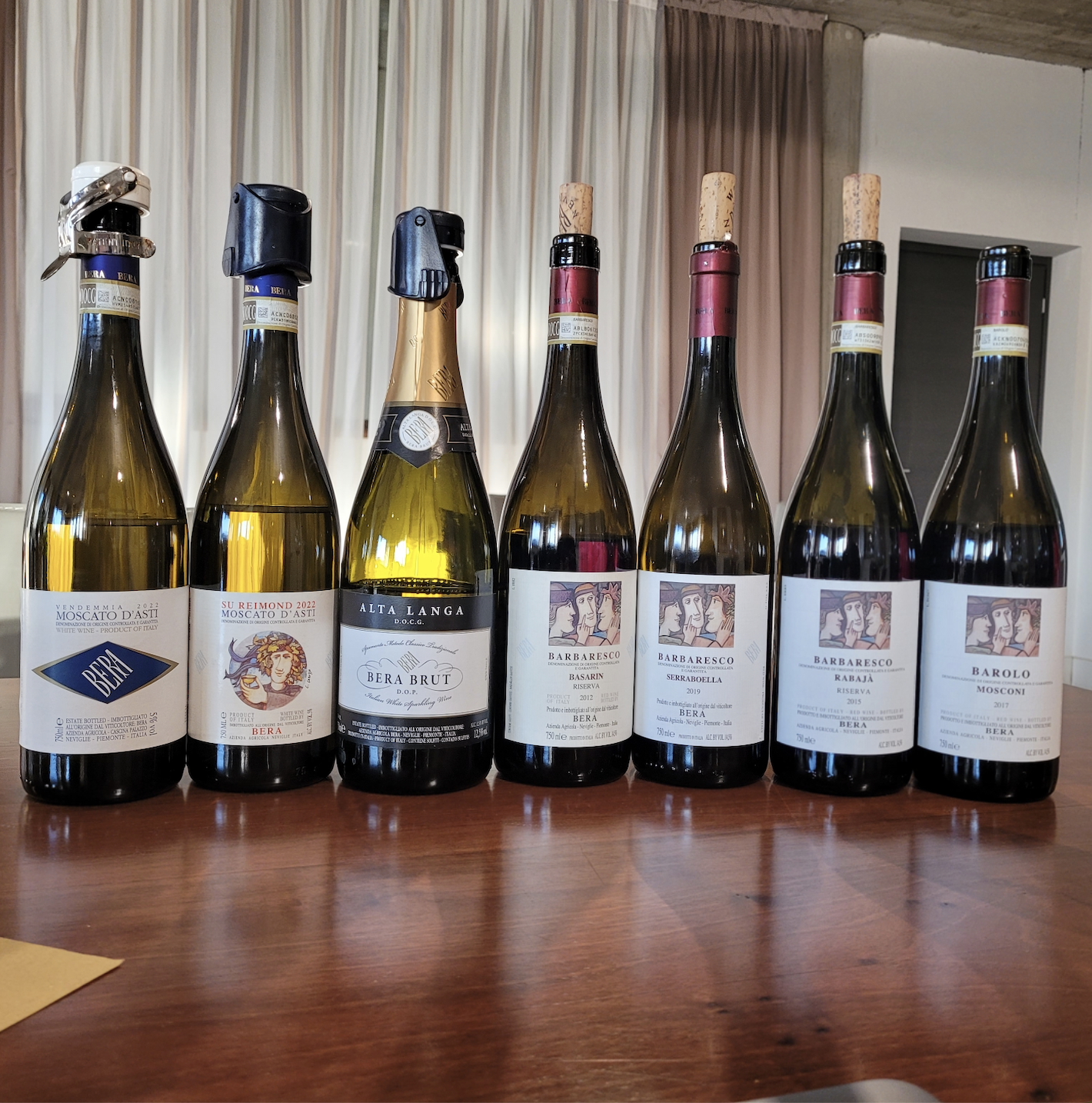
Bera Moscato d’Asti DOCG 2022

Walter Bera started the company in the 1970s with moscato grapes and it has always been a very important wine. His son Riccardo Bera tells that “this is pretty much the history of the winery when only a few guys were making moscato.” This is about the 1970s, along with Roman Dogliotti and others making this style of wine without the help of current technologies to keep the wines clean and safe from spoilage. Here in 2022 the wine is fresh off the charts and announcing its charm without equivocation. Approximately 130 g/L of RS, 6 of tA and five per cent alcohol. Again from 2022 tannin is involved, calling card of the vintage, not common but not impossible. Age some. They will drink well after four years and up to at least 10. Approximately 70,000 bottles made, half of what is made at Bera. Drink 2023-2028.  Tasted January 2023

Bera Moscato d’Asti DOCG Su Reimond 2022

Not a cru but a lieu-dit and literally below “Reimond’s house.” More concentration, doubling down on dry extract and also tannin because this is 2022. Aromatics are also intensified and yet so are the sugars but also the herbals in a soapy cilantro way. More idiosyncratic behaviour and specialized style. Not better than the classica, just different. Great curiosity and potential in any case. Drink 2023-2026.  Tasted January 2023

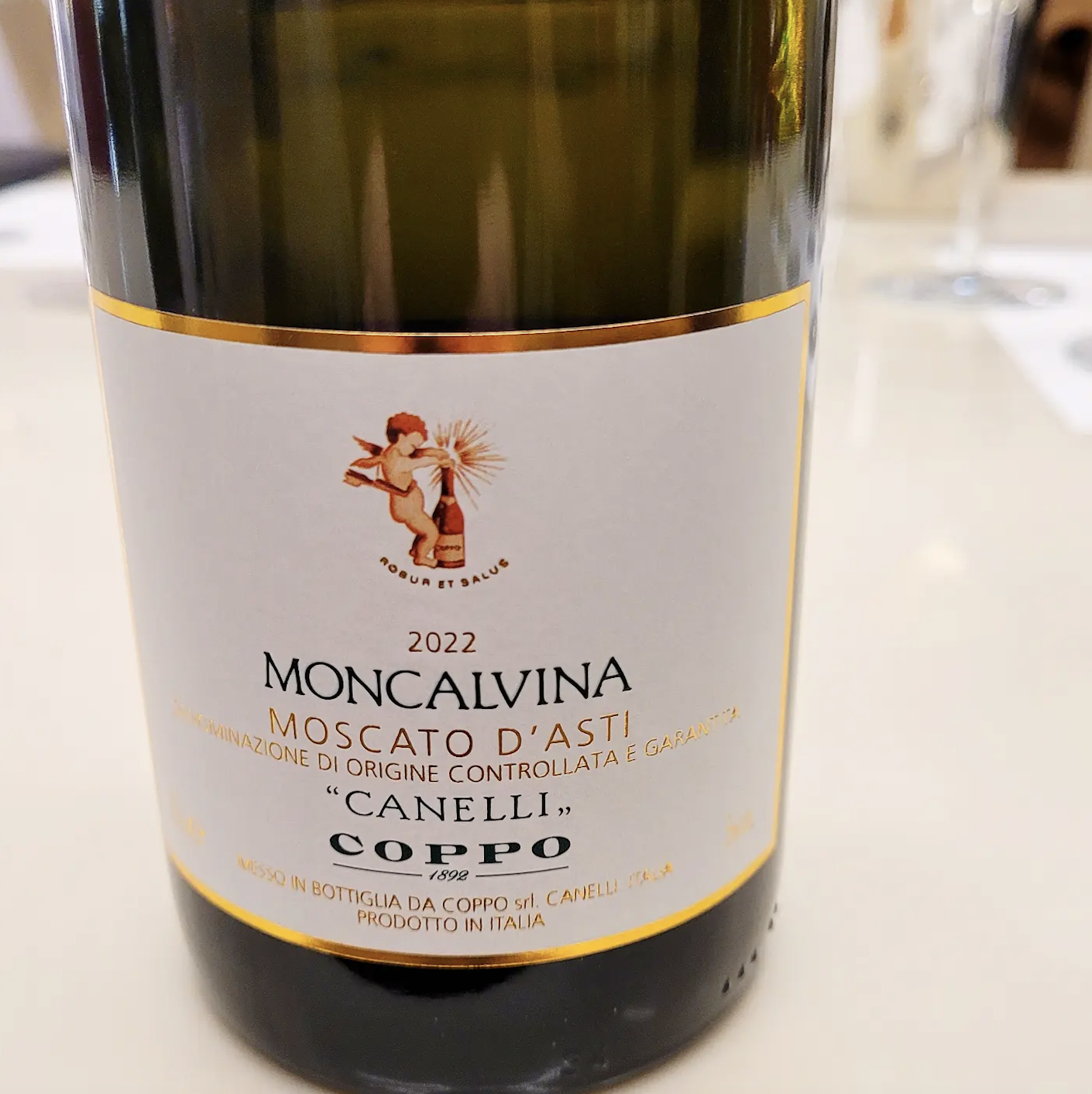
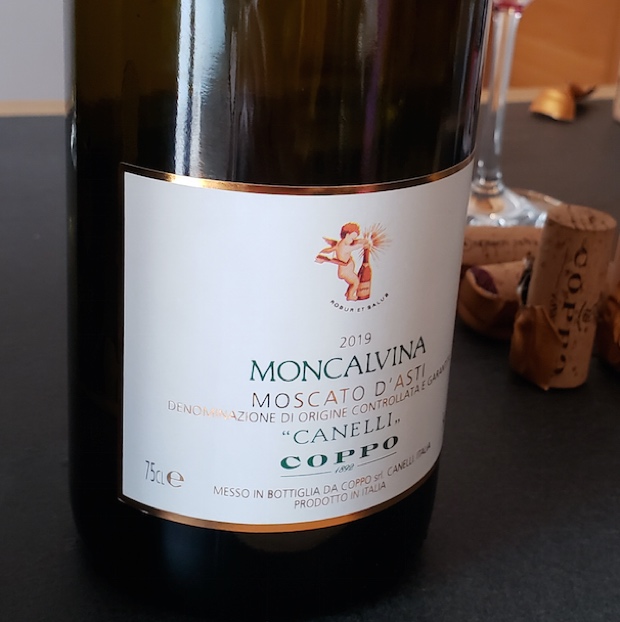
Coppo 1892 Moscato d’Asti DOCG Moncalvina “Canelli” 2022

The name Canelli is the key because going forward it may be the only name on the label. In a short time “Moscato d’Asti” could very likely be stricken from the front of the bottle. A wine of heritage and the hardest to produce, here at 2.5 bars of pressure and topped with specially designed Diam corks. The naturally occurring sugar is 245 g/L with upwards of 6 g/L of TA and 5 percent alcohol. Perfectly balanced, true, precise and honest moscato. Or shall we say, “Canelli.” Drink for a year, pause for the next three and then for five to six more after that. Drink 2023-2029.  Tasted January 2023

L’Armangia Moscato d’Asti DOCG Canelli 2017

Behold the moscato art meets science of Ignazio Giovine. Aromatics that temporarily disappeared into the Moscato d’Asti black hole are just now beginning to reemerge. The primary linalool beauty of years one and two went away and hid in the next 24-30 months but here they are again, albeit with new found interest and the beginnings of what naturally sweet moscato design is magically renowned to do. Now the peaches, apricots and nectarines, all them stone fruits and lemon segments are gelled, candied and crystallized. Renewed interest is the spark and imagination takes over, wonderment towards what might happen next. Will it be lemongrass tea, diesel emissions, petrol trails, strong scented terpenoids or cyclic ketones? Guesses are premium and another two years should answer the questions with real answers. Drink 2023-2027.  Tasted January 2023

L’Armangia Moscato d’Asti DOCG Canelli 2015

Ignazio Giovine’s 2015 has entered the zone where all great aged moscato from Canelli lands are want to go, that is to say their aromatics have re-emerged, been re-invented and replace or rather re-imagine what they were to begin with. The lemon factor runs high from this vintage, more verbena herbal than grassy and the green plant matter is exotic evergreen, oily and strong-scented, to touch and nose. Lots of petrol fuelling and vapour trailing in this ’15 and in many ways the secondary aromas are just the beginning. Still the best years are now up towards the nearing horizon. Drink 2023-2024.  Tasted January 2023

L’Armangia Moscato d’Asti DOCG Canelli 1998

Perhaps not the finest 1998 bottle version of what was surely a stellar vintage for Canelli moscato with full on oxidative notes, caramelization and all the lemon tisane that can be imagined on a naturally sweetened fizzy Asti white wine. Noting the excellence of the acidity and the gingered-apple-lemon crème brûlée tells much about what a perfectly sound bottle would offer. If ever the chance might arise again but alas not because Ignazio Giovine says this is it. Ah well, a great showing nonetheless. Drink 2023.  Tasted January 2023

L’Armangia Mesicaseu Vino Da Uve Stramature Bianco (375ml)

Aromatic perfume is a floral wave far exceeding that of Moscato d’Asti to little surprise considering the later harvest and serious fruit concentration. Lemon and rose hip tea, mandarin orange, cranberry and dried fruit, namely persimmon and apricot. Tannins, boozy flavours, more lemon and spices, spicy if crisp bite, herbals running like Amaro through veins. Tar and roses. Major curio dessert wine this one. Drink 2023-2027.  Tasted January 2023

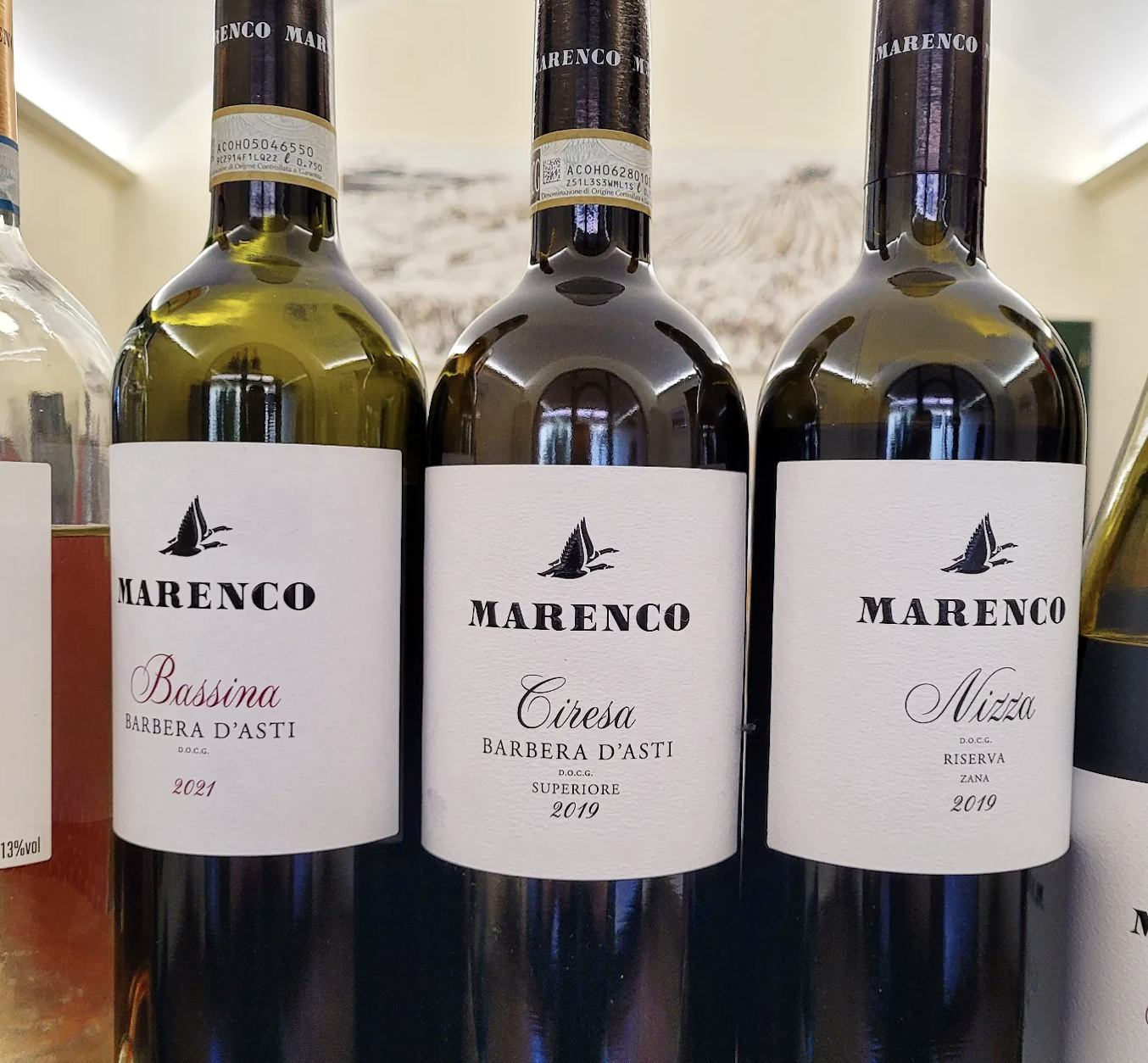
Marenco Moscato d’Asti DOCG Scrapona 2022

Andrea Costa sets the table. “Strevi is always different from the rest of the Moscato d’Asti areas. You can really see the difference.” Leaner aromatics while conversely bolder in mouthfeel and fatter of structure. Limestone soil makes for fine acidity that is characteristic of this southern area, closer to the Appenines. The palate is full, wide and of a breadth impressive indeed that acts as a great distraction from the level of sweetness. And then comes that 2022 tannin, because of Strevi more forceful than most. Drink 2023-2025.  Tasted January 2023

Marenco Moscato d’Asti DOCG Scrapona 2017

Now going back five years and the winemaking no different then, just as it is still today. Though some 2017s are not yet showing a return to aging and development this from Strevi is just beginning its next level evolution and the fascination is upon us. Evergreen and petrol in cohorts, dried lemongrass and some sort of sweet and sour solvent. Grassy and chamomile plus the aromatic skin of “cedro,” aka fine strips of cedar bark. Great mouthfeel and persistence from what may be a vintage that will age quicker than some but for the next three-plus years it will do what we hope from aging moscato. Drink 2023-2026.  Tasted January 2023

Marenco Moscato d’Asti DOCG Scrapona 2012

Now we are really getting somewhere with an older moscato that is not only holding well but just a few minutes in the glass and everything begins to change. This bottle is in great shape, the hue of moscato brilliant golden yellow and the aromatics shining just like the wine’s hue. Sweet straw and lemon curd, like aged Icewine from riesling and the vintage just must have provided great balance. Acidity remains perfectly in tact and the tact of this wine is it’s seamlessness, unwavering, still holding a perfect line. Bravo. Buonissimo. Life yet to live. Drink 2023-2026.  Tasted January 2023

Matteo Sorìa Asti Brut DOCG NV Bric Prima Bella Sparkling Wine

Actually Extra Brut because there is only 1 g/L of residual sugar and in fact Matteo Sorìa is the only one making Asti Sparkling as bone dry. Maintains the aromatic profile of moscato from here in Castiglione Tinella but the profile is wholly, utterly and distinctly unique. A balanced Asti with slightly higher alcohol at 12 per cent though this is in reality 12.7 and yes, dry as the desert. Fennel seed, rosemary and yet never tart at all. Sees six to eight months on the lees with higher acidity at 6.3 g/L and this is what Sorìa is looking for. First disgorgement of this style and it has my attention. The only change going forward will be to keep extending the lees aging, albeit slowly, slowly. A reminder that it’s a tank method sparkling wine. Drink 2023-2025.  Tasted January 2023

Matteo Sorìa Cascinetta Asti DOCG Cascinetta NV

The area was called Cascinetta and also the name of one of Matteo Sorìa’s brands. This is the sweeter sparkler at 140 g\L with 7 g\L of total acidity and 7.0 percent alcohol. Also non-vintage so therefore a mix of at least (but up to 15 per cent) two or three older vintages. All for the purpose of consistency in style and a consumers’ taste. Sugar is quite hidden, flavours are very stone fruit and acidity rules the day. Looong finish, so clean and quite precise for this style of fizzy wine. Drink 2023-2025.  Tasted January 2023

Matteo Sorià

Matteo Sorìa Cascinetta Moscato d’Asti DOP

Bottled last week so yes this is about the freshest moscato you will ever find. Intensity of florals and aromatics off the charts and also here lower sulphites than most, with thanks to the newest of filtering technology used in the winery. Passes though 1.0, 0.65 and 0.45 micron filters and finishes with just 150 g\L of sulphites. The flowers and the stone fruit on the nose are matched by the white chalky-clay soil that determine what kind of moscato comes from Matteo Sorìa. Perfectly executed sweeter style. Drink 2023-2025.  Tasted January 2023

Matteo Soria Moscato d’Asti DOCG Soria 2012

Ten years old and bottled February 2013. A warm vintage with a great deal of rain and wow has this wine stood the test of time. The bubbles are preserved, it feels drier and the appearance is of a wine only a year or two old. Drier because the acidity is high and after 10 years that acidity hasn’t changed. Probably 120 g\L of sugar and the aromas are so beautifully preserved as well, though they have certainly morphed with some crème frâiche now, but also lemongrass, Vietnamese herbs and the beginning of petrol. Yet to express any solvents or waxiness. That may be coming, not soon but down the road. Incredible freshness. Magic. For now and it remains to be seen what can be gained from 10 more years of aging. Drink 2023-2028.  Tasted January 2023

Cantina Alice Bel Colle Cuvée Tresessanta Blanc De Blancs Pas Dosé 2018, Alta Langa DOCG

The alcohol is a bit high (at 13.5 per cent) due to “a bureaucratic problem,” explains President President Claudio Negrino, having obtained the appellative status a bit tardy and so the harvest was delayed, otherwise it would not have been called Alta Langa DOCG. Makes for more gastronomy in a few ways, even it it’s not perfectly suitable to be drunk own its own. All moscato, aged 36 months on the lees in the richest of possible moscato employed ways, like candied ginger, salty kewpie mayo and seasoned sushi rice in a bottle. Carries a metallic note as well, like viognier, but the acidity is really good. Also a golden hue and beneficial bitters. Drink 2023-2025.  Tasted January 2023

Cantina Alice Bel Colle Moscato Secco 360 degrees Collezione Filarej, DOC Piemonte

The label depicts a description, of standing at the top of the unnamed hill though it may be affectionately called “Belvedere,” a beautiful panoramic view, 360 degrees, overlooking the village itself. Here a dry moscato that has been made at Alice bel Colle for more than 10 years, well before the DOC was created. Still perfumed with more linalool than a dry example would usually emit and the sugar here is 3-4 g\L, essentially insignificant as it pertains to this grape. Once again there is as much a viognier feeling gained as there is moscato and that is fully attributed to a strong aromatic profile predicated on phenolics which masks the alcohol (at 14 per cent). Clearly a wine that benefitted from expert temperature control during fermentation to capture perfumes and avoid bitterness. A style of wine on the rise, modern and contemporary. Drink 2023-2025.  Tasted January 2023

Acqui Secco DOCG Monte Ridolfi Lupus Glorioso 2020

A dry version of brachetto and so an agreement they would be called simply “Acqui,” as opposed to “Brachetto d’Acqui,” which is the sweet version. Not a rule but a marketing choice made by the members of the Consorzio. Avoids consumer misconception. Again the aromatics are captured despite the dry factor and like the moscato concept there is a modernity and a sense of innovation involved. Red fruit with all the right moves, black cherry and just that fine little bit of bitterness from the stone. Fineness of tannin and long on the finish with good natural sweetness and impressive balance. Simple and not complex but quite satisfying. All stainless and some concrete tanks for a good level of freshness though interesting in that there is no real salumi or meaty skin muskiness. Really clean and focused. Drink 2023-2024.  Tasted January 2023

Cantina Alice Bel Colle Dolcetto d’Acqui DOC 360 Degrees Collezione Coste Di Muiran 2021

Not a wine of a single vineyard dolcetto but from a specific area out of which grapes are chosen. Bit of a funny barnyard aroma mixed with very ripe strawberry with some musky fruit skin leatheriness. Much lighter than Dogliani versions and yet also fruitier than those from the Monferrato Hills further west from Alice bel Colle. Smells like pizza dough in action, still a bit raw yet getting somewhere. Also mulberry bush, Ribena and yet good acidity keeping the grip and also balance in play. Solid and characterful, yet another wine of gastronomy. Fine bitterness upon the chewy finish. Drink 2023-2025.  Tasted January 2023

With Claudio Negrini, President – Cantina Alice bel Colle

Cantina Alice Bel Colle Barbera d’Asti DOCG 360 Degrees Collezione Al Casò 2021

Al Casò faces south-southeast heading from Alice bel Colle towards Nizza, very close, on the right, of vineyards somewhere between young and old, right in the sweet spot. Lions of cherry here, a variegation of ripenesses, in reds and green but mostly concentration. Selected from many small parcels, 95 per cent collected by hand. Fermentations are kept separate and blended after. Expressive of barbera’s acidity but also stringent behaviour, kept in check though surely present in this wine. There is a real presence and persistence and so the wine improves with time spent getting to know its grippy charms. Drink 2024-2026.  Tasted January 2023

Cantina Alice Bel Colle Barbera d’Asti Superiore DOCG Alix 2019

The flagship red for the cooperative Cantina Alice be Colle and almost counterintuitive because there is immediate brightness and effusive behaviour straight away. Alix was the ancient name of the village and there were at the time two roads running up and down the hill that formed an “X.” As in going to the X, to the village, now called Alice bel Colle. Now up to 15 per cent alcohol though it wears it well and the aromatics are surprisingly open-knit. Intensely or more so the kind of tart that is truly implosive, reflexive and recoiling. Wood is all about spice and structure, not overwhelming though unavoidably in charge. Ample purity which bequeathes originality and in the end a thank you to the calcareous-quartz soils. Drink 2024-2027.  Tasted January 2023

Cantina Alice Bel Colle Brachetto d’Acqui DOCG Le Casette Di Alice NV

The cousin of Moscato Casette, like-minded in sweetness and purpose though brachetto’s key ingredient is more particular, from strawberry to rose, depending on the vintage. An herbal vintage which doesn’t necessarily choose one over the other but brings in the leaves of both. Acidity is maintained and freshness guaranteed. This is quite open and lively with a scrape of orange zest that brightens the finish. Drink 2023-2025.  Tasted January 2023

Bera Brut Alta Langa DOCG And DOP 2016

Disgorged in late November from a wine that has been made the same way since the 1980s, 70 per cent chardonnay and (30). Walter Bera’s father Sisto had been growing pinot noir and chardonnay going back even further so he was one of the pioneers, like Carlo Gancia. The ’16 spent 48 months on the lees and this is the last bottle of this disgorgement. Grown on white chalk in the Langhe so yes there is some lightning in here with just 4 g/L of dosage, vintage related but that’s the median point overall. So much flavour, with mid-palate and structure, yet round and so getable. Drink 2023-2026.  Tasted January 2023

Bera Dolcetto d’Alba DOC 2021

“Dolcetto has been in our roots for a very long time, on a very historical piece of our land,” tells Riccardo Bera, from a Neive vineyard, once planted as the king of the Langhe as the most important grape. It fetched more money than nebbiolo. It was currency. Today it’s the easiest wine, low in structure and acidity, but also austerity and it’s the perfect match for local food. This ’21 smells so primary, as if it were from the tank and yet it’s more than a year old. Incredibly fresh, bursting with red fruit of every ilk, flesh and size. Supremely aromatic and Riccardo’s brother Umberto is the new gen oenologist keeping the old traditions alive. A week on skins, stainless steel only, some tannin that is Neive but not nebbiolo austerity at all. Perfect mid-weight dolcetto. Drink 2023-2026.  Tasted January 2023

Bera Barbera d’Alba Superiore DOCG La Lena 2019

Lena was the name of Riccardo Bera’s great-grandmother, as in Sisto’s mother. Aged in 25 hL casks, the fruit coming from Neive, same area as the dolcetto. Actually Gaia Principe, halfway between the villages of Neive and Barbaresco. Just fresh enough to stay happy and healthy even while temperatures rise and fruit concentrates exponentially. The structure here separates this from other barbera while the wood never dominates. Well thought out, considered, never hastily conceptualized or actualized but made well to deliver persistence and more than ample amenability. Drink 2023-2028.  Tasted January 2023

With Riccardo Bera

Bera Barbaresco DOCG Serraboella 2019

The western cru close to Neive village, exposition to the west, from the lower section at 350m. Planted 15 years ago with the intention to make classic “Villages” Barbaresco but the fruit from 2016 changed the family’s perspective. That vintage was the first cru label and here from the fourth consecutive the refinement time is 24 months in grandi botti, part Slovenian and part Austrian oak. Tannic to be sure yet not quite what you’d call austere. Greatly structured wine and still far from readiness. “That’s the young baby we’re talking about,” says Riccardo. “It’s the cru that surprises me.” Great aromatic presence and fine chalky liquidity running through. Drink 2025-2032.  Tasted January 2023

Bera Barbaresco Riserva DOCG Rabajà 2015

Rabajà faces southwest and this fruit comes right from the heart, only bottled as Riserva. Vines in and around 40 years of age and three years spent in Grandi Botti. Aromatically you intuit glycerin and as a Barbaresco there is clearly more acumen and experience from plants that first gave this wine life out of the 2011 vintage. Tannins are even more compact than Seraboella, trying to expand but they just keep weighing down and won’t fully relent. Layering of red fruit and they are beautiful layers but each one carries tannin of ilk upon ilk. This is Barbaresco of sapidity as a quotient of acids and pH working in cohorts. The palate attack is quite fantastical. Give this another year. Drink 2024-2033.  Tasted January 2023

Bera Barbaresco Riserva DOCG Basarin 2012

Basarin is home to much older vines, upwards of 65 years-old and is one of the steepest vineyards in Barbaresco. A snake of a vineyard and very challenging to work. South exposure, warm for sure and a soil composition higher in chalk than clay but not too dissimilar to Rabajà. Herbaceous notes come from Basarin and “when I was young, every time I went to the tank I had this feeling,” tells Riccardo Bera. The first vintage out of which the tannins are nearly resolved and yet the fruit persists in near whole and perfect freshness. A nebbiolo in wonderful condition and while the vintage was hot there might have been a different result. This is almost, not quite but nearly ready, as far as optimum or perfect windows are concerned. Liquorice here, a touch of tar and well, “most of this job for us is to start with the best grapes you can. The quality is in the vineyard. A good winemaker can keep the 10. A five you cannot fix.” Ten it is. Drink 2023-2032.  Tasted January 2023

Bera Barolo DOCG Mosconi 2017

From this vintage the fruit is not 100 per cent Bera and just shortly thereafter the Bera family purchased a portion of the famous Monforte cru. This is the first and only trial vintage before the purchase but the focus was on acquiring a piece. Straight away the dry and brushy vintage while some red fruit freshness persists. Some austerity yet starting, to advance, mature and soften. The reconciliation and full recovery may be a year or two away but this nebbiolo is showing the signs. Quality precursor to what is coming form the new plantation and Bera’s full control of their own Mosconi Barolo destiny. Drink 2024-2028.  Tasted January 2023

Coppo 1892 Brut Rosé Clelia Coppo Metodo Classico Vino Spumante Di Qualità 2019

Assemblage of chardonnay with only five per cent pinot noir in a cuvée named for Luigi Coppo’s grandmother. Just five per cent but red fruit really defines this traditional method sparkling wine. Red currants and a hint of strawberry, sweetly leafy and mildly tart. Drink 2023-2025.  Tasted January 2023

Coppo 1892 Piero Coppo Riserva Del Fondatore 2013, Alta Langa Riserva DOCG

The 2013 vintage is the turning point to this 60 percent pinot noir and (40) chardonnay becoming and being labeled Alta Langa, recently disgorged in 2022. Previous disgorgements were labelled Vino Spumante di Qualità. Now into wildly vivid and famous complexity, toasty yes but there’s a crème frâiche and an almost strawberries and cream component. Eonologists GianMario Cerrutti, Guiliermo Grasso and Vittorio Pescarmona conspired to see this age 85 to 90 months on the lees, almost unprecedented around Asti. Has hit its stride, in the right place between crunchy and the kind of sparkling wine that you begin to ruminate with in the mouth. Cerebral wine in every respect. Drink 2023-2027.  Tasted January 2023

Coppo 1892 Monteriolo 2020, DOC Piemonte

Mainly stainless steel with 10 per cent barriques. Reductive and yet wildly exotic, so much so the protective shell can’t seem to hold back the aromatics. Of minerals and elements, tropical fruit and wet stone. Turns flinty or rather encourages this note, followed by lit paraffin and finally a hit of lemon pith plus fine bitters. Everything in moderation, subtlety and restraint. The dream of generations continues. Drink 2023-2026.  Tasted January 2023

Coppo 1892 Monteriolo 2015, DOC Piemonte

Chardonnay at seven years is extraordinary, from the limestone and clay of Castelnuovo Calcea with all the hints of the early days now emerging into the secondary machinations so wished for in Nizza-Monferatto area chardonnay. Of solvents and camphor, paraffin and flintiness stretched elastic for miles and miles. Structured wine of sapidity which is once again the correct and beautiful way for chardonnay to complete its raison d’être. That and freshness so persistent. Drink 2023-2025.  Tasted January 2023

Coppo 1892 Chardonnay Monteriolo Riserva Della Famiglia 2017, DOC Piemonte

A warm and dry vintage for concentration to be guaranteed but looking forward to 2022 the lack of winter snow and spring/summer rain will make for a much more difficult proposition. This is not only beautiful as an aged chardonnay but also impressive in its Riserva style concentration. Takes the waxiness, phenolic meets solvent tonic and citrus to an entirely next level. Chardonnay and 2017 make for an ideal and lasting marriage in Nizza Monferrato. Drink 2023-2026.  Tasted January 2023

Coppo Barbera d’Asti Nizza DOCG Pomorosso 2019

A Barbera d’Asti from the highest level from Nizza where the soils are key, of fine and friable clay with sparkling mineral content above a layer of nearly pure though porous limestone to raise barbera no other Asti area is able to procure. Castelnuovo Calcea and Vinchio bring the grip and stage presence, mainly from old vineyards. The Pomorosso is a cuvée and while structurally speaking this is a very serious wine, there is a portion from near Agliano Terme that brings a roundness and ultimately balance. The components of acidity and tannin are strongest but they do not dominate as might be expected. There is a juiciness and fine if sharp red fruit presence part plum and part red berry plume. Pomegranate shares the spotlight and this is a very generous vintage. Surprisingly accessible. Agreeable and yet age worthy to. Drink 2023-2028.  Tasted January 2023

Coppo Barbera d’Asti Superiore Nizza DOCG Riserva Di Famiglia 2015

Notably evolved yet right in that secondary zone where things have become really interesting. Pine forest, limestone and espresso, a veritable caffè of barbera with juicy black cherries and finishing dark chocolate. A vintage where the wood is really felt and these are the final days of excellence. Thank goodness for top barbera acidity. Drink 2023-2025.  Tasted January 2023

With Davide Ghiga

Azienda Agricola Ghiga Enrico Dolcetto 2021, Monferrato DOC

The first of the Ghiga red grapes to be harvested and here from Monferrato the alcohol is still coming in at 13 per cent. Meat scented, a salumi skin but mostly freshness because this zone is still one of the lucky ones. Fruit is fleshy but again the skins are so much a part of determining style; musky plum and minerals cut by an almost raspberry tang. Lovely but complex dolcetto. Liking the length here. Production is approximately 2,000 bottles per year. Drink 2023-2024.  Tasted January 2023

Azienda Agricola Ghiga Enrico Barbera d’Asti DOCG 2021

Barbera from a very particular terroir that manages freshness really well because the soils of Costigiole and the winds that come in from the mountains create temperature wings and a maintenance of cooling acidity. A world away from barbera raised in Alba, here at 13.5 percent alcohol and no wood involved in the aging process. Fruit at the centre with great Scott acidity in the range of six to 6.5 g\L. Drinks in many ways like the dolcetto but there is more depth and even some tarry character involved. The vines are 40-50 years of age and it is both concentration and intensity that are provided. Also herbal, like Amaro and in the end a balanced effort. This is the wine for Bollito Misto. Truly. Drink 2023-2026.  Tasted January 2023

Azienda Agricola Ghiga Enrico Barbera d’Asti Superiore DOCG Dodici Lune 2019

In Superiore barbera gets special wood treatment, now and since 2016 with two foudres, two barriques and one tonneaux sitting like little Buddhas in a small aging room dedicated to this wine. The rest in those vessels is for one year and another in bottle. The wines are racked in tank to make the blend, usually in June or July. Fruit from the zone (località) of San Michele in Costigiole d’Asti, as always and one of the coolest barbera zones pretty much anywhere in Piemonte. Superiore is a 20-25 per cent selection of the best barbera grapes and the quality in terms of concentration but also purity is evident in this fine vintage of this fine wine. Acidity always high, especially from this place and “this is our style right now,” tells Davide Ghiga. Around 2,000-2,300 bottles annually. Drink 2023-2028.  Tasted January 2023

Marenco Rosato Acqui DOCG Ma Ré 2021

Ma Ré as in Marenco and also “Ro-Sé.” An experimental Rosé (third try) labeled Acqui which under the new understanding puts it on the drier side and spends a maximum of 48 hours on the skins. This puts it in similar vinification methodology to the sweeter Brachetto d’Acqui. That said fermentative temperatures don’t need to be cold because immediate gratification is the point of the exercise. Dry and salty, 2-3 g\L of RS, very tisane, namely bergamot, then pomegranate, orange and rose petal. Really nice Rosato. Drink 2023-2025.  Tasted January 2023

Moscato Secco Ma Mù 2021, DOC Piemonte

Ma Mù (which carries a Champagne story), is local dialect to speak about the grape moscato and this is also experimental in that dry iterations are neither traditional nor normal. Yet here we are with the grape and the sugar fermented away to finish at 13 per cent alcohol. Barrel fermented on the lees for six months, made to last, to age a few years. Able to capture and maintain the origins of varietal aromatics and so the result is almost pinot gris in temperament, a little bit salty and simultaneously white floral. Citrus is all juice and the terpenes stay in control. This is the second vintage though the first was problematic due to reduction. This 2021 is clean and precise. Drink 2023-2025.  Tasted January 2023

Marenco Barbera d’Asti DOCG Bassina 2021

Classic and traditional, never a thought of barriques, not even botti but only stainless steel and concrete. Modern and yet big enough to speak the language of red wine that thinks on its feet and walks a confident walk. “We have two advantages that makes better barbera than 10 years ago,” tells Andrea Costa. “One is climate which maintains acidity and the second is how we think better in both the vineyard and in the cellar.” Expressively juicy and bright, with roundness and mouth filling qualities. What we like to call generous and perfectly without astringencies. Clean as a whistle. Drink 2023-2026.  Tasted January 2023

Marenco Barbera d’Asti Superiore DOCG Ciresa 2019

The Superiore ages in botti for 18 months and the expression is much bolder, sanguine, accented by a number of herbs and spices. Caper and dill, tobacco, pine tree, balsamico, black cherry and persistent in its intensity. Needs air and agitation because the wood and the time have conspired for a bit of reduction that must be encouraged to leave the glass. It will if you have the patience and you will because there are charms and structural components worth waiting for. Drink 2024-2027.  Tasted January 2023

Marenco Barbera d’Asti Nizza Riserva DOCG Zana

Zana is a cru in Castiglione (recently mapped out by Alesssandro Masnaghetti), high in elevation and the barbera here from Nizza ages 18 months in barriques and tonneaux. Does not show its wood so readily and in fact the fruit aromatics are quite pronounced. The air and breathability from elevation definitely help to keep the windows open in a barbera that should by all accounts be closed and unwilling. Not the case as this sky brightens and the wine shares its charms. Good structure here because of high ranking acidity leaning part sweet and part sour into the tannins. More singularity from Marenco, this time for Nizza. Drink 2024-2028.  Tasted January 2023

Marenco Albrarossa Piemonte DOC 2019

Aged in the larger (15 hL) barrel, this time from a variety that has just one or two biotypes. Bottom line is that albarossa is dark matter, tarry, like heavy fuel and the wood only serves to accent what’s already there. Like petit sirah but in Piemonte, or perhaps malbec/tannat from Cahors but truthfully it’s what it is, of its own accord. But acidity here is all Monferrato meets Strevi and this kind of cimmerian red wine is an own character and style. Great acidity here that gives barbera a run for its money. A bit dill pickle and peppery reductive so give it some air. Drink 2024-2027.  Tasted January 2023

Marenco Brachetto d’Acqui DOCG Pineto 2022

Pineto, the name of the church across the way. “This wine just needs people to open the bottle and drink it,” not to compare or think about anything else in the world. “It’s so unique” says Andrea Costa. Less muscle as compared to moscato, some tannin aka tisane from a day on skins and just the way of the grape. The grapes were heavier in 2022 because of the skins and thus the tannic sensation is gained. Strawberry and orange zest, cranberry and basilico. An ideal brachetto right here. Drink 2023-2026.  Tasted January 2023

Good to go!

godello

Moscato vineyard, Castiglione Tinella

Twitter: @mgodello

Instagram: mgodello

WineAlign

Three DOCG pillars of Asti: Secco, Dolce, Moscato d’Asti

For a wine region to succeed it must exercise sustainable principles and do so by meeting the needs of the present without compromising the ability of future generations to meet theirs. Investment argues for three main pillars: economic, environmental, and social, a.k.a. people, planet and profits. In scientific terms sustainability refers to an ecosystem’s ability to exist constantly at a cost within a universe that evolves towards thermodynamic equilibrium within a state of maximum entropy. A modern vernacular would speak of the coexistence between humans and their host biosphere. A transfer of these ideological theories into wine-speak says that in Asti the growers, producers and their appointed Tutela dell’Asti DOCG chaperones have collectively agreed to set the appellative wines of Asti Secco DOCG, Asti Dolce DOCG and Moscato d’Asti DOCG as representative of their present and future. Three pillars of Asti.

“Born in 1932, the Consortium for the Promotion of Asti has a clear mission: to perform all the necessary actions to protect, promote and enhance the value of Asti and Moscato d’Asti, in Italy and the world.” The sustainable manifesto is clear and one day spent inside the offices of the Consortium will instruct and explain all you need to know about economic, social, environmental, export, security and what Italians refer to as disciplinare policies. Regulations regarding vineyard yields, levels of alcohol, sugar, extract and bars of pressure are so defined as to ensure current production and sales viability but also explicitly what the next generation will need to carry the work forward.

Guido Bezzo and the Asti lab crew

The Consortium’s Laboritorio Analisi for the Tutela dell’Asti DOCG is one of the most advanced and technologically impressive anywhere, with the mechanization capable of carrying out a diverse set of analyses. Under the guise of Guido Bezzo, who incidentally also happens to be a virtuoso trumpeter, the lab exerts its expertise far beyond pedestrian testing of alcohol, sugar and varietal purity. It delves deeper than mere organoleptic conclusions. The lab’s research works to investigate the impact analysis results for one 750 mL bottle of Asti wine covering categories that includes a mind-boggling set of parameters: Climate change; Reduction of the ozone layer; Toxicity and carcinogenic effects on humans; Particulate/smog caused by emissions of inorganic substances; Ionizing radiation effects on human inorganic health; Photochemical ozone formation; Acidification; Terrestrial, aquatic and marine eutrophication; Ecotoxicity in freshwater aquatic environments; Soil transformation; Resource depletion in water, minerals and fossils. Heady stuff indeed.

Dinner at Teatro Alfieri, Asti with President of the Consorzio Moscato d’Asti DOCG President Romano Dogliotti

La Caudrina’s Romano Dogliotti is President of the Consorzio dell’Asti DOCG and like so many Langhe winemakers, he is intrinsically tied to tradition but with a decisive openness to new technologies. In line withy many of his compatriots, Dogliotto’s Moscato d’Asti is made by putting yeast and moscato grape must in an autoclave. The must ferments at low temperature in this reinforced fermentation vessel until about half the natural sugar is consumed, then the wine is quickly passed through a micron filter to arrest the fermentation. The result is Moscato d’Asti at five and a half degrees of alcohol by volume and enough residual sweetness to conjure the feeling of eating ripe orchard fruit. In Asti the moscato comes out three ways: Secco, Dolce, Moscato d’Asti.

There are 10,000 hectares of vineyards for these lightly sparkling, off-dry to sweet Asti white wines and the Consorzio is entrusted to promote and protect the wines in the appellation. They are widely imitated and so undertaking legal action and registering trademarks in every country is a necessary side-hustle of the job. In terms of producer requests, all changes and modifications applied for must be approved by the consortium. An integral aspect of the work involves field, vineyard as well as laboratory research.

Teatro Alfieri, Asti

Asti covers parts of 52 communes, three provinces; Asti, Cuneo, Alessandria and three territories; Langhe, Roero and Monferrato. The vineyard landscape of these three famous Piedmontese areas were recognized by UNESCO as a World Heritage Site in 2014, Un territorio Patrimonio dell’Umanità. Sedimentary soils that date back 10-15 million years predominate. One is the Pliocenic basin of Asti to the northeast. The to the west around Canelli there are Serravallian (Middle Miocene) soils, stratified layers of blue clay, sand and lime. Many believe this to be the best composition for Moscato d’Asti. To the east in the area of Strevi the ground is Tortonian (late Miocene), younger at five to 10 million years, with more clay and more lime in deeper layers and colour. 

Laboritorio Analisi for the Tutela dell’Asti DOCG

The crux of the varietal situation is twofold, at once for vineyards subsisting at the foot of the Alps and also drawing energy being proximate to the sea. Seventy-five per cent of the vineyards are directly protected by the mountains. As seemingly everywhere, climate is changing here too. In the last 15 years average temperatures have increased by one degree. In the past 58 years the average increase has been by two. More important are temperature abnormalities. The centrepiece moscato bianco is a very sensitive grape and easily subjected to diseases. A study of 15 experimental vineyards continues to assess the vintages and the shifting climatic effect on the wines.

Agnolotti al tartufo bianco, Ristorante Cascinale Nuovo (Isola d’Asti – http://www.walterferretto.com)

Guyot training is appropriate for poor quality soils and lower yields. Broken down by altitude, 44 per cent of the vineyards are at 250-300m and 30 per cent at 300-450m. In terms of slope, 2,770 of 9,700ha have a gradient higher than 30 per cent, 336 ha with a gradient of more than 50. “Heroic agriculture” is the moniker bestowed. “The Sorì vineyards.” No mechanization is employed and a certain crucial must is picking times, especially in terms of the preservation of moscato bianco’s aromatic compounds.  Yields per hectare are set at 9.5 tonnes for Asti and Moscato d’Asti, the approximate price at 1.1 Euro.

With Andrea Costa, Vini Marenco

The 60,000 tonnes kept at negative four degrees in summer costs dearly in equipment and energy. It is widely believed that juice can stay in tank for up to two years without losing aromatic concentration. Fermentation takes place at 20 degrees in pressure tanks developed by Italian sparkling wine pioneer Dr. Federico Martinotti, director of the Research Institute for the Wine of Asti, who patented the method in 1895. Martinotti is credited with creating the method of developing the bubbles inside of tanks. The juice can stand pressures of more than 10 bars. Yeasts must be stopped abruptly (in a matter of a few hours) to avoid off odours and flavours, i.e rotten egg and cooked cabbage. Centrifuge and filters are used. In the past pasteurization at 50 degrees was the norm but now micro filtration screens out the yeast (at 0.2 microns) and stabilizes the wines. Agronomist/viticuilturalist Daniele Eberle also explains how Fratelli Gancia used the same techniques that the French used here in Piemonte in the late 1800s. The city of Canelli, cultural home of Asti holds the highest concentration of companies that make all the equipment necessary for bottling Spumante wines.

Étretat – Claude Monet, Palazzo Mazzetti

These are the disciplinare for the three appellation wines:

  • Asti Dolce DOCG: 6-7 per cent alcohol by volume, 90-100 g/L residual sugar and Sparkling at maximum 4-5 bars of pressure
  • Moscato d’Asti DOCG: Minimum 4.5 up to 6.5 per cent alcohol by volume, 120-130 g/L residual sugar and Sparkling at maximum 2.5 bars of pressure 
  • Asti Secco DOCG: Minimum 11.0 per cent alcohol by volume, 17 g/L residual sugar and Sparkling at 3-3.5 maximum bars of pressure

Massive thanks to Mariana Nedic, Marina Nedic, Ana Murguia and the staff at IEEM Communications. Looking back at December travels and work assignments in Italy I now find myself focusing in on the new and forward thinking Moscato d’Asti stories in the heart of Piemonte. Tough wines to produce but these traditional producers have to do it. It Is their heritage, imperative and pleasure. At the Consorzio dell’Asti in Isola d’Asti the steps and stages of Asti’s gently sparkling wines gave way to a blind tasting of the following seven. 

Blind Tasting

Duchessa Lia Asti Secco DOCG Santo Stefano Belbo, Piedmont, Italy

Lime and a soapy entry but on the drier side, likely Asti Secco. Feels like 15 g/L of sugar with gentle and supportive acidity. Somewhere between peach and pear, clean and perhaps too much so. Certainly a fine mousse and persistence. A new style from which the aromatics are diminished and yet the gain in versatility in this case indicates one done well. Does well to avoid the potential of bitters marking the finish. Alcohol is at 11.0 per cent and sugars could be as high as 17 g/L though this seems lower in the 10-12 range. Drink 2019-2021. Tasted blind at the Asti DOCG consortium, December 2019

Acquesi Asti Dolce DOCG, Piedmont, Italy ($13.95)

Asti Dolce for sure, crazy sweet and reminiscent of a lime creamsicle. Aromatic but not overtly so, all controlled by the sugars and so very cloying. Exceptionally foamy, creamed and whipped in mousse. Perfectly suited to flavour a zabaglione to work alongside hazelnuts baked into a soft, crumbly cake. Alcohol at 7.0 per cent and sugars at 90-100 g/L. Drink 2019.  Tasted blind at the Asti DOCG consortium, December 2019

Gancia Asti Secco DOCG Cuvée Asti 24 Messi Método Classico 2012, Piedmont, Italy

A wine that owes to the experience of Carlo Gancia in Canelli. Wildly aromatic, a Langhe experiential moment straight away conceived and delivered. A Piedmontese traditional method bubble that is clearly more complex than kin simplicities. Bottle fermented and made from grapes harvested in 2012. Recently disgorged so at least six years on the lees technically Asti Dolce but really no affinity because the secondary and even tertiary aromas are in. Baking scents and oxidative meets caramelized notes are part of the mix, as is this ginger-orange créme brûlée with a healthy compliment of torched sugar flavours. A complex mess of aromatics, next level texture and most of all, multi-developed levels and layers of sweetness. Drink 2019-2022. Tasted blind at the Asti DOCG consortium, December 2019

Bèra Moscato d’ Asti DOCG 2019, Piedmont, Italy ($29.30)

Now into Moscato d’Asti with the most classic presentation, aromatically effusive, effective, generous and free. The sweetness in such a moscato is so very stone fruit based and subjected to a perfectly ripe squeeze of more than one citrus. Lemon, lime and orange without forgetting the smells of their blossoms. Quite correct and more so, leaving an impression that is not soon left for dust. From fruit grown in Meviglie at the limit of Neive. Drink 2019-2021.  Tasted blind at the Asti DOCG consortium, December 2019

Michele Chiarlo Moscato d’Asti DOCG Nivole 2018, Piedmont, Italy (650440, $9.75, 375ml)

Waxy, aerosol citrus and perhaps a year older with prevalent if weighty acids that settle this Moscato d’Asti into a secondary period. Both aromatics and freshness are diminished though so seem the sugars so the balance is still well-afforded. Ultimately a perfect example of the ripe peach scents so expected from Moscato d’Asti. Drink 2019-2021. Tasted blind at the Asti DOCG consortium, December 2019

Mongioia Moscato d’Asti DOCG Crivella 2016, Piedmont, Italy

Quite toasty and though no wood was used it shows a remarkably semi-oxidative and lightly caramelized character that brings colour, cooked apple and creamy nectarine mousse. It has certainly come to a more interesting and charming place with just a moment’s liquorice and this white fig flavour. Worth some fun and giggles with persistent acids. Fruit from steep vineyards in Santo Stefano Belbo in the province of Cuneo at the border of Asti. Drink 2019-2020.  Tasted blind at the Asti DOCG consortium, December 2019

Mongioia Moscato d’Asti DOCG Crivella 2003, Piedmont, Italy

Quite the advanced Moscato d’Asti here at the edge of tumbling down from the Sorì. Oxidative and fully caramelized notes, with preserved lemon, torched orange and candied ginger. The sugars are accentuated as a result of the diminishing acidity. Still a joyous showing for a 16 year-old moscato. Fruit from steep vineyards in Santo Stefano Belbo in the province of Cuneo at the border of Asti. Drink 2019.  Tasted December 2019

Tasting next door to Monet

After the Masterclass and blind tasting we transferred to Asti and convened in Palazzo Mazzetti for a walk-around with the producers in the company of a small but exquisite exhibit, “Monet e gli Impressionisti.” These winemakers are finding new success by making use of advanced technologies, higher altitudes, specific soils and identifiable crus. These are the Moscato d’Asti I tasted and the world may know they are to be reckoned with.

Azienda Agricola Cerino Moscato d’Asti DOCG 2019, Piedmont, Italy

A curious and interesting moscato this one, fresh enough and so very basil herbal, then white flowers and lime. A touch refined in white sweetness, also tart, long and elastic. Unique and quite fine. Drink 2019-2020.  Tasted December 2019

Azienda Agricola Gallo Cascina Cabonaldo Moscato d’Asti DOCG 2019, Piedmont, Italy

Located in Montabone, halfway between Canelli (to the west) and Acqui Terme (to the southeast). The vineyards at 320m help strengthen the haughty aromatics, even while this moscato acts pale and sallow though clearly fresh, clean and seemingly simple. Nothing wrong with that in fact this is one of the easiest feats of drinking amenability. Direct, correct and highly effective. Drink 2019-2020.  Tasted December 2019

Lorenzo Gozzelino and Silviana Ignat

Azienda Agricola Gozzelino Sergio Moscato d’Asti DOCG 2018, Piedmont, Italy

Righteous, energetic, ripe and frantic moscato is exemplary as such because it enlivens the heart and enlightens the mind. Big, bouncy, bountiful and welling with blossom aromatics leading to rich, striking, full flavour. Lemon and apricot develop a marmalade of unction, glycerin and natural texture. This fruit from Gozzelino’s vineyards is top notch. Drink 2019-2022.  Tasted December 2019

Gozzelino Moscato Passito DOC Piemonte 2012, Piedmont, Italy

Following the manual picking of withered Moscato grapes in November they are pressed and put in refrigerated vats under controlled fermentation. In dessert wine terms for moscato in Piedmont this is the truth, spirited and flashy. Pineapple with an adage of savour in pencil lead and sage of a texture in silken layers. Brazil Nuts are all over the finish as a nougat or an ulterior marzipan. Textbook stuff. Drink 2019-2027.  Tasted December 2019

Azienda Agricola Scagliola Giacomo E Figlio Moscato d’Asti DOCG Sifasol 2018, Piedmont, Italy

Located in Canelli here’s a sweetly viscous moscato very lime-driven from calcareous terroir. High quality acidity off the sorì (top portion) from south-facing vines 70 years of age. High level scents of orange blossom, apricot and sage, so typical of Canelli. Really balanced moscato in every respect. Drink 2019-2022.  Tasted December 2019

Azienda Agricola Terrabianca Moscato d’Asti DOCG 2019, Piedmont, Italy

Azienda Agricola Terrabianca di Alpiste Federico e Andrea is located in Mango at 520-550m, one of the highest points in the Langhe and not far from Castagnole. This for moscato is surely something other, something curious, sweetly magical. Hard not to love a glass. Drink 2019-2021.  Tasted December 2019

Azienda Agricola Terrabianca Moscato d’Asti Vignot DOCG 2019, Piedmont, Italy

Terrabianca’s Vignot cru moscato is from Canelli off a south exposure for vines of 65 years-old. One of the richest Moscato d’Asti wines you will ever indulge in the fine, smooth and feathery way of lemon curd, but also paraffin waxy and spiked by a limoncello spirit. Zested, striking, maximizing varietal and stylistic enjoyment. Clearly a cut above and so very singular. Drink 2019-2024.  Tasted December 2019

Ristorante Cascinale Nuovo (Isola d’Asti – http://www.walterferretto.com)

Azienda Agricola Terrabianca Moscato d’Asti Vignot DOCG 2012, Piedmont, Italy

A rare opportunity to taste the possibilities in aged Moscato d’Asti, here from Terrabianca’s south-facing Vignot cru in Canelli off of vines of 65 years of age. Vines that soak up maximum sun, not just to promote an oriented sweet richesse but also the ability to age. Now having developed honey and the early stages of petrol and persistent tonal depth. Spurts of lemon are the near-term projection with a real smoulder on the vaporous horizon. Really smart stuff in a world of similitude occupied by the likes of riesling and sémillon. Drink 2019-2021.  Tasted December 2019

Cantina Alice Bel Colle Moscato d’Asti DOCG Paiè 2018, Piedmont, Italy

From the hills of Alto Monferrato in and about turn of face with 100 per cent of the moscato grapes subjected to a passito methodology of drying for a few months before turning into sparkling wine. Finishes at 5.5 per cent alcohol and 150 g/L of residual sugar. “It is a new way of showing Moscato d’Asti,” tells the spokesperson on behalf of the choir for 100 members. There can be no argument there. Royally sweet and unequivocally in hyperbole of all the aromatic and fruit concentrated aspects of the Md’A style. Truly haughty and heightened in caricature respect. Is it too much? Drink 2019-2022.  Tasted December 2019

Cantina Tre Secoli Moscato D’asti DOCG 2018, Piedmont, Italy

Located in Canelli Tre Secoli’s moscato is so correct. Combines the full frontal aromatic attack with an easing into back end creaminess and big orange citrus flavour. Perfectly ripe and intentional mild sparkling wine with moments occupied by lemon, lime curd and apricot marmalade. Drink 2019-2020.  Tasted December 2019

Coppo 1892 Moscato d’Asti DOCG Moncalvina “Canelli” 2018, Piedmont, Italy ($23.20 – Estimate)

“Moscato loves altitude as compared to barbera,” tells Luigi Coppo, “and now is the time to think about Moscato d’Asti.” Luigi says it’s a serious wine because it’s difficult to make. No sugars are added or carbonization performed and it’s a vintage wine. These are the three tenets that matter most. From Canelli vineyards between 200-280m and the classicism of construct and effect is pure magic in proper and precise, sleight of hand ability. That’s what it needs to be, no more, no less. Naturally sweet, a pinch of salt and all the orchard fruit; apple, pear, lemon and orange. All together in balance and gift with tannin on a real dry finish. Drink 2019-2023.  Tasted December 2019

Fontanafredda Asti DOCG 2018, Piedmont, Italy

Intense and sharp, mildly herbal and heavy into the citrus to contrast and compliment the heavy sweetness. Some finishing bitters add a feeling of complexity. Drink 2019-2020.  Tasted December 2019

Tartufo Bianco, Ristorante Cascinale Nuovo (Isola d’Asti – http://www.walterferretto.com)

Fontanafredda Moscato d’Asti DOCG Le Fronde 2018, Piedmont, Italy

Here lies Moscato d’Asti at the furthest edge of sweetness and creamy consistency. After the pleasant aromas of peaches and crème frâiche come the stirring moments of a dull anxiety. That feeling of imbalance marks the finish. Drink 2019.  Tasted December 2019

Gianni Doglia Moscato d’Asti DOCG 2019, Piedmont, Italy ($20.00 – Estimate)

The 25th anniversary bottling that combs all the moscato vineyards on the estate though truth be told they all produce quite different wines. “Gianni’s dream was to produce the best moscato ever,” tells sister Paola. The clarity and clean, clean living is evident and with thanks to upstart acidity to balance the sugars. A soil-driven expression of moscato for a fresh and crunchy result. Peaches meet white balsamic for some genuine complexity. Eight to ten bottlings are made each year from wine that sits suspended at one degree in juice format inside steel tanks. At this time of year there is no danger of fermentation. A wine of 5.0 per cent alcohol. Drink 2019-2020.  Tasted December 2019

Gianni Doglia Moscato d’Asti DOCG Casa di Bianca 2018, Piedmont, Italy ($20.00 – Estimate)

A single-vineyard moscato from 35 year-old vines and the plot Gianni’s grandfather just knew grew the best vines and so Gianni first decided to separate it from the pack in 2012. And so this particular moscato sees eight or nine months on the lees and finds a next level of complexity for the stylistic and the tradition. Gives a yeasty note on top of green apple, melon, orange blossom and fine herbs. The acidity is greater and so energy is exercised in perpetual motion. The alcohol result is just slightly higher at 5.5 per cent. A wine completely unique in this world that may just deliver some petrol and paraffin with a few years time. Drink 2019-2023.  Tasted December 2019

Marenco Moscato d’Asti DOCG Strev 2018, Piedmont, Italy

From Strevi in the province of Alessandria equidistant from both Alba and Asti to form a correct isosceles. Strev is the moscato work of Andrea Costa, winemaker Patrizia Marenco and team. Several vineyards in the area are suited to aromatic varieties because of soil composition (white clay, marl and limestone) off of cooler hillsides at 300-320m. Most important is the diurnal shift between day and night temperature. This is the epitome of aromatic preservation on the lemon-lime-orange freshness scale with good acids and next level goodness. Drink 2019-2021.  Tasted December 2019

Andrea Costa and Laura Kaminsky, Vini Marenco

Marenco Moscato d’Asti DOCG Scarpona 2016, Piedmont, Italy

Andrea Costa has a boyish grin and wink in his eye when he delivers this three year-old moscato into my glass and for good reason. This is the revolution in moscato d’asti, the one made so bloody intriguing surely due to innovation projects both in the vineyards and cellar. There’s an affinity here with Collio friulano and sauvignon, namely because of the elasticity and surely the transferrable aromas, in a marine-mountain sandwich effect or what we expect from typical Moscato d’Asti. Moves through passion fruit and mineral-flinty-elemental strikes, so much so the sugars are forgotten. Smouldering, so curious and of more depth than many. Drink 2019-2022.  Tasted December 2019

Matteo Soria Moscato d’Asti DOCG Soria 2019, Piedmont, Italy ($16.00 – Estimate)

Bottled last week, barely moved in, likely not yet settled into its new digs. Made up of 75 per cent 2019 (as per appellation rule) plus a mix of the three previous vintages. Crisp, cleaner and waxier than the ’16 with sharper acidity and leaner flavours. Heavily aromatic and even a bit herbal but just so linear, searing and lightning quick in reflex motion. That said the ripeness is just a tad short of ideal and so Matteo seems to have gone straight to freshness and intensity. It was the correct choice with a little help from the last three vintage friends. All about finding more aromas. Drink 2019-2022.  Tasted December 2019

Michele Chiarlo Moscato d’Asti DOCG Nivole 2019, Piedmont, Italy (650440, $9.75, 375ml)

Waxy, aerosol citrus and perhaps a year older with prevalent if weighty acids that settle this Moscato d’Asti into a secondary period. Both aromatics and freshness are diminished though so seem the sugars so the balance is still well-afforded. Ultimately a perfect example of the ripe peach scents so expected from Moscato d’Asti. Drink 2019-2021.  Tasted December 2019

Tenuta Langasco Moscato d’Asti DOCG 2019, Piedmont, Italy

Very accomplished moscato from Langasco out of Madonna di Como in the hills surrounding the city of Alba. As aromatic as should be, could be, would be or might ever be desired. You can’t miss the blossoms, peach and citrus, then juiced for maximum effect. The parts are all arranged one, two, three together. Very special. Drink 2019-2022.  Tasted December 2019

Viticoltori Associati Vinchio E Vaglio Serra Moscato d’Asti DOCG 2019, Piedmont, Italy

A perfectly reasoned and seasoned Moscato d’Asti, blossoms blooming and varietally profiled through their aromatic presence. Very lemon and honeyed as if by Passito but the concentration goers it natural and alone. Clean, caressing and just lovely. Drink 2019-2020.  Tasted December 2019

With the Martini Boys

Viticoltori Associati Vinchio E Vaglio Serra Moscato d’Asti DOCG 2018, Piedmont, Italy

Persistently stable, crunchy and crisp moscato from the great cooperative, high in acids and big, brilliant flavours. Grand squeeze of lime juice and has lost nary an aromatic or textural step due to an extra year in bottle, in fact the freshness is on pare if not trying to edge past and exceed the newer 2019. Really fine 2018. Drink 2019-2020.  Tasted December 2019

Good to go!

godello

Twitter: @mgodello

Instagram: mgodello

WineAlign

You say you want a Barbera d’Asti revolution

Vineyards in Santo Stefano Belbo

rev·o·lu·tion /ˌrevəˈlo͞oSH(ə)n/ noun

  1. a dramatic and wide-reaching change in the way something works or is organized or in people’s ideas about it
  2. an instance of revolving.

To make a revolution you have to bring about change. You need to evolve and revolve. You can’t just keep doing the same things over and over again. To take part in a revolution you have to keep an open mind and seek out the subtleties. You have to get down to what is really real. Revolution is not always fast or dramatic, in fact it’s sometimes barely audible, visible or easily noted in smell or taste. It is perceptible if you can find a way to feel it, especially when it comes down to wine.

Sometimes, there’s a grape, well, it’s the grape for the time and place. It fits right in there. That grape is barbera and the place is Asti, if more specifically in the Monferrato hills. Those hills are the source of the “Barbera Revolution” where farming and winemaking are changing the way we think about the wines of Barbera d’Asti and Monferrato. The revolution is happening now, in the late stages of the second decade of the 21st century because an epiphany is taking place. A new age of understanding, of altitude, solar radiation, heliophany and how to capture the essential tenets of phenolic ripeness and acidity. Knowledge and understanding are zeroing in on growing areas, plant phytochemisry and the sensorial characteristics of Barbera d’Asti.

Acidity is the key to barbera, just as it is with grapes of a similar ilk, grapes like sangiovese and malbec. If you would like to capture the essence of these grape varieties you have to preserve and elevate their natural acidities and you have to do so with a supporting cast of freshness, ripeness and structure. This is the crux of the new revolution in Asti. Never before have we seen farming practices and a scaling back of oak aging getting together to make sure that the grape, that barbera is given the spotlight to be the centre of attention.

Masterclass “Barbera Revolution” guided by Kerin O’Keefe and President Filippo Mobrici, Consorzio Tutela Barbera d’Asti e Vini del Monferrato.

Related – Barbera d’Asti Del Monferrato E Nizza Monferrato

Barbera d’Asti 2.0 is a scientific study that began in 2017, iniated by the Conzorzio Barbera d’Asti e Vini del Monferrato in partnership with the Università di Torino – Disafa and supported by the Regione Piemonte. The goal of the project is to create a sensory map of the Barbera d’Asti DOCG appellation. To define the 5300 hectares of the appellation across 67 municipalities in the provinces of Asti and Alessandria. To connect the characteristics of Barbera d’Asti with the varied geological and climatic conditions of the growing areas. The research involves measuring, quantifying and qualifying precipitation, thermal excursion, soil structures, pH, phenolics, sugar and acidity. Micro-harvests and micro-vinifications have been conducted, 111 samples of DOCG wines have been collected, tested and evaluated by enologists and researchers from the University. In the end a sensory map has been created.

Well, you know
You better free your mind instead

In July of 2017 I spent a week in the hills where Barbera d’Asti grows. I returned in December of 2018 and spent another eye-opening and mind-blowing stretch of time in the varietal home. My attitude has officially evolved, changed and revolved, now resting in affirmation of consideration, to emerge with revolution firmly entrenched, personal and up close to me, of sound body and mind. It was in Canelli at Gancia Castle, at Enoteca Regionale Acqui “Terme e Vino” and Ristorante Nuovo Paradiso in Acqui Terme, at Castello di Costigliole d’Asti and the Italian Culinary Institute for Foreigners in Costigiole d’Asti, at Relais San Maurizio in Santo Stefano Belbo and finally, at Foro Boario di Nizza Monferrato, for the Masterclass “Barbera Revolution” guided by Kerin O’Keefe and organized by Consorzio Tutela Barbera d’Asti e Vini del Monferrato.

The following are 33 examples of barbera d’asti tasted at these events in Piemonte back in December 2018.

Araldica Castelvero Barbera d’Asti Superiore DOCG Rive 2016, Piedmont, Italy (Winery, WineAlign)

Acqui Terme is the source for a darker, slightly brooding and richly, almost chocolate endowed barbera. Acidity is clearly still in charge and there are more grains, chains and presently grisly tannins keeping fruit in check. Will age well but time is needed before the begin. Drink 2021-2026.  Tasted December 2018  araldicavini  @araldicavini  Araldica Castelvero

Family Winery Berta Paolo 1842 Barbera d’Asti DOCG Belmon 2017, Piedmont, Italy (WineryWineAlign)

The vintage will not always deliver what you expect so never get too complacent with barbera and always pay attention. Paolo Berta turns the plan on its head and brings freshness in the face of jammy potential in a lovely act of balance. Fruit picked on acidity while perfectly positioned at sugar plus phenolic ripeness means this got it all right. It’s a connection between forethought and development that hits the proverbial barbera nail on the head. Never-ending acidity is the fairy tale and the reason for the story. Drink 2018-2022.  Tasted December 2018  vinifamigliaberta  @wineBerta  @viniberta

Family Winery Berta Paolo 1842 Barbera d’Asti Superiore DOCG 175 Vendmmie 2016, Piedmont, Italy (WineryWineAlign)

In classic Berta Paolo form there is a protective and reductive element plus untapped potential in a barbera from Nizza Monferrato that wraps itself up in layers upon layers of red fruit, white soil and blanketing richness. The terroir is truly all over this wine, in and out of every oozing red fruit pore. It’s complex in so many ways and in time will only improve its interest. Drink 2020-2025.  Tasted December 2018

Bersano Barbera d’Asti DOCG Cremosina 2016, Piedmont, Italy (Agent, WineAlign)

“Cremisona is our history. We believe in this kind of barbera, not just about quality, because that is not enough these days. It must be recognized as barbera.” White pepper, red cherry and so young. Really peppery, tart, tight, taut and so very, very Nizza Monferrato. Place, pace, place. Drink 2020-2026.  Tasted December 2018 bersano1907  profilewinegroup  @BERSANO1907  @ProfileWineGrp  @Bersanowine  Profile Wine Group

Tenuta Bricco San Gregorio Di Laiolo Barbera d’Asti Superiore DOCG Rossomora, Piedmont, Italy (WineryWineAlign)

Vinchio’s soil can only mean high toned, high alcohol, Amarone like grip and power. The fruit is up to the task and though we accept this as Vinchio, RossoMora and Barbera d’Asti it pulls no punches nor shies away from advanced solicitation. Screams at you and at the same time asks you to call for time. Huge wine and needing a little humility in the name of balance. Drink 2019-2021.  Tasted December 2018  tenutabriccosangiorgio  Tenuta Bricco San Giorgio

Cascina Castlet Barbera d’Asti Superiore DOCG Passum 2016, Piedmont, Italy (Winery, WineAlign)

Costigiole d’Asti is the source for a barbera that stands like a stick in the thick consistency of the varietal stew, with lightning bolts of acidity followed by grippy shudders of structured thunder. Such a big wine of larger than life personality with white peppery piques and properly spiced, mild dark chocolate bitterness. Will age without trepidation or any true concern. Drink 2021-2029.  Tasted December 2018  cascinacastlet  @cascinacastlet  Cascina Castlèt

Coppo Barbera d’Asti DOCG L’Avvocata 2014, Piedmont, Italy (Agent, $19.95, WineAlign)

Luigi Coppo’s L’Avvocata is his fresh, come and drink me first red, clearly meant for the here and now. Dedicated to the original owner of this recently purchased vineyard, described as a tough woman, known to all as “the lawyer.” It’s quite floral and shows beautiful acidity. Effusive and rising, this is barbera as part of the shift to recognize quality at the entry level. Successful in that regard in spite of or perhaps as a result of the warmth and concentration.  Drink 2018-2019. Tasted December 2018 coppo1892  maitredechai_ca  @COPPO1892  @maitredechai  @COPPO1892  Le Maître de Chai

Luigi Coppo and Pomorosso

Coppo Barbera d’Asti Nizza DOCG Pomorosso 2014, Piedmont, Italy (Agent, $74.95, WineAlign)

If ever a vintage were going to give the Coppo Pomorosso a most sincere gift of its terroir than 2016 would be the one. In fact Luigi Coppo says uncle Roberto compares it to 1990 and he confirms the connection, if only by way of lab tests and results. The real reason is out there, in three vineyards located in Agliano Terme. “The balance was in place, even before we picked the grapes,” tells Coppo. This Pomorosso speaks young but is of course so very structured and only produced in exceptional vintages. The soil is marine sediment rich in minerals and the name is for the red apple tree on top of the hill. It’s an icon red by nature and design, with 2016 top finesse and the key to barbera’s ability of longevity. Drink 2019-2027.  Tasted December 2018

Coppo Barbera d’Asti DOCG Camp du Rouss 2016, Piedmont, Italy (Agent, $25.95, WineAlign)

Luigi Coppo’s barbera is a calcareous Castelnuovo Calcea striker with clay richness and spice brought on by some time in barrel. It’s deeply rendered into a well that pools with cherry liqueur and melted liquorice. Needs some time for the parts to mingle, match and melt into one another. A highly polished wine with plenty of possibility. Drink 2020-2026.  Tasted December 2018

Franco Roero Barbera d’Asti Superiore DOCG Sichei 2016, Piedmont, Italy (Agent, WineAlign)

Just a huge barbera out of Montegrosso d’Asti, with acidity and grip, through the roof and got a hold on you. Volatility is certainly at the top edge of the straddled ridge but neither extraction nor concentration dip into and up over the top. It’s a matter of making what place and vintage demand, with swagger, confidence and direct messaging. Truly white limestone screaming which incidentally keeps the concentration in check. Drink 2021-2028.  Tasted December 2018  franco_roero_winery  cottonwoodwineagency  @FrancoRoeroVini   @Cottonwood@franco.roero  Cottonwood Agency Wines & Spirits

Az. Agr. Garrone Evasio & Figlio Barbera d’Asti DOCG 2016, Piedmont, Italy (WineryWineAlign)

A different sort of deeper clay, moisture retentive for red cherry generosity and because there is a sidle into strawberry but of the drying, concentrated one. It’s a Montemagno matter, picked later and macerated to a greater degree though really fine acidity keeps it very much alive. Drink 2019-2020.  Tasted December 2018  #garroneevasioefiglio  @vinigarrone

Davide Ghiga

Azienda Agricola Ghiga Enrico Barbera d’Asti DOCG 2016, Piedmont, Italy (WineryWineAlign)

Young Davide Ghiga’s barbera is the azienda’s normale but it’s certainly a child of selezione. Bright, fresh and tenably intense. Solid would be a good descriptor for the honesty and varietal morality exhibited by this stand up barbera. The fruit is dark in a black cherry way but it’s clearly a matter of Costigliole d’Asti terroir more than winemaking. The high tones confirm this assessment and the way in which the wine is 100 per cent a matter of fruit. So much fruit. Drink 2018-2021.  Tasted December 2018  ghigaaziendaagricola   Davide Ghiga  Azienda Agricola Ghiga Fratelli

Azienda Agricola Ghiga Enrico Barbera d’Asti Superiore DOCG 2016, Piedmont, Italy (WineryWineAlign)

The Ghiga brothers’ Superiore from Costigiole d’Asti takes the sweetness of dark and hematic fruit, gives it time in new grandi botti then sees it emerge with loads of chocolate and hyper intensity. Young is an understatement and time the declaration for development ahead of a deeper understanding. The vineyard is 22 years-old at this stage and the upside for terroir and winemaking reeks of potential. You just feel the earliest of beginnings involving a special relationship between viticulture and viniculture so we’re “gonna see what them racket boys can do.” This ’16 and coming vintages will likely turn out to be classics someday. So “put your makeup on, fix your hair up pretty and meet me tonight in Atlantic City.” Ghiga, a.k.a. The Boss of barbera, based in Castiglione Tinella-Cuneo. Drink 2019-2025.  Tasted December 2018

Gianni Doglia Barbera d’Asti Superiore DOCG Genio 2016, Piedmont, Italy (Winery, WineAlign)

Genio is Piemontese for Gianni’s grandfather “Eugenio” and these ’16 startling aromatics are like genies escaping from the bottle. Some extra altitude up to 350m in Castagnole Lanze brings an expression of solar radiated, polyphenolic aromatics that set this bold and structured barbera apart. There is a presence and a personality of energy despite the weight and the bold attack. It’s really juicy, fresh, high in acidity and just plain exciting. Drink 2021-2029.  Tasted December 2018  gianni_doglia_wines  Gianni Doglia Azienda vitivinicola Gianni Doglia  Paola Doglia

Gianni Doglia Barbera d’Asti Superiore Nizza DOCG Viti Vecchie 2016, Piedmont, Italy (Winery, WineAlign)

Doglia’s old vines are an average of 50 years for barbera from Nizza Monferrato that travels the emotional gamut from freshness through structure and into softness. Gianni’s reminds me of 90s St. Émilion and 2000s Napa merlot but with barbera’s lightning acidity. If it is possible for a red to offer a big hug while scratching your back then this would be the one. The soils may be different than Castagnole Lanze but the treatment in the cellar is virtually the same, with small barrels and 30 per cent new. Twenty-five kilometres separate the Nizza from the Genio and here you get more texture and dark, rich chocolate. Also mint, a salty vein and very ripe cherries. Drink 2019-2023.  Tasted December 2018

Gozzelino Barbera d’Asti Superiore DOCG Ciabot d’la Mandorla 2015, Piedmont, Italy (WineryWineAlign)

This traditional barbera is a well-pressed one from Costigliole d’Asti and spent 24 months in large (30hL) format grandi botti. Very rich, lots of chocolate, some shots of tonic and high acidity intensity. Drink 2019-2022.  Tasted December 2018   Azienda Agricola Gozzelino Sergio

Tenuta Il Falchetto Barbera d’Asti Superiore DOCG Bricco Paradiso 2016, Piedmont, Italy (Winery, WineAlign)

A really rich, fully fruit realized, intensely tangy, plum meets currants and pomegranate barbera with density, structure and purpose. The numbers are big and the personality boisterous but there is more than enough fruit to keep the booze and the bones from dominating. Pretty good vitality and energy within the big framework. Drink 2021-2028.  Tasted December 2018  tenutailfalchetto  @ilfalchettovini  @tenutailfalchetto

With Andrea Ivaldi

Azienda Agricola Ivaldi Dario Barbera d’Asti Superiore Nizza DOCG “1613” 2015, Piedmont, Italy (Agent, $31.78, WineAlign)

From Andrea Ivaldi comes the next and generous vintage of Nizza barbera, with an initial waft of intensity on the nose that speaks with volatility, then blows off with just a minute or two of swirl. The calcaire speaks next with lightning quickness while the black cherry spiked by anise fruit hurries to keep pace. There is great peppery presence and a keen sense of place in this Nizza, rich and fluid, ripe and full of classic barbera acidity. Understated chic and real class come forth, take a bow of humility, turn around and go back to work. Tasted again the next day and the day after that it only revealed further complexities. Drink 2019-2024. Tasted May and December 2018  andrea.ivaldi  devonmasciangelo  @ivaldidario  @vinidelmonferrato  Devon Masciangelo

You say you wanna @barberadasti revolution? Well you know, a Masterclass with 19 examples led by @kerinokeefe is a fine place to begin ~ #barberarevolution

La Caudrina Barbera d’Asti DOCG La Solista 2016, Piedmont, Italy (WineryWineAlign)

From Nizza Monferrato Caudrina’s is blessed of the kind of sweet fruit barbera is so capable of delivering. It’s a white lightning example though off of sandy soils but it’s so transparent, lightly tonal in high spoken voice and just bloody beautiful. Drink 2019-2021.  Tasted December 2018  #lacaudrina  @LaCaudrina

Manfredi Barbera d’Asti DOCG 2015, Piedmont, Italy (Winery, WineAlign)

The confidence oozes from this barbera and it goes to show that the delayed release is truly a matter of planning ahead rather than some sort of reactive response. Three vineyards make up the concerted assemblage and while the levels of Brett and volatility are up there with the funkier barbera they are well beneath the threshold. In that sense this is a wine of stylistic choice more than flawed or not flawed. It’s up to you to decide if the leathery cherry earthiness is up your alley but regardless the juicy nature and exquisite acidity ride up and down everyone’s preferred slope. A very expressive wine this is and if you are a fan of post-funk beats than you will find this very special. Drink 2018-2023.  Tasted December 2018  manfredicantine  Manfredi Cantine

Marchesi Alfieri Barbera d’Asti Superiore DOCG Alfiera 2016, Piedmont, Italy (Winery, WineAlign)

San Martino Alfieri is a calcareous limestone and clay terroir, not unusual for the territory but here there is a combination of juicy, generous fruit in a darker realm though still moderate in grip and power. This certainly takes barbera to another level and though it initiates the idea of strength it’s really quite balanced and potentially, holding cards to become magically ethereal. Just a touch overripe but really beautiful for the short to mid term. Drink 2019-2022.  Tasted December 2018  marchesialfieri  univinsetspiritueux    @UNIVINS  Marchesi Alfieri – Cantine e Locanda Univins et Spiritueux / Univins & Spirits

Marenco Barbera d’Asti Superiore DOCG Ciresa 2016, Piedmont, Italy (Winery, WineAlign)

The moscato d’asti specialist out of Strevi makes a plum meets sharply tangy cherry (Ciresa) barbera with high acidity and a liquid chalky texture. It’s different, harder to pinpoint and to get. It needs time, now, in the glass, and for a few years to understand its nuance and speciality. Must be Strevi. Drink 2020-2025.  Tasted December 2018  marencovini  @MARENCOVINI  Marenco

Michele Chiarlo Barbera d’Asti DOCG Le Orme 2016, Piedmont, Italy (265413, $15.95, WineAlign)

The three terroir gathering is by now a barbera institution, from fruit gathered out of Castelnuovo Calcea, Montaldo Scarampi and Agliano Terme. As expected it is 2016 that becomes tbe perfect playground for an archetypal barbera made by Michele and Stefano Chiarlo. The acids are spot on in this ubiquitous bd’a, with fruit at the sparked cherry forefront as well as any in the category. Try to find better value at the price. Really, go ahead and try. Drink 2018-2022.  Tasted December 2018 michelechiarlo  univinscanada  @michelechiarlo  @UNIVINS  Michele Chiarlo  @UnivinsCanada

Tenuta Olim Bauda Barbera d’Asti Superiore DOCG Le Rocchette 2016, Piedmont, Italy (434258, $32.95, WineAlign)

Though Gianni Bertolino’s is a high octane, high alcohol and high tonal Incisa Scapaccino barbera the balance here is virtually spot on, with acidity and tannin sending shots of structure like steel straws through sand, clay, limestone and concrete. So young, lightning quick and needing a pause for several years to gain flesh, texture and fruit pulp succulence. This will act just like a dried persimmon/plum/cherry fruit leather in five plus years time. Poured from magnum so do the age waiting game math. Drink 2021-2029.  Tasted December 2018  tenuta_olimbauda hobbsandcompany  @tenutaolimbauda  @hobbsandco  @tenutaolimbauda.it  hobbsandcompany

Tenuta Olim Bauda Barbera d’Asti Superiore DOCG Le Rocchette 2011, Piedmont, Italy (434258, $32.95, WineAlign)

Tasting this with Gianni Bertolino he notes how ’11 is really a bridge year, between the classic ’10 and the massive ’12. At seven years on the evolution is on and the revolution begun. It has brought barbera to a new place, still possessive of high phenolics and higher acidity though with the sweetly rendered resolution of ripe red fruit. Though it seems less characteristic of the big and the brooding barbera there is firm grip in its stance. Now beginning to shed its second skin so ready and willing to reveal its honest and forthcoming nature. The probability meeting possibility is now found, not vice versa and so welcome to the best of its times. Drink 2018-2022.  Tasted December 2018

Tenuta Olim Bauda Barbera d’Asti Superiore Nizza DOCG 2015, Piedmont, Italy (WineryWineAlign)

Gianni Bertolino’s Nizza ’15 is barbera at a precise axis where fruit and acidity work, meet, mix and play. They may at first get into an old time Monferrato tussle and a big time Piemontese hassle but get on the same page before too long. In fact with thanks to a generous and amenable 2015 vintage they find a quick and easy way to kiss, make-up and shake hands. On the edge of sour the message gets through, from fruit so sweet and acidity so fine. Ripeness tangles with tangy and soil drive pushes the structure too. Perfectly representative of territory, man and place. Drink 2019-2023.  Tasted December 2018

Pico Maccario Barbera d’Asti Superiore DOCG Epico 2016, Piedmont, Italy (AgentWineAlign)

Plum pudding, chocolate caramel and baking spice are the barrique-influenced order in the very ripe Mombaruzzo 2016 Epico. It’s very generous, tenebrous and deep into its clay soil origins. High acids keep up the energy. Drink 2019-2021.  Tasted December 2018  picomaccario  @PicoMaccario  @PicoMaccario

Ricossa Antica Barbera d’Asti DOCG 2016, Piedmont, Italy (Winery, WineAlign)

From calcareous Nizza Monferrato – Agliano Terme soils, vinified in stainless steel only. The naked grape, cherries upon cherries and more cherries. Simplicity with no approach to any sort of crossroads where any great decisions or soul selling are required. Juicy and forward. Drink 2019-2021.  Tasted December 2018  ricossawine  selectwinemoments  @ricossawine   @SelectWinePros Ricossa Wine  Select Wines

Scarpa Barbera d’Asti DOCG Casa Scarpa 2015, Piedmont, Italy (Winery, WineAlign)

From Nizza Monferrato vineyards where Poderi Bricchi is elevated to heights between 410 and 480 meters. The youngest fruit is pulled from lower elevations (250m) for Casa Scarpa, the freshest of the estate’s barbera that sees a minimum one year in stainless steel only, followed by another in bottle before release. It’s a magnesium salty barbera, bright, tart, striking and blessed with great acidity. In your face striking, real and immediately promising. Drink 2018-2021.  Tasted December 2018  scarpawine  @Scarpawines  Scarpa Wine

Scarpa Barbera d’Asti DOCG La Bogliona 2010, Piedmont, Italy (Winery, WineAlign)

From the eestate with one foot in the Monferrato Astigiano and the other in the Monferrato Alessandrino, the fruit for La Bogliona is drawn from one of two estate cru, which along with Poderi Bricchi are the reason Scarpa exists. This 2010 has certainly advanced and is a formidable if severe combination of secondary fruit character and exceptional acidity. The maceration time was 14-16 days, followed by 30-36 months in 15 hL grandi botti of various French ages and origins. Silky pure with a note like shoe polish on leather, variegated of high quality red fruit. So alive but also so lived. Impressive and instinctive you can only imagine the things it’s been and seen. Drink 2018-2024.  Tasted December 2018

Cantina Terre Artisane Barbera d’Asti DOCG Anno Domini 2016, Piedmont, Italy (WineryWineAlign)

From Mombercelli this small production barbera is of the old school’s high acid-driven way, with tonality shooting through the roof and to the stars. It’s ripe and light, effulgent and finishing on a note of bitters. Drink 2019-2020.  Tasted December 2018  cantinaterreastesane  Cantina Terre Astesane Mombercelli

Tojo Barbera d’Asti DOCG Delianna 2016, Piedmont, Italy (Winery, WineAlign)

DeliAnna exhibits more concentration, phenolics and glycerin than so many barbera, probably because the yields are one grappolo per vine, in other words, after the greening one bunch is left to mature and produce highest quality fruit. The noted sense of accomplishment is palpable, felt through the purple flower-scented and sweet red berry fruit. The chiming in of fine acidity elevates and oak is but a dream undreamt. If there is any it’s hidden with 100 per cent deception. Here folks is 21st century barbera d’asti. Drink 2019-2025.  Tasted December 2018  tojo_vino  Tojo Azienda Agricola Bocchino Vittorio

Viticoltori Associati Vinchio e Vaglio Serra Barbera d’Asti DOCG Vigne Vecchie 50 2016, Piedmont, Italy (WineryWineAlign)

From white calcaire and sandy soils these Nizza Monferrato – Agliano Terme old vines bring depth and some acid-tannin structure not noted in the more straightforward, juicy and high acid examples. The vine age seems to tame the acids and fruit is concentrated, expressed and up front. Really long and perfectly wise, even developed for the first few years of drinking. One of the worlds wonderful cooperatives with an eye to pinpointing grape and place. Drink 2019-2022.  Tasted December 2018  vinchiovaglioserra  @vinchiovaglio  @VinchioVaglioSerra

Good to go!

godello

Vineyards in Santo Stefano Belbo


Twitter: @mgodello

Instagram: mgodello
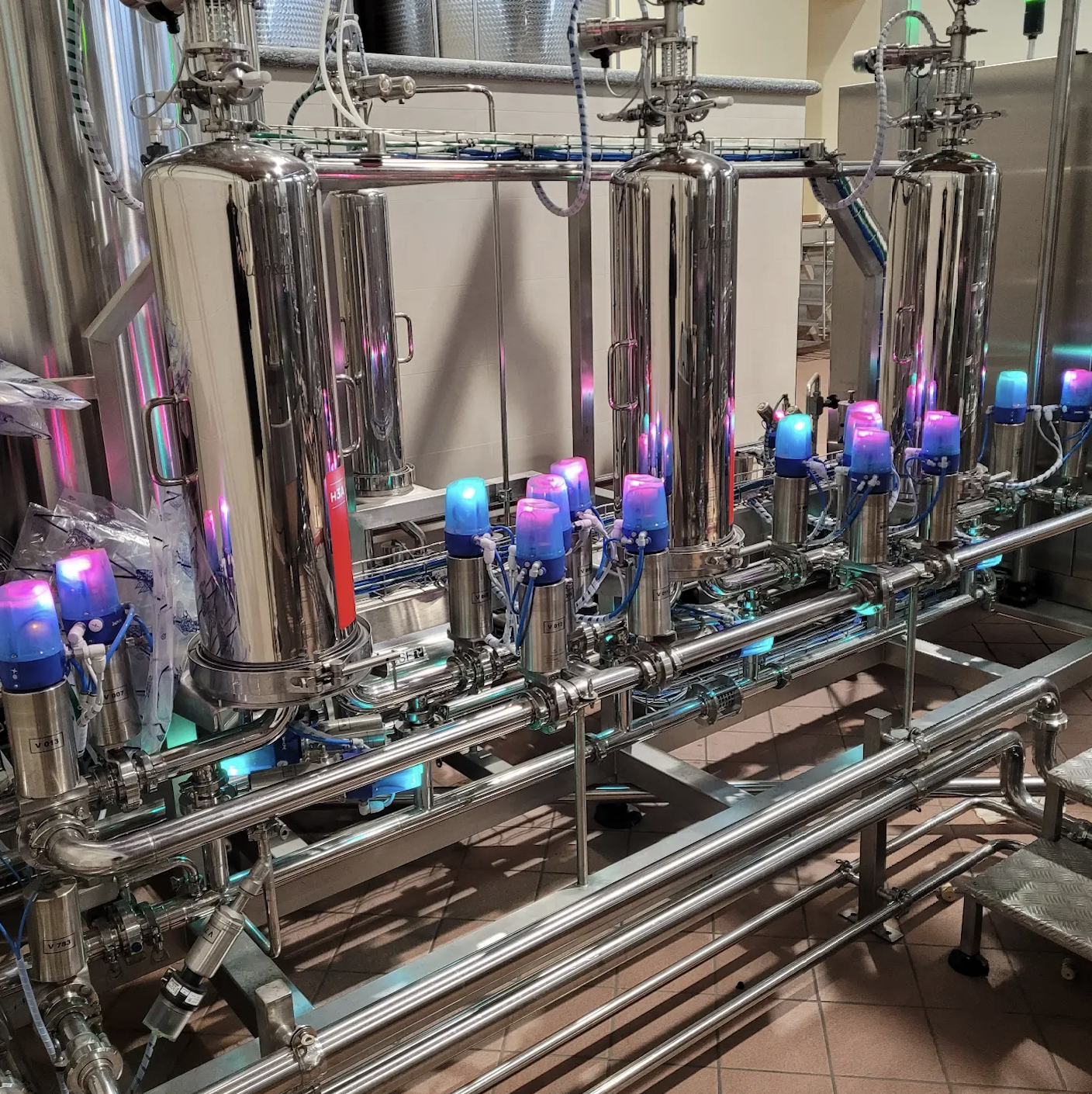
WineAlign