- a dramatic and wide-reaching change in the way something works or is organized or in people’s ideas about it
- an instance of revolving.
To make a revolution you have to bring about change. You need to evolve and revolve. You can’t just keep doing the same things over and over again. To take part in a revolution you have to keep an open mind and seek out the subtleties. You have to get down to what is really real. Revolution is not always fast or dramatic, in fact it’s sometimes barely audible, visible or easily noted in smell or taste. It is perceptible if you can find a way to feel it, especially when it comes down to wine.

Sometimes, there’s a grape, well, it’s the grape for the time and place. It fits right in there. That grape is barbera and the place is Asti, if more specifically in the Monferrato hills. Those hills are the source of the “Barbera Revolution” where farming and winemaking are changing the way we think about the wines of Barbera d’Asti and Monferrato. The revolution is happening now, in the late stages of the second decade of the 21st century because an epiphany is taking place. A new age of understanding, of altitude, solar radiation, heliophany and how to capture the essential tenets of phenolic ripeness and acidity. Knowledge and understanding are zeroing in on growing areas, plant phytochemisry and the sensorial characteristics of Barbera d’Asti.

Acidity is the key to barbera, just as it is with grapes of a similar ilk, grapes like sangiovese and malbec. If you would like to capture the essence of these grape varieties you have to preserve and elevate their natural acidities and you have to do so with a supporting cast of freshness, ripeness and structure. This is the crux of the new revolution in Asti. Never before have we seen farming practices and a scaling back of oak aging getting together to make sure that the grape, that barbera is given the spotlight to be the centre of attention.

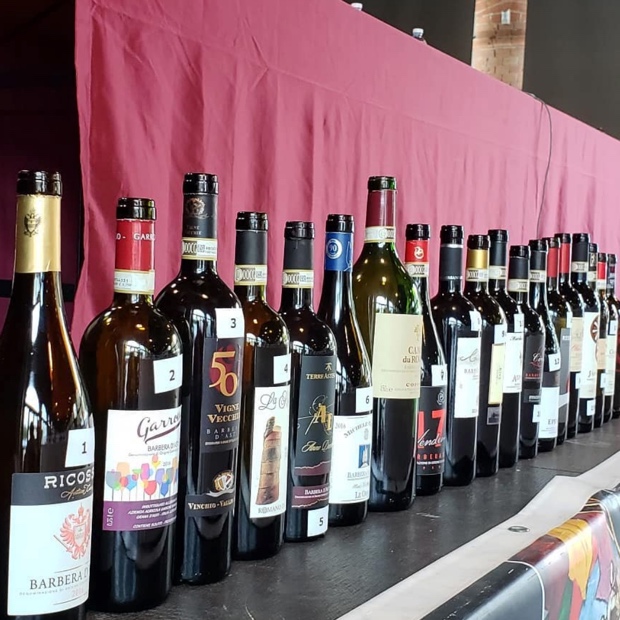
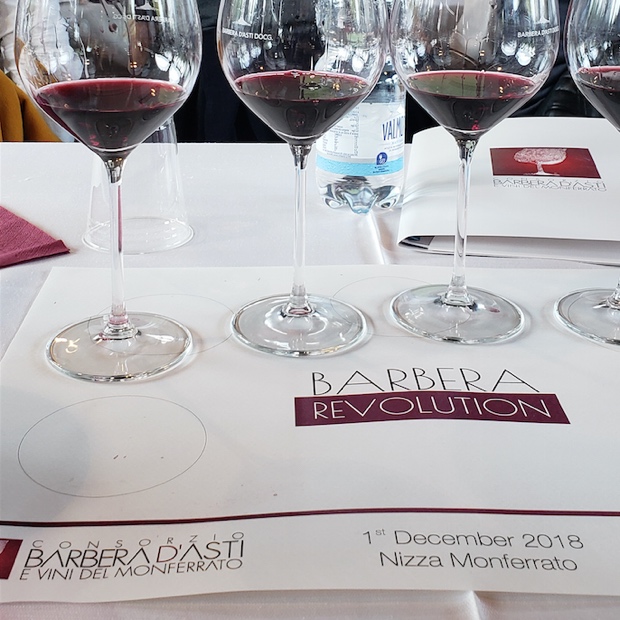
Masterclass “Barbera Revolution” guided by Kerin O’Keefe and President Filippo Mobrici, Consorzio Tutela Barbera d’Asti e Vini del Monferrato.
Related – Barbera d’Asti Del Monferrato E Nizza Monferrato
Barbera d’Asti 2.0 is a scientific study that began in 2017, iniated by the Conzorzio Barbera d’Asti e Vini del Monferrato in partnership with the Università di Torino – Disafa and supported by the Regione Piemonte. The goal of the project is to create a sensory map of the Barbera d’Asti DOCG appellation. To define the 5300 hectares of the appellation across 67 municipalities in the provinces of Asti and Alessandria. To connect the characteristics of Barbera d’Asti with the varied geological and climatic conditions of the growing areas. The research involves measuring, quantifying and qualifying precipitation, thermal excursion, soil structures, pH, phenolics, sugar and acidity. Micro-harvests and micro-vinifications have been conducted, 111 samples of DOCG wines have been collected, tested and evaluated by enologists and researchers from the University. In the end a sensory map has been created.
Well, you know
You better free your mind instead
In July of 2017 I spent a week in the hills where Barbera d’Asti grows. I returned in December of 2018 and spent another eye-opening and mind-blowing stretch of time in the varietal home. My attitude has officially evolved, changed and revolved, now resting in affirmation of consideration, to emerge with revolution firmly entrenched, personal and up close to me, of sound body and mind. It was in Canelli at Gancia Castle, at Enoteca Regionale Acqui “Terme e Vino” and Ristorante Nuovo Paradiso in Acqui Terme, at Castello di Costigliole d’Asti and the Italian Culinary Institute for Foreigners in Costigiole d’Asti, at Relais San Maurizio in Santo Stefano Belbo and finally, at Foro Boario di Nizza Monferrato, for the Masterclass “Barbera Revolution” guided by Kerin O’Keefe and organized by Consorzio Tutela Barbera d’Asti e Vini del Monferrato.
The following are 33 examples of barbera d’asti tasted at these events in Piemonte back in December 2018.
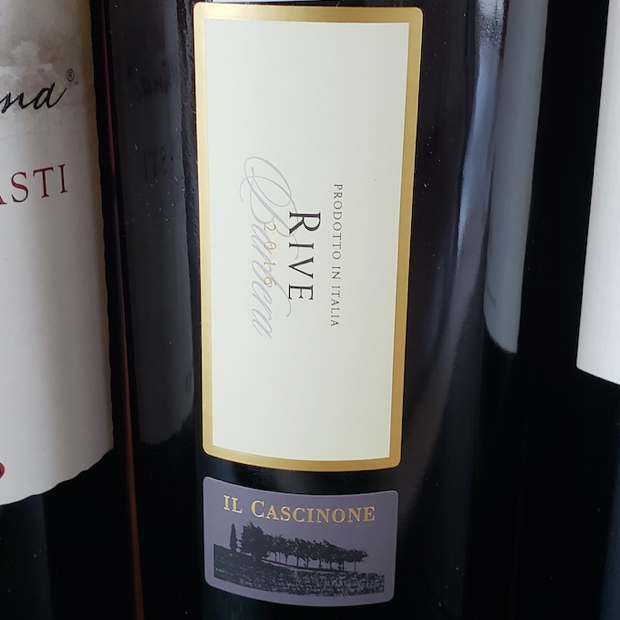
Araldica Castelvero Barbera d’Asti Superiore DOCG Rive 2016, Piedmont, Italy (Winery, WineAlign)
Acqui Terme is the source for a darker, slightly brooding and richly, almost chocolate endowed barbera. Acidity is clearly still in charge and there are more grains, chains and presently grisly tannins keeping fruit in check. Will age well but time is needed before the begin. Drink 2021-2026. Tasted December 2018 araldicavini Araldica Castelvero
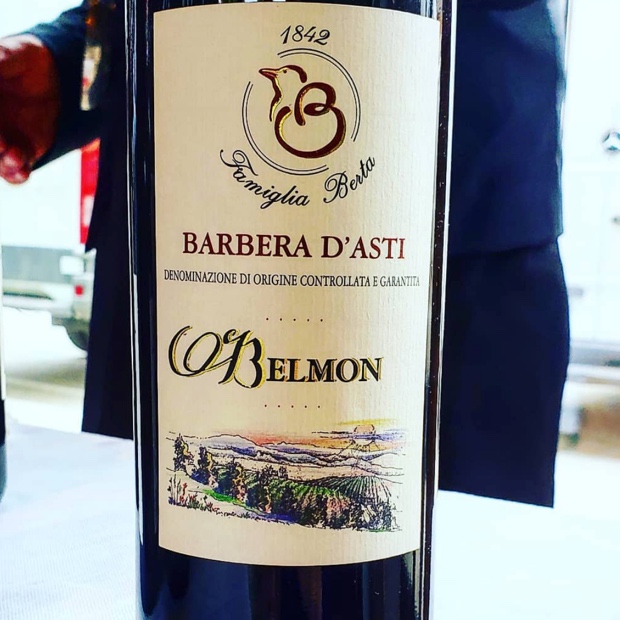
Family Winery Berta Paolo 1842 Barbera d’Asti DOCG Belmon 2017, Piedmont, Italy (Winery, WineAlign)
The vintage will not always deliver what you expect so never get too complacent with barbera and always pay attention. Paolo Berta turns the plan on its head and brings freshness in the face of jammy potential in a lovely act of balance. Fruit picked on acidity while perfectly positioned at sugar plus phenolic ripeness means this got it all right. It’s a connection between forethought and development that hits the proverbial barbera nail on the head. Never-ending acidity is the fairy tale and the reason for the story. Drink 2018-2022. Tasted December 2018 vinifamigliaberta @viniberta
Family Winery Berta Paolo 1842 Barbera d’Asti Superiore DOCG 175 Vendmmie 2016, Piedmont, Italy (Winery, WineAlign)
In classic Berta Paolo form there is a protective and reductive element plus untapped potential in a barbera from Nizza Monferrato that wraps itself up in layers upon layers of red fruit, white soil and blanketing richness. The terroir is truly all over this wine, in and out of every oozing red fruit pore. It’s complex in so many ways and in time will only improve its interest. Drink 2020-2025. Tasted December 2018
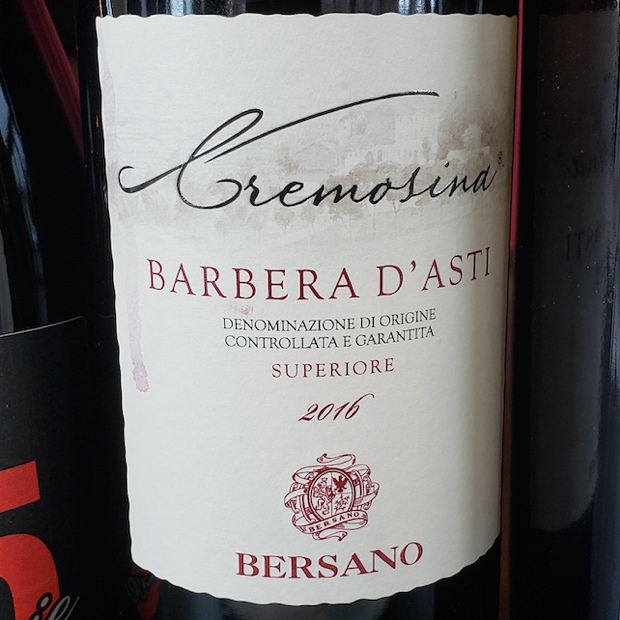
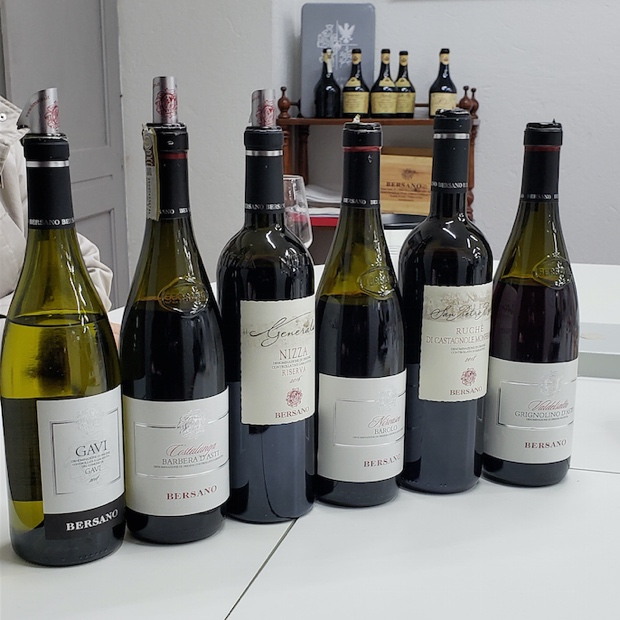
Bersano Barbera d’Asti DOCG Cremosina 2016, Piedmont, Italy (Agent, WineAlign)
“Cremisona is our history. We believe in this kind of barbera, not just about quality, because that is not enough these days. It must be recognized as barbera.” White pepper, red cherry and so young. Really peppery, tart, tight, taut and so very, very Nizza Monferrato. Place, pace, place. Drink 2020-2026. Tasted December 2018 bersano1907 profilewinegroup @Bersanowine Profile Wine Group

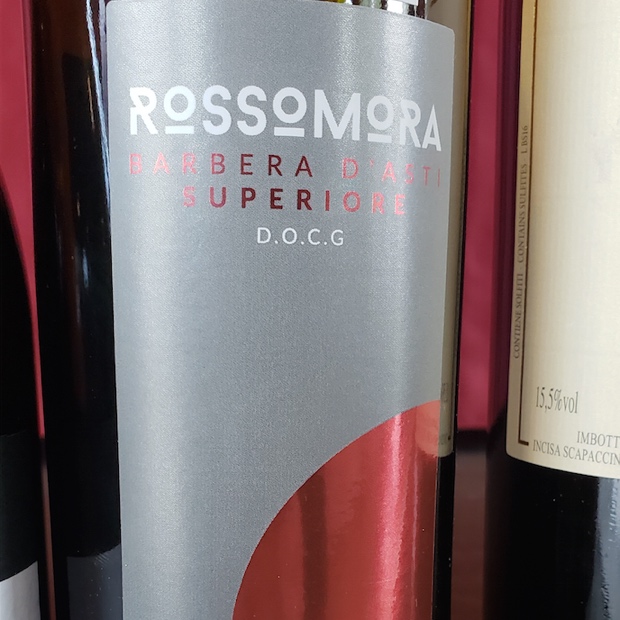
Tenuta Bricco San Gregorio Di Laiolo Barbera d’Asti Superiore DOCG Rossomora, Piedmont, Italy (Winery, WineAlign)
Vinchio’s soil can only mean high toned, high alcohol, Amarone like grip and power. The fruit is up to the task and though we accept this as Vinchio, RossoMora and Barbera d’Asti it pulls no punches nor shies away from advanced solicitation. Screams at you and at the same time asks you to call for time. Huge wine and needing a little humility in the name of balance. Drink 2019-2021. Tasted December 2018 tenutabriccosangiorgio Tenuta Bricco San Giorgio
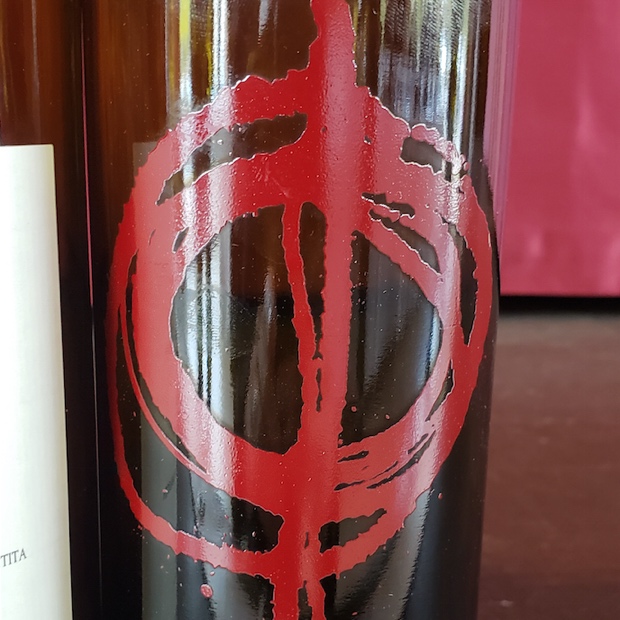
Cascina Castlet Barbera d’Asti Superiore DOCG Passum 2016, Piedmont, Italy (Winery, WineAlign)
Costigiole d’Asti is the source for a barbera that stands like a stick in the thick consistency of the varietal stew, with lightning bolts of acidity followed by grippy shudders of structured thunder. Such a big wine of larger than life personality with white peppery piques and properly spiced, mild dark chocolate bitterness. Will age without trepidation or any true concern. Drink 2021-2029. Tasted December 2018 cascinacastlet Cascina Castlèt

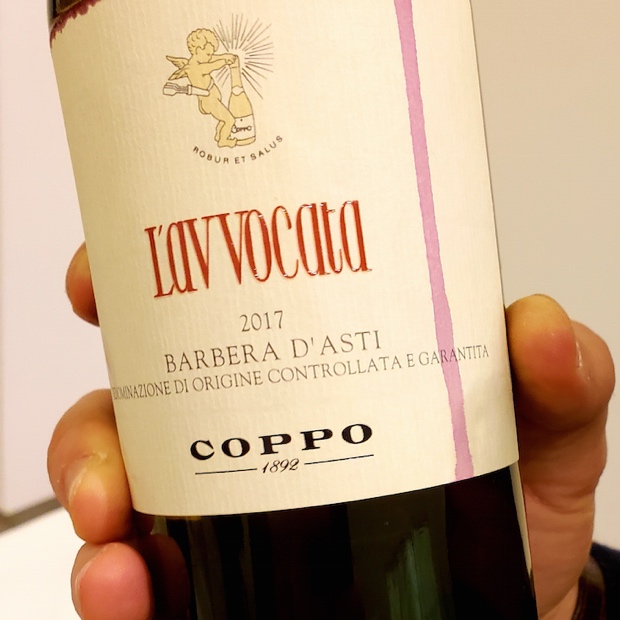
Coppo Barbera d’Asti DOCG L’Avvocata 2014, Piedmont, Italy (Agent, $19.95, WineAlign)
Luigi Coppo’s L’Avvocata is his fresh, come and drink me first red, clearly meant for the here and now. Dedicated to the original owner of this recently purchased vineyard, described as a tough woman, known to all as “the lawyer.” It’s quite floral and shows beautiful acidity. Effusive and rising, this is barbera as part of the shift to recognize quality at the entry level. Successful in that regard in spite of or perhaps as a result of the warmth and concentration. Drink 2018-2019. Tasted December 2018 coppo1892 maitredechai_ca @COPPO1892 Le Maître de Chai

Luigi Coppo and Pomorosso
Coppo Barbera d’Asti Nizza DOCG Pomorosso 2014, Piedmont, Italy (Agent, $74.95, WineAlign)
If ever a vintage were going to give the Coppo Pomorosso a most sincere gift of its terroir than 2016 would be the one. In fact Luigi Coppo says uncle Roberto compares it to 1990 and he confirms the connection, if only by way of lab tests and results. The real reason is out there, in three vineyards located in Agliano Terme. “The balance was in place, even before we picked the grapes,” tells Coppo. This Pomorosso speaks young but is of course so very structured and only produced in exceptional vintages. The soil is marine sediment rich in minerals and the name is for the red apple tree on top of the hill. It’s an icon red by nature and design, with 2016 top finesse and the key to barbera’s ability of longevity. Drink 2019-2027. Tasted December 2018
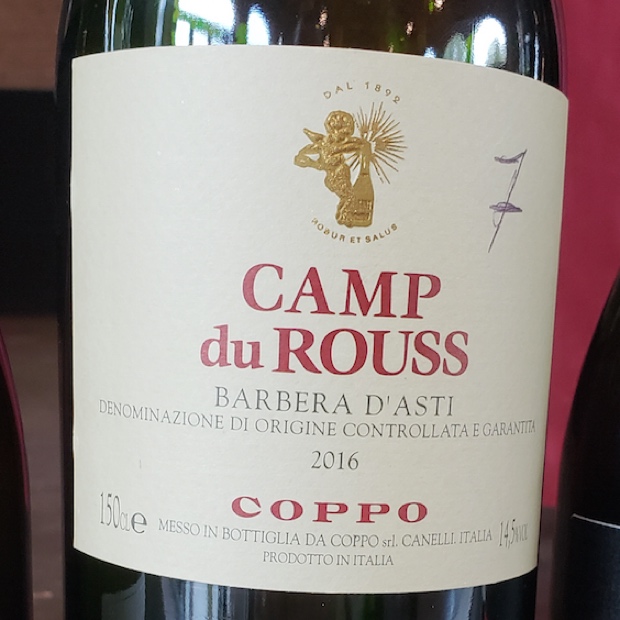
Coppo Barbera d’Asti DOCG Camp du Rouss 2016, Piedmont, Italy (Agent, $25.95, WineAlign)
Luigi Coppo’s barbera is a calcareous Castelnuovo Calcea striker with clay richness and spice brought on by some time in barrel. It’s deeply rendered into a well that pools with cherry liqueur and melted liquorice. Needs some time for the parts to mingle, match and melt into one another. A highly polished wine with plenty of possibility. Drink 2020-2026. Tasted December 2018
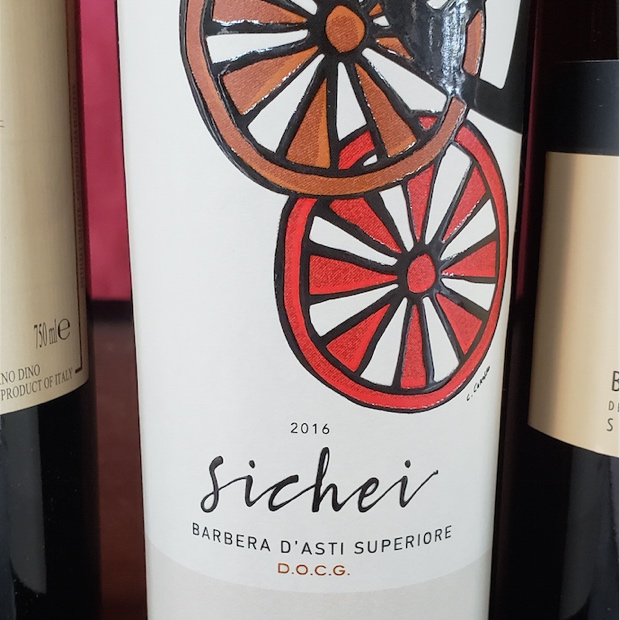
Franco Roero Barbera d’Asti Superiore DOCG Sichei 2016, Piedmont, Italy (Agent, WineAlign)
Just a huge barbera out of Montegrosso d’Asti, with acidity and grip, through the roof and got a hold on you. Volatility is certainly at the top edge of the straddled ridge but neither extraction nor concentration dip into and up over the top. It’s a matter of making what place and vintage demand, with swagger, confidence and direct messaging. Truly white limestone screaming which incidentally keeps the concentration in check. Drink 2021-2028. Tasted December 2018 franco_roero_winery cottonwoodwineagency _ @franco.roero Cottonwood Agency Wines & Spirits
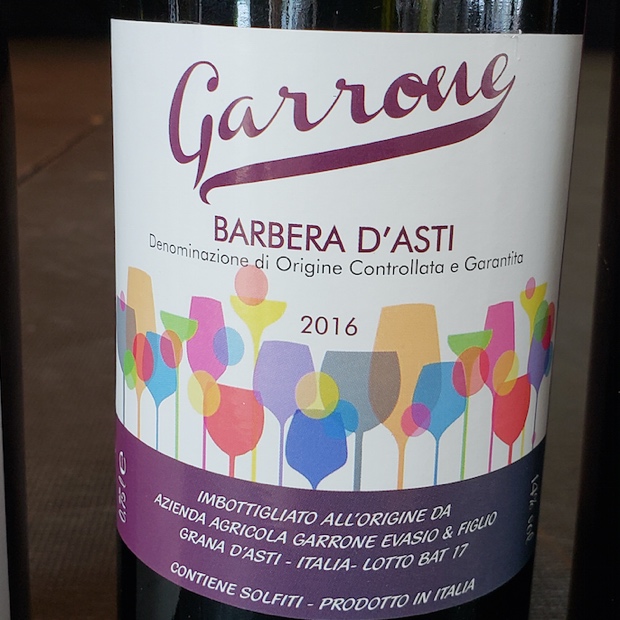
Az. Agr. Garrone Evasio & Figlio Barbera d’Asti DOCG 2016, Piedmont, Italy (Winery, WineAlign)
A different sort of deeper clay, moisture retentive for red cherry generosity and because there is a sidle into strawberry but of the drying, concentrated one. It’s a Montemagno matter, picked later and macerated to a greater degree though really fine acidity keeps it very much alive. Drink 2019-2020. Tasted December 2018 #garroneevasioefiglio @vinigarrone
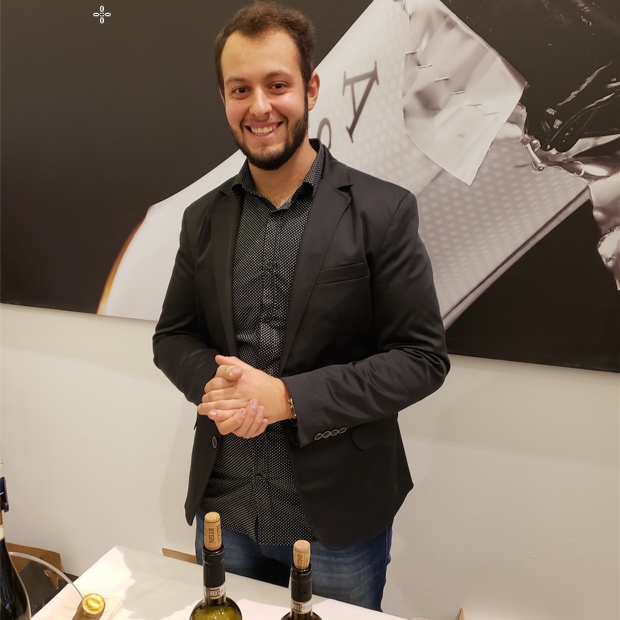
Davide Ghiga
Azienda Agricola Ghiga Enrico Barbera d’Asti DOCG 2016, Piedmont, Italy (Winery, WineAlign)
Young Davide Ghiga’s barbera is the azienda’s normale but it’s certainly a child of selezione. Bright, fresh and tenably intense. Solid would be a good descriptor for the honesty and varietal morality exhibited by this stand up barbera. The fruit is dark in a black cherry way but it’s clearly a matter of Costigliole d’Asti terroir more than winemaking. The high tones confirm this assessment and the way in which the wine is 100 per cent a matter of fruit. So much fruit. Drink 2018-2021. Tasted December 2018 ghigaaziendaagricola Davide Ghiga Azienda Agricola Ghiga Fratelli
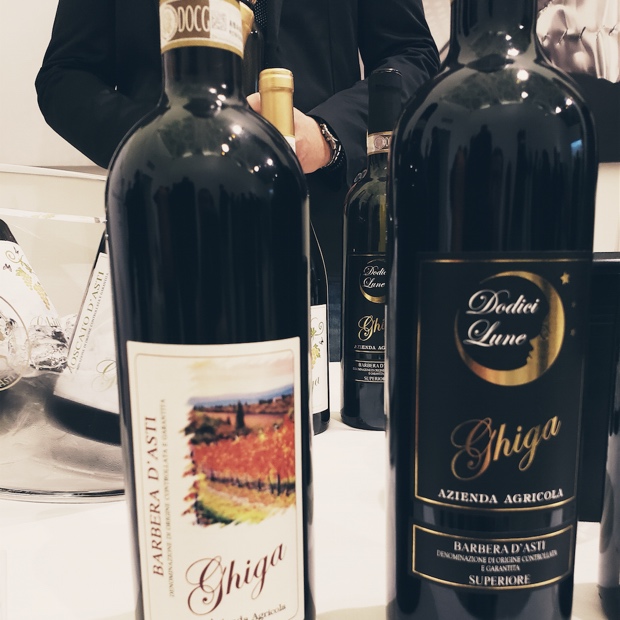
Azienda Agricola Ghiga Enrico Barbera d’Asti Superiore DOCG 2016, Piedmont, Italy (Winery, WineAlign)
The Ghiga brothers’ Superiore from Costigiole d’Asti takes the sweetness of dark and hematic fruit, gives it time in new grandi botti then sees it emerge with loads of chocolate and hyper intensity. Young is an understatement and time the declaration for development ahead of a deeper understanding. The vineyard is 22 years-old at this stage and the upside for terroir and winemaking reeks of potential. You just feel the earliest of beginnings involving a special relationship between viticulture and viniculture so we’re “gonna see what them racket boys can do.” This ’16 and coming vintages will likely turn out to be classics someday. So “put your makeup on, fix your hair up pretty and meet me tonight in Atlantic City.” Ghiga, a.k.a. The Boss of barbera, based in Castiglione Tinella-Cuneo. Drink 2019-2025. Tasted December 2018

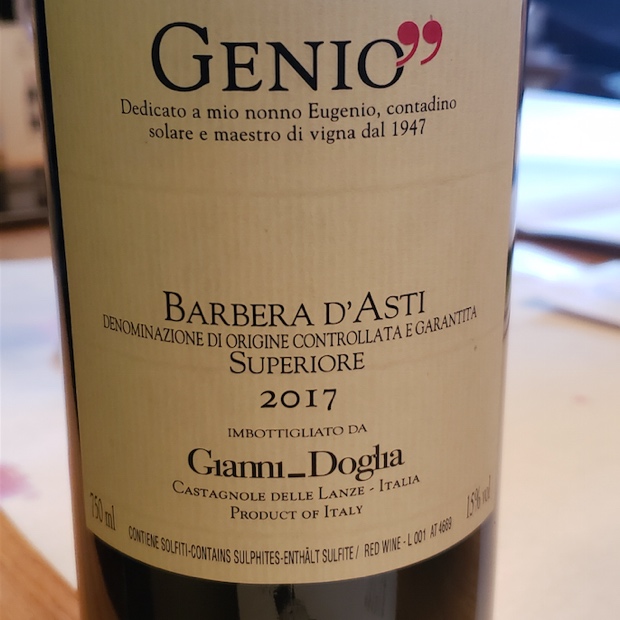
Gianni Doglia Barbera d’Asti Superiore DOCG Genio 2016, Piedmont, Italy (Winery, WineAlign)
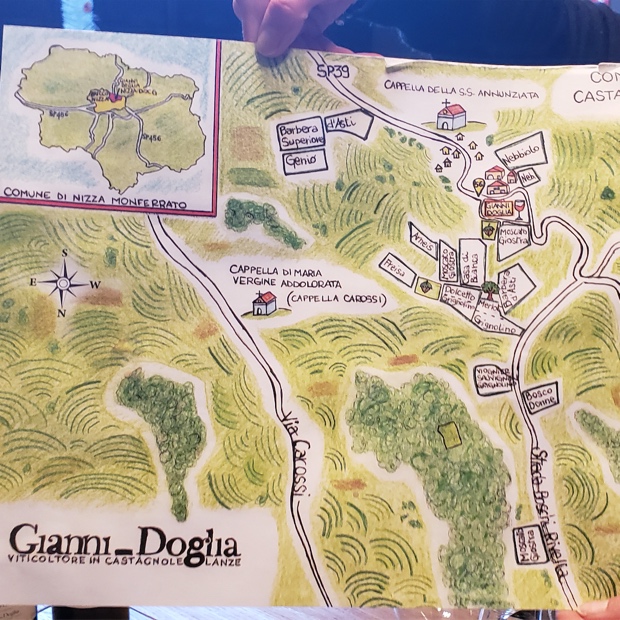
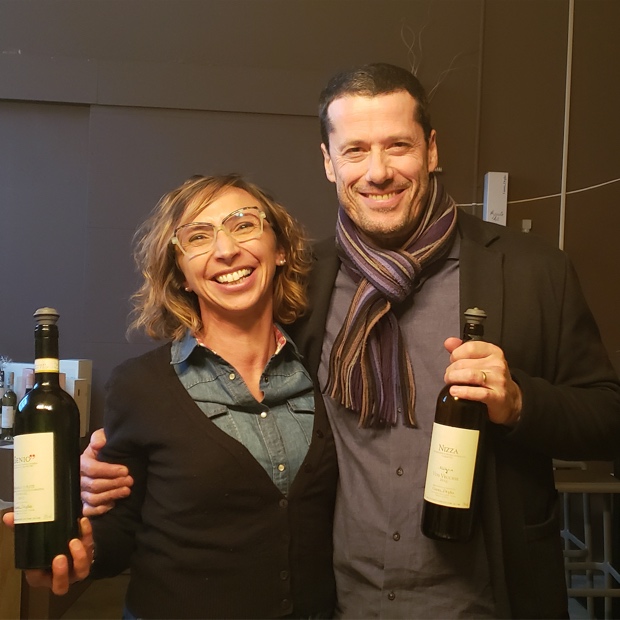
Genio is Piemontese for Gianni’s grandfather “Eugenio” and these ’16 startling aromatics are like genies escaping from the bottle. Some extra altitude up to 350m in Castagnole Lanze brings an expression of solar radiated, polyphenolic aromatics that set this bold and structured barbera apart. There is a presence and a personality of energy despite the weight and the bold attack. It’s really juicy, fresh, high in acidity and just plain exciting. Drink 2021-2029. Tasted December 2018 gianni_doglia_wines Gianni Doglia Azienda vitivinicola Gianni Doglia Paola Doglia

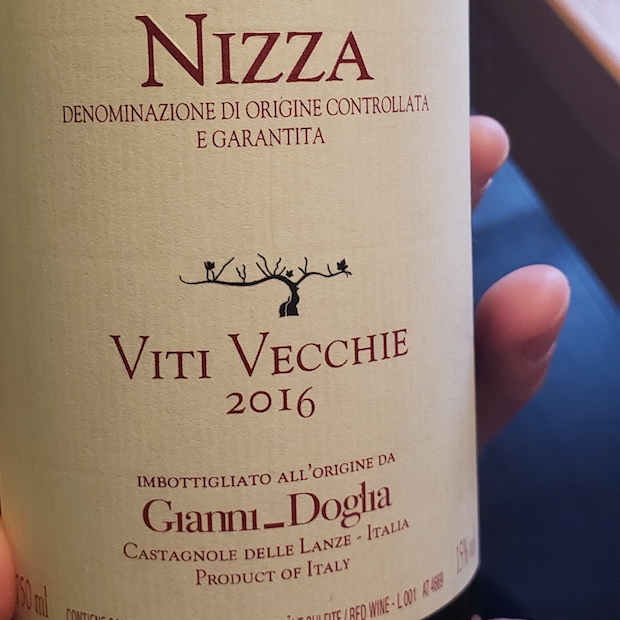
Gianni Doglia Barbera d’Asti Superiore Nizza DOCG Viti Vecchie 2016, Piedmont, Italy (Winery, WineAlign)
Doglia’s old vines are an average of 50 years for barbera from Nizza Monferrato that travels the emotional gamut from freshness through structure and into softness. Gianni’s reminds me of 90s St. Émilion and 2000s Napa merlot but with barbera’s lightning acidity. If it is possible for a red to offer a big hug while scratching your back then this would be the one. The soils may be different than Castagnole Lanze but the treatment in the cellar is virtually the same, with small barrels and 30 per cent new. Twenty-five kilometres separate the Nizza from the Genio and here you get more texture and dark, rich chocolate. Also mint, a salty vein and very ripe cherries. Drink 2019-2023. Tasted December 2018
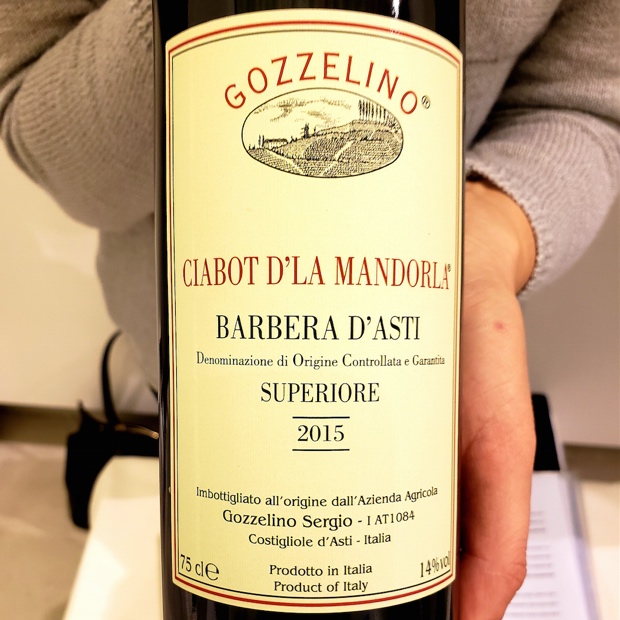
Gozzelino Barbera d’Asti Superiore DOCG Ciabot d’la Mandorla 2015, Piedmont, Italy (Winery, WineAlign)
This traditional barbera is a well-pressed one from Costigliole d’Asti and spent 24 months in large (30hL) format grandi botti. Very rich, lots of chocolate, some shots of tonic and high acidity intensity. Drink 2019-2022. Tasted December 2018 Azienda Agricola Gozzelino Sergio

Tenuta Il Falchetto Barbera d’Asti Superiore DOCG Bricco Paradiso 2016, Piedmont, Italy (Winery, WineAlign)
A really rich, fully fruit realized, intensely tangy, plum meets currants and pomegranate barbera with density, structure and purpose. The numbers are big and the personality boisterous but there is more than enough fruit to keep the booze and the bones from dominating. Pretty good vitality and energy within the big framework. Drink 2021-2028. Tasted December 2018 tenutailfalchetto @tenutailfalchetto

With Andrea Ivaldi
Azienda Agricola Ivaldi Dario Barbera d’Asti Superiore Nizza DOCG “1613” 2015, Piedmont, Italy (Agent, $31.78, WineAlign)
From Andrea Ivaldi comes the next and generous vintage of Nizza barbera, with an initial waft of intensity on the nose that speaks with volatility, then blows off with just a minute or two of swirl. The calcaire speaks next with lightning quickness while the black cherry spiked by anise fruit hurries to keep pace. There is great peppery presence and a keen sense of place in this Nizza, rich and fluid, ripe and full of classic barbera acidity. Understated chic and real class come forth, take a bow of humility, turn around and go back to work. Tasted again the next day and the day after that it only revealed further complexities. Drink 2019-2024. Tasted May and December 2018 andrea.ivaldi devonmasciangelo @vinidelmonferrato Devon Masciangelo
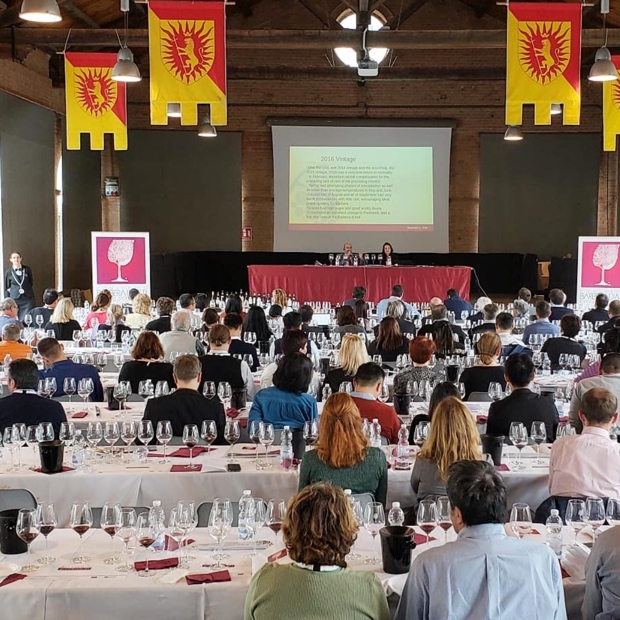
You say you wanna @barberadasti revolution? Well you know, a Masterclass with 19 examples led by @kerinokeefe is a fine place to begin ~ #barberarevolution
La Caudrina Barbera d’Asti DOCG La Solista 2016, Piedmont, Italy (Winery, WineAlign)
From Nizza Monferrato Caudrina’s is blessed of the kind of sweet fruit barbera is so capable of delivering. It’s a white lightning example though off of sandy soils but it’s so transparent, lightly tonal in high spoken voice and just bloody beautiful. Drink 2019-2021. Tasted December 2018 #lacaudrina
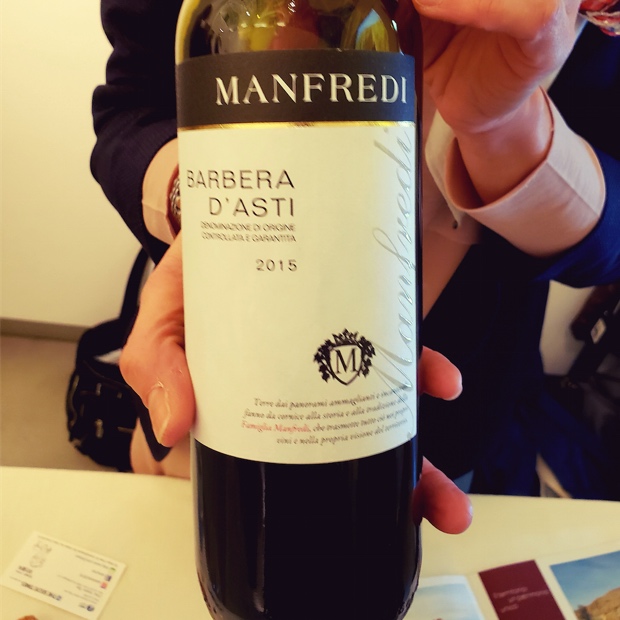
Manfredi Barbera d’Asti DOCG 2015, Piedmont, Italy (Winery, WineAlign)
The confidence oozes from this barbera and it goes to show that the delayed release is truly a matter of planning ahead rather than some sort of reactive response. Three vineyards make up the concerted assemblage and while the levels of Brett and volatility are up there with the funkier barbera they are well beneath the threshold. In that sense this is a wine of stylistic choice more than flawed or not flawed. It’s up to you to decide if the leathery cherry earthiness is up your alley but regardless the juicy nature and exquisite acidity ride up and down everyone’s preferred slope. A very expressive wine this is and if you are a fan of post-funk beats than you will find this very special. Drink 2018-2023. Tasted December 2018 manfredicantine Manfredi Cantine
Marchesi Alfieri Barbera d’Asti Superiore DOCG Alfiera 2016, Piedmont, Italy (Winery, WineAlign)
San Martino Alfieri is a calcareous limestone and clay terroir, not unusual for the territory but here there is a combination of juicy, generous fruit in a darker realm though still moderate in grip and power. This certainly takes barbera to another level and though it initiates the idea of strength it’s really quite balanced and potentially, holding cards to become magically ethereal. Just a touch overripe but really beautiful for the short to mid term. Drink 2019-2022. Tasted December 2018 marchesialfieri univinsetspiritueux Marchesi Alfieri – Cantine e Locanda Univins et Spiritueux / Univins & Spirits

Marenco Barbera d’Asti Superiore DOCG Ciresa 2016, Piedmont, Italy (Winery, WineAlign)
The moscato d’asti specialist out of Strevi makes a plum meets sharply tangy cherry (Ciresa) barbera with high acidity and a liquid chalky texture. It’s different, harder to pinpoint and to get. It needs time, now, in the glass, and for a few years to understand its nuance and speciality. Must be Strevi. Drink 2020-2025. Tasted December 2018 marencovini Marenco
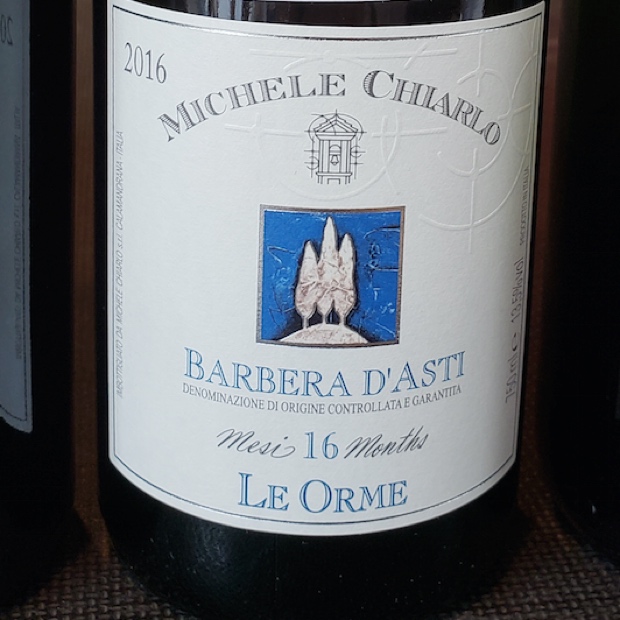
Michele Chiarlo Barbera d’Asti DOCG Le Orme 2016, Piedmont, Italy (265413, $15.95, WineAlign)
The three terroir gathering is by now a barbera institution, from fruit gathered out of Castelnuovo Calcea, Montaldo Scarampi and Agliano Terme. As expected it is 2016 that becomes tbe perfect playground for an archetypal barbera made by Michele and Stefano Chiarlo. The acids are spot on in this ubiquitous bd’a, with fruit at the sparked cherry forefront as well as any in the category. Try to find better value at the price. Really, go ahead and try. Drink 2018-2022. Tasted December 2018 michelechiarlo univinscanada Michele Chiarlo @UnivinsCanada
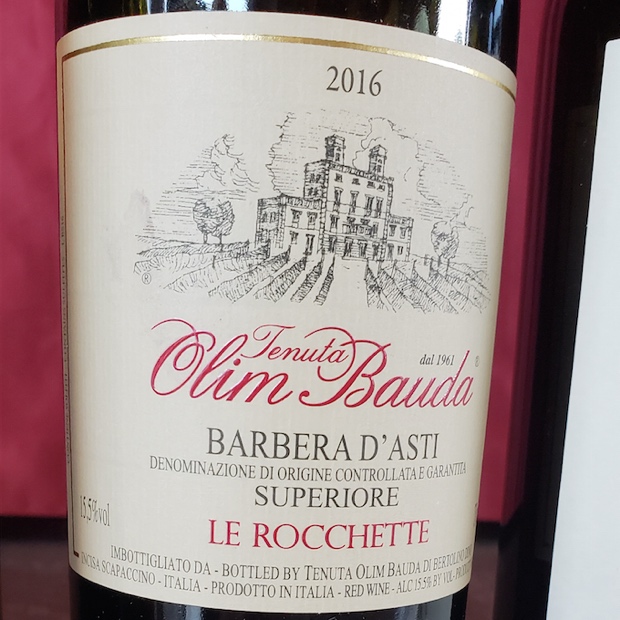
Tenuta Olim Bauda Barbera d’Asti Superiore DOCG Le Rocchette 2016, Piedmont, Italy (434258, $32.95, WineAlign)
Though Gianni Bertolino’s is a high octane, high alcohol and high tonal Incisa Scapaccino barbera the balance here is virtually spot on, with acidity and tannin sending shots of structure like steel straws through sand, clay, limestone and concrete. So young, lightning quick and needing a pause for several years to gain flesh, texture and fruit pulp succulence. This will act just like a dried persimmon/plum/cherry fruit leather in five plus years time. Poured from magnum so do the age waiting game math. Drink 2021-2029. Tasted December 2018 tenuta_olimbauda hobbsandcompany @tenutaolimbauda.it hobbsandcompany
Tenuta Olim Bauda Barbera d’Asti Superiore DOCG Le Rocchette 2011, Piedmont, Italy (434258, $32.95, WineAlign)
Tasting this with Gianni Bertolino he notes how ’11 is really a bridge year, between the classic ’10 and the massive ’12. At seven years on the evolution is on and the revolution begun. It has brought barbera to a new place, still possessive of high phenolics and higher acidity though with the sweetly rendered resolution of ripe red fruit. Though it seems less characteristic of the big and the brooding barbera there is firm grip in its stance. Now beginning to shed its second skin so ready and willing to reveal its honest and forthcoming nature. The probability meeting possibility is now found, not vice versa and so welcome to the best of its times. Drink 2018-2022. Tasted December 2018

Tenuta Olim Bauda Barbera d’Asti Superiore Nizza DOCG 2015, Piedmont, Italy (Winery, WineAlign)
Gianni Bertolino’s Nizza ’15 is barbera at a precise axis where fruit and acidity work, meet, mix and play. They may at first get into an old time Monferrato tussle and a big time Piemontese hassle but get on the same page before too long. In fact with thanks to a generous and amenable 2015 vintage they find a quick and easy way to kiss, make-up and shake hands. On the edge of sour the message gets through, from fruit so sweet and acidity so fine. Ripeness tangles with tangy and soil drive pushes the structure too. Perfectly representative of territory, man and place. Drink 2019-2023. Tasted December 2018
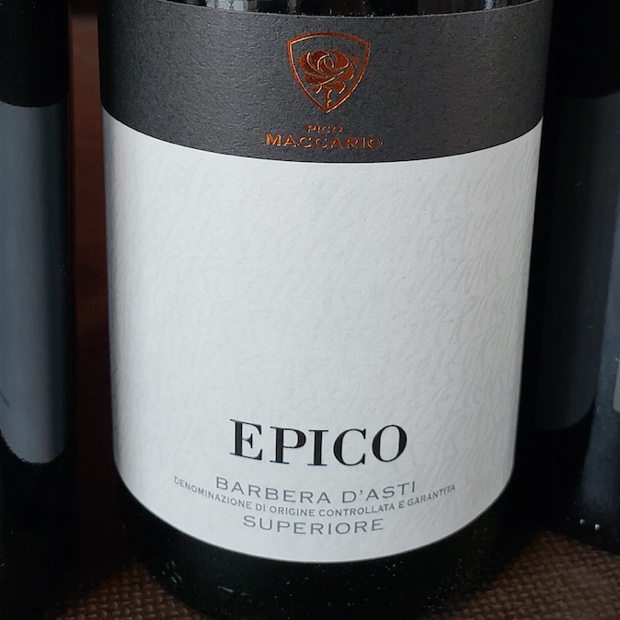
Pico Maccario Barbera d’Asti Superiore DOCG Epico 2016, Piedmont, Italy (Agent, WineAlign)
Plum pudding, chocolate caramel and baking spice are the barrique-influenced order in the very ripe Mombaruzzo 2016 Epico. It’s very generous, tenebrous and deep into its clay soil origins. High acids keep up the energy. Drink 2019-2021. Tasted December 2018 picomaccario

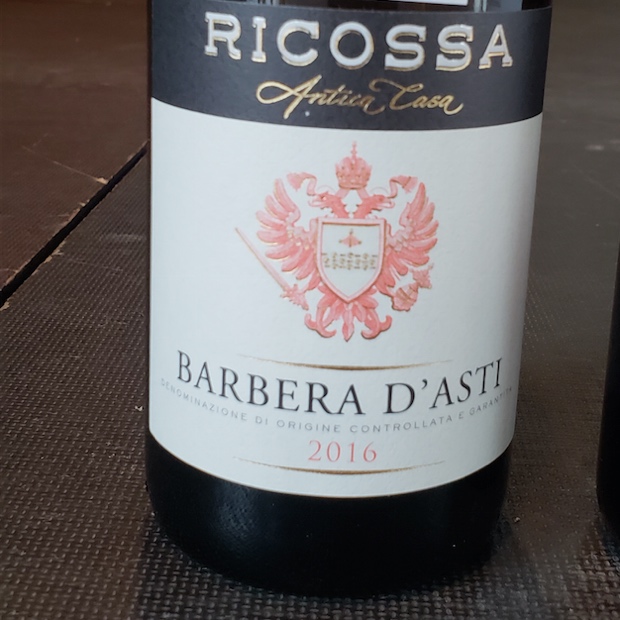
Ricossa Antica Barbera d’Asti DOCG 2016, Piedmont, Italy (Winery, WineAlign)
From calcareous Nizza Monferrato – Agliano Terme soils, vinified in stainless steel only. The naked grape, cherries upon cherries and more cherries. Simplicity with no approach to any sort of crossroads where any great decisions or soul selling are required. Juicy and forward. Drink 2019-2021. Tasted December 2018 ricossawine selectwinemoments Ricossa Wine Select Wines
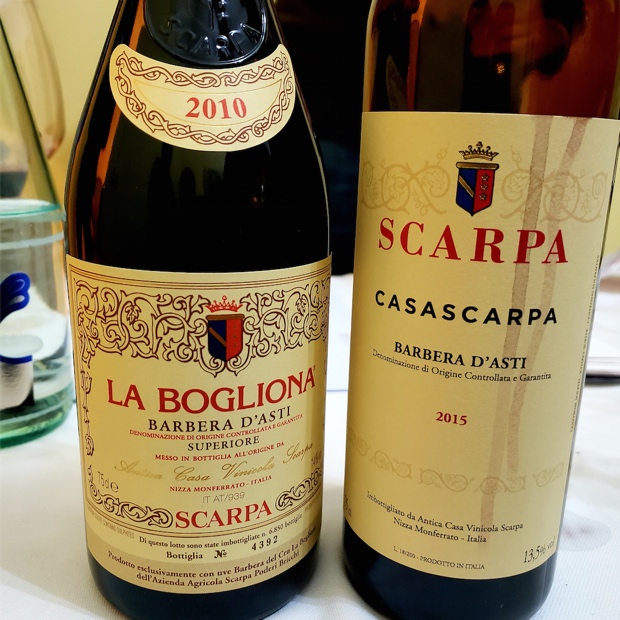
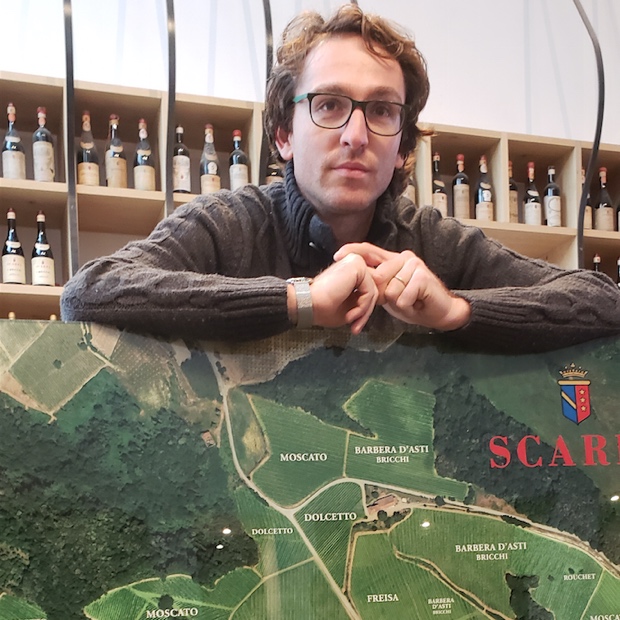
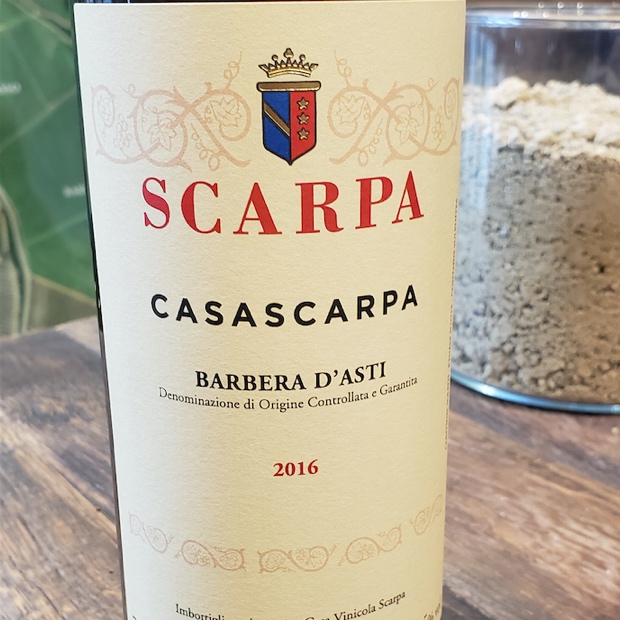
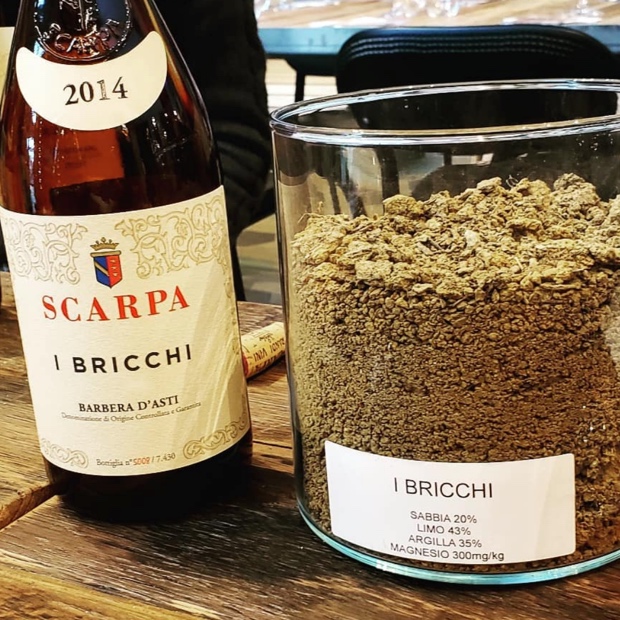
Scarpa Barbera d’Asti DOCG Casa Scarpa 2015, Piedmont, Italy (Winery, WineAlign)
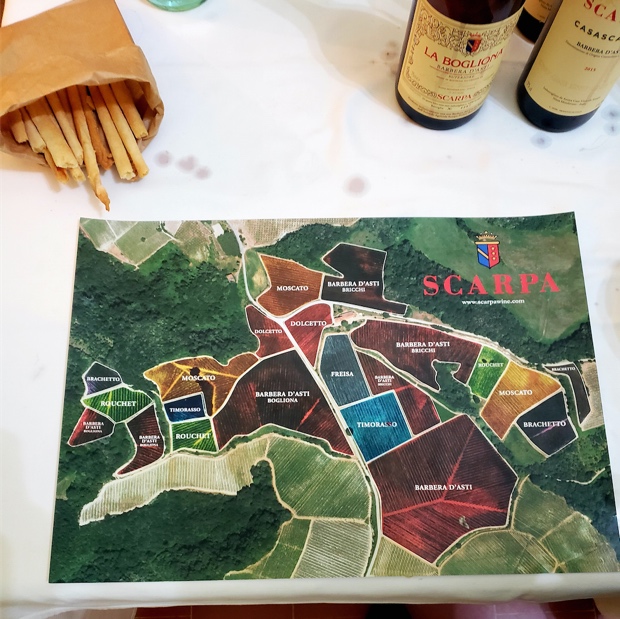
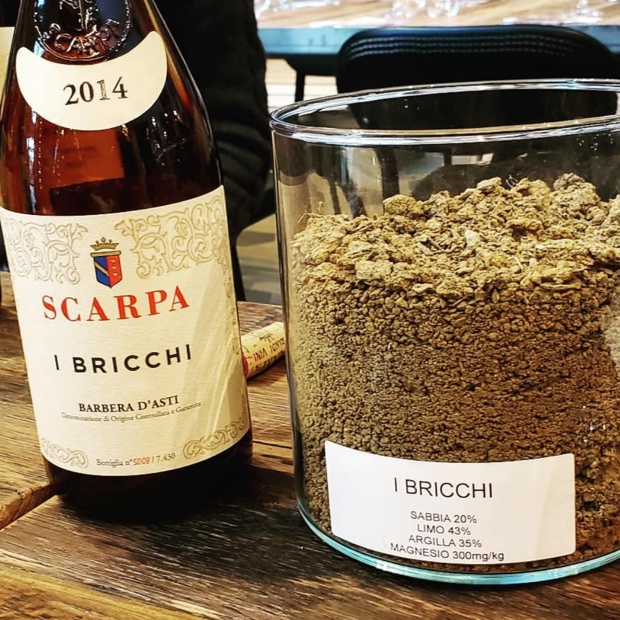
From Nizza Monferrato vineyards where Poderi Bricchi is elevated to heights between 410 and 480 meters. The youngest fruit is pulled from lower elevations (250m) for Casa Scarpa, the freshest of the estate’s barbera that sees a minimum one year in stainless steel only, followed by another in bottle before release. It’s a magnesium salty barbera, bright, tart, striking and blessed with great acidity. In your face striking, real and immediately promising. Drink 2018-2021. Tasted December 2018 scarpawine Scarpa Wine
Scarpa Barbera d’Asti DOCG La Bogliona 2010, Piedmont, Italy (Winery, WineAlign)
From the eestate with one foot in the Monferrato Astigiano and the other in the Monferrato Alessandrino, the fruit for La Bogliona is drawn from one of two estate cru, which along with Poderi Bricchi are the reason Scarpa exists. This 2010 has certainly advanced and is a formidable if severe combination of secondary fruit character and exceptional acidity. The maceration time was 14-16 days, followed by 30-36 months in 15 hL grandi botti of various French ages and origins. Silky pure with a note like shoe polish on leather, variegated of high quality red fruit. So alive but also so lived. Impressive and instinctive you can only imagine the things it’s been and seen. Drink 2018-2024. Tasted December 2018
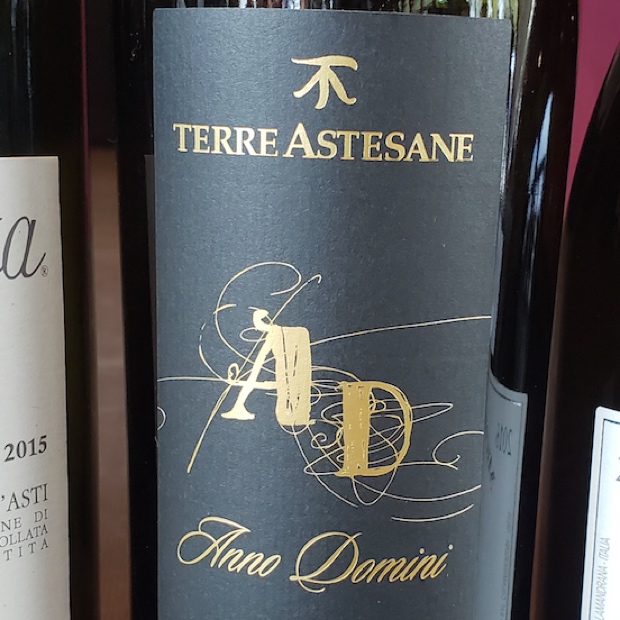
Cantina Terre Artisane Barbera d’Asti DOCG Anno Domini 2016, Piedmont, Italy (Winery, WineAlign)
From Mombercelli this small production barbera is of the old school’s high acid-driven way, with tonality shooting through the roof and to the stars. It’s ripe and light, effulgent and finishing on a note of bitters. Drink 2019-2020. Tasted December 2018 cantinaterreastesane Cantina Terre Astesane Mombercelli

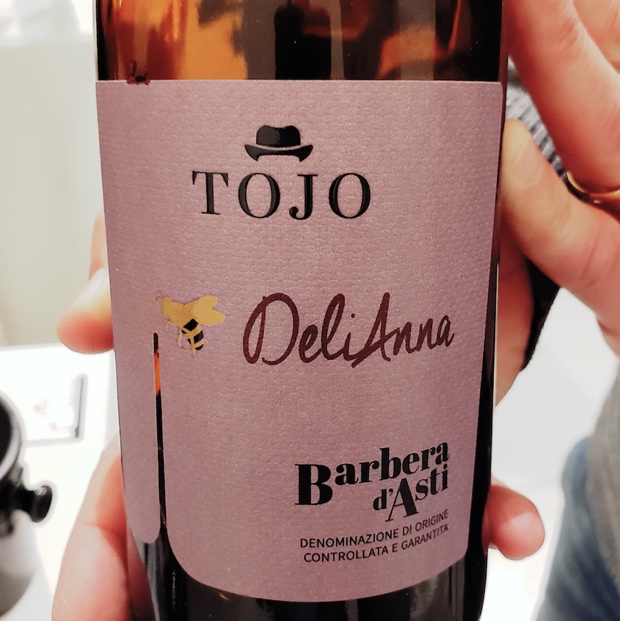
Tojo Barbera d’Asti DOCG Delianna 2016, Piedmont, Italy (Winery, WineAlign)
DeliAnna exhibits more concentration, phenolics and glycerin than so many barbera, probably because the yields are one grappolo per vine, in other words, after the greening one bunch is left to mature and produce highest quality fruit. The noted sense of accomplishment is palpable, felt through the purple flower-scented and sweet red berry fruit. The chiming in of fine acidity elevates and oak is but a dream undreamt. If there is any it’s hidden with 100 per cent deception. Here folks is 21st century barbera d’asti. Drink 2019-2025. Tasted December 2018 tojo_vino Tojo Azienda Agricola Bocchino Vittorio
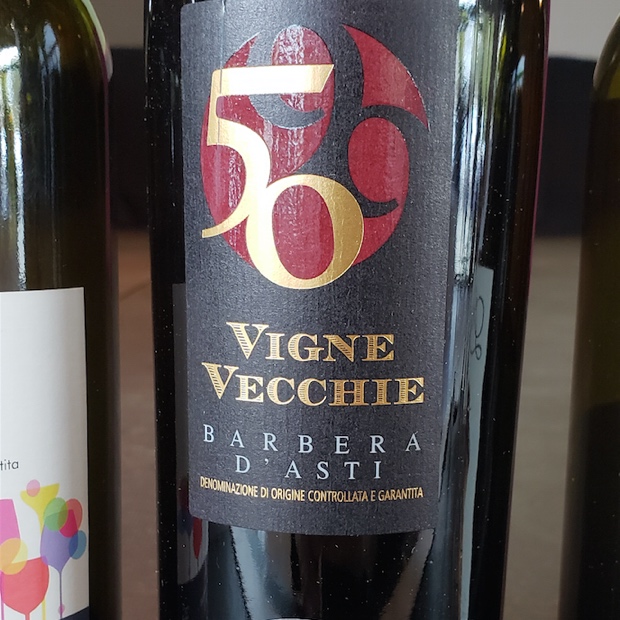
Viticoltori Associati Vinchio e Vaglio Serra Barbera d’Asti DOCG Vigne Vecchie 50 2016, Piedmont, Italy (Winery, WineAlign)
From white calcaire and sandy soils these Nizza Monferrato – Agliano Terme old vines bring depth and some acid-tannin structure not noted in the more straightforward, juicy and high acid examples. The vine age seems to tame the acids and fruit is concentrated, expressed and up front. Really long and perfectly wise, even developed for the first few years of drinking. One of the worlds wonderful cooperatives with an eye to pinpointing grape and place. Drink 2019-2022. Tasted December 2018 vinchiovaglioserra @VinchioVaglioSerra
Good to go!
godello
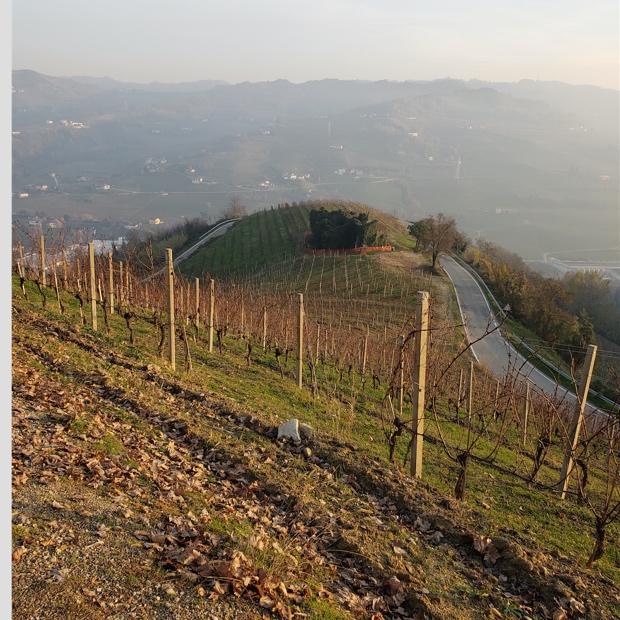
Vineyards in Santo Stefano Belbo
Twitter:
Instagram: mgodello
WineAlign









 Godello