Life affirming wines di Gianni Doglia

Gianni Doglia

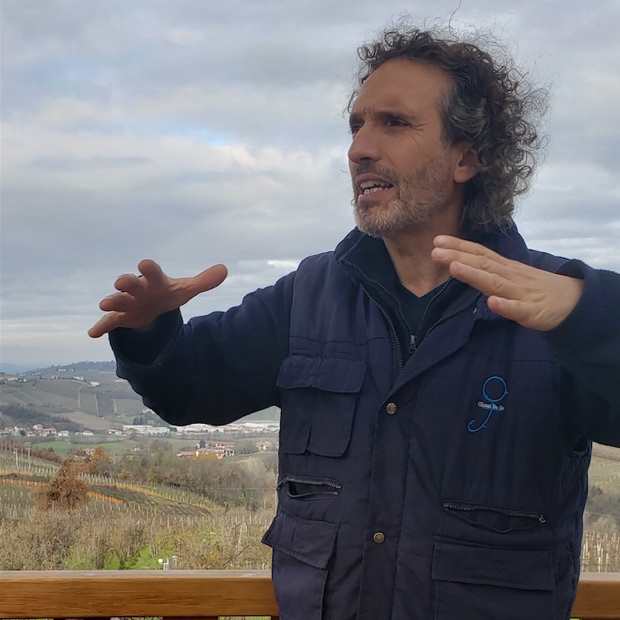
During the post-war days of late 1940s and 1950s Europe there were simple, humble and hard-working folk who tempted fate by fighting against the oppression waged by dire destinies. Gianni Doglia’s maternal mezzadro grandfather Eugenio Rivella was such a man who in 1947 decided to buy a farmstead, raise his own grapes and do so in a very specific place. In the 1980s it was Bruno and Marisa who took the reigns of the estate. Today brother and sister Gianni and Paola take care of the tradition their nonno began and do so in a wholly unexpected and antithetical way.

Related – Rock steady Bersano
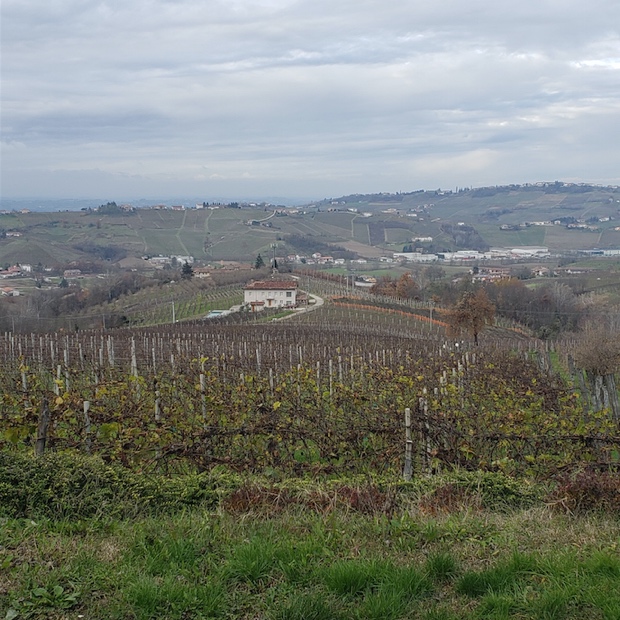
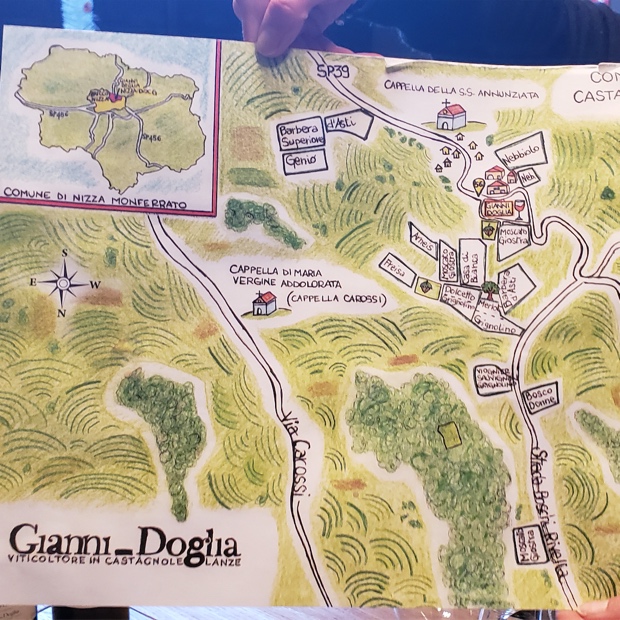
Azienda Vinicola di Gianni Doglia is situated on the Langhe side of Castagnole delle Lanza, opposite of Monferrato in the province of Asti, Piemonte. Gianni feels “like a Monferrato man, even if he’s literally on the edge of the Langhe.” He farms six hectares across his estate lands plus two more in Monferrato and one in Nizza. He notes the importance of the ascending rise to his hill up to a pinnacle that puts the vineyards at points higher than those in Monferrato. Two winds blow through,  a northern Foehn from the Alps and the strong westerner from the Ligurian Sea. The special acidities and intangible magic in the moscato and barbera farmed here comprise the solid centre of the estate. It was Gianni’s grandfather who’s intuition knew and acted upon all of this.

Related – Living wine in the moment at Scarpa Winery
Related – You say you want a Barbera d’Asti revolution

Gianni Doglia’s wines are notable in their modernity and yet so pure, so honest and so steeped in his personal tradition. His wines are effortless to drink and while he clearly puts in the hard work, they seem so effortlessly made. They serve a pragmatic purpose, like literature or painting, with a mission to gift us the fulfillment that makes our essential life duties more palatable. Life affirming moscato, barbera, grignolino and ruché. Taste Gianni’s wines and you may feel the same. These are the seven he and Paola poured for me back in December.
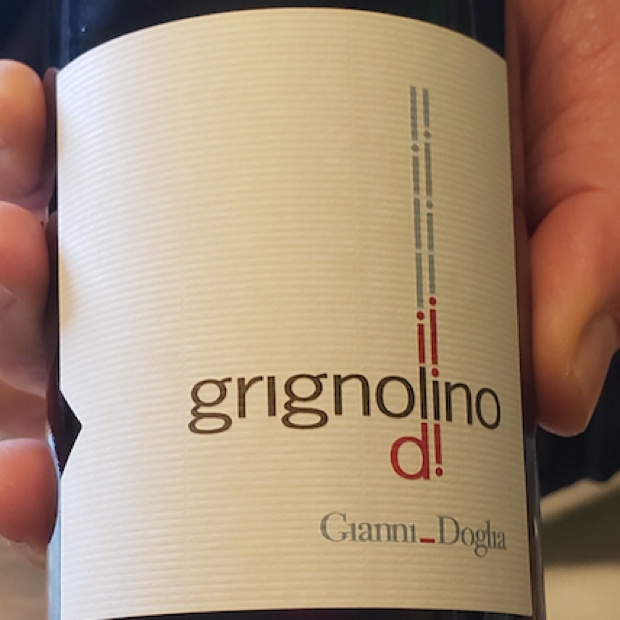
Gianni Doglia Grigolino d’Asti DOCG 2018, Piedmont, Italy ($20.00 – Estimate)

The grignolino of lithe transparency from limestone and clay soils, ripe cherries and the wine of Gianni’s father and grandfather. Gianni tells that “grignolino is the poor man’s nebbiolo” and ‘aint that the truth. Also a nut oil, almond or hazelnut running through the crunchiness of the fruit. Grignolino vero. Speaks the truth. There are 6,000 bottles made. Drink 2019-2020.  Tasted December 2019
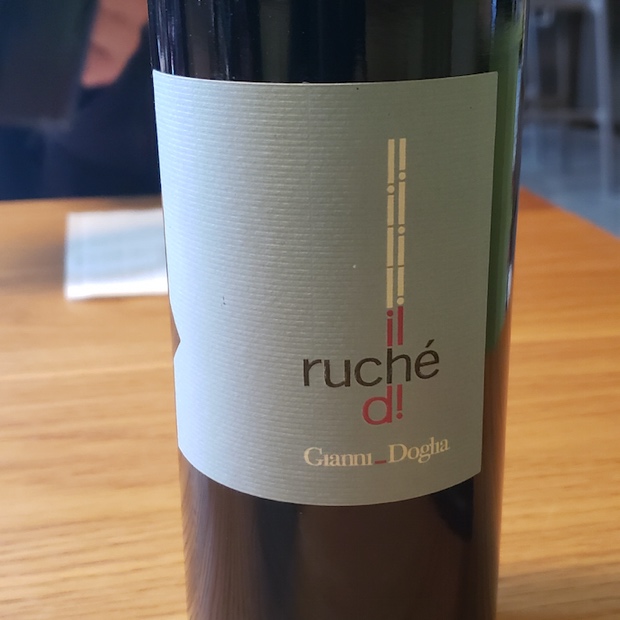
Gianni Doglia Ruché di Castagnole Monferrato DOCG 2018, Piedmont, Italy ($20.00 – Estimate)

The absolute truth of ruché is spoken as one of the most recognizable profiles on the planet. The speciality is uncanny, semi-aromatic and with this sweet fruit component that’s like malvasia with no baggage. Or colorino the same way or so many others but only this varietal does cherries in this floral to almost tropical way. A scrape of orange zest in this one too. Neither muscular nor soft but somewhere uniquely crunchy and just ripe in between. Drink 2019-2022.  Tasted December 2019
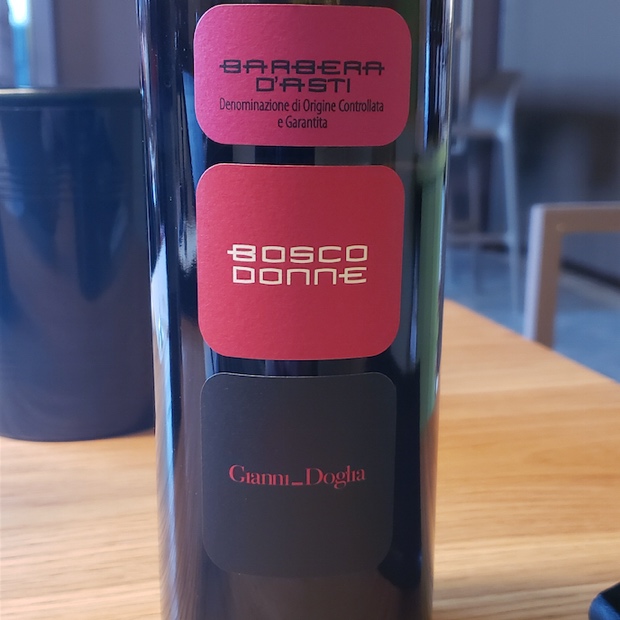
Gianni Doglia Barbera d’Asti DOCG Bosco Donne 2018, Piedmont, Italy ($20.00 – Estimate)

A selection from some of the “younger” barbera in the 40 year-old vineyard and not a stitch of oak intrusion. That Gianni Doglia makes an unoaked barbera is so smart, beneficial and a gift to us all. A naked one, full of the natural cherries of the grape and the air breathed in from the woods next door. A beautiful vintage of texture and fruit to the fruity end. Castagnole is such a place, of so much aromatic presence and kudos for making a wine that allows for the natural order, along with a sour candied edge of the terroir to speak. Drink 2019-2022.  Tasted December 2019
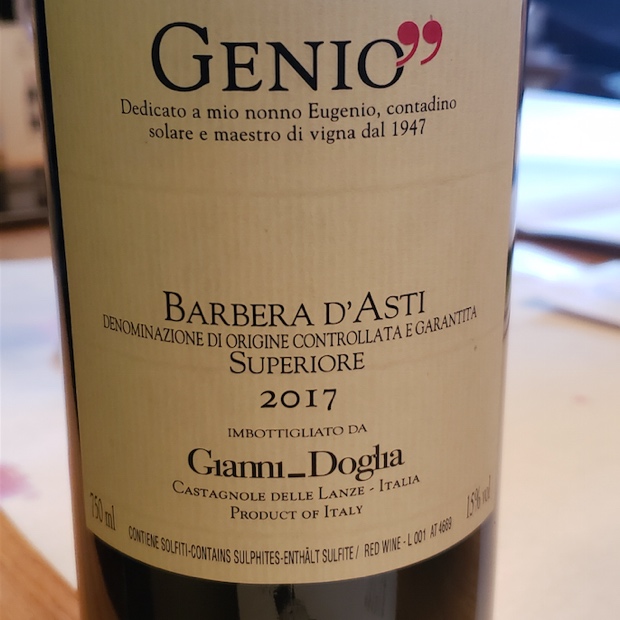
Gianni Doglia Barbera d’Asti Superiore DOCG Genio 2017, Piedmont, Italy

A very young barbera d’asti named for Gianni’s grandfather Eugenio, only three months in bottle. Gianni loves this harvest, of body from hot temperatures but with tenderness and softness. A spiced barbera, still reeking of its time spent in wood but the mass of fruit is prevalent to predominant, albeit based on what Gianni’s grandfather insisted. “The wine has to stay in the bottle for the same length of time it sat in the barrel.” And then some I would add. This the barbera of heights climbed as in these hills and needing just as much time to come back down. Drink 2022-2029.  Tasted December 2019
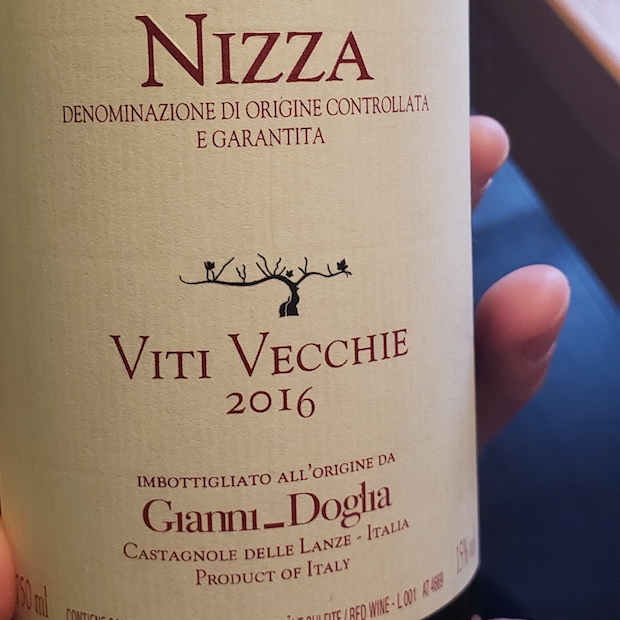
Gianni Doglia Barbera d’Asti Superiore DOCG Viti Vecchie 2017, Piedmont, Italy

Old vines of 60 years-old bring acumen, generational knowhow and a depth of soul to this Nizza and while the Genio from ulterior terroir takes, feels and oozes more in wood this just seems unencumbered. Perhaps it’s a vintage thing but surely a sense of place above all else. A harvest that was surely fresher and a structure much more vertical. Balanced like a perfectly toned dancer. Don’t you just love it when nothing is too much. The fruit, acidity and tannin are all announced but not pronounced. Finishes with just a crumble of really good chocolate so you can imagine the forest foraged future. Drink 2022-2032.  Tasted December 2019
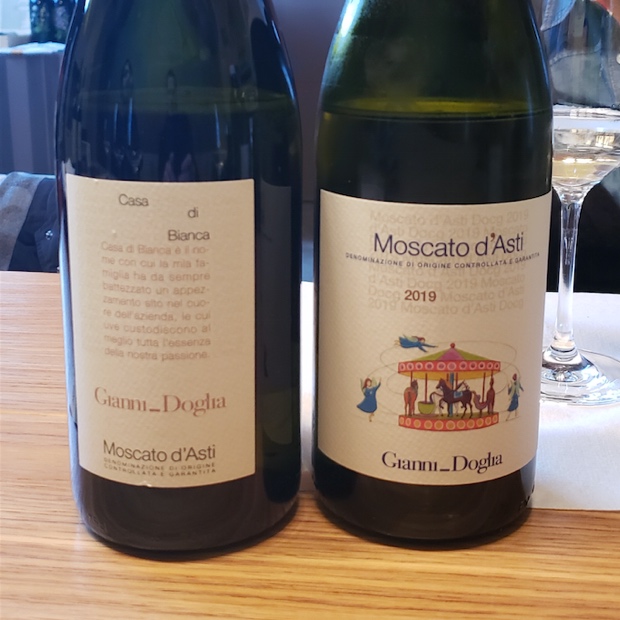
Gianni Doglia Moscato d’Asti DOCG 2019, Piedmont, Italy ($20.00 – Estimate)

The 25th anniversary bottling that combs all the moscato vineyards on the estate though truth be told they all produce quite different wines. “Gianni’s dream was to produce the best moscato ever,” tells sister Paola. The clarity and clean, clean living is evident and with thanks to upstart acidity to balance the sugars. A soil-driven expression of moscato for a fresh and crunchy result. Peaches meet white balsamic for some genuine complexity. Eight to ten bottlings are made each year from wine that sits suspended at one degree in juice format inside steel tanks. At this time of year there is no danger of fermentation. A wine of 5.0 per cent alcohol. Drink 2019-2020.  Tasted December 2019
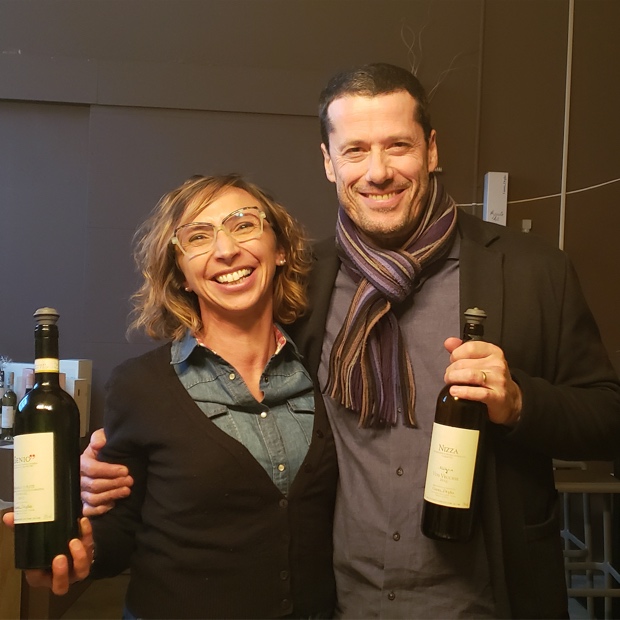
Gianni Doglia Moscato d’Asti DOCG Casa di Bianca 2018, Piedmont, Italy ($20.00 – Estimate)

A single-vineyard moscato from 35 year-old vines and the plot Gianni’s grandfather just knew grew the best vines and so Gianni first decided to separate it from the pack in 2012. And so this particular moscato sees eight or nine months on the lees and finds a next level of complexity for the stylistic and the tradition. Gives a yeasty note on top of green apple, melon, orange blossom and fine herbs. The acidity is greater and so energy is exercised in perpetual motion. The alcohol result is just slightly higher at 5.5 per cent. A wine completely unique in this world that may just deliver some petrol and paraffin with a few years time. Drink 2019-2023.  Tasted December 2019

Good to go!

godello
Twitter: @mgodello

Instagram: mgodello
WineAlign

Rock steady Bersano

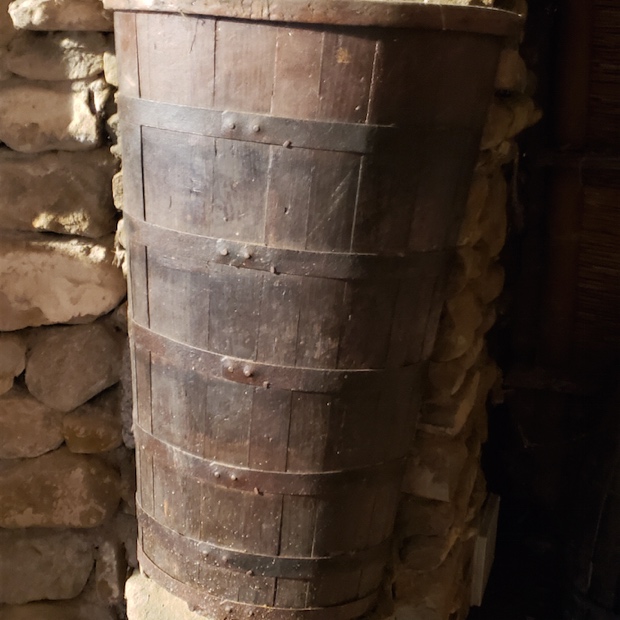
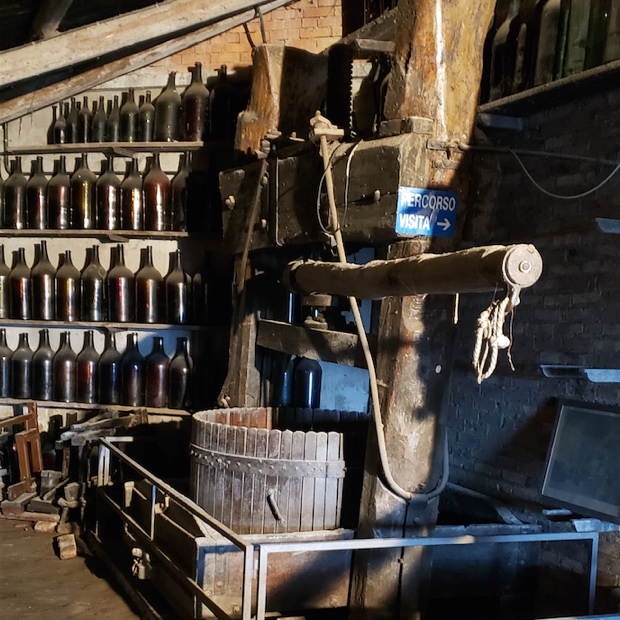
You’ve got to visit the cantina of Bersano Vini in Nizza Monferrato, if for no other reason than to wander through the on-site, outdoor Museo Bersano delle Contadinerie which houses implements and machinery from peasant life and transportation in the seventeenth and eighteenth century. All the brainchild of Arturo Bersano and in his successor’s words the installation is “a memory of what made our wine great. The cellar, farming tools, wine presses and a collection of old wine prints. Bersano – winemaker, scholar, poet. His anxiety of research, patient and cautious, dictated by a deep passion for the land and for work, has been able to condense in the Collections and in the Museum of the Peasants, the most suffered and joyful testimonies of the wine-peasant civilization.” All of that and of course to taste a portfolio in Monferrato’s widest breadth, consistently exceptional of quality and for consumer value across the board. Rock steady Bersano.

Related – Living wine in the moment at Scarpa Winery

The humble beginnings were early, first decade times in the 20th century. They say 1907 to be exact but surely somewhere between 115 and 120 years later the estates cover 230 hectares, the largest single entity as such in the Monferrato hills. The original and most historic property is Cremosina, once the seat of a great Palazzo (dei Conti della Cremosina) and now home to Barbera d’Asti vineyards. Bersano farms nine estates and two single vineyards in these hills: Cremosina (Nizza Monferrato), Generala (Agliano Terme), Prata (Incisa Scapaccino), Badarina (Serralunga d’Alba), Castelgaro (Baretta – Acqui Terme), Pallavicini (Mombaruzzo), Buccelli (Nizza Monferrato), Serradivaglio Vineyard (Incisa Scapaccino), San Michele (Nizza Monferrato), Monteolivo Vineyard (Castelnuovo Belbo) and San Pietro Realto (Castagnole Monferrato). Today these estates are in production of 90 per cent of what constitutes the Bersano portfolio: Three whites from cortese and arneis, seven sparkling wines from cortese, moscato, brachetto and pinot noir, 13 reds from barbera, grignolino, ruché, nebbiolo and dolcetto.

Related – You say you want a Barbera d’Asti revolution

Pinta Piedmontese

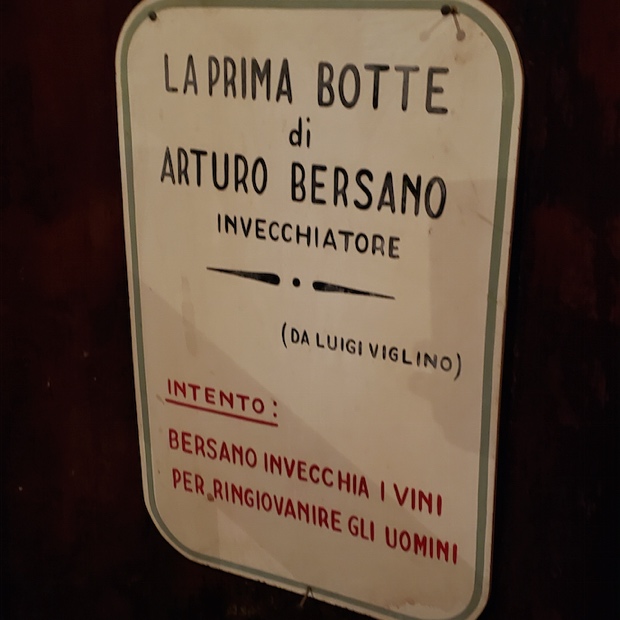
Of great historical interest is the presence in Bersano’s cellar of what Arturo designed and called the “10VT.” The Pinta Piedmontese was a 12.5 litre transportable for the times vessel and four Pinta could be filled from one 50L barrel, half the size found in the cellars of Marchesi di Barolo. This last historical barrel called the 10VT is now housed in the upper floors of Bersano’s Nizza property to avoid flooding. At any given time there can be 80,000L aging ion Slavonian oak casks in this cellar, “of all grandi botti sizes,” 50-60 years of age and from 47 to 107 hL. In fact, no two are the same, perhaps in shape but not in terms of volume. Only 10 per cent of all wines see barrique, they being Nizza Barbera and Barolo Cru.

Related – Barbera d’Asti Del Monferrato E Nizza Monferrato

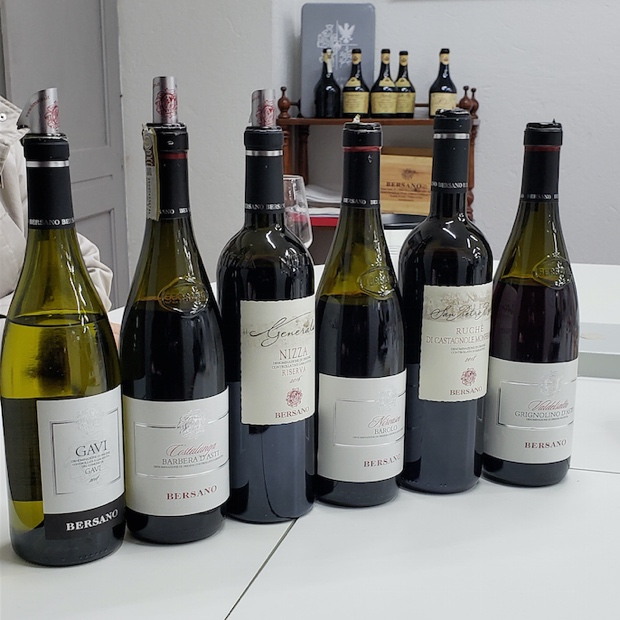
I have had the pleasure of tasting Bersano wines on many occasions in Toronto and over the past three years I’ve done so four times in Piemonte. The first was at Collisioni Festival in 2017 and then in 2018 on several occasions with winemaker Roberto Morosinotto, namely at the Cascina San Pietro where ruché, barbera and grignolino grow in the Monferrato hills. Then in 2019 on this visit at the Cantina in Nizza and in 2020, at Nebbiolo Prima and Grandi Langhe in Alba. These are the six wines tasted in Nizza with Bersano’s Carmen Pergola and the Consorzio Barbera d’Asti e Vini del Monferrato’s Valerio Bertolino.

Bersano Gavi Di Gavi DOCG 2018, Piedmont, Italy ($21.19)

A fresh and sweetly herbal cortese for a smooth and balanced Gavi of straightforward execution and finesse. Relevant acidity keeps everything set up for levels most simple wines just don’t have access to be there. A very fruity vintage with a crushed almond oil extract, perfectly correct and positioned. Drink 2020-2023.  Tasted December 2019 and February 2020

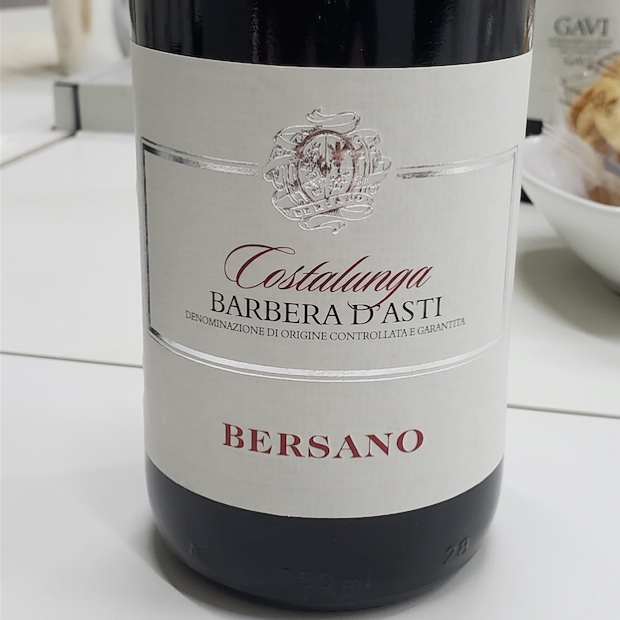
Bersano Barbera d’Asti DOCG Costalunga 2017, Piedmont, Italy (348680, $14.10)

Taken from four estates and without a doubt the most versatile, inexpensive and properly delineated barbera d’asti for the territory to express what needs to the world. Dark fruit, high acidity, classically trained in large Slavonian oak and just exactly what to expect. Never asks too much and delivers across the board amenability. The value is exceptional. Drink 2019-2021.  Tasted December 2019

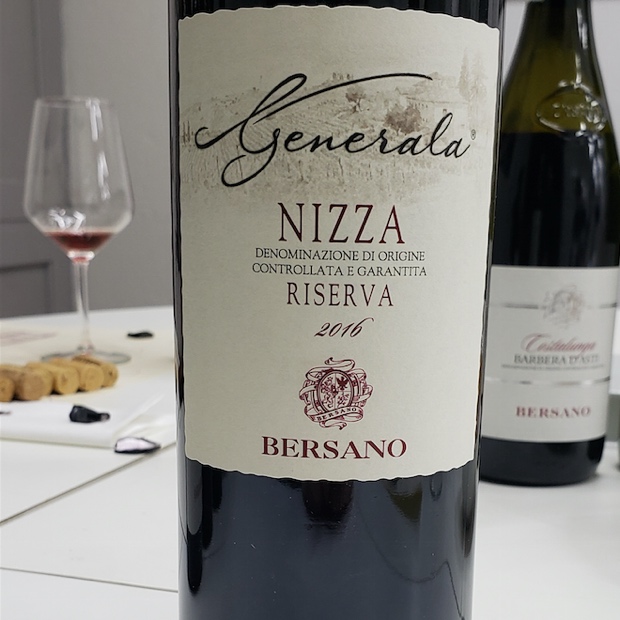
Bersano Barbera d’Asti Nizza DOCG Riserva Generala 2016, Piedmont, Italy (Approx. $52.00)

Drawn from fruit off of the Generala estate and though a recently awarded appellation there is great history in the grapes and the place. Nine months in large Slavonian cask plus nine months in 500L French tonneaux make for a very amenable barbera with a prominent personality. Big on cherries and wood spice, balsam and dried herbs. Dark and even a bit mysterious, cool, almost mentholated and structured for age. Glycerin texture and an oil extract not atypical for the get together of grape, place and elévage. Top vintage for this particular and relatively ambitious wine. Drink 2021-2026.  Tasted December 2019

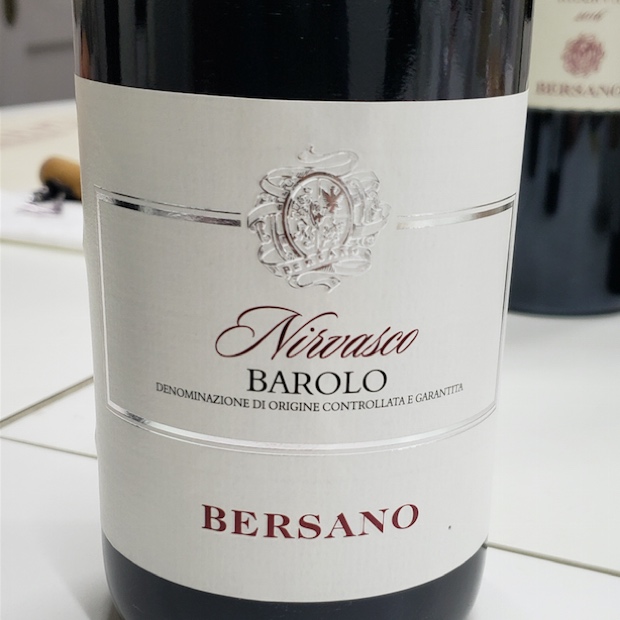
Bersano Nirvasco Barolo DOCG 2014, Piedmont, Italy (713628, $34.95)

The grapes in Barolo come from three areas, Serralunga (Badarina) along with Monforte and La Morra. Aged in large Slavonian casks for three years, easily recognizable as nebbiolo, not just in hue but surely in aromatic rose to tar profile. Classic really and also dried fruits, but especially this wild strawberry note. Dry and then dried cherry, wild and free on the palate. It’s very classic, clean, crisp and easy to get with. Make great use early while other tannic nebbiolo work their way through adolescence. Winemaker Roberto Morosinotto has done all the work for you and serves it up at the right time to drink. Clean and uncomplicated. Drink 2019-2023.  Tasted December 2019

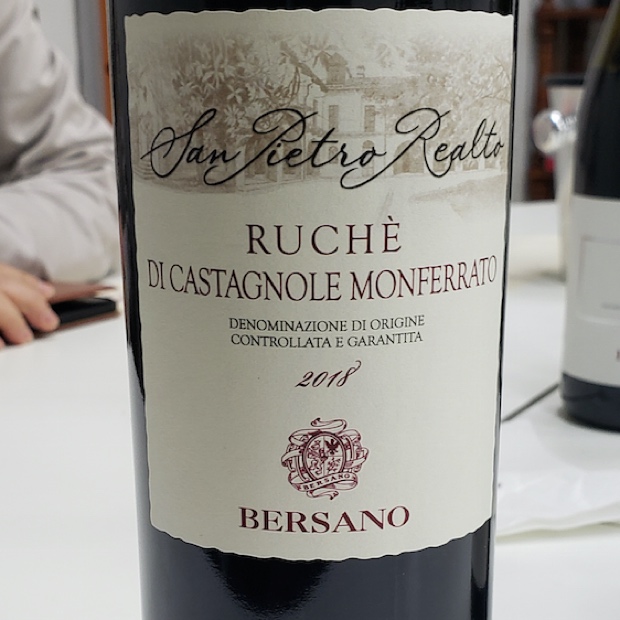
Bersano Ruché Di Castagnole Monferrato DOCG San Pietro Realto 2018, Piedmont, Italy (Approx. $22.00)

Fruit is grown on the San Pietro estate to the east of Monferrato and the unmistakeable and specific cherry with cherry stone note is uncanny, not to be missed. A sandy soil with calcaire and small stones of steep slopes make for an aromatic note that stands alone. The herbal amaro play is on the sweet side and what this really wants and needs is a game bird, roasted and savoury of local herbs. You might think gamay meets frappato or somewhere in between but no, this is singular. This is the red wine for Szechuan food. Truly. Drink 2019-2022.  Tasted December 2019

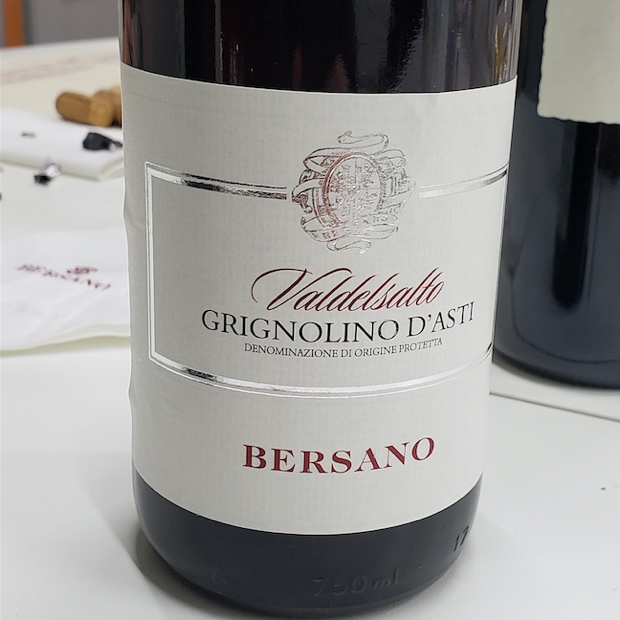
Bersano Grignolino d’Asti DOCG Valdelsalto 2018, Piedmont, Italy (Approx. $22.00)

Coming from the same estate as the ruché, meaning San Pietro in the eastern hills of Monferrato. Beautifully effusive and luminous, light in appearance and weight but do not be fooled into thinking it’s light. Castagnole is the origin and the grape is considered the wine of the family. Fresh, young and the summer wine. OK so light it is but salty, mineral, taut and complete. What else do you need? The kind of wine that never makes you tired and is utterly representative of the place. Drink 2019-2021.  Tasted December 2019

Good to go!

godello

Agnolotti del Plin, Caffe Roma – Enoteca con Cucina, Costigliole d’Asti:

Twitter: @mgodello

Instagram: mgodello
WineAlign