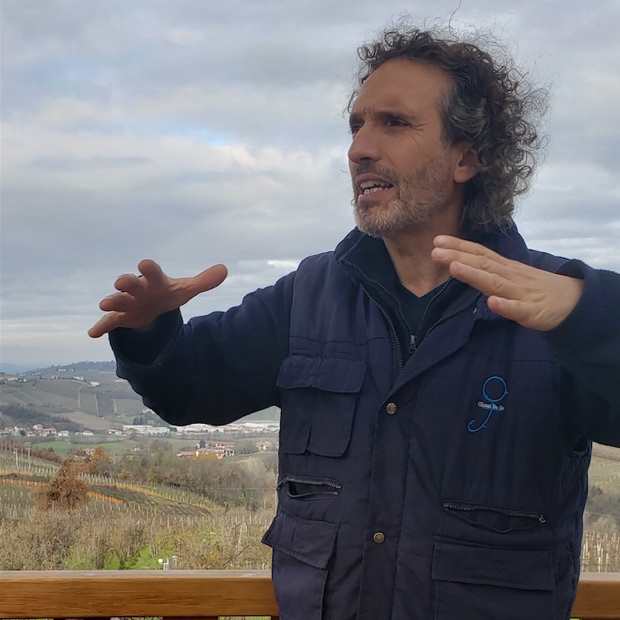
During the post-war days of late 1940s and 1950s Europe there were simple, humble and hard-working folk who tempted fate by fighting against the oppression waged by dire destinies. Gianni Doglia’s maternal mezzadro grandfather Eugenio Rivella was such a man who in 1947 decided to buy a farmstead, raise his own grapes and do so in a very specific place. In the 1980s it was Bruno and Marisa who took the reigns of the estate. Today brother and sister Gianni and Paola take care of the tradition their nonno began and do so in a wholly unexpected and antithetical way.
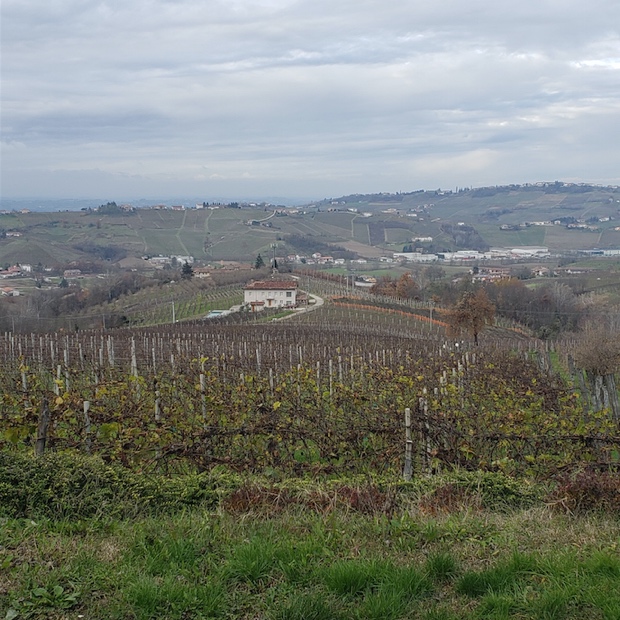
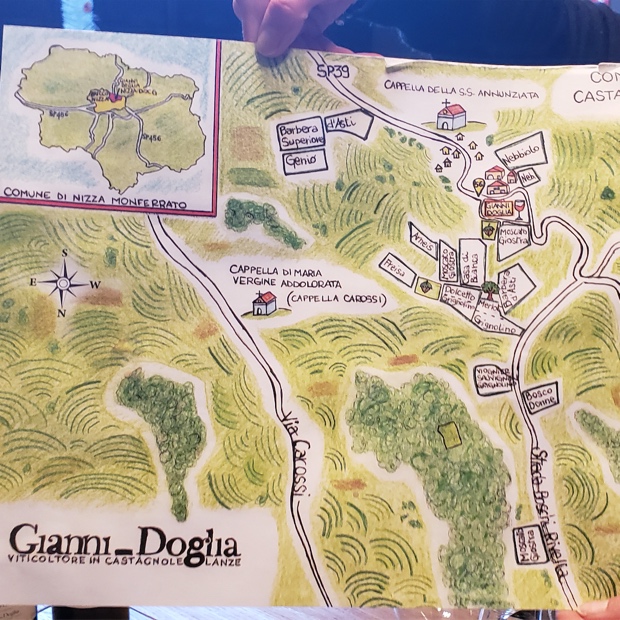
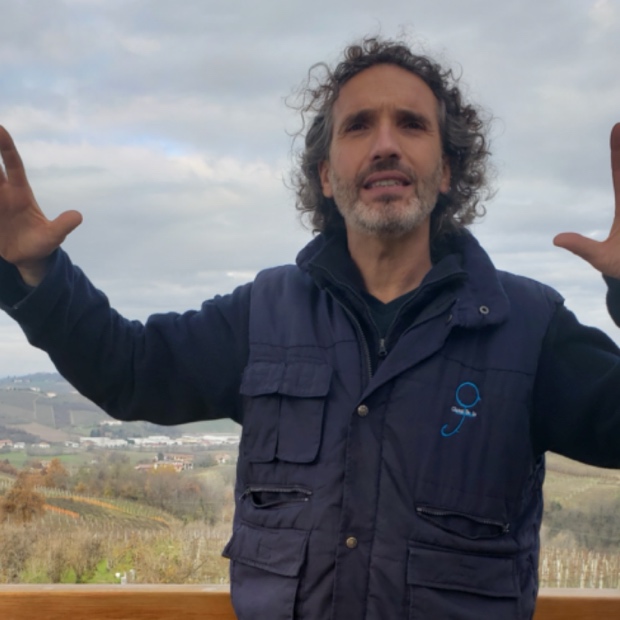
Azienda Vinicola di Gianni Doglia is situated on the Langhe side of Castagnole delle Lanza, opposite of Monferrato in the province of Asti, Piemonte. Gianni feels “like a Monferrato man, even if he’s literally on the edge of the Langhe.” He farms six hectares across his estate lands plus two more in Monferrato and one in Nizza. He notes the importance of the ascending rise to his hill up to a pinnacle that puts the vineyards at points higher than those in Monferrato. Two winds blow through, a northern Foehn from the Alps and the strong westerner from the Ligurian Sea. The special acidities and intangible magic in the moscato and barbera farmed here comprise the solid centre of the estate. It was Gianni’s grandfather who’s intuition knew and acted upon all of this.
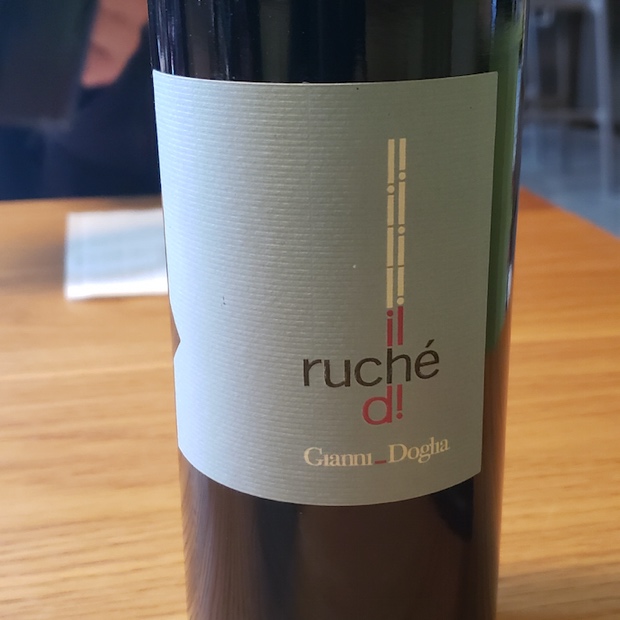
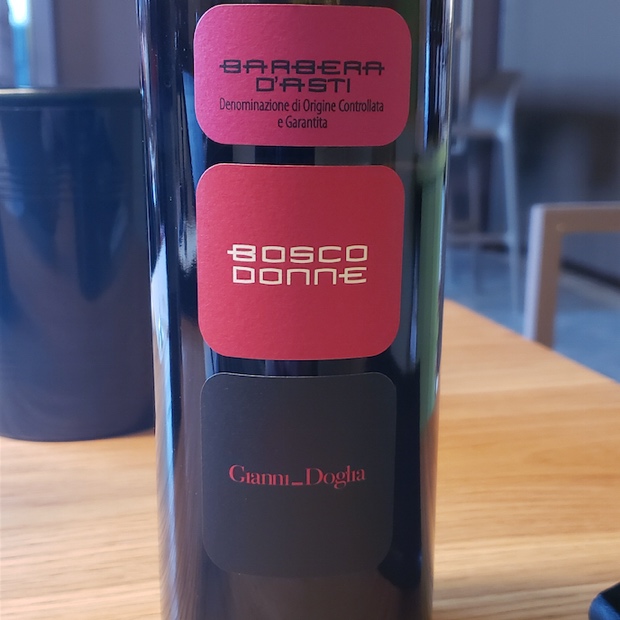
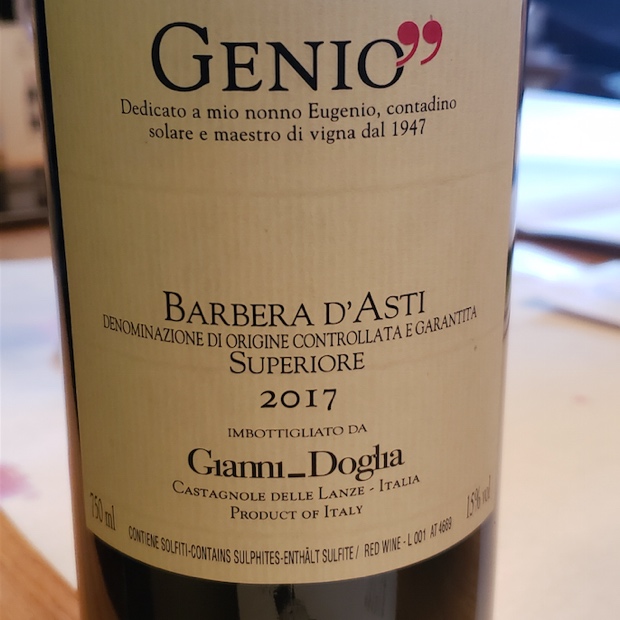
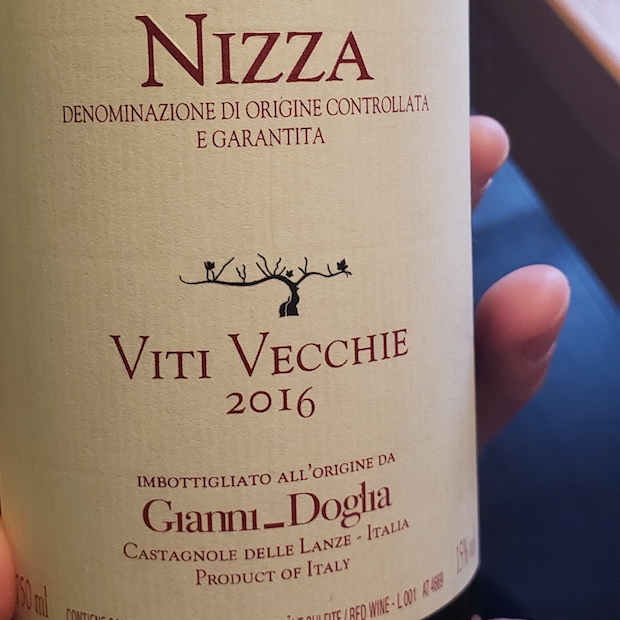
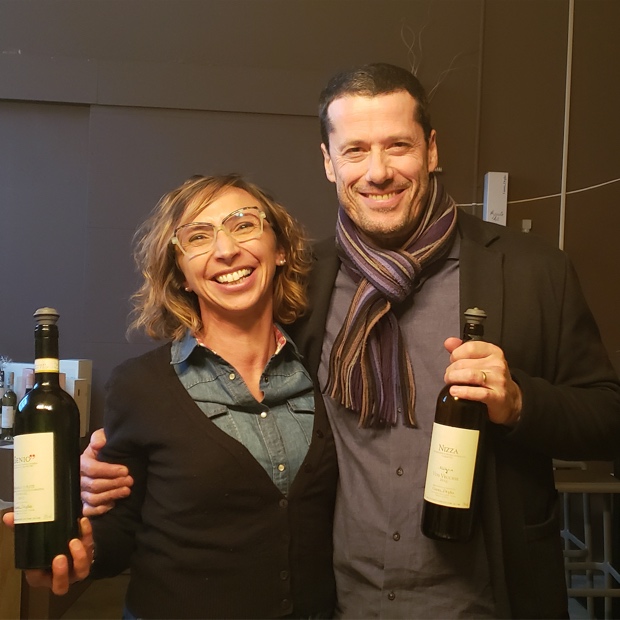
Gianni Doglia’s wines are notable in their modernity and yet so pure, so honest and so steeped in his personal tradition. His wines are effortless to drink and while he clearly puts in the hard work, they seem so effortlessly made. They serve a pragmatic purpose, like literature or painting, with a mission to gift us the fulfillment that makes our essential life duties more palatable. Life affirming moscato, barbera, grignolino and ruché. Taste Gianni’s wines and you may feel the same. These are the seven he and Paola poured for me back in December.
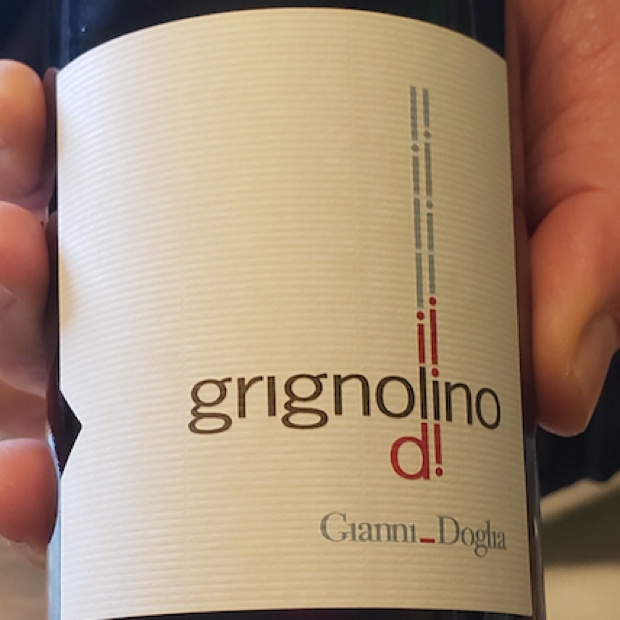
The grignolino of lithe transparency from limestone and clay soils, ripe cherries and the wine of Gianni’s father and grandfather. Gianni tells that “grignolino is the poor man’s nebbiolo” and ‘aint that the truth. Also a nut oil, almond or hazelnut running through the crunchiness of the fruit. Grignolino vero. Speaks the truth. There are 6,000 bottles made. Drink 2019-2020. Tasted December 2019
The absolute truth of ruché is spoken as one of the most recognizable profiles on the planet. The speciality is uncanny, semi-aromatic and with this sweet fruit component that’s like malvasia with no baggage. Or colorino the same way or so many others but only this varietal does cherries in this floral to almost tropical way. A scrape of orange zest in this one too. Neither muscular nor soft but somewhere uniquely crunchy and just ripe in between. Drink 2019-2022. Tasted December 2019
A selection from some of the “younger” barbera in the 40 year-old vineyard and not a stitch of oak intrusion. That Gianni Doglia makes an unoaked barbera is so smart, beneficial and a gift to us all. A naked one, full of the natural cherries of the grape and the air breathed in from the woods next door. A beautiful vintage of texture and fruit to the fruity end. Castagnole is such a place, of so much aromatic presence and kudos for making a wine that allows for the natural order, along with a sour candied edge of the terroir to speak. Drink 2019-2022. Tasted December 2019
A very young barbera d’asti named for Gianni’s grandfather Eugenio, only three months in bottle. Gianni loves this harvest, of body from hot temperatures but with tenderness and softness. A spiced barbera, still reeking of its time spent in wood but the mass of fruit is prevalent to predominant, albeit based on what Gianni’s grandfather insisted. “The wine has to stay in the bottle for the same length of time it sat in the barrel.” And then some I would add. This the barbera of heights climbed as in these hills and needing just as much time to come back down. Drink 2022-2029. Tasted December 2019
Old vines of 60 years-old bring acumen, generational knowhow and a depth of soul to this Nizza and while the Genio from ulterior terroir takes, feels and oozes more in wood this just seems unencumbered. Perhaps it’s a vintage thing but surely a sense of place above all else. A harvest that was surely fresher and a structure much more vertical. Balanced like a perfectly toned dancer. Don’t you just love it when nothing is too much. The fruit, acidity and tannin are all announced but not pronounced. Finishes with just a crumble of really good chocolate so you can imagine the forest foraged future. Drink 2022-2032. Tasted December 2019
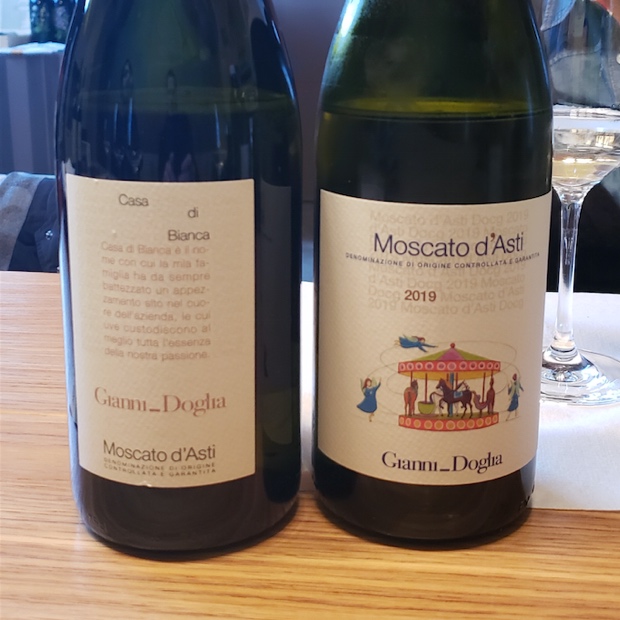
The 25th anniversary bottling that combs all the moscato vineyards on the estate though truth be told they all produce quite different wines. “Gianni’s dream was to produce the best moscato ever,” tells sister Paola. The clarity and clean, clean living is evident and with thanks to upstart acidity to balance the sugars. A soil-driven expression of moscato for a fresh and crunchy result. Peaches meet white balsamic for some genuine complexity. Eight to ten bottlings are made each year from wine that sits suspended at one degree in juice format inside steel tanks. At this time of year there is no danger of fermentation. A wine of 5.0 per cent alcohol. Drink 2019-2020. Tasted December 2019
A single-vineyard moscato from 35 year-old vines and the plot Gianni’s grandfather just knew grew the best vines and so Gianni first decided to separate it from the pack in 2012. And so this particular moscato sees eight or nine months on the lees and finds a next level of complexity for the stylistic and the tradition. Gives a yeasty note on top of green apple, melon, orange blossom and fine herbs. The acidity is greater and so energy is exercised in perpetual motion. The alcohol result is just slightly higher at 5.5 per cent. A wine completely unique in this world that may just deliver some petrol and paraffin with a few years time. Drink 2019-2023. Tasted December 2019
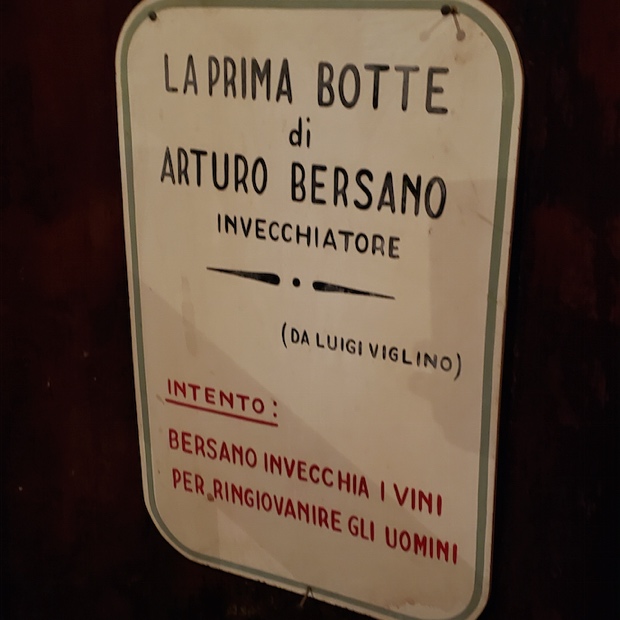
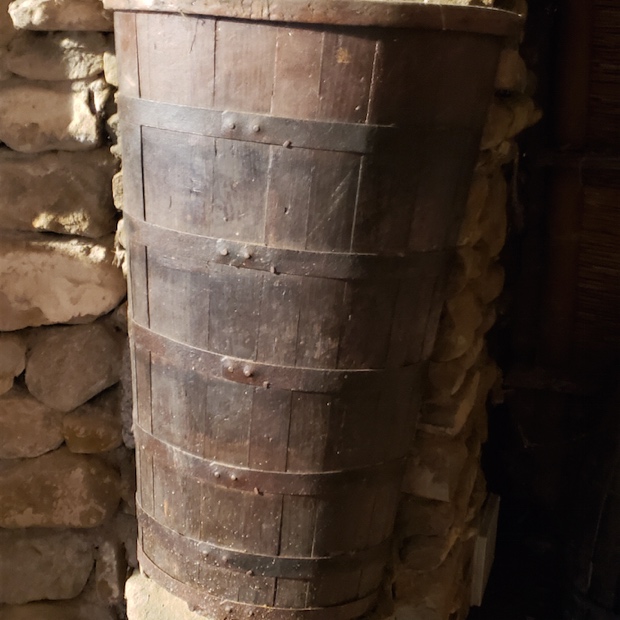
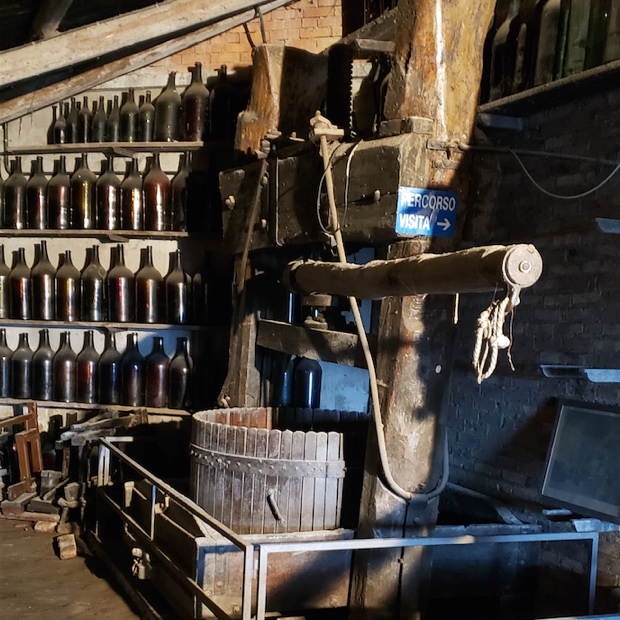
You’ve got to visit the cantina of Bersano Vini in Nizza Monferrato, if for no other reason than to wander through the on-site, outdoor Museo Bersano delle Contadinerie which houses implements and machinery from peasant life and transportation in the seventeenth and eighteenth century. All the brainchild of Arturo Bersano and in his successor’s words the installation is “a memory of what made our wine great. The cellar, farming tools, wine presses and a collection of old wine prints. Bersano – winemaker, scholar, poet. His anxiety of research, patient and cautious, dictated by a deep passion for the land and for work, has been able to condense in the Collections and in the Museum of the Peasants, the most suffered and joyful testimonies of the wine-peasant civilization.” All of that and of course to taste a portfolio in Monferrato’s widest breadth, consistently exceptional of quality and for consumer value across the board. Rock steady Bersano.
The humble beginnings were early, first decade times in the 20th century. They say 1907 to be exact but surely somewhere between 115 and 120 years later the estates cover 230 hectares, the largest single entity as such in the Monferrato hills. The original and most historic property is Cremosina, once the seat of a great Palazzo (dei Conti della Cremosina) and now home to Barbera d’Asti vineyards. Bersano farms nine estates and two single vineyards in these hills: Cremosina (Nizza Monferrato), Generala (Agliano Terme), Prata (Incisa Scapaccino), Badarina (Serralunga d’Alba), Castelgaro (Baretta – Acqui Terme), Pallavicini (Mombaruzzo), Buccelli (Nizza Monferrato), Serradivaglio Vineyard (Incisa Scapaccino), San Michele (Nizza Monferrato), Monteolivo Vineyard (Castelnuovo Belbo) and San Pietro Realto (Castagnole Monferrato). Today these estates are in production of 90 per cent of what constitutes the Bersano portfolio: Three whites from cortese and arneis, seven sparkling wines from cortese, moscato, brachetto and pinot noir, 13 reds from barbera, grignolino, ruché, nebbiolo and dolcetto.
Of great historical interest is the presence in Bersano’s cellar of what Arturo designed and called the “10VT.” The Pinta Piedmontese was a 12.5 litre transportable for the times vessel and four Pinta could be filled from one 50L barrel, half the size found in the cellars of Marchesi di Barolo. This last historical barrel called the 10VT is now housed in the upper floors of Bersano’s Nizza property to avoid flooding. At any given time there can be 80,000L aging ion Slavonian oak casks in this cellar, “of all grandi botti sizes,” 50-60 years of age and from 47 to 107 hL. In fact, no two are the same, perhaps in shape but not in terms of volume. Only 10 per cent of all wines see barrique, they being Nizza Barbera and Barolo Cru.
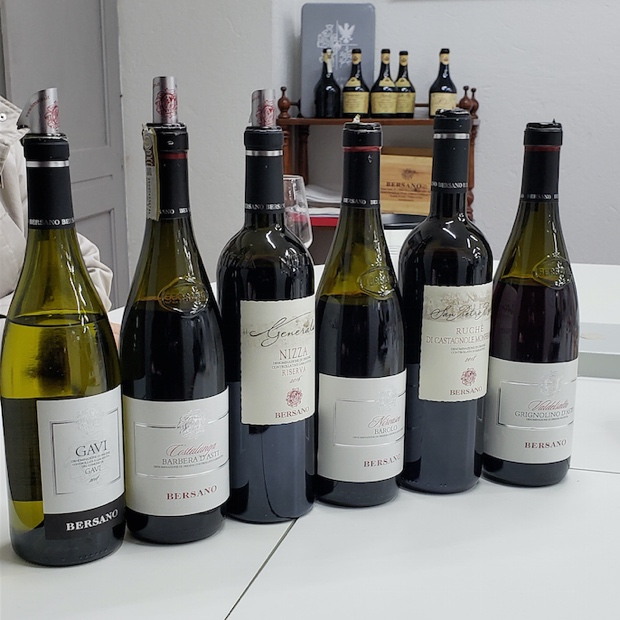
I have had the pleasure of tasting Bersano wines on many occasions in Toronto and over the past three years I’ve done so four times in Piemonte. The first was at Collisioni Festival in 2017 and then in 2018 on several occasions with winemaker Roberto Morosinotto, namely at the Cascina San Pietro where ruché, barbera and grignolino grow in the Monferrato hills. Then in 2019 on this visit at the Cantina in Nizza and in 2020, at Nebbiolo Prima and Grandi Langhe in Alba. These are the six wines tasted in Nizza with Bersano’s Carmen Pergola and the Consorzio Barbera d’Asti e Vini del Monferrato’s Valerio Bertolino.
A fresh and sweetly herbal cortese for a smooth and balanced Gavi of straightforward execution and finesse. Relevant acidity keeps everything set up for levels most simple wines just don’t have access to be there. A very fruity vintage with a crushed almond oil extract, perfectly correct and positioned. Drink 2020-2023. Tasted December 2019 and February 2020
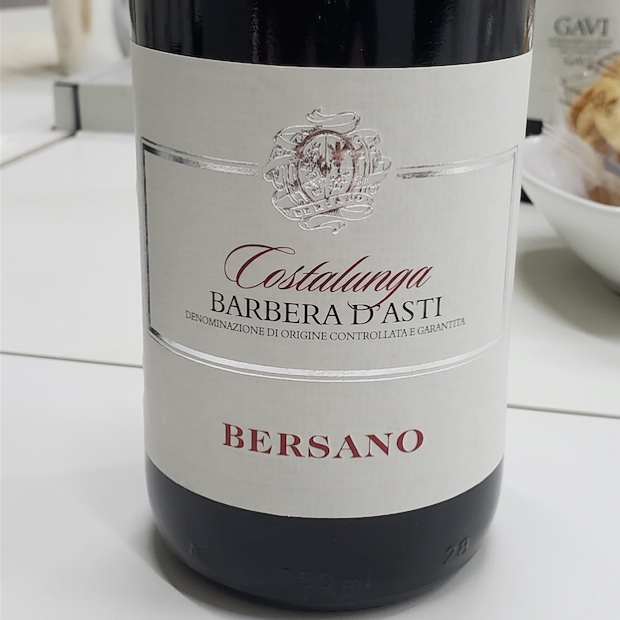
Taken from four estates and without a doubt the most versatile, inexpensive and properly delineated barbera d’asti for the territory to express what needs to the world. Dark fruit, high acidity, classically trained in large Slavonian oak and just exactly what to expect. Never asks too much and delivers across the board amenability. The value is exceptional. Drink 2019-2021. Tasted December 2019
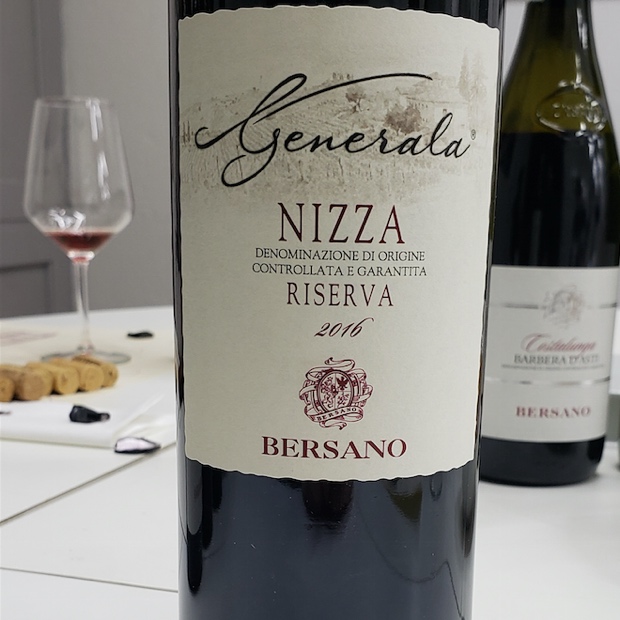
Drawn from fruit off of the Generala estate and though a recently awarded appellation there is great history in the grapes and the place. Nine months in large Slavonian cask plus nine months in 500L French tonneaux make for a very amenable barbera with a prominent personality. Big on cherries and wood spice, balsam and dried herbs. Dark and even a bit mysterious, cool, almost mentholated and structured for age. Glycerin texture and an oil extract not atypical for the get together of grape, place and elévage. Top vintage for this particular and relatively ambitious wine. Drink 2021-2026. Tasted December 2019
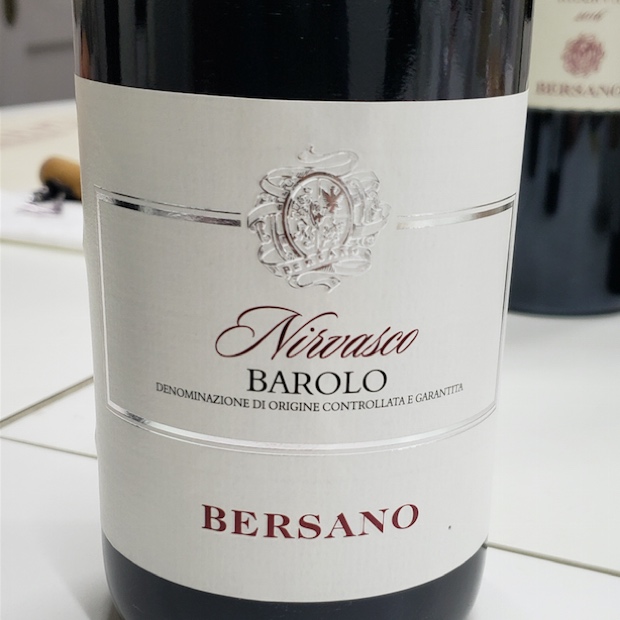
The grapes in Barolo come from three areas, Serralunga (Badarina) along with Monforte and La Morra. Aged in large Slavonian casks for three years, easily recognizable as nebbiolo, not just in hue but surely in aromatic rose to tar profile. Classic really and also dried fruits, but especially this wild strawberry note. Dry and then dried cherry, wild and free on the palate. It’s very classic, clean, crisp and easy to get with. Make great use early while other tannic nebbiolo work their way through adolescence. Winemaker Roberto Morosinotto has done all the work for you and serves it up at the right time to drink. Clean and uncomplicated. Drink 2019-2023. Tasted December 2019
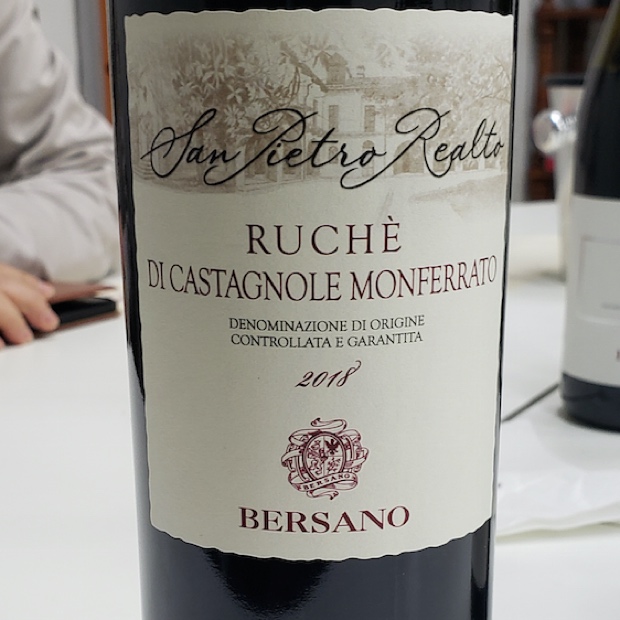
Fruit is grown on the San Pietro estate to the east of Monferrato and the unmistakeable and specific cherry with cherry stone note is uncanny, not to be missed. A sandy soil with calcaire and small stones of steep slopes make for an aromatic note that stands alone. The herbal amaro play is on the sweet side and what this really wants and needs is a game bird, roasted and savoury of local herbs. You might think gamay meets frappato or somewhere in between but no, this is singular. This is the red wine for Szechuan food. Truly. Drink 2019-2022. Tasted December 2019
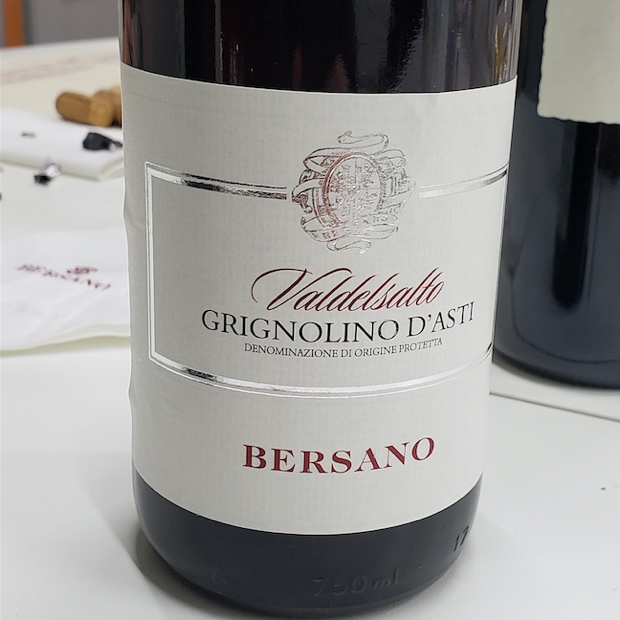
Coming from the same estate as the ruché, meaning San Pietro in the eastern hills of Monferrato. Beautifully effusive and luminous, light in appearance and weight but do not be fooled into thinking it’s light. Castagnole is the origin and the grape is considered the wine of the family. Fresh, young and the summer wine. OK so light it is but salty, mineral, taut and complete. What else do you need? The kind of wine that never makes you tired and is utterly representative of the place. Drink 2019-2021. Tasted December 2019
Good to go!
godello
Agnolotti del Plin, Caffe Roma – Enoteca con Cucina, Costigliole d’Asti:
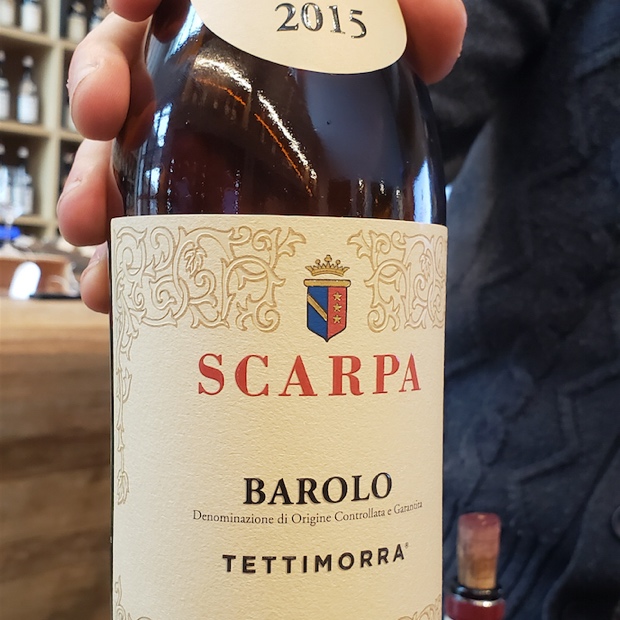
There are mornings when the conditions are ripe: A mind at ease, a calm and benign wind, an empty highway, a good companion. On the fifth day in Piemonte straddling the passover from November to December these were the conditions and so the first pour at Scarpa Winery was captured in full attention. Not lost in any particular thought there was a perceptible air of quiet, a quivering in the air and very, very quietly the barbera fell into the glass with the slightest burble as if the liquid whispered “shoykill, shoykill.” With very little to distract this breakfast pour had more to do with time than space. The movement was sublime, it was beauty, of time passing, for grapes in a way no longer alive drawn from vines still very much so. This ephemeral configuration of a year’s cycle for making wine encapsulated in movement and the moment. In wine this is how we must see things and live our lives, perched between what is beautiful and what has passed.
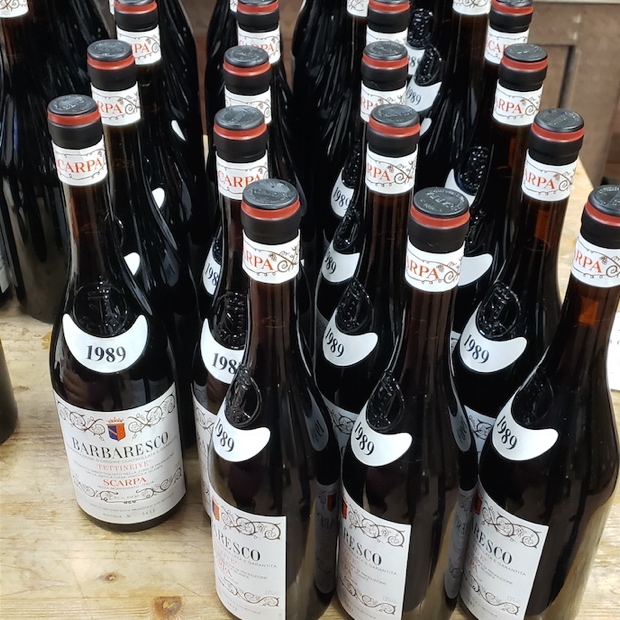
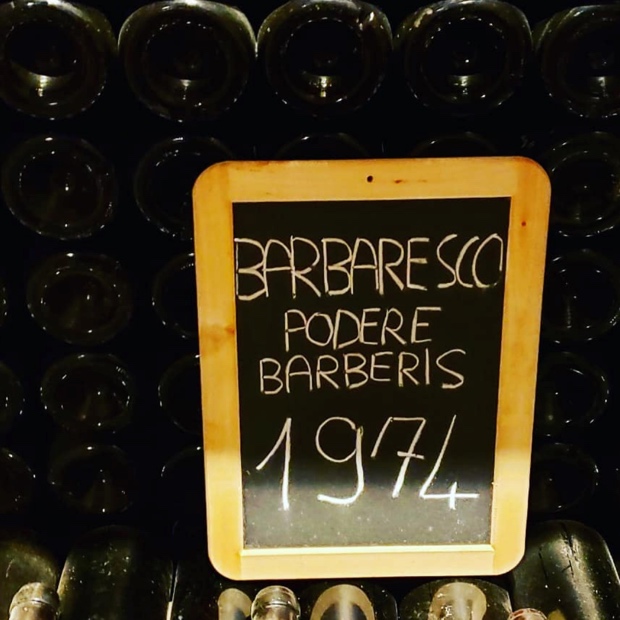
Living wine in the moment at Scarpa Winery. The idea that in life we are tracking what is gone or in the past is not lost when you consider how no other Nizza Monferrato producer both waits to release wines and also holds back library vintages for future release. No other estate will make you feel this longing, this sense of contemplation and aesthetics, of thinking about the past. A walk past the cages of older wines is the precursor but their stacks of 1982, 1987, 1990, 1995 at al are there because they will be sold to consumers who will drink them. Every other winery walk through shows old vintages as museum pieces. Not Scarpa. They live wine in the moment, irregardless of age, no matter the reason.
Andrea Roccione
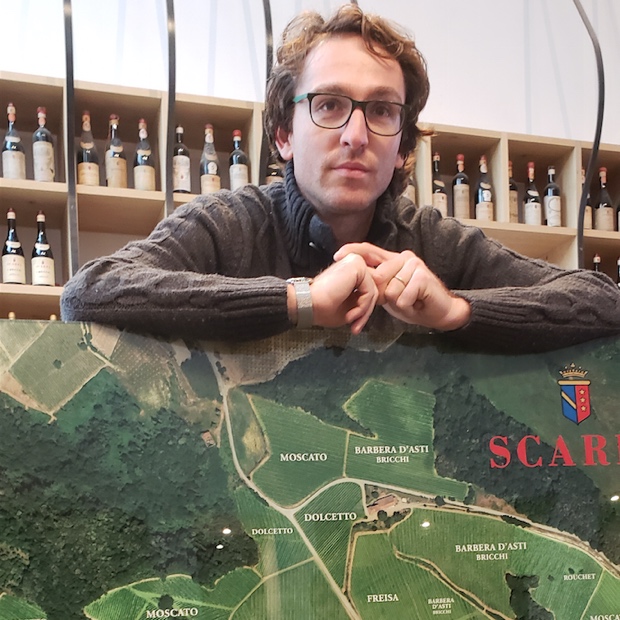
My chaperone was none other than Valerio Bertolino of the Consorzio Barbera d’Asti e Vini del Monferrato and our hosts were Andrea Roccione, Gregorio Ferro and Riikka Sukula. The building that houses the cantina is 119 years of age with 1966 being the first year of current operative production, though there is a bottle of 1949 Barolo on site. Harvest lasts six to seven weeks, from Moscato d’Asti in late August through to Nebbiolo in mid-October. The total production is 100,000 bottles. In 2018 six further hectares were acquired which should increase production by 30,000 bottles. Most everything is macerated and fermented in steel with aging times anywhere from six months to a year. The exceptions are barbera and nebbiolo in La Bogliona, Barolo and Barbaresco. As for museum pieces, Il Filtro Sacci Olandese still hangs, a typical instrument for filtering moscato in the 1900s. The Dutch (sack) filter that looks like a set of inverted bagpipes ceased to be part of production in 1959.
Tasting, assessing and writing about Scarpa wines is exactly the kind of assignment that I believe sits at the antipodes of human understanding. I recently tasted with Andrea over three occasions: At the winery during this December visit, over lunch in Alba and at Grandi Langhe in January 2020. These are the notes on the 11 wines.
Taken from vineyards all from the Monferratto estate of 26 planted (on 50 hectares), mostly located in Asti Alessandria. The ideal amalgamation and from an ideal vintage, everything ripening in synch and all coming together in balance. The freshness comes at the three year mark and that can’t be argued. The acidity melting into high level fruit is ideal in a secular wine for the ages. Drink 2019-2026. Tasted December 2019
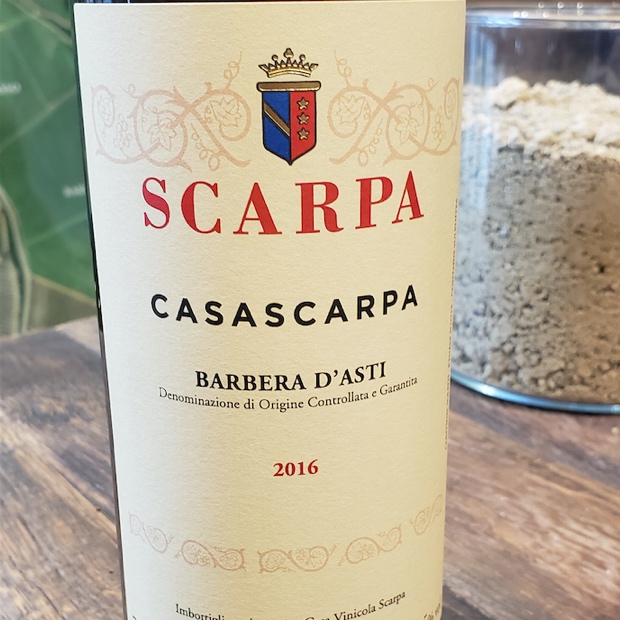
From the brownish clay of the single vineyard and the barbera that positions itself between the estate Casa Scarpa and the Bogliona single cru bottling. Challenging vintage with near ideal fruit and above the norm acidity. Dark fruit actually set against a sky of Asti lightning and barbera thunder. Aching for food with the highest impression of passion and feeling. Singular barbera of Asti designation and off of a very steep slope. Drink 2020-2029. Tasted December 2019
Not the youngest but the best freisa currently on the market. A varietal of demanding tannin that settles after five years but won’t likely improve much further after that point. A dry and still version using a conceptual style fast fading from production. Scarpa is one of the keepers, even now from just 1.5 hectares planted. Sharp red berries and a clementine meets blood orange halfway citrus acidity. Another crazy useful gastronomic wine with a finish of zesty tonic. Drink 2020-2023. Tasted December 2019
Freisa in dry form is not necessarily the norm and the vineyard was slightly larger than it is now (1.5 hectares) as a portion was over-grafted to barbera. This turns back the clock of freshness preservation and overturns the table so to speak and the culpability for speaking its mind to say “I can age.” This from a crazy hot vintage and if you need proof that wines from this territory can maintain acidity and freshness all you need to do is taste this 16 year-old freisa. Some dried fruit but so very notable for high tones, a salty streak and great persistence. Drink 2020-2023. Tasted December 2019
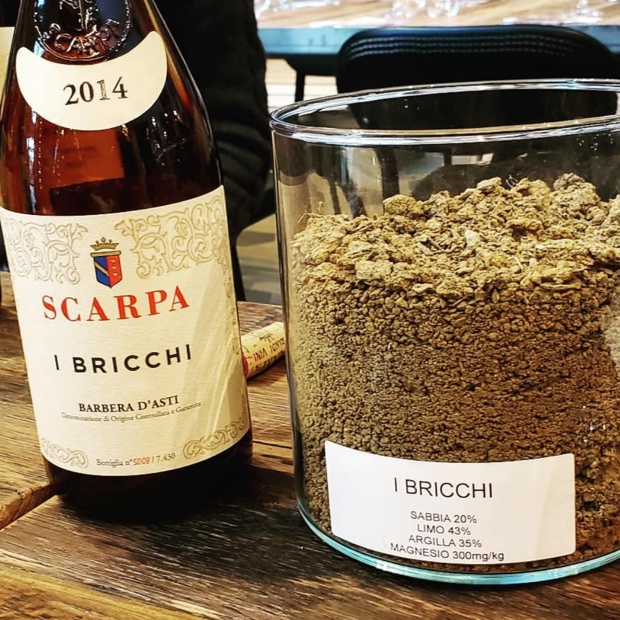
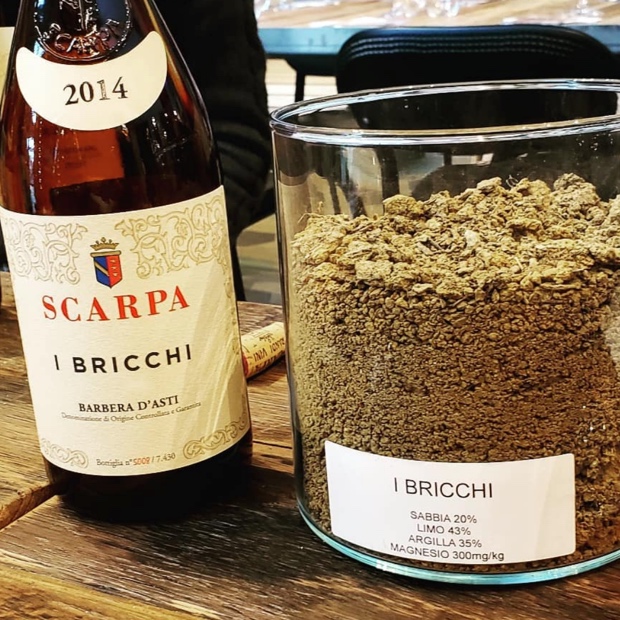
A powerful vintage widely considered as a great one and also from I Scarpese as such, from lighter, rich in magnesium sandy soils. How this translates is in a particular saltiness that compares to few others and there are many salty wines of this earth. Two years in large French cask and another two in bottle before being allowed out into the world, with ’13 being the current release. Not a Riserva so it is made in every vintage. A cru. An important and essential cru. Fruit of many ilk including dark berry, plum and cacchi. Fresh as the day it was conceived albeit with many developing complexities and more than a magnesium shake of intrigue. Grains of sand, tannin and time, all dropping slowly through the glass. Approximately 14,000 bottles are produced. Drink 2020-2032. Tasted December 2019
At 23 years you just have to launch yourself headfirst into the blood orange. That this piece of barbera wow factor happened before the year 2000 is the thing, especially because climate was very different. Rain fell often and slowly through the year, as opposed to the deluges of globally disaster-orchestrated today. Higher acidity simply speaking and this of the great lean, salty and direct-fitted pieces of barbera composure. Still fresh with dried fruits and low alcohol (at 13.0 per cent declared) but who knows which way the marketing directed labelling in those days? More than a lovely look back. Educational, instructional, cerebral and mind-bending from the lesser appreciated Piedmontese sector. Drink 2019-2024. Tasted December 2019
Rouchet is made from ruché grapes but cultivated outside of the production zone and so the kitschy French spelling tells the wink-wink, nudge-nudge tale. Classic varietal expression, bright and rich, very floral aromatic and the steely version here is effusive, effective and expressive. Such a promising vintage for age ability. Drink 2021-2027. Tasted December 2019
This elderly one reveals an old school ruché with more secondary notes then either barbera or freisa show at such a stage in their age. There is tar and earthiness, wet forest and real herbology; rosemary and lavender plus a graphite note. Like old cabernet sauvignon! The wood obviously does the talking but both acidity and tannin remain sharp, pointed and full of prescient tang. This one is sadly not for sale. Drink 2019-2021. Tasted December 2019
From two parts of a 2.5 hectare vineyard just outside of Monteu Roero, the highest wine-producing village in the Roero. A soil presence of fine-grained sand for an exacting expression of Roero nebbiolo. Launches with the typically traditional Scarpa design and the exceptionality is 36 months in large Slavonian cask for a later and mellower release than many. Quite formed and refined while constantly regenerating its energy in the glass. Fine tannic refrain and purpose. As goes Scarpa, in every incantation, in every wine. Drink 2021-2026. Tasted January 2020
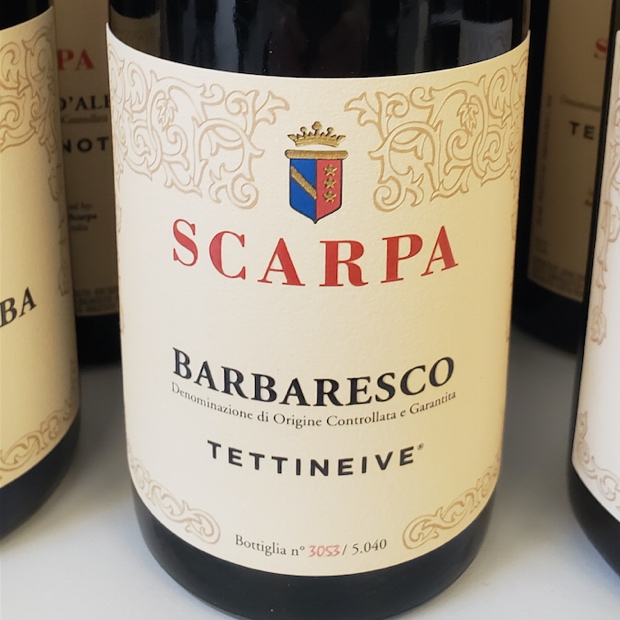
Tettineive is “the rooftop of Neive,” a Piedmontese dialectical reference to a small collection of hills. Grapes come direct from the town. Here is the cool, silky smooth nebbiolo in Barbaresco clothing, transparent on the road to ethereal. There is indeed a crunchy feeling in this fruit circulating inside a tension filled housing. Very solid construct and highly recommended for a 10-15 year run. Drink 2021-2029. Tasted January 2020
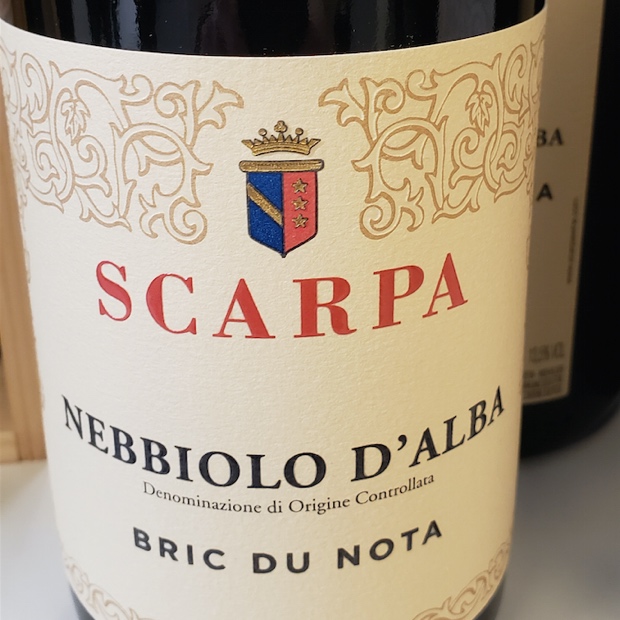
Fantasy name, not a vineyard, indicating La Morra and the top of that place. The grapes are purchased though as of ’18 there will be nebbiolo coming off of owned vineyards. Rich and heady nebbiolo with an earthly construct and high acidity. Tannins are very grippy, very firm and very in control. Three years in two types of wood, large Slavonian and smaller French cask, then one year in bottle. Such a baby. Approximately 4,500 bottles are produced. Drink 2022-2029. Tasted December 2019
The morning of July 14th began with a round table discussion in the Costigliole d’Asti Castle for an hour’s reckoning and reflection on Barbera d’Asti and Barbera d’Astia Nizza Monferrato. Our triumvirate educatori rispettati, Progetto Vino panel of Michele Longo, Michaela Morris and Monty Waldin were looking for answers and for truth. Not just comments on the quality of the wines but resolutions so as to move forward, to progress, to offer a better Piemontese experience and to bring better barbera to the world.
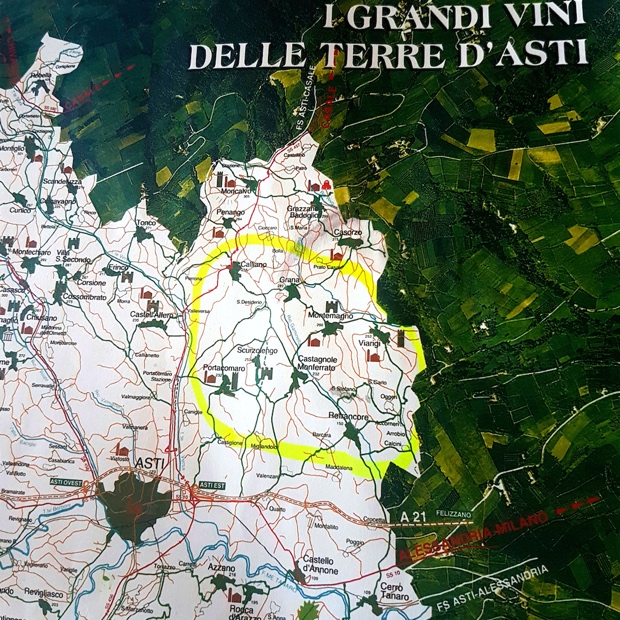
Barbera d’Asti had concluded the previous evening with dinner at Locanda del Boscogrande in Montegrosso d’Asti and in advance of travelling to Barolo for the Collisioni Festival came the arrival in Castagnole Monferrato. We were welcomed by Luca Ferraris, President of the association of Ruchè producers. First there was a walk in the vineyard and then lunch at Cantina Bersano with ruchè, grigolino, freisa and the vintners. An afternoon speed dating session at Mercantile Hall in Castagnole Monferrato would change my mind’s experience about ruché’s varietal place in Piemonte and the world. A study in Ruchè is an unavoidable headfirst dive into phenolics, climate change and choices. Tasting these wines provides for one of the most transparent and palpable presentations in the understanding of ripeness, much like Garnacha in Campo de Borja, Cariñena and Calatayud.
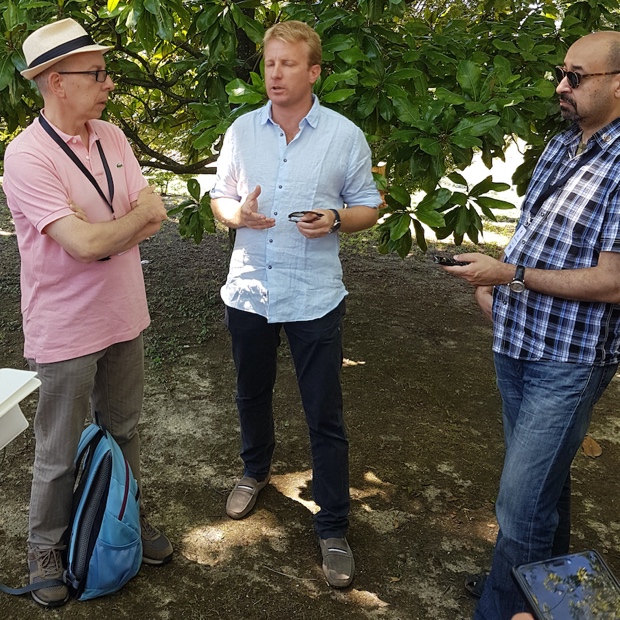
Michele Longo, Luca Ferraris and Gurvinder Bhatia
Ruchè develops its sugars and alcohol quite early, often reaching a potential of 14-15 degrees by late August, early September. The temptation is to pick early and in many cases it is both justified and necessary, especially in vintages with little precipitation and heat through summer. Like garnacha and as they found out this past summer with sangiovese in Toscana, picking small, desiccated berries too early might yield sugar and alcohol but the question is whether or not there will be sufficient support by phenolic ripeness. Waiting on the trust that some rain will come and also extended season warmth is often the key to such development, but Ruché is different and in some vintages the development happens lightning fast. Picking times are crucial in every agricultural region but hyper-sensitive here. Growers might pick early and find ideal ripeness and yet others might produce jammy wines with bitter, green and astringent tannins. It’s a fine line everywhere but in Ruché the vintage really, really matters.
Seven times more beautiful than I could have ever known #castagnolemonferrato #ruché #progrettovini #collisionimonferrato
The Denominazione di Origine Controllata e Garantita (DOCG) status for Ruché di Castagnole Monferrato was granted in 2010 out of the region Asti-Piemonte. The general terroir is apprised by silt, clay, sand and limestone soils at elevations between 120-400 masl. Plantings on northern slopes from 2010 onwards may not be used in DOCG wines. The maximum yield allowance is nine tons per hectare, minimum alcohol 12.5 and there are no ageing requirements, nor are there any for vigna-designated wines though all must be composed from at least 90 per cent ruché, with barbera and brachetto often used to blend.
Castagnole Monferrato
The producers of Ruchè di Castagnole Monferrato as a rule have figured out their picking schedules to coax the most out of their fruit. Slope position is the key to knowledge here and the higher up you farm the more likely you’re going to need to wait before pulling off those grapes. The surprisingly refreshing relative absence of barrel use is another reason that this tiny appellation is on the road to glory so early in its DOCG existence. The grape is fortuitous for its ability to create structure without needing the over-stimulated couverture of new French oak. Some stainless steel and concrete-rasied examples display the ability to age on their own. Time and experience will allow more additions of wood élevage but for now the wines show purity, clarity and honesty just the way they are. I tasted 21 wines from 15 producers that day in July. Here are the notes.
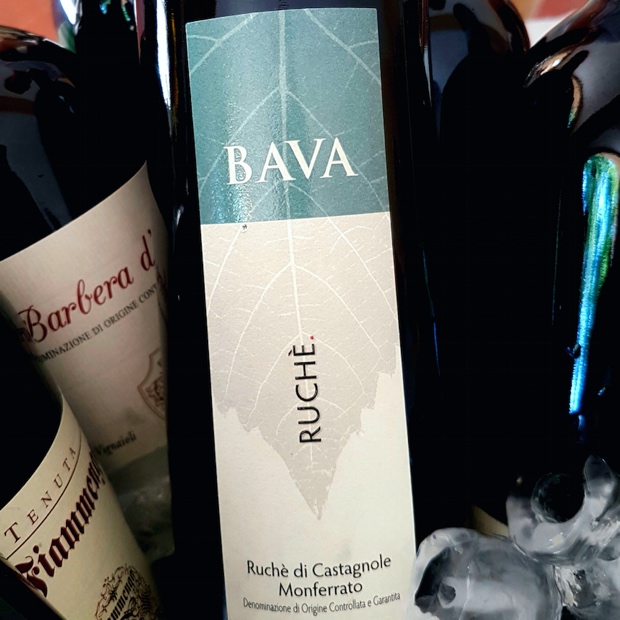
Bava’s ruché combines the freshness of grignolino with the brooding of barbera though in a decreased state of acidity. The fruit is strawberry-raspberry, fresh-picked and a bit leafy-savoury in contrast, marking this middle of the road-toned red and its ripe phenolics. Thoughtfully and thankfully round for early and clear comprehensible drinking in complete control of the vital energy it’s capable of harnessing. No astringency here and a very correct to ambassadorial example of ruché. Drink 2017-2018. Tasted July 2017 bavawinery@bavawinery@bava.winery
La Fiammenga Ruché Di Castagnole Monferrato 2016, DOCG Piemonte, Italy (Winery, WineAlign)
Privilegi is much more floral than many of its ilk but also riper, concentrated and deeply pressed. It’s clearly designed for international/marketing appeal with an expressed coffee calculation and a drift into the seriousness of Piemontese territory. It tries quite hard to impress and in the end you can take the ruché out of Castagnole Monferrato but you can’t take Castagnole Monferrato out of ruché. The variety can’t help but act like itself so trying to press its round character into a square hole leads to disconnect. The end result is more tannin and therefore astringency in a wine that started out with tremendous fruit potential. Drink 2017-2019. Tasted July 2017 tenutalafiammenga#lafiammengaLa fiammenga
Tasted with Marco and Alessandria Marengo, here ruché is bred in argiloso soils (mainly clay) and from a more than intense vintage. A year in which rising alcohol levels went reaching for a crescendo but the variety will last longer in its hold out for phenolic ripeness as compared to those in sandy soils. So here we have the powerful and structured ruché, picked by September 20th, which is now these days the average. Brings dark red fruit and intensity, violets and plums, lots of pepper, with a vintage full on with dry extract. This is regal and chewy, with fortuitous fortitude, absence of oak and it will certainly be a longer lived example. The tannic structure will not handle new French barriques so its stainless steel only to do the job and the trick. And it’s 15 per cent alcohol. Brilliant. Drink 2018-2024. Tasted July 2017 #massimomarengoMassimo Marengo
Gratitude to @BERSANO1907 for hosting and opening the portal into #ruché #castagnolemonferrato
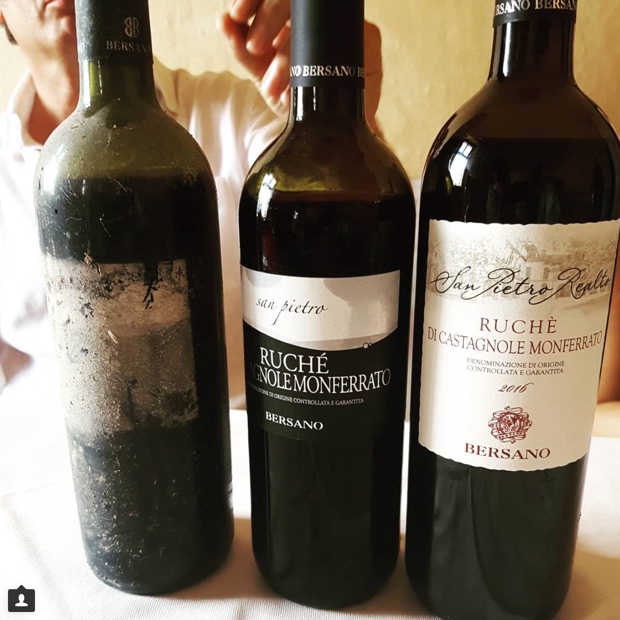
Bersano Ruché Di Castagnole Monferrato San Pietro Realto 2016, DOCG Piemonte, Italy (Agent, WineAlign)
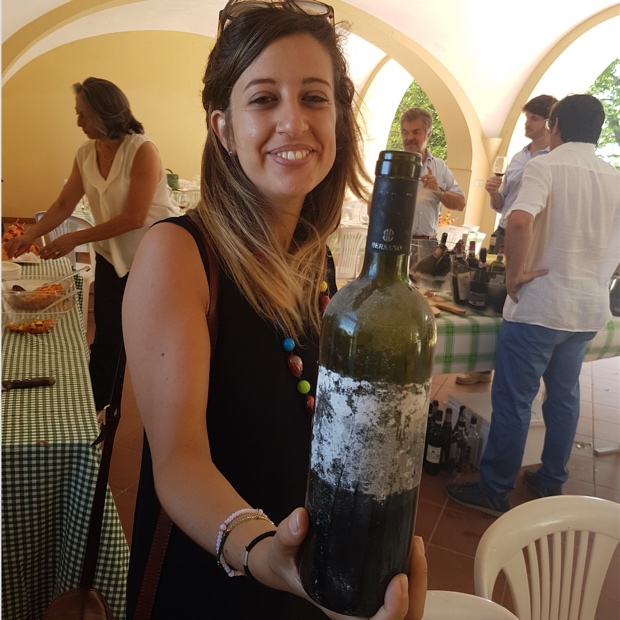
San Pietro Realto Ruché is completed with a one pick harvest at the end of September, at the same time as barbera. Sees only stainless steel and the current vintage production is 100,000 bottles. The liquor-liquorice-syrupy ruché was released in late March, early April, from calcareous soil at the top of the hill and argil at the bottom. Very fluid and silky ruché, refined and of a density by layering and tart compression. It’s clean and modern, with liquid smoke and pepper. It is aided by anteprime temperature control (48 hours), to preserve florals, the perfume and the acidity before fermentation. Very grown up and 21st century. Drink 2017-2021. Tasted July 2017 bersano1907profilewinegroupvalentinacasetta@BERSANO1907@ProfileWineGrp@BersanowineProfile Wine Group
Valentina Casetta with a pioneering bottle of Bersano Ruché
Bersano Ruché Di Castagnole Monferrato San Pietro Realto 2004, DOCG Piemonte, Italy (Agent, WineAlign)
San Pietro is the name of the estate where the rolling stone ruché is farmed and this look back takes us into what I believe was the 17th year as a recognized DOCG. There is an abundant wealth of wild, wild horses secondary and tertiary character here, more into dried fruit and much less, though still intact acidity, naturally and in evolution as compared to the more recent ’13 and ’16 examples. It’s a pretty country and western sort of rock ‘n roll ballad that could indeed drag me away. You can feel the alcohol and the earthy, ante demi-glacé, liquid gritty and distinct. A heartfelt thanks goes out to enologo Roberto Morosinotto for the generosity and opportunity in curiosity. “Childhood living is easy to do.” Drink 2017. Tasted July 2017
Bersano Ruché Di Castagnole Monferrato San Pietro Realto 2013, DOCG Piemonte, Italy (Agent,WineAlign)
San Pietro 2013 is possessive of more spice, florality, cooler and savour direct injection. The liquid velvet transparency and clean lines are the same as you see fast forwarded to 2016. I see more ageability in this 2013s, but also perhaps a bit more rusticity. Drink 2017-2020. Tasted July 2017
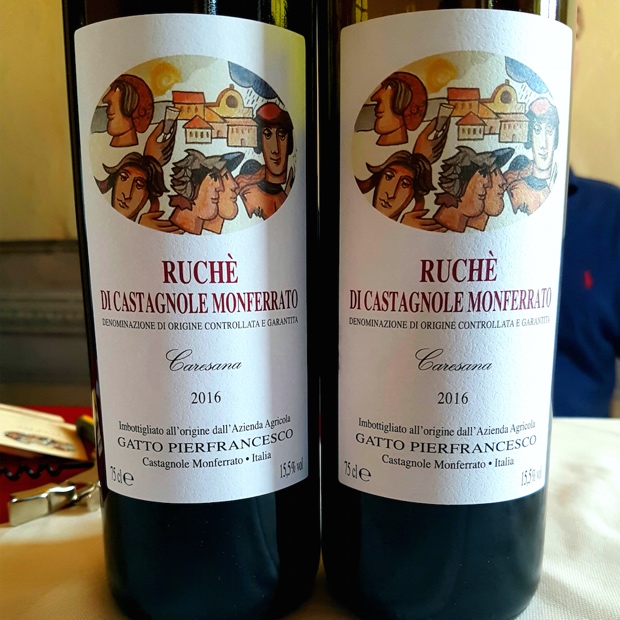
From Francesco and Marco, Caresana is the cru, in front of Castagnole, loosely translated as “dearest,” I would think. Vines aged two to 30 years old and fruit picked early, September 4th and 5th, before dolcetto. Mostly calcareous and some sandy soil, very perfumed, the deep smell of fresh plums, just picked from the tree, sliced, juicy, running ripe and warm. Again here is the liquid purity of the ruché liqueur, classic, somewhat traditional but easily slid into the current climate and decade. Carries more acidity than some in the sides of the mouth climbing in a back and forth way. Really plummy and so bloody varietal but no iron, just white limestone in this soil. Very drinkable, that mineral liquified and rendered, ready to go, best to drink young. Drink 2017-2019. Tasted July 2017 #gattopierfrancescoPierfrancesco Gatto
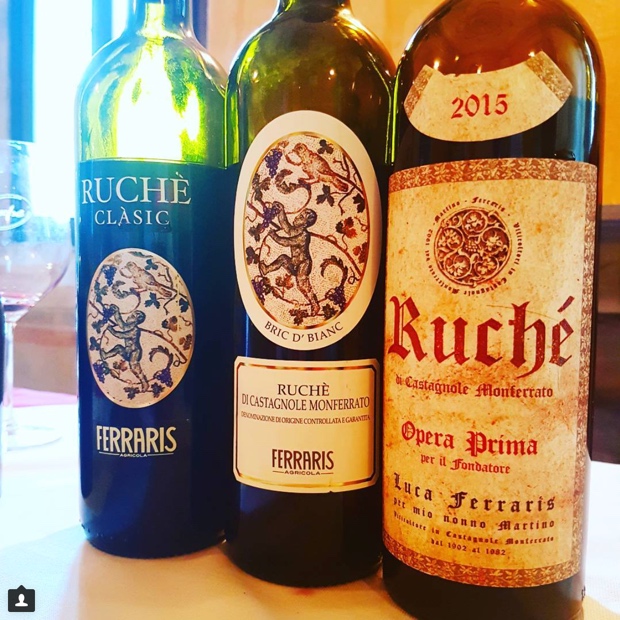
A tryptich of Clàsic #ruché from #LucaFerraris di #castagnolemonferrato to drink, with new friends.
From Luca Ferraris this varietal ruché is lower in alcohol than many peers because this is not a top exposure but the varietal obviousness is so bloody so. Ruché stripped down, laid bare, naked to the world, From both white and red soil, with elegance and some grip. It does not get much fresher or direct than in this bottle. Unlock the simplest secrets of Castagnole Monferrato and read the dictionary entry through the lens of this example. Drink 2017-2018. Tasted July 2017 lucaferraris1979@ferrarisagricolLuca Ferraris
The Clàsic ruché draws inspiration from 54 hL botti after a slow (20 day) maceration and stays in the big casks until bottle. There is some racking (now using some open top fermenters), no punch downs but some pump overs, all in the name of breathing. Ruchè ripens as early as any red in Piemonte and in Castagnole Monferrato it’s likely in the first ten days of September. Sugars accumulate quickly, acidity is often low but it manages to maintain a healthy level of malic acid. And so as per the varietal expectation this is richly aromatic, textural, crisp and possessive of a strong concentration of polyphenols. Solid structure with an eight to 10 year potential results. Drink 2018-2025. Tasted July 2017
Ferraris Ruché Di Castagnole Monferrato Opera Prima per Il Fondatore 2015, DOCG Piemonte, Italy (Winery, WineAlign)
Opera Prima per il fondatore comes from a single-vineyard at the top of the hill. It is Riserva level ruché in honour of Luca Ferraris’ grandfather Martino. The vineyard is steep, with loose calcareous soil that is poor in nutrients and so it carries a history of yield reduction. The vigour control combines with late ripening so structure is first developed in the vineyard. Luca is looking for longevity and ages Opera Prime for 30 months in tonneaux so such a young ruché is not surprisingly reserved, of course, not quite giving, immature yet primed for aging, like Barolo but also Rioja Gran Reserva. This because it comes across as really spicy, smoky and savoury. Drink 2019-2026. Tasted July 2017
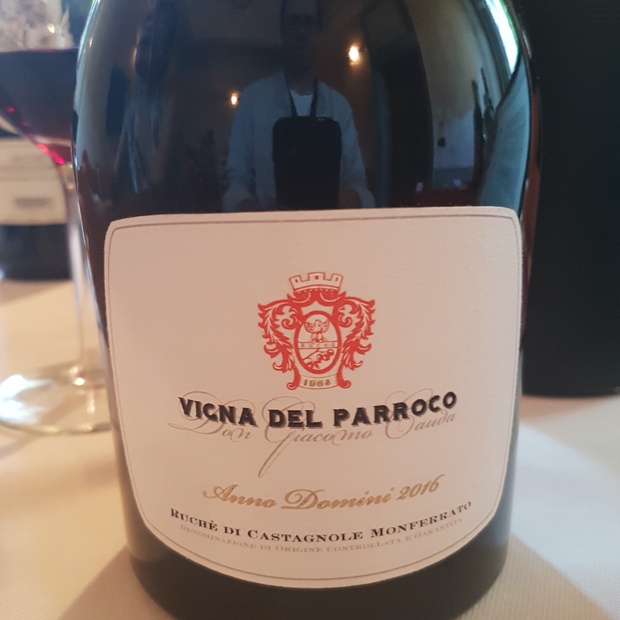
Vigna Del Parroco Ruché Di Castagnole Monferrato 2016, DOCG Piemonte, Italy (Winery, WineAlign)
Vigna del Parroco is the driest in town and was planted by the first local agronomist. The property is now owed by Ferraris, with this being the first vintage. Élevage is 20 per cent in tonneaux and the rest in big botti plus stainless steel (depending on what’s available). This is the original, massale selection vine/plant, young and intense with some of the area’s highest acidity. Only 1000 bottles were produced. Drink 2017-2020. Tasted July 2017 #vignadelparrocovignadelparrocoLa Vigna del Parroco
Tenuta Montemagno is the ruché child of Alberto and Eliza, raised on a plateau of calcareous clay with white argilo, rich in seabed fossils and minerals. The ’16 was picked mid-September, went to soft crush-press, fermented on native yeasts and dropped into stainless. The effort is as natural as possible, all hand worked, with no filtration and pumpovers. There is some tannin, more than others in the form of a liquid grainy texture, firm but also that ruché juiciness and the first to offer some late beneficial bitters. Organically styled though certification is not their thing. Alberto notes that 2013 was a great vintage, after ’11 and now ’16, Seems to say with fair warning “here’s to your thin red line I’m stepping over.” It’s serious Italian fat city address styled ruché. Drink 2018-2022. Tasted July 2017 tenuta_montemagno@Tenutammagno@Tenutammagno
Here is very traditional, classic ruché, from no blending, the varietal is just purely expressed. Located in Portamaro Stazione, just outside southeast of the area, though the vineyards are within the area. Liquid ruby, more tart edges but soft ones, typical, balanced and perfectly charming. Really lingers with a light grainy calcaire chalkiness to it, from the grey limestone-argilo soil. So much like other once sweet wines that a producer decided to let go dry. Like mavrodaphne or even more, mavro kalavryta. Picked at the end of September, a decision that is later than most, almost into overripe character though there is no wood. This will turn to dried fruit and oxidative quite quickly. So old school. Drink 2017-2018. Tasted July 2017 @CalderaVini@ViniCaldera
Cantine Sant’Agata was conceived in 1992 by brothers Claudio and Franco Cavallero on 1.5 hectares of Castagnole Monferrato land, now seven hectares in total. ‘Na Vota (the vote) is achieved without oak, all stainless, from four vineyards and just in bottle now. Shines with the highest acidity there can be from ruché, with the sandy layer bringing a dried rose note and the calcaire violets. It’s rich, dense, thick, of the most extract, so tart and juicy. Drink 2017-2019. Tasted July 2017 #cantinesantagata#cantinesantagataCantine Sant’Agata
It was the excellence of the 2000 vintage that convinced Franco Cavallero to up the game and put he and his brother’s money down on a premium cuvée and the result was the first Pro Nobis, “for us,” meaning them, and us. Now an altered and evolved ruché the 2014 shows that some wood is here in support of a selection of grapes from old vines. The process opts for plenty of délestage on a late September pick, for structure and a dark cherry, leathery juiciness. This also carries the unique Agata acidity, so tart, like aged Rioja or even more, like a child of Chianti Classico Riserva sangiovese and Nizza barbera. The offspring is nothing if not a wow factor Piemontese outlier that is also so very traditional. Drink 2018-2022. Tasted July 2017
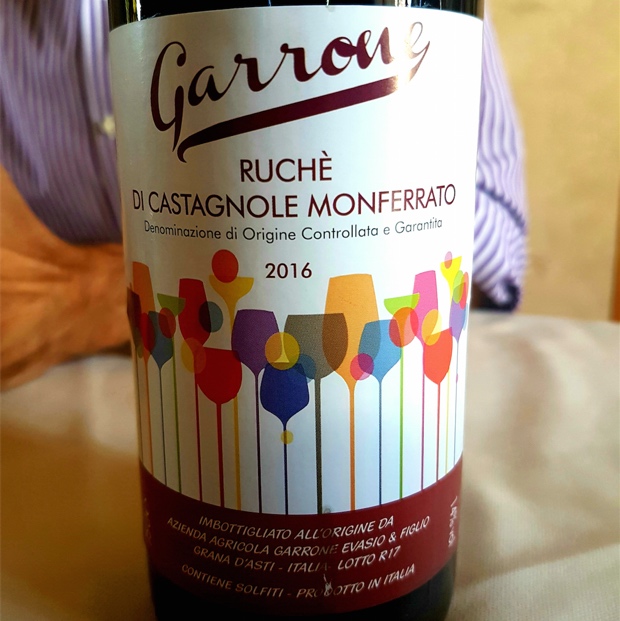
Garrone Evasio & Figlio Ruché Di Castagnole Monferrato 2016, DOCG Piemonte, Italy (Winery, WineAlign)
Founded in 1926 by Evasio’s grandfather, ruché may not be Garrone’s centre of varietal or appellative attention but these 1991 planted vines are surely in one of the area’s sweet spots. As it happens they were the first in the village of Grana, on white clay with some gypsym (geso) chalk. The soil impart leads and leans towards a really red liquid ruby, fresh, bright, lithe and beautifully fresh ruché. Third week of September picking but it’s not overripe and actually just there. A fineness of ruché like a naive melody so this must be the place. Fruit saw a 7-10 day maceration, oxygen controlled and here with a bit of a spicy note, but so very tempered, relaxed, not exceptionally elevated in acidity, A true terroir-driven, textural wine. Yields are crazy low (3,500 bottles produced from one hectare) and so there is no surprise to find talking heads fruit speaking in tongues. It’s clearly a labour of love to make such a pure, honest and beautifully balanced ruché. Really tells a story, “never for money, always for love.” The export price would be 5.5 euro. Drink 2017-2020. Tasted July 2017 #garroneevasioefiglio@vinigarrone
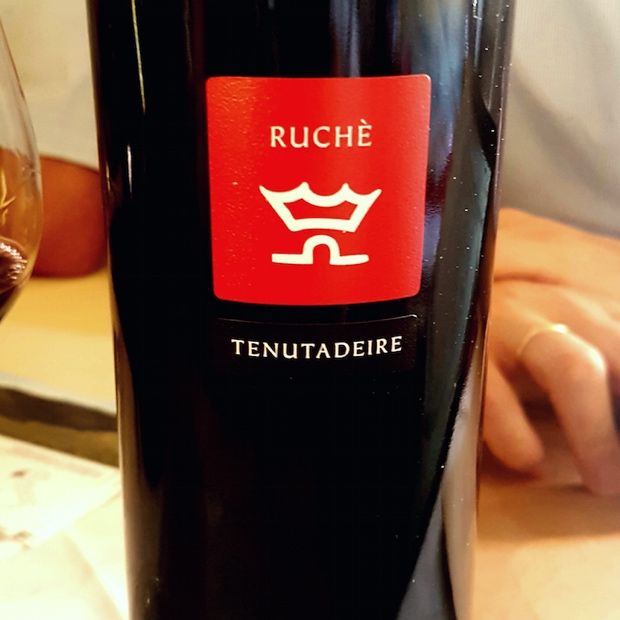
Tenuta De Re Ruché Di Castagnole Monferrato 2015, DOCG Piemonte, Italy (Winery, WineAlign)
Tenuta Dei Re is Paolo and Filippo on an estate from the 1870s but started with grignolino. Their votes grow in surround of the cantina, all estate fruit, no export, all cellar door. The tanks are all cement and stainless steel, with 10 months of aging, for stability and freshness, from three hectares of ruché, plus grignolino and barbera (also vermentino). The sandy hills are not overly variegated though by clay so the poor, fine soils don’t gift as much structure. This means the aromatics need to be kept, by slow, low-temperature controlled fermentation; tops at 24 degrees. After 14 days on the skins this doles out quite an old school red but the clarity and varietal character is more than preserved. The pick is really early, late August to early September, partially a climate change reaction, especially at the top (250m) and 150 at the bottom. No machine work so “molto dificile,” working like billy goats. this just has that deep acid liqueur, savour, verdancy, A bit smoky and stinging. There are 5000 bottles at an export price of 5.5 euro. Drink 2017-2020. Tasted July 2017 tenuta_dei_re#tenutadeireTenuta dei Re
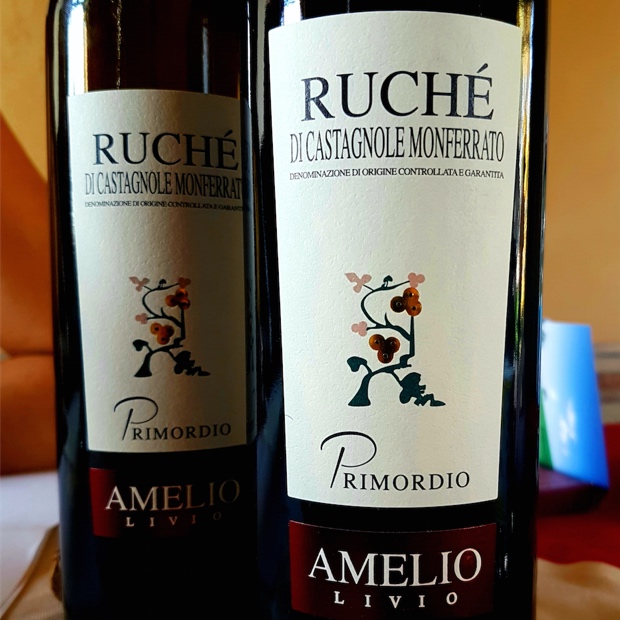
From Livio e Daniela, (Amelio is the surname), Primordio is a perfect moniker for this darker and richer ruché, one km away from Grana. The vines are at the base of a hill on argilosa, bianca calcaria and some darker sandy and clay. This is the definition of osso intenso! Dense and liquid cherry-leather liqueur, from a warm vintage so it all adds up to lots of character and layers. Picked around the 15th of September, but this is very early for them and 6,000 bottles are made, sold only in Italia., Such a small production, traditional and spicy, some structure, from only one hectare so good yields in 2016, which is 70 per cent more than some others. A seven day fermentation as with everything in this wine it’s quite middle of the road. Primordio, in the begginning, for the girls, Daniela and her sister. Drink 2017-2019. Tasted July 2017 #livioamelioDaniela Amelio@ameliolivio
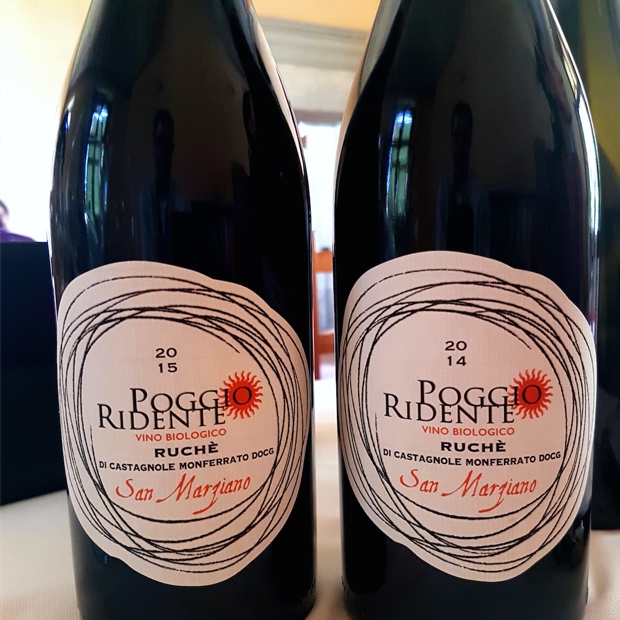
Poggio Ridente Ruché Di Castagnole Monferrato San Marziano 2015, DOCG Piemonte, Italy (Winery, WineAlign)
Poggio Ridente’s San Marziano is one of the few 2015s in the speed tasting and stands alone for its temperament and style. This is Cecilia’s baby, the only one labeled biologico (organic), from red clay soil, 14 per cent alcohol and noted because you can really sense the heat on the nose. The wild ferment is a very aromatic, high toned, no wood, deep red sensation. The vines were planted in 2001 and this is the first to act quite bretty and volatile, the natural one which will have some serious fans but I would imagine this is a local outlier. Picked in the first week of September I really believe this could be great but the warmth of the day and serving temperature does not do it justice and and so the alcohol really stands out. Drink 2017-2019. Tasted July 2017 poggioridente.bioPoggio Ridente Az.Agricola Biologica
Poggio Ridente Ruché Di Castagnole Monferrato San Marziano 2014, DOCG Piemonte, Italy (Winery, WineAlign)
Cecilia Zucca’s 2014 carries the benefit of an extra year in bottle but from a vintage with much less heat and more cool savour it really shines at this time. Still an outlier for the Ruché di Castagnole ideal, this ’14 is so much more fragrant, honest, pure, precise, transparent and you can really tell that attention was paid to this vintage. Very true to 2014 not just as a ruché but for greater Asti as a whole. This particular moment in natural winemaking time is so well-adjusted, spicy, floral, fine and good. Drink 2017-2021. Tasted July 2017
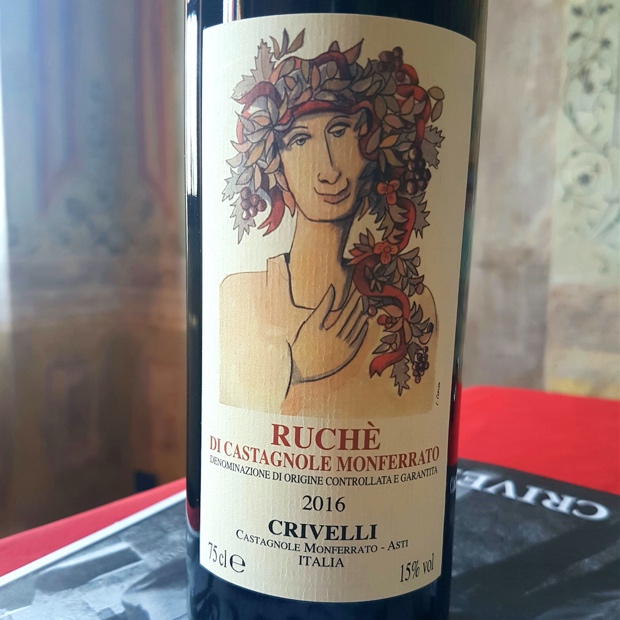
Crivelli Ruché Di Castagnole Monferrato is the remarkable work of Marco Crivelli. His grapes were harvested during the last week of September and bottled in February. Done up in inox vats, under temperature control (25-27 degrees) with a combination of yeasts. Two weeks of maceration and here the suggested wait time is one year in bottle. Moving on from technical geekdom this starts with flowers and spice but you are to imagine that a year will bring some secondary character. This seems to be in the middle, at the crossroads of all the wines, a combination of everything or perhaps outside of it all. Rich liqueur, red velvet leather, syrup but not sticky, freshness leading to matrurity. It’s quite mature, not evolved, but the acumen is obvious. The plot is five hectares yielding 7,000 bottles per. It’s a good yield. More made here than most, this is the pioneer and the leader, with Crivelli and his more than 28 years of experience. His first commercial vintage was 1988. When he gets there the final planting ratio will be sixty per cent ruché, thirty barbera and 10 grigolino on one third each soils of sand, white clay and limestone. If I’m an Ontario agent and buying one Ruché Di Castagnole Monferrato it would be this from Marco Crivelli. There will be younger, risk-taking, natural and experimental producers who will usurp his crown but for now Marco is the man. His price is eight euro ex-cellar. Drink 2018-2022. Tasted July 2017 #marcocrivelli@RucheCrivelliMarco Maria Crivelli







 Godello