The sparkling rise of Alta Langa

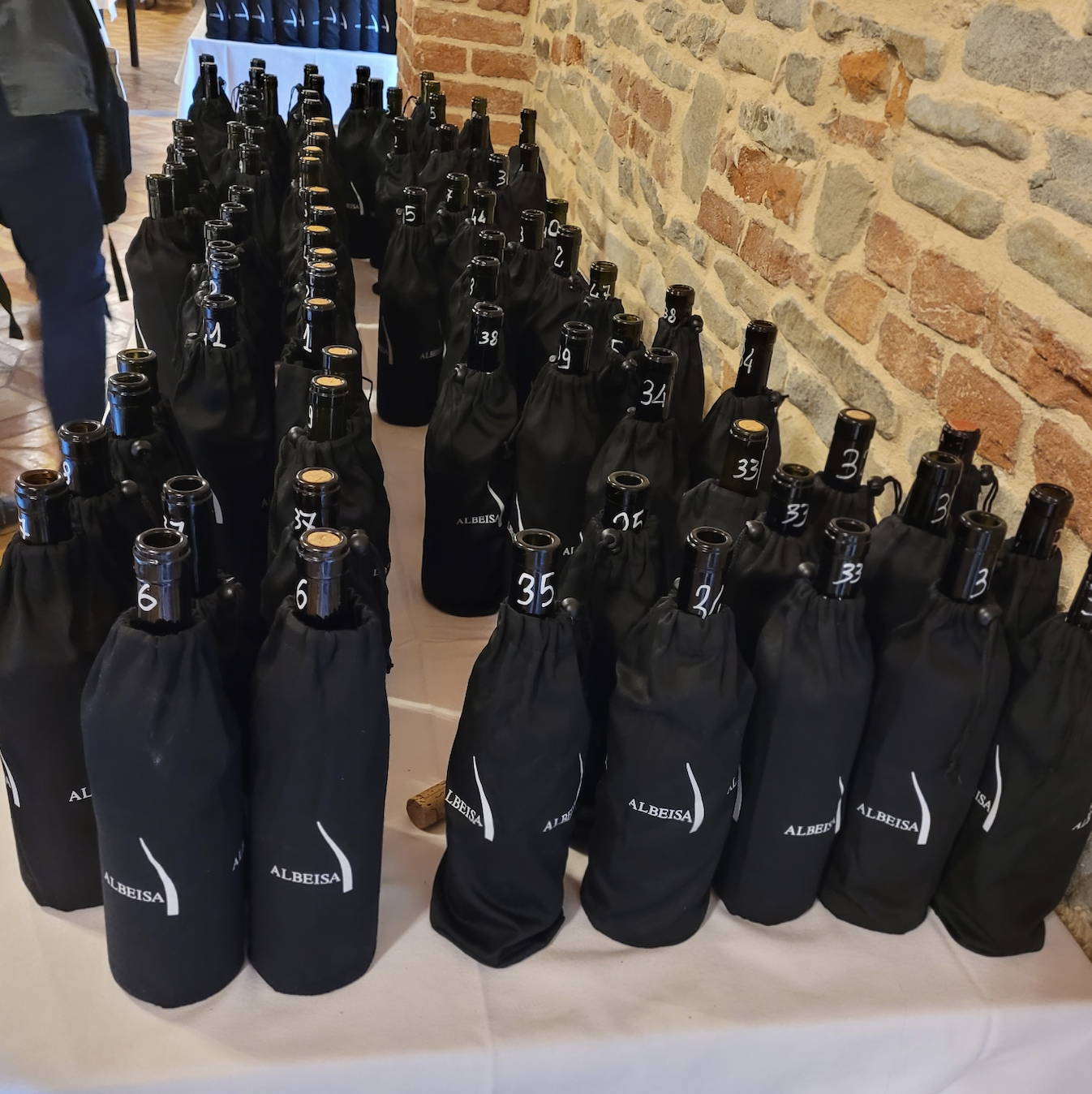
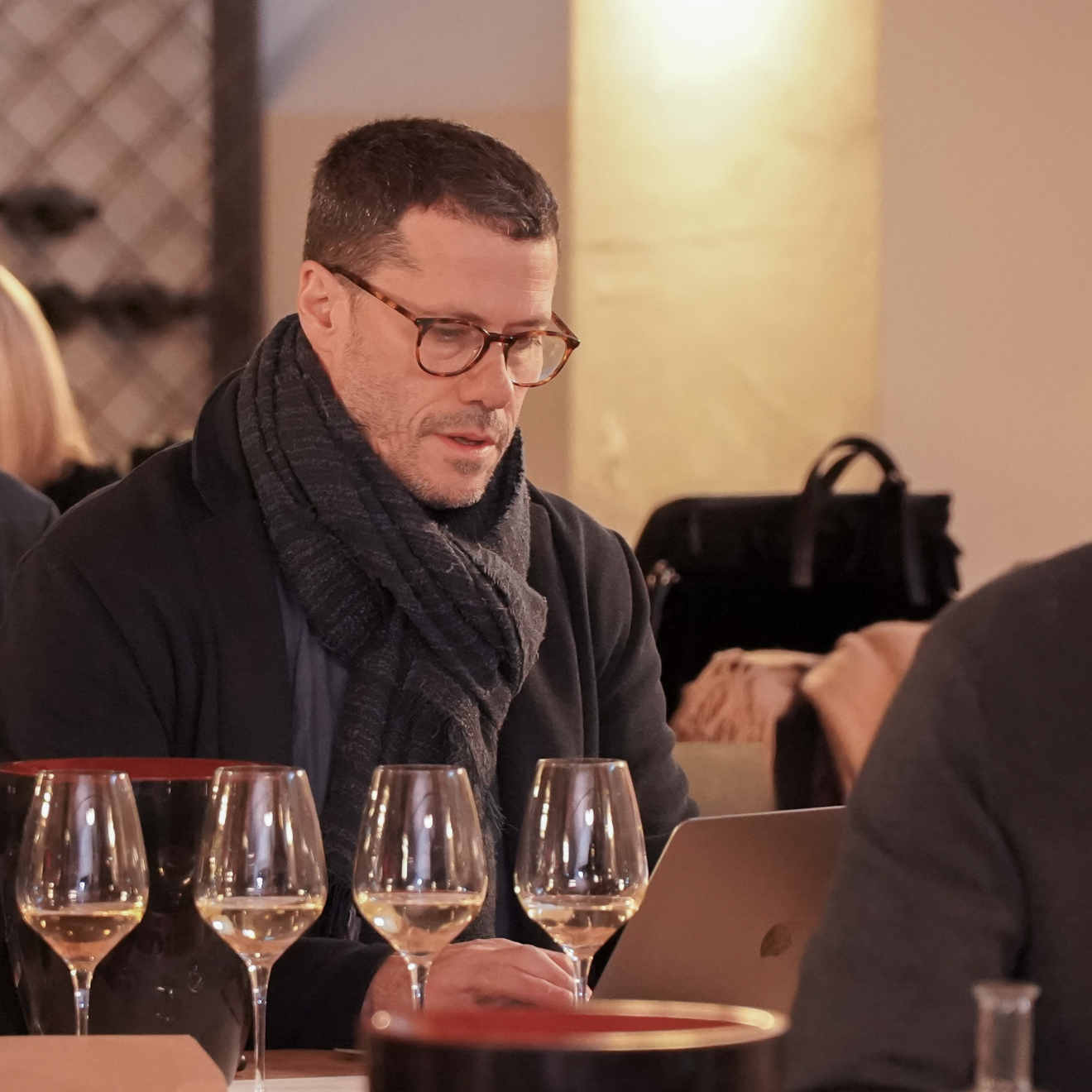
Godello, Alta Langa blind tasting (c) Anastasia Florea and Consorzio Alta Langa DOCG

This is the story of Alta Langa, Alte Bollicine Piemontesi. A portrait of proposal for a clearly defined class and style of sparkling wines led by a young, energetic and promising 20-year old Consorzio. An organization led by President MariaCristina Castelletta of Tosti1820 and Vice-President Giovanni Carlo Bussi of San Marzano Oliveto charged with the valourization of Alta Langa DOCG, a dry, vintage-dated Spumante obtained through the traditional method from pinot noir and chardonnay grapes grown on the Piedmontese hills. Their work carries forward from past Consorzio Alta Langa presidents Giulio Bava (Giulio Cocchi, 2013-2022), Lamberto Vallarino Gancia (F.lli Gancia, 2010-2013), Giovanni Carlo Bussi (Viticoltore di San Marzano Oliveto, 2004-2010) and Giorgio Giusiana (Martini & Rossi, 2001-2004). The date was June 15, 2001 in Asti, after more than 10 years of in-depth and methodical research and studies on the suitability of the area, to bring together winegrowers and producers involved in the development of a wine, an appellation and a territory. The common link was the steadfast adherence to classic Champenoise method sparkling wines made with grapes six years after planting. Il Consorzio Alta Langa protects and promotes the ideals of like-minded producers in search of the finest bubbles that can be made.
For the last two years the wine and also social media narrative has been played annoyingly on repeat, of grave reports concerning the decline of global wine consumption and yet there is an essential category on the rise. Sparkling wines are doing fine, with thanks of course in great part to bottles of Italian method examples produced in the hundreds of millions. A skewed graph perhaps but as long as there are bubbles we can’t really complain and yet we know that traditional method styles are what matter most. This is why news of the acclivity and proliferation of classic method effervescent wines is of the best kind. The question is how many are aware about production out of the northwestern part of Italy? For there is Piemonte, from the word piedmont, meaning “at the foot of a mountain,” an alpine arc of a vineterland surrounded to the south, west, and north by the vast Ligurian Apennines. Best known for growing red grape varieties, namely nebbiolo, barbera and dolcetto, also the whites of cortese and arneis, but in Piedmont there is this great affinity with the expatriate grapes from Champagne. The affair is nearly 175 years old, but what has been occurring over the last two decades will act as the impetus for shaping the future.
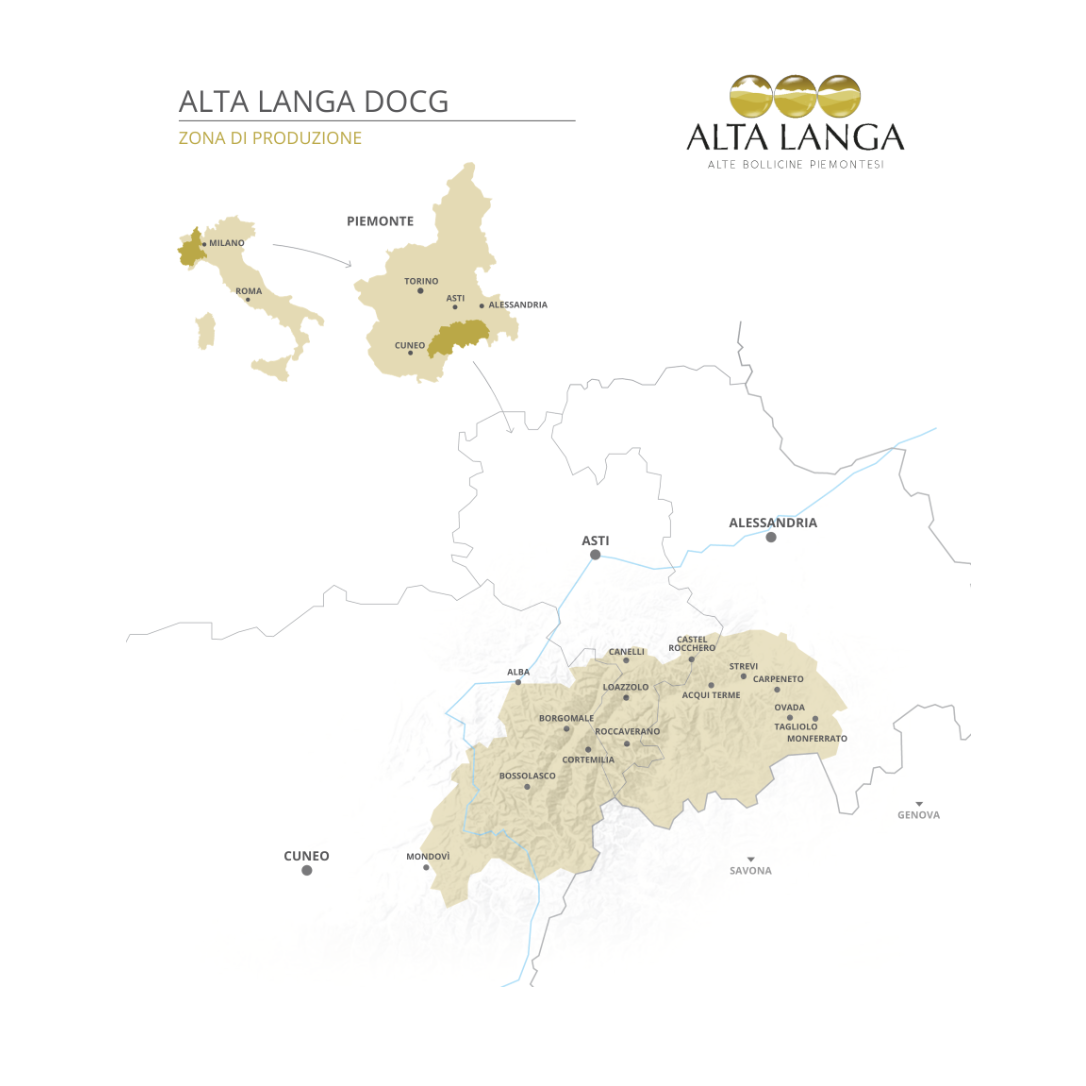
Where in Piemonte?

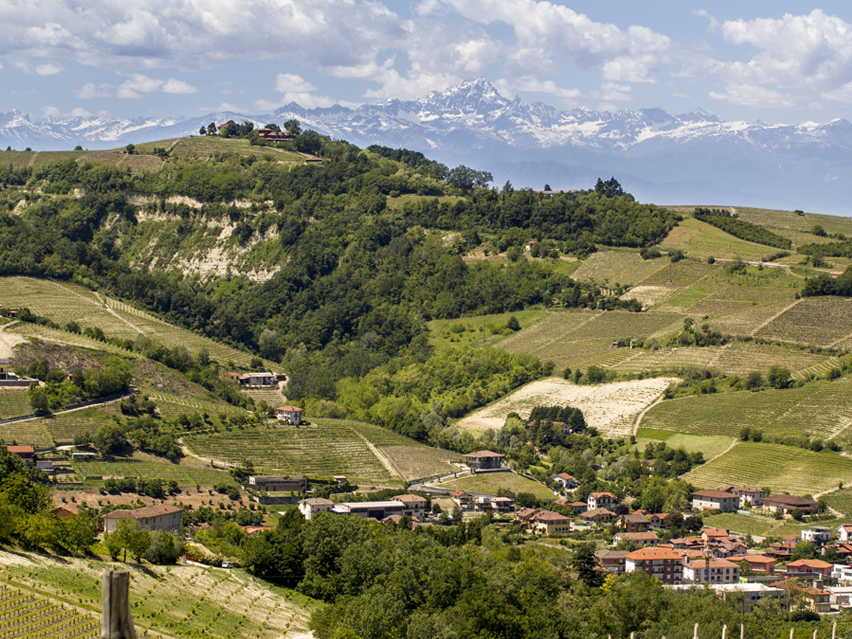
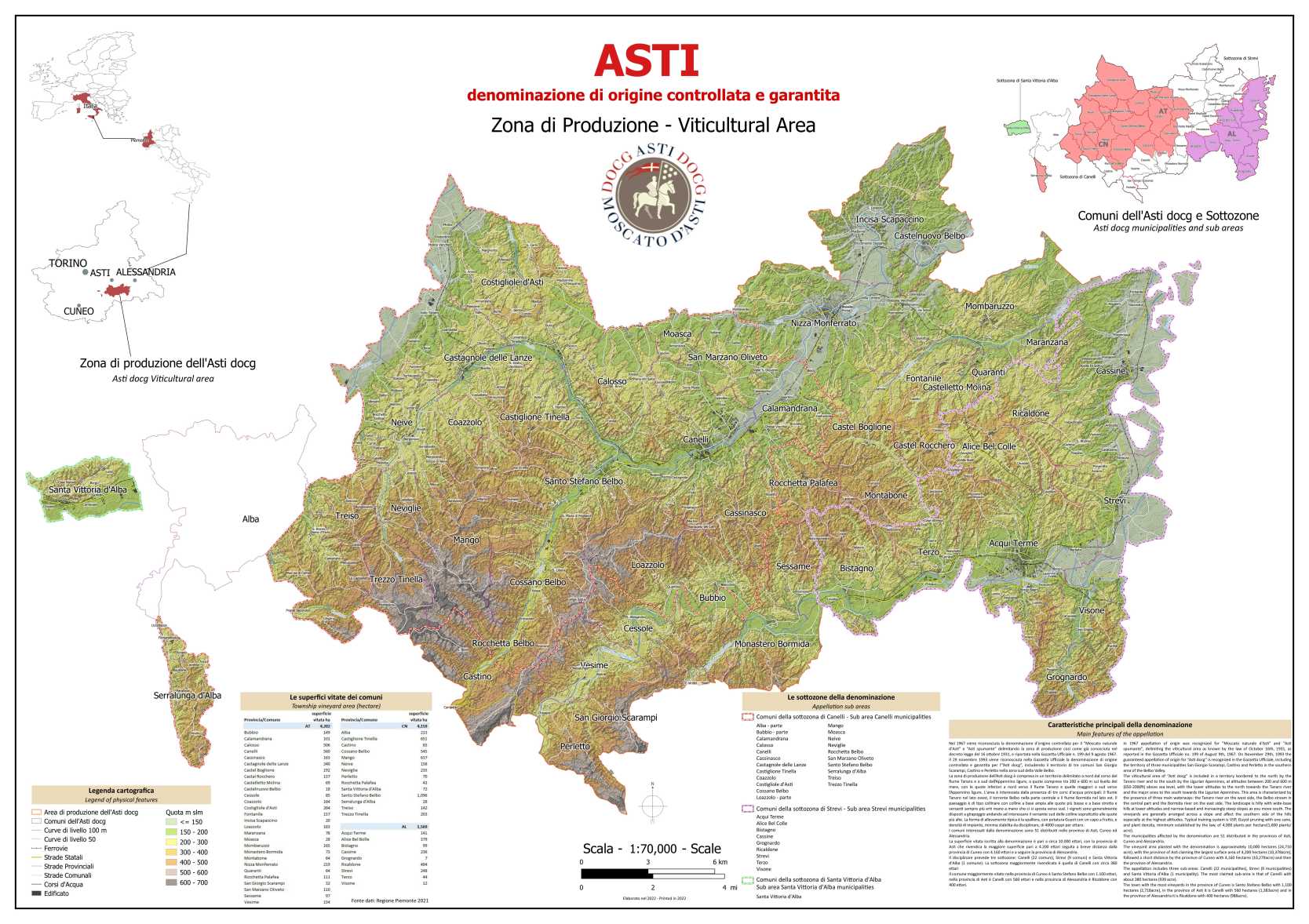
The Alta Langa DOCG area of production of grapes intended for the production of Alta Langa sparkling wines consists of the parcels on hillsides in the provinces of Cuneo, Asti and Alessandria, in the territories of the following municipalities:

Province of Alessandria: Acqui Terme, Alice Bel Colle, Belforte Monferrato, Bistagno, Bosio, Capriata d’Orba, Carpeneto, Cartosio, Casaleggio Boiro, Castelnuovo Bormida, Castelletto d’Erro, Castelletto d’Orba, Cassine, Cassinelle, Cavatore, Cremolino, Denice, Grognardo, Lerma, Malvicino, Melazzo, Merana, Molare, Montaldeo, Montaldo Bormida, Montechiaro d’Acqui, Morbello, Mornese, Morsasco, Orsara Bormida, Ovada, Pareto, Parodi Ligure, Ponti, Ponzone, Prasco, Predosa, Ricaldone, Rivalta Bormida, Rocca Grimalda, San Cris toforo, Sezzadio, Silvano d’Orba, Spigno Monferrato, Strevi, Tagliolo Monferrato, Terzo, Trisobbio and Visone.

Province of Asti: Bubbio, Calamandrana, Calosso, Canelli, Cassinasco, Castel Boglione, Castelletto Molina, Castelrocchero, Cessole, Coazzolo, Fontanile, Loazzolo, Maranzana, Monastero Bormida, Mombaldone, Mombaruzzo, Montabone, Olmo Gentile, Quaranti, Roccaverano, Rocchetta Palafea, San Giorgio Scarampi, San Marzano Oliveto, Serole, Sessame and Vesime.

Province of Cuneo: Alba (territori alla destra orografica del fiume Tanaro), Albaretto Torre, Arguello, Bastia, Belvedere Langhe, Benevello, Bergolo, Bonvicino, Borgomale, Bosia, Bossolasco, Briaglia, Camerana, Camo, Carrù, Castellino Tanaro, Castelletto Uzzone, Castiglione Tinella, Castino, Cerretto Langhe, Ceva (territori alla destra orografica del torrente Cevetta fino alla confluenza nel Tanaro, da qui i territori alla destra orografica del fiume Tanaro), Cigliè, Clavesana, Cortemilia, Cossano Belbo, Cravanzana, Diano d’Alba, Dogliani, Farigliano, Feisoglio, Cissone, Gorzegno, Gottasecca, Grinzane Cavour, Igliano, Lequio Berria, Levice, Mango, Marsaglia, Mombarcaro, Monchiero, Mondovi’ (territori alla destra orografica del torrente Ellero fino a raggiungere da sud l’abitato di Mondovi, quindi proseguendo verso nord-est i territori a destra della s.s. 28 per Fossano, fino al confine comunale con Magliano Alpi), Monesiglio, Monforte d’Alba, Montelupo Albese, Murazzano, Neviglie, Niella Belbo, Niella Tanaro, Novello, Paroldo, Perletto, Pezzolo Valle Uzzone, Piozzo, Prunetto, Roascio, Rocca di Cigliè, Rocchetta Belbo, Roddino, Rodello, Sale Langhe, Sale San Giovanni, Saliceto, San Benedetto Belbo, Santo Stefano Belbo, Serralunga d’Alba, Serravalle Langhe, Sinio, Somano, Torre Bormida, Torresina, Treiso, Trezzo Tinella and Vicoforte.
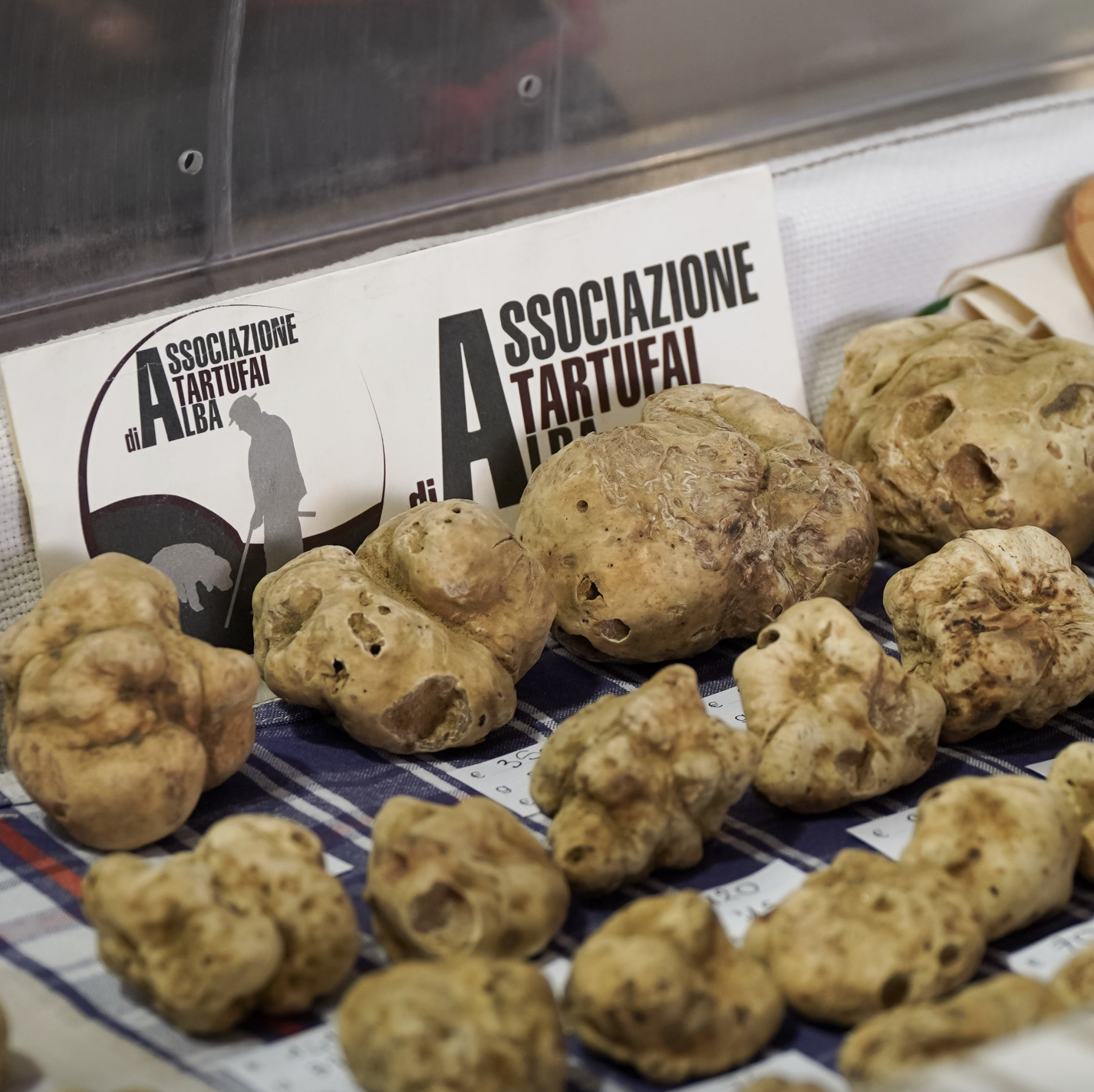
Alba truffles

The goods on geology

Two agronomy experts, Edmondo Bonelli (soils) and Maurizio Gily (viticulture) present Alta Langa to a group of local and foreign journalists. It begins with the sedimentary origin of crystalline rocks from two geological areas, first the firmer central and then the outer areas of alpine rocks. Currently there are no vineyards in this area yet but likely will be so in the future. Challenging terroir, but it’s coming. Sedimentary soils are of marine origin, silty or sandy, on hillsides and usually calcareous, most relatively high in water retention capacity. The calcaire is not the same as chalk but it is calcium carbonate. Layered rocks with marls, sand, conglomerates or gypsum, 30-2.5 million years in origin (Oligocene-Miocene-Pliocene), again sand-silt-clay-calcium carbonate. Sandstones are Pietra di Langhe and can be as deep as six kms of stratified rocks down into the earth. The descriptor “Langhe” comes from Langiano or Langian – a geological epoch named after this area. There are the Molare Formation, Cassinasco Formation and sandstones of Diano. Monseglio Formation, Cortemilla Formation, Cessole Formation, Lequio Formation, Murazzano Formation, each named after a village in the Langhe area (of sandy and silty layers and high calcium carbonate). Rochetta Formation, Marls of Parolo, Sant’Agata Marls (silty medium calcium carbonate).
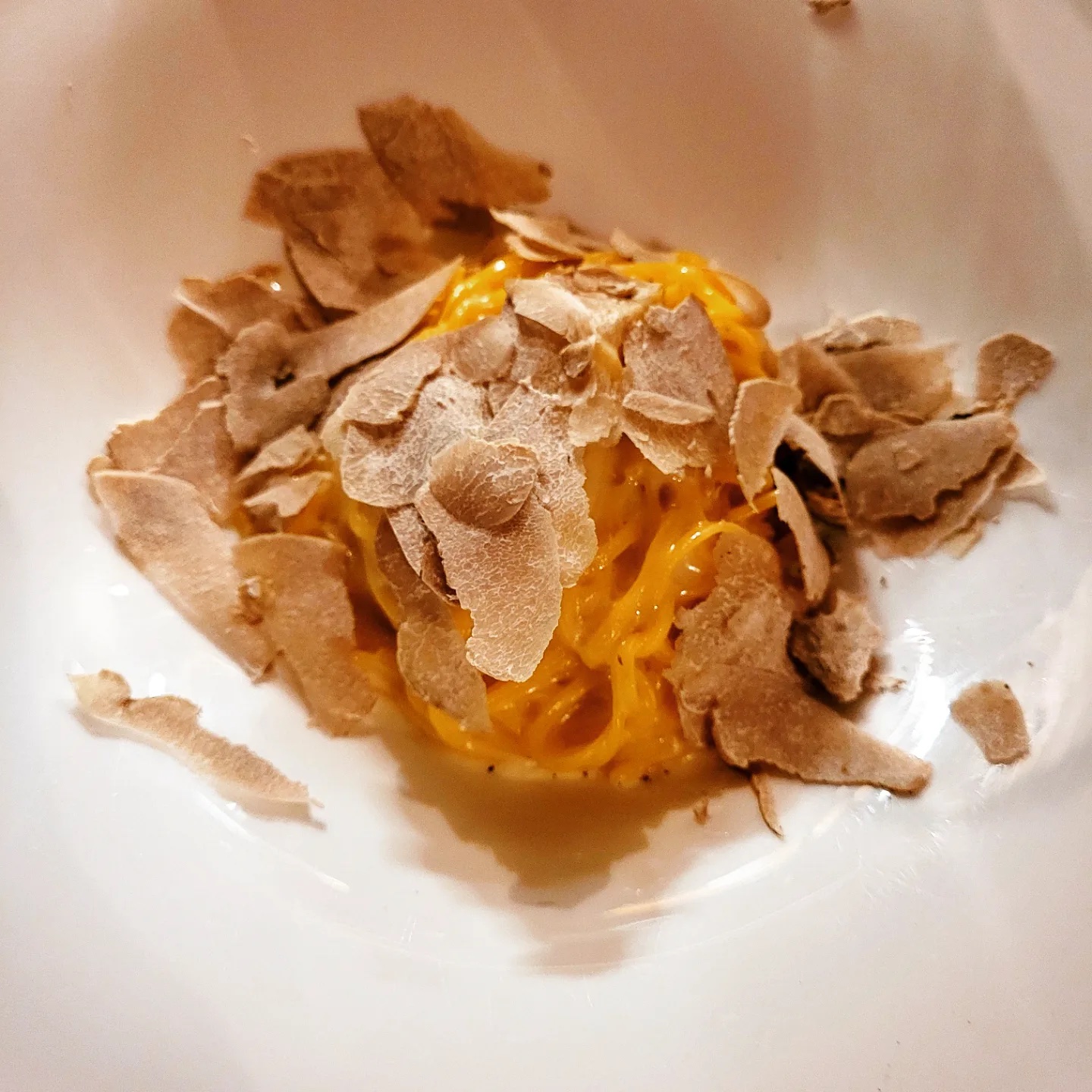
Tajarin con Tartufo Alba Bianco

The Carta Geologica dell’Alta Lange is spilt into eight formations, of eight colours, highlighted by La Malora Beppe Fenoglio, famous Romanzo from San Benedetto Belbo. If we compare Winkler zones, the area is ccooler than Barolo yet quite a bit warmer than Champagne. Biodiversity of the hills is always considered, as are the forests, animals and rivers, they being the Tanaro, Bello, Bormida and Orba. Light soils “dip,” darker soils “anti-dip.” Truth is they are relatively young geologically speaking with lots of erosion and soil movement. Their retention and release of water depends on soil structure and this is also what determines vine (and canopy) growth more than any other factor. But it is the type of soil that deals in different water dynamics. The vines adapt their metabolism  by following their soil conditions. A lot of research has gone into picking the right clone of pinot nero for making Alta Langa.
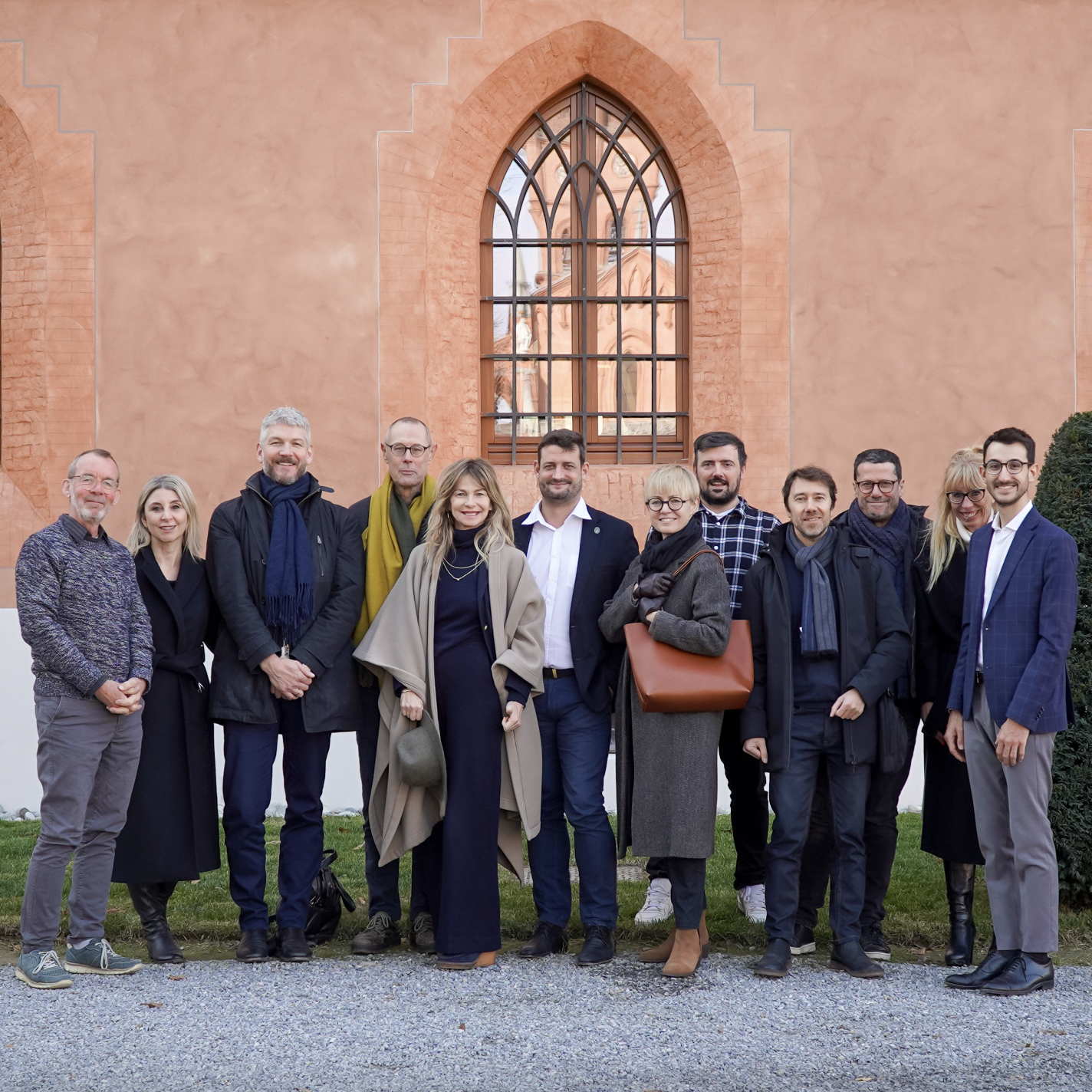
Alta Langa journalists with President Mariacristina Castelletta of Tosti1820 (c) Anastasia Florea and Consorzio Alta Langa DOCG

Disciplinare

Alta Langa DOCG regulations say that pinot noir and/or chardonnay vines account for 90 to 100 percent of the wines and grapes from non-aromatic varieties suitable for cultivation in Piedmont and may contribute the remaining 10 percent. In the vineyards minimum elevation is set at 250 masl, planting density not less than 4,000 vines per hectare, training forms and pruning systems need be traditional, of low espalier with traditional Guyot or spurred cordon pruning. Maximum grape yields are 11 tonnes per hectare and minimum alcohol is set at 11.5 percent abv. Minimum total acidity is 5 g/l and minimum non-reducing extract is 15 g/l. Yields are subject to change, by approval, in circumstances of favourable and also challenging vintages. Vinification, bottling, processing and aging operations of “Alta Langa” wines must be carried out in Piedmont. From vintage to vintage the maximum addition is 15 percent, of younger “Alta Langa” to older “Alta Langa.”

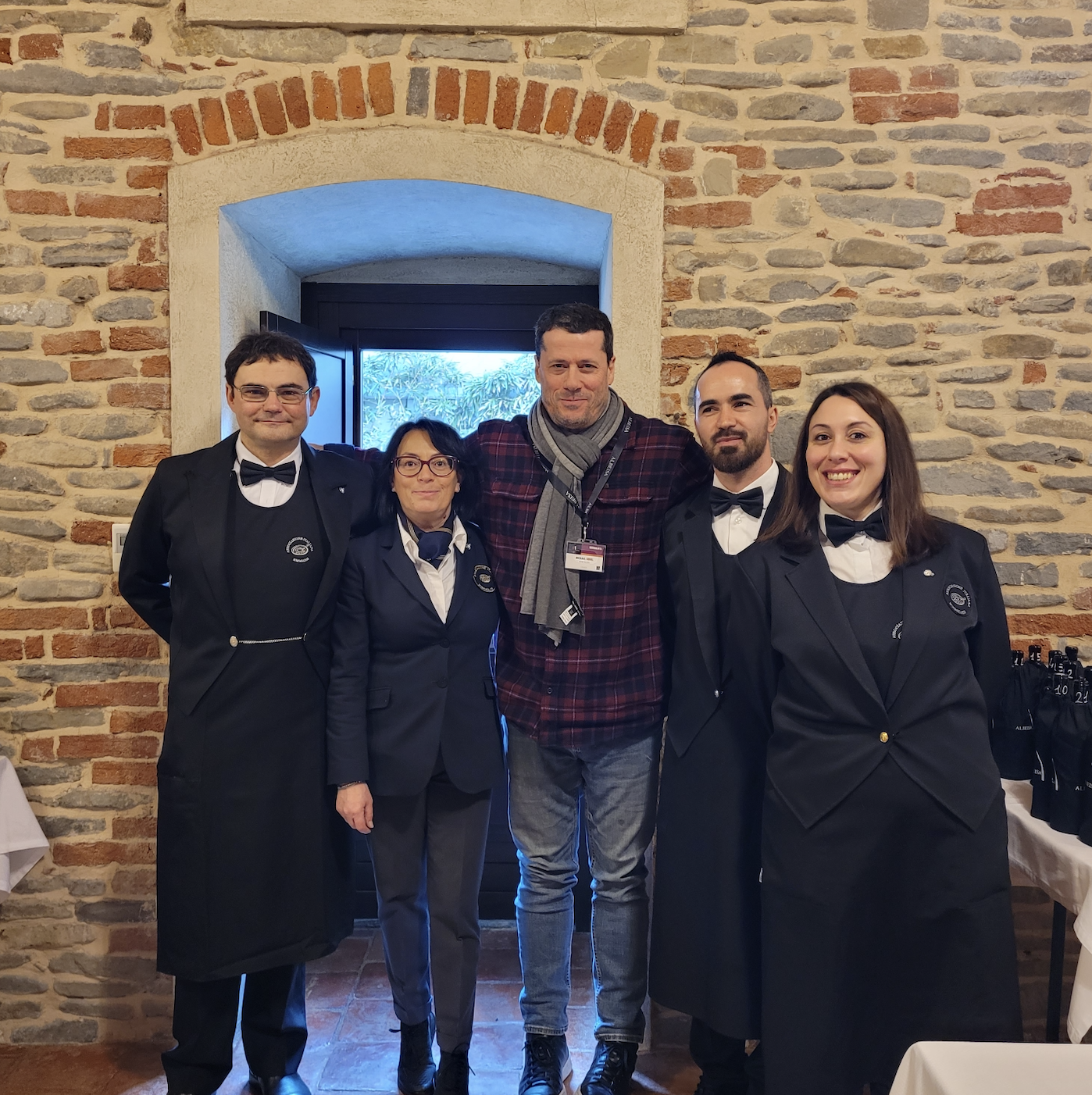
With the AIS Piemonte Sommeliers

The use of the simple term “bottle fermentation” is prohibited in the designation of Alta Langa DOCG. Allowable definitions and descriptions are  “bottle fermentation according to the traditional method,” or “traditional method,” or “classic method,” or “traditional classic method.” Lees aging rules are no  less than thirty months for Alta Langa Spumante DOCG and Alta Langa Spumante Rosé DOCG. Wines labelled as Riserva require 36 months of lees aging.

Godello at the Masterclass given by Bonelli and Gily (c) Anastasia Florea and Consorzio Alta Langa DOCG

History

It was around 1850 when Marquis Leopoldo Incisa included several French grape varieties in his ampelographic collection located in the vineyards of Rocchetta Tanaro, in what was then the province of Alessandria (which also included Asti). At that time these grape varieties did not meet with much favour, especially among winegrowers. However Gancia created the first Italian Spumante with a Muscat base, in 1865, at a time when farmers held an aversion to foreign vines. This was still witnessed toward the end of the century by the complaints of the owner who succeeded Marquis Incisa, who could find no farmers willing to grow them. In fact, by the mid-19th century, there was no shortage of pinot noir plantings in Piedmont. As early as the first decades of the 1800s, the Counts of Sambuy had begun to introduce some renowned French grape varieties with the specific aim of improving local wine production.
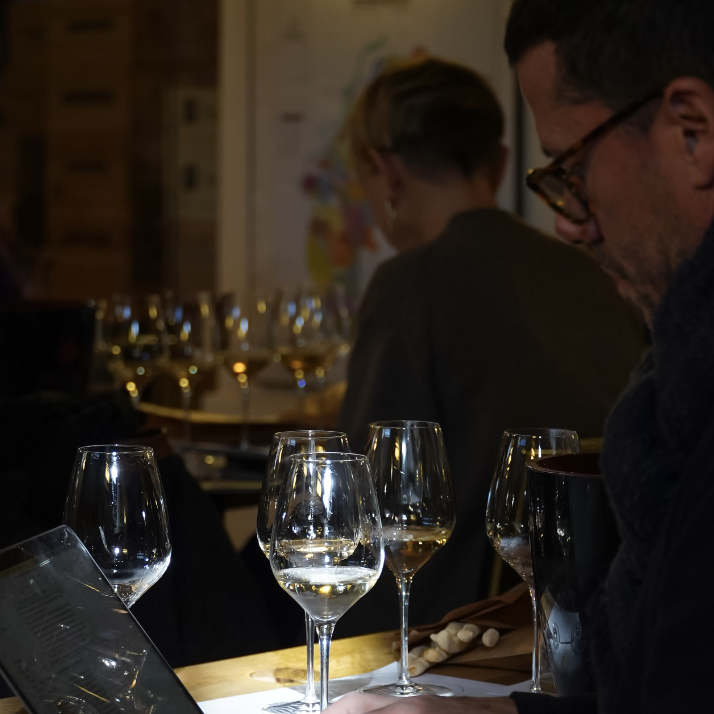
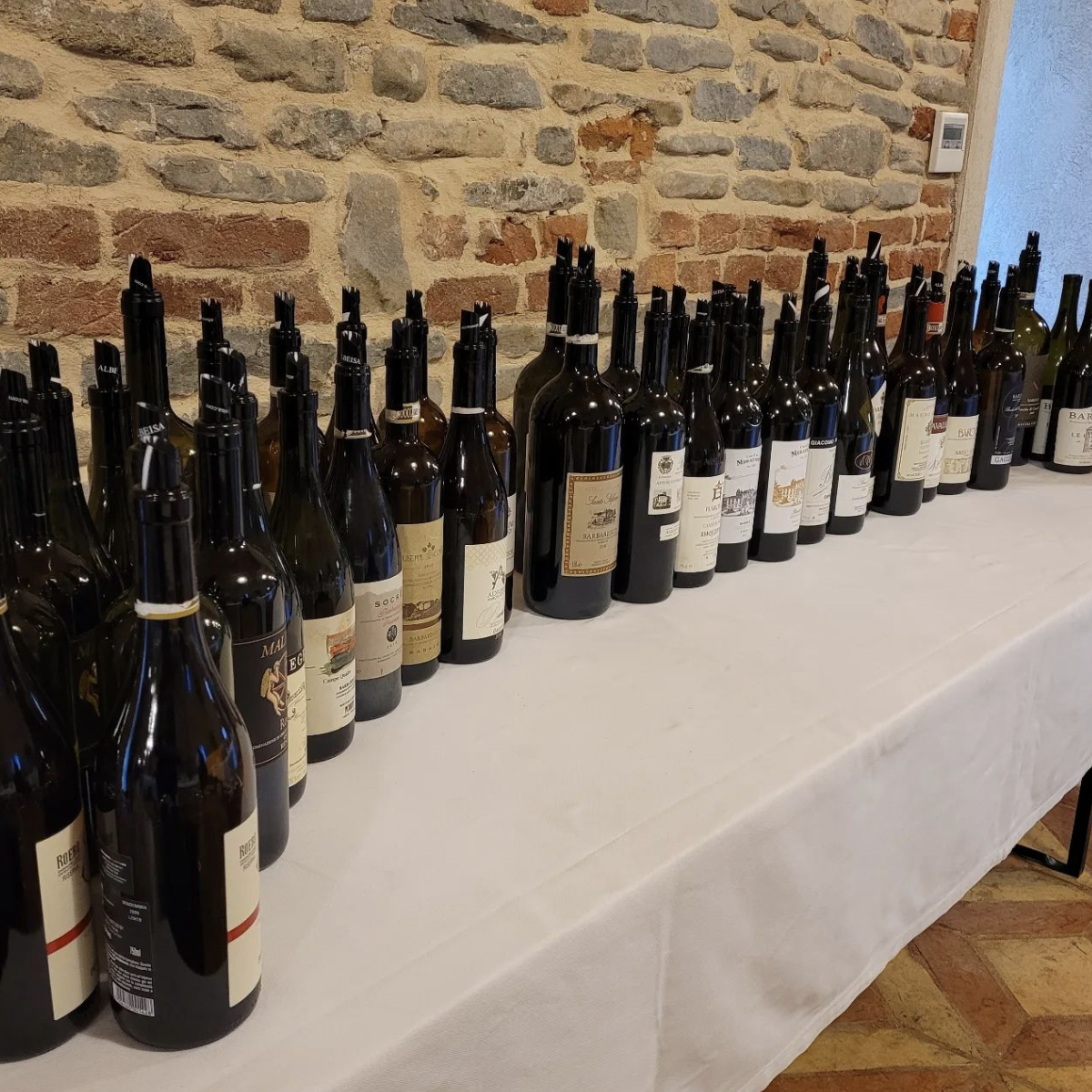
Blind tasting Alta Langa DOCG wines (c) Anastasia Florea and Consorzio Alta Langa

Carlo Gancia was the pioneer who favoured the spread of pinot noir and chardonnay among the winegrowers in the Canelli district. Gancia saw the possibilities for having a certain quantity to use in the production of his sparkling wines. With the Spumante Metodo Classico Project in Piedmont, of which the “Alta Langa” appellation was born, the Piedmont sparkling wine industry made a valuable contribution of economic and technological commitment to a vocation that had remained unexpressed for decades outside the mere scientific sphere. It was shown that the hills of Piedmont, where vines had over time settled a significant and enduring presence, could work very well with the French grape varieties.
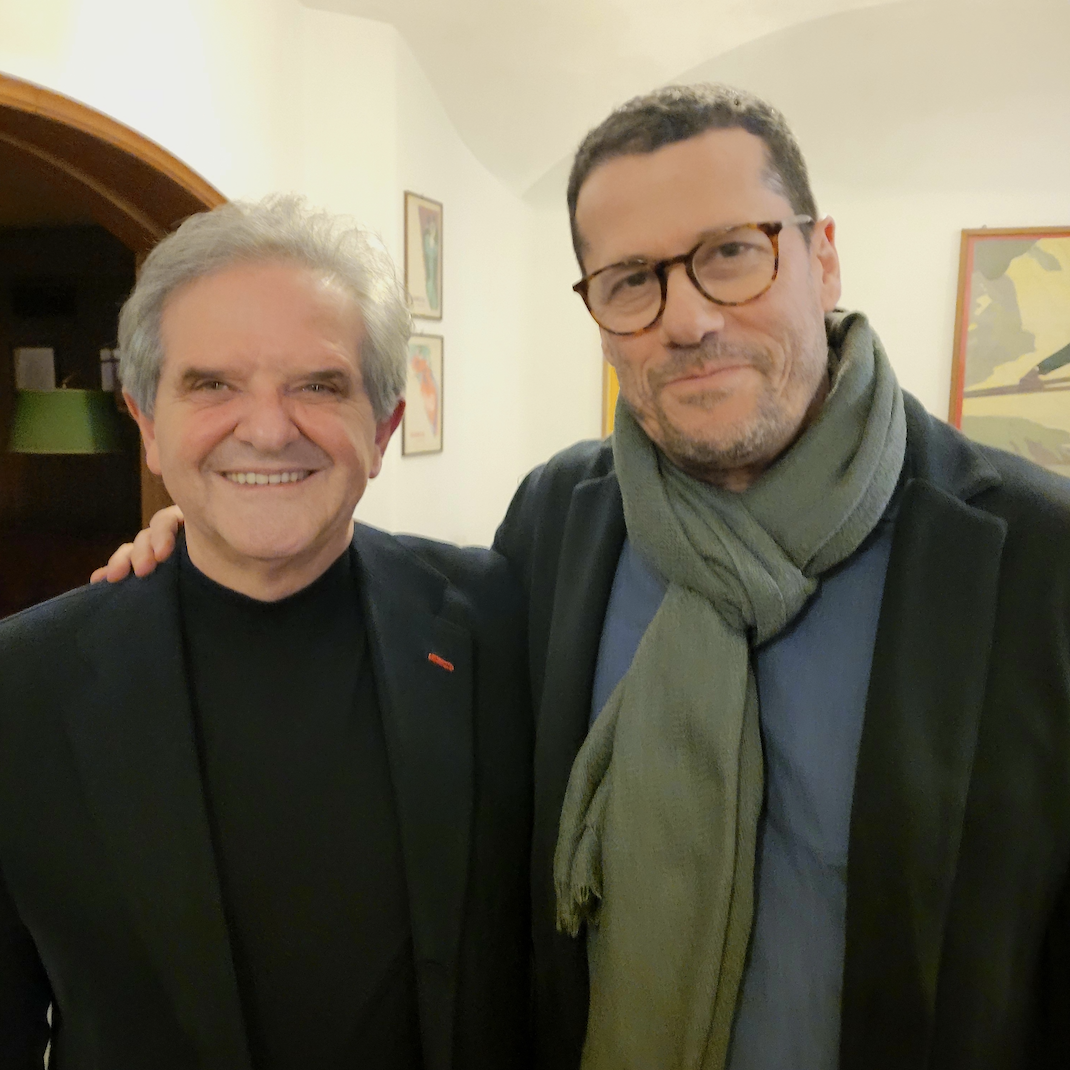
With Gancia oenologist Dr. Donato Lanati

The wines of Gancia today

Gancia is the forerunner of today’s experimental innovation that acts as the basis for the production of the Brut Alta Langa. In 1931 the company contributed to the creation of the denomination Asti for sweet sparkling wines made from muscat and also the first white vermouth made from the moscato. In 1980 they launched the first sparkling wine “pinot di pinot,” using three varieties of that family of grapes. The most important work has come with lees aging using a mix of Champagne grapes. “Whether or not you like a particular aroma in a wine is a subjective fact,” explains renowned Oenologist Dr. Donato Lanati. “It’s all about the amino acids coming together over time – they make the aromas.” Dr. Lanati believes the wines plateau after a 60-70 months stay on lees. After that they will not continues to develop enough favourable nuance and complexity. He recommends that after 10 years you have to turn the bottles nose down in storage to avoid unwanted excess oxidation.

Gancia Vino Base Pinot Nero 36 Mesi Rosé Alta Langa (Campione Da Vasca) 2023

A base wine destined for Alta Langa, still turbid with a high content of yeast activity using amino acids to get somewhere intentional over a long period of time. Salty entry and salty finish with intensities through the middle, grapefruit standing out and unrefined acids – rough for now. Comes from vineyards at 450m and the breeze does blow through this striking base wine. Dr. Donato Lanati explains that it is ”kept cloudy on purpose to avoid having to sulphur because the yeasts are a thousand times more effective as a protector against oxidation then sulphur dioxide.” Just a part of a cuvée and the process that sees an opaque sample mix with other cloudy base wines to create clarity in its final housing.  Tasted December 2023

Gancia Cuvée Gancia 36 Mesi Alta Langa Rosé DOCG 2018

Minor reduction which is in fact something that is important because “things would be a lot more serious if drinking a glass would make you want to drink a glass of water,” kids Dr. Donato Lanati. Sounds like a joke but in these climate change and extreme times you can taste what would not have been tasted before and Gancia knows, with 150 years of experience in crafting sparkling wines. Aging some of the base wines in wood goes a long way to control the reduction and yet some reduction is a good thing. There is some sweetness in the perfume which is a result of a portion having been aged in a “sweet” wood. This sulphur dioxide character mixed with some acetates that have yet to fully dissipate are what drive aromatic pulchritude and it is the esters (within reason) which will bind with amino acids to eliminate any semblance of confection. There is a small dosage here but it in fact under wonderful control and while Rosé by nature is rounder than Bianco, well no matter or judgement because the mix of tension and elasticity is really well managed. Drink 2024-2029.  Tasted December 2023

Gancia Cuvée Gancia 36 Mesi Brut Alta Langa DOCG 2015

Same amount of time on the yeasts and yet three years further bottle time although Bianco (Brut) is always different than Rosé with this Gancia Alta Langa immediately caught with more tension and overall taut behaviour. Freshness incarnate and scintillant intensity without compromise and all intentions are exercised for good and proper reason. Impressive balance and stage presence here from a master sparkling wine producer that is not just the original but currently under the supervisor of a master scientist, that being Dr. Donato Lanati who is one with the chemistry and physiology of these sparkling wines. Drink 2025-2032.  Tasted December 2023
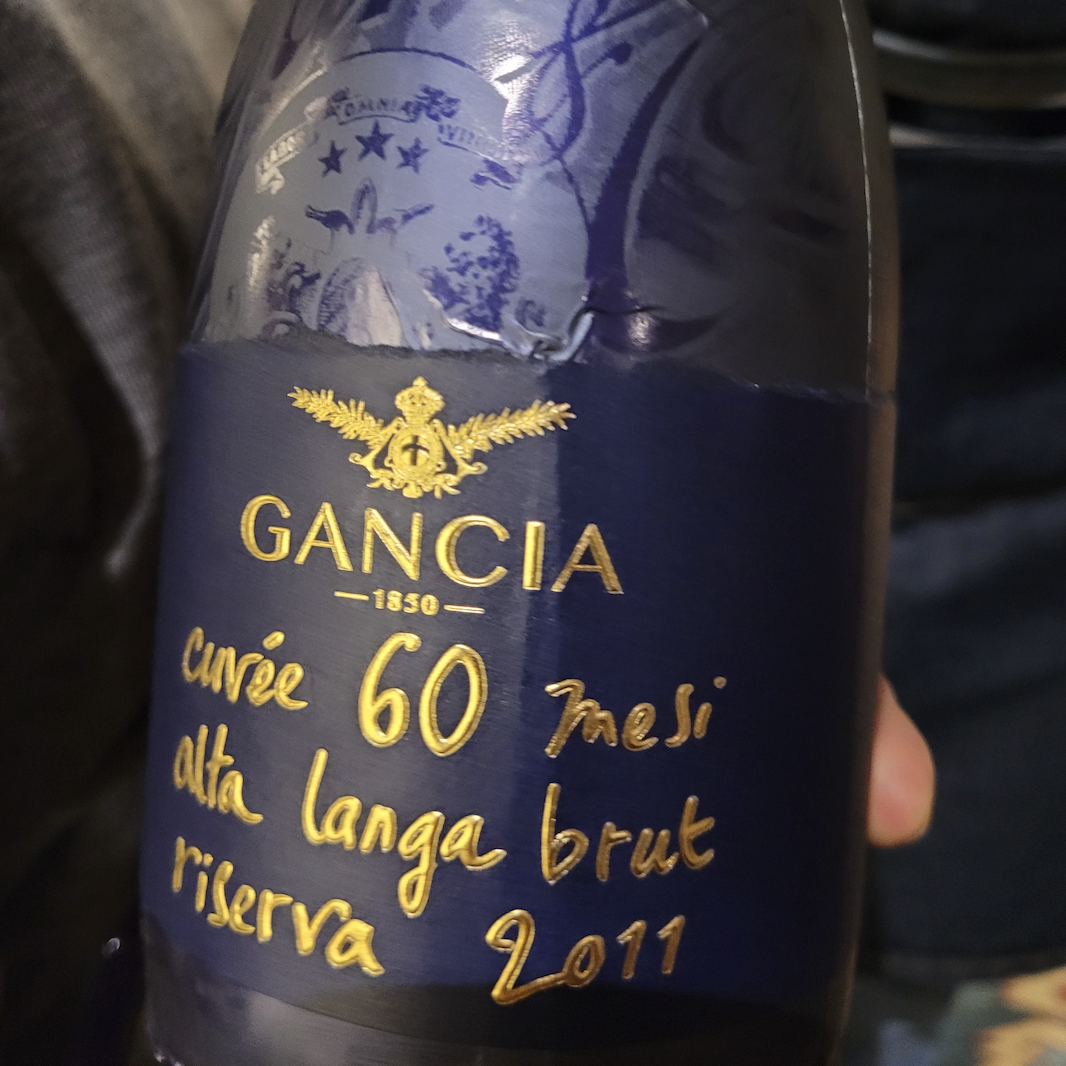
Gancia Cuvée Gancia Riserva 60 Mesi Brut Alta Langa DOCG 2012

Wild to taste this just about five years to the day after the 24 month-ages 2012 back in December of 2019. All the scientific tenets of sulphur dioxide, amino acids, yeasts and esters come to their development line at 60 months of aging on the less and this Brut has passed over by leaving any awkwardness of unresolved notes behind. It is now in fine linear verticality and drinks with Bianco distinction. Crisp, fresh, crunchy and fraught with important if profound tension, citrus and herbs, length and just that right amount of finishing bitters. Scientific does not begin to explain how precise and well designed this acts and delivers as Alta Langa sparkling wine. That said another year will only serve to solidify the evolution and set this up for all we, they and everyone else could hope it could be. Drink 2024-2034.  Tasted December 2023

Cuvée Gancia Riserva 170 Mesi Brut Alta Langa DOCG 2005

From a wine made by previous illustrious oenologist Piergiorgio Cane and found by Dr. Donato Lanati who resisted any temptation to change, delete or add anything to the wine. That it has aged between 14 and 15 years on the lees begs the question of how long is too long or more to the point where is the line at which the wine no longer changes to develop more nuances for positive results. Intuitively, if also extrospectively in its maturation to arrive at this dried porcino mushroom and oxidative state. It’s a museum wine in every respect and while it does not deliver freshness or pretty pleasure it does deliver a most fascinating tasting experience. The palate is really in fine shape and that is where some excitement and freshness persists. Twenty minutes does not kill the wine and it continues to evolve, so in the end this does what it surely was intended and wanted to do. Drink 2023-2025.  Tasted December 2023

Enrico Serafino

The innovation of Enrico Serafino

In a word, a visionary. Cavaliere Enrico Serafino (of the Romano Cavanese) is considered to be one of the “wise men of oenology” that defines Italian wine. He sold wine in China as far bak as 1910 and the winery is one of the first producers of Alta Langa to invest in concrete vats.  Today the company led by President & CEO Nico Conta produces eight different sparkling wines from 56 parcels in 41 vineyards found in 16 villages. In 1994 Enrico Serafino joined the (1990 established) Piedmont Sparkling Wine Project, the year of the first experimental vintage, with the aim of identifying the best areas to plant pinot noir and chardonnay. The 2023 harvest marked their 145th and the annual sparkling production is approximately 200,000 (of 360,000 total) bottles. Serafino ws acquired in 2014 by Kyle Krause Gentile and the current ownership recently purchased Elena Penna and Luca Corrado’s Vietti.
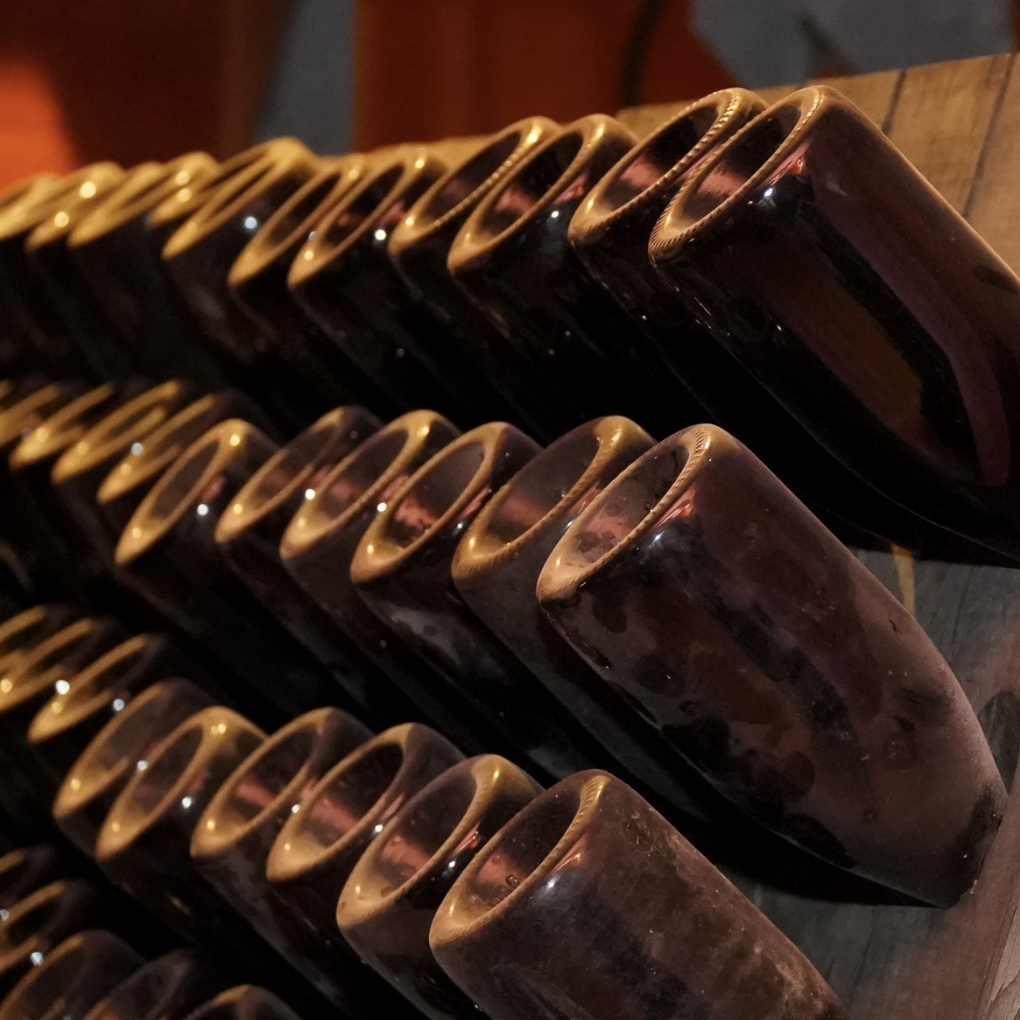
The company practices sustainable viticulture, biodiversity protection and the promotion of social initiatives. It actively works to reduce water consumption and uses 100 percent electricity from renewable sources. Bottles are made from at least 65 percent recycled glass, packaging from 70 percent natural paper (International Forest Certification System and corks are 100 percent recyclable. In 2021 Serafino obtained the renewal of VIVA Certification of Organization as well as product for Alta Langa Oudeis, the only Alta Langa certified. VIVA is a protocol of the Italian Ministry of Environment and Land and Sea Protection designed to assess sustainability performance and communicate it to consumers.

Enrico Serafino Alta Langa Riserva DOCG Zero Pas Dosé 2012

The no dosage metodo classico is known as Sboccatura Tardiva, meaning late disgorgement and a wine first made in 2004. Poured from magnum which is well known to deliver a markedly fresher and youthful sparkling wine when the traditional method is involved. The ’12 is the first to be a solo pinot noir, here with zero residual sugar and a disgorgment from 2018. Extreme level of toast and a pH under 3.0, wondrous and excitable because the total acidity runs higher than 8.5 g/L, yet comfortably under 9.0. Makes for a salty bubble compounded by the silty, calcareous soils of marine origin. Citrus zesty, both lemon and orange, with more spiced accents to this dry Martini of a sparkling wine. Lip-smacking, briny and effortlessly saline, chalky-dry and so well arranged from 100 months on its lees. Drink 2024-2028.  Tasted December 2023

Enrico Serafino Alta Langa Riserva DOCG Zero 140 Pas Dosé 2012

“140,” as in that number of months “potentially” spent on lees which in many cases runs past the vanishing point of increased returns, but with Serafino the extra 40 (or more) seems plenty justified. A 20,000-30,000 bottle production that acts so much more demure and soft than the (100 – 2012) with aromatics spoken in a seductive whisper. Everything changes with a dynamic paradigm shift onto the explosive palate where the 85 percent pinot noir (and 15 chardonnay) begins to quiver with nervous tension and excitement before complex flavours emerge. This bottle was disgorged this year and so took the full 140 advantage. The longest level of aging suggests this should be left open to evolve in the glass as long as any sparkling wine on the planet. That is if you are looking for an aromatic emergence, with an awakening forest, pencil shavings and poached pear. Subtle at first, many layers to unfold, a toasty quality, acidity and chalky earth, less obvious than the ’12 but with more mystery, fantasy and possibility. Drink 2024-2030.  Tasted December 2023
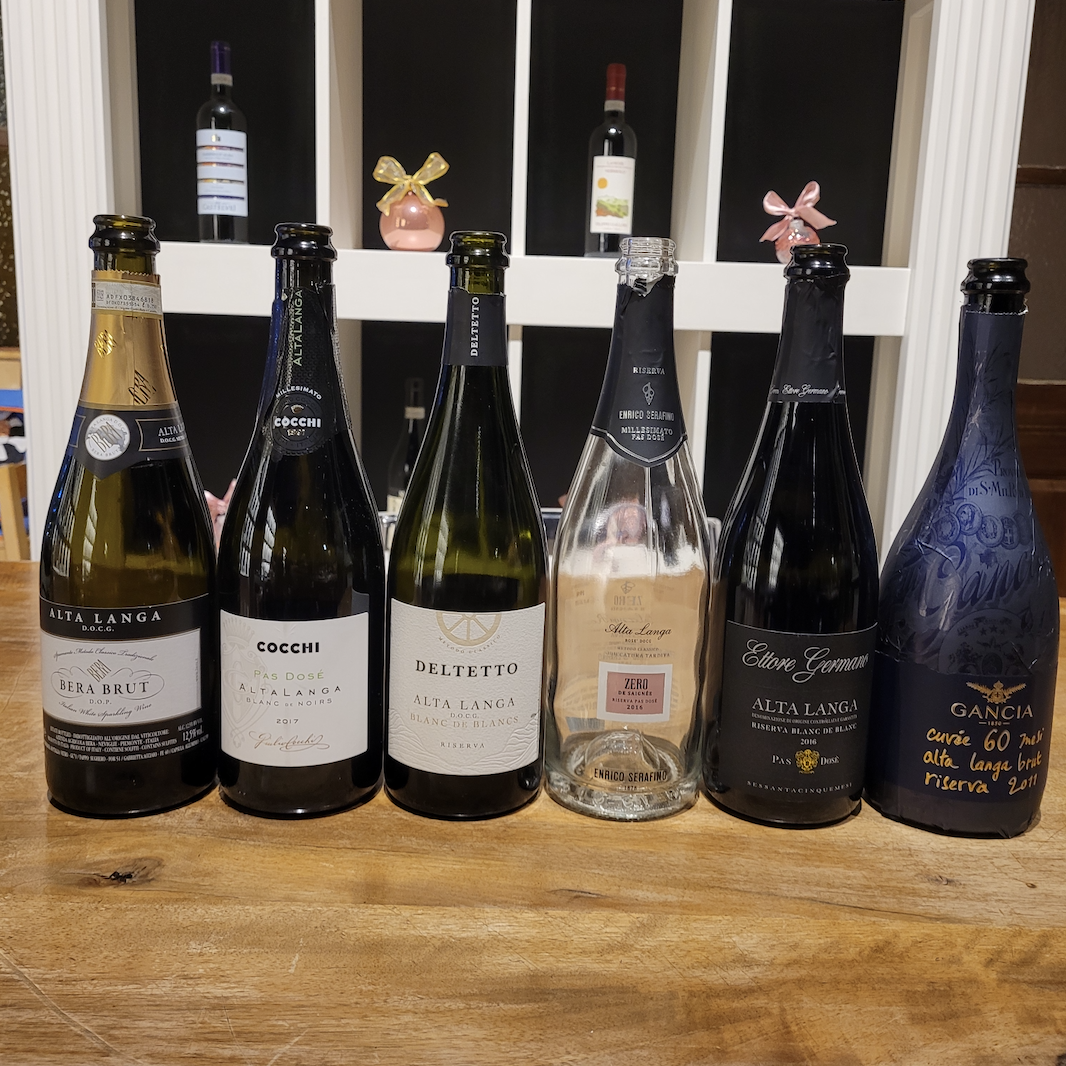
Alta Langa dinner at

Some dinner wines

Bera Alta Langa DOCG Brut 2018

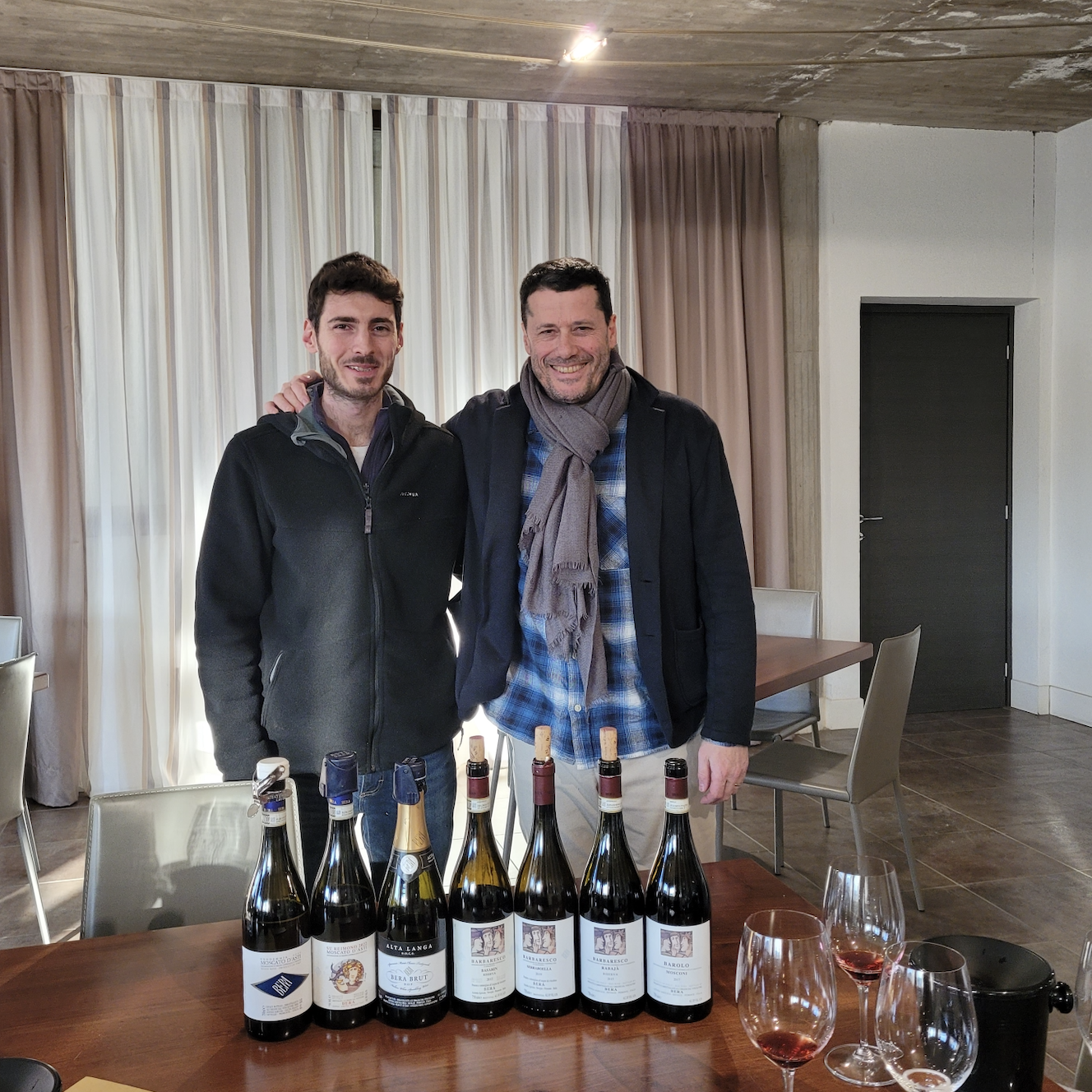
Also labeled as DOP because “dad always believed that DOP stood for quality,” tells oenologist Umberto Bera. He was also one of the first 10 to join the Consorzio Alta Langa. The mix is 70 percent chardonnay and (30) pinot noir, 15 months on lees. A mix of toasty and autolytic notes, 5 g/L of RS, well beneath the Brut threshold. Disgorged in May, 2023 and so the aging time is nearly three times that 15 months and Bera disgorges three times per year. Showing some secondary level maturity with ample freshness preserved and a persistence of energy.  Last tasted December 2023

Nothing overt but yes there is a phenolic and also metallic presence within the aromas. Lemon drop and also herbs, not quite sweet but like basil or better yet slightly more resinous like tarragon. Good crunch in palate texture with stuffing and a mouthful to be had before moving sideways into more metals and botanicals. A periodic wave of elements and emotions form this Extra Brut mix of chardonnay and pinot noir, likely close to half and half. Drink 2023-2026.  Tasted Blind with the Consorzio Alta Langa in Asti, December 2023

Cocchi Alta Langa DOCG Blanc De Noirs Pas Dosé 2017

Under the ownership of Giulio Bava, created in 1981 and has always produced Alta Langa in Piemonte. “Alta Langa has a soul of its own,” tells Roberto Bava, “and a personality reflective of just two varieties, pinot noir and chardonnay.” The B de N is 100 percent pinot, five years spent on lees and Bava notes the sapidity of this wine. “next to (minerality), which all Alta Langa wines must have, played out in different ways.” Truly stoic and direct with dried herbal notes, pencil lead, sage and dry, dry, dry. Who needs sugar in such wines? Drink 2023-2026.  Tasted December 2023

Deltetto Alta Langa DOCG Blanc de Blancs Pas Dosé 2016

“A great passion of my father was Spumante Método Classico, first made in 1980,” tells Carlo Deltetto. “The business card of the winery is the Alta Langa.” This despite the winery being primarily a Roero producer. The ’16 is the inaugural Riserva, pas dosé style which for Alta Langa incidentally is done incredibly well as a sparkling wine region. The key here is elevation, of vineyards averaging 470m, directing the sapid nature of this bubble. Who needs sugar when you have an arc of both richness and flavour, developed of natural sweetness, all leading to captured balance. Impressive acids help the wine be direct and precise, already now with good age in pocket. Drink 2023-2027.  Tasted December 2023

Enrico Serafino Alta Langa Rosato Riserva DOCG Pas Dosé Zero De Saignée 2016

Ripe, high level fruit and mature, advancing and settling into a secondary state. Scents of lemon iced tea and this from a wine no longer part of the Serafino portfolio. Simple, 100 percent pinot nero, pas dosé, disgorged in 2022. Demure on the nose yet explosively expressive on the palate. Labeled saignée but like much of Alta Langa Rosato it’s really just a matter of a quick maceration to bring out the rusty hue. A curious acidity to make this seem as dry as any of the no dosage style. Drink 2023-2025.  Tasted December 2023

Ettore Germano Alta Langa Riserva DOCG Pas Dosé Blanc De Blanc 65 Mesi 2016

If at first this seems to be par for the no dosage course well think again because with chardonnay the fruit stands out so very expressive. Germano’s dream was to make Bianco and so 1988 was the year to exploit riesling and chardonnay at 500-600m of vineyard elevation in the Tanaro River valley. In 2000 the sparkling journey began and the first cuvée was made in 2003. This ’16 marks the second vintage of the blanc de blanc, 65 months on lees, an equal mix of salinity and sapidity for gastronomy in a bottle. Three essential pillars of Alta Lang that give the sessantacinque its credibility and promise of top quality. Precise, chiseled and full of class. Fabulous traditional method sparkling white. Drink 2023-2029.  Tasted December 2023

Gancia Cuvée Gancia 60 Mesi Brut Riserva Alta Langa DOCG 2011

Clarity of a blue sky with some density to it and the smoothest, most polished Gancia Alta Langa there ever was. For the entire denomination in fact, or any style of sparkling wine. Obviously vintage related but also the extra time allotted, above and beyond 60 months on lees. Luxe aromas and flavours, rich polyphenolic moments and the sweetset sapidity ever. Polyphonic, multi tonal, melodic lines melting into and becoming one another. Tonic, lemon preserve and the finest of bitters. Serious simultaneity and seamless presence. Drink 2023-2026.  Tasted December 2023

Tosti1820 Alta Langa Riserva DOCG Bicentenario Pas Dosé 2010

Tosti has spent 200 years of making this 100 percent pinot noir, pas dosé cuvée, not always but this anniversary edition saw some wood aging. Just 2-3 g/L of (inconsequential) residual sugar an 105 months of lees aging, disgorged in 2020. From two plots in Canelli and Alba, estate and grower fruit. Rich, a mellow golden toast, intensity of flavour, fleshy and lengthy. Very all-purpose sparkling wine, well formed, formulated and generous. Quintessentially Alta Langa. Drink 2023-2026.  Tasted December 2023

Alta Langa seminar

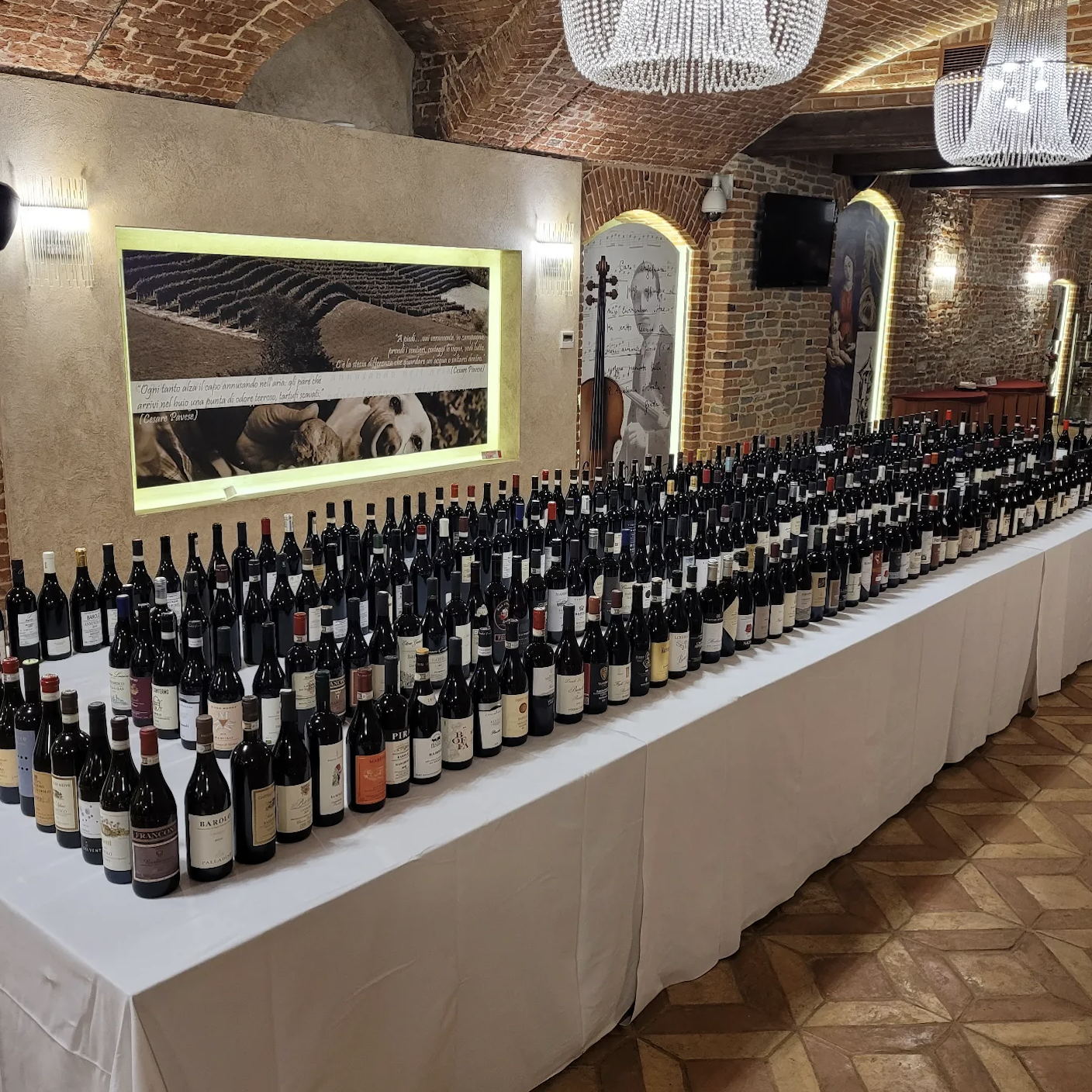
The blind tasting (69 wines)

Bianco

San Silvestro Alta Langa DOCG Albarè Pas Dosé 2020

Blanc de Blancs, only chardonnay as per the disciplinare and pas dosé so just the natural fruit facts. Subtlety and therefore what should be noted as a light toast and once again the fruity notes continue to press the theory that chardonnay performs more in this way with no dosage as compared to pinot noir. The sharpness and lightning strike on the palate is consistent with the theoretical style. Finishes with neutral citrus pith and minor bitters. Drink 2023-2026.  Tasted Blind with the Consorzio Alta Langa in Asti, December 2023

Coppo Alta Langa DOCG Brut Luigi Coppo 2020

Strikes out at a higher aromatic tone, less subtle and demure as a chardonnay and so the terroir feels heavier, of more density in the soil structure and a weightier result comes out. Palate presence is sturdy and strong, flavours wild and exotic, lemongrass namely and also a guava to lemon curd connection. Great flavour intensity and length. Drink 2023-2027.  Tasted Blind with the Consorzio Alta Langa in Asti, December 2023

Deltetto Alta Langa DOCG Brut 2020

A heavy aromatic inhalant, weighty and not easily induced with little to no aerosol quality. An oxidative style with lemongrass, ginger and cardamom, neither herbal nor particularly fruity. Quite tart, citrus namely and quite chardonnay of nature, though a bit gangly and awkward overall. Drink 2023-2024.  Tasted Blind with the Consorzio Alta Langa in Asti, December 2023

Ferraris Agricola Alta Langa DOCG Brut Tenuta Santa Chiara 2020

Leaning oxidative with maturing notes up front. Complex and exotic, gingered, toasty and very expressive with a wide range of fruit, herb and mineral flavours. Textural as well to add another dimension and potentially three of them from this curious and crafty chardonnay. That early note of oxidation will serve it well. Not long on the lees, yet really well made. Drink 2023-2026.  Tasted Blind with the Consorzio Alta Langa in Asti, December 2023

Terrabianca Alta Langa DOCG Brut 2021

Young specimen, a Bianco (therefore 100 percent chardonnay) not long, if likely the bare minimum on its lees. Tight, I mean really taut and wound around like a winch tightening a spindle. There is citrus but not really any other fruit to speak largely of. Lighting strike of Alta Langa without autolysis, bready-yeasty quality of density. Power is all up front and neutrality follows. Just too young to see through the trees but not certain much else will follow. Drink 2023-2024.  Tasted Blind with the Consorzio Alta Langa in Asti, December 2023

Vite Colte Alta Langa DOCG Brut Cinquecento 2020

Quite the complex nose for a young Alta Langa Bianco with that nice little note of fresh cheese that should develop some nuttiness, compound butter flavour and receive its structure after some time in bottle. Even more so than other cuvées of similar vintage and ilk that have yet to be disgorged. Brut so there is some sugar but hardly noticeable because acids and intensity are both in charge. Drink 2024-2027.  Tasted Blind with the Consorzio Alta Langa in Asti, December 2023

Cerrino Alta Langa DOCG Pas Dosé 2019

Nothing but chardonnay and a few years on lease for a yeasty, autolytic and on autopilot example. A bit too much autolytic behaviour and so some odd flavours have crept in. Not a pristine pour to be sure.  Tasted Blind with the Consorzio Alta Langa in Asti, December 2023

Contratto Alta Langa DOCG Pas Dosé Blanc de Blancs 2019

Brilliant beginning to this 100 percent chardonnay without dosage. Power yet a restrained one and seamless transitions throughout. Fine balance between acidity and texture, intention and complexity. True deal in the Alta Langa style that delivers fruit from chardonnay while also a matter of soil and place. Drink 2024-2029.  Tasted Blind with the Consorzio Alta Langa in Asti, December 2023

Fabio Perrone Alta Langa DOCG Pas Dosé 2019

Chardonnay and no dosage with that ever consistent play of fruit first on the nose and then replayed with lovely swirls as the palate presence and flavours march on. Good density and purity here with fine acid structure though either a bit young or not necessarily the most complex example. Perfect right now and will stay this way for another year – after that it will likely soften and the bitters expand upon. Drink 2023-2024.  Tasted Blind with the Consorzio Alta Langa in Asti, December 2023

Mauro Sebaste Alta Langa DOCG Pas Dosé Avremo 2019

Some foraged fungi on the nose, not unusual for chardonnay however it replaces the fruit to a good degree. Good and fine bitters with lemon in many respects. A bit of preserve but mostly the juiced fruit if not the one most perfectly fresh. Drink 2023-2024.  Tasted Blind with the Consorzio Alta Langa in Asti, December 2023
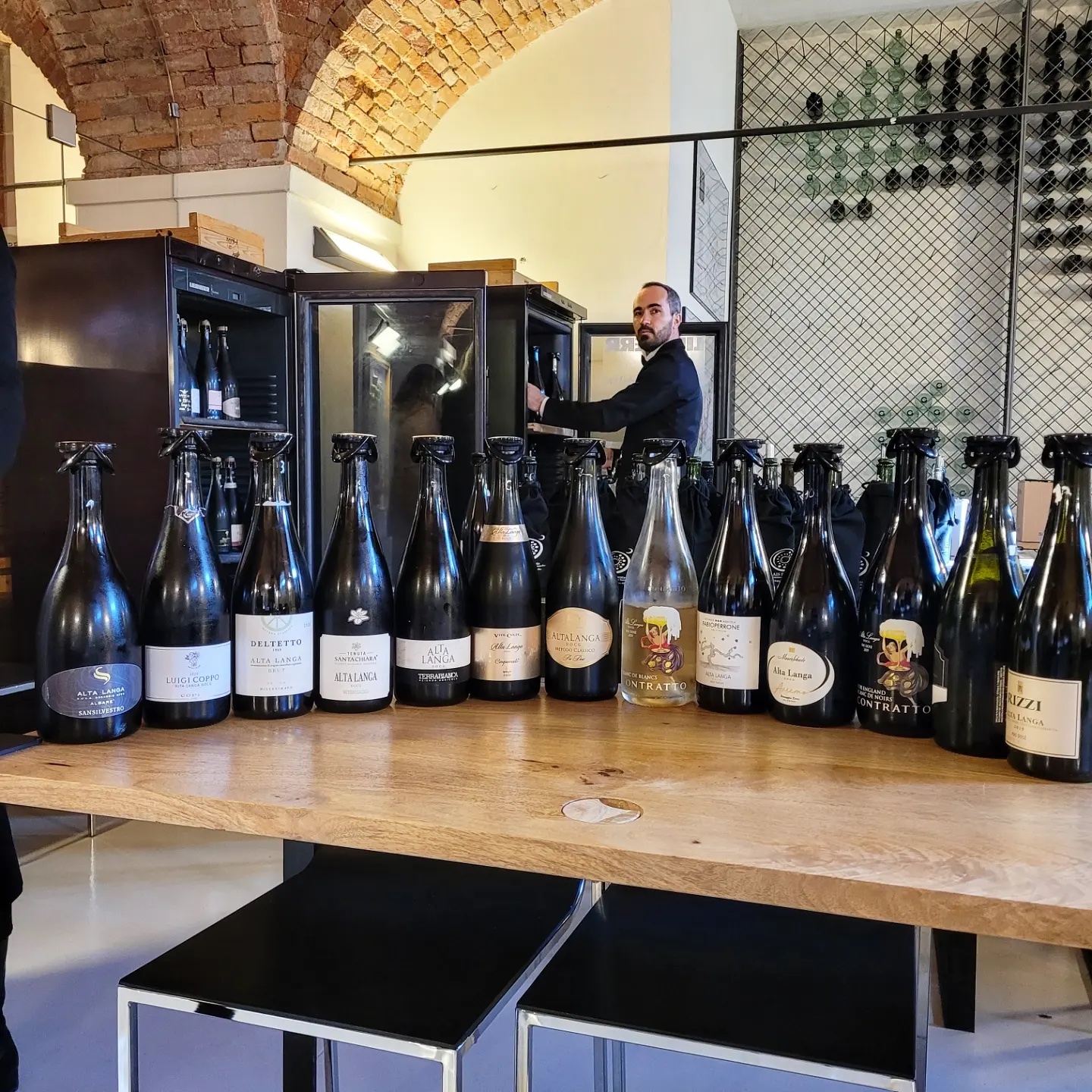
Alta Langa blind tasting revealed

Contratto Alta Langa DOCG Pas Dosé For England Blanc de Noirs 2019

Maturing and oxidative example, noted first in golden hue and then the bronzing, sun-tanned feeling on the aromatics. Gingered and orange scraped palate notes yet dry as the desert and caught up in taut intensity. Really complex, very “Cap Classique” in style or Champagne that leans notably oxidative. A specific way of doing things for sure and one done very well. Drink 2023-2026.  Tasted Blind with the Consorzio Alta Langa in Asti, December 2023

Pianbello Alta Langa DOCG Pas Dosé Orme 2019

Quite classic, stoic, taut and yet highly tonal pronounced iteration of untreated chardonnay without dosage. Straightforward, unabashed, running hither and thither with just about everything Alta Langa will offer in this dry, untamed and free to be style. Very well made in all these knowable respects. Drink 2023-2027.  Tasted Blind with the Consorzio Alta Langa in Asti, December 2023

Rizzi Alta Langa DOCG Pas Dosé 2019

Aromatic, more than many, especially considering the style, that being Blanc de Blancs without any dosage. The flavours and textures follow suit though the autolysis takes charge in notes of cheese rind plus bitters. A bit overdone in this regard and so the finish falls off as a result though there is certainly character and charm for short term drinking. Drink 2023-2024.  Tasted Blind with the Consorzio Alta Langa in Asti, December 2023

Tenuta Carretta Alta Langa DOCG Pas Dosé Airali 2019

Quite phenolic and reserved aromatically speaking. True aridity in the pas dosé idiom and the palate changes nothing about that in this way. Crunchy Alta Langa and it does begin to change and become something other with some time in glass. Next level flavours and also texture comes out to finish with that pencil lead and bitter tincture drops of chardonnay God. Give this some time. Drink 2024-2028.  Tasted Blind with the Consorzio Alta Langa in Asti, December 2023

Banfi Alta Langa DOCG Extra Brut Cuvée Aurora 2019

Another phenolic entry and so one of those sapid style of Alta Langa chardonnay is expected. And so it is with dry botanical aromatic notes followed by great flesh, lemon and lime in all their parts and extended play for a very important and lengthy example. Holds all the necessary tenets and stuffing to see this age well, but also evolve to become something special. Drink 2024-2028.  Tasted Blind with the Consorzio Alta Langa in Asti, December 2023

Daffara & Grasso Alta Langa DOCG Extra Brut 2019

Very lemon up front, bigger aromatic thrust than many but we’re out of Pas Dosé and into Extra Brut with this Blanc de Blancs. Fine lines and pretty good purity with quite a notable level of bitters though we are aware of how well they integrate into the fabric and framework of a properly executed and structured sparkling wine. Drink 2023-2027.  Tasted Blind with the Consorzio Alta Langa in Asti, December 2023

Ettore Germano Alta Langa DOCG Extra Brut 2019

Extra Brut accommodation and you feel the juxtaposition of sugars and acids in the aromatics. Feels riper and fleshier but only the palate can confirm or confound that idea. Does the first and then goes into full citrus juice squeeze, though it’s manifold, of lemon, lime and also grapefruit. The destiny of this wine is to see some cheese and funk in the future but so many will see the love and the beats in that next stage. Drink 2023-2026.  Tasted Blind with the Consorzio Alta Langa in Asti, December 2023
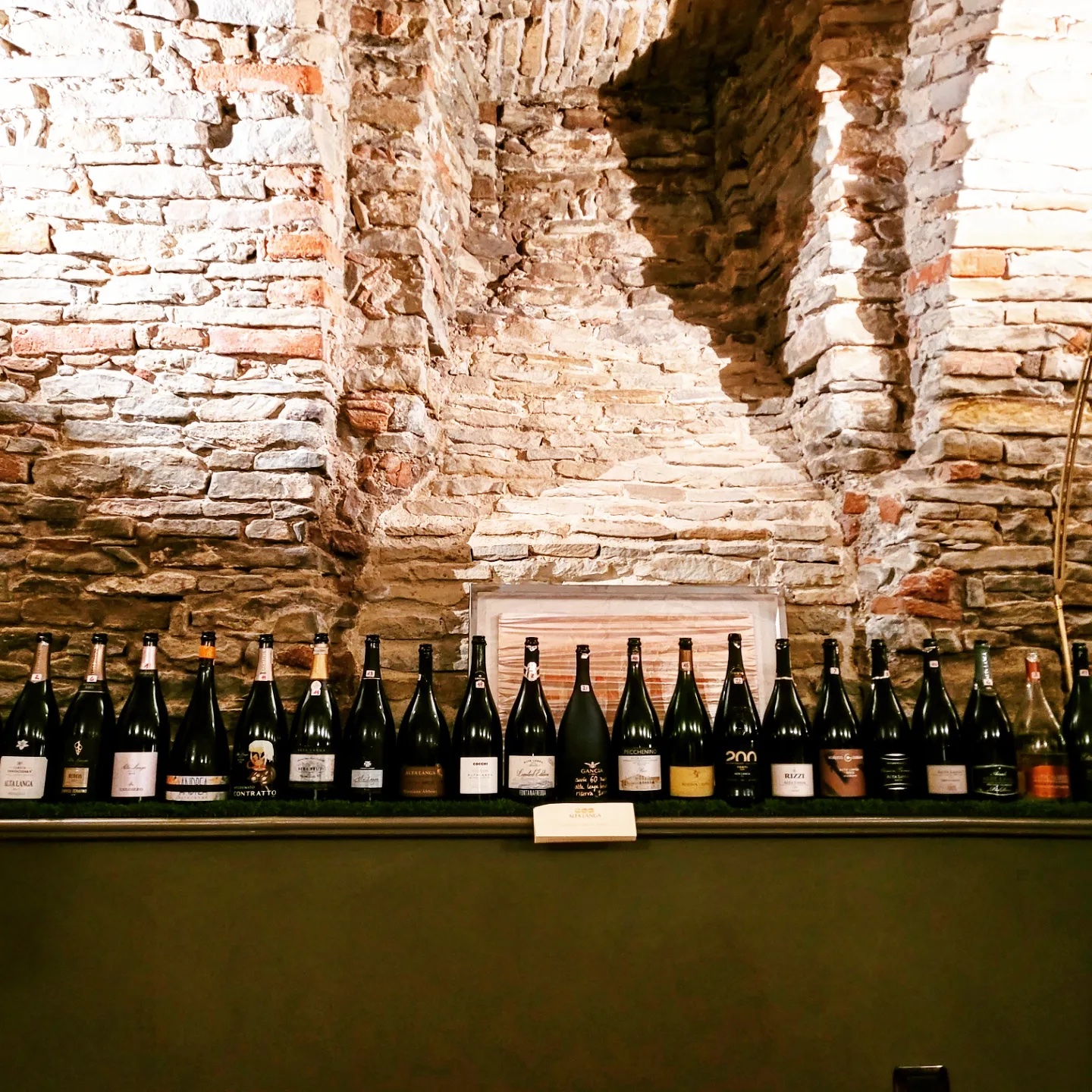
Alta Langa at Relais San Maurizio, Santo Stefano Belbo

Ivaldi Alta Langa DOCG Extra Brut Andrea Blanc de Blancs 2019

Quite phenolic, plenty of citrus flesh but also custardy orchard fruit. Extra Brut and you note the sweetness, nothing simple here and it does elevate the style. This will have wide appeal for its easy, if earlier drinking ability. Drink 2023-2024.  Tasted Blind with the Consorzio Alta Langa in Asti, December 2023

Marcalberto Alta Langa DOCG Extra Brut Millesimo2mila19 2019

Truly proper in the Extra Brut Bianco ways of Alta Langa are extracted, exerted and extrapolated upon with a fine 2019. Lemons and apples, tart and tight on the palate, great acidity moving all ways including sideways, all parts together, linear, vertical and powerfully restrained. A very fine example from a warm and yet promising vintage. Drink 2024-2029.  Tasted Blind with the Consorzio Alta Langa in Asti, December 2023

Marziano Abbona Alta Langa DOCG Extra Brut 2019

The sapidity spoken of by agronomists and producers is here on the phenolic front in this Bianco Extra Brut. Captures a certain side of Chardonnay and does so with stoic, reserved, complicated and trenchant nature. This wine has purpose and feels so very serious. It will need a few years to settle and hopefully prepare some flesh for a more pronounced Alta Langa experience. Drink 2025-2030.  Tasted Blind with the Consorzio Alta Langa in Asti, December 2023

Massimo Rivetti Alta Langa DOCG Extra Brut 2019

More juiciness and terpene action up front as compared to many and so a slightly later harvest from a warm vintage seems to be the fruit matter on order. Some maturity and a bruised apple note in the flavour profile confirms this and while acidity is spot on there is this feeling of flattening out at the finish. Drink 2023-2024.  Tasted Blind with the Consorzio Alta Langa in Asti, December 2023

Roberto Garbarino Alta Langa DOCG Extra Brut Le Rapide 2019

The Extra Brut Alta Langa as Bianco seem to act tart in one of the three ways. Sharp and restrained, maturing or as it does here which is phenolic to imagine a sapid sparkling wine. Not exactly the opposite of salty but a different sort of mineral style, that is to say a sparkling wine that is a direct result or at least one that speaks with true correlative nature to the place. That being a terroir surely sandstone based with some slit, minor calcareous parts and older soils, geologically speaking. A vertical wine with great apposite if transferring and complimentary fleshy texture and a wine as long as is gets. Drink 2024-2029.  Tasted Blind with the Consorzio Alta Langa in Asti, December 2023

Roccasanta Alta Langa DOCG Extra Brut 2019

Phenolic, for the most part with some green notes and plenty of terpene as well. A bit overdone, likely picked a bit tardy and so acidity is more dense and botanical than the team probably wished it to be. Drink 2023-2024.  Tasted Blind with the Consorzio Alta Langa in Asti, December 2023

Tenuta Rocca Alta Langa DOCG Extra Brut 2019

Expressive and quite tightly wound example of Extra Brut for chardonnay as a Bianco or Blanc de Blancs style. Lemon in every respect, more juice and zest than pith but it’s all truly represented. Fine work in a very specific, taut, direct and scintillant way. Drink 2023-2026.  Tasted Blind with the Consorzio Alta Langa in Asti, December 2023

Roberto Garbarino Alta Langa DOCG Extra Brut Il Viaggio 2019

Still in the Extra Brut conceptualization for (chardonnay) Bianco and of the three styles this comes out phenolic and well extracted. An example that transfers really well onto the palate with tart juiciness and true blue varietal acidity that travels up and down the sides of the palate. Not the most complex sparkling wine and lacks some depth but it’s solid, well made and serves great purpose. Drink 2023-2026.  Tasted Blind with the Consorzio Alta Langa in Asti, December 2023

Agricola Brandini Alta Langa DOCG Brut 2019

The first true reductive Alta Langa in flight of 69 with this being the 26th pour. Agitation does blow off some steam and allow fruit to rise like cream to the surface. What is next is great purity and a creaminess to the mousse unlike any other thus far. These flavours are rich and frankly delicious though that reduction will be a detraction for some. The finish is long and nurturing. Stick with this wine if you want the right kind of reward. Drink 2023-2027.  Tasted Blind with the Consorzio Alta Langa in Asti, December 2023
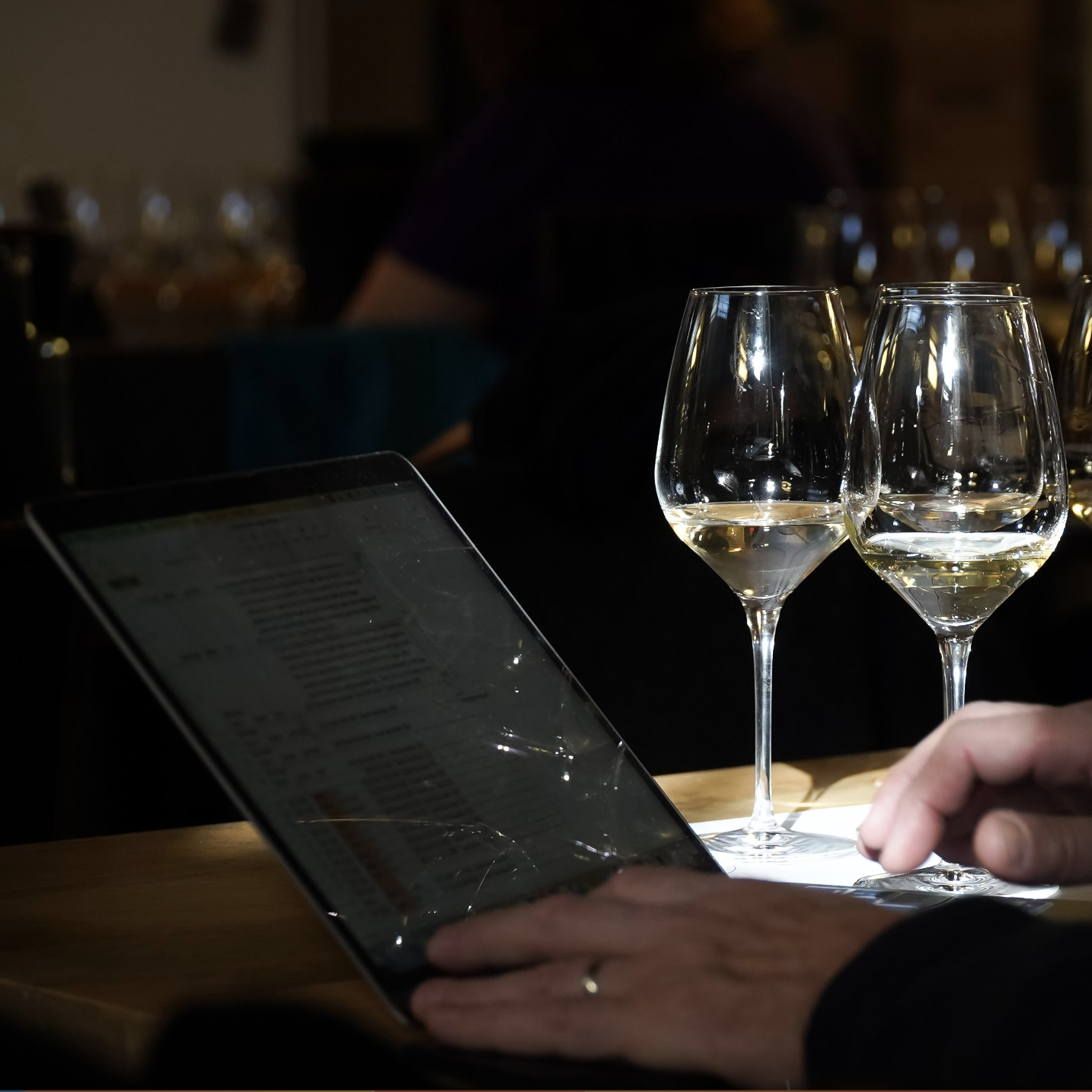
Blind tasting Alta Langa (c) Anastasia Florea and Consorzio Alta Langa DOCG

Bosca Alta Langa DOCG Brut Ispiro 2019

As quiet as it gets aromatically speaking from a Brut for chardonnay out of a warm and promising vintage. Though the entry was a reserved and yet giving one there is much more happening on the palate. Heavy dose of lemon, fresh squeezed and ready to integrate with the sapid-mineral wealth of this wishing to be serious example. Here is an Alta Langa with true karst from bones that stand upright with great skeletal verticality that suggests poor soils and plenty of calcium carbonate for a result that could only be like this. This winemaking team paid great respect to the terroir. Drink 2024-2029.  Tasted Blind with the Consorzio Alta Langa in Asti, December 2023

Cascina Cerutti Alta Langa DOCG Brut Enrico Cerutti 2019

Well made, simple, straightforward, a bit bitter and creamy iteration of chardonnay in the local ways of Brut sparkling wine. Short and to the point. Drink 2023-2024.  Tasted Blind with the Consorzio Alta Langa in Asti, December 2023

Fontanafredda Alta Langa DOCG Brut Blanc de Blancs 2019

Quite the phenolic lift as opposed to that aromatic ripeness style that can sometimes weigh down Alta Langa sparkling. A botanical example with replay on the palate that confirms the suspicion. Good integration of parts with acidity more than well and good but the phenols outweigh all else and take back power in the end. An herbal example, possibly because of heavier and more organic soils that deliver some increased vigour and therefore likely yields iin the vines. Drink 2023-2024.  Tasted Blind with the Consorzio Alta Langa in Asti, December 2023

Il Cascinone Alta Langa Riserva DOCG Brut Alasia 2019

The first Alta Langa Riserva at pour number 30 in a flight of 69 and a stoic one at that, with must reserve in the tank. High ranking parts, namely substantial if notably compact fruit that puts this is a place of yet unresolved business. The acidity is similar of nature meaning its not of scintillant action but rather one of weight as well. This could use some time to see if it will open up and rise up as it likely wants to, after being interred by too much gravity. Drink 2024-2027.  Tasted Blind with the Consorzio Alta Langa in Asti, December 2023

Paolo Berutti Alta Langa DOCG Brut 2019

High terpene level and so orchard fruit (namely apples) are front and centre for this chardonnay of Brut categorization. Crisp enough and acidity is elevated though the parts are a bit disparate and there is some bruising of the fruit. Drink 2023-2024.  Tasted Blind with the Consorzio Alta Langa in Asti, December 2023

Pecchenino Alta Langa DOCG Brut Ecole 2019

Cheese funky and bruised. Not a good bottle or perhaps past prime.  Tasted Blind with the Consorzio Alta Langa in Asti, December 2023
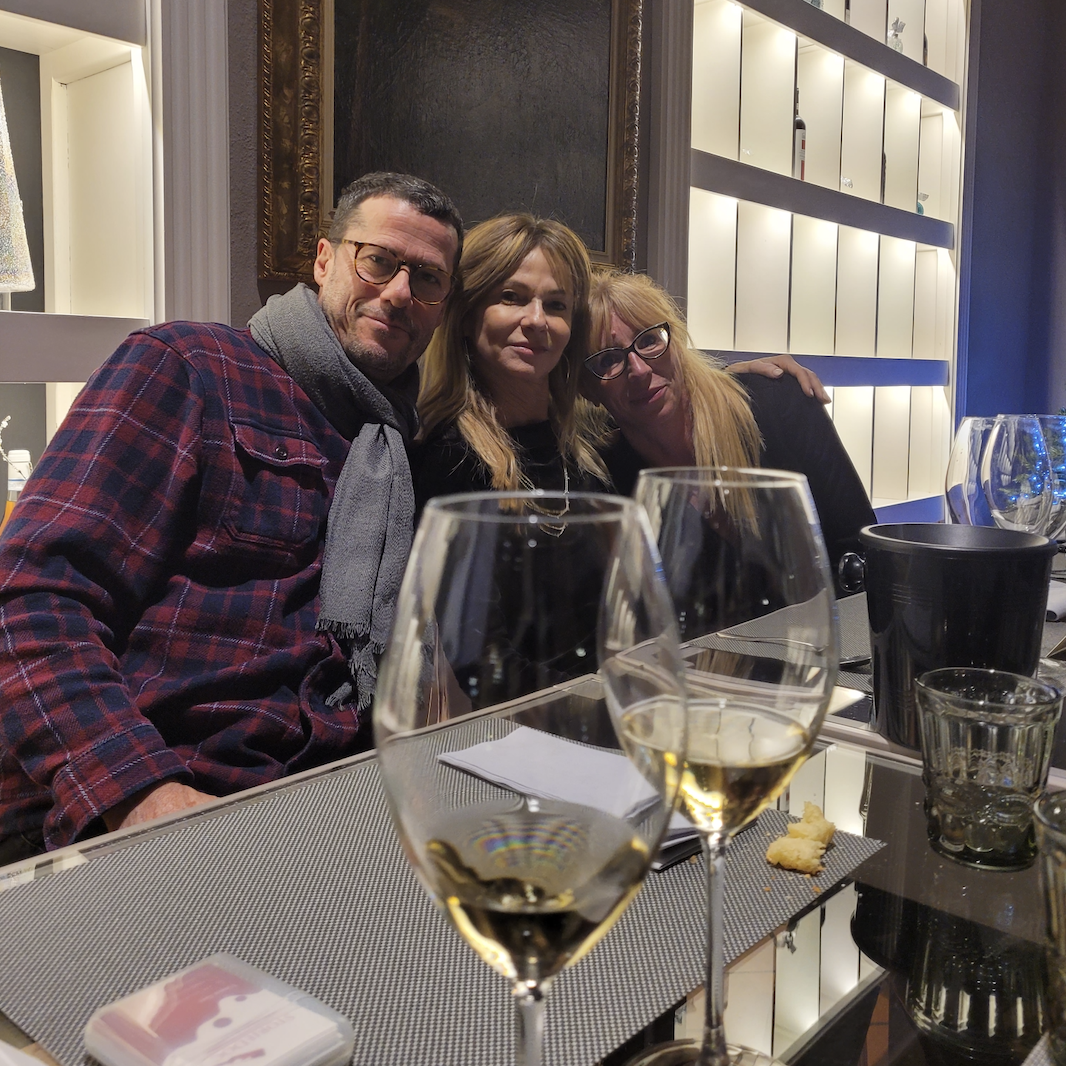
With Alta Langa Consorzio President Mariacristina Castelletta and Journalist Åsa Johansson (c) Anastasia Florea and Consorzio Alta Langa DOCG

Piazzo Comm. Armando Alta Langa DOCG Brut Ritorno in 2019

Reduction released by agitation quite quickly so note to self and to others be sure to give this sparkling Alta Langa a swish and a swirl. Grippy example, fully fleshed and giving much aromatic fruit, palate presence, fleshiness, some creamy texture and finally that local sapidity so often talked about. There is much going on in this Brut though it does not soften in the end. Drink 2023-2026.  Tasted Blind with the Consorzio Alta Langa in Asti, December 2023

Sara Vezza Alta Langa DOCG Brut 2019

The kind of aromatic entry that causes a raise of one eyebrow because it’s a combination of maturity and intrigue. A very young wine in one respect and on the other also one of experience. Rich at first and then repeated, but also a matter of fine acidity before rising and then settling with tonic and bitters. Seriously complex activity here and if perhaps a polarizing Bianco then so be it because the chardonnay and pinot noir each do so much to variegate the blend. They make this work. Drink 2023-2028.  Tasted Blind with the Consorzio Alta Langa in Asti, December 2023

Vinchio Vaglio Alta Langa DOCG Brut 2019

Cool, sapid, salt-licked, rising to meet the ethereal and the first notably mint-savoury Alta Langa noted in this long flight of 69. Tart and full on tang, fleshy, ripe and chewy – sure more than 95 percent of what can be tasted. This will have great appeal for its generosity and acumen.  Tasted Blind with the Consorzio Alta Langa in Asti, December 2023

Ravasini Alta Langa Riserva DOCG Pas Dosé 2019

Mature, oxidative and not perfectly clean. Very natural feel, pas dosé and obvious for a style that was intended to be played out. Does not quite function as we, or at least some might have wished it to. Not convinced Alta Langa can yet do this style consistenly well, at least not this early in its tenure. Drink 2023-2026.  Tasted Blind with the Consorzio Alta Langa in Asti, December 2023

Enrico Serafino Alta Langa DOCG Extra Brut Parcellaire 2019

An Extra Brut Bianco with some extra lees aging time, here from a cooler and wetter vintage which is duly noted on the aromatic entry of the wine. Part reduction and part reserve, a tight and grippy wine that shows its strength through structure overarching above all else. A sapidity that its maker surely wanted and a holding back so that it can continue to develop, morph and become something next or at at the very least, other. The palate delivers the full experience and there is some great flesh hanging taut on these solid bones. A fine Alta Langa in this specific style – there can be no arguing this as a fact. Drink 2024-2028.  Tasted Blind with the Consorzio Alta Langa in Asti, December 2023

Terre del Barolo Alta Langa DOCG Extra Brut Vinum Vita Est 2019

Firm iteration of an Extra Brut stylistic that could use some generous aeration so that the aromas can be released. They will and do, though it would seem acting less effusive then some. This goes more at a line that is tight and the end of Alta Langa predicated on intensity and drive. Plenty of spirit here and a finish dotted by fine bitters, of pith and tubers. Drink 2023-2027.  Tasted Blind with the Consorzio Alta Langa in Asti, December 2023

Bera Alta Langa DOCG Brut 2018

Also labeled as DOP because “dad always believed that DOP stood for quality,” tells oenologist Umberto Bera. He was also one of the first 10 to join the Consorzio Alta Langa. The mix is 70 percent chardonnay and (30) pinot noir, 15 months on lees. A mix of toasty and autolytic notes, 5 g/L of RS, well beneath the Brut threshold. Disgorged in May, 2023 and so the aging time is nearly three times that 15 months and Bera disgorges three times per year. Showing some secondary level maturity with ample freshness preserved and a persistence of energy.  Last tasted December 2023

Nothing overt but yes there is a phenolic and also metallic presence within the aromas. Lemon drop and also herbs, not quite sweet but like basil or better yet slightly more resinous like tarragon. Good crunch in palate texture with stuffing and a mouthful to be had before moving sideways into more metals and botanicals. A periodic wave of elements and emotions form this Extra Brut mix of chardonnay and pinot noir, likely close to half and half. Drink 2023-2026.  Tasted Blind with the Consorzio Alta Langa in Asti, December 2023

Ravasini Alta Langa DOCG Brut Cuvée Leonora 2018

Maturing aromas and so the vintage plus lees aging have come to a place where the wine is moving into secondary stage. Just that hint of fungi, basic like a meadow variety, horse or commercial button, but with no sign of truffle. That will likely happen soon enough so get at this Brut styled Bianco sooner rather than later. Flavour profile is open and strong though again evolution is in full movement forward. Drink 2023-2024.  Tasted Blind with the Consorzio Alta Langa in Asti, December 2023

Cocchi Alta Langa DOCG Pas Dosé 2017

Now heading back a few years with a warm and dry vintage of little worry for a producer and their pas dosé methodology. The nose is quiet and comforting, the perfumes more demure and beautiful than many of similar ilk. This Alta Langa may not scream of its intentions nor will it appeal to a mass audience but it’s character is quietly impressive and its style something worth repeating. Consistently reserved, never demanding and always in complete control. Fine and proper if again not the most gregarious sparkling wine you are likely to encounter. Drink 2023-2027.  Tasted Blind with the Consorzio Alta Langa in Asti, December 2023

Tosti1820 Alta Langa DOCG Brut Giulio I 2017

Truly unique nose on this 2017 Brut which seems to put pinot noir first though not convinced its percentage exceeds that of chardonnay. A clean funk or better said classic Langhe earthiness involved and so this seems to be an Alta Langa true to terroir. Plenty of textural chew and citrus preserve but also this cool, gelid and slightly bitter feeling to the fruit. The lees are a major part of this exercise and while they are not 100 percent clean they are the kind that lend and promote great character. Drink 2023-2026.  Tasted Blind with the Consorzio Alta Langa in Asti, December 2023

Cocchi Alta Langa DOCG Brut Bianc’d Bianc 2017

Plenty of lees aging and effect here for a 2017 Alta Langa of a warm and extremely dry vintage. Seems to have really settled into its skin with softening aroma and creaming textures that are seamlessly integrated at this advanced stage. If getting to know and understand aged Alta Langa and its potential is on your wish list then this Brut is a very solid place to start that journey. Drink 2023-2025.  Tasted Blind with the Consorzio Alta Langa in Asti, December 2023

Banfi Alta Langa DOCG Pas Dosé Cuvée Aurora Blanc de Noirs 2016

Truly toasty and piquant example of pas dosé Alta Langa with a curious cotton candy or slightly caramelized peachy note to begin. Really well aged with clean lees and a fine gem-metal aspect to join the maturing fruit notes. This holds its line and maintains its composure to great length and effect. Drink 2023-2027.  Tasted Blind with the Consorzio Alta Langa in Asti, December 2023

Tenute Rade Alta Langa DOCG Pas Dosé 2016

No dosage and a very restrained example that whiffs of neutral or virgin concrete, dry and severe. Not a sound bottle perhaps though a second bottle delivers much of the same. The palate is improved with fleshy citrus flavours yet that musty note prevails.  Tasted Blind with the Consorzio Alta Langa in Asti, December 2023
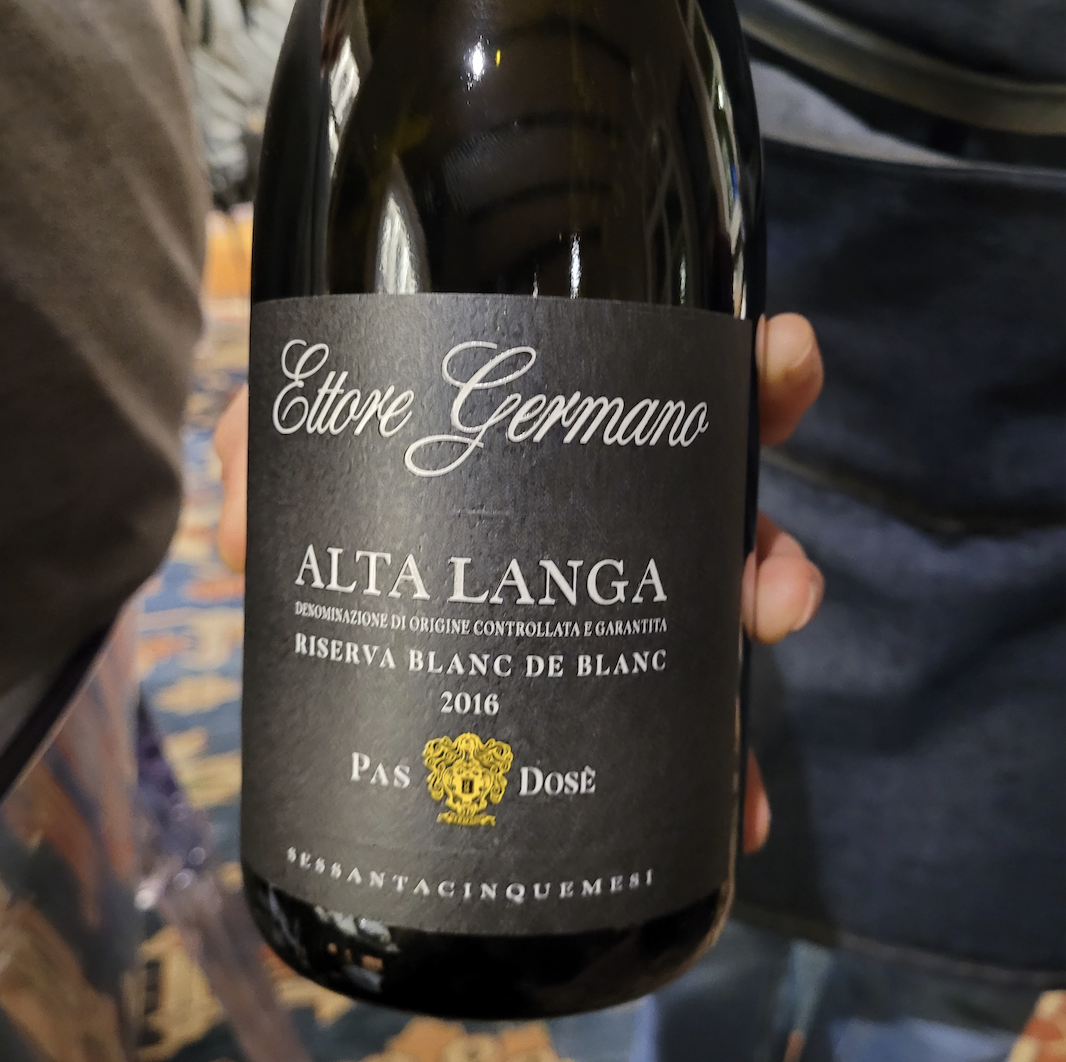
Ettore Germano Alta Langa Riserva DOCG Pas Dosé Blanc de Noir 65 Mesi 2016

It seems that Riserva is not just a matter of longer aging time but also a product of greater fruit quality. This 2016 from a powerful and tannic vintage brings the goods in ways few others seem want to deliver. Crisp and in charge, an intensity of parts that begin with quality fruit never letting up or seemingly willing to relent. Carries items with dignity and confidence for a wine or great Alta Langa respect, of its heritage and place. Feels like the clear juice from pinot noir stands above the chardonnay in this cuvée of great purpose and interest. Drink 2023-2030.  Tasted Blind with the Consorzio Alta Langa in Asti, December 2023

Roccasanta Alta Langa Riserva DOCG Pas Dosé 2016

Not overly expressive in fact this holds back despite its age and lees aging time as per the Riserva style. The palate is appsoite, mature, of slight caramel and notably soft. This has done its time and the time is now to drink up. Has developed a minor cider note to confer that suggestion.  Tasted Blind with the Consorzio Alta Langa in Asti, December 2023

Tenute Rade Alta Langa Riserva DOCG Pas Dosé 2015

From 2015 and a no dosage Bianco iteration of volatility, maturity and a mix of caramelization meets oxidation. A lovely old drop in one respect and because the acidity rises high it’s well preserved and so should be well perceived and received as a sparkling wine of age. Flattens after the initial weak palate display before fading off into the proverbial Alta Langa sunset.  Tasted Blind with the Consorzio Alta Langa in Asti, December 2023

Daffara & Grasso Alta Langa Riserva DOCG Pas Dosé 290 mesi 2014

Alta Langa in Riserva form with that extension from extra Lees aging and no dosage for that magical combination. This has truly developed next level character while staying level on its legs and staying a course that will allow even further aging excellence. Labels Bianco though tasted blind it can be nothing but Blanc de Blancs because the chardonnay stands out like a hitchhiker with an extra large thump. A guide to the Alta Langa galaxy right here in the glass, heady, steady and grippy with a real plan, even if the world may not think that this place and these wines have this fully entrenched in mind. The real deal will reveal itself and this 2014 has done just that. Drink 2023-2027.   Tasted Blind with the Consorzio Alta Langa in Asti, December 2023

Fontanafredda Alta Langa Riserva DOCG Pas Dosé Vigna Gatinera 96 mesi Blanc Noir 2014

Only Alta Langa it seems can effect this intricate mix of long lees aging time and no dosage for such great and curious effect. As here though this 2014 Bianco is showing some oxidative maturity even even while it persists as a reductive example by way of its pinot noir and chardonnay cuvée. Still crunchy and truly flavourful with both yellow citrus and small red berry fruit in combinative affair. Finds its groove late and accumulates more and more pleasantries as you taste through a few sips. You need to hang in with this nine year-old Alta Langa and if you do there will be greater reward. Drink 2023-2026.  Tasted Blind with the Consorzio Alta Langa in Asti, December 2023. asted December 2023

Gancia Alta Langa DOCG Pas Dosé Cuvée 36 mesi 2014

A Bianco long on its lees and showing maturity though also a stoic nature to begin. Still crunchy and like a mouthful of citrus and stones. This would have been singing with its finest voice just a year ore two ago though still does so dutifully and truthfully today. Drink 2023-2025.  Tasted Blind with the Consorzio Alta Langa in Asti, December 2023

Bera Alta Langa DOCG Brut (90 mesi) 2013

A mildly oxidative and advancing example though having strong 10 years in. Plenty of experience, of creamy fruit, almost a custard of the orchards and while pinot noir makes a play it is the Chardonnay making the bigger statement. Shows off heritage and good planning to exact more emotion for what kind of potential Alta Langa holds for wines to age this length of time. Drink 2023-2025.  Tasted Blind with the Consorzio Alta Langa in Asti, December 2023

Coppo Alta Langa Riserva DOCG Brut Riserva Piero Coppo 2013

A Riserva of Bianco that reeks at least as much of pinot noir as it does so from chardonnay. At ten years of age it have proven to have lasted and lingered as well as could be expected with the best times presented right here and now. Feels like a wine of age and drinks with nurturing comfort at this stage, like a blanket or a parent. Drink up and savour every last moment.  Last tasted blind with the Consorzio Alta Langa in Asti, December 2023

The 2013 vintage is the turning point to this 60 percent pinot noir and (40) chardonnay becoming and being labeled Alta Langa, recently disgorged in 2022. Previous disgorgements were labelled Vino Spumante di Qualità. Now into wildly vivid and famous complexity, toasty yes but there’s a crème frâiche and an almost strawberries and cream component. Eonologists GianMario Cerrutti, Guiliermo Grasso and Vittorio Pescarmona conspired to see this age 85 to 90 months on the lees, almost unprecedented around Asti. Has hit its stride, in the right place between crunchy and the kind of sparkling wine that you begin to ruminate with in the mouth. Cerebral wine in every respect. Drink 2023-2027.  Tasted January 2023

Tosti1820 Alta Langa Riserva DOCG Riserva Giulio I 100 Mesi 2012

More than 10 years old and still a quietly demure and not overtly philanthropic example of Alta Langa Riserva. Getting as much red fruit pinot noir as citrus chardonnay on the nose though together they combine and accumulate for a very fruity sparkling wine. Also toasty and even just flinty enough to consider the calcari, the argilla and the arenaria in the earth from whence this once emerged and has now arrived. A beautiful ALR after all these years and I for one would relish a pour anytime it might be forthcoming. Drink 2023-2026.  Tasted Blind with the Consorzio Alta Langa in Asti, December 2023

Enrico Serafino Alta Langa Riserva DOCG Pas Dosé Zero 140 2010

No sugar added at tirage and yet you will not find more natural fruit in an Alta Langa Bianco or Riserva, especially in this style. Magnificently organized and perfumed of all the fruit blossoms and then the ripeness of that fruit as it arrived at fruition. Toasty, even still slightly reductive and almost no signs of true maturity – certainly limited oxidation. The truth is alive and these bubbles prove that Alta Langa ages really, really well. Drink 2023-2027.  Tasted Blind with the Consorzio Alta Langa in Asti, December 2023

Gancia Alta Langa Riserva DOCG Brut Cuvée 120 mesi 2010

Nearly 13 years of age and a wine doing well, thank you very much. Many years (upwards of 140 months) on its lees and using every bit of those clean yeasts to conduct a current and fully realize the fruit for dramatic effect. Just a bit toasty and over excited (as it must have always been) to rise above the fruit but acidity is fine, racy and its charge well executed to make this work as well as it should. Drink 2023-2026.  Tasted Blind with the Consorzio Alta Langa in Asti, December 2023
Blind tasting Alta Langa (c) Anastasia Florea and Consorzio Alta Langa DOCG

Rosato

Colombo Alta Langa Rosato DOCG Brut 2020

Just a wee youthful one, of maximum 24 months on lees for a Rosato (namely Blanc de Noirs) that modernizes Alta Langa with ever increasingly utilized pinot noir. Well short of saignée and just a few hours run off with clean juice that came from pure fruit of a well timed sparkling pick. The clarity puts this in spot on territory for the idiom. Creates a dictionary entry Rosato for the denomination. Drink 2023-2027.  Tasted Blind with the Consorzio Alta Langa in Asti, December 2023

Ivaldi Alta Langa Rosato DOCG Extra Brut Andrea 2020

Extra Brut with a bit more dosage that foils if not perfectly aligns with the fruit and acidity for what collates as a slightly rustic example. Well and substantial fruit and complimentary savour if just off-putting because the combinations create some mismatching and misappropriated flavours. More than serviceable if not truly representative of potential. Drink 2023-2025.  Tasted Blind with the Consorzio Alta Langa in Asti, December 2023

Banfi Alta Langa Rosato DOCG Extra Brut Cuvée Aurora 2019

A few years of lees aging has done well to set this Extra Brut Rosato up for rusty copper Alta Langa success. More than ample richness, orchard fruit that involves crab apple and then a turn to more savoury elements with low-creeping vines that deliver leaf and red fruit in elastic flavours. Carries with nimble ability, without distraction and only purity. Very well made with the capability to age at least a few if not five-plus years. Drink 2023-2028.  Tasted Blind with the Consorzio Alta Langa in Asti, December 2023

Massimo Rivetti Alta Langa Rosato DOCG Extra Brut 2019

Quite pale for Alta Langa Rosato and so though a factor of pinot noir and blanc de noirs it is noted how the maceration was quick and oh so gentle. Not as overtly aromatic as some though there is a yeasty autolytic note involved to tell us quite a bit about the style and also the intention. Pay attention to the stage presence and the seriousness with which this intends to capture your palate. Succeeds for the most part though does not hold on as long as some deeper and more impressive examples. Drink 2023-2026.  Tasted Blind with the Consorzio Alta Langa in Asti, December 2023

Il Cascinone Alta Langa Rosato DOCG Brut Alasia 2019

Quiet aromas, a bit of citrus tablet dissolve and more dosage noted than many. Simpler, easy and getable ahead of the game. Lacks the complexity and drive of more serious examples in the Brut Rosato category. Drink 2023-2025.  Tasted Blind with the Consorzio Alta Langa in Asti, December 2023

Ravasini Alta Langa Rosato DOCG Brut Cuvée Leonora Rosé 2019

Cider notes, of terpene and juiced orchard fruit that suggests more than pinot noir but is likely just a matter of how this was pressed. Acetic and volatile more than anything else. Something went wrong in this case.  Tasted Blind with the Consorzio Alta Langa in Asti, December 2023

Tosti1820 Alta Langa Rosato DOCG Brut Rachele Rosè 2019

A funky cheese rind note mixes with a rusty and rustic red fruit style anchored by strawberry then accepted by rhubarb, baking spices and earth. A savoury kind of Brut Rosato that’s not so much a matter of overripe fruit bit more so terroir and then winemaking. An is what it is Alta Langa that succeeds because it is unique. Sweetness comes out at the finish to mix and merge with tonics and bitters. Drink 2023-2025.  Tasted Blind with the Consorzio Alta Langa in Asti, December 2023

Agricola Brandini Alta Langa Rosato DOCG Brut 2018

Crisp, earthy and crunchy Rosato, savoury and with some strawberry sweetness across the board. Begins savoury and finishes on a sweeter if also earthier note. An interesting Rosato that will likely morph and change into something of greater interest because the yeasts are clean, the fruit pure and the potential quite good. Drink 2024-2027.  Tasted Blind with the Consorzio Alta Langa in Asti, December 2023

Gancia Alta Langa Rosato DOCG Brut Cuvée 36 Mesi Rosé 2018

Rusty, savoury and cheese rind aromatic with plenty of yeasty lees notes that likely need more time to integrate. That said the rusticity can’t be ignored nor denied so keep in mind how parochial and local this will always purport to be. It’s really quite comforting and with some excited energy on the palate their is a true affinity with growers’ Rosé Champagne. That’s a compliment because authenticity and respect for terroir are more than half the battle and reason to appreciate an Alta Langa sparkling wine.  Last tasted Blind with the Consorzio Alta Langa in Asti, December 2023

Minor reduction which is in fact something that is important because “things would be a lot more serious if drinking a glass would make you want to drink a glass of water,” kids Dr. Donato Lanati. Sounds like a joke but in these climate change and extreme times you can taste what would not have been tasted before and Gancia knows, with 150 years of experience in crafting sparkling wines. Aging some of the base wines in wood goes a long way to control the reduction and yet some reduction is a good thing. There is some sweetness in the perfume which is a result of a portion having been aged in a “sweet” wood. This sulphur dioxide character mixed with some acetates that have yet to fully dissipate are what drive aromatic pulchritude and it is the esters (within reason) which will bind with amino acids to eliminate any semblance of confection. There is a small dosage here but it in fact under wonderful control and while Rosé by nature is rounder than Bianco, well no matter or judgement because the mix of tension and elasticity is really well managed. Drink 2024-2029.  Tasted December 2023

Enrico Serafino Alta Langa Rosato Riserva DOCG Pas Dosé Zero Rosé 2017

This Rosato may be pas dosé but screams form the glass with a wealth of ripe fruit captured to be put to great use. Richness and energy combine from start to finish, exert upon the palate and continue to rise through every moment of this fine Alta Langa sparkling wine. No let up, time off, sick days, stops or starts. Continuous and righteous. The potential is still great and the faint bitterness on the palate is just so appropriate. Drink 2023-2026.  Tasted Blind with the Consorzio Alta Langa in Asti, December 2023

Cocchi Alta Langa Rosato DOCG Brut Rösa 2017

Good aromatic presence, a nose into Orange Pekoe tea and earth before the leafy red fruit notes become involved. Tight and bracing on the palate with piercing acidity, never acetic nor volatile but very much in charge. An intense example that still needs time to flesh out even if it’s a wine from back in 2017. Not sure it will ever really change but if you like this excitable style than this is the Alta Langa Rosato for you. Drink 2023-2026.  Tasted Blind with the Consorzio Alta Langa in Asti, December 2023

Fontanafredda Alta Langa Rosato DOCG Brut Contessa Rosa Rosè 2017

Notable extra fruit substance and also yeasty notes determine the Riserva designation and set this Rosato up for plenty of slow maturing, unfolding and unraveling days ahead. Rusty, earthy, gingered and tonic-botanical notes but also evergreen so quite a variegate composition from pinot noir. Complex tones for sure if just that ever so slight disadvantage as a wine that will act and therefore be an acquired taste. Drink 2023-2026.  Tasted Blind with the Consorzio Alta Langa in Asti, December 2023

Roberto Garbarino Alta Langa Rosato DOCG Extra Brut L’Istinto 2016

The oldest of the Roasto and the only one defined as Extra Brut in a flight of 13 Alta Langa examples. The most fruit blossom forward on the nose, rich and expressive, sweetness so well incorporated and the fruit comes away so finely crossed between citrus and berries. Really well delineated and defined, of accords struck and alliances formed. This will live a great long iife. Drink 2023-2028. Tasted Blind with the Consorzio Alta Langa in Asti, December 2023

Good to go!

godello

Godello, Alta Langa blind tasting

Twitter: @mgodello

Instagram: mgodello
WineAlign

Nebbiolo Previews: Barbaresco DOCG 2020 and Barbaresco Riserva DOCG 2018

Nebbiolo Prima 2023

What’s in a vintage? If we are talking about 2020 Barbaresco there is so much to say because these are a group of nebbiolo that meet at the crossroads of variability, complexity, multiplicity and whimsy. At their finest the ’20s are a textural bunch, suave and sensorial because of high levels of glycerol and unctuousness. If there is density it’s of an elastic, chewy, often leathery and pliable kind. Many examples reach levels that heighten awareness and elicit deeper understanding of what it means to be Barbaresco. The best are the sort that exhibit experience, acumen, stage presence and when appropriate, also ambition. Top end Barbaresco are varietal distillate expressions of cru, soil, vintage and maker. Wines that finish with dignified tannins, often sweet ones that carry forward from nearly identical vintage acidities. Anyone will tell you that nebbiolo of this world are marked from the get-out, before they are bottled. Not all the 2020 Barbaresco can be credited as being exceptional but there are many worthy of kind and even reverential praise.

Related – Nebbiolo Prima Previews: Barolo DOCG 2019, Barolo Riserva DOCG 2017 and Retrospectives

While it is said that as a rule the wines of Barbaresco drink earlier than those of Barolo, the fact of the matter is they are bottled earlier and a more recent vintage is presented at each anteprima. It must also be explained that Barolo’s tannins are never sneaky, more like in your face but those from Barbaresco can lurk beneath the surface, pounce when you least expect them and in some cases create nebbiolo of longevity that rival Barolo. This is one of the fascinations about Barbaresco, especially when tasted blind and young, because a taster is made to concentrate, focus and try to determine if there may just be wily structure laid in hiding inside the fortifications of a wine. Barbaresco is so often a crafty and cunning example of nebbiolo worthy of decades of time in the cellar.

Related – Barbaresco DOCG previews and retrospectives: 2017, Riserva 2015, 2007 and 2005

Barbaresco is so many things. A village, commune and also a set of wines made from nebbiolo grown on the right bank of the Tanaro River, southeast of Alba. The eponymous village is joined by three others, they being Neive and Treiso, plus San Rocco Seno d’Elvio, an outlying district of Alba. In geological terms, the Barbaresco wine growing area is approximately 23 to 5.3 million years old, belonging to the Miocene Epoch of the Tertiary Period. A drone’s view might say the area resembles a horse’s head, or more appropriately a cluster of nebbiolo grapes. In 2020 vine space increased to 783 hectares and for the first time production exceeded five million bottles (5,128,920).

If seeking Barbaresco cru from 2020 with a plan to hold and then drink well five through 15 years forward is the intended search, well then this Grand Crus like Asili, Rabajà and Martinenga will fulfil those hopes and dreams

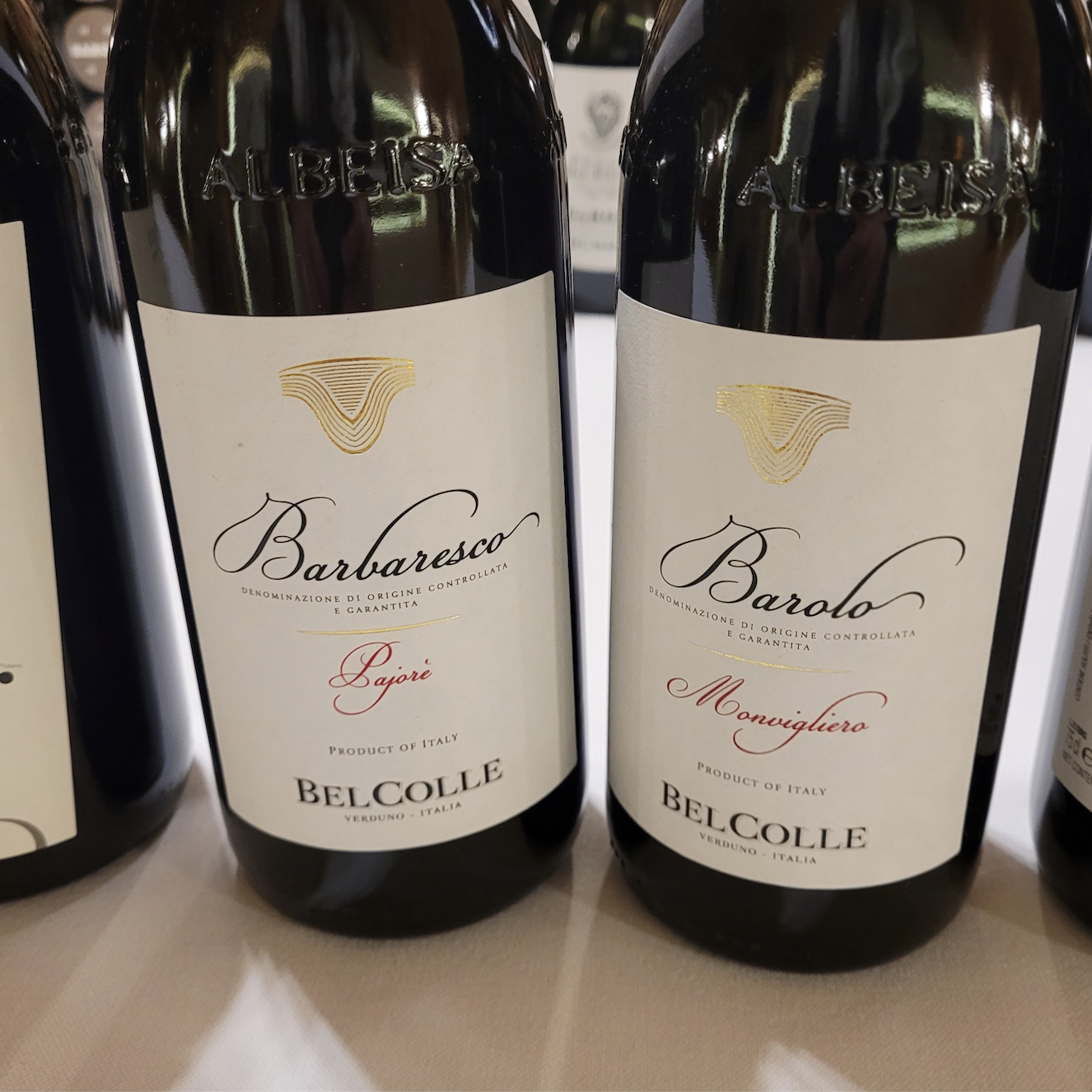
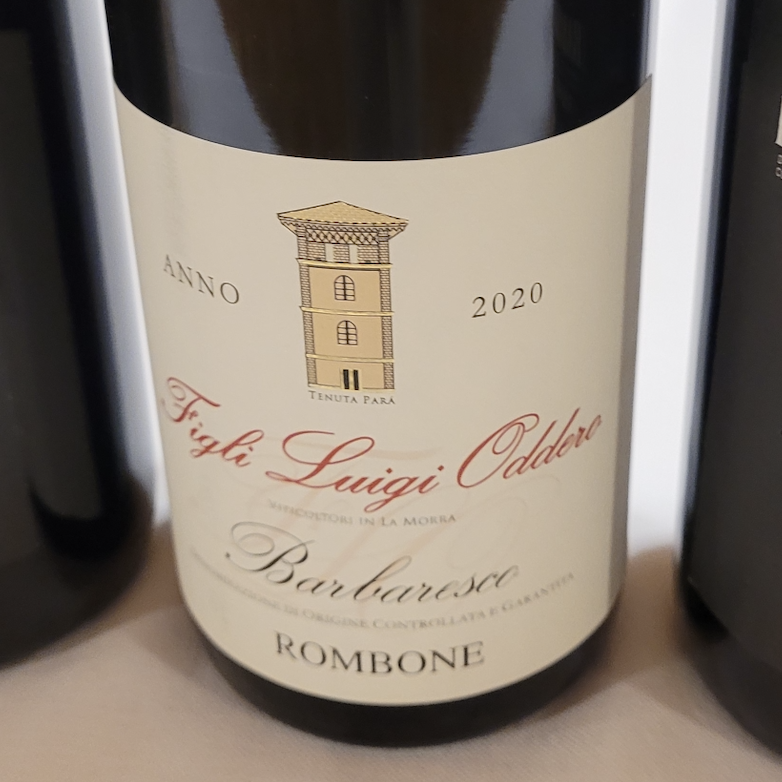
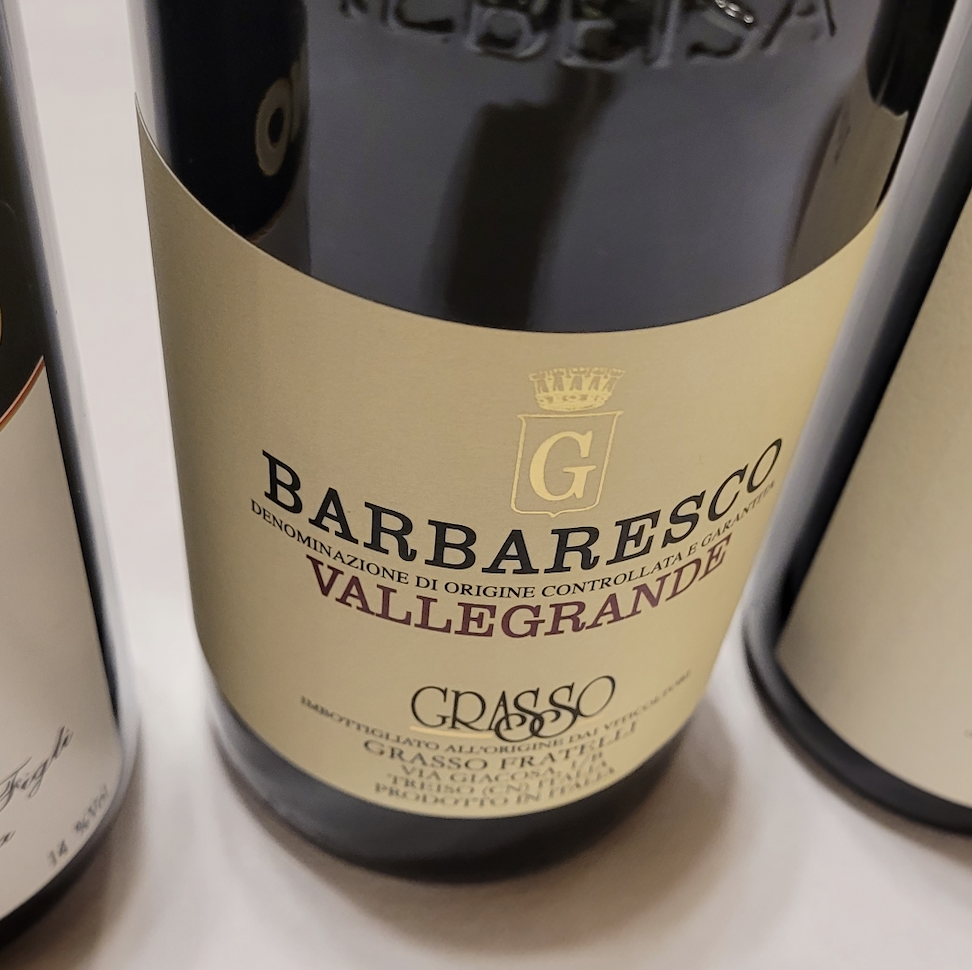
There can often be depth to nebbiolo of no particular cru affiliation, a.k.a nessuna menzione but also those composed of fruit taken off of several vineyard sources, or what are called più comuni. The communes of Neive, Barbaresco, Treiso and San Rocco Seno d’Elvio each produce different styles of nebbiolo but one thing is certain. Barbaresco wines as a whole are more identifiable than those from Barolo, mainly because the hectarage and diversity of soils are much smaller by comparison. Barbaresco are not younger siblings and while they are cousins they are the cool, hip, intriguing ones full of interest, fantasy and meaning. As for the crus (referred to in the Langhe as menzione), yes there are in fact those considered Grand. The ridge that includes Asili, Rabajà and Martinenga receive the greatest respect. These sites along with Neive’s Santo Stefano and Treiso’s Pajorè are considered the finest vineyards anywhere in the the entirety of the Barbaresco DOCG. For Barbaresco commune the top menzioni have been classified as Pajè, Pora, Asili, Martinenga, Montefico, Montestefano, Muncagota, Rabajà, Rio Sordo, Roncagliette and Secondine. Then there are Albesani, Basarin, Currá, Cottá, Gallina, Santo Stefano and Serraboella from Neive. Out of Treiso the higher mentions have been Bernardot, Bricco di Treiso, Pajorè, Rombone and Vallegrande. For San Rocco Seno d’Elvio; Meruzzano, Montersino, Rizzi (all these are shared with Treiso) and Rocche Massalupo.

Barbaresco and the Langhe

This 27th edition of Nebbiolo Prima took place in Alba back in January of 2023, with thanks to Albeisa and the organization’s President Marina Marcarino, along with Anna Barbon and Linda Foltran of AB Comunicazione. These 2020 Barbarescos are now showing up in the Canadian market and will continue to do so through the early months of 2024. Once again a reminder that not all producers participate in Nebbiolo Prima, for a myriad of reasons and so consider this report as a relevant snapshot of those that did. These 77 tasting notes, which include some older vintages poured that week, tell a vintage story, or at least Godello’s interpretation of it.

Barbaresco DOCG 2020

Alba

Masseria Di Delmonte Pierina Barbaresco DOCG Montersino 2020

Surely top of the pops and tip of the pips ripe fruit, some dry to leathery plum and cedar noes, a mature perfume all in all. Rescued by quality acids and a silky texture. Easy access all the way through with dignified tannins. Early drinking 2020 is the call, perhaps a factor of Montesino’s particular Alba exposure. Drink 2023-2025.  Tasted January 2023

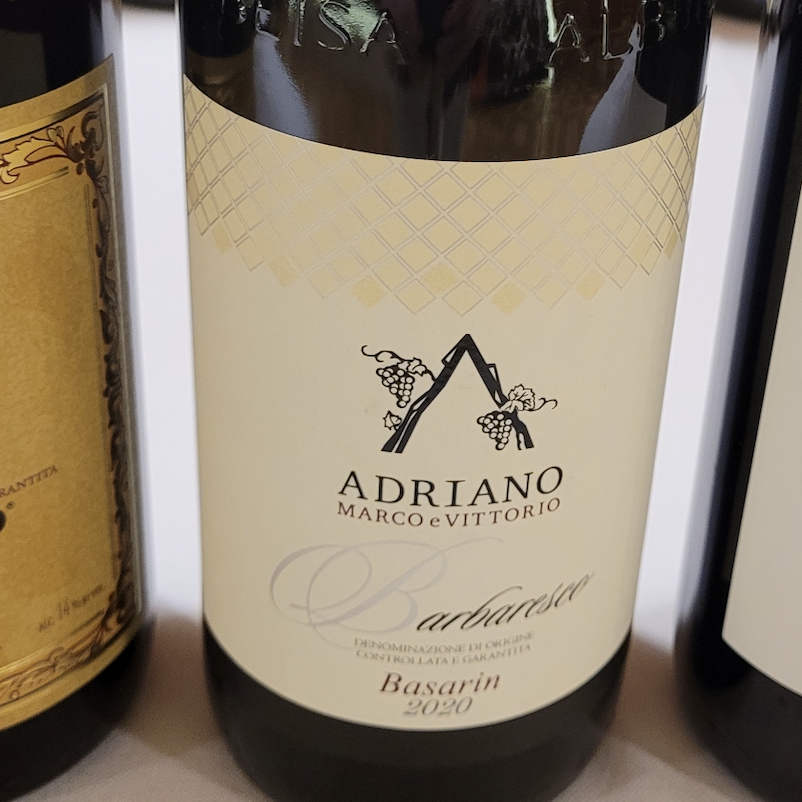
Adriano Marco E Vittorio Sanadaive Barbaresco DOCG 2020

Reticent, compact, a bit hard to get. Also some proper nebbiolo volatility straight away. Surprising considering the villages-level cuvée though there is a good chance the fruit source is primarily from one block in a cru. A bit boozy feeling as well and then a repeat on the palate of what the aromas originally dictated. That being taut, weighty and non-disclosed agreements. There is depth to this nebbiolo of nessuna menzione and a year or so will likely release what’s base, right and necessary. Drink 2024-2026.  Barrel sample tasted January 2023

Manera Fratelli Barbaresco DOCG Rizzi 2020

Good brightness and specificity of place through quick-ish reveal, that being Rizzi from the commune of Alba and a nebbiolo that scents as one would 100 per cent expect. Rose petals, sweetly perfumed, almost candied and expressive, surprisingly early it should be noted. Full and generous palate, tons of fruit without fail or need of hasty retreat, therefore lingering and satisfying. Tannins are sweet as well, acids too. Fine wine though not for long term aging. Drink 2023-2027.  Barrel sample tasted January 2023

Barbaresco

Giordano Luigi Giuseppe Barbaresco DOCG Asili 2020

A bit more seriousness here from nebbiolo out of the Asili cru in the commune of Barbaresco. Far from draughty in fact this is a closed, hermetic and locked in environment where the perfumes and volatile compounds swirl in centrifuge. A wine of equally formidable and important structure, tannins persistent, semi-austere and very much in charge of the show. If seeking Barbaresco cru from 2020 with a plan to hold and then drink well five through 15 years forward is the intended search, well then this Asili will fulfil those hopes and dreams. Drink 2026-2034.  Tasted January 2023

Giordano Luigi Giuseppe Barbaresco Cavanna 2020

From Cavanna in the commune of Barbaresco and a lithe nebbiolo, quite tisane styled aromas, from Ceylon to Rooibos, in other words also equipped with the kind of tannins that feel seeped as opposed to buffering. An easy and rustic example to be fair, traditional yet accessible, one that won’t solicit suffering and ready as early as you choose. Drink 2023-2025.  Tasted January 2023

Culasso Piercarlo Barbaresco DOCG Faset 2020

Faset delivers a higher tonality, not necessarily a brighter iteration but instead the kind of aromatic profile that heightens awareness and also sensation. Move quickly into the textural and structural parts and there is more of the same elevated feels, of unctuousness and glycerol, silky liquidity and organza layering. Here drinks a fine, moving and vintage appropriate nebbiolo, finely tannic, never dense or weighty, always on the upswing. Would wait a couple of years to see the grains melt further and really tie the room together. Drink 2025-2032.  Tasted January 2023

Culasso Piercarlo Barbaresco DOCG Faset Duesoli 2020

Different sort of aromatic profile here from Faset in Barbaresco, an almost gummy to plum-stick profile from start to finish. There is this disparate feeling ascertained, from sweet aromatics through to grainy tannins and a tacky profile in between. Nothing totally wrong and yet nothing quite right. Dries out at the finish and those tannins are all that remain. Drink 2024-2026.  Tasted January 2023

Chiarlo Michele Barbaresco DOCG Faset 2020

Strong mocker aromas straight off the dense top of this Faset Barbaresco, fulsome, cumbersome and like a heavy cloud looming overhead. Quite a macerated plum note, not sweetly cloying but rather savoury, heady and weighty. Serious wine fully pressed, extracted and pulled from itself, dragging all the weight of the world while it carries this magnitude of fruit and tannin. Seems to seek the modern but can’t help bring all the rusticity and traditional ways along for the ride. Drink 2024-2028.  Tasted January 2023

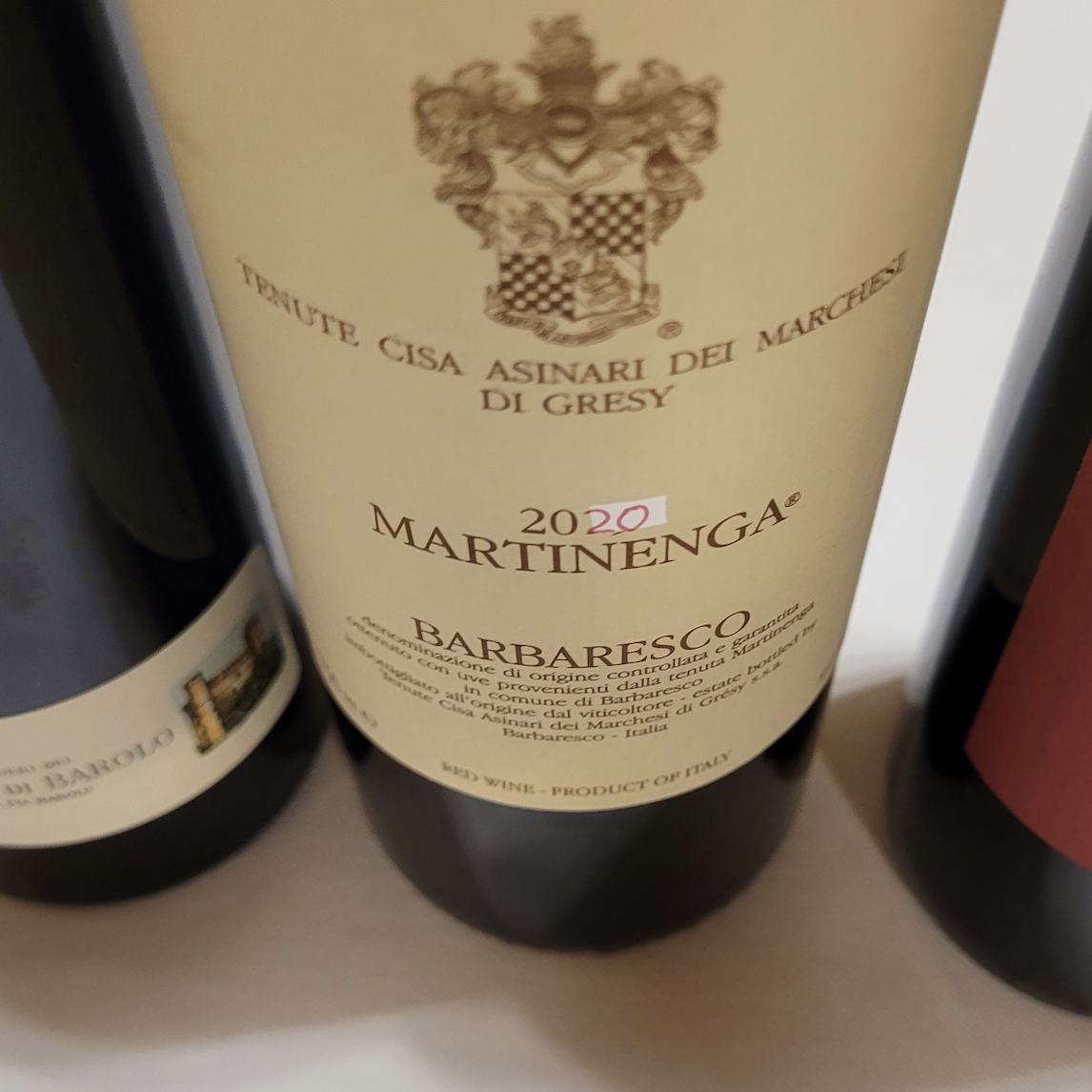
Tenute Cisa Asinari Dei Marchesi Di Gresy Barbaresco DOCG Martinenga 2020

Perfectly, beautifully and candidly simple but lithe, ripe, really elegant nebbiolo. Perfumes are intoxicants. Well-rounded and surprisingly easy to access. Drink 2024-2029.  Barrel sample tasted January 2023

Cascina Morassino Di Bianco Roberto Barbaresco DOCG 2020

Reductive as can be with seriously austere tannins and and nearly inaccessible as any Barbaresco 2020 you are likely to encounter. Just a wall of tannin with angular and angry notes, clearly built to age but even the micro-oxygenation of time in bottle under cork won’t happen fast enough. Not before what little fruit there is dies off well ahead of intended schedule. Drink 2025-2027.  Tasted January 2023

Giacosa Carlo Di Giacosa Mariagrazia Barbaresco DOCG 2020

Classic and traditional, sweetly rustic and old-school nebbiolo with no real invitation to specificity of place. A cuvée that speaks to a half century of making Barbaresco from these hills by combing fruit from several blocks to speak in a broad local vernacular. Austerity and demand of tannins are just what to expect and a long life where dried herbs, green notes and waning fruit will always be the way.  Drink 2024-2028. Tasted January 2023

Giacosa Carlo Di Giacosa Mariagrazia Barbaresco DOCG Montefico 2020

Full attack from a well-grounded cuvée that speaks in modern terms though not without well-pressed fruit dragging all the acids, tannins, elements and minerals along for the ride. A serious chemical compound of complexities await in a nebbiolo of no particularly focused origin. At one crunchy, like trying to bite through stones and then chewy, leathery textures, of liquorice and animal hides. Tannins build and build. Drink 2024-2030.  Tasted January 2023

Moccagatta Barbaresco DOCG Bric Balin 2020

Über cherry nebbiolo, suave yet tannic, inviting but admittedly intense. High tonality with some swarthiness though not overt and full fruit glycerin slide across the palate. A Barbaresco of density if the kind that is elastic, snapping back without too much recoil by force. Solid wine, mid to longer aging potential and a truly good example of the vintage. Drink 2024-2028.  Tasted January 2023

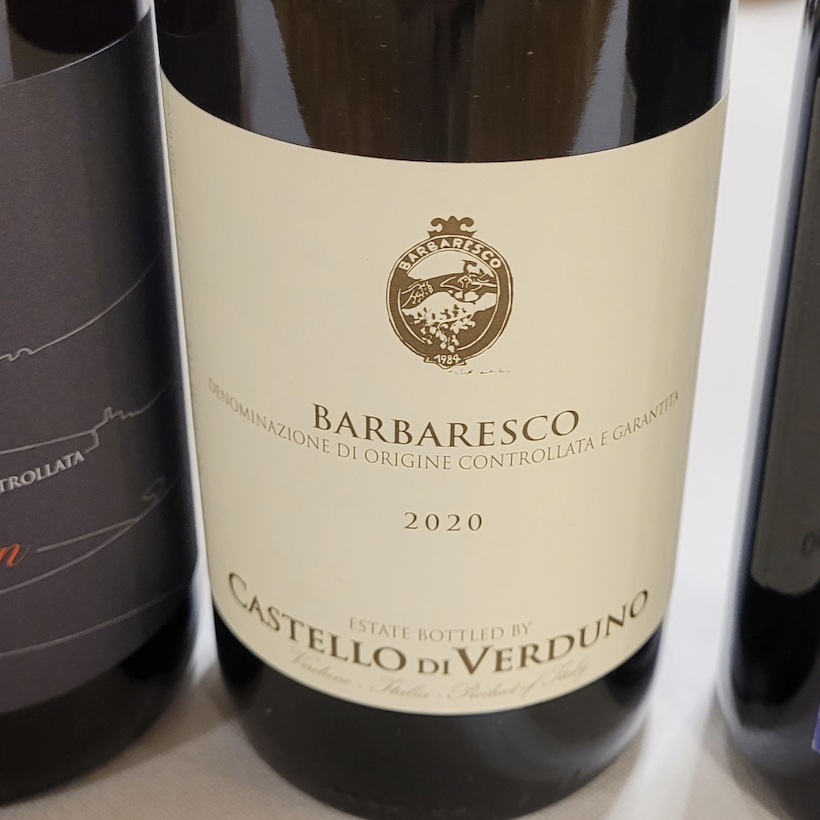
Castello di Verduno Barbaresco DOCG 2020

Gone for broke, ripe to the nth degree nebbiolo, pressed and excited to show what it’s got. A Barbaresco villages appellative wine, almost a syrupy swirl of perfume, of plums and black cherries, evergreen and mint. Some varnish as well so you can really feel the skin-contact macerate juices swelling and then come the tannins, marching in, connected on a chain, one by one. Barbaresco of command, on the move, attack mode, restless and ruthless. Drink 2025-2030.  Tasted January 2023

Cascina Morassino di Bianco Roberto Barbaresco DOCG Ovello 2020

A pinpointed Barbaresco with fruit selected from the Ovello cru, taut and closed nose, of strong grip and while this youthful it is yet to relent. One taste and you know this is a serious glass of nebbiolo because the integration or rather the seamlessness of fruit and structure is so readily apparent. Strong tannic presence yet one that lifts, supports and holds up the whole so that it may walk a fine linear path and that should last for a decade or more. Impressive wine, far too youthful to fully appreciate but the beauty lays ahead. Drink 2025-2032.  Tasted January 2023

Musso di Musso Emanuele Barbaresco DOCG 2020

Fine Nebbiolo swirl of perfumed floral fruit here from the Pora MGA, surely indicative of vintage from which attempting less will ultimately add to more. Hard not to imagine 2020 as sharing some affinity with 2000, misunderstood in youth and then exhibiting greatness 10-plus years into its tenure. This just strikes as one of those wines, chewy enough of texture while perfectly taut and elastic, bending but never breaking. Would really like to see this wine in 10 years time. Drink 2025-2035.  Tasted January 2023

Cascina Luisin Barbaresco DOCG 2020

Really light and effusive 2020 Nebbiolo, fine floral scents, white roses in a way and a mildly tart push of raspberry. Pretty and elegant wine at first but their is a silkiness to the mouthfeel, albeit once again on the faint and lithe side of Barbaresco. There are tannins however and a notable cask component. It’s a tricky wine, sneaky even and may flesh out to bigger surprises down the road. Drink 2025-2030.  Tasted January 2023

Musso di Musso Emanuele Barbaresco DOCG 2020

Curious if enticing nose of nebbiolo, spiced to the nines with the wood playing an integral part of development. From the Rio Sordo cru in Barbaresco commune and the more you nose this 2020 the more you will receive. Plenty off fleshy berry to plum fruit and more spice, if also spiciness that really directs the way this drinks. A modern wine with more than ample tannins. Drink 2025-2033.  Tasted January 2023

Poderi Colla Barbaresco DOCG 2020

A fulsome nebbiolo is all respects from Roncaglie in Barbaresco, open and ready to be expressive of a vintage that may be on the lighter side but shows no lack of typically deduced tradition. Would never go so far as to call this a modern nebbiolo but it surely would like to announce its arrival in the olfactory and also on your palate. So much to go on with a nebbiolo of this ilk and structurally speaking the first four to six years will be the best. Drink 2024-2028.  Tasted January 2023

Albino Rocca Barbaresco DOCG 2020

Full attack if somewhat closed and unforgiving in Barbaresco indicative of the Ronchi cru. An aromatic front of more breadth than most out of 2020 with well-pressed and macerated fruit, a gentle swarthiness and then more acidity and tannin above all else aboard the weighty palate. The fruit is a party in the front while the tannins are long-haired and wispy in the back. Out of fashion nebbiolo, earthy and rustic despite all that up front fruit. Drink 2024-2026.  Tasted January 2023

Neive

Antichi Poderi dei Gallina di Francone Marco Barbaresco DOCG Albesani 2020

Darker than most as far as 2020 nebbiolo go, a concern of place which is Albesani cru in Neive and the decision to press form success. Boozy nose it feels, yet elemental too, like smelling metal filaments, magnesium and iron mainly. Perhaps a ferric soil, redder earth than some other hills and so the wine is an expression of place after all. Quality Barbaresco in any case, balanced and truthful, exacting as needs to be from the location it was born. Kudos for that and with tannins in effect though never overbearing in any shape or form. Drink 2024-2027.  Tasted January 2023

Castello di Neive Barbaresco DOCG Vigna Santo Stefano Albesani 2020

The second of two Albesani cru nebbioli is nearly an exact copy of the first, dark of fruit though here in black cherry that is really quite an obvious aromatic fruit expression. Smoother and silkier than its counterpart yet with much higher acidity and not quite as suave tannin. More energy and drive this time while less elegance defining the character of the wine. Drink 2024-2026.  Tasted January 2023

Adriano Marco e Vittorio Barbaresco DOCG Basarin 2020

Wealth of constituent parts emit with haste, gregariousness and also attentive demand from this Basarin. ’Tis a wine that stands and opens up to be heard but also paid immediate attention. Carries some volatility in its voice and while there is fruit but also tension there may be no getting rid of that high and mighty tonality. Plenty of herbal earthiness, strong bones and drying at the finish. Drink 2025-2028.  Barrel sample tasted January 2023

Cascina Luisin Barbaresco DOCG Vecchie Viti Basarin 2020

Lighter style or perhaps a hands-off, naturally leaning, let it ride approach by a winemaker wishing to seek purity, honesty and cru definability. This from Basarin is beautifully elegant and proper nebbiolo that should never be referred to as “light.” The aromatics are equally handsome while the wine flexes muscles and is yet nimble, agile and sleek. A fine specimen in all regards with a knowable and confident glide. Complex and characterful without needing to attract attention. Lovely wine. Drink 2025-2032.  Tasted January 2023

Fontanabianca Barbaresco DOCG Bordini 2020

Nebbiolo from Bordini cru is hard and brittle, tannins that is with simple fruit that will never keep up with the demand. Already drying out as we taste and speak about the prospects. Drink 2023-2024. Tasted January 2023.

Cascina Vano di Rivetti Bruno Barbaresco DOCG 2020 Canova

Intensity of acidity and tannin supersede the fruit in this Canova cru nebbiolo. Earthy and dry though there is some charm. Tart and really compact so give it three to four years. Perhaps it will open like a flower. Perhaps not. Drink 2026-2028.  Tasted January 2023

Cascina Saria Di Abbruzzo Francesco Barbaresco DOCG Colle Del Gelso Canova 2020

Early earthy, volatile and syrupy from the aromatics all glycerin inflected with soy, wood and baking spice. Hard tannins and a wave off vanilla mark this wine of barrel and more barrel. Drink 2024-2026.  Barrel sample tasted January 2023

Albino Rocca Barbaresco DOCG Cotta’ 2020

The cru Cottà delivers a fine and typical Nebbiolo from 2020 with fruity aromas and good vocal acidity. Chewy red fruit in tart raspberry meets somewhat dusty plum make this getable yet not overly excitable. A crunchy mineral example that is notably tannic but five years should solve all issues and see this drink with Barbaresco excellence. Drink 2026-2033.  Tasted January 2023

Taverna Roberto Barbaresco DOCG Senteùndes Cotta’ 2020

Quite up front, gone for it nebbiolo, fruit spent before it’s even entered the glass and tannins hard, brittle, not so very inviting. Notable presence of Brettanomyces. Aromas and flavours are all wood.  Tasted January 2023

Roberto Sarotto di Cavallotto Aurora Barbaresco DOCG Gaia Principe 2020

So much of everything off the top, fruit, glycerin and tannin coming from all directions. This is a nebiolo predicated on elévage that much is abundantly clear with a wave of vanilla that speaks louder than varietal words or the Gaia Principe location. Needs time and there is some fleshy-pulpy substance to see this Neive commune nebbiolo gain some status. Drink 2026-2029.  Tasted January 2023

Negro Giuseppe di Negro Piergiorgio Barbaresco DOCG Gallina 2020

Fine lines define this linear and upright Gallina cru nebbiolo of all parts registered to play a significant role through a long life of development. Plenty of fruit substance will hold well while the structure abates and abides as it manages a pact with the aforementioned fruit. Really solid Neive Barbaresco that will gain traction slowly and surely over ten years time. Drink 2025-2034.  Tasted January 2023

Poderi e Cantine Oddero Barbaresco DOCG Gallina 2020

Some formaggi on the nose of this nebbiolo and a strong tannic presence for a Gallina that’s not showing much love in these beginning stages. Lots of acidity and intensity but really quite rustic and this will not change. Time is the matter and there may just be some beauty behind the brawn Drink 2025-2029.  Tasted January 2023

Pelissero Pasquale Barbaresco DOCG Cascina Crosa 2020

Fruity, elegant and simple though as always there is a string of strong tannins matched by a tonic and bitter presence. Dusty and earthy nebbiolo, nothing truly specified in terms of cru or location and carrying the overall feel of a traditional wine. Drink 2025-2028.  Tasted January 2023

Bera Barbaresco DOCG Serraboella 2020

High-toned, of red fruit and notable tang, somewhat sour gummy and though it looks to be light there is a strong presence of barrel on this nebbiolo. Tannins creep up quite quickly and though they are demanding there is an accord struck in a composite to complimentary village level way. Quite a solid Neive example. Drink 2024-2028.  Barrel sample tasted January 2023

Cordara Ornella Barbaresco DOCG Tufo Blù 2020

Reductive and also acetic, with capers and dill, wood spice and hopeful red berry fruit. Liquid chalky and tannic but the minor faults add up to major distraction. Drink 2024-2025.  Tasted January 2023

Taverna Roberto Barbaresco DOCG Duicrü 2020

Major amount of shoe polish and strange varnish notes indicate a problematic wine. Hopefully just this bottle but there is not much recourse in a blind tasting. Drink 2024.  Tasted January 2023

Pietro Rinaldi Barbaresco DOCG San Cristoforo 2020

Acetic and reductive off the top, not egregiously so but these elements are there. More of the latter so giving this nebbiolo a fair agitate swirl to reveal some quality fruit behind the swarthy veil. Dark black cherry and the stone, a definite mineral presence and hard tannins come up the rear for this cru example out of Neive’s San Cristoforo. Tough and gritty wine needing time, a whole lot of precious time. Drink 2026-2030.  Tasted January 2023

Pelissero Pasquale Barbaresco DOCG Bricco San Giuliano 2020

From San Giuliano in Neive and a nebbiolo of darker red fruit though quite effusive to nose. Good aromatic profile from which violets and also blue fruits join the mix. These are quality tannins as well as acidity which is well matched to the overall profile. Will benefit from a year or so in bottle to soften the edges, integrate the oxygenating cask workings and bring all the parts together. Drink 2026-2032.  Tasted January 2023

Fontanabianca Barbaresco DOCG Serraboella 2020

More than enticing Serraboella aromatics emit and grab attention for a nebbiolo that’s worth knowing. Glycerin all the way through though never drifting into sap, resin or syrup. All three in faint hints are fine and their mentions are in this Neive’s character but yes, subtlety is the name of the game. A fine floral addendum and then proper mouthfeel while tannins are stronger than might have been anticipated. A most commanding wine with stage presence and a great idea of what it desires but also choose to become. Drink 2025-2033.  Tasted January 2023

Paitin di Pasquero-Elia Barbaresco DOCG Serraboella 2020

Some reductive and stemmy behaviour. Lively and lovely Serraboella aromatics fly out of the glass from this nebbiolo to create great anticipation for what else is to come. Seems and feels like a wine of experience, acumen and proper ambition. Just what the doctor orders in healthy, clean living by fruit that’s been raised in all the right ways. Pure varietal distillate that expresses cru, soil, vintage and maker with equal, four part-symbiotic stability and equal footing for all. Top, top Barbaresco for the vintage. Drink 2025-2036.  Tasted January 2023

Collina Serragrilli Barbaresco DOCG Starderi 2020

Quite classic, rustic earthy and yet vintage fruity so in the end we’d expect this to land somewhere in between. Tart red fruit and fine acidity – a lighting strike kind of nebbiolo that should indicate lighter white or grey clay and fine sandy quality of soil. High in mineral as well. Starderi? Really tight and compact wine, far from generous and some might see it as tenebrous. Seems proper and honest from this point of view. Drink 2025-2028.  Tasted January 2023

Treiso

Cantina del Nebbiolo Barbaresco DOCG 2020

Stems and a volatility define the first impression for a Barbaresco that draws fruit from at least two communes. Somewhat simple and rounded with the least demanding tannins around. Think of nebbiolo and while it qualifies as Barbaresco the wine should be consumed in its first two years. Drink 2023-2025.  Tasted January 2023

Masseria di Delmonte Pierina Barbaresco DOCG Mon Sertù 2020

From a few commune’s fruit and a well rounded nebbiolo at that with stuffing in a most generous sort of way. Some sap and glycerin though not overt and all is manageable for quality consumption. Does well to speak on behalf of Barbaresco with distinction if not a pinpointed sense of a particular block or cru. Which is fine when a wine does everything well. Represents as a great intro to the appellation and the vintage. Drink 2024-2027.  Tasted January 2023

Socré Barbaresco DOCG 2020

Slightly jammy and also acetic notes, some reduction as well in a broadly accumulated, rendered and interpreted nebbiolo for Barbaresco. Tart and full of tang, drying out already and needing some air. Hard tannins make this somewhat problematic. Drink 2024-2026.  Tasted January 2023

Molino Barbaresco DOCG Ausario 2020

Ausario as a cru seems to be a place of solar accumulation as noted by the massive fruit substance emanating from this full on nebbiolo. So much up front but also a liquid chalkiness and definite vanilla swirl by wood with the intention to create a structure wine. A bit too much of these things I’m afraid yet time will see good integration and when the wine settles in it will drink well indeed. Drink 2024-2027.  Tasted January 2023

Nada Giuseppe Barbaresco DOCG Casot 2020

Casot delivers fine goods in 2020 from its Treiso cru with a nebbiolo in fine form and especially fashion. The trilogy and trinity of fruit, acid and tannin get on the same page, linear of design, one following the other and then returning back to begin the process over again. Seems to do this on repeat several times before retiring so not only are the parts full of character but their familiarity with one another breeds consistency and length. Fine Casot from a Casot vintage indeed. Drink 2025-2033.  Tasted January 2023

Cascina Alberta Barbaresco DOCG Giacone 2020

An upfront, centred and look at me Giacone full of fruit and more fruit. Carries on with Treiso familiarity and quality to deliver a Barbaresco of the times, heady and high-toned. Lots to go on here and tannins quite grippy but there is always some brightness and airiness to this nebbiolo. Crafty if older schooled but that luminosity is quite something. Hard to believe considering the structure of the wine. Drink 2025-2030.  Tasted January 2023

Cantina Vignaioli Elvio Pertinace Barbaresco DOCG Marcarini 2020

Marcarini cru brings some baritone to nebbiolo for 2020 and this example expresses the depths of its varietal fruit. Chewy liquorice is indicative of the tannins involved but the fruit keeps pace. Nothing limpid or softy about this one at all in fact it’s grip is both admired and feared. Chewy and it would be hard not to see the great probability for longevity out of this formidable Nebbiolo. Drink 2025-2034.  Tasted January 2023

Nada Giuseppe Barbaresco DOCG Marcarini 2020

The second of two Marcarini shares some affinities with the first but they are far from the same wine. This time the combination of swarthiness and swaying texture are at the fore. Definitely not the formidable brood of its counterpart though it does share in the other’s chewy fruit thickened on the palate. Drink 2024-2028.  Tasted January 2023

Cantina Vignaioli Elvio Pertinace Barbaresco DOCG Nervo 2020

Nervo delivers a lighter style of nebbiolo for Treiso out of a variable 2020 vintage. That is aromatically speaking and yet the palate is very much a matter of glycerol fruit. Thickens with pectin and therefore both sweetens and fleshes as it airs to receive equally sweet acids and then tannin in the end. There is a bit of vanilla and wood derived elements that distract but overall the quality inherent in this Nervo is impressive. Drink 2025-2030.  Tasted January 2023

Molino Barbaresco DOCG Teorema 2020

Basic Treiso nebbiolo without cru affiliation brings accessibility and what we call drink-ability without strings attached. Sweet fruit, raspberry and cherry, good quality tannins and brightness of acidity. A Barbaresco to drink soon and in a the most amenable of ways for three to five years. Drink 2024-2027.  Tasted January 2023

Lodali Walter Barbaresco DOCG Rocche Dei 7 Fratelli 2020

Somewhat reductive and so a bit unclear as to where this will go though some beauty is noted on this nebbiolo’s immediate horizon. That and notably grippy tannins so as far as Barbaresco is concerned there must be food involved to truly enjoy this wine. Drink 2024-2026.  Tasted January 2023

Bosio Family Estates Belcolle Barbaresco DOCG Pajorè 2020

Light and effusive Pajorè with plenty of pre-introduced oxygenation to make this an open, airy and knowable nebbiolo that surely does well to represent the vintage. A Treiso Barbaresco of quality raised by acumen and on promises for a long and prosperous life. Fine liquidity and stage presence, confidence and what is necessary for grape and place. Tannins are quite fine as well to equip this wine with what in needed, wanted and expected. Drink 2025-2032.  Tasted January 2023

Piazzo comm. Armando di Piazzo Marina Barbaresco DOCG Pajorè 2020

Consistently Pajorè in that the upront fruit is the sort of purity and existential lightness though this iteration is a bit more pressed and of a depth as compared to some counterparts. Results in moCascina Vano di Rivetti re flesh and substantial palate presence but also an increase in tannic pressure. More ambition here with cask aging and spices running amok distracts from the purity though the wine is still really quite impressive. Drink 2024-2027.  Tasted January 2023

Ada Nada Barbaresco DOCG Elisa Rombone 2020

The first of two from Rombone cru is somewhat reductive and though there is some acetic presence it’s far from over the top. Tart and intense nebbiolo for sure, cool of mint and evergreen. Savoury wine which speaks to the acetic nature though it feels like a coming together will happen and lower the glare. Time will be this nebbiolo’s friend. Drink 2025-2028.  Tasted January 2023

Vigneti Luigi Oddero e Figli Barbaresco DOCG Rombone 2020

The second of two from Rombone is the lighter and less aggressive with higher and airy tonality which speaks to this Treiso cru’s DNA. While the other is expressed in a slight acetic way this does not and in fact a settling already seems to have occurred. Liking the parochial nature and the way it just seems so comfortable in its own skin. No lack of intensity here and longevity will surely be probable. Drink 2024-2031.  Tasted January 2023

Ada Nada Barbaresco DOCG Valeriano 2020

Soupy or stewed character while also a bit thin and dilute. Quite a simple nebbiolo. Tasted January 2023

Grasso Fratelli Barbaresco DOCG Vallegrande 2020

Fine nebbiolo here from Villagrande with all the fruit and structure up front and no real skeletal backbone to hold up for long. Enjoy this early while so many others take there time to flesh and settle. Drink 2023-2026.  Tasted January 2023

Ca’ Del Baio di Grasso Giulio Barbaresco DOCG Vallegrande 2020

As for this second of two Vallegrande there is more compaction and tannin mixed with fruit from the very beginning. Also a thickening and a pectin influence to give a strawberry and raspberry confection though one with plenty of savour in the mix. Chalky as well, a lactic feeling and then those tannins of great grip and drying force. This nebbiolo needs years of time to resolve. Drink 2026-2032.  Tasted January 2023

Barbaresco Riserva DOCG 2018

Manera Fratelli Barbaresco Riserva DOCG Rizzi 2018

Indicative of vintage, hot and steamy, a now drying nebbiolo of Rizzi origin so very intense on the nose. Quite mature and evolving with great haste. Sappy and to say this offers effusive enjoyment would be the opposite of what’s really going on. Hard times. Drink 2023-2024.  Tasted January 2023

Tenute Cisa Asinari dei Marchesi di Gresy Barbaresco Riserva DOCG Martinenga 2018

Fine nebbiolo aromatics from ’18 Riserva with thanks to Martinegra and a wine that was shown some restraint throughout its early voracious appetitive exercise. Strong tannic presence no doubt while the fruit source turns into ever-fleshing substance. Chewy on the palate and really persistent so ultimately this represents a fine Riserva and likely one of the finer examples to come out of 2018. Drink 2024-2032.  Tasted January 2023

Socré Barbaresco Riserva DOCG Roncaglie 2018

From the cru of Roncaglie and a nebbiolo as Barbaresco, from Barbaresco with as many issues as it displays beauty because the lactic tang is equal to the fulsome fruit. A thick and swarthy example that’s both traditional (well, actually antediluvian) and naturally avant-garde at the same time. My goodness what a mess and clash of personalities. Drink 2024-2028.  Tasted January 2023

Castello di Neive Barbaresco Riserva DOCG Albesani 2018

High fruit concentration and substantial nebbiolo so apposite to the other ’18 Riservas in this flight and clearly happy to be this way. Carries enough weight and tannin to not only impress but allow the wine to drink well over the coming five too eight years time. Drink 2023-2029.  Tasted January 2023

Giacosa Fratelli Barbaresco Riserva DOCG Basarin Vigna Gianmate’ 2018

Still a touch reductive and restrained with unyielding tannin in a nebbiolo that will require another two or three years to drink as it was surely intended to do. Plenty of flesh hangs on these bones so expect Basarin to win in the end. Serious wine, surely a matter of heat by vintage but there will be comfort before too long. Drink 2025-2033.  Tasted January 2023

Punset di Marcarino Marina & C. Barbaresco Riserva DOCG San Cristoforo Campo Quadro 2018

Lightest, most transparent and glaringly beautiful of the Barbaresco Riserva with a maturing quality at this stage. Sweetly lactic note, fruit of the brighest reds while settling in because tannins are drying yet of nary a moment that might be considered austere or abrasive. Seriously well made, vintage indicative and in the end, drink up. Drink 2023-2025.   Tasted January 2023

Bera Barbaresco DOCG Serraboella 2019

The western cru close to Neive village, exposition to the west, from the lower section at 350m. Planted 15 years ago with the intention to make classic “Villages” Barbaresco but the fruit from 2016 changed the family’s perspective. That vintage was the first cru label and here from the fourth consecutive the refinement time is 24 months in grandi botti, part Slovenian and part Austrian oak. Tannic to be sure yet not quite what you’d call austere. Greatly structured wine and still far from readiness. “That’s the young baby we’re talking about,” says Riccardo. “It’s the cru that surprises me.” Great aromatic presence and fine chalky liquidity running through. Drink 2025-2032.  Tasted January 2023

Cascina Vano di Rivetti Bruno Barbaresco DOCG 2019 Canova

“Traditional” vinification for this Neive nebbiolo and put to Grandi Botti (300L size) for two years. Very traditional Barbaresco, quietly aromatic of pretty perfume and in 2019 a lovely, elegant wine. Proof that Vano’s needs an extra year to settle its harder parts and while ’19 remains or persists as tannic they are strong and elastic ones that will continue to effect a positive stance on this Canova. Drink 2023-2026.  Tasted January 2023

Culasso Piercarlo Barbaresco DOCG Faset Duesoli 2019

Warmer of Faset’s two parcels on its western flank, southeast exposure at the hill’s base. Top notch red fruit with a unique game swarthiness and so much personality swelling into complexity. Nothing shy or demure here and clearly a vintage that sweats out the eccentricities of Duesoli. Drink 2024-2028.  Tasted January 2023

Cerrino is found in Trezzo Tinella close to Treiso which is the commune for this nebbiolo’s fruit. More specifically Meruzzano though the vru won’t show up on the label until the 2021 vintage. From 450m of elevation for a Barbaresdco of somewhat stewed black cherry and stone, balsamic edginess, quality acid and tannin. Drink 2023-2025.  Tasted January 2023

Paitin Barbaresco DOCG Sorì Paitin Serraboella 2019

A Barbaresco of soft extraction at 24-26 degrees celsius, some cappello sommerso submerged cap workings, “when we feel we can,” says Luca Pasquero Elia. Aways scarico, meaning the unwanted elements are always left behind to result in a transparent nebbiolo without intensity of colour. “We want to keep the integrity of the skins, as much as possible,” to restrict oxygenation and racking is done only when necessary. Goes to bottle “after the second phase of closure.” Paitin in Barbaresco is a matter of objective over style. Serraboella is most always wanting to be expressive but this 2019 actually is, at least aromatically, of bright red fruit but be reminded how converse this is against the quality of tension in the tannins. Not a nebbiolo of glycerin despite the cappello sommerso‘s effects, because of the combination of two things. Reasonable alcohol and wild yeast strains that don’t induce such texture. The elasticity and balance in this ’19 Serraboella are just exemplary and the elegant notes play early, which is kind of unprecedented. Drink 2024-2032.  Tasted January 2023

Cerrino Barbaresco DOCG 2018

From Treiso and what will eventually become a cru (Merazzano) labeled Barbaresco. For now it is a super correct and fine example for nebbiolo and the vintage, 25 day fermentation to coax out a gentility. The season was cooler than 2019 and the resulting wine more balanced, elegant and lovely in its held persistence. Right in the vintage window as we speak. Drink 2023-2026.  Tasted January 2023

Cantina Del Pino Barbaresco DOCG Ovello 2017

The 2017 is part of a life’s work and now legacy defining Barbaresco by Renatto Vacca of Cantina del Pino who three years ago was lost to the nebbiolo, Barbaresco, Piedmontese and Italian world, but most of all to his adoring family. For now and wishfully forever there is Aldo Vacca of Produttori del Barbaresco who will not just transition but consult in perpetuity to this great estate. In the meantime Renatto’s 2017 Ovello from the Grand Cru vineyard overlooking the Tanaro River is sumptuous, silken textured, fruit maximized and elegance incarnate. Easy to be romantic in this situation but also wistful and somber – yet the wine speaks so clearly and emphatically it’s all that matters at this very moment. These are complete, distinct and forward carrying tannins to take Ovello ’19 deep into this and well further through the next decade. Solo cose belle Cantina del Pino. Drink 2025-2034.  Tasted January 2023

Cascina Vano Di Rivetti Bruno Barbaresco Riserva DOCG Pilone Nei Rivetti 2016

From heavy clay soil abutting the hill of Serraboella. Big shouldered nebbiolo, broad and muscular, ancient warrior of Barbaresco. Still expressly tannic after all this time, having spent three years in Botti and another in bottle. Traditional though quite fine and needing two more years to integrate. Drink 2025-2031.  Tasted January 2023

Bera Barbaresco Riserva DOCG Rabajà 2015

Rabajà faces southwest and this fruit comes right from the heart, only bottled as Riserva. Vines in and around 40 years of age and three years spent in Grandi Botti. Aromatically you intuit glycerin and as a Barbaresco there is clearly more acumen and experience from plants that first gave this wine life out of the 2011 vintage. Tannins are even more compact than Seraboella, trying to expand but they just keep weighing down and won’t fully relent. Layering of red fruit and they are beautiful layers but each one carries tannin of ilk upon ilk. This is Barbaresco of sapidity as a quotient of acids and pH working in cohorts. The palate attack is quite fantastical. Give this another year. Drink 2024-2033.  Tasted January 2023

Paitin Barbaresco DOCG Sorì Paitin Serraboella 2013

Plenty of breezes blow through this vineyard that is easier to farm with far less disease pressure than many. Also one of the first to ripen in the whole of Barbaresco. Allows for more maneuverability to create verticality and the winemaking can encourage some of this style – though form and objective are always the most important matters. The 2013 still shows as a linear nebbiolo with tension unabated while the once austere elements are finally subsiding. Yet it is still a baby, a 14 percent Barbaresco built for longe range aging from fruit drawn off of the steepest part on the long ridge of the Serraboella hill. Sandy soils on the southeastern slope with surrounding woods all conspire to create this slow-evolving, cru-designate wine with ample fruit, structure and trenchant abilities. A marker for Neive. Drink 2023-2028.  Tasted January 2023

Bera Barbaresco Riserva DOCG Basarin 2012

Basarin is home to much older vines, upwards of 65 years-old and is one of the steepest vineyards in Barbaresco. A snake of a vineyard and very challenging to work. South exposure, warm for sure and a soil composition higher in chalk than clay but not too dissimilar to Rabajà. Herbaceous notes come from Basarin and “when I was young, every time I went to the tank I had this feeling,” tells Riccardo Bera. The first vintage out of which the tannins are nearly resolved and yet the fruit persists in near whole and perfect freshness. A nebbiolo in wonderful condition and while the vintage was hot there might have been a different result. This is almost, not quite but nearly ready, as far as optimum or perfect windows are concerned. Liquorice here, a touch of tar and well, “most of this job for us is to start with the best grapes you can. The quality is in the vineyard. A good winemaker can keep the 10. A five you cannot fix.” Ten it is. Drink 2023-2032.  Tasted January 2023

Good to go!

godello

Nebbiolo Prima 2023

Twitter: @mgodello

Instagram: mgodello

WineAlign

Nebbiolo Prima Previews: Barolo DOCG 2019, Barolo Riserva DOCG 2017 and Retrospectives

Nebbiolo in Alba, Piemonte

What makes Barolo so special? We know of its great aging potential but how do we taste at an anteprima and decisively determine which will go the distance, while forecasting that others will presumably fail? What are the rules of qualification with so many intangibles involved? Well it begins, as it must, with location. The Langhe, plural form of Langa, a Piedmontese way of saying “a long and low-lying hill.” Reference to an area that lies to the south and east of the Tanaro River in the provinces of Cuneo and Asti. All of the Barolo growing area can described in a knowable and specific way, even if the morphology changes from north to south and west to east. Drawing a diagonal line from the northeast down to the southwest can define the two soil epochs of Barolo; from between Roddi and Grinzane through Castiglione Falletto down through Barolo and to Novello. This line will separate the epochs of soil, the Tortonian from the Serravallian, both of which were formed millions of years ago. The Barolo on either side will not be the same, that much we know to be true, but make no mistake. All nebbiolo raised and produced as Barolo need time in the bottle.

Nebbiolo Prima 2023

Related – Barolo DOCG previews and retrospectives: 2016, Riserva 2014, 2006 and Riserva 2004

Try not to discriminate too much between the T and the S, the west and the east. They are all sisters and brothers, kin cut from similar cloth, of shared DNA and are always family. The western Tortonian soils of La Morra and Barolo may be less compact, more fertile and their Barolo needing less time to shed astringencies caused by formidable tannin. As a general rule Serralunga d’Alba, Monforte and Castiglione Falletto might hold more Serravallian cards with terroir that is dense and compressed, causing more structure, higher alcohol and body. In the end Barolo is Barolo. Concentrate more on the subtleties of the classified cru, not to choose the excellence of one over another but to seek understanding in the adjunctive mentions and the wines associated with each locality. Associated to each cru are the producers, of varying pedigrees and successes – here is where we the pursuers uncover the truth and heart of the Barolo matter.

Godello with the Sommeliers of Nebbiolo Prima 2023

Blind tasting adds a whole other dimension, but wines do not lie. Don’t we just feel it – when greatness is in the glass? Taste one, or several hundred examples over the course of just a few days – the learning curve is the same. There is certainty in knowing what it is to be a well-structured nebbiolo. The eponymous Barolo village lends its name though there are eleven (and their environs) that can make nebbiolo carrying the name: The others are La Morra, Monforte, Serralunga d’Alba, Castiglione Falletto, Novello, Grinzane Cavour, Verduno, Diano d’Alba, Cherasco and Roddi. These villages and their surrounding kingdoms play collective host to the profoundness of a grape married to place – forever bound, unfettered, undeterred and unbreakable. Nebbiolo and in turn Barolo are encapsulated by the soils, hills, winds and genius loci of the Langhe. Barolo owns the title of “Grand Italian Wine” and for good reason.

Related – Barbaresco DOCG previews and retrospectives: 2017, Riserva 2015, 2007 and 2005

Barolo’s official DOC recognition happened in 1966 and in 1980 the DOCG followed. With each passing vintage the most common talking points and focus of both journalist and sommelier investigations has become individual vineyard names, a.k.a. sorì, cru or Menzione Geografica Aggiuntiva (MGA).  There are more than 100 officially recognized MGAs in Barolo. At the most recent Nebbiolo Prima 40 journalists from around the world tasted hundreds of Barolo, primarily by way of a sommelier-poured, blind-tasting setting. As it pertains to those daily sessions, the tastings were organized first by village and then cru from each of the 11 villages home to their own famous holdings. Launched in 1996 and in 2010 re-baptized as Nebbiolo Prima, this is the international preview of the new releases of Barolo, Barbaresco, and Roero.

One of Alba’s most traditional antipasti and must supper at feeding holes is Ristorante Lalibera ~ Carne crudo along with six top Langhe producers and life was Grande!

In La Morra the MGAs include Arborina, Boiolo, Bricco Luciani, Brunate, Capalot, Casa Nere, Castagni, Cerequio, Gattera, Gianchi, La Serra, Marcenasco, Rocche dell’Annunziata, San Giacomo, Serradenari, Silio and Torriglione. Barolo’s are Albarella, Boschetti, Bricco delle Viole, Buon Padre, Cannubi, Castellero, Coste Di Vergne, Fossati, Monrobiolo Di Bussia and Sarmassa. In Castiglione Falletto there are Altenasso, Bricco Boschis, Brunella, Monprivato, Parussi, Pira, Rocche Di Castiglione, Scarrone and Villero. In Serralunga d’Alba the cru include Boscareto, Brea Vigna Ca’ Mia, Briccolina, Broglio, Cerretta, Gabutti, Gianetto, Lazzarito, Marenca, Margheria, Meriame, Ornato, Parafada, Prapò, Sorano and Vignarionda. Monforte d’Alba holds the vineyards of Bricco San Pietro, Bussia, Bussia Dardi Le Rose, Bussia Vigna Fantini, Castelletto, Castelletto Persiera, Castelletto Vigna Pressenda, Ginestra, Vigna Sorì Ginestra, Gramolere, Le Coste Di Monforte, Mosconi, Perno, Pressenda, Rocche Di Castelletto and Treturne. From Novello there are Panerole, Ravera and Sottocastello Di Novello. Verduno holds Monvigliero and San Lorenzo, Roddi is home to Bricco Ambrogio and Raviole is within Grinzane Cavour.

I Tajarin in Alba is a rite of passage. This is the beautiful “40 tuorli” al sugo di salsiccia at Osteria Arco ~ Paired perfectly with Piedmontese wine people and their wines

The 2019 vintage is a special one and though it has been described as “conventional,” were there an argument over its merits, well that might lead people to think someone is having a really bad week. When bright, effusive and fresh nebbiolo are conversely met with the hardened walls of formidable structure – could this be the making of a perfect storm? Pay deep attention to these wines and feel the enormity of passion, intuit some immediate gratification and realize great potential for longevity. These 2019s are Barolo with every bit of necessary stuffing to age, not unlike 2016 and yet so many examples are blessed with a piquancy of beautiful, pure and finessed fruit. Sure it can be a challenge to taste hundreds over a few days period of time but thank goodness these wines are filled with so much fruit. It was a pleasure and indeed a privilege to partake in tasting and assessing this vintage. The 200-plus tasting notes below tell the vintage story, or at least my interpretation of it.

With Ana Schneider

The opportunity to taste so many Barolo and pay visits with dozen of producers was made possible by the organization of Albeisa and the leadership of President Marina Marcarino. The Consorzio Albeisa was founded to promote the wines of the Alba area to the world. Twenty seven years of Nebbiolo Prima has acted as the official international preview for the nebbiolo of Barolo, Barbaresco, and Roero, “with the objective of heightening and promoting the winegrowing heritage of the Langhe and Roero, lands beloved and known throughout the world.” During this January week one of my life’s greatest pleasures was to meet and converse with Anna Schneider from the Instituto per la Protazione Sostenibile delle Piante ~ Schneider presented microvinicazione findings with ancient Piedmontese grape varieties from the Cantina Sperimentale for the Università di Torino, Dipartimento di Scienze Agrarie, Forestali e Alimentari dell’Università degli Studi di Torino and Albeisa Wines. Next order of business is to find funding so that Anna can build a certification program for heritage vineyards in Piemonte in a similar fashion to what Rosa Kruger has done with the Old Vine Project in South Africa. Though some farmers and producers will insist that nebbiolo no longer thrives after 40-plus years there are always exceptions to rules and also differences of opinion. Not to mention other grape varieties that do in fact succeed on their over forty old vines. There is life after 40 and Anna knows this.

Barolo Retrospectives

This 27th edition of Nebbiolo Prima was a special one because it finally brought writers and producers back together in Alba. In 2021 and 2022 there were no anteprime for international guests. Keep in mind that not all producers participate in Nebbiolo Prima, for a myriad of reasons and so consider this report as a relevant snapshot of those that did. Return to these pages at a future time to seek out reporting on the nebbiolo of Barbaresco and Roero. As for Elio Altare, Azelia, Ceretto, Domenico Clerico, Elvio Cogno, Aldo Conterno, Giacomo Conterno, Corino, Gaja, Bruno Giacosa, Elio Grasso, Mascarello, Giuseppe Mascarello, Massolino, Alfredo Prunotto, Rivetto, Luciano Sandrone, Paolo Scavino, Mauro Sebaste, Aldo e Riccardo Seghesio, Mauro Veglio and Roberto Voerzio, here’s to looking forward to having visits with them and their wines. Alas my Barolo notes from Nebbiolo Prima are now transcribed and here for the taking. There are 229 reviews in total; 184 Barolo DOCG 2019, 19 Barolo Riserva DOCG 2017, 14 Barolo DOCG 2009, two Barolo Riserva DOCG 2007 and 10 assorted library wines.

Albeisa Wines

Barolo DOCG 2019

Bricco Maiolica Barolo DOCG Del Commune Di Diano d’Alba Contandin 2019

Immediately recognizable as pure, authentic and honest Barolo. A certain sense of nebbiolo ubiquity but more than that, up and into a realm occupied by some experienced and aging vines, classic fermentation and elévage. A Diano d’Alba concern for respect and a vintage sweetness in fruit meeting high acidity that makes this a perfect Barolo for five to maximum 10 years. Respect. Drink 2024-2029.  Tasted blind at Nebbiolo Prima, January 2023

La Carlina Barolo DOCG Castello 2019, Grinzane Cavour

A bit of volatility off the top, high tonality, pitch and voice but also a percentage of overripe fruit in this scattered nebbiolo. Tart and crunchy, acids and dried notes in fruit and herbs not quite seeing eye to eye. Some grit here. Drink 2024-2026.  Tasted blind at Nebbiolo Prima, January 2023

Cascina Cappellano Di Veglio Luigi Barolo DOCG Raviole 2019, Grinzane Cavour

Calm, mature, settled and knowable nebbiolo, a Barolo made with an eye in all directions from a producer that knows many things. At the top of which is the natural world and yet this carries the feels of an example that is equally estate as it is place. I’ve a mind to believe the other wines made here are very similar is style, stature and disposition. Acids and tannins both run high and in charge. Drink 2024-2028. Tasted blind at Nebbiolo Prima, January 2023

Agricola Fratelli Broccardo SSA Barolo DOCG I Tre Pais 2019, Più comuni

In the ways of bright, airy, high and mighty nebbiolo comes this Barolo of no particular mention of a few communes gathered together and set into ubiquitous stone. Tart, salty, thin-skinned, lightly pressed and minty cool. A savoury and saline example for food only in the early days of its tenure. Acids trump tannins at every step. Drink 2023-2026.  Tasted blind at Nebbiolo Prima, January 2023

Abbona Di Abbona Marziano e C. Barolo DOCG 2019, Più comuni

A nebbiolo of weight that resides down below, bracketed at the lower rungs of the overall ladder, fruit mature and maximized where ripenesses gather. Fulsome and brooding, acids also running amok, keeping the beat though fruit lays low. No rise or tempo changes on the horizon. Drink 2024-2027.  Tasted blind at Nebbiolo Prima, January 2023

Grimaldi Bruna Barolo DOCG Camilla 2019, Più comuni

Fine if middle road taken Barolo, surely knowable as well kept and properly raised nebbiolo, yet something so simple. A good weight and classic temperament no doubt, heady aromas of roses and tar, structural aspects in synch, a gathering of fruit here and there layered with purpose, by intention, for right and just reason. Architectural and respectful nebbiolo. Drink 2024-2028.  Tasted blind at Nebbiolo Prima, January 2023

Cordara Ornella Barolo DOCG Debutto 2019, Più comuni

A combination seen, nosed and tasted many times before, that being high acid intensity and mature fruit. A factor of muscle memory, of creating Barolo from nebbiolo without allowing for change. That said this is a very youthful wine and time will be kind because the large wood aging will slow down the fruit and reign in the volatility. As a mature Barolo it will drink with proper tradition. Drink 2025-2029.  Tasted blind at Nebbiolo Prima, January 2023

Francone Di Francone Fabrizio E C. Barolo DOCG 2019, Più comuni

The immediacy elicits a nod or two in knowing something is correct but also respectful from this nebbiolo. Something traditional but also accepting off technology and change. The fruit is variegated, at once mature but then also effusive. The acids are forceful though in two parts and one side is restrained. Overall there is a true Barolo feel that speaks to an amalgamation of good vineyards processed by a forward thinking wine team. Results in high quality done right. Not just correct but proper and promising. Drink 2025-2030.  Tasted blind at Nebbiolo Prima, January 2023

Marengo Mauro Barolo DOCG Angela 2019, Più comuni

Volatile off the charts and dried fruit. Hard acid and tannins dry out like roses in a hot desert wind.  Tasted blind at Nebbiolo Prima, January 2023

Parusso Armando Di Parusso F.Lli Barolo DOCG Perarmando 2019, Più comuni

Definite Ribena and tart red fruit straight away. Dextromethorphan stirred into sauvage. Chorizo too. Drink 2024-2025.  Tasted blind at Nebbiolo Prima, January 2023

Pio Cesare Barolo DOCG Pio 2019, Più comuni

Closed aromatics, needs air and agitation, not reductive but unrelenting. Roses come first, brushy herbs next, rosemary mainly and then the fennel. Quite a taut, arid and grippy nebbiolo, traditional to be very sure and needing years to resolve. Will always be rustic and loyal to years of repetition. In this instance that is perfectly great. Drink 2026-2032.  Tasted blind at Nebbiolo Prima, January 2023

Sarotto Barolo DOCG Briccobergera 2019, Più comuni

Brighter and more of a hello take a look at what I’ve got to show nebbiolo with an aroma like rose petals swimming in rosewater. Some volatile grip behind the pretty secrets yet the two seem to be working in cahoots so keep on going. Palate takes the appropriate next step and wells with a pool of red fruit, submerged cap macerated for what feels like a few weeks or possibly more. Creates texture with some creaminess and though wood lends a few extra drops of vanilla there is an overall feel of integration and a gift-wrapped result. Drink 2025-2030.  Tasted blind at Nebbiolo Prima, January 2023

Spirito Agricolo Ballarin Barolo DOCG Tre Ciabot 2019, Più comuni

Off-putting if auspicious start with an aromatic wave of greens and reds, ripenesses mixed and volatile compounds circling. Hard and brittle tannins will never abate. The wine is what it is.  Tasted blind at Nebbiolo Prima, January 2023

Diego Morra Barolo DOCG Zinzasco 2019, Più comuni

Zinzasco translates as “gypsy” and is actually a Barolo named for the trails that link the family’s holdings both in Verduno and La Morra. A mix of vineyards from the two communes provides the fruit that sees a 25 day soak followed by 24 months in a mix of grandi botti and tonneaux. All about aromatics, high and mighty ones with a wave of florals, by lilies and lilacs. Fine and of a presence that’s just accessible enough in terms of nebbiolo and Barolo. Feels like a restaurant list bottling, classic and affordable. Drink 2024-2028.  Tasted January 2023

Vigneti Luigi Oddero E Figli Barolo DOCG 2019, Più comuni

Reticence but lights are on ahead. Extremely youthful with sharp acids and biting tannin. Needs so much time but there is fine lightning fruit waiting to flesh and release. Still this will always be a nebbiolo of excitability, unchecked and unkempt aggression. Drink 2026-2032.  Tasted blind at Nebbiolo Prima, January 2023

Vite Colte Barolo DOCG Paesi Tuoi 2019, Più comuni

Dark and brooding fruit with firm and grippy structural comports. The tannins are admittedly a bit gritty and the overall feel here is a seriously grippy wine though one can’t help but feel that time will bring about both resolution and ruggedly handsome features. Muscular yet in control if just a bit gangly and unkempt in youth. Drink 2026-2032.  Tasted blind at Nebbiolo Prima, January 2023

Bruna Grimaldi Barolo DOCG Bricco Ambrogio 2019, Roddi

Fruit ripeness and maturity noted off the top in aromas that recall liquorice, dried roses and braised fennel. Aromatic but an evolved sensation translating directly onto a palate that delivers more of the same. The parts that prop and lift are solid and do much the same work. So yes everything is on the same page for a nebbiolo as Barolo from the slope that is Bricco Ambrogio in Roddi that will drink just like this for three to four years. Catch it in this early-ish window. Drink 2024-2028.  Tasted blind at Nebbiolo Prima, January 2023

Lodali Walter Barolo DOCG Bricco Ambrogio 2019, Roddi

High tonality juxtaposed against a backdrop of maturity puts this right into the pool occupied by Barolo for drinking young and a must with food. Then again there are some gangly and gurgling tannins that need resolution so the best bet would be to wait two years and drink for two-plus more after that. Drink 2025-2028.  Tasted blind at Nebbiolo Prima, January 2023

Verduno

Bel Colle Barolo DOCG Monvigliero 2019

Youthful and as a consequence quite reserved on the nose. Nothing musty though not forthright neither so time and fortitude are required to eek, coax and pull out the charm. That Monvigliero speciality awaits with a current scrape of orange zest and some other red citrus that teases and indicates what is likely to come next. That would be flesh that hangs on solid if nimble bones from a cru that gifts, given time is granted. That is a must because today’s quiet will beget tomorrow’s happiness. Drink 2025-2033.  Tasted March 2023

Bosio Family Estates Barolo DOCG Monvigliero 2019

Hard not to see, nose, taste and assess this as classically Verduno with layered if compact assets to speak of Monvigliero with kindness. A skilled winemaking joint between mature fruit and solid architectural bones for Barolo of near immediacy. A year or two will bring everything together but this is not a nebbiolo in need of resilience or renaissance. It will always impress and do so for a very long time. Crunchy then chewy. This is the shit for the cru. Drink 2025-2034.  Tasted blind at Nebbiolo Prima, January 2023

Castello Di Verduno Barolo DOCG Monvigliero 2019

Certainly tows the Monvigliero in Verduno line with classic ripeness meeting winemaking restraint, though this does seem to tip in the direction of the over, not the under. That is to say there is some mature fruit. Notes that inch into the leathery and the drying. As such the chasm widens and the volatility stands out but the combination of reserve and grip will see some genuine improvement over time. Drink 2025-2030.  Tasted blind at Nebbiolo Prima, January 2023

Morra Diego Barolo DOCG Monvigliero 2019

Higher and brighter for Verduno Monvigliero with lighting strikes from out of the acid skies and fruit strung really tight. A serious wine that does not smile and likely will not for years to come. Not an ideal balance now – yet still there is great hope because of place within place. Qualified Barolo in any case and will have its moment in the sun. Drink 2025-2029.  Tasted blind at Nebbiolo Prima, January 2023

Alessandria Fratelli Barolo DOCG Monvigliero 2019

Classically formulated, iterated and capitulated Monvigliero out of the commune of Verduno. The fruit has found optimum fruition and so the phenolic gain is both positive and proper. Matched well are the bones by extension from karst that sets the tone for grip while the seasoning is so very saline-mineral and white pepper. Beautiful Barolo in so many respects and yes, Monvigliero is a really fine cru leading to many fine wines. There is more gravity to this tannic situation out of which a firm handshake guarantees a deal struck to satisfy our wishes. This is tops and will drink with distinction for years to come. Drink 2025-2036.  Tasted blind at Nebbiolo Prima, January 2023

Burlotto Comm.G.B. Barolo DOCG Acclivi 2019

Ubiquitous Verduno here in nebbiolo, a step up from Langhe to be sure but surely the base kind of wine for Barolo. Hopefully some young Monvigliero fruit and perhaps just a precursor to the possibilities of these Verduno vines becoming grander and grander over time. In drink now terms this is very good nebbiolo in fact if I were sitting down with a plate of Tajarin tonight I’d happily have a glass. Drink 2023-2026.  Tasted blind at Nebbiolo Prima, January 2023

Diego Morra Barolo DOCG San Lorenzo Di Verduno 2019

Not sure if San Lorenzo di Verduno elicits this sort of response to nebbiolo but the lift and anti-gravitas in this example sure sets it apart form Monvigliero. Quite tart and full of tang, tannins a bit gritty and angular. Needs two years and the wood has to melt, especially the high vanillin factor that stands out right now. Drink 2025-2028.  Tasted blind at Nebbiolo Prima, January 2023

Pelassa Daniele Barolo DOCG San Lorenzo Di Verduno 2019

A much more accomplished and finer iteration of San Lorenzo di Verduno to be sure, with a better connection between ripenesses and the way they stack but also layer. Tones run a just a bit high but the brightness and juicy fruit is well managed, and also appreciated. Drink 2024-2027.  Tasted blind at Nebbiolo Prima, January 2023

La Morra

Cascina Del Monastero Barolo DOCG Annunziata 2019

Quite mature in terms of fruit with a red berry to mandarin orange positioning and yet the structural parts are gritty-chalky, less experienced and not quite in synch. Remembering how young and precocious a wine like this can be is important because what notes ring out today will surely change, perhaps not tomorrow but a day or two later. Keep the possibilities in mind and imagine what might be. Drink 2025-2029.  Tasted blind at Nebbiolo Prima, January 2023

Curto Marco Barolo DOCG Arborina La Foia 2019

Welcome to the first of La Morra with Arborina and its deep inhalant aromatic depth like few other Barolo. The cru-commune relationship depicts very serious nebbiolo that does not so much brood as it does weigh down with gravity, especially with the site specific La Foia. That said there is an orange zest and pomegranate feeling from this fruit to juxtapose and lift so that the weight of structure will not keep this Barolo down. This is certainly a style and one appreciated by many with its subtle swarthiness and pushing limits of what is pure in the arena of clarity. There is no denying the honesty and interpretation of soil. That is abundantly clear. Drink 2025-2033.  Tasted blind at Nebbiolo Prima, January 2023

Curto Marco Barolo DOCG Arborina 2019

No two Barolo are the same, not even when raised and nurtured from the same cru, though there must be some similarities involved. La Foia and more general Arborina does in fact deliver the juxtaposition of density and lift and so when opposites attract there is great success. This achieves said goal by combining great ripeness with swarthy lift and does so with beauty more than brawn. Hard not to be wooed by a wine that acts this natural and in a way that says it could be nothing else. The thread runs through and the concept seems clear. Drink 2025-2030.  Tasted blind at Nebbiolo Prima, January 2023

Curto Marco Barolo DOCG Arborina 2019

No two Barolo are the same, not even when raised and nurtured from the same cru, though there must be some similarities involved. La Foia and more general Arborina does in fact deliver the juxtaposition of density and lift and so when opposites attract there is great success. This achieves said goal by combining great ripeness with swarthy lift and does so with beauty more than brawn. Hard not to be wooed by a wine that acts this natural and in a way that says it could be nothing else. The thread runs through and the concept seems clear. Drink 2025-2030.  Tasted blind at Nebbiolo Prima, January 2023

Bovio Gianfranco Di Bovio Alessandra Barolo DOCG Arborina 2019

Same Arbonina flesh and La Morra bones yet here a bit leaner and less weighty. The acidity runs higher and so volatility sets the pace though that gently swarthiness of Arborina is absent from the mix. Fine and grippy Barolo if just a bit too tart and angular to be blessed. Drink 2024-2027.  Tasted blind at Nebbiolo Prima, January 2023

Camparo Barolo DOCG Boiolo 2019

Here from Boiolo in La Morra the nebbiolo is stretched yet not elastic, linear and pulled as taut as it gets, like skate laces for full stability. No real joy here I’m afraid and while young Barolo is rarely about that ideal there must be great fruit and seamless structure to make it work. This carries just a fraction of both. Drink 2024-2026.  Tasted blind at Nebbiolo Prima, January 2023

Spirito Agricolo Ballarin Barolo DOCG Bricco Rocca 2019

Bricco Rocca surely gains solar radiation from a fully exposed hillside because this 2019 Barolo exhibits all the ripeness that would have been possible in this vintage. Long, low and slowly capitulated phenolics for an already wise and mature nebbiolo that will drink well for a good number of years. We’re not talking decades but one to be sure. Tannins are a bit rustic but they do the trick and put this in good steading. Drink 2024-2030.  Tasted blind at Nebbiolo Prima, January 2023

Marengo Mario Di Marengo Marco Barolo DOCG Brunate 2019

Quite closed and after tasting a few dozen 2019 Barolo it’s actually quite surprising that more are not like this Brunate. Or perhaps that is the cru in this vintage (and others) because time is a factor and so much of it will be needed to see a nebbiolo like this find its way. The bones, weight and substance are all there with potential running high, if at the moment desperately dry. Like to see this agin in five years time. Drink 2026-2034.  Tasted blind at Nebbiolo Prima, January 2023

Sara Cortese, Mauro Molino Wines

Mauro Molino Barolo DOCG 2019

Perhaps because it was such a top quality growing season yet it feels like the classico Barolo was not compromised by all the best fruit being partitioned to the cru Baroli. Three La Morra vineyards make substantial contributions, including Béri and Conca planted in 1982. Molino’s La Morra was unaffected by the September hail that fell on other parts, including Bricco Luciani within the commune. Big French casks were used, of 50 HL for 18 months. As silky smooth as this is also glycerol of texture, fruit naturally sweet, shiny and fortified, likely as much as this cuvée has even shown. Elegant, suave and the sort of tannins that scroll across the palate. Drink 2024-2028.  Tasted January 2023

Mauro Molino Barolo DOCG Bricco Luciani 2019

The Bricco Luciani vineyard was in fact struck by the hail of September 5th to result in the necessity of reducing yields. The cru is situated south of the Molino property with a southeast exposure and its important fruit sees a mix of big barrel and also barriques. There were only 4,100 bottles made of this most elegant and perfumed nebbiolo that while some smaller wood brings an element of unresolved early seasoning, well the matters of finesse and haute style are unrelenting in their override. This young Barolo is a wine of two parts but given five to seven years it will transmogrify into something spiritual, with the potential for telling a religious Bricco Luciani story. Drink 2027-2037.  Tasted January 2023

Vietti Barolo DOCG Brunate 2019

Funky off the top with cheese rind and a note of reduction. Big and ripe but needs plenty of air and preferably agitation to realize the charm. Which is in fact the case though truth is the tannins are brutal and will likely never be what we would call unrelenting. Fortunately so much fruit rides along. Drink 2025-2031.  Tasted blind at Nebbiolo Prima, January 2023

Enzo Boglietti Barolo DOCG Brunate 2019

On the lighter and less brooding side of La Morra’s Brunate with red fruit in a tart berry meets citrus kind of way. Like raspberries and pomegranates with all the greens involved, rosemary and dried fennel too. Tight wine, neither harsh nor astringent but rustic and so very young. Drink 2025-2030.  Tasted blind at Nebbiolo Prima, January 2023

Alessandria Marilena Barolo DOCG Capalot 2019

Not exactly an open-knit and giving example of La Morra Brunate but there is surely a skeletal framework for which the fruit to hang upon, take its time to work through the kinks and flesh out. There is no doubt that the future will be much brighter than the present for a nebbiolo that must be given time to figure it all out. Seeing the forest through the trees is key because cask and structure are barriers and will be for these first five-plus years. Drink 2026-2032.  Tasted blind at Nebbiolo Prima, January 2023

Alberto Burzi

Burzi Alberto Barolo DOCG Capalot Vecchie Viti 2019

High level ripeness noted straight away so despite the omnipresence of tannin there is surely a drink relatively sooner rather than later aspect to this Barolo. The intensity of tart flavours will not be denied and finding the right food partner is seriously key. There must be protein and also fat. Salt as well. It’s simple math. Drink 2024-2030.  Tasted blind at Nebbiolo Prima, January 2023

Crissante Alessandria Barolo DOCG Capalot 2019

High quality emits and rigs form fruit destined to meet structure for classicism in Barolo. Right proper nebbiolo here and while the palate may seem a touch restrained the wine is just tight, as young Barolo so often is. The structure is strong and the flesh available will hang around for as long as it takes to see a resolution. Even if the fruit lays low in a dumb-like phase it will show resilience and come back to the party. Represents Caplet well with all parts in touch, including the savoury and mineral. Drink 2025-2031.  Tasted blind at Nebbiolo Prima, January 2023

Enzo Boglietti Barolo DOCG Case Nere 2019

Casa Nere is both fruity and rustic, pretty and traditional. There is some VA in the wake off that fruit but it is in check so as not to fully distract from the goal. That would be mid-term aging and the kind of Barolo you want to bring out at dinner five to seven years post release or eight to 11 after vintage. Look just ahead of 2027 for this to begin its prime time at the table. Drink 2026-2030.  Tasted blind at Nebbiolo Prima, January 2023

F.Lli Casetta Di Casetta Ernesto E C. Barolo DOCG Casa Nere 2019

So very primary, almost carbonic in terms of aromas and so seeing far afield is the only way to make judgement on such a nebbiolo. The tannins are so bloody tight and they double down on the sanguine, blood orange aspects of this still reverberating Barolo. Looks like it will morph into something proper but the jury will be out for several years time. Drink 2026-2032.  Cask sample tasted blind at Nebbiolo Prima, January 2023

Cascina Cappellano Di Veglio Luigi Barolo DOCG Castagni 2019

Completely unique profile in nebbiolo for Barolo from the cru of Castagni which for all intents and purposes is a singular estate’s block of soil. Liking the chalky constitution and gentle swarthiness of this nebbiolo and while the tannic thrust is tough on the palate there is plenty of fruit in a ripe and substantial way to keep up with the plan. Should resolve into a Barolo worthy and revered. Drink 2026-2032.  Tasted blind at Nebbiolo Prima, January 2023

Michele Chiarlo Barolo DOCG Cerequio 2019

From Cerequio there is a notable swarthiness and wooly character, this without even taking a sip. There is also a great and compact set of moist red fruit out of a most aromatic nebbiolo. Stands out from a pack and so the cru is wet to be heard. Youthful and grippy but these are tannins of a polished ilk that match the wealth of the perfume. A Barolo of all parts elevated and characterful, without a doubt one that will soon become charming and even gregarious. Impressive stature here. Drink 2026-2036.  Tasted blind at Nebbiolo Prima, January 2023

Molino Mauro Barolo DOCG Conca 2019

The Conca cru out of La Morra delivers a lean, light and über transparent nebbiolo for a very specific style of Barolo. Red citrus from currants to pomegranate and really tart acidity. Though the grittiness in liquid chalky tannins will eventually dissolve, this Conca will show its best in the mid term. After the end of this decade there will likely only be the acid structures left to direct the palate. Drink 2025-2030.  Tasted blind at Nebbiolo Prima, January 2023

Crissante Alessandria Barolo DOCG Del Comune Di La Morra 2019

Reductive though not super distractingly so and fruit ripe enough if variegated by combinative sources. Crunchy and just a bit astringent if a promising look ahead where tannins are resolved and the wine offers some love. Won’t ever be showy or gregarious – but time will be helpful and kind. Drink 2025-2029.  Tasted blind at Nebbiolo Prima, January 2023

Alessandria Marilena Cristian Boffa Barolo DOCG Del Comune Di La Morra 2019

A bit closed and hidden as far as aromatics are concerned with just a peak of red rose, orange tisane and grated ginger. More like horseradish and so something occludent is in the way of what should be precluding. Tart and full on tang with middling tannin make for a wine to drink after the clock strikes 2024 and for just a few lean years after that. Not much fleshy substance here I’m afraid. A bit dusty. Drink 2024-2028.  Tasted blind at Nebbiolo Prima, January 2023

Cordero Di Montezemolo Barolo DOCG Bricco Gattera 2019

A smooth sailing season, weather consistent from start to finish, aside from the hail and the frost of September 5th. That was no disaster and the rest of September was perfectly fine. A nearly perfectly ripening in both pace and accumulation, picked on the 11th of October. A terrific Barolo, compact but not compressed, just the right amount of natural sweetness at all three levels; fruit, acid and tannin. That structure is again compact though nothing indicates weight or density but yes, plenty of gravitas. Beautiful nebbiolo and while it will travel long, it’s also nearly ready. Drink 2024-2034.  Tasted January 2023

Carlo Revello & Figli Barolo DOCG Giachini 2019

Giachini is the first of the 2019 nebbiolo to be really present and emit prettiness. Also the first strawberry scented Barolo and so the cru is surely the source of such a red fruit stride. While the structure is anything but formidable there is a lithe white peppery pique and mild grip to see this drink well for let’s say up to five-plus years. If the price is right the buy in is really good. Drink 2024-2029.  Tasted blind at Nebbiolo Prima, January 2023

Burzi Alberto Barolo DOCG La Serra 2019

La Serra lines up in a similar weight and vein to Giachini by an aromatic profile that is nothing but pretty with sweet perfume coming from fruit described as just the same. A bit more oomph and minty savour though subtle and just like spice or seasoning upon raw salty protein. Also a gentle swarthiness with that naturally woolly texture coating the palate to protect from a medium-plus intensity of tannin. This is a very promising Barolo. Drink 2025-2032.  Tasted blind at Nebbiolo Prima, January 2023

Poderi Marcarini di Bava Luisa & C. Barolo DOCG 2019

Reductive off the top and mature to indicate something problematic. Definite bottle issue here. Second bottle is much improved with great substance in spite of a lean and implosive profile. This nebbiolo carries proper and real grip with a profile so honest and transparent you just know that reality means producer, cru and soil are all important. Really young and must be collared to see where it will go. Drink 2025-2032.  Tasted blind at Nebbiolo Prima, January 2023

Aurelio Settimo Barolo DOCG 2019

Energy as if a matter of semi-carbonic, an extremely useful contribution and gainfully swarthy. Tannins are fierce and the tension in this wine is serious. No doubt six months to a year will do wonders in terms of giving a more open impression of what is to come but make no mistake. The structure of this nebbiolo is massive and the fruit surely capable of keeping up with the Joneses. Drink 2026-2037.  Tasted blind at Nebbiolo Prima, January 2023

Pietro Rinaldi Barolo DOCG 2019

Middle of the road in all respects, first of red fruit with orange edginess and tension off the top. It’s a direct hit of nebbiolo, knowable and unequivocal with the cherries, tar, rose and herbs. Benchmark for ubiquity and tannins that back up the exercise for a five year run. Drink 2024-2029.  Tasted blind at Nebbiolo Prima, January 2023

Cantina Stroppiana Barolo DOCG San Giacomo 2019

Less of a direct hit but more like a kick in the side from classic La Morra perfume, savoury flavour and grip by tannin. Drier and dustier for nebbiolo which carries and expresses its very own style of ubiquity and this is a poster child for the like. The back end feels some weight and so the wine will likely begin to decline sooner than some. More lightness of being and laser focus would help but alas that is not this. Drink 2024-2029.  Tasted blind at Nebbiolo Prima, January 2023

Carlo Revello & Figli Barolo DOCG 2019

While some La Morra attack with direct nebbiolo hits and others come from the sides there are some that split the twain. This nebbiolo would be that kind. Somewhat restrained aromas but the cherry, rose, tar and sweetness of herbs are there, albeit stuck behind a repealable veil of structure. Give this two-plus years and the curtain will be pulled away to reveal the wine this wants to be. Shows both good purpose and potential. Drink 2025-2031.  Tasted blind at Nebbiolo Prima, January 2023

Monfalletto Barolo DOCG 2019

Darker, richer and quicker resolved fruit with drying yet ample tannins. A bit off a disparate nebbiolo for which the parts are far apart and need time to return to centre. Not certain they will ever meet at the exact middle. Drink 2024-2028.  Tasted blind at Nebbiolo Prima, January 2023

Renato Ratti Barolo DOCG Marcenasco 2019

Really quite classic nebbiolo right here with high-toned red fruit in a red citrus and slightly dusty way, though more than enough charm to see the right, joyous and correct way. Tannins are a bit angry but that is not shocking and they will begin to subside after just a few years of time. Liking the transparency and honesty though would never see this as a rich and luxe example of La Morra. Drink 2026-2030.  Tasted blind at Nebbiolo Prima, January 2023

Dosio Vigneti Barolo DOCG Del Comune Di La Morra 2019

Lovely little nebbiolo here, sweet and sour fruit with a great tang and some of the easiest tannins of the vintage. Bring on the Chinese food! Drink 2023-2026.  Tasted blind at Nebbiolo Prima, January 2023

Aurelio Settimo Barolo DOCG Rocche Dell’Annunziata 2019

A swarthy and humid Barolo with the smell of fresh cut cedar, and the fresh savour of an evergreen forest. Incredibly savoury nebbiolo unchained and without restraint so viewed at the stage as a hyperbole of cru, that being Rocche dell-Annunziata. Good quality tannins here so the wine will live long and prosper. The style is exaggerated and you just may find it to your liking. Drink 2026-2033.  Cask sample tasted blind at Nebbiolo Prima, January 2023

Gagliasso Mario Barolo DOCG Rocche Dell’Annunziata 2019

A much more intense and serious nebbiolo from the Rocche dell-Annunziata cru is this right here with a variegation of tannins matched by substantial fruit with as much grip as anything else. Massive construction of Barolo with all the stuffing imagined for twenty years of living. Packed with insulation and the wine will never get cold or suffer from the elements. So well protected. Drink 2026-2037.  Tasted blind at Nebbiolo Prima, January 2023

Rinaldi Francesco & Figli Barolo DOCG Rocche Dell’Annunziata 2019

Very primary but the fruit is substantial and yet there is that cilantro soapiness that Barolo sometimes shows about the spicing of said fruit. Tannic yes but not over the top. Linear and focused so it remains to be seen where this will travel. Drink 2026-2031.   Tasted blind at Nebbiolo Prima, January 2023

Very primary and how could it not be as a barrel sample and yet there are more resolved parts in this Rocche dell-Annunziata than others tasted from bottle. Expressive of a proper woolliness meeting chalky tannic presence to set this up for some good nebbiolo living. Chewy and drying at the same time. Drink 2026-2035.  Cask sample tasted blind at Nebbiolo Prima, January 2023

Ratti Barolo DOCG Serradenari 2019

High volatility creeping up into an acetic vein though this feels like a batch issue, not a problem with a particular bottle. Pine forest and wet straw, green tannins and harsh pepperiness. Some improvement on the palate and then finishing with astringent notes. Drink 2024-2025.  Tasted blind at Nebbiolo Prima, January 2023

Dosio Barolo DOCG Serradenari 2019

Woolly and swarthy to begin, dusty red fruit in the citrus style of La Morra and here more specifically Serradanari. Dried cherries and also roses but substantial and the acids work to flesh them out, lend them solubility to become fresh again. Interesting nebbiolo, improving in the glass and becoming something worth following. Drink 2024-2029.  Tasted blind at Nebbiolo Prima, January 2023

Rizieri Barolo DOCG Silio 2019

Silio from La Morra is simple and effective as nebbiolo for Barolo of a tart, tang-filled and sharp tannic ilk. Not the most complex or diversified example but effective nonetheless. Drink 2024-2028.  Tasted blind at Nebbiolo Prima, January 2023

Gagliasso Mario Barolo DOCG Torriglione 2019

Torriglione delivers a macerated cherry sensation as a lovely elixir of naturally sweet fruit. As a nebbiolo there is something intangible that reminds of a Piero from Talenti in Montalcino. Yes there are rare moments when nebbiolo and sangiovese converge, even if 99 times out of 100 they are more likely to diverge. This is lovely and spirited Barolo worth saving and cellaring. Drink 2025-2034.  Tasted blind at Nebbiolo Prima, January 2023

Novello

Abrigo Giovanni Di Abrigo Giorgio Barolo DOCG Ravera 2019

Proper and balanced right away as Ravera yet with a pine-savoury edginess running through. Liquid chalky and just a bit sour-edged. Drink 2024-2028.  Tasted blind at Nebbiolo Prima, January 2023

Fratelli Broccardo Barolo DOCG Ravera 2019

Heady aromatic front, big-boned and fully engaged with the vintage. Quite sanguine and ferric, of iodine and balsamic. So much gravity and intensity, drying tannins and trenchant purpose. A magnanimous Ravera with much to prove. Drink 2026-2032.  Tasted blind at Nebbiolo Prima, January 2023

Abrigo F.Lli Barolo DOCG Ravera 2019

Prettier fro Ravera with plenty of substantial fruit beginning and ending with cherries. Good intensity, not too much mind you and a nice sour edginess that keeps coming in waves, returning again and again. Good persistence from this nebbiolo, purposed and focused no doubt. Drink 2024-2029.  Tasted blind at Nebbiolo Prima, January 2023

G.D. Vajra Barolo DOCG Ravera 2019

Ravera is arguably the most important Novello cru and the eight iterations tasted blind at Nebbiolo Prima show just how challenging it is to make a memorably great Barolo. A great number are impressive and then there is this take by the Vaira family. Their section of the cru might just deliver the richest and most unctuous fruit. Coupled with a season up there with the finest of seasons could result in something too ripe and upfront. “Al contrario, anzi, non così in fretta.” No shortage of generosity but team Vaira has written a perfectly paced nebbiolo song. An ode to 1975 classic rock but also something so new, modern and pure. The fruit is all pro, the structure no con. No adversity or issues with tannin because the chains are so strong and suave. Drink 2025-2034.  Tasted January 2023

Grimaldi Giacomo Di Grimaldi Ferruccio Barolo DOCG Ravera 2019

Swarthy and high volatility upon sour dark cherry fruit. Crabapple and red onion skin as well. Fruit is a bit too mature. Drink 2024-2026.  Tasted blind at Nebbiolo Prima, January 2023

Vitivinicola Cagliero Barolo DOCG Ravera 2019

Bright, natural sweet and sour juxtaposed fruit of a balanced and consistent aromatic emission, with equal and persistent qualities exhibited by the palate. Yet there is something so savoury and edgy about the flavours, like lit tobacco of mild astringency. Close but no cigar. Drink 2024-2028.  Tasted blind at Nebbiolo Prima, January 2023

Marengo Mauro Barolo DOCG Ravera 2019

Comes out like nebbiolo should albeit on the lithe and transparent side, of cherry fruit with a plumpness that’s more plum seasoned by cracked black pepper. Swarthy and salty, woollen and fuzzy. Unique to be sure. Drink 2025-2028.  Tasted blind at Nebbiolo Prima, January 2023

Vietti Barolo DOCG Ravera 2019

Fine liquor of nebbiolo unlike any other in a flight adding up to 80-odd Barolo and so curiosity is piqued at attention. Lovely gelid consistency in a wine of great implosive intensity that should take a decade or more to unravel. The charm and excitability are strong. Look forward to returning again and again. Drink 2025-2035.  Tasted blind at Nebbiolo Prima, January 2023

Piazzo Comm. Armando Di Piazzo Marina Barolo DOCG Sottocasetello Di Novello 2019

Cool, savoury and a bit boozy from ripe fruit, like macerating cherries in a simple syrup solution. Rich and unctuous with sweet acidity and tannins quite similar though they attack with fervour. Solid if a bit out of balance. Drink 2024-2029.  Tasted blind at Nebbiolo Prima, January 2023

Grimaldi Giacomo Di Grimaldi Ferruccio Barolo DOCG Sottocastello Di Novello 2019

Quality nebbiolo fruit to be sure, straight away and with confidence. Liquid chalky and also peppery, herbal and with an Amaro finish. Drink 2024-2028.  Tasted blind at Nebbiolo Prima, January 2023

With Francesca Vaira

Serralunga d’Alba

G.D. Vajra Di Vaira Aldo Barolo DOCG Baudana 2019

You have to believe this Baudana was made for us, and I mean all of us to enjoy Barolo 2019 earlier than many of its peers. The nose is so smooth and inviting, the palette equally so and crunchy fresh. This is simply a fine composition that tells everything that needs to be known about the vintage. Red fruit just mature enough to be ready and structure determined by vintage, never trying too hard and ideal for the next five years. Drink 2024-2028.  Tasted blind at Nebbiolo Prima, January 2023

Batasiolo Barolo DOCG Palladino Boscareto 2019

Boscareto doles Serralunga d’Alba with comfort and relative ease in nebbiolo of dark red fruit (think black cherry) and just the faintest hint of dustiness, like the skins of a red plum. Everything is just so – ripeness, acids, savoury bits, herbals and tannins. All in the right place at essentially the same time. Drink 2024-2027.  Tasted blind at Nebbiolo Prima, January 2023

Brovia Barolo DOCG Brea Vigna Ca’ Mia 2019

Higher in tone, not exactly brighter but there’s an aromatic rise that comes from this, yet still what feels like typical Serralunga d’Alba. Roses and orange skin, a note of balsamico. Quite a taut and yet to yield example. Drink 2025-2028.  Tasted blind at Nebbiolo Prima, January 2023

Batasiolo Barolo DOCG Briccolina 2019

Plenty of tradition in this Briccolina, if nothing else that is abundantly clear. Dark ripeness for the most part and that fine line walked between most excellent fruit and a swarthiness to remind that these vines grow in soil. Not to mention the wine is made in such a way so as to promote the relationship between the vineyard, the cellar and all that develops from out of a natural world. Plenty of potential and a wine for those who like a bit of sauvage. Drink 2025-2032.  Tasted blind at Nebbiolo Prima, January 2023

Schiavenza Di Pira Luciano Barolo DOCG Broglio 2019

Broglio is a truly tart and tightly wound example of Serralunga d’Alba but with tell-tale fruit that just feels like it could only represent the hills of this commune. Dustier than some others and like a wire wrapped and circling the spool, pulled so tight there can be no imminent release. Or anytime soon for that matter. That said you feel the effect of this intense juice on your palate for a good long time. Should age with the best of them. Drink 2025-2030.  Tasted blind at Nebbiolo Prima, January 2023

Luigi Baudana Barolo DOCG Cerretta 2019

Considered the fruit’s pitch and depth this is a nebbiolo in which acidity is tops and surprisingly so. “Always from Ceretta” says Francesca Vaira. “Even if it is a very leafy vintage.” Truly, as noted in the savoury streak running through, surely not atypical for Ceretta cru. Red berries shading to black yet bright, shining and luminescent. Lovely version of Ceretta with a fine balance between that which is tart and naturally sweet.  Drink 2024-2032.  Tasted January 2023

Germano Ettore Di Germano Sergio Barolo DOCG Cerretta 2019

More than somewhat reductive Ceretta, of earth and fruit kept hidden for the time being but also a real mineral notation, or at least something that makes us think that to be the case. What lays beneath are classic notes, rose petals and tar, orange scrape and aromatics as if by ginger or the smoulder of spice on curing and smoking meats. There is a strong crust and slow developed Barque as a skin on this nebbiolo and in 2019 Serralunga d’Alba terms it will likely take as long to open up as any from the commune. Drink 2026-2033.  Tasted blind at Nebbiolo Prima, January 2023

Garesio Barolo DOCG Cerretta 2019

Lighter and brighter for Ceretta from Serralunga d’Alba, fruit well developed and already showing a maturity for earlier access. Quite tart, high in acid and tannins feeling drying yet not so very long-chained. Drink 2024-2026.  Tasted blind at Nebbiolo Prima, January 2023

Davide Fregonese Barolo DOCG Cerretta 2019

Straight away as much a feeling gained as being a nebbiolo from the greater whole that is Serralunga d’Alba though Ceretta focused this is and with time in the glass will open to reveal its particular specificity. A bit of cheese rind here, some deeper or more earthy grounding and a moment of brooding. Tannins are quite grippy and the wine will take its time. Drink 2025-2029.  Tasted blind at Nebbiolo Prima, January 2023

Giovanni Rosso Barolo DOCG Cerretta 2019

The consistency of Cerreta cru is quite remarkable and here another example that carries the weight and class with equal distinction. Tighter or at least as tight as any in its class, tannins immediately known to be grippy and in charge. A wine to wait on and wait for years because its far from ready. On the far side of 2019 in that regard and so remains to be seen if full beauty waits on the other side. Drink 2026-2032.  Tasted blind at Nebbiolo Prima, January 2023

Fontanafredda Barolo DOCG Del Commune Di Serralunga D’alba 2019

Plain and simple the straight and narrow goods from Serralunga d’Alba with fruit part dark cherry and also plum dusty. Acids crunch in part because there are dried herbs and bits of tar in the nether with tannins grippy but also a bit hard. Middle of the road example that also needs a few years to settle in. Will always drink as a dry and taut nebbiolo. Drink 2025-2029.  Tasted blind at Nebbiolo Prima, January 2023

De Simone Roberto Barolo DOCG Del Comune Di Serralunga d’Alba 2019

Perfectly light to mid weight Serralunga d’Alba in the most generalized and understood way. A good combination of commune vineyard fruit to create a layering that is pretty much seamless and proper though there are bits here and there that flash and spark. Lovely level of tart and fruit tang, mild earthiness and just as it began it then finishes with medium intensity tannins that follow suit. Drink 2024-2027.  Tasted blind at Nebbiolo Prima, January 2023

Franco Boasso Barolo DOCG Margheria Del Commune Di Serralunga d’Alba 2019

Just a bit of a different sort of Serralunga d’Alba iteration coming from this non-specific commune nebbiolo with fruit as dark and mature as it gets for the greater sense of place. Deep inhalant of nebbiolo with more tar than roses and fruits both orange and red compacted one upon another, again and on repeat. So much up front including the tannins and it just feels like a fully pressed wine with everything coming at you, all at once. Drink 2024-2026.  Tasted blind at Nebbiolo Prima, January 2023

Negro Angelo & Figli Di Giovanni Negro Barolo DOCG Del Comune Di Serralunga d’Alba 2019

Once again the commune delivers its up front values with all parts equally on display if in the style of all in, with haste, straight from the word press. Leathery and earthy red to blackening fruit and all the acid-tannin structural demand, without waiting or holding back. This means the concepts of taut, tart and tang are compacted upon each other while drying notes bind it all together at a quick and forceful finish. Drink 2024-2027.  Tasted blind at Nebbiolo Prima, January 2023

Enrico Serafino Barolo DOCG Del Commune Di Serralunga d’Alba 2019

A brighter and more effusive Serralunga d’Alba here, nice level of woolly aromatics that entice and linger so that you choose to spend more time on the nose of this intriguing nebbiolo. A gentler touch it feels, a press and likely cappello sommerso methodology that coaxes the right kind of perfumes and creates correct textures. This is simply a lovely and elegant iteration of commune fruit without stress, but with just the right amount of tension. Drink 2024-2028.  Tasted blind at Nebbiolo Prima, January 2023

Giovanni Rosso Barolo DOCG Del Comune Di Serralunga d’Alba 2019

The sort of truly straightforward, expected and knowable multi-vineyard commune example is this from Serralunga d’Alba, without equivocation or fail. A just reward in nebbiolo, dark cherry in fruit, leathery and wise, tense yet never tired. Interest runs high and yet thinking too much about how it was made or for what purpose is simply unnecessary. Cellar for three years, pop and pour with a pasta course, preferably under a sauce of salssicia ragù. Drink 2025-2028.  Tasted blind at Nebbiolo Prima, January 2023

Franco Boasso Barolo DOCG Gabutti 2019

Dry, earthy and a bit brittle in terms of structure but if you know you know and this is a prime example of a Barolo mired in a place that is ten years before its time. The bones are solid, the intensions altruistic and the confidence ahead of the pack. Gabutti is the cru in Serralunga d’Alba and seeing the forest for the trees is essential in knowing what will become. This moment is truly a “dumb” phase and greater things lay ahead. Trust the process. Drink 2026-2033.  Tasted blind at Nebbiolo Prima, January 2023

Garesio Barolo DOCG Gianetto 2019

Gianetto is lithe and greatly perfumed as a nebbiolo from Serralunga d’Alba that is truly about beginnings with less attention paid to the greater picture. The fruit is naturally sweet but also quite tart and so there is a slight acetic elevation involved. Tannins are both dusty and brittle. Wait a year and then make use quickly after that. Drink 2024-2026.  Tasted blind at Nebbiolo Prima, January 2023à

Here Lazzarito delivers a one-two pinch of fruit and also perfumes, of red berry and orange, of fresh rose and lilac. Quite a deep aromatic front followed by true depth and intensity on the palate. Big wine for Serralunga d’Alba, layered, compact and generous yet just airy enough to allow breaths of fresh acidity and essential oils to lubricate and elasticize the parts. There should be a long and prosperous life ahead for this special nebbiolo. Drink 2025-2034.  Cask sample, tasted blind at Nebbiolo Prima, January 2023

Casa E. Di Mirafiore & Fontanafredda Barolo DOCG Lazzarito 2019

Tart aromas, dark in violet light, a nebbiolo of chiaroscuro, shadows and hidden meaning. Perceived and felt with hunger and emotion but the wine requests that you take your time to gain an understanding of its meaning. Patience and attention paid will lead to the truth but also time as the factor for arriving at that place. There is profundity here, that much is apparent and it’s incumbent on you to reach said nirvana. Lazzarito will abide. Drink 2026-2035.  Tasted blind at Nebbiolo Prima, January 2023

Pira Luigi Di Gianpaolo Pira Barolo DOCG Marenca 2019

Unusual nose for Serralunga d’Alba and perhaps just a sign of early maturity. In fact that is the case and this Marenca speaks in a language that says drink now. Softest tannins of any in the commune from 2019 but no faults, no issues and pretty good wine for right now. Drink 2023-2024.  Tasted blind at Nebbiolo Prima, January 2023

Pira Luigi Di Gianpaolo Pira Barolo DOCG Margheria 2019

A perfectly reasonable and well seasoned Margheria from the commune of Serralunga d’Alba brings a handsome and lean yet muscular tone to nebbiolo. The aromatics are neither shy nor running with haste and draw you in for more. Traceable actions, emotions and notions upon the palate make you realize this to be something consistent, persistent and quite fine. Nothing earth shattering but defined as truly responsible and beautifully plausible Barolo. Drink 2024-2028.  Tasted blind at Nebbiolo Prima, January 2023

Manzone Gian Paolo Barolo DOCG Meriame 2019

Mariame is true to Serralunga d’Alba commune yet idealistic as its own cru as first noted in aromas running this way and that. Earthy fruit and a cheese rind that repeats with a lactic creaminess. Structure is one of grip and relent meaning there are tannins but they do soften early. The drinking window follows this course. Drink 2024-2027.  Tasted blind at Nebbiolo Prima, January 2023

Manzone Gian Paolo Barolo DOCG 2019

Not the most open-knit or prominent aromatic front so pause and see what will be. A demi-classic Serralunga d’Alba perfume does come forth in the rose, orange, cherry and tar way but it’s both faint and uninspiring. Palate follows suit though admittedly improves upon the proposition. Solid wine in the end. Drink 2024-2027.  Tasted blind at Nebbiolo Prima, January 2023

Vico Luigi Barolo DOCG 2019

A bit of a soft, lean and dishy dilute nebbiolo with no real grip or concentration. Not representative of Serralunga d’Alba in any meaningful manner. Drink 2023-2025.  Tasted blind at Nebbiolo Prima, January 2023

Pio Cesare Barolo DOCG Ornato 2019

Tasted with Cesare Benvenuto in Alba from the Serralunga cru and a vintage of round fruit set against a backdrop of understated if surely intense tannin. A year for which a winemaking team had to reset and not push anything too hard, lest there creep in notes of volatility and astringency. Jam as well and the report on Ornato by Pio Cesare speaks nothing of these things. A softness in the beginning and also a state of grace with the force of structure waiting in the wings, respectfully and knowing now is the merely the time for introductions. Some fruit from 1947 planted vines takes part in this nebbiolo play and the rest seem to follow, fill and support, dutifully in the tradition of this menzione. Though those vines are hard to define in how they affect overall concentration there is the unspoken aspect of experience and strength. Of character which leads to probability to say this Ornato will live long and prosper for decades. Another stunner from the world of Pio Cesare. Drink 2026-2039.  Tasted January 2023

Palladino Barolo DOCG Ornato 2019

It all begins with Ornato in that the perfume is quite serious with an amazing display of ferric, hematic and smoked meaty notes. Really deep set of Serralunga d’Alba circumstances established in fruit, earth and stone for a wine of great and trenchant meaning. Structurally that is with backbone, essential acids and the kind of stuffing to see this travel with potential, possibly for decades. Controlled chalkiness and slightly heavy use of wood though that too will help see it live forever. Drink 2026-2035.  Tasted blind at Nebbiolo Prima, January 2023

Palladino Barolo DOCG Parafada 2019

Parafada being pretty and generous is no mistake for a nebbiolo predicated on perfume. Orange zest, cherry skin, red apple too. Not the most demanding set of structural circumstances right here and sometimes that is just fine. Drink this cru nebbiolo from Serralunga d’Alba sooner than Ornato. Drink 2024-2028.  Tasted blind at Nebbiolo Prima, January 2023

Vico Luigi Barolo DOCG Prapò 2019

Lovely aromatic stance exerted by this Prapò out of Serralunga d’Alba with fresh cut flowers unlike most others and a depth of fruit to match the perfume. High quality work put in and continued in the cellar makes this shine without any volatility whatsoever. Perhaps a bit soft and barrel creamy upon the palate but a most amenable nebbiolo no matter how you slice this Black Forest cake. Drink 2024-2027.  Tasted blind at Nebbiolo Prima, January 2023

Davide Fregonese Barolo DOCG Prapò 2019

This second of two Prapò out of Serralunga d’Alba is much like the first, pretty of perfume, floral and fruit juicy. The palate is bit tighter and the backbone more upright. Sacrifices some of that first encountered lithe amenability for grippier nebbiolo connections. Drink 2025-2028.  Tasted blind at Nebbiolo Prima, January 2023

Le Cecche Barolo DOCG Sorano 2019

Sorano is a lean and tannic nebbiolo from Serralunga d’Alba with some acetic tones and dusty tannins. Not a lot of joy early on and while time is an ally it will always remain tight and not what we would refer to as generous. Drink 2025-2029.  Tasted blind at Nebbiolo Prima, January 2023

Terre Del Barolo Arnaldo Rivera Barolo Vignarionda 2019

Great initial swarthy launch into an aromatic display like a weather front rolled in and hovering over the earth. Vignarionda opens up and rains on earthy fruit in a nebbiolo that can’t be missed or ignored. Dark cherry, tar and some iodine to ferric tendencies. The palate shows more savour and wood, a spice factor but also a hollowness up the middle. Needs just a bit more stuffing though the wine never overworks or tries too hard. Drink 2024-2028.  Tasted blind at Nebbiolo Prima, January 2023

Barolo

Fratelli Serioe Battista Borgogno Barolo DOCG Albarella 2019

Herbal aromatic Barolo commune fruit puts Albarella in a cru of its own and speaks a particular vernacular. One of seasoning and then come the chains of tannin, marching in one by one. In a line, ready to battle. The rusticity in this wine speaks to the traditional, to big casks and loyalty. Drink 2025-2030.  Tasted blind at Nebbiolo Prima, January 2023

Gomba Cascina Boschetti Barolo DOCG Boschetti 2019

Boschetti is simply beautiful, an aromatic stunner of rose bushes and red fruit so well seasoned and fortified to go on forever. While the nebbiolo in this glass is indeed something too behold it is also one contained within a bubble of great structure to see charm released ever so slowly with all signs pointing to this taking place over two plus decades. The first signs of release are five away. Drink 2027-2038.  Tasted blind at Nebbiolo Prima, January 2023

G. D. Vajra Albe Barolo DOCG 2019

Albe a Barolo of four cru, fruit source quadruplet of directions, like looking all four ways an intersection for nebbiolo that speaks four languages and answers four questions. Albe is the window into the 2019, accessible and inviting, fruit times four, all of which explain what a vintage has been from then moment fruit reach maturity and was picked. The precursor and foreshadow into all else to come. Muscular yet supple and with an aim to please. Tannins are nurturing and potential will be longer than imagination will allow. Drink this for up to 12 years. Drink 2024-2030.  Tasted January 2023

G.D. Vajra Di Vaira Aldo Barolo DOCG Bricco Delle Viole 2019

Senses and palates are put on immediate notice for Bricco delle Viole because from out of 2019 the Barolo cru delivers something to stop us in our tracks. The confidence and restraint are more than admirable as they conspire for beauty and of course excellence. Purity of fruit, consistency in temperament and length to last a short lifetime are the combined quotient in this very special nebbiolo. Honesty and execution for Barolo incarnate. Drink 2026-2037.  Tasted blind at Nebbiolo Prima, January 2023

Marengo Mario Di Marengo Marco Barolo DOCG Bricco Delle Viole 2019

This second of two Bricco delle Viole cru nebbiolo is deeper and darker or perhaps better assessed as quicker to explain its purpose from the 2019 vintage. The fruit exudes confidence and the wine wants you to know this, sans restraint. Acid to tannin structure do much of the same and the wood seasons everything to the max. Will live long though there will always be level of austerity involved. Drink 2026-2034.  Tasted blind at Nebbiolo Prima, January 2023

Fratelli Serioe Battista Borgogno Barolo DOCG Cannubi 2019

Uncanny aroma of chocolate mint to say that wood is equal to cru in this Cannubi from Barolo commune. Seems to be a mix of cask and smaller barrels – likely some new barriques in this elévage. Also quite a note of evergreen and even clove. This is a maker who cares about their program and wants their wine to speak in this language. Fruit is a bit suppressed, tannins are quite dusty, acids strong. Drink 2024-2027.  Tasted blind at Nebbiolo Prima, January 2023

Cascina Adelaide Barolo DOCG Cannubi 2019

Fine and spiced if a touch reductive nebbiolo with notable wood off the top as well. A Cannubi concerned with spicing and seasoning, generously salted and of a marked peppery kick. Fruit really shows well on the palate and the mouthfeel does well to express the generous nature of the cru. Long and rewarding to tell us time is the ally and this Barolo will outlast a great many others. Drink 2025-2035.  Tasted blind at Nebbiolo Prima, January 2023

Poderi Luigi Einaudi Barolo DOCG Cannubi 2019

Reticent, not reductive but somewhat closed. That said there is a creaminess to the aromatics, a lactic note and seasoning by scraped orange zest. Lots of wood here and a wine that speaks a language of honour and tradition. Dries a bit but is honestly par for the nebbiolo-Barolo course. Drink 2024-2028.  Tasted blind at Nebbiolo Prima, January 2023

Rinaldi Francesco & Figli Barolo DOCG Cannubi 2019

Nicely aromatic Cannubi, more so than the others in a flight of five, perfumed in floral ways and fruity to a great degree. Quite insular, implosive and tart after that with real tightness and tension upon the palate. Will live a good decade or more post haste in a period of quiet and resolution. Drink 2026-2032.  Tasted blind at Nebbiolo Prima, January 2023

E. Pira E Figli Barolo DOCG Cannubi 2019

Classic Cannubi, perfumed and structured, rose to violet, acids and tannin. All of the above, heightened and then grippy, intense and ultimately long. Trenchant response to vintage for a nebbiolo of focus and reality. Drink 2025-2035.  Tasted blind at Nebbiolo Prima, January 2023

Barale F.Lli Di Barale Sergio Barolo DOCG Castellero 2019

Odd entry, like play dough or yes indeed past water. Weak and pasty. Not great.  Tasted blind at Nebbiolo Prima, January 2023

Giacomo Fenocchio Barolo DOCG Castellero 2019

Closed, lean, green and woody. Not a lot of fruit joy. Evergreen, brushy savour and so the character lies in these traits. A treatise between earth and stone, barrel and nebbiolo. What it is. Drink 2024-2026.  Tasted blind at Nebbiolo Prima, January 2023

Camparo Barolo DOCG Coste Di Vergne 2019

Strong aromas, cru specific indeed, a Coste di Vergne speciality, hearty nebbiolo, heady and with healthy grip. No lack of substance or control in fact this Barolo takes the bull by the horns and rides astride. No fear here. Drink 2025-2032.  Tasted blind at Nebbiolo Prima, January 2023

Cantine Dei Marchesi Di Barolo Barolo DOCG Del Comune Di Barolo 2019

High-toned, acetic edgy and youthfully gritty nebbiolo from the ubiquity of the Barolo commune. Bones are strong and tradition runs high so appreciate this nebbiolo for what it is. The real deal. Drink 2025-2030.  Tasted blind at Nebbiolo Prima, January 2023

Borgogno Barolo DOCG Fossati 2019

Top quality fruit, substantial and layered if also compressed and compact. Classicism incarnate, nebbiolo scents captured in every respect, fruit oil the naturally juicy sweet side and herbals equally so. Lovely palate mouthfeel, smooth and ever so slightly creamy, a suave texture derived and ready for what comes next. That being tannins as agreeable as all parts come before and the final context is a beautifully composed Fossati with great days ahead. Drink 2025-2035.  Tasted blind at Nebbiolo Prima, January 2023

Barale F. Lli Di Barale Sergio Barolo DOCG Monrobiolo Di Bussia 2019

Wood in every respect, vanilla and lavender, cloying and over the top. Evergreen and mint. Too much distraction.  Tasted blind at Nebbiolo Prima, January 2023

Bric Cenciurio Di Pittatore A E A Barolo DOCG Monrobiolo di Bussia 2019

An herbal nebbiolo from Monrobiolo di Bussia, amaro like, cool and sweetly bitter. Aromatically speaking that is and then comes the darkness of night in the way of tannin, just after a real tang on the central palate. A winner of three parts, though not all together. Drink 2024-2028.  Tasted blind at Nebbiolo Prima, January 2023

Borgogno Barolo DOCG 2019

No cru or MGA mention from this solid nebbiolo of traditional scents and taciturn behaviour. Good bones, chilled features and just enough freshness to handle the tannins in attack. Drink 2024-2029.  Tasted blind at Nebbiolo Prima, January 2023

Bric Cenciurio Di Pittatore A E A Barolo DOCG Del Comune Di Barolo Pittatore 2019

Once again a proper nebbiolo aromatic attack with no mention of MGA but here a clear and present pronouncement of commune. Barolo fruit for Barolo sake out of a vintage that complies and abides. Crunch and crust, earth and dust, fine lines and finer tension. Drying to a degree and the wood is just a bit over seasoned though time will help alleviate any pain. No undue stress in the end. Drink 2024-2028.  Tasted blind at Nebbiolo Prima, January 2023

L’Astemia Pentita Barolo DOCG 2019

The other nebbiolo from Barolo, fruit on the orange spectrum, juiced and zested, very much a sangiune and ochre citrus proposition. Also quite woody, vanilla and creamy on the palate, tannins serious. Quite dried out by the time the fruit has gone away but that is the nature of nebbiolo from a vintage like 2019. Time will begin the healing. Drink 2025-2029.  Tasted blind at Nebbiolo Prima, January 2023

Roberto Sarotto Di Cavallotto Aurora Barolo DOCG Audace 2019

So much wood and no fruit as a result, or at last hidden beneath the sappy drip of vanilla and lavender.  Tasted blind at Nebbiolo Prima, January 2023

Viberti Giovanni Barolo DOCG Buon Padre 2019

Tight and reductive, dark black cherry behind a wall of freshness and herbaceousness. Good acid-tannin structure and potential because there is a substantial amount of fruit kept safely tucked away. A top level nebbiolo without cru affiliation from Barolo. Drink 2024-2030.  Tasted blind at Nebbiolo Prima, January 2023

Cavalier Bartolomeo Barolo DOCG San Lorenzo 2019

San Lorenzo cru in Barolo commune brings forth solid nebbiolo drupe with fine acids and more wood than some. That said the barrel seasoning in spiced terms is proper and supportive though the dried herbs and resins do compound over time. And so time is needed to soften these things but not too much because there is a softness on the other side of this wine. Drink 2024-2028.  Tasted blind at Nebbiolo Prima, January 2023

Brezza Giacomo e Figli dal 1885 Barolo DOCG Sarmassa 2019.

Reductive yet fruit juicy with a caper and dill acid addendum for a Barolo from Sarmassa that begins all over the map. Plenty of intensity and aromas to tell before transitioning to ample conditioning and substance upon the palate. So much going on in this wildly expressive wine and time will tell to see the settling, integration and positive consciousness. Drink 2025-2030.  Tasted blind at Nebbiolo Prima, January 2023

Cantine Di Marchesi Di Barolo Barolo DOCG Sarmassa 2019

The connective tissue between one Sarmassa to the next seems on display as here the early notes perceived go blood orange and also savoury caper. Yet this stays the citrus course with greater confidence and the juiciness of this nebbiolo is really quite special. Exhibits the right kind of tart and also a liquid chalkiness to speak of the earth, light clay and stone, in that sweet spot where fruit and tension collide. Tops for the cru and one that heeds the vintage with great distinction. Drink 2025-2033.  Tasted blind at Nebbiolo Prima, January 2023

Virna Borgogno Barolo DOCG Sarmassa 2019

The third of three Sarmassa exhibits the most barrel in fact it throws the toasted oak full force into the tobacco and roasting meat aromatics without holding back. Vanilla and spices, clove nut also nutmeg and cinnamon. Can imagine a fresh autumn evening with pumpkin and beef stewing side by side with this nebbiolo. Über classic Barolo.  Tasted blind at Nebbiolo Prima, January 2023

Castiglione Falletto

Cavalier Bartolomeo Barolo DOCG Altenasso 2019

Altenasso presents a specialized and unique profile of a nebbiolo nosing of flowers fresh and dried but also fruit like persimmon and apricot. Chewy fruit, leathery, dried roll up and the similar ilk. Tannins are chalky and a bit gritty but they will melt, coordinate with the other parts and the transitions will surely smoothen. Nice wine, mid-term aging potential recognized and a good fit for Barolo. Drink 2024-2029.  Tasted blind at Nebbiolo Prima, January 2023

Cavallotto Tenuta Bricco Boschis Barolo DOCG Bricco Boschis 2019

A barrel sample from Bricco Boschis and one of the more mature in this category, most parts resolved at least to a degree where seeing the goal is possible. Good connection between fresh and dried fruit, a bit leathery and certainly some maturity here. The tannins too though they are quite chalky and will take another five plus years to mostly resolve. There is a bit of Brett here, not egregious but definitely present. Drink 2024-2028.  Cask sample tasted blind at Nebbiolo Prima, January 2023

Boroli Barolo DOCG Brunella 2019

Nice immediate depth noted in this Brunella cru from Castiglione Falletto commune, a nebbiolo of aromatic weave in texture out of design. Black cherry and also a dark blood orange, berry to citrus, no real earthiness at all. More evolution is felt on the palate as well as some unresolved sulphite. Lends a peppery kick and the wine is a bit out of sorts. Offer it some time. Drink 2024-2027. Tasted blind at Nebbiolo Prima, January 2023

Monchiero Fratelli Barolo DOCG Del Comune Di Castiglione Falletto 2019

A nebbiolo from the commune of Castiglione Falletto with notable wood off the top and drying parts, in part because of the overuse of that oak. Simple wine from some solid fruit sources compromised by the producer’s cru divisioning. Drink 2024-2026.  Tasted blind at Nebbiolo Prima, January 2023

Anna Maria Abbona Barolo Docg Del Comune Di Castiglione Falletto 2019

Good fruit and bones, a nebbiolo of traditional quality and yeoman work done up from a vintage that encouraged such an operation. Wood felt more on the palate in vanilla to chocolate with dried herbs and clay to finish. Pretty traditional stuff. Drink 2024-2027.  Tasted blind at Nebbiolo Prima, January 2023

Sordo Giovanni Barolo DOCG Monprivato 2019

From Monprivato and the kind of aromatic juices that need be encouraged as often as possible. The roses and orange citrus, earthy sweetness and no wood to speak of. There are no let downs or pauses in this cru’s interpretation of Castiglione Falletto nebbiolo, only seamless transitions and beauty throughout. The tannins are just that correct mix of sweetness and tension, tactile and the taciturn. Yes, yes, please! Drink 2025-2036.  Tasted blind at Nebbiolo Prima, January 2023

Boroli Barolo DOCG 2019

Some evolution already with maturity of fruit in a raisin inflection. Tannins are equally mature and there are some sour notes overall. Drink up.  Tasted blind at Nebbiolo Prima, January 2023

Bovio Gianfranco Di Bovio Alessandra Barolo DOCG Parussi 2019

Lithe and citrusy, yet another blood orange cru for a vintage that seems to coax such notes without hesitation. Tart, tang, direct hits of acid and tannins doing much the same. Solid wine from the Parussi cru though not one to age forever. Drink 2024-2028.  Tasted blind at Nebbiolo Prima, January 2023

Rosoretto Barolo DOCG Parussi 2019

Once again Castiglione Falletto supplies a citrus stylistic through here there is as much pink grapefruit as there is blood orange. Seems lighter on the nose than on the palate as the texture goes a bit resiny and glycerin. Wood is a factor as noted by the chocolate and spices coming at the finish. Drink 2024-2027.  Tasted blind at Nebbiolo Prima, January 2023

Brovia Barolo DOCG Rocche Di Castiglione 2019

Rocche di Castiglione shows immediate structure from backbone and strong grip in ways the other Castiglione Falletto nebbiolo don’t seem to do. Darker fruit integrates cherry into the blood orange citrus and wood sidles on along with equal and opposing force. A seasoned and spiced nebbiolo yet one with good tannic structure and the ability to age. Drink 2025-2032.  Tasted blind at Nebbiolo Prima, January 2023

Monchiero Fratelli Barolo DOCG Rocche Di Castiglione 2019

The second of two cru wines from Castiglione Falletto in the Rocche di Castiglione MGA is even darker of fruit and headier than the first. As are the acids and also the tannins, fierce and holding quite the level of structural tension. This is a formidably assembled and constructed nebbiolo and one that can surely live two decades or more. Drink 2026-2037.  Tasted blind at Nebbiolo Prima, January 2023

Terre Del Barolo Arnaldo Rivera Barolo DOCG Rocche Di Castiglione 2019

This third iteration of Rocche di Castiglione is an anomaly in that the fruit is neither dark nor are the bones of this wine as upright and strong as the other two wines. That said there is a different sort of depth in here, more aromatic, more fruit up front and also an earth derivation that really speaks too this sense of cru in the commune of Castiglione Falletto. The wine falls off a bit when it comes to mouthfeel because the tannins really dry out and suck moisture away. Solid wine though and much more traditional in several ways. Drink 2024-2028.  Tasted blind at Nebbiolo Prima, January 2023

Bava Barolo DOCG Scarrone 2019

Scarrone is lighter of style for the commune of Castiglione Falletto and there is a great deal of barrel involved to decide the overall nebbiolo character. Chalky and with some grittiness, even a bit brittle I dare say. The ripeness is the heart of the matter and so time is an ally. Drink 2024-2028.  Tasted blind at Nebbiolo Prima, January 2023

Giacomo Fenocchio Barolo DOCG Villero 2019

Incredible uncanny scent of liquorice or as it is said fennel from this Vilierio cru nebbiolo out of the commune of Castiglione Falletto. The aromas persists and the flavours only accentuate the initial notes. Then come dried fruit in pods, like carbon and bokser, finishing at drying herbs and tannin. Traditional work here to be sure. Drink 2024-2027.  Tasted blind at Nebbiolo Prima, January 2023

Poderi E Cantine Oddero Barolo DOCG Villero 2019

A fine and loyal Viliero comes from this herbal and clay-earthy nebbiolo with Castiglione Falletto backbone and utmost certainty for decades of aging. The elévage for this cru-designate wine is beautifully purposed, neither old-school nor modern and just expertly designed straight in between. Fine example that works the glass with excellence. Drink 2025-2032.  Tasted blind at Nebbiolo Prima, January 2023

Monforte d’Alba

Cascina Sot Di Sanso Maurizio Barolo DOCG Del Commune Di Monforte D’Alba 2019

Interesting note of candied or almost crème brûlée of orange in a nebbiolo from Barolo del Comune di Monforte d’Alba. Rich and concentrated, fruit dark and almost mysterious what with its chiaroscuro effect. The structure is very middle of the road and the tannins are peppery so yes this will be a fine mid term Barolo but nothing to imagine as existing in a bubble to visit twenty years forward. Drink 2024-2028.  Tasted blind at Nebbiolo Prima, January 2023

Icollirossi Barolo DOCG Del Comune Di Monforte d’Alba 2019

Dark cherry, equally citric and somewhat dusty nebbiolo comes from quality if quantified fruit sources adding up to ubiquitous Monforte d’Alba. A solid nebbiolo as Barolo, qualifying with exemplary distinction and just enough naturally curated swarthy character to give this wine its own personality. Tannins really dry away so give this two years minimum. Drink 2025-2030.  Tasted blind at Nebbiolo Prima, January 2023

Diego Conterno Barolo DOCG Del Commune Di Monforte d’Alba 2019

There are rich and dark Monforte d’Alba Barolo and then there is this example, lighter, transparent and unencumbered. Cherries are red, leather is fresh and and oranges are juiced into the wine. Dry and savoury, roses also arid and the wine just keeps saying “let me be, drink me later.” Drink 2025-2030.  Tasted blind at Nebbiolo Prima, January 2023

Anna Maria Abbona Barolo DOCG Bricco San Pietro 2019

Bricco San Pietro marches to a funky beat, apposite to many, akin to some of older heart and soul. It’s rhythms are unique, aromatics heady and flavours wild. Dark of berry fruit, sharp of acids and middling by tannin to speak of style but more so cru. Good fun, danceable Barolo, not one for the ages. Drink 2024-2028.  Tasted blind at Nebbiolo Prima, January 2023

Diego Pressenda Barolo DOCG Bricco San Pietro 2019

Brawny, haute and heady Bricco San Pietro in this glass so full, all in, concentrated and spoken of a matter of fact mind. Intensity of fruit intertwined with equally gregarious acidity, crunchy as nebbiolo, arrived in modernity, wine of open heart and mind. That said it’s a wine of solid construction and utilitarian architecture, built to impress and serve the people. Should do this well and with pride for a decade. Drink 2024-2031.  Tasted blind at Nebbiolo Prima, January 2023

Le Cecche Barolo DOCG Bricco San Pietro 2019

Heady nebbiolo from Bricco San Pietro if more restrained then some others of its Monforte d’Alba cru ilk. Some swarthy peppery piques on the aromatics though subtle enough to stay in check. Cool savour mixed with black cherry does indeed put this in modern stance that is also grounded, balanced and hard to knock over. Really sturdy Barolo. Drink 2024-2029.  Tasted blind at Nebbiolo Prima, January 2023

Podere Ruggeri Corsini Barolo DOCG Bricco San Pietro 2019

Big austere Barolo here from Monforte d’Alba in the cru of Bricco San Pietro with more than demanding tannins in fact they are the entire early attraction. Hard to see the fruit through the structure and the forest in a Barolo still stuck in wood. Extremely arid and tough. Drink 2025-2029.  Tasted blind at Nebbiolo Prima, January 2023

Costa Di Bussia Tenuta Arnulfo Barolo DOCG Bussia 2019

Unusual aromatic entry, part pine forest and part Castelmagno cheese. Either something is amiss or the nebbiolo here just comes out a little differently. The palate improves on the situation with some fruit sweetness and the tannins are relatively amenable, at least as far as youth and nebbiolo are concerned. Wait two years and drink for seven. Drink 2025-2031.  Tasted blind at Nebbiolo Prima, January 2023

Agricola Gian Piero Marrone Barolo DOCG Bussia 2019

Boozy nose on this Bussia with austere tannins that skulk, command and numb the wishful fruit. There is just too much extraction of structure for the purple-violet gang to find sweetness anytime in the near future. Ambitious and such trenchant desire puts this Bussia in a league of its own. Fearing that the waiting will be a minimum seven years before any real charm or natural fruit will begin to emerge. Drink 2026-2036.  Tasted blind at Nebbiolo Prima, January 2023

Cascina Adelaide Barolo DOCG Bussia 2019

A fine and flirtatious Bussia here from the swinging esses of a valley that snakes through Monforte d’Alba for nebbiolo you just need to know more about. A great and soulful swarthiness initiates the kind of character to speak of a natural approach and an abiding of cru. Cool, savoury-sour-sweet and also umami balance with no lead taken and all aspects working in cohorts. A nebbiolo to revisit again and again, to make friends with, to know for life. Drink 2025-2038. Tasted blind at Nebbiolo Prima, January 2023.A fine and flirtatious Bussia here from the swinging esses of a valley that snakes through Monforte d’Alba for nebbiolo you just need to know more about. A great and soulful swarthiness initiates the kind of character to speak of a natural approach and an abiding of cru. Cool, savoury-sour-sweet and also umami balance with no lead taken and all aspects working in cohorts. A nebbiolo to revisit again and again, to make friends with, to know for life. Drink 2025-2038.  Tasted blind at Nebbiolo Prima, January 2023

Podere Ruggeri Corsini Barolo DOCG Bussia 2019

Darker of fruit and gainful of acidity, a Bussia that challenges tradition and accepts climate for how it will affect what is to come. A nebbiolo of strength across all parts and divides, moving through times of tension, built to last. It’s a different sort in certain respects and it deserves attention. It is part of the future. Drink 2025-2031.  Tasted blind at Nebbiolo Prima, January 2023

Poderi Colla Barolo DOCG Bussia Dardi Le Rose 2019

Tart, orange tang, strong pressed and juiced nebbiolo out of Dardi Le Rose within Bussia. Bones are stronger than they might have first seemed to be and this 2019 heeds the vintage quite well. Nothing too cumbersome up front and a Barolo that builds with time. Par for the course and age-able while also acting just about agreeable as a wine from this vintage can be. Drink 2024-2030.  Tasted blind at Nebbiolo Prima, January 2023

Poderi Fogliati Barolo DOCG Bussia 2019

High-toned Bussia, more than most, almost volatile but just hanging in long enough with fruit to match the air. Crunchy nebbiolo, tart and with great implosive intensity. Lingers for one of the longest cru finishes of the lot. Drink 2025-2032.  Tasted blind at Nebbiolo Prima, January 2023

Rinaldi Giuseppe Barolo DOCG Bussia 2019

Orange off the top, a juice in which the roses swim and the cherries macerate. Lithe and transparent, Bussia light if you will or better yet a part of Bussia in vintage that directs such a transparency of style. Crisp and pure, one of the more focused Barolo from Monforte d’Alba although the wood is just a bit over onto the density defining way of this nebbiolo. Just the slightest lighter hand would have elevated this ’19 into the utter ethereal. In the meantime the wine will age very well because it’s so well balanced. Drink 2024-2035.  Tasted blind at Nebbiolo Prima, January 2023

Amalia Cascina In Langa Barolo DOCG Bussia Vigna Fantini 2019

Rich and intense nebbiolo with more pinpointed dry accuracy as coming from Vigna Fantini within the larger Bussia. Doubles down on itself, concentrating a faction of the cru out of which there are glycerin citrus notes from head to tail, nose to palate. The parts are well synched in Fantini while the tannins persist with a fine elemental chalkiness though they are not overly demanding. A really fine example of a place within a place no doubt. Drink 2024-2033.  Tasted blind at Nebbiolo Prima, January 2023

Sara Vezza Barolo DOCG Castelletto Persiera 2019

Tart, and if there is some red fruit sweetness it stretches thin, dishy and somewhat dilute. Soapy like some would imagine cilantro and simple. Lacks concentration, clarity and ultimately structure. Drink 2024-2026.  Tasted blind at Nebbiolo Prima, January 2023

Comm. G.B. Burlotto Barolo DOCG Castelletto 2019

Closed as far as a Monforte d’Alba Barolo is concerned which increasingly seems to be a trait of the cru Castelletto. There feels to be some classic Barolo scents behind the veil, namely roses and cherries, tart, light and juicy. Good appellate, applet and palate presence to be sure, nothing extraordinary or out of the ordinary but balanced and promising. Will surely benefit from the bottle. Drink 2025-2032.  Tasted blind at Nebbiolo Prima, January 2023

Conterno Fantino Barolo DOCG Castelletto Vigna Pressenda 2019

Funky and lactic Castelletto, orange rind and cheese crust too, tang in waves and acids very much the director of this nebbiolo cru’s attempt. Lean in the middle stages and austere at the finish. Drink 2024-2027.  Tasted blind at Nebbiolo Prima, January 2023

Fortemasso Barolo DOCG Castelletto 2019

Right, correct and proper Castelletto straight away, giving forth great richness of fruit and basically in delivery of all the finest attributes this cru could have from the vintage. Exemplary of 2019 without total struggle and this is nebbiolo that seems so comfortable in its own skin. Good chewy middle palate and welcoming throughout. Drink 2024-2029.  Tasted blind at Nebbiolo Prima, January 2023

Raineri Gianmatteo Barolo DOCG Castelletto 2019

The darkest of Castelletto fruit with full on Monforte d’Alba sun-grabbed extraction. Concentration is the result for a richness of nebbiolo fruit at the height of cru heights. Does it all up front and then tapers off, descending into denouement quicker than some but the ride was pleasurable. Pretty classy wine all in all if not one to age with for a decade. Drink 2024-2029.  Tasted blind at Nebbiolo Prima, January 2023

Cascina Chicco Ginestra Barolo Riserva DOCG 2016

A wise, mature and resolved Barolo that now sits in a lovely state of nebbiolo calm and interprets “the nobility of the soil,” this according to Fabio Faccenda. Ginestra does indeed breathe of its micro-climate, in particular the Ligurian winds that blow through to influence vine cycles. A lovely state of grace at this stage for Ginestra, surely a Barolo with a full coat of barrel, integrated, seasoned and pretty much seamless at this stage. Dark chocolate and liquid cocoa mark the finish. Ready to go. Drink 2023-2027.  Tasted January 2023

Conterno Fantino Barolo DOCG Vigna Sorì Ginestra 2019

Ginestra is of a higher tonal calling, black cherry fruit magnetized by balsamic and sweet leather. Opens up the olfactory like few others with peppery colts and volatile peaks. Cool and expansive through the middle though the void is filled with an austerity of variegate tannin. Not all perfect phenols here to speak of cru by way of vintage. Drink 2024-2029.  Tasted blind at Nebbiolo Prima, January 2023

Fratelli Alessandria Barolo DOCG Gramolere 2019

Gramolere is a lean, tart and tannic Barolo with little fruit joy up front. Quite tight, tough and austere, old school and herbal. Only time can heal the early wound and yet a wine of reserved fruit up front is not likely going to find heaps of natural sweetness later on. But it will always be Barolo. Drink 2025-2030.  Tasted blind at Nebbiolo Prima, January 2023

Amalia Cascina In Langa Barolo DOCG Le Coste Di Monforte 2019

Good bones and solid fruit give this Le Coste di Monforte Barolo the grounding and the tools to do right by vintage and carry a nebbiolo torch. This is precisely what 2019 has delivered and here the acceptance translates to exemplary mid-weight Barolo. It is especially proper because the tannins are just about spot on. Very good work. Drink 2024-2030.  Tasted blind at Nebbiolo Prima, January 2023

Diego Conterno Barolo DOCG Le Coste Di Monforte 2019

From 2019 and just a bit of a shift to the left with a sour-edginess that is a bit distracting while tannins are jilted austere in the other direction. Time will be of some assistance but things are just a bit off centre. Still there is a reasonable vintage sentiment drawn and for nebbiolo more than enough to go on. Drink 2024-2030.  Tasted blind at Nebbiolo Prima, January 2023

Diego Pressenda Barolo DOCG Le Coste Di Monforte 2019

Deep and seasoned nebbiolo takes full advantage of 2019 for this well pressed and therefore concentrated Barolo. Well representative of Le Coste di Monforte though not to be the longest ager of them all. Good acidity and quality tannins are supportive if a bit verdant overall. Drink 2024-2028.  Tasted blind at Nebbiolo Prima, January 2023

Abbona Di Abbona Marziano e C. Barolo DOCG Pressenda 2019

A cask sample and one quite ready it seems as witnessed by the gregariousness of the aromas. Part dark cherry and part swarthy, full formed and intense. Tight Barolo for Monforte d’Alba, of strong voice and deep intention. Drink 2025-2029.  Tasted blind at Nebbiolo Prima, January 2023


With Giorgio Boschis

E. Pira & Figli Barolo DOCG Mosconi 2019

Lovely aromatic swirl from this Monforte d’Alba Barolo, a nebbiolo of liquorice and black cherry but more than that a full on swell of that fruit mixed with high acidity and heavy tannin. A big example, all in while also well-balanced, especially considering the concentration, extraction and heft. If it seems to miss the deft touch of some cru wines that’s youth talking and this surely impresses in so many respects. Drink 2025-2035.  Tasted blind at Nebbiolo Prima, January 2023

Cascina Chicco Barolo DOCG Rocche Di Castelletto 2019

A bit of restraint on this Barolo that wants to be aromatic, no reduction per se but definitely a closed initialization. Plenty of attitude and swagger, confidence and knowhow. Dark cherry fruit for sure and a cool almost minty middle before relenting to a forceful and capable set of tannins. Proper and very correct example from Monforte d’Alba to represent Barolo, nebbiolo and 2019 with great distinction. Drink 2024-2030.  Tasted blind at Nebbiolo Prima, January 2023

Parusso Armando Di Parusso F. Lli Barolo DOCG Mosconi 2019

Aromas are heady and a bit dank, of creosote, graphite and other wood-derived resins that dominate the front. Wet pine and also cedar, orange chocolate and too much oily to sappy intensity. Quite out of whack.  Tasted blind at Nebbiolo Prima, January 2023

Poderi Fogliati Barolo DOCG Treturne 2019

Solid and correct Barolo from Monforte d’Alba, purely and expressly nebbiolo if a bit over-extracted, boozy and even jammy. Good chewy dark cherry and liquorice though of a sour set of flavours. Persimmon and fig, some over maturity and sliding forward with haste. Drink 2023-2026.  Tasted blind at Nebbiolo Prima, January 2023

Réva Barolo DOCG 2019

Nice citrus display, red and orange, into pomegranate and currants. Tart Barolo with vintage tang, idiomatic of Monforte d’Alba and solid throughout. Getting the roses and the tar, all the right moves, a vintage wine that does things with great correctness. Drink 2024-2029.  Tasted blind at Nebbiolo Prima, January 2023

Cantina Del Nebbiolo Barolo DOCG Perno 2019

Lovely example of 2019 Barolo with the ethereal aspect of Perno in Monforte d’Alba though also a wine with a highly perceptible presence of wood. The juxtaposition of bright red currant and rosy fruit against vanilla and spice is currently a disparate proposition though time will do wonders to bring the parts together. Will flesh out as a result and surely be a very different wine five-plus years down the road. Drink 2024-2030.  Tasted blind at Nebbiolo Prima, January 2023

Raineri Barolo DOCG Perno 2019

Repeatable style it feels, as Perno though fruit here is a darker reddish orange with some earthiness involved. Leads to an easier tumble with the acids in particular but also the level of barrel involved. Integrates well at this early stage and the prospects for a clean and seamless future looks good indeed. Great structure here and a Barolo from Monforte d’Alba that should live well. Drink 2025-2031.  Tasted blind at Nebbiolo Prima, January 2023

Schiavenza Di Pira Luciano Barolo DOCG Perno 2019

Funky and separately volatile, overheated and while trying to be a lithe and transparent Perno there is no hiding from the acetic meanderings and wood spice in full on smoulder. Ends up being tart, tight and austere. Drink 2025-2027.  Tasted blind at Nebbiolo Prima, January 2023

Sordo Giovanni Barolo DOCG Perno 2019

A verdant evergreen dominated Perno from the top, wet pine forest and cool savoury herbals, even a shot or two of Amaro. Similarly styled on the palate, chewy liquorice, blanched fennel and more of the same on repeat. Very tannic. A wine with character though one that is of an idiosyncratic kind. Drink 2024-2028.  Tasted blind at Nebbiolo Prima, January 2023

Barolo Riserva DOCG 2017

Barolo

Gomba Barolo Boschetti Riserva DOCG 2017

If Riserva smells like Riserva and Riserva acts like Riserva then it must be Riserva. The wisdom in aromatics from experience determine this 2017 as it must, in controlled concentration and of a maturity that speaks to grounding, not evolution. And yet this is just so very 2017 in the earthy but also edgy behaviour, somewhere between rustic and glorious. Clearly haute conditioning for the vintage and a Barolo from Boschetti cru that will live as long as any. Drink 2023-2033. Tasted blind at Nebbiolo Prima, January 2023

Viberti Giovanni Barolo Riserva DOCG Bricco Delle Viole 2017

Bricco delle Viole and 2017 are stand alone and though we are seeing this two years advanced from current vintage 2019 Barolo there is something about this Riserva that speaks to it having always been this way. Swarthy and woollen that is, but so bloody characterful and with chalky tannins yet to resolve. This is a Barolo of strength that moves with elasticity, bending and stretching, working its muscles and biding time. Another year or so and there will be more elegance involved. Truly complex Barolo Riserva indeed. Drink 2024-2031.  Tasted blind at Nebbiolo Prima, January 202

Brezza Giacomo E Figli Barolo Riserva DOCG Sarmassa Vigna Bricco 2017

Sarmassa as Riserva is quite intense from 2017, aromatically speaking, indicating a concentration and compacting of rose petals and sweet herbs. A handsome nebbiolo, firm and reserved, wearing a serious face and clearly built for long aging. Perhaps as long as any 2017 Riserva will. Drink 2024-2034.  Tasted blind at Nebbiolo Prima, January 2023

Castiglione Falletto

Cavallotto Tenuta Bricco Boschis Barolo Riserva DOCG Bricco Boschis Vigna San Giuseppe 2017

Not entirely sure why there is a need or desire to show a Riserva 2017 from a cask sample but frankly this feels ready to be in bottle. The aromatics are resolved, the fruit laid in a state of preparedness and the nebbiolo character intact, with tact and in display of its varietal guarantee. No other 2017 exhibits this much acidity and while some might see it as edgy to verging on volatile, the reminder is this. Bricco Boschis, Castiglione Falletto and an old school soul for Barolo that will outlast them all. What a glorious Barolo, without holes and one hundred percent in charge of its emotions. Ours submit to the character of this great nebbiolo. Drink 2025-2040.  Tasted blind at Nebbiolo Prima, January 2023

Giacosa Fratelli Barolo Riserva DOCG Scarrone Vigna Mandorlo 2017

Scarrone out of Castiglione Falletto is a deep one from 2017, of extreme ripeness and an almost brooding character with baritone voice. Very tannic on top of deep, dark and cimmerian fruit, compact and of more density than most. Nothing left to resolve (for the most part) and these next five years will be the best. Drink 2023-2027.  Tasted blind at Nebbiolo Prima, January 2023

Rosoretto Barolo Parussi Riserva DOCG 2017

Parussi as Riserva 2017 is the most fruit juicy and accessible of them all. Red berries in the wild strawberry to raspberry with great sour tang and fine supportive acidity. Structure is one and done so drink this wine sooner rather than later. Drink 2023-2025.  Tasted blind at Nebbiolo Prima, January 2023

La Morra

San Biagio Barolo Riserva DOCG Bricco San Biagio 2017

Barrel sample so take it with a grain of salt through five-plus years in there should always be plenty to learn and figure out. Bricco San Biagio presents a lithe and transparent nebbiolo, regardless of appellation and this one is all red roses, many of them in a drying state. Lots of perfume but not tremendously complex. Some dried herbs and tannin doing the same. Further time in cask will not do this nebbiolo any favours. Drink 2024-2027.  Tasted blind at Nebbiolo Prima, January 2023

Rocche Costamagna Barolo Riserva DOCG Rocche Dell’Annunziata 2017

Once again the resolution is in while the chances for revolution are past. Full and purposed Riserva here from Rocche dell-Annunziata, plenty of formidable tannin and the kind of exercise to speak of traditional values. Wait one more year but the nebbiolo here is well on its way. Time to bottle! Drink 2024-2028.  Tasted blind from a cask sample at Nebbiolo Prima, January 2023

Monforte d’Alba

Cascina Sot di Sanso Maurizio Barolo Riserva DOCG Bricco San Pietro 2017

Grippy, firm and tannic Riserva 2017, transparent and yet elevated in glycerin, minty cool and dried herbal savoury. Yes, particularly tannic stuff here from Bricco San Pietro in Monforte d’Alba, fruit more than ready, structure always in charge. Must have traditional Piedmontese cuisine to make this one sing. Drink 2023-2027.  Tasted blind at Nebbiolo Prima, January 2023

Costa Di Bussia Tenuta Arnulfo Barolo Riserva DOCG Bussia 2017

And then there is Bussia, big and broad, muscular yet of a wide berth and shoulders stretching far and wide. Complexity of aromatics as classic as they come, tar and roses, cherries and leather. Perfectly repeatable on the palate, even keeled despite its tension and grip. A Barolo that is so bloody real and knowable, not one of fantasy and imagination. For the true collector. Drink 2024-2034.  Tasted blind at Nebbiolo Prima, January 2023

Ettore Fontana Barolo Riserva DOCG Bussia 2017

Here the lightest and most transparent nebbiolo known to the Langhe in that triad of origin, for Barolo Riserva DOCG 2017 out of Bussia in Monforte d’Alba. See right through this lithe one and use creativity in imagination to consider just how beautiful it surely has too be. The enchantress, the elegance of elegance, body, flesh and bones all perfect and in synch, a relationship between all, as one. A nebbiolo for which place of origin and vines have forged a union to last forever. There is neither rush to begin drinking nor haste to see the future. Drink 2025-2040. Tasted blind at Nebbiolo Prima, January 2023

Cantina Stroppiana Barolo Riserva DOCG Bussia 2017

Bussia is the largest of the crus and so there is no surprise that nebbiolo comes away quite different from producer to producer. This Barolo Riserva DOCG 2017 is a darker, richer and more mature one though it’s not necessarily a question of ripeness. Extraction yes and also maceration. Expect both in this ’17 but also some drying tannins, peppery piques and a moment of unresolved sulphites. Really gets into the olfactory. A touch problematic and still needs to settle down. Drink 2024-2028.  Tasted blind at Nebbiolo Prima, January 2023

Franco Conterno Cascina Sciulun Barolo Riserva DOCG Bussia 2017

Yet another Bussia unlike the others, here with some mature Barolo Riserva DOCG 2017 fruit and a gentle woolliness. Quite tart and chalky, rustic to a pretty notable degree. Tannins are still gritty. Drink 2024-2026.  Tasted blind at Nebbiolo Prima, January 2023

Fortemasso Barolo Riserva DOCG Castelletto 2017

Haughty aromatic Castelletto from out of Monforte d’Alba commune matched by a fulsome, glycerin and dark berry set of flavours. A 2017 that’s all in with great ripeness and a cool evergreen middle. Warms at the finish and feels a bit elevated in alcohol but finds peace in maintaining balance. Drink 2023-2027.  Tasted blind at Nebbiolo Prima, January 2023

Anselma Famiglia Barolo Riserva DOCG Adasi 2017, Più Communi

Deep, broad, wide breadth of more than one commune’s fruit composition, classic dark and modern fruit-styled Barolo. In terms of Riserva DOCG 2017 this fulfills the appellate warrant with concentration if not complexity. It will impress on a professional level if not a cerebral one. It’s good don’t get me wrong but not a nebbiolo of either fantasy or soul. Drink 2023-2026.  Tasted blind at Nebbiolo Prima, January 2023

Negretti Barolo Riserva DOCG Bricco Ambrogio Indio 2017, Roddi

An impressive Barolo Riserva DOCG 2017 because of its balance between concentration and structure with a wildly fresh berry set of aromatics. A Bricco Ambrogio nebbiolo in full open bloom right now, much of its structure exorcized and with acidity marching along every step of the way. A modern iteration drinking really well though with edgy tannins that seek salty protein for best results. Ready for Roddi. Drink 2023-2027.  Tasted blind at Nebbiolo Prima, January 2023

Serralunga d’Alba

Enrico Serafino Barolo Riserva DOCG Briccolina 2017 

Briccolina out of Serralunga d’Alba is on the fulsome, opaque and ropey side of nebbiolo and yet there is a litheness of being that allows it to breath quite freely. In others words a Barolo Riserva 2017 spoken though modern vernacular, far away from ancient Piedmointese dialect. Suave and smooth, liquid chalky and just nearing the opening gambit of its play. Drink 2024-2029.  Tasted blind at Nebbiolo Prima, January 2023

Réva Barolo Riserva DOCG Lazzarito 2017

Lazzarito is a conundrum as a cru because the nebbiolo from its Serralunga d’Alba soils can make for strange wines and also those that are simply brilliant. It is the Bourgogne of Barolo, fickle, challenging and of highest potential. This Riserva 2017 finds the great track, in delivery of fine and beautiful fruit, sweetest acidities and essential underlying structure. Both gorgeous and built to last. Extreme modernity too. Drink 2025-2035.  Tasted blind at Nebbiolo Prima, January 2023

Barolo Riserva DOCG 2007 and Barolo DOCG 2009

Marchesi Di Barolo Barolo Riserva DOCG 2007, Barolo

Nearly 16 years of age, not exactly a cool or middle of the road vintage and so great showing here from Marchese di Barolo. Impeccably orchestrated nebbiolo in fact with no cru mention but the level of freshness is impressive. Hard to believe in a way, but hey if anyone could have been capable it would be the Marchesi via the famiglia Abbona. Dark raspberry and cherry with sweet reduced balsamic and great persistence. Everything at the right pace in its right place. “Pace!” Drink 2023-2027.  Tasted at Nebbiolo Prima, January 2023

Casa E. Mirafiore Barolo Riserva DOCG 2007, Più Communi

Age is very apparent, tartufo and balsamic well engaged and freshness a thing of the past. The aspect of this Barolo Riserva 2007 that keeps the pace is acidity and a liquid chalkiness of the tannin, even a bit grainy still. Will gain complexity and interest with another few years as those last two aspects soften, but fruit will always be a thing of the past. Drink 2023-2025.  Tasted at Nebbiolo Prima, January 2023

Brezza Giacomo E Figli Dal 1885 Barolo DOCG Cannubi 2009, Barolo

A most unique aromatic emission from Brezza’s 2009 Barolo which is truly indicative of traditional winemaking in an era old enough to be considered historical. Very nutty aromas now, roasted chestnut and toasted hazelnut, still chalky and acids working the wine. A faint linger or at least a reminiscence of fresh fruit but mostly kernel and earth at this point. Drink 2023-2024.  Tasted at Nebbiolo Prima, January 2023

Casa E. Di Mirafiore Barolo DOCG Paiagallo 2009, Barolo

Quite typical for 13-14 year old Barolo with secondary drifting into tertiary aromas of nuts, earth and spiced vegetals. The mouthfeel here is exceptional and the wood has done well to create this feeling. Some emotion in this wine. Drink 2023-2024.  Tasted at Nebbiolo Prima, January 2023

Giacomo Fenocchio Barolo DOCG Cannubi 2009, Barolo

Giacomo Fenochio’s Cannubi is something completely different as it is compared to the other ‘09s and shares a moment or two with its own style looking forward 10 years to the Anteprima 2019. The fruits are all there; cherry, plum and orange, macerating in their combined juices and so to be such a fruity wine at this age is something special. Spice and balsamic as well but no real secondary push. Lots of wood though with chocolate all over the finish. For the style this has been done really well. Drink 2023-2026.  Tasted at Nebbiolo Prima, January 2023

Marchesi Di Barolo Barolo DOCG Sarmassa 2009, Barolo

Sarmassa remains in very good shape from the 2009 vintage though the warmth has advanced the fruit even beyond that of the 2007 Riserva, all from non specified Barolo commune vineyards. The tartufo has begun too take hold of the aromas, along with wood derived accents like soy and older tar. Smooth as silk to no real surprise and a nebbiolo to drink with braised beef cheek or classic tajarin. Drink 2023-2025.  Tasted at Nebbiolo Prima, January 2023

Virna Di Borgogno Barolo DOCG Cannubi 2009, Barolo

And now for something completely different. Barolo DOCG 2009 by Virna di Borgogno is the nebbiolo of highest tonality, of volatility that persists without fully taking over the wine. The tannins are also amazingly persistent all the while there just really isn’t much fruit left in the mix. So much curiosity here. Drink 2023-2024.  Tasted at Nebbiolo Prima, January 2023

Cavallotto Barolo DOCG Bricco Boschis 2009, Barolo

Bricco Boschis by Cavollotto is a wild thing, a savage of nebbiolo that no other 2009 can touch. By far the most complex Barolo of this retrospective tasting and while it may seem even a bit peppery and woolly there is so much going on you simply do not know where to begin. I would wager that this Barolo is less than halfway into its tenure and the best is yet to come. Drink 2023-2029.  Tasted at Nebbiolo Prima, January 2023

Aurelio Settimo Barolo DOCG 2009, La Morra

Fine, mildly funky and surely earthy older Barolo here from Aurelio Settimo of the most traditional and abiding kind. All the expectations are met and aromas extended. From balsamic to soy, toasted nuts to caramelized orange. Very complex, very classy stuff. Plenty of life yet to live. Drink 2023-2026.  Tasted at Nebbiolo Prima, January 2023

Gagliasso Mario Barolo DOCG Rocche Dell’Annunziata 2009, La Morra

Quite evolved, creamy and a seriously oaky 2009 Barolo. Sweetness in a way like no other. Drink 2023.  Tasted at Nebbiolo Prima, January 2023

Mauro Molino Barolo DOCG Conca 2009, La Morra

Plum fleshed and spiced, tart and sweet as well, a hallmark of 2009 and when nebbiolo was made this way. Lots of wood and yet that fruit persistence melds well with how much time was spent inside, but also in the kind of barrels used. Showing beautifully and drinking equally so. Drink 2023-2025.  Tasted at Nebbiolo Prima, January 2023

Cascina Chicco Barolo DOCG Castelletto 2009, Monforte d’Alba

All chocolate and in so many respects a wine of wood and not much else. At this stage the 2009 Barolo from Cascina Chicco out of Monforte d’Alba’s Castelletto is out of fruit and nearly out of time. Drinks like old wines bathed in barrel will, beautiful for family and friends. Drink 2023-2024.  Tasted at Nebbiolo Prima, January 2023

Famiglia Anselma Barolo DOCG Le Coste Di Monforte 2009, Monforte d’Alba

Still a touch off reduction which is always quite amazing considering how many years gone by should have left this aspect behind. Toasted nuts and smoked meat define the tone in a nebbiolo from Monforte d’Alba that carries its Le Coste cru as a reminder of speciality until today. Famiglia Anselma’s 2009 is showing with haute distinction and kudos to the deft touch. This is an older Barolo in great shape. Drink 2023-2027.  Tasted at Nebbiolo Prima, January 2023

Paolo Manzone Barolo DOCG Meriame 2009, Serralunga d’Alba

Meriame by Paolo Manzone still exhibits some red cherry and plum fruit so that is a great positive for a 13-14 year-old Barolo. The persistence in balance and relationship between fruit and acidity is commendable with help by tannins that have all but finished their yeoman work. Finishes with just a few grains but for the most part this wine sings as it was meant to do. Drink 2023-2025.  Tasted at Nebbiolo Prima, January 2023

Sordo Giovanni Barolo DOCG Gabutti 2009, Serralunga D’alba

Sordo Giovanni’s 2009 from Gabutti cru has hit the soft caramel and toffee stage with nary a moment of fruit lingering in the nether. Nuts and spice are there along with pretty persistent tannins, no doubt as a by-product of this hard, rocky and antediluvian terroir on the angular side of Barolo. Still needs years though as mentioned there won’t be fruit around when the time comes to that fruition. Drink 2023-2026.  Tasted at Nebbiolo Prima, January 2023

Fratelli Alessandria Barolo DOCG Monvigliero 2009, Verduno

Behold the excellence and power of Monvigliero to plod across nearly a decade and a half of time and emerge with vital energy and fruit, untamed and unscathed. This is terrific nebbiolo from Fratelli Alessandria and it’s in a really terrific place. Great showing! Drink 2023-2026.  Tasted at Nebbiolo Prima, January 2023

Library vintages

Cavalier Bartolomeo Barolo DOCG Altenasso 2018

A mix of Castiglione Falletto soils in clay, tufo and calcari prepare this Altenasso for its 24 month stay in grandi botti. A big and broad shouldered nebbiolo, quite glycerin of consistency and well adapted in the face of chaos, challenge and finally the heat of the vintage. Wasn’t simple or easy and the complexities here are a reflection of the stress but the final equation sees a Barolo both clean and pure. Five spice powder makes for some exotica and the tannic texture echoes that dusty and fluffy tufo feeling. Drink 2024-2028.  Tasted January 2023

Burzi Alberto Barolo DOCG 2018, La Morra

In 2018 Alberto Burzi decided not to bottle any single vineyard nebbiolo and so all that important fruit has been committed to the classico. All from La Morra vineyards, some vines 85 years of age and other in the 35-40 range. Saw 35 days of cappello sommerso maceration, a technique normally reserved for Capalot, Roncaglie and La Serra. Alberto’s is truly stylish Barolo because he made the right decisions. This ’18 is rich yet elastic and proportionally in balance. Consider it a super cru example of La Morra. Drink 2024-2030.  Tasted January 2023

E. Pira & Figli Barolo DOCG Via Nuova 2018

Via Nuova is a blend of three communes fruit: Serralunga, Monforte and Barolo, the latter of which is the home cantina for Chiara and Giorgio Boschis. Winemaking is the same as the Langhe nebbiolo though the Barolo spends two years in 50-50 cask and barriques. From a really warm season and so “2018 is for drinking immediately,” says Giorgio, though that would not likely have been the case six months to a year ago. Has now moved ahead with expedience and prowess, sitting in that proverbial state of elegance and grace. This despite the race to ripeness, inclusive of tannins so sweet, sound and worthy. Drink 2023-2027.  Tasted January 2023

Alberto Cordero

Cordero Di Montezemolo Barolo DOCG Bricco Gattera 2018, La Morra

Alberto Cordero explains how a particular clone provides the smallest of berries raised on the Gattera hill at the centre of his Cordero Di Montezemolo estate. “A really challenging vintage,” remembers Cordero, “rainy in April and May, impossible to walk in the vineyards, very unstable. In June, so much mildew. Then good, dry and hot for the rest of the season. In the end it was stability and balance that exerted the all important influence on richness and juiciness. Clear, equanimous Barolo, of fruit and grip connected by glycerin and sweetness. Not overtly tannic and is already beginning to resolve. From an early 2023 vantage point this nebbiolo is precisely classic. Surely a success created by the work put in, especially in the vineyard back in the early part of the season. Drink 2023-2028.  Tasted January 2023

With Riccardo Bera

Bera Barolo DOCG Mosconi 2017, Monforte d’Alba

From this vintage the fruit is not 100 per cent Bera and just shortly thereafter the Bera family purchased a portion of the famous Monforte cru. This is the first and only trial vintage before the purchase but the focus was on acquiring a piece. Straight away the dry and brushy vintage while some red fruit freshness persists. Some austerity yet starting, to advance, mature and soften. The reconciliation and full recovery may be a year or two away but this nebbiolo is showing the signs. Quality precursor to what is coming form the new plantation and Bera’s full control of their own Mosconi Barolo destiny. Drink 2024-2028.  Tasted January 2023

Cavalier Bartolomeo Barolo DOCG Fiasco 2016, Castiglione Falletto

Only 700 bottles were produced of this first and still only example of Cavalier Bartolomeo’s Riserva called Fiasco. The word can of course mean the same in English but could also refer to a flagon, carafe or as many remember, the straw wrapped bottles of Chianti. Would think the reference here is more about tension and classic nebbiolo structure out of a vintage overflowing with such features. Only the newest, freshest and toastiest barrels were used yet there is an impressive integration of parts. The mention of Fiasco is fantasy but the fruit source is the same Altennaso cru as that “menzione” Barolo. High calcareous soils lend a lightning streak and strike to this very wooded nebbiolo with great distractive ability. Quality is apposite to quantity in a Barolo of truly singular nature. Drink 2025-2032.  Tasted January 2023

Pio Cesare Barolo DOCG 2016, Più Communi

A blend of five villages (50 percent Serralunga with Monforte d’Alba, La Morra, Grinzane and Novello) and seven total vineyards. “Please do not call this fucking normale,” pleads Cesare Benvenuto and he’s not joking. There is in fact nothing regular or ubiquitous about this serious and trenchantly purposed cuvée. No pedantic character but instead a going concern of Barolo places. Only 7,000 bottles are made so do the math and understand the problem. Poignancy and nebbiolo so pretty. “For me, from my heart and taste,” says Benvenuto, “in my point of view this is the way to make true Barolo.” Hard to argue when the years have aided and abetted, brought this 2016 to a place where you can feel what makes this vision a reality. Good to go and almost surely for another 10 years in much the same way. Remove the emotion and accept the science. Drink 2025-2032.  Last tasted January 2023

A blend of communes for true estate blending business. Rich and developed dark fruit that goes for broke right from the word go. Also major tannins of mean business and some final bitters. No turning back from this one. Drink 2022-2026.  Tasted January 2020

Agricola Marrone Barolo DOCG Bussia 2016

Three years later and Bussia is still a baby. There may be some signs of advancement but they are whispers and so it remains status quo for this most statuesque Barolo. So fresh, so stable.  Last tasted January 2023

Welcome to Bussia. This is the prudent one, far from promiscuous and very promising. Hides everything and is not so fast to give anything away. The textural components are all together; chew, crunch, soft and crackling. Grooves slowly and changes tempo. Not sure which way it will go but its subtlety and its impression will not be denied. From Monforte d’Alba. Drink 2022-2029.  Tasted January 2020

Agricola Marrone Barolo DOCG Pichemej 2009

A cuvée of two vineyards, Bussia and Santa Maria, from Monforte d’Alba and Barolo. The word means “more than better” in local Piedmontese dialect and for the Marrone sisters Pichmej is their grandfather Carlo’s Barolo. Spends 30 months in grandi botti to emerge silky and smooth, especially with conditioning having brought this nebbiolo into what is now a fully mature stage. Has entered the drying moments of its fruit years and overall the evolution of tenure is pretty much complete. A lovely position to be in. Drink 2023-2026.  Tasted January 2023

G. D. Vajra Albe Barolo DOCG 2008

A vintage that was picked late and to this day wells with freshness and tension. So intact, tactful and nosing of tar, candied rose petal and liquorice. Frozen in a perfect moment of time, just musky enough to think about roasted meats and also caramelizing vegetables. A thank you to Isidoro Vaira for bringing out this older Barolo that clearly shows challenging it is to assess wines like these when they are so young.  Last tasted January 2023.

“Lovely smelling red though at first blind I’m not sure I’d place a heavy bet on it turning up same suit Nebbiolo. Wait, something Piemontese this way comes on the flop; dried roses, nearing potpurri, though covered in a grainy melt of chocolate and wood. A river of tannin and mouth cleansing acidity rounds out the flush. At $40 it’s a good red, if not a fine Barolo.  Tasted February 2014

Good to go!

godello

Twitter: @mgodello

Instagram: mgodello
WineAlign

Asti DOCG 2022 – Special Report


Asti’s ascent from authenticity to sustainability and unmistakable wines

as seen on WineAlign

The northwestern Italian territory of Asti DOCG covers the area of Langhe, Roero and Monferrato and together they form the first Italian wine landscape to be recognized as a UNESCO heritage site. The grape variety moscato bianco grows in vineyards in all three to cover the counties of Cuneo, Asti and Alessandria. The area is a cultural and modern gem in the heart of Piedmont (Piemonte, in Italian), about 55 kilometres east of Turin in the plain of the Tanaro River. A sense of spirit, community and great heart echoes and reverberates through wines voracious in their appetite to capture both traditions and also the new and forward thinking Asti stories. Asti Spumante and Moscato d’Asti are challenging wines to produce but these folkloric producers have to do it. It Is their heritage, imperative and pleasure.

Asti Spumante DOCG and Moscato d’Asti DOCG are considered as the two most authentically aromatic Italian white wines and rank among the great wines of Piedmont. Asti Spumante is undoubtedly the world’s best-known aromatic sparkling wine and Moscato d’Asti are among the few wines in which the sensory qualities of the grapes remain unaltered as a result of soft pressing and incomplete alcoholic fermentation. Asti Spumante and Moscato d’Asti are declinations of the same grape variety, made from 100 per cent moscato bianco grapes that grow on limestone soils in the UNESCO World Heritage hills between Asti, Alessandria and Cuneo. Asti Spumante can be tasted in different versions, from Extra Dry, Dry, Brut and the most popular Dolce, but also in the classic method or “Metodo Classico” version.

Asti DOCG Aromas

Asti Spumante DOCG

Asti Spumante DOCG is made entirely from moscato bianco grapes, gaining benefit from chalky soils and microclimates typical of hilly areas. It has a characteristic musky flavour, well-balanced sweetness, acidity and moderate alcohol content. In recent years Asti producers have set an important new course, paving the way to expanding the range of Asti styles, based on different residual sugar levels from Demi-Sec through Extra-Brut.

The concentration of the precious aromatic substances (called linalool) produced by the moscato bianco berries peaks in the last few weeks before the grapes are harvested in early September. Harvesting is still accomplished by hand to keep the bunches whole and preserve the characteristic aroma of the grapes – factors that contribute to making Asti Spumante the most widely consumed aromatic sparkling wine in the world.

Characterized by particularly fine and persistent beading, Asti offers a fresh mouthfeel that makes it suitable as a full-meal wine. On the nose, one can appreciate a delicate floral (acacia, lavender, sage) and fruity (apple, pear, banana) bouquet.

  • DOCG Status since: 1993
  • Grape variety: moscato bianco
  • Maximum grape yield: 10 tons/ha
  • Color: straw to pale gold
  • Foam: fine and persistent
  • Nose: fragrant, floral, with hints of linden and acacia
  • Taste: delicately sweet, aromatic, well-balanced
  • Clarity: brilliant
  • Minimum potential alcohol content: 11.5 per cent by volume; minimum actual alcohol seven per cent by volume for Asti Dolce and approximately 11 per cent for the other styles from Demi-Sec to Pas Dosé

Moscato d’Asti

Moscato d’Asti DOCG

Following the recognition of the Asti Controlled and Guaranteed Designation of Origin (DOCG) status in 1993, Asti Spumante and Moscato d’Asti were identified as two different historical expressions of the same varietal. Moscato d’Asti DOCG is one of the most characteristic products of the Piedmontese wine tradition. The wine has a distinctively intense musky aroma of the grapes it is made from, a delicate flavour that is reminiscent of wisteria and linden, peach and apricot, with hints of sage, lemon and orange blossom. It has some residual sugar and a low alcohol content.

Moscato d’Asti DOCG is not technically or ostensibly a sparkling wine, as it only undergoes partial fermentation in pressure tanks. Fermentation is terminated when an alcohol content of about five per cent alcohol by volume is reached. The use of cold chain technology in the production process means the aromas and flavours of the grapes are preserved and the product can be stabilized, ready for storage and transportation.

  • DOCG Status since: 1993
  • Grape variety: moscato bianco
  • Maximum grape yield: 10 tons/ha
  • Colour: straw yellow
  • Foam: fine and persistent
  • Nose: fragrant, floral, with hints of sage
  • Taste: delicately sweet, aromatic, characteristic
  • Clarity: brilliant
  • Minimum potential alcohol content: 11 per cent by volume; minimum actual alcohol 4.5 per cent by volume

For Moscato d’Asti it begins, as it must, with weight and measurements. The math is straightforward: 100 kilograms of grapes is equal to 86 of must. The first press of moscato yields 15 per cent of that 86, or 13 kg. Often only a small percentage is used for the top cuvée. The rest of the must is kept at freezing temperature (approximately -2 degrees celsius) and there are producers that keep past vintages (generally up to four) for the production of their Moscato d’Asti wines. The DOCG rule says that a vintage dated wine must consist of 75 per cent must from that year’s production.

As for recent vintages, 2021 is certainly close to the top while 2020 is widely considered to be la crème de la crème. That said 2019 was not the most aromatic, like 2016, very hot and the moscato grape does not need too much sun. The grapes will dry out, burn, lose freshness and perfumes. From tasting the must you smell honey which proves the grapes are not perfectly mature. This is where the vision of using 25 per cent must from the three preceding vintages works to great advantage. Phenolic holes are filled, absent aromas are engaged and layers of intricacy are cast. Smell an example of 17 and note the exaggerated development, rich and full of glycerin, nearly cloying. The 2016s are certainly sweet and somewhat out of balance, but there is delicacy, floral notes and it’s never cloying. The ’18s are clearer, easier to comprehend, showing nary a trace of honey. The presence of white flowers and apricot in a wine lighter in hue and more delicate in mien speaks exactly to what producers are after. When fermentation happens those aromas increase by 80 per cent. There’s the rub and the magic. Special terroirs like Castiglione Tinella are the kind that breed some of the highest acidity for moscato. A pH that averages out at 3.4 when bottled will lower to 3.1, because this is when the acidity rises.

Consorzio dell’Asti

The Consorzio coordinates and promotes the area of origin of moscato bianco grapes, whose cultivation covers approximately 10,000 hectares across 51 municipalities of the provinces of Alessandria, Asti and Cuneo. There are 10,000 hectares of vineyards for these lightly sparkling, off-dry to sweet Asti white wines and the Consorzio is entrusted to promote and protect the wines in the appellation. They are widely imitated and so undertaking legal action and registering trademarks in every country is a necessary side-hustle of the job. In terms of producer requests, all changes and modifications applied for must be approved by the consortium. An integral aspect of the work involves field, vineyard as well as laboratory research. More than 1,400 ha have a gradient over 40 per cent, with 330 hectares of this area over 50 per cent. These are vineyards historically named sorì, where no mechanical equipment can be used and vines are tended exclusively by hand. The Asti DOCG hills were the first vineyard landscape to be included in the UNESCO World Heritage list.

Born in 1932, the Consortium for the Promotion of Asti has a clear mission: to perform all the necessary actions to protect, promote and enhance the value of Asti and Moscato d’Asti, in Italy and the world. The sustainable manifesto is clear and one day spent inside the offices of the Consortium will instruct and explain all you need to know about economic, social, environmental, export, security and what Italians refer to as disciplinare policies. Regulations regarding vineyard yields, levels of alcohol, sugar, extract and bars of pressure are so defined as to ensure current production and sales viability but also explicitly what the next generation will need to carry the work forward.

Moscato Bianco

The Consortium carries out technical assistance, draws up research proposals and economic assessments aimed at enhancing the value of the designation. It is there to protect and safeguard from improper use, unfair competition and counterfeiting, Asti’s officers carry out, on behalf of all those who are subject to the designation-related checks, the functions of protection, promotion and valourization, as well as informing consumers and generally looking after special interests. Policies are adopted regulating supply in order to contribute to improved coordination of the designation’s distribution on the market, through consultations with sector representatives. The consorzio plans for improving the quality of the products that must appear before judicial and administrative authorities, in Italy and abroad, in order to safeguard and protect the designation and defend the interests and rights of the producers. Surveillance actions are carried out, mainly in the distribution stage.

The Hills

The hills of the Langhe are elongated, with extended crests and steeper slopes, while those of the Monferrato are rounder and gentler to look upon. Two different landscapes, with infinite variations. Where life prospers among the orderly rows of grapevines, tended by hand as they have always been. Where the seasons bring new colors against the majestic crown of the Alps, where the horizon stretches out to infinity. Where every detail amazes and warms the heart, to be treasured forever. Un territorio Patrimonio dell’Umanità. Sedimentary soils that date back 10-15 million years predominate. One is the Pliocenic basin of Asti to the northeast. The to the west around Canelli there are Serravallian (Middle Miocene) soils, stratified layers of blue clay, sand and lime. Many believe this to be the best composition for Moscato d’Asti. To the east in the area of Strevi the ground is Tortonian (late Miocene), younger at five to 10 million years, with more clay and more lime in deeper layers and colour.

The crux of the varietal situation is twofold, at once for vineyards subsisting at the foot of the Alps and also drawing energy being proximate to the sea. Seventy-five per cent of the vineyards are directly protected by the mountains. As seemingly everywhere, climate is changing here too. In the last 15 years average temperatures have increased by one degree. In the past 58 years the average increase has been by two. More important are temperature abnormalities. The centrepiece moscato bianco is a very sensitive grape and easily subjected to diseases.

Guyot training is appropriate for poor quality soils and lower yields. Broken down by altitude, 44 per cent of the vineyards are at 250-300m and 30 per cent at 300-450m. In terms of slope, 2,770 of 9,700ha have a gradient higher than 30 per cent, 336 ha with a gradient of more than 50. “Heroic agriculture” is the moniker bestowed. “The Sorì vineyards.” No mechanization is employed and a certain crucial must is picking times, especially in terms of the preservation of moscato bianco’s aromatic compounds.  Yields per hectare are set at 9.5 tonnes for Asti and Moscato d’Asti.

Moscato Vineyard

The Consortium’s Laboratorio Analisi for the Tutela dell’Asti DOCG is one of the most advanced and technologically impressive anywhere, with the mechanization capable of carrying out a diverse set of analyses. Under the guise of Guido Bezzo, who incidentally also happens to be a virtuoso trumpeter, the lab exerts its expertise far beyond pedestrian testing of alcohol, sugar and varietal purity. It delves deeper than mere organoleptic conclusions. The lab’s research works to investigate the impact analysis results for one 750 mL bottle of Asti wine covering categories that includes a mind-boggling set of parameters: Climate change; Reduction of the ozone layer; Toxicity and carcinogenic effects on humans; Particulate/smog caused by emissions of inorganic substances; Ionizing radiation effects on human inorganic health; Photochemical ozone formation; Acidification; Terrestrial, aquatic and marine eutrophication; Ecotoxicity in freshwater aquatic environments; Soil transformation; Resource depletion in water, minerals and fossils. Heady stuff indeed.

The 60,000 tonnes kept at negative four degrees in summer costs dearly in equipment and energy. It is widely believed that juice can stay in tank for up to two years without losing aromatic concentration. Fermentation takes place at 20 degrees in pressure tanks developed by Italian sparkling wine pioneer Dr. Federico Martinotti, director of the Research Institute for the Wine of Asti, who patented the method in 1895. Martinotti is credited with creating the method of developing the bubbles inside of tanks. The juice can stand pressures of more than 10 bars. Yeasts must be stopped abruptly (in a matter of a few hours) to avoid off odours and flavours, i.e rotten egg and cooked cabbage. Centrifuge and filters are used. In the past pasteurization at 50 degrees was the norm but now micro filtration screens out the yeast (at 0.2 microns) and stabilizes the wines. Agronomist/viticuilturalist Daniele Eberle also explains how Fratelli Gancia used the same techniques that the French used here in Piemonte in the late 1800s. The city of Canelli, cultural home of Asti holds the highest concentration of companies that make all the equipment necessary for bottling Spumante wines.

The association soon yielded positive results. Production gradually increased from two million bottles in the 1940s to forty million in the 1970s. A figure more than doubled nowadays. The history of the Consortium is all Piedmontese and begins from the town that is considered the capital par excellence of spumante: Canelli. It was in its cellars that, day after day, with dedication and affection, techniques were refined that nowadays give us a fine, delicate and unmistakeable sparkling wine like Asti DOCG. The know-how handed down for generations, together with the latest scientific discoveries, have led to the optimization of the production process and the definition of important procedures indispensable to guarantee the high quality of Asti DOCG.

Good to go!

godello

Twitter: @mgodello

Instagram: mgodello

WineAlign

Roero DOCG Previews and Retrospectives: 2017, Riserva 2016, 2007 and Riserva 2006

Across the Tanaro River to Roero

Nebbiolo, arbiter of Piedmontese taste, far from existing in a vacuum or holed up in a one horse town. Nebbiolo’s web casts complex, wide, untethered, unconfined and spread out across a connected set of earthly Albeisa vineyard constellations. The varietal lands umbrellaed and managed in trust to a multi-tasking Consorzio belong to a greater set of regions occupied by Barolo, Barbaresco, Alba, Dogliani and Roero. To follow Piemonte’s nebbiolo simply map out the wine route “di Langa e Roero,” to trace out hundreds of cru sites in dozens of communes within a territory that includes hot spots defined as Barolo DOCG, Barbaresco DOCG, Nebbiolo d’Alba DOC, Langhe Nebbiolo DOC and Roero DOCG. For the latter orient one’s self at the village of Canale and radiate outwards to take in the world that encapsulates nebbiolo grown in zones to produce a unique set of wines. The nebbiolo from vineyards in Roero are special and they are beholden to their makers.

Related – Barolo DOCG previews and retrospectives: 2016, Riserva 2014, 2006 and Riserva 2004

Albeisa President Marina Marcarino introduces Roero Consorzio President Francesco Monchiero

La Bottiglia Albeisa

All the nebbiolo rest in one bottle shape, the “Albeisa bottle” and rest assured all glass etched “Albeisa” contains nebbiolo grown only in these Langhe and Roero lands. It was Renato Ratti who first suggested the project seek this defining characteristic, way back in 1973. Shape, location, provenance, tradition and excellence. Bordeaux, Bourgogne, Albeisa. Recognizable for all these aforementioned reasons and a parochial prejudice in the collective attention to detail.

Roero is an area in Cuneo Province of Regione Piemonte and on the left bank of the Tanaro River, between the plain of Carmagnola and the low hills of Astigiano. Roero’s geographical parameters and topographical stretching northwards from Alba towards Torino are protected within an invisibly drawn membrane or fence enveloping a set of municipalities/villages/communes that mark its outskirts, from the southwest moving clockwise; Pocapaglia, Sommariva Perno, Baldissero d’Alba, Montaldo Roero, Monteu Roero, Santo Stefano Roero, Montà d’Alba, Canale, Priocca, Govone, Castellinaldo, Magliano Alfieri, Castagnito, Guarene, Vezza d’Alba, Piobesi d’Alba, Corneliano d’Alba, Monticello d’Alba and Santa Vittorio d’Alba. These 19 administrative entities then beget 175 recognized cru for raising Roero nebbiolo.

Related – Barbaresco DOCG previews and retrospectives: 2017, Riserva 2015, 2007 and 2005

Dressed to prune ~ Lessons in Alba with the maestro, Dottore Edoardo Monticelli ~ @albeisawines #nebbioloprima2020 #guyot #nebbiolo #barbera

What’s going on, under the ground?

From a geological point of view it is quite a young land, despite resting on a very ancient crystalline base. Up until 130 million years ago it was part of the bottom of an inland sea, called the Golfo Padano. Its terrain was formed by the sedimentation of debris of various lithological origins transported by marine currents that eroded the surrounding mountains, layering them through various stages of drying up and immersion. Roero remained a shallow gulf until the Pliocene, as shown by the sandy sediments and marine clays. The emergence and formation of the Roero hills took place two to three million years ago. This drift also brought various types of soil to the surface: the deeper layers shifted uphill, whereas those more recent remained at the bottom of the valley.

After the final surfacing the soil was covered once again by sediments of alluvial and wind origin. In that period Langhe and Roero formed a single plateau with the Tanaro and the Stura in the direction Bra – Carmagnola. The great friability of this marine-origin soil led to a progressive erosion. This shift occurred between 220.000 and 150.000 years ago along the path of the Tanaro in the direction Alba – Asti, separating Langhe and Roero. The erosion of the river had a significant effect on the sandy soil of Roero, creating the Rocche, craggy mountain peaks that mark the watershed between the old and new Tanaro valley. They cut the territory from south-west to north-east, from Pocapaglia to Montà, dividing the continental gravel and fluvial clay soils from those of marine origin, providing ideal vine-growing conditions.

The formation of Roero’s geological composition sheds light on why it evolved into an important territory for nebbiolo and in particular arneis but the Consorzio’s current President Francesco Monchiero reminds us that it is quite difficult in terms of menzioni geografica, at least with respect to labelling, much more so than the geographical mentions for Barolo and Barbaresco. This complicated and complex issue is attributed to the area’s many hills and tributaries, varied soils and geological compositions. The nebbiolo from Roero is so closely related to its sabbia, sandy soils that transfer and translate in the perfume, “as violet and a certain elegance.”

At the Roero Producers’ Consortium on March 4th, 2014 a decree was published in the Official Gazette “with the objective to perform the functions of protection, advancement, promotion, consumer information and general care of the interests related to the “Roero” DOCG.” In Alba on January 21st, 2020 Monchiero makes mention of 1797, the year to which the first inventories and notebooks of the Roero are found in the historic cellars of Roero di Vezza and Guareno, speaking of “Brente di Arneis, Vigna Costa in Castagnito and “Vermout made with Arneis”. Then into the 1800s traces of Arneis are found in the writings of Gallesio, who lists it among the most typical varieties of Roero and later the Rovasenda confirm its liaison with the city of Corneliano d’Alba. Finally, the 1879 bulletins indicate that 40 per cent of the Monteu Roero vineyards are dedicated to Arneis. Today there are more than 300 consortium members made up of producers and growers, and more than 1,000 hectares of Roero Denominazione (Designation) vineyards, with a total of about 6 million bottles produced, of which more than 60% are exported. Arneis and nebbiolo are the two base grapes of the DOCG: native grapes, typical of this territory, cultivated for centuries and interpreted with great care by the Roero producers.

Lucrezia Carrega Malabaila

The language of Roero

The dynamic and symbiotic relationship between a Roero winegrower to vine, winemaker to wine and nebbiolo as the conduit is actually a transference of information from one set of species to another. That is because the world, as per the words of authors we read and producers we cherish, is made of language. The links and associations are centuries old and through time it is the sampling of flavours, the charting of ripples and the passing of generational torches that ensures a ceaseless linking of knowledge. Case in point the house of Azienda Agricola Malabaila Di Canale.

The @malabaila.wines from Lucrezia Carrega Malabaila. Pas Dosé Metodo Classico seven years on lees, Roero Arneis, Favorita, Roero Nebbiolo, Barbera d”Alba and Birbét. 658 years in. Their time begins now.

Lucrezia Carrega Malabaila is at the helm of Canale’s most historic estate brought into modern eminence by her father before he passed away in 2010. Though Langhe Rosato, Pas Dosè Método Classico Vino Spumante, Mosta d’Uva Parzialmente Fermentato, Dessert Brachetto, Langhe Favorita, Roero Arneis, Barbera d’Alba, Barbera d’Alba Cru and Nebbiolo d’Alba are all purposefully and successfully produced, it is the nebbiolo from estate crus that tell a most profound Malabaila story. Then there is the Malabaila connection to Austrian Esterhazy royalty but that is for another story and another time. This old vines Castelletto brings Canale into prominent nebbiolo focus to ride along with the greats of Barbaresco.

Malabaila Di Canale 1362 Roero Riserva DOCG Castelletto 2015

From Canale vines 50 years old and the most historical vineyard for Malabaila, as documents show. Riserva here means two years in two, three and four year-old barrels. Yet another silky Roero and example of nebbiolo that could not have been born anywhere else. The “little castle” is a charming nebbiolo, fine of all its constructive parts with an ease of sensuality that just shows how confident, casual and natural life as it is just happens to be. Castelletto knows what it is. Drink 2020-2028.  Tasted January 2020

The chef, the plates and the art ~ @ventuno.1 in Alba

The Roero experience is one that requires so much further investigation so here’s to hoping and planning with great intention to make a return for that very purpose. In the meantime here are 38 reviews in total covering the January of 2020 Nebbiolo Prima tastings for Roero DOCG Previews and Retrospectives: 2017, Riserva 2016, 2007 and Riserva 2006.

Tags

Roero DOCG 2017 and Riserva DOCG 2016

Roero DOCG Retrospective 2006 and 2007

Michael’s Nebbiolo Prima 2020

Roero DOCG 2017

The alcohol is felt and noted with syrupy fruit and a glycerin that comes straight off the aromatic top. Here a big Vezza d’Alba nebbiolo with some Bretty volatility and true blue natural feel. Structured with grippy tannins and all of the above combine to impress even while you wonder if some will find it a bit over the top. It may be found to be heavy but there is no doubting the acumen and the potential. Drink 2022-2029.  Tasted January 2020

Bric Castelvej Roero DOCG 2017

Slight volatility, thin and also some oxidative notes. Like cool climate pinot noir in Canale without much substance or structure. Drink 2020-2021.  Tasted January 2020

Demure, elegance, cherry and simplicity from Baldissero d’Alba. Light and feathery, quiet and pretty. A fine, slight chalky grain to the tannic structure. Really fine drinkability. Drink 2020-2022.  Tasted January 2020

Cascina Val Del Prete Roero DOCG 2017

The twain is accessed in a Priocca Roero nebbiolo neither light nor heavy, neither bright nor mired in darkness. A medium-bodied, somewhere between easy and very ripe so balance is the answer. Soft, pliable and yet notable tannin supports very fine acidity and blood orange fruit. Drink 2021-2025.  Tasted January 2020

Cornarea Roero DOCG 2017

From go the feeling is bones, Canale karst intuition and structure. It is in here that nebbiolo takes on another level and layer of possibility. That said the fruit is caught between the posit poles of ripe and rustic. Very close to an exceptional wine. Just needs a bit earlier preserved acidity and passion. Drink 2020-2022.  Tasted January 2020

La Libera

Deltetto 1953 Roero DOCG 2017

Quite near the top of the bright factor though some warmth and weight keep this on the right side of density and extraction. Tannins are bigger and grippier than expected so really, ostensibly steal the show. Let this settle though when it does the S. Stefano Roero fruit will be tighter and drying into further floral crispness. Drink 2022-2024.  Tasted January 2020

Enrico Serafino Roero DOCG 2017

The brightest nebbiolo from Canale Roero gives straight-shooting cherry aroma and flavour. Floral in a dried rose potpourri way with fine acidity and a liquid chalkiness though more from an almost neutral beeswax feel, rather than true blue tannin. Interesting wine that seems to come from limestone, even if it does not. Drink 2020-2023.  Tasted January 2020

Light, bright, effusive and effulgent. Smells a bit like coffee and tobacco which is in great contrast to the transparency of hue and texture. Quite floral, intense and structured. This is serious nebbiolo from Montà and surely a harbinger for the commune in terms of its soils, abilities and wealthy forward thinking possibilities. Drink 2022-2029.  Tasted January 2020

Malabaila Di Canale Roero DOCG 2017

Bright and effusive Canale nebbiolo with cherry transparency and notable tannins. Hovering in between beats in terms of fruit pectin substance though the keel is balanced and proper. All the parts are there and in line if just a step shy of giving away a step up dance party impression. Drink 2021-2024.  Tasted January 2020

A vineyard monople and 100 per cent Canale nebbiolo with sand and minerals in the soil at the top of the hill. Makes for smooth and sweet tannins. Everything about this nebbiolo is just that. Silk threaded through cashmere and there is no mistaking the origin. This is not Barolo or Barbaresco. It’s purely Roero and at the haute heights of chic and beauty. And it has a minor volatile flaw in funk that adds character and complexity. After all we wouldn’t want it to be perfect. Drink 2020-2029.  Tasted January 2020

Mario Costa Roero DOCG 2017

Ripe and very developed fruit, a touch of figgy raisin character. Feel the sandy Canale soil and the development then takes over completely. Drink 2020.  Barrel Sample tasted January 2020

Marsaglia Roero DOCG 2017

Darker hued and ripe beyond so many, this is the nebbiolo from Roero to entice, induce and seduce with its inviting and substantial fleshiness. Also tannic with a late arriving bitter-sour edging that suggests a heavier pressing and bigger ambition. Chewy and filling with plenty of weight, almost to the precipice of warmth and distraction. From Castellinaldo. Drink 2021-2025.  Tasted January 2020

Some great initial interest on this Roero nebbiolo nose, distinctly violet floral mixed with a waft of fresh tobacco. You note the wood here, lightly vanilla, mildly spiced and a touch of sandalwood coming in late. Right proper structure and Canale possibilities intact. Drink 2021-2025.  Tasted January 2020

Rabino F.Lli Di Rabino Andrea Roero DOCG 2017

A nearly searing S. Vittoria d’Alba nebbiolo with a dried fruit quality and quite demanding tannins. Notably woody and the seeds of tannic thrush take over to render the fruit almost sterile and unavailable. Hard to see it returning, like overtly demanding Gattinara. Drink 2022-2024.  Tasted January 2020

Osteria dei Sognatori

Roero Riserva DOCG 2016

Bric Castelvej Roero Riserva DOCG Selezione Panera Alta 2016

A higher toned and also ripe 2016 Canale Riserva for nebbiolo that makes one think of North American pinot noir. The strawberry is nearly candied (west coast) and there’s an evergreen note (eastern cool climate) so the juxtaposition is a candid one. Drink 2020-2023.  Tasted January 2020

Spiked juiced is this aromatic Montà nebbiolo, he of sharp acids and grippy tannin. Not the morbido and supple Roero Riserva that many are and so many others aspire to be but when you encounter such structure you just know the soils are responsible. You also figure the winemaker made the wine that had to be made. This will be very long lived. Drink 2022-2030.  Tasted January 2020

Cascina Ca Rossa Roero Riserva DOCG Mompissano 2016

Cool and just hinting at a mentholated note in a very transparent Canale nebbiolo. The barrel is clearly a factor and melted nicely in for good integration and balance. Makes for a sweet fruit profile and perfectly great ubiquitous Roero Riserva. Drink 2020-2023.  Tasted January 2020

Cascina Chicco Roero Riserva DOCG Valmaggiore 2016

Here Vezza d’Alba Roero Riserva does nebbiolo less like the side of the river where it resides and more like Barbaresco. That may sound like a good idea but the resemblance is not one in a mirror but instead a look that tries a bit too hard. Well made but out of context and place. Drink 2020-2023.  Tasted January 2020

Quiet if cool and savoury to the edge of verdancy. Nebbiolo from Roero can go this route, delicate when chilled and refreshing even while in Castellinaldo Riserva form. Warming the glass releases the volatile notes in a what is ostensibly a cool-climate condition. This drinks like frappato meeting cabernet franc and that’s a delicious combination with the added specificity of a cru named Serra Zoanni. Drink 2020-2023.  Tasted January 2020

Cascina Lanzarotti Roero Riserva DOCG Carlinot 2016

So much vanilla emits from this wooden ship of a Canale nebbiolo for Roero Riserva. Cool palate feels go herbal and then the vanilla continues to creep. One-dimensional nebbiolo. Drink 2020-2021.  Tasted January 2020

Deltetto 1953 Roero Riserva DOCG Braja 2016

High level example of chic style and prominent wood clothing. Smooth and in the vanilla, not to mention so much spice. Tannic structure ruins through every pore. Big nebbiolo from S. Stefano Roero and Braja cru. Drink 2021-2026.  Tasted January 2020

Filippo Gallino Roero Riserva DOCG Sorano 2016

Lovely excess of volatility and ripeness matched by verdancy for Roero Riserva of dedication to tradition. The intensity of the Canale-Sorano fruit-acid compendium is a bit strained and forced. Has worked very hard and the time is now to drink up. Drink 2020-2021.  Tasted January 2020

Lorenzo Negro Roero Riserva DOCG S. Francesco 2016

A bright red and white lighting nebbiolo from Monteu Roero here speaks to younger vines and sandier soils. Bright red fruit is less Riserva and more Annata with sharp and tang-riddled acidity. Prominent food wine with some wood spice and warmth at the finish. Drink 2020-2022.  Tasted January 2020

Earthy and wild fruit aromatic Canale nebbiolo with a real case of the reds and the blues. The guess of Vigna Renesio would be blue clay soil in this particular case as per the way it wells with curiosity. Lots of barrel influence but the bones are supported by a chalkiness that is just starting to liquify, though several years will allow for a slow recline. Drink 2020-2026.  Tasted January 2020

Proper emittance, high-toned and regaling, going in many directions, mostly to culminate at a vortex where complexity lives. Rich and vigorous Pinti cru nebbiolo in Canale, complicit with all parts, fruit very much alive and texture rampant in waves and variegation. Top example of Riserva and not yet at the peak. Drink 2021-2028. Tasted January 2020

Simple, light, airy and delicate Sudisfà Roero of lovely disposition, namely finesse. Such integration and seamlessness is to be lauded, not to mention how drinkable and pleasurable it truly is. Not the most structured (though it is blessed with enough) but that matters little when all other parts do so much to please. Drink 2020-2024.  Tasted January 2020

Pace Roero Riserva DOCG 2016

On the light and delicate Canale side, even for Roero Riserva with a full compliment of barrel incline while the wine already shows signs of decline. It’s quiet and lovely but no stuffing remains. Just some spice and soaked woody notes. Drink 2020.  Barrel Sample tasted January 2020

Pelassa Roero Riserva DOCG Antaniolo 2016

Tones set to high and wood bringing things back down in a topsy-turvy example that wafts so much creamy vanilla. Just too much wood and very little integration, not to mention a hot finish. From Montà. Drink 2020-2021.  Tasted January 2020

Ponchione Maurizio Roero DOCG 2017

Oxidative and nearly prune in aromas. Spice and blood orange, quite astringent. Expressive from hard pressing and replete with green tannins. From Govone. Drink 2020-2021.  Tasted January 2020

Porello Marco Roero Riserva DOCG San Michele 2016

Elegantly soft Canale nebbiolo in Riserva clothing from the San Michele cru for Roero with little effort needed to find prime and simple joy while needing little to no structure in the mix. At least from this point going forward. Drink 2020-2022.  Tasted January 2020

Trees of Cherasco, Piemonte

Renato Buganza Radici E Filari Roero Riserva DOCG 2016

Fromm Guarene, a simplified nebbiolo with no shortage of red and ropey fruit at peak sugar ripeness unmatched by phenolics just a touch short. Makes for high acid, tart and taut tannins with a green edge. Drink 2020-2021.  Barrel Sample tasted January 2020

Taliano Michele Roero Riserva DOCG Roche Dra Bossora 2016

Lots going on from the top with a multifarious aromatic Montà drift. Tons of red fruit, a spike of volatility and a touch of Brettanomyces. Plenty of palate flavour and texture, finishing with a creamy if cool pool created by the time in wood. Drink 2020-2023.  Tasted January 2020

Valdinera Roero Riserva DOCG San Carlo 2016

From Corneliano d’Alba and one of the ripest examples at the height of sweet strawberry. Almost all and only about fruit with very little barrel influence though the tannins are a bit astringent. Close but just a bit tightly pressed and wound. Drink 2020-2022.  Tasted January 2020

Roero DOCG 2007 and Riserva DOCG 2006

Filippo Gallino Roero DOCG 2007

Near tertiary 13 year-old Roero nebbiolo from Canale with a lovely disposition and acidity that will not and perhaps never relent. Showing beautifully and with sweet fruit still intact. Drink 2020-2022.  Tasted January 2020

Cascina Chicco Roero Riserva DOCG Valmaggiore 2006

Perhaps the richest of the retrospective Roero nebbioli is this from Cascina Chicco in Vezza d’Alba, all wood, chocolate, high acids and crunchy spice. A very oaky wine with plenty of drive that will not relent as a result of its strong-willed ambition. Wow, apropos for the Valmaggiore moniker. Drink 2020-2023.  Tasted January 2020

Lorenzo Negro Roero Riserva DOCG S. Francesco 2006

Was a deeper, richer and riper nebbiolo from Monteu Roero-Roero for sure so now it has really rendered and deepened to wet earth. Still full of acidity and the trend is starting to appear with the obviousness of the grape-place-age relationship. Serious if pressing S. Francesco stuff here from Negro Lorenzo. Drink 2020-2022.  Tasted January 2020

Monchiero Carbone Roero Riserva DOCG Printi 2006

Quite advanced and deservedly so for Roero nebbiolo with yet another look at the aging capabilities from the lesser appreciated Canale lands. Acids are quite striking here and the tannins surprisingly alive. Everything is. That’s nothing short of remarkable and surely far from lactic, Good site this Printi. Drink 2020-2023.  Tasted January 2020

Taliano Michele Roero Riserva DOCG Roche Dra Bossora 2006

Taliano’s Montà nebbiolo is really showing its age and missing the classic Roero acidity. Actually comes through late along with the really drying tannins. Fruit vacated house a while back. Drink 2020.  Tasted January 2020

Good to go!

godello

Across the Tanaro River to Roero

Twitter: @mgodello

Instagram: mgodello

WineAlign

Pull up a chair with Angelo Gaja in Barbaresco

Gaja and Godello

On the first of December the morning light hits the tiny hamlet of Barbaresco with such dazzling clarity you have to squint to look out at any distance. Coupled with a cloudless sky, a patient and necessary visual adjustment will take in the Tanaro River and the Roero beyond. The vast Langhe expanse comes into perfect view, subtly emerging in layers of topography and incremental hue. The river runs through, Tanarus as it was known in ancient times, Tane or Tani in Piedmontese language, dividing line snaking through Langhe lands, plural form of langa, “a long, low-lying hill.” The origin is likely Celtic, combining the words bascule and tunga or lunga, “a moveable bridge, balance or seesaw” and “a narrow spit of land jutting out into the water or sea.” These moments, thoughts and considerations prepare one in advance of walking through the portal into the world of Gaja.

Related – One on one with Gaia Gaja

Barbaresco and the Langhe

The new garden

Sonia Franco, personal assistant to Angelo Gaja takes me on a trip back in time. We stand on the small terrace extending out from a northwest facing window with a view of the mountains in the background. Shifting land plates over one another in the Langhe created soils of silt and clay left behind by the ancient salty lakes. This affected the Roero and the Langhe in two very different ways. Irrigation would be pointless and potentially devastating due to erosion in the former because of the poor sandy soils. In the Langhe the limestone acts as a natural sponge, storing snow melt and spring rain to transfer to vine roots for the hotter summer months. Climate change has altered plantings and the view is no longer one of the “family’s garden” because densities have increased to encourage roots to dig deeper into the strata. Even more dramatic is the lack of rain between June 1st and September 30th, unless of course it comes by way of hailstorm and thunderstorm.

Morning in Barbaresco

Gaja works with 100 hectares split between Barolo and Barbaresco. It was Angelo’s father Giovanni who was so smitten with and sold on the latter in particular, especially around Treiso and the eponymous village. He acquired the land in the 1960s, including the three crus; Sorì San Lorenzo, Sorì Tildìn and Costa Russi. The oldest part of the cellar is from the 17th century and the second from the 18th. A great year sees a total production of somewhere between 300,000 and 350,000 bottles.

The Pope of Piemonte

Angelo Gaja has been referred to as “The King of Barbaresco” and for good measure. A man of utmost sincerity and reason, promoter and traveller in tireless work ethic. Producer who has spent the better part of sixty years explaining to anyone who will listen of Barbaresco’s importance while rising to the pinnacle of the local wine producing pantheon. Mr. Gaja’s reputation for storytelling is well-known and his ability to fashion excellence from his homeland is one of the great success stories of the 20th century. No one in Italy has found such intense success at his level nor can there be any question in how he has been raising the bar and floating all surrounding boats. Simply unparalleled in the world of wine. To bestow a moniker that merely encompasses Barbaresco is parochial and short-sighted. Say what you will about titles and honours but truth be told and many of his contemporaries believe it and in fact utter the term aloud. Angelo Gaja is indeed the Pope of Piemonte.

“They are very concerned in Nuits-Saint-Georges to keep an identity of site,” begins Mr. Gaja. He’s in free-form, stream of consciousness mode, just as a one-on-one meeting with him should be imagined. He’s dead serious. “We need to recognize that it belongs to us. I believe that we have in mind a great variety like nebbiolo, but it’s only in the last 15 years that it has been recognized around the world.” While so many look to technology and clean winemaking practices, Gaja looks at climate change as a major factor in quality increases over the last 20 years. “Five of ten vintages in the 60s, 70s and 80s were poor. The two years of 1965 and 1966 were very poor. The climate we have now, the ripening process is much more condensed and so there are less possibilities of problems. Summer heat is raising sugar and alcohol. This is more problematic for Barolo. All of these things are beneficial for late ripening varieties because of more ripeness and maturity but less aggressive tannins.”

The identity of the Langhe

“There is now a perception of Barolo and Barbaresco that was unthinkable 20 years ago. Think about it. Nebbiolo is 7,000 hectares. Cabernet Sauvignon is 350,000. For this reason the scarcity gives it a much better position of identity. In old vineyards you can sense white truffle and hazelnut, connecting it to its area. Also, the protection of the Alps helps to assist in the cultivation of late ripening varieties. If we are able to protect this combination of history and experience we don’t need any tourism. We need an authentic experience.” As for the identity of Barbaresco Gaja insists that “we have to protect medium-bodied wines and keeping a kind of balance.” Still believing that the work done in the cellar is just as important as the identity created in the vineyard, Angelo wonders aloud what will happen for the next 15-20 years as a result of further climate change. When asked directly if he is concerned “of course I am,” is the response. “In the past there was thick fog, like milk. What has happened to the fog?” Also less rain and more tourists. Perhaps what has transpired in the first half of 2020 will see a return of the fog.

“The perception is less risk,” he explains with regards to producers thinking that times are better. “That’s a mistake. We are in a time of climate change. That’s a big word.” If what has happened in the last four months is any harbinger than the overall problems are bigger than ever. It was the vintages of 2002 and 2003 that opened Angelo Gaja’s eyes and forced him to open his mind. “We have to modify our habits,” is not something new for Gaja but something he has been doing for decades, often 15-20 years ahead of everyone else. In the mid to late 2000s he hired ten scientific consultants in the fields of entomology, chemistry, agronomy, meteorology, etc., etc. to conduct a two decade study on soil, climate, parasites and pests. They have found that where once these natural disturbances attacked the vines one month a season it can now be as much as six months at a time. Doubling down are dramatic weather events and now viral assaults on humans. Time to hire an epidemiologist as well.

Better wines?

“If we have made better wines from better grapes I cannot say but what we have learned can be very useful for the future. The final goal can be recuperation and resilience for the grapes. A natural defence.” Ultimately the goal is what Gaja refers to as Gramló, a fantasy name in a special language that brings together notions and in contribution from French, German, Italian and dialectical Piedmontese. It’s operatic and means “clarity” but with no real words as its source. Gramló is what we all want to achieve but we have to take risks, be ahead of the curve and never stop looking, listening and learning. Trust Angelo Gaja to lead the way and that his children Gaia, Rossana and Giovanni will take the torch and do the same.

We all have wine tasting experiences that result in a-ha moments, revelations and epiphanies. At the outset of that first week of December I had such a moment because of a conversation. A long chat with Mr. Angelo Gaja. Mr. Gaja’s foresight to look and plan 15-20 years ahead means that both problems and successes are faced even before they have come. If you want to talk about climate change, do so with Angelo Gaja. If you would like to taste autorevole nebbiolo, go straight to Sorī San Lorenzo and Sorì Tildìn. On that December 1st day in Barbaresco I tasted the following five wines with Sonia Franco and Mr. Gaja.

Gaja Alteni Di Brassica 2017, Langhe DOP, Piedmont, Italy ($199.00)

Snow melt from a proper winter meant promise but there’s no avoiding climate change. Thus warm winds from North Africa saw to the vines anticipating early bloom. But in the flash of an eye the weather crashed and sent the plants reeling. While the challenge was propagated, miraculously the hail was avoided, though not the frost. Then a 36-39 degree summer and 80 days without rain. Major stress. A tiny production that marries Serralunga d’Alba with Barbaresco. The flinty sauvignon blanc relevance here may look Bordelais but is in fact Langhe because of the specificity of the saltiness that lines the fruit. Alteni means “stone walls” and Brassica a fragrant yellow flower. Not salted but running through the veins of the wine. A resilient and philosophically mineral wine structured with concentrated fruit and grape tannin. Drink 2021-2027.  Tasted December 2019

Gaja Costa Russi 2017, Barbaresco DOP, Piedmont, Italy ($810.00)

Far ahead of harvest the reasons for 2017’s success were varied. Winter snow and its natural irrigation ignited early promise and climate change-influenced high density plantings sent roots down deeper. Warm North African winds, early bloom and a fast crash of the weather put the plants on edge. No hail though yes there was frost. Heat like no other summer and no rain for three and a half months. All added up to low yields and unprecedented stress. Costa Russi is a deeper and furthered wine which means a longer and more mature experience. Drawn from the “sharecropper’s side of the hill” in a lower to mid-slope position but with a different aspect and position (than the sorì) facing the sun. Oh how you feel the marl and the calcaire, surely exaggerated by the heat of the summer. Rich, luxe and intentionally fuller than many because you can’t go against a vintage grain. This Costa Russi follows the natural order of things. The Gaja Barbaresco that remember’s “the family’s garden.” Drink 2025-2040. Tasted December 2019

Gaja Sorì Tildìn 2016, Barbaresco DOP, Piedmont, Italy ($810.00)

Angelo Gaja sees 2016 as a perfect vintage in Barbaresco and the one from which climate change is viewed with great irony in the wink-wink guise of parenthetical thanks. That means the cosmic and astronomical alignment makes for wines that are both pleasant in their youth and also impossibly structured to age. Named for the sunny position of the slope and Mr. Gaja’s grandmother Clotilde. Now the clay and the calcaire have conspired, along with the purchased land of which Clotilde was custodian and in how she pushed her husband to make great wine. The vines are now on average 50 years-old and the composition meeting aspect bring a depth of complexity as poignant as it gets in this tiny part of nebbiolo production. All the flowers, rocks and elements are contained within the interior walls of this gently forceful Langhe red. It mimics the matriarch by the strongest power of suggestion and will not take no for an answer. Perhaps never will. Drink 2025-2045.  Tasted December 2019

Gaja Sorì San Lorenzo 2016, Barbaresco DOP, Piedmont, Italy ($810.00)

Was a perfect vintage and the one from which climate change is viewed with great thanks. That means wines are both pleasant younger and also structured to age. Sorì San Lorenzo like Tildin is the sunny spot facing south, the patron saint and protector of Alba’s Cathedral. Incidentally the church owned this vineyard and Gaja purchased the plot in the 1960s. The vineyard drops directly from the village and its vines average 55 years of age. You feel the wood at this young stage but of course you do. Sorì San Lorenzo carries a connection to the land that is deep into hubris and humus. No disrespect to Tildin but the connection here is formidable, the bond unbreakable. There is no exaggeration in saying that ’16 Sorì San Lorenzo offers up a moment of nebbiolo epiphany, that is takes control of the senses and instills a feeling of comfort, but at the same time an unexplained awe. That is due in fact to the place and no further explanation is required. Drink 2025-2045.  Tasted December 2019

Gaja Sperss 2015, Barolo DOP, Piedmont, Italy ($435.05)

The vintage of 2015 offered weather slightly warmer than 2016 and yet less blocks of structure. Not to mention moving further south by 25 kilometeres into Barolo where it really is just that much warmer. Twelve hectares purchased in 1988 are located in Serralunga d’Alba and Sperss refers to the name of the land. In Piedmontese the word is “nostalgia” and the connection is for Angelo’s father Giovanni and his childhood memories. Marenca-Rivette sub-region of Serralunga and the fruit comes out so red in nature, beautifully chalky and very influenced by the one year in smaller barrels, accentuated further by six months in grandi botti. That is why it is released a year later than the Barbaresci. The texture is silkier in a way while not as transparent but comparisons are fruitless in the end. This nebbiolo stands alone and worthy of its own regal position. Warm and complex, more than intriguing and so age worthy. Drink 2024-2035.  Tasted December 2019

Good to go!

Godello

Gaja and Godello

Twitter: @mgodello

Instagram: mgodello

WineAlign

November 30th in Piemonte: Sandrone and Punset

In quieter, happier and still innocent times there were days when you could freely take a Saturday morning drive down the A33 from Asti, skirt past Alba and into the sleepy environs of Castiglione Falletto. On that last sunny one of November I did just that to pay a visit with Barbara Sandrone. Later that day I moved north to Barbaresco to do the same with Marina Marcarino at Azienda Agricola Biologica Punset. I am thinking of them both and their families at this most challenging time of the past 75 years. Their estates are so very different and yet both Barbara and Marina are two of Piemonte’s strongest women, fearless in their pursuit of excellence, integrity and their respective family’s dreams to tell exacting stories of very specific places.

With Marina Marcarino

Sandrone in found south down the slope and slightly to the west of the tiny hamlet of Castiglione Falletto, also the name of the commune in the Province of Cuneo. The town of Barolo is further afield south down SP3 Via Alba. Barbara’s family wines are made by her father Luciano, pioneer, founder and visionary, along with her uncle Luca. Luciano founded the winery in 1978 after working at Borgogno and being the cellar master in charge at Marchesi di Barolo. One of the winery’s most progressive concepts is actually a retro one. They concern Barolo that are neither selections nor Riserva but rather of intuition, “to free nebbiolo’s innate resistance to time.” Sibi et Paucis, “a few who are the favoured,” in that a small percentage of the three seminal nebbolo bottlings are held and stored in the winery’s cellar. “The harmony of wine expressed through passion and patience” is Sandrone’s credo and it is the Valmaggiore, plus Le Vigne and Aleste Barolo that are released six, 10 and 10 years forward (respectively) to supply restaurants with a desire to sell old vintages, but don’t necessarily have the space to store them. Here are the five wines I tasted that morning at Sandrone. Thank you Barbara and I hope you and your family are well.

With Barbara Sandrone

Sandrone

Sandrone Dolcetto d’Alba DOC 2018 ($29.95)

The keys to the dolcetto city are granted when fruit, freshness and high level acidity coordinate as they do in bringing 10 different plot expressions together from Monforte and Barolo. High level excitability in control and though it has a short life expectancy (three to four years) there is charm and there is balance. Drink 2019-2022.  Tasted November 2019

Sandrone Barbera d’Alba DOC 2018 ($44.95)

From the area very close to Grasso at the top of the hill at 450m. Dark black cherry and weight from a hot vintage and so the wind and the aerification up at this great Langhe height has kept the wine fresh and breezy. Works well to accede and succeed going forward. Crisp for barbera d’alba. Drink 2019-2024.  Tasted November 2019

Sandrone Nebbiolo d’Alba DOC Valmaggiore 2017 ($59.95)

Comes from sandy soils in Roero, the youngest and more openly friendly of the three brothers, along with Le Vigne and Aleste. One year in tonneaux and one year in bottle. Chalky and largely chunky but always the acidity and the charm. Solid as it can possibly get for the appellation, a mid-term traveller with everything under control. Drink 2019-2023.  Tasted November 2019

Saturday morning @sandroneluciano on a perfectly November Piedmontese day. Grazie Barbara. Yours, your father’s and your family’s wines take care to do what’s good and beautiful and right.

Sandrone Barolo DOCG Le Vigne 2015 ($159.95)

A formidable construct forms the outline and strengthens the bones of Sandrone’s Le Vigne. This nebbiolo strikes the heart with what just seems like the crux-filling soul of these nebbioli standing at its own attention with intention and promise. The inner sanctum of succulence and intentionally high-strung parts moves the dial in the direction of forever with time-stopping ability. There seems no way forward now while at the same time the earth revolves because you just know it does. But you can’t feel it. What you can feel is yourself breathing and Le Vigne is teaching you through the moment. Drink 2023-2035.  Tasted November 2019

Sandrone Barolo DOCG Aleste 2015 ($179.95)

Aleste goes deeper and more introspectively into the clay and limestone with this uncanny ability and intuitiveness to mimic its compact terroir. You can imagine the nebbiolo here softening in cold, wet months and hardening when dry and warm. The tannic structure is not that of Le Vigne and in a way (if I can be allowed to say) there is more Luciano Sandrone’s youth years in Aleste and more morbido times of wisdom in Le Vigne. There can be no reason to consume cases of Aleste any earlier than the age of 10, or even 15. It’s packed so tight and without holes in its armour for to ensure longevity with the greatest Baroli and that includes the most historical, traditional and famous. What a moment this wine gives and will bring to those who make one their own. Drink 2025-2040.  Tasted November 2019

Azienda Agricola Biologica Punset

After a brief stop for lunch in Castiglione Falletto I made my way back up the Autostrada, took the SP3 Barbaresco off-ramp, crossed over the Tanaro, turned towards Castagnole Lanze and headed for Neive. In the hills above the village is Azienda Agricola Biologica Punset. The literal meaning is “beautiful hill” or “peak,” a name derived from dialectical Piedmontese legend which tells of this nickname given by the Count of Neive. Punset is run by fifth generation winemaker Marina Marcarino, organic instrumentalist, agricultural trailblazer and arguably the Langhe’s greatest disco dancer. Marcarino made a decision to farm organically in the 80s when commercialism, conventionalism and conservatism were the rampant norm. She was the witch of Barbaresco, feared and surely admired though many did not yet understand the breadth of her powers.

Today’s world of natural wine has got nothing on Marina Marcarino. She was into the match long before today’s winemakers were even out of huggies. Marina explains what her wishes are going forward. “What I would like for the future? Being able to communicate my experience as an example of personal achievement to the new generations, spurring them to get into the game.” Never before have philosophies like this meant so much. Most recently Marcarino has devoted an incredible amount of time and effort as President of the L’Associazione Produttori Vini Albesi. Dear Marina, I trust you are staying positive through these troubling months and I have an important request. When we all come through this, please save the next dance for me. These are the nine wines tasted with Marina on that day in late November.

Punset Neh! Langhe Bianco DOC 2018 ($18.95)

Ne’? is the “Piedmontese” way of ending a sentence, like ‘eh in Canada. A 50-50 arneis and favortita mix, salt missive over fruit and extremely fresh. The aperitíf white that connects dialectal territory with those in the diaspora that want a taste. Drink 2019-2021.  Tasted November 2019

Punset Neh! Langhe Rosso DOC 2017 ($18.95)

Mainly dolcetto (70 per cent) with barbera and nebbiolo. Not much of the latter but necessary to widen the expression of the Langhe. Here it’s an explanation point, not a question, as in a confirmation of the exclamatory Piedmontese expression. Bright red amalgamated fruit with proper acidity and the ability to work alongside anyone and all. Drink 2019-2022.  Tasted November 2019

Punset Arneis Langhe DOC 2018 ($26.95)

The gastronomic DOC Langhe with 100 per cent arneis and right from the top you can tell the difference. Not just the increase in limestone mineral push but also texture and even structure. Liquid salty wave, creamy without abandoning roots and reason. Lingers longer than most arneis and you’re very pleased to have it hang about. Besides it’s more a winter white than a summer one. Drink 2019-2024.  Tasted November 2019

Punset Dolcetto d’Alba Langhe DOC 2017 ($21.95)

The luxuriously natural dolcetto, richly phenolic and rustic, lactic and reasonably so. A pure varietal expression, true to place and to form. Great fruit and essential first course red. Drink 2019-2023.  Tasted November 2019

Punset Barbera d’Alba DOC 2018 ($24.95)

From two vineyards, one planted in 1996 and one in 2003. Rich and spicy with some of the varieties’ greatest clarity. Very few comes across with this sort of red fruit. Maintains the fragrance and the “frankness” of the variety. No French oak, no confiture. “It’s the easiest wine for us because we do nothing,“ shrugs Marina Marcarino, expect for picking at the right times and pressing gently. That and cement. Drink 2019-2023.  Tasted November 2019

Punset Langhe Nebbiolo DOC 2017 ($31.95)

From the tiniest production made from the youngest vines from times when there is more vegetation and verticality for health. This practice started about 20 years ago, which harks to a very specific pruning system and because Guyot is tough on the vines. They are nurtured like the children they are and the results are in the natural order of things and in the personality of this genuine Langhe. It’s volatile you should know. It’s also biodynamic, dynamic and beautiful. Drink 2019-2023.  Tasted November 2019

Punset Barbaresco DOCG Basarin 2014 (302786, $66.95)

Very traditional nebbiolo coming from the southeast part of Marina Marcarino’s vineyards, very steep, the rock bed 8m deep. Classic nebbiolo with classic tannins, 40 days on skin, softly removed. Slavonian 2500L and no less than two years refining time, 14 months of that in the wood. Emits a not to be missed scent of menthol and faint herbs mixed with fennocchio, It’s the vineyard talking and though we would want to there’s nothing more to specifically name, so just chalk it up to memories created, of another time and in this same place. Drink 2022-2033.  Tasted November 2019

Punset Barbaresco DOCG Basarin 2013 (302786, $66.95)

If 2014 in general was not considered a great vintage it might as well have been so here, of mild temperatures and not so wet. Fresh and excitedly savoury with a mint-vegetative note but it matters little because this ’13 is different and was built with bigger structure, not the power of some and many, though surely these never are. The aroma is very similar and so we deduce that this is what Punset Barbaresco smells exactly like. Something growing in the vineyard, or maybe something deep and well within the ground, or even in the air. It’s just what it smells like. An aroma divine. Drink 2022-2033.  Tasted November 2019

An afternoon tasting through the Neive wines of Italy’s first organic wine producer. Marina Marcarino began her impassioned and unwavering journey in 1982 ~ Shout out to @nicholaspearcewines for getting these gems to Ontario.

Punset Barbaresco DOCG Campo Quadro Riserva 2012 ($71.95)

A cru Barbaresco, meaning squared, and the place is just like a painting. Carries a double entendre and as Marina Marcarino explains, there “probably is a third meaning that we don’t know.” Take in the math of 12,000 square metres and 12,000 bottles of wine produced, making use of 70 per cent of the potential. Different aromatics than the very traditional, non-Riserva Barbaresco, deeper and richer, more sweet red fruit and less savour. A bigger vintage, with a similar fermentation and aged in French barriques and botti. Some spice for sure, with 36 wood aging a major part of the profile, followed by 36 further months in bottle. Great structure, wild ride, all in total control. Drink 2022-2033.  Tasted November 2019

Good to go!

godello

Castiglione Falletto from Via Alba

Twitter: @mgodello

Instagram: mgodello
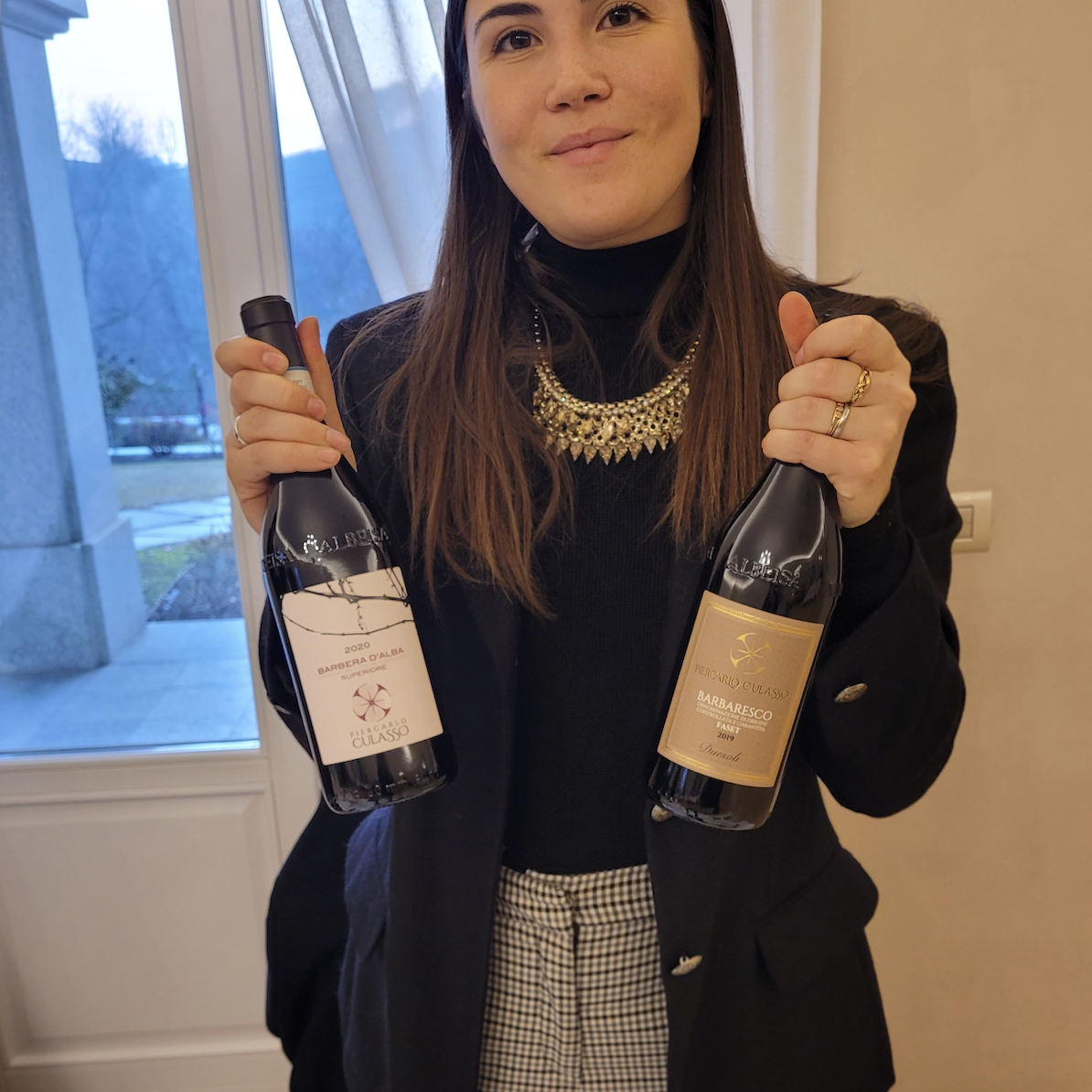
WineAlign