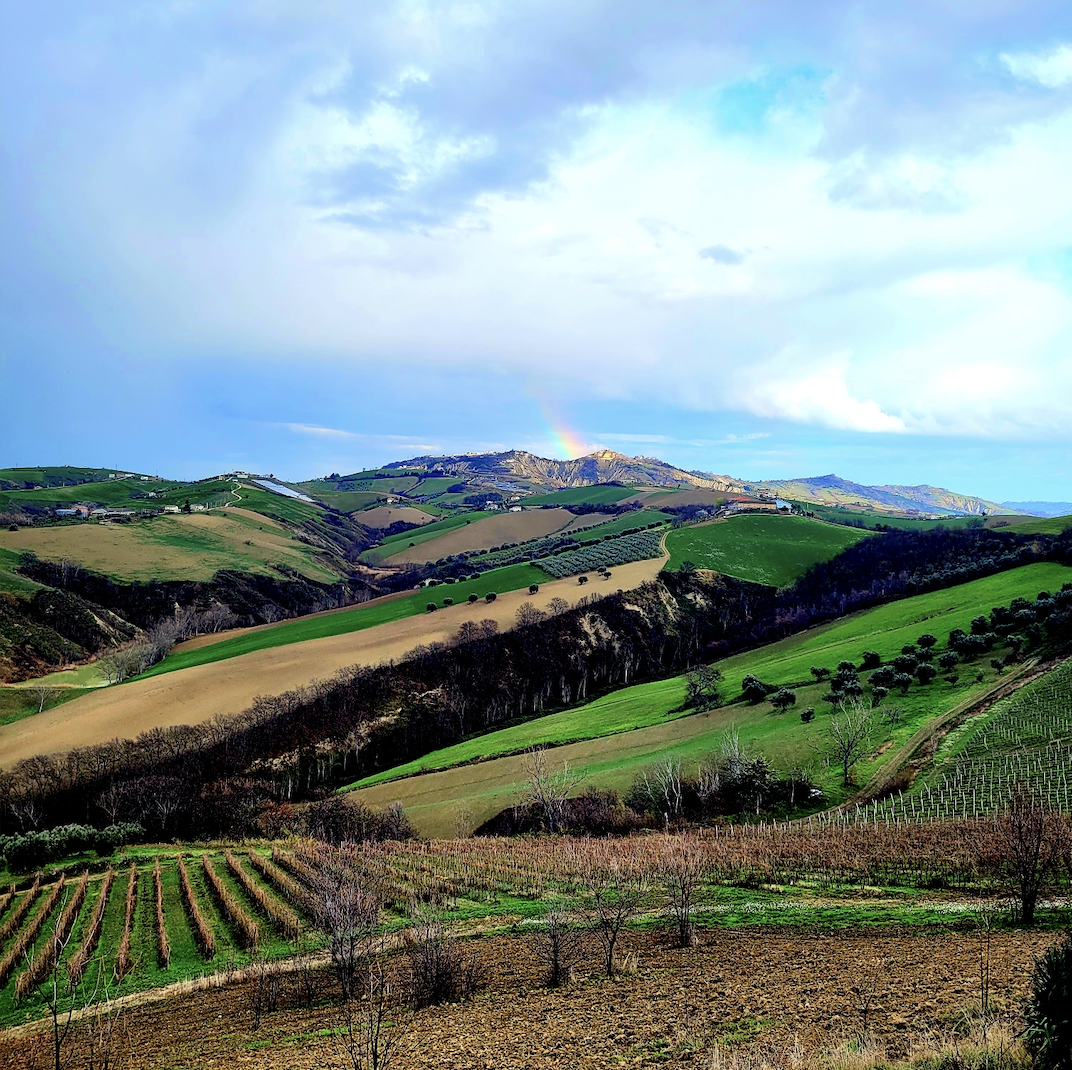
Ausonia (Atri, Teramo)
In the last days of February and first days of March the focus zeroed in on Montepulciano d’Abruzzo, “flagship grape of our region,” in the words of Franco D’Eusanio, Vice-President of the Consorzio Vini d’Abruzzo. The Abruzzo Wine Experience served a threefold purpose, to present the Anteprima Colline Teramane DOCG, a Montepulciano d’Abruzzo DOC preview and allow journalists to make visits with regional producers. Success was achieved in all three ways, from insight into Colline Teramane’s specificities, Montepulciano d’Abruzzo DOC’s continuing evolution and the hyper-intense passion, dedication and growth experienced through the work of several Abruzzo estates.
Colline Teramane Montepulciano d’Abruzzo is Abruzzo’s only DOCG appellation. Situated on the border with Marche, in the hills around Teramo, it was previously a sub-zone of Montepulciano d’Abruzzo DOC, elevated to DOCG status in 2003. “Colline Teramane is not just an appellation for Montepulciano grapes,” explains Enrico Cerulli Irelli, former president of the Consorzio Colline Teramane, “but it is a designation that indicates a territory where people, traditions, environment, and history have defined viticulture and with it, the unique identity of the wines. Today, this excellence becomes the flagship in the world of the outstanding quality of Abruzzo wines.”
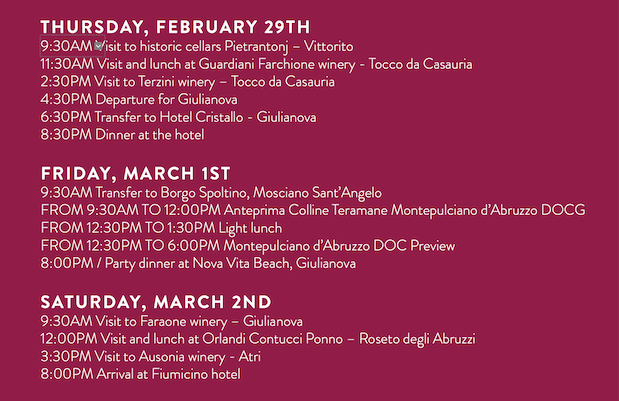
Abruzzo Program
While being naturally predisposed to viticulture may not separate Abruzzo from dozens of other Italian wine regions, what has thus far challenged its global market share will only make it stronger. Rome (and Italy’s most used, largest airport) is only a few hours away and anyone with half an ability to read a map can clearly find it smack dab in the central part of Italy. Yet Abruzzo finds itself isolated, both literally and conceptually, located between the Adriatic Sea and the massifs of Gran Sasso d’Italia and Majella, within which three National Parks and more than ten national and regional reserves are situated. The region can be divided into two zones: the mountainous interior, which constitutes over 65 percent of the entire regional territory, along with the coastal area with its wide hilly belt. A traveller could find weeks of interest in these hills and along hundreds of kilometres of Adriatic shoreline and still somehow Abruzzo is considered “out there.” There is the rub; the region should and going forward will in fact attract an adventure seeker yet once inside its ropes the more obvious and accessible tenets of its offerings will be revealed. This will trickle down to more conventional tourism, both that which is associated with wine and also not, and before too long Abruzzo will become known to all.
The climate of the region is Mediterranean along the coast, with sea breezes moderating temperatures. It becomes more continental as one moves towards the hilly and mountainous areas, and with increasing altitude, temperature variations become more pronounced. The average level of precipitation is good, less on the coast and more abundant inland.

Godello in Atri with unidentified cat
Montepulciano d’Abruzzo is undoubtedly the most representative among the Abruzzo grape varieties. Numerous historical documents demonstrate that the grape has been present in the region since the mid-1700s, where it found its ideal terrain. Cultivated in the past in the Valle Peligna (province of L’Aquila) and in the inland hills of the province of Pescara, since the 1950s its cultivation has spread throughout the entire coastal hilly belt, and today it constitutes the main red grape variety of the region. Alone, it represents over 80 percent of the total denomination wines produced in Abruzzo and is among the top three DOC wines produced in Italy. Montepulciano d’Abruzzo DOC is obtained solely from vineyards located in hilly or plateau terrain, whose altitude must not exceed 600 meters above sea level, exceptionally up to 700 meters for those facing south; the surface area on which it is cultivated is around 17,000 hectares. It is almost exclusively obtained from grapes of the same variety. With approximately 800,000 hectoliters bottled (2023 data), it is established as one of the top DOC wines produced in Italy.
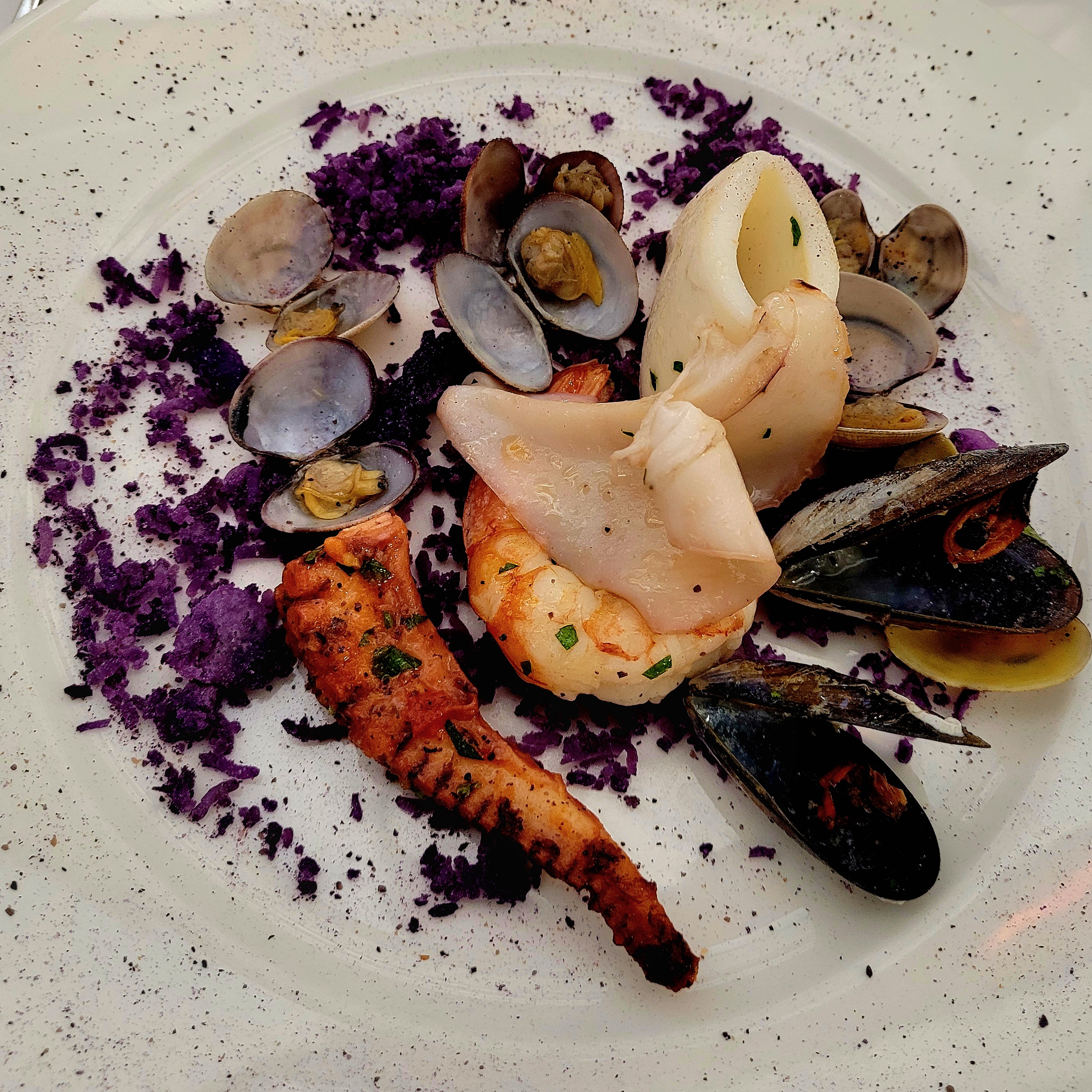
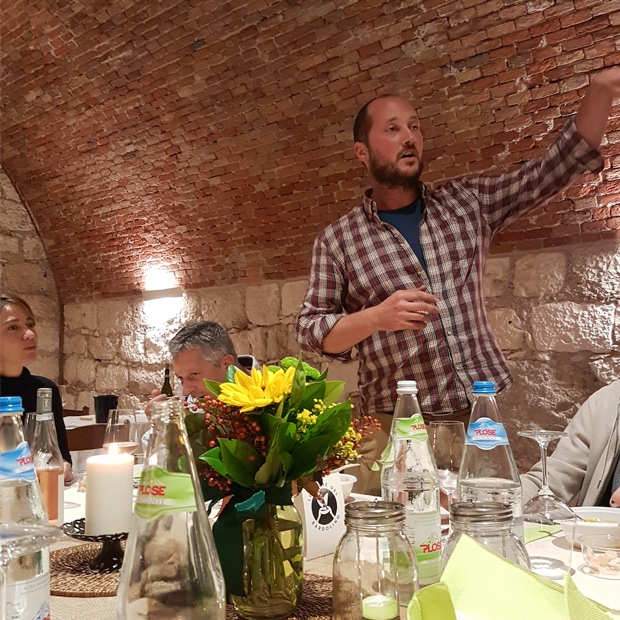
Abruzzo wine dinner at Hotel Cristalo, Giulianova
The Consorzio Tutela Vini d’Abruzzo is a non-profit associative body tasked with the protection, promotion, and overall care of interests related to the denominations it oversees. It was established in 2003 by Decree of the Ministry of Agricultural, Food and Forestry Policies (MiPAF) and over the past three years its membership has grown by 20 percent, reaching the current count of 220 members, representing over 4,000 producers of DOC and IGT grapes. The Consortium oversees compliance with the regulatory discipline of the denominations, formulates any proposals for updating it, and coordinates the work of the production sectors to enhance the individual denominations. The Consortium protects the wines with the Designation of Controlled Origin:
- Colline Teramane DOCG
- Montepulciano d’Abruzzo DOC
- Trebbiano d’Abruzzo DOC
- Cerasuolo d’Abruzzo DOC
- Abruzzo DOC
- Villamagna DOC
Starting from the 2024 harvest, with the entry into force of the “Abruzzo Model,” all IGT wines will be grouped under the single Terre d’Abruzzo IGT designation. Starting from the 2023 harvest, the subregion “San Martino sulla Marruccina” has been introduced, joining the existing subregion “Terre dei Vestini,” “Teate,” “Terre dei Peligni,” and “Alto Tirino.” The most significant novelty is the introduction of the distinctive label Superiore, aimed at highlighting productions characterized by stricter production criteria and intended for refinement for important and distinctive reserve productions of the various provincial territories. Only for the Superiore designation will it be possible to highlight on the label references to smaller and more identity-affirming territories such as provincial ones and, in the future, even more restricted ones like Additional Geographical Units, until, of course, the individual mention of a Vigna. Both the Superiore and Riserva categories will be required to feature on the label the provincial subregions of Colline Pescaresi, Terre de L’Aquila, and Terre di Chieti.

Godello with the AIS Sommeliers
Obvious thank you from the heart to the team at Consorzio Tutela Vini d’Abruzzo and IEM Communications out of Verona and Miami, but also to the AIS Sommeliers and La Squadra Abruzzese; Francesca Granelli, Fosca Tortorelli, Simone Roveda and Daniela De Morgex. A good number of Godello’s blind tasting notes came about as a result of careful panel deliberation and collaboration. Here are 140 notes from three days of tasting and touring in Abruzzo.
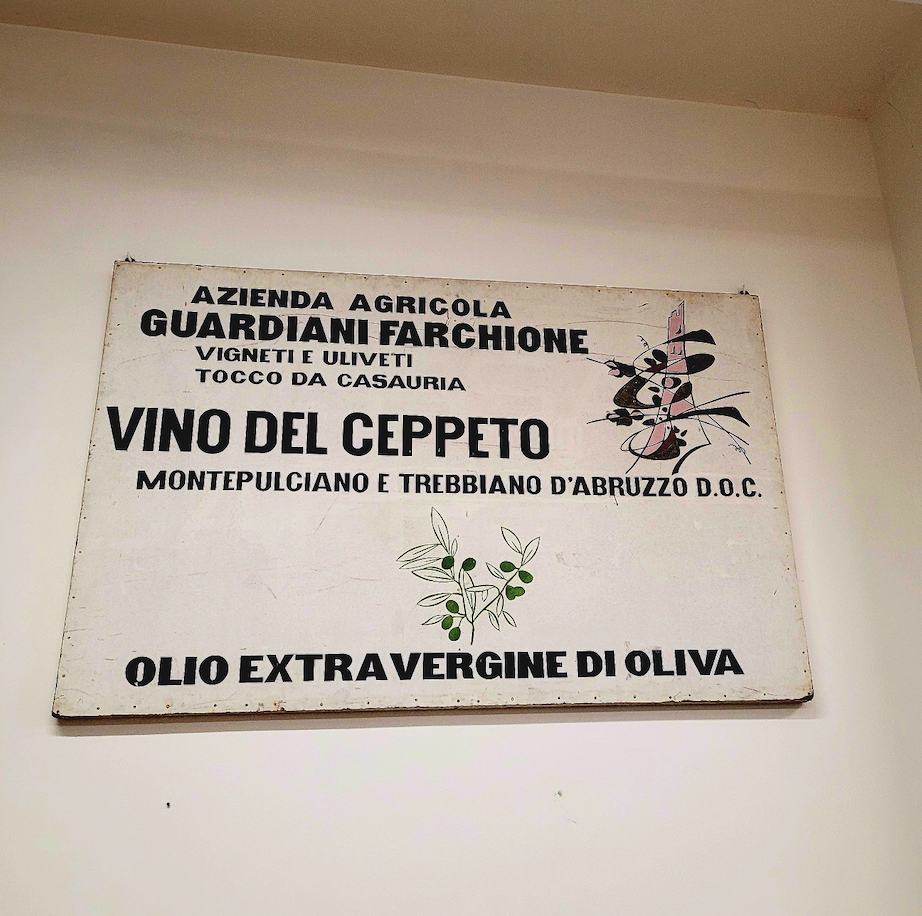
The Visits
Guardiani Farchione (Tocco da Casauria, Pecara)
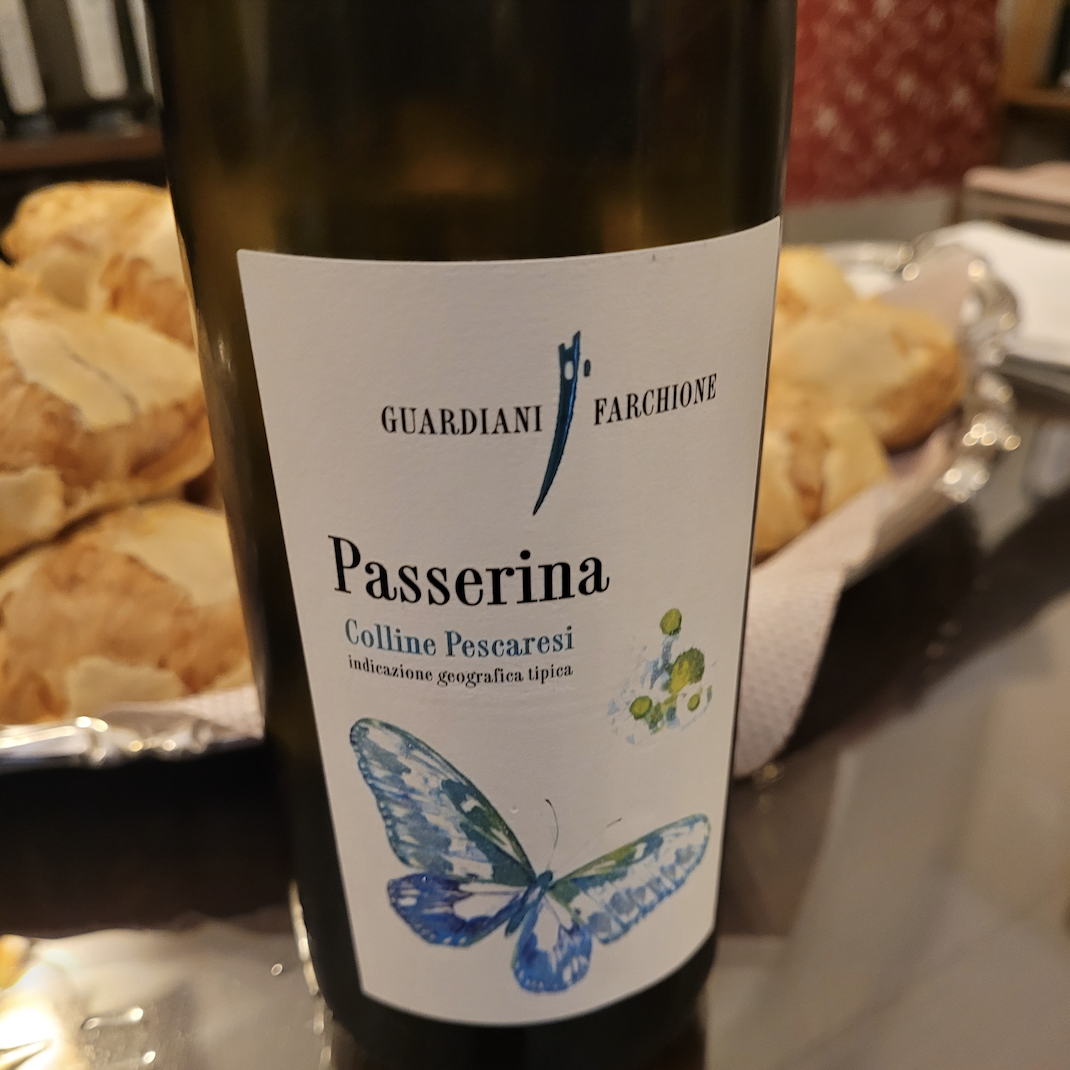
Guardiani Farchione Passerina 2023, Colline Pescaresi IGT
A substantial summer white at 13 percent alcohol, dry, phenolic and floral. Green figs, low acid, mineral-metallic savoury and a good match with fatty meats of fish. A passerina with some connection to volcanic soil with an orange note – no zest but a juicing and quite the botanical finish. Drink 2024-2025. Tasted February 2024
Guardiani Farchione Pecorino Abruzzo Superiore DOC 2023
If it can be the favourite grape of the migrating sheep then why not ours as well, here from the short wood aging in old wood, experimental for some, incidental for others. A honeyed-beeswax note, not surprisingly phenolic and botanical but also woolly, of both gravity and fantasy considered. A thread of spring herbs and juniper late. Not a rich pecorino but one with a little bit of experience. Drink 2024-2026. Tasted March 2024
Guardiani Farchione Mille Papaveri Rosso 2023, Colline Pescaresi IGT
A stronger version of the Cerasuolo normale, a ten day soak that brings montepulciano closer to montepulciano, away from the pale and the delicate. A modern experiment that appeals in a retrospective way to the older way of ordering and drinking red wines in Abruzzo. Quite classic gummy bear fruity of red and blue berries, dry and far from savoury. Fruit essence captured because of the extended maceration and really quite focused to deliver with unapologetic consistency. Glou glou montepulciano and so very clean. Drink 2024-2026. Tasted March 2024

Paolo and Giampaolo Guardiani
Guardiani Farchione Tenuta Del Ceppete 74 2018, Montepulciano d’Abruzzo DOC
Commemorates the year of the first bottled wine for the company by Paolo’s father. Sees two years in cement and 12-18 months in barriques, depending on the season. Another crystal clear varietal wine from Guardiani Farchione. Structured and tannic, long contact with the skins (10-plus days), full textured, cocoa to mocha, meant for (sheep) arrosticini every day you go that way. With a side of sformato you may just rise up to Abruzzo heaven, or in this case the Tocco version of it. Don’t even think of taking any of this for granted. As for the skewers, “any less than five would be a capital sin.” Would like to see this ’18 develop another gear, for energy and integration. Drink 2025-2026. Tasted March 2024
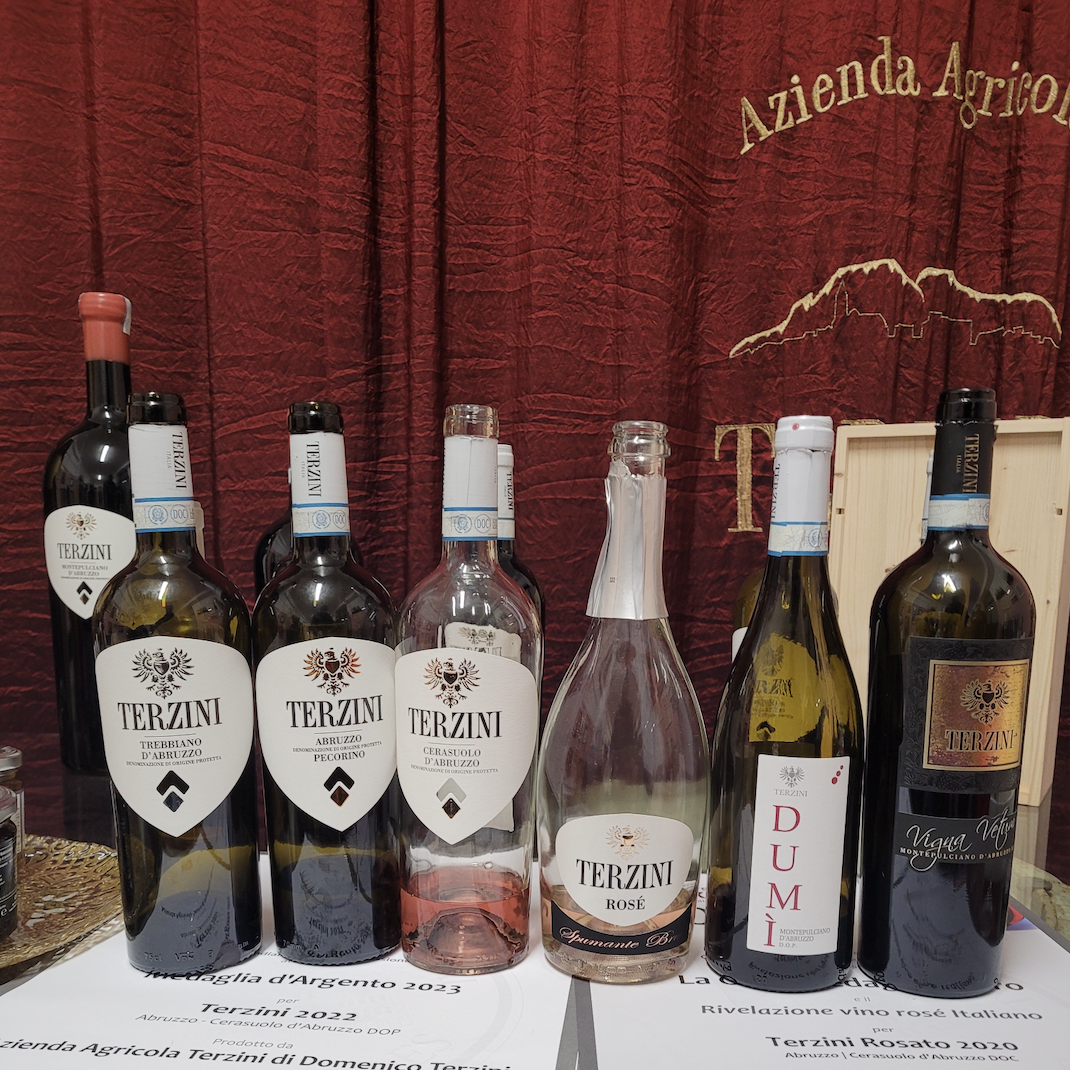
Cantina Terzini (Tocco da Casauria, Pecara)
Cantina Terzini Trebbiano d’Abruzzo DOP 2023
From Tocco da Casauria, of clay soils in an old volcanic area and vines trained by Pergola at 350m. Only steel, clean, sharp and suitable. A serviceable white whenever for hot days when a cool glass is needed to quench a thirst. Fresh as fresh can be, helped by Pergola Abruzzese “roof over a house” training. Drink 2024-2025. Tasted March 2024
Cantina Terzini Pecorino d’Abruzzo DOP 2023
Pecorino grown in the valley between two massifs, the Maiella and Morrone where day for night temperature swings are great and consistent winds will blow. The endemic Marche grape continues to gain traction in Abruzzo and the history goes back to Benedictine monks in the 1200s. Pale and spicy, quite a lot of intensity for pecorino and again very botanical, a specific Abruzzo style that seems exaggerated in Tocco di Casauria. Not lacking for energy and the very reason why Terzini uses pecorino to make sparkling wine. Drink 2024-2025. Tasted March 2024
Cantina Terzini Cerasuolo d’Abruzzo DOP 2023
Skin-contact for six to eight hours, followed by six months in stainless steel. True Cerasuolo, made from only montepulciano grapes, finished at 14 percent alcohol. Clean, crisp, fresh and proper. Just that hint of phenolic grip and spiciness but more subtle than pecorino and stylish in its very respectful Cerasuolo way. Good intensity and what the appellative wine needs to be. Drink 2024-2026. Tasted March 2024
Cantina Terzini Abruzzo Rosé DOP 2023
Sparkling montepulciano and in a way Cerasuolo but only at 12 percent alcohol, as fresh as it is savoury and drier than many sparkling Rosé, especially those made in the Italian method. Can’t be more than 10-ish g/L of RS and the acidity is superb. Still a bit phenolic which might turn the sugar crowd away but there is without a doubt good character and energy. For those who simply like sparkling pink – it’s really that simple. Drink 2024-2025. Tasted March 2024
Cantina Terzini Montepulciano d’Abruzzo DOP Dumi’ 2022
Domenico Terzini, grandson of Domenico Sr., took the reigns in 2009 and brother Roberto runs the business side of the family winery. Dumi’ is Sr., a pet or nickname in Abruzzo. As in ”Dumi” come here.” Sees juts a few months in wood after stainless steel aging, just a kiss for texture and a year or three of longevity. Reductive in both a rubbery and peppery way, needing agitation to release both floral and fruity charm. Swell of dark fruit and liquorice, mint and heavy fuel phenols. Strong tannins, big time bitters and time is needed in every way. Must be tannin season. Can only imagine what 12-18 months in tonneaux might do. Drink 2025-2028. Tasted March 2024
Cantina Terzini Montepulciano d’Abruzzo DOP Vigna Vetum 2020
Essentially a Reserve montepulciano, but also a single vineyard or cru. Oldest vines of more than 60 years of age, thus the Latin name. A year in steel and another in barriques. When you think about the recent past of grape and place this is probably just what you would imagine; dark and stormy, rich and oaky, full and substantial fruit, warming and all those wood notes very much in charge. Vanilla, lavender, spice cupboard, tobacco, mocha, perceived sweetness and a softness despite the dense presence of tannins. Energy is fine if not invigorating. Solid example for five-plus years. Drink 2025-2028. Tasted March 2024

Federico Faraone
Faraone (Mosciano Sant’Angelo, Terame)
Faraone Metodo Classico dal 1983 Dossagio Zero 2021
As with the first bottles made in 1983 by Federico’s father the grape is passerina, first chosen and still the top for Bianco because of pH and acidity on par with Champagne. This means 3.0-3.10 in a good season, as opposed to pecorino which is more like 3.30-plus, meaning closer to a red wine. On the lees for 24 months, mild toasty quality, impeccable balance really and dry as it gets because you can find richness without dosage from the grape and place. Acidity is admirable though just a point one or two below what would really see this sail into scintillant territory. Drink 2024-2026. Tasted March 2024
Faraone Metodo Classico dal 1983 Rosé 2019
Made with sangiovese, 100 per cent and one of the very few like this in Abruzzo. First trials began in 2010 and 2017 was the first production for selling. The sangiovese sees 48 months on the lees and while there is a rustic earthy quality there is also higher acidity and surely double the complexity as compared to the passerina bianco. Crisp enough but also a sparkling of body and a sense of what can be considered soul. Interestingly it is a sip of the sangiovese and a return to the passerina that makes the Bianco’s acidity seem greater. Counterintuitive but true. Meanwhile there are some fine phenolic bitters on the finish of the sangiovese. Drink 2025-2028. Tasted March 2024
Faraone Trebbiano d’Abruzzo DOC 2022
Properly fresh and conversely phenolic trebbiano but neither character overwhelm or dominate in any way or sternly towards one another. More scented than many, not what should be considered perfume but more in the vein of plants you brush by in between vineyard rows and on the lower steps of hillsides in the mountains. Pencil shavings and while the grape may seem “neutral” this young it does suggest hints of what may come a few years down the road. Good acidity and low pH for teasers of the sea but please, only in season. Drink 2024-2029. Tasted March 2024

Faraone Trebbiano d’Abruzzo DOC 2019
Just beginning to develop and express some nuance and next stage character but in the hands of Federico and Faraone this is really just a baby. Now the citrus steps up and rises to the fore to make us think that acidity has risen but phenolics have lessened, or at least our perception of them. A mild lemon preserve, a balance so consistent with the 2022 tasted side by side and then an about face to the side by each comparison with 2013. Drink 2024-2027. Tasted March 2024
Faraone Trebbiano d’Abruzzo DOC 2013
After 10-plus years the perception really changes and the arena now entered is entirely re-designed and thoughts must be re-written. Fully and completely in delivery of secondary notes, by vanilla, not wood derived but naturally vegetal and other verdant sensations having joined the fray. Paraffin and a roasted parsnip character, not quite caramelized but heading in that direction. The age has surely brought secondary notes while freshness would have been finer just two or three years ago. Suggests that seven or eight years is the sweet spot. Drink 2024. Tasted March 2024
Faraone Montepulciano d’Abruzzo Colline Teramane DOCG 2007
A fine vintage for the area, in particular for montepulciano and the juiciness but also fleshy character is about as high as it gets, especially as compared to 2016. It’s almost incredulous how fresh and far from evolved this is for 2007 – it’s a weird magic that’s seems virtually impossible, to note considering this was made by Federico’s father who did not study oenology and learned by his own experience. Successful showing with fresh fruit intact and sweet secondary notes just in their infancy. Drink 2024-2028. Tasted March 2024
Faraone Montepulciano d’Abruzzo Colline Teramane DOCG 2016
From 2016 but about as close to a recent release as it gets for Faraone because extra time in botti is the order of necessity for Federico, just as it was for his father before. Refinement in 30-35 year old cask that ever so slowly develops this relationship between grape and its home. Kinds of reminds of Ca’Bionda in Valpolicella, thoughtful, soulful and simply a representation in respect to the exact place from whence it came. Nothing curious about this but something so real and we are given the opportunity to taste exactly what montepulciano from this pinpointed part of the Colline Teramane must be. Controlled and restrained in every way with many years left in its sure to be long life. Lower production because of Perenospera brought on by May rains and so no surprise how high the quality runs because of a warm and dry summer. Drink 2024-2028. Tasted March 2024
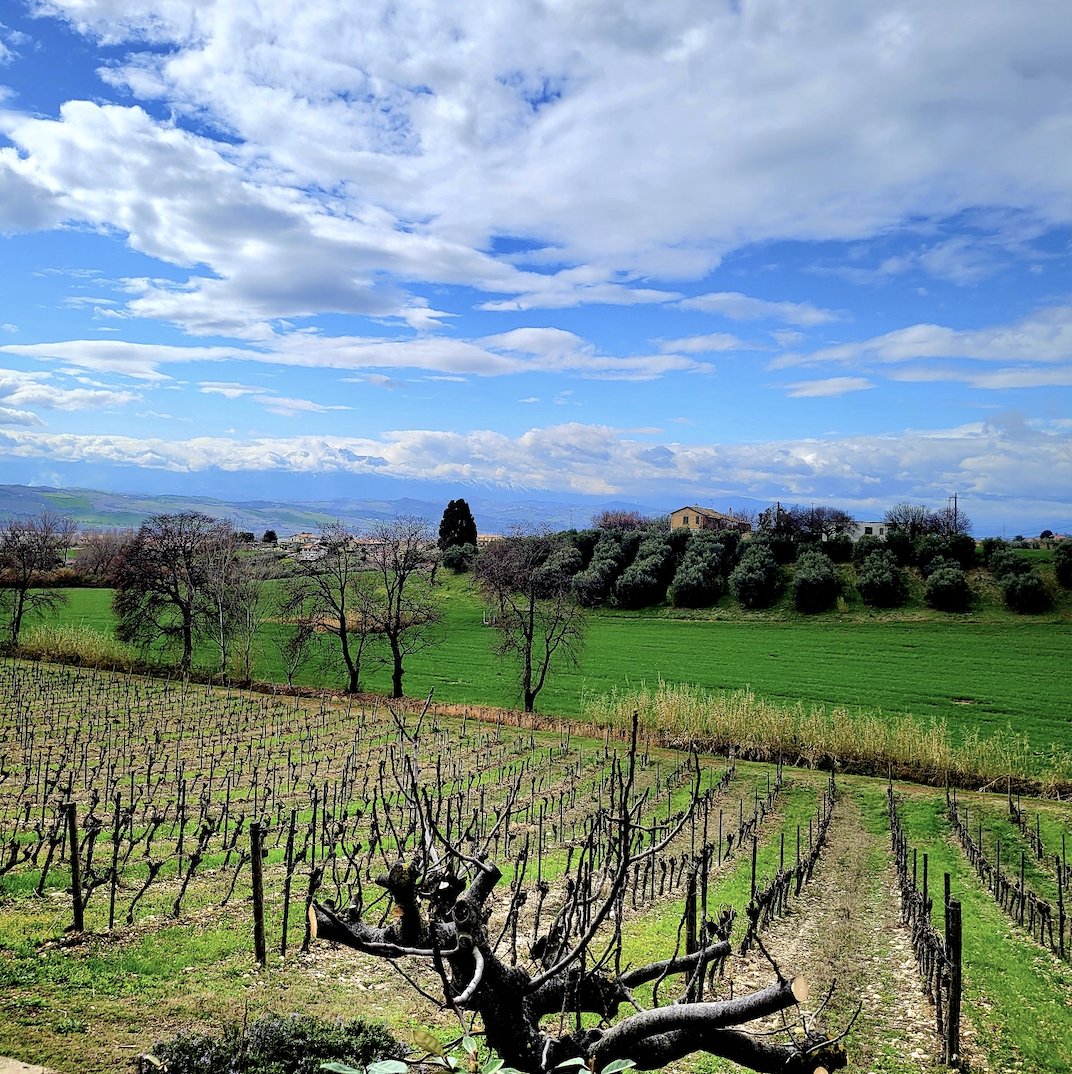
Orlandi Contucci Ponno (Roseto degli Abruzzi, Teramo)
Orlandi Contucci Ponno (Roseto degli Abruzzi, Teramo)
Orlandi Contucci Ponno Pecorino d’Abruzzo Superiore DOC 2022
Will hit the market after May the year following vintage, with higher in acidity in this part of the Colline Teramane, now acid driven but with a year or two the citrus will almost surely morph into fruit more tropical in nature. Already there because as a 2022 the early stages of maturity have already begun to form. Good sapidity but lower level phenols than some other similarly composed and minded examples. Bit of balsamico-gariga at the finish. Drink 2024-2025. Tasted March 2024
Orlandi Contucci Ponno Trebbiano d’Abruzzo DOC Podere Corte della Corte 2022
More phenolic than the pecorino, less salinity and higher sapidity, herbal in a different way, sweeter and less dried conditions. Impeccably balanced using 90 percent trebbiano d’abruzzo with (10) passerina, clearly in the hands of a team most comfortable with this appellative wine. Half fermented in steel and the other in cask with the result another clear and present indication of equality and balance. Clean, no toast and filtered with great technology to deliver a crystalline varietal experience. Should age a year and possibly up to three longer than the pecorino. Drink 2024-2026. Tasted March 2024
Orlandi Contucci Ponno Cerasuolo d’Abruzzo Superiore DOC Vermiglio 2022
Super dry Cerasuolo from the montepulciano grape, again extremely clean but also here with the subtlest CO2 buzz. Macerates for seven or more hours and is then separated from the skins. The next steps are white wine method fermentations, allowing for classic appellative colour and most importantly the floral and fruit musky capture of aromas. Soft and stylish, fresh, clear and smoothy sapid. Clinical and precise with a mild cherry stone bitter finish. Drink 2024-2026. Tasted March 2024
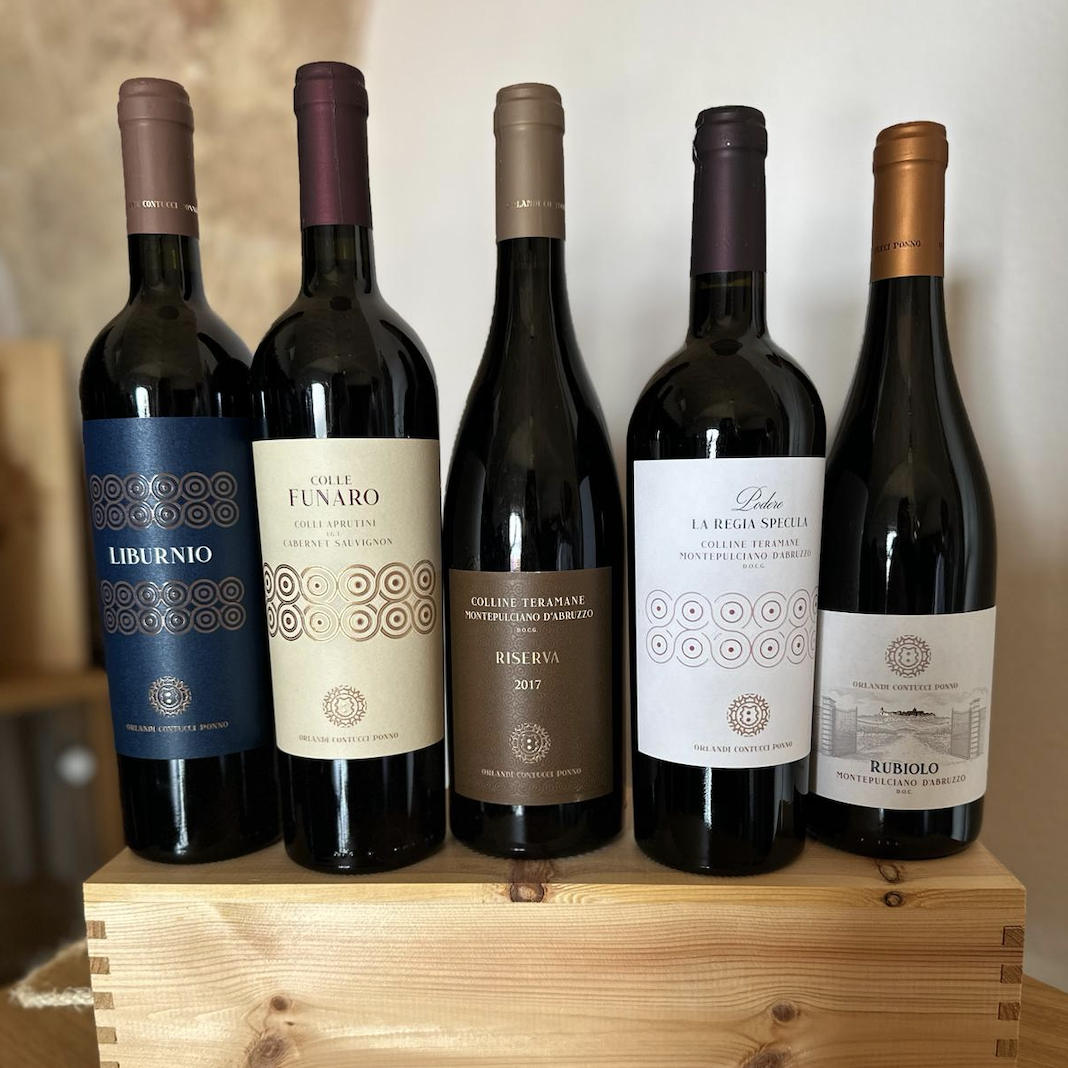
Orlandi Contucci Ponno Liburnio 2016, Colli Aprutini Rosso IGT
Based on cabernet sauvignon (70 percent), with (15) malbec, (10) cabernet franc and (5) petit verdot. Liburnio as in Liburnium, along with Corsica. Ages in barriques for three years, followed by the bottle for two more. Sure the richness is the most prominent feature and matter but the ageing has brought this Bordelais-esque wine into a fine place. Softened for the most part, a spice cupboard masala emulsified into the overall silky texture and acidity still pretty much the energy that keeps the wine keeping on. Drink 2024-2027. Tasted March 2024
Orlandi Contucci Ponno Colline Teramane Montepulciano d’Abruzzo DOCG Podere la Regia Specula 2020
Ages for minimum 12 months in 20hL botti of Slavonian wood, a high level and quality vintage by estate and appellation standards, warm and dry – but here affected by TCA. Requires a re-taste. Tasted March 2024
Orlandi Contucci Ponno Colline Teramane Montepulciano d’Abruzzo Riserva DOCG 2018
Barriques and tonneaux for 24 months, now showing the softness of age, the montepulciano in dried leathery fruit notes beginning to replace the fresh plum and berries of the wine. Drink 2024-2025. Tasted March 2024
Orlandi Contucci Ponno Montepulciano d’Abruzzo DOCG 1999
Corks were replaced five years ago but this particular bottle was already infected with TCA and so could unfortunately not be saved. Tasted March 2024
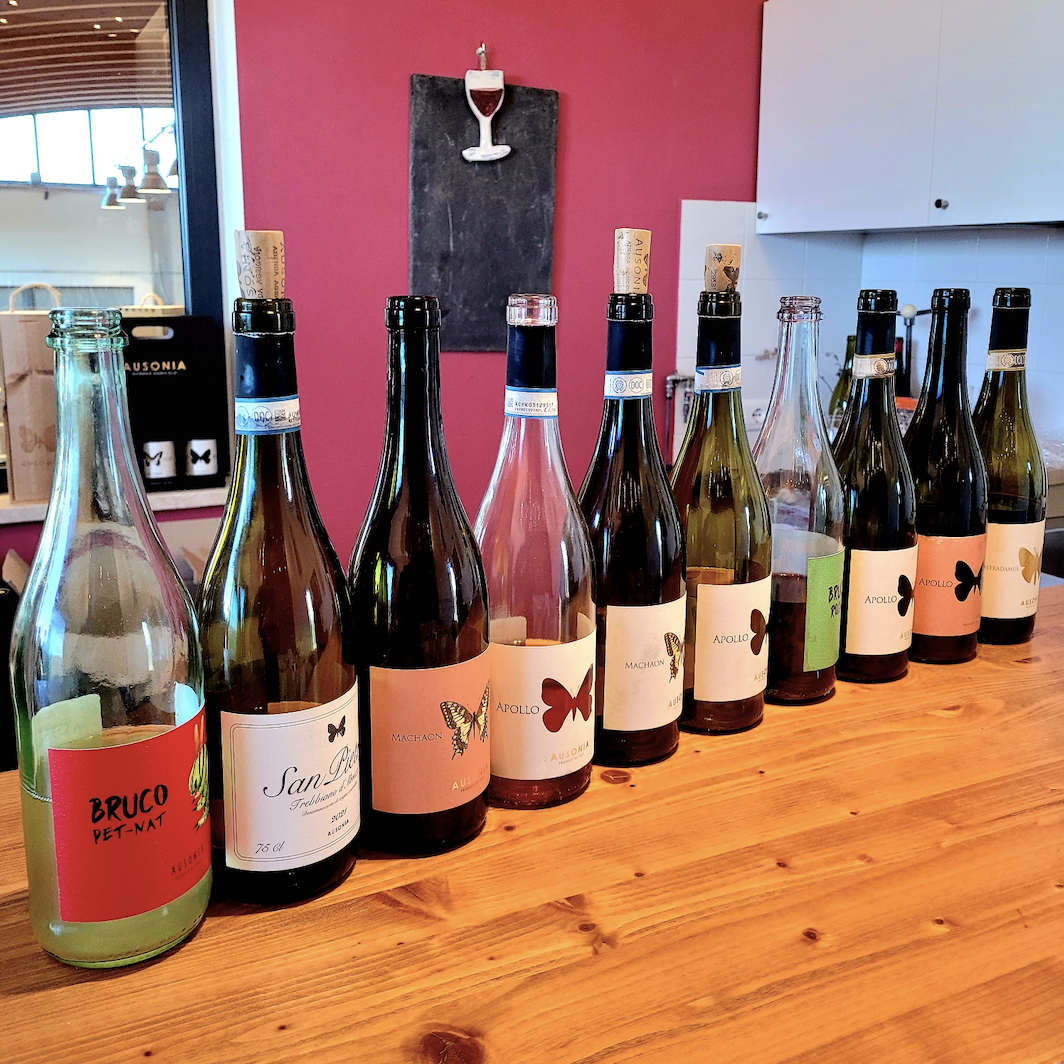
Ausonia (Atri, Teramo)
Ausonia Bruco Pet-Nat 2022, Colli Aprutini Bianco Frizzante IGP
The work of Simone and Francesca (Franca) Binelli from Lombardia, he the pharmacist who studied oenology in Florence, she the mechanical engineer. “Natural is the best way to make wine, but not all natural wines are the best,” explains Simone. Their Pét-Nat is made from trebbiano, all in yeasty though quite clean with a raw dough aspect to what must be seen as a unique Abruzzese iteration. Kind of tastes like a Japanese Orin Apple, a connection not often found but there it is. Really drinkable and getable for the genre. Drink 2024-2025. Tasted March 2024
Ausonia Trebbiano d’Abruzzo DOP Apollo 2022
The name Ausonia is from the original name for Italy, as in Auson, sone of Ulysses and father of the Ausone people. The Apollo line trebbiano is only made with fruit from the youngest vineyard, coming away sharp, fresh and phenolic trebbiano, as per the usual, but the biodynamic aspect sure plays a role in its fruit and crisp, just picked vegetable personality. More than most this is a representation of vintage for these particular vineyards. Inherently natural and characterized this way. Drink 2024-2025. Tasted March 2024
Ausonia Pecorino d’Abruzzo DOP Machaon 2022
A Canadian connection with Ausone, the name being assigned to one of three 1920s Class “A” Intermediat San Pietro 2022e emigrant and refrigerated cargo carrying ships that sailed from England to Pier 21 in Halifax. The winery’s name however is actually a connection with Italy’s original name. In any case this is wholly unique and excellent pecorino, once again organic and biodynamic through spontaneous fermentation, with only stainless steel aging. Sharp and tight, sweetly tart and clean, fresh and sparked. Great energy and the kind of natural pecorino to pour alongside and eat with sharp salty cheeses and afternoons of the same, all the live long day. Drink 2025-2028. Tasted March 2024
Ausonia Trebbiano d’Abruzzo DOC Apollo – San Pietro 2022
The trebbiano aged in fermented without skins in cask and aged in Austrian. A “French” style of trebbiano, first made in 2020, creamy and also tart, spiced and high acid, well captured, kept and energy refuses to wane despite the wood. Actually brings out the aromatics in the grape and the older vines deliver concentration from the cru most important planted in 1984. About as special for trebbiano as it gets from the Colline Teramane. Drink 2024-2028. Tasted March 2024
Ausonia Cerasuolo d’Abruzzo DOP Apollo 2022
Fabulous Cerasuolo, full hue, aroma and flavour profile that gives and gives some more. Rich in poly-phenolic compounds with intensities that never relent. Truly generous and fresh, sparked and clean as Cerasuolo to the limit of enhancement for naturally curated montepulciano. Drink 2024-2027. Tasted March 2024
Ausonia Pecorino d’Abruzzo DOP Machaon 2022
Sees 10 days of maceration, followed by amphora for 11 months and while this follows suit for so many expected attributes with respect to natural wine aged this way – well the purity of fruit and clean character are at the top of the game. Sure the phenols and the fine bitters are very much a part of the mix but believe it or not a few years of age to resolve the tannins might do more good than bad. Will lead to a pecorino that would be considered affinamento, with the development of refinement and glissade. Drink 2025-2028. Tasted March 2024
Ausonia Montepulciano Bruco 2022, Colli Aprutini IGP
The sister to the Bianco Frizzante but not sparkling, in fact just the youngest vines and shortest maceration for the most glou-glou montepulciano on the planet. Super juicy and no thought required. Grape juice that’s just about fun. Tasted March 2024
Ausonia Montepulciano d’Abruzzo DOP Apollo 2021
Aged in concrete and a part stays some months in barrel. Just bottled and now released so yes the youngest stage to taste this finished wine. Crisp, croccante and crunchy, of fresh liquorice, tart and juicy. Quite a pure and unadulterated expression, some verdancy and fresh herbs, still a bit austere because the tannins need time to resolve. Drink 2025-2028. Tasted March 2024
Ausonia Montepulciano d’Abruzzo Riserva DOCG Apollo 2021
Amphora montepulciano from which you will feel the oxidation and while the effort is clearly yeoman it would hard to not see this as a work in progress. Bitters and herbs are exaggerated, spices are smoky and the fruit feels charred. Roasted nightshades and real austerity but there are some juicy and energy redeeming qualities. Will feel more generous once the dust settles. Drink 2025-2028. Tasted March 2024
Ausonia Montepulciano d’Abruzzo Riserva DOCG Apollo 2019
Though also organic and biodynamic this is most certainly the most conventional of all the wines made by Simone and Francesca Lodi. Rich, woody, caky and equipped with serious austere tannins. Not the easiest vintage for a montepulciano and Abruzzo but this does well to capture grape and Riserva style. Really well. Drink 2025-2031. Tasted March 2024
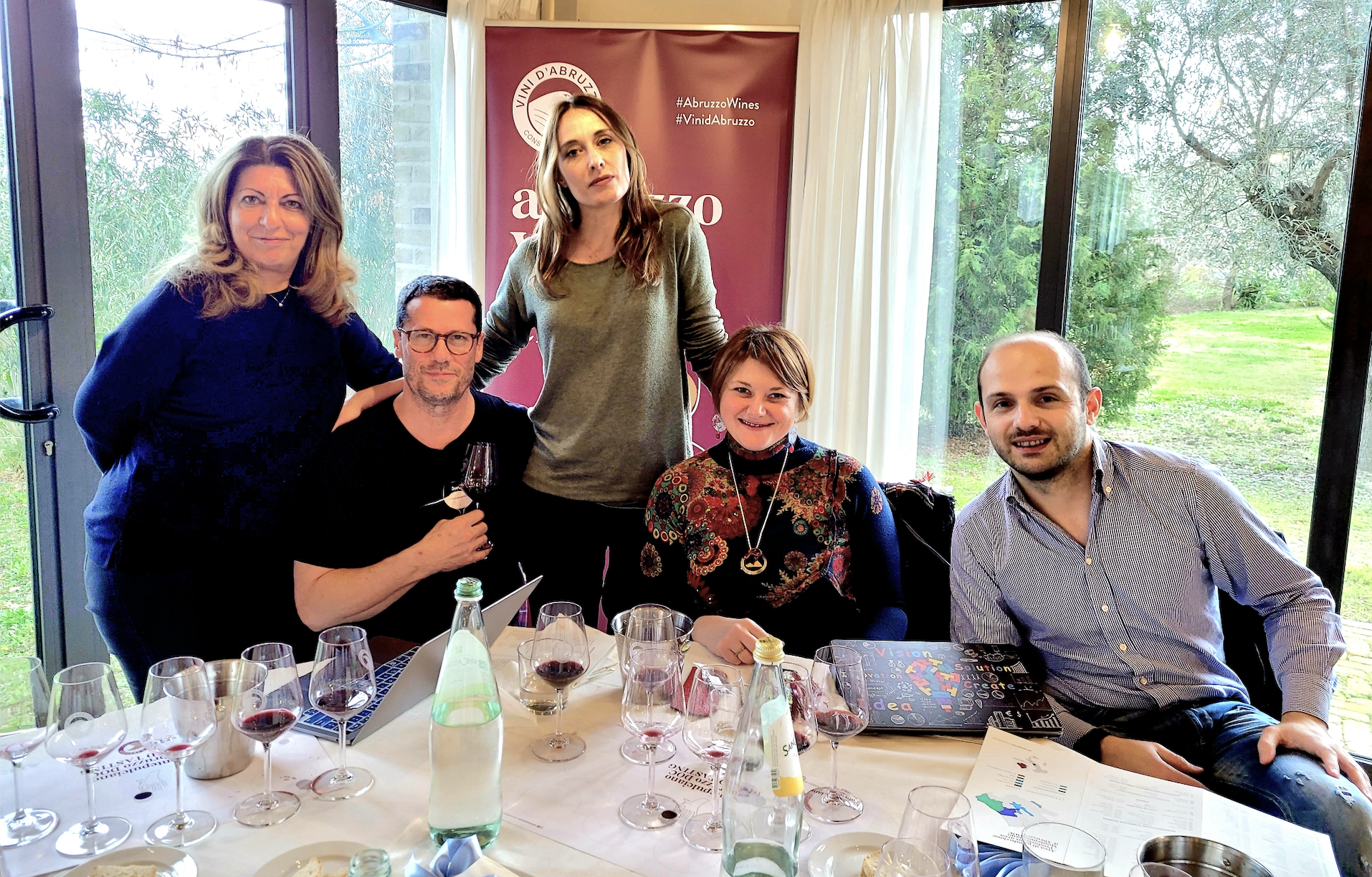
Tasting team Abruzzo
A baker’s dozen dinner wines
Barba Pecorino Collemorino 2023, Colli Aprutini IGT
Just a 60 days stay on the fine lees but that works to great fresh advantage for Barba’s properly herbal and still truly fleshy pecorino. Catches and captures the variety’s Abruzzese essence with a posit tug effected between salty and creamy. Delightful example. Drink 2024-2026. Tasted February 2024
San Lorenzo Pecorino d’Abruzzo DOC 2023, Teramo – Castilenti
Oily and phenolic, somewhat brooding or as much as this can happen with pecorino. A resemblance with viognier or perhaps more akin to some verdicchio at the elevated style where ripeness and alcohol become the discerning factors. Drink 2024-2025. Tasted February 2024
Tenuta I Fauri Pecorino d’Abruzzo Vino Biologico 2022, Chieti
Perfectly ideal and comfortable middle ground with two varietal feet firmly planted into the ground for pecorino gifting the holy trinity – Salinity, sapidity and roborant herbology. This translates as a combined feeling gained that is at first phenolic, followed by creamy, oily and finally grippy pecorino. The salts are elementally mineral, drawn up and into a wine expressive of Chieti, from the mountains to the sea. Botany, grapes and seasoning in the glass. Drink 2024-2026. Tasted February 2024
Bossanova Trebbiano d’Abruzzo DOC Contraguerra 2022
Same skin-contact style as before and a similar result though the acetic quality is tamed from 2022. A tisane effect now, which is in fact something proper as it pertains to making skin-macerated whites but once again this lacks the necessary lustre and medium-scintillant behaviour that makes the genre successful. I am a big fan of Bossanova’s montepulciano work but the orange idiom feels forced and not (yet) quite understood. Tasted February 2024
Nicodemi Trebbiano d’Abruzzo DOC Cocciopesti 2021, Notaresco
Raising takes place in clay pots for trebbiano of character and style. Not to mention colour, texture and a sapidity elevated to the nth degree. High phenolic presence which means a grippy treb, metallic and famously Abruzzese personality. Drink 2024-2026. Tasted February 2024
Cerulli Spinozzi Trebbiano d’Abruzzo DOC Torre Miglioro 2021, Canzano
A trebbiano of a developing idea and story, rich and rising to the edge of phenolic danger, without crossing over. Sapidity in droves, precious gem and metal sheen, some reduction but again things settle themsleves in the face of potential adversity. All things considered this is quite successful and certainly more interesting than Cerulli Spinozzi’s Gruè trebbiano. Drink 2024-2026. Tasted February 2024
Tenuta Terraviva Trebbiano d’Abruzzo Superiore DOC Mario’s 48 2022, Colline Teramane – Tortoreto
Some reduction requiring resolution but there is breadth, a broad swath of fruit and necessary stuffing to set this up well. The grip and also balance say drink now but also look to see what’s coming around the next few corners. Fulsome, fleshy enough but also grounded. The potential is there. Drink 2024-2027. Tasted February 2024
Masciarelli Trebbiano d’Abruzzo Superiore DOC Castello Di Semivicoli 2020
Tasting 28 months later and this trebbiano has resolved into a straight shooter. Simple, easy and little complexity. Still a serviceable example. Last tasted February 2024
Candied florals in sugary perfume as if white cotton candy or a confectioners’ marshmallow vein. Soft, downy and light, smooth and suave trebbiano. Drink 2021-2022. Tasted October 2021
Bucciacatino Trebbiano d’Abruzzo DOC Biologico 2022, Chieti – Vacri
Another straight shooter of varietal mineral truth, plant extracts and elements run through. Some flesh to back it up for quality trebbiano of easy accessibility. Drink 2024-2026. Tasted February 2024
Le Vigne Di Faraone Cerasuolo d’Abruzzo DOC 2023, Terame – Giulianova
Terrific by appellation standards, so proper and extremely satisfying. Fruit, acids, tannin and flesh are all onside. Not just arch classic but the sort of Cerasuolo to consider eliminating the use of montepulciano grapes for red wine. Sorry, not sorry and funny, not funny because when the varietal result is this delicious meeting the profound, well you understand the hyperbole. Drink 2024-2028. Tasted February 2024
Ciavolich Cerasuolo d’Abruzzo DOP Fosso Cancelli 2021, Loreto Aprutino
Transparently scintillant and lithe example of montepulciano as if from another era, yet so clean and modern for today. Sharp Cerasuolo of excitement, seductive because its eyes never wander and it wears high-level emotions of generosity and empathy on its sleeves. Yet it is somehow troubled, unstable in youth and for a 2021 Cerasuolo you would have thought’d should be past the tense and nervous stage. But it is not and that is surely part of the fascination. Cheese note on the nose (ha ha pecorino) with lightning quick reflexes to extol the virtues of fruit combined with sweet acidity for excitations and exultations of a higher order. In the end Fosso Cancelli acts out a passion play for an appellative dichotomy wrapped inside a paradox. Drink 2024-2028. Tasted February 2024
Stefania Pepe Trebbiano d’Abruzzo DOC Pepe Bianco 2020
Natural smoulder and flint struck, a glissade of trebbiano made from old vines requiring a listen because its speaks in passionate tones. Flint monster in fact, that smoulder in surfeiting seduction, full on willing, able to please yet 2020 is still not quite ready. For some the unresolved sulphides and smokiness will give a heavy feeling but where is the hurry? There is a glou-glou effect behind the veil and given another year there should be no distraction. There is sex appeal inherent do don’t be shy or this will will walk all over you. Just try to enjoy the rapture. Drink 2024-2027. Tasted February 2024
Abruzzo Wine Experience
Colline Termane
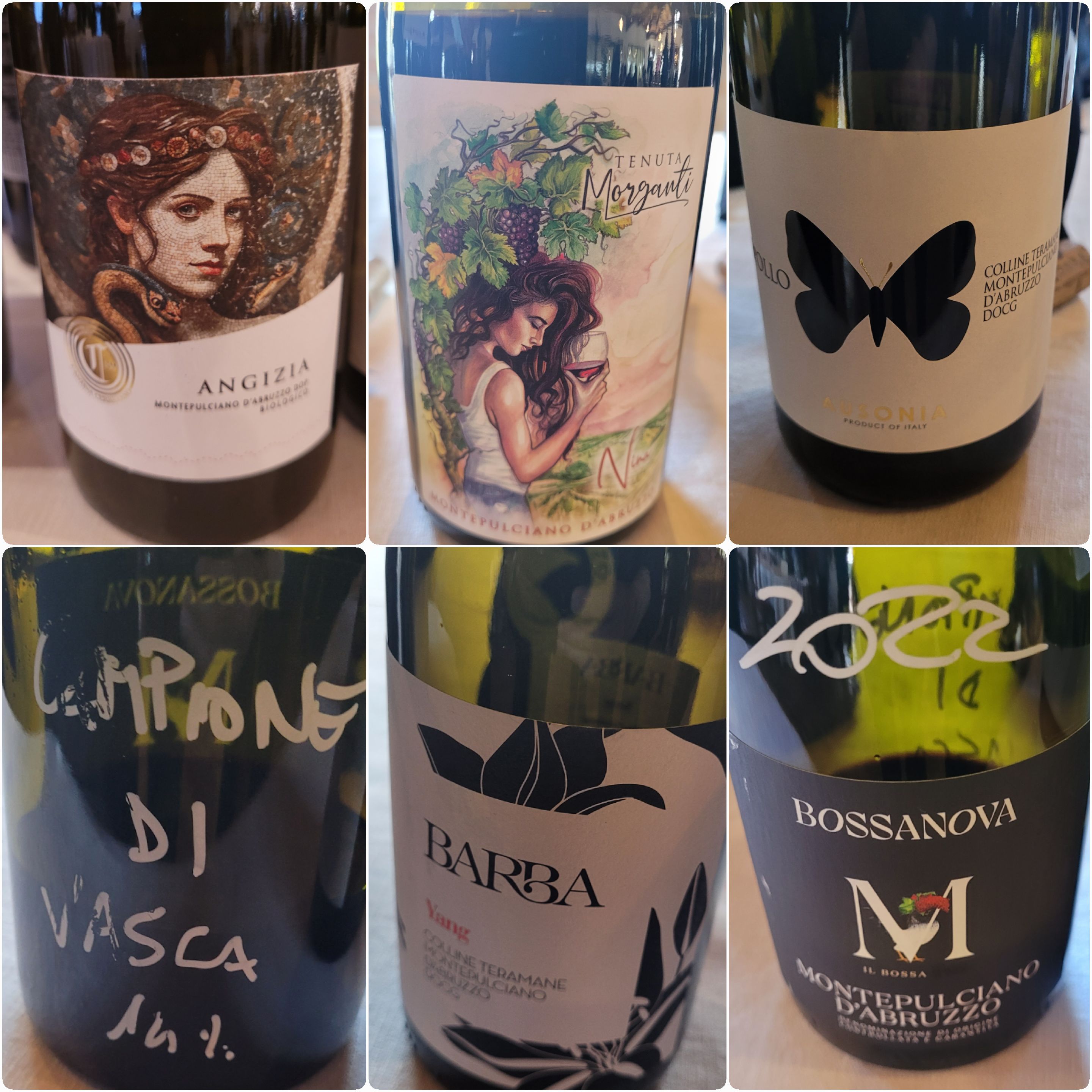
Bossanova Montepulciano d’Abruzzo DOCG Il Bossa 2022, Colline Teramane – Controguerra
Inviting straight away. Spices and chalk on the nose, complexities bounding with immediacy for a smart, tart and fresh montepulciano announcing its arrival. Lots of wood though that feeling of older and bigger format very much involved. Classic liquorice and unlit tobacco, spices again and again, long through to the finale. No denying the quality of the tannins. Drink 2026-2030. Tasted February 2024
Tenuta Terraviva Montepulciano d’Abruzzo DOCG Terraviva 2022, Colline Teramane – Tortoreto
More than notably reductive, at the top for such a distinction with montepulciano locked in oh so tight. Spiced and lit to the hilt, almost flinty with some unresolved sulphides as well. Wood a major factor and time essential to see development and evolution take this somewhere positive. Quite frankly feels like a barrel sample still. The jury is out and in the end may very well (or not) be hung. Drink 2026-2029. Tasted March 2024
Barba Yang Montepulciano d’Abruzzo DOCG 2022, Colline Teramane – Roseta degli Abruzzi
Brightness and freshness at the foremost of importance and clarity reels high for what has to be a montepulciano to drink both early and then four to five easy years of sliding, gliding and effortlessly developing maturity. A hint of semi-carbonic pulse, a buzz of energy and notes through chalky tannin that suggest waiting a year or two. My if this dopes not resemble Cru Beaujolais, especially Fleurie with the bold and floral notes. Not particularly typical at this stage but so curious and perhaps still a factor of campione (tank sample). Drink 2025-2029. Tasted March 2024
Fosso Corno Montepulciano d’Abruzzo DOCG Il Grande Silenzio 2021, Colline Teramane – Roseta degli Abruzzi
Weedy, dill pickles and nettles – surely problematic, either from the wood or a moment of danger near the latter stages of alcoholic fermentation. Tasted March 2024
Cerulli Spinozzi Montepulciano d’Abruzzo DOCG Gruè 2021, Colline Teramane – Canzano
Fine if reserved, reductive, stoic and its freshness locked in tight. Aromas are caught behind the walls of acidity, tannin and reduction though the latter is nothing more than a thin veil of currency. Great acids actually and fine-grained chalky tannins, nearly ready to open and reveal the true florals of the wine. Wood is important here but it is good quality and used judiciously. Could very well still be fermenting. Drink 2026-2030. Tasted March 2024
Tenuta Antonini Montepulciano d’Abruzzo DOCG P. 121 2021, Colline Teramane – Ancarano
The barrel first and foremost, indicative of American oak, of vanilla, lavender and coconut, not unlike Rioja Reserva. Lacks the body politic and stuffing to keep up with the wood. In the end that’s all there will be. That said there are fans of the style. Drink 2026-2028. Tasted March 2024
Velenosi Montepulciano d’Abruzzo DOCG Versosera 2021, Colline Teramane – Controguerra
If a montepulciano could be classified and considered as classically modern than this would fit that ideal to a “T.” Or a “V” in this case, for valedictorial conduct and victory. Rich and delicious, full and substantial, wood used generously and also properly for a fine weave of fruit and vessel in easy intertwine. Drying at the finish yet floral and naturally sweet berries without pause or distraction. A prime and proper Colline Teramane Montepulciano d’Abruzzo DOCG with just that small hint of danger-inducing oxidation, though also one that speaks for all in a truly fruitful way. Drink this now because that oxidative suggestion will develop within two years. Drink 2025-2027. Tasted March 2024
Ausonia Apollo Montepulciano d’Abruzzo DOCG 2021, Colline Teramane – Atri
Quiet, youthful and reserved, reminiscent of old school styles prevalent in recent past epochs but truthfully they can be well made and delivered examples of montepulcioano. As here with quality fruit, nothing mind-blowing but the weight and balance are well maintained. Simpler than some, not perfectly clean and yet made with heritage and traditional purpose. Drink 2026-2029. Tasted March 2024
Emidio Pepe Montepulciano d’Abruzzo DOCG 2021, Colline Teramane – Torano Nuovo
Nothing else noses like this montepulciano and what is also perceived is the extreme youth of such an example. Gifts with shadowy hints and generous ideas but the sensations yet to come are manyfold, if quite possibly infinite. Fruit source just feels tops and selection so much more stringent than just about any in the appellation. Tannins are about as tight as any in all of Abruzzo and the interplay between fruit and structure is both playful but also gripped by an intensity of tension. A few sips gathers the swarthiness of the vintage but time will elasticize and disperse the parts. The potential here is great and if this is not looked upon as a top vintage today there will be times over the next 25 years where that opinion is challenged. Drink 2027-2039. Tasted March 2024
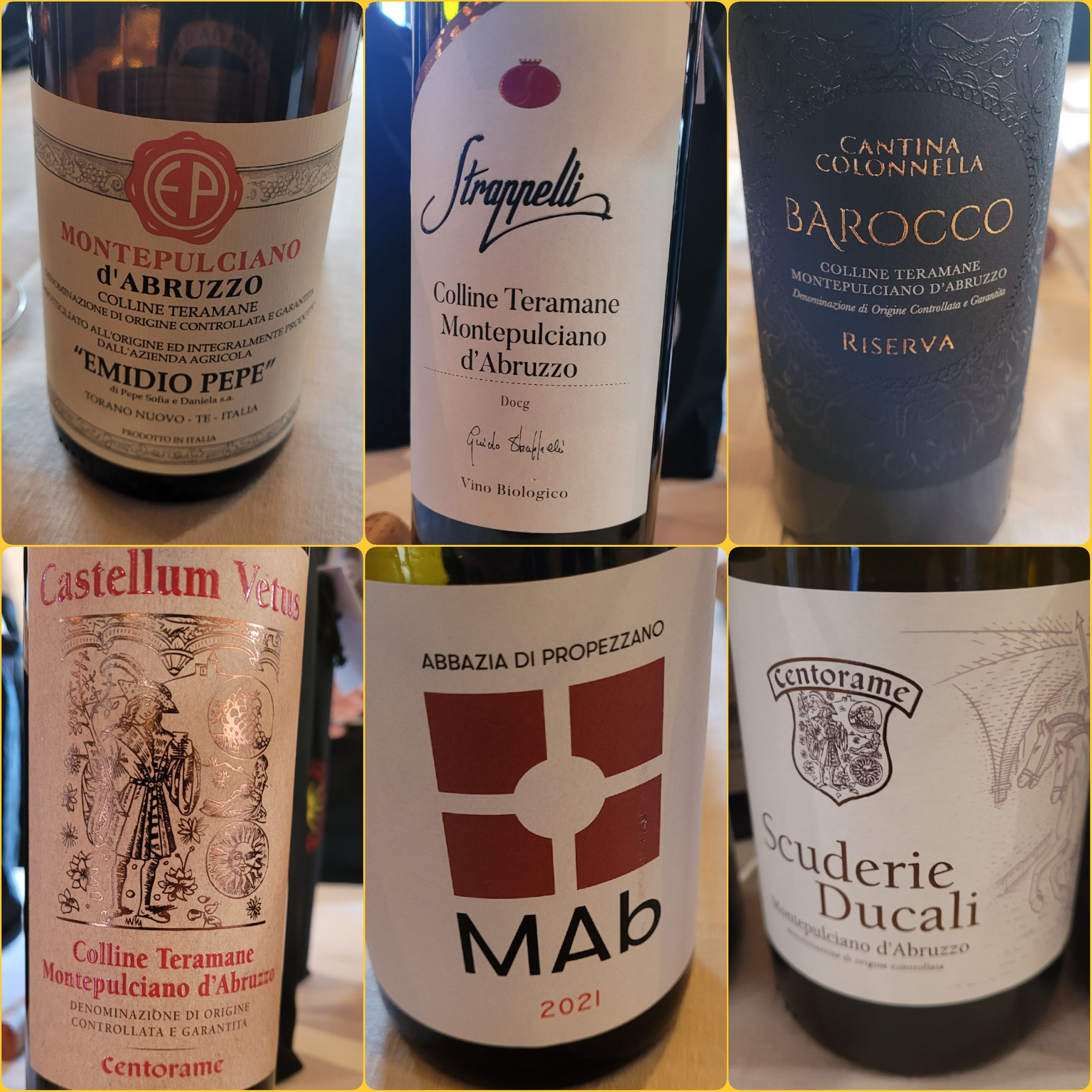
Fattoria Nicodemi Notari Montepulciano d’Abruzzo DOCG 2021, Colline Teramane- Notaresco
Fine, straight-faced, laces tied tight, lean and linear issue of montepulciano as Colline Termane for Montepulciano d’Abruzzo DOCG. Cool, salt-licked, stony and also vertical. Will not live past this decade but will soon begin to offer up a soothing and cool glass in the short term. Drink 2025-2028. Tasted March 2024
San Lorenzo Montepulciano d’Abruzzo DOCG Antares 2021, Colline Teramane – Castilenti
Aromas of red onion skin and pickling spices. Vintage directed and the sort of montepulciano that has listened to the season’s wind to deliver just what was on order. Fruit juicy, punchy and simple, if also pleasing, serviceable and effective. All parts that follow are equal and consistent with the first. Drink 2024-2026. Tasted March 2024
Abbazia di Propezzano Montepulciano d’Abruzzo DOCG 2021, Colline Teramane – Morro d’Oro
Reductive, tart and woolly, working through fermentative machinations with both manic and lactic undertones. Needs to settle and function confidentially within itself, though time will also dry out the fruit. Try to find the sweet spot two or three years down the road. Drink 2025-2027. Tasted March 2024
Cioti Alarius Montepulciano d’Abruzzo DOCG 2021, Colline Teramane – Paterno
Fresh, semi-carbonic, still in a bubble gum and candy floss time frame. Tart and simple, wood not such a distraction though the montepulciano tannins cannot be ignored. Their drying and savoury qualities are not so in synch with the fruitiness and will never fully come together. Drink 2025-2027. Tasted March 2024
Tenuta Morganti Nina Montepulciano d’Abruzzo DOCG 2021, Colline Teramane – Torano Nuovo
Much interest to start if also demure but there are florals and sweets natural red fruit scents that do invite further inquiry. The palate is furry, woollen and just that right amount of swarthy so again, curiosity runs high to look for complexities and fascinations to come. Chewy and tannic, in fact this is montepulciano that you truly sink your teeth into. Will mature and oxidize with beauty and old soul character to drink with distinction several years forward. Pay attention to the signs and see what lays ahead. Drink 2026-2032. Tasted March 2024
Cantina Strappelli Montepulciano d’Abruzzo DOCG 2020, Colline Teramane – Torano Nuovo
Super reductive to block receptors and hide away potential. There are hints of beauty and charm back there but a warm and grippy vintage is reluctant to give away too much, too early. Firm and also marked by ripe acids that control and also keep the fruit’s emotions in check. The potential for great positivity and true to appellation drinking should not be ignored nor denied. This will find its way. Drink 2026-2031. Tasted March 2024
Fosso Corno Montepulciano d’Abruzzo Riserva DOCG Orsus 2020, Colline Teramane – Roseta degli Abruzzi
A Riserva of montepulciano that relies on the barrels for most of its character and while the further aging time in vessels should develop more structure (and will) there is a bit too much distraction involved. Once again it is a Rioja-like stylistic that comes to mind and that is not a great look for Abruzzo. Drink 2025-2027. Tasted March 2024
Tenuta Terraviva Montepulciano d’Abruzzo Riserva DOCG Terraviva 2020, Colline Teramane – Tortoreto
Floral, candied nose, tart and distracting because of the way wood interposes against the simplicity of fruit. Odd in many ways, relatively clean yet oddly fermentative in its freshness seeking way. Unusual Riserva style and hard to understand. In the end the tannins are brittle and crumble under pressure. Drink 2025-2028. Tasted March 2024
Fattoria Nicodemi Montepulciano d’Abruzzo Riserva DOCG Luì 2020, Colline Teramane – Notaresco
No real surprise from grape and appellation because substance is next level and acids well heeded to support and drive the point forward. There is a lot of wood to resolve but it too helps and acts as a catalyst to make all parts of this montepulciano feel naturally sweet and connected. The style is normal and the execution well accomplished. A clean 2020 with plenty of life ahead. Drink 2025-2031. Tasted March 2024
Illuminati Montepulciano d’Abruzzo Riserva DOCG Pieluni 2019, Colline Teramane – Controguerra
Plenty of wood and somewhat forced upon the fruit and our senses in that regard though this will serve an important purpose moving forward. Fruit quality is quite fine if not yet feeling precise and the style is one of winemaking to create a structured wine that will last a good long time. But the style will always be front and centre for a montepulciano by way of the Colline Termane’s professional construct. Tastes like a $60 J. Lohr Red, at the peak of Abruzzo commerciality and impressive all the same. Drink 2025-2027. Tasted March 2024
Barone Cornacchia Montepulciano d’Abruzzo Riserva DOCG Bizzarro 2019, Colline Teramane – Torano Nuovo
No surprise that Riserva for montepulciano is so much about up front wood from a wine going back to 2019 that delivers this swaying kind of feeling. Tang, tart and controlled intensity of parts moving together in ways that just seem better and more tightly gathered than many. It’s a style and one issued on repeat but some producers do this better than others. As here because the acidity is forceful yet sweet and the culminating balsamico note clearly indicates a sense of place. That would be Torano Nuovo and here the sub-zone is promoted through a fine 2019. Drink 2025-2030. Tasted March 2024
Centorame Castellum Venus (Campione Vasca) Montepulciano d’Abruzzo Riserva DOCG 2019, Colline Teramane – Atri
Going back four and a half to five years with a still reductive montepulciano though cleaner than it at first seemed. Dark, cool, sweetly savoury fruit with tobacco, liquorice, fennel, espresso and finishing spice. Plenty of character and complexity but also a linear traction and tractive ascent. Grips the rungs and the tracks without hover or disconnect to express fruit and place (that being Atri) with distinction. Drink 2025-2031. Tasted March 2024
San Lorenzo Montepulciano d’Abruzzo Riserva DOCG Escol 2019, Colline Teramane – Castilenti
An oaky feeling from the start with American notes of coconut and here also blanched nuts. The fruit wants to shine through, of currants and pomegranate, culminating at a proper balsamico shudder but the wood is all over this mess of fruit. Wholly distracting from start to finish. Drink 2025-2027. Tasted March 2024
Fattoria Giuseppe Savini Montepulciano d’Abruzzo Riserva DOCG 2019, Colline Teramane – Castilenti
As fresh and fruit forward as Riserva for montepulciano will be to tell us maturity and resolution have arrived – with thanks to simply and judiciously used wood. Yes, a simple and easy drinking Teramane example but thankful it neither reeks nor swells with barrel overuse. Drink 2024-2026. Tasted March 2024
Cantina Colonnella Montepulciano d’Abruzzo Riserva DOCG Barocco 2019, Colline Teramane – Colonnella
Oddly carbonic for a Riserva level appellative montepulciano but sometimes the style will dominate the aromas no matter how or why. Presents a bubble gum fruitiness and also leathery compaction with fruit the main factor in the wine. Sweet acids to be sure and while a consumer might be unaware of what they are drinking, many will find delight. That said you have to know that to other local producers an eyebrow of concern would be raised in reaction to the style. Drink 2025-2027. Tasted March 2024
Montori Montepulciano d’Abruzzo Riserva DOCG Fonte Cupa 2019, Colline Teramane – Controguerra
Quite thick, rich and emulsified montepulciano with all parts integrated, resolving and coming together. Fine acidity is this 2019, leading the construction and fully entrenched as catalyst for the quality Colline Teramane fruit. Clean and proper, ready to drink and willing to please for two-plus years or more. Drink 2024-2027. Tasted March 2024
Cantina Strappelli Colle Trà Montepulciano d’Abruzzo Riserva DOCG 2019, Colline Termane – Torano Nuovo
Dio mio so much up front and in charge wood on this 2019 Riserva made in the ways of grand Italian selections, trying in a most sincere attempt to access old school charm and grace. Succeeds to a pick the best barrels degree, yet neither fruit source nor a true sense of place are in play. More about style, structure and winemaking and yet there is no denying the precision and clarity of the execution. Has its place and many will find the neo-classicism in its ways. Drink 2025-2028. Tasted March 2024
Biagi Ipnosi Montepulciano d’Abruzzo Riserva DOCG 2018, Colline Termane – Colonnella
Chewy and caky example of montepulciano that clearly indicates Riserva style with more than a marked presence of French wood. Vanilla, lavender and emulsified elements to create a swirl of floral, fruity and woody elements. No shock to find such an example and many will be comfortable with this glass. Drink 2025-2028. Tasted March 2024

Terre di Chieti
Azienda Till Montepulciano d’Abruzzo DOC Lupus 2022, Terre di Chieti – Casoli
Open, fragrant, floral and naturally sweet fruit forward montepulciano. Clean and bright, fresh as the day it was born and bottled, stopping only it seems for a few months in steel. Ideal entry point with hints at but no real showing from and for wood. Drink 2024-2026. Tasted March 2024
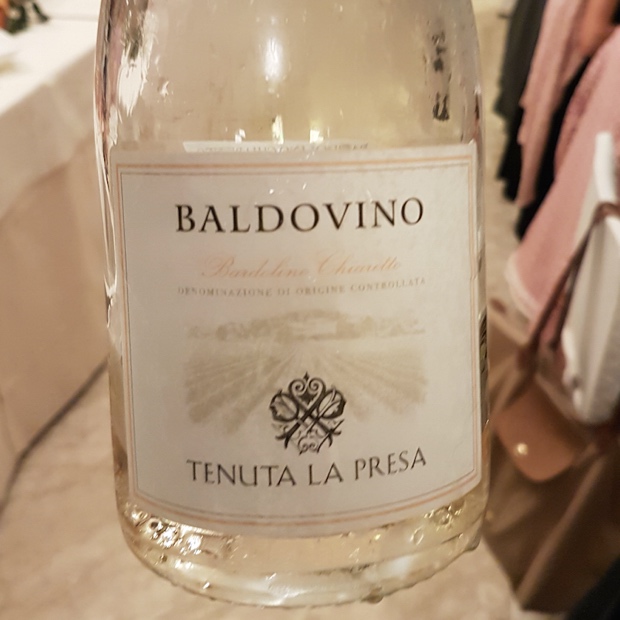
Tenuta I Fauri Montepulciano d’Abruzzo DOC Baldovino 2022, Terre di Chieti
Extremely youthful with that natural feel by carbonic pulse, fresh and gassy fruit and sweetly reductive. Simple in a way but so getable and appealing to a naive and willing crowd. Something lactic about it and for those set in their ways this may act uncomfortably primary but the glou-glou style will woo and kill it with the bottle shop crowd. Drink 2024-2025. Tasted March 2024
Tenuta Ulisse Montepulciano d’Abruzzo DOC Ulisse 2022, Terre di Chieti – Crecchio
Openly fragrant, clean and inviting, fresh bouquet of just cut flowers and sliced red fruit. No wood soak to consider as a distraction so really just fruit and nothing but the fruit. Freshness incarnate urged forward by equally clean and even racy acidity. Drink 2024-2026. Tasted March 2024
Cantina Cerretano Montepulciano d’Abruzzo DOC Angizia 2022, Terre di Chieti – Orsogno
A bit closed yet über fresh, spirited and lifted montepulciano. Perhaps a short stay in barrel this time because the spices and textures are also raised to move alongside the red and blackberry fruit. Well made and an excellent entry point. Drink 2024-2026. Tasted March 2024
Cantina Frentana Montepulciano d’Abruzzo DOC Frentano 2022, Terre di Chieti – Rocca San Giovanni
Fresh, fruity, slightly candied and easy montepulciano to once again explain the high fructose and bright content provided by 2022. Solid entry level activity right here. A hit of Amaro bitters at the finish. Spot on. Drink 2024-2026. Tasted March 2024
Cantina Tollo Montepulciano d’Abruzzo DOC Insetti Bio 2022, Terre di Chieti – Tollo
Tight and reductive though not far from its impending release. Crisp and crunchy, tart and salty, even with a slight botanical bite as well. Solid with just a kiss of barrel for texture and structure. Will age a year and then drink well for three more. Drink 2025-2028. Tasted March 2024
Vigneti Radica Montepulciano d’Abruzzo DOC Vigneti Radica Bio 2022, Terre di Chieti – Tollo
Lighter and brighter village example from Tollo, tart and even sour-edged red berries with very minimal (if any) wood influence. An herbal side here, verdant and a bit rustic but there is plenty of bright energy and succulence in the mix. Noting the wood more on the palate with a caky and even chalky feel that is also surely provided by the distinct terroir. Drink 2025-2028. Tasted March 2024
Jasci & Marchesani Montepulciano d’Abruzzo DOC Bio 2022, Terre di Chieti – Vasto
Classic perfume and style, salty upfront for montepulciano with florals part fresh and part dried. Rich as need be, full and substantial on the mid palate and then a return to savoury and also salty at the finish. Really good barrel usage and integration. Clean and classic. Will age a bit. Drink 2025-2029. Tasted March 2024
Cascina del Colle Montepulciano d’Abruzzo DOC Ducaminimo 2022, Terre di Chieti – Villamagna
More spices and spiciness on the nose than almost any of the montepulciano 2022s, more wood noted as well though integrated into both fruit and acidity. A well designed and executed package from a well-formed example, if not as big in terms of vintage expectation. Excellent drive and length. Drink 2025-2030. Tasted March 2024
Famiglia de Cerchio Montepulciano d’Abruzzo DOC Valle Maris 2022, Terre di Chieti – Villamagna
Lighter, brighter, leaner and also lifted montepulciano from 2022, liner and vertical, salty and conversely sapid. A crunchy wine that needs time to resolve its chalky tannins and mildly bitter Amaro back side. Potential is good though hard to shake the feeling that wood usage is just a bit heavy handed. Drink 2026-2029. Tasted March 2024
Casal Thaulero Montepulciano d’Abruzzo DOC Orsetto Oro 2021, Terre di Chieti – Ortona
Rich if also a bit forced, a montepulciano 2021 of fruit not up to snuff and so wood fills in the holes. Just feels like a made wine with overbearing intervention. Drink 2024-2025. Tasted March 2024
Fantini Group Montepulciano d’Abruzzo DOC Casale Vecchio 2021, Terre di Chieti – Ortona
Basic, clean and sharp montepulciano, heavy wood and a spoonful of medicine. Contrived and very “made.” Tasted March 2024
Nododivino Montepulciano d’Abruzzo DOC Monovarietale 2020, Terre di Chieti – Ortona
Problematic aromas, medicinal and artificial. Sweet, of confection and powdery accents. Basic and serviceable in a pinch. Tasted March 2024
Cantina Frentana Montepulciano d’Abruzzo DOC Torre Vinaria 2020, Terre di Chieti – Rocca San Giovanni
Perfumed if obtusely so, not exactly floral but something exotic, dried and spiced. The whole cupboard here, a masala of many aromas and flavours that for now confuse the overall plan but when the wine resolves there will be better understanding. A rich proposition and a complex one at that. Drink 2025-2027. Tasted March 2024
Olivastri Montepulciano d’Abruzzo DOC La Grondaia 2020, Terre di Chieti – San Vito Chietino
Reductive and tart, tight and nutty. Lots of wood involved but thankfully there is a brightness and an energy provided by the acidity. Finishes at balsamico and that is a fine way to leave off. Length is very good. Drink 2025-2027. Tasted March 2024
Fonetico Montepulciano d’Abruzzo DOC Cocca di Casa 2020, Terre di Chieti – Vasto
The entry is neither floral nor fruit perfumed but there is a musky skin and salumi scent that provides interest. The barrel work is high level and well used, not yet integrated but the acidity does the yeoman to move things swimmingly along. A fine example of mid-weight for mid-term aging and complexity developing with a few years in bottle. A bit commercial with smokiness and toasted nuts, but ultimately solid. Drink 2025-2028. Tasted March 2024
Cascina del Colle Montepulciano d’Abruzzo DOC Mammut 2020, Terre di Chieti – Villamagna
Solid, oaky, toasty, tobacco lit and also reductive montepulciano. Really spicy and charred on the palate. Almost feels like they could be secretly growing carmenère in Abruzzo. Absurdities aside there are aspects of this montepulciano that excite and riase eyebrows, of holy roasted peppers, verdancy and char. Drink 2025-2027. Tasted March 2024

Colline Pescaresi
Cantina Zaccagnini Montepulciano d’Abruzzo DOC Il Vino dal Traghetto Bio 2022, Colline Pescaresi – Bolognano
Artificial, bland and lifeless. No biodiversity, complexity or life to be found. The result of what happens in a vineyard translated into wine. Tasted March 2024
Contesa Montepulciano d’Abruzzo DOC Contesa 2022, Colline Pescaresi – Collecorvino
Perfectly fruity, fine and lifted montepulciano. Quiet, simple and introductory to speak of grape and place. Teachable, educational and spot on at the level it intends to discuss. Drink 2024-2026. Tasted March 2024
Talamonti Montepulciano d’Abruzzo DOC Modà 2022, Colline Pescaresi – Loreto Aprutino
Basic, clean, vaguely complex, conversely tannic and utilitarian montepulciano. May not express a true sense of place but does confidently and properly speak for the greater good. Drink 2024-2025. Tasted March 2024
Tenuta Arabona Montepulciano d’Abruzzo DOC Mia Natura Bio 2022, Colline Pescaresi – Manoppello
Fresh, mildly carbonic, spiced, white peppery, fragrant and generous. Mild oak work and usage, sliding and gliding across the palate, gracious texture and well defined finish. Very solid and proper example. Drink 2025-2028. Tasted March 2024
Chiusa Grande Montepulciano d’Abruzzo DOC Vinosophia 2022, Colline Pescaresi – Nocciano
Really notable for the juicy and succulent character and clearly montepulciano treated with the respect it deserves to shine. The wood is indeed felt in mouthfeel but only for a moment before a full on wet of the appetite occurs. Arrosticini happens next. Last tasted March 2024
Light and fresh, expressly clean and impressively so, inviting to a fine varietal degree without any real wood distraction. More so on the palate but as an entry level or a half step up from there this does the trick to envier, invite, entice and deliver correct responses. Nocciano for the early win. Drink 2024-2026. Tasted February 2024
Tenuta Pescarina Montepulciano d’Abruzzo DOC Torre Bio 2022, Colline Pescaresi – Spoltore
Reductive and a bit dirty, crisp and also a note of char. This is not clean wood nor does it do the fruit any favours. Tasted March 2024
Chiusa Grande Montepulciano d’Abruzzo DOC In Petra 2021, Colline Pescaresi – Nocciano
A bright and perfumed montepulciano, tart and expressive but mostly on the nose. A good chalkiness and more substance coming later with a gap up the middle thankfully not filled in by wood. Yeoman work from 2022 which may not be the grandest vintage of the last five, yet here still well represented. Drink 2025-2027. Tasted March 2024
Ciavolich Montepulciano d’Abruzzo DOC Divus 2020, Colline Pescaresi – Loreto Aprutino
First montepulciano of swarthy interest from a flight 27-in strong and while some may feel the brittle possibilities there can be no doubt that character and potential exist in this bigger 2020. Rich and expressive, the Brettanomyces a potential danger but for now we’ll accept the rest of the wine as something into which we are curious to partake. Drink 2025-2028. Tasted March 2024
Caprera Montepulciano d’Abruzzo DOC La Vasche 2020, Colline Pescaresi – Pietronico
Fine, caky and well developed example of montepulciano, wood used too a high degree but already beginning to integrate without issue. A medium-bodied and good acid inflected example that serves a purpose, to exult grape and place as well as can be reasoned, seasoned and expected. Drink 2025-2028. Tasted March 2024
Tenuta Pescarina Montepulciano d’Abruzzo DOC Mascolino 2020, Colline Pescaresi – Spoltore
Full disclosure Montepulciano, rich and full vintage developed fruit, high toned and expressive. A whole whack of fruit, acidity and tannin combining for the whole package delivered. Drink 2025-2030. Tasted March 2024
Teramo
Barone di Valforte Montepulciano d’Abruzzo DOC 2023, Teramo – Silvi
As much fruit perfume and palate presence as any with high acidity, lift and only the gentlest amount of swarthiness. This will appeal to both lovers of clean wines and also natural wine aficionados that look for the cleaner examples. Drink 2025-2028. Tasted March 2024
Centrorame Montepulciano d’Abruzzo DOC Scuderie Ducali 2023, Teramo, Atri
Touch of reduction but also confection from wood in a montepulciano that will need some time to develop charm and hopefully also some grace. Drink 2025-2028. Tasted March 2024
Velenosi Montepulciano d’Abruzzo DOC Prope 2022, Teramo – Ancarano
Fruit at the fore, berries in full force, perfumed if not exactly floral and wood very much in the mix if not wholly aligned with the fruit. Perfectly reasoned and seasoned example that serves great purpose in the short term. Drink 2025-2027. Tasted March 2024
San Lorenzo Montepulciano d’Abruzzo DOC Aldebaran 2022, Teramo – Castilenti
Fruity and aromatic with fruit pulp and skin perfumes that really stand at the fore. Full flavour and wood well integrated without spiciness or caky spice. Good seasoning if not high complexity. Drink 2025-2028. Tasted March 2024
Biagi Montepulciano d’Abruzzo DOC 2022, Teramo – Colonnella
Medicinal and artificial. Smoky and caky textured. No joy in Colonnella-ville. Tasted March 2024
Cantina Collonella Montepulciano d’Abruzzo DOC Parhelia 2022, Teramo
Reductive and peppery, slight rubbery feel and plenty of wood though the lift meeting drying sensation speak to potential. Though the tannins are severe and even austere there is something strong that indicates more charm a few years down the road. Remains to be seen. Drink 2025-2031. Tasted March 2024
Illuminati Montepulciano d’Abruzzo DOC Riparosso 2022, Teramo – Controguerra
Brighter than some but simpler than many. Clean, fresh and unexciting. No complexities to speak of, nor austerity in the tannins neither. Chill a bit for just a good glass of montepulciano. Drink 2024-2026. Tasted March 2024
Tenuta Morganti Montepulciano d’Abruzzo DOC Dolcenera, Affinamento in Anfora 2022, Teramo – Controguerra
Lovely brightness and freshness from a wine that expectation might have see it being moved or leaning in another direction but grace and charm are tops for this montepulciano. So much beauty and a wine that holds your attention for as long as you are willing to abide. Drink 2026-2033. Tasted March 2024
La Quercia Montepulciano d’Abruzzo DOC Peladi 2022, Teramo – Morro d’Oro
Solid work with oak for fruit of a big if not grand vintage and as 2022 is concerned this finds the way. The way with lots of wood but fruit, acidity and tannins are all sweet to the edge of energy from which the palate draws invigoration. Nothing incendiary or enervating here but instead a wine that works the glass and room with style. Drink 2025-2030. Tasted March 2024
Orlando Contucci Montepulciano d’Abruzzo DOC Rubiolo 2022, Teramo, Roseto degli Abruzzi
Reductive in a part rubbery and part peppery way, with cool fruit and austere tannins. Lots of wood to resolve and scores to settle. Another montepulciano for which the phrase “remains to be seen” must be employed. Drink 2025-2029. Tasted March 2024
Centorame Montepulciano d’Abruzzo DOC San Michele 2021, Atri
Reductive and tight, clean and pure behind the shell and a montepulciano with plenty of notable French oak. Seasoned and spiced but also spicy. There will be many fans of the style. Drink 2025-2028. Tasted March 2024
Cirelli Montepulciano d’Abruzzo DOC Anfora 2021, Atri
Simple, clean and very fruity without strings or exceptionalities. Basic and far from complex. Drink 2024-2025. Tasted March 2024
Fattoria Giuseppe Savini Montepulciano d’Abruzzo DOC Rondineto 2021, Morro d’Oro
Off-putting aromas to indicate microbial activity. Problematic and not correct. Tasted March 2024
Cantina Strappelli Montepulciano d’Abruzzo DOC 2021, Torano Nuovo
Quite tight and reductive for 2021, not yet having moved through its workings surely inner and implosive in design. A crunchy and crisp example for which the wood is a great helper but acidity is the true driver. No the mid-palate is not fully formed but surely this will be an example that needs to be re-tasted again and again to see how it is progressing and will continue to do so. Drink 2026-2032. Tasted March 2024
San Lorenzo Montepulciano d’Abruzzo DOC Casabianca 2020, Castilenti
Big montepulciano, muscular and intense, full frontal, fit substantial and ready for anything that comes its way. Good if not exceptional acidity, lots of sweetening wood and then bigger tannins. An ambitious example that needs years to mature and will surely show truffle and possibly also porcini in its future. Drink 2026-2031. Tasted March 2024
Illuminati Montepulciano d’Abruzzo DOC Ilico 2020, Controguerra
Tight yet not reductive, rich and oak caky, textured with tart edginess and really tight tannins. Austere even but there is plenty of substance involved. A big wine that’ll have broad appeal once it integrates and settles down. Drink 2026-2030. Tasted March 2024
Podere San Massimo Montepulciano d’Abruzzo DOC Colle Rosso 2020, Giulianova
Decaying matter. Tasted March 2024
La Quercia Montepulciano d’Abruzzo DOC La Quercia 2020, Morro d’Oro
Reductive and truly savoury but specifically tomato – the leaves and also a thick-skinned cherry variety. Tannins are brittle and so there is a yeasty aspect that creates this issue. What to make of this chaotic montepulciano? Drink 2025-2026. Tasted March 2024
Barone Cornacchia Montepulciano d’Abruzzo DOC Casanova 2020, Torano Nuovo
An improvement aromatically speaking for the oft challenging and sometimes tragic 2020s. Plenty of substantial fruit and richness though also some bitters and rusticity. This is montepulciano that flies all over the map and the question is where will it land? Likely in secondary character that feels mushroom, brothy, earthy and tannic. Drink 2025-2028. An improvement aromatically speaking for the oft challenging and sometimes tragic 2020s. Plenty of substantial fruit and richness though also some bitters and rusticity. This is montepulciano that flies all over the map and the question is where will it land? Likely in secondary character that feels mushroom, brothy, earthy and tannic. Drink 2025-2028. Tasted March 2024. Tasted March 2024
Cataldi Madonna Montepulciano d’Abruzzo DOC Malandrino 2022, Terre dell’Aquila – Ofena
Now here flies out a perfume not yet nosed in 50-plus previous examples of montepulciano from Abruzzo. But also a strange advance of flavours that feel lost in time, therapeutic and curative. Shows that iron and iodine quality. Hard to find the true joy, especially in this youthful stage. Sit on this montepulciano for at leats a year – it surely represents its place. Drink 2025-2028. Tasted March 2024
Cataldi Madonna Montepulciano d’Abruzzo DOC Girovago 2021, Terre dell’Aquila – Ofena
Fulsome, substantial, full-bodied and all in montepulciano with fruits, acidities and sweet tannins all in line. A perfect storm of the holy trinity and trilogy that will see the best of all worlds for 2020 from Terre dell’Aquila. Surprising and what joy to come across this special wine. Drink 2026-2033. Tasted March 2024
Cataldi Madonna Montepulciano d’Abruzzo DOC Tonì 2021, Terre dell’Aquila – Ofena
Briny and salty with other reductive assets set this up for a different sort of advance. Hard to see the forest through the herbaceous trees and spices run amok but once again time will almost certainly be the ally. Not to mention the catalyst to explain how such a montepulciano is surely one to define its location. Drink 2025-2028. Tasted March 2024
Inalto Montepulciano d’Abruzzo DOC Campo Affamato 2020, Terre dell’Aquila – Ofena
Really tight and full on in Riserva-plus style that will need years to integrate, resolve and ultimately mature. More than most. Yes there is plenty of wood and also a swarthiness about the volatile compounds circulating around fruit but my goodness the stuffing and therefore potential are great. Come back in four years. Drink 2027-2034. Tasted March 2024
Tenuta i Fauri Montepulciano d’Abruzzo Riserva DOC Vigna Santa Cecilia 2020, Terre di Chieti – Chieti
Lighter and brighter than some Riserva but just as substantial in terms of fruit and acidity than any from the 2020 vintage. Really chalky and still austere as far as tannins are concerned, but there is some great and purposeful reasoning to see this live a very long life. Drink 2026-2033. Tasted March 2024
Pasetti Montepulciano d’Abruzzo Riserva DOC Testarossa 2020, Terre di Chieti – Francavilla al Mare
True purpose for bright varietal fruit matched against serious structure put this Riserva in promising steading because the fruit is pitted up towards the wall of tannin. Holy moly is this a serious and potentially impressive wine. Again the facts are facts and the rest remains to be seen. Drink 2027-2035. Tasted March 2024
Casal Thaulero Montepulciano d’Abruzzo Riserva DOC Duca Thaulero 2020, Terre di Chieti – Ortona
A bit of pickling here, more spice than brine but nevertheless the seasoning is markedly driven by wood. The fruit is strong and for the most part stands up to the task but the middle palate wanes and so wood wins in the end. Drink 2025-2029. Tasted March 2024
Citra Vini Montepulciano d’Abruzzo Riserva DOC Caroso Limited Edition 2020, Terre di Chieti – Ortona
Rich and caky, a very barrel directed example of montepulciano that for Chieti does in fact do well to fill in the mid palate. Ultimately black forest cake in style and as an example that will live long if not far away from secondary and even tertiary notes taking centre stage. Drink 2026-2029. Tasted March 2024
Masciarelli Montepulciano d’Abruzzo Riserva DOC Marina Cvetic ISKRA 2020, Terre di Chieti – San Martino sulla Marruccina
Mamma Mia all oak and very little else. The fruit tries to poke through the woody and woollen clouds but fails to express itself with any truly credible opposite of confusion. Will become more and more about wood as time goes by. Drink 2026-2029. Tasted March 2024
Famiglia De Cerchio Montepulciano d’Abruzzo Riserva DOC Colle Maggio 2020, Terre di Chieti – Villamagna
Unique aromatic perspective, especially for Chieti because the barrel is not the first thought as it pertains to the approach for Riserva style wines. Still there is black forest cake and heavy berry-mocha-chocolate with a toasty aspect that overtakes the rest. A smothered montepulciano. Drink 2026-2028. Tasted March 2024
Cantina Zaccagnini Montepulciano d’Abruzzo Riserva DOC Il Vino dal Tralcetto 2020, Colline Pescaresi – Bolognano
Reductive and mephitic, a dark and dank basement where the air can’t ever clear. Tasted March 2024
Talamonti Montepulciano d’Abruzzo Riserva DOC Tre Saggi 2020, Colline Pescaresi – Loreto Aprutino
Proper Riserva nose, rich and lifted, oak so full and in charge but fruit stands up and alongside. A firm, grippy and intelligent example if again an impressive amount of wood involved. Can’t help but see this as a top style for Riserva for a fine example of vintage (2020) and place (Colline Pescaresi). Age worthiness is a certain guarantee. Drink 2026-2034. Tasted March 2024
Fosso Corno Montepulciano d’Abruzzo Riserva DOC 2020, Teramo – Torano Nuovo
Stinky, reductive and dill pickle juice overrun. Tasted March 2024
Citra Vini Montepulciano d’Abruzzo Riserva DOC Ferzo 2020, Teate – Ortona
Tannic as you know what with austerity and toasted wood notes all over the fruit. Will this ever find the light? To a decent extent yes. Drink 2027-2032. Tasted March 2024
Nododivino Montepulciano d’Abruzzo Riserva DOC Torrepasso 2020, Teate – Ortona
Plenty of lift from montepulciano as Riserva with heavy fuel delivered in tanker after tanker by the barrels. The soy, varnish and heavy espresso is almost out of control. Tertiary character is just around the corner. Drink 2024-2026. Tasted March 2024
Contesa Montepulciano d’Abruzzo Riserva DOC Chiedi alla Polvere 2020, Terre dei Vestini – Collecorvino
Cool, minty-savoury, very wood seasoned and reasoned for what can only act like a heavy set of fuel. Fruit and barrel will conspire for a decade-long run. Drink 2025-2033. Tasted March 2024
Marramiero Montepulciano d’Abruzzo Riserva DOC Inferi 2020, Terre dei Vestini – Rosciano
As rich, dense and concentrated as montepulciano will get. Heavy oak-driven style in the wooded, brewed soy, dark ganache of chocolate and mocha way. If you have come looking for a quick varietal fix with fruity transparency than thjis will seem so very over the top because of barrel usage and just too much for whatever fruit you would like to see expressed. If you want texture and structure than this will satisfy greatly, but not before another three years have passed. Drink 2026-2032. Tasted March 2024

At Prowein with Valentina di Camillo, Tenute I Fauri
Tasted at Prowein with Valentina Di Camillo
Tenuta I Fauri Passerina Vino Biologico 2023, Colline Teatine IGT
Campione: Grandfather abandoned these vines because of low production and they were re-planted 20 years ago on clay-calcareous soils with a great skeleton of limestones. Delivers salty notes but as a coincidence because these are not vines by the sea, closer to Chieti, 15 kms away from the water. Raised in concrete vats, holdovers from Valentina’s grandfather and restored to modern standards. Lost 85 percent of production to Perenospera with only this pecorino and Cerasulo being made. A wine of right choices and direction, what with passerina being the future. Drink 2024-2026. Tasted March 2024

Valentina di Camillo, Tenute I Fauri, Prowein 2024
Tenuta I Fauri Passerina Baldovino 2023
Campione: At 14 percent in alcohol and so light, bright, balanced and beautiful. This is the cuvée of all 14 plots of montepulciano and my goodness this is what you want to drink. “No matter what my mom cooks,” says Valentina, “especially gnocchi al sugu.” This is the energy from Cerasulolo you need. There it is, doing its job. Subtle almond aftertaste for a 7,000 bottle production that usually reaches 15. Drink 2024-2026. Tasted March 2024
Good to go!
godello
Ausonia (Atri, Teramo)























 Godello