Niagara delivers everbearing quality in November releases

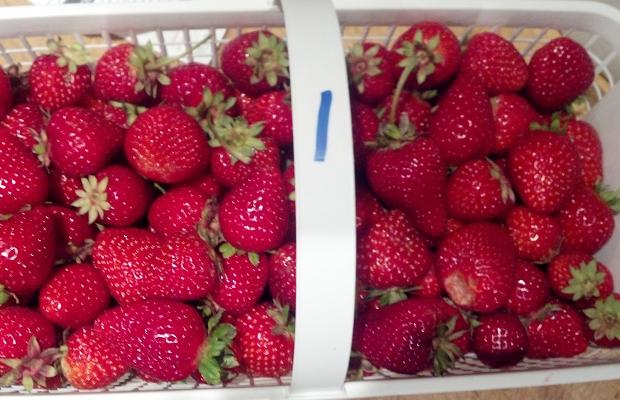
Ontario Everbearing Strawberries

Ontario Everbearing Strawberries

Like the strawberry, yet on countless further levels, Ontario wines have elevated in quality with exponential consistency in recent times. I can remember rushing out to Simcoe County to pick strawberries in late June at Visser and Barrie Hill farms, only to see the season end as abruptly as it began, after just a few weeks of plump, flame-red, succulence. Times have changed. Like the plant belonging to the family of Fragaria genus, Ontario wines, across the board, have evolved. The Everbearing Strawberry can be picked well into the Fall. Was it not so long ago the consumer chose Ontario wines with sporadic indifference? To Japan, exports of Canadian wine have doubled in the last five years. This is no small feat and with thanks to an all Canadian wine store owned by Jamie Paquin called Heavenly Vines. Domestically speaking, purchases of local wine are as strong in October as they are in July. Times has changed.

Ontario winemakers have figured it out. The “world-class” comparative humanities of aging and longevity aside, the comprehensive and widespread phenomenon of excellence, regardless of vintage, is now an Ontario reality. I would not make the call that 2013 was a vintage of the decade but very good wines were made. There are no bad vintages in Ontario. That concept is mired in the pessimistic rhetoric of the past. The winemaking camaraderie excogitates to mature as one big happy guild in pursuit of the common good. Vintners are focused and intense; on terroir, micro-climate, canopy management, picking times, pure and clean fruit, élevage and on honest wine.

The industry is currently fixated on making great product. Whatever beefs critics and consumers have with varietal choices, marketing failures or suffocating consumer systems, what is happening in bottle is nothing short of brilliance. Morale is at an all-time high. How else to explain the ability to weather the storm of a brutal winter in 2014? Enzo Barresi of Colio Estates told me yesterday that he does not bemoan the loss of vines. Less Merlot? So what? The ability to make polished wines from other grape varieties replaces fear, dread and loathing. The same goes for Rosewood Estates. No more Sémillon? “What can you do.”  says Krystina Roman. Concentrate on excellence elsewhere. Soldier on.

The November 8th VINTAGES release coming up this weekend is a prime example of the strawberry in the room that is Niagara wine. I count no fewer than eight examples of an eminence front in output. From Riesling and Sauvignon Blanc to Chardonnay and from Pinot Noir to a Bordeaux-styled blend, these eight wines are elephantine examples of what Ontario does best.

From left to right: Hidden Bench Chardonnay 2012

From left to right: Featherstone Black Sheep Riesling 2013, The Foreign Affair Sauvignon Blanc Enchanted 2013, Tawse Spark Limestone Ridge Riesling Sparkling Wine 2012, Hidden Bench Chardonnay 2012

Featherstone Black Sheep Riesling 2013, VQA Niagara Peninsula, Ontario (80234, $16.95, WineAlign)

The vintage delves into older school territory, elemental and elevated skywards, to atmosphere the Sheep has not recently climbed to. This airy void allows the Vineland rocks beneath to grind their way into all aspects of this Riesling. “Three bags full.” The lime rind and overall citrus circumvention brings the typical back to earth. This is a lean but fine Featherstone. Exemplary of the vintage, with plenty of wool.  Tasted October 2014  @featherstonewne

The Foreign Affair Sauvignon Blanc Enchanted 2013, VQA Niagara Peninsula, Ontario (389767, $19.95, WineAlign)

Appassimento-style Sauvignon Blanc is both curious and an open target for accusations of vivid excesses. The detractor will look for swift “walls of insincerity,” the complimenter will say “I was enchanted to meet you.” Foreign Affair’s take has been injected with a cocktail of intensity; steroidal, hormonal and from concentrate. All the juicy orchard fruits are there; plum, apple, pear, nectarine, lemon, lime and grapefruit. This passes the appassimento SB test, if only and commodiously because it spreads fruit like confiture on warm toast.  Tasted October 2014  @wineaffair

Tawse Spark Limestone Ridge Riesling Sparkling Wine 2012, Twenty Mile Bench, Ontario (370361, $19.95, WineAlign)

The Spark’s fermented in the bottle, cheesy, leesy warm ’12 turn, like melted Fontina on Formica, does dissipate following a moment or two and a bubble-bursting swirl. To taste there is much to delight in this inaugural release. Like the days leading up to ripe picked pears and a squeeze of striking, tart lemon. Good persistence is crackling, misty and even mysterious. Sparks squeezed from frenetic rhythm.  Tasted October 2014  @Tawse_Winery  @Paul_Pender

Hidden Bench Chardonnay 2012, VQA Beamsville Bench, Ontario (68817, $28.95, WineAlign)

Shows its finesse from the start. Though today I sense a slightly candied nose it’s wrapped in a warm and fuzzy coat, gifted by the vintage but without heat. This may be the prettiest of Marlize’s (Estate) Chardonnay; enchanting, honeyed, floral. Yet there is a pulsating note, portending the time needed to bring this to an intended fruition. Stretches for conscious movement length. From my earlier, July 2014 note: “Yet rigid in its youth, the wood is not yet settled. Bottled in September of 2012, the ’12 will need every day of its first year to be ready, willing and able to please upon release. From my earlier, May 2014 note: “Always aromatically embossed and texturally creamy, the Estate Chardonnay finds a way to elevate its game with each passing vintage. The uplifting elegance factor acquiesces the poise needed to battle the effects of ultra-ripe fruit out of a warm vintage. In ’12 the middle ground exchanges more pleasantries though the finale speaks in terse, toasted nut and piquant daikon terms. Not harshly or witchy, mind you, but effectively and within reason of the season. When you look in the window at Harald (proprietor Thiel) and Marlize’s (winemaker Beyers) Chardonnay, “you’ve got to pick up every stitch.”   Last tasted October 2014  @HiddenBench  @BenchVigneron

From left to right: Flat Rock Gravity Pinot Noir 2012, Le Clos Jordanne Village Reserve Pinot Noir 2011, Hidden Bench Terroir Caché Meritage 2010, Le Clos Jordanne Le Grand Clos Chardonnay 2011

From left to right: Flat Rock Gravity Pinot Noir 2012, Le Clos Jordanne Village Reserve Pinot Noir 2011, Hidden Bench Terroir Caché Meritage 2010, Le Clos Jordanne Le Grand Clos Chardonnay 2011

Flat Rock Gravity Pinot Noir 2012, VQA Twenty Mile Bench, Ontario (1560, $29.95, WineAlign)

Seven months have softened and mothered Gravity’s adolescence in ways to now see it as the most feminine, certainly of the last four vintages. Pretty dabs, perfumes of natural conditioning, warm days and warm nights in the bottle. More accessible than previous takes and of a new modernity perceived. Sweet dreams and sweet fragrances, roses and cinnamon, nothing fancy here mind you, with no bite and no gathering moss. Cherries and vanilla, lavender and simple pleasures. Straight up Gravity, no pull down, no drag and no excess weight. At $30 and from the best barrels, this trumps $40-50 most locales not called Lowery, La Petite Vineyard, Central Otago, Hengst or Pfinstberg. From my earlier, March 2014 note: “In a vintage potentially muddled by warmth and a humidor of radio frequency, duplicating berry phenolics, Flat Rock’s Gravity remains a definitive, signature house Pinot Noir. In 2011, the head of the FR class from its most expressive barrels shared the limelight (and top juice) with the Pond, Bruce and Summit one-offs. In ’12, Gravity’s sandbox was its own. The style is surely dark, extracted, black cherry bent, as per the vintage. Yet only the Rock’s soil does earth in this variegate, borne and elevated by the barrel’s grain. There are no fake plastic trees in a Flat Rock Pinot. “Gravity always wins.”  Last tasted October 2014  @Winemakersboots  @UnfilteredEd  @brightlighter1

Le Clos Jordanne Village Reserve Pinot Noir 2011, VQA Niagara Peninsula, Ontario (33894, $30.00, WineAlign)

A refined ’11 Pinot Noir, of combined vineyard fruit or not, this shows attention to clean, precise winemaking detail. Punches suffered during fermentation mean a fully healed wine in bottle. Good structure and grain in tannin with just a minor fleeting paint is only a fleeting reminder of previous VR’s. Sweet plum fruit, just ripe, skin cracking, flesh oozing and dripping of pure juice. From my earlier, February 2014 note: “Something’s missing, or rather something is happening here. The LCJ omnipresent warm Pinot coat of harm is conspicuous in its absence, or has it been reigned in? This 2011 is so much more friendly, more soft-spoken, expertly judged and picked ripe fruit richer than before. Plenty of tang and tannin but the pronouncement is in a savoury basil/chervil kind of way. Not just another high made by just another crazy guy. A most excellent, bright, roxy Village Reserve, full of atmosphere and ambient music.”  Last tasted October 2014  @LeClosJordanne

Hidden Bench Terroir Caché Meritage 2010, VQA Beamsville Bench, Niagara Peninsula, Ontario (505610, $38.00, WineAlign)

Has shifted ever so slightly, as if injected by a bolus to effectively level off the intensity in concentration. With another summer beneath its brooding belt, the aromatics are now in full flight. From my earlier, June 2014 note: “The richest Terroir Caché to date, making use of its barrel in judicious but never obnoxious ways. Huge Bench wine, needs 10 years for sure. From my earlier, April 2014 note: “No other Niagara red and for sure no alternative Peninsula Bordeaux blend exists in such a vacuum of dichotomous behaviour. Act one is an out-and-out boastful, opulent show of Rococo. Act two a gnawing and gnashing by beasts. The pitch and pull of the Terroir Caché 2010 optates and culls the extraordinary through the practice of extended délestage, what Hidden Bench notes as “a traditional method of gently draining the wine and returning it to tank with its skins during fermentation.” The ’10 is about as huge as it gets, highly ferric and tannic. Still chemically reactive, you can almost imagine its once small molecules fitfully growing into long chains. Berries of the darkest night and he who should not be named black fruit are confounded by minerals forcing the juice into a cold sweat. Will require a minimum of 10 years to soften its all-powerful grip. From my earlier March 2013 note: “Has rich, voluptuous Napa Valley written all over it. Sister Merlot dominant, Beamsville Bench sledge monster. Plumbago, mineral, blackberry and coffee in a wine that will be the ringer in a blind tasting 10 years on. Harald may be saying “this is our family jewel.” Mr. Thiel, you make good wine.”  Last tasted October 2014

Le Clos Jordanne Le Grand Clos Chardonnay 2011, VQA Niagara Peninsula, Twenty Mile Bench, Ontario (34561, $65.00, WineAlign)

Certainly plays the most hard to get of the ’11 Chardonnays of fruit so fine and pure. Layered like Phyllo or Puff pastry, gathered and set back upon itself. Gains traction and intensity through developed flavours and overlays of texture, both solid like shale and lacy like organza. From my earlier, July 2014 note: “From sandy loam and limestone soils, here is a Chardonnay that winemaker Sébastien Jacquey is looking to fashion with low PH and elevated tannin. A most commendable effort in the enigmatic ’11 vintage, clean, anything but lean and un-gassed by a jet engine’s aerified stream. Chardonnay running instead on the vineyard’s biofuel, a chalky lees and lime texture that turns green in a savoury way towards the back end. Full, rich, gaining in stature as it breathes, thinks and feels. Atop the green there is an ambrosial aroma and a honeyed sense of flesh. A wine of great respect and biodynamic energy.”  Last tasted October 2014

Good to go!
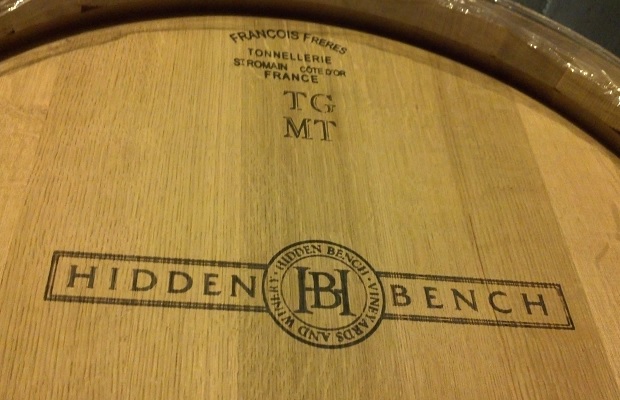
A hip of wine from Hidden Bench

French cask in the Hidden Bench cellar

French cask in the Hidden Bench cellar

A visit to the Beamsville Bench on a warm September morning is a beautiful thing. Facilitated by their sagacious Ontario agent Bernard Stramwasser of Le Sommelier, the royal welcome was presented at Hidden Bench Vineyards and Winery. Proprietor Harald Thiel and winemaker Marlize Beyers left no barrel, vine, wine or helping left to the imagination. What a terrific day.

Marlize Beyers is as close to artisanal perfectionism as it gets on the Niagara Peninsula. The texture and grace of the wines reflect their maker. Beyers showed off the underbelly of Hidden Bench, including the 600L concrete egg fermenter (which actually holds 700L of juice). The concrete must be primed with tartaric acid before use or the egg will de-acidify the wine. What will emerge from within the thick chitinous walls of that oospore is on my future tasting agenda.

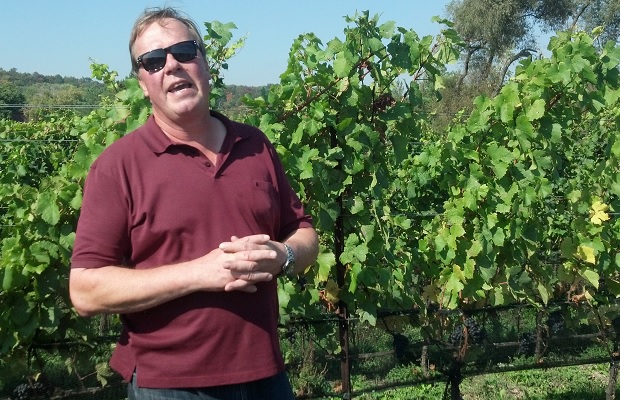
Out in the vineyard, vigneron Harald Thiel tells the story of Fel-seck, the “corner of a cliff,” in the angled nook of the Niagara Escarpment. The soil is filled with glacial till left from ancient Lake Iroquois pulled up from four retreating glaciers. “The glacial till deposit IS the Bench,” says Thiel. His winery operates on more than a quarter of the Beamsville Bench, in high density plantings. All wines are made from estate fruit. The control centre manages that fruit 24/7. The crux of the operation. And leaves.

Harald Thiel in front of Pinot Noir vines in the Felseck Vineyard

Harald Thiel in front of Pinot Noir vines in the Felseck Vineyard

Leaves are a huge preoccupation at Hidden Bench. “Rule of thumb is you need 14 leaves to ripen one bunch,” confirms Harald. Canopy leaf management is a rigorous exercise, to compensate for wrong orientation. The inherited Felseck was planted east-west, but the south gets the sun, the north not so much. The spur pruning system (as opposed to double-Guyot) works to benefit in Felseck. To compensate for the winter of ’14 and to stop the “middle-age spread,” the leaves (shoots) are kept between wires. Other benefits include less disease stress and no fruit shadowing.

Sun on the fruit in the morning is key and to avoid sunburn, the leaf orientation is managed accordingly. “Manage the umbrella leaves,” notes Thiel. What about birds? “We use 32 km’s of nets,” and no bird bangers. “Pinot Noir is the favourite varietal of birds,” because they turn colour first. Anti-aviary veraison. Insects? “We use sexual confusion to ward off (insects).” There are 7500 pheremone ties (of the Paralobesia Viteana or female Grape Berry Moth) in the vineyards. Confuses the hell out the males. Translation: No insecticides.

Harald is proud to say this about Marlize. “Winemaking is an artfully applied science.” This was Beyers’ answer to the age-old question,”art or science?” So it goes without saying that grapes are picked on flavour, not sugar levels determined in the laboratory. You take what the vintage gives and make the appropriate, corresponding wine. Ideally Chardonnay is picked at 21-22 degrees brix, but regardless, at Hidden Bench it is always picked on flavour.

Pinot Noir comes from high density planting, with one cane and a single Guyot system. Yields are Grand Cru in quantity (1.6 – 1.9 tonnes per acre or 26-28 hL/L) but not at proportionate pricing. To many a consumer and outspoken wine trade professional they are exceedingly high. Spend some time with Harald and Marlize and you may just figure out why.

The two have developed a “Bistro” line bottled for the restaurant licensee industry. The Pinot Noir, Chardonnay, Riesling, Red Blend and Rosé are essentially the sum total of the collected and filtered run-off from the rich and select HB vineyard pool. The Riesling ’13 slings sugar and salinity in a push-pull, posit tug. It serves up typicity with bias and honesty. The Chardonnay ’13 is a perfectly round sipper, coagulating all of Marlize’s varietal plans; canopy management, earlier picking, gentle pressing, pumpover, the management of new wood barrels – all in the name of affordable structure. The Red ’11 is composed of Cabernet Franc (68 per cent), Malbec and Merlot. The CF smothers and smoulders above the M & M’s with all its currant, tobacco and black pepper power.

Here are notes on the 16 other wines tasted at Hidden Bench that day. Not to mention a sumptuous Coq au Vin.

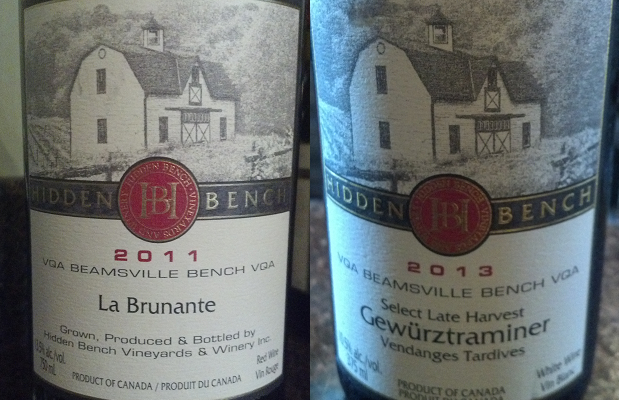
Hidden Bench La Brunante 2011 and Select Late Harvest Gewürztraminer Vendanges Tardives 2013

Hidden Bench La Brunante 2011 and Select Late Harvest Gewürztraminer Vendanges Tardives 2013

Hidden Bench Estate Riesling 2013, VQA Beamsville Bench, Niagara Peninsula, Ontario (183491, $23.95, WineAlign)

The Estate Riesling is as vigneron-defining as any wine on the Niagara Escarpment. Hidden Bench is a 100 per cent estate-fruit operation so this Riesling is spokesperson, prolocutor, mouthpiece, champion, campaigner and advocate for the concept. The estate ’13 reaches deeper for nutrient pot sweetening, into shale and in conceit of its varied, positively cultivated terroirs. Compact and jelled, this is several steps up from most other entry-level Niagara Riesling and in fact, is really anything but. The transparency here is patent. This is Riesling that simply knows what it is; pure Bench, unequivocally real and forthright. Knows what it wants to be.  Tasted September 2014

Hidden Bench Felseck Vineyard Riesling 2013, VQA Beamsville Bench, Niagara Peninsula, Ontario (28312, $28.00, WineAlign)

Felseck, “the corner of the cliff,” creates twisted Riesling, as per the directive in this angled, mineral nook of the Niagara Escarpment. Choose your planting politics if you will, left of centre Chardonnay or right of the compass Riesling, to determine which one speaks in the amphitheater’s clearest varietal vernacular. If sugar is a determinant or a catalyst in this ’13, it would take a zafrero to suss out that truth because sweetness succumbs to noble bitterness. The Felseck Riesling mixes ginger in tonic in a hyper-linear solution. It’s tightly wound, like a spooled reel rid of memory and twisting. A soldier marching in patriotic allegiance, to the soil and to the maker. There is no hurry to drink this ’13. Its pot will sweeten after the fighting’s done.  Tasted September 2014

Hidden Bench Roman’s Block Riesling 2012, VQA Beamsville Bench, Niagara Peninsula, Ontario (Winery, $32.00, WineAlign)

Of the estate’s Rosomel Vineyard from vines exceeding 35 years in age. This is the belletristic Riesling in the Hidden Bench stable, handled with mathematical precision and utmost care; specific sun exposure, green harvesting, low yields (29.4 L/hL) and a free run juice cap at (500 L). The density and distinct crux of the Bench nook character circulates aromatics in through the out-door. Lime melds to lemon and returns. The wine is plentiful, nearly generous but not all is sweet and amenable. Roman is policed by wild sage in dusty herbal efficacy unleashed. Honey is a fleeting tease but the numeral knowledge indicates mellifluous viscosity down the road. This is Riesling of finesse to realize power and sting. “It’s murder by numbers, one, two, three. It’s as easy to learn as your ABC’s.” Wait five years and settle with Roman’s synchronicity for five years more.  Tasted September 2014

Hidden Bench Nuit Blanche Rosomel Vineyard 2012, Beamsville Bench, Niagara Peninsula, Ontario (278812, $40.00, WineAlign)

Taking what the vintage gives, Rosomel’s Sauvignon Blanc was king in 2012, dominating at a 95 per cent share of the Bordeaux-styled blend with Sémillon. Barrels were stirred weekly during fermentation and the creamy texture thanks that regimen, as does the tannic fullness of the round back-end. It rocks out bracing, formidable and nobly bitter, in pear and its pith, in lemon, of rind and in curd. The SB lounges in tall grasses but avoids goose feathers and blanching veg. So very savoury, in gorse tension, thistle and nettle. These notes all cut through the roundness and are finally tied together by the flinty rock of Rosomel.  Tasted September 2014

Hidden Bench Nuit Blanche Rosomel Vineyard 2007, Beamsville Bench, Niagara Peninsula, Ontario (278812, $40.00, WineAlign)

The varietal components of the 2007 NB were not blended until August 2008 and then filtered to bottle. That barrel time and prior weekly stirring provided the pelage texture and now developed, tepefying character. Rumour has it I’d tasted this ’07 once before when it fact it was the ’08 in March of 2012. Must be the “marzipan, musky and risky, on the edge of a roasted, toasted Nutella thing.” The Niagara white Bordeaux idiom and its use of prime vineyard space has yet to prove itself so to this Nuit Blanche I would say, “you made my heart melt, yet I’m cold to the core.” Perhaps by ‘21 that attitude will have changed.  Tasted September 2014

Hidden Bench Gewürztraminer Felseck Vineyard 2012, Beamsville Bench, Niagara Peninsula, Ontario (Winery, $28.00)

The key to ripeness is sunlight, something both 2012 and the practice of leaf removal on the East sides of the canopy gave this Felseck stunner. Oh so full with a hint of that typical glycerin and bitter pith so necessary for definition. This reminds me of an off-dry Zind-Humbrecht take, with its late feel of residual sugar and planing finish. There is a wonderfully humid condensation of south Asian drupe and fruit moisture droplet, never in syrup, but rather on the glistening, post-rain skin. Top Bench example.  Tasted September 2014

East sides of the canopy to encourage fruit ripening

Hidden Bench Chardonnay 2012, VQA Beamsville Bench, Niagara Peninsula, Ontario (68817, $28.95, WineAlign)

Yet rigid in its youth, the wood is not yet settled. Bottled in September of 2012, the ’12 will need every day of its first year to be ready, willing and able to please upon release. From my earlier, May 2014 note: “Always aromatically embossed and texturally creamy, the Estate Chardonnay finds a way to elevate its game with each passing vintage. The uplifting elegance factor acquiesces the poise needed to battle the effects of ultra-ripe fruit out of a warm vintage. In ’12 the middle ground exchanges more pleasantries though the finale speaks in terse, toasted nut and piquant daikon terms. Not harshly or witchy, mind you, but effectively and within reason of the season. When you look in the window at Harald (proprietor Thiel) and Marlize’s (winemaker Beyers) Chardonnay, “you’ve got to pick up every stitch.”  Last tasted July 2014

Hidden Bench Felseck Vineyard Chardonnay 2010, VQA Beamsville Bench, Niagara Peninsula, Ontario (Winery, $38.00, WineAlign)

The richness has yet to melt away, nor will it likely do so any time soon. Must give credit where due; ’10 managed to seek out tempering acidity where it was not necessarily in sui generis mind, nor did it want to be found. From my earlier March 2013 note: “Akin to Russian River Valley, allowing the comparison, in platinum, edging to gold and in stony, mineral rigidity. Tends to the orchard in a fell swoop of swelling fruit. Nobody does it better on the Bench. The sec who loves me, “makes me feel sad for the rest.”  Last tasted September 2014

Hidden Bench Tête De Cuvée Chardonnay 2011, VQA Beamsville Bench, Niagara Peninsula, Ontario (20906, $45.00, WineAlign)

Tête De Cuvée by Hidden Bench, like a Champagne best of the best abstraction, makes an appeal to self-esteem and esteem for others, to consumers who have come to recognize Niagara and even more specifically, the Beamsville Bench for head of the class, cool climate Chardonnay. That mouthful congregates and works in congruence with the quality in the Tête’s composition; full-on freshness, density, weeping cerate texture, toasted and popping kernel, fine-grained localization, utterly integrated barrel. There was scant quantity (32.5 hL/h) from some very old and wise vines, pronounced like others but louder than most, from the bullhorn of a stentorian vintage. What is felt and spoken about the quality inherent from out of the finest parcels in the Locust Lane and Rosomel Vineyards Chardonnay fruit is more than a patent observation. The ability to take on toast cuts to the nougat and the synoptic rises to the ethereal ozone. Not to mention gross minerality. On the shortlist for best Niagara Chardonnay to date. Drink now and beyond 2025.  Tasted twice, September  and October 2014

Hidden Bench Estate Pinot Noir 2011, VQA Beamsville Bench, Niagara Peninsula, Ontario (274753, $29.95, WineAlign)

Now into the mid-point of its six to seven year life, this essential Bench Pinot brings worlds together. A toffee, taffy, salted (not caramelized) caramel mulch comes from pinpoint smoke oak. Has a palpable sende of chew and density. From my earlier, February 2014 note: “Five months more in bottle has come to this, a Bench perfumed state of mind. On a red raspberry road to absolution. The international coat has now begun to surrender to the maturity and wisdom of the local vine’s intellect, its maker and overseer acting as artificers in planned execution.” From my earlier, October 2013 note: “Deeper, earthier, decreased propriety and more pelage than the previous two vintages. I sense longer hang time, more redress and slower slumber. In Hidden Bench I thought I knew and would always associate with a specific Pinot Noir feel but this ’11 confounds. In a way, that is a large compliment. Fruit reminiscent of a top Central Otago in that it grips my Pinot interest if not my Ontario heart.”  Last tasted September 2014

Hidden Bench Estate Pinot Noir 2007, VQA Beamsville Bench, Niagara Peninsula, Ontario (274753, $29.95, WineAlign)

The summer swelter of the 2007 vintage was not lost on this Pinot Noir and although the black fruit spectrum was picked clean from all available plum, fig and cherries, they and their tannins have evolved in clemency and snug harmony. That and a whipped beet shake of hide, vanilla and lavender.  This would be a diverting and polarizing ringer to toss into a blind tasting.  Tasted September 2014

Hidden Bench Felseck Vineyard Pinot Noir 2011, VQA Beamsville Bench, Niagara Peninsula, Ontario (Winery, $38.00, WineAlign)

Transplants Nuits-Saint-Georges into the coliseum of Felseck with frisky and fine-grained tannin. The aromatic aggregate of flowers, orange grove and red cherry is akin to Les Perrières. This is micro-managed, micro-plot Niagara at its very core, the diminutive, wee berries singing the nook’s furtive, foxy and salient song. The late bitter note is both beautiful and honed in on the vineyard’s frequency. Graphite trails with back-end nerve. This Felseck has entered the zone. Drink over the next three years.  Tasted September 2014

Hidden Bench Locust Lane Vineyard Pinot Noir 2010, VQA Beamsville Bench, Niagara Peninsula, Ontario (Winery, $48.00, WineAlign)

On benches all along the Niagara Escarpment, each single-vineyard grown, vinified and bottled Pinot Noir has an affinity for a particular vintage. The Locust Lane and 2010 share a commonality that exceeds the level of companionship seen in the more rigid, bookend vintages of ’09 and ’11. Here is the richest density, though still teasing and leaning against the black cherry tree. There is a limestone, Alsatian, Albert Mann thing going on, rolling like thunder, bobbing like drinking birds. Still formidable, the stuffing yet burst from its cloud. A sniff and a sip of the ’10 “and the locusts sang, yeah, it give me a chill. Yeah, the locusts sang such a sweet melody.” The vineyard takes heat and gives Pinot Noir its energy. The ardor will slowly release over the next eight to 10 years.  Tasted September 2014

http://rd3.videos.sapo.pt/playhtml?file=http://rd3.videos.sapo.pt/2GntSr2rbWHU3Gg0DLdK/mov/1

Hidden Bench Terroir Caché Meritage 2010, VQA Beamsville Bench, Niagara Peninsula, Ontario (505610, $38.00, WineAlign)

With another summer beneath its brooding belt, the aromatics are now in full flight. From my earlier, June 2014 note: “The richest Terroir Caché to date, making use of its barrel in judicious but never obnoxious ways. Huge Bench wine, needs 10 years for sure. From my earlier, April 2014 note: “No other Niagara red and for sure no alternative Peninsula Bordeaux blend exists in such a vacuum of dichotomous behaviour. Act one is an out-and-out boastful, opulent show of Rococo. Act two a gnawing and gnashing by beasts. The pitch and pull of the Terroir Caché 2010 optates and culls the extraordinary through the practice of extended délestage, what Hidden Bench notes as “a traditional method of gently draining the wine and returning it to tank with its skins during fermentation.” The ’10 is about as huge as it gets, highly ferric and tannic. Still chemically reactive, you can almost imagine its once small molecules fitfully growing into long chains. Berries of the darkest night and he who should not be named black fruit are confounded by minerals forcing the juice into a cold sweat. Will require a minimum of 10 years to soften its all-powerful grip. From my earlier March 2013 note: “Has rich, voluptuous Napa Valley written all over it. Sister Merlot dominant, Beamsville Bench sledge monster. Plumbago, mineral, blackberry and coffee in a wine that will be the ringer in a blind tasting 10 years on. Harald may be saying “this is our family jewel.” Mr. Thiel, you make good wine.”  Last tasted September 2014

Hidden Bench La Brunante 2011, VQA Beamsville Bench, Niagara Peninsula, Ontario (Winery, $75.00, WineAlign)

Welcome to the world ’11 LB, the flotilla leader in the Hidden Bench brigade. This fierce Bordeaux-styled blend of exemplary fruit out of the three Estate parcels is composed from Merlot, Cabernet Sauvignon, Malbec and Cabernet Franc. Not home from a hot climate, and not the most likely candidate to be made in the 2011 vintage, La Brunante is “like a mudship becalmed in a rusty bay cracking with an emboldened abandon.” Bottled in a strong compression but without aggression, it lies in wait, creaking, twitching, smoldering and aching with desire. When it should be released, somewhere up to 10 years down the road, it will sail, cutting through waves of tannin, with multiple berries, dust, diesel and into a show that never ends.  Tasted September 2014

Hidden Bench Late Harvest Gewürztraminer Vendanges Tardives 2013, VQA Beamsville Bench, Niagara Peninsula, Ontario (Winery, $30.00, WineAlign)

The benchmark for such a rare Niagara animal is of course Alsace and more specifically the iconic and consumer-recognizable brands such as Zind-Humbrecht and Domaine Weinbach from the Hengst and Furstentum Grand Crus. This HB is decidedly not that. Even the kings of Alsace late harvest only go to bofttle in the finest vintages, when a level upwards of 50 percent botrytis is achieved. After a few freeze/thaw cycles the fruit was picked on the 28th of November. The ’13 Vendanges Tardives has the subtlety and attributes to call itself VT, with residual sugar (119 g/L) and alcohol (10.5 per cent) numbers in line. Near-needed acidity, PH and exceptional phenolic character mix to balance and so the reduction in sweetness is nicely tempered. Pears meet apricots in hinted whispers. As per the Alsatian requiem, this never enters the arena of the cloyingly sweet and absurd. Utilitarian to a fundamental degree, in the end I would have liked more acidity in this very pretty wine.  Tasted September 2014

Good to go!

Spring Scion Search Leads To Wild Leeks

Field of Dreams/Michael Godel

Field of Dreams/Michael Godel

 April 18, 2012

http://blogs.canada.com/2012/04/18/spring-scion-search-leads-to-wild-leeks/


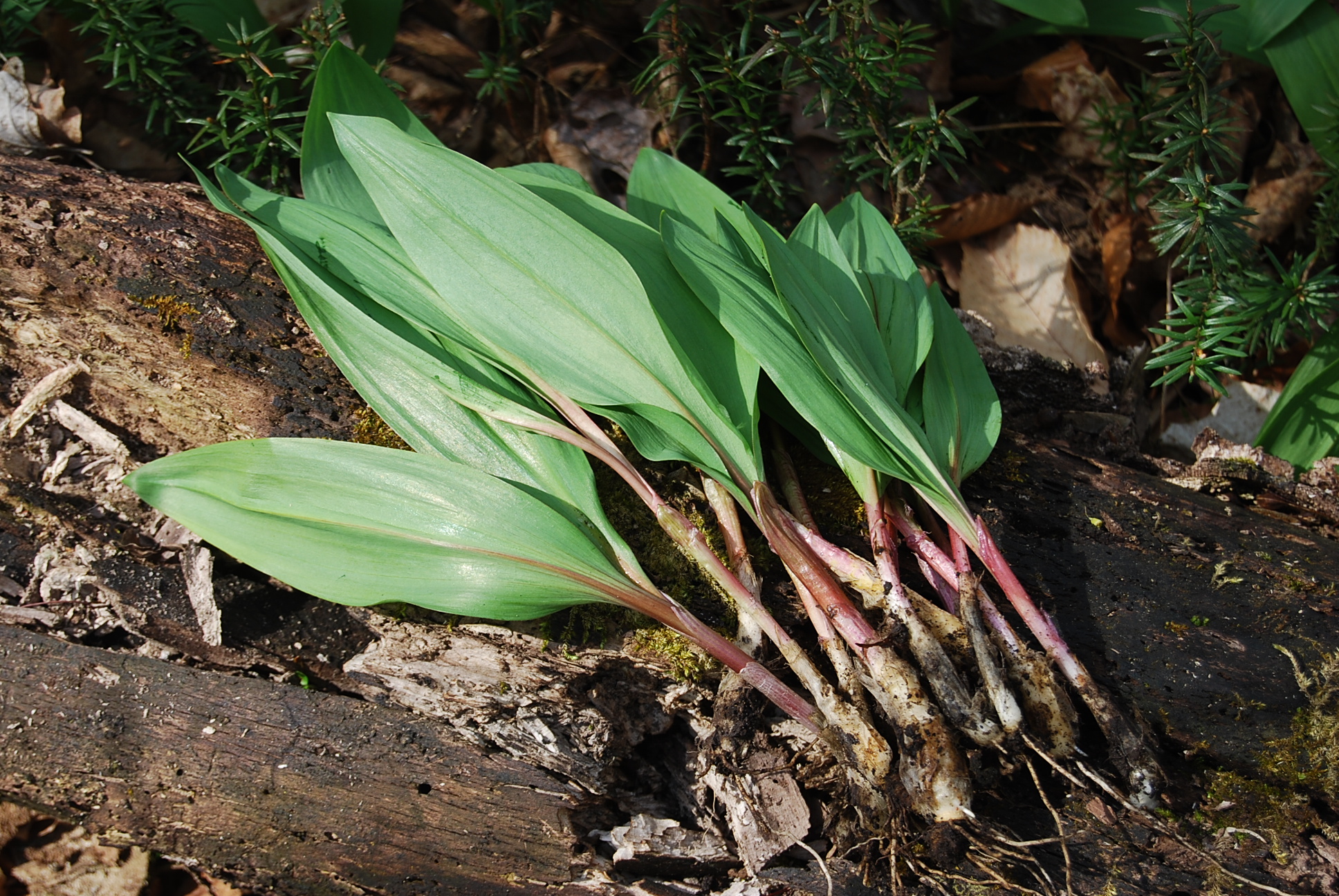
The subdivisions and four-lane roads loom close by but down here on the forest floor you would never know it.  Protected land descendant and magical, handed down from generation to generation through noble and notable families. My search is for the scions of spring, young shoots rising up from the loam. The tender green army of accretion ramps through the humus. Hunching in the mulch, great care is taken to remove one Allium tricoccum here, one wild leek there. Feeling through the marl, separating bulb from root without disturbing the subterranean system. This is how I spend my morning.

Harvested Ramps

Harvested Ramps

In the afternoon claustrophobia while tasting through 30 producer’s wines at Austria Uncorked. The Trump Hotel’s 8th Floor zimmer is too small for this event. There must be 200 geeks standing shoulder to shoulder, grappling for space. Must make quick haste of the room. Here then three Austrian standouts to pour alongside the cooked wild onions.

Kurt Angerer Grüner Veltliner Spies 2010 ($22.95) deserves props on a day when Austria’s alpha white plays second fiddle to the more invigorating Rieslings. A Grüner of mellow, yellow body, mind and soul.  Stone fruit, electrical banana and wouldn’t it be refreshing to see this varietal “bound to be the very next craze.” Saffron, green wine speaking terriorilly of gravel, granite and loess.  88

Heinrich Blaufrankisch Leithaberg 2009 ($36.95) out of Burgenland is a spirited and sugilite-hued in the vein of top cru Gamay. Versatile and lithe, able to withstand peppery, cooked greens and the would be food kill of the bulbous lily. Lavender imbued, Blau acts as a verdant harbinger for dinner. Signature red of Austria possessive of an art film quality that speaks a languid foreign language.  90

Bründlmayer, Steinmassel Riesling 2006 (0120600, $29) from Kamptal is a racy, stone cold, sobering Riesling just beginning to lay off the gas. The petrol notes mixed with a leesy, citrus pang show off the peripatetic nature of the varietal.  The zen of the intelligent Bründlmayer machine.  91

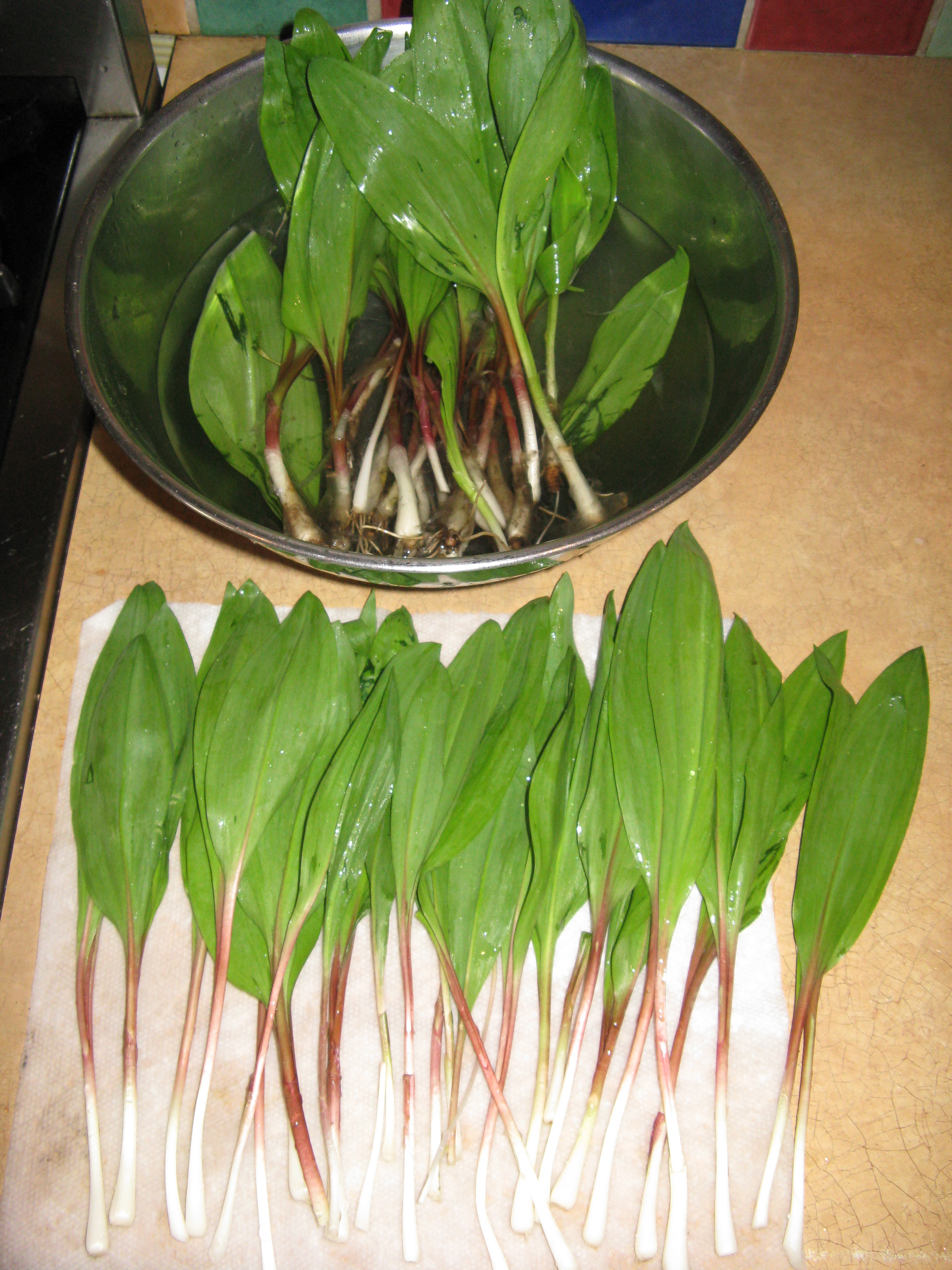
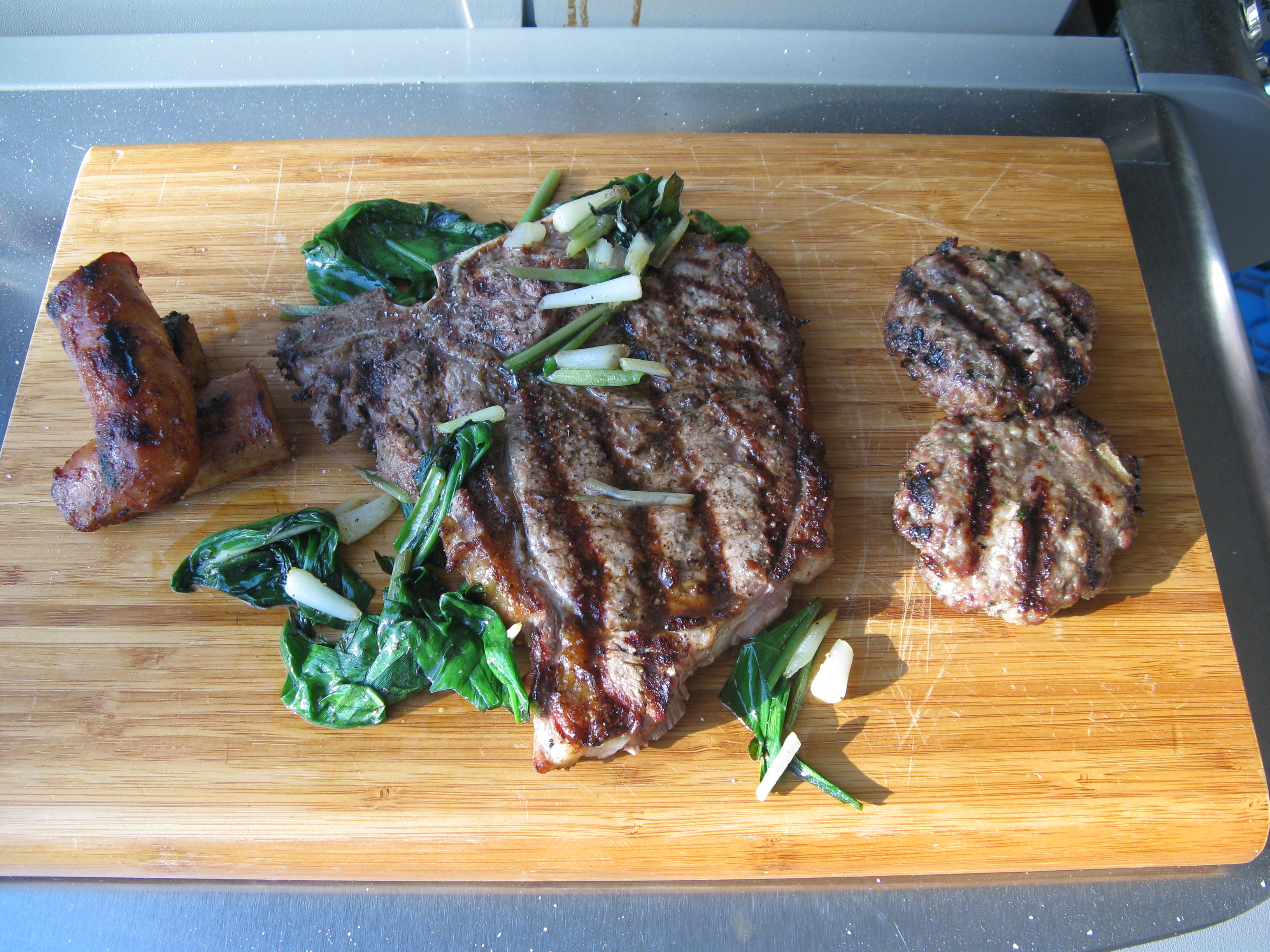
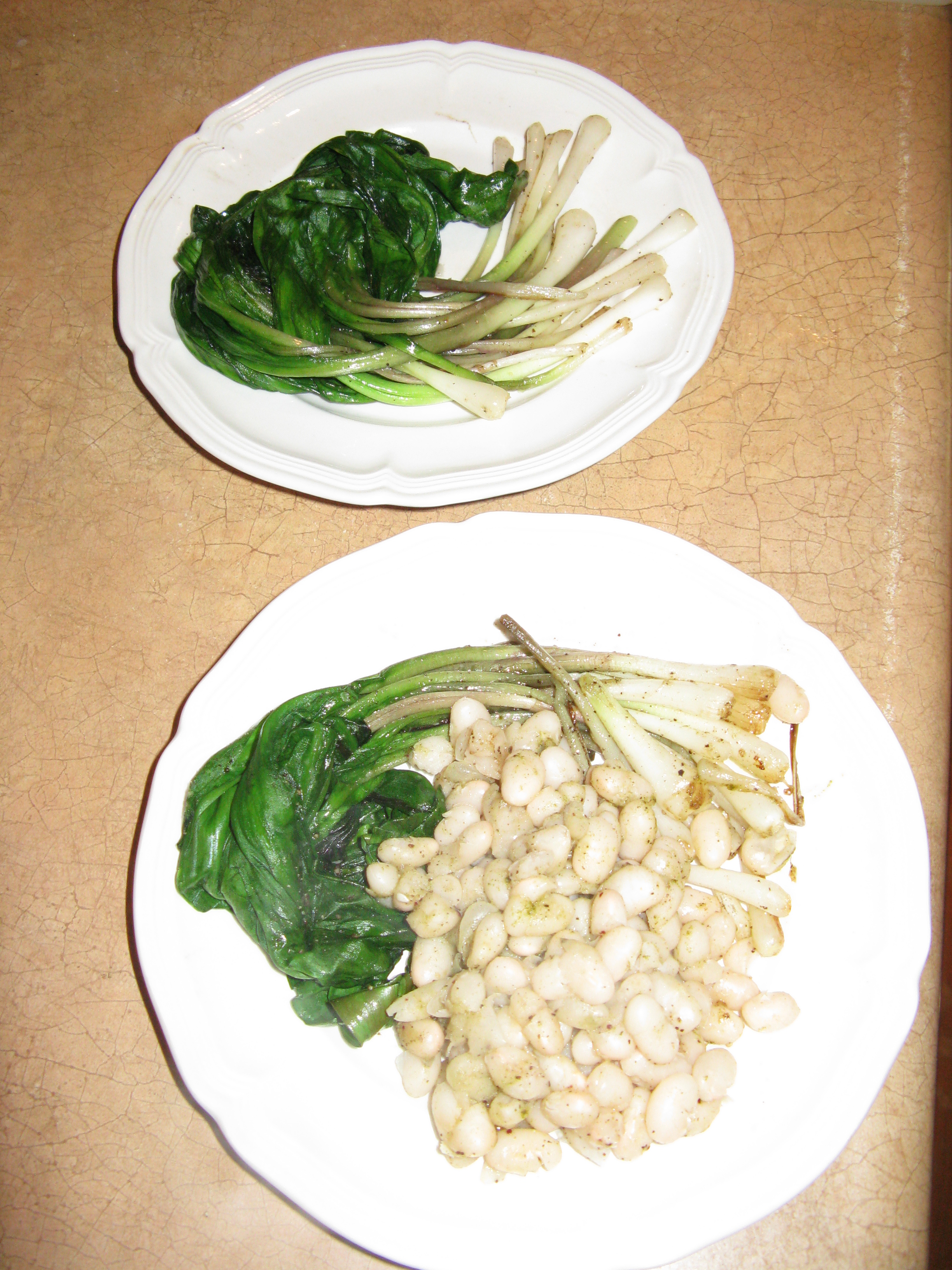
Wild leeks as vegetable, condiment and relish. Here, last night’s preparations.

Cleaning the Ramps

Cleaning the Ramps

T-Bone Steak, Brisket Burgers and Fried Leeks

Cannelini Beans, Zatar and Wild Leeks

Cannelini Beans, Zatar and Wild Leeks


Tomorrow, Ramp Omelette and Wild Leek Pizza.


Good to go!