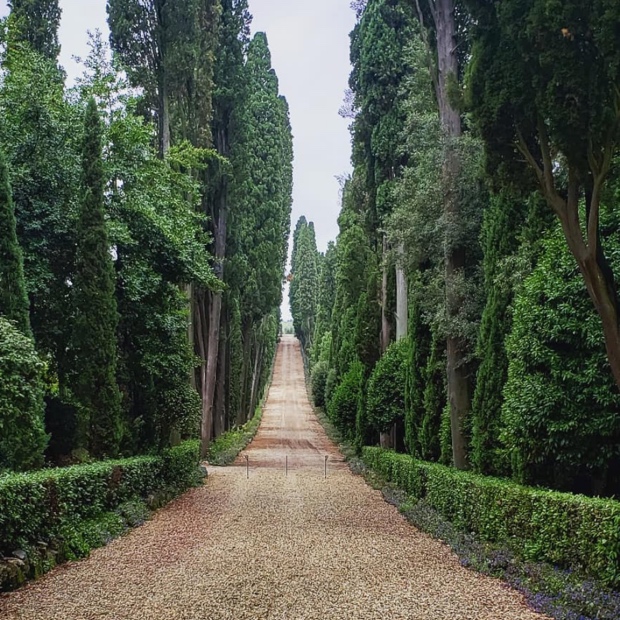
Poggio Torselli
As per the recent wave of Chianti Classico producers creating regional associations because of their shared geographies and ideologies, so too has L’Associazione San Casciano Classico followed suit. Just about one year ago in the Fall of 2018 the producers of San Casciano Val di Pesa organized to promote and protect the wineries of the municipality. This past September there were 19 (of the 23) members of the association on hand to host 13 Canadian journalists and sommeliers for a San Casciano summit at the historical Villa Poggio Torselli.
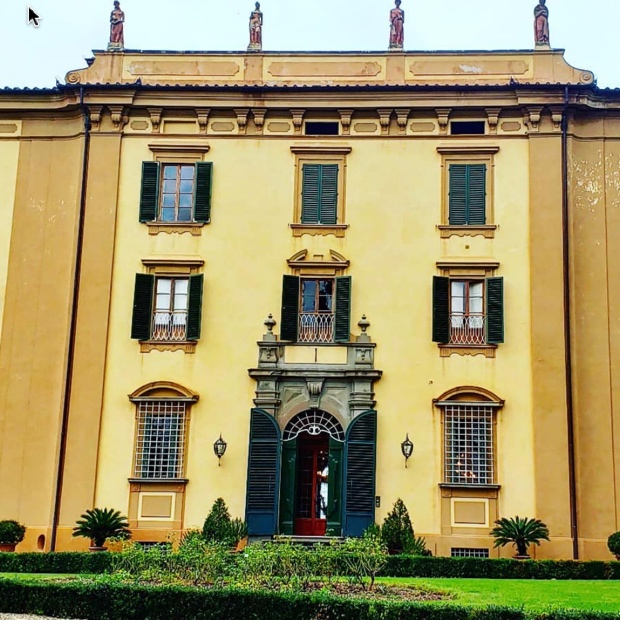
Villa Poggio Torselli
The villa’s origins are recorded in the land registers as early as the beginning of the 15th century. It is approached by an awe-inspiring boulevard of cypresses and is one of the largest and most elegant residences in the area of the San Casciano Hills, near Florence. “Queen of all villas” as it is known dates back to 1427 bearing the name of Poggio Torselli. These noble family names are associated with the villa; Macchiavelli, Corsini, Strozzi, Antonori, Capponi and Orlandini, who owned the villa until 1722. Status is a draw for important figures, so visits were made by Pope Pius VII who stopped over on his way to Paris to crown Emperor Napoleon in 1804 and also Paul I, Emperor of Russia.

Poggio Torselli Seasons Garden
The gardens are astonishing and surely one of the Chianti Classico territory’s finest. Known as the “Seasons Garden” it was created in the 18th century, teeming with narcissus, tulips, hyacinths, dahlia, sage, clematis and giant Indian hibiscus. Most notable are the fritillaries, also known as “imperial crown” and the entire garden is surrounded by the golden crown of 120 secular lemon trees.
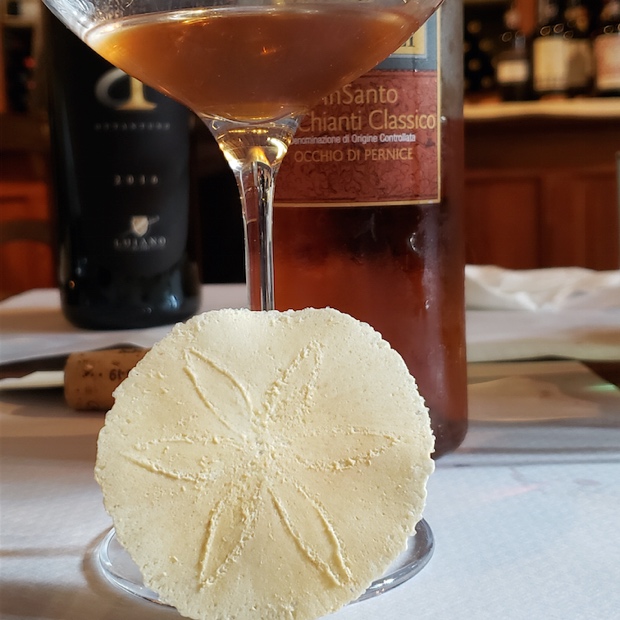
Related – If you’re going to San Casciano
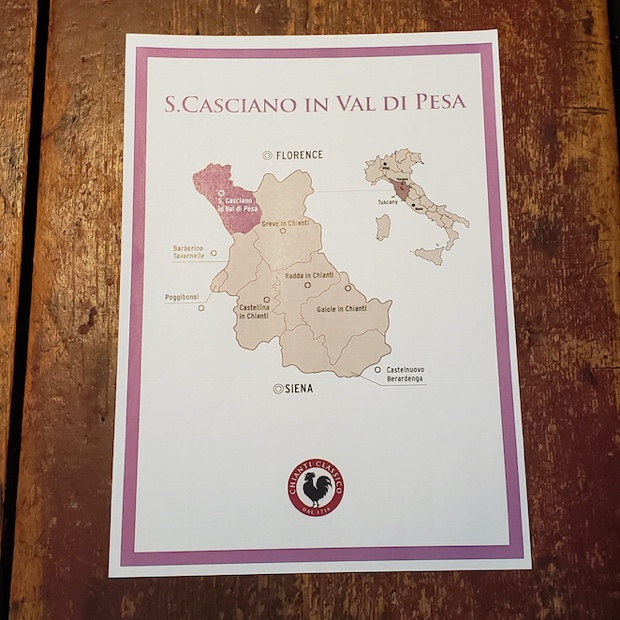
San Casciano the village is also one of eight sub-zones in Chianti Classico’s most northwesterly sector. The full name San Casciano in Val di Pesa tells us that its location is proximate to the valley of the Pesa river and it shares a border with two other communes, Barberino Tavarnelle to the south and Greve in Chianti to the east and southeast.
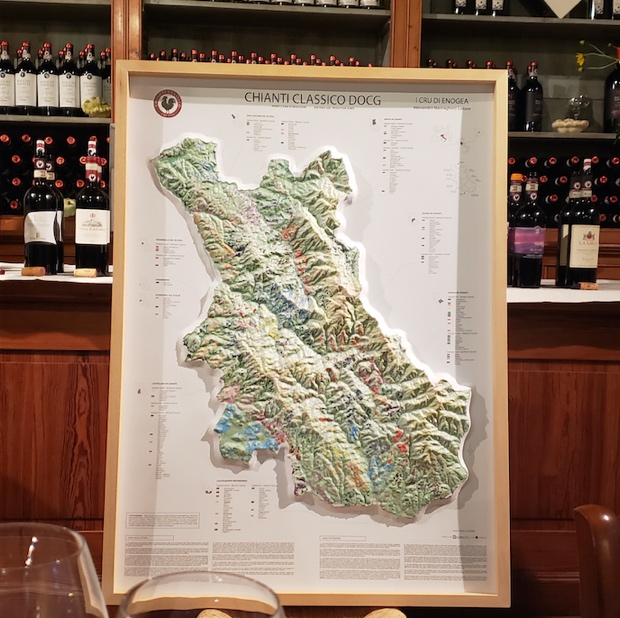
The sangiovese of San Casciano are made in the image of their makers; stoic, serious, at times austere, surely classic and noble. They speak with a succinct and old-school vernacular that lends great credence to the adage that sangiovese needs the bottle. The wines are unabashedly uncompromising in that they talk the talk of a sense of place that shares affinities only with each other and themselves. Their time in the sun has come, with help no doubt from a changing climate. That glaring condition was on full display the day we met and tasted because a deluge the likes there was never seen rained down and for many hours. When the tasting was complete the skies cleared and the sun shone on what was a symbolic calling to San Casciano’s nascent rebirth. The time for their distinctive sangiovese has surely come.
These are 21 of the wines tasted in September at Fattoria Poggiopiano and with the L’Associazione San Casciano Classico at Poggio Torselli.
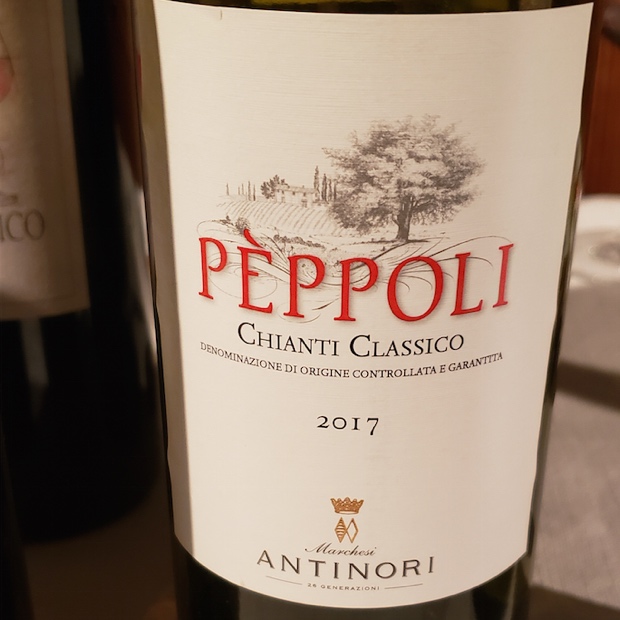
Antinori Pèppoli Chianti Classico DOCG 2017 (606541, $19.95)
Chianti Classico from Peppolì, 90 per cent sangiovese with merlot and syrah. An enriching wine and enriched by the international grapes, juicier and more refined, if not also a very concentrated version of these wines. It’s mature and stylish to be sure. Drink 2019-2023. Tasted September 2019
Famous volumes
Carus Vini Chianti Classico DOCG Baldéro 2016
Presented by the estate’s Sales Manager Pamela Bernini. Estate grapes of 12-13 hectares grown on clay-calcareous soils. Eight are sangiovese, the other three being syrah, merlot and cabernet sauvignon. Baldéro is 100 per cent sangiovese with only a small portion raised in tonneaux. Rich, spirited and juicy stuff. Really fresh, effusive and expressive. Drink 2019-2024. Tasted September 2019
Fattoria Cigliano Di Sopra Chianti Classico DOCG 2017
Only the second vintage of organic, 100 per cent sangiovese and an indigenous ferment. There were a mere 1400 bottles produced from a seven hectare plot, planted in 1982 and 2004. New plantings are going in. From Maddalena (age 26) in cohorts with Matteo (age 24). Quite sharp, fresh and also tannic. A start-up with experience on the fly. Drink 2019-2023. Tasted September 2019

Castello di Gabbiano Chianti Classico DOCG 2016
A threefold experience of fennel, blood orange and pancetta. There are equal parts five per cent merlot and “other complimentary varieties.” The classic in every respect, dark cherry fruit, dusty, savoury and taut. Fresh, elegant as need be and utterly solid. Last tasted September 2019
Castello di Gabbiano’s Chianti Classico may repeat itself and act the obvious one, but once again in 2016 it is full and ripe, filled in at every turn, deep, dark and handsome. The ability to deal in pleasure is immense from gathered quality fruit and as always this Annata finds the quickest line for us to appreciate the unwavering sense of equilibrium. Simply put it is Gabbiano and winemaker Federico Cerelli who offer a quality guarantee at the most attractive price. Leaves no reason to doubt. Drink 2018-2021. Tasted February 2018
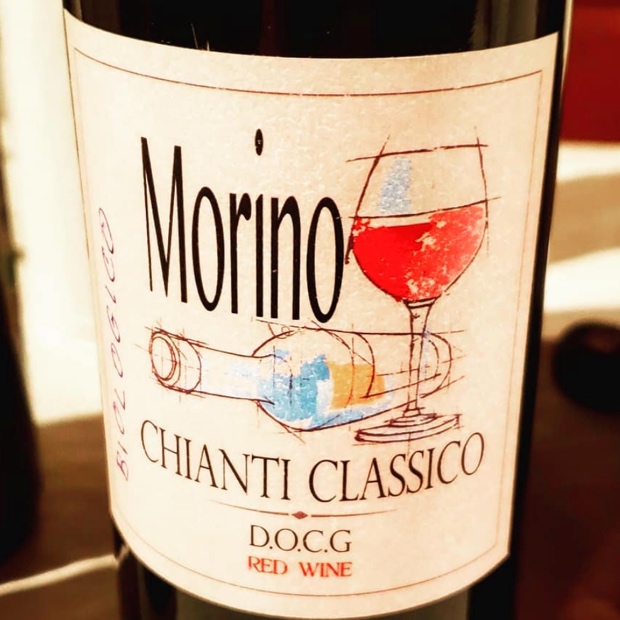
Azienda Agricola Mori Concetta Chianti Classico Morino DOCG 2018
Mainly sangiovese with canaiolo, colorino and pugnitello. An excessively savoury and forest brushy Classico with the fruit edging away from cherry and into plum. Peppery spice adds to the complexity of this grippy sangiovese. Juicy and sharp, totally in charge of all the fun and more. Reminds me of a slow ripened ’14 with more flesh and sapidity. Drink 2019-2023. Tasted September 2019
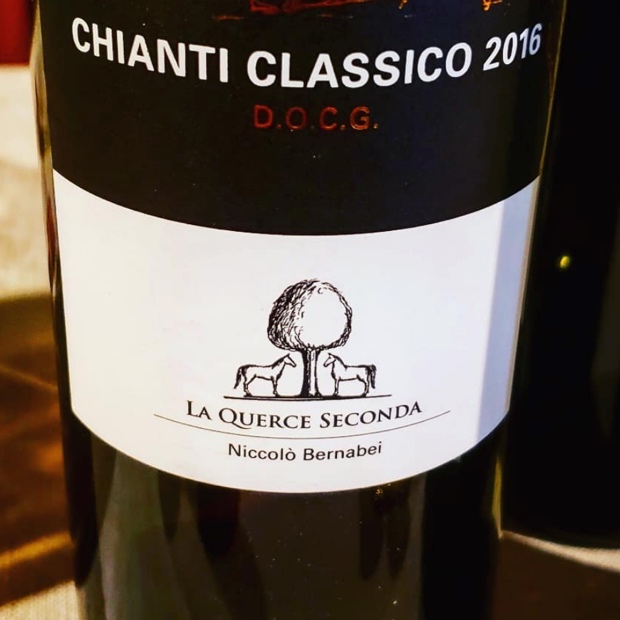
La Querce Seconda Chianti Classico DOCG 2016
Niccolò Bernabei and this project that began in 1995. Organic since 2001 in the most northern spot of San Casciano. Fifty per cent comes from a newer property in the south, for lightness of being and balance. Clay with stones for one of the darker and developed sangiovese in the commune. Toffee and coffee juxtaposed against freshness and really elevated acidity. Also a product of long fermentation with plenty of extraction, tannin and structure. And it needs it desperately. Not green in any means but certainly pressed and expressed. Grows in stature and also widens into greater breadth with air and time. Last tasted September 2019
Nicely funky volatile, a rich cherry liqueur, full of spice both out of the vineyard and from the barrel. There is this chewiness that is also marked by a mouthful of spice, candied flowers and calcareous chalkiness from big variegated stones in the soil. Crunchy Annata out of San Casciano in Val di Pesa. Drink 2020-2026. Tasted February 2019
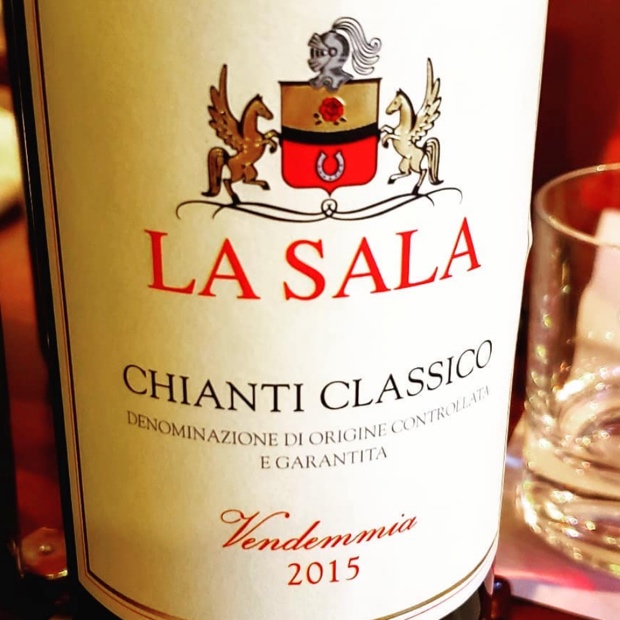
La Sala Chianti Classico DOCG 2015
A combination of two estate vineyards and it shows in the depth of layering, rich, chocolaty and silky smooth. Dark berry fruit, a bit pressed and good high level acidity. Last tasted September 2019
La Sala’s Annata 2015 is a bambino, a San Casciano in Val di Pesa sangiovese with 10 per cent merlot to speak for sites at 300m, seemingly more instructed by Galestro from out of the Argilla Rossa in 2015. It was raised in grande (45 hL) botti and has now only been in bottle for five months. It’s tart and firm, strong with doppio shots of espresso and very structured for the vintage. Tells a tale about the sort of sangiovese that comes from San Casciano. Drink 2019-2024. Tasted February 2018
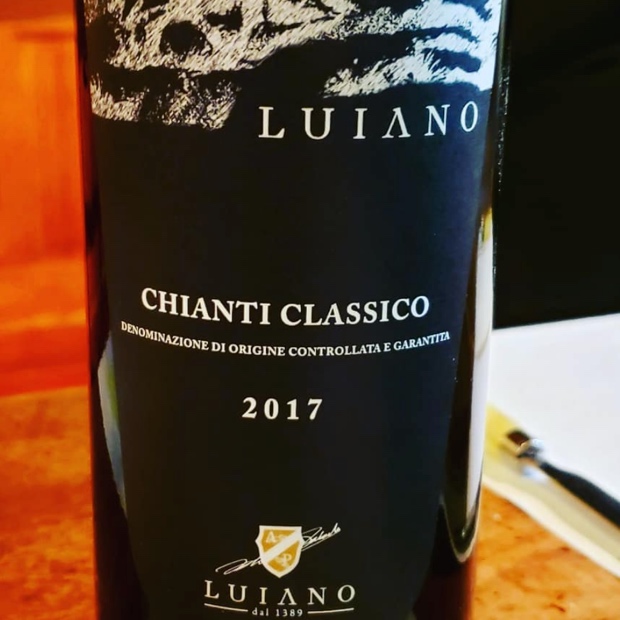
Fattoria Di Luiano Chianti Classico DOCG 2017 ($24.50)
This is San Casciano and the wines are linked by being characterized with soils prevalent in the Greve River Valley, in connection with Antinori’s Peppoli, of river stones and Alberese, into which roots can dive deep in search of water, trace elements and minerals. “A representation of a season for our place in Chianti Classico,” explains Alessandro Palombo. Classic Luiano florality and botanical lift in spite of ‘17s challenge. A tisane for sure, of violet and lavender but also spices. Rounded out by cabernet sauvignon and merlot planted at 330m on less rocky soils. Drink 2019-2022. Tasted September 2019

Antica Fattoria Machiavelli Solatio Chianti Classico DOCG 2017
Located in Sant’Andrea in Percussina, neighbours of Poggio Torselli and the house in exile where Niccola Macchiavelli lived. From 27 hectares of vineyards, stony and porous soils. Really the first reductive Annata in this San Casciano lot, protected, protractive and taut. Called Solatio because it’s a sunny place in an otherwise cooler area of the greater territory. Ripe sangiovese with 20 per cent merlot, tannic and just a touch green. Drink 2019-2023. Tasted September 2019
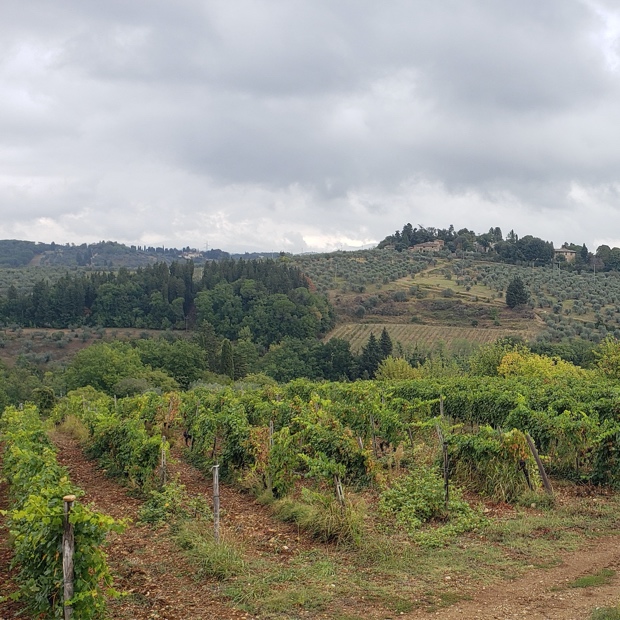
San Casciano Hills
Famiglia Nunzi Conti Chianti Classico DOCG 2017
Winemaker Gianpaolo Chiettini and what he considers some of the bigger sangiovese of Chianti Classico. Estate carries 40 hectares in the southern San Casciano area of Mercatale where calcari-Alberese soils are there to bring grip and structure. Also some vineyard with clay to mitigate and keep things swimming richly along. Much of the harvest was tossed away and sold for bulk. True selection was performed and with the stringent work through several picks. Thirty per cent saw older barrels in what is clearly a wine of soil and place. Drink 2019-2023. Tasted September 2019
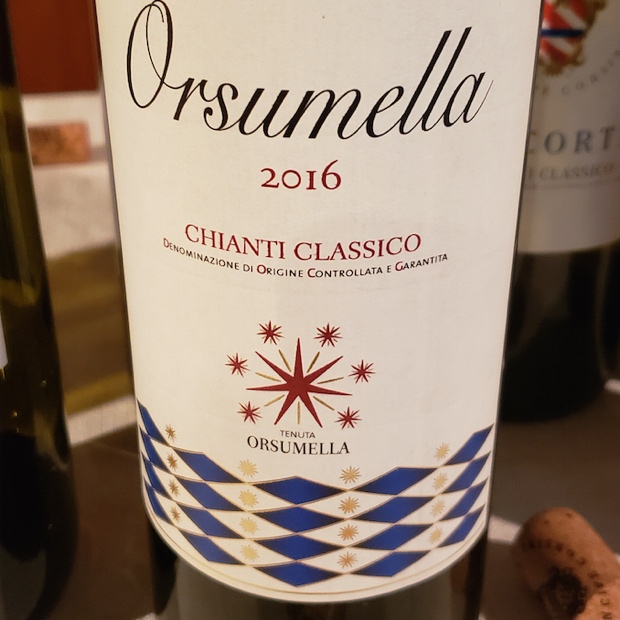
Orsumella Chianti Classico DOCG 2016 ($23.95)
Presented by Sales Manager Andrea Fabbri from a San Casciano farm located on the road from Bargino (near Antinori) proximate to Monte Ridolfi at 300m. Takes the name from the small river. The Annata is 100 per cent sangiovese eased through a short maceration and conversely similarly in extraction as a result. Native yeasts are used and it spends one years in Grandi Botti, 2500L and very old. A simple execution equals a simple equation. Young, fresh and delicious. Drink 2019-2021. Tasted September 2019
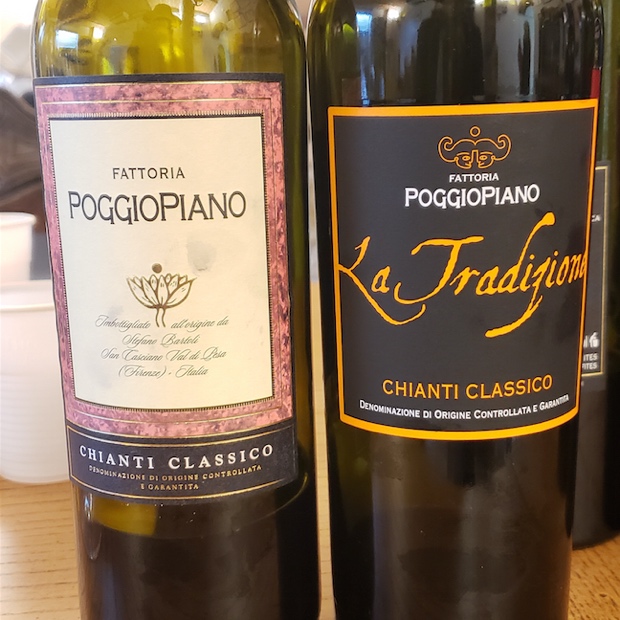
Poggiopiano Chianti Classico DOCG 2017
From proprietor Giovanni Battista Bartoli, of sangiovese and colorino and a San Casciano winery with no international varieties. Also no Riserva. High-toned, dark fruit and dusty sangiovese, rich in syrup swirl, certainly a vintage matter, concentrated, with a notable spike of heat. No new barriques used, only second and third passage. Long and consistent. Drink 2019-2022. Tasted September 2019
Poggiopiano Chianti Classico DOCG La Tradizione 2016
“I am quite Taliban in this idea,” says Giovanni Battista Bartoli, of being 100 per cent anti-international varieties. These San Casciano soils are of clay, sand, river stones and “limo” a silty-clay. Vinification in concrete tanks, for no better reason than micro-oxidation. La Tradizione is pure varietal sangiovese and curious to even remarkable in that the palate accentuates or rather elevates the floral notes, in violets and blues. Tone spikes in whole bunches, really tart acidity and implosive intensity. A touch pressed. Drink 2020-2024. Tasted September 2019
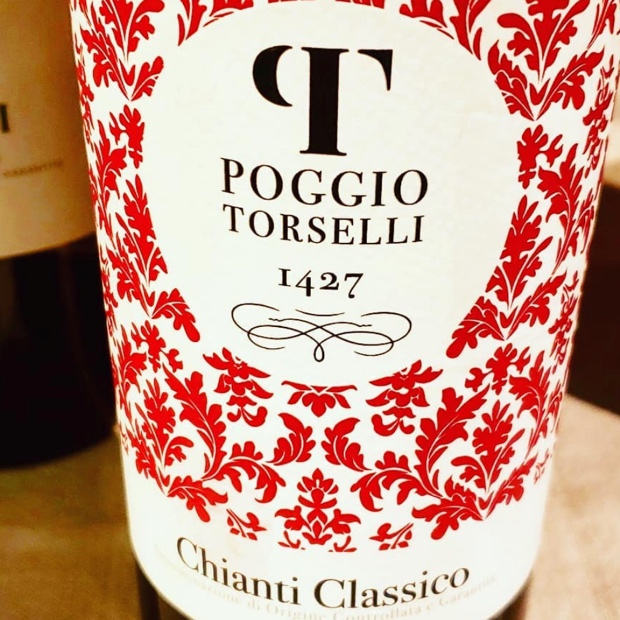
Poggio Torselli Chianti Classico DOCG 2016 ($24.85)
In the northern part of San Casciano at 250m of altitude. Pressed for success, caramel, vanilla and simple savoury syrup. Strawberry with some of it deeper into wild types. Rich and fleshy, smooth, silken and proper acidity. Mainly clay soils with some Alberese. Creamy with help from lees and battonage. A bit of a chocolate finish again with solid acidity. High quality for the style. Drink 2019-2021. Tasted September 2019

Corsini and Capponi crests
Principe Corsini Le Corti Chianti Classico DOCG 2016 ($26.95)
Duccio Corsini’s vineyards mostly face south, though some point to the east and the west. Vineyards teeming with fluvial sediment and river stones, large, medium and small. Ostensibly an ancient river situation on a hill. Showing beautifully today and at this time; juicy, fleshy and bloody expressive. The sweet tannins need two more years to resolve. Made with five per cent colorino. Drink 2020-2026. Tasted September 2019

Fattoria San Michele A Torri Chianti Classico DOCG Tenuta La Gabbiola 2017
From Franca in the far north of San Casciano on 470 hectares and 65 planted to vineyard, 15 of which are in Chianti Classico, 12 in production. Mostly sangiovese with five per cent syrah planted closest to the river just because it’s not a site for sangiovese. A true peppery syrup to nose, haughty and heady with no shortage of concentration and grip. Quite stylish and modern. Very enticing and a bit heated at the same time. Drink 2019-2021. Tasted September 2019

Terre Di Perseto Chianti Classico DOCG Albòre 2016
Presented by Beatrice Landini. Two young brothers take over from grandfather. A notable mephitic sangiovese crusted in its major reduction. Really wound tight, quite juicy and if traditional it’s done with plum pudding and spice. No oak and yet done up in a very closed environment to give a crisp, tight and crispy expression. Last tasted September 2019
Sweet and candied, high acidity but not in a VA way, though alt-morbido malic and hard candy shelled. Needs some time for the crackling and the cracking to flake away. Drink 2019-2020. Tasted February 2019

Villa Belvedere Campoli Chianti Classico DOCG 2017
Deep, dark and handsome from an old estate in the south of San Casciano on the north end of the ridge up from Radda, through Panzano and into Mercatale. Purchased five years ago and re-planted. Carries the richness meeting mineral notes of Galestro raised sangiovese albeit in the depth of a San Casciano vein. A note of smoky fennel and pollen with ripe acidity. Very much a product of young vines that will lead to more elastic and structured wines in years to come. A wine with shared affinities, to Mercatale in San Casciano and also Panzano. Drink 2019-2022. Tasted September 2019
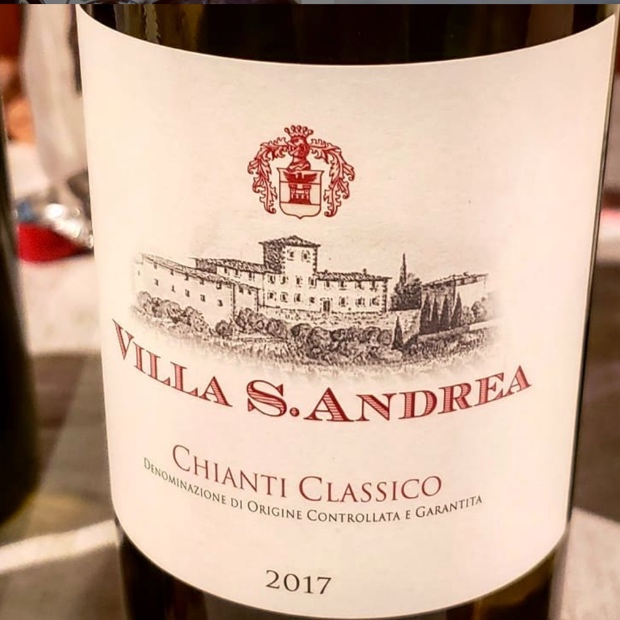
Villa Sant’Andrea Chianti Classico DOCG 2017
A large 600 hectare estate with 50 hectares under vine, including merlot and two cabs to go along with sangiovese. The nose indicates jam and verdancy, likely picked ahead of the rains at high sugars early in September. Merlot especially in the first week and the sangiovese 15 days later. Phenolics are close but one more week (to ten days) would have likely taken this fruit to its final destination. Drink 2019-2021. Tasted September 2019
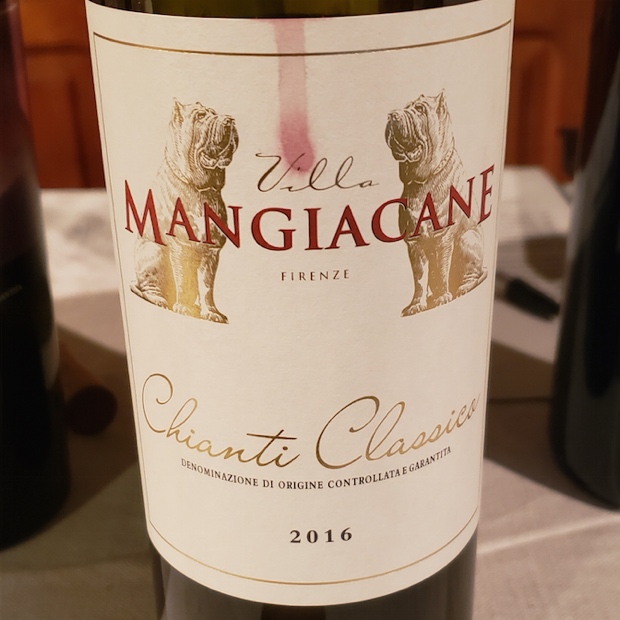
Villa Mangiacane Chianti Classico DOCG 2016
Presented by estate director estate manager Graziano Santoro. Very near the village of San Casciano, from Galestro filled vineyards, well pressed and of a specific density. There’s a curious oyster shell note and dark black cherry fruit, pit and all. Plenty of oak, plenty of ambition, spice and pique. Drink 2019-2022. Tasted September 2019
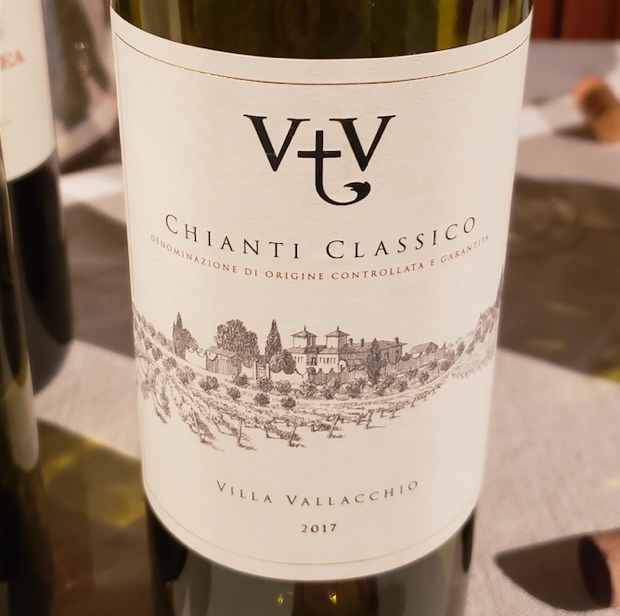
Villa Vallacchio Chianti Classico DOCG 2017
In the areas of Campoli and Tignanello, juice only sold to bulk through the 2015 vintage. Beginning in 2016 an Annata and a Riserva began to be produced. Ripe and floral with phenols very close to being fully realized. Still just a touch of verdancy with what can best be described as extreme fruit. A crunchy and tight Annata. Drink 2019-2020. Tasted September 2019
Good to go!
godello
Poggio Torselli
Twitter: @mgodello
Instagram: mgodello



 Godello