Rock steady Bersano

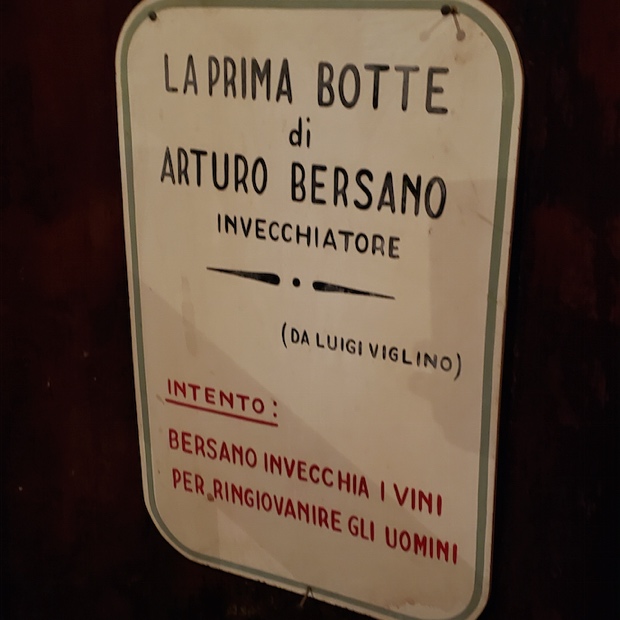
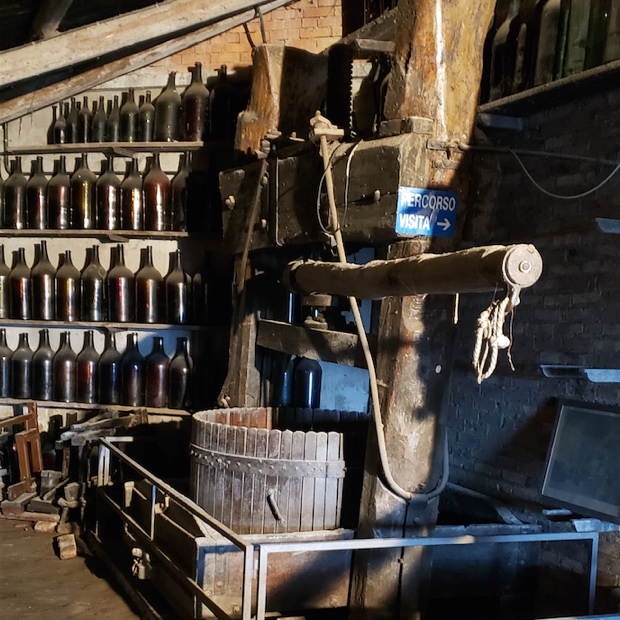
You’ve got to visit the cantina of Bersano Vini in Nizza Monferrato, if for no other reason than to wander through the on-site, outdoor Museo Bersano delle Contadinerie which houses implements and machinery from peasant life and transportation in the seventeenth and eighteenth century. All the brainchild of Arturo Bersano and in his successor’s words the installation is “a memory of what made our wine great. The cellar, farming tools, wine presses and a collection of old wine prints. Bersano – winemaker, scholar, poet. His anxiety of research, patient and cautious, dictated by a deep passion for the land and for work, has been able to condense in the Collections and in the Museum of the Peasants, the most suffered and joyful testimonies of the wine-peasant civilization.” All of that and of course to taste a portfolio in Monferrato’s widest breadth, consistently exceptional of quality and for consumer value across the board. Rock steady Bersano.

Related – Living wine in the moment at Scarpa Winery
The humble beginnings were early, first decade times in the 20th century. They say 1907 to be exact but surely somewhere between 115 and 120 years later the estates cover 230 hectares, the largest single entity as such in the Monferrato hills. The original and most historic property is Cremosina, once the seat of a great Palazzo (dei Conti della Cremosina) and now home to Barbera d’Asti vineyards. Bersano farms nine estates and two single vineyards in these hills: Cremosina (Nizza Monferrato), Generala (Agliano Terme), Prata (Incisa Scapaccino), Badarina (Serralunga d’Alba), Castelgaro (Baretta – Acqui Terme), Pallavicini (Mombaruzzo), Buccelli (Nizza Monferrato), Serradivaglio Vineyard (Incisa Scapaccino), San Michele (Nizza Monferrato), Monteolivo Vineyard (Castelnuovo Belbo) and San Pietro Realto (Castagnole Monferrato). Today these estates are in production of 90 per cent of what constitutes the Bersano portfolio: Three whites from cortese and arneis, seven sparkling wines from cortese, moscato, brachetto and pinot noir, 13 reds from barbera, grignolino, ruché, nebbiolo and dolcetto.

Related – You say you want a Barbera d’Asti revolution
Pinta Piedmontese

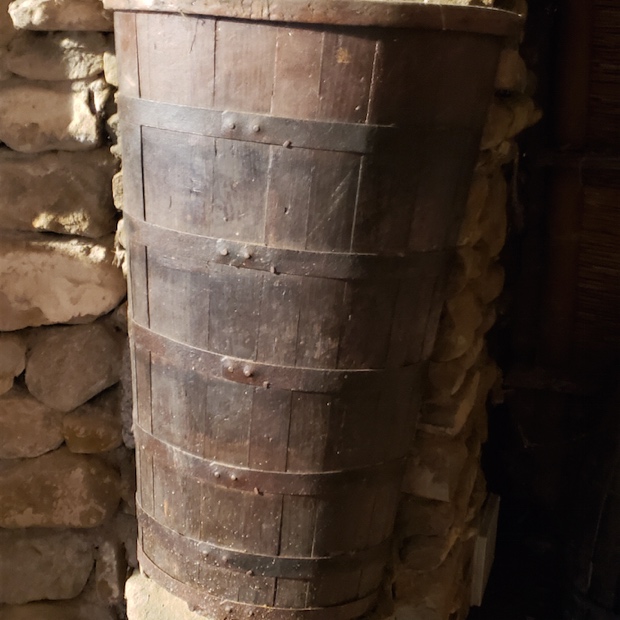
Of great historical interest is the presence in Bersano’s cellar of what Arturo designed and called the “10VT.” The Pinta Piedmontese was a 12.5 litre transportable for the times vessel and four Pinta could be filled from one 50L barrel, half the size found in the cellars of Marchesi di Barolo. This last historical barrel called the 10VT is now housed in the upper floors of Bersano’s Nizza property to avoid flooding. At any given time there can be 80,000L aging ion Slavonian oak casks in this cellar, “of all grandi botti sizes,” 50-60 years of age and from 47 to 107 hL. In fact, no two are the same, perhaps in shape but not in terms of volume. Only 10 per cent of all wines see barrique, they being Nizza Barbera and Barolo Cru.

Related – Barbera d’Asti Del Monferrato E Nizza Monferrato
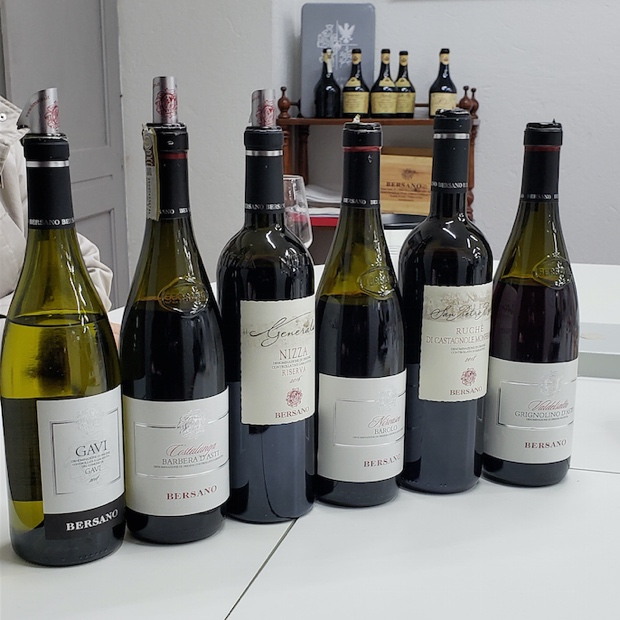
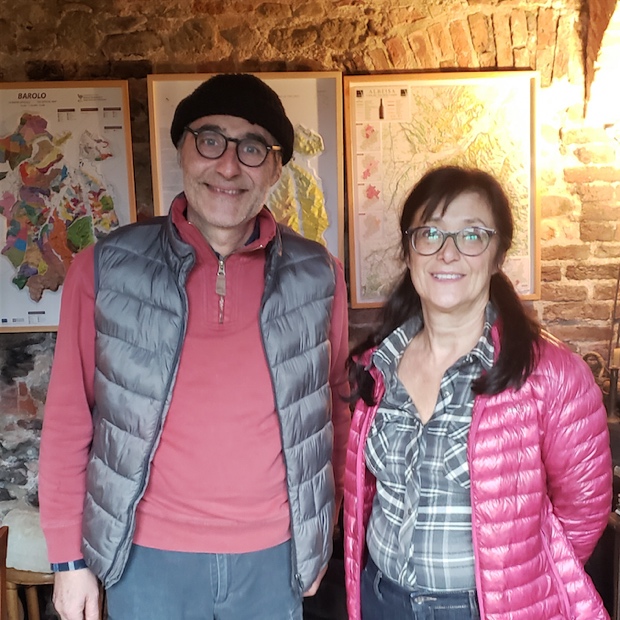
I have had the pleasure of tasting Bersano wines on many occasions in Toronto and over the past three years I’ve done so four times in Piemonte. The first was at Collisioni Festival in 2017 and then in 2018 on several occasions with winemaker Roberto Morosinotto, namely at the Cascina San Pietro where ruché, barbera and grignolino grow in the Monferrato hills. Then in 2019 on this visit at the Cantina in Nizza and in 2020, at Nebbiolo Prima and Grandi Langhe in Alba. These are the six wines tasted in Nizza with Bersano’s Carmen Pergola and the Consorzio Barbera d’Asti e Vini del Monferrato’s Valerio Bertolino.

Bersano Gavi Di Gavi DOCG 2018, Piedmont, Italy ($21.19)

A fresh and sweetly herbal cortese for a smooth and balanced Gavi of straightforward execution and finesse. Relevant acidity keeps everything set up for levels most simple wines just don’t have access to be there. A very fruity vintage with a crushed almond oil extract, perfectly correct and positioned. Drink 2020-2023.  Tasted December 2019 and February 2020
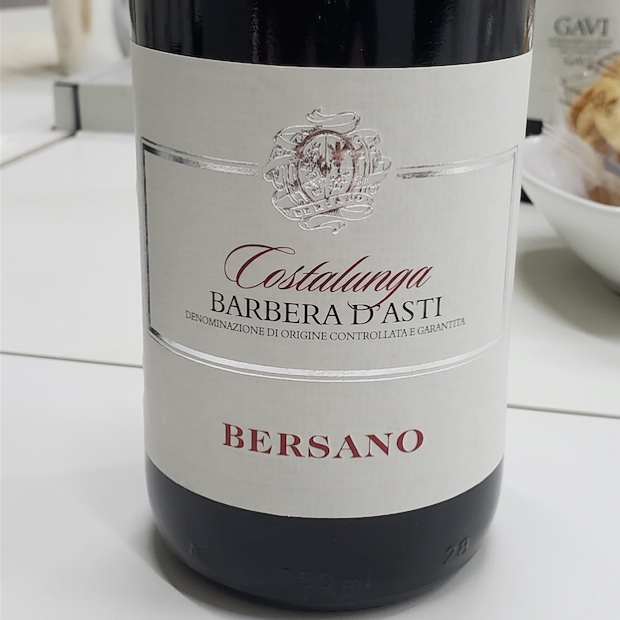
Bersano Barbera d’Asti DOCG Costalunga 2017, Piedmont, Italy (348680, $14.10)

Taken from four estates and without a doubt the most versatile, inexpensive and properly delineated barbera d’asti for the territory to express what needs to the world. Dark fruit, high acidity, classically trained in large Slavonian oak and just exactly what to expect. Never asks too much and delivers across the board amenability. The value is exceptional. Drink 2019-2021.  Tasted December 2019
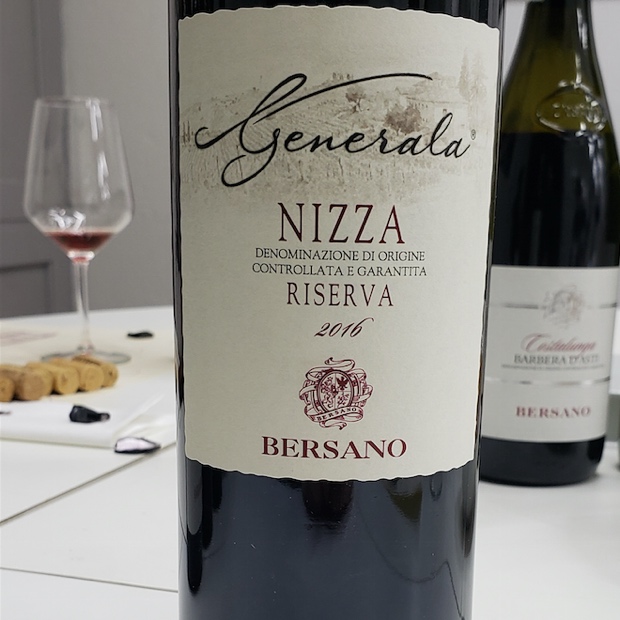
Bersano Barbera d’Asti Nizza DOCG Riserva Generala 2016, Piedmont, Italy (Approx. $52.00)

Drawn from fruit off of the Generala estate and though a recently awarded appellation there is great history in the grapes and the place. Nine months in large Slavonian cask plus nine months in 500L French tonneaux make for a very amenable barbera with a prominent personality. Big on cherries and wood spice, balsam and dried herbs. Dark and even a bit mysterious, cool, almost mentholated and structured for age. Glycerin texture and an oil extract not atypical for the get together of grape, place and elévage. Top vintage for this particular and relatively ambitious wine. Drink 2021-2026.  Tasted December 2019
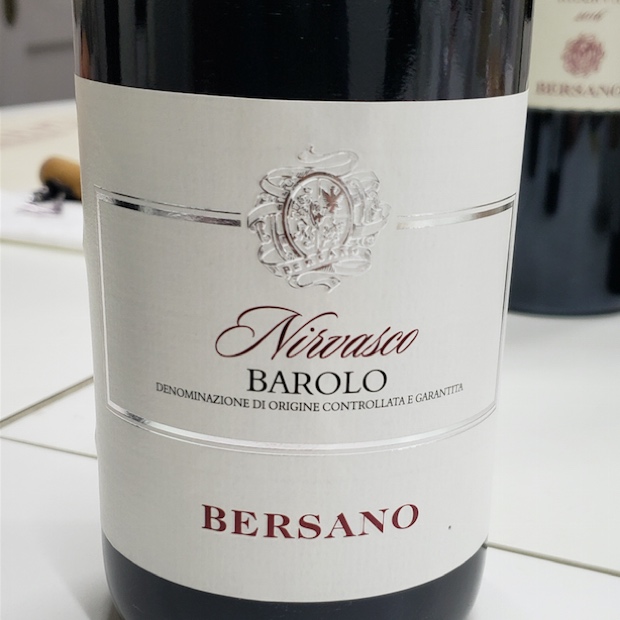
Bersano Nirvasco Barolo DOCG 2014, Piedmont, Italy (713628, $34.95)

The grapes in Barolo come from three areas, Serralunga (Badarina) along with Monforte and La Morra. Aged in large Slavonian casks for three years, easily recognizable as nebbiolo, not just in hue but surely in aromatic rose to tar profile. Classic really and also dried fruits, but especially this wild strawberry note. Dry and then dried cherry, wild and free on the palate. It’s very classic, clean, crisp and easy to get with. Make great use early while other tannic nebbiolo work their way through adolescence. Winemaker Roberto Morosinotto has done all the work for you and serves it up at the right time to drink. Clean and uncomplicated. Drink 2019-2023.  Tasted December 2019
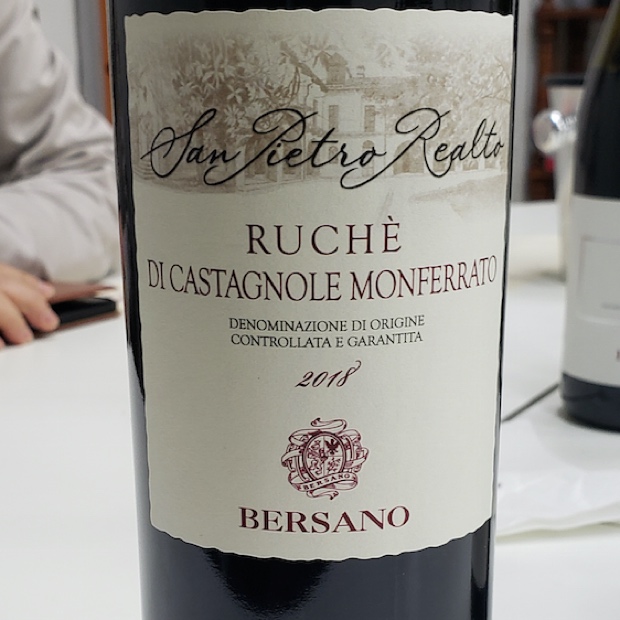
Bersano Ruché Di Castagnole Monferrato DOCG San Pietro Realto 2018, Piedmont, Italy (Approx. $22.00)

Fruit is grown on the San Pietro estate to the east of Monferrato and the unmistakeable and specific cherry with cherry stone note is uncanny, not to be missed. A sandy soil with calcaire and small stones of steep slopes make for an aromatic note that stands alone. The herbal amaro play is on the sweet side and what this really wants and needs is a game bird, roasted and savoury of local herbs. You might think gamay meets frappato or somewhere in between but no, this is singular. This is the red wine for Szechuan food. Truly. Drink 2019-2022.  Tasted December 2019
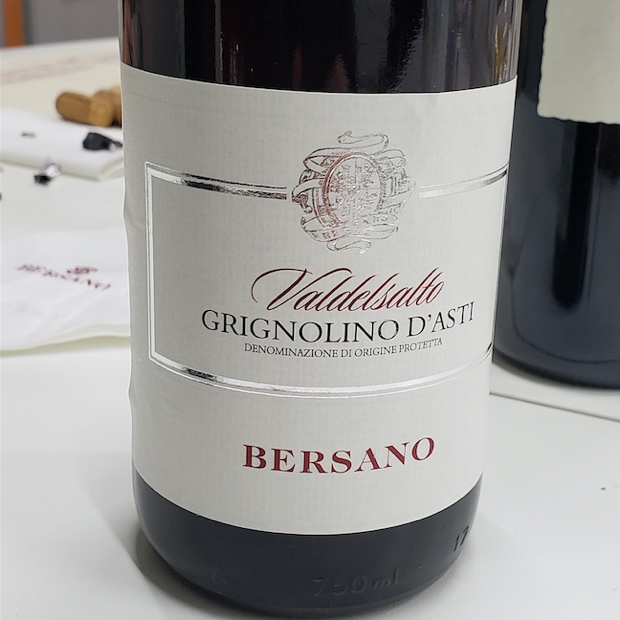
Bersano Grignolino d’Asti DOCG Valdelsalto 2018, Piedmont, Italy (Approx. $22.00)

Coming from the same estate as the ruché, meaning San Pietro in the eastern hills of Monferrato. Beautifully effusive and luminous, light in appearance and weight but do not be fooled into thinking it’s light. Castagnole is the origin and the grape is considered the wine of the family. Fresh, young and the summer wine. OK so light it is but salty, mineral, taut and complete. What else do you need? The kind of wine that never makes you tired and is utterly representative of the place. Drink 2019-2021.  Tasted December 2019

Good to go!

godello

Agnolotti del Plin, Caffe Roma – Enoteca con Cucina, Costigliole d’Asti:

Twitter: @mgodello

Instagram: mgodello
WineAlign

Barolo’s Sister and Brother Boschis

Giorgio and Chiara Boschis

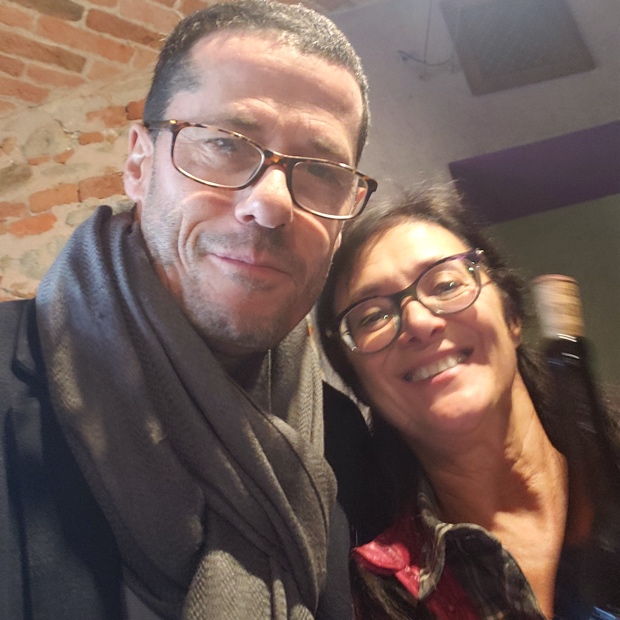
Many have visited E. Pira & Figli’s cellars, tasted and broken bread with sister Chiara and brother Giorgio Boschis. I am certainly not the first nor the 500th but looking back at my visit with the Barolo sorella e fratello team on December 1st now seems to carry more weight than even I could have imagined. When we consider what has happened in Piemonte, up and down Italy and increasingly around the world over these past four months makes the timing all the more special.

Godello and Chiara Boschis

I did in fact have the great fortune to taste and spend more time with Giorgio in January over dinner in Alba during the days of Nebbiolo Prima 2020. There is so much to know, admire and appreciate about these two special Piedmontesi, the level of respect afforded the work they’ve put in and a level of humanity to give meaning to the spiritual endearment “Brother Giorgio and Sister Chiara.” They are part of the integral and collective soul of Piemonte, Barolo, the vineyards they steward and the wines they fashion from lands larger than life.

Godello and Giorgio Boschis in Alba, January 2020

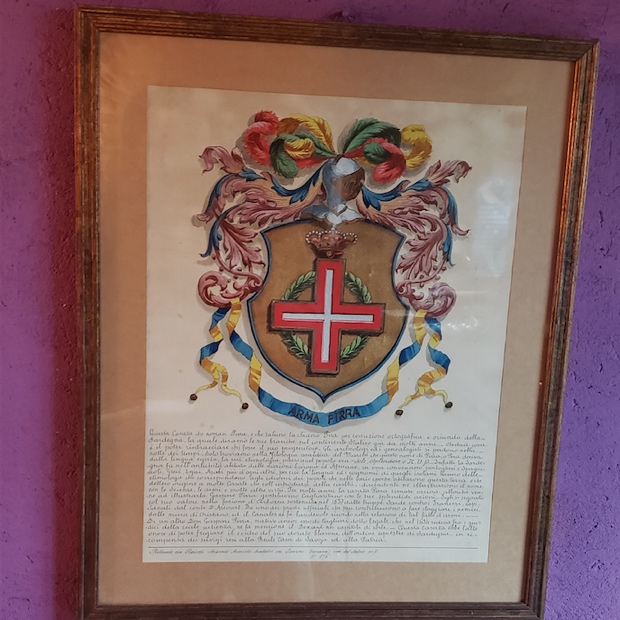
Going back to the 1700s the Pirras were from Sardegna and the name morphed into Pirra. Then in more recent times Pira. In 1980 the legendary Gigi Pira, owner of E. Pira passed away. With no heirs to carry on a request for assistance was made to the Boschis-Borgogno family. Chiara Boschis’ father Franco purchased the cantina and vineyards and made the wines for a spell. She finished studies in Turin, cut her teeth working at Rivetti and took over Pira. This was by now long after the winery was established and present in the village of Barolo, in what Chiara refers to as the “Golden Ages” that begun in the 1850s. After Phylloxera ravaged the vineyards and did away with prosperity the youth left and the old remained, including Franco, one of the very few. Fast forward to the new golden times and Chiara Boschis becomes one of the “Barolo Boys,” a rat pack moniker bestowed on young nebbiolo toting winemakers, including Elio Altare, Giorgio Rivetti, Roberto Voerzio, Elio Grasso, Lorenzo Accomasso, Alessandro and Bruno Ceretto, Beppe and Marta Rinalidi, Beppe Caviola and Marc de Grazia. The lone woman? Chiara Boschis.

Chiara the pioneer was the scrappiest of the scrappy winemakers, carrying the Pira torch through the growth period of the late 80s and into the 90s, in a time when the collective plan involved “improving quality and the attention of the international markets.” She worked to reduce production, clean the cellars, install new wood and equipment and most important, the vinification of single crus. She started with Cannubi and Terlo, then in 2010 registered a “fantasy name” to make a cru assemblage. The new equipment refined the wines and practicing cellar hygiene led to the elimination of the dirty smells.

Giorgio Boschis

Robert Parker came to Alba in the 90s and announced the wines as too rustic. A light shone in the minds of the youngest winemakers who knew what had to be done. There were only 30 wineries in the area after the second world war, now there are more than 600. Boschis has always avoided the temptations. “We didn’t want to become the California winemaker. The pride of our roots took us to a much higher level and now it’s fancy to be traditional, even if so few are truly family anymore. The fact is we really just wanted to have clean wines.”

Chiara Boschis

Chiara has always farmed organic and was finally certified in 2010, the year Giorgio joined hands. Together they purchased more vineyard space in the areas of Monforte and Serralunga. Cannubi and Mosconi are the two crus and they also produce their assemblage Via Nuova from several significant plots like Terlo and Liste in the commune of Barolo; Gabutti and Baudana in Serralunga d’Alba; Ravera from Monforte and Mosconi in Monforte d’Alba. Total farmed is 11 hectares producing 35-40 thousand bottles. Generally speaking the barrel program is one-third each new, one year and two years old wood of half and half barriques and botti. The exception is Mosconi which sees more barriques because, “it’s so much fruit.”

These are the five wines tasted with Chiara in the cantina plus one more with Giorgio in Alba.

E. Pira & Figli Dolcetto d’Alba DOC 2018, Piedmont, Italy ($30.95)

In the words of Chiara Boschis. “For me the dolcetto is part of my background, my history, the memories of the family.” Now listen closely to this dolcetto because a challenge will bring the best out of a winemaker and her wines. “This is the dolcetto that i like, fresh, fruity, drinking well.” The fruit comes from three plots in Monforte; Le Coste, Mosconi and Ravera. Not for aging, lacking structure but certainly not lacking in elegance and pleasure. Finishes with a white peppery kick. Drink 2019-2022.  Tasted December 2019

E. Pira & Figli Barbera d’Alba DOC 2017, Piedmont, Italy ($43.95)

More potential than dolcetto and here the triangular travelling from flowers, through spice and into avid acidity makes this real, honest, true and long. One year in barrel (old only) and fruit drawn out of vineyards in Mosconi, Ravera (Monforte) and the lower, south facing part of Gabutti (Serralunga). Refreshing and so perfectly aligned, plus essentially designed to handle olive oil in every incantation, especially meats cooked and fried in the fats of the area. Only 4,000-5,000 bottles produced. Drink 2021-2027.  Tasted December 2019

E. Pira & Figli Langhe Nebbiolo DOC 2017, Piedmont, Italy ($50.95)

Now into nebbiolo that is highly floral from one dedicated vineyard in Le Coste, of “bello” respect. High-level nebbiolo factor, traditional and extreme clarity. If most of the Barolo were drawn, executed and nurtured to prepare themselves to be this elegant than all would command full and utter attention. So pretty and wise, so joyous to be with. Clearly the vineyard is to thank. Might as well be Barolo? Nah, that misses the point. Drink 2021-2029.  Tasted December 2019

E. Pira & Figli Barolo DOCG Via Nuova 2016, Piedmont, Italy

Via Nuova is the assemblage, the house wine, Vigna della Casa and a wine of all encompassing perfume. A mix of finesse and structure. Also textured with a charming glycerin and experiential moments in thyme. There is much pride and dreaming hope for 2016, with great aging potential. The tannins creep up, take hold and remain, secured and bonded. That’s nebbiolo grip and persistence incarnate. Drink 2023-2035.  Tasted December 2019

E. Pira & Figli Barolo DOCG Mosconi 2016, Piedmont, Italy

Why is Mosconi so special. “Why is anyone more beautiful than the other?” Nature. A connection to Domenico Clerico and when Chiara had a chance to join this plot she jumped. The flowers come at you in waves. The fruit is everywhere and all is stored inside, kept safe, comforted and comfortable. South facing below the village and again it just must be the place that brings this level of joy, elegance and structure. There are 25-30 years of life ahead for this 2016. So glad Chiara became a part of la squadra Mosconi. Drink 2020-2025.  Tasted December 2019

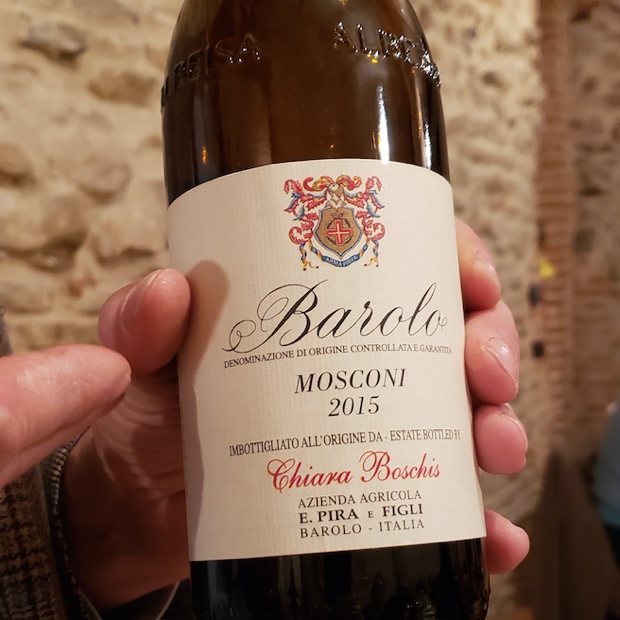
E. Pira & Figli Barolo DOCG Mosconi 2015, Piedmont, Italy

Mosconi is simply Mosconi, exquisite, powerful, elegant and grippy. Mosconi in the hands of Chiara Boschis in possession of so much 2015 fruit (though when is it void in such a regard) and so more barriques to less botti ratio increases the textural component. Mosconi comes at you in waves, oscillations there of and with swaths of Rothko tactility. Paints Barolo red in incremental minutia through all the advancing warmth that can be coalesced in one bottle of nebbiolo. Generosity incarnate and the one to drink whilst you wait for 10s, 11s, 12s and especially 16s. Drink 2020-2030.  Tasted December 2019

Good to go!

Godello

Giorgio and Chiara Boschis

Twitter: @mgodello

Instagram: mgodello
WineAlign

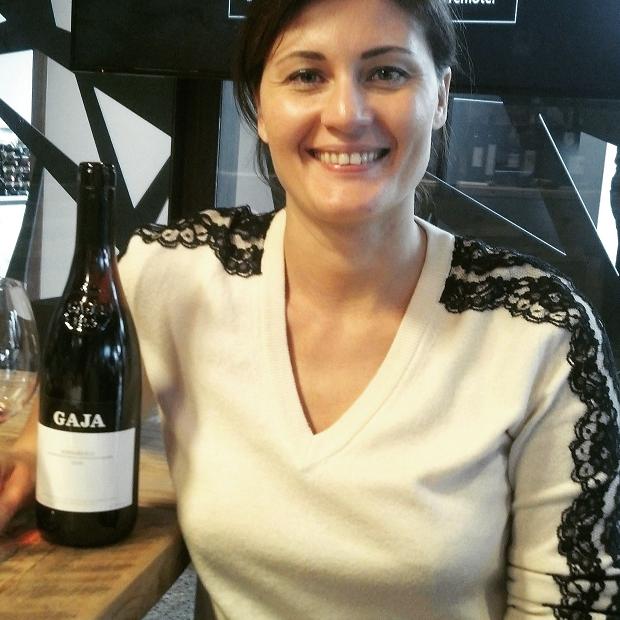
One on one with Gaia Gaja

Gaia Gaja

Gaia Gaja

I had met Gaia Gaja twice before. The first time she was working the Gaja table at a tasting event swamped with what seemed like half the attendees in the room. Still she found a way to make a connection. The second time was with a small group at Bosk – Shangri-La Hotel

Related – Wine around the boot in 40 days

Gaja owns 250 acres of vineyards in Barbaresco and Barolo. In 1994 they acquired Pieve Santa Restituta in Montalcino, Tuscany and in 1996 they added Ca’Marcanda in Bolgheri, Tuscany on the coast. The significance of this acquisition lies in the Bordeaux varieties grown there; Merlot, Cabernet Sauvignon and especially Cabernet Franc. There will come a day, not so far away, when that Cabernet Franc will make some truly exceptional wine.

The Gaja brand, while nearly 155 years young, has recently climbed into a league of its own. To consider the wines, the estates and the aura that surrounds, you might think there was a marketing team of hundreds blanketing the earth.  On the contrary. There is Gaia Gaja.

The wines made famous and expensive by Angelo Gaja define much of what the world knows and thinks about Italy and yet Gaia can talk about nothing but antiquity, historical culture, economy and social structure. She is proud of the UNESCO heritage designation for Barolo, Barbareso and Langhe. Her nostalgic, her family’s connectivity with place and her knowledge of vines is astounding. Gaia Gaja knows everything about Piemonte.

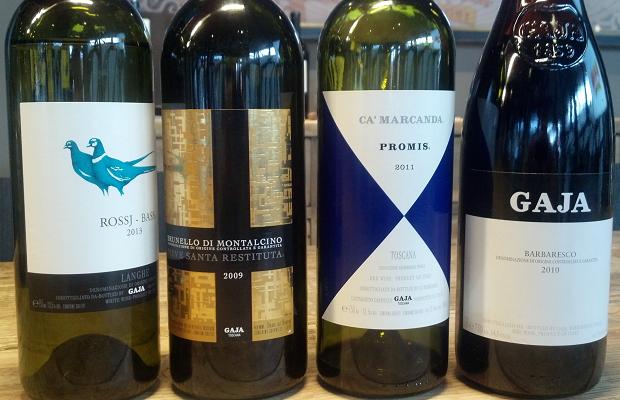
Gaja Line Up

Gaja Line Up

To Gaja, it is not simply a matter of vines, it is about the land with vines growing upon it. For the wines, lees contact is essential. “Four fingers of lees,” Gaia holds up her hand, “like red mayonnaise, after half the time they become dry and bitter. They are protectors and emulsifiers of the wine.”

Gaia speaks of biodiversity in the vineyard. She is responsible for experimentation, like seaweed treatments, essences and extracts, from garlic and rosemary. She believes in using grasses to suppress disease and mildew. These are the practices of an estate that commands designer prices for their labels. This is not a contradiction, it is a way of life.

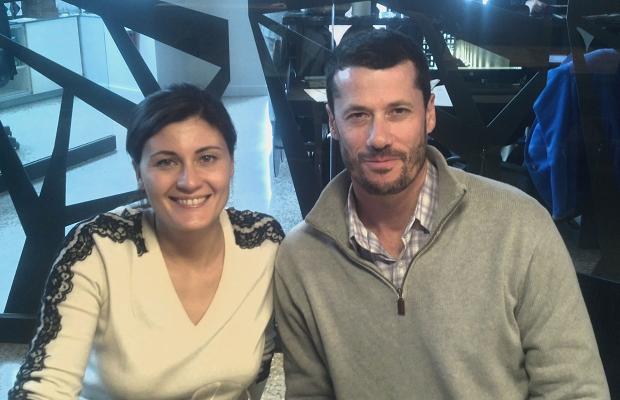
Gaia Gaja and Godello

Gaia Gaja and Godello

The vineyard management is what protected Gaja from the most challenging of vintages in 2014. August temperatures of 17 degrees celsius and so much water wreaked havoc. Swelled but not diluted berries remained pure, with clarity and surprisingly good tannic structure, not to mention decent yields. “It’s all about vineyard management,” reminds Gaia Gaja.

Thanks must be afforded Robert Tomé and Tony Macchione of Stem Wine Group for allowing me the one-on-one time with Gaia. It will always be one of those hours I’ll not want to give back. Here are the five wines we tasted together.

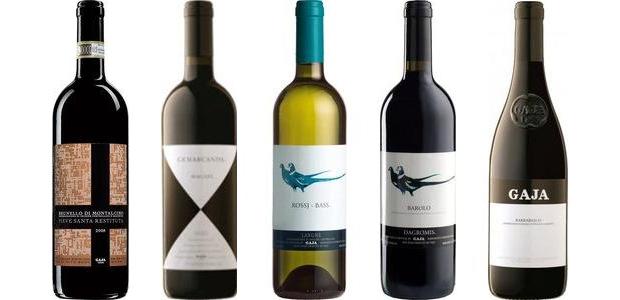
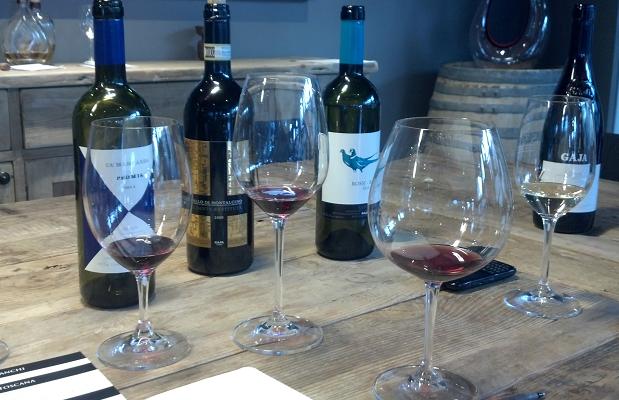
From left to right: Gaja Pieve Santa Restituta Brunello Di Montalcino 2009, Gaja Ca'marcanda Magari 2012, Gaja Rossj Bass 2013, Gaja Dagromis Barolo 2009 and Gaja Barbaresco 2010

From left to right: Gaja Pieve Santa Restituta Brunello Di Montalcino 2009, Gaja Ca’marcanda Magari 2012, Gaja Rossj Bass 2013, Gaja Dagromis Barolo 2009 and Gaja Barbaresco 2010

Gaja Pieve Santa Restituta Brunello Di Montalcino 2009, Tuscany, Italy (Agent, $68.99, WineAlign)

Beginning with the 2005 vintage, the Gaja family changed direction with the production of this coalesced Brunello, made from fruit grown at Sugarille and Rennina (Santo Pietro, Castagno, and Pian dei Cerri) and Torrenieri, in the northeastern subzone of the appellation. This fifth meld in stylistic vicissitude is more relucent than the monochromatic coquette that was 2007. More than fruit, this has spice, liqueur and fennel. So much aniseed a biscotti might pour from the bottle. Smoothly textured with a middle grain fostered by more spice, out of wood and into a promising slow-simmered future. That liqueur just needs to become an aperitif. Give it five years to do so. Drink 2019-2025.  Tasted October 2014

Gaja Ca’marcanda Magari 2012, Igt Toscana, Italy (Agent, $72.99, WineAlign)

A blend of Merlot (50 per cent), Cabernet Sauvignon (25) and Cabernet Franc (25) with a bright future, a modest, diffident and anything but arrogant Bolgheri. Loam and clay-rich terre brune strike mineral, goudron and tar for a distinct Tuscan, not Bordeaux expression. Displays more earthy funk than the other Ca’marcandas (Promis and Camarcanda) and a chalkier, grainer texture. In the middle realm there is cool mint and eucalyptus, followed by more yucca grain, so in that sense this Bolgheri is tropical and exotic. Gaja encourages this wine to follow a vinous Piemontese dialect and yet speak of Maremma, all the while without conceit. In that it succeeds. Drink 2018-2024.  Tasted October 2014

Gaja Rossj Bass 2013, Doc Langhe, Piedmont, Italy (Agent, $79.99, WineAlign)

The Chardonnay (85 per cent) comes from the Rossj and Bass vineyards in Barbaresco and much of the Sauvignon Blanc (15 per cent) from Alteni di Brassica in Serralunga. The latter’s “little walls of yellow springtime flowers” are more than just a thought. Along with tall wind-blown grasses, the stone mineral and honey-florals are a major part of this neoteric and iconic to be white from Piedmont. Must say that Chardonnay is not the first thing that comes to mind. In terms of flesh, full-flavour and intensity of excavation, the Rossj Bass is like white Châteauneuf-du-Pape, at least in aura and attitude. This will have a long life. That much is sure. Drink 2016-2022.  Tasted October 2014

Gaia Tasting at Stem Wine Group

Gaia Tasting at Stem Wine Group

Gaja Dagromis Barolo 2009, Piedmont, Italy (Agent, $84.99, WineAlign)

Nearly 15 years after Angelo Gaja acquired two old (Serralunga next to Sperss and La Morra to Conteisa) Gromis family vineyards, the 2009 vintage takes the Nebbiolo to a new modernity. Rich, bright and so very vivid, no longer controlled by the iron-rich, Tortonian-era clay and marl. Don’t misunderstand, this is still a meaty, smoky red with massive tannins that will take years to assimilate, but the texture is more like kaolin meets terra cotta, rigid but malleable. Has a taste of fennel and a smack of sultry savour. Serious Dagromis, albeit with softer features and hands. Drink 2018-2024.  Tasted October 2014

Gaja Barbaresco 2010, Piedmont, Italy (Agent, $239.99, WineAlign)

Typically sourced from 14 vineyards in and around the village of Barbaresco, the estate bottling may not be the kind of rare, single-confluence testimonies that are Sori San Lorenzo, Sori Tildin and Costa Russi but it is undoubtedly Gaja’s iconic rock. Made from 100 per cent Nebbiolo (others include a few points of Barbera), separate Barbaresco lots are aged for one year in barriques (approx. 20 per cent new, with a balance in one and two year old casks). The 14 lots are then blended and racked to large Slavonian oak casks ranging in age from five to fifteen years. The understated character, delicate perfume, kind acidity and red fruit floral flavours define the vintage. The previous year was not so kind, cooler and fuller in body. The bolstered acidity will elevate with more buoyancy than ’11 even and what makes Gaia Gaja smile is the thought that this ’10 “smells like Barbaresco in the spring.” The drifts are like stretching roots and tubers and shoots, in an ethereal way, unlike Barolo. At this juncture the wine is such a baby, contemplative, self-reflective. The Burgundy bottle with the Bordelaise neck houses a Gaja Barbaresco to stand the test of time with some of the estate’s greats; 1961, 1971, 1978, 1982, 1983, 1985, 1988, 1989, 1990, 1996, 1998 and 2005. It will be 2020 or later before the ’10 can be assessed in such terms. Drink 2020-2035.  Tasted October 2014

Good to go!

http://www.winealign.com/profile/2058-mjg

Wine around the boot in 40 days

Fall is the time for all things Italian, wine included.
PHOTO: KLAUS EPPELE/FOTOLIA.COM

as seen on canada.com

It began in the middle of October, on a Tuesday, on the ides I believe. Two weeks earlier I had penned this column: Fall is the time for Tuscan wine.

I was wrong. Fall is the time for all things Italian, wine included. At no time of year is there more of a conscious, active pursuit of Italian produce and gastronomy; salumi, chestnut, porcini, truffle and especially wine.

For the better part of a month and a half I have been tasting Italian wine, from just about everywhere it is made around the boot. Abruzzo, Basilicata, Calabria, Campania, Emiglia Romagna, Friuli Venezia-Giulia, Lazio, Liguria, Lombardia, Marche, Molise, Piemonte, Sardegna, Sicilia, Toscana, Trentino-Alto Adige, Umbria and Veneto. Three essential events brought Italy to Canada, two being of the intimate and tutored kind. The third, a massive annual affair (though no VinItaly) tied the Italian federation of wine-producing regions together under one gorgeously acoustic roof.

Lunch with Fiorenzo Dogliani of Beni di Batasiolo and Charton Hobbs, October 25, 2013

George Restaurant, 111 Queen St E, Toronto, (416) 863-6006 @georgeonqueen

The Dogliani family produce a wine range of wines in Piemonte and although love has not been lost for the “beni,” properties encasing the symbiotic relationship between farmhouses and vineyards, or tradition as a guiding force, Batasiolo is not out-of-place in the fast, forward thinking aesthetic of modern Italian winemaking. “Past and future co-exist” and wine speaks of the estate’s “Great Vineyards,” Briccolina, Boscareto, Cerequio and Bofani. Vineyards that persist in producing outstanding produce.

Tutored tasting with Gaia Gaja of Gaja Wines and Stem Wine Group, October 31, 2013

Bosk – Shangri-La Hotel, 188 University Avenue, Toronto, (646) 788-8888  @BoskTO @wineguy2005

Gaja owns 250 acres of vineyards in Barbaresco and Barolo. In 1994 they acquired Pieve Santa Restituta in Montalcino, Tuscany and in 1996 they added Ca’Marcanda in Bolgheri, Tuscany on the coast. The significance of this acquisition lies in the Bordeaux varieties grown there; Merlot, Cabernet Sauvignon and especially Cabernet Franc. There will come a day, not so far away, when that Cabernet Franc will make some truly exceptional wine.

The Gaja brand, while nearly 155 years young, has recently climbed into a league of its own. To consider the wines, the estates and the aura that surrounds, you might think there was a marketing team of hundreds blanketing the earth.  On the contrary. There is Gaia Gaja.

PHOTO: Michael Godel
Gaia Gaja and Sperss Langhe 1999

Gaia Gaja brought her family’s wines to Toronto. She spoke for more than an hour. Non-stop. “I am a woman and I am Italian,” she confessed. No one complained. All were captivated by the presentation and the presenter.

It is quite something to have the opportunity to taste wines like the 2008 Rennina Brunello di Montalcino, 2009 Barbaresco, 2008 Conteisa Barolo and the ethereal 1999 Sperss Langhe. Angelo Gaja is the rogue master of Piemonte, the first to think outside the box and break down ancient restrictions and boundaries. Who would argue that success is owed, more than in part, to his determination to rid the region of pride and stubbornness.

The dichotomy in images and in wine is not something easily understood unless you have listened to someone like Gaia Gaja tell the story. Here, a small village in Piemonte, the photograph showing a rag-tag assembly of small homes packed tightly together. The story told that beneath every house there is a winery and the greatest Nebbiolo on the planet there being produced. The farmers growing grapes on slopes so famous, not because the terroir may be noted as terre bianche or terre brune, but because the wines, like Sori Tildin or Sori San Lorenzo transform the produce into magic and command never imagined prices.

Gaja, the brand, is as famous as any from Italy, but Gaia takes nothing for granted. She is the perfect spokesperson for her family’s business. She is outwardly nostalgic, plotting a course from the very origins of the family’s connection to the land. Her attention to the simple is what Edward Steinberg noted in his Gaja memoir, The Vines of San Lorenzo. “The growing of grapes on one plot of land and their subsequent transformation is the story of Everywine.”

On November 4, 2013 I attended the annual Taste Italy, a tasting of wines from Italy at Roy Thomson Hall. I was particularly impressed with the terrific value to be found in the wines of Ca’ Dei Mandorle and the excellence from Pietro Rinaldi. Rinaldi’s BARBERA SUPERIORE (90) elevates the genre while the BARBARESCO 2010 (93) exudes a sweet, floral perfume. Castellare di Castellina remains one of my favourite Tuscan houses. The CHIANTI CLASSICO 2011 (90) comes from a vintage of agglomeration; the brood and weight of ’06 combined with the beauty and hedonism of ’07. The ’11 CC is fresh, elegant and full of rich fruit.

Here are eight full tasting notes on a wide range of Italian wines, from the hills of Piemonte in the northwest to the tiny island of Sardegna in the south.

JERZU CHUÈRRA RISERVA CANNONAU DI SARDEGNA 2008, Sardinia, Italy (270272, $16.95)

Ancient carsic cave dweller, inhabitant of underground hollows, Brett monster, heartbreaker saying “don’t you mess around with me.” A salt lick studded with crushed aniseed on a bed of Mediterranean flowering maquis and garrigue. Coal-fired, stonking stuff full of tannic tension.  A bit offal-ish and not for the faint of stomach or heart. For others a dream maker.  89  Tasted October 2013  @FrontierWine

DI MAJO NORANTE CONTADO RISERVA AGLIANICO DEL MOLISE 2010, Molise, Italy (967208, $17.95, SAQ 11294817, $17.35)

Has travelled a well-worn path up on cripple creek. The band played a veritable fruit and vegetable smoothie, pulsed from prune, oxidative purple plum, chewy raisin, tomato leaf and pulp in concentrate. Really excellent tension and a tar/coal/charcoal tendency came late. “When that nag to win came around the track” sure enough this Aglianico had won. If it weren’t for so much tomato on the nose this would have been a very fine wine.  88  Tasted October 2013

PHOTO: Michael Godel
Banfi Cuvée Aurora Rosé 2009

BANFI CUVÉE AURORA ROSÉ 2009, Alta Langa, Metodo Classico (355693, $24.95)

The fifth and surely seminal year in production of this French oak barrique aged, 100 per cent Pinot Noir fizz, composed from 90 per cent ”clear wine” and 10 per cent juice of the previous vintage. Follows classic, traditional skin contact cold maceration methodology and seems to emulate the style of Laurent-Perrier Cuvée Rosé Brut. Dry and savoury, distinctly rhubarb-scented, showing amazing freshness and wild borealis waves. A conglomerate Tuscan outfit paying attention to the small details in Piedmont.  90  Tasted November 2013  @CastelloBanfi

CA’MARCANDA PROMIS 2010, IGT Tuscany, Italy (745638, $47.95, NLL 7997, 2005, $46.11)

A syrupy rich and aromatically confected Tuscan coastal blend of 55 per cent Merlot, 35 per cent Syrah and 10 per cent Sangiovese. Anchored by a mineral stranglehold and intense aniseed studded grit. Dried rose, black tea and a trattoria’s wooden walls put you sitting in the taverna, waiting for the boar ragu to arrive. Will see to a serious future if the blackberry and Cassis fruit can hold up. The Promis is in ode to the past made in a clean and concise manner. Negotiates a partnership between the ancient Piemontese world of Angelo Gaja and a new generation of Tuscany style.  91  Tasted on October 25th and November 19th, 2013  @StemWineGroup

GAJA DAGROMIS BAROLO 2008, Piedmont, Italy (Stem Wine Group, $74.99, B.C. 161141, $69.99, NLL 7999, 2003, $84.99)

A Nebbiolo produced from two old vineyards owned by the Gromis family, acquired by Gaja in 1995, one in Serralunga adjacent to the iconic Sperss and the other in La Morra adjacent to Conteisa. Clay and marl Tortonian-era soils are its fodder and this Barolo comes across like iron-rich earth, boled through stucco and warmed to a rosy madder. Cultures 14.5 per cent abv with the most unimaginable, delicate nature. Mirror of her maker.  94  Tasted October 2013

PHOTO: Michael Godel
Batasiolo Line-Up at George Restaurant

BATASIOLO LANGHE ROSSO 2011, Piedmont, Italy (981019, $16.95)

Several local varieties (Nebbiolo, Barbera, Dolcetto) are sourced here from the hills of Langhe. Forward fruity, vinous and in turn, resinous, built solid and structured with juicy acidity. Plays all the right components to offer value. This Rosso is well-thought out, not heavy-handed nor overly composed. Excellent value.  89  Tasted October 2013

BATASIOLO BAROLO 2009, Piedmont, Italy (178542, $29.00, SAQ 10856777, $29.40)

Spent a year in bottle following its 100 per cent new oak, two-year, early settling. Produced from a combination of nine disparate vineyards, ranging from valley low to hilltop high, it is ultimately a very fine value in approachable, qualified and legitimate Barolo as you are likely to come across. A farmer’s finesse loads up red berry fruit and ripe plum, bursting fresh and massaged by a healthy level of grainy tannin. A general list Barolo that acts quite serious, if perhaps out of a vintage leaning towards the austere.  89  Tasted October 2013

BATASIOLO VIGNETO CORDA DELLA BRICCOLINA BAROLO 2007, Piedmont, Italy (992271, $75.00, SAQ 10814631, 1.5L $108.25)

From a chord running through a vineyard across a ridge at the top of a hill. Full sun exposure boldly transmutes to modernity out of the highest extraction. An underlying funk pays homage to the single vineyard designation’s storied past and this Nebbiolo is to Batasiolo as Madonna del Piano is to Valdicava. Hard as nails, rapt mineral composure, linear and precise like the vineyard it comes from. So far from opening the door to conjugal visits. There will be chestnut Zabaglione when the times comes 10 years forward. At $75 this is Cru Piemontese for a song. 93  Tasted October 2013

Good to go!