Coppo: Feet on Canelli ground since 1892

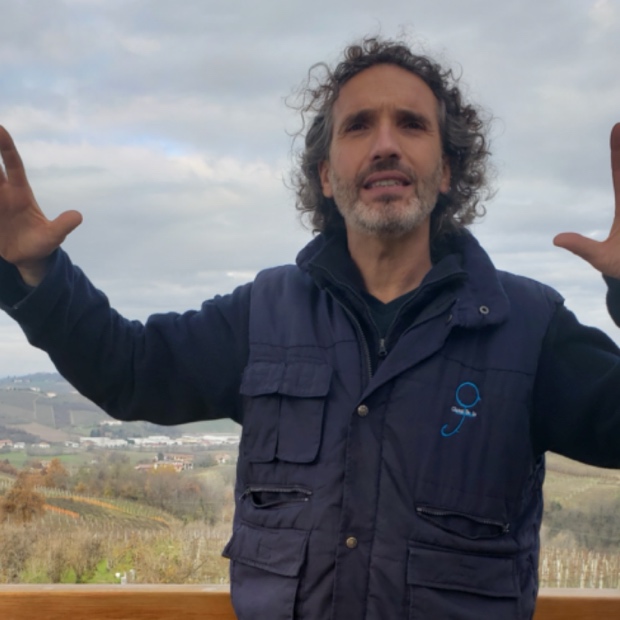
Luigi Coppo is grounded in tradition, family, heritage and by a contiguous connection through generational continuance. That much is clear. I’ve met with and tasted Coppo’s wines three times over the last three years; during Barolo’s Collisioni Festival, July 2017, at Relais San Maurizio in Santo Stefano Belbo, December 2018 and most recently at the family’s Canelli estate in December, 2019. Since 1892 Coppo has been nestled in the favourable company of fellow producers Gancia and Bosco, together forming a link between these three most historical wineries in Canelli. Coppo’s Barbera d’Asti and in particular their Pomorosso cru from Nizza Monferrato’s hills are intimately integral charges and while it may have long been established, the advancing Luigi Coppo led Sparkling wine program will push further than merely rivalling the best of Alta Langa. Lookout Franciacorta. Take heed Champagne. And though these estate masterpieces in constant progress will duly impress sommeliers and collectors worldwide, Luigi Coppo still pulls for the workhorses and insists that “Moscato d’Asti is definitely the heritage of our hills.” That amongst their 56 farmed hectares surely counts for something. This is the actuality and presence of Luigi Coppo in Piemonte: Determined, ambitious and yet always cognizant of his roots. All the Coppos in fact; Gianni, Paolo, Luigi, Roberto and Piero. Feet on Canelli ground since 1892.

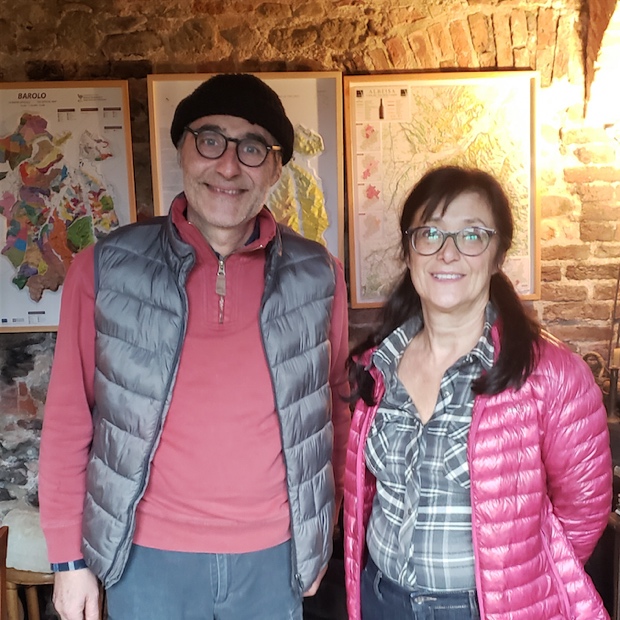
Luigi Coppo

Related – Three DOCG pillars of Asti: Secco, Dolce, Moscato d’Asti

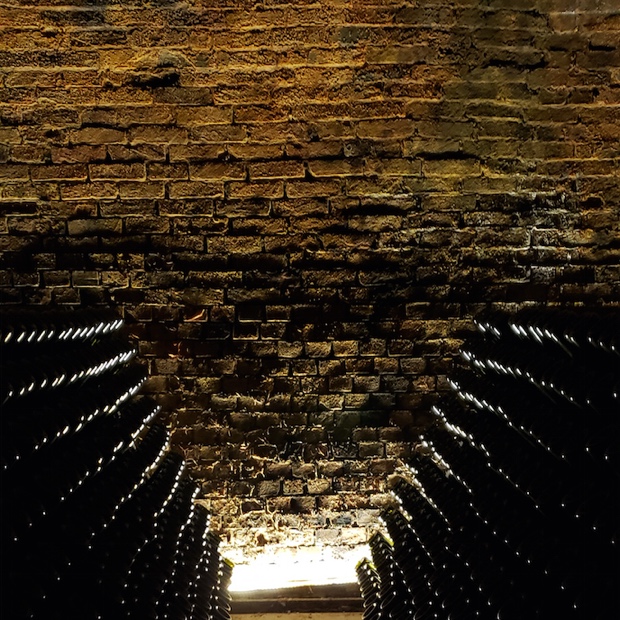
Much has changed since Luigi’s great-grandfather Piero started the estate in 1892. Today production is 500,000 bottles annually. In another three-pronged producer connection Coppo can make Barolo here in Canelli, along with Scarpa and Bersano. And in 1977 it was Carlo Gancia who as the first in Italy to do so, returned from Champagne to employ moscato in traditional method bubbles. Luigi Coppo is also making use of the Canelli tufo azzuro soils, a mix of blue clay and limestone so ideal for growing grapes to turn them into many variations of sparkling wine. He too embraced the new Alta Langa appellation, beginning in 2010. A specific area was identified, chardonnay and pinot noir were planted and the 30 month lees aging methodology was put into place. Following the dreams of Grandfather Luigi who desired to produce a Bourgogne-style in Piemonte, chardonnay was planted 35 years ago. After nonno passed away in 1994 Luigi’s father Paolo decided to keep the dream alive. Monteriolo sees nine months on lees in barriques; big, buttery, modern and luscious.

Related – Living wine in the moment at Scarpa Winery

The Nizza Classico barbera come from several Monferrato villages while the Pomorosso cru, first made in 1998 sees new French oak for 14-18 months. Moscato d’Asti gets stelvin closures, the wines that age for five to six months are sealed under Diam and real corks for anything longer. The natural barrel cellar was finished in 1970, 42m below ground level. As for the heritage one, says Luigi, “Moscato loves altitude compared to barbera. It’s now time to talk about Moscato d’Asti as a serious wine because it’s very difficult to make. We don’t add sugar or carbonize and it is a vintage wine. These are the three natural and honest things about moscato.”

Related – Rock steady Bersano

What do Coppo’s wines do for us? How are they helpful and perhaps even life-affirming? The truth lies in Luigi Coppo’s humanity and dedication to the things that matter. Something has to save us from ourselves, especially in times such as these, from being inside our heads. Luigi’s wines are the sort to make our wisdom bearable, to rescue us, if nothing else from the ever-bearing fever of begotten biological and ecological destiny. These are the five wines tasted at Coppo.

Coppo 1892 Luigi Coppo Brut Metodo Classico 2016, Vino Spumante Di Qualita DOC, Piedmont, Italy ($40.00 – Estimate)

Traditional method varietal pinot noir in sparkling form, 24 months on its lees and no wood aging. Gainfully fresh and joyous, just a pinch of dosage and regaled, mainly by strawberry but also a sweetly savoury push. Crushable bubbles in the parlance of our times. Drink 2019-2021.  Tasted December 2019

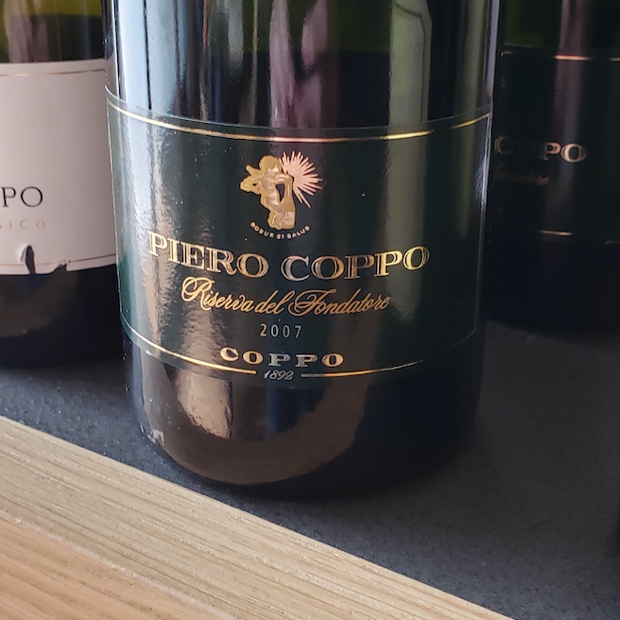
Coppo 1892 Piero Coppo Riserva Del Fondatore 2007, Vino Spumante Di Qualita DOC, Piedmont, Italy ($220.00 – Estimate)

A 60-40 split of pinot noir and chardonnay that was at a near to previous time a varietal wine of the first but with 90 months on the lees and more complex notions conceived it was necessary to bring the latter into the mix. This was disgorged in July 2017. The tartufo bianco in this wine is simply uncanny. That and a toasty precision as if by a Japanese chef’s hand, a toasted piece of perfect white bread to the edges in 100 per cent equality by golden caramelization. Sandwich a piece of reverse seared Kobe rib-eye in between two buttered slices with a side of potato chips and creamy cole slaw and Coppo’s your uncle. Mimic with foie gras if you must. Up to you. Drink 2019-2026.  Tasted December 2019

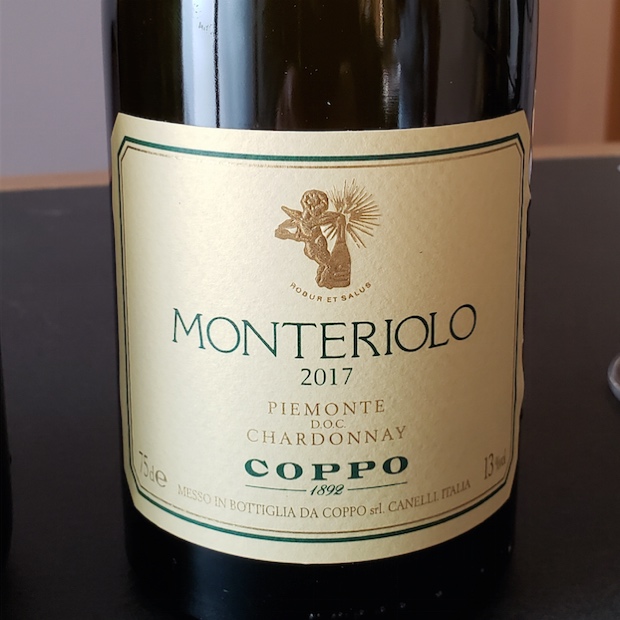
Coppo 1892 Monteriolo 2017, DOC Piemonte, Piedmont, Italy ($92.00 – Estimate)

A father and an uncle’s chardonnay dedication to their father with a Bourgignons style and philosophy. This just released ’17 saw nine months on lees in French barriques. Toasty in a “Batard” Italianate way, nearly gingered and a low-yield meets high concentration and alcohol (though maxing out at 13.0 per cent) and purposefully ripe. The hot year took away some control and thus the warm biscuit and accentuating spice notes. A little caramelization and while the joy will be a year or so away it will be a shorter lasting period, albeit a highly anticipated and relishing one. Verdant finish with a scape of citrus zests. Drink 2020-2024.  Tasted December 2019

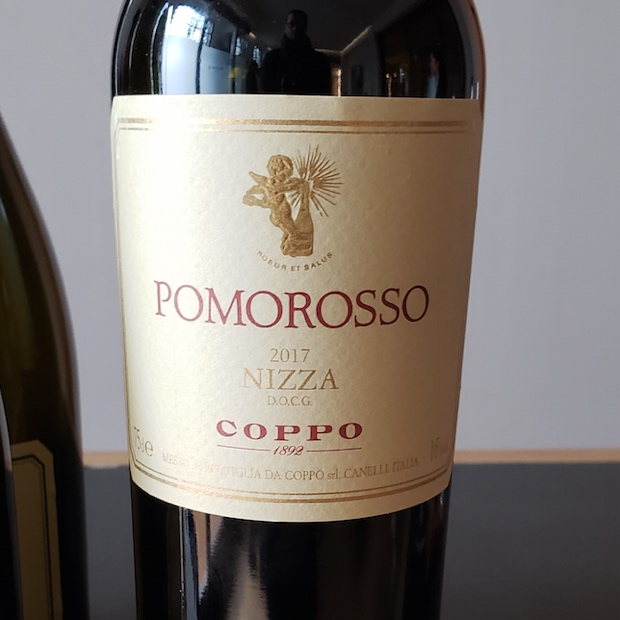
Coppo 1892 Barbera D’asti Nizza DOCG Pomorosso 2017, Piedmont, Italy ($74.95 – Estimate)

A blend of areas, Nizza Monferrato, Castelnuovo Calcea and Agliano Terme, first produced in 1984. “If you want to make Nizza all of your vineyards have to face south,“ explains Luigi Coppo. The exposures gather three levels of sunlight and with 15 days of fully extractive macerated practices the tannins are necessarily pulled to their limit. With varietal acidity set to a natural high there is a three-pronged effect that expresses three separate platitudes and layers for long-term effect. Add the warmth of ’17 and the degree of difficulty and margin for error is very stringent. Castelnuovo Calcea was the last to pick and still only at the end of the first week of September. There’s a phenolic-minor note from the vintage that’s ostensibly unavoidable in a composition like this and yet the richness and structure are non-compromised. Tough to follow the ideal 2016. Drink 2021-2028.  Tasted December 2019

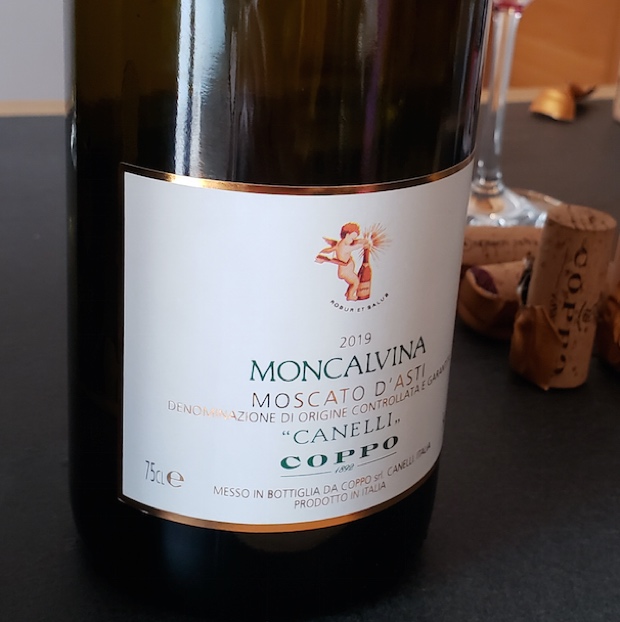
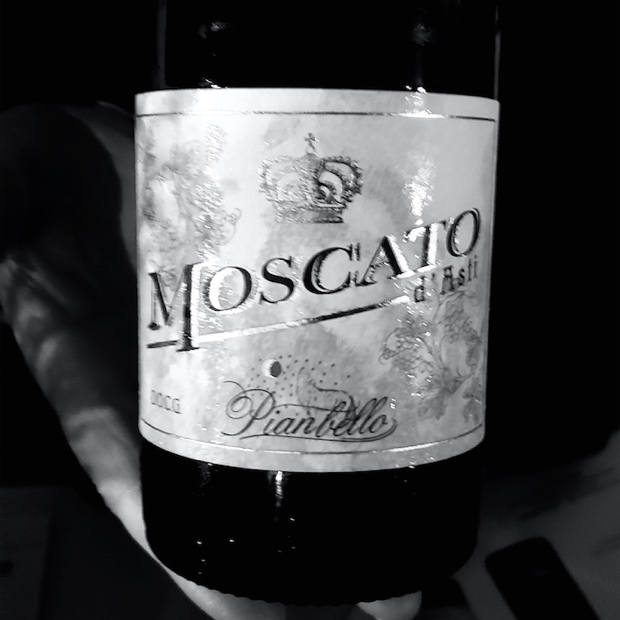
Coppo 1892 Moscato d’Asti DOCG Moncalvina “Canelli” 2018, Piedmont, Italy ($23.20 – Estimate)

“Moscato loves altitude as compared to barbera,” tells Luigi Coppo, “and now is the time to think about Moscato d’Asti.” Luigi says it’s a serious wine because it’s difficult to make. No sugars are added or carbonization performed and it’s a vintage wine. These are the three tenets that matter most. From Canelli vineyards between 200-280m and the classicism of construct and effect is pure magic in proper and precise, sleight of hand ability. That’s what it needs to be, no more, no less. Naturally sweet, a pinch of salt and all the orchard fruit; apple, pear, lemon and orange. All together in balance and gift with tannin on a real dry finish. Drink 2019-2023.  Tasted December 2019

Good to go!

godello

Twitter: @mgodello

Instagram: mgodello

WineAlign

Three DOCG pillars of Asti: Secco, Dolce, Moscato d’Asti

For a wine region to succeed it must exercise sustainable principles and do so by meeting the needs of the present without compromising the ability of future generations to meet theirs. Investment argues for three main pillars: economic, environmental, and social, a.k.a. people, planet and profits. In scientific terms sustainability refers to an ecosystem’s ability to exist constantly at a cost within a universe that evolves towards thermodynamic equilibrium within a state of maximum entropy. A modern vernacular would speak of the coexistence between humans and their host biosphere. A transfer of these ideological theories into wine-speak says that in Asti the growers, producers and their appointed Tutela dell’Asti DOCG chaperones have collectively agreed to set the appellative wines of Asti Secco DOCG, Asti Dolce DOCG and Moscato d’Asti DOCG as representative of their present and future. Three pillars of Asti.

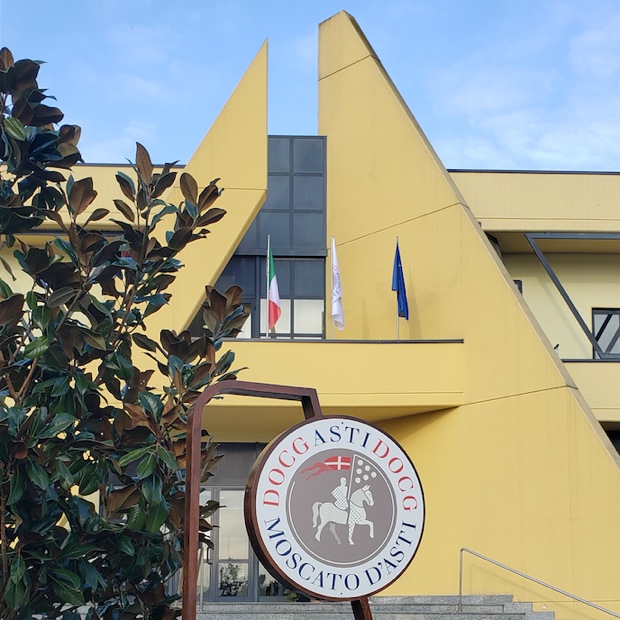
“Born in 1932, the Consortium for the Promotion of Asti has a clear mission: to perform all the necessary actions to protect, promote and enhance the value of Asti and Moscato d’Asti, in Italy and the world.” The sustainable manifesto is clear and one day spent inside the offices of the Consortium will instruct and explain all you need to know about economic, social, environmental, export, security and what Italians refer to as disciplinare policies. Regulations regarding vineyard yields, levels of alcohol, sugar, extract and bars of pressure are so defined as to ensure current production and sales viability but also explicitly what the next generation will need to carry the work forward.

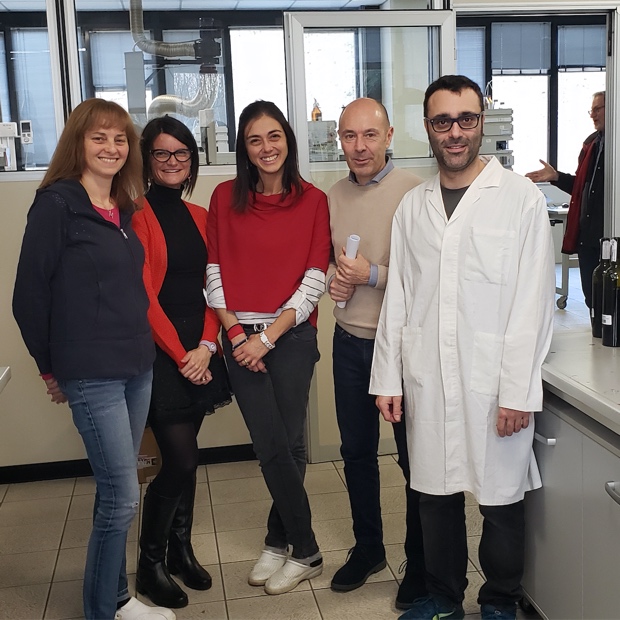
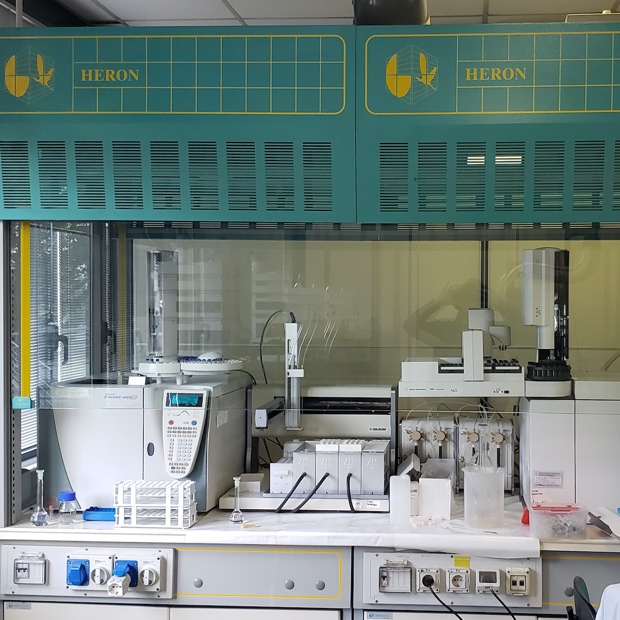
Guido Bezzo and the Asti lab crew

The Consortium’s Laboritorio Analisi for the Tutela dell’Asti DOCG is one of the most advanced and technologically impressive anywhere, with the mechanization capable of carrying out a diverse set of analyses. Under the guise of Guido Bezzo, who incidentally also happens to be a virtuoso trumpeter, the lab exerts its expertise far beyond pedestrian testing of alcohol, sugar and varietal purity. It delves deeper than mere organoleptic conclusions. The lab’s research works to investigate the impact analysis results for one 750 mL bottle of Asti wine covering categories that includes a mind-boggling set of parameters: Climate change; Reduction of the ozone layer; Toxicity and carcinogenic effects on humans; Particulate/smog caused by emissions of inorganic substances; Ionizing radiation effects on human inorganic health; Photochemical ozone formation; Acidification; Terrestrial, aquatic and marine eutrophication; Ecotoxicity in freshwater aquatic environments; Soil transformation; Resource depletion in water, minerals and fossils. Heady stuff indeed.

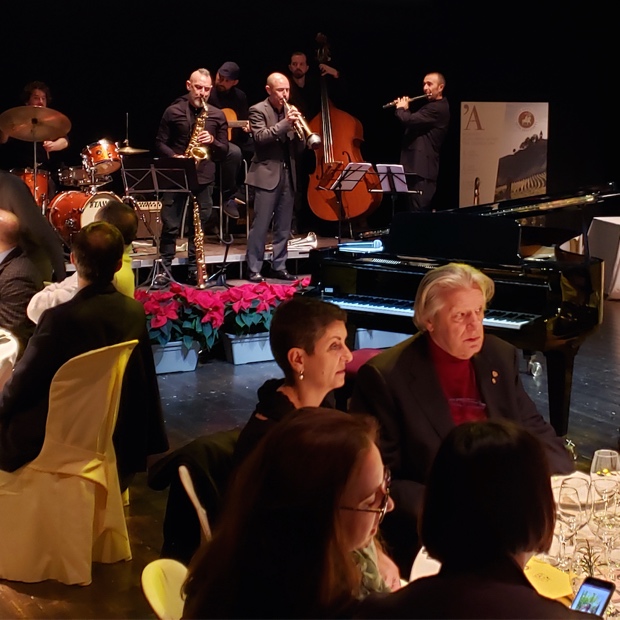
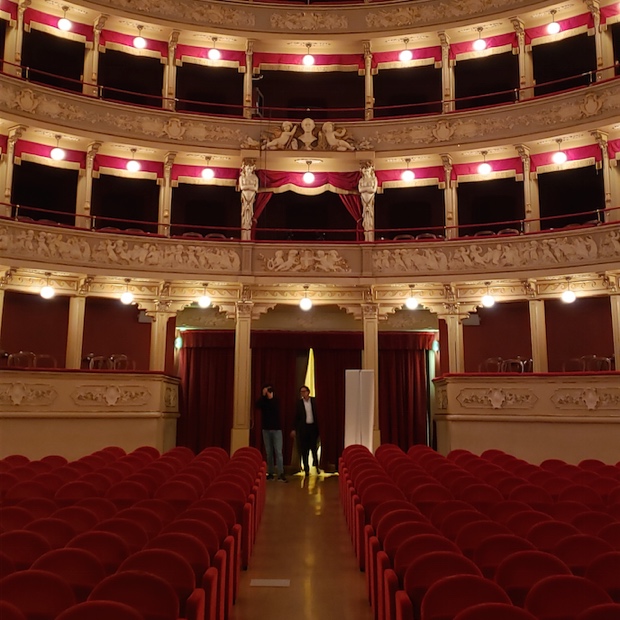
Dinner at Teatro Alfieri, Asti with President of the Consorzio Moscato d’Asti DOCG President Romano Dogliotti

La Caudrina’s Romano Dogliotti is President of the Consorzio dell’Asti DOCG and like so many Langhe winemakers, he is intrinsically tied to tradition but with a decisive openness to new technologies. In line withy many of his compatriots, Dogliotto’s Moscato d’Asti is made by putting yeast and moscato grape must in an autoclave. The must ferments at low temperature in this reinforced fermentation vessel until about half the natural sugar is consumed, then the wine is quickly passed through a micron filter to arrest the fermentation. The result is Moscato d’Asti at five and a half degrees of alcohol by volume and enough residual sweetness to conjure the feeling of eating ripe orchard fruit. In Asti the moscato comes out three ways: Secco, Dolce, Moscato d’Asti.

There are 10,000 hectares of vineyards for these lightly sparkling, off-dry to sweet Asti white wines and the Consorzio is entrusted to promote and protect the wines in the appellation. They are widely imitated and so undertaking legal action and registering trademarks in every country is a necessary side-hustle of the job. In terms of producer requests, all changes and modifications applied for must be approved by the consortium. An integral aspect of the work involves field, vineyard as well as laboratory research.

Teatro Alfieri, Asti

Asti covers parts of 52 communes, three provinces; Asti, Cuneo, Alessandria and three territories; Langhe, Roero and Monferrato. The vineyard landscape of these three famous Piedmontese areas were recognized by UNESCO as a World Heritage Site in 2014, Un territorio Patrimonio dell’Umanità. Sedimentary soils that date back 10-15 million years predominate. One is the Pliocenic basin of Asti to the northeast. The to the west around Canelli there are Serravallian (Middle Miocene) soils, stratified layers of blue clay, sand and lime. Many believe this to be the best composition for Moscato d’Asti. To the east in the area of Strevi the ground is Tortonian (late Miocene), younger at five to 10 million years, with more clay and more lime in deeper layers and colour. 

Laboritorio Analisi for the Tutela dell’Asti DOCG

The crux of the varietal situation is twofold, at once for vineyards subsisting at the foot of the Alps and also drawing energy being proximate to the sea. Seventy-five per cent of the vineyards are directly protected by the mountains. As seemingly everywhere, climate is changing here too. In the last 15 years average temperatures have increased by one degree. In the past 58 years the average increase has been by two. More important are temperature abnormalities. The centrepiece moscato bianco is a very sensitive grape and easily subjected to diseases. A study of 15 experimental vineyards continues to assess the vintages and the shifting climatic effect on the wines.

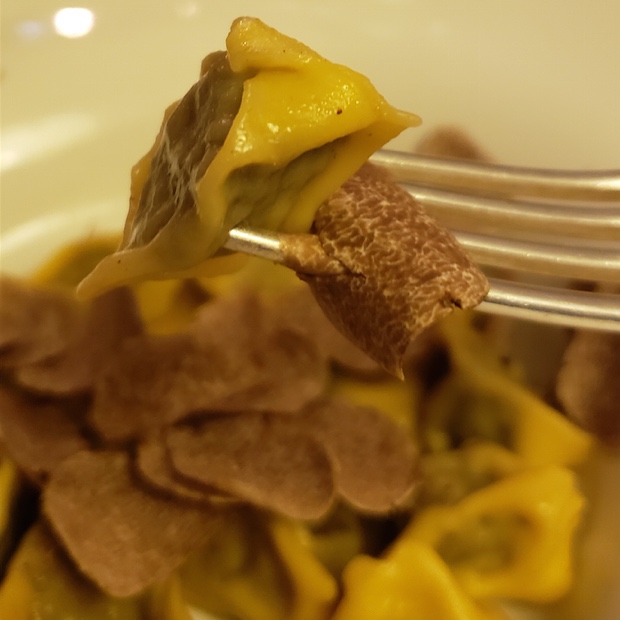
Agnolotti al tartufo bianco, Ristorante Cascinale Nuovo (Isola d’Asti – http://www.walterferretto.com)

Guyot training is appropriate for poor quality soils and lower yields. Broken down by altitude, 44 per cent of the vineyards are at 250-300m and 30 per cent at 300-450m. In terms of slope, 2,770 of 9,700ha have a gradient higher than 30 per cent, 336 ha with a gradient of more than 50. “Heroic agriculture” is the moniker bestowed. “The Sorì vineyards.” No mechanization is employed and a certain crucial must is picking times, especially in terms of the preservation of moscato bianco’s aromatic compounds.  Yields per hectare are set at 9.5 tonnes for Asti and Moscato d’Asti, the approximate price at 1.1 Euro.

With Andrea Costa, Vini Marenco

The 60,000 tonnes kept at negative four degrees in summer costs dearly in equipment and energy. It is widely believed that juice can stay in tank for up to two years without losing aromatic concentration. Fermentation takes place at 20 degrees in pressure tanks developed by Italian sparkling wine pioneer Dr. Federico Martinotti, director of the Research Institute for the Wine of Asti, who patented the method in 1895. Martinotti is credited with creating the method of developing the bubbles inside of tanks. The juice can stand pressures of more than 10 bars. Yeasts must be stopped abruptly (in a matter of a few hours) to avoid off odours and flavours, i.e rotten egg and cooked cabbage. Centrifuge and filters are used. In the past pasteurization at 50 degrees was the norm but now micro filtration screens out the yeast (at 0.2 microns) and stabilizes the wines. Agronomist/viticuilturalist Daniele Eberle also explains how Fratelli Gancia used the same techniques that the French used here in Piemonte in the late 1800s. The city of Canelli, cultural home of Asti holds the highest concentration of companies that make all the equipment necessary for bottling Spumante wines.

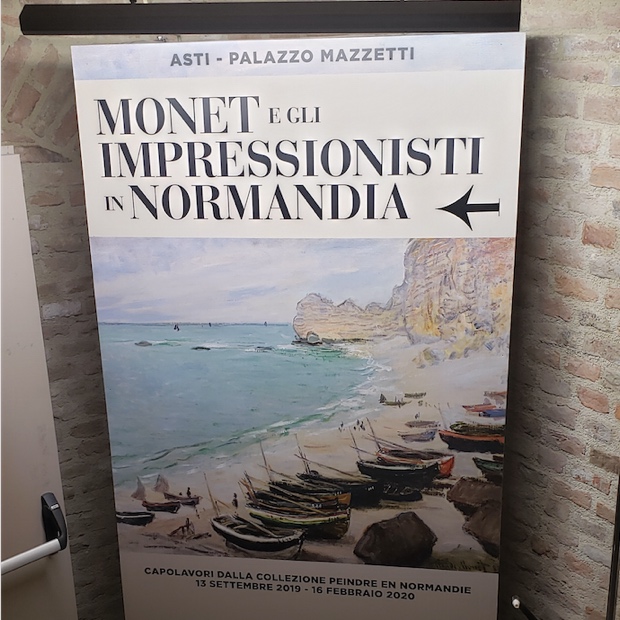
Étretat – Claude Monet, Palazzo Mazzetti

These are the disciplinare for the three appellation wines:

  • Asti Dolce DOCG: 6-7 per cent alcohol by volume, 90-100 g/L residual sugar and Sparkling at maximum 4-5 bars of pressure
  • Moscato d’Asti DOCG: Minimum 4.5 up to 6.5 per cent alcohol by volume, 120-130 g/L residual sugar and Sparkling at maximum 2.5 bars of pressure 
  • Asti Secco DOCG: Minimum 11.0 per cent alcohol by volume, 17 g/L residual sugar and Sparkling at 3-3.5 maximum bars of pressure

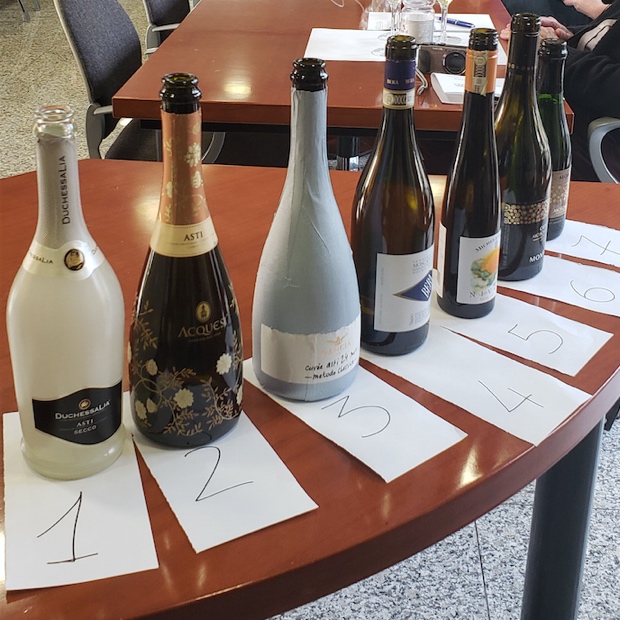
Massive thanks to Mariana Nedic, Marina Nedic, Ana Murguia and the staff at IEEM Communications. Looking back at December travels and work assignments in Italy I now find myself focusing in on the new and forward thinking Moscato d’Asti stories in the heart of Piemonte. Tough wines to produce but these traditional producers have to do it. It Is their heritage, imperative and pleasure. At the Consorzio dell’Asti in Isola d’Asti the steps and stages of Asti’s gently sparkling wines gave way to a blind tasting of the following seven. 

Blind Tasting

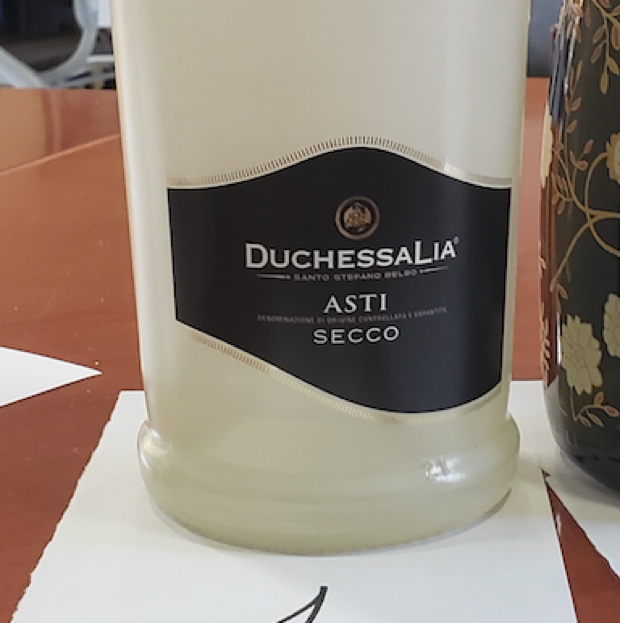
Duchessa Lia Asti Secco DOCG Santo Stefano Belbo, Piedmont, Italy

Lime and a soapy entry but on the drier side, likely Asti Secco. Feels like 15 g/L of sugar with gentle and supportive acidity. Somewhere between peach and pear, clean and perhaps too much so. Certainly a fine mousse and persistence. A new style from which the aromatics are diminished and yet the gain in versatility in this case indicates one done well. Does well to avoid the potential of bitters marking the finish. Alcohol is at 11.0 per cent and sugars could be as high as 17 g/L though this seems lower in the 10-12 range. Drink 2019-2021. Tasted blind at the Asti DOCG consortium, December 2019

Acquesi Asti Dolce DOCG, Piedmont, Italy ($13.95)

Asti Dolce for sure, crazy sweet and reminiscent of a lime creamsicle. Aromatic but not overtly so, all controlled by the sugars and so very cloying. Exceptionally foamy, creamed and whipped in mousse. Perfectly suited to flavour a zabaglione to work alongside hazelnuts baked into a soft, crumbly cake. Alcohol at 7.0 per cent and sugars at 90-100 g/L. Drink 2019.  Tasted blind at the Asti DOCG consortium, December 2019

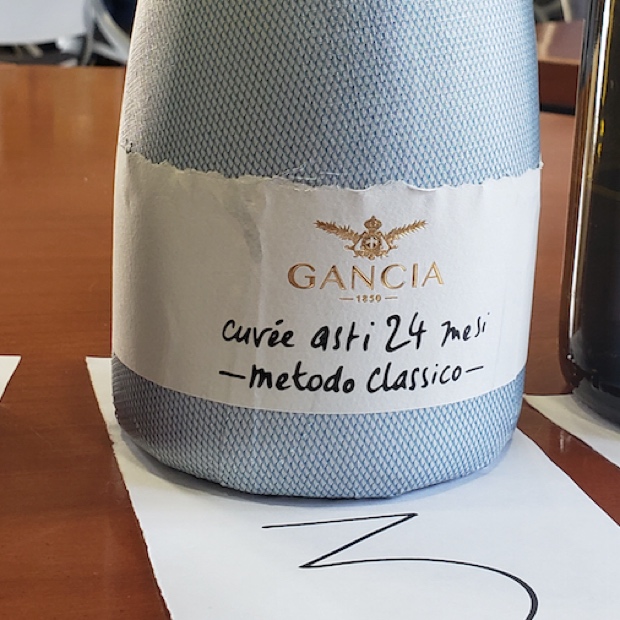
Gancia Asti Secco DOCG Cuvée Asti 24 Messi Método Classico 2012, Piedmont, Italy

A wine that owes to the experience of Carlo Gancia in Canelli. Wildly aromatic, a Langhe experiential moment straight away conceived and delivered. A Piedmontese traditional method bubble that is clearly more complex than kin simplicities. Bottle fermented and made from grapes harvested in 2012. Recently disgorged so at least six years on the lees technically Asti Dolce but really no affinity because the secondary and even tertiary aromas are in. Baking scents and oxidative meets caramelized notes are part of the mix, as is this ginger-orange créme brûlée with a healthy compliment of torched sugar flavours. A complex mess of aromatics, next level texture and most of all, multi-developed levels and layers of sweetness. Drink 2019-2022. Tasted blind at the Asti DOCG consortium, December 2019

Bèra Moscato d’ Asti DOCG 2019, Piedmont, Italy ($29.30)

Now into Moscato d’Asti with the most classic presentation, aromatically effusive, effective, generous and free. The sweetness in such a moscato is so very stone fruit based and subjected to a perfectly ripe squeeze of more than one citrus. Lemon, lime and orange without forgetting the smells of their blossoms. Quite correct and more so, leaving an impression that is not soon left for dust. From fruit grown in Meviglie at the limit of Neive. Drink 2019-2021.  Tasted blind at the Asti DOCG consortium, December 2019

Michele Chiarlo Moscato d’Asti DOCG Nivole 2018, Piedmont, Italy (650440, $9.75, 375ml)

Waxy, aerosol citrus and perhaps a year older with prevalent if weighty acids that settle this Moscato d’Asti into a secondary period. Both aromatics and freshness are diminished though so seem the sugars so the balance is still well-afforded. Ultimately a perfect example of the ripe peach scents so expected from Moscato d’Asti. Drink 2019-2021. Tasted blind at the Asti DOCG consortium, December 2019

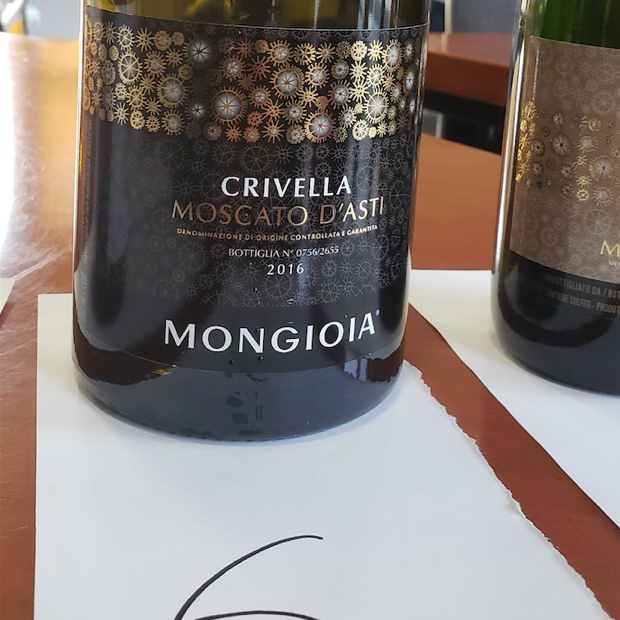
Mongioia Moscato d’Asti DOCG Crivella 2016, Piedmont, Italy

Quite toasty and though no wood was used it shows a remarkably semi-oxidative and lightly caramelized character that brings colour, cooked apple and creamy nectarine mousse. It has certainly come to a more interesting and charming place with just a moment’s liquorice and this white fig flavour. Worth some fun and giggles with persistent acids. Fruit from steep vineyards in Santo Stefano Belbo in the province of Cuneo at the border of Asti. Drink 2019-2020.  Tasted blind at the Asti DOCG consortium, December 2019

Mongioia Moscato d’Asti DOCG Crivella 2003, Piedmont, Italy

Quite the advanced Moscato d’Asti here at the edge of tumbling down from the Sorì. Oxidative and fully caramelized notes, with preserved lemon, torched orange and candied ginger. The sugars are accentuated as a result of the diminishing acidity. Still a joyous showing for a 16 year-old moscato. Fruit from steep vineyards in Santo Stefano Belbo in the province of Cuneo at the border of Asti. Drink 2019.  Tasted December 2019

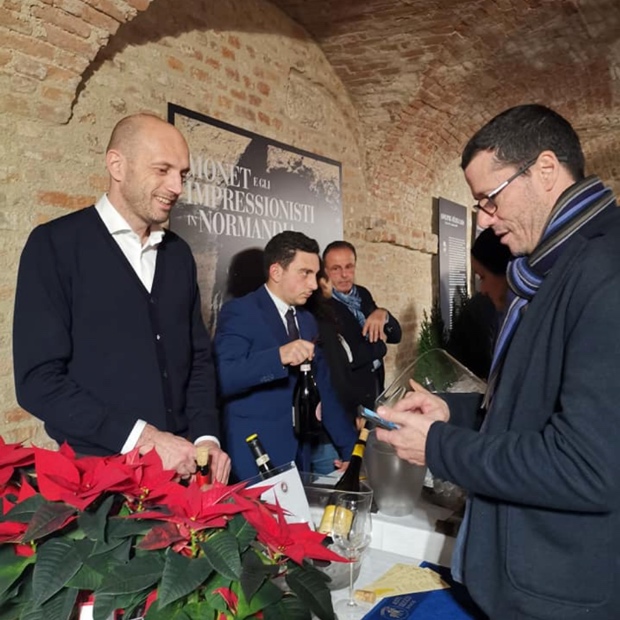
Tasting next door to Monet

After the Masterclass and blind tasting we transferred to Asti and convened in Palazzo Mazzetti for a walk-around with the producers in the company of a small but exquisite exhibit, “Monet e gli Impressionisti.” These winemakers are finding new success by making use of advanced technologies, higher altitudes, specific soils and identifiable crus. These are the Moscato d’Asti I tasted and the world may know they are to be reckoned with.

Azienda Agricola Cerino Moscato d’Asti DOCG 2019, Piedmont, Italy

A curious and interesting moscato this one, fresh enough and so very basil herbal, then white flowers and lime. A touch refined in white sweetness, also tart, long and elastic. Unique and quite fine. Drink 2019-2020.  Tasted December 2019

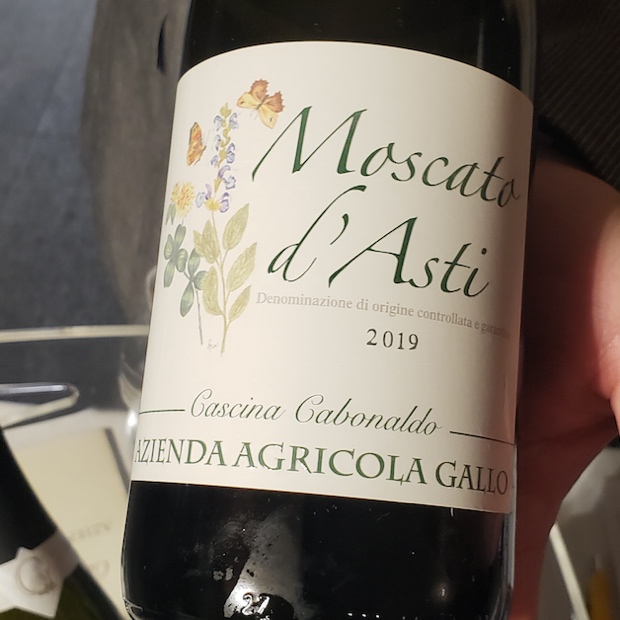
Azienda Agricola Gallo Cascina Cabonaldo Moscato d’Asti DOCG 2019, Piedmont, Italy

Located in Montabone, halfway between Canelli (to the west) and Acqui Terme (to the southeast). The vineyards at 320m help strengthen the haughty aromatics, even while this moscato acts pale and sallow though clearly fresh, clean and seemingly simple. Nothing wrong with that in fact this is one of the easiest feats of drinking amenability. Direct, correct and highly effective. Drink 2019-2020.  Tasted December 2019

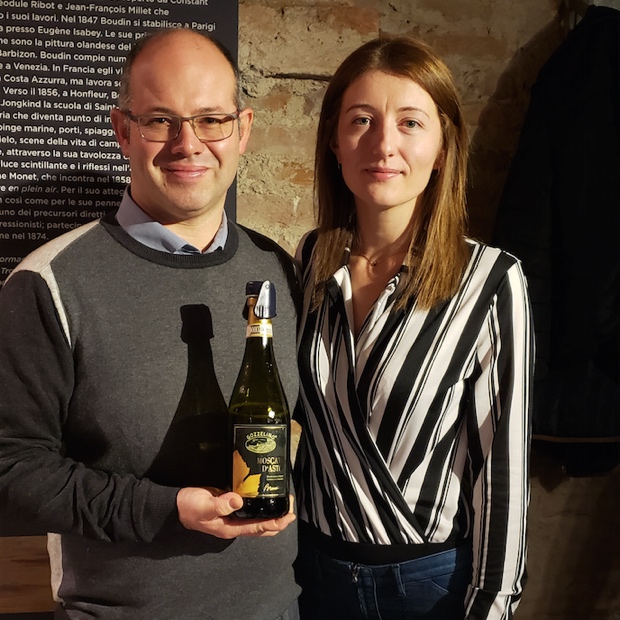
Lorenzo Gozzelino and Silviana Ignat

Azienda Agricola Gozzelino Sergio Moscato d’Asti DOCG 2018, Piedmont, Italy

Righteous, energetic, ripe and frantic moscato is exemplary as such because it enlivens the heart and enlightens the mind. Big, bouncy, bountiful and welling with blossom aromatics leading to rich, striking, full flavour. Lemon and apricot develop a marmalade of unction, glycerin and natural texture. This fruit from Gozzelino’s vineyards is top notch. Drink 2019-2022.  Tasted December 2019

Gozzelino Moscato Passito DOC Piemonte 2012, Piedmont, Italy

Following the manual picking of withered Moscato grapes in November they are pressed and put in refrigerated vats under controlled fermentation. In dessert wine terms for moscato in Piedmont this is the truth, spirited and flashy. Pineapple with an adage of savour in pencil lead and sage of a texture in silken layers. Brazil Nuts are all over the finish as a nougat or an ulterior marzipan. Textbook stuff. Drink 2019-2027.  Tasted December 2019

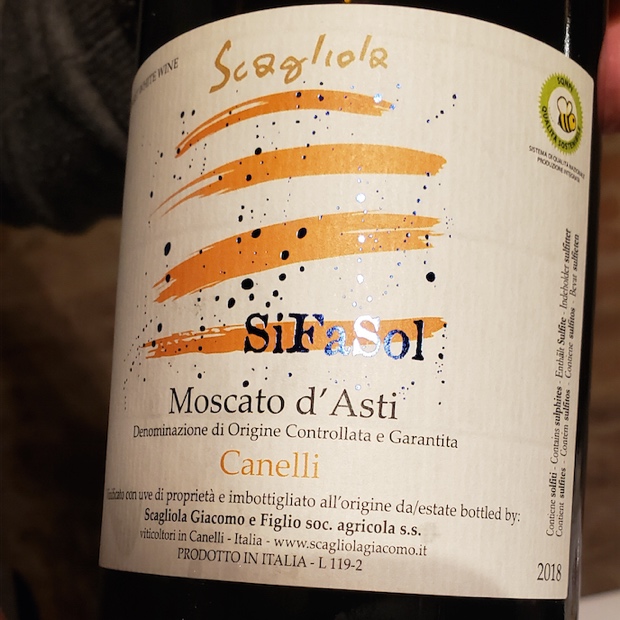
Azienda Agricola Scagliola Giacomo E Figlio Moscato d’Asti DOCG Sifasol 2018, Piedmont, Italy

Located in Canelli here’s a sweetly viscous moscato very lime-driven from calcareous terroir. High quality acidity off the sorì (top portion) from south-facing vines 70 years of age. High level scents of orange blossom, apricot and sage, so typical of Canelli. Really balanced moscato in every respect. Drink 2019-2022.  Tasted December 2019

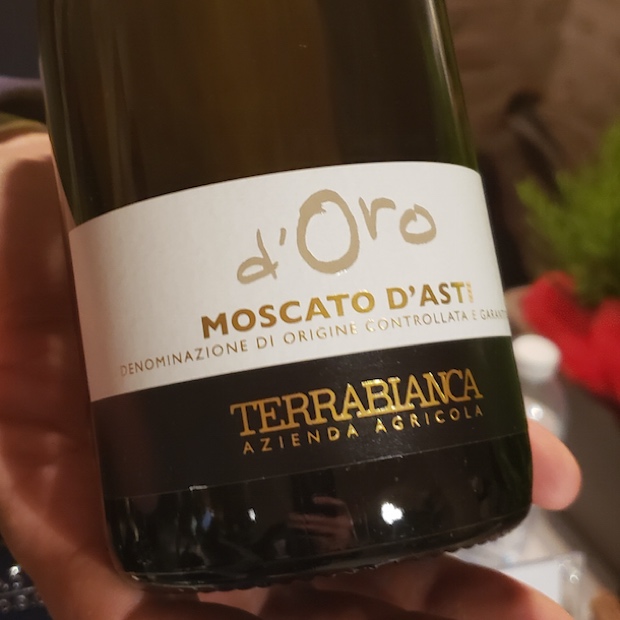
Azienda Agricola Terrabianca Moscato d’Asti DOCG 2019, Piedmont, Italy

Azienda Agricola Terrabianca di Alpiste Federico e Andrea is located in Mango at 520-550m, one of the highest points in the Langhe and not far from Castagnole. This for moscato is surely something other, something curious, sweetly magical. Hard not to love a glass. Drink 2019-2021.  Tasted December 2019

Azienda Agricola Terrabianca Moscato d’Asti Vignot DOCG 2019, Piedmont, Italy

Terrabianca’s Vignot cru moscato is from Canelli off a south exposure for vines of 65 years-old. One of the richest Moscato d’Asti wines you will ever indulge in the fine, smooth and feathery way of lemon curd, but also paraffin waxy and spiked by a limoncello spirit. Zested, striking, maximizing varietal and stylistic enjoyment. Clearly a cut above and so very singular. Drink 2019-2024.  Tasted December 2019

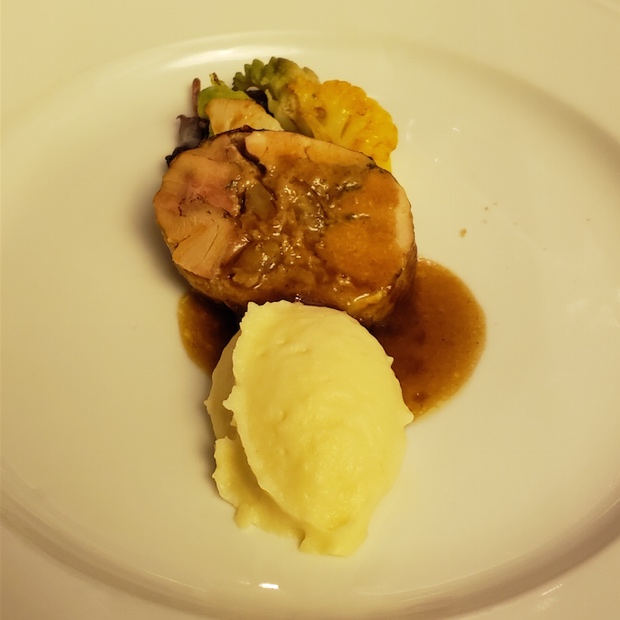
Ristorante Cascinale Nuovo (Isola d’Asti – http://www.walterferretto.com)

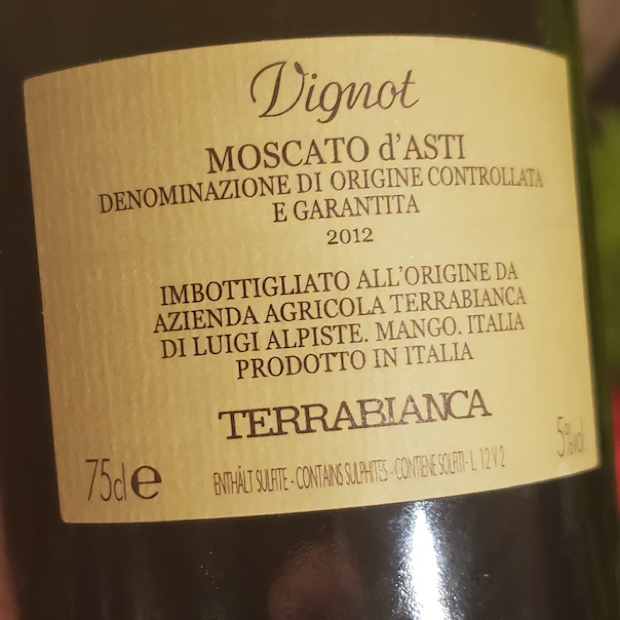
Azienda Agricola Terrabianca Moscato d’Asti Vignot DOCG 2012, Piedmont, Italy

A rare opportunity to taste the possibilities in aged Moscato d’Asti, here from Terrabianca’s south-facing Vignot cru in Canelli off of vines of 65 years of age. Vines that soak up maximum sun, not just to promote an oriented sweet richesse but also the ability to age. Now having developed honey and the early stages of petrol and persistent tonal depth. Spurts of lemon are the near-term projection with a real smoulder on the vaporous horizon. Really smart stuff in a world of similitude occupied by the likes of riesling and sémillon. Drink 2019-2021.  Tasted December 2019

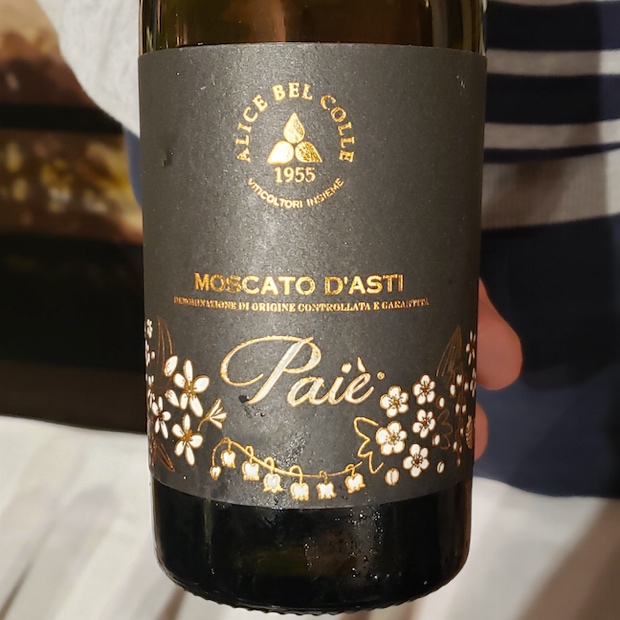
Cantina Alice Bel Colle Moscato d’Asti DOCG Paiè 2018, Piedmont, Italy

From the hills of Alto Monferrato in and about turn of face with 100 per cent of the moscato grapes subjected to a passito methodology of drying for a few months before turning into sparkling wine. Finishes at 5.5 per cent alcohol and 150 g/L of residual sugar. “It is a new way of showing Moscato d’Asti,” tells the spokesperson on behalf of the choir for 100 members. There can be no argument there. Royally sweet and unequivocally in hyperbole of all the aromatic and fruit concentrated aspects of the Md’A style. Truly haughty and heightened in caricature respect. Is it too much? Drink 2019-2022.  Tasted December 2019

Cantina Tre Secoli Moscato D’asti DOCG 2018, Piedmont, Italy

Located in Canelli Tre Secoli’s moscato is so correct. Combines the full frontal aromatic attack with an easing into back end creaminess and big orange citrus flavour. Perfectly ripe and intentional mild sparkling wine with moments occupied by lemon, lime curd and apricot marmalade. Drink 2019-2020.  Tasted December 2019

Coppo 1892 Moscato d’Asti DOCG Moncalvina “Canelli” 2018, Piedmont, Italy ($23.20 – Estimate)

“Moscato loves altitude as compared to barbera,” tells Luigi Coppo, “and now is the time to think about Moscato d’Asti.” Luigi says it’s a serious wine because it’s difficult to make. No sugars are added or carbonization performed and it’s a vintage wine. These are the three tenets that matter most. From Canelli vineyards between 200-280m and the classicism of construct and effect is pure magic in proper and precise, sleight of hand ability. That’s what it needs to be, no more, no less. Naturally sweet, a pinch of salt and all the orchard fruit; apple, pear, lemon and orange. All together in balance and gift with tannin on a real dry finish. Drink 2019-2023.  Tasted December 2019

Fontanafredda Asti DOCG 2018, Piedmont, Italy

Intense and sharp, mildly herbal and heavy into the citrus to contrast and compliment the heavy sweetness. Some finishing bitters add a feeling of complexity. Drink 2019-2020.  Tasted December 2019

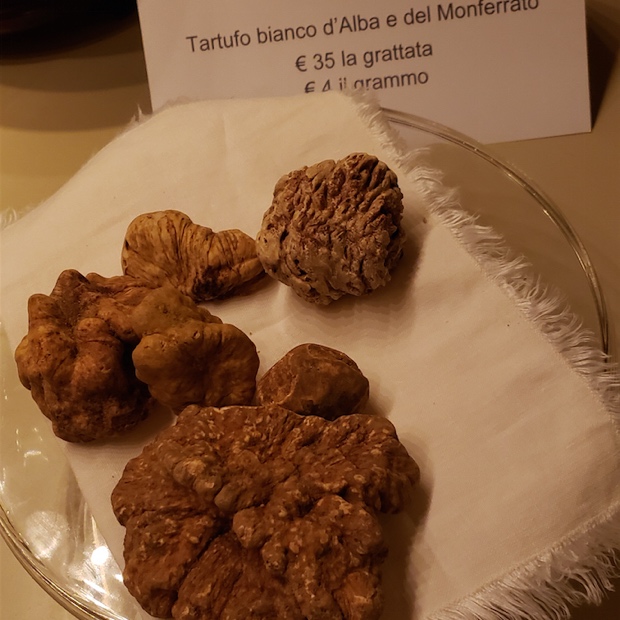
Tartufo Bianco, Ristorante Cascinale Nuovo (Isola d’Asti – http://www.walterferretto.com)

Fontanafredda Moscato d’Asti DOCG Le Fronde 2018, Piedmont, Italy

Here lies Moscato d’Asti at the furthest edge of sweetness and creamy consistency. After the pleasant aromas of peaches and crème frâiche come the stirring moments of a dull anxiety. That feeling of imbalance marks the finish. Drink 2019.  Tasted December 2019

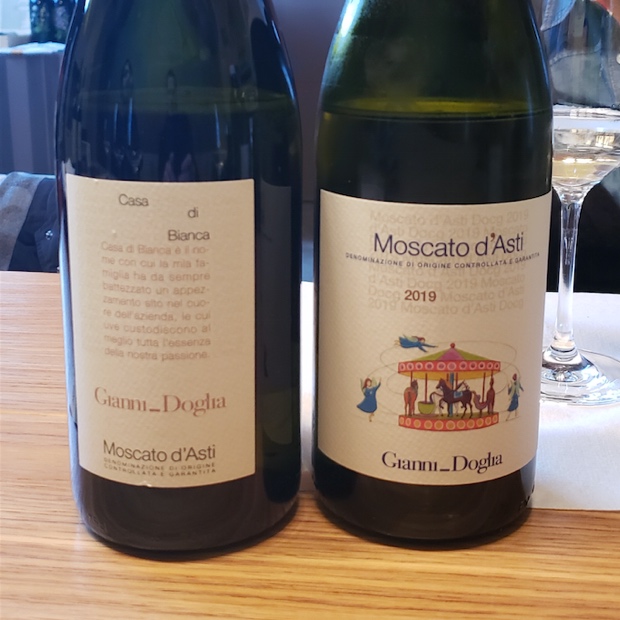
Gianni Doglia Moscato d’Asti DOCG 2019, Piedmont, Italy ($20.00 – Estimate)

The 25th anniversary bottling that combs all the moscato vineyards on the estate though truth be told they all produce quite different wines. “Gianni’s dream was to produce the best moscato ever,” tells sister Paola. The clarity and clean, clean living is evident and with thanks to upstart acidity to balance the sugars. A soil-driven expression of moscato for a fresh and crunchy result. Peaches meet white balsamic for some genuine complexity. Eight to ten bottlings are made each year from wine that sits suspended at one degree in juice format inside steel tanks. At this time of year there is no danger of fermentation. A wine of 5.0 per cent alcohol. Drink 2019-2020.  Tasted December 2019

Gianni Doglia Moscato d’Asti DOCG Casa di Bianca 2018, Piedmont, Italy ($20.00 – Estimate)

A single-vineyard moscato from 35 year-old vines and the plot Gianni’s grandfather just knew grew the best vines and so Gianni first decided to separate it from the pack in 2012. And so this particular moscato sees eight or nine months on the lees and finds a next level of complexity for the stylistic and the tradition. Gives a yeasty note on top of green apple, melon, orange blossom and fine herbs. The acidity is greater and so energy is exercised in perpetual motion. The alcohol result is just slightly higher at 5.5 per cent. A wine completely unique in this world that may just deliver some petrol and paraffin with a few years time. Drink 2019-2023.  Tasted December 2019

Marenco Moscato d’Asti DOCG Strev 2018, Piedmont, Italy

From Strevi in the province of Alessandria equidistant from both Alba and Asti to form a correct isosceles. Strev is the moscato work of Andrea Costa, winemaker Patrizia Marenco and team. Several vineyards in the area are suited to aromatic varieties because of soil composition (white clay, marl and limestone) off of cooler hillsides at 300-320m. Most important is the diurnal shift between day and night temperature. This is the epitome of aromatic preservation on the lemon-lime-orange freshness scale with good acids and next level goodness. Drink 2019-2021.  Tasted December 2019

Andrea Costa and Laura Kaminsky, Vini Marenco

Marenco Moscato d’Asti DOCG Scarpona 2016, Piedmont, Italy

Andrea Costa has a boyish grin and wink in his eye when he delivers this three year-old moscato into my glass and for good reason. This is the revolution in moscato d’asti, the one made so bloody intriguing surely due to innovation projects both in the vineyards and cellar. There’s an affinity here with Collio friulano and sauvignon, namely because of the elasticity and surely the transferrable aromas, in a marine-mountain sandwich effect or what we expect from typical Moscato d’Asti. Moves through passion fruit and mineral-flinty-elemental strikes, so much so the sugars are forgotten. Smouldering, so curious and of more depth than many. Drink 2019-2022.  Tasted December 2019

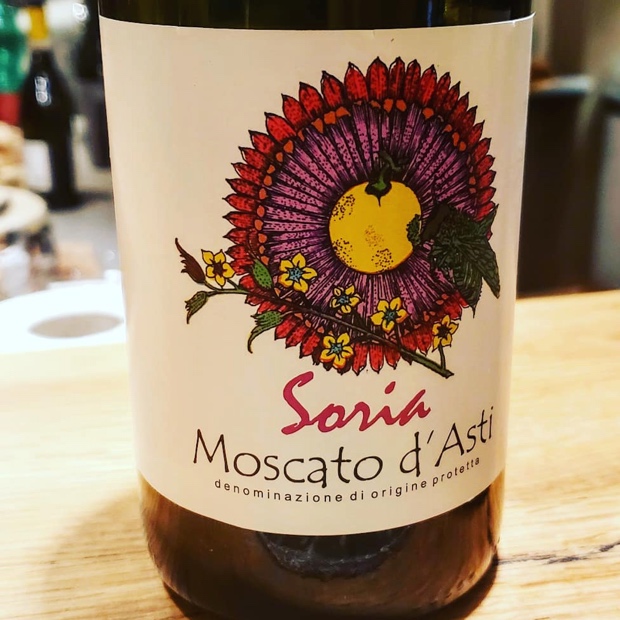
Matteo Soria Moscato d’Asti DOCG Soria 2019, Piedmont, Italy ($16.00 – Estimate)

Bottled last week, barely moved in, likely not yet settled into its new digs. Made up of 75 per cent 2019 (as per appellation rule) plus a mix of the three previous vintages. Crisp, cleaner and waxier than the ’16 with sharper acidity and leaner flavours. Heavily aromatic and even a bit herbal but just so linear, searing and lightning quick in reflex motion. That said the ripeness is just a tad short of ideal and so Matteo seems to have gone straight to freshness and intensity. It was the correct choice with a little help from the last three vintage friends. All about finding more aromas. Drink 2019-2022.  Tasted December 2019

Michele Chiarlo Moscato d’Asti DOCG Nivole 2019, Piedmont, Italy (650440, $9.75, 375ml)

Waxy, aerosol citrus and perhaps a year older with prevalent if weighty acids that settle this Moscato d’Asti into a secondary period. Both aromatics and freshness are diminished though so seem the sugars so the balance is still well-afforded. Ultimately a perfect example of the ripe peach scents so expected from Moscato d’Asti. Drink 2019-2021.  Tasted December 2019

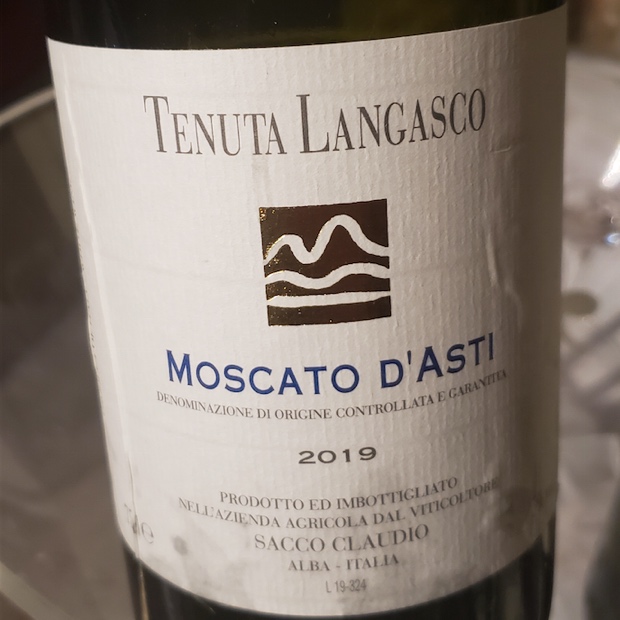
Tenuta Langasco Moscato d’Asti DOCG 2019, Piedmont, Italy

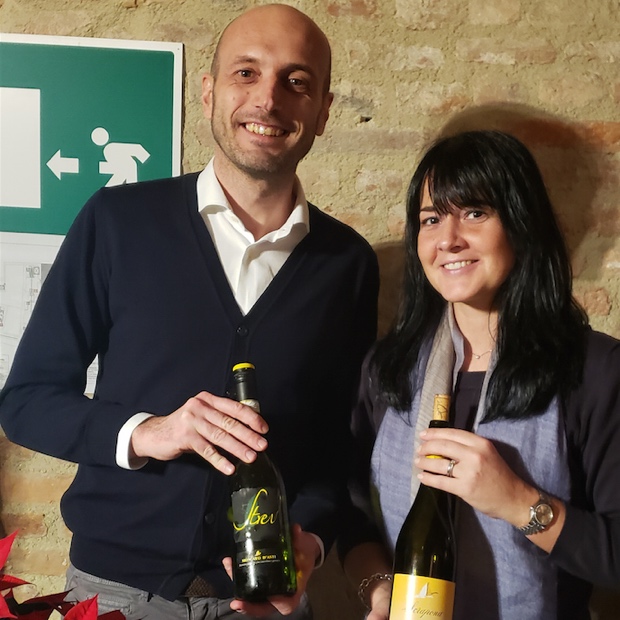
Very accomplished moscato from Langasco out of Madonna di Como in the hills surrounding the city of Alba. As aromatic as should be, could be, would be or might ever be desired. You can’t miss the blossoms, peach and citrus, then juiced for maximum effect. The parts are all arranged one, two, three together. Very special. Drink 2019-2022.  Tasted December 2019

Viticoltori Associati Vinchio E Vaglio Serra Moscato d’Asti DOCG 2019, Piedmont, Italy

A perfectly reasoned and seasoned Moscato d’Asti, blossoms blooming and varietally profiled through their aromatic presence. Very lemon and honeyed as if by Passito but the concentration goers it natural and alone. Clean, caressing and just lovely. Drink 2019-2020.  Tasted December 2019

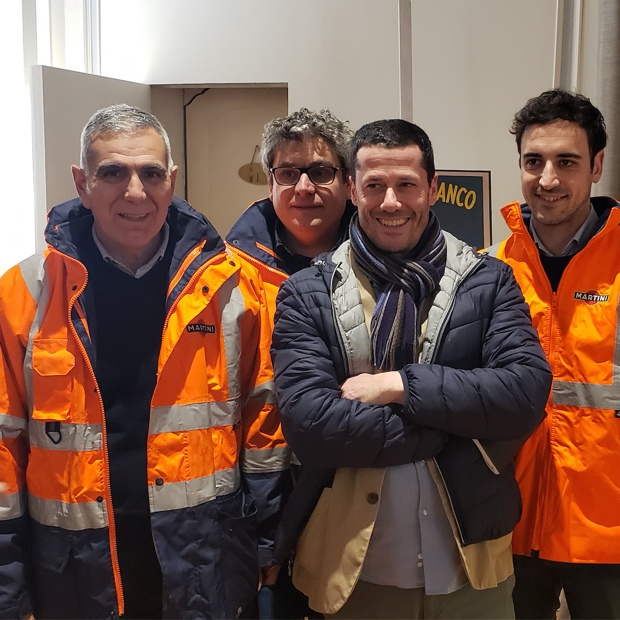
With the Martini Boys

Viticoltori Associati Vinchio E Vaglio Serra Moscato d’Asti DOCG 2018, Piedmont, Italy

Persistently stable, crunchy and crisp moscato from the great cooperative, high in acids and big, brilliant flavours. Grand squeeze of lime juice and has lost nary an aromatic or textural step due to an extra year in bottle, in fact the freshness is on pare if not trying to edge past and exceed the newer 2019. Really fine 2018. Drink 2019-2020.  Tasted December 2019

Good to go!

godello

Twitter: @mgodello

Instagram: mgodello

WineAlign

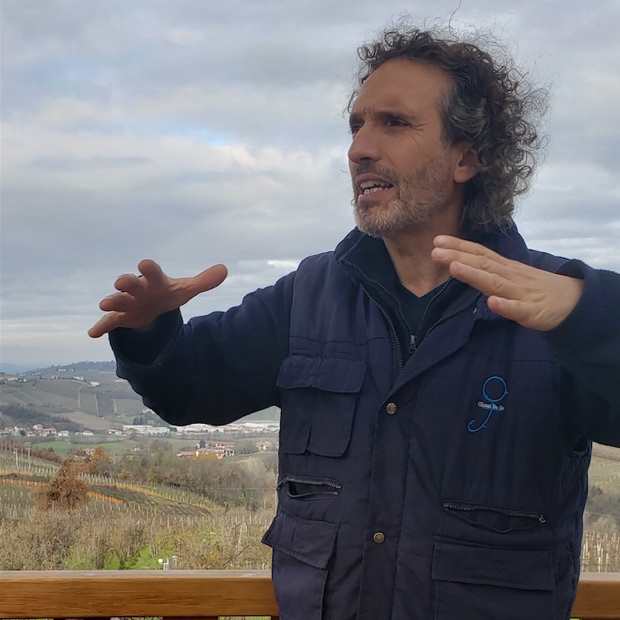
Life affirming wines di Gianni Doglia

Gianni Doglia

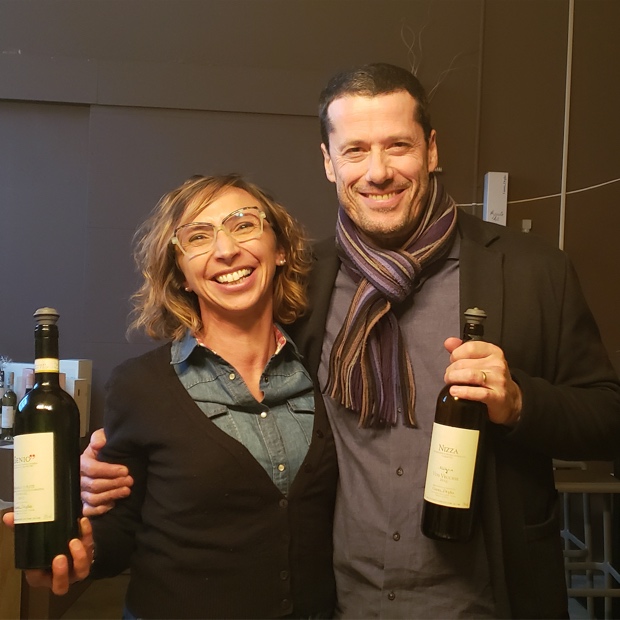
During the post-war days of late 1940s and 1950s Europe there were simple, humble and hard-working folk who tempted fate by fighting against the oppression waged by dire destinies. Gianni Doglia’s maternal mezzadro grandfather Eugenio Rivella was such a man who in 1947 decided to buy a farmstead, raise his own grapes and do so in a very specific place. In the 1980s it was Bruno and Marisa who took the reigns of the estate. Today brother and sister Gianni and Paola take care of the tradition their nonno began and do so in a wholly unexpected and antithetical way.

Related – Rock steady Bersano

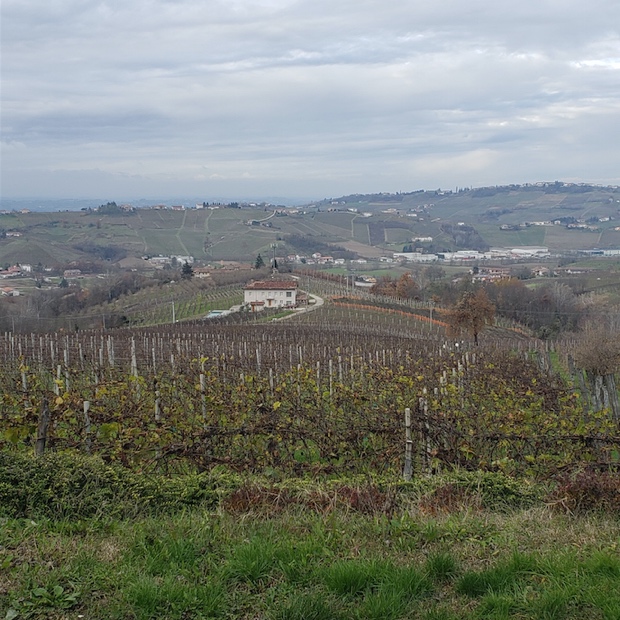
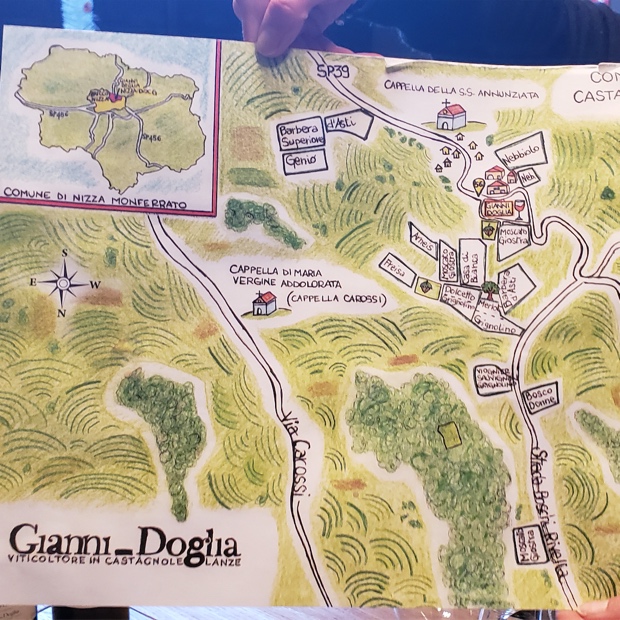
Azienda Vinicola di Gianni Doglia is situated on the Langhe side of Castagnole delle Lanza, opposite of Monferrato in the province of Asti, Piemonte. Gianni feels “like a Monferrato man, even if he’s literally on the edge of the Langhe.” He farms six hectares across his estate lands plus two more in Monferrato and one in Nizza. He notes the importance of the ascending rise to his hill up to a pinnacle that puts the vineyards at points higher than those in Monferrato. Two winds blow through,  a northern Foehn from the Alps and the strong westerner from the Ligurian Sea. The special acidities and intangible magic in the moscato and barbera farmed here comprise the solid centre of the estate. It was Gianni’s grandfather who’s intuition knew and acted upon all of this.

Related – Living wine in the moment at Scarpa Winery

Related – You say you want a Barbera d’Asti revolution

Gianni Doglia’s wines are notable in their modernity and yet so pure, so honest and so steeped in his personal tradition. His wines are effortless to drink and while he clearly puts in the hard work, they seem so effortlessly made. They serve a pragmatic purpose, like literature or painting, with a mission to gift us the fulfillment that makes our essential life duties more palatable. Life affirming moscato, barbera, grignolino and ruché. Taste Gianni’s wines and you may feel the same. These are the seven he and Paola poured for me back in December.

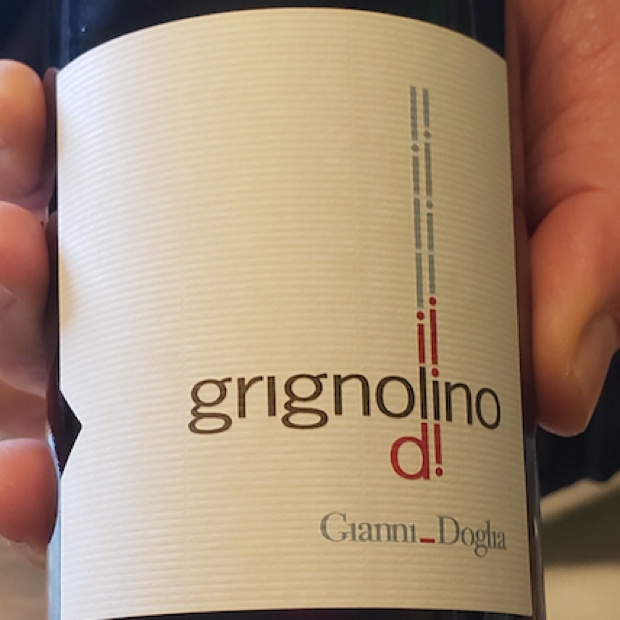
Gianni Doglia Grigolino d’Asti DOCG 2018, Piedmont, Italy ($20.00 – Estimate)

The grignolino of lithe transparency from limestone and clay soils, ripe cherries and the wine of Gianni’s father and grandfather. Gianni tells that “grignolino is the poor man’s nebbiolo” and ‘aint that the truth. Also a nut oil, almond or hazelnut running through the crunchiness of the fruit. Grignolino vero. Speaks the truth. There are 6,000 bottles made. Drink 2019-2020.  Tasted December 2019

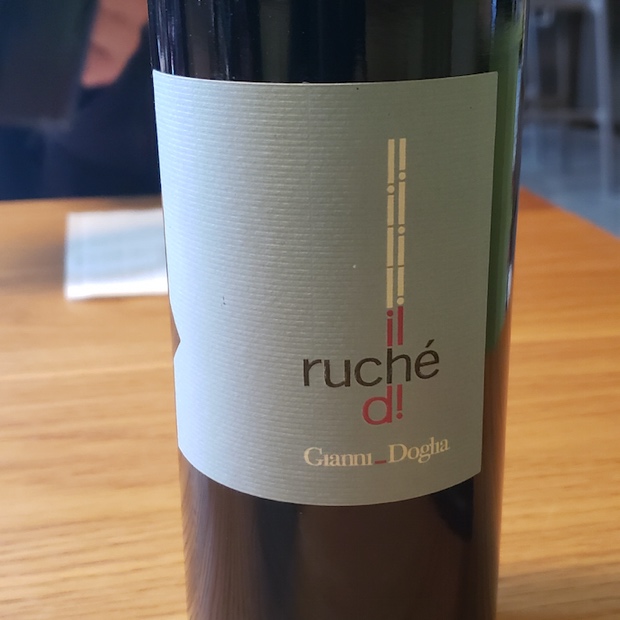
Gianni Doglia Ruché di Castagnole Monferrato DOCG 2018, Piedmont, Italy ($20.00 – Estimate)

The absolute truth of ruché is spoken as one of the most recognizable profiles on the planet. The speciality is uncanny, semi-aromatic and with this sweet fruit component that’s like malvasia with no baggage. Or colorino the same way or so many others but only this varietal does cherries in this floral to almost tropical way. A scrape of orange zest in this one too. Neither muscular nor soft but somewhere uniquely crunchy and just ripe in between. Drink 2019-2022.  Tasted December 2019

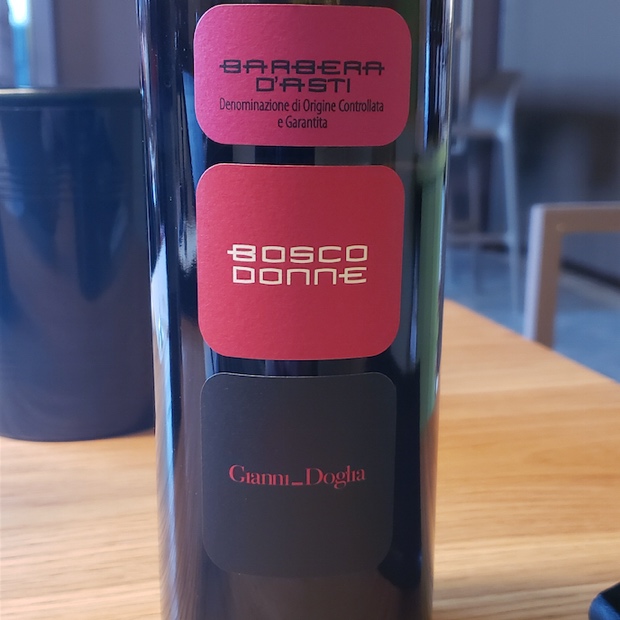
Gianni Doglia Barbera d’Asti DOCG Bosco Donne 2018, Piedmont, Italy ($20.00 – Estimate)

A selection from some of the “younger” barbera in the 40 year-old vineyard and not a stitch of oak intrusion. That Gianni Doglia makes an unoaked barbera is so smart, beneficial and a gift to us all. A naked one, full of the natural cherries of the grape and the air breathed in from the woods next door. A beautiful vintage of texture and fruit to the fruity end. Castagnole is such a place, of so much aromatic presence and kudos for making a wine that allows for the natural order, along with a sour candied edge of the terroir to speak. Drink 2019-2022.  Tasted December 2019

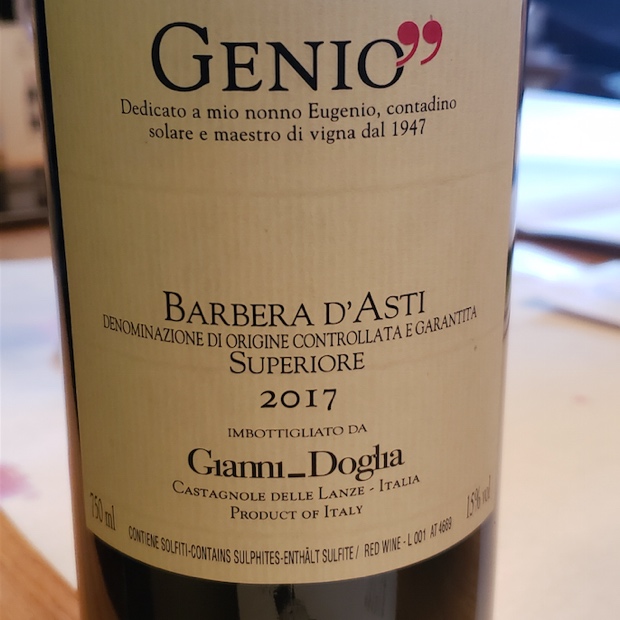
Gianni Doglia Barbera d’Asti Superiore DOCG Genio 2017, Piedmont, Italy

A very young barbera d’asti named for Gianni’s grandfather Eugenio, only three months in bottle. Gianni loves this harvest, of body from hot temperatures but with tenderness and softness. A spiced barbera, still reeking of its time spent in wood but the mass of fruit is prevalent to predominant, albeit based on what Gianni’s grandfather insisted. “The wine has to stay in the bottle for the same length of time it sat in the barrel.” And then some I would add. This the barbera of heights climbed as in these hills and needing just as much time to come back down. Drink 2022-2029.  Tasted December 2019

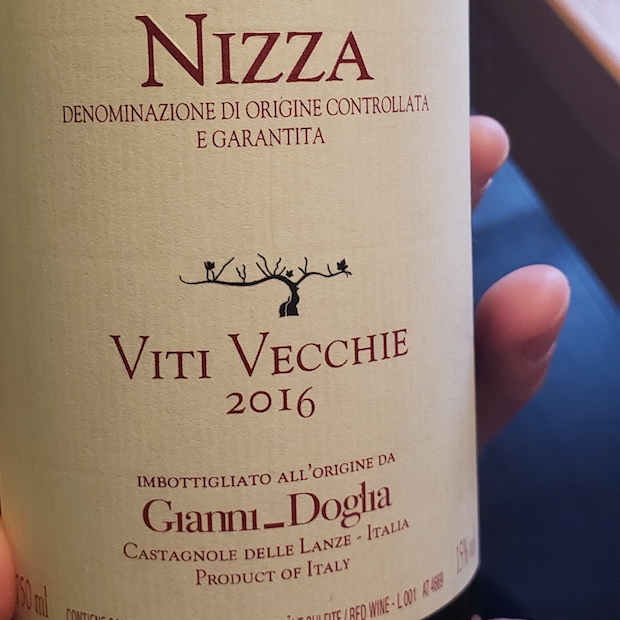
Gianni Doglia Barbera d’Asti Superiore DOCG Viti Vecchie 2017, Piedmont, Italy

Old vines of 60 years-old bring acumen, generational knowhow and a depth of soul to this Nizza and while the Genio from ulterior terroir takes, feels and oozes more in wood this just seems unencumbered. Perhaps it’s a vintage thing but surely a sense of place above all else. A harvest that was surely fresher and a structure much more vertical. Balanced like a perfectly toned dancer. Don’t you just love it when nothing is too much. The fruit, acidity and tannin are all announced but not pronounced. Finishes with just a crumble of really good chocolate so you can imagine the forest foraged future. Drink 2022-2032.  Tasted December 2019

Gianni Doglia Moscato d’Asti DOCG 2019, Piedmont, Italy ($20.00 – Estimate)

The 25th anniversary bottling that combs all the moscato vineyards on the estate though truth be told they all produce quite different wines. “Gianni’s dream was to produce the best moscato ever,” tells sister Paola. The clarity and clean, clean living is evident and with thanks to upstart acidity to balance the sugars. A soil-driven expression of moscato for a fresh and crunchy result. Peaches meet white balsamic for some genuine complexity. Eight to ten bottlings are made each year from wine that sits suspended at one degree in juice format inside steel tanks. At this time of year there is no danger of fermentation. A wine of 5.0 per cent alcohol. Drink 2019-2020.  Tasted December 2019

Gianni Doglia Moscato d’Asti DOCG Casa di Bianca 2018, Piedmont, Italy ($20.00 – Estimate)

A single-vineyard moscato from 35 year-old vines and the plot Gianni’s grandfather just knew grew the best vines and so Gianni first decided to separate it from the pack in 2012. And so this particular moscato sees eight or nine months on the lees and finds a next level of complexity for the stylistic and the tradition. Gives a yeasty note on top of green apple, melon, orange blossom and fine herbs. The acidity is greater and so energy is exercised in perpetual motion. The alcohol result is just slightly higher at 5.5 per cent. A wine completely unique in this world that may just deliver some petrol and paraffin with a few years time. Drink 2019-2023.  Tasted December 2019

Good to go!

godello

Twitter: @mgodello

Instagram: mgodello

WineAlign

Rock steady Bersano

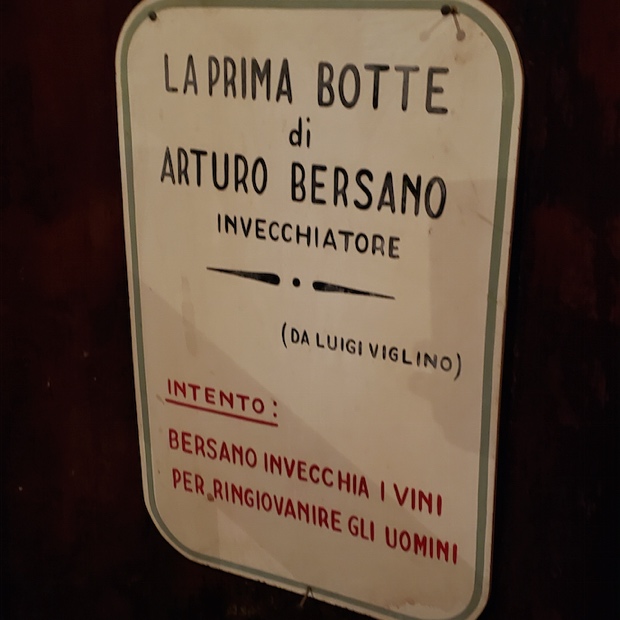
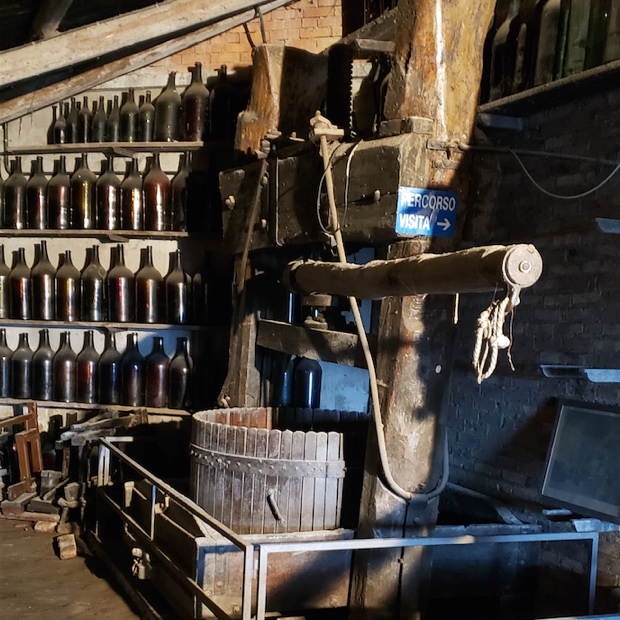
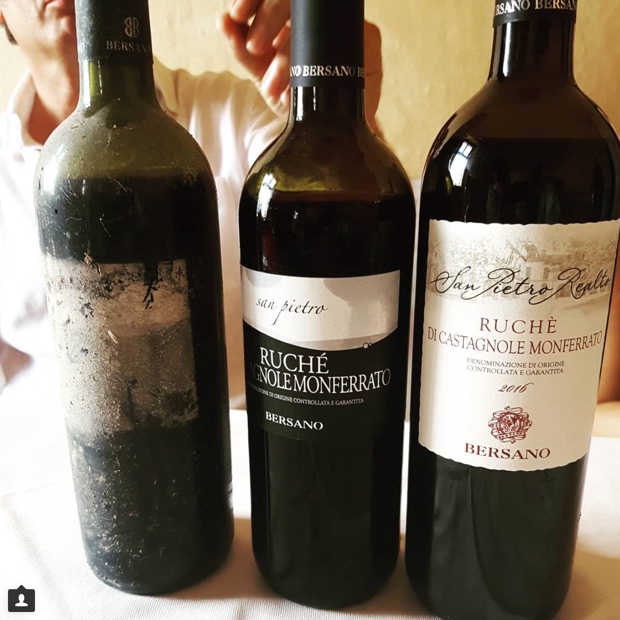
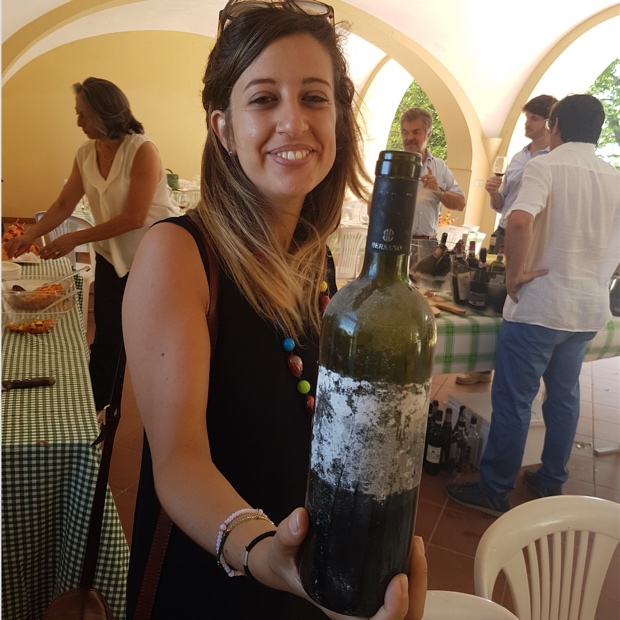
You’ve got to visit the cantina of Bersano Vini in Nizza Monferrato, if for no other reason than to wander through the on-site, outdoor Museo Bersano delle Contadinerie which houses implements and machinery from peasant life and transportation in the seventeenth and eighteenth century. All the brainchild of Arturo Bersano and in his successor’s words the installation is “a memory of what made our wine great. The cellar, farming tools, wine presses and a collection of old wine prints. Bersano – winemaker, scholar, poet. His anxiety of research, patient and cautious, dictated by a deep passion for the land and for work, has been able to condense in the Collections and in the Museum of the Peasants, the most suffered and joyful testimonies of the wine-peasant civilization.” All of that and of course to taste a portfolio in Monferrato’s widest breadth, consistently exceptional of quality and for consumer value across the board. Rock steady Bersano.

Related – Living wine in the moment at Scarpa Winery

The humble beginnings were early, first decade times in the 20th century. They say 1907 to be exact but surely somewhere between 115 and 120 years later the estates cover 230 hectares, the largest single entity as such in the Monferrato hills. The original and most historic property is Cremosina, once the seat of a great Palazzo (dei Conti della Cremosina) and now home to Barbera d’Asti vineyards. Bersano farms nine estates and two single vineyards in these hills: Cremosina (Nizza Monferrato), Generala (Agliano Terme), Prata (Incisa Scapaccino), Badarina (Serralunga d’Alba), Castelgaro (Baretta – Acqui Terme), Pallavicini (Mombaruzzo), Buccelli (Nizza Monferrato), Serradivaglio Vineyard (Incisa Scapaccino), San Michele (Nizza Monferrato), Monteolivo Vineyard (Castelnuovo Belbo) and San Pietro Realto (Castagnole Monferrato). Today these estates are in production of 90 per cent of what constitutes the Bersano portfolio: Three whites from cortese and arneis, seven sparkling wines from cortese, moscato, brachetto and pinot noir, 13 reds from barbera, grignolino, ruché, nebbiolo and dolcetto.

Related – You say you want a Barbera d’Asti revolution

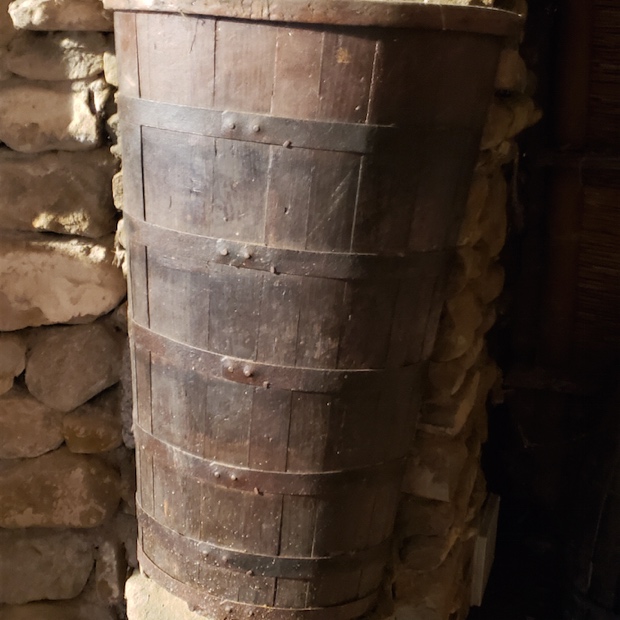
Pinta Piedmontese

Of great historical interest is the presence in Bersano’s cellar of what Arturo designed and called the “10VT.” The Pinta Piedmontese was a 12.5 litre transportable for the times vessel and four Pinta could be filled from one 50L barrel, half the size found in the cellars of Marchesi di Barolo. This last historical barrel called the 10VT is now housed in the upper floors of Bersano’s Nizza property to avoid flooding. At any given time there can be 80,000L aging ion Slavonian oak casks in this cellar, “of all grandi botti sizes,” 50-60 years of age and from 47 to 107 hL. In fact, no two are the same, perhaps in shape but not in terms of volume. Only 10 per cent of all wines see barrique, they being Nizza Barbera and Barolo Cru.

Related – Barbera d’Asti Del Monferrato E Nizza Monferrato

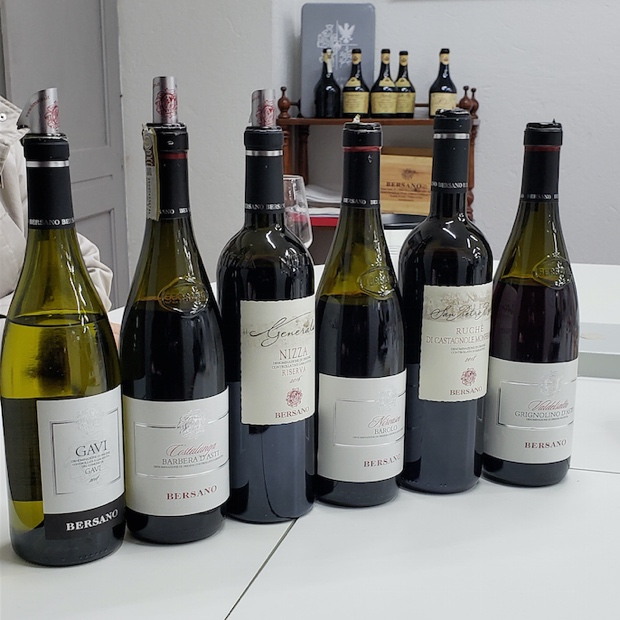
I have had the pleasure of tasting Bersano wines on many occasions in Toronto and over the past three years I’ve done so four times in Piemonte. The first was at Collisioni Festival in 2017 and then in 2018 on several occasions with winemaker Roberto Morosinotto, namely at the Cascina San Pietro where ruché, barbera and grignolino grow in the Monferrato hills. Then in 2019 on this visit at the Cantina in Nizza and in 2020, at Nebbiolo Prima and Grandi Langhe in Alba. These are the six wines tasted in Nizza with Bersano’s Carmen Pergola and the Consorzio Barbera d’Asti e Vini del Monferrato’s Valerio Bertolino.

Bersano Gavi Di Gavi DOCG 2018, Piedmont, Italy ($21.19)

A fresh and sweetly herbal cortese for a smooth and balanced Gavi of straightforward execution and finesse. Relevant acidity keeps everything set up for levels most simple wines just don’t have access to be there. A very fruity vintage with a crushed almond oil extract, perfectly correct and positioned. Drink 2020-2023.  Tasted December 2019 and February 2020

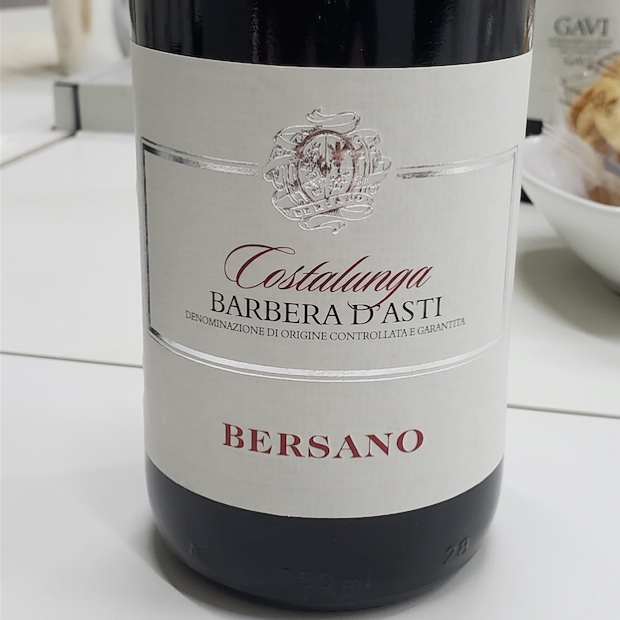
Bersano Barbera d’Asti DOCG Costalunga 2017, Piedmont, Italy (348680, $14.10)

Taken from four estates and without a doubt the most versatile, inexpensive and properly delineated barbera d’asti for the territory to express what needs to the world. Dark fruit, high acidity, classically trained in large Slavonian oak and just exactly what to expect. Never asks too much and delivers across the board amenability. The value is exceptional. Drink 2019-2021.  Tasted December 2019

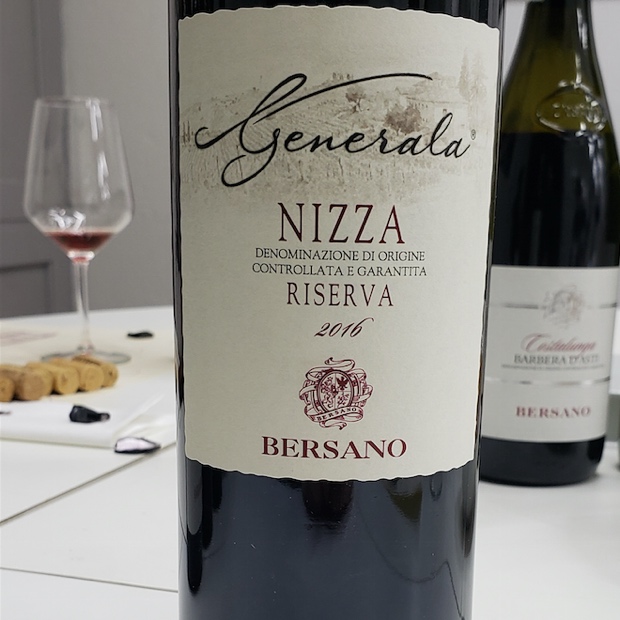
Bersano Barbera d’Asti Nizza DOCG Riserva Generala 2016, Piedmont, Italy (Approx. $52.00)

Drawn from fruit off of the Generala estate and though a recently awarded appellation there is great history in the grapes and the place. Nine months in large Slavonian cask plus nine months in 500L French tonneaux make for a very amenable barbera with a prominent personality. Big on cherries and wood spice, balsam and dried herbs. Dark and even a bit mysterious, cool, almost mentholated and structured for age. Glycerin texture and an oil extract not atypical for the get together of grape, place and elévage. Top vintage for this particular and relatively ambitious wine. Drink 2021-2026.  Tasted December 2019

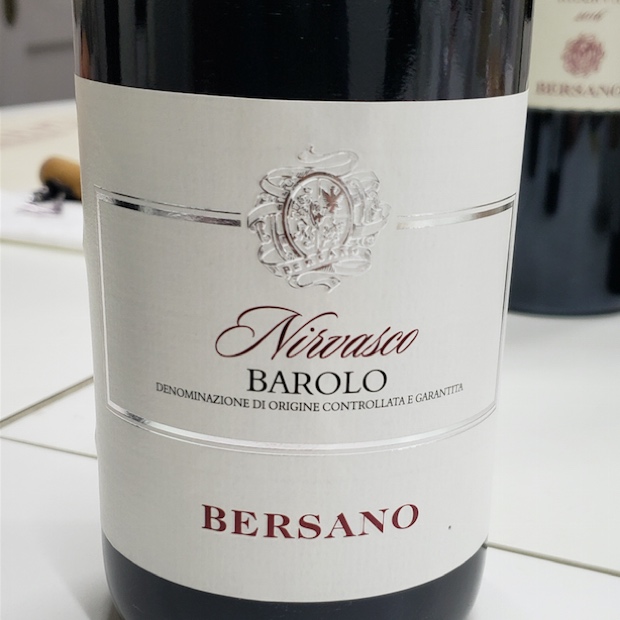
Bersano Nirvasco Barolo DOCG 2014, Piedmont, Italy (713628, $34.95)

The grapes in Barolo come from three areas, Serralunga (Badarina) along with Monforte and La Morra. Aged in large Slavonian casks for three years, easily recognizable as nebbiolo, not just in hue but surely in aromatic rose to tar profile. Classic really and also dried fruits, but especially this wild strawberry note. Dry and then dried cherry, wild and free on the palate. It’s very classic, clean, crisp and easy to get with. Make great use early while other tannic nebbiolo work their way through adolescence. Winemaker Roberto Morosinotto has done all the work for you and serves it up at the right time to drink. Clean and uncomplicated. Drink 2019-2023.  Tasted December 2019

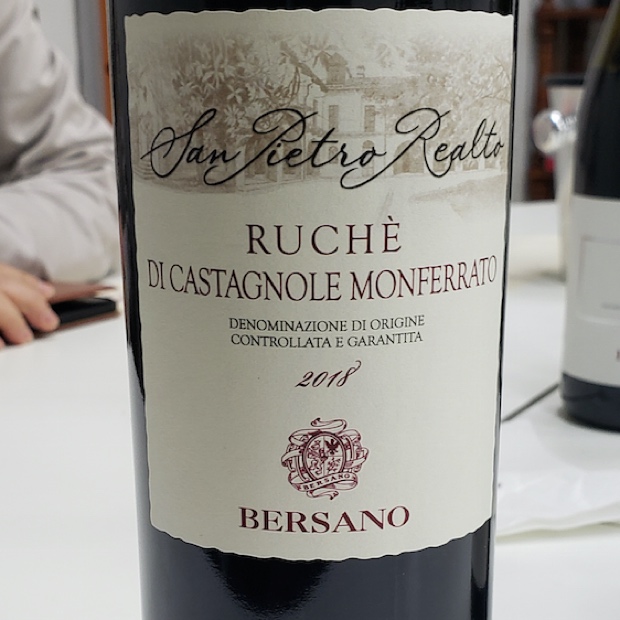
Bersano Ruché Di Castagnole Monferrato DOCG San Pietro Realto 2018, Piedmont, Italy (Approx. $22.00)

Fruit is grown on the San Pietro estate to the east of Monferrato and the unmistakeable and specific cherry with cherry stone note is uncanny, not to be missed. A sandy soil with calcaire and small stones of steep slopes make for an aromatic note that stands alone. The herbal amaro play is on the sweet side and what this really wants and needs is a game bird, roasted and savoury of local herbs. You might think gamay meets frappato or somewhere in between but no, this is singular. This is the red wine for Szechuan food. Truly. Drink 2019-2022.  Tasted December 2019

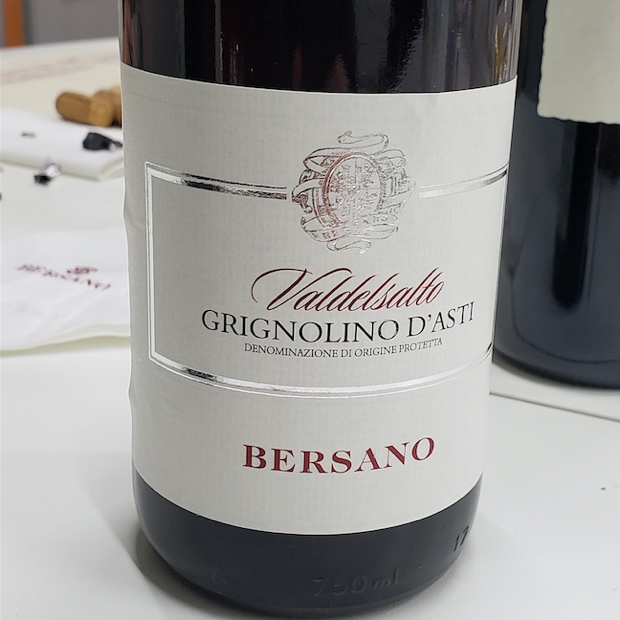
Bersano Grignolino d’Asti DOCG Valdelsalto 2018, Piedmont, Italy (Approx. $22.00)

Coming from the same estate as the ruché, meaning San Pietro in the eastern hills of Monferrato. Beautifully effusive and luminous, light in appearance and weight but do not be fooled into thinking it’s light. Castagnole is the origin and the grape is considered the wine of the family. Fresh, young and the summer wine. OK so light it is but salty, mineral, taut and complete. What else do you need? The kind of wine that never makes you tired and is utterly representative of the place. Drink 2019-2021.  Tasted December 2019

Good to go!

godello

Agnolotti del Plin, Caffe Roma – Enoteca con Cucina, Costigliole d’Asti:

Twitter: @mgodello

Instagram: mgodello

WineAlign

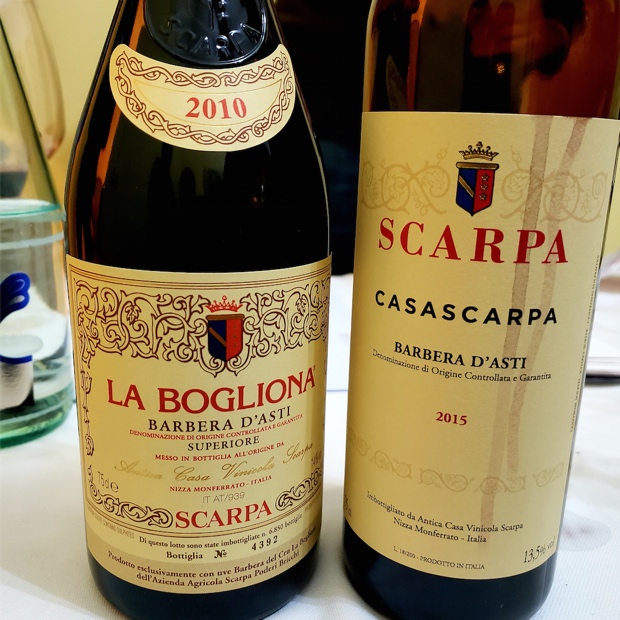
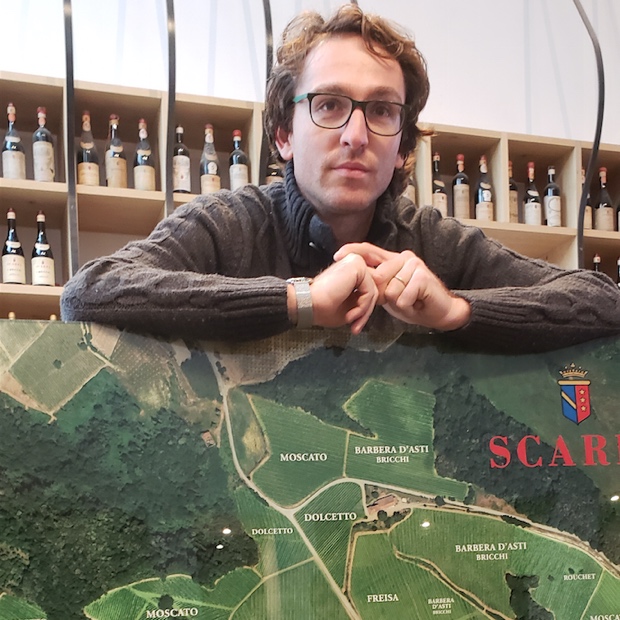
Living wine in the moment at Scarpa Winery

There are mornings when the conditions are ripe: A mind at ease, a calm and benign wind, an empty highway, a good companion. On the fifth day in Piemonte straddling the passover from November to December these were the conditions and so the first pour at Scarpa Winery was captured in full attention. Not lost in any particular thought there was a perceptible air of quiet, a quivering in the air and very, very quietly the barbera fell into the glass with the slightest burble as if the liquid whispered “shoykill, shoykill.” With very little to distract this breakfast pour had more to do with time than space. The movement was sublime, it was beauty, of time passing, for grapes in a way no longer alive drawn from vines still very much so. This ephemeral configuration of a year’s cycle for making wine encapsulated in movement and the moment. In wine this is how we must see things and live our lives, perched between what is beautiful and what has passed.

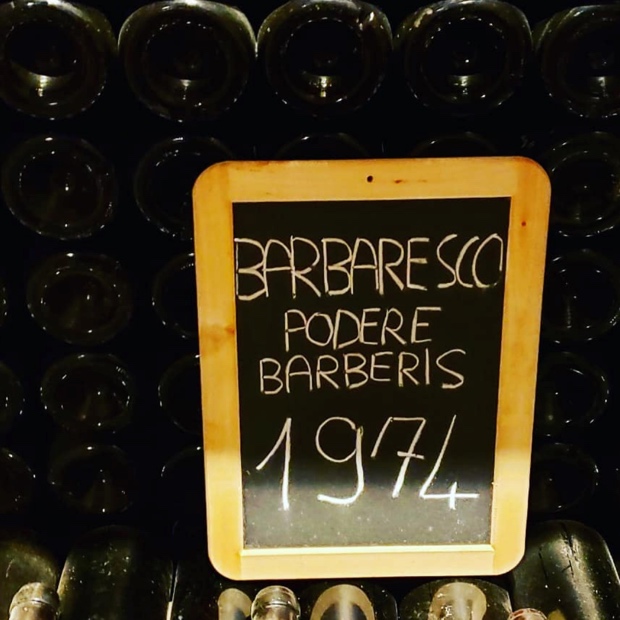
Living wine in the moment at Scarpa Winery. The idea that in life we are tracking what is gone or in the past is not lost when you consider how no other Nizza Monferrato producer both waits to release wines and also holds back library vintages for future release. No other estate will make you feel this longing, this sense of contemplation and aesthetics, of thinking about the past. A walk past the cages of older wines is the precursor but their stacks of 1982, 1987, 1990, 1995 at al are there because they will be sold to consumers who will drink them. Every other winery walk through shows old vintages as museum pieces. Not Scarpa. They live wine in the moment, irregardless of age, no matter the reason.

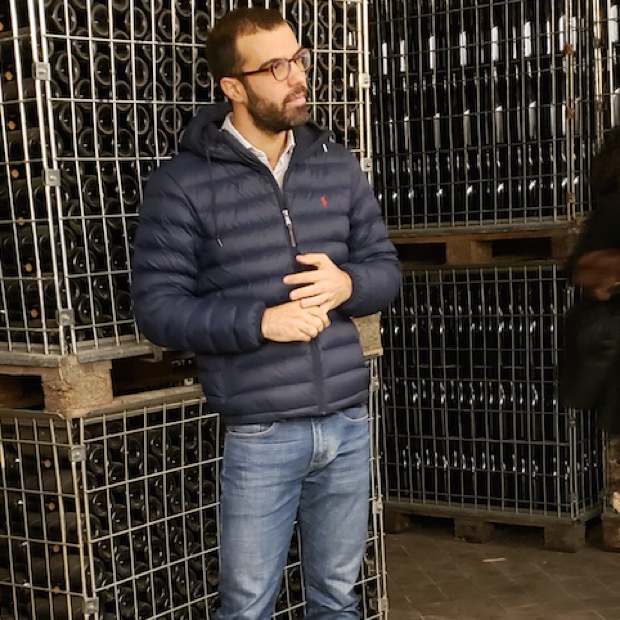
Andrea Roccione

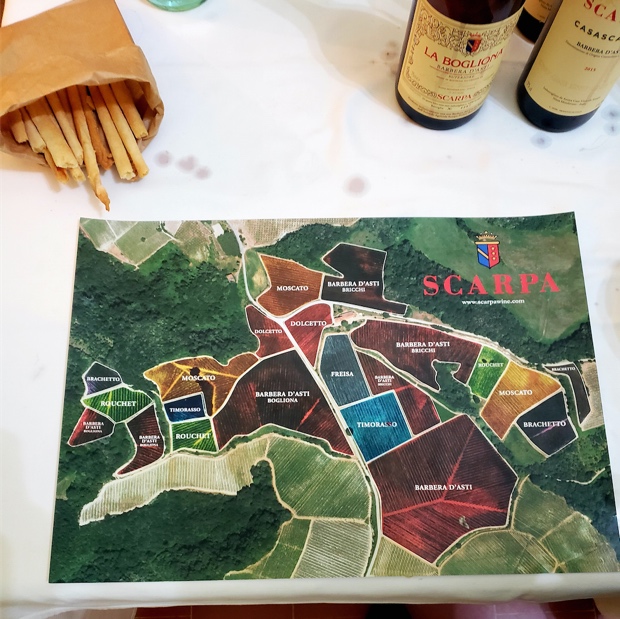
My chaperone was none other than Valerio Bertolino of the Consorzio Barbera d’Asti e Vini del Monferrato and our hosts were Andrea Roccione, Gregorio Ferro and Riikka Sukula. The building that houses the cantina is 119 years of age with 1966 being the first year of current operative production, though there is a bottle of 1949 Barolo on site. Harvest lasts six to seven weeks, from Moscato d’Asti in late August through to Nebbiolo in mid-October. The total production is 100,000 bottles. In 2018 six further hectares were acquired which should increase production by 30,000 bottles. Most everything is macerated and fermented in steel with aging times anywhere from six months to a year. The exceptions are barbera and nebbiolo in La Bogliona, Barolo and Barbaresco. As for museum pieces, Il Filtro Sacci Olandese still hangs, a typical instrument for filtering moscato in the 1900s. The Dutch (sack) filter that looks like a set of inverted bagpipes ceased to be part of production in 1959.

Tasting, assessing and writing about Scarpa wines is exactly the kind of assignment that I believe sits at the antipodes of human understanding. I recently tasted with Andrea over three occasions: At the winery during this December visit, over lunch in Alba and at Grandi Langhe in January 2020. These are the notes on the 11 wines.

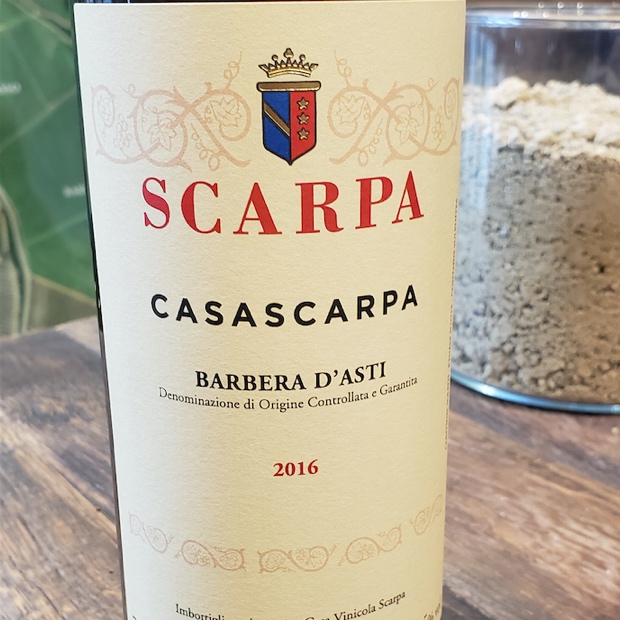
Scarpa Barbera d’Asti DOCG Casascarpa 2016, Piedmont, Italy (Approx. $22.00)

Taken from vineyards all from the Monferratto estate of 26 planted (on 50 hectares), mostly located in Asti Alessandria. The ideal amalgamation and from an ideal vintage, everything ripening in synch and all coming together in balance. The freshness comes at the three year mark and that can’t be argued. The acidity melting into high level fruit is ideal in a secular wine for the ages. Drink 2019-2026.  Tasted December 2019

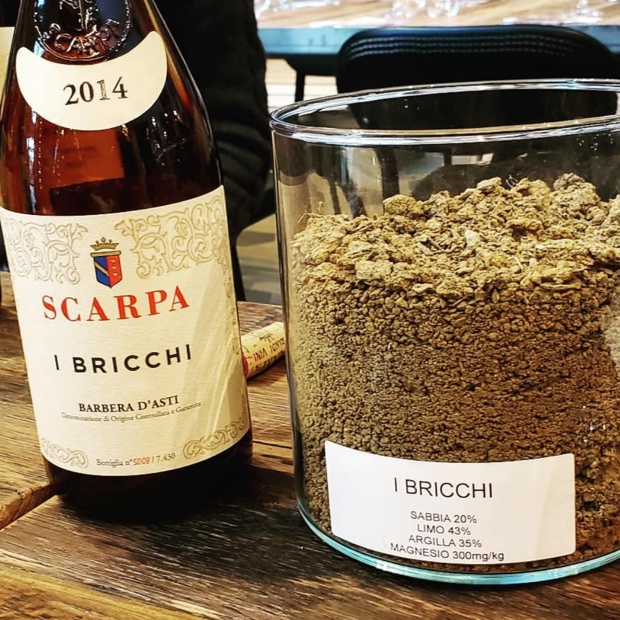
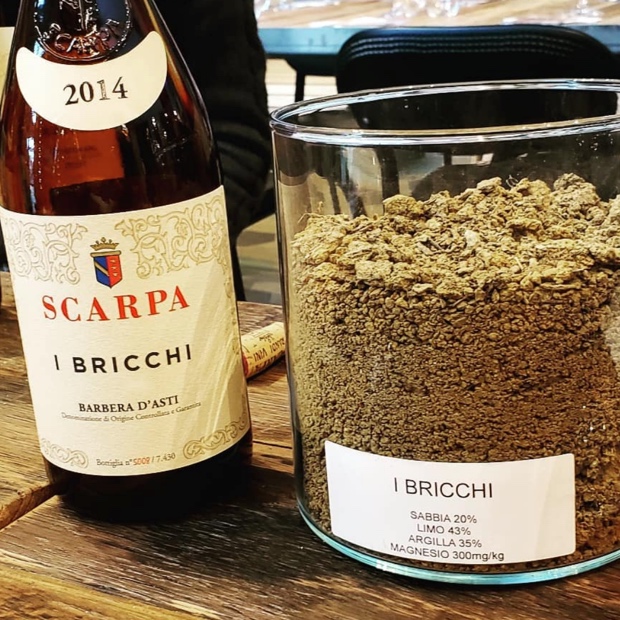
Scarpa Barbera d’Asti DOCG I Bricchi 2014, Piedmont, Italy (Approx. $50.00)

From the brownish clay of the single vineyard and the barbera that positions itself between the estate Casa Scarpa and the Bogliona single cru bottling. Challenging vintage with near ideal fruit and above the norm acidity. Dark fruit actually set against a sky of Asti lightning and barbera thunder. Aching for food with the highest impression of passion and feeling. Singular barbera of Asti designation and off of a very steep slope. Drink 2020-2029.  Tasted December 2019

Scarpa La Selva Di Moirano 2013, Monferrato Freisa Secco DOC, Piedmont, Italy (Approx. $32.00)

Not the youngest but the best freisa currently on the market. A varietal of demanding tannin that settles after five years but won’t likely improve much further after that point. A dry and still version using a conceptual style fast fading from production. Scarpa is one of the keepers, even now from just 1.5 hectares planted. Sharp red berries and a clementine meets blood orange halfway citrus acidity. Another crazy useful gastronomic wine with a finish of zesty tonic. Drink 2020-2023.  Tasted December 2019

Scarpa La Selva Di Moirano 2003, Monferrato Freisa Secco DOC, Piedmont, Italy

Freisa in dry form is not necessarily the norm and the vineyard was slightly larger than it is now (1.5 hectares) as a portion was over-grafted to barbera. This turns back the clock of freshness preservation and overturns the table so to speak and the culpability for speaking its mind to say “I can age.” This from a crazy hot vintage and if you need proof that wines from this territory can maintain acidity and freshness all you need to do is taste this 16 year-old freisa. Some dried fruit but so very notable for high tones, a salty streak and great persistence. Drink 2020-2023.  Tasted December 2019

Scarpa Barbera d’Asti Superiore DOCG La Bogliona 2011, Piedmont, Italy (Approx. $80.00)

A powerful vintage widely considered as a great one and also from I Scarpese as such, from lighter, rich in magnesium sandy soils. How this translates is in a particular saltiness that compares to few others and there are many salty wines of this earth. Two years in large French cask and another two in bottle before being allowed out into the world, with ’13 being the current release. Not a Riserva so it is made in every vintage. A cru. An important and essential cru. Fruit of many ilk including dark berry, plum and cacchi. Fresh as the day it was conceived albeit with many developing complexities and more than a magnesium shake of intrigue. Grains of sand, tannin and time, all dropping slowly through the glass. Approximately 14,000 bottles are produced. Drink 2020-2032.  Tasted December 2019

Scarpa Barbera d’Asti Superiore DOCG La Bogliona 1996, Piedmont, Italy (Approx. $80.00)

At 23 years you just have to launch yourself headfirst into the blood orange. That this piece of barbera wow factor happened before the year 2000 is the thing, especially because climate was very different. Rain fell often and slowly through the year, as opposed to the deluges of globally disaster-orchestrated today. Higher acidity simply speaking and this of the great lean, salty and direct-fitted pieces of barbera composure. Still fresh with dried fruits and low alcohol (at 13.0 per cent declared) but who knows which way the marketing directed labelling in those days? More than a lovely look back. Educational, instructional, cerebral and mind-bending from the lesser appreciated Piedmontese sector. Drink 2019-2024.  Tasted December 2019

Scarpa Rouchet 2016, Monferrato Rosso DOC, Piedmont, Italy (Approx. $56.00)

Rouchet is made from ruché grapes but cultivated outside of the production zone and so the kitschy French spelling tells the wink-wink, nudge-nudge tale. Classic varietal expression, bright and rich, very floral aromatic and the steely version here is effusive, effective and expressive. Such a promising vintage for age ability. Drink 2021-2027.  Tasted December 2019

Scarpa Rouchet 2007, Monferrato Rosso DOC, Piedmont, Italy

This elderly one reveals an old school ruché with more secondary notes then either barbera or freisa show at such a stage in their age. There is tar and earthiness, wet forest and real herbology; rosemary and lavender plus a graphite note. Like old cabernet sauvignon! The wood obviously does the talking but both acidity and tannin remain sharp, pointed and full of prescient tang. This one is sadly not for sale. Drink 2019-2021.  Tasted December 2019

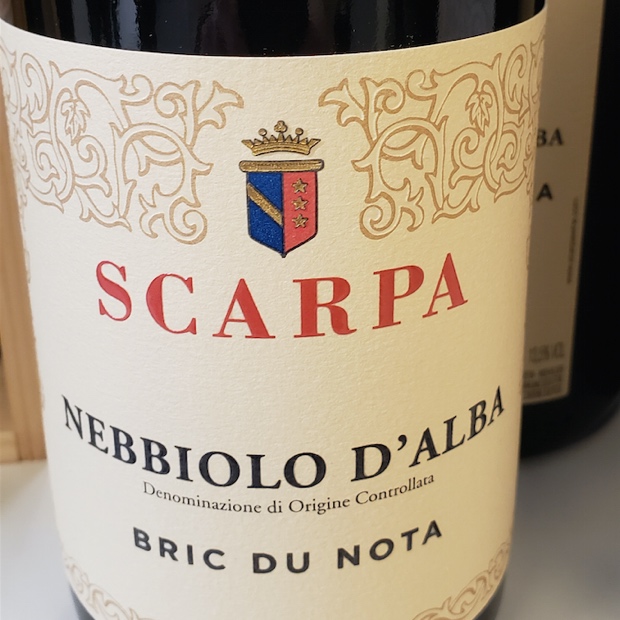
Scarpa Nebbiolo d’Alba DOC Bric Du Nota 2017, Piedmont, Italy

From two parts of a 2.5 hectare vineyard just outside of Monteu Roero, the highest wine-producing village in the Roero. A soil presence of fine-grained sand for an exacting expression of Roero nebbiolo. Launches with the typically traditional Scarpa design and the exceptionality is 36 months in large Slavonian cask for a later and mellower release than many. Quite formed and refined while constantly regenerating its energy in the glass. Fine tannic refrain and purpose. As goes Scarpa, in every incantation, in every wine. Drink 2021-2026.  Tasted January 2020

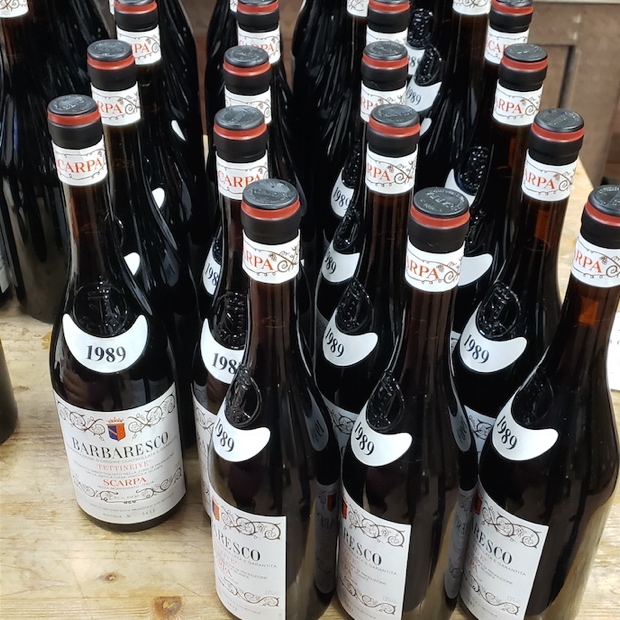
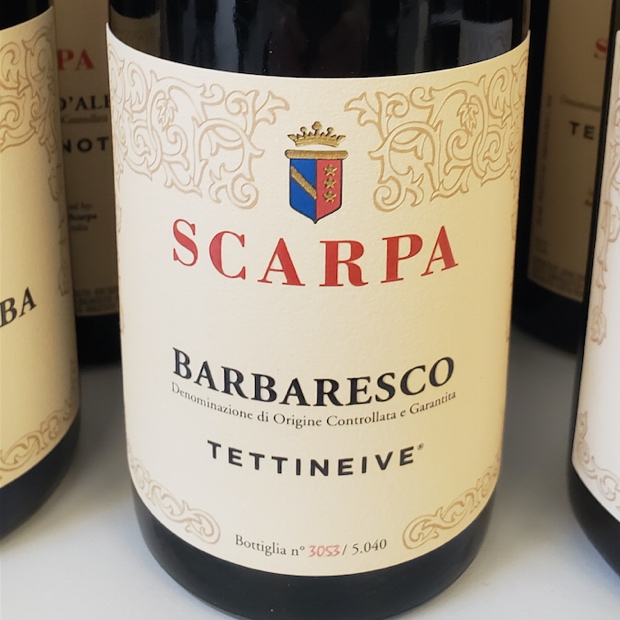
Scarpa Barbaresco DOCG Tettineive 2016, Piedmont, Italy

Tettineive is “the rooftop of Neive,” a Piedmontese dialectical reference to a small collection of hills. Grapes come direct from the town. Here is the cool, silky smooth nebbiolo in Barbaresco clothing, transparent on the road to ethereal. There is indeed a crunchy feeling in this fruit circulating inside a tension filled housing. Very solid construct and highly recommended for a 10-15 year run. Drink 2021-2029.  Tasted January 2020

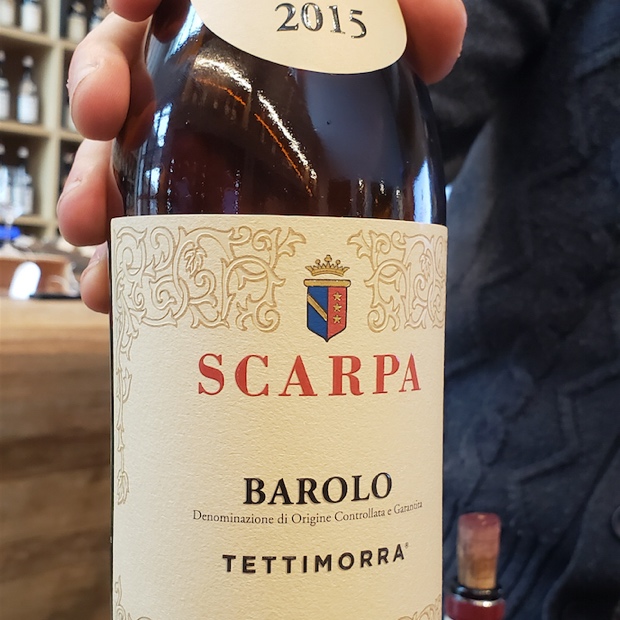
Scarpa Barolo DOCG Tettimorra 2015, Piedmont, Italy (Approx. $52.00)

Fantasy name, not a vineyard, indicating La Morra and the top of that place. The grapes are purchased though as of ’18 there will be nebbiolo coming off of owned vineyards. Rich and heady nebbiolo with an earthly construct and high acidity. Tannins are very grippy, very firm and very in control. Three years in two types of wood, large Slavonian and smaller French cask, then one year in bottle. Such a baby. Approximately 4,500 bottles are produced. Drink 2022-2029.  Tasted December 2019

Good to go!

godello

Twitter: @mgodello

Instagram: mgodello

WineAlign

Love in the time of a pandemic: Marchesi di Barolo

Trying to find birth year wines has been a fruitless and frustrating search and I’ve been at it for 20 years. That and the current situation in Italy is one of the major reasons why my December trip to Piemonte was more than successful, it was in fact a sign. On that I’ll get to in a moment because there is something more profound, a sentiment that struck as most significant in the moment and even more so in a retrospective look back. The hospitality and the outright determination to go to extreme lengths for the purpose of making personal connections is what drives the Piedmontese mentality. I made six appointments over three days in advance of that trip and all six producers wrote back saying they would be delighted to receive me though each were compromised by the pulls of events and commitments that would make it difficult to be there when I arrived. After the three-day tour was done, all six had found a way; Barbara Sandrone, Marina Marcarino, Milena, Francesca and Isidoro Vaira, Chiara and Giorgio Boschis, Angelo Gaja, Anna and Valentina Abbona.

Abbona Sandwich; Anna, Godello, Valentina

Related – Pull up a chair with Angelo Gaja in Barbaresco

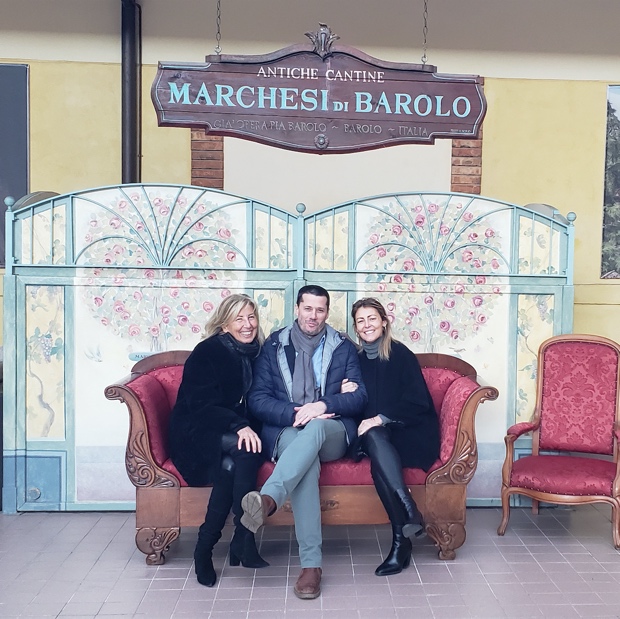
I first met the Abbona family in July of 2017. It was Anna Abbona’s birthday and in their dining room that night Ernesto opened a 1958 at the ripe old age of 58 (though it would turn 59 later that year). Simply stated, in the words of the Abbona family, “a special evening, special friends, special vintage.” That is their story, of generosity, open arms and always, love. I don’t really know how they do it, always on and very present, but they do, for everyone, all around the world and especially in their home. As I stood in the cellar on December 1st, 2019 they proved me right again when out of nowhere Valentina appeared, straight from Rome, en route to another pressing appointment, to spend some time talking and sharing the Marchesi di Barolo spirit.

Wine transport in the 19th Century

Related – Barolo’s Sister and Brother Boschis

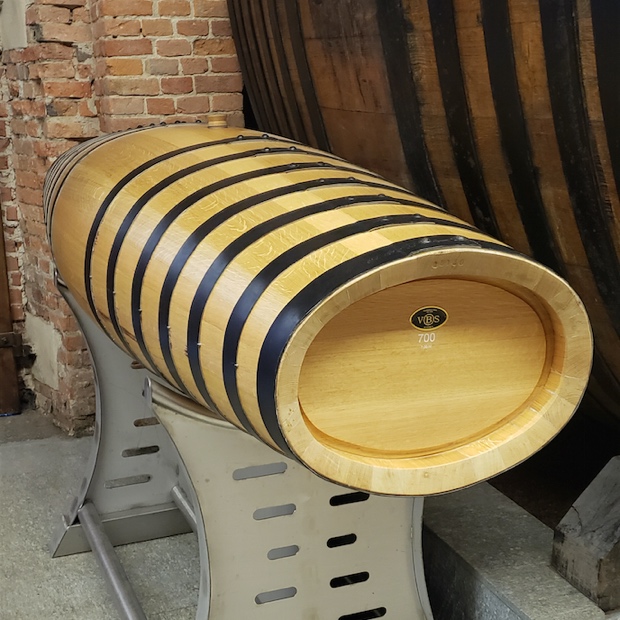
As the incumbent owners of the historic Barolo estate the Abbona family takes their custodianship very seriously. Researching and studying its history and provenance is at the fore of their concern. While running through the ideology of present day elévage we pause to consider such a construct. The “babies” are still fermented in concrete vats but many of the wines now begin their journey in stainless steel. Concrete is used for holding wines going back a few vintages and for those that have already seen their assemblage. Which brings us to the new barrel concept, which is a really quite an old one, dating back to the time of the last Marchesa, Giulia Vittorina Falletti Colbert. The wood of this barrel is modelled like the shape of a river boat or canoe, meant for wine to travel downstream and used exclusively back in the 1800s. The idea of the Botti della Marchesa has been resurrected and is now used for special cuvées.

“Botti della Marchesa,” the Marchesa’s Barrel

Related – November 30th in Piemonte: Sandrone and Punset

One more bit of information to share. The Marchesi di Falletti was considered historically to be the first to cultivate nebbiolo at the beginning of the 19th century. In 1895 Pietro Abbona joined his father’s vineyard not far from Barolo Castle and eventually purchased the historic cellars from the Falletti family. Four and five generations later; Ernesto, Anna, Valentina and Davide.

Related – Gone Vajra in Piemonte

The Abbona family has been running the historic cellars of the Marchesi di Barolo since 1929 which means we have entered the decade that will culminate in their 100th anniversary as proprietors of the most important estate. I’ve been to a party in their home and so I can only imagine what that celebration will be like. Long ahead of that event of the century will be the celebration that takes place when Italy and the world are set free from the disaster that has gripped, stymied and ravaged so many families. You can count on the Abbonas to be there when the day arrives, to open their doors and arms, to have loved in the time of and surely to love after the pandemic.

While in the tiny hamlet of Castiglione Falletto I wandered into Le Mura di San Rocco, the Enoteca run by Dario Destefanis. I noted many old vintages but nothing from 1966. I inquired with Dario and he said if I were to come back a day or two later he would pull some from his cellar and procure them for me. I did return and he sold them at the cost of a current vintage. They were ostensibly a gift, from the Marchesi, through the purchaser who stored them for five decades in perfect provenance and then bequeathed them to Dario. The Abbona family had a hand in this transaction, however unknowingly and for that and to them I will always be thankful. The Marchesa and the Marchesi di Falletti. The connection is not lost on me.

So much joy to make a return visit to Marchesi di Barolo in the village of Barolo. To taste so many wines and to be offered the special vintage of 1990. Grazie to the Abbona family and to Laura. Until next time. So many notes and memories are now ready to be shared. These are the lucky 13 wines tasted that day in December.

Marchesi Di Barolo Bric Amiel 2018, Langhe DOC, Piedmont, Italy

A blend of arneis, chardonnay and sauvignon blanc created by siblings Valentina and Davide Abbona. Top of the slope and honey because the Bric is a place where the bees liked to hang around. Only the fourth incarnation of this simple, refreshing and crisp white. Honey will be a part of this zesty lemon and lime wine’s near future. That much I think is guaranteed. Drink 2019-2021.  Tasted December 2019

Marchesi Di Barolo Arneis 2018, Roero DOC, Piedmont, Italy

No longer the white to draw the birds away from munching away on the nebbiolo here is arneis richer than many and of a proper mineral equality. There is something peach salty about this direct expression. Impressively seamless in its fruit to acid construct. A well made white of next level proportion. Drink 2019-2021.  Tasted December 2019

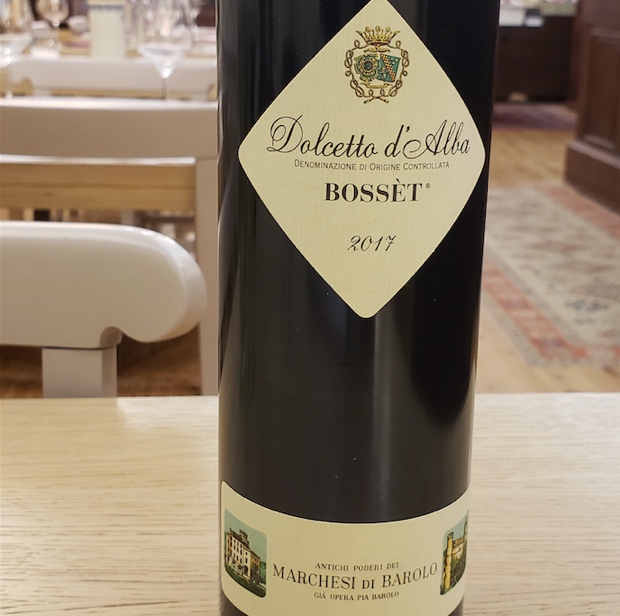
Marchesi Di Barolo Bossèt 2017, Dolcetto d’Alba DOC, Piedmont, Italy

A dolcetto that combs and brings the best of two worlds, the joy of drinking young and fresh but also a modicum of structure that will make for some added interest in a few years time. That’s noted by the white peppery tone at the back, not wood induced but just the true nature of a grape grown in a specific place. Quite heady for dolcetto with the body of knowable finesse. This dolcetto will win over a whole new category of consumers. They only need to get into the game. Drink 2019-2022.  Tasted December 2019

Marchesi Di Barolo Pieragal 2017, Barbera d’Alba DOC, Piedmont, Italy (485904, $40.95)

Planted straight across the road from the winery in a block that was always nebbiolo but financial frugality is not always put first. The game elevated in this barbera is a structural one and also one dictated by weight, but also density. French barriques does the work and the fruit obliges. A swirl of vanilla and dark berries whelm the ease so the indicative ideals say wait and then wait again a while longer. Barbera structured is a specifically splendored thing. Drink 2021-2025.  Tasted December 2019

Marchesi Di Barolo Barbaresco Riserva DOCG 2014, Piedmont, Italy

Only Slavonian cask and no French wood for nebbiolo in Barbaresco form. The vineyards are classically parochial “terre bianche,” white calcareous soils so prevalent around the appellation. The fruit is well developed and rustically edgy, a purple fruit compote with some dried elements. One of those wise nebbiolo that has reached an advanced level of it’s ilk and yet is wise enough to know how to pause there going forward for an equally comfortable period of time. Drink 2019-2025.  Tasted December 2019

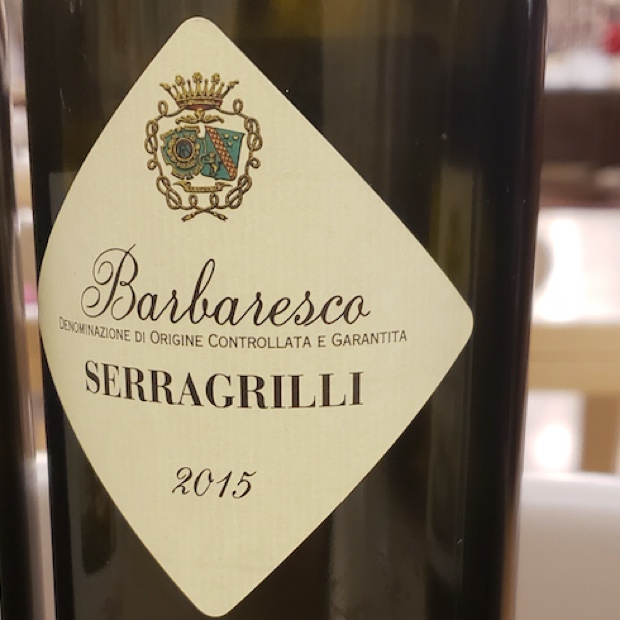
Marchesi Di Barolo Barbaresco DOCG Serragrilli 2018, Piedmont, Italy

Serragrilli is the fresher and more approachable nebbiolo in Barbaresco clothing with easier tannins and yet still the classicism of Barbaresco ability. A note of liquorice and tar, plus the roses (candied and dried) of nebbiolo fame. Drink 2020-2023.  Tasted December 2019

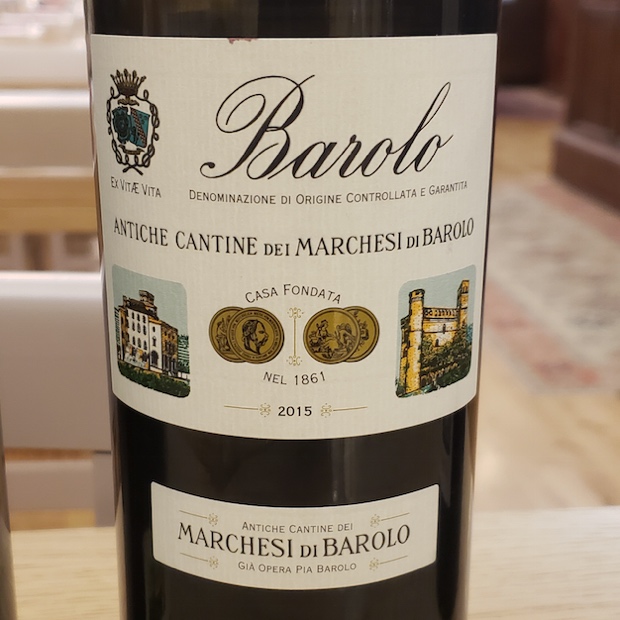
Marchesi Di Barolo La Tradizione Barolo DOCG 2015, Piedmont, Italy (168179, $43.95)

The most generous nebbiolo from arguably the more generous of vintages is all about fruit, in ability, compatibility and respectability. Fully ripened in two respects with intoxicating phenols stealing the proverbial aromatic show. Perfectly reasoned, seasoned and effectuated nebbiolo. Drink 2021-2026.  Tasted December 2019

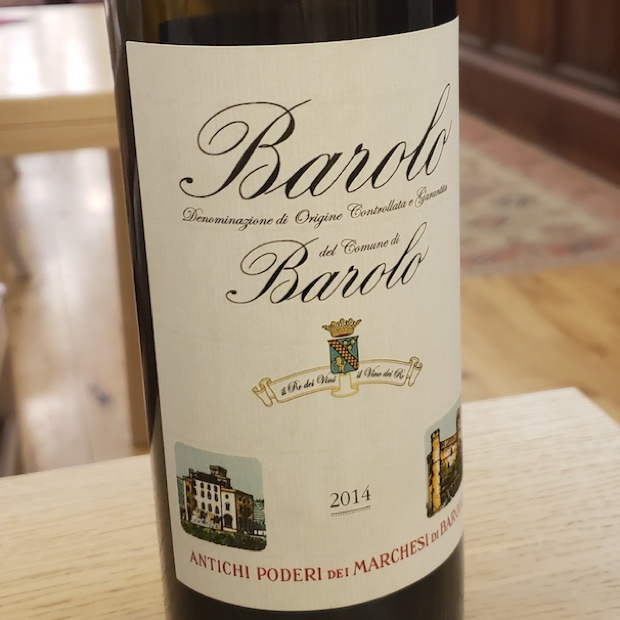
Marchesi Di Barolo Barolo DOCG Del Comune Di Barolo 2014, Piedmont, Italy ($72.00)

A return to some thoughts that make us think of older ways and remind of tradition that can never be forgotten. That’s the savoury quality of this cool vintage Barolo, a nebbiolo that speaks a truth many have left for dead. You can count on the Abbona family to let a vintage and its vineyard fruit talk the talk of a vernacular that can’t help but be uttered. Wild and shearing acids keep the fruit at bay, with laurel and whey, in an herbal-cool mention. The fruit will come back and emerge unscathed in a few year’s time. The fine tannin has spoken of that guarantee. Drink 2022-2028.  Tasted December 2019

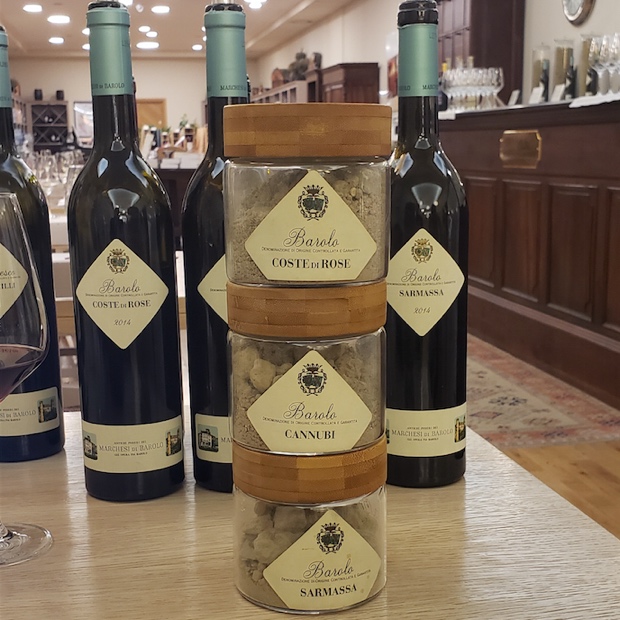
Marchesi Di Barolo Barolo DOCG Coste di Rose 2014, Piedmont, Italy

Surely the most delicate and fragile of the three cru Baroli from the Marchesi and the one to treat with nurture over nature. The fineness of all parts known and unknown are genuine, honest and even a bit naïve but it’s also precocious beyond its years. The vintage asks quite a lot from such a nebbiolo usually reared in delicasse so expect some dried fruit and so many roses. More rose petals than you can count at a Marquesa’s wedding. From an Arenaria sandstone site up from Bussia aged one-third in barriques and two-thirds in large Slavonian oak casks. Drink 2022-2035.  Tasted December 2019

Marchesi Di Barolo Barolo DOCG Cannubi 2014, Piedmont, Italy ($84.95)

A soil structure somewhere between Coste di Rose and Sarmassa, marking the Barolo twain with a breath of fresh air and plenty of grip into structure. The second Cru nebbiolo Barolo is the bed that’s not too hard and not too soft, the one the tired and weary travveller would surely choose to lay down for a rest. Fruit is richer and more dense than Coste di Rose but ethereal as compared to Sarmassa. Of the three this Cannubi carries the most pronounced acidity and one to usher the fruit across two decades, plus the one we are leaving now. Like the others it rests in one-third French barriques and two-thirds in large Slavonian oak casks. Drink 2023-2039.  Tasted December 2019

Marchesi Di Barolo Barolo DOCG Sarmassa 2014, Piedmont, Italy (337048, $84.95)

Stony soils with large calcareous rocks in a sun-trapping amphitheatre is the locale that forms the near-feral and quasi-animale Sarmassa Cru nebbiolo. Very impressive bone structure and far more elegance than Sarmassa likely to probably puts inside its pockets. The acidity is one of great fashion and taste. The complexity of pronouncement is exceptional for 2014 so expect decades of transformation to bely any negative press about this vintage. Sarmassa will prove every naysayer wrong. Patience will speak to this truth. As with both the Coste di Rose and Cannubi this bigger Barolo spends its rest in one-third in French barriques and two-thirds in large Slavonian Grandi Botti. Drink 2025-2039.  Tasted December 2019

Marchesi Di Barolo Barolo Riserva DOCG 2011, Piedmont, Italy

Persistently impossible in its youthful state of ’11 grace and if nothing else were said that might just be enough. There’s an affinity with what we expect Sarmassa to smell like, with rich, grippy tones and an unquenchable thirst for knowledge and desire. Showing the dark wood tones of the time and a high edgy quotient of an acid-tannin spectrum. So warming, baking spiced matched by cool herbal aperitíf and balanced at a higher perch of precipice. Still a tannic beast, yet unrelenting and clearly level-headed enough to intuit more time will be needed to enter a state of Riserva grace. Drink 2021-2028.  Tasted December 2019

Unexpected late in the year taste of nearly 30 year-old nebbiolo was one of 19 in ’19 that blew my mind

Antiche Cantine Dei Marchesi Di Barolo 1990, Barolo Riserva, Piedmont, Italy

A grande dame or marchesa in the parlance of these woods, a nebbiolo of persistence, resilience and strength of character. Initiates contact with the past and a contract with tradition by way of the things that matter most. Family for one, roots dug into the earth second and the vineyard’s tongue, if it were able to speak. The overall gist in the parlance is heard and even understood although the dialect is hard to decipher if you are not of this place. This 1990 is found to be of high though level tempered energy and then with an ear, a nose and a soul so close to the earth. Smells like the soils amalgamated, preserved and demonstrated through the tempered liquor of a wise old 29 year-old nebbiolo. So much more than a piece of the past, this is an auguri gathering of storytelling, kin, culture and DNA. You must pay thanks for a chance to taste a thing such as this. Drink 2019-2033.  Tasted December 2019

Good to go!

Godello

Twitter: @mgodello

Instagram: mgodello

WineAlign

Pull up a chair with Angelo Gaja in Barbaresco

Gaja and Godello

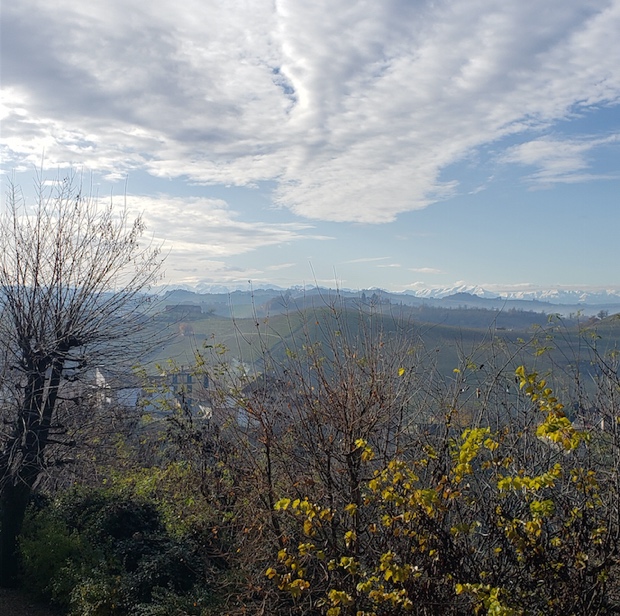
On the first of December the morning light hits the tiny hamlet of Barbaresco with such dazzling clarity you have to squint to look out at any distance. Coupled with a cloudless sky, a patient and necessary visual adjustment will take in the Tanaro River and the Roero beyond. The vast Langhe expanse comes into perfect view, subtly emerging in layers of topography and incremental hue. The river runs through, Tanarus as it was known in ancient times, Tane or Tani in Piedmontese language, dividing line snaking through Langhe lands, plural form of langa, “a long, low-lying hill.” The origin is likely Celtic, combining the words bascule and tunga or lunga, “a moveable bridge, balance or seesaw” and “a narrow spit of land jutting out into the water or sea.” These moments, thoughts and considerations prepare one in advance of walking through the portal into the world of Gaja.

Related – One on one with Gaia Gaja

Barbaresco and the Langhe

The new garden

Sonia Franco, personal assistant to Angelo Gaja takes me on a trip back in time. We stand on the small terrace extending out from a northwest facing window with a view of the mountains in the background. Shifting land plates over one another in the Langhe created soils of silt and clay left behind by the ancient salty lakes. This affected the Roero and the Langhe in two very different ways. Irrigation would be pointless and potentially devastating due to erosion in the former because of the poor sandy soils. In the Langhe the limestone acts as a natural sponge, storing snow melt and spring rain to transfer to vine roots for the hotter summer months. Climate change has altered plantings and the view is no longer one of the “family’s garden” because densities have increased to encourage roots to dig deeper into the strata. Even more dramatic is the lack of rain between June 1st and September 30th, unless of course it comes by way of hailstorm and thunderstorm.

Morning in Barbaresco

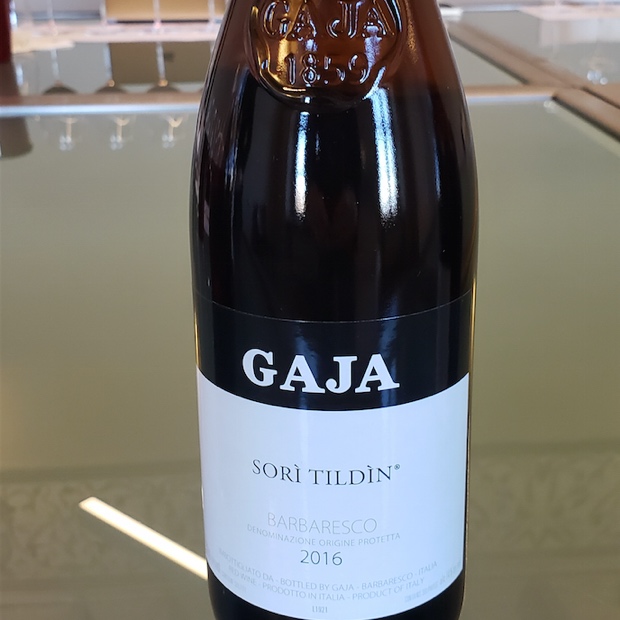
Gaja works with 100 hectares split between Barolo and Barbaresco. It was Angelo’s father Giovanni who was so smitten with and sold on the latter in particular, especially around Treiso and the eponymous village. He acquired the land in the 1960s, including the three crus; Sorì San Lorenzo, Sorì Tildìn and Costa Russi. The oldest part of the cellar is from the 17th century and the second from the 18th. A great year sees a total production of somewhere between 300,000 and 350,000 bottles.

The Pope of Piemonte

Angelo Gaja has been referred to as “The King of Barbaresco” and for good measure. A man of utmost sincerity and reason, promoter and traveller in tireless work ethic. Producer who has spent the better part of sixty years explaining to anyone who will listen of Barbaresco’s importance while rising to the pinnacle of the local wine producing pantheon. Mr. Gaja’s reputation for storytelling is well-known and his ability to fashion excellence from his homeland is one of the great success stories of the 20th century. No one in Italy has found such intense success at his level nor can there be any question in how he has been raising the bar and floating all surrounding boats. Simply unparalleled in the world of wine. To bestow a moniker that merely encompasses Barbaresco is parochial and short-sighted. Say what you will about titles and honours but truth be told and many of his contemporaries believe it and in fact utter the term aloud. Angelo Gaja is indeed the Pope of Piemonte.

“They are very concerned in Nuits-Saint-Georges to keep an identity of site,” begins Mr. Gaja. He’s in free-form, stream of consciousness mode, just as a one-on-one meeting with him should be imagined. He’s dead serious. “We need to recognize that it belongs to us. I believe that we have in mind a great variety like nebbiolo, but it’s only in the last 15 years that it has been recognized around the world.” While so many look to technology and clean winemaking practices, Gaja looks at climate change as a major factor in quality increases over the last 20 years. “Five of ten vintages in the 60s, 70s and 80s were poor. The two years of 1965 and 1966 were very poor. The climate we have now, the ripening process is much more condensed and so there are less possibilities of problems. Summer heat is raising sugar and alcohol. This is more problematic for Barolo. All of these things are beneficial for late ripening varieties because of more ripeness and maturity but less aggressive tannins.”

The identity of the Langhe

“There is now a perception of Barolo and Barbaresco that was unthinkable 20 years ago. Think about it. Nebbiolo is 7,000 hectares. Cabernet Sauvignon is 350,000. For this reason the scarcity gives it a much better position of identity. In old vineyards you can sense white truffle and hazelnut, connecting it to its area. Also, the protection of the Alps helps to assist in the cultivation of late ripening varieties. If we are able to protect this combination of history and experience we don’t need any tourism. We need an authentic experience.” As for the identity of Barbaresco Gaja insists that “we have to protect medium-bodied wines and keeping a kind of balance.” Still believing that the work done in the cellar is just as important as the identity created in the vineyard, Angelo wonders aloud what will happen for the next 15-20 years as a result of further climate change. When asked directly if he is concerned “of course I am,” is the response. “In the past there was thick fog, like milk. What has happened to the fog?” Also less rain and more tourists. Perhaps what has transpired in the first half of 2020 will see a return of the fog.

“The perception is less risk,” he explains with regards to producers thinking that times are better. “That’s a mistake. We are in a time of climate change. That’s a big word.” If what has happened in the last four months is any harbinger than the overall problems are bigger than ever. It was the vintages of 2002 and 2003 that opened Angelo Gaja’s eyes and forced him to open his mind. “We have to modify our habits,” is not something new for Gaja but something he has been doing for decades, often 15-20 years ahead of everyone else. In the mid to late 2000s he hired ten scientific consultants in the fields of entomology, chemistry, agronomy, meteorology, etc., etc. to conduct a two decade study on soil, climate, parasites and pests. They have found that where once these natural disturbances attacked the vines one month a season it can now be as much as six months at a time. Doubling down are dramatic weather events and now viral assaults on humans. Time to hire an epidemiologist as well.

Better wines?

“If we have made better wines from better grapes I cannot say but what we have learned can be very useful for the future. The final goal can be recuperation and resilience for the grapes. A natural defence.” Ultimately the goal is what Gaja refers to as Gramló, a fantasy name in a special language that brings together notions and in contribution from French, German, Italian and dialectical Piedmontese. It’s operatic and means “clarity” but with no real words as its source. Gramló is what we all want to achieve but we have to take risks, be ahead of the curve and never stop looking, listening and learning. Trust Angelo Gaja to lead the way and that his children Gaia, Rossana and Giovanni will take the torch and do the same.

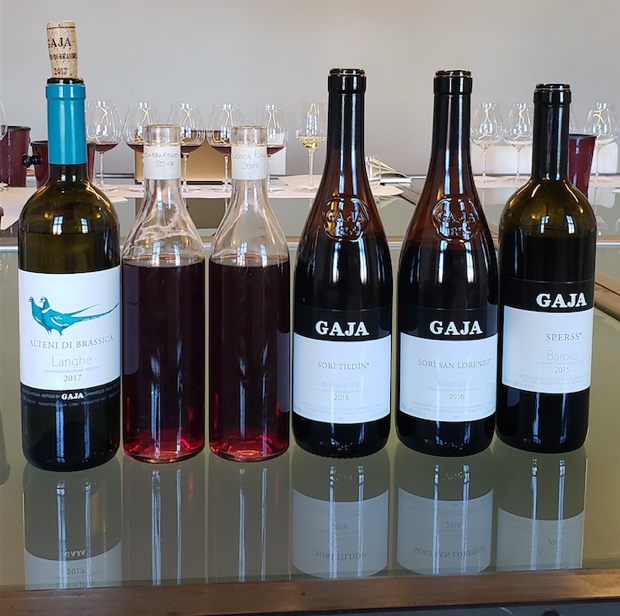
We all have wine tasting experiences that result in a-ha moments, revelations and epiphanies. At the outset of that first week of December I had such a moment because of a conversation. A long chat with Mr. Angelo Gaja. Mr. Gaja’s foresight to look and plan 15-20 years ahead means that both problems and successes are faced even before they have come. If you want to talk about climate change, do so with Angelo Gaja. If you would like to taste autorevole nebbiolo, go straight to Sorī San Lorenzo and Sorì Tildìn. On that December 1st day in Barbaresco I tasted the following five wines with Sonia Franco and Mr. Gaja.

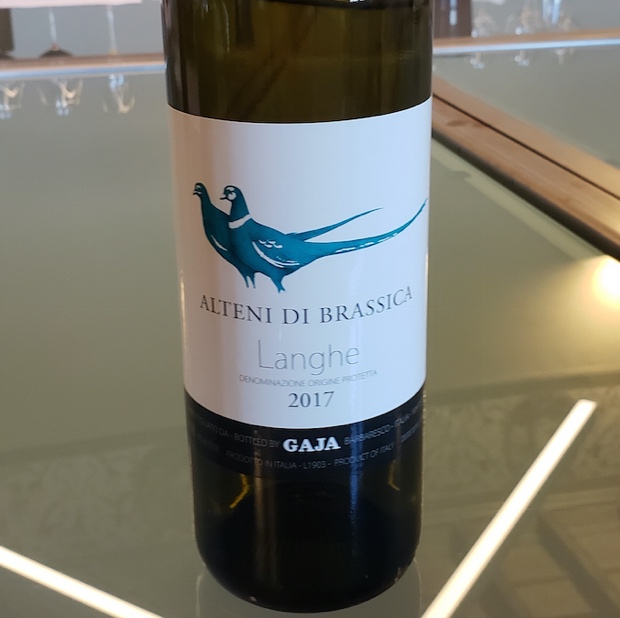
Gaja Alteni Di Brassica 2017, Langhe DOP, Piedmont, Italy ($199.00)

Snow melt from a proper winter meant promise but there’s no avoiding climate change. Thus warm winds from North Africa saw to the vines anticipating early bloom. But in the flash of an eye the weather crashed and sent the plants reeling. While the challenge was propagated, miraculously the hail was avoided, though not the frost. Then a 36-39 degree summer and 80 days without rain. Major stress. A tiny production that marries Serralunga d’Alba with Barbaresco. The flinty sauvignon blanc relevance here may look Bordelais but is in fact Langhe because of the specificity of the saltiness that lines the fruit. Alteni means “stone walls” and Brassica a fragrant yellow flower. Not salted but running through the veins of the wine. A resilient and philosophically mineral wine structured with concentrated fruit and grape tannin. Drink 2021-2027.  Tasted December 2019

Gaja Costa Russi 2017, Barbaresco DOP, Piedmont, Italy ($810.00)

Far ahead of harvest the reasons for 2017’s success were varied. Winter snow and its natural irrigation ignited early promise and climate change-influenced high density plantings sent roots down deeper. Warm North African winds, early bloom and a fast crash of the weather put the plants on edge. No hail though yes there was frost. Heat like no other summer and no rain for three and a half months. All added up to low yields and unprecedented stress. Costa Russi is a deeper and furthered wine which means a longer and more mature experience. Drawn from the “sharecropper’s side of the hill” in a lower to mid-slope position but with a different aspect and position (than the sorì) facing the sun. Oh how you feel the marl and the calcaire, surely exaggerated by the heat of the summer. Rich, luxe and intentionally fuller than many because you can’t go against a vintage grain. This Costa Russi follows the natural order of things. The Gaja Barbaresco that remember’s “the family’s garden.” Drink 2025-2040. Tasted December 2019

Gaja Sorì Tildìn 2016, Barbaresco DOP, Piedmont, Italy ($810.00)

Angelo Gaja sees 2016 as a perfect vintage in Barbaresco and the one from which climate change is viewed with great irony in the wink-wink guise of parenthetical thanks. That means the cosmic and astronomical alignment makes for wines that are both pleasant in their youth and also impossibly structured to age. Named for the sunny position of the slope and Mr. Gaja’s grandmother Clotilde. Now the clay and the calcaire have conspired, along with the purchased land of which Clotilde was custodian and in how she pushed her husband to make great wine. The vines are now on average 50 years-old and the composition meeting aspect bring a depth of complexity as poignant as it gets in this tiny part of nebbiolo production. All the flowers, rocks and elements are contained within the interior walls of this gently forceful Langhe red. It mimics the matriarch by the strongest power of suggestion and will not take no for an answer. Perhaps never will. Drink 2025-2045.  Tasted December 2019

Gaja Sorì San Lorenzo 2016, Barbaresco DOP, Piedmont, Italy ($810.00)

Was a perfect vintage and the one from which climate change is viewed with great thanks. That means wines are both pleasant younger and also structured to age. Sorì San Lorenzo like Tildin is the sunny spot facing south, the patron saint and protector of Alba’s Cathedral. Incidentally the church owned this vineyard and Gaja purchased the plot in the 1960s. The vineyard drops directly from the village and its vines average 55 years of age. You feel the wood at this young stage but of course you do. Sorì San Lorenzo carries a connection to the land that is deep into hubris and humus. No disrespect to Tildin but the connection here is formidable, the bond unbreakable. There is no exaggeration in saying that ’16 Sorì San Lorenzo offers up a moment of nebbiolo epiphany, that is takes control of the senses and instills a feeling of comfort, but at the same time an unexplained awe. That is due in fact to the place and no further explanation is required. Drink 2025-2045.  Tasted December 2019

Gaja Sperss 2015, Barolo DOP, Piedmont, Italy ($435.05)

The vintage of 2015 offered weather slightly warmer than 2016 and yet less blocks of structure. Not to mention moving further south by 25 kilometeres into Barolo where it really is just that much warmer. Twelve hectares purchased in 1988 are located in Serralunga d’Alba and Sperss refers to the name of the land. In Piedmontese the word is “nostalgia” and the connection is for Angelo’s father Giovanni and his childhood memories. Marenca-Rivette sub-region of Serralunga and the fruit comes out so red in nature, beautifully chalky and very influenced by the one year in smaller barrels, accentuated further by six months in grandi botti. That is why it is released a year later than the Barbaresci. The texture is silkier in a way while not as transparent but comparisons are fruitless in the end. This nebbiolo stands alone and worthy of its own regal position. Warm and complex, more than intriguing and so age worthy. Drink 2024-2035.  Tasted December 2019

Good to go!

Godello

Gaja and Godello

Twitter: @mgodello

Instagram: mgodello

WineAlign

Barolo’s Sister and Brother Boschis

Giorgio and Chiara Boschis

Many have visited E. Pira & Figli’s cellars, tasted and broken bread with sister Chiara and brother Giorgio Boschis. I am certainly not the first nor the 500th but looking back at my visit with the Barolo sorella e fratello team on December 1st now seems to carry more weight than even I could have imagined. When we consider what has happened in Piemonte, up and down Italy and increasingly around the world over these past four months makes the timing all the more special.

Godello and Chiara Boschis

I did in fact have the great fortune to taste and spend more time with Giorgio in January over dinner in Alba during the days of Nebbiolo Prima 2020. There is so much to know, admire and appreciate about these two special Piedmontesi, the level of respect afforded the work they’ve put in and a level of humanity to give meaning to the spiritual endearment “Brother Giorgio and Sister Chiara.” They are part of the integral and collective soul of Piemonte, Barolo, the vineyards they steward and the wines they fashion from lands larger than life.

Godello and Giorgio Boschis in Alba, January 2020

Going back to the 1700s the Pirras were from Sardegna and the name morphed into Pirra. Then in more recent times Pira. In 1980 the legendary Gigi Pira, owner of E. Pira passed away. With no heirs to carry on a request for assistance was made to the Boschis-Borgogno family. Chiara Boschis’ father Franco purchased the cantina and vineyards and made the wines for a spell. She finished studies in Turin, cut her teeth working at Rivetti and took over Pira. This was by now long after the winery was established and present in the village of Barolo, in what Chiara refers to as the “Golden Ages” that begun in the 1850s. After Phylloxera ravaged the vineyards and did away with prosperity the youth left and the old remained, including Franco, one of the very few. Fast forward to the new golden times and Chiara Boschis becomes one of the “Barolo Boys,” a rat pack moniker bestowed on young nebbiolo toting winemakers, including Elio Altare, Giorgio Rivetti, Roberto Voerzio, Elio Grasso, Lorenzo Accomasso, Alessandro and Bruno Ceretto, Beppe and Marta Rinalidi, Beppe Caviola and Marc de Grazia. The lone woman? Chiara Boschis.

Chiara the pioneer was the scrappiest of the scrappy winemakers, carrying the Pira torch through the growth period of the late 80s and into the 90s, in a time when the collective plan involved “improving quality and the attention of the international markets.” She worked to reduce production, clean the cellars, install new wood and equipment and most important, the vinification of single crus. She started with Cannubi and Terlo, then in 2010 registered a “fantasy name” to make a cru assemblage. The new equipment refined the wines and practicing cellar hygiene led to the elimination of the dirty smells.

Giorgio Boschis

Robert Parker came to Alba in the 90s and announced the wines as too rustic. A light shone in the minds of the youngest winemakers who knew what had to be done. There were only 30 wineries in the area after the second world war, now there are more than 600. Boschis has always avoided the temptations. “We didn’t want to become the California winemaker. The pride of our roots took us to a much higher level and now it’s fancy to be traditional, even if so few are truly family anymore. The fact is we really just wanted to have clean wines.”

Chiara Boschis

Chiara has always farmed organic and was finally certified in 2010, the year Giorgio joined hands. Together they purchased more vineyard space in the areas of Monforte and Serralunga. Cannubi and Mosconi are the two crus and they also produce their assemblage Via Nuova from several significant plots like Terlo and Liste in the commune of Barolo; Gabutti and Baudana in Serralunga d’Alba; Ravera from Monforte and Mosconi in Monforte d’Alba. Total farmed is 11 hectares producing 35-40 thousand bottles. Generally speaking the barrel program is one-third each new, one year and two years old wood of half and half barriques and botti. The exception is Mosconi which sees more barriques because, “it’s so much fruit.”

These are the five wines tasted with Chiara in the cantina plus one more with Giorgio in Alba.

E. Pira & Figli Dolcetto d’Alba DOC 2018, Piedmont, Italy ($30.95)

In the words of Chiara Boschis. “For me the dolcetto is part of my background, my history, the memories of the family.” Now listen closely to this dolcetto because a challenge will bring the best out of a winemaker and her wines. “This is the dolcetto that i like, fresh, fruity, drinking well.” The fruit comes from three plots in Monforte; Le Coste, Mosconi and Ravera. Not for aging, lacking structure but certainly not lacking in elegance and pleasure. Finishes with a white peppery kick. Drink 2019-2022.  Tasted December 2019

E. Pira & Figli Barbera d’Alba DOC 2017, Piedmont, Italy ($43.95)

More potential than dolcetto and here the triangular travelling from flowers, through spice and into avid acidity makes this real, honest, true and long. One year in barrel (old only) and fruit drawn out of vineyards in Mosconi, Ravera (Monforte) and the lower, south facing part of Gabutti (Serralunga). Refreshing and so perfectly aligned, plus essentially designed to handle olive oil in every incantation, especially meats cooked and fried in the fats of the area. Only 4,000-5,000 bottles produced. Drink 2021-2027.  Tasted December 2019

E. Pira & Figli Langhe Nebbiolo DOC 2017, Piedmont, Italy ($50.95)

Now into nebbiolo that is highly floral from one dedicated vineyard in Le Coste, of “bello” respect. High-level nebbiolo factor, traditional and extreme clarity. If most of the Barolo were drawn, executed and nurtured to prepare themselves to be this elegant than all would command full and utter attention. So pretty and wise, so joyous to be with. Clearly the vineyard is to thank. Might as well be Barolo? Nah, that misses the point. Drink 2021-2029.  Tasted December 2019

E. Pira & Figli Barolo DOCG Via Nuova 2016, Piedmont, Italy

Via Nuova is the assemblage, the house wine, Vigna della Casa and a wine of all encompassing perfume. A mix of finesse and structure. Also textured with a charming glycerin and experiential moments in thyme. There is much pride and dreaming hope for 2016, with great aging potential. The tannins creep up, take hold and remain, secured and bonded. That’s nebbiolo grip and persistence incarnate. Drink 2023-2035.  Tasted December 2019

E. Pira & Figli Barolo DOCG Mosconi 2016, Piedmont, Italy

Why is Mosconi so special. “Why is anyone more beautiful than the other?” Nature. A connection to Domenico Clerico and when Chiara had a chance to join this plot she jumped. The flowers come at you in waves. The fruit is everywhere and all is stored inside, kept safe, comforted and comfortable. South facing below the village and again it just must be the place that brings this level of joy, elegance and structure. There are 25-30 years of life ahead for this 2016. So glad Chiara became a part of la squadra Mosconi. Drink 2020-2025.  Tasted December 2019

E. Pira & Figli Barolo DOCG Mosconi 2015, Piedmont, Italy

Mosconi is simply Mosconi, exquisite, powerful, elegant and grippy. Mosconi in the hands of Chiara Boschis in possession of so much 2015 fruit (though when is it void in such a regard) and so more barriques to less botti ratio increases the textural component. Mosconi comes at you in waves, oscillations there of and with swaths of Rothko tactility. Paints Barolo red in incremental minutia through all the advancing warmth that can be coalesced in one bottle of nebbiolo. Generosity incarnate and the one to drink whilst you wait for 10s, 11s, 12s and especially 16s. Drink 2020-2030.  Tasted December 2019

Good to go!

Godello

Giorgio and Chiara Boschis

Twitter: @mgodello

Instagram: mgodello

WineAlign

You say you want a Barbera d’Asti revolution

Vineyards in Santo Stefano Belbo

rev·o·lu·tion /ˌrevəˈlo͞oSH(ə)n/ noun

  1. a dramatic and wide-reaching change in the way something works or is organized or in people’s ideas about it
  2. an instance of revolving.

To make a revolution you have to bring about change. You need to evolve and revolve. You can’t just keep doing the same things over and over again. To take part in a revolution you have to keep an open mind and seek out the subtleties. You have to get down to what is really real. Revolution is not always fast or dramatic, in fact it’s sometimes barely audible, visible or easily noted in smell or taste. It is perceptible if you can find a way to feel it, especially when it comes down to wine.

Sometimes, there’s a grape, well, it’s the grape for the time and place. It fits right in there. That grape is barbera and the place is Asti, if more specifically in the Monferrato hills. Those hills are the source of the “Barbera Revolution” where farming and winemaking are changing the way we think about the wines of Barbera d’Asti and Monferrato. The revolution is happening now, in the late stages of the second decade of the 21st century because an epiphany is taking place. A new age of understanding, of altitude, solar radiation, heliophany and how to capture the essential tenets of phenolic ripeness and acidity. Knowledge and understanding are zeroing in on growing areas, plant phytochemisry and the sensorial characteristics of Barbera d’Asti.

Acidity is the key to barbera, just as it is with grapes of a similar ilk, grapes like sangiovese and malbec. If you would like to capture the essence of these grape varieties you have to preserve and elevate their natural acidities and you have to do so with a supporting cast of freshness, ripeness and structure. This is the crux of the new revolution in Asti. Never before have we seen farming practices and a scaling back of oak aging getting together to make sure that the grape, that barbera is given the spotlight to be the centre of attention.

Masterclass “Barbera Revolution” guided by Kerin O’Keefe and President Filippo Mobrici, Consorzio Tutela Barbera d’Asti e Vini del Monferrato.

Related – Barbera d’Asti Del Monferrato E Nizza Monferrato

Barbera d’Asti 2.0 is a scientific study that began in 2017, iniated by the Conzorzio Barbera d’Asti e Vini del Monferrato in partnership with the Università di Torino – Disafa and supported by the Regione Piemonte. The goal of the project is to create a sensory map of the Barbera d’Asti DOCG appellation. To define the 5300 hectares of the appellation across 67 municipalities in the provinces of Asti and Alessandria. To connect the characteristics of Barbera d’Asti with the varied geological and climatic conditions of the growing areas. The research involves measuring, quantifying and qualifying precipitation, thermal excursion, soil structures, pH, phenolics, sugar and acidity. Micro-harvests and micro-vinifications have been conducted, 111 samples of DOCG wines have been collected, tested and evaluated by enologists and researchers from the University. In the end a sensory map has been created.
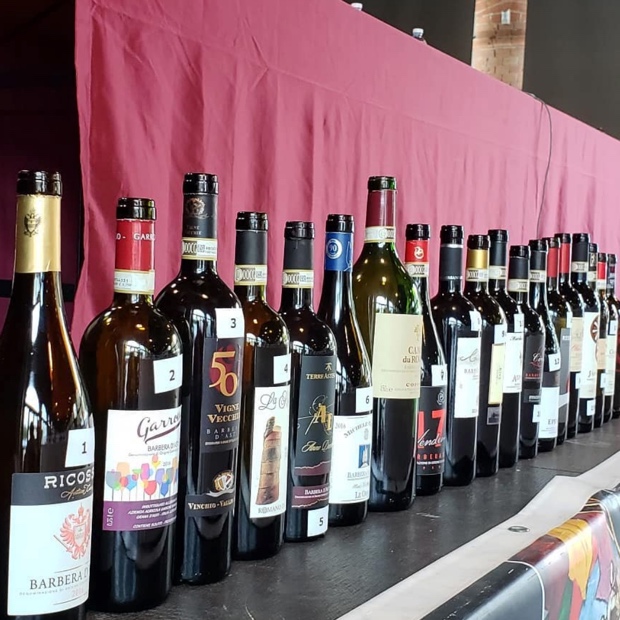
Well, you know
You better free your mind instead

In July of 2017 I spent a week in the hills where Barbera d’Asti grows. I returned in December of 2018 and spent another eye-opening and mind-blowing stretch of time in the varietal home. My attitude has officially evolved, changed and revolved, now resting in affirmation of consideration, to emerge with revolution firmly entrenched, personal and up close to me, of sound body and mind. It was in Canelli at Gancia Castle, at Enoteca Regionale Acqui “Terme e Vino” and Ristorante Nuovo Paradiso in Acqui Terme, at Castello di Costigliole d’Asti and the Italian Culinary Institute for Foreigners in Costigiole d’Asti, at Relais San Maurizio in Santo Stefano Belbo and finally, at Foro Boario di Nizza Monferrato, for the Masterclass “Barbera Revolution” guided by Kerin O’Keefe and organized by Consorzio Tutela Barbera d’Asti e Vini del Monferrato.

The following are 33 examples of barbera d’asti tasted at these events in Piemonte back in December 2018.
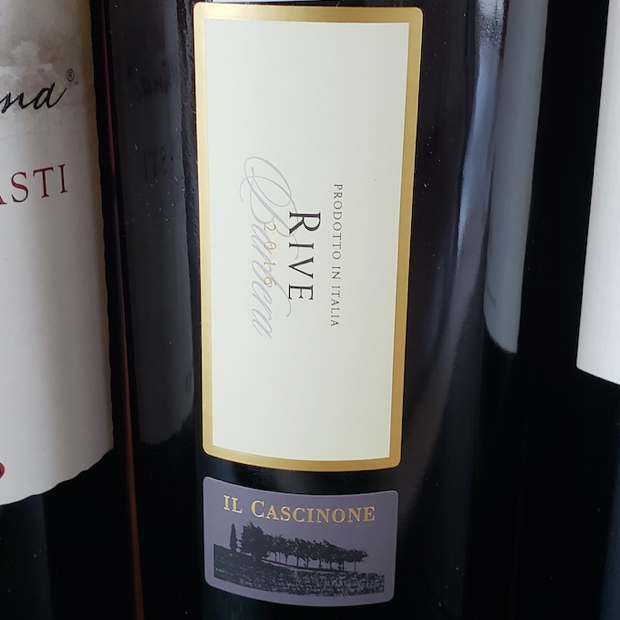
Araldica Castelvero Barbera d’Asti Superiore DOCG Rive 2016, Piedmont, Italy (Winery, WineAlign)

Acqui Terme is the source for a darker, slightly brooding and richly, almost chocolate endowed barbera. Acidity is clearly still in charge and there are more grains, chains and presently grisly tannins keeping fruit in check. Will age well but time is needed before the begin. Drink 2021-2026.  Tasted December 2018  araldicavini  @araldicavini  Araldica Castelvero

Family Winery Berta Paolo 1842 Barbera d’Asti DOCG Belmon 2017, Piedmont, Italy (WineryWineAlign)

The vintage will not always deliver what you expect so never get too complacent with barbera and always pay attention. Paolo Berta turns the plan on its head and brings freshness in the face of jammy potential in a lovely act of balance. Fruit picked on acidity while perfectly positioned at sugar plus phenolic ripeness means this got it all right. It’s a connection between forethought and development that hits the proverbial barbera nail on the head. Never-ending acidity is the fairy tale and the reason for the story. Drink 2018-2022.  Tasted December 2018  vinifamigliaberta  @wineBerta  @viniberta

Family Winery Berta Paolo 1842 Barbera d’Asti Superiore DOCG 175 Vendmmie 2016, Piedmont, Italy (WineryWineAlign)

In classic Berta Paolo form there is a protective and reductive element plus untapped potential in a barbera from Nizza Monferrato that wraps itself up in layers upon layers of red fruit, white soil and blanketing richness. The terroir is truly all over this wine, in and out of every oozing red fruit pore. It’s complex in so many ways and in time will only improve its interest. Drink 2020-2025.  Tasted December 2018
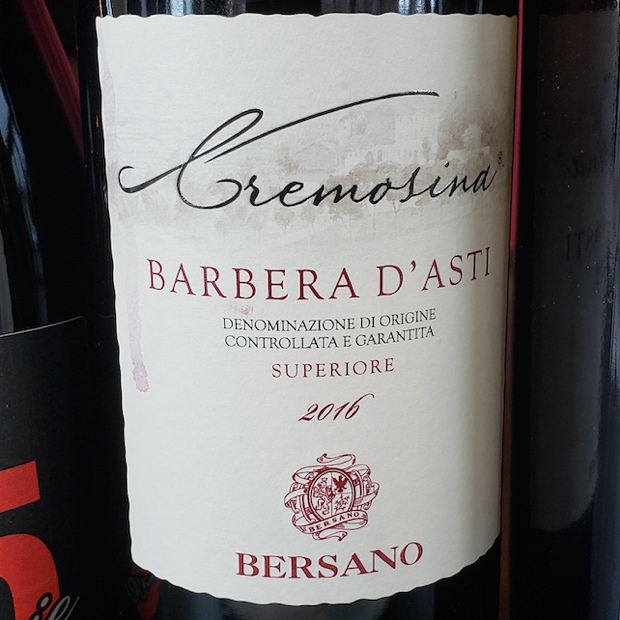
Bersano Barbera d’Asti DOCG Cremosina 2016, Piedmont, Italy (Agent, WineAlign)

“Cremisona is our history. We believe in this kind of barbera, not just about quality, because that is not enough these days. It must be recognized as barbera.” White pepper, red cherry and so young. Really peppery, tart, tight, taut and so very, very Nizza Monferrato. Place, pace, place. Drink 2020-2026.  Tasted December 2018 bersano1907  profilewinegroup  @BERSANO1907  @ProfileWineGrp  @Bersanowine  Profile Wine Group

Tenuta Bricco San Gregorio Di Laiolo Barbera d’Asti Superiore DOCG Rossomora, Piedmont, Italy (WineryWineAlign)

Vinchio’s soil can only mean high toned, high alcohol, Amarone like grip and power. The fruit is up to the task and though we accept this as Vinchio, RossoMora and Barbera d’Asti it pulls no punches nor shies away from advanced solicitation. Screams at you and at the same time asks you to call for time. Huge wine and needing a little humility in the name of balance. Drink 2019-2021.  Tasted December 2018  tenutabriccosangiorgio  Tenuta Bricco San Giorgio
Cascina Castlet Barbera d’Asti Superiore DOCG Passum 2016, Piedmont, Italy (Winery, WineAlign)

Costigiole d’Asti is the source for a barbera that stands like a stick in the thick consistency of the varietal stew, with lightning bolts of acidity followed by grippy shudders of structured thunder. Such a big wine of larger than life personality with white peppery piques and properly spiced, mild dark chocolate bitterness. Will age without trepidation or any true concern. Drink 2021-2029.  Tasted December 2018  cascinacastlet  @cascinacastlet  Cascina Castlèt

Coppo Barbera d’Asti DOCG L’Avvocata 2014, Piedmont, Italy (Agent, $19.95, WineAlign)

Luigi Coppo’s L’Avvocata is his fresh, come and drink me first red, clearly meant for the here and now. Dedicated to the original owner of this recently purchased vineyard, described as a tough woman, known to all as “the lawyer.” It’s quite floral and shows beautiful acidity. Effusive and rising, this is barbera as part of the shift to recognize quality at the entry level. Successful in that regard in spite of or perhaps as a result of the warmth and concentration.  Drink 2018-2019. Tasted December 2018 coppo1892  maitredechai_ca  @COPPO1892  @maitredechai  @COPPO1892  Le Maître de Chai

Luigi Coppo and Pomorosso

Coppo Barbera d’Asti Nizza DOCG Pomorosso 2014, Piedmont, Italy (Agent, $74.95, WineAlign)

If ever a vintage were going to give the Coppo Pomorosso a most sincere gift of its terroir than 2016 would be the one. In fact Luigi Coppo says uncle Roberto compares it to 1990 and he confirms the connection, if only by way of lab tests and results. The real reason is out there, in three vineyards located in Agliano Terme. “The balance was in place, even before we picked the grapes,” tells Coppo. This Pomorosso speaks young but is of course so very structured and only produced in exceptional vintages. The soil is marine sediment rich in minerals and the name is for the red apple tree on top of the hill. It’s an icon red by nature and design, with 2016 top finesse and the key to barbera’s ability of longevity. Drink 2019-2027.  Tasted December 2018
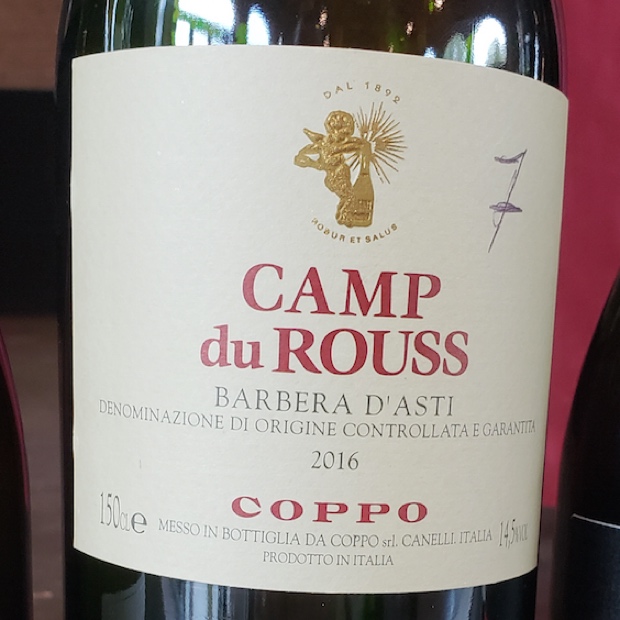
Coppo Barbera d’Asti DOCG Camp du Rouss 2016, Piedmont, Italy (Agent, $25.95, WineAlign)

Luigi Coppo’s barbera is a calcareous Castelnuovo Calcea striker with clay richness and spice brought on by some time in barrel. It’s deeply rendered into a well that pools with cherry liqueur and melted liquorice. Needs some time for the parts to mingle, match and melt into one another. A highly polished wine with plenty of possibility. Drink 2020-2026.  Tasted December 2018
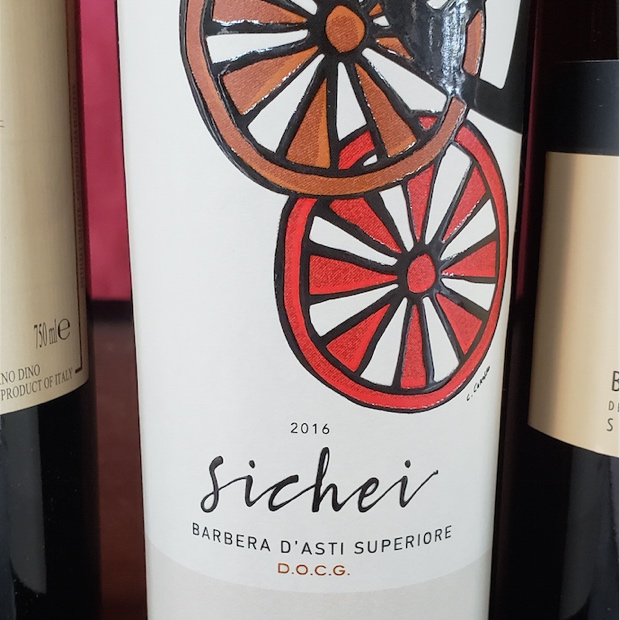
Franco Roero Barbera d’Asti Superiore DOCG Sichei 2016, Piedmont, Italy (Agent, WineAlign)

Just a huge barbera out of Montegrosso d’Asti, with acidity and grip, through the roof and got a hold on you. Volatility is certainly at the top edge of the straddled ridge but neither extraction nor concentration dip into and up over the top. It’s a matter of making what place and vintage demand, with swagger, confidence and direct messaging. Truly white limestone screaming which incidentally keeps the concentration in check. Drink 2021-2028.  Tasted December 2018  franco_roero_winery  cottonwoodwineagency  @FrancoRoeroVini   @Cottonwood@franco.roero  Cottonwood Agency Wines & Spirits
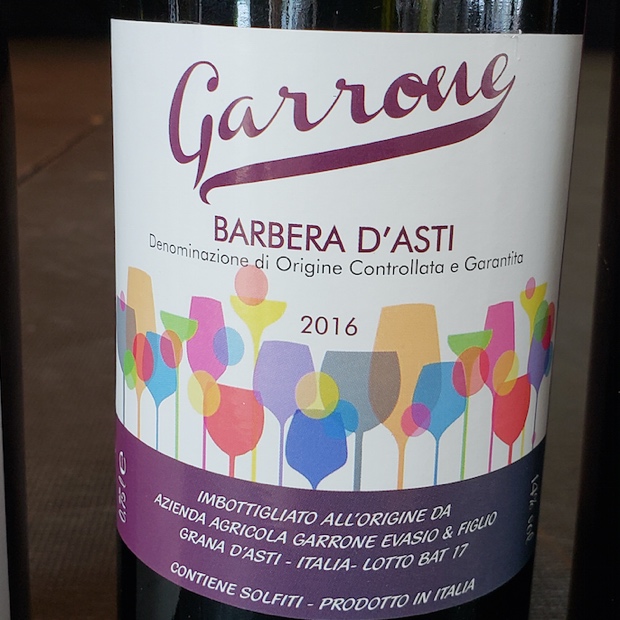
Az. Agr. Garrone Evasio & Figlio Barbera d’Asti DOCG 2016, Piedmont, Italy (WineryWineAlign)

A different sort of deeper clay, moisture retentive for red cherry generosity and because there is a sidle into strawberry but of the drying, concentrated one. It’s a Montemagno matter, picked later and macerated to a greater degree though really fine acidity keeps it very much alive. Drink 2019-2020.  Tasted December 2018  #garroneevasioefiglio  @vinigarrone
Davide Ghiga

Azienda Agricola Ghiga Enrico Barbera d’Asti DOCG 2016, Piedmont, Italy (WineryWineAlign)

Young Davide Ghiga’s barbera is the azienda’s normale but it’s certainly a child of selezione. Bright, fresh and tenably intense. Solid would be a good descriptor for the honesty and varietal morality exhibited by this stand up barbera. The fruit is dark in a black cherry way but it’s clearly a matter of Costigliole d’Asti terroir more than winemaking. The high tones confirm this assessment and the way in which the wine is 100 per cent a matter of fruit. So much fruit. Drink 2018-2021.  Tasted December 2018  ghigaaziendaagricola   Davide Ghiga  Azienda Agricola Ghiga Fratelli
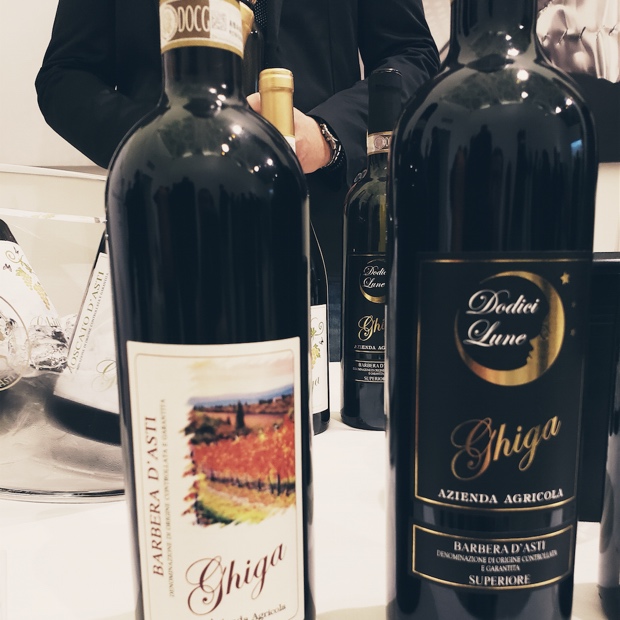
Azienda Agricola Ghiga Enrico Barbera d’Asti Superiore DOCG 2016, Piedmont, Italy (WineryWineAlign)

The Ghiga brothers’ Superiore from Costigiole d’Asti takes the sweetness of dark and hematic fruit, gives it time in new grandi botti then sees it emerge with loads of chocolate and hyper intensity. Young is an understatement and time the declaration for development ahead of a deeper understanding. The vineyard is 22 years-old at this stage and the upside for terroir and winemaking reeks of potential. You just feel the earliest of beginnings involving a special relationship between viticulture and viniculture so we’re “gonna see what them racket boys can do.” This ’16 and coming vintages will likely turn out to be classics someday. So “put your makeup on, fix your hair up pretty and meet me tonight in Atlantic City.” Ghiga, a.k.a. The Boss of barbera, based in Castiglione Tinella-Cuneo. Drink 2019-2025.  Tasted December 2018

Gianni Doglia Barbera d’Asti Superiore DOCG Genio 2016, Piedmont, Italy (Winery, WineAlign)

Genio is Piemontese for Gianni’s grandfather “Eugenio” and these ’16 startling aromatics are like genies escaping from the bottle. Some extra altitude up to 350m in Castagnole Lanze brings an expression of solar radiated, polyphenolic aromatics that set this bold and structured barbera apart. There is a presence and a personality of energy despite the weight and the bold attack. It’s really juicy, fresh, high in acidity and just plain exciting. Drink 2021-2029.  Tasted December 2018  gianni_doglia_wines  Gianni Doglia Azienda vitivinicola Gianni Doglia  Paola Doglia

Gianni Doglia Barbera d’Asti Superiore Nizza DOCG Viti Vecchie 2016, Piedmont, Italy (Winery, WineAlign)

Doglia’s old vines are an average of 50 years for barbera from Nizza Monferrato that travels the emotional gamut from freshness through structure and into softness. Gianni’s reminds me of 90s St. Émilion and 2000s Napa merlot but with barbera’s lightning acidity. If it is possible for a red to offer a big hug while scratching your back then this would be the one. The soils may be different than Castagnole Lanze but the treatment in the cellar is virtually the same, with small barrels and 30 per cent new. Twenty-five kilometres separate the Nizza from the Genio and here you get more texture and dark, rich chocolate. Also mint, a salty vein and very ripe cherries. Drink 2019-2023.  Tasted December 2018
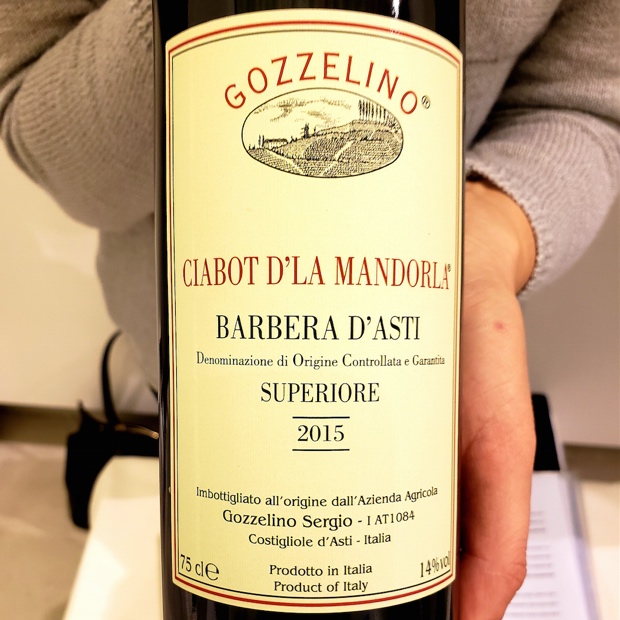
Gozzelino Barbera d’Asti Superiore DOCG Ciabot d’la Mandorla 2015, Piedmont, Italy (WineryWineAlign)

This traditional barbera is a well-pressed one from Costigliole d’Asti and spent 24 months in large (30hL) format grandi botti. Very rich, lots of chocolate, some shots of tonic and high acidity intensity. Drink 2019-2022.  Tasted December 2018   Azienda Agricola Gozzelino Sergio

Tenuta Il Falchetto Barbera d’Asti Superiore DOCG Bricco Paradiso 2016, Piedmont, Italy (Winery, WineAlign)

A really rich, fully fruit realized, intensely tangy, plum meets currants and pomegranate barbera with density, structure and purpose. The numbers are big and the personality boisterous but there is more than enough fruit to keep the booze and the bones from dominating. Pretty good vitality and energy within the big framework. Drink 2021-2028.  Tasted December 2018  tenutailfalchetto  @ilfalchettovini  @tenutailfalchetto

With Andrea Ivaldi

Azienda Agricola Ivaldi Dario Barbera d’Asti Superiore Nizza DOCG “1613” 2015, Piedmont, Italy (Agent, $31.78, WineAlign)

From Andrea Ivaldi comes the next and generous vintage of Nizza barbera, with an initial waft of intensity on the nose that speaks with volatility, then blows off with just a minute or two of swirl. The calcaire speaks next with lightning quickness while the black cherry spiked by anise fruit hurries to keep pace. There is great peppery presence and a keen sense of place in this Nizza, rich and fluid, ripe and full of classic barbera acidity. Understated chic and real class come forth, take a bow of humility, turn around and go back to work. Tasted again the next day and the day after that it only revealed further complexities. Drink 2019-2024. Tasted May and December 2018  andrea.ivaldi  devonmasciangelo  @ivaldidario  @vinidelmonferrato  Devon Masciangelo

You say you wanna @barberadasti revolution? Well you know, a Masterclass with 19 examples led by @kerinokeefe is a fine place to begin ~ #barberarevolution

La Caudrina Barbera d’Asti DOCG La Solista 2016, Piedmont, Italy (WineryWineAlign)

From Nizza Monferrato Caudrina’s is blessed of the kind of sweet fruit barbera is so capable of delivering. It’s a white lightning example though off of sandy soils but it’s so transparent, lightly tonal in high spoken voice and just bloody beautiful. Drink 2019-2021.  Tasted December 2018  #lacaudrina  @LaCaudrina
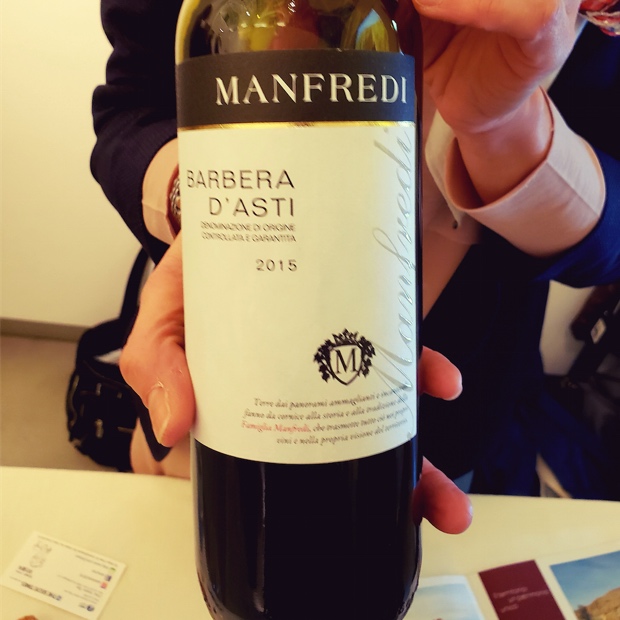
Manfredi Barbera d’Asti DOCG 2015, Piedmont, Italy (Winery, WineAlign)

The confidence oozes from this barbera and it goes to show that the delayed release is truly a matter of planning ahead rather than some sort of reactive response. Three vineyards make up the concerted assemblage and while the levels of Brett and volatility are up there with the funkier barbera they are well beneath the threshold. In that sense this is a wine of stylistic choice more than flawed or not flawed. It’s up to you to decide if the leathery cherry earthiness is up your alley but regardless the juicy nature and exquisite acidity ride up and down everyone’s preferred slope. A very expressive wine this is and if you are a fan of post-funk beats than you will find this very special. Drink 2018-2023.  Tasted December 2018  manfredicantine  Manfredi Cantine
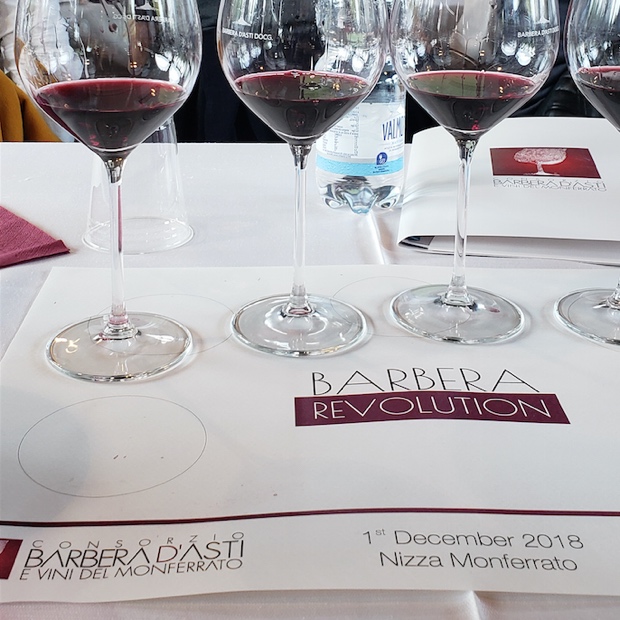
Marchesi Alfieri Barbera d’Asti Superiore DOCG Alfiera 2016, Piedmont, Italy (Winery, WineAlign)

San Martino Alfieri is a calcareous limestone and clay terroir, not unusual for the territory but here there is a combination of juicy, generous fruit in a darker realm though still moderate in grip and power. This certainly takes barbera to another level and though it initiates the idea of strength it’s really quite balanced and potentially, holding cards to become magically ethereal. Just a touch overripe but really beautiful for the short to mid term. Drink 2019-2022.  Tasted December 2018  marchesialfieri  univinsetspiritueux    @UNIVINS  Marchesi Alfieri – Cantine e Locanda Univins et Spiritueux / Univins & Spirits

Marenco Barbera d’Asti Superiore DOCG Ciresa 2016, Piedmont, Italy (Winery, WineAlign)

The moscato d’asti specialist out of Strevi makes a plum meets sharply tangy cherry (Ciresa) barbera with high acidity and a liquid chalky texture. It’s different, harder to pinpoint and to get. It needs time, now, in the glass, and for a few years to understand its nuance and speciality. Must be Strevi. Drink 2020-2025.  Tasted December 2018  marencovini  @MARENCOVINI  Marenco

Michele Chiarlo Barbera d’Asti DOCG Le Orme 2016, Piedmont, Italy (265413, $15.95, WineAlign)

The three terroir gathering is by now a barbera institution, from fruit gathered out of Castelnuovo Calcea, Montaldo Scarampi and Agliano Terme. As expected it is 2016 that becomes tbe perfect playground for an archetypal barbera made by Michele and Stefano Chiarlo. The acids are spot on in this ubiquitous bd’a, with fruit at the sparked cherry forefront as well as any in the category. Try to find better value at the price. Really, go ahead and try. Drink 2018-2022.  Tasted December 2018 michelechiarlo  univinscanada  @michelechiarlo  @UNIVINS  Michele Chiarlo  @UnivinsCanada

Tenuta Olim Bauda Barbera d’Asti Superiore DOCG Le Rocchette 2016, Piedmont, Italy (434258, $32.95, WineAlign)

Though Gianni Bertolino’s is a high octane, high alcohol and high tonal Incisa Scapaccino barbera the balance here is virtually spot on, with acidity and tannin sending shots of structure like steel straws through sand, clay, limestone and concrete. So young, lightning quick and needing a pause for several years to gain flesh, texture and fruit pulp succulence. This will act just like a dried persimmon/plum/cherry fruit leather in five plus years time. Poured from magnum so do the age waiting game math. Drink 2021-2029.  Tasted December 2018  tenuta_olimbauda hobbsandcompany  @tenutaolimbauda  @hobbsandco  @tenutaolimbauda.it  hobbsandcompany

Tenuta Olim Bauda Barbera d’Asti Superiore DOCG Le Rocchette 2011, Piedmont, Italy (434258, $32.95, WineAlign)

Tasting this with Gianni Bertolino he notes how ’11 is really a bridge year, between the classic ’10 and the massive ’12. At seven years on the evolution is on and the revolution begun. It has brought barbera to a new place, still possessive of high phenolics and higher acidity though with the sweetly rendered resolution of ripe red fruit. Though it seems less characteristic of the big and the brooding barbera there is firm grip in its stance. Now beginning to shed its second skin so ready and willing to reveal its honest and forthcoming nature. The probability meeting possibility is now found, not vice versa and so welcome to the best of its times. Drink 2018-2022.  Tasted December 2018

Tenuta Olim Bauda Barbera d’Asti Superiore Nizza DOCG 2015, Piedmont, Italy (WineryWineAlign)

Gianni Bertolino’s Nizza ’15 is barbera at a precise axis where fruit and acidity work, meet, mix and play. They may at first get into an old time Monferrato tussle and a big time Piemontese hassle but get on the same page before too long. In fact with thanks to a generous and amenable 2015 vintage they find a quick and easy way to kiss, make-up and shake hands. On the edge of sour the message gets through, from fruit so sweet and acidity so fine. Ripeness tangles with tangy and soil drive pushes the structure too. Perfectly representative of territory, man and place. Drink 2019-2023.  Tasted December 2018
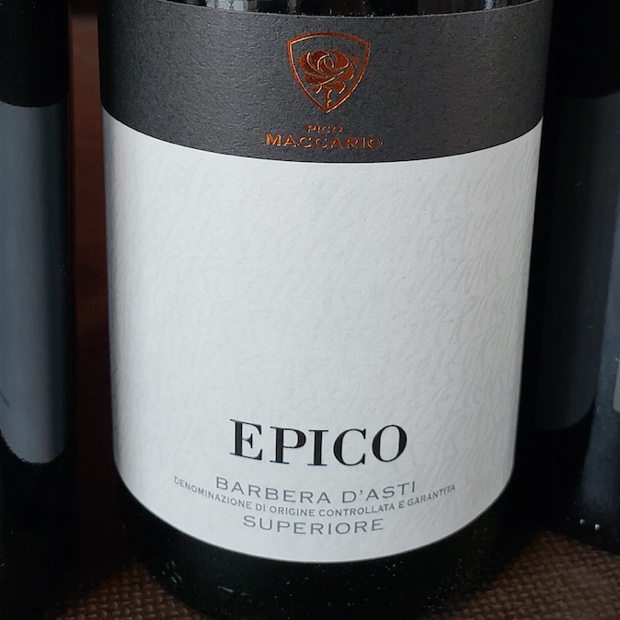
Pico Maccario Barbera d’Asti Superiore DOCG Epico 2016, Piedmont, Italy (AgentWineAlign)

Plum pudding, chocolate caramel and baking spice are the barrique-influenced order in the very ripe Mombaruzzo 2016 Epico. It’s very generous, tenebrous and deep into its clay soil origins. High acids keep up the energy. Drink 2019-2021.  Tasted December 2018  picomaccario  @PicoMaccario  @PicoMaccario

Ricossa Antica Barbera d’Asti DOCG 2016, Piedmont, Italy (Winery, WineAlign)

From calcareous Nizza Monferrato – Agliano Terme soils, vinified in stainless steel only. The naked grape, cherries upon cherries and more cherries. Simplicity with no approach to any sort of crossroads where any great decisions or soul selling are required. Juicy and forward. Drink 2019-2021.  Tasted December 2018  ricossawine  selectwinemoments  @ricossawine   @SelectWinePros Ricossa Wine  Select Wines

Scarpa Barbera d’Asti DOCG Casa Scarpa 2015, Piedmont, Italy (Winery, WineAlign)

From Nizza Monferrato vineyards where Poderi Bricchi is elevated to heights between 410 and 480 meters. The youngest fruit is pulled from lower elevations (250m) for Casa Scarpa, the freshest of the estate’s barbera that sees a minimum one year in stainless steel only, followed by another in bottle before release. It’s a magnesium salty barbera, bright, tart, striking and blessed with great acidity. In your face striking, real and immediately promising. Drink 2018-2021.  Tasted December 2018  scarpawine  @Scarpawines  Scarpa Wine

Scarpa Barbera d’Asti DOCG La Bogliona 2010, Piedmont, Italy (Winery, WineAlign)

From the eestate with one foot in the Monferrato Astigiano and the other in the Monferrato Alessandrino, the fruit for La Bogliona is drawn from one of two estate cru, which along with Poderi Bricchi are the reason Scarpa exists. This 2010 has certainly advanced and is a formidable if severe combination of secondary fruit character and exceptional acidity. The maceration time was 14-16 days, followed by 30-36 months in 15 hL grandi botti of various French ages and origins. Silky pure with a note like shoe polish on leather, variegated of high quality red fruit. So alive but also so lived. Impressive and instinctive you can only imagine the things it’s been and seen. Drink 2018-2024.  Tasted December 2018
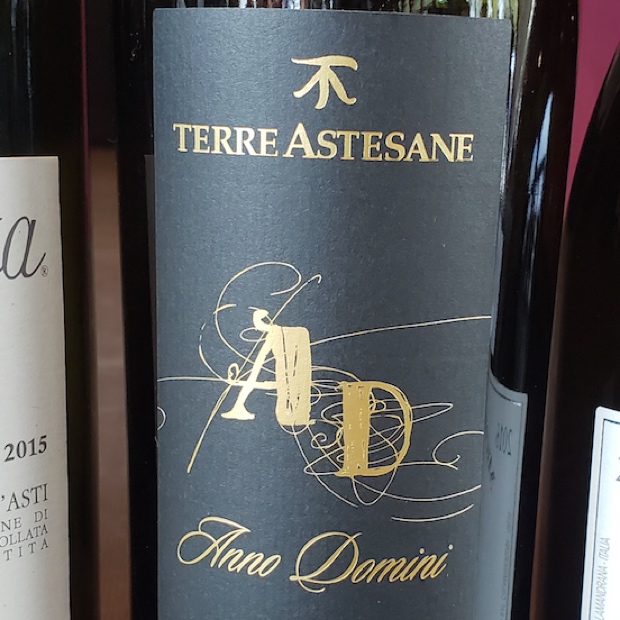
Cantina Terre Artisane Barbera d’Asti DOCG Anno Domini 2016, Piedmont, Italy (WineryWineAlign)

From Mombercelli this small production barbera is of the old school’s high acid-driven way, with tonality shooting through the roof and to the stars. It’s ripe and light, effulgent and finishing on a note of bitters. Drink 2019-2020.  Tasted December 2018  cantinaterreastesane  Cantina Terre Astesane Mombercelli

Tojo Barbera d’Asti DOCG Delianna 2016, Piedmont, Italy (Winery, WineAlign)

DeliAnna exhibits more concentration, phenolics and glycerin than so many barbera, probably because the yields are one grappolo per vine, in other words, after the greening one bunch is left to mature and produce highest quality fruit. The noted sense of accomplishment is palpable, felt through the purple flower-scented and sweet red berry fruit. The chiming in of fine acidity elevates and oak is but a dream undreamt. If there is any it’s hidden with 100 per cent deception. Here folks is 21st century barbera d’asti. Drink 2019-2025.  Tasted December 2018  tojo_vino  Tojo Azienda Agricola Bocchino Vittorio
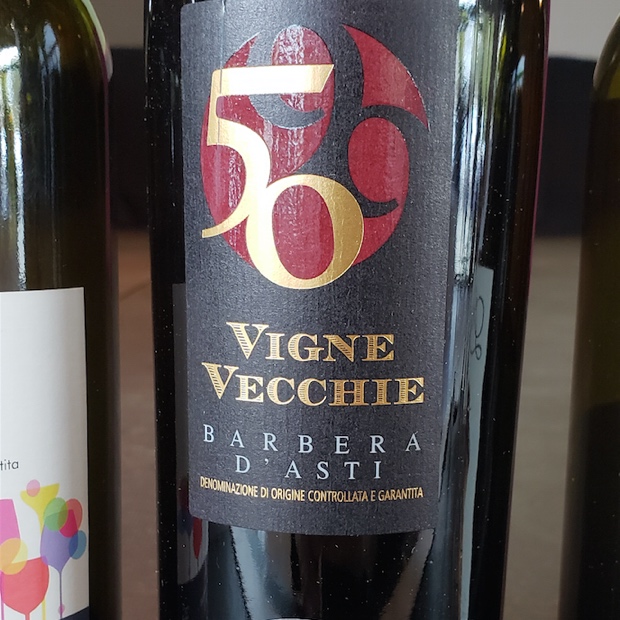
Viticoltori Associati Vinchio e Vaglio Serra Barbera d’Asti DOCG Vigne Vecchie 50 2016, Piedmont, Italy (WineryWineAlign)

From white calcaire and sandy soils these Nizza Monferrato – Agliano Terme old vines bring depth and some acid-tannin structure not noted in the more straightforward, juicy and high acid examples. The vine age seems to tame the acids and fruit is concentrated, expressed and up front. Really long and perfectly wise, even developed for the first few years of drinking. One of the worlds wonderful cooperatives with an eye to pinpointing grape and place. Drink 2019-2022.  Tasted December 2018  vinchiovaglioserra  @vinchiovaglio  @VinchioVaglioSerra

Good to go!

godello
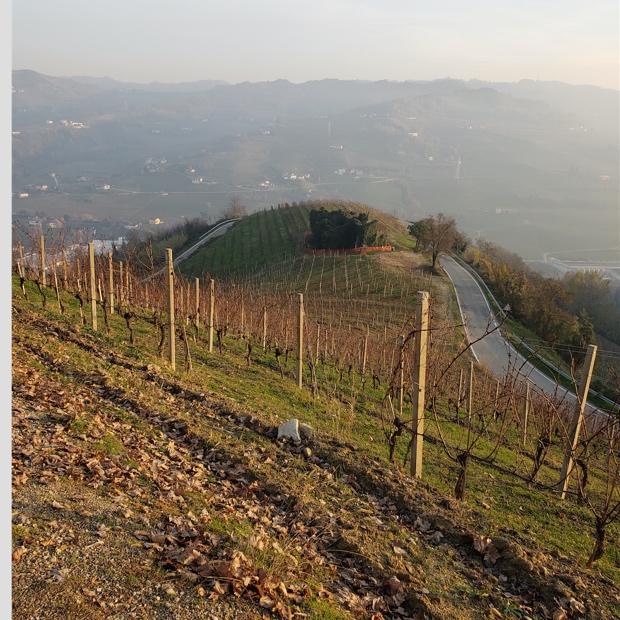
Vineyards in Santo Stefano Belbo


Twitter: @mgodello

Instagram: mgodello

WineAlign

Ruché with you?

The morning of July 14th began with a round table discussion in the Costigliole d’Asti Castle for an hour’s reckoning and reflection on Barbera d’Asti and Barbera d’Astia Nizza Monferrato. Our triumvirate educatori rispettatiProgetto Vino panel of Michele Longo, Michaela Morris and Monty Waldin were looking for answers and for truth. Not just comments on the quality of the wines but resolutions so as to move forward, to progress, to offer a better Piemontese experience and to bring better barbera to the world.
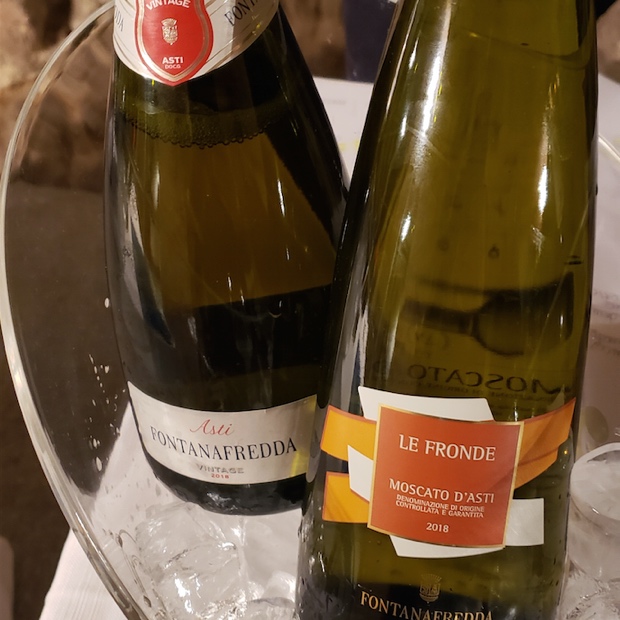
Jinglin Zhang, The boys from Crivelli and Godello

Related – Barbera d’Asti Del Monferrato E Nizza Monferrato

Barbera d’Asti had concluded the previous evening with dinner at Locanda del Boscogrande in Montegrosso d’Asti and in advance of travelling to Barolo for the Collisioni Festival came the arrival in Castagnole Monferrato. We were welcomed by Luca Ferraris, President of the association of Ruchè producers. First there was a walk in the vineyard and then lunch at Cantina Bersano with ruchè, grigolino, freisa and the vintners. An afternoon speed dating session at Mercantile Hall in Castagnole Monferrato would change my mind’s experience about ruché’s varietal place in Piemonte and the world. A study in Ruchè is an unavoidable headfirst dive into phenolics, climate change and choices. Tasting these wines provides for one of the most transparent and palpable presentations in the understanding of ripeness, much like Garnacha in Campo de Borja, Cariñena and Calatayud. 

Michele Longo, Luca Ferraris and Gurvinder Bhatia

Ruchè develops its sugars and alcohol quite early, often reaching a potential of 14-15 degrees by late August, early September. The temptation is to pick early and in many cases it is both justified and necessary, especially in vintages with little precipitation and heat through summer. Like garnacha and as they found out this past summer with sangiovese in Toscana, picking small, desiccated berries too early might yield sugar and alcohol but the question is whether or not there will be sufficient support by phenolic ripeness. Waiting on the trust that some rain will come and also extended season warmth is often the key to such development, but Ruché is different and in some vintages the development happens lightning fast. Picking times are crucial in every agricultural region but hyper-sensitive here. Growers might pick early and find ideal ripeness and yet others might produce jammy wines with bitter, green and astringent tannins.  It’s a fine line everywhere but in Ruché the vintage really, really matters. 

Seven times more beautiful than I could have ever known #castagnolemonferrato #ruché #progrettovini #collisionimonferrato

The Denominazione di Origine Controllata e Garantita (DOCG) status for Ruché di Castagnole Monferrato was granted in 2010 out of the region Asti-Piemonte. The general terroir is apprised by silt, clay, sand and limestone soils at elevations between 120-400 masl. Plantings on northern slopes from 2010 onwards may not be used in DOCG wines. The maximum yield allowance is nine tons per hectare, minimum alcohol 12.5 and there are no ageing requirements, nor are there any for vigna-designated wines though all must be composed from at least 90 per cent ruché, with barbera and brachetto often used to blend.

Castagnole Monferrato

The producers of Ruchè di Castagnole Monferrato as a rule have figured out their picking schedules to coax the most out of their fruit. Slope position is the key to knowledge here and the higher up you farm the more likely you’re going to need to wait before pulling off those grapes. The surprisingly refreshing relative absence of barrel use is another reason that this tiny appellation is on the road to glory so early in its DOCG existence. The grape is fortuitous for its ability to create structure without needing the over-stimulated couverture of new French oak. Some stainless steel and concrete-rasied examples display the ability to age on their own. Time and experience will allow more additions of wood élevage but for now the wines show purity, clarity and honesty just the way they are. I tasted 21 wines from 15 producers that day in July. Here are the notes.

Bava Ruché Di Castagnole Monferrato 2016, DOCG Piemonte, Italy (Winery, WineAlign)

Bava’s ruché combines the freshness of grignolino with the brooding of barbera though in a decreased state of acidity. The fruit is strawberry-raspberry, fresh-picked and a bit leafy-savoury in contrast, marking this middle of the road-toned red and its ripe phenolics. Thoughtfully and thankfully round for early and clear comprehensible drinking in complete control of the vital energy it’s capable of harnessing. No astringency here and a very correct to ambassadorial example of ruché. Drink 2017-2018.  Tasted July 2017  bavawinery  @bavawinery  @bava.winery

La Fiammenga Ruché Di Castagnole Monferrato 2016, DOCG Piemonte, Italy (Winery, WineAlign)

Privilegi is much more floral than many of its ilk but also riper, concentrated and deeply pressed. It’s clearly designed for international/marketing appeal with an expressed coffee calculation and a drift into the seriousness of Piemontese territory. It tries quite hard to impress and in the end you can take the ruché out of Castagnole Monferrato but you can’t take Castagnole Monferrato out of ruché. The variety can’t help but act like itself so trying to press its round character into a square hole leads to disconnect. The end result is more tannin and therefore astringency in a wine that started out with tremendous fruit potential. Drink 2017-2019.  Tasted July 2017  tenutalafiammenga  #lafiammenga  La fiammenga

Massimo Marengo Ruché Di Castagnole Monferrato 2016, DOCG Piemonte, Italy (Winery, WineAlign)

Tasted with Marco and Alessandria Marengo, here ruché is bred in argiloso soils (mainly clay) and from a more than intense vintage. A year in which rising alcohol levels went reaching for a crescendo but the variety will last longer in its hold out for phenolic ripeness as compared to those in sandy soils. So here we have the powerful and structured ruché, picked by September 20th, which is now these days the average. Brings dark red fruit and intensity, violets and plums, lots of pepper, with a vintage full on with dry extract. This is regal and chewy, with fortuitous fortitude, absence of oak and it will certainly be a longer lived example. The tannic structure will not handle new French barriques so its stainless steel only to do the job and the trick. And it’s 15 per cent alcohol. Brilliant. Drink 2018-2024.  Tasted July 2017  #massimomarengo  Massimo Marengo

Gratitude to @BERSANO1907 for hosting and opening the portal into #ruché #castagnolemonferrato

Bersano Ruché Di Castagnole Monferrato San Pietro Realto 2016, DOCG Piemonte, Italy (Agent, WineAlign)

San Pietro Realto Ruché is completed with a one pick harvest at the end of September, at the same time as barbera. Sees only stainless steel and the current vintage production is 100,000 bottles. The liquor-liquorice-syrupy ruché was released in late March, early April, from calcareous soil at the top of the hill and argil at the bottom. Very fluid and silky ruché, refined and of a density by layering and tart compression. It’s clean and modern, with liquid smoke and pepper. It is aided by anteprime temperature control (48 hours), to preserve florals, the perfume and the acidity before fermentation. Very grown up and 21st century. Drink 2017-2021.  Tasted July 2017  bersano1907  profilewinegroup  valentinacasetta  @BERSANO1907  @ProfileWineGrp  @Bersanowine  Profile Wine Group

Valentina Casetta with a pioneering bottle of Bersano Ruché

Bersano Ruché Di Castagnole Monferrato San Pietro Realto 2004, DOCG Piemonte, Italy (Agent, WineAlign)

San Pietro is the name of the estate where the rolling stone ruché is farmed and this look back takes us into what I believe was the 17th year as a recognized DOCG. There is an abundant wealth of wild, wild horses secondary and tertiary character here, more into dried fruit and much less, though still intact acidity, naturally and in evolution as compared to the more recent ’13 and ’16 examples. It’s a pretty country and western sort of rock ‘n roll ballad that could indeed drag me away. You can feel the alcohol and the earthy, ante demi-glacé, liquid gritty and distinct. A heartfelt thanks goes out to enologo Roberto Morosinotto for the generosity and opportunity in curiosity. “Childhood living is easy to do.” Drink 2017.  Tasted July 2017

Bersano Ruché Di Castagnole Monferrato San Pietro Realto 2013, DOCG Piemonte, Italy (Agent, WineAlign)

San Pietro 2013 is possessive of more spice, florality, cooler and savour direct injection. The liquid velvet transparency and clean lines are the same as you see fast forwarded to 2016. I see more ageability in this 2013s, but also perhaps a bit more rusticity. Drink 2017-2020. Tasted July 2017

Gatto Pierfrancesco Ruché Di Castagnole Monferrato Caresana 2016, DOCG Piemonte, Italy (Winery, WineAlign)

From Francesco and Marco, Caresana is the cru, in front of Castagnole, loosely translated as “dearest,” I would think. Vines aged two to 30 years old and fruit picked early, September 4th and 5th, before dolcetto. Mostly calcareous and some sandy soil, very perfumed, the deep smell of fresh plums, just picked from the tree, sliced, juicy, running ripe and warm. Again here is the liquid purity of the ruché liqueur, classic, somewhat traditional but easily slid into the current climate and decade. Carries more acidity than some in the sides of the mouth climbing in a back and forth way. Really plummy and so bloody varietal but no iron, just white limestone in this soil. Very drinkable, that mineral liquified and rendered, ready to go, best to drink young. Drink 2017-2019.  Tasted July 2017  #gattopierfrancesco  Pierfrancesco Gatto

A tryptich of Clàsic #ruché from #LucaFerraris di #castagnolemonferrato to drink, with new friends.

Ferraris Ruché Di Castagnole Monferrato Bric d’Bianc 2016, DOCG Piemonte, Italy (Winery, WineAlign)

From Luca Ferraris this varietal ruché is lower in alcohol than many peers because this is not a top exposure but the varietal obviousness is so bloody so. Ruché stripped down, laid bare, naked to the world, From both white and red soil, with elegance and some grip. It does not get much fresher or direct than in this bottle. Unlock the simplest secrets of Castagnole Monferrato and read the dictionary entry through the lens of this example. Drink 2017-2018. Tasted July 2017  lucaferraris1979  @ferrarisagricol  Luca Ferraris  

Ferraris Ruché Di Castagnole Monferrato Clàsic 2016, DOCG Piemonte, Italy (Winery, WineAlign)

The Clàsic ruché draws inspiration from 54 hL botti after a slow (20 day) maceration and stays in the big casks until bottle. There is some racking (now using some open top fermenters), no punch downs but some pump overs, all in the name of breathing. Ruchè ripens as early as any red in Piemonte and in Castagnole Monferrato it’s likely in the first ten days of September. Sugars accumulate quickly, acidity is often low but it manages to maintain a healthy level of malic acid. And so as per the varietal expectation this is richly aromatic, textural, crisp and possessive of a strong concentration of polyphenols. Solid structure with an eight to 10 year potential results. Drink 2018-2025.  Tasted July 2017

Ferraris Ruché Di Castagnole Monferrato Opera Prima per Il Fondatore 2015, DOCG Piemonte, Italy (Winery, WineAlign)

Opera Prima per il fondatore comes from a single-vineyard at the top of the hill. It is Riserva level ruché in honour of Luca Ferraris’ grandfather Martino. The vineyard is steep, with loose calcareous soil that is poor in nutrients and so it carries a history of yield reduction. The vigour control combines with late ripening so structure is first developed in the vineyard. Luca is looking for longevity and ages Opera Prime for 30 months in tonneaux so such a young ruché is not surprisingly reserved, of course, not quite giving, immature yet primed for aging, like Barolo but also Rioja Gran Reserva. This because it comes across as really spicy, smoky and savoury. Drink 2019-2026.  Tasted July 2017

Vigna Del Parroco Ruché Di Castagnole Monferrato 2016, DOCG Piemonte, Italy (Winery, WineAlign)

Vigna del Parroco is the driest in town and was planted by the first local agronomist. The property is now owed by Ferraris, with this being the first vintage. Élevage is 20 per cent in tonneaux and the rest in big botti plus stainless steel (depending on what’s available). This is the original, massale selection vine/plant, young and intense with some of the area’s highest acidity. Only 1000 bottles were produced. Drink 2017-2020. Tasted July 2017  #vignadelparroco    La Vigna del Parroco

Alberto and Eliza, Tenuta Montemagno

Tenuta Montemagno Ruché Di Castagnole Monferrato 2016, DOCG Piemonte, Italy (Winery, WineAlign)

Tenuta Montemagno is the ruché child of Alberto and Eliza, raised on a plateau of calcareous clay with white argilo, rich in seabed fossils and minerals. The ’16 was picked mid-September, went to soft crush-press, fermented on native yeasts and dropped into stainless. The effort is as natural as possible, all hand worked, with no filtration and pumpovers. There is some tannin, more than others in the form of a liquid grainy texture, firm but also that ruché juiciness and the first to offer some late beneficial bitters. Organically styled though certification is not their thing. Alberto notes that 2013 was a great vintage, after ’11 and now ’16, Seems to say with fair warning “here’s to your thin red line I’m stepping over.” It’s serious Italian fat city address styled ruché. Drink 2018-2022. Tasted July 2017  tenuta_montemagno  @Tenutammagno  @Tenutammagno

https://www.youtube.com/watch?v=7hib_KQdSEE

Vini Caldera Ruché Di Castagnole Monferrato 2016, DOCG Piemonte, Italy (Winery, WineAlign)

Here is very traditional, classic ruché, from no blending, the varietal is just purely expressed. Located in Portamaro Stazione, just outside southeast of the area, though the vineyards are within the area. Liquid ruby, more tart edges but soft ones, typical, balanced and perfectly charming. Really lingers with a light grainy calcaire chalkiness to it, from the grey limestone-argilo soil. So much like other once sweet wines that a producer decided to let go dry. Like mavrodaphne or even more, mavro kalavryta. Picked at the end of September, a decision that is later than most, almost into overripe character though there is no wood. This will turn to dried fruit and oxidative quite quickly. So old school. Drink 2017-2018.  Tasted July 2017  @CalderaVini  @ViniCaldera

Cantine Sant’Agata Ruché Di Castagnole Monferrato ‘Na Vota’ 2016, DOCG Piemonte, Italy (Winery, WineAlign)

Cantine Sant’Agata was conceived in 1992 by brothers Claudio and Franco Cavallero on 1.5 hectares of Castagnole Monferrato land, now seven hectares in total. ‘Na Vota (the vote) is achieved without oak, all stainless, from four vineyards and just in bottle now. Shines with the highest acidity there can be from ruché, with the sandy layer bringing a dried rose note and the calcaire violets. It’s rich, dense, thick, of the most extract, so tart and juicy. Drink 2017-2019.  Tasted July 2017  #cantinesantagata    Cantine Sant’Agata

Cantine Sant’Agata Ruché Di Castagnole Monferrato ‘Pro Nobis’ 2016, DOCG Piemonte, Italy (Winery, WineAlign)

It was the excellence of the 2000 vintage that convinced Franco Cavallero to up the game and put he and his brother’s money down on a premium cuvée and the result was the first Pro Nobis, “for us,” meaning them, and us. Now an altered and evolved ruché the 2014 shows that some wood is here in support of a selection of grapes from old vines. The process opts for plenty of délestage on a late September pick, for structure and a dark cherry, leathery juiciness. This also carries the unique Agata acidity, so tart, like aged Rioja or even more, like a child of Chianti Classico Riserva sangiovese and Nizza barbera. The offspring is nothing if not a wow factor Piemontese outlier that is also so very traditional. Drink 2018-2022.  Tasted July 2017

Garrone Evasio & Figlio Ruché Di Castagnole Monferrato 2016, DOCG Piemonte, Italy (Winery, WineAlign)

Founded in 1926 by Evasio’s grandfather, ruché may not be Garrone’s centre of varietal or appellative attention but these 1991 planted vines are surely in one of the area’s sweet spots. As it happens they were the first in the village of Grana, on white clay with some gypsym (geso) chalk. The soil impart leads and leans towards a really red liquid ruby, fresh, bright, lithe and beautifully fresh ruché. Third week of September picking but it’s not overripe and actually just there. A fineness of ruché like a naive melody so this must be the place. Fruit saw a 7-10 day maceration, oxygen controlled and here with a bit of a spicy note, but so very tempered, relaxed, not exceptionally elevated in acidity, A true terroir-driven, textural wine. Yields are crazy low (3,500 bottles produced from one hectare) and so there is no surprise to find talking heads fruit speaking in tongues. It’s clearly a labour of love to make such a pure, honest and beautifully balanced ruché. Really tells a story, “never for money, always for love.” The export price would be 5.5 euro. Drink 2017-2020.  Tasted July 2017  #garroneevasioefiglio    @vinigarrone

Tenuta De Re Ruché Di Castagnole Monferrato 2015, DOCG Piemonte, Italy (Winery, WineAlign)

Tenuta Dei Re is Paolo and Filippo on an estate from the 1870s but started with grignolino. Their votes grow in surround of the cantina, all estate fruit, no export, all cellar door. The tanks are all cement and stainless steel, with 10 months of aging, for stability and freshness, from three hectares of ruché, plus grignolino and barbera (also vermentino). The sandy hills are not overly variegated though by clay so the poor, fine soils don’t gift as much structure. This means the aromatics need to be kept, by slow, low-temperature controlled fermentation; tops at 24 degrees. After 14 days on the skins this doles out quite an old school red but the clarity and varietal character is more than preserved. The pick is really early, late August to early September, partially a climate change reaction, especially at the top (250m) and 150 at the bottom. No machine work so “molto dificile,” working like billy goats. this just has that deep acid liqueur, savour, verdancy, A bit smoky and stinging. There are 5000 bottles at an export price of 5.5 euro. Drink 2017-2020.  Tasted July 2017  tenuta_dei_re  #tenutadeire   Tenuta dei Re

Amelio Livio Ruché Di Castagnole Monferrato Primordio 2015, DOCG Piemonte, Italy (Winery, WineAlign)

From Livio e Daniela, (Amelio is the surname), Primordio is a perfect moniker for this darker and richer ruché, one km away from Grana. The vines are at the base of a hill on argilosa, bianca calcaria and some darker sandy and clay. This is the definition of osso intenso! Dense and liquid cherry-leather liqueur, from a warm vintage so it all adds up to lots of character and layers. Picked around the 15th of September, but this is very early for them and 6,000 bottles are made, sold only in Italia., Such a small production, traditional and spicy, some structure, from only one hectare so good yields in 2016, which is 70 per cent more than some others. A seven day fermentation as with everything in this wine it’s quite middle of the road. Primordio, in the begginning, for the girls, Daniela and her sister. Drink 2017-2019.  Tasted July 2017  #livioamelio  Daniela Amelio  @ameliolivio

Poggio Ridente Ruché Di Castagnole Monferrato San Marziano 2015, DOCG Piemonte, Italy (Winery, WineAlign)

Poggio Ridente’s San Marziano is one of the few 2015s in the speed tasting and stands alone for its temperament and style. This is Cecilia’s baby, the only one labeled biologico (organic), from red clay soil, 14 per cent alcohol and noted because you can really sense the heat on the nose. The wild ferment is a very aromatic, high toned, no wood, deep red sensation. The vines were planted in 2001 and this is the first to act quite bretty and volatile, the natural one which will have some serious fans but I would imagine this is a local outlier. Picked in the first week of September I really believe this could be great but the warmth of the day and serving temperature does not do it justice and and so the alcohol really stands out. Drink 2017-2019.  Tasted July 2017  poggioridente.bio  Poggio Ridente Az.Agricola Biologica

Poggio Ridente Ruché Di Castagnole Monferrato San Marziano 2014, DOCG Piemonte, Italy (Winery, WineAlign)

Cecilia Zucca’s 2014 carries the benefit of an extra year in bottle but from a vintage with much less heat and more cool savour it really shines at this time. Still an outlier for the Ruché di Castagnole ideal, this ’14 is so much more fragrant, honest, pure, precise, transparent and you can really tell that attention was paid to this vintage. Very true to 2014 not just as a ruché but for greater Asti as a whole. This particular moment in natural winemaking time is so well-adjusted, spicy, floral, fine and good. Drink 2017-2021.  Tasted July 2017

Crivelli Ruché Di Castagnole Monferrato 2016, DOCG Piemonte, Italy (Winery, WineAlign)

Crivelli Ruché Di Castagnole Monferrato is the remarkable work of Marco Crivelli. His grapes were harvested during the last week of September and bottled in February. Done up in inox vats, under temperature control (25-27 degrees) with a combination of yeasts. Two weeks of maceration and here the suggested wait time is one year in bottle. Moving on from technical geekdom this starts with flowers and spice but you are to imagine that a year will bring some secondary character. This seems to be in the middle, at the crossroads of all the wines, a combination of everything or perhaps outside of it all. Rich liqueur, red velvet leather, syrup but not sticky, freshness leading to matrurity. It’s quite mature, not evolved, but the acumen is obvious. The plot is five hectares yielding 7,000 bottles per. It’s a good yield. More made here than most, this is the pioneer and the leader, with Crivelli and his more than 28 years of experience. His first commercial vintage was 1988. When he gets there the final planting ratio will be sixty per cent ruché, thirty barbera and 10 grigolino on one third each soils of sand, white clay and limestone. If I’m an Ontario agent and buying one Ruché Di Castagnole Monferrato it would be this from Marco Crivelli. There will be younger, risk-taking, natural and experimental producers who will usurp his crown but for now Marco is the man. His price is eight euro ex-cellar. Drink 2018-2022.  Tasted July 2017   #marcocrivelli  @RucheCrivelli    Marco Maria Crivelli

Good to go!

Godello

Twitter: @mgodello

Instagram: mgodello

WineAlign