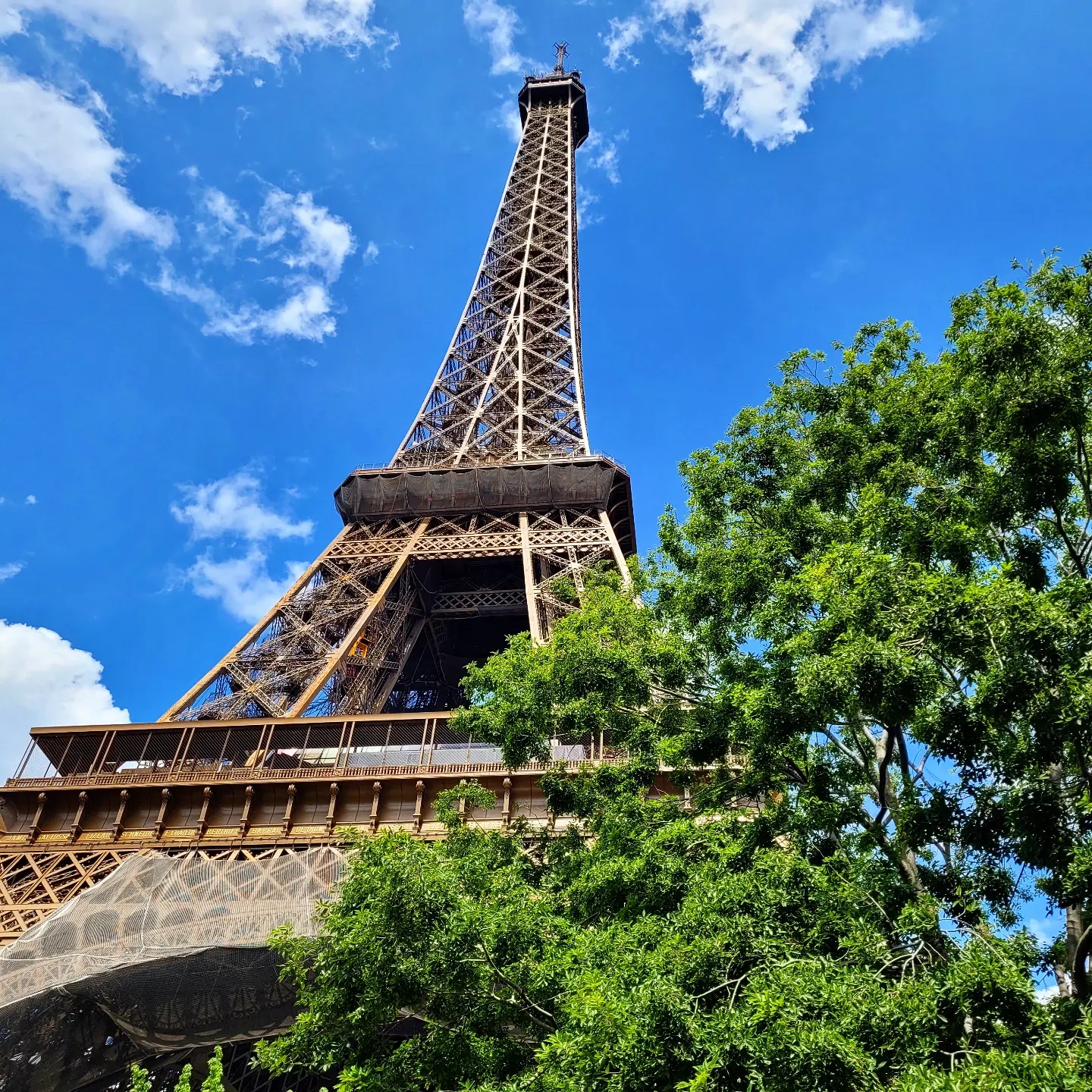
Rediscovering Lambrusco – In the Eiffel Tower

Tour d’Eiffel

Giving meaning to anything requires vision, especially if the object of attention is a grape or a wine, from a place, assigned to one particular calendar day. Press releases inundate our inboxes on what seems like a weekly basis, asking us to celebrate a day dedicated to world this or world that. Not easy to get on board or find the passion, climb onto that train or get behind whatever the marketing case (or cause) may be. Then along comes World Lambrusco Day. Whoever heard of such an animal? What is this concept, this idea of surrendering an entire day in exultation of esoteric sparkling virtues? But the subject is Lambrusco! Wines created from real plants possessive of functional virtue, made from a family of twelve indigenous black grape varieties, out of six designations espousing Modena and Reggio Emilia provinces, from the plains to the hills. World Lambrusco Day: Yes indeed. Different, suggestive of something diverse, entirely significant. The press releases succeed in attracting full attention. But wait, there’s so much more.

Gabriele Gorelli MW and Godello

The Place

Within the region of Emilia-Romagna is the Emilian landscape, home to Lambrusco and six growing zones where summers are hot and humid, winters too and fog often drapes the land. The two provinces of Modena and Reggio-Emilia are where the gentle rolling foothills of the Apennines play host to the 12 varieties of grapes. While the trend in the Modena area is to focus on a single variety, the Reggiano area traditionally uses a blend of different varieties.
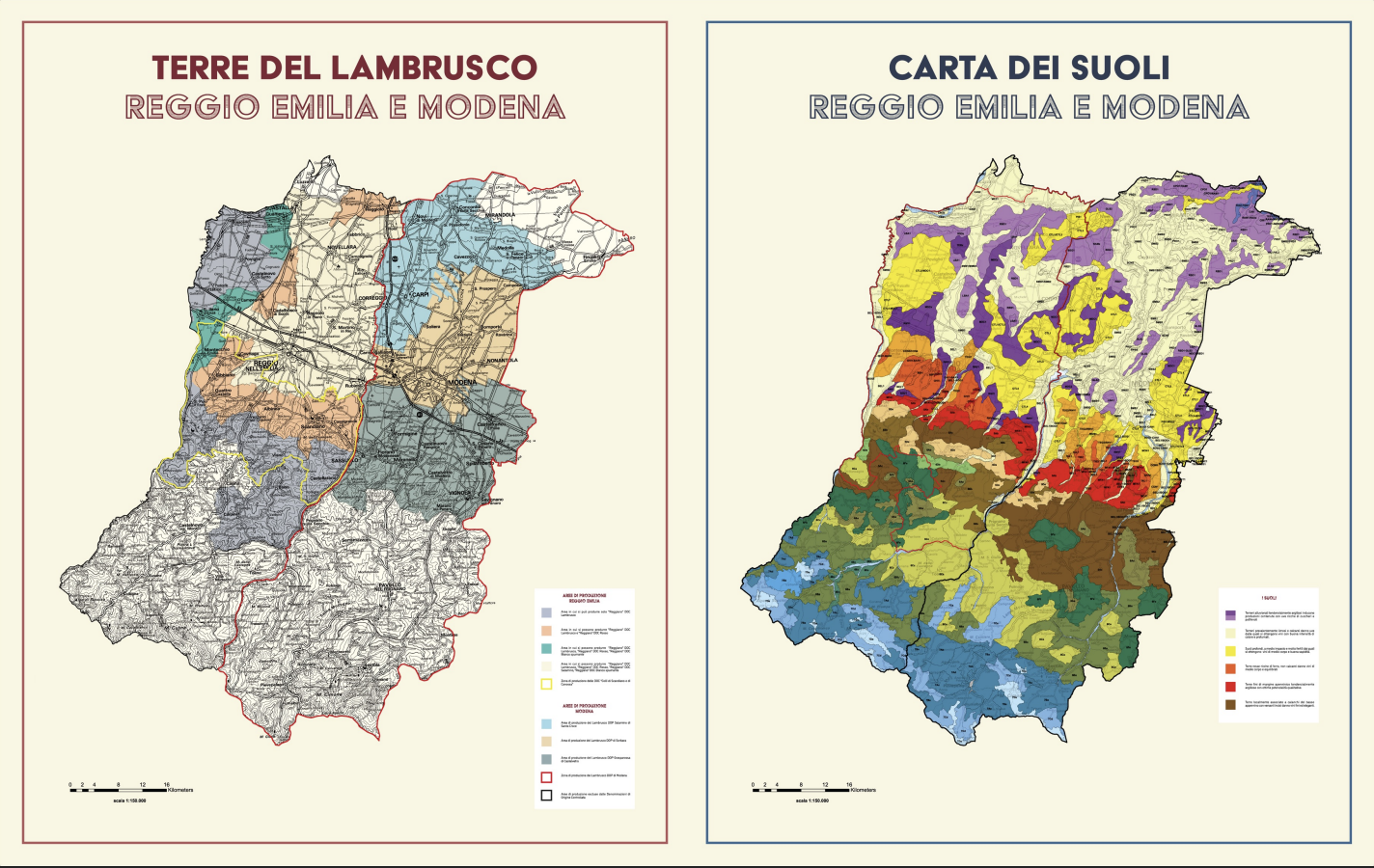
(c) Consorzio Tutela Lambrusco

The Varieties

They are, in no particular order, Lambrusco di Sorbara, Lambrusco Grasparossa, Lambrusco Salamino, Lambrusco Foglia Frastagliata, Lambrusco Barghi, Lambrusco Maestri, Lambrusco Marani, Lambrusco Montericco, Lambrusco Oliva, Lambrusco Viadanese, Lambrusco Benetti and Lambrusco Pellegrino. Of special interest is the fact that Sorbara is a sterile male variety while the Salamino can actually fertilize in order to perpetuate the Sorbara.

(c) Consorzio Tutela Lambrusco

The Disciplinare

  • Lambrusco di Sorbara DOC: 60 percent minimum Lambrusco di Sorbara, (40 maximum) Lambrusco Salamino, (15 maximum) 
    other Lambrusco
  • Lambrusco Grasparossa di Castelvetro: 85 percent minimum Lambrusco Grasparossa, (15 other) Lambrusco and Malbo Gentile
  • Colli di Scandiano e di Canossa: Colli di Scandiano e di Canossa Lambrusco – 85 percent minimum Lambrusco Maestri, Lambrusco Marani, Lambrusco Salamino, Lambrusco Barghi (jointly or separately), 15 percent maximum Malbo Gentile, Marzemino, Croatina, Sgavetta, Termarina, and Perla dei Vivi; Colli di Scandiano e di Canossa Lambrusco Grasparossa – 85 percent minimum Lambrusco Grasparossa, (15 maximum) Lambrusco Marani, Lambrusco Montericco, Ancellotta, Malbo Gentile and Croatina; Colli di Scandiano e di Canossa Lambrusco Montericco – 85 percent minimum Lambrusco Montericco, (15 maximum) Lambrusco Marani, Lambrusco Grasparossa, Lambrusco Salamino, Malbo Genitle, Ancellotta and Croatina

  • Lambrusco Salamino di Santa Croce: 85 percent minimum Lambrusco Salamino, (15 maximum other) Lambrusco, Ancellotta, and Fortana

  • Modena DOC: 85 percent minimum Lambrusco Grasparossa, Lambrusco Salamino, Lambrusco di Sorbara; Lambrusco Marani, Lambrusco Maestri, Lambrusco Montericco, Lambrusco Oliva, Lambrusco a foglia frastagliata (jointly or separately), (15 maximum) Ancellotta, Malbo Gentile, Fortana
  • Reggiano DOC: Reggiano DOC Lambrusco – 85 percent minimum Lambrusco Marani, Lambrusco Salamino, Lambrusco Montericco, Lambrusco Maestri, Lambrusco di Sorbara, Lambrusco Grasparossa, Lambrusco Viadanese, Lambrusco Oliva, Lambrusco Barghi (jointly or separately), (15 maximum) Ancellotta, Malbo Gentile, Lambrusco a foglia frastagliata, Fogarina; Reggiano DOC Lambrusco Salamino – 85 percent minimum Lambrusco Salamino, (15 maximum) Ancellotta, Lambrusco Marani, Lambrusco di Sorbara and Malbo Gentile

Lambrusco Masterclass in the Salon Gustave Eiffel (c) Consorzio Tutela Lambrusco

The Consortium

The Consorzio Tutela Lambrusco is responsible for the protection of Lambrusco wine, a role not taken lightly because these are oft imitated wines and styles, because they are popular and they are great. Ancrestale, a.k.a. Pét-Nat styled Lambrusco is as old as dirt and there is an argument to be made that the original Lambrusco was in fact a Pét-Nat. The French may lay claim to many things but Ancestrale method sparkling wine? That one is up for debate. The CTL is a protective organization representing 70 wine producers. There are approximately 16,600 hectares of vineyards total in the two provinces, of which approximately 10,000 are dedicated to Lambrusco with a production exceeding 40 million bottles of Lambrusco DOC in 2022. To add to these figures, there are approximately 100 million bottles of Lambrusco Emilia IGT that fall under the protection of the Consorzio Vini Emilia [Emilia Wines Consortium]. Fun fact however because the Consorzio was only just created in January 2021 with the merger by incorporation of three Emilian wine consortiums: Consorzio Tutela del Lambrusco di Modena, Consorzio per la Tutela e la Promozione dei Vini DOP Reggiano e Colli di Scandiano e Canossa and Consorzio di Tutela Vini del Reno DOC. Claudio Biondi is the President, Davide Frascari is the Vice President, and Giacomo Savorini is the Director.

Frédéric Anton, chef of Le Jules Verne Restaurant, young Austrian prodigy Philip Rachinger and the Japanese-Argentinian duo of Chiho Kanzaki & Marcelo Di Giacomo

Frédéric Anton, chef of Le Jules Verne Restaurant and members of his team, young Austrian prodigy Philip Rachinger and the Japanese-Argentinian duo of Chiho Kanzaki & Marcelo Di Giacomo (c) Consorzio Tutela Lambrusco

Export

Germany and the United States are the markets with the highest volumes. China and Japan are the leading energing markets, followed by South America, Mexico and Brazil, as well as the United Kingdom. Overall, between DOC and (above all) IGT, about 60 percent of production leaves the country. Come on Canada!
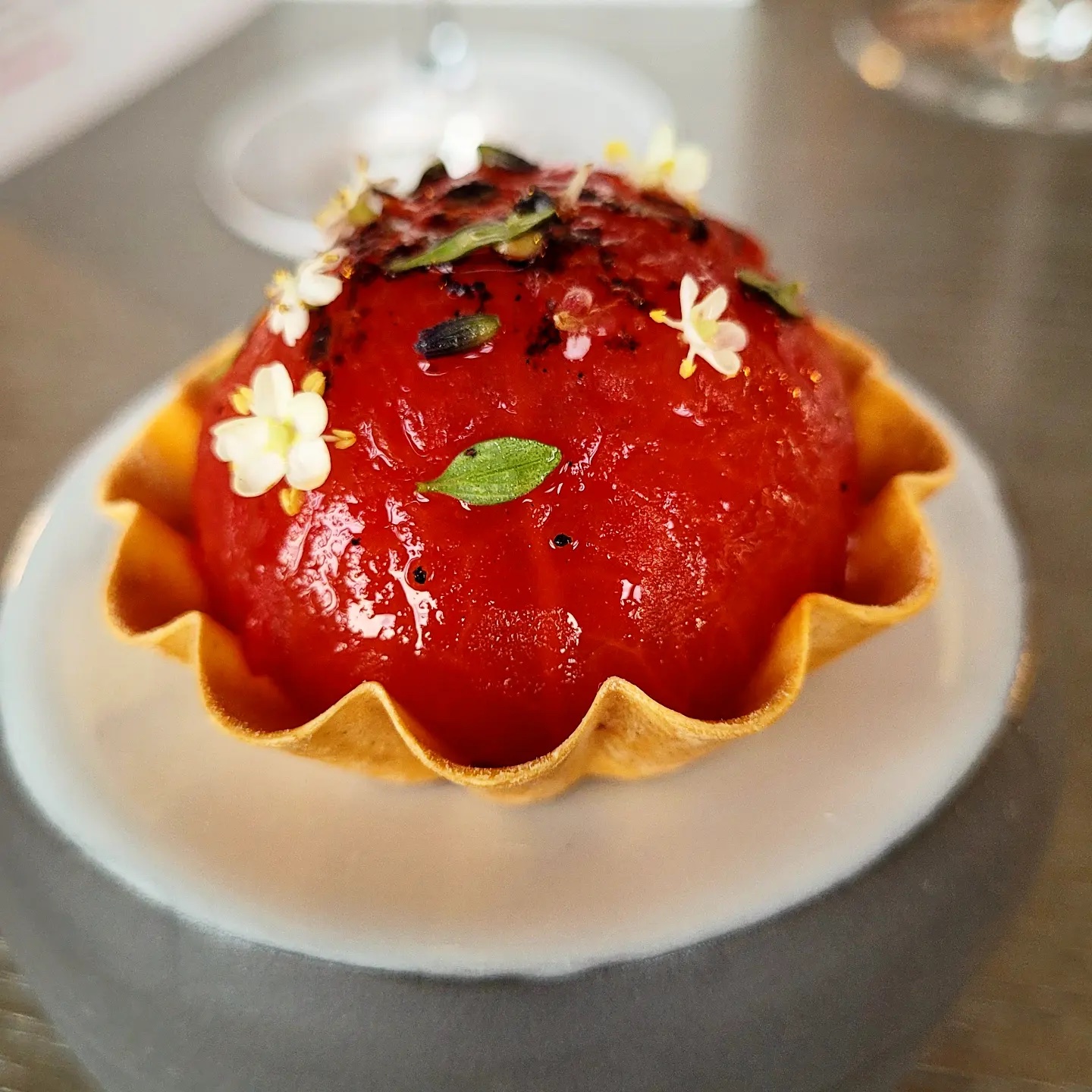
100-Point Tomato by Chef Frédéric Anton, Jules Verne Restaurant

World Lambrusco Day

The first edition of World Lambrusco Day was completed in collaboration with APT Servizi Emilia-Romagna and held on June 21 in Paris. Now you get to find out the more – the big reveal. WLD23 was held in the Tour d’Eiffel and it was called Rediscovering Lambrusco: Terroirs, Styles, Savoir-Faire,” with guests in attendance from Taiwan to the United States, from Brazil to Canada. Yes Canada, which meant Gurvinder Bhatia and Godello. A Masterclass hosted by Gabriele Gorelli M.W. in the Salon Gustave Eiffel, a.k.a. the Gustave Eiffel Reception Room allowed international media the opportunity t taste through 14 examples of Lambrusco following Gorelli’s masterful overview of the region. The class concluded with a cutting of a 24-month old Parmigiano Reggiano because that makes so much sense and the Reggiano Consortium was there to partner with Lambrusco. The journalists were also able to sample Parmigiano Reggiano at three different stages of maturity – 24, 48 and 101 months – and to taste another local speciality, Aceto Balsamico Tradizionale di Modena DOP (Traditional Balsamic Vinegar of Modena PDO). The icing on the proverbial Emilian cake was a dinner up to the second floor in the Jules Verne Restaurant. Lambrusco wines were paired with an original menu cooked by the eight hands of four international chefs: Frédéric Anton, chef of Le Jules Verne Restaurant, young Austrian prodigy Philip Rachinger and the Japanese-Argentinian duo of Chiho Kanzaki & Marcelo Di Giacomo.
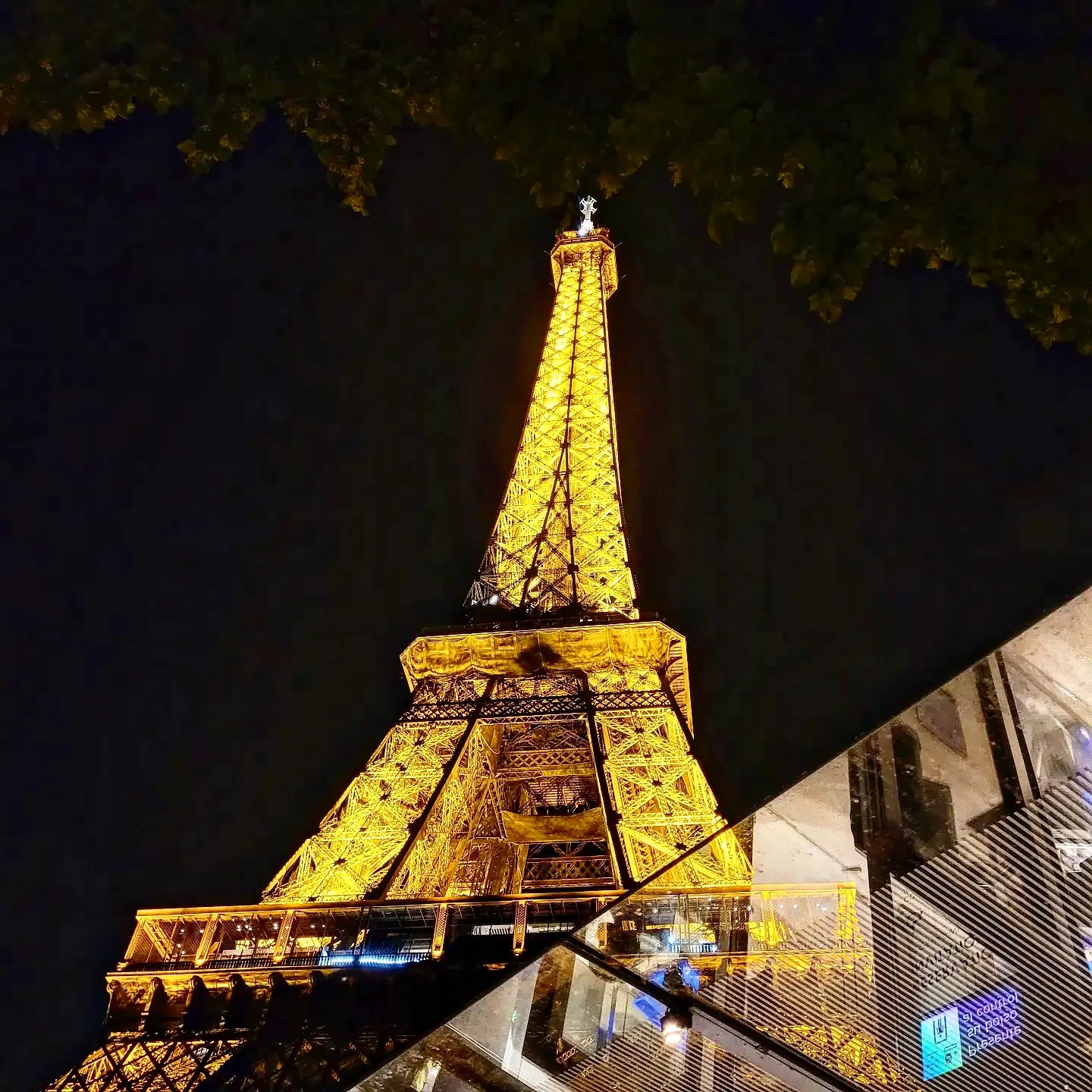
All of this was possible as a result of a collaboration with event partners APT Servizi Emilia-Romagna, the Modena Chamber of Commerce, the Reggio Emilia Chamber of Commerce and Unioncamere Emilia-Romagna. Then there are the Consorzio staff who made the events in Paris become a reality; Chiara Cecchetto, Alice Camellini, Fabio Ferrari and Chiara Crepaldi.  World Lambrusco Day events are scheduled to take place every three years so next up will be New York, in 2026. Hosting WLD triennially and not every year is not only brilliant but also the reason why our undivided attention will focus on Lambrusco whenever it calls. Brava!
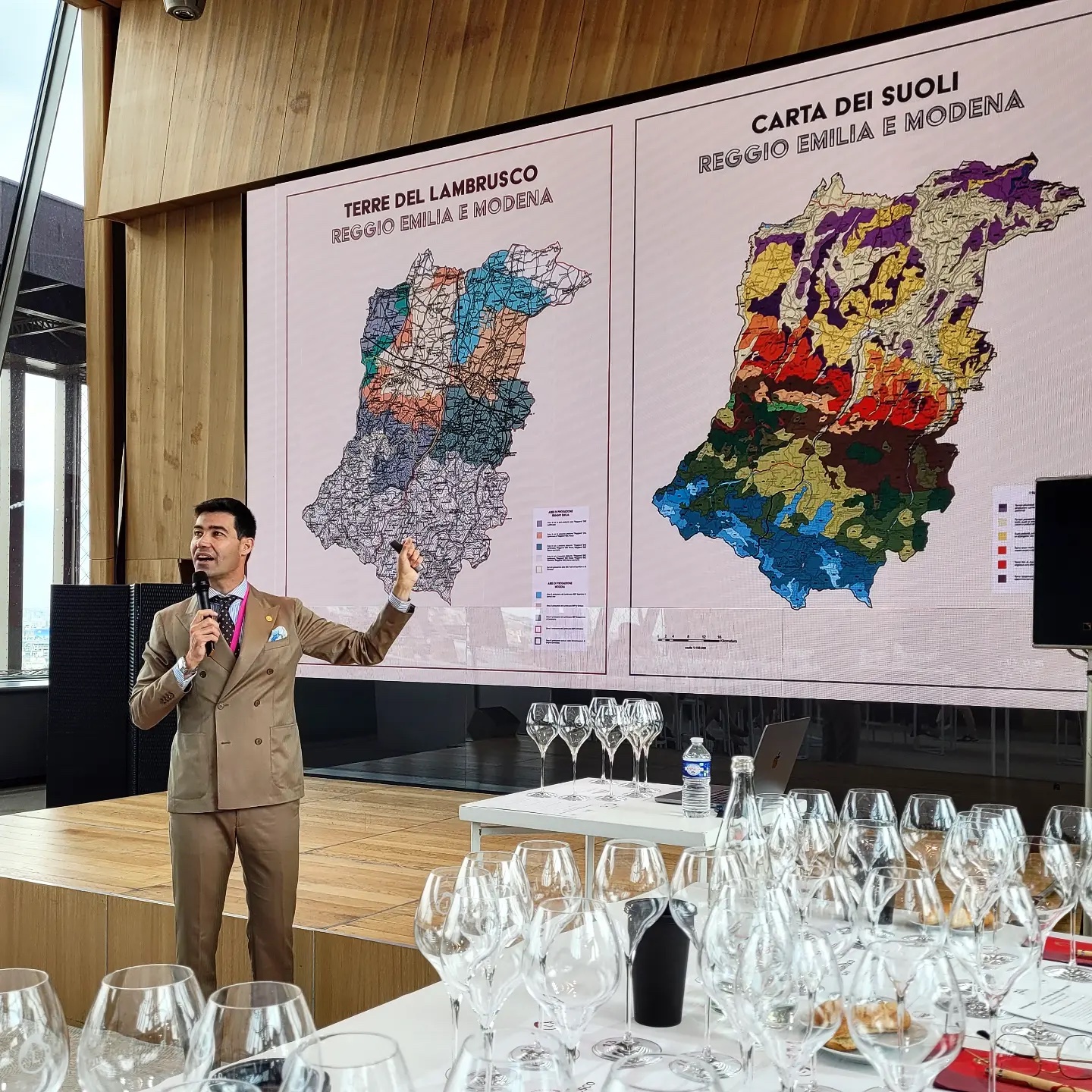
Masterclass with Gabriele Gorelli MW

Gorelli’s Masterclass

“Italy’s first Master of Wine Gabriele Gorelli‘s charge was to introduce Lambrusco’s new path because it does in fact continue to hold an image as being a rustic, traditional and even ancient wine tethered to the past. The Masterclass was an eye-opener, suggestive of an epiphany if possibly verging on a revelation. The mix of Ancestrale, Traditional and Italian method sparkling wines all made with the range of red Lambrusco varieties showed more than mere diversity, it presented a rough, rowdy, tumble and exciting mix to express an infinite number of future possibilities. The traditional method way of making Lambrusco was all but abandoned when the tank method arrived but producers are marking its return. The current results are astounding and offer a perfectly right and proper foil to the many cherry red, off-dry and simpler iterations so ideally suited to Emilia formaggi and salumi.  Then there are the Ancestrale, they of wild yeasts and the addition of same vines’ grape must to create the secondary fermentation. The results are dry, low alcohol and high acidity wines creating a new truth and vernacular for Lambrusco. 
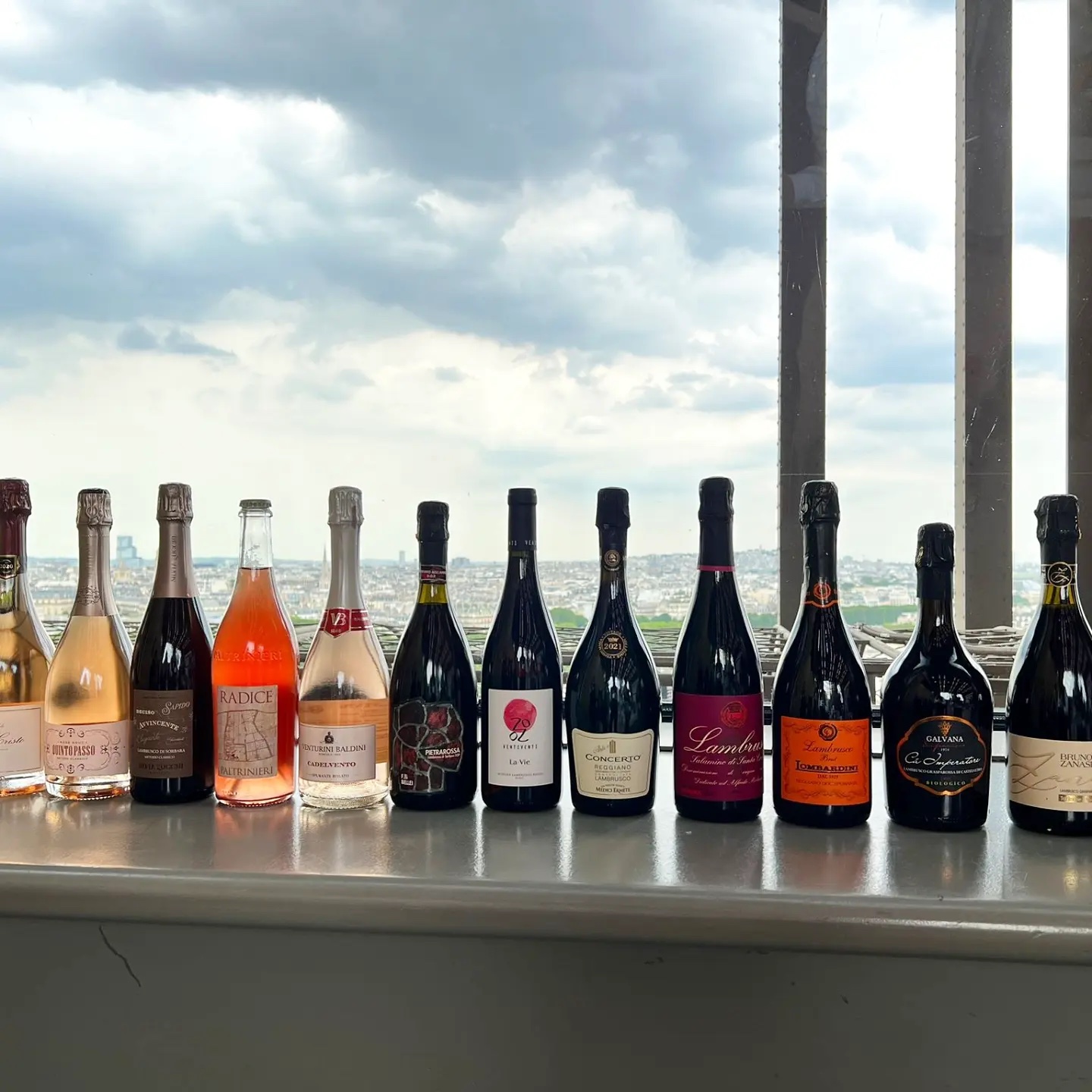
The Wines

Francesco Bellei E C. Lambrusco Di Sorbara DOC Puro 2013

Traditional method Lambrusco and an example that represents the tiniest of production, so really an experiment for the region. Zero dosage to make it even more particular but also a 2013 vinified like a white wine that spent eight years on the lees. There is an argument to be made that Lambrusco was in fact a Pét-Nat travelling the world so this is not all that unusual – kind of original if you think about it. Aromas are quite Pét-Nat yeasty, low pH and high acid play the act of dichotomous control and if served just a bit warm there is an herbal quality with vibrancy set on high. Highly phenolic, citrus zesty and sharp, sharp, sharp. Nothing has really changed in all this time nor is there any thought that anything will happen, anytime soon. Really tight stuff. The maximum production is 5,000 bottles and this vintage is only 1,000 total. Drink 2023-2029.  Tasted June 2023

Cavicchioli Lambrusco Di Sorbara DOC Rosé Del Cristo 2020

Traditional method, a way of making Lambrusco that was all but abandoned when the tank method arrived but here is an example of its return to form. Spends 36 months on the lees and is anything but an experiment with an average product of 40,000 bottles. Low in alcohol at 11 percent, nearly negligible sweetness with impressive acidity and just what a producer wants in an extra, extra Brut style with low pH. Fruit is really everything in a red vinified sorbara, of currants and pomegranate with mint the dominant herbal character. Shy in a way but inviting and quite frankly there is an aged Reggiano rind note that really makes it interesting. Impressively fine. Drink 2023-2027.  Tasted June 2023

Chiarli Lambrusco Di Modena DOC Quintopasso Rosé 2017

Truly classic producer with a cuvée consisting of fruit drawn off different vineyards from clones cultivated specifically by the estate through its own massale selection. A creamier and more professional wine, “reaching an increasing latitude of palates” with some sweetness, mostly natural, big acidity and more delicacy with pH that persists. Elevated red citrus, or rather a combination of lemon and blood orange with 36-40 months of lees again really bringing the texture. Drink 2023-2025.  Tasted June 2023

Colours of Lambrusco (c) Consorzio Tutela Lambrusco

Silvia Zucchi Lambrusco Di Sorbara DOC Avvincente 2018

Bone dry traditional method Lambrusco, contemporary style in that the lack of sweetness, generous acidity, generosity of (12.5 percent) alcohol and even colour will draw in eyes and therefore also palates. There is a smokiness, almost a char to it, tannic as well, extracted and pressed to seek gravitas and in a way it’s just a bit closed. Spends 36 months on the lees and truth spoken here involves the idea of a really modern Lambrusco, a forward thinking one and that this surely is. Perhaps unusual because of the poly-phenolic and tannic character but this will change, find sous bois, frusta di bosco and other complex elements. Drink 2024-2028.  Tasted June 2023

Paltrinieri Lambrusco Di Sorbara DOC Radice 2021

Ancrestale, a.k.a. Pét-Nat styled Lambrusco made from sorbara, here from grapes grown in the narrow strip between the Secchia and Panaro rivers. Wild yeast and then the addition of same vines’ grape must creates the second fermentation with the result being a dry, low alcohol (11 percent), really high (just about 10) acidity and a new truth created then spoken way for Lambrusco. Clean, pink grapefruit sharp yet generous, expansive and with an herb selvatica quality. Defines sapidity for sorbara and its DOC. Not to mention an ideal vintage for making top quality Lambrusco from the healthiest grapes. Anyone who could not drink the you know what out of this Lambrusco is clearly not paying attention. Drink 2023-2026.  Tasted June 2023

Venturini Baldini Lambrusco Di Sorbara DOC Cadelvento

Here a bit of a blend, dominated by sorbara and with 15 percent grasparossa made in the Charmat method for sparkling wine. Hard to not imagine the first scent as cotton candy in a good way, sweetness present yet subtle and as Lambrusco must be, this is yet another example of sapidity so essential in the wines. Almost chalky, calcari of feel and yet not exactly salty. Definite tannic punch, helped and urged on by the grasparossa. Drink 2023-2025.  Tasted June 2023

Pezzuoli Lambrusco Di Sorbara DOC Frizzante Pietrarossa

Charmat method and true red vlnification with an extended maceration, extracted, elevating sugars to meet acidity times pH for clean, red berry, gummy bear effect. Some carbonic here to maintain freshness, keep the poly-phenolic distraction to a minimum and maximize fruitiness. Drink 2023-2025.  Tasted June 2023

Ventiventi Lambrusco di Modena DOC La Vie 2022

From the broader DOC of Modena and a most modernized estate looking to bring Lambrusco to a next and next after that generation. Low alcohol, running up the sugars and maintaining excitability. Called La Vie for a reason, soft, round, extracted and creamy, pink all the way, certainly attractive to a want to join the party kind of audience. Drink 2023-2024.  Tasted June 2023

Medici Ermete Lambrusco Reggiano DOC Concerto 2021

Made from 100 percent palomino even though it’s origin is Lambrusco Reggiano DOC. Concerto is always an intense wine, here from Reggio Emilia – Tenuta la Rampata. Crunchy dark red fruit, ripe and fleshy, some smoulder and then boom – fruity, salty, tannic and mouth-coating. Terrific breadth and density under the auspices of proper balance, everything elevated though of a powdery quality liquifying and finding equilibrium. Drink 2023-2026.  Tasted June 2023

Cantina Di Carpi E Sorbara Lambrusco Salomon Di Santa Croce DOC Dedicato Ad Alfredo Molinari

From the municipality of Modena in the northerly parts, Santa Croce area and a fantastic combination of freshness and fierceness. The Gabriele Gorelli described savoir-faire Lambrusco style with sorbara as a true protagonist for red macerated sparkling wine of true parochial sapidity. There is density here but also intensity. A bit vivid but no matter really. Drink 2023-2024.  Tasted June 2023
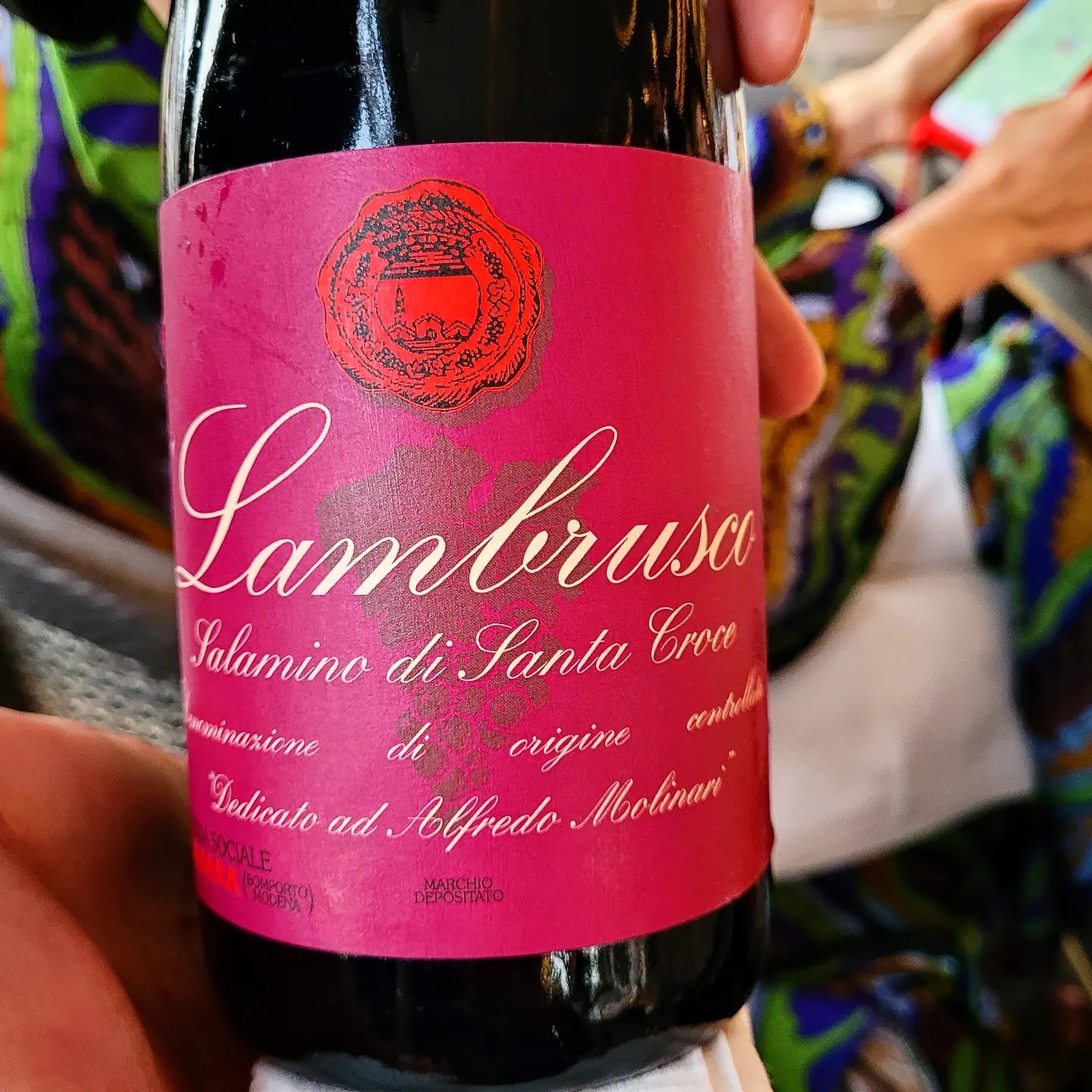
Lombardini Lambrusco Reggiano DOC Lambrusco Brut

Charmat method yet longer maceration and so both tannins and herbal Amaro signs emerge with less energy, freshness and depth. Big and bruised, almost brooding, definitely a pouch of fruit, char, caper pickling and dark fruit intensity. Drink 2023-2024.  Tasted June 2023

Tenuta Galvana Superiore Lambrusco Grasparossa di Castelvetro DOC Cà Imperatore

From older (45-plus) year-old vineyards on clay with higher pH and lower acidity for a dense if rounded palate like Lambrusco. Not salty by any stretch but certainly heavy set in terms of fruit and its extraction. Drink 2023-2024.  Tasted June 2023

Zanasi Scietà Agricola Lambrusco Grasparossa di Castelvetro DOC Bruno Zanasi

Serious tradition involved here, from the Grasparossa area and a real herbaceous, almost cabernet franc character. Flavour recalls dark cherries and especially cherry pits, while also herbal and vinous but the sugar is at the higher point for Charmat method Lambrusco, harvested for increased phenolic presence and culpability. Or Beaujolais perhaps, generous enough of acidity and really elevated pH for this sapid-phenolic expression that is what it is. Drink 2023-2024. Tasted June and August 2023

Albinea Canali Lambrusco Reggiano DOC Foglie Rosse

From vineyards in the Reggio Emilia areas of Canossa and Scandiano with three Lambrusco varieties in the blend; salamino, marani and lancellotta. Some dirty funk on the nose, phenolic, vinous and tannic but everything is quick and done. Rustic and tight, hard to avoid because that’s what these grape varieties are. That said these are grapes and wines that are capable of adapting to a changing climate, more so the many. Drink 2023-2024.  Tasted June 2023
Also tasted in Toronto

Venturini Baldini Marchese Manadori Lambrusco Secco DOP Reggiano

Charmat method and one of the drier examples in that style. Piney resinous but balanced because the lesser sugars, lower pH and higher acids all conspire to act out a really harmonic Lambrusco. Ample fruit in the red, red berry way with a note of wild strawberry and all the greens mixed in make for as complex an Italian Method Lambrusco as you are likely to find. Fine work and result that just about justifies the premium price. Last tasted August 2023

This organic Lambrusco is dry and tannic, with blackberry fruit meeting an earthy to chalky underlay for real elevated style. Lambrusco does not always show this level of complexity but the cherry, violet and tobacco notes swirl to entice and invite. So much more than a sipping sparkling wine into one where some serious food pairing thought should be encouraged. Begin with great prosciutto and parmigiano and nothing could go wrong. Or the best Mortadella you can find. Drink 2022-2025. Tasted October 2022

Good to go!

godello

Tour d’Eiffel

Twitter: @mgodello

Instagram: mgodello
WineAlign

Barbaresco DOCG previews and retrospectives: 2017, Riserva 2015, 2007 and 2005

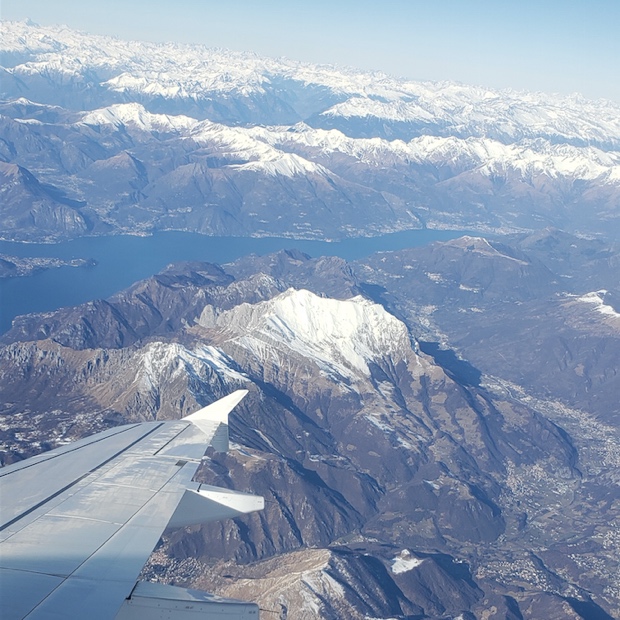
Flying in to Pi-e-mon-te

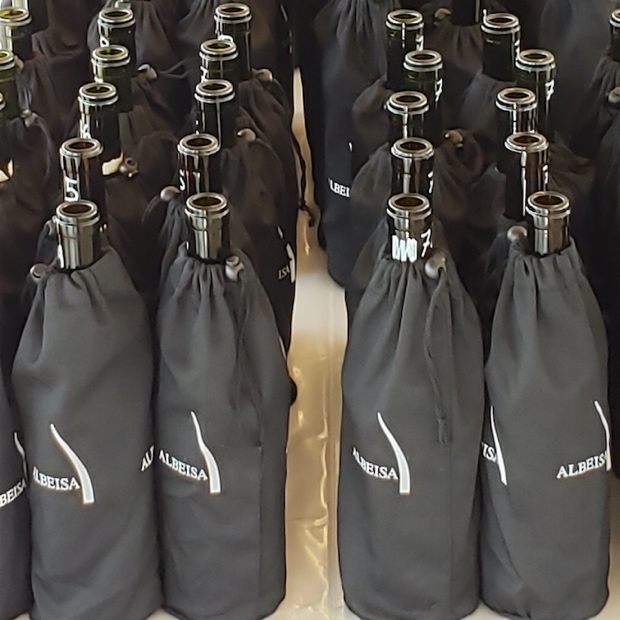
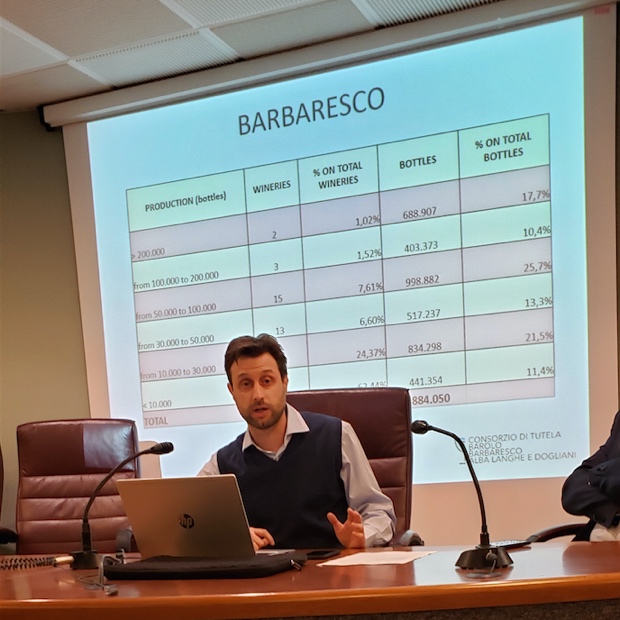
Nebbiolo Prima is a wine tasting and immersive concern of impossible equal. The twenty-fourth edition took place in Alba during the latter stages of January 2020, the last innocent period of Piemonte’s recent history and the memories ingrained will last a lifetime. How retrospectively insignificant were the stressors incurred through tasting 300 wines blind over three days plus hundreds more with producers at lunches, dinners and visits? How happy, carefree and miles from non-plussed were the journalists, sommeliers and their Albeisa hosts during a week of connectivity and shared motivations? Less than one month later everything had changed.

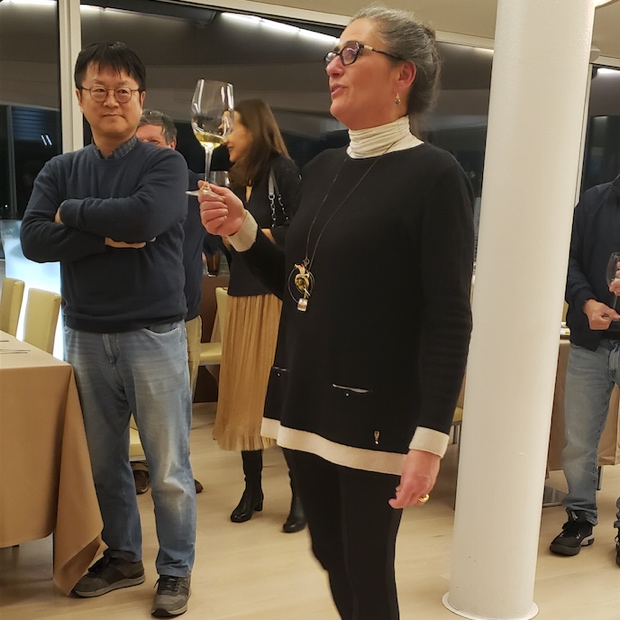
Marina Marcarino introduces Nebbiolo Prima 2020

Tutto arriva al momento stabilito, “everything comes at its appointed time.” War, peace, pandemic, recovery. Piemonte has been particularly compromised by COVID-19 and it just seems so unfair but the Piedmontese back down from nothing and move ahead no matter the obstacles. The work ethic never tires, nor do fruit and tannin. There are a thousand wine producers who raised estates out of post-war, mezzadrie ashes to put Barbaresco, Roero and Barolo at the forefront of Italian wine. This generation will do the same beginning in 2020. Piemonte does just about everything well and for so many tangible reasons, everything right. The clash of cultures, detailed attention to seductive and gratifying food particularities and impossible to resist, covetable wines from Langhe and Roero origins add up to one of Italy’s finest destinations. Eating and drinking in Piemonte is one of life’s greatest treats and I’ve not yet even mentioned the word nebbiolo. Life and winemaking are all about the pauses, where art resides in the elusive calm between Barbaresco fruit and tannin. 

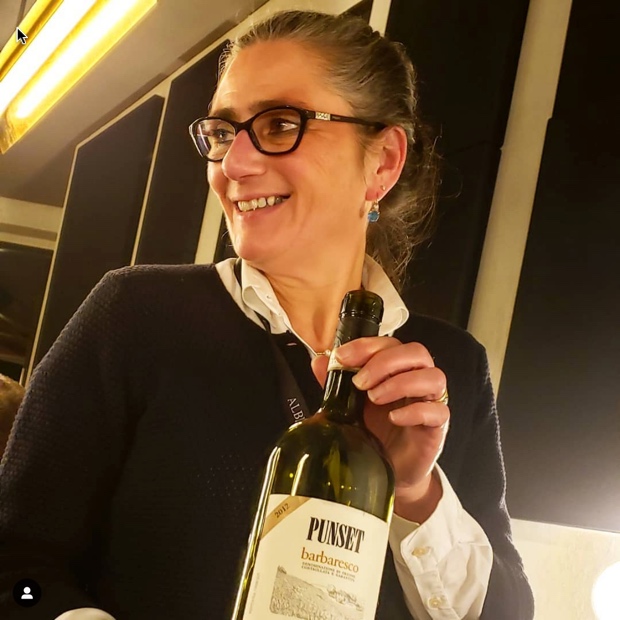
It had been a most incredible Nebbiolo Prima 2020 week with gratitude and love to the guidance and effort of the the Albeisa organization’s President, Domaine Punset’s Marina Marcarino. Always the first to pioneer, lead, teach and share, Marcarino expressed the pride and the passion of the community of producers that worked tirelessly to create this formidable assembly. Albeisa’s goal is not singularly focused. This event is not simply a matter dedicated to the tasting of wine. Agricultural evolution and wine-producing innovation are a major focus, always with a socio-economic bearing kept in mind. Albeisa’s deans pointed out that there has been a steady decline of the de-classification of grapes and for Barbaresco that has meant a drop from 46 to 23 per cent of bottlers at harvest moving from Barbaresco DOCG and into Langhe Nebbiolo DOC. 

Mauro Buonocore

Trusting Science

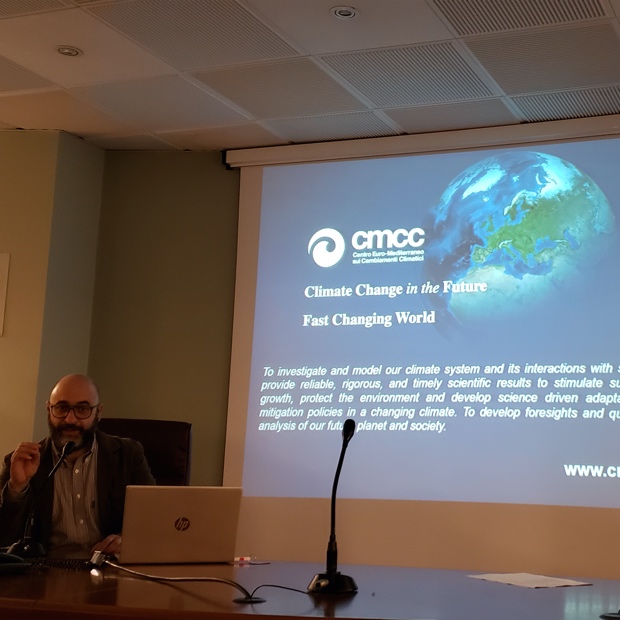
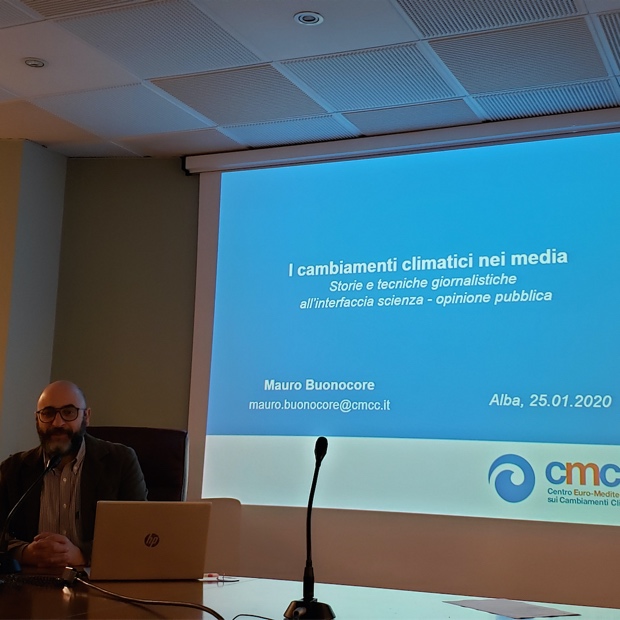
Most fascinating was a climate change talk titled I Cambiamenti Climatici NEI Media, given by Mauro Buonocore, head of the Communication and Media Office at CMCC Foundation – Euro-Mediterranean Center on Climate Change. Buonocore began with a challenge to journalists, to report truths, based on science. “Why are journalists and the public interested in such complex scientific problems?’ he asks. This is Mauro’s question, his purpose for studying the subject. “Attention paid to climate change makes sense if we do so in relation to socio-economic systems.” He then wants to know “what is the cost for business in a world in which temperature is changing and extreme events like heavy rains and heat waves taking place?”

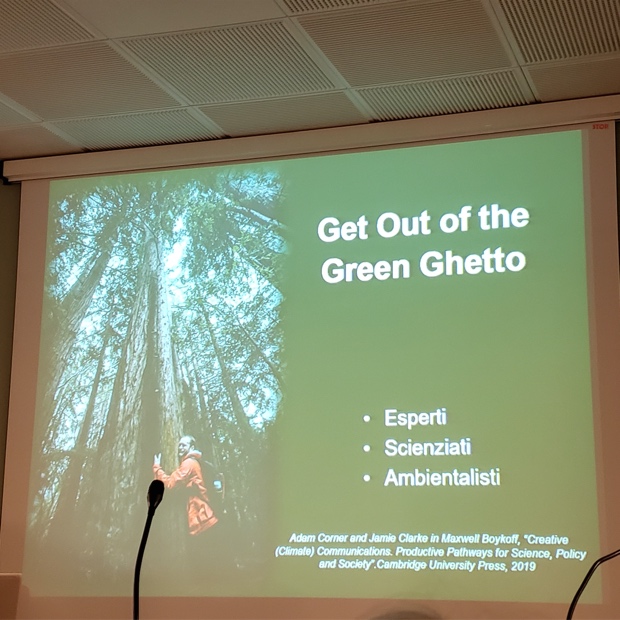
The study by Fondazione Centro Euro-Mediterraneo sui Cambiamenti Climatici presents as a focal point for Italy, to “get out of the green ghetto,” insists Buonocore. “Hugging trees is not the only answer.” The starting point is science because science is informative. “It’s a democratic community.” IDCC creates reports by 300 authors, in 20,000 studies, with 100,000 comments. It’s more than enough to satisfy the most skeptical journalist. It’s also a consistently framed initiative that resides at a global level.

Mauro Buonocore, CMCC

2020 Findings

The foundation’s most recent investigations are heavily reporting about extreme weather, a.k.a the new global warming. Climate action is now responsive and mobilizing to act in response to the natural disasters but also losses in biodiversity. Human made environmental tragedies are the single largest crises faced today and more than ever there is a need for collaboration between journalists and scientists. Un”alleanza necessaria, driving scientific research into journalists’ hands, to report on forests, environment and climate change. Wine journalists. The road goes both ways, recoproche risorese, not a one-man band.  The intrigue of this study takes journalists and in turn the public away from the idea about what can be done to combat and make adjustments for climate change to a realm defined by placing trust in scientists and scientific thought. A blind trust perhaps but this is the request.

What to make of Barbaresco DOCG 2017

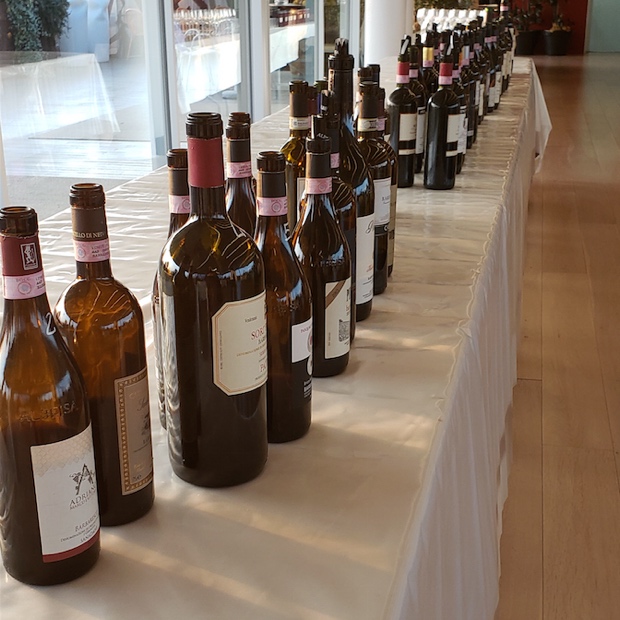
In subsequent articles I will get to what Barolo and Roero have reached in their recent contributions to nebbiolo but today we begin with Barbaresco. Nearly 60 examples of Barbaresco DOCG 2017 were presented, along with 15 Riserva 2015 and a further dozen or so retrospective 2007s. Communes of origin (Alba, Barbaresco, Neive and Treiso) were joined by Cru examples (Montersino, Rocche Massalupo, Asili, Ovello, Pora, Rabaja’, Rio Sordo, Roccalini, Roncaglie, Ronchi, Montaribaldi, Albesani, Basarin, Canova, Cotta’, Gaia-Principe, Gallina, San Cristoforo, San Guiliano, Bricco San Giuliano, Santo Stefano, Senadaive, Serraboella, Serragrilli, Sorì Paitin Serraboella, Starderi, Bricco di Treiso, Casot, Giacone, Marcarini, Meruzzano, Nervo, Nubiola, Pajore’, Rombone, Valeirano and Vallegrande).

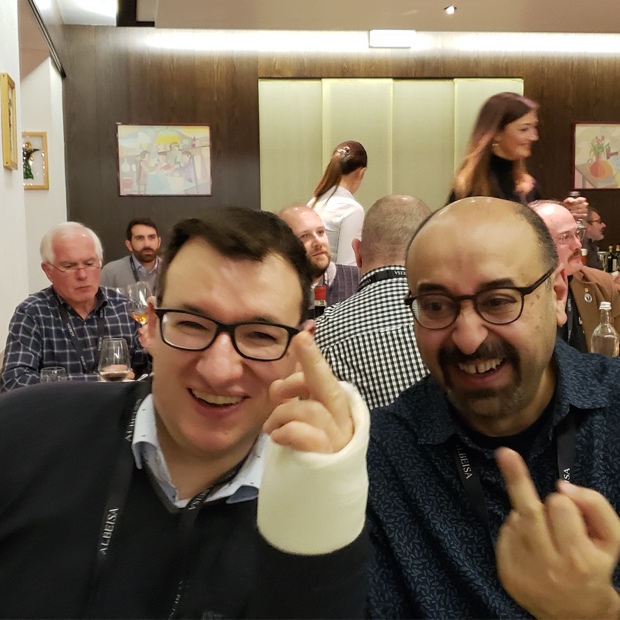
Tasting at #nebbioloprima2020 with the Morris, side by each ~ Day one, 120 in

These odd, curious and at times inspiring 2017s are littered with examples that speak to great variability, lined with pockets of hot and bothered micro-climates but also cool spots in spite of the prevailing terms of the vintage. These Barbaresco are wines of patent freedom and some imbibers may think they want in but may not be equipped to handle the liberties they provide. Still others will unite over the untied and untucked nature of the lot. The highlights are nominally noted by nebbiolo quietude that act as breaths of fresh 2017 air. The Riserva of 2015 are at their best when the spice cupboard is wide open for nebbiolo to act aromatically gregarious, volatile and yet unsettled. The best of 2015 have yet to peek out of the open windows.

The task of tasting 360 nebbiolo blind or not in four days would be unthinkable without the guidance and assistance of a professional Sommelier. What is a Sommelier? A Sommelier is completely invisible, yet always in sight. A Sommelier remembers what wine tasters hate. A Sommelier anticipates the taster’s needs before the needs are needed. A Sommelier is, above all, discreet to a fault. In total here are 92 reviews for Barbaresco nebbiolo tasted in Alba, January 2020.

Barbaresco at Hotel I Castelli, Alba

Barbaresco DOCG 2017 (59 reviews)

  • ***** (denotes the top wines of the vintage)

Ada Nada Barbaresco DOCG Valeirano 2017

Sweet and saline Treiso nebbiolo, light and bright, lemon to orange. Quit and confident, the silent type that allows its actions to speak louder than its words. Good tang in its textural step and fine tannins will lead to mid-term aging exceptionality. Drink 2021-2025.  Tasted January 2020

Adriano Marco E Vittorio DOCG Barbaresco 2017

Plays hard to get from the outset though there’s a prettiness to the lightness of this nebbiolo’s being. Can be tough when it needs to be and so there is potential here. Will need to wait and see just what becomes of this light, underestimated and yet understood Barbaresco. Drink 2023-2028.  Tasted January 2020

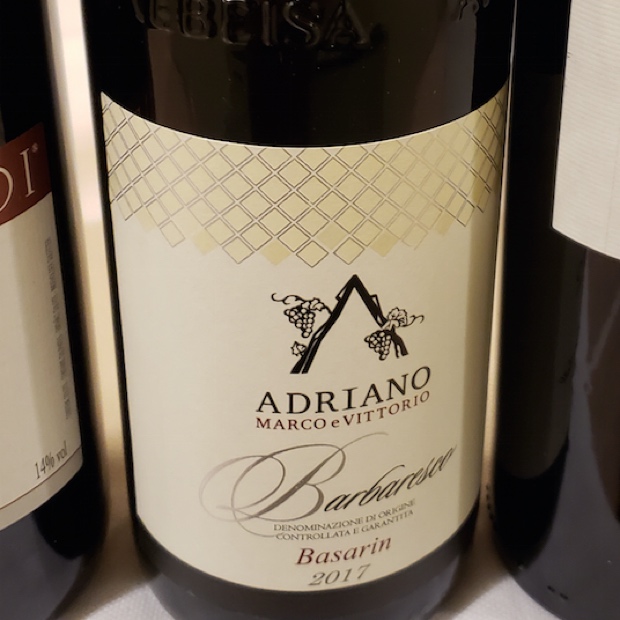
Adriano Marco & Vittorio Barbaresco DOCG Basarin 2017 ($45.00)

Candied exterior in that the fruit scents are like flowers dipped into a sweetly perfumed liquid that permeates and infiltrated so that everything comes up roses. The palate then dries out a bit so that fruit succumbs to the tannins in the wine. Neive traditional and so plausible. Drink 2022-2028.  Tasted January 2020

Albino Rocca Barbaresco DOCG Montersino 2017

Tannic and intense. Decent fruit more or less speaks to varietal obviousness and basic understanding. There’s a comfort level in the rustic charm of the tradition found inherent and fomenting in this Montersino nebbiolo. Drink 2022-2026.  Tasted January 2020

Albino Rocca Ronchi Barbaresco DOCG 2017 ($75.75)

Once again a menthol note permeates but here from Ronchi in Barbaresco it is met with notable citrus, namely pomegranate, deep blood orange and also a real cherry-ness. Also very spiced, cinnamon and nutmeg, plus a variegation that comes across as much textural as it had aromatic. A serious wine of great integration and potential more than anything as a quotient of its fineness and deep-rooted complexity. Drink 2024-2037.  Tasted January 2020

Alessandro Rivetto Barbaresco DOCG Montersino 2017

Ripe and syrupy nebbiolo, simpler than many or even most with fine-grained though negligible tannin. A bit of disconnect between the fruit and the finish, namely because the acidity is not a catalyst or a matchmaker in the Montersino equation. Drink 2021-2023.  Barrel Sample tasted January 2020

Antica Casa Vinicola Scarpa Barbaresco Tettineive DOCG 2017

No cru designate mention (but referred to as Tettineive, “at the head of,” or above the village) and the Neive ubiquity is noted in the swarthy and swarming aromas that speak foremost about ripe fruit. It’s so very raspberry and not so very tannic though the acids are developed and encompassing. Not so complex but a great dinner date companion for the next few years. Drink 2021-2024.  Barrel Sample tasted January 2020

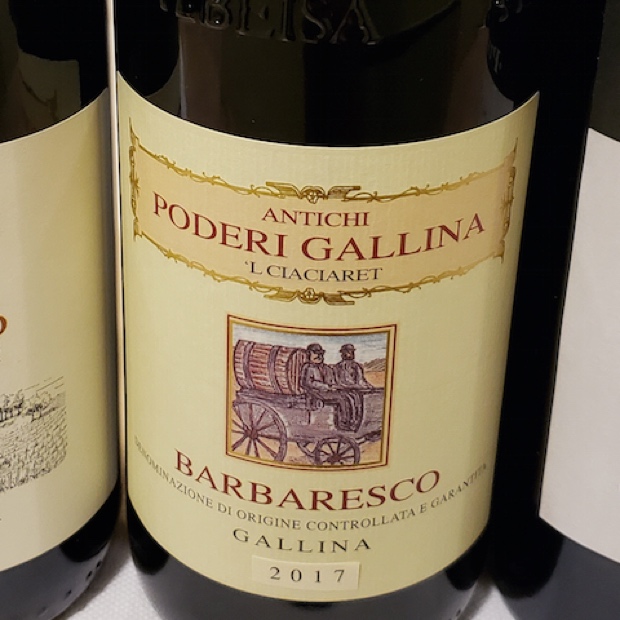
Antichi Poderi Dei Gallina Barbaresco DOCG Gallina 2017

Quite bright and very citrus, light blood orange meeting green tannins. Seems like a very cool spot in spite of the ’17 Neive vintage. A tonic injection and a botanical feel make for a unique take on nebbiolo from Gallina. Drink 2021-2025.  Tasted January 2020

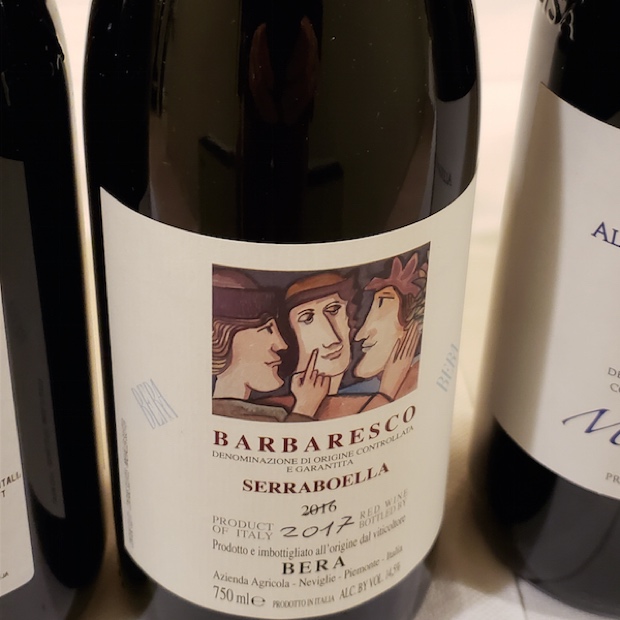
Bera Barbaresco DOCG Serraboella 2017

Very cherry, very glycerin and also light on its aromatic feet. The scents are spiced and varietally obvious as Neive nebbiolo with a sweetness that speaks to the land. Good structure, even sweeter tannins and very apparent that the barrel is a major part of the game. Needs time and also tells us that if you like sweetness from wood then you should clearly stick around. Drink 2022-2027.  Barrel Sample tasted January 2020

Now we are onto and into something other, ulterior, extraordinary even. The berry and cherry scents are ripe, effusive and frank. The subtleties speak to the knowledge and the knowing. There’s a restraint and a consummate professionalism in such a Treiso Barbaresco but also an accumulation spurred by precision. The real deal, needing no swagger to solicit no adulation. Drink 2023-2035.  Tasted January 2020

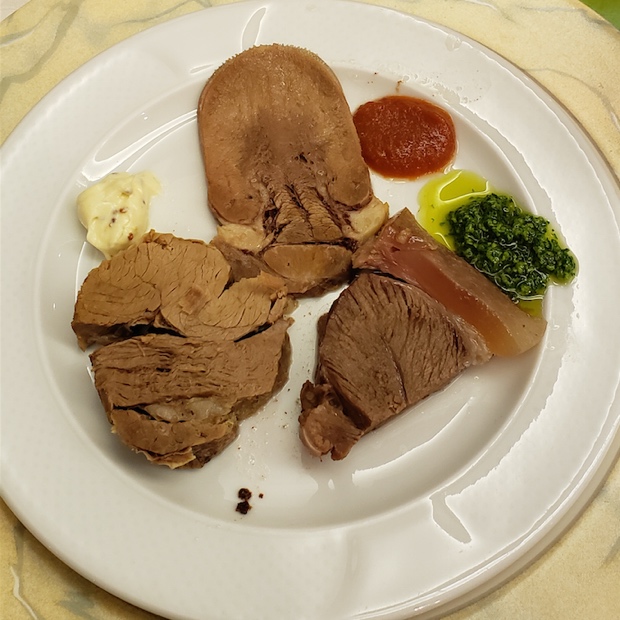
Gran Bollito alla Piemontese, Ristorante Luna, Sinio

Briccogrilli Battaglio Barbaresco DOCG 2017

Slightly over-developed, heading towards oxidative and not far from raisin. Flat, little acidity and no real potential. Drink 2020-2021.  Tasted January 2020

Ca’ Del Baio Barbaresco DOCG 2017

If ever a Barbaresco nebbiolo carried an uncanny aroma that is purely reminiscent of liquorice than this would be the one. Fruit quality is impressive and structure supports with a proper frame,. Nothing overtly complex here but overall the game is played quite well. Drink 2021-2024.  Tasted January 2020

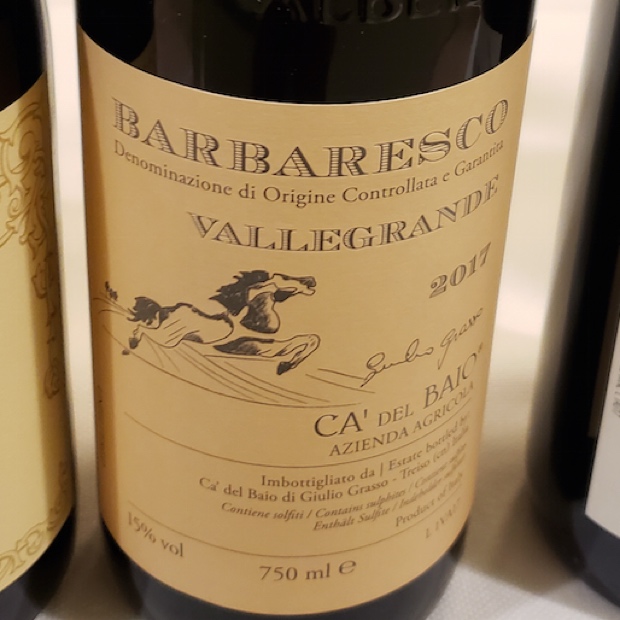
Ca’ Del Baio Barbaresco DOCG Vallegrande 2017

Sweet meets savoury for fruit that needs little introduction. So bloody nebbiolo, Barbaresco, Treiso and seemingly, clearly, obviously Vallegrande. Ripe and grippy tannins take control so maybe try and avoid needing to spend too much time here over the next five years. Drink 2022-2028.  Tasted January 2020

A clear and concise look at Treiso nebbiolo from Barbaresco with tart currant, pomegranate and cherry fruit, tang in pocket and a lovely liquidity. This is the textural one of clarity and precision. Clearly textural, structured and fine. Not overtly tannic and so far from intrusive in terms of what the barrel wants to say. Drink this everyday and for no particular reason. Drink 2021-2029.  Tasted January 2020

You can tell straight off the top that this Barbaresco-Asili nebbiolo is not begging for attention, nor does it care if you get it or not. The fruit wades and treads easily, comfortable, without any real tension. The acids are delicate and fine, real and necessary. The tannins repeat the yoga mantra. This is a sneaky one, seemingly light and uninterested but time will see flesh, bone and serious intention come to the surface and swim with strength deep into the distance. Drink 2023-2031.  Tasted January 2020

Cascina Luisin Barbaresco DOCG Rabajà 2017

A deep inhalant of hillside brush, red citrus and well-ripened fruit are the three-part harmony sung by this Barbaresco. Simplifies a bit once you realize the heavy bass played by the wood takes over and commands a sweetness but also a simplicity in the structural line. Still there is a quality that just aches with the singsong verse of Rabaja’. Drink 2021-2026.  Tasted January 2020

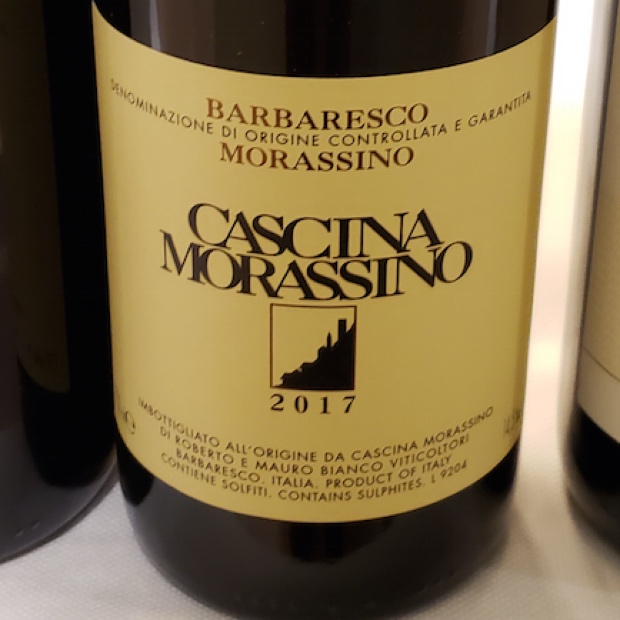
Cascina Morassino Barbaresco DOCG 2017 ($58.62)

Lovely and complex nebbiolo aromatic profile with crisp bites and red fruit drawn off the right kind of soils for all to take part. One part kind fruit, one part energy building and one part lengthening structure. Adds up to quality Barbaresco and accessibility. Drink 2021-2026.  Tasted January 2020

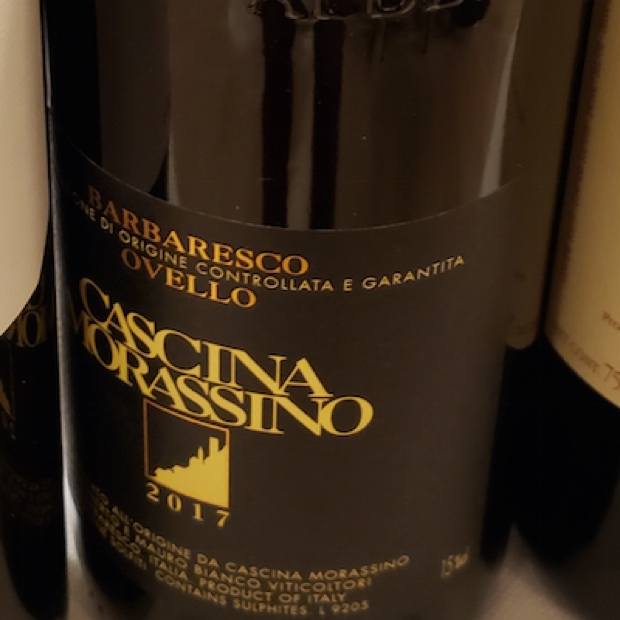
Impressive from go with high-toned, pectin-developed and transparent, glycerin fruit. Really fine lines, bones and structurally sound encroachment into the tough areas only such Barbaresco nebbioli can go. Serious Ovello wine with a long life ahead. Drink 2023-2032.  Tasted January 2020
 
Cascina Sarìa Barbaresco DOCG Canova 2017

Quite ripe and developed Neive nebbiolo with an oxidative waft. Will go quickly into the pruned night with so much vanilla by wood in its fading light. Drink 2020-2021.  Tasted January 2020

Castello Di Neive Santo Stefano Albesani Barbaresco DOCG 2017 ($51.75)

Fruit is sweet and properly ripened, a touch herbal and tannins take quick stage to cover and draw the curtains. Chewy in a liquorice way and drying though tradition runs like blood through the structure. Solid Neive Barbaresco. Drink 2021-2025.  Tasted January 2020

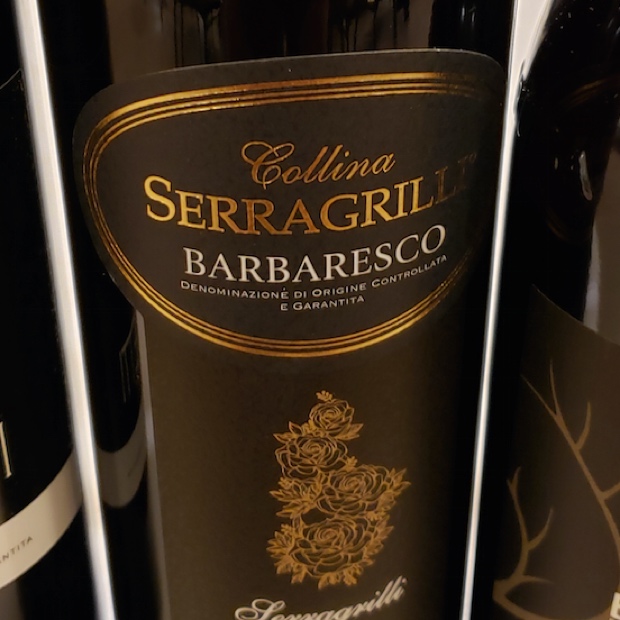
Collina Serragrilli Barbaresco DOCG Serragrilli 2017 ($45.00)

Wildly earthy and aromatic Neive nebbiolo from Serragrilli, a touch overdrawn but still sitting on that ledge. Smells like a scorch of sorts and a light char on wild game. Also brings the hematic aromas that only fresh meat, toasty wood and blood orange can gift. Complex specimen here if just a touch ripe into the beyond. Drink 2021-2026.  Tasted January 2020

Sweet scented aromas and a chewy textural aspect make this Barbaresco nebbiolo one of the more impressively expressionistic examples. The substance in grain and disposition are clearly developed and designed to create a gregarious and exhibitionist example. So much Rabajà proposition, supposition and expectation await. Drink 2023-2032.  Tasted January 2020

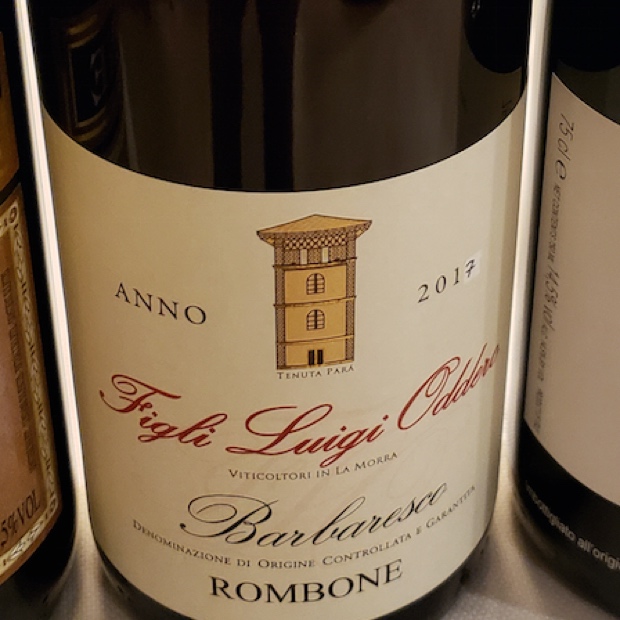
Figli Luigi Oddero Barbaresco DOCG Rombone 2017

Unusually scented Treiso Barbaresco, almost like baking biscuits mingling with cured meats. Quite chalky tannic and earth crusted too. Very nebbiolo, high strung and extended perhaps beyond means but there will be a sweet spot somewhere out there in the mid ages. Drink 2022-2026.  Tasted January 2020

Another about face for nebbiolo twists and turns within the variability and variegation found in the Neive Barbaresco from Gallina. Tartness, tang, tannin and even a moment’s tumult make this curious, foreboding and so very interesting. Watch to see where this one goes. Drink 2022-2028.  Tasted January 2020

Grasso Fratelli Barbaresco DOCG Vallegrande 2017

Darker, bloodier and richer than some but also as compared to brethren within the cru. Vallegrande is quite expressive Treiso Barbaresco though this example is clearly driven by the barrel. Vanilla in droves, chocolate not too far behind and tannins thick as thieves. Drink 2021-2024.  Tasted January 2020

Icardi Barbaresco DOCG Starderi 2017 ($78.00)

Intensely reductive and closed, even for Neive nebbiolo. There too is a pine resinous note and some charred meeting preserved citrus. Curious and yet to open up its charms. Drink 2022-2026.  Barrel Sample tasted January 2020

Pasta heaven in Alba

Il Bricco Barbaresco DOCG Bricco Di Treiso 2017

The mix of cured meats, wood smoke, spice and wet concrete make for a Treiso nebbiolo with so much bloody character that keeps changing with every nose put into the glass. Brings blood orange and bresaola to the mix. What a potpourri, what a design and what a complication. That all said the tannins are not so firm and not so demanding, More wood and texture than anything else. Drink 2021-2026.  Tasted January 2020

La Ganghija Di Enzo Rapalino Barbaresco DOCG 2017

A touch past ripe and syrupy though with complex aromatic notes, namely preserved citrus and gingered chocolate. A gastronomic Treiso Barbaresco in a dessert course kind of vein with notable cask sweetness, spice and strength. Very modern and ambitious. Drink 2022-2026.  Barrel Sample tasted January 2020

La Ganghija Di Enzo Rapalino Barbaresco DOCG Giacosa 2017

A bit past the centre line for ’17 Treiso ripeness and evergreen amplitude. Also an earthy note, albeit a sweet one that mingles with fruit and tang. Lots of wood, texture and grip. Very chewy and will develop some fun funghi and umami secondary character. Drink 2022-2028.  Barrel Sample tasted January 2020

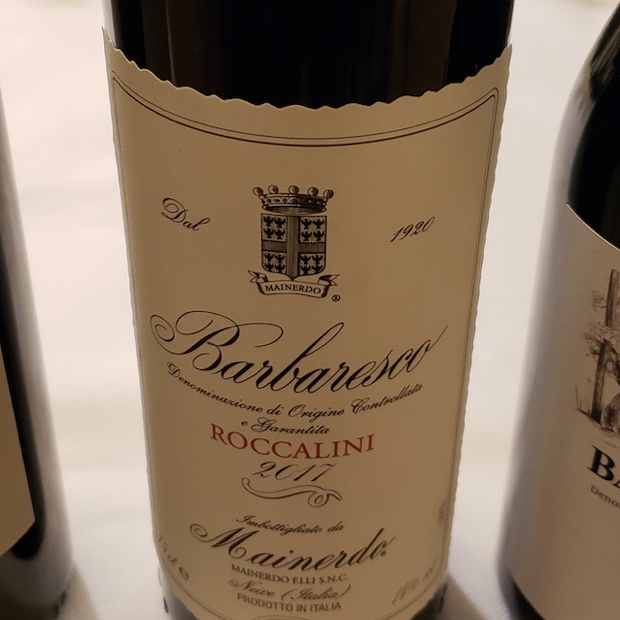
Mainerdo F.Lli Barbaresco DOCG Roccalini 2017

Quite a mentholated sauce and scented nebbiolo, not unlike the Barbaresco of Pora though Roccalini also delivers a multitude of red fruit. It’s berry, plum and citrus all rolled into one. There too is a note that seems uncanny but you can’t quite put your aromatic sensors on it. Chalk it up to memory that will come back one day. Drink 2022-2029.  Tasted January 2020

Manera Barbaresco DOCG 2017

Simple and basic nebbiolo with mild acidity and grippy tannin. Proper enough but just not that interesting. Drink 2021-2025.  Barrel Sample tasted January 2020

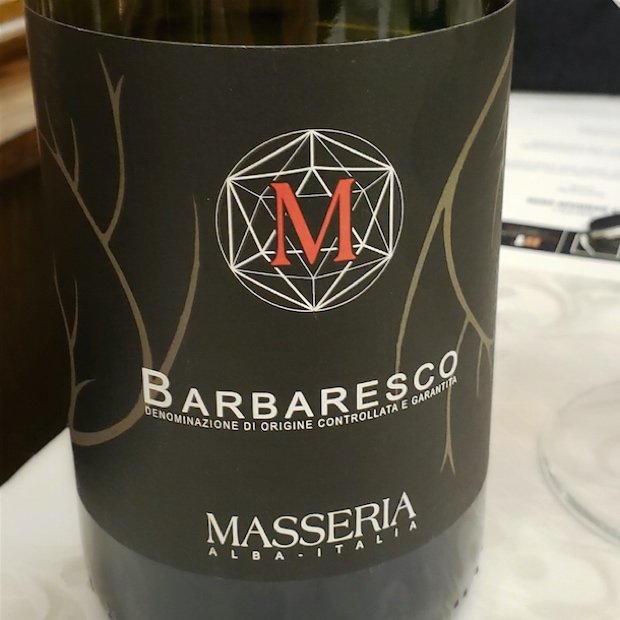
Masseria Barbaresco DOCG Montersino 2017

Extremely high-toned Montersino nebbiolo with a decidedly vinyl shower curtain note. Also some fennel, mountain tea and sweet herbal aspect. Funny wine with a hard candied shell. Drink 2021-2024.  Tasted January 2020

Massimo Rivetti Barbaresco DOCG 2017

Very herbal almost in a cough concoction sort of realm and certainly an alcoholic warmth mixed with some mephitic material. Smells like the stable. Not clean. Drink 2020.  Tasted January 2020

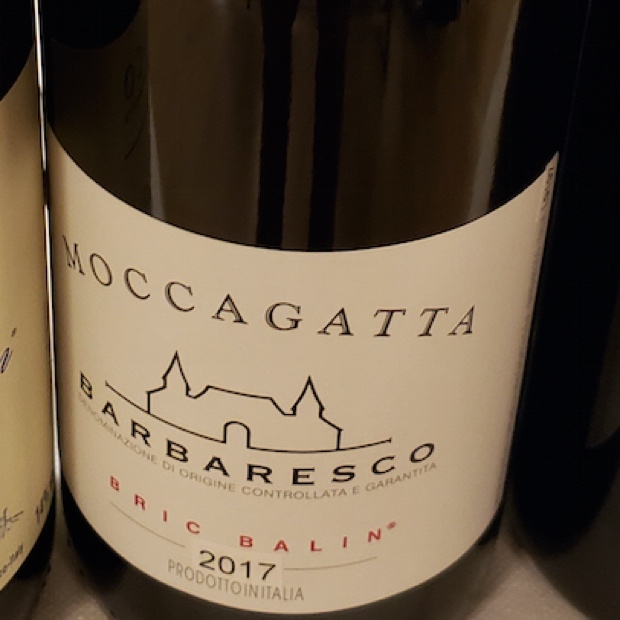
Moccagatta Barbaresco DOCG 2017

Curious one this nebbiolo, at once a rich and ripe ’17 and on the other hand tight, taut and closed. Somewhat pine verdant and cool with a graphite note. Crunchy acids and plenty of texture make this one gregarious, full and ambitious. Tannins follow suit with grip and energy. Yes, the drive and the energy her are the thing. And the potential. Drink 2022-2028.  Tasted January 2020

Molino Barbaresco DOCG 2017

Extreme ripeness and developed cherry fruit that ultimately means simple and straightforward juice. A bit meaty and chewy in a cheaper cut, a bit too quick braised way. Drink 2020-2022.  Tasted January 2020

Montaribaldi Barbaresco DOCG Montaribaldi 2017

Quite simple, tart, woody and unreflective. Comes across as sweet and overtly intentional. Drink 2021-2024.  Tasted January 2020

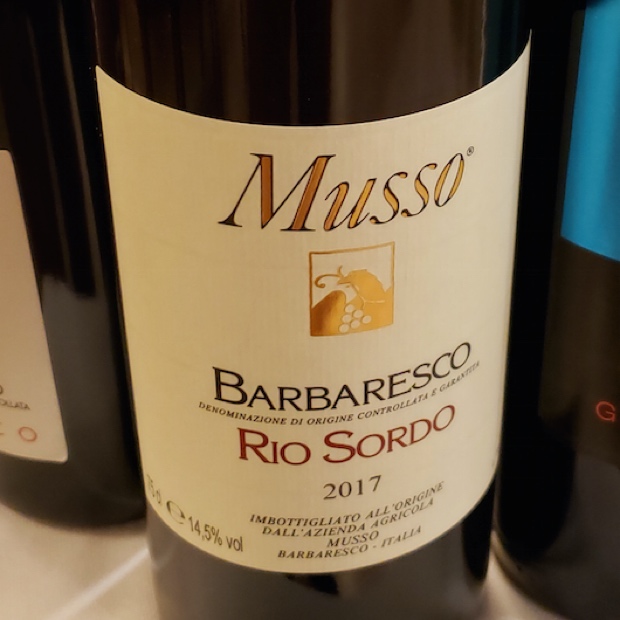
Musso Di Musso Barbaresco DOCG Rio Sordo 2017

Perfume is off the charts in a Barbaresco nebbiolo that clearly speaks for the land from whence it has come. Fruit quality is ripe, sweet and developed while acids are just as important as tannin for a cru Barbaresco of style and no real overt need to go decades for best pleasure. The results are now and for 10 years max. Drink 2021-2029.  Tasted January 2020

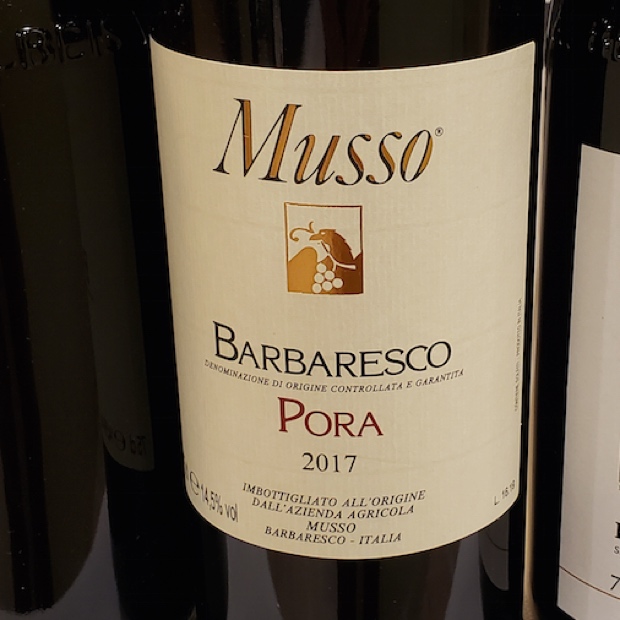
Wow the mentholated and graphite noted aromatics are off the charts in this singular Barbaresco. Also tobacco and a fine liquidity that runs through like one substance suspended within another. Should be interesting to see when the two will emulsify and get together as one. Drink 2023-2030.  Tasted January 2020

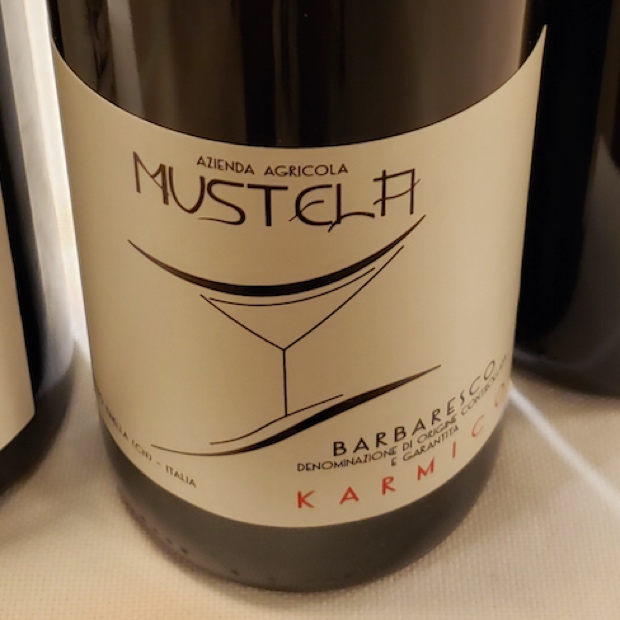
Mustela Barbaresco DOCG 2017

Ostensibly what you’d imagine Treiso Barbaresco to nose without a cru mention and in a wholly modern way. Sweet spice, cured meat and vanilla. Big wine with lots of texture. Drink 2022-2027.  Barrel Sample tasted January 2020

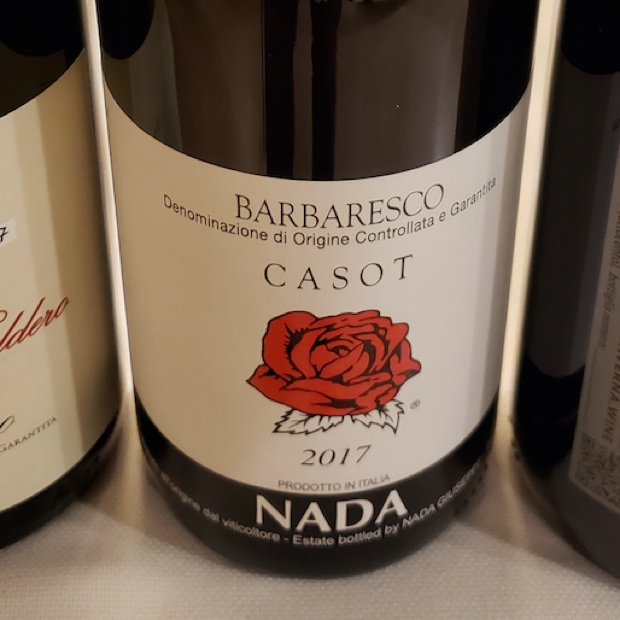
Nada Giuseppe Casot Barbaresco DOCG 2017 ($33.25)

Very right, credible and proper Treiso nebbiolo from Casot here with all the constituent parts in line, one following another and no gaps to speak of. There’s a salve texture that you already knew was coming because the aromas told you so. The texture carries forth with admirable consistency and the elasticity of this Barberesco is right there behind, in support and with en eye towards the eventual conclusion. Drink 2022-2029.  Tasted January 2020

Ristorante La Libera, Alba

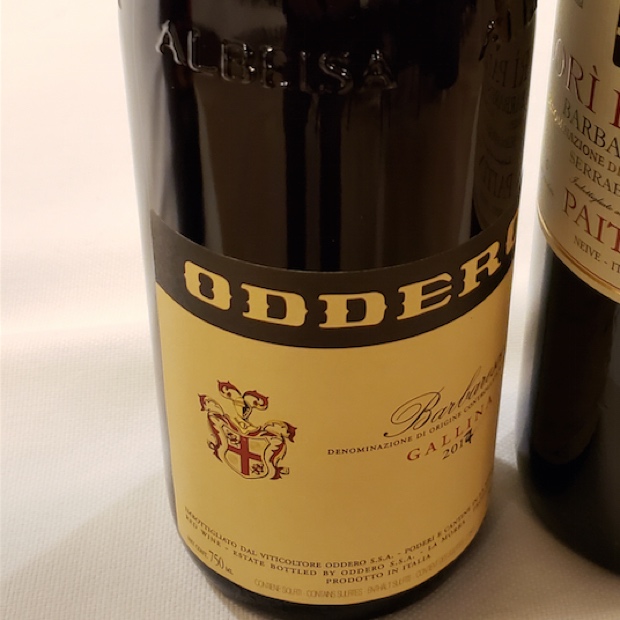
Negro Giuseppe Barbaresco DOCG Gallina 2017

Deeper and more developed for Neive-Gallina and surely from a warm and sunny exposition to take full advantage of the vintage. A bit lean on the other hand and also a touch verdant. This one will travels to all four corners of nebbiolo earth. Drink 2022-2027.  Tasted January 2020

Orlando Abrigo Meruzzano Barbaresco DOCG 2017 ($42.95)

Earthy and reductive with the forest and the barn’s floor all over the Treiso aromatic room. Plenty of wood and where this excels is in its cool, silky and pleasurable texture. Needs time, of course it needs time. Success depends, well of course it depends. Drink 2022-2027.  Tasted January 2020

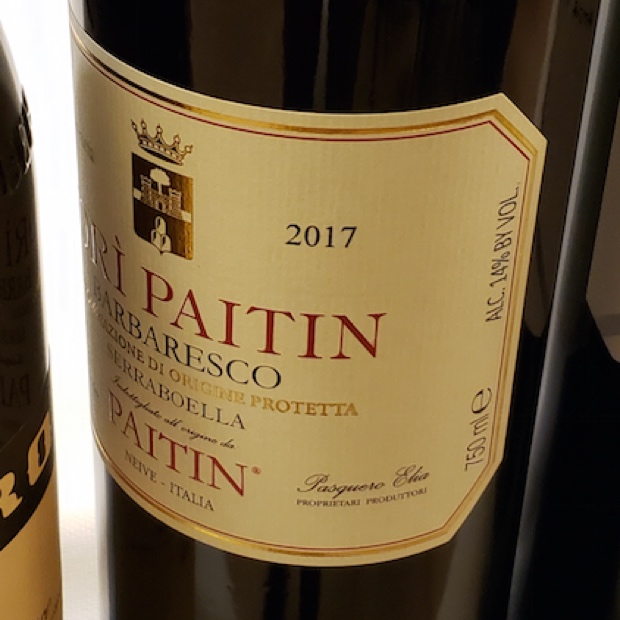
Paitin Barbaresco DOCG Sorì Paitin Serraboella 2017

Almost negligible in so many ways in that it’s so very hard to get. That said the quietude is a breath of 2017 Neive air because no intrusions have been allowed to get through, neither red, green, overt or unwanted. A simply rendered nebbiolo can be your friend and here the structure is likely sneakier than first, second and third time around imagined. Charming wine from Serraboella. Drink 2022-2028.  Tasted January 2020

Pasquale Pelissero Barbaresco DOCG 2017

Quite blood orange, hematic and even ferric nebbiolo form the odd, curious and at times inspiring Neive 2017s. Textural on the outside and linear and lean on the inside, even this example owes to its very own variability. Tannins are a bit grippy and energy comes back and forth, in and out of time and waves. Drink 2021-20327.  Barrel Sample tasted January 2020

Pelissero Pasquale Barbaresco DOCG San Giuliano 2017

Developed in many ways, not the least of which is fruit in syrup and dried fruit character. Turns lean and uninteresting with a cool mint and graphite quality on the back end. Drink 2020-2022.  Barrel Sample tasted January 2020

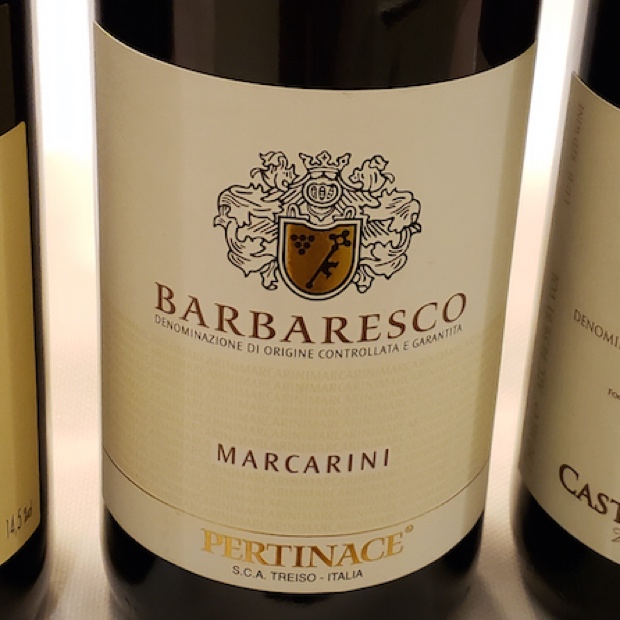
Pertinace Barbaresco DOCG Marcarini 2017

A traditionally accumulated, developed and rendered Treiso nebbiolo to be frank with generous big barrel character and silken ripe 2017 fruit. Big bones and full texture make for a mouthful and one that will take years to find its classic stride. Drink 2023-2030.  Tasted January 2020

Pertinace Barbaresco DOCG Nervo 2017 ($59.95)

Nervo is south facing on famous Treiso blue clay. Just a lovely nose here, sweet scenting, floral and savour-candied. Just a touch of so many things; herbs, creosote, pine, cedar and scorched earth. Vanilla, chocolate and spice. Gone for it all. Drink 2022-2028.  Tasted January 2020

Pietro Rinaldi San Cristoforo Barbaresco DOCG 2017

Light to developing in aromas and textures with variegations. Crunchy and chewy at the same time, with a taste profile that encompasses the liquorice, earth and wood spice profile. Lots going on here from San Cristoforo in Neive but in the present not overtly complex. Probably best to wait a year or two ands then drink young. Drink 2021-2025.  Tasted January 2020

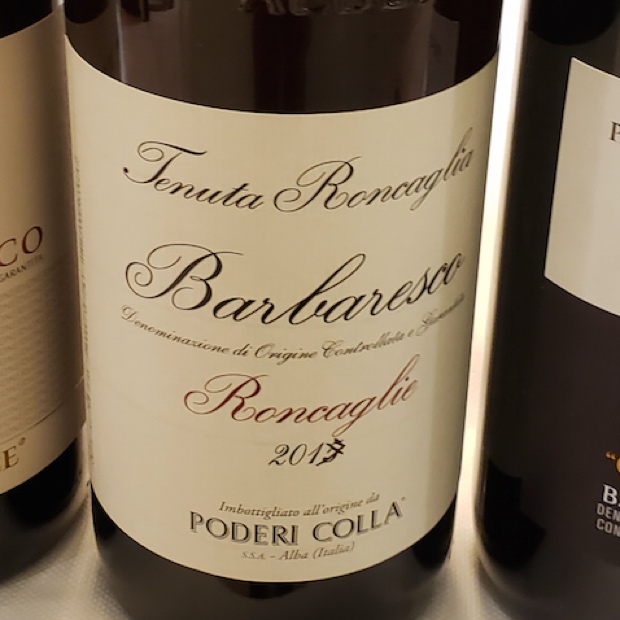
Poderi Colla Roncaglie Barbaresco 2017 ($50.00)

Wound tight, taut and far from ready to unravel there are layers upon layers of structure in this ’17 Roncaglie-Barbaresco. Crunchy and crusted you will have to exercise great patience before even thinking you can see the light or feel the gentle pull in the elasticity of this wine. Take it slow, take your time and let it flow. Drink 2024-2032.  Tasted January 2020

Rattalino Massimo Barbaresco DOCG 2017

Pretty and effusive Barbaresco nebbiolo with notable tannic structure. Quite a mouthful of barrel-influenced spice and tannin. The length is impressive so there is no doubt that this will go far. Drink 2022-2028.  Barrel Sample tasted January 2020

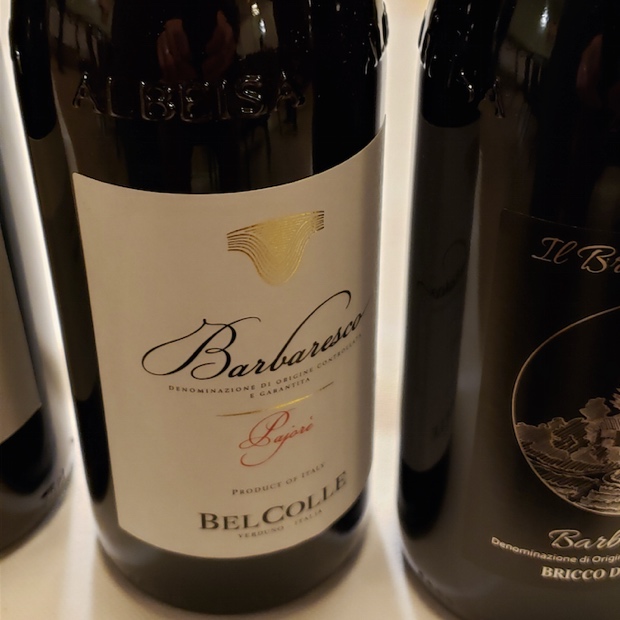
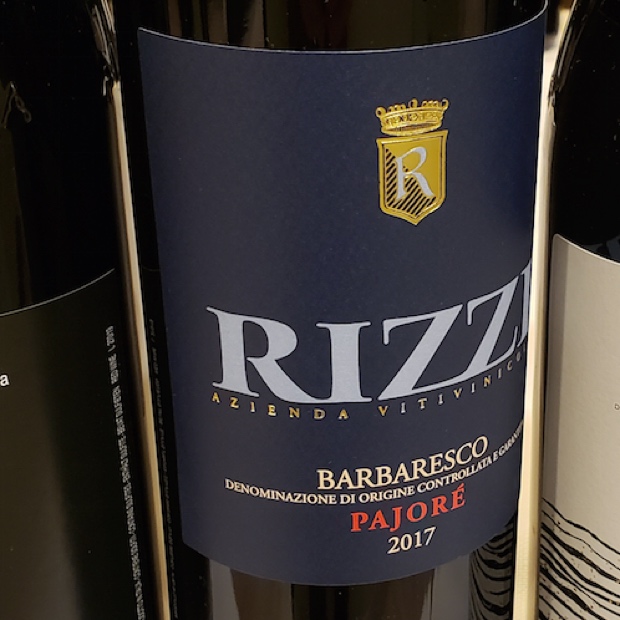
Rizzi Barbaresco DOCG Pajoré 2017 ($42.95)

Again this is Pajore’ in its basked light of delicacy, ripe and rising. Understated and yet so cumulative of fruit, acidity and fine tannin. In fact the tannins accumulate with great numbers and in even greater force. This will outlive many of us to die another day. Tour de force is what nebbiolo can be albeit with Treiso subtlety and drive. Drink 2023-2034.  Tasted January 2020

Roberto Sarotto Barbaresco DOCG Gaia Principe 2017 ($43.00)

There’s an almost appassimento note to this strange and unusual Neive nebbiolo and also an over-developed fruit feel. Like roll-up, very strawberry and quite overripe. So simple as a result and mired in a pectin-glycerin way. Drink 2020–2021.  Tasted January 2020

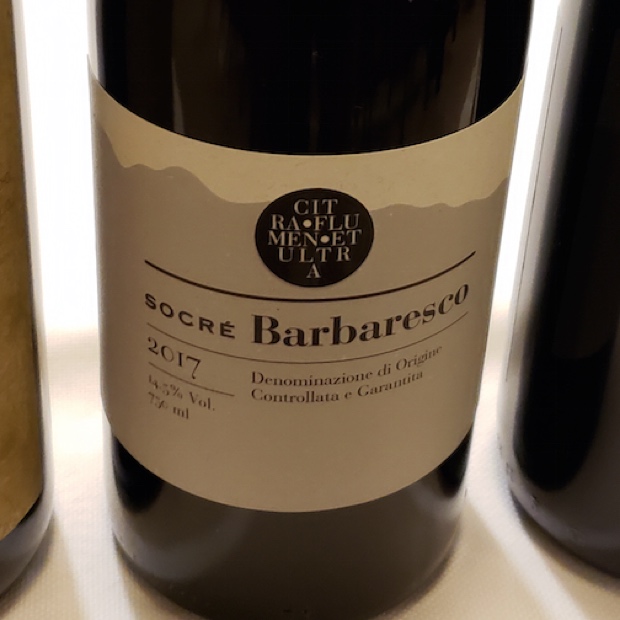
Socré Barbaresco DOCG 2017

Takes a walk along a wire that supports both a lightness of being as well as some high-tonality to the point of volatility. There is an old-school Barbaresco quality to be sure and a traditional waft that is both obvious and comforting. Clean enough to eat off of though you also knows where its been. Drink 2021-2027.  Tasted January 2020

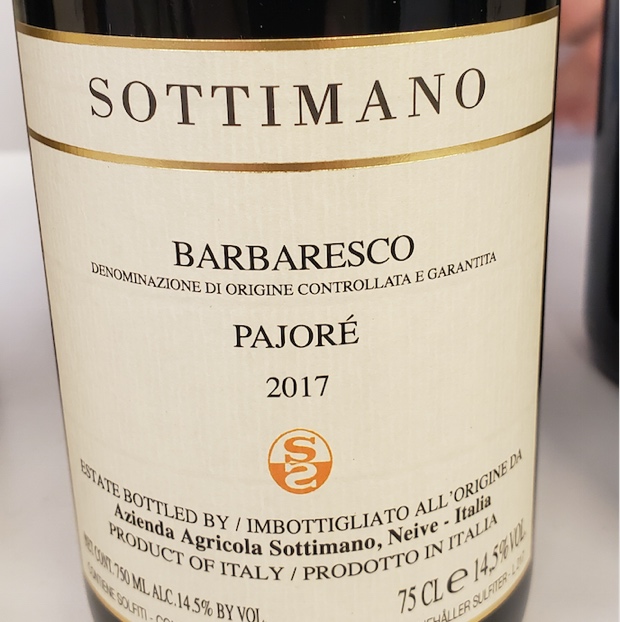
One of only two Cru Neive Barbaresco made by the family in 2017 because of hail that rained down on Basarin the 25th of April. Lower production on one hand, indelible mark of concentration and focus on the other. Elegant, lightly lifted and breezy with that density of fruit laying low, stowed safely and securely away to rise only as necessary, as the tannins melt, spread out and dissipate. Accented with chromatic prejudice as only a Sottimano nebbiolo will, xanthous, cinnabar, maroon, together imagined as spices that feed the flavours. Liquid berries, cool, fine and finessed. Does Barbaresco get more honest than this? A true window into a cru and snapshot of a vintage. Drink 2021-2031.  Tasted January 2020

Taverna Barbaresco DOCG 2017

Very ripe and organized, developed and heading forward with great haste. Acids are brighter than some so there is light streaking through the Neive vintage darkness. Another example that speaks to the great variability in 2017. Drink 2020-2024.  Barrel Sample tasted January 2020

Tenuta Baràc Barbaresco DOCG Rocche Massalupo 2017

Dark and developed nebbiolo fruit with some serious grip in its tannic step. The wood is a major factor early on and the stuffing is surely there. Needs a few years easy to let things settle and to allow full or even partial integration. Great potential from Rocche Massalupo. Drink 2024-2030.  Tasted January 2020

Unusually restrained for a Neive nebbiolo of clear complexity and might. The substantial fruit texture and mineral-alloy impression cannot be ignored, nor can the exquisiteness of the elasticity be denied. So much acumen, passion and planning are clearly meant to make many requests, most notable the one that asks for patience before judgement and ultimately joy plus pleasure accumulated in the decades long exercise. Drink 2023-2035.  Barrel Sample tasted January 2020

Barbaresco DOCG 2016 (2 reviews)

Sottimano Barbaresco DOCG Basarin 2016

Basarin in the newest Cru for Sottimano, established in 2014 though the vines are already between 45-50 years old. Released just at the start of 2020 and already displaying a prominence in aromatics that speak to this exceptional nook just below Neive. From a vintage blessed for its place in history matched by a requiem for a dream. Crunchy for nebbiolo surely caused by the policy of classically long Piedmontese maceration, drawing fruit with gentle impunity and long-grained tannins in thrushes and intermingling chains. Pure dark fruit (almost raspberry) and a generous application of wood varnish. Architecture, length and character, all together. Drink 2022-2037.  Tasted January 2020

Taverna Barbaresco DOCG 2016

Comes from one vineyard at the top part of the hill, Gaia Principe it’s called, one of four that make Barbaresco in the MGA (menzioni geografiche aggiuntive). Quick maceration, only seven days, not very Piedmontese and because the house tradition is to make wines to drink and drink now. A very fresh nebbiolo, sweetly perfumed, clear, pure and precise. Drink this most days. No good reason not to. Drink 2020-2024.  Tasted February 2020

Marina Marcarino

Barbaresco Riserva DOCG 2015 (15 reviews)

Briccogrilli Battaglio Barbaresco Riserva DOCG Serragrilli 2015

All about aromatics for this Neive nebbiolo. Candied meets spiced, like a cinnamon lozenge, soothing and yet peppery. Not the most structured affair and thins out as the hard shell cracks, softens, melts and disappears. Drink 2020-2022.  Tasted January 2020 

Cantina Del Nebbiolo Barbaresco Riserva DOCG 2015

Set at the highest tone, nearly to 11, with fruit rising along and everything just hanging out on the edge. Drink 2020-2022.  Barrel Sample tasted January 2020

A bit linear and herbal though there’s some substance hiding in the Barbaresco reeds. Quite closed and yet to open for the world to know and perhaps understand. Seems to shed some light with time in the glass before structure creeps in and up. Definitely wait and return. Better times lay ahead. The transparent and confident fruit will emerge. Drink 2023-2029.  Tasted January 2020

Francone Barbaresco Riserva DOCG 2015

Now here is a Barbaresco Riserva for an overall consumer platform with ubiquity and pleasure across all fronts. Mildly fruity and with acids meeting tannins that mimic a concept of the same, Unquestionably Neive nebbiolo and without making any demands. Drink 2020-2024.  Tasted January 2020

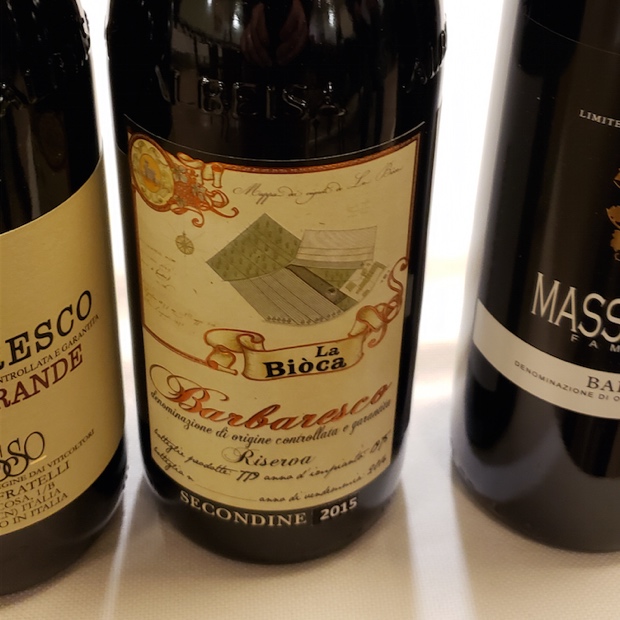
La Bioca Barbaresco Riserva DOCG Secondine 2015

Aromatically gregarious, volatile and yet unsettled in what is still an unfinished state. So much acidity and wood without respite. Can surely be imagined as the sort of Barbaresco nebbiolo that will suddenly transform and morph into something completely other, brilliant, ethereal even. Drink 2022-2028.  Barrel Sample tasted January 2020

Marchesi Di Barolo Barbaresco Riserva DOCG Rio Sordo 2015

Here’s a taut, tightly wound and spice-filled aromatic nebbiolo with a soil’s firm intention in solicitation of a wine’s structural intuition. Serious Barbaresco here with bones and elastic flesh. Let it ride. Drink 2020-2026.  Tasted January 2020

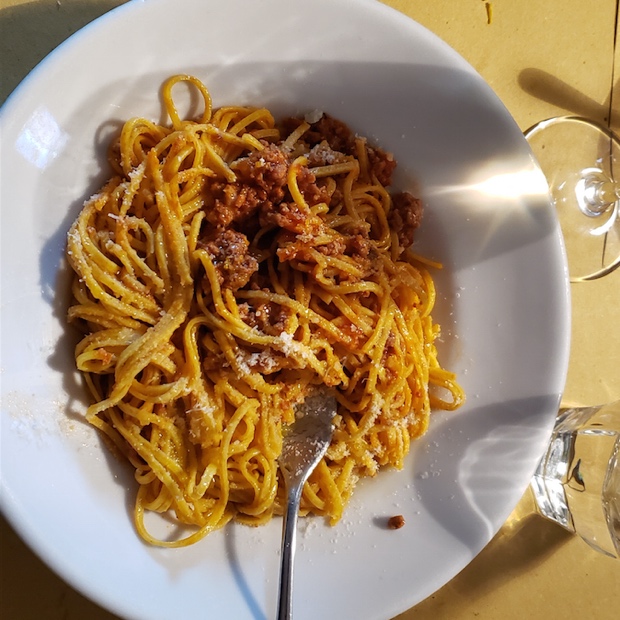
Tajarin, Osteria dei Sognatori, Alba

Massimo Rivetti Barbaresco Riserva DOCG Cerebella 2015

A cool and almost minty Neive nebbiolo that lies in the nether between transparent and glycerin. Far from reduced or reductive and yet not overly oxidative either, Very middle of the road. Drink 2020-2023.  Tasted January 2020

Molino Barbaresco Riserva DOCG Ausario 2015

Not merely ripe but nearly over the top, the edge and the precipice towards a falling down the other side. Tries hard and ultimately fattens, flattens into soft tones and sits out of balance. Drink 2020-2021.  Tasted January 2020

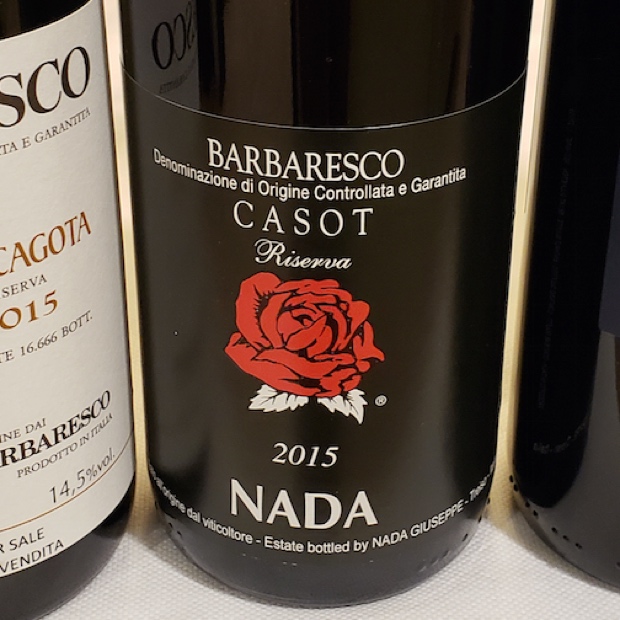
Nada Giuseppe Barbaresco Riserva DOCG Casot 2015

Clear and marked upscale notes give this Treiso nebbiolo a true blue Barbaresco feel that can only lead to sensation. Very cherry and great in its soul connection to the way the wine slides gracefully into its structural components. A bit over-heated on the back end with a plethora of wood spice and mild char but it finds its way back to the cool tempered wine it wants and needs to be. Drink 2021-2026.  Tasted January 2020

Piazzo Comm. Armando Barbaresco Riserva DOCG Nervo 2015

A ripe Nervo nebbiolo from Treiso on the darker, nearly black cherry spectrum with a clear directive from pressing through extraction and into barrel. Flavours are cough candy and tonic. Really quite botanical in the end. Drink 2021-2025.  Tasted January 2020

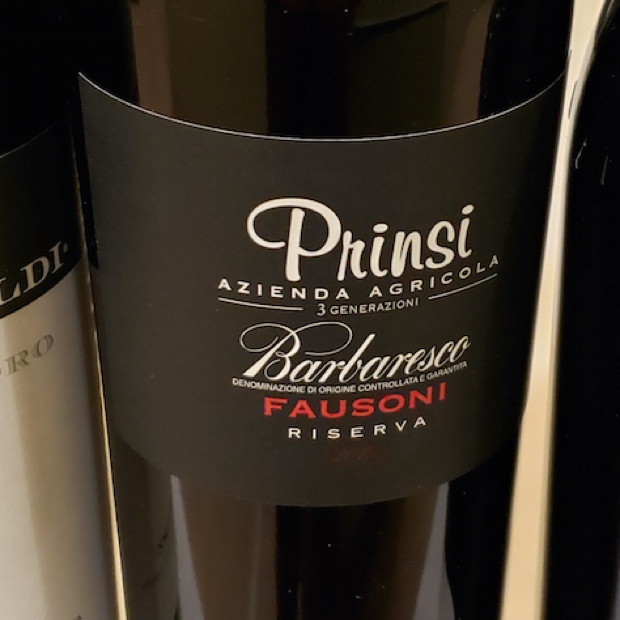
Prinsi Barbaresco Riserva DOCG Fausoni 2015

Closed in aromatic terms though a sweet-scented baking spices resides in mild fade where the middle meets the background. Cool and taut, not yet ready to play or offer pleasure. Will do so when time gets under its belt. Not an overtly generous 2015 Barbaresco from Neive but clearly a serious one. Drink 2023-2031.  Tasted January 2020

Produttori Del Barbaresco Barbaresco Riserva DOCG Muncagota 2015

Quality through really earthy fruit that reflects a feeling of beetroot in a chalky tannic Barbaresco nebbiolo. Quite crusted, nearly crusty and some bitters mark the finish. Dry and tannic. Young but the fruit will need to work hard in order to stand the test and onslaught of time. Drink 2021-2026.  Tasted January 2020

Wildly aromatic of wild strawberry and sweet bitters liqueur. Highly glycerin and textural with grippy and elastic stretched tannins. A huge Neive Barbaresco with time definitely secure on its side. Drink 2022-2030.  Tasted January 2020

Punset Barbaresco Riserva DOCG San Cristoforo 2015

This nebbiolo in the Barbaresco Riserva category goes for broke, pressed to find the fulsome glycerin that is entirely vintage possible. Extracted in tow are volatile and woolly characters with the present tense ability to infiltrate and distract. Time will act as catalyst to link the moving parts and give Neive life to what is at current a dry and tannic finish. Drink 2022-2027.  Tasted January 2020

The sense of place is clearly in with a jig of fruit that whispers Martinenga in Barbaresco. Wears a fine-knitted woolly cap and wraps up red fruit in a fine tannic sweater. Well-delineated from a generous vintage with the sort of bone structure and taut flesh that will withstand and bask in comfort through many cold winters. Drink 2022-2030.  Tasted January 2020

Masseria’s Alessandro Giordano and Gurvinder Bhatia

Retrospective Barbaresco DOCG 2007 ++ (15 reviews)

Masseria Barbaresco DOCG Montersino 2015

From the brothers Giordano, Stefano and Alessandro in San Rocco frazione and only 8,000 bottles produced. Spent 12-18 months in (30 per cent new) barriques and grandi botti. Almost oily rich, certainly luxurious with the blood orange notation. Nicely balanced, thoughtfully pressed and a joy to drink. Proper tannins speak for the site which makes this nebbiolo a representative of place and the youthful presence of its then 10 year-old vines. Drink 2020-2024.  Tasted January 2020

Pertinace Barbaresco DOCG Nervo 2009

Vigneto Nervo is south facing on blue clay in Treiso and here 11 years on this is no longer tense and nervous as it surely once was. Still nervy to be sure and from a big vintage. Generous red fruit with more than many shakes of spice and an almost dried balsamic wooden note. Wholly unique aromatic profile. Must be the compact blue clay we’re smelling. The silky palate texture tells us we’re right in the window. Last tasted at Ristorante Luna in Sinio, January 2020

A tight, saliva-sucking, bone dry, ossified, ferric Nebbiolo. Just two sips and my tongue and gums feel like a lorry has run over them. That and the crimson smell of climbing roses. Classic really.  Tasted September 2013

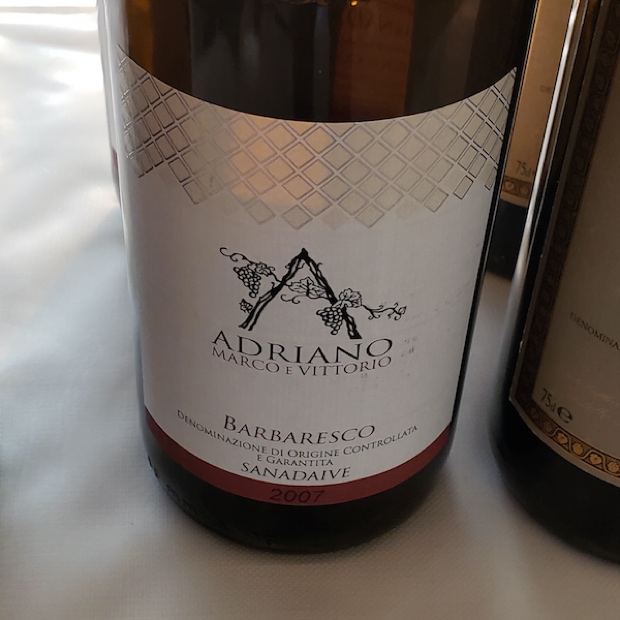
Adriano Marco E Vittorio Barbaresco DOCG Sanadaive 2007 ($26.45)

At 13 this Sendaive nebbiolo out of Alba has put in the work and the time, now quiet and rested. Must have been a raging one in its day because the residual volatility is present albeit rendered and flaccid now. Now all chocolate and vanilla so in other words, wood. Drink 2020.  Tasted January 2020

Cascina Luisin Barbaresco DOCG Rabajà 2007

Quite advanced Rabajà having taken all the steps necessary to travel through the portal into tertiary character. The secondary Barbaresco stage is but a faint glimmer in the rear-view mirror. It’s all milk chocolate wafers and milk now. The late bites are wood spice, not acidity. Drink 2020.  Tasted January 2020

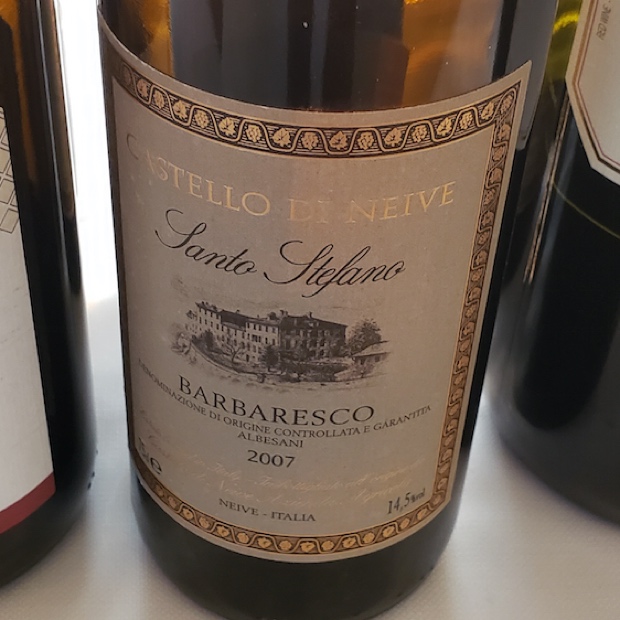
Castello Di Neive Santo Stefano Albesani Barbaresco DOCG 2007 ($44.95)

The fruit has vacated the Neive premises leaving wood, alcohol and mineral smells to keep the nebbiolo faith alive. Was and persists as an earthy soul with old-school and big barrel ideals in all its former glory. Drink 2020-2021.  Tasted January 2020

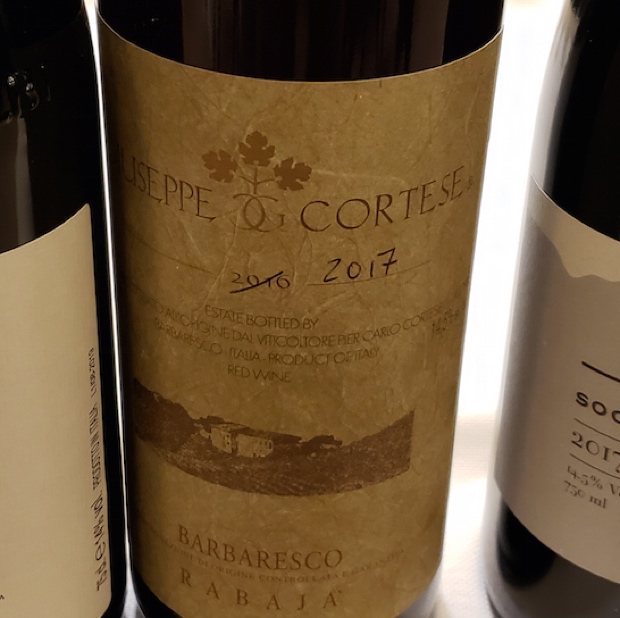
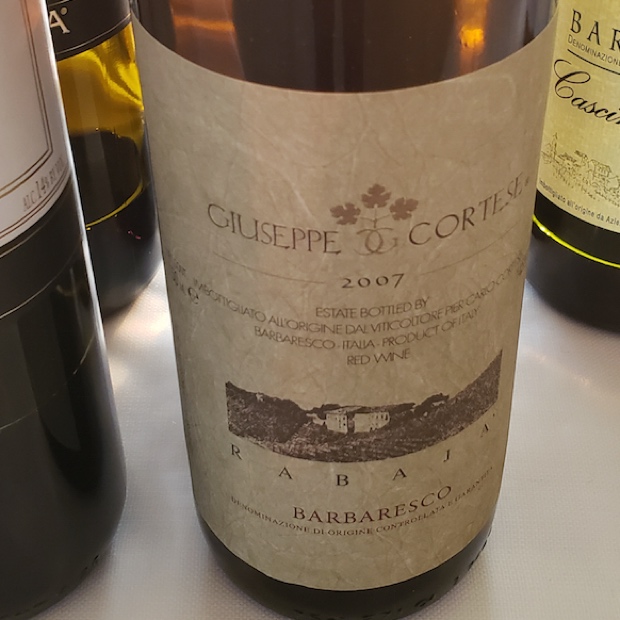
Cortese Giuseppe Barbaresco DOCG Rabajà 2007 ($46.95)

Advanced and chocolate-filled, red fruit still juicy and thriving, acidity too. Tannins mostly resolved but still holding the fort. Solid Rabajà 2007 from Barbaresco to be sure. Drink 2020-2023.  Tasted January 2020

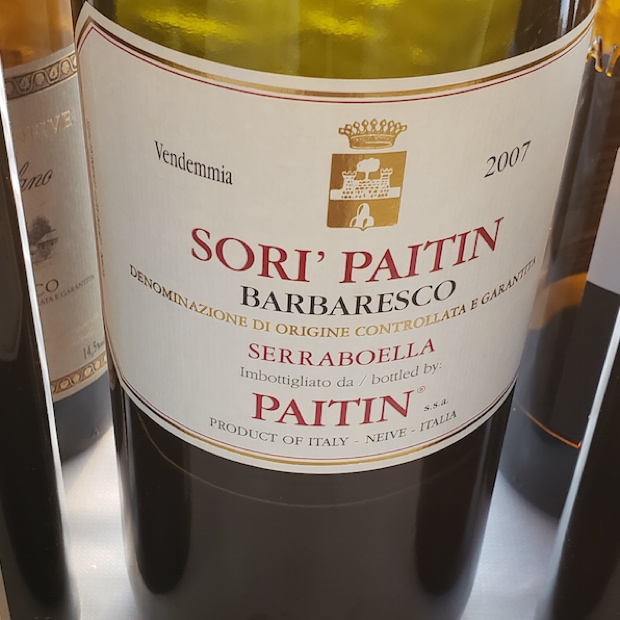
Paitin Barbaresco DOCG Sorì Paitin Serraboella 2007

Amazingly characterful Neive-Sorì Paitin Serraboella nebbiolo, with a pronounced note of Brettanomyces mixing with the dried fruit and mineral salts. Would peg it for older than 2007 aromatically speaking but palate wise it still crackles and pulses with life. Drink 2020-2022.  Tasted January 2020

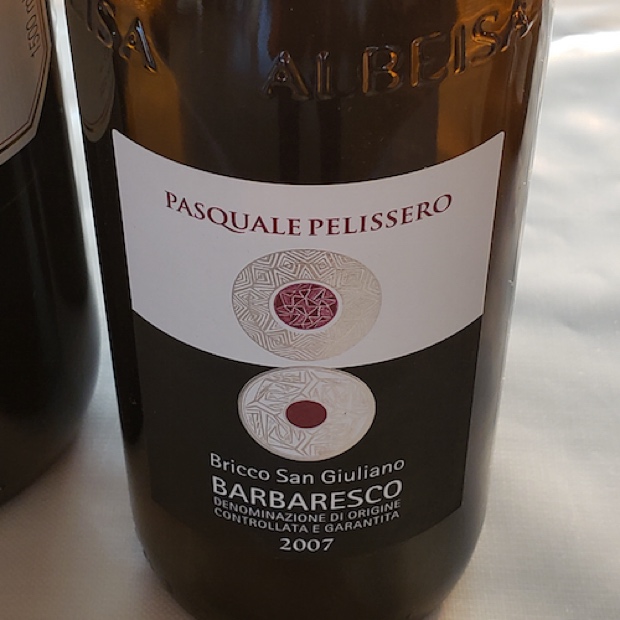
Pelissero Pasquale Barbaresco DOCG Bricco San Giuliano 2007

Quite the quiet, soft and sultry nebbiolo with fruit very much intact. This is a warm 2007 that did not get under the covers and saw a Bricco San Giuliano stay away from overheating. Plenty of chocolate here and lots of life left to live and give. The Neive Pelissero heyday incarnate for Barbaresco and 2007. Drink 2020-2024.  Tasted January 2020

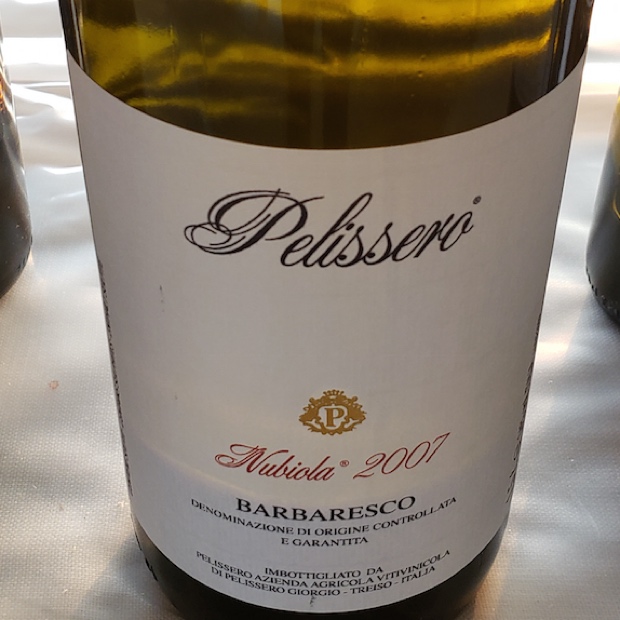
Pelissero Barbaresco DOCG Nubiola 2007 ($45.95)

Nubiola out of Treiso is showing some age here with acids still raging and a candied sweetness to the aromas. Not nearly as expressive on the palate but when you think about the vintage and the age it still shines with as much happiness as you’d hope it would. Drink 2020-2022.  Tasted January 2020

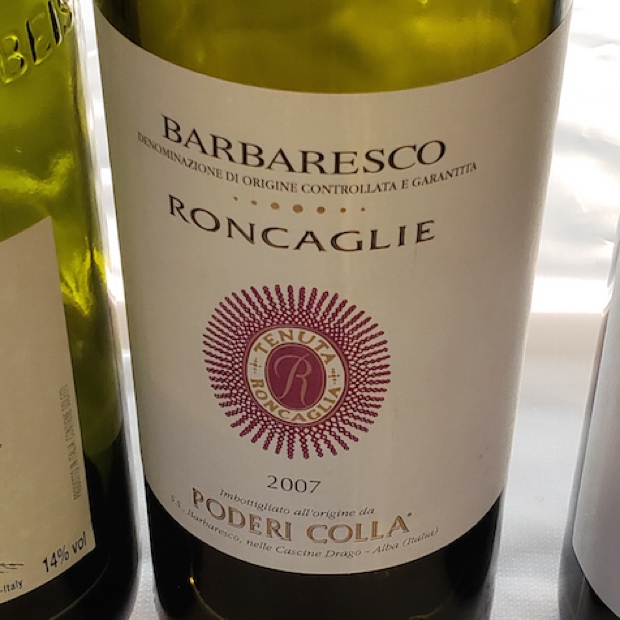
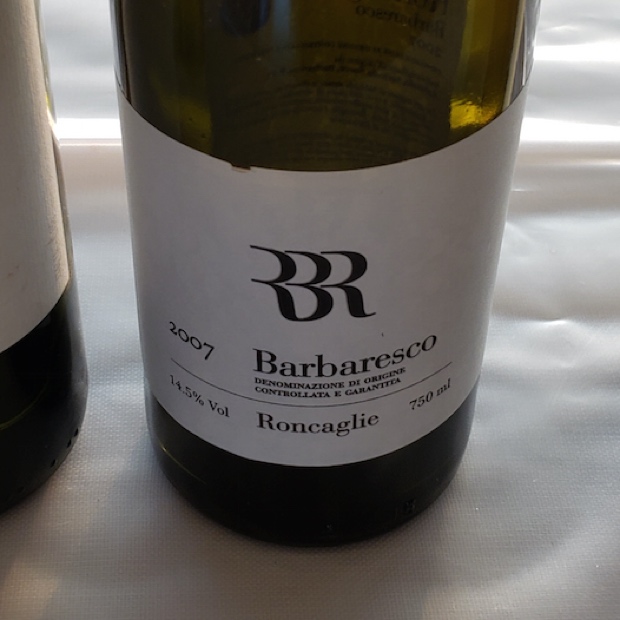
Poderi Colla Roncaglie Barbaresco DOCG 2007 ($50.00)

Colla’s 2007 Roncaglie saw a great compliment of wood, that much can be true in a 12.5 year later assessment. The fruit and the thrill are gone with the barrel and the cool savour stringing it out. Quite easy, amenable and one of the better food Barbaresco nebbiolo in this 2007 retrospective. So it’s got that going for it, which is nice. Drink 2020-2021.  Tasted January 2020

Produttori Dei Barbaresco Barbaresco DOCG 2007 ($41.95)

A wee hint of mephitic reduction is maintained in this earthy, salt of the land nebbiolo from the great Barbaresco cooperative. Still showing its tannic teeth and elevating fruit up along with the high-toned character. The finish is like a Piedmontese chocolate and hazelnut torte. Drink 2020-2023.  Tasted January 2020

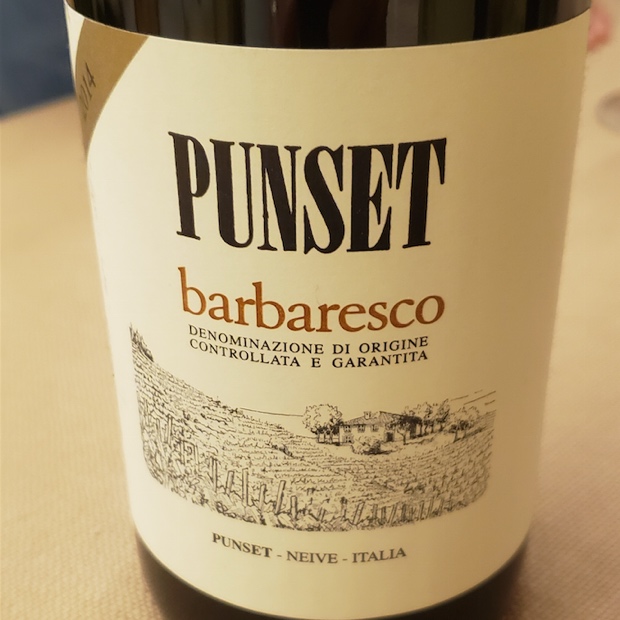
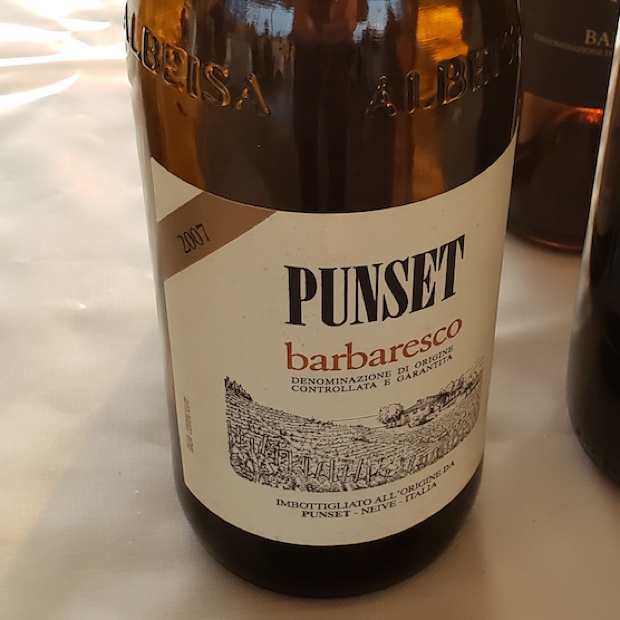
Punset Barbaresco DOCG 2007 ($55.95)

Wildly aromatic, in a terrific window to check out the progress and clearly a top cru for nebbioplo from Neive in 2007. Which tells us Basarin is always a top cru. All have come to play and join the serious fun; fruit, nuts, wild shrubs and herbs, but also things toasted, charred, roasted and seared. All the while keeping a coolness and a winter savoury character to match the natural and honest personality it just feels so comfortable in display. Drink 2020-2027.  Tasted January 2020

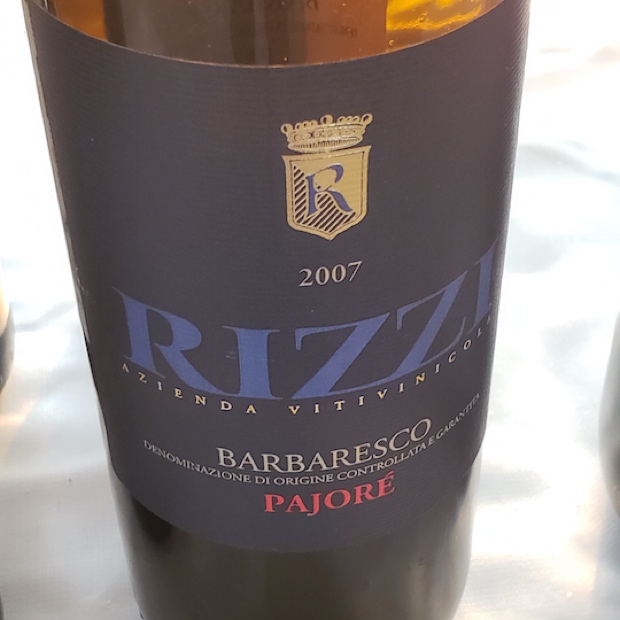
Rizzi Barbaresco DOCG Pajoré 2007

Pajoré from Rizzi is youthful to bely the 12 and a half years it has spent in its vessels. The notes of cherry are joined by a pinot noir like cola in Treiso nebbiolo clothing. Acids are still string and in charge while tannins are the ones to have softened. Spectacular look back in retrospection that I would wish upon everyone to have and enjoy. Drink 2020-2026.  Tasted January 2020

Socrè Barbaresco DOCG Roncaglie 2007 ($50.00)

Pretty much what you might and want to expect from 2007 Barbaresco tasted in 2020. High-toned, fruit a mix of fresh and dry, acids in total control. Impressive Roncaglie that leaves a lasting impression. Drink 2020-2024.  Tasted January 2020

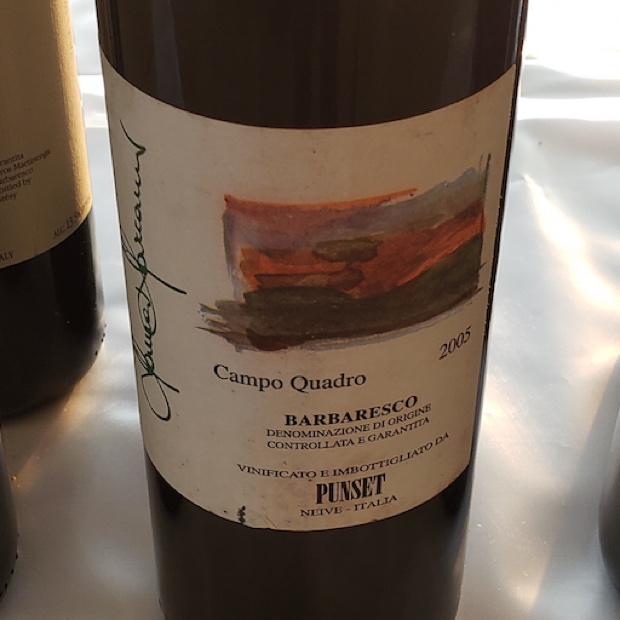
Punset Barbaresco DOCG Campo Quadro Riserva 2005 ($71.95)

Highly complex Neive Barbaresco from Marina Marcarino’s Campo Quadro with age fully engaged but also on its side. The tones, bones and fleshy substance all show off their balance and their agility. Wise? Sure. Fortuitous? Maybe. Proper? Exactly. Drink 2020-2026.  Tasted January 2020

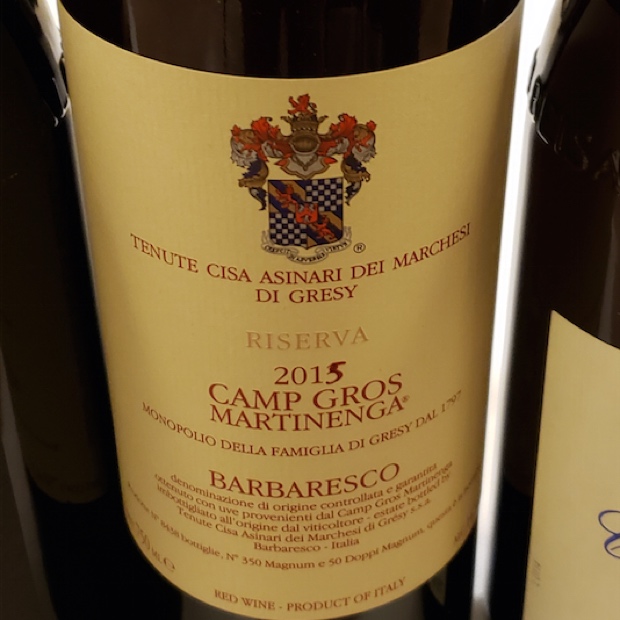
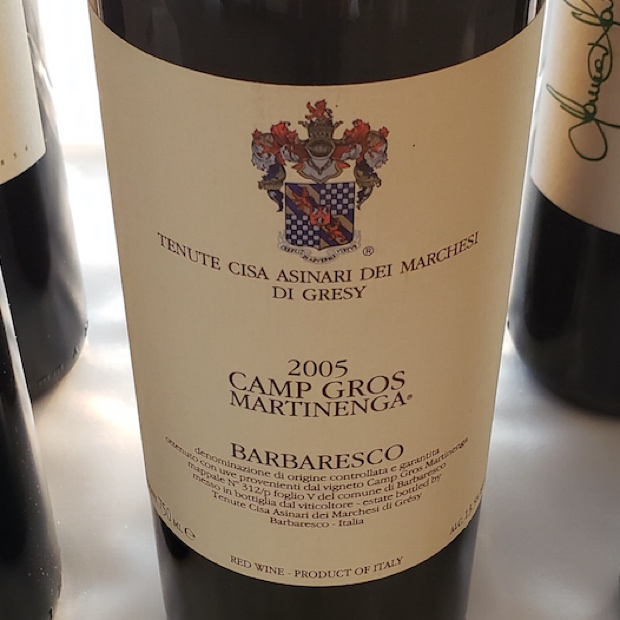
Tenute Cisa Asinari Barbaresco Riserva DOCG Camp Gros 2005 ($104.00)

A bit of a demurred Barbaresco here from Camp Gros and yet the fruit has surely lasted without too much stress or effort. Crunchy and a touch earthy, quite floral and really elegant. Lovely at 14 years-old. Drink 2020-2024.  Tasted January 2020

Good to go!

godello

Flying in to Pi-e-mon-te

Twitter: @mgodello

Instagram: mgodello
WineAlign

New year. Try new wines

Red wine

Here are five new releases to get you going in that risk-taking direction
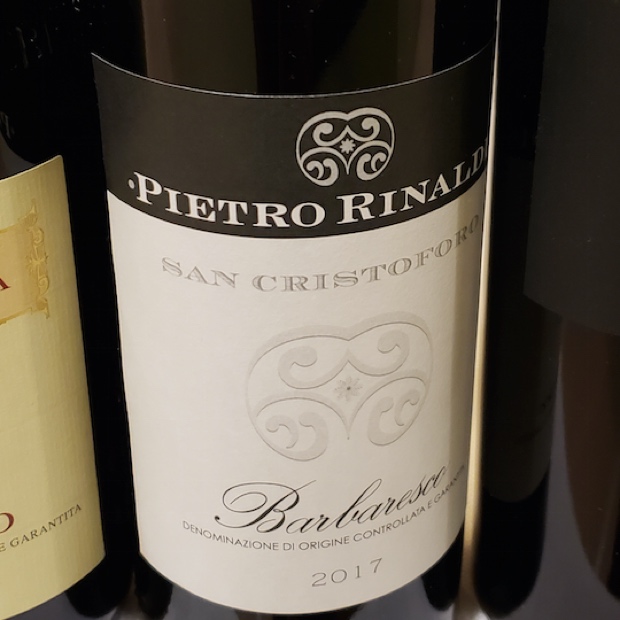
Photo: colors0613/Fotolia.com

as seen on canada.com

More wine predictions have been paraded out in the first week of 2014 than disgraced senators, mayors and potential Olympic men’s hockey team selections. What do they all mean? Will any of them really come true? Will support not continue to the largest brands, produced for the most middle of the road, common denominator consumer?

Tyler Colman polished his crystal ball to determine wine trends for the new year at wine-searcher.com. Jamie Goode insists “it’s going to be a good year for the Balkans and the ancient wine countries  and it’s going to be a bad year for many wine writers.” Ron Washam, the Hosemaster of Wine said “I read Dr. Vino’s predictions for 2014, and they were exactly the same as his predictions for 2013.” So he walked on the wild side, noting “I’m pretty sure “Supernatural” wines will catch on.” Chris Losh followed up with his satirical Chris-tal Ball from Just Drinks.

The global community of wine writers, critics and commentators collectively seem to be saying no to the status quo. They are predicting sweeping changes to consumer tastes. They are not wrong, but neither are they right. The largest wine corporations and super-negociants will continue to push their brands built on four or five grapes (Cabernet Sauvignon, Chardonnay, Shiraz, Pinot Grigio and Malbec) because bottles produced from those vineyards planted over the past 15 years with their huge excess of juice have to be sold. That can’t change. By all means, go ahead and march out a full-on pageant of obscure grapes my good-friend Zoltan; Kadarka, Fetească Neagră, Xinomavro, Blaufränkisch, Mavrud, Saperavi, Furmint, Harslevelu, Juhfark, Antao Vaz and Rktsiteli. Serve them at my table, please. It’s just that everyone else will look at you kind of funny.

Then there’s the hush, wink, say-no-more evil of the mega-purchaser model (read between those lines) of bullying the Brettanomyces out of your suppliers. You know who you are, you wine enabling vinous behemoths the equivalent of Sobeys and Walmart.

Today, at 2 p.m. ET the weekly PostMedia Wine Chat will resume. Gurvinder BhatiaRod PhillipsJanet Dorozynski and I will discuss the resolve to drink outside your comfort zone. We’re going to put aside what we know, leave the couch and venture forth to grapes, regions and hidden appellations either ignored or perhaps never visited. We’re going to recommend that you do the same. Here are five new releases to get you going in that risk-taking direction.

From left: REYES D'ARAGON BRUT RESERVA CAVA 2010, BODEGAS BERONIA VIURA 2012, CHATEAU JOLYS 2011, and BLUE MOUNTAIN BRUT METHODE TRADITIONELLE

From left: REYES D’ARAGON BRUT RESERVA CAVA 2010, BODEGAS BERONIA VIURA 2012, CHATEAU JOLYS 2011, and BLUE MOUNTAIN BRUT METHODE TRADITIONELLE

REYES D’ARAGON BRUT RESERVA CAVA 2010, Spain (194803, $14.95, WineAlign)

Offers a rare opportunity for vintage-dated Spanish fizz and from somewhere other than Penedès. From Bodegas Langa and built upon a foundation of Chardonnay (along with Macabeo), this Cava takes a direct route through the village of white grapefruit, returns and replays there again and again. A high road dosage of sweetness lingers over licorice root and the rangy flavours include Manchego and green olive. Good, if not spectacular quality Cava. At $15 you have to appreciate the slightly oxidative bronze patina and refreshing copper minerality.  89  Tasted December 2013

BODEGAS BERONIA VIURA 2012, Rioja, Spain (190801, $14.95, WineAlign)

Great tenacity for such entry-level Rioja vin blanco. What more could you want? Freshness, grape must, tang, just a hit of spice, pepper. From my earlier note: “Exsufflates super ripe, fresh picked pear and emollient herbiage in pure, angled control. One hundred per cent, quick macerated and cold stabilized Viura of aromatics locked in tight. A pour that leads to a starburst of flavour. Complexity reaches the sea in an underlying tide of salinity.”  89  Tasted July and December 2013  @WoodmanWines  @BodegasBeronia

CHATEAU JOLYS 2011, Ac Jurançon Sec, Southwest, France (362046, $16.95, WineAlign)

Shake it up with this delicious if slightly unusual, tangy, edgy stuff. Out there and beyond your average French sipper, shaped by lemon curd and zest, tangy grapefruit and lengthened by rubber-legged dancing elasticity. May drive its car under the influence but it’s not warm and fat. Busts ” the move with the quirky jerk.”  88  Tasted December 2013

BOUTARI GRANDE RESERVE 2007, Naoussa, Greece (140111, $16.95, WineAlign)

Once you go Xinomavro, especially with this stupidly good value, you never go back. An inoculate of bright cherry liqueur is beginning to brick but holding steady and strong. Years of seeping have led to this moment of slight prune-ish activity but the old school beauty and charm is nothing short of wonderful.  Cherry wood resinous and still markedly tough tannins bring out the bitters but the wine glides smoothly forward into a soft, eloquent finish  90  Tasted December 2013  @boutari  @KolonakiGroup

BLUE MOUNTAIN BRUT METHODE TRADITIONELLE, Okanagan Valley, British Columbia (206326, $27.95, WineAlign)

Blue Mountain is the poster child for B.C. bubbles and this forth-righteous, tight to expansive, quintessential cool-climate Okanagan is the stalwart for the genre. The unabashed intensity in citrus acidity,  zero dosage style is exactly what it should be. If you have never experienced west coast bubbles, this is the place to start.  90  Tasted December 2013  @BlueMtnWinery

Good to go!

Wine chat anyone?

PHOTO: ONDREICKA/FOTOLIA.COM

as seen on canada.com

It’s not as those everyone is doing it, but chatting live online about your favourite pastime is all the rage these days. Discussions can be about food, sex, music and yes, wine. I join experts across Canada every Thursday at 2:00 pm EST to lead a group-think on the ubiquitous subject. Today we’ll be talking about Fortified and Dessert wines.

If you host it they will come. Shawn McCormick of Uncork Ontario is passionate about Ontario wine and was quite certain if he presented a live forum, people would show up to the party. Fifty-five minutes in he tweeted this:

When asked why he chose to host the chat at this time, McCormick replied, “there’s been a #WineChat and a #BCWineChat for a while now. A few of us on Twitter were discussing why there wasn’t an #ONWineChat, so I decided to just start it and see where it goes. Why Wednesday night? I wedged it in between the other two wine chats, mainly because at some point we’ll likely combine chats with #BCWineChat for a two hour special on topics of similar concern.”

Photo: Robert Holmes, California Travel & Tourism Commission

A who’s who of Ontario vinophiles showed up to talk Ontario wine, from signature varietals to micro-climates. In the end McCormick noted, “Summary for #ONWineChat tonight? Do what does well in your micro-climate. Try to focus (not do everything). Make great wine.” Seems like the band of merry prankster wine geeks couldn’t let go either. The chat was slated to begin at 10:00 am EST but a few keeners jumped in early and despite Shawn’s call at 11:00 pm, the last post/tweet signed off well after midnight. Passion indeed.

But wait, there’s more. Wine romantics in British Columbia had their very own round table as well. Thanks to Tinhorn Creek’s Sandra Oldfield,  BC Wine Chats also presents online Wednesdays at 8:00 pm PST and last night’s topic was “Will TED Talks BC Next Year Affect BC’s Food and Wine Future?” The Canadian wine train is steaming full-speed ahead. Time to get on board.

Okanagan wine-making region (Photo: Handout/Postmedia News).

The canada.com chat has thus far been an exhilarating and educational experience. Rod Phillips brings an unparalleled academic and pinpoint perspective. Gurvinder Bhatia shares a wealth of international experience and is a champion of the sui generis varietal. James Nevison loves his Sparkling wines, never wavers from his zeal and adds essential energy to the discussion. We have also been joined by many guest experts, including John Szabo, M.S., Rick VanSickleW. Blake GrayCraig PinheyDebbie TrenholmeMichael Pinkus and this week, Janet Dorozynski joins the panel.

Come join the chat, you might learn something.

Good to go!

Live Wine Chat on CANADA.COM

March 29, 2012

Join in Thursday at 2:00 pm ET as I chat online about wine. I will be joined by Ruth Dunley (PostMedia), Rod Phillips (Ottawa Citizen), James Nevison (HALFAGLASS) and Gurvinder Bhatia (Vinomania).

http://www.canada.com/business/Live+Chat+wine+experts/6348994/story.html

We’ll be talking about Easter wines and responding to questions from readers.

Good to go!

Live Blog on CANADA.COM

March 1, 2012

Join in today at 2:00 pm ET as I chat online about wine. I will be joined by Ruth Dunley (PostMedia), Rod Phillips (Ottawa Citizen), James Nevison (HALFAGLASS) and Gurvinder Bhatia (Vinomania).

http://www.canada.com/news/Live+Chat+wine+experts/6216424/story.html

We’ll be talking about wine festivals and looking ahead to BBQ season.


Good to go!