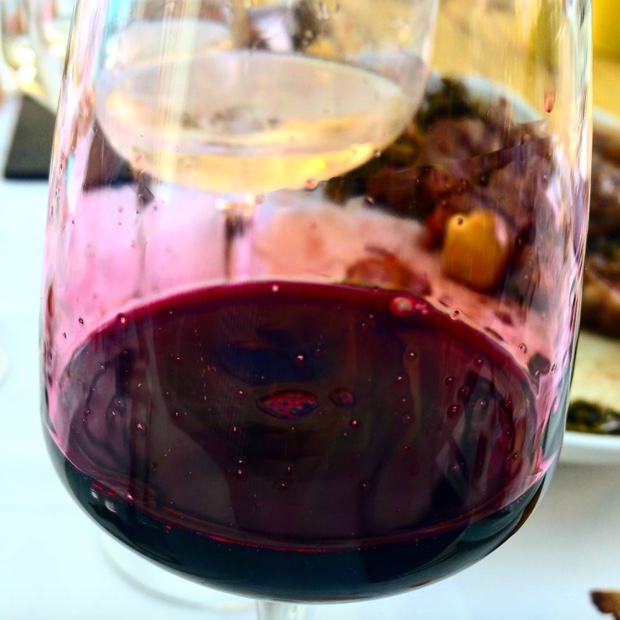
No country for old #vinhao or as @sommelierfou would say, “Apocalypse Vinhão.”
I recently returned home following an arduous, wild and exciting five days in Verona and Valpolicella. That night I fell into a coma even before my head had sunk into my memory foam pillow. I slept without a care to the world. When I awoke early Saturday morning my phone looked at me as if to say, “I’m sorry, but I have some bad news.”

David Pelletier, ‘Le Sommelier Fou’ and friends in Vinho Verde
I first met David Pelletier six months ago at the airport in Oporto, Portugal on Tuesday, March 29th, 2016. Before that time he was to me simply Le Sommelier Fou, an online presence for the intelligent, thorough and exacting French Canadian musings of a wine writer with a sensitive voice. Two things struck me straight away about Mr. Pelletier. His sweet and caring eyes and his uncanny and impossible ability to travel back and forth between the French and English languages as if he had been born with two tongues.

David Pelletier and group aboard the Vinho Verde bus, photo (c) Christopher Wilton
Sadly, while travelling in California a few weeks ago, David Pelletier passed away. It was a terrible shock. His family and friends have lost the man who smiled with his eyes. They have lost a brother, son, confidant, mentor, teacher and companion. My friends and colleagues in Quebec share a collective hole in their hearts. I can’t begin to understand their pain. My time with David Pelletier can only be measured in commatic and cosmetic terms. It was not enough.
As the week in Portugal’s Vinho Verde region progressed, I got to know some things about David, about his life at the Trafalgar School, about his desire to devote his professional life entirely to wine. I sympathized with him having recently converted my personal commitment to the same dream. We stayed in contact after Portugal. On September 6th he sent me this message. “Hi Michael, could I get an email address from you? yours, ideally. It’s to illegally apply for a credit card. Kidding of course. But your email address would be cool. Thanks.” I never got that e-mail from him and will never know what it might have been about.
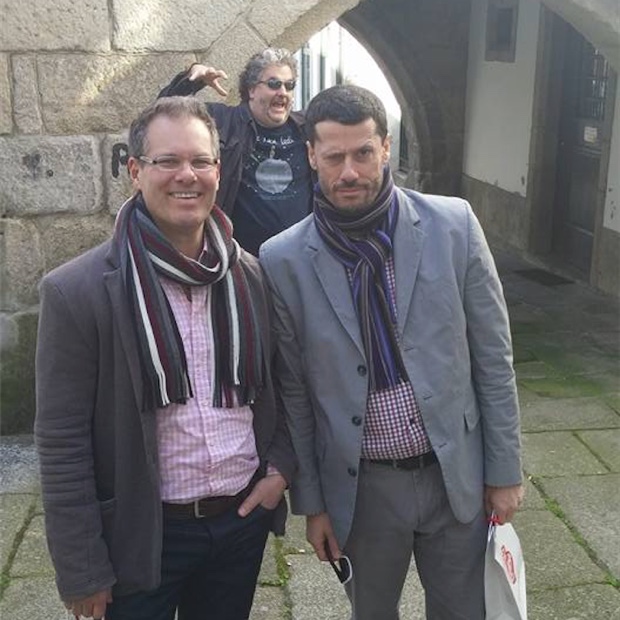
The photobombing Le Sommelier Fou, photo (c) Christopher Wilton
With David’s passing I’ve decided that it is time to finally share some thoughts on that trip to Vinho Verde. With no disrespect intended towards the producers, winemakers, the administrative and marketing staff of the region, their wines and the places must share this stage with Mr. Pelletier. His memory will always be inextricably linked to my time spent there. I think my travel companions will agree. Evan Saviolidis, Michael Pinkus, Drew Innes, Christopher Wilton and Anton Potvin from Ontario. Marie-Michèle Grenier, Fred Fortin, Marie-Hélène Boisvert and Émilie Courtois of Quebec. To you all and to David I will always raise my glass of Vinho Verde in memory of Le Sommelier Fou.
Vinho Verde: Green And Light
History shows that Vinho Verde was mentioned by Seneca and Pliny between 96-51 BC. The name comes from the green colour that carpets the landscape and to the youth of the wine, historically held by believers as said to be best consumed within the first year. As you will soon find out, thing have changed.
The Comissão de Viticultura da Região dos Vinhos Verdes was created in 1926 and the demarcated Vinho Verde Region originally defined on September 18, 1908. Vinho Verde extends across the northwest of Portugal, in the area traditionally known as Entre-Douro-e-Minho. The Minho River is its northern frontier, forming part of the border with Spain. Its southern border is formed by the Douro River and the Freita, Arada and Montemuro mountains, to the east it’s bordered by the mountains of Peneda, Gerês, Cabreira and Marão, and the western border is the Atlantic Ocean. In Portugal its 21,000 hectares, 119,000 parcels, 19,000 grape growers, 600 bottlers and 2000 brands make up one tenth of total vineyards. In terms of geographical area, it is the largest Portuguese demarcated region and one of the largest in Europe.
There are four steps to certification; registration, labelling, yields and guarantee of quality. White Vinho Verde (84 per cent) is most often composed from a combination of these varieties; alvarinho, arinto, avesso, azal, loureiro and trajadura. More and more we find it flying solo as a varietal wine and increasingly from single-vineyards as well. Rosé (6 per cent) comes by way of espadeiro and padeiro and vinhão is the lone source for Red (10 per cent) Vinho Verde. The past 11 years have seen to growth for exports between two and four per cent and here in Canada we are the number four purchaser behind the US, Germany and France.
Meteorological and geographical connections begin with high rainfall (1200mm per year, concentrated between October and April) and a severe maritime influence, along with the thread running through that are Vinho Verde’s rivers. Subregions are demarcated by the rivers and thus the micro climates are created. Monção and Melgaço, Lima, Cávado, Ave, Basto, Sousa, Baião, Paiva and Amarante. Soils are mainly granite, of low depth, sandy or Franco-sandy, leaning towards moderate to high acidity, poorly phosphorous and of low fertility. Vinho Verde’s salinity and minerality is derived from the granitic soil.
Most consumers think of Vinho Verde as a slightly effervescent, simple white wine. Fizz is no longer created by secondary fermentation in the bottle. Now just a bit of Co2 is left behind to appease consumer demand. “We want to maintain Vinho Verde as it is known, as a light, low alcohol, aromatic wine.” So limiting the alcohol and designating the acidity (at 4.5 TA) is employed. “O Verde E Leve.” Green And Light.
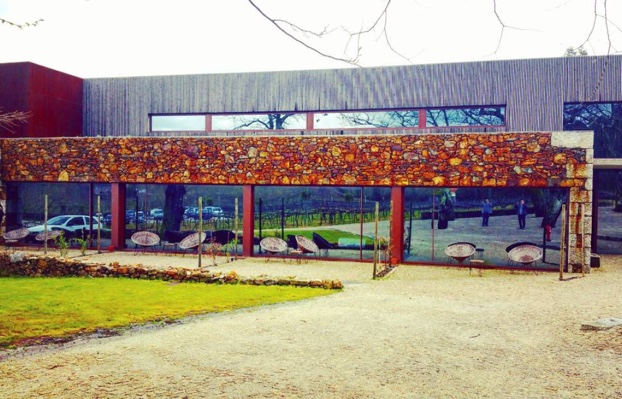
Into the landscape Monverde Wine Experience Hotel @quintadalixa #vinhoverde #oporto #amarante #portugal
An introduction to Vinho Verde
I have been fortunate to taste examples of Vinho Verde on a regular basis in Toronto so my idea of style and diversity has expanded generously over the past five years. For most Ontario consumers Vinho Verde means, cheap, effervescent, gulpable white wine that you find in droves on LCBO shelves at the Dufferin and Dupont Galleria Mall. Many folks think of Vinho Verde as a grape variety and that all of the wines are exactly the same. To alter consciousness, the quest begins with a great effort. The demarcation point of initiative in requiem of supposition to lay bare and recalibrate the region’s unjustly exposed and indefensible position. The journey to Vinho Verde diversity begins at the Monverde Wine Experience Hotel.
At the Monverde Wine Experience Hotel Tomás Gonçalves of the Comissão de Viticultura da Região dos Vinhos Verdes pours 18 examples, including 12 single-varietal whites, two Rosé, a sparkling, a Vinhão and only two Vinho Verde blends. Fifteeen producers and nine sub-regions are represented. The decision to introduce a five-day intensive program with a heavy focus on varietal Vinho Verde is a brilliant first strike. Then follows a portfolio tasting of Monverde host winery Quinta da Lixa’s wines. The family owned company (two brothers and a cousin) ripped out and re-planted their vines in 1999. The $10-12 (Canadian projected) wines fall into the category of stupid, crazy value. It is here that the introduction to Vinho Verde is clearly compassed in varietal trajadura, loureiro and especially alvarinho. Ten Canadian journalists and sommeliers are hooked, their collective attention secured and kept curious into the first warm days of April. Well played Vinho Verde. Some notes from the Monverde Experience.
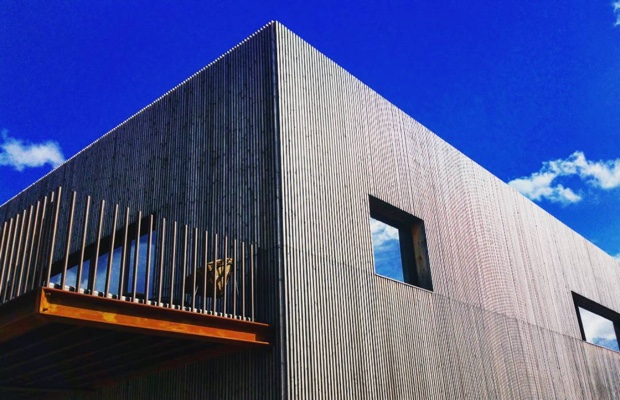
Architectural wonder of Monverde Wine Experience Hotel @vinhoverdeCA #visitvihnoverderegion
Casa de Vilacetinho Vinho Verde Grande Escolha 2014, Vinho Verde, Portugal
The lost art and singular reason for blending endemic is found here in three A’s and one L. Here with avesso, arinto, azal and loureiro all aboard the mineral train with variegated tannin and salinity in tow. Pear skin, a touch of botrytis in the guise of banana bring warmth and sumptuousness to the palate though in the end all is qualified by terrific acidity. Drink 2016-2019. Tasted March 2016
Casal De Ventozela Loureiro Vinho Verde 2014, Vinho Verde, Portugal (445098, $14.95, WineAlign)
Loureiro from Villa Verde, grippy and mineral as it should be, marked by citrus, herbs and the slightest spark of CO2. This must have been prime, perfect in fact, in the wheelhouse even…six months ago. Still refreshing and yet savoury, nearly, though one step away from complex for the grape and a sense of place, from point A to B. Drink 2016. Tasted May 2016
Richer by nature of its glycerin texture, weightier and lifted by alcohol expression, a slight spritz and visions of petrol two to three years away. Mineral tang unlike the compatriots in side by five VV tasting flight. Green olive emerges with five minutes of air like brine from the Manzanilla jar and then acidity sets in. Loueiro all the way. Tasted March 2016 @LeSommelierWine
Modestu’s Vinho Verde 2014, Doc Vinho Verde, Portugal
From the sub region Região de Basto this 100 per cent arinto carries an aromatic mustiness matched and foiled by a lively palate, in what is ostensibly a seconded VV with serious mineral tang. Such great presence is catchy and gaining on you with an underlying savoury pinning. Reminds me of tea leaf chenin blanc, with intruding notes of anise and Chá. Drink 2016-2019. Tasted March 2016
Quinta da Levada Azal 2014, Doc Vinho Verde, Portugal
Azal steps up and claims worthy status from the word go with energy, open aromatics and a pressing matter of density. The tumult of mineral will speak but first brightness full of glade under dappled sun. Stone fruit flavours and their pith with mineral wrap around takes the palate to fully juiced and spirited territory. The most expression and balance is ascertained thus far, halfway through an 18 strong Vinho Verde tasting. The length is exceptional. Drink 2016-2020. Tasted March 2016
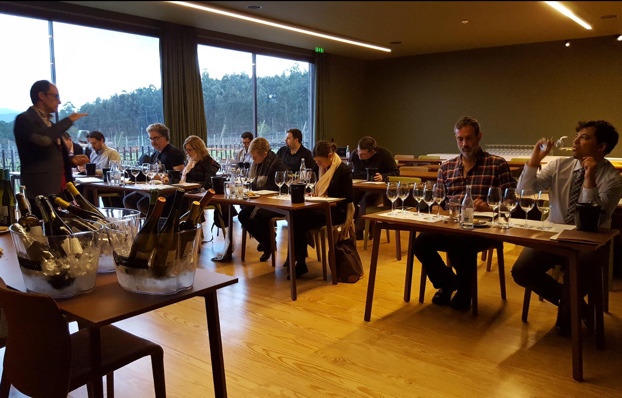
With the Comissão de Viticultura da Região dos Vinhos Verdes at the Monverde World Experience Hotel
Quinta De Linhares Azal Vinho Verde 2014, Doc Vinho Verde, Portugal (218222, $14.95, WineAlign)
Here boasts another terrific azal expression but with more litheness within the context of freshness. The level of spritz is charmingly old school and together with that lighter density not as full and therefore in any evolving hurry. Pricks early and dissipates to calm at the finish. Drink 2016-2020. Tasted March 2016
Quinta do Regueiro Alvarinho Monção and Melgaço Reserva 2014, Doc Vinho Verde, Portugal
Seductively saline and ever so venerable, nascent briny, fresh borne alighting Alvarinho, spritely, sharp and fresh. The hyperbole of inchoate viridity and sparkle should alarm in effervescence but the green and the vegetal make for real life twice what other similarly styled alvarinho are wont to express. A run on sentence of Vinho Verde if ever there was. A regional voice and a score for the alvarinho out of Monção and Melgaço conjunction. Drink 2016-2019. Tasted March 2016
Quinta da Lixa Escolha Colheita 2015, Doc Vinho Verde, Portugal
Though trajadura is not the most usual of single-varietal bottlers, this exceptionally fruity example comes from the best harvest in the last 50 years. “A winemaker’s harvest,” observes oenologist Carlos Teixeira, sunny at pick, but low in nitrogen, with a natural fermentation in need of a bit of a boost with some selected yeasts. S’got that chenin blanc faux sugar thing going on, much mineral and a leesy nose. Lees work is maximized in a very short period as the wines are bottled before the new year. Pear, green apple and white plum, fruity florals, very clean and then even more into the mineral. Mono-varietal purity in the cleanest fashion of low malic acidity but magic in acidity nevertheless, like it just doesn’t need any reason to rage. Drink 2016-2019. Tasted March 2016
Quinta da Lixa Alvarinho Pouco Comum 2015, Minho, Portugal
The “uncommon” alvarinho is the winery’s celebration of Portugal’s most noble white variety. Has the platinum and inside pipe tang. Very mineral. Made from four different single-varietal wines and blended together. Selected yeasts are chosen to bring out the different characters of alvarinho; fruity, floral and mineral. This really, really reminds me of pinot grigio made in a slightly advanced, reaching for complexity out of simplicity way. Complicit Vinho Verde with nary a moment of residual spritz. Drink 2016-2020. Tasted March 2016 @QuintadaLixa
At the Tempus Hotel and Spa we tasted through the ViniVerde, Estreia portfolio. Promoção e Comércio de Vinhos Verdes, SA is a holding company whose shareholders are several companies in the Vinho Verde Region and was incorporated with the objective to produce, promote and market the wines and derived more popular from its shareholders and also their own brands. We tasted through Espumante de Vinho Verde Branco, Rosé, Ponte de Barca vinhão and varietal loureiro and alvarinho. The straightforward Branco was first and stole the show.
Estreia Vinho Verde Branco 2015, Doc Vinho Verde, Portugal
The name translates to “début,” from the outfit laying claim to launching first to market. There is certainly something to be said for extreme youthfulness, unbridled energy and quivering character. Such a millenial Vinho Verde with the shortest of attention spans and pure, unadulterated flavour. Simple, slight and with a mere hint of effervescence. Should work out to $9.95 in Ontario. Drink 2016-2017. Tasted March 2016
In Ponte de Lima we dined at lunch with winemaker Rita da Silva Araújo, resident oenologist at the Adega Cooperativa de Ponte de Lima. Founded in 1959 the cooperative produces the most traditional of Vinho Verde wines with a focus on loureiro because of its affinity with the Lima River Valley.
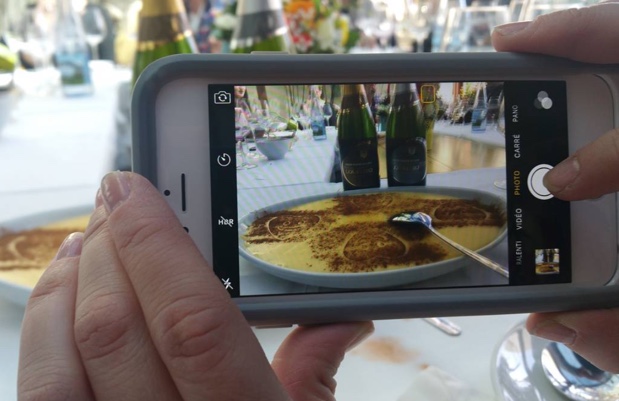
Leite Creme at Petiscas Restaurante #pontelima through the lens of @MHeleneB #portugal
Adega Ponte de Lima Vinho Verde 2015, Doc Vinho Verde, Portugal
Made from 100 per cent loureiro and the first winery to go this varietal route. A wine that “maintains the image of our town and region,” notes Rita da Silva Araújo, resident oenologist at the Adega. Very citrus oriented, in mineral speak and blessed with briny-saline aridity. A good dose of CO2 spritz and dogged persistence mark the finish. Drink 2016-2017. Tasted April 2016 @MuniLima
Adega Ponte de Lima Loueiro 2015, Doc Vinho Verde, Portugal
This 100 per cent loueiro may sit on a poor man’s throne of typically lithe alcohol (11 per cent) and restrained residual sugar but it carries a secondary depth of grape tannin, Lima soil tang and warm viscosity. From a selected harvest over two days of only the best grapes and subjected to four or five hours of skin contact. Time on the lees with batonnage brings the mouthfeel and the sweet caress. Here we climb to another level and through tertiary layers of pierce, salinity, aridity and finely tuned stone fruit. Very nice. Drink 2016-2019. Tasted April 2016
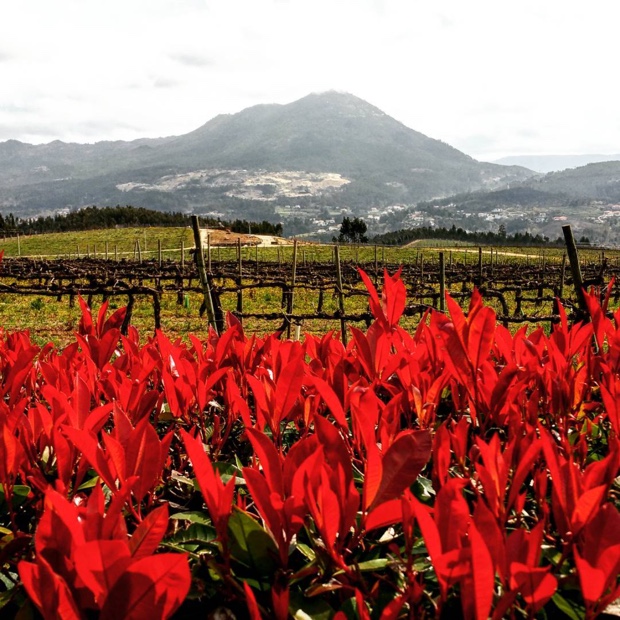
Colours of Quinta da Raza and Monte da Sr.ª da Graça #vinhoverde
Transitions
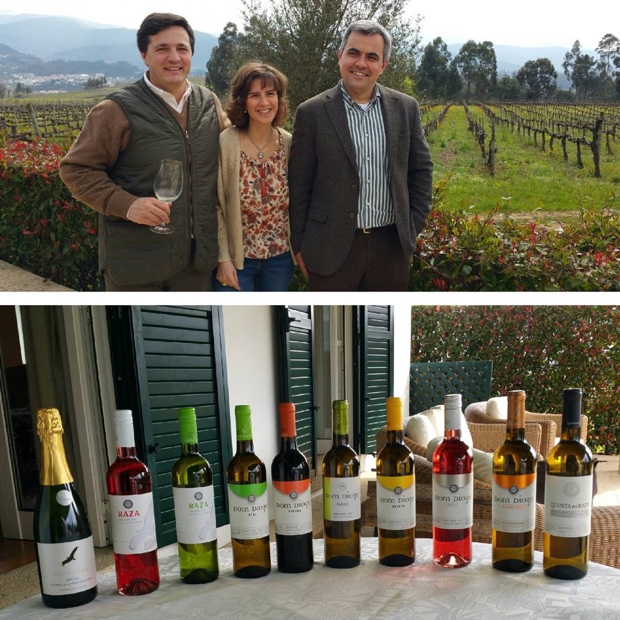
Quinta da Raza hosts and their exceptional value @vinhoverdewines
Dom Diogo Azal-Arinto-Trajadura 2015, Doc Vinho Verde, Portugal
The blend breaks down to 35/50/15 and like three layers of conditioned lemon, juicy, curdish and gelid, this is very vibrant from out of the auspices of a typical blend. The winery sells this at two euros ex-cellar price which is so ridiculous. This means the top end Canadian price would be $9.95. So fresh (azal) balanced in the clay of trajadura, not necessarily so long but really, who cares? Carries a granite toughness, this simply perfect warm weather blend, with a little bit of secured happiness provided by 7 g/L of residual sugar. Appellative excellence. Drink 2016-2017. Tasted March 2016
Dom Diogo Azal 2015, Doc Vinho Verde, Portugal
The surprise varietal, venerated by a whopping price increase to three euros (which would translate to $12.95 CAN), firm and with more righteous bitters. Here the agar, the orange citrus and a wealthy (8 g/L RS) weight for white wine personality. More length and grip with character increasing via a stick of Vinho Verde dynamite. Just delicious. Drink 2016-2018. Tasted March 2016
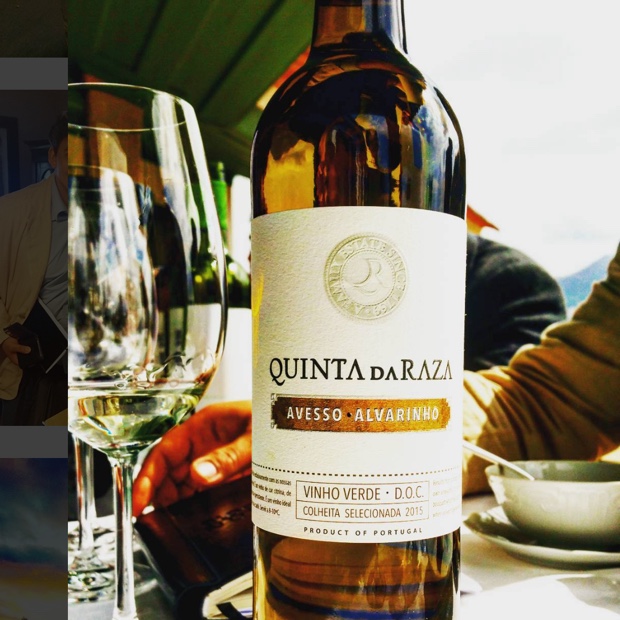
Hello world. Meet the new #vinhoverde #quintadaraza #avesso #alvarinho
Quinta da Raza Avesso-Alvarinho 2015, Doc Vinho Verde, Portugal
The blend’s split is 60/40 and the ex-cellar price up to five euros but this is the finest and most refined VV of the lot. The two A’s are combined and purposed with the best intent for aging, or at least the most potential. Quinta de Raza is the only vintner to tempt fortune and compete with such a complex symbiosis from the region. The new ideal is here in this inaugural release because Diogo has a soft spot for avesso. The augmentation is by 10 per cent new French barrel to induce and encourage avesso and allow for higher alcohol (13.5) and acidity. The great stirred contact bleeds to warmth and this is ostensibly top end alcohol for the region. You can sense the malolactic and the tannin. The balance will require 12-18 months to integrate, bringing the nose and the palate together, though not too much longer for fear of losing fruit. That said it’s (1.5 g/L) bone dry. Plus the avesso is culled off of young vines so vintages down the road should see more potential. Drink 2017-2020. Tasted March 2016
Also northeast out of Porto and close by is Quinta das Arcas, a family company founded in 1985 by António Esteves Monteiro. The production is mainly obtained from 120 hectares spread across three estates located in the Valongo and Penafiel area. The Quinta das Arcas estate covers 55 hectares of 20 year old-plus vineyards planted to loureiro, trajadura and arinto. The winemaking team lead by engineer Fernando Machado. Vinification is classically performed, with quick destemming, pressing and low temperature fermentation in stainless steel with an experiment or two in barrel. The company’s Vinho Verde is bottled under the labels Arca Nova and Conde Villar.
Arca Nova Vinho Verde Branco 2015, Doc Vinho Verde, Portugal
The blend is loureiro (50 per cent), arinto (40 per) and trajadura (10), in a classic, central to the estate’s oeuvre Vinho Verde. From a warm, dry year so more structure; this has the tannin, ripe fruit and tingle. The hue is somewhat developed, like grigio to gris and it is a real step up from the average and the norm. Both sugar and acidity (6 g/L) are paired with equal and opposing formality. The traditional yet modern full-on stone fruit flavours with a nick of citrus pit. Drink 2016-2018. Tasted April 2016 @quintadasarcas
Conde Villar Alvarinho and Trajadura 2015, Doc Vinho Verde, Portugal
Close to an even split with alvarinho edging out the trajadura and the fruit is all estate (others include some purchased grapes). This separate line is intended to offer a different expression from the Quinta and you can feel the density, assess the effect of ripeness and sugar. The nose is so very preserved lemon, the extract terrific and here there is a weight feigning effected by lees in surround of that ripe fruit. Drink 2016-2019. Tasted April 2016
Quinta da Arcas Vinhão 2014, Doc Vinho Verde, Portugal
Only made in special years and so important to call out for how it abandons centuries of astringency. Spent six months in new French oak (and a small percentage of American) to establish a whole new concept for red Vinho Verde, round and in surround for vinhão. The astringency falls away and lets the fruit shine in spite of the wood. Reminds of petite sirah on the elegant side and with a sapidity stung back bite. Lots of cocoa, espresso, and dusty tannin. Solid, non-traditional vinhão. Drink 2016-2020. Tasted April 2016
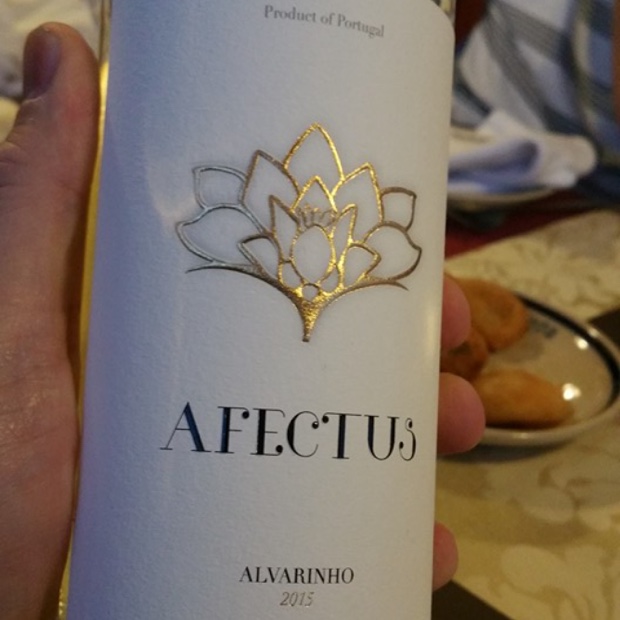
The granite soils of Quinta de Curvos are located in a valley with influences from the Neiva River and the Atlantic Ocean within the demarcated region of Vinho Verde (Entre-Douro e-Minho). The 27 hectares of vineyards are distributed among four properties located in Forjães, Ponte de Lima and Barcelos. The vineyards underwent a major process of restructuring and in 2014, the production of wine rose to a volume of 275,000 litres. Sustainability in the biodiversity of the vineyard’s ecosystem and the reduction of environmental impact are major priorities and so tractors and herbicides have been replaced by sheep.
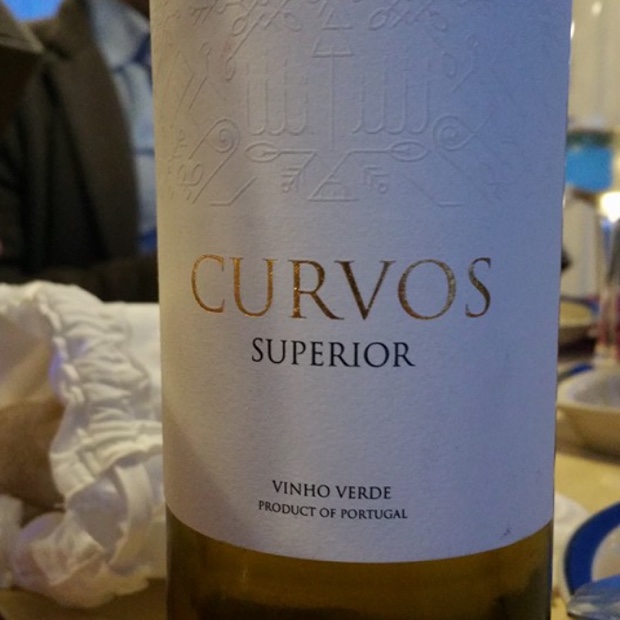
Quinta de Curvos Superior 2015, Doc Vinho Verde, Portugal
Most expected blend composed of loueiro, trajadura and arinto in the words of Miguel Fonseca “most traditional wine, very dry and very gastronomic.” The entry-level honesty, basic instruction and 101 effectualization is spot on. What more in needed in under $10? Carries all the hallmark points and notes of Escolha Vinho Verde. Bay laurel, citrus and an edge of stone, by granite and into fruit. Drink 2016-2018. Tasted April 2016 @quintadecurvos
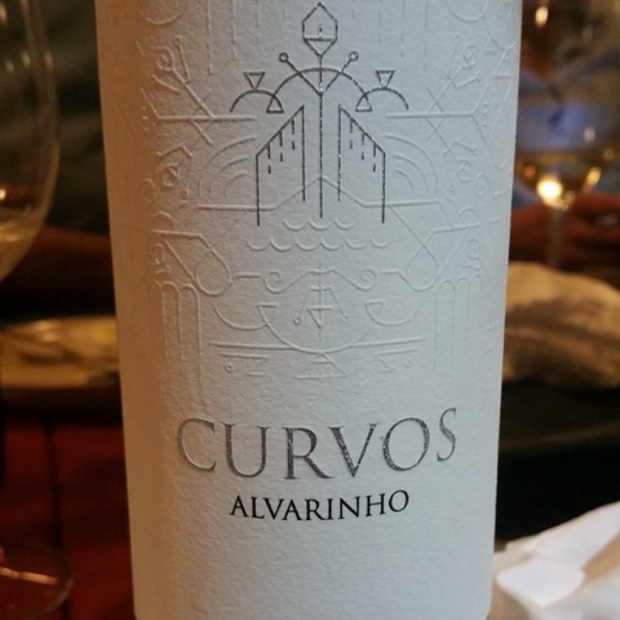
Quinta de Curvos Alvarinho 2015, Doc Vinho Verde, Portugal (471276, $17.95, WineAlign)
A regional varietal wine not permitted to be labled Vinho Verde so Vino Regional Minho it must be. This 100 per cent alvarinho is labled as such in Portugal and Afectus for the Ontario market, Latin for “emotions.” Quite consistently fashioned like the avesso and the loueiro varietal Vinho Verde, of low tones, fresh, sprite, fully lemon and all around good guy acidity. Not so much a matter of varietal distinction so much as an adherence to a stylistic thread. So by extension I suppose the Curvos wines are about terroir. Afectus for the rest of us. Drink 2016-2019. Tasted April 2016
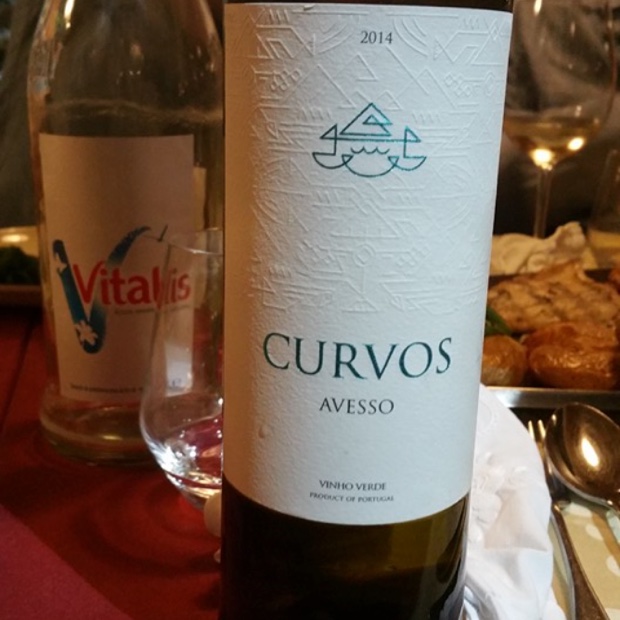
Quinta de Curvos Avesso 2015, Doc Vinho Verde, Portugal
Just seems to breathe a calm, natural, simple, easy, clean and proper ideal with broad appeal. Lemon is all over this avesso, again like the varietal loureiro and alvarinho, this pushes the company line. With sea bream and dorado the pairing receives an emphatic two thumbs up. Another vital and pure Vinho Verde from Quinta de Curvos. Drink 2016-2019. Tasted April 2016

Not members of Blasted Mechanism. With @MagnusPim and Vasco Croft #AphrosWines #vinhoverde
The diurnal motion of Vinho Verde
A visit to Aphros with winemaker Vasco Croft levigates and recalibrates thoughts, perception and meaning. It is here that the cosmology of Vinho Verde does not so much begin to take shape but pops like a genie from the bottle. The name Aphros (Greek, “sea-foam”) is drawn from ichthyocentaurs (sea-god centaurs) of late poetical Greek mythology. The aquatic centaur has been endowed with the ability to swim with great speed, breathe and communicate underwater. Aphros was thought of as the first king of the sea-going Aphroi (Carthaginians).
“Quality of life is dependent on the quality of water,” insists Vasco Croft. To Croft it all begins with “water’s plasticity and its relationship with the cosmic influences on earthly forces.” Biodynamics. Water dynamization. Double infinity vortex design. Life forces. Amphora. “You must line the amphorae with beeswax and though it is not so economical it acts as a natural preservative and it has the memory of the hive.” A master amphora craftsman in Alentejo does the work. He is one of the last in Portugal to keep the tradition alive.
Vasco Croft’s are risky, primogenitor reviving, genus defining, impossible wines. His is the sole ardent and wavering organic and biodynamic approach in Vinho Verde with complete attention diverted towards spiritual demure and anodyne morphology. I speak for the group when I say that the extramundane was breached at the Aphros tasting. Upon further retrospective consideration it was not so much a matter of wine tasting as it was a disquitionary quest to apprehend the meaning of Vinho Verde’s platonic and sacrosanct future. Croft’s wines are self-professed radical artisanal and produced impractically with no electricity. He investigates the powers of loureiro and vinhão, skin contact, concrete eggs and Pet-Nat. My understanding is gleaned through Vasco’s work and by a momentary hypnotization from a dynamic machine.
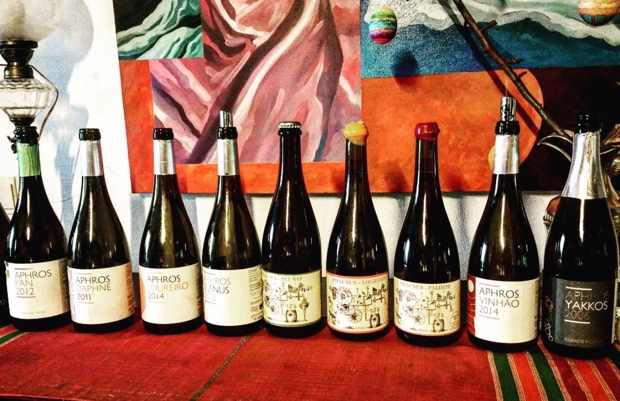
Today’s cosmogonal #vinhoverde line-up #AphrosWines with Vasco Croft @LeSommelierWine
Aphros Phanus Pet-Nat 2015, Sub-Região Lima, Doc Vinho Verde, Portugal (Agent, $34.95, WineAlign)
Loureiro of a fashion so rare for Portugal and this region, from a concrete pétillant-naturel style, vinified in stainless steel with wild yeasts and initially no additional sugar, then bottled with 20 grams of natural residual sugar, to alight the single fermentation conclusion. An 11 per cent contrariety of méthode ancestrale dialectic, like a lime-grapefruit cordial housing a dissolving lemon tablet. A bowie cut, boning and dressing of loueiro. This here the whole new way to take the grape, to send it sky-high and bring it down to the rustic roots of glam, sparkling funk. “Like to take a cement fix, be a standing cinema. Dress my friends up just for show, see them as they really are.” Vasco (Andy) Croft walking and his hunky dory pet-nat spinning an original tale of a time and a place, or perhaps a myth, like the rustic deity of the forest riding shotgun to Dionysus and his native war. Drink 2016-2018. Tasted March 2016 #aphroswine @LeSommelierWine
Aphros Loureiro 2014, Sub-Região Lima, Doc Vinho Verde, Portugal (Agent, $20.95, WineAlign)
Immediately emits or rather feigns a sense of barrel though it’s fully completely an Inox stainless steel wine. From what Vasco Croft describes as a “classic” early harvest, this delimited, restrained and flirty fresh loureiro sits at a lithe 10 per cent alcohol with some minor residual sugar to balance out the brisk acidity. Texture and sumptuousness is prescribed by four months lees with stirring. The freshness is lit by candle wax and a delicious little smoulder. The bees lees. Drink 2016-2018. Tasted March 2016
Aphros Loureiro Daphne 2011, Sub-Região Lima, Doc Vinho Verde, Portugal (Agent, $27.95, WineAlign)
With fruit from southern exposures off of granitic and sandy soils this is 100 per cent loureiro that saw 12 hours of skin maceration and 30 per cent fermentation in barriques (1/2 new) for six months. A wine now coming into a Frick-esque zone, waxy, whiffing bay laurel and frankly would be so hard to pick out in a blind tasting. The mind might veer to barrel-aged semillon or older riesling. Though a bit oleaginous the wine is balanced by a smoulder and a sharp, petrol-invoking, mineral tang. It is here that the wisdom of loureiro is coronated for having settled in the Lima Valley. Imagine the past and future blossoms, hives and honey. Drink 2016-2020. Tasted March 2016
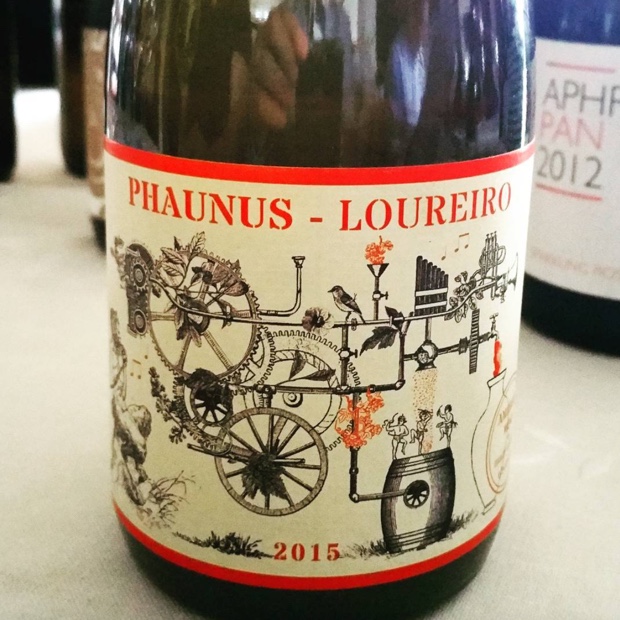
#amphora #loureiro Phaunus 2015. Nothing I have tasted before could have prepped me to expect this heteróclito #quixotic
Aphros Phaunus Loureiro 2015, Sub-Região Lima, Doc Vinho Verde, Portugal (Agent, $34.95, WineAlign)
Nothing I have tasted before could have prepped me to expect this heteróclito, a quixotic and deferential loureiro that re-writes the varietal script. Spent two and a half months of skin maceration time in beeswax-lined amphora and in the end we are graced with something completely other. Lemon meets mineral funky pottery, clunch depression and then slow-roasted vegetal gastronomy. A tagine or maraq scented by cumin, coriander and a slow-roasted carrot without any caramelization. Leaves a salve in the mouth and doesn’t go away. Clarifed, loureiro broth. Drink 2016-2020. Tasted March 2016
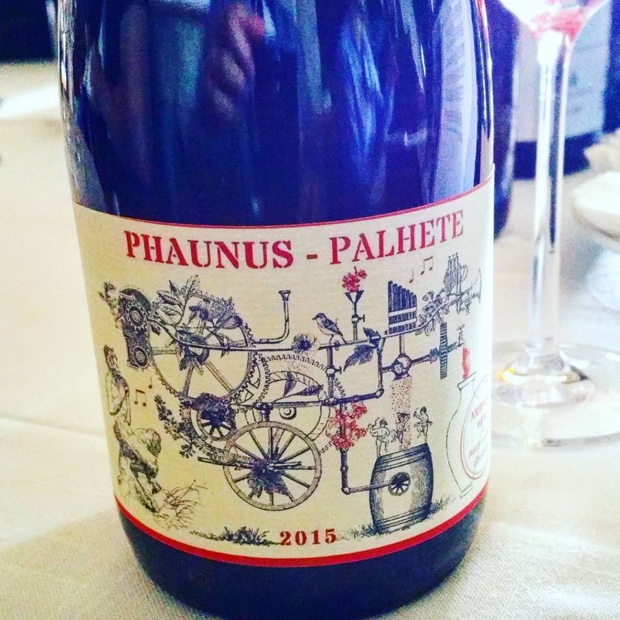
#amphora #2 Phaunus Palhete 2015, 80/20 #loureiro / #vinhao, again no reference point #chimerical #monkwine
Aphros Phaunus Palhete 2015, Sub-Região Lima, Doc Vinho Verde, Portugal (Agent, $34.95, WineAlign)
No, this beeswax-lined, amphora-raised 80 per cent white (loueiro) and 20 per cent red (vinhão) is not a theatrical performance by a Portuguese electro-rock band with alien-themed costumes. This blasted mechanism is a chimerical ode to the wines and their medieval proportions used by Port monks. It’s a battle of tribes with no reference point that will blast your mind. Its rosé, day-glo pink hue of earthy demure and it is hard to figure which funk reigns, tart fruit or adobe-argil-earth. Moreover it is the herbal, balmy, savoury, sapid variegation that garners the most attention. “Simple things, giant wonders, emotions, I blast your mind today.” Great length. I can’t say anything previous to right now has prepared me for tasting this but my mind and my palate are micronized wide open. “Break free from your own anxiety. Break free from your own desire.” Drink 2016-2022. Tasted March 2016 @blastedmind
Aphros Sparkling Loureiro Reserve 2012, Sub Região Lima, Doc Vinho Verde, Portugal (Agent, $27.95, WineAlign)
Also known as the Loureiro Reserva Bruto, a traditional method, 18 months on lees sparkler with its own set of antithetical parameters and rules. So different from the pet-nat, here surprisingly more artisanal, the most risk-taking of the Aphros sparklers, in deep concentration, at once delicate and then submerging into preserved citrus. Like salient, jagged stones projecting from a karst cave. The lees time is mid-range but the Lima loving loureiro and the Aphros gamble combine for extreme length. Drink 2016-2022. Tasted March 2016
Aphros Pan 2012, Sub-Região Lima, Doc Vinho Verde, Portugal (Agent, $27.95, WineAlign)
The simplest of the Aphros sparkling wines which is anything but simple in the pansophy of the “other red” ideal. From 100 per cent vinhão free run juice and a short period of second fermentation, this is traditional method (nine months) reach for the stars as only the cosmic-minded Vasco Croft can do. Another baby maker here though it’s deferential and antithetical to the ancestrale, pet-nat approach. Not so much strawberry as cherry, with herbiage, litheness (no maceration). “A young fawn of the forest.” Drink 2016-2021. Tasted March 2016
Aphros Silenus 2010, Sub-Região Lima, Doc Vinho Verde, Portugal (Agent, $34.95, WineAlign)
Vinhão in part stainless steel and part barriques, for aging and to calm it down. The relationship allows it to settle upon itself and at five and a half years on it has barely budged, still entangled in a web of acidity and tannin. Not that I, my travel companions or most mere mortals have any great history or experience with vinhão but the intensity is expertly corralled and such length is clearly a trademark of the house. Drink 2016-2022. Tasted March 2016
Aphros Vinhão 2014, Sub-Região Lima, Doc Vinho Verde, Portugal (Agent, $22.95, WineAlign)
Vinhão is simply and astringently a teinturière (dyer) variety which happens to be the most planted red grape in Vinho Verde and to a western palate, unpalatable. It is known as Sousão in the Douro, where it is employed in Port assemblage. The raising of this still table red is done in granite tanks and with foot treading. In the hands of Vasco Croft it emits pretty aromatics in contrast to the demands of such an inky wine, from violets but then handed over to that natural cure of porcine élevage. The one and only vinhão of immediate wisdom and confident conditioning, the kind that will linger for 10 years without changing. Still there is this firm acidity and tannin, but restrained. Sharp citrus and as with all of the Aphros line, great length. Drink 2018-2024. Tasted March 2016
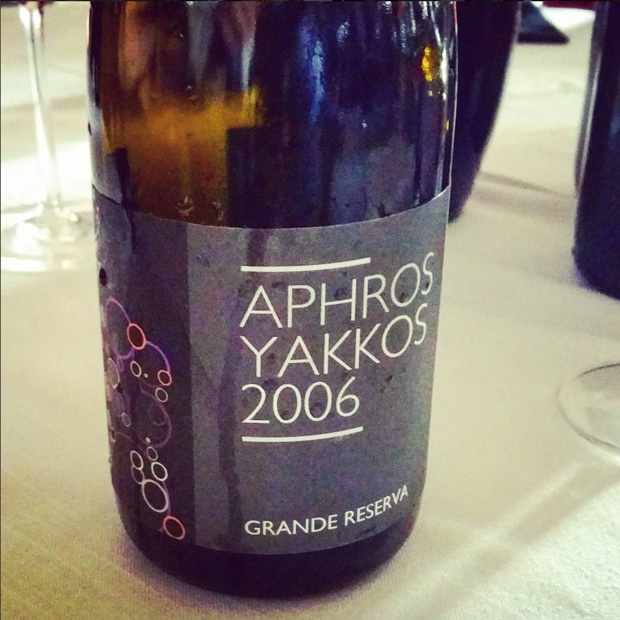
Enlightened red Sparkling from #AphrosWines 2006 #vinhao @LeSommelierWine @VinhoVerdeCA #yakkos #vinhoverde
Aphros Yakkos Grande Reserva 2006, Sub-Região Lima, Doc Vinho Verde, Portugal (Agent, $34.95, WineAlign)
A Sparkling vinhão, Vinho Espumante Tinto, aged 48 months on the lees and again, with no real reference point to launch from so it’s like starting over. Where fun and intentional meet, as do tart and bitter. A sparkler that dries out with beauty because of impressive tannins backing up blackberry fruit. How can this not be lauded for sheer and utter imagination, speciality and ultimately, success. It does not get much more interesting than this. With the aridity dial set to 3 g/L RS this would sidle up to and celebrate blueberry pancakes, duck confit and crème fraîche. Drink 2016-2026. Tasted March 2016
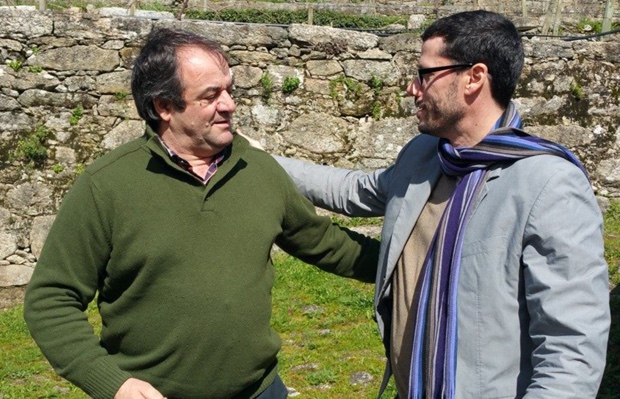
With Anselmo Mendes
The multiplicity of Vinho Verde
At the most northern tip of Vinho Verde lies Monção and Melgaço in the Minho Valley and this is where Anselmo Mendes grows and produces his alvarinho. With variances created by way of barrel aging, skin and lees contacts, Mendes imagines, creates and realizes a muliplicity of Vinho Verde that both alters and raises the bar for the entire region’s white wines.
Mendes is the former winemaker at Quinta Melgaço and began producing his own alvarinho in 1998 but his perspicacity, the elaboration of his vineyards and the pansophy of these young wines would make you think their history went back much further. The affinity shared by his alvarinho with Spanish albariño is one of proximity only, separated by the Minho River but consummated of an entirely different truth. Under the umbrella of his 70 farmed acres Mendes also produces loureiro in the Lima Valley and avesso in the Douro Valley. His passion is directed to alvarinho. Anselmo is a winemaker with a favourite child. The blends and entry-level varietal wines are labeled under the brand Muros Antigos. The skin contact, extended lees and barrel aged alvarinho each carry a moniker of their own within the Anselmo Mendes line. Constantino Ramos is Assistant Winemaker while Vasco Magalhães is in charge of sales.
“Our philosophy is the natural expression of the land, with principal characteristic that is mineral, not to make up something new, but we want to experience technology, important to know but just to see what we cannot do. The rest is business. We need to re-educate people, not that they’re wrong, but to know that there is another style for Vinho Verde. The next project is more experience.”
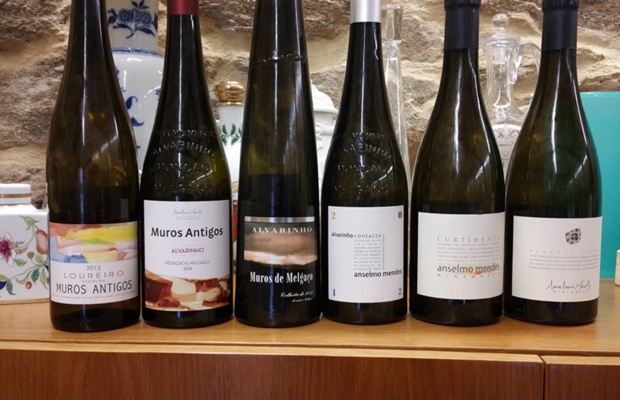
Formal originality of #anselmomendes @terroirimports @winesportugalCA #alvarinho #vinhoverde #melgaco
Muros Antigos Escolha 2015, Doc Vinho Verde, Portugal (112275, $11.45, WineAlign)
The blend is loureiro (40 per cent), avesso (40) and alvarinho (20), the spokeswines for the ““raditional” range, all from vineyards near the Lima River, but 150 kg’s apart. “Literally a blend of the region,” notes Mendes, four months on lees with batonnage, of aromatic freshness and exuberance with feelings and sapidity from the Atlantic Ocean. Unique marine minerality, mixed with accents of continental climate. Avesso metal and alvarinho body. Terrific entry-level, top quality, cleaner and more direct than almost any and all others. Drink 2016-2019. Tasted March 2016 @AnselmoVinhos @VascoMaga @terroirtoronto
Muros Antigos Loureiro 2015, Doc Vinho Verde, Portugal (166710, $9.90, WineAlign)
According to Anselmo Mendes the best loureiro terroir is along the Lima River and it is his varietal ’15 where the warmth and the alcohol are more apparent (as compared to the more northerly alvarinho). Spent the traditional Mendes entry-level four months on the lees with batonnage. The mineral emits less so, the floral and petrol more so. The stone works in close relationship with the palate, of a tang specific to near-northerly vineyards, the back side more into the chalky tannin. Not so much lengthy as much as intense, of an imploding persistence. Drink 2016-2018. Tasted March 2016
Muros Antigos Loureiro 2012, Doc Vinho Verde, Portugal (166710, $9.90, WineAlign)
From a vintage that saw very little sun throughout the growing season. Cool temperatures and unrequited elongation coupled with some unexpected age means an entrance into new territory for loureiro, in verbalization of a new tang vernacular, a way for Loureiro to speak in a way you could not know it could. The notes are citrus essential oil and extract, with a hint of saffron and a splash of Amaro. Very cool but no honey and a bit lactic. The 2012 wines are evolving and developing all over the map. Experience gathered from tasting and trying to figure them out will go a long way for the winemakers and the taster towards assessing the current ’15’s. Drink 2016-2018. Tasted March 2016
Muros Antigos Avesso 2012, Doc Vinho Verde, Portugal (Agent, $21.50, WineAlign)
From the vintage in which phenolics had difficulty keeping up with developed alcohol. Adjustments were made to every wine but the range of expression and subsequent expectation is neither consistent nor predictable. The mineral is patina-laced, verdigris, gemstone emerald and there is a whiff of snappy green apple. This reminds me of chardonnay grown on Niagara’s Vinemount Ridge. It’s striking avesso, like popping, cool-climate chardonnay, green and nutty. So much potential. As always, it was treated to four months on the lees with batonnage. As only the second vintage it really is not to be believed. Drink 2016-2019. Tasted March 2016
Muros Antigos Alvarinho 2015, Doc Vinho Verde, Portugal (SAQ 11612555, $21.70, WineAlign)
From granite soils on mountain vineyards quite similar to those on the Melgaço estate. The varietal alravinho was introduced to four months lees and batonnage. In here the most fruit emerges as compared with the entry-level (Douro) avesso and (Ponte Lima) loureiro, along with the most body. There bounds and rebounds an elasticity on the palate where the tannin and mineral emerge. Such preserve is built upon a foundation of citrus and density, exuberant and elevated by the heat of the vintage. Stands erect on guard and in protection of itself with direct, purposed length. Drink 2016-2019. Tasted March 2022
Muros Antigos Alvarinho 2012, Doc Vinho Verde, Portugal (SAQ 11612555, $21.70, WineAlign)
The vintage was a difficult one for all Vinho Verde varietal wines and so blending was not just prominent but essential. Unless you were Alselmo Mendes. This one from mountain granite soils in kinship with the Melgaço estate. Four months of lees contact, batonnage and four years onwards into notes of a beneficial bitter pill dissolving in petrol waters, this has really entered nirvana for what surely was an anticipated secondary expression. Citrus is also bitter (orange and lemon) and their combined twangs of tang like crazy. Four years to pay dirt guaranteed in the Mendes varietal play though the vintage decreases the chance of longer term aging. Drink 2016-2018. Tasted March 2016
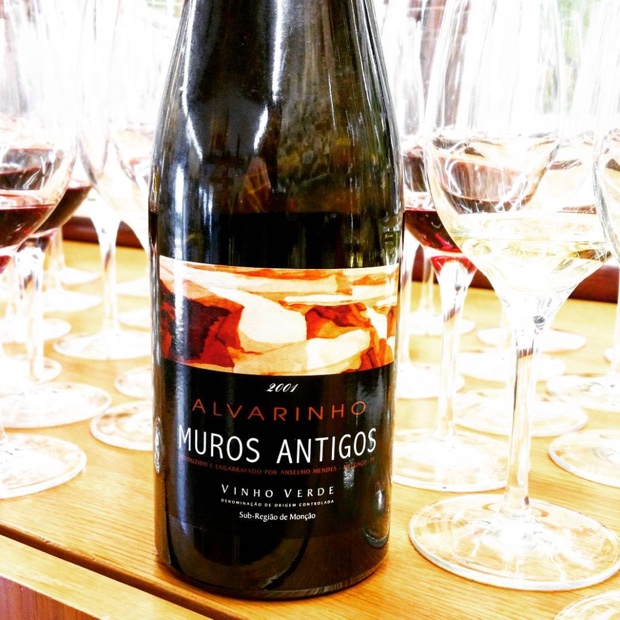
Redraft the #alvarinho manifesto #anselmomendes @terroirimports #2001 #murosantigos #vinhoverde
Muros Antigos Alvarinho 2001, Doc Vinho Verde, Portugal (SAQ 11612555, $21.70, WineAlign)
Still sharply aromatic and spiked, with gelid marmalade and onion skin, its honeyed hue not nearly as advanced as expectation would demand. A fromage like chenin blanc note in there from a washed rind, with apricot and peach blossom. This alvarinho from a dry ferment, but there is nothing to really, truly compare it too. Acidity still trenchant. the bitters remain but on its exit in dissipation. Ultimately just wow, amazing, who knew. Drink 2016-2017. Tasted March 2016
Muros Antigos Contacto 2015, Doc Vinho Verde, Portugal (393058, $19.95, WineAlign)
As the name suggests here varietal alvarinho spends its most early formative moments in 12 hours skin contact submerge. Initially there is some reservation on the nose and that skin contact feigns the antithetic idea of mineral up front in aromatic gregariousness. It’s as if all that welled up grape tannin is over-anxious and straining to be noticed. The omni-executed four months lees plus batonnage both adds up front and then subtracts so that the palate will settle you in with creamy, just shy of caramelizing and nutty notes. This is done with remarkable restraint. Comes from the sandy soil banks of the Minho River. Requires an earlier or equal consumption zone to its lesser kissing cousin. Drink 2016-2020. Tasted March 2016
Muros Antigos Contacto 2012, Doc Vinho Verde, Portugal (393058, $19.95, WineAlign)
Exhibits a very similar profile to the ’15, that perception of high-octane alvarinho of prescient mineral through ripe phenolics, electric and eclectic grape tannin. The citrus is more pronounced at this stage, as is the weight. Finishes with more bitters than the ’15, clearly conditioned and thinking on it now it is understood as to why 12 hours is plenty of skin contact time for the thick-skinned, small berries. Drink 2016-2017. Tasted March 2016.
Muros de Melgaço Alvarinho 2014, Doc Vinho Verde, Portugal (Agent, $39.95, WineAlign)
Alvarinho as you’ve never encountered before, habituated for six months in used French barriques (225 and 400L 2-8 years old) on the lees with batonnage. The first vintage of this unorthodox and recherché alvarinho was 1998. The prophetic Anselmo Mendes is well into a third decade with this amazing alvarinho of Boxler-esque Alsace conceptualization, with density and malo laminate in mouthful with no paste, no chalk, no scotch guard but acidity brilliantly written in blanc stone. Agility and ageability is clearly on time’s side, from here for eight to 10 years for sure. This is the bomb. Yes the wood is a bit up front but will the fruit survive? Yes. Drink 2018-2024. Tasted March 2016
Muros de Melgaço Alvarinho 2012, Doc Vinho Verde, Portugal (Agent, $39.95, WineAlign)
Four years has ushered in some unexpected advanced evolution and a Vouvray-like fromage. Though the eight to 10 years afforded the 2014 may be ambitious, the 2012 vintage was anything but helpful and confidence is what you glean from wines like these. Incredible depth of a granite soil’s mineral tang especially as the palate absorbs the nutrients, the old French wood and the subsequent piquancy. The wine seems to prickle at this stage. Drink 2016-2017. Tasted March 2016
Anselmo Mendes Expressões Alvarinho Branco 2014, Vinho Verde Doc, Portugal (Agent, $49.95, WineAlign)
Treated with the same respect and élevage as the Muros de Melgaço, for six months in used French barriques (225 and 400L 2-8 years old) on the lees with batonnage. Here not announcing its varietal because the secret is in Melgaço, not in alvarinho, though it is the most experienced expression of the grape in the region. An amalgamated incline. The oak is of very light toast and here not as apparent as it is in the Melgaço. More clarity and purity, cooler, though the coppery hue might suggest otherwise. This is a dart, sharp and pointed…and then, calm. Such precise treatment from alvarinho expressing the terroir. A slight tinge of tonic in compressed into the citrus finish. Drink 2017-2023. Tasted March 2016
Anselmo Mendes Curtimenta Alvarinho 2014, Doc Vinho Verde, Portugal (Agent, $49.95, WineAlign)
L’élevage is heightened to nine months in used French barriques (225 and 400L 2-8 years old) on the lees with batonnage. The name translates to “bronzage,” or literally, “to extract” on the skins for 12 hours and “to party” with mineral jam. More fruit works with the extra oak plus one year in bottle before release. Now we have left the building and entered into a futuristic alvarinho from which the length is outstanding. Causes a Fortin shiver, lingers and caresses. Like a Fitzgerald novel it seems richer, more complete and more justifiable when viewed against the biographical backdrop of Anselmo Mendes and Vinho Verde. “Between a life that we expected and the way it’s always been,” tender is the night. Drink 2018-2024. Tasted March 2016
Anselmo Mendes Curtimenta Alvarinho 2012, Doc Vinho Verde, Portugal (Agent, $49.95, WineAlign)
From the challenging vintage here the artist known as “the bronzage” is an example of a wine made by a winemaker unfased by such inconsequential roadblocks. Anselmo Mendes the earliest of Vinho Verde visionaries, treading archaically and swimming in futuristic waters. Making an alvarinho connection through the usage of French barriques (225 and 400L 2-8 years old) on the lees with batonnage. This 2012 tactile and layered. Does what no other alvarinho has or currently does and will age with slow movement more than the others. If only today though I wager it’s not, his 2012 settles with the most balance of the portfolio. IMO. Drink 2016-2022. Tasted March 2016
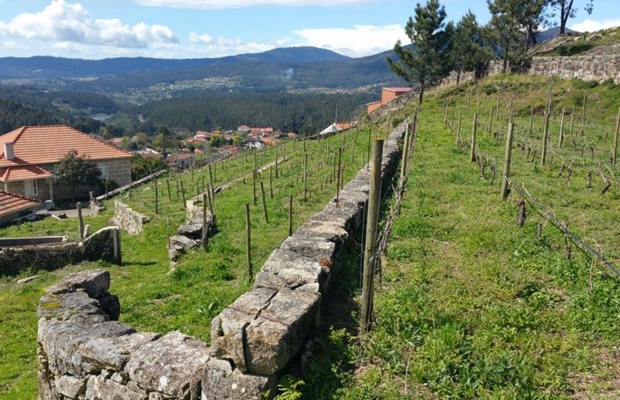
Estate Vineyard at Anselmo Mendes
Anselmo Mendes Parcela Única Alvarinho 2013, Doc Vinho Verde, Portugal (Agent, $64.95, WineAlign)
The treatment here is similar to the Curtimenta, nine months, though in new (400L) French barriques on lees with batonnage. Just above the tasting room is a premium Monção and Melgaço block on the Mendes estate, a single-parcel, in the monk’s area, “a vineyard that always gives an exceptional and elegant alvarinho.” As sheath to this singular, pellucid and top-drawer fruit the new oak is very obvious though necessary for what this wants to be. And so it puts in a patient request for time with the promise of penitence, charity and deliverance. Drink 2018-2025. Tasted March 2016
Anselmo Mendes Parcela Única Alvarinho 2012, Doc Vinho Verde, Portugal (Agent, $64.95, WineAlign)
One year makes all the difference. The new wood (400L, nine months) has melted, tempered and now oozes in flavour. The texture is butyraceous, bled, like a creamy foam that begins to lose its air. This is the hedonism that rises above the rest. It is the most internationally-styled, Burgundy to Napa simulacrum. Flirty alvarinho from Monção and Melgaço. Drink 2017-2022. Tasted March 2016
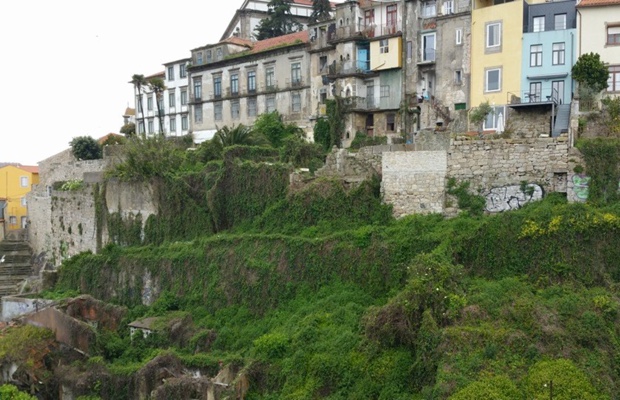
Oporto Verde
Über beauty, From Porto to the River Minho
The Vinho Verde focus was certainly geared towards the wines but the powers that be who plan the journalist-sommelier junkets know full well that the allure of landscape, architecture, culture, history and gastronomy is such an integral part of the experience. The Monverde Experience Hotel set the stage and though it seemed like nothing that followed would have any chance to thrill and excite, the hits just kept on coming.
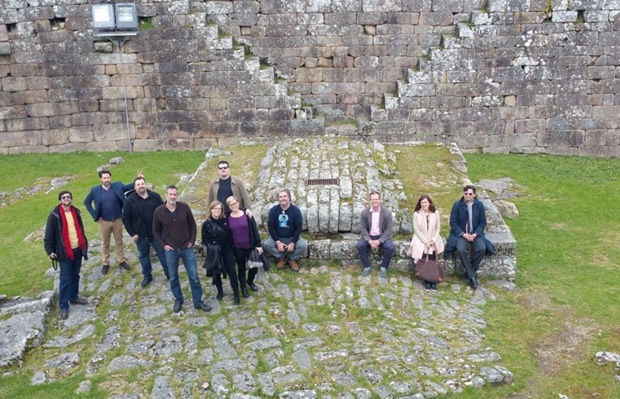
Canadians in Melgaço
On the last day of March we drove north to Melgaço in the Viana do Castelo District. From the fortress contracted by the then first king of Portugal D. Alfonso Henriques we took in the view a stone’s throw across the River Minho looking out towards Galicia in Spain. Late in the afternoon we crossed the River Lima into Viana do Castelo and arrived at the Pousada Hotel. As if in a dream, or a movie, we marvelled at the views.
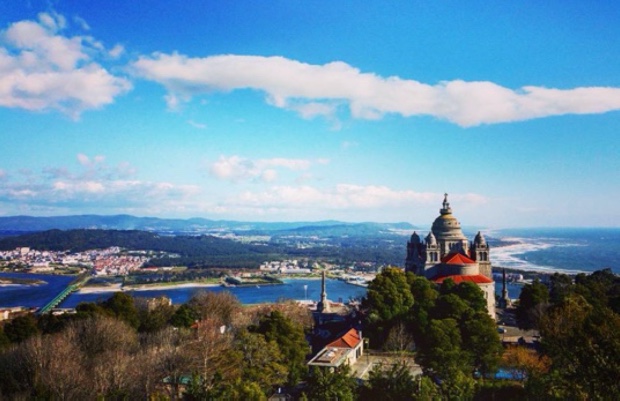
Viana do Castello
Set on the hill of Sta. Luzia the Pousada was built in 1918 by a wealthy Brazilian as a gift to the city. Down the slope lies the shrine of Sta. Luzia, built in an unusual Neo-Byzantine style and then further down the slope is the city centre of Viano do Castelo and the estuary of the River Lima.
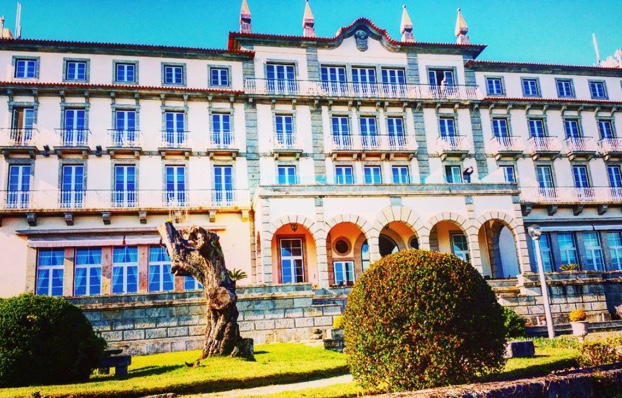
“Are you M. Gustave of the #grandbudapesthotel in Nebelsbad?” @PestanaHotels @Pousadas #pousadavianadocastelo #portoenorte #uhhuh
The night belonged to the waterfront and the Tasquinha Linda.
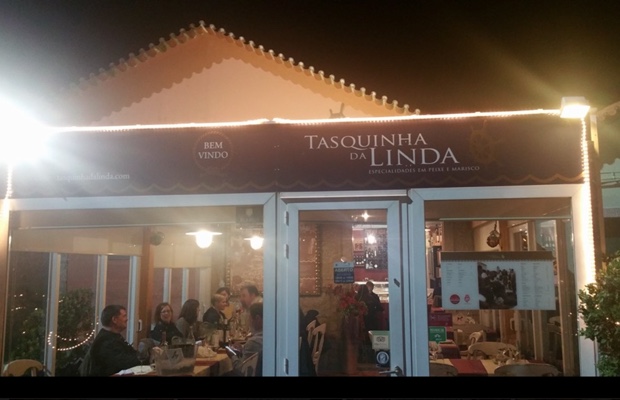
Tasquinha da Linda
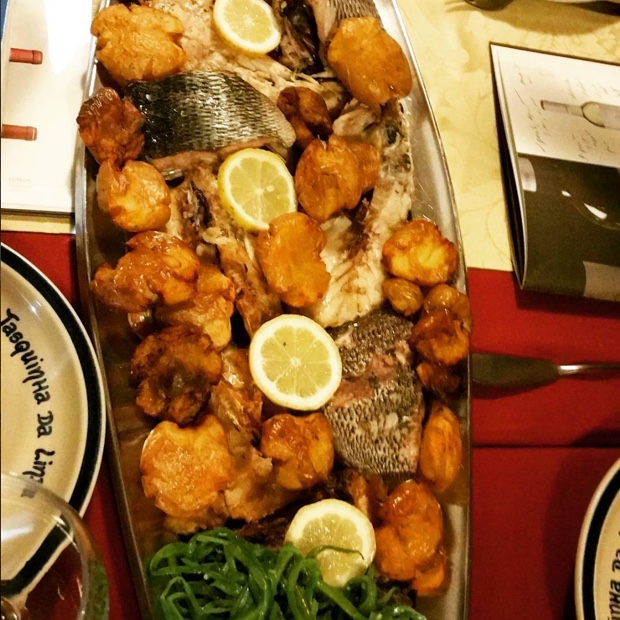
Fish nirvana #tasquinhadalinda #vianadocastelo
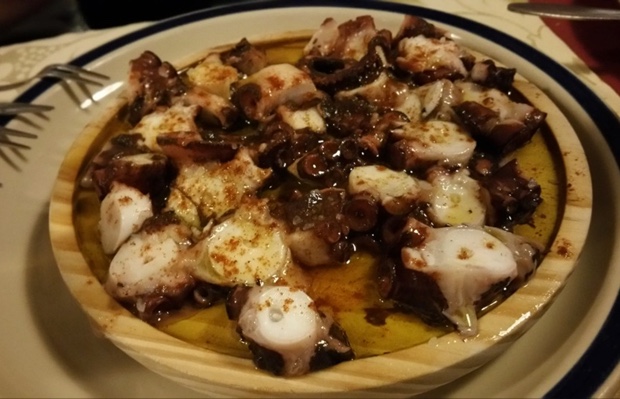
Octopus at Tasquinha da Linda #vianadocastelo
In the morning, a walk through the city centre of Viana do Castelo.
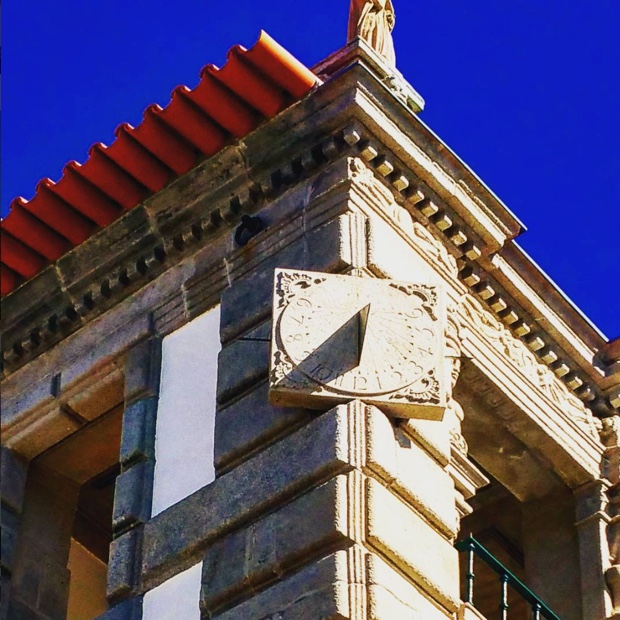
Right on time #vianadocastelo

You think they ever called him Godello? #vianadocastelo
Further inland along the River Lima we stopped for lunch in Ponte Lima with Adega Cooperativa de Ponte de Lima.
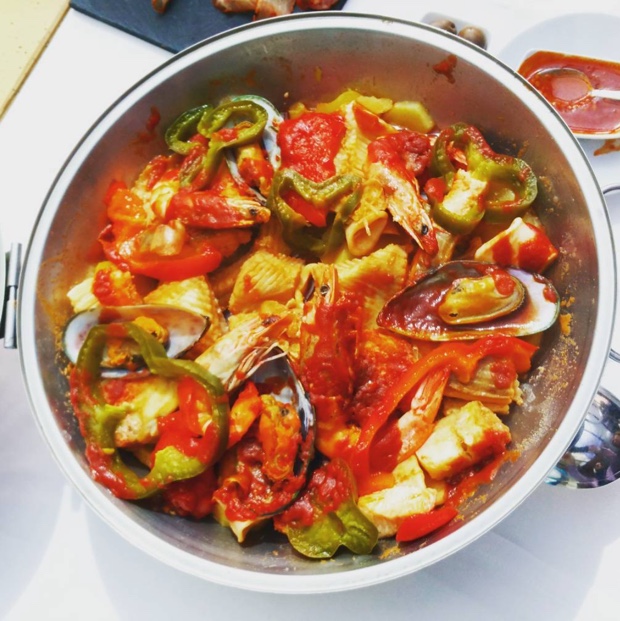
Ponte Lima fish stew #caldeiradadepeixe #petiscasrestaurante #portugal
And then, Oport0.
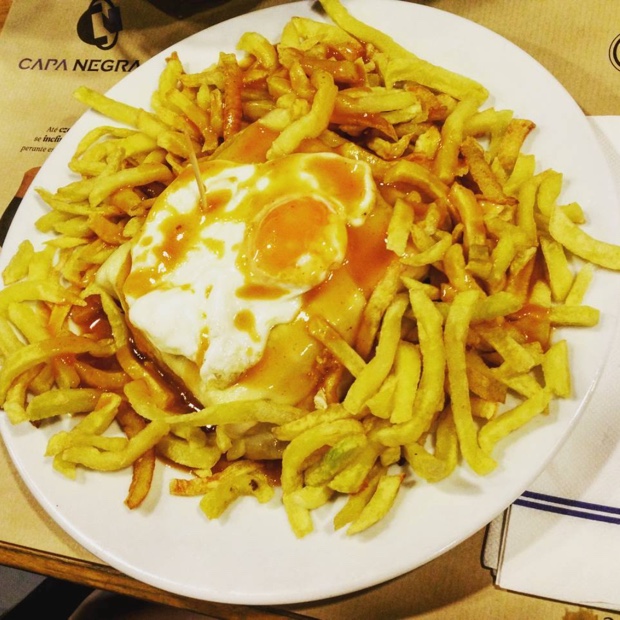
Heart attack and wine #francesinha #oporto #capanegra

when in #oporto and in need of a good book of spells #livrarialello
Até logo from Oporto.
Foux du fafa, foux du fafa, fafa…see ya David.
Good to go!
Twitter: @mgodello
Instagram: mgodello




 Godello