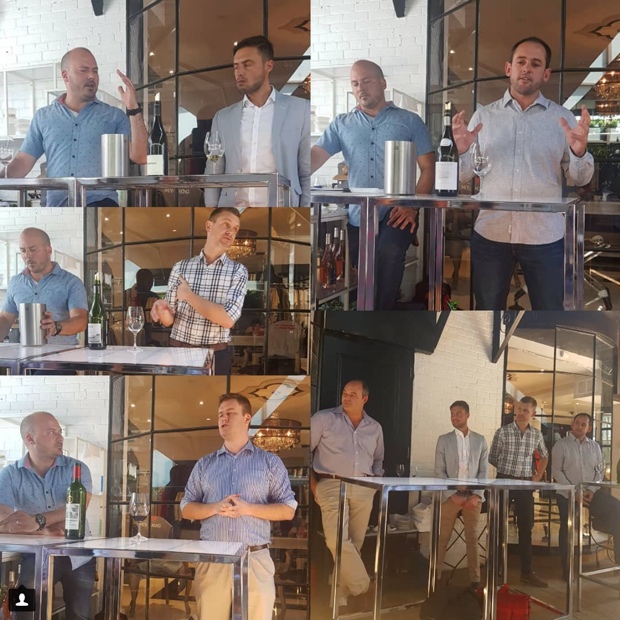
Revisiting Mullineux’s latest releases with the visiting Chris Mullineux

With Chris Mullineux

Sometimes I hang with Chris too. In April of 2023 Chris Mullineux was in town and so I was thrilled to welcome him into my home. It was such a pleasure to play the host for a change. Time was too short but we managed to cover in-depth discussions about Swartland sites, cool-climate Stellenbosch, heritage vines under the auspices of the Old Vines Project, oxidative chardonnay winemaking and winemaker Gynore Hendricks’ beautiful, sustainable and profitable project called Great Heart Wines.

Most of the wines he poured were those that I had recently tasted on his side of the pond in the Western Cape back in October of 2022. It was with winemaker (and Chris’ wife) Andrea that I did most of those tastings and so this new revisit offered a new perspective. The couple are remarkably synched up but have different ways of expressing the nature of their farming and resulting wines. Not to mention my own second look with six further months in bottle. Reviews on all these wines first tasted with Andrea are now updated.  Meanwhile, talk to Nicholas Pearce Wines about sourcing these South African lekkers.

Chris Mullineux

Before getting to the wines I asked Chris about the most recent vintage and harvest. “Not crazy hot, but Swartland was really dry and we began picking really early – January 15th. We were done just after February. It started raining just as we began picking Leeu Passant. In Stellenbosch you need a week of sun to drive out after rain and winds do not have to happen, (nor is it necessarily) common. In 2023 it kept raining from March 20 onwards but Leeu (Passant) was mostly picked 90 per cent in. There was some dilution to the fruit. In other words complex from beginning to end of harvest. With cabernet sauvignon that means 13-13.5 percent alcohol. We are a sunny place so the terroir must give a sense of place and that means ripeness – therefore cinsault in warm locations needs to be up there.” Returning to this remarkable set of Mullineux-raised and quintessential Western Cape wines, here are my notes from that day.
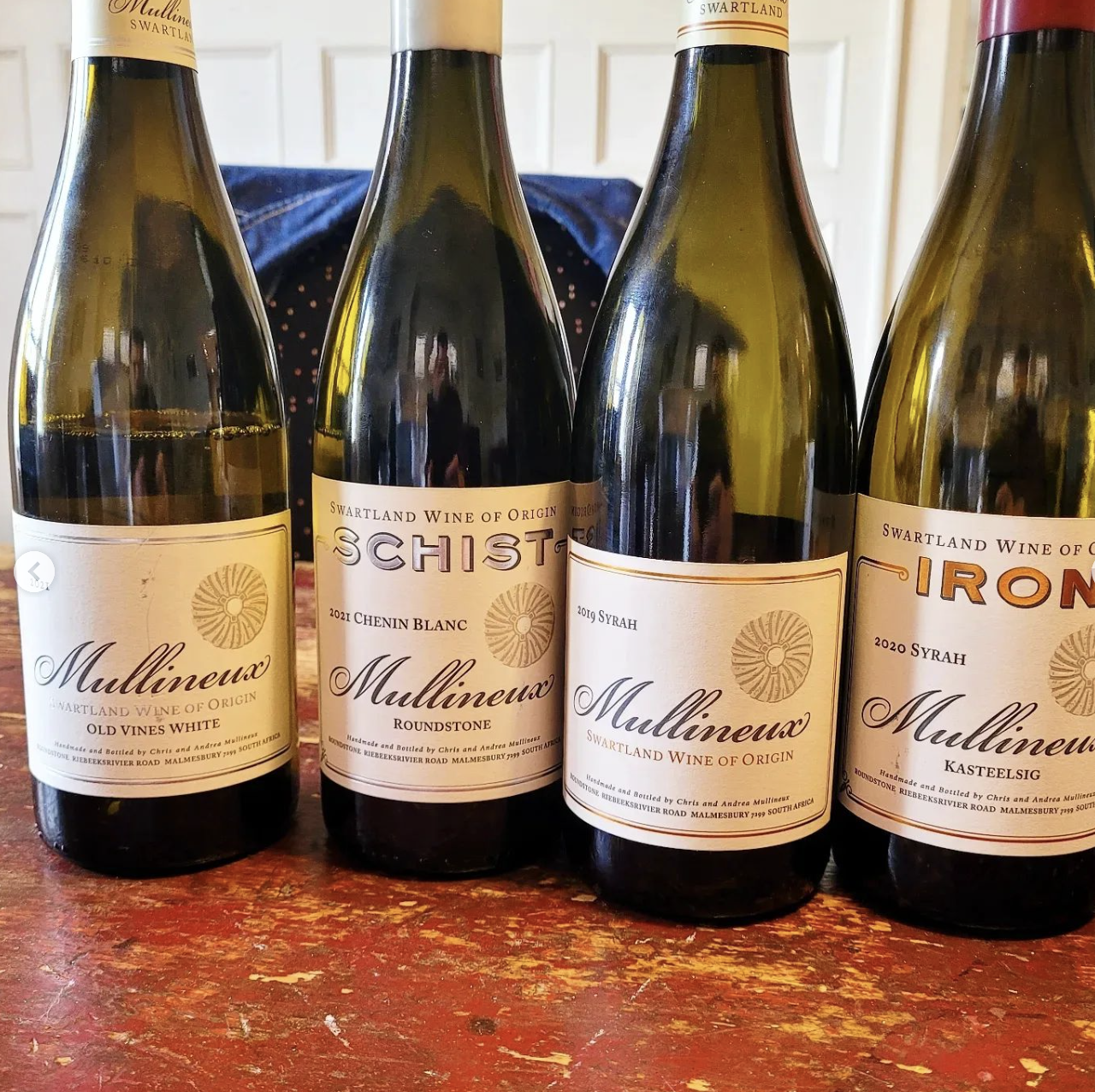
Mullineux Old Vines White 2021, WO Swartland

A style of South African white wine essentially started by Eben Sadie with Palladius back at the turn of the century. “Right away in 2001 when I first tasted it,” says Chris Mullineux, “it just made so much sense for the Swartland.” Adding some verdelho now, has only been the Swartland for 10 years but it’s really creeping in all over the Cape. It adds up to 14 percent alcohol, 9 TA and grippy phenolics to add force with some softer and generous white wines in the blend. This is vintage number 14 so if you like to think about things in lucky 7s then do the math and see this on the heels of what just must have been a most terrific 2014. The Granite and Schist ’14 Syrahs are pieces of Swartland heaven.  Last tasted April 2023

The chenin blanc involved is from vines up to 70 years old, two times into heritage status, refined in nature. here not a matter of more density but yes increased extract. Also contains viognier, clairette blanche, grenache blanc sémillon gris and verdelho. Crunchy as old whites come, especially this one, with just that righteous and ripping amount of alighted flintiness, lightning strike and claps of granite thunder. About two thirds are grown on the fine sandy, decomposed granite while schist, iron and quartz add grip, flesh and roundness. Full and layered composition of greatness. Drink 2023-2028.  Tasted October 2022

Mullineux Chenin Blanc Schist Roundstone 2021, WO Swartland

Planted on the shallow rocky soils of the Kasteelberg. More sunshine on the tiny berries which doles out big but oh so beneficial concentration. The grapes are thick-skinned and so pay attention to the finish to note phenolic spiciness. So much fruit and that grip mix together, also with thanks to the dappled sun effect for an eventuation at what we mark as complexity. Great intensity and because the wine carries so much extract there is a pause, a four second pause before the phenols show there attitude, passing again, returning, in between creamy textural moments and fruit repeats. The wine has to be dry to show this way, to elevate Swartland’s specific acidity and natural Chenin blanc behaviour. Last tasted April 2023

Roundstone, aka “ronde steen or rondklip” in Afrikaans but the farm is known by its English name. Another Western Cape account for struggling grapes while here the matter involves smaller canopies, clusters and grapes. The vineyard begets and raises a child of the land’s stony “dakteëls,” roof tiles where everything slides and so the tannins accentuate to procure wines of a certain toughness. This child is street smart and battle ready, got into a few fights in the early days, now able stand up for itself no matter the attack or the scene. Aromatically speaking there is a cheese rind scent in the dry comports of extreme aridity, resulting in intensity and directivity. A slightly higher pH makes this the sapid one, sliding across the palate with its über fresh scathe. This will age with the best of them, more like structured reds but so very capable as chenin blanc. Drink 2024-2034. Tasted October 2022

Mullineux Syrah 2019, WO Swartland

If you think about the entirety of the Swartland as a painting this syrah would be representative of the entire landscape. Comes off of Paardeberg granite and also Kasteelberg slate, on average 80 percent whole cluster but no carbonic, to allow the perfumes of both to play their parts. The iron soils bring the tomato leaf and meatiness and the aromatics leap with or without challenged cause by the fourth and last year of the Western Cape’s drought. Before flowering half the crop was eliminated, knowing the end result would be a tiny production but freshness, concentration and ultimately no stress balance Back in ’16 the vines dropped their own fruit to compensate in full abort mission. So much was learned that in ’17 the policy of one bunch per shoot became drought year religion. To find more fullness in syrah with iron cladding and flitting fillings like this is nearly impossible but this is how Mullineux delivers a sense of place. Broad in terms of wide open Swartland but if you want a definition, here it reads like an open book. Drink 2023-2025.  Tasted April 2023

All syrah and nothing but from a combination of iron, schist and granite soils. Made in “large” upright wooden vats, for the grandness and roundness of Cape syrah’s capability, followed by cool grip, converting what was into what needs. And wants, inclusive of evergreen, meat juices and mainly perfume. There is an amenable nature, a nurturing and a caring is sharing sensibility to syrah, expressly as what it means to be Mullineux, part Andrea and part Chris. Drink 2023-2027.  Tasted October 2022

Mullineux Syrah Iron 2020, WO Swartland

From the rolling hills around Malmsebury, in between the mountains, ancient soils, weathered, stable and red iron rich, even with some clay. Comes away at 12.6 per cent alcohol but the site brings power and natural intensity. Very focused and precise for the terroir in fact it screams sanguinity and tomatoes through leaves and paste. So South African in the most complimentary and can’t turn away kind of way. Acids run high though they are circulative on the palate and the wine carries some tar, char and the finish takes your breath away. So much character, personality and intensity. The right grape farmed properly in the right place can make this happen. Drink 2023-2035.  Tasted April 2023

Leeu Passant Cabernet Sauvignon 2020, WO Stellenbosch

Three vineyards together on the False Bay side of Stellenbosch. This is a piece of regional diversity, near to Somerset West, picked ripe late in April, only finishing at 13.5 percent. Only a piece of Stellenbosch like this can extend a season for a wine like this, of fully south facing part way from the Helderberg, with rich clay-iron soils, against the ocean. The most elastic, stretchable, seamless and pliable cabernet sauvignon imaginable. Freshness and firmness coexist so that you can drink whenever you like and also lay some down for two decades.  Last tasted April 2023

Inspired by the old sophisticated graphite model, here cabernet sauvignon is drawn from the mid slopes of the Helderberg. The 2020 resides where richness and structure meet at a point determined through optimum picking and acumen. Moves from first year 500L wood to large 2500L vat and this is truly an ode to what was once a fixture of style in the Western Cape, albeit with modern beauty, current sensibility and truths spoken. The vines are 40 years old (as of 2020) and really just beginning to take ownership of the old vine necessity, aka they now sit in their pre-LP, shorter EP state. Cassis and fynbos combine for true a genesis of Cape cabernet sauvignon authority, but also what simply has to be. The question is whether or not this wine will continue its course of wind and wuthering. Will it remain tied to tradition with progressive style or begin to play with pop structures. What we know is that this vintage allows us to spot the grape, place, match of the day, inside and out, and pigeons. Drink 2024-2029.  Tasted October 2022

Leeu Passant Chardonnay 2020, WO Stellenbosch

“For me this allows us to work with Chardonnay unlike anywhere else, from Chablis to other parts of the Western Cape,” explains Chris Mullineux. In a way there is an extreme saltiness, made through death and resurrection, of no sulphuring for the first 18 months. Anything in the wine can and is oxidizing so it’s perfectly stable and then cleaned up ahead of bottling, racked off the lees post malo, then sulphured which binds the aldehydes and any oxidative properties so that it comes away so clean, and tight. You can do this so long as the vineyard site is tops. Chardonnay that is bullet proof, without the bends. Can age as well as any on the planet.  Last tasted April 2023

Chris and Andrea Mullineux started the project in 2013 with the help of viticulturist Rosa Kruger. “New” vineyards were unearthed and rehabilitated through four solid years of re-pruning, re-training and re-working of the soils. Then the wines could begin being made. A deconstruction and reconstruction, now seven years in and entering the opening gambit of true maturity stage for what is one of South Africa’s most unique heritage collections. Leeu means lions, a reference to a meandering walkabout, personified in these wines. They are made in the Franschhoek winery, certified organic, coming of age in their foray into regenerative agriculture, which says Andrea Mullineux, “in the southern hemisphere also means cultural and worker sustainability practices.” The 2020 is as fine a reductive but mainly lightning acidity charged chardonnay as a vineyard can determine. Located in the upper mid-slopes of the Helderberg facing the Strand with a clear view of False Bay. That said or perhaps out of necessity this is made in an oxidative way, which makes sure to keep the flinty and salty faith alive. The ’20 is possessive of fibres, threads, strings and wires braided to make a layered whole. Finesse and sophistication co-exist in a vacuum where waves crash upon one another in great open space, with no shore for to finish. If you would like to experience chardonnay in a way you’ve not likely done before than swim all the way out, well offshore, all in, all the way to this place. Turn around and off into the deep distance, gaze upon the strand. Drink 2022-2028.  Tasted October 2022

Mullineux Great Heart Chenin Blanc 2021, WO Swartland

Great Heart is the special project for Gynore Hendricks who is assistant winemaker at Mullineux and she is joined by 21 other employees who profit from this wine’s special success. Old and young vines fruit, similar winemaking to Mullineux but only aged in steel. Freshness and fruit intensity yet precise, crisp and steely. On the lees (unstirred) with Swartland’s natural creaminess. Last tasted April 2023

This a newer project from Chris and Andrea Mullineux whereby the profits from these Swartland wines go to the owners of the label, they being the employees at Mullineux and Leeu Family Wines. The South African Wingtail is the mascot, a selfless bird and a beautiful one at that. This is chenin blanc of richness and most apropos, also of great generosity. So much ripe fruit and philanthropy. Quintessentially chenin while so eager to please. Talk about great heart in South Africa. Here it shows in the most human of ways. Drink 2021-2023.  Tasted September 2021

Mullineux Great Heart Red Blend 2021, WO Swartland

The syrah is from the Mullineux sites, the tinta barocca from Adi Badenhorst’s Jakaalsfontein farm and the cabernet sauvignon comes from granitic Paardeberg. Great energy, brightness and pure varietal intensity. A terrific red counterpoint to the Great Heart chenin blanc by winemaker Gynore Hendricks as the leader of a project befitting and benefitting nearly two dozen Mullineux employees. Drink 2023-2026.  Tasted April 2023

Mullineux Great Heart Cabernet Sauvignon 2021, WO Swartland

Vines from next to the Heldeberg, south facing, cooler and like the Leeu Passant the season runs long, phenolics slowly develop and yet the young vines create a quicker to access freshness and energy compound. This has the bokser effect in red wine.  Last tasted April 2023

As a Mullineux wine Great Heart cabernet sauvignon feels akin to the highly focused Leeu Passant Stellenbosch varietal wine (aka the Helderberg Mountain bottling). As a concept Great Heart is all about staff empowerment in wines made by owners with a piece of the business. This is cultural sustainability at its finest, seeing livelihood improvements for members of the winery and their families. Like the LP cabernet sauvignon this performs as an “ode to what was once a fixture of style in the Western Cape, albeit with modern beauty, current sensibility and truths spoken.” Cassis and fynbos, tradition and progressive spirit. Quality combinations in all respects, forever searching for great heart in South Africa. Drink 2023-2027.  Tasted February 2023

Mullinuex Olerasay Straw Wine 2021, WO Swartland

After the drought, cool and late vintage, with plenty of kept acidity. Same chenin that goes in the wild vines wine, picked same day, then air-dried for three weeks. Pressed and ferments for nine months. Only three weeks because it’s done outside. The sugar is approximately 300 g/L and the alcohol 18.5, TA at 11. So pure, lemon brûlée, marmalade and balanced. Brilliant Straw wine. 6,000 bottles made. “We make more straw wine than anyone in the world,” says Chris Mullineux. “One acre equals one bottle of wine.” When asked why do you do it? “Because its great wine and it’s part of who we are.” Heritage and imperative. Drink 2023-2032.  Tasted April 2023

Good to go!

godello

With Chris Mullineux

Twitter: @mgodello

Instagram: mgodello

WineAlign

Going back to South Africa

In just a few more sleeps I’ll be back in South Africa. Since attending Cape Wine in 2015 I have had the great fortune to spend many mornings, evenings and excursions with several groups of South African producers here in Ontario. In the past year we entertained visits from the Premium Independent Winemakers (PIWOSA) and most recently this May Chris Mullineux led a masterclass on mostly Chenin Blanc at lbs. Restaurant. Chabrol Restaurant also held a tasting and lunch with representatives from seven outstanding South African wineries.

Related – Around the Cape in 50 wines

On my way to one of those events I was in the car and listening to the CBC. The DJ began talking about Handel as being the composer who could have become a hip hop artist. I’ll explain what he meant in a minute. When I think about South African wines it’s almost impossible to put your finger down to think of it as one thing, one style, or one type of music. You can apply this just about anywhere but in the Capelands there is so much diversity; there are rock n’ roll stars in the Swartland, R & B, soul & Motown in Stellenbosch, Jazz in Elgin, Classical music wherever you want to hear it. But what there is everywhere is flow. Reggae flow, soulful Stevie Wonder flow, hip-hop flow.  What the DJ was trying to say is that a composer who writes with this ease of ability, with an unconscious penning of notes coming from a place that was always there from the beginning, with a creativity that comes out of effortless ease, it just flows. South African wines, collectively, have flow.

Great soils, weather and a Mediterranean climate

When I returned from that 2015 Cape Wine congress I said that South African wine is not what we thought it was. This mantra can’t be repeated often enough. Introduce me to a winemaker who is not in tune with his or her terroir and I’ll show you a winemaker who is either faking it or blindly towing a company line. That breed is few and far between. In South Africa I met exactly none of that ilk.

Related – Once upon a time in the Western Cape

LK @wosa_ca introducing Chris @mullineuxwines for what will be a wild ride through the Western Cape ~ #winesofsouthafrica

I don’t feel the same way, not quite exactly the same way, three years later. Now I see the necessity of not planting whatever you feel like wherever you feel like, but specializing, picking out micro-plots of terroir for very specific grape varieties. Narrowing the focus, figuring out what works best and why. It’s the Burgundian way and indeed the way all great wine regions make their mark. I am also inclined to agree with the heritage seekers and protectors. Old vines, especially dry, bush-farmed vineyards are the backbone of South Africa’s diversity and possibility.

At the lbs gathering Chris Mullineux noted there was a time when chenin blanc tasted like sauvignon blanc, green and sharp, or creamy like chardonnay and sweet. There have been so many styles. Mullineux explained. “We’re no longer trying to make chenin taste like sauvignon blanc or chardonnay, or Huet for that matter.” The grape variety has been in the country for more the 350 years, since the 1650s and it can withstand warm and dry conditions and perform really well. No discourse on new versus old in South Africa can be addressed without first looking at the modish dialectal of Chenin Blanc. The combination of bush and old vines, coupled with indigenous ferments and skin contact addresses has elevated the stalwart, signature grape to its current reality. Sixteen wines were presented that morning, including eight by Andrea and Chris Mullineux.

Into the South African mystic ~ A formidable line-up led by @mullineuxwines with thanks to Chris, LK @WOSACanada JG @lbstoronto @wosa_za @NicholasPearce_

Simonsig Chenin Blanc 2017, WO Stellenbosch, South Africa (981167, $13.95, WineAlign)

From Stellenbosch, the pride and joy, the rainmaker, hay-maker, large volume wine. Decomposed shale provides perfume to chenin, picked over three passes, early acidity, middle palate savour and later harvest tropical fruit, namely guava. There is texture, something firm in its structure and a clear-cut ripeness of acidity. Drink 2018-2019.  Tasted twice, May 2018   simonsigwines  azureau  @SimonsigWines  @azureau  @SimonsigWines  @azureauwinesandspirits

MAN Family Wines Chenin Blanc Essay 2017, WO Western Cape, South Africa (Agent, $14.95, WineAlign)

‘Essay’ is MAN’s chenin blanc with more more stone and citrus fruit, crisp, almost crunchy, getting into texture and would really elevate the fish game. Drink 2018-2019.  Tasted May 2018   manfamilywines  vonterra  @MANVintners  @vonterrabev  @MANFamilyWines  @vonterra

Deetlefs Chenin Blanc 2016, WO Breedekloof, Western Cape, South Africa (465443, $16.95, WineAlign)

The youngest wine route in South Africa and just 90 km outside of Cape Town, the Breedekloof wine route lies in the Breede River Valley, which stretches from Gouda in the west, McGregor in the south, Montagu in the east and the Tankwa-Karoo National Park in the north. “We call it over the mountains,” explains Chris Mullineux, “around that bend from Cape Town.” It’s an area with a long history of chenin by the river bed. A place of fertile soils, where young vines have great vigour and then when they reach 35 years plus, deliver great concentration. Some green pepper and pyrazine here, a throwback to the sauvignon blanc ringer days and also more weight and laced up tightness. It’s a savoury but quite cool expression. Gets crunchy and chewy, one and then the other, like Napolitano pizza dough, in a way. Drink 2018-2020.  Tasted May 2018   deetlefswineestate  nicholaspearcewines  @Deetlefs_Wine  @Nicholaspearce_   @DeetlefsWineEstate  Nicholas Pearce

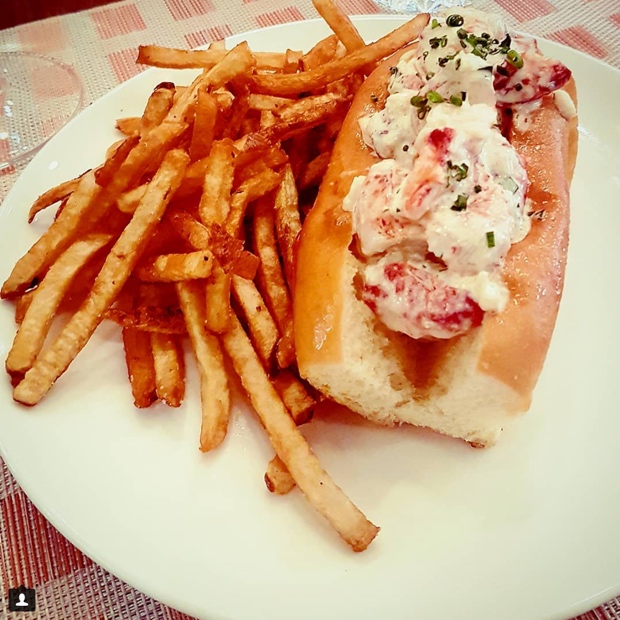
May 23rd, 2018 #lobsterroll by @lbstoronto ~ #lostinamoment ~ pairs beautifully with South African #cheninblanc

Pearce Predhomme Chenin Blanc Old Vine/Wild Ferment 2017, Clear Mountain, Stellenbosch, South Africa (Agent, $22.99, WineAlign)

The next chapter in the Nicholas Pearce-Will Predhomme chenin blanc joint is the richest to date, as a matter of unction without presumption. The great blended barrel and tank amalgamation dishes an orchard tone citrus smoothie with rigour, tension and then perhaps, yes, a posit tug of confident Stellenbosch belief. Presumption even, knowing that you will adore it. And you will. Drink 2018-2022.  Tasted May 2018   pearcepredhomme  nicholaspearcewines  willpredhomme  @PearcePredhomme  @Nicholaspearce_   @WillPredhomme  Nicholas Pearce  willpredhomme

Ken Forrester Old Vine Reserve Chenin Blanc 2016, WO Stellenbosch, South Africa (Agent, $17.95, WineAlign)

Texture from old plants can never be underestimated and this number two of four tiers in the Forrester stable digs so much deeper. It’s more passionately meets seriously defined out of a labour of love so you have to pause and stay with it.  Last tasted May 2018

Reserve is a funny term for wines like this because it speaks to the idea that it should be put aside for further use. I don’t think that is Ken Forrester’s plan and here he once again raises his old vines game with the 2016 chenin blanc. Fruit and mineral are entrenched in this great posit tug of war, each shredding the twain and meeting at the trenchant median. Stellenbosch continues to dole out some of the planet’s most striking and finest whites with chenin blanc at the centre of it’s value universe. With major thanks to Ken Forrester. Drink 2017-2020.  Tasted March 2017   fmcwine  noble_estates  @KFwines  @Noble_Estates  Ken Forrester  Ken Forrester  @NobleEstates

I want to eat the dishes chef wants to cook ~ @jwillcook killed it last night @lbstoronto with the wines of South Africa

Survivor Chenin Blanc 2017, WO Swartland, South Africa (Agent, $17.95, WineAlign)

Survivor is richer, deeper, creamier, the chardonnay chenin, in a way, with round and mild acidity. Very tropical, from guava and papaya to mango and ultimately, simple like a banana, with coconut and cream. Drink 2018-2019.  Tasted May 2018   survivorwines  kirkwooddiamondcanada  @SurvivorWines  @KDC_NATIONAL  @SurvivorWines  @KirkwoodDiamondCanada

Mullineux Kloof Street Chenin Blanc Old Vines 2017, Western Cape, South Africa (Agent, $27.26, WineAlign)

Still in the middle of drought, the 100 per cent chenin is so youthful right at this stage. Part Paardeberg, ancient granite decomposed into sand, plus rocky, shallow slate, better in the blend out of cooler years. Still a flint strike but also something verdant, smouldering too, like white tobacco, if there is such a thing.  Last tasted May 2018

You would think this came straight from the vines and into the glass because fresh was never this new, exciting and getable. In fact when thinking about tasting 2015, 2016 and now this 2017 there is no doubt this is the most immediate and gratification guaranteeing Kloof Street yet. It’s already in delivery of ripe citrus, orchard and tropical fruit, all three, fleshy, unctuous and divine. So juicy, unconsciously so and as drinkable as any chenin blanc on the planet. Drink 2018-2020.  Tasted January 2018   mullineuxwines  nicholaspearcewines  @MullineuxWines  @Nicholaspearce_  @MullineuxWines  @MullineuxWines  @MullineuxWines  @MullineuxWines

Mullineux Kloof Street Chenin Blanc Old Vines 2016, WO Western Cape, South Africa (Agent, $22.95, WineAlign)

From the very dry year this 100 per cent chenin is from 36 and 38 year old vines in two vineyards, so considered old vines because its certified (above 35, a labelling law that came into place this year). Natural ferment, freshness meets a terrific sense of place, with downy texture by one third barrel. Aging nicely.  Last tasted May 2018

Some older vines (in the 40 year range) combed off of variegated soil types from several Swartland vineyards combine for definitive Western Cape effect. Kloof Street is the poster child for the way in which Chris and Andrea Mullineux’s are taking South African by storm. Though they spend so much effort concentrating on specific soils with über specific wines, this chenin blanc is the multi-purpose white to teach a thing or two about the rest of their work. It’s exemplary of ripe and perfectly extracted, multi-sensory fruit and personality. Though this 2016 is a bit warmer and deeper than previous vintages (and the portion of barrel ferment is further felt), it continues the thread of honesty, decency and consumer educational necessity for the Cape wine oeuvre. It will also develop some peaches, herbs and honey with time. Drink 2017-2021.  Tasted March 2017

Mullineux Old Vines White 2016, Unfiltered & Unfined, WO Swartland, South Africa (Agent, $36.95, WineAlign)

The old vines are between 36 and 65 years old and the 60-65 per cent chenin blanc is blended with grenache blanc, clairette blanc and viognier. There is also a smidgen of sémillon gris, unique to sémillon, then mutated after 45-50 years, becoming like gewürztraminer. Really flinty, lightning across the sky moving with strikes through the glass, but somehow rich and grippy, then elastic, slippery, moving like an glacial ooze. Extraordinary really. Cryptic white blend, in the end.  Tasted again, May 2018

From French water mill to Swartland bread basket the Old Vines White continues to woo and sooth savages with its exceptional quality. From winemaker Andrea Mullineux this is equation building by chenin blanc (62 per cent) plus grenache blanc (15), viognier (11), clairette blanc (8) and sémillon. It may as well be Meursault Premier Cru Genevrières or Châteauneuf-du-Pape blanc transposed into the body of chenin-plus in South Africa. The combination of flinty strike and sun-fleshy body is perfectly tugged with posit force, stretching, flexing and relaxing with each effortless sway. The tease of lemon curd, sweet herbal pesto and creamy warm climate fruit never submit to the realities of ambition or extension. All remains calm, purposed and transfixed. As am I. Drink 2020-2028.  Tasted May 2018

Mullineux Old Vines White 2015, Unfiltered & Unfined, WO Swartland, South Africa (Agent, $36.95, WineAlign)

The Old Vine White 2015 is a revelation, built by 36-65 year-old vines, of 60ish per cent chenin blanc mixed with grenache blanch, clairette blanc, viognier and the mutated sémillon gris. A year adds almost nothing to the development save for a minor magnification of the flinty feeling but the linger, oh the linger. This is length unparalleled for South African white wine and how it is left to breathe in its broad expression is there forever. You can walk around the block and these old vines will be with you, by your side, in mind, body, spirit and never-ending flavour. Drink 2019-2028.  Tasted May 2018

Ken Forrester Chenin Blanc The FMC 2016, Stellenbosch, South Africa (37291, $64.95, WineAlign)

The straight-lined FMC is chenin blanc on a path of the shortest distance between two points from straight-shooting Ken Forrester. It’s ambitious and righteously so, a statement wine, no longer (if ever) Loire but now indelibly Stellenbosch stamped,. Not an off-dry, botrytis copying style but now from larger barrel and so minor oak and lack of noble rot addendum. It’s simply older vines from the same old vineyard and so comfortable in its own skin. Yes it has a honeyed note but it’s from the bees replete with a sexy, waxy feeling. The aging possibilities are long to endless. Drink 2019-2029.  Tasted May 2018

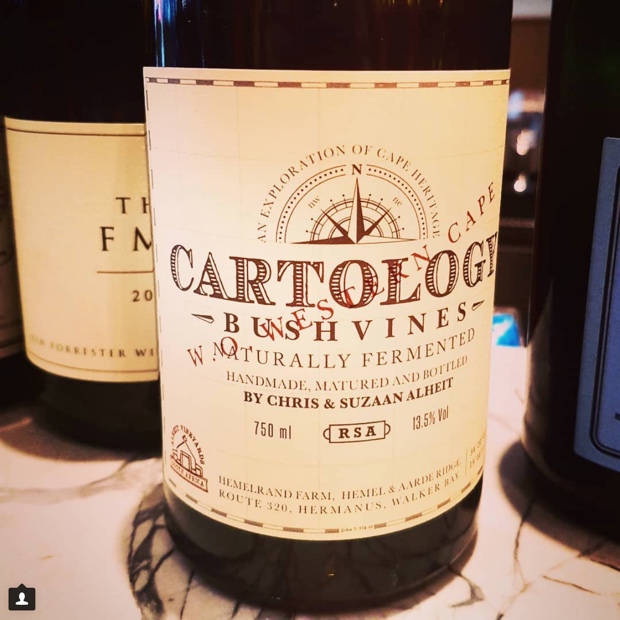
Varietal and single-vineyard wines are great but #cartology is forever ~ so pleased to get a chance at this today ~ another laser from @chrisalheit

Alheit Vineyards Cartology Bushvine Chenin Blanc Sémillon 2016, Western Cape, South Africa (Agent, $46.95, WineAlign)

Chris and SuzaanGroupe Soleil Fine WinesAlheit’s Cartology ’16 exhibits a citrus layering that separates it from other Western Cape white blends and an implosive intensity that is simply stunning, but also frightening. As a reminder the blend is a smaller amount of eighty year-old La Colline sémillon from Franschhoek running ambagious with 30-40 year old chenin blanc grown in Skurfberg, Perdeberg, Bottelary Hills and Kasteelberg. Few white wines anywhere in the world are even remotely positioned in this field where energy and light spin with infinite speed in the centrifuge of life. That doesn’t even speak to texture for a wine that is the topographical depiction of these nooks of the Western Cape. Needs two years to flesh out, evolve just a hair and bring another level of interest to the glass. Drink 2020-2028.  Tasted May 2018  chrisalheit  gsoleil123  @ChrisAlheit  @GroupeSoleilTO  Suzaan Alheit  Groupe Soleil Fine Wines

Mullineux Schist Chenin Blanc 2014, Swartland, South Africa (Agent, $89.95, WineAlign)

Mullineux’s Schist is a 100-120 case production (though only 72 in 2014), from schist, of course, not granite, which adds mid-palate weight and texture. Also from older (36 and 40 years) vines based from soils of the Kasteelberg. It’s a heartfelt message and cerebral pulling string from the 2014 density gifting vintage. Older barrels wrap like a blanket for fruit richer than you’d ever imagine, full-bodied, beautiful and robed in petticoat unction. It’s also dry as the farmland desert. Truly one of the finest chenin blancs from South Africa and beyond. Drink 2018-2027.  Tasted May 2018

Mullinuex Olerasay Straw Wine NV, WO Swartland, South Africa (Agent, $59.95, WineAlign)

Mullineux’s non-vintage Straw Wine is fashioned from grapes hung in trees for three weeks. The key is to concentrate the acidity which doubles from the pressing number, plus sweetness that is off the charts. No rain in the picking season means no fear of rot. The use is of chenin blanc from the same vineyard as Kloof Street and it’s amazing how the same grapes can deliver such a different expression from the same place but with the simplest adjustment of winemaking methodology. An amazing look from a healthy 14 barrels made, so distinct as a dessert wine, with pineapple, lemon preserve and apple purée. Bold and delicious. Drink 2019-2031.  Tasted May 2018

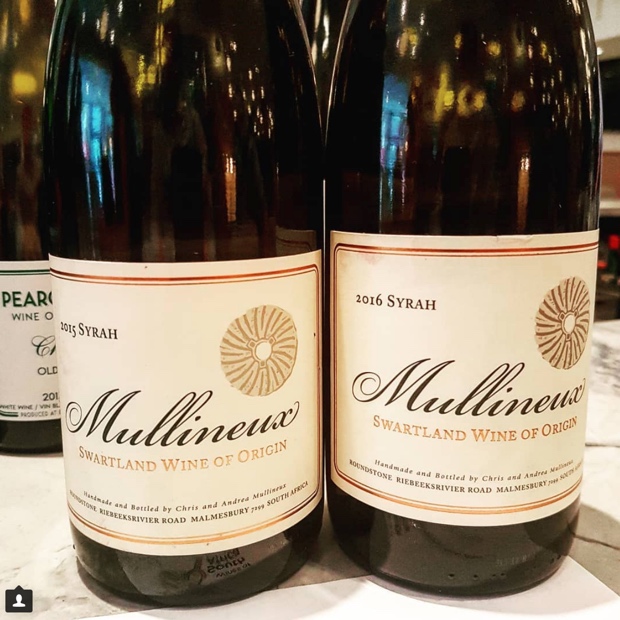
A little bit of this, a little bit of that. A little bit of schist, a little bit of granite. Amazing vintage variation, from ethereal to powerful. Singular @mullineuxwines

Mullineux Syrah 2016, Swartland, South Africa (Agent, $42.95, WineAlign)

The first drought vintage for the Swartland syrah and so the extract, concentration and density are all in compression mode. The change is felt with palpable impression, meatier, more char, even tar, and a little bit of dogma was necessary to bring in more granite-raised syrah to keep things swimmingly cool and savoury along. It’s a hematic one in 2016. To some this would be the bomb, the massive reason to believe and to others it might seem an impossible wall to scale. With a combination of love and patience the ’16 will please them all. Drink 2020-2028.  Tasted May 2018

Mullineux Syrah 2015, Swartland, South Africa (Agent, $42.95, WineAlign)

Mullineux’s Syrah is sourced from several different vineyards around the Swartland, from granite, schisty slate (structure and tannin), plus the mid-palate giver, from lighter, porous soil suited to arenicolous vines. Here is a complex weave of geology, barrel usage and ultimately textures. There is a meaty char but also a floral, violet potpourri. A wine with a lot of integrity and generosity. From a vintage widely considered fantastic everywhere, moderate in every respect; cool, rain, sun, wide picking window. Easy. Drink 2018-2024.  Tasted May 2018

Paul Cluver with Ken Forrester’s Chenin Blanc

A few wines from the PIWOSA visit, June 2017

Paul Cluver Riesling Close Encounter 2015, Elgin Valley, South Africa (Agent, $23.99, WineAlign)

Paul Cluver’s Close Encounter is a matter of remarkable contrast elevated by texture so that sugar and acidity are seamlessly meshed, gathering both apple orchard and mango grove into one sweet and sour package. Channels its inner Rheinhessen like no other southern hemisphere riesling but does so with pure Elgin elegance and individuality. Most excellent riesling.  Last Tasted June 2017

A more serious effort than the sibling ‘Dry Encounter’ because this riesling knows what it wants to be. On its left may be Alsace and on its right the Mosel but in truth this speaks to a Kabinett reasoning, with Elgin layering. At nine per cent alcohol, 36 g/L RS and 8.2 g/L TA it knows the difference and speaks the truth about off-dry riesling, with elevated and yet balancing acidity. It pretends to be nothing but what is of and for itself. Flint and an attainable stratosphere (between 300-500m above sea level) accept the airy drifts of oceans and the gathering returns to earth with the weight of wax and glade. If you think South African riesling is “a real nowhere man, sitting in his nowhere land,” taste Elgin and think again. The skeptical Nowhere man is ignorant to the new frontier for riesling and to him I say “please listen, you don’t know what you’re missing.” Drink 2015-2020.  Tasted September 2015  paulcluverwines  hobbsandcompany  @paulcluverwines  @amargarethobbs  @paulcluver  @HobbsandCo

De Grendel Op Die Berg Pinot Noir 2014, Elgin Valley, South Africa (Agent, WineAlign)

“The Latch” in Dutch it means, where once settlers used the hill as a beacon for navigation. A crunchy, chewy and soil driven pinot noir, so bloody terroir driven, as if the bleed of the earth wells in the bottle and glass. There is fineness to the tannin but more than this acidity that defines the structure, or drives it and leaves you sipping on repeat. Cool summer nights do the savoury, spicy accents. Clearly this piece of Elgin was meant to raise pinot noir. Drink 2017-2020.  Tasted June 2017   degrendelwines  churchillcellars  @degrendelwines  @imbibersreport   @degrendelwines  @imbibersreport

Exceptional lads of South African wine take Toronto @chabrolto led by fearless leader Will ~ @WOSACanada @WOSA_Za

Seven producers, seven varietal wines

This tasting was led by master South African messenger Will Predhomme at Chabrol, Toronto’s smallest space and largest kept secret in the hands of Niall McCotter and Chef Doug Penfold.

First up was Sean Griffiths introducing Mulderbosch, based in Stellenbosch, “the centre of the universe,” He spoke of how South Africa has a long history of winemaking and Mulderbosch started in 1659. Looking forward to 2019 that is 360 years, a perfectly symmetrical number, of degrees, coming around full circle.

Mulderbosch Sauvignon Blanc 2017, WO Western Cape, South Africa (933424, $17.95, WineAlign)

The 2017 is the 25th vintage and “we’re always looking for cool-climate fruit.” notes Sean Griffiths. Fermented with its lees in the search for a fuller, richer style. It is surely round, rich and finish-able. A wine of great heritage, for itself and South Africa as a bigger entity but it’s not a replica of anything, least of all “old world.” Hints at a subtlety of weight, pungency, citrus, thiols, vegetation and flint. It’s 100 per cent sauvignon blanc, more passion than pamplemousse, more fruit than mousse. Touched but not bound by tradition. Maritime salinity finishes the spirit. Everything is under control. Drink 2018-2020.  Tasted May 2018   mulderboschvineyards  abconwine  @MulderboschV  @AbconWine  @Mulderbosch  Abcon Wine

Next up, Johannes De Wet from pioneering chardonnay specialist De Wetshof in Roberston, an area of limestone presence and the context of that rock is important. All estate work; farming, winemaking and bottling. First regional planting of chardonnay was in the late 1970s and then in the early 1980s. Johannes’ dad was a chardonnay smuggler.

De Wetshof Limestone Hill Unwooded Chardonnay 2017, WO Robertson, South Africa (419622, $16.95, WineAlign)

From four vineyards on clay with high limestone content, and high pH soils. Citrus abounds, all around, first lemon peel, and then grapefruit. Lots of lees (110 days) but unoaked with the end result being a desired weight. The source is 80 kms from the sea, a place of wind and cold nights, not surprisingly a great area for bubbly. Limestone Hill is a ridge, a step up to the mountain. This chardonnay is striking, sharp, full of energy and then calm, so drinkable. Crunchy and pure, honest, transparent and in its way, just perfect. Drink 2018-2020.  Tasted May 2018  dewetshofwines  glencairnwines    @glencairnwines  @dewetshofwines  @GCwines

Marthinus van der Vyver is Country Manager, North America, Ken Forrester Wines. Ken began with five restaurants in Stellenbosch and one day he saw an auction sign and three hours later, boom he walked away with a winery. If you have met or just heard of Ken Forrester, you know he is a force not just in wine, but a figure larger than life and hugely responsible for putting South African wines on the world’s stage. Partly because of his work to establish a premium level Chenin Blanc but also because of a tireless ethic, an entrepreneurial spirit and certainly his ambassadorial work. Forrester is a team player in the way a Football or Rugby captain rallies his teammates, his club and his country. I’ve had the pleasure of a four-hour tasting session with Ken in Stellenbosch and that interaction is indelibly stamped in my memory forever. Great guy whom Marthinus has the pleasure of calling Dad. He is Ken’s son-in-law and is responsible for taking care of the most important treasures in his life.

Ken Forrester Roussanne 2016, WO Stellenbosch, South Africa (Agent, WineAlign)

The 2016 is the third vintage of this wine, from 39 year-old vines. ‘Tis a risk-reward white held at bay, away from the safety of blending, of barref fermentation, and time spent in 80 per cent used 400L barrels. The vineyard is on the second last farm before you reach the Heldeberg, where hot days give way to late afternoon sea breezes. These are 15 of 60 roussanne hectares in Stellenbosch. Striking aromatics, a flinty, saline and pulsating white with presence and a stand up demand to be noticed. Drink 2018-2022.  Tasted May 2018  fmcwine  noble_estates  @KFwines  @Noble_Estates  Ken Forrester  Ken Forrester  @NobleEstates

Stephen Joubert is viticulturalist at DGB. “My passion is to understand South African terroir and to figure out what grows best and where.” Ocean is the thing, heavy soils, cold winters, dry summers, sea breeze influence, to keep acidity and freshness. We happened to have been in Sicily at the same time back in May. I’m curious to see what grape varieties gave him ideas for what to do back home in The Cape.

Bellingham The Bernard Series Old Vine Chenin Blanc 2016, WO Stellenbosch, South Africa (12724, $29.95, WineAlign)

This Bellingham Estate chenin blanc from old vines watched over by viticulturist Stephen Joubert carries an indelible stamp of richness, from that vine age and the leesy style. From granite and weathered shales, a minor note of reduction climbs over top of the rich, chic, stylish and full fruit and while it seems like the wood is very much in play it’s really more lees than anything that terms the texture and renders the weight. Old vines provide the density and structure to allow wood to take part in an ambitious attempt to create longevity. The locked in    spirit will go a long way to seeing some developed fruition but there may be a bit too much extraction so an oxidative quality might creep in before the wood has fully settled and integrated. Should work out well in the mid-term. Drink 2019-2022.  Tasted May 2018   bellingham_wines  dionysuswines  @Bellinghamwines  @DionysusWines   @bellinghamwines  @DionysusWinesTO

Danie de Kock presents Spier from Stellenbosch, going strong since 1692, always family owned, most recently purchased in 1993 and since 1996 Johannes Smith is the viticulturalist. Using the word “Signature” on their labels infers or might be what the chef wants to be known for. You should recognize varietal and get what you expect from that name on the bottle. In Spier’s case merlot should be a grape that gives you a great big hug.

Spier Signature Merlot 2016, WO Stellenbosch, South Africa (454827, $15.95, WineAlign)

Spier’s Signature Merlot 2016 is raised on alluvial soils, some estate, some purchased. “We’re trying to show a good solid wine.” Receives seven to eight months of dance floor wood for the fruit to express its moves, of 3rd and 4th passage. The best selling South African merlot in the LCBO happens to be the only one. Acidity and tartness at good height and level while reduction is lower than low. Breadth is a matter that is chalky, in chocolate guise and far from reduced, cooked out, even with just a touch of honest pyrazine. Drink 2018-2019.  Tasted May 2018   spierwinefarm  @SpierWineFarm  @SylvestreWSON  @spierwinefarm  Stephen Marentette

Francois Bezuidenhout from MAN family wines explains how the estate’s seven varietal wines are each equipped with an Afrikaans name. The vintner started out with three friends looking to make everyday varietal wines in 2001, as an anagram after their wives, Marie, Annette and Nicky. MAN. Chenin is the signature white.

Man Vintners Shiraz Skaapveld 2016, WO Coastal Region, South Africa (71332, $14.95, WineAlign)

Named Skaapveld, meaning “sheep’s field” this shiraz is a spicy, deep plum and raspberry red fruit red, a touch reductive and rusty-firm-grippy-transparent. Fruit is essentially from Paarl (with also some out of Stellenbosch), on decomposed granite and clay, dry-farmed and not the usual irrigation because of water retentive soils. Liquid chalky, talcy, oozing of chocolate and a shot of espresso but always returns to the red fruit. Mediterranean, black olive mixed with the chocolate. Peppery rotundo and lovely really. Drink 2018-2020.  Tasted May 2018   manfamilywines  vonterra  @MANVintners  @vonterrabev  @MANFamilyWines  @vonterra

Murray Barlow manages the winemaking at the 880 hectare property, larger than Pomerol, from an estate who’s first wine was made in 1692. In the early 1800s it was split in two, one purchased by John X Merriman. Rustenberg was one of the first to re-plant vineyards after phylloxera. The pioneer owned it until 1926 and was also the last Prime Minister previous to modern day South Africa. In 1941 Peter and Pamela Barlow bought the estate. Their son Simon took over the running of the farm in 1987. Winemaker Barlow represents the third generation of his family to make wine at Rustenberg wines on the foot of the Simonsberg Mountain in Stellenbosch, South Africa. Murray is the vini, father Simon is the viti. The Barlows have been at Rustenberg for 77 years: the longest period any one family has owned the farm during its well over 300 years old term. It’s a new world estate and like many others is  much older than the Boredelaise.”

Rustenberg John X Merriman 2014, WO Simonsberg-Stellenbosch, South Africa (707323, $24.95, WineAlign)

This is from altitudes between 250-500m, of deep rich red granite, high iron soils at the foot of the Simonsberg Mountains. Always 100 per cent estate fruit, merlot on south facing slopes which are cooler spots and then cabernet from those leading west (for afternoon sun). Fruit that thrives on cooling influences but no frost or hail and including beneficial breezes. A wet season preceding three successive drought vintages. Wow in that it’s so very Bordeaux and that’s saying alot because so many varietal or regional ode South African blends are not like their old world ancestors. Here all five Bordelais varieties work together, see plenty of barrel (20 months) and bottle time (one year) for it all to come together. Tobacco, olive, chocolate, classic Bordeaux stylistically and in the hands of a true South African pioneer, right along with the Meerlust Rubicon. Best at 10-15 years but can go 30. Drink 2020-2030.  Tasted May 2018   rustenbergwines  woodmanws  @RustenbergWines  @WoodmanWS  Rustenberg Wine Estate  @WoodmanWS

Good to go!

Godello

Twitter: @mgodello

Instagram: mgodello
WineAlign