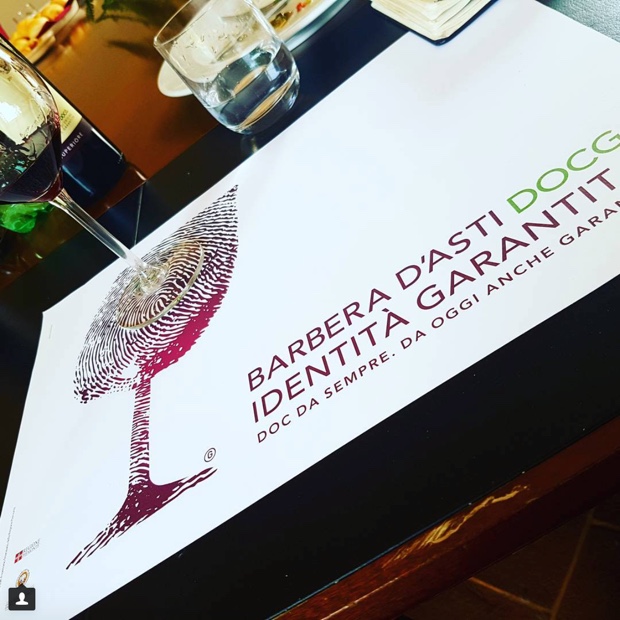
This report first appeared on WineAlign. Here it is expanded to include all the wines reviewed in July of 2017; 27 Barbera d’Asti and 44 Barbera d’Asti Nizza from 29 producers.
- Consorzio Barbera d’Asti E Vini Del Monferrato
- Cascina Gilli Di Vergnano Giovanni
- Cascina Galarin
- Bersano
- Pico Maccario
- Azienda Agricola Ivaldi Dario
- Az. Agr. Garrone Evasio & Figlio
- Michele Chiarlo
- Castello Di Gabiano Marchesi Cattaneo Adorno Giustiniani Srl
- Rovero
- Coppo
- Tenuta Il Falchetto
- Az. Agr. Franco Roero
- Viticoltori Associati Vinchio e Vaglio Serra
- Marchesi Incisa Della Rocchetta
- Marco Bonfante
- Erede Di Chiappone
- Gozzelino
- Moretti Adimari
- Berta Paolo
- Borgo Isolabella Delle Croce
- Il Botolo
- Cascina Garitina
- Villa Giada
- Bava
- La Gironda
- Tenuta Olim Bauda
- Cantina Tre Secoli
- L’Armangia
Back in July of 2017 I hopped aboard the Collisioni Progetto Vino train in advance of four seminar-saturated days in Barolo, to immerse myself in everything the great red hope known as barbera holds in the territory of Monferrato. Here in Ontario we possess a pretty good idea about the nature and the competency of Barbera d’Alba, mainly because of its association with the Piemontese region’s more famous grape variety nebbiolo in production of the noble and regal Barolo and Barbaresco wines. The successes enjoyed by Barbera d’Alba are ensured, not solely because of but certainly by its proximate association. But what about Barbera d’Asti?
Collisioni Festival’s Ian D’Agata recently stated “it is undoubtedly in Piedmont where the grape performs best. To put barbera’s popularity in perspective, consider that 33 per cent of Piedmont’s 45,000 hectares under vine are planted to barbera.” Try throwing this statistic in the face of Monferrato, Nizza Monferrato and so many other Asti barbera growers. So the question begs as to why so many DOC’s exist is such a close proximate place? The answer is quite simple. I am “insert commune name here” and I am this DOC, around my village, with my own very special terroir. Yours may only be five kilometres away from me but I am special and my land and grapes are not like yours. It must be noted that in Piemonte there are as many native grapes then there are in all of France. This is the second and more important reason nearly 50, or almost 10 per cent of all registered Italian grapes are found in Piemonte.
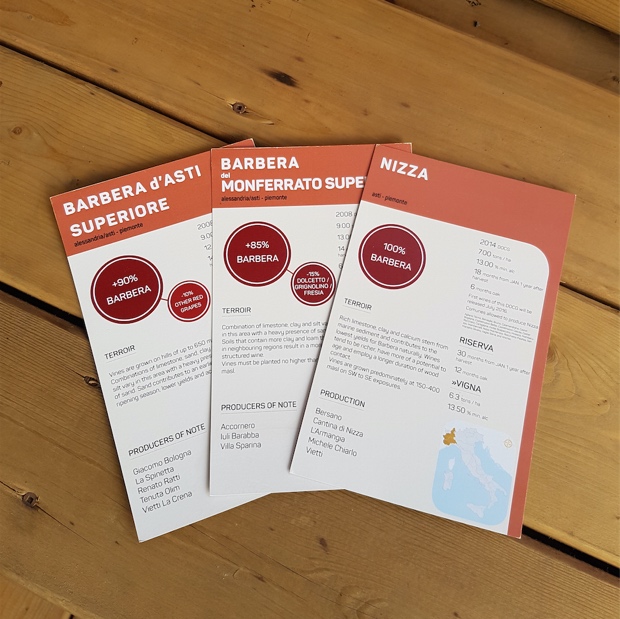
The Barbera DOCGs via somesmartsomm.com
The consortium for Barbera d’Asti and Monferrato wines was founded in 1946 with distinctive labelling and while only seven members were originally on board, today more than 200 band together for the good of the grape and especially the agricultural practices of the territory. I will touch on other Piemontese denominations such as Ruchè di Castagnole Monferrato, Freisa d’Asti and Grignolino d’Asti in a follow-up report but now is the time to discuss, analyze and celebrate all things Barbera d’Asti E Vini Monferrato.
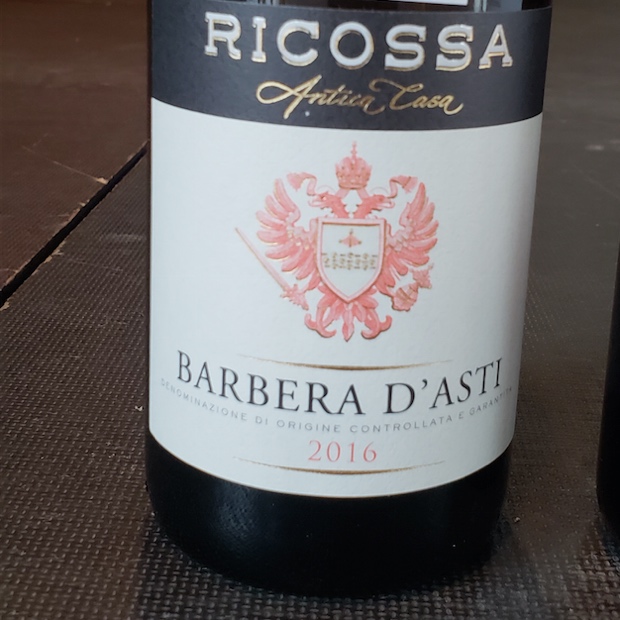
Barbera d’Asti is a DOCG with upwards of 3,900 hectares under vine with nearly 2,500 producers, 30 of which are cooperatives. The wines can be fresh reds made in stainless steel or receive some oak aging while the bigger Barbera d’Asti Superiore, made from selected grapes are required by DOCG law to be aged for at least six months in wood. Both the Barbera d’asti Superiore and Barbera del Monferrato Superiore DOCGs were awarded in 2008, both have maximum yield allowances of nine tonnes per hectare but Monferrato’s minimum alcohol requirement is a half a point higher at 13 per cent by volume. The Vigna (single-vineyard) Monferrato yields are lower, at eight tonnes per hectare. Aging for both is 14 months from November 1st the year after harvest. In Monferrato 85 per cent must be barbera with the remainder allowing dolcetto, grigolino and freisa while Barbera d’Asti Superiore requires 90 per cent barbera.

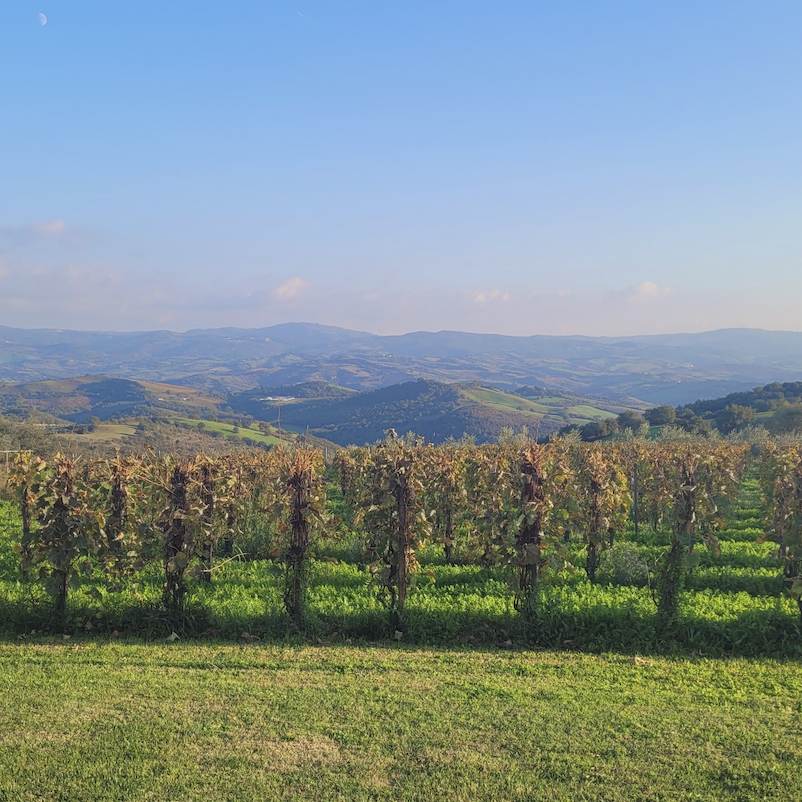
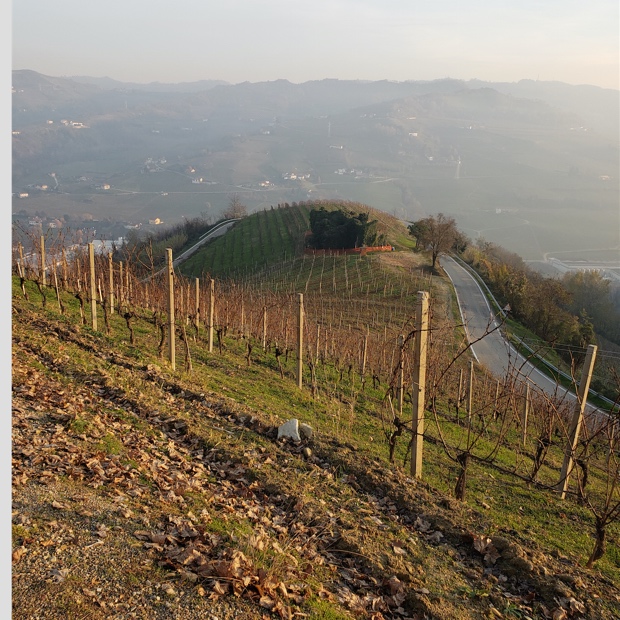
Barbera vineyards in Costigiole d’Asti
The rich limestone, clay and calcium hills of the Nizza wine zone is one of three Barbera d’Asti sub-zones (that also include Tinella and Colli Astigiani). Nizza’s terroir is a result of marine sediment and with proof supplied by a walk-around tasting and dinner during which wines dating back to 2001 were poured, it is indeed the zone where the most ageworthy and arguably the best barbera d’Asti is made. In 2014 the DOCG was created and the artist formerly known as “Barbera d’Asti Superiore Nizza” has now been abbreviated to simply, Nizza. Like Prince. Power and balance are married in Nizza and many perform well past the 10 year mark after vintage. Wines from Nizza must be 100 per cent barbera, the yields are capped at seven tonnes per hectare and the age requirement is 18 months (six in oak) from January 1st the year after harvest. Reserva is 30 months (12 in oak) and Vigna (single-vineyard) releases must have yields no higher than 6.3 with a minimum of 13.5 per cent alcohol. The first Nizza DOCG wines were released in July of 2016.
Still today the barbera wines of Monferrato and Nizza are virtually ignored worldwide. Many consumers simply think of the name Asti and sweet sparkling wines come to mind. Many others know not of Asti and still countless more associate the grape with Alba. The Consorzio Barbera d’Asti e Vini del Monferrato is working tirelessly to change public perception, first with its proud public speaking president Filippo Mobrici, by enlisting the association with the Collisioni Festival and through the work of ambassadors like Michele Longo. The Collisioni Progetto Vino brings groups of journalists and sommeliers from around the globe to taste, educate and indulge in the multiplicity of barbera.
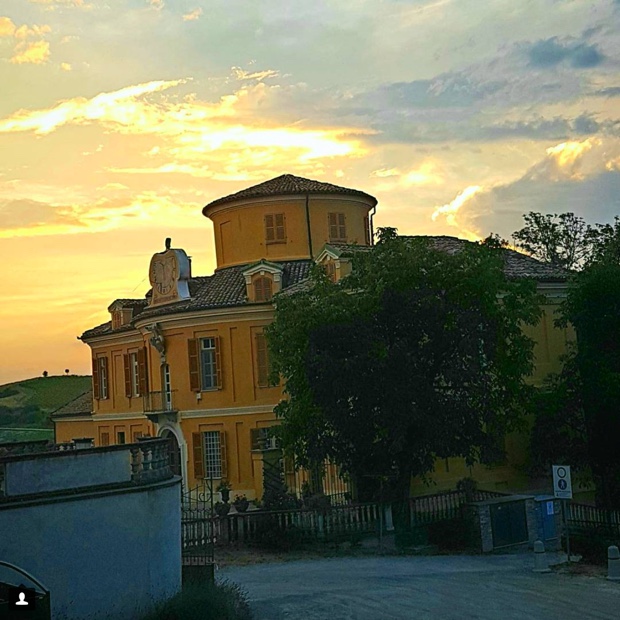
A compassionate barbera d’asti sky in the dimmet of a piemonte evening.
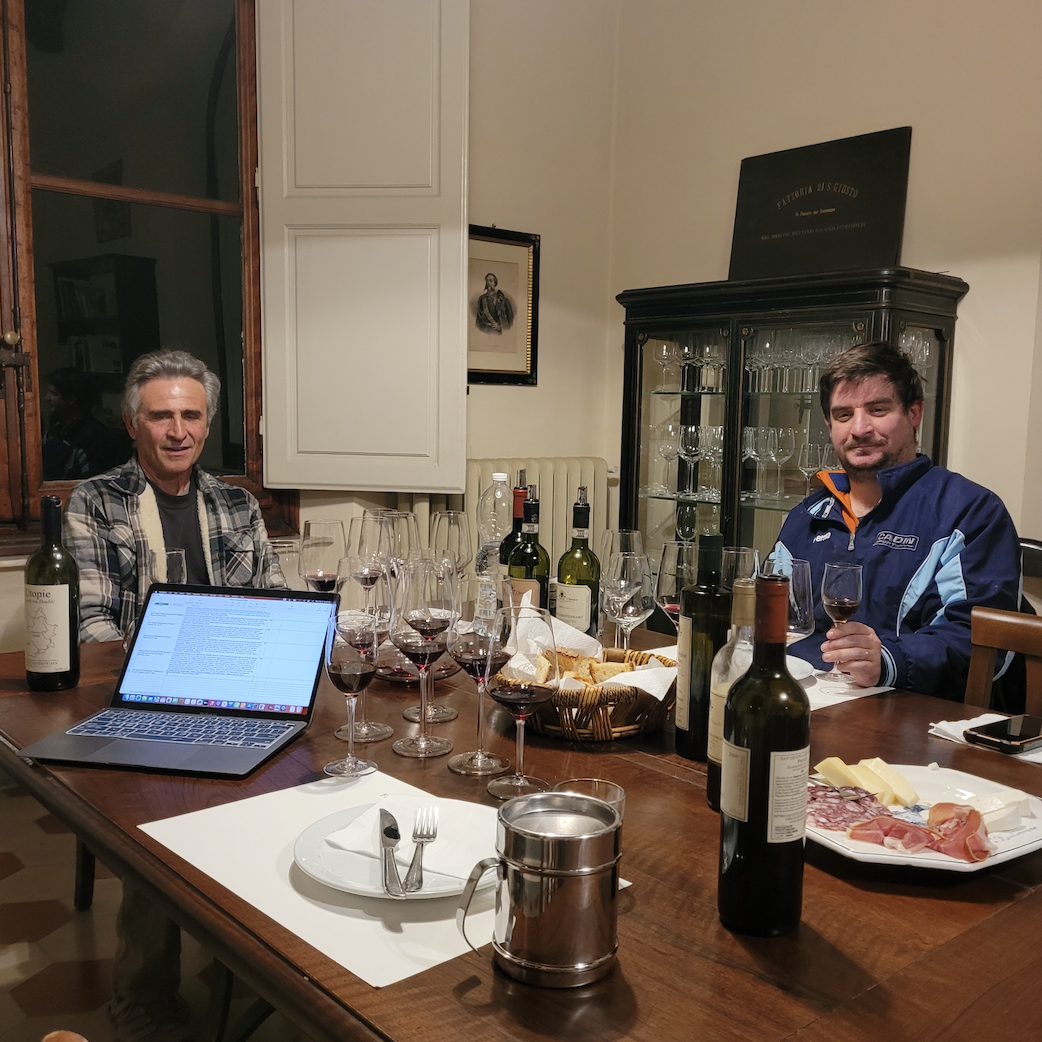
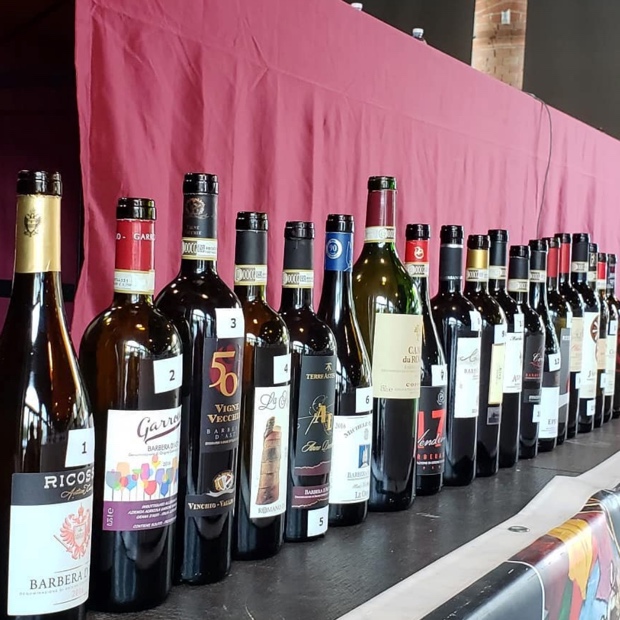
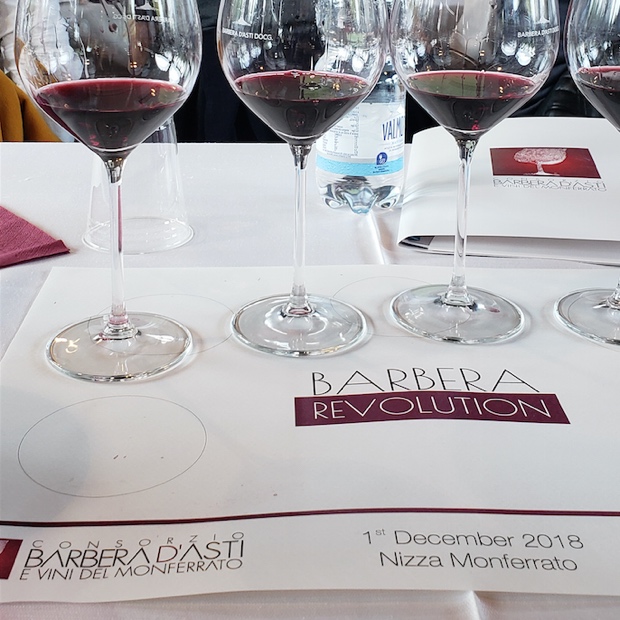
The following tasting notes of Barbera d’Asti and Nizza wines were executed in the consorzio headquarters in Costigiole and at the Enoteca Regionale di Nizza in July of 2017. The first tasting focused on Barbera d’Asti and Barbera d’Asti Superiore from the 2014, 2015 and 2016 vintages with the emphasis placed on four sub-zones and their differing soils. The second (walk-around) tasting allowed producers to pour at their whimsy so this included portfolios with varietal wines such as grignolino and freisa. The gathering of the Associazione Produttori del Nizza focused beautifully on a comparison of only wines from the 2014 vintage, by way of introduction, followed by two brilliant tastings in which verticals of their wines were offered, first at a (way too fast) high-speed walkabout and then later during a (beautifully slow) dinner at Locanda Del Boscogrande. My full report covers more than 75 reviews of Monferrato barbera from both the Asti and Nizza categories.
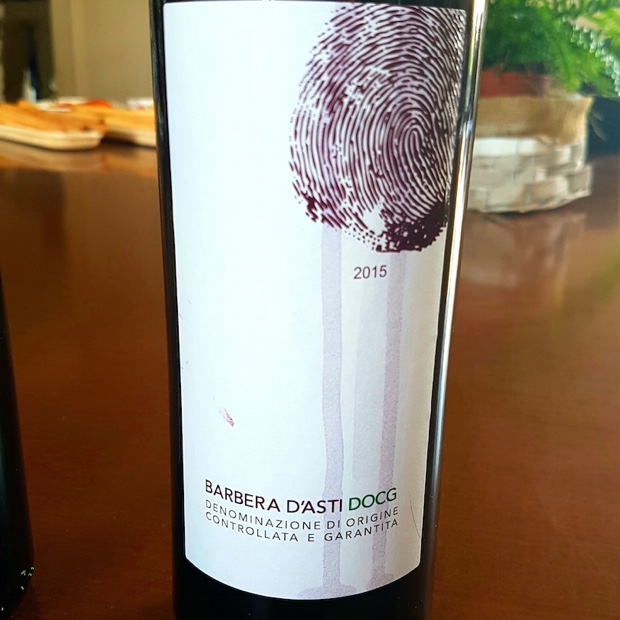
Barbera d’Asti DOCG
Consorzio Barbera d’Asti E Vini Del Monferrato Barbera d’Asti DOCG 2015, Piedmont, Italy (Winery, WineAlign)
Every year one wine is chosen through a series of blind tastings from a selection of producers, to be bottled and labeled under the “taken as a while” entity Consorzio Barbera D’asti E Vini Del Monferrato Barbera D’asti. Only the producer and the President (Filippo Mobrici) know who’s wine is chosen, along with wink, wink, everyone else. This 2015 is quite the firm and brambly barbera, as it should be, with an omnipresent blanketing European vintage depth of character, from warmth, quality, quantity and length. This is typically barbera pressed, full on for fruit, specific to a Monferrato territorial claim and nary a moment of intrusive tannin. Drink 2017-2019. Tasted July 2017 barberadasti
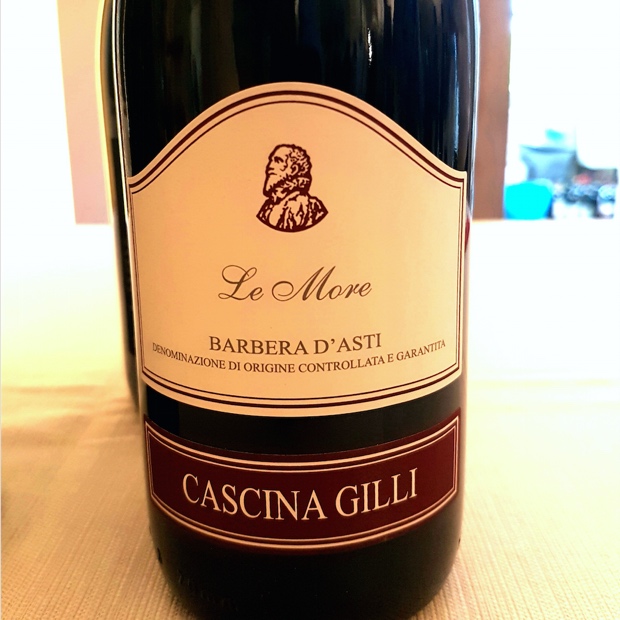
Cascina Gilli Di Vergnano Giovanni Barbera d’Asti DOCG Le More 2016, Piedmont, Italy (Agent, WineAlign)
From the silty marl of Monferrato in Castelnuovo Don Bosco, here the traditionally rustic is acquiesced. Of dark berry, dusty, mulberry, a rich mid-palate, leathery, textured, solid if not profound structure. Only stainless steel and possessive of appropriate length. Drink 2017-2019. Tasted July 2017 cascinagilli @cascinagilli
Cascina Galarin Barbera d’Asti DOCG Le Querce 2016, Piedmont, Italy (Agent, WineAlign)
Out of the silty marl comes this stainless raised barbera, of such a similar profile to Le More, less floral and also less obvious fruity berry. Made with five per cent freisa, here there is more caramel and dried plum, also more VA and a bit of residual CO2. The bitter finish blend into acidity so very tart. Drink 2017-2018. Tasted July 2017 #cascinagalarin Cascina Galarin
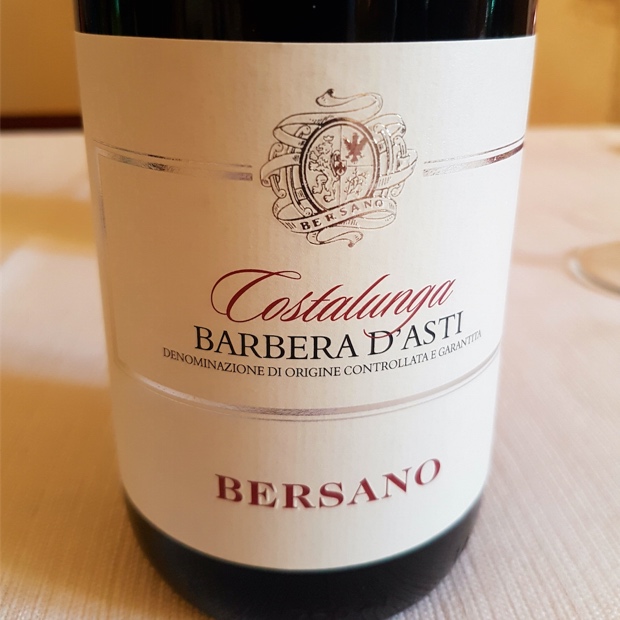
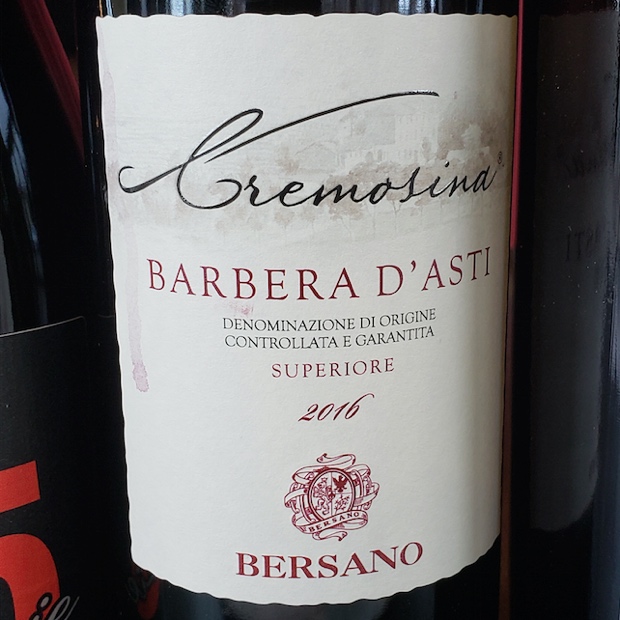
Bersano Barbera d’Asti DOCG Costalunga 2015, Piedmont, Italy (Agent, 348680, $13.75, WineAlign)
Bersano’s, like so many of its peers making barbera in and around Monferrato comes from a terroir of silty marl. It spends one year in (large) botti and is a most most floral and perfumed barbera, notably of violets, even a touch of liquorice or fennel. Fills in with more mid-palate and structure than many at this “posto che si chiama” entry level, with bitters as tonics well integrated into the mix. Drink 2017-2020. Tasted July 2017 bersano1907 profilewinegroup @Bersanowine Profile Wine Group
Pico Maccario Barbera d’Asti DOCG Lavignone 2016, Piedmont, Italy (Agent, WineAlign)
Quite the deep, dark and handsome barbera with a current of black currant and a pure stainless steel raising. Plums and chocolate mark the second half profile for the rich red, no oak lover in you. This pervasive barbera represents just about half of the house’s total (400,000 bottle) production. It’s truly a matter of fresh fruit and the already conscious awareness of its sharp, tart, fugacious youth. Solicits a knowing nod of the head when tasted at the source not long after a moment with the ’14 less than a year before. Drink 2017-2019. Tasted July 2017 picomaccario
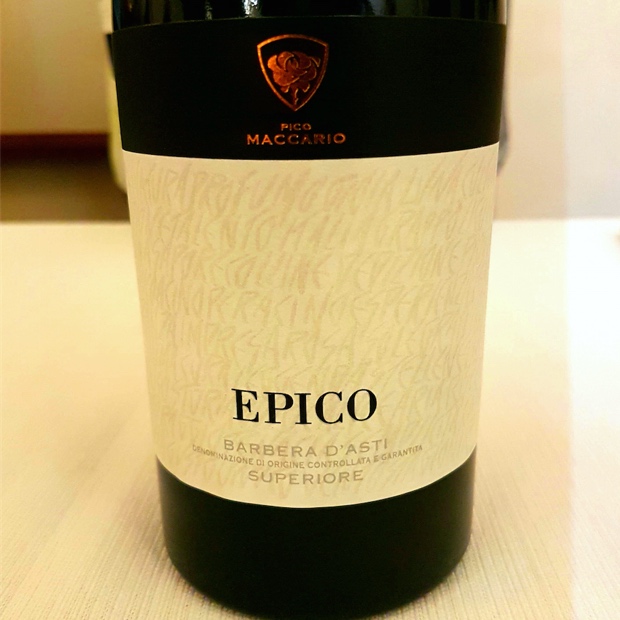
Pico Maccario Barbera d’Asti Superiore DOCG Epico 2014, Piedmont, Italy (Agent, WineAlign)
Epico is the top selection from the oldest (60 year-old) vines developed 14 months in barrel. In its current state the oak is alpha dominant and the volatility quite pronounced. There is something of a jammy quality, not so much a viscous or pejorative, pectin-laced presence on the palate but more like a reduction as barbera syrup or liqueur. The epitome of modern and produced. Drink 2017-2020. Tasted July 2017
Pico Maccario Barbera d’Asti DOCG Tre Rovere 2015, Piedmont, Italy (Winery WineAlign)
The “three oaks” saw to six months in barrel and along with an expressly coffee aroma there too is this sugary scent. Candied plums bring fruit depth and richness and the wine sings the high notes of volatility. It’s quite a tart treat, from liquid clay to blackberry in a combined and distilled affair. A moment of cotton candy is fleeting because the heavy clays and ferric accent take over, stirring up some bitters to mix with the sugars. A deferential and adjustable barbera that condones the ups and downs of the oeuvre. Drink 2017-2020. Tasted July 2017
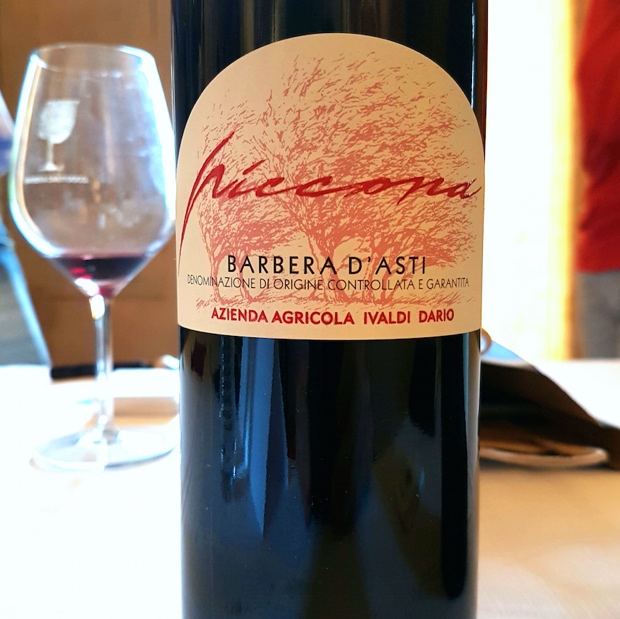
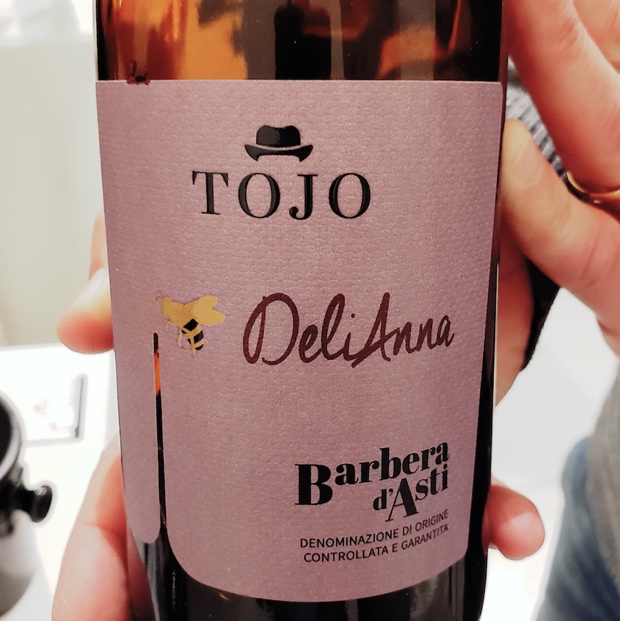
Azienda Agricola Ivaldi Dario Barbera d’Asti DOC 2015, Piedmont, Italy (Winery, WineAlign)
In the pantheon of red wine made from the barbera grape in Asti lands it is Andrea Ivaldi’s that stands out, like a beacon or a lighthouse, lit up to help mariners find the shore. In this case a summoning light set in a white limestone vineyard and it is the youngest member of the Ivaldi family who resides as the current superintendent of this special barbera. At a locally low 14 per cent alcohol and a hue so Monthelie transparent this is classic, innate, intense liquid stone, bled from the pietra bianca at 300 masl. The blessedly honest red fruit raised in cement tanks for one year is hypo-reductive and only 4,000-5,000 bottles are produced. So balanced, melting, oozing and brisk, structured even. Drink 2017-2021. Tasted July 2017
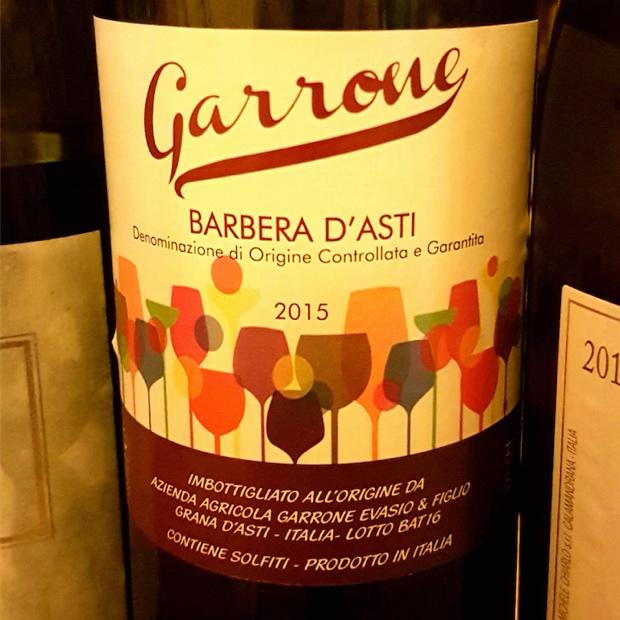
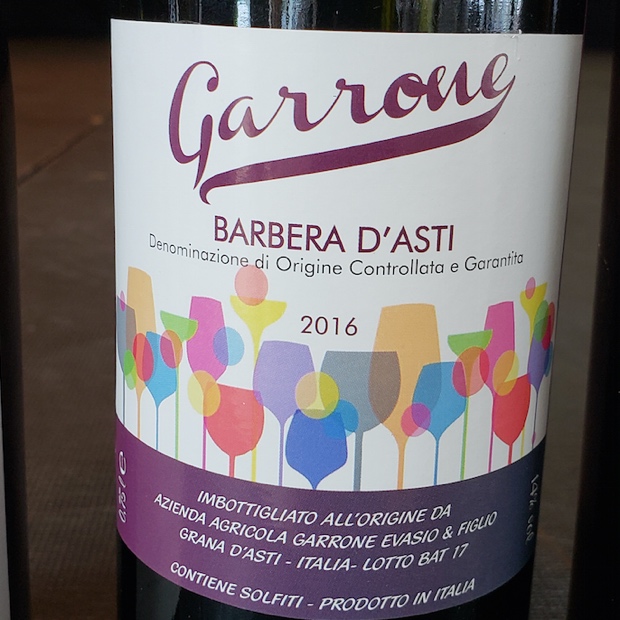
Az. Agr. Garrone Evasio & Figlio Barbera d’Asti DOCG 2015, Piedmont, Italy (Winery, WineAlign)
Garrone’s barbera climbs out of the silty marl and exhibits more VA than the others but in a good way. If perhaps it acts a bit acetic, it thus so hides its florals, though there is more texture and integration, gliding silky across the palate and finishing long. More complexity and interest here. Drink 2018-2021. Tasted July 2017 @vinigarrone
Michele Chiarlo Barbera d’Asti DOCG Le Orme 2015, Piedmont, Italy (265413, $13.95, WineAlign)
Le Orme or “the footsteps” spent 16 months in stainless steel, taken from variegated terroir; sandy, marly and coarser soils. It sheds developed florals and high yet stretched and creeping acidity and in turn length. The acumen and experience comes through, leading to more refinement and almost a creamy (though unwooded) texture on bright, juicy fruit. Drink 2017-2019. Tasted July 2017 michelechiarlo univinscanada Michele Chiarlo @UnivinsCanada
Castello Di Gabiano Marchesi Cattaneo Adorno Giustiniani Srl Barbera d’Asti DOCG La Braja 2015, Piedmont, Italy (Winery, WineAlign)
Gabiano’s stands apart in a barbera tasting of 13 wines because of its naturally wild personality. Run free off sandy soils it saw 16 months in a combination of botti and barriques. Beyond barbera it also contains some grignolino and freisa, more tannin, certainly reductive (which easily blows off) and I’d even call it righteously and properly stinky. More developed and even wise, this has that acidity that travels up and down the sides of the mouth. Drink 2018-2021. Tasted July 2017 castellodigabiano Gazzola Katia (Castello di Gabiano)

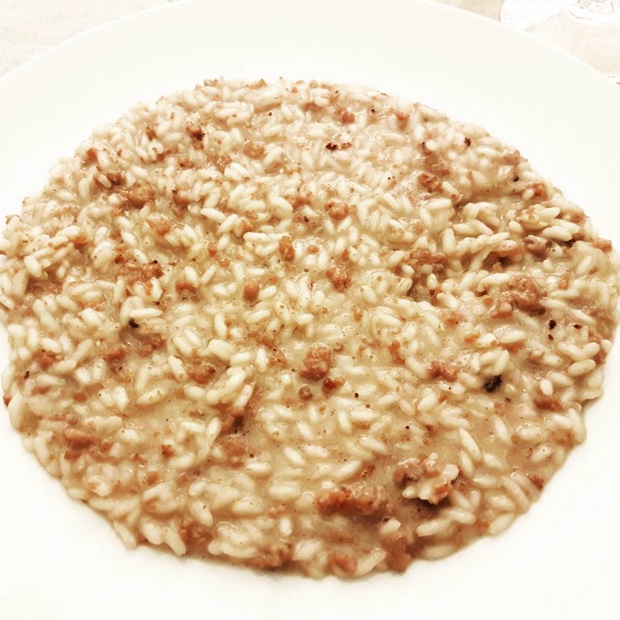
#risotto #ristorantelabarbera #costiglioledasti @costiglioleat
Rovero Barbera d’Asti DOCG Superiore Rouvé (Bio) 2014, Piedmont, Italy (Winery, WineAlign)
Rovero’s wafts with the most perfume by a long shot, by a soaking up and in from 24 months in barrique. The waves of vanilla infiltrate the purple berries, much like Rioja and its wood perfume but in barbera it comes with so much acidity. Like chewing on a stick of wood dynamite overcompensating for fruit that didn’t stack up, though it would have been honest and pure to allow the fruit to talk anyway, in whatever voice it may have chosen. Drink 2018-2020. Tasted July 2017
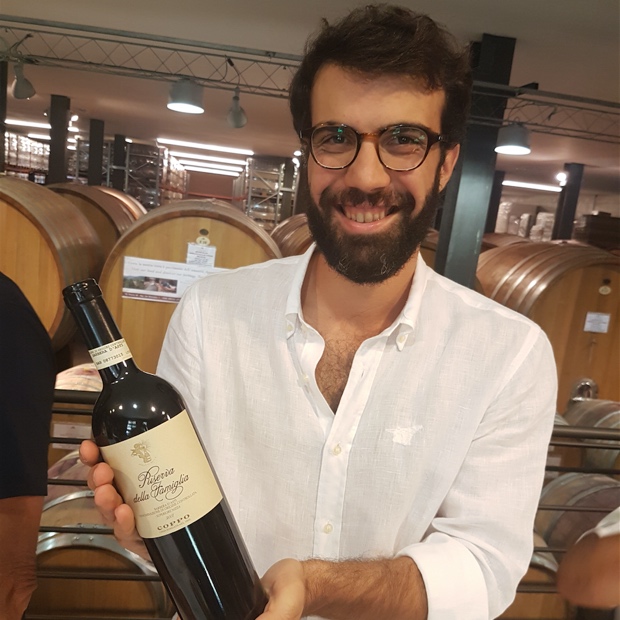
Luigi Coppo
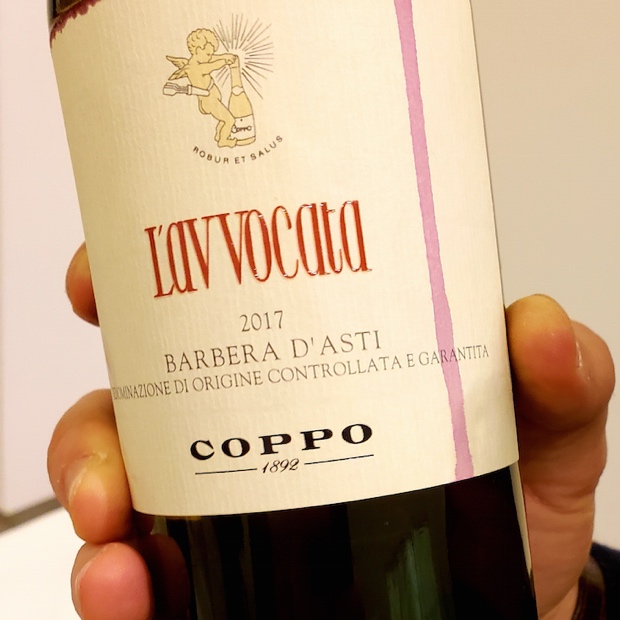
Coppo Barbera d’Asti DOCG Pomorosso 2014, Piedmont, Italy (Agent, $74.95, WineAlign)
From the house that Piero Coppo built, now in the forward thinking acumen-saturated hands, heart and mind of Luigi Coppo, comes a barbera most ambitious and in 2014, likely to be misunderstood in the throes of its youth. Pomorosso carries the baggage and the experience of 125 years of history in pocket, is only produced in the best vintages and spends 14 months in French oak. A fair to challenging vintage makes cause and pause to consider it a case of over-oak usage because it still overwhelms the terroir while simultaneously in disavow and disallow for the vintage to speak. The big but factor is spoken with a simple term. Balance. Even while the wood is very much in charge the craft behind the scene fills the screen, like a sepia toned vintage movie reel, in which hard at work agriculturalists, agronomists and oenologists move in fast frame motion, tending to their barbera. Beautiful fruit defends itself, because and for the land, reeks through the wood, integrates acidity and lingers, long after the wood perfume has dissipated. Fast forward to the end of the film and enjoy in retrospective view, somewhere mid next decade, while the credits roll. Drink 2020-2028. Tasted July 2017 coppo1892 maitredechai_ca @COPPO1892 Le Maître de Chai
Tenuta Il Falchetto Barbera d’Asti DOCG Pian Scorrone 2016, Piedmont, Italy (Winery, WineAlign)
Sees some stainless steel and six months in acacia wood. From a mix of soils in the Piemontese tertiary basin, characterized by sedimentary rocks known as “Marnoso Arenacea,” deposited from a marine environment 30-35 million years ago. A lovely barbera in purity of fruit, perfume and balance. Varietal honesty and bright personality bring dark plum, great acidity and ultimately just a pleasure to drink. 2017-2019. Tasted July 2017 tenutailfalchetto @tenutailfalchetto
Az. Agr. Franco Roero Barbera d’Asti DOCG Carbune 2016, Piedmont, Italy (Winery, WineAlign)
Roero’s is another stainless specimen but this time off of mixed soils cut across two sub-zones. The fruit here is rich, darker, spicy and the acidity less pronounced, rendered, melted in. It too is a pleasure to drink but not as bright as some, to be sure. Just a bit pressed, quite solid and hefty at 15.4 per cent alcohol. Drink 2017-2019. Tasted July 2017 franco_roero_winery @franco.roero
Az. Agr. Franco Roero Barbera d’Asti Superiore Docg Mappale 213 2015, Piedmont, Italy (Winery, WineAlign)
From Montegrosso d’Asti Roero’s Mappale takes a heat index step back from Carbuné and from 2016. In 2015 the single vineyard, single (213) block is vinified separately from the others (including Siché and Cellarino) and spends 18 months in large barrels. Still it’s a dark, hematic bruiser with Cassis and dark chocolate, plus the omnipresent energy of acidity. Also ropey, tart and glazed, almost to the point of deep caramel. Then again it always comes back to how young it is. Drink 2018-2023. Tasted July 2017
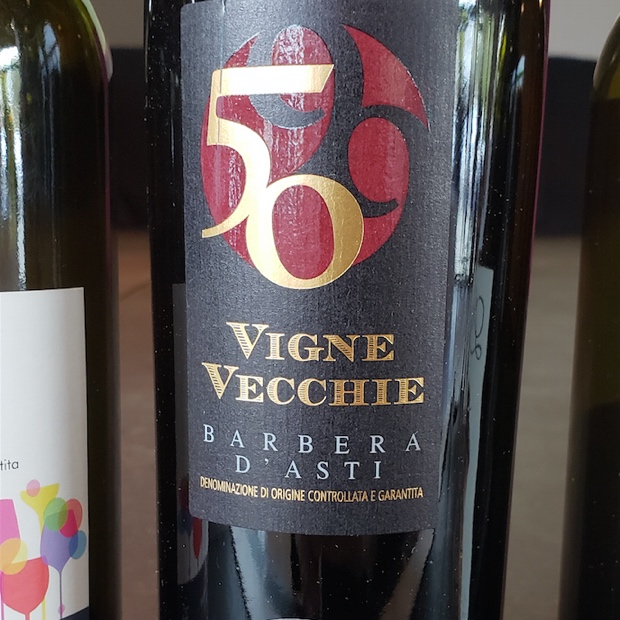
Viticoltori Associati Vinchio e Vaglio Serra Barbera d’Asti DOCG Vigne Vecchie 2011, Piedmont, Italy (Winery, WineAlign)
The use of generous oak on these old vines rings and scents into secondary notes, of creosote, graphite, vanilla, clove and dried fruit from strawberry to prune. This will soon be turning to figs, chocolate and balsamic when in a year or two the fruit is no longer willing to sing and the acidity will step back into a phase otherwise quiet. From vineyards in Montegrosso, with caramel, more vanilla, creaminess and Amarone like character in alcohol and a perception of sweetness. Drake 2017-2019. Tasted July 2017 vinchiovaglioserra @VinchioVaglioSerra
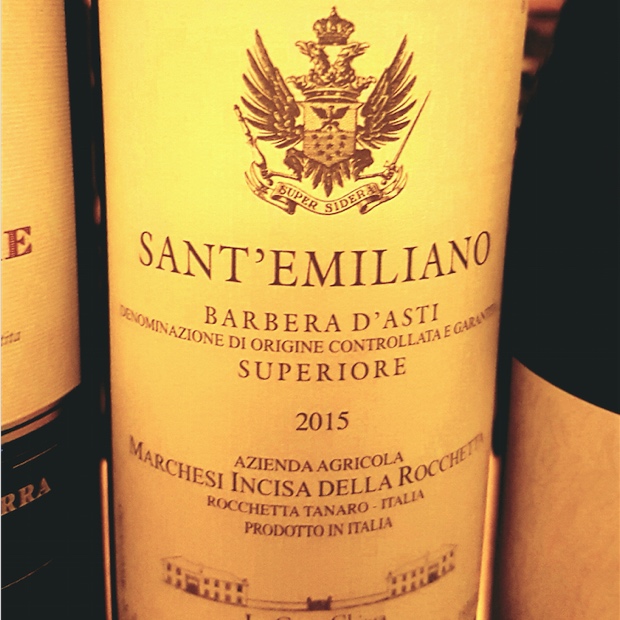
Marchesi Incisa Della Rocchetta Barbera d’Asti Superiore DOCG Sant’Emiliano 2015, Piedmont, Italy (SAQ, 12278202, $29.45, WineAlign)
Marchesi Incisa Della Rocchetta is from Sassiccaia fame and also a family with a long Piemontese tradition. Their barbera is aged 18 months in French barrels and hails from near (southeast) of Asti. It’s certainly posied and appointed though I can’t help but notice the five-spice, caramel and balsamic aspect. A highly refined if tart style, seriously structured and wholesome though balanced within that formidable framework. As it fleshes and expands it reveals more charm, with some grace and elegance, kept warm and safe from the elements with an expensive scarf to be sure. Drink 2018-2023. Tasted July 2017 #marchesiincisadellarocchetta vins.balthazard #marchesiincisadellarocchetta #marchesiincisadellarocchetta @VinsBalthazard
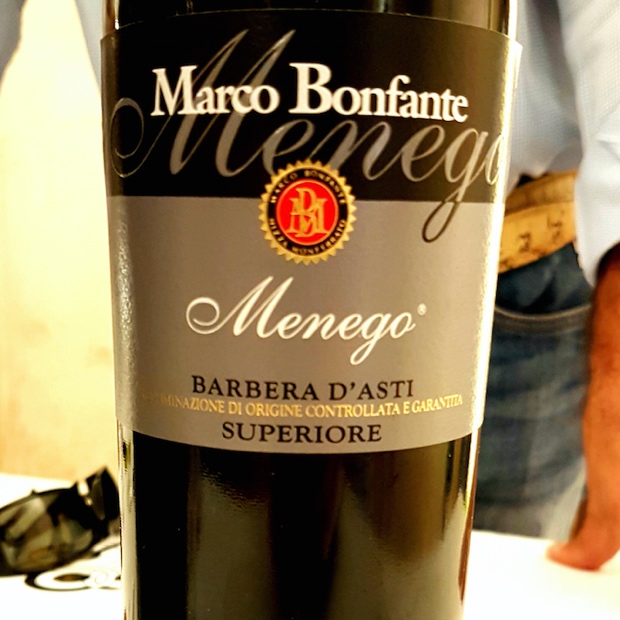
Marco Bonfante Barbera d’Asti Superiore DOCG Menego 2011, Piedmont, Italy (Winery, WineAlign)
Marco Bonfante’s barbera d’asti made from fruit all over the hill is called Menego, the nickname and in honour of his and Micaela’s father Domenico who passed away in 2000. At the top of Domenico’s hill is Il Bricco and it is this one and a half hectares of south-exposed fruit that separates this barbera from the broad expression that is Menego. The calcareous terroir defines this wine and though the journey here is a high octane, jammy developing one through 14 months in barriques, this is the (relatively speaking) elegant vintage. It stills clocks in at a minimum 15 per cent alcohol and delivers a firm, confident and authoritative message but its elasticity and length allow it to breathe. Still it does not merely wave but punches and is more of a shout than a whisper. At six years the window of pleasure is open, if only just the first crack. Drink 2017-2023. Tasted July 2017 marcobonfantewinery @MarcoBonfanteWinery
Marco Bonfante Barbera d’Asti Superiore DOCG Menego 2012, Piedmont, Italy (Winery, WineAlign)
What a difference a vintage makes, here in 2012 out of warmth and into the highest of alcohol level with intensely ripe fruit. Marco Bonfante does not mess around, stretching the elevations of brix and alcohol while maintaining the natural acidity of barbera and waiting it out so the phenolic ripeness can fall, or rather climb to the high line. That he finds a way to work some magic so that balance is achieved is nothing short of remarkable. The most grip, power and brooding comes out of the 2012, like Madiran tannat, Cahors malbec, Napa Valley Petit Sirah and northern Rhône syrah all rolled into one. But this is the genesis of the new barbera d’asti and only Bonfante pushes such limits and scores in the end. This 2012 is the striker every great football club somehow finds, at most times blending in but always the silent assassin. This Menego is coursing with chocolate, Cassis, espresso and black cherry. It’s just a huge wine, easily at the 16 per cent mark and structured to go a decade before any withering or wuthering. Tension builds all the way until the end. Wot Gorilla. Drink 2019-2027. Tasted July 2017
Marco Bonfante Barbera d’Asti Superiore DOCG Menego 2009, Piedmont, Italy (Winery, WineAlign)
In 2009 the hill supplied fruit ready to kill so at eight years Menego has entered its secondary phase. It will not be expected that either 2011 or 2012 will travel this far, this fast though the (more elegant) former will certainly get there quicker then (the massive) latter. A new complexity has emerged with the developing 2009, from out of and with a nod to the southwest facing calcareous vineyard. Cinnamon, orange and subtler spices now grace the aromatics, things the young and powerful Menego do not release. The accents make the eyebrows rise and when noted integrating into the chocolate coated palate there is a tickling sensation. Yet another immensely impressive moment with a Marco Bonfante bruiser is had but with some age the time spent is relenting and ultimately offering some relief. Drink 2017-2021. Tasted July 2017
Erede Di Chiappone Barbera d’Asti DOCG Brentura 2013, Piedmont, Italy (Winery, WineAlign)
From Daniele Chiappone and a 100 per cent stainless steel upbringing at four years old the Chiappone retains remarkable freshness, with not a moment of reduction or careless redirection. Some dried fruit on the nose is curious so changes are in the air but the Brentura’s structure outside of the wood realm is more solid than most. So too is the warmer, rounder and more breathable acidity, now so integrated. Marvellous example of what barbera d’sati can be. Drink 2017-2019. Tasted July 2017 erededi Erede Di Chiappone Armando
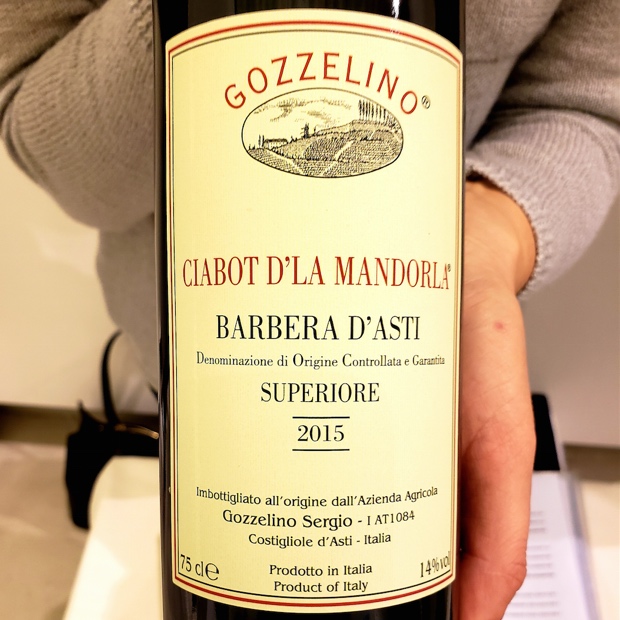
Gozzelino Barbera d’Asti Superiore DOCG Ciabot d’la Mandorla 2012, Piedmont, Italy (Winery, WineAlign)
The underworld of gariga and earthy fox holes are accessed through Gozzelino’s well-aged 2012, a barbera that saw its biased share of barrel by way of a 24 months full soaking in (3000L) Grande Botti. It has emerged vinous and boxy, foxy and full of heavy set moxy, like dried fruit and jerky absorbing like sponges in a pool of campari and aperol. The rusticity is palpable, the figs and the chocolate baking with spice. The alcohol persists while the wine acts fading but it’s certainly persistent. Old-school, traditional, out there in the antediluvian void. Drink 2017-2018. Tasted July 2017 Azienda Agricola Gozzelino Sergio
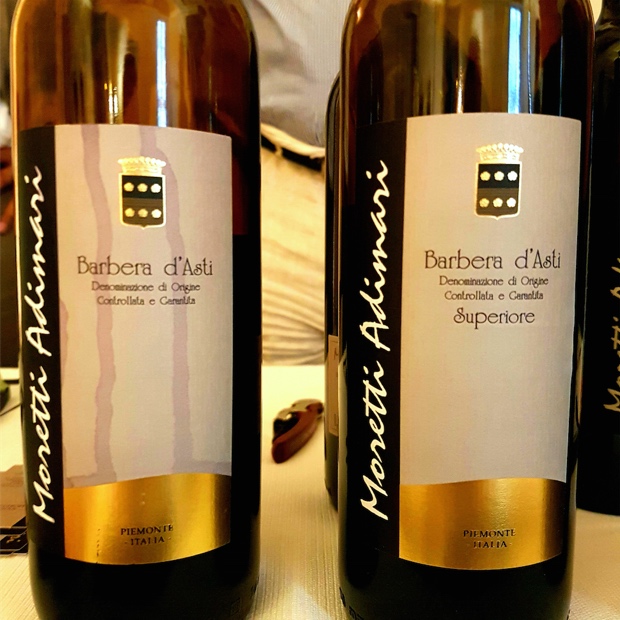
Moretti Adimari Barbera d’Asti Superiore DOCG 2015, Piedmont, Italy (Winery, WineAlign)
Moretti’s Superiore takes barbera further, out of a stainless steel world and into barriques for eight months. Perfume and acidity are barbera hallmarks, here now merged nicely together, but it is texture that elevates the game. The chalkiness gained from sandy, Franco (white) limestone soils make for a rover of a barbera, through liquid mineral and made creamy by barrel. Moretti as a producer experiments with riesling, chardonnay and sauvignon blanc so there is no surprise this barbera travels hither and thither. And it works. Drink 2018-2022. Tasted July 2017 morettiadimariwines @morettiadimariwines
Montalbera Barbera d’Asti Superiore DOCG Nuda 2013, Piedmont, Italy (Winery, WineAlign)
Montalbera’s calcareous soils are the catalyst to keeping this barbera scaled back, with teeth still shining white after 20 months in barriques. The unfiltered, oak driven wine is astonishingly divine and elegantly integrated with so much dripping, oozing and glazing chocolate. It’s rich and fine if for certain a mess in a mouthful. Drink 2018-2021. Tasted July 2017 montalbera @montalbera
Berta Paolo Barbera d’Asti DOCG 2015, Piedmont, Italy (Winery, WineAlign)
From vineyards located between the areas of Monferrato and Langa, Berta Paolo’s barbera is a ceremoniously traditional one, possessive of a walk the line beauty specific to the area, at once sonsy in pure red fruit and then volatile to just the right degree. Here is the sort of barbera that exemplifies the natural while unbeknownst to just how raw an affair it really is. Honesty oozes from one that succeeds in being real without even trying. Drink 2017-2019. Tasted July 2017 vinifamigliaberta @viniberta
Borgo Isolabella Delle Croce Barbera d’Asti DOCG 2015, Piedmont, Italy (Winery, WineAlign)
Were that is were so simple for all barbera to take one road or the other, as does Isolabella’s on the darker, full-tempered side. This is so perfectly solid, structured, architecturally sound barbera, with classically styled columns and porticos, tart and with a wealth of 2015 fruit. It’s dark but health-tempered, ever so slightly tannic and streaming with fine natural acidity. So well made. Drink 2017-2020. Tasted July 2017 isolabelladellacroce2001 @isolabelladellecroce
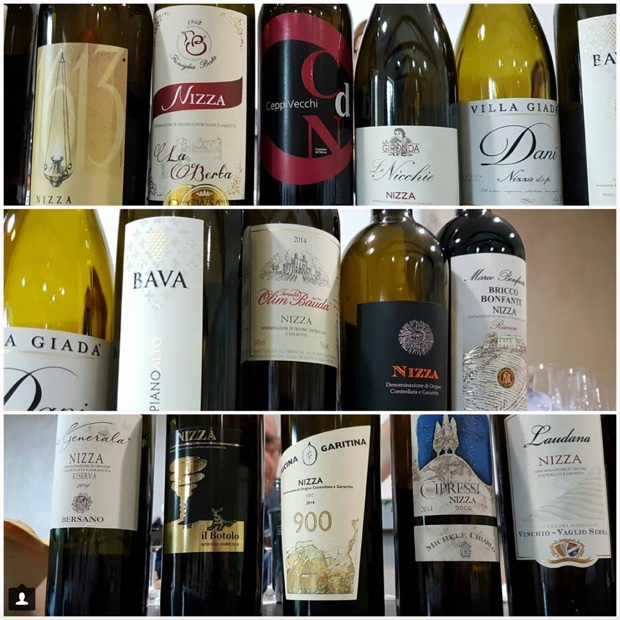
The history of @ilNizza began long ago. Prepare for its storied future. Exceptional tasting, stellar wines #barberadasti #100percent #100percentapproval #piemonte #progettovino #collision
Nizza DOCG and DOC
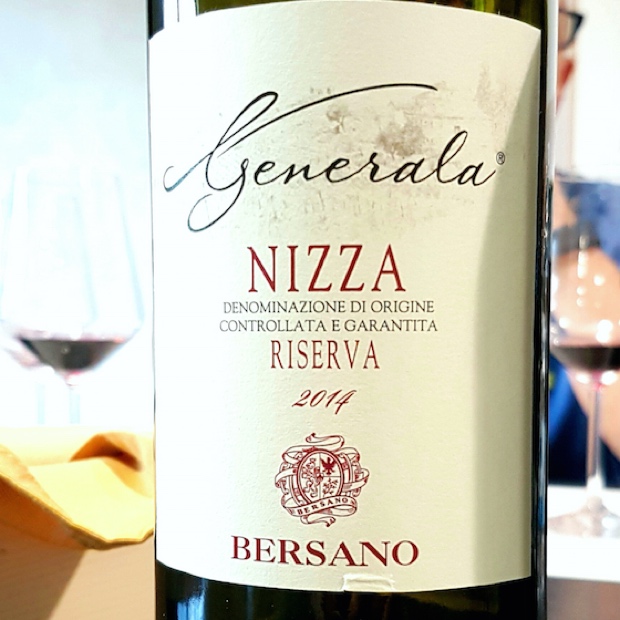
Bersano Barbera d’Asti Riserva Nizza DOCG Generala 2014, Piedmont, Italy (Agent, WineAlign)
Suave, refined, silky smooth barbera, of a warmth to express and make accessible the sense of its strength, power and alcohol. It is the exceptionality of texture that really shines. Bersano’s Nizza (Riserva) has already done its 30 months of aging time so it can be released 12 days from now. A true case of catching a wine at its potential best. As they say, timing is everything. Like on the stage so on a lighter, theatrical note this is perhaps an ode to 20th century Italian drama, to Signora Ignazia. “Dear, dear Signora! Hail to our great Generala! To our patron saint!” And yet we could do without the theatre, as long as we have barbera. Drink 2018-2024. Tasted July 2017 bersano1907 profilewinegroup @Bersanowine Profile Wine Group
Bersano Barbera d’Asti Nizza DOC Generala 2013, Piedmont, Italy (Agent, WineAlign)
Something about the 2013 vintage speaks with such great clarity as it does here in Roberto Morosinotto’s barbera from Nizza fruit that spent six months in tonneaux. The chocolate swirl has palpably settled on the palate but it’s just so silky smooth, tempered and demonstrative. Acidity surely runs high, it is barbera after all, but it also drifts into and with the waves of plum, wood spice and just spice in generala. Drink 2017-2020. Tasted July 2017
Bersano Barbera d’Asti Nizza DOC Generala 2010, Piedmont, Italy (Agent, WineAlign)
The summer of extreme heat (though perhaps holding no candle compared to 2017) has delivered a warm to warmest Bersano barbera with a calming effect achieved by cooling time spent in big barrels that date back to 1970. This ’10 is possessive of that sort of delicious perception of sweetness that puts it up there with the richest of the Nizza barbera. The élevage is half and half tonneaux/barriques and texture is full of this Mediterranean liquorice/black olive/gariga/briny tang. Nicely structured to last in this state for another three years. Drink 2017-2020. Tasted July 2017
Bersano Barbera d’Asti Nizza DOC Generala 2008, Piedmont, Italy (Agent, WineAlign)
Another excellent vintage for the Generala is found to be sound and generous at the nine year mark though the fully developed secondary character is duly noted. Helps to prepare and deduce a clear impression of where 2010 will go over the next two to three years. This ’08 has not quite reached the denouement stage though it has peaked, reeking resinous of fruit and wood clasped in a lover’s humid embrace, with notes of dried orange, apricot, fig jam, tar and roses. The acidity still rages quite assiduously while the briny and ecoregion earthy brush have now faded and disappeared from the fragrance trail. Drink 2017-2019. Tasted July 2017
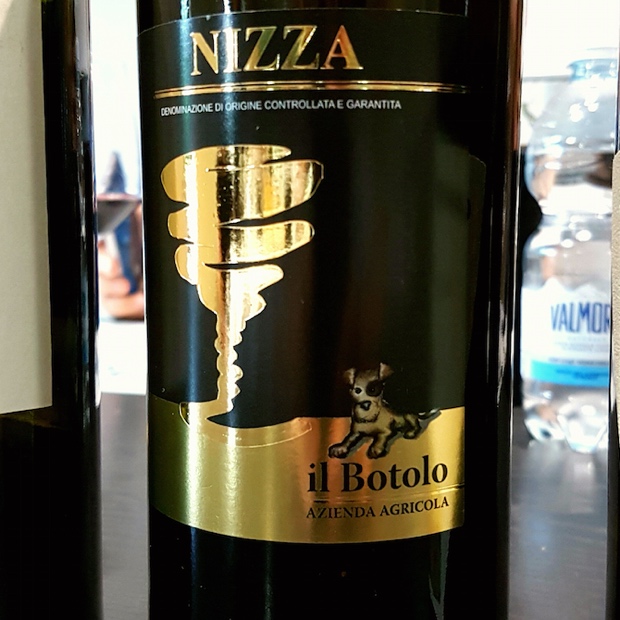
Il Botolo Barbera d’Asti Nizza DOCG 2014, Piedmont, Italy (Winery, WineAlign)
From soils with quite a bit of sediment, in the northeast part of Nizza. Quite the silky feel following on the heels of refinement and freshness. A liquid liqueur that is close to syrup but more of a natural feel, without tonic or medicine, but just pure limestone liquid fruit. The sort of tart that is elongated, elastic and stretched with ease. Drink early because it’s quite a glassful of immediate pleasure. Grows on you too. Drink 2017-2019. Tasted July 2017
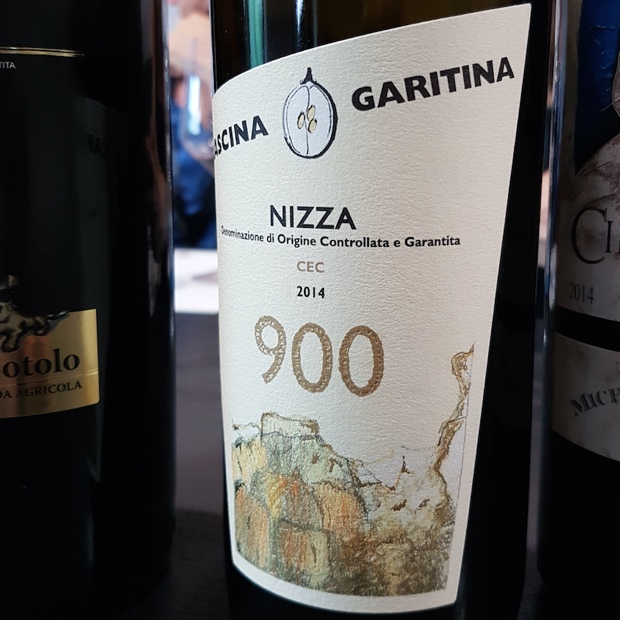
Cascina Garitina Barbera d’Asti Superiore “900” Neuvsent CEC Nizza DOCG 2014, Piedmont, Italy (Winery, WineAlign)
Why 900? Because Giancarlo Morino’s momma began working here in the 1900s but the local dialect was spoken so quickly so it was just, “900.” The vineyard “CEC” is pronounced “check,” or short for Francesca, who used to own the vineyard. From the (Castel Boglione) southern part of Nizza with higher acidity and alcohol, here at 15 per cent. Aged 12 months in barrel, there is some deep organic clay and (three) old vineyard (1924, 1949 and 1954) induced layering, astringency and brooding, of a seriousness about it that makes it dense and a bit tempered, finishing with dark chocolate. A minty, savoury and sapid streak runs through, likely with thanks to the cooling Mediterranean “Marin” winds that blow through the vineyards from spring to autumn. Well done but needs as much as five to seven years to show as silky and refined as some of the others. Drink 2019-2024. Tasted July 2017 cascinagaritina Gianluca Morino (Vignaiolo indipendente)
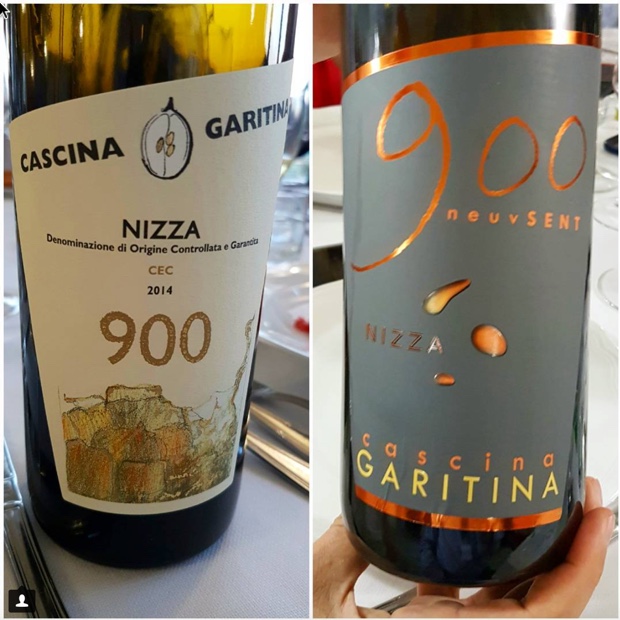
I’ve got 900 reasons to drink these @gianlucamorino #cascinagaritina #nizza but need only one #nizzamonferrato #progettovino #collisionimonferrato #cec #neuvsent #barberadasti
Cascina Garitina Barbera d’Asti Superiore “900” Neuvsent Nizza DOC 2010, Piedmont, Italy (Winery, WineAlign)
Having tasted Gianluca Morino’s 2014 earlier in the day it makes this follow up, retrospective look at his 2010 such a satisfying confirmation of his work. That ’14 was way too young to make lifelong friends with but this ’10, well this is something other. While still a seriously brooding, hematic, ganache spread of fine chocolate barbera, the components have filled the kettle to overflowing, but time has worked to now emit a floral and spice perfume. The richness of oak has also rendered a touch of complexity, of caramel and baking spice but even further, into secondary beginnings. The tones are aromatic, musical and textural, of sweet, salty and faintly sour by a fineness of acidity. One more year will bring it all together. Drink 2017-2020. Tasted July 2017
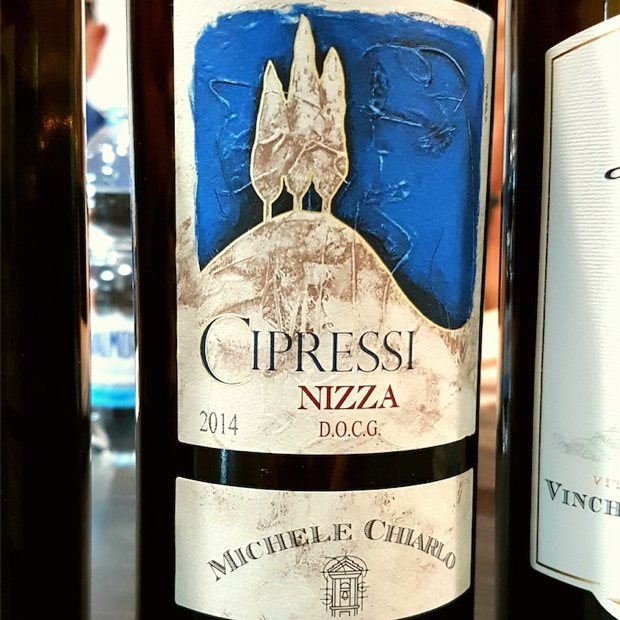
Michele Chiarlo Barbera d’Asti Superiore Nizza DOCG Cipressi 2014, Piedmont, Italy (Winery, WineAlign)
From a loamy locale, aged in large oak barrels, there is a rusticity about it along with its really dark cherry fruit. Some Bretty volatility too, complexity, character, oomph and reason for living. Quite high in acidity and structure is provided by that ideal with addendum by the gentle touch afforded by the higher oxygen exchange, large format wood. Drink 2018-2022. Tasted July 2017 michelechiarlo univinscanada Michele Chiarlo @UnivinsCanada
Michele Chiarlo Barbera d’Asti Superiore Nizza DOCG La Court 2013, Piedmont, Italy (Winery, WineAlign)
Chiarlo’s La Court is actually one of the only Nizza barbera with a hard to get, slightly reserved character. It’s aromas are a bit muted though you get the sense that it’s quite floral behind the veil. Patience and air reveal dark fruits, of plum and black raspberry, then dusty earth and liquorice, with a silky patterning on the palate. Would love to get some wood spice but that too is currently in limbo so time is required to reveal such charm. The acidity is less than barbera raging, something that falls into line with the sneaky structure. Quite singular Nizza cru work right here. Drink 2018-2023. Tasted July 2017
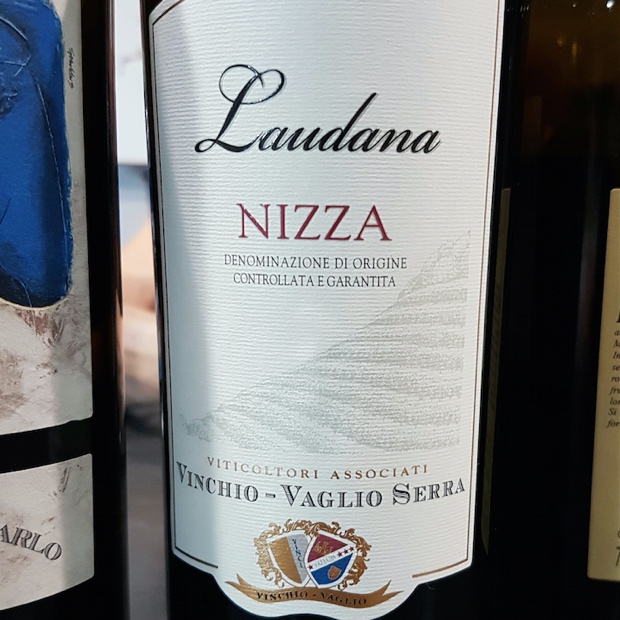
Viticoltori Associati Vinchio Vaglio Serra Barbera d’Asti Superiore Nizza DOCG Laudana 2014, Piedmont, Italy (Winery, WineAlign)
From the hill known as “Bricco Laudana” this is one of two barberas produced from its clay and sandy marls, a barbera d’asti DOC and this extraordinary Nizza DOCG. The Nizza is aged one year in large oak barrels, thus mixing grace, elegance and full on liqueur with high, nearing acetic acidity. Very long but with angular bits and spikes in and out of the morello cherry fruit. Needs a year to settle in and amongst its sharp, moving parts. The cru is farmed by five or six producers and certainly one to watch, explore and anticipate the subsequent glory that near-future vintages will bring. Drink 2018-2024. Tasted July 2017 vinchiovaglioserra @VinchioVaglioSerra
Viticoltori Associati Vinchio Vaglio Serra Barbera d’Asti Superiore Nizza DOC Laudana 2012, Piedmont, Italy (Winery, WineAlign)
Laudana is a warm and inviting barbera, dark with an ambling, rusty variegate, almost traditionally rustic but with a silky texture. Its notes play sweet and sour red fruits, namely raspberry and its constitution is right proper Nizza with the sort of traditional feel to demand not just attention but a raison d’être that says,”grant us our own DOCG.” It’s a dusty and vinous affair, like fully realized merlot with elevated alcohol, acidity and good phenolic ripeness. A solid, unafraid and unabashed barbera to represent the denomination with confidence and poise. Drink 2017-2019. Tasted July 2017
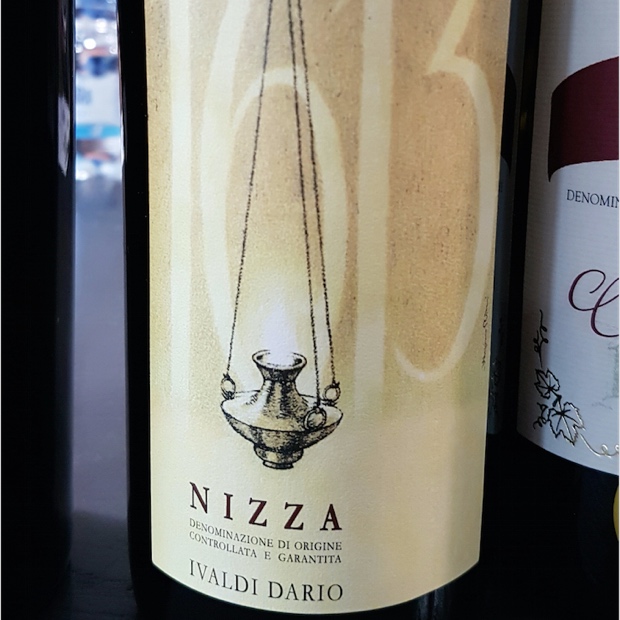
Azienda Agricola Ivaldi Dario Barbera d’Asti Superiore Nizza DOCG “1613” 2014, Piedmont, Italy (Winery, WineAlign)
Ivaldi Dario’s barbera captures the honesty, clarity and purity of Nizza Monferrato, from grapes grown on clay-limestone soils and from vines 50 years of age. This perfectly suited barbera was aged in large Slavonian oak barrels and in 2014 turned out lithe and beautiful at 13.5 per cent. It’s tart as it should be, recounting a brief bit of tradition, earthiness and volatility. This is the most decent and convivial barbera of the lot, from longer, slower maceration with less pump overs and no unnecessary barriques aging. The lighter hue is vintage related but also house-curated, not to (re) mention classic styling. Picked early? Perhaps. Most important is that it is progressively hands-off, proper and most appreciated winemaking to celebrate a white limestone terroir. Drink 2018-2023. Tasted July 2017 andrea.ivaldi @vinidelmonferrato
Azienda Agricola Ivaldi Dario Barbera d’Asti Superiore Nizza DOC “1613” 2012, Piedmont, Italy (Winery, WineAlign)
Few persuasions in the schemes of wine assessments are more fascinating to study than vintage variation, always great signs and portents from the fringe growing regions of the world. Monferrato is one such place, affected by swings in climatic conditions from year to year, raised here in magnification through the lens of Andrea Ivaldi’s multi-faceted barbera. The depth and structure in this ’12 is so contrary to the bright eyed ’14, now richer and almost brooding, even for Nizza. Ivaldi is a house with a self-predicated idiosyncrasy but here it speaks with Nizza style, perhaps antithetically reflexive but still with fruit that echoes from its manifest gaze into a mirror. Andrea makes exactly what the vintage gives, with blacker than red fruit bruised with a variegated hematoma and yet layered with a mineral underlap from that white limestone hill. As an arrangement it’s bigger than even he would likely have wanted to fashion but he’s a pragmatic winemaker who had to pick his fruit by September 20th. Do the math and see the forest for the trees. Drink 2017-2022. Tasted July 2017
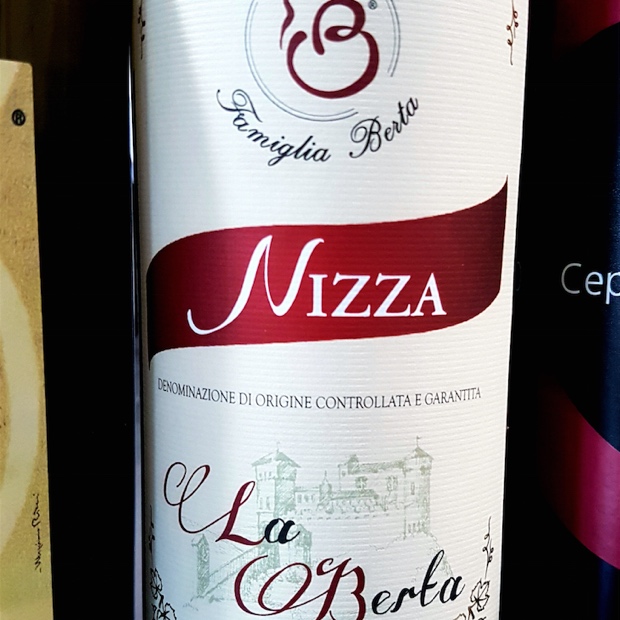
Berta Paolo Barbera d’Asti Superiore Nizza DOCG La Berta 2014, Piedmont, Italy (Winery, WineAlign)
The Berta family wine estate dates back to 1842 with vineyards located between the areas of Monferrato and Langa. Their Nizza barbera d’asti is aged in large 500L oak barrels, lending a perfume that lingers long after this textured wine has stretched into the long aftertaste. Berta’s is quite a warm, rich, welling and dense example, fine liquid grainy, weighty and youthfully cumbersome. Having been afforded the opportunity to taste some older examples later the same day really put this one into perspective and provided a deeper understanding of Nizza structure. Drink 2018-2022. Tasted July 2017 vinifamigliaberta @viniberta
Berta Paolo Barbera d’Asti Superiore Nizza DOC La Berta 2011, Piedmont, Italy (Winery, WineAlign)
The Nizza DOCG was added to Asti’s barbera portfolio in 2014 so this predates the appellative status, though for real intents and purposes this ’11 serves the same purpose. From a hotter than hot summer though the aromatics hide the thought and so you would never know just how warm it was. The palate speaks a different story with a deep-seated liqueur distilled from the top of the Berta Paolo terroir, a 40-70 year old set of plantings at Il Bricco, “The kettle” vineyard, 270 meters above sea level. The veins of this plot stretched over the hill of San Michele at Nizza Monferrato are the reason for Berta Paola’s distinct barbera texture. In 2011 this translates to a creamy, dreamy, suave and fine leathery parochial wine. Another example to set up one’s mind to realize what later vintages will turn out to be. Drink 2017-2022. Tasted July 2017
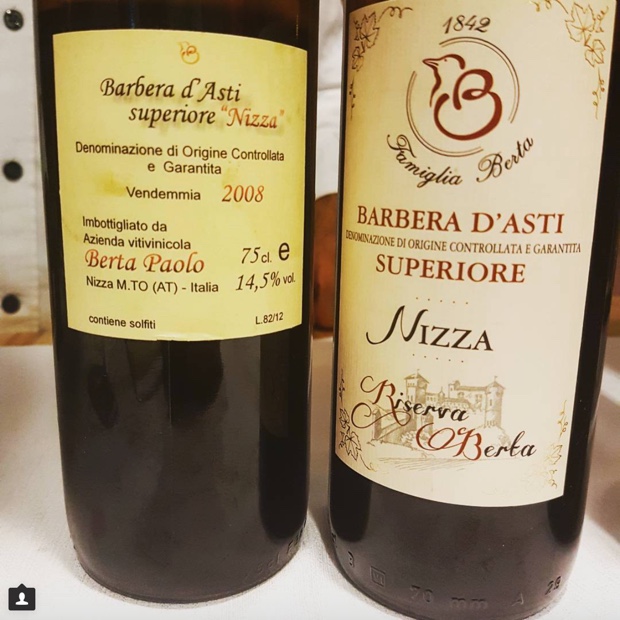
If 2014 is anything like 2008 the future will shine on #famigliaberta #barberadasti @ilnizza Riserva #progettovino #collisionimonferrato
Berta Paolo Barbera d’Asti Superiore Nizza DOC La Berta 2008, Piedmont, Italy (Winery, WineAlign)
More traditional than ever, partly and certainly because of age but also in an era that predates the level of current Nizza Monferrato understanding. This travels into a secondary, present state savour with the still flowing liqueur of the San Michele terroir. Speaks an older school, barrel-influenced vernacular, of a chocolate and vanilla vocabulary with an edge of Brett and volatility. Character from another time and quite persistent in voice. Drink 2017-2018. Tasted July 2017
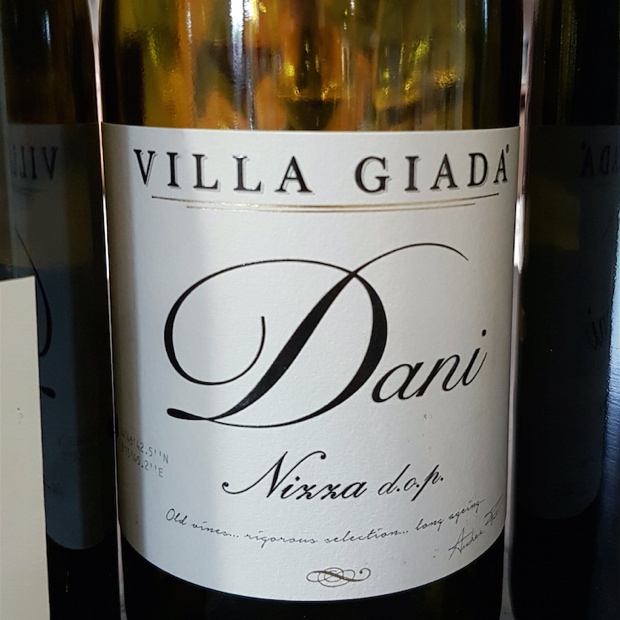
Villa Giada Barbera d’Asti Superiore Nizza DOCG Bricco Dani 2014, Piedmont, Italy (Winery, WineAlign)
Here from Andrea Faccio struts with great confidence the dark, hematic, ferric and brooding barbera. A very serious Nizza, mercury rising, full on chocolate, espresso and an oily tar, imagining a nebbiolo-like modernity that places this in a stylistic and über-specific category. High acidity, some grainy tannin and sharp finishings so this needs some time. More than any other thus far in the Nizza DOCG flights. Drink 2019-2024. Tasted July 2017 villagiadawine Andrea Faccio
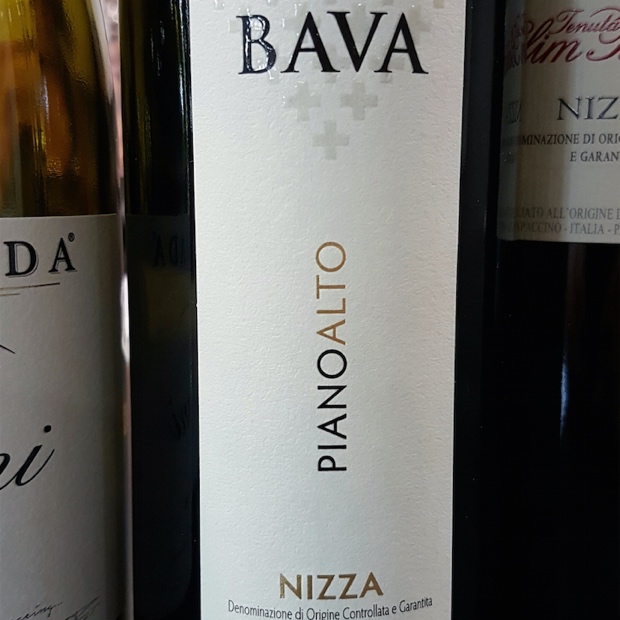
Bava Barbera d’Asti Superiore Nizza DOCG Pianoalto 2014, Piedmont, Italy (Winery, WineAlign)
A large (500L) barrel aging, this is highly, beautifully perfumed, restrained and deliciously tart. Savoury, herbal and tomato leaf herbal, from a hill with a crest, “the high plain,” or plateau. A current of currants, bell pepper and really ripe acidity. This is the most proper use of barrels, generous but exceptional. The most energy of all, modern and yet somehow classic, even traditional. Drink 2018-2025. Tasted July 2017 bavawinery @bava.winery
Bava Barbera d’Asti Superiore Nizza DOC Pianoalto 2007, Piedmont, Italy (Winery, WineAlign)
Barbera’s secondary moments are upon the 10 year-old Pianoalto though the wine still slides across the palate with creamy barrel texture. Notes of fig and prune are a case of a hot and dry vintage with very low yields. The nose has matured into a perfume only lifted now by the persistence of barbera’s elevated acidity so this continues to fly at a decent altitude. It’s quite perfect at the ripe old age. Drink 2017-2020. Tasted July 2017
Bava Barbera d’Asti Superiore Nizza DOC Pianoalto 2001, Piedmont, Italy (Winery, WineAlign)
Certainly showing its age at 16 and perhaps not as long-lasting due to what was at the time a middle of the road sort of vintage. It was a low and slow, no real heat to speak of, natural and organically rendered season so the wine has in turn done the same in kind. Now into the tertiary it has little to no bite or reason to put up a fight. What does persist is a chocolate, espresso and spice sprinkling, then down towards a slightly sharp, tart and done with it finish. Tannins are now only woody but all in all it’s a curious and worthy look back at turn of the century Nizza. Drink 2017-2018. Tasted July 2017
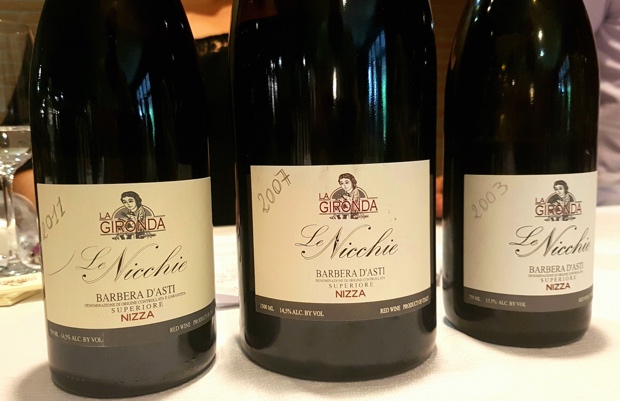
La Gironda Barbera d’Asti Nizza DOCG Le Nicchie 2014, Piedmont, Italy (Winery, WineAlign)
A barbera return to dark fruit, glycerin into texture across a silky smooth palate. From old vines, many exceeding 50 years. Real concentration and developed fruit with an underlay of stone and clay. It’s rich and intense but not dense, warm but not searing. Everything rising but cresting, on a plateau where it can be handled. Structure is clear and obvious. Take this one deep into the cellar. Drink 2018-2025. Tasted July 2017 la_gironda Susanna Galandrino
La Gironda Barbera d’Asti Nizza DOC Le Nicchie 2011, Piedmont, Italy (Winery, WineAlign)
The vintage for Le Nicchie is deep, dark and handsome, with fruit woven into texture rich and thick, with lots of wood and lit-scented herbs. Smells like rosemary and thyme stalks thrown on an open flame. It’s also almost impossibly silky and smooth while in management of quite refined acidity and tannin. Very polished Nizza barbera. Drink 2019-2023. Tasted July 2017
La Gironda Barbera d’Asti Nizza DOC Le Nicchie 2007, Piedmont, Italy (Winery, WineAlign)
La Gironda’s is yet another 2007 that exhibits very high acidity. It was in fact a hot vintage that concentrated fruit but also that omniscient barbera acidity. Seems very young, almost impulsively so. The flavours are of an extreme Nizza variety, like a slice of Cru cake (in this case Le Nicchie) swimming in a syrupy pool of its own deeply reduced demi-glacé. For fans of barbera density with haute couture style and this is how this house does what they do best. Drink 2017-2020. Tasted July 2017
La Gironda Barbera d’Asti Nizza DOC Le Nicchie 2003, Piedmont, Italy (Winery, WineAlign)
As hot as a vintage like 2007 might have been it held no fingertip burning candle to the likes of the scorcher of 2003. In the case of La Gironda and its Le Nicchie Cru the heat played right into the hands of the house style. This is quite a remarkable specimen because despite the warmth and the time elapsed this barbera is just in the early throes of secondary life, so the level of structure is quite astounding. The heavy wood aspect fully renders in chocolate tones piqued with spice. The combinative use of barriques and tonneaux has struck an accord and this still clings to viable life even if it’s quite the molten chocolate bomb. Drink 2017-2019. Tasted July 2017
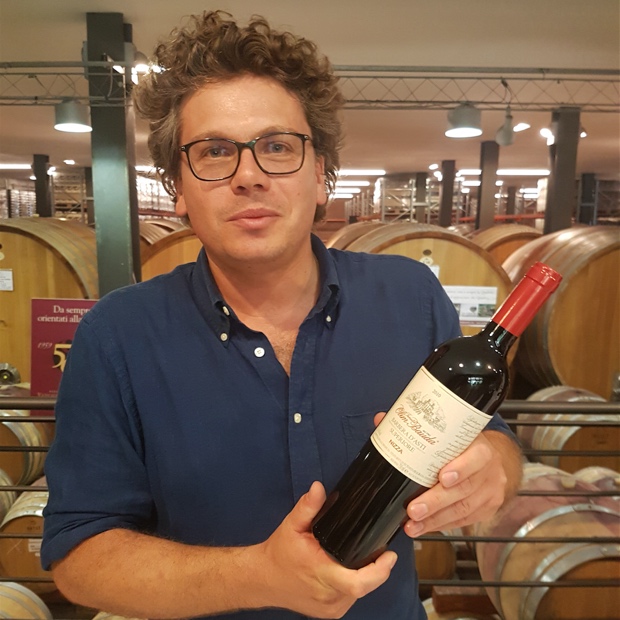
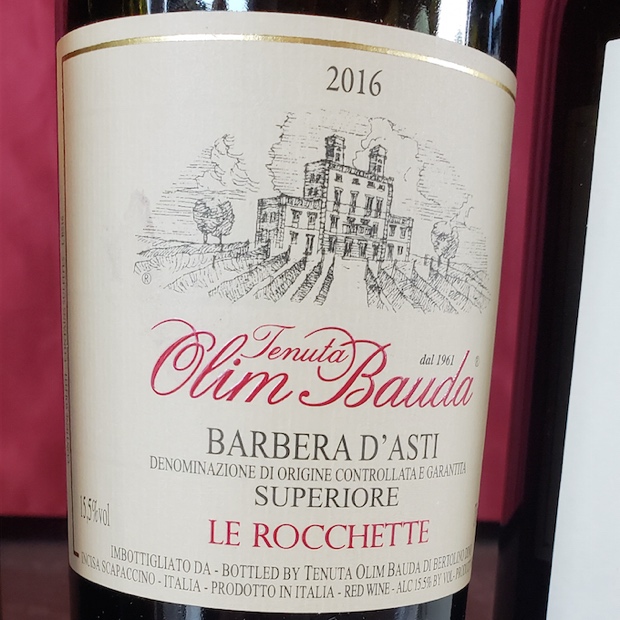
Tenuta Olim Bauda Barbera d’Asti Superiore Nizza DOCG 2014, Piedmont, Italy (Winery, WineAlign)
Few barbera from Nizza’s recently appointed DOCG are as polished as Gianni Bertolino’s ’14, a long developed piemontese that spent two years in large barrels. The fruit is really ripe, pushed to the limit of the vintage but just cresting at the edge of dried fruit and the tawny, figgy spectrum. Wild strawberry keeps it fruity and earthy, acidity is round and still in charge, thankfully, for the building and beguiling effect of great structure. Drink 2018-2022. Tasted July 2017 tenuta_olimbauda hobbsandcompany @tenutaolimbauda.it hobbsandcompany
Tenuta Olim Bauda Barbera d’Asti Superiore Nizza Doc 2011, Piedmont, Italy (SAQ 11383570, $37.50, WineAlign)
From a hot vintage, especially in summer but the warmth was managed by enough cool nights. Gianni Bertolino tells me about picking on acidity, not sugar, in mid-September. Here is the generous, extremely fresh, tart and silky barbera. A seriously classy, chic, racy and almost perfectly modern wine, very much an acumen-acquiesced and benchmark leader for the Nizza appellation. Drink 2017-2023. Tasted July 2017
Tenuta Olim Bauda Barbera d’Asti Superiore Nizza Doc 2010, Piedmont, Italy (SAQ 11383570, $37.50, WineAlign)
Earlier in the day it was Gianni Bertolino who commented on barbera from Nizza being a six-year wine. His 2010 must have hit its stride at just about exactly the six year mark because here in its seventh just the beginnings of secondary character are showing their tell tale signs. It’s in cantilever mode, stretching out over the barbera abyss, unfurling its wings and truly opening to reveal its charms. Though the acidity still burns, churns and plays devil’s advocate to the depth of fruit and territory, the wood has melted enough to reign in that sapidity and balance is coming into order. It may come as a surprise to find the acidity warm but no longer sharpening its stone but where chocolate, dried fruit (namely plum) and spice are concerned this will be the result. Yet so much life persists in this ubiquitously defined cru of a Nizza. Drink 2017-2022. Tasted July 2017
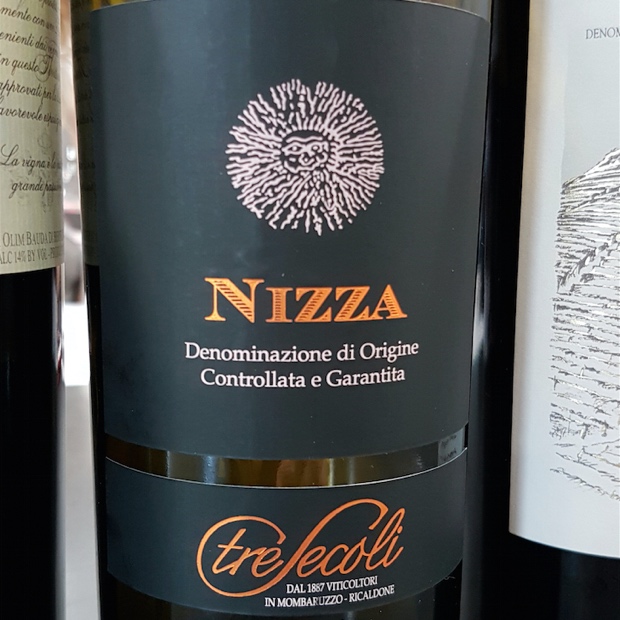
Cantina Tre Secoli Barbera d’Asti Superiore Nizza DOCG 2014, Piedmont, Italy (Winery, WineAlign)
Cooperative rendered barbera, aged for one year in small barrels. Soil is equally spread across several vineyards, from a rock, sand and loam accrue. Amenable, approachable, warm and vibrant acidity, dark fruit and negligible tannin. Some sweetness, black cherry, berry and fig. Drink 2017-2020. Tasted July 2017 #cantinatresecoli @tresecoli1887
Cantina Tre Secoli Barbera d’Asti Superiore Nizza DOCG 2011, Piedmont, Italy (Winery, WineAlign)
It takes but a sip of the Tre Secoli 2011 to gain an understanding in comparison as to where the afore-tasted 2014 is heading. Few Nizza barbera swim with such full on chocolate and dried fruit depth and while the kinship resemblance between the two wines is uncanny, the heat of this ’11 vintage has brought on some fully realized evolution. The richness is all in, drying out and truffles are just around the next bend. Drink 2017-2019. Tasted July 2017
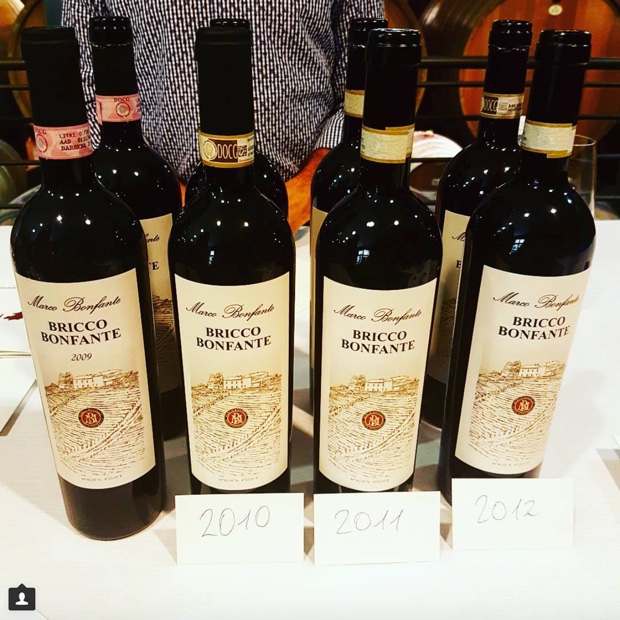
A quadrato of big, bold and balanced @MarcoBonfante70 #barberadasti @ilNizza Bricco Bonfante #progettovino #collisionimonferrato
Marco Bonfante Barbera d’Asti Superiore Riserva Nizza DOCG Bricco Bonfante 2014, Piedmont, Italy (Winery, WineAlign)
In the hills of Nizza and Val di Sacca, Bonfante takes a deferential approach with some drying of the grapes for a handful of days, but unlike the three to four months as in Amarone. His fruit is aged in a combination of small and large oak barrels for 20 months. The extra concentration leads to higher sugar content and therefore elevated (15-16 per cent) alcohol but the wine is vinified dry. Sourced from the Bricco, top of the hill on calcareous clay marl. In the end this is a thick, viscous, shaken but certainly refined and balanced barbera in its large format, unabashed and even braggart style. Drink 2019-2026. Tasted July 2017 marcobonfantewinery @MarcoBonfanteWinery
Marco Bonfante Barbera d’Asti Superiore Riserva Nizza DOC Bricco Bonfante 2012, Piedmont, Italy (Winery, WineAlign)
Bricco Bonfante is the one and a half hectare family vineyard though it’s not necessary to label the wine “vigna.” Bricco works just fine. Now the comparison (to the barbera d’asti Superiore) becomes clear because the silk and elegance is noted in clean and pure Nizza. The 5,500 density of vines producing 4,000 bottles works out mathematically to 800 grams of fruit per plant, a number nothing short of ridiculous economics. With necessity the mother of invention the quality must run high and so 24 months in new barriques is bequeathed the precious fruit. The bricco exalted is the origin of the barbera that delivers prescience, presence and a preciseness of being. The hill is the thing, the vineyard its totem, the hot vintage adding heat early and on repeat, at 15.5 degrees alcohol (declared) so ripe, so big and with structure so in control. Drink 2019-2027. Tasted July 2017
Marco Bonfante Barbera d’Asti Superiore Riserva Nizza DOC Bricco Bonfante 2011, Piedmont, Italy (Winery, WineAlign)
The vintage is in fact not so completely unlike the 2012 if perhaps a step taken back, away from power, terribilita and the heat. The palate has already begun to relent into a Nizza meets Bricco Bonfante sweetness and the tannins have resolved one notch down to a point closer to understanding. As a result there is more polish to Marco’s 2011 and a finer layer of silk. Here for the first time there is this purity of dark cherries mixed into the finest chocolate and a touch of secondary character development in balsamic. Should be good to go this time next year. Drink 2018-2024. Tasted July 2017
Marco Bonfante Barbera d’Asti Superiore Riserva Nizza DOC Bricco Bonfante 2010, Piedmont, Italy (Winery, WineAlign)
Travelling in reverse down along a Marco Bonfante vertical is a most interesting exercise and makes so much sense. The 2010 is so similar to 2011, even more than how that ’11 compares with 2012. The fruit in ’10 is less pitchy, in delivery of red to black berries (or black raspberry to be precise) and yet the silky thread runs through the red. The same 24 months in new barriques sends this reeling into the plum chocolate pudding as a veritable bomb of a Nizza barbera. There are some who might find the stylistic overbearing, weighty and dense. They would not be wrong but they would be missing the Bricco point, of a matter that comes from the top of the hill with lowest of the low yields out of a rarity of rarities vineyard. There is no denying the acumen and the ambition but also, mostly the necessity. Drink 2017-2021. Tasted July 2017
Marco Bonfante Barbera d’Asti Superiore Riserva Nizza DOC Bricco Bonfante 2009, Piedmont, Italy (Winery, WineAlign)
It was beginning to look like no matter how far back you travel in a Bricco Bonfante Nizza vertical there would be no signs of evolution, that is until you hit this 2009. Here the first to begin an inkling into secondary notes, if only the etchings of spice symbols and wood derived pericopes. There is also a faint, around the corner idea of tar and candied roses, or perhaps they’ve already begun to join the scented party. I find this 2009 quite cru Barolo-like and it’s interesting to note that this was Marco’s first Nizza Bricco. It also happens to be the one with the most apparent fruit, or perhaps time is the factor needed for such a reveal. It travels from red to black and back. Really quite amazing. Drink 2017-2021. Tasted July 2017

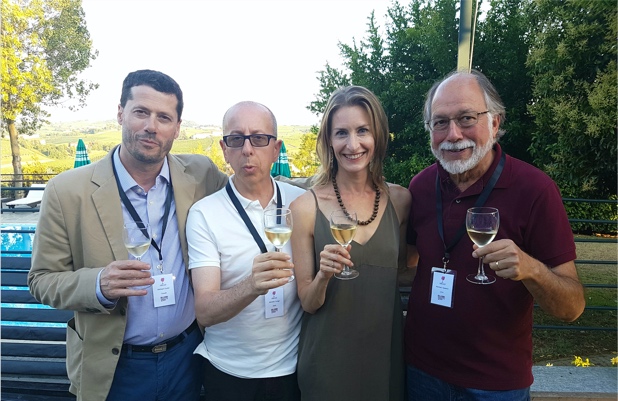
Godello, Michele Longo, Michaela Morris and Dr. Michael Apstein
L’Armangia Barbera d’Asti Superiore Nizza DOC Titon 2013, Piedmont, Italy (Winery, WineAlign)
Titon is a blend of three estate vineyards planted between 1934 and 1990. The plots are also a mix of exposures; southeast, east and west, with warm temperatures abundant throughout. This barbera runs a fever of acidity, doles out plenty of chocolate, has yet to fully integrate its wood and is truly well made Nizza. Drink 2017-2019. Tasted July 2017 armangia.giuly @LARMANGIA
L’Armangia Barbera d’Asti Superiore Nizza DOC Vignali 2011, Piedmont, Italy (Winery, WineAlign)
Vignali is the single-vineyard barbera from the estate vineyard planted in 1934. An approximate 24 months of barrel aging is performed before it then ages in bottle for a further 24 months. At first there are the new 300L oak casks, then small 130L barrels for 12 months and finally large casks for 10-12 months more. Well, all this to say that Vignali is fully involved in its secondary stage of life. It is a most mature barbera, with the three holy trinity tenets of chocolate, balsamic and high level acidity all working as one. The soil and barbera tang is fully felt. Drink 2017-2019. Tasted July 2017
L’Armangia Barbera d’Asti Superiore Nizza DOC Vignali 2010, Piedmont, Italy (Winery, WineAlign)
A later harvest developed riper fruit with higher phenolics and with seven years under its belt that fruit is drying nicely. Chocolate as always with figs, raisins, apricots and as expected balsamic, though here with a shot of dark espresso. All of the above on repeat and that big barbera acidity. Drink 2017-2018. Tasted July 2017
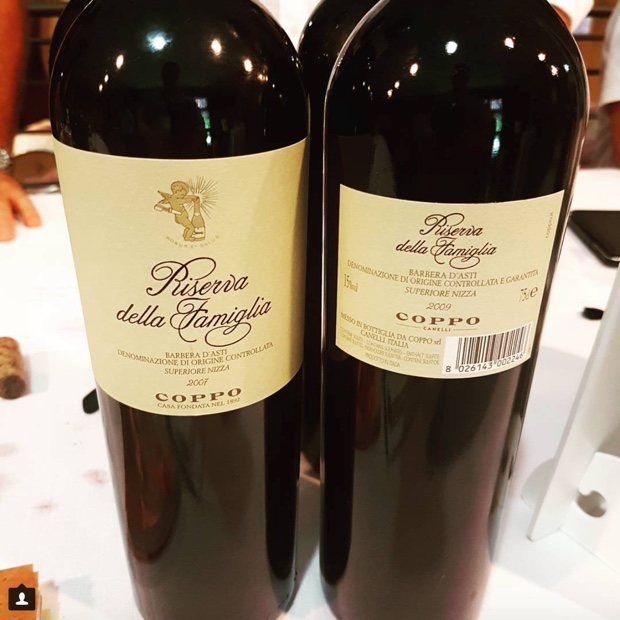
Going back to @ilNizza for a lesson in what tomorrow will bring @Coppo1892 Grazie Luigi #barbera #barberadasti #riservadellafamiglia
Coppo Barbera d’Asti Nizza Superiore DOC Riserva di Famiglia 2009, Piedmont, Italy (Agent, $74.95, WineAlign)
From a small cru located in Castelnuovo Calcea, born in 1998, “a project, not only a wine,” explains Luigi Coppo. Only produced in the best vintages, the previous being 2007 and the next will be 2010, though this ’09 is undoubtedly the finest. “It’s not a wine of economics,” continues Coppo, but a single-vineyard expression for people to think outside the barbera box. It shares less history than Pomorosso and thus the reason why it is only selected from very specific vintages, “to work on the craft.” Few if any Barbera d’Asti carry such precision and presence. It’s adult candy, wise and layered, the key to making great barbera right here, in this texture. Expertly woven are fruit, wood and acidity so that all are blended, with no ego, nothing taken for granted, all in balance. Drink 2017-2027. Tasted July 2017 coppo1892 maitredechai_ca @COPPO1892 Le Maître de Chai
Coppo Barbera d’Asti Nizza Superiore DOC Riserva di Famiglia 2007, Piedmont, Italy (Agent, WineAlign)
Higher acidity in 2007 and alcohol pushing at 15.3 per cent (as opposed to 14.7 in 2009) don’t mean the world has come to end but it does make for an electric Nizza barbera. Even then Coppo could be pragmatic when it was called for so the wood use in this barbera was increased, to soak up some of that fantasy and see if the components could strike a balance in accord. You can really sense the fineness of silk on the palate. Still so beautifully managed, or rather you can intuit looking ahead 10 years from signsin this 2007 how in future vintages the winemaker will know how to manage the realities of vintage variable acidities, through the adjustments in wood and how that will determine the levels of tannin. Drink 2017-2019. Tasted July 2017.
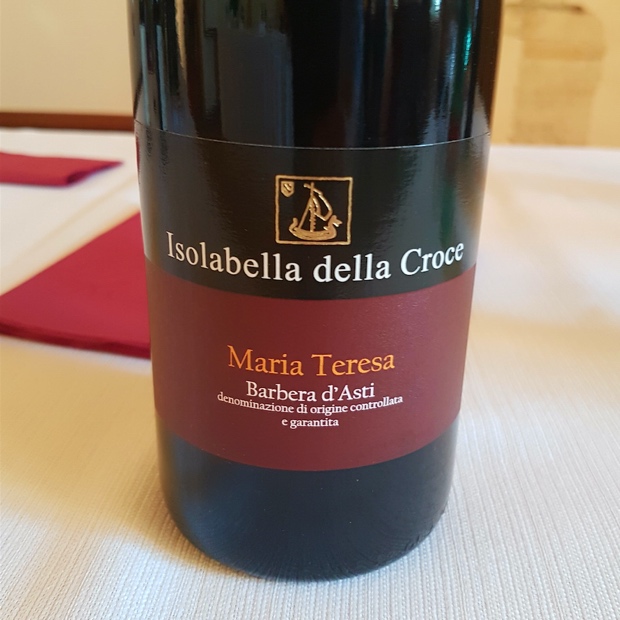
Borgo Isolabella Delle Croce Barbera d’Asti Superiore Nizza Doc Augusta 2009, Piedmont, Italy (Winery, WineAlign)
All the Isolabella wines receive a girl’s name, in this instance Augusta, a vineyard selection from a couple of sites on each side of the village limits and named after the proprietor’s sister. The estate produces only 90,000 bottles, each highly specialized and this barbera comes out of the highly prized vintage. In retrospect and with the fortune to taste several 2009s in one walkabout it is now obvious that the season bequeathed the gift of age on its wines. Great because of an extra fineness of acidity from a grape that always gives this way but in Isolabella’s 2009 there is this cool, savoury, reserved character, not unusual but balanced in equal opposition to the strength of perfume and body. A delicato is expressed in what may be referred to as an ultra-über special 2009. Drink 2017-2025. Tasted July 2017 isolabelladellacroce2001 @isolabelladellecroce
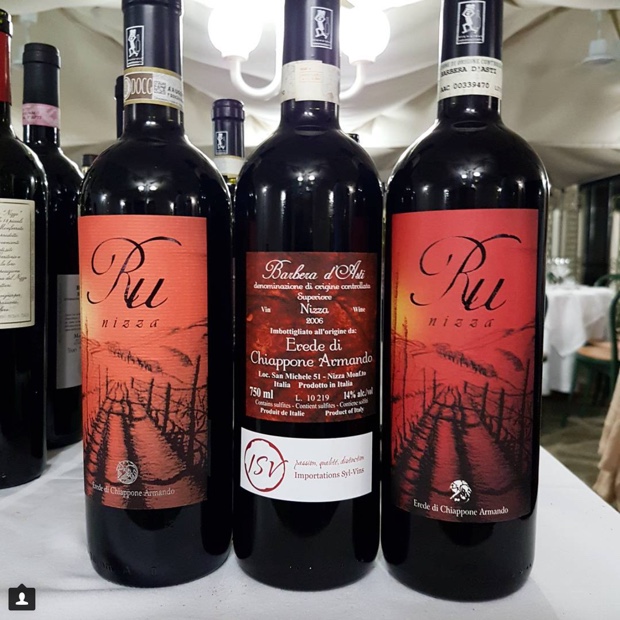
A deep #eredichiappone vertical delve with Daniele for perspective and a release of endorphins @ilNizza possibilities #progrettovini #collisionimonferrato
Erede Di Chiappone Barbera d’Asti Superiore Nizza DOC RU 2011, Piedmont, Italy (Winery, WineAlign)
Daniele Chiappone’s 2011 is his richest, warmest, most wood affected barbera replete with an armament of spice. While still in the care of its 16 per cent alcohol frame it is a most underdeveloped specimen but because it’s so big and burly it can’t help but reek, ooze and sweat out the aching masala of aromatics. In talking with Daniele he fully admits this to be the vintage of great demand and pressure so he simply made the wine it asked for. I liken this to Amarone from vintages like 2010 and 2011, unavoidable and so a great winemaker will simply do what must be done and try to seek out balance in a bold and crazy world. With fine acidity void of spikes, peaks and valleys Chappione puts this barbera in a state of equilibrium however high the plain may be. Give this two years minimum to integrate and match it with some lean venison over a bed of tangy polenta. Drink 2019-2027. Tasted July 2017
Erede Di Chiappone Barbera d’Asti Superiore Nizza DOC RU 2010, Piedmont, Italy (Winery, WineAlign)
Chappione’s 2010 is barbera of a powerful maturation and its polyphenolics are quite different than those from 2011. The hard skins, noted by Daniele as pelli durissime might lead to a personality ostinata impermeabilità but a longer maceration broke them down, turned the opposite around to make them flexible and permeable. Though still tightly wound and not yet pliant this precise and very present 2010 of intrinsic structural value will make use of another year in bottle to soften its pertinacious fibres. When it opens up it will bloom, but ever so slowly, over a 15-20 year plan. Its crazy legs, choice acidities and quality tannins will all conspire towards longevity of the indiction degree. Drink 2019-2027. Tasted July 2017
Erede Di Chiappone Barbera d’Asti Superiore Nizza DOC RU 2006, Piedmont, Italy (Winery, WineAlign)
RU by Daniele Chiappone is this, at first something altogether inexplicable but when tasted alongside his 2005, 2010 and 2011 it makes such perfect sense. Sense in where this fits in his evolution and to speak on behalf of the age-worthy ability of Nizza barbera. In a world where barbera perfume so often performs with perfunctory brevity this goes on and on. It is a unique combination of fennel frond, incense, hibiscus and violet to create an intoxicant and an anaesthetic. Yet another exceptional vintage is revealed, traditional and so alive, spun from earth crusting over cherry and then this smooth leather. The portal backwards 10 years allows for looks forward 10 more, especially into what’s coming from 2015 and 2016. To say the match with a prodigiously spiced in aromatic ragu over linguine was agreeable would be the understatement of the Monferrato century. Perfectly timed acidity seals the deal. This is barbera folks, of wit, age and history. Drink 2017-2021. Tasted July 2017
Erede Di Chiappone Barbera d’Asti Superiore Nizza DOC RU 2005, Piedmont, Italy (Winery, WineAlign)
The vintage was a tough one with some hail and difficult to get the grapes into a state of full maturity. It’s amazing how winemakers remember every painful moment of a vintage like 2005 and Daniele Chiappone recalls picking in the first week of October. While that may not be wholly unusual for the RU cru it is quite a late Piemonte harvest. This RU carries deep, dark depth in currant fruit, in a realm where cabernet franc hooks up with nebbiolo and sires a love child. Side by side with 2010 it is really just the quality of tannins that truly sets the two apart and here the chemical reactions in the natural world bring about spice; cinnamon, star anise and then this eminence of Chiappone acidity. In Nizza it is this speciality that is both singular and distinct that creates such a structured feeling of éclat, or in the case of Chiappone, fulgore. Drink 2017-2022. Tasted July 2017
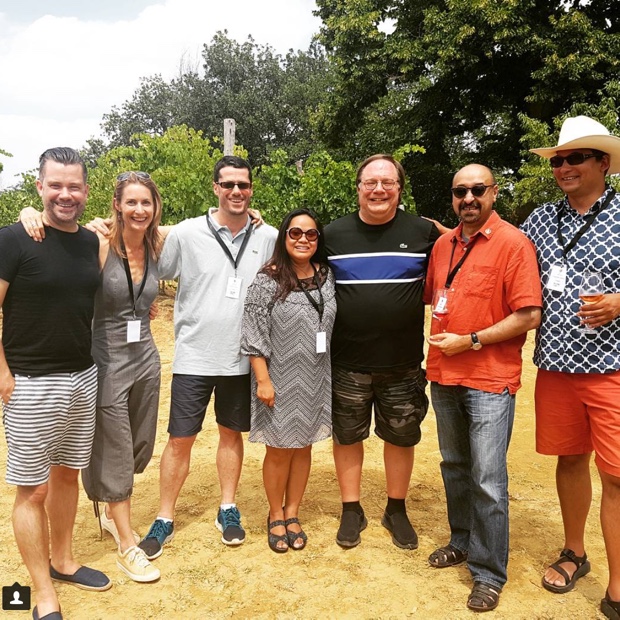
Il contingente canadese @Collisioni #nizza #barberalovers #represent #progettovino #piemonte
Thanks for reading up on the wines of Barbera d’Asti and Nizza Monferrato. Let’s all hope we begin to see more options in both categories made available here in Ontario. A special thanks to Ian D’Agata, Michele Longo, Michaela Morris, Giulia Corino and the entire Collisioni crew.
Good to go!
Godello
Twitter:
Instagram: mgodello
WineAlign




























 Godello