Italian wines of the week

Wines of the week

Wines of the week

Fear not dear reader. This is not a top ten list or a call to promote the best of the worst. It is not, most thankfully, a post on what wines are being released at the LCBO through VINTAGES. No, a one or two-day break is being granted, mercifully, to explore some wines over at the SAQ in Quebec and others available, by the case, in consignment by way of Ontario agents.

WineAlign is ever so surely becoming the tasting office of choice. It offers the opportunity to explore that critic’s dream realm of “so many wines and so little time.” The home office checks in a close second, with samples ready and carefully kept under temperature control.  I tasted and scribbled with much verve last week and over the weekend. There will be more to follow, but for now, the Italian notes.
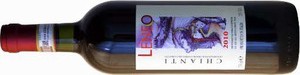
 

Torraccia Di Presura Leneo 2013, Chianti, Tuscany, Italy (Ontario Agent, $18.95, WineAlign)

Leneo is 100 per cent Sangiovese, half of which is matured in small oak French barrels for approximately six months. From vineyards near Greve in Chianti, this is the epitome of fresh. The strawberry and raspberry aromas are so very height of summer, the tension having long left the ferment. Fruit and buoyant acidity remain to lift and cut spirit. A late flavour of rosemary and olive adds a nice Mediterranean touch.  Tasted March 2015  @TorracciaPresur  @TheVine_RobGroh
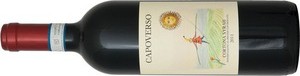
Capoverso Cortona Syrah 2013, Tuscany, Italy (Ontario Agent, $18.95, WineAlign)

There is noticeable volatility in this Syrah though it strikes a congenial balance between fruit and alcohol. The wine is not hot but is currently unsettled. That comes through in the sooty sinew and tree sap aromas. Black raspberry fruit abounds, as does liquorice and black tea. The overall accord works the parts but some time will be required for reconciliation. Sweet and sour is accented by a savoury, though moderately lengthened finish.  Tasted March 2015  @TheVine_RobGroh
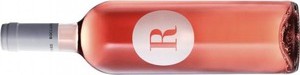
Cantina Roccafiore Rosato 2014, Umbria, Italy (Ontario Agent, $20.95, WineAlign)

A Sangiovese blush made from organic grapes, arid as the Corso Vannucci is long, linear and direct as la strada centrale leads to the Fontana Maggiore. Has a savoury flex and a salinity that central Italian Rosé almost always displays, a pull from two seas not hard to reach heading either east or west. The glycerin texture and tangy, just this side shy of reductive aromas are a propriety of pure yet driven fruit. Has the slant of Sangiovese, even in the absence of its sour edge and devitalizing tannin. A very fine example of Umbrian Rosé.  Tasted March 2015  @roccafiorewines  @TheVine_RobGroh
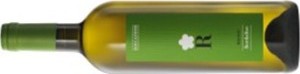
Cantina Roccafiore Fiordaliso Grechetto 2014, Umbria, Italy (Ontario Agent, $20.95, WineAlign)

Fashioned from organic (and specialized clones of) Grechetto di Todi and Trebbiano Spoletino. The ordinary is abutted with prejudice in this Roccafiore take, in full mineral action out of Umbria. This one speaks to me, never mind the current reductive accent. The organic vines exude healthy fruit and this fleur-de-lis is regal, royal and full of life. Wet stones, not flinty but certainly crouching on the rocky forefront. The balance between orchard fruit, the rocks and the load carrying acidity is spot on. This is an expertly crafted, intelligent and gratifying white.  Tasted March 2015  @roccafiorewines  @TheVine_RobGroh
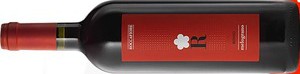
Cantina Roccafiore ‘Melograno’ 2013, IGT Umbria, Italy (Ontario Agent, $20.95, WineAlign)

Sangiovese and Montepulciano combine forces in this organic Umbrian, the punica granatum or pomegranate. Like the uniquely variegated, sour, sweet and highly mineral fruit, this red mimics the savoury pleasures. It’s dry, possessive of natural salts and fruity, but not in a sugary way. The acids are citrusy, much like pomegranate, but void of true citrus. Very pure, penitent, clean and crisp, with mild tannins and a ferric touch. Very Umbrian, regal, Franciscan, Friars Minor to bigger, bolder Sangiovese. Tasted March 2015  @roccafiorewines  @TheVine_RobGroh
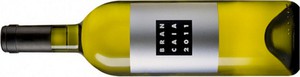
Brancaia Il Bianco 2013, Tuscany, Italy (SAQ 11797174,$21.35, WineAlign)

Sauvignon Blanc stands soprattutto to Viognier, Gewürztraminer and Sémillon in this tannic white wine from Castellina in Chianti, in the far south-east corner of Chianti Classico. Five months on yeasts has not only built breadth but also compensated for no oak or malolactic. The repercussion is a curtailment and a feigning of qualitative casting, as if from sea stones and ancient feelings. Pretty pleasures are a supraliminal by-product of the effect, in a leavening of lime and rock. This reminds me of a young, petite Stratus White, in which a mélange of grape varieties combine and effectively cancel one another out, with nary a dominant, alpha varietal limelight steal. This Bianco would create even more buzz with a 10-20 per cent barrel influence.  Tasted March 2015  Brancaia
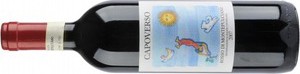
Capoverso Rosso Di Montepulciano 2012, Montepulciano, Tuscany, Italy (Ontario Agent, $22.95, WineAlign)

Here is Prugnolo Gentile with a swagger and quite the attitude. Don’t be fooled by the new adventist-adventurist, retro-romantic label. This Rosso has a mean streak. Funky aromas of the barn and the compost heap may be secondary to red fruit but they are definitely there. High iron content, less so in botany and rich like a long braise of dark veal shank ragu. Complexity is in, basics are out and there is much to dwell on in this Rosso, event if its intent is to induce simple pleasures. This needs salty protein, like the aforementioned idea of ragu.  Tasted March 2015   @TheVine_RobGroh
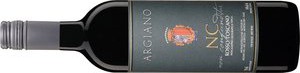
Argiano Non Confunditur 2012, IGT Toscana, Tuscany, Italy (Ontario Agent 72397, $24.95, WineAlign)

The Argiano NC-IGT must be awarded points and applause for the sheer felicity it affords the discerning drinker who knows when they have been pleased. This is juicy stuff from a terrific vintage. A latin lover of voluptuous body and luscious-laden lips. A flirtatious Tuscan ragazza, outgoing, friendly, hand-holding and demonstrative. Liquid freshness, with layers of red fruit and circulating acidity. Very modern, in an Aussie Rhône-blend way, with liquorice, cocktail beginnings and Tawny Port ends. Quite a swirl of flavours and pulsations. Drink now and for another two years.  Tasted March 2015  @Argianowinery  @TrialtoON
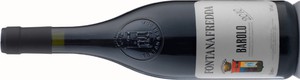
Fontanafredda Barolo 2010, Piedmont, Italy (Ontario Agent 20214, $30.00, WineAlign)

Traditional Nebbiolo that is neither austere nor of such a hard shell to crack. Roses and street cover in summer give sweet and fume aromas. Has an elemental scent, like a science lab but with experiments that broadcast harmony, synthesis and balance. Glycerin and tannin revolve around in the Nebbiolo oscillator. Some late funk creeps in, indicating some time (five years) needed to see a proper fruition. Represents very good value at $30.  Tasted March 2015  @Fontanafredda_  @Noble_Estates
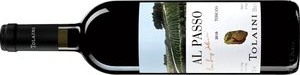
Tolaini Al Passo 2011, Tuscany, Italy (Ontario Agent $37.99, SAQ 11794344, $28.40, Manitoba Banville and Jones $34.99, WineAlign)

This IGT from Castelnuovo Berardenga blends Merlot into Sangiovese, a push and pull varietal relationship if ever there was one. The Sangiovese is Mary while the Merlot whispers. The sacred and the profane. The ancient and the modern. “Uh-will the wind ever remember the (Tuscan wine) names it has blown in the past?” A red house of aromas, a gypsy’s soul and balance are found in this whirling, flavour-filled glass of noise. This is wild Tuscan magic, if a bit disjointed and occupied by strange, though harmonious bedfellows. Rippling red wine, tannic and in need of a few years to soften. “After all the jacks are in their boxes and the clowns have all gone to bed.”  Tasted March 2015  @TolainiWines  @BanvilleJones  @bwwines
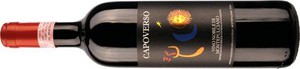
Capoverso Vino Nobile Di Montepulciano 2011, Montepulciano, Tuscany, Italy (Ontario Agent, $39.95, WineAlign)

In antithesis to the angular ’12 Rosso, this ’11 Vino Nobile is Prugnolo Gentile at its liquor-like most. This is a painted Sangiovese, with impasto, with style that is strong of colour and meaning. With very plush, oak-managed Caciotti brush stroke and thick creamy flavours. Intensely glycerin, polished and agreeable, especially considering the often tannic and ferric side of Vino Nobile. This will not be a 20-year Tuscan as it already exhibits signs of age, in dried fruit, velutinous toffee and baking blackberry pie. Oh but it will go beautifully with a rare slice of roast and a side of truffled spuds. Tasted March 2015   @TheVine_RobGroh
Tolaini Valdisanti Tenuta S. Giovanni 2009, Tuscany, Italy (Ontario Agent 137786, $49.00, Manitoba Banville and Jones $54.99, WineAlign)

The opposite, the antithesis, the polar paradox of to egregious IGT Tuscan blending is here in this delightful blend of Cabernet Sauvignon, Sangiovese and Cabernet Franc. Oak plays a prominent, spicy and sandalwood barmy role, as does the (mere five per cent) CF, giving currant energy and savoury plug-in to the softer CS. The middle notes and flavours are all Sangiovese, which is a good thing and a wise winemaking decision. The request begs for more Cabernet Franc in Tuscan composites, please. The Castelnuovo Bereardenga and Tuscan climate as a whole agrees with the variety, fleshes it, embraces it, encourages it to support Sangiovese and the less animale Cabernet Sauvignon and Merlot. Here squares off a total package, in substance and in familiarity. Tasted March 2015  TolainiWines  @BanvilleJones  @bwwines

Good to Go!

http://www.winealign.com/profile/2058-mjg

Recently tasted here, there and everywhere

Wihr au Val, Alsace (c) Cassidy Havens, http://teuwen.com/

Wihr au Val, Alsace
(c) Cassidy Havens, http://teuwen.com/

During my week-long visit to Alsace in June I tasted more than 300 different wines. Over the course of the four months that followed that most amazing journey to the heart of a great wine region, I published more than 50 tasting notes. I also told stories about the winemakers, the Grand Crus and lieu-dits. I will continue to write and publish equal or more amounts about Alsace.

Related – Giving Grand Cru Pinot Noir d’Alsace its due

The British wine writer Jamie Goode recently published two articles on the subject of wine criticism versus wine journalism. His first, Whatever happened to wine journalism, appeared on the website run by Tim Atkin MW. The second, Wine critics and wine writers on his own blog, Wine Anorak. Goode is a man on the pulse of what it real and what needs to be said. He is correct in telling us that the most engaging wine writing comes from scribes who visit vineyards and tell their stories. There can be no disputing this to be true.

Jamie hopes that the future of wine writing is not fraught with short reviews and inflated scores. He sees the Utopian model in experiential travel, in meeting hard-working people, wandering over variegated soils and terroir, tasting at the source. Jamie fears that his wine writer self will go the way of the wine critic, tapping away on a computer while tasting wine in an air-conditioned office. His version of wine hell. Riesling specialist Stuart Martin Piggot agrees.

But Jamie is not entirely right either. At least in the context of the Ontario model (and those of other Canadian provinces), along with I would imagine, many wine markets in other countries. Much of what wine writers taste on globetrotting journeys is not to be found on shelves back home. While that may be pathetic and certainly a pity worthy of some kind of wine crime, it is the brass tacks of the global wine industry. I agree with Goode that we should do everything in our power to change it and we should publish stories, not just tasting notes and scores.

The problem for the reader is that most, if not 95-plus percent of the wines that are reviewed from a region like Alsace are not available for purchase in Ontario. While that is just a crying shame, it is a reality. If you purchase wine in Ontario and look for critical voices to help you separate the wheat from the chaff, you require notes on available wines. That is why writers must spend so much time tasting samples in the sterile LCBO laboratory, at our dining room tables, in restaurants and with the hard-working for not enough reward Ontario wine agents. And we must write-up the tasting notes and publish them on websites like WineAlign. This is the fact of Ontario wine importing, purchasing and consumer life. Would it be any different if there was no provincial monopoly? Yes, but it wouldn’t help in the telling of better vineyard stories.

I taste wines here, there and everywhere. Here are 16 recent samples that gave me cause to raise an eyebrow, pause, ruminate and formulate a response to the spoken sentiments of the ferment. All 16 are available for purchase in Ontario.

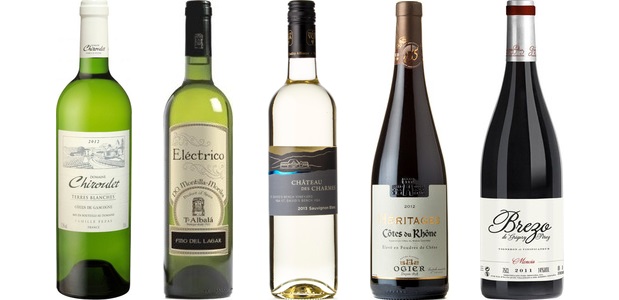
From left to right: Domaine Chiroulet Les Terres Blanches 2013, Toro Albalá Fino Del Lagar Electrico, Château des Charmes Sauvignon Blanc 2013, Ogier Héritages Côtes Du Rhône 2012, Bodegas Mengoba Brezo Grégory Pérez 2012

From left to right: Domaine Chiroulet Les Terres Blanches 2013, Toro Albalá Fino Del Lagar Electrico, Château des Charmes Sauvignon Blanc 2013, Ogier Héritages Côtes Du Rhône 2012, Bodegas Mengoba Brezo Grégory Pérez 2012

Domaine Chiroulet Les Terres Blanches 2013, Vins De Pays Côtes De Gascogne, France (Agent 223222, $13.95, WineAlign)

This is a Gros Manseng and Sauvignon Blanc that whistles boldly like a howling wind. While the nose is high-toned and full of herbal complexities, it’s also indiscreetly alarming. The aromas are quite massive; pine needles decomposing on a wet forest floor. Kefir, cloudy and enzymatic, curdling and churning into itself. Petrol spills on asphalt, baking in the midday sun. To taste it is tangy and juicy, but also very mineral, intensified by the outcroppings of retzine in the vineyard’s limestone. The overall composition punches way above its weight but the heightened sense of reality is also a bit hard to take. Terrific effort but comes with a warning sign.  Tasted November 2014  @CotesdeGascogne  @TrialtoON

Toro Albalá Fino Del Lagar Electrico, Do Montilla Moriles, Spain (Agent, $14.95, 500ml, WineAlign)

The winery was founded in 1844 and in 1970 Toro Albalá became the first commercial Montilla producer in the classic Solera method, from (estate-grown) Pedro Ximénez vines. This is unfortified Fino, at a naturally achieved alcohol of 15 per cent, from an average age of 10 years. It’s so dry, like a desert you could walk for astral weeks, as if it should be measured in negative residual sugar. Like pure almond extract paste, bones in the sand and the essence of pulverized, powdered nuts, void of moisture. The chalky-white Albariza soils of the Moriles Alto subzone are hardwired into its Akashic, astral Electrico plane. This Fino ventures in the slipstream, between viaducts of dreams, “where immobile steel rims crack.” Impossibly long finish.  Tasted November 2014  @toroalbala  @MontillaMoriles  @LeSommelierWine

Château des Charmes Sauvignon Blanc 2013, VQA St. David’s Bench, Niagara Peninsula, Ontario (391300, $14.95, WineAlign)

Sets a (St. David’s) benchmark for how to reign in and then release the charmes of Sauvignon Blanc from the Niagara Peninsula. Done in a decidedly fresh and lively style, this gathers up a bunches and conservative yield-managed vineyard’s warmest, ripe fruit for the purpose of bonhomie potation. Smells of vitality, of fresh herbs and citrus just cut, of a salt spring, of things zoetic. Cream elevates the texture, albeit pellucid and unobtrusive. The triad coming together of Sauvignon Blanc, St. David’s Bench and 2013 is the new CdC yardstick. The price only cements the offer.  Tasted November 2014  @MBosc

Ogier Héritages Côtes Du Rhône 2012, Rhône, France (535849, $15.95, WineAlign)

The Ogier self-professed traits of patience, savoir-faire, observation and intuition are on tidy display in this piquant, spiced-note, olive branch and indigo traditional Rhône blend. So very Mediterranean, warm and herbal by day, cool and minty by night. One stage short of lush, one notch comfortably above thin, this slots into all right moves; pleasant, value-driven and so effective for so many purposes. Stand alone or with classically prepared fare, this is all you need. Bring on the roast chicken.  Tasted November 2014  @MaisonOgier  @Select_Wines

Bodegas Mengoba Brezo Grégory Pérez 2012, Bierzo, Spain (Agent, $16.95)

Mencia as it once must have demanded of itself, iron clad, funky and gamey. This Bierzo is no antiseptic perfumed bottle of modern, manufactured violet Febreeze, though it’s so very vanilla and rich as a Porchetta sandwich with the porcine cure and fat driven right in to every nook and cranny. Or a taste sensation like bacon wrapped cherries. High toned with formidable tannins. A chew of sinew both in faux-wood and as the conceptual result of a roasted animal’s tension. Value gained vicariously through complexity.  Tasted April 2014  @TheLivingVine

Fita Preta 2013

Fita Preta 2013

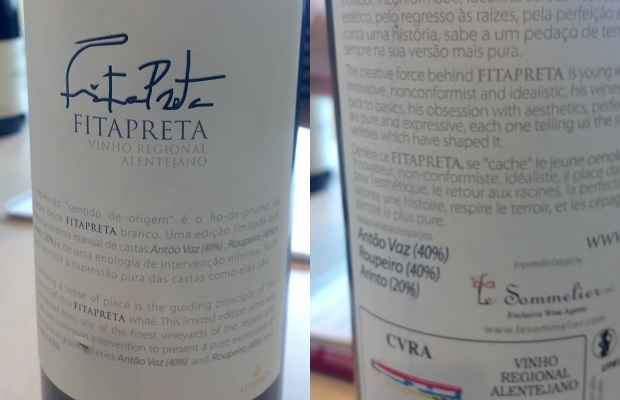
Fita Preta White Reserve Alentejano 2013, Alentejo, Portugal (Agent, $16.95)

An endemic blend of Antão Vaz (40 per cent), Roupeiro (40) and Arinto (20) from infertile rocky schist soils in southern Portugal’s Alentejo region. Ostensibly a field blend, like the Alsace cépage a terroir of Marcel Deiss, the Fita Preta or “black tape” comes from an extreme and arid land. Portuguese winemaker António Maçanita and resident English viticulturist consultant David Booth usher out flint and mineral to capture a host of synapses from a wine region that had failed to fire in years. The landscape described  as “Portugal’s Australia” gives a white like a cross between simple, flinty Chablis and aged Hunter Valley Sémillon. The acidity is in abject anti-congruence to the region’s usual heavy-leaded output, mimicking cool-climate Chardonnay in tight and bracing stonker fashion.  Tasted November 2014  @fitapretavinhos    @LeSommelierWine

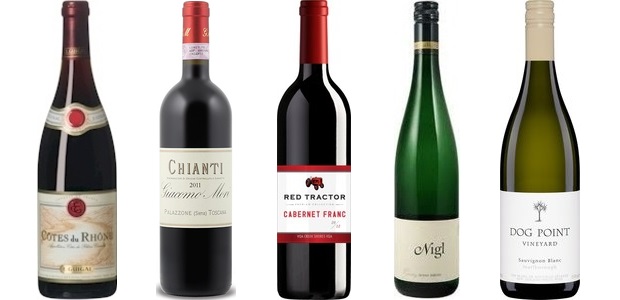
From left to right: E. Guigal Côtes Du Rhône 2011, Giacomo Mori Chianti 2011, Red Tractor Cabernet Franc 2012, Nigl Gartling Grüner Veltliner 2013, Dog Point Vineyard Sauvignon Blanc 2014

From left to right: E. Guigal Côtes Du Rhône 2011, Giacomo Mori Chianti 2011, Red Tractor Cabernet Franc 2012, Nigl Gartling Grüner Veltliner 2013, Dog Point Vineyard Sauvignon Blanc 2014

E. Guigal Côtes Du Rhône 2011, Southern Rhône, France 2011 (259721, $18.95, WineAlign)

In a world where anything is possible, the Guigal Côtes Du Rhône effect is predictable, trenchant and essential. The vintage specific focus in alacrity drives the savoury, rich black fruit to domesticated compliance, easy on the eyes, nose and palate. This just smells like a good meal; as if a game bird were roasting in the oven, surrounded by a rough and large kerf of mirepoix, of caramelizing root vegetables baptized by dried herbs and spices. Do not be fooled. This is a warm CdR with generous alcohol (14 per cent disclosed) and an even warmer, though not uncomfortably tannic or acidity riddled finish. It is a whack of Rhône grapes within grasp of a mere mortal’s budget. Drink now and for two years forward.  Tasted November 2014  @DOMAINEGUIGAL  @VinexxWine

Giacomo Mori Chianti 2011, Docg, Tuscany, Italy (68858, $19.95, WineAlign) From the VINTAGES November 8, 2014 release

A modern take on Sangiovese to be certain with a penchant for the authenticity extracted from the best parts of history. Siena red dirt dredged, cherry macerated, fined, filtered and spiked with a crush of Brandy soaked Amaretti cookies. Clean and with Spring plum blossom in the air. Il Palio dirt for appetizer, Fiore di Zucca pie for dinner and sweet, nutty Panforte for dessert. So modern but so proper. Makes no bones about its made-up face but has plenty of solid ossein in its body. Good piquancy and a rush of verve on the back palate. Oaky but not creamy, bitter yes, but not woody.  Tasted November 2014  @oenophilia1

Red Tractor Cabernet Franc 2012, VQA Creek Shores, Ontario (Winery, $19.99, WineAlign)

The savoury aspect of this Cabernet Franc steals the show out of what is just an ideal vintage. The fruit was sourced from the Dim Vineyard in the Creek Shores appellation, a piece of the Peninsula ideally suited to the sharp and earthy aspects of Cabernet Franc. Despite 20 months of seasoning in barrel, the Tractor has maintained its red fruit character, accented by currants, spice and a deep-rooted sense of licorice. There is enough grain in its texture to carry it for three or four more years but it will never be bigger than it is now, nor will its length grow any longer.  Tasted November 2014  @SideroadTwenty

Nigl Gartling Grüner Veltliner 2013, Kremstal, Austria (453281, $21.95, WineAlign)

The ever-present, front loaded, laser sharp attack may feign spritz amid hushed whispers of CO2, but not from any chemical alteration. It’s actually a post fermentation, double negative breath of residual covalent bonding. The fast action bottling captures pressure to act as catalyst for freshness, especially in such a lean, high acidity vintage. A sway of tall grasses and that gas smothers whatever residual sugar might try to weigh down this low (11.5 per cent) alcohol stunner. Very much alive though the depth is challenged by all that forward thinking expression. Still a very good showing for this classic Grüner.  Tasted November 2014  @AustrianWine  @LeSommelierWine

Dog Point Vineyard Sauvignon Blanc 2014, Marlborough, South Island, New Zealand (677450, $21.95, WineAlign) From the VINTAGES October 25, 2014 release

The prototypical Marlborough Sauvignon Blanc hitting all the classic numbers is right here in the Dog Point 2014. Low pH, high acidity, minuscule residual sugar and elevated aromatics. It’s ripe but ripped by citrus juice and zest. Like cubes of honeydew, bitter winter melon and dried lemongrass soaking in and flavouring a dish of briny scallop carpaccio with coarse sea salt and capers. The sapidity is palpable, the excesses vivid. I would avoid too much variegated gastronomy when sipping this wine. Opt for simpler fare because its talents would otherwise be mimicked and suppressed.  Tasted November 2014  @DogPointWines  @TrialtoON

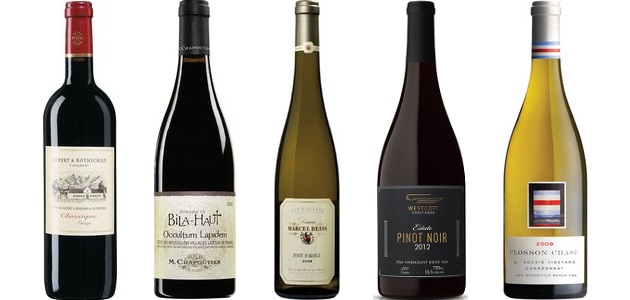
From left to right: Rupert & Rothschild Classique 2011, Domaine De Bila Haut Occultum Lapidem 2012, Marcel Deiss Pinot d'Alsace 2012, Westcott Vineyards Pinot Noir Estate 2012, Closson Chase S. Kocsis Vineyard Chardonnay 2011

From left to right: Rupert & Rothschild Classique 2011, Domaine De Bila Haut Occultum Lapidem 2012, Marcel Deiss Pinot d’Alsace 2012, Westcott Vineyards Pinot Noir Estate 2012, Closson Chase S. Kocsis Vineyard Chardonnay 2011

Rupert & Rothschild Classique 2011, Wo Coastal Region, Western Cape, South Africa (Agent, $23.95, WineAlign)

Iconic Bordeaux partners with South Africa for a red that is a surprising saunter into fair Cabernet-Merlot territory. Ripeness, extraction and alcohol are all exercised with restraint. The South African gauze is wound but of a thin wrapping, thanks to the allowance for fruit to shine in bright, red cherry tones. Western Cape is a terrific place to express Bordeaux-styled reds, especially when done with such hands off ability. A bit sapid and even sour edged, this would be a fine example to share when partaking in a little R & R. Wait a year and drink up to 2018.  Tasted November 2014  @Dandurandwines  @WOSACanada

Domaine De Bila Haut Occultum Lapidem 2012, Ac Côtes De Roussillon Villages Latour De France (643239, $24.95, WineAlign)

From vineyards composed of Devonian Period gneiss and schist soils and Kimmeridgian period limestone. A blend of Syrah, Grenache and Carignan. The heft of this craggy, cultured terroir in a Côtes De Roussillon’s bottle is never in question, nor is the puritanical excellence of its harvested fruit. Some years just heat up to a point of no return, like this 2012. Chapoutier is fully cognizant of the warmth and savagery from the soils and the climate. Finding even temperament and balance is the challenge. This vintage comes across as over the scabrous edge, cooked by the sun and dredged in the particulate. Classic Mediterranean notes of brine, brush and lavender keep it grounded, not to mention graphite and grilled meat, but for the sappy and life-sapping heat, this would be a candidate for 10 years in the cellar. As it is, drink this with quality warm-blooded protein over the next year or two.  Tasted November 2014  @M_Chapoutier  @Dandurandwines

Marcel Deiss Pinot d’Alsace 2012, Alsace, France (Agent, $24.95, WineAlign)

This Pinot d’Alsace is what Jean-Michel Deiss refers to as “du cépage a terroir” or “tous les cépages.” Though there can be as many as 13 grape varieties in the field blend, most of the content comes from the Pinot family. Though likely in Blanc, Gris and Auxerrois predominance, this is a co-planted field blend so if Jean-Michel were to change his tune from talking terroir to varietal percentages, even he would not know the true make-up. Regardless, this is a (vintage) rich and balanced white blend, an avatar for the Alsace idiom. A wanderer in angles, an adventurer into corners and a wearer of many aromatic costumes; sweet, sour, citrus, flint and spice. Indicates orange, lemon and grapefruit but it’s never that straightforward. More like Jincheng, Lemongrass and Pomello. An exemplary introduction to Deiss, Alsace and the dry summation of many white parts. Tasted twice, June and November 2014  @marceldeiss  @AlsaceWines

Westcott Vineyards Pinot Noir Estate 2012, VQA Niagara Peninsula, Ontario (Winery, $30.00)

Carries and buffets an unmistakable aromatic conveyance that comes from a grouping to include Le Clos Jordanne, Bachelder, Queylus and The Farm. Where the cherry tree digs its roots into the earth, where the fruit rolls in the clay dust, where the tension in fruit meets tannin, intersecting at acidity. Just a touch of funk in a non-reductive, vineyard sense and the fruit does flirt with right of centre cherry, inching towards the black side. Chalk and tangy dust, and finally, tannin that holds court. This is quite big for Niagara Pinot Noir and it will age righteously for three to five years. Though it is not yet ready to lay claim to greatness, Westcott is a vineyard to keep a wide and watchful eye.  Tasted October 2014  @WestcottWines

Closson Chase S. Kocsis Vineyard Chardonnay 2011, VQA Beamsville Bench, Niagara Peninsula (Winery, $34.95, WineAlign)

The real deal in Bench gain from out of the most enigmatic and occult vintage, the primitive vineyard giving life and lesson to Chardonnay. Austerity in second and third fill barrels sends butter in search of toast, imagined through pendular churning. A reckoning follows, connecting round fruit to linear acidity in character, oomph and excellence. Aromas indicate spirited confiture choices at the breakfast table to garnish flaky pastry. Biting and demanding yet sweet as a cool summer’s night.  Tasted October 2014  @ClossonChase

Good to go!

Gripping wines from Spain and Italy

Europe

How can winemaking trump terroir?
Photo: 1xpert/Fotolia.com

as seen on canada.com

Winemakers in the most famous regions of Spain and Italy have gone pro in the practicum of wine that speaks loud and clear. If there is a downside it is the blurring of lines and overlapping of circles, where regions set far apart show similar, if near identical characteristics in their wines. How does this happen? How can winemaking trump terroir?

The simple answer is wood. Barrel usage is a global affair, with wineries scouring oak forests the world over to age their wine. French oak is most used and whether you make wine in central Italy or northern Spain, the oak you employ may result in more than just the commonality of wood. If your processes are tied by similar or even identical ties, your wines may taste eerily like one another, if not outright like kissing cousins.

Despite the oligopoly of technique and the lack of winemaking individuality gone viral in this generation, there are three things that continue to work in favour of regional character. The first is obvious. Soil. Or, more importantly, the components, the rocks and minerals that fleck the earth. Secondly, attitude. Call it conceit if you like but when a winemaker has the guts to make wines we like to call grippy, you can’t help but stand up and take notice. Third and so important to the consumer, is price. Spending $15-30 on wines from the most historic locales such as Burgundy and Bordeaux is almost always nonsensical and a waste. No where else in the world offers grip, pomp and pride like Spain and Italy and in that go to mid-price range.

A pentavalent and benevolent group fits this requiem for commercial gain. Rioja, Ribera del Duero and Priorat from Spain. Chianti and Abruzzo in Italy. A Venn diagram of commonality can be agglomerated from their proclivities. It is in these fab five Old World wine regions where a twain of ancient and state of the art collide. Here are seven gripping wines from Spain and Italy.

From left: CEPA 21 HITO 2010, ÉBANO CRIANZA 2008, and RESALTE DE PEÑAFIEL PEÑA ROBLE RESERVA 2004

From left: CEPA 21 HITO 2010, ÉBANO CRIANZA 2008, and RESALTE DE PEÑAFIEL PEÑA ROBLE RESERVA 2004

Ribera Del Duero

The history: Located in north-central Spain, on a plateau, 90 minutes from Madrid. Ribera, or “river bank,” extends from both sides of the Duero. The Denominación de Origen (D.O.) of Ribera del Duero dates back to 1982.

The lowdown: Highest average elevation in Europe for growing red wine grapes. Summers are hot, winters are cold, rainfall is minimal. Lower vineyards are alluvial with sand and reddish clay. Higher ones built of limestone, marl and chalk. Tempranillo in the main grape. Finest recent vintages include 2004, 2009 and 2012.

CEPA 21 HITO 2010, Ribera Del Duero, Spain (360503, $17.95, WineAlign)

Oh the shaken, modern humanity. Nothing shocking here, this 100 per cent Tempranillo parfait of silky chocolate, mixed berries, vanilla and wood chips. Finds parity in biting red cherry flavour. Though it may as well be any ambiguous, heterogeneous or hermaphroditic $30 IGT, its price puts it at the front of the line. Fun to drink, high-toned, textured and structured, though its origins are not at once obvious. Will evolve felicitously for five to seven years.  89  Tasted December 2013  @DrinkRibera

ÉBANO CRIANZA 2008, Ribera Del Duero, Spain (355099, $21.95, WineAlign)

Amid a sea of Spanish reds, this Ribera stands alone as the most modern on the table. Dusty, trenchant dark chocolate, mocha crema, thick, syrupy, rehydrated plum fruit. Accented by both white and black pepper, anise and a late lash of astringent tannin. Abrasive as a pleading Waits croon, this Crianza is “better than a cup of gold. See only a chocolate Jesus can satisfy my soul.” Another Ribera with qualities akin to present day, Sangiovese dominated Chianti Classico. Immaculate confection.  89  Tasted December 2013  @EuroVinatage

RESALTE DE PEÑAFIEL PEÑA ROBLE RESERVA 2004, Ribera Del Duero, Spain  (355107, $31.95, WineAlign)

Typically modern version with just the right amount of age. Interesting to see nearly 10 year-old Ribera, with so much obvious oak and modernity retain its fruit lushness and presence after such a chunk of time could have stripped away its freshness. Candied violets and pansy, peppery nasturtium and marble slab, rocky road ice cream. Oak nearly integrated but persistent in chalky texture. Confounding bareback ride on a wild 100 per cent Tempranillo horse that bucks as if Bordeaux or Rhône varieties would seem to bolster the whole.  90  Tasted December 2013

From left: CIRELLI MONTEPULCIANO D'ABRUZZO 2012, CASTELLO DI QUERCETO CHIANTI CLASSICO 2011, PLANETS DE PRIOR PONS 2009, and ONTAÑÓN RESERVA 2004

From left: CIRELLI MONTEPULCIANO D’ABRUZZO 2012, CASTELLO DI QUERCETO CHIANTI CLASSICO 2011, PLANETS DE PRIOR PONS 2009, and ONTAÑÓN RESERVA 2004

Abruzzo

The history: Central Italy, stretching from the heart of the Apennines to the Adriatic Sea.

The lowdown: Mostly mountainous and wild terrain. The four DOC produced in Abruzzo are the Contro Guerra, Trebbiano d’Abruzzo, Montepulciano d’Abruzzo and Montepulciano d’Abruzzo Colline Teramane. Montepulciano is the most planted red variety. Finest recent vintages include 2006, 2009 and 2010.

CIRELLI MONTEPULCIANO D’ABRUZZO 2012, Abruzzo, Italy (663939, $17.95, WineAlign)

Winemaker superstar to be Francesco Cirelli does what more should do. Age organic grapes of purity and pristine quality in clay Amphore. The natural empathy and wisdom of crop rotation (for more than just grapevines) drives the logic and proportion of Cirelli’s wines. This Md’A smirks and balks at thoughts of it as entry-level, though it concedes to the moniker ’poster child’. From 15 year-old vines set in sandy clay soils near Atri in the Colline Teramane zone. The fruit is like raspberry felt, lifted, spritely, gregarious and inviting. The wine never plunges into bitterness, nor does it depend on any crutch to remain upright and weightless.  90  Tasted September 2013 and January 2014  @TheLivingVine

Chianti

The history: In central Tuscany. The two Chianti zones, Denominazione di origine controllata (DOC) and Denominazione di Origine Controllata e Garantita (DOCG), produce the largest volume of DOC/G wines in Italy.

The lowdown: Chainti Classico must have a minimum 80 per cent Sangiovese, the main variety of the region. Other indigenous grapes include Canaiolo and Colorino, bur Cabernet Sauvignon and Merlot are also used. Soils vary from marl of layered sandstone, to chalk and clay, blue-grey sandstone and clay-limestone. Finest recent vintages include 2006, 2007 and 2011.

CASTELLO DI QUERCETO CHIANTI CLASSICO 2011, Tuscany, Italy  (680496, $22.95, WineAlign)

Heather meadow Sangiovese, emotive of old school Chianti Classico aromas, notably tea, new leather and sour cherry. Texturally succulent and lush, like mini-modern Sangiovese Grosso. Nearly syrupy and 90′s-styled by a heavy-handed, wood-soaked guilty conscience. The kind of CC to “waste away the weekend with perfect regard for how cavalier we used to be.”  89  Tasted December 2013  @ChiantiClassico  @ProfileWineGrp

Priorat

The history: In Catalunya, northeast Spain. The most recent regulations of the DOQ were defined in 2006.

The lowdown: Dominated by hillside vineyards with poor soils, the dark slate called Licorella and low-fielding old vines. Garnacha and Carinena are the most planted, but also international varieties such as Cabernet Sauvignon, Merlot and Syrah. Finest recent vintages include 2004, 2009 and 2012.

PLANETS DE PRIOR PONS 2009, Priorat, Spain, (314559, $24.95, WineAlign)

Clearly contemporary, voluptuous Garnacha blend, in symmetry with foil Carinena, In support are small amounts of Cabernet Sauvignon (10 per cent), Merlot (five) and Syrah (five). Chalk, grain and chocolate intensity, scents of dusty mulberry, menthol tobacco, eucalyptus and licorice. Works its international styling to great effect, if a bit heavy, woody and hollow up the middle. Lags just behind the stellar 2008 and yet this ’09 will have many a follower. Just a bit more structure would make it a prize.  89  Tasted December 2013

Rioja

The history: In northern Spain, on both sides of the River Ebro. The oldest Designation of Origin in Spain (DOCA), established in 1926.

The lowdown: Confluence of Atlantic and Mediterranean climates, with soils ranging from chalky-clay, to ferrous-clay and alluvial. Tempranillo is the most planted (red) grape. Finest recent vintages include 2005, 2005, 2010 and 2011.

ONTAÑÓN RESERVA 2004, Rioja, Spain (725895, $25.95, WineAlign)

The animal that is an ’04 Rioja Reserva is a VINTAGES darling. Here is yet another example in a long line-up spread out over several months of releases. 2004 palate fatigue should certainly have set in but for this youthful yet learned Ontañón. The dichotomy is not lost with much wood to be nosed though it’s neither abstruse nor resinous. More like a smoking cedar plank beneath the rendering weight of a slow-roasting porcine slab. Tangy cherry, sour plum and really stretched length. Mineral finish. Brillo Tempranillo with a touch of Graciano.  91  Tasted December 2013  @TandemSelection

Good to go!