
What makes a list? The question is like asking what makes a Martini dirty or how much VA is too much in sangiovese? There are some things in life that aren’t certain and others that are. The porcino is the king of all Italian mushrooms, just as the morel is in Ontario. This much is true. A young wild leek is best sautéed as briefly as possible in soft scrambled eggs while an older bulbous ramp should only be pickled. Chicken of the Woods mushrooms are the most striking fungi of them all and chanterelles are the only true frutto del bosco. Composing a best of list is not like these things but something other that takes time, a year’s accumulation of thought and above all else, patience. When more than 1,000 Canadian wines are tasted in a calendar year, narrowing it down to 23 feels like a weighty sense of responsibility and a profound task.
Related – Twenty-two Canadian wines that rocked in 2022

Related – Twenty-one Canadian wines that rocked in 2021
We are so far past discussing the merits or collective quality of wines produced in Canada. Canadian wines rock. They rock you like a hurricane, rock this joint and this town. They rock and roll all night, around the clock and the casbah. They are a rock and roll star, a rock and roll fantasy, old time rock and roll, a rock lobster and just a singer in a rock and roll band. Canadian wine is still rock and roll to me. Got it? This annual agglomeration gets easier to create and harder to define. In no particular order, in other words one through 23 are not systemized in any ascending or descending order. They are arranged to begin with this country’s most successful style of wine, that being sparkling, followed by riesling, chardonnay, pinot noir, cabernet franc, red blends and Icewine. These are Godello’s 23 Canadian wines that rocked in 2023.
Related – Twenty Canadian wines that rocked in 2020

From the Naramata Bench
Tantalus Blanc De Blancs Traditional Method 2020, VQA Okanagan Valley, British Columbia
Truly noses as blanc de blanc made from only chardonnay, orchard fruit suspended in sparkling animation. Gingery and rightly oxidative while tightly wound, grippy and ready for anything that is to follow. Flesh from the fruit of the trees fallen in to the hand even before it was picked from the stem. Croccante, succulent, a scintillant raciness in every respect, satisfying and long. Would really like to see this again after the decade strikes ten. Drink 2023-2032. Tasted blind at NWAC2023, June 2023
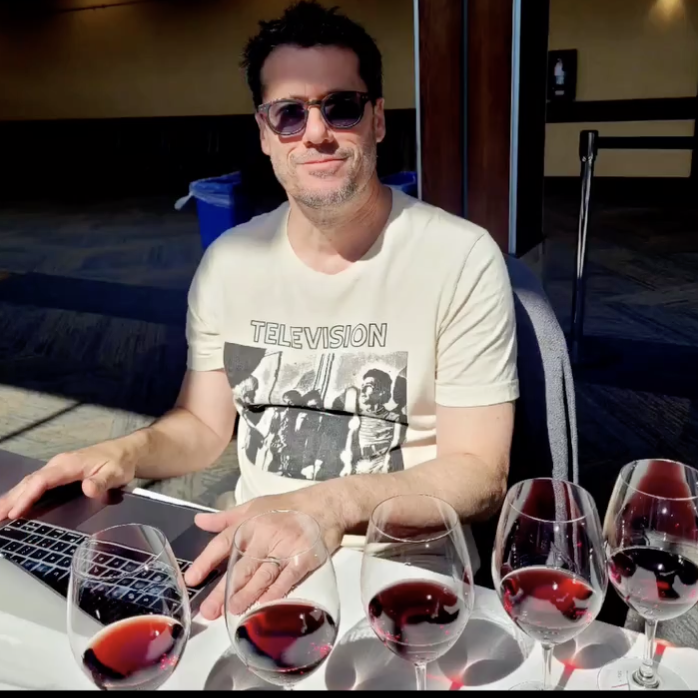
WineAlign National Awards of Canada judging in the Okanagan Valley
Hinterland Les Étoiles 2018, VQA Prince Edward County, Ontario
Traditional Method and the archetype for making bubbles to speak on behalf of a very specific terroir whilst using estate grown Prince Edward County chardonnay and pinot noir. Hinterland is THE PEC version of Grower’s Champagne because Jonas Newman and Vicki Samaras spend more time with their vines than anything else. Considering how many waters their toes dip into that says something and Les Étoiles means business. It is a serious sparkling wine, with intense flavours and the kind of backbone most fizz can only dream of hanging their flesh upon. The 2018 is precocious and wise yet the exploits of its behaviour have only just begun. So taut, so tightly wound and yet so bloody generous. Fresh and with gingery oxidative moments but ultimately in control and introspectively complex. Re-visit as often as possible for up to 10-plus years. Drink 2023-2030. Tasted March 2023
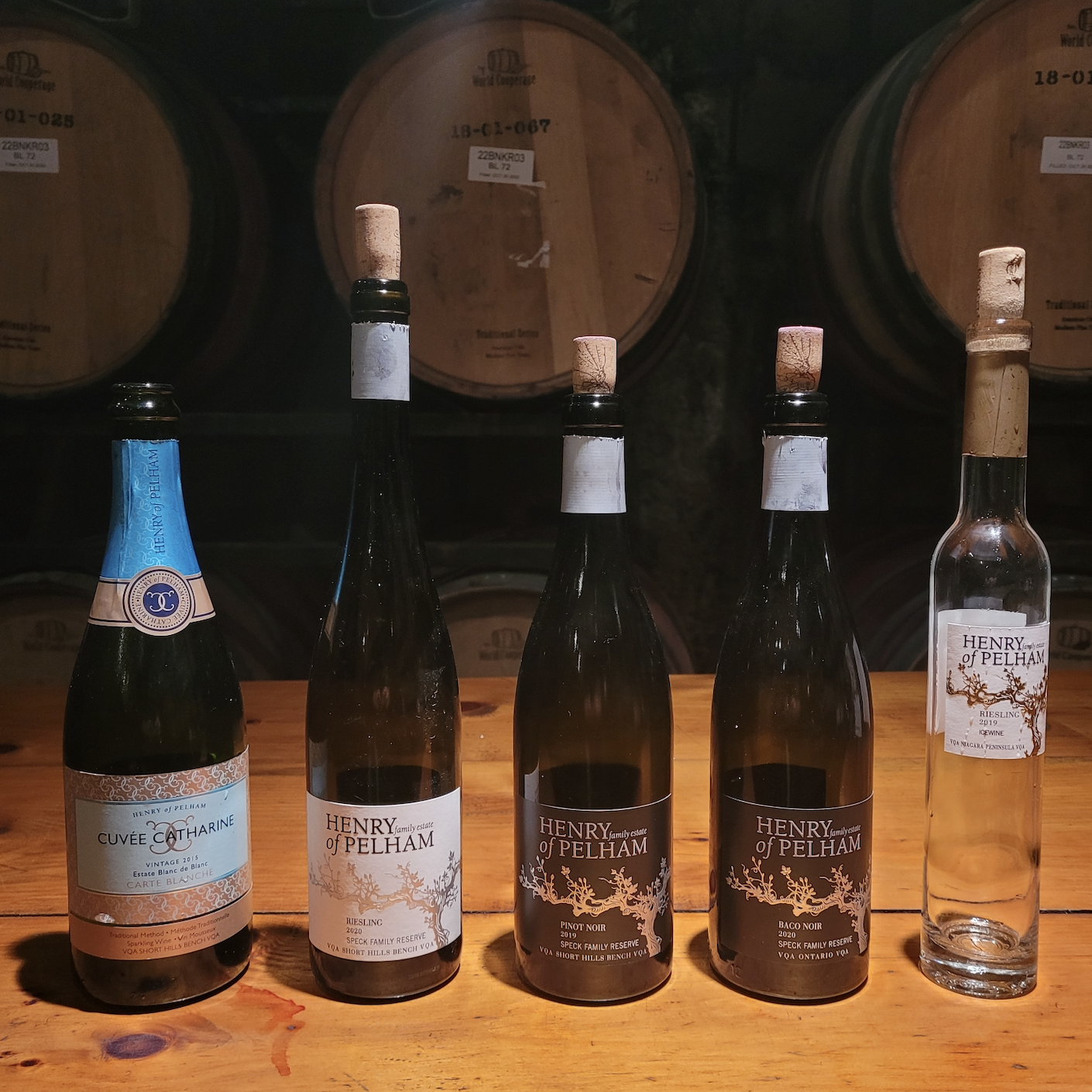
Henry Of Pelham Cuvée Catharine Carte Blanche Estate Blanc De Blancs 2017, Traditional Method, VQA Short Hills Bench, Niagara Escarpment, Ontario
Consistently crafted as a Blanc de Blancs that sees 60 months on the lees from estate grown chardonnay. From a varietal growing season so ideally destined for sparkling wine because a cool and wet spring plus summer emerged in late August to hot days and cool nights through October. In the middle of that spell is the chardonnay pick for sparkling and as good, complex and riveting as this arch-classic Ontario bubble may have been beforev- well bring on 2017 for next level complexities. Tasty, piquant and toothsome, of toasty brioche like never before and this swirl of creamy fruits and exotic seasonings. Feels like aged Growers’ Champagne and the fact that it is from Niagara makes it all that much more satisfying. Plenty of crunch, succulence and acid-driven energy from a meticulous bubble. The benchmark for local. Drink 2023-2027. Tasted November 2023
Related – Nineteen Canadian wines that rocked in 2019

Okanagan Valley
Blue Mountain Reserve Brut R.D. 2014, VQA Okanagan Valley, British Columbia
Always pleased to welcome the BR R.D. into a glass and here is an old but a proverbial goody, that being 2014 and consumers must be reminded just how special this research and development is to determine the excellence of Blue Moutnain’s indagative sparkling wine. A blend of chardonnay and pinot noir, the first 10 percent more than the last with some of the most restrained, reserved and demure aromatics in the Okanagan Valley. All ways to say this is lovely, quietly generous and so settled to gift pleasure above all else. A most complex game of citrus and orchard fruit, distillate by nature, expertly seasoned with fine sea salt, white pepper and lemongrass powder. Such a gift nine years after vintage at a ridiculously reasonable price. Drink 2023-2027. Tasted November 2023

Trail Estate Pinot Noir Sparkling (P.N.17) 2017, VQA Ontario
Here flies from the glass a sparkling gambit that has to be winemaker Mackenzie Brisbois’ most conventional wine. Just pinot noir and from an inverted vintage that gets better and better with time. A 2017 of wildly fantastical aromas and gravitas that make every aspect, component and iterated moment shine. This is a scintillant of excitation that delivers succulence we richly desire from Ontario sparkling wine. The mix of heady perfume, intensity of palate raciness and texture sliding into structure is truly something. If you are not put into an absolute tizzy and hypnotized by this fizz you may not be paying attention. Drink 2023-2028. Tasted November 2023
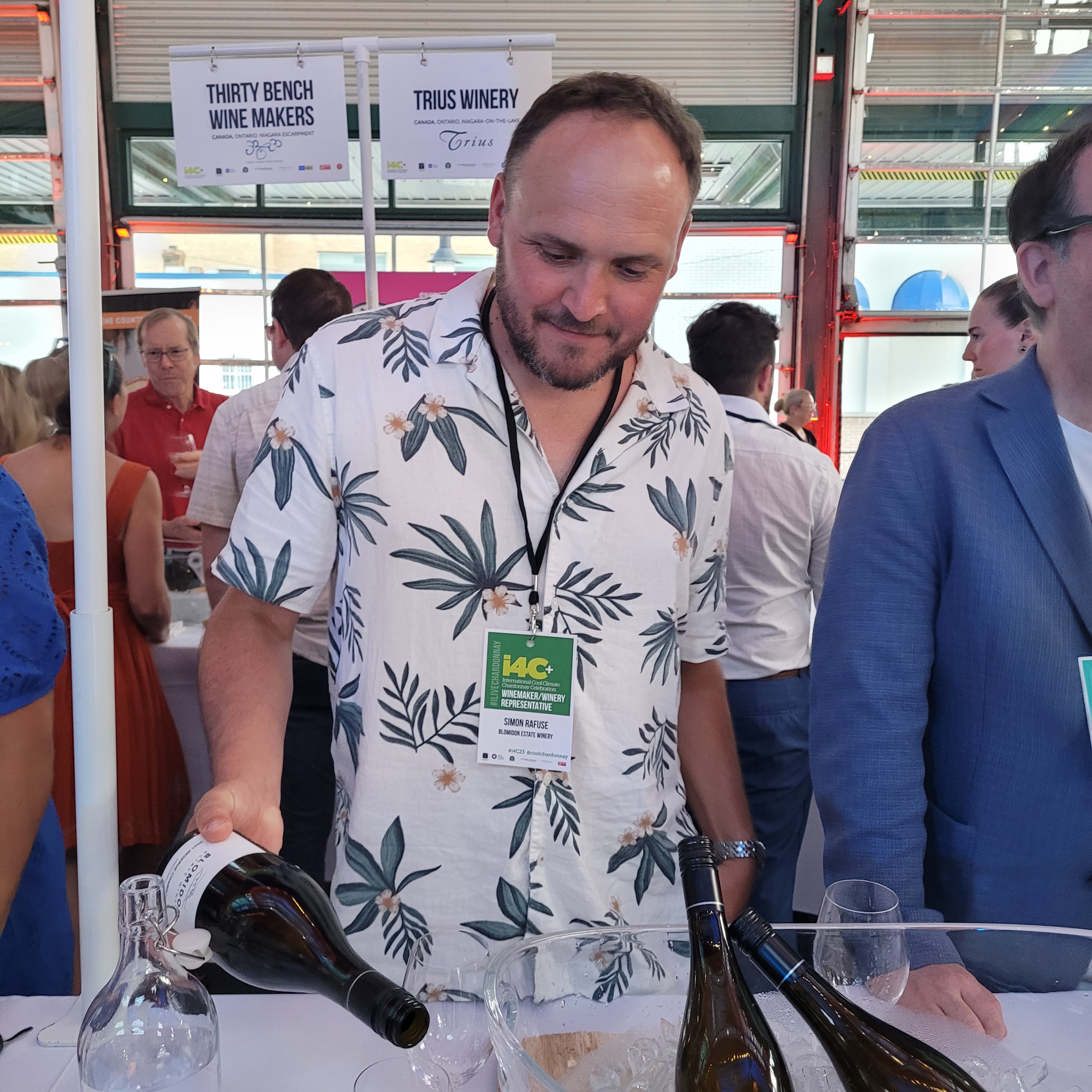
Simon Rafuse, Blomidon Estate
Blomidon Estate Winery Brut Blanc De Blancs 2016, Nova Scotia
A 2016 Bland de Blancs that saw 60 months on the lees. Super aromatic and expressive as if breezes were blowing through, Fundy winds with sea kelp and wet clay. Ideal phenolics in an idealized B de B that surely captures place, especially in a vintage like this, but truth is tells Simon Rafuse, “extreme climate event weather in Nova Scotia is making vintage cuvées nearly impossible.” Much of the fruit here comes from the estate block on the bay north of Port Williams, a sandy site that makes for more gentle, elegant and abiding chardonnay. Using old barrels helps to fatten and flesh up that fruit. Seems like an ideal match for the scintillant style of traditional method Nova Scotia sparkling wine. Super fun and energetic bubble. Drink 2023-2027. Tasted at i4C, July 2023
Related – Eighteen Canadian wines that rocked in 2018

Lightfoot & Wolfville estate vines overlooking the Minas Basin
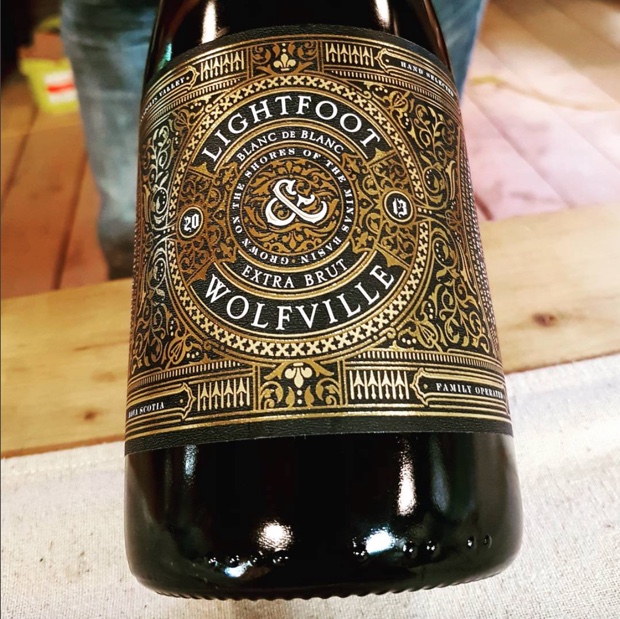
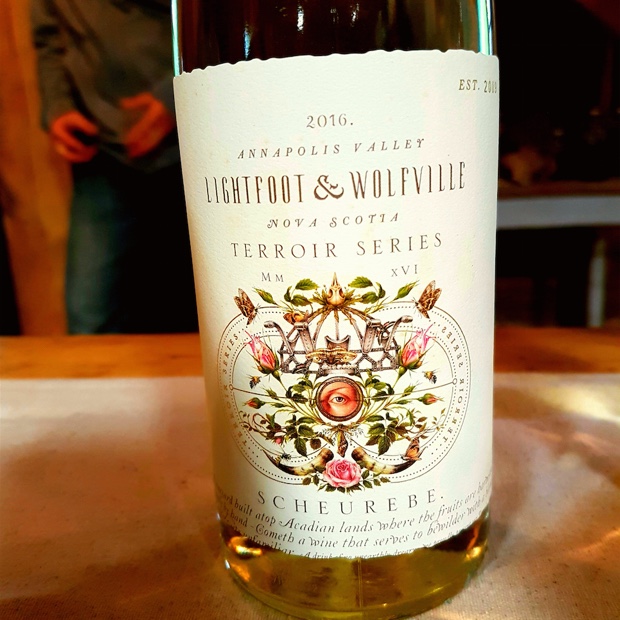
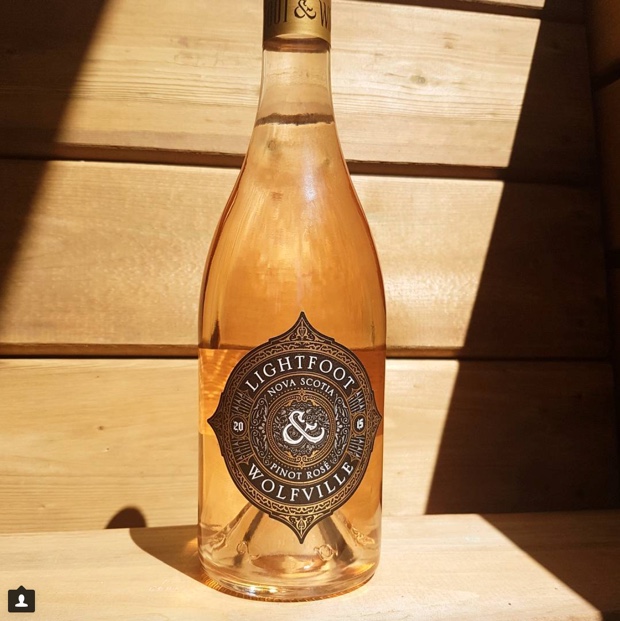
Lightfoot & Wolfville Cuvée Evelyn, Nova Scotia
Pinot Noir 85% Chardonnay 15%. If a bit too oxidative in tendency confirmed by the preserved lemon, well it also supports an ambitious style (reminiscent of top, top Cap Classique) that defines this traditional method, pinot noir controlled sparkler. Amazing toasty quality and just the right level of acid sourness to electrify and stretch in the finest nimble way while maintaining balance. Just has to be a top tier cuvée for this house. Drink 2023-2028. Tasted blind at NWAC2023, June 2023
Godello and Taylor Whelan, CedarCreek Vineyards
CedarCreek Pinot Noir Rosé Platinum South Kelowna Slopes 2022, BC VQA Okanagan Valley, British Columbia
As perfumed as it can ever get for Rosé with a salutary seasoning to elevate flavours up into a complex level of vinous gastronomy. Just scents like ripe pinot noir set up for food matching where plates like tamarind-glazed duck tacos, lemon thyme roasted game birds or anything spit grilled (a.k.a. al pastor) would willingly sidle alongside. Can handle a side of pickled onion, beet or turnip and also the truth. What a terrific use of Home Block and Simes vineyard pinot noir fruit, a white-like wine of protected aromatics, lees addendum, not to mention how blessed it is by a beautiful autumn that made sure Rosé could also be graced by true Okanagan phenolic ripeness. Perfect storm of a Rosé and we should all be thankful for the happenstance. Will age more than a bit as well. Drink 2023-2027. Tasted June 2023
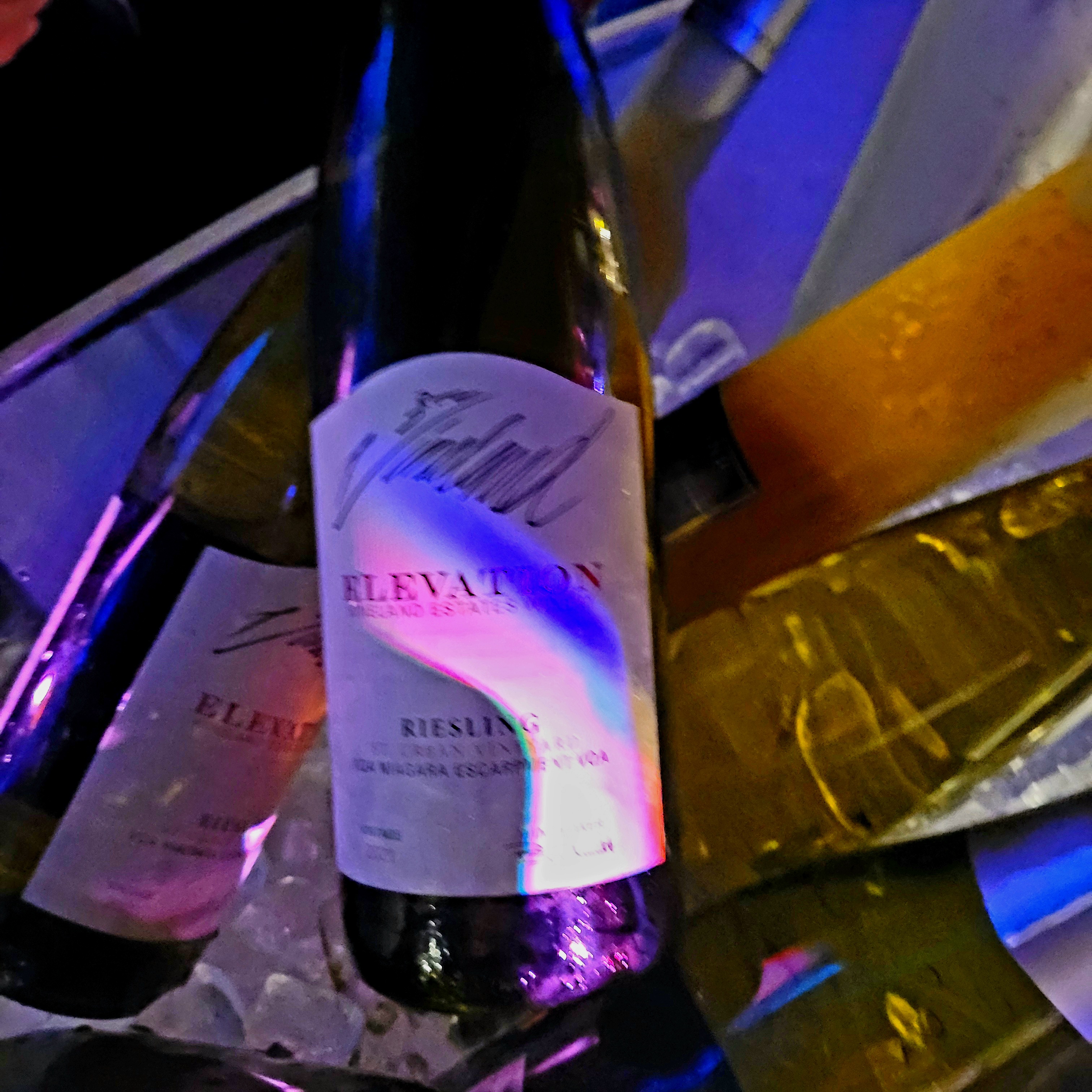
Vineland Estates Riesling Elevation St. Urban Vineyard 2022, VQA Niagara Escarpment, Ontario
Credit know-how, track record and pedigree – all those essentials of a producer with varietal experience from THE place in this country where it all began. Yes, all this matters but step forward and know that Vineland Estates uses modern technology in both their farming and also winemaking practices in ways no one else seems to equal. So what does this mean for this archetype of an Ontario riesling? So much. St. Urban 2022 is the cleanest, freshest and most luxe yet, simply put it’s all about pinpointed accuracy, finesse and well, great science. The fruit is crisp, the acids purposed and the finish long, silent, salient and salty. This will age alongside some of the best, with noticeable phenolics in tow, making for sapid moments too. Drink 2023-2032. Tasted September 2023
Related – 17 Canadian wines that rocked in 2017
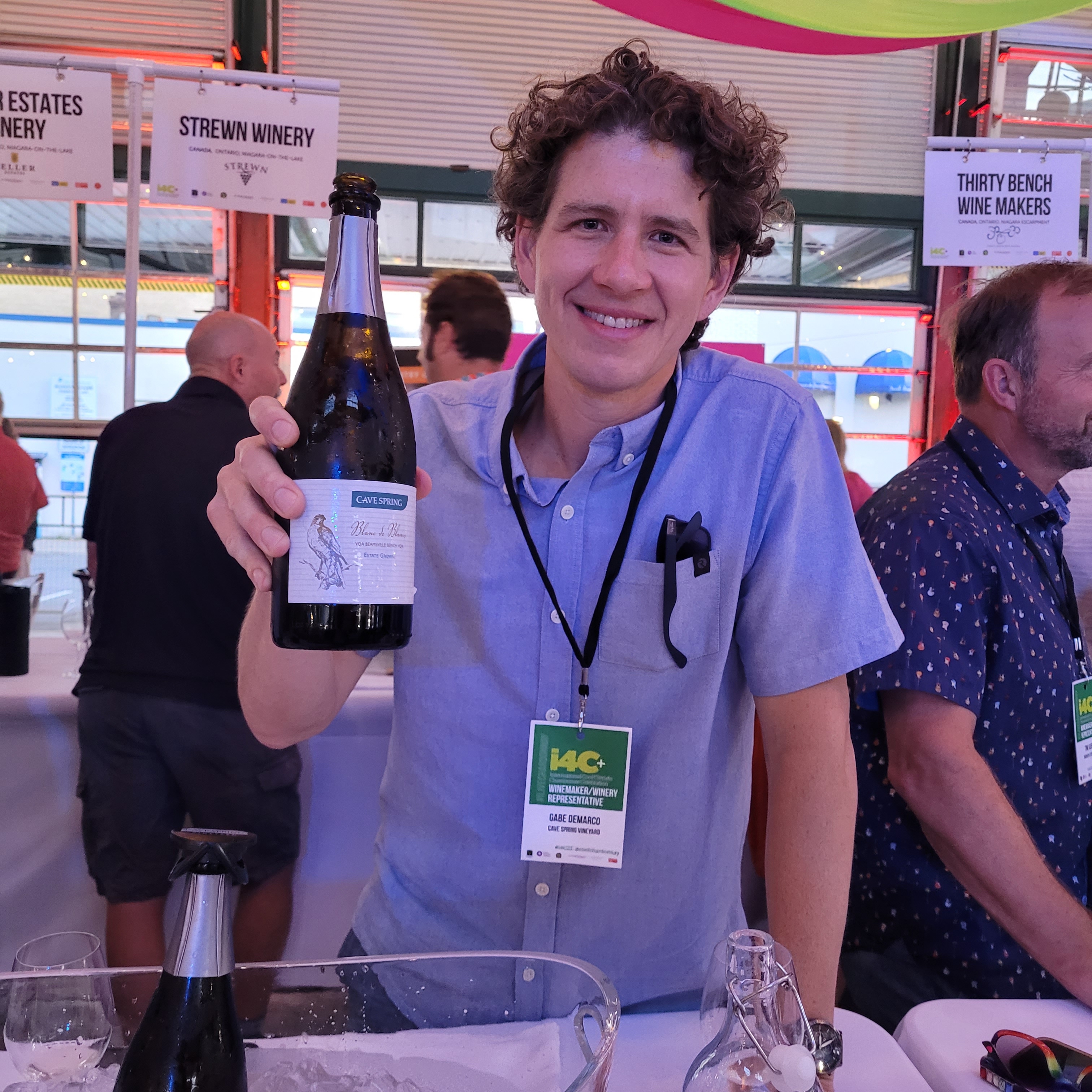
Gabriel Demarco, Cave Spring Cellars
Cave Spring Riesling CSV 2019, VQA Beamsville Bench, Niagara Escarpment, Ontario
From the first 2019 CSV holds the intangible riesling cards and feels well-ripened, despite the vintage not being one of the warmer ones up on the Niagara Escarpment. Truth is CSV ’19 wears its phenolics on both sleeves as noted in the botanical resins, melon skins and stone fruit pit aromas. Already possessive of a subtle petrol kiss and acidity of a clear and present high number. Nothing dangerous mind you and the phenol-acid relationship in the wine is quite static, stoic and immovable, at least in this stage of early youth. Will mature quicker than some though the mineral quotient will always ride shotgun. CSV 2019 feels like healthy drinking. It will likely assist in averting the damage of cells resulting from free-radical oxidation reactions and also promote anti-inflammation capacity. More than riesling. Drink 2024-2030. Tasted April 2023

Tawse Riesling Carly’s Block 2020, VQA Twenty Mile Bench, Ontario
Stoic, cool, gelid and reserved riesling in the vein of a cool climate though the palate richness suggests a warmer vintage. High sugar and also equally so in acid, well-balanced and bespoke where the relationship between grape and geology is ideally matched. This is extremely well made. Finish is extraordinary, with tremendous grip. Drink 2024-2032. Tasted blind at NWAC2023, June 2023
ed. The 2007 Carly’s Block tasted in July during a visit to Redstone Winery also rocked for 2023. One of Paul Pender’s great works indeed.

Charles Baker
Charles Baker Riesling Picone Vineyard 2019, VQA Vinemount Ridge, Ontario
Crisp and crunchy but more importantly indelibly phenolic and with all parts moving as one, in synch and so incredibly harmonic. Symphonic riesling from the fabulous Baker boy out of 2019 and with this amount of time now passed, increasingly uncovering proof that it is indeed a vintage for the ages. Texture and intensity with shots of umami are created as a result of that stamp of particular Vinemount Ridge ripeness. Drink 2023-2032. Tasted April 2023
Related – 16 Canadian wines that rocked in 2016
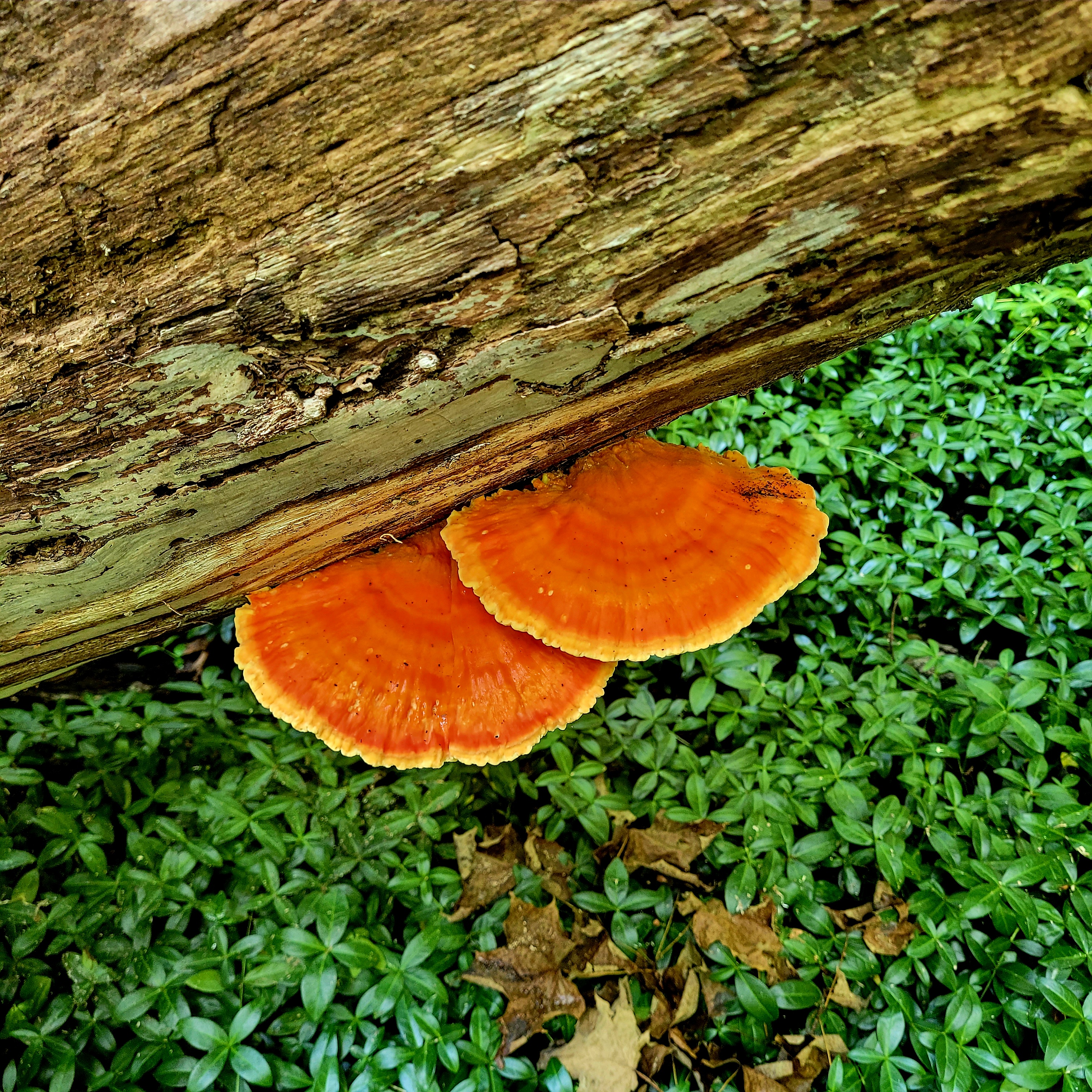
August Chicken of the Woods
Westcott Chardonnay Block 76 2020, VQA Vinemount Ridge, Ontario
The 2020 may be as ideal as it gets for chardonnay across most sub-appellations of Niagara and Block 76 from Westcott up on the Vinemount Ridge proves the theory in so many ways. The statuesque musculature and moment frozen in time visage is something else from a chardonnay so stoic, confident and the kind of act sure attitude that speaks to farming and winemaking cohesiveness. From Garrett Westcott to Casey Kulczyk – there are no holes in this chardonnay. The barrel is huge and yet subtle, the fruit pristine and treated to precision, finesse and at the end of the day, Westcott family love. Benchmark for vintage, ridge and estate. Drink 2023-2028. Tasted August 2023

Hidden Bench Chardonnay Felseck Vineyard Unfiltered 2020, VQA Beamsville Bench, Ontario
Estate chardonnay is a cracker 2020 for Hidden Bench and along comes single-vineyard Felseck to crank up the volume for something off the charts. The aromatic bites and flavour washes deliver a Beamsville Bench wall of varietal sound. This is driven, single-vineyard minded and stubborn chardonnay to put symphonies of sound in our heads. Like massed pianos, guitars and string arrangements from which pervasive aromatic perfume and transonic flavour intensity collect to personify cool climate Bench chardonnay. The farmer, maker and proprietor may not be the fruit themsleves, but Felseck 2020 is most definitely their wine. Drink 2023-2028. Tasted July 2023
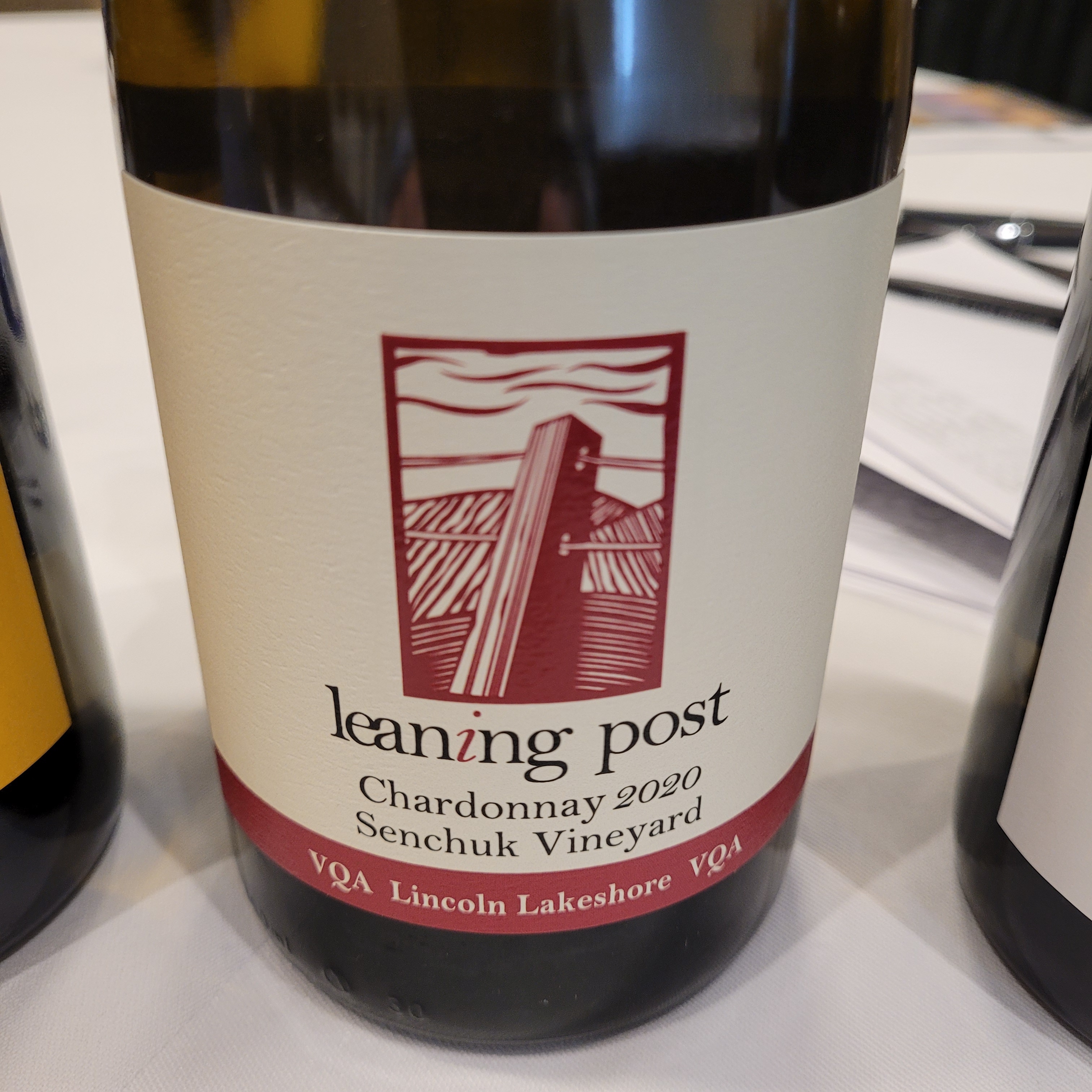
Leaning Post Chardonnay Senchuk Vineyard 2020, VQA Lincoln Lakeshore, Ontario
Not just the next vintage of the Senchuk homefront chardonnay but potentially one that will be talked about for a decade in retrospective tastings and longer. Whether or not a bottle is present, the reverberations will percolate through the ages. Not just a matter of varietal stuffing created by soils rich in clay and alluvial alloy in which stones feel pulverized into the textural fabric of this wine. You can chew this like taffy and feel the juices run as it liquifies and spreads across the palate. Hovering acidity keeps all the fruit covered, then lifted and placed just where you want this cleanest and purest of Lincoln Lakeshore fruit to be. We are all impressed and those who are not should be mystified due to reasons misunderstood. Drink 2023-2028. Tasted July 2023
Related – 15 Canadian wines that rocked in 2015

Chardonnays of i4C 2023
Rosehall Run St. Cindy Chardonnay 2020, VQA Prince Edward County
The ode goes to Cindy Zwicker Reston, Rosehall Run co-founder and the honour is more about good deeds and love than it is just about name. St. Cindy is no small gift of a label and the good thing is Dan Sullivan’s work puts the saint in the Cindy. Few Prince Edward Country chardonnays were able to avoid ripening, softening, elevated alcohol and loss of tension but double R’s Cindy is the balanced one. Yes it is ripe and also rich but even more important is the pitch perfect seasoning, grip retention and finest moments where extract and tannin collide. This is really, really good chardonnay. The kind of stuff taught in chardonnay winemaking school but riffed upon in the real world. What else needs to be said? Drink 2023-2026. Tasted March 2023

Grimsby Hillside Vineyard
Bachelder Chardonnay Frontier Block Grimsby Hillside Vineyard 2021, VQA Lincoln Lakeshore, Ontario
Vintage number three from Grimsby Hillside Vineyard and now more specific by way of a split, with the Frontier Block as the plot within the larger plot, along with that of Red Clay Barn. Drilling down into this historical vineyard that has risen as fast as any New World terroir, just about anywhere these sorts of things are measured. Here named for the final frontier, that being the “last terroir” in Niagara and who knows, maybe it will soon be the first rolling off of everyone’s lips. GHV-FB 2021 is a force, that much is clear from the first look. Or nose, for what matters. Cool and stony style from a wide open space where limestone, shale and gravels conspire to create something new and with absolute potential. It’s already arrived thank you very much and while words like luxe and opulent do not come to the tip, others like succulent and scintillating do. Just something so real and right at your doorstep, vivid beyond chardonnay compare, a stealth fish swimming in clear waters. Truly complex for chardonnay and it must be noted, unlike any other in the world though at the same time feeling like something you’ve known your whole life. Make an exception to delve into this exception because when it comes to chardonnay, this is what we need. Remarkable clarity and distinction, precision extraordinaire and a wine to cast nets far and wide to secure as many bottles that could be found. Drink 2024-2032. Tasted December 2023

Ramps of 2023
Stanners Pinot Noir The Narrow Rows 2020, VQA Prince Edward County, Ontario
Warmest of vintages and yet as only pinot noir (especially from PEC) is want and capable of doing there is no dramatic rise in alcohol. Conversions will be conversions and they are almost always magical as it pertains to the County. The specificity of the Narrow Rows elicits a varietal human response like few, if no others out of the County and that means love. The wave of fruit effortlessly tumbling into sweet acidity and structure fitting like a glove makes all parts happy, singing and generous. They do their work with chivalry, philanthropy and love. The vintage is a conundrum for PEC reds but the Narrow Rows and subsequent actions will be judged as right in the future, in part because of the block and in part because the Stanners team abides by what this pinot noir needs to be. A top pinot for 2020 Prince Edward County. Drink 2024-2029. Tasted March 2023
Related – 14 Canadian wines that rocked in 2014
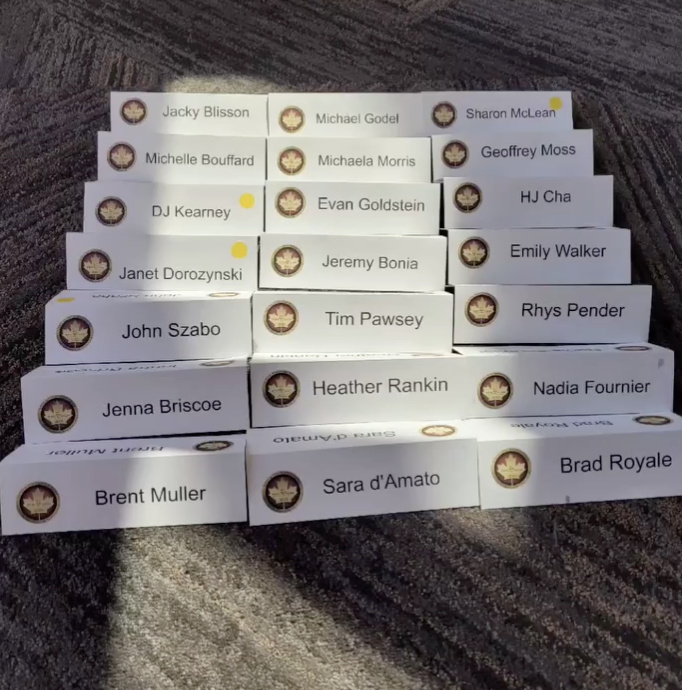
Judges of the 2023 WineAlign National Wine Awards of Canada
Privato Tesoro Pinot Noir Woodward Collection 2020, BC VQA Okanagan Valley, British Columbia
Inviting, sexy and rising in high spirit, song sung hitting the high notes and a pinot noir that rocks from the first. The perfume is just so very brushy hillside or escarpment and perhaps a bit northerly in location. Crunchy and succulent, judiciously oaked and spiced. mid to more than that in weight, impressive concentration without density and length – such never-ending length. This is the right pinot for the people. Drink 2024-2032. Tasted blind at NWAC2023, June 2023
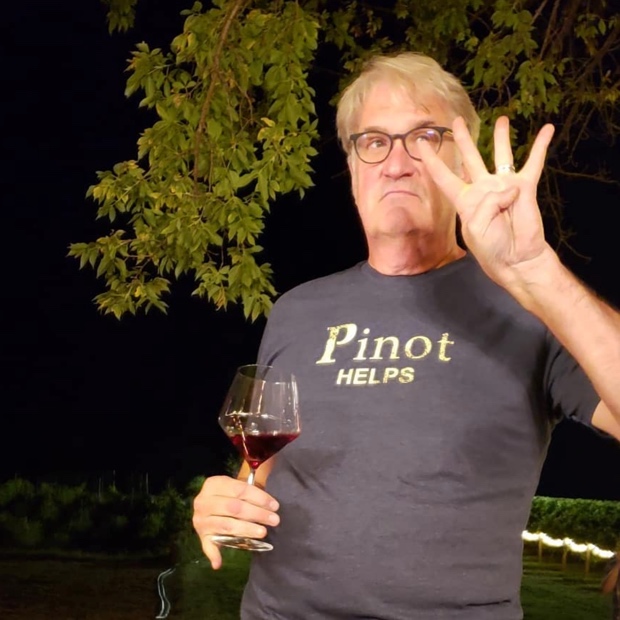
Thomas Bachelder
Bachelder Old Eastern Block Lowrey Vineyard Pinot Noir 2021, VQA St. David’s Bench, Ontario
For Lowrey Vineyard go east young man, the east is the best – or at least east is oldest, planted in 1984 by the family for the legend Karl Kaiser. The lineage of alliances runs from Kaiser at Inniskillin with Jaffelin (now Rémoissenet), through Le Clos Jordanne and Bachelder forays into Oregon. Today the eastern block of old vines have passed their 35 year mark which means they are truly heritage, not only for Niagara but for anywhere in the world. A glacial heritage too, with limestone being a determining factor to make pinot like this seem soil-driven, mineral-bent and shaped by millennium. Bachleder’s job is to not fuck it up and though he never does, for 2021 he finds another gear. One that is measured and paced for pinot noir – which is exactly what it needs and wants. The sweetness and purity of both fruit and acidity is seamlessly braided to spin a wine that will surely be timeless. Truly special and deserving of much love so give it. Success? Did it come out? All his wines come out. Drink 2025-2033. Tasted December 2023
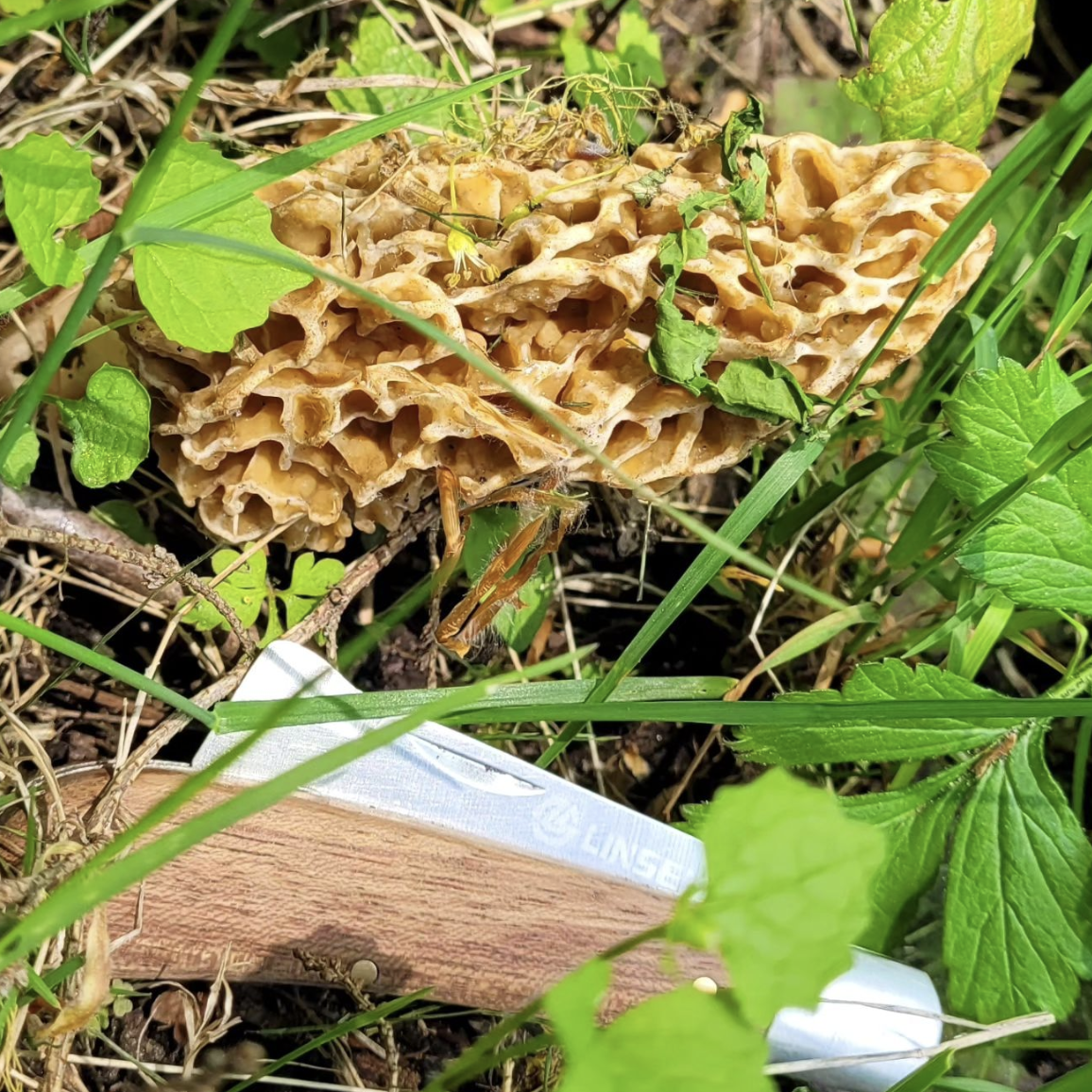
The first Morel of 2023
Thirty Bench Cabernet Franc Wild Cask 2020, VQA Beamsville Bench, Ontario
Full and splendid varietal expression with such a distinctly captured frank-ness in concentration that really sets the Bench on fire. All the fruit imaginable with help from ant ideal growing season and then the salt and pepper seasoning that sees wood do what’s right and also necessary. The linearity and even-keeled notions of this Thirty Bench are just so measured, persistent and incremental. Will age gracefully over 10 years time. Last tasted April 2023
If at first this may seem like middle road taken for grape and vintage, of medium specs all the way through, keep coming back to this wine. From fruit through acidity and into tannin there is harmony, seamlessly woven and without falter. Good pH balance connectivity to structure so that the cabernet franc doles in sapidity as much as anything else. Right amount of chalkiness and a temperament that is really quite fine. No mind that oak persists as a factor just on the right side of heavy for now. Should show beautifully in another year’s time and with (Bench) distinction for many years to follow. Equal parts salty and sapid is always great combination. Drink 2024-2028. Tasted blind with the Experts’ Panel, April 2023
Related – 13 Canadian wines that rocked in 2013
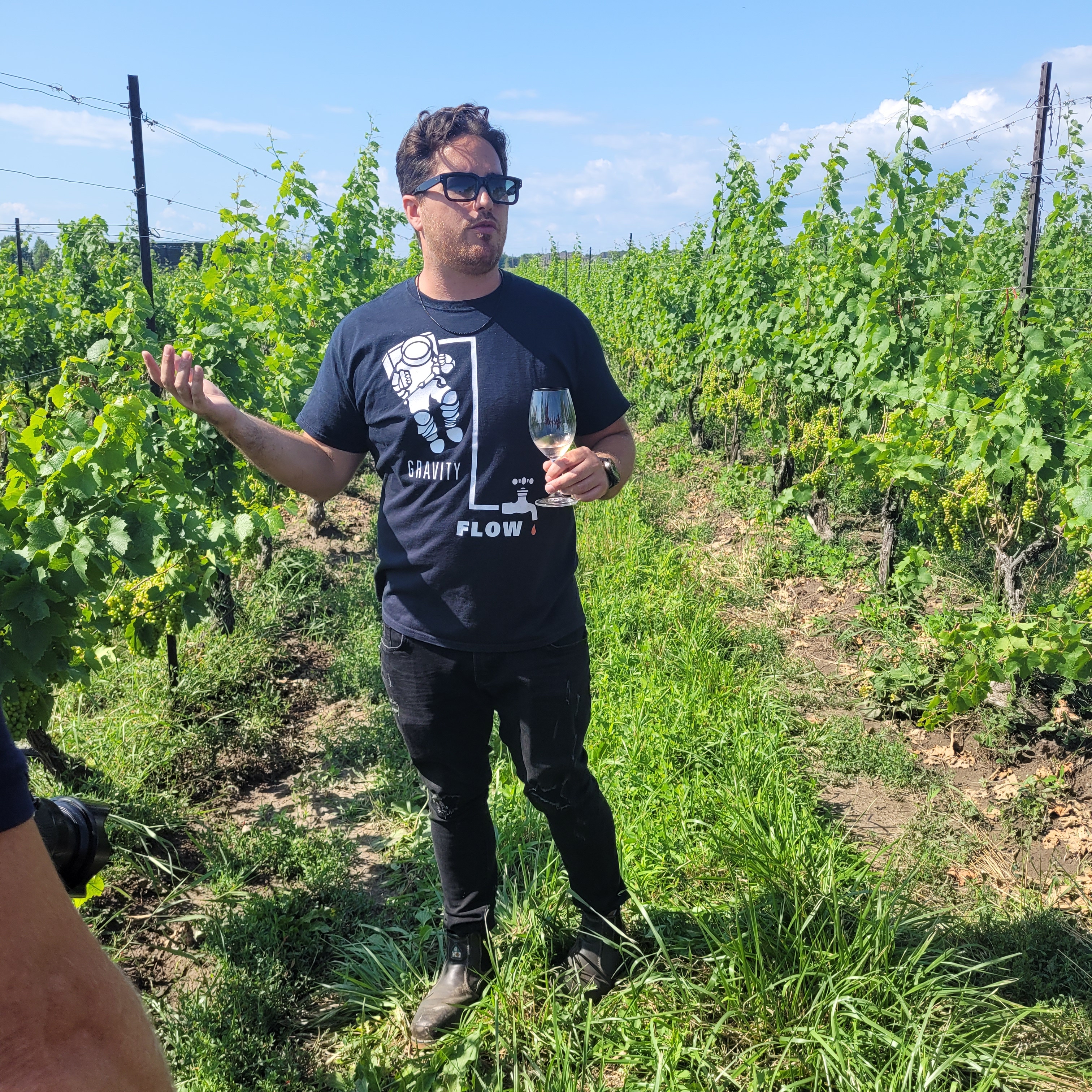
Stratus White Label Red 2020, VQA Niagara-on-the Lake, Ontario
The blend for Red is always vintage dependant but can’t say there is any shock to see cabernet sauvignon art 40 percent taking the 2020 lead. Next there is cabernet franc (27), followed by merlot and malbec (13 each) and finally petit verdot (7). Six weeks of picking between the merlot and the cabernet sauvignon with specs in the end right on par with that (latter) varietal wine. Meaning magnanimous, ambitiously structured and of a potential to see the 2020, 20th anniversary Red as becoming one for the Stratus ages. Certainly more juiciness and also fun (and pleasure) but make no mistake. These tannins bite back, the wood is far from integrated and years will be required to see this make good on its promise. Drink 2025-2032. Tasted September 2023
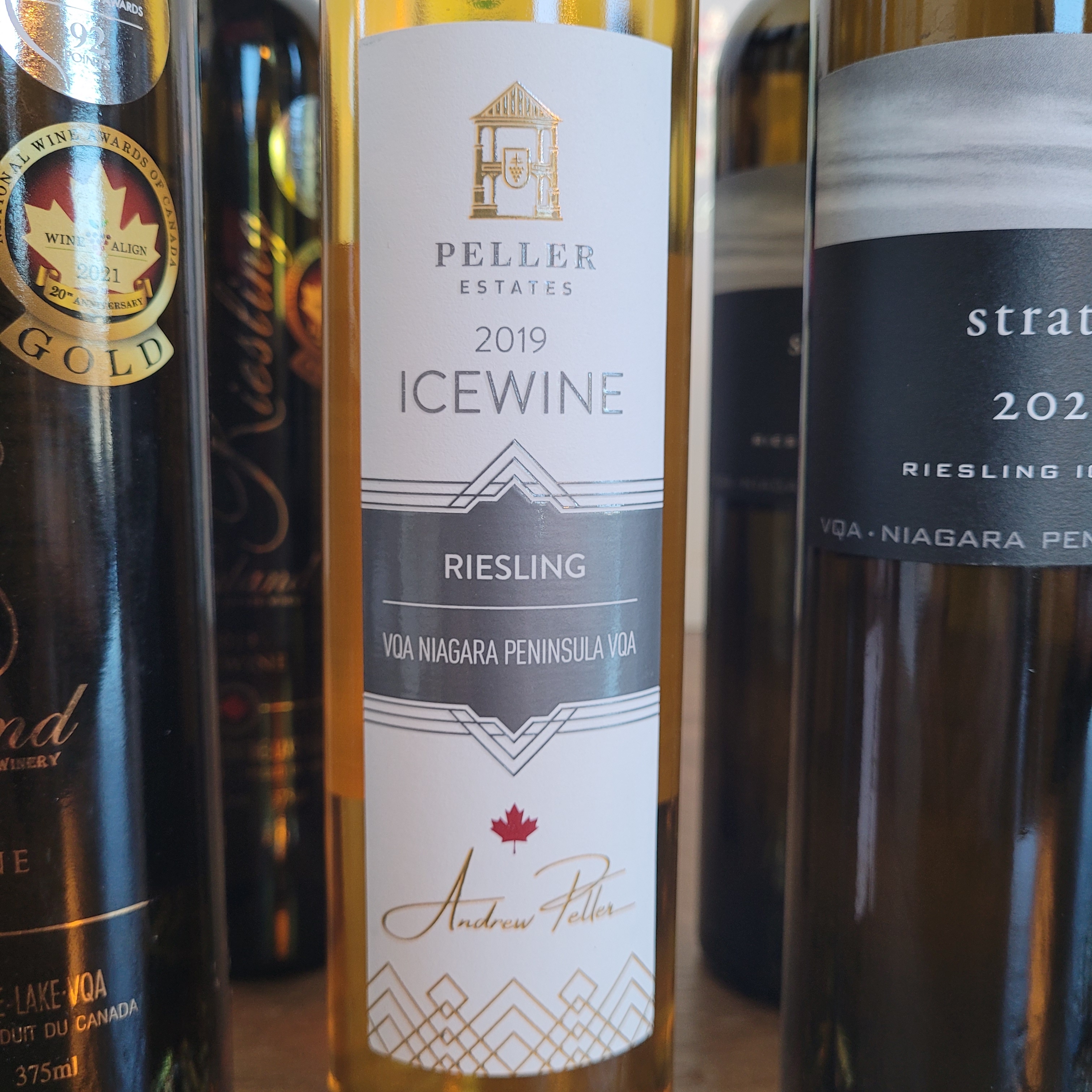
Peller Estates Riesling Icewine Andrew Peller Signature Series 2019, VQA Niagara Peninsula, Ontario
Densely concentrated and from the beginning an impressive balance in accord between sugars and acids so that the two move swimmingly along from the start through to a long lingering finish. One sip and the Icewine becomes one with your palate, hangs on, repeats upon itself and as far as that kind of attraction is concerned you welcome the linger. Special dedication and technique here to be sure. 179 gL RS and 10.5 percent abv. Last tasted January 2023
Good to go!
godello
Twitter: @mgodello
Instagram: mgodello




 Godello