Napa Valley: Where ripeness happens

Godello in the Napa Valley mustard

Godello in the Napa Valley mustard

You need only spend a few days in Napa Valley to gain a basic understanding of what drives the machine. Immerse yourself into three or four structured tastings and hear the mantra repeated. Listen to the winemaker and the viticulturist talk about the growing seasons and intuit the very basic premise, the essential doctrine and the constitutive aspect on everyone’s mind. Ripeness.

The 2011 vintage was an unmitigated disaster. Cold, rain and low brix levels made for less than stellar Napa Valley reds and whites. At the time it wasn’t so much swept under the rug as much as shrugged off. Still some very good wines were made. Even today critical proponents of cool-climate and understated wines will champion the elegance and proportion of 2011 Napa reds, especially the Cabernets. Talk to or listen to a local winemaker speak and know they will (mostly) all agree to disagree with those ideas. There was little to no phenolic journey fully completed in 2011. Relativity is the general, special and principle quizlet to compare and contrast Napa Valley wines. The next vintage afforded the opportunity to put 2011 behind them. The proximate three relegated 2011 to the footnotes of history.

What followed 2011 was drought, extended drought, difficult times drought. Grapevines do quite will when they struggle, provided their keepers have equipped them with the organic and self-preserving tools to survive without water. While the rest of the state suffered, Napa Valley grapevines produced exceptional fruit. From 2012 to 2015 the pilgrimage to maturity happened with ease. Quality over quantity? Sometimes both. In 2012 there was a huge crop from an incredible growing vintage. Along with 2013 they are being heralded as two of the best vintages in the last 30 years.

If a tutored Napa Valley tasting is centred around Cabernet Sauvignon and parent grape variety Sauvignon Blanc then the mind may wander into comparative territories with Bordeaux clearly on the analogous radar. Cabernet defines Napa Valley, hook, line and sinker. Nearly everyone grows it, bottles it and employs it to define who and what they are. The numbers corroborate the abstraction. Cabernet is still the king. The interesting diversion is Sauvignon Blanc. In the context of Bordeaux it is not a diversion at all but Napa growers and producers are infatuated with it. It makes for good but rarely great wines. Chardonnay has proven its Napa Valley pedigree. So why Sauvignon Blanc?

If Bordeaux epitomizes a mono-worshipping culture then deconstructing Napa Valley reflects the effort of extricating monotheism out of a polytheistic context. But Napa is not Bordeaux and also avoids the affectation and mannerisms of monotheistic worship, something that is very specific to Bordeaux and even more so to other ancient wine-producing regions. In Napa there is great interest and time set aside for Chardonnay but also some love Pinot Noir and Zinfandel. Cabernet Sauvignon leads with authoritarianism on a chilling scale and Sauvignon Blanc exists in a polar opposite vacuum. Nothing is inexpensive to grow and most markets expect to pay a premium for quality. Demand will perpetually support Cabernet, Merlot, Chardonnay, Pinot Noir and Zinfandel. Sauvignon Blanc above $20 and not from Bordeaux is different. It is Napa’s greatest curiosity, made with great care and thrown caution to the marketplace wind. And it sells. Looked at from both sides clarity is noted in the adage that Napa Valley is not Bordeaux.
Berry to bottle

Berry to bottle

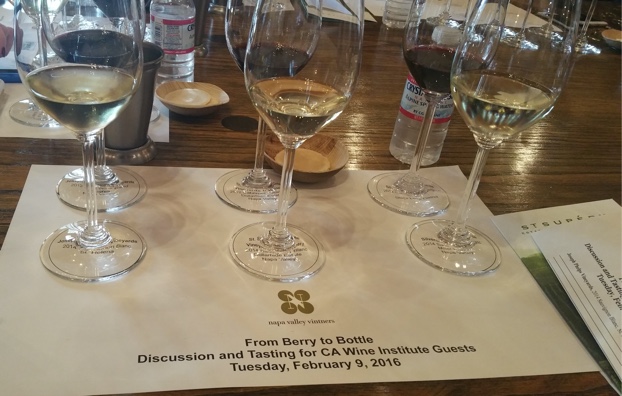
On February 9th, 2016 nine Canadians sat down to taste with the principals of three Napa wineries, Joseph Phelps, St. Supery and host Silverado Vineyards. Karen MacNeil is a wine author, journalist, educator and consultant. MacNeil moderated a two-varietal tasting with Bill Phelps (President of Joseph Phelps Vineyards), Emma Swain (CEO at St. Supery), Russ Weis and John Emmerich (GM and winemaker at Silverado). From berry to bottle was organized by the California Wine Institute and Napa Vintners.

“Dirt is once again the sexy part of the business,” began MacNeil’s presentation. “Place is the core construct and inescapable construct.” The hills, slopes, ridges and valleys of the Valley are indeed intricate and the soil sets as diverse as you are want to find anywhere. Napa Valley contains 33 soil series with more than 100 soil variations and half of the soil orders that exist within the world can be found in the Napa Valley. At the end of the day ripeness follows. At all other times it leads. We tasted six wines that day. Here are the notes.

Cabernet Sauvignon and Sauvignon Blanc

Cabernet Sauvignon and Sauvignon Blanc

Joseph Phelps Sauvignon Blanc 2014, St. Helena, Napa Valley, California (Agent, $59.95, WineAlign)

Graced by and driven for texture, with lees, out of second fill barrels and finished struck across a scraped mineral tang. Highly refreshing compression of density and weight. Long linger of stone fruit, primary peach and secondary apricot. Non-discernible citrus. Phelps has been producing this wine since 1975 from the home ranch vineyard, typically in increments of 2500 cases. If Sauvignon Blanc were made in Alsace, this is what it would be like. Unpronounced acidity and a floral note pay thanks to integrated Musque clones Bill Phelps says are integral to the mix. Drink 2016-2019.  Tasted February 2016  @josephphelps  @LiffordON

Joseph Phelps Insignia 2012, Napa Valley, California (710400, Agent, $299.95, WineAlign)

The 2012 Insignia had me at first whiff. At first sip I could not be reached. Massive aromatics blast from this formidable Insignia, clearly noted with immediate clarity as a proprietary blend for the ages. The current torrent is so plugged in and highly climatic, like a visibly sparking conduit, storm and fire all wrapped into one electric happening. The peaks, valleys, waves and intonations are bred of perfectly ripe fruit sets traveling as one in perfect syncopation. The ripe, chain-link tannins will take this very, very far. This is as fine a California wine as I have ever tasted.  The first vintage was 1974. All five bordeaux varietals are represented which is not often the equation. In 2012 the blend is 75 per cent Cabernet Sauvignon, 10 Merlot, 10 Petit Verdot with bits of Malbec and Cabernet Franc. Drink 2018-2045. Tasted November 2015 and February 2016

St. Supery Estate Vineyards and Winery Sauvignon Blanc Dollarhide Estate 2014, Napa Valley, California (AgentWinery, $35 US)

An altitude effected, single-vineyard, warm days, cool nights Sauvignon Blanc so much more in residence of varietal hyperbole, from grass to gooseberry, apple terpenes and finishing spice. Highly emotional SB of San Pablo Bay cooling and antithetical drought thanks to Sierra Nevada snowpack, or lack thereof. Stainless on lees stirred weekly bolstered in texture by 18 per cent barrel fermentation. Aussie expat winemaker Michael Schultz controls this big, vivid and vital style. Drink 2016-2019.  Tasted February 2016  @StSupery  @vonterrabev

St. Supery Estate Vineyards and Winery Cabernet Sauvignon Dollarhide Estate 2012, Napa Valley, California (AgentWinery, $100 US)

Dollarhide was a cattle farm, a 1530 acre enormity of a ranch, now one of the more impressive Napa vineyards of altitude, micro-climate and heterogeneous soil series. The 2012 is a 100 per cent Cabernet Sauvignon cornered from the finest (number eight) 30 year-old vines parcel, planted in 1982. It is youthful and even a bit reductive, with dark red fruit and cooler savoury curation. Possessive of some black olive and mint-like coolness. Sweet tannins and espresso, specified and agreed from all French oak, left to decide a hillside expression. A fine chocolate finish is far from bitter with paid homage to that parcel which is a combination of volcanic and ancient sea sediment. Large shells have been found in the vineyard at 1200 feet. Tres cool. Drink 2018-2027.  Tasted February 2016

Silverado Vineyards Sauvignon Blanc Miller Ranch 2014, Napa Valley, California (AgentWinery, $35 US, WineAlign)

Fruit from vines burrowed into seep soil on a Yountville site between Hopper Creek and the Napa River (though 5 per cent is from Soda Creek Vineyard). A small elbow (four per cent) of Sémillon injects a shot of vitality into the arm of Sauvignon Blanc. For winemaker Jon Emmerich Miller Ranch in a climate sweet spot, a go between in which cool evening and morning temperatures mitigate the sweat of warm sunshine. Its home soils are blessed with terrific water capacity. No de-stemming is performed and the wine sees a long, cold (up to two months) fermentation. All in the name of aromatics. And so the Silverado home ranch Sauvignon Blanc lies somewhere in between the excitable and the elegant. Quite Bordelais but also grapefruit refreshing, with a slight spritzy tingle. Drink 2016-2018.  Tasted February 2016  @SilveradoSOLO  @KylixWines

Silverado Vineyards Cabernet Sauvignon Solo 2012, Napa Valley, California (Agent $119.00, WineryWineAlign)

From heritage Cabernet Sauvignon vines recognized by the University of California, Davis, in other words, a clone unto itself. The home ranch estate vineyard was planted in 1968 and over two decades the vines adapted to Silverado’s steep, shale soils and mutated. Through meticulous field selections an entirely new clone of Cabernet Sauvignon emerged. Here is one of only three Cabernet Sauvignons to attain this status and the only one from Stags Leap District. Who knew such magic lurked in the Napa hills? The stuff of Roald Dahl imagination. This is a dusty and grounded red, of chaparral in arid, arenose, hillside forest floor character. Higher tones (there is a bit of VA) leaps with this SOLO’s Cabernet metamorphosed self, in a semblance of the clone it used to be. It honours a perfect growing season. From General Manager Russ Weis: “In Stag’s Leap we are not looking for something mouth-filling as much as mouth coating.” Drink 2019-2028.  Tasted February 2016

Good to go!

Twitter: @mgodello

Instagram: mgodello

WineAlign: Michael Godel
Facebook

Ten prodigal suspects

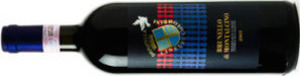
Donatella Cinelli Colombini Brunello Di Montalcino 2010

Donatella Cinelli Colombini Brunello Di Montalcino 2010

Expensive wine surrounds us all year-long but in the 30 plus days leading up to Christmas the concentration multiplies.  As the shopping days tick down, it seems as though we are inundated by an omnipresent $50-plus crowd. Do these wines have any effect on your life? Do you consider forking out half a yard or two, on yourself or for someone you (sort of) love? Are the jet-setting, usual suspects really worth considering?

In certain cases the answer is yes, but just because some wines are expensive, for a complex variety of reasons, does not make them either good or bad in a decidedly black or white sense. Many outrageously expensive wines are simply awesome bottles of fermented grapes while others are nothing special. High prices can be a reflection of designer labelling and marketing, while others are the summation of genius created by greatness and art. Sometimes it’s just a matter of economics.

I’m going to borrow a hypothesis from my WineAlign colleague John Szabo to illustrate the point. You go to a juice bar. The smoothie or vegan fruit and grass concoction cost not much more than a few dimes to produce. The expertise required came as a result of a half hour’s worth of learning and training. The machine costs a few hundred bucks. And you paid $8.95 for the beverage.

Wine grapes grow on vines that might be as old as 100 years, tended by a farmer far away who was paid a dollar or two for a kilo of his fruit. The vigneron spent perhaps the first 30 days slaving over the initial maceration and fermentation of that fruit and followed that up with at least a year (and in some cases five) to nurture the wine into becoming something special. The bottle and the cork cost another dollar or two and the shipping charges add at least another two again. Then there were the middle men involved; negociants, wholesalers, distributors, agents, retailers and monopolies. That wine might sell for anywhere from $9 to $20 in the Canadian market. And you don’t want to pay $20 for a decent bottle of wine?

Now imagine the fruit coming from some of the most expensive real estate on the planet and processed by the best equipment that money can buy for making wine. Then it is handled by experts in the transportation, selling and marketing fields. You can see how $20 quickly becomes $50 and so on. Don’t misunderstand me. Many wines are ridiculously overpriced. Many are the by-products of marketing juggernauts. It is important to understand, however, that many high-priced wines are deserving of their tags. The margins are not as inflated as you might want to believe.

Iconic wines are always a good buy for someone, but vintages determine when their purchase is the way to go for others. Varied and direct opinion of conceit is rarely witnessed with such certainty as there is found in the world of wine. “I speak therefore it is,” or “I think therefore I am” are two truisms that ring with pomp and circumstance in the world of winemakers, sommeliers and writers. Being sure about everything goes a long way towards determining careers and fortunes.

So, for the first time in this sketch of wine stuff I am offering up a list of high-priced wines that I may or may not be recommending. They are all household names in the world of iconic wine. Some are “best of” vintages while others are head scratches as to why anyone would spend such money on their wood or their contrivance. You are the one to judge. Here are 10 expensive releases from VINTAGES for November 28th, as usual, prodigal in their return in time for the holidays.


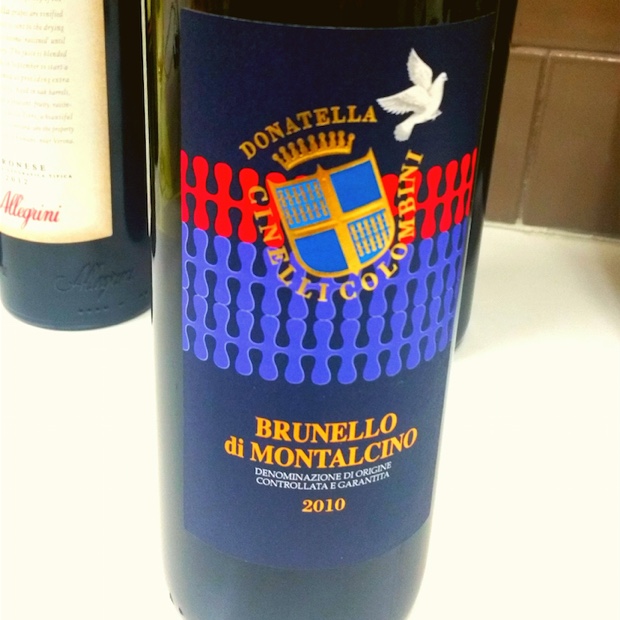
Donatella Cinelli Colombini Brunello Di Montalcino 2010

Donatella Cinelli Colombini Brunello Di Montalcino 2010, Brunello Di Montalcino, Tuscany, Italy (431718, $56.95, WineAlign)

The fruit in 2010 is jam-packed, sealed in freshness and blessed with the unmistakeable Colombini soil funk. I first tasted this ’10 alongside 2007 and 2008. The dew, bloom and vigor hangs on a line threaded through each vintage. The 2010 stands alone for its poetic perfume. The flowers of Montalcino, along with the burst buds of herbs on the hills. This vintage pours a generous cup of Montalcino mountain tea. Smoky, opaque and of a proprietary liqueur thick and distilled, the level of animale is right there too. With so much aromatic potpourri the wine’s trotters scramble and ascend with a juggernaut of complexity. Beautiful Brunello with so much tradition running through its fast forward veins. It must of course be laid aside for a few years to really get it. Drink 2017-2022.  Tasted April and November 2015  @news_donatella  @ConsBrunello  @LeSommelierWine

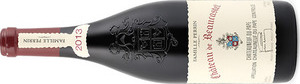
Château De Beaucastel Châteauneuf Du Pape 2013

Château De Beaucastel Châteauneuf Du Pape 2013, Ac Rhone, France (711317, $89.95, WineAlign)

Quite a mouthful of Beaucastel with more warm, figgy fruit than memory generally serves. The surfeited structure can’t be denied but the advanced, occupied territory reminds of 1988. This ’13 may be viewed as acting with similar haste when it will have reached the age of 25, in earth-crusted caramel and sweet fruit scooped from a forest floor. Up until five years before then it will always have ripe red berries, spice accents, anise and the veritable design of garrigue. Drink 2018-2028.  Tasted November 2015  @Beaucastel  @VINSRHONE  @RhoneWine  @ChartonHobbs
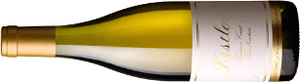
Kistler Les Noisetiers Chardonnay 2013

Kistler Les Noisetiers Chardonnay 2013, Sonoma Coast, California (251223, $99.95, WineAlign)

A tremendous vintage for Les Noisetiers, cared for, tendered and placated by a clarity in hands-off winemaking. Deeply ingrained from juice maximized out of overloaded sensory sunshine and the choice to let sleeping fruit dogs lie. Possessive of an almond bitter bar not bitten into before and overlaid by lacy organza, a mild sheath overtop of purposed, wild fermented fruit, a lightly toasted barrel slumber and richness beyond the horizon. All in style of west coast Chardonnay, though simply prepared with the freshest local ingredients, with stony lactic lees texture and subtle spice. Drink 2015-2022.  Tasted November 2015  @TheVine_RobGroh  @sonomavintners

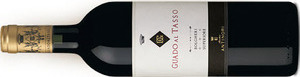
Antinori Guado Al Tasso 2012

Antinori Guado Al Tasso 2012, Doc Bolgheri Superiore, Tuscany, Italy (986380, $104.95, WineAlign)

Deep, dark, rich and handsome, a thick red duke of aggressive, conceited, unctuous behaviour. Such tannin and aggression is not so much rarely seen as not always a factor provided by expatriate Cabernet Sauvignon. The dense and massive ferric monster exercises in many, thorough magnanimous machinations. Such a beast. It’s big and it’s good. Drink 2018-2028.  Tasted November 2015  @AntinoriFamily  @HalpernWine

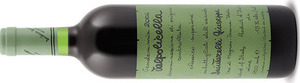
Quintarelli Valpolicella Classico Superiore 2007

Quintarelli Valpolicella Classico Superiore 2007, Doc Valpolicella, Veneto, Italy (986117, $104.95, WineAlign)

Here Quintarelli takes it to a new level, away from rusticity and into modernity, though it remembers every step along the historical way. Liquid caramel and red fruit meld into such sweet earth it feels as though the vineyard is right here and now. Some tobacco but just a puff, so much impression, cure without aridity and natural feel without an orange juicing. Intensity and acidity to take it 30 years. Amongst the best ever? No question it must be considered. Impossible to know. Drink 2015-2047.  Tasted November 2015  @LiffordON

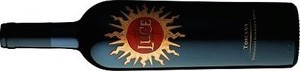
Luce Della Vite Luce 2012

Luce Della Vite Luce 2012, Igt Toscana, Italy (685263, $114.95, WineAlign)

There can be no denying the density and wealth of flavour. Equally so the solid foundation and unwavering structure is the result of a winemaker’s ability to construct such a formidable pillar of strength. It can be imagined that this Luce will go ten years before budging into evolution even a single iota. It is a beast of fruit, barrel and tannin but more than anything else, oak. As shaken as a creamy, milky, anglaise cappuccino as there ever was or will be. Lots of spice from that oak. A designer label wine made with the finest materials. It really doesn’t matter when it is opened, now or in 15 years. It will take that long before it will begin to change. That is because the sum of its parts happen to be over the top. Drink 2015-2030.  Tasted November 2015  @FrescobaldiVini  @AuthenticWineON  @AuthenticWine

Sassicaia 2012

Sassicaia 2012, Doc Bolgheri, Tuscany, Italy (480533, $199.95, WineAlign)

Every once in a while an iconic leader of Tuscan wine feudalism takes a step back from its military rule and offers to feed both the army and its people. In 2012 Sassicaia is restrained, giving, generous and empathetic. The fruit is certainly ripe, as are the tannins and structurally speaking this has the layers, the soft libido and the desire to please like never before. Sassicaia for the people, like it may have once been, a king of the classes and for the masses. Not in price mind you, but you can’t have everything. Drink 2018-2038.  Tasted November 2015  @Smarent

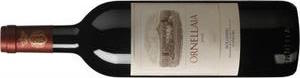
Ornellaia 2012

Tenuta dell’Ornellaia Ornellaia 2012, Doc Bolgheri Superiore, Tuscany, Italy (722470, $195.50, WineAlign)

Takes the purity of 2011, furthers the integration and mimics the precision, then pumps up the volume. Takes a breath and then, with soluble efficiency it refines the intricately woven lines a few steps furtrher, if that is even possible. I will say that the tannins are a bit tougher in ’12, with a tight string wound depressively around the fruit’s long and elegant tendrils. Fruit is the determinate factor, pure, blossoming and fragrant. It adds up to a consensus of one thought, that this vintage is yet another legend in the making, a fine and linear Ornellaia that should travel 30 plus years, perhaps longer. What liqueur, such botanicals and endless valleys passing through fertile hills. Drink 2019-2045.  Tasted November 2015  @Ornellaia  @AuthenticWineON  @AuthenticWine

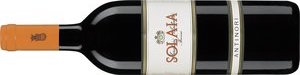
Antinori Solaia 2011

Antinori Solaia 2011, Igt Toscana, Italy (987586, $249.95, WineAlign)

Shows off the typically cured and seemingly advanced notes that Solaia always seems to display, whether the vintage purposed days of heat or nights of cold. A wine that seems immune from vintage variation, with fresh and dried fruit shacking up together. In 2011 Solaia is extremely rich, aggressive with acidity and yet with moderate tannins for five years of development, but not much more. Drink 2017-2020.  Tasted November 2015  @AntinoriFamily  @HalpernWine

Joseph Phelps Insignia 2012

Joseph Phelps Insignia 2012, Napa Valley, California (710400, $299.95, WineAlign)

The 2012 Insignia had me at first whiff. At first sip I could not be reached. Massive aromatics blast from this formidable Insignia, clearly noted with immediate clarity as a proprietary blend for the ages. The current torrent is so plugged in and highly climatic, like a visibly sparking conduit, storm and fire all wrapped into one electric happening. The peaks, valleys, waves and intonations are bred of perfectly ripe fruit sets traveling as one in perfect syncopation. The ripe, chain-link tannins will take this very, very far. This is as fine a California wine as I have ever tasted. Drink 2018-2045.  Tasted November 2015  @josephphelps  @LiffordON  @NapaVintners

Good to go!

Twitter: @mgodello

Instagram: mgodello

WineAlign: Michael Godel
Facebook

It’s Black Friday but wine gifts come at a price

<em>Photograph by volff, Fotolia.com</em>

Photograph by volff, Fotolia.com

as seen on canada.com

It’s an American thing. Black Friday shopping deals will attract major crowds south of the border but in Canada, not so much. Studies show that only one in 10 Canadians will get off the couch and leave their basements for this day of discount shopping. The reverse will apply to Boxing Day.

Related – More from the VINTAGES November 24th, 2012 Release

Ontarians are just as likely to hit their local LCBO in search of wine gems for the coming holiday season. The current VINTAGES release is front loaded with lavish, iconic, red and “black” wines. The spotlight is on the big boys, especially Cabernet Sauvignon nearing and often breaching the centurial dollar mark. Behold eight more wine gems for your gift list.

The grapes: Corvina e Corvinone, Rondinella and Barbera

The history: From north-east of Verona, on the hill that separates Montorio from Valle d’Illasi

The lowdown: More substantial, almost unwieldy than most other Valpolicella in the price range

The food match: Coffee Brined Chicken

Musella Vigne Nuove Valpolicella Superiore 2009 (205757, $15.95) races forward pell-mell, spewing tar, ash and black tea exhaust. The fruit component is dark, black plum seeping in its own reductive juices. Chewy, persistent and gathering speed. Top quality normale Valpo.  89

The grape: Cabernet Sauvignon

The history: Amounts to 88% Cab primarily sourced from vineyards located in the Alexander, Dry Creek, and Sonoma Valleys

The lowdown: Pseudo-supermarket brand gets it right in ’09. $20 Cab south of the 49th

The food match: Smoked Chorizo Sausage, brisket quinoa fritters

Kenwood Cabernet Sauvignon 2009 (990440, $22.95) is a solid deal, nothing overly serious, just the sum of all it should be from California and parts thereof. Currants, berries, mint, Cassis, roast beef and oak-driven milk chocolate fill this bottle. Packs enough stuffing for smoking.  88

The grape: Shiraz

The history: Oz outfit from the Great Dividing Range in the Grampians region of Victoria

The lowdown: Winemaker Dan Buckle fashions “cool climate” Shiraz from eastern granite slopes of Mount Langi Ghiran

The food match: Roast Duck, potato, orange, fennel, watercress salad

Mount Langi Cliff Edge Shiraz 2006 (287235, $28.95) rips off a ringing riff that teeters but never quite goes over the edge. Perhaps it still has not found what it’s looking for but it’s got Victoria’s ’06 funk. Spicy wood gets right into your nose then coffee, sodium, charcoal game and black currant all add notes. A very good price for a complex wine.  91

The grape: Cabernet Sauvignon

The history: A legendary bottling returns to top form after a decade long falling out

The lowdown: Hyperbole like “epic,” “classic” and “best ever” surround this Napa Valley Cab

The food match: English Cut Braised Short Ribs, red wine reduction, red pearl onions

Dunn Vineyards Howell Mountain Cabernet Sauvignon 2008 (193763, $99.95) is a flat out brilliant composition by the voice of one who once “traded love for glory.” This Cab reverts back to its singer-songwriter, Napa Valley pioneering form. The ’08 is a crooning balladeer intent to hold out its best in a graceful lucubration of layered, dark fruit, restrained restlessness and a vision of long life. Put the Dunn away and look to be rewarded 15+ years on with as good a California Cabernet as you will ever taste.  96

The grapes: Grenache, Mourvedre, Syrah and Counoise

The history: The house that Jacques Perrin built is the most famous in Châteauneuf-du-Pape

The lowdown: Can’t say I’ve ever been this blown away by such a young Beaucastel

The food match: Braised Veal Brisket, smashed parisienne potato, brussels sprouts, truffle oil

Château de Beaucastel Châteauneuf-du-Pape 2010 (711317, $89.95) enters no confected, over-extracted or OTT danger zones. The most floral Beaucastel, a doffing of Stoechas Avignon and the omnipresent Rhône garrigue. Persimmon and lavender share time imparting the wine with fumes from les galets roulés of the argilo-calcaireous vineyard beds. Basic hedonism here from such an extraordinary, complex and balanced blend.  95

The grapes: Cabernet Sauvignon and Cabernet Franc

The history: Arguably the most iconic Cab-based Super Tuscan from “the place of many stones”

The lowdown: Down $7 in price from vintages going back to ’05, this ’09 has scored as high as 98 (James Suckling)

The food match: Grilled Bisteca Fiorentine (Tuscan-style Porterhouse Steak)

Sassicaia 2009 (480533, $179.95) the raven brunette is anything but sappy or syrupy yet is impossibly viscous. Hints at ripe berries growing in the crags of maritime gravel and the most expected hits of sanguine, animal musk. A huge wine in the making, the adolescent hunter Sassicaia off-roads up a steep incline to go tell it on the mountain of tannin. Disappears into parts unknown and will only reappear as a mature adult. Look to 2025 and it may say “the perspective to say the very least, changes only with the journey.”  96

The grapes: Cabernet Sauvignon, Merlot, Cabernet Franc and Petit Verdot

The history: Tenuta dell’Ornellaia was founded in Bolgheri (1981) and only Massetto, “wink-wink, say no more,” is a more famous Super Tuscan

The food match: Grilled Bisteca Panzanese (Bolgheria-style Porterhouse Steak)

Ornellaia 2009 (722470, $189.95) is more approachable than the unparalleled 1998. A silky smooth and velvety texture puts super-ripe fruit at the forefront. While that ’98 rocked my world, this vintage offers immediate gratification, less dominating hard lines and edges. The balance is impeccable but the acidity is tempered, like the finest chocolate. The window is open now, though it may soon close, to drink beautifully for the next five years.  94

The grape: Cabernet Sauvignon

The history: In a class of two (along with Shafer’s Hillside Select) of Napa Cabernet neither garagiste nor Barnett, Harlan Estate or Screaming Eagle

The lowdown: Certainly not an act in search of a circus, the ’08 Insignia demands a star’s salary

The food match: Bison Rib-Eye, king mushroom, juniper and thyme demi-glace

Joseph Phelps Insignia 2008 (710400, $224.95) teases with immediate gratification then turns inward upon itself to hide from a volcano bursting of hot lava. The stoic resistance keeps the Insignia safe from the fiendish, dark mark mountain of UFO tannin. “A real rock and roll molest.” Checking out the wine’s black hue in the raised glass is a sight to behold. The pitch conceals a deep well of pure raspberry distillation, roasted meat, yew and rosemary. The wine’s lines are like architectural strokes of genius, currently too hot to handle.  94

Good to go!

Napa Valley Cabernet Sauvignon. Desert island wines?

Vertical Restaurant

Vertical Restaurant


http://blogs.canada.com/2012/05/02/napa-valley-cabernet-sauvignon-desert-island-wines/


Comparative 2008 Napa Cabernet Tasting

By Featured Writer Jascha Baraness

Vertical Restaurant, 100 King Street West, (416) 214-2252


The comparative/competitive tasting event was hosted by Merryvale winery of Napa Valley, California.  An assembly of 30 Sommeliers sat down to a blind tasting split into two flights. We were to rank our favoured wines from most to least.

The first blind flight consisted of five Napa Cabernet Sauvignons from the 2008 vintage, all from houses of great repute.

Before I continue, I’d like to mention that I started out by taking detailed tasting notes (sight, nose, taste, finish and overall impressions) but that after the 4th wine, I realized that the differences in the notes were so minute. It became abundantly clear that notes were going to be futile in helping me pick my favourites.

All the wines were very young, taught, with firm tannins and could certainly use another ten years in bottle.  I’d like to also let you know that my red wine preference tends to lean towards the old world. I look for high acidity, austerity and fruit as secondary, so, although I could appreciate the quality of the winemaking, I wouldn’t take any of them to a desert island.  This was an afternoon that tested even the most discerning of palates.

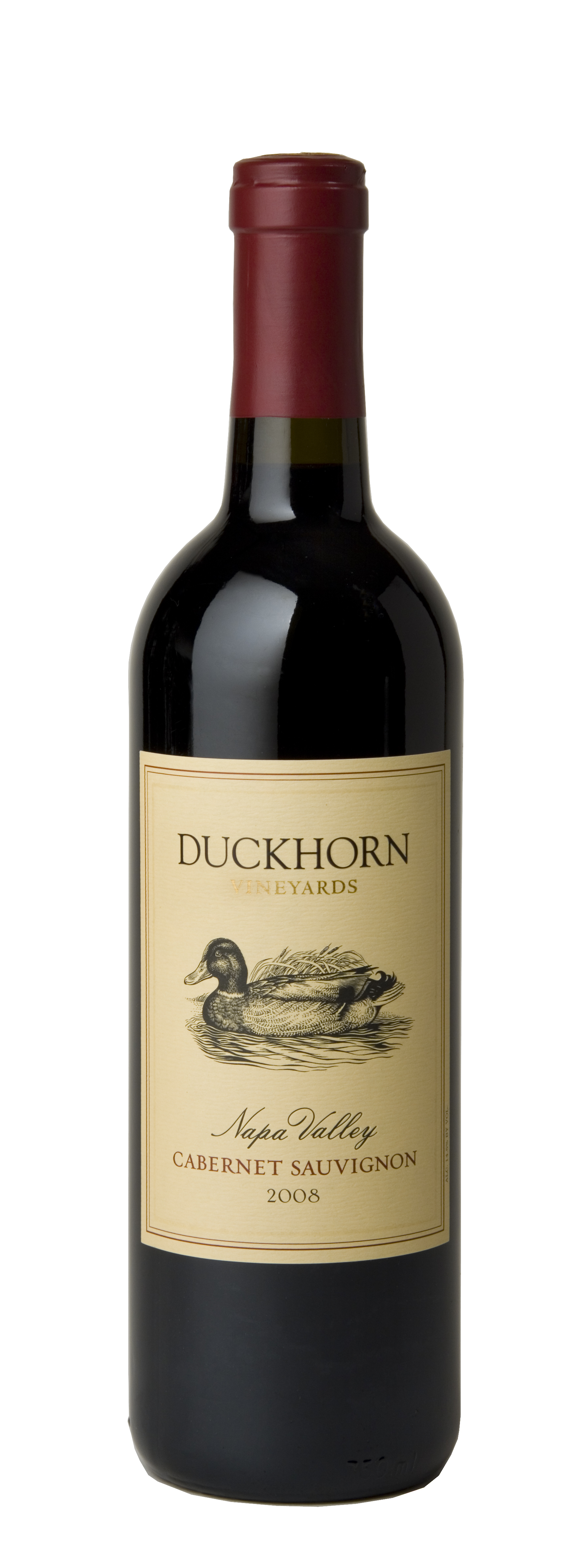
Duckhorn Napa Valley Cabernet Sauvignon 2008

Duckhorn
Napa Valley
Cabernet Sauvignon 2008


The wines of the first flight were: (listed in my order of most to least favourite – retail prices attached)

  1.    Duckhorn ($80)
  2.    Merryvale ($90)
  3.    Caymus ($80)
  4.    Cakebread ($99)
  5.    Joseph Phelps ($75)


 The second flight consisted of six prestige cuvées, all from great Napa houses.  Once the wines were revealed, I was pleased to find out that my palate had not let me down, and that the Napa prestige cuvées that I’ve always felt an affinity for, were the ones that came out on top of my list.

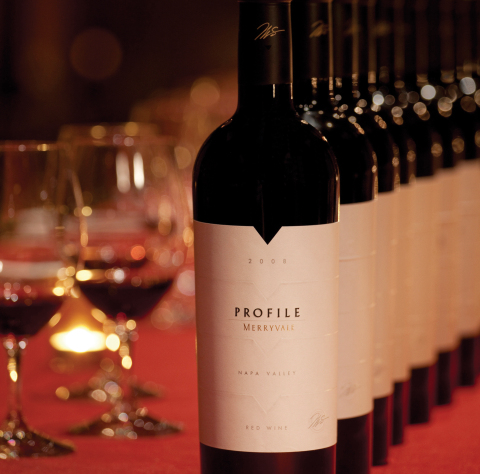
Merryvale Profile 2008 - Business Wire

Merryvale Profile 2008 - Business Wire


  1. Profile, Merryvale ($180)
  2. Dominus ($150)
  3. Insignia ($199)
  4. Quintessa ($120)
  5. Opus One ($365?!)
  6. Caymus Special Selection ($120)


It was an enlightening tasting that showed similarities, yet subtle differences in wine making techniques.  Like all great Napa wines, there were no issues with grape ripeness, however the challenge remains balancing fruit and acidity and the better examples were able to negotiate that tightrope seemingly with ease.

It was a purple-toothed farewell as I thanked the organizers and made my way home.


Thanks Jascha, good to go!