
Fynbos, Vergelegen Estate
Irresistible South Africa of exceptional quality at every price level, LCBO limited time offers and lingering memories of another unforgettable Cape Wine
as seen on WineAlign
This feature was commissioned by Wines from South Africa
Eight months have passed since my last great journey to the wine lands of South Africa’s Western Cape and memories nor great heart have faded even just one bit. The Cape’s beauty is everywhere, breathtaking beauty, at every turn, in vineyards, across estates and especially in people that give their all to craft some of the world’s most special wines. That is why the coming weeks present an opportunity by way of an increased presence and access because Wines of South Africa and the LCBO teem up once again. Prepare to be smitten by an offer of a set of Cape wines that collectively speak to both quality and value. Undervalued already, these limited time offers (LTOs) deliver a diverse set of varietal wines and appellative blends at prices 50 percent below what these wines are worth. To pass them by and not take advantage would be crazy. These are your summer wines, laid out like a shilling dinner and only a fool would scuffle past without purchase.

The LCBO’s Destination Collection includes the “Discover the Wines of South Africa” promotion headline that reads “with a 350-year winemaking tradition, South Africa blends high-quality production with eco-friendly practices, making it one of the most exciting and earth-friendly wine regions around.” Truth spoken. The LCBO’s Limited Time Offer (LTO) Program provides suppliers and stores with an opportunity to build excitement and awareness while offering a discount on selected products. Rates to the supplier or agent are charged based on the full reduction in retail for the number of units sold at the LTO price. Mandatory Pre-printed LTO (flat rate) signage costs are $1,500.00 per product, per Promotional Turn. To qualify for the program, a minimum discount of five percent or $1.00 per package (whichever is less) must be offered at retail. The maximum discount allowed is 20 percent off the regular retail price. Limited Time Offers start on the first Monday and end on the last Sunday of each Promotional Turn. The Wines of South Africa P4 offer is an opportunity for customers to spend a total of $30 on any South African wines to receive 40 APP (Aeroplan Points) and runs from Monday, June 19th through to Sunday, July 16th. See below for a WineAlign crü Buyers’ Guide to current LCBO and VINTAGES Essentials LTOs for South African wines.

Godello and Szabo in Hermanus
John Szabo MS and I were in the Cape together back in October of 2022 and over at WineAlign he has penned a piece he calls “Investment grade South African wines for the cellar.” It will be worth your time to open up a separate tab to read up on John’s outlook. As he explains here, “which, ounce for ounce, consistently overdeliver on sheer quality and pleasure for the price. Add in longevity and the capacity to develop and improve over many years, and you have the recipe for investment grade wine, especially if you consider it an investment in future pleasure and care less about re-selling the wines down the road for profit.”
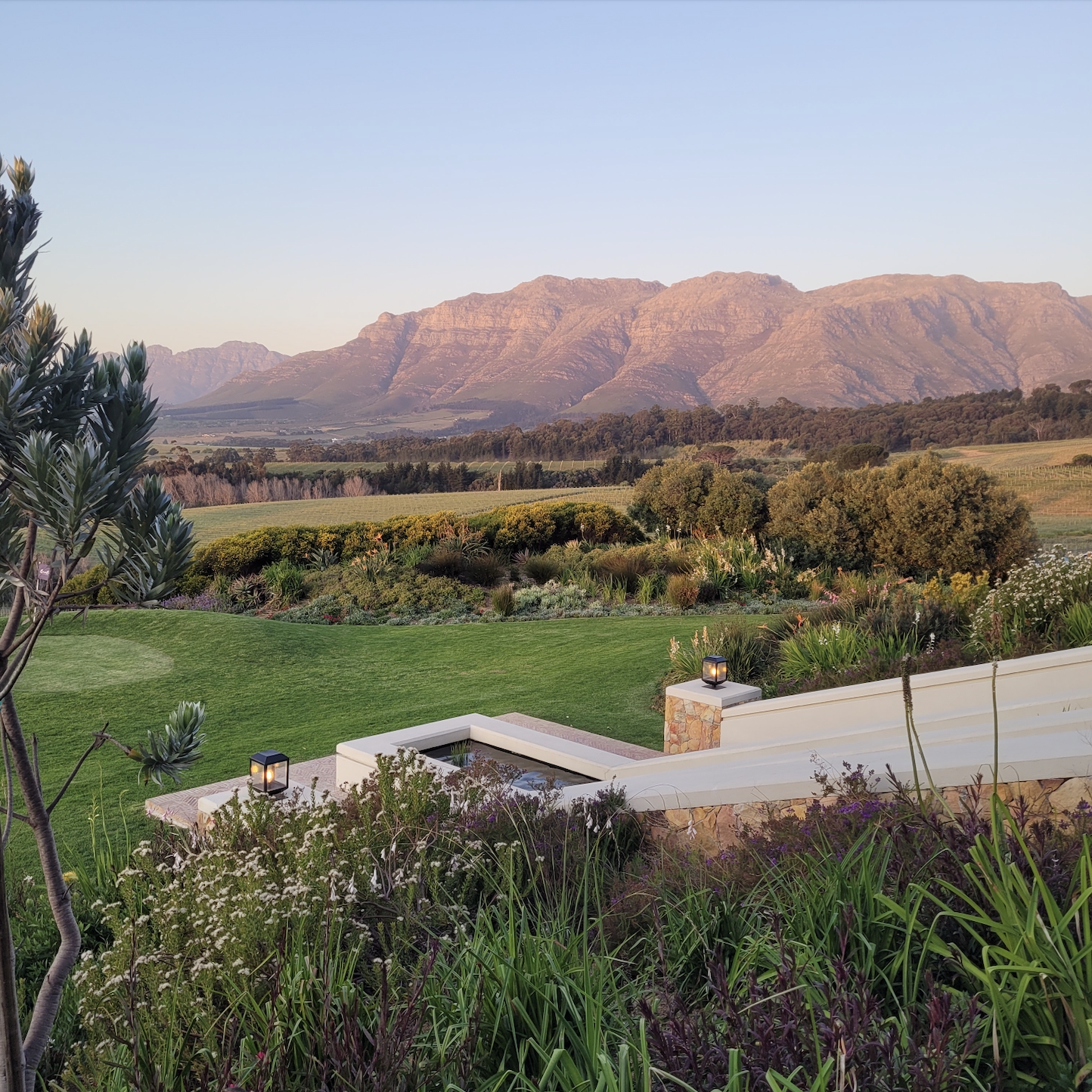
Ernie Els Estate, Stellenbosch
Reminiscences are part of everyday life but anyone who has traveled through South Africa will find those particular recollections as strong and vivid as any. Back in February I penned my post-Cape Wine 2022 article Seeing Western Cape stars: A guide to Cape Wine 2022 with a recounting of regenerative and creative farming, old vines, new frontiers, 80 recommended current releases and the deliciously addictive South African snack known as braai brekkies. Despite that post’s lack of brevity there was simply no way to fully package 11 days of tasting, eating, conversing and trekking in the Western Cape. Not to mention how much time it truly takes to fully assimilate and gain a deep understanding of what was seen, heard and felt on that trip. I am no stranger to extensive travel but there is no wine producing country that gets under your skin and keeps you perpetually energized like South Africa. Fatigue and jet lag are non issues but being anxious about missing something or skipping moments where the incredible are guaranteed to happen – now these are real issues. So allow me some latitude to recall and expand on some quintessential Cape moments. After two unforgettable visits in 2015 and 2018, the third Cape Wine expedition is now cementing into the stuff of legend.

Celebrating Rosa Kruger in Cape Town
The certification system for of Old Vines
It begins, as it must, with South Africa’s cast of characters, the beloved Old Vines Project’s André Morgenthal, original concierge of Wines of South Africa and Rosa Kruger, progenitor of the OVP. As I previously noted, “Over the past 20 years viticulturist (Kruger) has focused on discovering, classifying, cataloguing and certifying heritage vineyards. It was a great pleasure to chat with Kruger at a Wines of South Africa ceremony and tasting at Cape Wine 2022, which celebrated her 2022 Decanter Hall of Fame Award. And also with the legend (Morgenthal), orchestrator of the tasting of old vines wines. It is remarkable to see how many estates and producers have come on board — to celebrate and show off the wines they are making from 35-year-old (and older) dry-farmed bush vines. Many vines are even pushing or exceeding the century mark.” With thanks to André and Rosa there was an evening’s opportunity to taste dozens of certified old vines examples, many of which were covered in my last report. Here are but a dozen more worth knowing.

Chenin Blanc Data
Signatory authority Chenin Blanc
As for chenin blanc, if you are a grower, producer or winemaker in the Western Cape, signing a contract for yourself with chenin blanc, well then you’re good to go. Sign away. Planting, resurrecting, reviving, perpetuating and extenuating chenin blanc vine circumstances to make varietal wines is like finding and selling gold. Since 2011, local chenin blanc sales have doubled, including an 11 percent increase between 2021 to 2022, while total exports (packaged and bulk) have nearly tripled in that 11-year span, also with an 8.5 percent gain from ’21 to ’22. These increases have occurred because the chameleon can play in any sandbox and become anything a consumer wishes it to be – this despite total planted hectarage having decreased 10 percent since 2011. Name a grape tied to a place’s success anywhere near equal to the symbiotic relationship between chenin and the Western Cape? Please don’t say malbec and Mendoza. The future will always be chenin blanc, worldwide and especially here in Canada. Canadians have embraced and fallen sick in love. If you are already one of them, or even if you are yet to have sipped the Kool-Aid, there is always a next level chenin blanc waiting for you.
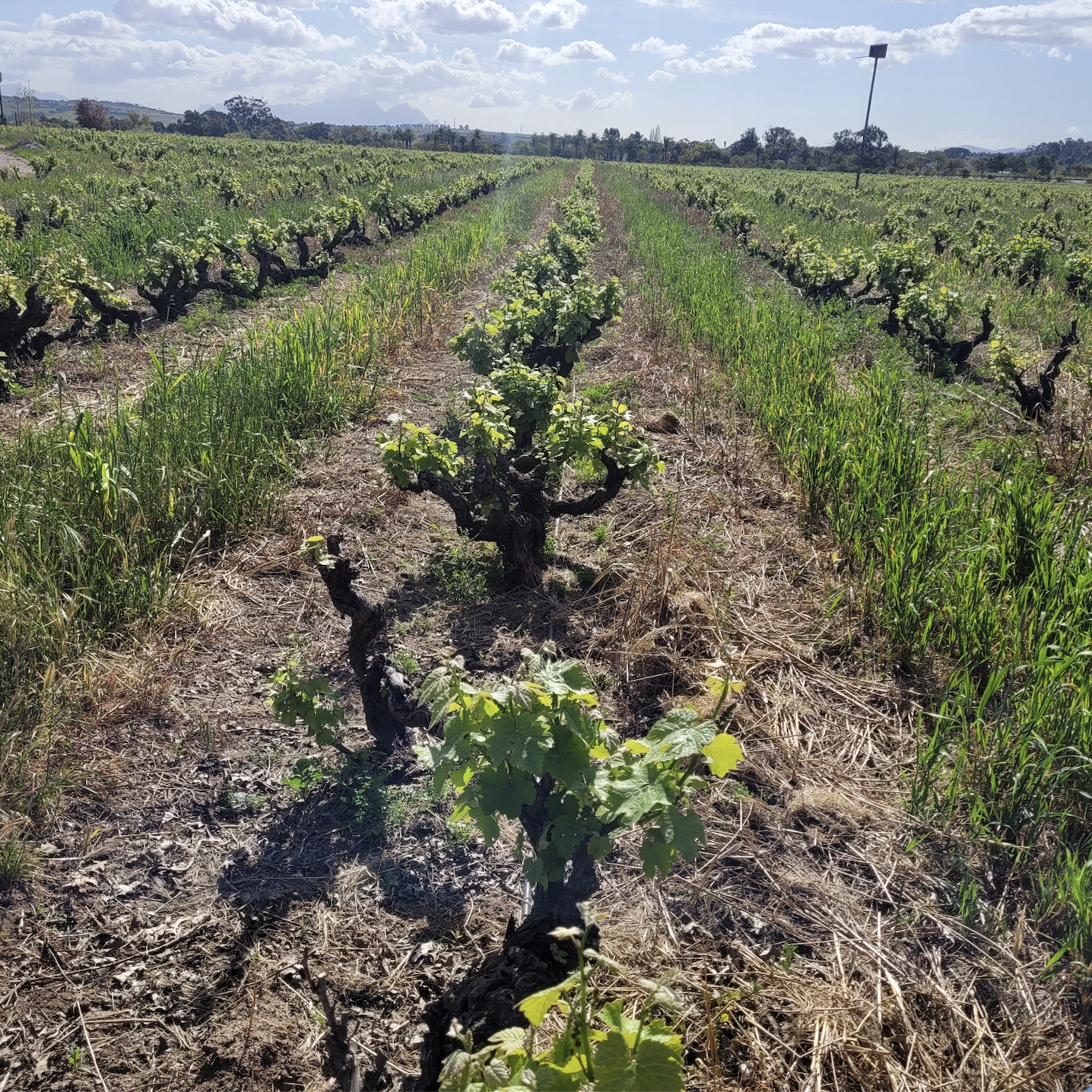
Old Vines Chenin Blanc, Ken Forrester Vineyard
Zeroing in on sites in reds and whites
Soon enough it will be ten years since I first referred to growing anything and everything in the Western Cape as being akin to a viticultural “wild west.” The ancient geology split between decomposed granites, Malmesbury, Bokkeveld or Witteberg shales and Table Mountain sandstone make for the most diverse and paradoxically hospitable grounds where the varietal spectrum is encouraged. The morphology of my personal understanding grew to look at land and vine as something more focused and the map of varietal matched to place began to take shape. Writing here in 2023 brings white and red varietal wines, plus the coalescence into appellative blends into pinpointed accuracy where winemakers make their mark based on experiential decisions. Heritage vineyards are nearly always key, magical conversion rates create situations unparalleled, but the very presence of rampant sustainable and regenerative agriculture is what truly separates and indeed defines the wine production of South Africa. The Western Cape faces never-ending challenges because of isolation, climate extremes and internal political struggle but I have written this before. “The (wines) are too good to miss, not just a handful but hundreds of outstanding examples. Quality has risen exponentially, virtually across all places of origin, including new frontiers. The stars are out, and they are aligned.” I give you 30 further examples; varietal whites and reds, white and red blends, plus one dirty little secret.

With Adi Badenhorst
Varietal Whites
A.A. Badenhorst Chenin Blanc The Golden Slopes 2021, WO Swartland
Bottled mid January and released in May. Single vineyard, quick ferments, high fructose content avoided, no sulphur needed until just before bottling. From plantings going back to 1968 and through the 1970s, the Golden Slopes had usually been aged in foudres but now so much more in concrete “to preserve that raciness as long as possible.” A true cracker scintillant of chenin to be sure yet with all the ripeness in phenols plus stone fruit texture possible. A capture of the 2021 Swartland chenin blanc vintage without repose. “This is really all about vineyard,” insists Adi Badenhorst “and the way we like to farm.” There is a dream, to sit on the Golden Slopes beneath the stars while sipping a glass of 2021. Preferably in 2025. Drink 2023-2029. Tasted October 2022
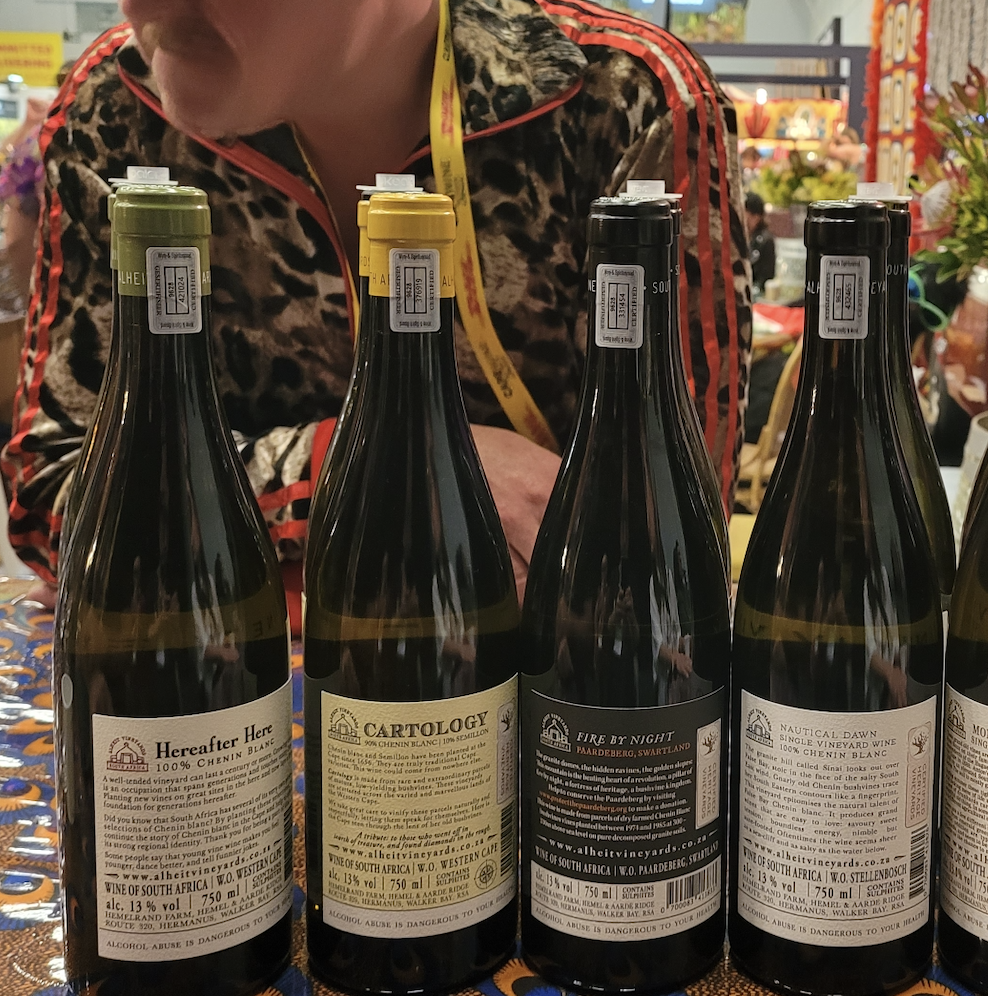
Alheit Vineyards Chenin Blanc Nautical Dawn 2021, WO Stellenbosch
Nautical Dawn as a single vineyard chenin blanc is drawn from a Paardeberg Mountain site with a view to the seaside and breathes out a defining wind that consistently blows through. Gusts of sodium run through this wine like no other member of the chenin blanc/old vines/Alheit temple. This is clearly a well established portent as elemental pierce, rehearsed without pause and arbitrarily close to the true value of the established parameter, in vintage after vintage. Lends this wine its distinct and cracker personality in a manner that is tight, bracing and complexly wound. Nautical Dawn carries itself with attitude and is a chenin blanc more than sometimes expressed as a great notion. From 2021 the values of place, experience and process concur to express inclination and ultimately belief. In Chris and Suzaan Alhet’s words, but even more so by their actions. Drink 2024-2030. Tasted October 2022
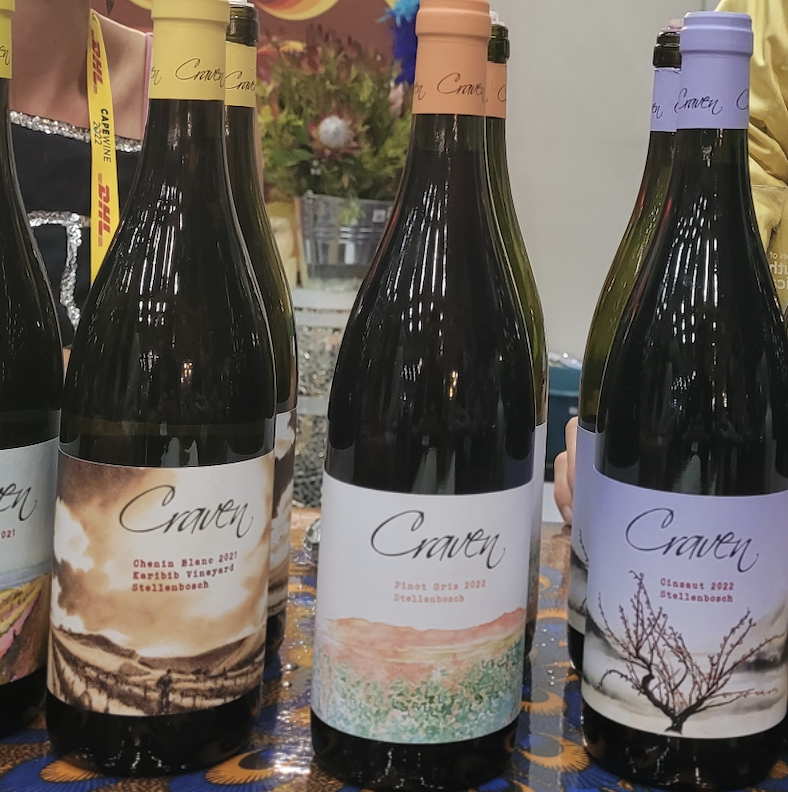
Craven Wines Pinot Gris 2022, WO Stellenbosch
Jeanine and Mick Craven’s Stellenbosch pinot gris continues to thrive and evolve by way of its base soil, that being the Koffieclip complex which is more and more proving to be where this grape thrives. A bit of skin contact, maybe six or seven days, unchanged for several vintages now but this is anything but a white wine made like a red. This and aging in concrete are two of the great things about the method, but not the necessity of creating crazy fresh and crushable pinot gris. This is that but also something other, with sneaky structure and underlying mischief to make sure the years ahead will bring about new fascinations. This is a wine that has come a long way. Truly, as memory knows this to be true. Drink 2023-2027. Tasted October 2022

Crystallum Chardonnay The Agnes 2021, WO Western Cape
Five vineyards are contributors including three from the Hemel-en-Aarde-Ridge and older barrels nurture profound fruit for this the 15th vintage of a wine that first appeared in 2007. Perfectly staged, striped and reductive chardonnay, cracker piqued, peppery without any discernible overt pepper or capsicum. Wow, this hits the spot. Terrific “entry” chardonnay from Peter Allan and Andrew Finlayson. Drink 2022-2025. Tasted October 2022

David And Nadia Sadie Wines Plat’bos Chenin Blanc 2021, WO Swartland
At a tasting where everything is Old Vines Project certified there must be something extraordinary about a wine to stand out from a crowd of greats. David and Nadia Sadie are in fact turning heritage vines chenin blanc (amongst other varietal explorations) into content born of context harboured though never paraded. They are rhythmic and scientific with just enough fantasy and romanticism, but never too much. Plat’Bos stands above Skaliekop and Hoë Steen because 2021 asks it to do so, not because it is better or more important, but it is surely chenin blanc profound. The 1981 Swartland planting is in the steady zone, shed of the mercurial and in ’21 so very linear yet salty of the earth in its sombre-sepulchral tone. There is reduction here because the poor soil nutrients demand that this chenin begins this way. The levels of tension and intensity are most elevated, sufficing to say as high as any from the Western Cape. Attention is paid unwavering to detail, sequencing is in order, purity incarnate, grape and place together pristinely kept. In Plat’Bos 2021 the palate is taken down to the whipping post by a wine built to endure. Given time there will be calm, healing and reward in the end. Drink 2024-2036. Tasted October 2022
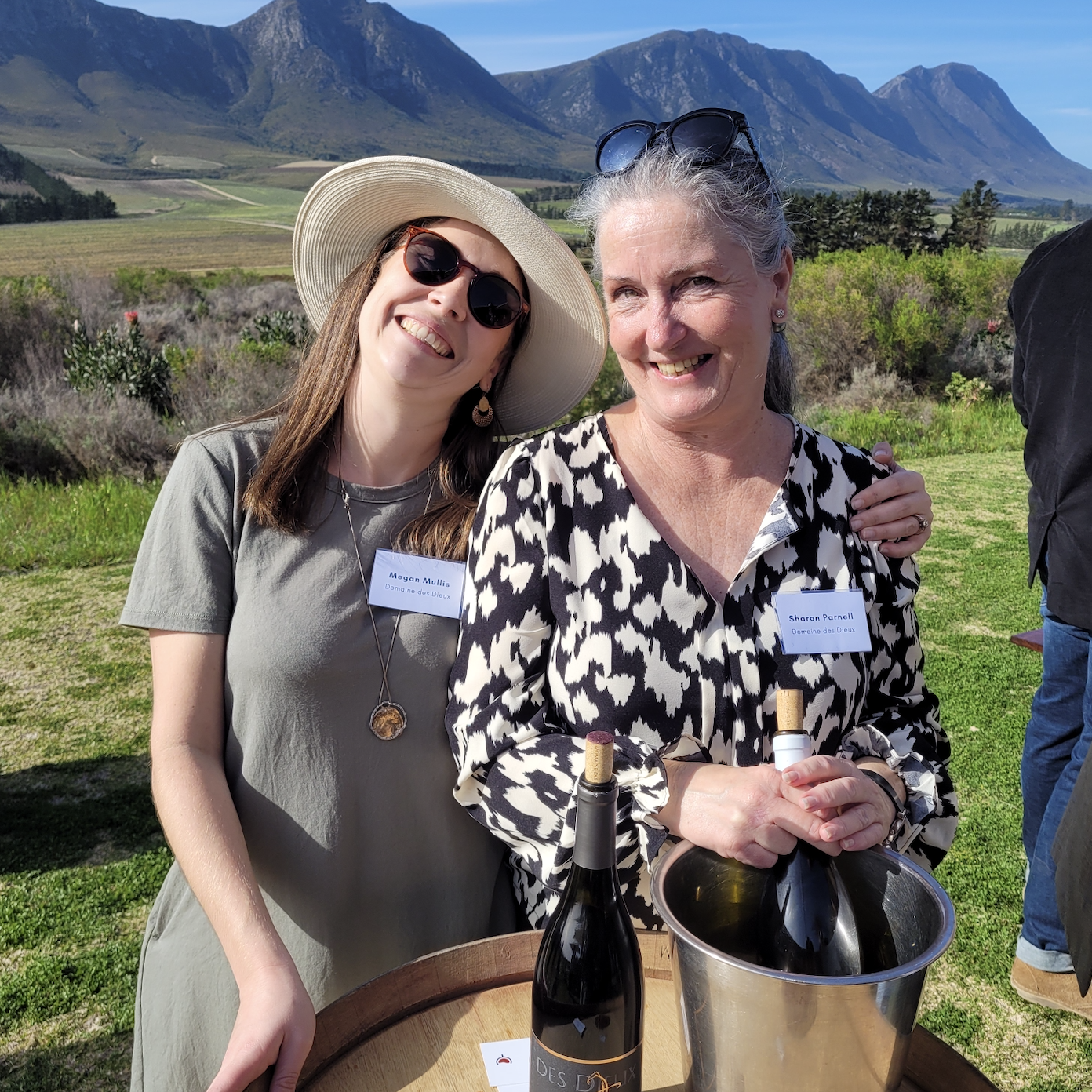
Megan Mullis and Sharon Parnell, Domaine des Dieux
Domaine Des Dieux Sauvignon Blanc Reserve 2018, WO Hemel-en-Aarde Ridge
From the start farming is opposite to chardonnay, exercised as Guyot pruning for a desire to increase yields as per what the variety will give and quality abides. Considered in unequivocal terms, this may just be the most, if perhaps the only Hemel-en-Aarde Ridge and in fact the whole of the Western Cape’s sauvignon blanc that truly intimates Pouilly-Fumé. The mix of macerated fruit cup juiciness and subtle if gentle smoulder delivers the mimicry, a wet rock struck kiss and kindest nurturing, finishing at lit paraffin. The winemaking lends reason to grow, raise and perpetuate sauvignon blanc right here on this ridge, in perpetuity. So long as the handling is as careful as it is here, to create varietal beauty incarnate. Drink 2022-2026. Tasted October 2022

John Szabo MS, Anthony and Olive Hamilton-Russell and Godello
Hamilton Russell Vineyard Chardonnay 2021, WO Hemel-en-Aarde Valley
The uncanny taste of indelible memory stamped South African chardonnay defines this wine though there is a candied aromatic feel in this iteration. Chewy texture, elastic and stretched, creamed centre, fluid and generous. All lemon and lime up front and then recoiling, returning and finishing the same way. Last tasted October 2022
A new return to a manageable vintage of warmth and generosity in which the beauty of Hemel-en-Aarde chardonnay comes across with sweeping charm, just as a vista will take in the scroll of hills, mountains and eventually fall, 100 kilometres away into the sea. The taut nature, tight control and expertly wound fruit behaviour follows a line of HR acidity like never before. The magnificence of the balance occupied by parts so known like home is what emanates from this chardonnay and the gracious people who make it. Can’t think of much better in South Africa. Drink 2023-2028. Tasted July 2022
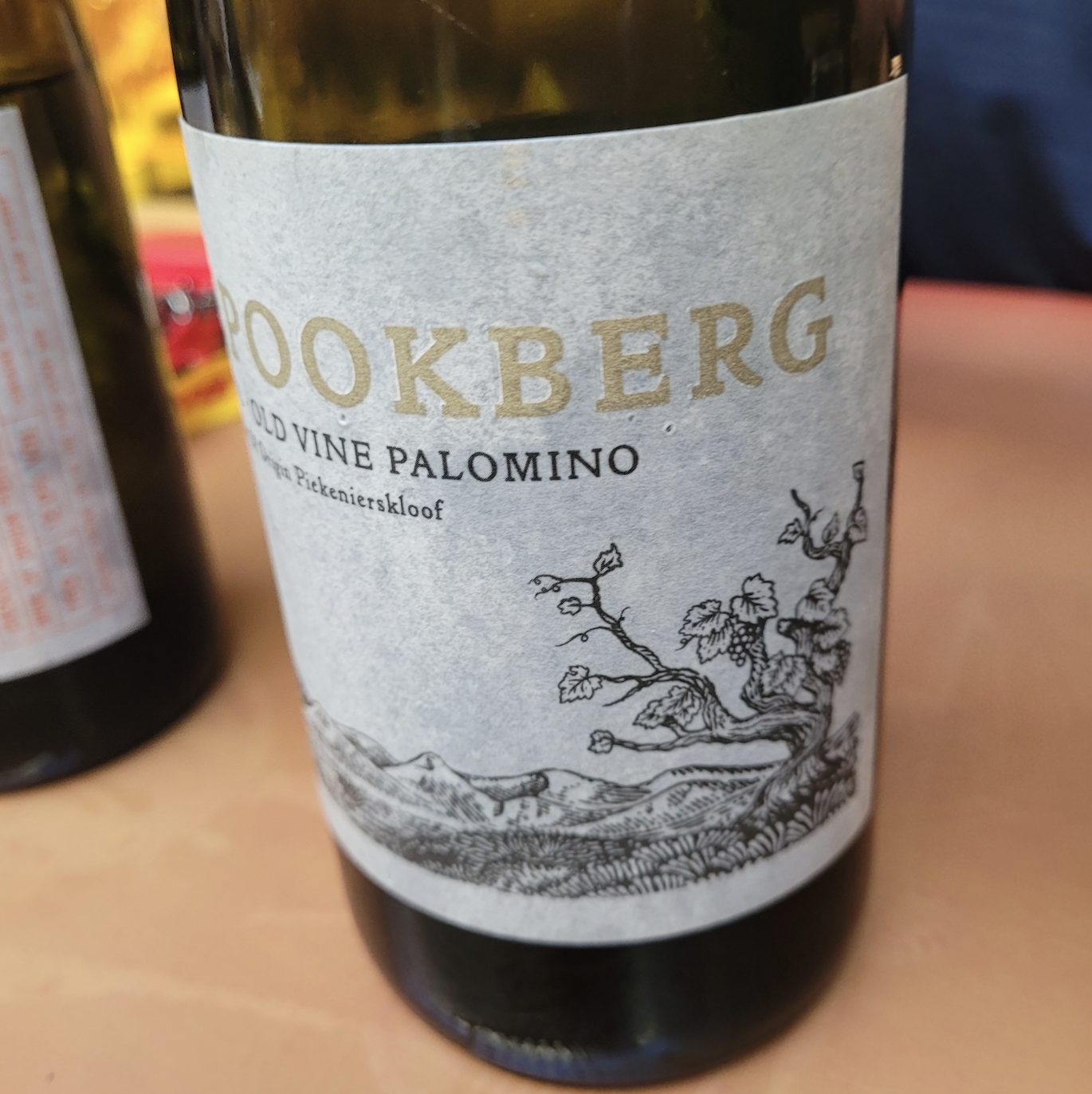
Huis Van Chevallerie Palomino Old Vines Spookberg 2021, WO Piekenierskloof
At harvest Christa von La Chevallerie is asked by the farmer “would you like three tonnes of palomino?” Who could say no to Spookberg, story of two wine lovers scouting the Swartland looking for the perfect old vines to tell stories the past? Know this about Christa von La Chevallerie. She is a Geisenheim-trained winemaker who checks her acid and pH numbers by sleeping in the vineyard, when others are on holiday. Christa knows the climate is changing and ever-menacing droughts are never the same twice. “Look at the sky and cry,” she says but fear not, for there is a way. The Spookberg recalls a castle and yes, ghosts as well and the parcel sits atop decomposed granite, direction Cederberg. Bloody great varietal wine because the fruit comes from this place, off of old vines and their destiny to Christa was all. The fino character is conditioned by both pH and acid in balanced conversion both mighty and releasing as sapid seriousness. No skin contact to mess things up, half de-stemmed, fermented in 400kg open bins. Wrapped, cooled and those whole bunches float on. They wait while the maker makes self-instructive demands. “Just have your hands on it and don’t be distracted by what you’re busy with. Keep the quality control.” These handsome old vines gift the best of both worlds; substantial South African fruit told as truth but also a quirk of idiosyncrasy because well, palomino. No interference, only a clear night’s signal and a varietal wine treated with respect.”They don’t like lava lamps.” Drink 2023-2028. Tasted October 2022
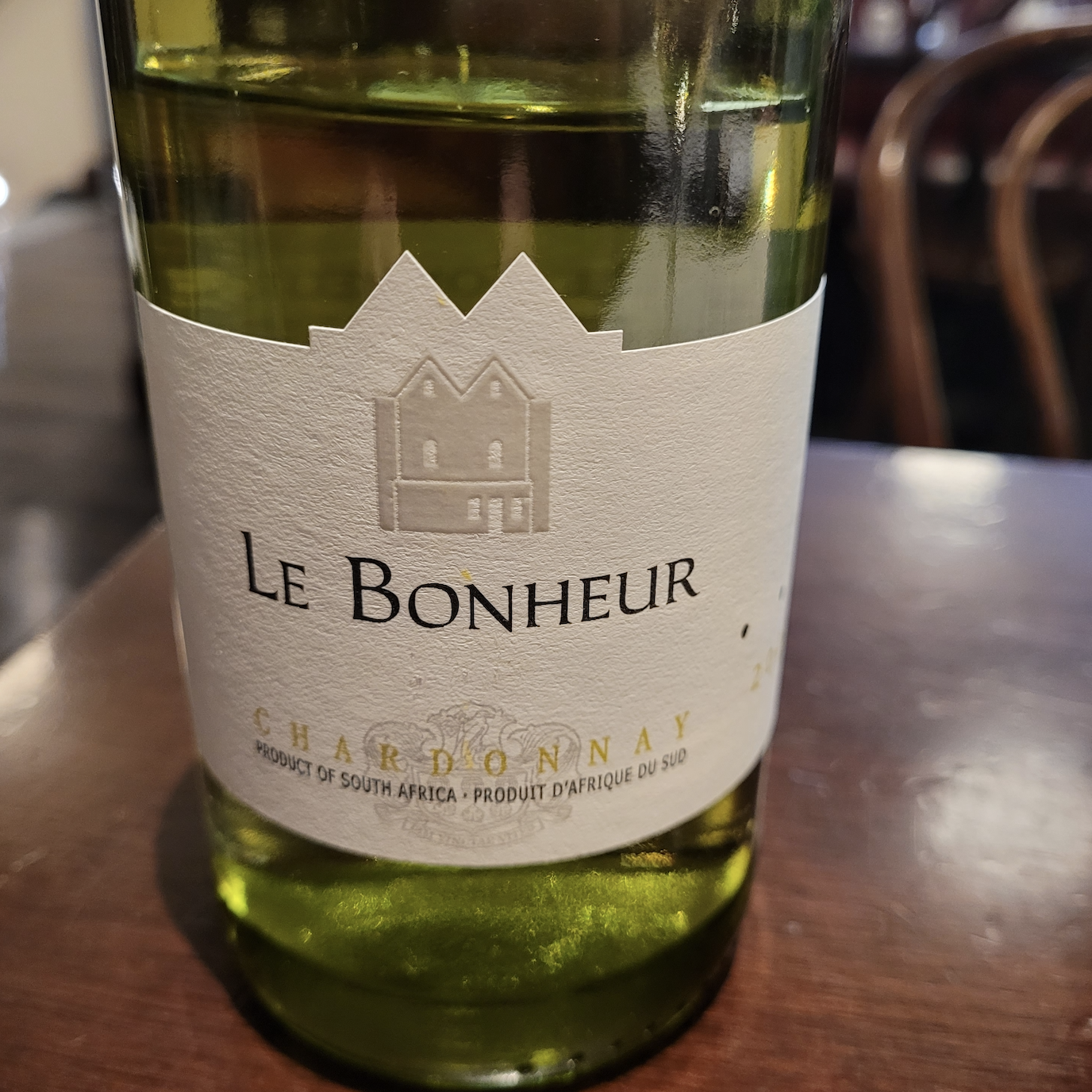
Le Bonheur Chardonnay 2022, WO Stellenbosch
Winemaker William Wilkinson is responsible for amassing a healthy quantity of this Stellenbosch chardonnay which makes the quality all that more impressive. Much of the fruit gains cooling benefit from the shadow of the Klapmutskop (Klapmuts Hill) which serves to extend the ripening season. Hard to get more lemon curd, zest and freshness than this with an undercurrent of fynbos that will never be denied. Clarity is one thing, length on a $16 chardonnay another. Will arrive in VINTAGES December 16th. Buy it up. Drink 2023-2025. Tasted June 2023

Leeu Passant Chardonnay 2020, WO Stellenbosch
Chris and Andrea Mullineux started the project in 2013 with the help of viticulturist Rosa Kruger. “New” vineyards were unearthed and rehabilitated through four solid years of re-pruning, re-training and re-working of the soils. Then the wines could begin being made. A deconstruction and reconstruction, now seven years in and entering the opening gambit of true maturity stage for what is one of South Africa’s most unique heritage collections. Leeu means lions, a reference to a meandering walkabout, personified in these wines. They are made in the Franschhoek winery, certified organic, coming of age in their foray into regenerative agriculture, which says Andrea Mullineux, “in the southern hemisphere also means cultural and worker sustainability practices.” The 2020 is as fine a reductive but mainly lightning acidity charged chardonnay as a vineyard can determine. Located in the upper mid-slopes of the Helderberg facing the Strand with a clear view of False Bay. That said or perhaps out of necessity this is made in an oxidative way, which makes sure to keep the flinty and salty faith alive. The ’20 is possessive of fibres, threads, strings and wires braided to make a layered whole. Finesse and sophistication co-exist in a vacuum where waves crash upon one another in great open space, with no shore for to finish. If you would like to experience chardonnay in a way you’ve not likely done before than swim all the way out, well offshore, all in, all the way to this place. Turn around and off into the deep distance, gaze upon the strand. Drink 2022-2028. Tasted October 2022

Momento Wines Grenache Gris 2021, WO Voor Paardeberg
Voor Paardeberg and its decomposed granite make for a wonderland from which to pull grenache in blanc and also gris. The vineyard is but nine years old and sits peerless in South Africa but to no surprise it is Marlise Niemann who finds it and makes it her own. Seven days on skins to accentuate the already grey-pink hue but even more so the pull of red citrus and other fruit aromatics; strawberry, rhubarb, sumac, pomegranate, pink lady apple skin and then the savoury greens of nightshades, in mildly spicy capsicum and wandering inveterate tomato. Old wood for 10 months is the obvious and right choice to maintain, prolong and extend these scents and create the taciturn of Momento gestures so befitting Marlise’s wines. Salty, taut and fresh but likely only a few more months away from blooming. Still there is enough grip with intensity to hold its flush for two or three years. Oh my does this country need more grenache gris and though it is very slow to propagate in the nursery Marlise will plant more on her farm when it becomes ready. Drink 2023-2027. Tasted October 2022
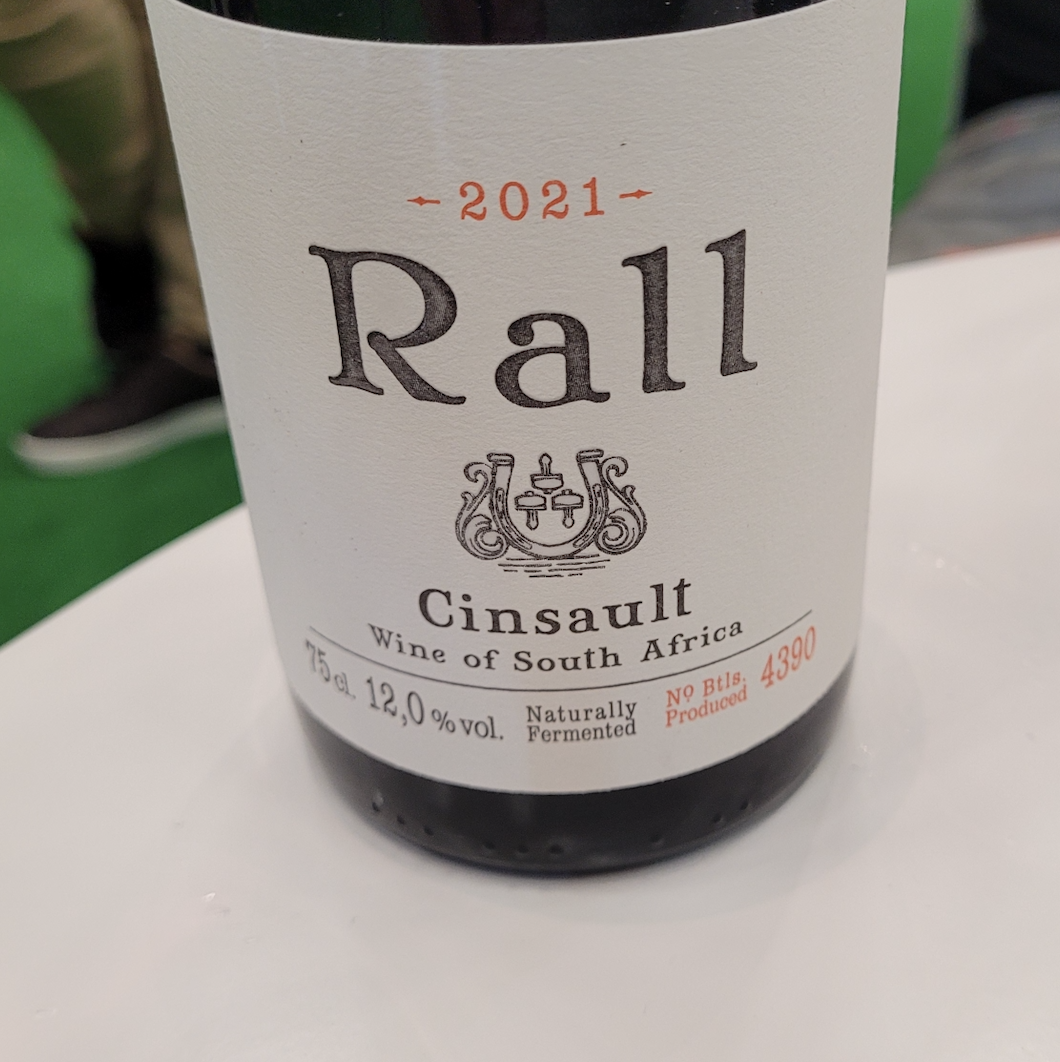
Rall Wines Cinsault Blanc 2021, WO Swartland
Fifth vintage, from a single 0.2 hectare vineyard and the first from a time when Donovan Rall just got the grapes for the first time. Here now 1,300 bottles, a “huge” quantity, all raised in amphora from Hout Bay, “a crazy potter,” tells Rall. Not as porous and a tighter, reductive environment. Delivers the benefit of true concrete but through the texture of clay. This wine is about heritage, manifested in texture and salinity. And of course the Swartland. “I’ve never worked with conversion rates this low,” says Donovan and this cinsault is a testament to the excellence and magic of the vintage. With no compromise to flavour, tannin, acidity and length.” The low alcohol at 11.8 is brilliant as no push to ripeness was needed to achieve these heights. Drink 2023-2027. Tasted October 2022
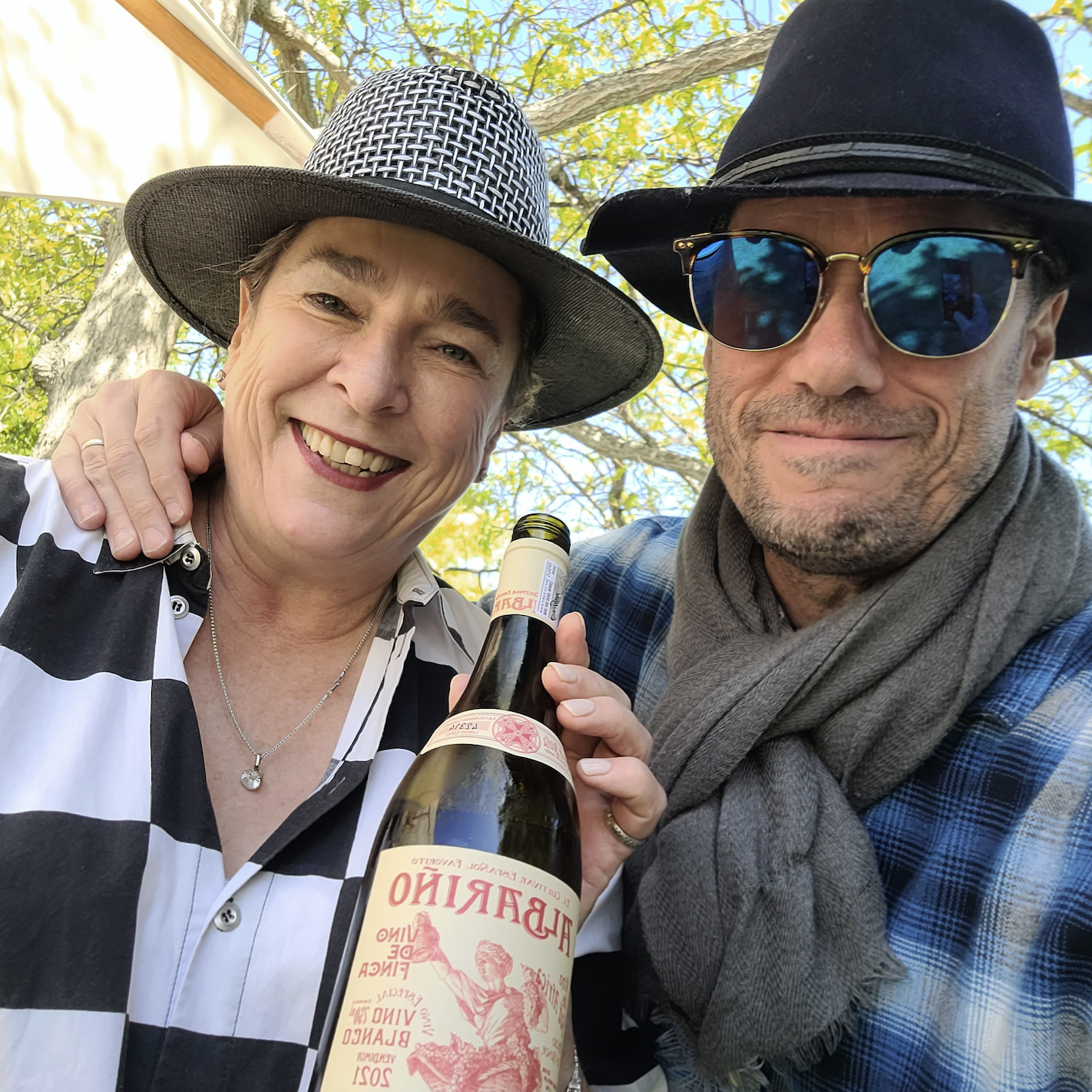
Jeanine Bruwer, Springfield Estate
Springfield Estate Albariño 2020, WO Robertson
Huge surprise to happen upon albariño but here it is, planted in 2010 “because we had to,” explains Jeanette Bruwer, “after a trip to Uruguay where we tasted the coldest bottle of wine anywhere.” Allow me to translate that as refreshing and I believe only Springfield Estate and Newton-Johnson are raising the Minho variety. These Robertson vines are from Hemel-en-Aarde cuttings, now comprising 16 hectares. Clay and granite are the impetus to imagine this salty and quenching albariño that sees a cold maceration, free run, pulled away at day 14 and left at negative four degrees. Only tank for four months and reminiscent of making moscato d’Asti in that suspended gelid animation way – save for finishing much dried and at higher alcohol. Cleanest juice determines the refreshment and this may be the Cape understatement of the year. Amazing case study! Drink 2022-2024. Tasted October 2022

Varietal Reds
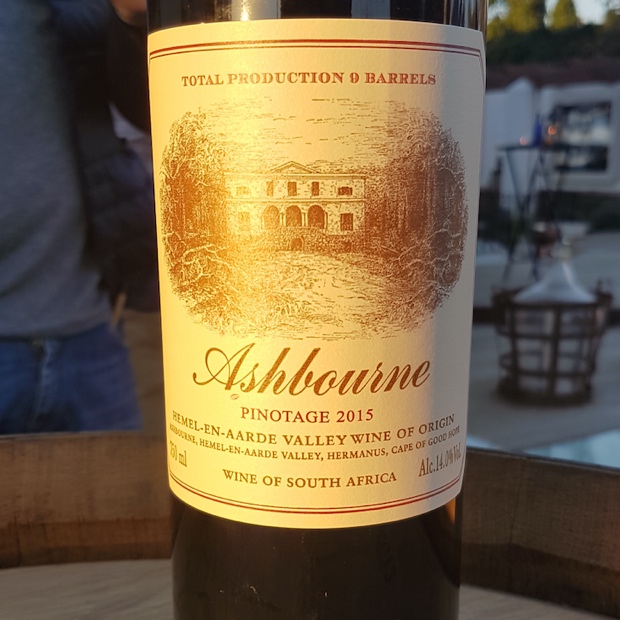
Hamilton Russell Ashbourne Pinotage 2020, WO Hemel-en-Aarde Valley
“There is a pinotage renaissance happening here and elsewhere,” are the words of Anthony Hamilton-Russell. He and winemaker Emul Ross make this example that is a one of a kind signature wine that’s just about as readily recognizable as any in South Africa. Wood is in the background, plum fruit and acid up front, structure present from start to finish. Comes in at just under 13 per cent alcohol out of a vintage where the yeast conversion rates were down across the Western Cape. Yields are 7.19 hL/L, ugly economics to be sure but this is the nature of quality pinotage to speak with great heart about the varietal matter. It’s the back end of this wine where the magic happens, but first a slow incline, then the plateauing before a subtle pause commits towards a long future ahead. Drink 2023-2029. Tasted October 2022
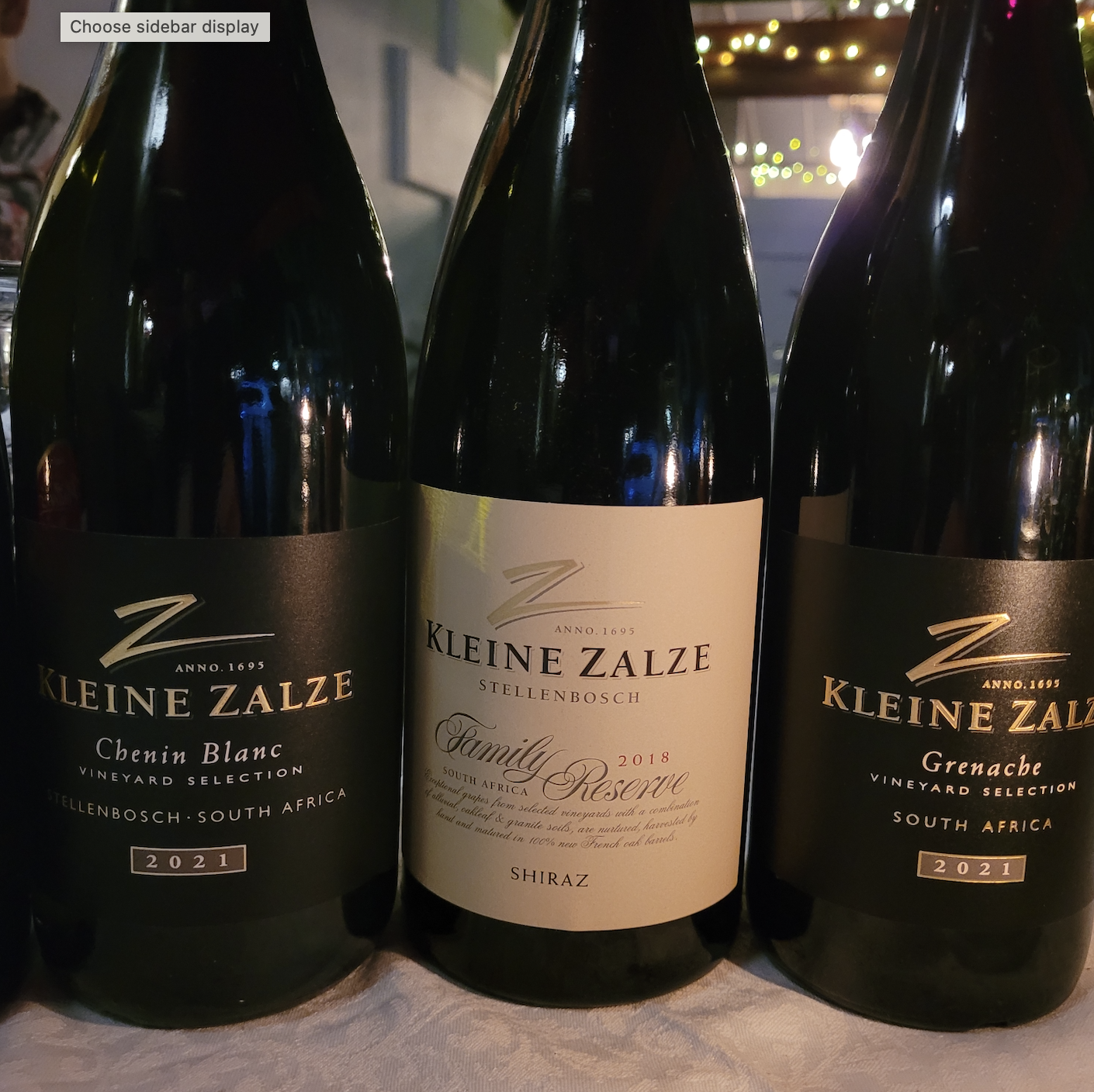
Kleine Zalze Grenache Vineyard Selection 2021, WO Stellenbosch
Quite ripe and heady grenache, chewy, clean and well extracted. Torque, as they say, a full 360 degree swing with balanced follow through. Hard not to note the Rhône influence and mimicry though in the end that Western Cape inimitability. Full grenache for your wishes and use of hard-earned cash. Meet the truth and real honour in this dedicated varietal wine. Drink 2023-2027. Tasted October 2022

Porseleinberg Syrah 2018, WO Swartland
The large vineyard is situated in the SE corner of the Swartland, above the Berg River. The Porseleinberg is a bit older so there is some sandstone with the granite or schist below. It’s sedimentary metamorphic with weathered, worn away soils, and hard, harsh, poor growing conditions. There is this feeling that 2018 has begun evolving just a slight amount out of a vintage that is all about red, red fruit with a plethora of tannins and extract off the charts. This vintage was set up to be a beast of one, a perfect storm of climate interacting with the moonscape. Hard not to be in accord with Callie Louw – it will last 50 years. There’s no doubt. Small berries with the most intensity in the skins. Picked at 14.3, warm vintage but so implosive, from drought condition, rain in late October and November, totalling 221mm. The tannins are of the longest and most exquisite chain imaginable. A pulpy syrah with a magnesium mineral-salty finish. Drink 2024-2045. Tasted October 2022

Craig Wessels, Restless River
Restless River Pinot Noir Le Luc 2021, WO Hemel-en-Aarde
Supremely, super-satisfyingly and aromatically saturated with all red fruits imaginable, of berries, stone and citrus. Blessed of high and layered tones, reaching a whole new level in terms of both composition and production. Layers pinot noir tracks upon tracks of perfume and flavour to create a richly symphonic sound. A wine of heightened awareness and a sensory grab to elicit awe by way of stunning melodies and lyrical themes. Sensory and musical, the Hemel-en-Aarde vinous equivalent of Pet Sounds, only instrumental, not wholly unexpected but surely fascinating and emotional. Something special indeed and likely RR’s best to date. A glass is such sweet happiness. Drink 2022-2028. Tasted October 2022
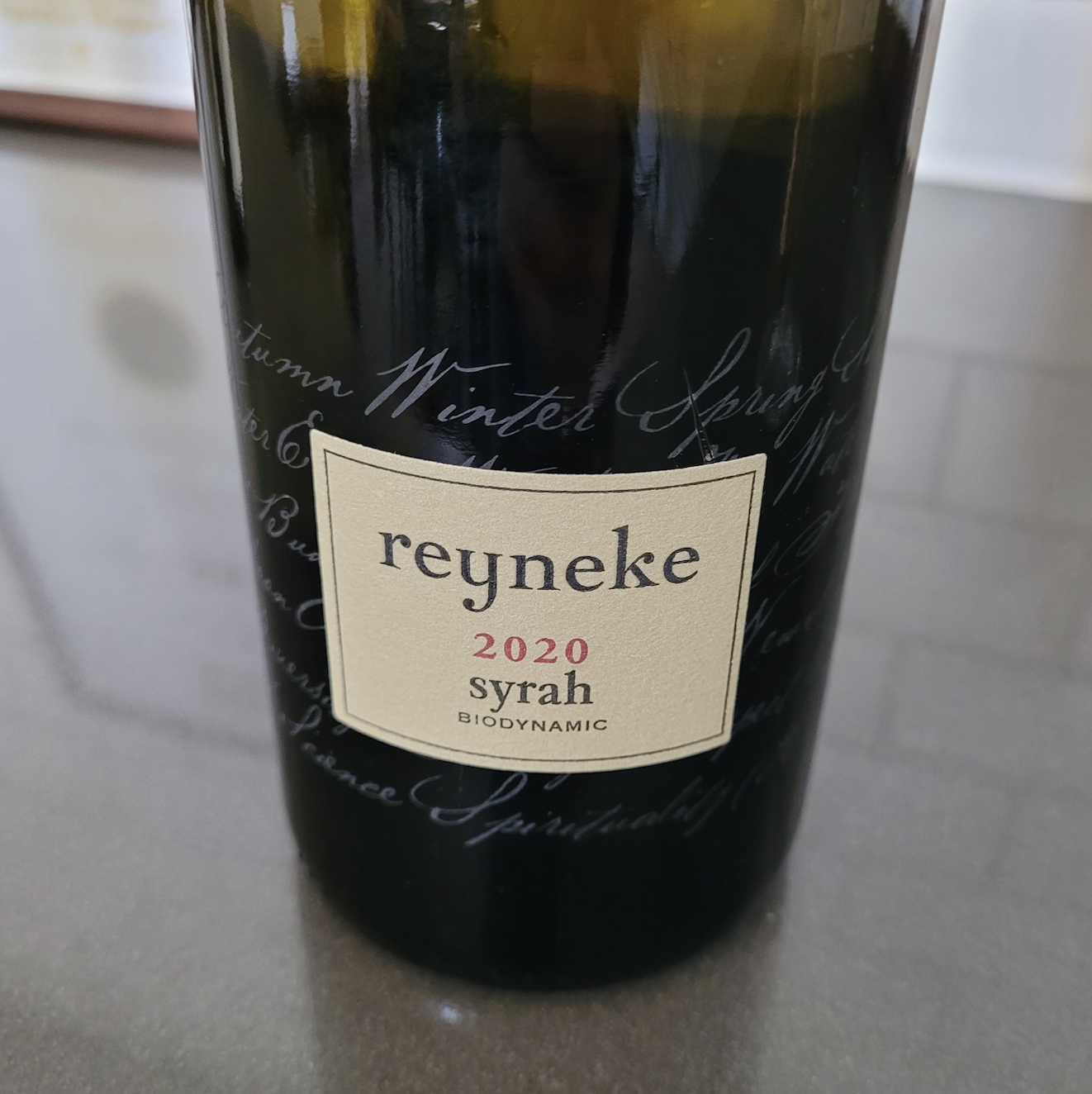
Reyneke Syrah Biodynamic 2020, WO Stellenbosch
Biodynamic and therefore 100 per cent estate fruit, a child of a fully submerged cap, sans pumpovers to create soft extraction, minimalist breakdown of the must and in the end a most gentle elevation in hue, aromatic perfume and poignancy. The glycerin texture and utter silk texture recalls wines like (Piemonte’s) Vajra and (Chianti Classico’s) Val delle Corti. There’s just something in this syrah-nebbiolo-sangiovese triumvirate vein that healthy grapes and adherence to maceration by way of capello sommerso winemaking will shed. Thinking on this as meaty is too basic as there are feelings of roasted nightshades, black olive tapenade and garrigue brush that consider syrah’s motherland and more so this sector of Stellenbosch. Complex and sink one’s teeth into. Drink 2024-2027. Tasted October 2022

Saurwein Pinot Noir NOM 2021, WO Elandskloof
Jessica Saurwein’s profound (OM and NOM) pinot noir program is driven and focused, from two locations, the other being the Hemel-en-Aarde Ridge of Hermanus at Walker Bay. Here the site is the Kaaimansgat Vineyard in the Elandskloof Valley located at Villiersdorp. NOM, as in the ability to change from animal to plant, something the world cries for, needs and will have, eventually, out of necessity. But Saurwein is clearly both hopeful and nostalgic, “like an Adam and an Eve, waterfalls, the Garden of Eden.” Her talking pinot noir could very well be drawn from the heads of Sonoma Coast heights, from a place of warm days, fog and cold nights. Elandskloof is such a place, where phenolics are written in naked terms, like pictographs in ancient caves. The ripeness tells a detailed story of two and half hectares of fruit in recall of a varietal story, of plants given to a winemaker who knows and treats them well. What else could they ask for? Purity and beauty are everything and if Kaaimansgat is not quite the same ethereality as that from the valley they call heaven and earth, so be it. The mouthwatering acidity, fleeting and transparent condition of this pinot noir is perfect.”We used to microwave. Now we just eat nuts and berries. You got it, you got it.” Drink 2023-2026. Tasted October 2022

Storm Wines Pinot Noir 2020, WO Hemel-en-Aarde Valley
It was a happy accident that pinot noir was planted here upon the Hemel-en-Aarde Valley’s Bokkeveld Shale in a zone which shares great affinity with Bourgogne’s Côtes de Nuits. In addition to Storm the decision benefitted Hamilton Russell and Bouchard Finlayson, amongst others. The soil composition and specialized geography makes for a different style of pinot noir, from fine grains of soil layered with clay and decomposed granite. Just seems to liquify in varietal form replete with a ying-yang of natural sweet and savoury complements, but also inner silk threading and an outer layer of botanical sweat. Unique, fundamentally different, with ample tension and an impressive amount of potential. Drink 2023-2027. Tasted October 2022

White Blends
Avondale Cyclus 2019, WO Paarl
White blend, driven by roussanne (30 per cent), with chardonnay, chenin blanc, viognier and sémillon. Round about 75 per cent whole bunch pressing, pressed off to old (500L) French barrels. Ages on the lees for 12 months. It’s about oxygen, texture and mouthfeel, with an orange wine out of clay amphora Georgian Qveri involvement, three months on skins and stalks, basket pressed and back into the clay. About 25 per cent. Adds another layer of texture, weight and minus all the the adjectives, connotations and negatives. Length without tonic, elasticity and spice without bitters. So well managed and executed. Drink 2023-2028. Tasted October 2022

Mullineux Old Vines White 2021, WO Swartland
A style of South African white wine essentially started by Eben Sadie with Palladius back at the turn of the century. “Right away in 2001 when I first tasted it,” says Chris Mullineux, “it just made so much sense for the Swartland.” Adding some verdelho now, has only been the Swartland for 10 years but it’s really creeping in all over the Cape. It adds up to 14 percent alcohol, 9 TA and grippy phenolics to add force with some softer and generous white wines in the blend. This is vintage number 14 so if you like to think about things in lucky 7s then do the math and see this on the heels of what just must have been a most terrific 2014. The Granite and Schist ’14 Syrahs are pieces of Swartland heaven. Last tasted April 2023
The chenin blanc involved is from vines up to 70 years old, two times into heritage status, refined in nature. here not a matter of more density but yes increased extract. Also contains viognier, clairette blanche, grenache blanc sémillon gris and verdelho. Crunchy as old whites come, especially this one, with just that righteous and ripping amount of alighted flintiness, lightning strike and claps of granite thunder. About two thirds are grown on the fine sandy, decomposed granite while schist, iron and quartz add grip, flesh and roundness. Full and layered composition of greatness. Drink 2023-2028. Tasted October 2022
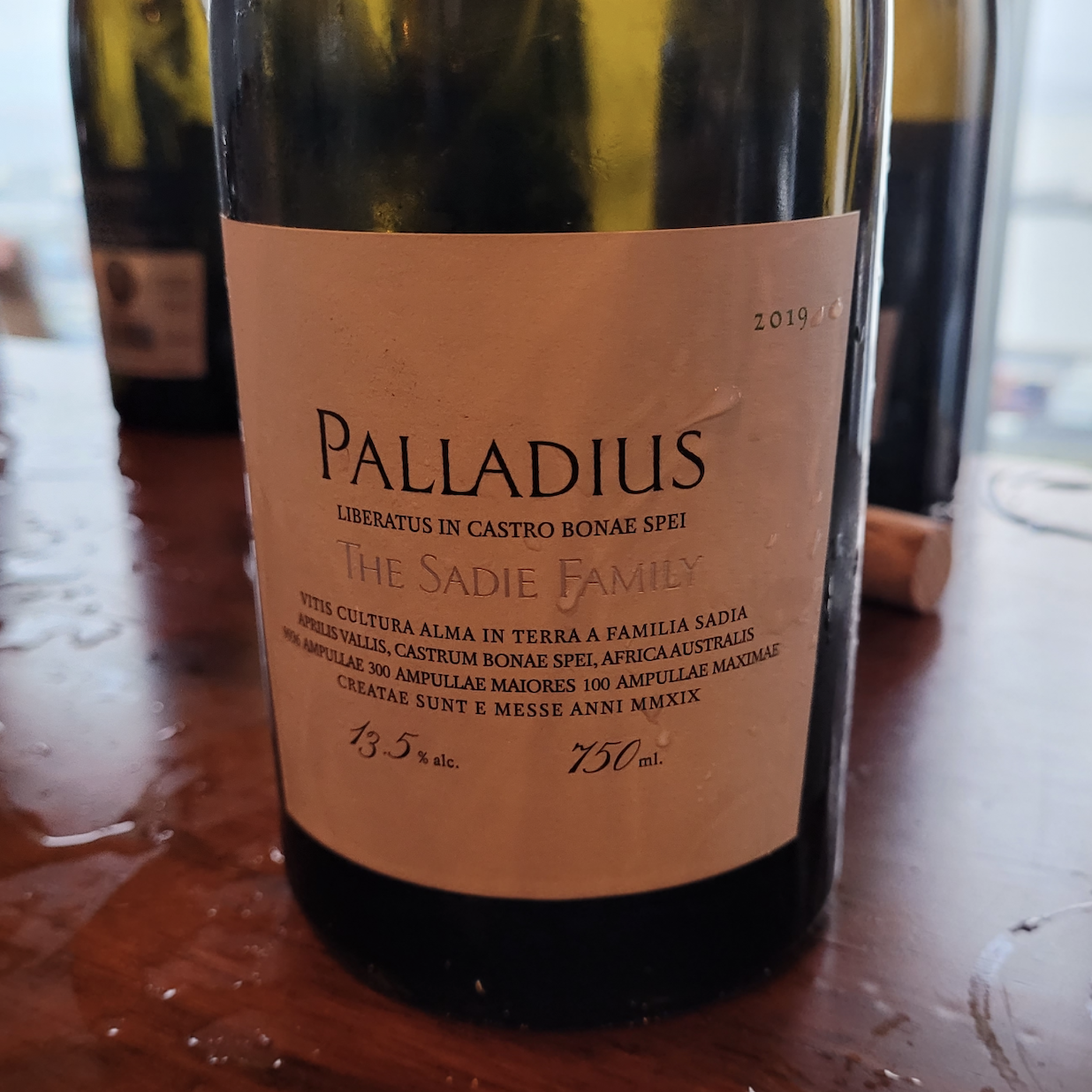
Sadie Family Palladius Liberatus In Castro Bonae Spei 2020, WO Swartland
Palladius, like Mev. Kirsten is a matter of the highest level of fruit concentration, extract and tannin but what separates is the flesh and the beauty noted so early on. Of chenin blanc, grenache blanc, viognier, roussanne and marsanne with palomino, sémillon gris, sémillon blanc, verdelho, clairette and colombard form 17 vineyards. Always the same 17 and it will become more once the experimental vines and blocks come to fruition. There are four co-plantations within and the wine is a mixed appellative and multifarious varietal bonanza of diversity and complexity. What a puzzle, maze and layering of so many different parts. How this works only Eben Sadie (and perhaps also his viticulturist, agriculturalist, winemaker, boys, electrician and plumber know). But does it matter? It finds you, grabs your palate, senses and shoulders, shakes your foundation and never relents. Drink 2024-2036. Tasted October 2022
Red Blends
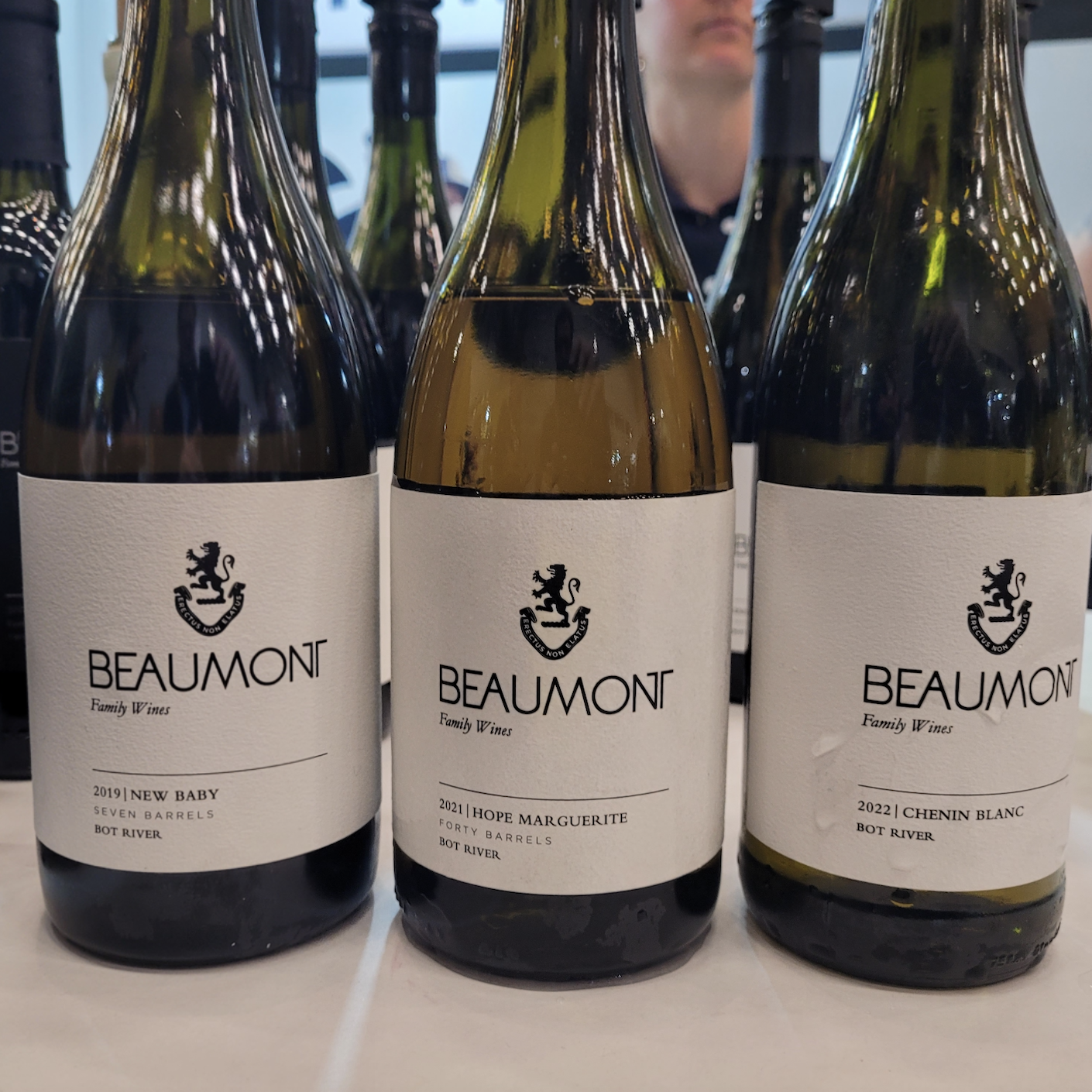
Beaumont Wines New Baby 2019, WO Bot Rivier
New Baby was released in June of this year and 2015 was the first vintage of a truly Cape conceptual wine. It was launched as a way to combine the idiosyncrasies and potentially complimentary personalities of different white grape varieties on the farm. In 2019 the lead is chenin blanc at 40 per cent with (30) sauvignon blanc plus smaller amounts of chardonnay, sémillon and colombard. They were all planted by Sebastian Beaumont’s father from 1974 onwards. The style and notion follow the line established by Hope Marguerite. “My mother said every vintage was like giving birth to a new child,” explains Beaumont. “Once you do something it’s hard to shake.” Yet another brilliant white appellative blend to define the Cape’s idiomatic meets wild west psyche and only in South Africa do the interpretations emerge like this. All in barrel and the vapour trail is palpable, especially in the flint and smoulder that come from the Bordeaux grapes. New Baby pops, piques, kindles and snaps, raises the senses and is just a perfect conceptual creation. Hard not to love this bloody wine. Drink 2023-2030. Tasted October 2022
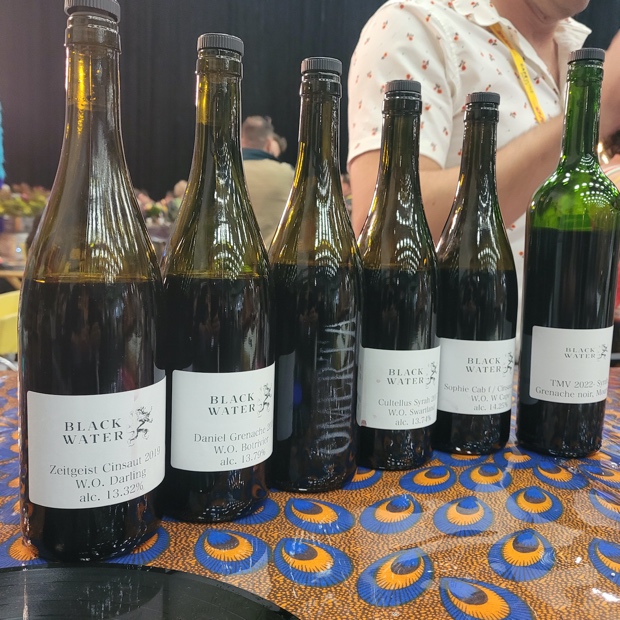
Blackwater Wines Sophie MMXX 2020, WO Western Cape
A new sku for Francois Haasbroek, inspired by old red Cape blends, not just a trend these days but a resurrection of style that is in fact new and improved fashion. Sophie is named after Francois’ daughter born in 2020, joining the Bot Rivier grenache named for her older brother Daniel. She is half and half Stellenbosch cabernet sauvignon plus Darling cinsault, affectionately reminiscent for a time when wines like these could be made and aged forever. “A classical blend,” tells Haasbroek though I’m not privy to any made in a 50-50 ratio with these two varieties. Nevertheless this maiden Blackwater voyage comes from three barrels of 30 per cent new wood. “Because it doesn’t get distracted by seeping up oak,” insists Francois and he is likely correct though we need to see where this travels. Long into the night it is suggested with fruit purity, strong facial features, good bone structure and an eye towards the future. Drink 2024-2029. Tasted October 2022

La Motte Hanneli R 2015, WO Western Cape
The name of Hanneli Rupert, owner of La Motte. A blend of 58 percent syrah, (32) grenache and (10) petite sirah, full, more rounded than the Pierneef syrah and showing more barrel as well. The syrah comes from Elim and Franschhoek, the grenache from Walker Bay and the petitye sirah also from Franschhoek. Though truthfully speaking there is fineness, grace and elegance in the context of a big and fruit-centric wine. Acids are sharp, with iodine and this kind of concentrated pomegranate flavours. In the end there are waves of chocolate, not entirely bittersweet, succulent notions and clearly next level. Drink 2024-2028. Tasted October 2022

Radford Dale Black Rock 2014, WO Swartland
Will admit to having a love-hate relationship with this wine which at times shows incredible beauty and at others goes straight over the top. The 2014 eight years forward is divine. A southern Rhône styled blend, composed of up to six varieties but does not have to every time out. Syrah often leads though not in this vintage because grenache showed the most promise for what needs to happen in this blend. Not the hottest of seasons and so in the context of South Africa there is red juiciness and a level of ethereal unlike itself, especially looking ahead to examples like ’17 and ’19. The carignan really surprises, but then again the vines are pushing 50 so their contribution is experientially significant. The ’14 has morphed, likely gone through dumb, swarthy and awkward stages but is now gentle and subtle in its testing meanderings. The fine and incrementally structured elements are clearly manyfold but now really coming together. A rager and a ranger, with some legs on it, still youthful and I will follow it anywhere. Drink 2023-2028. Tasted October 2022

Savage Wines Are We There Yet 2021, WO Malgas
Duncan Savage continues his relationship with these blocks of touriga nacional and syrah planted by David Trafford back in the early 2000s on sites where Sijnn Wines produce the most fantastic red blends. Driving to Malgas from Stellenbosch or Cape Town often elicits an “are we there yet” cry because there are stretches on dusty back roads that feel like a journey to the ends of the earth. The southern most point in Africa more like it and Savage makes use of a few percent here and there with regards to blending grapes that change a wine’s perspective from year to year. He concedes that 2021 was a big sun, big canopy one, yet also following the droughts to create something beautiful and beneficial. Control is exercised and the mix carefully contorted for a red of nimble elasticity and then a Tetris effect occurs. Time and attention paid to tasting and thinking about Are We There Yet begins to pattern our thoughts, mental images and dreams. We are hooked and will be on this line for quite some time. Drink 2024-2029. Tasted October 2022

Sijnn Red 2016, WO Malgas
Second vintage for Charla Bosman’s tenure at Sijnn and here her confidence shows in both the stunning aromatic profile and broad shouldered structure. The nurturing and comfort speak to a winemaker in the early subconscious stages of becoming a mother and a force of winemaking nature. Perfectly swarthy here and it’s really all about tannin management, controlling fermentation temperatures, whole bunch additions, punchdowns and easing extractions. “Channelling freshness but still staying true to the intensity that we have,” confirms Bosman. The quality of this red fruit with a touch of blue, acids of a natural nature and the suppleness of tannins makes this a wonder to behold. So many years of life still lay ahead. Drink 2022-2032. Tasted October 2022

Something Other
Ken Forrester Dirty Little Secret Vin Blanc #3, WO Piekenierskloof
Seeds were sown for an auspicious beginning in 2015 when the inquisitive winemaker Shawn Mathyse was looking, asking questions about and in serious consideration of natural wines. His skeleton in the vat is an assemblage of chenin blanc out of a single vineyard Piekenierskloof site planted in 1939. There is some clairette blanche mixed in though according to the regulations it qualifies as chenin blanc. Four or five vintages are amalgamated from this sandiest of sandy soil, non-irrigated bush vine site. This is the third iteration which includes the vintages of (2017 through 2020). Scents and tastes of old chenin, clover honeyed, waxy and flint struck. The definition of natural wine the Ken Forrester way. Drink 2022-2025. Tasted October 2022

Beauty in Hermanus
Buyers’ Guide to current LCBO and VINTAGES Essentials LTOs for South African wines
Whites
K W V The Vinecrafter Chenin Blanc 2022, WO Western Cape
Boschendal The Pavillion Chenin Blanc 2022, WO Western Cape
Spier Bay View Chardonnay 2022, WO Western Cape
Nederburg Sauvignon Blanc The Winemaster’s Reserve 2022, WO Western Cape
The Wolftrap White Blend 2022, WO Western Cape
With Love From The Cape Chenin Blanc 2022, WO Western Cape
Boschendal 1685 Chardonnay 2021, WO Coastal Region
Ken Forrester Old Vine Reserve Chenin Blanc 2021, WO Stellenbosch

Stellenbosch
Boschendal The Pavillion Shiraz Cabernet Sauvignon 2019, Pays d’Oc, Languedoc, France
Fairview Goats Do Roam Red 2021, WO Western Cape
The Wolftrap Syrah Mourvedre Viognier 2021, WO Western Cape
Porcupine Ridge Syrah 2022, WO Swartland
Good to go!
godello
Fynbos, Vergelegen Estate
Twitter: @mgodello
Instagram: mgodello









 Godello