Eleven fifteen

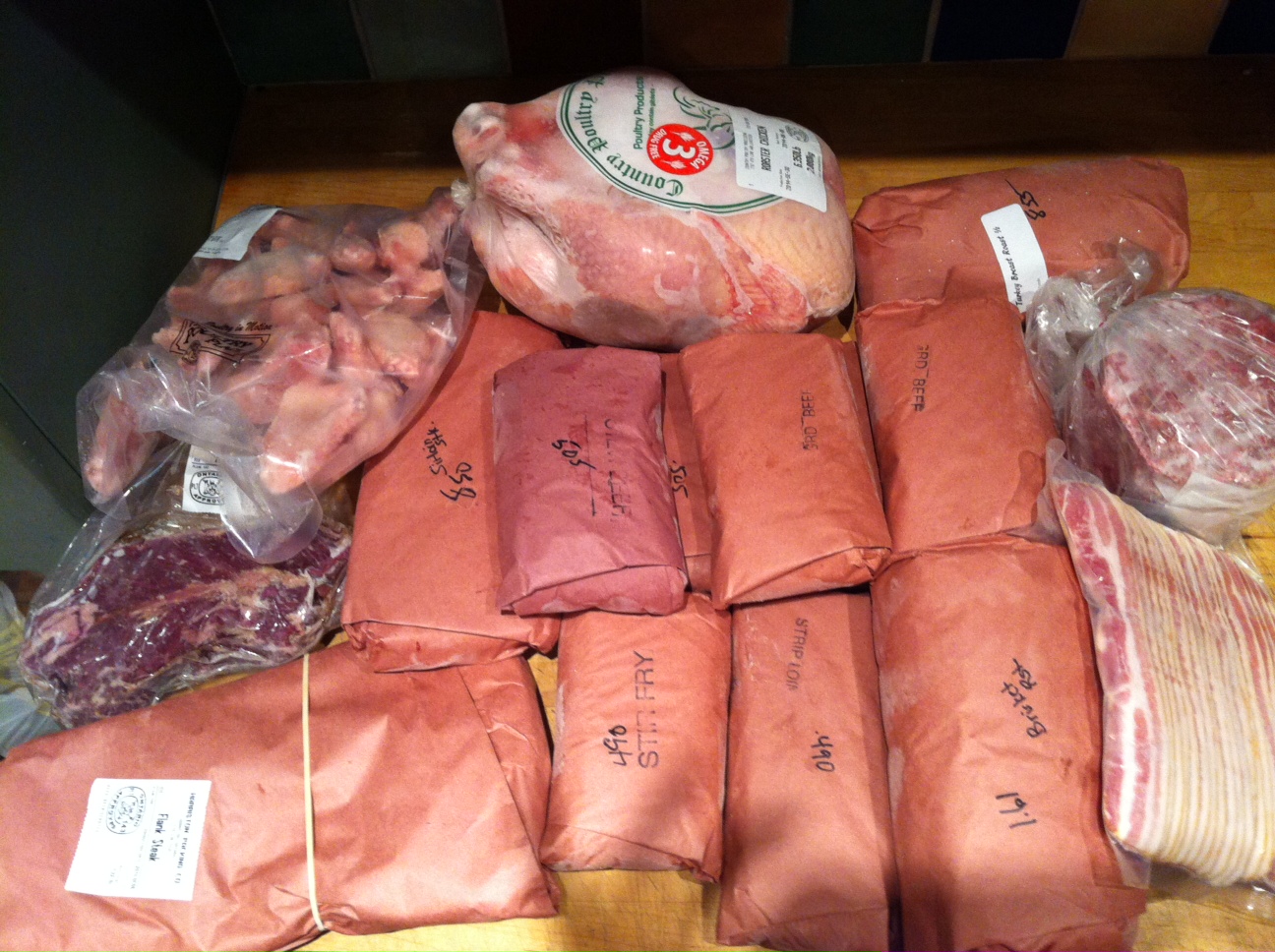
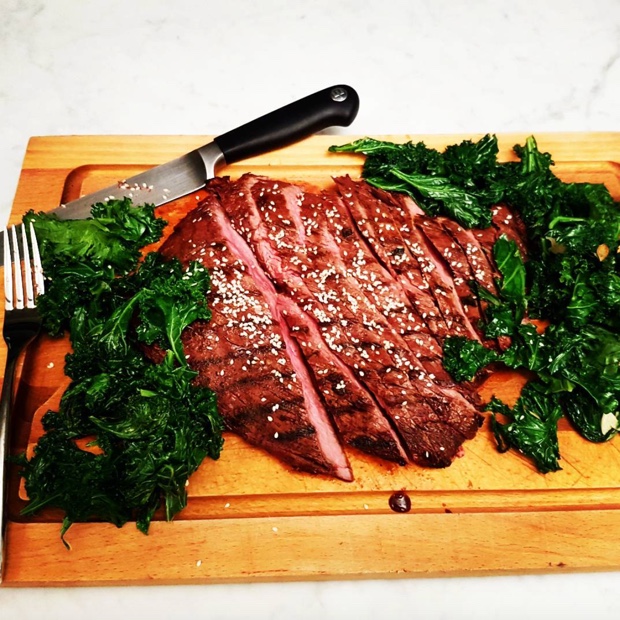
"We ate flank" "You ate flank?" "We ate flank."

“We ate flank”
“You ate flank?”
“We ate flank.”

It may just be my favourite time of day. The flurry begins at seven. It takes four hours to shake off the rust, clear the morning ill, brush away the demands piled up since the night before and effectively settle the morning score. By a quarter past the hour calm begins to set in. 11:15. And now, a bit of Torah, Bible and liturgy.

The imagery of sweet rock ‘n roll, Revelations style is synonymous with the farthing, quartern, mid-morning, all change of pace: The Seventh Trumpet. The day after the Shofar has sounded to end the holiest of holy Jewish days, a sonorous wind-blown through the ram’s horn, a call to lead a flock home and into a new year. Is there a connection between the purpose of the blowing of the Shofar on Rosh Hashanah (and Yom Kippur) and the end of satan’s authority at the Seventh Trumpet?

The seventh angel sounded his trumpet, and there were loud voices in heaven, which said:

“The kingdom of the world has become
    the kingdom of our Lord and of his Messiah,
    and he will reign for ever and ever.”

The Shofar. Old Testament instrument as central element of the Rosh Hashanah liturgy. The summoner to assemble before the Lord, a sound for battle and the announced coronation of a new king. New Testament return of Christ in the clouds to gather God’s people via rapture, sound the Lord’s wrath of battle cry and Christ’s returning as the King of the world. Seems obvious enough but where is the eschatological connection: How does the Jew’s attempt to summon God’s past and promised redemption share common ground with the Christian’s call to Satan?

https://www.youtube.com/watch?v=tFGYEkUQ0eY

A rabbinic tradition may indicate that the shofar is sounded on Rosh Hashanah to confuse Satan (or some he who shall not be named evil tempting spirit). The multiple blows and shrieks invoke the idea (and promise) that the Messiah had arrived and thus putting an end to the pernicious authority. Revelations agrees. “It is time for the dead to be judged. To reward your servants, the prophets, the saints, and all who fear your name, both unimportant and important.”

There’s an angel standing in the sun, 
and he’s crying with a loud voice, 
“This is the supper of the mighty one”, 
Lord of Lords, 
King of Kings, 
Has returned to lead his children home, 
To take them to the new Jerusalem.

Nah. It’s simply a matter of judgment and kingship. Like suggesting wines from a VINTAGES release. October 15th is but two days away. At 11:15 am you may just be arriving at your local LCBO in search of a few bottles. Here are 11 recommendations.
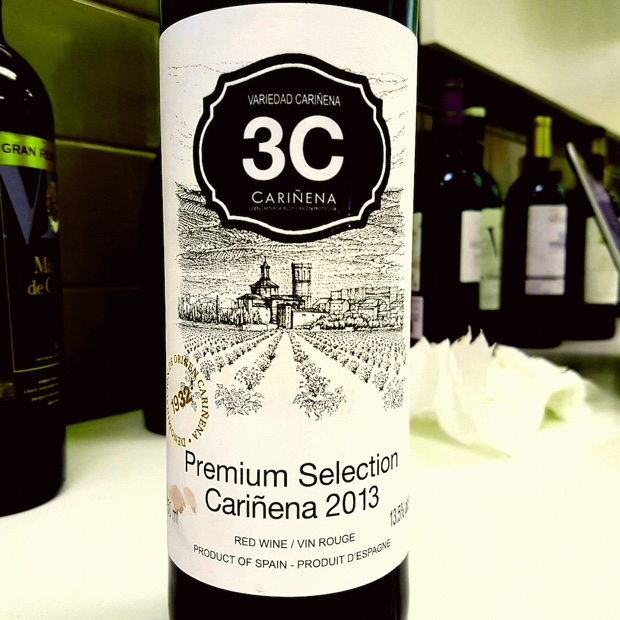
3c

3c Premium Selection Cariñena 2013, Do Cariñena, Spain (461350, $14.95, WineAlign)

The grape the place come across with classic Cariñena firmness and regional culture out of the impressive Grandes Vinos e Vinedos cooperative. You may recognize Spain’s third largest cooperative as the producer of Beso de Vino garnacha. The 3c is juicy and gregarious like so many garnacha but here as cariñena, with moderate alcohol, acidity and amenable tannin. This represents very good value for the price, as well as the brusque and breviloquent Aragonese appellation. Drink 2016-2019.  Tasted September 2016  @VinosCarinena  @Noble_Estates

Fielding Estate Bottled Riesling 2015, VQA Beamsville Bench, Niagara Peninsula, Ontario (251439, $19.95, WineAlign)

The Bench can’t help but determine the style but what winemaker Richie Roberts is able to gather and concede is what needs from the vintage. The brutal winter and subsequent mild, calm and elongated season means that acidity can be tempered, sugar should play a small role and fruit will lead the way. In this riesling it does, with help, let and place from the support staff. Really juicy, slightly tart, citrus-spiced and purely Bench styled. Proper. Drink 2016-2020.  Tasted September 2016  @FieldingWinery  @RichieWine
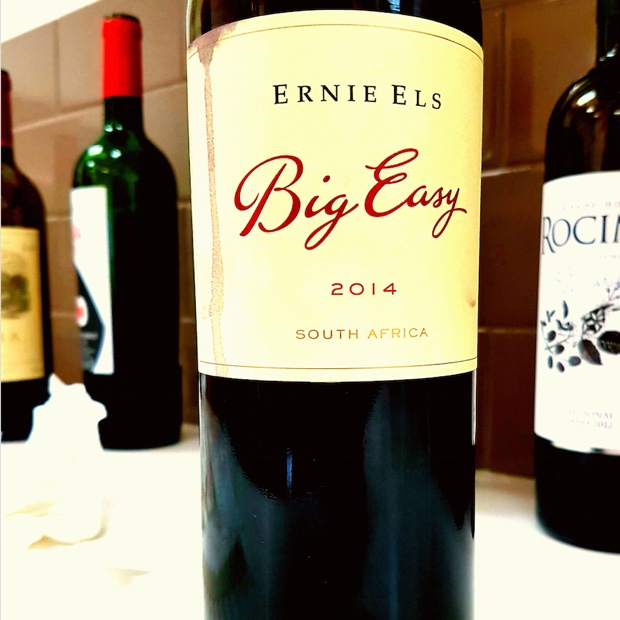
easy

Ernie Els Big Easy 2014, Wo Western Cape, South Africa (220038, $19.95, WineAlign)

This latest Big Easy swings harder than the previous 2013, a wine that quietly emulated its founder’s approach. This 2014 displays more grit, firm grip and big dog length. This is no three-wood off the tee, lay up or fat part of the green safe play. This goes straight for the pin, over water, false fronts be damned and defiant to danger all around. It’s exciting and full-throttle, high acid and risky. But the reward is now, busily bursting with energy, not mired in tannin and ready to play. Makes for great TV. Drink 2016-2018.  Tasted September 2016  @ErnieElsWinery  @TheBig_Easy  @VintageTrade  @_AlexHamilton_  @WOSACanada  @WOSA_ZA
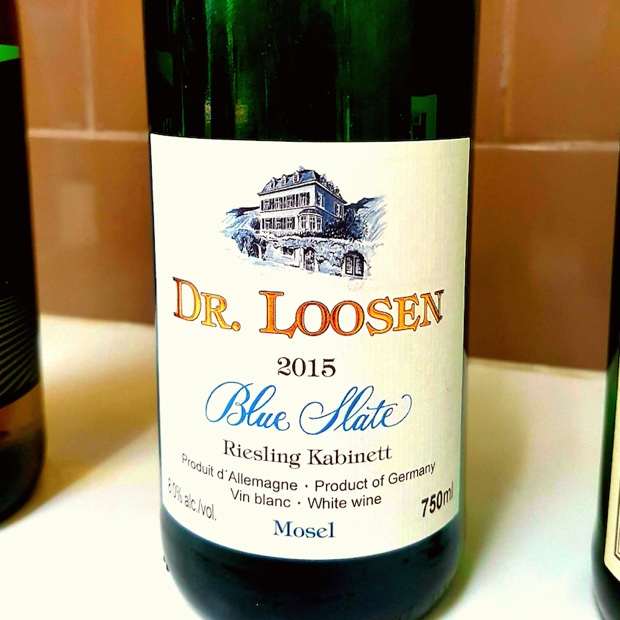
loosen

Dr. Loosen Blue Slate Riesling Kabinett 2015, Prädikatswein, Mosel, Germany (160846, $22.95, WineAlign)

Tremendous verve, vitality and energy from buoyant and round acidity brings immediate balance to sweet citrus and tart tropical fruit. This Mosel ripper has a tender side and will sooth many a savage beast. Kind of like Elvis. If you want to turn someone onto riesling this is a wonderful place to start. So good and worth protecting. “Well, you can do anything but stay off of my blue” slate riesling. Drink 2016-2024.  Tasted September 2016  @drloosenwines  @Select_Wines  @germanwineca
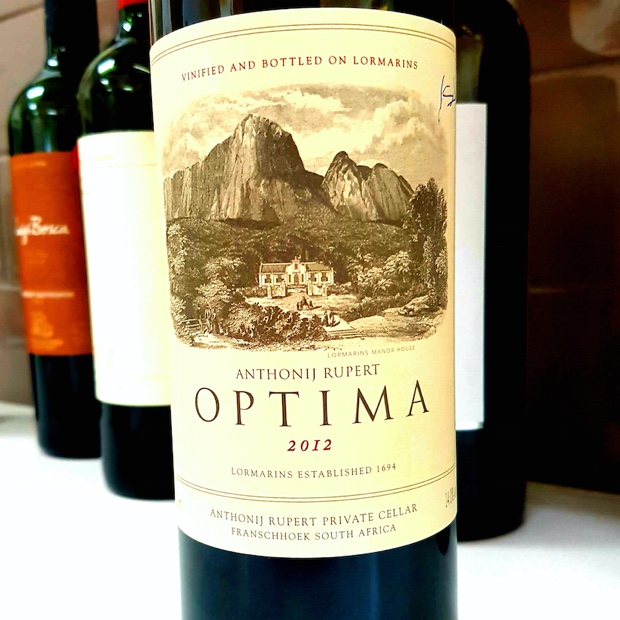
optima

Anthonij Rupert Wines Optima L’ormarins 2012, Franschhoek, South Africa (455915, $24.95, WineAlign)

Franschhoek Bordeaux stylistic defined in affordability by structure and for dark, depth of fruit. Espresso dusty and soil imparted make for the specific Anthonij Rupert departure. The headline reads: Unheralded and righteous outfit makes red blend to go the distance. Drink 2018-2024.  Tasted September 2016  @AnthonijRupert  @Vinexxperts  @WOSACanada  @WOSA_ZA
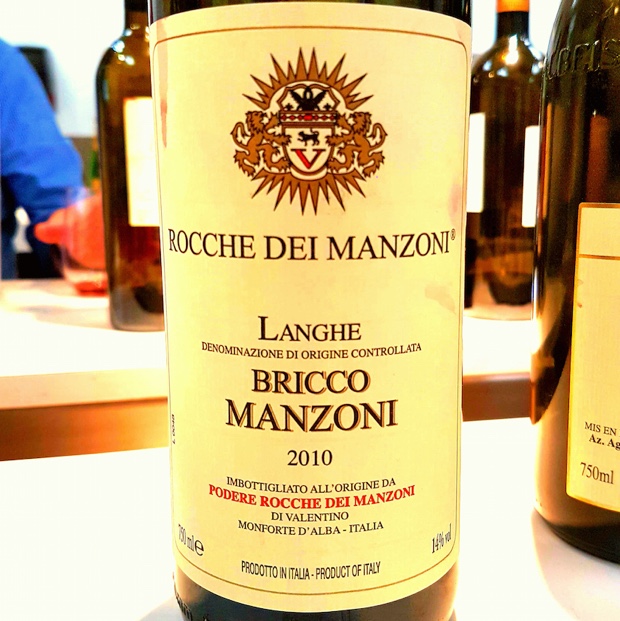
manzoni

Rocche Dei Manzoni Bricco Manzoni Langhe Rosso 2010, Doc Piedmont, Italy (459651, $38.95, WineAlign)

And then there were three; Barolo, Barbaresco and Langhe. Here a serious perfume and brooding emits from Manzoni’s Langhe Rosso, a back to the genesis of roots nebbiolo highly skilled and deep into the motherlode of many equally appointed Barolo. “Ah well if you knew then, just what you know today,” the divergent paths of Langhe and Barolo may have been very different. Even if some of the Bricco Manzoni’s parts may walk at large the tannin is in your face and ready to rumble. There is a sweetness about the fruit and an oaky layering but darkness never descends upon this wine. It remains bright and alive. It will live for a decade or more. Drink 2018-2030.  Tasted September 2016  @RoccheManzoni
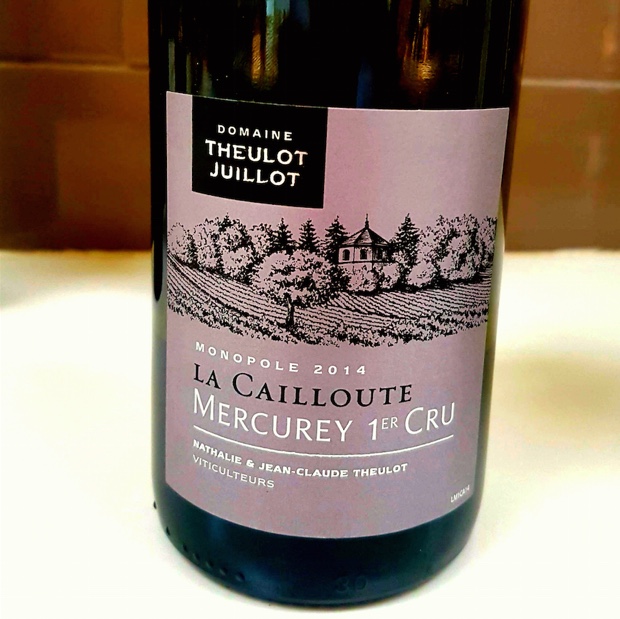
juillot

Domaine Theulot Juillot Mercurey Premier Cru La Cailloute 2014, Burgundy, France (473793, $39.95, WineAlign)

The beautiful dichotomous relationship between ripe and juicy opposite firm and sweetly tannic is met in this functional Mercurey, a premier cru of upbeat excellence. Very representative of place because of the grip but it goes light years beyond the lithe and the under-performed. You could pour this for Burgundy label chasers and they would cry sweet Nuits St. Georges. Raspberry and strawberry with plenty of umami minerality and that firm tannin up the back. Really tempurpedic acidity never reacts and always supports. This is a 10-15 year Mercurey. No fooling. Drink 2018-2029. Tasted September 2016  @vinsdebourgogne  @BourgogneWines
ham-russell

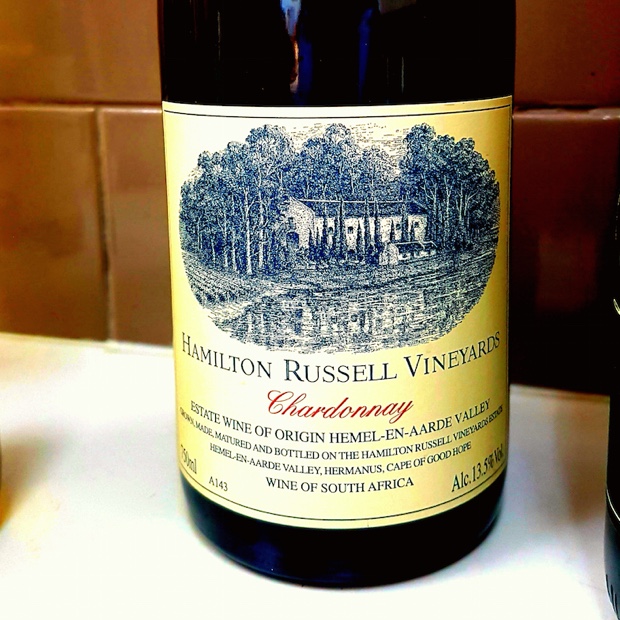
Hamilton Russel Vineyard Chardonnay 2015, Hemel-en-Aarde Valley, South Africa (931006, $42.95, WineAlign)

The pattern repeats in HR’s 2015 chardonnay, up there with the Cape’s most elegant and wholly indicative of the Hermanus oeuvre. Ripeness, just a hint of the barrel and windy sunshine locked up in chardonnay that could not come from anywhere but the Hemel-En-Aarde Valley. The finish allows for some noted sensations indicative of yeast, warm bread, drawn butter and a golden bathed afternoon. A time to linger and make a polite request of this chardonnay to indicate best show times in the near to not-to-distant future. Though tempting to drink now this will improve and up the elegance factor. Drink 2018-2023.  Tasted September 2016  @OliveHR  @WOSACanada  @WOSA_ZA  @hermanuswine
orcia

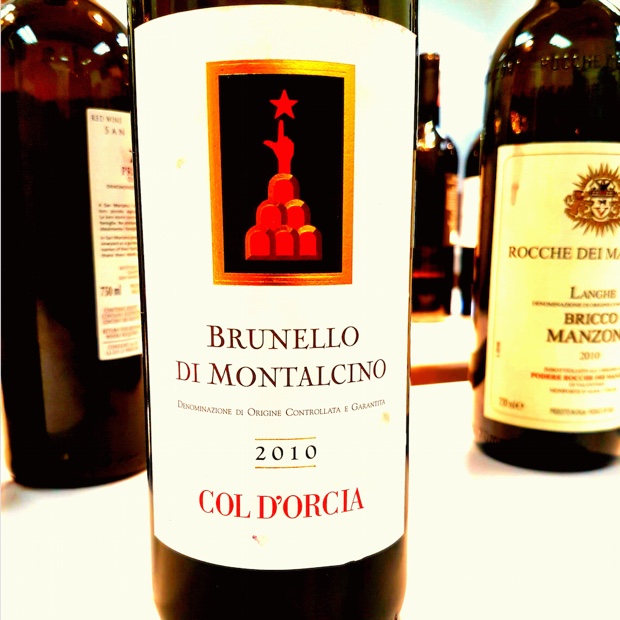
Col D’orcia Brunello Di Montalcino 2010, Tuscany, Italy (306852, $49.95, WineAlign)

Largesse and a firmess of being as per the house style are rampant in Col D’Orcia’s 2010, a wine that reminds me of 1998 and 2000. A wine that will seem lean, mean and terrifying in its youth but will prove everyone wrong when it hits the 12-15 year stride. This is a monster bringing leather and chocolate to the table. It is nearly unapproachable at the present time but you can imagine and embrace the possibility of potential. Drink 2020-2035.  Tasted September 2016  @Coldorcia  @ConsBrunello  @DionysusWines

gagliardo

Gianni Gagliardo Barolo 2011, Piedmont, Italy (713602, $54.95, WineAlign)

Instinctive, intrinsically essential nebbiolo without any equivocation whatsover. The fruit at the core is the crux and the catalyst to aseemble the forces of Barolo entrance strategy. The floral freshness in potpourri does not concede any more quality than right here. Suave, gentle, restrained and yet so forthright, generous and inviting. The grip is right at the back, in the mouth and on the brain. Diligent, purposed and highly intelligent nebbiolo with decades of future ahead. Drink 2019-2039.  Tasted September 2016  @giannigagliardo  @WineLoversAgncy

ridge

Ridge Geyserville 2014, Alexander Valley, Sonoma County, California (723072, $63.95, WineAlign)

A deep and thoughtful vintage for Geyserville, from plenty of sunshine, deep aridity and top notch acidity. The fruit is wondrous, full of berries in all shades and even some black currants. Shadowing with less chocolate than some this is all about fruit with tannin to structure it for a long haul. So very Geyserville and nothing but pure pleasure in bottle. Drink 2019-2027.  Tasted September 2016  @RidgeVineyards  @VinoTorino  @rogcowines  @sonomavintners

Good to go!

Twitter: @mgodello

Instagram: mgodello

WineAlign

Fifteen in VINTAGES July 23rd

#toast

#toast

While life is a blur there is always wine. In the past month the WineAlign National Wine Awards of Canada, Chablis and three VINTAGES releases have seen me taste through more than 800 glasses of wine. This is something I do often in a four-week stretch but this, this was something other. It was intense.

During the same stretch I completed my tasting notes on 50 Chianti Classico (including 18 Gran Selezione) and those ruminating thoughts will be published in the coming weeks. Tomorrow I head down to Niagara for the sixth annual International Cool Climate Chardonnay Celebration, or as it is affectionately hash-tagged, #i4c16. Just in case I didn’t have enough tasting notes to transcribe, edify, pop-culture aggrandize, indoctrinate and embellish, well, get ready for 100 more.

For now there is the upcoming July 23rd VINTAGES release and 15 wines I recommend with Godello certainty. Now if I could just get off this grid.

Sutherland Sauvignon Blanc 2014, Wo Elgin, South Africa (203877, $14.95, WineAlign)

A pungent, insistently perfumed cooler clime sauvignon blanc from a big, need to be picked quick crop. Spice, grapefruit, agave and yellow flowers and with more texture than its Thelema ’14 cousin. Fleshy, tropical, juicy, ripe and spirited. Classic Elgin cool savour running linear like a beam through the joist of structure. High quality fruit ready for all comers. Drink 2016-2018.  Tasted September 2015 and July 2016  @ThelemaWines  @WOSA_ZA  @WOSACanada

almansa

Castillo De Almansa Old Vines Selection 2010, Almansa, Spain (586719, $16.95, WineAlign)

Rich and concentrated, nicely balanced between roping fruit and ripping acidity. Has real firepower but enough sense to remain calm at the right moments. Plenty of verve, concentration and development from old vines and the stuffing to stand up to blessed char off the grill. Terrific summer BBQ red. Will also work for winter stew. Drink 2016-2020.  Tasted July 2016  @BodegasPiqueras  @almansaturismo  @DionysusWines

Vinedos Y Bodegas Pablo Menguante Garnacha Selección 2012, Cariñena, Spain (313833, $16.95, WineAlign)

Two years on and with more oak this is a very different animal than the subdued ’14, integrated but on the other side of the aromosphere. The oak is dominant, vanilla and cocoa are the great waft in what is ostensibly pitch perfect fruit, in bottle on the dark side of the moon. Coconut, vanilla extract and cinnamon. The wood brings layered and sheathed character. Very plush and notes Jorge, “if you come to Cariñena to experience Garnacha, this wine will allow you to discover the wonders of American oak.” The deep fruit and earth melded into and by the barrel makes for a very pleasurable drop. The ’08 released into the Ontario market in November 2014 lends credence to the ageability of this Garnacha. Drink 2015-2019.  Tasted October 2015 and July 2016  @GranViu  @VinosCarinena  @DoCarinena  @Vinexxperts

Quails’ Gate Gewürztraminer 2014, BC VQA Okanagan Valley, British Columbia (354480, $17.95, WineAlign)

The ripest Quail’s Gate gewürztraminer ever may be some kind of anomic desert hyperbole but wow is this fleshy, extracted and beautiful. Spicy too, with a minor citrus pith and almost into slight effervescence. Fun with gewürztraminer. Drink 2016-2018.  Tasted July 2016  @Quails_Gate  @hobbsandco  @AMH_hobbsandco

santa rita

Santa Rita Medalla Real Syrah 2012, Limarí Valley, Chile (443523, $17.95, WineAlign)

From the northerly clime of the Limari this is seductively floral syrah with an edge of peppery spice. It just feels balanced on the nose and silky sweet in mouthfeel. Pushes characterization towards incomplex tautology. Linger with it long enough and the fine tannins will rear and bring everything back to earth. Cue the value jingle. Drink 2016-2020.  Tasted July 2016  @SantaRitaEst  @WinesofChile  @DrinkChile  @ImportWineMAFWM  @MarkAnthonyWine

redstone

Redstone Limestone Vineyard South Riesling 2012, VQA Twenty Mile Bench, Ontario (381251, $19.20, WineAlign)

The lower bowl of this Tawse-Redstone plot is the shiny one, as in happy scintillant of riesling proportions. A year on the attitude persists, in lime and honey, acacia and beeswax. Terrific tartness and direct enjoyable deposit. Enough mineral to satisfy a calcaire lover’s soul.  @RedstoneWines  @Tawse_Winery  @DanielatTawse

From my earlier note of May 2015:

So much lime and liquid chalk make for desired and dreamy texture. The lime slides like a slick of oil into the full flavours, spiked by peach and white plum liqueur. Terrific 20 Mile value. Drink 2015-2019.

From my earlier note of May 2014:

This inaugural Riesling foray from atop the Twenty Mile Bench out of the Limestone Vineyard is a sister to the Tawse exploration from same. The comparisons end right there. Paul Pender’s take is kinetic, frenetic and electric. Redstone winemaker Rene Van Ede tends to and lends from a reconnaissance that heralds Mosel. His first, fixed take is off-dry (in obvious ubiquity) with circular acidity. The co-agitation is early picked at low brix, with realized high residual sugar (36.4 g/L) and low alcohol (10 per cent). Toothsome, with a ying/yang, lemon/lime, push/pull. The case load is formidable for a first go ’round (1000 plus) yet paddled through limestone acreage with effortless strokes.

Last tasted July 2016

allegrini

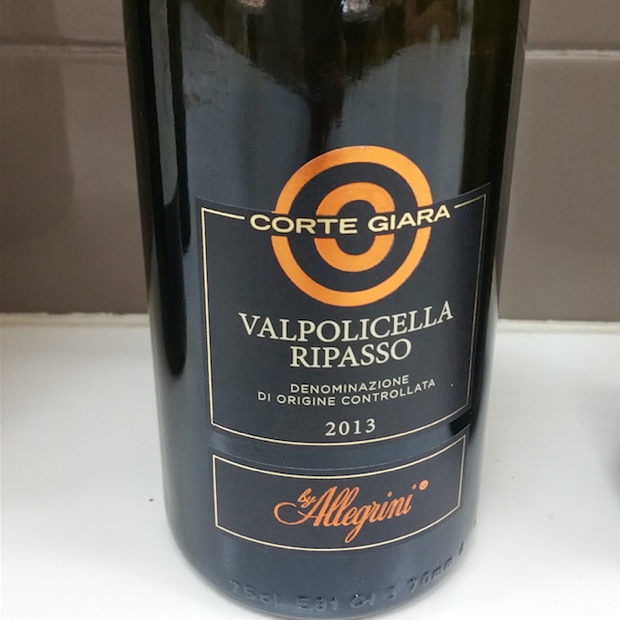
Corte Giara Ripasso Valpolicella 2013, Doc Veneto, Italy  (83964, $19.95, WineAlign)

Lovely Ripasso liqueur with pretty red fruit and compressed earthy accents. Resides on the correct side of tart and the exemplary aspect of sweet, fine-grained tannin. Accomplishes Ripasso intimacy by doing so at a mimetic remove. Lingers like a perfect pastille. Drink 2016-2019.  Tasted July 2016  @AllegriniWine  @C_Valpolicella  @RegioneVeneto

William Fèvre Champs Royaux Chablis 2014, Ac Burgundy, France (461640, $24.95, WineAlign)

The Champs Royaux is Chablis drawn from a selection of Fèvre’s better grower contracts and five to 10 per cent is aged in old oak, the rest in stainless steel. It is a generalized but oh too important expression from kimmeridgian soil, hedged and qualified from all over Chablis. Takes all the hills, valleys, les clos and slope/aspect dimensions into account. It is textbook Chablis, a guarantee of quality, especially out of the cracker 2014 vintage. The fruit is ripe and the acidity a study in Chablis exactitude. The balance may be the best this cuvée has ever shown. Drink 2016-2020.  Tasted July 2016      @BIVBChablis  @purechablis

sancerre

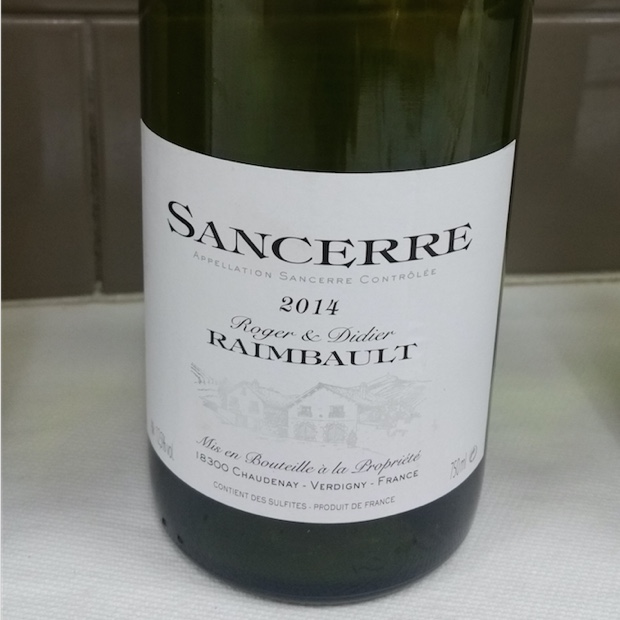
Roger & Didier Raimbault Sancerre 2014, Ac Loire Valley, France (82255, $26.95, WineAlign)

This white scintillant by Raimbault from Sancerre is laid out with clear instruction, like Rimbaud through Van Morrison, in precisely what sauvignon blanc needs to impress from the Loire. The beseeching immanent, insulated implosion of fruit, searing mineral and tannin multiplying within a bubble. This is tres fort fricative stuff, tart without any excess tang, notes all important and leading to a grand result. Pungency does not enter the vocabulary but the mouthful of stones is palpable and sonant. Raimbault’s 2014 offered up a sense of wonder, “showed me ways and means and motions. showed me what it’s like to be. Gave me days of deep devotions, showed me things I cannot see.” Essential sauvignon blanc with poise, precision and mandatory feel. Sincere Sancerre tore down a la Rimbaud. Drink 2016-2022.  Tasted July 2016

charmes

Château Des Charmes St. David’s Bench Vineyard Cabernet Franc 2012, VQA St. David’s Bench, Niagara On The Lake, Ontario (453415, $27.95, WineAlign)

I’d put my money down on a French woman to work magic from cabernet franc grown on the warm, generous and giving St. David’s Bench. Lo and behold here is Amélie Boury with such fruit of spot on varietal countenance, magnified by the exhort of 2012. The gifts of that vintage could have been clouded with oak smothers but that case is not presented nor was it predicted. Boury certainly makes use of the barrel but its presence is textural, with mellow spice and for la longeur. This will develop efficiently and with grace, from this current anglaise stage into something modern Loire Valley en croute. It will accrue its culture and its character over seven to 10 years. Drink 2018-2022.  Tasted July 2016  @MBosc

bachelder

Bachelder Hautes Côtes De Beaune 2013, Ac Burgundy, France (445247, $27.95, WineAlign)

My sweet Beaune from Thomas Bachelder, as in sweet on the spontaneous haute ideal, not the cloying of residual imbalance. From a winemaker who lets his wines narrate themselves. Exemplary by George (well, Thomas) of a Beaune perfume with an underlay of acidity and tannin. No bitters here, nor astringent behaviour, nor harassment, which is nice. My sweet Beaune. Hm, my Beaune. Hm, my Beaune. Though a touch firm at present, a year ahead will see it come closer to hallelujah harmony. Drink 2017-2020.  Tasted July 2016  @Bachelder_wines  @BourgogneWines @vinsdebourgogne  @LiffordON

https://youtu.be/0kNGnIKUdMI


querciabella

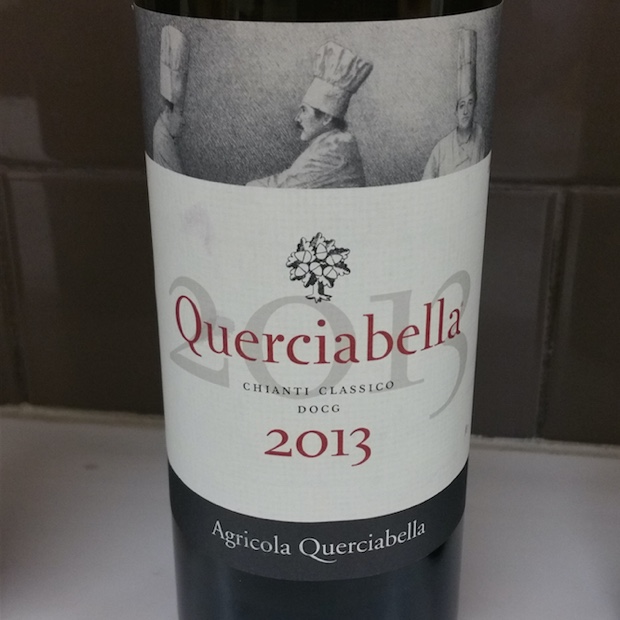
Querciabella Chianti Classico 2013, Docg Tuscany, Italy (728816, $37.95, WineAlign)

Remarkable sangiovese so fleshy and forthright, modern and of an extreme brightness of being. There is an underlying Greve truth be told in moderation, tradition and historical meets varietal significance but it’s a new oration. This means that the structure is both sound and hermetically sealed. The lightness of volatility is a reminder of the past but it treads so delicately you just know this is a shining star pointing the way to the future. A brilliant “normale” without the the new slang of Gran Selezione but in many respects it may as well be. Drink 2018-2025.  Tasted July 2016  @Querciabella  @chianticlassico  @rogcowines

Fisticuffs Cabernet Sauvignon 2012, Napa Valley, California (457507, $49.95, WineAlign)

From Pavi Wines comes this study in hedonistic Napa Valley balance from out of a top-notch vintage. Ripe fruit and oak spice dance a simple cabernet sauvignon language with rope-a-dope drupe, right-handed acidity and a solid tannic left. A peremptory wine but its message is an assertion rather than a persuasion. Not a heavyweight by any means but behold the high-strung, svelte and agile middleweight. Possessive of the stuffing and the stamina to go a full fifteen rounds. Drink 2018-2022.  Tasted July 2016

flowers

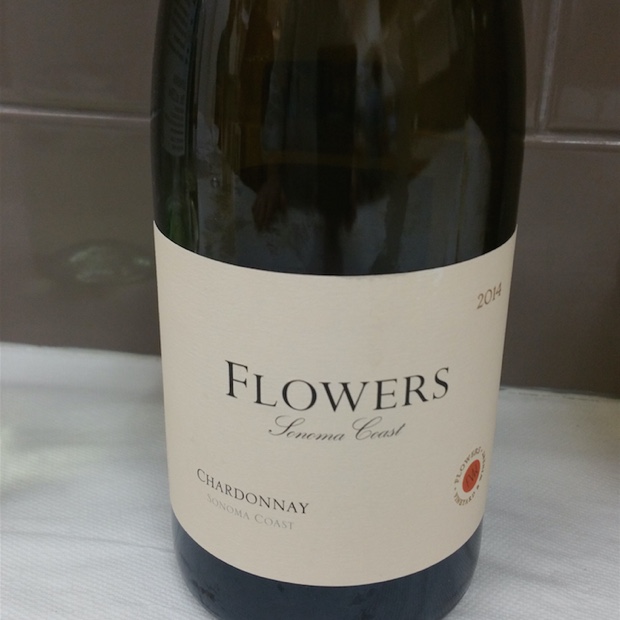
Flowers Sonoma Coast Chardonnay 2014, Sonoma Coast, California (215210, $68.95, WineAlign)

A near perfect vintage after a mild winter was presented to shape this ripe gathering of increased extraction. Though the previous years pale in comparison, there can be no mistaking the load of impression. The causation supplied by extreme coastal vineyards with dramatic altitude stretches and elongates the fruit and so it is hard to get to know the oak. The bite is toothsome into great green apple, perfectly ripened grapefruit and a far eastern note of Indonesian sasak (snake) fruit. The materials and the handling are as one, from purchased coastal fruit to winemaker Dave Keatley’s acquiescent dispensation. Delicate fortitude from Sonoma. Where else before but here can chardonnay sire and develop such a family? Drink 2016-2022. Tasted July 2016  @FlowersWinery  @rogcowines  @sonomavintners

Two Hands Samantha’s Garden Shiraz 2013, Clare Valley, South Australia, Australia (67355, $71.95, WineAlign)

This is simply gorgeous shiraz from the Clare Valley. A wine of balance, precision and focus. It seems the wood regimen has been relaxed in welcoming retreat. On a rare occasion when a garden of flowers can bloom through despite so much fruit and an equal tempering by wood, well that is a joyous thing. The texture is woven from pure silk and the quality of the ganache painted with the finest brush. This never over soaks, runs roughshod or lays down the hammer. It is a fine-tuned shiraz of the highest esteem. Drink 2018-2030.  Tasted July 2016  @twohandswine  @bwwines  @Wine_Australia

Good to go!

Twitter: @mgodello

Instagram: mgodello

WineAlign

Garnacha covered part two: Cariñena

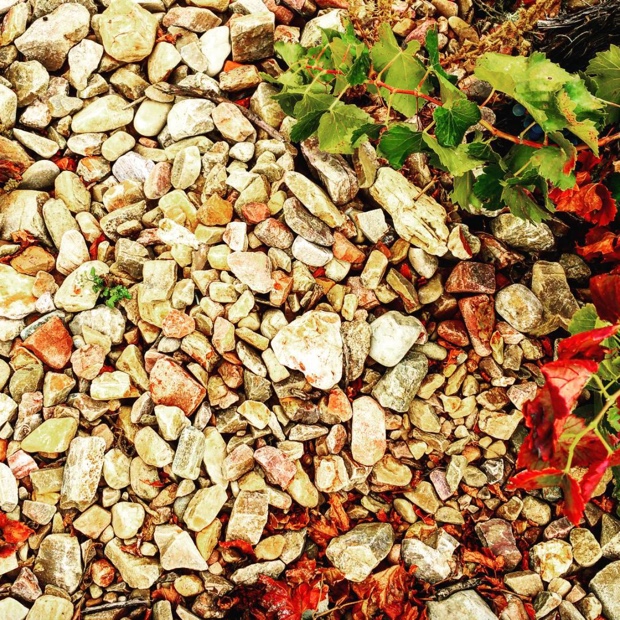
Cariñena rocks! Autochthonous soils and their stones @DoCarinena @winesofgarnacha #bushvines #aragon #espana

Cariñena rocks! Autochthonous soils and their stones @DoCarinena @winesofgarnacha #bushvines #aragon #espana

This is the second of five instalments for a comprehensive study concerning the wines of Garnacha from the regions of Aragón and Catalonia.

In October of 2015 WineAlign colleague Sara d’Amato and I travelled together with Christopher Waters of Vines Magazine.  The trip’s mission was to discover Spain’s Wines of Garnacha in their natural habitat, the five distinct and allied Denominación de Origen in the regions of Aragón and Catalonia.

Related – For a comprehensive report by Sara d’Amato and I read WineAlignDiscover the Flavours: Wines of Garnacha

Our host in Zaragoza was The Spanish Institute for Foreign Trade (Instituto Español de Comercio Exterior, ICEX), the Wines of Garnacha campaign and the office of Garnacha Origen. The trip was orchestrated with expertise by Aragón Exterior Managing Director Ignacio (Nacho) Martinez de Albornoz and Head of Wines from Spain (ICEX) Alfonso Janeiro. Our chaperones were Ignacio, Sofía González Martínez, Ivo André Alho Cabral and Roser Mestre, in Zaragoza and on expeditions to the five DO’s that comprise the wines of Garnacha.

Related – We’ve Garnacha covered part one: Campo De Borja

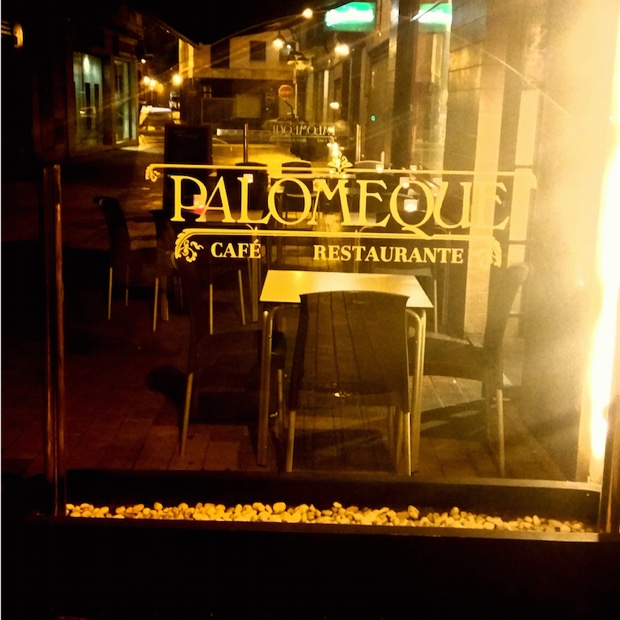
Restaurante Palomeque, Zaragoza

Restaurante Palomeque, Zaragoza

As we did each evening before heading out the following morning to a particular DO, Sofía, Ivo, Ignacio and Roser introduced the intrepid Los Canadienses travellers to the wines of that DO over dinner in  Zaragoza.  For the wines of Cariñena the matchmaking happened at Restaurante Palomeque, a Zaragozan institution that bridges exemplary regional cooking with 21st century acumen. The dishes at Palomeque were as much exciting as they were down to earth. The cast of Cariñena could not have chosen a more supporting role.

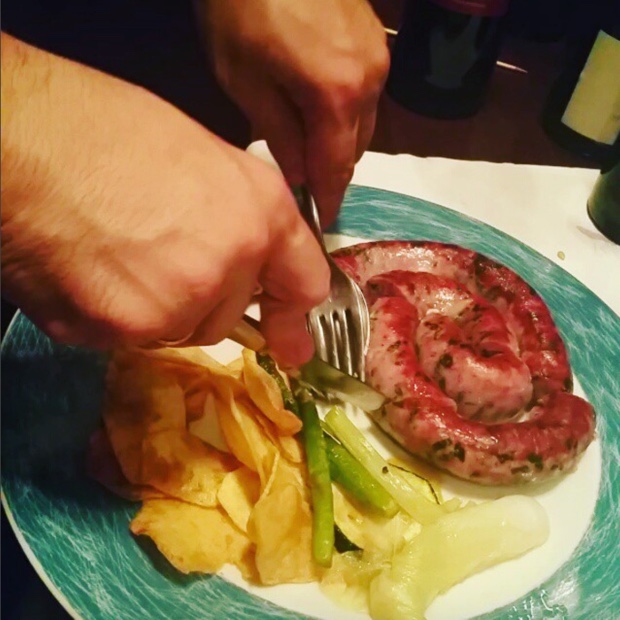
Loganiza de Graus con setas (trompetilla negra) #Palomeque #Zaragoza Somontano sausage filled with black trumpet mushrooms

Loganiza de Graus con setas (trompetilla negra) #Palomeque #Zaragoza Somontano sausage filled with black trumpet mushrooms

Cariñena

What is most glaring about Cariñena is the prevalence of a prairie geography and how it differs in stark contrast to the other DO’s in Aragon and Catalonia. Though mountains (including Moncayo) loom in the distance,  Cariñena’s obvious dissimilitude to other wine growing regions has as much to do with climate as it does with soils. The Cariñena terra is primarily composed of clay and limestone, with very little in the way of slate like you find in Campo de Borja. The ground’s constitution aggregates with a significant absence of altitude, relative to the hills of Somontano, Calatayud and Terra Alta. That said, the are’s best examples of Garnacha are culled from vines that grow at reasonably impressive heights. What all of this essentially translates to is the basic, hard fact that the harvest here is completed earlier. At the point of our visit (October 18-19), the reaping was 90-95 per cent done. The brusque and breviloquent conclusion sees to less acidity and tannin, more elegance and less ageing potential, as compared to (certainly) Calatayud.

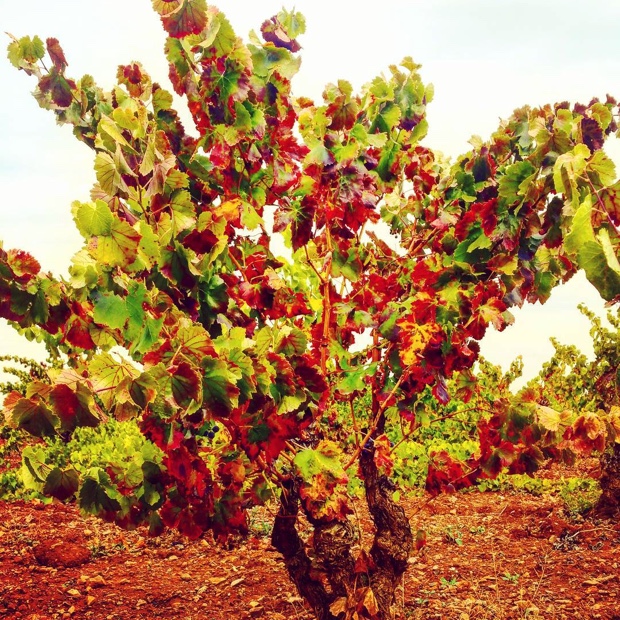
The autumn of old #Cariñena bush vines @DoCarinena #garnachaterroir

The autumn of old #Cariñena bush vines @DoCarinena #garnachaterroir

Calatayud is the DO to offer the best compare and contrast with Cariñena, just as a similar distinction can be ascertained with Somontano and Terra Alta. Campo de Borja is the outlier, unique, singular, the brother from another mother. Very important is the increased Mediterranean influence in Cariñena. Calatayud has more extreme seasons, particularly in spring and summer. In Cariñena, some striking, ancient Garnacha bush vines exist (and again, produce the region’s best bottles), but the age of the vines are generally younger. This aspect separates it from all of the other DO’s, especially when the discussion centers around the laying down of Garnacha.

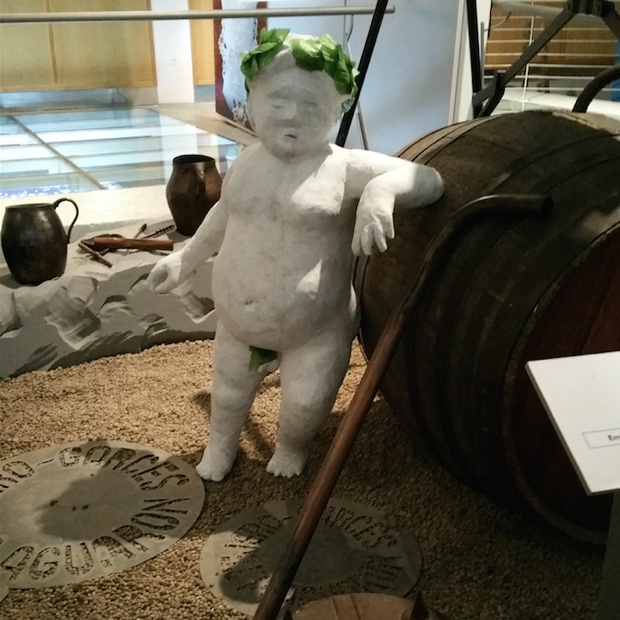
The wine museum of Cariñena

The wine museum of Cariñena

After a brief tour through the wine museum housed in the offices of Cariñena’s DO, Christopher, Sara and I sat down for an extensive and brutally honest tasting with Care winemaker Jorge Navascues Haba.

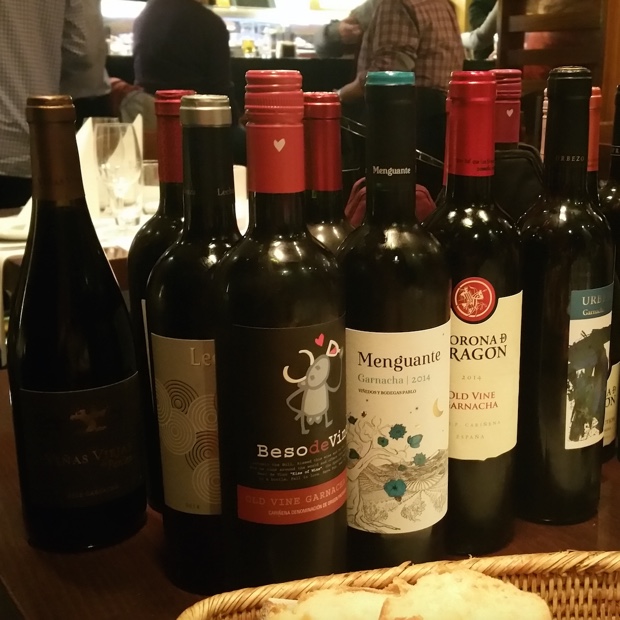
Wines of Cariñena at Restaurante Palomeque

Wines of Cariñena at Restaurante Palomeque

Bodegas Solar de Urbezo Garnacha 2014, Cariñena, Spain (Winery, AgentWineAlign)

From old bush vines (40-66 yrs) with some altitude. A family winery Garnacha with a gravelly feel, not so much rustic as gritty, for Cariñena and with really fine and necessary acidity. Reaches black cherry near ripeness, though being struck by that acidity (from altitude therefore later ripening) but more so from recent changes in winemaking. Judging ripeness has become the catalyst and in 2014 this is a wine of terrific extract, restraint and pinpoint focus. Possessive off Motherwell like brushstrokes, thick swaths of fresh blue-green cool colour and shaded by naturalism, in cure without funk. A good example of “good ripeness.” A lean and direct example. Only three chippy months of oak was used. All in all this is just prime freshness with a minor amount of green tannin. Approximate price $18.95 CAN. Drink 2015-2017.  Tasted October 2015  @UrbezoWines  @bwwines

Bodegas Solar de Urbezo Garnacha 2013, Cariñena, Spain (WineryAgent, WineAlign)

Carries with it more attitude in 2013, from a vintage that seems to have delivered variable ripeness over the course of the picking weeks. Definitely and devilishly imbued with complexity, from floral, through medicinal by way of bitters and across many angles. Has real garnet, Garnacha tang levied out of vivid acidity, sweet limestone tartness and those ever-bearing fruity bitters. Perhaps more interesting if not as accessible as the follow-up ’14. Drink 2015-2016.  Tasted with the Wines of Garnacha, Toronto, November 2014

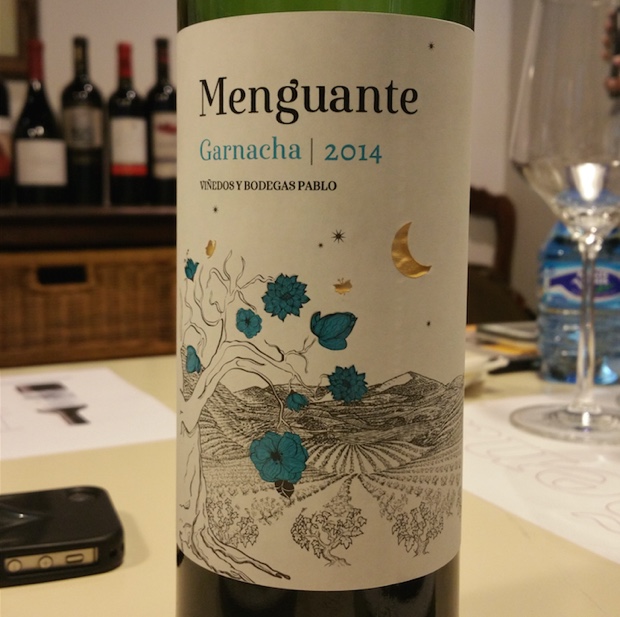
Menguante Garnacha 2014

Vinedos Y Bodegas Pablo Menguante Garnacha 2014, Cariñena, Spain (WineryAgentWineAlign)

From one of the more stated quality terroirs with elevation (between 500-650m) and stony-clay-chalk soils. In almost every and all respects it shies in a subdued, restrained and reserved quality. This quiet repetition and still the phenolics seem optimized, the acidity resolved and the tannins in relative, correct ripeness. Another family project, small and philosophically sound in practices. Working one of the highest and best quality vineyards in Cariñena. “The waning moon,” for a biodynamic outfit, not certified, the old vines in that altitude receiving the most benefits from the Cierzo wind. From this it is easier to cultivate organically and biodynamically because of nature’s pest control. Some 80-year old vines throw wisdom and culled subterranean culture into the mix. A bit of citrus and chalk bleeds on the very fresh finish. Drink 2015-2018.  Tasted October 2015  @GranViu  @VinexxWine

Vinedos Y Bodegas Pablo Menguante Garnacha Selección 2012, Cariñena, Spain (WineryAgentWineAlign)

Two years on and with more oak this is a very different animal than the subdued ’14, integrated but on the other side of the aromosphere. The oak is dominant, vanilla and cocoa are the great waft in what is ostensibly pitch perfect fruit, in bottle on the dark side of the moon. Coconut, vanilla extract and cinnamon. The wood brings layered and sheathed character. Very plush and notes Jorge, “if you come to Cariñena to experience Garnacha, this wine will allow you to discover the wonders of American oak.” The deep fruit and earth melded into and by the barrel makes for a very pleasurable drop. The ’08 released into the Ontario market in November 2014 lends credence to the ageability of this Garnacha. Drink 2015-2019.  Tasted October 2015

Vinedos Y Bodegas Pablo Menguante Garnacha Selección 2011, Cariñena, Spain (WineryAgentWineAlign)

A grand, beguiling, sensuous, perhaps even pushing the boundaries of voluptuous Garnacha, “a wine that describes THE Garnacha,” according to dining companions in Zaragoza. Velutinous in composure and texture, with an orange skin finish. Here the gap is bridged, from traditional to modish, by nature and into seductive polish. The peeled citrus finish is also one of great mouth-watering acidity, intrigued by l’air de panache and laced by spice. Very well done. Drink 2015-2018.  Tasted at Restaurante Palomeque, Zaragoza, October 2015

Vinedos Y Bodegas Pablo Menguante Garnacha Blanca 2014, Cariñena, Spain (WineryAgentWineAlign)

One of the very few white Garnacha from Cariñena and the only example sampled in Aragon, alongside dinner in Zaragoza at Restaurante Palomeque. The mineral skips like a stone across the palate, white Grenache walking on water like a bone of peach skin and the weightlessness of almond paste. So subtle, breathless, atomic and minute. Mineral in ways to mimic Alsace, of low pH and high grape tannin, “the waning moon” is poignant to anti-fruit extreme and yet so refreshing it will, with age, point to honey and petrol. Drink 2015-2022.  Tasted October 2015

Lechuza Garnacha 2014, Cariñena, Spain (Winery, WineAlign)

The Lechuza “owl” is a collaboration between Valkyrie Selections and local winemaker Ana Becoechea from old vines vineyards just outside the town of Cariñena. This Garnacha Tinto from 45 year-old vines is borne with nature’s funk and an earthy dusting in the way Merlot can be. A chalky grit in distilled, liquid form carries a river of grain marked by the milled smell of warm cereal. Persistent, lengthy and purposed. Smell’s like victory. An excellent pairing to Somontano pork sausage filled with little black trumpet mushrooms at Restaurante Palomeque. Approx. $15 CAN. Drink 2015-2019.  Tasted October 2015

Lechuza Garnacha 2012, Cariñena, Spain (WineryWineAlign)

Named for the prevalence of owls, here old vines Garnacha is uncovered out of clay and calcareous soils. You can really smell and taste the natural vineyard funk, thankful to no oak, fresh and unctuous in simultaneous fashion, yet full and yes, lifted. Highly perfumed, and incredible value at $10 US. Impossible actually. Old vines, likely 40-45 years. You can smell the violets for sure. Approx. $15 CAN. Drink 2015-2017.  Tasted October 2015

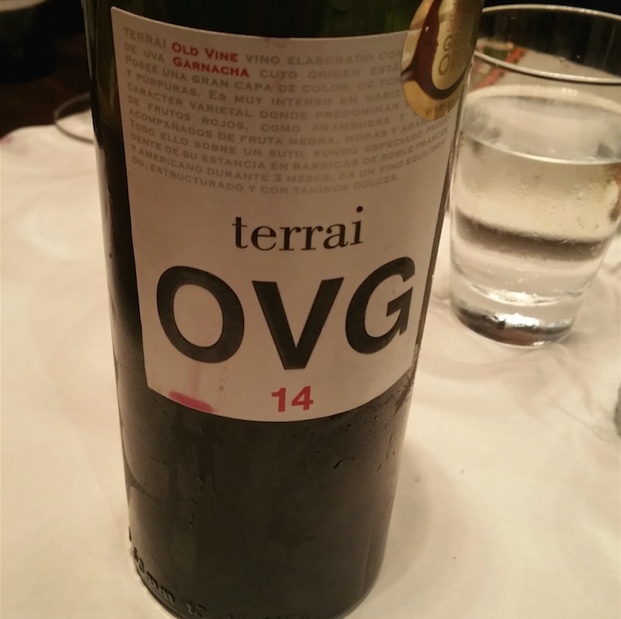
Covinca Terrai OVG 2013, Cariñena, Spain (Winery)

From a good-sized cooperative with almost 1.700 hectares of vineyards where native varieties like Garnacha, Mazuela or Cariñena are merged with others such as Tempranillo, Cabernet Sauvignon, Merlot, Macabeo, Syrah and Chardonnay. Fruit purity escalated, with just a quick dose of oak, both French and American, more than seemingly good sized barrel, because there is integration and balance. Not the longest Garnacha in the DO but certainly a pleasurable drop. A bit sour-edged and lactic on the backside though a diplomatic red effectively considered. Drink 2015-2017.  Tasted October 2015

Terrai OVG 2014

Terrai OVG 2014

Covinca Terrai TLG Torrelongares Old Vine Garnacha 2014, Cariñena, Spain (Winery)

The vines in here are old by Cariñena stain cards (45 years) and the rich, suave texture brushes the velvet reasoning. Antecedent the median regional perfume and with Mediterranean effect, seen by an increase of the savoury, through briny black olive and caper. The converse flip side slides softer tannin, riper fruit of gregarious behaviour and that savour is a step up from the tart OVG. Accumulation sports a meaty, protein laced sensation. Comparatively speaking, this has more guts and virility. The mix of satin and natural cure matches beautifully with Palomeque’s Foie Gras Migas. Drink 2015-2019.  Tasted October 2015

Bodegas Prinur Garnacha Vinas Viejas 2013, Cariñena, Spain (Winery)

A family winery with soils gravelly and with (not so common to Cariñena) slate and even more singular with some vines that are 100 years-old or more. Vines sit at altitudes of 600m (Cariñena) and 800m (Consuenda) above sea level. The old vines sports some raisin and prune ripeness with evolution void of the natural cure necessity, “a zombie wine,” notes Jorge. Here it is hard to recognize Garnacha, with age that could be 2009 or 2010, along with a showing of VA. This is a flawed but very curious wine. Sour and tightly tannic on the finish but not long. Very disjointed. Cooked fruit. From such a warm to scorching vintage.  Drink 2015-2016.  Tasted October 2015  @bodegasprinur

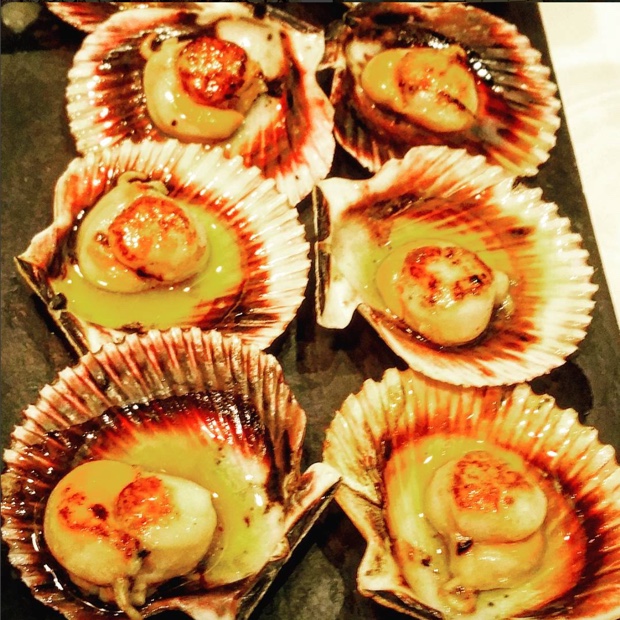
Gastranomia Zarogazana 101 at #Palomeque...Zamburiñas Gallegas with Paniza Rosé @winesofgarnacha #Zaragoza #aragon #espana #scallops

Gastranomia Zarogazana 101 at #Palomeque…Zamburiñas Gallegas with Paniza Rosé @winesofgarnacha #Zaragoza #aragon #espana #scallops

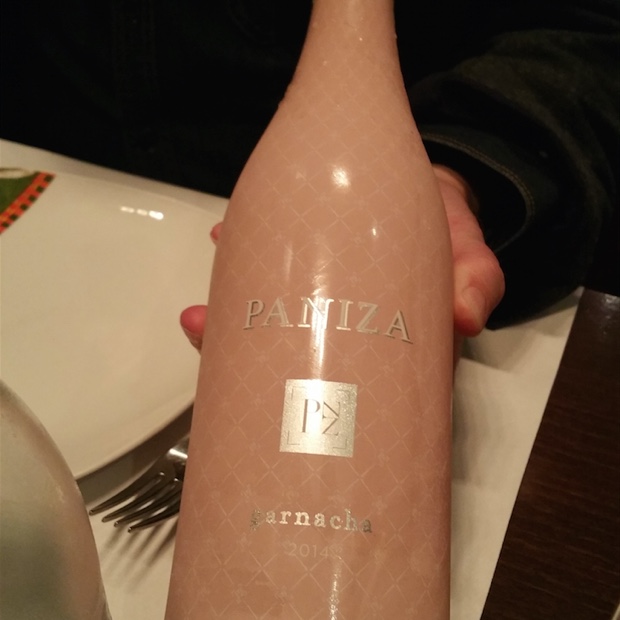
Paniza Garnacha Rosé 2014, Cariñena, Spain (WineryAgentWineAlign)

The rusty, saline savour stands to be counted in a firm and responsibly, if surprisingly tannic blush. Talc, funk and serious tang but certainly not antiquity. Don’t expect the fruit to jump out and bite you in the behind, nor has it jumped the shark. Quite the structure for $12, sapidity and ping. Wow Rosado. Slightly higher in RS than Provence. Drink 2015-2018.  Tasted October 2015

Paniza Garnacha Rose

Paniza Garnacha Rose

Paniza Agoston Grenache and Syrah 2014, Cariñena, Spain (Winery)

From a 50-50 split with elevated sugar and acidity. French and American oak with an absence of restraint, and the oxy modernity of plush and pitch. The Syrah is so dominant in every way. The olives, pepper and bovine syndication is blatant and bullish. “Not a fair fight,” chimes in Jorge, and “that’s the point.” Dark and not so mysterious. “A winemaking wine.” No idea of origin but “a good palate.” Drink 2015-2016.  Tasted October 2015

Paniza Garnacha Vinas Viejas de Paniza 2012, Cariñena, Spain (Winery)

From variegated (schist, clay, loam and chalk) soil at the base of the Iberia Mountains at 800m altitude. Has a multi-terroir funk and a level of unctuousness mixed with savour from altitude. Sour but rigid and tempered acidity. Chalky yet cool and with much character and personality. Two oaks give obvious and integrated flavours. Were it not quite so ripe this would be a wine to see what can be done with Garnacha from Cariñena and five plus years. A bit sweet. If it were three instead of six, this would age like it should, low and slow. Drink 2015-2018.  Tasted October 2015

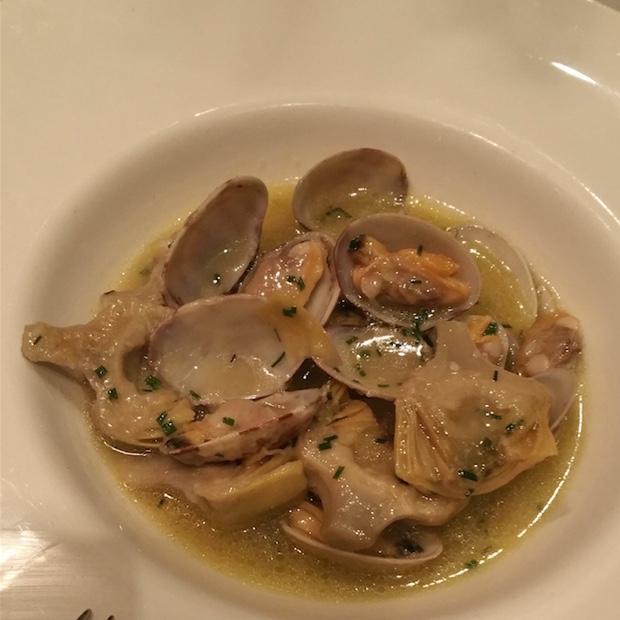
Artichokes and clams, Restraurante Palomeque, Zaragoza

Artichokes and clams, Restraurante Palomeque, Zaragoza

Grandes Vinos Beso de Vino Garnacha Rosé 2014, Cariñena, Spain (Winery, Agent, WineAlign)

Here Rosado advances into the glo but stops short of cool thanks to a retreat into warm aridity and salinity. Together they deliver, with strawberry and a bit of Co2. Refreshing, as if blush Vinho Verde. With a briny sea creature like clams or scallops (Zamburiñas Gallegas) it actually accentuates the crustaceous amplification, in both directions. Aprox. $9.99 CAN. Tasted October 2015  @BesodeVino  @GrandesVinos_CA  @Noble_Estates

Grandes Vinos Beso de Vino Garnacha Old Vine 2014, Cariñena, Spain (WineryAgentWineAlign)

The Beso de Vino is produced by the third largest cooperative in Spain. It is basic, straightforward, red fruit juicy Garnacha from low altitude, flat clay soils of Cariñena. Character comes in a modern, big box style, more international than regional. There is a dusty component mixed with a chew of Bubbilicious and no shortage of tangy fruit to match with wide ranging cuisine. Simple and effective Garnacha. Has travelled to where it needs to be. Drink 2015-2016.  Tasted October and November 2015

Grandes Vinos Corona de Aragón Garnacha Special Selection 2013, Cariñena, Spain (WineryAgent)

Another commercial wine with a North American market intent. Elevation gives cooler savour and yet it’s volatile and short. Boletus sensation, the sour a bit of a deterrent, but it has savoury interest. Drink 2015-2016.  Tasted October 2015

Grandes Vinos Anayon Garnacha 2013, Cariñena, Spain (Winery, 424424, Agent, $30.95, WineAlign)

A perched Garnacha, of a kind entrenched in the lush, the stylized, the worked and of smoothed edges. Extreme modernity, of a fast forward prepared cure, with similar fruit to the Corona but different winemaking. The fruit perhaps lags a bit behind the acumen. Possessive of an intriguing wild mountain herb. Drink 2015-2019.  Tasted October 2015

Bodegas San Valero Particular Garnacha 2014, Cariñena, Spain (Winery, Agent)

Musty, mushroom and an hour ago tobacco linger, cool modern savoury and pitchy sweet though aromatically, not in taste. High acidity and much cocoa/espresso. High yield Garnacha (50 hL/L). Commercial to be sure. Drink 2015-2016.  Tasted October 2015  @bodegasanvalero  @ImportWineMAFWM

Bodegas San Valero Particular Garnacha 2012, Cariñena, Spain (WineryAgent)

Combines Cariñena and Tosos fruit, of the same high yields, with a similar profile with some volatility. Cocoa, chocolate, coffee and liquorice.  Very firm and rigid wine. Not fresh and fruity that’s for sure. Resinous and the long direction taken with wood. Drink 2015-2017.  Tasted October 2015

Bodegas San Valero Particular Garnacha Vinas Centenarias 2014, Cariñena, Spain (WineryAgent)

From 80 plus year-old vines, this has the levels of kirsch and high toned fruit I would hope for in an old vine Garnacha. Still the espresso, the cocoa and the high levels of acidity, more aridity, firm and quite striking. This is a meaty, savoury and mountain herbal expression. Really impressive. Cariñena and Villanueva fruit. Pretty? Sure. Volatile? Yes. Polarizing? Certainly. This is where the style goes with time and this kind of winemaking. Drink 2015-2019.  Tasted October 2015

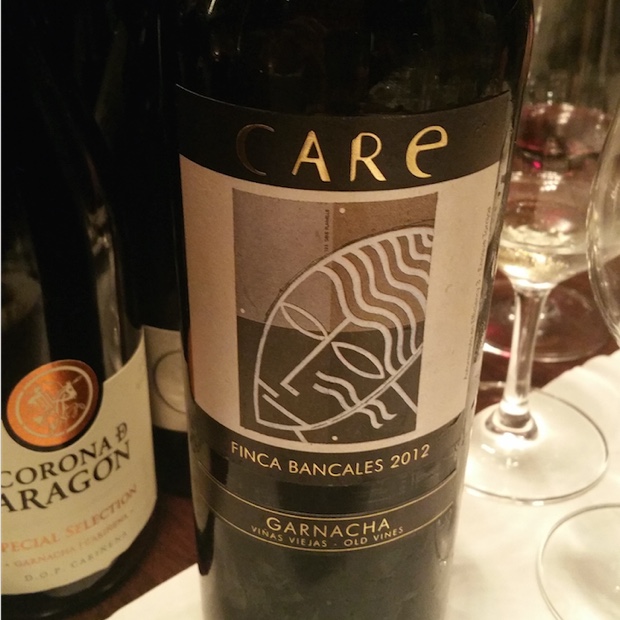
Care Finca Bancales 2012

Care Finca Bancales 2012

Care Finca Bancales Garnacha Reserva Vinas Viejas 2012, Cariñena, Spain (WineryWineAlign)

The most prized perfumed is found here, standing out among the extensive Cariñena line-up, of oaked violets arranged with aromatic presentation. One of the very few that truly preserve a heightened level of quality and identity for the region. From old (80 year-old vines) up at high altitude. Fashioned with carefully selected fruit and dealt a cool fermentation, followed by one month of maceration. Aged in bigger volume, old and new (300-500l barrels). “We are not pioneers, we are imitators,” admits winemaker Jorge Navascues Haba. What’s special is the size of the barrels and the mixture of oaks. Here Garnacha that should and will certainly live another six to eight years. Shows off enough fruit to match the tannin and the acidity pulsating in full rage. Grainy like few others yet with wooing, seductive, elegant, ripe red fruit. This is the benchmark for Garnacha from Cariñena with ego checked and left at the door. Drink 2015-2022.  Tasted October 2015

Bodegas Ignacio Marin Duque de Medina Garnacha 2014, Cariñena, Spain (Winery)

From a family winery (largest in Cariñena) and a wine unlike any other yet in Aragon. Mature, nearly caramelized, nutty and almost desert like. Very low in acidity and tannin. Oxidative. Quick work. Drink 2015.  Tasted October 2015

Bodegas Ignacio Marin Old Vines Garnacha 2010, Cariñena, Spain (Winery)

Touched, volatile, nutty to fruitcake, turntable vinyl and vaporizing. A flavour that recalls white cocoa and spun white wool. Once forbidden fruit playing hard to get. Old school, chiseled, locked in. Freshness no longer its number one asset. Drink 2015.  Tasted October 2015

Welcome to the Hotel #Cariñena

Welcome to the Hotel #Cariñena

Good to go!

Twitter: @mgodello

Instagram: mgodello

WineAlign: Michael Godel

Facebook


Varietal Spanish wine

Meat Me in the Junction http://meatmeinthejunction.com

Meat Me in the Junction
http://meatmeinthejunction.com

In which camp do you take up permanent and loyal residence? Do you listen to, build your cellar around and taste exclusively of the singer-songwriter, the solo artist, the grape that goes it alone? Who are you? Varietal or blend?

Many a quarrel has landed on the subject of pitting meritage versus the single-varietal. The purist will argue that no combination of grapes can combine to make for the greatest of wines (save for Champagne). They will insist the skilled and important winemaker is one whose favourite medium is difficulty. That only the ones who are possessive of the cabalistic code can truly unlock the inner secrets of their art. That it can only done through the secret concentration and religious attention paid solely to one partner.

Pinot Noir and Chardonnay perpetuate in globally made, 100 per cent single solutions, not to mention the behemoths of Shiraz, Malbec, Tempranillo, Sauvignon Blanc and Riesling. To a lesser extent there are great vats composed of Cabernet Sauvignon, Sangiovese, Cabernet Franc, Merlot, Nebbiolo, Gamay, Chenin Blanc, Pinot Gris and Gewürztraminer.

The viticultural right of assemblage is one of the perks in modern winemaking, propped up by and standing on the shoulders of Bordeaux giants. The blending of grapes in summations to argue that the whole is the proper gross of fractions is a celebration of the 21st century avant garde.

Related – Off the beaten Italian path

Yet times evolve, change and tesselate. Old becomes new again. In November I travelled off the beaten Italian varietal path in an investigation of the B-sides, the ones that no one else knows about. I met the awakening of the Italian grape vernacular, engineered for companionless a cappella troubadours, from Albana to Ribolla Gialla, endemic (or indigenous, if the nomenclature suits you) and ancient varieties that have entered a time of new dawn. A similar renaissance is happening in Spain.

In October, at the invite of the downright honourable good Dr. Barry Brown of the Spanish Wine Society, I had the opportunity to taste through a wide selection of the wines of Navarra. The region lies between Pamplona in the north and the Ebro River plain to the south. Non-native varieties like Chardonnay, Cabernet Sauvignon and Merlot were introduced in the eighties, but it is the native Viura, Tempranillo and Garnacha that drive the Navarran machine.

The Rosado of Navarra were exceptional and the best examples were composed from 100 per cent Garnacha. The single-varietal compositions in Garnacha and Tempranillo by Bodegas Principe de Viana drove the companionless point. The exception to the rule was found in the wines of Bodegas Tandem. The small winery in Tierra Estella (Yerri Valley) is fashioning blends using Tempranillo with Cabernet Sauvignon and Merlot in a combination of concrete vats and French oak. The slow ripening, meticulous handling and extended aging in wines crafted by José María Fraile is nothing short of exceptional. After all, they are called grape varieties and variety is the spice of life. Why shouldn’t blends have more fun?

In November I continued my Spanish odyssey with the wines of Garnacha. It was there that the solo records, in red and white really began to play in my varietal head. Garnacha (also known as Grenache) is one of the world’s oldest and most widely planted grapes. Its ability to assimilate the double-pronged effect of a Mediterranean climate and an Atlantic suffusion make it ideal for the Iberian Peninsula.

From left to right: Bodegas Tandem Ars Nova 2011, Bodegas Principe de Viana Garnacha Vinas Viejas 2013, Viñas del Vero La Miranda de Secastilla 2012, Lafou Els Amelers 2013, Edetària Selecció Blanc 2012, Bodegas Pirineos Garnacha 2013 and Grandes Vinos y Viñedos El Anayón Selección Garnacha 2011

From left to right: Bodegas Tandem Ars Nova 2011, Bodegas Principe de Viana Garnacha Vinas Viejas 2013, Viñas del Vero La Miranda de Secastilla 2012, Lafou Els Amelers 2013, Edetària Selecció Blanc 2012, Bodegas Pirineos Garnacha 2013 and Grandes Vinos y Viñedos El Anayón Selección Garnacha 2011

As the most notorious grape variety with the ability to go ying or yang, Ac or Dc, red or white, Garnacha makes for a fascinating study. Three examples expressive of Blanca’s western European white vinous supremacy opened my eyes to its capabilities. Viñas del Vero La Miranda de Secastilla 2012 (Agent, $16.00) from Somontano made use of four months in two year-old oak barrels to help develop texture in as good a value Garnacha Blanca as could hope to find. The Lafou Els Amelers 2013 (Agent, $28.95) from Terra Alta is a gorgeous wine of salinity, calcium, white flowers, fine lines and elegance. The Edetària Selecció Blanc 2012 (Agent, $39.95) also from Terra Alta is the pure distilled embodiment of Garnacha Blanca with its own unique and distinct aroma.

The Toronto Garnacha tasting ushered by Sopexa Canada brought into focus the grape’s diverse spectrum spread liberally around Spanish wine regions. When Garnacha goes it alone the results are extremely varied, from simple syrup, inexpensive drops to seriously structured compositions. As a varietal wine it is extremely accessible and offers exploratory song lines for all walks of wine consumer life.

From Somontano there is the Bodegas Pirineos Garnacha 2013 (Agent, $17.00), a prime starter’s example all about structure, with rock, chalk and lime-like citrus accents. This is a red Garnacha for the white wine drinker. Grandes Vinos y Viñedos El Anayón Selección Garnacha 2011 (Agent, $30.00) hails from Cariñena. Reeking ethereal and attenuated in American Oak, the high toast, citrus tone, vanilla and Rhône-esque garrigue is palpable. Crazy sweet tannins will carry this big fruit Garnacha to the next decade with pleasing clarity.

So with thanks to Macabeo, Prieto Picudo, Mazuelo, Graciano, Garnacha and the people who brought them to us, the individual is freed from the collective. In a twist of Descartian philosophy, of mind and mechanism, varietal wine is handled with the treatment of oxymoronic social sciences. The result is a triumph of secular materialism, the conceit of modernity and the reduction of the world to a single, simple mechanism. Varietal atom splitting is a resource to be exploited in blind interaction with the living planet.

In the end there is only one vine, one grape, concentrating, developing, existing one at a time. Here are six full tasting notes on varietal wines, each allowed to shine without intrusion and on their own line.

From left to right: Torre Oria Reserva Brut Cava, Dominio Dostares Estay Prieto Picudo 2011, Señorío De Sarría Viñedo No.8 Mazuelo Crianza 2009, Finca Los Alijares Graciano 2009, Baron De Ley Varietales Graciano 2010 and Viñas del Vero Secastilla 2009

From left to right: Torre Oria Reserva Brut Cava, Dominio Dostares Estay Prieto Picudo 2011, Señorío De Sarría Viñedo No.8 Mazuelo Crianza 2009, Finca Los Alijares Graciano 2009, Baron De Ley Varietales Graciano 2010 and Viñas del Vero Secastilla 2009

Torre Oria Reserva Brut Cava, Método Tradicional, Do Valencia, Spain (402255, $15.95, WineAlign)

Made from 100 per cent Macabeo, this is from a winery that is the first to produce Cava from outside of the Penedes DO. Here, from Valencia, up front there is dust, must and concrete, evidence of a lees-induced oxdative lean and wish upon a star aridity. There comes a time when dry fizz does not have to be the way to go, especially when trying to please many palates in too tight a space. So up steps this formidable Cava (with 9-10 g/L RS), in quality, with a crush of gala apple, a weight and a texture like a shag rug. Sure, it may be a bit disco but it’s also so very retro hip. Like Gorillaz and Clint Eastwood with “the essence, the basics,” and its “got sunshine, in a bag.” On the oxidative side? Yes and “the future is coming on.” Drink up.  Tasted January 2015  @cavaswine  @DO_Cava

Dominio Dostares Estay Prieto Picudo 2011, Vino De La Tierra De Castilla Y León, Spain (393140, $15.95, WineAlign)

A rare sighting of Prieto Picudo, one of the more idiosyncratic of grape varieties. This is the entry-level offering from Dominio Dostares (they make more precious best plot selection versions). Vines as ancient as 90 years old contribute briery cedar and leathery veins but this is quite modern, straightforward and aiming to please. Though a bit hot and heavy, the aridity (2 g/L RS) and the mineral streak keep it real. A harmonious if gangly red (from high acid soils), keeping warm and huddled within its hermetic, endemic environment. Short and simple, sweet and tart. Represents striking value in something other. Tasted January 2015  @oenophilia1  @_Cast_y_Leon

Señorío De Sarría Viñedo No.8 Mazuelo Crianza 2009, Do Navarra, Spain (391656, $17.95, WineAlign)

The release of relief in the activity of opportunity to taste something other, like 100 per cent Mazuelo, is just excellent. Compounded with the breath of fresh Spanish DO brought to the table by the current wave of Navarran wines, the experience is made that much more enjoyable. The wine is neither modest nor is it a mouse. Its body travels “on a road shaped like a figure eight.” It builds more than nothing out of something. The traced aromas are filled with pots of fresh flowers and the space is occupied by plenty of stuffing. No. 8 has a seamless, put together structure from the start. Silky and so very juicy with a streak of reminiscing rusticity. Great proper acidity and very stretched length. A very pretty if grounded and ode to history made wine.  Tasted January 2015  @navarrawine

Finca Los Alijares Graciano 2009, Vino De La Tierra De Castilla, DO La Mancha, Spain (392522, $17.95, WineAlign)

Not unlike Rioja, the wines of Tierra De Castilla in the heart of Spain are blessed with a Mediterranean climate augmented by an Atlantic influence. This organic winery is located beneath the Gredos Mountains in the Province of Toledo. The vineyards are protected from the northern winds by the mountain ranges. Though oft considered lower in quality, the Vino de la Tierra de Castilla designation is emerging from out of the Castilla-La Mancha shell. Tasting this 100 per cent Graciano just after a few months in oak and a bunch more in bottle before release would have shown more bright fruit and verve. Now four plus years later there is still much to admire in the high notes and brightness of the nose. Hard not to notice the strikingly and hauntingly beautiful aromatics. Also some dried fruit, like prune and turkish apricot. Akin to some Dão and some Rhône, without ever flirting with being baked or stewed flavours. Aridty juiced from rocks, acidity that follows suit and to nudge it forward in longer strides.  Tasted January 2015

Baron De Ley Varietales Graciano 2010, Doca Rioja, Spain (397166, $21.95, WineAlign)

Such a unique and life reaffirming, giving back red Riojan. The singular, singled out Graciano comeback revolution is upon us and we are all the beneficiaries. Here there exhibits a different sort of profile. A veritable profiterole of anise, cured chorizo, dried flowers and some spices (violets and the wafting aromas of Patatas a la Riojana). Not to be left off the redolent list is a funk, one that is not merde, but rather an old school, skinned hide. At the price and best of all is that the Graciano is so very, very long, like the Camino Frances, from the Pyrenees, through Roncesvalles and to Rioja.  Tasted January 2015  @RiojaWine

Viñas del Vero Secastilla 2009, DO Somontano, Spain (Agent, $32.00)

Took a sip and “the breeze blew back my hair.” Made from 100 per cent Garnacha, the elevated liqueur on the nose is invigorating and initially, somehow disturbing.  The combined forces of macerated, steeping cherries, melting liquorice and bubbling tar is extraordinary. Enveloped by a tinging, pinging acidity, the wine is structured in chalk, grain and gravelly tannin. The barrel influence is ingrained and the wine is most certainly huge but the overall composition is fresh, red and viscid. What to do after being hit in the face with a wine such as this? “How can I measure up to anyone new, after such a love as this?” Who are you Secastilla? Be patient, let it ride for years, let it soften. The comeback tour will be fun.  Tasted November 2014  @VinasdelVero  @WoodmanWS

Good to go!

Coming wine from the cold

Boutari Naoussa 2010, Monasterio De Las Viñas Reserva 2006, Keint He Voyageur Chardonnay 2012, Quercecchio Rosso Di Montalcino 2012, Villa Mora Montefalco Rosso Riserva 2008, Vina Real Crianza 2010, Finca Del Marquesado Gran Reserva 2004, Driftwood The Collection Cabernet Merlot 2012

Boutari Naoussa 2010, Monasterio De Las Viñas Reserva 2006, Keint He Voyageur Chardonnay 2012, Quercecchio Rosso Di Montalcino 2012, Villa Mora Montefalco Rosso Riserva 2008, Vina Real Crianza 2010, Finca Del Marquesado Gran Reserva 2004, Driftwood The Collection Cabernet Merlot 2012

Is there another time of year that creeps under the skin like the coldest depths of winter? Does the craving to travel, the urge to visit distant places, the longing to slip silently and unnoticed away take over with such grip more so than when it so freakin’ cold outside? Is wanderlust tugging at your layers of sleeves? Is the fernweh calling, off in the distance, far away from home, urging you to escape from your everyday life?

Easier said then done and so turn instead to wine. Wine of a different sort of ilk. Wine that causes controversy, or at the least, differences of opinion. Wine to one disappointed taster that is seemingly, annoyingly tainted. To another it is full of wizened life. Wine that polarizes individuals, asks of others to choose sides and yet always remains content and confident within its weathered skin. Wine with age.

It strikes me as remarkable that the same wine opened to two tasters will elicit profoundly divergent opinions. Imagine if two wines popped and tasted side by side could be in dialogue with one another. Like paintings that hang adjacent or opposite one another in a gallery, if the critics had left the room, would they continue the conversation? If they did, what would they say to one another?

They might say have a go at me and transport yourself away, in the moment, to somewhere else. That longing can be satiated with wine but not just any old bottle will do. It’s going to take something that indicates ancient thoughts, bottles that intimate the expression of far away lands, wines that speak a different language. In some cases it may simply involve grapes with a wanderlust of their own, voyageurs born in one place and raised in another. Or a varietal bonding that emulates indigenous assemblage.

This coming Saturday will mark the first VINTAGES release of 2015. I tasted through the offer back in December and it was mostly the Old World that stood apart, speaking in simple vernaculars, tracing steps back to the European continent. These eight wines, all under $20, spoke loudest and with much clarity. Here are their notes.

Boutari Naoussa 2010, Pdo Naoussa, Greece (23218, $13.95, WineAlign)

Always the bebop beat and bomb of Greece for a song. Great earth, solid fruit, a monk’s tale in Naoussa pure adrenaline fidelity. What composure this $14 red speaks with and acts in silent, loyal, religious accord. Minerals in, acidity flies out. Excellence in simple thought and Xinomavro prayer. A Monk’s dream, with body and soul, sweet and lovely.  Tasted December 2014  @boutari    

Monasterio De Las Viñas Reserva 2006, Do Cariñena, Spain (166579, $14.95, WineAlign)

Heavy thoughts and weight are stratified in this very affordable Reserva. Showing zero effects of eight years age so again, the DNA (as being 100 per cent forthright in vintage juice) gives pause for thought. Should the impossibility be questionable? Yes, but the elevated levels of funk and circumstance make a case for utmost integrity, not to mention the old-school thought and grit. This is beautifully funky juice, scented with purple flowers and pumped up by pomp.  Tasted December 2014  @Noble_Estates  @DoCarinena

Keint He Voyageur Chardonnay 2012, VQA Niagara Peninsula, Ontario (389544, $16.00, WineAlign)

Keint He hit the Niagara mark with the ’12. All the right moves are struck; ripe fruit, mild toast, full yet unobtrusive malo, texture without excessively seeking success. Really well made in finding balance. Ten months to another point. From my earlier, February 2014 note: “Grapes for this Prince Edward County bottling made the long trip (thus the moniker) and were blended from three Niagara vineyards; Queenston, Malivoire and Foxcroft. This 13 per cent abv peninsula gathering saw 12 months in oak and leans leesy Chablis in temperament. Doughy Jenekek smothered in honey butter and washed down by a sprinkle of cream of tartar in soda. Mildly tropical but not bathed in sunshine. Elegant wine, especially at the price, so in that sense it’s very good value.  Last tasted December 2014  @KeintHeWinery

Quercecchio Rosso Di Montalcino 2012, Doc Tuscany, Italy (394973, $16.95, WineAlign)

There is s deep perfume to this Rosso, a concentrated mess of flowers, dried citrus and a forest of evergreen. Good value. Not so tight, though the acidity has an advantage. Not so drying as some, as this has brightness and red cherry fruit. Nothing dank. Good value I say but certainly on the simple side of the Sangiovese Grosso tracks.  Tasted December 2014

Villa Mora Montefalco Rosso Riserva 2008, Umbria, Italy (357079, $16.95, WineAlign)

Musty and yet so very expressive. Showing signs of wisdom in age and yet still bright and full of funky sunshine. Wood spice notes and lines stretched and moving. Definitely, maybe a touch of back beat funk. The drying tannins and dried fruit flavours might be interpreted as flaws so “they’re gonna throw it back to you,” but you have heard it all before, you much maligned Umbrian oasis blend of Sangiovese, Sagrantino, Merlot and Cabernet. “By now you should’ve somehow realized what you gotta do.” Be yourself. Embrace your modern take on ancient, wonderwall ideas. You have power and prowess. You are inexpensive as can be imagined and aged well, like a many days-in marbled steak.  Well done.  Tasted December 2014  @DionysusWines

Vina Real Crianza 2010, Doca Rioja, Spain (657411, $19.95, WineAlign)

Another fine value here from the Riojan stable of Cvne. At first a modern mercury rise but with classical lines and structures, sharp and so very real. A Crianza whose message is old, yeah this message is true.” Queen Tempranillo that speaks of the old life, drawing character from vine and earth. Struck with tight acidity, yet verbose, melodic and artesian. As if the wine rises under pressure from a permeable stratum overlaid by impermeable rock. Is it perhaps an acquired attraction? Does it matter when it offers so much value for so little?  Tasted December 2014  @Cvne  @vonterrabev

Finca Del Marquesado Gran Reserva 2004, Doca Rioja, Spain (384248, $19.95, WineAlign)

Not just funky, this is an ’04 Gran Reserva that couldn’t be anything but. Oxidized, paralysed, stupefied. Wow. Old school, highly evolved, has passed every ritualistic benchmark and here presents life in Rioja as it may have once been, albeit 100 years ago. Toffee, caramel, the old barrel, sinew, roasted game, you name it – here it is. Would venture to even say this has even evolved prematurely, quicker than it perhaps even should have. But it’s so very, archaically pretty in a myriad of dirty ways. Hanging on for dear Tempranillo life so try it now, with a great braise, a perfect pork chop, or Sichuan-style red braised beef ribs.  Tasted December 2014

Driftwood The Collection Cabernet Merlot 2012, Margaret River, Western Australia, Australia (399857, $19.95, WineAlign)

Margaret River Bordeaux done with a heavy hand and lifted richesse. High toned, big-boned, going it alone. Sumptuous and jammy, savoury and savvy. Clearly Bordeaux-styled with utmost modernity. Tannic too. Need to want both Oz and Bordeaux to get into this bruiser. Will age gorgeously and provide great value appeal 10 years down the road.  Tasted December 2014  @Grapexpctations  @margaretrivers

Good to go!