See the wine for the money

<em>Photograph by NLo, Fotolia.com</em>

Photograph by NLo, Fotolia.com

as seen on canada.com

So much detail goes into crafting quality wines. Dedicated vineyard management, precise and timely picking of fruit, crushing, pressing, racking and fermenting. Not to mention blending, fining, filtering, aging and choosing closure. The winemaker has more decisions to scrutinize over than a Blue Jay’s general manager.

Related – more from the VINTAGES November 24th, 2012 Release

As a consumer you may find yourself caught like a deer in the headlights, bound by brands you blindly return to again and again. Or you might be lost in the details, challenged and unable to see the forest for the trees. When it comes to seeking value it can be difficult to sift through the lees and the slag. The key is to let the makers deal with the ABC’s, sidestep minutiae and focus on the big picture. Step out of your comfort zone. See the wine for the grapes, for the money. Here are five current release whites that demonstrate more than just the sum of their parts.

White wines for the money

The grape: Moschofilero

The history: From a Greek winery located in the heart of Arcadia, in the ‘Polyampelos Mantinia’

The lowdown: Organically grown and produced in a state-of-the-art facility

The food match: Greek Chicken Kebabs, red onion, oregano, tzatziki

Domaine Spiropoulos Mantinia 2011 (710970, $14.95) takes a salt bath in crystalline, Aegean waters. Honey, manna, aconite blossom and marmalade scents give way to a stoney, tangy soupçon sprinkled with feta. Crisp and pure Moscho.  89

The grape: Sauvignon Blanc

The history: Two years ago Richard Kershaw took over vinification from legendary Western Cape winemaker Mike Dobrovic

The lowdown: We’re definitely not in the Loire anymore

The food match: Poached Chicken Breast in Dark Chicken Demi-Glace

Mulderbosch Sauvignon Blanc 2011 (933424, $18.95) defines the saying plus ça change, plus c’est la même chose for South African SB. Unchained, unique, woody, herbal and welling with gregarious acidity. Brilliant SB actually. “Non-stop talker, what a rocker!”   89

The grape: Riesling

The history: Made by the Eden Valley terroir master, Louisa Rose

The lowdown: Find me a better Aussie Riesling under $20 and I will buy a boatload

The food match: Pork Fried Rice, sambal oelek, kecap manis

Pewsey Vale Riesling 2011 (686600, $19.95) shimmers an iridescent emerald-green on gold patina. Cracks like a whip straight in your face with lemon, lime and slate than lowers a sledgehammer of petrified wood. Snake-like Sasak fruit tang and acidity “goes dancin’ in,”  “builds that power” and lingers long after its skin has been shed.  91

The grape: Riesling

The history: The Berres family is recorded to have resided and worked in the vineyards of Ürzig since the year 1510

The lowdown: Ürzig and Erden are famous for their red slate soils and singular rock outcroppings that retain heat and concentrate the typical herb-spice of the wines. These are the only villages in the Mosel allowed to replant without grafting, as phylloxera was never able to penetrate the rock barriers.

The food match: Hu Tieu My Tho Noodles, shrimp, pork, baby bok choy

C.H. Berres Ürziger Würzgarten Riesling Kabinett 2009 (207274, $19.95) certainly represents its number 16 spot on the periodic table and bursts from the Bunsen Burner with wafts of coconut, lime and pear. Chemistry in an Erlenmeyer, puffing carbon smoke, petrol fumes and giving way to a lively palate of apple and glucose. Goes smoking, dry ice at the finish. Love this.   90

The splurge

The grapes: Semillon, Sauvignon Blanc, Chardonnay, Viognier and Gewurztraminer

The history: The most famous Ontario white blend

The lowdown: Low yields, late picking, a winemaker’s (J-L Groux) tour-de-force

The food match: Roasted chicken with Jerusalem artichoke & lemon

Stratus White 2009 (660704, $44.20) is a vision of glittering gold, an atomic L’Européenne white blend that reminds me of the Loire. The 31% Sauvignon Blanc stands out with green peas and pepper berries. Waxy yellow apple (Semillon), peach blossoms (Viognier), elemental viscosity (Gewurz) and buttery caramel (Chardonnay) all come into play. Tough acidity and autoroute length look to extend the life of this iconic Niagara-on-the-Lake white.  91

Good to go!
A toast to the endangered Twinkie

Photograph by AP Photo/Interstate Bakeries Corporation via PRNewsFoto

as seen on canada.com

It was many moons ago that Rachel Sa challenged me to post a tasting note on a not-so Simpsons inspired D’Oh wine. Imagine my delight to find her column re-appear on a sunny Sunday in the form of a spiritual ode and lament to the never to be inhaled again Hostess Twinkie.

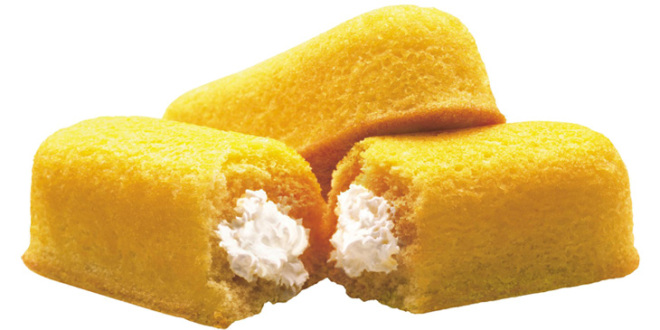
No prompting needed this time around. Even the most serious and dedicated wine geek has a soft spot, whether they admit it or not, for packaged sweets. If Twinkies are on the verge of extinction, do they not deserve a proper toast? The issue is that the iconic sponge cake with the synthetic cream filling is a tough pairing for the fermented grape, as are other sugary snacks. Dessert wines do not work. The sugars compound and the cloying factor flies off the charts. Cake, sugar and laboratory invention is a difficult match to dry, savoury and tannic substances.

Look for wines that hint at sacchariferous behaviour but are actually of a dry table sensibility. White blends and Rosés first come to mind but some fresh and fruity reds will also do the trick. And I would be dissing 82 years of snack service were I not to include some bubbles for the Twinkieapocalypse. Here are four current releases to wash down the last of the great Twinkies.

Four current releases to wash down the last of the great Twinkies.

The grapes: Riesling, Gewürztraminer, and Chardonnay Musqué

The history: The aromatic white blend is becoming a signature Niagara wine style

The lowdown: Nobody does it cheaper or more effectively than wizard winemaker and potions master Richie Roberts

The food match: What else? The endangered Hostess Twinkie

Fielding Fireside White 2011 (303040, $13.95) will lead you to dance a firelight waltz. The pale, seemingly sweet nectar aromatically reminds me of fun and fizzy Moscato D’Asti. Gorgeous and grapey as if fountaining through the press, tropical blossoms blooming. Like the snack itself, the blend is “a tune from your childhood and a soft yellow moon,” even if it’s waning.  87

The Grapes: Gamay and Cabernet Franc

The history: Pink discrimination is a thing of the past

The lowdown: Ontario Rosé is extremely versatile so why not pair it with packaged confection or  match it as a sweet and savoury apéritif

The food match: Strawberry and Fior Di Latte Bruschetta

Featherstone Rosé 2011 (117861, $14.95)  stops just short of day-glo in a pastel, strawberry hue. The ever-bearing, mild candy fruit gives way to a salty, savoury middle and finishes with subtle yet pungent pink grapefruit. Vastly improved pinky.  88

The grape: Cabernet Franc

The history: The Saumur-Champigny appellation was created in 1957

The lowdown: Though Cab Franc has been cultivated for centuries in the area, this is the modern Loire in action

The food match: Hush Puppy Hot Lips Pocketbook Rolls

Domaine Langlois-Château Saumur-Champigny 2010 (7179, $17.95) is cracker correct Cabernet Franc befitting the appellation’s modern directive. A pepper electric, beet red, currant current runs through it, like a rolling river of stones. Sweet and sour hot lips, cinnamon spicy and playing a lick in open G. Rock ‘n roll Cabernet Franc.   88

The Splurge

The grapes: Chardonnay and Pinot Noir

The history: Classic 50/50 blend from an outfit that dates back to 1811 and makes a boatload of fizz

The lowdown: Excellent quality in under $50 Brut

The food match: French Fries, followed by Twinkies

Charles De Cazanove 1er Cru Brut Champagne (299750, $43.95) shows off a very distinct ripe, golden delicious apple aroma and a white grapefruit twang. The pettilement, subliminal tinkling of bubbles comes from a persistent, fine mousse. Toasty seltzer, dry and dusty with just a hint of poutine. A charmer and potential lady killer.  90

Good to go!

Wine and remembrance

<em>File photograph, National Post</em>

File photograph, National Post

Wine, wit, and beauty still their charms bestow,
Light all the shades of life, and cheer us as we go.”

On Sunday Canadians gestured in solemn contemplation to the fallen, lest we forget and celebrated heroes. We also gave the thumbs up to a local champion. Congratulations to Moray Tawse, Paul Pender and their team for being chosen Canada’s number-one winery for the third straight year in a recent Wine Access magazine poll.

Pender’s vision for Tawse, while wholly modish in tune, remains deeply rooted in an “antediluvian” wisdom with respect to making wine. The same cannot be said for a mess of ethanolic ferment proliferating present day LCBO shelves. Off I go towards yet another personal hermeneutic. This fall I have nosed, tasted, sampled and jotted down notes on more than 1000 wines. More than half have weighed in above 14% alcohol by volume. One in four have pushed the 15% abv envelope and beyond.

Biblical thought says there was a time when “wine” was simply the juice of pressed fruit, non-fermented, void of alcohol, the “pureblood of the grape.”  As Ben Franklin noted, before the flood the Antediluvians Were All Very Sober. They may as well have been drinking unadulterated milk.

Then, according to theological theory, along came Noah, vintner number one. The post-deluge patriarch purportedly discovered that if you let natural yeasts run wild they would turn grape juice and sugar into mocker, “strong drink.” Researches say that ancient barm barely peaked at 12% abv.

Thousands of years passed and nothing really changed, save for theories on the Babylonian effect of wine upon a godless and anarchistic populace. Today the real Babylon resides in extreme ripeness hyper-extending to alcohol levels once thought impossible. Cooler heads do sometimes prevail, perhaps not exactly to antediluvian standards, but at least with a degree of sanity. The great Chilean poet wrote, “let the simple man remember, to think of the soil and of his duty, to propagate the canticle of the wine.” Here are four current releases to stem the tide of vinous revelation.

Related – More from the VINTAGES November 10th, 2012 Release

Château Peyros Tannat/Cabernet 2007 (208249, $14.95) shocks as a direct current of dry, dusty and impenetrable “out of the sight” fortress of pitch. Alternatively, Supper’s ready with figs dipped back in black chocolate, roasted chestnut, truffle and the mind blow of seven trumpets getting “right down inside your soul.” Yowza and at a respectable 13.5%.  88

Vieil Armand Médaille Gewurztraminer 2010 (260158, $17.95) is a classic. Gewurz as gewurz, off-dry, lychee floral, tropical spice, crisp and fresh. No bitter pith.  88

Coyote’s Run Red Paw Vineyard Pinot Noir 2010 (79228, $24.95) shies away from the Burgundian mushroom, Epoisses and bourse, not to mention the Beaune-like price of the sister Black Paw. Yet like a good villages Pinot, the Red Paw weighs in at 13% abv framed by cocoa dust, red earth, density and girth. Swelling and a bit dirty like a proper Martini tsunami.  89

Regali La Lus Albarossa 2008 (291575, $24.95) can be nothing short of an ancient miracle. A Nebbiolo and Barbera hybrid, Albarossa is the Baco Noir or Cinsault of Monferrato. A whisper of vanilla oak imparts elegance into the finest leathery hide. Good on the Banfi conglomerate for this uniquely homogeneous half-blood.  89

Good to go!

Fab five Movember wines

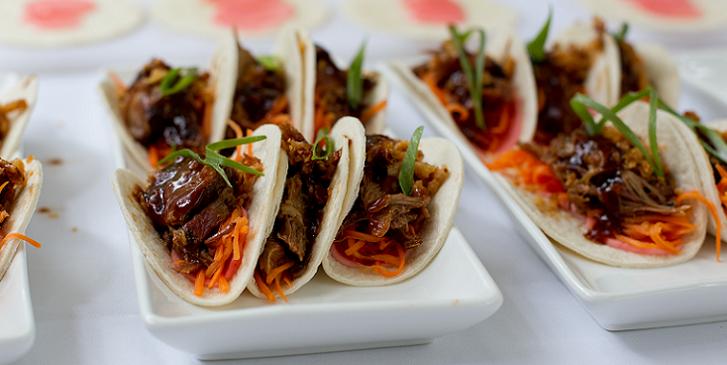
Duck Tacos and Lafond Pinot Noir 2010

as seen on canada.com

Mustaches rock. Getting your prostate checked out, not so much. Raising funds and awareness for men’s health while drinking a glass of wine? Good combo.

Last year 854,288 men worldwide registered to grow moustaches, raising a staggering $125.7 million CAD to change the face of men’s health. The Movember Wine Company out of Walla Walla, Washington is doing their part in supporting Movember by donating a portion of the sales to prostate cancer research.

Whether you are a participant, a supporter or just someone looking for a good bottle of wine this weekend, here are five current releases to sidle up alongside the stash.

Fab Five Movember Wines

The grape: Pinot Gris

The history: In a Skyfall Euro-world, nobody does it better than Alsace

The lowdown: The vineyard sounds like a law firm or a duet but this Grand Cru PG is the stuff of legend

The food match: Portuguese Picadinho, pork bits and shrimp

Dopff & Irion Vorbourg Pinot Gris 2009 (292227, $17.95) is most unusual in its viscous, Loire-like, demi-sec residual Chenin Blanc grain, verging on Spätlese. The candied palate is widened by blossoms and minerals with a spice kick coming in on the back bite. Kickin’ PG worthy of a perennial visit through 2018.  90

The Grape: Albariño

The history: You say Alvarinho, here I say Albariño, the Galician name

The lowdown: From Rias Baixas in northwest Spain, versatility thy name is Albariño

The food match: Roast Black Cod, salsa verde, olive tapenade

Pazo Pondal Leira Albariño 2011 (115816, $15.95) may sport the hue of Cava and indicate bubbles spinning around like a frotteur but its “gotta have no illusions” about itself. A hint of seltzer in a sparkling, platinum hue swirls to honey and paraffin. Acts and looks sharp yet remains in balance.  90

The grapes: Shiraz, Cabernet Sauvignon, Cabernet Franc and Merlot

The history: H of P is named for Henry Smith of Pelham’s nom de plume

The lowdown: Hard to imagine Mr. Speck Sr. putting together this kitchen sink red blend but good on the brothers for getting this one right

The food match: Du Puy Lentil Soup, porcini mushroom, speck

Henry of Pelham Family Tree Red 2010 (247882, $18.95) shows good concentration befitting the  poker-faced vintage. Vanilla, cocoa and currants mingle in their oak bath in graceful continuance. Well-made Short Hills Bench brew.  88

The grape: Pinot Noir

The history: Pierre Lafond is a pioneer grower in the Santa Rita Hills viticulture area

The lowdown: Proletariat Pinot of efficiency and loyalty with a price tag that has remained fixed for a decade

The food match: Smoked Duck Tacos, pickled vegetables, bbq hoisin

Lafond SRH Pinot Noir 2010 (998666, $26.95) ain’t no “jive turkey so close to Thanksgiving.” There is a jam factor but don’t be thinking it’s trading places for Shiraz. The sweet and tart berry red fondant fruit shows smoke, ash tea and spiced, plum pudding. Duck, duck, goose.  88

The Splurge

The grapes: Grenache, Syrah, Mourvedre and Cinsault

The history: Michel Lucien is a rock-solid citizen, offering up the best of the Rhône to the world

The lowdown: The best deal in CdP, bar none

The food match: Crispy Duck Confit, trumpet mushrooms, savory pesto

Le Vieux Donjon Châteauneuf-du-Pape 2010 (700922, $53.95, SAQ 10817461, $50.50) will dare you to claim any better value from the storied appellation. “Da price boss, da price!” Like I’ve landed on Fantasy Island where Châteauneuf is flowing and it’s always affordable! Kirsch galore, a Rhône cat, sensuous and gorgeous. Goldfinger garrigue, with herbs and acidity so alive and purring. Approachable now, the heavenly structure will see the Donjon through 2025.  94

Good to go!

Four fall back wines for Daylight Savings

Photograph by Albo, Fotolia.comas seen on canada.com

The wine glasses will have retired when the clocks fall back to standard time at 2:00 o’clock in the morning on Sunday, November 4th. An hour no longer needed and cast off, a casualty of war. He may not have invented it, but we have Benjamin Franklin to thank for being the first to indicate the need for the phenomenon. In the United States, a federal law standardized the yearly start and end of daylight saving time in 1918, for the states that chose to observe it. It was mandatory during WWII and today most states continue to observe the so-called, energy-saving measure. Canadians abide, Quel shoc!, save for Saskatchewan which is on DST year round. What’s that all about?

The M.C. Escher tessellating question is this. Is DST an energy conservation proposition or a Saturday night wine suck? It’s both, actually. Like the Escher model, fine wine is a linear, interwoven tapestry without any gaps or overlaps. The fact that DST is part of a never-ending loop likens it to Groundhog Day and the redundant nature of the ritual zaps life, if only for one night, as if there were no tomorrow.

My advice is to make sure your fridge and racks are stocked with whites and reds possessive of good legs that fall back in the glass. Wines of character and depth to carry you through to Sunday’s raffish onset of darkness. On the bright side, that lost hour does mean that when Sunday morning comes you won’t be confronted by first light purdah masked of a folderol, cimmerian shade. Here are four wines to aid in the transition back to standard time.fallbackwine Four fall back wines for Daylight Savings

The grape: Pinot Grigio

The history: 100% PG from the Friuli Isonzo DOC region (in northeastern Italy near the Slovenian border) produced by the cooperative, Cantina Produttori Cormòns

The lowdown: Tightly wound clusters cause varietal deformity due to the pressure they exert on each other. Intense PG at a great price

The food match: Barque Rub Roast Chicken Wings and Thighs

Cormòns Pinot Grigio 2010 (734038, $14.95) is slick stuff, like vitreous and porous silica gel without the talc. Acacia blossom perfume and agave scherzo symphony in a glass. High praise indeed for lowly PG but go Friuli my friend and note the difference. The conically tapered glass bottle adds to the magic and the profile. By way of Mr. C. for my card at Barque88

The grape: Chardonnay

The history: Burgundy’s great varietal goes haywire along Niagara on the Lake’s old Stone Road

The lowdown: This racy white has just enough brake to watch its speed

The food match: Homemade Tagliatelle, brown butter, parmesan and sage

G. Marquis The Silver Line Chardonnay 2011 (258681, $16.95) streaks across and plays a lick on atomic 16 rails at breakneck speed, all the while jonesing for of a slice of custard pie. “It’s sweet and nice” with lead, nuts and spice. The G. might stand for grateful or great, as in value.  88

The grapes: Grenache, Syrah & Mourvèdre

The history: Gigondas sits one step down from Châteauneuf-du-Pape in the southern Rhône pecking order

The lowdown: Not nearly as serious as the likes of Brusset, Perrin or Montmirail but look at the price

The food match: Boneless Roast Quail, king oyster mushrooms, fresh thyme

Domaine Santa Duc Les Garancières Gigondas 2009 (234989, $17.90, was $27.95) is Grenache-centric so soft, modern and approachable is its MO. The S and M adds just enough volcanic disturbance, smoke and herbal spew to keep it real. Notes of arpeggios and glissades. At the reduced fare its reductive attributes smooth and flesh out hither and yon at the same time. Simmering raspberries with the intention of becoming jam is a delight to sniff and dip a spoon into.  89

The grape: Malbec

The history: From the emerging Uco Valley in Mendoza where the varietal seems to turn from  red to black

The lowdown: Showing very well for an under $20 Malbec with five years of age under its bottle buckle

The food match: Grilled Barese Sausages, tomato jam, smokey bbq sauce

Trapiche Fincas Las Palmas Malbec 2007 (186668 $17.95) with its vanillin, razor-sharp contour of energy is  rich and powerful for the price. The style is big, blowsy and not without a smokey, blackberry charm. A slight electric loss and corresponding increased valence shows that the clock is ticking fast, but for now the pleasure is all ours.  89

Good to go!

A global Bordeaux six-pack over/under $20

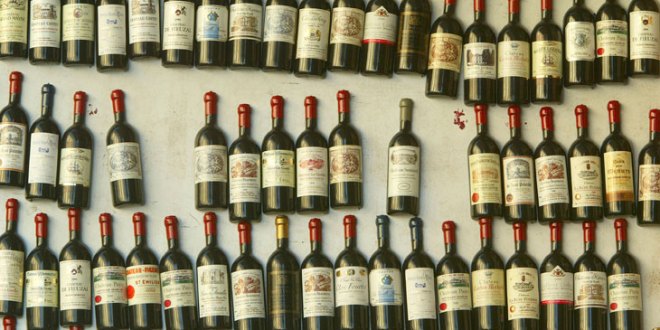
Bordeaux bottles are pictured in a shop in Saint Emilion outside of Bordeaux (photograph by Pascal Le Segretain, Getty Images).

Bordeaux bottles are pictured in a shop in Saint Emilion outside of Bordeaux (photograph by Pascal Le Segretain, Getty Images).

as seen on canada.com

Bordeaux defines wine. To paraphrase the man with the million-dollar palate, “the first duty of wine is to be a Claret, the second is to be a Burgundy.” Bordeaux is the most recognizable ferment on the planet and has become a place of reference for the word château. It’s omnipresence is without parallel in the wine diaspora.

Related – VINTAGES October 27th, 2012 Release

There was a time when a Bordeaux varietal emigration was considered to be a tautological impossibility. The wine world as we know it began to change 40 years ago when inward grapes began to emerge without, having gone mobile, global, in through the out door. In the New World, Bordeaux varietals have been subject to a pop revolution, having been joined by synthesizers, stomping rhythms and heavy, staggered riffs.

Over the past 40 years the grapes of Cabernet Sauvignon, Cabernet Franc, Merlot, Malbec, Petit Verdot, Carmenère, Semillon and Sauvignon Blanc have migrated to all reaches of the earth. Claret, especially, is everywhere.

Here are six Bordeaux-inspired wines to look for this coming weekend.

The grape: Sauvignon Blanc

The history: Though its greatest French success is in the Loire, SB is a workhorse for the dry whites of Bordeaux

The lowdown: Injuries have reduced the Masters champ to a shell of his former golfing self but if his name can pump out under $15 gems like this, success will continue to follow the great lefty

The food match: Crab and Shrimp Cakes, citrus aioli

Mike Weir Sauvignon Blanc 2010 (686972, $14.95) swings from the left side like its brethren on that side of the Gironde. A game built on concentrated gooseberry juice, tangy green fruit and a streak of chippy acidity. Sneaky long and straight down the fairway.  88

The Grapes: Merlot and Cabernet Franc

The history: From the Cotes (Saint Genes) de Castillon on the Right Bank of Bordeaux

The lowdown: Price has remained fixed, despite the hype of the vintage

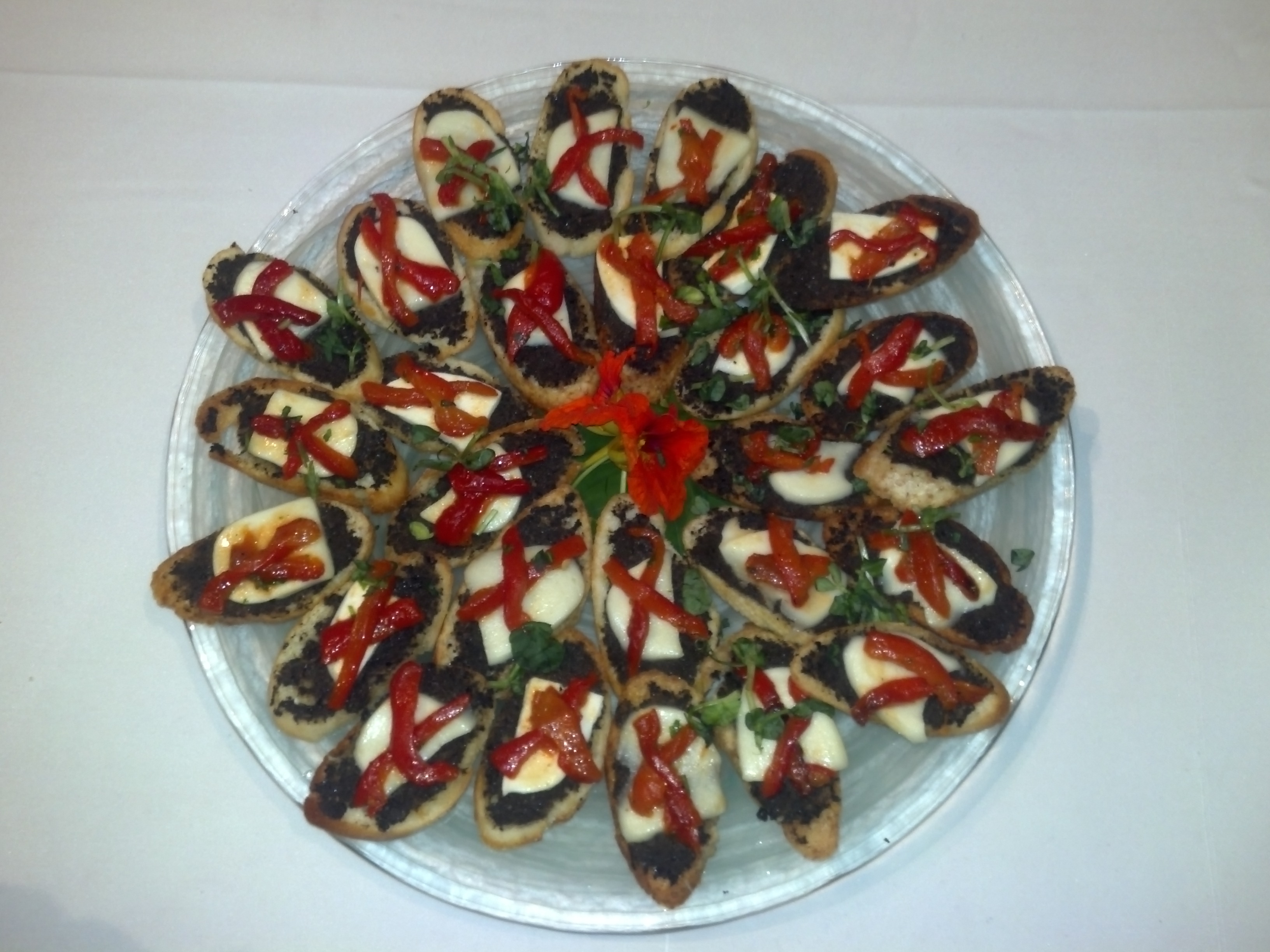
The food match: Olivada Crostini, fior di latte, roasted peppers

Château De L’Estang 2009 (191551, $18.85) ventures into more expensive Libournais territory with a level of sophistication rarely seen under $20. Crisp, tart berries, licorice without sweetness, pencil and charred meat go to good lengths. Hard to find better value in Bordeaux.  88

The Grapes: Merlot and Cabernet Sauvignon

The history: From the Médoc on the Left Bank of the Gironde River

The lowdown: Merlot less often dominates the Left Bank blends. This wine will open a window into the second wines of the top château where Merlot percentages often increase

The food match: Corn Meal Tartlettes, fig, caramelized onion, benedictin

Château Lestruelle 2009 (295840, $18.95) may show the slightest level of reduction but it’s a beautiful wine. Tar, pencil, tobacco, earth and smoke rally in balance. Ready for the pop and pour anytime.  90

The grape: Merlot

The history: Right Bank Bordeaux principle most famous in Pomerol and St. Emilion

The lowdown: Winemaker Derek Barnett looks to Bordeaux ahead of California for inspiration

The food match: BBQ Beef Brisket Skewers, honey, garlic, bourbon glaze

Lailey Merlot 2010 (591396, $25.00) is focused and linear, with fruit, acid and tannin set up like dominos.  Blackberries come off a touch jammy and the concentration of the vintage shows in colour too. Green and varnish notes are largely diminished in 2010. I’m clapping loudly because Lailey, “you’ve got me on my knees.”  89

The grape: Cabernet Sauvignon

The history: The immortal Claret, cornerstone for all Left Bank Bordeaux reds

The lowdown: One of the top Okanagan Cabs at this price point from a vineyard that gets it

The food match: Delmonico Sirloin Skewers, Cabernet reduction glaze

Township 7 Cabernet Sauvignon 2008 (303735, $26.95) is no Hotel California milkshake, nor Bordeaux neither, but there is big earth and “colitas rising up through the air.” The style is actually more Italianate, “there’s talk on the street, it sounds so familiar.” More akin to IGT Cabernet with sanguine and iron notes. Eagle-eyed with a vision for excellence and Johnny-come-lately tannins. Please welcome this new kid in town90

The grape: Carmenère

The history: Reserved in Bordeaux for blending, it has found a single varietal home in Chile

The lowdown: This Peumo Carm is the best in its class (under $50) and even above that mark in most cases

The food match: Crispy Parmesan Cups, flank steak, basil, cilantro

Concha Y Toro Terrunyo Block 27 Vineyard Selection Carmenère 2009 (562892, $29.95) is fit for a king, regal, rich and refined. The crown jewel of CYT’s line as far as I am concerned, I would choose this bottling over the (Cabernet dominated) Don Melchor any day of the week. Smokey, high on warm graphite with a conscious, languorous progression to excellence.  91

Good to go!

From honey bees to world class wine

Photo courtesy Rosewood Estates

as seen on canada.com

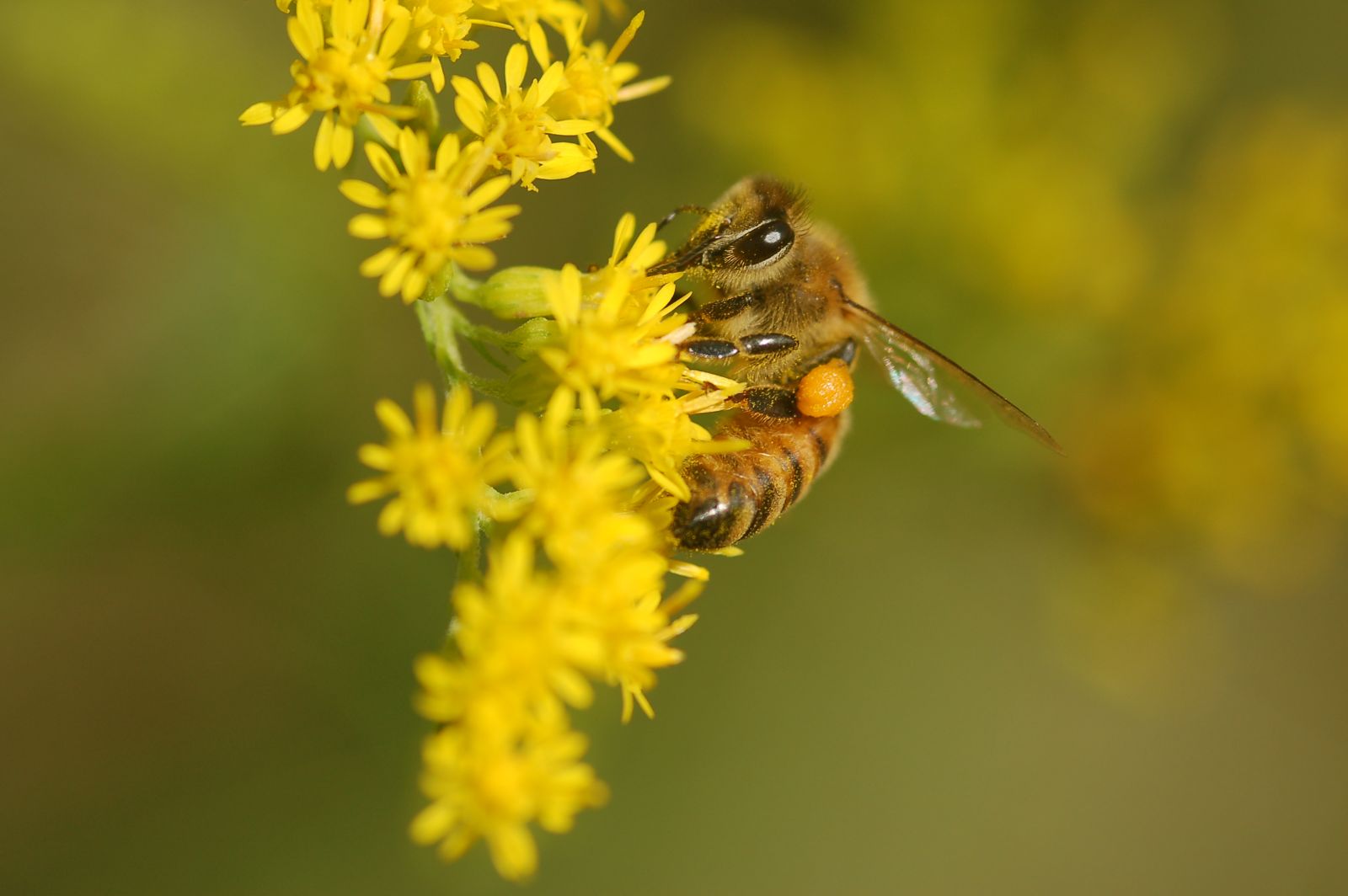
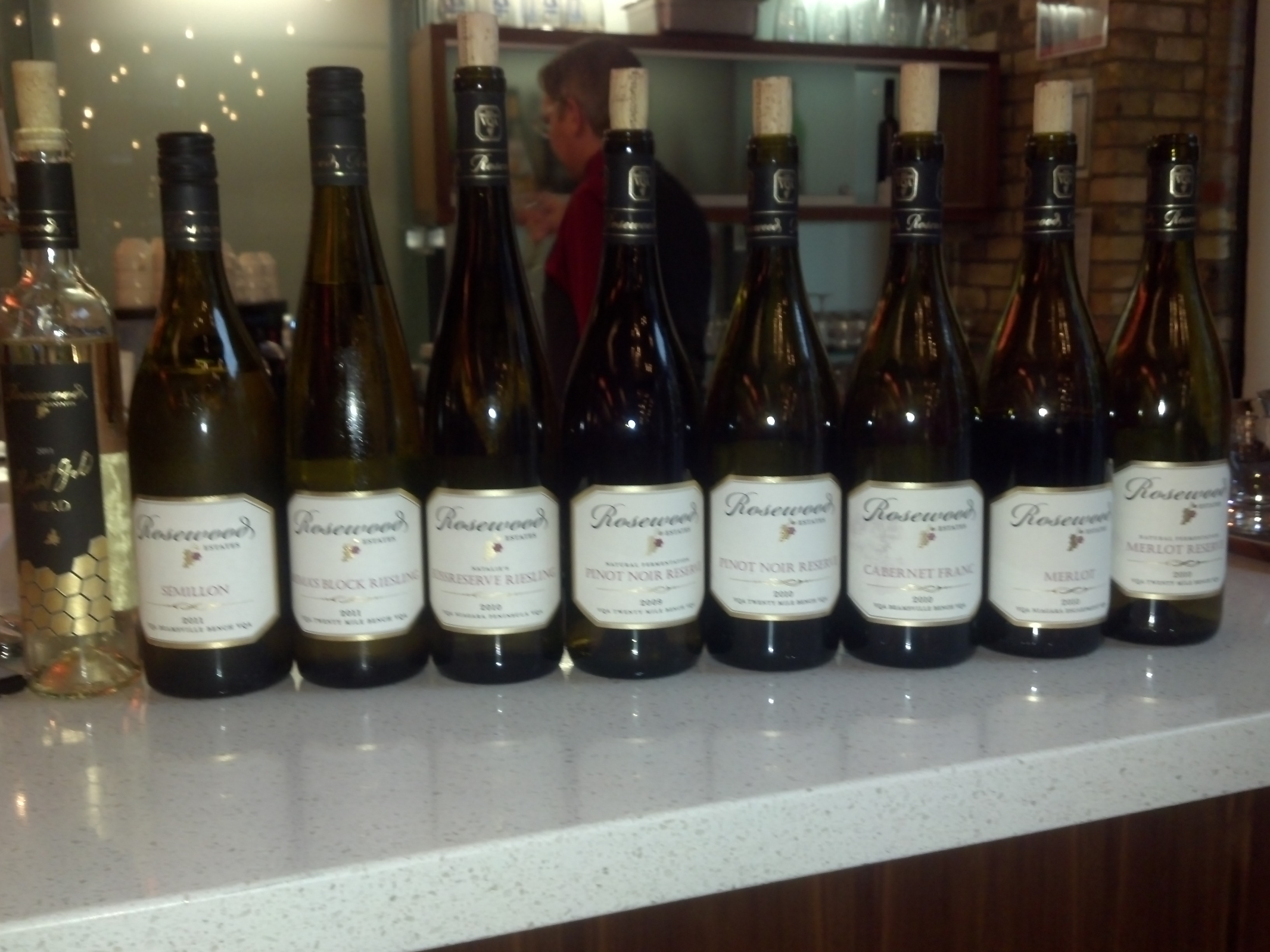
Invitations to attend wine events and tastings are so numerous I would have to forgo my day job just to keep up. Not happening. When social bee, marketing stalwart and wine purveyor Krystina Roman asked me to be guest at her family’s Rosewood portfolio tasting, there was no twisting needed of the proverbial arm. Rosewood is old-school; the Beamsville Bench, Niagara equivalent to the Italian Azienda Agricola or the German Erzeugerabfüllung. This may come off as a hallucinatory and inflammatory moment of delirium, but when it comes to Rosewood’s honey (and even fleeting moments in their wine), they’ll be lawyers in heaven before you see something so good again.

It’s a rare occasion when a winery combines their wares with the bursting enthusiasm of a cooking school like George Brown College and offers a pairing as generous as yesterday’s tasting. Thirty some odd guests were treated to five courses prepared by the students at The Chef’s House at GBC. Rosewood poured two mead wines, one mead cocktail, three whites and five reds. Meritorious line-up.

Amuse Bouche

Chicken Tikka with Mango Chutney

Harvest Gold Mead 2011 ($20) is so simple it’s the zen koan of the wine world. Hue as if Riesling or Semillon. Perfume is significant and verdant. Made from a lighter honey as per the vintage, this is “an ode to traditional mead, with a savoury component and cool balance,” notes winemaker Natalie Spytkowsky. Fermented and aged in 100% stainless steel it buzzes out with a tang like late harvest Riesling but finishes remarkably dry. Honey, water, yeast. The whole aviary. Nothing petty about it.  “Peace in the valley with my honey bee.”  88

Tasting Plate #1: The Whites

White Fish Ceviche

Semillon 2011 ($18) may understate its pineapple, Bosc pear and white pepper bequeathal due to the rains of the vintage yet still retains its Viognier like viscosity and floral tide. All quality Semillon needs three to five years to gain weight and Rosewood’s track record tows that line. A mysterious herbal note lies beneath the tropical nuances and Spytkowsky can’t place her nose on it. It’s Rhône-esque garrigue in bloom, not unlike thyme, rosemary or oregano.  90

Mima’s Block Riesling 2011 ($18) from a parcel of land vines named after Krystina’s godmother is, like Barbara in town same day, “smooth and loveable.” Elegance be thy name Riesling but you gotta love the accumulating, racy acidity in this wine. A dove in eagle’s clothing. “Lemon balm, sage, green apple and tobacco,” finds Spytkowsky. The queen bee white of the portfolio, “she got eight arms to hold you.” Could pour it on my blinis, like Jemima’s syrup.  89

Natalie’s Süssreserve Riesling 2010 ($15) is the marriage of (16%) unfermented juice added back into the fermented, finished Riesling. Ultimately adds a “unified, wow factor” and drops the alcohol level by a per cent. Though not as sweet to nose as you would expect, the aromas burst forth of tobacco, apricot and Ida Red apples. The Süss wants to continue fermenting which causes a pain the arse for the winemaker. Arresting fermentation and demanding a doffing is key, but when you choose a pioneering path, you get what you pay for.  88

Tasting Plate #2: Pinot Noir

Crispy Fried Mushroom Arancini

Pinot Noir Reserve 2009 ($40) clocks in at 13.2% abv from 20 Mile Bench, Wismer-Ball’s Falls fruit that is whole cluster pressed under gentle, low pressure. So what? It means low phenolic (bitterness) extraction where seeds and skins are shunned and it’s all about “extracting the good stuff.” Fermented from the grape’s own yeasts, this Pinot has perfectly evolved to this point in time. Mushroom, earth and sweet red fruit will see the ’09 through another five years of joy.  91

Pinot Noir Reserve 2010 ($40) is another animal altogether. Same locale (20 Mile Bench), different (unnamed) grower. Colour of crimson meets annatto. From a much warmer vintage so the dark berry quotient and chocolate (from the barrels) accent leads to a less vibrant Pinot. That Rosewood perfume, the garrigue in bloom, here mixed with Juniper berry gets inside and tingles the nose. Saves the wine from early extinction.   88

Tasting Plate #3: Big, Bold & Beautiful

Braised Lamb Shank Tortellini

Cabernet Franc 2010 ($22) is made in miniscule quantities (four barrels from three acres) and I must concur with Spytkowsky’s assessment that this is a “crazy price point for a wonderful wine.” Hang time is the key here. Let that Cab Franc ripen Ontario! I hate green notes too Natalie and your CF sidesteps their recriminations so contentious and hurtful to composition. Bleeding purple here, a slight oxidative note comes around late, not so much a deterrent as a message to drink up.  89

Merlot 2010 ($22) from Wismer estate vineyards on the 20 Mile Bench is “bright, fresh, dark berries on a warm, broad palate.” Fair enough. Enjoyable if unremarkable.  87

Merlot Reserve 2010 ($40) holds a psyche energy perhaps yet unseen in Niagara Merlot to date. Attributed to what Natalie refers to as “long-chained tannins,” one linked to another, as if a baker’s starter replicating upon itself in perpetual fermentation and aging. The reserve ramps up the acidity and sweet oak notes but what is most striking is the tarry, astringent, dusty and chalky grain of the wine. Breaks many ways before falling safely into the cup. Needs time and lots of it. A black-eyed bee89

Trou Normand

Honey Harvest Moon Mead Cocktail

Tasting Plate #4: Mead

Thunder Oak Aged Gouda

Mead Royale 2008 ($18) files in at 12.5% abv in a vintage where honey outsells water. Well-balanced, this is the dessert wine of the bees’ mile-high club. Whiffs of the flowers they feed upon with a touch of ginger and lavender. The honey comb pool beneath the cheese is worth the price of admission.  88

Good to go!

Great whites, fall colours

The Road. Photo courtesy Kiowaman

as seen on canada.com

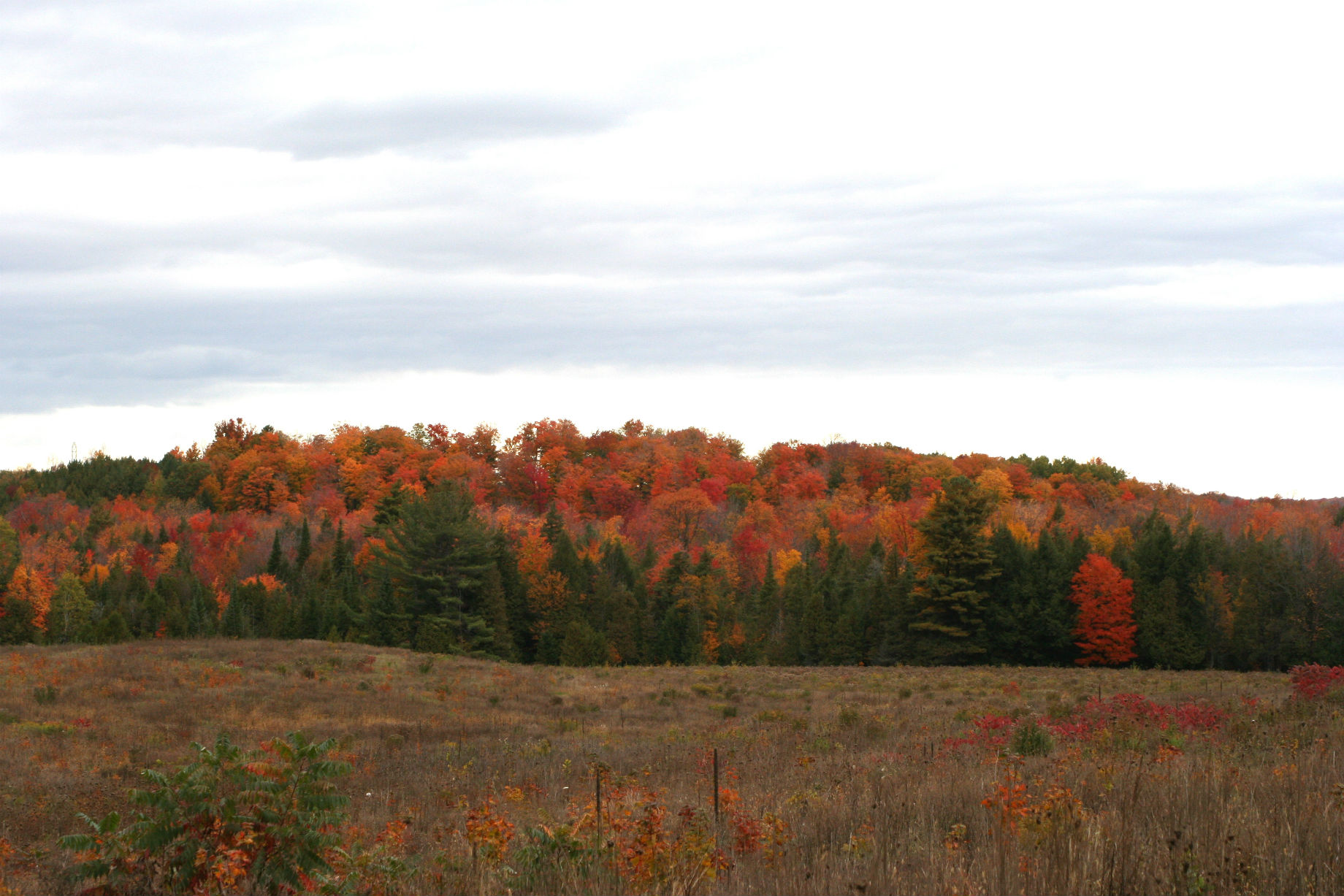
We are distinctly Canadian. In summer we paddle, navigating canoes through marshes, bogs and streams, traversing lakes and meandering down rivers. In the fall we are more likely to pack up the car and drive the road to northern climes, marveling at the changing season, elucidated by fall’s bright oranges, yellows and reds.

Our taste and choice in wine follows suit. When the heat is on we look to sharp, vigorous and thirst quenching white wines. Sauvignon Blanc, Vermentino, Garganega, Riesling and Chenin Blanc. Jumping forward a month or two there will be the need for full-bodied whites; Chardonnay, Semillon, Viognier, Marsanne and Rousanne. In the autumn interim we bridge the gap with Unoaked Chardonnay, Pinot Gris and Grenache Blanc.

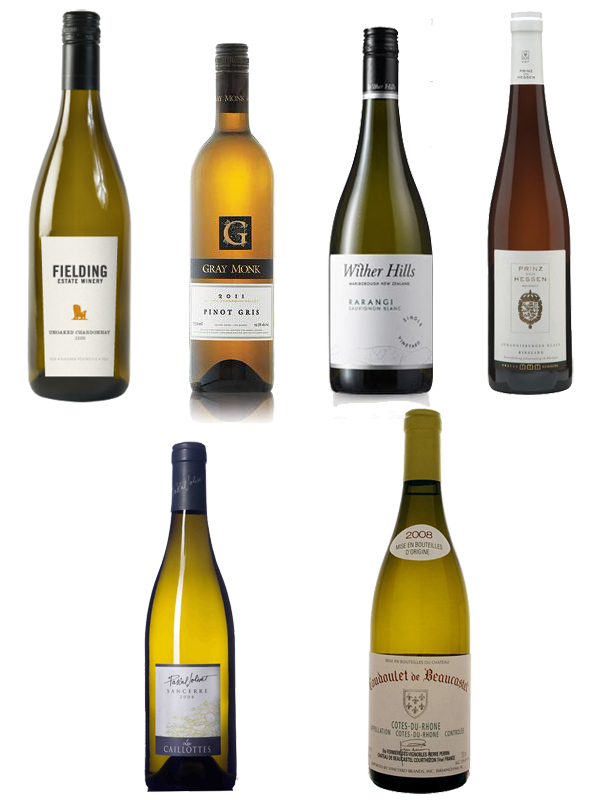
Here are six great whites for fall and for the early stages of the coming winter cold.

The grape: Chardonnay

The history: Take away the oak influence and Chardonnay goes crisp and clean

The lowdown: Winemaker Richie Roberts is without peer for this method, at this price

The food match: Perfumed Chicken Broth , chinese dumplings

Fielding Unoaked Chardonnay 2011 (164491, $13.95) continues to will clear water talent for value. A revivalist po’ boy made of ascetic industrialism; efficient, reasonable and utilitarian. Drinks well down on the corner, with enhanced juicy fruit. All orchard fruit, all the time. Very satisfying for the coin. “Bring a nickel, tap your feet.”  87

The grape: Pinot Gris

The history: A widely planted and signature grape for B.C. due to its ability to ripen in all three of the major regions: Island, Okanagan and Similkameen Valleys.

The lowdown: This Okanagan version may be sweeter and softer than others but winemaker George Heiss Jr. has struck gold with his 2011

The food match: Warm Pulled Soft Chicken Tacos, romaine, candied bacon, caesar dressing

Gray Monk Pinot Gris 2011 (118638, $19.95, B.C. 118638, $16.99) is a purling wind of crisp, sprite Mutsu apple, honey, molasses and castile. Certainly not the pepper and spice of its Alsatian brethren but manages to lift Okanagan prurience into B.C. repartee.  88

The grape: Sauvignon Blanc

The history: The ode to Bordeaux and the Loire is fading. Kiwi SB rocketed to stardom, went through a recession and has emerged a major player

The lowdown: Marlborough at its finest

The food match: Caprese Corn Meal Galette Tart, tomato, fior di latte and basil

Wither Hills Single Vineyard Rarangi Sauvignon Blanc 2011 (288134, $21.95) coagulates sea air above Cloudy Bay, arsenopyrite and carapace to imbue the Rarangi SV with density and intensity. A white grapefruit, lime and sugar syrup sangria void of gooseberry and asparagus. A breath of Marlborough fresh air.  90

The grape: Riesling

The history: Germany’s trademark grape

The lowdown: Spätlese means “late harvest” and as a Prädikatswein it carries with it Germany’s highest quality designation

The food match: Lemon Curd Short-breads

Prinz Von Hessen Johannisberger Klaus Riesling Spätlese 2002 (295659, $21.95) of graceful, gold regal colour is a dessert wine now, for all intents and purposes. The citrus tang of acidity persists and melds into what is now a scintillating, cider apple stage. A big thanks for aging this one for us, it’s now ready to go.  90

Fall Colours. Photo courtesy Kiowaman

The Splurges

The grape: Sauvignon Blanc

The history: From its true home in the Loire where the ancient refuse of the varietal is traced in the soil

The lowdown: Jolivet is king and this bottling is one of his finest made to date

The food match: Smoked shrimp, chive crème fraîche, garlic chips

Pascal Jolivet Les Caillotes Sancerre 2010 (287086, $31.95) starts out with subtle herbs and spice. Drifts to flint, pericarp and chalk then builds and lifts to edgy crystalline and jeweled gem. Accomplishes all its aromas and tastes with refinement. Flies away with the barrel on the longest flight imaginable for a Sauvignon Blanc.  91

The grapes: Marsanne, Viognier, Bourboulenc and Clairette

The history: Southern Rhône white blend from a house that makes some of the greatest white wine on the planet

The lowdown: Beaucastel’s “second” wine is at it’s very best in 2011.

The food match: Fresh Ravioli, sage butter, extra-virgin olive oil, reggiano parmesan

Château Beaucastel Coudoulet De Beaucastel Blanc 2011 (48892, $33.95, SAQ 449983, $30.25) may just be the lowly, new ‘second’ home of the pope (papal coach house if you will) but ahhhh…white Rhône blossoms, so many varietals, so little opportunity to taste them. This is faintly nutty like Oloroso, fragrant, and annotated for interpolations. “Smells divine,” “gorgeous colour” and “tastes great.”  90

Good to go!

Canada, let me pour your Thanksgiving wines

Michael Godel (photographs courtesy of Marc Rochette, marcrochette.com)

as seen on canada.com

Who do we owe a debt of gratitude for this long weekend respite? Frobisher, Lincoln, Parliament, Congress? Who can really lay claim to be called founder of Thanksgiving?

In 1879, Canada’s Parliament declared November 6th a day of Thanksgiving and a national holiday but had to do so each year by proclamation. On January 31st, 1957, a proclamation was issued fixing permanently Thanksgiving Day on the second Monday in October, thus eliminating the necessity of an annual proclamation. “A Day of General Thanksgiving to Almighty God for the bountiful harvest with which Canada has been blessed… to be observed on the second Monday in October.”

Back in the 1750’s, this joyous celebration was brought to Nova Scotia by American settlers from the south.”Thanksgiving in Canada is the second Monday in October, because by the time the last Thursday of November comes around Canada is frozen solid and a turkey won’t thaw,” writes Tom Johnson of the Louisville Juice. Guess Tom never made it up to Canada for the winter of 2011/2012.

It’s worth planning a Thanksgiving meal without any reason but to be hungry. Conversely, pouring a glass of wine alongside the harvest feast is simple necessity in my world, borne of my constant economy and curiosity.

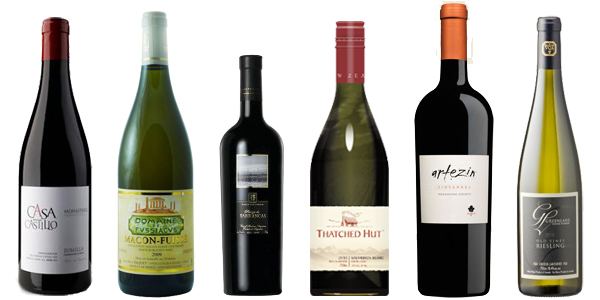
Now, I’m not suggesting we all go out and fill a curved goat’s horn with fruit, grain and Pinot Noir. There are better ways to get your cornucopia or horn of plenty on. No, not those ways. Invite the family over, cook like a wild person and pour any one of the following wines.

The grape: Monastrell

The history: A thick-skinned varietal from Jumilla, in the northeast region of Murcia of southeastern Spain

The lowdown:  Customarily a hard nut to crack. This soft number is a red wine drinker’s sundowner

The food match: Goat Cheese on Crostini rubbed with olive oil and garlic

Casa Castillo Monastrell 2010 (165621, $13.95) to sniff is a bit oxy and to look is more than a bit purple. Enters territory of unfamiliar conjugations and be warned to watch out for the splinters but hey, it’s $14!  Built for a Raynolds/Miller North American palate, assays more like reposing Garnacha than trundling Monastrell, but there is beauty in the house.  87

The grape: Chardonnay

The history: Macon-Fuissé is found in southern Burgundy and the Roman Emperor Fussiacus is thought to be the founder of the village of Fuissé

The lowdown: Ostensibly organic farming, this Chard is achieved through manual harvesting and fermentation in stainless steel. Chablis like and better value

The food match: Crispy-Skin Roast Turkey, cranberry, sage stuffing and turkey gravy

Domaine De Fussiacus Macon-Fuissé 2009 (279000, $16.95) takes more than a lutte raisonée approach and blows my Fuisséing mind. Sits in a museum of scents, like Pomace Brandy by way of French Marc. Like toasted pine nuts in basil pesto. Verve, gusto, spine.  88

The grapes: Syrah, Malbec and Cabernet Sauvignon

The history: All French grapes but only in Argentina do they meet up like this

The lowdown: No longer atypical colección from Mendoza

The food match: Slow-Roasted Rump Roast, duck fat potatoes

Finca Flichman Paisaje De Barrancas 2009 (17129, $17.95) joins together as perfect a circle as could be dreamed from an Argentinian SML assemblage. A berry collective, refined and showing chocolate restraint. Seductive scents, velvet mouth feel, good length and balance. Simple and structured.   89

The grape: Pinot Noir

The history: Pinot grown in a bowl surrounded by mountains at the world’s southernmost wine region

The lowdown: Central Otago on the South Island of New Zealand is the most exciting emerging Pinot locale on the planet

The food match: Pork Shoulder, Bacon and Lingots Cassoulet

Thatched Hut Pinot Noir 2011 (242933, $19.95) is so bright I’ve gotta wear shades. When a $20 wine is able to pull off the status quo from a region where that quo is $40 and up, you know the future alights for Central Otago. Vanilla, capsicum and tangy cranberry sauce meet a zinging swish of fresh texture and pop in the mouth. “Heavenly blessed and worldly wise,” the Hut will sing at the harvest table.  88

The grape: Zinfandel

The history: Yet refuted cousin to Italian Primitivo

The lowdown: Bumble berry bramble typifies Mendocino Zin. Savoury note gives this guy balance

The food match: Smoked Turkey, fresh and tart cranberry sauce

Artezin Zinfandel 2010 (302943, $21.95) initially heads out on the Zin train with dangerous extraction but stops for the night over a campfire of herbs, anise and pine brush. Plums and sourish cherries simmer in the pot. The style is a full on uprising and welcoming to those who “get on board.”  89

The grapes: Grenache, Mourvedre and Syrah

The history: Consummate blend for Côtes-du-Rhône-Villages

The lowdown: This really is as good as it gets for CDRV. A few more dollars but this one rivals many Vacqueyras, Gigondas and even Châteauneuf-du-Pape

The food match: Willowgrove Farms Hormone-Free Smoked and Pulled Pork

Domaine Les Grands Bois Cuveé Maximilien Cairanne 2010 (286336, $21.95) is extraordinary for the appellation. Pitch purple, world-class milk and dark chocolate swirl, creamy silk. The stuff of recent phenomenon, where rocks, dreams and raspberries are crushed and scattered like cake bits over the loam.   91

The grape: Shiraz

The history: The jam from down under

The lowdown: Once a quarter there pours an OZ Shiraz that stands above the crowd

The food match: Braised Short Rib, creamy polenta, green peppercorn jus

Blackjack Major’s Line Shiraz 2008 (280941, $24.95) deserves a 21-card salute for its Victorian, cool, calm and collected demeanor. Blueberry, tar, spice box and wood smoke baked in a pie. Chocolate and vanilla hardly play a part. You may “swear and kick and beg us that you’re not a gamblin’ man,” but I dare you to try this Bendigo. You’ll want to do it again90

The Splurge

The grape: Riesling

The history: Niagara’s signature grape goes ethereal in the hands of winemaker Dianne Smith

The lowdown: Along with Charles Baker’s Picone Vineyard bottling, this Old Vines effort is as good as I’ve tasted in 2012

The food match: BBQ Chicken, goat cheese croquettes

Green Lane Old Vines Riesling 2010 (283432, $29.95) from the oldest block down on the Lincoln Lakeshore is a flat-out mouth-watering, comestible ferment of grapes. Pale lemon/lime soda but a radiant rider. Mosel in trocken mode, bursting with azoic water, pear and persimmon aromas. Rousing acidity jumps to and fro. Wow!!  91

Good to go!

The best wines at Taste Ontario 2012

Photograph Courtesy of the Wine Council Of Ontario

as seen on canada.com

On Friday, September 28th 46 Ontario wineries poured more than 100 wines at the Ritz Carlton Hotel Toronto to showcase Ontario’s singular and diverse terroir. Producers from Niagara, Prince Edward County and Lake Erie North Shore shared the spotlight with a Burning Kiln from Turkey Point and a Frisky Beaver from Port Dover. “I can’t deny” there was even some Bad Company.

Character and quality has never been better. Riesling continues to impress and let us not ignore the high level of ever-evolving Chardonnay vines. Reds have made great strides, especially Pinot Noir, Gamay and Cabernet Franc.

The best premium wines (over $30) present were Bachelder Saunders Single Vineyard Chardonnay 2010 ($44.95, 90), Charles Baker Riesling Picone Vineyard 2009 ($35, 92), Closson Chase South Clos Chardonnay 2010 ($39.75, 91), Rosehall Run JCR Rosehall Vineyard 2010 ($38.80, 90) and Norman Hardie Pinot Noir Unfiltered 2010 ($39, 91).

The future looks very bright for Ontario. A special shout out goes to Magdalena Kaiser-Smit from the Wine Council of Ontario for a flawless execution. Here are my top picks under $30 from Taste Ontario (Toronto) 2012.

The grape: Riesling

The history: Paul Bosc of Chateau Des Charmes is the Ontario Riesling pioneer and along with the St. Urban Vineyard of Vineland Estates, they set the stage for its ascendance to signature grape status

The lowdown: Clearly entrenched as the most important Ontario white varietal, this is winemaker Kevin Panagapka’s value entry into LCBO channels

The food match: Tofu and Bassa Fish Hot Pot with Sichuan spices

2027 Cellars Fall’s Vineyard Riesling 2011 (294041, $18.95) is consistent with my earlier note. Saleratus, flint and tropical scents with a kiss of racy, citrus acidity and goes to great length on the palate. There were only 200 cases of this screaming value. “There ain’t a reason on earth to waste it,” so I feel compelled to lick it up89

The grape: Sémillon

The history: Partner to Sauvignon Blanc in dry white Bordeaux and single varietal star in the sweet wines of Sauternes and Barsac

The lowdown: Not planted on a wide global scale. Has found great success in Australia’s Hunter Valley and to a degree in South Africa. Niagara Escarpment should be next

The food match: Autumn Squash, Sweet Potato and Candy Beet Ratatouille

Rosewood Estates Winery Sémillon 2010 ($18 at the winery) shows little procrastination with a superfluity of lemon, lime and paraffin but like all great Sémillon, the wine needs time. A block of wax keeps the honey down but look for a mellifluous ooze three years on. Glittering sheen, diamond-like focus and crusted by an accent of lemon zest. Krystina Roman will lead this grape to stardom. “Come on you stranger, you legend, you martyr, and shine!” Top white. Shine on you crazy Sémillon.  90

The grape: Chardonnay

The history: Growing on the “hillside” section of Ravine’s farm on the warm St. David’s Bench

The lowdown: Few Ontario winemakers achieve a Burgundian mythic. Here the soil is thin, sparse and heavy in minerals. Not quite Burgundy, but the comparison is worth the discourse

Ravine Vineyard Chardonnay 2010 (173377, $24.00) of partisan, buttered toast may lean more Kistler than Jadot but she’s still wearing blue jeans. Blessed with a St. David’s mineral smile and a Scotch barrel smell, like a long knife with a blade double-edged at the point. Hued golden and tan, “she got a camouflaged face.” Thrifty Chardonnay, worth every penny.  89

The grape: Gamay

The history: Best known for its work in Beaujolais and has shed its “Nouveau” moniker

The lowdown: Others have surely helped but Malivoire has championed and transformed the varietal’s status to prince among kings and queens

The food match: Thanksgiving Turkey!!

Malivoire Wine Company M2 Small Lot Gamy 2011 ($19.95) made use of a slumber for six months in French and American oak barrels to raise the purple bar. This is Francofied Gamay, as much Tours as Morgon. Peppered with smatterings of tar, smoke and caper. A note of Bouille, braising meat is noted. Complex for the grape and versatile.  88

The grape: Cabernet Franc

The history: The Loire comes to the Niagara Escarpment

The lowdown: Winemaker Richie Roberts has this grape in his hip pocket. He can see the future and he knows when it comes to reds, cool-climate varietals are key

The food match: Boneless Beef Rib-Eye Steak Sandwich, crispy onions, horseradish mayo

Fielding Estates Cabernet Franc 2010 (36194, $21.95) is deeply cast, loaded with raspberry and pepper aromas, both white and red. A whiff of beet garish smoke and savoury herbs adds sinuosity.  89

Good to go!