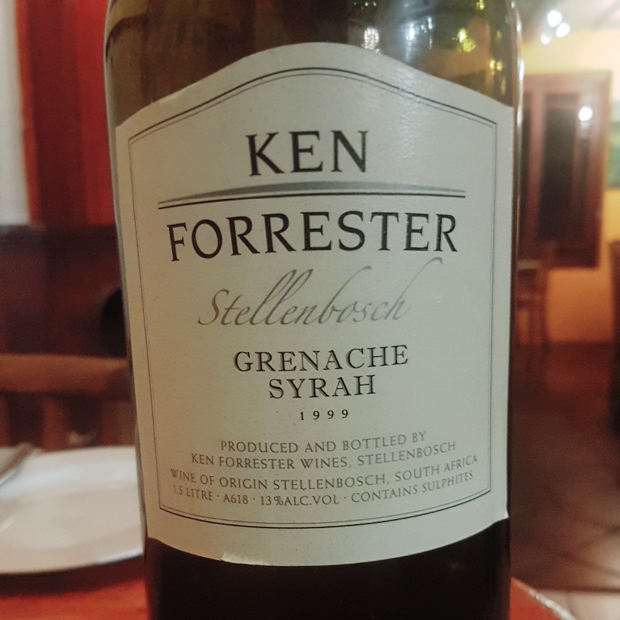
Twenty-four Canadian wines that rocked in 2024

Godello and Hare

Composing a best of list is something that takes a sedulous amount of time, a year’s accumulation of thought and above all else, ultra careful consideration. When more than 1,000 Canadian wines are tasted in a calendar year, narrowing it down to 24 feels like a profound task and weighty sense of responsibility. These twenty-four Canadian wines that rocked in 2024 represent the twelfth consecutive such register first published in 2013, annually iterated and guaranteed, never gratuitously settled upon and always as a show of Canada’s highest level of quality. Integrity too, which will become clear by the time you finish reading this exercise.

Related – Twenty-three Canadian wines that rocked in 2023
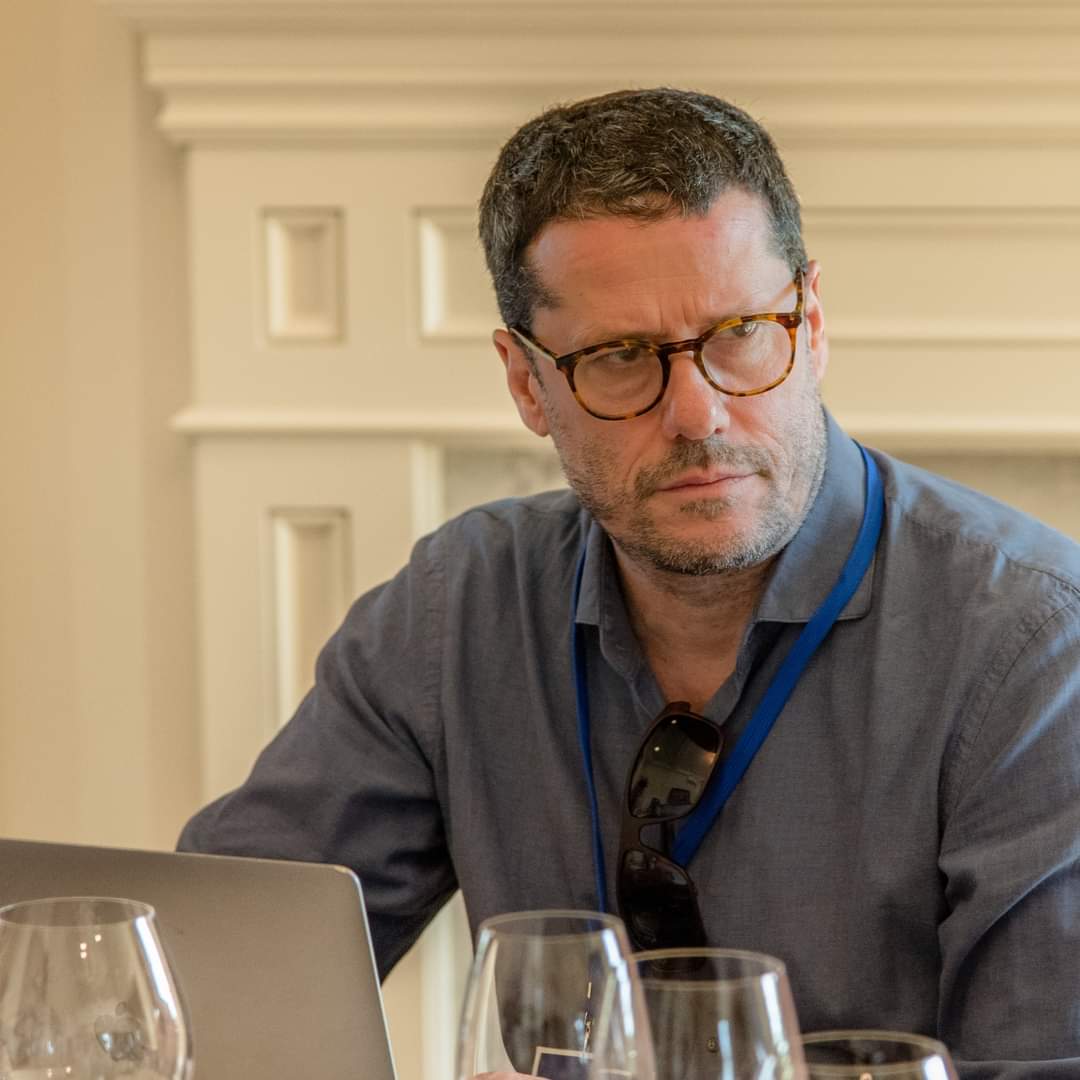
Godello at Dobbin Estate

Seven out of 24 (that’s nearly 30 percent for those scoring at home) are sparkling wines, a number that will only come as a shocking surprise to those who haven’t been paying attention. The math is really quite simple. Cool climate viticulture means longer growing seasons for more developed, therefore riper phenolics matched dutifully by kept acidities. Climates have changed but Canadian growing areas have not yet lost their edge and besides, extreme events are more likely and increasingly the culprit when it comes to extenuating snafu circumstances like crazy cold snaps that take out wide swaths of grapevines. For the most part this country can still hang a wide variety of grapes to create killer sparkling wines. Seven sparklers are here, from five growing areas in three provinces.

Related – Twenty-two Canadian wines that rocked in 2022
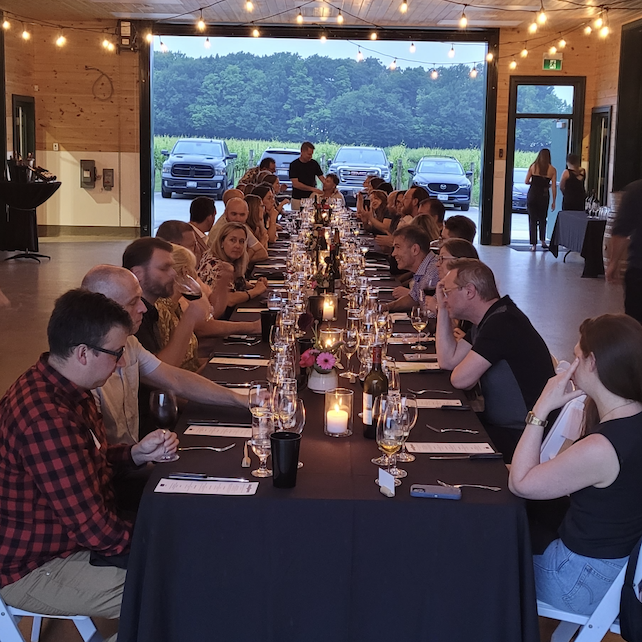
WineAlign dines at Hidden Bench

Six of Godello’s 2024s are chardonnay, if for no other good reason than it always being on Canadian minds. What’s the best way to go about growing and making wines of the highest quality? Is chardonnay a victim of its own ubiquity and adaptability? What makes it so special then, as an expression of place, as well as production and technique? Chardonnay should taste like it has come from a place, but also from a time. No one said it was easy but one thing is certain, it’s a hell of a lot easier to make great chardonnay that has been planted in the right location. Still the endeavour is puzzling, like getting lost and running through a maze, fraught with wrong turns and dead-ends. It’s about hunch work, gauging probabilities, accounting for what has come before and extrapolating towards what might be. In Canada trying to find locations that gift the sweet spot is, as if at midnight, where sugar ripeness, acid structure, phenolic ripeness and fruit character will probably meet for optimum results. We who feel like this and nod at one another knowingly are lovers of chardonnay; eager and desperate to be one with its varietal psyche, to imagine it synched in sycophant fixation with our own. Yet all the salient facts and aspects of a wine’s journey, in viticulture, pH, residual sugar, total acidity, élevage and in tasting, are really nothing if we are unable to find the theory of the wine and by extension, the winemaker who made it happen. Fortunately for us the top six Canadian chardonnays chosen here (and the list does not stop at that number), have all made it happen.

Related – Twenty-one Canadian wines that rocked in 2021

Flight #1 at the 2024 School of Cool
(c) i4C

A reminder that “Chardonnay is never too cool for school.” The article published after i4C 2024 had this to say. “Will fully admit to having seriously considered not using the word “cool” in the title for this latest exposé on i4C, Niagara’s annual International Cool Climate Chardonnay Conference. Then good conscience and reality set in because the original dub for Canada’s most important and successful wine congress will always be too good to dismiss. They coined it, built it and people have most certainly come. To foresee and then to consummate this collective pursuit of excellence inscribes Cool Chardonnay into the lexicon of wine forever. Hard to predict just how many more of these joyous to potentially annual profound (four-day) weekends there will be, but were this the last then hundreds upon hundreds of producers, winemakers, media, influencers and consumers over the years will have walked away happy, better for it and with memories to last a lifetime. The extraordinary 2024 edition of i4C went deeper still, to deliver the coolest quality and finest balance between information, socialization, revelry, society and of course, chardonnay. Cool as ever, gotta be cool, relax and never too cool for school.”

Related – Chardonnay is never too cool for school

Twenty Mile Bench

It was a very good year for tasting pinot noir and thus the grape is also well represented with five on the list. No other grape causes more of a stir, is responsible for more hair to fall and breaks more hearts. Does not play well with others, refuses to share, to be blended, to give anything less than 100 per cent. For many, there is no other grape variety. How often does a conversation begin with “what is your favourite wine” and end invidiously with “Burgundy?” While Bourgogne certainly persists as the historic locale possessive of the title “when it’s great, it’s the best,” pinot noir has found immense global success and Canadian soils are largely responsible for that. Thoughts with doubts about pinot noir’s viability in Canadian vineyards have long been laid to rest with proof arranged and clarified after yet another edition of the 2024 WineAlign National Wine Awards of Canada. The judging week saw the fourth most number of flights, all intriguing and arguably the finest collective showing of bottles poured from the fickle grape. From lithe, transparent, high-toned, red berry charmers to darker, brooding, seriously ripe and often tannic iterations. As it has been said, “beauties and beasts, belles et bêtes,” pinot noir the good can succeed one way or another, with harmony and in balance.

Related – Twenty Canadian wines that rocked in 2020
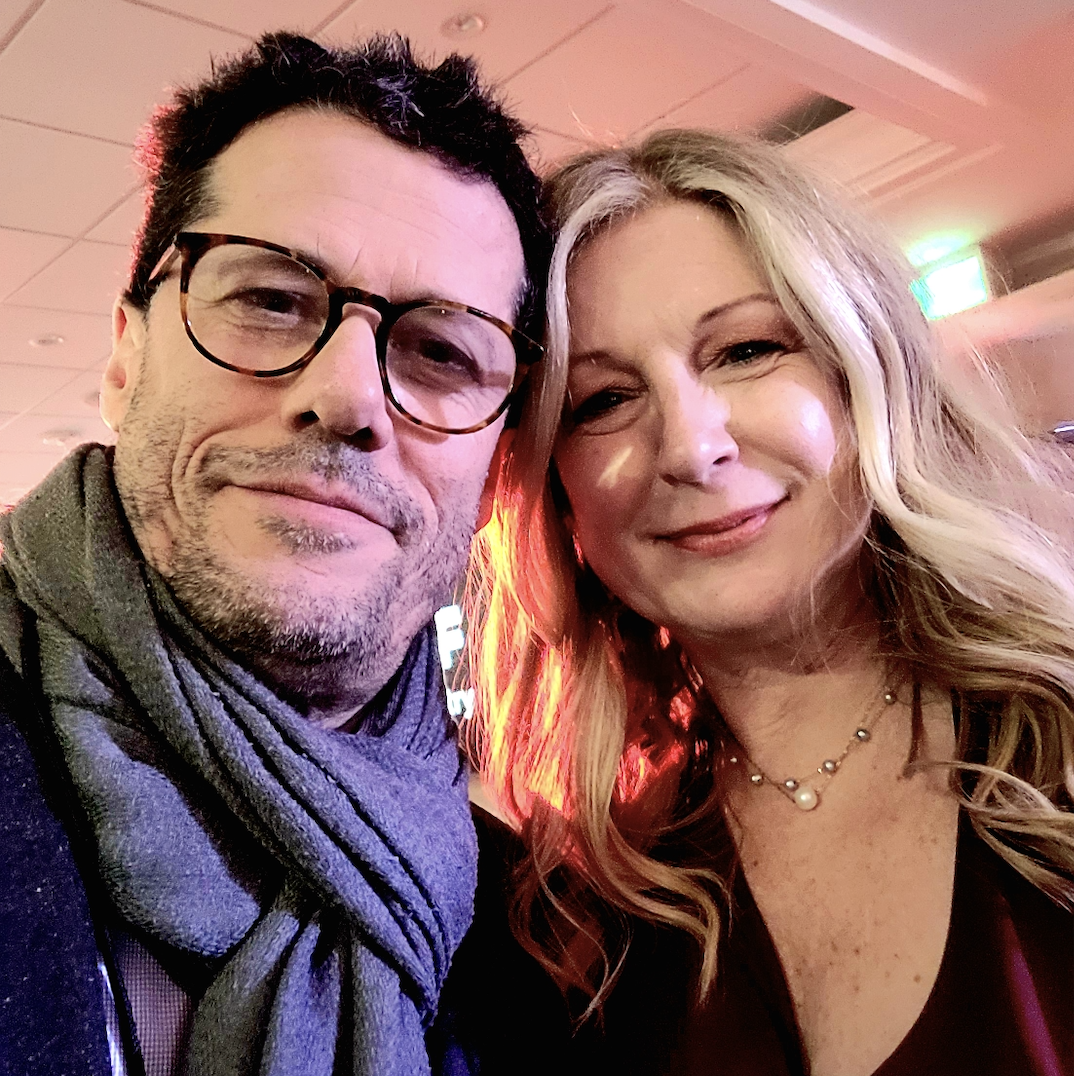
With Magdalena Kaiser

So what is the number one takeaway with regards to Canadian pinot noir? The answer lies in the way winemakers approach their product. Lowest of low cropping to achieve density and concentration is no longer the launching point towards making great pinot noir. Aggressive pressing, intense macerations and long wood aging, especially in newer (and smaller) vessels all lead to astringency and imbalance. All of these things are fading into the rear-view mirror, slowly but surely being replaced by first and foremost, sustainable and regenerative agriculture resulting in healthier vines. In the winery there is less handling, more finesse and attention paid to detail leading to more purity and also clarity in the wines. This is what pinot noir needs. If the most suitable and only the most suitable sites are used, the future will move from optimistic to auspicious. The number one takeaway? Canadian pinot noir has long been searching for and is now beginning to find inner peace. Let’s just hope it keeps on this path, despite and in spite of climate change.

Godello’s annual best of bundle feels easier to create because with each passing year there are so many more wines of wonderment tasted and yet, and yet the jumble is harder to defend. Great wines are not left off the list for reasons of inferiority, deficiency or lack of character. The game is one of numbers and the pool from which to choose grows exponentially every year.  These are the twenty-four Canadian wines that rocked in 2024.

With Heather Rankin – Obladee, Halifax

Benjamin Bridge Nova 7 Sparkling 2023, Nova Scotia

Benjamin Bridge is indeed correct and fully justified in self-proclaiming Nova 7 as “Nova Scotia’s favourite wine” because, well it just is. The blend for this resilient, magical, a decade and a half in the making, lightly effervescent and low alcohol sparkler is muscat, ortega, riesling, geisenheim, l’Acadie, vidal and petite pearl. The latter is a cold-hardy hybrid cultivar bred using a cross between MN 1094 and E.S. 4-7-26, grown in 25 US states and four provinces of Canada. The acidity for Nova 7 at 9 g/L integrates with ease and swirls 49 g/L of residual sugar into a comfort zone like a balanced Spätlese, with the peachiest of flavours and a refreshing, thirst-quenching and salty iced tea finish. A throwback in many ways and yet the 2023 is quite frankly as good as any Nova 7 there has ever been. Age a bottle three or four years to see what happens. What could go wrong? Drink 2024-2027.  Tasted October 2024

Blue Mountain Reserve Brut R.D. 2014, BC VQA Okanagan Valley

Aromatic complexity, a chardonnay and pinot noir (55-45) sear of raging citrus but never lean because there is flesh all over the palate. The lemon segments are ripe and delicious, the red fruit character compliments with added spice, the persistence endless and the winemaking clearly coming from a place of experience and respect to place.  Last tasted blind at i4C, July 2024

Always pleased to welcome the BR R.D. into a glass and here is an old but a proverbial goody, that being 2014 and consumers must be reminded just how special this research and development is to determine the excellence of Blue Mountain’s indagative sparkling wine. A blend of chardonnay and pinot noir, the first 10 percent more than the last with some of the most restrained, reserved and demure aromatics in the Okanagan Valley. All ways to say this is lovely, quietly generous and so settled to gift pleasure above all else. A most complex game of citrus and orchard fruit, distillate by nature, expertly seasoned with fine sea salt, white pepper and lemongrass powder. Such a gift nine years after vintage at a ridiculously reasonable price. Drink 2023-2027.  Tasted November 2023

Last House Joie De Vivre Blanc De Blanc 2021, VQA Prince Edward County

No dosage, categorically Brut Zero sparkling wine of leesy significance and gentlest positive oxidation. A bubble set up this way from the start and carrying the torch forward on a justifiably sound plateau that should see no significant changes for the next few years. Only chardonnay and no vintage heat to set its trajectory hastily forward, with full orchard and citrus fruit flavours on a sturdy frame backed by bedrock as backbone PEC limestone intensity. You need to try this – it represents a significant style and profound bottle of sparkling wine. Drink 2024-2028.  Tasted November 2024
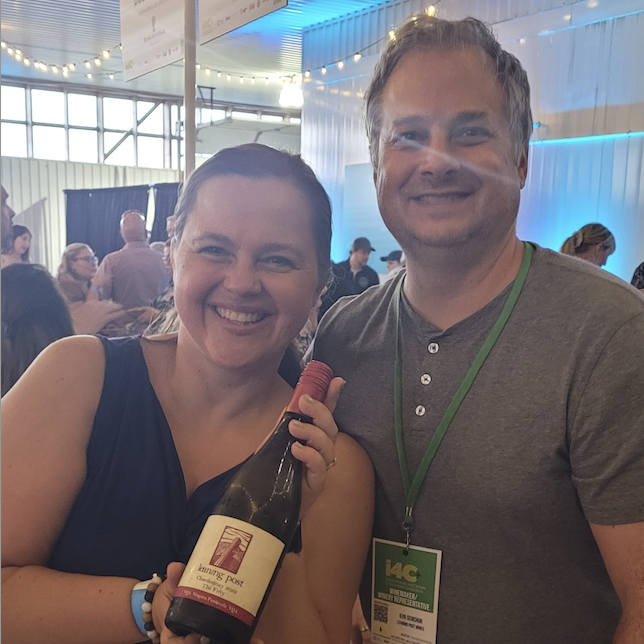
The Senchuks – Leaning Post

Leaning Post Blanc De Blanc Traditional Method Sparkling 2019, VQA Beamsville Bench

Old (35 year-old) chardonnay Hemeris Vineyard vines are the source for the LP traditional method Blanc de Blanc that sees four-plus years on the lees. The sugar is not quite zero but to be honest, nine-plus grams of acidity renders three g/L of RS essentially obsolete. And yet the mouthfeel is full, substantial and acting gregarious. Packed with aromas and flavours, seemingly impossible and so this from a less than heat-cumulate Niagara vintage (that would have made for seriously piqued and biting still chardonnays) is almost a sparkling oxymoron. As far from severe as B de B will be, instead generous and celebratory. Unexpected and mind-blowing in many ways. What sorcery is this pray tell, Senchuk and Senchuk? Drink 2025-2032.  Tasted November 2024

Dean Stoyka and J-J Groux – Stratus

Stratus Brut Nature Zero Dosage 2013, VQA Niagara-on-the Lake

J-L Groux explains that the main factor for making this kind of sparkling wine is PH, “because the aromatics will be built upon six to seven years of lees aging time.” J-L feels this ’13 is going to be the winner now, and for 20 years. Not far off it would seem because of the “partial disgorgement” method, well within VQA rules and thus you arrive at a toasty smoulder unlike any other sparkling wine. The lees are the thing, in fact they are everything. They prevent the aromas and the wine from oxidizing. Amazing.  Last tasted July 2024

Comes across a bit cloudy, at least as compared to the B de B with thanks to the natural, lees left intact style. The citrus component is so pronounced, as is the taut, direct, lean and intense manifold destiny of what is truly a singular Sparkling wine. That being a living, breathing, inhaling and exhaling wine, slowly releasing proteins, acids and realizing its B de B Nature dream. Just amazing what lees can do for sparkling wine.  Tasted July 2021

Released side by each with the Stratus Blanc de Blanc 2013 and while vintage and grape are the same, the similarities almost seemingly, ostensibly and allegedly end there. Yes in fact this 100 per cent chardonnay is a child of the most excellent varietal vintage and like the B de B spent six years on the lees. Comparisons cast aside it is the very fact that because much of the lees were transferred to bottle by a minimalist’s disgorging that this cloudy bubble with a Canadian artist’s series set of labels can’t help but elicit another memory. The Lilies of Monet and their clouds represent neither the horizon, nor the top or the bottom. Nor does a bottle of this Zéro Dosage Brut. The elements of water, air, sky and earth become intertwined in a composition without perspective, or so it goes in this hazy, opaque and dry as the desert sparkling wine. So many layers of lemon can be peeled, juiced and scraped away. If a Stratus wine could be a a riddle, wrapped in a mystery, inside an enigma then here it is. The texture here is palpable and the intrigue factor surely high, so it should be imagined that longevity will be this wine’s calling card. It’s more austere than the Blanc de Blanc but I think in fact it will. Drink 2022-2029.  Tasted November 2020

Tasting The Old Third at White Oaks

The Old Third Pinot Noir Sparkling À La Volée 2011, Prince Edward County

First bottle opened since last tasting this unicorn of a PEC sparkling wine back in October of 2015. Now in a state of settled grace, of a collected, stored and persistent slow release of energy that keeps on keeping on. Every County maker using pinot noir for a Brut zero (or near zero) style should find a bottle of À La Volée 2011 as a reference point because as interpreters they must translate still wines to become bubbles “on the fly,” without waiting for the end to begin, acting with hindsight.  Last tasted December 2024

“On the fly” is not exactly what comes to mind from this 100 per cent Pinot Noir, first Sparkling wine made by Bruno Francois. Calculated, attention to detail and intensity of ideation more like it. Three years on the lees, no dosage and from a vintage to speak in more than whispered voices, of acidity that announces its arrival with immediacy and a summons to contest. The nose does yeast, toast, citrus and ginger. A first release revelation as ever graced Ontario’s waves, as dry as the desert and lingering with switch back traces of its yeasty, toasty self. A single vineyard can be this way, equally and in opposition of natural and oxidative, with a hue less than Pinot Noir, though unrequited as a triumph when you get a ripe white from such Pinot. The production of 1200 bottles is relatively house high in a stunner that needs no sugar to draw up its flavours. Drink 2015-2023.  Tasted twice, July and October 2015
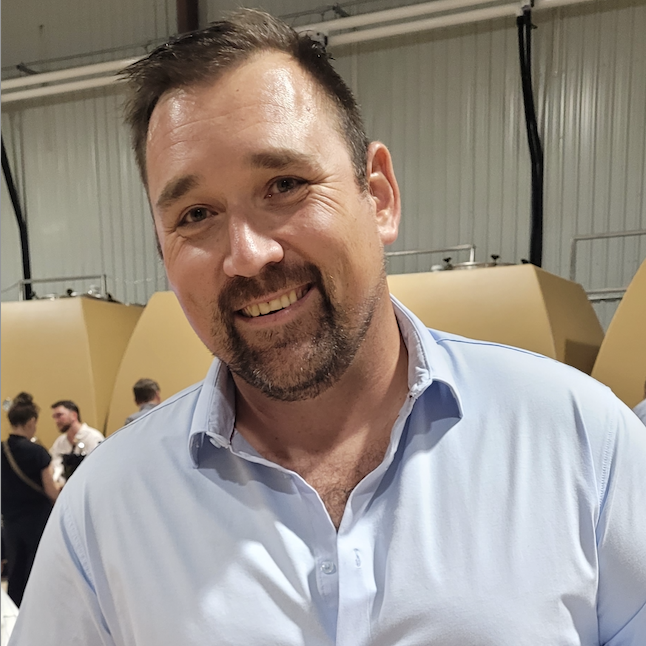
Marty Werner – York Vineyards

York Vineyards Reserve Brut, VQA Niagara-on-the Lake

York Vineyards’ Brut is a two-thirds to one-third chardonnay-pinot noir joint that sees 72 months on the lees. A sparkling sensation taking the country and apparently also the world by storm. The attention to detail, focus and determination are credible, felt with palpable energy and there is no doubt as to how much trial, experimentation and consideration went into making this and other York Vineyards wines. The Reserve moniker may at times feel like an add on but here one can imagine the assessment of base wines and the selection being both a stringent and anticipatory one. This is richness off the proverbial Ontario charts with a toasty-autolytic complex character that defies regularity. Toned, defined and appreciable because the flesh is yet to fully develop. Drink 2025-2030.  Tasted November 2024
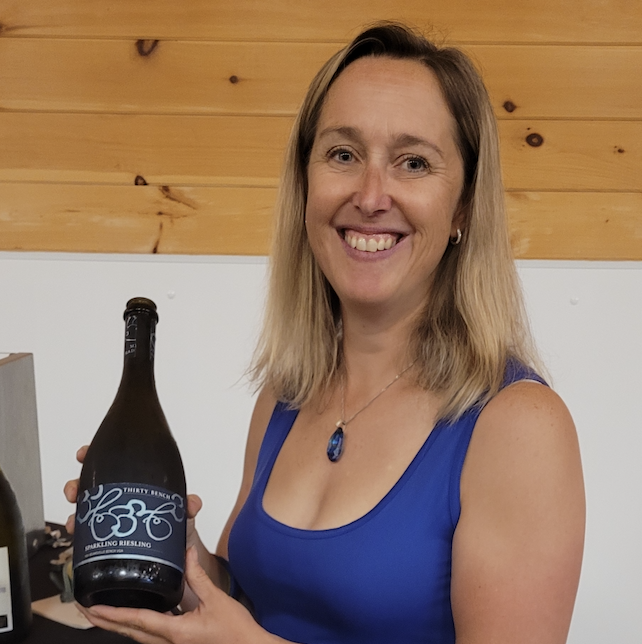
Emma Garner – Thirty Bench

Thirty Bench Steel Post Vineyard Small Lot Riesling 2020, VQA Beamsville Bench, Niagara Escarpment

An Ontario legend in terms of riesling and the one from Emma Garner at Thirty Bench that defies logic with a magical spell cast upon the grapes put to bottle. Probably the driest of the Small Lot series at just 11 g/L of residual sugar, impossibly converted and qualified by just 11.2 percent alcohol with what must be an acidity number that’s just about as high as the sweeter rieslings in the portfolio. The energy and vitality are exceptional, the warmth of the vintage delivers top quality, if absolutely pristine fruit and then there are the qualities of extract and tannin cohabitating at this highest level of composure. The potential here is unlimited. One of the finest rieslings ever made in Ontario and this one goes up to 11. Drink 2025-2035.  Tasted March 2024

Charles Baker Picone Vineyard Riesling 2021, VQA Vinemount Ridge

The word “tannic” does not often first (second or third) come to mind when riesling is the subject but ’21 and Picone from Charles Baker strikes that way from the first sip. This after a most unique aromatic begin, dried herbals for one thing and exotic spicing in a cumin-coriander masala way. Even more so fenugreek leaf and wait for it…maple syrup. Hard to say why ’21 emits this way but when these scents give way to the riesling’s body politic the effect is both exotic and promising. Baker himself says that the “2021 CB from Picone is true to form and represents the vintage properly. Elegant, refined, absorbs the richness with fine acidity. Long floral green toned finish. Will age beyond me.” Indeed this may just turn out to be Charles Baker’s longest lived of the Picones, right up there with the ’06, ’11 and ’16. Drink 2024-2036.  Tasted October 2024
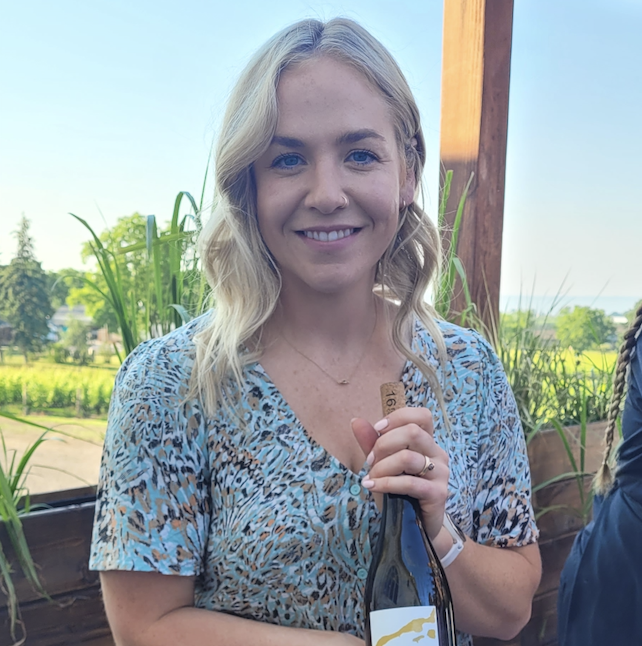
Morgan Juniper – 16 Mile

16 Mile Cellar Civility Chardonnay Single Vineyard 2020, VQA Creek Shores

From a block called Susan’s Vineyard, wild ferment, full malolactic, raised in oak puncheons of light toast. The growing location may be the lower Escarpment’s steppe of Creek Shores but who would not feel, see and recognize this 2020 as truly Bench chardonnay. No ambivalence in the method, execution or design, ample and plush, of an all in lemony curd to speak of the finest and cleanest lees. Truly singular style and without a doubt winemaker Morgan Juniper’s most comprehensive chardonnay to date. Drink 2024-2027.  Tasted June 2024
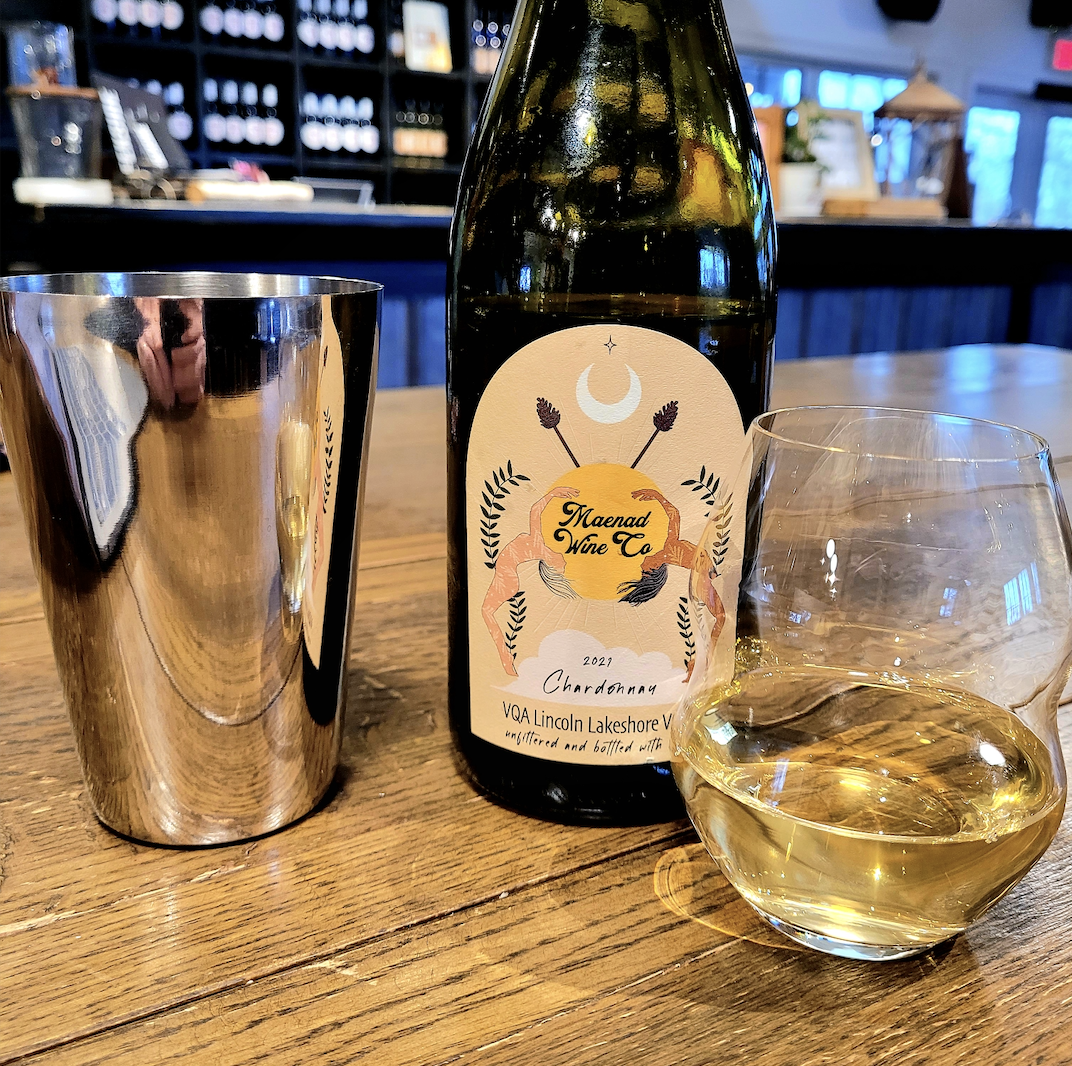
Maenad Wine Co.

Maenad Wine Co. Chardonnay Unfiltered And Bottled With Lees 2021, VQA Lincoln Lakeshore

From the young vines of Grimsby Hillside Vineyard and while this label shall remain nameless, the block is actually 295. “A wild terroir exploration” says the winemaking show that is Yvonne Irving, a winemaker used to making a full bodied style of chardonnay from the Queenston Mile Vineyard. Unmistakably GVH and if you’ve tasted a Senchuk or Bachelder iteration than you’d know the vineyard wins every time. The richesse is belied by this specificity of intensity that is unequivocally GVH. This northern spot produces the most brightness against the backdrop of ripeness, barrel fermentation and oak-aging. Full malolactic but always beneath the fruit, full on lees and amazing crunch. So full up the middle and yet vertical. Real deal, whole package and so much more to come. Drink 2024-2027.  Tasted March 2024

Henry Of Pelham Speck Family Reserve Chardonnay 2022, VQA Short Hills Bench

There is some truth to the advantage of tasting a stellar ’22 like this from Henry of Pelham when a great deal of other chardonnay being poured alongside are ‘21s, but letting chardonnays be chardonnay it matters less than we should actually be talking about. The SFR ’22 lives up to its blind billing and thrills without a moment’s hesitation. End of story.  Last tasted August 2024

The only reductive chardonnay in this flight of nine which speaks to an overall change in winemaking and in fact there have only been three like this, out of let’s say 50 tasted these days. Reductive as much as any chardonnay though the fruit can stand up and hang tightly on the upright frame. Notable style, bit of pyrazine, Behind the veil is most excellent and concentrated varietal fruit that to this mind celebrates a very specific sense of place. A Bench on a step up against a hillside or escarpment and its maker’s care is more than evident. Tastes akin to high end Marlborough chardonnay. Well thought out, serious intention and should age well. A seriously structured and balanced wine that drinks well now but will only improve over the next two years. Drink 2025-2030.  Tasted blind at #NWACS24, June 2024
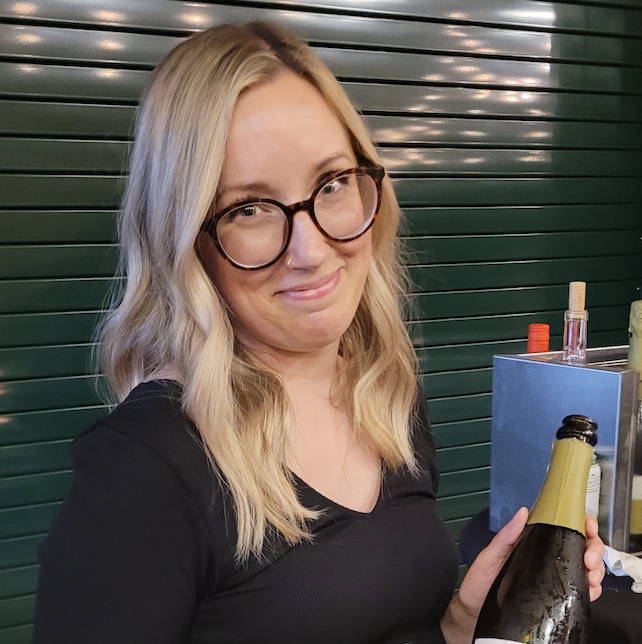
Jessica Otting – Tawse

Tawse Chardonnay Quarry Road Vineyard 2021, VQA Vinemount Ridge

No shock or surprise that Quarry Road ’21 is a mineral bomb, coming away on that rocky side of the 50-50 fruit to stone compendium. Forget everything you’ve heard or read about this arch-cool Vinemount Ridge chardonnay, but also ignore all the noise about unmitigated disaster by vintage. Niagara winemakers should always make quality cool chardonnay these days and Tawse holds more water and responsibility than most. Jessica Otting is ten times equal to the task with a Quarry so precise and focused it may just make a tooth or two feel the mineral pain. A chardonnay chillingly representative of its vineyard yet, rewriting the jazz because of the shall not be named vintage. The naysayers can run away and hide in their holes because history will be kind to these wines, especially when they shine on in tastings ten years forward. No crutch or apology, sorry not sorry. Remember 2011 and 2013. Now forget them and only speak of 2021. Just great chardonnay. Drink 2025-2030.  Tasted at i4C, July 2024
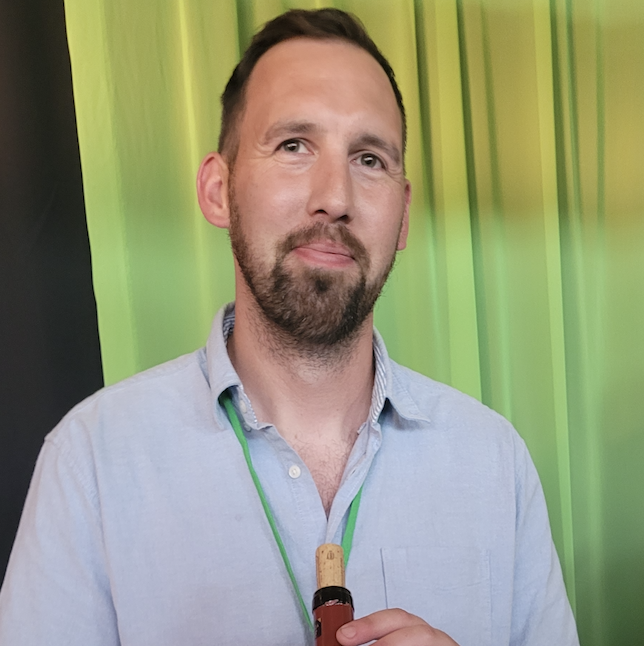
Alex Baines – Hidden Bench

Hidden Bench Chardonnay Felseck Vineyard Unfiltered 2021, VQA Beamsville Bench

My goodness this is special chardonnay, coming as no surprise and if your thoughts and emotions for 2021 Niagara chardonnay need buoying than begin the bob right here. Precise aromas, immediate and echoing, more fruit than frankly necessity should expect as the mother of invention because mineral and saltness demand our utmost attention. Yet the fruit stands firm and even pulpy in the face of the crushed stone infiltrate from a vineyard stop on the grandest of Niagara cru tours. Exemplary to speak on behalf of a vintage that separates wheat from chaff, pinpointed location from just anywhere and adults from the gambling trials of youth. Drink 2024-2028.  Tasted July 2024
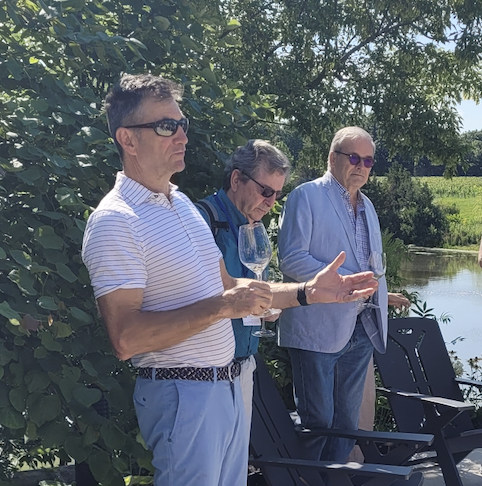
Wade Dobbin, David Lawrason and Peter Gamble

Dobbin Estate Chardonnay 2019, VQA Twenty Mile Bench

Not labeled as such but essentially a Reserve wine taken from a single barrel housing all estate fruit. High level of concentration and richness in the face of a vintage considered cool and challenging, but when you take a smallest of small lot wines like this that just does not apply. Everything about this is classic, basket pressed, natural ferment, full natural malolactic, 22 months maximum for oak aging, Burgundian obviously and medium of toast. “We come to barrel turbid – we like density,” notes Peter Gamble. (Peter) and Ann Sperling really liked this one particular barrel and decided to put it to magnums only. From late September and early October picks, finished at 14.5 percent alcohol and ultimately mouthfeel that rivals some pretty warm wine growing regions. A chardonnay that moves beyond Bourgogne to offer up its very own definition of Niagara’s Twenty Mile Bench.  Last tasted July 2024

This may be just the first stages of Dobbin’s tenure making high end wines from the Twenty Mile Bench but auspicious does not begin to describe the level of sophistication marking these beginnings. The erudite oenological consulting team of Ann Sperling and Peter Gamble have taken chardonnay into territory they are quite familiar with but always keep in mind that top terroir, vineyard conditioning and uncompromising preparation are what collectively set this up for success. This 2019 is from a cool climate vintage out of a cool climate place and recent history tells us that these are chardonnay that live good, long and healthy varietal lives. Luxe yet still crunchy, high quality wood used generously if judiciously and in the end this kind of rocks the world. In a chardonnay way. Drink 2024-2028.  Tasted April 2024

Spearhead Pommard Clone Pinot Noir 2022, BC VQA Okanagan Valley

A bit of aromatic restraint from a pinot noir keeping some secrets and what scents as some whole bunch percentage inclusive style. Good palate richness and berry to citrus emulsion like a fluid smoothie of reds, greens and acidity. Plenty of understated depth, so ample, focused and really well defined. Brightest of the flight, red fruit in flight, breathing easier, acids also up there and structure never too demanding. Could always drink a glass. Drink 2024-2026.  Tasted blind at #NWACS24, June 2024
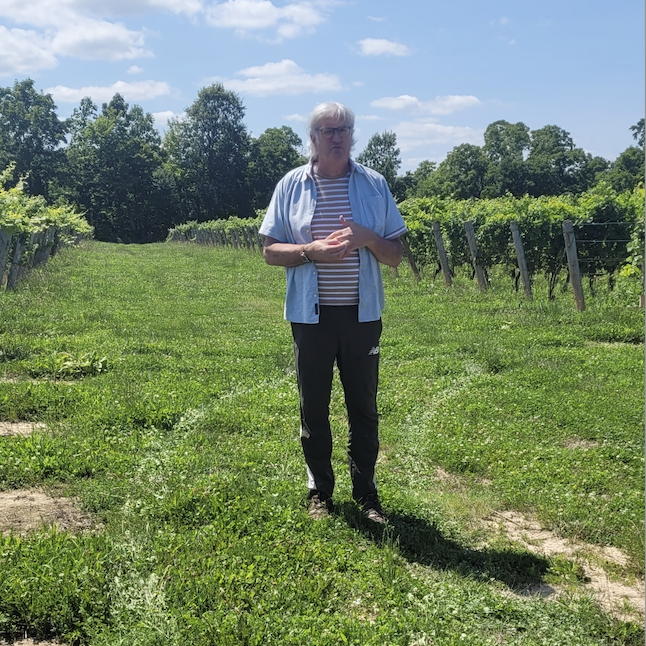
Thomas Bachelder in the wilds of the Twenty Mile Bench

Bachelder Wild West End Wismer Parke Vineyard Pinot Noir 2022, VQA Twenty Mile Bench

For Thomas Bachelder Wild West End, Wismer Parke Vineyard and pinot noir started out as the one of the most mystery, namely because Wismer could not name the clone and the first wine was even more sanguine than that of the Wismer Parke. Which says that the West End’s soil affects the clonal material in exaggerated ways and the question has always been, to tame or not to tame. The answer is vintage and not needing “a weatherman to know which way the wind blows.” Bachleder had to hang loose, stay cautious and learn about the vineyard’s situation, take other’s opinions into account and then proceed with action. This vintage feels like a culmination of necessity, a varietal mother of invention, a reality on display of full capabilities realized. The height of an epoch acceded by a grower and a winemaker on the same page. A wine of intelligence and acceptance because the ferric meets hematic parts oversee and tell fruit what to be and how to act. The people have learned how not to get in the way and the degree has been earned. The question is what’s next? Drink 2026-2033.  Tasted November 2024
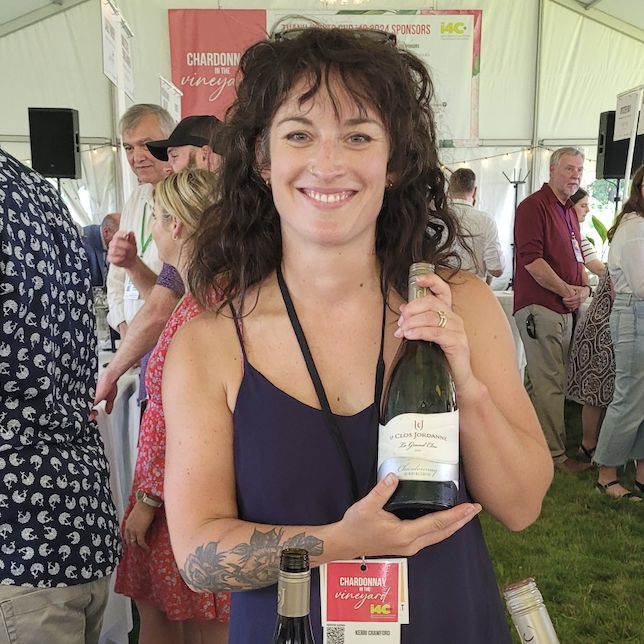
Kerri Crawford – Le Clos Jordanne

Le Clos Jordanne Le Grand Clos Pinot Noir 2021, VQA Twenty Mile Bench

As with Claystone Terrace the Grand Clos Vineyard blocks running from west to east move through this fruit gradation from structured and austere through to soft and amenable. For 2021 the middle ground is duly noted with a signature and arch classic Jordan/Twenty Mile Bench pinot noir that sings in youthful life as early as it ever has. The team (Thomas Bachelder, Kerri Crawford and Phillip Brown) have coaxed out the sweetest natural fruit. While it flows with ease it’s also equipped to slow down, reflect, and then re-emerge a few years thereafter, post pause and not atypical varietal dumb phase. Th3 2021 is found to be chic, suave and stylish as ever, fruit in a dark red cherry state and acidity meeting texture for mouthfeel of a most finessed kind. Drink 2025-2031.  Tasted July 2024

Carrying Place, Prince Edward County

Trail Estate Winery Pinot Noir Revival 2020, VQA Prince Edward County

Has to be the top of the top drop for Trail Estate but also for PEC, not to mention perched up there at the precipice of breaching the Provincial price rubicon for all wines. Some are one dimensional, others expressed in two and then there is Trail’s, which most definitely incorporates a third. Reductive and diesel fuelled with almost no precedence towards understanding just exactly what this aromatic unfamiliarity is all about. Confounding and yet a sip quickly adjusts the viewpoint because layers of recognizable fruit glide over the palate. The vintage is worth waiting for, the phenolics so ripe that not a stem should be wasted, while the savoury pastry of said whole bunches makes sure no holes are left unfilled. When the lowest yields and the most stringent selection meet risk-reward winemaking techniques there can be something special to come from all these hopes and dreams. If revival speaks to the human condition, a.k.a. struggles with sin, forgiveness and redemption, well then this pinot noir may just be the answer to a winemaker’s struggle, quest and renewal. Now let’s see her repeat this every vintage, or at least one here and there deemed worthy of the pain, journey and prize. Oh, and please give this at least another year to find its way so that the enigmatic behaviour should wane and eventually subside. Those who can afford the cost will then see the forest for the trees and be granted some personal form of immediate gratification. In the end the question begs as to how we value Revival as a three-dimensional pinot noir? By definition three coordinates are required to determine the position of a point (and a pinot), namely those you can pick up, touch, and move around. But in the end the simple answer is depth, which is what Revival and all great wines simply have. Drink 2025-2032.  Tasted April 2024
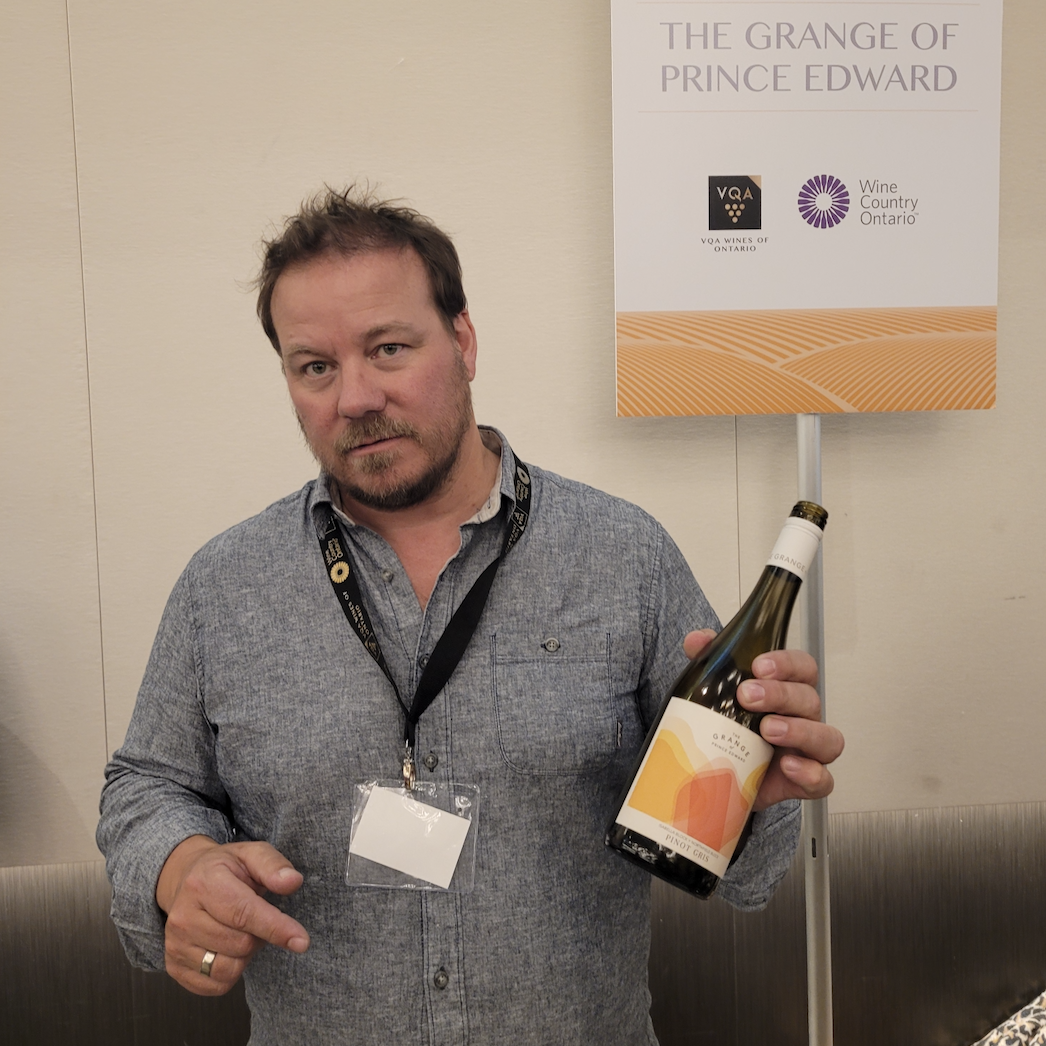
Jonas Newman – The Grange

The Grange Of Prince Edward Aurelia Pinot Noir 2023, VQA Prince Edward County

The golden one, Aurelia, from the Latin Aurelius and if you want to delve deeper, the name for Marcus Aurelius Antoninus, Roman emperor from 161 to 180. Even deeper still the character portrayed by Richard Harris in Gladiator. Also the top of the opus pinot noir at The Grange and what a golden one it surely is. Needs to be because it is bloody expensive but just 98 cases were made of a varietal harbinger that gets the full on spa treatment. Double sorted, first in the vineyard, then at the table. Whole cluster fermented, including carbonic for five days and then foot trodden. Ten days of délestage before being pressed off and blended to finish ferment in tank. Ages in the most expensive wood for 10 months, 33 percent new. Burgundy anyone? Yes this is the idea and the result is a pretty good approximation, all the while tended to by that County high life in acidity with a generous amount of volatile compound effect. Yet the fruit and that acidity are in cahoots, sweet, inviting and enlivening. At nearly $75 there is a whole lot of swagger, ambition and confidence but if money were no object I’d happily drink through a few bottles. Drink 2024-2027.  Tasted December 2024

Roche Wines Amulet Syrah 2021, BC VQA Okanagan Valley

Semi-serious syrah, surely built upon an upright skeletal frame with flesh hanging on its bones and acids piquing through the supple textures of that flesh. Also floral and the meatiness seems to increase with every sip. Iron bloodiness and tannins also grow as you work with what is now becoming a fully serious wine. Chocolate melting and coating the back end with the same function as the tannins of the wine. Drink 2025-2030.  Tasted blind at #NWACS24, June 2024

Phantom Creek Kobau Vineyard Syrah 2020, BC VQA Golden Mile Bench

Here is the syrah bomb that means serious business. Smoked meat, iodine, sanguine and that classic black olive tapenade. A veritable hematoma of red, black and blue, fruit, acid and tannic intensity. If it’s showing some volatility that’s just because of rebellious youth and unresolved structure. This is very serious wine. Drink 2026-2032.  Tasted blind at #NWACS24, June 2024

Okanagan Valley

LaStella Cabernet Sauvignon La Sophia 2019, BC VQA Okanagan Valley

When you look at the last 10 years of Okanagan wine-growing there is no doubt that 2019 resides near the peak and is a vintage that should be filling collector’s cellars. La Sophia is one of those wines, a cabernet sauvignon with a track record that speaks to consistency and excellence. Imminently recognizable as both La Stella and their extension of Black Sage Bench terroir in Oliver. If any local cabernet will resonate with the Oliver equivalent of the Tuscan coast’s Macchia Mediterranea than La Sophia would be it. Not exactly balsamico or garrigue but yes something Italianate, of rich dark fruit set against fine-grained tannin and that brushy, herbal, vinous and resinous scents of the terrain. Black Sage Bench issue, nothing standard about it and it needs a name. Like Okanagan Briar or Chaparral, but regardless you can’t miss the outback in this wine. Yes the 50 percent new wood needs to integrate further and it will, given the requiem necessary, in air and also time. Drink 2026-2035.  Tasted May 2024

Two Sisters Riesling Icewine 2023, VQA Niagara-on-the Lake (375ml)

Spicy waft from the 2023 riesling and a level of viscosity to speak of Icewine made in the most serious of ways. The haute and cultured fragrance makes one wonder why $89 should be the price when three times that amount might make sense, after consideration is taken for the time, effort and work required to make such a wine even possible. The fruit is extraordinary, the acidity at a high level for the vintage and Icewine in general. This is the what, how and why for the category to be celebrated, wines exulted, performance perpetuated and raison d’être defined. Give this two more years to fully see the riesling respond in the way it surely can. Drink 2026-2036.  Tasted June 2024

Good to go!

godello

Godello and Hare
Instagram

Facebook

Sparkling Cape Wine crawl through Méthode Cap Classique

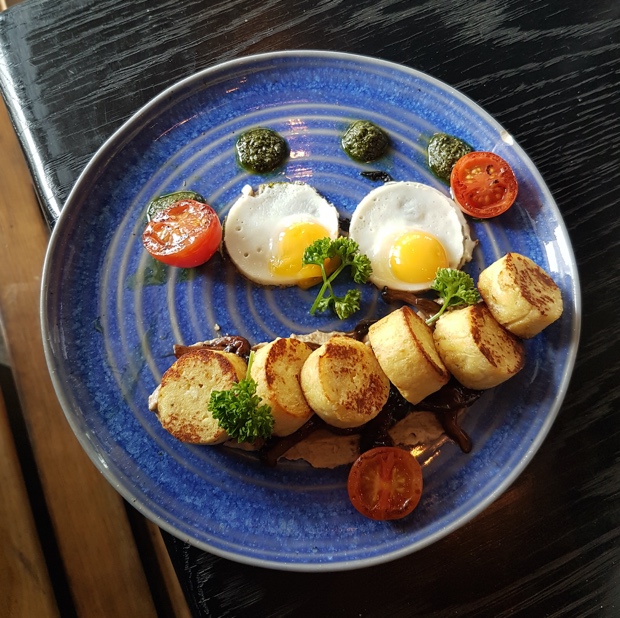
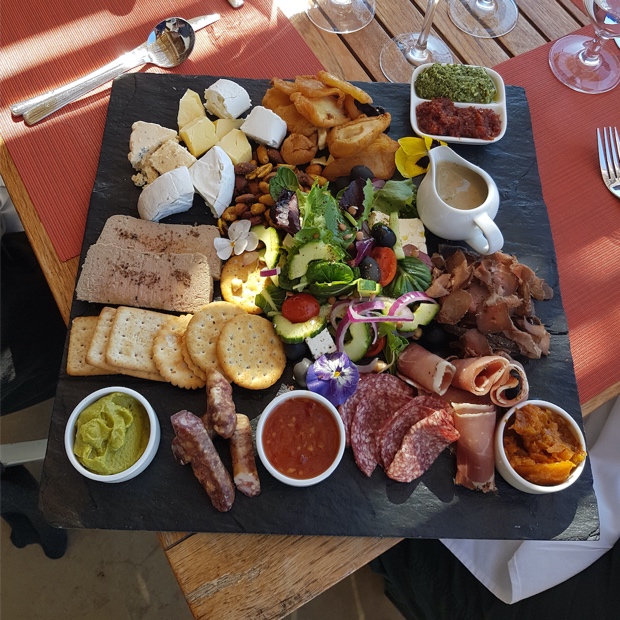
Charcuterie and cheese with Méthode Cap Classique at Gondwana Family Lodge

At the present time there are three, count ’em, three Méthode Cap Classique available in the LCBO and/or VINTAGES stores. Three. For and from one of the world’s most complex/best value bubbles and from a country where exceedingly high levels are coming into focus due to research, trials, experimentation and just plain passion for making traditional method sparkling wines. This Ontario situation my dear readers, is a travesty.
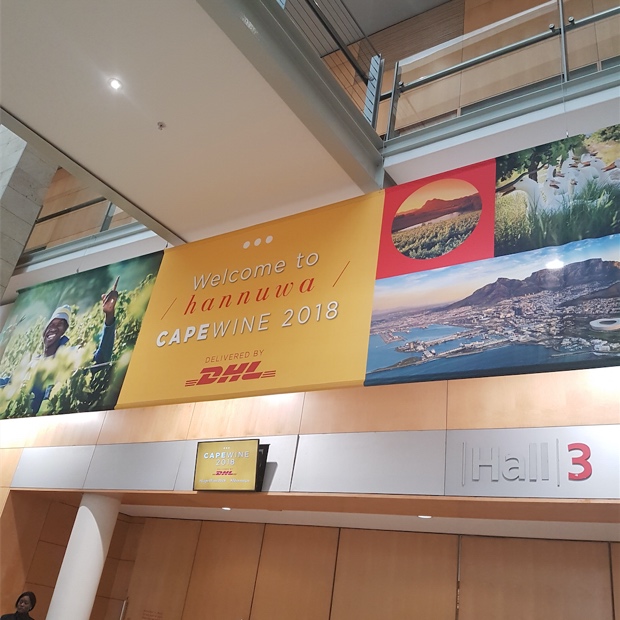
My return engagement with South Africa for a tour included a three-day tasting marathon at Cape Wine 2018 and I’ve since published articles on the whole experience plus more intensive looks at regional associations (Bot Rivier), varietal explorations (Pinotage) and producer portfolios (Rall and Alheit). It’s time to expand upon an important and fast growing category: Méthode Cap Classique.

Related – Searching for great heart in South Africa

Méthode Cap Classique

Plain and simple, Méthode Cap Classique (MCC) is a South African term indicating a sparkling wine made in the traditional method (the same way Champagne is made), by which a secondary fermentation takes place inside the bottle. That said, there is nothing simple about MCC and who would argue that as a category it produces some of the finest, most complex and diverse sparkling wines in the world. It’s also very much a wine about terroir. As it stands, MCC has to now age on the lees for a minimum twelve months to be labelled as such. “We’re making wines that develop too quickly,” insists Paul Gerber of Le Lude. Gerber believes the minimum should be raised to 15. “Sparkling wine is not a terroir wine? Please. This is completely untrue.” As for sugar dosage he’s like a cook in the kitchen. “Dosage is like seasoning. If you do it properly you don’t taste it.” It is Graham Beck’s Pieter Ferreira that has put in the time and the research over 20-plus years to really understand the category but more importantly the potential. “You are always looking to express terroir,” he says. “For Brut we have to extend (the less aging time) to 60 months. So there is no lipstick or eye shadow.”

In Champagne the annual production is somewhere in the vicinity of 350 million bottles so compare this to South Africa where a fraction of that amount is released to the tune of seven or eight million Méthode Cap Classique bottles made by 100-odd producers, 73 of which are listed on the website for the Cap Classique Producers Association (CCPA), an organization established in 1992. The name was derived from the fact that the classic art of winemaking was introduced to the Cape by the French Huguenots, and the first bottle-fermented sparkling wine produced at the Cape was called Kaapse Vonkel (Cape Sparkle).

Grapes are selected from a diversity of regions in the Cape with only specific white and red grape varieties considered worthy “to ensure delicate fruit and rich complexity.” In this report I’ve tasted and reported on MCCs from Robertson, Stellenbosch, Franschhoek, Bot Rivier, Paarl, Prieska Noord Kaap and the Western Cape. This diverse regional cross-section of Cap Classique sparkling wine shows just how malleable and functional the range of styles are adaptable to many different South African growing areas.

Whole bunch pressing is at the heart of the winemaking process, with only the first pressing used to make the various base wines destined to be called Cap Classique. Individual base wines and blends are tasted annually by the Association’s own members to ensure that the final wine is of a high quality. A minimum of twelve months is required under the rules of the road and indeed there are members who ensure much longer yeast contact time, depending on the style and vintage.

On my first morning at Cape Wine in September 2018, my wine-négoce partner Scott Zebarth and I made a conscious decision to walk the congress floor and taste as many examples of MCC as we could before the lunch bell struck. Zebarth was duly impressed with Le Lude’s Cuvée Agrafé, Charles Fox Prestige Cuvée Cipher and Graham Beck’s Brut Rosé. Said Scott, “let’s do this.” And do this we did, to the effect of a sparkling wine crawl across Cape Wine that took us through 23 examples of MCC made by 14 producers. These are my notes on the wines.

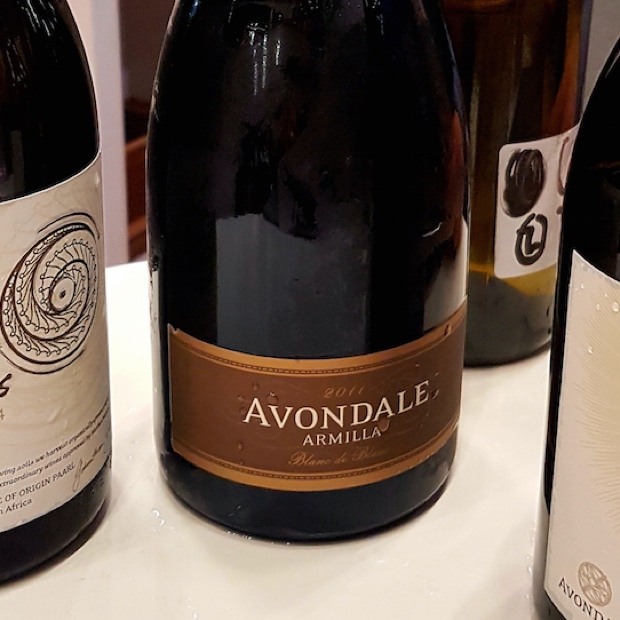
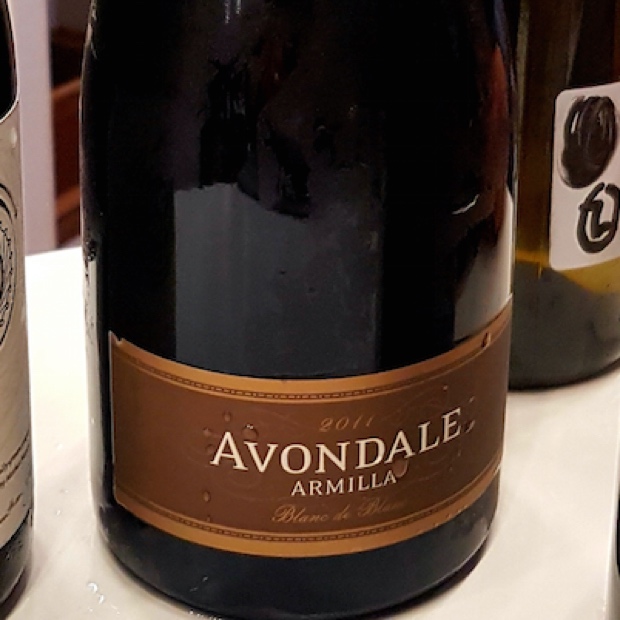
Avondale Wines Armilla Blanc De Blanc 2011, Méthode Cap Classique, WO Paarl, South Africa (451930, $34.95, WineAlign)

The first vintage was 2003 for the Armilla blanc de blanc, now out of 2011 and having spent six years lees post whole bunch pressing. It’s a naturally fermented chardonnay of which two per cent saw some older barrel. After two years of coarse lees aging there began this formidable bringing of citrus and sharp apple bite. The following four on fine lees delivered the integration of acidity ahead of the gainful accumulation of toasted brioche. Richness at its best for this Méthode Cap Classique, of preserved lemon, fine aridity (under 5 g/L RS) and high acidulation (over 9 TA). Terrific MCC. Drink 2018-2024.  Tasted September 2018  avondalewinesa  @Avondalewine  @RareEarth_Wines  @AvondaleWines  Rare Earth Wines & Spirits

Boschendal Grand Cuvée Brut 2013 Méthode Cap Classique, South Africa (Winery, $30.00, WineAlign)

Time always delivers for Boschendal’s pinot noir and chardonnay split from fruit ripeness out of Stellenbosch with some specific vintage help by the Elgin Valley. Disgorged a while back in 2018, the Grand Cuvée has had its bottle settling after having made the most of 36 months on lees. Dosage is elevated in this styling and worthy of the distinction when you consider the richness, nuttiness and toasty sensations. Plenty of citrus and looking for crudo, bivalves or scallops. Drink 2018-2023.  Tasted September 2018  boschendal  boschendalwines  liffordgram  @BoschendalWines  @LiffordON @boschendal  @liffordwineandspirits

Bocca, Cape Town

De Grendel Brut Méthode Cap Classique 2015, Cape Of Good Hope, South Africa (WineryWineAlign)

De Grendel’s is a straightforward, creamy, highly pleasurable and vouchsafed Méthode Cap Classique of low pH and equanimity in residual sugar meeting total acidity. In fact it’s assemblage is done with such precision that it is in fact acidity that strikes its parts as being very pronounced. Mouth-watering with persistent mousse and length. Nothing particularly shocking or complex mind you, but certainly serviceable for all basic needs. Drink 2018-2020.  Tasted September 2018  degrendelwines  churchillcellars  @degrendelwines  @imbibersreport  @degrendelwines  Churchill Cellars Ltd.

De Wetshof Méthode Cap Classique 2009, WO Robertson, South Africa (WineryWineAlign)

As rich as it gets for the category, made by Pieter de Wet from estate chardonnay off of limestone Robertson soils.The low pH, generous yet proper dosage and high acidity all add up to a distinct, herbal and fine pettilant MCC of great distraction, complexity and at this stage, near-complete evolution. Plenty of citrus comes in every possible way. Drink 2018-2021.  Tasted September 2018  dewetshofwines  @DeWetshofWines  @dewetshofwines

Genevieve Brut Blanc De Blancs Méthode Cap Classique 2014, WO Bot Rivier, South Africa (WineryWineAlign)

Genevieve is Cap Classique made by Melissa Nelsen and was first made in 2008, released in 2010. Now with 2014 the lees aging time is 48 months with total output in the 12,00-13,000 bottle range, up from the 5,000 of that first vintage. The goal is 20,000 in the very near future. It’s essentially blanc de blancs, 100 per cent chardonnay as a wise, calm, mature and elegant traditional method sparkling. Just lovely. Drink 2018-2021.  Tasted September 2018  #melissagenevievenelsen  @Genevieve_mcc  

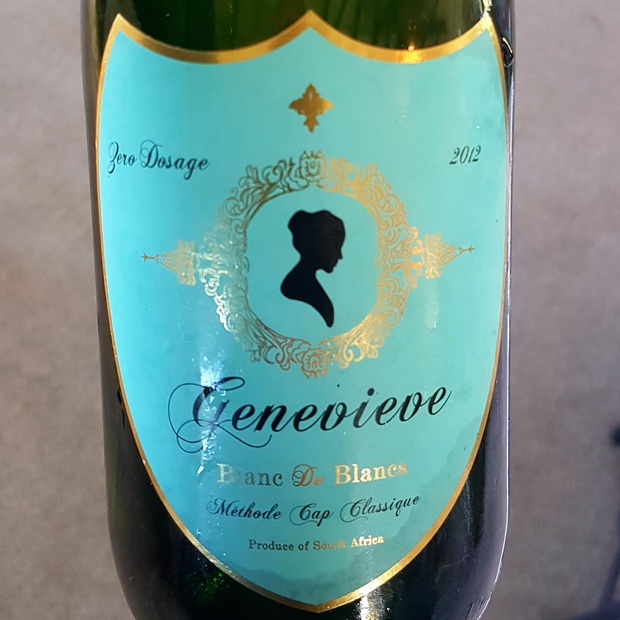
Genevieve Brut Blanc De Blancs Méthode Cap Classique 2012, WO Bot Rivier, South Africa (WineryWineAlign)

From proprietor Melissa Genevieve Nelsen this chardonnay spent four years on the lees and is what she calls “my soldier, it stands up right, expresses itself very cleanly.” Tasted two years after she gave us that assessment of the vintage it’s now even more Cap Classique than ever, feathery oxidative, gingery and toasty. It’s classic really and perched on the richer end of the spectrum, evolving with some haste and more than ready to go. Drink 2018-2020.  Tasted September 2018

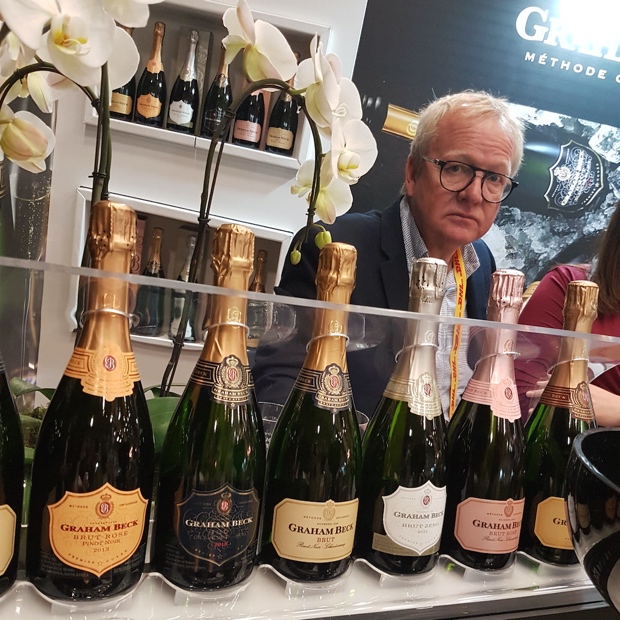
Graham Beck wines and a rare moment when Pieter Ferreira isn’t smiling

Graham Beck Brut Rosé Méthode Cap Classique NV, WO Western Cape, South Africa (175588, $19.95, WineAlign)

The ripeness is expressly up front in Beck’s 50-50 pinot noir-chardonnay joint and we’d all be hard-pressed to find its MCC equal in terms of focus, integrated and polished. Drink 2018-2021.  Last tasted September 2018

An ode and an adherence to the magic of Cap Classique style, always with that sage feeling of evolution in age. Made pretty with its skin pink depth though I must admit to nosing and tasting the inimitable South African soil. Still, it is clearly and decisively Pinot Noir that floats the boat and rights the ship. This has noirs in its psyche and the Western Cape in its soul. Drink 2016-2020. Tasted January 2016

Graham Beck Prestige Collection Cuvée Clive 2012, Méthode Cap Classique, Robertson, South Africa (Agent, WineAlign)

Clive is Graham Beck’s most prestigious and important cuvée, what méthode cap classique cellarmaster Pieter Ferreira calls “a respect to Champagne. While previous incarnations were wines of “best selection” the 2012 chardonnay and pinot noir are drawn from a single-vineyard for the first time. Stand in the tasting room and there it spreads out below, on soil riddled with limestone to equip this crisp and arid sparkling wine with all the necessary attributes. Bronze-parched apple and dried quince are noted. Sentiment and data from a 10 year study project of varietal, lees and aging are collected and come to this; a toast demure, a love divine, a wild control. Brilliant sparkling wine and undoubtedly a South African gem. Drink 20189-2027.  Tasted September 2018  grahambeckbubbly  vinexxperts  @GrahamBeckSA  @Vinexxpert  @grahambeckmcc  @Vinexx

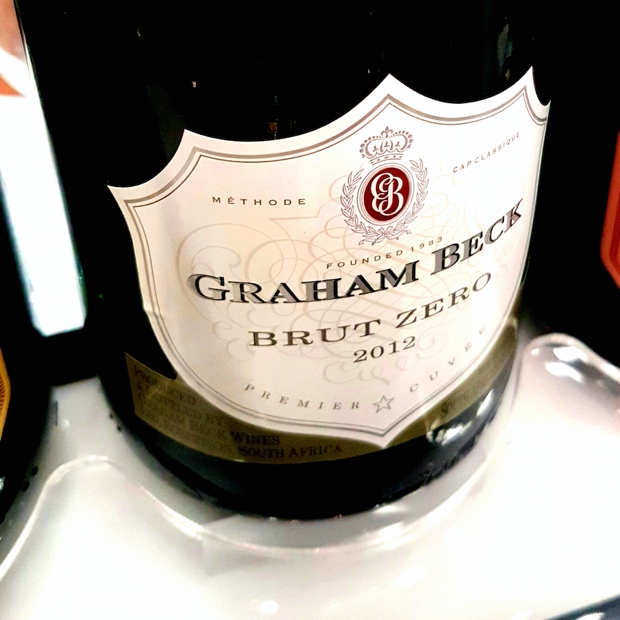
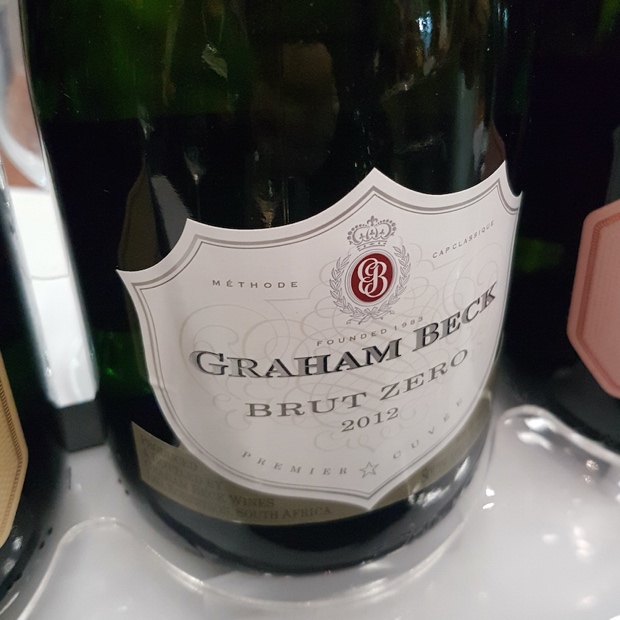
Graham Beck Brut Zero 2012, Méthode Cap Classique, Robertson, South Africa (435453, $23.95, WineAlign)

Slanghoek pinot noir (77 per cent) meets limestone-Robertson chardonnay for a driest of the dry sparkling wine that spent 60 months on the lees. Beck’s attack for the Brut Zero “is based on the philosophy of grower’s Champagne,” notes Peter Ferreira and as such it surely ranks as one of the more mineral-toasty bubbles in the entire Cap Classique category. No sugar added during dosage allows the land to speak. There is a deeper intuition beyond flint-struck, something categorically chalky while delicate and flavour wise it’s simply limon-delicieux. The fineness is noted and the vintage too, from which the team saw enough to make use of the highest quality juice for a tête de cuvée wine. High ceiling for aging here. Drink 2018-2024.  Tasted September 2018

Graham Beck Premier Cuvée Brut Blanc de Blanc 2013, Méthode Cap Classique, Robertson, South Africa (907568, $26.95, WineAlign)

Beck’s Roberston chardonnay is just one of those wines that settles seamlessly into that beautifully integrated dyadic realm where mousse persistence, acidity and texture meet at the vertices of balance and blessed. Always that minor hint of reductive lemon pith and toasted almond. Persistent and consistently fine, affordable and celebratory worthy bubbles. Drink 2018-2022.  Tasted September 2018

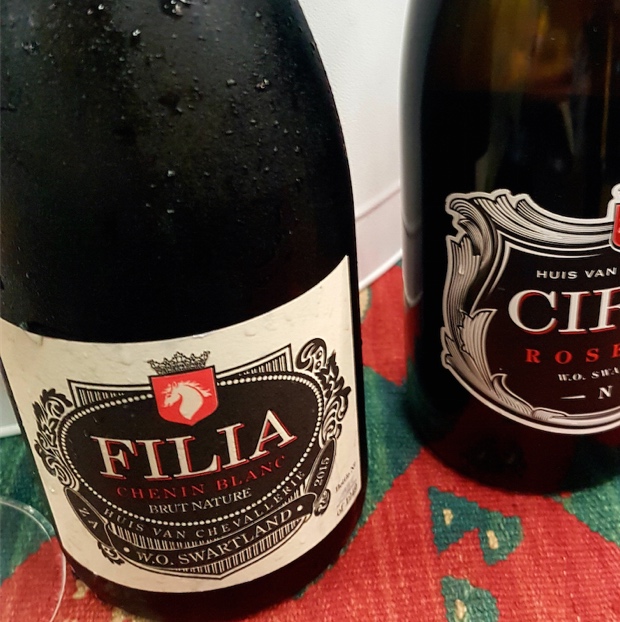
Huis Van Chevallerie Filia Brut Nature Kap Klaissque NV, WO Swartland, South Africa (Winery, WineAlign)

Filia is the daughter of the Paardeberg, a self-described and cheeky Swartland Kap Klassique chenin blanc made by Christa Von La Chevallerie, dogter to Juergen and the Nuwedam Farm just off the R45 outside Malmesbury. Not just any sparkling wine mind you. Although the early stages of this old vines project from the (mainly) 2015 vintage only gives 18 months on the lees it also provides 1974 planted chenin blanc, for shits, giggles and shut the front door attitude. For Christa it’s a matter of “how far I can go with (the combination of) chenin and lees.” Clearly just the entry point here, with an announced mix of richness and tension, not yet knowing what can and will happen. The coast is clear, the chenin blanc is ready, willing, able and the winemaker will stop at nothing to make this bubble in her own image and way. Look out sparkling world. Drink 2018-2022. Tasted September 2018  christalachevallerie  @HuisChevallerie  @ChevallerieZA  Christa Von La Chevallerie

Jacaranda Wine Estate “Q” Méthode Cap Classique, WO Wellington, South Africa (Winery, WineAlign)

Jacaranda is on it’s way towards establishing itself as one of the Western Cape’s Méthode Cap Classique specialists and this new cuvée is called “Q” for quality. The organic estate invests heavily in their agriculture and this just disgorged specimen saw 24 months on lees and a base wine in oak for a few months. It’s 100 per cent chenin blanc, from old vines in 80, 60 and 40 year-old blocks. They work with low sulphur and in spite of the minimal interventionist and risk-taking program this is quite toasty bubbles, yet also rich, creamy and palate swarming. Lingers as one does, long and properly, leaving you with a feeling of it being just lovely. Surely the beginning of a great relationship all around. Drink 2018-2020.  Tasted September 2018  jacaranda_wine  @jacarandawines

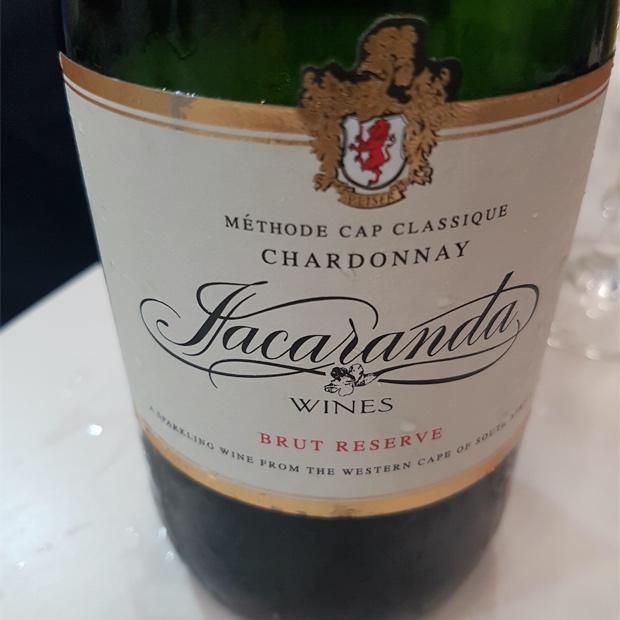
Jacaranda Wine Estate Brut Reserve Méthode Cap Classique, WO Wellington, South Africa (Winery, WineAlign)

The Brut Reserve is actually a Blanc de Blancs, from 100 per cent chardonnay with higher elevations of sugar (11 g/L rS) and conversely acidity. It comes across dried than it is with richness in posit tug by citrus and cream, like lemon curd with a toasty edge. Once again an MCC of good persistence and length and will develop an extra layer of oxidative complexity at three years of age. Drink 2018-2021.  Tasted September 2018

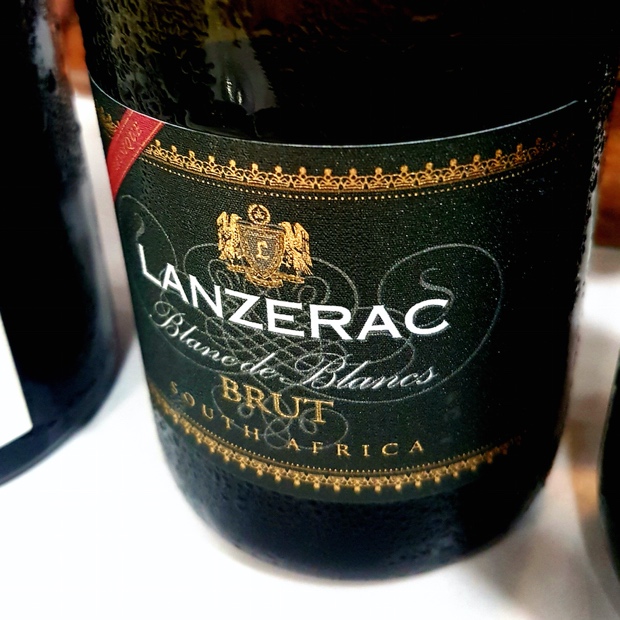
Lanzerac Wine Estate Blanc De Blancs Méthode Cap Classique, WO Stellenbosch, South Africa (Winery, WineAlign)

A most traditional Cape sparkling wine with aromas of yellow citrus, wet concrete and cold rooms with hanging and curing meats. It’s on the oxidative MCC side though acidity brings tension and balance. As a chardonnay bubble it does what is asked of it and treads well top age a few years. Drink 2018-2021.  Tasted September 2018  lanzeracwineestate  @LanzeracWines @LanzeracWineEstate

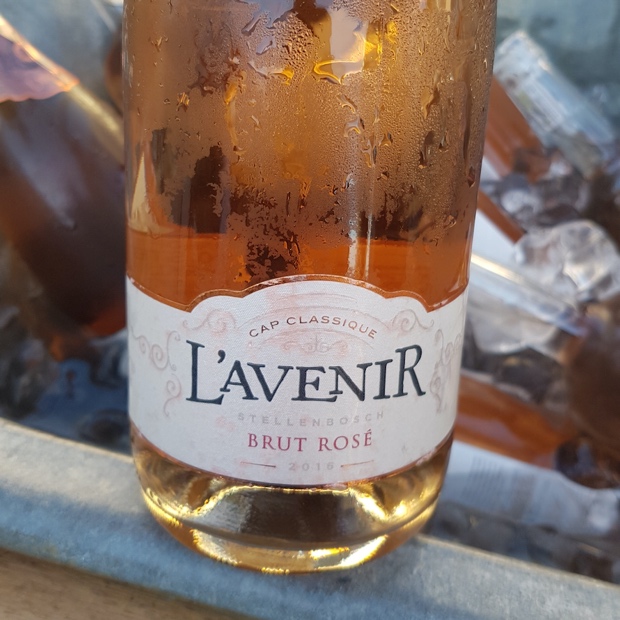
L’Avenir Brut Méthode Cap Classique 2017, WO Stellenbosch, South Africa (Winery, WineAlign)

L’Avenir Estate’s Méthode Cap Classique is mainly pinotage with some chardonnay and arrives in the glass as a light and nearly delicate bubble. It’s a succulent, sweet rusty, lively enzymatic sparkling wine with an opinion and a plan of action. Pleasurable to sip from a definite MCC teachable moment. Drink 2018-2020.  Tasted September 2018  lavenir_wine_estate  selectwinemoments  @LAvenirWines  @SelectWinesTO  @LAvenirEstate  @SelectWinesCanada

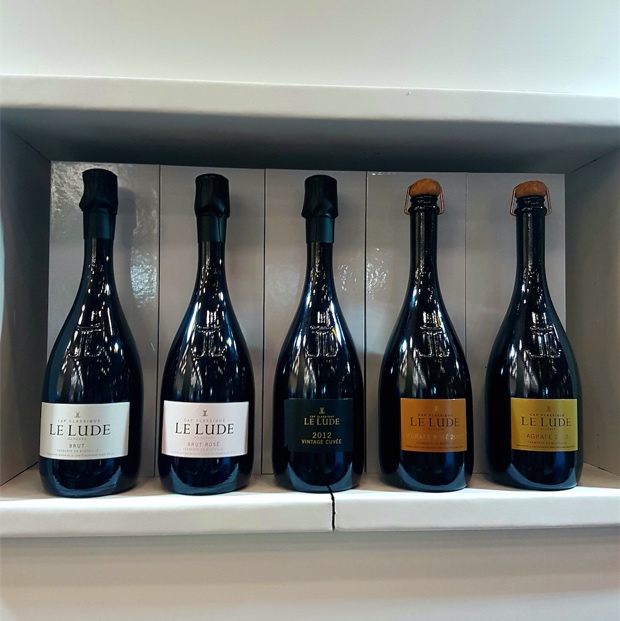
Le Lude Vintage Brut Rosé Méthode Cap Classique, WO Franschhoek, South Africa (Winery, WineAlign)

The Brut Rosé is a chardonnay and pinot noir split of 5.5 g/L dosage, just slightly drier than the MCC Reserve Brut. It’s beautifully pale, pure, fresh and regaling in high acidity. All about nervousness which is so engaging for pink fizz, pulling finesse and pushing tension. Raspberry and currants are fruit indicators for amazing work in Rosé MCC. Drink 2018-2023.  Tasted September 2018  leludemcc  @LeLudeMCC  @LeLudeMCC

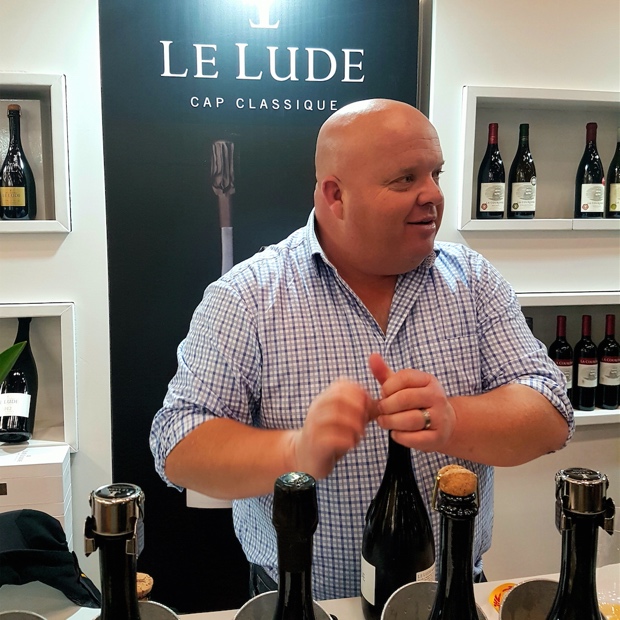
Paul Gerber – Le Lude

Le Lude Vintage Brut Reserve Méthode Cap Classique, WO Franschhoek, South Africa (Winery, WineAlign)

The blend is with pinot noir but in this sister cuvée to the Brut Rosé it’s really about what chardonnay is going to bring to the MCC table. The dosage is just slightly higher than the Rosé, here at 6.5 g/L and 24 months on its lees. Here the shift is towards more richness, almost counterintuitive when you think about blanc vs. rose but Paul Gerber is on to something big. There is a plum compote luxe note stirred into the citrus and so both ends of the fruit spectrum are involved and incredible. “You must taste the sun in the fruit,” insists Gerber, sparkling wine or not and so with verve, intensity and balance this travels to terrific and back. Drink 2018-2022.  Tasted September 2018

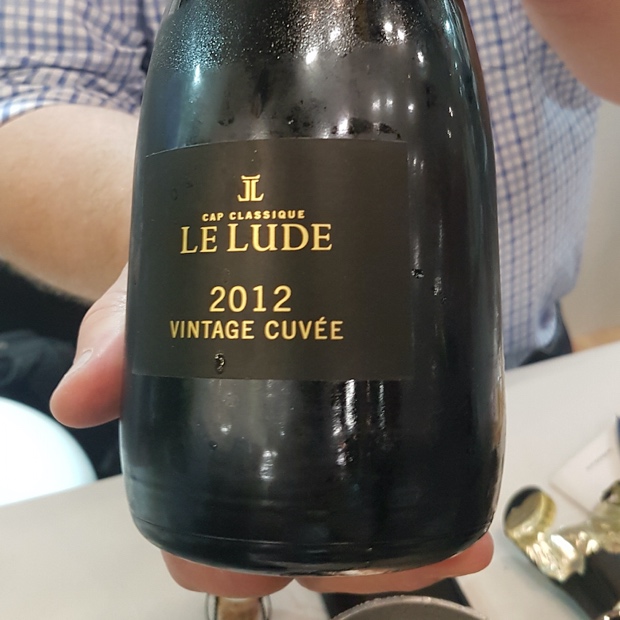
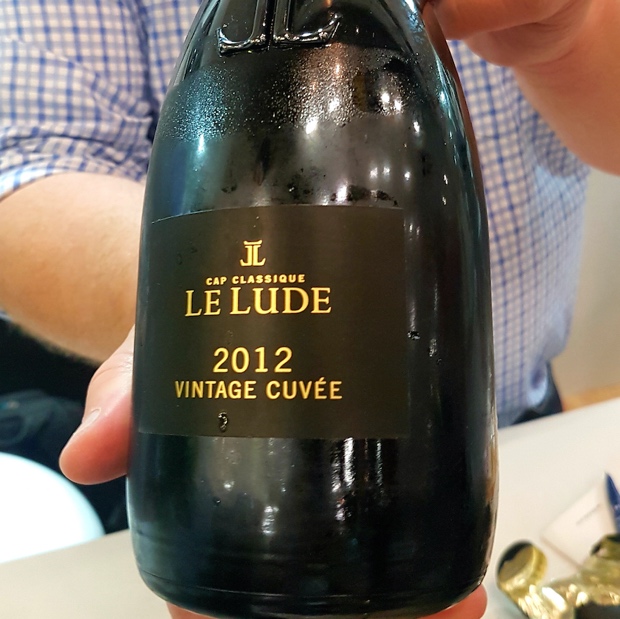
Le Lude Vintage Cuvée Méthode Cap Classique 2012, WO Franschhoek, South Africa (Winery, WineAlign)

Le Lude’s winemaker Paul Gerber assembles two non-vintage Bruts, blended each vintage for a house style. The fruit is primarily Robertson with some addendum out of Franschhoek. The first vintage was indeed 2012 and this chardonnay (80 per cent) plus pinot noir comes sweet herbal straight out of the riddle with a sultry, piqued spiciness. Already showing a hint of secondary notation by way of a honeyed nougat melted into the soft and delicate mousse. Still plenty of intensity and drive with citrus in whole represent by lime, fresh and juicy. Less red fruit (much, much less) and more white flower with the idea of yellow and green fruit. Stylish, persevering and precise. At 2.6 g/L it’s perfectly albeit sparsely seasoned and mature with Champagne confidence. Drink 2019-2027.  Tasted September 2018

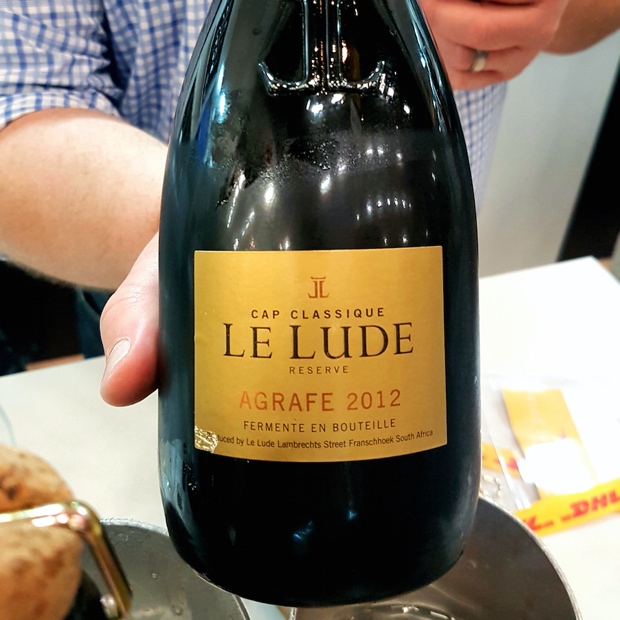
Le Lude Reserve Agrafé Tirage Liége Méthode Cap Classique 2012, WO Franschhoek, South Africa (Winery, WineAlign)

Agrafé translates literally as “staple,” from the French term and how a metal clip or clasp is used to secure the cork in a bottle of champagne or sparkling wine. Le Lude’s Tirage Liége, or “cork draw” is packaged as such and is a blend of 54 per cent chardonnay with pinot noir. It undergoes traditional cork fermentation and maturation on (premium) cork 36 months. The methodology takes this beyond intensity and into texture with creamy preserved lemon mousse persistence. As a whole it strikes as riper in ode to vintage and almost into something akin with Limoncello. Though it’s a most complex specimen of sparkling wine you might almost forget its highly accomplished nature and simply drink it up. Drink 2019-2023.  Tasted September 2018

Le Lude Brut Méthode Cap Classique 2013, WO Franschhoek, South Africa (Winery, WineAlign)

Recently disgorged and not yet labelled but actually goes back two years further in terms of lees aging than the 2012. Expressive of riper fruit and the effect of the vintage skins. Still the creamy mousse and texture in great persistence though not as much tension. Both oxidative and reductive in the MCC way, from fruit pulled off of various blocks and picked at various times. Real attention to detail and towards crafting an estate signature style from a specific vintage. Fleshes without any need for real dosage by finding its way from ripeness forward. Lime is the dominant flavour and balance is struck by masterful blending. Drink 2019-2027.  Tasted September 2018

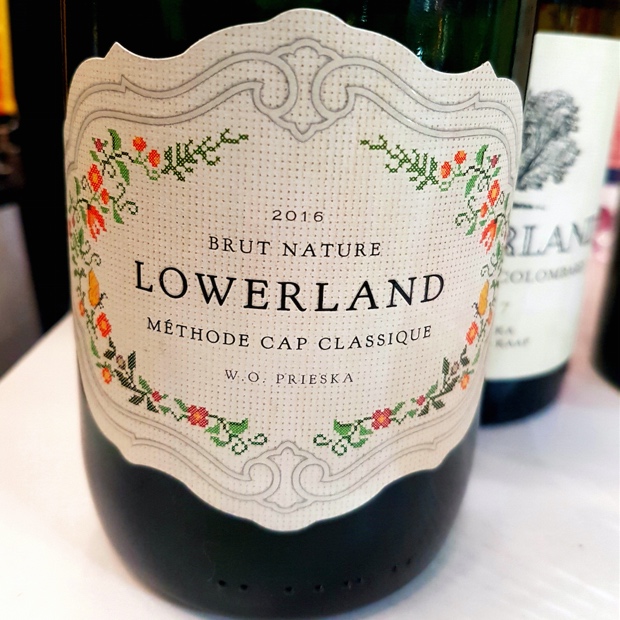
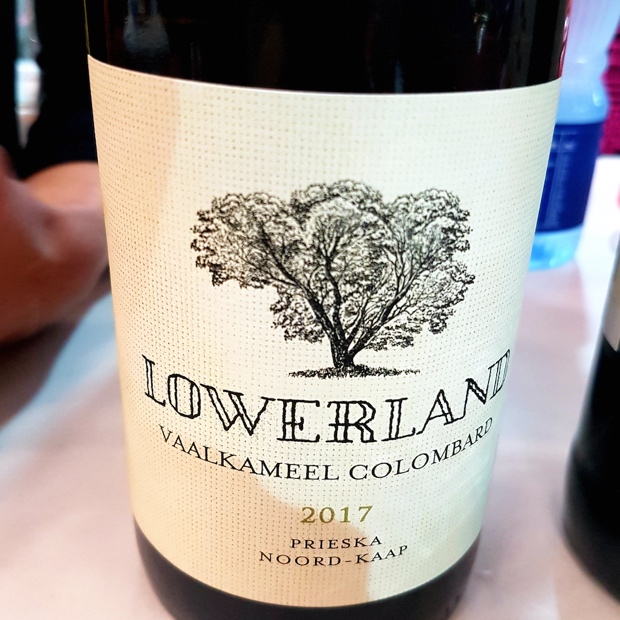
Lowerland Brut Méthode Cap Classique, WO Prieska Noord Kaap, Orange River, South Africa (WineryWineAlign)

Lowerland is the small if far northern outpost work from Bertie Coetzee and Alette de Beer in Orange River, Prieska Noord Kaap. Time to re-adjust the set, for South Africa and Méthode Cap Classique and approach the game with eyes, nose, ears and palate wine open. Take a trip 1000 kms north of Cape Town to discover fields 1000m above sea level, where the summers are hot and winters see temperatures of -10 celsius. Now take this first estate kick at the MCC can, of 11 months on lees for fruit grown on the warmest spot. Carries an uncanny nose of orange creamsicle mixed with lemon pith, turning over to more things completely other. So persistent in aromas and bubble, with extraordinary acids and a healthy dosage in search of and gaining balance. Shows off a deft and gentle touch with capable grip. Drink 2018-2021.  Tasted September 2018 bioboertie  vanloggerenbergwines  alette.waterboer  lowerland_wines  @CoetzeeBertie  @AletteWaterboer  Bertie Coetzee  @LowerlandFarm  Alette De Beer

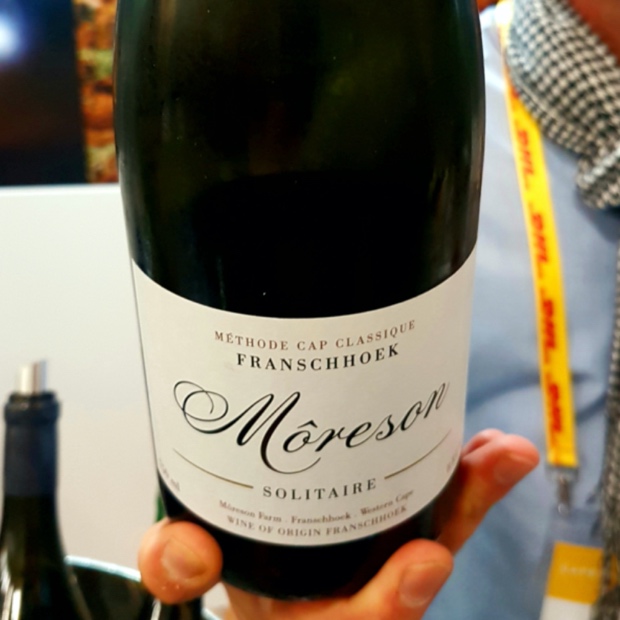
Môreson Solitaire Blanc De Blancs Méthode Cap Classique, WO Franschhoek, South Africa (Winery, WineAlign)

Solitaire is an estate-grown, clonal driven chardonnay in blanc de blanc dress. It’s both Franschhoek notable with its earthy soil construct but also “C455” clonal from an estate with a deep-rooted drive to advocate for this type of work for Méthode Cap Classique. It’s mainly fruit drawn from the 2016 vintage and while the house looks for consistency the vintage plays a dramatic role in terms of the social grace, aspect and communication. Saw some malolactic fermentation as well as some large format older oak, to bring some clarity out of the realm of authentic reductiveness. Normally sees 18-24 months on yeasts and this one was disgorged as far back as March 2018. The bottle time is a positive thing for an MCC with some anxiety and what the house might call a penchant to get “frazzled.” Can’t help but recall Jane Seymour in Live and Let Die, the psychic in the employ of Dr. Kananga. Might as well use this MCC for the Bond moments in your life. Drink 2018-2021.  Tasted September 2018  moresonwinefarm @moreson  @moreson

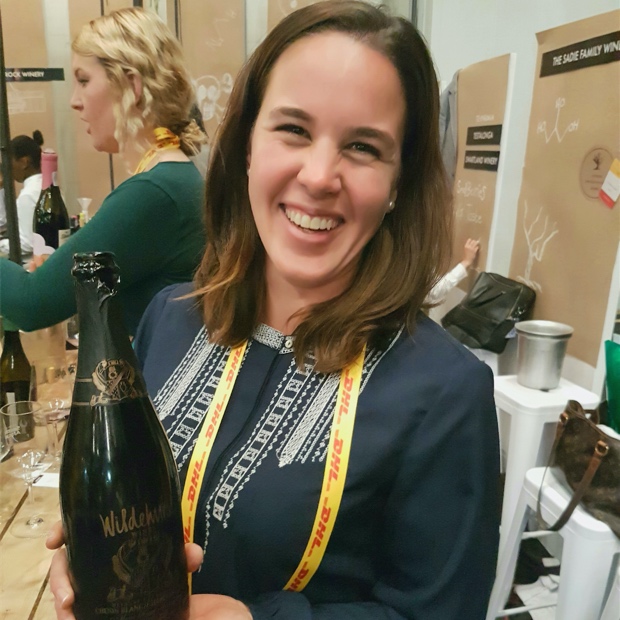
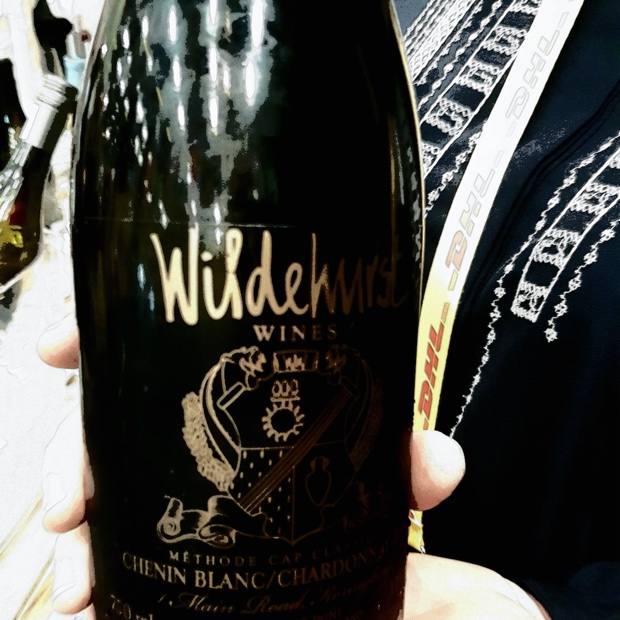
Wildehurst Méthode Cap Classique NV, WO Swartland, South Africa (Winery, WineAlign)

Sheree Nothangel’s sparkling Cap Classique is composed of chenin blanc and chardonnay (56/44), at 4 g/L dosage after 24 months on the lees. This is the third year of the program and the first stage speaks to a style that acts in delicasse incarnate. Just lovely and creamy in which lemon billows with elastic solids as curd and there is a real feel of fine lees. Though downy it too is lifted but not explosive by acidity. Drink 2018-2021.  Tasted September 2018  wildehurst  @WildehurstW  @wildehurst

Good to go!

Godello

Charcuterie and cheese with Méthode Cap Classique at Gondwana Family Lodge

Twitter: @mgodello

Instagram: mgodello

WineAlign

Searching for great heart in South Africa

A view of the Simosnberg from Amazink Live in Kalmandi Township

Heritage and diversity in South Africa

as seen on WineAlign

Takeaways from Cape Wine 2018: Bot Rivier, new generation pinotage, regional spotlight on Robertson, Méthode Cap Classique, heritage vines, post revolution Swartland, wot varietal? and kuier

The last time I travelled across the Atlantic and down to the southern tip of Africa was in the warm days of September when I took in the three days of Cape Wine 2015. Beyond the Cape Town commotion of the triennial wine fair there was the added bonus of an expansive, wayfaring wine-lands itinerary. A deep understanding of the Western Cape’s wine landscape came to light, though at the time it seemed like being caught up in some kind of cultural and constitutional revolution. A return engagement with South Africa this past September changes but also cements the notions considered and the lessons learned. South Africa’s scene has now found itself comfortably cast in a post-revolution, full on republic state of wine. Allow me to expand.

I’m searching for the spirit of the great heart
Under African sky

A deeper understanding

After my return three years ago I suggested that “what separates South African vignerons from the rest of the world is a playground mentality and their confident executions in consummation of those ideals. The soils and the weather are nothing short of perfect…the place is a veritable garden of viticulture eden…a certain kind of comparison presents South Africa as the wine equivalent of the wild west. In the Western Cape, anything goes. The landscape of South African wine is demarcated by ancient geology and by the geographical diversity of its regions, sub-regions and micro-plots. Varietal placement is the key to success. As I mentioned, South African winemakers can grow anything they want, to both their discretion and their whimsy. The choice of what grows best and where will determine the successes of the future.”

It’s satisfying to note that three years later the adages, analytics and perspectives remain constant with that initial intuition and yet the changes in mentality meeting execution are far greater than such a short passage of time could normally afford. Winemakers in South Africa are learning everything there is to know about making wine and from every corner of the world. Some are travelling to the sources for the knowledge while others are simply experimenting at home every day to get there. There is no style of wine that isn’t being attempted. I’ll say it again. “Natural fermentation, skin contact and carbonic maceration have infiltrated the winemaker’s psyche. Fresh, natural, orange, amber, caliginous and tenebrous have established Cape footholds with enzymatic force.”

The year 2018 will be remembered for many things but at the top of that list are resilience and tradition. After months and months on end of near catastrophic drought the country and in turn the wine producers have found a way to survive and to thrive. Thanks must be afforded the pioneers and those with the most experience, in other words, the people who have been through and seen it all. As a result it is the icons and archetypes of South African wine that stole much of this year’s spotlight. Though they are the antithesis of the young and free-spirited, the lines have begun to blur, or at least overlap in terms of who is who in the winemaking mise en scene. Three years ago these pirates with pirate eyes and pirate smiles made some good wines but a good deal of them were dirty, funky and flawed. Wine geeks gushed because of the cool, natural and revolutionary factor. It was a time of protest and free spirit. Once upon a time in the wild Western Cape. As the boomers have grown older their winemaking has matured and become wiser. There is no abandoning the call for uprising, subversion and experimentation but there is a concerted effort to fashion wines that are a pleasure to drink. Isn’t that the point? In 2018 it seems that everyone has it figured out. South African wines are cleaner by ‘n landmyl, with more purity, transparency and honesty than ever before. Their epiphany is now ours as together we synchronically enter this new world of deeper understanding.

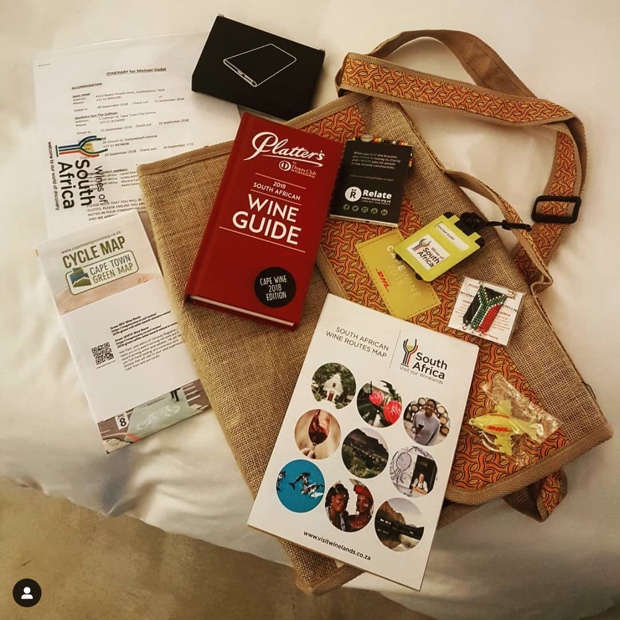
No one does a media package like @wosa_za for @wosacanada peeps. thank you for getting me very ready to tackle @capewine2018

So much to think about

It began at the Spier Hotel in Stellenbosch, home to Spier Wine Farm and Vineyards. It was unseasonably cold with the kind of crisp night air that just makes you think about acidity. The vines were infants at this time in the southern hemisphere vineyards but I could not help but imagine the 2019 harvest possibilities as having forged their beginnings with these early spring conditions. Next stop was Bot Rivier, first with a farm to table experience at Wildekrans Wine Estate. A quick stop to hang with the baboons at Sir Lowry’s Pass and a move to Kalmandi Township.

Performers at Amazink Live

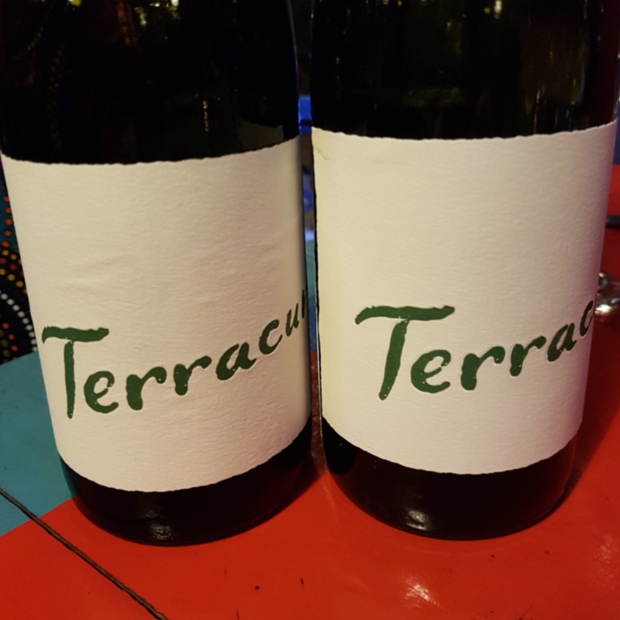
This was a truly South African experience of ‘Ubunti’ at Amazink Live‘s township braai with the local entertainment troupe and a big bottle format of Smiley, Silvervis and Terracura with Ryan Mostert and Samantha Suddons. The fifth season of performance took place in what is called “a place of unity,” a safe space for all guests and groups. Amazink’s manager Zinthle explained that this club offers “a change in the perception of townships, the name alone means “it’s a nice home.” Kunandi Umalaba indeed. “It’s nice to be here.”

On to Roberston for three quick visits with Graham Beck Wines, Springfield Estate and De Wetshof Estate Wines. Then a night under the African sky, a 24-hour out-of-body experience at Sanbona Game Reserve and over to L’Avenir Farm for Pino Pistols – the next generation of pinotage young guns. The next morning at the Cape Town International Convention Centre for the start of three jam-packed days of Cape Wine 2018. An evening that can never be forgotten covered the classics – a regional four-decade vertical tasting with eight iconic producers. The trip culminated with lawn bowls in Malmesbury with the Swartland Swingers, artists formerly known as The Swartland Revolution.

Sundowners, Sanbona Game Reserve

Three years after that 2015 Cape Wine experience it’s duly noted how both flow and focus mean that the game is changing. The notion of planting whatever you feel like wherever you feel it just because it will ripen is evolving. Specialization, especially with respect to varietals like chenin blanc, cinsault, grenache and pinotage is the wave of the future and with this furthered isolation of micro-plots and terroir for these very specific grape varieties. Narrowing the focus, figuring out what works best and why. It’s the Burgundian way and indeed the way all great wine regions make their mark. The heritage seekers and protectors know what’s what. Old vines, especially dry, bush-farmed vineyards are the backbone of South Africa’s diversity and possibility.

Were South Africa not so far away from the rest of the wine-consuming world I truly believe it would blow every other wine region out of the proverbial water of supply and demand. South Africa’s wines represent the finest quality to price ratios in the world and there is plenty of product to go around. Lying a continent (and an ocean) away from both Europe and North America is an obstacle that will always be too distant to overcome but the global economy’s ability to coalesce and encourage trading of goods from the furthest of poles is only going to increase. If this upwards and positive trend is to continue the current wave of nationalist political tendencies must be curtailed, if only so that we as consumers can continue to enjoy the wealth of extraordinary wines that need to be exported out of South Africa.

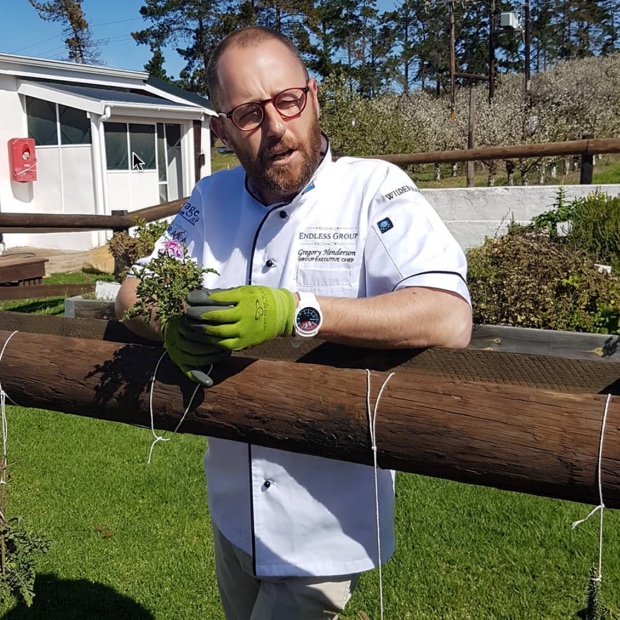
Chef Gregory Henderson, Wildekrans Wilde Forage, Bot Rivier

New age of diversity: Bot Rivier

Bot Rivier is south-east from Cape Town, sandwiched from south to north between Hermanus and Stellenbosch. “From the top of the Houw Hoek Pass, one gets the first glimpse of the vast, rolling hills and big sky of the Bot River area, where real people make real wine.” This is the credo of the family of wineries that farm and produce in the area. There are 12 members of the wine-growing association, all within a 10km radius of one another. At Wildekrans we participated in a ground foraging experience alongside Chef Gregory Henderson. Beaumont Wines, Gabriëlskloof, Paardenkloof, Villion and Luddite Wines led us through a blending process to make a wine from samples supplied by all six. Four groups attempted the exercise to mixed reviews. Said Luddite’s Niels Verburg. “We gave you six beautiful wines and you gave us four bad ones back.” Their wines were significantly better.

Beaumont Family Wines Hope Marguerite 2017, WO Bot Rivier-Walker Bay, South Africa (Agent, $35.00, WineAlign)

The vintage clarity speaks to an unbelievable old vines imperative and in this case a stage presence imperative to scrape, zest and juice all the lemons, tangerines and peaches in the world. The fruit quality and integrity conjures a continuum where distant memory fast forwards to present day reality. ‘Tis an extraordinary time to taste chenin blanc in its modern vernacular, of so many styles with Sebastian Beaumont’s so high on the pyramid. The The 2017 accomplishment includes further complex compliments, dried pineapple, lemon peel and an herbal wonder powder. This is the sauce. “This is the day, your life will surely change. This is the day, when things fall into place.” Soul mining for chenin blanc. Drink 2019-2026.  Tasted September 2018

Villion Family Wines Syrah 2017, WO Western Cape, South Africa (WineryWineAlign)

A moment’s pause to consider the aromatics is unavoidable because the mid-palate complex notions swirl dramatically out of glass, through the mouth and straight into the mind. This with thanks in kind to more than half of the juice having matured for eight months in (36 per cent new) 300 and 400L French barrels. The fruit was not lost in fact it’s uncanny how mandarin orange it is, plus this old vine (30 years and older) mineral-flint strike to round out the third and most expected aspect of the total oeuvre. Rich, unctuous and structured is a great way for chenin blanc to go through life. Drink 2018-2021.  Tasted September 2018  villionwines  @VillionWines  @VillionWines

Wildekrans Wine Estate Chenin Blanc Barrel Select Reserve 2017, WO Bot Rivier, South Africa (WineryWineAlign)

From winemaker Braam Gerricke his chenin blanc layers and variegates richness and spice. There is nothing simple about the designation or the result, very much in the vein of old vines and barrel licked chenin with great expectation. The ceiling climbs high for this type of execution and with some age for this, followed by some adjustments for the rest the future looks very bright. These are wines poised to climb into another Cape echelon. Drink 2018-2022.  Tasted September 2018  wildekrans  @WildekransWines  @Wildekrans

Gabriëlskloof Syrah The Landscape Series on Shale 2016, WO Bot Rivier, South Africa (WineryWineAlign)

On Shale is forged of a single-vineyard, Bokkeveld site on the Gabriëlskloof property that makes for a stand apart syrah without comparison. A wild ferment encourages idiosyncratic, ferric and hematic tendencies of what can happen on this section of Western Cape geology. The theoretical possibilities from such shale do for syrah what Cape granite and Malmesbury shale won’t, making abstract connections liquid chalk bled through mudstone in the form of herbal amaro syrup. You notice it in the consistency too, so pure, so sappy oozing and in its very intuitive way, extroverted fine. Drink 2018-2021.  Tasted September 2018  gabrielskloof_  @Gabrielskloof  @donniewine  @Gabrielskloof

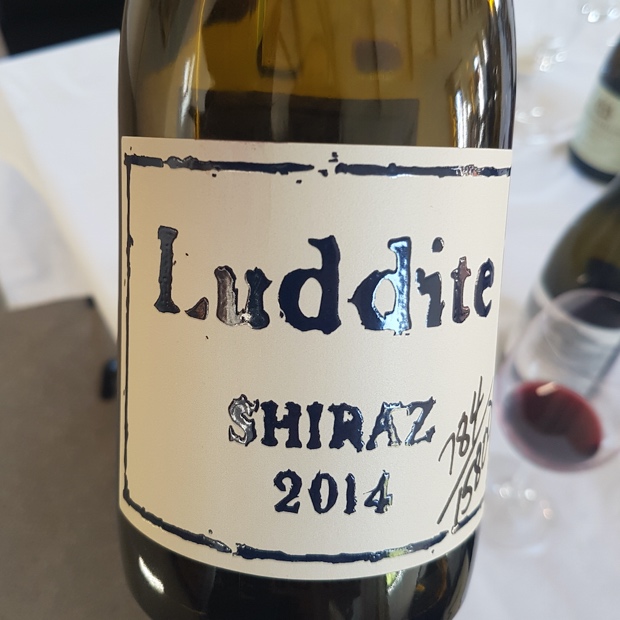
Luddite Shiraz 2014, WO Bot Rivier, South Africa (WineryWineAlign)

Just a few years offers up so many more clues as to what is going on in Niels Verburg’s shiraz world. First of all the 24 months in barrel and the 24 months in bottle are structure building and basically tell us to stay away for an equally further amount of time. Not that you wouldn’t want to taste one or two along the way but time is the necessity. This is shiraz held back to “gain a balanced potential.” Meanwhile, no other Cape shiraz smells like this. Niels talks about the mattress of curry the khoi bushmen used to lie upon to raise them up above the ground and away from the insects. The plants known as “kerrie” have a very particular herbal-savoury scent, certainly present in Luddite’s shiraz and even more pronounced with a few years of time gone by. It’s exotic, an herbal-spice line trod with floral undertone and in part certainly a cause to that vineyard presence of the curry bush. Texture is fine spun silk, integrated and then comes exquisite acidity to complete the picture. Drink 2019-2027.  Tasted September 2018  luddite_wines  @LudditeWines  @ludditewines

Paardenkloof Estate Cabernet Sauvignon 2017, WO Bot Rivier, South Africa (WineryWineAlign)

Planted in 2002, it was 2006 that proprietor Mohseen Moosa first produced this cabernet sauvignon on the mountain that separates Bot Rivier from the Hemel-en-Aarde, three to four kms from the sea, as the crow flies. The cooling breezes help to coax, coddle and accentuate the varietal tendencies, “to promote the primary fruit of the vineyard,” tells Moosa. Beneficial balance and restrained intensity define this wine, from pockets of spice through ultra-violet floral rays. Pleasing fruit meets designate structure for the most solid of South African cabernets. Fine chalky tannins and all in all, really accomplished. Drink 2020-2027.  Tasted September 2018  paardenkloof  @PaardenKloof  @PaardenKloofEstate

Chardonnay vineyard in Robertson

Regional spotlight: Robertson

The Robertson Valley is a singular and vast South African landscape, a place of wide open spaces and skies. It’s the ideal location for many things, including growing chardonnay and pinot noir for Méthode Cap Classique sparkling wines. It’s also possessive of the finest limestone soils in the Capelands which means chardonnay thrives and the ceiling for pinot noir can only raise higher. Pockets of sand and clay are also ideal for Bordeaux varietals; cabernet sauvignon and sauvignon blanc. The history, meticulousness and confidence of Robertson’s winemakers is more than evident. Springfield’s Abrie Bruwer was quick to remind us all “we’ve revolutionized (winemaking) three times over already and nobody’s noticed.” Robertson remains under the radar but know this. Old world defines the collective oeuvre.

Springfield Estate Sauvignon Blanc Life From Stone 2018, WO Robertson, South Africa (Winery, WineAlign)

What a jolt in how there’s a quick flash of Sancerre and then bam, straight back into a Robertson reality from the rockiest of parcels. The juice is kept at negative three degrees celsius to preserve the sheer freshness of the fruit. It’s not so radical but it’s also not done. What is does is prevent the flavours from disappearing into the enzymatic wind. They’ve been at this process for 11-12 years, seven of them with the entire crop. It’s about keeping the entirety of the lees suspended to buoy and ready the fruit for fermentation, at 13-16 degrees. The fruit is so variegated, at first mostly stone and the towards tropical tendencies, on the back of acidity wise and mature.  Drink 2018-2023. Tasted September 2018  springfieldestate  @springfieldwine  @springfieldestate

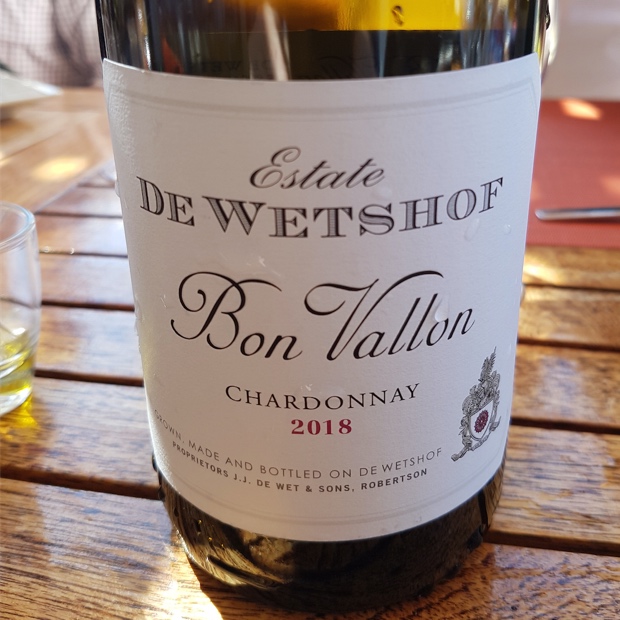
De Wetshof Estate Unwooded Chardonnay Bon Vallon 2018, WO Robertson, South Africa (403675, $22.95, WineAlign)

The unwooded chardonnay from de Wetshof is a fascinating wine because it’s one of the very few in the style that needs some time to settle down and in. From the good valley at the lowest point between slopes there is more searing orchard and citrus fruit meeting pure, unaffected by wood nuttiness than a list that includes all of Robertson and perhaps the entire Western Cape. What is pulled from this limestone terroir and without any barrel time is almost impossible but wholly remarkable. It’s also consistently constructed vintage after vintage by the commitment to craft by the family de Wet. Drink 20189-2022.  Tasted September 2018  dewetshofwines  @DeWetshofWines  @dewetshofwines

Graham Beck Prestige Collection Cuvée Clive 2012, Méthode Cap Classique, Robertson, South Africa (Agent, WineAlign)

Clive is Graham Beck’s most prestigious and important cuvée, what méthode cap classique cellarmaster Pieter Ferreira calls “a respect to Champagne. While previous incarnations were wines of “best selection” the 2012 chardonnay and pinot noir are drawn from a single-vineyard for the first time. Stand in the tasting room and there it spreads out below, on soil riddled with limestone to equip this crisp and arid sparkling wine with all the necessary attributes. Bronze-parched apple and dried quince are noted. Sentiment and data from a 10 year study project of varietal, lees and aging are collected and come to this; a toast demure, a love divine, a wild control. Brilliant sparkling wine and undoubtedly a South African gem. Drink 20189-2027.  Tasted September 2018  grahambeckbubbly  vinexxperts  @GrahamBeckSA  @Vinexxpert  @grahambeckmcc  @Vinexx

L’Avenir Wine Estate and Country Lodge

Pino Pistols – The next generation of Pinotage young guns

Heritage in South Africa is not just reserved for chenin blanc. “You know what old vines can give you,” says L’Avenir’s winemaker Dirk Coetzee. “We’re here to discuss a pinotage revolution. We’re here to discuss the next generation of pinotage.” Stellenbosch is host to the greatest concentration of Western Cape plantings and over the last ten years it has grown by 52 per cent. “Once we start making authentic product people will start thinking and the product will speak for itself.” In fact it has moved from being the sixth to the third most planted grape varieties. Beyerskloof winemaker Ani Truter adds, “what I tasted in the 80s was not pinotage, it was sabotage. It took 2,000 years for Burgundy to be successful. Don’t worry, it won’t take that long in South Africa.” Only a Châteauneuf-du-Pâpe winemaker could pay a compliment with such direct proposition.

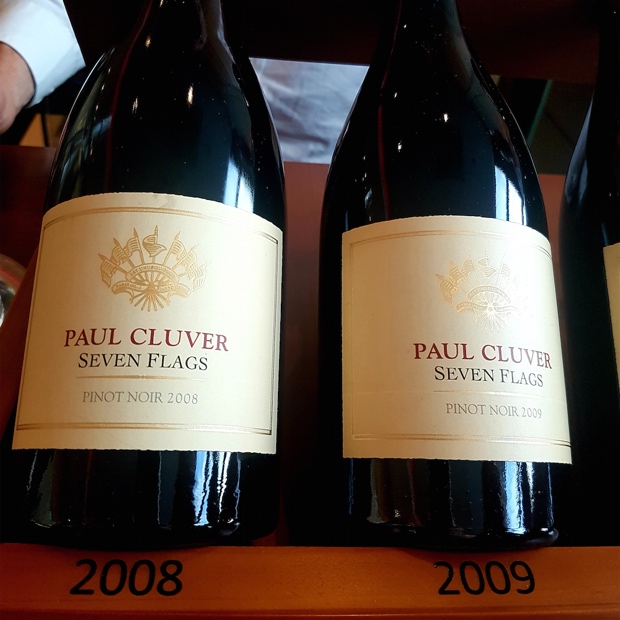
David Sadie continued the analysis with his take on soil and cellar as being the reasons for making good and bad pinotage. “If you look at a bad pinotage today you can look at the cellar and not at the cultivar.” This in explanation for how pinotage has improved and is moving on from rubbery, toasted and burnt flavour profiles. “It’s about site selection, planting in the right areas.” It’s also about pH levels. “Your attention to hygiene is really important, it’s pH driven.” And finally, Jacques de Klerk of Radford Dale.” They used to be made at high alcohol levels and the margin for error was very precarious. It comes down to over extraction and over use of oak.” The times they are a-changin’.

Beaumont Family Wines Pinotage Sixty Barrels 2015, WO Bot Rivier, South Africa (Agent, WineAlign)

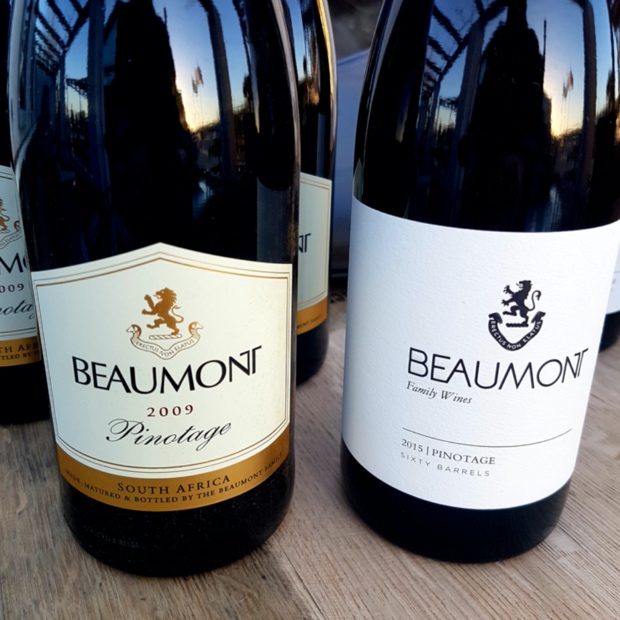
So interesting to taste this seminal pinotage by Sebastian Beaumont side by each with his 2009 “normale.” The same 1970s planted vineyard is employed, here from two blocks, one 44 years of age and the other being a spritely 21. The salty note on the aromatic top is faint, hidden beneath massive fruit ability, but it depends (of course it depends), on vintage. This one is full of wealthy possibilities and stealth opportunity, especially when the salt rises to the surface in thew clay. That clay effect is a fulsome one, really notable from 2015 to claim fruit, stash it away in reserve and wait for structure to build, crest and relent. Many years will pass as a result of this pinotage process. This is how you build varietal wealth and worth. One of South Africa’s finest. Drink 2019-2027.  Tasted September 2018  beaumontwines  @Beauwine  @Smallwinemakers  @beaumontfamilywine  @smallwinemakerscollection

L’Avenir Pinotage 2016, WO Stellenbosch, South Africa (Agent, $14.95, WineAlign)

When it comes to pinotage there are few producers capable of delivering the triumvirate of quality, honesty and ignoring of sickly trends. There is no mocha in L’Avenir’s take on the mistaken identity grape. In this case it’s like you’d expect pinotage to be but also completely unexpected because it takes classic relief, alters the perspective and turns the architectural rendering on its head. Pinotage needs to keep you on your toes, confuse with trompe l’oeuil drawn trickery and offer up great surprise. That’s what makes it special. Here richness is met head on by tannin, dusty fruit by bold acidity and spice mix at the gate of intensity. Just imagine the possibilities in the estate’s single block. Drink 2019-2022.  Tasted September 2018  lavenir_wine_estate  selectwinemoments  @LAvenirWines  @SelectWinesTO  @LAvenirEstate  @SelectWinesCanada

Beyerskloof Pinotage Diesel 2015, WO Stellenbosch, South Africa (Winery, WineAlign)

The bush vines are in the 20 year range on gravelly Oakleaf and Klapmuts soil for this highly credible example of what is possible with pinotage, especially in Stellenbosch. This is nothing but a structured red, housed in 100 per cent new French oak barrels for 20 months. After maturation, only 20 barrels were selected out of a possible 300. The fruit is richer, the texture denser and the extraction at the top end of the ideal. There is more of everything here, including savour and it’s anything but reductive or ball bouncy. Big, roasting, boasting and blasting with an exceptional level of quality. Drink 2019-2023.  Tasted September 2018  beyerskloof  churchillcellars  @Beyerskloof_  @imbibersreport  @Beyerskloof  @imbibersreport

B. Vintners Pinotage Liberté 2017, WO Stellenbosch, South Africa (Agent, $41.99, WineAlign)

Two oceans facing granitic soils at 250m are the impetus to raise this Cape dialectical, Atlantic meets Indian pinotage. It’s also a whole bunch matter, something that in increasingly important in the varietal lexicon. The plantings are east-west in orientation to avoid overbearing sun exposure, which is really a thing in pinotage and often the culprit for its unwanted “thickening.” Baking spice is all over the notes and fruit purity is duly counted. A very characterful red, spicy, smoky and just plain pleasurable, if on the confident side of all things being equal. Nice work between cousins Gavin Bruwer and Bruwer Raats. Drink 2019-2024.  Tasted September 2018  raatsfamilywines  liffordgram  @RaatsWines  @LiffordON  Raats Family Wines  @liffordwineandspirits

Radford Dale Pinotage Frankenstein 2015, WO Stellenbosch, South Africa (AgentWineAlign)

It took a few decades for someone to give Shelleyan props to Dr. Abraham Penold of Stellenbosch University,1925 grafter of cinsault and pinot noir to create pinotage. It’s a literary sidestep of a stretch to compare the science to Mary Shelley’s creature created by mismatched donors, but more than that it’s a cheeky shout out for a varietal often mistaken for a monster. Winemaker Jacques de Klerk grabs fruit from the white marl at the foot of the Helderberg Mountain for a pinotage troika of intention, ability and expectation. Three properties born of terroir, house and winemaker. All are on the same page written by an unspoken agreement to not abuse or confuse this grape. Frankenstein is smoky, curative, red raspberry ripe, right proper and built to last. Drink 2019-2026.  Tasted September 2018  radford_dale  reveriechenin  noble_estates  @Radforddale  @deklerkjacques  @Noble_Estates  @RadfordDaleWine  @NobleEstates

Pinotage winemakers at L’Avenir

Kanonkop Pinotage 2015, WO Simonsberg-Stellenbosch, South Africa (Agent, $44.95, WineAlign)

Vines are between 30 and 60 years of age for this prototypical ode to how things were and going forward can almost certainly be in the world of pinotage. Wrinkled, gnarled, grizzled old veteran vines, the Gordie Howe of the genre, Mr. pinotage if you will. Trees of a vinous sort, able to shake of draughts and new wave mochafied drafts, with a hat trick of checks, balances and grit. These vines are the past but more importantly are the future, typified and exemplified in this kind of pinotage, a modern classic made from a place by a maker who knows what’s what. Smoky red fruit with this uncanny variegation of hue, cloudy transparency and complexity of character. Drink 2019-2025.  Tasted September 2018  kanonkopwineestate  noble_estates  @KanonkopEstate  @Noble_Estates  @Kanonkop  @NobleEstates

David And Nadia Pinotage 2017, WO Swartland, South Africa (Winery, WineAlign)

David and Nadia Sadie’s pinotage is quite possibly and purposefully the lightest there is, clocking in at an impossibly low 12 per cent. It is both the next and other tier for the varietal reconnaissance with vanguard clarity and an honesty to speak of wine made under serious drought conditions. Bright red fruit and that low alcohol make it at once crushable but then sneaky structured. A maturity of vine, maker and grape conspire for such a dichotomy of bemusement though to be fair you could blindly be convinced that you were tasting lithe and ethereal northern Rhône syrah. The mixed magical condition certainly makes you take a step back and a seat to think. It’s a good conundrum and an excellent way to be drinking pinotage. Drink 2019-2027.  Tasted September 2018  davidandnadia  @DavidandNadia  @DavidandNadia

Wildekrans Wine Estate

Wildekrans Wine Estate Pinotage 2017, WO Bot Rivier, South Africa (WineryWineAlign)

A cooler, herbal and uniquely floral pinotage from Braam Gerricke. Bush vines grow on a shady site of small acreage and at altitude for the valley. Pinotage of chalky liquidity from you which you feel the oak and a real sour-sorrel tang. Was in barrel for 15 months and it will need a year or two to fully integrate, than drink well for four or five more years after that. Terrific persistence and length.  Drink 2019-2023. Tasted September 2018  wildekrans  @WildekransWines  @Wildekrans

Graham Beck Winery, Robertson

Méthode Cap Classique

Plain and simple, Méthode Cap Classique (MCC) is a South African term indicating a sparkling wine made in the traditional method (the same way Champagne is made), by which a secondary fermentation takes place inside the bottle. That said, there is nothing simple about MCC and who would argue that as a category it produces some of the finest, most complex and diverse sparkling wines in the world. It’s also very much a wine about terroir. As it stands, MCC has to age on the lees for a minimum nine months to be labelled as such. “We’re making wines that develop too quickly,” insists Paul Gerber of Le Lude. Gerber believes the minimum should be raised to 15. “Sparkling wine is not a terroir wine? Please. This is completely untrue.” As for sugar dosage he’s like a cook in the kitchen. “Dosage is like seasoning. If you do it properly you don’t taste it.” It is Graham Beck’s Pieter Ferreira that has put in the time and the research over 20-plus years to really understand the category but more importantly the potential. “You are always looking to express terroir,” he says. “For Brut we have to extend (the less aging time) to 60 months. So there is no lipstick or eye shadow.”

Le Lude Vintage Cuvée Méthode Cap Classique 2012, WO Franschhoek, South Africa (Winery, WineAlign)

Le Lude’s winemaker Paul Gerber assembles two non-vintage Bruts, blended each vintage for a house style. The fruit is primarily Robertson with some addendum out of Franschhoek. The first vintage was indeed 2012 and this chardonnay (80 per cent) plus pinot noir comes sweet herbal straight out of the riddle with a sultry, piqued spiciness. Already showing a hint of secondary notation by way of a honeyed nougat melted into the soft and delicate mousse. Still plenty of intensity and drive with citrus in whole represent by lime, fresh and juicy. Less red fruit (much, much less) and more white flower with the idea of yellow and green fruit. Stylish, persevering and precise. At 2.6 g/L it’s perfectly albeit sparsely seasoned and mature with Champagne confidence. Drink 2019-2027.  Tasted September 2018  leludemcc  @LeLudeMCC  @LeLudeMCC

L’Avenir Brut Méthode Cap Classique 2017, WO Stellenbosch, South Africa (Winery, WineAlign)

L’Avenir Estate’s Méthode Cap Classique is mainly pinotage with some chardonnay and arrives in the glass as a light and nearly delicate bubble. It’s a succulent, sweet rusty, lively enzymatic sparkling wine with an opinion and a plan of action. Pleasurable to sip from a definite MCC teachable moment. Drink 2018-2020.  Tasted September 2018  lavenir_wine_estate  selectwinemoments  @LAvenirWines  @SelectWinesTO  @LAvenirEstate  @SelectWinesCanada 

Genevieve Brut Blanc De Blancs Méthode Cap Classique 2014, WO Bot Rivier, South Africa (WineryWineAlign)

Genevieve is Cap Classique made by Melissa Nelsen and was first made in 2008, released in 2010. Now with 2014 the lees aging time is 48 months with total output in the 12,00-13,000 bottle range, up from the 5,000 of that first vintage. The goal is 20,000 in the very near future. It’s essentially blanc de blancs, 100 per cent chardonnay as a wise, calm, mature and elegant traditional method sparkling. Just lovely. Drink 2018-2021.  Tasted September 2018  #melissagenevievenelsen  @Genevieve_mcc  

Graham Beck Brut Zero 2012, Méthode Cap Classique,Robertson, South Africa (435453, $23.95, WineAlign)

Slanghoek pinot noir (77 per cent) meets limestone-Robertson chardonnay for a driest of the dry sparkling wine that spent 60 months on the lees. Beck’s attack for the Brut Zero “is based on the philosophy of grower’s Champagne,” notes Pieter Ferreira and as such it surely ranks as one of the more mineral-toasty bubbles in the entire Cap Classique category. No sugar added during dosage allows the land to speak. There is a deeper intuition beyond flint-struck, something categorically chalky while delicate and flavour wise it’s simply limon-delicieux. The fineness is noted and the vintage too, from which the team saw enough to make use of the highest quality juice for a tête de cuvée wine. High ceiling for aging here. Drink 2018-2024.  Tasted September 2018

Wildehurst Méthode Cap Classique NV, WO Swartland, South Africa (Winery, WineAlign)

Sheree Nothangel’s sparkling Cap Classique is composed of chenin blanc and chardonnay (56/44), at 4 g/L dosage after 24 months on the lees. This is the third year of the program and the first stage speaks to a style that acts in delicasse incarnate. Just lovely and creamy in which lemon billows with elastic solids as curd and there is a real feel of fine lees. Though downy it too is lifted but not explosive by acidity. Drink 2018-2021.  Tasted September 2018  wildehurst  @WildehurstW  @wildehurst

Avondale Wines Armilla Blanc De Blanc 2011, Méthode Cap Classique, WO Paarl, South Africa (451930, $34.95, WineAlign)

The first vintage was 2003 for the Armilla blanc de blanc, now out of 2011 and having spent six years lees post whole bunch pressing. It’s a naturally fermented chardonnay of which two per cent saw some older barrel. After two years of coarse lees aging there began this formidable bringing of citrus and sharp apple bite. The following four on fine lees delivered the integration of acidity ahead of the gainful accumulation of toasted brioche. Richness at its best for this Méthode Cap Classique, of preserved lemon, fine aridity (under 5 g/L RS) and high acidulation (over 9 TA). Terrific MCC. Drink 2018-2024.  Tasted September 2018   avondalewinesa  @Avondalewine  @RareEarth_Wines  @AvondaleWines  Rare Earth Wines & Spirits

Godello with André “The Giant” Morgenthal, Old Vines Project and Scott Zebarth in Stellenbosch

Heritage vines

It may be argued that South Africa’s most important work is being done through the Old Vines Project. “Old vines make wines with a unique character. Wines that reflect the vastness of our South African landscape – our harsh climate, our old and sometimes fragile soils, and our complex culture. They reflect the decades of growing in one place, in the unyielding sun, the cold winter rain, the storms and winds, on a mountain, on a plain somewhere and then producing these delicate but powerful wines.

The Old Vine Project wants to preserve vines older than 35 years by creating an awareness of the heritage of old vines. Winemakers can certify their wines as ‘Old Vine’ and the public will knowingly buy wines that are made from the many ancient and sometimes forgotten patches of vineyards. Through membership the wine drinker will be able to follow the history of these wines and see where they come from – the exact slope or site, the winemaker, the soils and the stories of each.”

It begins with Rosa Kruger, viticulturalist and long time champion of the Cape’s oldest plantings. Using funding from businessman and winery proprietor Johann Rupert, Kruger founded the project in 2016, cementing formal something that had been in the works since 2002. In 2018, the OVP launched its plaques, held tastings and developed certification seals. Kruger has tirelessly promoted the qualities of the Cape’s 2618 hA of old vines. Today the larger than life André Morgenthal instructs, educates and directs on behalf of the Old Vines Project.

Chris Alheit makes an archetypal wine from the poster child vineyard for this intense old block by block pre-occupation, called La Colline in Franschhoek. So what do heritage vines mean to the makers of wines that carry this luggage? “For a clear South African identity you must use old vineyards to call it Cape heritage wine,” insists Alheit. He and more than 40 producers are making wines from a dozen regions housing further dozens of heritage blocks. These are the history and lifeline of South African varietals. It’s not just about keeping old things alive. The Western (and Northern) Cape is one of the few places in the world where old vines continue to produce extraordinary fruit to make beautiful wines. It’s not just about where you come from, it’s also about where you are going. These are just a few of these examples.

Alheit Vineyards Sémillon La Colline Vineyard 2017, Franschhoek, Western Cape, South Africa (WineryWineAlign)

“Qu’est-ce que c’est?” From a vineyard housing both light and dark-skinned sémillon and if there are others in this world I am not privy to the information. The resulting wine is 85-90 per cent blanc and 10-15 gris. La Colline was planted in 1936 on the southern slope of Dassenberg and is now farmed by grandson Anton Roux, a direct descendant of the Huguenot refugee Paul Roux who arrived in Franschhoek in 1688. The vines stretch up the hill from 310-350m and it is the fruit from the middle slope that is best to leave for picking long after the chenin blanc. This is the indispensable fruit used in Alheit’s Cartology. Thick skins elevate the natural talking tendencies, from a super healthy pH for drupe of apposite attack and confusing like great whites you would not or should not compare it to. Chris Alheit’s invades your head’s consciousness with this amazing depth for sémillon, with no definable context, pretence or precedent. The impossibility is totally unique in the world and yet utterly South African. It’s both tense and nervous but somehow I can still relax. Psycho Killer sémillon.  Drink 2020-2028. Tasted September 2018  chrisalheit  gsoleil123  @ChrisAlheit  @GroupeSoleilTO  Chris Alheit  Groupe Soleil Fine Wines

Chris and Suzaan Alheit

gentle humans, givers, terroiristes, magical wine purveyors ~ suzaan and @chrisalheit ~ thank you for the enlightenment ~ #capewine2018 #zoocrew

Alheit Vineyards Chenin Blanc Magnetic North 2017, WO Citrusdal Mountains, South Africa (WineryWineAlign)

Also from the Citrusdal Mountains SAVA, a.k.a the viticultural area also known as the Skurfberg, a 10 minute drive away at 550m, again red sand and clay. The vines are ungrafted chenin blanc on its own roots but the soil here is an even deeper red, more so than Huilkrans and so now that white hematic thing is happening. Like red blood cells carrying elements, nutrients, ferrous unction and a pulse of power as opposed to the calm in the white of Huilkrans. This is the tenor to the baritone, rich in its crazy depth of fruit and always seared, marked and injected with trace elements. Does it all on its own. There is no winemaking going on here, only a moving target, of intensity and mystery. The vineyard lies a few degrees off true north from the Alheit cellar, poetically licensed as their “Magnetic North.” Drink 2019-2028.  Tasted September 2018


Mullineux Old Vines White 2017, Unfiltered & Unfined, WO Swartland, South Africa (556597, $37.95, WineAlign)

Predominately chenin blanc with grenache blanc, sémillon gris, clairette and viognier, ushered by natural yeasts and encouraged through malolactic fermentation. The new age textured acidity is accessed without a stir and a highly textured affair it is. The composure rests in seamless mille-feuille layering while vested in slow-developed, all you could dream about in a cape effect white wine. Welcome to the cumulative in Andrea Mullineux’s Old Vines bottling. While Granite and Quartz make pinpointed investigations this is the one to educate us all on what Western Cape and more specifically Swartland chenin blanc blends are capable of discerning. The weight is powerful and weightless, the effort strong and effortless. Amazing really. Drink 2019-2025.  Tasted September 2018 and January 2019  mullineuxwines  nicholaspearcewines  @MullineuxWines  @Nicholaspearce_  @MullineuxWines  Andrea Mullineux  Chris Mullineux  Nicholas Pearce

Huis Van Chevallerie Filia Brut Nature Kap Klaissque NV, WO Swartland, South Africa (Winery, WineAlign)

Filia is the daughter of the Paardeberg, a self-described and cheeky Swartland Kap Klassique chenin blanc made by Christa Von La Chevallerie, dogter to Juergen and the Nuwedam Farm just off the R45 outside Malmesbury. Not just any sparkling wine mind you. Although the early stages of this old vines project from the (mainly) 2015 vintage only gives 18 months on the lees it also provides 1974 planted chenin blanc, for shits, giggles and shut the front door attitude. For Christa it’s a matter of “how far I can go with (the combination of) chenin and lees.” Clearly just the entry point here, with an announced mix of richness and tension, not yet knowing what can and will happen. The coast is clear, the chenin blanc is ready, willing, able and the winemaker will stop at nothing to make this bubble in her own image and way. Look out sparkling world. Drink 2018-2022. Tasted September 2018  christalachevallerie  @HuisChevallerie  @ChevallerieZA  Christa Von La Chevallerie

Natte Valleij Cinsault 2017, WO Darling, South Africa (Winery, WineAlign)

Malmesbury formation is the ground beneath the feet of these 1978ish planted bush vines. Milner calls them “the most isolated block in our collective…on a lonely hill surrounded by wheat fields and too many gates to remember.” The élevage is back into concrete egg here because the Darling fruit asks or even demands it. Alex is wanting the florality of violets to be celebrated and “put into a time capsule,” from one amazing environment to another. The egg is asked to capture that. It also brings texture and salve in the form of orange pastille, warmed and lingering. Of the four single investigative cinsault this is the most accomplished, with tannin and structure. Die koppie. Drink 2019-2022.  Tasted September 2018  nattevalleij  @nattevalleij  @nattevalleij

Savage Wines Red 2015, WO Western Cape, South Africa (Agent, $54.99, WineAlign)

The kitchen sink is nearly full with syrah, grenache, cinsault and touriga nacional in a back to the farthing future beginning that was the first and now reminds of the regional ideal. While all of Duncan Savage’s other wines will already have evolved, in ’17 this will become a 100 per cent varietal syrah, in the name of fine tuning and a furthering of regional identity. The Red is the most perfumed, also elegant and delicate with a sneaky beauty in its phantom power. Really clocks in and knocks you upside like powerful. Like modern nebbiolo though you’d never really know it unless you were unafraid to ask. Who are you? Drink 2019-2025.  Tasted September 2018  #savagewines    #savagewines

The Heldeberg from Stellenbosch

Post revolution Swartland

They are no longer the Swartland Revolution but now the Swartland Swingers, a free and easy collective of South African winemakers who have this winemaking thing figured out. There is a swagger about these women and men who make wine from dry-farmed bush vines set into some of this planet’s craziest antediluvian soils. Their wines collectively have a very purposed focus but what they have more than anything else is flow.

Badenhorst Secateurs Chenin Blanc 2018, WO Swartland, South Africa (Agent, $23.00, WineAlign)

While Adi Badenhorst also produces some über fascinating and ultra-expensive chenin blanc (Klip Klop, Golden Slopes and Piet Bok se) the Secateurs, also known as pruning shears or “snoeiskêr” is the glue and the rock in his entire portfolio. It’s one of the original upscale chenin blanc to crack the North American market and open the portal to the rest of South Africa’s bush vine world. Some great old vines help usher this into its echelon and while it strikes with leaner and more direct lines than (especially) the textured Golden Slopes, it still exhibits its own palate wealth. A little bit of this, a little bit of vat, skin-contact, stainless and concrete ushers along the variegation so that feeling balances the fresh spirit of this steen. Salty rock and sweet basil come through at the finish. Drink 2018-2022.  Tasted September 2018  aabadenhorst  hannekebotha  wynbefok  noble_estates  @AABadenhorst  @Noble_Estates  Adi Badenhorst  @aabadenhorst  @NobleEstates

David And Nadia Grenache 2017, WO Swartland, South Africa (Winery, WineAlign)

For grenache the focus David and Nadia exert is on the red-brown schistous soils of the Kasteelberg, masculine terroir if you like (or will) as a brother to the Paardeberg where they make chenin blanc the order. About half the ferment is whole bunch, plenty enough for grenache and also six amazing weeks on skins. I can only imagine what the room began to smell like with this triumvirate of soil, varietal and execution happening. No other grenache anywhere in the world shows this type of terroir purity, or at least with such unequivocal and parochial relevance. The raspberry notes are uncanny and the transparency of transference is both light and in total control. Who knew so much character and structure could be coaxed from something desperately delicate. It’s like a spider’s web with bonds unbroken, capable of snaring the physical and the emotional while always remaining inherently meta. Aragon nor Rhône this is not, ethereal it is. Drink 2018-2027.  Tasted September 2018  davidandnadia  @DavidandNadia  @DavidandNadia

Porseleinberg Syrah 2012, WO Swartland, South Africa (Winery, WineAlign)

If you would like to explore the pinnacle of richest restraint where South African syrah goes out to concrete then look to this off of Porcelain Mountain made by the phantom himself Callie Louw. A Riebeek Kasteel phenomenon was born out of a Boekenhoutskloof drive and it is the magical glycerin texture that behooves us to think, feel and linger with this top quality example. It’s also reticent, of great humility, needing no attention or introduction. It may be syrah of a certain aloof quality and yet the intensity unparalleled deserves all the accolades it may and will receive. Remembered, remarkable, stoic, unchanged and unchained. Drink 2019-2033.  Tasted September 2018  #porseleinberg #callielouw  #porseleinberg

Terracura Wines Red 2016, WO Swartland, South Africa (Winery, WineAlign)

Contributions are solicited, paid for and received from five different vineyards on three different terroirs in the Swartland; two on Riebeek schist, two on Paardeberg granite and one on Malmesbury ferrous clay. What does is all mean or add least add up to? It’s not Jamet dammit though it may be the most Cornas like because of the deep liqueur in this fruit. Also due in part to the Rhônish funk which gets into the mind of assessment in ahead of Western Cape terroir. It’s a combination of absolute perfection and downright absurdity. The olive brine and meaty cure are there, as is the tannin, like deep, dark sunken eyes. Ryan and Samantha don gothic costumes and zombie make-up, “with white lipstick and one thing on their minds.” Full moon syrah fever. Make a wine like this and you are no longer innocent winemakers. Nothing petty about that. Drink 2019-2023.  Tasted September 2018  terracura  ryanthewinegeek  vinevenom  @RyanTheWineGeek  @Sammelier  Samantha Suddons  Ryan Mostert  @terracurawines

Mullineux Syrah Granite 2016, WO Swartland, South Africa (Agent, $152.95, WineAlign)

Moving in a muy from the seven vineyard syrah and into a Swartland side site committed to granite this is one of three Mullineux syrah specificities, the other being Schist and Iron. Granite is drawn of a single parcel of 19 year-old dry land, bush vines grown in the decomposed granite of the Paardeberg. Andrea Mullineux makes use of a 100 per cent whole cluster ferment and moves into larger (500L) barrels, all aimed at freshness and aromatics. Granite provides a flavour profile that is juicier, fuller, spicier and more provocative than the others but oh to be smitten by tannins so exceptional. There is a taste of blackberry incarnate, a fluidity of seamless transitions and length for Paardeberg days. Brilliant vintage for one of South Africa’s most important red wines. Drink 2021-2033.  Tasted September 2018  mullineuxwines  nicholaspearcewines  wosa_ca  @MullineuxWines  @Nicholaspearce_  @MullineuxWines  @WOSACanada  Andrea Mullineux  Chris Mullineux  Nicholas Pearce  @WOSACA

Donovan Rall

Rall Wines AVA 2017, Swartland, South Africa (WineryWineAlign)

The red blend carrying his daughter’s name is Donovan Rall’s 2.5 hectares sourcing from the schistose section of 18 year-old planted vines. This is consistent with many of the vineyards he works with, from dry land conditions, cause he’s the Schist Man. It’s varietal syrah of 1000 bottles, a true cimmerian beast, from struggling vines, between 50-60 whole bunch (as opposed to 100 in the RED). Pure ferric initiative, real hematic following. The glycerin, candied flower and aged balsamico is almost IGT, of Cortona but really more so in a mind’s eye memory of Cornas. Freshness is preserved and structure is infinite. Great, great acidity. One of the Cape’s greatest achievements in syrah. Drink 2020-2032.  Tasted September 2018

Verticals

Anyone who chose not to attend Cape Wine’s eight wineries, four decades retrospective missed out on a tasting of a lifetime. Time was tight and so the ability to taste all eight and take proper notes in a walk-around format was challenging so here are five of the eight represented. Regrets to Vilafonté, Kanonkop and Warwick for the miss and here’s to hoping another opportunity will be afforded again someday.

How to have an epiphany. Taste 25-30 year-old #southafrican white wines. Case in point @kleinconstantia sauvignon blanc

Klein Constantia Blanc De Blanc 1987, Constantia, Western Cape, South Africa (Winery, WineAlign)

Poured by Managing Director Hans Astrom in Cape Town alongside 1994 and 2009. Planted in 1979, the inaugural vintage and the first South African sauvignon blanc was 1986. The 1987 was not labelled as sauvignon blanc but rather as B de B because of the botrytis-affected vintage. Honeyed but not in the way you might expect, not pushed by a petrol-fuelled sweetness but instead as the action of an old world inspired mash-up. Like Loire Jolivet Sancerre meeting Huet Demi-Sec chenin blanc head on. The collision explodes into a smoky smoulder with textural consequences. It’s a bees-waxy ethereal treading of chaotic spaces between worlds. The astral travel must have twisted through three decades of nether to arrive at this place, with the low pH vineyard soils to thank. And the magic, despite or perhaps in ode to the ’87 botrytis. In the end aridity wins and the wine drinks so proper, perfect and fine. Drink 2018-2020.  Tasted September 2018  kleinconstantia  halpernwine  wosa_za  @KleinConstantia  @HalpernWine  @hansverbier  @WOSA_ZA  @KleinConstantia  @halpernwine

Hamilton Russell Vineyard Pinot Noir 1986, WO Walker Bay, South Africa (999516, AgentWineAlign)

Anthony and Olive Hamilton Russell went above and beyond in their interpretation of what is means to pour at a varietal tasting by including not only this first HR vintage but also sharing one of only three remaining bottles left in this world. Were the 1997 and 2000 perhaps better structured wines? Likely and even probably yes, but there’s something magical about a first effort. The innocence, hopes and dreams are all in there, along with the honesty and the sincerity. Believe it or not the acidity is still in full flight even if the fruit has vacated the premises and turned to duff. If you’ve ever reached your hands into the Hermanus earth, inhaled in the sense of place and perhaps a lick of stone then you might imagine what this ’86 is like. A combination of plant oils, geosmin and petrichor preserved just long enough before it’s too late. Anthony and Olive timed the opening of the bottles produced to last just long enough. Drink 2018.  Tasted September 2018  olive_hamilton_russell  noble_estates  @OliveHR  @Noble_Estates  Olive Hamilton Russell  @NobleEstates

Paul Cluver Pinot Noir Seven Flags 2008, WO Elgin, South Africa (AgentWineAlign)

In a word meraviglioso, or as they say in Afrikaans, wonderlike. Paul Cluver’s 10 year-old Elgin whispering pinot noir is one to prove something very important. The get together of place, varietal and producer reaches a tri-point of agreement, all vintages being equal, at the 10 year mark. Here from this 2008 we intuit the apex, of tessellate beat and three points where two lines meet. We’ll allow for a give or take of one to two years, duly noted in this vertical that includes 2009, 2013 and 2015 but for 2008 the number 10 finds itself at a pinnacle of evolution. If you appreciate aged reds, developed pinot noir and wise South African wine than here you are. A glass of plum pudding elastic, textured and exemplary in entanglement; notable fruit, fine acidity and tannin of “streel.” An earthy intensity sprinkles over the finale. Drink 2018-2022. Tasted September 2018  paulcluver  paulcluverwines  @paulcluver  @paulcluverwines  Paul Cluver

Meerlust Rubicon 1991, WO Stellenbosch, South Africa (Agent, 64329, WineAlign)

Some vintage are surely more special than others and while Meerlust has blessed many of them with a speciality of Bordeaux inspired wine dissertation it is this 1991 that stands erect in a critical test of time. This was tasted during the second of two estate verticals afforded in one calendar year, the first having being drawn from 2010-2003, 1996 and 1984, with this second string consisting of 2015, 2009, 2001, 1991 and 1984. The fruit is both in original form and yet also dehydrated; rusty raspberry, bokser and orange peel. Still a tightness and a faint ramification of tannin but plenty of staying power. A top quality vintage no doubt. Drink 2018-2022.  Tasted September 2018  meerlustwine  liffordgram    @LiffordON  MEERLUST ESTATE  @liffordwineandspirits

Sadie Family Palladius 2011, WO Swartland, South Africa (SAQ 13098449, $88.00, WineAlign)

Though the upstart 2016 may well go on to become the best of the lot in a vertical that includes 2005, 2009 and 2014 there is no denying the way this 2011 draws you into its lair of fineness. “An incredible year,” says Eben Sadie and one during which the move was made to aging in foudres. Made for an instant alteration into the new texture and what Sadie notes as “starting to dial in.” This is by now one of the Western Cape’s most accomplished and paradigmatic appellative white blends and while certainly dogmatic it has earned the right to be so. A blend of 33 per cent chenin blanc, (16) roussanne, (11 each) grenache blanc and sémillon blanc plus sémillion gris and palomino, (6 each) viognier, clairette blanche and verdellho. What’s it all add up to? Layers and layers of stratified South African geology, history and potential. The ’05 and the ’09 show what was possible and this 2011 shows what is. Drink 2018-2027.  Tasted September 2018  sadiefamilywines  @SadieFamilyWine  The Sadie Family Wines

The 1980s called. They want their culture back.

Wot varietal?

“We’re no longer trying to make chenin taste like sauvignon blanc or chardonnay, or Huet for that matter,” noted Chris Mullineux. “The grape variety has been in the country for more the 350 years, since the 1650s and it can withstand warm and dry conditions and perform really well.” No discourse on new versus old in South Africa can be addressed without first looking at the modish dialectal of chenin blanc. The combination of bush and old vines, coupled with indigenous ferments and skin contact addresses has elevated the stalwart, signature grape to its current reality. That said the wines now being made in South Africa do not solely rely on the current chenin fashion and instead offers up a diverse lot of varietal, region and style.

Alheit Vineyards Cartology Bush Vines 2017, WO Western Cape, South Africa (Agent, $49.95, WineAlign)

Cartology exists in a vacuum without peers, in part because it charted and mapped a course ahead of the curve. The 2017 refuses to rest on laurels and pushes the destination even further away so that the journey still remains the thing. Chris and Suzaan Alheit employ 11 dryland bush (30-80) year-old parcels and the whole addition proposes an adage of place and not idea. This is Cartology, a snapshot of time and place. The smaller amount of eighty year-old sémillon is from La Colline in Franschhoek, while the 30+ year old chenin blanc is grown in Skurfberg, Perdeberg, Bottelary Hills and Kasteelberg. If Cartology was this rich before I cannot say and only Chris, Suzaan and the Cape can make this wine. Only them and in these places. Best to date. Drink 2019-2027.  Tasted September 2018  chrisalheit  gsoleil123  @ChrisAlheit  @GroupeSoleilTO  Chris Alheit  Groupe Soleil Fine Wines

Rall Wines Cinsault Blanc 2017, Wellington, Western Cape, South Africa (WineryWineAlign)

The fruit comes from a 32 year-old, tiny 0.2 hectares of certified vines and the only remaining vineyard planted to the varietal. Like red cinsault this thing drops acid as fast as anything else. What you will taste is only the grape, on the skins three days for phenolic pulling and then straight into the clay. Seven months only, not too far and so freshness is preserved. Not just spirit but mouthfeel with the lightest frame and 10.5 per cent alcohol, with nice dry tannins. It’s like a shout out louds very loud matter of “nothing is hard cause something always comes out.” Lemon like you’ve never experienced before, leaning lime, like clairette and grenache blanc, but then again no. It’s just this. Donovan Rall managed 1005 bottles. Drink 2018-2022.  Tasted September 2018  #Rallwines    @RallWines

Smiley Chenin Blanc NV, WO Swartland, South Africa (Winery, WineAlign)

Poured from magnum as one does with a non-vintage, Swartland chenin blanc inspired by the white Rioja of Tondonia and the idiosyncratic whites of the Jura. Although these originals are most obvious as Ryan Mostert’s first loves of oxidative sensitivity and specificity his Smiley stylistic has surely changed him so that the point in space is in constant flux. And so his is now the precedent because the revolutionary pioneering (along with several of his peers) has established South Africa, which includes Smiley at the forefront as the new reference point. We qualify this by saying that its own way Smiley is a fixed point that stays still and does not move. Drawing on four or five vintages the chenin blanc is blended on the flor, of skin-contact and it’s really all about layers of texture, not to mention “no holds barred.” It’s not nearly as far out there as you’d expect in fact it used to be and is now so much closer to centre. Some might argue against such a compromise but it’s not one at all. It’s made clean, with focus and determination to vinify something bloody great to drink. It’s a Champagne supernova cuvée. Drink 2018-2023.  Tasted September 2018  ryanthewinegeek  vinevenom  @Silwervis  @RyanTheWineGeek  @Sammelier  Samantha Suddons  Ryan Mostert

Blackwater Wines Palomino Pleasure Garden 2017, WO Swartland, South Africa (Winery, WineAlign)

Francois Haasbroek goes retro with his first try at varietal palomino, turning it out ambient and atmospheric, tasted here like listening to the Big Thing exactly thirty years on. The Duran Duran of chenin blanc for Swartland is also known as fransdruif or vaalblaar, meaning “White French.” Haasbroek sources his fruit by way of vines grown on shale with Table Mountain sandstone. Clocks in at a light radio’s just over 12 per cent alcohol and there was no fining. It’s a micro-terroir 0.85 hectare block and this 2016 as mentioned is the first kick at the can. Textured, natural, talc silky, with notes of orange zest, kelp, algae and sea spray. Gets creamy with lovely lemon preserve. Palomino is not chenin blanc but it can be coaxed into charm and “if there’s secrets, she has to be party, to every one of them.” We too are listening in. Drink 2018-2022.  Tasted September 2018  shot_of_time  @Blackwaterwine   @BlackwaterWine

Lowerland Colombard Vaalkameel 2017, WO Prieska Noord Kaap, South Africa (Winery, WineAlign)

Lowerland is the small northern exposure from Alette de Beer and Bertie Coetzee. Forget just about everything you think you know about wines from South Africa and settle in for something completely other. Drive 1000 kms north to a place 1000m above sea level, where the summers are hot and winters see temperatures of -10 celsius. Vaalkameel, the “pale camel” is not a reference to the wine’s hue but a note to mimic the local flora. Comes through in the most unique herbal way and so the thickets of horny bushes must have their garrigue say. Some natural grasses (no cover crops) line the rows of this arid and wild viticultural frontier where late summer rainfall and the Orange River supply all that is required. Lime citrus and moments of pith are coaxed into the cool, almost gelid but certainly textured fruit by whole bunch master winemaker Lukas van Loggerenberg. Only 1,000 bottles were made of this trés cool white. Drink 2018-2021.  Tasted September 2018  bioboertie  vanloggerenbergwines  alette.waterboer  lowerland_wines  @CoetzeeBertie  @AletteWaterboer  Bertie Coetzee  @LowerlandFarm  Alette De Beer

Avondale Wines Cyclus 2014, WO Paarl, South Africa (295220, $29.95, WineAlign)

The blend is one-third roussanne with smaller parts of chenin blanc, chardonnay, viognier and sémillon. Barrel fermented in bigger barrels plus 20 per cent in amphora with the whole bunch component. Toasty, first from the roussanne and then what the sémillon brings. Texture is quite silky and the acidity primps, prompts then lifts the richness of fruit. Such a smart mastering of the South African art of Cape assemblage. Drink 2019-2025.  Tasted September 2018  avondalewinesa  @Avondalewine  @RareEarth_Wines  @AvondaleWines  Rare Earth Wines & Spirits

De Wetshof Estate Pinot Noir Nature in Concert 2017, WO Robertson, South Africa (Winery, WineAlign)

For a chardonnay focused estate the question posed to Johannes de Wet is why pinot noir? “Because my father loves pinot,” is the straight answer. The brothers grow it on the rockiest soils up the slope seven kms from the winery above and beyond the limestone blocks where the whites thrive. It’s truly uncharted territory, away from the clay and into the hard Robertson granite. “Quite ideal for a variety that is so hard to get right,” muses de Wet. This is beautiful purity of fruit taken from vines that really only see the morning sun. A direct wind and afternoon shadows supply the acidity from what may be the coolest spot and also the steepest. “It’s one of the best/worst decisions we’ve ever made,” continues de Wet. “We don’t make any money but we love doing it.” Clean, linear, striking and in the end, just because. Drink 2018-2022.  Tasted September 2018  dewetshofwines  @DeWetshofWines  @dewetshofwines

Momento Wines Tinta Barocca 2017, WO Western Cape, South Africa (Winery, WineAlign)

In 2017 there are three equal sources for Momento’s tinto barocca; one-third each Swartland, Stellenbosch and Bot Rivier, all old, dry-farmed bush vineyards. The vintage saw 26 barrels made with 20 per cent whole bunch in the mix. “A tribute to old vines in South Africa explains Marelise Niemann.” Surely not the only one, but certainly the unique gatherer of the grape variety off of three distinct soils. Like making an estate Brunello or highest quality Bourgogne AOC, drawing from three apposite yet complimentary micro-terroirs to provide fruit, acidity and structure. The tannin accumulation submits to the possibilities of that structure and in turn, age ability. Brilliant. Drink 2020-2028.  Tasted September 2018  momento_wines  @momentowines  Marelise Niemann

Savage Wines Cinsault Follow The Line 2017, WO Western Cape, South Africa (Agent, $50.99, WineAlign)

Follow the Line investigates, celebrates and extrapolates the unbridled intensity of cinsualt defined, vital, incarnate. A small, seven points of Darling syrah is blended in for pure, spicy and red ropey fruit forward freedom. The full on fruit front is a pulsing current of currants and dried herbs but it’s also sneaky tannic. A creeping, seemingly idle ne’er-do-well this one but do not be fooled. Picked early and ready to explode. Wait for it, follow the line to the blood red shoes, “dancing with the lights on.” Wait for the fire like this cinsault of total excitement. Drink 2019-2026.  Tasted September 2018  #savagewines    #savagewines

Craven Wines Syrah The Faure Vineyard 2017, WO Stellenbosch, South Africa (Winery, WineAlign)

Like the sister Firs this Faure Vineyard site is also 21 years of age, east facing towards the Heldeberg, with rocks in the soils. The name is more than familiar to Jeanine Craven, who was a Faure before she merged with Mick. What really separates this place is the marine air, three kilometres from the sea, as far as the African Black Oystercatcher flies. Again the planning involves whole cluster pressing and on skins seven days, to make pure syrah. Separated by 15 kms the Faure is antithetical to the Firs, salted by the sea and of a furthered intensity in a different form. It’s near searing, linear, grippy and with acidity lifting everything. Really juicy, pushed by a wow factor, clean, no funk and so much spice. Drink 2019-2027.  Tasted September 2018   cravenwines  @cravenwines  Jeanine Craven  Mick Craven

Lismore Syrah Estate Reserve 2017, WO Greyton, South Africa (Winery, WineAlign)

Samatha O’Keefe’s excellent work with sauvignon blanc, chardonnay, viognier and pinot noir using Elgin, Walker Bay and 2003 planted estate fruit is one thing but this first go it alone syrah from the home vineyard takes a breath, blows a mind and melts a heart away. The Cape’s south coast at Greyton is the new frontier and as O’Keefe admits, “I drove down a dusty road and the rest is history.” While the ’16 syrah made use of half Elgin fruit it is this next wonder of cool-climate South Africa where you need to simply open your eyes and do the math. Steep slopes, prevalent shale and diurnal temperature fluctuations egress to varietal necessity and bring the proverbial Hermitage house down. A wine where together winemaker and taster share a moment of epiphany, for her one of many, for me my first. “All I did was learned to let the terroir speak for itself and to stop making South African shiraz.” Purity, transparency, honesty and paradigm shift all wrapped into one enigmatic yet emblematic syrah. Pay great attention to Greyton. This is South African syrah. Drink 2019-2029.  Tasted September 2018  lismorewine  greytontourism  @lismorewine  @LoveGreyton  @LismoreWine  Samantha O’Keefe  @GreytonTourism

Van Loggerenberg Wines Graft 2017, WO Stellenbosch, South Africa (Winery, WineAlign)

Lukas van Loggerenberg remembers his oupa with this tongue in cheek reference for a red blend of cinsault and syrah (55/45) sourced from granitic soils on in the Polkadraai Hills. Grafting, whether it be vines or winemakers is what keeps tradition, hard work ethic and biological diversity alive. Lukas is a larger than life pragmatist methinks and he’s all about putting things together, in place, with the best fit possible. Not so much a master of assemblage as much as one of oversized zen. The two varietal vineyards are 800m apart and separated by 200m of elevation. They are Lenny and George, two parcels joined at the whole bunch hip and for 11 months in French oak. They only add up to 660 bottles. The Mediterranean styling is evident, in black olive, garrigue (or fynbos), pepperoncino and cimmerian darkness. Richness is met by an earthbound ropiness though it’s ripeness is belied by pique, punch and peppery klip. A big and wow tannic finish, but it’s a sweet one. Drink 2019-2027. Tasted September 2018  vanloggerenbergwines  @LukasvLogg  Lukas van Loggerenberg  

Ken Forrester Grenache-Syrah 1999, WO Stellelenbosch, South Africa (Winery, WineAlign)

There ain’t a whole helluva lot of precedence from which to go on in deciding what’s going on here save for sitting next to Ken himself and taking in that devilish smile. What an honour to have him pour a spot of this 19 year-old tea into your glass. I suppose it could be considered the older sibling to the Gypsy and elder to Renegade but really it’s just a Rhône blend from another era and mother. Smoke, pepper, spice and mild meanderings remind us of innocent but also difficult times for making wine in the Western Cape. This just feels like sundown in Stellenbosch, of a demurred and soft glowing light, a breeze that picks up and falls away, a stillness in the air. No man made light, at night very bright. A good feeling this wine doth give. Drink 2018-2019.  Tasted September 2018  kenforrestervineyards  fmcwine noble_estates  @KFwines  @Noble_Estates  @KFwines  @NobleEstates

Kuier

Good to go!

godello

A view of the Simosnberg from Amazink in

Twitter: @mgodello

Instagram: mgodello

WineAlign