
(c) Jamie Goode
Just 11 days ago the 2024 edition of the Chianti Classico Collection closed to a resounding and successful conclusion. There was the prodigal ambasciatore as per usual, also wearing his badge as journalist, in position at the Stazione Leopolda tasting tables before 9:30 am on Thursday. There he remained, steadfast and inchoate through 200 glasses of Gallo Nero before being the last one out at 7:00 pm Friday. No time to pause for reflection, nor wane in concentration because the sangiovese encouraged onwards by the Consorzio’s production and presentation of recent, nascent and exceptional vintages could easily sustain a high level of energy. Godello investigations, visits with producers and interviews with next generation offspring continued through the month of February. These first days of the 2024 season have seen nature and vines surely caught in a prolonged state of confused awakening but hot damn the weather has been incalculably beautiful. Unseasonal temperatures have risen into the high teens and despite intermittent rains (plus hail at the upper reaches of Monte San Michele) the region had come upon the culmination of a week straight of crystal clear blue skies to see Chianti Classico vineyards and its many villages bathed in golden winter light. Though the rains and cooler temperatures have now finally arrived, “winter” has shown to be traditional in timing only, because Spring had already sprung here in the Chiantishire.

Related – Chianti Classico’s future is a three-letter word: UGA
Previous to this 2024 excursion there has not been any published material on Godello since a lengthy summary in coverage of the 2023 Chianti Classico Collection that took place now more than one year ago. Godello homecomings to the territory did in fact happen in May, July, October and December of that calendar year during which wines were both tasted at every turn and tasting notes committed to WineAlign pages, however no articles in synopsis or cumulative analytical thought had to date been published. That is until now.

In May of 2023 Godello played ambassadorial chaperone to nine Canadian Sommeliers representing as fine a national cross-section of that professional vocation as there has yet been assembled. The group consisted (from east to west) of Jeremy Bonia (Raymonds, The Merchant Tavern and Portage – St. Johns, Newfoundland), Alana Steele (Little Oak Bar, The Ostrich Club and Crush Pad Club – Halifax, Nova Scotia), Isabel Bordeleau (Institut de Tourisme et d’Hôtellerie du Québec), Cokie Ponikvar (Wine Vlogger, candidate for Master of Wine and Certified Sommelier | WSET 4 – Toronto, Ontario), Kate Dingwall (Writer at Forbes, Vogue, Maxim, Toronto Life, Wine Enthusiast, Etc. and Dreyfus – Toronto), Justin Madol (Don Alfonso 1890 – Toronto), Lexi Wolkowski (Restaurant Parquet – Toronto), Maude Renaud-Brisson (Apero Mode and This is Wine School – Vancouver, British Columbia) and Andrew Forsyth (L’Abattoir – Vancouver). The intrepid Canadian wine geeks were treated to seven days of sangiovese, the Gallo Nero, 13 estate visits with full UGA tastings, a tour with the Mapman Alessandro Masnaghetti through Radda, Gaiole, Castelnuovo Berardenga, Vagliagli, Castellina and Panzano, a night in Siena and two in Firenze.

Related – Chianti Classico goes to eleven
In October of 2023 the next excursion brought together a smaller group to complete a similar deep investigative dive into the region, this time with WineAlign colleague John Szabo M.S. (Toronto, Canada), Dr. Jamie Goode (Wine Anorak and latest book Regenerative Viticulture – England) and Emily Harman (Vina Lupa – England and Berlin, Germany). La squadra da sogno. This trip saw to 22 estate visits, a Gran Selezione tasting of 91 wines and another three-hour tour with Alessandro Masnaghetti taking in the Val di Pesa and ridges through San Donato in Poggio, Castellina, San Casciano, Greve and Montefioralle.

Related – Forever in Chianti Classico
On a May tour with Masnaghetti the territory’s soils are considered, beginning with the Macigno (sandstones) which are lighter in colour, of less structure then the Formazione di Sillano which like the clays is darker and firmer of constitution. “It’s not only soil,” explains Alessandro, “I have to love the power. I love Alberese soils.” He tells the group that Galestro is the result of the degradation of shale and points out a rare 10m so of a vein in Panzano near Casenuove called Galestro focolaio, the “fire Galestro,” true and unique. Without exception something new and refreshing stirs where Chianti Classico wines are made. The ethos with sangiovese and its terroirs of Formazione di Sillano, Pietraforte, Macigno, Alberese, Argilla, Galestro and alluvial river stone soils meets at a new complex crossroads where new ideas and winemaking principles will challenge and potentially re-write the possibilities for this important region. Welcome to the future of Chianti Classico. The region and its eight communes share a commonality expressed in varietal and landscape but look to the maps, the ridges, hills and individual estates to note that there is more diversity than we can possibly absorb in one visit. When a visitor arrives in Chianti Classico they are intrinsically aware that the trip and each one that follows will add new dimensions to the legend and never-ending story. More to the point we are all hyper aware that the best is yet to come.

During the October week a tasting of 91 Gran Selezione opened the doors of perception to an appellation that has matured as it has grown by leaps and bounds since coming into play 10 years ago. The sangiovese (minimum 90 percent) and 11 UGAs (on labels beginning with the 2020 vintage) are collectively indicative of progress, intuition, incredible hard work and unlimited potential ~ This tasting was made possible by the Consorzio Vino Chianti Classico and a most positive response from the producers.

A total of 372 wines were tasted over the course of those three 2023 Chianti Classico trips that occurred after the February Collection. The tasting note breakdown is as follows: Chianti Classico DOCG (112), Chianti Classico Riserva DOCG (64), Chianti Classico Gran Selezione DOCG (126), VinSanto del Chianti Classico DOCG (4), Campione/Samples (9) and IGTs (57). These are the reviews.
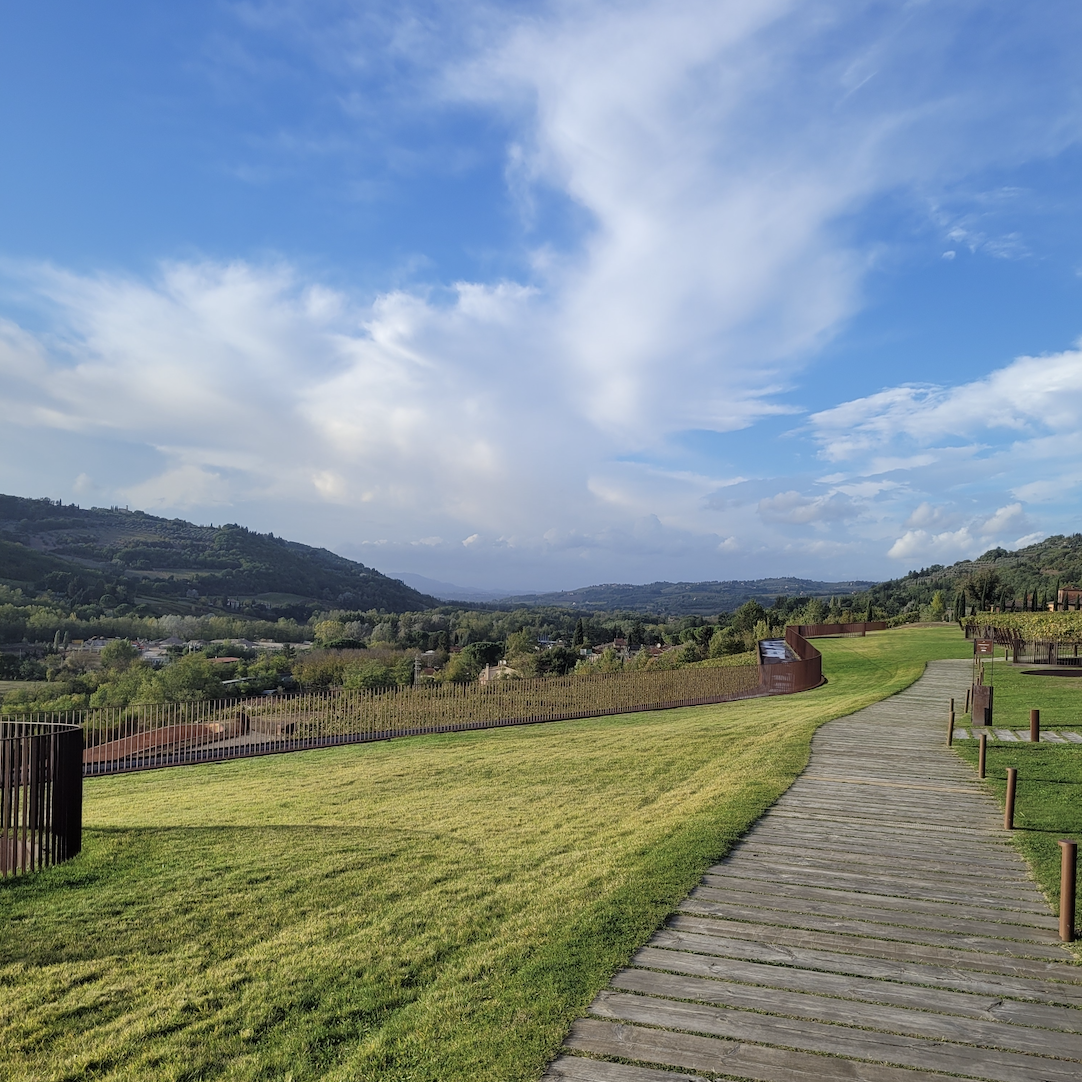
Estate Visits
Antinori – San Casciano
Antinori Chianti Classico DOCG Pèppoli 2022, San Casciano
A blend of 90 percent sangiovese with (10) merlot and syrah. Typical, freshness at the forefront, maintaining the identity of Pèppoli which is a 67 hectare place in San Casciano, but also fruit from small smaller farms around Tignanello and other locations. All of this is not not easy to accomplish considering the production. Sees nine months in cask and while fruity, it’s also savoury and floral, not to mention cinnamon heart spicy. Very made, well and good for what and who it services. One million bottles. Drink 2023-2025. Tasted October 2023
Antinori Chianti Classico Riserva DOCG Villa Antinori 2020
Includes fruit from the recently purchased Castello di Sansano in Gaiole – much of that will become a second Gran Selezione, as of the 2021 vintage with the UGA “Gaiole” written on the label. As with the acquisition of an old Antinori property, that being the Cigliano vineyards destined to create a Gran Selezione for San Casciano. Villa Antinori needs some air time to blow off some taut and closed features. Blow off it does and reveals impressive fruit, again considering that Gaiole, Castellina and San Casciano’s multi-estate fruit are all involved.The amalgamation conjoins to create a sweet, savoury and salty balsamic effect with some rounded and softness due to 20 percent merlot and cabernet sauvignon in the mix. Twenty percent of new Hungarian wood makes this even rounder, spicier and sweeter. Production of approximately 480,000 bottles. Drink 2024-2027. Tasted October 2023

Antinori Chianti Classico Riserva DOCG Marchesi Antinori 2020, San Casciano
Fruit comes from only Tignanello estate with a similar blend to the Villa Antinori but there is some cabernet franc involved. A deeper, more substantial and rounder expression of Riserva that will also age longer because grip and power take matters steps further than the Villa Antinori. Greater succulence and finer acids as well, a purity but also tannins that hold their ground, swell, swirl and work well to carry the fruit. French instead of Hungarian oak here and so the spice is muted. Drink 2024-2028. Tasted October 2023
Precisely what must be expected and frankly demanded from Antinori’s San Casciano Riserva and that would be a perfectly executed cuvée of sangiovese complimented by varieties that speak to exactly that. Glycerol and viscosity in a silken thread sewing fruit with the kind of acidity and tannin of the utmost professional kind. Nothing out of place and the window has officially opened. Drink 2023-2027. Tasted February 2023
Antinori Chianti Classico Gran Selezione DOCG Badia a Pasignano 2020, San Casciano
Land purchased in 1987 and first vintage 1988. So very young and needing at least 10-15 minutes airtime to open and emit the piquancy of place. As much luxe riches as Badia a Pasignano pretty much ever expresses and mon dieu is this a mess of fruit, of all colours, a veritable hematoma of sangiovese. A matter of clays manifesting as Galestro aboard the surface in the soil of the vineyard. Last tasted October 2023
Classic dried herbs and brushy Badia a Passignano style, here with the accessibility of 2020 though the fruit is pure red cherry with almost no darkening moments. Cool, almost minted with a creosote and cooling coals warmth through the chill of the air. This Gran Selezione is imagined as a perfect meditation in late fall, in a cabin in the woods, by a fire, dimly lit room and silence. Drink 2024-2028. Tasted February 2023

Badia a Coltibuono – Gaiole
Badia a Coltibuono Chianti Classico DOCG Cultusboni RS 2021
The “other” Chianti Classico with some fruit sourced off of the estate, other UGAs and villages, including San Casciano, Radda, Castelnuovo Berardenga and Gaiole. All sangiovese and mainly stainless steel for 80-90,000 bottles. Just about as fruit forward and well-rounded as any in the entirety of the territory. Turns a bit dusty though never tannic and finishes with a black cherry note – without ever descending into anything brooding or serious. The RS incidentally stands for Roberti Stucchi, proprietor of the estate. Drink 2023-2025. Tasted October 2023
Badia a Coltibuono Chianti Classico DOCG 2021, Gaiole
The traditional estate blend, with canaiolo, colorino and ciliegiolo to compliment sangiovese. Two to three weeks of maceration, at the longer end from 2021 and for Gaiole this is just so Monti relatable with just about a 10 percent accent by Vagliagli within Castelnuovo Berardenga. Fine acidity for this Classico that hints at though stays quite clear of balsamico. Certified organic by Delineat, a private agro-forestry network now recognized by higher powers. The discipline includes solar work, carbon neutral footprint and lower levels of copper usage. Drink 2024-2029. Tasted October 2023
Badia a Coltibuono Chianti Classico Riserva DOCG 2018, Gaiole
Smaller crop, lighter due to rain in August and how it might descend in terms of concentration it conversely rises with herbals, rose petals, sweet verdant sways and spices, from pickling to masalas. Freshness at the head of Classico in Riserva terms. Last tasted October 2023
A Riserva from Badia a Colibuono is pretty much a Selezione matter and yet, not so much. The emotion is there if not the pack mentality and so Riserva is just Coltibuono. Almost startling to begin with but that is simply the acidity of place talking, distracting and exacting its power over a field blend-like gathering of varieties led by sangiovese. Riserva acts on behalf of and in the ways of the abbey and surrounding vineyards, were they personified would surely speak. Like the paintings along the cloister corridors and the occupants whose truths, history and tradition are what you need to hear. Drink 2024-2030. Tasted February and May 2023
Badia a Coltibuono Chianti Classico Riserva DOCG Cultus 2018, Gaiole
What separates Cultus as a Riserva from the other is the fact that it began in 2001 as an Annata, moved to IGT (called Cultusboni, now the name of the second Classico) and recently switched to Riserva. Here sangiovese gains momentum and mellow roundness from several complimentary varieties, including pugnitello, ciliegiolo, malvasia nera, mammolo, foliotonda and sanforte. All in significantly riper, richer and liquid chalky with a tar, roses and juiced fennel effect. Just that soft touch of caramel and sweet soy. Drink 2023-2026. Tasted October 2023

Badia a Coltibuono Vinsanto del Chianti Classico DOCG 2014, Gaiole
“Our peculiarity is using large barrels,” tells Roberto Stucchi, making for less oxidation and also concentration. Acidity is key and for 2014 it runs more than relatively high. From malvasia and trebbiano finishing at 185-190 g/L of residual sugar, balanced by high acidity an edgdimg to the upper reaches of allowable volatility. Intensely citrus, all in from lemon, orange and grapefruit, but also a tart persimmon note. Low level caramel yet honeyed with a tisane quality to its character. Drink 2023-2036. Tasted October 2023
Badia a Coltibuono Vinsanto del Chianti Classico DOCG Occhio di Pernice 2008, Gaiole
The most unique Vinsanto made with only sangiovese and a much longer process, still in the larger and a small part in the half (caratelli) barrels. A vintage of top quality and quantity, quite different with sangiovese because it comes out much nuttier than the white grape cuvée. Some skin contact in the basket press happens post oozing and that contributes to the musky notes. Peppery as compared to the other Vinsanto with the citrus and cacchi (persimmon) aspect more marmalata in both aromas and also flavours. Sugars reach 210 g/L and yet alcohol does not rise too much, finishing at 13 percent because the yeasts are tough as nails. Wild ride in dessert wine. Drink 2023-2034. Tasted October 2023

Bindi Sergardi – Vagliagli
Bindi Sergardi Chianti Classico Gran Selezione DOCG Mocenni 89 2019, Vagliagli
Tenuta Mocenni presides at one of the higher points in the Vagliagli UGA at 500m with vineyard blocks impounded with great Alberese stones and outcroppings of Galestro. The south facing amphitheater is one of Chianti Classico’s most impressive sites and sights. The latest vintage is not yet released and there is no shock how youthful and tightly wound you will find this 2019 to be. The one that follows will proudly display the UGA on the front label. More than just a few years of time in more than one kind of vessel has equipped this major potion of fruit with ample layers of structure in a Gran Selezione so bloody big, substantial and beautiful. Will most definitely require five to seven years of unwinding. Drink 2025-2034. Tasted October 2023
Bindi Sergardi Chianti Classico Gran Selezione DOCG Mocenni 89 2018, Vagliagli
A bit warmer in Vagliagli as compared to the surrounding UGAs in 2018. There was some rain at the beginning of September after a very hot summer and harvest required three passes because there was some mildew pressure. Grapes were ready and “going away faster.” You can feel some maturity but also the blessed beauty of Mocenni’s elements, in rocks and stones feeding roots with nutrients. Very mineral. Truly. Lasted tasted October 2023
Mocenni 89 is Vagliagli Gran Selezione born of tough decisions, love, prudent selection and know this. There are vineyards on Alberese and Galestro to choose from that steal the show, gifting fruit that will steal your heart and likely also take your breath away. This is 2018 in a void, vacuum and shuttered universe, fine and graceful, full and forceful, designed and cared for, nurtured like few other Chianti Classico sangiovese. A Chianti Classico exception at the peak of the pyramid that will drift, glide and age slowly for decades. That is what we call realizing potential. Drink 2025-2038. Tasted February 2023
Bindi Sergardi Chianti Classico Gran Selezione DOCG Mocenni 89 2016, Vagliagli
Now ’16 is in a great if tight place but still so much potential and truth is a bit backwards at this stage. Length is outstanding and so potential will be long and so promising, timeless, as it is said. Lasted tasted October 2023
A Gran Selezione from the Mocenni Estate in a wonderful state of equilibrium and almost calm suspension, of fruit at the pinnacle of vineyard selection with only two passages whereby the “lesser” grapes are taken out and the finest fruit is left until the first week of October to fully mature. Two years in large Gamba oak vats, Was an IGT from 2006, first GS vintage 2010. Sure these grapes from this vintage were some of the most consistent and non-variable of any recent vintage but the uniformity makes for a string and true set of wines, especially from Mocenni and up to this appellative level. Tasted October 2021
Mocenni takes all the advantage that 2016 can possibly pass its way and runs carefree into the wind. The fruit is pretty much as ripe as there can ever be in sangiovese struck by silver acidity and gold tannins, so you can imagine the result. This needs 10 years to fully unfurl, unwind and unfold. Please give it at least half that much time. Drink 2024-2034. Tasted February 2020

Bindi Sergardi Chianti Classico Gran Selezione DOCG Mocenni 89 2015, Vagliagli
leasant, so pleasant and that is ’15 for Mocenni, caressing of texture and nurturing as much as any as you will find in Vagliagli. Red fleshed fruit, succulent as well but also in the acids and then this liquid chalkiness about how its evolving and maturing. Giving generously of itself in so many ways. Lovely!! Alessandra says it wasn’t acting this way last year. Timing is everything. Last tasted October 2023
There’s pure unbridled surprise in the delicasse and the gentility of this Gran Selezione, one of the more and even most charming of them all. The Mocenni texture is very present, very full, no holes, no peaks or valleys, just a calm and easy nature that finds no reason for stress. Pure fruit, Galestro and Alberese interwoven freshness. Proper, sweet and forward thinking tannins with a future ahead indeed. Drink 2020-2029. Tasted February 2019
Bindi Sergardi Chianti Classico Gran Selezione DOCG Mocenni 89 2013, Vagliagli
The 2013 is so very different, quite unlike anything else that Mocenni has produced through 89 Gran Selezione. Rich and truly maturing but also because barriques were used and so it was different era through let’s say 2015. Really salty little sangiovese number back in 2013. Last tasted October 2023
The Gran Selezione Numero ‘1989’ is consistently 100 per cent sangiovese and here we are in wholly, truly, inexorably inorganic, fully stony soil, from vines planted in 1998. There is this composure and this understanding in Gran Selezione that is at the top of the pyramid chart, a fineness of tannic structure, a roundness of acidity and a perpetual motive and emotive fruit that will not give up or in. This is the Bindi Sergardi expression, sultry and offers up every reason to believe in the category. This is the GS that tells us why and how the top of the quality pyramid begins to be explained, with intrinsic value and great confidence from this 2013 vintage. Approx. $58-62 US. Drink 2019-2031. Tasted September 2017
Chianti Classico 2023 – Barrel Sample
Quality and quantity, but how? “It’s a miracle,” smiles Alessandra Casini. “Joking aside it is the stony quality of our vineyards that allowed us to get in, put in the hard work and fend off mildew. We also had a lot of luck. ” A taste of a 2023 sample that has just finished fermentation reveals power and structure from true-blue Mocenni tannin. Tasted October 2023

Borgo Scopeto
Borgo Scopeto Chianti Classico DOCG 2020, Vagliagli
Perfectly round and normal, dictionary entry sangiovese with softness and intensity of hue, by colouring and merlot as a friend of sangiovese. Tart and just tight enough to hold on for a few years but for the most part this is meant to be consumed in the first two. Drink 2023-2025. Tasted February and May 2023
Borgo Scopeto Chianti Classico Riserva DOCG Vigna Misciano 2019, Vagliagli
Single vineyard, Misciano being the name of the place and has always been called that way, Clay and Alberese in geological origin, Galestro outcropping above. Perfect view from this hilltop spot, airy and reflective in this fresh-scented Riserva. Also stemmy, and indicative of the aromatic brushy, Toscana gariga profile. Sweet fruit, a little bit of soy induction by barrels and definite balsamic finish. Drink 2024-2027. Tasted May 2023
Borgo Scopeto Chianti Classico Gran Selezione DOCG 2016, Vagliagli
Remarkable consistency in Vagliagli sangiovese, here with lift and sharper angles, red fruit incarnate and that unmistakable Mediterranean herbaceous quality. The volatile acidity is a bit pointed, carrying onto the palate at the present moment and though there are some years already in, a few more will be needed to settle all the parts. Tannins are proper and will only continue to help in the overall regard. Drink 2025-2029. Tasted May 2023
Borgo Scopeto Vinsanto Del Chianti Classico DOCG 2014, Vagliagli
Relatively traditional methodology though the grapes begin in larger barrels and when the volumes diminish they are then transferred to historically smaller caratelli. Very much a brown butter, nutty and dried apricot Vin Santo with more than an obvious honeyed element in play. Neither super concentrated nor cloyingly sweet but balanced and calming. Fine acids, chewy caramel and a note of citrus at the finish. Drink 2024-2030. Tasted May 2023

Buondonno
Buondonno Chianti Classico DOCG Podere Casavecchia Alla Piazza 2022, Castellina
A finished wine already blended though drawn from a sample that will be bottled in December. A bigger production than normal and so a sangiovese of volume in more than one dimension. There was some rain in the summer to make the difference but not much, neither occurring too early or too late to compromise quality. Solo sangiovese in vitro projecting forward towards really important structure noted through some chalky tannins. Spiced and spicy notes, depth of fruit and also lifted acidty, all adding up to a Chianti Classico packed with more stuffing than many. This is as good as anything Gabriele has, but also now in collaboration with son Errico Buondonno have made to date. Drink 2025-2031. Tasted December 2023
Buondonno Chianti Classico Riserva DOCG Casavecchia Alla Piazza 2021, Castellina
A finished Riserva already blended drawn from a tank sample that will be bottled in just a week or two. Voluminous and a Riserva so cool, ethereal and in this vintage’s case a salty mineral or elemental streak running through. The acidity here is special even for Buondonno and that matters more every year because warmth, aridity and rising alcohol all need to be counteracted so that balance will be the end result. As it is here the wood is noted on the nose, likely because of some newer tonneaux but there is no doubt it will integrate and quiet easily so within a year or two. Again it is a matter of the ethereal, herbal coolness and a Riserva so easy to appreciate when forged into an ultra fine sangiovese like this. Drink 2025-2032. Tasted December 2023

Castello di Ama – Gaiole
Castello Di Ama Ama Chianti Classico 2021, Gaiole
The spice is so very quarried Ama rocks, Alberese mainly but also the Galestro that emerges and flakes above the soil. All of Marco Pallanti’s wines have their own particular style and balance and while this may be less powerful it is the land that exists and is so important towards seeing this wine’s eventual fruition. Last tasted May 2023
Ama by (Castello di) Ama is a richly textured and high glycerol Annata with all the wealth and generosity from the vintage captured, pressed and patented for a stamp of quality and guarantee of success. Crunchy red fruit and limestone strike, not quite high-toned but rising and ethereal as far as Classico is concerned. So well made and a harbinger for Gaiole within the greater territory for 2021. Drink 2025-2030. Tasted February 2023
Castello Di Ama Chianti Classico Riserva DOCG Montebuoni 2019, Gaiole
The last vineyard planted (in 1997) and its grapes used to go into San Lorenzo. This changed in 2018 to make a step between Ama (Annata) and Gran Selezione. “A good introduction into the style of Castello di Ama,” explains Marco Pallanti. The suave and settled sangiovese of the three tiers, with richness in a marked Chianti Classico Riserva style. Warm, enriching, nurturing, acids coming in sweet and savoury layers to remind that this is indeed is a factor of Gaiole. Last tasted October 2023
“The wine is the goodness, to explain the place.” That being Montebuoni just 500m east of the Ama Borgo, just a bit different in exposure and soil conditions as compared to the Ama vineyards. A weathered place, reflected in the sangiovese and a perfect spot to create this go between, middle tier Chianti Classico. Feeling the tannins right now, as if the wine is working through something in order to pass over into beauty. Tasted May 2023
Quite the aromatic lift and high-toned entry for a 2019 Riserva that must be pushing generosity of ripeness and also alcohol. Warm and floral, viscous and layered. High octane flavour profile, generous of juicy red berry fruit and also barrel. Quite classic in a modern vernacular for a sangiovese (with five per cent merlot) that has come to pass and be recognized for more than two-plus decades now. Tasted February 2023
Direct descendant of Castello di Ama Riserva in a return to the appellation with this being the second such vintage. Falling somewhere between the Ama Annata and San Lorenzo Gran Selezione, Ama’s Montebuomi is so very Calcari, regardless of the level of appellation, intensely woven, idealized and structured. Such mineral virtuosity at the Riserva level captured however, linear, vertical and compact. A compression exists by dint of those vineyard soils and also the living and breathing Gaiole terroir. Drying for now, fleshing to come, settling in later. Drink 2024-2029. Tasted March 2022

Castello Di Ama Gran Selezione Chianti Classico DOCG San Lorenzo 2019, Gaiole
A reminder and to be clear – San Lorenzo comes from the San Lorenzo vineyard and also Montebuoni but not only. The Gran Selezione is both a name of fantasy but also connected to the vineyard that lends this top tier appellative wine its name. The step up in quality and precision from Montebuoni Riserva is really quite obvious though each are wines respective of their appellation and style. A very important vintage because there are times when Gran Selezione must be accessible early with unequivocal structure allowing it to age. This is 2019 from Ama as a personification of its maker. Marco Pallanti as Gran Selezione. Has a nice ring to it don’t you think? Drink 2024-2032. Tasted October 2023
Castello Di Ama Gran Selezione Chianti Classico DOCG San Lorenzo 2018, Gaiole
Aromatic, spicy, lifted and genuine. Extra layers, fruit of course and then floral, calcareously white peppery, luxe as per the appellative level and a matter of time. Vintage but also patience, the latter needed to understand the former, warm and developed, compact and yet never dense. To achieve this kind of acidity is remarkable. A matter of matching same parts to make up a whole. As per Marco Pallanti’s decades of dedication. “I am not a flying winemaker, I am a pedestrian one.” Drink 2024-2034. Tasted May 2023
Castello Di Ama Gran Selezione Chianti Classico DOCG San Lorenzo 2015, Gaiole
Looking back nearly halfway in time at Grand Selezione San Lorenzo (first made in 2010) is a most curious proposition. Frankly it is something to behold the freshness, not that this should be mature but it was enough of a generous and rich vintage. Complex aromatics, top ranking acidity and endearing piquancy. Last tasted October 2023
Though not technically a single-vineyard wine the fruit source depends highly on this portion of the Gaiole in Chianti estate. As a blend of all the best plots of the property from a vintage with both La Casuccia or Bellavista having been produced it is truly fortunate that nature gifted so much promising fruit so that the right stuff could find its way into San Lorenzo. It is Gran Selezione of great history and no vintage has been as generous as this ’15. It’s accessibility above and beyond the category is astounding, probably because it shares the finest and sweetest acidities plus tannins. The plural is employed because the complexities are varied and variegated. Wonderful red fruit and seamless integration. Drink 20-2027. Tasted February 2018
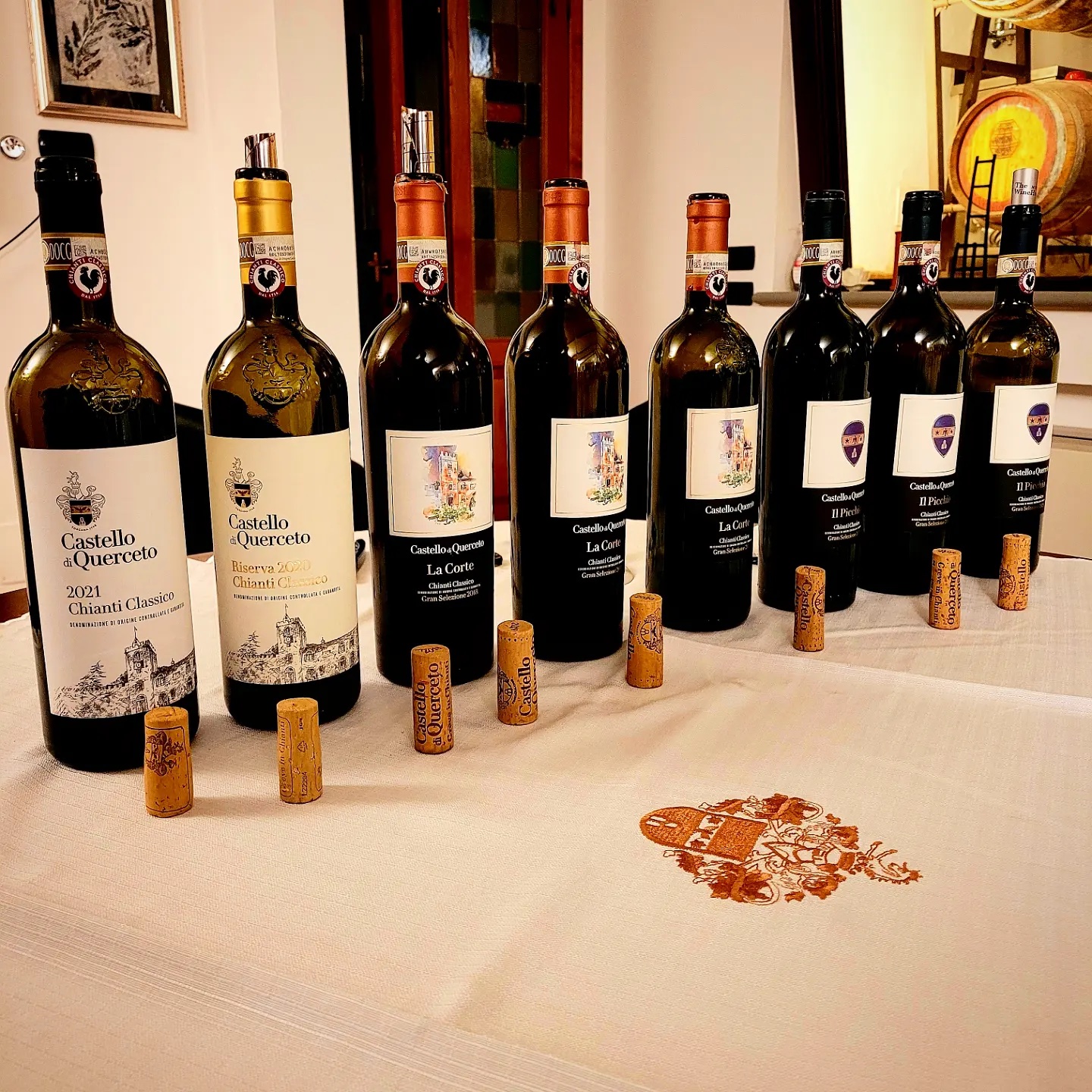
Castello di Querceto – Greve
Castello di Querceto Chianti Classico DOCG 2021, Greve
Fruit from vineyards all located in the Dudda Valley on the estate with a 16th century fortress built to defend the local villages during the Sienese-Florentine wars. Clearly a vintage of concentration, iron-rich and other elemental chalkiness. Savoury elements have come forward while grip stands firm, first and foremost as tannins in charge. A vintage calling card example that needs a few months more before speaking in clear Dudda dialect. Approximately 250,000 bottles made. Last tasted October 2023
Fruit from vineyards all located in the Dudda Valley on the estate with a 16th century fortress built to defend the local villages during the Sienese-Florentine wars. Clearly a vintage of concentration, iron-rich and other elemental chalkiness. Approximately 250,000 bottles made. Last tasted October 2023 As far as 2021s are concerned there is great youth and an unrelenting wall of structure in this sangiovse (with eight percent canaiolo) from Dudda Valley in northeast Greve. Too much wood noticed at this early stage and so the tart, tight and sapid red fruit is held in tight, closed and yet to sweeten, flesh out or fatten for that matter. Wait at least 18 months more. Drink 2024-2027. Tasted February 2023
Castello di Querceto Chianti Classico Riserva DOCG 2020, Greve
Castello Di Querceto is one of the original 30 producers that formed the Consorzio, 27 years after Carlo François purchased the property. Riserva is intrinsically connected to Annata, especially now that the single Le Corte and Il Picchio vineyards are reserved for Gran Selezione. The red fruit in Riserva shows some pomegranate and currant piquancy while the wild things that grow in forests and along paths help to distinguish this as a most complex example of Dudda Valley sangiovese. Very Riserva style, a blanket covering cool fruit, a slight oxidative quality and longevity promised. Drink 2023-2027. Tasted October 2023
Castello di Querceto Chianti Classico Gran Selezione DOCG Le Corte 2020, Greve
Le Corte is “the court,” second of two Gran Selezione out of The Dudda Valley by Greve’s Castello di Querceto. The one with more precision and refinement (as compared to Il Picchio) and it is this warm vintage 2020 that really captures the sunshine as manifested in true sangiovese concentration. The complexity comes from liquorice and resinous evergreen oils, a note of graphite, creosote and something unknown, or unnamed. Nevertheless there is a lot happening here and the wine should unwind with great intersect over a ten year period of time. Drink 2025-2031. Tasted October 2023
Castello di Querceto Chianti Classico Gran Selezione DOCG Le Corte 2019, Greve
The 2019 Le Corte from the OG François family vineyard that is now housing 55 year-old vines is here in its third year as a Gran Selezione. Just as big, brawny, powerful and in harmony as the 2018 though in a much more consistent way. Not that it’s round but it pleases sooner, with more mineral and saltiness than the previous vintage. Crisp for sure, no matter the generosity, weight and size. Drink 2025-2033. Tasted October 2023
Castello di Querceto Chianti Classico Gran Selezione DOCG Le Corte 2018, Greve
Le Corte is the original vineyard planted by the Alessandro François’ father in 1899, replanted in the early 1970s which makes them now approximately 55 years-old. The vintage was challenging and at the end of September the heat spike in Dudda (and other parts of the territory) was not only tempered by low nighttime temperatures but also the Mistral wind that blows through. And so 2018 is a big if balanced Gran Selezione, dark of fruit, higher of alcohol and singing in a baritone voice. Guts and glory. Drink 2024-2029. Tasted October 2023
Castello di Querceto Chianti Classico Gran Selezione DOCG Il Picchio 2020, Greve
One of two Castello di Querceto 2020s in Gran Selezione form by way of the single vineyard located in Greve’s Dudda Valley. The less luxe of the two and as such it’s also the more savoury and resinous one. In that sense rustic and grippier as well. These are austere and forceful tannins plus there is more variegated acidity. Fruit is not the king in Il Picchio, incidentally “the woodpecker” though that moniker tells us nothing about the wine. Certainly not a Gran Selezione to have a good laugh at. Very serious stuff, stern and a bit grumpy. Drink 2025-2031. Tasted October 2023
Castello di Querceto Chianti Classico Gran Selezione DOCG Il Picchio 2019, Greve
Like 2018 there is a darkness and depth of fruit from the gift of 2019 but what’s missing, as expected, is the resinous and essential herbal oil character. The balsamic is lessened and the five percent colorino shakes up the sangiovese to bring hue but also a change of fruit. Heart is still worn on the family sleeve and so Il Picchio delivers the history, passion, crest and culture of the family François. The richness of this vineyard’s clay really translates in terms of fruit, unction and structure. Drink 2025-2032. Tasted October 2023
Castello di Querceto Chianti Classico Gran Selezione DOCG Il Picchio 2018, Greve
As with Le Corte 2018 there is size and weight to Il Picchio though coming from the small vineyard surrounded by forest this breathes of plants and herbs, in greens and oils. Much more vegetative scents and some resinous character as well. Higher tonality, balsamic that Le Corte never has and likely not to be found in 2019 Il Picchio though that remains to be seen. Dark fruit, intensity and length. Plenty of length. Drink 2024-2028. Tasted October 2023

Castello di Verrazzano – Greve
Castello di Verrazzano Chianti Classico DOCG 2020, Greve
Oh, ah, the perfume of Verrazzano. Not just aromas from a wine producing estate but the complex aromatic weave of a veritable and traditional fattoria, of olive trees, gardens and forest. Not an Annata of structural potency but more so one of evident spezzatura, of superior phenolics and balance. The first half of the wine is sapid, the second turns and finishes salty. In that sense indicative of bordering Montefioralle and yet the mix of strong red fruit plus savour is purely Verrazzano. Returns full circle to strength of perfume. Drink 2024-2028. Tasted February and May 2023

Castello di Verrazzano Chianti Classico Gran Selezione DOCG Sassello 2017, Greve
Sassello comes from the vineyard on the hill behind the Borgo at the highest elevation and while ripeness development will be slower there can be no doubt that 2017 was better here than most warmer and lower locations in Chianti Classico. The Sassello of this vintage is still stuck in first stage youth, quiet, dense and volumetric. The wine has moved but barely an inch, it speaks in fulsome texture and while yet to flesh out there is a roundness that will see it drink so well for years to come. The best of which will be two looking ahead and ten after that. Drink 2025-2035. Tasted February and May 2023
Castello di Verrazzano Chianti Classico Gran Selezione DOCG Valdonica 2017, Greve
Valdonica is both lighter and more linear as compared to Sassello with more classic speazztura and Verrazzano aromatics. Also a chalkiness and barrel induced texture but without the volume in Sassello. Valdonica is more straightforward, not as intense in terms of substantial fruit and also more available at this early stage. Saltier finish as well, more in line with Annata while Sassello seems akin to Riserva. Notable balsamico in Valdonica. Drink 2024-2029. Tasted February and May 2023

Fattoria Carpineta Fontalpino
Fattoria Carpineta Fontalpino Chianti Classico DOCG Fontalpino 2021, Castelnuovo Berardenga
Indelibly stamped Carpineta style while so very fresh for 2021, truly bright of great breaths of Castelnuovo Berardenga air. Aged in tonneaux after cement fermentation and to say this was judged with fine precision would be paying close attention to Gioia Crest’s acumen and always consistent deft touch. Spot on for 2021 in so many respects. Last tasted October 2023
Wow the energy from 2021 Carpineta Fontalpino is off the charts, ergo there is this wide open sensation from Castelnuovo Berardenga that will not be denied. Fruit swells and impresses with its gingered-crimson beauty and the advances of egress by structural demand. While too youthful and awkward for all parts to hook up they will, in time, for all the right reasons and with zero regret. Drink 2025-2032. Tasted February 2023
Fattoria Carpineta Fontalpino Chianti Classico DOCG Fontalpino 2020, Castelnuovo Berardenga
Starting to open with aromatic presence after a slow first year like so many 2020s and here yet another territorial example that should surely live longer than expectation might have predicted. Layered red fruit that unfolds, even further upon the palate. Fine work in blending estate, Dofana and Montaperto fruit from a producer so specialized in their cru investigations. Drink 2023-2027. Tasted October 2023
Fattoria Carpineta Fontalpino Chianti Classico DOCG Dofana 2019, Castelnuovo Berardenga
A preview of 2019 that will shown at the Chianti Classico Collection in February of 2024 that are now finished wines “but to me they are young,” shrugs Filippo Cresti. The dried balsamic quality of 2018 is here replaced but more freshness and spirit. A richer wine in 2019 as compared to Montaperto with the wood more involved – while the wine this young is trying to figure out its way through adolescence. The clay is fully involved in just how textured and fruity Dofana acts in this inimitably generous vintage. Flesh will come, with time. Drink 2025-2032. Tasted October 2023

Fattoria Carpineta Fontalpino Chianti Classico DOCG Dofana 2018, Castelnuovo Berardenga
The first thing that needs to mentioned and also discussed is place, that being the clay and Alberese, 300-plus meters of elevation and uniqueness, even for the place within the place. There is a sanguine character plus blood orange and liquorice, some dried herbs and just a touch of balsamic. Truly complex sangiovese from this cru, now entering into its ideal drinking time. Last tasted October 2023
Carpineta Fontalpino is located in Castelnuovo Berardenga but their Dofana cru is a matter of Vagliagli, sibling UGA within the two-winged commune. Vigna Dofana, special place for the Cresti family, deliverer of Vagliagli as only this place can within the most complex and also yet fully understood UGA. Dofana now graduated or better said migrated to Gran Selezione as a subtle, shadowy sangiovese, like chiaroscuro where fruit and acid are light and also dark, yet with time one will become the other. The constant is Dofana and yet now the label speaks in territorial terms, appellative as Gran Selezione, something new and accepted by Cresti siblings Gioia and Filippo. Benvenuto ragazzi. We look forward to discussing this 10-15 years down the road. Drink 2024-2032. Tasted February 2023
Fattoria Carpineta Fontalpino Chianti Classico DOCG Montaperto 2019, Castelnuovo Berardenga
A preview of 2019 that will shown at the Chianti Classico Collection in February of 2024 that are now finished wines “but to me they are young,” shrugs Filippo Cresti. The Montaperto layering of many red fruits are the crux of the perfumes and freshness out of ’19, they being pomegranate, currant and plum, juices running and so many layers to peel away. Focused vintage and “we love it,” adds Gioia. Return in a year and see just where it looks like this will go. Drink 2025-2033. Tasted October 2023
Fattoria Carpineta Fontalpino Chianti Classico DOCG Montaperto 2018, Castelnuovo Berardenga
Montaperto cru is located in the western wing of the butterfly that is now considered Vagliagli though Gioia Cresti still likes to thinks in Castelnuovo Berardenga terms. And as such the labels starting in 2020 will say Castelnuovo. Montaperto currently exists in a truly fine moment, not frozen but suspended in a state of its earliest and most exciting drinking window. A wine that shows what kind of winemaking and wine style is cool again; effusive, elegant and inviting. So drinkable! Last tasted October 2023
Certainly not expecting three months to change anything though new feelings will always come out when tasting Montaperto. Today there is an unspoken sense of generational lineage and that which makes us look deeper into how family leaves an impression on its wines. Tasted May 2023
Apposite to Dofana for Vagliagli is Montaperto of Castelnuovo Berardenga, the grippy, forceful and tannic one. The immovable and unbreakable sangiovese so very linear, gripped by strength, of skeletal structure and needing time. Give it. Drink 2024-2029. Tasted February 2023

Fattoria Cigliano Di Sopra – San Casciano
Fattoria Cigliano Di Sopra Chianti Classico DOCG 2022, San Casciano
For Maddalena Fucile and Matteo Vaccari the hope is to increase to a maximum of 12 hectares and 35,000 bottles. “This is our dimension,” tells Matteo. And drinking others’ wines is key because if you don’t know what you like then you don’t know how to get where you want to go. The 2022 Annata was just bottled six-plus weeks ago, on August 31st and so this potential hinderance is kept in mind. The first vintage for which a portion was aged in the used Stockinger cask and some more stem (whole bunch) usage moved from (normally 20ish) up to 50-60 percent. You can sense the energy and increased power but still there is a transparency and a purity of red fruit that will not be denied. Comparisons are futile but those who seek out this style in cru Barbaresco or Côtes de Nuits Premier Cru will latch on here, likely to never let go. Next level for Fucile and Vaccari. Don’t care how young this wine happens to be – the potential can’t be ignored. Drink 2025-2033. Tasted October 2023
Fattoria Cigliano Di Sopra Chianti Classico DOCG 2021, San Casciano
Settling in or better said, maturing and gaining confidence with every small step forward. So much of what the result happens to be in this ’21 is a matter of ideas and experiments that transpired between 2017 and this harvest. The ideals have evolved and subsequent vintages will not just reveal experience but evolution of technique and execution. Crispy still and juicy acidity but showing some dried notes and perhaps in temporary a downturn phase. Last tasted October 2023
The use of 20-30 percent whole cluster tops up the open top fermenters, 15-20 days of fermentation and put to large old casks. Then 18 months, malo in the barrels and finally bottled in December. That perfect little lift of volatility so close to the edge without going over is just so enticing and delicious. A sangiovese of temptation and beauty, crunch and sweet savour. So much umami with thanks to those whole clusters that do their yeoman character building from old vines. Brilliant sangiovese. Truly. Tasted May 2023
Behold yet another precocious and shockingly generous Annata from the team of Matteo and Maddalena at Cigliano di Sopra. That and an intensity of things intangible despite the very tangible, credible and knowable parts of this wine. So very singular and stand alone for San Casciano and yet a style but more so a way of being that just feels like the future. Too young to really know but it seems like this duo has learned how to keep their ferments from flying away and also from getting away. The professionals are in the house. Drink 2024-2029. Tasted February 2023
Cigliano di Sopra Chianti Classico DOCG Vigneto Branca 2021, San Casciano
A single vineyard, 100 percent whole bunch macerated best parcel (of massal selection planted in 1972) sangiovese that is the first true experiment in the young winemaking lives of Maddalena Fucile and Matteo Vaccari. Reminds of the Annata in that transparency, purity and focus are all there but imagine more power, grip and intensified, implosive tannins. And yet, and yet the push here is just a bit overarching because a minor note of green austerity does arrive, however fleeting it may be. Drink 2024-2029. Tasted October 2023

Fattoria Le Masse – San Donato in Poggio
Fattoria Le Masse Chianti Classico DOCG 2022, San Donato in Poggio
(Tank Sample) The first vintage that sees 70 percent new (5000L) concrete for aging to go along with the (30) in wood. Pure concrete, not lined, no resin. Once again 20 percent whole bunch and 60 days skin maceration. This is not a truly finished wine but a sample drawn to see progression. Some volatility and reduction still so come back in a year. Tons of stuffing and clearly on to something important because of the concrete use – not just freshness but succulence. The tannins are quite fine. The potential is great. Tasted October 2023
Fattoria Le Masse Chianti Classico DOCG 2021, San Donato in Poggio
“So far 2021 is the one that gives me more pleasure, with more complexity and density, even more than 2021.” Now well into his tenure and so Robin Mugnaini has a pretty keen sense of where he’s at with respect to Chianti Classico. Still 20 percent whole bunch and two moths on skins, to be released in a year and a half. Really clean, fruit at the top of this San Donato in Poggio game and purity as verity. These are powdery tannins trying to liquify and integrate but it really is just a kid. Richer than any that have come before and of a structure that will see this travel for a few years. Drink 2024-2028. Tasted October 2023
Fattoria Le Masse Chianti Classico DOCG 2020, San Donato in Poggio
The wildest of the three straight vintages of Le Masse’s Chianti Classico is this 2020, reductive and with just a hint of Brettanomyces on the palate. The fruit blooms greater and so at present the balance is easily struck though it remains to be seen how the knots will be untied and what will come next. Aromatic and Robin Mugnaini feels the problematic notes were worse six months ago and so the future might just be pure and sound. There is a gritty quality which might suggest otherwise but fear not because quality fruit and thoughtfulness will conspire for promise, just not so deep into the future. Drink 2023-2026. Tasted October 2023
Fattoria Le Masse Chianti Classico DOCG 2019, San Donato in Poggio
Take the varietal sangiovese from 2018 and double the gift of fruit for a wine that saw two years in bottle after 30-35 percent aging in wood. More muscle and sweet structure out of 2019 by the combination of acids and tannins that can’t help but double down together. This is Chianti Classico that will make you smile and for so many reasons; organics, biodynamics, indigenous yeasts, limited sulphites and most importantly grace, purity, charm and beauty. True blue San Donato in Poggio blood orange, iron rich soil minerals, elements and ultimately a sensation gained that comes from this northwestern Chianti Classico terroir. Last tasted October 2023
Le Masse’s 2019 is San Donato in Poggio come into its own, the window wide open and the wine is showing colours vibrant, fresh and clearly visible. A biodynamically produced wine of soul and true identity. Salty and conversely sapid, in great harmony between acids and pH, ying-yang, AC/DC, plus or minus all that needs to offer pleasure and just enough structure for aging. Tasted May 2023
Pure and ready, amenable and readable Annata here from Le Masse’s San Donato in Poggio vines, treated with utmost respect and for all the right reasons. This is textural sangiovese and quantities are so low you should count yourself lucky to secure just a bottle or two. Grace, understatement and charm are what this feels like are the things that comprise its beauty. Tasted February 2023
“To me, one of the best years for grapes,” tells winemaker Claudio Gozzi and the wood tank used for fermentation and now aging makes this noticeably a year wiser (than 2018) and so much more suitable to making this 100 per cent sangiovese. Even without tasting you can tell there’s a refinement, a calm and a settling that 2018 does not have. Cleaner, much more precision and seamless behaviour. Perfect volatility, sweet acidity and long, fine chains of tannin. Pure and honest, exacting, readier and will be just ideal with another year or so of time. Approximately 7,500 bottles produced. Drink 2022-2028. Tasted October 2021
Fattoria Le Masse Chianti Classico DOCG 2018, San Donato in Poggio
The 2018 was the current release – until very recently. This was the last iteration of the old style or perhaps the transition to what Robin Mugnaini is trying to accomplish now. Fermentation in large wood vats, a month and a half on the skins, just sangiovese. Sent to 30-35 percent wood and the rest in tank. Lovely sweet perfume, fine silken texture and just that micro amount of swarthiness. Comes from soils of sand, clay and round river stones of an alluvial origin. Some iron in the soil particles, up in Marrocco near Sambuca. One of the only places with a view to much of Classico, including Badia a Passignano, Tignanello, San Donato in Poggio and Panzano. Three passes in the vineyard make for a layering that results in fine tannins and beauty. Charming Chianti Classico in every respect with a long, rewarding finish. Last tasted October 2023
First vintage with new (large format) wood and it shows on the nose, from the vineyards in Morrocco, a land totally different from Le Masse’s estate lands. Not exactly like the Classico soils of Galestro and Alberese but still rocky, hard soil that drains easily and very different than Chianti nearby. Solo sangiovese, land directed, soil funky, fresh and vital. Partially fermented in wood tanks, a touch Bretty and notable tannic. Needs to and will settle in nicely. Drink 2023-2027. Tasted October 2021

Fattoria Pomona – Castellina
Fattoria Pomona Chianti Classico DOCG 2021, Castellina
Monica Raspi’s acumen and comfort level have acceded the exceptional because she is passionate about making top echelon sangiovese as much as any winemaker, self-taught or not in Chianti Classico. The 2021 includes just five percent colorino, took 10 days to ferment and remained on its skins for somewhere between three and four weeks. This is a significant number, more prevalent in the region than it was just a few years ago and when managed right will transform Chianti Classico into sangiovese of the ethereal. A substantial, silken and seductive ’21 here from Pomona with its mix of sweet acidity and Castellina liqueur. The tannins are liquid Alberese chalky from a linear wine moving upwards and forwards in stride. This has the length and the balsamico specific to Pomona. A top body of Annata work from Raspi and just the sort of style to pass on to the next generation; Cosimo and Costanza. Drink 2024-2028. Tasted October 2023
Fattoria Pomona Chianti Classico Riserva DOCG Vigna Pomona L’Uomino 2020, Castellina
The artist formerly known as Bandini is not a Riserva of selection but one made from all the grapes picked out of the single Vigna Pomona. The fantasy name “L’Uomini” neither denotes uomo della strada nor uomo d’affari but definitely uomo d’onore and uomo alla mano because this Riserva cares. The vines would have been 23 years of age for this vintage and the resulting wine is spicier than the Annata, but also exhibits an exaggeration of the local balsamico. A kind of resin in there, a natural cure, savoury and like incense some might say. It is the strident and taut character that defines what’s really going on though this shall pass. Yet another example of just how well 2020s communicate and explain their potential. Slow development ahead and in the end will be a vintage held in great esteem. L’Uomini is not a man of the street or just about business. He is friendly and wears a badge of honour. Drink 2024-2030. Tasted October 2023

Fattoria Pomona Chianti Classico Riserva DOCG Bandini 2016, Castellina
“Not my best, but it’s perfect,” tells Monica Raspi. But it may just be the most elegant of all the Pomona sangiovese. In a great place now with the balsamico and the respect to the vineyard. Last tasted October 2023
Purity of handsome fruit lingers left, right and centre within a commission of structural components designed by nature on the road past Villa Pomona up through Castellina in Chianti. The vintage is a rich and elastic one for Monica Raspi and one she must have just delighted in simply being a part of. Elegance as the opposite of vice. Reaches all the essential peaks, plateaus and precipices where supple fruit settles and rests. Drink 2021-2028. Tasted February 2019
Fattoria Pomona Chianti Classico Gran Selezione DOCG 2021, Castellina Campione (Sample)
The 2021 will be a Gran Selezione and Castellina will be written on the label. As it stands this early in its tenure the future GS acts out a hyperbole of everything that is Pomona. The DNA of the top vineyard and family resemblances to L’Uomini and also Classico. Not just an uncanny look in a few mirrors but essential tenets to define these wines and keep them all in la famiglia. Tasted October 2023

Fattoria Rignana
Fattoria Rignana Chianti Classico DOCG 2021, Panzano
Just a small amount of April frost damage happened in the lower part of the vineyards near the Pesa River but the rest of the higher reaches were unscathed and so quantity out of ’21 was fine, while quality ran high. Just stainless and concrete (no wood) for a truly fresh and sustainable Annata. The 15 percent canaiolo adds a dimension of sapidity as balance to what sensations high acid and saline sangiovese are want to deliver. Drink 2023-2025. Tasted October 2023
Fattoria Rignana Chianti Classico Riserva DOCG 2020, Panzano
Led by sangiovese with 15 percent cabernet franc, mainly chosen in the vineyard because explains Cosimo Gericke, “over the years I know the vineyard and which ones produce the best sangiovese.” Spends two years in small and also large wood (Slavonian botti) but the barriques are being phased out in these years. Dark fruit, rich, deep and yes it’s a woody example of Riserva but it’s suave, mature, experienced and so very real within this kind of style. Full and substantial wine with really soft and fine tannins. Drink 2023-2027. Tasted October 2023
Fattoria Rignana Chianti Classico Gran Selezione DOCG Villa Rignana 2020, Panzano
Gran Selezione is 100 percent sangiovese, just bottled in June of 2023. First vintage was 2013 and this 2020 is the first to see Panzano gracing the label under the new rules of the UGA. Similar elévage to the Riserva with all small barrels from a 2003 planted vineyard packed with lots of clay, Alberese lower down and Galestro at the top. Floral example, a bit of acetone, some wood scents of vanilla and coconut and finally balsamico. High acid, sharp, quite tannic and needing a few years to settle in. Will be a much better wine once the integration occurs. Drink 2025-2031. Tasted October 2023

Fèlsina Berardenga – Castelnuovo Berardenga
Fèlsina Berardenga Chianti Classico DOCG Berardenga 2021, Castelnuovo Berardenga
The full-on Fèlsina aromatics are beginning their ascent, of brushy savour and spicy red fruits together expressive with leaps from the glass. Still a tight vintage no matter the generosity and yet Castelnuovo Berardenga sangiovese is the heart of the matter. Traces a line from 2019 to 2020 and then here for a vintage trilogy so clearly Fèlsina. Last tasted October 2023
Firm yet fair Annata from Fèlsina and one off the harbingers not only for Castelnuovo Berardenga but surely Chianti Classico as a whole. The 2021s are a formidable group, like 2019 Barolo in certain structural and yet immovable respect. Though this entry is but an indicator, instigator and liquidator it does so with all possibilities and probabilities intact. Classic Fèlsina of a broad spectrum to speak on behalf of a wide breadth of fruit sourced out their many vineyard blocks. Drink 2024-2027. Tasted February 2023
Fèlsina Berardenga Chianti Classico Riserva DOCG 2020, Castelnuovo Berardenga
When 2018 was tasted the suggestion was not to sleep on that vintage and while ’19 and ’21 may be heaped with greater praises, well do not sleep on 2020 either. One of the warmest on record at Fèlsina and most of Castelnuovo Berardenga but better water reserves and lower late season nighttime temps fully separate the vintage from 2017. Words like concentrated and substantial are key and offer up a keen sense of what kind of Riserva this is and will later become. There is wisdom and maturity here but also an unknown element, in other words possibility. That’s because CCR ’20 is a sangiovese of great acidity – important acids that buoy the fruit, stabilize its trajectory, set it upon the crests of waves that will see it fluidly travel well through to middle age. Truly well made and proper Riserva. Drink 2023-2029. Tasted October 2023
Fèlsina Berardenga Chianti Classico Riserva DOCG Rancia 2019, Castelnuovo Berardenga
No let up in that excitative exuberance of herbal savour that can only Rancia. Five months since the last visit and this top Fèlsina Riserva remains immovable, unchallenged and in no hurry to change. Don’t ask it to. Last tasted October 2023
Aromatically plush if less agitative and herbal than what showed 14 months prior though there is no denying the resins and bramble have yet to relent. The fruit waits, still in side the fortress but we know there is more than enough to peak for 10 years. Revisit in the spring of 2024. Nosing some vermouth today in wildly botanical and delectably aromatic style. Tasted May 2023
A bright, lightning red fruit and herbal oil Rancia Riserva here in ’19, working through pine and cedar, rosemary, sage and elderberry, fennel too. All the resins are here in their youth, circulating and formulating an exit strategy. At this point the fruit, sweet as it is, is wrapped up in the bramble, impossible to reach without getting bitten by the thorny tannins of this wine. Just wait, and wait some more because there is so much happening and still to come. Drink 2024-2032. Tasted March 2022

Fèlsina Berardenga Chianti Classico Riserva DOCG Rancia 2005, Castelnuovo Berardenga
Fèlsina’s first vinatge was 1967 with a label that exulted the name “Berardenga” in big letters, 54 years ahead of what would finally become the new UGA. “The land of light” is Fèlsina and no hill and its block of vines defines this place within Castelnuovo Berardenga more than that of Rancia. Takes its name from the house; a very dry place, markedly Mediterranean and thus every vintage of this Riserva scents of brush, mountain tea, garrigue, herbs and botanicals. Trust when it is said that no other Chianti Classico smells like Rancia and 2005 is an extreme example of that admonition. The ’05 is persistent in its reek, of fruit off of vines that transfer these aromas of wild fennel, sage, rosemary, marjoram, mint and other unnamed horticultural growth. It’s uncanny and with secondary umami elements now in full force the result is a sangiovese as complex as any from the territory for the last 20 years. Wild sauvage of flora captured and encapsulating a pinpointed territorial place. Drink 2023-2028. Tasted October 2023
Pagliarese Chianti Classico Gran Selezione DOCG 2019, Castelnovo Berardenga
Likely the first Gran Selezione from the Pagliarese estate made by Fèlsina in the southeastern half of Castelnuovo Berardenga. A sharp and pointed example of the area with much in common shared with the Fèlsina sangiovese. Herbal and resinous to make you feel, smell, sense and inhale the land with as much local spirit as any. Not the most grippy example of GS but well-powered to drink well as soon as you wish and for three to five further seasons. Drink 2023-2027. Tasted October 2023

Fèlsina Chianti Classico Gran Selezione DOCG Colonia 2019, Castelnuovo Berardenga
The Colonia vineyard is an important tract for many reasons. It was where Domenico Poggiali tried to clear and prepare but had to abandon back in the late 1960s because it was too difficult. Giovanni Poggiali succeeded in 1993 and then in 2009 this Chianti Classico became Gran Selezione. Colonia meant heliotherapy because this is the place people with diseases came to heal. “Helioteapica” it was, a sunny place at a tme when things were dire, including politically. Today Colonia may be a stone and a half’s throw up from Rancia but aromatically the sangiovese coming from its Alberese soils still result in a wine that is so obviously that of Fèlsinà. A diesel and pine note, charcoal, tar and evergreen resin, all rolled up with great red fruit that’s just so pure and substantial. Rich but no overtly so and luxe if always tempered by acids, wood and tannins exhumed from the depths of the grape’s must. So young, so fay away and so not ready to express its long-term goals. Drink 2025-2033. Tasted October 2023
Fèlsina Chianti Classico Gran Selezione DOCG Colonia 2009, Castelnuovo Berardenga
Colonia Vineyard is a short jog up the hill past Rancia and through the woods. In 1966 Domenico Poggiali found a cellar set into the “tufa” hills of his Fèlsina estate. It was small, built of stone and with a wide brick vault. It was a start. In 1967 he chose to plant Colonia in an impossibly challenging and extreme Alberese limestone rocky location. He used dynamite because that was the thing at the time but it was soon outlawed and made clearing the land near impossible. Twenty-four years later Giovanni Poggiali resumed the project and planted its first vines in 1993, just before Domenico passed away. Colonia 2009 is La Prima, the first Gran Selezione and this look back is one to recall roots (tethered to 2006), familial traditions and passing of the Chianti Classico torch. This vintage separates and leaves its original designations in the rear-view mirror. At 14 years of age it remains austere but austere can be beautiful. As here, with severe and chiseled features though the savoury elements differ from Rancia. More resinous evergreen and forested aromas but also a chalkiness that speaks directly out of the Alberese. The thing is Colonia remains still young and fresh, while the powdered mineral persists unresolved. One of the most fascinating retrospective looks at aged Chianti Classico. Drink 2023-2036. Tasted October 2023

Fontodi – Panzano
Fontodi Chianti Classico DOCG 2021, Panzano
Like the Filetta di Lamole, the Panzano Classico was also bottled quite recently and is to be released in the Spring of 2024. A full on expression of the Classico for Fontodi from a vintage of everything; substantial fruit, quality and quantity, acidity at peak, generosity and potential. What more does there need to be? About as full and classic as it gets for this stalwart and even just that wee bit of Panzano swarthiness that give these sangiovese their intrinsic and inherent character. Caught with spot on simplicity and poise. Drink 2024-2030. Tasted October 2023
Fontodi Chianti Classico DOCG 2021 Dino 2021, Panzano
The Chianti Classico that sees amphora, stainless steel and also French wood – but no Slavonian oak. The outlier and if it needs be said, the experimental Annata. That said it has evolved from its IGT (Toscana Centrale) origins and the soils are Pietraforte in this specific micro-climate (a cooler one) from which finer and dustier tannins come away. More about texture in Dino but this is also a bit of a crooner expressive of songs sung from its valley origins. Not a frost zone because it buds later and at harvest time there is the diurnal fluctuation from 30 degrees by day to 10 at night. Great but different acidity from Dino, sweeter but also a balsamic aspect. Unique Classico in every respect. Drink 2023-2027. Tasted October 2023
Fontodi Chianti Classico DOCG Filetta di Lamole 2021, Lamole
Pure macigno (sandstone) terroir on terraces fully surrounded by woods and what is most essential in Filetta is the perfume that just has to come from Lamole. From 2021 a most proficient and promising one, an effortless exhale and a seamless transition to mimicry upon the palate. Well structured, so subtly chalky and a succulence meeting exuberance that is as much vintage as it is place. Freshness meeting concentration at the highest level. A complete vintage, needing not be compared to any other. We’ll think in these kinds of terms seven to 10 years down the road. Drink 2024-2032. Tasted October 2023

Fontodi Chianti Classico DOCG 2021 Pastrolo, Lamole
The newest (along with San Leolino) of Fontodi’s Chianti Classico, from Lamole and a vineyard with unique geology, that being Macigno di Marne, a.k.a marine sandstone. Youthful and the oak flavours still act as a flannel blanket over the fruit but insists Giovanni Manetti, “it remains a question of time.” Second vintage of this label and destined to be a Gran Selezione when time, commissioned grants and the realization of a plan all come together in collective fruition. Average planting was back in the late 1970s with newer plantations going in. There were some mixed varieties, including canaiolo, trebbiano, malvasia and colorino. Meanwhile this is sangiovese, grippy, firm, austere and as they say, molto profumato. Drink 2025-2033. Tasted October 2023
Fontodi Chianti Classico Gran Selezione DOCG Vigna del Sorbo 2020, Panzano
Three parcels, two planted between 1965 and 1971 plus 1973, coming together because the uniqueness of these three plots are the schist soils that manifest above ground as Galestro. All about spiciness and mid-palate volume. The sorbo is a local fruit, specific to Tuscany, very dry and tannic, much like grapes. And hello to the Chianti Classico UGA within Greve commune because this is the first label to say Panzano, 40 years in the making and finally the mention is here. Structure is serious from a reduced crop yield due to frost in April and this is what Giovanni Manetti had to say at the time. “We had a couple of days very cold, April 6th and 7th but the damages are limited to the young vines. The majority of the buds of the other vines were still closed and were not hurt by the frost. In the rest of the CC territory there were some damages in the warmer areas and zero in the cooler ones like Radda and Lamole. The frost in 2017 was much more worse than this.” A linear Vigna del Sorbo this 2020, taut, extremely young and with a great potential. Drink 2026-2037. Tasted October 2023
Fontodi Chianti Classico Gran Selezione DOCG Vigna del Sorbo 2019, Panzano
Openly aromatic and immediately generous Vigna del Sorbo from a vintage that it could not be helped but to acquiesce and create such a giving example of Gran Selezione. But do not be fooled because the tannic structure is equally generous though more importantly layered to a point that each month for the next 144 will reveal another aspect of what this sangiovese has surely been finessed to become. Will stand out in vertical, mixed sangiovese and multifarious high level wine tastings because it will always show with perfume, concentration and architectural lines. Profound Vigna del Sorbo from the ‘19 vintage. Drink 2025-2038. Tasted October 2023
Fontodi Chianti Classico Gran Selezione DOCG Vigna del Sorbo 1988, Panzano
Deep colour and only bricking slightly at the rim but aromatics are truly mature, of soy, balsamic, resins and mushroom broth. That said there is great brightness with wonderful acidity and this blood orange meets caramelized or confit vegetables (like carrot and fennel) that give this a slow braised and purely plant-based feeling. So very cool to taste because the nose is not as inviting as we might have wished. Great energy and with some cabernet (10 percent) there is a just a wisp of Cassis but Panzano is clearly the origin. Perhaps not as fully evident as a similarly aged Flaccianello but you can’t take the place out of the Chianti Classico. Drink 2023-2026. Tasted October 2023

Fontodi Chianti Classico Gran Selezione DOCG Terrazze San Leolino 2020, Panzano
From the vineyards surrounding the 9th century Pieve and you know what they say. “Sangiovese is planted, consequences follow.” A 15th century drawing found in a Florence museum proves that monks cultivated grapes on this property at that time. More perfume than the Classico level Panzano and so there is proof that this terraced land with high level Alberese soils provides aromatics and great structure in the way a Lamole plus Panzano might hypothetically get together for a similar result. Leolino is not a go between but something unique, something other. Special and of an aging potential that may just be more promising than that of Vigna del Sorbo, but let’s wait 10-15 years to see if that will come to be true. Drink 2026-2034. Tasted October 2023
Fontodi Chianti Classico Gran Selezione DOCG Terrazze San Leolino 2019, Panzano
Truth be told just four and a half months have brought the new GS into fine illuminated light and though there is so much time ahead there is little doubt that partaking now would not a mistake. Sweetness of the holy trinity, they being fruit, acidity and tannin. They are all natural, lifted and in synch. Last tasted October 2023
From Fontodi’s newest vineyard having now come into production, in and around the church of San Leonino on the east side of the Conca d’Oro and below the village of Panzano. Some maturity in this 2019 and a delicate if also suave type of (100 percent) sangiovese. The scents of liquorice and fennel, a dusty moment and just the right amount of differentiating scorrevole, always a trademark of a Manetti sangiovese, sliding with grace and ease across the palate. Drink 2024-2029. Tasted May 2023

Gagliole – Panzano
Gagliole Chianti Classico DOCG Rubiolo 2021, Panzano
Three terroir collection of Gagliole’s youngest vineyards across their estates, a macro of balancing related to soils built on Alberese, Pietraforte and Galestro. Brings all elements to the table; phenols, dusty savour and a mix of Classico acidities. In this vintage the pick was relatively late (especially in Panzano), as late as October 21 and 22. A management of vineyards leads to a capture of freshness so essential for the Annata level of Chianti Classico. Gagliole gets it in the most croccante way. Last tasted May 2023
Rubiolo is 100 per cent sangiovese and Panzano fruit from 400-plus meters of elevation above and to the west side of the Conca d’Oro. Expressive of the two factions of Panzano character, texture and savour. Silky smooth liquidity and more accessible than what might have been pre-conceived though there is surely no lack of grip emanating through the cool ooze of this wine. Really quite fine. Drink 2024-2028. Tasted February 2023
Gagliole Chianti Classico Riserva DOCG 2020, Panzano
Round acidity is the idea, to deliver true Riserva style and frankly not as a competition with either Rubiolo (Annata) or Pecchia (Gran Selezione). Quite a mouthful of 2020 fruit, truly circulative acidity and the kind of Panzano sangiovese that asks for consumption because it promises near immediate gratification, without strings or too much grip to prevent that kind of early enjoyment. Last tasted May 2023
Fulsome and chewy Riserva for Gagliole with 100 percent Panzano sangiovese part beautiful and part structured, by Galestro and Pietraforte soils. This fruit comes from the heart and epicentre of Chianti Classico Pietraforte with a warm 2020 delivering waves of fruit and mineral, alternating, integrating and soon to be evolving. This 2020 feels like a Riserva quite close to reaching its peak, likely in two years but the wealth of fruit means the door will open sooner rather than later. Drink 2024-2028. Tasted February 2023
Gagliole Chianti Classico Gran Selezione DOCG Pecchia 2018, Panzano
Pecchia from only Pietraforte Panzano soils was IGT through the 2016 vintage, skipped in 2017 and brought into the Chianti Classico DOCG appellation in 2018 with the estates first Gran Selezione. Less transparency but clearly more polish and luxe disposition than Gallùle but what this expresses are hearty matters of spotless and seamless perfection. Structurally speaking the Pietraforte puts this sangiovese in a most precise place to establish a top position in every respect. Just 3,000 bottles produced and though there was great heat at the launch of harvest there were also low nighttime temps and all the acidity was preserved. Great graphite style and cool as an October Panzano night. Really special wine. Drink 2026-2035. Tasted May 2023

Il Molino di Grace
Il Molino di Grace Chianti Classico Riserva DOCG 2021, Panzano
Campione (Sample): Riserva is high quality in 2021 though lessened in quantity thanks to an angry April frost around Easter time. Nothing much has changed in that Riserva takes the best fruit from special vineyards including that of Al Bosco. Very youthful so bottling in November or December may by necessary but there is tension, a twitchiness and an aggressive personality that speaks to top level structure. This will age very well. Smaller production of 18,000 bottles. Drink 2025-2032. Tasted October 2023
Il Molino di Grace Chianti Classico Gran Selezione DOCG 2021, Panzano
Campione (Sample): Take a little trip forward along a linear and precisely drawn line from Riserva to Gran Selezione and see what will be. Not as aggressive or intense as Riserva but its own kind of powerful and grippy while also more charming. I believe its elegance will begin to show sooner rather than later, say in the first few weeks of 2021. The wood is more noticeable on the nose and the sangiovese needs time – but charm and grace is there. This you can count on. Smaller production of 8,000 bottles. Drink 2026-2034. Tasted October 2023
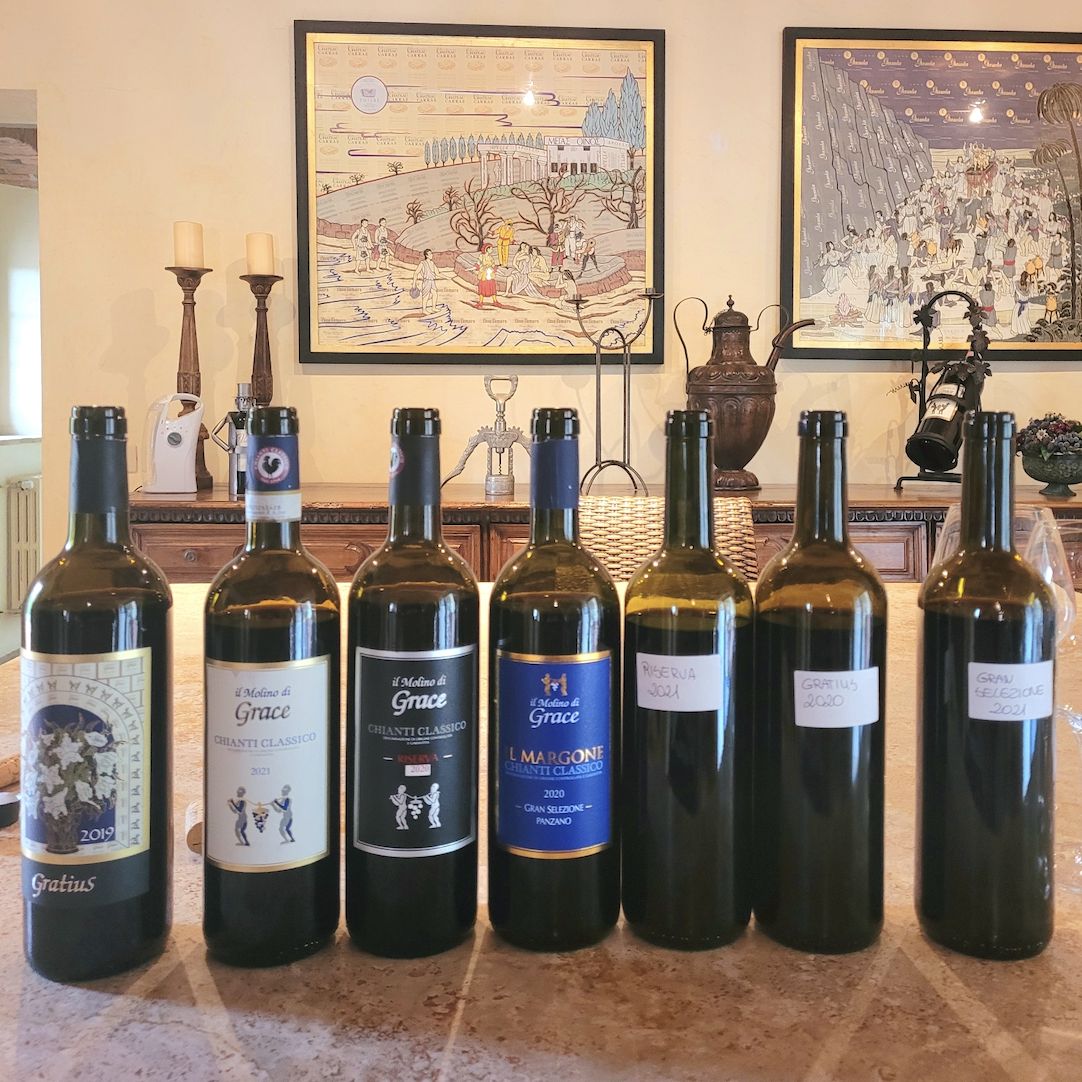
Il Molino di Grace Chianti Classico DOCG 2021, Panzano
A low (450 quintale or 45,000 kg) production vintage due to April frosts though the quality was very high. Is 2021 the best I ask Iacopo Morganti.“Every time the last one has to be the best one…though 2021 is like 2001. Similar vintage, weather included but there was more production from 2001.” The style is similar, also colour of fruit, elegance, light and ethereal with purposed acidity. “In 2020 the fruit was darker, you feel more oak,” he adds. These ‘21s are typical wines as and for sangiovese. Pure, light and so elegant, bottled on the 21st of September. Hard to find a more amenably front-ended Chianti Classico but the tannins are still somewhat aggressive. Not Riserva in that sense because there is less flesh and body. Still this is a discreetly charming 2021 and a great wine to drink, whenever you feel ready. Aging will be somewhere between six and nine years, give or take and depending on the situation. Drink 2024-2031. Tasted October 2023
Il Molino di Grace Chianti Classico Riserva DOCG 2020, Panzano
Eight months later and Iacopo Morganti exclaims “Molto Buono!” The wood has not fully integrated, nor was that expected but now the aggressive aspects are relenting and the fruit-acid relationship is developing into the extraordinary. Another eight months and this will enter the “zone.” Last tasted October 2023
In line with the Classico yet with better quality material chosen there is higher acidity and that matters greatly. Tannins are finer as well, yet that same darkness of pitchy and perfumed fruit is consistent with tighter and stronger grip. Must be granted another year in bottle to settle the strongholds and the score. The barrel has much to say right how, noted in grains running through the veins of the sangiovese. Older vines including Al Bosco are Riserva bound. The linger and length on this is infinite, at least in Riserva terms. Drink 2024-2028. Tasted February 2023
Il Molino di Grace Chianti Classico Gran Selezione DOCG Il Margone 2020, Panzano
The vineyard that gives the best quality is Magdalena Vineyard planted around 2010, both for 2020 and what’s to come in 2021. When you have less production it’s easier to separate the wheat from the chaff and so the lots fermented separately are easier to identify. This 2020 proposes an extreme set of tannic proportions but sweet fruit with heft, weight and flesh is up to the task. Last tasted October 2023
Fine tannic presence from Gran Selezione for 2020, several steps up from Riserva with less pitch and grab but still overt dark fruit. More diversity and complexity in perfume, notable violets and rose but really what stands out here is how the tannins allow the fruit to stay up front. There are no perceived grains or sand-papery textures involved, neither is Il Margone soft or fluffy. There may only be 8,000 or so bottles available at this quality and so a rare and must have wine it most certainly will be. Iacopo Morganti explains it well. “It’s not easy too make three different levels of Chianti Classico. You need to understand the vintage and the differences, especially when you have less quantity.” Drink 2025-2032. Tasted February 2023

Istine – Radda
Istine Chianti Classico DOCG 2021
The 2021 was taken to market last March though bottled a few times over four months. Crunchy Chianti Classico from Istine because the vintage says so with mostly (80 percent) coming off of Radda parcels – so it’s nearly a village wine, with 20 percent fruit out of Gaiole (lower part of Cavarchione plus Le Noci and Tibuca). High level freshness and what some like to describe as crispy, so typical of an Istine sangiovese. Sees a year in large format Austrian wood for 50,000 bottles produced. Last tasted October 2023
Angela Fronti’s Annata is an expression of several vineyards, where rocks are such an important matter, in soils of Galestro plus Alberese, but also elevation and slope. The Classico’s grapes come mostly from Radda vineyards (Istine and Casanova dell’Aia) but also Gaiole (Cavarchione, Tibuca and Le Noci). Though a child of cool, calculated and mysterious ’21 there is quite a rouse of joy and untamed energy coming straight out of this pure sangiovese. Fronti has done well to coax pleasure with little tension or pain and as such you could very much have a glass as soon as you wish. Barrel sample or not and so when it does find its wine into bottle this 2021 will drink well from the start. Tasted February 2023
Istine Chianti Classico DOCG Vigna Istine 2020, Radda
“For me this a project to show the territory,” explains Angela Fronti and each Istine micro-parcel does indeed show it’s particular place. An impressively paced sangiovese as a child of a submerged cap, not Piedmontese style per se, 30 days instead of 45-60 but the gist is there. Perhaps the single site Chianti Classico of the most transparency and purity but also lighting red fruit because of the Alberese, elevation at 550m and extreme slope. Intensity is off the charts, acidity also an electric strike and tannins in charge as a blast upon all other parts of the wine. 3,500 bottles produced. Drink 2025-2033. Tasted October 2023

Istine Chianti Classico DOCG Vigna Casanova dell’Aia 2020, Radda
Off of limestone and clay at 500m on the other side of Radda from Istine and this particular cru delivers more unction, herbals and gritty tannins than those from Radda. Richer and more density with a layer of tannins and quite an impressive depth. 3,500 bottles produced. Last tasted October 2023
One of three single vineyard Chianti Classico made by Angela Fronti (and one of two in Radda, the other being Istine) with this being the younger vineyard and a really transparent example of Radda. Fresh and up front strength, less intense than Istine without the Alberese structure and a very linear, upright and direct example. Of high acid Radda. Chalky tannins are fine-grained and needing time to integrate. Drink 2024-2029. Tasted May 2023
Istine Chianti Classico DOCG Cavarchione 2020, Gaiole
A bit less elevation (at 420m) to Istine with similar soils if a bit more outrcropppings of Galestro. Frankly this shares more affinity in style with Istine as a Classico off of a single vineyard than the two Radda’s do so with each other. That said there is more depth to Cavarchione, more herbals and layers of both sweet yet fine acidities and tannins. It’s quite a brilliant expression and a pure one from this vineyard for 2020. 3,500 bottles produced. Drink 2025-2031. Tasted October 2023
Istine Chianti Classico DOCG Levigne 2020
“If you are able to you can taste each single vineyard in the wine,” insists Angela Fronti. “You can find them,” she says confidently, if also with a nurturing smile. Levigne combines Istine, Casanova dell’Aia and Cavarchione for a super cru cuvée and quite frankly this is the isosceles triangle of Chianti Classico because each side and angle are equal, opposite and connected to each other. Three layers of harmony and equilibrium without any one of taking charge, centre stage or control. 3,500 bottles produced. Drink 2025-2032. Tasted October 2023
Istine Chianti Classico Gran Selezione DOCG Istine 2021, Radda
(Sample) The three cru vineyards are all set to become Gran Selezione as of the 2021 vintage with the Istine Vineyard renamed as “Sistera” and Radda also named on the label. Impressively consistent with what has come before and though youth may cloud what possibility or better still the probability of this future, still you know this is Istine. The 2020 shows what will happen after just another six months and so where this will be next Spring is somewhere profound. Tasted October 2023
Istine Chianti Classico Gran Selezione DOCG Casanova dell’Aia 2021, Radda (Sample)
The three cru vineyards are all set to become Gran Selezione as of the 2021 vintage with this to be labeled Radda iteration a matter of the Casanova dell’Aia Vineyard. Is this full-bodied? Well yes but then again no, because of its purity, sense of place, finesse, precision and directivity. This passes all tests with flying colours. Extremely important and proper vintage for Radda and a true testament to Gran Selezione. Tasted October 2023
Istine Chianti Classico Gran Selezione DOCG Cavarchione 2021, Gaiole (Sample)
The three cru vineyards are all set to become Gran Selezione as of the 2021 vintage with this to be labeled Gaiole iteration a matter of the Cavarchione Vineyard. Riches but also lightning red fruit from Gaiole in 2021 with some of this vineyard’s finest acids ever cooked out of the cru surrounded by woods that breathe life into this sangiovese fruit. Length is about as impressive as any in the Istine pantheon of the last twenty years. Tasted October 2023
La Montanina – Gaiole
La Montanina Chianti Classico DOCG 2021, Gaiole
The work of Bruno Mazzoni whose maternal grandfather was producing wine here in Gaiole in the 1970s. Mazzoni started tarted in 2006 wth a rebuilding of the cellar, first produced Chianti Classico in 2012, but waited a few years to begin selling the wines. His 2021 is a new and very youthful vintage made by winemaker Maurizio Longi for a Chianti Classico that shows off the true character and nature of Gaiole sangiovese. Tension and yet a transparency because it’s a bit lighter (than say 2019 or 2016) but the potential for aging here is great. Crunchy and crisp, a wine you can grip between the teeth and bite down, then finishing with piques of energy and spice. This is a fine wine of purpose. Drink 2024-2028. Tasted December 2023
La Montanina Chianti Classico DOCG 2020, Gaiole
Still lifted, fresh and full-bodied though never dense or weighty. Last tasted in December 2023
“It depends on where you are,” explains the President of the Gaiole association, Manuele Verdelli. That rings so true for La Montanina because elevation and forest are both integral in creating the freshness and lift in this Annata. High spirited lift, more than many, even from Gaiole. For Classico this expresses high acidity and also tannin, somewhat drying and austere yet beginning now to integrate with the Amaro-black cherry-like liqueur. Drink 2024-2027. Tasted May 2023
La Montanina Chianti Classico DOCG 2019, Gaiole
New labels in 2019, more contemporary now and still the small amount of ciliegiolo mixed into the sangiovese. Freshness, tannins are fine-grained and there is some tension again, not too little and not too much. A just right 2019 that is befitting of the vintage and also Gaiole with herbs, breaths of fresh woods air and just that right amount of botti for structure and spice. Drink 2024-2028. Tasted December 2023
La Montanina Chianti Classico DOCG 2018, Gaiole
No bottling in 2017 with the production sold off to bulk because of the heat of the vintage and so this ’18 is the follow-up to what was a high energy and tension filled 2016. Some good energy here as well yet in two years this will act more like the soft and round 2015. Feel the wood more in this sangiovese (always inclusive of five percent ciliegiolo) and so there is a note of caramel, bokser pod fruit and it is at the end where the acidity is felt. Very warm vintage as well, late picked and ready to drink. Drink 2023-2025. Tasted December 2023
La Montanina Chianti Classico DOCG 2016, Gaiole
Similar to 2015 in that the Classico from this time is now rounded and at the later stages of its original character but straight away you note the tension and energy, even just from the aromatics. This is sangiovese, sharp and of a proper vintage acidity with grip and persistent intensity. Grabs a hold of the palate with several years to go before that attention will be softened. Drink 2023-2027. Tasted December 2023
La Montanina Chianti Classico DOCG 2015, Gaiole
Some fresh fruits persistence put this warm weather vintage in a good place eight years later. Soft and amenable, round, just now entering that secondary zone. Yet the fruit has not dried our or become leathery but the acidity is soft and sweet. Lovely glass of sangiovese with five percent ciliegiolo that previous to had already been in the vineyard mix. Drink 2023-2024. Tasted December 2023
La Montanina Chianti Classico Riserva DOCG 2020, Gaiole
A combination of frescezza and warmth with fruit that yes is fresh but there is both weight and tension to this Riserva. Truly appellative, very wisely and obviously Gaiole, rich and yet vertical, tight and still fleshy so that you have to see this as generous. Top drop for La Montanana between 2015 and 2020. Last tasted December 2023
My what a lovely Riserva! Fruit succulent and sweet and swirled so effortlessly into equally mouthwatering acidity of pitch perfect tone. Yes there is Gaiole savour and it’s presence is as a seasoning, with chef’s ability, emotion and touch. As for 2020 well this from La Montanina delves into passion and the aforementioned emozione as well and as much as any Riserva in the Classico area. Brava, Oretta Leonini. Grande Gaiole! Drink 2024-2032. Tasted February 2023
La Montanina Chianti Classico Riserva DOCG 2019, Gaiole
Le Cinciole
Still the latest wine release because the 2021 will be bottled in January. The 2020 is still very youthful, lifted, high acid, tight and working toward its future. “I am satisfied enough for 2020″ tells Luca Orsini, “no particular problems, a normal season. A bit stronger than 2019.” Definitely more structure and very, very sangiovese. Last tasted December 2023
Le Cinciole Chianti Classico Gran Selezione DOCG Aluigi Campo Ai Peri 2019, Panzano
Spiced aromatics, biscotti to ginger cookies, an eastern Panzano original, fresh and dusky, like the Frazione’s evening air. Tight and focused sangiovese, even more so Panzano on the palate, lightly glycerol and just so perfectly tart. Though a two-plus year old Annata this is really just about as fresh as it gets. Elevation contributes to the ideal, at 450m and near to the wines from Casole. Drink 2024-2027. Tasted February 2023
Luigi was Valeria’s father who passed away in 2007, the same year that she and Luca planted their new vineyard. He was always very instrumental in their start between 1990 and 1991. The name of the vineyard is Campo ai Peri, the place “of two old pear trees.” The place was actually Graziella, the name of the old woman who lived in a house at that spot. Aluigi is in a great place today which speaks to the clay and position of the vineyard, the vintage for sure, longer time in bottle and so now it’s really just beautiful. Drink now and for seven to 10 more. Last tasted December 2023
So very firm with a Gran Selezione that will remain in this position for the expected two-plus further years. There is great beauty and a handsomeness in this sangiovese, especially in the facial features but also upright strength in the bones. Tasted October 2023
At once lovely but also striking vintage for Le Cincole’s Gran Selezione, 100 percent sangiovese from eastern Panzano. A 2019 with sapidity, not rare but also not exactly common. Juicy, through daggers or pricks on the palate and then taken over by austerely drying tannins. Length is dramatic and most invigorating. Drink 2025-2032. Tasted May 2023

Podere La Cappella – San Donato in Poggio
Podere La Cappella Chianti Classico DOCG 2020, San Donato in Poggio
From vineyards approximately 20 years of age, aged in one or two year old bariques, An Annata in capture of place, full of red fruit and a singular kind of saltiness, Alberese mineral that is and from 2020 also tons of fruit, as much as any in San Donato in Poggio. This is what happens when a family heeds the vintage and makes what had to be made. Lasted May 2023
Graceful and charming sangiovese with smoothness and texture added poignancy by 10 per cent merlot puts this 2020 in great vintage standing. Yes it is so very San Donato in Poggio but it’s also Podere La Cappella in a nutshell. The Rossini wines always express and taste this way, like bleeds from white limestone and a ripeness befitting this place. Also freshness by winds from the sea running through as a relish and a vim that keeps your hold of the palate. Drink 2024-2029. Tasted February 2023
Podere La Cappella Chianti Classico Riserva DOCG 2020, San Donato in Poggio
Vineyards are 24-25 year-old for Riserva with some (25 percent) new barriques used for aging. Soft yet elastic tannins equip this 2020 for deeper term aging to the end of its first decade. Once again it is a matter of vintage and this one will see Riserva last several years longer than the Annata. Drink 2024-2032. Tasted May 2023
Poggio al Sole – San Donato in Poggio
Poggio Al Sole Gran Selezione DOCG Casasilla 2020, San Donato In Poggio
Casasilia which can mean “the blessed house” is tied to Badia a Passignano just one kilometre away and the pre-1990 name of Poggio al Sole under the previous ownership. The flagship wine that was Riserva changed to Gran Selezione as of the 2012 vintage. Best grapes, harvested a bit later and longer macerati”on. Once fermentation and maceration are complete the “130 percent sent to barriques (between 10 and 20 percent new) is then narrowed down to its 100 number. Hard to imagine or find more suave texture and refinement which in GS translates as scorrevole. Which tells us that Poggio al Sole has as much in common with Panzano as it does with San Donato in Poggio. Playful acidity, precision and fine tuning. Runs on Swiss time if you will. A mulch of grippy tannin on the back end suggests waiting a year or two. Drink 2025-2033. Tasted December 2023

Principe Corsini – Villa Le Corti
Principe Corsini – Villa Le Corti Chianti Classico DOCG 2021, San Casciano
Vino geloso, digestivo, balanced and beautiful, in perfect freshness and condition. Naturally sweet fruit, best ever Classico from Le Corti – or at least right there with some that have not yet been tasted. Last tasted October 2023
Yet another Le Corti sangiovese darkened ever so slightly by (five percent) colorino of a style pure, San Casciano driven, warming and spiced. As luxe as it gets for Mediterranean scented and fleshed Chianti Classico with thanks to a particular mezo-climate and river pebbles in the soils. Finishes at sweet flavours and balsamic reduction. Last tasted May 2023
Firm and apropos of maker and location, reddest of red San Casciano fruit developed with purpose in vineyards graced by river stones of vines in the path of beneficial marine winds. You can feel the breathability and even a shade of saltiness streaking through the red berry aromas. Crisp, crunchy and then chewy as the wine fleshes across the palate. Duccio Corsini gets better and better at making wines of clarity and profundity. Grande Principe! Drink 2025-2033. Tasted February 2023
Principe Corsini – Villa Le Corti Chianti Classico Riserva DOCG Cortavecchia 2020, San Casciano
As with Le Corti Annata the wines see 27hL casks and colorino is used, “only for the tradition.” The Cortavecchia is intrinsically connected to the Annata, they are brethren and the selection between one and the other happens after fermentation. First comes the spezzaturra and then the division. The river stone soil earthiness is carnale not animale and from 2020 there is more flesh and body then before. This means more settling and grounding but also roundness than what happened in 2018, but also surely what will come from 2021. Drink 2023-2029. Tasted October 2023
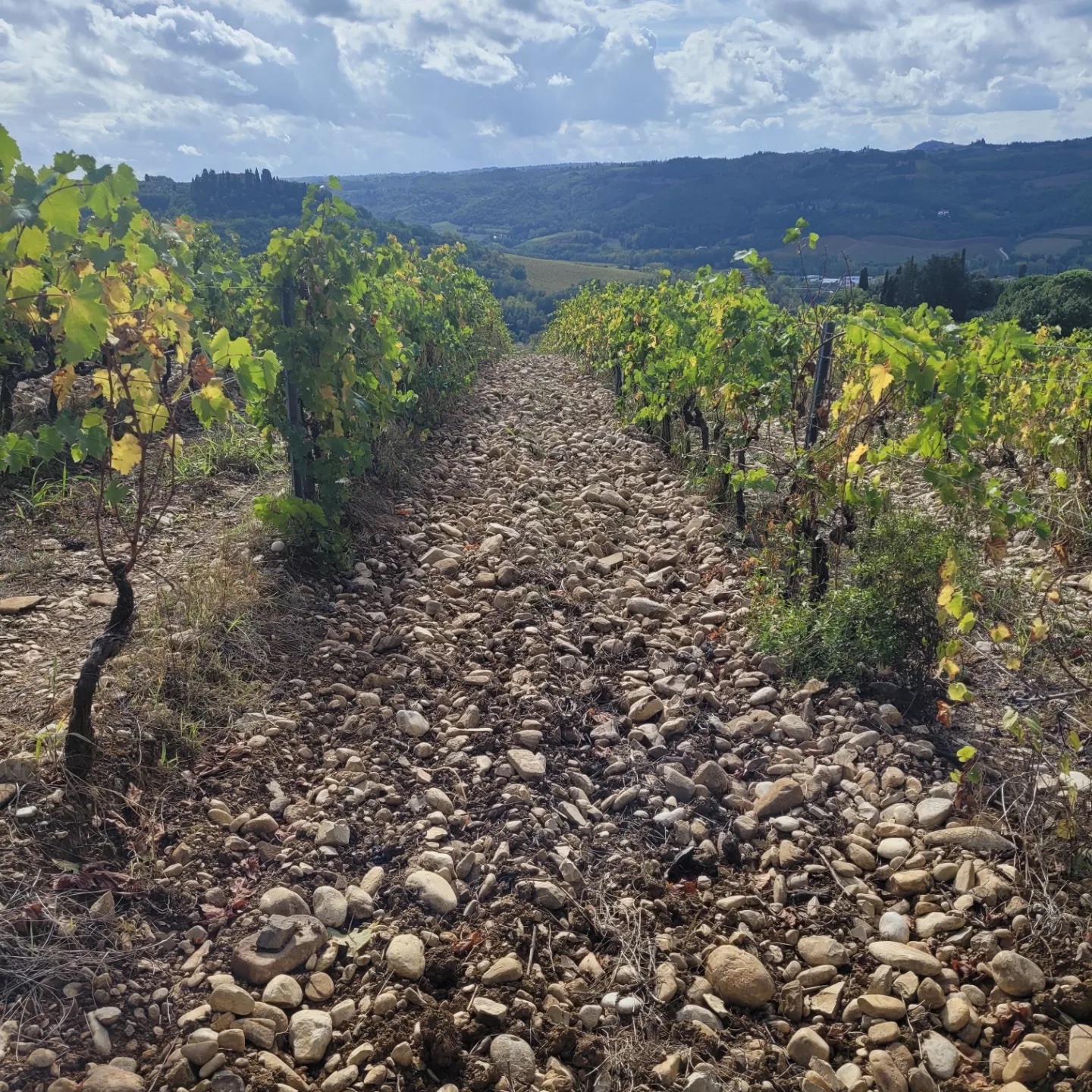
Principe Corsini – Villa Le Corti Chianti Classico Gran Selezione DOCG Don Tommaso 2020, San Casciano
The original Gran Selezione for Villa Le Corti, that being Don Tommaso, incidentally labeled with its UGA while “Zac” adds the Val di Pesa suffix, as per the commune. Quite the fleshy and substantially concentrated 2020, impressively so, rich, luxe and jam-packed with flavour. A mix of 80 percent sangiovese with merlot (that will not be available in 2023 due to no production because of downy mildew). A bit woody on the palate at this youthful stage but this will pass and Don Tommaso will drink dutifully if also effortlessly through the latter stages of this one and into the first stretches of the next decade. Drink 2024-2032. Tasted twice October 2023
Principe Corsini – Villa Le Corti Chianti Classico Gran Selezione DOCG Don Tommaso 2019, San Casciano
The original Gran Selezione for Villa Le Corti, that being Don Tommaso, incidentally labeled with its UGA while “Zac” adds the Val di Pesa suffix, as per the commune. Quite the fleshy and substantially concentrated 2019, impressively so, rich, luxe and jam-packed with flavour. A mix of 80 percent sangiovese with merlot (that will not be available in 2023 due to no production because of downy mildew). A bit woody on the palate at this youthful stage but this will pass and Don Tommaso will drink dutifully if also effortlessly through the latter stages of this and then into the first stretches of the next decade. Drink 2024-2031. Tasted twice October 2023
Principe Corsini – Villa Le Corti Chianti Classico Gran Selezione DOCG Zac 2019, San Casciano
At the crested top of the Villa Le Corti (Chianti Classico) hill sits Zac, a 100 percent Gran Selezione that means everything in terms of memory, excellence and especially potential. This is a top tier wine that will realize potential in the most existential and reverential of ways because it does not celebrate what could have been but rather what will be. The vintage is seminal, essential and critical to moving forward. It’s fruit is substantial, youthfulness so beautiful and character to be admired. So much thought has gone into this focused Gran Selezione and it just may be the one. Above all else the most suave yet precise GS thus far for Le Corti. Note that this is labeled San Casciano in Val di Pesa, one year ahead of the curve, well two but nobody has really noticed. It’s about doing right things, not wrong ones. Now this is what this is, from great riverstone and clay in this northwest corner of Chianti Classico where a river ran raging six million years ago. This is magnanimously elegant stuff and it shows beautifully right at this very moment. And look 20 years forward to what it will become. “It’s not what I want – it’s what comes out of it,” says Duccio Corsini. “This is my ambition.” Drink 2025-2034. Tasted twice October 2023

Querciabella – Greve
Querciabella Chianti Classico DOCG 2020
First vintage in which 10 percent of the new Casole (Lamole) vineyard provides lift by fruit at higher elevation, even upwards of the already 500m-plus Ruffoli vines in Greve. Some Radda and Gaiole fruit are still small percentages in the mix and so harmony is achieved by layering clones, villages, communes and UGAs in the most multifarious of ways. There have been stylish and luxe Querciabella Classicos in the past (like 1999) and this is surely one of those follow-up Annata (after 2019) that takes another step. A rise in lift and a furtive move into new grip, speaking in new slang and creating another decade initialization that forges a new epoch of Querciabella wines. Last tasted May 2023
New directions, adjustments and mediations take Querciabella’s Annata into ever developing progressions and investigative accessing of new territory. Here from 2020 winemaker Manfred Ing finds new texture or next level mouthfeel for an Annata increasingly becoming and speaking on behalf of Greve and especially the Ruffoli hill. This vintage is not asked to over deliver and the statement made is one of drink-ability but also impression over expression. Top examples don’t try to impress – they simply do what’s necessary and so a deep impression is ultimately made. Drink 2024-2028. Tasted February 2023
Querciabella Chianti Classico Riserva DOCG 2019, Greve
Riserva is of course a matter of sangiovese from Ruffoli and a very specific selection that looks to establish clarity and finesse. As transparent and delicate as Riserva will ever get in Classico, of fruit juicy red and then also orange citrus, taut, tightly wound and of a Ruffoli bled, calcari-macigno intensity. When you taste Riserva 2019 and Annata 2020 side by side you may just see how the latter will live longer while the former wants to please with extreme prejudice over the next five to seven years. Drink 2025-2030. Tasted May 2023
Querciabella Chianti Classico Gran Selezione DOCG 2018, Greve
Hold the fort, or UGA, as they say. Dios mio man, Querciabella has done something extraordinary out of 2018 and that is make an elegant and ethereal example of Gran Selezione at low (14 percent) alcohol while delivering great concentration – to follow a most aromatic 2018. Extreme perfume and also unction with the ideal balance afforded to all parts, in synch, trodding and treading as one. It really does feel as though the fruit is suspended in liquid, as if weightless but fully formed and gliding though macerative juices. When everything comes together this will show as one of the great Chianti Classico Gran Selezione 2018s – for a decade and a half’s time. Drink 2025-2038. Tasted October 2023

Rocca Delle Macìe
Rocca Delle Macie Chianti Classico DOCG 2022, Castellina
The line of Rocca delle Maciè Chianti Classico is now separated from the single estate wines, but says Andrea Zingarelli “these are the wines that show where we were born.” Another hot vintage but perhaps more equilibrium overall than 2021 and it shows. This separates from Famiglia Zingarelli and yet it’s inextricably linked. There is five percent merlot that rounds it out and the fruit comes from all the (and only) Castellina estates. No noise, just the facts and the sounds, smells and tastes of the territory. This may just be the cleanest, naturally sweetest and perfectly drinkable Rocca delle Maciè Chianti Classico ever produced. It will appeal to any and all. Drink 2023-2026. Tasted December 2023
Rocca Delle Macìe Chianti Classico Riserva DOCG 2021, Castellina
Though 2022 is such a fine, amenable and drinkable vintage and 2021 more compacted in so many ways – well when you make a cuvée of all your Castellina estates and choose only the finer grapes – you can make a very proper and promising Riserva. Cool, just a kiss of wood and saltiness, violets and a bit of rounding softness from cabernet sauvignon. Sees 12-14 months in barrel and comes away rich, nurturing and silky smooth. For now and a few years but not much longer. Drink 2023-2026. Tasted December 2023

Rocca Delle Macìe Chianti Classico Riserva DOCG 1995, Castellina
Good if at times cool and wet vintage, especially in August of 1995 with the style at the time being all about hanging for ripeness and creating power through extras provided by the barrel. Also more international grapes used at the time, with 15 percent cabernet sauvignon and merlot. Still some acid and freshness here with true fruit and wood sweetness. In really nice shape and who would not be pleased to have a glass with a braise of coniglio. Drink 2023-2024. Tasted December 2023
Rocca Delle Macìe Chianti Classico Riserva di Fizzano DOCG 1995, Castellina
Very different from the Rocca delle Maciè Riserva in that maturity and depth are both increased though bright fruit and sweetness less so. An earthy and soy-juiced 1995, feeling older and clearly pushed a bit harder while also receiving more wood at that time. Still it’s a good showing for a 28 year-old sangiovese with its very noticeable cabernet and merlot. Tasted Drink 2023-2024. Tasted December 2023
Rocca Delle Macìe Chianti Classico Riserva di Fizzano DOCG 1988, Castellina
Reeks of mint and a pine forest with aged balsamic. A massive aromatic display that feels old but oh so nice. Wow aromas and you feel like taking a sip is almost unnecessary to find the beauty in this wine. The palate is very consistent and carries the same message. Fresh and inviting from another sip, this from a 35 year-old wine out of Chianti Classico. Drink 2023-2024. Tasted December 2023
Rocca Delle Macìe Famiglia Zingarelli Tenuta Le Maciè Chianti Classico Riserva DOCG Sergioveto 2021, Castellina
A single estate wine that used to be an IGT with 20 percent merlot and cabernet sauvignon but now 100 percent sangiovese from Tenuta le Maciè. A north exposition that just 20 years ago could not fully ripen. The acidity still runs high but the fruit ripeness has caught up and so a much more balanced wine, in the vein of lets say Radda Chianti Classico. This is harvested in October, later than many with calcari (Alberese) soil and its outcroppings of schist-flakey Galestro. No new wood, just 3rd and 4th passage for a light covering but the fruit still stands on its own. This is very refined and sleek with mid-term aging the sure and famous guarantee. Drink 2024-2028. Tasted December 2023
Famiglia Zingarelli Tenuta Fizzano Chianti Classico Gran Selezione DOCG Il Crocino 2021, Castellina
The name Il Crocino is the name of the plot (within the larger vineyard) and the second of this label because it takes five years to receive approval after initial filing the application. From the upper part of the hill with 10 percent colorino and the only sangiovese that sees some tonneaux, along with Gamba botti. The soils are quite sandy, Arenaria style and so Fizzano delivers a finer, sleeker and less structured wine. Was literally the beach way back when and so that is the mindset you would have when drinking this Gran Selezione though preferably up on a terrace with simple if fine and delicate cuisine. Was bottled in July and so some five more months should be granted before really considering a first glass. These are fine tannins, lightly grainy but not chalky and age-ability from the very proper vintage should be up to 10 years after vintage. Drink 2025-2030. Tasted December 2023
Rocca Delle Macìe Gran Selezione Chianti Classico DOCG Tenuta Di Fizzano 2020, Castellina
Moving forward 20 months and know this. Fizzano is in the zone, ready, willing, able and intent on pleasing as it can, must and should. And no, do not put these away for much longer, a year or two if you like but the best drinking times are now, in the immediate present tense. Some fresh noodles prepared by your favourite Italian chef with a ragù of veal or wild boar and behold: Sergio’s your zio! Last tasted October 2023
Take the 2018 Riserva di Fizzano and move ahead with forward and current conditions acumen to open a new door, that being Tenuta di Fizzano. Makes great sense and so ideal to use this round, beautiful and amenable vintage for the change to make even greater sense. Sweetly concentrated fruit, good quality ’19 acids that never sear nor steal the spotlight all fall into a round and soft structural line. Even better value if not the vintage to cellar too long. Drink 2023-2026. Tasted February 2022
Rocca Delle Macìe Chianti Classico Gran Selezione DOCG Sergio Zingarelli 2020, Castellina
Since 2014 has only been 100 percent sangiovese with this 2020 still so youthful in fact it’s a bit reductive so give these early opened bottles some agitation. Better to wait a few years and allow this to settle in. A bit of frost but nothing to fret about and a less complicated vintage as compared to the coming 2021. Only French wood with grapes coming from the single vineyard down from the winery on Alberese soil. Best selection from three of the five hectares and ripening was just about as even throughout from, top to bottom, 30 metres (330 to 360) in change on five terraces. Still a few harvests are made because the bottom retains more water and acts with great vigour. Rich and full, substantial and yet fresher than many Gran Selezione. Also the silkiest and smoothest, Castellina calling card of a Gran Selezione. Drink 2026-2033. Tasted December 2023
Rocca Delle Macìe Chianti Classico Gran Selezione DOCG Sergio Zingarelli 2018, Castellina
Has been 20 months since first tasting the 2018 Zingarelli Gran Selezione and as it was expected the drinking window is by now open, but not fully so. A bigger and gripper wine than originally assessed with string bones and plenty of flesh hanging on this well-developed ’18 frame. In fine shape right now, the fruit showing some maturity and every reason to drink with a fine dining experience in this glass. Last tasted October 2023
The team at Rocca delle Macìe surely heeded the vintage call and did nothing to press the situation. The pedal is not laid down to the metal and a slow travelling grace does indeed fill the glass from this 100 per cent sangiovese. Sweet berry and plum fruit in season, ripe and juicy lead to an easy glide and these are the softest Gran Selezione tannins from any Sergio Zingarelli made so far. Drink these young while the bigger and more demanding ’16 and ’17 take their time. Drink 2023-2027. Tasted February 2022

Rocca di Montegrossi – Gaiole
Rocca di Montegrossi Chianti Classico DOCG 2021, Gaiole
Sangiovese with canaiolo and colorino of a deep Chianti Classico hue that Marco Ricasoli explains “is fixed by the Alberese. It’s the calcium in the limestone that really helps this process.” So different than sangiovese coming from Macigno (as a general rule) yet here the colour is full and opaque. Fresh vintage, substantial fruit, quantity high, all things a winemaker wants from Chianti Classico. Purity of aromas, linear of style, stony moments from start to finish. Just beginning to open up and really quite salty. Will surely see this last through the decade in a nearly primary state. Last tasted October 2023
Surprising grip and structure here from Rocca di Montegrossi’s 2021 Annata, well not exactly shocking but this is a vintage wine quite far from readying towards release. Tannins are fine chained, grained, unbreakable and of a saltiness really connecting the mineral dots of this wine. Some canaiolo and colorino bring added seasoning and so sapidity is a thing. Crunchy for Gaiole and less herbaceous than most. Should begin to open in 18 months or so. Drink 2024-2029. Tasted February 2023

Rocca di Montegrossi Chianti Classico Gran Selezione DOCG Vigneto San Marcellino 2018, Gaiole
There is ten percent pugnitello with the sangiovese, already meeting the new requirements of the Gran Selezione. From the 2020 vintage San Marcellino will say Gaiole on the label. Aging is 25 months in barriques, tonneaux and botti, 25 per cent new oak overall. Almost three years in bottle at this stage. Finest of San Marcellino tannins are coming about ever so slowly, surely to mature over a 15 year period. Tells Marco Ricasoli, “elegance does not mean weakness. The power does not affect your mouth.” Posit tug between salinity and sapidity. Last tasted October 2023
So fresh, young and structured but my if there is another Gaiole Selezione with as much stuffing as San Marcellino it would be beneficial to hear about it. Thirty-plus year potential. Truthfully. Tasted May 2023 The next San Marcellino Gran Selezione is a big one, strong willed and big-boned, laced with trace schisty-marl-Galestro elements and minerals from a vineyard capable of structuring wines like no other. This is Monti in Chianti, of all the red, blue and black fruits, coming away violet purple and speaking about a season. A warm one, all the way through to October and the phenolic ripeness here is off the proverbial charts. Wow. Drink 2025-2037. Tasted February 2023
Rocca di Montegrossi Vinsanto del Chianti Classico DOCG 2013, Gaiole
The methodology at Rocca di Montegrossi is not simply one of drying grapes but hung on nets tied to rails where berries can be removed if they show negative mould. Vinsanto from Montegrossi and 2013 is a seriously unique iteration, transparently mahogany, deep and sonorous, acidity a rumble like a low bass line. The wine after pressing in January is kept for a few months in tanks at 16 degrees celsius which stabilizes and “cleans” the wine. Then to caretelli in mulberry and chestnut wood. As viscous as Vinsanto can get, texture developed after eight years plus three more in bottle. High sugar concentration, a maple syrup note, caramelized orchard fruit, quince, clarity and so clean. Only malvasia nera, finished at 13 percent alcohol. Ideal, nutty and as focused as it gets for this level and style of dessert wine. Drink 2023-2038. Tasted October 2023

Ruffino – Castellina
Ruffino Chianti Classico DOCG Aziano 2021
Multiple estates gathered Classico, mainly sangiovese with some canaiolo and only stainless steel. Herbal, dusty and deep in fruit, some fennel and true depth, but also local savour. Could only be Classico no matter the number of vineyards are organized, collectivized and championed inside this wine. Drink 2023-2025. Tasted May 2023
Ruffino Santedame Chianti Classico DOCG 2019, Castellina
Single estate Classico, that being Santedame in Castellina and the next vintage will be certified organic. Augmented and stylized, in fact also made stylish by cabernet sauvignon and merlot to raise the sangiovese bar. Chewy and substantial, wood developed texture and a full on chocolate plus espresso finish. Drink 2023-2026. Tasted May 2023

Ruffino Chianti Classico Riserva DOCG Ducale 2019
The Riserva that has always been made, in every vintage, as opposed to the Ducale Oro, only made in selected vintages, now and for the last 10-plus years as Gran Selezione. A selection from all of Ruffino’s Chianti Classico estates and truly the workhorse to connect quantity with quality. Wholly and recognizably impressive length tells us everything we need to know about Ruffino quality at the Riserva level. Especially considering there are often one million bottles produced. Drink 2024-2028. Tasted May 2023
Ruffino Chianti Classico Gran Selezione DCCG Riserva Ducale Oro 2019, Castellina
With five percent merlot and (15) colorino but the merlot will disappear going forward. Take the Riserva Ducale and imagine every part elevated, exaggerated and taken to a more precise but also intensified level. That said there is a new idea of elegance not certain this historical wine has ever really shown. Just now entering a social and open place as we speak. Drinking beautifully. Drink 2023-2028. Tasted May 2023
Ruffino Chianti Classico Gran Selezione DOCG Romitorio Di Santedame 2019,
Castellina Romitorio, the name of the vineyard, from an Italian word that means “not something mine or yours, an abbey or monastery that belongs to all.” Some toasty oak involved in this estate specific Selezione and a more structured composition that will require several years to loosen, freshen and eventually drink with distinction. My what a professional and designed expression of Chianti Classico. Drink 2025-2032. Tasted May 2023

San Felice – Castelnuovo Berardenga
San Felice Chianti Classico DOCG 2021, Castelnuovo Berardenga
Mixing in colorino and pugnitello does more than just variegate the Annata but effects unique changes and reactions that sangiovese wants to achieve. That is to find an expression of its own and a way to interpret much of San Felice’s 150 hectares in one broad brushstroke of hue and texture. This is the crux, especially from what Leonardo Bellacini describes as a “buonissimo” 2021 and the spiced aromatics are accepted by balsamic to create the thing. The definition and dictionary entry into the world of San Felice is right here. Last tasted October 2023
Annata or anything else by San Felice can only act like a child and a rebellious one at that when tasted so early in its tenure. Barrel and tannin are far from ready to relent and allow their wine its due. There is a fortress door to open and the substance behind the gates lies in waiting to be free. Two years methinks before that becomes reality. Drink 2025-2029. Tasted February and May 2023
San Felice Chianti Classico Riserva DOCG Il Grigio 2020, Castelnuovo Berardenga
There is some peppery character especially on the aromatics and all the while the spices plus balsamic elements are consistent with the Annata, both from 2020 and 2021. Fruit is the same sourcing as the Annata but here the substantial quality by selection and extra aging in wood (mainly Botti Grandi, none of it new) means more weight and texture. Glycerol now, a silky-smooth elixir with chic style and more variegate tones. Ambient and plenty of succulence. Good structure from 2020. Last tasted October 2023
San Felice Chianti Classico Gran Selezione DOCG 2020, Castelnuovo Berardenga
The sangiovese comes from the highest of the San Felice vineyards with a few points here and there of other indigenous varieties like the variant of colorino (called abrusco), malvasia, pugnitello and ciliegiolo. So youthful with still gritty or sandy tannins, high tonality but always the balsamic, spices and herbs. Wood is very much in the aromatic mix but also on the texture, thick as thieves with those hard-working tannins. Give it five years and things will get oh so very interesting. Drink 2026-2034. Tasted October 2023

San Felice Chianti Classico Gran Selezione DOCG Poggiorosso 2020, Castelnuovo Berardenga
Poggiorosso as the second Gran Selezione is also labeled as Castelnuovo Berardenga for the first vintage under the new allowable UGA rules. Now from a single vineyard, an Alberese limestone source planted in 2000 and yet a consistent or at least seamless segue from the multi-site and multi-varietal GS. An extraordinary example of Selezione, rich and powerful but so accepting of its wood, seamlessly organized, oriented and original in every respect. Really elegant here from Leonardo Bellacini. Drink 2025-2035. Tasted October 2023
San Felice Chianti Classico Gran Selezione DOCG Poggiorosso 2019, Castelnuovo Berardenga
Almost hard to believe but 2019 seems bigger, broader and in a way wilder than the 2020 Poggiorosso and yet this single vineyard Gran Selezione is a force to reckoned with, no matter the vintage. The vibrancy and especially the acidity is the wild aspect of a sangiovese that acts a bit the rebel, with cause. Quality here is tops in every respect, fruit is ripe on both ends and that acidity is really quite sweet. Splitting hairs compared to 2020 but this is something special. Amazing work from all new 500L tonneaux. Drink 2024-2037. Tasted October 2023

Tregole
Tregole Chianti Classico DOCG 2021, Castelllina
The Classico may be Castellina but the feeling is just as akin to Radda, because this is the border, in the vineyards above the river and a micro climate that brings swirling winds in from Montevarchi and the Apennines beyond. No frost here because of 500-600m of elevation (incredible for Castellina), one of two best harvests because again, cool climate, elevation and Macigno soils are all ideal to create this kind of mineral and glycerin sangiovese. Spent 10-12 days in fermentation at 23-24 degrees, a matter of whole berries (because tannins can be austere at Tregole) and then under hydrogen for 5-10 days and skin maceration 18-28 days, longer with the Riserva and GS. So bloody lovely, walking a tightrope line, at first volatile but the fruit swells and vertically elevates up to the level you wish for in the Annata. In fact there is more structure in Annata then most Chianti Classico. Drink 2024-2028. Tasted December 2023

Tregole Chianti Classico Riserva DOCG 2019, Castellina
Comes from Vigna Adulta, the young one below the oldest planted vineyard. Spends close to three years in old barriques and part in the large (700L) tonneaux. Important time in cement as well but also in bottle before hitting the market. This was the first year it spent an extra year in bottle. Lower vineyard with more organic matter and it comes out meaty, almost gamey, with concentration and musculature. Tannins are very fine, no rusticity, less austere and more texture from the sweetness of the parts. Maybe less Tregole but more a matter of warmth and the mature ways of sangiovese. Drink 2025-2030. Tasted December 2023

Tregole Chianti Classico Gran Selezione DOCG 2018, Castellina
Comes from the block called Asine (because there are donkeys on this part of the farm), and receives the longest maceration (nearly a month). The problem of 2018 was rain, for Tregole quite a bit in September and the picking happened three times because of unclean grapes and ripening variability. Tannins were green before October but the last few days of September brought heat (30 degrees) and nearly 30 degree drops at night. Saved the vintage with preserved acidity and while early appreciation may have been difficult in the beginning the llof of this Gran Selezione is surely improving over time. Great acidity and salty character, a bit sanguine and in the end a classic (this part of Chianti Classico) sandstone effect. More so than most that are not called Lamole. Drink 2024-2030. Tasted December 2023

Val Delle Corti
Val Delle Corti Chianti Classico DOCG 2020, Radda
A blend of parcels, many 25-30 years of age. Was a great spring during lockdown, long, sunny, pure through April and then suddenly cool and rainy in May. Then what followed was a variable, unsteady summer. Not the most equilibrium with late September cold and rain. Some difficulty in the selection because of differences in ripening. What does all that adversity, especially as it pertains to Radda add up to? Well, for one thing Roberto Bianchi’s Annata ’21 smells and tastes like Radda, transparent in its openness, cool, herbal and savoury. Truly, expressly, ostensibly and allegedly Radda with sangiovese born and raised in a very specific, high elevation part of Chianti Classico. Definitive, Macigno-stony and age-worthy, if not the fleshiest of them all. Drink 2024-2030. Tasted December 2023
Val Delle Corti Chianti Classico Riserva DOCG 2020, Radda
Riserva comes from the steep 1974 vineyard to the left (north) of the house planted by Roberto Bianchi’s father Giorgio, aged for 30 months in botti and tonneaux. A true single plot that may or may not as well be wink-wink, nudge-nudge Gran Selezione. Cool and ethereal like Annata 2020 with some spice cupboard arriving at the same time as the tannins for that unresolved protein powder feeling. Still it is understood that Val delle Corti’s sangiovese are youthful, fresh, crunchy and tart. Full and corpulent with potential being the thing about this 2020 and what’s required to see it open three years later before beginning to tell its true story. A bit raw or crudo at this stage. Drink 2026-2033. Tasted December 2023

Villa di Geggiano
Villa di Geggiano Chianti Classico DOCG 2019, Castelnuovo Berardenga
Solo sangiovese aged in 500L tonneaux for 18 months. Dry ice is used during fermentation which means no to very little sulphites usage. Wines are stable, pure and eight months later this acts like it’s almost ready because of soft tannins – but think again. They are sneaky ones and while we are teased by the generosity we also know this ’19 will age a decade or two. Last tasted October 2023
Geggiano must have time in a bottle, “ticking the moments that make up a dull day,” to come away later on, expressive of the Alberese soil (mainly) and deliver what has to be this place. Castelnuovo Berardenga that is and yet this valley with its ridges to the east and west is like no other place because winds, rain, sun and air flow differently, acting upon pure sangiovese to create wines like this. What this is exactly can’t be precisely said but this 2019 is the irrepressible essence indivisible to the history of the past. Also the present, right here in this glass, prescient, pure, persistent and built to last. Sangiovese from Geggiano is the future. Drink 2025-2033. Tasted February and May 2023
Villa di Geggiano Chianti Classico DOCG 2003, Castelnuovo Berardenga
A most intriguing older vintage to taste because of the great heat that swept across the whole of Europe and here of a hue that could best be described as nero di sepia. Dark inflections, a grainy transparency and truth be told there is great freshness in this near 20 year-old Chianti Classico, certainly more than what shows in 2007 (or at least the bottle poured). The nose is what can be referred to as stern, a thing of age and yet blood orange and even more so sanguine character. Freshness again, dios mio, especially on the palate and tasted blind I might say 2010. Drink 2023-2027. Tasted October 2023

Villa di Geggiano Chianti Classico DOCG 2000, Castelnuovo Berardenga
Aromatically similar to 2003 and perhaps even more maturity but it seems the wood was very much in charge. And yet the perfumes are essential and elevated, oils and distillate compounds that could have only come out in the last two or three years. Truffle and porcini, not quite a broth but more dried and then this frutta di bosco note. The finish is all caffé and liquorice. Very complex wine Drink 2023. Tasted October 2023
Geggiano Chianti Classico DOCG Ai Lecci 2019, Castelnuovo Berardenga

Villa Di Geggiano Chianti Classico Riserva DOCG 2018, Castelnuovo Berardenga
There is five percent cabernet sauvignon to enrich the pure Geggiano micro-climate, organic and generously rich sangiovese. The concept of Geggioan’s Riserva is not to make the biggest, baddest and strongest but one of charm and grace. This is close to the latter yet still shows it teeth and there is some gariga in this ’18 – but also a classic balsamic “terziale” that comes from the combination of Riserva style and older vines. Seriously good from a variable vintage. Not quite ready. Last tasted October 2023
Riserva is 90 percent sangiovese with (five each) canaiolo and cabernet sauvignon, vinified just like the Classico, with dry ice at the time of pressing. Only coarse filtered and by doing so keeping all the structure intact. Aged 18 months in 500L tonneaux and truth is the connection to Annata is guaranteed, simply because the micro-climate and generosity of the soils are sure to be the most important factors involved. Fruit concentration is as full, impressive and layered as it gets, tannins as ripe as they will be anywhere in the Chianti Classico territory. Will only improve with a few years in bottle. Drink 2025-2032. Tasted May 2023
Villa Di Geggiano Chianti Classico Riserva DOCG 2016, Castelnuovo Berardenga
A particular perfume and very fresh ’16 as Riserva, deep in hue, berries also fresh with so much acidity intact and this mentholated (mentolato) note, with mirto and pepe lungo. Incredibly chalky and so adept at its structure, ready and willing to surprise with complexities known and also so many unknown. Drink 2024-2033. Tasted October 2023

Villa Di Geggiano Chianti Classico Riserva DOCG 2012, Castelnuovo Berardenga
Always the same recipe with five percent cabernet sauvignon with this a cold and wet vintage but history tells us that these do end up being the kind of structured wines that surprise well into the future. Tells Andrea Bianchi Bandinella “to be honest we were suspicious in 2012 but made Riserva anyway.” Good thing because it has held up more than admirably, in fact the umami is extraordinary while the presence of Brettanomyces is anything but a distraction. Porcini broth and dried herbs line the inside walls and help to elevate the interest. Great showing. Last tasted October 2023
The 2012 is the current release because they (Geggiano and sangiovese) need time in the bottle. They simply keep a firm grip on their youth for quite an extended period of time. Riserva for the Bianchi-Bandinelli brothers is a matter of the best vines and the better barrel samples. Creosote and graphite really come from this nose, with tapenade, blood orange and violets. It’s almost more red fruit than the Annata “but that’s alchemy,” says Alessandro BB. This is a great example of work done alongside sangiovese oenologist Paolo Vagaggini, to transfer the variegate of the vineyard, through the conduit of time, into the glass. Still so young with great chains of stretched tannins, to be better in three more years. Drink 2020-2031. Tasted September 2018

Villa Di Geggiano Chianti Classico Riserva DOCG 2009, Castelnuovo Berardenga
Arguably the finest secondary character and now the initialization of the tertiary but there’s still this fresh plum note that keeps the wine in a state of macerate tremors. Showing as stylish and elegant as a 14 year-old sangiovese (with five percent cabernet sauvignon) and the sense of calm is meditative, zen and in the regulated place. Breathes are cool, even and the wine seems motionless. Remarkable place and time. Last tasted October 2023
Tasted alongside the 2012 there is a marked humidity and warmth of vintage and now three years on the balsamico and chocolate are really beginning to emerge. Certainly more strength and depth, the chains of tannin and command are breaking down and the wine is entering its next stage of life. Warm, silky smooth and soothing. Drink 2020-2027. Tasted September 2018
Villa Di Geggiano Chianti Classico Riserva DOCG 2007, Castelnuovo Berardenga
Very mature, silky and liquid chalky. Salty and mineral. Showing with great complexity if also quite a bit of age. Last tasted October 2023
A warm and balanced vintage, older vines (between 20 and 35 years old) speak straight to me though proprietor Andrea Boscu Bianchi Bandinelli prefers his 2006. Geggiano’s Castelnuovo Berardenga Chianti Classico vineyards are located northeast of Siena and Ponte e Bozzone, a terroir composed of clay, river silt and galestro. Clean, pure and bright, this could easily pass for 2011, or even 2013. The aromatic brightness eases the mind and prepares the palate for the 10 year development of grit and power so in the end there is equity that leads to elegance. Chianti Classico Riserva as a gift of experience. Drink 2017-2021. Tasted February 2017

Tenute Squarcialupi
Tenute Squarcialupi La Castellina Chianti Classico DOCG Cosimo Bojola 2020, Castellina
“The vintage 2020 was for me the perfect combination between vineyards and amphora,” explains Cosimo Bojola, in how the mix of yeasts, fruit and time could come to what he and his oenologist wanted to achieve. Aromatic herbs are very prominent, of laurel (bay leaf) and teas mixed with minerals that induce the want for tasting another glass. Just about a year in amphora and the aromas can never escape this idea, but tasting this one year after a fresh and frankly too young 2021 is now the right time. Cosimo loves the sweetness of the nose and truthfully speaking this has settled so that it can be looked at as a finer structured wine than that of 2019. “I would like to reduce the amount of sulphur dioxide to increase the perception of sweetness,” says Cosimo, “but it can be a dangerous trick.” The finish is piqued with spiciness, a machia della terrenea, again of the wild Mediterranean herbs. Anaesthetizes the palate and leaves you wanting more. Drink 2023-2030. Tasted December 2023
Tenute Squarcialupi La Castellina Chianti Classico DOCG 2020, Castellina
Much different expression than the Cosimo Bojola, here without amphora and also with five percent colorino. Not quite as easy drinking as the Bojola of tannins drier and tighter. The aromas and flavours but also textures are smooth, pliant and compliant but the wine overall still needs some time. Last tasted December 2023
The label is a of a painter in the Squarcialupi Palace, drawn by Cosimo Bojola. Just over a year in medium sized cask, same vintage as the Amphora Chianti Classico yet darker of fruit which seems counterintuitive to this not remaining on skins for 11 months – as with the Cosimo Bojola. It’s the colorino, even at five percent doing the hue-mans work. Rich and unctuous, high acid tang, intense and a bit vivid. Stays its course all the way through, never wavering or being led to distraction, neither by overly aggressive tannins or astringencies. Drink 2023-2026. Tasted February 2023

Tenute Squarcialupi La Castellina Chianti Classico Riserva DOCG 2018, Castellina
Aged part in barriques and part (Gamba) cask 15 and 26 hL sizes. Riserva sees the long maceration, as much as 60 days in the ways of macerazione Piedmontese, that being capello sommerso (under a submerged cap). For father and son Riserva must be made, for tradition, every vintage, even if you only make Gran Selezione once every few years. It is 100 percent sangiovese and one that does nothing to abandon its roots or what it means to its makers. Suave and smooth though there is a spiciness and a sweetness that can’t be denied. Extra layers to peel away and next moment to be revealed. A wine of thought and length, nearly in its right place. Last tasted December 2023
All sangiovese, subjected to a prolonged capello sommerso maceration for up to two months. Spends two years in smaller wood, 10 and 14 hL sizes and going forward there will be at least some amphora aging for this wine. Much meatier and marbled than both Annata with Cinta Senese muskiness and peppery finocchiona spice. Complex Riserva in so many respects, plenty of fruit substance with minerals popping in and out at every turn. Drink 2023-2027. Tasted February 2023
Tenute Squarcialupi Chianti Classico Gran Selezione DOCG 2016, Castellina
Single vineyard Gran Selezione made in a vintage that just seems to have been designed for this kind of appellative wine. Not labeled but the vineyard is called the “lavendere,” a place that was close to where the clothes were washed, like a “sorgente.” Deep and sonorous, a sangiovese that has settled with sauce and long-chained tannins. A remarkably centred if also vertical Gran Selezione that speaks to a very specific part of Castellina in Chianti. Can drink this now but will surely shows its best in two years. Last tasted December 2023
A 100 percent sangiovese made from the sace vineyard as Riserva, of same prolonged maceration a la Capello sommerso. Aging in small Tuscan barrels made near Rufina, barriques and tonneaux of size. Adds a tougher and grippier feel to sangiovese, unlike the softness of French barriques. This Selezione has settled well and the fruit is remarkably fresh. All parts of this ’16 are in order, in symbiosis repeated and layered, folding back upon itself again and again. Ready to drink, wholly enjoyable, now and for a few more winters. Drink 2023-2026. Tasted February 2023

Annata
Castellina
Buondonno Chianti Classico DOCG Podere Casavecchia Alla Piazza 2021, Castellina
The biggest and most fruit compacted vintage for Gabriele Buondonno, so free and natural, unhindered and with no distraction to take away from the fruit. No jam, not a bomb but compressed and just massive. Acids are neither shy nor lagging but right there in stride- though this does not qualify as the most tannic of Buondonno’s wines. Structure of a different accord. Last tasted May 2023
High glycerin, notable alcohol and structure as well. A big wine as always for Gabriele Buondonno for several reasons, namely elevation and solar radiation but also the intangible of conversion rates and things just being natural, the way they simply have to be. Some vintages are bigger and greater than others and for sangiovese in varietal purity this out of 2021 will equivocate with superior strength, balance and trenchant intensity. Count on it. Drink 2025-2031. Tasted February 2023
Fattoria Rodàno Chianti Classico DOCG 2019, Castellina
The name is not exactly known but records show that the property was a hospital for pilgrims on the French road to Rome. The name is preserved in books since the 13th century. Amazing aromatics, sweet florals and brushy herbs, neighbour to and so similar to Bibbiano but there really is no fully qualified comparison. Nice little bit of sausage felt on the palate for a truly characterful Classico. Sangiovese is 90 percent with (5) each canaiolo and colorino. Drink 2023-2026. Tasted May 2023
Capraia Chianti Classico DOCG 2019, Castellina
The Castellina property of Gaiole’s Rocca di Castagnoli, upwards of Lilliano on the way up to Rodano and Bibbiano. Intense and dusty, feeling so very Alberese in its stony and really taut aromas. A wine needing quite a bit of time, that much is perceived from how wound and unforgiving it is at this time. Drink 2023-2025. Tasted May 2023
Casanuova Di Nittardi Chianti Classico Vigna Doghessa DOCG 2020, Castellina
All sangiovese from above the Conca d’Oro looking east and a neighbour of both Buondonno and also Bucciarelli. Quite a tannic 2020, dusty and filled with garriga. Savour of a unique and fulsome kind. Must be given time. Drink 2024-2027. Tasted May 2023
Castagnoli Chianti Classico DOCG 2021, Castellina
Balsamic straight away from a deftly traditional Chianti Classico that speaks of place with bay leaf and perhaps some spice brought on by wood, especially barriques. Taut, tart and a new kind of Classico intensity, very fresh and young. Last tasted May 2023
High octane red fruit with a decidedly higher acid drive puts this sangiovese in fine speed with trailing vaporous emission. Very young and this vintage of 2021 seems to need more time than most any looking back just about a decade of time. Yes a good deal will be released to the markets this year but it has been a while since needing time in bottle is more important than this particular vintage. Great length here on Castagnoli’s 2021 to speak of greater things yet to come. Drink 2025-2030. Tasted February 2023
Fattoria Pomona Chianti Classico DOCG Vigna Pomona 2019, Castellina
Pomona was a goddess with a garden rich in fruit who preferred to be with plants then with a man. Smart deity that one. Riserva once called Bandino (after Monica Raspi’s grandfather Bandino Bandini). Only sangiovese and a precision at the highest level in a glycerin meeting structural composition. The combination of grace under pressure and finessed focus is something special with those who feel it, know it. Drink 2025-2034. Tasted May 2023

Fattoria Rodàno Chianti Classico DOCG 2019, Castellina
The name is not exactly known but records show that the property was a hospital for pilgrims on the French road to Rome. The name is preserved in books since the 13th century. Amazing aromatics, sweet florals and brushy herbs, neighbour to and so similar to Bibbiano but there really is no fully qualified comparison. Nice little bit of sausage felt on the palate for a truly characterful Classico. Sangiovese is 90 percent with (5) each canaiolo and colorino. Drink 2023-2026. Tasted May 2023
Lornano Chianti Classico DOCG 2019, Castellina
No shock to say this ’19 from Lornano is still so young and immovable, a 100 percent sangiovese with all its character, love and passion locked in tight. Generous yes but not yet ready to open, flesh out and deliver what’s behind the wall. Savour and sweetness of natural fruit, compact and substantial, as big a bang for buck as there exists in Castellina. Sangiovese foot soldier. Drink 2025-2029. Tasted May 2023
Piemaggio Chianti Classico DOCG Il Maggio 2019, Castellina in Chianti
Il Maggio may or may not make you feel what it means to be sangiovese from the 2019 Chianti Classico vintage but this much is true. Other grapes make their play and they feel like some kind of combination of canaiolo, colorino and/or especially malvasia nera. The rusticity, yang-yang mix of salinity and sapidity but most of all a gentle swarthiness indicate Castellina off a northwesterly position abutting the ridge coming down from San Donato in Poggio. The blood orange note is a much darker one here and the fruit depth delivers density. This is substantial Chianti Classico, ready to go. Drink 2023-2025. Tasted August 2023
Piemaggio Chianti Classico DOCG Fioraie 2019, Castellina
Highly aromatic sangiovese but also one with so much liquorice and the spice brought on by traditional cask aging. Proper bitter aspect. Tar, roses and old school sentimentality. Last tasted May 2023 Most curious aromatic 2019 from Piemaggio with Chinese five spice all over the waft. That and preserved strawberry, tar and roses. Quite nebbiolo like in some respects with different tannins of course. Cool and savoury, notable evergreen and mint, finely designed and amply structured. Good example of red Castellina while setting its own course of style. Drink 2024-2027. Tasted February 2023
Castelnuovo Berardenga
Podere Lecci e Brocchi Chianti Classico DOCG 2020, Castelnuovo Berardenga
At the village of Villa a Sesta with Galestro above the red top soils, fruit coming at the palate in waves.Thick swells of reds with a markedly obvious ferric addendum. The red soils are very much in play, as is a minor sauvage, part volatile and part raw salsiccia. Chewy and cool, a specific kind of Castelnuovo savour and an aftertaste left behind that defines truly sanguine sangiovese. Drink 2024-2027. Tasted May 2023
San Felice Chianti Classico DOCG 2021, Castelnuovo Berardenga
Annata or anything else by San Felice can only act like a child and a rebellious one at that when tasted so early in its tenure. Barrel and tannin are far from ready to relent and allow their wine its due. There is a fortress door to open and the substance behind the gates lies in waiting to be free. Two years methinks before that becomes reality. Drink 2025-2029. Tasted February and May 2023
Tolaini Chianti Classico DOCG Vallenuova 2020, Castelnuovo Berardenga
Perfect place for Vallenuovo here and just 14 months later the concentration and flesh have not only increased but come together seamlessly. Tannins are anchored into the middle cheek, both sides now, “near and far, and still somehow.” Vallenuovo from Castelnuovo Berardenga’s Tolaini is an extracted, generously macerated and humorously concentrated 2020. Last tasted May 2023
Castelo di MeletoThere is just something about Tolaini, an aromatic potpourri specific to this wine in great hyperbole. A bit reductive as many are so early in this vessel and yet agitation really does release the charm. A really well constructed Chianti Classico that will appeal to those who look for fullness, especially through the texture and the finish. Drink 2023-2027. Tasted March 2022
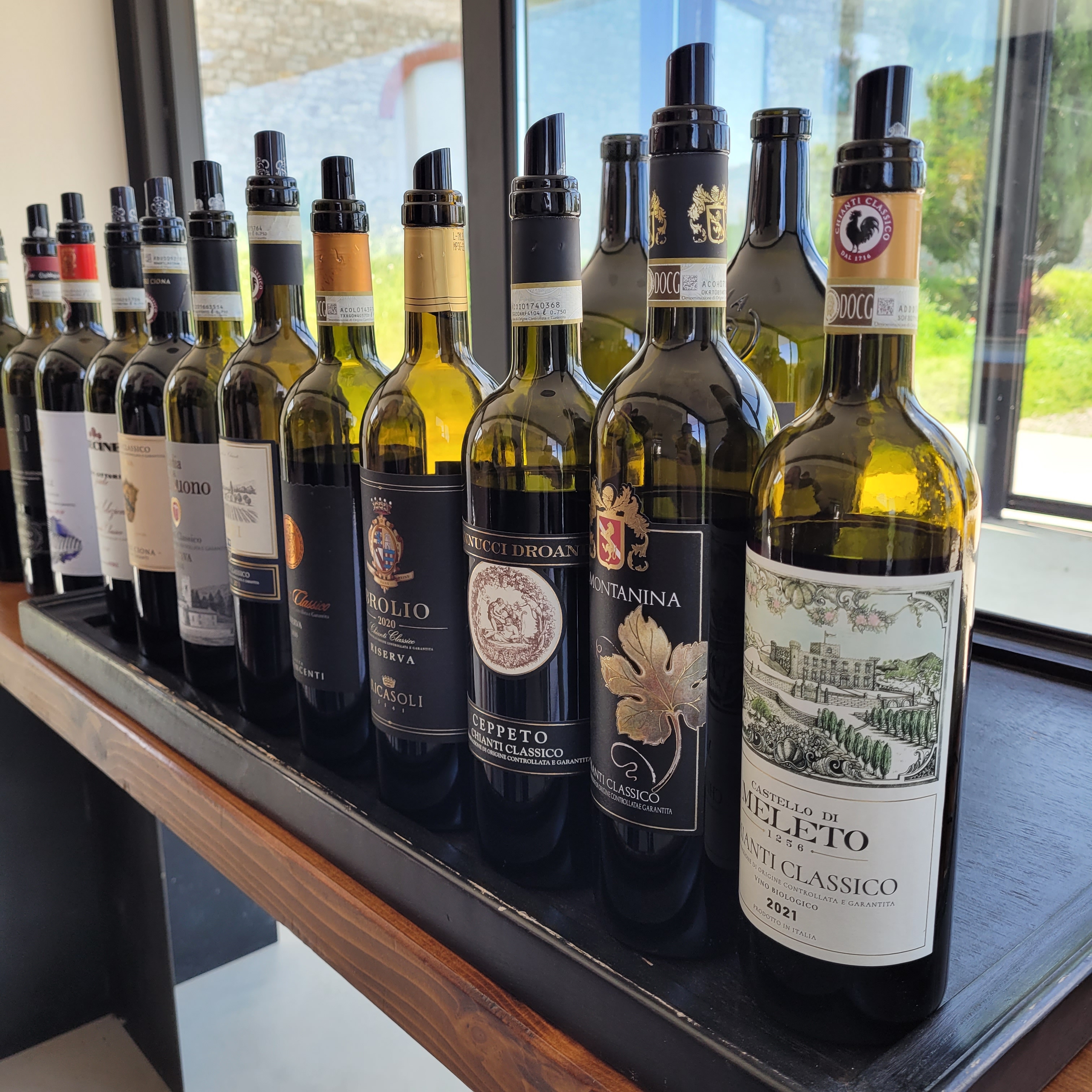
Gaiole
Castelo di Meleto Chianti Classico DOCG 2021, Gaiole
Wonderful to feel the Gaiole spice straight away on a Classico of local aromas part forest and part stone. Both are encouraging and lifting up of fruit so very fresh and alive. Crunchy sangiovese, high acid and just that much rounded by five percent merlot. Just a few months have actually encouraged this ’21 to arrive in a great place and one so accessible for immediate gratification. Last tasted May 2023 Very curious 2021 from Castello di Meleto, almost a sticky effect, like a savoury hard candy dissolving on the palate to reveal new character with each melting moment. Textural sangiovese with five percent merlot, one that works through aeration and on the palate then instigates the mind to imagine many developing possibilities. Sweet acids and tannins too, wanting to integrate but the wine is far too young to involve such foolery. Be patient, it’s sangiovese. Drink 2024-2027. Tasted February 2023
La Montanina Chianti Classico DOCG 2020, Gaiole
“It depends on where you are,” explains the President of the Gaiole association, Manuele Verdelli. That rings so true for La Montanina because elevation and forest are both integral in creating the freshness and lift in this Annata. High spirited lift, more than many, even from Gaiole. For Classico this expresses high acidity and also tannin, somewhat drying and austere yet beginning now to integrate with the Amaro-black cherry-like liqueur. Drink 2024-2027. Tasted May 2023
Manucci Droandi Chianti Classico DOCG Ceppeto 2019, Gaiole
As floral and also mature as any Gaiole sangiovese, lower in acid and conversely elevated in pH so as a result making for a more sapid wine. Lifted as well and so the acidity is more volatile than lactic, again contributing to the florals of this wine. Drink 2023-2025. Tasted May 2023
Podere Ciona Chianti Classico DOCG Proprieta Gatteschi 2019, Gaiole
Intensely floral, cherries at peak, savoury and texturally Gaiole terroir. No matter what, where or how Podere Ciona may have previously interpreted their old vineyards it is this clarity and modernity that now speaks to the future. The rise and standing up to counted is a type of pronouncement felt in palpable ways. Great wines are coming. Drink 2023-2026. Tasted October 2023

Greve
Carpineto Chianti Classico DOCG 2020, Greve
A transparent wine from Carpineto, dusty and tart cherry wth a balsamico edge. The accents come straight from the source. Last tasted May 2023
Carpineto’s Greve sangiovese is both unmistakable and akin to wines from another time, of thyme and incense, acids and innocence. You might swear this wine is wearing bell bottoms and preaching about peace and love. Love for the territory and especially the land underfoot. This smells like things that grow, of herbs and tea, resins and saps. Light and with a fluid glycerol feel. Lovely and herbal vintage for the Zaccheo team. Drink 2022-2025. Tasted March 2022
Montecalvi Chianti Classico DOCG 2020, Greve
Full perfume from Greve, lift of fruit and really exotic for the UGA. That lift is a guarantee mixing with implosive intensity and then drift. Draughty but gritty, needing time to settle. Drink 2024-2027. Last tasted May 2023
Barrel sample. Showing every minute not yet gained as a sangiovese with a few percentage points of various complimentary grapes (3) canaiolo plus (2) altri vitigni creating a push pull of saline-sapid notations. A bit swarthy and volatility needs to settle but a little bit of sulphur at bottling will do the trick. Tasted February 2023
Tenuta Di Nozzole Chianti Classico DOCG Nozzole 2020, Greve
Evergreen and garrigue as per Greve in Chianti, silken textured with glycerol fill, more tense than combative. Verdant, piquant and yet to shed its wood. Needs some time though the green savour will always be there. Drink 2024-2026. Tasted May 2023
Tenuta La Novella Chianti Classico DOCG Casa Di Colombo 2019, Greve
From 500m Località San Polo in Greve a reductive and earthy sangiovese in the dried red (bokser) pod fruit style and an almost blood orange appeal. Akin to San Donato in Poggio and so unique for Greve with an organic and biodynamic plus from a place just one hop and skip over from the Dudda Valley. This is Chianti Classico of a perfume never really nosed before. The mix of freshness and dried fruit should keep the wine in this state and allow it to age quite well. Drink 2023-2027. Tasted May 2023

Lamole
Fattoria Castello di Lamole Chianti Classico DOCG Le Stinche 2016, Lamole
A whole other matter in Lamole from Paolo Socchi, reductive and older, having needed every moment of these seven years to arrive at a place of grace but more are warranted. So evergreen, feeling like a wine picked early and macerated long. In other ways it’s quite mature but one thing’s for sure this sangiovese is unlike any other, even for Lamole. Drink 2023-2025. Tasted October 2023
I Fabbri Chianti Classico DOCG Olinto Grassie e Figlio 2021, Lamole
From the highest vineyard between 620 and 680m for a varietal sangiovese that separates itself from Olinto because that label holds 20 percent merlot, though 2021 will be the last vintage. From what Susanna Grassi calls the “crispy vintage” which translates as freshness incarnate and a crunchiness from seriously spot on pure red fruit. This is so precise and the Lamole perfume exudes out of every pore. Only sees concrete and at Annata level for Lamole that is the exact and proper thing to do. Brilliant. Drink 2023-2027. Tasted October 2023

I Fabbri Chianti Classico DOCG Terra Di Lamole 2020, Lamole
The adage must always be repeated. The perfume of Lamole is omnipresent, all-pervasive and impossible to separate from the wines themselves. How and why? The answer is difficult to articulate though it is surely a response to the Macigno soils and the climate circulating in the UGA’s amphitheatre. Stand anywhere on the ring road between Casole and Lamole village and you may just feel as though you are in a rainforest. The sandstones mixed with calcareous rock just has to mean mineral transferral onto fruit that in turn scents floral. Not in the classic bouquet of flowers sense but as an example it is Terra di Lamole by Susanna Grassi that makes all this happen. Behold a sangiovese born in the shadow of the Monti del Chianti that shines in its own special way. Terra di Lamome – the land of the UGA, definite, elegant and full of grace. Drink 2024-2030. Tasted May 2023
Il Campino di Lamole Chianti Classico DOCG Testardo 2020, Lamole
Frankincense, myrrh and clove? Smells like a church and feels like an R.E.M. song. From the newest project in Lamole and the aromatics are wild, the wine swarthy and something else altogether. Clove and incense, quinine-based Byrrh liqueur and so much coming from wood. Liquid chalky and somewhat cloying. Drink 2023-2024. Tasted October 2023
Il Campino di Lamole Chianti Classico DOCG Testardo 2019, Lamole
Newest game in town, the neophyte producer making wine from high elevation in Lamole. Similar of expression to 2020 but with more elasticity and elegance. All those elements noted in the 2020 are hereless exaggerated; frankincense, clove, an old house, pine and cedar, amaro herbals and a cloying texture on the palate. But the stretchiness is a bit more stealth this time around. Tannins are finer as well. Drink 2023-2025. Tasted October 2023
Jurij Fiore & Figlia Chianti Classico DOCG Sono Così 2022, Lamole
From Jurij and his daughter Sara, their Lamole vines at 580m on the west/southwest side on sabbioso limo (sandy silt) picked on the 13th of October. Perfumed to the Lamole hilt but make no mistake this is a Fiore wine, a red lightning scintillant of sharp red fruit that comes with some glycerol. The unction and refinement puts this is a rounded and getable place – a very attractive wine for lovers of nebbiolo (from Neive) and Etna Rosso from high elevation like Santo Spirito. Acids are stronger than words and tannin. Drink 2023-2027. Tasted October 2023
Jurij Fiore & Figlia Chianti Classico DOCG Porcacciamiseria 2022, Lamole
An ancient word to say “bugger off,” yet in a polite way, or perhaps “shut the front door,” or maybe “what the flowers.” From a higher point than Sono Così at 650m which is about as high as it will get in Lamole. This has more breeze and also depth with less lightning red fruit and glycerol. Some grit and more endemic rusticity, in part because other endemic varieties join the sangiovese fray. Nutty and plenty of bitter chocolate grip the finish. Drink 2024-2028. Tasted October 2023
Lamole di Lamole Chianti Classico DOCG Maggiolo 2020, Lamole
Quite a plate full of stuffing in Lamole di Lamole’s Maggiolo and so if talking turkey this is impressively concentrated and plush sangiovese from the producer that makes 50 percent of the wines out of the Lamole UGA. Luxe and silken, easy to like, no worries at all to push through what’s right, well and good from the Macigno terraces and terroir of the UGA. Drink 2023-2026. Tasted October 2023
Podere Castellinuzza Chianti Classico DOCG 2021, Lamole
Upwards elevation even for Lamole, here between 550 and 600m on two exposures, one to the east and one to the north. In this sense we are looking at the cooler meeting higher sector and so expect a different, more evergreen type of savour to exaggerate the Lamole perfume in a wholly other way. Freshness incarnate, no wood, only cement aging for 20 months and a true authenticity about the expression. Really pure, if you appreciate the way. Classic, naked Lamole Classico. Drink 2023-2025. Tasted October 2023
Podere Poggio Scalette Chianti Classico DOCG Lamole Nonloso 2020, Greve
Superlative aromatics flying out of the glass, first and foremost cinnamon with this combination of its evergreen host’s leaves and also the dried Cinnamomum cassia. Why cinnamon? Just because that’s what it is, a factor of Lamole but in a whole other and truly pinpointed way. Must be the woods nearest this vineyard and the kind of sandstone that pervades beneath its vines. Nonloso is graced by a label designed by Jurij Fiore’s daughter Sara that is so apropos for the gracious and confident expression so specific to the identified and exulted cru. Not to mention the fiery lightning red fruit that defines a Fiore sangiovese. Drink 2025-2033. Tasted May 2023
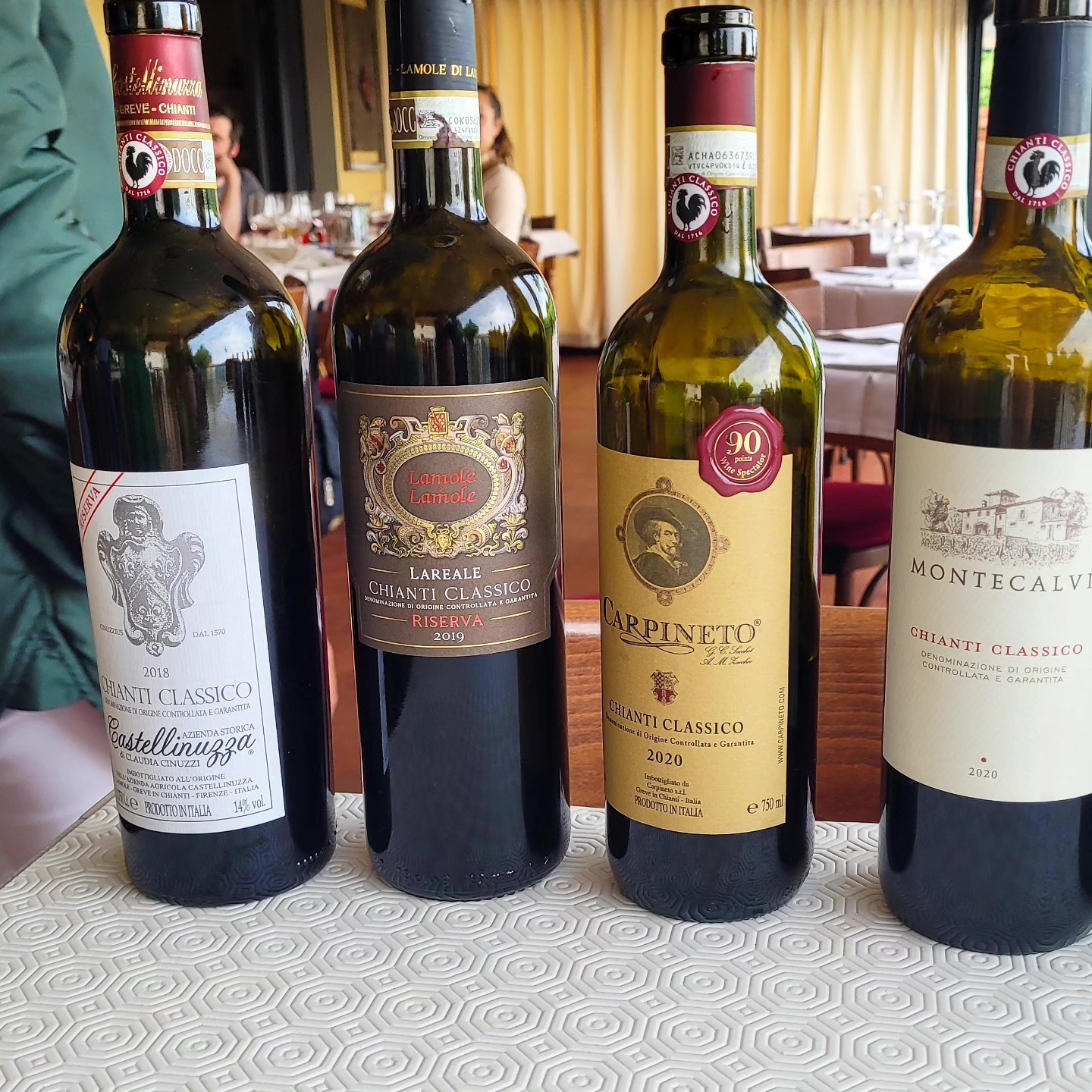
Montefioralle
Villa Calcinaia Chianti Classico DOCG 2020, Montefioralle
From the moment you sniff and sip Sebastiano Capponi’s 2020 Chianti Classico you are either reminded or perhaps introduced into his Montefioralle UGA world of ripeness and harmony. Ideal pitch and sway, tactical forces playing off one another and everything in its right place. Always a challenging vintage but the words of Capponi in the Covid summer of 2020 speak to how far he and the territory have come. “I think that winemakers in Chianti Classico now have the ability, like Roberto Conterno had in 2002 when he made Monfortino, to interpret every single vintage without distorting what nature bestows to them.” And there is no distortion out of Calcinaia’s ’20, only similarity and continuation. It breathes sangiovese and lingers with demure philosophy, long after the last taste is gone. Will drink beautifully beginning next winter. Drink 2024-2028. Tasted August 2023
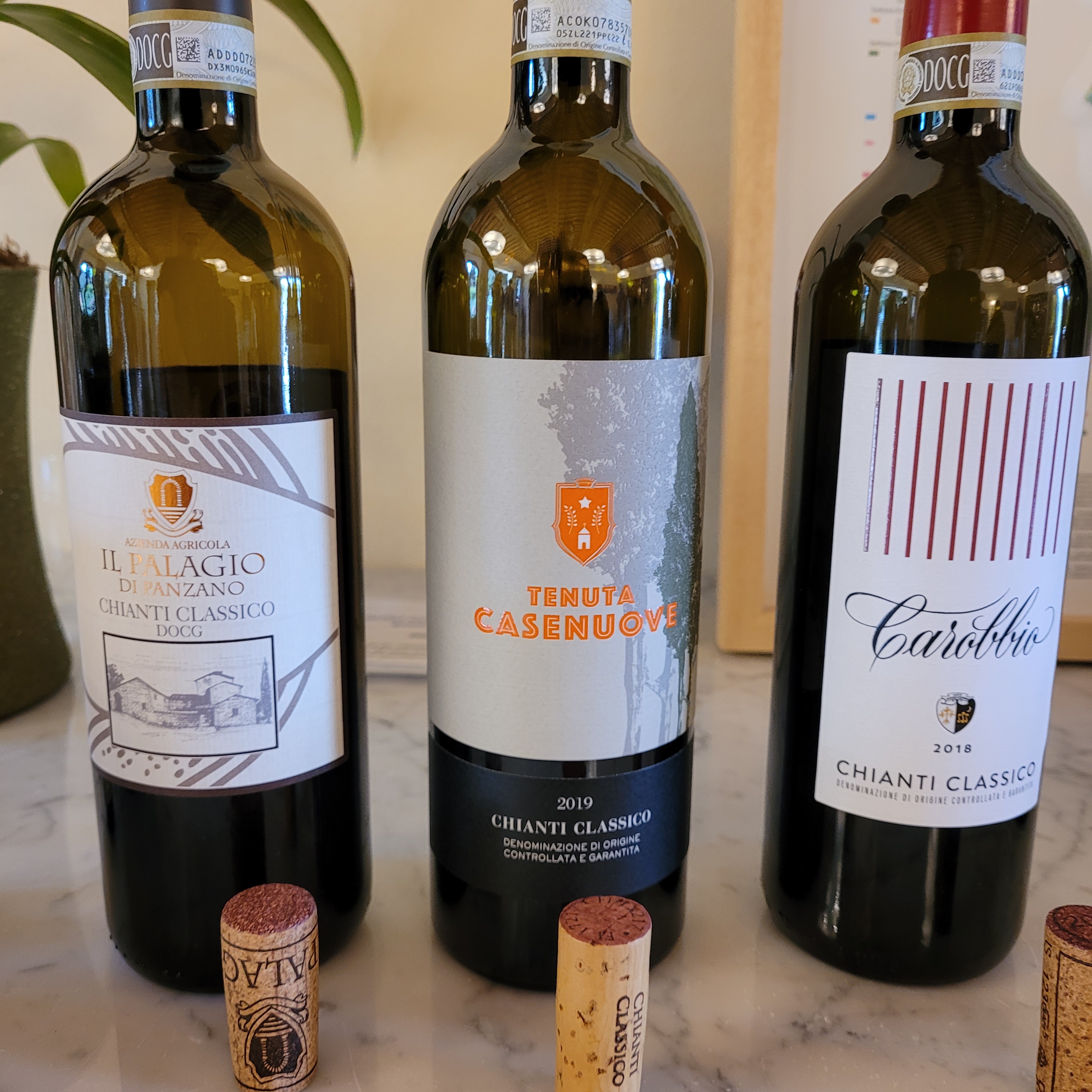
Panzano
Il Palagio Di Panzano Chianti Classico DOCG 2020, Panzano
Cool, lightly dusty and then salt-licked, intimating ethereal sangiovse from Il Palagio with a distinctly Pietraforte mixed with Galestro Panzano style. Hard to hide the terroir in 2020, not that it should ever be suppressed but there was no keeping it low this time around. Wood spice, almost of a cupboard masala and the graphite that comes from sangiovese in this part of the UGA. Last tasted May 2023
As far as 2020 and Panzano are concerned there is a great deal of concentration and substance coming three ways from Il Palagio di Panzano’s Annata. Fruit, acid and tannin, all set to high intensity, each sucked and layered upon one another. A Classico in the great sense of the word and the appellation, pure and remarkable, not a sangiovese of any stringent notes despite how much has been pulled from these grapes. Juicy, no dustiness whatsoever and liquid running in soft waves. Drink 2024-2029. Tasted February 2023
Le Fonti Di Panzano Chianti Classico DOCG 2020, Panzano
Bigger and clearly firmer vintage for Guido Vitali and Vicky Schmitt-Vitali’s Panzano sangiovese (with some merlot and cabernet sauvignon). That said there’s a glide about the aromas accented and spiced by pencil lead, fresh cut oak and balsamico. Aromatically tart fruit as well and so there is enough going on early to distract from the larger nature of this Annata. Thank goodness Vitali’s “svinatura” is slow and gentle otherwise there might be more here than our palates could handle. Instead there is wry and sly charm, do it yourself workability and in the end a fine example of 2020, Panzano and Le Fonti. Drink 2024-2028. Tasted December 2023
Tenuta Carobbio Chianti Classico DOCG 2018, Panzano
A vintage of pure sapidity for Carobbio and Panzano, namely because of the late warm vintage conditions mediated by cold nights but mainly due to humidity through mineral accumulation in Galestro soils with shards here and there of Calcari and Pietraforte. Length is Cariobbio length, seemingly never-ending, glorious and rising. Grande Dario and team, this 2018 will live as long as any Annata in the territory. Vintages from the 80s, 90s and also those early in this decade have paved the road for an Annata like 2018 to live a very long life. Last tasted May 2023
Then comes along Carobbio with a wine older than almost any other Annata in the collection and yet even from 2018 this sangiovese has yet to hit its stride. Dark fruit of baritone voice and depth puts this in unique territory and it would seem the grapes were mainly picked later, after the two day heat spike at September’s culmination. That said low nighttime temps kept the acidity and so 2018 from Carobbio should age as well as any Riserva and many Gran Selezione from the vintage. Drink 2024-2032. Tasted February 2023

Radda
Arillo in Terrabianca Chianti Classico DOCG Sacello 2021, Radda
Taken from the largest parcel up the hill to the right of the church and no wood involved. Soft and suave, the silkiest Annata imaginable and one that coats the palate with its substantial fruit. Perfume and spice are Raddese, as is acidity, of course. Last tasted May 2023 Intense sangiovese while also drying and tannic with potential to travel far and yet this is certainly not the early beauty of what came from 2020. More so a sangiovese of classicism that must have some time in the bottle before we know what will come. Great length here so there will be a future, that much is guaranteed. Drink 2025-2029. Tasted February 2023
Borgo Salcetino Chianti Classico DOCG 2020, Radda
Quite cool, minty, brushy and herbal to represent Radda in the most clear and knowable way. The level of tannin here is notable, markedly elevated for 2020 Chianti Classico and it is apparent that Radda at heights did not ripen at a level much above seven or 7.5 on the scale of these things. Quite a searing example for the season. Drink 2024-2026. Tasted February and May 2023.
Brancaia Chianti Classico DOCG 2021, Radda
Brancaia is Brancaia, 100 per cent sangiovese and only done up in concrete, accessible without any obstacles or reasons not to get at this perfect level of freshness. Uncomplicated, acids strong, tart and supportive, fruit all in. Drink 2023-2025. Tasted May 2023
Colle Bereto Chianti Classico DOCG 2020, Radda
The most exotic perfume emits from Colle Bereto’s Annata in 2020 and there are none like it. Like cinnamon and coriander, pine and cedar, the forest and the spice cupboard fully involved. A truly structured and formidable wine, especially for 2020 and needing several years to resolve. That said the purity and quality are unwavering. Drink 2024-2027. Tasted February and May 2023
Istine Chianti Classico DOCG Vigna Casanova Dell’aia 2020, Radda
One of three single vineyard Chianti Classico made by Angela Fronti (and one of two in Radda, the other being Istine) with this being the younger vineyard and a really transparent example of Radda. Fresh and up front strength, less intense than Istine without the Alberese structure and a very linear, upright and direct example. Of high acid Radda. Chalky tannins are fine-grained and needing time to integrate. Drink 2024-2029. Tasted May 2023
L’Erta di Radda Chianti Classico DOCG 2021, Radda
Extreme perfume for a Diego Finnochi Annata and fully expressive of an iron-rich clay with above ground ensual of Galestro terroir. Really full, fleshy, juicy and substantial, acids tempered by a small percentage of (10 percent) canaiolo. Notable for the sanguine note that arrives on the palate and yet waiting to be drinking this Annata is not an issue. Lovely, consequently and subsequently structured stuff. Drink 2023-2027. Tasted May 2023
Livernano Chianti Classico DOCG 2020, Radda
Uses the minimum (80 percent) sangiovese with merlot for as round as it gets as a Chianti Classico expression. Not hot or powered but dusty and lavender floral. Simple and a bit creamy. Drink 2023-2025. Tasted May 2023
Poci Chianti Classico DOCG 2020, Radda
A rare Classico with alicante bouschet (10 percent) and as a reaction there is this grenache or zinfandel response. A bit oxidative and also lactic, dried fruit and a caramel creaminess. Tasted May 2023
Podere Capaccia Chianti Classico DOCG 2020, Radda
The fineness of red fruit in layers and made to express breathes of fresh air in fine sprit by elevation in Radda sets this Podere Capaccia up for great success. Charming, graceful and yet grippy enough to stand up, defend its territory and survive for quite a stretch of time. Fine work from Alyson Morgan and team. Drink 2024-2027. Tasted February and May 2023

San Casciano
Castelli del Grevepesa Chianti Classico DOCG Clemente VII 2020, San Casciano
Open, fragrant and fleshy, a sangiovese entirety, chewy, full of liquorice and plum. Getable, straight away, no reason to wait – so pop, pour and enjoy. Very well made Chianti Classico juice of classic proportion by design. Last tasted May 2023
The San Casciano cooperative’s knowable and most recognizable bottle is this Clemente VII, who incidentally was Giulio Zanobi di Giuliano de’ Medici, head of the Catholic Church and ruler of the Papal States from November 19, 1523 until his death on September 25, 1534. The wine has not been made quite that long but it is one of the territory’s elder sangiovese statesmen and the 2020 version is a heady and fulsome one indeed. Higher in alcohol than some, concentrated to the fullest extent of the year (and Papal law if you like) with silky texture and sour acids. Classic really. Drink 2022-2024. Tasted March 2023
Castello Di Gabbiano Chianti Classico DOCG Cavaliere D’Oro 2020, San Casciano
New label alert. The knight (Il Cavaliere) still rides but the name is removed so that Castello di Gabbiano is fron and centre. A 90 percent sangiovese with (10) split between merlot, cabernet sauvignon and colorino of wild fermentation, partial carbonic maceration and aged in steel with some cask. Finishes in concrete. Freshness incarnate, spicy notes and notable balsamico. Olive and gariga. Fine acidity. Last tasted May 2023
Big production and from 2020 a sizeable wine for Gabbiano’s San Casciano Annata though do not be afraid to aerate and get at it in this calendar year. The fruit is up front even while some wood seasoning persists and assists in creating a classic sangiovese effect. Concrete helps to keep the freshness. Good linger so this 2020 will drink well for a few years to come. Drink 2023-2026. Tasted February 2023
Montesecondo Chianti Classico DOCG 2019, San Casciano
Hard to find a sangiovese from this UGA as sweetley endowed, of fruit and acidity but also savour that celebrates pace. You can recognize estate through the transparency of vintage and the future is clearly expressed in Annata like this. Very special. Last tasted October 2023
The work of Silvio Messana nearly 20 years into his San Casciano tenure, now with organic and biodynamic agriculture. Hard to find this UGA-specific sangiovese has sweetly endowed and structurally empowered as this, of fruit and acidity but also savour. Celebrates San Casciano in a most beautiful way and you can recognize place. Estate as well it seems, through a transparency of vintage and if this is the future of both then we call all look forward to many special wines. Drink 2023-2026. Tasted May 2023

Pazzi Chianti Classico DOCG 2021, San Casciano
Nicely textured sangiovese, dry in may ways, warm and dry. Tannins are a bit resinous, brittle and astringent. New young producer with promise. Tasted October 2023
Principe Corsini – Villa Le Corti Chianti Classico DOCG 2021, San Casciano
Yet another Le Corti sangiovese darkened ever so slightly by (five percent) colorino of a style pure, San Casciano driven, warming and spiced. As luxe as it gets for Mediterranean scented and fleshed Chianti Classico with thanks to a particular mezo-climate and river pebbles in the soils. Finishes at sweet flavours and balsamic reduction. Last tasted May 2023 Firm and apropos of maker and location, reddest of red San Casciano fruit developed with purpose in vineyards graced by river stones of vines in the path of beneficial marine winds. You can feel the breathability and even a shade of saltiness streaking through the red berry aromas. Crisp, crunchy and then chewy as the wine fleshes across the palate. Duccio Corsini gets better and better at making wines of clarity and profundity. Grande Principe! Drink 2025-2033. Tasted February 2023
Tenuta Orsumella Chianti Classico DOCG 2021, San Casciano
As intensely floral as it gets for San Casciano Chianti Classico, of violets and herbal blooms like lavender and rosemary so very beautiful. The UGA’s earthy-savoury underbrush is also there, mixing seamlessly with the flowers. Lovely vintage, airy, lyrical and unrestrained. Some chalkiness in the tannin so be confident this will be a four to six year Annata. Drink 2024-2027. Tasted May 2023

San Donato in Poggio
Casa Emma Chianti Classico DOCG 2021, San Donato In Poggio
The 2021s are being shown because many will indeed soon be released yet examples like this from Casa Emma are way too young and unresolved to really speak the language of its ancestry. But my what hides behind the curtain is so real, vivid to the point of acting out a passion play of psychological sangiovese thriller. An Annata with canaiolo and malvasia that twists and winds, sidles and turns through the sangiovese to aerate and intensify. All this said there are years needed to coordinate and allow Casa Emma to become the wine it wants to be. Even at Annata level. Always at Annata level. Drink 2025-2030. Tasted February and May 2023
Fattoria Le Masse Chianti Classico DOCG 2019, San Donato In Poggio
Le Masse’s 2019 is San Donato in Poggio come into its own, the window wide open and the wine is showing colours vibrant, fresh and clearly visible. A biodynamically produced wine of soul and true identity. Salty and conversely sapid, in great harmony between acids and pH, ying-yang, AC/DC, plus or minus all that needs to offer pleasure and just enough structure for aging. Last tasted May 2023 Pure and ready, amenable and readable Annata here from Le Masse’s San Donato in Poggio vines, treated with utmost respect and for all the right reasons. This is textural sangiovese and quantities are so low you should count yourself lucky to secure just a bottle or two. Grace, understatement and charm are what this feels like are the things that comprise its beauty. Tasted February 2023 “To me, one of the best years for grapes,” tells winemaker Claudio Gozzi and the wood tank used for fermentation and now aging makes this noticeably a year wiser (than 2018) and so much more suitable to making this 100 per cent sangiovese. Even without tasting you can tell there’s a refinement, a calm and a settling that 2018 does not have. Cleaner, much more precision and seamless behaviour. Perfect volatility, sweet acidity and long, fine chains of tannin. Pure and honest, exacting, readier and will be just ideal with another year or so of time. Approximately 7,500 bottles produced. Drink 2022-2028. Tasted October 2021

Isole e Olena Chianti Classico DOCG 2020, San Donato In Poggio
All the schist-bled, favourable exposure gratified and experiential positioning has conspired to raise spirits for the season from Isole e Olena’s standard bearing and load carrying Annata. Hard to find a more exacting example for the cuvée style in which a few varieties in higher percentages than the increasing norm are gathered for what a Chianti Classico can and to be frank, should be. The most sapidity is expressed by way of a Paolo de Marchi Classico and few roll off the tongue like an Isole. As good as it gets for 2020. Drink 2024-2032. Tasted February and May 2023
Montecchio Chianti Classico DOCG 2020, San Donato In Poggio
Fullest sense of ripeness from 2020 that distinct blood orange note as strong as it gets for Montecchio. The estate right at the village is always consistent of a style for which 14 months in botti grande surely elasticizes and stretches the angles and lines of this persistent wine. Bigger than some vintages and yet also linear, rising and the peak will be reached in a year or three’s time. Drink 2024-2027. Tasted May 2023
Quercia al Poggio Chianti Classico DOCG 2021, San Donato In Poggio
Purely, allegedly and unequivocally San Donato in Poggio here from Quercia al Poggio and an estate that writes the book on frazione definition. Sweetly natural red fruit from plum and citrus, tight and tart acidity but also warmth if kept fresh by breezes blown through. Another quality sangiovese from Vittorio and Paola with spicy bits and accents contributed by four supporting indigenous varieties. Drink 2024-2028. Tasted February and May 2023
Le Filigare Chianti Classico DOCG 2021, San Donato In Poggio
Le Filigare is at the highest point in San Donato in Poggio, between 450 and 500, owned by Alessandra Casete-Burcchi. Dark fruit yet salty and surely a sangiovese come about as a factor of elevation and ocean breezes. Breezy and also a briny-kelp note that gives this Annata its umami finish. Drink 2023-2026. Tasted May 2023
Torcilaqua Chianti Classico DOCG 2020, San Donato In Poggio
Darker of fruit, savoury and notable salinity. Also great freshness but that pitchy and developed fruit does work the glass as much as the minerals, elements and natural acidities. Drink 2023-2026. Tasted May 2023
Casale dello Sparviero Chianti Classico Riserva DOCG 2019, Castellina
Perfumed to the hilt, a Castellina of quite mature fruit and seriously typical Riserva profile. Chalky as part of its tannic adjustment with wood a major part, espresso and dusty chocolate just omnipresent at the finish. Drink 2024-2027. Tasted May 2023
Casina di Corina Chianti Classico Riserva DOCG 2016, Castellina
A bit cooked though clearly a stable sangiovese of clarity and charm, fruit mature and developed, advanced and in the proverbial ready zone. Still some sharp edges and formidable tannins. Needs time to settle but don’t give too much because the fruit is already moving forward. Drink 2024-2026. Tasted May 2023
Fattoria La Ripa Chianti Classico Riserva DOCG 2019, Castellina
Strawberry, not a wild one but creamy, between layers of cake and liberally spiced. Very sweet, nearly candied fruit, repeated on the palate – almost cloying. Vanilla swirled in and so the wood is omnipresent and in charge of the fruit. Very little structure to speak of. Drink 2023-2025. Tasted May 2023
Castelnuovo Berardenga
Fèlsina Berardenga Rancia Chianti Classico Riserva DOCG 2019, Castelnuovo Berardenga
Aromatically plush if less agitative and herbal than what showed 14 months prior though there is no denying the resins and bramble have yet to relent. The fruit waits, still in side the fortress but we know there is more than enough to peak for 10 years. Revisit in the spring of 2024. Nosing some vermouth today in wildly botanical and delectably aromatic style. Last tasted May 2023.
A bright, lightning red fruit and herbal oil Rancia Riserva here in ’19, working through pine and cedar, rosemary, sage and elderberry, fennel too. All the resins are here in their youth, circulating and formulating an exit strategy. At this point the fruit, sweet as it is, is wrapped up in the bramble, impossible to reach without getting bitten by the thorny tannins of this wine. Just wait, and wait some more because there is so much happening and still to come. Drink 2024-2032. Tasted March 2022
Pagliarese Chianti Classico Riserva DOCG 2019, Castelnovo Berardenga
A consistent and authentic expression for Fèlsina’s Pagliarese, here in its fifth revivalist vintage with DNA and lineage going back in time when Giulio Gambelli was in charge of making wines from this Castelnuovo Berardenga estate. Clearly more upfront fruit in 2019, still brushy and herbal savoury but the maturity strikes a raspberry-esque confiture pose. True sweetness from both nose and palate, in full bloom and toothsome activity. Not the vintage of great structure but so much is on offer from the word go. Drink 2023-2026. Tasted May 2023
Tentuta di Arceno Chianti Classico Riserva DOCG 2018, Castelnovo Berardenga
Riserva is cast in dark violet light, plenty of barrel but violet fruit perched high in the sky. The fruit waiting to explode is felt with palpable concern. Please let Riserva sit in the glass for 15-20 minutes or more. It will change, develop floral aromas and juicy flesh will also come forth. That said, wait at least another year before the fireworks are want to begin. Drink 2024-2028. Tasted May 2023
Tenute Poggio Bonelli Chianti Classico Riserva DOCG Bonelli 2018, Castelnovo Berardenga
Riserva from Bonelli is twice deep and dark (100 percent) sangiovese with quite mature fruit in early advanced stage form. All in, now and for the short term, generous of acid yet mild of welcome tannin with little to nary a moment of astringency. Clean, all about the fruit, high in alcohol. Drink 2023-2025. Tasted May 2023
Gaiole
Tenuta San Vincenti Chianti Classico Riserva DOCG 2020, Gaiole
Dusty with a cooled white charcoal aroma and then suave, open and generous on the palate. Chalky and drying tannins, wood not fully integrated and time will help soften the harder angles. Family style Riserva incarnate. Drink 2024-2026. Tasted May 2023
I Sodi Chianti Classico Riserva DOCG 2020, Gaiole
Heady and lifted aromas, spicy, intense and certainly a level of sauvage. More substance and layers of fruit than ever before. Tang in ways no other Gaiole sangiovese will show, no matter that 10 percent of softening merlot should round out the wine, especially at Riserva level. Drink 2023-2025. Tasted May 2023

Lamole
Castellinuzza di Claudia Cinuzzi Chianti Classico Riserva DOCG 2018, Lamole
A five percent mix of malvasia nera and canaiolo does wonders to stretch the salinity and change the elemental composition of sangiovese while adding exaggeration to the perfume that is Lamole. Grandi Botti (Slavonian) bring a true wood component that is like spiced resins but there is no make up to distract from the real situation. That being Lamole, of perfume and sweet savour. Nicely settled and mature by now. Drink 2023-2026. Tasted October 2023
Lamole di Lamole Chianti Classico Riserva DOCG Lareale 2019, Lamole
More reserve and less glycerin than the 2020 Maggiolo while also a sangiovese from sandy Macigno soils that stretches with increased nimbleness and elasticity. Love the 2019 acidity and the sweet bitters to give this wine some salty bites and fine complexity. Much higher caste and well made wine by comparison. Drink 2023-2027. Tasted October 2023
Podere Castellinuzza Chianti Classico Riserva DOCG 2020, Lamole
Reduction and youth, a hard candied shell of Macigno and fossilized wood that locks this great fruit in tight. Crunchy sangiovese, the epitome of croccante and a wine that speaks a true Riserva vernacular that is all about the cooler, minty and Amari reaches of Lamole. This has so much upside and positive structure to live a good long life. Great work from Paolo and Serena Coccia with oenologist Marco Chellini. Drink 2024-2028. Tasted October 2023
Panzano
Casaloste Chianti Classico Riserva DOCG 2018, Panzano
From primarily clay soils (with outcropping of Galestro) and made with with the unique technique of stacking sangiovese on the (five percent) of fermented merlot grapes. Suggestive of “appassimento” by way of a practice that began in 2000 and explains so much about the Casaloste wines tasted over the last seven years. Brings some dried and leathery fruit notes to mix with already fully ripened 2018 phenolics and yet just enough freshness is preserved. Exaggerates and accentuates just about every aspect, including what we think of as Chianti Classico Riserva. Drink 2023-2026. Tasted May 2023

Radda
Castello di Albola Chianti Classico Riserva DOCG 2020, Radda
Impressive perfume from Albola Riserva, candied rose and sweet, gently caramelized fennel. A bit boozy on the nose with the feeling of cherry or Amara as liqueur. High glycerol content, plum fleshy and spicy. Acid structure is bigger than the tannin and so in the end this is very much Radda as Riserva. Drink 2024-2027. Tasted May 2023
Fattorie Melini Chianti Classico Riserva DOCG 2018, Radda
A bit reductive and fruit with serious traction, dark and of a paint can meets tomato paste character. Savoury though not entirely clean, with boozy aromas. Not spicy but a bit of nail polish or vinyl shower curtain. Oak is a major factor. Drink 2023-2025. Tasted May 2023
Poggerino Chianti Classico Riserva DOCG Bugialla 2020, Radda
There is no riper fruit bomb character than Piero Lanza’s Riserva and the vineyard is the reason, or a certain portion thereof that delivers this amount of luxe flesh for Riserva. Generous in every respect and the wine must have wood and also tannin to balance out what happens when full ripeness is achieved. Clean, balanced, good acidity and ultimately a sangiovese offering great appeal. Look away from California cabernet and Aussie shiraz for a date with Bugialla. Drink 2024-2028. Tasted May 2023
Val Delle Corti Chianti Classico DOCG 2019, Radda
It must always be reminded that Radda’s elevation and only that UGA’s acidity so instructionally Raddese are still the greatest determining factors for a Val delle Corti Classico. The operative just iterated is exactly that and while some might see vintages like ’18 and the coming ’20 as being the classics – well think again because this 2019 could not be more like the Chianti Classico of yore. Cleaner, purer and better made of course, but blasted if this Roberto Bianchi sangiovese does not take you back and intimate the best aspects of the past. For lovers of cool, salt-licked, sweetly savoury and ethereal Chianti Classico made in the past by the mamas, babbos, nonnas and nonnos of so many families. Coupled with today’s abilities Piemontazino effects and a trust in your own very special nook of the territory. The connection between Val delle Corti and 2019 forged, bonded and unbreakable. Drink 2024-2029. Tasted February 2023

San Casciano
Castello di Gabbiano Chianti Classico Riserva DOCG 2019, San Casciano
Fulsome and also dusty vintage for the Gabbiano Riserva, deeper than so many, including previous iterations of itself. Mainly sangiovese with flavours and baritone notes that linger long after the wine’s song is sung. Goes on and on and on. Last tasted May 2023 High glycerol, as per the vintage no doubt and a bleed from chalky Galestro with a nod to Pietraforte for Riserva of suave style and chic demeanour. The professionalism and faux fructose-pectin texture is like pure berry cream, without lactic or milky feels. Modern and so stylish. Drink 2023-2026. Tasted February 2023
Coli – Fattoria Montagnana Chianti Classico Riserva DOCG 2019, San Casciano
Juiced exuberance of aromas, for sure namely blood orange and a low rumble of acidity with classic San Casciano verdant savour. Earthiness, plums and bokser pod, liquorice and openly accessible. Pop and pour. Drink 2023-2026. Tasted May 2023
La Sala del Torriano Chianti Classico Riserva DOCG La Sala 2018, San Casciano
Brighter, high-toned, elevated acidity, vibrant and pulsating sangiovese from La Sala, no matter the hot vintage that was 2018. Crunch and crispness, fresh and ready to go. The trend in recent San Casciano wines is early accessibility, as here, on repeat. Drink 2023-2026. Tasted May 2023

San Donato in Poggio
Casa Sola Chianti Classico Riserva DOCG 2019, San Donato In Poggio
Sweetly herbal, Amaro aromatics, botanical and quite wood sappy. Soy and just shy of mushroom-tartufo character. Secondary stage is imminent. With 10 percent merlot. Tasted May 2023
Cinciano Chianti Classico Riserva DOCG 2020, San Donato In Poggio
Somewhere between six and seven thousand bottles are produced of this 100 percent sangiovese, from several vineyards and so the cuvée is indeed a selection. Definite spice cupboard of aromatics, coriander and ground red pepper, red fruit powder and then more attention paid because the wood is strong early on. Will be needing some time to liquify the chalkiness and emulsify into the textural fabric of the wine. Drink 2024-2027. Tasted May 2023
Il Poggiolino Chianti Classico La Riserva DOCG 2020, San Donato In Poggio
Really unique for Classico and also San Donato aromatics, somewhat herbaceous, lifted and floral. Definitely salty while well-seasoned, namely with white pepper and a curious note of mirto. Quite a swath of unresolved wood and very much a thickened texture. As Riserva and especially San Donato goes this will need and benefit from time in bottle. Drink 2024-2028. Tasted May 2023

Vagliagli
Bindi Sergardi Chianti Classico Riserva DOCG Calidonia 2019, Vagliagli
Calidonia, Calidnoia, my what a beautiful wine you have become, with three-plus years got behind your acids are softening and tannins fleshing, above and beyond their original anhydrous moments. Calidonia from the Casini/Bindi-Sergardi clan is purely Vagliagli and a 100 per cent sangiovese expressive of vineyards where Galestro and Alberese each impact upon vines. This is Riserva my dear readers. This is Riserva, from Vagliagli’s Craigie Dhu, a.k.a. Mocenni. “Oh, but let me tell you that I love you. That I think about you all the time, (Caledonia) you’re calling me and now I’m going home.” Drink 2023-2033. Tasted February and May 2023
Fattoria della Aiola Chianti Classico Riserva DOCG Fortezza della Aiola 2019, Vagliagli
Aromatically particular, herbaceous with a mix of rosemary and cedar inclusive of essential oils acting resinous in. Mimic of really woody parts of bushes and trees. Pickling seasoning, finnochiona sausage, twiggy and an exceptionality of liquorice flavours. Very much sangiovese, concentrated and just a Riserva that scents of the land in great hyperbole. Drink 2024-2027. Tasted May 2023
Vallepicciola Chianti Classico Riserva DOCG 2019, Vagliagli
Concentrated aromas, compact sangiovese and floral if in a brushy, herbal Mediterranean way. Like Rosemary and Ginestra in early May bloom, magic acid strength and truly juicy varietal palate. Riserva holds great restrained power and exudes energy for the vintage. Wood is obvious and integrated. A true Galestro expression, suave and structured enough to maintain freshness to evolve slowly over a five to seven year period of time. Drink 2024-2029. Tasted May 2023
Vallepicciola Chianti Classico Riserva DOCG 2018, Vagliagli
No real surprise to find great and substantial fruit out of a warm, inviting and developing 2018 with more than ample grounding. A sangiovese well constructed of wood couverture and fruit coming into confiture. Showing some maturity yet systematically satisfying with a spicy finish. Drink 2023-2026. Tasted May 2023

Chianti Classico Gran Selezione DOCG
Castellina
Bibbiano Chianti Classico Gran Selezione DOCG Vigna Del Montornello 2019, Castellina
The sangiovese side of the tracks (as opposed to the Grosso for Cappanino) and a beautiful little amount of proper reduction imitates and reels in for what’s to come. As rich as 2019 needs to be yet Montornello crosses neither the macerated or extracted line to mesh with sweet acids and come out with all parts balanced and intact. Top quality 2019 for Castellina and one to age somewhere between the mid and long term. Drink 2025-2032. Tasted October 2023
Bibbiano Chianti Classico Gran Selezione DOCG Vigna Del Capannino 2019, Castellina
The sangiovese grosso planted side of Bibbiano’s vineyard is not exactly the opposite of Montornello but the results are certainly another matter. More power, grip and firm shake of tannin after an aromatic front that rolls through like a threatening storm. The acids too are more in charge so in tandem there is a whole whack of structure in this very mineral expression of Castellina sangiovese. Must be the Alberese. Drink 2025-2034. Tasted October 2023
Casale Dello Sparviero Chianti Classico Gran Selezione DOCG Paronza 2018, Castellina
Well traveled, maturing and warm Gran Selezione from Castellina’s Casale dello Sparviero, of high aromatic intensity to match stride for stride a sangiovese poised at the ready. Herbal for Castellina though neither brushy dry or brassy, but instead a juicy bleed of fruit and flora. Solid GS through and through, equivocating and evocative of the UGA. Last tasted October 2023 Paronza is a buoyant and almost weightless, gravity defying Gran Selezione, easy of mind, body and alcohol. Aromatically reticent and a wine so young you really have to play, swirl and agitate to get any kind of emotive response. Perfume, red fruit and fresh sanguinity do emerge, followed by a sappy, almost syrupy texture dominated by liquid Galestro-willed tannins. Very Castellina, wholly vintage related and will drink well beginning two years or so from now. Drink 2024-2028 . Tasted February 2022
Castello Di Fonterutoli Chianti Classico Gran Selezione DOCG 2020, Castellina
Castello di Fonterutoli’s 2020 is Gran Selezione like looking in the Castellina mirror because the purity of red, red, red fruit is the crux and at the core of what this wine wants to say. Hyper indicative of the vintage, clear and transparent, never too weighty or adamant and Fonterutoli puts everything in its rightful place. Drink 2024-2027. Tasted February and October 2023
Castello La Leccia Chianti Classico Gran Selezione DOCG Bruciagna 2020, Castellina
Here a Castellina Gran Selezione called Bruciagna, pure sangiovese sleek and hot-blooded. A 2020 of agility, speed, and spirit, well designed, fruit at the height of its powers and a sprinter as opposed to a long track runner. Structure is more power than endurance so drink in the near term for the win, place and show. Drink 2023-2026. Tasted October 2023
Fattoria La Ripa Chianti Classico Gran Selezione DOCG 2017, Castellina
Well aged Gran Selezione and a good thing to tame what rusticity and woody savour would have been most in charge just a year or so ago. Varied in expression, of fruit ripeness and also slightly unripe stems but also the brush of hillsides and dried herbs. Quite rustic for Castellina though with the aforementioned age the spice and chalk have settled to make for some old school charm. Drink 2023-2025. Tasted October 2023
Lornano Gran Selezione Chianti Classico DOCG 2017, Castellina
The last Lornano Gran Selezione tasted was 2012, absence makes the heart grow fonder and five vintages later expectations run high. Their’s are the most austere in youth, especially for Castellina because the bright red fruit of the UGA does not always ring the bells of structural alarm. But Lornano’s position and high Alberese content make them immovable when young and so three extra years is warranted for seeing them open up to the world. As with this 2017 which has indeed done so and yet maturity still seems far away. Great and luxe, juicy and even fresh fruit considering the vintage and so Bravo to the team for coaxing this kind of elegance. Drink 2023-2030. Tasted October 2023
Villa Trasqua Gran Selezione Chianti Classico DOCG Nerento 2017, Castellina
Nerento offers up that super important and at times rare mix of maturity and results based on time having been the necessity to allow for an approach to drinking this Gran Selezione at this stage. The wood would have been obtrusive and on top just six months before and this timing is fortuitous to say the least. Some raisin and fig with high quality acid and a balsamic sweetness woven through the tannin. Not an extreme vintage as might be expected but surely a high-toned one. Drink 2023-2026. Tasted October 2023
Castelnuovo Berardenga
Carpineta Fontalpino Chianti Classico Gran Selezione DOCG Montaperto 2018, Castelnuovo Berardenga
Tenuta Di Arceno Chianti Classico Gran Selezione DOCG Strada Al Sasso 2018, Castelnuovo Berardenga
Fourth vintage of Strada al Sasso, all from warm ones (aren’t they all) but ’17 and ’18 were seriously warm, especially in Castelnuovo Berardenga. Fruit is fully and I mean fully developed with powerful to nearly formidable tannins in surround. Such a mouthful, hard to handle but time with sooth, quell and solve many issues. Last tasted May 2023 Tenuta di Arceno may be Castelnuovo and Siena is the closest city in the province but it exists as a world of its own, despite being referred to as “the most Senese Chianti Classico.” Strada al Sasso wholly and expectedly represents the remarkable diversity of soils including clay, sandstone, basalt and hard schist. They range from sediment-based near the riverbanks to extremely rocky in the higher elevations. Here drives but also drifts a deeply resonant and yet carefree Gran Selezione, if it may be said almost as if like Napa mountain fruit stylistically speaking. Where depth and air collide, from roots digging deep into the strata and fruit coming up for air. All parts walk the road. Drink 2023-2027. Tasted February 2022
Quicker to fruition and though the driest of vintages there is an approachability from 2017 without aggressive tannins that will allow for immediate gratification. Some jam, almost impossible too avoid considering the desiccation of the grapes and so tomato confit and raspberry confiture are the two-toned notes. An herbal Amaro finish. Drink 2023-2025. Tasted May 2023
Tenuta Canonica A Cerreto Chianti Classico Gran Selezione DOCG La Canonica Lady Anna 2019, Castelnuovo Berardenga
Quite the floral sangiovese Gran Selezione but there is no avoiding the landscape, fully expressed in herbaceous and dusty Mediterranean ways. Also balsamic this time around, serving to hyperbolize the style. Fruit is more than ample and swelling with blood orange like acidity and a scrape of citrus zest. Good energy here. Drink 2024-2028. Tasted May 2023
Villa a Sesta Chianti Classico Gran Selezione DOCG Sorleone 2018, Castelnuovo Berardenga
Needing time but given that, there is indeed an explosion of fruit flavours in Villa a Sesta’s Sorleone. Simpler as an expression for Gran Selezione perhaps and readier than most this early. Rich as it gets, of a dusty and warm location and also climate exaggerated by vintage. Thick glass of black raspberry confiture. Drink 2024-2026. Tasted May 2023
Gaiole
Barone Ricasoli Castello Di Brolio Chianti Classico Gran Selezione DOCG 2020, Gaiole
Exuberance and scintillant matter exude from Brolio’s energetic 2020 Gran Selezione which is truly a selection in the form of a “Villages” example taken from 270-pus hectares and at least five different terroirs. A layered and variegate mix of sand, clay and limestone, a lacustrine set of complexities lending all that is needed to create such a well-rounded example of Gran Selezione. Defines Gaiole and Ricasoli, discovers the vintage and delivers the goods. Drink 2024-2027. Tasted October 2023
Barone Ricasoli Chianti Classico Gran Selezione DOCG Colledilà 2020, Gaiole
Colledilà, likely “lost” from the Welsh and yet this first Gran Selezione labeled with its Gaiole UGA will leave us all anything but. Like a an old and beautiful Welsh folk song about a love lost this is the sort of sangiovese that may just make you wistful and weepy. That is because Ricasoli has discovered what makes these grapes round out into a most ideal example of Gran Selezione. This is a soulful and spiritual hymn to Chianti Classic and specifically Gaiole, living, breathing and singing. There is charm, elegance and beauty here, not to mention to kind of structure built upon epochs of geology to see this linger well into the next and further decades. Drink 2025-2040. Tasted October 2023
Castello di Cacchiano Chianti Classico Gran Selezione DOCG Millenio 2015, Gaiole
Maturing quickly now from a sangiovese with dried leathery fruit, now into truffle plus soy. Tannins are still a touch drying so air is needed but the wine needs to be consumed in the very near term. Drink 2023-2025. Tasted May 2023
Castello di Meleto Gran Selezione DOCG 2019, Gaiole
Just terrific and suave sangiovese, another grand step forward for Castello di Meleto, fully formed with rich and concentrated, though never complicated fruit. Acids are sweet, supportive and glide across the palate to where even finer and sweeter tannins awaits. A delight in Gran Selezione and from a set of wines also occupied by the Meleto crü, by this “Villages” example from Gaiole is ready to go. Drink 2023-2027. Tasted October 2023
Castello di Meleto Gran Selezione DOCG Poggiarso 2019, Gaiole
Vigna Poggiarso is a another tour de force in the new Meleto stable of cru and Gran Selezione wines, fine and pulsing with Gaiole savour. Perhaps the warmest, richest and most developed aromatic presence of the four and something that presents itself with great perfume. The palate neither disappoints nor takes a break from getting this single vineyard sangiovese of expressive personality to the finish line. That will happen in a few years time because all structural parts are locked in a tight embrace. Drink 2025-2034. Tasted October 2023
Castello Di Meleto Chianti Classico Gran Selezione DOCG Vigna Trebbio 2019, Gaiole
As a cru example it is this Vigna Trebbio that defines a new focused era for Castello di Meleto Gran Selezione but also their wines as a whole. More richness and luxe comport fantasy than that of the Villages example with spice and a chalky-stony sensation that pervades throughout the length of the wine. Really spicy and complex finish with lots of tannin. Drink 2025-2032. Tasted October 2023
Castello di Meleto Gran Selezione DOCG Vigna Casi 2019, Gaiole
Vigna Casi is apposite to Trebbio, sweeter of fruit and with more grace in the relative context of Gran Selezione. Still plenty of spice cupboard and complexities brought out and urged on by great vintage acidity and yet no matter the cru there is 2019 and Gaiole all over these wines. Sweet savour, the freshness of the air, aided and abetted by the woods and in the end, elegance and refinement. Casi is a more precise wine. Drink 2025-2032. Tasted October 2023
Riecine Chianti Classico Gran Selezione DOCG Vigna Gittori 2020, Gaiole
Yet juicy, not finally because it always was for a crispy vintage of Riecine’s top drop. What truly matters now is the incredible length to tell us that the wine is in a great position and the possibilities will travel long. Last tasted October 2023
Wholly singular Gran Selezione aromatic set, a smoulder not noted in any other sangiovese, certainly not at this level. That said the red citrus of Riecine can’t be missed, that plus tar and roses notes so reminiscent of some nebbiolo. This would be a great ringer to throw into a mixed sangiovese and nebbiolo blind tasting with tasters struggling to decide which were which. Great length from Riecine and without a doubt a wine for cellaring. Drink 2025-2033. Tasted May 2023
Il Colombaio Di Cencio Chianti Classico Gran Selezione DOCG 2020, Gaiole
Gotta be Gaiole, aromatically lifted, herbal and filled with potpourri. Only Gaiole delivers this combination of fresh lift and dried fruit notes, not leathery but skin scraped ones. Unique for Classico Gran Selezione yet typical for Gaiole and that is not always so easy to do. A bit of extra wood compacts the finish yet time will do well to guarantee integration. Drink 2024-2029. Tasted May 2023
Podere Il Palazzino Chianti Classico Gran Selezione DOCG Argenina 2019, Gaiole
Slightly reductive, not in a peppery or rubbery way but earthy. Sauvage and swarthiness here from Argenina, a term that makes reference to being of silver or silver coloured, as in the Latin “argentum.” The hue is so very 2019 and with Gaiole (and more specifically Monti in Chianti) as its origin there is a true breath of fresh air that serves as the silver lining to this Gran Selezione’s grippy character. Very well made, seductive and lengthy. That and the chalky tannins indicate a long life lays ahead. Drink 2025-2033. Tasted October 2023
Podere Il Palazzino Chianti Classico Gran Selezione DOCG Grosso Sanese 2016, Gaiole
Truly dark fruit for Gaiole, say blackberry if you will, violets on the nose and a streak of red fruit running through. Power and restraint, lift and elasticity, dovetailing with the tannin, dangerous yet fine. Walks the edge and in the end the vintage has been respected, celebrated and ultimately refined. Drink 2023-2025. Tasted May 2023
Rocca Di Castagnoli Stielle Chianti Classico Gran Selezione DOCG 2018, Gaiole
Has been but a mere five months since first tasting the 2018. Still and truth be told not much has changed save for an elective addition of juiciness to confirm the delicacy and potential of this fine wine. A real winner for 2018 Gran Selezione that will reveal great complexities over the coming years. Last tasted October 2023 Classic in very respect, for a warm vintage, of Gaiole savour and red fruit lift. Tart and spicy, clearly structured for long life and slow evolution ahead. Drink 2025-2033. Tasted May 2023
Rocca Di Montegrossi Chianti Classico Gran Selezione DOCG Vigneto San Marcellino 2018, Gaiole
There is ten percent pugnitello with the sangiovese, already meeting the new requirements of the Gran Selezione. From the 2020 vintage San Marcellino will say Gaiole on the label. Aging is 25 months in barriques, tonneaux and botti, 25 per cent new oak overall. Almost three years in bottle at this stage. Finest of San Marcellino tannins are coming about ever so slowly, surely to mature over a 15 year period. Tells Marco Ricasoli, “elegance does not mean weakness. The power does not affect your mouth.” Posit tug between salinity and sapidity. Last tasted October 2023
So fresh, young and structured but my if there is another Gaiole Selezione with as much stuffing as San Marcellino it would be beneficial to hear about it. Thirty-plus year potential. Truthfully. Tasted May 2023 The next San Marcellino Gran Selezione is a big one, strong willed and big-boned, laced with trace schisty-marl-Galestro elements and minerals from a vineyard capable of structuring wines like no other. This is Monti in Chianti, of all the red, blue and black fruits, coming away violet purple and speaking about a season. A warm one, all the way through to October and the phenolic ripeness here is off the proverbial charts. Wow. Drink 2025-2037. Tasted February 2023
Greve
Castello Di Verrazzano Chianti Classico Gran Selezione DOCG Sassello 2017, Greve
Sassello comes from the vineyard on the hill behind the Borgo at the highest elevation and while ripeness development will be slower there can be no doubt that 2017 was better here than most warmer and lower locations in Chianti Classico. The Sassello of this vintage is still stuck in first stage youth, quiet, dense and volumetric. The wine has moved but barely an inch, it speaks in fulsome texture and while yet to flesh out there is a roundness that will see it drink so well for years to come. The best of which will be two looking ahead and ten after that. Drink 2025-2035. Tasted February, May and October 2023
Lanciola Le Masse Di Greve Chianti Classico Gran Selezione DOCG 2017, Greve
Greve Quite the savoury and dusty Greve number here in Gran Selezione clothing with 2017 as the dry backdrop and that just can’t be ignored. Showing well if with parochial character to examine the rustic and local way of sangiovese. Some of this fruit is drying and desiccated, as are the tannins. Drink up. Tasted October 2023
Tenuta Di Nozzole Chianti Classico Gran Selezione DOCG 2018, Greve
A Folonari property in the Greve UGA, western side on route to San Casciano, lower lying relatively speaking. By now mature and ready to roll with plenty of dry brushy elements, especially on the aromatics. Like fennel and sage, wild thyme and mirto. All about red fruit in classic sangiovese cherry with some softening from what usually comes by way of merlot though the sapidity could very well be imagined as canaiolo. No, just 100 percent sangiovese, tart as Gran Selezione, balanced and proper. Drink 2023-2026. Tasted October 2023
Toraccia Di Presura Chianti Classico Gran Selezione DOCG 2019, Greve
Once aging the glycerine texture and concentration, satiny as a Gran Selezione with lots of wood up front. Captures the generosity and richness of the vintage with more style points than the previous 2018. The wood is also judged with finer acumen so that the maturity here will occur earlier and also linger longer, overall with pace as a slow release experience. Drink 2024-2030. Tasted October 2023
Toraccia Di Presura Chianti Classico Gran Selezione DOCG 2018, Greve
Glycerol all the way, silky and concentrated while also a Gran Selezione with lots of wood on top. Relatively warm and developed example as far as 2018 is concerned and likely picked early, well ahead of the hot final days of September. The alcohol is lower than those that waited until October which also explains the particular Greve location. Just too much wood that needs resolution without having to wait years for that to happen. Drink 2025-2028. Tasted October 2023

Vicchiomaggio Chianti Classico Gran Selezione DOCG La Prima 2020, Greve
La Prima is as it states, the first Gran Selezione and the larger of the two in terms of production for Vicchiomaggio. Richness and somewhat middle of the road structure but all falls into place without much obstruction. Stony and grippy, liquid chalky and quite fine all around, while also softened by 10 percent merlot. Not as complex as Le Bolle to be sure but a fine representative of Matta’s Greve nonetheless. Drink 2023-2027. Tasted October 2023
Vicchiomaggio Chianti Classico Gran Selezione DOCG Le Bolle 2020, Greve
Sister Gran Selezione to La Prima, certainly not La Seconda but rather “Le Bolle,” literally the “bubbles.” Happens to be the name of the top parcel at Vicchiomaggio and a Gran Selezione that captures every ounce of fruit and moment of truth for the vintage. And yet at 13.5 percent alcohol it’s a bit of a throwback, a light and bright star for the appellation at the near minimum as far as discipline and rules are concerned. This is about as elegant and graceful as it gets for the appellation so that great food can be paired alongside for years to come. If I were designing a pairing menu today this would rise to the top of the list. Drink 2024-2030. Tasted October 2023
Vignamaggio Chianti Classico Gran Selezione DOCG Monna Lisa 2017, Greve
Well aged Gran Selezione as far as the category is concerned and ready to fly. Hot and dry season, middle of the road fruit, acidity well adjusted with and tannins readying for their final push. Solid if unexciting example and well-fitting or befitting the Greve oeuvre. Drink 2023-2025. Tasted October 2023
Lamole
Castelli Del Grevepesa Chianti Classico Gran Selezione DOCG 2019, Lamole
Castellinuzza e Piuca Chianti Classico Gran Selezione DOCG Vigna Piuca 2019, Lamole
Three types of vessels used, 10 months in cement, botti and steel, followed by ample (minimum) 14 further months in bottle to walk this Lamole path paved with herbs. They are all here; rosemary, curry leaf, fennel and marjoram, a veritable garden of greens and Amaro bitters. Complex and rustic, not too woody but there is some forest and stem feelings gained from this Gran Selezione. Drink 2024-2026. Tasted October 2023

I Fabbri Chianti Classico Gran Selezione DOCG 2019, Lamole
From the oldest vines, including those planted back in 1965 and aged for two years in large cask, a.k.a. grandi botti. The old vines show what can be done from lowest of yields, highest of concentration and by way of a contract that seeks and attains the necessity of elegance. Everything about Susanna Grassi’s Gran Selezione speaks to the Lamole UGA, in sweetly herbal and savoury perfume, a floral note connected to the botany and grace under the pressure of structure so well defined. Drink 2025-2034. Tasted October 2023
Le Masse di Lamole Chianti Classico Gran Selezione DOCG 2016, Lamole
There are some issues in Le Masse’s Gran Selezione 2016, namely a composite and cabbage note but also maturity well beyond where it should be. Tasted blind it could be guessed early 2000s due to the caramel and soy. From a usually consistent producer and soy the two bottles tasted may well likely be to fault. Tasted October 2023

Montefioralle
Conte Capponi/Villa Calcinaia Chianti Classico Gran Selezione DOCG Vigna Bastignano 2019, Montefioralle
Bastignano is beginning to show some of its charm and also beauty just eight months later but that iron fist in velvet glove feeling simply can’t be ignored. There is concentration in every respect, in balance and when all parts takes a few more breathes – well then all will be revealed, if slowly, over a ten year period of time. Last tasted October 2023
More than promising vintage for this single vineyard Gran Selezione from Sebastiano Capponi and that is the operative word because Vigna Bastignano is beholden to time. From 2019 the one that suffices is such a structured sangiovese with broad shoulders with most substantial Montefioralle fruit to go the distance. More than suffices. Basti dire che. Drink 2025-2033. Tasted February 2023
Conti Capponi/Villa Calcinaia Chianti Classico Gran Selezione DOCG Vigna Contessa Luisa 2019, Montefioralle
So challenging to pinpoint which of the three Capponi Gran Selezione will be the first to relent and open to their drinking window. Tempted to say Vigna Contessa Luisa because the fruit from 2019 is arguably the fleshiest and most openly aromatic. A gregarious and generous sangiovese she is, sweetly floral, like candied roses and the swirl of equally treacly mineral makes this wine so bloody seductive. There are some angles and also tension in the structural parts so beware of tannins drying at the finish, meaning wait two years to see this showing on reliant point. Drink 2025-2035. Tasted October 2023
Villa Calcinaia Chianti Classico DOCG 2020, Montefioralle
From the moment you sniff and sip Sebastiano Capponi’s 2020 Chianti Classico you are either reminded or perhaps introduced into his Montefioralle UGA world of ripeness and harmony. Ideal pitch and sway, tactical forces playing off one another and everything in its right place. Always a challenging vintage but the words of Capponi in the Covid summer of 2020 speak to how far he and the territory have come. “I think that winemakers in Chianti Classico now have the ability, like Roberto Conterno had in 2002 when he made Monfortino, to interpret every single vintage without distorting what nature bestows to them.” And there is no distortion out of Calcinaia’s ’20, only similarity and continuation. It breathes sangiovese and lingers with demure philosophy, long after the last taste is gone. Will drink beautifully beginning next winter. Drink 2024-2028. Tasted August 2023
Conti Capponi/Villa Calcinaia Chianti Classico Gran Selezione DOCG La Fornace 2019, Montefioralle
The furnace continues to smoulder, long after the fire has gone out and the vintage has been safely tucked away in bottle. There are so many 2019 layers yet to peel aside and to see what measured moments in fruit meeting structure this Gran Selezione will deliver. Two years minimum before the walls begin to soften. Last tasted October 2023
Incredibly youthful for a Gran Selezione and “the furnace” will surely always ensure to wrap a sangiovese tight, keep it from gregariously expressing itself when this young. The tannins are lined up in a long and unbreakable chain, the fruit set in a well below, textural juice not yet scooped and heaped upon the palate. This structure like karst from bedrock plus acids in skein formation hold flesh not yet put meat on these bones. These parts are all there above sangiovese lying patiently and resting in waiting. La Fornace is recited in refrain after verse after refrain with so many stanzas to come, chanted in canto over time and across decades ahead. Drink 2026-2037. Tasted February 2023
Terreno Chianti Classico Gran Selezione DOCG Sillano 2019, Montefioralle
One of two Gran Selezione and harvested almost a week later on October 10th, referring to the place and little church near the village of Montefioralle. From 500m on calcareous soils (Essentially Alberese), not Formazione di Sillano as might have once been supposed because of the name of the place. No barriques or tonneaux, aged 24 months in 12 and 24 hL oak, finishing at 13.5 percent, much apposite to 2018 that finished at 15 percent. This is purely Montefioralle, exquisitely so, cool and fresh, elegant and if this isn’t an ideal vintage for the UGA then I for one will have no idea what is. Purity of parochial red fruit and a temperate state of being, calm and relaxed. The tension lies hidden in the shadows of this wine, non-explicit and as a result the sangiovese seems non-plussed. The tannins are upright, timely yet taut. All this to say that Sillano will be ready just a bit later than Asofia and will also live just that much longer. Drink 2024-2030. Tasted February and October 2023
Viticcio Gran Selezione Chianti Classico DOCG Prunaio 2017, Montefioralle
Prunaio as in macchia di pruni, the blackthorn bush. Prunaio, made since 1985 and a Gran Selezione now for Viticcio out of the Monterfioralle UGA. A huge step forward for the estate with a pure, unadulterated and honest expression that will please anyone jonesing for a glass of proper sangiovese. No worries about hot and dry 2017 because this fruit was hung longer, caught at peak and with acids intact. Really fine if also chalky tannins with stones tying it all together. Finest work to date from Viticcio. Drink 2024-2033. Tasted October 2023

Panzano
Castelli Del Grevepesa Chianti Classico Gran Selezione DOCG 2019, Panzano
The Grevepesa cooperative (out of San Casciano) grabs and works with fruit from Panzano and they have chosen to put the UGA front and centre on their label. This they do with Lamole as well. In both cases the Gran Selezione is written vertically, boxed and smaller in font. Celebrating an adjunctive location is most curious and when you think about it, quite clever. Their 2019 is clearly Panzano in origin with that notable combination of glycerin fruit matched by Galestro-Pietraforte mineral swirls. There is some astringency here – yet more importantly bright red fruit. Needs a year to further settle in. Drink 2024-2027. Tasted October 2023
Le Cinciole Chianti Classico Gran Selezione DOCG Aluigi Campo Ai Peri 2019, Panzano
So very firm with a Gran Selezione that will remain in this position for the expected two-plus further years. There is great beauty and a handsomeness in this sangiovese, especially in the facial features but also upright strength in the bones. Last tasted October 2023 At once lovely but also striking vintage for Le Cincole’s Gran Selezione, 100 percent sangiovese from eastern Panzano. A 2019 with sapidity, not rare but also not exactly common. Juicy, through daggers or pricks on the palate and then taken over by austerely drying tannins. Length is dramatic and most invigorating. Drink 2025-2032. Tasted May 2023
Le Fonti Di Panzano Chianti Classico Gran Selezione DOCG 2019, Panzano
As always at this appellative level Le Fonti’s is 100 percent sangioivese and as with Annata but also Riserva the house style chooses fruit over wood and seasoning over toast. The warm vintage finished with late season daytime highs juxtaposed against nighttime lows and this Gran Selezione emerged with glaring clarity, instrumental precision and parts on point. From fruit through structure round fits into round and square into square, nothing awkward, sharp or out of place. An aromatic sangiovese while the palate provides an experience and a half. Selezione ’19 is a prepared one, to withstand oxidation and develop supplementary character so that it may age well into the next decade. Drink 2024-2032. Tasted February and October 2023
Le Fonti Di Panzano Chianti Classico Gran Selezione DOCG 2018, Panzano
Le Fonti surprises for the vintage. You know it, feel it, embrace it. Indelible stamp of north-central Panzano with the most perfume ever nosed from a sangiovese by Guido and Vicky (Schmitt) Vitali. Intoxicating, hypnotizing and simply put this is beautiful Gran Selezione worthy of every note, word and waxing praise. The aromatics are off the proverbial floral charts and the rest, as they say is gravy. Sweet fruit elixir with complex intrigue driving the imagination to places visited and those yet to find. There are sweet-tooth fungi and whitest of Porcino that release their sugars almost the moment they hit the pan. Would like to drink a glass of this nearly ready Gran Selezione with the crack of all snacks, that being fried fresh Porcini. Yes, that would be fine. Waiting another year or two would probably be the best advice. Drink 2024-2029. Tasted October 2023
Renzo Marinai Chianti Classico Gran Selezione DOCG 2018, Panzano
Fully developed fruit at optimum ripeness for a Panzano Gran Selezione that truly exemplifies the appellative level with wholly substantial sangiovese. Fruit swells and texture created with no missing elements provided by wood. Chewy mouthful in just about every respect with near formidable tannins to see this live long and into which unlimited secondary characteristics will surely join the fray. Expect truffles before too long. Drink 2024-2029. Tasted May 2023
Tenuta Casenuove Chianti Classico Gran Selezione DOCG 2018, Panzano
Firm, stoic and serious sangiovese from Casenuove situated at the top of the hill overlook with Panzano splayed out to the south and east, San Donato in Poggio and San Casciano behind, direction west and northwest. Glycerol and a depth of red fruit for a chic and stylish Gran Selezione that right here shows the real potential of these vineyards and what the future holds for Casenuove’s sangiovese. Tannins could use some time to resolve, the wood as well, before this settles into its pliable skin. Drink 2025-2032. Tasted October 2023
Tenuta Di Vignole Chianti Classico Gran Selezione DOCG Créspine 2018, Panzano
Lovely fruit to structure balance to this Gran Selezione by Tenuta di Vignole with a marked propellant note mixed with tar and graphite. No lack for wood involved and a true note of the Panzano earth. Silky and saucy though the tannins are massive. Must give this plenty of time. Drink 2025-2030. Tasted May 2023
Radda
Arillo In Terrabianca Chianti Classico Gran Selezione DOCG Terrabianca 2019, Radda
All sangiovese and nothing but the sangiovese in one of the first iterations of Gran Selezione under the guidance of new and improved ownership. Brightest of red fruit for a concept and work in progress that seeks to deliver utter transparency for lower (relatively speaking) elevation out of Radda. Firm enough though the tannins are anything but austere. Drink early GS, again, relatively speaking. Drink 2024-2027. Tasted October 2023
Arillo In Terrabianca Chianti Classico Gran Selezione DOCG Terrabianca 2018, Radda
A departure from the recent past in terms of Terrabianca, wood involved but never in charge and fruit so reasoned, seasoned and true. Taut and spiced, a full cupboard of the stuff, sweet and fine-grained tannin so suave and supportive. Surely a Gran Selezione you just want to soak up and inhale every bit of aromatic potpourri. Delectable and succulent – a new era has begun. Drink 2024-2028. Tasted May 2023
Brancaia Chianti Classico Gran Selezione DOCG 2020, Castellina
The Brancaia from Castellina is expressly three things. First and foremost a matter of 2020, secondly Castellina of temperament and more than anything a Gran Selezione to speak of the current epoch of Brancaia. As far as vintages are concerned these 2020s are a thing of great beauty and accessibility, with respect to UGA the acidity and cool mentality are at the height of heights and finally, the transparency and see through honesty is exemplary of the current Brancaia world order. Fine, fine Selezione, drinkable and cellar-able. Do as you please. Drink 2025-2032. Tasted February and October 2023
Castello di Albola Chianti Classico Gran Selezione DOCG Santa Caterina 2019, Radda
Typically Radda and in more micro terms also Albola because we recognize the brushy Mediterranean scents as elements truly savoury. Dusty and balsamic style working in cohorts with substantial 2019 fruit though concentration is a bit modest in Santa Caterina, at least as it may compare to Il Solatio. A swirl of scents and flavours include both liquorice and dried fennel to double down on the initial response to this parochial sangiovese. Drink 2024-2027. Tasted October 2023
Castello di Albola Chianti Classico Gran Selezione DOCG Il Solatìo 2019, Radda
Dusty, balsamic and Mediterranean brushy sangiovese, distinctly Radda and from what has to be angular slope meets aspect with elevation for breaths of inhalation and exhalation. Spa sangiovese, meditative, in the zen zone and ideal for those who want a soothing glass after relaxing treatments. All parts are naturally sweet from fruit through acids and into tannins. Fine lines, well made, sleek and of just enough grip meeting intensity. Drink 2024-2028. Tasted October 2023
Castello Di Fonterutoli Chianti Classico Gran Selezione DOCG Badiòla 2020, Radda
Badiòla out of Radda is the work of Fonterutoli (out of Castellina) though the distance between cantina and vineyard is not that great. Lovely bit of swarthy behaviour and also an airy quality so elevation surely plays a role and Mazzei clearly sees the potential in this site. High toned and a notable acetone quality though it finds a way to play nice and stay well beneath dangerous thresholds. Good work and promise is clearly the thing. Drink relatively young if best after two more years and look for 2021 to surely be a cracker example of this Gran Selezione. Drink 2025-2030. Tasted October 2023
Castello Di Radda Chianti Classico Gran Selezione Il Corno DOCG 2017, Radda
Though six years old there is still a wall of structure for Castello di Radda and a single vineyard Gran Selezione that’s far from showing its best and releasing the charm. Dries at the finish but when the wood and tannin subside that sensation should release. Two more years it would seem. Drink 2025-2029. Tasted February and October 2023

Castello Di Volpaia Chianti Classico Gran Selezione DOCG Coltassala 2020, Radda
One hundred layered tannins, unrelenting abd setting up for a 10-20 year run, very likely closer to the side of 20. Last tasted October 2023
Sister to Il Puro and here not the 100 percent sangiovese but the “other,” the cuvée that includes five percent mammolo, less common in Chianti Classico and surely unique to Gran Selezione. Of a lighter, brighter and more sun-kissed stylistic, first of luminescent hue and veritably by way of lifted perfume. Lovely swirl of glycerol and velvety texture in a GS that entices and covers the palate form the start. Drink 2020 Coltassala years ahead of (2019) Il Puro and that relationship makes for a beautiful and complimentary appellative team. Drink 2024-2032. Tasted October 2023
Volpaia Chianti Classico Gran Selezione DOCG Il Puro 2019, Radda
There can be little surprise that Il Puro is about as fresh, tight and immovable as there is in Gran Selezione but this from heights in Radda comes off of a vintage equipped with so much fruit there will always be unconditional love sent forth from the bottle. Like Cupid’s arrow shot straight through the heart the pure one captures imagination and appeals to our most sensitive emotions. Hooked, smitten and driven by passion we stay with a glass for minutes to try and steal a kiss but we are teased and left to try again. Keep at it, for as long as it takes for eventually Il Puro will cease playing hard to get. A twenty year relationship to look forward to. Drink 2026–2038. Tasted October 2023
Castelvecchi Chianti Classico Gran Selezione DOCG “Madonnino Della Pieve” 2017, Radda
Well-aged (and held back two to three years) Gran Selezione from Castelvecchi out of mid-elevation Radda and a sangiovese paying tribute to La Madonna of her church. From the warm and veritably dry 2017 season but there is both flesh and also acidity riding high in this Gran Selezione. A top vintage for this appellative category because the healthiest fruit destined for the top wine did well to create promise. Still a bit austere and this was pressed just a bit heavy so the wine will always show a certain level of verdancy and tightness. Drink 2023-2026. Tasted October 2023

Volpaia Chianti Classico Gran Selezione DOCG Coltassala 2018, Radda
Even just a few months have done wonders to coax out the waves of Coltassala perfume. No quiet phase here, only expressiveness, beauty and grace. Last tasted May 2023 Full and expressive Coltassala with smoulder and sneaky tannins behind a wealth of dark cherry red fruit. Seasoned yet the wood is gentle, beautifully integrated and this is not the biggest and baddest of the Gran Selezione, even by Volpaia’s standards. Tasted February 2023 Less openly fragrant and giving then 2017, only serving to show that some ‘18s are bigger and grander than too many people think, or have given them credit for. Regardless of a year having passed or not there is no doubt about the backbone in Coltasalla 2018, in Volpaia’s highly specific Raddese acidity and a tannic structure as long as a Radda autumn. In fact this was picked on October 22nd, a full month after 2017. The chains of command run deep and the connectivity remains unbroken for a Coltasalla that will undoubtedly stand the test of time, stay relevant and stay within secondary elements well into the next decade or more. Drink 2024-2036. Tasted October 2021

San Casciano
Antinori Gran Selezione Chianti Classico DOCG Badia A Passignano 2019, San Casciano
Thick and unctuous, aromatically of fruit in swells, both blacks and reds, syrupy and viscous. Tons of wood still to integrate and there is no denying the depth, particular character and style of the wine. Spiced and sappy, rich, full and substantial. Return in two or even three years. Drink 2025-2032. Tasted May 2023
Castelli Del Grevepesa Chianti Classico DOCG Gran Selezione Clemente VII 2019, San Casciano
The “other” or rather original San Casciano label for the Grevepesa cooperative is Clemente VII which just about anyone who has ever purchased a Chianti Classico in Ontario will surely recognize. The UGA verdancy and savour are so obvious, along with rustic moments that can’t be denied. That said there are more complexities than the Bibbione label and also grip. Expect this to outlive the other by a few years easy. Drink 2024-2028. Tasted October 2023
Castello Di Bibbione Chianti Classico Gran Selezione DOCG 2019, San Casciano
Bibbione is a property (or label) of the Castelli di Grevepesa cooperative out of San Casciano and this would be their homefront UGA label. Classically parochial, red to black (cherry) red fruit matched by so much verdant savour and a local rusticity that is just part of the micro territory. A rather simple example of Gran Selezione that works in the short term. Drink 2023-2025. Tasted October 2023

Castello Di Gabbiano Chianti Classico Gran Selezione DOCG Bellezza 2018, San Casciano
Quite reductive and backwards for a sangiovese no matter the appellative level but as Gran Selezione this is in a funny place to be sure. Big swirl of fruit, soils and wood, all in chaos at the moment and likely to be a misunderstood 2018 for those trying to make sense of it all. Loads of stuffing and spice, chalkiness and intensity. The fact that the wood is really up front but also on top makes the wine seem rustic at present. It will soften, morph and step into a new void. I’d suggest waiting five years. Drink 2026-2030. Tasted October 2023
La Sala Chianti Classico Gran Selezione DOCG Il Torriano 2019, San Casciano
Hard to control emotion with this follow-up Torriano by La Sala because a producer running from strength through strength can only make haste to greatness with a vintage like 2019. Such is the case with this Gran Selezione if mainly because what happens in the cantina resolves all parts and puts them in a lovely structured line. The fruit is ripe, that much is certain, perhaps even some raisin in the mix though the swirl of fruit, acids and stones makes for a truly ethereal result. As a representative of San Casciano there is a word for this example and that would be benchmark. Drink as soon as you feel you would like to get friends with this Selezione. Drink 2023-2029. Tasted October 2023
Villa Mangiacane Chianti Classico Gran Selezione DOCG Z District 2018, San Casciano
It is possible for sangiovese to go reductive, if allowed and here is a prime example, über fresh and taut as it gets for Gran Selezione. Plenty of wood on this 2018 from a particularly warm vintage from out of one of Chianti Classico’s warmer hotspots. Classic San Casciano spice, black olive, caper and sweet espresso to finish. Drink 2023-2027. Tasted May 2023

San Donato in Poggio
Castello di Monsanto Chianti Classico Gran Selezione Il Poggio DOCG 2019, San Donato in Poggio
The arrival of an Il Poggio is greeted with great anticipation because luxury and fortune have beget tastings of several recent and also older vintages. So imagine what Monsanto’s 2019 will surely bring to the table out of San Donato in Poggio. No ordinary moment, but one likely to get frozen into time. Open heart and mind, dig into deeper understanding and intuitive possibility. Gran Selezione 2019 from the Bianchi family’s hilltop vineyard is sublime. Concentrated, understated, refined, precise and giving. Nurturing if edgy but always gracious and unselfish. A touch reductive, protected and of course stylish. A moment so vivid it causes ache, awe and longing. Too much waxing for a bottle of wine? Actually no but another Il Poggio for the ages. Drink 2026-2039. Tasted October 2023
Castello di Monsanto Chianti Classico Gran Selezione Il Poggio DOCG 2018, San Donato in Poggio
There can be little doubt that Gran Selezione is the wine to explain style from a place within a place, that being Monsanto’s Il Poggio Vineyard inside the UGA of San Donato In Poggio. Il Poggio is four things; famous, respected, stunning and structured to design formidably age-worthy sangiovese. Stylistically speaking this Gran Selezione is so very different than Riserva because older-school austerity and unrelenting tannic structure keep fruit locked in tight while also interpreting place with pinpoint precision. But 2018 is a warm and accumulating vintage and so all things being equal there are strong determining factors for the fate of this place. Highly aromatic, tripping with light, energy and the science of the soils, of Galestro and schisty fragments that must be a part of the make up, from stones through vines and vines to fruit. This Monsanto Selezione smells like the place’s dust kicked up by heels and hands dragged through the dirt. With 2018 in bottle there could be an argument that San Donato in Poggio’s are some of the richest of all the UGAs, but this is Monsanto where destiny is all. Drink 2025-2037. Tasted February and May 2023
Fattoria Montecchio Chianti Classico DOCG Pasquino 2019, San Donato In Poggio
Luxe if also closed, yet to relent, fruit darkness part of the mix, oak tannin very much compact and blocking the fruit. Needs years to integrate, settle and unwind. The fruit should last. Drink 2025-2030. Tasted May 2023
Quercia Al Poggio Chianti Classico Gran Selezione DOCG Vigna Le Cataste 2018, San Donato In Poggio
Vagliagli
Fattoria Di Valiano Chianti Classico Gran Selezione DOCG San Lazzaro 2019, Vagliagli
Very young and dusty sangiovese with good and substantial fruit but also tannins underlaid, waiting, biding time, working the room. A balanced wine through and through, professional and ample enough to well represent the appellation. Would set this aside for two or three years. Drink 2025-2030. Tasted May 2023
Vallepicciola Chianti Classico Gran Selezione DOCG Lapina 2020, Vagliagli
Lapina, one word but likely ‘the pine” from Vallepicciola that nearly always communicates a verdant-evergreen sentimentality. The 2020 comes from a grander vintage, not full throttle Vagliagli dark berry but still a developed maturity at the top of what the UGA is nominally known to express. Lots of glycerol and silky texture from a rich yet understated Gran Selezione as suave as it is amenable. A drink sooner rather than later 2020 as far as that vintage is concerned. Drink 2024-2027. Tasted October 2023
Toscana IGTs
Badia a Coltibuono Montebello 2018, Toscana IGT
Made since 2011 with equal parts of the nine varieties, one barrel of each, gathered together. Came about as a result of varietal experiments and most of these also get together with sangiovese for the Cultus Chianti Classico. A stacked Tuscan put together from their individual aging after a year in barriques. The future sees this as a field blend because why not put them together earlier. Quite different than the Cultus, here more wood noted in lavender and vanilla, but also violets, blue fruit and wood sweetness. The caramel and soy exaggerate in the 2018 Montebello for an expression more chic, suave and meant for another kind of consumer. Drink 2024-2028. Tasted October 2023
Bindi Sergardi Tenuta Mocenni 91 2019, Toscana IGT
Varietal cabernet sauvignon from vines planted in 1980 on the Mocenni Estate in Vagliagli and the experience shows with power, finesse, elegance and intensity. Five years away (easy) and the Cassis is front and centre. Serious and beautiful, in control and charming. Impressive in a non sangiovese way. Tasted October 2023
Borgo Scopeto Borgonero 2020, Toscana IGT
Toscana IGT makes Chianti Classico look rustic and über savoury by comparison while conversely showing truly sweet aromas and flavours. Far more barrel influence, sheathing and silkening for the most “international” and full-bodied expression available. Massive commercial appeal. Drink 2024-2027. Tasted May 2023
Buondonno Campo Al Ciliegi 2020, Toscana IGT
Approximately 40 percent each merlot (’99 plantation) and syrah (’92) with (20) cabernet franc (also 1990s) for a blend thought of by Errico Buodonno, son of Gabriele who saw the merlot (in particular) getting too big and alcoholic. The syrah is the mitigating catalyst, to insert lift and energy into the other two, each of which were before made into varietal wines, but no longer. Also the vineyard in Tignano within Barberino Tavernelle, on the road past Casa Emma for Casa Sola, just one km outside of the Classico territory. Sangiovese is planted in 1.8 hectares with two more still to plant, including white grapes, likely trebbiano spoletino and even fiano. Cool and ethereal red blend here, neither salty nor phenolic but handsome and balanced. 4,000 bottles produced. Drink 2025-2032. Tasted December 2023
Buondonno Lèmme Lèmme, Da Vecchie Viti Maritate Podere Casavecchia Alla Piazza 2021, Toscana IGT
A recent analysis of the field blend vineyard proves the existence of a few plants preserved of a variety thought lost to Tuscany. It is called bonamico and while that may seem insignificant, there are vitaceae texts that show it’s actually similar to canaiolo. It’s also known as “canaiolo roma.” The work was carried out by the nephew of the owner of the tower on Gabriele Buondonno’s property. This means another lovely catalyst to endure or rather encourage local sapidity because it will help to maintain pH and also temper acidity for a red and white field blend mix that thrives on its balance between the two poles. Hard to figure which reigns supreme in Lèmme Lèmme; salinity, sapidity or tannic chalkiness. All are important, in 2021 just about in near perfect equilibrium. Drink 2026-2034. Tasted December 2023
Castello Di Gabbiano Alleanza 2018, Toscana IGT
The “alliance” is a re-styled sangiovese with its one specific hectare each of merlot and cabernet sauvignon aged in French oak, 50 percent of it new. Fully on top of the fruit though this will diminish but will take the same 14 months the wine had aged in those toasty barrels. The vines are grown on exposed clays, picked late when the leaves begin falling to the ground. In certain years the fruit can be co-fermented and both the best Belleza and Alleanza are made. The 2018 is a very good wine though one can’t help se the idea of seasoning new wood as a tool for future Gran Selezione. Drink 205-2028. Tasted May 2023
Cigliano di Sopra Nuvola del Cigliano 2022, Toscana IGT
A mix of 75 percent trebbiano and (25) malvasia, five days whole bunches for a quick syringe of carbonic and then a short, old wood stay. Comes away with just that quick strike of matchstick and a finish at 11 percent alcohol. Citrus is very lemon, juiced and gelid like curd but what stands out is the dry extract and sweet tannins. This can and will age – there is no doubt. Picked on September 17th, 2023 – a week later than previously – on the 24th. Less than 1,000 bottles made. Drink 2023-2027. Tasted October 2023
Fattoria Carpineta Fontalpino Boulé Vino Spumante di Qualità Metodo Classico Brut
Pas Dosé sangiovese because “I love Champagne,” smiles Gioia Cresti. This is simply the most easy, lovely and elegant sparkling wine in this territory, first made in 2019 and it’s just composed of the finest, lightest touch. Every occasion would benefit from a glass of Boulée. Single vineyard made in small quantity (5,000 bottles). Drink 2023-2025. Tasted October 2023
Fattoria Carpineta Fontalpino Do et Des 2017, Toscana IGT
Yes the vintage was a great challenge, including for Bordeaux reds with merlot being picked in late August, almost unheard of for any harvest time in Chianti Classico. Still there are soft tannins as per this blend and yet also dried fruit because of the vintage. Last tasted October 2023
Do ut des brings cabernet sauvignon, merlot and petit verdot into mix, darker of fruit, herbal and full of both currants and roasted nightshades. A veritable caponata in a glass, Mediterranean, with black olive garnish. These are grapes that had an easier time in the dryness of the vintage and so the wine is soft but full, so very ripe and really gastronomic. Merlot pick started on the 21st of August, which is incredible, and yet it is soft and ripe. This wine is delicious now, won’t last like the sangiovese, but so ideal for restaurant pours. Drink 2022-2027. Tasted November 2021
Fattoria Le Masse Forasacco 2022, Toscana IGT
A mix of chardonnay and (25 per cent) pinot gris from a 1986 planted vineyard on the farm purchased by Robin Mugnaini’s father in 1996. Just 1,800 bottles coming from steel only and the 2023 will improve quantity and Mugnaini feels also quality This ’22 amount is emarkable considering the Chianti Classico production will overall be down 50 percent. Feel the solar accumulation and as a result the phenolics that manifest as preserved lemon and sweet herbs with a side of textural lees. Five months that is and that really drives the point. Stays the course, never drifts away and finds its balance in the end. Drink 2023-2025. Tasted October 2023
Fattoria Le Masse Camporella 2022, Toscana IGT
Varietal trebbiano, the orange wine, from a 1974 planted vineyard with perhaps (five percent) malvasia. Twenty percent whole bunch put to terra cotta pots, between eight and nine months, just two months on the skins (as opposed to six in 2021). Wild yeasts and no sulphites, organic (certified since 2020) and biodynamic. Clean, phenolic and quite precise, dry and a mild scotch note, neither smoky nor smouldering, nor paraffin neither. Good clarity and mouthfeel. Drink 2023-2026. Tasted October 2023
Fattoria Le Masse Spruz 2022, Toscana IGT
Sangiovese as Rosato, label done by Robin’s sister, light, bright and under 12 percent alcohol. Shockingly aromatic in a terrific way, red current burst, pink grapefruit and juice that could have re-fermented as Pét-Nat but that risk-reward was averted and the result was better than what could have very possibly gone wrong. Quite a bit of colour for a quick drip as Rosé, salty like it should be and lingering with great presence, complex flavours and all that one could want for quenching satisfaction. Just 1,000 bottles made. Drink 2023-2025. Tasted October 2023
Fattoria Le Masse Santa Goccia 2022, Toscana IGT
Bottled in June of 2023 so still in the cellar and not to be released until 2024. Comes away at 12.5 percent alcohol, a full percent higher than the 2021, “now just the way we want it to be,” notes Robin Mugnaini. “The ’21 was a bit strong for our intentions.” Fine showcase of reduction, on the gentle side of that stage, showing the verdant edges that the field blend of endemic red and white grapes are want to express at this level of competition. No it is not yet in a good place but when it settles, morphs in composition and decides what it wants to be – well then and with the lower alcohol this should change for the better. Feels a bit more like frappato or gamay now – less rustic then the 2021. Drink 2024-2027. Tasted October 2023
Fattoria Le Masse Santa Goccia 2021, Toscana IGT
The blend is 70 percent sangiovese with a (20) mix of canaiolo, colorino and ciliegiolo plus (10) trebbiano. A wine that harkens back to the old Chianti recipe where a mix of endemic red and white grapes adhered to tradition as a true field blend. Mostly raised and aged in concrete, just a little bit more than 3,000 bottles. Two vineyards side by side, clay and sand, planted in 1974 and 1986. Chill, pop and pour concoction, grippy and phenolic, juicy as F and edgy. Don’t hold these – just enjoy the F out of them. Think Chilean Paìs or rustic gamay. This will attract a knowing and nodding crowd. Bottled in June of 2022. Drink 2023-2025. Tasted October 2023

Fattoria Pomona Cabernet Sauvignon 2021, Toscana IGT
No wood but only concrete which serves to avoid any density or heavy character. As far as cabernet sauvignon is concerned Pomona’s is pure and unadulterated, from exceptional fruit that simply delivers varietal personality. This would be high quality cabernet sauvignon anywhere and it is exceptional for vines grown in Chianti Classico. Cassis, pyrazine and a solid tannic presence. if sweetly so. Then the Pomona balsamico arrives to remind that place is just as strong as grape variety. The soils are so present and accounted for. Easy to drain two glasses. Drink 2023-2027. Tasted October 2023
Fattoria Rignana Bianco 2022, Toscana IGT
Just 4,000 bottles made of this “white” sangiovese, chosen from younger vines in the lowest vineyards near the Pesa River where production is highest. Only stainless steel, wild yeasts and a proper saltiness to balance the phenolics of what transpires in treating sangiovese this way. Charcoal is added to the juice to remove the colour. Not a heroic wine but something more than curious and quite satisfying. Drink 2023-2025. Tasted October 2023
Fattoria Rignana Rosato 2022, Toscana IGT
Same process to make Rosato as how the Bianco (white sangiovese is) yet fermented lower (13 degrees celsius) for 28 days. Bottled early in January or February of the following year. Truly clean and stable Rosé, absolutely no distractions, neither sharp, nor phenolic but yes it’s gastronomic. Pair with really fine salumi artigianale. Drink 2023-2025. Tasted October 2023
Fattoria Rignana 2020, Toscana IGT
A 100 percent canaiolo, something very few producers will attempt and a very floral expression at that, some might say it scents like freisa. Smells like fresh roses and the texture is complimentary to the aromatics. Picked at the same time as sangiovese yet seems a bit riper if also variegate because the green notes are more prevalent. Not so much unripe but specific to the varietal style. Cosimo Gericke adds 10 per cent whole bunch on the top of the ferment and bingo, there’s the rub. Has been made five times, it really is curious and worthy of further investigations. Drink 2023-2025. Tasted October 2023
Fattoria Rignana Il Riccio 2020, Toscana IGT
Il Riccio, the hedgehog because the estate once belonged to the family Ricci and the animal is found on their crests. A varietal cabernet franc, partly because winemaker Paolo Salvi agreed to work with it, even though Giacomo Tacchis considered cabernet sauvignon easily its equal. A rarity in Chianti Classico (also produced by Vignamaggio, Buondonno, Candiale and used with respect by Castello di Rampola) but that’s about it. Quite ripe and intense, high acid, some roasted fruit notes, figs, char, tar and balsamic. Lots of interest. Drink 2023-2025. Tasted October 2023
Fèlsina I Sistri Chardonnay 2021, Toscana Bianco IGT
As luxe and rich a chardonnay as I Sistri has even been yet with a vintage that more than sufficiently supplies the substance. An IGT of sustenance yet there is a fine sharpness or tuning, a bite or chiseling, not quite green apple or stone but certainly a balancing measure to keep the wine from expressing too much voluptuous behaviour. Drinks beautifully and will continue to do so for a minimum three more years. Drink 2023-2026. Tasted October 2023
Fèlsina I Sistri Chardonnay Selezione Privata 2019, Toscana Bianco IGT
Fruit comes off of a 15 year-old vineyard (at the time of this vintage) and a selection that makes this a Tuscan white that is essentially a “selezione speciale,” though Fèlsina chooses the addendum “privata.” The most special vines are chosen to separate and elevate this SP from the classico I Sistri label. Ostensibly a more concentrated version from this first, foremost and original (Chianti Classico producer) chardonnay. Yes it is luxe and volupté by comparison but its greatest significant asset is texture, exaggerated and extrapolated by way of viscosity. Hard not to name 2023 as the ideal time to see the best of this chardonnay, nor would it be odd to suggest four more very fine years lay ahead. Drink 2023-2027. Tasted October 2023
Fèlsina Fontalloro 2019, Toscana IGT
Fontalloro is the two-part, 50-50 sangiovese with one foot in the southeastern tip of Chianti Classico and the other in the Chianti Colli Senesi. A joint between Fèlsina and Castello di Farnetella but each location is as important as the other. The former delivers limestone (Alberese), dry, dusty and tannic backbone while the latter offers clay-sandy fruit concentration, roundness and amenability. Like mixing Marsannay with Santenay but here in IGT sangiovese clothing. The 2019 leans more to the Colli Senesi because fruit is everything and not really a surprise considering the season was one of the easiest and most generous of a stretch between 2013 and 2023. This Fontalloro shows density and offers drinkability while explaining that cousins (and neighbours) are meant to blend and play together. Drink 2024-2029. Tasted October 2023

Fontodi Bianco 2022, Toscana Bianco IGT
A new sku for Fontodi and the inspiration comes from the next generation, that being Bernardo Manetti. Made with vermentino, 50 year-old vines, fermented in 600L barrels, 2nd passage (previously used for sauvignon blanc Merrigio). Low temps, every day bâttonage, whole cluster pressed, no skin contact and use of dry ice. Picked at high acid and this is just about spot on but thankfully a dry if not exceptionally hot season has resulted in great freshness, piquant personality and a truly linear Bianco. This is smart and focused. Just a bit more than 12 percent alcohol. 780 bottles produced. Drink 2023-2024. Tasted October 2023
Fontodi Flaccianello Della Pieve 2020, Toscana Centrale IGT
The new generation says “Flaccianello is it’s own thing and I don’t want it to become something else.” The words of Bernardo Manetti and yet Dad will say. “It will become Gran Selezione – before I retire.” Them’s promising words for a wine of Pietraforte tannins and from 2020, another season for great concentration. Focused and precise and while tight there is something more immediately beautiful and gratifying about Flaccianello 2020. Drink 2026-2037. Tasted October 2023
Fontodi Flaccianello Della Pieve 1983, Toscana Centrale IGT
Same as it ever was. Hardened and frozen in time, immovable, not to be modified and persistently itself as a manifestation of 1983. Last tasted October 2023
E buono I say to Bernardo Manetti. “Of course it’s good” he answers, eyes rolled northwards, as if he’s responding to Dad Giovanni. Flaccianello 1983 was Manetti’s third vintage, a beneficial one with great potential and 38-plus years onwards the confirmation is indeed il budino. That and the hallmark of a wine aged, developed and inveterato by a Panzano and “al tempo Chianti Classico” freshness on the finish. Not to mention a parochial acidity still present, accounting for the super capacity to love and age. Truth be told more wood effect comes from ’83, even if the emotion is only now a matter of shadows. This truly does scent like dry aged beef and there is no doubt 2001 will access a similar funk but with even more succulenza. Here yet another Manetti sangiovese that slides with scorrevole ease across the nerves. Drink 2022-2024. Tasted February 2022

Il Molino di Grace Gratius 2020, Toscana IGT
Campione (Sample): “With Gratius we work in a different way,” explains Iacopo Morganti. “Aging in barriques and tonneaux.” From 2022 the aging will happen in 15 hL Austrian wood. Big wine from 2020 and that is not written, spoken and pronounced lightly. It is the vintage, hot and heavy, a romance between sangiovese and weather that does not happen so often. A lustfully romantic wine but be patient and allow the friendship and the longevity of the union to develop. Two years in wood and now needs a “cleaning” by way of vegetable gelatin (vegan, 3 g/l per 4hl) and then bottled by the end of the year. Very tannic finish. This should be Gran Selezione. It’s single vineyard and arguably the top wine. Starting with 2020 the artwork changes on the label with each vintage. Drink 2027-2035. Tasted October 2023
Il Molino di Grace Gratius 2019, Toscana IGT

Istine Rosato Toscano 2022, Toscana IGT
“My idea was a light Rosé that you can drink in good quantity.” – Angela Fronti. Three hours on skins then put to tank at maximum 18 degrees. More grapes come from Radda for freshness, picked 10 days ahead of the Chianti Classico, but also from Cavarchione in Gaiole. Fruit meets salinity at the junction where everything turns to stone. These are all hallmarks of Rosato made here that can only satisfy as it quenches thirst. 11,000 bottles produced. Drink 2023-2025. Tasted October 2023
Istine Bianco Toscano 2022, Toscana IGT
The most unctuous and substantial of Angela Fronti’s whites may be trebbiano and malvasia bianca but tasted blind you might convince yourself that you are tasting white Châteauneuf-de-Pape. Good thing Angela Fronti chose these grapes for Bianco instead of Vinsanto because this is not the kind you can find in this region with any regularity. The malvasia may be a bit ripe but the acidity keeps the faith and the aging in terracotta pots delivers a far out amount of texture. Bâttonage in the early days stirs up quality lees and so mouthfeel gets the full treatment. Flavour profile is dry and savoury while honeyed with just that minor notation of beeswax. Drink 2023-2025. Tasted October 2023
Istine 550 Merlot 2020, Toscana IGT
Rich and sweetly verdant with weight and massive tannins form this vintage. The name refers to the elevation and tonneaux are the vessels to age this varietal wine. Tat, serious tang and age-ability confirmed. Would wait at least five years for this special wine from Istine’s Chianti Classico lands. Drink 2025-2031. Tasted October 2023
La Montanina Nebbiano 2019, Toscana IGT
Sangiovese in purrezza made with “a little bit of wood” and also concrete, like the Chianti Classico yet those appellative wines are slowly but surely settling in their last days in that vessel medium. This sees more time in concrete and so the lessening of tonneaux means more freshness and increased energy. What matters most is the verdancy that comes from Monti, the green notes of the forest, air and the vines. Here is what you call inniorante, the feeling of Monti that is quite frankly not translatable, something that is unknown by someone who does not know. Like birbi, as in naughty, or better yet clever or sly. This is to say typical of Monti sangiovese. Why not be a Gran Selezione? Drink 2025-2032. Tasted December 2023

Le Cinciole 2022, Toscano Rosato IGT
First made in 2008 with the largest sangiovese berries chosen because they are the juiciest and most expressive for making Rosé. Salty and just a two hour contact with the skins which brings the subtlest bitterness that makes this more than just the aforementioned juicy and salty pink wine. All about satisfaction and thirst quenching. Just at the beginning of an evening, no more. Average production is 3,000 bottles. Drink 2023-2025. Tasted December 2023
Le Cinciole Petresco 2019, Colli Della Toscana IGT
A fantasy name but it is the place and one full of stones, a.k.a. “la Pietra.” Solo sangiovese, not the juicy and open style that is Aluigi but something that comes form a more rocky soil, of Pietraforte, calcareous stones and schist which opens above as flaked Galestro. A much more structured sangiovese and you feel the rocks; sandstone and true calcium carbonate with some quartz. Feels like minerals and metals are piquing the palate with a real sanguine note. Serious and austere, not Gran Selezione but says Luca, “never say never.” Drink 2026-2034. Tasted December 2023
Le Cinciole Camalaione 2018, Colli Della Toscana IGT
Camalaione, mainly cabernet sauvignon with (15 each) merlot and syrah. All from one vineyard and amphora is used for vinification. Wild ferment and for a few months before transfer to barrel. Inky and chalky with a true cabernet character coming through, truly of Cassis and this real Mediterranean brushy attitude. That said it’s juicy while also clearly structured for a wine that would make lovers of real Napa Valley stand up to request a glass. Drink 2024-2028. Tasted December 2023
Podere La Cappella Oriana 2020, Toscana IGT
Varietal vermentino, not usual for the Classico area yet here sense is made in San Donato in Poggio with winds from the Ligurian Sea blowing in, unhindered, no barriers in the way. First made in 1998, grafted over and then restarted in 2014. Not a coastal vermentino but one particular to the soil of Chianti Classico. Silken, glycerin mouthfeel, ripe, almost akin to viognier. The wine’s label by artist Antonio Manzi pays tribute to Bruno Rossini’s wife. Spicy finish, visceral and textural, again so reminiscent of viognier and without the salinity of the sea. Sapidity indeed. Approx. 2,500 bottles produced. Drink 2023-2027. Tasted May 2023
Podere La Cappella Corbezzolo 2016, Toscana IGT
Finest selection of sangiovese grapes, always having been labelled as IGT yet going forward from 2019 it will become Gran Selezione. There was time when it seemed as if Podere La Cappella would be one of the last to embrace the appellation but when yo have sangiovese as particular and expressive as Corbezzolo you may as well get with the program. Serious lift, elevating sangiovese to lofty status and a most structured wine with wood a much more accenting factor as compared to the Chianti Classico wines. Good and sapid, fresh and fine. Remains to be seen if the team will stay this course for a GS-designate Classico. Drink 2023-2029. Tasted May 2023
Podere La Cappella Cantico 2015, Toscana IGT
Rich and structured, old vines merlot of an accord between San Donato in Poggio lands and a grape planted decades ago because times were different and it just felt right. Still is in pockets here and there with Podere La Cappella’s sector of San Donato in Poggio being one of those places where merlot continues to thrive. Impressive and maturing though complexities will continue to develop for a few more seasons. Drink 2023-2027. Tasted May 2023

Poggi al Sole Pontente 2020, Toscana IGT
Sangiovese with merlot and cabernet sauvignon with near equal parts facing the borgo of Badia a Passignano. Third vintage for the poetic red blend meaning “facing the sunset,” which speaks to the west-facing orientation of the vineyard. More evening sun which rounds the wine, especially the palate, as do the Bordeaux varieties. A five hectare vineyard (that is incidentally called Pontente) and the canaiolo also grows there. Acidity is higher but certainly sweeter, alcohol generous (at 14.5) but c’mon this is west facing and 2020. Integration is impeccable and balance the result. Very refined and age-able. Drink 2024-2029. Tasted December 2023
Poggi al Sole Syrah 2021, Toscana IGT
The vineyard planted in 1992, same year Valentino Davaz was born and this is the lone survivor of dad Johannes’ varietal experimentations. Bottom line is people like syrah and this has its place, also in a different way then say Isole e Olena or Fontodi. A sommelier would be all over a syrah like this to sell to a customer who would be pleased to try a different wine from a classic place. Very vertical but even more so Tuscan and truth is defined by its Pietraforte soils in this unique corner of San Donato in Poggio. Which translates as a mix of Panzano sleekness and Badia a Passignano grip. The most lifted of the Poggio al Sole wines, the one with a balsamic edginess. Drink 2024-2030. Tasted December 2023

Principe Corsini – Villa Le Corti Per Filo 2020, Toscana IGT
Per Filo, the most savage or wildest rebel of the Le Corti sangiovese but it’s a paradox of fruit and energy. The nose here with no added sulphites shows us the wild side but this will change. The palate is so very different and “it’s like a sunset that changes every moment you look and look again. You feel the sensation the whole way – it’s there.” Seriously austere tannins will also take quite some time. Reconvene in five years time. Drink 2026-2034. Tasted October 2023
Principe Corsini – Villa Le Corti Figo Sangiovese 2020, Toscana IGT
Picked one week ahead of Zac (Gran Selezione) yet from the same vineyard sourcing. Less feral than Per Filo and yet more weight, flesh and the familiarity is so apparent, of brothers, sisters and cousins. Not as huge as Zac (at 15 percent) but something impressive in its own right. Austere tannins again but a juiciness that slings vitality and spirit. Wow. Drink 2026-2033. Tasted October 2023

Querciabella Camartina 2019, Toscana IGT
First produced in 1981 as a Vino da Tavola, now a blend of 70 percent cabernet sauvignon and (30) sangiovese picked in late September to early October. So bloody young and virtually immovable, not merely tannic in an austere or compact way but something intangible happening to define structure. More herbal aromatics and compression that contend with the fruit’s energy and there feels like history and philosophy trapped in a bottle years away from expelling the story. Will unfold over a ten to fifteen year period. The shape of this IGT is so very different to Chianti Classico, by cabernet sauvignon of course but also the place that nurtures the vines from which Querciabella’s team are sure to abide so that it may lead this charge. Drink 2025-2036. Tasted May 2023
Rocca Delle Macìe Vigna L’Aja Bruciata 2021, Maremma Toscana DOC
Rocca Delle Maciè Ser Gioveto 1990, Vino Da Tavola Rosso Della Toscana
Before 1998 Ser Gioveto was 100 percent sangiovese and then up to 2013 it was made with 20 percent merlot and cabernet sauvignon. The first harvest was 1985 and so here in the sixth vintage the wine was created in one of the finest vintages for the Chianti Classico area. Keep in mind that this predates the creation of denominational IGT labelling. Arguably the best of its time and we are fortunate it was made as solo sangiovese, still bright, fresh and pure. Frescezza and salinity, finest Castellina acidity and hard to believe this is 33 years of age. Drink 2023-2026. Tasted December 2023
Rocca di Montegrossi Rosato 2022, Toscana IGT
Always and only sangiovese, from all estate vines, including San Marcellino and picked later in ’23, starting on the 11th of September. Only one hour contact with the juice, fermentation lasts one month at low temperature (16 degrees celsius), CO2 added to each tank every day. Full oxidative prevention. Wine is never racked and the lees increases both character and structure, three months more or less. Then finally racked and put to bottle. Limestone salinity meets sangiovese sapidity. Dry as a bone and karst from vineyard stone for Rosato that is so satisfying with bonds between fruit and vineyard for something of true Chianti Classico identity, defined as gastronomy. Drink 2023-2026. Tasted October 2023
Rocca di Montegrossi Geremia 2018, Toscana IGT
A mix of merlot and (20 percent) cabernet sauvignon that may not be a wine of appellative origin but make no mistake. This shows Monti in Chianti as well as most though with an added richness and textural weave reminding us that this is in fact not sangiovese but an ulterior mix of the vinous and the opulent. Success with other varieties that grow very well in this southern part of Gaiole given acidity and freshness as a factor of the land littered with Alberese soils. The mix of wood is 10 percent new, (30) second passage, (50) third and finally (10) fourth. Spice and spiciness, from cinnamon through nutmeg and then the accumulation of finest expatriate grape tannins. Drink 2025-2033. Tasted October 2023
Rocca di Montegrossi Ridolfo 2017, Toscana IGT
Ridolfo was the son of Geremia in the Ricasoli family, builder of the fortress at Montegrossi. First vintage was 2015, making this the third. Marco Ricasoli was not looking for a new wine but by accident or happenstance he had conjoined 50 percent each pugnitello and cabernet sauvignon. Marco could not believe the seamless connection and juiciness so he felt compelled to turn the union into a new wine. His family holds the extra name Firidolfi, son of Ridolfi or the true meaning, “the Ricasoli coming from Ridolfo.” Ages longer than Geremia and is made in 2000 magnums. There is a sweetness of perfume that imagines violets more than anything else and while this also shows off the spice cupboard of Geremia it’s just as much a matter of the vineyard, meaning Alberese chalkiness, salinity and as per that of Chianti Classico – sapidity too. The pugnitello connection to San Marcellino is more than prescient and the longevity here will be long, slow and fascinating. Poured from Magnum. Drink 2025-2035. Tasted October 2023
San Felice Vigorello 2019, Toscana IGT
The “original” Super Tuscan, a blend that used to be 100 percent sangiovese (born in 1968) but today that best fruit is destined only to the Gran Selezone. Now the blend is pugnitello, cabernet sauvignon, merlot and a splash of petit verdot. Still a wine with a Tuscan DNA and one that speaks to San Felice’s vineyards. Lovely vintage and that is no small feat for a wine based on pugnitello. The most elegant Vigorello to date. Drink 2024-2030. Tasted October 2023
Vecchie Terre Di Montefili Vigna Vecchia 2018, Toscana IGT
High level acidity elevates the juicy and pulsating nature of this deeply hued and developed Gran Selezione by Vecchie Terre di Montefili. Tannins are nothing to ignore and their drying character makes sure to explain how young this sangiovese still is. Big-boned, high-toned and with captured freshness like few others. So many layers to unfold. Drink 2025-2032. Tasted May 2023
Villa di Geggiano Rosato 2022, Toscana IGT
Villa di Geggiano Bandinello 2021, Toscana Rosso IGT
A blend of 60 percent sangiovese with 20 each syrah and ciliegiolo. The dangerous wine because it can disappear so quickly and the label is the same that Andrea’s grandfather used for the fiasco bottles of the day. No wood, only stainless, juicy, snappy and super sharp. Cracker IGT with verse and juicy spirit. Tasted October 2023
Good to go!
godello
(c) Jamie Goode
Twitter: @mgodello
Instagram: mgodello


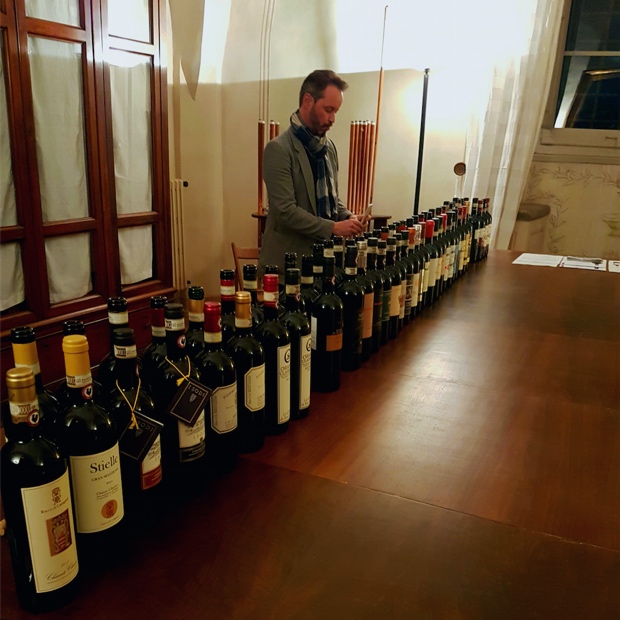


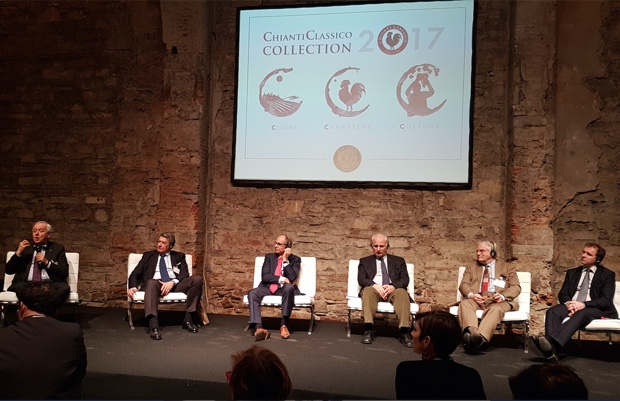
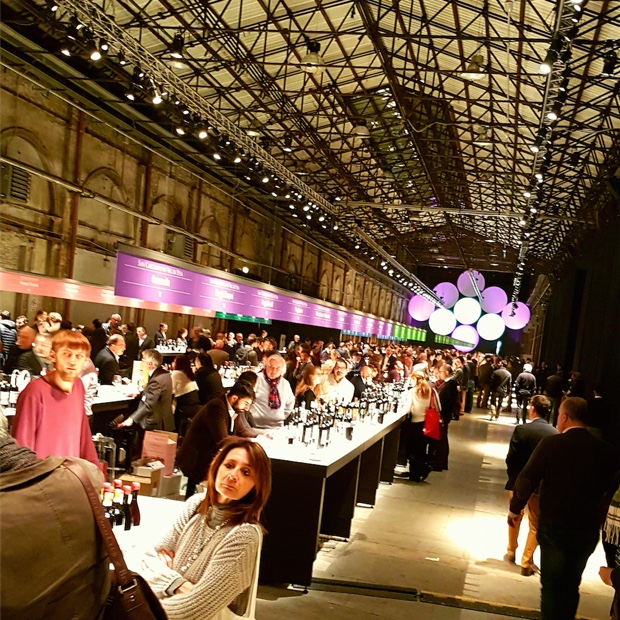
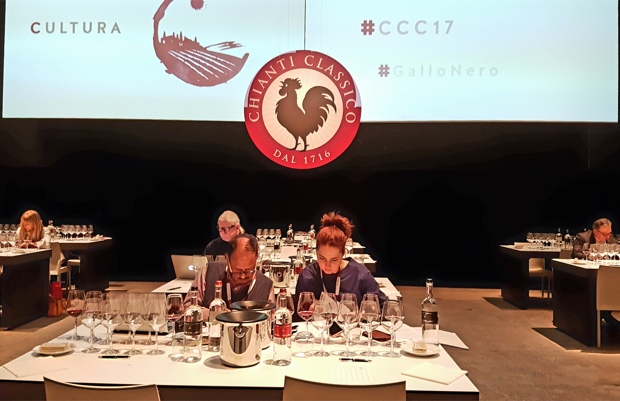


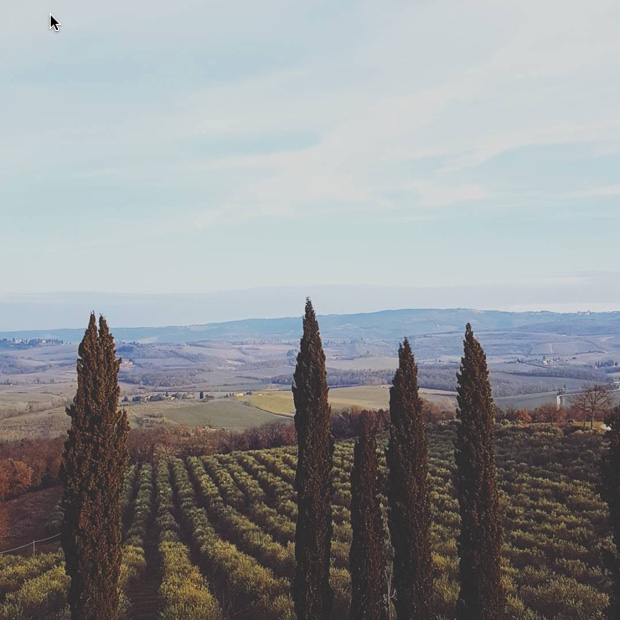


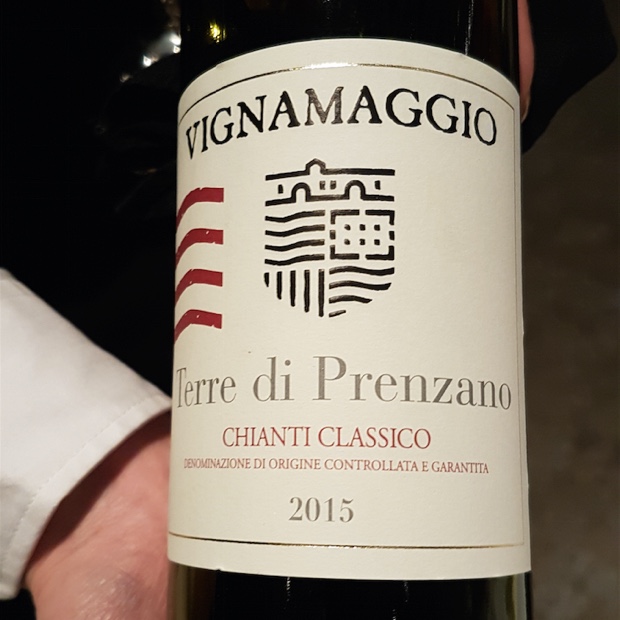


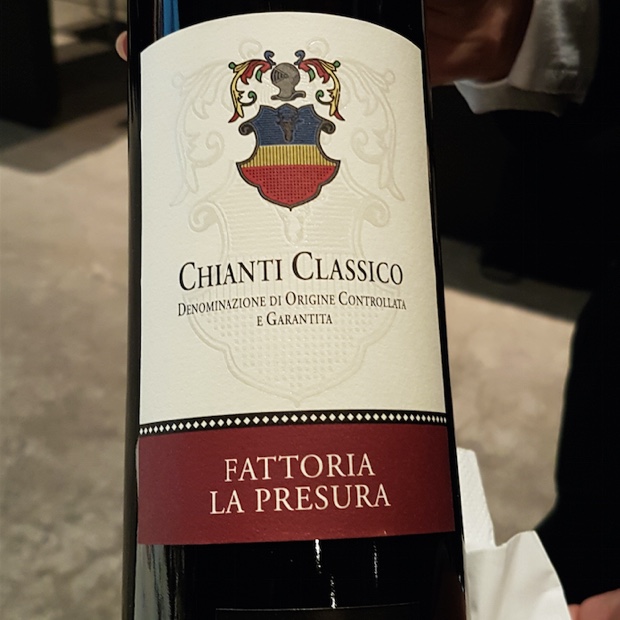


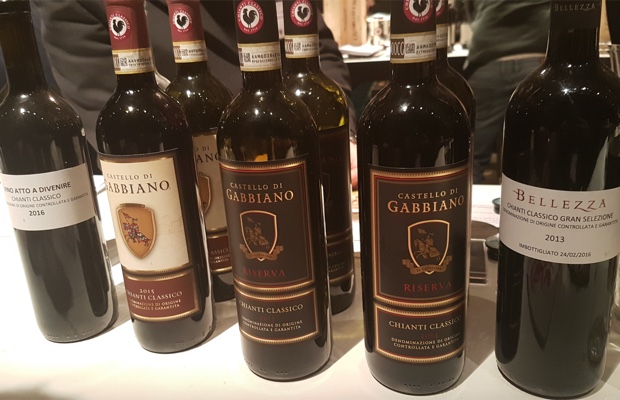


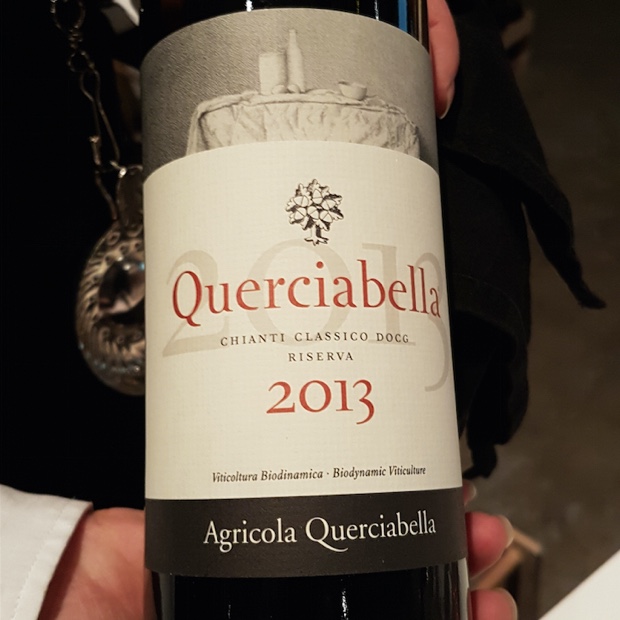
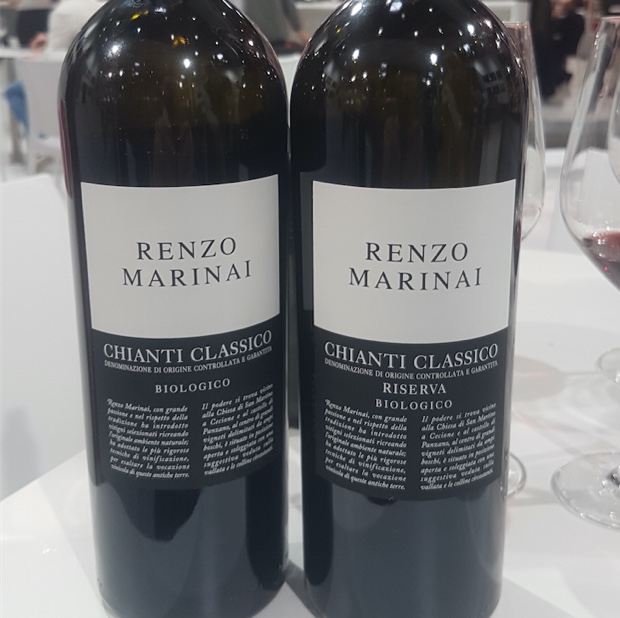


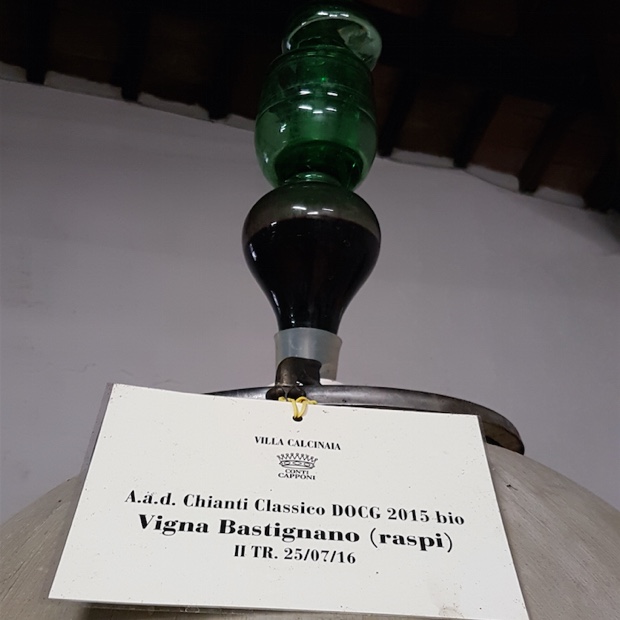

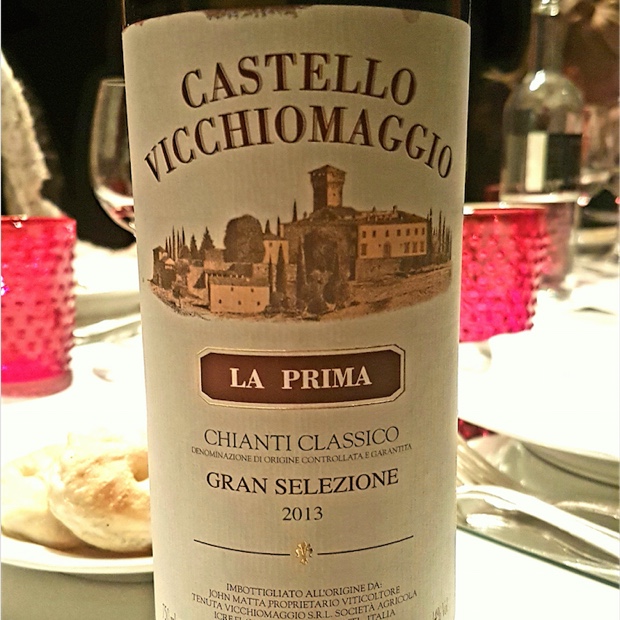


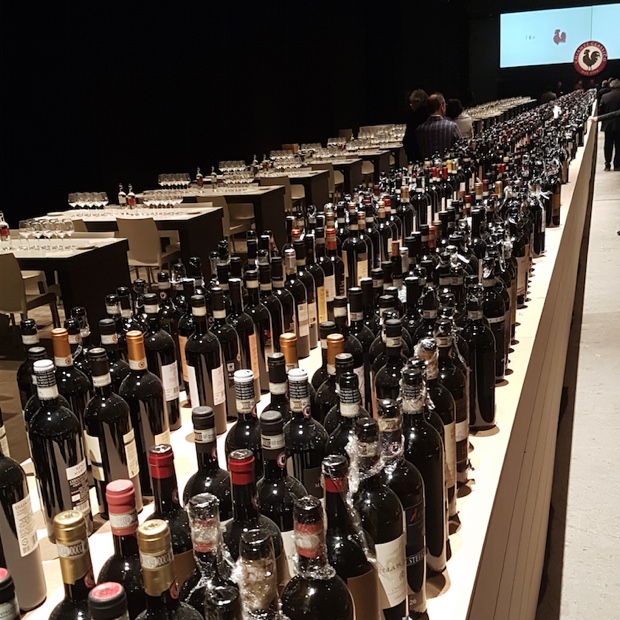
 Godello