Much ado about Napa

When Napa Valley comes to town, wine people (I know, peeps) show up and take a seat.
PHOTO: NAPA VALLEY VINTNERS ASSOCIATION

as seen on canada.com

I would be lying if I said that I’m not a fan of Napa Valley wine. If you read hidden meaning into that statement it’s not because I dislike that to a red, so many examples are gorgeously voluptuous and decadent, it’s just that I seem to feel less insecure when they’re not around.

As a wine taster, when faced with any more than two or three massive, young California red wines at a time, I begin to sweat. In tentative waves of anxiety I question my palate. Will I be able to note the nuance, the terroir, the dreaded question of “will this wine age, will it stand the test of time?”

Doug Shafer, arguably one of the three or four household names in modern Napa, summed up the entire quagmire in one fell swoop sentence.” Funny thing, if they age well out the chute, they age well.” Napa Valley winemakers, or at least Doug Shafer, are demanding of an attitude that wine must not be assessed based on ageability. That’s the kicker. When the discussion centers on bold California reds, I gotta disagree. Who is shelling out $100-300 on a bottle of wine to pop and pour?

When Napa Valley comes to town, wine people (I know, peeps) show up and take a seat. As Russ Weis (Napa Valley Vintners & Auction Napa Valley Board Vice President and General Manager, Silverado Vineyards) noted, “reputation is large, the area is small.” No doubt. The famous place responsible for a pittance (four per cent) of California’s wine output has risen meteorically to legendary status in just a few decades. I’m not sneezing.

What I am doing is pushing the point that reds from Napa and I’m really talking about Cabernet Sauvignon and associated blends, that these wines are beasts to taste and enjoy while they are young. Surely I am making unforgivable generalizations here but for brevity must serve the purpose of a personal hermeneutic. Longevity is the key to unlocking Napa Valley’s secrets.

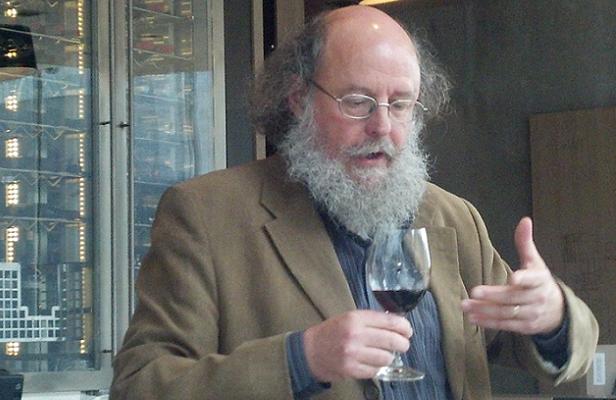
The Napa Valley Vintners Association rolled through Toronto in October. WineAlign’s very own John Szabo, M.S. moderated a short but so very sweet tasting and libertine discussion on 10 then and now Napa reds. Mr. Szabo dug into the concept of ageability, “what is it and what causes it?’ he asked. “How does vine age affect it?” Looking squarely back at 1997 as being the watershed vintage, “a changeover year,” Szabo noted that ripeness became very important in terms of critical and by extension, commercial success.

Chris Howell, manager/winemaker of Cain Vineyards stressed “no analytic attribute will tell you whether your wine will age or not.” While Mr. Weis did not directly speak to the question of aging, his notations “we are cooler than the Mediterranean, we’re farming for high intensity and “the long form is in the glass” all point to the very question.

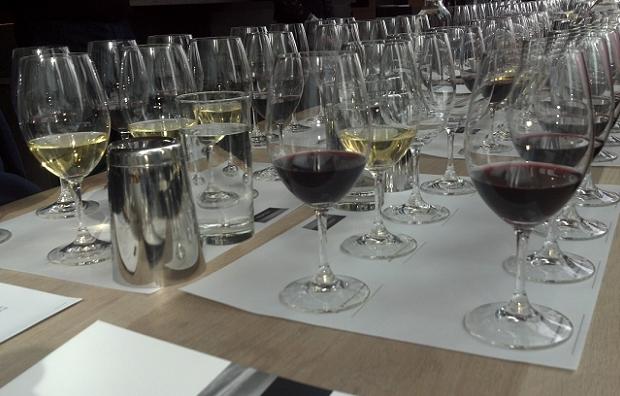
The ten wines poured at the seminar, while just a minute cross-section of what Napa Valley does well, proved my idiosyncratic and parochial point. Napa Valley’s big reds, especially those made in an era defined by hyper-ripeness, elevated brix and new oak influence, are most impressive in their immaturity. To belay any accusations of contradiction, the follow-up to that statement argues that the wines are far more interesting in their maturity. Time does not make them taste better but it does add provenance to their story.

Here are my ten notes on the wines poured at the ROM’s Peter Bronfman Hall Napa Valley trade tasting.

Clockwise from left: CAIN VINEYARDS RED BLEND 2008, LONG MEADOW RANCH WINERY CABERNET SAUVIGNON 2005, SOMERSTON CABERNET SAUVIGNON 2007, and SILVERADO VINEYARDS CABERNET SAUVIGNON STAG’S LEAP DISTRICT ‘SOLO’ 2009

CAIN VINEYARDS RED BLEND 2004 ($125, release price)

Chosen from 25 lots, divided between Cabernet Sauvignon (47 per cent), Merlot (25), Cabernet Franc (21), Petit Verdot (4) and Malbec (3). A quiet child of “gentle, moderate ripening conditions” which saw grapes harvested over a span of 43 days. Has completed its graceful aging and with the fruit beginning to wane, the tannins remain in grain. A Brett-tinged vintage to be sure though punched down by Cassis, vanilla crème and a gravel relish.  89  @rogcowines

CAIN VINEYARDS RED BLEND 2008 ($124.95, consignment)

The second vintage, marking a return to 100% Cain Vineyard, Estate Bottled, which means 100 per cent of the grapes were grown in their Cain Vineyard, Spring Mountain District, Napa Valley. A composition consisting of Cabernet Sauvignon (61 per cent), Merlot (15), Cabernet Franc (13), Malbec (6) and Petit Verdot (5). A small crop from a dramatic, wailing and tumultuous (rain, sleet and heat) growing season. The nose is especially top ranking, smelling fresh as the day it was bottled. The thin soils and Pacific weather here translate to rigour, anxiety and conviction. Though “they don’t want us to unite…they don’t want to see us come together,” these fab five find brotherly and sisterly love.  91

LONG MEADOW RANCH WINERY CABERNET SAUVIGNON 2005 ($65.00, winery)

Fully organic vines, reasonable brix meets abv number (13.2) and a tiny yet helpful two per cent Cabernet Franc added in for good measure. Exceptional showing from an endearing vintage. Pure black raspberry and red aspalathos tea integrated with the positive attributes of a bound stem fire starter of bell pepper, splintered cedar and twiggy black currants. All together they blow a blanket of background fog across fruit in a gentle holding pattern.  91  @LMRwine

LONG MEADOW RANCH WINERY CABERNET SAUVIGNON 2009 ($65.00, winery)

From a warmer yet moderate growing season the ’09 LMR solicits 10 per cent Merlot along with two per cent Cabernet Franc. Noticeably riper, with more cherry depth, lush mouthfeel and a dry, chalky, yet comfortable lengthy finish. Acids are lower and tension surely does not run high but the wine achieves a pleasant balance, if less complexity and offering increased pleasure.  91

SHAFER VINEYARDS CABERNET SAUVIGNON ‘HILLSIDE SELECT’ 2003 (NA)

Persists in full-blown hedonism. One would never accuse this of being treated with tartaric acid. Youthful, gorgeous and alone at 10 years-old. Cherry, berry, dusty grain swirl, a twister of iconic development and potential, realizing that potential in the here and now. Showing remarkably well with a transparency of ego, alcohol and a blender flurry of fruit and wood. While it holds court and its course now, flying time will likely be another three to four years.  92  @ShaferVineyards

SHAFER VINEYARDS CABERNET SAUVIGNON ‘HILLSIDE SELECT’ 2009 (735712, $285.00)

A huge SVCSHS from 100 per cent Shafer’s Hillside Estate Vineyard in Stags Leap District including vineyard blocks such as Sunspot, John’s Folly, Upper Seven, Hitching Post and Venado Ilegal. An absolute killer B; bigger, brawnier, bolder, badass. “Engines pumping and thumping in time.” Mouth attacking, saliva stealing, inner cheek suffering Cabernet that spent 32 months in 100 per cent new 60-gallon French oak barrels. Mercy. The skin contact, in colour and tannin, is a nearly unforgivable act. White flag. Tempting to compare it to huge Cabernet-based IGT’s. Waves of unctuous raspberry and blackberry in perpetual maceration. Has so much cake (15.5 per cent abv), built for speed and distance. Never finishes. In fact, I think it’s still going. For two decades.  94

SILVERADO VINEYARDS CABERNET SAUVIGNON STAG’S LEAP DISTRICT 1989 (NA)

From a vineyard originally planted in 1884, by Abel McFarland and fast forward – replanted between 1992 – 1996, by Ron and Diane Miller. This red may be heading for a graceful descent beneath a Pacific sunset and the vintage may have dumped diluting rain upon harvest but complexity will not be denied. Rare, seraphic fruit lingers on, enveloped in the resinous aromas of wood, leather and tobacco. There lifts too an elder/lingon-flower/berry beckoning and something mint-metal cool. Classroom Cabernet, to thank the procurer and to seek higher learning.  90  @SilveradoSolo

SILVERADO VINEYARDS CABERNET SAUVIGNON STAG’S LEAP DISTRICT ‘SOLO’ 2009 (89482, $119.00)

Built on the academic intuition, augmentation and advancement of UC Davis oenology Silverado clones. Reneges and makes waste of the past in a hurried two-day harvest, October 7th and 8th, 2009. A product of reasonable brix (23.5 degrees) and alcohol (13.9 per cent). Uncommonly shy, a young introvert, lost in dark, layered abstraction, in blues, blacks and hues in between. Dried herb, withering blueberry, a ballad in ode to greatness that came before and a promise for a promising future. “There’s more to the picture than meets the eye,” though no guarantee.  90 

SOMERSTON CABERNET SAUVIGNON 2007 ($120.00)

From proprietor F. Allan Chapman and winemaker Craig Becker, this is the flagship wine, distilled from two individual parcels, Soda Valley and Elder Valley, located high in the hills above Napa Valley. High brix (26.5 degrees) and alcohol (14.9 per cent) mark this cured Cabernet, something to ponder, to drink on a night like this. High-toned, in the realm of fig and prune, a big show of chocolate froth, mocha, vanilla and more. Thick and luminous, “it goes dark, it goes darker still. It goes deep, it goes deeper still.”  88  @SomerstonWineCo

SOMERSTON CABERNET SAUVIGNON 2010 ($120.00)

A scarcity of production (380 cases) and elevated further still, in brix (26.8) and alcohol (15.5). Sourced from the estates two best vineyard blocks; Queensberry block 30 and Oriental block 23, both hillside vineyards with an average elevation of 1250 asl. Shares an aromatic, cured profile with the ’07, though in its youth it waxes rich, lush and overtly tannic. Inflated drupe elongated by a magnitude of  Napa love. “I don’t care if Monday’s black…dressed up to the eyes, it’s a wonderful surprise.”  91

Good to go!

A Chile wind is blowing

PHOTO: ZABET/FOTOLIA.COM
The Chilean wine industry is no stranger to adversity, hurdles and bumps in the road.

as seen on canada.com

The time of year when night bleeds into day. October winds blow colder and trees shed their skin. Fallen leaves cause urban sight lines to tighten with vertigo-effect like an intense, paranoid dolly zoom moment in a Hitchcock film. Fall is a time of super-heightened awareness and also the best time of year to focus on tasting and exploring wine.

Speaking of cold climates, the last two weeks have seen me taken to Chile, well actually, Chile has been brought to me. First, an unforeseen exclusive and intimate WineAlign tasting of the wines from Errazuriz with winemaker Francisco Baettig. Then, with the travelling main stage show that is the Wines of Chile, by seminar and through a comprehensive gathering at the Royal Ontario Museum.

The Chilean wine industry is no stranger to adversity, hurdles and bumps in the road. But unlike Ontario and to a lesser extent B.C., Chile’s obstacles have been more than a matter of weather. I could go back further in time but for the purpose of getting straight to the point, let’s start with an 18 year dictatorship during a period when the wine industry could have been developing in earnest. The year is 1990, Pinochet is out and democracy is in. That Chile has developed as a cohesive wine producing, exporting and marketing unit in just 23 years is nothing short of astonishing.

That earthquakes, most notably the nearly devastating 8.8 measured big one in March 2010 and global economic crisis has not crippled the fast yet still ripening industry is a testament to a people of strength and fortitude. Chile’s wine growth seems to follow a two steps forward, one step back path. But it rarely wavers and always rebounds, as it will again following the most recent harsh frosts of 2013.

Two sets of “black” frosts hit Chile’s vineyards hard. Americas Export manager for Ventisquero Juan Ignacio Zuñiga told a room of journalists and sommeliers about the late September and early October double whammy. “The worst case scenario is 70 per cent of the crop,” said Zuñiga “and the best case, 30 per cent.”  Wineries employed wind machines and irrigation systems to spread the cold air and abate the damage but ran out of water by day three. “This is the worst type of frost,” he noted. “Beyond control.” From Reuters, “these frosts are the worst that agriculture has faced in 84 years, impacting the area from Coquimbo to Bio Bio,” the national agricultural society said.

Yet Chile will endure, as it always has. The Wines of Chile media seminar lent credence to the strong future in store for Chilean wines. Christopher Waters of Vines Magazine introduced six wines and their marketers after a quick yet concise dissertation on the effects of green viticulture on taste, cost and consumer appeal.

Chile’s wine regions are “blessedly Phylloxera-free,” hemmed in by the Pacific Ocean, the Andes Mountains and the Patagonian ice fields. The grape growing out of the many cool micro-climates are mitigated and assisted by beneficial winds that blow in from the edges of these three dramatic boundaries.

Waters quickly noted that the prevalence of organic farming and biodynamic wine production has surged throughout Chile’s wine regions. More dramatic is the adherence to the “sustainability code, of number one importance for gatekeepers.” This qualification has added essential meaning and is “a tool that winemakers have become empowered with.”

PHOTO: winesofchile.org
‘Wines of Chile: The natural choice’

For the Chilean wine industry, green practices are not enough. Wines must tell a great story, “carry a narrative,” says Waters. In Chile so many also happen to be made to the sustainability code. Five to 10 years from now that will be a universal given. Sustainability, story and content. “What makes these wines special is what’s in the glass.”

I tasted more than 40 wines at the Wines of Chile event. While some of the most impressive examples were to be found at the highest prices, it was the $15-30 range that showed what Chile can do best. Here are 10 examples of the new Chile.

Left to right: Via Chilcas Single Vineyard Cabernet Sauvignon 2009, Viña Ventisquero Grey Chardonnay 2012, Errazuriz Single Vineyard Sauvignon Blanc 2012, and Emiliana Coyam 2010

Via Chilcas Single Vineyard Cabernet Sauvignon 2009 ($17.95, 309757) from the Maule Valley is graced by amazing freshness and vigorous, new wave energy. With an imagined dragon’s foot securely planted in the ancestry of Chilean wine, this radioactive red is a portal to the industry’s future. Roasted and brewed, in espresso yes but mocha, no. “Welcome to the new age, to the new age.”  91  @ViaWines

Viña Ventisquero Grey Chardonnay 2012 ($19.95) shows off Casablanca Valley elegance, from 13 year-old vines. Born of a south-facing slope on a single block of dirt within a vineyard. A mellow toast that sparkles aromatically is surely quartz and iodine speaking from out of the granite-flecked red clay over a granite foundation. A touch cool-climate turpenic, in citrus and apple. Veers anti-tropical with just a kiss (eight to ten months) of oak. Super fresh, low and slow bister layered despite the warm and challenging vintage.  89  @vventisquero  @FitoZuniga

Errazuriz Single Vineyard Sauvignon Blanc 2012 ($21.95, 143198) comes out of the Aconcagua Valley, very near and dear to its Andes ombra shadow. Maceration mouthfeel ushered in on a viscous, spicy, piquant, capsicum wave. High tree fruit notes for Sauvignon Blanc place the wine somewhere between California and Marlborough. An SB heavyweight, with spice that plays and replays, balm prominence and righteous length. Oh, brother, she’s got blue-eyed soul, “my mash potato baby, a little Latin Lupelu.”  90   @errazurizwines  @fcobaetting

Emiliana Coyam 2010 ($29.95, 649679) is the organic outfit’s “icon” wine, swarthy, round, powerful and well-rounded. While their flagship Gê achieves the apex of the sustainable movement, the Coyam is missing nothing. Has got everything but the girl; Syrah, Carmenère, Merlot, Cabernet Sauvignon, Mourvèdre and Petit Verdot. A prime example of what stressed vines in healthy Colchagua Valley vineyards can do on a wild and volatile yeast journey. A broad spectrum of vinous material is on display and they cry out in unison, “like the deserts miss the rain.” Great freshness and so very berry, with supporting though not overbearing vanilla and a trenchant yet clean Syrah finish. Notes Export Manager Fernando Pavon, “a wine that avoids standardization.”  90

Errazuriz Wines

Left to right: Estate Cabernet Sauvignon 2010, Estate Sauvignon Blanc 2013, Max Cabernet Sauvignon Reserva 2011, Max Reserva Syrah 2011, Don Maximiano 2007, and Kai 2010

WineAlign, Friday September 27, 2013, with Phillipe Dandurand Wines and winemaker Francisco Baettig

Estate Cabernet Sauvignon 2010 (LCBO $13.95, 262717, SAQ 262717, $14.95, B.C. 284125, $14.99) from Maipo fruit flaunts varietal typicity, plain and simple. Was bottled under screw cap back in 2003! A bissel of Cabernet Franc adds complexity by way of juicy currants, tart raspberries and caper berries.  87

Estate Sauvignon Blanc 2013 (LCBO 263574, $12.95, B.C. 286385, $13.99) is uniquely and markedly realized upwards out of schist soil from a high Aconcagua crop that required some necessary thinning. Decidedly pale yet spirited, like old school Marlborough. Sagacious Kiwi mineral salinity, lean, dry and grassy. Less herbiage, intensity and flesh than the Max Reserva and yet its steely, stainless character is better and VGV, especially at $13.  88

Max Cabernet Sauvignon Reserva 2011 (LCBO $18.95, 335174, SAQ 335174, $16.95, B.C. 287805, $16.99) is executed with more of a cooler and less New World approach than the chocolate, Cassis and easy drinking 2010. Here the smells are Cab Franc-ish, with more pyrazine, less mocha, more berries and it is coated by finer tannins. Mint, eucalyptus and purple fruit but not so much a riper style. More elegance, structure and balance.  “If you want to protect the Cabernet, you should do so with the leaves,” notes Baettig. The tartness of the fruit tells beneath the syrup. A confident wine made with some transparency, through indirect light, not with the hot Aconcagua sun burning on the fruit.  89

Max Reserva Syrah 2011 (LCBO $18.95, 614750, SAQ 864678, $18.95, B.C. 361311, 2010, $19.99) whiffs the most confounding nose of the line-up so far, cooler than the ’10 vintage, and very, very Northern Rhone. Bacon, smoked meat, juicy and spicy olive, dark but not woody, splintered or Java-scripted. The nose gets better and better and it shows good length. This is the 15th year of this wine.  89

Don Maximiano 2007 (LCBO 501247, $80, SAQ, 11396557, 2008, $79.25, B.C. 5012547, 2008, $$89.99) at the six year mark is showing extreme refinement and is not the California fruit bomb you might have been warned about.  Tenuous teng, tang and verve, unique to place and mighty, mighty fine. Goes well beyond “all the sacred boundaries we’ve overgrown” to “build a brave new foundry close to home.” The 2009 is being released as the “Founder’s Reserve Cabernet” with touches of Syrah and Petit Verdot. That wine (tasted at Wines of Chile) will rewrite the Maximiano book.  91

Kai 2010 (Private Order, $144.95, SAQ 12051411, $116) charms, entertains and regales in spectacular aromatics. Currently in beast mode, this is rich, unctuous Carmenère. 2005 was this wine’s first vintage and here high-grained tannins will one day soften and round out in oak sweetness. For now there is some balsamic and spicy forest floor, which, says Baettig, “is part of the variety, so I try to keep it in the wine.” From alluvial, flat and thin soils, attacked by high sun exposure under less canopy. More fruit exposure leads to intensity. Long roots, rock, Carmenère.  93

Good to go!

Select tasting through years of the Stratus Red and White

Stratus Winery and Vineyard, Niagara on the Lake
PHOTO: STRATUS WINERY

as seen on canada.com

Imagine this scene. It’s the year 2000 and all of the Stratus single varietal wines have been bottled.  J-L (Jean-Laurent) Groux and partner in wine at the time Peter Gamble are discussing the vintage and the merits of the individual varieties. “Something’s missing,” is the thought. “We can do better.” They decide to pour them out and reconstruct by blending whites into riddles wrapped in mysteries inside enigmas. They did what? They poured out Chardonnay, Riesling and Gewürztraminer, to reform the varieties by fractional assemblage? Crazy but true. History was made.

J-L Groux
Photo: Stratus Winery

J-L Groux is the winemaker at Stratus Vineyards, steward and maître d‘ to Niagara assemblage, the “art of combining several varieties to create a single wine.” The Stratus Red and White wines define that noble practice for Ontario. Groux’s M.O. is to select the best grapes from a single growing season, age them in oak barrels and then combine the SV’s for the purpose of achieving exceptional aromatics, a long aftertaste, vintage consistency and ageability. If any doubt has been cast over the idea of or the success of Groux’s methodology, upon his insistence that “there is no recipe for assemblage, only a goal,” the back-vintage vertical tasting at Le Sélect Bistro answered the multi-variety bell.

Cabernet Franc, Stratus Vineyard
Photo: Stratus Winery

So what has changed in the past 13 years? Most notable is the wisdom, experience and maturity of the vines and the winemaker. The wines and their maker have developed a symbiotic relationship with their environments. The oak barrels are crucial to the refinement of the Stratus signature wines. Cooperage time, though perpetually in oscillation, has generally increased over the years but levels of new oak have decreased. Groux’s declaration that it takes time to get the pyrazine (green character) out of the red grapes (especially Cabernet Sauvignon) indicates that oak must support but never lead. The Stratus Red vintage eversion is testament to a barrel program that is just getting better and better.

Rigorous vineyard management, including adjustments in fruit-thinning and maintaining fundamental, biological order have been key. “The vineyard is way more balanced due to all the hard work we have done,” boasts Groux. In 2010 they discovered it was no longer necessary to over-thin, but to concentrate on maintaining the organic matter needed. “We used to thin by two-thirds. 2010 was the hitching point.” Grape quality has never been better. “All these varieties are now making concentrated wine,” concludes Groux.

Re-thinking specific variety usage has seen a constant progression. Reds that used to rely on a categorical Bordeaux model (the three main grapes, Cabernet Sauvignon, Cabernet Franc and Merlot) have seen additions of Gamay, Syrah and Tannat over the years. In 2010, the archetype is again Bordeaux, with Petit Verdot in the mix. Malbec can’t be too far behind. My personal preference would be to see the beacon Gamay in grounding support. The grape really ties the room together. Whites once lead by Chardonnay have also angled Bordeaux.  “We discovered in 2008 that Semillon can make great wine in Ontario.” This was a pivotal turning point in the Stratus white evolution.

Gewürztraminer was also eliminated around this time, to ‘thin’ away a level of terpenes and to adjust the flavour profile towards more balance. “People would begin to say I smell Gewürz. Dammit!”  J.L. would say, “that’s not what I want them to smell. I want them to notice complexity. We want when people put their nose in this they say, this is serious.” Going forward, more Chardonnay will join the assemblage, moving towards more complexity, a less dry style.

The Select-Stratus tasting and lunch was hosted by J-L Groux and team: Charles Baker, Ben Nicks, Suzanne Janke and Sarah Walker. Chef Ponzo’s stoic, elegant plates prove that simplicity leads to good design as they ratify the sine qua non of Bistro cuisine.

Stratus Select Line-Up
Photo: Michael Godel

Stratus Red and White Vertical

Tuesday September 24, 2013

Le Sélect Bistro, 432 Wellington Street West  (416) 596-6405

Chef Albert Ponzo, @AlbertPonzo

Stratus White

2010 sends me immediately towards Bordeaux, in neo-marmalade, but also buoyed in perfume and body by 25 percent Viognier. “This variety worked so well in the vineyard in 2010,” notes Groux. Niagara honey and near-botrytis via Semillon and Sauvignon Blanc void of grass, full of vigor. A sharp note, neither metallic nor mineral, but a combination of the two is present in this so very concentrated ’10. Of a warm vintage (self-explanatory) fully picked by October 23. Though loaded with early Spring maple sap, foie gras and appley terpines, its sharp and framed by “tannic” tang and protracted length.  92

2009 is a vintage you will notice a great similitude in that the Sauvignon Blanc and the Semillon number is consistent with ’10. This was a not preconceived plan insists J-L. Here the acidity level is so much higher, not as terpenic and veering citrus. Late picked UV’s on the berries are to thank but still the apples are there along with some pith. The Gewürztraminer glycerin, nutty aftertaste used to be there but now seems to have dissipated. This ’09 comes from a very small crop so the price “makes very little business sense, but you can’t win them all.” With time in the glass it dilates and modulates, becomes tropical, in pineapple and melon. This from 25 brix Sauvignon Blanc and to a lesser extent 23 brix Semillon. More stony and stark than the ’10.  89

2008 is formatively led by Chardonnay and certainly leans Chablis in a cool year. The highly aromatic grapes, at first mute, begin to emerge as the wine warms. This is the prettiest of the three thus far, with more citrus, fine balance and a wine that corroborates  J.L ‘s concept; consistency, long aftertaste and ageability. Achieves all three.  Keep swirling and the tropical notes make a play. Again consistency. This is effortless.  92

2007 has taken seven years to slow down the Gewürztraminer because the tiger army was so prominent back then, even at only 11 per cent of the mix. A “prisoner of the past and my heart’s dark desire,” with extreme efflorescent, ambrosial white flower and medicinal honey scents. The aromas are likely a residual effect of the Gewürztraminer, like jasmine or dried roses, or the floral aroma of some honey.  Even at six years old the Riesling is a distraction. This wine is very, very interesting, but also the hardest to assess. “Dried flowers pressed in pages of faded romance died.”  90

2006 was a “great recovery year,” after the winter damage of ’03, ’04 and ’05. A cool vintage, which required careful picking. The Sauvignon Blanc driven ’06 has the highest melon component, not to mention Boxwood. Yet that rose/floral/honey medicinal note is even stronger. Not over the hill at all and developing a graceful white wine character. Very French with late acidity and verve. Remarkable. Love this one. “This is a style of aged wine where I want to go,” says J-L. Nutty finish.  93

2005 was a deadly vintage (worst frost in Niagara on the Lake) and the only one with smacking aromas from the vineyard floor. “A zoo growing season,” notes Groux, “with grapes hanging high and low.” Chardonnay leads the troops in ’05, in elevated acidity and earthiness from grapes picked “in a different type of environment, near to the earth.” Highly textured and mature, leggy fruit. Though its best years are behind (because the fruit will no longer support the oak), the Groux seven-year ageing goal has easily been reached. The whiff of terroir does blow away and the honey liniment and rose emerges. So much consistency, so rapidly developed.  Amazing. Witness here the winemaking acumen out of an atypical vintage and confounding result.  90

Stratus Red

2010 is a study in restrained, gilt-edged use of only 15 per cent new oak during assemblage, especially with Cabernet Sauvignon in the lead and so prudent considering the extreme warmth of the vintage. Cabernet Franc imparts simple but intense spice.  Red talented, fresh finesse, the oak in support as a James Dean, cherry stained leather jacket. De facto fresh, with just enough trenchant acidity.  92

2009 is a very different and strange Cabernet animal, driven by Franc, its aromatics in spectacular form. Certainly ringing the bell pepper tocsin in a briny, cool climate and licorice carillon. Quite masculine for cool climate, cool vintage assemblage, assisted in kind that way by Tannat and Petit Verdot. “O Ominous Spiritus!” 88

2008 gives J-L reason to quip, “a cool year so therefore Cab Franc is king.” A smear of tarry black fruit is grounded by the dusty character that cool-climate reds so often display. Pepper, currant and more minerals meet metal aromatics. The ’08 Stratus SV’s collectively charm in special ways so there’s little reason not to be taken in by this assemblage. There’s just something about the vintage.  90

2007 puts a twinkle in Groux’s eye. “Still very enjoyable, agreeable and ageable,” he smiles and I note it’s not candied like it may have once been perceived.  A healthy and high 88 per cent dose of new oak but it’s not the encumbrance you might expect. Still quite tight, eking strawberry and plum, and indubitably a unique amalgamation. Will offer up five more years of pleasure.  91

2006 has reached a mellow stage in life, a middle age comfort zone, with no more edgy tannins. J-L is reserved and resolved to say it “has evolved to a nicely aged red wine.” Some sour funk continues to shine in bright acidity, seemingly fresh, though not as mature or concentrated as the others. Some grape leaf here, in a savoury way, like herb and starch stuffed tomato or ground meat in sweet peppers. Complex but not overly chichi.  89

2005 is a wine, according to J-L “you want to keep for a long run.” Laser focus, eagle-eyed cherry bears aloft by lingering acidity and rusticity. The warm vintage and oak aging has elongated the tannin chain. “Its passport for aging,” says Groux. “Can go the distance, we’ll find out in the long run.” That omnipresent dusty mulberry Merlot influence persists, along with black tea, carob, rhubarb and bokser. Herbal, savoury and highly complex.  93

Terrine de Tête et Queue, head to tail, ‘meaty’ pork terrine

Tartare de Saumon, with lemon pearls, caperberries & frisée lettuce

Stratus White 2002
Photo: Michael Godel

Stratus White 2002 performs a demi-sec act which is not such a stretch, considering the late harvest actualities of the Gewürztraminer and the Riesling within.  Could pass for dessert-like, cool-climate French (Jura) though after the chimerical declension it’s still nothing but a Chardonnay-galvanized meritage. Like warm honeycomb buttering steamed crustaceous matter. That Stratus White medicine, in rose potpourri and honey completes the classic scene within the portal.  93

Confit de Canard, duck leg confit with crispy skin, served with vegs from the garden, potatoes au gratin

Joue De Boeuf Bourguignonne, beef cheek braised in red wine, with pork lardons and button mushrooms and a green pea purée

Le Sélect Bistro Duck Confit
Photo: Michael Godel

Stratus Red 2001 from two Cabs, Merlot and Gamay is a juicy, funky and earthy glass of vinous compost. Purple verdigris, verging to black and after all these years. Broods on despite memories of a hot “lady-bug” vintage. The NOL equivalent and coalescence between the French garrigue and the Italian animale. There should be nothing declassified about this black beauty.  91

Mousse au Chocolat, made with French dark chocolate

Assiete de Fromage, a selection of Artisan cheeses from Québec; Riopelle, Le Douanier and Bleu Benedictin

Stratus Special Select Late Harvest Cabernet Franc 2012

Good to go!

Gimme Shelter Island, Fenway Park and North Fork wine

Toronto Blue Jays at Fenway Park, Boston, Mass.
June 27, 2013
Photo: Michael Godel

as seen on canada.com

There is nothing quite like a good road trip. No matter the intended destination, a journey through heartlands, heaving cities and bucolic paths stir, enrich and develop the final stew. A roadhouse in Syracuse, N.Y. The Blue Jays at Fenway Park in Boston, Mass. The Cross Island Ferry to Orient, N.Y. Shelter Island, N.Y. Sag Harbor, Montauk, Amagansett, East Hampton and Wainscot, N.Y. The East Island Golf Club and Greenport, N.Y.

All stops contribute towards what will eventually become a wine region’s interest in laying up the riches of the mind. The eastern tip of Long Island mesmerizes as a sandy headland of bluff and dune begging into the Atlantic. Shelter Island is equally if not doubly halcyon in pace and though tiny in mass, seems enveloped in rainforest-like green and canopy. I traveled across and back, circumnavigated its perimeter and sat motionless on its beaches for hours. Time standing still.

PHOTO: Michael Godel
Shelter Island

Though other visits on the North Fork Long Island wine trail offered a taste of local flavour, the exception and lost time came from a small family operation in Southold. Here are my notes on nine heart struck wines not yet widely discovered.

PHOTO: Michael Godel
Michael and Christine

Mattebella Vineyards

46005 Route 25 (Main Rd)
Southold, NY 11971

North Fork wines have yet to storm cellars and tables beyond metropolitan New York, but it’s not for lack of quality or concupiscence. Case in point Mattebella Vineyards. Drive up the gravel driveway, turn past the herb garden, overgrown fennocchio and try to figure out which quaint little building is the tasting room. Crawl inside, pull up a bench and spend two hours sampling, contemplating and discussing with Christine Tobin what just may be the least known, most complex set of wines you would least likely expect to discover. Walk away feeling a part of the famiglia. Cottage industry incarnate. “We’re so chill here” says Chris. Goosebumps.

Christine Tobin holds the fort while Florida to Southold and back commuter husband/winemaker Mark is away on business. The couple purchased the 1997 planted vineyard in 2005. Their photo resides in that dictionary entry titled “labour of love.” Low density, French existentialist-style, 2200 plants per acre viticulture cursed by an oft-inhospitable, maritime climate is what Chris calls a “lottery ticket” of vines. Chardonnay not to be considered as Mâconnais or Meursault. Bordeaux blends not to be measured by either bank of the Gironde. These wines are expressions of this terroir, this spit of sandy soil a stone’s hurl from the Sound. The Magic of Findhorn.

PHOTO: Michael Godel
Mattebella Vineyards

Famiglia Chardonnay 2009 ($17) is the child of a wet and cold growing season yet composes itself with help from a persistent toast quotient that speaks of new oak. Tart green apple and juicy acidity beg for fatty fare; braised pork belly, buttery, braised rabbit or rillettes of either. Tree fruit brings game, brightly, like tangerine.  88

Famiglia Chardonnay 2010 ($19) spent 18 months in (20 per cent) new oak barrel.  Warmer, tame and propitious with a squeeze of lemon and a dusting of scorched earth. Butternut, in squash and roasted almond as if it were waving to Sebastopol, but only to shout, “hey, we are North Fork Chardonnay.” 90 

Reserve Chardonnay 2010 ($25) squared up the new oak barrel ferment for a butter and marmalade spread so rich and continental I could drink it for breakfast. The toast meets oceanic salinity intimates spa mineral, beach shell and fine stone. Deft winemaking has given this absolute steal structure and length.  91

Rosé 2011 ($18) seeks dry Provence and as far as the savoury strawberry/rhubarb is concerned, in that it succeeds. “A little more stark than in ’12,” concedes Chris, but the length follows a tine and it should never be envisaged as simple and sugary. Amazing what Merlot can concede here for Rosé.  88

Rosé 2012 ($18) is a fleshier, rounder style, savoury still and with more Cab Franc bell pepper. The rhubarb gives way to strawberry gelée and the complexity quotient warms up with a crumble of chèvre.  87

Famiglia Red NV ($18) serves a consistency of style for table wine purpose. A union from many plots and clones that sees some oak and more stainless. Raspberry, currants and tobacco smoke stand out. Perfectly reasonable Vino di Tavola.  86

Old World Blend 2007 ($35) murmurs in melodious tones flecked by iron and anise, like tender-aged IGT. From 667 cases, with black cherry, charcoal and plums rolling away. Tannins have a few lashes left in them. There is something Henry of Pelham ’07 Cab-Merlot about this Matebella. Heading soon to toffee and über relaxed REM sleep. A red to share with “a perfect circle of acquaintances and friends.” What the tasting room felt like on this day.  89

Old World Blend 2008 ($30) produced 489 cases of gorgeous, lush, velvety crimson fruit despite the wet vintage. Whatever underground anxiety may once have unsettled this Lou meets Nico meritage is now long gone. Deft winemaking here. When you’ve got Merlot, you make Merlot. When you’ve got Bordeaux grapes, you make Bordeaux. But this is pure North Fork. “I’ll be your mirror, reflect what you are, in case you don’t know.”  91

Old World Blend 2009 ($35) is the child of a tempestuous vintage, marred by a pittance of fruit set, no need for any drop and therefore only 220 cases produced. This one’s got the funk, smoking coal, pipe tobacco and licorice. Tight, focused and with a quick dissertation heard from the Petit Verdot. Tobin’s consistency of style shows once again, despite the rigours of fighting inconsistent vintages.  92

PHOTO: Michael Godel
Island’s End Golf Club, Greenport, N.Y.

Good to go!

Showcase Showdown: Rosewood Sémillon

White wine grapes PHOTO: ROSEWOOD ESTATES

as seen on canada.com

Humbled once again. After tasting through five vintages of Rosewood Sémillon, there are two things I now know for certain. It’s impossible to guess the exact value of prizes in the showcase showdown and even harder to predict the tasting future of a Rosewood Sémillon. If only the Price is Right finale included these great prizes. Bright-eyed winemaker (Luke Orwinski) chomping at the bit to share his grape, game show host plans with the world. Queen social bee (Krystina Roman) directing the drones with striking and graceful precision. Lunch courses as dreamy art-rock chord progressions by chef Ren Mercer of Toronto’s Spoke Club.

Rosewood Semillon (Photos: Michael Godel)

#SemillonShowcase

The club’s private dining room offered an intimate and focused setting for a Rosewood Estates Winery Sémillon five vintage retrospective spanning the vintages 2008-2012. Sémillon the amenable white variety is most often employed in combination with Sauvignon Blanc to forge the dry white wines of Bordeaux and more famously, the dessert wines from Sauternes and Barsac. Winemakers on the west coast have used the grape for some grand Late Harvest Botrytis dessert wines. As a stand alone varietal, Mt. Boucherie out of B.C. makes terrific Sémillon and the grape has flourished in Australia’s Hunter Valley but as a dry white it has gained little attention virtually anywhere else. Mark Kent has made some stellar single bottlings at Boekenhoutskloof in South Africa but look elsewhere and its rare solo usage is both confounding and disturbing.

Enter Rosewood Estates. Their Sémillon is magical. Granted, in leaner years it strikes a more than spooky close resemblance to Bench Riesling but in glorious vintages it takes on a level of complexity no other Niagara white can match. I feel compelled to lead the charge. #StandSémillonStand.

Rosewood Estates is located on the Beamsville Bench astride the Niagara Escarpment. Family run, community-centric and driven by people, place and passion. Most of all there are the bees. The Roman family has been in the beekeeping business going back more than 50 years. “With over 40 acres under vine (across two vineyards) and over 350 hives as of 2012, the team is excited to be one of the premium mead producers in Canada.”

Rosewood Wines and Tasting Menu

Sémillon 2012 ($18, part of the Select Series, brand new label, to be released Fall 2013) is their most intense ever. An exceptional growing season amps the honey sounds to 11, speeds up the sugars to 33 and while there is obviously no sign of chapitalization, added acid stabilizes the high tropical nuance. Huge style for Sémillon, mulched in miele, fruit flavours amplified and lengthened by 14.6 per cent alcohol. Une cousine to J.L. Groux’s Stratus SV, if less grapefruit and increased value.  90

Tasting Plate #1 – Crab Salad + Braised Pork Belly with spring onion and sea buckthorn

The Spoke Club Crab Salad and Pork Belly

Sémillon 2011 ($18, June 22nd VINTAGES Release, at the winery) is frighteningly honeyed and its blatant acidity brings out all the right zest notes in the seafood. Major (three times) cropping from a “disease control vintage” by Orwinski who “knows the vineyard. It really is his home.” He’s still chanting “drop the crop!” in his sleep. The citrus and soda are glaring, exciting and invigorating in ’11, as is the aforementioned honey, the trump card keeping the Sémillon from being confused for Riesling.  Fascinating study.  91

Sémillon 2010 ($18, Rosewood Estates Library and @barquebbq) is stoic, the most delicate and understated at the tasting. If ever there was a dumb phase, this would be it. The sea-earthy buckthorn gelée adds prurient and prosaic matter to the clement, crisp and almandine tisane. Unique to ’10, a marigold floral note hovers.  90  Previous note, Oct. 2, 2012: “shows little procrastination with a superfluity of lemon, lime and paraffin but like all great Sémillon, the wine needs time. A block of wax keeps the honey down but look for a mellifluous ooze three years on. Glittering sheen, diamond-like focus and crusted by an accent of lemon zest. Krystina Roman will lead this grape to stardom. “Come on you stranger, you legend, you martyr, and shine!” Top white. Shine on you crazy Sémillon.”  90

Tasting Plate #2 – Raw Ahi Tuna and asparagus with Thai basil + Caramelized Sweetbreads with chamomile

Sémillon 2009 ($18, Rosewood Estates Library) has changed course since last October by way of a portal-scooching entry into secondary life. Digs deep in the vineyard’s dirt, stretches, grasps and reaches limestone. A product of the most natural vintage, picked late (October 16th), bleating and stonking high in spontaneous, innate acidity. Highlight of the tasting, full of the Clint (citrus and flint).  92  Previous note, Oct. 24, 2012: “may understate its pineapple, Bosc pear and white pepper bequeathal due to the rains of the vintage yet still retains its Viognier like viscosity and floral tide. All quality Semillon needs three to five years to gain weight and Rosewood’s track record tows that line. A mysterious herbal note lies beneath the tropical nuances and Spytkowsky can’t place her nose on it. It’s Rhône-esque garrigue in bloom, not unlike thyme, rosemary or oregano.”  90

Sémillon 2008 ($18, Rosewood Estates Library) is well into collateral, ancillary development. Retains a verve in acidity and twang, similar in style to ’09 and ’11 but the petrol has begun. Another sticky Rosewood, a Pooh-magnet, but also with tropical flavours. Unchained Renaceau rocker, with a funky high leg kick, a wild cat’s wail and if you wait for it, lemon citrus blossom comes out in the last refrain. The gift that keeps on giving. ”Yeah ya hit the ground running.”  92

Tasting Plate #3 – Braised oxtail ravioli with brown butter

The Spoke Club Braised Oxtail Ravioli

Lock, Stock & Barrel 2011 ($34, at the winery) offers distinct vocal performances from Cabernet Sauvignon (44 per cent), Merlot (37) and Cabernet Franc (16) while Petit Verdot gives buoyant girth. Clean, juicy fruit, timed to be picked just ahead of the rains. Repeated battonage and cold soaking make for a remarkably velvety and stylish Meritage. Savoury and piquant, seamless and integrated, the tannins are created by the fruit itself. “In 2011 we got brown stems,” notes Orwinski. Translation? Ripe grapes.  91

Tasting Plate #4 – Poached rhubarb

Harvest Gold Mead 2011 ($15, 500 mL, VINTAGES July 20) is dated by the honey’s bi-annual harvest. Tends dry, gingery, dusty and with a candlenut sweetness, like Gewurz. William Roman Senior dreamt to make mead but was denied the license. Well Krystina, you’ve brought home the cup. ”His dream is my life.” Previous note: is so simple it’s the zen koan of the wine world. Hue as if Riesling or Semillon. Perfume is significant and verdant. Made from a lighter honey as per the vintage, this is “an ode to traditional mead, with a savoury component and cool balance,” notes winemaker Natalie Spytkowsky. Fermented and aged in 100 per cent stainless steel it buzzes out with a tang like late harvest Riesling but finishes remarkably dry. Honey, water, yeast. The whole aviary. Nothing petty about it.  “Peace in the valley with my honey bee.” 88

Mead Noir 2012 ($25, VINTAGES June 15th Online Release, 350835) is oh so Rosé. Made in every other vintage, the Noir interchanges with the Blanc (Gewurz). A shout out to Malivoire fro the clear, Burgundy bottle under screwcap to house this singular Beamsville sweety. This is Pyment Mead, from Pinot Noir, 20 per cent Merlot and a touch of Sussreserve Riesling to bring sweet and tang into equilibrium. Aperitif, tonic, refresher, drink to chill. Works in so many ways. 90

Good to go!

Stratus and Momofuku: Modernity incarnate

Momofuku Daisho

Momofuku Daishō
Photo: Gabriele Stabile

as seen on canada.com

Consider the winemaker’s style not merely embraced but created by J.L. Groux of Stratus Vineyards. Most wine folks know him as a mad scientist, a mathematician, as Niagara’s ‘Master of Assemblage.’ Groux is a precise counting man, proud to share the barrel fermentation periods of each and every wine in his stable. He reminds me of the Sesame Street guy, the one who shows up in elevators and emerges from swimming pools carrying painted number signs.

J.L. Groux, Winemaker, Stratus VineyardsPhoto: Michael Godel

J.L. Groux, Winemaker, Stratus Vineyards
Photo: Michael Godel

As I found out this past Monday, wine blends may be the maker’s M.O., what he refers to as “a way of life for us,” but Groux is also an artful dodger, proof laid thick by the pouring of nine single varietal wines alongside the art cum science cuisine of Matt Blondin at Momofuku Daishō. I quipped at a hypothetical Groux change of direction but the course will in fact be stayed.

The Stratus portfolio resides in a conspicuous niche, sometimes criticized for over diversifying and noted to employ the most opulent Niagara fruit but who can refute the underlying and unequivocally consistent thematic running through this solo tour.

Stratus Wine Tasting Glasses

Stratus Wine Tasting Glasses

David Chang’s New York Momofuku empire is embraced by those who appreciate the Luxecalme et volupté. The detractors complain and express loathing at a lack of somewhereness and that same bitter pill is sometimes offered up to Mr. Groux. This single varietal tasting shatters the naysayer’s venom as each wine calmly expresses its terroir. Chef Blondin is not unlike J.L. Groux, or Baudelaire. Chef’s plates are clusters of colour, texture and imagery offering an “escape to an imaginary, tranquil refuge.” Groux’s Stratus White and Red iconic blends enter such territory but these grape a capelle are the windows into the winemaker’s forays. The media lunch was a treat of the highest order, also thanks in part to Charles Baker and Suzanne Janke of Stratus, along with Beverage Director Jonathan Gosenhauser and the Momofuku Daishō team.

Stratus Line-Up

Stratus Line-Up

The Wines

Gamay 2010 ($29) from very low yields (2 tonnes/acre) is possessed of a soft mouth feel corrected by tart currants and is a deep, smokey and confounding example of itself. Pushing 15% abv with a concentration of sugars and mature phenolics. Vanilla, black licorice and though not like Pinot at all, you can tell it was treated that way. Naturally, through green harvesting, picked shriveled and “with patience.”  90-91

Syrah 2010 ($48) is picked early as compared to other well-known varieties like the Cabernets and this vintage saw a 25% yield decrease/concentration increase. Pretty, focused and indicative of candied flowers in replay with a note of citrus blossom. A Syrah that clearly speaks of Groux’s infatuation with aromatics. “What I do know, my Syrah is improving overall.”  89-90

Merlot 2010 ($32) was picked early enough (October 25th) so as to avoid a sun-burn and overcooked aromatics. Always a great contributor to assemblage in Ontario, this Merlot from clonal plantings in ’85, ’01 and some unknown old block of (clonal) fruit was picked at a restrained (24.7 brix) number on the sugar scale. Dusty and blessed with juicy, mulberry fruit, this to me is the epitome of the winemaker’s SV style. Delicious Merlot. Damn!  91-92

Malbec 2010 ($48) is imbued with the brightest hue and aromatic tenderness. Wild yielding from vines planted in 2001, a hard-cropped life is the grape’s necessity. From my earlier note: “Made with the help of consulting oenologist Paul Hobbs in an “Alta Vista,” high-altitude style. Cool-climate rendition, a window to the future for the grape in Ontario. Hits a blue note, kind of like Philly soul. Unheard of 10 years ago, this one’s saying “just trust in me like I trust in you.”  90-91

Petit Verdot 2010 ($38) seems the most muted thus far though it has the most acidity and tannin. The two seem to struggle with one another though the warmth of 2010 helps, as Groux notes “I’m not convinced they are not friends.” He also states “I think Petit Verdot makes better wine in Niagara than in Bordeaux.” From my earlier note: “with its bounce is the Happy Jack of the flight. Thick in weight and texture, a steak sandwich in a glass. Remarkable effort for stand alone Petit Verdot in Niagara-on-the-Lake. Has a certain Spanish modernity and is certainly neither “petite” nor “little.” Say what you want about this PV but never “prevent Jack from feeling happy.”  89-90

Chardonnay 2010 ($55) from natural yeast, full batch (bunch) pressing and heeded by Paul’s call to full malolactic fermentation, this fruit was picked on November 15th, a day “you had to go run and pick fast.” Groux is not trying to make California or Burgundy but make the best in Niagara. Clarity and sun drenched hue, tropical fruit dominance, sweetness, malo-butterscotch obviousness. Some tart orchard fruit late but certainly warm vintage wine. Not the most arid Chardonnay but blessed with great length. 90-91

Sauvignon Blanc 2010 ($29) is barrel aged (like the Chardonnay) on the lees to offer roundness, not residual sugar. It’s sweetness is related to sugar, but it’s not the real thing. So much cool gooseberry and passion but lacking acidity and there is very little asparagus stink. Perhaps a green pea or two. Groux seeks boxwood and hemlock and there are hints here. “I don’t care for any tropical style,” he says. This one clearly leans more Sancerre than anything else.  89-90

Sémillon 2010 ($32) is very fresh though muted in tone, verve and gumption. But this is Sémillon and I would not expect any sort of true personality indicator for at least three years. Elegant, with a hint of grapefruit and bigger palate developing in the glass. Awaiting the wax, sandalwood, lemon and honey.  88-89

SALSIFY, cured roe, tapioca, grains of paradise

SALSIFY, cured roe, tapioca, grains of paradise

Lunch

LAKE ERIE, ON PICKEREL, brassicas, celeriac, arctic rose

JERUSALEM ARTICHOKES, salt cod, pickled walnut, sorrel

SALSIFY, cured roe, tapioca, grains of paradise

Gewürztraminer 2011 ($29.95, 251447) has already improved since tasting it six weeks ago. “I’ve been working 20 years to make Gewürz,” says Groux. Micro oxidation protects the aromatics though they are low-toned, in rose and lychee. Uni-dimensional, not 100% dry, made with a homeopathic approach in mind, always with an eye on the assemblage white.  87-88

BEEF SHORTRIB, beet root, horseradish, caramelized fennel

SWEET POTATO, crème fraîche, amaranth, green onion

TOASTED BUCKWHEAT, pistachio, cured squab, preserved apricot

Stratus Cabernet Franc 2009 ($38) shows a bit of green but not of the inhibiting kind. From fruit picked on December 8th (what???) in Niagara-on-the-Lake, a type of gamble that can go very wrong, but Groux is a winemaker who knows his climate. Young at heart, full of smokey, tangy, currant baking aromas. Maternal but blessed with firm, plush tannin. “Some people like cupcakes,” I prefer a muffin man.  “Always a pleasure to grow (Cabernet Franc), if you are patient.  89-90

CARROT, condensed buttermilk, pecan, verjus

CARROT, condensed buttermilk, pecan, verjus

CARROT, condensed buttermilk, pecan, verjus

Mosaic 2010 ($25) is a balanced dessert wine giving equal credit despite the 70-30 Riesling-Gewürztraminer split. All natural sweetness, allowing a focus on the acidity. Only one ever made. Will they make it again? “Perhaps.”  89-90

Good to go!

A long and “wine-ding” tasting road

Wine tasting PHOTO: JUSTIN SULLIVAN/GETTY IMAGES

as seen on canada.com

It was right in my wheelhouse and on so many levels. Thirty-three wines, all but two from the Niagara region, spanning vintages from 2001-2010. Poured blind, each of five flights introduced analogous to pop music culture; Aretha Franklin, Frank Zappa, The Sister Sledge, The Who and Simply Red. It could only be zeitgeist for my virgin Experts Tasting experience at Brock University’s Cool Climate Oenology and Viticulture Institute (CCOVI).

It happened at Pond Inlet, a cozy, light-filled space, surrounded by a wine local’s who’s who. Vignerons, proprietors, journalists, sommeliers, marketing gurus and Brock U. luminaries. Seated next to Niagara’s über taster and 2013 VQA Promoters Award winner Rick VanSickle, but also in the ameliorated company of Mr. Wine DiscoveryThe Grape Guy and the Wine Sisters.

CCOVI Experts Tasting 2013 (Photo: Michael Godel/canada.com)

More than 140 samples were submitted by wineries to this year’s tasting panel, assessed blind and chosen for excellence, complexity but also adjunct in relative merit to their peers. The 2013 Experts tasting was akin to a structured wine in itself, seamless in flow thanks to Barbara Tatarnic of Brock University. The mostly in vain attempt at assessing vintage, origin and producer was a humbling and submissive gesture. This Storify board captures the social media buzz around the event.

A panel of four winemakers each gave their own unique in flight preamble perspective, followed by a tutored tasting and a reveal of the flight’s wines. The final coterie was a group test, in teams table by table, led in cheeky and mischievous form by a soon to be head-shaven sommelier.

The VQA Promoters Awards were presented at intervals during the event by wine educator Dr. Linda Bramble. Here were this year’s four recipients:

LCBO: Waterloo’s Charley Ronzio of Store 115.

Hospitality: CN Tower’s James Muir, the proprietor of Toronto’s highest cellar.

Promoter-at-Large: Harald Thiel, Vigneron and Proprietor, Hidden Bench Winery.

Media: Rick VanSickle, Wine Journalist, Wines in Niagara.

The wine tasting was then introduced by April Kilpatrick, Sommelier at Windows by Jamie Kennedy.

From left to right: Pillitteri Estates Winery Merlot Reserve ‘Exclamation’ 2010; Peller Estates Cabernet Franc ‘Signature Series’ 2010; Hidden Bench Vineyard and Winery ‘Terroir Caché’ Meritage 2010; The Foreign Affair Winery Cabernet Sauvignon 2010; and Stratus Malbec 2010.

Flight #1: R.E.S.P.E.C.T

Presented by Rob Power, Winemaker, Creekside Estate, employing Aretha Franklin’s signature because Miles dissed the grape when he said, “I’m not drinking any fucking Merlot!” This assemblage brought Merlot some respect, difficult as they were to pin down and Power later summed it up best. “Mission accomplished. We’ve messed with all your heads.”

Malivoire Wine Company Merlot ‘Stouck Vineyard’ 2010 ($29.95, winery only) of high-toned raspberry fruit is the Dr. Feelgood track. From mendicant, heavy red clay soil on the Lincoln Lakeshore making for concentrated small berries and dense, richly textured Merlot. Tarry, warming, accented by late baking spice and anise. Merlot is a serious business and “taking care of business is really this man’s gain.”  90-91  @MalivoireWine

Trius Winery at Hillebrand Merlot ‘RHS’ Clark Farm Vineyard 2010 ($40, winery only) is a rock steady, Four-Mile Creek, single vineyard effort full of mulberry fruit and dusty, chalky tannin. Let’s call this Merlot what it is, “a funky and lowdown feeling.”  89-90  @TriusWines

Creekside Estates Winery Merlot Reserve, Queenston Road Vineyard 2006 ($34.95, limited availability) spent 32 months in oak and now bricks its age in weathered, splintering cedar with a note of funky prune.  Illustrates the importance of site to Bordeaux varietals in Niagara. A Merlot to make you think, consider the past, “let your mind go, let yourself be free.”  88-89  @CreeksideWine

Creekside Estates Winery Merlot Reserve 2008  ($34.95, winery only) on the St. David’s Bench is “the smoked meat sandwich” says Power, and “a bit of a funkmeister.” Perhaps the flight’s chain of fools, like a blender looking for a Cabernet or two to join the party. Its slumber was 29 months in barrel. “For five long years I thought you were my man.”  88-89  @CreeksideWine

Twomey Merlot 2007 ($61.95, 14043) is the ringer out of Silver Oak in Napa Valley. Whiffs the most funky fromage but also a woman’s perfume. Racy, roaming, with umami, earth and a sweet/savoury line. Goes both ways, a Do Right Woman, Do Right Man kind of Merlot.  “And as long as we’re together, baby.”  89-90  @Twomey

Pillitteri Estates Winery Merlot Reserve ‘Exclamation’ 2010 ($25, winery only) tends Right Bank to me, certainly not Niagara. Big berry, citrus, bright fruit perfume. Heavy tannin, guns a’ blazing and an obvious strong use of American Oak. This one demands respect. “Oh, sock it to me, sock it to me.”  90-91  @PillitteriWines

Cornerstone Estates Winery Merlot 2010 ($23, winery only) appears to show some age though it’s really just a pup. Displays aggressive high-toned tannin with a patience towards potential. I say a little prayer for this Wismer Vineyard, Twenty Mile Bench on the Niagara Peninsula Merlot because if it falls apart, it “would only be heartbreak.”  87-88

Flight #2: The Mothers of Invention

Presented by Emma Garner, Winemaker, Thirty Bench, using Frank Zappa’s band as analogy to denote Cabernet Franc as the matriarch to all Bordeaux varietals. Could have sworn #4 was a ringer but no! There were none in the group.

Stratus Cabernet Franc 2008 ($38, 665034) from fruit picked on December 8th (what???) in Niagara-on-the-Lake. Young at heart, full of smokey, tangy, currant baking aromas. Maternal but blessed with firm, plush tannin. “Some people like cupcakes,” I prefer a muffin man.  89-90  @Stratuswines

Stoney Ridge Estate Winery Cabernet Franc 2010 ($18.95, winery only) is a Niagara Peninsula, red pepper jelly and citrus-spiked currant concoction made from Fox and Edwards Vineyards, 100% Bench fruit. Thought it was ’08 but wrong! Coffee and herbal balm make the water turn black and this Franc screams for food. 87-88  @stoneyridgewine

Riverview Cellars Cabernet Franc Reserve ‘Salvatore’s’ 2010 ($49.95, winery only) leans a lighter, elegant Loire style. Built upon clay/loam soils out of Niagara-on-the-Lake, aged in both French and American oak. Cool, cherry fruit, mint, herbaceous and full of personality. A fine girl this Riverview, “she do yer laundry, she change a tire, chop a little wood for de fire.”  89-90  @RiverviewWinery

Pillitteri Estates Cabernet Franc Reserve ‘Exclamation’ 2010 ($35, winery only) from family vineyards in Niagara-on-the-Lake ventures into voluptuous, black forest, fruitcake territory. A 24-month soak in French oak imparts espresso and leather and it’s as if this CF was raised in Napa or designated IGT. But this is NOTL were talking here. Improbable and believable. Modified Note: Big Leg Emma. “Sock it to me!” Tasted twice.  91  @Pillitteriwines

Peller Estates Cabernet Franc ‘Signature Series’ 2010 ($40.20, winery only) has got the funk in dark and dank waves. Top-tier barrel selection out of Four Mile Creek, this one is tight, tense and ready to jam with “a Stratocaster with a whammy bar” in Joe’s garage. Saw through to 100% Malolactic fermentation after 20 months in barrel. If you are jonesing for Cab Franc, don’t miss this player.  91-92 @PellerVQA

Trius at Hillebrand Cabernet Franc ‘Red Shale’ Clark Vineyard 2010 ($40, winery only) at 25.6 Brix is a huge wine from Four Mile Creek. Black beauty, with lots of chocolatey oak and dark fruit. Chalky, grainy thread indicates time is needed to settle it down. No valley girl, this one, nor shrinking violet. “It’s like so BITCHEN!”  89-90  @TriusWines

Pondview Estate Winery Cabernet Franc 2010 ($29.95, winery only) again out of Four Mile Creek has the red pepper, currant jelly notes but it’s less ripe and not nearly as big as some siblings in this flight. May have “no cars no diamond rings,” but it shows passion in a Zappacosta, spandex kind of way.  87-88  @pondviewwinery

CCOVI Tasting

Flight #3: We Are Family

Presented by Ron Giesbrecht, Winemaker, Henry of Pelham Estate Winery, discussing “vinified” incest, i.e. Bordeaux grapes which have essentially married their kin. His dissertation, impossibly deadpan, was a cross between Stuart McLean and Ron MacLean. His take on attending to wines of Bordeaux genealogy? “How do you know which side of the church to sit on when you’re related to so many on both sides?”

Fielding Estate Winery Cabernet Merlot 2010 ($34.95, winery only) alights in lithe tendrils before adding coffee, meritage mid-weight. Currants, nasturtium and red fruit compote buoy this cooler Niagara blend that combines fruit from the the Lincoln Lakeshore, St. David’s and Beamsville Benches. A good dancer with “the kind of body that would shame Adonis.” Expertly balanced with the spine to age.  88-89  @FieldingWinery

Malivoire Wine Company Cabernet Merlot ‘Stouck’ ($29.95, winery only) from down on the Lincoln Lakeshore is a pitchy rendition with a pronounced roasted espresso note. Seems to me the motherly, Cabernet Franc’s genes have imparted their wisdom into this (63%) Cabernet Sauvignon dominant beauty with big Cassis fruit. Chic, juicy, with a filled in mid-palate and stiff structure. Grab a glass, “leave your cares behind, these are the good times.”  90-91  @MalivoireWine

Stratus Red 2010 ($44, winery only) seemed older but that just might be the 617 days it spent in barrel. Cab Franc dominant with the help of Cabernet Sauvignon, Merlot and the late bloomer, Petit Verdot. Got to love somebody so it may as well be this red, because “I won’t let my life pass me by.” The four grapes help to explain Giesbrecht’s “relative merits of relative meritage.”  89-90  @Stratuswines

Hidden Bench Vineyard and Winery ‘Terroir Caché’ Meritage 2010 ($35, winery only) has rich, voluptuous Napa Valley written all over it. Sister Merlot dominant, Beamsville Bench sledge monster. Plumbago, mineral, blackberry and coffee in a wine that will be the ringer in a blind tasting 10 years on. Harald may be saying “this is our family jewel.” Mr. Thiel, you make good wine.  91-92  @HiddenBench

Hidden Bench Vineyard and Winery ‘Terroir Caché’ Meritage 2007 ($45, winery only) emits the varnish of the ’07 Niagara vintage. Soy, meat protein and caramel give way to a sweeter, plum accented palate. This ’07 is Le Freak, with more Cabernet Sauvignon, indicative of what we did not know then. So much to learn from wines like this, “like the days of stopping at the Savoy.”  87-88  @HiddenBench

Henry of Pelham Family Estate Winery Speck Family Reserve Cabernet Merlot 2002 ($50, not available) from the Niagara Peninsula shows toffee and concentrated, oxidized fruit. That said, it has aged well and still offers intellectual spirit in dried fruit and potpourri. Great old tune to Dance, Dance, Dance along to. 88-89  @SpeckBros

Henry of Pelham Family Estate Winery Speck Family Reserve Cabernet Merlot 2010 ($50, 616433) from the sunnier and warmer sponge that is the Short Hills Bench is built of a learned structure that only a select few Niagara wines can boast. Fresh, juicy fruit and blitzing acidity for a 38/35/29 Merlot/Cabernet Sauvignon/Cabernet Franc family sledge blend. “I’d like to see you reach your peak” SFR but I’ll have to heed Giesbrecht’s warning of oeno-infanticide and wait five to ten years. Tasted twice over the weekend.  92  @SpeckBros

Flight #4: Meaty, Beaty, Big and Bouncy

Presented by Ilya Senchuk, Winemaker, Foreign Affair Winery, relating (mostly) Cabernet Sauvignon wines to the idiomatic album by The Who. “We want wines with bounciness,” says Senchuk, “with a knife edge balance of weight and complexity.”

Creekside Estates Cabernet Sauvignon Reserve 2006 ($34.95, limited availability) shows age, wood finish, plums and berries. I had this pegged as an ’06 (scouts honour). Not a classic Bordeaux vintage in the Queenston Vineyard on the St. David’s Bench but well-structured and really, there is no substitute. “I look pretty young, but I’m just back-dated, yeah.”  88-89  @CreeksideWine

Malivoire Wine Company Cabernet Sauvignon ‘Stouck’ 2010 ($29.95, winery only) from down on the Lincoln Lakeshore is a big, blowy, brawny wine of massive concentration. Designed for my generation, with jammy flavours from clay soils on good slopes. “People try to put us d-down, just because we get around.”  89-90  @MalivoireWine

Southbrook Vineyards Whimsy Cabernet Sauvignon ‘Lot I’ 2010 ($34.95, winery only) from the Niagara Peninsula is a chameleon, ever evolving in the glass, perplexing, fascinating to study. Possessed of dried fruit and decidedly earthy flavours, complexity and balance. Can “go anywhere, for something new,” anyway, anyhow.  89-90  @SouthbrookWine

Thirty Bench Winemakers Cabernet Franc ‘Small Lot’ 2010 ($40, winery only) lopes out in lacquer than lifts towards sweet red pepper, dusty mulberry and cracked black pepper. All the while a current of Beamsville Bench, black currant acidity runs through it. This one’s a seeker, “its got values but I don’t know how or why.” At least not yet. Give it time.  87-88  @ThirtyBench

Stratus Petit Verdot 2010 ($38, winery only) with its bounce is the Happy Jack of the flight. Thick in weight and texture, a steak sandwich in a glass. Remarkable effort for stand alone Petit Verdot in Niagara-on-the-Lake. Has a certain Spanish modernity and is certainly neither “petite” nor “little.” Say what you want about this PV but never “prevent Jack from feeling happy.”  90-91  @Stratuswines

Fielding Estate ‘Option C’ Red 2010 ($34.95, winery only) begins with an off-putting, scorched earth funk and I wonder if it will blow off. Makes me “dizzy in the head and I’m feeling blue” so I can’t explain but it does indeed dissipate. Cabernet Sauvignon leads the way out of the Lowry Vineyard on the St. David’s Bench with 15% each Merlot and Cabernet Franc rounding out this strong, rhythmic and beaty Bordeaux blend.  89-90  @FieldingWinery

The Foreign Affair Winery Cabernet Sauvignon 2010 ($37.95, winery only) is very pretty, forward and inviting. Juicy fruit from south facing vines on top of the Niagara Escarpment. Made in the Appassimento style, with 25% of the fruit dried then added back to the wine and 23 months spent in barrel. Puts this Cab in a seat on the Magic Bus. Rogue process, tame result. “I want it.”  91-92  @wineaffair

Flight #5: If You Don’t Know Me By Now

Presented by Peter Bodnar Rod, 13th Street Winery, like a comic book villain, leading the crowd into the uncomfortable nooks and crannies of guessing wines blind. This was a thrilling flight, crushing wine libidos and crowning champions of the game. Notes here are a bit more brief.

Stratus Malbec 2010 ($48, winery only) is made with the help of consulting oenologist Paul Hobbs in an “Alta Vista,” high-altitude style. Cool-climate rendition, a window to the future for the grape in Ontario. Hits a blue note, kind of like Philly soul. Unheard of 10 years ago, this one’s saying “just trust in me like I trust in you.”  90-91  @Stratuswines

Southbrook Vineyards Cabernet Franc ‘Watson Vineyard’ 2002 ($30, not available) shows amazing longevity and freshness. Proof of the Peninsula’s magic to state “you will never never never know me.” Simply solid red.  90-91  @SouthbrookWine

Château Branaire-Ducru, Saint-Julien 2001 ($109, 9852) is the first red herring and stupefies in origin and vintage. I actually found it drying and disappointing. Bordeaux? Whatever.  88-89

Henry of Pelham Family Estate Winery Merlot Unfiltered 2002 ($29.95, winery only) was harvested in October on the Niagara Peninsula. Showing the soy sauce, umami and oxidation of its sistren. Yet another anything but simply red wine from H of P to show us “all the things that we’ve been through.”  87-88  @SpeckBros

The Foreign Affair Winery ‘Temptress’ 2010 ($44.95, winery only) is shepherded by Merlot with bits of Cabernet Franc, Cabernet Sauvignon and Petit Verdot thrown in for good 15.3% abv measure. Sugary, concentrated and full-bodied. Not for the simply red faint of heart. Embrace this big appassimento style  or “what good is a love affair when you can’t see eye to eye.”  90-91  @wineaffair

Good to go!

Top juice flows at 25th Cuvée anniversary

Cuvée 2013 Bubbles and Icewine Bar PHOTO: MICHAEL GODEL/CANADA.COM

You’ll declare it’s simply topping

To be there and hear them swapping

Smart tidbits

as seen on canada.com

It was a night for putting on the ritz at the Fallsview Casino Resort in Niagara Falls, Ontario. On Friday March 1, 2013 the 25th Cuvée was held, a singular celebration of meritorious VQA wines and celestial, local comestibles. Part Toronto Taste and part Taste Ontario, the evening was presented by the Niagara Community Foundation. Established in 2000, the NCF is dedicated to improving the quality of life in Niagara through building endowment funds ($16 million raised), providing grants (in excess of $4.1 million) and enabling philanthropic partnerships.

In the tradition of a grand tasting, more than 40 Ontario wineries were asked to pour their vintners’ personal favourites, determinate wines forged of passion and craft. Many of these signature, nomes de plume will reemerge in future tastings and will help to define their maker’s legacies. This 2013 event signaled a format shift in direction, away and to the dismay of some, from a wine awards ceremony towards a forward thinking industry’s show of togetherness.

Fallsview Casino Resort, Cuvée 2013 Food Station

Live cooking stations, many staffed with armies of chefs, spared no expense to design layered dishes built upon house-cured larder, local and artisanal ingredients. The food component was certainly no afterthought and threatened to steal away the VQA thunder. Fortunately many of the chosen wines were some of Ontario’s best and if you have followed anything I have been writing this past year, you will know that I am serious about Ontario’s wine industry. If nothing else, Cuvée 2013 succeeded to entrench an indisputable truth. The Niagara wine industry is the bomb.

In the words of Hidden Bench Vigneron and Proprietor Harald Thiel, “if Canada wants to have a place in the wine world, we need to carve it.” This sentiment is shared and pursued in kind with the efforts of the Cool Climate Oenology and Viticulture Institute at Brock University (CCOVI) and the VQA Promoter Awards, but also by the Wine Council of Ontario, The Ontario Wine Society and Wine Country Ontario.

Smoked Meat (Timothy Mackiddie/Jackson-Triggs Estate Winery) Cuvée 2013

The grand tasting gave way at 9:30 for Après Cuvée, complete with an ice sculpted Icewine & Bubbles bar opposite a host of local craft beers. It was the Niagara wine world’s version of Après-ski, with cheese, charcuterie and dancing along with Jonesy, a five-piece pop/rock cover band from St. Catharines. Inglorious 80’s mercenaries, morphing Corey Hart, Platinum Blonde, INXS, U2 and George Michael into one wedding band package. The Ontario wine cognoscenti danced. So did their sons and daughters, thanks and with props to the Adele and Bruno Mars covers.

But I digress. The night and the weekend belonged to the wine. In addition to the gala, the Cuvee En Route passport allowed wine fans to tour, taste and attend events along the wine route Friday through Sunday. Here are notes on ten exceptional wines from Cuvée 2013 with a nod to the winemakers who made them.

From left to right: Chateau Des Charmes Equuleus 2010; Flat Rock Cellars Pinot Noir Reserve 2009; Henry of Pelham Family Estate Winery Speck Family Reserve Cabernet-Merlot 2010; Pillitteri Estates Cabernet Franc Reserve ‘Exclamation’ 2010; and Riverview Cellars Estate Winery Gewurztraminer 2011.

Bachelder Wismer Chardonnay 2010 (Thomas Bachelder, $44.95, coming to VINTAGES) from the Twenty Mile (Vineland) Bench is the most righteous, understated charred butterscotch remoulade sauce of dreams. Richly textured and built upon a sneaky, slow and stretched breath of wild yeasts. A creeper, gatherer and traveler of both knowledge and persistence. The journey with Thomas Bachelder as related by partner Mary Delaney, from out of Quebec, by way of Ponzi and Lemelson in Oregon and to Niagara is the stuff of dreams. Tasted twice same night and hypnotized both times.  94   @Bachelder_wines

Château Des Charmes Equuleus 2010 (Paul Bosc, $40, ONT, winery only, SAQ,  11156334, $41.25) from the Paul Bosc Estate Vineyard is a classically styled blend of 50% Cabernet Sauvignon, 25% Cabernet Franc and 25% Merlot, only made in exceptional years. Apropos choice from 25-year old vines (in 2010) from the warmer St. David’s Bench for Cuvée’s 25th show.  Poised, balanced and regal yet this mare is temporarily a head-shy, sensitive equine red. Will trot out furlongs of tobacco and meaty aromas from now and through maturity in five plus years. A saddle of round, red fruit will age gracefully.  92  @MBosc

Coyote’s Run Estate Winery Rare Vintage Pinot Noir 2010 (David Sheppard, $49.95, winery only)  was vinified out of the five best barrels narrowed down from one specific (828) vineyard block. Sheppard’s RV Pinot is a Red Paw/Black Paw block party only thrown in a year possessed of the finest Pinot fruit. In 2010 there is zing cherry, coal, cola, cold stone, fennel, vanilla and a touch of raw ewe milk cheese. Complex PN.  91  @coyotesrun

Flat Rock Cellars Pinot Noir Reserve 2009 (Jay Johnston, $45, winery only) is a breath of fresh ’09 air calmly hovering amid a sea of flamboyant 2010’s. Lush, smooth and silky with a Gevrey-Chambertin verve in acidity so perfectly denoting the ’09 (Twenty Mile) Bench vintage. Assistant winemaker Tom Holt makes the bold statement that Flat Rock owns the best Pinot soil in all of Niagara. The plan is to produce three micro-soil/vineyard Pinots from the 2011 vintage. Can you say Grand Cru?  91  @Winemakersboots @UnfilteredEd

Henry of Pelham Family Estate Winery Speck Family Reserve Cabernet-Merlot 2010 (Ron Giesbrecht, $50, 616433) from the sunnier and warmer sponge that is the Short Hills Bench is built of a learned structure that only a select few Niagara wines can boast. Fresh, juicy fruit and blitzing acidity for a 38/35/29 Merlot/Cabernet Sauvignon/Cabernet Franc family sledge blend. “I’d like to see you reach your peak” SFR but I’ll have to heed Giesbrecht’s warning of oeno-infanticide and wait five to ten years. Tasted twice over the weekend.  92  @SpeckBros

Kacaba Vineyards and Winery Syrah Reserve 2010 (John Tummon, $69.95, winery only) from terraced estate vineyards on the Vineland Bench was co-fermented with 4% Viogner. Clearly marked for a Northern Rhône, Côte-Rôtie effect not to intrude on the Syrah but to soften its edges. There is pencil lead, black peppery fruit and citrus zest. Large and yet unsettled, this complex wine is whiles away from showing its true personality.  89  @KacabaVineyards

Lailey Vineyard Winery ‘Impromptu’ Syrah/Malbec/Petit Verdot 2010 (Derek Barnett, $45, winery only) from the Niagara River appellation is a 75/13/12 split and only produced in the finest vintages. Unique and distinctly Rhône-like in style though not easy to pinhole with 25% Bordeaux varietals confusing the issue. Varnished by a dichotomous combination of tar and roses with an obvious wall of meaty tannin. Perhaps a chip off of Mcinerney‘s soulful and earthy, Delta Blues Cornas block.  90  @laileywinemakr

Pillitteri Estates Cabernet Franc Reserve ‘Exclamation’ 2010 (Alex Kolundzic, $35, winery only) from family vineyards in Niagara-on-the-Lake ventures into voluptuous, black forest, fruitcake territory. A 24-month soak in French oak imparts espresso and leather and it’s as if this CF was raised in Napa or designated IGT. But this is NOTL were talking here. Improbable and believable. Tasted twice.  91  @Pillitteriwines

Riverview Cellars Estate Winery Gewurztraminer 2011 (Angela Kasimos, $18.95, 319830) was sadly not presented to the media in advance of the Feb. 16, 2013 VINTAGES release or I would surely have recommended it a month ago. Straddles a spring flower and tropical fruit line, married as it is by two NOTL blocks, one planted in 1992, the other in 2004. The munificent lychee aroma trumps the Mandarin orange blossom and the 100% stainless steel ferment shrouds no mask over the freshest fruit. Impressive, huge Gewurztraminer, if too much of a good thing.  88  @RiverviewWinery

Vineland Estates St. Urban Vineyard Elevation Riesling 2011 (Brian Schmidt, $19.95, 38117) is, as Brian Schmidt says “simply the best wine that we make.” From Niagara’s most famous and benchmark Riesling vineyard, the Elevation’s pale blue stone eyes is a Pointillist painting both pointed and poignant. As I noted previously, “Riesling made in the vineyard like no other. Off-dry, lingering lemon/lime and utopian acidity. Who knows what minerality lurks in the vineyard of St. Urban? The Escarpment knows.”  88  @benchwineguy

Good to go!

Your man wants these wines for Valentine’s

Valentine’s Day wines PHOTO: ANNA/FOTOLIA.COM

as seen on canada.com

Cupid’s got a dilemma. He knows his arrow will pierce the man in the relationship’s heart, hypnotize him to hunt and gather the finest chocolate and sweet-smelling roses that money can buy. But what about the other, more feminine half? They just might not feel the same V-Day pressure. Besides, beyond the cliché, what exactly or specifically is the appropriate gift for Valentine’s Day?

Related – Current release wine recommendations

Even divas fuss over the pink holiday. Nicki Minaj has told us that Cupid’s Got a Gun. Carrie Underwood’s version is a shotgun. Yikes. If you ask me, all I really want this Thursday, like any other day of the year, is a decent bottle of wine. Is that not what every man wants? Matches the profile of the ones I hang out with. Your man probably likes Italian wine. Maybe he imagines himself Romeo to your Juliet?

While it would certainly put a smile on my face, I’m not holding my breath for a ripe, rare and bleeding Duckhorn Cabernet Sauvignon 2010 (24190, $74.95, 91), though I wouldn’t kick one out of bed for cacophonous quacking.  Nor would I run away from a classic, opaque and rustic cherry Altesino Brunello Di Montalcino 2007 (994095, $57.95, 91).  Here are six current and affordable releases sure to please the love of your life.

The grapes: Cabernet Franc, Cabernet Sauvignon and Merlot

The history: Classic varietals and small lots from winemaker Emma Garner on the Beamsville Bench

The lowdown: TB’s Rieslings have long been blowing my mind but this Bordeaux-styled blend trips new light

The food match: Dry-Rubbed Grilled Chicken Breast Tacos, aged whited cheddar, tomato

Thirty Bench Red 2010 (320986, $24.00) shows off the ripeness of the vintage at an indubitably balanced 13.6% ABV. Exhibits red licorice, funk of the earth and currants in a demi-glace kind of way. Beamsville sand and gravel meet savoury herbs, lashed together by dusty tannin. Quite serious, more IGT than Bordeaux or Loire.  88  @ThirtyBench

The grapes: Cabernet Sauvignon, Merlot and Petit Verdot

The history: Left Bank, Haut-Médoc Cabernet Sauvignon dominated Bordeaux blend

The lowdown: So unclassified you’ve likely never heard of it but so what?

The food match: Grilled Beef and Veal Baseballs, roasted garlic, parsley, artichoke aioli

Château Fort-Lignac 2009 (307264, $17.95) gives plum pudding heaped with baking spice and even a note of fine cigar. Judicious wood adds espresso, chew and chalk to this unassuming red. Lots of Bordeaux for $18.  89

The grape: Syrah

The history: Delas Frères is one of the smaller Rhone négociants but their recent run is nothing less than remarkable

The lowdown: Crozes-Hermitage at this price is so often thin and metallic but this ultra-modern ’10 is a hit

The food match: Lamb- and Rose-Stuffed Quails

Delas Frères Les Launes Crozes-Hermitage 2010 (701359, $20.95, B.C., 174664, $24.99, 2009) like hipster coffee dislikes authority and marches to the beat of a different drummer. Understated Syrah black pitch and no smoked meat or confit here. Instead there is purple, floral heliotrope gorgeousness and plum fruit. Big mineral component too. This one’s for the masculine gifter and the feminine giftee.  90  @HHDImports_Wine

The grape: Sangiovese (Prugnolo Gentile)

The history: From Montepulciano in Tuscany’s south

The lowdown: Bar none the best and most consistent value in Vino Nobile

The food match: Roast Beef Tenderloin, fried Tuscan potatoes

Poliziano Vino Nobile Di Montepulciano 2009 (988055, $25.95, SAQ, 11194832, $26.20) is blessed with such a lush texture and post-modern attraction that a couple of sips could lead to some serious heavy petting. Retains just enough Italianate, gamey, iron mineral qualities to keep it real but this is berry, chocolate, acqua vitae equipped to reach many, many folk. Best VNM for the buck, year in and year out.  90  @Noble_Estates

The grape: Nebbiolo

The history: From Diano d’Alba and Rodello in Piedmont’s Lower Langhe, characterized by vines and cereals

The lowdown: From third generation proprietor Mario Giribaldi, farmer at heart, lover of all things Langhe

The food match: Frico (cheese crisp) with Potato, Onion and Sausage Filling

Giribaldi Barbaresco 2006 (101147, $31.95) the dichotomous Nebbiolo of live rust looks old, as though it has lived hard when it’s actually quite young at heart. Classic Barbaresco bouquet of rose, tar, peeled orange and pepper berries. Banging acidity, coffee vapor and a powder finger of tannin. Don’t worry, there’s no real fear that this one “would fade away so young.”  91

The grapes: Sangiovese, Cabernet Franc, Merlot and Malvasia Nero

The history: Dates back to 1972, from Gaiole in Chianti, in the province of Siena

The lowdown: Self-described as “a place of cultic importance in the wine world.” Works for me

The food match: Bucatini with Pancetta, Tomato and Onion

Castello Di Ama Chianti Classico Riserva 2008 (39768, $34.95, SAQ, 11315403, $33.75) is always top quality CCR. So sweet and savoury at the same time, licorice whipped, tightly wound, with a foot marching to the future, yet still traditional. A righteous, sinless song of Sangiovese fruit, with a backing band of varietals, written for everyone. Proof that while some in Chianti have forgotten their past, many have not. “Somebody said it’s different now, look, it’s just the same.”  91  @CastellodiAma

Good to go!
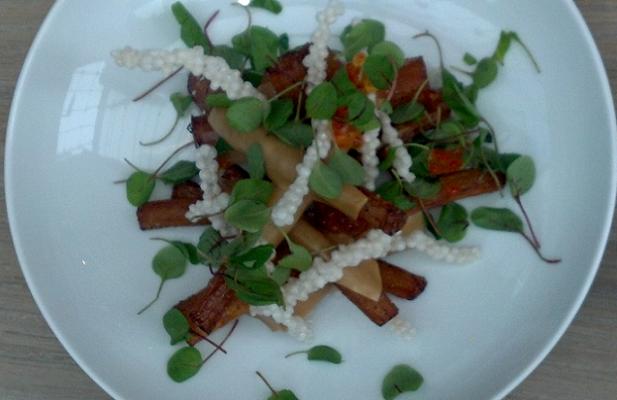
Curl up with a good red

PHOTO: STEVE CUKROV/FOTOLIA.COM

as seen on canada.com

Canadians were warned that we would see some “harsh bites” this winter and while the attack has thus far been quite benign, there are signs that the worst is yet to come. The predictions were kind to Western Canada but not so for the east. The Atlantic provinces have already been subject to some harsh conditions and Ontario, well, no big deal thus far.

Earlier this week my lighthearted attempt to cheer up a few million cold and flu stricken Canadians certainly struck a chord. Thank you all for sharing. For those of you that prefer red wine to cozy up to on these bone-chilling nights, this one’s for you.

Here are six warm-bodied reds to look for this coming weekend.

Six warm-bodied red wines

The grape: Dolcetto

The history: The Gamay of Italy, from Piedmont in the Northwest

The lowdown: Boasso turns out a Dolcetto serious to its appellation not unlike how great examples from Morgon or Côte De Puy are to Beaujolais

The food match: Mexican beef brisket and winter squash chili

Boasso Meriame Dolcetto D’Alba 2011 (303461, $15.95) also reminds me of young Tempranillo from Montsant. This one acts like jam-dusty confiture, not sweet but fruit forward. Not typically plum and sour cherry searing and even a touch funky.  Like Cru Beaujolais there is further extraction and earth-resonant, secondary characteristics.  88

The grape: Malbec

The history: Cahors in the south of France makes the most pitchy Malbec on the planet

The lowdown: New world Malbec from an old world setting

The food match: Roast Sirloin Tip Roast Sliders, ciabatta roll, horseradish mustard

Clos Troteligotte Kor Malbec (299982, $16.95) is indeed a troglodyte, at least in colour and its’ caveman, musty odour, in an alpha male kind of way. Smoking cedar boughs, mint splinters, sweet, CDP Kirsch and blackberry smells lead to a very ripe, then dusty and chalky totality. Good bones, fine lines, great label.  89

The grape: Shiraz

The history: From the winery of founders Allan Jackson and Don Triggs, who established the winery in 1993

The lowdown: Winemaker Marco Piccoli embraces the generous ’10 vintage to craft a serious Shiraz

The food match: Smoked Lamb Sausages, roast garlic smashed potatoes

Jackson-Triggs Niagara Estate Grand Reserve Shiraz 2010 (317941, $19.95) impresses in pitch, kick and fleetness of foot. A middle of a moonless night depth allows for a keen sense of smell, of charred and roasted meat. Plays as much by Aussie rules as by a Canadian 110 yard thing and is very much Shiraz, as opposed to Syrah. Runs deep routes into red zones down under.  89

The grape: Cabernet Sauvignon

The history: From the “House of Momi,” legend Momi dea Bionda and the three Italians, including winemaker Dario de Conti, who is also in-house chef

The lowdown: Who isn’t weary of inexpensive Napa Cabernet? This one avoids cliché; the winemaking is honest, unencumbered and not masked by heavy oak

The food match: Grilled Beef Tenderloin Medallions, caramelized onion, brussels sprouts leaves

Ca’Momi Cabernet Sauvignon 2009 (315002, $22.95)  over does nothing, accomplishes everything. Napa berries lean blue out of a dry and dusty entry. The film is vanilla, not chocolate, the middle earth a bit rusty and rustic. At 13.9% abv the heat is so acceptable, the edges rounded and soft. The length lingers on. Perhaps you’re on one of those no-Cab diets? If you have balance in your life, why wouldn’t you buy this?  90

The grape: Tempranillo

The history: A re-release of a wine I referred to last April as “Titanic Rioja

The lowdown: A blend of 80% Tempranillo, 16% Grenache, 2% Mazuelo and 2% Graciano. Aged in American oak for 36 months. 13.5% abv.

The food match: Chicken Hashweh with Vegetable Stuffing

Bodegas Franco-Españolas Rioja Bordón Gran Reserva 2004 (114454, $22.95) is still classic Rioja. Smouldering cherry smoke now, deft wood touch. handled with care. Old school but user-friendly. My previous note: “Whiffs salve-scented snuff, “gets you hooked and trifles with your mind.” The spicy cereza blossoms and heads straight south to the heart, followed by a sexy, brown sugar, saxy, Bobby Keyes note. “I’m no schoolboy but I know what I like.” I wouldn’t hesitate to visit this every couple of years up to the age of 15.”  $22.75 at the SAQ.  90

The Splurge

The grapes: Cabernet Sauvignon, Merlot and Petit Verdot

The history: Marc Pages and son control this estate that dates back to the 16th Century

The lowdown: This is as good a “tier-two” level Left Banker as you are likely to find to peek into the mysterious world of top-vintage, look 10 years into the future Bordeaux

The food match: Butternut Squash Agnolotti w/ Brown Butter, Sage & Pecorino

Château La Tour De By 2009 (189233, $28.85) is firm, taut and gripped by grainy, chalky tannin. Quite pitchy and stormy for Médoc. Not offering much at this stage but it is structured from top to bottom and shows tons of potential. Awaiting the emergence of the fruit will require patience, but I think it’s there.  90

Good to go!