Irresistible South Africa

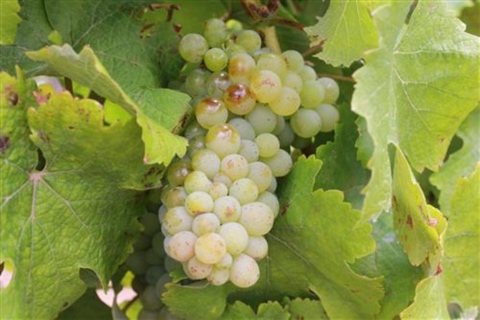
Fynbos, Vergelegen Estate

Irresistible South Africa of exceptional quality at every price level, LCBO limited time offers and lingering memories of another unforgettable Cape Wine

as seen on WineAlign

This feature was commissioned by Wines from South Africa

Eight months have passed since my last great journey to the wine lands of South Africa’s Western Cape and memories nor great heart have faded even just one bit. The Cape’s beauty is everywhere, breathtaking beauty, at every turn, in vineyards, across estates and especially in people that give their all to craft some of the world’s most special wines. That is why the coming weeks present an opportunity by way of an increased presence and access because Wines of South Africa and the LCBO teem up once again. Prepare to be smitten by an offer of a set of Cape wines that collectively speak to both quality and value. Undervalued already, these limited time offers (LTOs) deliver a diverse set of varietal wines and appellative blends at prices 50 percent below what these wines are worth. To pass them by and not take advantage would be crazy. These are your summer wines, laid out like a shilling dinner and only a fool would scuffle past without purchase.

The LCBO’s Destination Collection includes the “Discover the Wines of South Africa” promotion headline that reads “with a 350-year winemaking tradition, South Africa blends high-quality production with eco-friendly practices, making it one of the most exciting and earth-friendly wine regions around.” Truth spoken. The LCBO’s Limited Time Offer (LTO) Program provides suppliers and stores with an opportunity to build excitement and awareness while offering a discount on selected products. Rates to the supplier or agent are charged based on the full reduction in retail for the number of units sold at the LTO price. Mandatory Pre-printed LTO (flat rate) signage costs are $1,500.00 per product, per Promotional Turn. To qualify for the program, a minimum discount of five percent or $1.00 per package (whichever is less) must be offered at retail. The maximum discount allowed is 20 percent off the regular retail price. Limited Time Offers start on the first Monday and end on the last Sunday of each Promotional Turn. The Wines of South Africa P4 offer is an opportunity for customers to spend a total of $30 on any South African wines to receive 40 APP (Aeroplan Points) and runs from Monday, June 19th through to Sunday, July 16th. See below for a WineAlign crü Buyers’ Guide to current LCBO and VINTAGES Essentials LTOs for South African wines.

Godello and Szabo in Hermanus

John Szabo MS and I were in the Cape together back in October of 2022 and over at WineAlign he has penned a piece he calls “Investment grade South African wines for the cellar.” It will be worth your time to open up a separate tab to read up on John’s outlook. As he explains here, “which, ounce for ounce, consistently overdeliver on sheer quality and pleasure for the price. Add in longevity and the capacity to develop and improve over many years, and you have the recipe for investment grade wine, especially if you consider it an investment in future pleasure and care less about re-selling the wines down the road for profit.”
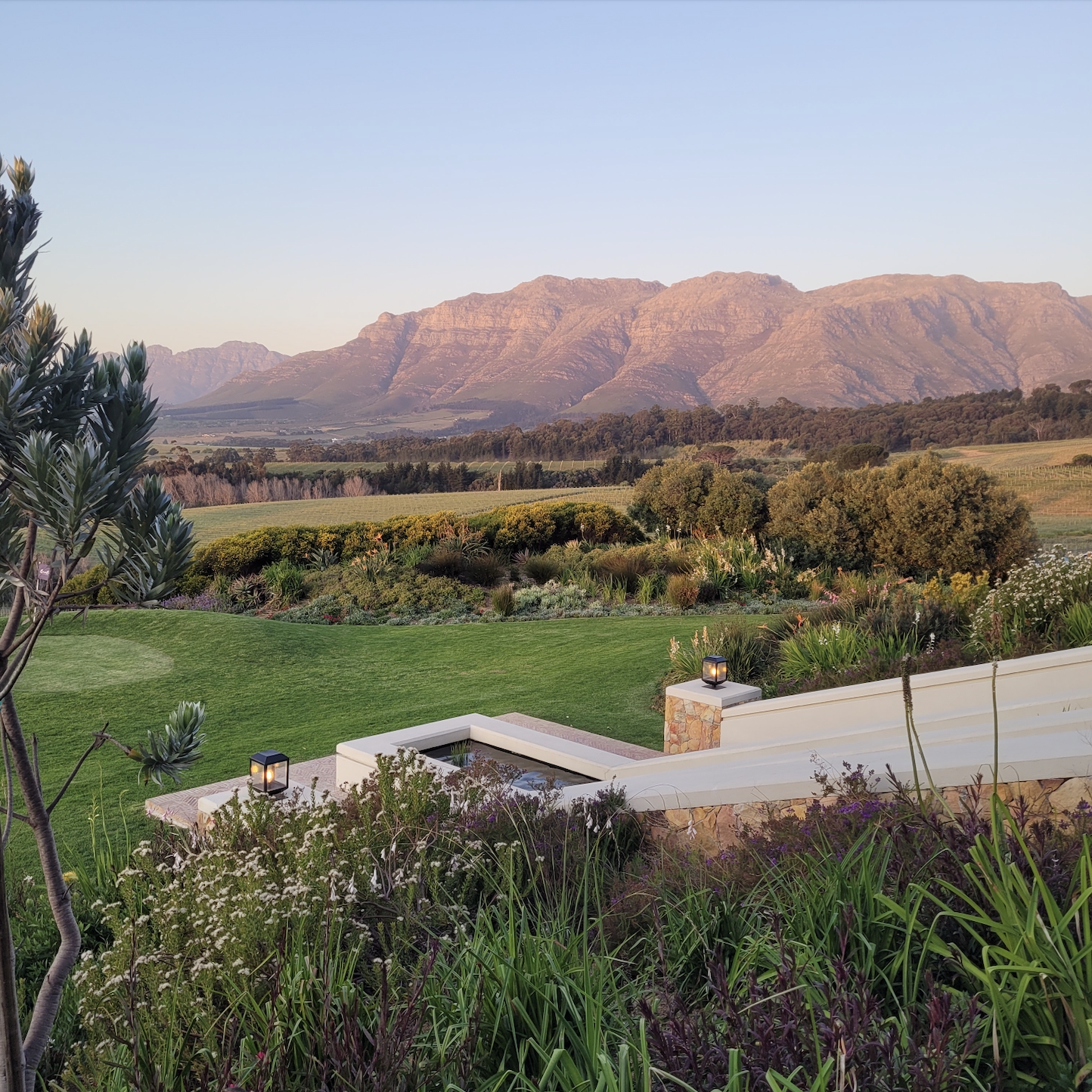
Ernie Els Estate, Stellenbosch

Reminiscences are part of everyday life but anyone who has traveled through South Africa will find those particular recollections as strong and vivid as any. Back in February I penned my post-Cape Wine 2022 article Seeing Western Cape stars: A guide to Cape Wine 2022 with a recounting of regenerative and creative farming, old vines, new frontiers, 80 recommended current releases and the deliciously addictive South African snack known as braai brekkies. Despite that post’s lack of brevity there was simply no way to fully package 11 days of tasting, eating, conversing and trekking in the Western Cape. Not to mention how much time it truly takes to fully assimilate and gain a deep understanding of what was seen, heard and felt on that trip. I am no stranger to extensive travel but there is no wine producing country that gets under your skin and keeps you perpetually energized like South Africa. Fatigue and jet lag are non issues but being anxious about missing something or skipping moments where the incredible are guaranteed to happen – now these are real issues. So allow me some latitude to recall and expand on some quintessential Cape moments. After two unforgettable visits in 2015 and 2018, the third Cape Wine expedition is now cementing into the stuff of legend.

Celebrating Rosa Kruger in Cape Town

The certification system for of Old Vines

It begins, as it must, with South Africa’s cast of characters, the beloved Old Vines Project’s André Morgenthal, original concierge of Wines of South Africa and Rosa Kruger, progenitor of the OVP. As I previously noted, “Over the past 20 years viticulturist (Kruger) has focused on discovering, classifying, cataloguing and certifying heritage vineyards. It was a great pleasure to chat with Kruger at a Wines of South Africa ceremony and tasting at Cape Wine 2022, which celebrated her 2022 Decanter Hall of Fame Award. And also with the legend (Morgenthal), orchestrator of the tasting of old vines wines. It is remarkable to see how many estates and producers have come on board — to celebrate and show off the wines they are making from 35-year-old (and older) dry-farmed bush vines. Many vines are even pushing or exceeding the century mark.” With thanks to André and Rosa there was an evening’s opportunity to taste dozens of certified old vines examples, many of which were covered in my last report. Here are but a dozen more worth knowing.

Chenin Blanc Data

Signatory authority Chenin Blanc

As for chenin blanc, if you are a grower, producer or winemaker in the Western Cape, signing a contract for yourself with chenin blanc, well then you’re good to go. Sign away. Planting, resurrecting, reviving, perpetuating and extenuating chenin blanc vine circumstances  to make varietal wines is like finding and selling gold. Since 2011, local chenin blanc sales have doubled, including an 11 percent increase between 2021 to 2022, while total exports (packaged and bulk) have nearly tripled in that 11-year span, also with an 8.5 percent gain from ’21 to ’22. These increases have occurred because the chameleon can play in any sandbox and become anything a consumer wishes it to be – this despite total planted hectarage having decreased 10 percent since 2011. Name a grape tied to a place’s success anywhere near equal to the symbiotic relationship between chenin and the Western Cape? Please don’t say malbec and Mendoza. The future will always be chenin blanc, worldwide and especially here in Canada. Canadians have embraced and fallen sick in love. If you are already one of them, or even if you are yet to have sipped the Kool-Aid, there is always a next level chenin blanc waiting for you.
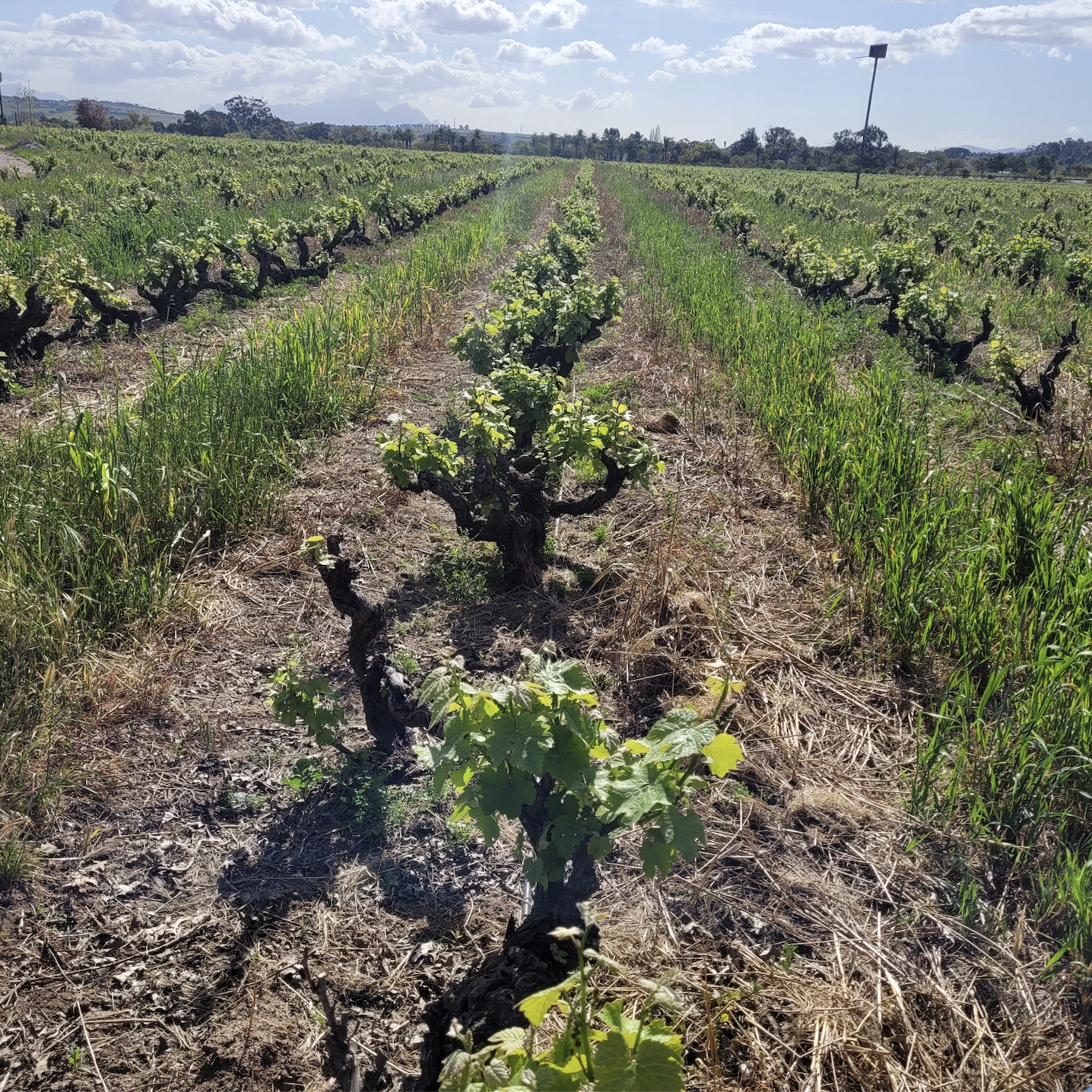
Old Vines Chenin Blanc, Ken Forrester Vineyard

Zeroing in on sites in reds and whites

Soon enough it will be ten years since I first referred to growing anything and everything in the Western Cape as being akin to a viticultural “wild west.” The ancient geology split between decomposed granites, Malmesbury, Bokkeveld or Witteberg shales and Table Mountain sandstone make for the most diverse and paradoxically hospitable grounds where the varietal spectrum is encouraged. The morphology of my personal understanding grew to look at land and vine as something more focused and the map of varietal matched to place began to take shape. Writing here in 2023 brings white and red varietal wines, plus the coalescence into appellative blends into pinpointed accuracy where winemakers make their mark based on experiential decisions. Heritage vineyards are nearly always key, magical conversion rates create situations unparalleled, but the very presence of rampant sustainable and regenerative agriculture is what truly separates and indeed defines the wine production of South Africa. The Western Cape faces never-ending challenges because of isolation, climate extremes and internal political struggle but I have written this before. “The (wines) are too good to miss, not just a handful but hundreds of outstanding examples. Quality has risen exponentially, virtually across all places of origin, including new frontiers. The stars are out, and they are aligned.” I give you 30 further examples; varietal whites and reds, white and red blends, plus one dirty little secret.
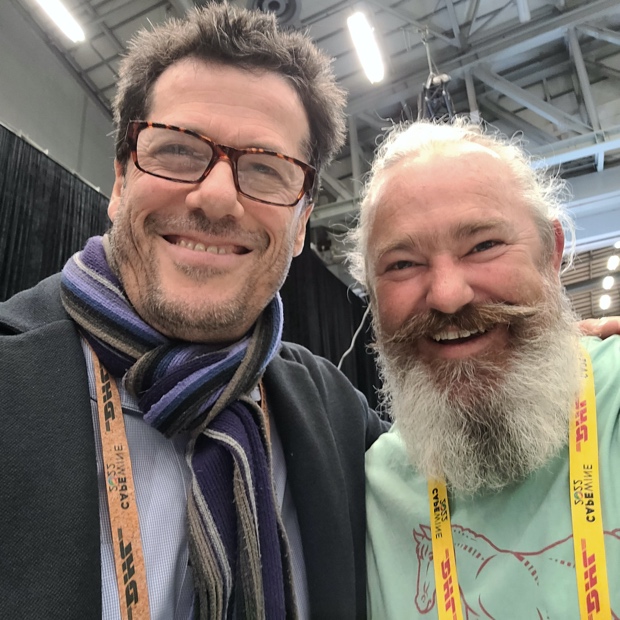
With Adi Badenhorst

Varietal Whites

A.A. Badenhorst Chenin Blanc The Golden Slopes 2021, WO Swartland

Bottled mid January and released in May. Single vineyard, quick ferments, high fructose content avoided, no sulphur needed until just before bottling. From plantings going back to 1968 and through the 1970s, the Golden Slopes had usually been aged in foudres but now so much more in concrete “to preserve that raciness as long as possible.” A true cracker scintillant of chenin to be sure yet with all the ripeness in phenols plus stone fruit texture possible. A capture of the 2021 Swartland chenin blanc vintage without repose. “This is really all about vineyard,” insists Adi Badenhorst “and the way we like to farm.” There is a dream, to sit on the Golden Slopes beneath the stars while sipping a glass of 2021. Preferably in 2025. Drink 2023-2029.  Tasted October 2022
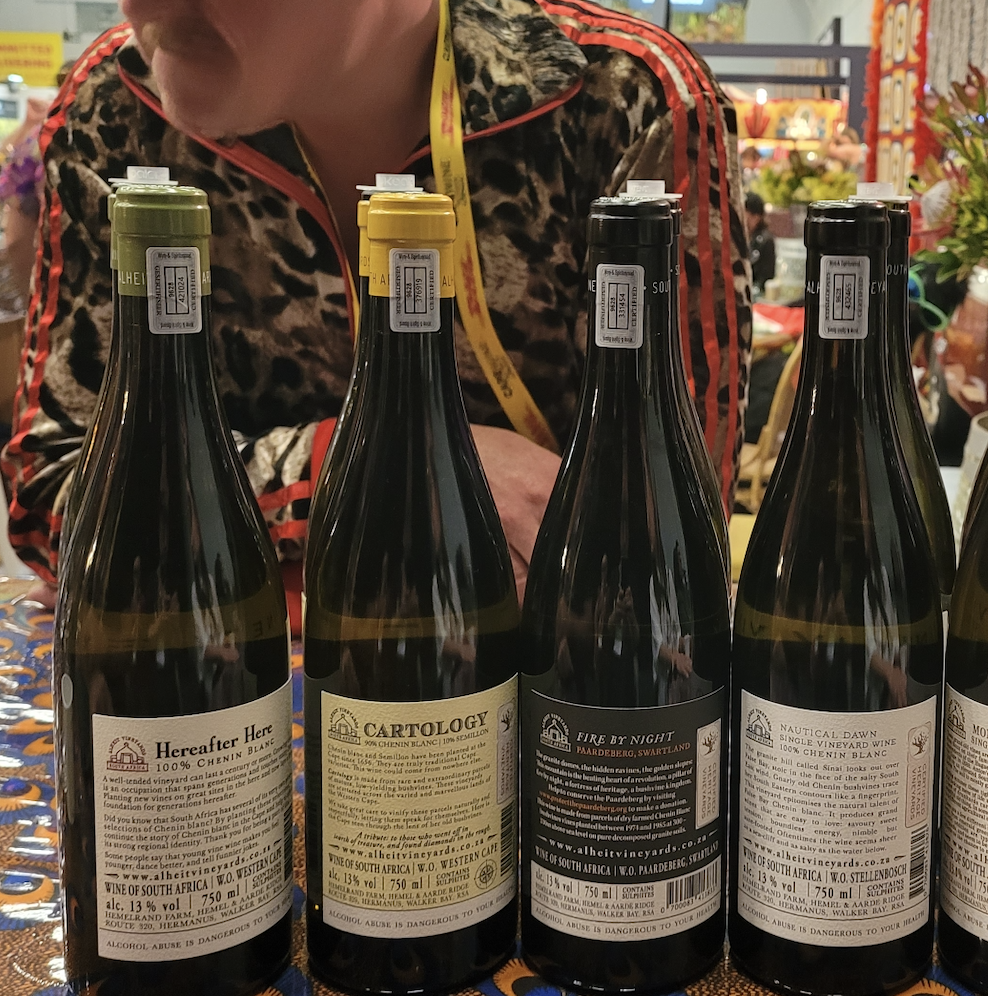
Alheit Vineyards Chenin Blanc Nautical Dawn 2021, WO Stellenbosch

Nautical Dawn as a single vineyard chenin blanc is drawn from a Paardeberg Mountain site with a view to the seaside and breathes out a defining wind that consistently blows through. Gusts of sodium run through this wine like no other member of the chenin blanc/old vines/Alheit temple. This is clearly a well established portent as elemental pierce, rehearsed without pause and arbitrarily close to the true value of the established parameter, in vintage after vintage. Lends this wine its distinct and cracker personality in a manner that is tight, bracing and complexly wound. Nautical Dawn carries itself with attitude and is a chenin blanc more than sometimes expressed as a great notion. From 2021 the values of place, experience and process concur to express inclination and ultimately belief. In Chris and Suzaan Alhet’s words, but even more so by their actions. Drink 2024-2030.  Tasted October 2022
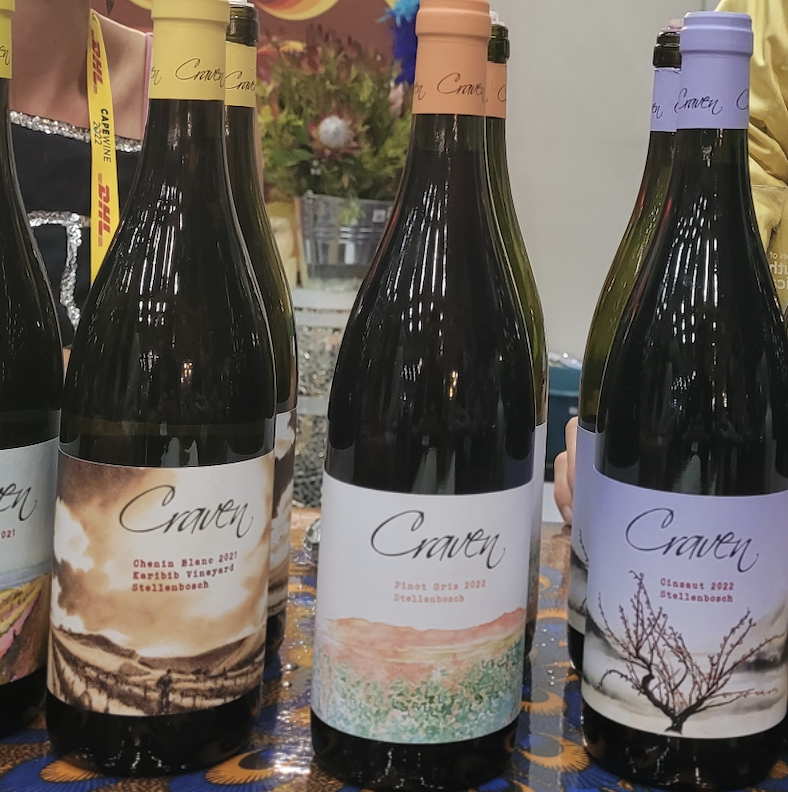
Craven Wines Pinot Gris 2022, WO Stellenbosch

Jeanine and Mick Craven’s Stellenbosch pinot gris continues to thrive and evolve by way of its base soil, that being the Koffieclip complex which is more and more proving to be where this grape thrives. A bit of skin contact, maybe six or seven days, unchanged for several vintages now but this is anything but a white wine made like a red. This and aging in concrete are two of the great things about the method, but not the necessity of creating crazy fresh and crushable pinot gris. This is that but also something other, with sneaky structure and underlying mischief to make sure the years ahead will bring about new fascinations. This is a wine that has come a long way. Truly, as memory knows this to be true. Drink 2023-2027.  Tasted October 2022

Crystallum Chardonnay The Agnes 2021, WO Western Cape

Five vineyards are contributors including three from the Hemel-en-Aarde-Ridge and older barrels nurture profound fruit for this the 15th vintage of a wine that first appeared in 2007. Perfectly staged, striped and reductive chardonnay, cracker piqued, peppery without any discernible overt pepper or capsicum. Wow, this hits the spot. Terrific “entry” chardonnay from Peter Allan and Andrew Finlayson. Drink 2022-2025.  Tasted October 2022

David And Nadia Sadie Wines Plat’bos Chenin Blanc 2021, WO Swartland

At a tasting where everything is Old Vines Project certified there must be something extraordinary about a wine to stand out from a crowd of greats. David and Nadia Sadie are in fact turning heritage vines chenin blanc (amongst other varietal explorations) into content born of context harboured though never paraded. They are rhythmic and scientific with just enough fantasy and romanticism, but never too much. Plat’Bos stands above Skaliekop and Hoë Steen because 2021 asks it to do so, not because it is better or more important, but it is surely chenin blanc profound. The 1981 Swartland planting is in the steady zone, shed of the mercurial and in ’21 so very linear yet salty of the earth in its sombre-sepulchral tone. There is reduction here because the poor soil nutrients demand that this chenin begins this way. The levels of tension and intensity are most elevated, sufficing to say as high as any from the Western Cape. Attention is paid unwavering to detail, sequencing is in order, purity incarnate, grape and place together pristinely kept. In Plat’Bos 2021 the palate is taken down to the whipping post by a wine built to endure. Given time there will be calm, healing and reward in the end. Drink 2024-2036.  Tasted October 2022
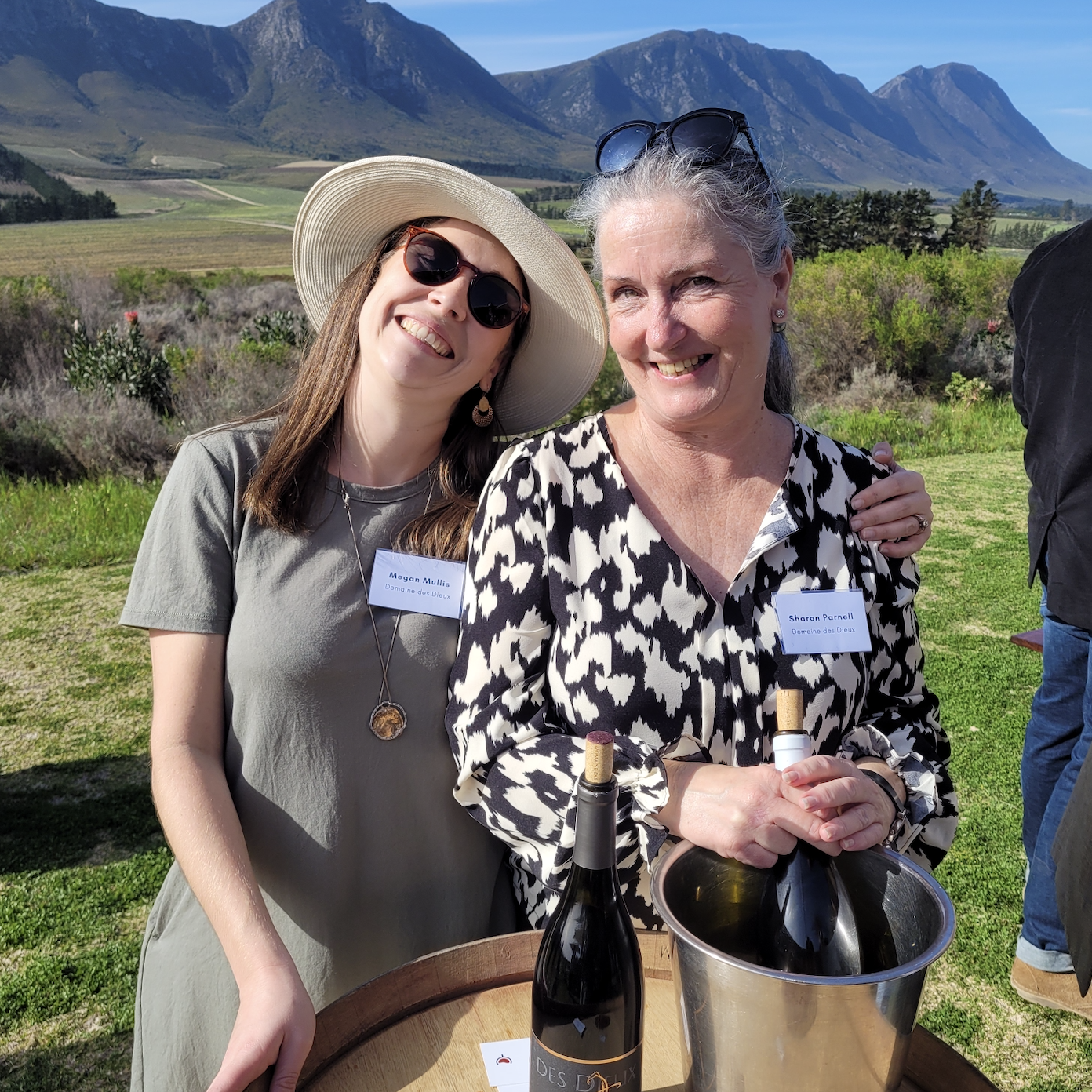
Megan Mullis and Sharon Parnell, Domaine des Dieux

Domaine Des Dieux Sauvignon Blanc Reserve 2018, WO Hemel-en-Aarde Ridge

From the start farming is opposite to chardonnay, exercised as Guyot pruning for a desire to increase yields as per what the variety will give and quality abides. Considered in unequivocal terms, this may just be the most, if perhaps the only Hemel-en-Aarde Ridge and in fact the whole of the Western Cape’s sauvignon blanc that truly intimates Pouilly-Fumé. The mix of macerated fruit cup juiciness and subtle if gentle smoulder delivers the mimicry, a wet rock struck kiss and kindest nurturing, finishing at lit paraffin. The winemaking lends reason to grow, raise and perpetuate sauvignon blanc right here on this ridge, in perpetuity. So long as the handling is as careful as it is here, to create varietal beauty incarnate. Drink 2022-2026.  Tasted October 2022

John Szabo MS, Anthony and Olive Hamilton-Russell and Godello

Hamilton Russell Vineyard Chardonnay 2021, WO Hemel-en-Aarde Valley

The uncanny taste of indelible memory stamped South African chardonnay defines this wine though there is a candied aromatic feel in this iteration. Chewy texture, elastic and stretched, creamed centre, fluid and generous. All lemon and lime up front and then recoiling, returning and finishing the same way.  Last tasted October 2022

A new return to a manageable vintage of warmth and generosity in which the beauty of Hemel-en-Aarde chardonnay comes across with sweeping charm, just as a vista will take in the scroll of hills, mountains and eventually fall, 100 kilometres away into the sea. The taut nature, tight control and expertly wound fruit behaviour follows a line of HR acidity like never before. The magnificence of the balance occupied by parts so known like home is what emanates from this chardonnay and the gracious people who make it. Can’t think of much better in South Africa. Drink 2023-2028.  Tasted July 2022
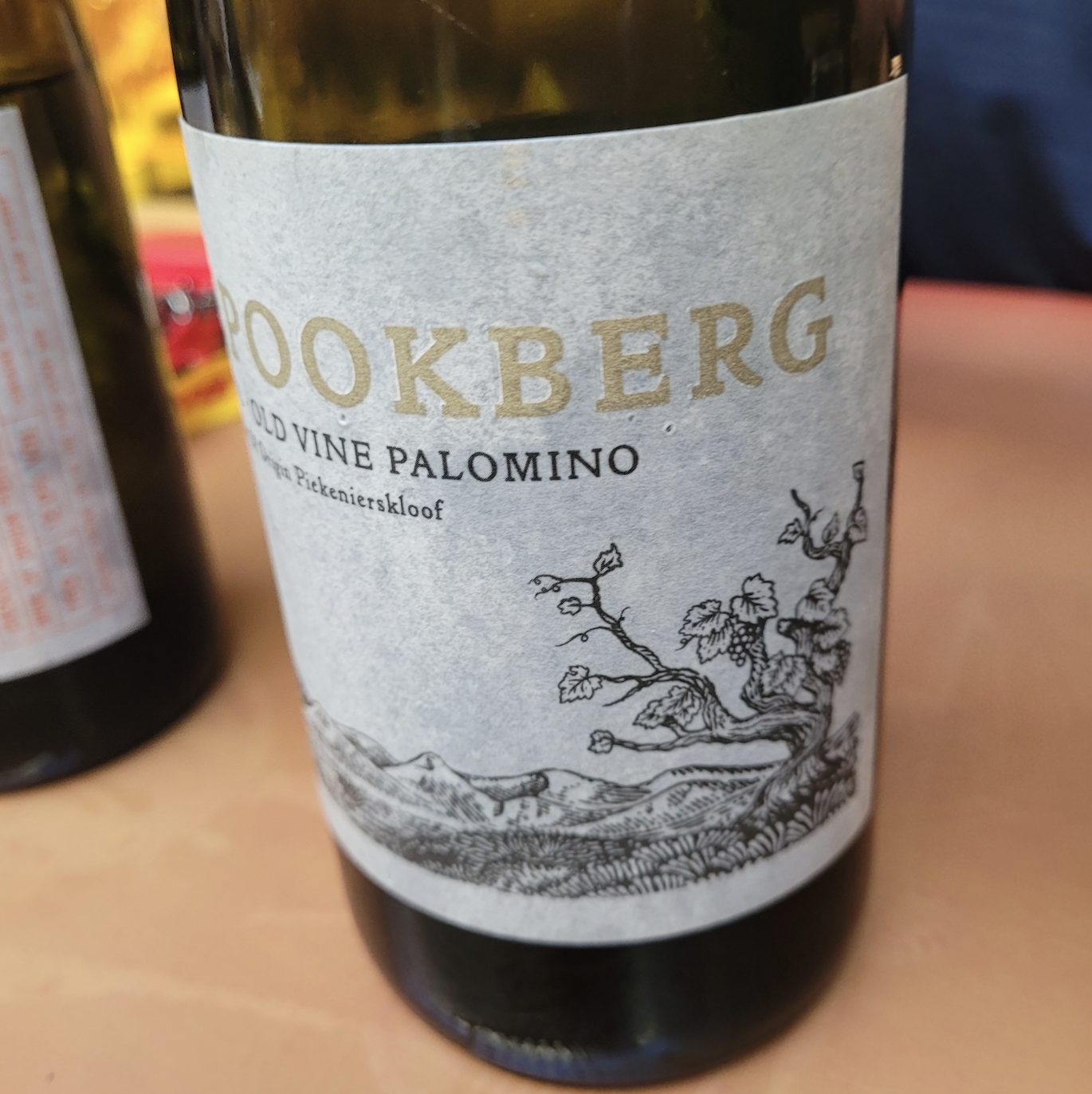
Huis Van Chevallerie Palomino Old Vines Spookberg 2021, WO Piekenierskloof

At harvest Christa von La Chevallerie is asked by the farmer “would you like three tonnes of palomino?” Who could say no to Spookberg, story of two wine lovers scouting the Swartland looking for the perfect old vines to tell stories the past? Know this about Christa von La Chevallerie. She is a Geisenheim-trained winemaker who checks her acid and pH numbers by sleeping in the vineyard, when others are on holiday. Christa knows the climate is changing and ever-menacing droughts are never the same twice. “Look at the sky and cry,” she says but fear not, for there is a way. The Spookberg recalls a castle and yes, ghosts as well and the parcel sits atop decomposed granite, direction Cederberg. Bloody great varietal wine because the fruit comes from this place, off of old vines and their destiny to Christa was all. The fino character is conditioned by both pH and acid in balanced conversion both mighty and releasing as sapid seriousness. No skin contact to mess things up, half de-stemmed, fermented in 400kg open bins. Wrapped, cooled and those whole bunches float on. They wait while the maker makes self-instructive demands. “Just have your hands on it and don’t be distracted by what you’re busy with. Keep the quality control.” These handsome old vines gift the best of both worlds; substantial South African fruit told as truth but also a quirk of idiosyncrasy because well, palomino. No interference, only a clear night’s signal and a varietal wine treated with respect.”They don’t like lava lamps.” Drink 2023-2028.  Tasted October 2022
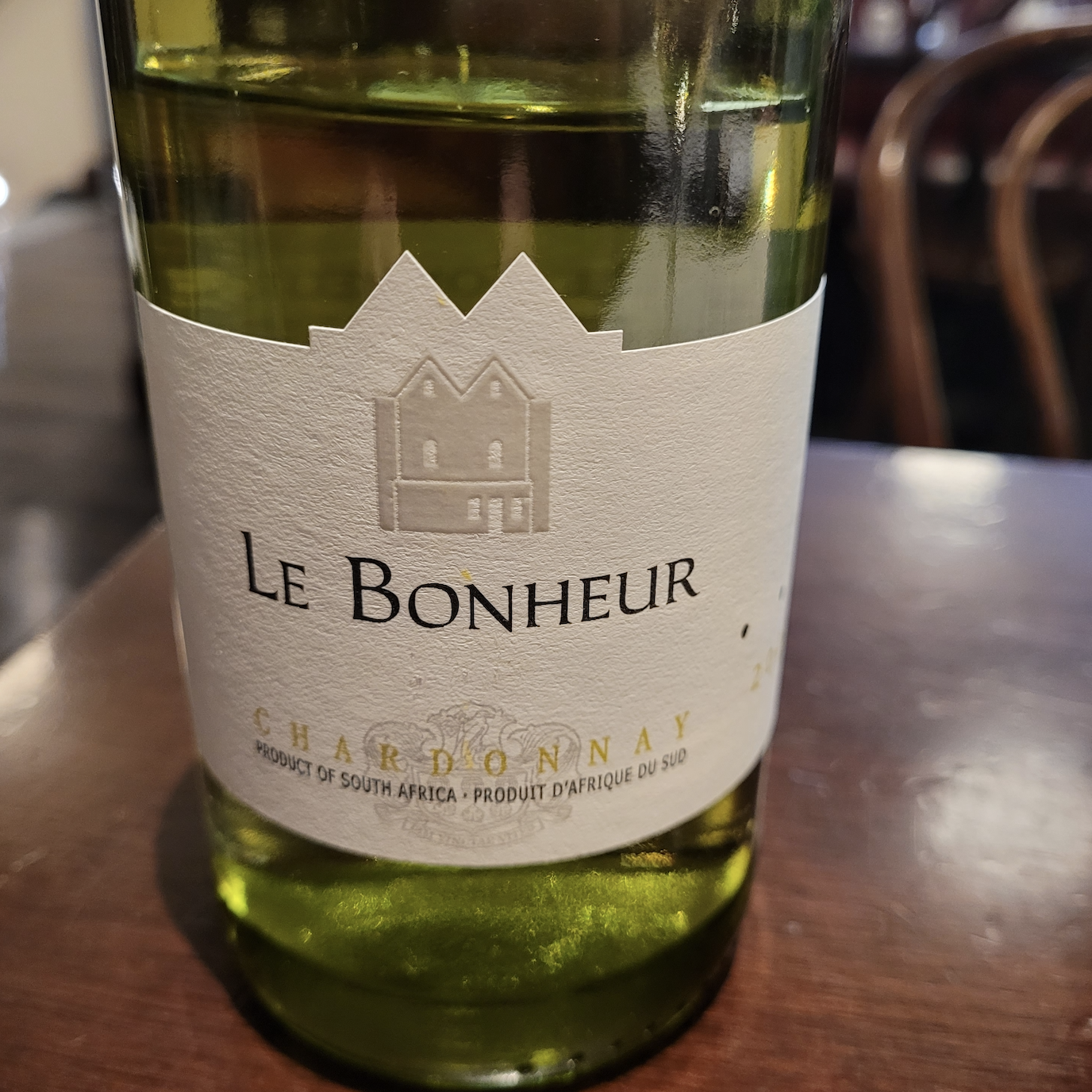
Le Bonheur Chardonnay 2022, WO Stellenbosch

Winemaker William Wilkinson is responsible for amassing a healthy quantity of this Stellenbosch chardonnay which makes the quality all that more impressive. Much of the fruit gains cooling benefit from the shadow of the Klapmutskop (Klapmuts Hill) which serves to extend the ripening season. Hard to get more lemon curd, zest and freshness than this with an undercurrent of fynbos that will never be denied. Clarity is one thing, length on a $16 chardonnay another. Will arrive in VINTAGES December 16th. Buy it up. Drink 2023-2025.  Tasted June 2023

Leeu Passant Chardonnay 2020, WO Stellenbosch

Chris and Andrea Mullineux started the project in 2013 with the help of viticulturist Rosa Kruger. “New” vineyards were unearthed and rehabilitated through four solid years of re-pruning, re-training and re-working of the soils. Then the wines could begin being made. A deconstruction and reconstruction, now seven years in and entering the opening gambit of true maturity stage for what is one of South Africa’s most unique heritage collections. Leeu means lions, a reference to a meandering walkabout, personified in these wines. They are made in the Franschhoek winery, certified organic, coming of age in their foray into regenerative agriculture, which says Andrea Mullineux, “in the southern hemisphere also means cultural and worker sustainability practices.” The 2020 is as fine a reductive but mainly lightning acidity charged chardonnay as a vineyard can determine. Located in the upper mid-slopes of the Helderberg facing the Strand with a clear view of False Bay. That said or perhaps out of necessity this is made in an oxidative way, which makes sure to keep the flinty and salty faith alive. The ’20 is possessive of fibres, threads, strings and wires braided to make a layered whole. Finesse and sophistication co-exist in a vacuum where waves crash upon one another in great open space, with no shore for to finish. If you would like to experience chardonnay in a way you’ve not likely done before than swim all the way out, well offshore, all in, all the way to this place. Turn around and off into the deep distance, gaze upon the strand. Drink 2022-2028.  Tasted October 2022

Momento Wines Grenache Gris 2021, WO Voor Paardeberg

Voor Paardeberg and its decomposed granite make for a wonderland from which to pull grenache in blanc and also gris. The vineyard is but nine years old and sits peerless in South Africa but to no surprise it is Marlise Niemann who finds it and makes it her own. Seven days on skins to accentuate the already grey-pink hue but even more so the pull of red citrus and other fruit aromatics; strawberry, rhubarb, sumac, pomegranate, pink lady apple skin and then the savoury greens of nightshades, in mildly spicy capsicum and wandering inveterate tomato. Old wood for 10 months is the obvious and right choice to maintain, prolong and extend these scents and create the taciturn of Momento gestures so befitting Marlise’s wines. Salty, taut and fresh but likely only a few more months away from blooming. Still there is enough grip with intensity to hold its flush for two or three years. Oh my does this country need more grenache gris and though it is very slow to propagate in the nursery Marlise will plant more on her farm when it becomes ready. Drink 2023-2027.  Tasted October 2022
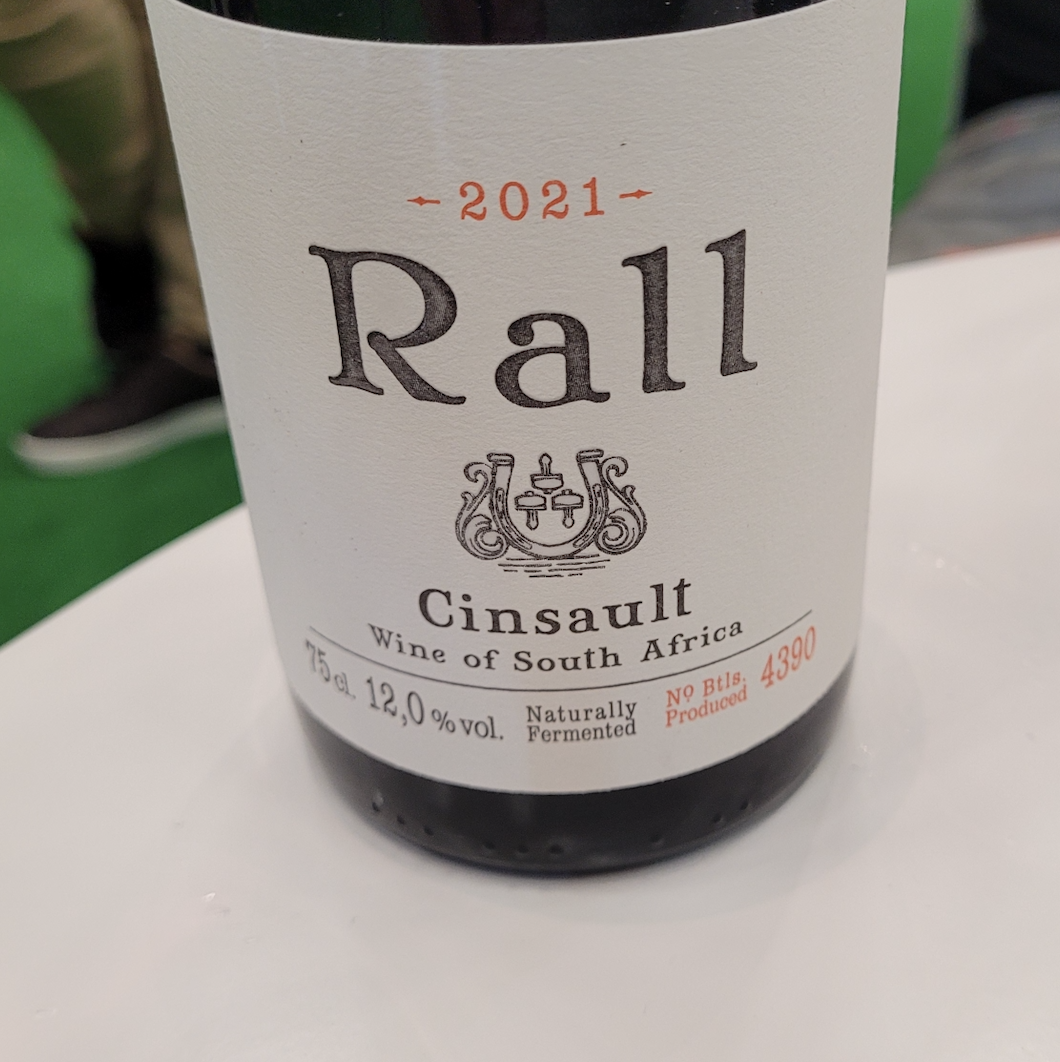
Rall Wines Cinsault Blanc 2021, WO Swartland

Fifth vintage, from a single 0.2 hectare vineyard and the first from a time when Donovan Rall just got the grapes for the first time. Here now 1,300 bottles, a “huge” quantity, all raised in amphora from Hout Bay, “a crazy potter,” tells Rall. Not as porous and a tighter, reductive environment. Delivers the benefit of true concrete but through the texture of clay. This wine is about heritage, manifested in texture and salinity. And of course the Swartland. “I’ve never worked with conversion rates this low,” says Donovan and this cinsault is a testament to the excellence and magic of the vintage. With no compromise to flavour, tannin, acidity and length.” The low alcohol at 11.8 is brilliant as no push to ripeness was needed to achieve these heights. Drink 2023-2027.  Tasted October 2022
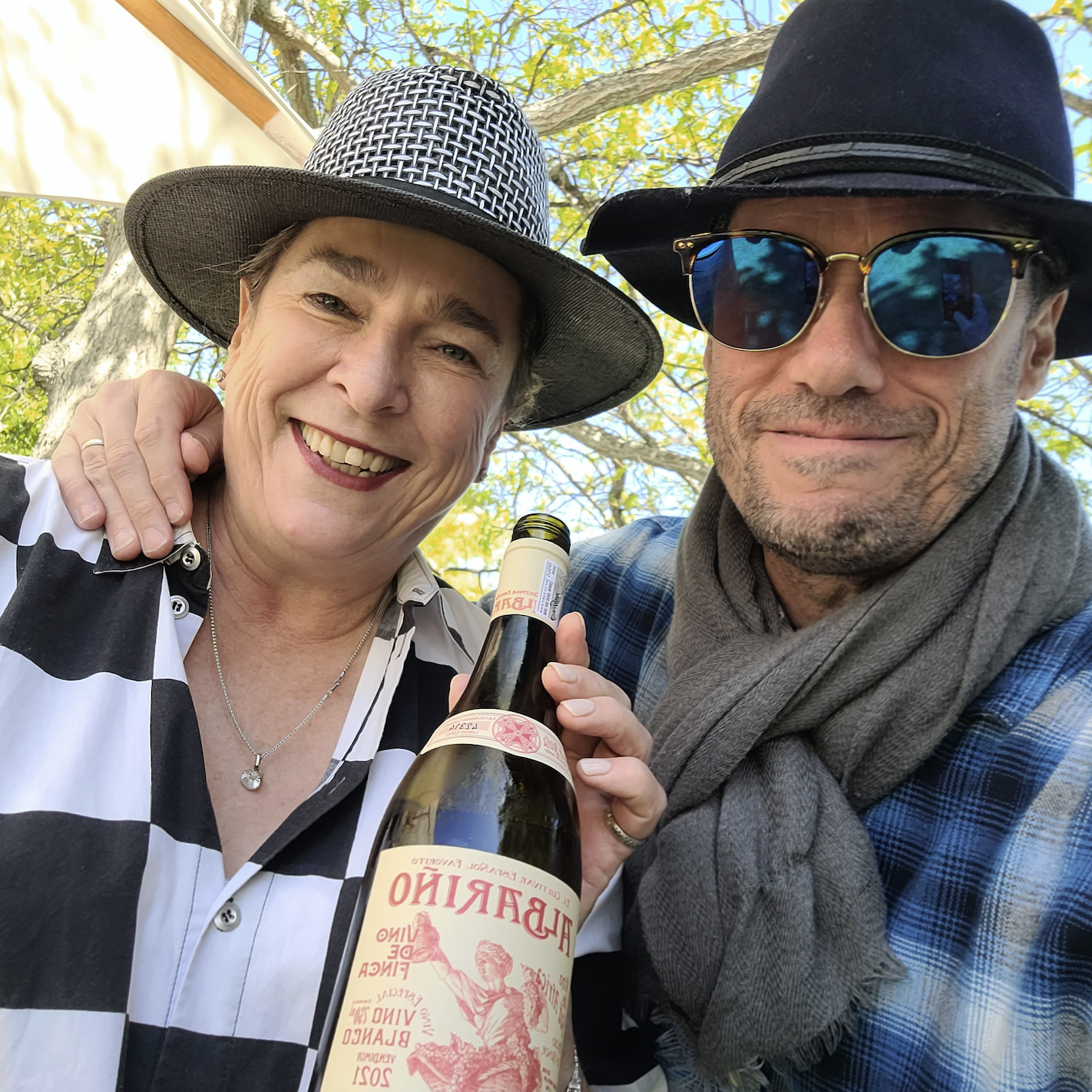
Jeanine Bruwer, Springfield Estate

Springfield Estate Albariño 2020, WO Robertson

Huge surprise to happen upon albariño but here it is, planted in 2010 “because we had to,” explains Jeanette Bruwer, “after a trip to Uruguay where we tasted the coldest bottle of wine anywhere.” Allow me to translate that as refreshing and I believe only Springfield Estate and Newton-Johnson are raising the Minho variety. These Robertson vines are from Hemel-en-Aarde cuttings, now comprising 16 hectares. Clay and granite are the impetus to imagine this salty and quenching albariño that sees a cold maceration, free run, pulled away at day 14 and left at negative four degrees. Only tank for four months and reminiscent of making moscato d’Asti in that suspended gelid animation way – save for finishing much dried and at higher alcohol. Cleanest juice determines the refreshment and this may be the Cape understatement of the year. Amazing case study! Drink 2022-2024.  Tasted October 2022

Varietal Reds

Hamilton Russell Ashbourne Pinotage 2020, WO Hemel-en-Aarde Valley

“There is a pinotage renaissance happening here and elsewhere,” are the words of Anthony Hamilton-Russell. He and winemaker Emul Ross make this example that is a one of a kind signature wine that’s just about as readily recognizable as any in South Africa. Wood is in the background, plum fruit and acid up front, structure present from start to finish. Comes in at just under 13 per cent alcohol out of a vintage where the yeast conversion rates were down across the Western Cape. Yields are 7.19 hL/L, ugly economics to be sure but this is the nature of quality pinotage to speak with great heart about the varietal matter. It’s the back end of this wine where the magic happens, but first a slow incline, then the plateauing before a subtle pause commits towards a long future ahead. Drink 2023-2029.  Tasted October 2022
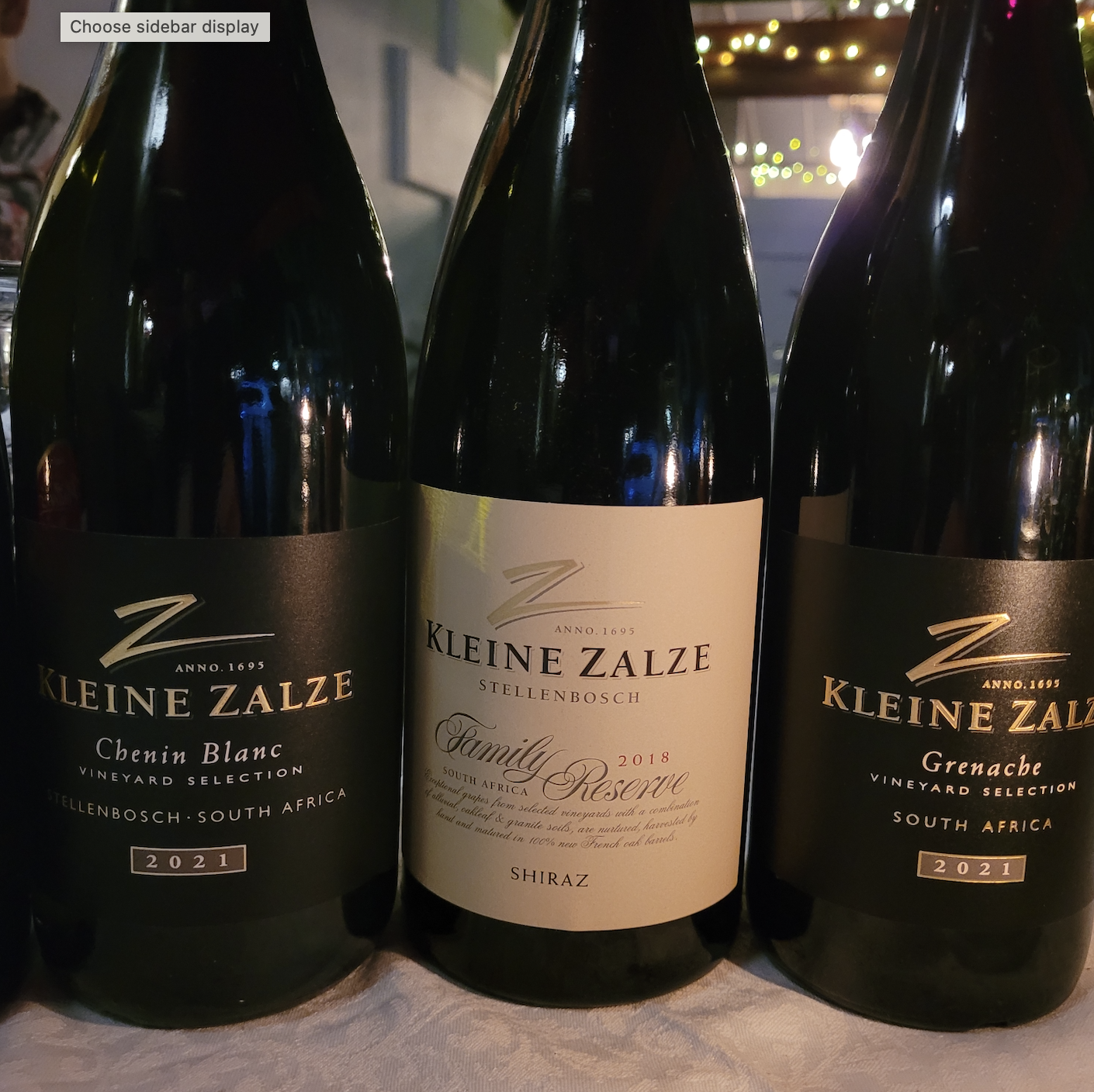
Kleine Zalze Grenache Vineyard Selection 2021, WO Stellenbosch

Quite ripe and heady grenache, chewy, clean and well extracted. Torque, as they say, a full 360 degree swing with balanced follow through. Hard not to note the Rhône influence and mimicry though in the end that Western Cape inimitability. Full grenache for your wishes and use of hard-earned cash. Meet the truth and real honour in this dedicated varietal wine. Drink 2023-2027.  Tasted October 2022

Porseleinberg Syrah 2018, WO Swartland

The large vineyard is situated in the SE corner of the Swartland, above the Berg River. The Porseleinberg is a bit older so there is some sandstone with the granite or schist below. It’s sedimentary metamorphic with weathered, worn away soils, and hard, harsh, poor growing conditions. There is this feeling that 2018 has begun evolving just a slight amount out of a vintage that is all about red, red fruit with a plethora of tannins and extract off the charts. This vintage was set up to be a beast of one, a perfect storm of climate interacting with the moonscape. Hard not to be in accord with Callie Louw – it will last 50 years. There’s no doubt. Small berries with the most intensity in the skins. Picked at 14.3, warm vintage but so implosive, from drought condition, rain in late October and November, totalling 221mm. The tannins are of the longest and most exquisite chain imaginable. A pulpy syrah with a magnesium mineral-salty finish. Drink 2024-2045.  Tasted October 2022

Craig Wessels, Restless River

Restless River Pinot Noir Le Luc 2021, WO Hemel-en-Aarde

Supremely, super-satisfyingly and aromatically saturated with all red fruits imaginable, of berries, stone and citrus. Blessed of high and layered tones, reaching a whole new level in terms of both composition and production. Layers pinot noir tracks upon tracks of perfume and flavour to create a richly symphonic sound. A wine of heightened awareness and a sensory grab to elicit awe by way of stunning melodies and lyrical themes. Sensory and musical, the Hemel-en-Aarde vinous equivalent of Pet Sounds, only instrumental, not wholly unexpected but surely fascinating and emotional. Something special indeed and likely RR’s best to date. A glass is such sweet happiness. Drink 2022-2028.  Tasted October 2022
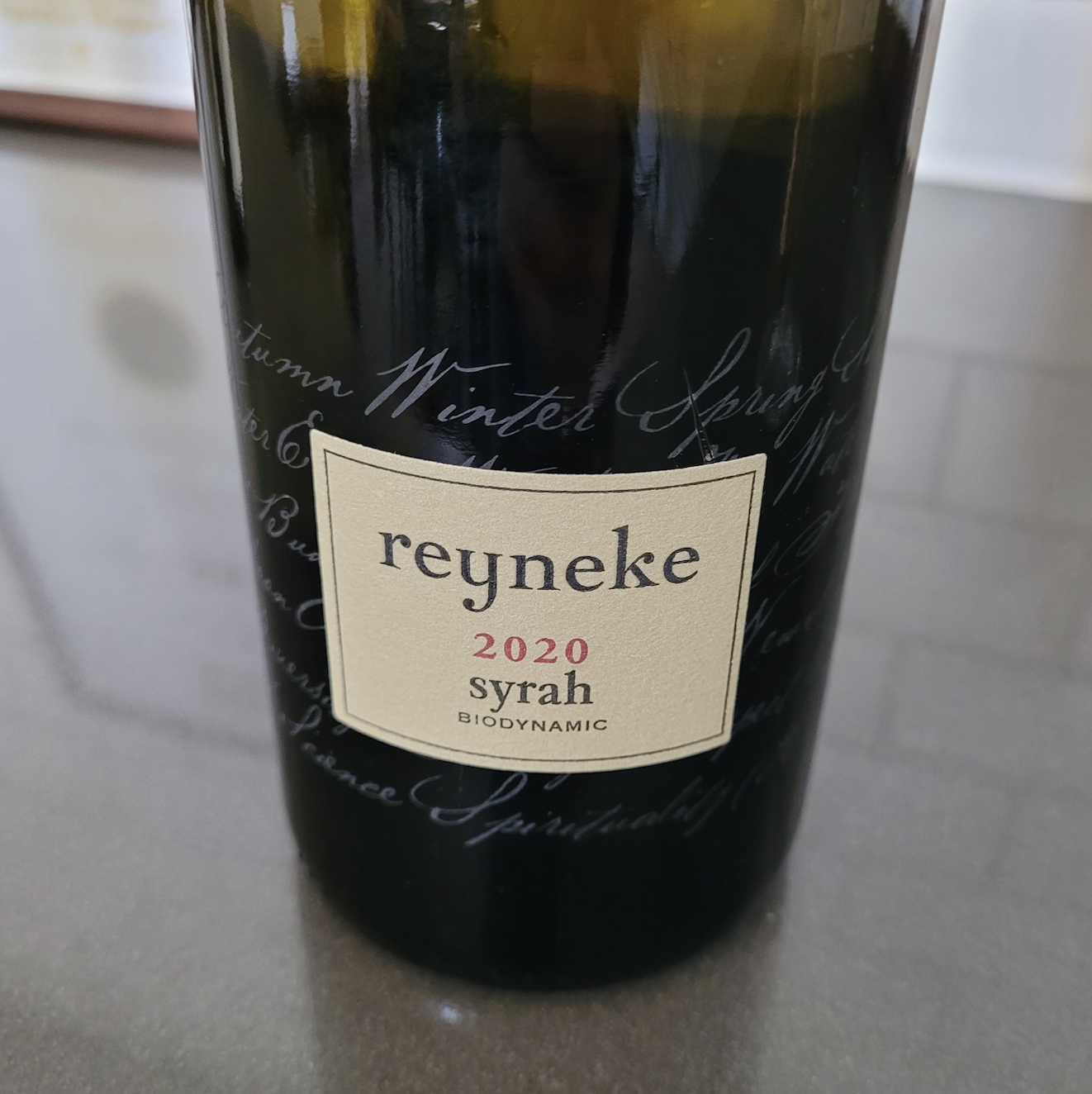
Reyneke Syrah Biodynamic 2020, WO Stellenbosch

Biodynamic and therefore 100 per cent estate fruit, a child of a fully submerged cap, sans pumpovers to create soft extraction, minimalist breakdown of the must and in the end a most gentle elevation in hue, aromatic perfume and poignancy. The glycerin texture and utter silk texture recalls wines like (Piemonte’s) Vajra and (Chianti Classico’s) Val delle Corti. There’s just something in this syrah-nebbiolo-sangiovese triumvirate vein that healthy grapes and adherence to maceration by way of capello sommerso winemaking will shed. Thinking on this as meaty is too basic as there are feelings of roasted nightshades, black olive tapenade and garrigue brush that consider syrah’s motherland and more so this sector of Stellenbosch. Complex and sink one’s teeth into. Drink 2024-2027.  Tasted October 2022

Saurwein Pinot Noir NOM 2021, WO Elandskloof

Jessica Saurwein’s profound (OM and NOM) pinot noir program is driven and focused, from two locations, the other being the Hemel-en-Aarde Ridge of Hermanus at Walker Bay. Here the site is the Kaaimansgat Vineyard in the Elandskloof Valley located at Villiersdorp. NOM, as in the ability to change from animal to plant, something the world cries for, needs and will have, eventually, out of necessity. But Saurwein is clearly both hopeful and nostalgic, “like an Adam and an Eve, waterfalls, the Garden of Eden.” Her talking pinot noir could very well be drawn from the heads of Sonoma Coast heights, from a place of warm days, fog and cold nights. Elandskloof is such a place, where phenolics are written in naked terms, like pictographs in ancient caves. The ripeness tells a detailed story of two and half hectares of fruit in recall of a varietal story, of plants given to a winemaker who knows and treats them well. What else could they ask for? Purity and beauty are everything and if Kaaimansgat is not quite the same ethereality as that from the valley they call heaven and earth, so be it. The mouthwatering acidity, fleeting and transparent condition of this pinot noir is perfect.”We used to microwave. Now we just eat nuts and berries. You got it, you got it.” Drink 2023-2026.  Tasted October 2022

Storm Wines Pinot Noir 2020, WO Hemel-en-Aarde Valley

It was a happy accident that pinot noir was planted here upon the Hemel-en-Aarde Valley’s Bokkeveld Shale in a zone which shares great affinity with Bourgogne’s Côtes de Nuits. In addition to Storm the decision benefitted Hamilton Russell and Bouchard Finlayson, amongst others. The soil composition and specialized geography makes for a different style of pinot noir, from fine grains of soil layered with clay and decomposed granite. Just seems to liquify in varietal form replete with a ying-yang of natural sweet and savoury complements, but also inner silk threading and an outer layer of botanical sweat. Unique, fundamentally different, with ample tension and an impressive amount of potential. Drink 2023-2027.  Tasted October 2022

White Blends

Avondale Cyclus 2019, WO Paarl

White blend, driven by roussanne (30 per cent), with chardonnay, chenin blanc, viognier and sémillon. Round about 75 per cent whole bunch pressing, pressed off to old (500L) French barrels. Ages on the lees for 12 months. It’s about oxygen, texture and mouthfeel, with an orange wine out of clay amphora Georgian Qveri involvement, three months on skins and stalks, basket pressed and back into the clay. About 25 per cent. Adds another layer of texture, weight and minus all the the adjectives, connotations and negatives. Length without tonic, elasticity and spice without bitters. So well managed and executed. Drink 2023-2028.  Tasted October 2022

Mullineux Old Vines White 2021, WO Swartland

A style of South African white wine essentially started by Eben Sadie with Palladius back at the turn of the century. “Right away in 2001 when I first tasted it,” says Chris Mullineux, “it just made so much sense for the Swartland.” Adding some verdelho now, has only been the Swartland for 10 years but it’s really creeping in all over the Cape. It adds up to 14 percent alcohol, 9 TA and grippy phenolics to add force with some softer and generous white wines in the blend. This is vintage number 14 so if you like to think about things in lucky 7s then do the math and see this on the heels of what just must have been a most terrific 2014. The Granite and Schist ’14 Syrahs are pieces of Swartland heaven.  Last tasted April 2023

The chenin blanc involved is from vines up to 70 years old, two times into heritage status, refined in nature. here not a matter of more density but yes increased extract. Also contains viognier, clairette blanche, grenache blanc sémillon gris and verdelho. Crunchy as old whites come, especially this one, with just that righteous and ripping amount of alighted flintiness, lightning strike and claps of granite thunder. About two thirds are grown on the fine sandy, decomposed granite while schist, iron and quartz add grip, flesh and roundness. Full and layered composition of greatness. Drink 2023-2028.  Tasted October 2022
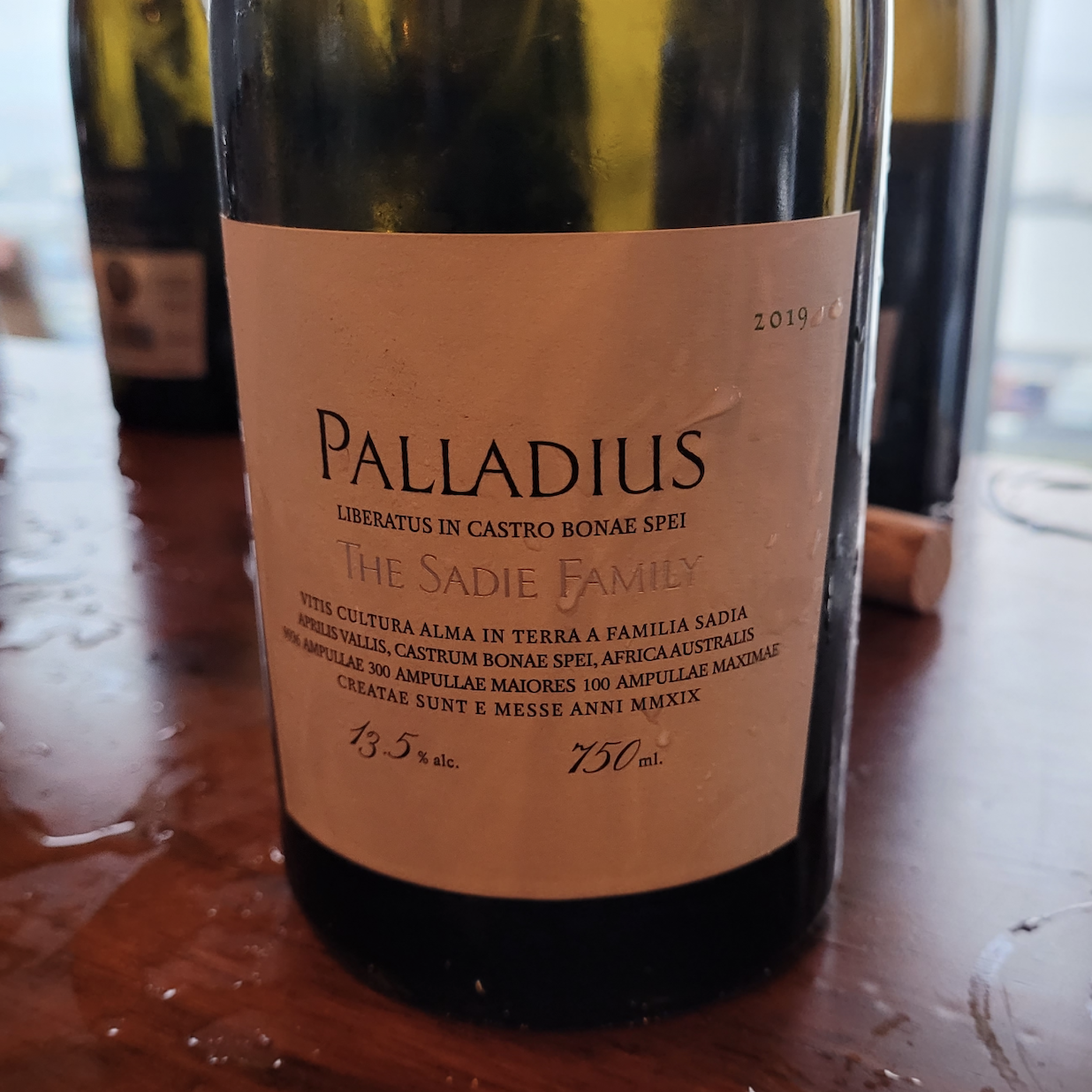
Sadie Family Palladius Liberatus In Castro Bonae Spei 2020, WO Swartland

Palladius, like Mev. Kirsten is a matter of the highest level of fruit concentration, extract and tannin but what separates is the flesh and the beauty noted so early on. Of chenin blanc, grenache blanc, viognier, roussanne and marsanne with palomino, sémillon gris, sémillon blanc, verdelho, clairette and colombard form 17 vineyards. Always the same 17 and it will become more once the experimental vines and blocks come to fruition. There are four co-plantations within and the wine is a mixed appellative and multifarious varietal bonanza of diversity and complexity. What a puzzle, maze and layering of so many different parts. How this works only Eben Sadie (and perhaps also his viticulturist, agriculturalist, winemaker, boys, electrician and plumber know). But does it matter? It finds you, grabs your palate, senses and shoulders, shakes your foundation and never relents. Drink 2024-2036.  Tasted October 2022
Red Blends

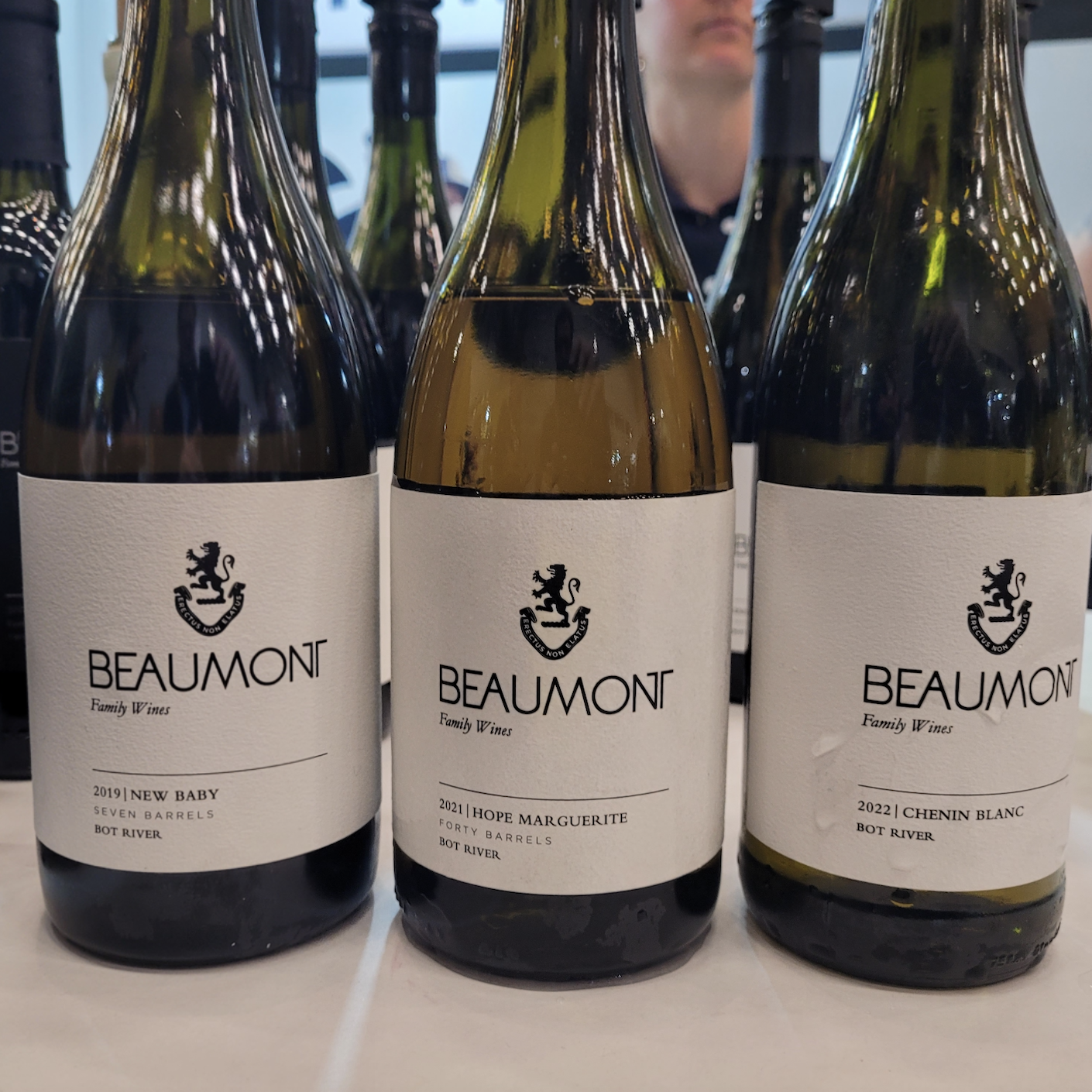
Beaumont Wines New Baby 2019, WO Bot Rivier

New Baby was released in June of this year and 2015 was the first vintage of a truly Cape conceptual wine. It was launched as a way to combine the idiosyncrasies and potentially complimentary personalities of different white grape varieties on the farm. In 2019 the lead is chenin blanc at 40 per cent with (30) sauvignon blanc plus smaller amounts of chardonnay, sémillon and colombard. They were all planted by Sebastian Beaumont’s father from 1974 onwards. The style and notion follow the line established by Hope Marguerite. “My mother said every vintage was like giving birth to a new child,” explains Beaumont. “Once you do something it’s hard to shake.” Yet another brilliant white appellative blend to define the Cape’s idiomatic meets wild west psyche and only in South Africa do the interpretations emerge like this. All in barrel and the vapour trail is palpable, especially in the flint and smoulder that come from the Bordeaux grapes. New Baby pops, piques, kindles and snaps, raises the senses and is just a perfect conceptual creation. Hard not to love this bloody wine. Drink 2023-2030.  Tasted October 2022
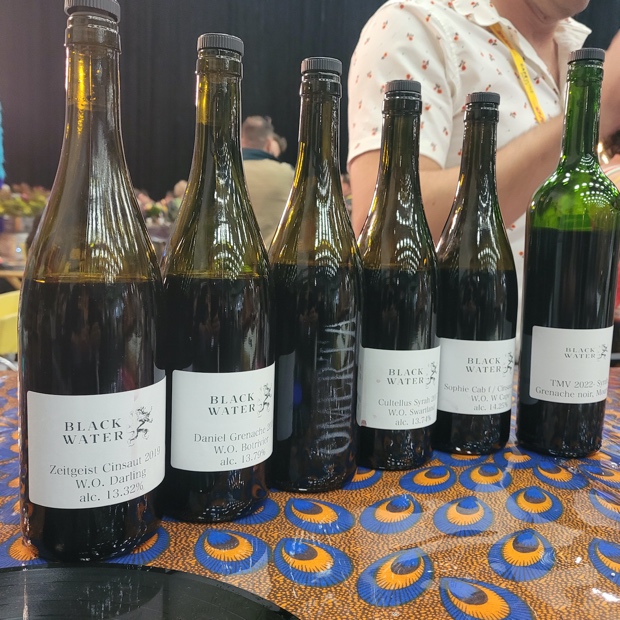
Blackwater Wines Sophie MMXX 2020, WO Western Cape

A new sku for Francois Haasbroek, inspired by old red Cape blends, not just a trend these days but a resurrection of style that is in fact new and improved fashion. Sophie is named after Francois’ daughter born in 2020, joining the Bot Rivier grenache named for her older brother Daniel. She is half and half Stellenbosch cabernet sauvignon plus Darling cinsault, affectionately reminiscent for a time when wines like these could be made and aged forever. “A classical blend,” tells Haasbroek though I’m not privy to any made in a 50-50 ratio with these two varieties. Nevertheless this maiden Blackwater voyage comes from three barrels of 30 per cent new wood. “Because it doesn’t get distracted by seeping up oak,” insists Francois and he is likely correct though we need to see where this travels. Long into the night it is suggested with fruit purity, strong facial features, good bone structure and an eye towards the future. Drink 2024-2029.  Tasted October 2022

La Motte Hanneli R 2015, WO Western Cape

The name of Hanneli Rupert, owner of La Motte. A blend of 58 percent syrah, (32) grenache and (10) petite sirah, full, more rounded than the Pierneef syrah and showing more barrel as well. The syrah comes from Elim and Franschhoek, the grenache from Walker Bay and the petitye sirah also from Franschhoek. Though truthfully speaking there is fineness, grace and elegance in the context of a big and fruit-centric wine. Acids are sharp, with iodine and this kind of concentrated pomegranate flavours. In the end there are waves of chocolate, not entirely bittersweet, succulent notions and clearly next level. Drink 2024-2028.  Tasted October 2022

Radford Dale Black Rock 2014, WO Swartland

Will admit to having a love-hate relationship with this wine which at times shows incredible beauty and at others goes straight over the top. The 2014 eight years forward is divine. A southern Rhône styled blend, composed of up to six varieties but does not have to every time out. Syrah often leads though not in this vintage because grenache showed the most promise for what needs to happen in this blend. Not the hottest of seasons and so in the context of South Africa there is red juiciness and a level of ethereal unlike itself, especially looking ahead to examples like ’17 and ’19. The carignan really surprises, but then again the vines are pushing 50 so their contribution is experientially significant. The ’14 has morphed, likely gone through dumb, swarthy and awkward stages but is now gentle and subtle in its testing meanderings. The fine and incrementally structured elements are clearly manyfold but now really coming together. A rager and a ranger, with some legs on it, still youthful and I will follow it anywhere. Drink 2023-2028.  Tasted October 2022

Savage Wines Are We There Yet 2021, WO Malgas

Duncan Savage continues his relationship with these blocks of touriga nacional and syrah planted by David Trafford back in the early 2000s on sites where Sijnn Wines produce the most fantastic red blends. Driving to Malgas from Stellenbosch or Cape Town often elicits an “are we there yet” cry because there are stretches on dusty back roads that feel like a journey to the ends of the earth. The southern most point in Africa more like it and Savage makes use of a few percent here and there with regards to blending grapes that change a wine’s perspective from year to year. He concedes that 2021 was a big sun, big canopy one, yet also following the droughts to create something beautiful and beneficial. Control is exercised and the mix carefully contorted for a red of nimble elasticity and then a Tetris effect occurs. Time and attention paid to tasting and thinking about Are We There Yet begins to pattern our thoughts, mental images and dreams. We are hooked and will be on this line for quite some time. Drink 2024-2029.  Tasted October 2022

Sijnn Red 2016, WO Malgas

Second vintage for Charla Bosman’s tenure at Sijnn and here her confidence shows in both the stunning aromatic profile and broad shouldered structure. The nurturing and comfort speak to a winemaker in the early subconscious stages of becoming a mother and a force of winemaking nature. Perfectly swarthy here and it’s really all about tannin management, controlling fermentation temperatures, whole bunch additions, punchdowns and easing extractions. “Channelling freshness but still staying true to the intensity that we have,” confirms Bosman. The quality of this red fruit with a touch of blue, acids of a natural nature and the suppleness of tannins makes this a wonder to behold. So many years of life still lay ahead. Drink 2022-2032.  Tasted October 2022

Something Other

Ken Forrester Dirty Little Secret Vin Blanc #3, WO Piekenierskloof

Seeds were sown for an auspicious beginning in 2015 when the inquisitive winemaker Shawn Mathyse was looking, asking questions about and in serious consideration of natural wines. His skeleton in the vat is an assemblage of chenin blanc out of a single vineyard Piekenierskloof site planted in 1939. There is some clairette blanche mixed in though according to the regulations it qualifies as chenin blanc. Four or five vintages are amalgamated from this sandiest of sandy soil, non-irrigated bush vine site. This is the third iteration which includes the vintages of (2017 through 2020). Scents and tastes of old chenin, clover honeyed, waxy and flint struck. The definition of natural wine the Ken Forrester way. Drink 2022-2025.  Tasted October 2022

Beauty in Hermanus

Buyers’ Guide to current LCBO and VINTAGES Essentials LTOs for South African wines

Whites

K W V The Vinecrafter Chenin Blanc 2022, WO Western Cape
Boschendal The Pavillion Chenin Blanc 2022, WO Western Cape
Spier Bay View Chardonnay 2022, WO Western Cape
Nederburg Sauvignon Blanc The Winemaster’s Reserve 2022, WO Western Cape
The Wolftrap White Blend 2022, WO Western Cape
With Love From The Cape Chenin Blanc 2022, WO Western Cape
Boschendal 1685 Chardonnay 2021, WO Coastal Region
Ken Forrester Old Vine Reserve Chenin Blanc 2021, WO Stellenbosch

Stellenbosch

Reds

Boschendal The Pavillion Shiraz Cabernet Sauvignon 2019, Pays d’Oc, Languedoc, France
Fairview Goats Do Roam Red 2021, WO Western Cape
The Wolftrap Syrah Mourvedre Viognier 2021, WO Western Cape
Porcupine Ridge Syrah 2022, WO Swartland

Good to go!

godello

Fynbos, Vergelegen Estate

Twitter: @mgodello

Instagram: mgodello
WineAlign

What comes next for the wines of South Africa?

A deep dive into the wine regions of the Western Cape, chenin blanc, and a Buyers’ Guide to South African wines

This feature was commissioned by Wines of South Africa, as seen on WineAlign


Several years back I commented that “the act of intense immersion into any important wine-producing nation and its diverse regional expressions can only leave a lasting impression if the follow-up takes a long, cool sip of its meaning.”

That was just the beginning of what I hoped to be a life-lasting fascination with South African wine and, seven years later, I can safely say the journey is going very well, if still only in the early stages of deep understanding. Just about exactly two months from today I will return to the Western Cape to rekindle, reconnect and extend my relationship with South African winemakers and their fascinating wines. Curiosity, anticipation and excitement have never been greater and so the questions is worth asking: What comes next for the wines of South Africa? At current the only answer forthcoming is how Cape Wine 2022 will be the most lekker experience of the year.

In all their combined iterations, the wines of South Africa are exciting communicators of heritage, history, emotions and declarative attacks. Collectively they spread with ripples like a large rock dropped into a pool of water. They are the beneficiary of effects created by two oceans and the great ancient, preeminent, decomposed and weathered soils found anywhere on this planet. Maturity is breathed into every phrase these wines are wont to play.

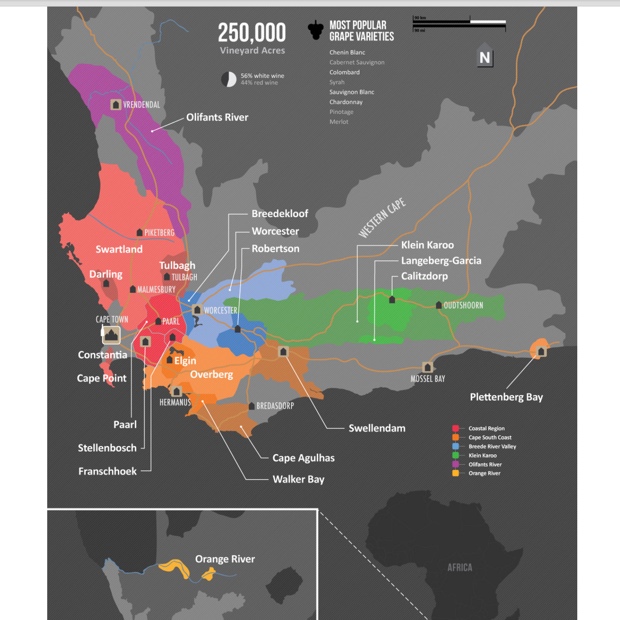
Growing regions of the Western Cape

South Africa is a medium-sized country that would fit into Canada eight times. It has a diverse population of 58 million people and is affectionately known as the ‘Rainbow Nation,’ a phrase aptly coined by Archbishop Desmond Tutu. Wine growing is limited to the southwestern region of South Africa, in the Western Cape Province, which is an area roughly the size of Greece. South Africa has been making wine for more than 360 years. The first grapes were pressed in 1659. The wines reflect the best of the old and the new; they present fruit-forward styles with elegance and finesse. The South African wine industry is one of the most technically advanced in the world of wine. There is an extremely rigorous Wine of Origin Certification Scheme, introduced in 1973, which guarantees that the wine is what it is designated or described. Each bottle carries a certification seal to guarantee that the claims regarding vintage, variety and origin on the packaging are true. South Africa has more certified Fairtrade wines than any other country. That is to say their products “guarantee a minimum price to cover the costs of sustainable production, as well as a premium to invest in social and economic initiatives in their communities.”

There are five officially demarcated regions of production — they are delineated based on the massive variations in soil, climate and location. The regions are: Breede River Valley, Coastal, Klein Karoo, Olifants River and Boberg. There is a commitment to environmentally sustainable wine production and wines can be certified by Sustainable Wine South Africa, which is part of the Wine and Spirit Board. The designation refers to grapes which are produced in harmony with nature, which allows vineyards to flourish alongside their natural habitat. The Biodiversity and Wine Initiative is a unique partnership between conservation bodies and the wine industry.

Cape Floral Kingdom – A World Heritage Site

More than 95 percent of the wine is produced in the Cape Floral Kingdom, where there are more than 10,000 indigenous plant species, more than reside in the entire Northern Hemisphere. This Kingdom has been created by a diversity of soils, produced from granite, sandstone and shale; as well as a diversity of climates and geography. This, in turn, has created a treasure trove of winemaking possibilities. As a result, South African wines have a huge array of flavour and aroma profiles, which lead to wines with intriguing character and drinkability.

Chenin Blanc

Chenin Blanc

While so many grape varieties take hold with utmost promise in the Western Cape, there is but one that persists, unwavering and timeless. Yes, it is true that grape varieties such as grenache, cinsault, syrah, pinotage, sémillon and many others are apt at aligning with covenant to their old vine sources but there can be little argument against chenin blanc residing at the top of that list, Chenin is the greatest beneficiary of age, fortitude and focus as provided by the old vine experience. The list of Western Cape chenin sites from Stellenbosch, Swartland, Citrusdal Mountains, Darling, Hemel & Aarde Ridge, Breedekloof, Bot Rivier, Walker Bay, Cederberg, Paarl and Robertson, reads like a biblical scroll; Bottelary Hills, Granite Hill, Helderberg, Kapteinskloof, Kasteelberg, Paardeberg, Perdeberg, Riebeek-Kasteel and Skurfberg. The grape variety has been in the country for more the 350 years, and can perform well in warm and dry conditions. The signature grape variety is South Africa’s golden ticket to global recognition and success. No other varietal message speaks with as much clarity and consistency than that of chenin blanc.

Stellenbosch vines and heritage vines planted in the 1970s and before are now performing at their best. Johan Reyneke speaks of the illness that had been running through South African soils and how he sought to build immunity and disease resistance through a holistic farming approach. Things did not transform overnight, so fathers and neighbours may have doubted the long, arduous and yet understood process. But it is that organic and sustainable approach for which today’s health and prosperity can be thanked. When it comes to searching for chenin blanc plant material, vineyard sourcing can be quite broad, of multifarious soil types and elevations, 40 to 50 year blocks on average, sometimes also including old vine sémillon. The distance from the first to the last vineyard in a chenin blanc cuvée might be 200 kilometres or more but, when brought together well, magic often happens.

Windy places help in so many respects, allowing a larger canopy to remain in place and exaggerate the dappling effect which chenin blanc so dearly loves. Reyneke’s is South Africa’s oldest Demeter-certified biodynamic winery, with vineyards on the top of an ancient granite mound and on less weathered soils lower in the valley floors. The vine struggle is real, a positive one for the wines and ultimately for wine lovers. Granite soils further up the Stellenbosch hills are less colluvial, really old and weathered, predating microbial life. The vines produce lower yields and the weathered earth gives life to chenin blanc. For Mullineux Wines and a Cape chenin blanc assemblage, it gives meaning to the gathered idea, like an AOC Chablis made by a houses in names of Fèvre, Drouhin, Moreau or La Chablisienne. Mullineux’s twist is the back blending with some old barrel ferments to balance new and “other” fruit components. A chenin blanc may be bottled the same year it was picked though that’s easier to do so in the southern hemisphere, where harvest happens in the first quarter months. The reasons are simple. Intense investigations through schist, granite and old vines floats the boat and raises the bar for more professional and accessible chenin blanc cuvées. With older heritage vines involved, as is the case for Chris and Suzaan Alheit, the concentration and density of the vines is inherent. The use of heritage material is the South African version of Atticism; that is a return to classical methods and rhythms in making really old chenin, but also the likes of sémillon.

Chardonnay vineyards in Robertson

Cap Classique

One of the sparkling wine world’s most important and impressive categories in origin is no longer called Méthode Cap Classique (MCC), but now Cap Classique. This South African term indicates a sparkling wine made in the traditional method (the same way Champagne is made), by which a secondary fermentation takes place inside the bottle. As it stands, Cap Classique must age on the lees for a minimum 12 months to be labelled as such, though this number will surely extend once the realization sets in that more is better. Cap Classique produces some of the finest, most complex and diverse sparkling wines in the world. In Champagne the annual production is somewhere in the vicinity of 350 million bottles so compare this to South Africa where a fraction of that amount is released to the tune of seven or eight million. Méthode Cap Classique bottles are made by 100-odd producers, 73 of which are listed on the website for the Cap Classique Producers Association (CCPA), an organization established in 1992. The name was derived from the fact that the classic art of winemaking was introduced to the Cape by the French Huguenots, and the first bottle-fermented sparkling wine produced at the Cape was called Kaapse Vonkel (Cape Sparkle).

It’s also very much a wine about terroir. In Stellenbosch the sparkling is often made from early picked, old vines chenin blanc grown on Duplex soils, colluvial decomposed granite overlapping gravelly clay. Ask Ken Forrester and he will tell you the gravels allow for good draining and the clays deliver a time release of water. All this helps during drought and the restriction of water creates texture on the palate. There are pioneers like Graham Beck’s Pieter Ferreira who are attacking with Brut Zero style “based on the philosophy of grower’s Champagne.” For others, like For Christa Von La Chevallerie, it’s a matter of “how far I can go with [the combination of] chenin and lees.”

“We’re making wines that develop too quickly,” insists Paul Gerber of Le Lude. Gerber believes the minimum time on lees should be raised to 15 months. As for sugar dosage, he’s like a cook in the kitchen. “Dosage is like seasoning. If you do it properly you don’t taste it.” Ferreira has put in the time and the research over 20-plus years to really understand the category but, more importantly, the potential. “You are always looking to express terroir,” he says. As for Gerber, he will say “sparkling wine is not a terroir wine? Please. This is completely untrue.” “For Brut we have to extend [the lees aging time] to 60 months,” explains Ferreira. “So there is no lipstick or eye shadow. ”For a deeper dive into Cap Classique please read my article post Cape Wine 2018.

Bot Rivier 

Bot Rivier lies southeast of Cape Town, sandwiched from south to north between Hermanus and Stellenbosch. “From the top of the Houw Hoek Pass, one gets the first glimpse of the vast, rolling hills and big sky of the Bot River area, where real people make real wine.” This is the credo of the family of wineries that farm and produce in the area. There are 12 members of the wine-growing association, all within a 10 kilometre radius of one another. Here chenin blanc might be crafted with just a hint of residual sugar (at just above 5 g/L), to balance the effects of a long, slow, ocean-proximate Bot Rivier growing season.

Paul Cluver with Ken Forrester’s Chenin Blanc

Elgin

There is so much diversity in the Capelands. There are rock n’ roll stars in the Swartland, R & B, soul & Motown in Stellenbosch, Jazz in Elgin, Classical music wherever you want to hear it. But what there is everywhere is flow. Reggae flow, soulful Stevie Wonder flow, hip-hop flow, Stan Getz, Ahmad Jamal, Dexter Gordon flow. Elgin also has layering, in riesling, pinot noir and chardonnay. The wines glide with cool climate ease of ability, with an unconscious penning of notes coming from a place that was always there from the beginning, with a creativity that comes out of effortless style.

Elgin’s Paul Cluver seems to be the first to label his chardonnay with the Bourgogne “Villages” idea. This tells us much about what we need to know — that Elgin vineyards are the fruit source if not site specific or singularly focused. But he also finds precision with his Seven Flags and Close Encounter wines. The wines of Thelema (and Sutherland) do the same, curating classic Elgin cool savour running linear like a beam through the joist of structure.

The Helderberg, Stellenbosch, Western Cape

Stellenbosch

Stellenbosch in undoubtedly South Africa’s most well-known region and home to the eponymous town that is the country’s second-oldest town. It sits a mere 50 kilometres southeast of Cape Town, capital of the Western Cape. Stellenbosch is the lushest of the Cape’s valleys, home to more than 200 wine producers and surrounded by the Drakenstein and Stellenbosch mountains. False Bay acts as the mitigator of this Mediterranean climate, creating ideal wine-growing conditions where just about any sort of grape variety can achieve ripeness. The reds of cabernet sauvignon and shiraz predominate on the granite-based soils farther west, while chenin blanc and sauvignon blanc thrive in the sandstone soils of the east.

Swartland Independents

Swartland

The Swartland is Afrikaans for “Black Land,” so named because of the dark grey endemic renosterbos (rhinoceros bush) that covers the landscape and turns black after the rains. The region of the Western Cape begins some 50 kms north of Cape Town and consists of the area between the towns of Malmesbury to the south, Darling in the west and Piketberg in the north. Home to the Cape’s greatest of wine revolutions, followed by a swinging era — and what comes next is anybody’s guess. What we do know is that the Swartland’s decomposed shales and granites provide some of the most existential and powerful growing sites in all of South Africa.

Bush vines, Groot Drakenstein Mountains, Franschhoek, South Africa

Buyers’ Guide to Wines of South Africa

Over the past two months there have been several opportunities to taste a wide range of wines from South Africa. Andrea Mullineux came through Toronto to give a seminar on chenin blanc, VINTAGES has seen releases with a dozen various examples and the WineAlign team recently tasted a box of stunning values. Just last week I taught a seminar on South Africa and poured five seminal wines. Here is a Buyers’ Guide that includes chenin blanc, Cap Classique, Bot Rivier, Elgin, Stellenbosch, Swartland and the Western Cape.

Western Cape

Boschendal The Pavillion Chenin Blanc 2021, W.O. Western Cape
$13.35, Lifford Wine & Spirits (Select Wine Merchants)
Michael Godel – Hard to knock the consistency but even more so the varietal representation and transparency of this perennial steal of a chenin blanc. Fruit that sings, bones that stand upright and just textural enough to make you feel like chenin can do no wrong.

Spier Signature Chardonnay 2021, W.O. Western Cape
$13.35, Sylvestre Wines & Spirits
Michael Godel – Labeled as Western Cape though kind of essentially Stellenbsoch from Spier in a chardonnay of green apple, dried herbs and lime. A hint of reduction and then bitters and while not fleshy this is surely satisfying.

Franschhoek Cellar Statue De Femme Sauvignon Blanc 2020, W.O. Western Cape
$16.99, Perigon Beverage Group
Michael Godel – Franschhoek does sauvignon very well, not as cool as say Elgin but surely (on average) more complex than Stellenbosch. Note the elongated phenols and terpenes in this most stimulating and succulent sauvignon blanc. Steal of a deal.

Alheit Vineyards Cartology Bush Vines 2019, W.O. Western Cape
$59.95, Groupe Soleil
Michael Godel –  Soil excellency layers in oscillations, waves and variegation in one of South Africa’s most curious to crafty blends in which chenin blanc is the focus to the core. You feel the sémillon, indeed you do because it streaks through the chenin, but not as a sprinter or a shooting star. Cartology is a correlated, traced and tabulated white blend that stands up to be counted.

Fairview Goats Do Roam Red 2021, W.O. Western Cape
$14.00, Univins (Ontario)
Michael Godel – Rhône blend based on syrah and the stylistic departure from the past to be über rich and dark is now more a matter of bright and effusive. Black fruit is now red, tar and tension given way to open and generous. Loving the modern acids, clarity, purity and simplicity.

Bot Rivier 

Beaumont Wines Chenin Blanc 2021, W.O. Bot Rivier
$29.95, The Small Winemakers Collection
Michael Godel – Hard to conceive and thus receive more aridity on the aromatics, surely flinty, part gun and part struck granite stone. Stretches this chenin blanc like the pull of elastics or fior di latte. Also herbal, sweetly so, with a chanterelle apricot note in the freshest of fungi specimens. Acids take over, spit and shine over this wise and elongated wine.

Elgin

Paul Cluver Village Elgin Chardonnay 2020, W.O. Elgin
$25.00, Buyers + Cellars Wine Purveyors
Michael Godel – Taut and tight, nicely reductive, orchard fruit focused with some bite and then a little bit of barrel smoulder. Not a smoky or toasty chardonnay but a balanced one with plenty of local, savour, savoir faire and flavour.

Stellenbosch

Ken Forrester Sparklehorse Cap Classique 2018, W.O. Stellenbosch
$29.95, Noble Estates Wines & Spirits Inc.
Michael Godel –  This may just be Ken’s most phenolic sparkling wine to date, emitting as a combination of blanched nuts and precious metals. Spent eight months in fermentation followed by 28 further on lees, in bottle. Creates orchard fruit flavours and textures while acidity retention keeps the groove and the balance.

Radford Dale Vinum Chenin Blanc 2020, W.O. Stellenbosch
$19.95, Nicholas Pearce Wines Inc.
Michael Godel – There is a feeling of warmth in Radford Dale’s 2020, not boozy per se yet the feeling is like cold sake going down. Then it’s all roundness and creamy fruit, ease and utter culpability.

Reyneke Chenin Blanc 2020, W.O. Stellenbosch
$29.95, Univins (Ontario)
Michael Godel – Johan Reyneke’s chenin blanc is his and his alone, of South Africa’s first biodynamic winery and a level of say it as it is passion that can’t be touched. More like do as I do and Reyneke’s takes no liberties, asks no favours, gives and gives again. Spices and textural meanderings are concentrated and greater. An exotic notion as well, like ripe longan fruit and then a compound flavour profile going on forever.

De Morgenzon Reserve Chenin Blanc 2019, W.O. Stellenbosch
$49.00, Family Wine Merchants
Michael Godel – A barrel fermented style that shows in a flinty, caramel and pineapple way, part Burgundy plus California yet all South Africa. Heeds the Reserve moniker well with buttery brioche richness and full sun gathered consciousness. This one is all in with an effect to invite a wide ranging if specific consumer response.

Boschendal 1685 Cabernet Sauvignon 2017, W.O. Stellenbosch
$19.95, Lifford Wine & Spirits (Select Wine Merchants)
Michael Godel – Big, dark, brooding, as much about place as it is about grape variety.What’s special is the equally grippy and forceful fruit, exaggerated because the acidity is like a reduction of black currant syrup. Sharp and soil rich this is a serious mouthful of cabernet, firm, tannic and in charge. Roasted herbs and grilled vegetable notes, and a ferric-sanguine quality that brings the BBQ braai to mind.

Warwick Professor Black Pitch Black 2017, W.O. Stellenbosch
$19.95, NAVBEV INC
Michael Godel – Six grapes get together in Pitch Black, mostly made with cabernets with (13 per cent) cinsault, (10) merlot and then bits of malbec and petit verdot. Inky in feel if not pitch, tarry by natural nature if not by hue and also more Rhône meatiness then Bordeaux savour. A big, ferric and hematic example with strong bones and flesh all over.

Jordan Jardin The Long Fuse Cabernet Sauvignon 2019, W.O. Stellenbosch
$30.00, Kolonaki Group
Michael Godel – Straight faced and matter of fact, all things being true in a cabernet sauvignon that reeks of variety and subtlety in spite of the violence required to excavate and plant a vineyard. Don’t sleep on the tension and the structure in a wine of meaning, profound as it gets for Stellenbosch.

Aslina By Ntskiki Biyela Umsasane 2020, W.O. Stellenbosch
$35.00, Gradwell Wine Agency
Michael Godel – Ntsiki Biyela is officially recognized as South Africa’s first black female winemaker and the meaning in her Bordeaux styled Umsasane blend is local vernacular for the umbrella acacia tree. The brand is called Aslina, tribute to Ntsiki’s grandmother and one can feel the love in this richly styled, boozy in relative balance blend.

Swartland

Mullineux Kloof Street Chenin Blanc 2020, W.O. Swartland
$19.95, Nicholas Pearce Wines Inc.
Michael Godel – Essentially chenin blanc and an example that pulls the full blessings and richness of the sun into a generous and gracious wine. Kloof Street is chenin blanc of feel, touch and “tekstuur.” The old vines concentration and density is inherent, the “frâiche, agréable and couvert de rosée” all over the palate with license and privilege.

A.A. Badenhorst Family White Blend 2018, W.O. Swartland
$57.99, Lifford Wine & Spirits (Select Wine Merchants)
Michael Godel – The adage bears repeating as recited by Adi Badenhorst. “Fantastic grapes from old vineyards,” in a jazz mixtronic blend of chenin blanc, roussanne, marsanne, grenache blanc, viognier, verdehlo, grenache gris, clairette blanche, sémillon and palomino. Yet another paradigm shift in Cape white appellative white blends that seduces with its steely veneer, vine experience and turbulent soul to deliver in every way imaginable.

Mullineux Chenin Blanc Granite 2019, W.O. Swartland
$79.00, Nicholas Pearce Wines Inc.
Michael Godel – All barrel fermented in only neutral oak, full malo and with the intention to truly experience and taste chenin blanc grown on granite soils. A wine kickstarted by natural stabilization, equally expressive of tart acidity and freshness, fully reasoned by sunshine yet also seasoned with effortless and variegate ease.  Such an experienced and robust wine without solicitation, nor swagger neither. The ability, presence and precision are tops. There’s no question.

Porcupine Ridge Syrah 2021, W.O. Swartland
$16.95, Univins (Ontario)
Michael Godel – Unmistakable syrah from the Boekenhoutskloof clan, always the meatiest and meat fats dripping example for the price. That and a profile more Swartland than what comes from say Stellenbosch syrah.

Good to go!

godello

Twitter: @mgodello

Instagram: mgodello
WineAlign

If it’s value you want, it’s South Africa you need

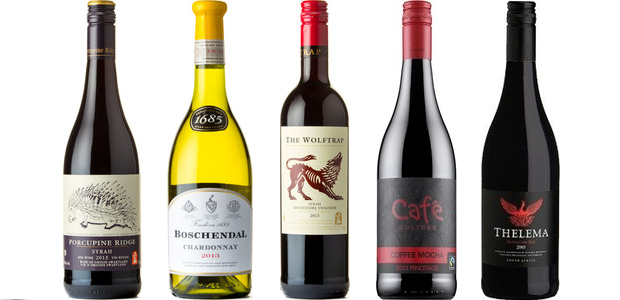
From left to right: Porcupine Ridge Syrah 2013, Boschendal 1685 Chardonnay 2013, The Wolftrap Syrah Mourvedre Viognier 2013, Café Culture Coffee Mocha Pinotage 2014, Thelema Mountain Red 2012

From left to right: Porcupine Ridge Syrah 2013, Boschendal 1685 Chardonnay 2013, The Wolftrap Syrah Mourvedre Viognier 2013, Café Culture Coffee Mocha Pinotage 2014, Thelema Mountain Red 2012

I sat down a few weeks back to taste 20 South African wines, all value-based, consumer-friendly and market-driven. With WineAlign colleagues David Lawrason, John Szabo M.S., Margaret Swaine, Steve Thurlow and Sara d’Amato on hand, the general consensus at the tasting was positive and only worked to re-enforce how competitive South African wines can be in the sub-$15 market.

While certainly not immune to flaws, some South African reds and whites can sometimes get right in your face and yet others show remarkable elegance and complexity at entry-level prices. When I taste wines such as these I imagine the catastrophe of grace. They are wines that move through history with the fluency of a spirit. Some make a house cleaning of belief, others are solid senders. The South African tasting was more than just a group of cheap wines with something to say, more than a pleasant surprise, it was in fact, a pleasure.

Porcupine Ridge Syrah 2013, Swartland, South Africa (595280, $14.95, WineAlign)

Deep dish Syrah, with meaty and cured toppings and the mordant pitch of Swartland. Tarry, olivine rampant and filled with the late summer, sorrowful berries; blackberry and black raspberry. Naturally sweet, viscous, grainy and tannic mess of texture overlaying fruit. Tons of wine for the buck and a very promising vintage to lay down. Aridity takes over on the briery finish. Wow.  Tasted January 2015  @PorcupineWines

Boschendal 1685 Chardonnay 2013, Western Cape, South Africa (367698, $14.85, WineAlign)

Here is a buttery and toasty Western Cape Chardonnay, slightly dirty and reductive. Confused, seemingly high residual avoirdupois restricts the opening notes, though they surely begin to play. The aromatics are heavy with the soaking skins of pear, apple and quince in crumbled amaretto cookie and flaky pastry boozy waters. Give this three plus years to shed its nerdy phase and integrate its tangy persistence.  Tasted January 2015  @BoschendalWines  @liffordwine

The Wolftrap Syrah Mourvedre Viognier 2013, Western Cape, South Africa (292557, $13.95, WineAlign)

Referring to Marc Kent’s blend as traditionally Rhône may seem at odds in consideration of the north-south, modish chaos, the price and the locale, but folky it is. The blend is unvarying Boekenhoutskloof, grounded by Syrah with support from Mourvèdre and Viognier. The latter, aromatic white grape variety lifts and brightens the brooding load. This is quite sweet and sour, of high-toned red and black fruits meeting a reduction of Champagne vinegar. A tannic and mineral streak divides, circles and conquers all. This will drink better in a year and for a few more after that.  Tasted January 2015  

Café Culture Coffee Mocha Pinotage 2014, Western Cape, South Africa (292466, $12.95, WineAlign)

From the KWV stable, the triad of outwardly and rhetorically spoken culture is right there on the label, in all its java glory. Café, Coffee, Mocha. The charm here is that perhaps in 2014 it has actually been scaled back a touch, the wood suffusion, to at least reveal a modicum of red fruits. Nonetheless it is the notes of smoke, tar, rubber and of course coffee that dominate. “Cause it’s the new Mother Nature takin’ over.” There are also at least two spoonfuls too many of sugar. Like the annoying Guess Who song, this can only be taken in very small doses. “Find a corner where I can hide.”  Tasted January 2015  @TheCafeCult  @Diageo_News

Thelema Mountain Red 2012, Western Cape, South Africa (222570, $12.95, WineAlign)

From fruit up on the slopes of the Simonsig Mountains, this has real, natural cherry brightness, not to mention a kitchen sink of varietal interplay. Shiraz (37 per cent), Petit Verdot (25), Cabernet Sauvignon (23), Merlot (10), Grenache (4) and Cabernet Franc (1) are coalesced by a lighter hand and the effect is less frightening than might be expected. Like similar California action (save for Zinfandel and/or Petite Sirah), this comes together nicely, even coherently, with just a few wrinkles. Represents very good value for a multitude of purposes; BBQ and barbecue being two of them.  Tasted January 2015  @ThelemaWines  @EpicW_S

From left to right: Cape Heritage Inception Deep Layered Red 2012, Cape Heights Cabernet Sauvignon 2013, Flat Roof Manor Pinot Grigio 2014, Flat Roof Manor Merlot 2013, Boschendal The Pavillion Chenin Blanc 2014

From left to right: Cape Heritage Inception Deep Layered Red 2012, Cape Heights Cabernet Sauvignon 2013, Flat Roof Manor Pinot Grigio 2014, Flat Roof Manor Merlot 2013, Boschendal The Pavillion Chenin Blanc 2014

Cape Heritage Inception Deep Layered Red 2012, Western Cape, South Africa (369967, $12.95, WineAlign)

If 2011 was sweet, this next vintage is like Carabao mango, Luohan duo and Deglet noor dates all cooked down together into a mawkish, sappy jam. Or maybe it’s much simpler than that; just deeply layered refined sugar and red dye number 40. There is almost no aromatic discernment beyond the crystalline layers. No fruit, no soil, no acidity, no tannin. Just sweetness.  Tasted January 2015

Cape Heights Cabernet Sauvignon 2013, Western Cape, South Africa (129874, $11.30, WineAlign)

The simple drawn label indicates honest design and intent. The alcohol (14.5 per cent) seems spot on and in sweetness, honestly declared. Stones of fruit, full on Cassis, vanilla and wood spice are in the glass and obviously so. Scales greater heights than most generic California counterparts and comes across as Cabernet Sauvignon, with savoury Western Cape scents closer to Sonoma than say, Central Coast. Some coal and tar come in play with a good, persistent finish.  Tasted January 2015  @liffordretail

Flat Roof Manor Pinot Grigio 2014, Western Cape, South Africa (27128, $11.25, WineAlign)

With the simple aroma of vanilla drops on cut pears and refined sugar, this is clean, crystalline and simple Pinot Grigio. Inoffensive, for a large gathering it will not hurt any feelings. The production is mindlessly prepared and contrived, until a warm cookie dough nuance takes it to another level. Nothing shocking here.  Tasted January 2015  @FlatRoofManor

Flat Roof Manor Merlot 2013, Stellenbosch, South Africa (27128, $11.25, WineAlign)

A taut and toned Merlot, varietally correct and though the label reads 13.5 per cent alcohol, shows considerable heat. Very Merlot, dusty, mulberry scented, syrupy and familiar as a Cape red. Fully garnished, varnished and a rubber stamp this side of tarnished, the thick smoke does distort the clarity. Somewhat seamless in its heavy charms and structured, if quick to finish. Tasted January 2015  @FlatRoofManor

Boschendal The Pavillion Chenin Blanc 2014, Western Cape, South Africa (365353, $10.95, WineAlign)

Though the label has forsaken the partnership with (15 per cent) Viognier, the aromatic floral lilt persists, lifts and buoys the stoic and stark Chenin to impossible heights in a sub-$11 wine. The Chenin’s sharp reserve is inwardly atomic and the relationship with the 15 percenter strictly platonic. Together they create honeyed matter, walk hand in hand and handsomely forward. The residual sugar drip may be a touch heavy-handed but laying a bottle or two down for a few years is entirely possible and save for the price, even longer than that. The acidity circulates to the end, framed by a fine tannic texture.  Tasted January 2015  @BoschendalWines  @liffordwine

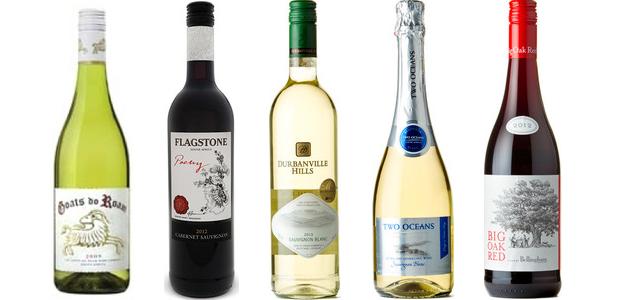
From left to right: Goats Do Roam White 2013, Flagstone Poetry Cabernet Sauvignon 2012, Durbanville Hills Sauvignon Blanc 2014, Two Oceans Sauvignon Blanc Extra Dry Sparkling Wine 2013, Bellingham Big Oak Red 2013

From left to right: Goats Do Roam White 2013, Flagstone Poetry Cabernet Sauvignon 2012, Durbanville Hills Sauvignon Blanc 2014, Two Oceans Sauvignon Blanc Extra Dry Sparkling Wine 2013, Bellingham Big Oak Red 2013

Goats Do Roam White 2013, Coastal Region, South Africa (237313, $10.95, WineAlign)

The popular and successful Rhône-ish north-south blend in 2013 is Viognier (67 per cent), Roussane (19) and Grenache Blanc (14). In memory, mimic and polar fellowship of the mother land, the GdR is spic and span clean if slightly saccharine and sentimental. I find this to be a typically commercial and derivative South African white wine, with an aromatic and palate profile of sugary, viscous appliqué and rubber tree sap. Has that awkward, gummy resin sensation, along with tropical notes. It’s the pineapple expression that saves the day and makes it more fun to drink.  Tasted January 2015  @DonGoatti  @FairviewWine

Flagstone Poetry Cabernet Sauvignon 2012, Western Cape, South Africa (358754, $10.95, WineAlign)

Like flavoured, warmed to dripping chocolate, with splinters. Like overripe blackberries seeping in warm rainwater. There is some formidable tannin and acidity which could use some air time to resolve. Quite unique and fun for an inexpensive South African red with only a minute level of rubbery, volatile acidity. Some earth and plenty of spice, much of it from wood. Quite bright actually and well made.  Tasted January 2015  @flagstonewines  @CBrandsCareers

Durbanville Hills Sauvignon Blanc 2014, Durbanville, South Africa (22251, $10.95, WineAlign)

Extreme savour and notes for green vegetables are sprinkled with capsicum and dried caper dust in this piquant Sauvignon Blanc. Windswept tops of or cliff edges can be conjured at a sip, along with he dust of desert brush and spots of European gorse. Ocean mists join the notes of Ulex, contributing further green aromas and salty-based flavours. Acidity brings it all in focus. There is complexity in this SB’s drive.  Tasted January 2015  @dhillswine

Two Oceans Sauvignon Blanc Extra Dry Sparkling Wine 2013, Western Cape, South Africa (281311, $10.95, WineAlign)

Quite oxidized and based on the saccharine sugar aspect, “Extra-Dry” must be a translation from the local winemaker’s dialect. While it has some fining aridity on the back end, the early palate is coated with not so unpleasant sweetness. The capsicum captures the effectualness of the varietal, as do green vegetables and grasses. Intensity comes through in lemon curd and the finish is quite bitter.  Tasted January 2015

Bellingham Big Oak Red 2013, Western Cape, South Africa (350595, $10.80, WineAlign)

A Shiraz-Cabernet blend that’s all about the tree, the barrel and a winemaker’s loud and clear pronouncement of the way jammy Western Cape fruit should be treated. Tire tread and sappy tensor bandage smother along with all kinds of chocolate. Plenty of red fruit, grainy tannin and condensed acidity, straight out of the can. Big wine for so little.  Tasted January 2015  @DionysusWines

From left to right: Frisky Zebras From left to right: Nederburg Winemaster's Reserve Shiraz 2013, Douglas Green Sauvignon Blanc 2014, K W V Contemporary Collection Chenin Blanc 2014, Obikwa Sauvignon Blanc 2014, Frisky Zebras Sensuous Sauvignon Blanc Sauvignon Blanc

From left to right: Nederburg Winemaster’s Reserve Shiraz 2013, Douglas Green Sauvignon Blanc 2014, K W V Contemporary Collection Chenin Blanc 2014, Obikwa Sauvignon Blanc 2014, Frisky Zebras Sensuous Sauvignon Blanc

Nederburg Winemaster’s Reserve Shiraz 2013, Western Cape, South Africa (527457, $9.95, WineAlign)

Have always had a soft spot for this hard-nosed, high-alcohol (pushing the 15 per cent limit, despite the declared 14.5 on the bottle) heavy lead and plush red berry Shiraz. Especially at under $10. Graphite and mephitic barks, ferrous bits and cool bites keep it dancing under ground. It’s sweet and sour, with soy and balsamic swirls. Covers a wide ranging set of Western Cape parameters. Runs the flavour gamut and represents more than solid value. It’s the style, love it or not.  Tasted January 2015  @Nederburg  @ImportWineMAFWM

Douglas Green Sauvignon Blanc 2014, Western Cape, South Africa (367821, $9.80, WineAlign)

Mr. Green Jr. has fashioned the goods, following in the footsteps of his father. This is a cheeky little Sauvignon Blanc. Slightly oxidized, certainly pumped up by a touch of effervescent CO2 and tempered by Western Cape sentiments. Has hallmark South African flaw-ish white wine tendencies but also plenty of back-end bite meets verve. Like Scatterlings in a bottle, “in their hearts a burning hunger, beneath the copper sun,” this SB has tons of tropical flavour. Also possesses a green apple crunch and a Cleggy, cool, minty middle. Most excellent and affordable juice.  Tasted January 2015  @DionysusWines

K W V Contemporary Collection Chenin Blanc 2014, Western Cape, South Africa (18689, $9.45, WineAlign)

Despite the obvious base, elemental and flinty suggestions, it would take some yoga like stretching to pull a Chenin Blanc muscle out of the overall aromatics in a blind tasting. Yet somehow it screams Western Cape and South Africa. Reeks of gauze, sacchariferous density and homeopathic remedy. Saps moisture with anti-vivid aridity. Must overs are in vegetative tones. And, it’s all in.  Tasted January 2015  @KWVwines  @DiamondEstates

Obikwa Sauvignon Blanc 2014, Western Cape, South Africa (527465, $9.45, WineAlign)

Struts slowly out, the aromatic neck in craning position, the rotund body slightly awkward and stuck in one dimension. The sweet perfume is animal musky, in a medicinal way. The big bird is a perfectly planar white that is just and only that, hardly recognizable as Sauvignon Blanc, with no ties to any defined terroir. The ostrich abides for simple and ordinary quaffing.  Tasted January 2015  @ObikwaWines  @ImportWineMAFWM

Frisky Zebras Sensuous Sauvignon Blanc NV, Western Cape, South Africa (237685, $8.95, WineAlign)

From purchased fair-trade fruit, this non-vintage white wine is nondescript. Here brews honeydew in a bottle. Tinny, oxidized and briny, bronzing smells are also sunburnt. The mouth is the recipient of a greasy, reductive, effervescent and prickling salve. Non-Maleficence in Sauvignon Blanc.  Tasted January 2015

Good to go!

Big night of wine at Barque Smokehouse

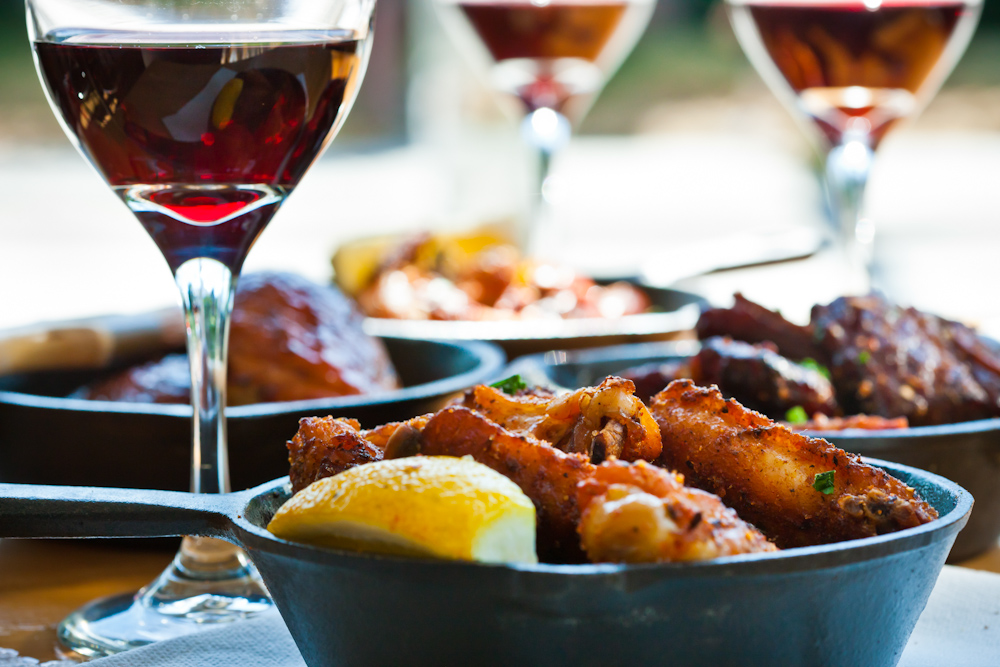
Wine and BBQ. Photo courtesy Jill Chen @ freestylefarm.ca

as seen on canada.com

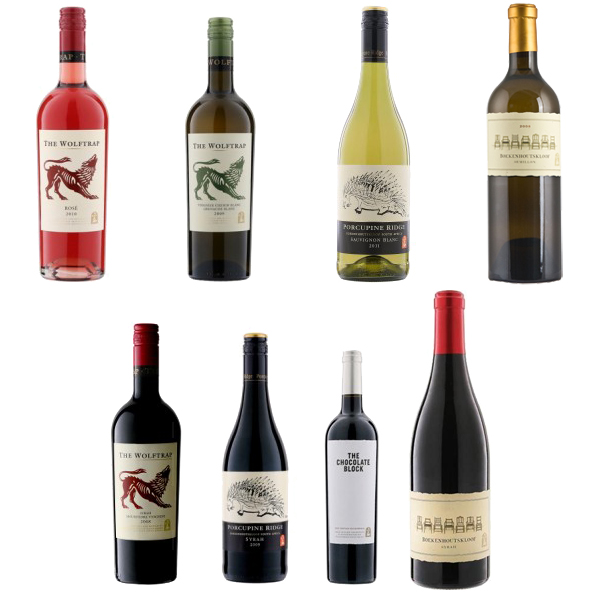
On Tuesday night Barque Smokehouse welcomed South African winemaker Marc Kent and RKW Imports for an eight course paired tasting event alongside eight wines from the Boekenhoutskloof portfolio. The ambitious Kent is the vintner equivalent of an air force pilot. Thrill seeker, pioneer, risk-taker, restless soul and difference maker. Very few South African outfits manage to fill two polar niches with such a high level of success ; the Porcupine Ridge and Wolftrap ranges appeal to the market inhabited by the everyday drinker and Kent’s serious Syrah goes out to the collector.

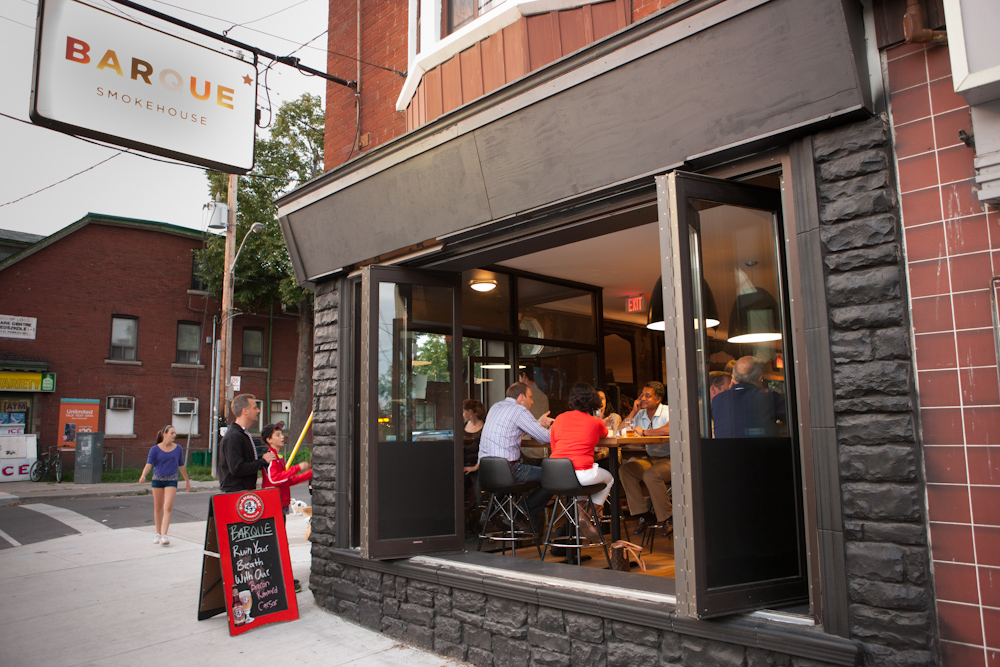
Barque Smokehouse

The cellar master from this outrageously efficacious Franschhoek operation works tirelessly to champion Syrah and to indulge in atypical varietals (for South Africa) like Semillon. Now in his (very) early 40’s, the buoyant Kent’s wines continue to express a longing for the northern Rhône,  though they fall into their own, unique category. To a red, the sanguine, savoury, warm climate, mountain and maritime sensation is always present. Syrah of liquid white pepper sprinkled over a periodic table of elements.

Marc Kent

The affable Kent and master of ceremonies Zoltan Szabo led a group of 85 diners through the Boekenhoutskloof range concomitant to an astute and benevolent menu from chefs David Neinstein and Bryan Birch.

Shrimp with tarragon crème fraiche, garlic chips

Wolftrap Rosé 2012 (169409, $12.95) talks turkey and shrimp of a Turkish delight, candied strawberry and cream tongue. Sprinkled with spiced nuts. 86

Salad of warm fior de latte, heirloom tomatoes, basil and reduced balsamic

Wolftrap White 2011 (263608, $14.95) makes use of a balanced and warmer vintage, allowing the honey and pep of Chenin Blanc to truss the Viognier and Grenache Blanc together as one. “It’s richer in ’11, ” says Kent, “and still commercial, if I can use the term.” My thoughts too.  87

BBQ Chicken and Goat Cheese croquettes

Porcupine Ridge Sauvignon Blanc 2011 sees no oak, only the cool, steel walls of the tank. High acidity and herb pistou, unctuous and great value for SB, anywhere.  88

White Fish En Papillote leeks, oyster mushrooms, lemongrass broth

Boekenhoutskloof Semillon 2009 is my WOTN. Made in miniscule quantities, a near-Bordeaux ringer attributed with white CDP-like Marsanne, Roussane vigor. Runs a gamut of aromas and mouthfeel; honey, wax, acorn, lime, ginger, peach and orange blossom. “The truth is in the second half of the bottle, ” notes Kent.  91

Marc Kent wrapping briskets

Pulled Duck Tacos , pickled carrots, scallions, ahoy sauce

Wolftrap Red 2011 (292557, $13.95) is a wolf in sheep’s clothing. Dictionary red fruit in every sense of the inclination. The South African version of broad appeal Australian Shiraz. The only bottle without SA typicity. Tasty yet homeless and residing in Smallville. Begs the question. “What are you, man or Superman?”  86

Brisket (photo courtesy of Jill Chen @ freestylefarm.ca)

BBQ Brisket with hush puppies

Porcupine Ridge Syrah 2011 (595280, $14.95) the consistent one outsells all other VINTAGES Essentials. Why? Because it’s well-made, affordable and precocious. Dips into Northern Rhône waters and swims with the fishes. Walks out unscathed, vintage after vintage.  88

Braised Short Rib, creamy polenta, green peppercorn jus

The Chocolate Block 2010 (129353, $39.95) sends Syrah to study abroad. Though the blend is Rhône plus 13% Cab, the intense chocolate notes (go figure) seem not unlike Chile’s elite Carmenère and Cabernet blends. Montes Purple Angel and Don Melchor come to mind.  Dusty Theobroma cacao, purple flowers and reduced red berries join forces for what really is an elegant brew.  Knows the pathway to your heart. 89

NY Striploin with black pepper dumpling

Boekenhoutskloof Syrah 2009 (52076, $59) is the doctrine to preach Marc Kent’s ability to procure excellence. Balanced and focused to a sip and in every sip. Distinctly Guigal and even Delas in refinement. A varietal likeness no other SA Syrah can touch. Never over the top, here “quality is in the second half of the bottle.” Kudos Kent.  90

Good to go!