13th Street June’s Vineyard Riesling 2013 – VINTAGES March 21, 2015 release
Last weekend, in a packed Carriage House at Vineland Estates Winery I tasted through 19 Rieslings from the Escarpment, Vinemount Ridge and Twenty Mile Bench sub-appellations of the Niagara Peninsula. It got me thinking, again. Thinking about Riesling. Thinking about drinking more Riesling. Thinking about how my life is not complete, without Riesling.
Riesling at the Carriage House, Vineland Estates Winery – March 7, 2015
More about that #CAPSCAN15 and Wine Country Ontario tasting at a later date. For now the delve need be into the history of Riesling and how it has had a profound effect on the world of fine wine. I have written about Riesling as much or more than on any other grape variety. In March of 2013 my column, 100 kilometre wine for spring stated firmly “can there be a more versatile white grape? From natural, mineral spring, bone-dry to concentrated, candied sweet, this grape runs the diversity gamut like no other.” In Niagara, “‘The Bench’ is home to a mineral wealth of local Riesling, singular in composition not only by way of a global comparison, but also from plot to plot, soil to soil and vineyard to vineyard.”
In June of 2014 I wrote about Germany in Talkin’ ’bout my Generation Riesling. The theme of the show was the ever elusive Trocken Riesling and how “the new German wine label no longer feels the need to inform the consumer of every aspect contained within the wine’s birth certificate.” In August of that same year I penned Walking an Alsace mile in their Riesling shoes, a full-on summary of a June visit to Alsace with 31 tasting notes on, wait for it, Riesling.
So, with the VINTAGES March 21st, 2015 release just over a week away, I shall be Riesling.
From left to right: Dr. Hermann Erdener Treppchen Riesling Kabinett 2010, Fielding Estate Riesling 2014, Flat Rock Cellars Nadja’s Vineyard Riesling 2013, 13th Street June’s Vineyard Riesling 2013, Vineland Estates Elevation St. Urban Vineyard Riesling 2012 and Trimbach Riesling 2012
Dr. Hermann Erdener Treppchen Riesling Kabinett 2010, Pradikätswein, Mosel, Germany (402420, $17.95, WineAlign)
Here the wild, out there, cosmic side of Mosel Riesling is on display, amplifying peach and lemon notes through aromatic grunge filters, like a medicative tonic. The palate is sweet and spritzy, even oxidative and this is textured with heavy, monumental levels of pure Riesling noise. The acidity is marked by citrus in every incantation. Though this may be the kind of Mosel you’ve “just never tried, it’s still the place.” Not so much a dinosaur but a junior, a wild Kabinett for very little cost and from an increasingly endearing vintage. Tasted March 2015 @WinesofGermany
The Richie Roberts take on Riesling brings Beamsville to the populace, combining the natural acidity of the variety with the micro-saddle-plot-climat ipseity that the sub-appellation provides. This early to market ’14 is quite tropical, offering an en primeur portal into what invariably will follow. Fresh, juicy, accessible and in near-perfect balance. Slate, calcareous bleed and fruit generosity make for one tidy, markedly gratifying Riesling. Tasted March 2015 @FieldingWinery@RichieWine
Niagara Riesling Royalty at the LCBO Lab – March 6, 2015
A year has turned a once frantic Nadja into a yet excited but in control Twenty Mile bencher. Acidity has circled the flock of juices; the sweet and the stony, to graze together. While ’12 expressed a texture to see it grace ages, here the up front verve makes for a more direct impression. There is no immediate hurry but the ginger on the lime indicates can earlier finality.
From my earlier note of February 2014: From a sample just pulled from the tank. Jay Johnston’s concept for Nadja is to create many fermentations together, using 2000L tanks and some barrels. The ferments are arrested when they achieve balance and then blended. Nadja still has her young fizz on and she’s exaggerated in Metallica meets a wondrous kind of sour. Already showing an unfurling of (mostly citrus) fruit but also spice and hurried depth. Frantic Riesling, will she “stop to warm at karmas burning, or look ahead, but keep on turning?”
13th Street June’s Vineyard Riesling 2013, VQA Creek Shores, Niagara Peninsula, Ontario (147512, $19.95, WineAlign)
Continues to throw its weight about and has now engaged a phase of typical J-P Colas redolence and pungency. Strict adherence to Creek Shores citrus minerality injects the June for future time-lapse release, an internal ooze that will take years to push its way upwards to the surface.
From my earlier note of December 2014: 2013 was a perfect follow-up for Niagara Riesling, after a vintage where so many exceptional wines were made. The ’12 June’s by Jean-Pierre Colas was his best and with this repeat performance in ’13, the consistency of June’s vineyard is further cemented. Once again, the citrus injection is a Creek Shores thing, a vehemence not matched by other sub appellations. Where ’13 differs is its weight. There is a textural density improved upon and at the same time dragging on the freshness of the fruit. The trade-off will mean less immediate gratification in lieu of more flesh and bone for a longer period of aging. Given at least five years rest, the 2013 June’s Riesling will discover a Ribeauvillé like future. @13thStreetWines
The layering is nothing short of remarkable, like the rings that tell the history of a tree. In its youth the upper vertex where effluvium and concentration meet is painfully obvious but when it comes to Riesling, breath is meant to be taken away. The prose is already written, running on adrenaline, unparalleled, if not yet understood.
From my earlier note of November 2014: Who has not waited for Elevation to hit out of the 2012 vintage? Straight up it must be noted that this will rank over and above the best from the St. Urban Vineyard. The ’12 Elevation will not only find long-term success among the great values in Bench Riesling, it will go down as one of the best ever, at any price. The vintage impart is a natural for this wine. At the moment it is the most primary of all because of the layers that texture bring. The Elevation will go thirty years and climb higher and higher into the stratosphere, gaining flesh and personality. The already seamless gathering of fruit and mineral is palpable. And still a reminder, the price is $20. This is a Schmidt gift to Ontario, for anyone and everyone to be one of the lucky ones. To purchase in increments any less than a case may be considered a crime against Riesling. @VinelandEstates@benchwineguy
Last tasted March 2015
Trimbach Riesling 2012, Ac Alsace, France (734517, $21.95, WineAlign)
To Jean and Anne Trimbach and most Alsatians, this Riesling from their ‘Classic’ range may represent the best that basic can be but when it travels oversees it gains a stature well beyond its humble roots. Here is another one of the those dictionary entry wines meant to depict and define. Quite simply emblematic Alsace. Built with acidity to envelop sweetness, marked by herbiage that is alive and fresh. Weight and density draw from Ribeauvillé rocks. Parity is realized in osmosis by fruit and mineral. As always, there is the tannic underlay, the length and the purposed bitter finish. Tasted March 2015 @trimbach@WoodmanWS
It would be foolish to think that a single taste or a brief assessment can ascertain everything that a wine will bring to the table. So many factors play into that moment in time; how that bottle came to arrive at this place, how long it had been open, its current temperature and certainly the temperament and mood of the taster.
The only true and valid important bits of information that we can cull from a fleeting meeting with a bottle of wine is whether or not it is marred by a fault, or faults. Is the wine tainted with TCA (trichloroanisole)? Does it contain high levels of Brettanomyces? Is it raging with volatile acidity? It is oxidized or reductive? Has lady bug taint found its way into the bottle? And so on and so forth. Quality can be guessed at with high probability but time is so essential to knowledge. This is why tasting for a second and third time matters.
Wines should always be afforded the opportunity to be reconsidered, especially after some bottle settling time. The fascination with seeing evolution from organic ferments is real. Wine changes, often for the better, that much we know. Wines deserve second chances, re-dos and re-tastes.
Writing updated notes is the essential by-product of re-tasting and the catalyst that acts as the chaperone to get to know a particular bottle and by extension, a winemaker’s portfolio. Here are seven new releases, coming into VINTAGES on March 7th. They are actually re-releases, having been previously made public by the winery or through the LCBO. I tried them all once again and can say with confidence, by way of the tasting note, that all seven have confirmed their quality and improved with time. These are the seven new notes for seven March 7th VINTAGES re-releases.
From left to right: Tawse Sketches Of Niagara Riesling 2013, Keint He Voyageur Pinot Noir 2012, Gray Monk Pinot Gris 2013, 13th Street Gamay Noir 2012, Sterling Vineyards Pinot Noir 2012, Bachelder Wismer Vineyard-Wingfield Block Chardonnay 2011 and Bachelder Pernand Vergelesses Premier Cru Creux De La Net 2011
Juicy, spirited and eminently approachable. Citrus and peach fruit beg to be gulped by the key keg load.
From my earlier, June 2014 note: “The gateway of the Tawse Riesling portfolio and first to be released is an omnipresent beacon for what is to come from the single-vineyard sistren. Built fruit forward from an orange zest, stone rose and lemon glade guide, this is the Sketches most juicy sensation yet. Incredible vacuum of citrus acidity waterfalling into a great white hole. Though surrounded by so many a Riesling with site specific personality, “she’ll carry on through it all.” Intensity in dry Riesling.”
Carries the weight of the Peninsula within the bright frame of clarity that is the PEC oeuvre. In ’12 the warmth and the weight can’t help but break down to burrow into earth. Fine, grainy tannins and an increased structure will give this three more years of development but do not hesitate to enjoy it now.
From my earlier April 2014 note: “Tasted a second time, the floral lift is clearer than before, as is the understated earthiness. Also showing more body and verve so it appears the Voyageur is starting to come into its own. From my earlier February 2014 note: “Fruit here comes from two Niagara vineyards, Queenston and Malivoire. An earthy Pinot that positions itself in isolation away from its suave and handsome Portage and Benway brethren with a waft of merde. Taste brightens as a sweet cranberry, chalky, root beer float. Kudos deserved as it’s clearly recognizable as Pinot with a medium finish and a pinch of horseradish salt on a lithe 12.5 per cent frame.”
Gray Monk Pinot Gris 2013, BC VQA Okanagan Valley, British Columbia (118638, $19.95, WineAlign)
Brilliant hue, like a ceiling fresco of gold-scrolled tiers. Has that feel of lemon peel shrivelling to scent. Was a Category Champion at the 2014 World Wine Awards of Canada.
From my earlier September 2014 note: “Pinot Gris with pears and more pears. A no hold barred, straight up, bring it with orchard fruit example. A spoonful of sweet lemon curd indicates a just post ripe picking and now oxidation, if not necessarily the intention. Off-dry with acidity that joins but does not round the shining fruit into absolute form.”
This is spot on, both as 13th Street and as Niagara Peninsula Gamay. Very ripe, to the edge of extracted distraction and less funky than previous vintages. Really defines the genre, acts the act, walks the walk, executes the execution. Drives the point, carves the cliché, go Gamay go.
From my earlier note when tasted at Gold Medal Plates Toronto, November 2014: “Spice and rich fruit head straight to Gamay welkin derived direct from the soil’s core, of Sandstone, Schwenker and the winery’s home vineyard at Fourth Avenue. Swirl away the gathered must and moss to reveal more Cru fruit than you can shake a stirring rod at. Such verve, said grit, such persistence. The thing about Gamay is, “if you want inside of her, well boy you better make her a raspberry swirl.” 13th Street has certainly made the raspberry sing in the ’12 Gamay so “raspberry swirl, mmm let’s go.”
Sterling Vineyards Pinot Noir 2012, Napa Valley, California (396150, $29.95, WineAlign)
There are so many reasons not to find a thrill in this regional blend of Pinot Noir fruit but none of them stick. Sweetness, simple syrup silky fruit, brown sugar, every red and purple berry in all varieties of fields (plus ripe plums) and warm to temperate alcohol (14.5 per cent declared) all combine for full California sunshine effect. All this and I just can’t turn away. With all the excess fruit, texture and multiplicity in good times, how can I? I ask this Pinot, “how come you, how come you dance so good?” The answer lies in the feel and the ability to turn a Noir trick or two. Not to mention a rolling of barrels and Napa Valley stones through its very core. Well done. Tasted January 2015 @sterlingwines@Diageo_News
A new release, mindful of micro-plot. From out of a Bachelder barrel, the great mystery of wood is not that it smoulders, but that it rests on water, or in this case, on grape juice. To label this Wismer as Wingfield is to give this Chardonnay a scientific specificity, a concentration of fruit so capable of inducing the ethereal, to hover as if in suspension. This is Wismer-Wingfield. The Chardonnay that floats, like hope.
From my earlier July 2014 note: ‘Has Wismer found a cruising altitude? Has this Grand Cru vineyard from a most perplexing 2011 vintage entered the telephone booth in civilian clothes, only to soon emerge as a super hero? Will it sing, “I am, I am Superman and I can do anything?” Wismer has rounded out a bit, at present in a grounded form, but we know it will fly to greater heights and at faster speeds. From my earlier, February 2014 note: “Got game tonight, in auxiliary moxie, magisterial atmosphere and long strides up and down the ice.” Earlier notes: “Increased richesse and oomph and though I continue to hesitate to admit it, Saunders is the (Jackson Browne) elegant bottling in ’11. Wismer the (Warren Zevon) gregarious, mineral character werewolf of Niagara, what with it’s touch of anxiety, fuller texture and “bite down…draw blood!” From my earlier November 2013 note: “From the Wingfield Block within the 20 Mile Bench grand cru vineyard, ’11 Wismer is greener, in apple and sapid behaviour. The tension is palpable, quarryful, querulous, more calciferous. Fruit here is picked at an altitude as high as the lowest part of Flat Rock’s vineyard. Can a spot be pinpointed, anywhere on the peninsula that produces more piercing Chardonnay in 2011 as this Wismer micro-block?”
Bachelder Pernand Vergelesses 1er Cru ‘La Creux De La Net’ 2011, Burgundy, France (LCBO 403485, $47.95, SAQ 12089524, $38.50, WineAlign)
Purity abounds, florals leap and the heart fills with an arrow of red fruit. So linear, so direct. Wears the crux of Bachelder integrity on its sleeve. The pinpoint accuracy of plot, the ubiquity of gypsy soul, the bandwidth of frequency. Yet another Bachelder “ere the bonnie boat was won, as we sailed into the mystic.” Acidity rears and rails right through. Tannin trails like a burning star. Ten more years will see this to a moondance of quietude.
From my earlier February 2014 note: A metallurgical slant this time around and iodine, though sweet, like a geologist’s preferred cocktail. The palette is Rothko maroon and in cohorts with what is ascertained by the palate, scheme fruits and hearts both red and black.
From my earlier note of November 2013: Has the sense to be subtle, effortless and akin to Chambolle. Not so much openly ripe fruit but more the flowers that come before. Cherries dabbed by a citrus fragrance, or the spritz of squeezed zest and an unusually smoky musk. Insinuates new world (think Oregon) though it tells a rubble tale of its limestone slope climat.
Two weeks ago I laid bare the bubbles I’d buy were I faced with the welcoming necessity of a holiday shopping day. With those bottles long ago secured I followed up with more Sparkling wine tastings. Naturally.
The idiomatic phrase has infiltrated all kinds of desperation, from settling political disputes, to diffusing bombs, to shopping. Its origins are Matthew 20:6. “And about the eleventh hour he went out, and found others standing idle, and saith unto them, Why stand ye here all the day idle?” If it’s Sparkling you want or Champagne you need, stand up and be counted. The choices are all around you.
First a disclaimer. I have no intention of making this a Champagne-free holiday. Some wine writers and perhaps even a consumer or two will be joining Jim Budd, a.k.a Jim’s Loire, in a Champagne boycott. This in response to what Budd calls the governing board’s (CIVC) “ludicrous, extremely heavy-handed and ruthless attempt to crush Jayne Powell (aka Champagne Jayne).” The powers that be that are Champagne are attempting to out Powell in court for allegedly attempting to capitalize on the name in illegal marketing ways. They claim she is misleading Twitter followers for monetary gain.
The trial is both ridiculous and smells of a witch hunt but the prosecution weighs of the big houses, not the small grower. One reader commented that the small producers should speak out. Speak out? Why would a French farmer jeopardize his business and the food he puts on his family’s table to protect “a respected international media commentator, independent reviewer and expert in champagne.” Why join the complaint department with something you neither endorse nor renounce? Why chime in on something further from your radar than Sparkling Outback Shiraz?
Perhaps Jim Budd’s request to boycott will do for the Champagne strong-arm dialectic what the Leonardo DiCaprio narrated 11th Hour did for the earth’s environmental discourse. That is, “push the debate further down the road.” Maybe it will assist, as the film may have, as the “montage rolls inexorably forward, pitched somewhere between Koyaanisqatsi and An Inconvenient Truth.”
Sparkling wine aims to please in so many ways and yes, there are a multitude of Champagne alternatives. A recent one day affair with Lombardian Franciacorta left me weak in the knees, despite all attempts to figure out where the two samples found at WineAlign came from? If anyone has the answer, please let me know. I want more for Christmas. Most exciting was a second tasting in as many weeks with Stephen Cohen from Groupe Soleil. Stephen’s portfolio of Grand Cru, Grower’s Champagne is nothing short of brilliant. Treats to the nth degree.
Here are 11 more Sparkling wines to seek out over the holidays, through the LCBO and at the import of Ontario agents. Bubbles are worth buying by the case.
Betella Franciacorta Brut Blanc De Blanc, Lombardy, Italy (WineAlign)
This 100 per cent Chardonnay is so direct, so grounded, so black and white. Just a hint of funky earth and a swath of painted lees but otherwise fruit entrenched in traction and fermentation in beautiful suspended animation. Defines modernity in Franciacorta, a still frame of concentrated, dry bubbles, life affirming and void of any extraneous conditioning. No add-ons, just straight up sock it to me Sparkling wine. Tight, bracing and built for serious fun, without ceremony or pageantry. So effective and so well constructed. Tasted December 2014 @Franciacorta
Betella Lovera Di Franciacorta Rose Ardi, Lombardy, Italy (WineAlign)
Like the Betella Blanc de Blanc, this is quite direct, but in a much different way. It’s funky reductive and yet super, hyper transparent and understood. Wound tight with racy acidity and spumes of an aridity that steals saliva and is nearly heart-stopping. These blush bubbles are savoury in a way the Chardonnay just can’t seem to herbalize and bracing in a way that does not fully compute. Exciting and tart if noticeably out of balance. Tasted December 2014
From left to right: Wolf Blass Yellow Label Sparkling Brut, Mionetto M O Prosecco, Foss Marai Extra Dry Prosecco,13th Street Cuvée 13 Sparkling Brut Rosé,Sumac Ridge Steller’s Jay Brut Sparkling Wine 2009
Wolf Blass Yellow Label Sparkling Brut, Australia (649996, $17.95, WineAlign)
Smells like strawberries covered in crème fraîche with a sprinkling of brown sugar. Slightly if negatively overripe and even oxidized, limping to bruised. The mouthfeel is nothing if not luxurious, in an expansive way Crémant d’Alsace fills spaces. The bruising is joined by a bronzing, in apples stuck to cold metal. Terpenes wind the fruit in elastic release. The persistence is quite good on a light (11 per cent) alcohol frame. Tasted December 2014 @WolfBlassWines
Mionetto M O Prosecco, Treviso, Veneto, Italy (266023, $17.95, WineAlign)
Paradigmatic, stoic, poised and essential Prosecco of ultra-utilitarianism and yet spirited in ascent. Like the combined discourse of soft, acidulated, creamy granny smith apples and bosc pears in baking anticipation. A hero seltzer for aperitif goings on. Celebrates the reformed religion of Treviso fizz. Our Prosecco of inclusive ascension. Tasted December 2014 @Select_Wines
Foss Marai Extra Dry Prosecco, Veneto, Italy (729392, $19.95, WineAlign)
Light, lithe and indiscernible from an alcohol perspective. Candy factory meet concrete truck aromas to form a strange, but effective union. Like yellow-banana salt water taffy rolled in coarse aggregate and portland cement. The filling brings sweetness and nondescript bitters. Finishes bold yet abrupt. From my earlier note: “Funky and advanced character. Aromas of green vegetables, celery stalks and oddly like botrytis, or an anti-botrytis. Has a platinum, minerality like no other in its Prosecco gang. Fun to think on and to work with.” Last tasted December 2014 @FossMarai
13th Street Cuvée 13 Sparkling Brut Rosé, Traditional Method, VQA Niagara Peninsula, Ontario (147504, $24.95, WineAlign)
The intensity of strawberries is palpable, with the woodsy and earthy leaves on the ground soiling the oozing juices. Only Jean Pierre Colas can coax mushroom and truffles from Pinot Noir and Chardonnay destined for blush bubbles, grown in Niagara clay soils. Starts out sweet, turns dry and finishes with a concrete stamp of evidence. Not everyone’s cup of steeped, developed and all over the map tea. From my earlier note of April 2013: “Autolytic, Brut-finished, traditional method sparkling that has that something in her style. Pinot Noir and Chardonnay emitting so much strawberry energy you might find yourself lost in the fields forever. But there is more than that, “something in the way she woos me,” maybe the rhubarb replay, or the tarragon, or the faint tang of cheese. You gotta like the Jean Pierre Colas style and to like her, you need to like her style.” Last tasted December 2014 @13thStreetWines
Sumac Ridge Steller’s Jay Brut Sparkling Wine 2009, VQA Okanagan Valley, British Columbia (264879, $25.95, WineAlign)
A worthy if warmer and fuller follow-up to the wise and evolving ’08. Presents more yeasty opulence and sweet cream, not to mention density and conceit in alcohol (13 per cent). A slightly oxidized false front reveals a gregarious personality, with aromas of clementine rind, spritz and a concentration of enzymatic lees. This has to be imagined as an absolute, unequivocal take on Okanagan Brut, with a glide from gravel and slate to citrus all around. Gives length like it should and it will say, “like I knew I would.” Thing is, these bubbles are good. Tasted December 2014 @SumacRidgeWine
From left to right: Deutz Brut Classic Champagne, André Clouet Brut Rosé Champagne, Diebolt Vallois Prestige Brut Blanc De Blancs Champagne, Champagne Agrapart De Blanc Grand Cru Champagne
Deutz Brut Classic Champagne, France (Agent, $54.95, WineAlign)
The Deutz has every right to call itself classic Champagne; full of charm and chaste caste, of ingot, pleasure in bottle and a calm, slow play. An armoury of bronze, gold and platinum set yet malleable, ready to mold with all that comes its way. A sipper extraordinaire, a meal companion and a celebratory tipple. Works its metals with every facet of its mettle and being. Bread yeasty, non-violent citrus aromatics and very, very linear acidity. Elasticity in forward stretch, rebound rewind and cast forth again. Quite remarkable in such a simple way. Most excellent value. Tasted December 2014 @TandemSelection
André Clouet Brut Rosé Champagne, France (Agent, $62.95, WineAlign)
Clouet does Rosé in a unique and special way. With the slightest early whiff in miasma it bleeds residual in sanguine, plasma vitality. Disgorged in April 2014, the base wine is 100 per cent Pinot Noir from the 2010 vintage, with (20 per cent) support from 2008 and 2009. Its 6 g/L of dosage saturates the plasmic flow, just at the edge of sweetness without any elevated or heightened sense of being there. A tease of concept and precept; citrus, wild sage savour and berry fruits. Very fine, natural and pronounced, in a calm and precise way. Tasted December 2014 @GroupeSoleilTO
Diebolt Vallois Prestige Brut Blanc De BlancsChampagne, France (Agent, $68.00, WineAlign)
From the tiny town of Cramant, this B de B could never be confused with the lithe and lively Alsatian unequivalent. The Prestige bottling is exactly that; a bubbly of searing intensity from a Blanc de Blancs operative with an ever so slight bent to oxidation. The oxymoronic activity that is simultaneously weighty and aerified will only improve with some age. Disgorged in March 2014 at 9 g/L it eschews a Brut mentality for extreme pleasure. Savour the savour in this grower’s Champagne. The lemon-lime-grapefruit flavours pierce and inject along with organic sourdough fury and a density of just over the top toasty goodness. This is sword fighting, swashbuckling Champagne, bottled Tybalt of honour, terroir and incredible length. Tasted December 2014
Champagne Agrapart Terroir Blanc De Blanc Extra Brut Grand Cru Champagne, France (Agent, $72.00, WineAlign)
Disgorged in February 2014 at 3.5 g/L, this is the Extra Brut Agrapart, as amplified a grower’s Champagne expression you are ever hopeful to come across. The base wine is from the 2009 vintage, with bits of 2008 and 2007 added in. There is an increased green feeling, in herbs and savour, nettle and apple. The citrus component is from lime, acting as the key to elevation and weightless simulation. Here the Grand Cru terroir for a GC strikes an immolate dagger into the hearts of basic, big name, monotone Champagne. Their are bitter roots as underlay and the aridity is simply nuts, peanuts even, the citrus condense of pith and putty. The flavours at times are at odds but thoughts always return to soil and blocks. This has specificity and idiosyncratic relevance written all over its fierce face. Most interesting specimen. Tasted December 2014
Gold Medal winning plate, Gold Medal Plates, Toronto 2014: Canoe’s Chef John Horne’s Grandview Short Ribs Glazed with Tree Syrups (c) Ronald Ng Photography
When head judge David Lawrason asked me to join him and fellow WineAlign colleague Sara d’Amato to preside over the wines at Gold Medal Plates Toronto, I paused for a brief moment. I knew right away the answer was an emphatic yes but I had to breathe in the possibilities. One: Sample 10 wondrous culinary creations by 10 sacrosanct chefs. Two: Spend an evening with Canadian Olympic medallists and recording artists. Three: Taste and judge the sagacious efforts by some of Ontario’s most venerated winemakers.
Gold Medal Plates was founded in 2003 and is so much more than an organization. It is a Canadian institution. The primary goal of the coast to coast galas are to “celebrate Canadian excellence in food, wine, athletic achievement and entertainment.” The tour makes stops in 11 Canadian cities and raises funds for the Canadian Olympic Foundation to support Olympic athletes. Net proceeds are donated to support high performance programs such as Own The Podium. To date over $8.2 million has been raised. (Update: Gold Medal Plates tweeted on December 10th that the number is now $9.5 million).
Gold Medal Plates Toronto 2014 bronze, gold and silver medal winning chefs Damon Campbell, John Horne and Jason Bangerter (c) Ronald Ng Photography
In each city the invited chefs prepare a regional dish and in Toronto, more than 700 people tasted through a complex variety of creations. The gold medal chef in each city goes on to compete at the Gold Medal Plates Finale at the Canadian Culinary Championships. In 2015 the host will be Kelowna, British Columbia on February 6 and 7. The term “career changer” is used to describe the chef who is crowned tops in Canada.
With unprecedented support from the event’s title sponsor Deloitte, the Toronto event was held at the Metro Toronto Convention Centre on Wednesday, November 12, 2014. The culinary judging was headed up by former Toronto Life Magazine food critic James Chatto. Joining Mr. Chatto were chef/author Sasha Chapman, chef/TV personality Christine Cushing, author/CBC radio host Anita Stewart, George Brown chef school’s John Higgins and the 2013 Canadian Culinary Champion Lorenzo Loseto of George Restaurant.
Candian musicians and atheletes sing O Canada at Gold Medal Plates Toronto 2014 (c) Ronald Ng Photography
The plates in Toronto were really quite incredible. Canoe’s Chef John Horne was the gold medal winner. His Grandview Farms Short Ribs glazed with tree syrups was a ground breaker, an original composition of intrigue, a wild sequestered spot of gastronomy. The other plates were exceptional, each in their own right, but chef Horne travelled to a zone alone. Congratulations Chef.
Gold Medal Plates wines (c) Ronald Ng Photography
In David Lawrason’s recap to the audience, he noted how close the wine judging really was. “It was the highest quality level from bottle to bottle I have seen in the country this year, making the judging of the Best of Show Award rather tough. But when each judged ranked their top five, the same five wines showed up. It was then the ordering that became difficult, and only two points separated first and second place.” In the end we chose Norman Hardie‘s Niagara Unfiltered Pinot Noir 2011 as the Gold Medal winning wine. Hardie’s take on Twenty Mile Bench Pinot Noir is pure, complex and made with a deft, hands-off approach.
The wines ware all impressive, each and every one. The Hidden Bench approach on a Bordeaux-styled white is as impressive as any that have come before it, which is why the Nuit Blanche Rosomel Vineyard 2012 finished a very close second, taking home the Silver Medal. Syrah in the hands of winemaker Rob Power is a beautiful thing indeed. Creekside Estate‘s Iconoclast Syrah 2012 was the Bronze Medal winner. Pinot Noir by Leaning Post and Cabernet Franc by Rosewood Estates were fractional points behind.
David, Sara and I tasted and judged 12 wines, 10 of which were paired to the 10 chef’s plates. Here are the tasting notes and pairings.
Gold Medal Plates Toronto 2014 dishes and paired wines
High acidity, negligible tannin and no surprise, the black burn of charcoal crushed, tarry fruit. A wallop of pepper for accented measure stings as per the effect of a Rhône, so like Syrah this is a good example of Baco. An airplane taxiing down a tobacco road. “But it’s home, the only life (its) ever known.” Definitely Baco. Tasted at Gold Medal Plates Toronto, November 2014 @PellerVQA
Like bottled pastry, sweet, soft apples baking. Warm wafting aromatics, mild toast and caramelizing butter, effectively creamy and palate coating. Evolved to the point of full integration and absolute oak resolution. Drink now. Tasted at Gold Medal Plates Toronto, November 2014 @PellerVQA
Creekside Estates Syrah Iconoclast 2012, VQA Niagara Peninsula, Ontario (Winery, $18.05) Paired with Canoe’s Chef John Horne’s Grandview Farms Short Ribs Glazed with Tree Syrups
Winemaker Rob Power is on the fast track (if he is not there already) at becoming the King of Syrah in Ontario. The Queenston Road vineyard helps. Years of acumen development is key. Passion for the Rhône and Niagara’s climatic and stylistic kinship wraps the package. A ton of effort goes into the production of this $19 wine. The methodology here differs greatly from the co-fermented two-clone meets Viognier (and twice the price) Brokenpress Syrah. Here the fruit from three vineyards (including the Queenston Road) were fermented separately in stainless steel tanks and 1 tonne fruit bins. Malolactic fermentation took place in barrel where the wine aged for 12 months. The (30 percent new) barrel mix is (53 per cent) American, (42) French and (five) Hungarian. The result? In Rob Power’s hands, you can take Syrah out of the Rhône and Australia but you can’t take the cool climate out of the Syrah. Meat, pepper and smoke pique, pinch and pop. Pow! A totem in proclivity for the variety. The water is at times dishy but the fruit swells and fills in every gap. Tasted at Gold Medal Plates Toronto, November 2014 @CreeksideWine
13th Street Gamay Noir 2012, VQA Niagara Peninsula, Ontario (177824, $19.95, WineAlign) Paired with Bestellen’s Chef Rob Rossi’s 60 Day Dry-Aged Beef Crudo, B.C. Pine Mushrooms, Concord Grape Mustard and Truffle Sauce
Spice and rich fruit head straight to Gamay welkin derived direct from the soil’s core, of Sandstone, Schwenker and the winery’s home vineyard at Fourth Avenue. Swirl away the gathered must and moss to reveal more Cru fruit than you can shake a stirring rod at. Such verve, said grit, such persistence. The thing about Gamay is, “if you want inside of her, well boy you better make her a raspberry swirl.” 13th Street has certainly made the raspberry sing in the ’12 Gamay so “raspberry swirl, mmm let’s go.” Tasted at Gold Medal Plates Toronto, November 2014 @13thStreetWines
Hidden Bench Nuit Blanche Rosomel Vineyard 2012, VQA Beamsville Bench, Ontario (Winery, $20.00, WineAlign) Paired with Splendido’s Chef Victor Barry’s Smoked Rocky Point Oyster, Yukon Gold Potato and Chive
Less than six weeks after my first introduction to the NB ’12 complexity shines anew. Such a delicate and elegant take on the Bordeaux white axiom. Void of all the gangly G’s; grasses, gooseberry and green vegetable. Leans to custards and curds with a savoury accent and a limestone tang. Willing to be paired with a multitude of gastronomy. Long finish. From my earlier, September 2014 note: “Taking what the vintage gives, Rosomel’s Sauvignon Blanc was king in 2012, dominating at a 95 per cent share of the Bordeaux-styled blend with Sémillon. Barrels were stirred weekly during fermentation and the creamy texture thanks that regimen, as does the tannic fullness of the round back-end. It rocks out bracing, formidable and nobly bitter, in pear and its pith, in lemon, of rind and in curd. The SB lounges in tall grasses but avoids goose feathers and blanching veg. So very savoury, in gorse tension, thistle and nettle. These notes all cut through the roundness and are finally tied together by the flinty rock of Rosomel.” Last tasted at Gold Medal Plates Toronto November 2014 @HiddenBench
Marben Restaurant’s Chef Rob Bragagnolo’s Canadian Paella, Crab, Lobster & Mussel Suquet, Crispy Wild Rice, Red Pepper-Saffron Aioli and Almond (c) Michael Godel
Rosewood Estates Cabernet Franc Origin Series 2012, VQA Beamsville Bench, Ontario (Winery, $26.20, WineAlign) Paired with Marben Restaurant’s Chef Rob Bragagnolo’s Canadian Paella, Crab, Lobster & Mussel Suquet, Crispy Wild Rice, Red Pepper-Saffron Aioli and Almond
From fruit grown on the Estate’s Beamsville Bench (Renaceau) vineyard. As per the house directive, this is not oak shy. So as the house finds collective varietal success from inside a barrel, the Origin Cabernet Franc 2012 falls into line. Fruit is bright and sour-edged, softened, filled in and tempered by wood. Lush berries and plums, herbs and did I mention oak? A roasted kind of sweetness comes wafting and pan-dripping in, with currants, mint and eucalyptus with a far away look. Intensely modish CF, with a swath of chocolate, springy and extensible length. Tasted at Gold Medal Plates Toronto, November 2014 @Rosewoodwine
Rosewood Estates Chardonnay Origin Series 2012, VQA Beamsville Bench, Ontario (Winery, $28.20) Paired with Buca’s Chef Rob Gentile’s Ravioli alla Tonnara, Tuna Blood Pasta, Tuna N’duja and Stracciatella Cheese
The Chardonnay formerly known as Renaceau Estate Vineyard, followed by Reserve and now Origin continues to hail from the Beamsville locale and persists as one of the most viscous and rich of its ilk. The glaring mismatch in sugar (20.8 g/L) and acidity (1.8 g/L) could spell disaster but to the contrary, this finds its tongue. Quite drawn, in a southern sort of lobster dipped in butter drawl. Unrequited malo fermentative linguistics suppress any tension that might distract from the bounty of warm vintage, perfectly ripe fruit smothered in a creamy lather of French oak (nine months in 50% new and 50% seasoned). Tasted at Gold Medal Plates Toronto, November 2014 @Rosewoodwine
The Farm Pinot Noir 2012, VQA Twenty Mile Bench, Ontario (Winery) Paired withCafé Boulud’s Chef Tyler Shedden’s Haida Gwaii Pink Salmon, Preserved Porcini Mushroom, Nasturtium and Smoked Sabayon
Those familiar with the Neudorf farm fruit know it well because of the single vineyard Pinot Noir “La Petite Colline” made by then Le Clos Jordanne winemaker Thomas Bachelder and carried forth by Sébastien Jacquey. Most of the harvest was then scooped up by Bachelder’s newest Niagara venture with some Quebec buddies at Domaine Queylus. In 2012 the Neudorf family decided to allocate a small commercial gifting of their own minuscule production of Estate Pinot Noir. Eleven restaurants in Southern Ontario carry this luxurious and humid red. The aromatics are pure Neudorf; a blackberry-rapt silt and clay-earth mingle with a sideshow of coated limestone primer. Just a smidgen past ripe, this blood pedigree redaction has plenty of charm if less earnest finesse than the Bachelder siphoned bottles. Tasted at Gold Medal Plates Toronto, November 2014
Langdon Hall’s Chef Jason Bangerter’s Wild Flower & Herb Smoked Game Fowl, Fermented Berry & Celery Root (c) Ronald Ng Photography
Leaning Post Pinot Noir Lowrey Vineyard 2010, VQA St. David’s Bench, Niagara Peninsula, Ontario (Winery, $38.20, WineAlign) Paired with Langdon Hall’s Chef Jason Bangerter’s Wild Flower & Herb Smoked Game Fowl, Fermented Berry & Celery Root
One year later and in conjunction with stopping to think about them (other vintages and other reds at #GMP2014), the most terroir and aromatic focus comes from Ilya Senchuk’s ’10. Cherry, pomegranate and earth. Only Lowrey goes deep like this. Such a palate refresher. From my earlier, November 2013 note: “Can’t say I’m all that surprised but this is so much more approachable, pretty and glamorous. From an unrelenting hot vintage (picked Sept. 11th), a full six weeks earlier than ’09 and from the same vineyard. This was necessary as a means to preserve freshness. More sunshine, less earth but still there’s a cure and metal tendency that really defines Lowrey. Could of course be considered more of a crowd pleaser but it’s not as simple as that. That I can taste these two mano a mano, in my life is a rubber soul stamp. “All these places have their moments.” 125 cases.” Last tasted at Gold Medal Plates Toronto, November 2014 @LeaningPostWine
Norman Hardie Unfiltered Niagara Pinot Noir 2011, VQA Niagara Peninsula, Ontario (208702, $39.20, WineAlign) Paired with The Drake Hotel’s Chef Alexandra Feswick’s Beef Tongue, Plums and Almonds
The tension in the ’11 Niagara Pinot is palpable, ongoing and yet, as noted previously, not like it used to be. Expertly judged in a major key of complexity. Like candied nuts strung along a chain of tannin. Layers of depth and active ingredients. From my earlier, August 2014 note: “Hardie’s 2011 Pinot Noir comes out of deep clay, 20 Mile Bench soil, an impart not lost in the rich though dusty character of the wine. The flesh is both corporeal and marbled and a chalky grain runs through, with thanks to what feels like smithereens of limestone blasted through. “It was long ago, seems like yesterday,” that Norm’s Niagara Pinot carried an unwieldy level of anxiety but here the tannins have settled, the volatility has relented and there is a curious combination now, of blood and roses. Though meaty, the ’11 Pinot’s juices are concentrated, contained, not running out. The aromas are floral, heightened and intoxicating. Once again, classic comes by way of low alcohol and minimalist intervention. Last tasted at Gold Medal Plates Toronto, November 2014 @normhardie
The Chase’s Chef Michael Steh’s Tuna Toro, Foie Gras, Ginger Pork Dumpling and Damsum Plum Sauce (c) Michael Godel
Stratus White 2010, VQA Niagara On The Lake, Ontario (660704, $44.20, WineAlign) Paired with The Chase’s Chef Michael Steh’s Tuna Toro, Foie Gras, Ginger Pork Dumpling and Damsum Plum Sauce
Tropical notes are currently blanketing the radar on the long flight to future decades. From my earlier, October 2013 note: “Quite possibly the most textured yet. A casted mass, like ingot or sélection de grains nobles, where viscosity meets candied fruit, apricot, quince and acacia flowers. A white moon with a medicinal and peaty tang that shows so much verve, earth floor even. This cracker jack ’10 will continue to add heft and flesh to earn its white stripes. Could be a classic for 20 years plus.” From my earlier, September 2013 note: “Sends me immediately towards Bordeaux, in neo-marmalade, but also buoyed in perfume and body by 25 percent Viognier. “This variety worked so well in the vineyard in 2010,” notes Groux. Niagara honey and near-botrytis via Semillon and Sauvignon Blanc void of grass, full of vigor. A sharp note, neither metallic nor mineral, but a combination of the two is present in this so very concentrated ’10. Of a warm vintage (self-explanatory) fully picked by October 23. Though loaded with early Spring maple sap, foie gras and appley terpines, its sharp and framed by “tannic” tang and protracted length.” Last tasted at Gold Medal Plates Toronto, November 2014
The Shangri-La Hotel’s Damon Campbell Nova Scotia Lobster, Potato Gnocchi, Forest Mushroom, Black Truffle and Lobster Emulsion (c) Ronald Ng Photography
Southbrook Poetica Chardonnay 2011, VQA Niagara Peninsula, Ontario (366500, $50.20, WineAlign) Paired with The Shangri-La Hotel’s Chef Damon Campbell’s Nova Scotia Lobster, Potato Gnocchi, Forest Mushroom, Black Truffle and Lobster Emulsion
There is still a tough outer layer to crack. A poem of many stanzas has only just begun. Mute yet delicate, the stratified vineyard is the Poetica’s poetry; tight, yet forwardly futuristic towards the ephemeral and the aerified. From my earlier July 2014 note: “Has integrated nicely though certainly persists as a big, lush Chardonnay. If there were splinters or sinewy bits they have melted away.” From my earlier, May 2014 note: “The Poetica underwhelms at the present time, or perhaps hides in her youth. She’s a calm, buttery, mildly toasted, supportive softie and more accessible than her Sperling west coast sistren. Like a cool Chardonnay soffit hiding beneath a warm bench, the Poetica speaks not for the vintage but more for the current vineyard, a warm and hip spot in the Four Mile Creek appellation. The site remains (at least to me) understood but the unctuous aspect in texture and gathering sweetness with time in the glass will realize a richesse yet unseen. Poetica’s refrain is like “wind on the weathervane,” her tragically subdued fruit quiet, but able to travel long. Time will be the reveal, so be patient.” Last tasted at Gold Medal Plates Toronto, November 2014 @SouthbrookWine@thesirengroup
Today I tasted through the VINTAGES January 10, 2015 release. Thinking about that for a moment I find it hard to believe that yet another year has passed, with thousands of wines having passed my lips and into many levels of my consciousness. What a year it has been. More on that to come.
For now the task at hand is to find some wine to get us through the weeks leading to Christmas and into the new year. Bargains and values come in many colours, shapes and sizes. Earlier this week I gave up a dozen Sparkling wines to look for. Today it’s all about the red and white table wines, from cocktail sippers to serious main course friends. Here are the last 14 recommended values coming to VINTAGES December 6th, which happens to be tomorrow.
From left to right: Domaine Les Yeuses Les Épice Syrah 2012, Tselepos Classic Moschofilero 2013, Kew Vineyards Old Vine Riesling 2012, Vineland Estates Elevation St. Urban Vineyard Riesling 2012, Henri Ehrhart Gewürztraminer 2012, Mountadam Estate Chardonnay 2009, Red Hill Estate Pinot Noir 2013
Domaine Les Yeuses Les Épices Syrah 2012, Midi, France (177584, $15.95, WineAlign)
That, at $16, a Midi Syrah can throw this much smoked meat, bacon and genuine roasted porcine goodness into a bottle, kudos must be thrown straight back. The braise is accented by allspice, winter savoury, black olives and licorice root. It’s a veritable pot au feu, filled to brimming with meat, mire poix and herbs de provence. Wow. All, in. Tasted November 2014 @VinsPaysdOcIGP
A textured, minutely oxidative and bronzing Moschofilero with a confident sense of itself. The orchard has ripened and spilled into this bottle with peaches, apricots and citrus Portokalia Lakonias. Great metal tang, world turning acidity and length as long as the Nestani’s walk to Demeter’s Temple. Tasted November 2014 @Tseleposwines
Classic and I mean classic Bench Riesling entry. The richness of Bench soil, the elevation enriching the texture, the off-dry aromas impossible to avoid. There is a creamy, medicinal, tannic feel, so apropos and a scant, succulent scent of roses. The acidity at present is not quite in the groove and will be needed to travel the long, bright road ahead. If this ’12 is not the one, future vintages will surely one day realize the dream. Nevertheless this Kew is typical to ’12 and to the Bench and has begun a new chapter for the genre. Tasted November 2014 @kewvineyards
Who has not waited for Elevation to hit out of the 2012 vintage? Straight up it must be noted that this will rank over and above the best from the St. Urban Vineyard. The ’12 Elevation will not only find long-term success among the great values in Bench Riesling, it will go down as one of the best ever, at any price. The vintage impart is a natural for this wine. At the moment it is the most primary of all because of the layers that texture bring. The Elevation will go thirty years and climb higher and higher into the stratosphere, gaining flesh and personality. The already seamless gathering of fruit and mineral is palpable. And still a reminder, the price is $20. This is a Schmidt gift to Ontario, for anyone and everyone to be one of the lucky ones. To purchase in increments any less than a case may be considered a crime against Riesling. Tasted November 2014 @VinelandEstates@benchwineguy
Henri Ehrhart Gewürztraminer 2012, Alsace, France (392118, $19.95, WineAlign)
A step up in the Alsace Gewurz take. Some reserve in the nose, holding back the far east florals and the sugar. There’s an aerified feel to this, an ethereal complement, a savoury edge. Really interesting and surely more than versatile aromatic white. Good texture with creamy mangosteen and vanilla pod and then tight, even spicy, bracing acidity. Great deal here. Will live for a decade. Tasted November 2014 @drinkAlsace
Mountadam Estate Chardonnay 2009, South Australia, Australia (333211, $21.95, WineAlign)
There’s a sugary high to this Chardonnay and some sulphur though it blows away with ease. The texture is brilliant, flavours round and glazing. So much citrus to go around, with so little time to appreciate the varieties, levels and nuances. Oak, while anything but an after thought toasts in nuts and bolts. This will do no harm and ingratiate itself to all sorts of white palates for five years or more. Tasted November 2014
Red Hill Estate Pinot Noir 2013, Mornington Peninsula, Victoria, Australia (58073, $21.95, WineAlign)
The Mornington perfume, distinct, ethereal, lifted, elevated, fresh with a bit sauvage, not of musk, but of a wild road less trodden. A step beyond fresh, into learned territory and also above crisp, into crunchy. Very interesting and complex Pinot Noir, so obvious as anything but, yet unique, tart, striking and long. This should have many consumer fans and expand horizons for broad appeal, but also be a friend to the discerning taster. Most impressive. Tasted November 2014 @RedHillEstate@Noble_Estates
From left to right: Clos De Los Siete 2011, Il Molino Di Grace Chianti Classico Riserva 2006, Château Cambon Le Pelouse 2010, 13th Street Sandstone Old Vines Gamay Noir 2011, Paitin Sori’ Paitin Barbaresco 2010, Corte Pavone Brunello Di Montalcino 2008, Heitz Cellar Trailside Vineyard Cabernet Sauvignon 2006
Clos De Los Siete 2011, Mendoza, Argentina (622571, $23.95, WineAlign)
If the triumvirate of extraction, Argentine beefiness and intermingled layers of wood and cake are the thing you crave, come to Mendoza for all that and more. If that ternion comes in a package of $22 and is drawn from seven altitudinous agricultural entities, Clos de los Siete the perennial success story is a go to for the genre. From out of the Uco Valley, at the district of Vista Flores, Tunuyán. The ’11 misses no beats, brings chocolate, licorice and macerated plums to the barbecue. This Malbec blend (with Merlot, Syrah and Cabernet Sauvignon) intimates, attracts and culls a hunk of steak from off the coals and settles in for a long, healthy, belly fulling pairing. Tasted November 2014 @closdelossiete@closdelos7@Dandurandwines
Il Molino Di Grace Chianti Classico Riserva 2006, Docg, Tuscany, Italy (382945, $23.95, WineAlign)
An ’06 Chianti Classico Riserva you say, pre-aged, delivered to the Ontario market and presented here in 2014, all in for $24? You can’t fool us. We’ve been duped too many times before. This must fall into the “too good to be true” category. The answer depends on which style of Chianti you prefer. This walks all the halls, plies the trades and hits the marks of the CCR ancients. Comes from a remarkable vintage, holding on but in true advanced, oxidizing and fruit diminishing character. Mushrooms and truffles abound, as does game in the early roasting stage. A note of Brett is here too, not over the top but its presence can’t be denied. Acidity speaks, as does bitter chocolate. This is not for all but all should have a go. Tasted November 2014 @Ilmolinodigrace@chianticlassico
Château Cambon Le Pelouse 2010, Haut-Médoc, Bordeaux, France (256016, $29.95, WineAlign)
Always a solid, full-bodied for little compensation Bordeaux, this time in full cake and grain throttle. Though it lacks the fullness up the middle of more accomplished ’10 houses, the fruit is grounded, the acidity on top and the tannins daring, yet working to towards future gains. Tasted November 2014 @CambonLaPelouse
13th Street Sandstone Old Vines Gamay Noir 2011, VQA Niagara Peninsula, Ontario (130195, $29.95, WineAlign)
A return to the Sandstone 2011 sees the high-toned aromatics and blessedly funky earth coming together, if in ever so timorous tone, to form some kind of Gamay union. There is something lurking now, coming out, intimating roses and tea, eastern spices and potpourri. Something Nebbiolo like, or possibly, more specifically Pelaverga. This is Sandstone. Nothing else in Ontario smells like Gamay from this place. Nothing. The complexity of its aromatic life is now beginning, though due to the burdensome barrel the palate lags behind. Give it two more years to take a turn at expression. Tasted November 2014 @13thStreetWines@Noble_Estates
Classic, quintessential, “entry-level” Barbaresco, so much more than utilitarian Nebbiolo from as quality and consistent a producer as can be found. The 2010 has all the right attributes and hits all the correct marks. Regal, matronly, sharp, focused and so attached. Gorgeous perfume, marked by candied flowers, with noble, astringent tannins but there is more than good and plentiful fruit. This will age for 20 years, as long as any Paitin from recent times. Tasted November 2014 @GroupeSoleilTO
Rustic, stark, intense and tense from a vintage that separates the bold from those that can’t handle the climatic truth. Corte Pavone spoons it in stride, chews it up, spits it out. True blue Brunello feel here; bracing, aromatically buffed and bouffant, of sweet plum flavours, tobacco, smoky and make-up smeared all over its face. A wild herb and gritty tannic finish. This is trouble come running, magical, wild, exceptionally out there and with 5-10 years it should reel in the reigns, slow down, relax and smile with “clean, clean thoughts.” Tasted November 2014 @ConsBrunello
Heitz Cellar Trailside Vineyard Cabernet Sauvignon 2006, Napa Valley, California (992438, $119.95, WineAlign)
Showing a smidgen of age at this eight year mark. The warm touch of caramel on plum flavours are wrapped up in an aromatic potpurri in many flowers, dried and also blooming. Violets for sure, but also a rose and citrus blossom. Trailside is in a relaxed state of wine. Has moments of dark, dusty chocolate and a tonic to tie the flavours together. It’s expensive but it’s a classic Napa drop and worth every dollar. Tasted November 2014 @liffordretail
The November 22, 2014 VINTAGES release is nothing short of a massive, endless, meandering and long-winding road through holiday wines, spirits and the uncorking of the LCBO’s finest purchases. We’ll get to that later in the week. Today it’s all about local talent.
The vinous scriptures being written along the shores and up the rugged escarpments in Wine Country Ontario‘s acreage continues to scroll through back pages of wine making history and into the modern vernacular of consumer want. This release rolls out excellence in Sparkling, Riesling, Chardonnay and Pinot Noir, stoked and urged on across three of the four categories in representation by Tawse.
The iconic June’s Vineyard in the Creek Shores appellation ushers Riesling into the varietal mix at the hands of 13th Street, along with most righteous accents in Chardonnay by Fielding Estate, Pondview and Le Clos Jordanne. Here are seven new (and redux) releases to seek out this coming weekend.
From left to right: Tawse Spark Brut Sparkling 2012, 13th Street June’s Vineyard Riesling 2012, Fielding Estate Bottled Chardonnay 2013, Pondview Bella Terra Chardonnay 2011, Le Clos Jordanne Village Reserve Chardonnay 2011, Tawse Chardonnay ‘Lenko Vineyard’ 2011, Tawse Laidlaw Vineyard Pinot Noir 2010
All the elements in this second Tawse Brut Sparkling ring in stereo. A blend of Chardonnay (59 per cent), Pinot Noir (28) and Pinot Gris (13). The base wine acts as if drawn from prepped concrete with lees amplified and serious. Really expressive from this smaller format, wild, invigorating, if nothing like Champagne. Has boundless energy and a gregarious personality, along with really good length. Tasted November 2014 @Tawse_Winery@Paul_Pender
13th Street June’s Vineyard Riesling 2012, VQA Creek Shores, Niagara Peninsula, Ontario (147512, $19.95, WineAlign)
June, that special vineyard, can seemingly do know wrong and Jean-Pierre Colas has the utmost respect for what she will give. The Creek Shores puts fortified citrus shots into Riesling like no other sub-app in Niagara; it’s a bleed from rocks entrenched in heavy soil permanent and a preservation of juicy flesh. A warm June, here from the ’12 vintage to be sure but with texture and coating that is most gracious and layered. If this falls through your cracks then you are missing the Riesling boat. At 11.5 per cent it comes from early picked, acidity preserving fruit and yet it has already gained much flesh on and off the bone. Tasted November 2014 @13thStreetWines
The signs have all been pointing to this moment, this 2013 Chardonnay of focus and restraint. A cover of a classic composition, like Beck doing Dylan, once so innovative and forward thinking it blew people’s mind. A new age Beamsville Bench Chardonnay by a contemporary winemaker (Richie Roberts) that stretches the boundaries without letting go of the past. Has all the hallmarks of the warmth, the exceptionality of Bench terroir tucked under shelf, in nook to the Escarpment, with just a kiss of oak and a slightly distorted hook. “You know it balances on your head, just like a mattress balances on a bottle of wine.” Persists with great length and stays secure, held together and stretched on. This is just right and is really the best you will find in the tween price range, over 20 and under 30. This Leopard-Skin Pillbox-Hat of a Chardonnay. Tasted November 2014
Pondview Bella Terra Chardonnay 2011, Barrel Fermented, VQA Four Mile Creek, Ontario (347922, $24.95, WineAlign)
Fred DiProfio’s Chardonnay is all in, fermented and aged in French, American and Hungarian barrels for 11 months. The question needs asking, for starters, why would anyone make a Chardonnay in Niagara at 14.1 per cent alcohol? The second question is how, in the challenging, cool 2011 vintage did this manage such a triumph? The aromatic headiness, level of richness, candied texture and far-away tropical flavours have been maximized. Bella is certainly elevated on the malo-tannic scale and though she may be gangling, awkward and steamy soupy, she’s a tall drink of Chardonnay. A huge Four Mile exhibit, so atypical of the vintage and should find a band of loyal followers, especially at the price. Tasted November 2014 @pondviewwinery
Le Clos Jordanne Village Reserve Chardonnay 2011, VQA Niagara Peninsula, Ontario (33936, $30.00, WineAlign)
Another look, another point of pleasure. Fruit of the vine shines first, with elegance realized, while wood just plays its proper part. Vineyards combine in seamless, selfless and unselfish ways. From my earlier, June 2014 note: “Winemaker Sébastien Jacquey’s “entry-level” Chardonnay currently resides in a bitten and certainly not shy mode. The 2011 is a Villages Reserve that is in a bit of a purgatorial place at the moment, closed down since its grand opening last summer. The rocks are speaking, as is the hubris of wood, but the fruit is up there, wafting in the proverbial wind. Let it blow and gather atmosphere, to return two or three years on, to reintegrate with the earthly elements and reform a convivial bond.” Last tasted November 2014 @LeClosJordanne
Reeking and rolling today, scraping the chalk board and taking more risks than before. Would expect you can hang on to this magnanimous behaviorist in Chardonnay attitude for five years and still not crack its shell. Wild man, unlike any other in the world of Tawse. From my earlier, April 2014 note: “The speed and the steel have slowed to yellow caution and the now honey-toned flesh has added more weight. There’s just something about Daniel Lenko at this juncture. From my earlier (tasted three times) July 2013 note: “From wiser men who’ve been through it all” is the kind of one-off we should all wish to re-visit in 10 years time. The study: Daniel Lenko’s fruit in the hands of winemaker Paul Pender out of a most confounding vintage. That 2011 in terms of Ontario Chardonnay strikes and speaks to me in tongues is no secret, so the Tawse treatment fascinates in ways to make me giddy. Tension and elasticity are present here in super-hyper Beamsville Bench concentration. Apples pile upon apples, in magnetic purée and layered maceration. A full-on body attack and phenolic structure will see this Lenko to a future (five to seven years) in grace and gorgeous line. A Chardonnay to “scheme the schemes, face the face.” Tasted three times. @Tawse_Winery
The Laidlaw Vineyard is a warm and developing Pinot Noir, the soupiest, that is, in layer building, from mirepoix, with a solid stock base, simmering ossein releasing protein and a compliment of herbs and spices. The Vinemount Ridge can’t help but give this a mineral injection. Coated with sharp tannin and fierce acidity, long and with an enveloping, formidable tension. A bit of a rough mix, there can be little argument this will need a few more years to settle. Drink after 2018, when this baby will give it away for free. There’ll be “no better way to beat the blues.” Tasted November 2014 @Paul_Pender
I arrived at Brock University for the Cool Chardonnay conference on Friday and we began tasting the first of 117 sometime around 11:00 am. On Friday night we convened under the stars st 13th Street Winery for the Barrels and Bonfires event. On Saturday I taxied up the Cave Spring Road runway for an afternoon in the Cave Spring vineyard with the Pennachettis and on Saturday bussed over to Vineland Research and Innovation Centre for the grand Cool Chardonnay dinner.
On Sunday we wrapped up at Ravine Vineyard. In between events, we tasted Chardonnay in the Media Room at White Oaks Resort and Spa. All of this not would not have been possible without the efforts of Wine Country Ontario. I posted 20 or so tasting notes in Monday’s column, scribbles apropos to the events associated with the presented wines.
Here are 50 more tasting notes in 5,000 Godello words, add or subtract a few hundred. If you follow doctor’s orders and take one Chardonnay every hour for 50 hours, this is the result.
I’ve fallen and I can’t get up. @mikedicaro channelling his inner MacGyver to save #i4c14
The long hanging fruit left to develop sugar and richness, the new oak, the eight months rest on the lees. These are all winemaker favourite things, stylistic choices that contribute to a viscous mess of a Chardonnay. A full take has been liberally advantaged from the hot vintage. The alcohol is listed at 13.5 per cent but the wine sweats higher, in a sun-caramelized toast, leaning to oxidative, even bruised and battered orchard fruit territory. As a consequence and in retreat, the acidity dot does follow. The new wood has melded well and good so in terms of texture, the old vines feel right. Tasted July 2014
The Mountainview, despite being a value offering as compared to the Old Vines just seems to be in better temper. There is more mineral on the palate, too. Angles here are less extreme, fruit not as languid or encumbered. The persistence in length seems greater, thanks in most part to freshness, even if the fruit is not quite as fleshy as the OV. Tasted July 2014
Has Wismer found a cruising altitude? Has this Grand Cru vineyard from a most perplexing 2011 vintage entered the telephone booth in civilian clothes, only to soon emerge as a super hero? Will it sing, “I am, I am Superman and I can do anything?” Wismer has rounded out a bit, at present in a grounded form, but we know it will fly to greater heights and at faster speeds. From my earlier, February 2014 note: “Got game tonight, in auxiliary moxie, magisterial atmosphere and long strides up and down the ice.” Earlier notes: “Increased richesse and oomph and though I continue to hesitate to admit it, Saunders is the (Jackson Browne) elegant bottling in ’11. Wismer the (Warren Zevon) gregarious, mineral character werewolf of Niagara, what with it’s touch of anxiety, fuller texture and “bite down…draw blood!” From my earlier November 2013 note: “From the Wingfield Block within the 20 Mile Bench grand cru vineyard, ’11 Wismer is greener, in apple and sapid behaviour. The tension is palpable, quarryful, querulous, more calciferous. Fruit here is picked at an altitude as high as the lowest part of Flat Rock’s vineyard. Can a spot be pinpointed, anywhere on the peninsula that produces more piercing Chardonnay in 2011 as this Wismer micro-block?” Last Tasted July 2014
Blue Mountain Chardonnay 2012, Okanagan Valley, British Columbia (350108, $23.95, WineAlign)
Juicy and immediately perceived as existing in unwavering balance. The juxtaposition of the stainless steel and (three year-old oak for seven months) barrel aging intertwines fresh and reductive aromas to a common meld. More orchard fruit than I remember, more linear acidity, more expression. Raises the bar and the score. From my earlier, April 2014 note: “Half barrel-aged, this Chardonnay has a silky mouth feel and as much nip as can be assimilated in a single mouthful. Green apple, blanched nuts and a metallic tickle give the sensation of chewing on crumbling stones. There is considerable girth and texture here, spicy folds and tangible tension. The alloy trumps the fruit so consider drinking up now and for another year or two.” Last tasted July 2014
Blue Mountain Chardonnay 2011, Okanagan Valley, British Columbia (350108, $23.95, WineAlign)
A thick, rich and medicated goo this ’11 Blue Mountain Chardonnay. “Mother Nature just brewed it and there’s nothing really to it I know.” A traffic of oak waves in not so much woody but more so simply tannic. The palate is clenched, those tannins angular and ever so slightly bitter, intense and want to be bigger than the fruit would be willing to allow. This is Chardonnay with personality and ability, if just a bit big for its own head. Tasted July 2014
Cave Spring wines
Cave Spring Blanc De Blancs Brut, VQA Niagara Escarpment, Ontario (213983, $29.95, WineAlign)
Today a fine misty Blancs, looking very much the coppery, crisp slice of apple it need be. Slate stone tone directive, grapefruit very much in play. A slice of tart key lime pie. From my earlier May 2014 note: “The freshest style of the #ONfizz B de B flight. Fruit, escarpment bench stone layering, richesse, biscuits and toast are all in. Acidity meets complexity.” From my earlier, December 2012 note: “Sees no malolactic fermentation and sits at the top end of dry (12-14 dosage). Most of the fruit is 2008, despite the NV designation. A soda fountain of argon and nitrogen bunsens forth through clean lines and carries an entire cider house orchard of Spartan apple. This one certainly hints at Champagne-like characteristics, of brioche and toast. The apples never relent.” Last tasted July 2014
The Dolomite is the eponymous CS Chardonnay via 86 per cent Beamsville Bench (Cave Spring Vineyard) and 14 per cent Lincoln Lakeshore . Driven to the licensee market, this is 25 years of winemaking in a nut (or limestone) shell. Made in a fresh, clean, juicy and oh so approachable style, the Dolomite finishes with a slight bitter pith, very obvious citrus zest slant. Remains clean and pure throughout, thanks in large part to the 26 percent more aromatic and very presentable portion of Chardonnay Musqué. Tasted July 2014
Never get out of the bus. On the road to @CaveSpring for Vistas and Vintages and, wait for it…Chardonnay. #i4c14
Cave Spring Estate Bottled Chardonnay Musqué 2011, Cave Spring Vineyard, VQA Beamsville Bench, Niagara Peninsula, Ontario (246579, $15.95, WineAlign)
Musqué is slowly creeping into the Niagara consciousness and into the hearts of winemakers across the peninsula. The aptitude with which it accedes to perfumed heights and respectable complexity without needing excessive coercion makes it both necessary and inviting, especially when a vigneron like Cave Spring is attempting to produce so many levels of quality juice. Chardonnay made easy and without compromise, exemplified here, though the CS take heads straight to the mandarin-clementine stage. Dry, direct, linear, fine and knowing Musqué, not unlike basic yet effective Gruner Veltliner. Tasted July 2014
Cave Spring Estate Chardonnay 2012, Cave Spring Vineyard, VQA Beamsville Bench, Niagara Peninsula, Ontario (256552, $18.95, WineAlign)
The vine age on the Estate runs between 18 and 35 years, a wisdom not to be ignored. Usage of older Hungarian oak lends spice to Chardonnay on-line and always climbing the right and proper varietal tower. From my earlier, May 2014 note: “Terrific balance to the warm and inviting fruit, certainly orchard driven and kissed by the Spring’s obvious mineral slate. Clean, open-knit, ready, willing and able.” Last tasted July 2014
Though currently subtle and reserved, if the Csv were once in a wonky phase, the doors to a new perception are now open. Soaked orchard fruit, the underlay of stone and a surround sound of chalky tenderness leads to length, for time is what this Chardonnay has got. From my earlier, May 2014 note: “Here is a vibrant and wild at heart expression of Bench Grand Cru terroir, the Cave Spring Vineyard. While the first impression may be a warm one it seems (for the vintage) that is because it’s big, boisterous and a bit clumsy in wood right now. The acidity seems buried at times and at others on top. It is also a touch reductive so this will need more years to settle and to play nice. The aromas indicate green apple meets metal pipe, the flavours orchard and salinity by way of limestone minerality. The length is more than admiral and admirable.” Last tasted July 2014
Clois du Bois Calcaire Chardonnay 2011, Russian River Valley, California, USA (421941, $28, WineAlign)
Inserting the calcaire nomenclature into your RRV label is to announce that your Chardonnay is influenced by calcium carbonate and the ancient, long ago decomposed bones of coral and foraminifera. A heady designation for sure and Clos Du Bois backs it up with its sedimentary and chalky textured ’11. There is a fine stone-ground spice and floral lilt, not to mention a demurred wave, like an under water coral and vegetative scene in slow motion. Clean, pure, lively fruit, picked just in time and left to develop low and slow. I can see this Calcaire gaining complexity for 10 plus years and always living up to its name. Tasted July 2014
Creation Chardonnay 2012, WO Walker Bay, South Africa (379297, $29, WineAlign)
A macadam drafts from the Creation drawn from what might provocatively be a pair of gravel pits at the base of the Hemel En Aarde Valley. A soul 2012 brother to the Sumaridge though grounded and layered by the lower slopes. That said it does the heavy lifting, offers up more green apple driven fruit and less tannic mineral activity. A bigger wine but by no means a serf to its wood liege. Another stellar ’12. Tasted July 2014
Creation Chardonnay 2013, WO Walker Bay, South Africa (378554, $32, WineAlign)
Creation brightens in 2013, lifts up to more intense rose flower and potpourri aromas. The intensity follows on the very viscous palate, bringing an increased ocean breeze salinity and scraped rock sensibility. There is a granitic feel that reminds of Rangen Riesling in its own tannic way. In the end the elegance factor takes over and the wine perseveres for a spell. Tasted July 2014
Decelle Villa Savigny Les Beaune Blanc 2012, Ac Burgundy, France (378208, $40.95, WineAlign)
From low-yielding (20 hL/l) vines, like all of Burgundy (wink, wink, nudge, nudge), as opposed to the 40-45 quotient that might be expected from much of ‘lighter’ Savigny Les Beaune, especially for Chardonnay. Aged for 12 months in two year-old, 500l barrels, there is an alluring and rich feel here, though the wine is fresh, inviting and immediately integrated. A more than approachable White Burgundy to relish now and for a quick tour of the village. Tasted July 2014
Decelle Saint Aubin 2012
Decelle Villa Saint Aubin 1er Cru Sur Gamay 2012, Saint Aubin, Burgundy, France (377713, $69, WineAlign)
From the partnership of Olivier Decelle, Pierre-Jean Villa and the confidence of winemaker Jean Lupatelli. The town is Gamay, the variety Chardonnay. Only five barrels (125 cases) were produced by a trio of men with zero interest in speculating over land, fruit or success. Barrel fermentation is key, natural yeast a must and a kinship with Puligny uncanny. Not surprising considering the famed locale is but three kilometres away. This cooler fruit spent 15 months in two year-old barrels and though only bottled five weeks prior to tasting there is nary a shocky note. Such a well-adjusted Gamay. Entrancing and engaging Chardonnay. Tasted July 2014
Domaine Dublère Savigny-Lès-Beaune Aux Vergelesses 1er Cru 2011, AC Burgundy, France (376095, $58.95, WineAlign)
Unusual nose that begins with white candy floss, transforms to gun powder and finishes into the toasty mystic. Unexpectedly warm, buttery and tingling on the tongue, though that is just a faint and fleeting notion. A taste brings out apple-butter terpenes, though once again, that’s just for an instant. While looking for richness their instead ticks intelligence but everything is in foreign tongue shorthand. Balance is key and that it has but ultimately there lacks a certain level of depth. Tasted July 2014
Domaine Dublère Les Terres Blanches Nuits-St.-Georges 1er Cru 2011, AC Burgundy, France (376079, $105, WineAlign)
Big, boisterous and highly terpenic, so steroidal in apples. MdC “Donut wines…a hole in the middle.” A tang as well that just doesn’t sit right, a dog that bites. Bitter, tight, bracing, non repentant for its sins. Don’t really get it. Tasted July 2014
Gérard Bertrand Domaine De L’Aigle Limoux Chardonnay 2012, AC Midi, France (377671, $33.00, WineAlign)
Rich, honeyed and seemingly sweet, not from sugar (3 g/L) but rather the pressing, squeezing and juicing of stones. That limestone tannin is a trick only grape must and its parent vines know, wondrous and inexplicable. Great body and mouthfeel come from this baby Aigle, a Chardonnay with locally incomparable structure, if not quite the elastic length and girth of the Bertrand Royal. Exceptional quality from the Midi. Tasted July 2014
Gérard Bertrand Aigle Royal Chardonnay 2012, AP Limoux, Midi, France (377689, $75.00)
Anxiety in high caste mineral, in ingot and in southern French platinum rock. Full textured beauty of attitude and high-slope altitude, with formidable weight, smouldering, perfumed toast and exceptional texture. Full in every way, taking every liberty in the name of equality, and quality. A who knew such bounds could be leaped by the warmth of the place. Tasted July 2014
Yet rigid in its youth, the wood is not yet settled. Bottled in September of 2012, the ’12 will need every day of its first year to be ready, willing and able to please upon release. From my earlier, May 2014 note: “Always aromatically embossed and texturally creamy, the Estate Chardonnay finds a way to elevate its game with each passing vintage. The uplifting elegance factor acquiesces the poise needed to battle the effects of ultra-ripe fruit out of a warm vintage. In ’12 the middle ground exchanges more pleasantries though the finale speaks in terse, toasted nut and piquant daikon terms. Not harshly or witchy, mind you, but effectively and within reason of the season. When you look in the window at Harald (proprietor Thiel) and Marlize’s (winemaker Beyers) Chardonnay, “you’ve got to pick up every stitch.” Last tasted July 2014
Bottled in March of 2014, the Felseck draws fruit from vines planted in 1988. Proprietor Harald Thiel notes a three-pronged picking regimen, early, mid and late, vinified separately and brought together to bring layering and tapestry out of this extraordinary vineyard and into the finished wine. The many folds and clay-silt soil provide a tannic structure dichotomously “champlant” in style, pastoral even, subdued and ethereal. The nerve in this Chardonnay comes by way of the active limestone, highest in Felseck as compared to any other HB block. This may be the most direct Chardonnay in all of Niagara, the house of permanent cards, the as of yet not witnessed balance achieved. This is the check that affirms a stand and a step towards a legacy. Tasted twice, July 2014
Godello and Jeremy Dineen of Josef Chromy Wines
Josef Chromy Chardonnay ‘Pepik’ 2012, Tasmania, Australia (378240, $22)
Chardonnay of stainless steel from Chromy’s estate vineyard at Relbia in northern Tasmania, cool, savoury green, spirited and grinding in tight, sharp angles. From what winemaker Jeremy Dineen describes as “a pungent must,” the Pepik is entry-level and anything but. There is a gentle, stable and clarified zesty personality in ‘er, fragrant, snappy and poignant. Versatile for a walkabout with many a pre-dinner flavour. Tasted July 2014
Josef Chromy Chardonnay 2013, Tasmania, Australia (378232, $32, WineAlign)
In a world where 30+ degrees celsius is a veritable anomaly and the maritime winds spray salt to and fro, there can be little argument against the celebration of (winemaker) Jeremy Dineen’s Chardonnay at a cool climate conference. Sulphured early and housed in one-third new French oak, his lees were stirred often and always. Highly textured, he is succinctly clean, cutting and crunchy with an underlying chalky rationale and smokey, tonic toast. The Chromy ’13 is a demanding croon that must creep up to get a hold of you. Though you tell him “you treat me badly, I love you madly,” there is a miracle in his non-malolactic ways. Tasted July 2014
Kistler Les Noisetiers 2012, Sonoma Coast, California (251223, $80, WineAlign)
Long distance runner built for endurance, a cool customer able to withstand the heat from a season’s relentless, though moderate, gentle sun, from start to finish. No shortage of ripe fruit and certainly not wanting for the micro-oxygenated slow release of a prized barrel. This might be the two-bit Kistler bottling but it offers up exemplary Sonoma fruit with the temperament and conceit of high caste Burgundy. The style is culled from two poles and pulls in two directions. At once sharp and piquant, then golden and in mirth. All in all it’s exactly what should be wanted for the buyer who wants what it has to give. Tasted three times, July 2014
Kistler Stone Flat Vineyard 2012, Carneros, California (agent, $80, WineAlign)
The Carneros vineyard of Tuscan clay is filled with giant river stones. It consequently offers up more of a stone groove, but also an everglade humidity, a lemony spray and a rub of savoury, evergreen. The palate brings a crisp, cool, mountain morning, a rushing stream of fresh water and the cool mountain air. There is a piercing bite on the mid-palate, a peppery spice that lingers than releases for a full wash, a cleanse in mineral. Amazing balance in tightrope tension and length to a horizon out of sight. Great wine. Finds its elegance and its cool without any effort, like the power lift of a ballet dancer. Tasted three times, July 2014
Kistler Vine Hill Vineyard 2011, Sonoma Coast, California (agent, $89.95, WineAlign)
This is from the vineyard in surround of Kistler’s home base and from soil anything but flattering to the host vines. Sandy, deficient in nutrients, “like beach sand,” says Geoff Labitzke, MW, that seemingly has no bottom. Irrigational tubing is employed and perhaps some nitrogen in mid-summer but as per the Kistler stratagem, the VH is dry-farmed. This has the most golden sunshine of the three Chardonnays tasted at #i4C14. It’s brighter, with linear acidity and a very toasty, nutty feel. Sitting with it a while is necessary to appreciate its charm and gathering power. Tasted July 2014
Derek Barnett, Lailey Vineyard at 13th Street Winery
From a vineyard planted in 2004 on the east end of the Lailey property, right next to the river. The red clay soil, the cooler nights and the longer growing season produced just 70 cases of this highly singular and stupidly inexpensive Niagara Chardonnay. This is a vineyard transformed over 10 years from a brickyard and cherry tree farm, now rich yet elegant in simultaneous motion, not to mention seamless in transition, within and without. Brother Derek Barnett is generously giving this rare, small lot Chardonnay away, all the while “talking, about the space between us all…and life flows on,” along the Niagara River. Tasted July 2014
Lailey Vineyard Chardonnay Old Vines 2012, VQA Niagara River, Niagara Peninsula (Winery, $40.20, WineAlign)
The old Vines were planted between 1974 and 1978, ancient by Niagara standards. Only gnarly old, gristle veteran dudes like these could handle the beastly burden of 16 months in 50 per cent new French oak, not to mention all the while sitting on top of the lees heap. It may ask you “am I hard enough, am I rough enough, am I rich enough?” You may tell it “you’re tropical, you’re subtle, you’re sweet yet cool in mouthfeel, you’re elegant and you’re “not too blind to see,” but you carry that oak with ease. Tasted July 2014
Essentially bone-dry, kissed by a minor peck of new oak and consistently established, here from fruit out of Estate, Moira and (10 per cent) Vinemount Ridge vineyards. The latter adds flinty complexity by way of an intangible, aeriform note, magnified by the warmth of the vintage. The humidity is very minor, thanks to prudent early (September 1 to 12) picking of Beamsville Bench grapes in ever-present rooted stability. Here is hospitable Chardonnay gaining traction and interest with each passing vintage, showcasing the work of winemaker Shiraz Mottiar and as a portal to the investigations of Small Lot, Moira, Mottiar and Cat on the Bench. Tasted July 2014
In admiral control this summer, rich in stone-churned butter and in residence of a right honourable place. From my earlier, April 2014 note: “Gamay may be winemaker Shiraz Mottiar’s decisive resource but Chardonnay is his thing. The Moira’s ranks as one of Niagara’s best, vintage in, vintage out and this Mottiar, from the winemaker’s home vineyard is the trump card. This Malivoire special agent is set in 2 – 5 year old 300 L French oak hogsheads and aged on the lees in barrel for 10 months. The result? Texture. With the use, or lack thereof in new oak, Mottiar’s Chardonnay becomes a study in compages, with strong abilities and the accents of green orchard fruit and a faint sensation of blanched nut. Nothing toasty mind you because it’s all about density and girth; a Shiraz thing. I find his Chardonnay is all about texture.” Last tasted July 2014
Manciat-Poncet Crémant de Bourgogne Brut NV, Burgundy, France (378653, $28)
A tragically gingered peach, a candied rhinestone, a ready to bake hip cake for the easy oven. Safe bubbles here, “pale as a light bulb hanging on a wire, sucking up to someone just to stoke the fire,” from a distance, with simplicity and caution. Like getting caught in New Orleans with a sinking feeling. Tasted July 2014
Marie-Pierre Manciat Les Morizottes Mâcon 2012, Burgundy, France (376137, $27, WineAlign)
There are some unhinged and unusual aromas in this Mâcon, of carbon copies, a stainless tank and Musa. Pears too, pinballing and ready for poaching. Faux or perhaps near-mineral texture, slightly saline, with flint and slate. The complexities are boundless and confounding. Highly expressive but the expressions are not all created equal. Tasted July 2014
Marie-Pierre Manciat Les Petites Bruyères Pouilly-Fuissé 2012, Burgundy, France (376129, $39, WineAlign)
There is a deep rust, faded jeans vine wisdom in the Pouilly-Fuissé. It steps out with more richness and tension than the Mâcon. Balanced energy and stretched length. Tasted July 2014
Marimar Estate La Masía Don Miguel Vineyard Chardonnay 2010, Russian River Valley, Sonoma, (331918, $49, WineAlign)
First notes are high in the hills of the tropics, in pineapple, mango and papaya. A veritable smoothie of very ripe, creamy fruit and though it carries a 14 per cent mark in alcohol there rests a jury of acceptable behaviour. Finesse has won the argument, leaving bits of white pepper, reduction and vineyard funk behind. There is a persistence that belies the price on this judiciously-oaked Chardonnay, complete with its avocation of high-powered notations in an expensive suit. Tasted July 2014
The Chardonnay of #i4c14
Maycas Del Limarì Sumaq Chardonnay 2013, Limari Valley, Chile (Agent, $15.00, WineAlign)
This unoaked Chilean is fresh yet herbal, though mildly so and lime-accented, but certainly not spiked in any Tequila or other southern hemisphere distilled spirit from a large seeping plant kind of way. Fine and subtle actually, so not overtly cool or lifted by altitude influenced climatic acidity. Peacefully, Pacifically tempered Chardonnay. Tasted July 2014
Maycas Del Limarí Reserva Especial Chardonnay 2010, Limarí Valley, Chile (162040, $20.00, WineAlign)
This unoaked Chilean is fresh yet herbal, though mildly so and lime-accented, but certainly not spiked in any Tequila or other southern hemisphere distilled spirit from a large seeping plant kind of way. Fine and subtle actually, so not overtly cool or lifted by altitude influenced climatic acidity. Peacefully, Pacifically tempered Chardonnay. Tasted July 2014
Maycas Del Limarì Quebrada Seca Chardonnay 2011, Limari Valley, Chile
Known as the “dry cliff” this is from a southern parcel (Pinot Noir comes from the north), a calcium carbonate plot that leads to this stone-driven Chardonnay. Nearly 200 metres above sea level, the altitude brings more cool to this bottling, more ventilated salinity, an almost wet-air, asthmatic sense of breathing. Really defined by oyster shell, this has more fruit than the value-based offerings, increased density, more citrus, both dried and condensed. A lot going on here, quite unique and worth a good look. Tasted July 2014
Niagara College Teaching Winery Balance Barrel Fermented Chardonnay Donald Ziraldo Vineyard 2011, VQA Niagara Peninsula, Ontario ($19.15, WineAlign)
From the St. David’s Bench, this avant-garde label saw 11 months in French and American barriques, along with regular lees stirring. Certainly hovering and circulating in wide-ranging textural graces. A whole lotta love and learning is in this bottle; it’s round and golden with a high-spirited tang. At once typical and contrived, it’s also reeking and soaking like a sponge. Many an orchard makes an aromatic class audit. A high-toned citrus exam demands attention and focus. The wood is obvious but it too will learn. All in all this is cool Chardonnay, well-made and ready for the world. Tasted July 2014
Winemaker Martin Werner’s 2012 may just be the hardest working Chardonnay in showbiz and in Niagara. Winnowed from Estate (St. David’s Bench) and (Niagara) river fruit, there lurks within, a 20-30 percent perfumed compression of Chardonnay Musqué. The additive is a tonic fanned from the wine’s olfactic communicative nerve centre, adding tree fruit notes no more serious than should be gathered. Werner picked real early, like five weeks ahead (first of September) and the resulting noisome perfume makes for some funk. “It’s these little things, they can pull you under,” but they blow away and settle into a rich, viscous Chardonnay for the palate to collect, contain and command. “Oh, oh, but sweetness follows.” This Ravine works automatically, of the people, for the people. Tasted July 2014
From 100 per cent hillside Estate fruit, a limestone and slate parcel in St. David’s on the Niagara Escarpment. This is fruit from low yields that spent 24 months of unabashed pleasure in French oak. Though highly concentrated and bent in an oxygenated stratosphere, the reduction is in elevated citrus aromas and piercing mineral flavours. Bigger than many, than your head, than a yottabyte. The complex notations are elevated in so many ways. Strung tighter than a leer kite, the heterocyclic aromatic organic compounds are years away from settling so put this Ravine away. Come back next decade to see where it’s at. Tasted July 2014
Rex Hill Dijon Clone Chardonnay 2011, Willamette Valley, Oregon (378455, $46.00, WineAlign)
Palate cleansing Chardonnay, an attribute that can’t be stressed or praised enough when tasting 117 renditions in a span of 50 hours. The Rex Hill is lithe, crisp and pure, a wine with a sense of wisdom. He is a subtle act of wine generosity. He smells like clove-scented, fine-casted ingot and is full of health increasing salinity and minerality. A wine of direct discovery, simple professionalism, restraint and impeccable balance. There is a green apple flavour, gently pressed and juiced. There is a texture from quarry rocks, the creamed kind, slightly piquant, merely dusted. The Rex is a very fine, calm representative with a sure sense of place. Tasted July 2014
Southbrook Vineyards Whimsy! “Richness” Chardonnay 2012, VQA Niagara On The Lake, Ontario (winery, $34.95, WineAlign)
This special, specific and idiosyncratic batch by winemaker Ann Sperling is a whirlwind of terpene, wood and lees, all in a whorl. Though all three demanding notions make a play to bully the fruit, this is no ordinary fruit and touched by no passive hands. Complex and textured like angelic cake, there is a distinct aroma coming from the righteous barrel, a high octane, tropical nuance, in smouldering pineapple, creamy mango and mangosteen. This Chardonnay spits the vintage heat out through the gap in its front teeth, goes all tense and nervous, does not relax. There is chalk and stone, like slate, like Calcaire Riesling, all in at 14.3 per cent abv. An all out intense effort, a wow bit of Niagara, but what exactly is this monster? The amazing thing is that there is just a ton of fruit so you can let this settle down for 10 years or more. As BMS notes, “it’s raw and unleashed.” Tasted July 2014
Has integrated nicely though certainly persists as a big, lush Chardonnay. If there were splinters or sinewy bits they have melted away. From my earlier, May 2014 note: “The Poetica underwhelms at the present time, or perhaps hides in her youth. She’s a calm, buttery, mildly toasted, supportive softie and more accessible than her Sperling west coast sistren. Like a cool Chardonnay soffit hiding beneath a warm bench, the Poetica speaks not for the vintage but more for the current vineyard, a warm and hip spot in the Four Mile Creek appellation. The site remains (at least to me) understood but the unctuous aspect in texture and gathering sweetness with time in the glass will realize a richesse yet unseen. Poetica’s refrain is like “wind on the weathervane,” her tragically subdued fruit quiet, but able to travel long. Time will be the reveal, so be patient.” Last tasted July 2014
Sumaridge Chardonnay 2012, Wo Upper Hemel En Aarde Valley, South Africa (378760, $35, WineAlign)
In direct antithesis to what was a more than commendable 2011, this follow-up takes the Sumaridge illustrious Cru torch and raises the Hemel En Arde bar to the most complex portion of the ridge. Proprietor Holly Bellingham notes the near perfect vintage, with rain falling gracefully and slowly throughout, unlike the heavy shelling just before the 2011 harvest. Here the seamless connections of ocean winds, granite give and beatific vines mean this ’12 is super bad. Sunshine intensity, cool godfather of soul moves and dancing nerve are all as one. This is like a mineral sponge, sopping up fresh fruit and the slightest notion of toasted nuts. “Gimme, gimme, gimme, gimme, gimme, gimme, gimme. Heeeeey, (scream). Uh, come on!” How will Sumaridge top this? Tasted July 2014
Sumaridge Chardonnay 2011, Wo Upper Hemel En Aarde Valley, South Africa (378760, $35, WineAlign)
Though it lacks the elegance of the astonishing 2012, there is a freshness and a vigor that still defines the Valley. The aromatics create an expectation despite the heavy rains at harvest, a deluge that had a thinning effect on the fruit. The kick or punch in the pith caused neither dilution nor disease and this ’11 rebounded to carry the fire. From my earlier, May 2014 note: “Though it would be naïve to think every Chardonnay produced out of the Hemel En Aarde Valley is the stuff of grand cru, recent examples have done nothing but impress. Sumaridge joins Hamilton Russell and Creation on the Walker Bay dream team. Ocean breeze-cooled slopes and deprived soils of decomposed granite loam with quartzite manage rich fruit with cool ease. In this 2011 a most excellent trifecta of dryness (1.7 g/L), acidity (6.9 g/L) and PH (3.45) brings together texture and tannin. Though seemingly sweet it is anything but a cloying example. Buttery but mild in toast, quite piercing yet tempered by an herbal quality, not warm or balmy, but inexorably herbal. Schematically waxy, splashed by lemon and piqued by zest.” Last tasted July 2014
Talley Vineyards Chardonnay 2012, Arroyo Grande Valley, California, USA (agent, $41.95, WineAlign)
Tasted with proprietor Brian Talley at Cave Spring Vineyard in a setting to do justice for a wine with an irrigated gully of heart. Barrel fermented, using wild yeasts and aged for 10 months in French oak, 20 per cent of it new. Pours thick, rich and viscous into the glass with a reality that is pure, light and elegant. This is so much cooler in direction than could be perceived or believed. “I want to make wine that tastes like our grapes and not someone else’s barrels,” insists Talley. That philosophy equates to a pansophy of orange citrus and the misty spray of its scored skin, so aromatic, so in blossom, so floral. Not sure there has been nosed such succulence in restraint from Arroyo, from California or from anywhere Chardonnay grows in warm climes. Tasted July 2014
Talley Vineyards Rincon Vineyard Chardonnay 2012, Arroyo Grande Valley, California, USA (winery, $61.95, WineAlign)
The Rincon Block was planted in 1984, the “home” vineyard next to the winery. Tight, bracing, savoury and bound by a tannic, mineral extraction. Only 17 barrels (just under 500 cases) were produced of this 100 per cent (14 months in 20 per cent new oak) barrel fermented Chardonnay marked by wow intensity. “Jump back, what’s that sound, here she comes, full blast and top down.” Wailin’ Halen Chardonnay trampled underfoot, what can you say, like chanting “Panama ah-oh-oh-oh-oh.” Talley’s Rincon ’12 never relents, stays on the throttle, puts the pedal to the metal and speeds the van towards a persistent, consistent finish. Bring on the Digby, Nova Scotia scallops, from coast to coast. Tasted July 2014
Tantalus Chardonnay 2012, VQA Okanagan Valley, British Columbia (VINTAGES 378821, $42, BC VQA, 114884, $29.90, WineAlign)
The immediacy of this Chardonnay is felt, in perfumed poise, in palate roundness, in a velvet wrap of texture. A finely balanced and over-achieving elegance from out of a single vineyard, specifically “block 6,” which sits above a gravel bed, on an eastern aspect in South East Kelowna. A mild toast, a blanch of nuts and creamy citrus coagulate to create a transcendent B.C. Chardonnay experience, one that seems like it could be eaten with a spoon. “It peels off and ties that bind me,” and after tasting I saw the light. Chardonnay with an unconscious redirection of feelings, a transference unique and welcome. Tasted July 2014
Thelema Mountain Blanc de Blancs 1994, WO Stellenbosch, South Africa (376111, $28)
Méthode Cap Classique fine bubbles still motivated and in blender motion that if fading can be excused with a thousand pardons. With no more than 2 g/L of residual sugar it’s an Extra Brut style that has survived two decades. Far eastern spices and orange melon that remain cool, juicy and unfermented give it youthful aromas. One of those hard to believe 20 year-old success stories that will continue to give to 25. Wild yeast and grated wasabi square off the peg in this Stellenbosch ringer for vintage Champagne. Buy one now at VINTAGES Shop Online, bring it to a party, be the coolest Chardonnay cat around. Tasted July 2014
A selection of international and Ontario sparkling wines on ice. Photo (c) Steven Elphick & Associates
Tinhorn Creek Chardonnay 2012, Okanagan Valley, British Columbia (20431, $23, WineAlign)
Fruit divides time and space from the (sandy, Black Sage) Diamondback Vineyard and the (sandy gravel, Golden Mile) Tinhorn Creek Vineyard. So what? So let’s dance to Andrew Moon and Sandra Oldfield’s fresh recognisance mission, to offer up a slight oak and stirred lees textural sui generis, but mostly the intent to keep things crisp and real. The sugar and PH are low, the acids medium to high. Overall there generates a cool orchard fruit blooming breeze and a south-west feeling of ease. Bring it on. Tasted July 2014
The School of Cool at #i4c14, Brock University: Studying Chardonnay with Zoltan Szabo, Mike di Caro and Godello, photo (c) Kaitlyn Little
Tell me, why Chardonnay? Who can explain the exultantly singular science behind the world’s most wontedly planted, easily recognizable and widely endorsed white grape variety? How can something that seems so commonplace consistently blow people’s minds and convince them to have a go, over the course of a weekend in venues scattered about the Niagara Peninsula, at more than 100 samples in 50 hours? Where else is it possible that the fruit of one vine can be the sole proprietor to lead such a fervent tailgate of amaurotic yearning? What is the meaning of this Chardonnay?
The quest begins in Burgundy, centre of the Chardonnay universe, home to the icons, built upon centuries of micro-plotting and the act of influencing patrons, friends and enemies. At this point in history, success out of French vineyards is a given, blatant and obvious. Chardonnay’s foray into the global diaspora and subsequent boon is yet another matter.
The most recent Cool Chardonnay conference is the parochial focus of attention so for the sake of local argumentation, lets connect a line direct from Burgundy to Niagara. Peninsula winemakers (along with those from Prince Edward County and British Columbia’s Okanagan Valley) draw inspiration and knowledge from the mother land. The fourth annual #i4c14 celebration in July is the stuff of Chardonnay dreams because of the cool visions of vignerons like Thomas Bachelder, Harald Thiel, Norman Hardie, Ann Sperling and Peter Gamble, Martin Malivoire, Ed Madronich, Bill Redelmeier, Doug and Karen Whitty and Moray Tawse. Not to mention the foresight of Niagara’s biggest players; Inniskillin Wines, Peller Estates (Trius), Stratus Vineyards, Chateau des Charmes, Vineland Estates and Cave Spring Cellars.
To give Chardonnay its due and to build a stage from which it can parade about, belting out its songs, there must first be assembled a team of passionate folks. In addition to the winemakers and winery proprietors there is an army of volunteers. Their contribution is immeasurable. This group is led by the #i4c14 concierge; Dorian Anderson, Trisha Molokach, Britnie Bazylewski, Elena Galey-Pride and Wine Country Ontario’s Magdalena Kaiser. Thanks must always be given to Barbara Tatarnic of Brock University, along with CCOVI director Debbie Inglis and Marketing and Communications Officer Kaitlyn Little. Event chair Del Rollo brings the A-game, as does Peter Bodnar-Rod, life giver to Everyman and every Chardonnay. The ambassadors of cool are lead by a team of sommeliers; Bruce Wallner M.S., Will Predhomme, Mark Coster, Serge Janjic, Emily Pearce, Sheila Flaherty, Lindsay Groves, Brett Fraser, Heather MacDougall, Bob Latham and Peter Lavoie.
The generosity of the event hosts come to praise Chardonnay. Wine Country Ontario, Brock University, The Grape Growers of Ontario, White Oaks Conference Resort & Spa, 13th Street Wines, Cave Spring Cellars, Tawse Winery, Flat Rock Cellars, Southbrook Vineyards, Henry of Pelham Estate Winery, Peller Estates Winery, Malivoire Wine Company, Reif Estate Winery, Vineland Research & Innovation Centre and Ravine Vineyard. The LCBO and VINTAGES join the party, setting aside time and space at the same time to sell some cool Chardonnay.
The School of Cool, Photo (c) Elena Galey-Pride — at Brock University.
The weekend begins on Friday, July 18th with #TheSchoolofCool at Brock University. Luminaries are flown in to speak on behalf of the great grape. Tim Atkin (MW), Christy Canterbury (MW), W. Blake Gray (wine journalist, cool climate advocate) along with eleven panelists (winemakers, growers and researchers) of cool climate viticulture and winemaking explore, debate, provoke and disseminate.
John Szabo opens the Chardonnay Camp 2014 at Brock Univeristy Photo: Michael Godel
Three interactive sessions feature this global panel of experts. Renowned Master Sommelier John Szabo is the chair and most in control moderator of the panels. Here at Chardonnay Camp he is talk show host, politically motivated comedian and all-knowing Yoda wrapped into one Renaissance man package. Szabo notes that “quality, at the top end has diversified, especially in Burgundy.” He then wants to know “who is an acid lover?” The answer to that question is the first clue towards an understanding of the meaning in (cool) Chardonnay. “Does anyone here regret planting any variety? No? Nobody? Everything works in Ontario.” The sportive tone succeeds in marking a first strike for the grape guest of honour. As does his notation that “the panel is chosen to speak on the zeitgeist topics of Chardonnay.” A walk-around tasting of all 117 bottles being poured at the 2014 event following the sessions helps to build early Friday momentum.
Cool Chardonnay Camp Photo: Michael Godel
Tim Atkin begins. “We are here to have fun.” The British journalist spends his time defending the oft maligned variety, insisting that “the target of Riesling lovers should not be Chardonnay. It should be Pinot Grigio.” Atkin reminds that Chardonnay is still the fastest growing white variety in the world but that “even worse things have befallen this noble grape variety. It’s a victim of its own ubiquity and adaptability.” What makes it so special then? “Chardonnay expresses place, as well as production, terroir as well as technique.”
Grower Matthias Oppenlaender: “I like growing Chardonnay. It adapts to the different soil conditions in the sites I own. But I like drinking it even more.” The panelists debate Techno vs. Tech-No. Atkin’s take? “Recreating balance is a bad practice. All these things (manipulations in the winery) are fine if they are done sensitively. Overripe plus water equals bad.” Jeremy Dineen of Josef Cromy Wines in Tasmania says “wine should taste from a place, but also from a time.” His idea of technology “is to try to make my life simple. It’s a hell of a lot easier to plant in the right spot.” On reverse osmosis: “Technically, yes. Ethically, no.”
The panel seems to think it interesting that consumers consider that wine should be a natural and non-manipulated product, but food can be handled and bastardized in unlimited ways and be called gastronomy. First of all…consumers…really? Wine geeks, more like it. Secondly, wines comes from one ingredient: Grapes. Well, three if you count yeast and sulphur. Food composition is contrived out of a plethora of ingredients. Manipulation and over-handling is the norm, not the exception. Wine should follow the exact opposite course.
Manipulations, according to former Henry of Pelham winemaker, now of Niagara College Ron Giesbrecht include sorting, spraying, osmosis, acidification, de-acidification, overripe diluting, wood chips, adding tannin…the list goes on. He admits that “some degree of finessing and correction is OK. Add sometimes, but not any time.” Shiraz Mottiar of Malivoire is a purist. “When it comes to techno, I like (the ideas) of Calvin Harris (anyone get that…?). Add as little as possible, that’s my position. It would be unjust to the consumer to create something awkward and unusual.”
Chardonnay is highly expressive but the expressions are not all created equal #i4c14
Giesbrecht brings out base wines with the addition of “winemaking tricks.” One is lactic, lean, mean and filled with cheap acidity. Another is terpenic, gum leesy and full of rounder acids. A third is volatile, medicinal, sacchariferous. A fourth is done very lightly, yet thin. Oak chips, micro-barrels, gum Arabic, these are all tricks of the trade and they all lead to faults.
Session two discusses Yield and Context. Mattias Oppenlaender discusses the Ontario opportunity of growing grapes for the high end, quality market. “If I grow Pinot Noir at (only) two tons per acre, it’s pretty difficult to make it economically viable.” Dr. Jim Willwerth, CCOVI Brock University adds, “in Ontario it’s important to have low yields from late ripening varieties. Vine balance is the key.” Willwerth cautions against stereotyping the vine vigor quotient. “Lower yields to highest quality is not a direct linear relationship. We know it’s not the case.”
Yet Dimitri Bazas of Maison Champy in Burgundy concedes that zero yields is not the best. “You can make good Premier Cru wine with yields of 40-45 L/hl. Szabo then asks, “and you can taste the quality difference based on these number?” Bazas replies, “yes, yes I can your honour.” Matthew Lane of Peter Lehmann in Australia adds a trump card. “There’s an old vine factor that has to be considered when talking about yields.” Lane believes you can extract quality from fruit at higher yields. Like Willwerth, he believes in the ‘Sesame Street’ word of the day. “If you’ve got a warm year and vine health, you can get great balance.”
Christy Canterbury reminds that crop yields are relative from variety to variety. Chardonnay in general is low (two to three tons per acre) as compared to Pinot Grigio and Riesling. “Perfect. An MW position there,” chides Szabo. Canterbury leads the room through four Chardonnays of various yields.
Maison Champy Corton Charlemagne Grand Cru 2011, Burgundy, France (377705, $215.00, WineAlign)
Opposites attract and this urges the fruit-wood compendium forward in a direct, unabashed way, followed by a sledgehammer clubbing of formidable acidity. The yield for this 12 barrel salute to upper echelon Burgundy is 30 hl/L. There are waves of richness that jab, poke and stamp their way into your Chardonnay heart. Pierces and injects by way of a hypodermic, splintered syringe filled with creamy, smoky oak. The balance is currently upended though there can be little doubt bottle age will calm the high extract and lead it to a calmer future. Tasted July 2014
Maison Champy Pernand Vergelesses En Caradeux Premier Cru 2011, Burgundy, France (344143, $49.95, WineAlign)
The technical specs (sugar, acidity, PH, natural alcohol) on this PV are very similar to Champy’s Corton Charlemagne. The yield out of marl and limestone soil was 50 per cent (45 hl/L) higher and the fruit was picked seven to 10 days ahead of the CC. There exudes plenty of peeling citrus perfume in sunshine and some essential oil release, in wood, though it is by no means excessive. Very much citrus stoked, also reeking in green apple, forest glade, even more sunshine. Holds a tight, angular texture. Needs time to flesh and convert those phenols into gold. Most attractive is its subtlety and balance, from shoot to bottle. A Chardonnay very cool for school. Tasted July 2014
Peter Lehmann H&V Eden Valley Chardonnay 2012, Eden Valley, Australia (agent, $20.00, WineAlign)
Surprisingly green, herbal and cool spirit driven Chardonnay. There’s a lime spark and texture woven by shavings of slate and chalk. Pure, ripe fruit, picked prudently early, means for a tang and a half, in all the right back of the mouth ways. The nervous energy component gives the wine a divine fit, “sends a permanent shiver down my spine.” Clean expression out of the Eden Valley and so well made. Tasted July 2014
Though the soil for this rare and tiny production Chardonnay is sandy-loam, the mineral component is both pronounced and uncanny. A difficult vintage for the variety, wet, not so warm, noted by winemaker Craig McDonald, “we didn’t really get a summer.” He concedes that the wine was an experiment, “mainly out of curiosity, as a collaboration with the grower.” Like so many Niagara ‘experiments’ this Trius will teach and pave roads to a tart, direct, firm tartaric future. A wine that will act as a beacon for forward thinking ideas on thinning, canopy management and how the viticulturist must “dial into the frequency of what the vineyard is saying.” Tasted July 2014
Chardonnay panel with Ann Sperling, Sébastien Jacquey, Miguel Torres Maczassek and W. Blake Gray Photo: Michael Godel
Session three, The Living Vine: The Viticultural Continuum begins with W. Blake Gray. “If I buy an Ontario Chardonnay that you say has protected the earth but it’s not (organically) certified, I don’t know what that means.” In the world according to Gray, talk is cheap. Harald Thiel believes organics and biodynamics are much more complicated, beyond certification. “What is the buffer between organic/biodynamic vineyards and conventional ones,” he asks. “In Burgundy the rows are one metre apart. One sprays next to another.” Livelihoods are affected, compromised and yet who is policing the offenses?
Miguel Torres Maczassek admits “my family is a bit divided on organic and biodynamic but I am a great defender of organic viticulture.” Torres agrees and expands on Thiel’s concerns. “Being organic today is not enough. Organic needs to make an evolution. The problems are not the same anymore.” Sébastien Jacquey of Le Clos Jordanne: “Organic, biodynamic, sustainable. It’s about making wine that expresses something. We all need to work together.” Then John introduces Ann Sperling of Southbrook and Sperling Vineyards. “Ann, let me guess where you stand.” It is no secret that Sperling is a Canadian leader in this hotly debated field. “Biodynamics is something that allows me to connect with the vineyards.” Enough said.
Christy Canterbury wants to know who pays for the cost of lab analysis for wines looking for an organic affidavit. “The producer,” insists Sperling. “The consumer,” think many in the room. Four more wines are poured.
Le Clos Jordanne Le Grand Clos Chardonnay 2011, VQA Niagara Peninsula, Twenty Mile Bench, Ontario (34561, $65.00, WineAlign)
From sandy loam and limestone soils, here is a Chardonnay that winemaker Sébastien Jacquey is looking to fashion with low PH and elevated tannin. A most commendable effort in the enigmatic ’11 vintage, clean, anything but lean and un-gassed by a jet engine’s aerified stream. Chardonnay running instead on the vineyard’s biofuel, a chalky lees and lime texture that turns green in a savoury way towards the back end. Full, rich, gaining in stature as it breathes, thinks and feels. Atop the green there is an ambrosial aroma and a honeyed sense of flesh. A wine of great respect and biodynamic energy. Tasted July 2014
Sperling Chardonnay 2012, VQA Okanagan Valley, British Columbia (378570, $31, WineAlign)
High altitude expression from a vineyard perched atop a gravel bed, a rocky pool of stone that seems to toss up pebbles at Sperling’s window to see if she would like to sneak away for a midnight drive. A crisp, clean and linear style, full of night-air freshness, white flowers and white fruit. This is undeniably picked early and ahead of any possible oxidative or overripe window, yet there is a rich quality about it that rages against the machine, calm like a bomb, “its narrative fearless.” Very mineral in its direct back and to the side of the mouth attack, full of salinity and lemon-lime acidity. Long, long Okanagan that will flesh with five years time. The slate bass line will soften, allowing the white fruit to further shine. Tasted July 2014
Has integrated nicely though certainly persists as a big, lush Chardonnay. If there were splinters or sinewy bits they have melted away. From my earlier, May 2014 note: “The Poetica underwhelms at the present time, or perhaps hides in her youth. She’s a calm, buttery, mildly toasted, supportive softie and more accessible than her Sperling west coast sistren. Like a cool Chardonnay soffit hiding beneath a warm bench, the Poetica speaks not for the vintage but more for the current vineyard, a warm and hip spot in the Four Mile Creek appellation. The site remains (at least to me) understood but the unctuous aspect in texture and gathering sweetness with time in the glass will realize a richesse yet unseen. Poetica’s refrain is like “wind on the weathervane,” her tragically subdued fruit quiet, but able to travel long. Time will be the reveal, so be patient. Lat tasted July 2014
Miguel Torres Milmanda Chardonnay 2011, Conca de Barbera, Spain
Milmanda was part of a route of medieval castles that gave shelter to Christians during the time of the Reconquest. This is the estate’s top varietal bottling, a warm honeybee of a Chardonnay. The toast is set on high, the malolactic pull in elastic heaven and the lemon/lime in curd form. From deep clay soil, this is the least cool of the lot and though harvested early (late August), the oak quotient steals the show. Tasted July 2014
Barrels and Bonfires at 13th Street Winery, Photo (c) Steven Elphick & Associates
On Friday night the host is 13th Street Winery for Barrels and Bonfires. The credo is this: “Join the twelve winemakers who congregated around that fated bonfire in 2009 as they celebrate their vision as its come to life five years later.” Many more than 12 pour their wines from barrel tops in the heat of a July evening while the band plays. Meanwhile in another part of 13th Street’s town, Peter Bodnar-Rod holds court with an impromptu blind tasting. I fail miserably. Thanks Peter.
Niagara’s own PigOut Roasters, Image (c) Sherry Galey Photography
13th Street’s B & B party is a resounding success, complete with a pig roast by Niagara’s PigOut Roasters and a setting to combine casual, pastoral and The Hamptons, all in one stunning piece of real estate.
Godello with Zoltan Szabo, Tony Aspler, Mike Di Caro, Ben Macphee-Sigurdson and Nicholas Pearce, Photo (c) Steven Elphick & Associates
Chef Therese deGrace of Good Earth Food and Wine, Photo (c) Steven Elphick & Associates
Dinner at 13th Street Wines, Photo: Michael Godel
On Saturday a group of winemakers convene at Camp Cave Spring for some Chardonnay and mobile Pizza oven fun. Kistler, Talley, Maycas Limari and Cave Spring also do the #i4c14 unthinkable. They pour something other than Chardonnay. Shocking! Pinot Noir and Riesling are on hand. What a refreshing, if fleeting change. Thanks is owed the Pennachetti families, winemaker Angelo Pavan, Rob Groh from The Vine and the culinary team at the Stratford Chef School.
Stratford Chefs Mobile Pizza Oven Photo: Michael Godel
Talley Vineyards Pinot Noir 2012, Arroyo Grande Valley, California, USA
The Estate Pinot is composed of fruit from three vineyards, Rincon (50 per cent), Rosemary’s (47) and Las Ventanas (3), then fermented for 13 months in 20 per cent new French oak barrels. Typically, even quintessentially California Pinot Noir with a developed, nearly candied palate made more complex by the earth of the Arroyo Grande Valley. Very ripe black cherry, some tar and plenty of warm spice. The alcohol reads 14 per cent but it manages to reflect a cool image in the mirror. Refined if expected Pinot Noir. Tasted July 2014
Talley Vineyards at Cave Spring Winery
Kistler Pinot Noir 2012, Russian River Valley, California (330274, $77.95, WineAlign)
In yet another outstanding vintage Kistler flaunts its Pinot acumen, leaving other RRV neighbours to mire in a sickly, sweet and dusty trail of cola, syrup and black ash. Kistler’s take is rooted in wisdom, in plenitude and also restraint. “We remove any berries that are overripe,” announces Geoff Labitzke. This ’12 is singing, pinging and binging in red cherry. Picked in the cool of the night with a big crew, the RRV Pinot is tart, tight, intense and pure. The finish leaves with a slightly tannic, chalky residue, yet one that will integrate with five plus years time. Tasted July 2014
According to Cave Spring’s website this newer Riesling from older (18 to 35 Year-old plantings) is from “a single block of vines in the shadows of a limestone outcrop near the crest of the Niagara Escarpment, known as ‘The Adam Steps’. Really apropos, for this Riesling is the cantilever, the one with the outstretched arm. At 10.5 per cent alcohol and with an unmistakably stony, sweet and sour whiff the wine speaks of its off-dryness. The juiciest of all the Cave Spring Rieslings, with rounder acidity and good persistence. This is the all-around good guy, the one with an open invitation, the bridge from Estate to Dolomite to Csv. The well-adjusted one steps up its game to help win one for the team, especially out of the convivial 2013 vintage. Tasted July 2014
Cave Spring Wines
On Saturday night the scene changes to the big show. Vineland Research and Innovation Centre is the host once again for the Cool Chardonnay World Tour Grand Tasting & Dinner. In civilized fashion, it launches with bubbles and oysters by Katrina Steeves and Mike Langley, Tide and Vine Oyster Company.
Katrina Steeves and Mike Langley, Tide and Vine Oyster Company Photo (c) Steven Elphick & Associates
Saturday dinner, Photo (c) Steven Elphick & Associates
Dick Snyder and Magdalena Kaiser at Vineland Research Station
On Sunday, the Cool Chardonnay weekend wrapped up at Ravine Vineyards, with one last chance to taste a Chardonnay or 117, if for some reason there remained an elusive bottle.
keep the cool i4c love!, Photo (c) Sherry Galey Photography — at Ravine Vineyard Estate Winery.
The quantity of Chardonnays made available to taste through the course of the weekend was officially announced at 117. A number of them were wines that I have previously tasted and reviewed. Some I felt compelled to re-taste and update. For the sake of those I did not redo, I am including them here as contributing members of the Cool Chardonnay weekend and the links to their corresponding tasting notes, published at WineAlign.
Niagara’s Cool Chardonnay Conference is but three days away so in anticipation I’ve drawn up more tasting notes for three that will be on hand at the great #i4C14 event. The wines made by Thomas Bachelder, 13th Street and Sumaridge are all extremely different, stalked from disparate soils and assembled in ways to render them disconnected by their very specific varietal vicissitudes. This is what you get when you seek Chardonnay.
Charles Baker does not make Chardonnay, but no other winemaker in Niagara does Riesling in such a focused, micro-specific way. Baker’s Ivan and Picone Vineyards are to Riesling as Wismer, Saunders, Quarry, Robyn, Mottiar and LCJ are to Chardonnay. Like Johnson in Oregon. Like the granite and quartzite ridges of South Africa’s Hemel En Aarde Valley. I’ve tasted Baker’s Rieslings going back to 2006 over the past year or so. Their evolution shows conceit extracted from limestone and a tempering from hot to cool. Riesling too is trèscool.
Here we actually have three Chardonnays with one hailing from the exceptional June’s Vineyard. Yet another example of nuanced Niagara, a plot of land in the 13th Street empire that will one day be recognized for its soil and receive Cru status. The grand breakdown needs to happen, not yet, but in another 10 years time when the obvious can no longer be denied nor held down. A time when VQA, winemakers and their terroir decide to come together to celebrate individuality and progress.
Charles Baker Rieslings
13th Street June’s Vineyard Chardonnay 2012, VQA Creek Shores, Niagara Peninsula, Ontario (236745, $21.95, WineAlign)
Chardonnay should always be a product of the vineyard and this ’12 June is just that. Everything it is and more comes amplified by the vintage; the sweetness of the fruit, the peat earthy, camphoraceous terpene aroma from clay and sand loam, and the leesy, chalky texture out of yellow limestone. Depending on preference, this June may be construed as over the top or layered with all the goodness of the great 15 year-old, Fifth Avenue vineyard. Though she may exaggerate her terroir, in a toothsome, tart citrus and earthy tone,” and I know that June is true. She can be yorn too if you open up to her ways. Tasted May 2014 @13thstreetwines
Charles Baker Riesling Ivan Vineyard 2013, Niagara Escarpment, Ontario (winery, $27.00, WineAlign)
Welcome to the cult of Charles Baker Riesling. Baker’s vehement search for new Riesling territory materialized in the (Bob) Misek vineyard, a plot of rich limestone and sandstone that sits below clay, named after the grower’s dad. The 1.1 acres of Riesling within a 12-acre mixed planting just south and up the ledge from Highway 8 is just north of Tawse and just down the hill on the eastern side of Cherry Avenue. For this 2013 vintage the vines were 16 years of age, now into that sweet spot of adolescent maturity. Baker is hell-bent on delivering solid blue material from important fruit. “This is the driest Riesling I’ve ever made,” he points out with shy conceit. At 10 percent alcohol by volume you might want to imagine practical, nearing off-dry Germany but the comparison can’t be made. This is oyster wine, from a wonky weather, under cloud cover, great Riesling vintage. When it comes to the noble variety, “seasons don’t fear the reaper, nor do the wind, the sun or the rain.” Picked on average aggregate, in early October and with so much fruit in contrast to stone-grooved Picone, this Ivan is a friend to farmers, Romeo and Juliet. A Riesling that lives above ground. There are 198 cases made. Tasted May 2014 @cbriesling
Sumaridge Chardonnay 2011, Wo Upper Hemel En Aarde Valley, South Africa (agent, $29.50, WineAlign)
Though it would be naïve to think every Chardonnay produced out of the Hemel En Aarde Valley is the stuff of grand cru, recent examples have done nothing but impress. Sumaridge joins Hamilton Russell and Creation on the Walker Bay dream team. Ocean breeze-cooled slopes and deprived soils of decomposed granite loam with quartzite manage rich fruit with cool ease. In this 2011 a most excellent trifecta of dryness (1.7 g/L), acidity (6.9 g/L) and PH (3.45) brings together texture and tannin. Though seemingly sweet it is anything but a cloying example. Buttery but mild in toast, quite piercing yet tempered by an herbal quality, not warm or balmy, but inexorably herbal. Schematically waxy, splashed by lemon and piqued by zest. Tasted May 2014 @Sumaridge
A vintage that begged to be protected in the vineyard, meaning no leaf plucking and no thinning. A most excellent goal of (0.691895068 kg / m2), or 2.8 tons an acre was realized, as opposed to one in 2010. Heavy vigor slowed down the ripening (leaving that kind of tonnage on the vine), to an elongated balance. Comes from terroir Baker nods to as “a barren tundra,” which you don’t get down the hill. In 2012 there was no waste, no rot, no problems. Its residual climbs to 15 g/L but you’d never know it. There is a confit of citrus, a mellifluous sensation of preserved lemon. Total count is 600 cases. From my earlier, March 2014 note: “Baker’s iconic child yet breathes in unsettled, spumous emission from out of a warm vintage. So primary and such a hard act to follow. Vanguard Vinemount Ridge, arid as the desert and citrus, carbonic tight. Treated with cool, cooler and colder methods to seek result and strike balance in an opulent, lees-appertained, tangy finish. A Picone that says I don’t live today, so it is told and canvassed, “uh, get experienced, are you experienced?” Last tasted June 2014
If Charles Baker got lucky, babe, or in my estimation, experienced with the outcome of his striking 2006, this follow-up suffers a sophomoric stenosis, if only because it was the hardest Niagara (hot) vintage to deal with and understand. The vintage tricked with a false front, teasing winemakers to push envelopes and many over did their wines. Had his fruit only spoken up and said “you better watch what you do to me, don’t get carried away,” the wine would show better seven years later. Yet Baker was savvy enough to manage the residual sugar by keeping it dry with tannin by way of acidity and PH. I agree this is one of the finer takes on Niagara Riesling in 2007. When stacked against other Bakers it pales because it’s evolving rapidly and it can’t be helped. The petrol quotient is sky-high, like a rumbling volcano, like bicarbonate. True to the Baker oeuvre it cuts with laser focus and linear drive. Tasted May 2014
Bachelder Chardonnay Johnson Vineyard 2012, Willamette Valley, Oregon, USA (agent, $44.95)
More specifically a product of its ocean meets sous terre soil than Bachelder’s basic (term used loosely) Chardonnay, the Johnson nicks more richesse, around and around fullness. Not to mention the cerebral wisdom of two Scots and a Charlemagne. Johnson’s progressive and forward thinking maker works with inconspicuous wood and the science of introducing oxygen into wine in a controlled manner. He might say “for it is wisdom that we have for sale.” Like a white-winged dove, the 2012 will trod lightly towards a long walk to a very long life. It can be imagined aging to the edge of seventeen. The earthy feel, the salinity, not from tannin but from soil, “the music there, well, it was hauntingly familiar.” This is iridescent Oregon in a Bachelder voice. No doubt. @Bachelder_wines
History may one day remember them as the group of twelve, or perhaps, “The Ontario School.” They are the 12 wineries who have banded together to ensconce a strange but beautiful word on the tongue, in the dictionary and out in the world. Somewhereness.
They are purveyors of the land from which their grapes grow and ferment into wine. Facilitators of terroir, working a canvas forged by millions of years of geological and climatic evolution. Their assembly is based on both exigency and on Moira; destiny, share, fate.
Like that other famous group, “collectively they agree.” Ontario’s cool-climate wine regions need to qualify and certify a distinctive winemaking style. In juxtaposition to old world, European tradition, the intensity of Somewhereness needs to reflect an increasingly Ontario-centric partiality.
These are the members. 13th Street, Bachelder, Cave Spring, Flat Rock, Hidden Bench, Hinterland, Malivoire, Charles Baker, Norman Hardie, Southbrook, Stratus and Tawse. Matt Kramer of Wine Spectator used the term and now it defines an enterprise. “As a group of 12 wineries growing small lots of site-specific vines in Ontario’s ancient glacial soils, we’ve invoked Somewhereness as a word enabling us to articulate in one collective voice.”
How do you get to Somewhereness? As related to wine that is like asking, Who am I? Why do we exist? What is the meaning of life? The Somewhereness movement, the notion, comes to light through this statement. “Somewhereness is revealed in the mysterious time capsules we know as bottles of wine. As ethereal gifts of a carefully tended location and a moment in time, each is imprinted with a vineyard’s sense of place,
its soil, climate, seasons, vintage variations — and its maker’s methods.”
In 2013 I wrote about Somewhereness over the Canadian wine rainbow. “Above all else, the rainbow’s fulcrum is the “somewhereness” of Canada’s wine regions. Terroir is the great catch word for wine. A vine’s home determines its potential, its structure, its sense of place. Micro-climates, soil, geology, altitude, slope and vegetation all contribute to the make-up of a wine forged from that specific parcel, lot or locale.”
In Come together, over wine I continued the discussion. “Intensity is in the air. The artists are at work, blessed with a geographical, geological and climatic canvas unique to the planet. They share arts and letters, compare and contrast methods, style and results. The sense of community is palpable, obvious and quite frankly awesome. They are Ontario winemakers and they are coming together. Right now.”
At the end of last year my column 13 Canadian wines that rocked in 2013 reviewed what Canadian winemakers do best. “That is producing unique, cutting edge and brilliant takes on cool climate grapes. They also match beautifully with the songs referenced in their tasting notes. When the wines are assessed and considered in part or as a whole, who would dare to say there are no great wines being produced?”
On Wednesday April 9th, Somewhereness brought the band to St. James Cathedral for a full-on tasting that is rapidly being recognized as a must not miss Ontario event. Here are notes on some of the wines I sampled.
From left to right: Malivoire M2 Small Lot Gamay 2012, Flat Rock Nadja’s Vineyard Riesling 2012, 13th Street Sandstone Old Vines Gamay Noir 2012, Southbrook Whimsy! Cabernet Sauvignon 2009, Tawse Laundry Vineyard Cabernet Franc 2011, Charles Baker Picone Vineyard Riesling 2008 and Norman Hardie County Unfiltered Pinot Noir 2012
13th Street Pinot Gris 2012, VQA Creek Shores, Niagara Peninsula, Ontario (Winery, $19.95, WineAlign)
Here you have an honest, 100 per cent stainless steel treated Pinot Gris from an estate vineyard located adjacent the market on Fourth Avenue in the Creek Shores appellation. So very dry and really fine fruit, crisp, neoteric, rising and falling in waves of tempered acidity. Made in a comfortable, country-twanged, folk-rock style, like a Cowboy Junkie. Juicy, mouth-watering work and very easy to fall for. An angel mine, this 13th Street, “and I know that your skin is as warm and as real as that smile in your eyes.” This effort by Jean-Pierre Colas is as good as it gets, a tally for Creek Shores and its kinship with the variety.
Malivoire M2 Small Lot Gamay 2012, VQA Niagara Escarpment, Niagara Peninsula, Ontario (Winery, $19.95, WineAlign)
A six-month lay in French oak for 60 per cent of the Gamay fruit sourced exclusively from Malivoire’s Beamsville Bench estate vineyard is just what the go doctor ordered. Only Malivoire’s Gamay smells specifically like this; of tart and savoury capers, of small, earthy gemstones, of peppery currants, of meaty braising Bouille. A striking wine from a fortuitous Gamay vintage and great value that puts me in mind of how special the Courtney will be. Though the soils may differ, proximity wise they are close cousins.
Just add three months and witness a new evolution, a density, from a honeyed thing. Entering a pre-adolescence with a new bounce in its step. From my earlier, January 2014 note: “A champion cyclone of forces combined to elevate the already incumbent position of this Twenty Mile Bench Riesling. An ideal growing season magnified transmission upon a paradigmatic two and a half-acre block. This southern-most and highest altitude section of Flat Rock’s vineyard rests aboard a solid bed of limestone and wake me up if that rock was not drawn up into the vines in this stellar Riesling vintage. Sure its warm and nearly off-dry but such an effortless squeeze of lemon hydrates and elevates orchard fruit and honey out of the year of the lemon. After each sip its “every time you kiss me, lemon crush.” Love this prince of a Twenty Mile white in 2012, the dynamism smiling on the tart, succulent fruit. The length is one of outright bravado. This will develop for 20 years, of that I am convinced. There is just so much fruit. A Nadja for the ages.”
Part Beamsville Bench (70 per cent), part Twenty Mile Bench (30), this best of both worlds Pinot is full of calcium magnesium carbonate, Jurassic bark. Playful as opposed to angry, this is not so much Snoop Dogg’s Dolomite but more like an animated Futurama. Seduces with a sweet red berry entry and bound by a really fine acid/tannin/fruit balance. Admittedly not overly complex but for the price it shows good structure. As far as Pinot goes, this one is a made for beef or rack of veal.
The most versatile fizz in the Hinterland portfolio, what winemaker Jonas Newman refers to as his “chameleon.” As aromatically floral as this Charmat method bubbles (secondary fermentation in tank) ever gets, the ’13 brings out the garden under the mist of a sprinkler, late on a summer evening. It’s not so much about fruit as it is about texture, pollen and wet rocks. Try it at Barque.
This binary vineyard symbiosis will be bottled as the Niagara Pinot. Just filtered a few days ago it strides out with the utmost confidence in swagger, with a purity of fruit is spite of Thomas’ shock, awe and reductive apology. A bright sway of terroir gives rapture to a peaking raspberry bush imagined forward into a cooled pie. A renewed elegance abides with an absence of humidity and with a fully ameliorated knowing that a fleshing will happen. Really fine.
Gamay may be winemaker Shiraz Mottiar’s decisive resource but Chardonnay is his thing. The Moira’s ranks as one of Niagara’s best, vintage in, vintage out and this Mottiar, from the winemaker’s home vineyard is the trump card. This Malivoire special agent is set in 2 – 5 year old 300 L French oak hogsheads and aged on the lees in barrel for 10 months. The result? Texture. With the use, or lack thereof in new oak, Mottiar’s Chardonnay becomes a study in compages, with strong abilities and the accents of green orchard fruit and a faint sensation of blanched nut. Nothing toasty mind you because it’s all about density and girth; a Shiraz thing. I find his Chardonnay is all about texture.
13th Street Sandstone Old Vines Gamay Noir 2012, VQA Four Mile Creek, Niagara Peninsula, Ontario (130195, $29.95, WineAlign)
If roses were stones they would produce an aroma that only 13th Street’s Sandstone Gamay would recall. Some previous vintages have pushed the boundary to sky-high excess and a subterranean ferrous burrowing but in 2012 the perfume is both grounded and ethereal. The sandy tuff rock is so in that glass, like the smell of a rugged beach, mist and salinity spraying and rising off the rocks. The ’12 now knows “I don’t have to sell my soul.” Wholly singular Gamay and with hopes it will always be this going forward. Where as before it said “I want to be adored,” it now confirms “you adore me.”
Tawse Laundry Vineyard Cabernet Franc 2011, VQA Lincoln Lakeshore, Niagara Peninsula, Ontario (130997, $34.95, WineAlign)
A lean Laundry with as much finesse as winemaker Paul Pender has ever shown in his poignant Cabernet Franc realm. When a vintage deals you calm and scale you sit back and relax. The Lincoln Lakeshore advancing in years vines bring yet unseen front end red berry, licorice and red currant softness in 2011. There is elegance but also a refusal to yield its back-end bite. A level of enveloping grain and chalk is unique to this bottle and should be seen as a very good effort with the possibility ahead for movement and a gaining of flesh. A graceful, gently pressed Laundry.
Southbrook Whimsy! Cabernet Sauvignon 2009, VQA Niagara On The Lake, Niagara Peninsula, Ontario (260281, $34.95, WineAlign)
A 100 per cent Cabernet Sauvignon whose barrel aging specs are integral to discussing its unfolding. This Whimsy is a seven barrel (172 case) lot of which 86 per cent was aged for 13 months in (71 per cent) French oak. Plain and simple, a wood-heavy decision that has provided allied excellence five years after that demanding vintage. The agglomeration is one of steroidal currants, rocket red berries and an assiduous savoury edge. Just now are the beginnings of a caramel oozing from out of the centre of a dark chocolate house. Really quite an amazing, rich cake example from the vintage. Showing so right and so strong now, in its territory and wheelhouse.
Norman Hardie County Unfiltered Pinot Noir 2012, VQA Prince Edward County, Ontario (125310, $35.20, WineAlign)
Hardie’s 2012 County Pinot Noir is a beacon, a flashing light on the shore, an invitation to copycats because this is what making red wine from limestone foundations is all about. To taste this ’12 is to experience Hardie’s purest berry maceration and distillation to date. It’s as if there was no alcohol present and in fact, at 11.5 per cent it is a modest and transparent pronouncement. Longevity may not bless the ’12 as in other vintages but this is certainly the most groomed and coiffed County Pinot Noir.
Tasted at Somewhereness 2014 as part of a vertical retrospective going back to 2007. The Vinemount Ridge’s now famous Picone Vineyard is set within a 10-acre estate on the Niagara Escarpment. Planted to the Weis 21 clone, the Riesling grown here digs in for complexity from sectional moieties of clay and sandy soil atop a unique base of limestone bedrock. Charles Baker began working with these grapes in 2005 and it is this 2008 where the learning curve took a turn for the Riesling stratosphere. The ’06 found luck in the stars but this vintage lays the framework and foundation for a master plan. At this stage in the ’08 evolution there is a prodigious and viscous honeyed textured. Ripening tree fruit juices run like maple sap in spring and the run off is beginning to think syrup. A cutting ridge of acidity arrests the sugaring, allowing citrus and flinty rock to recall the wine’s first, fresh steps. Baker’s Riesling time travels in circles with no real beginning and no real end. From my earlier, September 2012 note: ““Whoo-ahhh” Mojito, green apple skin scent of a Riesling. Seductive to sip, a bodacious body of influence, then back-end bite. A wolf pack in sheep’s clothing.”
No other Niagara red and for sure no alternative Peninsula Bordeaux blend exists in such a vacuum of dichotomous behaviour. Act one is an out-and-out boastful, opulent show of Rococo. Act two a gnawing and gnashing by beasts. The pitch and pull of the Terroir Caché 2010 optates and culls the extraordinary through the practice of extended délestage, what Hidden Bench notes as “a traditional method of gently draining the wine and returning it to tank with its skins during fermentation.” The ’10 is about as huge as it gets, highly ferric and tannic. Still chemically reactive, you can almost imagine its once small molecules fitfully growing into long chains. Berries of the darkest night and he who should not be named black fruit are confounded by minerals forcing the juice into a cold sweat. Will require a minimum of 10 years to soften its all-powerful grip. From my earlier March 2013 note: “has rich, voluptuous Napa Valley written all over it. Sister Merlot dominant, Beamsville Bench sledge monster. Plumbago, mineral, blackberry and coffee in a wine that will be the ringer in a blind tasting 10 years on. Harald may be saying “this is our family jewel.” Mr. Thiel, you make good wine”
Patient as ever with the cool-climate, slow and low ripening Cabernet Franc, winemaker J-L Groux stuck with belief, regardless of the warm 2010 vintage. The Stratus single varietal space and time continuum of let it hang (though not to December), 20ish months of aging, nearly half in French oak barrels, has brought forth the most dense and luxe Cabernet Franc to date. “It’s never old school, all brand new,” with Groux so this red swells in wholly pure black currant fruit and is as big as it gets for J-L, which is saying something. This beastie boy will age over a 20-year period. Style is the thing, and yes, the aromatics.
The Locust Lane Vineyard, originally planted in 1998, was Hidden Bench’s first acquisition, in 2003. It has a unique perpendicular cross-slope effect, undulating in all four directions, gathering sun hours in its own special way. The vineyard produces the richest and warmest Pinot Noir with fruit flavours more akin to ripe plum and black cherry than almost anywhere on the Beamsville Bench, certainly as any from the Hidden Bench stable. While the ’11 is not the biggest beast nor the Bordeaux bully of the Terroir Caché, it is surprisingly tannic and strong. It’s anything but hot, though it attacks with fervor. Big berry fruit, macerated strawberry, rich pie notes and spice. A great Locust vintage.
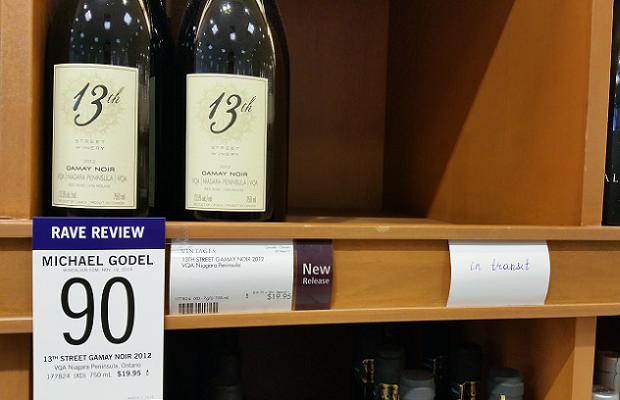
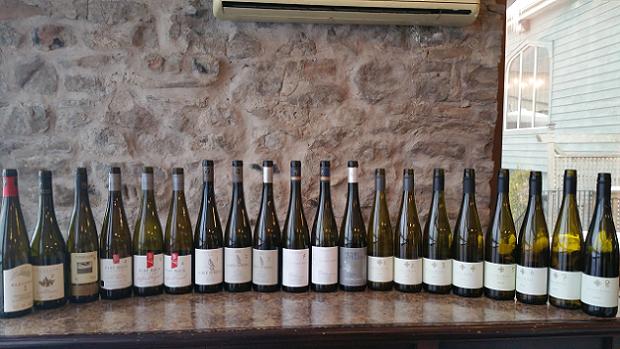
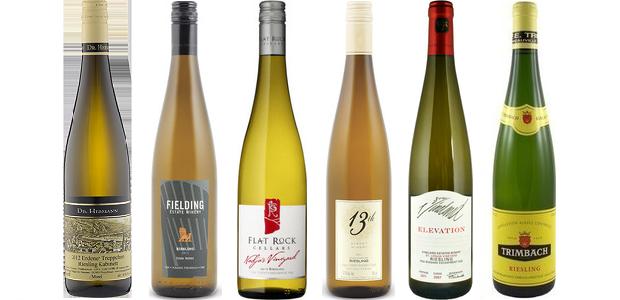
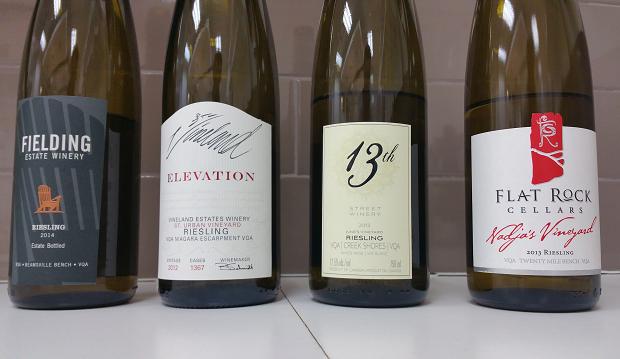
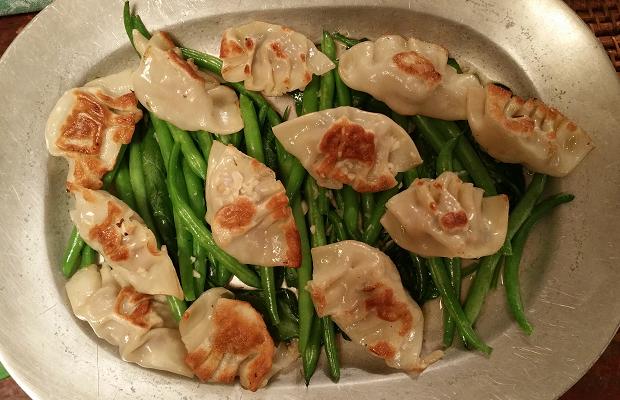

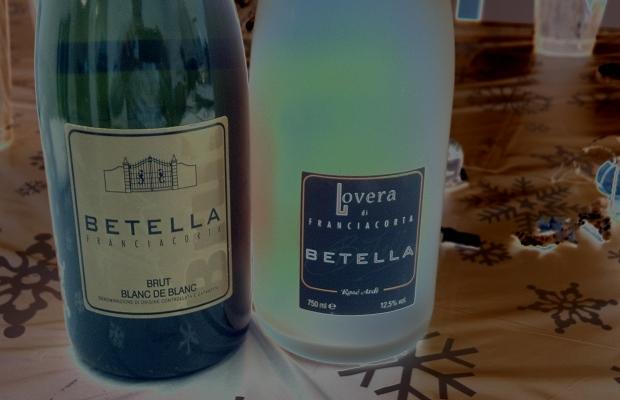

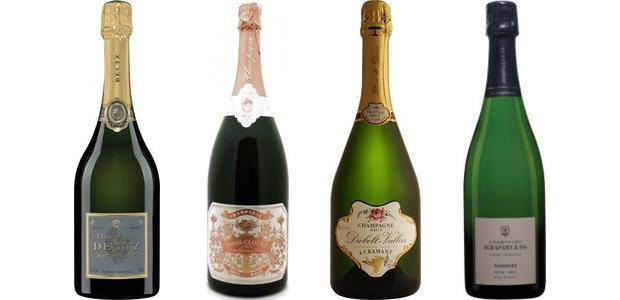

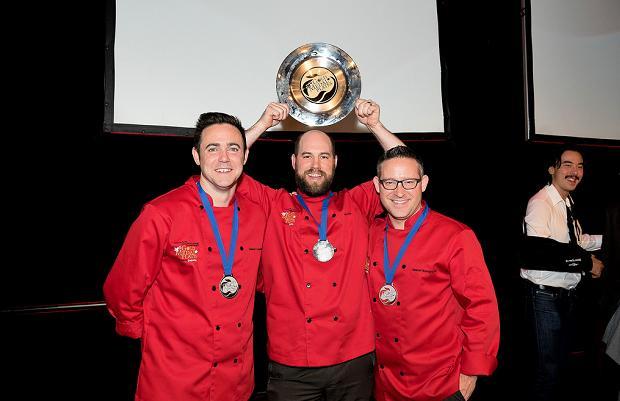
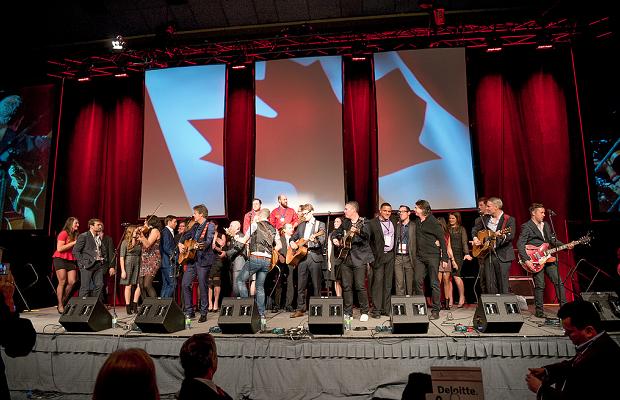

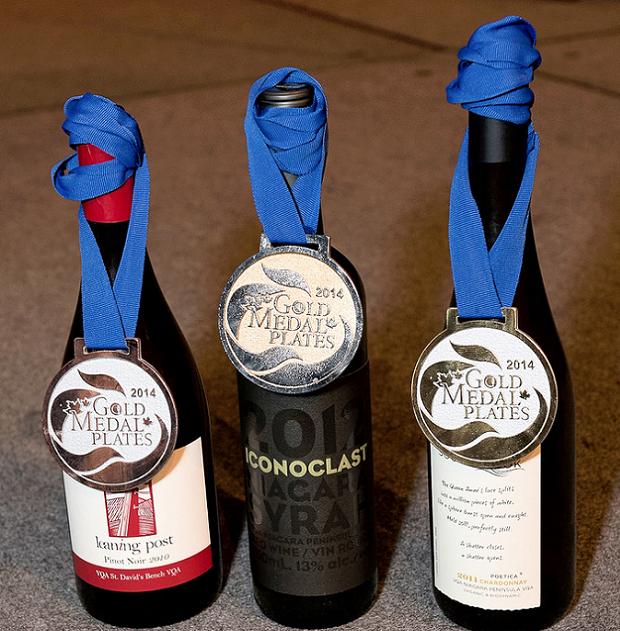
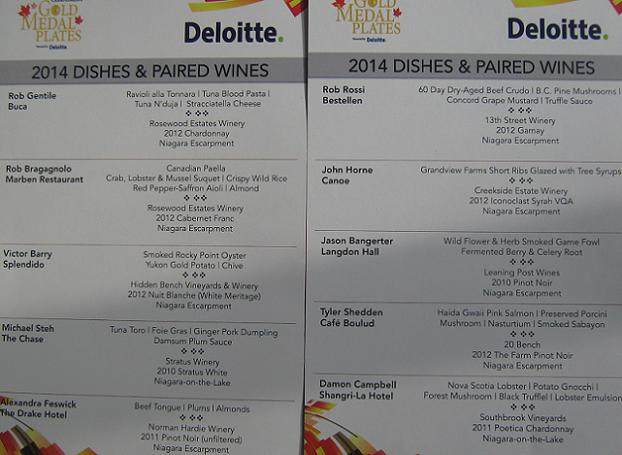
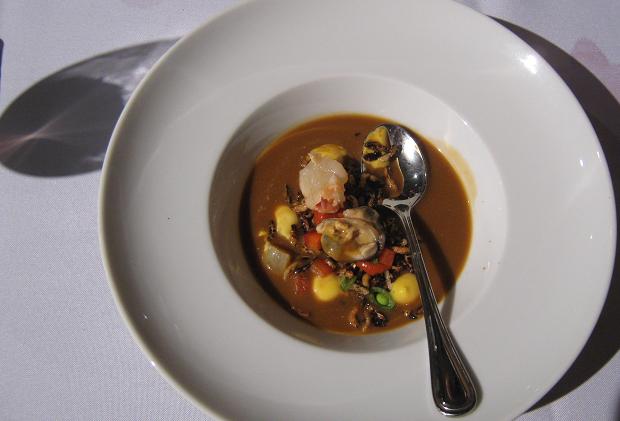
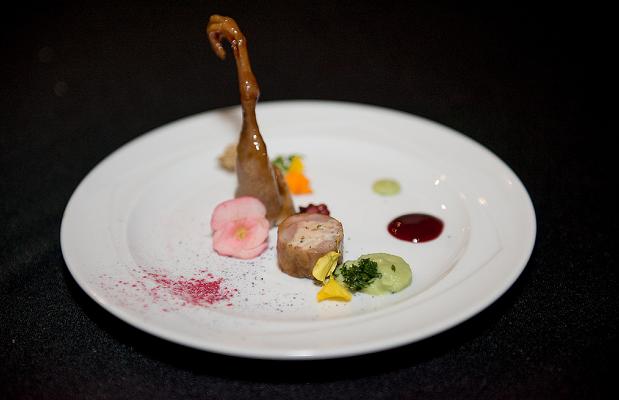

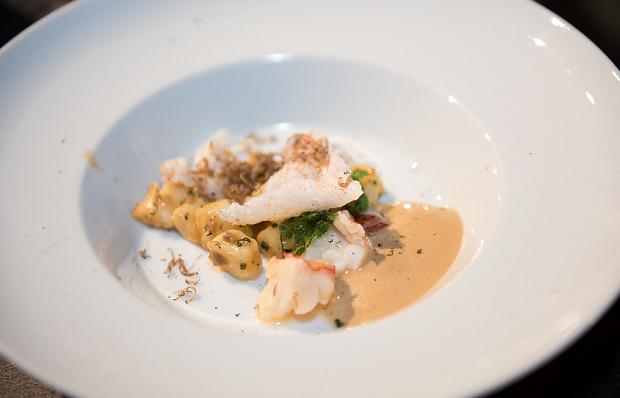
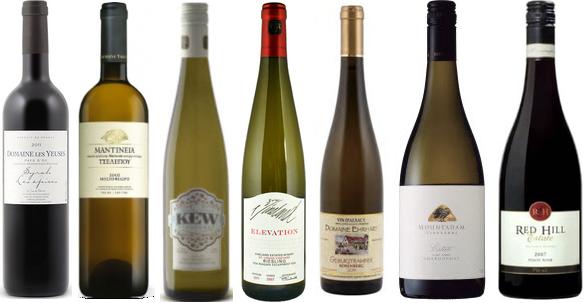
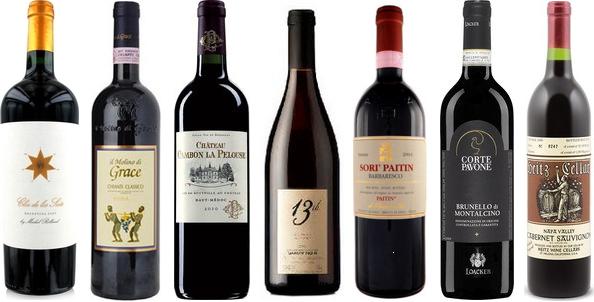
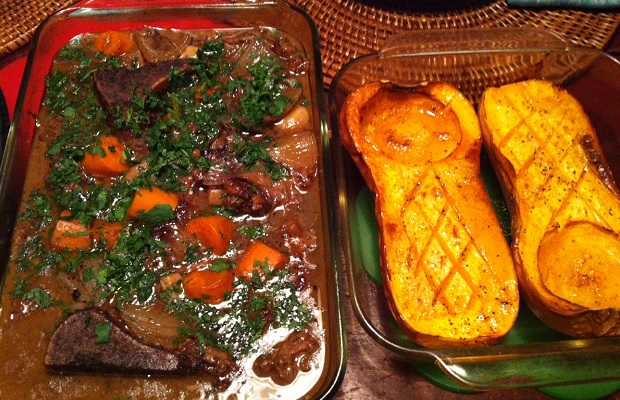


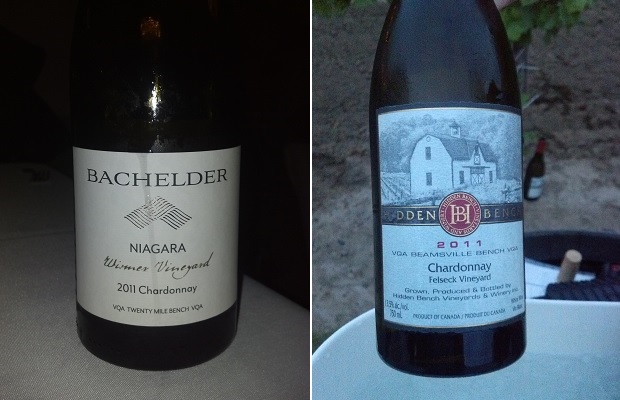


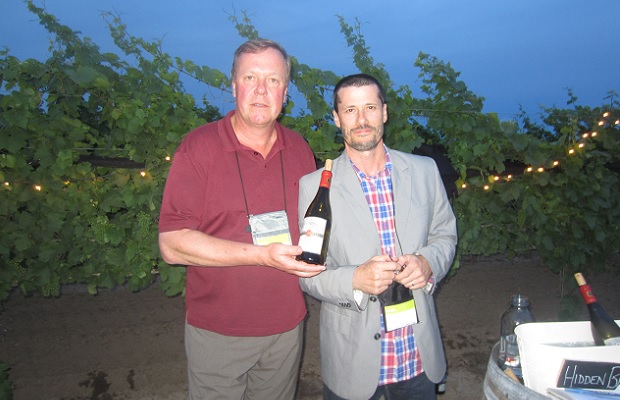
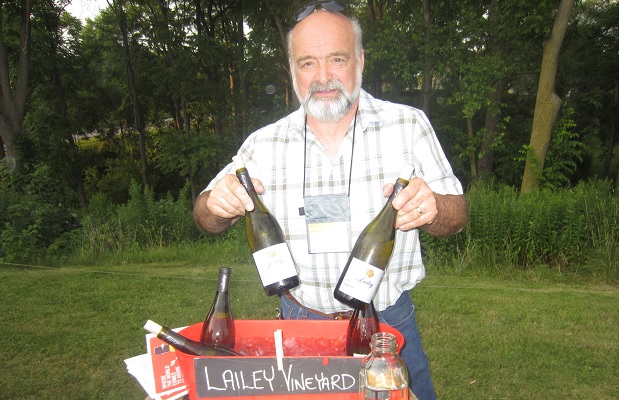

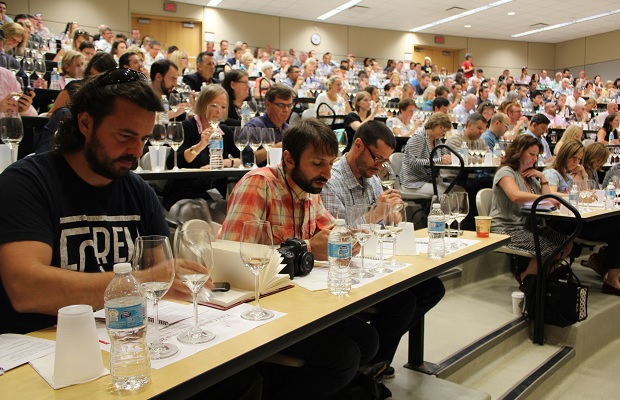
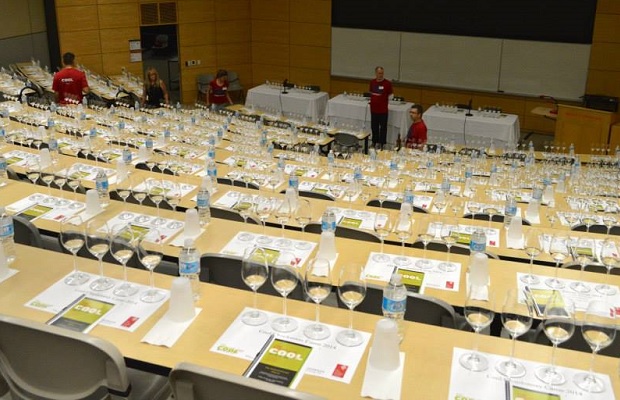
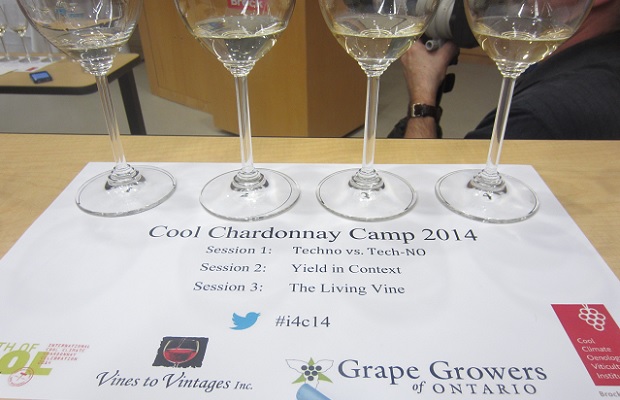
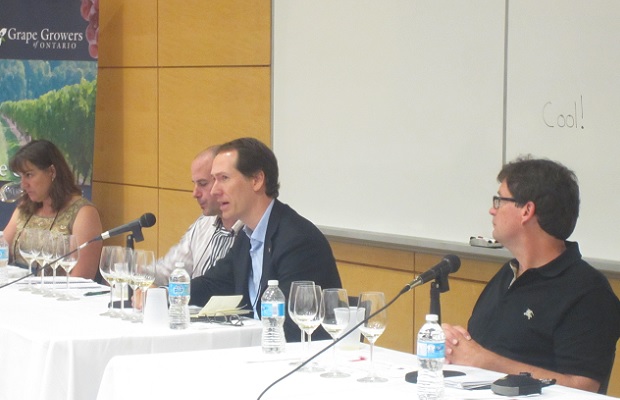
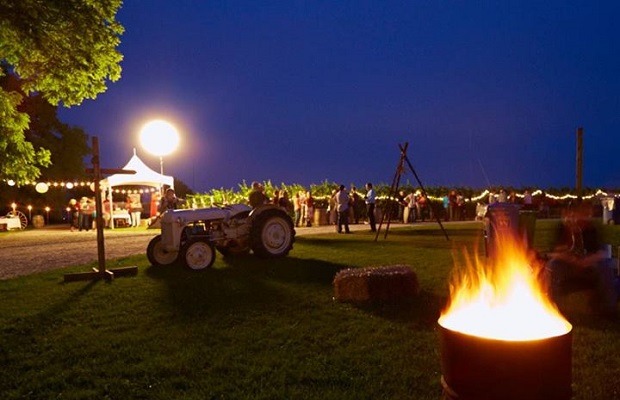
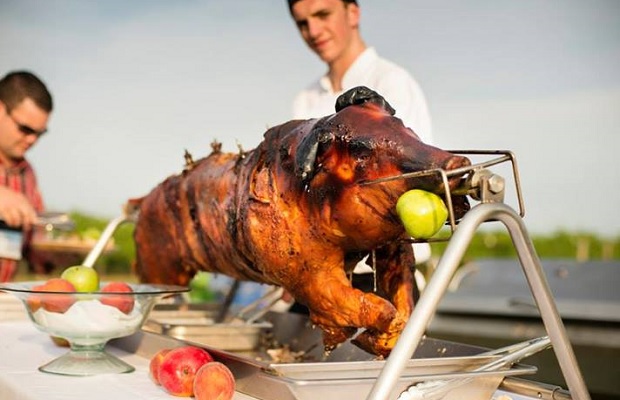
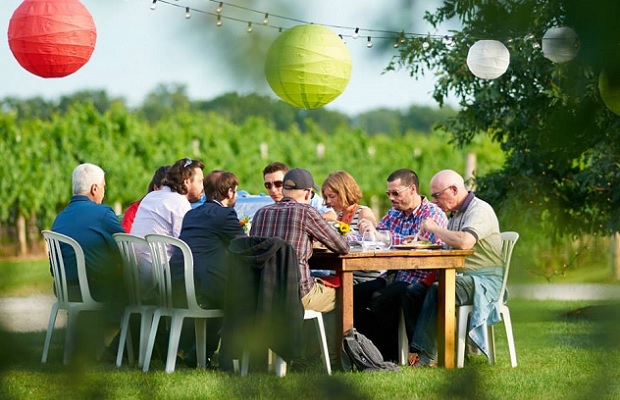
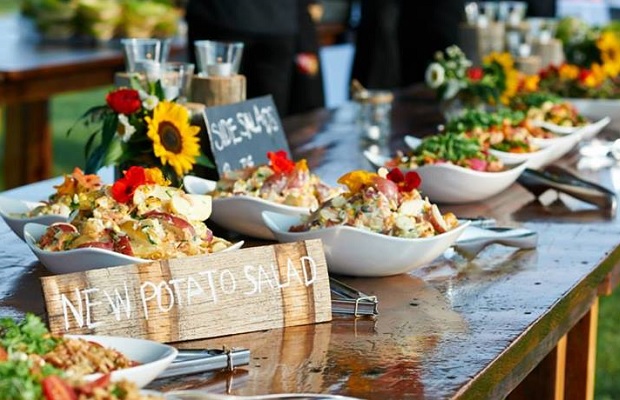
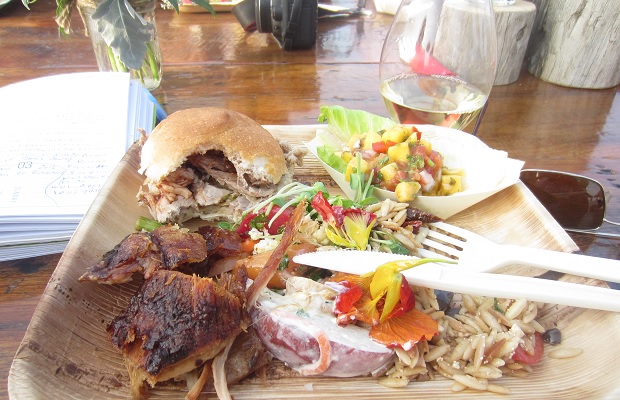
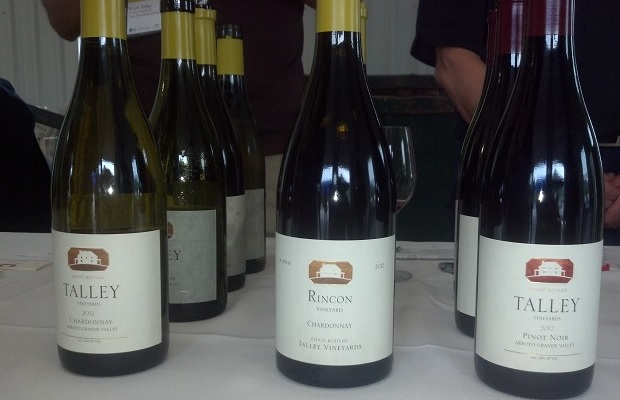
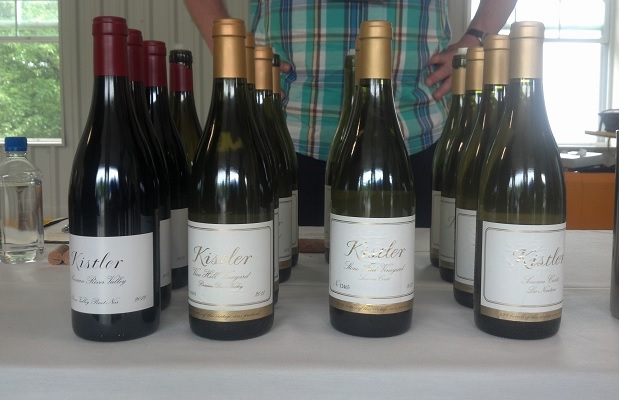
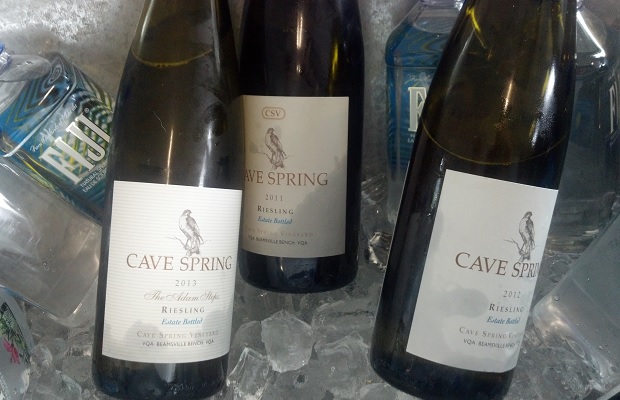
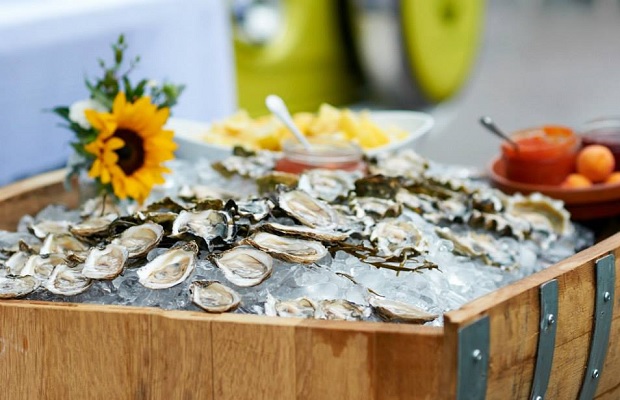
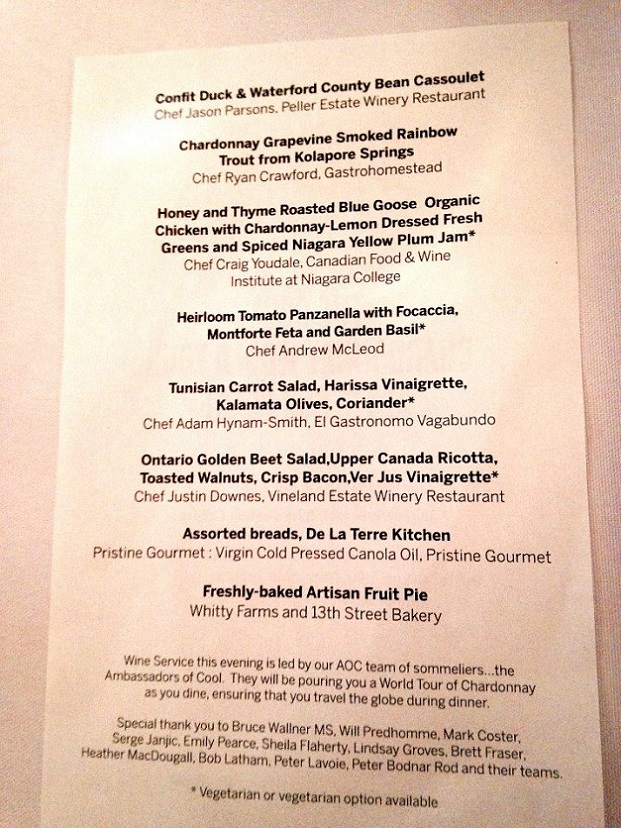
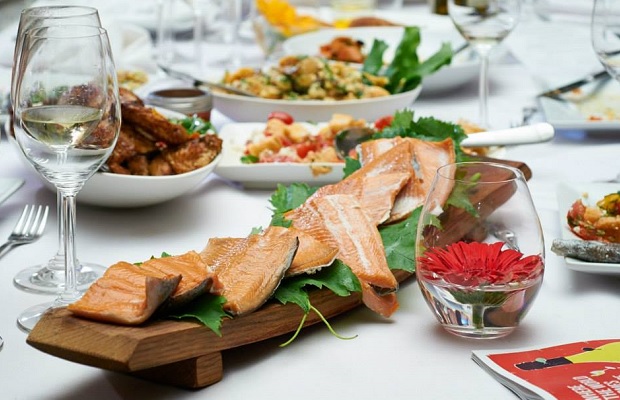




 Godello