Outward and inward nines for November 12th

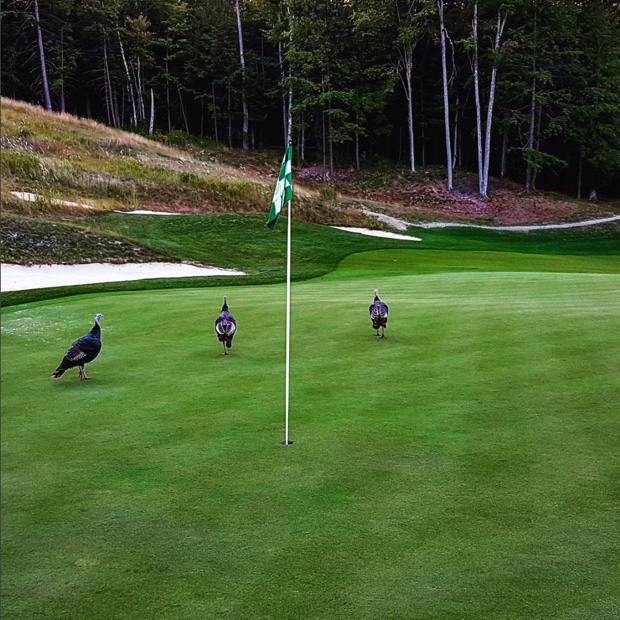
Can somebody get the pin? The ninth green at Summit Golf & Country Club

Can somebody get the pin? The ninth green at Summit Golf & Country Club

This will be the last weekend of play for most southern Ontario golf courses, or at least the ones who are smart enough to lock down and protect their precious 7,000 yards of turf from irreparable 2017 damage. For many players there are two seasons, golf and wine buying. Now that the exceptional 2016 year of 50-plus, sunshine-blessed rounds of 18 are done, the time has flipped over to loading up for the holidays and stocking the cellar.

My outward and inward nine recommendations from the VINTAGES November 12th release cover one and then the other. The front is marked by balance relative to par; wines of value, amiability, varietal purity and regional respectability. Just have a look at some of these iconic names: Delas, Catena, Trimbach, Gabbiano, Hedges and Cave Spring. The back takes swings into under and over par territory. Some are choices that polarize with buyers, critics and geeks. Are they worth the cash? Only you can be the judge. Along with some of Niagara’s greats are selections that include Chablis, Gran Selezione, Veneto and Napa Valley.

So put away the sticks and hit the stores. Here are my top 18 recommendations coming to VINTAGES this weekend.

Front Nine
delas

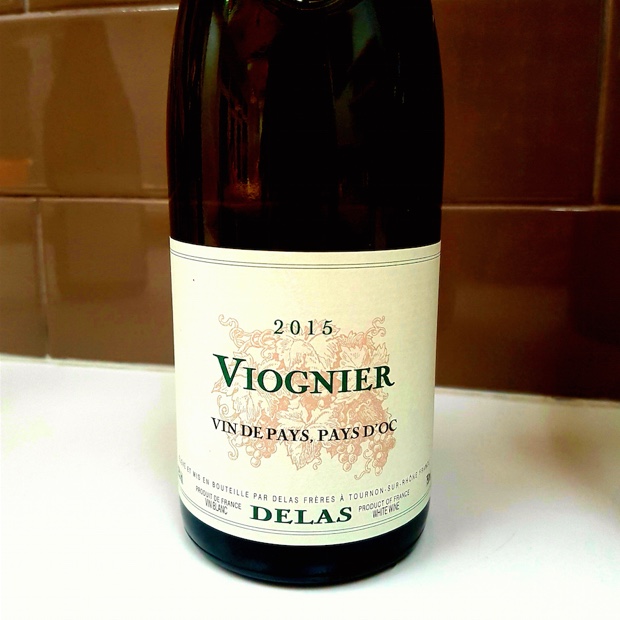
Delas Viognier 2015, Vins De Pays D’oc Rhone, France (462465, $13.95, WineAlign)

Pretty darn textbook viognier in the broadest sense of the varietal word, aromatically waxy, tropical and medicinal. The low alcohol, high flavour and commercially managed acidity is balanced by cream and citrus. No more, no less, precise and managed with utmost professionalism. Drink 2016-2019.  Tasted October 2016    @VINSRHONE  @UNIVINS

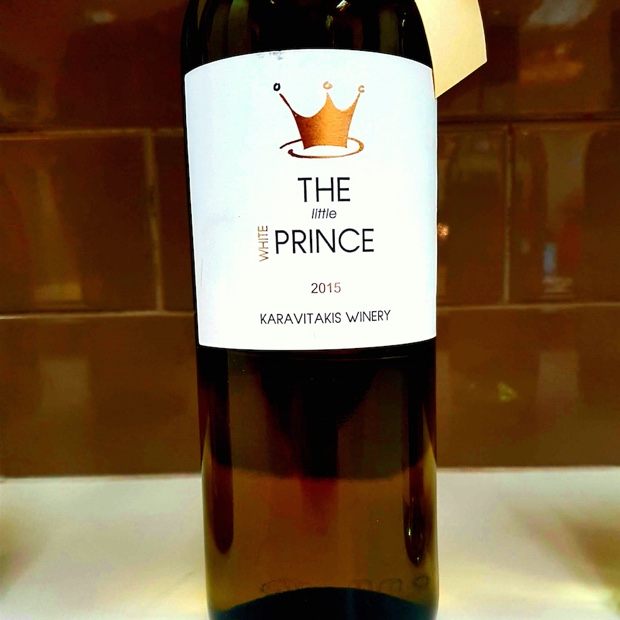
karavitakis

Karavitakis Winery The Little Prince White 2015, Crete, Greece (465930, $14.95, WineAlign)

Here an interesting bit of local vernacular, Cretan style, with vilana (65 per cent) and vidiano (35) dishing up a distinctly and singularly endemic mineral impression by way of subtle hints from tropical fruit. The palate is rich, broad and marzipan creamy. The acidity is round and rambling, tying the whole kit and Crete kaboodle together. A worthy side venture into the Greek Aegean hinterland. Drink 2016-2018.  Tasted October 2016   @karavitakiswine  @VictoryWine  @winesofcrete  @DrinkGreekWine
thym

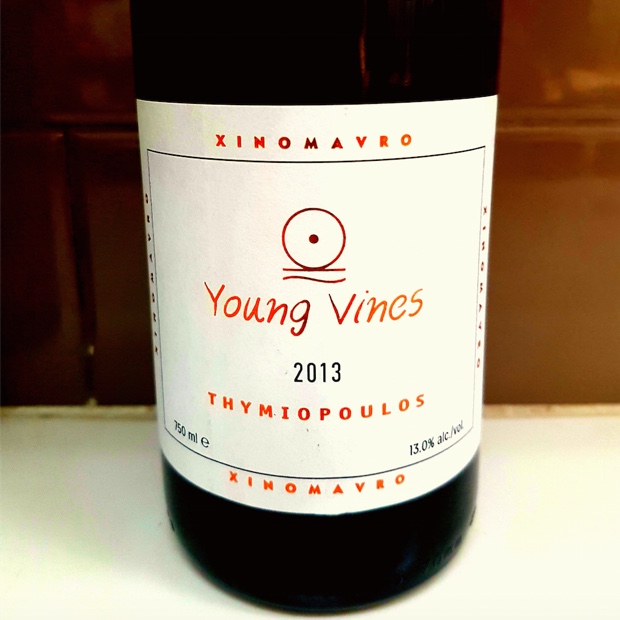
Thymiopoulos Vineyards Young Vines Xinomavro 2013, Naoussa, Greece (466474, $17.95, WineAlign)

The Young Vines is an orange to the Earth and Sky’s apple, of a change of fruit and a pace that is hot off the press. Yet it is not without some ancient wisdom. In some new world sites vines up to 15 years of age would be considered old growth adults. In a Greek vineyard like that of a Naoussan like Thymiopoulos, they are babies of the sun. The Xinomavro here is fresh, momentarily acts strikingly brazen, bracing and ultimately, blatantly beatific. With a glass of the young vines in hand to it I say, “it’s not the pale moon that excites me, that thrills and delights me. Oh no, it’s just the nearness of you.” Like Norah Jones in a glass, sultry, contemporary, lightly smoky, of a jazz aesthetic and a pop sensibility. And wild berries. So fresh, so good. Drink 2015-2019.  Tasted May 2015
parker

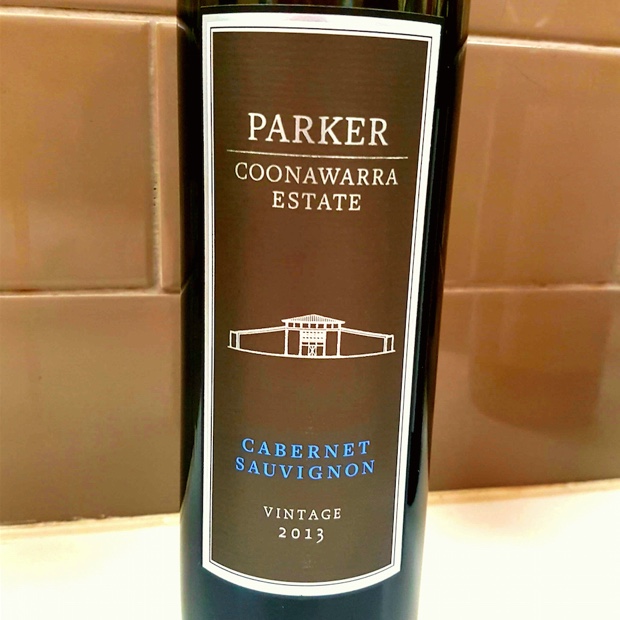
Parker Coonawarra Series Cabernet Sauvignon 2013, Coonawarra, Limestone Coast, South Australia, Australia (467571, $19.95, WineAlign)

The Coonawarra Series cabernet sauvignon is predominantly sourced from the Williams family vineyard (like that of the chardonnay) in Southern Coonawarra. There can be no separating Terra Rossa soil from what happens with (especially) cabernet sauvignon anywhere in the Coonawarra. Very cool and savoury cabernet with tart cranberry, currant and black raspberry aromas. Really crunchy, chewy and gritty wine with focus and grip. Drink 2017-2020.  Tasted October 2016  @parkerwine  @CoonawarraWine  @Select_Wines  @Wine_Australia
catena

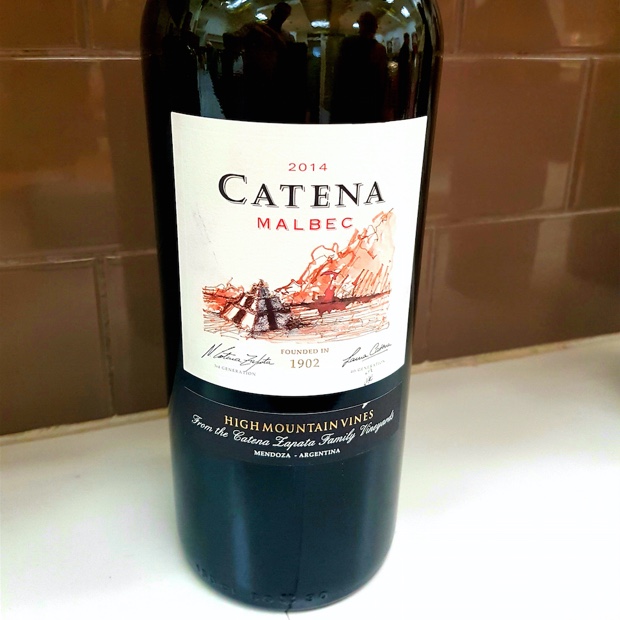
Catena Malbec 2014, Mendoza, Argentina (468066, 1500ml – $39.95, WineAlign)

High mountain vines bring more than altitude to Catena’s most commercially visible and successful malbec. In magnum format it accentuates the herbs and the dry, dusty qualities. In here there is sweetness but from tannin and extract. Acidity is the catalyst to make this sing a mountain hymn. Such proper winemaking brings rain. Love the format. Drink 2017-2020.  Tasted October 2016  @LauraCatena  @CatenaWines  @ArgentinaWineCA  @winesofarg  @Noble_Estates

gabbiano

Castello Di Gabbiano Chianti Classico Riserva 2013, Docg Tuscany, Italy (216309, $22.95, WineAlign)

First and foremost it is the wood, or the lack of wood that stands out in the CCR 2013. It may be observed as a different kind of wood, less polished and more natural but what really wins out is the fruit. The cherries are surfeited by impressed tannin and linger with good tonic for a good length of time. Great restraint shown by winemaker Federico Cerelli. Drink 2018-2024.  Tasted June 2016  @castgabbiano    

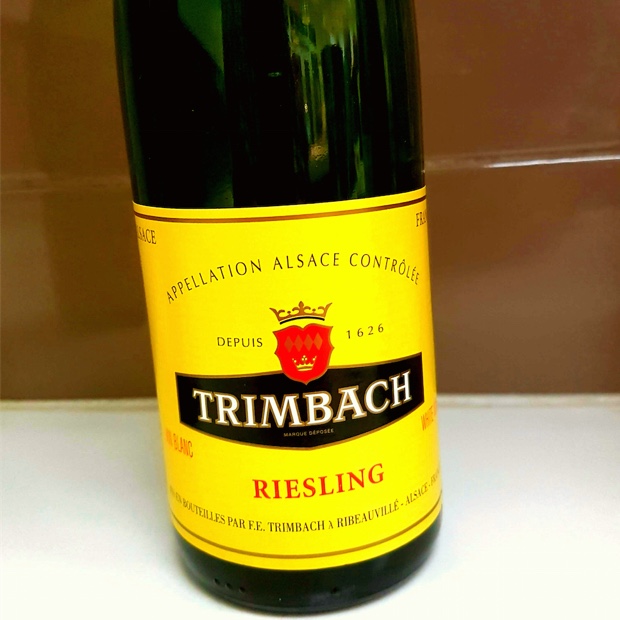
trimbach

Trimbach Riesling 2013, Ac Alsace, France (734517, $23.95, WineAlign)

What pray tell might you ask more than this from Alsace riesling? Could you, would you demand more immediate gratification? Might you request more purity and clarity of soil, rock and regional understanding? Is there a need to better define citrus and dry extract in any finer way? Trimbach has it down and few can pinpoint with fewer words and more direct impression. How things ought to be. A tight vintage though, so wait 18 months before embarking on chapter one. Imagine the Cuvée Frédéric Emile possibilities. Drink 2018-2023.  Tasted October 2016  @trimbach  @annetrimbach  @WoodmanWS  @AlsaceWines  @ACT_Alsace  @VinsAlsace  @drinkAlsace
hedges

Hedges C.M.S. Cabernet Sauvignon / Merlot / Syrah 2014, Columbia Valley, Washington (948992, $23.95, WineAlign)

Copacetic and well-amalgamated vintage here for the Hedges CMS, a wine of deep singer-songwriter meets jazzy flavour and sensible grip. Though there are bitters and a display of fine if sweet tannic structure, this CMS hits not over the head or below the belt. Just a few jabs and a loving embrace. A blackstar Columbia Valley blend that flies past, like “seven tracks in 40 minutes and it’s musically distinct.” In this way it reminds me of Ben Greenman’s New Yorker piece, “The Beautiful Meaninglessness of David Bowie.” Or it makes me think of Bowie as so many Hedges wines do. It’s not that this wine offers no clear meaning but it dishes ambiguity in ways only it can do. Like the late glam star, it “can’t give everything. Away.” Or, as Greenman concludes, “unless, of course, that isn’t what it means at all.” Drink 2017-2020.  Tasted October 2016  @hedgeswine  @Noble_Estates  @WINESofWA
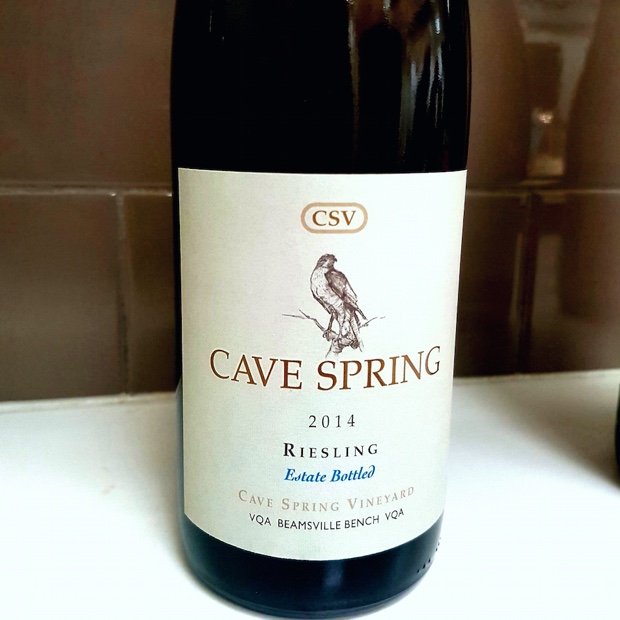
csv

Cave Spring CSV Riesling 2014, Cave Spring Vineyard, VQA Beamsville Bench, Niagara Escarpment, Ontario (566026, $29.95, WineAlign)

The vintage brings a concentration and a compression and the most fruit imaginable for the Beamsville bench and the CSV. How this iconic riesling solicits immediate attention and fruit-juicy love is really something and hasn’t been seen in a few years. The citrus is all flesh and juice, the mineral aspect full of tang. Unction and viscosity define the texture and the palate. Drink early and enjoy the hell out of this forward CSV riesling. Drink 2016-2021.  Tasted October 2016  @CaveSpring  @TheVine_RobGroh

Back Nine
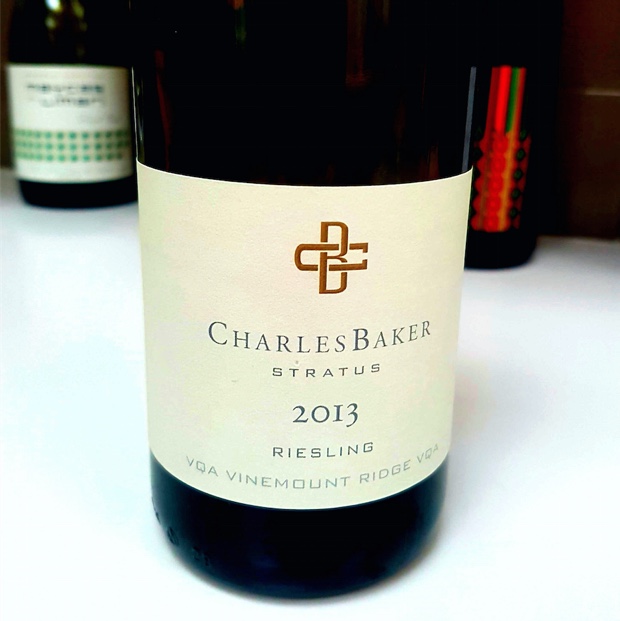
baker

Charles Baker Picone Vineyard Riesling 2013, VQA Vinemount Ridge, Niagara Peninsula, Ontario (241182, $35.20, WineAlign)

There was this intuitive moment with Picone 2013 as if it was waiting on me. Not doting or soliciting, but waiting. I will admit to have been wondering, reeling and speculating. To peer or peek into what Mark Picone’s Vinemount Ridge vineyard would adjudge and then bestow Charles Baker’s riesling in 2013? Would it be a case of weight, hyperbole, a hang in the balance out of misjudged necessity? Nah. Picone is no longer a mature 20 year-old vineyard but now a wise old thirty year-old one. Picone 2013 is in fact a fun park mirrored image of itself, with haughty, aerified aromas and variegated, leaning to tropical fruit flavours, taut like a flock in line with the vintage. The riesling berries just seem to have imploded and the results that have followed are nothing if not intense. Imagine a Yogyakarta market and a two-wheeled, glass-cased push cart stacked with a pyramid of tart mangoes. The fruit had been picked just as the sugars had begun to run like sap and bleed sticky on the cracking skin. A mango is sliced and doused with the intensity of Java lime juice and then sprinkled with Laut Jawa salt. The flavours are searing, sweetly saline and quenching. Only this tart is this, where tart and acidity meet, intertwine and connect on an emotional level. Picone 2013. The first non-inoculated riesling at first and then touched up near the end. “The best vintage you could ask for in riesling,” notes Baker, “cloud-covered, a meeting of the minds, vibrant.” The arid, cranky one will live without fret for 15 years. Drink 2018-2028.  Tasted twice, October 2016  @cbriesling  @StratusWines

moreau

Louis Moreau Chablis Vaulignot Premier Cru 2014, Burgundy, France (525386, $36.95, WineAlign)

Vaulignot was created in 1976, one of the last Premier Crus to gain such status within the association. Note that Moreau’s nomenclature is Vaulignot instead of Vau Ligneau, but the meaning is exactly the same. Really round and rich Chablis with a relative and realistic purity specific to place. This alights as a sun-drenched and lemon waxy chardonnay with enough (thank you very much 2014) tension to keep it rolling right along. What Vaulignot brings to the Chablis table is stick to your tongue, mouth and ribs persistence and vitamin water mineral enhancement. In a way it is caught in the Chablis netherland between up front gregariously fruity and strikingly mineral/acidity piercing. Great length in this vintage. Drink 2016-2020.  Tasted October 2016  @MoreauLouis1  @vinsdechablis  @purechablis  @BourgogneWines  @vinsdebourgogne
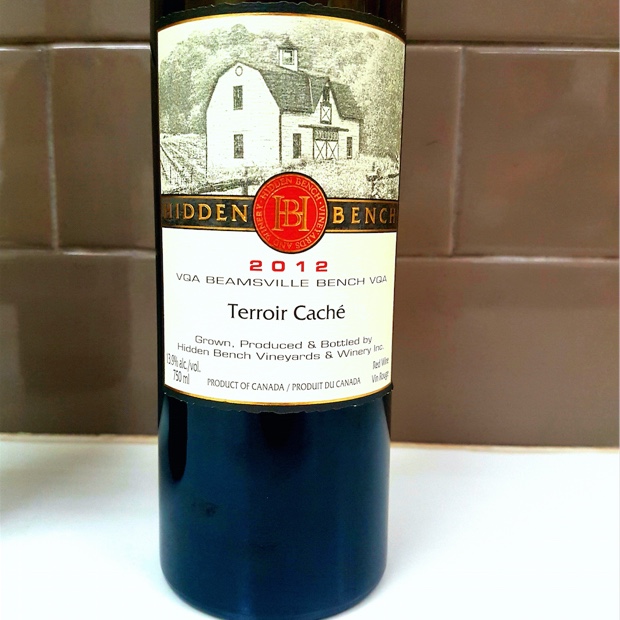
hb

Hidden Bench Terroir Caché Meritage 2012, VQA Beamsville Bench, Niagara Peninsula, Ontario (505610, $38.00, WineAlign)

I would not have thought it possible but the ’12 TC Meritage is open for business. The fruit is near-perfect for what these parts of the Beamsville Bench can offer and the normal gnashing is frozen as if suspended, which it likely is. In its current state it is all berries and dusty tannins, ripe, ripe acidity and plenty of outright happiness. A wisely structured Terroir Caché from Marlize Byers as only she could coax and extend. Drink now (not) or wait five years. Points in between may be confounding. Drink 2020-2030.  Tasted October 2016  @HiddenBench  @BenchVigneron  @MarkAnthonyON
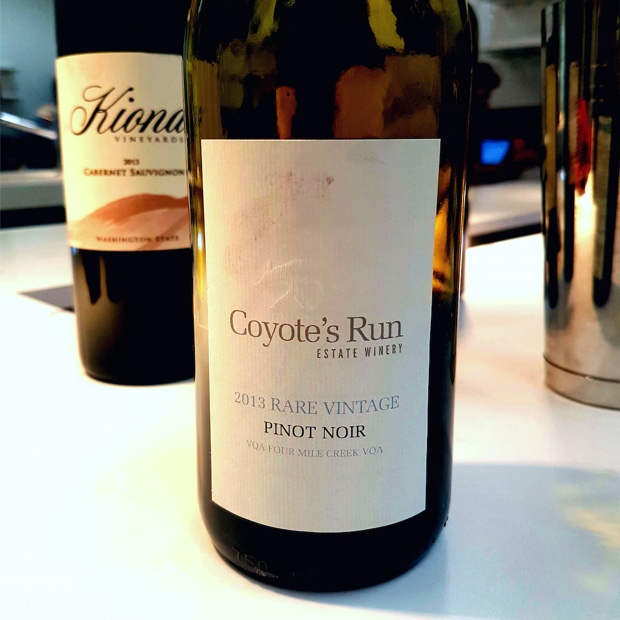
coyote

Coyote’s Run Rare Vintage Pinot Noir 2013, VQA Four Mile Creek, Niagara Peninsula, Ontario (296863, $39.95, WineAlign)

A tart and robust vintage for the rare pinot noir, deeply ingrained into earth, sun and savour. This is distinctly varietal to Four Mile Creek with haute sapidity and exceptional length. The rusty accents inject piercing citric life into strawberry rhubarb pie. The tannins gnash their terrible teeth and the fruit hides for dear life. I’m not sure any Rare Vintage David Sheppard-ed pinot noir has ever delivered such mean structure. The next Niagara growing season should contribute to an ever more impressive showing because the fruit will almost certainly be up to the tyrannical task. Not to mention the coincidental crossroads 30th Sheppard vintage of making wines in Ontario. Meanwhile, from the cloudy, windy 2013 vintage his pinot noir will live long and prosper. Drink 2018-2025.  Tasted October 2016  @coyotesrun
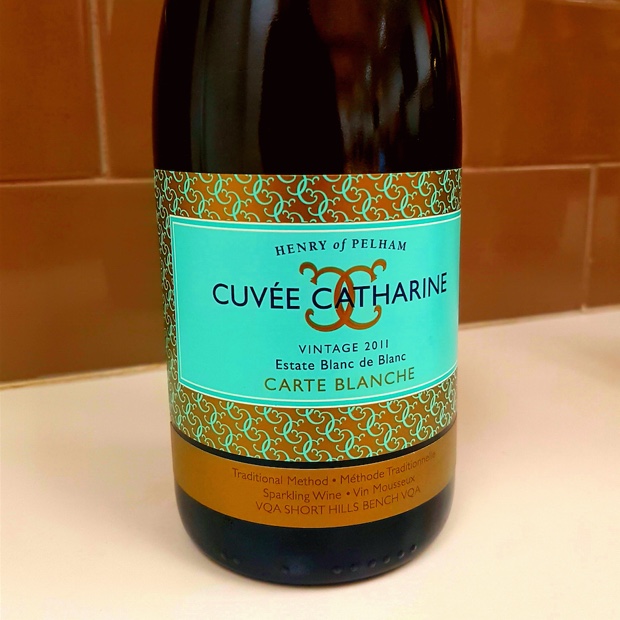
pelham

Henry Of Pelham Cuvée Catharine Carte Blanche Blanc De Blanc 2011, Méthode Traditionelle, VQA Short Hills Bench, Niagara Escarpment, Ontario (315200, $44.95, WineAlign)

t’s always a highly anticipated taste when a vintage dated Cuvée Catherine is on the table sidled and promoted with the bar raised to epic heights from a striking chardonnay vintage like 2011. With acidity a given as the elephant in the room the formidably elegant Blanc de Blanc glides ethereally to press upon the olfactory nerve major and then grace the palate with fine mousse, citrus and biscuits. This is a benchmark for Ontario and Canada with only Benjamin Bridge’s B de B styled Gaspereau Valley gemstone sparkler in the same elite league. Enjoy this now and for 15-20 blissful, fizz-friendly years. Drink 2016-2032.  Tasted October 2016  @HenryofPelham  @SpeckBros

brolio

Barone Ricasoli Castello Di Brolio Chianti Classico Gran Selezione 2012, Docg Tuscany, Italy (942607, $59.95, WineAlign)

A Chianti Classcio first borne in 1997 with the plan to create a maximum quality blend as an expression of the estate’s diverse terroir. A meticulous selection is combed from the estate’s vineyards, spread over 230 hectares of land. Though early on the fruit may have emerged out of good but not yet exceptional vineyards, nearly 20 years later the sangiovese (90 per cent) with cabernet Sauvignon and merlot (or perhaps petit verdot) adheres to grand vin excellence. The wood regimen is 18 months in tonneau followed by 18 in bottle. Perhaps you will not find a more accomplished, perfectly judged, matter of factly expressed Gran Selezione. Sangiovese in equality of spicing with fruit, acidity and tannin, perfectly integrated toast, wood impact and textural drive. Stefano Capurso admits this about the transition from Chianti Classico to Gran Selezione.”It’s a matter of compromise between what is needed for the small producers and the need to express through crus for the large ones.” Drink 2018-2025.  Tasted May 2016  @barone_ricasoli  @imbibersreport  @chianticlassico

quintarelli

Quintarelli Primofiore 2012, Igt Veneto, Italy (20867, $66.95, WineAlign)

Only and distinctly Quintarelli, of that Negrar perfume and the kind of salumi cure no other producer can seem to procure. Though an infant and a baby to more mature vineyard selection Quintarelli adult bottlings, the Primofiore is full of exotics, of clove, cardamom, liquorice and meaty char. There is a sweetness to Quintarelli fruit and a remarkable resistance to astringency. This particular 2012 IGT is smooth and soothing. It is dangerously easy to consume. Drink 2017-2027. Tasted October 2016    @LiffordON

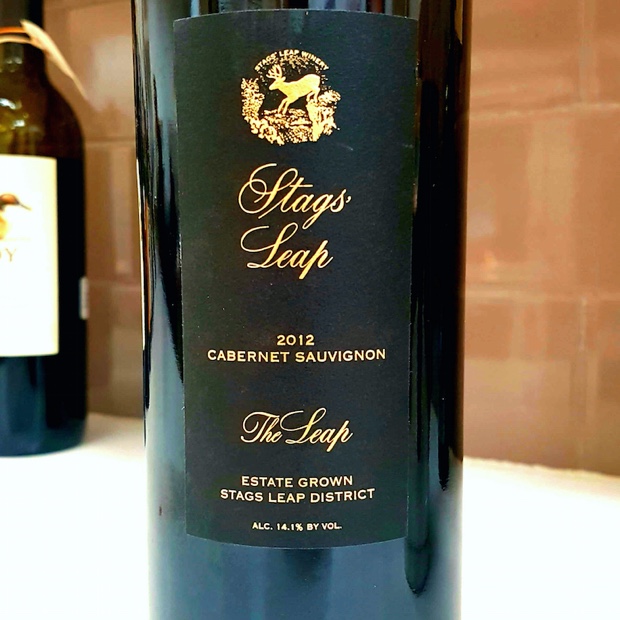
stag

Stags’ Leap The Leap Cabernet Sauvignon 2012, Napa Valley, California (142844, $89.95, WineAlign)

Signature cabernet sauvignon from Stag’s Leap from the first of the dry Napa vintages is dusty and high-toned to a high degree. Pure berry distillate and a savoury linger lead off and yet the closemindedness is still a youthful issue. There is a beautiful sense of florality behind the veil of aridity and big room tannin and yet the fruit is so very ethereal when it comes to tasting. Yes the dinging acidity and dastardly tannin will be a constant reminder of structure but without over compensation from the barrel the DJ Kylo driving beat will always be helpful. Gorgeous wine from Christophe Paubert. Put it in the time machine. I’ll take that leap in the dark. Drink 2019-2027.  Tasted October 2016  @stagsleapwines  @SLDistrict  

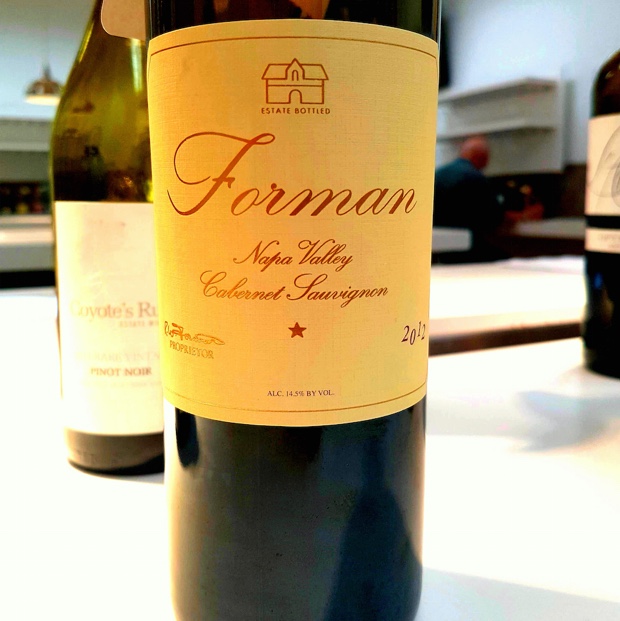
forman

Forman Cabernet Sauvignon 2012, Napa Valley, California (143925, $160.00, WineAlign)

Forman’s 2012 is a big, vibrant, robust and dusty expression, full of fruit, more fruit and nothing but fruit. Though the price is exceptional, the combined stylistic and level of honesty is formidably forman-ible. It is a rare opportunity and execution indeed when sweetness is culled from extract without the necessities of manipulated winemaking, oak usage included. The naked purity of this wine from an exceptionally dry, ripe and efficiently evolved vintage leads this cabernet sauvignon down a long, purposed and grandiloquent road. Drink 2018-2030.  Tasted October 2016  @rogcowines  @NapaVintners  

Good to go!

Twitter: @mgodello

Instagram: mgodello

WineAlign

84May28

The Cabernets of the Judgement of Paris 1976

The Cabernets of the Judgement of Paris 1976

Some quotes about vanity.

“Vanity is my favourite sin.” (Al Pacino)

“The knowledge of yourself will preserve you from vanity.” (Miguel de Cervantes)

“Vanity is the healthiest thing in life.” (Karl Lagerfeld)

“How long shall your vain thoughts lodge within you?” (Jeremiah 4:14)

“When you have a lot of success you don’t need vanity any more.” (Amelie Nothomb)

The headline reads as a current VINTAGES vanity plate. Nothing shouts VANITY like the bi-weekly VINTAGES releases, that is unless you can read between the lines, seek out anti-narcissistic wines made with honesty, from and for success. The LCBO is full of itself, as it should be, because billions of dollars of revenue for the monopoly and the province is a favourite sin. The consumer can protect themselves by knowing themselves, their personal tastes and which wines will see to personal success.

The Judgement of Paris happened 40 years ago. VINTAGES celebrates seven players that not only participated but were granted instant celebrity. Now 40 years later, VINTAGES puts the legends back in the spotlight. I tasted all seven wines. Were I afforded sackfuls of cash I would gladly indulge in their collective vanity.

For full reviews on all the Judgement of Paris wines, please visit me at WineAlign

It is indeed healthy to be a winemaker, distributor, agent or retailer of self-assurance, to believe in a body of work or portfolio, to know that it represents quality and to flaunt it for the world to relish in its revelry. It is equally healthy to know humility, to create with impunity in knowing the confidence of fashion has resulted in the singularity of accomplishment. All the better when verecundity is found in a wine made by a big house.

Eight current releases speak to success, beyond vanity. My notes.

VV

Casal De Ventozela Loureiro Vinho Verde 2014, Portugal (445098, $14.95, WineAlign)

Loureiro from Villa Verde, grippy and mineral as it should be, marked by citrus, herbs and the slightest spark of CO2. This must have been prime, perfect in fact, in the wheelhouse even…six months ago. Still refreshing and yet savoury, nearly, though one step away from complex for the grape and a sense of place, from point A to B. Drink 2016.  Tasted May 2016    @LeSommelierWine  @vinhosverdes  @VinhoVerdeCA  @wines_portugal  @winesportugalCA

Rafael

Tommasi Rafael Valpolicella Classico Superiore 2013, Veneto, Italy (23259, $18.95, WineAlign)

The Rafael is an honest, purposed product culled from what such endemic grapes together with wood will combine for perfectly typical effect. Here the package is respectfully lithe and speaks of what Valpolicella may once have righteously been, should still and can eminently be. Fresh, wound tart, amenable and easy to love. Yes, please. Drink 2016-2019.  Tasted May 2016  @Tommasiwine  @UNIVINS  @C_Valpolicella

Benmarco

Benmarco Malbec 2013, Unfined And Unfiltered, Uco Valley, Argentina (657601, $17.95, WineAlign)

Clearly ripe and ripping like so many malbec brethren and sistren but at 3,000 feet of Vistaflores altitude the Benmarco delivers an extra level of ratcheted intensity, especially at $18. Extreme aromatics, of black, blue and boysenberry fruit are bigger than the oak, the soil and the malbec genre. This is the best Benmarco since the formidable 2002, a wine that still drinks well today. Drink 2016-2028.  Tasted May 2016  @sbalbowines  @ProfileWineGrp  @winesofarg  @ArgentinaWineCA

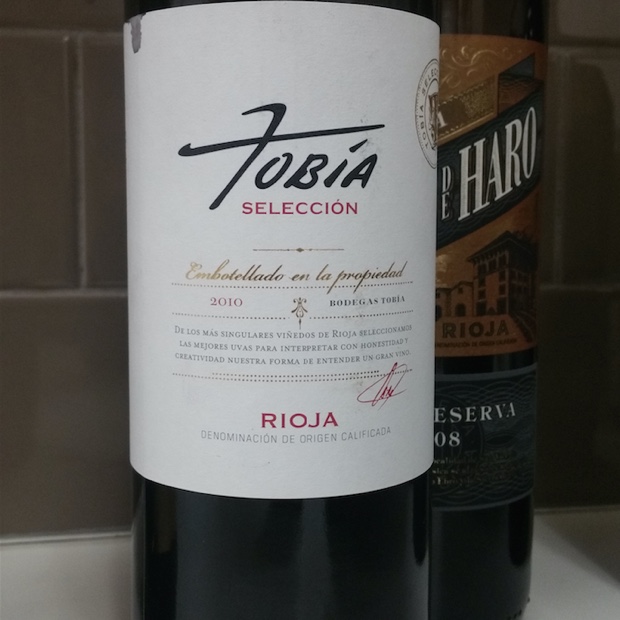
Tobia

Tobía Selección Crianza 2010, Rioja, Spain (364828, $21.95, WineAlign)

Most righteous Rioja, dusty and leathery but fresh, vibrant and alive. Terrifically rich palate, full of strawberry, liquorice and pastis. Acidity is all over the fruit, enveloping and then a short pause ensues, followed by the caressing tannins. There is more than a Crianza mouthful of wine in here. Wait one or two and then watch this turn over and over for the next 10 years. Drink 2017-2026.  Tasted May 2016   @_La_Rioja  @RiojaWine_ES

Viticcio Chianti Classico 2012, Docg Tuscany, Italy (283580, $22.95, WineAlign)

A Chianti Classico with a foot in two worlds, the traditional (Greve) and the modern. The tart red berries are sour to nose and to taste but it’s the kind of sour that reels you in and gets you too beg for more. The level of clean, fresh lees is very 2013, something that Chianti Classico needs more of. Dry extract and tannin are spot on for the overall intent. Drink 2016-2020.  Tasted May 2016     @chianticlassico  @MajesticWineInc

Megalomaniac Big Mouth Merlot 2012, VQA Niagara Peninsula, Ontario (67645, $24.95, WineAlign)

Big mouth strikes again, with phenolic ripeness set against stinging nettle greens from out of the warmth in 2012 Niagara. “Sweetness, sweetness I was only joking.” Plums turning into prunes and back again, of fruit not sure if its coming in or heading out the door. Hanging in like Morrissey at a Smiths reunion concert. Drink 2016-2018.  Tasted May 2016  @MegalomaniacJHC

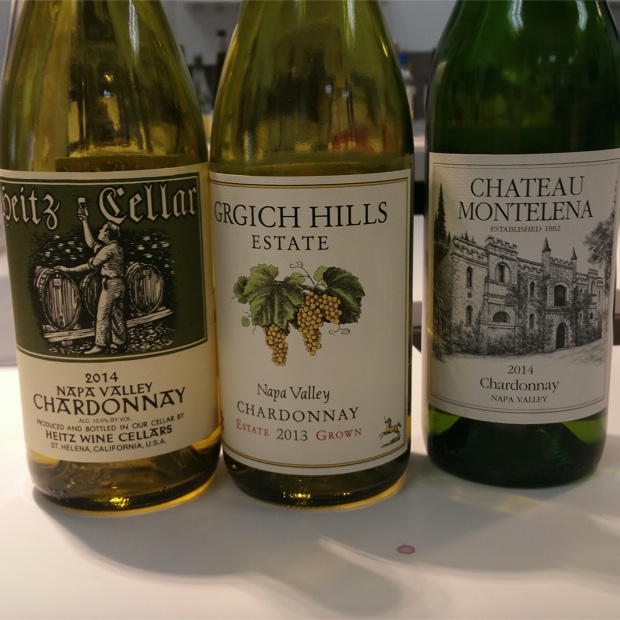
Heitz Chardonnay 2014, Napa Valley, California (205500, $49.95, WineAlign)

When the Napa Valley name Heitz is mentioned it is Cabernet Sauvignon that comes to most minds, 99 per cent of the time. Chardonnay is a Heitz thing, dating back to 1961. The 2014 rendition is the iron fist-velvet glove version of classic Napa Valley (usually reserved for Cabernet Sauvignon allusion). This is quite a rich and variegated Chardonnay full of typically warm Napa sunshine but it’s also a study in barrel restraint and judgement. The flavours are loaded with citrus, compressed and taut. Wound tighter than a wire around a boat winch, this just needs some time to settle in. Drink 2018-2021.  Tasted May 2016    @NapaVintners  @CalifWines_CA

Judgement of Paris Chardonnay

Judgement of Paris Chardonnay

Ridge Vineyards Monte Bello 2013, Santa Cruz Mountains, California (405332, $191.95, WineAlign)

From a serious drought vintage, dry, warm and demanding, the 2013 Montebello’s Draper perfume is as heady as ever, to such effect that after one whiff this is where daydreaming takes over consciousness. Montebello gets inside the head, with allegory, radio frequency waves and platonic thought, as if inside a cave. An 80 per cent Cabernet Sauvignon, Petit Verdot (8), Cabernet Franc (7) and Merlot (5) classic, lithe and restrained blend of sheer, utter exceptionality. The balance in 2013 is impeccable but dont be fooled into thinking this is not a big wine. The acidity is dramatic, the tannins fine and demanding and the amount of pure extract whorled and revelling. All in dark red fruit and a coolness through the mid-palate that threads like silk through fine stainless steel fibre. “This goes beyond me, beyond you.” Drink 2018-2030.  Tasted May 2016  @RidgeVineyards  @rogcowines  @CalifWines_CA

Good to go!

Twitter: @mgodello

Instagram: mgodello

WineAlign

Facebook

Chardonnay in the Napa luxury

Treasury Wine Estates Napa Valley Chardonnay

Treasury Wine Estates Napa Valley Chardonnay

What’s in a varietal? Do Greek Roditis or Savatiano float your endemic boat? Are Italian Grecanico or Cerasuola your wayfaring, off the beaten path, go to grape variety strays? Could it be that French Arbois or Sylvaner are your geek out points of reference? If any or all of the above speak coquettish truths about you, then how do you extrapolate epiphanies from a credit-worthy, dyed-in-the-wool list borne out of the Napa Valley?

Related – Napa Valley: The next generation

On a California journey the indenture is written as a very fixed notion, a contract between vintner and taster, specific to and bonded by preordained expectation. So far I have waxed on about Cabernet Sauvignon and ripeness. I have made not so infrequent mention of Sauvignon Blanc and I have dipped with fervent foray into the inner workings of Pinot Noir. On that same trip the holiest of sunshine daydream holies was presented to our sundry Canadian group. The light of west coast life. Napa Valley Chardonnay.

Related – Napa Valley two: A question of age

Six Napa representatives of the highest order, the vinetarius maximus of the valley if you will, gathered in a great big house out on the St. Helena Highway. They came to the 10,000 square foot, Luther Turton-designed Rutherford House at Beaulieu Vineyard to pour their Chardonnay wares. Our moderator was Ginevra Altomara AS, CSW, Trade Education Manager for Treasury Wine Estates. The six of the best tasting gathered together winemakers Jon Priest of Etude Wines, Mark Beringer of Beringer Wine Estates, Domenica Totty of Beaulieu Vineyard, Christophe Paubert of Stags’ Leap Winery, Matthew Glynn of Acacia Vineyard and Harry Hansen of Sterling Vineyards. There was no sighting of any alleged ghost that lives under the staircase.

Related – Napa Valley: Where ripeness happens

The best of the six draws into question old versus new world theories and Napa Valley’s current position relative to Burgundy. Times have changed. Forget about the 1976 Judgment of Paris. Its relevance in 2016 is merely historical. California Chardonnay is more diverse than it has ever been. Progression, climate change, raw materialistic availability and market share all conspire to reside on its beautiful hillsides. So it must be asked, can Burgundy keep up with the fictionality of the Napa Valley reality? If Chardonnay in these parts is worthy of fetischistic yardsticks usually extended to measure anthologist wines, how can the European union keep up with the North American machine?

The epiphany drawn from such a tasting corroborates the intellection of suggestive antithetical theory that the further south you plant Chardonnay in Napa Valley, the more restrained and elegant it will have a chance to be. If Carneros was not already widely agreed upon as the sub-appellation to rival Sonoma for cool-climate Chardonnay distinction, these wines conjoin to push the point. The apodictical is in the tapioca.

View of the Mayacaymas Mountains from Rutherford House

View of the Mayacaymas Mountains from Rutherford House

Etude Heirloom Chardonnay 2013, Carneros, Napa Valley, California (Agent, Winery, $60 US, WineAlign)

Taken exclusively from the estate ranch, out of well draining, volcanic soils at 400 feet of elevation. Rocky, cobbly, clay loam  soils that “takes you off of the floor of the valley.” Makes for compact grapes, condensed, of low yields. “Hens and chicken clusters” notes Jon Priest. A beautifully wood restrained Chardonnay, with orchard fruit aromas and a lacy, silky texture. Mineral tang as gossamer as any, with a fine, cool and clear circuitous Carneros night carnival of vivid luminosity. Old school winemaking you might say, introduced by some skin contact, set in all French oak (10-15 per cent new), ubiquitous yeast spontaneous, primary and then elongated malolactic fermentation. Protracted wine of length the same, for delicasse, with ode to 16 months sur lie making for the gossamer texture. Autolytic Chardonnay that is totally dry but with fruit sweetness. Of the bees and to light a candle to last in the temple. Only 300 cases made. Drink 2016-2023.  Tasted February 2016  @etudewines  #treasurywineestates

Beringer Luminous Chardonnay 2013, Oak Knoll District, Napa Valley, California (395699, $39.95, WineAlign)

This is the 3rd vintage of the Luminous, taken from one vineyard site on Big Ranch Road in the Oak Knoll District. Seductively reductive and and celestially volatile for Chardonnay, tender rich in mineral and rendered in citrus fruit. The accumulative tang gives its luminous aspect ratio, like glowing metal, infrared, incandescent. Compressed orange, of zest but not flesh really opens as the acidity prepares the palate for waves of scraped citrus. Done up all in French oak, 30 per cent new. A long fermentation ameliorates the aromatics and opens the door for subsequence by subtle toast. All that said, the tension is not so high, but the finish is long. Drink 2016-2020.  Tasted February 2016  @beringervyds

Beaulieu Vineyard Ranch 8 Chardonnay 2014, Carneros, Napa Valley, California (AgentWinery, $35 US, WineAlign)

A foot in two worlds young Chardonnay, at once easy with ripe fruit and honey butter spread on golden, caster crystallized toast. Fashioned in a very accessible and peripheral commercial style, more block than greater vineyard driven. The well-drained, hilly site is off of Deadly Lane, at a southerly aspect, on the beach, against a sand bar. Eight is from an earlier pick then the rest of the ranch, for a Chardonnay of natural acidity, sweetly viscous and rich. Crafted to be a high malolactic influenced, 55 per cent new, 11 months in French oak of medium toast structured, in avoidance of caramel and butterscotch Chardonnay. Within and without of 25 per cent natural fermentation and 95 per cent malolactic, made with a yeast cocktail. Driven to be a softer, textural wine, which it is. Soothing Carneros Chardonnay for when “I follow the road, though I don’t know where it ends.” Drink 2016-2021.  Tasted February 2016  @BVwines

Stags’ Leap Winery Chardonnay Barrel Selection 2013, Carneros, Napa Valley, California (AgentWinery, $45 US, WineAlign)

A big barrel effect is wholly, utterly and diametrically mitigated with exceptional fruit quality and a minerality as stoked and striking as any. This represents the multi-faceted displays of all in Chardonnay replete with a linear streak of raging acidity.  Bathed in 50 per cent new oak and considering the implosive integration that is nothing short of remarkable. The fruit comes by way of 65 per cent northerly Stanly Ranch vineyard, the rest from Poseidon in the south of Carneros. Settling was encouraged before going to (a shortish stay) barrel, for protection, then bottled in May. Only available through the winery, this barrel selection Chardonnay should easily linger into its 10th birthday. Only 500 cases made. Drink 2016-2024.  Tasted February 2016  @stagsleapwines

Civilization found in Napa Valley @CalifWines_CA #treasurywineestates #etude #beringer #stagsleap #acacia #beaulieuvineyard #sterlingvineyards

Civilization found in Napa Valley @CalifWines_CA #treasurywineestates #etude #beringer #stagsleap #acacia #beaulieuvineyard #sterlingvineyards

Acacia Chardonnay Sangiocomo Vineyards 2012, Carneros, Napa Valley, California (AgentWinery, $55 US, WineAlign)

The most sunshine and buttery goodness. Full on expression with new oak at the forefront. A style that has stuck and wont go away. Grown in the “California sprawl,” from 30 year-old vines with just two wires, floppy vines with fruit tucked inside a canopy plus exposed fruit, caramelized and glazed. The disposition is nothing less than blessed, with charismatic personality and weight. Native yeast leads the faux-secondary fermentation, acts and acquiesces to quite toasty and really lingers. Definitely makes a statement, albeit a natural, 14.9 per cent alcohol one. A six or seven chord wine, atmospheric and orchestrated, with thankful necessary acidity to render it more than likeable, sellable and consumable. Needs two years to reign in the wood. Drink 2018-2022. Tasted February 2016  #acaciavineyard

Sterling Vineyards Chardonnay Reserve 2012, Napa Valley, California (AgentWinery, $60 US, WineAlign)

Commensurate restraint emerges and out of a vintage that gave generously. Fruit comes first though barrel has more than a few paragraphs to dictate for a very ripe wine on the edge of ripeness. Rutherford provides 58 per cent of the fruit (in a vineyard located across the street from BV house). The balance (42) comes from Oak Knoll District,  a warm, warmer and warmest place. The addition is both hefty and prodigious, with brown butter glazed on route. The barrels are 100 per cent French, 60 per cent of them new and malolactic is gifted to 100 per cent. It all surmises up, up and away to the creamiest of expressions, flavoured in baked apple, vanilla and crème caramel. Drink 2016-2020.  Tasted February 2016  @sterlingwines

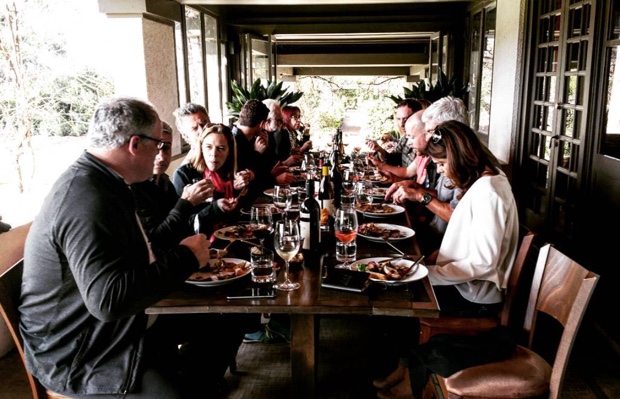
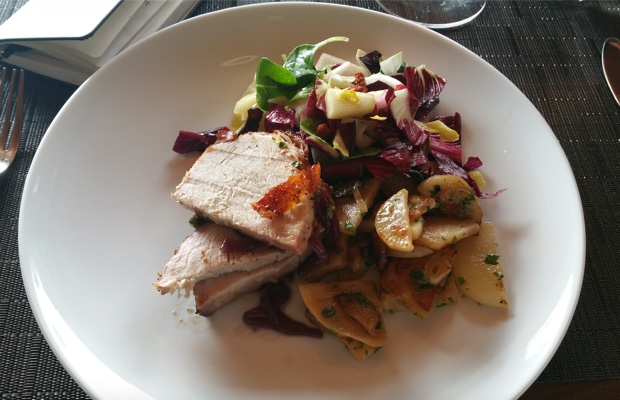
Perfect lunch at Rutherford House

Perfect lunch at Rutherford House

Good to go!

Twitter: @mgodello

Instagram: mgodello

WineAlign: Michael Godel

Facebook

Napa Valley two: A question of age

Cuvaison Estate Wines

Cuvaison Estate Wines, Carneros, Napa Valley

In February, Cuvaison Estate Wines in Carneros, The California Wine Institute and Napa Valley Vintners welcomed a group of curious Canadians for a walk in the fields and a comprehensive tasting. Some older and old-ish bottles were opened in the session with Cuvaison’s winemaker Steve Rogstad, Groth’s Suzanne Groth, Schramsberg’s Hugh Davies and Trefethen’s Loren Trefethen. Journalists and sommeliers are always pleased to see some (bottle) age in a tasting.

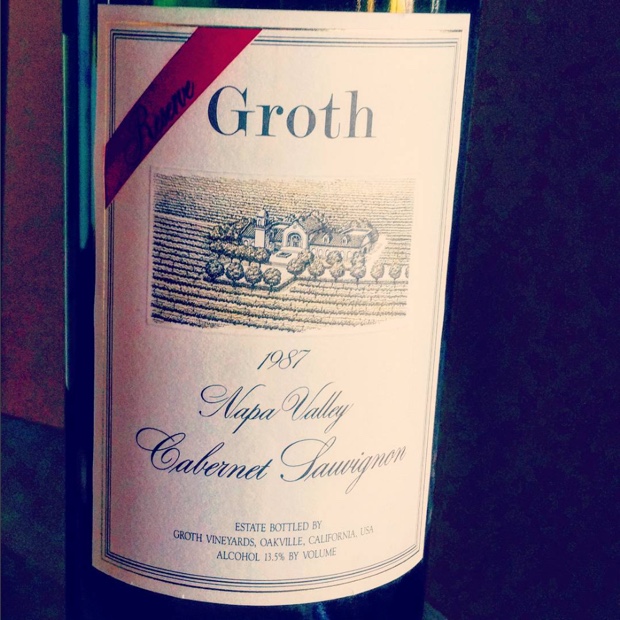
Youthful ingress into back pages of @GrothWines nearly three decades past @NapaVintners @CalifWines_CA #napavalley

Youthful ingress into back pages of @GrothWines nearly three decades past @NapaVintners @CalifWines_CA #napavalley

We drink wine to experience moments that do not occur in other situations, settings or with other beverages. When we taste older wines we look into the past and pause, for thought and for who might have had a hand in this glass, back then, for us to wonder about now. To dislike older wines is to arraign a censuring of the past and a refusal to let it testify on its own behalf. The dismissal of aged wine is an act of complacent idleness. It is spiteful, incurious and therefore inept. It may seem pedantic to harp on the anti-older wine curmudgeon but let’s face it. The act of self-moralizing without admitting to being a moralist is just not cool.

In 1981 Napa Valley became the first Califronia-designate American Viticultural Area to hold such a distinction. You have to pay a visit not only to comprehend its beauty but also its stature. In terms of size it is just 30 miles long and a few miles wide, is planted to a mere five per cent for viticulture and represents just four per cent of California’s wine grape harvest. And it’s a mammoth in the global wine industry.

Cuvaison, Carneros, Napa Valley

Cuvaison, Carneros, Napa Valley

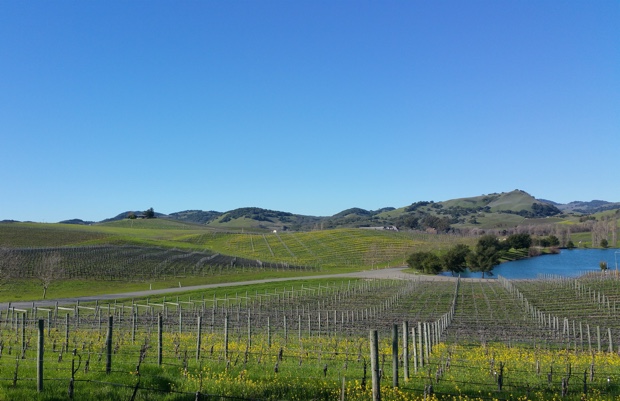
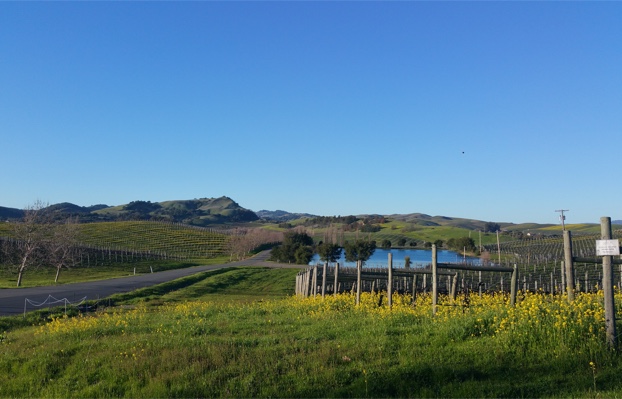
Los Carneros is the largest AVA and the only appellation located at the crossroads of two major wine regions, the Napa and Sonoma Valleys. The area is influenced by the maritime breezes and fog from its southern border with the extension of the San Francisco Bay. Cuvaison is a Pinot Noir and Chardonnay specialist taking full advantage to use that cool fog for its rolling hills perched above San Pablo Bay. Time spent in Carneros with winemaker Steve Rogstad and President Jay Schuppert leads to a coveting, of its undulating vineyards and its tasting room warmth. A room with a view and an uncanny ability to turn all into calm.

Manitoba

A great Manitoban tastes at Cuvaison

A motley Canadian crew of Quebeckers, Ontarians and one great Manitoban saunter through the winter mustard with Schuppert and Rogstad who explains that the plant material in Napa Valley then (twenty-five plus years ago) was not what it is today. There was so much virus so ripeness conversion was very different. Today with everything being so clean, ripeness is less of a challenge.

Related – Napa Valley: Where ripeness happens

Though this is one of the first stops on the compressed and consigned three-day Napa Valley tour, the thematic is already unfolding like the bedtime transformation inside a sustainable, high-tech, architecturally modish, 800 square foot, pre-fab home. Napa Valley’s chief concern, like the home’s comfort, efficiency, giving back to the grid and common sense, equates to ripeness. It’s what everyone is after. It’s what matters. If a grape completes its phenolic journey and achieves optimum ripeness, related to and specific to site, then the mission is complete. What follows is less important.

Though the quest for ripeness is easily assessed in 2016, especially because the last four Napa vintages have seen to produce perfect fruit, there is something to be said for what happened back in the day. Napa Valley garnered attention long before the vines were this clean of disease and virus. Ripeness was a virtue and still is, but today’s definition has little or nothing to do with what passed for fulfillment in the 8o’s and 90’s. Today’s wines are bigger, darker, deeper, higher in alcohol, hedonistic and lush. They are not this way because of stylistic divergence. They are this way because that’s what the weather and the vines are giving. My recent visit confirmed this sense of clarity.

We tasted eight comparative wines with Hugh, Steve, Suzanne and Loren. Here are my notes.

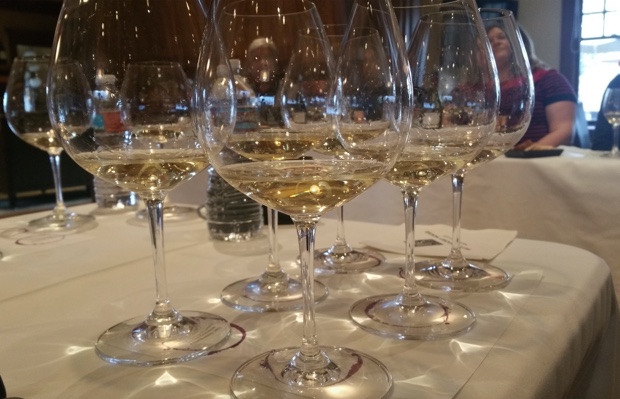
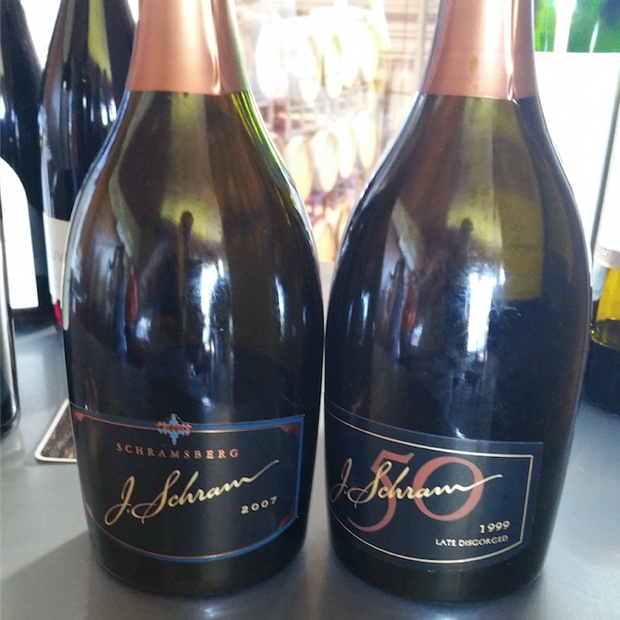
Tasting line-up at Cuvaison

Schramsberg Sparkling J. Schram 50th Anniversary Late disgorged 1999, Napa Valley, California (Winery $175 US, Agent)

In celebration of Schramsberg’s golden anniversary, 50 years after Jack and Jamie Davies revived the historic Schramsberg estate for the purpose of making the nation’s first Chardonnay and Pinot Noir based, bottle-fermented sparkling wines. A North Coast (57 per cent Napa, 25 Mendocino, 15 Monterey and 13 Sonoma) blend of 74 per cent Chardonnay and 26 Pinot Noir. Seventeen years have come to ginger, cumin, coriander and galangal in laminous, oxidative ingenuity, wholly arid in kicking up the aromatic dust. Flavours of pressed lemon, bitter brioche and then tannin, yes tannin. From a protracted year, picked as late as October 19th, disgorged in August of 2014 at a dosage of (very necessary) 11.5 g/L RS. Blessed with high natural acidity of 9.8 tA. How can I not concur with Hugh Davies. “What we’re really showing here is Napa Valley Chardonnay.” Drink 2016-2031.  Tasted February 2016  @Schramsberg  @TheVine_RobGroh

schram

Schramsberg Sparkling J. Schram 2007, Napa Valley, California (Winery $120 US, Agent)

A Blanc-domainted sparkling dedicated to Schramsberg’s founder Jacob Schram, gathered from the very best base wine lots of approximately 250 that simmer each year. North Coast (65 per cent Napa, 19 Sonoma, nine Mendocino and seven Marin) Chardonnay (84 per cent) and Pinot Noir (16) from significantly low pH, high habitual acidity and healthy dosage define the signature sparkler in the arsenal of winemakers Sean Thompson and Hugh Davies. Spent seven years on the lees and was disgorged less than a year ago. So similar to 1999 but obviously brighter, though the profile is a microcosmic version. With citrus more pronounced, by lime and grapefruit in addition to the lemon. I wonder if they might fully dissipate with time. Not as dense and pressed but again, thank/blame time and/or vintage relations, not to mention evolutionary stresses. Earlier dosage is certainly a factor. This 2007 is a more moderate bubble from a vintage finished by the end of September. Drink 2016-2024.  Tasted February 2016

Steve Rogstad

Steve Rogstad

Cuvaison Pinot Noir Estate 2009, Los Carneros, Napa Valley, California (Agent, $42.95, WineAlign)

Very expressive Pinot Noir that within the context of tone I find the VA noticeably elevated, as are the aromas of fennel and a transition from balsamic to soy. Quite advanced while aerating brings out a floral foil, namely violet. A sweet and tart palate comes with a bite of what seems ironically like mustard seed, thoughtfully Japanese in origin and condiment. This would pair well with the eclectic flavours of teppanyaki. Drink 2016-2018.  Tasted February 2016  @cuvaison  @LiffordON

Cuvaison Pinot Noir Spire 2013, Los Carneros, California (Agent, Winery, $52.00 US)

Part of winemaker (since 2002) Steve Rogstad’s Single Block Series, from a drought vintage’s fruit aged for 16 months in French oak puncheons. Fresh and bright, within and without, from a solid black cherry core to framed by the same. Cool from San Pablo Bay fog, savoury and dusty with cocoa to long espresso. Typical Carneros ripe and pure Pinot Noir to the nth degree. Drink 2016-2022.  Tasted February 2016

Groths

Groth Cabernet Sauvignon Reserve 2012, Oakville, Napa Valley, California (Agent, $179.95, WineAlign)

Tasted alongside the alluring 1987 with Suzanne Groth. Extremely primary and struck as if by cool fog and mineral mist. Unmelted and unshaken tempered chocolate to be sure, cracked and fissured into shards. The flavours welcome Cassis and graphite with quite the lightning on the tongue. Enervating Cabernet, pulsating and tingling. Should age long but not quite like the 1980’s. Contains 12 per cent Merlot and saw 22 months in 100 per cent oak, but notes Suzanne, “other than that everything is completely different.” Drink 2018-2032.  Tasted February 2016 @GrothWines  @TheVine_RobGroh

Groth Cabernet Sauvignon Reserve 1987, Oakville, Napa Valley, California (AgentWineAlign)

Not so much the look but it is the feel that is fuelled by dill weed and a touch of mushroom soy. Almost inconsequential older aromas are dissed by the positivity of flowers, some dried into potpourri while other’s drape sprung and stoic in the hanging pot’s balance. A slice of dried orange sits on the wrought iron porch table. Here is the wonder of 28 year-old Cabernet that persists as a pleasure to drink, not because it’s exciting but because its lovely and alive. Blessed with a truffled finish. Quite amazing actually. A child of a small crop and very healthy year, with 10 per cent Merlot, 22 months in 100 per cent French oak and the nerve to emerge like this in 2016, which is quite incredible. Made at a time when the fruit was protected from burn. “Definitely tastes like Cabernet from the 1980’s.” Drink 2016-2018.  Tasted February 2016

Trefethen

Trefethen Family Vineyards Cabernet Sauvignon Oak Knoll District 2001, Napa Valley, California (Agent, Winery $60 US)

From one of Napa Valley’s lithesome and adroit plots, the gravelly soils in the northwestern quadrant of Trefethen’s estate vineyard. Fifteen year-old Cabernet in a demurred state of grace, pausing, reflecting its own incredible condition. Cool and stretchy, still so primary, kernel coated in chocolate and dark berries. Mineral too with a few plus a couple of years to go. A creature conditioned by a soil’s alluvial fan giving courage and strength. Drink 2016-2021.  Tasted February 2016  @trefethenfamily  @Vinexxperts

Trefethen Family Vineyards Cabernet Sauvignon Oak Knoll District 2012, Napa Valley, California (AgentWinery $60 US)

Forceful, almost brooding, with a plethora combined of chocolate and savour, from mint and with a touch of eucalyptus. Wonderful fruit components are accented by spice. Here the accumulated knowledge of re-planted vineyards has come to this in which elegance meets power and with your next great meal in mind. Loren Trefethen notes the use of double T trellising so that the grapes are subjected to a dapple light effect with which they are neither tanning nor shaded. Certainly some levied tones that will need to settle. Fascinating wine of geology, vineyard management and a redux return to an older way of fashion. Drink 2018-2029.  Tasted February 2016

Good to go!

Twitter: @mgodello

Instagram: mgodello

WineAlign: Michael Godel

Facebook

Napa Valley: Where ripeness happens

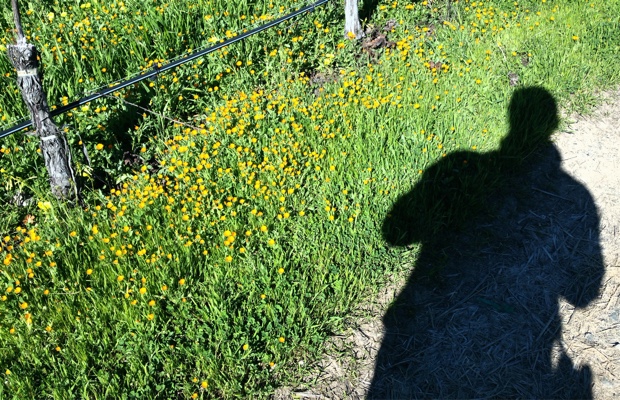
Godello in the Napa Valley mustard

Godello in the Napa Valley mustard

You need only spend a few days in Napa Valley to gain a basic understanding of what drives the machine. Immerse yourself into three or four structured tastings and hear the mantra repeated. Listen to the winemaker and the viticulturist talk about the growing seasons and intuit the very basic premise, the essential doctrine and the constitutive aspect on everyone’s mind. Ripeness.

The 2011 vintage was an unmitigated disaster. Cold, rain and low brix levels made for less than stellar Napa Valley reds and whites. At the time it wasn’t so much swept under the rug as much as shrugged off. Still some very good wines were made. Even today critical proponents of cool-climate and understated wines will champion the elegance and proportion of 2011 Napa reds, especially the Cabernets. Talk to or listen to a local winemaker speak and know they will (mostly) all agree to disagree with those ideas. There was little to no phenolic journey fully completed in 2011. Relativity is the general, special and principle quizlet to compare and contrast Napa Valley wines. The next vintage afforded the opportunity to put 2011 behind them. The proximate three relegated 2011 to the footnotes of history.

What followed 2011 was drought, extended drought, difficult times drought. Grapevines do quite will when they struggle, provided their keepers have equipped them with the organic and self-preserving tools to survive without water. While the rest of the state suffered, Napa Valley grapevines produced exceptional fruit. From 2012 to 2015 the pilgrimage to maturity happened with ease. Quality over quantity? Sometimes both. In 2012 there was a huge crop from an incredible growing vintage. Along with 2013 they are being heralded as two of the best vintages in the last 30 years.

If a tutored Napa Valley tasting is centred around Cabernet Sauvignon and parent grape variety Sauvignon Blanc then the mind may wander into comparative territories with Bordeaux clearly on the analogous radar. Cabernet defines Napa Valley, hook, line and sinker. Nearly everyone grows it, bottles it and employs it to define who and what they are. The numbers corroborate the abstraction. Cabernet is still the king. The interesting diversion is Sauvignon Blanc. In the context of Bordeaux it is not a diversion at all but Napa growers and producers are infatuated with it. It makes for good but rarely great wines. Chardonnay has proven its Napa Valley pedigree. So why Sauvignon Blanc?

If Bordeaux epitomizes a mono-worshipping culture then deconstructing Napa Valley reflects the effort of extricating monotheism out of a polytheistic context. But Napa is not Bordeaux and also avoids the affectation and mannerisms of monotheistic worship, something that is very specific to Bordeaux and even more so to other ancient wine-producing regions. In Napa there is great interest and time set aside for Chardonnay but also some love Pinot Noir and Zinfandel. Cabernet Sauvignon leads with authoritarianism on a chilling scale and Sauvignon Blanc exists in a polar opposite vacuum. Nothing is inexpensive to grow and most markets expect to pay a premium for quality. Demand will perpetually support Cabernet, Merlot, Chardonnay, Pinot Noir and Zinfandel. Sauvignon Blanc above $20 and not from Bordeaux is different. It is Napa’s greatest curiosity, made with great care and thrown caution to the marketplace wind. And it sells. Looked at from both sides clarity is noted in the adage that Napa Valley is not Bordeaux.

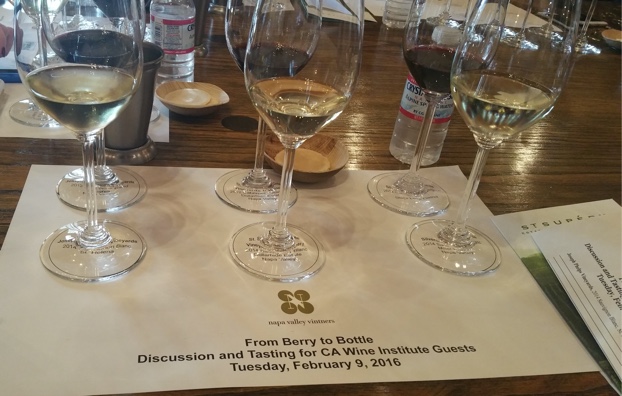
Berry to bottle

Berry to bottle

On February 9th, 2016 nine Canadians sat down to taste with the principals of three Napa wineries, Joseph Phelps, St. Supery and host Silverado Vineyards. Karen MacNeil is a wine author, journalist, educator and consultant. MacNeil moderated a two-varietal tasting with Bill Phelps (President of Joseph Phelps Vineyards), Emma Swain (CEO at St. Supery), Russ Weis and John Emmerich (GM and winemaker at Silverado). From berry to bottle was organized by the California Wine Institute and Napa Vintners.

“Dirt is once again the sexy part of the business,” began MacNeil’s presentation. “Place is the core construct and inescapable construct.” The hills, slopes, ridges and valleys of the Valley are indeed intricate and the soil sets as diverse as you are want to find anywhere. Napa Valley contains 33 soil series with more than 100 soil variations and half of the soil orders that exist within the world can be found in the Napa Valley. At the end of the day ripeness follows. At all other times it leads. We tasted six wines that day. Here are the notes.

Cabernet Sauvignon and Sauvignon Blanc

Cabernet Sauvignon and Sauvignon Blanc

Joseph Phelps Sauvignon Blanc 2014, St. Helena, Napa Valley, California (Agent, $59.95, WineAlign)

Graced by and driven for texture, with lees, out of second fill barrels and finished struck across a scraped mineral tang. Highly refreshing compression of density and weight. Long linger of stone fruit, primary peach and secondary apricot. Non-discernible citrus. Phelps has been producing this wine since 1975 from the home ranch vineyard, typically in increments of 2500 cases. If Sauvignon Blanc were made in Alsace, this is what it would be like. Unpronounced acidity and a floral note pay thanks to integrated Musque clones Bill Phelps says are integral to the mix. Drink 2016-2019.  Tasted February 2016  @josephphelps  @LiffordON

Joseph Phelps Insignia 2012, Napa Valley, California (710400, Agent, $299.95, WineAlign)

The 2012 Insignia had me at first whiff. At first sip I could not be reached. Massive aromatics blast from this formidable Insignia, clearly noted with immediate clarity as a proprietary blend for the ages. The current torrent is so plugged in and highly climatic, like a visibly sparking conduit, storm and fire all wrapped into one electric happening. The peaks, valleys, waves and intonations are bred of perfectly ripe fruit sets traveling as one in perfect syncopation. The ripe, chain-link tannins will take this very, very far. This is as fine a California wine as I have ever tasted.  The first vintage was 1974. All five bordeaux varietals are represented which is not often the equation. In 2012 the blend is 75 per cent Cabernet Sauvignon, 10 Merlot, 10 Petit Verdot with bits of Malbec and Cabernet Franc. Drink 2018-2045. Tasted November 2015 and February 2016

St. Supery Estate Vineyards and Winery Sauvignon Blanc Dollarhide Estate 2014, Napa Valley, California (AgentWinery, $35 US)

An altitude effected, single-vineyard, warm days, cool nights Sauvignon Blanc so much more in residence of varietal hyperbole, from grass to gooseberry, apple terpenes and finishing spice. Highly emotional SB of San Pablo Bay cooling and antithetical drought thanks to Sierra Nevada snowpack, or lack thereof. Stainless on lees stirred weekly bolstered in texture by 18 per cent barrel fermentation. Aussie expat winemaker Michael Schultz controls this big, vivid and vital style. Drink 2016-2019.  Tasted February 2016  @StSupery  @vonterrabev

St. Supery Estate Vineyards and Winery Cabernet Sauvignon Dollarhide Estate 2012, Napa Valley, California (AgentWinery, $100 US)

Dollarhide was a cattle farm, a 1530 acre enormity of a ranch, now one of the more impressive Napa vineyards of altitude, micro-climate and heterogeneous soil series. The 2012 is a 100 per cent Cabernet Sauvignon cornered from the finest (number eight) 30 year-old vines parcel, planted in 1982. It is youthful and even a bit reductive, with dark red fruit and cooler savoury curation. Possessive of some black olive and mint-like coolness. Sweet tannins and espresso, specified and agreed from all French oak, left to decide a hillside expression. A fine chocolate finish is far from bitter with paid homage to that parcel which is a combination of volcanic and ancient sea sediment. Large shells have been found in the vineyard at 1200 feet. Tres cool. Drink 2018-2027.  Tasted February 2016

Silverado Vineyards Sauvignon Blanc Miller Ranch 2014, Napa Valley, California (AgentWinery, $35 US, WineAlign)

Fruit from vines burrowed into seep soil on a Yountville site between Hopper Creek and the Napa River (though 5 per cent is from Soda Creek Vineyard). A small elbow (four per cent) of Sémillon injects a shot of vitality into the arm of Sauvignon Blanc. For winemaker Jon Emmerich Miller Ranch in a climate sweet spot, a go between in which cool evening and morning temperatures mitigate the sweat of warm sunshine. Its home soils are blessed with terrific water capacity. No de-stemming is performed and the wine sees a long, cold (up to two months) fermentation. All in the name of aromatics. And so the Silverado home ranch Sauvignon Blanc lies somewhere in between the excitable and the elegant. Quite Bordelais but also grapefruit refreshing, with a slight spritzy tingle. Drink 2016-2018.  Tasted February 2016  @SilveradoSOLO  @KylixWines

Silverado Vineyards Cabernet Sauvignon Solo 2012, Napa Valley, California (Agent $119.00, WineryWineAlign)

From heritage Cabernet Sauvignon vines recognized by the University of California, Davis, in other words, a clone unto itself. The home ranch estate vineyard was planted in 1968 and over two decades the vines adapted to Silverado’s steep, shale soils and mutated. Through meticulous field selections an entirely new clone of Cabernet Sauvignon emerged. Here is one of only three Cabernet Sauvignons to attain this status and the only one from Stags Leap District. Who knew such magic lurked in the Napa hills? The stuff of Roald Dahl imagination. This is a dusty and grounded red, of chaparral in arid, arenose, hillside forest floor character. Higher tones (there is a bit of VA) leaps with this SOLO’s Cabernet metamorphosed self, in a semblance of the clone it used to be. It honours a perfect growing season. From General Manager Russ Weis: “In Stag’s Leap we are not looking for something mouth-filling as much as mouth coating.” Drink 2019-2028.  Tasted February 2016

Good to go!

Twitter: @mgodello

Instagram: mgodello
WineAlign: Michael Godel

Facebook