The meaning of Chardonnay: You’ve gotta be cool to be kind

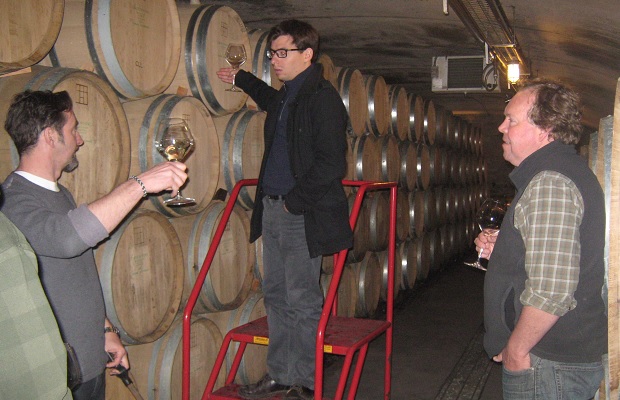
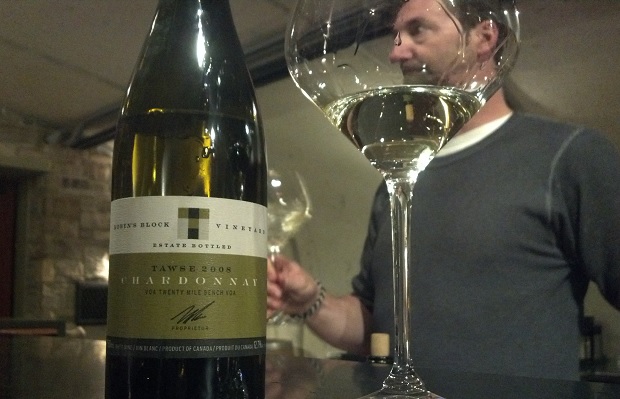
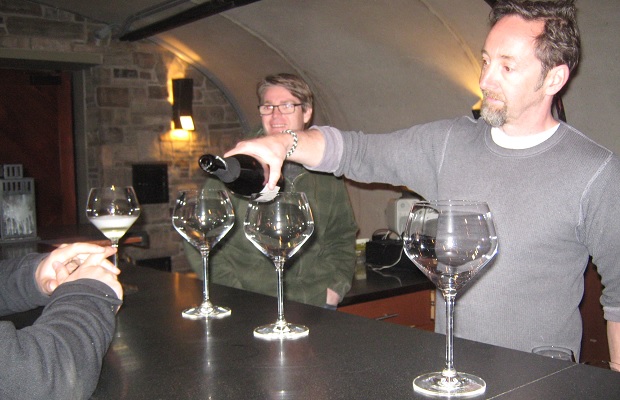
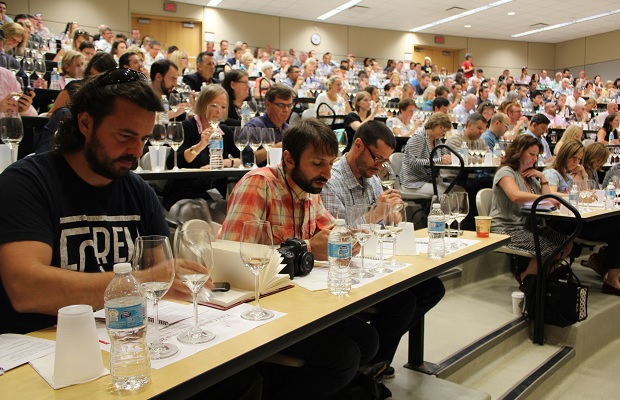
The School of Cool at #i4c14, Brock University: Studying Chardonnay with Zoltan Szabo, Mike di Caro and Godello,

The School of Cool at #i4c14, Brock University: Studying Chardonnay with Zoltan Szabo, Mike di Caro and Godello, photo (c) Kaitlyn Little

Tell me, why Chardonnay? Who can explain the exultantly singular science behind the world’s most wontedly planted, easily recognizable and widely endorsed white grape variety? How can something that seems so commonplace consistently blow people’s minds and convince them to have a go, over the course of a weekend in venues scattered about the Niagara Peninsula, at more than 100 samples in 50 hours? Where else is it possible that the fruit of one vine can be the sole proprietor to lead such a fervent tailgate of amaurotic yearning? What is the meaning of this Chardonnay?

The quest begins in Burgundy, centre of the Chardonnay universe, home to the icons, built upon centuries of micro-plotting and the act of influencing patrons, friends and enemies. At this point in history, success out of French vineyards is a given, blatant and obvious. Chardonnay’s foray into the global diaspora and subsequent boon is yet another matter.

Related – ‘I4C’ a future filled with Chardonnay

The most recent Cool Chardonnay conference is the parochial focus of attention so for the sake of local argumentation, lets connect a line direct from Burgundy to Niagara. Peninsula winemakers (along with those from Prince Edward County and British Columbia’s Okanagan Valley) draw inspiration and knowledge from the mother land. The fourth annual #i4c14 celebration in July is the stuff of Chardonnay dreams because of the cool visions of vignerons like Thomas Bachelder, Harald Thiel, Norman Hardie, Ann Sperling and Peter Gamble, Martin Malivoire, Ed Madronich, Bill Redelmeier, Doug and Karen Whitty and Moray Tawse. Not to mention the foresight of Niagara’s biggest players; Inniskillin Wines, Peller Estates (Trius), Stratus Vineyards, Chateau des Charmes, Vineland Estates and Cave Spring Cellars.

To give Chardonnay its due and to build a stage from which it can parade about, belting out its songs, there must first be assembled a team of passionate folks. In addition to the winemakers and winery proprietors there is an army of volunteers. Their contribution is immeasurable. This group is led by the #i4c14 concierge; Dorian Anderson, Trisha Molokach, Britnie Bazylewski, Elena Galey-Pride and Wine Country Ontario’s Magdalena Kaiser. Thanks must always be given to Barbara Tatarnic of Brock University, along with CCOVI director Debbie Inglis and Marketing and Communications Officer Kaitlyn Little. Event chair Del Rollo brings the A-game, as does Peter Bodnar-Rod, life giver to Everyman and every Chardonnay. The ambassadors of cool are lead by a team of sommeliers; Bruce Wallner M.S., Will Predhomme, Mark Coster, Serge Janjic, Emily Pearce, Sheila Flaherty, Lindsay Groves, Brett Fraser, Heather MacDougall, Bob Latham and Peter Lavoie.

The generosity of the event hosts come to praise Chardonnay. Wine Country Ontario, Brock University, The Grape Growers of Ontario, White Oaks Conference Resort & Spa, 13th Street Wines, Cave Spring Cellars, Tawse Winery, Flat Rock Cellars, Southbrook Vineyards, Henry of Pelham Estate Winery, Peller Estates Winery, Malivoire Wine Company, Reif Estate Winery, Vineland Research & Innovation Centre and Ravine Vineyard. The LCBO and VINTAGES join the party, setting aside time and space at the same time to sell some cool Chardonnay.
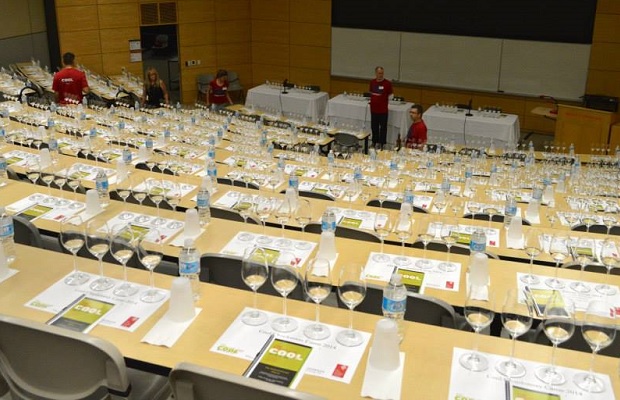
The School of Cool,  Photo (c) Elena Galey-Pride — at Brock University.

The School of Cool,
Photo (c) Elena Galey-Pride — at Brock University.

The weekend begins on Friday, July 18th with #TheSchoolofCool at Brock University. Luminaries are flown in to speak on behalf of the great grape. Tim Atkin (MW), Christy Canterbury (MW), W. Blake Gray (wine journalist, cool climate advocate) along with eleven panelists (winemakers, growers and researchers) of cool climate viticulture and winemaking explore, debate, provoke and disseminate.
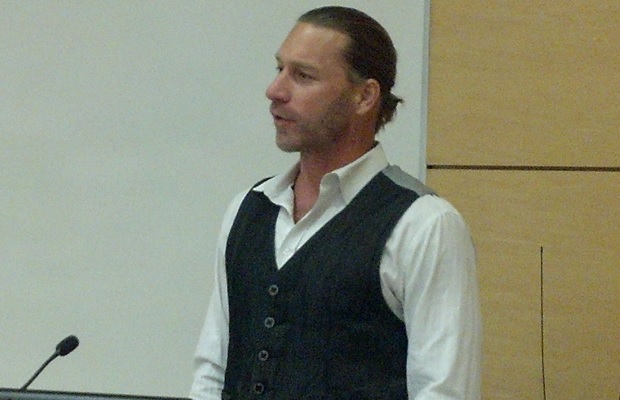
John Szabo opens the Chardonnay Camp 2014 at Brock Univeristy Photo: Michael Godel

John Szabo opens the Chardonnay Camp 2014 at Brock Univeristy
Photo: Michael Godel

Three interactive sessions feature this global panel of experts. Renowned Master Sommelier John Szabo is the chair and most in control moderator of the panels. Here at Chardonnay Camp he is talk show host, politically motivated comedian and all-knowing Yoda wrapped into one Renaissance man package. Szabo notes that “quality, at the top end has diversified, especially in Burgundy.” He then wants to know “who is an acid lover?” The answer to that question is the first clue towards an understanding of the meaning in (cool) Chardonnay. “Does anyone here regret planting any variety? No? Nobody? Everything works in Ontario.” The sportive tone succeeds in marking a first strike for the grape guest of honour. As does his notation that “the panel is chosen to speak on the zeitgeist topics of Chardonnay.” A walk-around tasting of all 117 bottles being poured at the 2014 event following the sessions helps to build early Friday momentum.
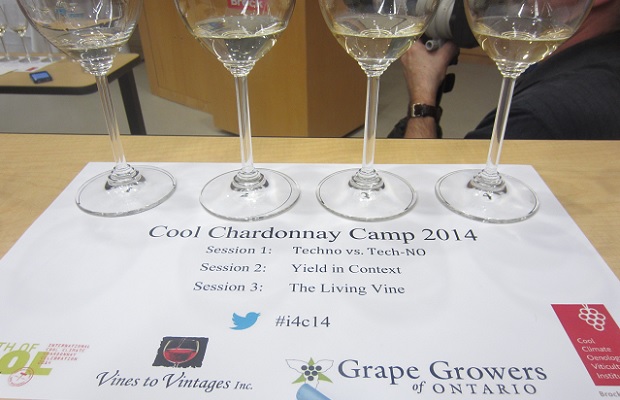
Cool Chardonnay Camp Photo: Michael Godel

Cool Chardonnay Camp
Photo: Michael Godel

Tim Atkin begins. “We are here to have fun.” The British journalist spends his time defending the oft maligned variety, insisting that “the target of Riesling lovers should not be Chardonnay. It should be Pinot Grigio.” Atkin reminds that Chardonnay is still the fastest growing white variety in the world but that “even worse things have befallen this noble grape variety. It’s a victim of its own ubiquity and adaptability.” What makes it so special then? “Chardonnay expresses place, as well as production, terroir as well as technique.”

Grower Matthias Oppenlaender: “I like growing Chardonnay. It adapts to the different soil conditions in the sites I own. But I like drinking it even more.” The panelists debate Techno vs. Tech-No. Atkin’s take? “Recreating balance is a bad practice. All these things (manipulations in the winery) are fine if they are done sensitively. Overripe plus water equals bad.” Jeremy Dineen of Josef Cromy Wines in Tasmania says “wine should taste from a place, but also from a time.” His idea of technology “is to try to make my life simple. It’s a hell of a lot easier to plant in the right spot.” On reverse osmosis: “Technically, yes. Ethically, no.”

The panel seems to think it interesting that consumers consider that wine should be a natural and non-manipulated product, but food can be handled and bastardized in unlimited ways and be called gastronomy. First of all…consumers…really? Wine geeks, more like it. Secondly, wines comes from one ingredient: Grapes. Well, three if you count yeast and sulphur. Food composition is contrived out of a plethora of ingredients. Manipulation and over-handling is the norm, not the exception. Wine should follow the exact opposite course.

Manipulations, according to former Henry of Pelham winemaker, now of Niagara College Ron Giesbrecht include sorting, spraying, osmosis, acidification, de-acidification, overripe diluting, wood chips, adding tannin…the list goes on. He admits that “some degree of finessing and correction is OK. Add sometimes, but not any time.” Shiraz Mottiar of Malivoire is a purist. “When it comes to techno, I like (the ideas) of Calvin Harris (anyone get that…?). Add as little as possible, that’s my position. It would be unjust to the consumer to create something awkward and unusual.”

Giesbrecht brings out base wines with the addition of “winemaking tricks.” One is lactic, lean, mean and filled with cheap acidity. Another is terpenic, gum leesy and full of rounder acids. A third is volatile, medicinal, sacchariferous. A fourth is done very lightly, yet thin. Oak chips, micro-barrels, gum Arabic, these are all tricks of the trade and they all lead to faults.

Session two discusses Yield and Context. Mattias Oppenlaender discusses the Ontario opportunity of growing grapes for the high end, quality market. “If I grow Pinot Noir at (only) two tons per acre, it’s pretty difficult to make it economically viable.” Dr. Jim Willwerth, CCOVI Brock University adds, “in Ontario it’s important to have low yields from late ripening varieties. Vine balance is the key.” Willwerth cautions against stereotyping the vine vigor quotient. “Lower yields to highest quality is not a direct linear relationship. We know it’s not the case.”

Yet Dimitri Bazas of Maison Champy in Burgundy concedes that zero yields is not the best. “You can make good Premier Cru wine with yields of 40-45 L/hl. Szabo then asks, “and you can taste the quality difference based on these number?” Bazas replies, “yes, yes I can your honour.” Matthew Lane of Peter Lehmann in Australia adds a trump card. “There’s an old vine factor that has to be considered when talking about yields.” Lane believes you can extract quality from fruit at higher yields. Like Willwerth, he believes in the ‘Sesame Street’ word of the day. “If you’ve got a warm year and vine health, you can get great balance.”

Christy Canterbury reminds that crop yields are relative from variety to variety. Chardonnay in general is low (two to three tons per acre) as compared to Pinot Grigio and Riesling. “Perfect. An MW position there,” chides Szabo. Canterbury leads the room through four Chardonnays of various yields.

Maison Champy Corton Charlemagne Grand Cru 2011, Burgundy, France (377705, $215.00, WineAlign)

Opposites attract and this urges the fruit-wood compendium forward in a direct, unabashed way, followed by a sledgehammer clubbing of formidable acidity. The yield for this 12 barrel salute to upper echelon Burgundy is 30 hl/L. There are waves of richness that jab, poke and stamp their way into your Chardonnay heart. Pierces and injects by way of a hypodermic, splintered syringe filled with creamy, smoky oak. The balance is currently upended though there can be little doubt bottle age will calm the high extract and lead it to a calmer future.  Tasted July 2014

Maison Champy Pernand Vergelesses En Caradeux Premier Cru 2011, Burgundy, France (344143, $49.95, WineAlign)

The technical specs (sugar, acidity, PH, natural alcohol) on this PV are very similar to Champy’s Corton Charlemagne. The yield out of marl and limestone soil was 50 per cent (45 hl/L) higher and the fruit was picked seven to 10 days ahead of the CC. There exudes plenty of peeling citrus perfume in sunshine and some essential oil release, in wood, though it is by no means excessive. Very much citrus stoked, also reeking in green apple, forest glade, even more sunshine. Holds a tight, angular texture. Needs time to flesh and convert those phenols into gold. Most attractive is its subtlety and balance, from shoot to bottle. A Chardonnay very cool for school.  Tasted July 2014

Peter Lehmann H&V Eden Valley Chardonnay 2012, Eden Valley, Australia (agent, $20.00, WineAlign)

Surprisingly green, herbal and cool spirit driven Chardonnay. There’s a lime spark and texture woven by shavings of slate and chalk. Pure, ripe fruit, picked prudently early, means for a tang and a half, in all the right back of the mouth ways. The nervous energy component gives the wine a divine fit, “sends a permanent shiver down my spine.” Clean expression out of the Eden Valley and so well made.  Tasted July 2014

Trius Winery Showcase ‘Single Barrel’ Heubel Estate Chardonnay 2011, VQA Niagara Peninsula, Ontario

Though the soil for this rare and tiny production Chardonnay is sandy-loam, the mineral component is both pronounced and uncanny. A difficult vintage for the variety, wet, not so warm, noted by winemaker Craig McDonald, “we didn’t really get a summer.” He concedes that the wine was an experiment, “mainly out of curiosity, as a collaboration with the grower.” Like so many Niagara ‘experiments’ this Trius will teach and pave roads to a tart, direct, firm tartaric future. A wine that will act as a beacon for forward thinking ideas on thinning, canopy management and how the viticulturist must “dial into the frequency of what the vineyard is saying.”  Tasted July 2014
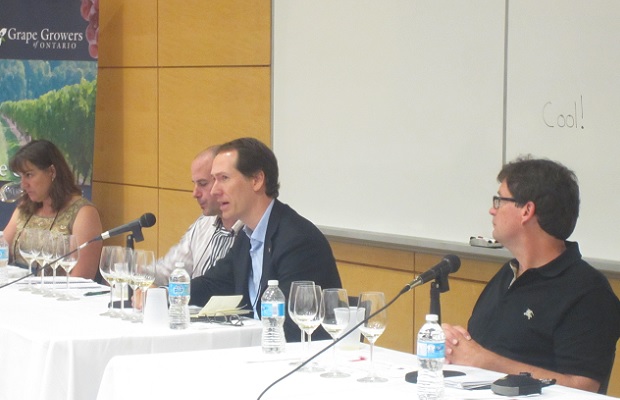
Chardonnay panel with Ann Sperling, Sébastien Jacquey, Miguel Torres Maczassek and W. Blake Gray Photo: Michael Godel

Chardonnay panel with Ann Sperling, Sébastien Jacquey, Miguel Torres Maczassek and W. Blake Gray
Photo: Michael Godel

Session three, The Living Vine: The Viticultural Continuum begins with W. Blake Gray. “If I buy an Ontario Chardonnay that you say has protected the earth but it’s not (organically) certified, I don’t know what that means.” In the world according to Gray, talk is cheap. Harald Thiel believes organics and biodynamics are much more complicated, beyond certification. “What is the buffer between organic/biodynamic vineyards and conventional ones,” he asks. “In Burgundy the rows are one metre apart. One sprays next to another.” Livelihoods are affected, compromised and yet who is policing the offenses?

Miguel Torres Maczassek admits “my family is a bit divided on organic and biodynamic but I am a great defender of organic viticulture.” Torres agrees and expands on Thiel’s concerns. “Being organic today is not enough. Organic needs to make an evolution. The problems are not the same anymore.” Sébastien Jacquey of Le Clos Jordanne: “Organic, biodynamic, sustainable. It’s about making wine that expresses something. We all need to work together.” Then John introduces Ann Sperling of Southbrook and Sperling Vineyards. “Ann, let me guess where you stand.” It is no secret that Sperling is a Canadian leader in this hotly debated field. “Biodynamics is something that allows me to connect with the vineyards.” Enough said.

Christy Canterbury wants to know who pays for the cost of lab analysis for wines looking for an organic affidavit. “The producer,” insists Sperling. “The consumer,” think many in the room. Four more wines are poured.

Le Clos Jordanne Le Grand Clos Chardonnay 2011, VQA Niagara Peninsula, Twenty Mile Bench, Ontario (34561, $65.00, WineAlign)

From sandy loam and limestone soils, here is a Chardonnay that winemaker Sébastien Jacquey is looking to fashion with low PH and elevated tannin. A most commendable effort in the enigmatic ’11 vintage, clean, anything but lean and un-gassed by a jet engine’s aerified stream. Chardonnay running instead on the vineyard’s biofuel, a chalky lees and lime texture that turns green in a savoury way towards the back end. Full, rich, gaining in stature as it breathes, thinks and feels. Atop the green there is an ambrosial aroma and a honeyed sense of flesh. A wine of great respect and biodynamic energy.  Tasted July 2014

Sperling Chardonnay 2012, VQA Okanagan Valley, British Columbia (378570, $31, WineAlign)

High altitude expression from a vineyard perched atop a gravel bed, a rocky pool of stone that seems to toss up pebbles at Sperling’s window to see if she would like to sneak away for a midnight drive. A crisp, clean and linear style, full of night-air freshness, white flowers and white fruit. This is undeniably picked early and ahead of any possible oxidative or overripe window, yet there is a rich quality about it that rages against the machine, calm like a bomb, “its narrative fearless.” Very mineral in its direct back and to the side of the mouth attack, full of salinity and lemon-lime acidity. Long, long Okanagan that will flesh with five years time. The slate bass line will soften, allowing the white fruit to further shine.  Tasted July 2014

Southbrook Poetica Chardonnay 2011, VQA Niagara Peninsula (366500, $50, WineAlign)

Has integrated nicely though certainly persists as a big, lush Chardonnay. If there were splinters or sinewy bits they have melted away.  From my earlier, May 2014 note: “The Poetica underwhelms at the present time, or perhaps hides in her youth. She’s a calm, buttery, mildly toasted, supportive softie and more accessible than her Sperling west coast sistren. Like a cool Chardonnay soffit hiding beneath a warm bench, the Poetica speaks not for the vintage but more for the current vineyard, a warm and hip spot in the Four Mile Creek appellation. The site remains (at least to me) understood but the unctuous aspect in texture and gathering sweetness with time in the glass will realize a richesse yet unseen. Poetica’s refrain is like “wind on the weathervane,” her tragically subdued fruit quiet, but able to travel long. Time will be the reveal, so be patient.  Lat tasted July 2014

Miguel Torres Milmanda Chardonnay 2011, Conca de Barbera, Spain

Milmanda was part of a route of medieval castles that gave shelter to Christians during the time of the Reconquest. This is the estate’s top varietal bottling, a warm honeybee of a Chardonnay. The toast is set on high, the malolactic pull in elastic heaven and the lemon/lime in curd form. From deep clay soil, this is the least cool of the lot and though harvested early (late August), the oak quotient steals the show.  Tasted July 2014
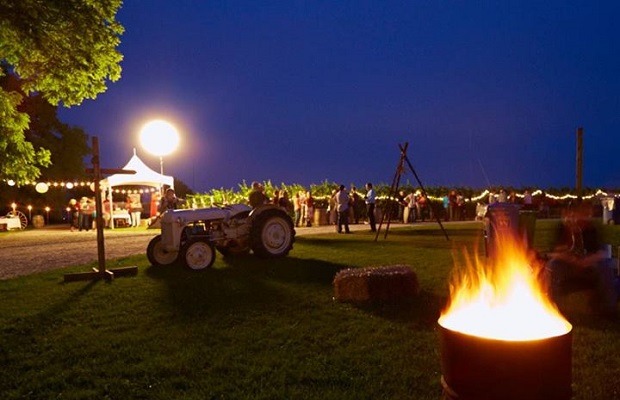
Barrels and Bonfires at 13th Street Winery, Photo (c) Steven Elphick & Associates

Barrels and Bonfires at 13th Street Winery, Photo (c) Steven Elphick & Associates

On Friday night the host is 13th Street Winery for Barrels and Bonfires. The credo is this: “Join the twelve winemakers who congregated around that fated bonfire in 2009 as they celebrate their vision as its come to life five years later.” Many more than 12 pour their wines from barrel tops in the heat of a July evening while the band plays. Meanwhile in another part of 13th Street’s town, Peter Bodnar-Rod holds court with an impromptu blind tasting. I fail miserably. Thanks Peter.
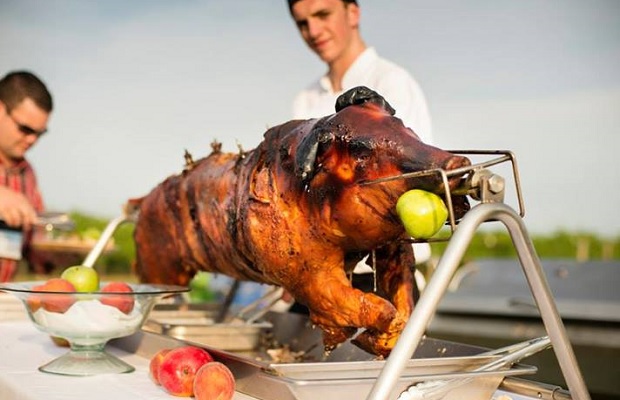
Niagara's own PigOut Roasters, Image (c) Sherry Galey Photography

Niagara’s own PigOut Roasters, Image (c) Sherry Galey Photography

13th Street’s B & B party is a resounding success, complete with a pig roast by Niagara’s PigOut Roasters and a setting to combine casual, pastoral and The Hamptons, all in one stunning piece of real estate.
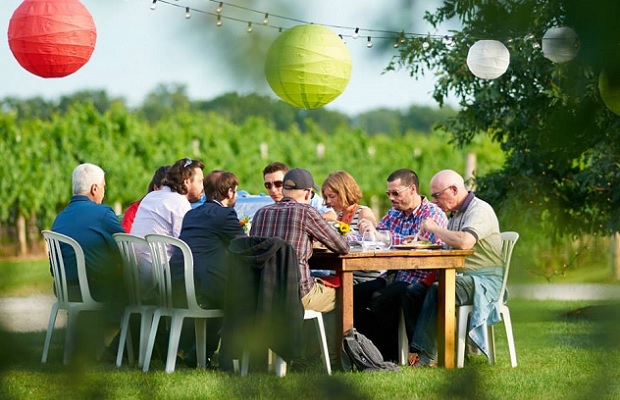
Godello with Zoltan Szabo, Tony Aspler, Mike Di Caro, Ben Macphee-Sigurdson and Nicholas Pearce,  Photo (c) Steven Elphick & Associates

Godello with Zoltan Szabo, Tony Aspler, Mike Di Caro, Ben Macphee-Sigurdson and Nicholas Pearce,
Photo (c) Steven Elphick & Associates
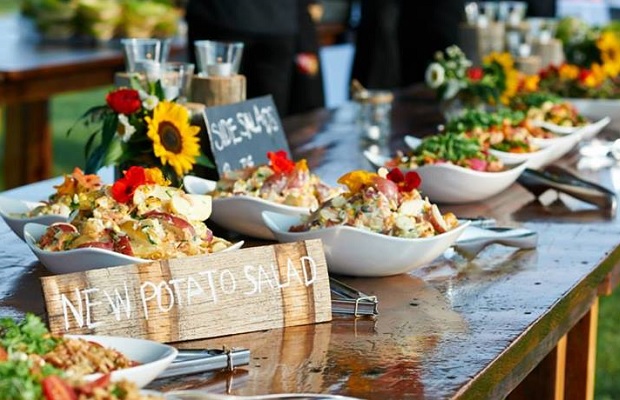
Chef Therese deGrace of Good Earth Food and Wine, Photo (c) Steven Elphick & Associates
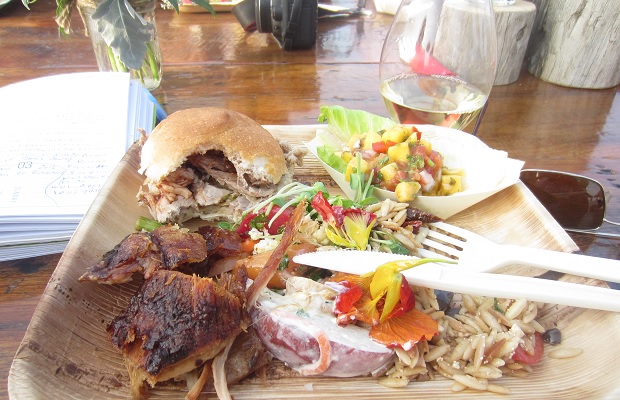
Chef Therese deGrace of Good Earth Food and Wine, Photo (c) Steven Elphick & Associates

Dinner at 13th Street Wines,  Photo: Michael Godel

Dinner at 13th Street Wines,
Photo: Michael Godel

On Saturday a group of winemakers convene at Camp Cave Spring for some Chardonnay and mobile Pizza oven fun. Kistler, Talley, Maycas Limari and Cave Spring also do the #i4c14 unthinkable. They pour something other than Chardonnay. Shocking! Pinot Noir and Riesling are on hand. What a refreshing, if fleeting change. Thanks is owed the Pennachetti families, winemaker Angelo Pavan, Rob Groh from The Vine and the culinary team at the Stratford Chef School.

https://twitter.com/mgodello/status/490511793802866689
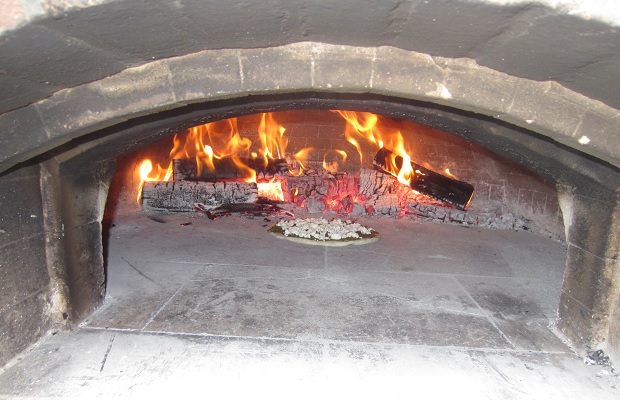
Stratford Chefs Mobile Pizza Oven Photo: Michael Godel

Stratford Chefs Mobile Pizza Oven
Photo: Michael Godel

Talley Vineyards Pinot Noir 2012, Arroyo Grande Valley, California, USA 

The Estate Pinot is composed of fruit from three vineyards, Rincon (50 per cent), Rosemary’s (47) and Las Ventanas (3), then fermented for 13 months in 20 per cent new French oak barrels. Typically, even quintessentially California Pinot Noir with a developed, nearly candied palate made more complex by the earth of the Arroyo Grande Valley. Very ripe black cherry, some tar and plenty of warm spice. The alcohol reads 14 per cent but it manages to reflect a cool image in the mirror. Refined if expected Pinot Noir.  Tasted July 2014
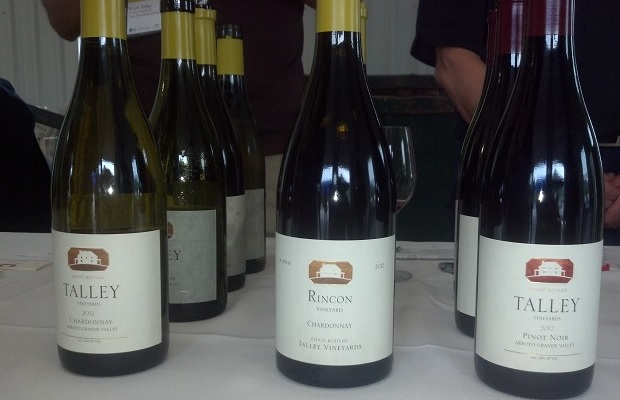
Talley Vineyards at Cave Spring Winery

Talley Vineyards at Cave Spring Winery

Kistler Pinot Noir 2012, Russian River Valley, California (330274, $77.95, WineAlign)

In yet another outstanding vintage Kistler flaunts its Pinot acumen, leaving other RRV neighbours to mire in a sickly, sweet and dusty trail of cola, syrup and black ash. Kistler’s take is rooted in wisdom, in plenitude and also restraint. “We remove any berries that are overripe,” announces Geoff Labitzke. This ’12 is singing, pinging and binging in red cherry. Picked in the cool of the night with a big crew, the RRV Pinot is tart, tight, intense and pure. The finish leaves with a slightly tannic, chalky residue, yet one that will integrate with five plus years time.  Tasted July 2014
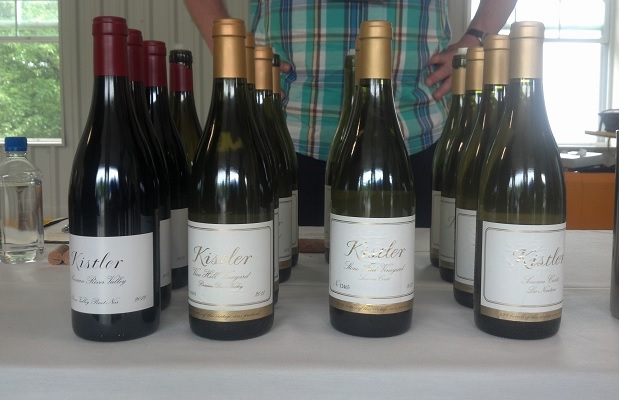
Kistler at Cave Spring Winery

Kistler at Cave Spring Winery

Cave Spring Riesling ‘The Adam’s Steps’ 2013, VQA Beamsville Bench, Niagara Peninsula, Ontario (26372, $24.95, WineAlign)

According to Cave Spring’s website this newer Riesling from older (18 to 35 Year-old plantings) is from “a single block of vines in the shadows of a limestone outcrop near the crest of the Niagara Escarpment, known as ‘The Adam Steps’. Really apropos, for this Riesling is the cantilever, the one with the outstretched arm. At 10.5 per cent alcohol and with an unmistakably stony, sweet and sour whiff the wine speaks of its off-dryness. The juiciest of all the Cave Spring Rieslings, with rounder acidity and good persistence. This is the all-around good guy, the one with an open invitation, the bridge from Estate to Dolomite to Csv. The well-adjusted one steps up its game to help win one for the team, especially out of the convivial 2013 vintage.  Tasted July 2014
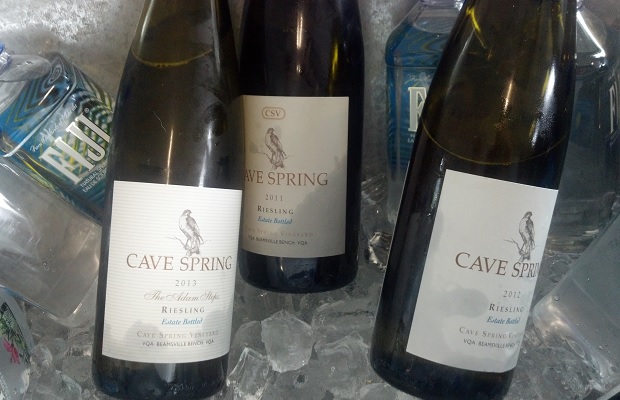
Cave Spring Wines

Cave Spring Wines

On Saturday night the scene changes to the big show. Vineland Research and Innovation Centre is the host once again for the Cool Chardonnay World Tour Grand Tasting & Dinner. In civilized fashion, it launches with bubbles and oysters by Katrina Steeves and Mike Langley, Tide and Vine Oyster Company.
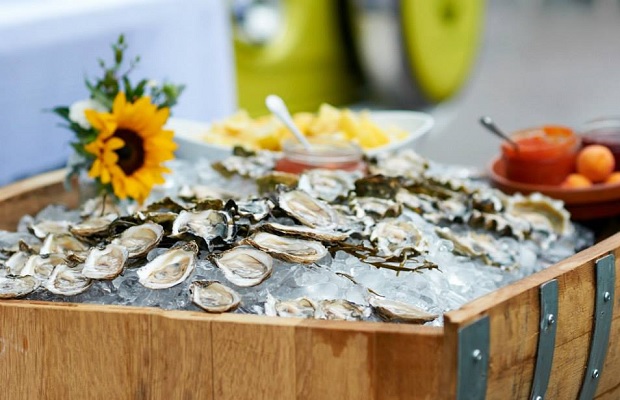
Katrina Steeves and Mike Langley, Tide and Vine Oyster Company Photo (c) Steven Elphick & Associates

Katrina Steeves and Mike Langley, Tide and Vine Oyster Company
Photo (c) Steven Elphick & Associates

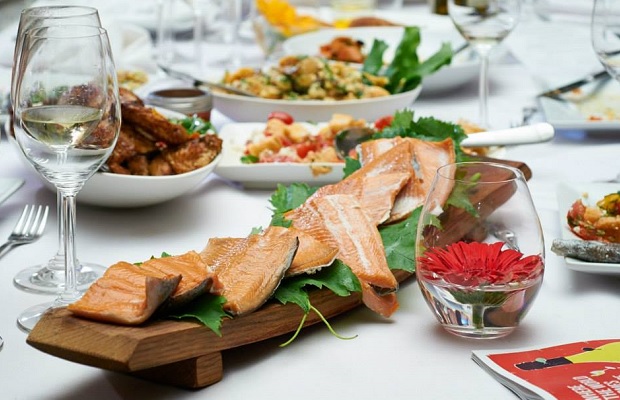
Saturday’s menu featured the Vineyard Chefs: Adam Hynam-Smith of el gastrónomo vagabundo, Andrew McLeod, Jason Parsons of Peller Estates Winery, Justin Downes of Vineland Estates Winery, Ryan Crawford of Gastrohomestead, Paul Harber of Ravine Vineyard Estate Winery and Craig Youdale of The Canadian Food and Wine Institute. The selection of pies for dessert were from the 13th Bakery & Marketplace and Whitty Farms.
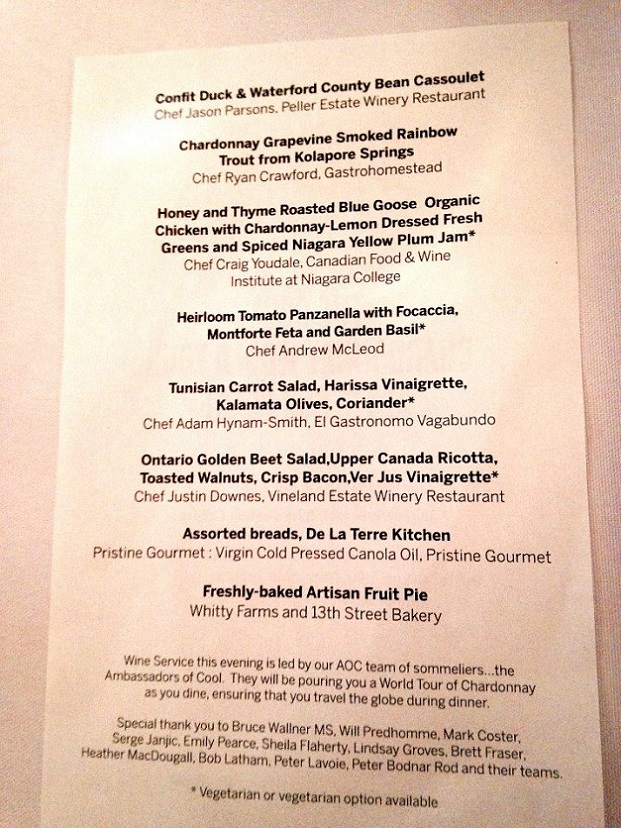
Saturday Menu at Vineland Research Station
Saturday Menu at Vineland Research Station

Saturday dinner, Photo (c) Steven Elphick & Associates

Saturday dinner, Photo (c) Steven Elphick & Associates

Dick Snyder and Magdalena Kaiser at Vineland Research Station

Dick Snyder and Magdalena Kaiser at Vineland Research Station

On Sunday, the Cool Chardonnay weekend wrapped up at Ravine Vineyards, with one last chance to taste a Chardonnay or 117, if for some reason there remained an elusive bottle.
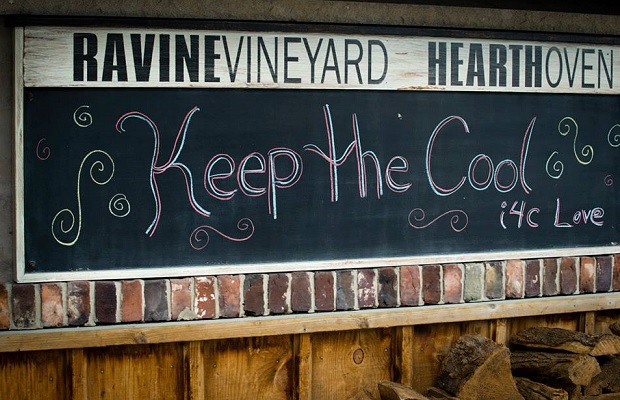
keep the cool i4c love!, Photo (c) Sherry Galey Photography — at Ravine Vineyard Estate Winery.

keep the cool i4c love!, Photo (c) Sherry Galey Photography — at Ravine Vineyard Estate Winery.

Events at #i4C14 are made possible by Wine Country Ontario, LCBO, Grape Growers of Ontario, Vineland Research and Innovation Centre, White Oaks Resort & Spa, Cool Climate Oenology and Viticulture Institute, Vines to Vintages Inc., Riedel Canada, Kerry Ingredients, Hope & Harder, A1 Label, The Canadian Food and Wine Institute, Richard Marazzi Design, Rempel Electric, cellar•tek, Lakeview Vineyard Equipment Inc., Winestains, Hunter Bottling, Special Event Rentals, Q water, De La Terre Kitchen, Dairy Farmers of Canada and Leslie Stowe Fine Foods.

The quantity of Chardonnays made available to taste through the course of the weekend was officially announced at 117. A number of them were wines that I have previously tasted and reviewed. Some I felt compelled to re-taste and update. For the sake of those I did not redo, I am including them here as contributing members of the Cool Chardonnay weekend and the links to their corresponding tasting notes, published at WineAlign.

13th Street June’s Vineyard Chardonnay 2012, VQA Creek Shores, Niagara Peninsula

Bachelder Oregon Chardonnay Johnson Vineyards 2012, Yamhill Carlton District

Bachelder Niagara Chardonnay 2011, VQA Niagara Peninsula

Bachelder Oregon Chardonnay 2011, Willamette Valley

Château Des Charmes Estate Bottled Chardonnay Musqué 2012, Estate Bottled, VQA Niagara On The Lake

Flat Rock The Rusty Shed Chardonnay 2012, VQA Twenty Mile Bench, Niagara Peninsula

Le Clos Jordanne Village Reserve Chardonnay 2011, VQA Niagara Peninsula

Norman Hardie Unfiltered Chardonnay 2012, VQA Niagara

Norman Hardie County Chardonnay Unfiltered 2012, VQA Prince Edward County

Stratus Chardonnay 2012, VQA Niagara On The Lake, Niagara Peninsula

Tawse Quarry Road Chardonnay 2011, VQA Vinemount Ridge, Niagara Peninsula

Returning back to the original question, what is the true meaning of Chardonnay? It’s really quite simple. You’ve gotta be cool to be kind.

Stay tuned for tasting notes on 50 more #i4C14 Chardonnay. Coming soon.


Good to go!
https://twitter.com/mgodello

What ya drinkin’?

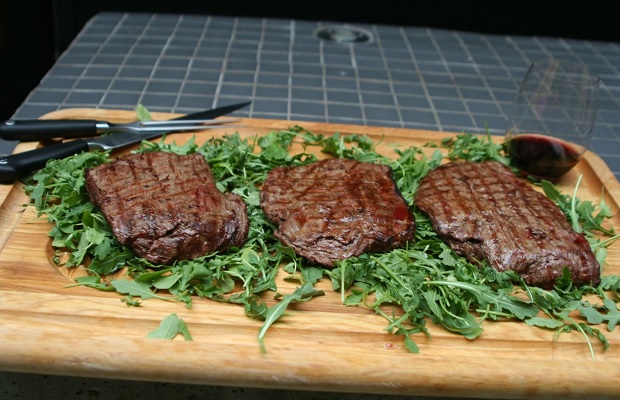
Grilled Flank Steak

Grilled Flank Steak

There’s no time for preamble. VINTAGES rolls out another long list of wines for the weekend. All your summer bases are covered. The Pinot Noir from New Zealand are really, really good. There are whites from Greece, Niagara and South Africa to not only try but embrace. Two Ontario reds will satiate the grill. Here is a list of eight wines to look for right now.

From the left and clockwise: Argyros Atlantis White 2012, Tawse Sketches Of Niagara Riesling 2013, Featherstone Gewürztraminer 2013, Featherstone Gewürztraminer 2013, Redstone Vineyard Reserve Cabernet Franc 2010, Hamilton Russell Chardonnay 2012, Staete Landt Paladin Pinot Noir 2010, Hidden Bench Terroir Caché Meritage 2010

From the left and clockwise: Argyros Atlantis White 2012, Tawse Sketches Of Niagara Riesling 2013, Featherstone Gewürztraminer 2013, Featherstone Gewürztraminer 2013, Redstone Vineyard Reserve Cabernet Franc 2010, Hamilton Russell Chardonnay 2012, Staete Landt Paladin Pinot Noir 2010, Hidden Bench Terroir Caché Meritage 2010

Tawse Sketches Of Niagara Riesling 2013, VQA Niagara Peninsula, Ontario (89029, $17.95, WineAlign)

The gateway of the Tawse Riesling portfolio and first to be released is an omnipresent beacon for what is to come from the single-vineyard sistren. Built fruit forward from an orange zest, stone rose and lemon glade guide, this is the Sketches most juicy sensation yet. Incredible vacuum of citrus acidity waterfalling into a great white hole. Though surrounded by so many a Riesling with site specific personality, “she’ll carry on through it all.” Intensity in dry Riesling.  Tasted June 2014  @Tawse_Winery

Argyros Atlantis White 2012, Greece (371658, $17.95, WineAlign)

Assyrtiko is the rock but the composition is altered by smaller parts of Aidani and Athiri. Softer, warmer and much more approachable than the Santorini, not quite so stony but with more intense juice. A modern take on the ancient game. The palate lays out the uneven, tannic and rocky road to the amphitheatre. A long walk on carefully arranged boulders. A salt bath in warm springs. The wines of Argyros do so much to bring Greece to the world. Citrus finish and more salty mineral.  Tasted June 2014  @KolonakiGroup

Featherstone Gewürztraminer 2013, VQA Twenty Mile Bench, Niagara Peninsula, Ontario (64592, $19.95, WineAlign)

Such a pretty and elegant take on Gewürztraminer, of flowers white and in bloom, nuts blanching away. A structural, searing tightness to the mineral laced fruit will develop yet unrealized tannin and tension. There may be nothing gangly or highly viscous about it and its style is nearly, completely dry. Notes of orange zest and lychee pit. Very clean. Elan, ecrue, pearl.  Tasted June 2013  @featherstonewne

Clos Henri Bel Echo Terroir Greywacke Pinot Noir 2012, Marlborough, South Island, New Zealand (159137, $22.95, WineAlign)

“It is a special joy for the Bourgeois family to make Pinot Noir in New Zealand.” That statement is one you just gotta love. The Henri Bourgeois clan clearly have a whole lotta love for the climate, soils, people and the possibilities the terroir presents for his dedication towards restrained, elegant Pinot Noir. Though this teases with highly modern and juicy elements, almost, dare I say, Sonoman, there remains a rooted, savoury sense of the earth. Takes a page out of Burgundy’s book and plants it in Marlborough. Plums, cherries, smoke, spice, some tannin and for the price, nearly impossible structure. Angles and bitters persist but beneath a wealth of fruit. “Keep a coolin’, baby.” The price is impossible. Great value.  Tasted June 2014  @ClosHenri

Redstone Vineyard Reserve Cabernet Franc 2010, VQA Lincoln Lakeshore, Ontario (381244, $29.95, WineAlign)

Would I not be remiss to ignore the Tawse Laundry Vineyard by way of comparison? With the Redstone, the sister winery puts forth the same amicable fruit with charred meat accents yet minus the hyper-specific Pender perfume and wisdom. Here is an ocean in between the waves. I came in to taste Redstone with an open mind, even “bet against the company again. They tried to redefine everything that I know and love. Gotta know you’re mine.” Winemaker Rene Van Ede has fashioned a delicious Cabernet Franc that speaks in a clear 2010 voice. A war on drugs. Though it bears no teeth of conceit there is a very positive funk and sanguine notes make a play, but ultimately submit to an overall red currant, sweet bell pepper and tobacco realm. The pyrazine ring compound binds many types of pepper, cracked, swelling and swollen. A long and rich elixir without the oak needing to be heard. It does not shout but whispers. Unmistakable Pender mentored Rock ‘N Roll Cabernet Franc. Really well made. Tasted twice, March and June 2014  @RedstoneWines

Hamilton Russell Chardonnay 2012, Wo Hemel En Aarde Valley, South Africa  (931006, $34.95, WineAlign)

From what is rapidly developing as a (if not already engraved in stone) Grand Cru site in the Hemel En Aarde Valley, 2012 is a vintage that comes to greater strength from strength. Every aroma, every nuance is characterized by elegance and elasticity. Romantic Chardonnay, so representative of real love, of mineral, of most excellent barrels, ripe fruit and deft touches. Hamilton Russell takes South African Chardonnay to an entirely higher level. “Thought I’d been in love before, but in my heart, I wanted more. Seems like all I really was doing was waiting for you.”  Tasted June 2014  @TrialtoON

Staete Landt Paladin Pinot Noir 2010, Marlborough, South Island, New Zealand (376731, $36.95, WineAlign)

Though the Paladin is four years in it still retains its barrel baby fat. The rich red fruit tower reels behind a slightly reductive must and a compromise of toast and splinters from18 months spent in a mixture of 25 per cent new and 75 older French oak barrels. There is a whole surrealist street gang of fruit lurking in shadows of a de Chirico drama. I can sense the ripe plums and the cherries ready and willing to bake in the proverbial pie, and though blisteringly dry (less than 1 g/L residual sugar), it will always see potential by way of total acidity (6.1g/L). Will realize a seamless transition to mid-life anxiety while the fruit simmers away in a cauldron of that fine acidity. Ruud Maasdam’s Pinot Noir is of the scuola metafisica kind.  Tasted June 2014  @StaeteLandtWine  @liffordretail

Hidden Bench Terroir Caché Meritage 2010, VQA Beamsville Bench, Niagara Peninsula, Ontario (505610, $38.20, WineAlign)

The richest Terroir Caché to date, making use of its barrel in judicious but never obnoxious ways. Huge Bench wine, needs 10 years for sure. From my earlier, April 2014 note: “No other Niagara red and for sure no alternative Peninsula Bordeaux blend exists in such a vacuum of dichotomous behaviour. Act one is an out-and-out boastful, opulent show of Rococo. Act two a gnawing and gnashing by beasts. The pitch and pull of the Terroir Caché 2010 optates and culls the extraordinary through the practice of extended délestage, what Hidden Bench notes as “a traditional method of gently draining the wine and returning it to tank with its skins during fermentation.” The ’10 is about as huge as it gets, highly ferric and tannic. Still chemically reactive, you can almost imagine its once small molecules fitfully growing into long chains. Berries of the darkest night and he who should not be named black fruit are confounded by minerals forcing the juice into a cold sweat. Will require a minimum of 10 years to soften its all-powerful grip.” From my earlier March 2013 note: “has rich, voluptuous Napa Valley written all over it. Sister Merlot dominant, Beamsville Bench sledge monster. Plumbago, mineral, blackberry and coffee in a wine that will be the ringer in a blind tasting 10 years on. Harald may be saying “this is our family jewel.” Mr. Thiel, you make good wine”  Last tasted June 2014  @HiddenBench  @BenchVigneron

Good to go!

Every barrel tells a story

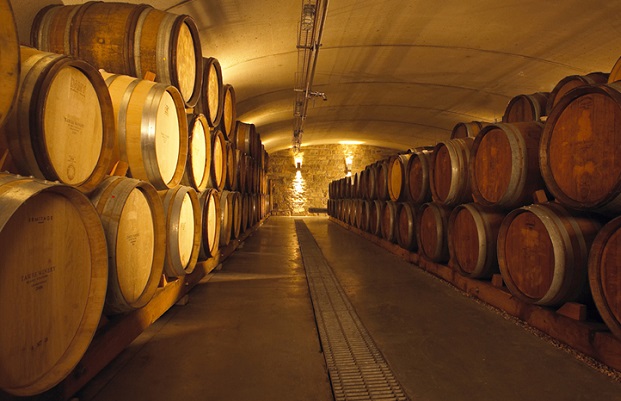
Tawse Barrel Cellar PHOTO: www.tawsewinery.ca

Tawse Barrel Cellar
PHOTO: http://www.tawsewinery.ca

If you have never had the pleasure of visiting Tawse winery in Vineland and more specifically, the cool serenity of their barrel rooms, then you still have some wine living to do.

Related – Paul Pender’s Tawse and effect

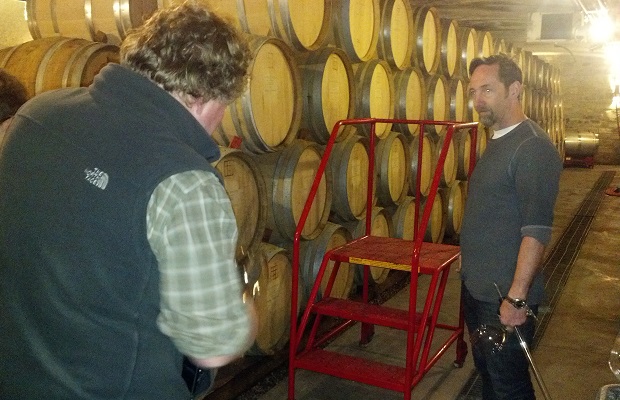
Last month I was invited to work through the barrels once again with Pender, Norman Hardie, Redstone winemaker Rene Van Ede and the visiting Gautier Roussille of Tonnellerie de Mercurey. Hardie is instrumental in bringing the cooperage’s barrels to Ontario and Tawse employs them with coadjuvant good fortune. Pender gathered this group together to assess the sundry effects on his developing 2013’s, by tasting the wines out of particular barrels, from specific oak forests and with different levels of toast. Twenty-one or so passes of the thief later, the picture had been drawn. Every barrel tells a story.

Paul Pender, Gautier Roussile and Norm Hardie discuss a Mercurey barrel

Paul Pender, Gautier Roussile and Norm Hardie discuss a Mercurey barrel

Tawse makes use of wood from more than one cooperage so the comparisons of various barrels housing identical blocks of Chardonnay or Pinot Noir is a study in algebraic proportion. The reveal in such company is the real deal. What is abstruse to most lay palates is piously obvious to these major leaguers. When the going gets wooden, the wooden turn pro.

Stealing sips from a wine’s temporary wood house makes allowances to peer behind the scenes. The possibility exists to note the accentuating fruit effect of Eric Fourthon’s Okanagan-manufactured, 100% French oak from mineral forests ‘Céres’ barrels. There is the wine-tightening advance by another barrel from the Forêt de la Bertrange. To that antithesis there is the diametrically opposed impart of Tonnellerie de Mercurey’s CLL toasted oak. The precocious corollary of Billion’s Vosges or the curating texture of Jupilles. It’s all too fascinating. At the end of the day it’s about matching barrel to fruit, to fashioning better barrels, to make the best, most consistent wines, year after year.

When it comes to Chardonnay and choosing the forest from the trees, both Norm and Paul agree. Early picking and the right use of barrel leads to higher malolactic fermentation. Tastes from the Quarry Road Vineyard taught the most about barrel usage. The Quarry site was purchased by owner Moray Tawse from the holdings of Vineland Estates. “Best deal he ever made,” says Pender. All the early year’s bitterness is now mineral. “This is the County in Niagara,” he says.

Norm Hardie and Paul Pender in the Tawse Barrel Cellar

Norm Hardie and Paul Pender in the Tawse Barrel Cellar

Here are very brief notes on 21 wines, quickly run through out of barrel, many of which were tasted twice. Once on January 10th and again on April 23rd. A 21-oak salute to the work of Master Coopers, Norm Hardie, Rene Van Ede and Paul Pender.

Quarry Road Chardonnay 2013, Mercurey (Neutral) Three year-old vines, density, tang, tropical melon in aroma and flavour.

Quarry Road Chardonnay 2013, Ceres (Mineral) This is very pretty, the most gem-like, the most like Burgundy. Will go to stainless on the lees in September for six more months before going into bottle. The purest expression from the best vineyard.

Quarry Road Chardonnay 2013, Mercurey (CLL toast) The wood tightens this wine up considerably, mainly on the finish. High citrus notes and even if it is splitting hairs, the oak really impacts the finish.

Quarry Road Chardonnay 2013, Mercurey (Large barrel, CLL toast) Reveals a fresher, more reductive, less oak feel.

Robyn’s Block Chardonnay 2013, Mercurey (One year-old, CLL toast) From the oldest (32 years) vines, the richest site, working best in tandem with new oak, here showing very primary, fermenting notes. A most restrained Robyn, reigned in.

Robyn’s Block Chardonnay 20123 Mercurey (New) Same old vines, increased tang and girth into which the barrel disappears. Sappy toast on the back end, quite young in its evolution. Rich, thick and the most density. Aromatically lime. Will function expertly as a foil to the Fourthon barrel in the final blend.

Robyn’s Block Chardonnay 2013, Céres (Mineral) Exclamatory fruit and this stage, this is the wine (barrel) to drink.

Lenko Chardonnay 2013, Céres (One year-old) From the oldest (1959) vineyard in Canada. Can handle the most oak. This is creamy, full and reminiscent of Robyn in 2008 and before. Anything but a lean style. Ain’t nothin’ but a house party. “Dig that crazy soul.”

Lenko Chardonnay 2013, Céres (Bertrange, new) Oak tightens up the wine, which has a tendency to be large, or blowsy. “I don’t like Chardonnay at two tons per acre,” notes Pender. “It’s too fat.”

Lenko Chardonnay 2013, Mercurey (New) More sappiness and the tightest yet. Showing the most oak but three to four months should settle its issues.

Huff (South Bay, Prince Edward County) Chardonnay 2013, Mercurey (Large CLL toast) The fat one, the tenor, with high lemon and lime notes. There is orange zest, lots of fruit and mineral, like licking a steel pipe. A citrus-bitter finish, the most yet, likely due to the very low (1/2 ton) per acre yield.

Huff (South Bay, Prince Edward County) Chardonnay 2013, Ceres (Mineral) Turns woody on County fruit. There’s a separation in this one and very ripe lemons and limes. “I almost think I should have picked this earlier.”

Pinot Noir Cherry Avenue 2013, Mercurey (Old barrel) Reductive, mineral, weighty, intense, firm, taut tannic structure.

Pinot Noir Cherry Avenue 2013, Céres (Bertrange) More richness but still firm and quite tannic. More painted layers, cherries, toasty, the wood a bit green.

Pinot Noir Cherry Avenue 2013, Billion (Jupilles, medium toast) Has the most elegance yet the toast is still very apparent but there is more sweetness, in how the fruit reacts with the tannins. Here is that curation of texture.

Pinot Noir Cherry Avenue 2013, Billion (Toasted head barrel) Brings out the black cherry nose but the tannin is green and drying. “It will rally, ” says Van Ede.

Pinot Noir Tintern 2013, Billion (Vosges, medium toast) From only three year-old vines on a site Pender likens to “reclaiming the swamps,” or “the Golan Heights project.” The site is next door to John Howard and the wine is already showing colour, freshness and drive.

Pinot Noir Tintern 2013, Billion (Vosges, medium plus toast) A bit reductive, more tannin, more sappy wood.

Pinot Noir Quarry Road 2013, Billion (Old barrel) High limestone content means harder tannins. This is edgy and mean. Would work better with a lighter toast.

Pinot Noir Quarry Road 2013, Billion (Vosges, medium plus toast) Tarry, edgy, walking on the blade. The middle palate has more fill. “There’s a roughness in that vineyard,” explains Pender.

Pinot Noir Quarry Road 2013, Billion (Toasted head) Less edgy, rounder, fleshier, fresher. The gaps here are filled in.

Good to go!


Paul Pender’s Tawse and effect

Pinot Noir Cherry Avenue 2010

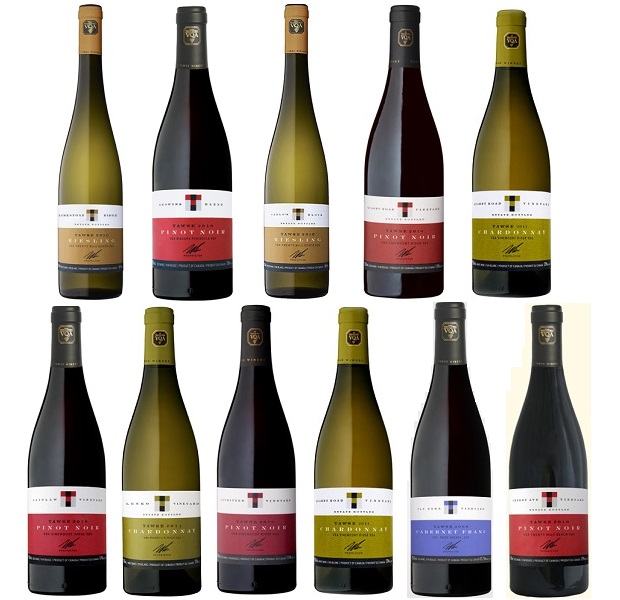
From left and clockwise: Riesling Limestone Ridge 2012, Pinot Noir Growers Blend 2010, Riesling Carly’s Block 2012, Pinot Noir Quarry Road Estate 2010, Chardonnay Quarry Road 2011, Pinot Noir Cherry Avenue 2010, Pinot Noir Cherry Avenue 2010, Chardonnay Robyn’s Block 2008, Pinot Noir Lauritzen 2010, Chardonnay Lenko Vineyard 2011, Pinot Noir Laidlaw 2010

Tawse winery is growing and gaining weight but just like its vineyards, the pursuit is wagered in natural and holistic ways. The Tawse effect distills a biodynamic appropinquation, in the acquisition of new vineyards, in the gathering of tonnage from Niagara and Prince Edward County growers, in the farming and production of estate grapes. I have been making regular visits to the Vineland, Ontario winery for the past three years. The natural, self-sustaining processes remain open, obvious, front and centre.

Related – Every barrel tells a story

Chardonnay fruit might travel across the 401 and down the QEW from South Bay at Huff Estates. It may skip across King Street and skirt up Cherry Avenue from Daniel Lenko. It may come to early fruition from young Tintern Vineyard Pinot Noir vines out of the Vinemount Ridge. Whatever the source, the approach is simple. Let winemaker Paul Pender get his mind and his mitts on that fruit. Then let him work his magic. Seek biodiversity, soil fertility, crop nutrition, and chemical-free pest, weed and disease control. Fight the good fight against the harshest of winters with vines of deeper roots and stronger canes.

Paul Pender and Tawse Robyn's Block Chardonnay 2008

Paul Pender and Tawse Robyn’s Block Chardonnay 2008

The Tawse portfolio may now seem hyper-varied and even massive. Nothing and everything has changed. The lots remain small to manageable, the choice of varieties consistent and the wines, ever increasingly impressive. Whatever faults, idiosyncrasies or misunderstood characteristics there may have been in some older wines, they are no more. There are now purer and more vibrant aromas and flavours. Wait until you get a load of 2012 and 2013. Paul Pender’s acumen and winemaking professionalism has reached a whole new level of Rock ‘N Roll.

Paul Pender is a big picture guy. He is the Niagara renaissance man; songwriter, vocalist, lead guitar, producer and engineer. He’s Cuddy, Cripps and Chris Shreenan-Dyck rolled into one. Pender’s handling of growing, picking, fermenting, aging and bottling is nothing short of impossible and yet he does it with a conceit of ease. At last count I noted three Sparklings, three Rosé, two Dessert Wines, six Chardonnay, five Riesling, two Gewurztraminer, one Pinot Gris, one Sauvignon Blanc, six Pinot Noir, three Cabernet Franc, one Cabernet Sauvignon, one Merlot, one Cabernet-Merlot, one Meritage and one Gamay. Thirty-seven wines. One goal. Getting better all the time.

Tawse winemakers Rene Van Ede and Paul Pender

Tawse winemakers Rene Van Ede and Paul Pender

The winter and early spring of 2014 has found me cozying up to the wines of Tawse. On a frigid January evening on my way to Ice Wine Fest I spent time with winemaker Pender in the cellars, speed investigating my way through the barrels of Chardonnay and Pinot Noir. Not to mention Cabernet Franc, Merlot, Cabernet Sauvignon, Riesling and even Sauvignon Blanc. I’ve tasted Tawse with Daniel Lafleur at Somewhereness, with Vinifera’s Daniel Beiles at Barque Smokehouse and at the winery’s portfolio tasting at The Spoke Club.

Tawse Spark Blend 2011 and Quarry Road Chardonnay 2008

Tawse Spark Blend 2011 and Quarry Road Chardonnay 2008

Here are notes on 14 Tawse wines tasted from bottle in April and May 2014.

Riesling Limestone Ridge 2012, VQA Twenty Mile Bench, Ontario (Winery, $21.95, WineAlign)

From the newest estate vineyard, the single-vineyard Limestone Ridge exteriorizes its name in a rubric of pressed rock, struck flint and chalky density. Paul Pender has coaxed a multiplicity of linear character, with major notes of lime zest and juice, persistent from start to finish. A mid-pause of oozing, residual sinensis is the determinant towards the wine’s matrix of longevity. A longer, leaner, meaner and mightier Riesling charged by a different sort of power. Kinetic, frenetic and electric. Tasted twice, April and May 2014

Spark Blend 2011, VQA Niagara Peninsula, Ontario (winery, $24.95)

This introductory release is a blend of 65 per cent Chardonnay, 22 Pinot Noir and 13 Pinot Gris. A linear, straight shooting star, a sparkler that is so “surprising it goes so fast.” Bright, flashy, attention grabbing and fleeting. These are bubbles with a plan, anything but bad company and quite remarkable for the price. Lemon, lime and ginger strum in wound tension and the wine gets on top very quickly, then disappears into the starry night. Exhilarating while it lasts.  Tasted April 2014

Chardonnay Grower’s Blend 2011, VQA Niagara Peninsula, Ontario ($24.95)

From fruit (east of Beamsville) next to Puddicombe, which is essentially Winona on the eastern edge of the Niagara Escarpment appellation. Some parcels of disparate Niagara fruit joins this inaugural effort, a rich, viscous and warming Chardonnay. Layered and expertly balanced, it carries the best of both the Quarry (mineral) and Robyn (approachable) worlds. The spicy accent gives the blend its singular personality.  Tasted May 2014

Pinot Noir Growers Blend 2010, VQA Niagara Peninsula, Ontario (284570, $26.95, WineAlign)

Though it’s a blend of several sites, this Tawse Pinot stands alone and of itself as a grower; it grows on you after multiple tastings. The first go ’round seems simple, vintage warm and tight. Taste again and the sappy wood seeps mineral, the phenolic red cherry ripeness turns black and the tempering is led by a sweet earth kind. Earth that smoulders in a rising Zeppelin kept afloat by tobacco and the swirling spores of pungent mushroom. Pinot Noir truth and value from a Niagara house of the holy kind. “You know-whoa, that’s right.” Tasted twice, April and May 2014

Riesling Carly’s Block 2012, VQA Twenty Mile Bench, Ontario (Winery, $31.95, WineAlign)

Boasts classic flint and citrus Twenty Mile Bench aromatics. In 2012 it’s also lush, rich and so very pear and longan fruity. Whorls like a wind turbine blowing the polar aspects against each other’s walls. Forms a bridge and meets the twain, from atomic to tropic. High tang and flavour. Big yet classic Riesling.  Tasted May 2014

Pinot Noir Quarry Road Estate 2010, VQA Vinemount Ridge, Niagara Peninsula, Ontario (winery, $34.95, WineAlign)

This is the second Pinot Noir made from the Vinemount Ridge vineyard, a place where the rock can’t help but tyrannize the fruit. The 2010 Quarry Road gains positive proportion in that it is painted and coated by the ripeness of the vintage. Of a tougher mind and shell than the other Tawse Pinots, a bird on the wire just trying to be free. Not as easy to approach or love, it might plead “if I, if I have been unkind, I hope that you can just let it go by.” Sings in a wise, raspy and rusty way, despite the youthfulness of the vineyard, but it shines. So in the end “hey, why not ask for more?” Tasted May 2014

Chardonnay Quarry Road 2008, Vinemount Ridge, Niagara Peninsula, Ontario (111989, $34.95, WineAlign)

At this stage the 2008 Quarry Road is fully resolved, integrated and as soft as full malolactic Chardonnay can be. The unmistakable note of creamed corn lingers longer, as does the look on the winemaker’s face, but air brings it around. Returns to a fresh beginning, “from a year that might not have turned into anything,” admits Paul Pender. Now standing firm, the wine benefits six years on from clean, rotless fruit and pure, angular acidity, holding steady to the admirable finish. Tasted April 2014

Chardonnay Quarry Road 2011, Vinemount Ridge, Niagara Peninsula, Ontario (111989, $34.95, WineAlign)

The pinpoint accuracy and gemstone capture of the Quarry is exaggerated in ’11, amplified and fully plugged in. From my earlier, October 2013 note: “Carries that classic Paul Pender perfume; rocks and stones, flaxen, refulgent toast and the verdure Vinemount terroir. A free flying, linear, atmospheric smear of thermal fortitude and backbone. A polemic Bowie Chardonnay to make you believe “the strangest things, loving the alien.” From my earlier March 2012 (barrel tasting) note: “Resides on the mineral, slate and lime side of the tracks. The calcareous quality imparted by its eponymous SV terroir makes it the antithesis of David. Creamy, 24-karat fruit.” Last tasted May 2014

Pinot Noir Laidlaw 2010, VQA Vinemount Ridge, Niagara Peninsula, Ontario (winery, $44.95, WineAlign)

From the Vinemount Ridge sub-Appellation of the Niagara Peninsula, the Tawse Laidlaw Pinot 2010 is the least gregarious, the quiet sibling, the most feminine, the sleeper. Laidlaw may play hardest to get and is the least obvious when considering perfume but her palate is the sweetest of the line-up. Strawberry macerates sous-bois for an authentic Burgundian experience. Patient, focused and structured. Tasted May 2014

Chardonnay Lenko Vineyard 2011, VQA Beamsville Bench, Niagara Peninsula, Ontario (winery, $44.95, WineAlign)

The speed and the steel have slowed to yellow caution and the now honey-toned flesh has added more weight. There’s just something about Daniel Lenko at this juncture. From my earlier (tasted three times) July 2013 note: “From wiser men who’ve been through it all” is the kind of one-off we should all wish to re-visit in 10 years time. The study: Daniel Lenko’s fruit in the hands of winemaker Paul Pender out of a most confounding vintage. That 2011 in terms of Ontario Chardonnay strikes and speaks to me in tongues is no secret, so the Tawse treatment fascinates in ways to make me giddy. Tension and elasticity are present here in super-hyper Beamsville Bench concentration. Apples pile upon apples, in magnetic purée and layered maceration. A full-on body attack and phenolic structure will see this Lenko to a future (five to seven years) in grace and gorgeous line. A Chardonnay to “scheme the schemes, face the face.” Last tasted April 2014

Pinot Noir Lauritzen 2010, VQA Vinemount Ridge, Niagara Peninsula, Ontario (winery, $44.95, WineAlign)

A year in bottle has elevated the perfume, concentrated the cherry flavour and placed a crown on its regal head. The sweet tannic quotient resonates from its very core. Showing great at this time. From my earlier April 2013 note: “From the Vinemount Ridge is dry and cut with spice, a favourite for winemaker Paul Pender. The sour acidity from fruit such as cranberry and pomegranate are here in deep, concentrated and naturally sweet tones. Niagara limestone casts a Burgundy mineral shadow and the wine is iron tough yet silky due to the warmth of the vintage.” Last tasted April and May 2014

Chardonnay Robyn’s Block 2008, VQA Twenty Mile Bench, Ontario (662841, $45.95, WineAlign)

The 2008 Robyn’s Block neither matches the roundness nor the tempering acidity of the Quarry but what it lacks in those areas it makes up for in critical mass and balance. The creamed corn effect is here, as are apples in ciderish activity, from a wine that “was on a starved diet,” says Paul Pender. Though currently a bit reductive and funky, it’s not gun-flinty reduction, like the “smell of a battlefield on the morning after a civil war fight.” Swirling brings out cane sugar to replace the creamy silage and the rest is history. Calm, quiet and approachable inactivity. Tasted April 2014

Cabernet Franc Van Bers Vineyard 2009, VQA Creek Shores, Ontario (355867, $49.95, WineAlign)

What a wonderful vintage for Creek Shores Cabernet Franc and what a difference a year makes. Ripeness, development, rich layering, absence of chalk. Extreme elegance and void of an overbearing currant and bell pepper greening. Tannins are toned and fit. From my earlier, April 2013 note: “From the Creek Shores Appellation is proof that a well-rounded grape has no point. The Van Bers is winemaker Paul Pender’s purlieu, edgy, outlying, unconcerned with the norm or the banal. Makes full use of a cool vintage with heart-stopping acidity and eye-popping verve but not without delivering Soul, in the form of flowers and a fruit basket to your doorstep. “It’s like thunder and lightning.” Capers, camphor and a knock on wood add R & B complexity.” Last tasted May 2014

Pinot Noir Cherry Avenue 2010, VQA Twenty Mile Bench, Ontario (winery, $57.95, WineAlign)

From two acres of Pinot Noir planted in 2005 known as David’s Block within the Cherry Road Vineyard. A clash of hot and dry weather encouraged the young fruit to find ripeness, in flesh and in tannin. There is an elegance about this Cherry, in part no doubt to wine technique in acumen. The Paul Pender perfume, a combative interplay between cherries and earth, is here. “The in crowd say it’s cool” but it has yet to Rock the Casbah. Cherry 2010 is only offering a glimpse of greatness, so hold out for what will surely develop when the vines reach their next level of maturity. Tasted April 2014

Good to go!


The group of twelve

History may one day remember them as the group of twelve, or perhaps, “The Ontario School.” They are the 12 wineries who have banded together to ensconce a strange but beautiful word on the tongue, in the dictionary and out in the world. Somewhereness.

They are purveyors of the land from which their grapes grow and ferment into wine. Facilitators of terroir, working a canvas forged by millions of years of geological and climatic evolution. Their assembly is based on both exigency and on Moira; destiny, share, fate.

Like that other famous group, “collectively they agree.” Ontario’s cool-climate wine regions need to qualify and certify a distinctive winemaking style. In juxtaposition to old world, European tradition, the intensity of Somewhereness needs to reflect an increasingly Ontario-centric partiality.

These are the members. 13th Street, Bachelder, Cave Spring, Flat Rock, Hidden Bench, Hinterland, Malivoire, Charles Baker, Norman Hardie, Southbrook, Stratus and Tawse. Matt Kramer of Wine Spectator used the term and now it defines an enterprise. “As a group of 12 wineries growing small lots of site-specific vines in Ontario’s ancient glacial soils, we’ve invoked Somewhereness as a word enabling us to articulate in one collective voice.”

How do you get to Somewhereness? As related to wine that is like asking, Who am I? Why do we exist? What is the meaning of life? The Somewhereness movement, the notion, comes to light through this statement. “Somewhereness is revealed in the mysterious time capsules we know as bottles of wine. As ethereal gifts of a carefully tended location and a moment in time, each is imprinted with a vineyard’s sense of place,
its soil, climate, seasons, vintage variations — and its maker’s methods.”

In 2013 I wrote about Somewhereness over the Canadian wine rainbow. “Above all else, the rainbow’s fulcrum is the “somewhereness” of Canada’s wine regions. Terroir is the great catch word for wine. A vine’s home determines its potential, its structure, its sense of place. Micro-climates, soil, geology, altitude, slope and vegetation all contribute to the make-up of a wine forged from that specific parcel, lot or locale.”

In Come together, over wine I continued the discussion. “Intensity is in the air. The artists are at work, blessed with a geographical, geological and climatic canvas unique to the planet. They share arts and letters, compare and contrast methods, style and results. The sense of community is palpable, obvious and quite frankly awesome. They are Ontario winemakers and they are coming together. Right now.”

At the end of last year my column 13 Canadian wines that rocked in 2013 reviewed what Canadian winemakers do best. “That is producing unique, cutting edge and brilliant takes on cool climate grapes. They also match beautifully with the songs referenced in their tasting notes. When the wines are assessed and considered in part or as a whole, who would dare to say there are no great wines being produced?”

On Wednesday April 9th, Somewhereness brought the band to St. James Cathedral for a full-on tasting that is rapidly being recognized as a must not miss Ontario event. Here are notes on some of the wines I sampled.

From left to right:

From left to right: Malivoire M2 Small Lot Gamay 2012, Flat Rock Nadja’s Vineyard Riesling 2012, 13th Street Sandstone Old Vines Gamay Noir 2012, Southbrook Whimsy! Cabernet Sauvignon 2009, Tawse Laundry Vineyard Cabernet Franc 2011, Charles Baker Picone Vineyard Riesling 2008 and Norman Hardie County Unfiltered Pinot Noir 2012

13th Street Pinot Gris 2012, VQA Creek Shores, Niagara Peninsula, Ontario (Winery, $19.95, WineAlign)

Here you have an honest, 100 per cent stainless steel treated Pinot Gris from an estate vineyard located adjacent the market on Fourth Avenue in the Creek Shores appellation. So very dry and really fine fruit, crisp, neoteric, rising and falling in waves of tempered acidity. Made in a comfortable, country-twanged, folk-rock style, like a Cowboy Junkie. Juicy, mouth-watering work and very easy to fall for. An angel mine, this 13th Street, “and I know that your skin is as warm and as real as that smile in your eyes.” This effort by Jean-Pierre Colas is as good as it gets, a tally for Creek Shores and its kinship with the variety.

Malivoire M2 Small Lot Gamay 2012, VQA Niagara Escarpment, Niagara Peninsula, Ontario (Winery, $19.95, WineAlign)

A six-month lay in French oak for 60 per cent of the Gamay fruit sourced exclusively from Malivoire’s Beamsville Bench estate vineyard is just what the go doctor ordered. Only Malivoire’s Gamay smells specifically like this; of tart and savoury capers, of small, earthy gemstones, of peppery currants, of meaty braising Bouille. A striking wine from a fortuitous Gamay vintage and great value that puts me in mind of how special the Courtney will be. Though the soils may differ, proximity wise they are close cousins.

Flat Rock Nadja’s Vineyard Riesling 2012, VQA Twenty Mile Bench, Niagara Peninsula, Ontario (578625, $19.95, WineAlign)

Just add three months and witness a new evolution, a density, from a honeyed thing. Entering a pre-adolescence with a new bounce in its step. From my earlier, January 2014 note: “A champion cyclone of forces combined to elevate the already incumbent position of this Twenty Mile Bench Riesling. An ideal growing season magnified transmission upon a paradigmatic two and a half-acre block. This southern-most and highest altitude section of Flat Rock’s vineyard rests aboard a solid bed of limestone and wake me up if that rock was not drawn up into the vines in this stellar Riesling vintage. Sure its warm and nearly off-dry but such an effortless squeeze of lemon hydrates and elevates orchard fruit and honey out of the year of the lemon. After each sip its “every time you kiss me, lemon crush.” Love this prince of a Twenty Mile white in 2012, the dynamism smiling on the tart, succulent fruit. The length is one of outright bravado. This will develop for 20 years, of that I am convinced. There is just so much fruit. A Nadja for the ages.”

Cave Spring Dolomite Pinot Noir 2011, VQA Niagara Escarpment, Niagara Peninsula, Ontario (winery, $21.95, WineAlign)

Part Beamsville Bench (70 per cent), part Twenty Mile Bench (30), this best of both worlds Pinot is full of calcium magnesium carbonate, Jurassic bark. Playful as opposed to angry, this is not so much Snoop Dogg’s Dolomite but more like an animated Futurama. Seduces with a sweet red berry entry and bound by a really fine acid/tannin/fruit balance. Admittedly not overly complex but for the price it shows good structure. As far as Pinot goes, this one is a made for beef or rack of veal.

Hinterland Whitecap 2013, VQA Ontario, Charmat Method, Ontario (332809, $22.00, WineAlign)

The most versatile fizz in the Hinterland portfolio, what winemaker Jonas Newman refers to as his “chameleon.” As aromatically floral as this Charmat method bubbles (secondary fermentation in tank) ever gets, the ’13 brings out the garden under the mist of a sprinkler, late on a summer evening. It’s not so much about fruit as it is about texture, pollen and wet rocks. Try it at Barque.

Bachelder Niagara Pinot Noir Wismer Park/Lowrey (Tank Sample) 2013, Niagara Peninsula, Ontario (146985, $29.95, WineAlign)

This binary vineyard symbiosis will be bottled as the Niagara Pinot. Just filtered a few days ago it strides out with the utmost confidence in swagger, with a purity of fruit is spite of Thomas’ shock, awe and reductive apology. A bright sway of terroir gives rapture to a peaking raspberry bush imagined forward into a cooled pie. A renewed elegance abides with an absence of humidity and with a fully ameliorated knowing that a fleshing will happen. Really fine.

Malivoire Mottiar Chardonnay 2011, VQA Beamsville Bench, Niagara Peninsula, Ontario (146985, $29.95, WineAlign)

Gamay may be winemaker Shiraz Mottiar’s decisive resource but Chardonnay is his thing. The Moira’s ranks as one of Niagara’s best, vintage in, vintage out and this Mottiar, from the winemaker’s home vineyard is the trump card. This Malivoire special agent is set in 2 – 5 year old 300 L French oak hogsheads and aged on the lees in barrel for 10 months. The result? Texture. With the use, or lack thereof in new oak, Mottiar’s Chardonnay becomes a study in compages, with strong abilities and the accents of green orchard fruit and a faint sensation of blanched nut. Nothing toasty mind you because it’s all about density and girth; a Shiraz thing. I find his Chardonnay is all about texture.

13th Street Sandstone Old Vines Gamay Noir 2012, VQA Four Mile Creek, Niagara Peninsula, Ontario (130195, $29.95, WineAlign)

If roses were stones they would produce an aroma that only 13th Street’s Sandstone Gamay would recall. Some previous vintages have pushed the boundary to sky-high excess and a subterranean ferrous burrowing but in 2012 the perfume is both grounded and ethereal. The sandy tuff rock is so in that glass, like the smell of a rugged beach, mist and salinity spraying and rising off the rocks. The ’12 now knows “I don’t have to sell my soul.” Wholly singular Gamay and with hopes it will always be this going forward. Where as before it said “I want to be adored,” it now confirms “you adore me.”

Tawse Laundry Vineyard Cabernet Franc 2011, VQA Lincoln Lakeshore, Niagara Peninsula, Ontario (130997, $34.95, WineAlign)

A lean Laundry with as much finesse as winemaker Paul Pender has ever shown in his poignant Cabernet Franc realm. When a vintage deals you calm and scale you sit back and relax. The Lincoln Lakeshore advancing in years vines bring yet unseen front end red berry, licorice and red currant softness in 2011. There is elegance but also a refusal to yield its back-end bite. A level of enveloping grain and chalk is unique to this bottle and should be seen as a very good effort with the possibility ahead for movement and a gaining of flesh. A graceful, gently pressed Laundry.

Southbrook Whimsy! Cabernet Sauvignon 2009, VQA Niagara On The Lake, Niagara Peninsula, Ontario (260281, $34.95, WineAlign)

A 100 per cent Cabernet Sauvignon whose barrel aging specs are integral to discussing its unfolding. This Whimsy is a seven barrel (172 case) lot of which 86 per cent was aged for 13 months in (71 per cent) French oak. Plain and simple, a wood-heavy decision that has provided allied excellence five years after that demanding vintage. The agglomeration is one of steroidal currants, rocket red berries and an assiduous savoury edge. Just now are the beginnings of a caramel oozing from out of the centre of a dark chocolate house. Really quite an amazing, rich cake example from the vintage. Showing so right and so strong now, in its territory and wheelhouse.

Norman Hardie County Unfiltered Pinot Noir 2012, VQA Prince Edward County, Ontario (125310, $35.20, WineAlign)

Hardie’s 2012 County Pinot Noir is a beacon, a flashing light on the shore, an invitation to copycats because this is what making red wine from limestone foundations is all about. To taste this ’12 is to experience Hardie’s purest berry maceration and distillation to date. It’s as if there was no alcohol present and in fact, at 11.5 per cent it is a modest and transparent pronouncement. Longevity may not bless the ’12 as in other vintages but this is certainly the most groomed and coiffed County Pinot Noir.

Charles Baker Picone Vineyard Riesling 2008, VQA Vinemount Ridge, Niagara Peninsula, Ontario (241182, $35.20, WineAlign)

Tasted at Somewhereness 2014 as part of a vertical retrospective going back to 2007. The Vinemount Ridge’s now famous Picone Vineyard is set within a 10-acre estate on the Niagara Escarpment. Planted to the Weis 21 clone, the Riesling grown here digs in for complexity from sectional moieties of clay and sandy soil atop a unique base of limestone bedrock. Charles Baker began working with these grapes in 2005 and it is this 2008 where the learning curve took a turn for the Riesling stratosphere. The ’06 found luck in the stars but this vintage lays the framework and foundation for a master plan. At this stage in the ’08 evolution there is a prodigious and viscous honeyed textured. Ripening tree fruit juices run like maple sap in spring and the run off is beginning to think syrup. A cutting ridge of acidity arrests the sugaring, allowing citrus and flinty rock to recall the wine’s first, fresh steps. Baker’s Riesling time travels in circles with no real beginning and no real end. From my earlier, September 2012 note: ““Whoo-ahhh” Mojito, green apple skin scent of a Riesling. Seductive to sip, a bodacious body of influence, then back-end bite. A wolf pack in sheep’s clothing.”

Hidden Bench Terroir Caché 2010, VQA Beamsville Bench, Niagara Peninsula, Ontario (505610, $38.20, WineAlign)

No other Niagara red and for sure no alternative Peninsula Bordeaux blend exists in such a vacuum of dichotomous behaviour. Act one is an out-and-out boastful, opulent show of Rococo. Act two a gnawing and gnashing by beasts. The pitch and pull of the Terroir Caché 2010 optates and culls the extraordinary through the practice of extended délestage, what Hidden Bench notes as “a traditional method of gently draining the wine and returning it to tank with its skins during fermentation.” The ’10 is about as huge as it gets, highly ferric and tannic. Still chemically reactive, you can almost imagine its once small molecules fitfully growing into long chains. Berries of the darkest night and he who should not be named black fruit are confounded by minerals forcing the juice into a cold sweat. Will require a minimum of 10 years to soften its all-powerful grip. From my earlier March 2013 note: “has rich, voluptuous Napa Valley written all over it. Sister Merlot dominant, Beamsville Bench sledge monster. Plumbago, mineral, blackberry and coffee in a wine that will be the ringer in a blind tasting 10 years on. Harald may be saying “this is our family jewel.” Mr. Thiel, you make good wine”

Stratus Cabernet Franc 2010, VQA Niagara Peninsula, Ontario (winery, $38.20, WineAlign)

Patient as ever with the cool-climate, slow and low ripening Cabernet Franc, winemaker J-L Groux stuck with belief, regardless of the warm 2010 vintage. The Stratus single varietal space and time continuum of let it hang (though not to December), 20ish months of aging, nearly half in French oak barrels, has brought forth the most dense and luxe Cabernet Franc to date. “It’s never old school, all brand new,” with Groux so this red swells in wholly pure black currant fruit and is as big as it gets for J-L, which is saying something. This beastie boy will age over a 20-year period. Style is the thing, and yes, the aromatics.

Hidden Bench Locust Lane Vineyard Pinot Noir 2011, VQA Beamsville Bench, Niagara Peninsula, Ontario (winery, $48.00, WineAlign)

The Locust Lane Vineyard, originally planted in 1998, was Hidden Bench’s first acquisition, in 2003. It has a unique perpendicular cross-slope effect, undulating in all four directions, gathering sun hours in its own special way. The vineyard produces the richest and warmest Pinot Noir with fruit flavours more akin to ripe plum and black cherry than almost anywhere on the Beamsville Bench, certainly as any from the Hidden Bench stable. While the ’11 is not the biggest beast nor the Bordeaux bully of the Terroir Caché, it is surprisingly tannic and strong. It’s anything but hot, though it attacks with fervor. Big berry fruit, macerated strawberry, rich pie notes and spice. A great Locust vintage.

Good to go!


Release the wines, catch an Ontario phrase


Pinot Noir from the Mountainview Road on the Beamsville Bench.  Photo: William Roman, http://www.rosewoodwine.com/

Pinot Noir from the Mountainview Road Vineyard on the Beamsville Bench.
Photo: William Roman, http://www.rosewoodwine.com/

In the past 10 days there have been opportunities to taste the Ontario wine industry’s state of the union. Tawse Winery rolled out the red carpet, the Key Keg and a must check ’em out set of new wines in a sister brand known as Redstone Wines. County in the City presented a major introspective of Prince Edward County at the Berkeley Church and Somewhereness, the definitive Ontario goût de terroir on display April 9th at St. James Cathedral has the local wine community abuzz with new catch phrases.

Full reports on those three events will be coming out over the next couple of weeks. In the meantime, Ontario wines and winemakers are well represented in this week’s VINTAGES April 12th release. That and a mess of catch phrases, idioms, colloquialisms and overall word play.

A sundry type of tasting note composition can theoretically make cause to “burn one’s boats” though the phrase “crossing the Rubicon” holds more water and instills greater confidence. Before feeling the need to act on a Mr. Bursian attack and screaming “release the hounds,” it is highly recommended to read between the lines, click on the pop culture references but refrain from and “don’t look the gift-horse in the mouth.”

Ontario wines have come so far and in such a short period of time. Sure there are some outfits that might be considered a “flash in the pan” and specific examples weighted down by “feet of clay.” Who does not hope that as a group, wines from Niagara, Prince Edward County and Lake Erie North Shore avoid a “hoist with one’s own petard’ or go “sailing under false colours.” There should be no fear. Ontario wines are no longer merely improving. They are “throwing down the gauntlet.” There is no reason to reject the idea of spending $38 on an Ontario red or white. Quality is officially and incontestably in the bottle.

Here are six wines in stores now, five from Ontario, the other made by an Ontario winemaker, to have a go at this weekend.

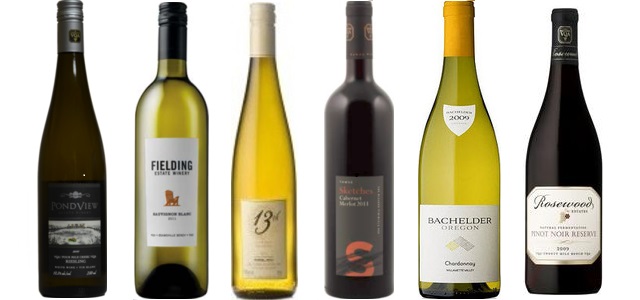
From left to right:

From left to right: Pondview Riesling 2012, Fielding Estate Sauvignon Blanc 2013, 13th Street June’s Vineyard Riesling 2011, 13th Street June’s Vineyard Riesling 2012, Bachelder Oregon Chardonnay 2011, Rosewood Estates Reserve Pinot Noir 2010

Pondview Riesling 2012, VQA Four Mile Creek, Niagara Peninsula, Ontario (271148, $15.95, WineAlign)

While winemaker Fred di Profio’s ’12 remains true to the Pondview idea of mineral-driven Riesling, the vintage dictates the course and this one simply carries four miles of juicy fruit, accented by green herbs and a spread of lime jam. It’s dry, vinous and cidery with a slight sour aftertaste. A lamb Riesling, lambic, iambic and pedantic. Good value. Tasted March 2014  @Pondviewwinery

Fielding Estate Sauvignon Blanc 2013, VQA Beamsville Bench, Niagara Peninsula, Ontario (131235, $18.95, WineAlign)

Ever orchard fruit bearing, omnipresent juicy Sauvignon Blanc. Pliable and informal, typical in itself and for the local marl. Kept on its toes by a wailing, sharp green peppercorn cut by caper line that runs through, then gracefully descends towards a grassy, song of freedom refrain. Tang is the final act of its redemption. Well-structured and proper. Does a Fielding wine ever not abide and chant “we forward in this generation, triumphantly?” Tasted March 2014  @FieldingWinery

13th Street June’s Vineyard Riesling 2011, VQA Creek Shores, Niagara Peninsula, Ontario (147512, $19.95, WineAlign)

June’s vineyard, now in its (correct me if I’m wrong) 12th year is both nascent and senescent, increasingly producing a blatant expression of Creek Shores Riesling. Today’s fleeting study faces a direct, anti-diminutive aridity and more dried herbs. In 2011, the austere vineyard speaks but the Riesling realizes atonement through a corpulence of flesh and bone down by the sheltered shores. A much tougher assignment than the gilded platinum hand dealt to vineyards upon the upper reaches of the Escarpment.  Tasted September 2013  @13thStreetWines

From my September 2013 note: “from Niagara’s Creek Shores and built of the classic Alsatian Clone 49 inordinately defines place and time in an agglomerated manner. Maximum floral intensity, zero petrol tolerance and an arid accumulation speak volumes about the appellation. To taste you will note it just barely believes it’s off-dry. Unique and unambiguous, plosive Riesling.”  Tasted March 2014

Tawse Sketches Of Niagara Cabernet/Merlot 2011, VQA Niagara Peninsula, Ontario (130252, $20.95, WineAlign)

Call it whatever you like; house red, Bistro red, un verre de vin rouge maison. All phrases to describe a refreshing and wholly compatible glass of red wine. The Tawse is crafted for such purpose, combining Cabernet Sauvignon, Cabernet Franc and Merlot in a Médoc state of mind. Aromatically it spews tobacco, tea, currants and white pepper, all wrapped in a tight, food-friendly package and demanding to be paired this way. Solid red.  Tasted March 2014  @Tawse_Winery

Bachelder Oregon Chardonnay 2011, Willamette Valley, Oregon (273334, $29.95, WineAlign)

The citrus stands out today. If the base and necessary oak treatment is your kryptonite, by all means, walk away from the Oregon Bachelder Project. But that decision deprives that part of your brain that processes progress and reason. This is not the oak-driven Chardonnay of your 1985. This is the future. Embrace the angles, the quotients and the variables. Fruit as function, rock as relation and barrel as the algebraic cauldron that allows the wine to come to conclusion. Sure there’s oak but it drives the equation. Deal with it. Tasted April 2014  @Bachelder_wines

From my earlier February 2014 note: “Yet another three months later re-taste to show Bachelder’s Oregon terroir may be the most difficult to assess in its infancy. This short slumber has changed everything. Oregon distinction, smell it, commit it to memory and you’ll never forget it. “Picture yourself staring at a loved one in a restaurant,” says Thomas. “Would you be able to pick this out as Chardonnay?” Some ciderish activity, from sedimentary and volcanic soils that used to mingle with ocean waters, give this a sea salt and fossilized lava stillness. More buttery (dare I say, popcorn) goodness than the rest. And restrained tang. And length. Wow.

From my earlier November 2013 note: “While Burgundian in hopes and dreams, this is very much a $29 Oregon white. No mask, no hidden altruism, simply the right Chardonnay for the right price. Bone dry, orchard driven, high acid, void of harmful terpenes. There is a salinity and piquancy not influenced by PH, perhaps by the ocean, by sandstone, but regardless it’s unique to place, unlike Niagara, Prince Edward County, or for that matter Burgundy.”

Rosewood Estates Reserve Pinot Noir 2010, VQA Twenty Mile Bench, Niagara Peninsula, Ontario (318345, $39.95, WineAlign)

Prettier in 2010 the Rosewood is, the aromas a precise glowing arcade of earthy, warm, peppery fire. April redolent of a burgeoning, sweet cranberry marsh. Present, accounted for though not tough tannins. Glazed by an unobtrusive candy shell. A fine, inviting, sweet and soft Rosewood Pinot, true to vintage and neighborhood. “Then I’ll dig a tunnel, from my window to yours.”  Tasted March 2014  @Rosewoodwine

Good to Go!


On a wine and a prayer

White wine

An assembly of really good white wine seems as good a plan as any to beg for spring weather
Photo: pagnacco/Fotolia.com

as seen on canada.com

I’ve been too long without summer,
In this winter home.

We’re going to begin the last week of March with a quartet of white wines as a prayer for the hopes of warmer weather. A bottle full of fresh and sprite grapes to be brought into the temple as a gift to lay down at the altar, sacrificial ferments meant to appease the harbinger gods of Spring. A prayer on the back of a wine angel to usher us out of the cold, to drink in long time missing, rarefied air.

Is this plea just a bit too Exodus 40:6 for you? “And thou shalt set the altar of the burnt offering before the door of the tabernacle of the tent of the congregation.” Maybe too much like an American World War Two patriotic song? “And our trust in the Lord, we’re comin’ in on a wing and a prayer.” Do you read this and think, “See the rich man lost and lonely, watch him as he dines, sitting there just testing all the wines…” Does this make you roll your eyes due to a kitsch allergy? “Our wine, which art in heaven, hallowed by thy legs…For thine is the Chardonnay, the Merlot and the Cabernet. Forever and ever. Amen.”

An assembly of really good white wine seems as good a plan as any to beg for Spring weather, prosaic waxing or not. Let’s just make a plan. Open a bottle of white wine a day for four days, or open one and wait four days. Then look out the window. If I were a betting man I’d say Spring will have sprung.

From left: Casal Di Serra Verdicchio Dei Castelli Di Jesi Classico Superiore 2011, Coopers Creek Select Vineyards Dillons Point Sauvignon Blanc 2012, Estate Argyros Assyrtiko 2011, and Tawse Robyn’s Block Chardonnay 2010

From left: Casal Di Serra Verdicchio Dei Castelli Di Jesi Classico Superiore 2011, Coopers Creek Select Vineyards Dillons Point Sauvignon Blanc 2012, Estate Argyros Assyrtiko 2011, and Tawse Robyn’s Block Chardonnay 2010

Casal Di Serra Verdicchio Dei Castelli Di Jesi Classico Superiore 2011, Doc Marche, Italy (268169, $17.95, WineAlign) From the VINTAGES March 29, 2014 Release

What once was, though no longer is a single (Montecarotto) vineyard designated Verdicchio, the exceptional quality of the grapes remains obvious, front and centre. A five months lees meets yeast cold soak and a distant, though influencing stone’s throw from a (somewhat) far away coast combine for complex effect. A brilliant platinum hue and loaded stony, mineral relish is piqued by a pinch of salinity. The overall elaboration is urged along by lime citrus in zest, aromatic bitters and evolving fruit entering a nut stage. Very, very Verdicchio.  89  Tasted March 2014  @UmaniRonchiVino  @Noble_Estates

Coopers Creek Select Vineyards Dillons Point Sauvignon Blanc 2012, Marlborough, New Zealand (66092, $19.95, WineAlign) From the VINTAGES March 29, 2014 Release

There is just something about Sauvignon Blanc from vineyards on or near the shore of Cloudy Bay. Alan and Petrina Shutkowski’s plot in Morgans Road joins ranks the likes of the original and iconic Cloudy Bay and te Pā as purveyors of distinct and inadmissible fruit. Rises to a next level concentration and exceptional length. Larger scale producer does upscale SB at a large-scale price with distinction. A thing that sings long and in the right green grass key. Avoids the sickly, herbal sweetness of overbearing aspara-gooseberry and bell pepper. Incredible acids and just the right kind of salivating, mouth-watering verve and tang. Just a pinch of grapefruit pith joins in to magnify the bitters in all the right ways.  Tasted March 2014.  91  @CoopersCreekNZ

Estate Argyros Assyrtiko 2011, Santorini, Greece (366450, $22.95, SAQ 11901091, $24.50, WineAlign) From the VINTAGES March 29, 2014 Release

A 100 per cent Assyrtiko from a 150 year-old, Cycladic Phylloxera sanctuary vineyard. Separates itself from other Santorini adelphoi by ageing 20 per cent of the inoxydable, ancient-minded grapes in French barrels. An Assyrtiko that can’t help be anything but stony, atomic driven goodness. Volcano flow and spew, with more texture than most, its elevated price a necessary reflection of a tertiary expertise. Elevated aromatics, locked in tight by the barrel and matched by extreme flavours, so primary, raw, powerful, relentless and grippy. A remarkable white wine that impresses with a sensation of mouth rope burn full of complex, seafaring knots, this Assytiko will age for 15 years in the cellar and develop into something ethereal. Will melt away in dreamy waves when it settles together. Myth will beget legend, legend will beget truth.  93  Tasted March 2014  @KolonakiGroup

Tawse Robyn’s Block Chardonnay 2010, VQA Twenty Mile Bench, Niagara Peninsula,Ontario (662841, $45.95, SAQ 11031443, $48.00, WineAlign) From the VINTAGES March 29, 2014 Release

This current visit to the ever-ambrosial Robyn’s Block 2010 is unlike any that have come before. Seemingly lignified at present, a stranger in town, in an unexpected, dumb phase stalled as if by agostamento. Twenty Miles of limestone lurk and a green gem’s goddess figure hides behind the looking-glass. This regnant Robyn pleads “take away my inhibitions, take away my solitude.” While not the most flattering of her evolutionary positions, a retinue of resurgent fruit will lead to Robyn’s exodus. A few years patience and this cool climate Chardonnay will regain her warm, tropical smile, to shine again.  92  Tasted March 2014  @Tawse_Winery

Good to go!

March grape madness

Andrew Wiggins, #22 of the Kansas Jayhawks

Andrew Wiggins, #22 of the Kansas Jayhawks, drives upcourt as Marcus Smart, #33 of the Oklahoma State Cowboys, defends during the Big 12 Basketball Tournament quarterfinal game at Sprint Center on March 13, 2014 in Kansas City, Missouri.Photo: Jamie Squire/Getty Images

as seen on canada.com

Choosing wines from a wall of brace and girder filled options presents as much a degree of difficulty as picking winners from an NCAA March Madness bracket. When it comes to teenage basketball, do you stay the favourite course and go with all number one seeds? Should you think underdog, like Coastal Carolina Chanticleers or the Albany Great Danes? Who will be this year’s 2013 Florida Gulf Coast Eagles? Or the other 2013 final-four sleepers from Wichita State? Or Virginia Commonwealth in 2011? Butler, Davidson, George Mason, Kent State, Indiana, Loyola Marymount, Villanova, this list goes on. Who can forget the Jimmy V. coached 1983 North Carolina State Wolfpack?

Related – Five Canadians to watch for during 2014 March Madness tournament

When you consider what wines to open alongside the march to the Final Four, or what to drink in March, are you thinking Cinderella story or go to, can’t miss favourites? Being partial to the underdog, the lesser known, smaller lot, less marketing backed bottle is not only smart but worth the risk. Winning the pool because you chose the right lower seed and picking out a wine gem from a sea of same-old, same-old is a winning combination. Here are six unsung heroes, dark horse wines to seek out this March. Get a little madness in your life.

Clockwise from top left: Casa Do Valle Grande Escolha 2012, Maison Adrien Vacher Les Adrets Altesse Roussette De Savoie 2012, Rockway Vineyards Small Lot Reserve Red Assemblage 2011, Niagara Peninsula, Tawse Gamay Noir 2012, Prà Soave 2012, and Le Clos Jordanne Le Clos Jordanne Vineyard Pinot Noir 2011

Clockwise from top left: Casa Do Valle Grande Escolha 2012, Maison Adrien Vacher Les Adrets Altesse Roussette De Savoie 2012, Rockway Vineyards Small Lot Reserve Red Assemblage 2011, Niagara Peninsula, Tawse Gamay Noir 2012, Prà Soave 2012, and Le Clos Jordanne Le Clos Jordanne Vineyard Pinot Noir 2011

Casa Do Valle Grande Escolha 2012, Vinho Verde, Portugal (276220, $15.95, WineAlign) From the VINTAGES March 1, 2014 Release

Up a buck but for its nerve, ball fake, back-door cut and caution thrown to the wind, deserves to be so. Fast breaking mineral Vinho Verde without the hot spring, travertine effervescence. Rocks upon rocks, torched by the sun and set beneath a ripe apple orchard. A good bitterness, blanched nuts and lime in full-toasted flavour. Not your avô’s VV and that’s a good thing. Progress matters.   89  Tasted February 2014  @winesportugalCA

Maison Adrien Vacher Les Adrets Altesse Roussette De Savoie 2012, Savoie, France (365163, $16.95, WineAlign) From the VINTAGES March 1, 2014 Release

Expectations run high for this montane white to be light, ethereal and delicately floral. To the contrary, the Savoie Altesse/Roussette (sort of like saying Bourgogne Blanc/Chardonnay) is at first an offensive foul, a bit stinky, sweaty and humid, like the efflux of a runny, unwashed rind cheese. Auto emissions too, acquired aromas for sure, with more mineral to taste, along with funky apples on steroids. Thoroughly invigorating. Can you get on board?  89  Tasted February 2014  @ProfileWineGrp

Rockway Vineyards Small Lot Reserve Red Assemblage 2011, Niagara Peninsula (321893, $16.95, WineAlign) From the VINTAGES March 29, 2014 Release

Backs up the 2010 with another vintage that offers talented local ”Meritage balance for under $20.” The blend of Cabernet Franc, Cabernet Sauvignon and Merlot is a Nik Stauskas-like pure shooter, a thing of BEEF: Balance, eyes, elbow, follow through. Solid extract winged by top-notch acidity and nicely packaged with waves of fruit. The extraction may not allow this modestly priced red to age without some deconstructing so enjoy the fresh and vibrant fruit now and for two or three more years. Will really work with game nights.  88  Tasted February 2014  @Rockway Vineyard

Tawse Gamay Noir 2012, VQA Niagara Peninsula, Ontario (322545, $18.95, WineAlign) From the VINTAGES March 29, 2014 Release

The Tawse 2012 Gamay is a roaming shark with a Hammerhead-butt of (the serious side of) varietal aromas; tar, char and cherry pie. Capable of scoring points in the paint, a double-double even, like the twin tower Brampton brothers at New Mexico State. A very humid ’12, as per the vintage, with full-on flavour and in avoidance of the floor’s splinters. Forsakes the shaken and reductive instability of some young Tawse (big reds in barrel) for easy buckets kissed off the glass. For now and with every meal, including breakfast. Tang, inhibition, ball-stripping, #GoGamayGo.  89  Tasted February 2014  @Tawse_Winery

Prà Soave 2012, Veneto, Italy  (74534, $19.95, WineAlign) From the VINTAGES March 1, 2014 Release

Enter screw cap, exit the designation Classico. Pra Soave the man repossesses its self-respect and re-brands itself under the name “Otto.” This Garganega ventures into rangy, rambunctious, starburst territory. The tang pitches in many tones, there is texture to chew and it travels to lengths not typical for entry-level Soave. Bold Venetian. Madness even. “And I remember how we’d play simply waste the day away,” something the Otto will gladly encourage. The only Soave you might consider eating on a plate but Otto insists “couldn’t enjoy it any more, Mom. Mm, mm, mmm.” And one!  89  Tasted February 2014  @TheVine_RobGroh

Le Clos Jordanne Le Clos Jordanne Vineyard Pinot Noir 2011, VQA Niagara Peninsula, Twenty Mile Bench (33902, $45.00, WineAlign) From the VINTAGES March 29, 2014 Release

Extremely good showing for this stalwart in what is becoming a classic Twenty Mile Bench vintage. Cran/Raspberry earthy-straw scents layered in a cake of overlapping, alternating flavours in raspberry (again) and quality chocolate. More intensity than the other ’11 LCJ’s at this early stage, simultaneously concentrated and light, like a ball-distributing point guard with 20-20 vision. Increased oak in dribble drive motion really ties the spiced flavours together, without sacrificing freshness. This will improve for five years, if not more. Winemaker Sébastien Jacquey must have called on his muse for this LCJ because “some kind of madness has started to evolve,” and from here on in this Pinot will solicit a “need to love.”  92  Tasted February 2014  @LeClosJordanne

Good to go!

What’s in a wine vintage?

What\'s in a wine vintage?

The question is always being asked, what’s in a wine vintage?
Photo: Rostislav Glinsky/Fotolia.com

as seen on canada.com

There was a time when Ontario wine held no candle to my thoughts, filled no glass in my tasting regimen and occupied no place in my cellar. My how time and five years of enlightenment have changed me. Rarely does a day go by when that holy trinity of wine attention does not focus on something from Ontario.

My current obsession lies in the white wines from the 2012 vintage. The two previous years were so different, 2010 at first seemingly hot and bothered, then having emerged from its shell it has since clearly spoken in a language of elegance. The 2011 that followed gave wines of piercing acidity, verve and even austerity. Chardonnay, Riesling and Semillon all grabbed my acidulated attention.

First encounters with 2012 provided great skepticism. I continue the journey of ’12 discovery and the doors of perception are beginning to open. As a white wine vintage in Ontario, 2012 is shaping up to be a classic. Candour and acidity are there, but it is the rich, fullness of the wines that have taken the industry’s prowess to a whole new level. Riesling is brilliant. Pinot Gris the best ever. Though conditions may have not produced the coolest Chardonnay, winemakers who exercised restraint made beautiful wines. White blends that made use of highly aromatic varieties made their best wines to date. Reach out and touch Ontario’s 2012 whites.

The question is always being asked, what’s in a wine vintage? Not long ago I was emphatic to state there are no longer bad vintages in Ontario. The wisdom, experience and winemaking acumen has rendered that notion obsolete. There are challenging years for sure and this harshest of 2014 winters will certainly test the mettle of winemakers. Vintage variation is real and yes, there are no bad vintages, only different ones.

The new Kew Vineyards in Beamsville is on to something and 2011 was a terrific vintage to sidle up to their unique production of red wines. While appassimento remains an Ontario enigma, not quite like growing and producing a southern Italian grape like Aglianico, but the method is still a bit of a side-show. Kew reigns in the practice and matches it to the parameters of the Ontario vineyard and the climate. Kew the new red in Ontario.

Here are six new releases, a new Kew, a Prince Edward County classic Sparkling and four definitive whites from the 2012 vintage in Niagara.

From left: FLAT ROCK TWISTED 2012, TAWSE SKETCHES OF NIAGARA RIESLING 2012, KEW VINEYARDS SOLDIER'S GRANT 2011, FLAT ROCK NADJA'S VINEYARD RIESLING 2012, SOUTHBROOK VINEYARDS TRIOMPHE CHARDONNAY 2012, and HUFF ESTATES CUVÉE PETER F. HUFF 2007

From left: FLAT ROCK TWISTED 2012, TAWSE SKETCHES OF NIAGARA RIESLING 2012, KEW VINEYARDS SOLDIER’S GRANT 2011, FLAT ROCK NADJA’S VINEYARD RIESLING 2012, SOUTHBROOK VINEYARDS TRIOMPHE CHARDONNAY 2012, and HUFF ESTATES CUVÉE PETER F. HUFF 2007

FLAT ROCK TWISTED 2012, VQA Niagara Peninsula (1578, $16.95, WineAlign) VINTAGES ESSENTIAL

Though the warmth of the 2012 vintage could have suffocated a blend such as this Twisted, to the contrary, this harmonious white unfolds as a cold play. Cool, crisp, wonderfully tart and full of citrus zest. Plenty of sunshine but no burn. Waxy and rich like excellent Moscato along with the creamy confection of mango and the tang of what pale, trenchant pineapple used to be, before it went golden. The blend of Riesling, Gewurztraminer and Chardonnay magnetizes the opposing forces of residual sugar and modest alcohol. “And you are not wrong to ask who does this belong to? It belongs to all of us.” Best Twisted to date.  89  @brightlighter1  Tasted January 2014

TAWSE SKETCHES OF NIAGARA RIESLING 2012, VQA Niagara Peninsula, Ontario (89029, $17.95, WineAlign) From the VINTAGES, February 15th, 2014 Release

Frothing at the glass, full on soda aromatic entry, verging to off-dry white peach and yellow plum flavours. Full of tang and zest, enriching flavours that render the soda irrelevant. All in, vigorous ’12, most ever perhaps. From my earlier note: “s’got quite the tropical warmth for Bench Riesling. When considered in terms of the vintage, this is nearly a Riesling in the service of a Pinot Gris. Very juicy fruit, dry but bursting in fricative verve. Extreme quality, low-cost. Now on tap at Barque Smokehouse.  89  Tasted August 2013 and January 2014  @Tawse_Winery  @Paul_Pender

KEW VINEYARDS SOLDIER’S GRANT 2011, VQA Niagara Peninsula  (367318, $18.95, WineAlign) From the VINTAGES, February 1st, 2014 Release

Winemaker Philip Dowell draws upon his Aussie roots, delves into a northern Italian technique (appassimento) and along with Beamsville grower Graham Rennie, does the practice proud. Vineland Research Institute has been working towards developing a Niagara appassimento thing, already embraced by the likes of Foreign Affair, Pillitteri and Colaneri. Now Kew takes the torch but with an altered finesse and restraint. Raspberry and the wet warmth of spring sun, saturated earth give way to dusty, sour cherry with an accent of peppery, herbaceous Loire-style Cabernet Franc. The dust ultimately trumps the sharp and then submits towards a metallurgical length. Would work with eclectic flavours, like Buffalo Chicken Nachos. It’s true.  88  @kewvineyards  Tasted November 2013 and January 2014

FLAT ROCK NADJA’S VINEYARD RIESLING 2012, VQA Twenty Mile Bench, Niagara Peninsula (578625, $19.95, WineAlign)  From the VINTAGES, February 1st, 2014 Release

A champion cyclone of forces combined to elevate the already incumbent position of this Twenty Mile Bench Riesling. An ideal growing season magnified transmission upon a paradigmatic two and a half-acre block. This southern-most and highest altitude section of Flat Rock’s vineyard rests aboard a solid bed of limestone and wake me up if that rock was not drawn up into the vines in this stellar Riesling vintage. Sure its warm and nearly off-dry but such an effortless squeeze of lemon hydrates and elevates orchard fruit and honey out of the year of the lemon. After each sip its “every time you kiss me, lemon crush.” Love this prince of a Twenty Mile white in 2012, the dynamism smiling on the tart, succulent fruit. The length is one of outright bravado. This will develop for 20 years, of that I am convinced. There is just so much fruit. A Nadja for the ages.  92  @Winemakersboots  @UnfilteredEd  Tasted January 2014

SOUTHBROOK VINEYARDS TRIOMPHE CHARDONNAY 2012, VQA Niagara On The Lake (172338, $22.95, WineAlign) From the VINTAGES, February 15th, 2014 Release

A sachet of fiendish raising agent and scotch kindled toast seem initially atypical for the vintage but are kept in check and work alongside one another to great effect. Halfway in there are notes of lemon butter, saltwater-marked wooden ship, pine forest on a warm morning and organic smells of the world outside. The glow and ardor of what Chardonnay can rightfully be in 2012 take the lead at the mid-point and carry Triomphe through to an eco-rich, full-bodied good glass. “On the water, very free, and easy.”  89  Tasted February 2014  @SouthbrookWine

HUFF ESTATES CUVÉE PETER F. HUFF 2007, Traditional Method, VQA Prince Edward County, Ontario (198754, $39.95, WineAlign) From the VINTAGES, February 15th, 2014 Release

This is a glorious vintage for the classic Chardonnay and Pinot Noir flagship Huff bubbles. Lees affected in waves of chewy, fernetty, lime sherbet, ginger, coriander seed and apical almond butter. The humidity of the vintage plunges this complex sparkler into the brewing smells of a late fall apple orchard. Bronzing in attitude to middle age, a kind of medieval bubbles, hard on you, not letting go of its barbaric hold. The colour speaks of age but there is a huge amount of verve and life left yet. Your full attention is required to gather Huff’s traditional thoughts and this is quite possibly the most rambunctious PEC fizz I’ve ever encountered.  So different from the 2008 ”austere, dry, flinty wine of slate.”  92  Tasted February 2014  @HuffEstatesWine

Good to go!

In a Pinot Noir province of mind

Niagara

Save for the Oregonian version, Ontario has become the place to produce Pinot Noir out of soils not called Côte de Nuits or Côte de Beaune
Photo: Rilasata/Fotolia.com

as seen on canada.com

No other grape causes more of a stir, is responsible for more hair to fall and breaks more hearts. It doesn’t play well with others. It refuses to share, to be blended, to give anything less than 100 per cent. For many, there is no other variety. How often does a conversation begin with “what is your favourite wine” and end invidiously with “Burgundy?” End of argument. Nothing more to discuss. While Burgundy certainly persists as the historic locale possessive of the title “when it’s great, it’s the best,” Pinot Noir has flown the coop. The expatriate extraordinaire has migrated about the globe and is no longer always a wannabe facsimile where it’s now grown and bottled.

A bold statement to be sure is coming, now. Save for the Oregonian version, Ontario has become the place to produce Pinot Noir out of soils not called Côte de Nuits or Côte de Beaune. The argument finds root in the climate (cool) and the terroir (ideally suited). The anomaly that is this season’s Polar Vortex notwithstanding, Ontario’s weather is Pinot weather. The thin-skinned variety thrives in Ontario’s typical autumn conditions, maturing evenly and with a phenolic ripeness necessary to fulfill complex tendencies. Soil could not compose itself any better. The huge rock beneath the surface in Prince Edward County screams Pinot Noir, if by way of Burgundy. The Niagara Escarpment and its foothills beg to support Pinot vines. No, really. Go stand in the Lowrey Vineyard on the peninsula. The land beneath your feet will whisper sweet Pinot nothings into your ear.

Arguing the meritorious benefits of grapes and specific sites is an exhausting though compulsory one. I have been a staunch supporter of the need for planting Riesling and Gamay everywhere. Ontario can and will do no wrong with these varieties, whether it be PEC, LENS or any Niagara Peninsula terroir. Chardonnay too, though it produces the greatest wines in the appellations of the Beamsville Bench, Twenty Mile Bench and Vinemount Ridge. The benches likewise work wonders for Cabernet Franc, though many producers make terrific renditions down by the lake.

Pinot Noir requires more site-specific consternation. The learning curve inhabited by our top Pinot producing stars has pinpointed certain neighborhoods that support their clairvoyance and expensive habits. Norman Hardie knows the Pinot innuendo of both Prince Edward County and the Niagara Peninsula. Hardie’s Unfiltered 2012 ”brings to mind indelible Burgundy, enveloped in PEC’s warm ’12 blanket.” Thomas Bachelder makes Pinot in Burgundy, Oregon and Niagara, but it is his Lowrey Vineyard 2011 that blows my mind. “The somewhereness of this St. David’s vineyard can’t be denied, and in the hands of Thomas Bachelder the extraordinary happens.” The micro-terroir studies of Ed Madronich and Jay Johnston is the stuff of quantum eonology. The Summit Block 2011 does “impossible Burgundy,” between a Flat Rock and an escarpment.

So where is the best site for making Pinot Noir in Ontario? Prince Edward County? Twenty Mile Bench? Beamsville Bench? Vinemount Ridge? St. David’s? Has the industry matured to such a level that a Cru system should now be defined? The answer may not be forthcoming today but it’s just around the corner. Pinot needs to be cultivated and fostered so that plots can continue to be identified and qualified. The future of the industry depends on it.

I have recently tasted more than 30 Ontario Pinot Noir. Many are worthy of a second look and more than a dozen a place in my cellar. Here are notes on five more, all deserving of their place in the Pinot sun.

From left: CAVE SPRING PINOT NOIR DOLOMITE 2011, INNISKILLIN MONTAGUE VINEYARD PINOT NOIR 2011, TAWSE GROWER'S BLEND PINOT NOIR 2010, HIDDEN BENCH ESTATE PINOT NOIR 2010, and 13TH STREET ESSENCE PINOT NOIR 2010

From left: CAVE SPRING PINOT NOIR DOLOMITE 2011, INNISKILLIN MONTAGUE VINEYARD PINOT NOIR 2011, TAWSE GROWER’S BLEND PINOT NOIR 2010, HIDDEN BENCH ESTATE PINOT NOIR 2010, and 13TH STREET ESSENCE PINOT NOIR 2010

CAVE SPRING PINOT NOIR DOLOMITE 2011, VQA Niagara Escarpment, Ontario (26351, $21.95, WineAlign)

Part Beamsville Bench (70 per cent) and part Twenty Mile Bench (30), this best of both worlds Pinot is full of calcium magnesium carbonate, Jurassic bark. Playful as opposed to angry, this is not so much Snoop Dogg’s Dolomite but more like an animated Futurama. Seduces with a sweet red berry entry and bound by a really fine acid/tannin/fruit balance. Admittedly not overly complex but for the price it shows good structure. As far as Pinot goes, this one is a made for beef or rack of veal.  89  Tasted October 2013  @CaveSpring

INNISKILLIN MONTAGUE VINEYARD PINOT NOIR 2011, VQA Four Mile Creek, Niagara Peninsula, Ontario (997353, $24.95, WineAlign)

Montague is a single-vineyard child of rain and heat. The flux of the growing season translates to a troubled and disjointed youth; musty, earthy and unforgiving. Still this Inniskillin is thick, unctuous, sharp, chewy and while currently situated on the darker side of Pinot, all this will change. Not yet showing what he is, the ’11 will “keep on keepin’ on, like a bird that flew,” and eventually be tangled up in blue.  89  Tasted October 2013  @InniskillinWine

TAWSE GROWER’S BLEND PINOT NOIR 2010, VQA Niagara Peninsula, Ontario (130989, $26.95, WineAlign)

The univocal Pender perfume permeates the Tawse stable of Pinot Noir and seems only magnified in the multiple site Grower‘s Blend. Vintage related warmth and inferable incrassation of fruit. Delves into a deep connection to disparate lands possessive of a common goal.  As if making wine is “your taste combined with all the years of wasting time.” Graceful Pinot Noir with moments touched by hot rocks, toasted red rice, a gentle smoulder and delicate grains of sand.  90  Tasted October 2013  @Tawse_Winery

HIDDEN BENCH ESTATE PINOT NOIR 2010, VQA Beamsville Bench, Niagara Peninsula, Ontario (winery, $40, WineAlign)

Clean, pure and crisp. As if raspberries covered in Beamsville dirt with an underlying lurk of grain and tannin. Crackling Pinot studded by caper berry and a sheer Mediterranean point of view. From an earlier note: “Takes my previous impressions to a higher plane. Standing correct by calling it a “a vintage relative release” but it’s so much more than “a quaffable, generous fruit sui generis.” Beets turn into plums. Opaque hue reminds of graceful Nebbiolo with a dancer’s legs in aperture. Wins in judicious use of French wood. Tannins persist in the rear-view mirror. Big ’10 that speaks of another level in Beamsville Pinot Noir. “Think about it, there must be higher love.” 91  @HiddenBench  @BenchVigneron 

13TH STREET ESSENCE PINOT NOIR 2010, VQA Niagara Peninsula, Ontario (237222, $44.95, WineAlign)

Only the second coming of The Essence. Lucid, willing and able Pinot Noir from an assemblage of fruit sourced across the region. Atypical in that sense, speaking to a broader range of terroir and to a wider audience. Breadth and depth much like a Côte de Beaune, earthy of serious dirt layered over top a cherry core. Attention now and for five plus years is needed because though to taste it’s currently confounding, time will see more complexity, development and emerging emotion. It will then solicit a cry of  ”baby, sweet baby, you’re my drug. Come on and let me taste your stuff.”  91  Tasted October 2013  @13thStreetWines

Good to go!