Inclined to think this block has the best microbes @CatenaMalbec @LauraCatenamd @Noble_Estates #perfectname #adriannavineyard #vinodeparcela #mundusbacillusterrae #catenazapata #winesofargentina #mendoza #gualtallary #tupungato
Argentina’s Bodega Catena Zapata is in the throes of self-professed “Three Revolutions.” The first was inspired by Napa Valley, a grand success story that convinced Nicolás Catena Zapata to pursue the consciousness of emulation. He made the decision to plant, cultivate and produce high quality cabernet sauvignon and chardonnay. He infused his high-end domestic red with malbec, initiating a long history for this wine and a technique many others would follow. The old Italian traditions were eschewed for the Calif-French style. Catena has long since brought that wine to the world. The first revolution has been realized.
The development of extreme high altitude vineyards are at the crux of Catena’s second revolution. “When we talk about making a high altitude blend, we are actually taking about making a high altitude family of blends,” says Dr. Laura Catena, by way of introduction to a small faction of Toronto media. Plant selections and cuttings are employed with geneology and lineage. “To me climate has always been defined by latitude. Altitude is an entirely separate component. It’s a fact. Different soils give different flavours. I think the explanation lies in the microbes. Terroir needs to be redefined with these elements.”
Which leads to the third revolution, the current obsession defined by vinous archaeology, as if the Catena team are searching for fossils and signs of ancient life in the soil of their Adrianna Vineyard. They are in fact looking for diversity, variance and permutations, what viticulturists like to call micro-terroir. They are seeking to prove a French theory which attributes 100 per cent wine quality to terroir. Research is the mode de vie and who better to lead the revolution than the Harvard University-educated, biologist and physician Dr. Laura Catena. She and Head Winemaker Alejandro Vigil, along with Fernando Buscema and Vineyard Manager Luis Reginato have created the “Catena Institute of Wine.” What treasures they unearth will unlock the secret to the third “vineyard lot” revolution.
Good morning @lauracatenamd #vinodeparcela #altitudewines #appellationwines
Their website reads “Leña Restaurante by Chef Anthony Walsh is an all-day dining destination, inspired by South American cooking, located at the corner of Yonge and Richmond.” Truer time-gastronomy continuum words are rarely spoken. We arrived early to meet Dr. Laura Catena, listened with great intent as she led us through nine appellation series and Adrianna Vineyard wines and then moved on to lunch. If ducking out early to catch an overseas flight were not an obstacle it would have added up to the better part of an all-day affair. I would have had no problem with that.
We are blessed in Toronto, this close-knit wine community of ours, with access to a never-ending flow of great wine. We are also graced by exceptional humans, wine purveyors, men and women who have assumed the thankless task of procuring the finest available products from around the globe, against all odds beneath the shadow of the world’s most tyrannical liquor system. Hats off to them.
On November 9th Craig de Blois, Richard Dittmar and Mark Coster of Noble Estates, three smarter than your average bear, stand up guys played chaperone to Argentina’s Dr. Laura Catena in Toronto for this media tasting and trade lunch. We journalists and sommeliers are all well-versed in the Catena portfolio. My WineAlign colleagues and I had recently sat down with winemaker Ernesto Badja for a full-on, wide-scale investigation into a large section of the portfolio. This extraordinary and climat-precise sit-down went much further, deep into the soil for a compendious look at the proselytism of Catena culture.
Much of the discourse with Dr. Laura Catena during this visit focused on the science of soil, of microbes, bacteria and block by block vineyard investigations. I would expand further but I’ll just have to ask you to read the tasting notes below. Each of the very specific wines poured by Dr. Catena is driven by a particular block or a structured pyramid of amalgamated plots and the notes must speak to the science behind each expression. No more questions here. Just read the notes.
Catena Vista Flores 2014, Mendoza, Argentina (Agent, $22.95, WineAlign)
The humidity of Vista Flores (where there is much more rainfall) makes for another level of compression and density in malbec. A very floral red, from violets and roses, mixed in with deep, dark fruit. The tannins are sous vide and subterranean, throaty, tobacco-laced and rigid. Gifts a soft peppery bite, fine dust, even finer tang, minty meets calcari feel. The purpose here is to elevate Catena’s cabernet sauvignon and malbec essentials into more curious consumer territory. Value here is strong and purposed so there is nothing to fear. Single vineyards are not always commercially sustainable but single terroirs are so much more likely so. This is the epitome of that concept for malbec in Mendoza. Drink 2016-2020. Tasted June and November 2016
Catena Paraje Altamira Malbec 2014, Mendoza, Argentina (Agent, $22.95, WineAlign)
Paraje Altamira refers to something that is distant, far away, separated, a terroir where plots and places are dotted, separated by one another by some distance. Here Catena procures the flesh of the land with a malbec that delves deeper into earth and clay and procures a fuller, riper rich berry that goes to blue and boys. Though the tones of aromatic intensity and acidity are elevated, the ceiling is finite and the malbec juice is brilliantly protected. The earthy, material funk is all in, in surround and prevalent even as it finishes with the effects of great soil structure variegations. There is modern nebbiolo meets South African schisty syrah from mineral, smoked meat and smoulder in here. It’s got tartare running through its blood. Wow. Drink 2018-2024. Tasted June and November 2016
Catena San Carlos Cabernet Franc 2014, Mendoza, Argentina (Agent, $19.95, WineAlign)
Here in 2014 the single terroir series cabernet franc by Catena heads in the right direction with elevated aromatic tones, so different than the malbec. Well enough aside and beyond just location, it seems San Carlos accentuates the acidity and the herbal conditioning to fruit, making it taste more like plum and pomegranate than berries. The barrel weighs yet does trod lightly on the ripe red fruit. There is great persistence in its gait, with additional black fruit from currants and berries. The pyrazines are low to almost noon-discernible. Drink 2017-2021. Tasted June and November 2016
Catena Agrelo Cabernet Sauvignon 2014, Mendoza, Argentina (Agent, $22.95, WineAlign)
The aromatics fly from this four vineyard blend, more than the malbecs and certainly with haute plaisir as compared to the cabernet franc. The far-reaching amalgamation comes by way of La Pirámide Vineyard in the Agrelo district of Luján de Cuyo, Domingo Vineyard in the Villa Bastías district of Tupungato, Nicasia Vineyard located in Altamira in the La Consulta district of San Carlos and the high-altitude Adrianna Vineyard in the Gualtallary district of Tupungato. Travels well beyond fruit into florals and a sense of one another’s cumulative soil. What happens in Agrelo’s soils reacts with cabernet sauvignon or rather it allows (or encourages) these vines to draw something other. Something that is deep into a richness of tang, not an elevated acidity but a round and circuitous one. Balance is unearthed (literally) and this wine is extremely fresh, in fact it’s bloody delicious. A bit dusty and a few drops of bitters fall into it late so there is a minor sense of char and tar. Lingers like cabernet can and should. Drink 2016-2020. Tasted November 2016
“Bones sinking like stones, all that we fall for.” @LauraCatenamd we live in a beautiful world when #chardonnay does this, and that #adriannavineyard #catenawines #bodegacatenazapata #gualtallary #tupungato #mendoza #vinodeparcela #whitebones #whitestones
Bodega Catena Zapata Adrianna Vineyard Chardonnay White Stones 2012, Mendoza, Argentina (Agent, $81.00, WineAlign)
The White Stones chardonnay from the altitude-aromatic-accelerating Adrianna Vineyard is part of Catena’s third revolution, in concert to understanding soil, led by Laura Catena, beginning here. From Laura’s passion for “parcelas,” micro-level soil locations, going back to an investigation that began in 2000. In a locale above a dried riverbed, leaving big rocks, limestone, sand and more rocks in various locations, with the use of 70 parcel bits per hectare showing what is where. Stones on the soil’s surface help to facilitate and create a micro-climate of warm days and very cold nights. From the outset it has to be said that no chardonnay from the southern hemisphere has ever intimated Burgundy as one smell and one taste as here it has done. It is noted as an impression deeply internalized from this single parcel within the vineyard. There are sticks and stones in elegant lines, subtle, demurred white flower aromas, lime-creamy fruit, petals and rock. A wow mouthfeel and flavour intensity. Wild-eyed acidity. All this could not have been laid clear, or bare, a year ago. Drink 2016-2020. Tasted November 2016
Bodega Catena Zapata Chardonnay Adrianna Vineyard White Bones 2012, Mendoza, Argentina (Agent, $110.00, WineAlign)
The flip side of the Adrianna Vineyard is the antithetical White Bones, also part of Laura Catena’s third revolution, investigating and culling acuity from soil through the breakdown of the “parcelas.” These micro-level soil locations were first dissected in 2000 for the purpose of deconstructing Adrianna’s block-by-block diversity. The Bones necessarily draws from the ancient riverbed below, from its single parcel limestone, sand and rocks within the vineyard, though it seems quite deferential to the White Stones. It’s somehow fleshier and corporeal, of similar sticks but less stones. More bones, like an arm outstretched from the crackling skin of the roasting bird or swine. More gastronomy in that sense, less cool-climate and limestone a mere twinkle, not a shard or karst stuck like a needle into that arm. But the palate returns to join the stones with citrus and intensity. Chardonnay of concentration and balance with the soil crumbling like bones, shells and fossils into what is best described as Chablis. Drink 2016-2021. Tasted November 2016
Nicolás Catena Zapata 2011, Mendoza, Argentina (396960, $110.00, WineAlign)
The epiphany came after Jacques Lurton told Nicolás Catena “your cabernet sauvignon reminds me of the Languedoc.” So Nicolás went back to Argentina and planted at 5,000 feet of elevation. History changed. So the coolest (others insisted “you will never ripen at this altitude”) site produces this dry, dusty, intense cabernet sauvignon, the kind you can’t deny is possessive of powers unable to resist oozing dark black currants, chocolate and spice. Try musing about holes on the palate and if you find one it’s black into which once entered reveals no exit point. The back is very chocolate driven, of dark cacao, bitterless and strong. Note the balanced intervals of structure by fine-line drawn architecture and see where this will travel. For 10 more years until the fruit begins to dry and shrivel to further intensify. The mind’s obsession keeps returning back to the middle palate that drives the machine. Drink 2018-2024. Tasted November 2016
Catena Adrianna Vineyard Fortuna Terrae Malbec Vino De Parcela 2012, Mendoza (Agent, $130.00, WineAlign)
Catena’s Adrianna has clearly emerged as its most important vineyard and its biological dissolution is spurred by Laura Catena’s medical state of being and an unpropitious thirst for viticultural, micro-level knowledge. The analogical thinking machine delves deep into soil locations from an investigation that began in 2000. This section of Adrianna draws aridity and subtlety (as opposed to power) from the subterranean riverbed, leaving the big rock and heavy clay impart to others. From this single parcel within the vineyard the surprisingly attenuated and reserved character creates a new order for malbec, from Catena and the single-vineyard entablature. Quite pretty, floral and less volatile than not just Catena’s way but Mendoza malbec as a thing. A natural cure in the flavour profile tends to salumi and comes late. But even more respect is awarded because the overall personality is achieved without shrouding, sheathing or smouldering. It’s a very transparent malbec of extreme clarity, engaging and inviting. Singular actually. Drink 2018-2025. Tasted November 2016
In this extremely specific malbec from a diagnosed block of the Adrianna Vineyard we are graced with the micro-science of wine. And if you feel that using the name of an aerobic bacteria in the nomenclature is an odd choice, consider the mind of Dr. Laura Catena and her biological approach to viticulture. If we can understand and differentiate the microbes in the soil we can make better wine. It’s as simple as that. When wine is broken down to the biological level is becomes something entirely different and this is the road travelled by the Mundus Bacillus. Catena’s usage of 70 parcel pits per hectare has unearthed this single parcel within the vineyard, again completely different and the pinpointed microbial discussion initiates right here. The soil stakes a claim for this malbec only, certainly not in any way that tends to funk but surely as an impresario of soil. Talk about eugenics in the MBT because that science is compelling and can be related to in this wine. It can offer keys towards improving genetic quality of the vinous population. Here we are faced with rich and dusty, a mean streak of malbec intensity made elegant by earthly microbes. This section draws parallels to the (chardonnay) White Bones soil from which there transfers an excess of dry extract and tannin. Patience please for a malbec that will be long lived. Drink 2019-2027. Tasted November 2016
There’s a new obsession in town- #campania @vinalois #falanghina #greco #fiano #aglianico #pallagrello #pallagrellonero #palagrellobianco #cassavecchia #pontepellegrino #therealcampania #massimoalois #vinialois #brandnewdaywines #bndwines
A few weeks back Devon Masciangelo of Brand New Day Wines and Spirits asked if I would have the time to taste through the full portfolio of Vini Alois. I first met Massimo Alois in the fall of 2014 when the Italian Trade Commission rolled out the red carpet at Toronto’s Roy Thomson Hall for the 19th annual tasting of Wines from Italy. At the time I was struck by Massimo’s varietal Cassavecchia called Trebulanum.
Last March a varietal Pallagrello Nero showed up through a VINTAGES In-Store-Discovery release and once again the light went on. With two memorable wines in the bank I was quick to respond to Devon’s request. IN! And then I broke two bones in my foot. So Massimo had to come to me, with BND chaperone Jarek Morawski. I don’t normally conduct tastings in my home but Massimo was happy to oblige.
Massimo and his father Michele so perfectly fit the description I had considered after that Italian tasting two years ago. “You can’t help but notice that modern winemakers with a wistful eye are casting reflexively into the past with a hunger for vinous resurrection. By grafting their pre-Phylloxera ancient vines onto healthy root-stock they have turned the varietal compass on its head. As they have moved through their days with an open-mind to the panoply of grape interactions, they have beget the endemic revival. Old is new again. Meet the awakening of the Italian grape vernacular.”
Vini Alois is the dream of Michele Alois, his winery set amongst the Campania foothills of the Caiatini Moutains in the province of Caserta, on a plateau consisted of nine hectares. His family’s roots are in the silk business. “The name Alois is synonymous with quality in the production and creation of silk cloths that are present in the most famous rooms of the world: from the Italian Parliament to the White House, to the Louvre Museum. Born in 1885 in the time of Ferdinand IV of the Bourbon family, the Alois factory built a constant success under the head of the household, until 1992 when Michele Alois planted 9 autochthonous grape varietals and created a double activity for the already established family dynasty.”
Campania has enjoyed success from a holy trinity of whites, of Greco di Tufo, Falanghina and Fiano di Avellino. But it is in the higher altitudes and volcanic soils where these grapes, where aglianico and especially the ancient and endemic varietals, Casavecchia and Pallagrello, really find their special way. The Ponte Pellegrino “entry-level” wines from Alois should do very well and open the door to the rest of the portfolio. So thank you to Devon and Jarek for sending Massimo my way. Such a fascinating tasting to enforce the adage that endemic is the new vino da tavola.
Tasted with Massimo Alois, the first of ten in a line-up covering two ranges, the Alois all estate and this Falanghina-Ponte Pellegrino from 10-15 percent estate plus purchased grapes from two provinces, Caserta and Benevento. There are approximately 200,000 bottles produced and the queu is so named for the tiny cellar and first vineyard location. This is honest to goodness spot on rich, almost waxy and very golden sunshine-amassed falanghina. It is blessed with such terrific acidity despite the warm but balanced vintage cast in a five-year span out of which systemization and harmonization change and challenge every year. This to Massimo is more like 2010, warm and balanced, unrelenting and typical in its assignment off of volcanic soil. Drink 2016-2018. Tasted November 2016
Set up by Massimo Alois to be tasted between the falanghina and the fiano and for very good reason. The 200,000 bottle output of the Ponte Pellegrino “entry-level” wines are sectionally estate and regnant to the provinces of Caserta and Benevento. The greco channels more dry extract than the falanghina so conversely more weight and structure, a bit more intensity and acidity. This is true and yet foiled by a preserved lemon and chardonnay or chenin-like organoleptic quality from a wine that is not easy to vinify because it oxidizes easily. So here it resolves with such evolved flavours quite beautifully archived in a more than affordable entry-level package. Though it won’t age it presents for here and now pretty exposition. Draws less from its volcanic base and more from the clay. Drink 2016-2017. Tasted November 2016
Massimo Alois pours his fiano behind the falanghina and the greco in order to examine the ternary relationship between and the way in which the latter goes to great lengths to elicit strengths from the first two. This is a step up to an even richer pandemic Ponte Pellegrino from sandy soils in the provinces of Caserta and Benevento plus one seventh homespun estate fruit. The chomp down bite and elastic chew are subdued by a swelling tumescence on the palate, closer to greco than falanghina. Possesses that far reaches of the mouth acidity with similar weight to the greco. Really a best of both worlds Campania for either camp to seek indulgence, typicity and above board fiano relevance. Drink 2016-2018. Tasted November 2016
So many things conspire to bring this provincial Ponte Pellegrino aglianico into perfect entry-level form here in the autumn of 2016. First and foremost is a sense of utter freshness from its gifted volcanic soil. Second is the less is more approach from Michele and Massimo Alois. Third is the volcanic terroir. Did I already mention that? It is presciently less pressed, smothered, angular, tannic and edgy than what secretes from other aglianico terroirs. Smoother in texture, red fruit redolent and potent from the Alois vineyard (60-70 per cent) and raised only in stainless steel. The question begs. Why doesn’t everyone make aglianico this way? The answer abjures. Because of the soil. Drink 2016-2020. Tasted November 2016
Caulino is the estate grown falanghina raised of a totally different élevage than the Ponte Pellegrino. It is fermented for more than five to six weeks with regular batonnage and plenty of racking. Massimo Alois is seeking purity and clarity and so the lees are removed, always cleansing the wine. Immediate notice is given by the pure essence of stone edging to citrus, like kaolin liquified (go figure, with poetic namesake extrapolated license) or imagined from hydrous aluminum silica, like clay into china. Caulino comes by way of very low yields (less than 2kg per plant) and so the resulting inward impression is almost impossibly beautiful, so crisp and pure. There are less than 30,000 bottles made and you will note some bonafide structure and a real easy on the palate creaminess. If falanghina like this is approached with ulterior motives and misguided ways it will go dirty (torbido) as it is a grape (not unlike the others) very susceptible to the lees taking on microbes. Drink 2016-2020. Tasted November 2016
Caiatì is 100 per cent endemic to Campania pallagrello bianco, from the Casertan dialect “u pallarell,” or “small ball,” in reference to the grape’s tiny, round shape. Less than half (maybe 33 per cent or so) of the juice is racked to 3rd or 4th (neutral) oak, urged past malolactic with some batonnage into June for a long (seven month) fermentation. The other half makes use of some noble lees stirred once a month for four months in stainless steel. The two parts are bottled insieme after one year. Their accrued accumulation is nothing if not creamy, like unsweetened honey of naked, viscous purity. Such a grape requires the careful calculation of time, like this volcanic and limestone bianco grown at altitudes up to 900m on land friable with clay on the Caiatini Mountains. The name may carry little meaning passed down through generations but the wine shines like Chablis, albeit on a bank more fruit than mineral. Drink 2016-2021. Tasted November 2016
The union of #campania. Massimo @vinalois #aglianico and #volcanic soil #magic #volcanicwine #campole #massimoalois #vinalois
f you are looking for reasons or have ever wondered why aglianico is so difficult to grow successfully beyond Campania you only need a basic 101 sense of ancient geology. Or a few minutes with Massimo Alois. The Campanian simply doesn’t work in limestone insists Alois, why, because in such a terroir it goes strraight to the savoury and gets Damien mean. So if “you give me miles and miles of mountains…I’ll ask for the sea.” Or a volcano. Here from 100 per cent volcanic soil Campole comes across so naturally volcanic with blessedly terrific red fruit, like creamy rice cooked in aglianico, pulsating and alive. It’s simple really. “Volcanoes melt you down.” Drink 2017-2022. Tasted November 2016
Pallagrello is native to the hills around the Campanian town of Caiazzo, and referenced in numerous historical texts, including the Roman “Pilleolata” from the work of Pliny the Elder. In the 19th century it was called by the name “Piedimonte Rosso.” The Pallagrello Nero from Alois sees 18 months in large (85 hL) botti followed by 18 in (25 hL) smaller 10-20 year old casks. The lengthy aging process is necessary for the rustic, natural, perfectly, expertly, so subtley volatile wine. Like greco in hot summers the varietal is subject to certain microbes and the conditioning brings a spicy, subtle volatility or “highlights.” The flavours recall salumi, in cured feelings of gastronomy and this is what makes this wine most drinkable. Such wise older barrel impart but a fruit expression with a citrus, limestone twist. Though this is ready for an immediate go it will offer a 10 year (from vintage) kind of ageablity. Drink 2016-2023. Tasted November 2016
Settimo is composed from casavecchia and pallagrello nero, a working combination of two Campanian horses, vinified separately and then thrown together. Well, not so much thrown as much as the pallagrello sidling up to the casavecchia left overs (as in second wine) after the top tier varietal Trebulanum. This is something special for a “second wine,” a national, seventh heaven, high-stepping over seven bridges affair bringing great breeds together. Shares affinities with high quality reds from disparate places, very Bordelais or perhaps even like a Rhône GSM. Savoury and decidedly Mediterranean, of black olive and tea, garrigue, herbal and dusty. Very cool. Drink 2017-2021. Tasted November 2016
Pliny spoke of a “Vinum trebulanum” from a place called Trebulanis in Campania. In Cicero’s letters a reference is made to Pontius’ house at Trebulanum. From high-level historical figures to a 21st century vine that survived Phylloxera and the parasite fungus of Oidio dated 1851,Trebulanum sits at the pinnacle of the Alois pyramid. The “old house” is from low-yielding hermaphroditic casavecchia, blessedly developed without tight bunches. The antithetical red Campanian, the organic varietal, so resistant to disease, hardy, tough and self-sufficient. Casavecchia is the “cleansed wine,” with 50 of the hL drawn from the 85 hL botti, while the other 35 go to Settimo. After separation it undergoes 18 more months in 25 hL casks, plus one extra year in bottle. A breath of Campania altitude and the frehest of air pervades the perfume. Here the hue is so much deeper, the wine deeply impressed. Unlike the Pallagrello or the blend this represents the perfectly natural expression of Campania, deep and pure. Flowers are redolent for the first time and then there is this exceptional note of citrus. So fresh, for now. I would expect this to gain a smoky stature, some porcine roast and naturally cured, nebbiolo-like tar and roses. Drink 2016-2022. Tasted November 2016
Can somebody get the pin? The ninth green at Summit Golf & Country Club
This will be the last weekend of play for most southern Ontario golf courses, or at least the ones who are smart enough to lock down and protect their precious 7,000 yards of turf from irreparable 2017 damage. For many players there are two seasons, golf and wine buying. Now that the exceptional 2016 year of 50-plus, sunshine-blessed rounds of 18 are done, the time has flipped over to loading up for the holidays and stocking the cellar.
My outward and inward nine recommendations from the VINTAGES November 12th release cover one and then the other. The front is marked by balance relative to par; wines of value, amiability, varietal purity and regional respectability. Just have a look at some of these iconic names: Delas, Catena, Trimbach, Gabbiano, Hedges and Cave Spring. The back takes swings into under and over par territory. Some are choices that polarize with buyers, critics and geeks. Are they worth the cash? Only you can be the judge. Along with some of Niagara’s greats are selections that include Chablis, Gran Selezione, Veneto and Napa Valley.
So put away the sticks and hit the stores. Here are my top 18 recommendations coming to VINTAGES this weekend.
Front Nine
Delas Viognier 2015, Vins De Pays D’oc Rhone, France (462465, $13.95, WineAlign)
Pretty darn textbook viognier in the broadest sense of the varietal word, aromatically waxy, tropical and medicinal. The low alcohol, high flavour and commercially managed acidity is balanced by cream and citrus. No more, no less, precise and managed with utmost professionalism. Drink 2016-2019. Tasted October 2016 #Delas@VINSRHONE@UNIVINS
Karavitakis Winery The Little Prince White 2015, Crete, Greece (465930, $14.95, WineAlign)
Here an interesting bit of local vernacular, Cretan style, with vilana (65 per cent) and vidiano (35) dishing up a distinctly and singularly endemic mineral impression by way of subtle hints from tropical fruit. The palate is rich, broad and marzipan creamy. The acidity is round and rambling, tying the whole kit and Crete kaboodle together. A worthy side venture into the Greek Aegean hinterland. Drink 2016-2018. Tasted October 2016 @karavitakiswine@VictoryWine@winesofcrete@DrinkGreekWine
The Young Vines is an orange to the Earth and Sky’s apple, of a change of fruit and a pace that is hot off the press. Yet it is not without some ancient wisdom. In some new world sites vines up to 15 years of age would be considered old growth adults. In a Greek vineyard like that of a Naoussan like Thymiopoulos, they are babies of the sun. The Xinomavro here is fresh, momentarily acts strikingly brazen, bracing and ultimately, blatantly beatific. With a glass of the young vines in hand to it I say, “it’s not the pale moon that excites me, that thrills and delights me. Oh no, it’s just the nearness of you.” Like Norah Jones in a glass, sultry, contemporary, lightly smoky, of a jazz aesthetic and a pop sensibility. And wild berries. So fresh, so good. Drink 2015-2019. Tasted May 2015
Parker Coonawarra Series Cabernet Sauvignon 2013, Coonawarra, Limestone Coast, South Australia, Australia (467571, $19.95, WineAlign)
The Coonawarra Series cabernet sauvignon is predominantly sourced from the Williams family vineyard (like that of the chardonnay) in Southern Coonawarra. There can be no separating Terra Rossa soil from what happens with (especially) cabernet sauvignon anywhere in the Coonawarra. Very cool and savoury cabernet with tart cranberry, currant and black raspberry aromas. Really crunchy, chewy and gritty wine with focus and grip. Drink 2017-2020. Tasted October 2016 @parkerwine@CoonawarraWine@Select_Wines@Wine_Australia
Catena Malbec 2014, Mendoza, Argentina (468066, 1500ml – $39.95, WineAlign)
High mountain vines bring more than altitude to Catena’s most commercially visible and successful malbec. In magnum format it accentuates the herbs and the dry, dusty qualities. In here there is sweetness but from tannin and extract. Acidity is the catalyst to make this sing a mountain hymn. Such proper winemaking brings rain. Love the format. Drink 2017-2020. Tasted October 2016 @LauraCatena@CatenaWines@ArgentinaWineCA@winesofarg@Noble_Estates
First and foremost it is the wood, or the lack of wood that stands out in the CCR 2013. It may be observed as a different kind of wood, less polished and more natural but what really wins out is the fruit. The cherries are surfeited by impressed tannin and linger with good tonic for a good length of time. Great restraint shown by winemaker Federico Cerelli. Drink 2018-2024. Tasted June 2016 @castgabbiano@chianticlassico#TreasuryWineEstates
Trimbach Riesling 2013, Ac Alsace, France (734517, $23.95, WineAlign)
What pray tell might you ask more than this from Alsace riesling? Could you, would you demand more immediate gratification? Might you request more purity and clarity of soil, rock and regional understanding? Is there a need to better define citrus and dry extract in any finer way? Trimbach has it down and few can pinpoint with fewer words and more direct impression. How things ought to be. A tight vintage though, so wait 18 months before embarking on chapter one. Imagine the Cuvée Frédéric Emile possibilities. Drink 2018-2023. Tasted October 2016 @trimbach@annetrimbach@WoodmanWS@AlsaceWines@ACT_Alsace@VinsAlsace @drinkAlsace
Hedges C.M.S. Cabernet Sauvignon / Merlot / Syrah 2014, Columbia Valley, Washington (948992, $23.95, WineAlign)
Copacetic and well-amalgamated vintage here for the Hedges CMS, a wine of deep singer-songwriter meets jazzy flavour and sensible grip. Though there are bitters and a display of fine if sweet tannic structure, this CMS hits not over the head or below the belt. Just a few jabs and a loving embrace. A blackstar Columbia Valley blend that flies past, like “seven tracks in 40 minutes and it’s musically distinct.” In this way it reminds me of Ben Greenman’s New Yorker piece, “The Beautiful Meaninglessness of David Bowie.” Or it makes me think of Bowie as so many Hedges wines do. It’s not that this wine offers no clear meaning but it dishes ambiguity in ways only it can do. Like the late glam star, it “can’t give everything. Away.” Or, as Greenman concludes, “unless, of course, that isn’t what it means at all.” Drink 2017-2020. Tasted October 2016 @hedgeswine@Noble_Estates@WINESofWA
Cave Spring CSV Riesling 2014, Cave Spring Vineyard, VQA Beamsville Bench, Niagara Escarpment, Ontario (566026, $29.95, WineAlign)
The vintage brings a concentration and a compression and the most fruit imaginable for the Beamsville bench and the CSV. How this iconic riesling solicits immediate attention and fruit-juicy love is really something and hasn’t been seen in a few years. The citrus is all flesh and juice, the mineral aspect full of tang. Unction and viscosity define the texture and the palate. Drink early and enjoy the hell out of this forward CSV riesling. Drink 2016-2021. Tasted October 2016 @CaveSpring@TheVine_RobGroh
There was this intuitive moment with Picone 2013 as if it was waiting on me. Not doting or soliciting, but waiting. I will admit to have been wondering, reeling and speculating. To peer or peek into what Mark Picone’s Vinemount Ridge vineyard would adjudge and then bestow Charles Baker’s riesling in 2013? Would it be a case of weight, hyperbole, a hang in the balance out of misjudged necessity? Nah. Picone is no longer a mature 20 year-old vineyard but now a wise old thirty year-old one. Picone 2013 is in fact a fun park mirrored image of itself, with haughty, aerified aromas and variegated, leaning to tropical fruit flavours, taut like a flock in line with the vintage. The riesling berries just seem to have imploded and the results that have followed are nothing if not intense. Imagine a Yogyakarta market and a two-wheeled, glass-cased push cart stacked with a pyramid of tart mangoes. The fruit had been picked just as the sugars had begun to run like sap and bleed sticky on the cracking skin. A mango is sliced and doused with the intensity of Java lime juice and then sprinkled with Laut Jawa salt. The flavours are searing, sweetly saline and quenching. Only this tart is this, where tart and acidity meet, intertwine and connect on an emotional level. Picone 2013. The first non-inoculated riesling at first and then touched up near the end. “The best vintage you could ask for in riesling,” notes Baker, “cloud-covered, a meeting of the minds, vibrant.” The arid, cranky one will live without fret for 15 years. Drink 2018-2028. Tasted twice, October 2016 @cbriesling@StratusWines
Louis Moreau Chablis Vaulignot Premier Cru 2014, Burgundy, France (525386, $36.95, WineAlign)
Vaulignot was created in 1976, one of the last Premier Crus to gain such status within the association. Note that Moreau’s nomenclature is Vaulignot instead of Vau Ligneau, but the meaning is exactly the same. Really round and rich Chablis with a relative and realistic purity specific to place. This alights as a sun-drenched and lemon waxy chardonnay with enough (thank you very much 2014) tension to keep it rolling right along. What Vaulignot brings to the Chablis table is stick to your tongue, mouth and ribs persistence and vitamin water mineral enhancement. In a way it is caught in the Chablis netherland between up front gregariously fruity and strikingly mineral/acidity piercing. Great length in this vintage. Drink 2016-2020. Tasted October 2016 @MoreauLouis1@vinsdechablis@purechablis@BourgogneWines@vinsdebourgogne
I would not have thought it possible but the ’12 TC Meritage is open for business. The fruit is near-perfect for what these parts of the Beamsville Bench can offer and the normal gnashing is frozen as if suspended, which it likely is. In its current state it is all berries and dusty tannins, ripe, ripe acidity and plenty of outright happiness. A wisely structured Terroir Caché from Marlize Byers as only she could coax and extend. Drink now (not) or wait five years. Points in between may be confounding. Drink 2020-2030. Tasted October 2016 @HiddenBench@BenchVigneron@MarkAnthonyON
Coyote’s Run Rare Vintage Pinot Noir 2013, VQA Four Mile Creek, Niagara Peninsula, Ontario (296863, $39.95, WineAlign)
A tart and robust vintage for the rare pinot noir, deeply ingrained into earth, sun and savour. This is distinctly varietal to Four Mile Creek with haute sapidity and exceptional length. The rusty accents inject piercing citric life into strawberry rhubarb pie. The tannins gnash their terrible teeth and the fruit hides for dear life. I’m not sure any Rare Vintage David Sheppard-ed pinot noir has ever delivered such mean structure. The next Niagara growing season should contribute to an ever more impressive showing because the fruit will almost certainly be up to the tyrannical task. Not to mention the coincidental crossroads 30th Sheppard vintage of making wines in Ontario. Meanwhile, from the cloudy, windy 2013 vintage his pinot noir will live long and prosper. Drink 2018-2025. Tasted October 2016 @coyotesrun
Henry Of Pelham Cuvée Catharine Carte Blanche Blanc De Blanc 2011, Méthode Traditionelle, VQA Short Hills Bench, Niagara Escarpment, Ontario (315200, $44.95, WineAlign)
t’s always a highly anticipated taste when a vintage dated Cuvée Catherine is on the table sidled and promoted with the bar raised to epic heights from a striking chardonnay vintage like 2011. With acidity a given as the elephant in the room the formidably elegant Blanc de Blanc glides ethereally to press upon the olfactory nerve major and then grace the palate with fine mousse, citrus and biscuits. This is a benchmark for Ontario and Canada with only Benjamin Bridge’s B de B styled Gaspereau Valley gemstone sparkler in the same elite league. Enjoy this now and for 15-20 blissful, fizz-friendly years. Drink 2016-2032. Tasted October 2016 @HenryofPelham@SpeckBros
Barone Ricasoli Castello Di Brolio Chianti Classico Gran Selezione 2012, Docg Tuscany, Italy (942607, $59.95, WineAlign)
A Chianti Classcio first borne in 1997 with the plan to create a maximum quality blend as an expression of the estate’s diverse terroir. A meticulous selection is combed from the estate’s vineyards, spread over 230 hectares of land. Though early on the fruit may have emerged out of good but not yet exceptional vineyards, nearly 20 years later the sangiovese (90 per cent) with cabernet Sauvignon and merlot (or perhaps petit verdot) adheres to grand vin excellence. The wood regimen is 18 months in tonneau followed by 18 in bottle. Perhaps you will not find a more accomplished, perfectly judged, matter of factly expressed Gran Selezione. Sangiovese in equality of spicing with fruit, acidity and tannin, perfectly integrated toast, wood impact and textural drive. Stefano Capurso admits this about the transition from Chianti Classico to Gran Selezione.”It’s a matter of compromise between what is needed for the small producers and the need to express through crus for the large ones.” Drink 2018-2025. Tasted May 2016 @barone_ricasoli@imbibersreport@chianticlassico
Only and distinctly Quintarelli, of that Negrar perfume and the kind of salumi cure no other producer can seem to procure. Though an infant and a baby to more mature vineyard selection Quintarelli adult bottlings, the Primofiore is full of exotics, of clove, cardamom, liquorice and meaty char. There is a sweetness to Quintarelli fruit and a remarkable resistance to astringency. This particular 2012 IGT is smooth and soothing. It is dangerously easy to consume. Drink 2017-2027. Tasted October 2016 #quintarelli@LiffordON
Stags’ Leap The Leap Cabernet Sauvignon 2012, Napa Valley, California (142844, $89.95, WineAlign)
Signature cabernet sauvignon from Stag’s Leap from the first of the dry Napa vintages is dusty and high-toned to a high degree. Pure berry distillate and a savoury linger lead off and yet the closemindedness is still a youthful issue. There is a beautiful sense of florality behind the veil of aridity and big room tannin and yet the fruit is so very ethereal when it comes to tasting. Yes the dinging acidity and dastardly tannin will be a constant reminder of structure but without over compensation from the barrel the DJ Kylo driving beat will always be helpful. Gorgeous wine from Christophe Paubert. Put it in the time machine. I’ll take that leap in the dark. Drink 2019-2027. Tasted October 2016 @stagsleapwines@SLDistrict#TreasuryWineEstates
Forman Cabernet Sauvignon 2012, Napa Valley, California (143925, $160.00, WineAlign)
Forman’s 2012 is a big, vibrant, robust and dusty expression, full of fruit, more fruit and nothing but fruit. Though the price is exceptional, the combined stylistic and level of honesty is formidably forman-ible. It is a rare opportunity and execution indeed when sweetness is culled from extract without the necessities of manipulated winemaking, oak usage included. The naked purity of this wine from an exceptionally dry, ripe and efficiently evolved vintage leads this cabernet sauvignon down a long, purposed and grandiloquent road. Drink 2018-2030. Tasted October 2016 @rogcowines@NapaVintners#formanwines
Rockpile AVA unparalleled in so many ways @mauritsonwinery #zinfandel #cabernetsauvignon — at Mauritson Rockpile Vineyard.
Late one afternoon on a seasonally warm February Healdsburg day we walked into the boardroom at Seghesio vineyards for a Zinfandel tasting appropriated off of some of California’s oldest and dearest vines. On hand were Seghesio’s winemaking brain trust, Andy Robinson and Ted Seghesio. It was Seghesio who explained pretty much everything you need to know about Zinfandel and field blends in one sweet sentence. “These old vines are California’s treasures. We haven’t pulled one out yet.”
“Are the wines good because their vineyards are old
or are the vineyards old because the wines are good?”
Cart before the horse. What came first, the chicken or the egg? Catch-22. If we follow the ideas of Aristotle and Plato then we simply say that zinfandel and old vineyards first had their beings in spirit. The dialectical answer can’t help but make use of formal, linear cause-and-effect logic and so results in a paradox because this caused that. Old vines and zinfandel, two things uniquely Californian entwined in a set of mutually dependent circumstances. The question is ultimately moot.
Joel Peterson’s hat was the centre of first attention, that is until the Godfather of zin himself began to explain why the varietal tenets of experienced and gnarly are so important to understanding why zinfandel is the untouchable one. Peterson makes the case for zinfandel Grand Cru vineyards by referring to them as “historical treasures, extremely valuable and they are California.”
Carol Shelton is herself no stranger to the royal and ancient vines. She imagines them as both children and grandparents or rather that they are one in the same, innocent and experienced, but needing coddling and care just the same. Shelton has a soft spot for vineyards that are organically grown, dry farmed and many decades old. On her website Carol quotes Antoine de Saint-Exupery in reference to the Rockpile Vineyard. “A rock pile ceases to be a rock pile the moment a single man contemplates it, bearing within him the image of a cathedral.” Pretty apropos. It seems Carol Shelton sees the old vineyard before the zinfandel. I think they all do.
The next day we explored Dry Creek Valley’s AVA’s with John Doxon of Dry Creek Vineyards and in the afternoon walked up the ridge between the two arms of lake Sonoma with Clay Mauritson to stand at the top of the Rockville AVA. The vineyards are planted between 800′ and 2000′, with strong winds, soils that range from granite to volcanic and the ever-dangerous Healdsburg-Rogers Creek earthquake fault running through. Three things popped into my head. One, difficult growing conditions make for low yields. Two, above the fog and in the breeze means major league diurnal temperature swings and zero pressure from pests and diseases. Three, this is one of the most strikingly beautiful places on earth.
Rockpile Ridge Vineyard’s Cabernet Sauvignon 2012 is a Sonoma County tour de force and a steal for the money ($50 at the winery). But I’m here to discuss zinfandel and so we’ll look down left and down right to the Cemetery and Jack’s Cabin Vineyards. These two stunners from Clay Mauritson may be the most unheralded zinfandels you’ve never heard of. The first family vineyards were planted in 1884. It is here in the northern-most reaches of Dry Creek Valley where zinfandel may just find its highest California calling. “Pure geo-political drama.” What is Rockpile? Time in AND time out. James Woodsian fun stuff. Keith Moon of zinfandel. That is Rockpile.
zeroing in on old vine #zinfandel significance @sonomavintners @seghesio #ravenswood @CBSbrands @WildThingZin
We tasted nine zinfandel with Ted, Joel and Carol, one with John plus two more with Clay. Here are the notes:
Seghesio Family Vineyards
Seghesio Zinfandel Rockpile 2013, Rockpile AVA, Sonoma County, California (Winery, $46.00, WineAlign)
Rockpile is Sonoma’s newest AVA, straddling the ridge between the two arms of Lake Sonoma. The Mauritson farm is perhaps the most dramatic inland vineyard site in Sonoma. It is a relatively cool-ish appellation in part because it is based on ridge tops but notes Ted Seghesio, “I don’t think we can dry farm up in Rockpile, it’s just too warm.” No wonder the zinfandel here develops rich, dusty, of high impact intensity, pressed and controlled with addendum by remarkable palate spice. It’s chewy and intense, without heat, though expected, but there is not. Saw the insides of 25 per cent new French oak, the rest neutral for 12-14 months. Flavours well up with the liqueurs from a multitude of ripe red and purple berries, hematic, loamy and all in. Somewhat imbrued with the folly of youth so exercise some patience. Drink 2018-2024. Tasted February 2016 @seghesio@sonomavintners
Seghesio Zinfandel Old Vines 2013, Sonoma County, California (Winery, $46.00, WineAlign)
From a blend of vineyards planted on the Dry Creek bench and the cooler southwest Alexander Valley. Old vine is often loosely interpreted and the general Seghesio rule is 50 years plus, though the average age is approximately 70 years-old, planted here because they were the original cheap, peasant purchased sites. True old vine zinfandel is distinguished by head-trained vines with thick, gnarled trunks and is planted with ancient clones dating back to the turn of the century. I personally am finding more warmth and a slick of oleaginous matter, like white pepper liquid smoke. The temper and texture are pure zin wisdom, knows exactly its place and the time. The early picked Old Vines offers a reference point for the accumulation of varietal time. You sense this though the briary spice of layering in the blending of two vineyards from berries through to that spice. The treatment was 25 per cent new wood, 14 months maximum on fruit that it typically at the extreme end of high acid and sugary fruit. Drink 2017-2022. Tasted February 2016
Seghesio Zinfandel Pagani 2013, Sonoma Valley, California (Winery, $55.00, WineAlign)
Sourced from the Pagani family’s deep-rooted, storied Ranch in Sonoma Valley. The dry-farmed vineyard provides for a rich and nuanced, though not necessarily the most age-worthy structure to the fruit. Certainly a whole other, darker matter, pitchy, rock-blasted cimmerian mess of density and temper. The increased character is a drawn-out dramatic affair, feigning sweetness, with a high amount of Alicante Bouschet mixed in (perhaps as much as 50/50) for what is ostensibly the original California red. “The curtain” is an abiding history marker and maker and yet is low in tannin so drink this during the freshness of its youth. Drink 2016-2020. Tasted February 2016
Ravenswood Winery
Ravesnwood Estate Zinfandel 2013, Sonoma Valley, California (Agent, $46.00, WineAlign)
Typically 20 per cent petite sirah field blended in, from five sites with a collection of zinfandel clones planted in Ravenswood’s heritage vineyard back in 1997. Now old enough to stand alone, these vines grew from budwood collected from several of Sonoma County’s finest old-vine zinfandel vineyards. Like the single-vineyard zins, all are made the same way, save for a few micro-decisions for each wine. Time is 18 months in 35 per cent new oak for a level playing field so that each will show typically of site. The quinate muddling is made moot by fruit picked early enough to ask the ripeness not to be the dominant character of the wine. So there is a cooling, not so much herbal but a methylated effect, with depth of cherry and leather and the fleshy underside of the animal. A texture comes across creamy and so different from Seghesio, with a dry-brush aroma and flavour led by dark chocolate. Drink 2016-2019. Tasted February 2016 @RavenswoodWine@CBrandsCareers@michellesaba
Ravenswood Zinfandel Belloni Single Vineyard 2013, Russian River Valley, California (Agent, $46.00, WineAlign)
Belloni carries a riper, naturally current cure, seemingly suspended in an evolutionary state of grace. The chocolate is tempered, smoothed into the reality of haute-ganache. It’s a bit of a teaser but there is length not yet found in rest of a nine-strong zinfandel the line-up. Will not yield to relinquishing length and still in such an amazing lingering state of berry flavour. “My middle-aged wine,” says Joel Peterson. From a site on Fulton Rd, of sandier soils above an ancient river bench. Riccardo Belloni planted it, around 1971, same time he purchased land on along Wood Road on the outskirts of Santa Rosa. Aye, there’s the saline and antediluvian rub. A very mixed vineyard, barely 75 per cent Zin, plus alicante, petite sirah, carignan and mourvedre. All tolled known as mixed blacks, the varietal melded, mixed and markedly RRV boysenberry is brighter and with great freshness. “It’s treated like pinot noir,” notes Peterson, “and we are conscious of how much oxygen it is gifted along the way.” A gracious Zin to be sure. Drink 2018-2024. Tasted February 2016.
Ravenswood Zinfandel Old Hill Vineyard 2013, Sonoma Valley, California (Agent, $75.00, WineAlign)
Old Vine, Old Hill is rich, smooth and chocolatey, from “Mr. Hill’s vineyard, William McPherson Hill,” who founded Old Hill Ranch in 1851. Joel Peterson is wistful in just thinking about it. “An important and historic vineyard,” resurrected by Otto Teller housing forty different varieties, re-planted in 1985. The vineyard is 68 per cent zinfandel with grenache, mourvedre, syrah, petite sirah, alicante and heretofore referred to as the black panther grape, all together called the Mixed Blacks. It is organically farmed and is indeed of the oldest vines in the Valley of the Moon. In 1983, Ravenswood began this vineyard designate Old Hill Ranch zinfandel, just as the vineyard was turning 100 years old. So at 130 years what further wisdom can it pass on? Plenty, with the classic house treatment of 18 months in 35 per cent new oak. A capacious, fruit-teeming, chestnut-ochre-liquorice-plum pudding zinfandel blend with texture threaded through ages from samite to mantua. The gift of old vines. Drink 2019-2025. Tasted February 2016
Carol Shelton Wines
Carol Shelton Zinfandel Rocky Reserve Florence Vineyard 2013, Rockpile AVA, Sonoma County, California (394510, $48.00, WineAlign)
Insieme with Rockpile by Seghesio in dusty, high impact zin, here liquid saturated and steeping of a complex berry syrup, silky, stylish ands with a certain palate spice thanks to American wood. Vanilla and liquid lavender, ichorous, fusible elasticity. Quite pretty and some heat in the tannins. Defined by elevation at 1400 feet (800 is required) above Lake Sonoma. Basically dry-farmed, planted in 1998, terraced, a morning sun vineyard that receives hot sun into the evening. Thus spiking the fruit but breezes temper ripening (as compared to Dry Creek Valley) so the tannins are polished. Built with cabernet-like structure and blended with 14 per cent petite sirah, in 40 per cent French oak (20 new) plus (40) American (20 new) plus some older irrelevant barrel. Drink 2017-2022. Tasted February 2016 @WildThingZin@KylixWines
Carol Shelton Zinfandel Peaceland 2013, Fountaingrove District, Sonoma County, California (Agent, $40.00, WineAlign)
The “Friedland” is ambient and racked of floral certainly and also elevated of its varietal tones, with even more blueberry and peppery backbone than the Rockpile. Has increased its viscous and elastic chew with a dollop of melted milk chocolate and the earth’s granola; hemp, chia and all things fibrous and healthy. The jammiest and most texture on the table. Planted in 2001, a “young wine” out of a historical 1800’s place, a commune at 1100 feet of elevation. Represents three different clones of zinfandel (DuPratt, Costa Magnum and St. Peter’s Church). The united zin of red and black fruit, plus 7 per cent petite sirah. The new kid on the block. Needs to get more comfortable in its skin. Drink 2016-2019. Tasted February 2016
Carol Shelton Zinfandel Mancini Old Vine 2013, Russian River Valley, Sonoma County, California (Agent, $50.00, WineAlign)
Mancini Vineyard is Carol Shelton’s tribute to old vines, planted in 1922 (one mile from Belloni) to mostly (78-80 per cent) zinfandel and a Northern California varietal who’s who; carignane, alicante bouschet, petite sirah, grand noir, mataro and some yet unidentified vines. This is a field blend of decided depth, very cherry and exponentially increasing of varietal to wood spice. There is much liquor emulsified into liqueur. Such a highly concentrated wine is ripped with red citrus acidity and strays far from bramble. A wine of high acid, pH and oak with never-ending gobs of dark fruit. A little monster. Drink 2016-2019. Tasted February 2016
There is no substitute for old vines #zinfandel @DryCreekVnyd — at Cafe Lucia.
Dry Creek Vineyard
Dry Creek Vineyard Zinfandel Old Vines 2013, Dry Creek Valley, Sonoma County, California (412288, $34.75, WineAlign)
As it should be this falls into the category of the mysterious and the enigmatic, a field-blend conjoining zinfandel (75 per cent) with petite sirah (23) and carignane. It takes nearly a month to bring in the multifarious and full-scope ripening varietal mix, between mid September and October. This elongation and elasticity mixes into the old vine magic and spits out strength and complexity. High pH and really pitchy acidity handle the bold and brooding fruit and then there is the presence of meaningful oak. Sixteen months in French, American and Hungarian oak, 29 per cent of it new. Dried fruit and spices rehydrate into a black fruit swirl of sweet leathery pods and perfumes. A blessed convocation is the result, part concoction, part confection and all in. Drink 2016-2020. Tasted February 2016 @DryCreekVnyd@WineLoversAgncy@drycreekvalley
Mauritson Wines
Rockpile Zinfandel Jack’s Cabin Vineyard 2013, Rockpile AVA, Sonoma County, California (Winery, US $45, WineAlign)
A haunted cabin settler’s story, of one Jack Ireland, of sheep, cattle, clearing the land, moonshine and nights spent in the county jail. A connection through three generations of Mauritsons. Such fresh red fruit is rare (these days) when alcohol (14.75 per cent) and oak (15 months in 90/10 French/American) work the room but welcome to the Rockpile elephant in the room. It’s called balance because of natural acidity, grapes that were not over-pressed and the magic-umami-impossibility of place. My mind digs for Sonoma equivalents in this scarlet, rubicund, ochre magnetic field but fails to draw a similar example. Except greatness from this AVA and winemaker Clay Mauritson in the years to come. Drink 2016-2023. Tasted February 2016 @mauritsonwinery#RockpileAVA
What is Rockpile? Time in AND time out. The fun stuff. Keith Moon of #zinfandel @mauritsonwinery #sonomacounty #jameswood
Rockpile Zinfandel Cemetery Vineyard 2013, Rockpile AVA, Sonoma County, California (Winery, US $47, WineAlign)
Look towards the other arm of Lake Sonoma and let your mind’s eye rest 250 feet higher than Jack’s Cabin Vineyard. The Cemetery plantation is a jagged, craggy outcropping with “a face uneven as a river jag and asperous as the mullein’s flannel.” The Mauritsons are Los Campesinos of Cemetery Vineyard in Rockpile. The rocks below resemble giant headstones along the Rogers Creek fault and you just have to believe all this immensity of geology impacts the vines. It does but don’t ask how or why, just settle into the cimmerian depth of zinfandel touched by black fruit, spice and the akimbo savour of glutamate and amino acid. Three further months in barrel (85 French plus 15 American) accentuates the spice, smoulder and espresso con crema texture. Ripeness of fruit, tannin and acidity are simply stellar out of this dramatic place. “You know us by the way we crawl and you know us by our cemetery gaits.” Drink 2017-2025. Tasted February 2016
Thymiopoulos Vineyards Yn Kai Oupavós Xinomavro 2013, Unfiltered, Naoussa, Greece (Agent, $31.00, WineAlign)
From a place with a mere 18 registered wineries and only five produce more than 50,000 bottles on any commercial scale. Most of the fruit is bought by the cooperative and many vines were ripped out in favour of cash crop plums and peaches. There are only 400 hectares under vine. Along comes Apostolos Thymiopoulos with his 2003 oenology degree and family xinomavro vines aged seven to 15 years on red granite slopes and only heavy soils in the valley below. His farming is organic and biodynamic with plans to be the first to achieve the Demeter certification. All his wines are estate except for the production of Xinomavro for Marks and Spencer – from 40 growers he has convinced to farm organically. The estate vineyards are located in two villages, Trilofos and Fytia. The blend of the two is Yn Kai Oupavós. The Earth and Sky separates itself, does relay new and “other” layers than the young vines. Whereas from quick stainless and painless you would say “who needs oxygen when you have young vines,” you now wish for a slow, micro-oxegynated development. The natural fermentation comes across to express xinomavro in its most natural way, in its natural habitat. Like looking a grape in the eye and it talks directly to you, revealing itself in ways that only it can, in this bottle. Still the tannins take over after a few minutes and convey a sense of future-documented purpose. Spent 18 months in 90 per cent French and 10 per cent Austrian barrels, 20 per cent new every year, used until the 5th fill. These are fully ripe tannins but from 30 days maceration they are elongated, stretched and oh so cherry chewy. In 2014 it was a difficult vintage so there will be a “declassified” generic Naoussa but in 2015 they will again produce single-vineyard wines. The crystal ball also shows some concrete eggs and large foudres. Apostolos has only just begun his long vinous journey into the heart of Naoussa. Drink 2017-2024. Tasted October 2015 @thymiopoulosvin@VictoryWine@NaoussaWine@DrinkGreekWine
The Young Vines is an orange to the Earth and Sky’s apple, of a change of fruit and a pace that is hot off the press. Yet it is not without some ancient wisdom. In some new world sites vines up to 15 years of age would be considered old growth adults. In a Greek vineyard like that of a Naoussan like Thymiopoulos, they are babies of the sun. The Xinomavro here is fresh, momentarily acts strikingly brazen, bracing and ultimately, blatantly beatific. With a glass of the young vines in hand to it I say, “it’s not the pale moon that excites me, that thrills and delights me. Oh no, it’s just the nearness of you.” Like Norah Jones in a glass, sultry, contemporary, lightly smoky, of a jazz aesthetic and a pop sensibility. And wild berries. So fresh, so good. Drink 2015-2019. Tasted May 2015
Mysteries of #climat soil and orientation in #chablis and les #grandcru before the wood
There is little about Chablis that is not drawn up in contrasts. It begins with Left Bank versus Right Bank, the Serein River and the village of Chablis acting as the interface between. Petit Chablis giving way to the more important Chablis and then Premier Cru the varied and always impressive interloper separating the villages wines from the Grand Cru. Chablis as a varietal concept, as opposed to and unlike anywhere else in the world, seemingly unrelated to chardonnay.
Antithetical wrangling does not end there. The sequential order of a substantial Chablis tasting is a going concern. The winemaker’s eyes will roll with Bachelderism consternation and concentration into the recesses of his or her head before deciding which Premier Cru should be assessed before the next. The geological contexts of Kimmeridgian and Portlandian soils have to be taken into account, as do slope and exposition of the particular cru. The permutations are endless for a place with one grape variety and four kinds of white wine.
Thon, cocombre and crème d’anchois at Au Fil du Zinc in the Hôtel du Vieux Moulin in Chablis
Even the tenets of modern cuisine in Chablis and Auxerre are riddled with mysteries and a clash of cultures. Both Restaurant L’aspérule in Auxerre and Au Fil du Zinc in the Hôtel du Vieux Moulin in Chablis fuse Japanese cuisine with Burgundian gastronomy. As if the average inhabitant did not already enjoy a health advantage over the rest of the world’s population, such a paradigm shift only improves the probability of extolling the virtues of the French paradox.
The contraposition of Chablis is most often discussed in terms of fermentation. Oak or stainless steel? Chablis is repeatedly referenced as steely, invariably flinty and almost without fail in bone of contention annoyance as mineral cliché. The younger Petit Chablis and Chablis fermentations will never see the inside of a barrel (well, maybe a really, really old one) and wood is only employed as they move into Premier Cru, Grand Cru and increasingly, climats of highly regarded lieu-dits. The percentage of barrel ferments these days rarely exceed 25-35 per cent though in some cases 50 per cent is seen. In Chablis the words “new” and “oak” are never uttered together, or aloud.
The greatest paradox of all is written in stone along a few ridges and across the most important set of hills above the river. Deep-rooted, inveterate purlieu of geology in eight names; Les Preuses, Bougros, Vaudésir, Grenouille, Valmur, Les Clos, Blanchot and unofficially (depending on political affiliations), La Moutonne. Les Grand Crus of Chablis are singled out not only for their exceptional terroir and climat but also for the impossibility of what happens when fruit is pulled from their chardonnay vines. The Grand Cru are oracles in complex riddles, transcendent mysteries and the most enigmatic of all Chablis. I suppose it’s because the rich fruit versus exigent stone is the epitome of Chablis paradox. You will read this later on in a tasting note, but it begs repeating.
Domaine Billaud-Simon
I sit down to taste with winemaker Olivier Bailly and he apologizes that he will be pouring from half-bottles. I tell Olivier there is nothing for which to apologize. I wish more producers would pour from half-bottles. Their young wines show better, breath quicker and after they have emptied half of a half into my glass, one more tasting from that bottle and voilà, the bottle is finished. As we begin, Olivier shares a deep, innermost thought. “I have a secret. Inox barrels.” The Chablis paradox. Not only the paradox, but the enigma and the Catch-22. When you taste with 20 producers in just under a week you often see a pattern forming, of reasons how the Petit Chablis, Chablis, Premier Cru and Grand Cru are considered and in what order. Bailly’s method of linear madness is not revealed until the tasting is completed. Only then is a second paradox considered.
Between a rock and @Billaud_Simon #kimmeridgian #chablis #chablispremiercru #chablisgrandcru #fourchaume #montdemilieu #montedetonnerre #vaillons #vaudesir #lesclos #lespreuses #lesblanchots
Domaine Billaud-Simon Chablis Premier Cru Fourchaume 2014, Ac Burgundy, France (Agent, WineAlign)
Taken specifically from a block in the Vaupulent lieu-dit at the southern end of the larger Fourchaume. The style is rich but with mineral in the air, ethereal and intoxicating. Fourchaume does not always get to such precise and hovering heights. This is typically 2014 and elevated by citrus with extreme prejudicial clarity. Right in the linear wheelhouse. Long floral, waxy citrus finish. Drink 2018-2023. Tasted July 2016 @Billaud_Simon
Domaine Billaud-Simon Chablis Premier Cru Les Vaillons 2014, Ac Burgundy, France (330175, $39.95, WineAlign)
Composed from several lieu-dit in the Cru; Les Minots, Roncieres and two parcels each of high solar-powered Chatains and Sécher. A rounder, softer, fuller expression by sun and out of the open-mindedness provided by exposure. Here the house accentuation from stainless steel helps to preserve freshness and keep it at the maximum. A committal success in 2014 for a vintage that demands acidity and freshness, here buoyed by decisions and understanding. Exemplary Vaillons of lemon with a shot of lime injection. Drink 2017-2022. Tasted July 2016
Domaine Billaud-Simon Chablis Premier Cru Mont de Milieu 2014, Ac Burgundy, France (373548, $44.95, WineAlign)
Billaud-Simon’s vines are up the hill in front of the forest, with four plots that work their way south and west and of parcels 40-70 years of age. This has such air and pomp in its deep breaths with the most maleficent acidity and tension in its grip. As stirring a Mont de Milieu as you will find built on 40 hL/H yields of solid citrus meets yellow apple fruit. Terrific attraction and length. Superb. Classic unoaked Chablis. Can envision it unchanging for seven years followed by a slow walk into and through the preserved citrus museum. With fruit this clean it will petrify before it spoils. Drink 2019-2027. Tasted July 2016
Domaine Billaud-Simon Chablis Premier Cru Montée De Tonnerre 2014, Ac Burgundy, France (325241, $52.00, WineAlign)
Tasted at the domaine, from three parcels, Montée de Tonnerre, Pied d’aloup and Côte de Chapelot, climats up on the hill on the right bank close to the town of Chablis. Rounder (with 10 per cent old oak) than Mont de Milieu but still of terrific 2014 acidity, though noticeable with more orchard fruit to mingle with the stones. The tension increases with some time spent with the M de T and like well-structured Premier Cru Chablis will want to do, it lingers with a combination of tension and amenability. Part gentille Alouette and part Kimmeridgian flinty, this is a terrific example of the co-habitable duality of great Chablis. It is also indicative of the transformative restoration and direction of Billaud-Simon under the auspices of winemaker Olivier Bailly. I will let this bird rest for a couple more years and then a promise. “Je te plumerai.” Drink 2018-2025. Tasted July 2016
Restaurant L’aspérule #foiegras
Domaine Billaud-Simon Chablis Grand Cru Vaudésir 2014, Ac Burgundy, France (SAQ 11482703, $77.00, WineAlign)
For some producers Vaudésir is the pinnacle of their Chablis expression and yet here it seems the entry point as it leads in a tasting of four Grand Crus. From three parcels in the amphitheatre, one right at the top by the wood and two at the mid-way point on the hill. A direct, in your sight lines Vaudésir, so very lemon-lime push-pulled and densely tart. It’s taut but not sour, tight but not cringing from the tightening of the winch. The most masculine of Vaudésir perhaps with few equals though unwavering and unquestionable in its achievement of balance. The Inox secret is discarded (or complicated, depending on your vantage point) in favour of 100 per cent (15-16 years) old oak. This is Grand Cru after all. Drink 2019-2029. Tasted July 2016
Domaine Billaud-Simon Chablis Grand Cru Les Preuses 2014, Ac Burgundy, France (360834, $99.00, WineAlign)
What separates Chablis from chardonnay begins with these 65 year-old vines, with healthy yields (50 hL/H) that are perfect for the vintage from this stoic and iconic Cru. Here is the essentiality of Les Preuses, “the juice of the stone,” saline, crustaceous, briny and simply, utterly trenchant. This is the vraiment Preuses impression, a fossil entrenched in the chardonnay and subsequently on the brain and the senses. A straight jacket Chablis with length up Les Preuses, back to the river and then straight back up and away into the woods. Inox barrel (sic) and old barrels used. Drink 2020-2030. Tasted July 2016
Domaine Billaud-Simon Chablis Grand Cru Les Clos 2014, Ac Burgundy, France (Agent, WineAlign)
Here Les Clos is a magnified adaptive narrative of the Grand Cru, rich and full of ripe excess. Riper than most of the others, which is saying something. Magnetic, platinum mineral with very expressive fruit from Billaud-Simon’s take out of the grandaddy of all Chablis climats. The biggest bad boy of the flight and in the eyes of the world, textbook Grand Cru. Salinity, floral blossom airy and briny, though not quite expressive of the fossilized, ancient river trenchancy of Les Preuses. But again, Chablis at it old school, from very little shrouded or spice-driven wood, classic, cool-climate, mineral-driven Chablis. The summation confirms why it is poured after Vaudésir and Les Preuses but ahead of Blanchots. Drink 2018-2025. Tasted July 2016
Domaine Billaud-Simon Chablis Grand Cru Blanchots 2014, Ac Burgundy, France (401984, $115.00, WineAlign)
From the top right (eastern) aspect of the white stones Grand Cru, just across the valley from Montée de Tonnerre. This is a fuller, slightly richer Blanchots but still so direct, piercing and impressed stone-dominant. Great lemon zest shaved into juice and an amplitude rendering dollop of curd. The lemon-curated and curative house continues to flex its citrus style. Once again, the enigma of Inox barrel and old barrels used. Why pour this last of the four Grand Crus? I suppose it’s because the rich fruit versus exigent stone is the epitome of Chablis paradox, in retrospect and with further addendum to what seemed obvious at the time. Blanchots is the gate-keeper of Grand Cru middle ground. Drink 2019-2027. Tasted July 2016
Domaine Billaud-Simon Petit Chablis 2015, Ac Burgundy, France (Agent, WineAlign)
Well of course the difference is felt immediately, in simpler terms, affordably easy, accountable, preferential to commercial success. Acidity is prepared with necessary balance in advance of letting fruit run wild. This is waxy and pleasantly sour. A bit chewy as well. Nicely done. Classic unbaked chardonnay in every correct way. Drink 2016-2017. Tasted July 2016
Domaine Billaud-Simon Chablis 2015, Ac Burgundy, France (Agent, WineAlign)
Nicely crisp Chablis for the vintage, a bit lean and direct but with ripe acidity and balance struck. Straight to the Chablis point, with more lime than lemon and a minor bitter middle, ending with easy leaning angles. Commendable from dependable for 2015. Drink 2016-2018. Tasted July 2016
Domaine Long-Depaquit
Imagine waking up every morning to work in this dreamy place where the cup of pure chablis essence runneth over. The soft-spoken winemaker is the youthful Matthieu Mangenot, a man who seems too young to manage the storied domain without the guidance of a father, grandfather and several generations of Mangenot men behind him. But make no mistake for this is his domain and the wines are in the hands of a traditionalist with a penchant for modern musical Chablis. Matthieu’s Chablis are alternative, ambient, precise rock and roll pop songs and totemic, epic poems. They could be from the early eighties or as current as a Spotify playlist today. The paradigm shift and the paradox of Chablis in 2016 are dutifully represented in Mangenot’s work at Long-Depaquit.
Matthieu Mangenot, Domaine Long-Depaquit
Domaine Albert Bichot Chablis 2015, Ac Burgundy, France (391805, $19.95, WineAlign)
Tasted with winemaker Matthieu Mangenot at the Long-Depaquit domain, this is Chablis raised 100 per cent in stainless steel. Gifts the immediacy of mineral and acidity, from Chichée to the south of Chablis and also the eastern areas of Beru and Viviers. Higher altitudes where snow and then frost at the end of April 2016 will mean a tiny harvest but for 2015 the acidity is top-notch, despite the fat and easy vintage, with more mineral driven into the palate (with some perceived though feigning sweetness) and a real gelid glide down the backside. Drink 2016-2019. Tasted July 2016 @Matth_Mangenot@Bichotwine@DionysusWines#LongDepaquit
Domaine Long-Depaquit Chablis Premier Cru Les Lys 2014, Ac Burgundy, France (SAQ 10278920, $40.00, WineAlign)
An achievement in the richer style of Vaillons Premier Cru, broad and expansive, not entering the cortex with overarching acidity but rather good host invitation. A Bichot Burgundian stylistic really shows in Les Lys, not so much a wood attack but the lees and fullness is certainly felt. Acidity is late and round, encompassing and caressing. A softer 2014 and a good foil to other, sharper, more piercing brethren. Kept in 100 per cent stainless steel to preserve the acidity and the freshness. Even in 2014 this was necessary, for freshness and elegance. Certainly showing the most lifted and modern of the three Premier Cru on this day. Drink 2017-2020. Tasted July 2016
The barrel cellar at Domaine Long-Depaquit
Domaine Long-Depaquit Chablis Premier Cru Les Vaillons 2014, Ac Burgundy, France (19364, $34.95, WineAlign)
Immediacy from the specific stony soil of Vaillons, unmistakable, of tang in impression and such a broad mouthfeel. The presence of Vaillons is nearly always noble, sumptuous, modish and sensual. Extract and tannin are very much a part of the program. Ten per cent of the take saw time in oak, lending an ingrained smack of spice. I would not exactly call it lavish though it is certainly a Vaillons surfeited with fruit, sun and stone. Drink 2017-2021. Tasted July 2016
Domaine Long-Depaquit Chablis Premier Cru Les Vaucopins 2014, Ac Burgundy, France (SAQ 10845111, $41.25, WineAlign)
Vaucopins is drawn off of five hectares on really steep slopes on the Right Bank. It is neither Les Lys nor Vaillons but somehow an across the river genetic and amalgamated combination of the two. Though there is a wild side to Vaucopins it really streams the vintage. Natural and corporeal because the fruit is untethered but habitual in that it mimics the Grand Cru. Its south-facing cragges and outcrops bring warmth to the kimmeridgian and that is why Matthieu Mangenot treats its élevage like a Grand Cru. The result is a very concentrated Chablis from 15 per cent (older Bichot barrels) oak fermentation. Drink 2018-2023. Tasted July 2016
Domaine Long-Depaquit
Domaine Long-Depaquit Chablis Grand Cru Les Blanchots 2012, Ac Burgundy, France (Agent, WineAlign)
The Long-Depaquit treatment for Blanchots is with 25 per cent barrel. A real preserved lemon and just a hint of paraffin is replete with such elegance and finesse on the nose. Les Blanchots is at once soft but also of a sexy smoulder, like flint that has been sparked, extinguished and left with a lingering wisp. So beautifully wound and full of demurred grace. But don’t be fooled, there is a punch of acidity and underlying spirit. The house accounts for a meaningful if ponderous part of the Blanchot riddle, its centrism wrapped in a mystery, in a fruit versus stone enigma. Recondite, interwoven Chablis. Drink 2019-2025. Tasted July 2016
Domaine Long-Depaquit Chablis Grand Cru Les Clos 2012, Ac Burgundy, France (Agent, WineAlign)
Just because the richest of Grand Cru fruit can handle the added value, Les Clos receives a generous 35 per cent barrel fermentation. As per Les Clos the corpulence and amenability adds up to one grand and inviting Grand Cru Chablis. Always critically evident and full of joie de vivre, there is roundness on les Clos like no other Grand Cru and Long-Depaquit is front and centre to the end of that ideal. What separates this house’s style is the long and slowly evolving finish because and with thanks to the wood adding texture and cream to all aspects of its relationship with the largest Grand Cru. Drink 2018-2024. Tasted July 2016
Domaine Long-Depaquit Chablis Grand Cru Moutonne Monopole 2013, Ac Burgundy, France (46706, $89.95, WineAlign)
The greatest of paradoxical moments is shared in confessional confidence with Moutonne because not just anyone can make a wine with the name and of such a singular distillation from within a venn diagram of places. While some lieu-dit in Chablis share affinities, territorial geography and climats with larger Premier Cru, it is only Moutonne that stands alone in the schematic drawn up for the Grand Crus. Though the Moutonne can’t help but take on the atypical characteristics of the 2013 vintage it also can’t escape from itself. Les deux visages are always relegated into the dichotomous and interconnected realm, of Les Preuses (five per cent) controlled with manifest destiny by Les Blanchots. Les Preuses’ fruit is feisty and must be heard and this is so necessary in the tropical and spicy vintage. There is no lychee here but there breathes some very ripe stone fruit and the great white geology of the Grand Cru. In spite of the vintage this is a beautifully managed Moutonne (fermented in 25 per cent barrel) with trenchant piquancy on the finish. Drink 2018-2025. Tasted July 2016
Fear not dear Ontario wine consumer. Neither advertisement nor earworm jingle will be implanted inside your head, nor a benediction to invoke the virtues of Solaia or Sassicaia neither. There will be no mention of the X-word but like it or not, it has begun. The VINTAGES machine got going this past Saturday with its first big buying time of year roll-out on October 29th. For 11 months a year the $30-$3,000 category appeals to one per cent of the wine buying population but increases to perhaps five when the bells begin to ring. By my count there are 15 (or so) October 29th release big guns now on shelves, half of which are reviewed right here.
Domaine De Pignan Châteauneuf Du Pape 2013, Ac Rhône, France (473678, $36.95, WineAlign)
In 1989 Frédéric Charvin began to work his family’s vineyard, like Louis and René Pécoul, Pécoul François and Pécoul Antoine before him. His Domain goes back 160 years and the average age of Pignan’s vines are 60 years, three of them are a hundred years old. Subtle for Châteauneuf Du Pape (if that can even be such a thing) with mineral mourvedre and soild syrah funk streaking through the grenache. The other varieties add up to 11 per cent and we should not discount their blending capabilities, for structure and for balance. Equanimity is the name of the game in this esteemed section of the southern Rhône Valley and kudos to Pignan for bringing reason and reserve to the table. The potential here is 10 plus years and yet plenty of value and pleasure will be afforded along the way. Drink 2018-2025. Tasted October 2016 #domainedepignan@terroirtoronto@VINSRHONE
Zuccardi Zeta 2012, Uco Valley, Mendoza, Argentina (163725, $39.95, WineAlign)
Zeta is a vital and conspicuous malbec-dominated bottling from careful fruit selection for Jose and Sebastian Zuccardi. The fruit is chosen from specific lots out of La Consulta and triggered by catalyst cabernet sauvignon grown in the Gualtallary Vineyards. These two locales rank with Mendoza’s best and the effects of such ripe extracted fruit in combinative if combative cohorts is one of depth, layering and extreme warmth. The alcohol and acidity on top of massive fruit extraction is beholden to nothing. This one stands firm, confident, tall and with great conceit. It is a force to be reckoned with. Drink 2016-2019. Tasted October 2016 @SebaZuccardi@ZuccardiWines@FamiliaZuccardi@winesofarg@ArgentinaWineCA
Beringer Private Reserve Chardonnay 2014, Napa Valley, California (26682, $47.95, WineAlign)
Though richly aromatic and textured this is the first Private Reserve in many years to act with this kind of beautiful reserve. The barrel aging is less engaging than the previous, lets say, 17 years and so fruit is smartly in play. A bite of crisp apple while whiffing the early baking scents of pie is the conjuring in revelrous demure. Here a minor hypnosis from a delicious Beringer that will only improve with a year or two in bottle. Drink 2018-2022. Tasted October 2016 @beringervyds@NapaVintners@CalifWines_CA
Gallo Signature Series Cabernet Sauvignon 2013, Napa Valley, California (394197, $50.95, WineAlign)
The three-R guarantee of ripe, rich and robust from winemaker Gina Gallo accompanies the Signature Series cabernet sauvignon. Hue and structure addendum are provided by a combined five per cent petit verdot and petite sirah. William Hill is the primary source of fruit from Vaca foothills, rocky, thin and nutrient-deprived Silverado benchland soils. Monte Rosso and a few bucket loads of petite sirah from the Louis Martini Thomann Station Vineyard round out the accumulation. The parched vintage is responsible for this parged cabernet, juicy by Cassis and stereotypical blackberry but managed to further warmth with dried black fig and a barque char on brisket straight from the smoker. The naturally-flavoured bovine-bresaola charcuterie crust is so very Napa Valley hillside issue so ageability is yet another Gallo guarantee. Drink 2018-2025. Tasted October 2016 @GalloFamily@Winegirl23@NapaVintners@CalifWines_CA
Fattoria Dei Barbi Brunello Di Montalcino 2010, Tuscany, Italy (928028, $53.95, WineAlign)
Quite approachable for the normally firm and hands off in its youth Barbi. Always with a foot firmly rooted in the past and yet the house seems to be slowly waltzing into the modernity of the future. This has hallmark roses and cherries under leathery hides but also a beautifully bright and dynamic luminescence. It also carries a silky texture that should have it pause less than the habitual five years to fully shine. So, a newer and earlier gifting Sangiovese and that’s quite alright. Drink 2017-2023. Tasted January 2016 @FattoriaBarbi@ConsBrunello@Noble_Estates
Though it may long ago have been considered the quintessential one, there may be no other Alsatian gewürztraminer more important than Weinbach’s Cuvée Laurence. The reasons are manyfold but begin and end with memory and legacy. This was daughter and sister Laurence Faller’s prized wine, the wine she put her name to, that defined her gracious winemaking in echo of the estate she worked. Her family has carried the torch and yet her touch is all over this wine. Calm, composed, balanced and ethereal. Laurence is a clear expression of the marly limestone soil beneath the lieu-dit of Altenbourg, located at the base of the great Grand Cru Furstentum vineyard. Where else do you find gewürztraminer of such delicasse, from which classic aromas (rose petal, creamy to boozy-syrupy tropical fruit) and impossible unction combine without ukase? Nowhere. The acidity does not act with impulse. No, it rings, supports and lingers. The extract is intense but out of mind. Exceptional vintage. Drink 2018-2033. Tasted October 2016 #domaineweinbach@AlsaceWines@drinkAlsace@ACT_Alsace@VinsAlsace
Stony Hill Chardonnay 2010, Napa Valley, California (444471, $71.00, WineAlign)
Time has been kind to this Napa Valley chardonnay, with the score drawn up in fruit and wood fully settled and into calm denoument. The hard bite into green apple crossed with butterscotch candy is no sugary afterthought and the elastic viscocity perfectly in tune with the waning acidity. If middle age is a thing for Napa Valley chardonnay then here you have it. The length has yet to find the door. Drink 2016-2019. Tasted October 2016 @StonyHillWine@NapaVintners@CalifWines_CA
The firmness of the vintage uncouples and engages the eyes open wide with a Quintarelli presented so taut and so tense. Just the thought of how long it will take for this Valpolicella to not only open up but develop into secondary life is frightening. There are aromas here I can’t or don’t presently recall. Currants, fennel, tobacco, cedar, tar, roses. Or maybe I do. The figs and dried plums are there but either so faint or conjured up from memory of how things ought to be. This Quinterelli is designed as it needs to be. Young, unapproachable, deferential and miles away from nowhere. It may become one of the longer lived. Drink 2020-2035. Tasted September 2016 #Quintarelli@LiffordON
No country for old #vinhao or as @sommelierfou would say, “Apocalypse Vinhão.”
I recently returned home following an arduous, wild and exciting five days in Verona and Valpolicella. That night I fell into a coma even before my head had sunk into my memory foam pillow. I slept without a care to the world. When I awoke early Saturday morning my phone looked at me as if to say, “I’m sorry, but I have some bad news.”
David Pelletier, ‘Le Sommelier Fou’ and friends in Vinho Verde
I first met David Pelletier six months ago at the airport in Oporto, Portugal on Tuesday, March 29th, 2016. Before that time he was to me simply Le Sommelier Fou, an online presence for the intelligent, thorough and exacting French Canadian musings of a wine writer with a sensitive voice. Two things struck me straight away about Mr. Pelletier. His sweet and caring eyes and his uncanny and impossible ability to travel back and forth between the French and English languages as if he had been born with two tongues.
David Pelletier and group aboard the Vinho Verde bus, photo (c) Christopher Wilton
Sadly, while travelling in California a few weeks ago, David Pelletier passed away. It was a terrible shock. His family and friends have lost the man who smiled with his eyes. They have lost a brother, son, confidant, mentor, teacher and companion. My friends and colleagues in Quebec share a collective hole in their hearts. I can’t begin to understand their pain. My time with David Pelletier can only be measured in commatic and cosmetic terms. It was not enough.
As the week in Portugal’s Vinho Verde region progressed, I got to know some things about David, about his life at the Trafalgar School, about his desire to devote his professional life entirely to wine. I sympathized with him having recently converted my personal commitment to the same dream. We stayed in contact after Portugal. On September 6th he sent me this message. “Hi Michael, could I get an email address from you? yours, ideally. It’s to illegally apply for a credit card. Kidding of course. But your email address would be cool. Thanks.” I never got that e-mail from him and will never know what it might have been about.
The photobombing Le Sommelier Fou, photo (c) Christopher Wilton
With David’s passing I’ve decided that it is time to finally share some thoughts on that trip to Vinho Verde. With no disrespect intended towards the producers, winemakers, the administrative and marketing staff of the region, their wines and the places must share this stage with Mr. Pelletier. His memory will always be inextricably linked to my time spent there. I think my travel companions will agree. Evan Saviolidis, Michael Pinkus, Drew Innes, Christopher Wilton and Anton Potvin from Ontario. Marie-Michèle Grenier, Fred Fortin, Marie-Hélène Boisvert and Émilie Courtois of Quebec. To you all and to David I will always raise my glass of Vinho Verde in memory of Le Sommelier Fou.
Vinho Verde: Green And Light
History shows that Vinho Verde was mentioned by Seneca and Pliny between 96-51 BC. The name comes from the green colour that carpets the landscape and to the youth of the wine, historically held by believers as said to be best consumed within the first year. As you will soon find out, thing have changed.
The Comissão de Viticultura da Região dos Vinhos Verdes was created in 1926 and the demarcated Vinho Verde Region originally defined on September 18, 1908. Vinho Verde extends across the northwest of Portugal, in the area traditionally known as Entre-Douro-e-Minho. The Minho River is its northern frontier, forming part of the border with Spain. Its southern border is formed by the Douro River and the Freita, Arada and Montemuro mountains, to the east it’s bordered by the mountains of Peneda, Gerês, Cabreira and Marão, and the western border is the Atlantic Ocean. In Portugal its 21,000 hectares, 119,000 parcels, 19,000 grape growers, 600 bottlers and 2000 brands make up one tenth of total vineyards. In terms of geographical area, it is the largest Portuguese demarcated region and one of the largest in Europe.
There are four steps to certification; registration, labelling, yields and guarantee of quality. White Vinho Verde (84 per cent) is most often composed from a combination of these varieties; alvarinho, arinto, avesso, azal, loureiro and trajadura. More and more we find it flying solo as a varietal wine and increasingly from single-vineyards as well. Rosé (6 per cent) comes by way of espadeiro and padeiro and vinhão is the lone source for Red (10 per cent) Vinho Verde. The past 11 years have seen to growth for exports between two and four per cent and here in Canada we are the number four purchaser behind the US, Germany and France.
Meteorological and geographical connections begin with high rainfall (1200mm per year, concentrated between October and April) and a severe maritime influence, along with the thread running through that are Vinho Verde’s rivers. Subregions are demarcated by the rivers and thus the micro climates are created. Monção and Melgaço, Lima, Cávado, Ave, Basto, Sousa, Baião, Paiva and Amarante. Soils are mainly granite, of low depth, sandy or Franco-sandy, leaning towards moderate to high acidity, poorly phosphorous and of low fertility. Vinho Verde’s salinity and minerality is derived from the granitic soil.
Most consumers think of Vinho Verde as a slightly effervescent, simple white wine. Fizz is no longer created by secondary fermentation in the bottle. Now just a bit of Co2 is left behind to appease consumer demand. “We want to maintain Vinho Verde as it is known, as a light, low alcohol, aromatic wine.” So limiting the alcohol and designating the acidity (at 4.5 TA) is employed. “O Verde E Leve.” Green And Light.
Into the landscape Monverde Wine Experience Hotel @quintadalixa #vinhoverde #oporto #amarante #portugal
An introduction to Vinho Verde
I have been fortunate to taste examples of Vinho Verde on a regular basis in Toronto so my idea of style and diversity has expanded generously over the past five years. For most Ontario consumers Vinho Verde means, cheap, effervescent, gulpable white wine that you find in droves on LCBO shelves at the Dufferin and Dupont Galleria Mall. Many folks think of Vinho Verde as a grape variety and that all of the wines are exactly the same. To alter consciousness, the quest begins with a great effort. The demarcation point of initiative in requiem of supposition to lay bare and recalibrate the region’s unjustly exposed and indefensible position. The journey to Vinho Verde diversity begins at the Monverde Wine Experience Hotel.
At the Monverde Wine Experience Hotel Tomás Gonçalves of the Comissão de Viticultura da Região dos Vinhos Verdes pours 18 examples, including 12 single-varietal whites, two Rosé, a sparkling, a Vinhão and only two Vinho Verde blends. Fifteeen producers and nine sub-regions are represented. The decision to introduce a five-day intensive program with a heavy focus on varietal Vinho Verde is a brilliant first strike. Then follows a portfolio tasting of Monverde host winery Quinta da Lixa’s wines. The family owned company (two brothers and a cousin) ripped out and re-planted their vines in 1999. The $10-12 (Canadian projected) wines fall into the category of stupid, crazy value. It is here that the introduction to Vinho Verde is clearly compassed in varietal trajadura, loureiro and especially alvarinho. Ten Canadian journalists and sommeliers are hooked, their collective attention secured and kept curious into the first warm days of April. Well played Vinho Verde. Some notes from the Monverde Experience.
Architectural wonder of Monverde Wine Experience Hotel @vinhoverdeCA #visitvihnoverderegion
Casa de VilacetinhoVinho Verde Grande Escolha 2014, Vinho Verde, Portugal
The lost art and singular reason for blending endemic is found here in three A’s and one L. Here with avesso, arinto, azal and loureiro all aboard the mineral train with variegated tannin and salinity in tow. Pear skin, a touch of botrytis in the guise of banana bring warmth and sumptuousness to the palate though in the end all is qualified by terrific acidity. Drink 2016-2019. Tasted March 2016
Casal De Ventozela Loureiro Vinho Verde 2014, Vinho Verde, Portugal (445098, $14.95, WineAlign)
Loureiro from Villa Verde, grippy and mineral as it should be, marked by citrus, herbs and the slightest spark of CO2. This must have been prime, perfect in fact, in the wheelhouse even…six months ago. Still refreshing and yet savoury, nearly, though one step away from complex for the grape and a sense of place, from point A to B. Drink 2016. Tasted May 2016
Richer by nature of its glycerin texture, weightier and lifted by alcohol expression, a slight spritz and visions of petrol two to three years away. Mineral tang unlike the compatriots in side by five VV tasting flight. Green olive emerges with five minutes of air like brine from the Manzanilla jar and then acidity sets in. Loueiro all the way. Tasted March 2016 @LeSommelierWine
Modestu’s Vinho Verde 2014, Doc Vinho Verde, Portugal
From the sub region Região de Basto this 100 per cent arinto carries an aromatic mustiness matched and foiled by a lively palate, in what is ostensibly a seconded VV with serious mineral tang. Such great presence is catchy and gaining on you with an underlying savoury pinning. Reminds me of tea leaf chenin blanc, with intruding notes of anise and Chá. Drink 2016-2019. Tasted March 2016
Quinta da Levada Azal 2014, Doc Vinho Verde, Portugal
Azal steps up and claims worthy status from the word go with energy, open aromatics and a pressing matter of density. The tumult of mineral will speak but first brightness full of glade under dappled sun. Stone fruit flavours and their pith with mineral wrap around takes the palate to fully juiced and spirited territory. The most expression and balance is ascertained thus far, halfway through an 18 strong Vinho Verde tasting. The length is exceptional. Drink 2016-2020. Tasted March 2016
With the Comissão de Viticultura da Região dos Vinhos Verdes at the Monverde World Experience Hotel
Quinta De Linhares Azal Vinho Verde 2014, Doc Vinho Verde, Portugal (218222, $14.95, WineAlign)
Here boasts another terrific azal expression but with more litheness within the context of freshness. The level of spritz is charmingly old school and together with that lighter density not as full and therefore in any evolving hurry. Pricks early and dissipates to calm at the finish. Drink 2016-2020. Tasted March 2016
Quinta do Regueiro Alvarinho Monção and Melgaço Reserva 2014, Doc Vinho Verde, Portugal
Seductively saline and ever so venerable, nascent briny, fresh borne alighting Alvarinho, spritely, sharp and fresh. The hyperbole of inchoate viridity and sparkle should alarm in effervescence but the green and the vegetal make for real life twice what other similarly styled alvarinho are wont to express. A run on sentence of Vinho Verde if ever there was. A regional voice and a score for the alvarinho out of Monção and Melgaço conjunction. Drink 2016-2019. Tasted March 2016
Quinta da Lixa Escolha Colheita 2015, Doc Vinho Verde, Portugal
Though trajadura is not the most usual of single-varietal bottlers, this exceptionally fruity example comes from the best harvest in the last 50 years. “A winemaker’s harvest,” observes oenologist Carlos Teixeira, sunny at pick, but low in nitrogen, with a natural fermentation in need of a bit of a boost with some selected yeasts. S’got that chenin blanc faux sugar thing going on, much mineral and a leesy nose. Lees work is maximized in a very short period as the wines are bottled before the new year. Pear, green apple and white plum, fruity florals, very clean and then even more into the mineral. Mono-varietal purity in the cleanest fashion of low malic acidity but magic in acidity nevertheless, like it just doesn’t need any reason to rage. Drink 2016-2019. Tasted March 2016
Quinta da Lixa Alvarinho Pouco Comum 2015, Minho, Portugal
The “uncommon” alvarinho is the winery’s celebration of Portugal’s most noble white variety. Has the platinum and inside pipe tang. Very mineral. Made from four different single-varietal wines and blended together. Selected yeasts are chosen to bring out the different characters of alvarinho; fruity, floral and mineral. This really, really reminds me of pinot grigio made in a slightly advanced, reaching for complexity out of simplicity way. Complicit Vinho Verde with nary a moment of residual spritz. Drink 2016-2020. Tasted March 2016 @QuintadaLixa
At the Tempus Hotel and Spa we tasted through the ViniVerde, Estreia portfolio. Promoção e Comércio de Vinhos Verdes, SA is a holding company whose shareholders are several companies in the Vinho Verde Region and was incorporated with the objective to produce, promote and market the wines and derived more popular from its shareholders and also their own brands. We tasted through Espumante de Vinho Verde Branco, Rosé, Ponte de Barca vinhão and varietal loureiro and alvarinho. The straightforward Branco was first and stole the show.
Estreia Vinho Verde Branco 2015, Doc Vinho Verde, Portugal
The name translates to “début,” from the outfit laying claim to launching first to market. There is certainly something to be said for extreme youthfulness, unbridled energy and quivering character. Such a millenial Vinho Verde with the shortest of attention spans and pure, unadulterated flavour. Simple, slight and with a mere hint of effervescence. Should work out to $9.95 in Ontario. Drink 2016-2017. Tasted March 2016
In Ponte de Lima we dined at lunch with winemaker Rita da Silva Araújo, resident oenologist at the Adega Cooperativa de Ponte de Lima. Founded in 1959 the cooperative produces the most traditional of Vinho Verde wines with a focus on loureiro because of its affinity with the Lima River Valley.
Leite Creme at Petiscas Restaurante #pontelima through the lens of @MHeleneB #portugal
Adega Ponte de Lima Vinho Verde 2015, Doc Vinho Verde, Portugal
Made from 100 per cent loureiro and the first winery to go this varietal route. A wine that “maintains the image of our town and region,” notes Rita da Silva Araújo, resident oenologist at the Adega. Very citrus oriented, in mineral speak and blessed with briny-saline aridity. A good dose of CO2 spritz and dogged persistence mark the finish. Drink 2016-2017. Tasted April 2016 @MuniLima
Adega Ponte de Lima Loueiro 2015, Doc Vinho Verde, Portugal
This 100 per cent loueiro may sit on a poor man’s throne of typically lithe alcohol (11 per cent) and restrained residual sugar but it carries a secondary depth of grape tannin, Lima soil tang and warm viscosity. From a selected harvest over two days of only the best grapes and subjected to four or five hours of skin contact. Time on the lees with batonnage brings the mouthfeel and the sweet caress. Here we climb to another level and through tertiary layers of pierce, salinity, aridity and finely tuned stone fruit. Very nice. Drink 2016-2019. Tasted April 2016
Colours of Quinta da Raza and Monte da Sr.ª da Graça #vinhoverde
Transitions
The transition from the straightforward towards ascending the steps into the arena of the complex begins with a visit to Quinta de Raza, located in Peneireiros, Celorico de Basto, adjacent to the Douro Region. It is here the Teixeira Coelho family has been committed to wine production since the XVII century. Today the estate is run by José Diogo Teixeira Coelho. Soils of granite origins are mixed with areas of schist and clay, atypical and unusual in the Vinho Verde Region. The microclimate is created by the mountains in the west and the valley of the Tamega river which, unlike the other rivers of the region does not run from East to West, but from Northeast to Southwest, which together prevent the influence of the Atlantic winds. Less rain and greater temperature range equates to increased sun exposure, more than many vineyards in the Vinho Verde Region. Couple this with an average altitude of 250 meters and things begin to get interesting.
Quinta da Raza hosts and their exceptional value @vinhoverdewines
Dom Diogo Azal-Arinto-Trajadura 2015, Doc Vinho Verde, Portugal
The blend breaks down to 35/50/15 and like three layers of conditioned lemon, juicy, curdish and gelid, this is very vibrant from out of the auspices of a typical blend. The winery sells this at two euros ex-cellar price which is so ridiculous. This means the top end Canadian price would be $9.95. So fresh (azal) balanced in the clay of trajadura, not necessarily so long but really, who cares? Carries a granite toughness, this simply perfect warm weather blend, with a little bit of secured happiness provided by 7 g/L of residual sugar. Appellative excellence. Drink 2016-2017. Tasted March 2016
Dom Diogo Azal 2015, Doc Vinho Verde, Portugal
The surprise varietal, venerated by a whopping price increase to three euros (which would translate to $12.95 CAN), firm and with more righteous bitters. Here the agar, the orange citrus and a wealthy (8 g/L RS) weight for white wine personality. More length and grip with character increasing via a stick of Vinho Verde dynamite. Just delicious. Drink 2016-2018. Tasted March 2016
Hello world. Meet the new #vinhoverde #quintadaraza #avesso #alvarinho
Quinta da Raza Avesso-Alvarinho 2015, Doc Vinho Verde, Portugal
The blend’s split is 60/40 and the ex-cellar price up to five euros but this is the finest and most refined VV of the lot. The two A’s are combined and purposed with the best intent for aging, or at least the most potential. Quinta de Raza is the only vintner to tempt fortune and compete with such a complex symbiosis from the region. The new ideal is here in this inaugural release because Diogo has a soft spot for avesso. The augmentation is by 10 per cent new French barrel to induce and encourage avesso and allow for higher alcohol (13.5) and acidity. The great stirred contact bleeds to warmth and this is ostensibly top end alcohol for the region. You can sense the malolactic and the tannin. The balance will require 12-18 months to integrate, bringing the nose and the palate together, though not too much longer for fear of losing fruit. That said it’s (1.5 g/L) bone dry. Plus the avesso is culled off of young vines so vintages down the road should see more potential. Drink 2017-2020. Tasted March 2016
Also northeast out of Porto and close by is Quinta das Arcas, a family company founded in 1985 by António Esteves Monteiro. The production is mainly obtained from 120 hectares spread across three estates located in the Valongo and Penafiel area. The Quinta das Arcas estate covers 55 hectares of 20 year old-plus vineyards planted to loureiro, trajadura and arinto. The winemaking team lead by engineer Fernando Machado. Vinification is classically performed, with quick destemming, pressing and low temperature fermentation in stainless steel with an experiment or two in barrel. The company’s Vinho Verde is bottled under the labels Arca Nova and Conde Villar.
Arca Nova Vinho Verde Branco 2015, Doc Vinho Verde, Portugal
The blend is loureiro (50 per cent), arinto (40 per) and trajadura (10), in a classic, central to the estate’s oeuvre Vinho Verde. From a warm, dry year so more structure; this has the tannin, ripe fruit and tingle. The hue is somewhat developed, like grigio to gris and it is a real step up from the average and the norm. Both sugar and acidity (6 g/L) are paired with equal and opposing formality. The traditional yet modern full-on stone fruit flavours with a nick of citrus pit. Drink 2016-2018. Tasted April 2016 @quintadasarcas
Conde Villar Alvarinho and Trajadura 2015, Doc Vinho Verde, Portugal
Close to an even split with alvarinho edging out the trajadura and the fruit is all estate (others include some purchased grapes). This separate line is intended to offer a different expression from the Quinta and you can feel the density, assess the effect of ripeness and sugar. The nose is so very preserved lemon, the extract terrific and here there is a weight feigning effected by lees in surround of that ripe fruit. Drink 2016-2019. Tasted April 2016
Quinta da Arcas Vinhão 2014, Doc Vinho Verde, Portugal
Only made in special years and so important to call out for how it abandons centuries of astringency. Spent six months in new French oak (and a small percentage of American) to establish a whole new concept for red Vinho Verde, round and in surround for vinhão. The astringency falls away and lets the fruit shine in spite of the wood. Reminds of petite sirah on the elegant side and with a sapidity stung back bite. Lots of cocoa, espresso, and dusty tannin. Solid, non-traditional vinhão. Drink 2016-2020. Tasted April 2016
The granite soils of Quinta de Curvos are located in a valley with influences from the Neiva River and the Atlantic Ocean within the demarcated region of Vinho Verde (Entre-Douro e-Minho). The 27 hectares of vineyards are distributed among four properties located in Forjães, Ponte de Lima and Barcelos. The vineyards underwent a major process of restructuring and in 2014, the production of wine rose to a volume of 275,000 litres. Sustainability in the biodiversity of the vineyard’s ecosystem and the reduction of environmental impact are major priorities and so tractors and herbicides have been replaced by sheep.
Quinta de Curvos Superior 2015, Doc Vinho Verde, Portugal
Most expected blend composed of loueiro, trajadura and arinto in the words of Miguel Fonseca “most traditional wine, very dry and very gastronomic.” The entry-level honesty, basic instruction and 101 effectualization is spot on. What more in needed in under $10? Carries all the hallmark points and notes of Escolha Vinho Verde. Bay laurel, citrus and an edge of stone, by granite and into fruit. Drink 2016-2018. Tasted April 2016 @quintadecurvos
Quinta de Curvos Alvarinho 2015, Doc Vinho Verde, Portugal (471276, $17.95, WineAlign)
A regional varietal wine not permitted to be labled Vinho Verde so Vino Regional Minho it must be. This 100 per cent alvarinho is labled as such in Portugal and Afectus for the Ontario market, Latin for “emotions.” Quite consistently fashioned like the avesso and the loueiro varietal Vinho Verde, of low tones, fresh, sprite, fully lemon and all around good guy acidity. Not so much a matter of varietal distinction so much as an adherence to a stylistic thread. So by extension I suppose the Curvos wines are about terroir. Afectus for the rest of us. Drink 2016-2019. Tasted April 2016
Quinta de Curvos Avesso 2015, Doc Vinho Verde, Portugal
Just seems to breathe a calm, natural, simple, easy, clean and proper ideal with broad appeal. Lemon is all over this avesso, again like the varietal loureiro and alvarinho, this pushes the company line. With sea bream and dorado the pairing receives an emphatic two thumbs up. Another vital and pure Vinho Verde from Quinta de Curvos. Drink 2016-2019. Tasted April 2016
Not members of Blasted Mechanism. With @MagnusPim and Vasco Croft #AphrosWines #vinhoverde
The diurnal motion of Vinho Verde
A visit to Aphros with winemaker Vasco Croft levigates and recalibrates thoughts, perception and meaning. It is here that the cosmology of Vinho Verde does not so much begin to take shape but pops like a genie from the bottle. The name Aphros (Greek, “sea-foam”) is drawn from ichthyocentaurs (sea-god centaurs) of late poetical Greek mythology. The aquatic centaur has been endowed with the ability to swim with great speed, breathe and communicate underwater. Aphros was thought of as the first king of the sea-going Aphroi (Carthaginians).
“Quality of life is dependent on the quality of water,” insists Vasco Croft. To Croft it all begins with “water’s plasticity and its relationship with the cosmic influences on earthly forces.” Biodynamics. Water dynamization. Double infinity vortex design. Life forces. Amphora. “You must line the amphorae with beeswax and though it is not so economical it acts as a natural preservative and it has the memory of the hive.” A master amphora craftsman in Alentejo does the work. He is one of the last in Portugal to keep the tradition alive.
Vasco Croft’s are risky, primogenitor reviving, genus defining, impossible wines. His is the sole ardent and wavering organic and biodynamic approach in Vinho Verde with complete attention diverted towards spiritual demure and anodyne morphology. I speak for the group when I say that the extramundane was breached at the Aphros tasting. Upon further retrospective consideration it was not so much a matter of wine tasting as it was a disquitionary quest to apprehend the meaning of Vinho Verde’s platonic and sacrosanct future. Croft’s wines are self-professed radical artisanal and produced impractically with no electricity. He investigates the powers of loureiro and vinhão, skin contact, concrete eggs and Pet-Nat. My understanding is gleaned through Vasco’s work and by a momentary hypnotization from a dynamic machine.
Today’s cosmogonal #vinhoverde line-up #AphrosWines with Vasco Croft @LeSommelierWine
Loureiro of a fashion so rare for Portugal and this region, from a concrete pétillant-naturel style, vinified in stainless steel with wild yeasts and initially no additional sugar, then bottled with 20 grams of natural residual sugar, to alight the single fermentation conclusion. An 11 per cent contrariety of méthode ancestrale dialectic, like a lime-grapefruit cordial housing a dissolving lemon tablet. A bowie cut, boning and dressing of loueiro. This here the whole new way to take the grape, to send it sky-high and bring it down to the rustic roots of glam, sparkling funk. “Like to take a cement fix, be a standing cinema. Dress my friends up just for show, see them as they really are.” Vasco (Andy) Croft walking and his hunky dory pet-nat spinning an original tale of a time and a place, or perhaps a myth, like the rustic deity of the forest riding shotgun to Dionysus and his native war. Drink 2016-2018. Tasted March 2016 #aphroswine@LeSommelierWine
Immediately emits or rather feigns a sense of barrel though it’s fully completely an Inox stainless steel wine. From what Vasco Croft describes as a “classic” early harvest, this delimited, restrained and flirty fresh loureiro sits at a lithe 10 per cent alcohol with some minor residual sugar to balance out the brisk acidity. Texture and sumptuousness is prescribed by four months lees with stirring. The freshness is lit by candle wax and a delicious little smoulder. The bees lees. Drink 2016-2018. Tasted March 2016
With fruit from southern exposures off of granitic and sandy soils this is 100 per cent loureiro that saw 12 hours of skin maceration and 30 per cent fermentation in barriques (1/2 new) for six months. A wine now coming into a Frick-esque zone, waxy, whiffing bay laurel and frankly would be so hard to pick out in a blind tasting. The mind might veer to barrel-aged semillon or older riesling. Though a bit oleaginous the wine is balanced by a smoulder and a sharp, petrol-invoking, mineral tang. It is here that the wisdom of loureiro is coronated for having settled in the Lima Valley. Imagine the past and future blossoms, hives and honey. Drink 2016-2020. Tasted March 2016
#amphora #loureiro Phaunus 2015. Nothing I have tasted before could have prepped me to expect this heteróclito #quixotic
Nothing I have tasted before could have prepped me to expect this heteróclito, a quixotic and deferential loureiro that re-writes the varietal script. Spent two and a half months of skin maceration time in beeswax-lined amphora and in the end we are graced with something completely other. Lemon meets mineral funky pottery, clunch depression and then slow-roasted vegetal gastronomy. A tagine or maraq scented by cumin, coriander and a slow-roasted carrot without any caramelization. Leaves a salve in the mouth and doesn’t go away. Clarifed, loureiro broth. Drink 2016-2020. Tasted March 2016
#amphora #2 Phaunus Palhete 2015, 80/20 #loureiro / #vinhao, again no reference point #chimerical #monkwine
No, this beeswax-lined, amphora-raised 80 per cent white (loueiro) and 20 per cent red (vinhão) is not a theatrical performance by a Portuguese electro-rock band with alien-themed costumes. This blasted mechanism is a chimerical ode to the wines and their medieval proportions used by Port monks. It’s a battle of tribes with no reference point that will blast your mind. Its rosé, day-glo pink hue of earthy demure and it is hard to figure which funk reigns, tart fruit or adobe-argil-earth. Moreover it is the herbal, balmy, savoury, sapid variegation that garners the most attention. “Simple things, giant wonders, emotions, I blast your mind today.” Great length. I can’t say anything previous to right now has prepared me for tasting this but my mind and my palate are micronized wide open. “Break free from your own anxiety. Break free from your own desire.” Drink 2016-2022. Tasted March 2016 @blastedmind
Aphros Sparkling Loureiro Reserve 2012, Sub Região Lima, Doc Vinho Verde, Portugal (Agent, $27.95, WineAlign)
Also known as the Loureiro Reserva Bruto, a traditional method, 18 months on lees sparkler with its own set of antithetical parameters and rules. So different from the pet-nat, here surprisingly more artisanal, the most risk-taking of the Aphros sparklers, in deep concentration, at once delicate and then submerging into preserved citrus. Like salient, jagged stones projecting from a karst cave. The lees time is mid-range but the Lima loving loureiro and the Aphros gamble combine for extreme length. Drink 2016-2022. Tasted March 2016
Aphros Pan 2012, Sub-Região Lima, Doc Vinho Verde, Portugal (Agent, $27.95, WineAlign)
The simplest of the Aphros sparkling wines which is anything but simple in the pansophy of the “other red” ideal. From 100 per cent vinhão free run juice and a short period of second fermentation, this is traditional method (nine months) reach for the stars as only the cosmic-minded Vasco Croft can do. Another baby maker here though it’s deferential and antithetical to the ancestrale, pet-nat approach. Not so much strawberry as cherry, with herbiage, litheness (no maceration). “A young fawn of the forest.” Drink 2016-2021. Tasted March 2016
Vinhão in part stainless steel and part barriques, for aging and to calm it down. The relationship allows it to settle upon itself and at five and a half years on it has barely budged, still entangled in a web of acidity and tannin. Not that I, my travel companions or most mere mortals have any great history or experience with vinhão but the intensity is expertly corralled and such length is clearly a trademark of the house. Drink 2016-2022. Tasted March 2016
Vinhão is simply and astringently a teinturière (dyer) variety which happens to be the most planted red grape in Vinho Verde and to a western palate, unpalatable. It is known as Sousão in the Douro, where it is employed in Port assemblage. The raising of this still table red is done in granite tanks and with foot treading. In the hands of Vasco Croft it emits pretty aromatics in contrast to the demands of such an inky wine, from violets but then handed over to that natural cure of porcine élevage. The one and only vinhão of immediate wisdom and confident conditioning, the kind that will linger for 10 years without changing. Still there is this firm acidity and tannin, but restrained. Sharp citrus and as with all of the Aphros line, great length. Drink 2018-2024. Tasted March 2016
Enlightened red Sparkling from #AphrosWines 2006 #vinhao @LeSommelierWine @VinhoVerdeCA #yakkos #vinhoverde
Aphros Yakkos Grande Reserva 2006, Sub-Região Lima, Doc Vinho Verde, Portugal (Agent, $34.95, WineAlign)
A Sparkling vinhão, Vinho Espumante Tinto, aged 48 months on the lees and again, with no real reference point to launch from so it’s like starting over. Where fun and intentional meet, as do tart and bitter. A sparkler that dries out with beauty because of impressive tannins backing up blackberry fruit. How can this not be lauded for sheer and utter imagination, speciality and ultimately, success. It does not get much more interesting than this. With the aridity dial set to 3 g/L RS this would sidle up to and celebrate blueberry pancakes, duck confit and crème fraîche. Drink 2016-2026. Tasted March 2016
With Anselmo Mendes
The multiplicity of Vinho Verde
At the most northern tip of Vinho Verde lies Monção and Melgaço in the Minho Valley and this is where Anselmo Mendes grows and produces his alvarinho. With variances created by way of barrel aging, skin and lees contacts, Mendes imagines, creates and realizes a muliplicity of Vinho Verde that both alters and raises the bar for the entire region’s white wines.
Mendes is the former winemaker at Quinta Melgaço and began producing his own alvarinho in 1998 but his perspicacity, the elaboration of his vineyards and the pansophy of these young wines would make you think their history went back much further. The affinity shared by his alvarinho with Spanish albariño is one of proximity only, separated by the Minho River but consummated of an entirely different truth. Under the umbrella of his 70 farmed acres Mendes also produces loureiro in the Lima Valley and avesso in the Douro Valley. His passion is directed to alvarinho. Anselmo is a winemaker with a favourite child. The blends and entry-level varietal wines are labeled under the brand Muros Antigos. The skin contact, extended lees and barrel aged alvarinho each carry a moniker of their own within the Anselmo Mendes line. Constantino Ramos is Assistant Winemaker while Vasco Magalhães is in charge of sales.
“Our philosophy is the natural expression of the land, with principal characteristic that is mineral, not to make up something new, but we want to experience technology, important to know but just to see what we cannot do. The rest is business. We need to re-educate people, not that they’re wrong, but to know that there is another style for Vinho Verde. The next project is more experience.”
Formal originality of #anselmomendes @terroirimports @winesportugalCA #alvarinho #vinhoverde #melgaco
The blend is loureiro (40 per cent), avesso (40) and alvarinho (20), the spokeswines for the ““raditional” range, all from vineyards near the Lima River, but 150 kg’s apart. “Literally a blend of the region,” notes Mendes, four months on lees with batonnage, of aromatic freshness and exuberance with feelings and sapidity from the Atlantic Ocean. Unique marine minerality, mixed with accents of continental climate. Avesso metal and alvarinho body. Terrific entry-level, top quality, cleaner and more direct than almost any and all others. Drink 2016-2019. Tasted March 2016 @AnselmoVinhos@VascoMaga@terroirtoronto
According to Anselmo Mendes the best loureiro terroir is along the Lima River and it is his varietal ’15 where the warmth and the alcohol are more apparent (as compared to the more northerly alvarinho). Spent the traditional Mendes entry-level four months on the lees with batonnage. The mineral emits less so, the floral and petrol more so. The stone works in close relationship with the palate, of a tang specific to near-northerly vineyards, the back side more into the chalky tannin. Not so much lengthy as much as intense, of an imploding persistence. Drink 2016-2018. Tasted March 2016
From a vintage that saw very little sun throughout the growing season. Cool temperatures and unrequited elongation coupled with some unexpected age means an entrance into new territory for loureiro, in verbalization of a new tang vernacular, a way for Loureiro to speak in a way you could not know it could. The notes are citrus essential oil and extract, with a hint of saffron and a splash of Amaro. Very cool but no honey and a bit lactic. The 2012 wines are evolving and developing all over the map. Experience gathered from tasting and trying to figure them out will go a long way for the winemakers and the taster towards assessing the current ’15’s. Drink 2016-2018. Tasted March 2016
From the vintage in which phenolics had difficulty keeping up with developed alcohol. Adjustments were made to every wine but the range of expression and subsequent expectation is neither consistent nor predictable. The mineral is patina-laced, verdigris, gemstone emerald and there is a whiff of snappy green apple. This reminds me of chardonnay grown on Niagara’s Vinemount Ridge. It’s striking avesso, like popping, cool-climate chardonnay, green and nutty. So much potential. As always, it was treated to four months on the lees with batonnage. As only the second vintage it really is not to be believed. Drink 2016-2019. Tasted March 2016
From granite soils on mountain vineyards quite similar to those on the Melgaço estate. The varietal alravinho was introduced to four months lees and batonnage. In here the most fruit emerges as compared with the entry-level (Douro) avesso and (Ponte Lima) loureiro, along with the most body. There bounds and rebounds an elasticity on the palate where the tannin and mineral emerge. Such preserve is built upon a foundation of citrus and density, exuberant and elevated by the heat of the vintage. Stands erect on guard and in protection of itself with direct, purposed length. Drink 2016-2019. Tasted March 2022
The vintage was a difficult one for all Vinho Verde varietal wines and so blending was not just prominent but essential. Unless you were Alselmo Mendes. This one from mountain granite soils in kinship with the Melgaço estate. Four months of lees contact, batonnage and four years onwards into notes of a beneficial bitter pill dissolving in petrol waters, this has really entered nirvana for what surely was an anticipated secondary expression. Citrus is also bitter (orange and lemon) and their combined twangs of tang like crazy. Four years to pay dirt guaranteed in the Mendes varietal play though the vintage decreases the chance of longer term aging. Drink 2016-2018. Tasted March 2016
Redraft the #alvarinho manifesto #anselmomendes @terroirimports #2001 #murosantigos #vinhoverde
Still sharply aromatic and spiked, with gelid marmalade and onion skin, its honeyed hue not nearly as advanced as expectation would demand. A fromage like chenin blanc note in there from a washed rind, with apricot and peach blossom. This alvarinho from a dry ferment, but there is nothing to really, truly compare it too. Acidity still trenchant. the bitters remain but on its exit in dissipation. Ultimately just wow, amazing, who knew. Drink 2016-2017. Tasted March 2016
As the name suggests here varietal alvarinho spends its most early formative moments in 12 hours skin contact submerge. Initially there is some reservation on the nose and that skin contact feigns the antithetic idea of mineral up front in aromatic gregariousness. It’s as if all that welled up grape tannin is over-anxious and straining to be noticed. The omni-executed four months lees plus batonnage both adds up front and then subtracts so that the palate will settle you in with creamy, just shy of caramelizing and nutty notes. This is done with remarkable restraint. Comes from the sandy soil banks of the Minho River. Requires an earlier or equal consumption zone to its lesser kissing cousin. Drink 2016-2020. Tasted March 2016
Exhibits a very similar profile to the ’15, that perception of high-octane alvarinho of prescient mineral through ripe phenolics, electric and eclectic grape tannin. The citrus is more pronounced at this stage, as is the weight. Finishes with more bitters than the ’15, clearly conditioned and thinking on it now it is understood as to why 12 hours is plenty of skin contact time for the thick-skinned, small berries. Drink 2016-2017. Tasted March 2016.
Muros de Melgaço Alvarinho 2014, Doc Vinho Verde, Portugal (Agent, $39.95, WineAlign)
Alvarinho as you’ve never encountered before, habituated for six months in used French barriques (225 and 400L 2-8 years old) on the lees with batonnage. The first vintage of this unorthodox and recherché alvarinho was 1998. The prophetic Anselmo Mendes is well into a third decade with this amazing alvarinho of Boxler-esque Alsace conceptualization, with density and malo laminate in mouthful with no paste, no chalk, no scotch guard but acidity brilliantly written in blanc stone. Agility and ageability is clearly on time’s side, from here for eight to 10 years for sure. This is the bomb. Yes the wood is a bit up front but will the fruit survive? Yes. Drink 2018-2024. Tasted March 2016
Muros de Melgaço Alvarinho 2012, Doc Vinho Verde, Portugal (Agent, $39.95, WineAlign)
Four years has ushered in some unexpected advanced evolution and a Vouvray-like fromage. Though the eight to 10 years afforded the 2014 may be ambitious, the 2012 vintage was anything but helpful and confidence is what you glean from wines like these. Incredible depth of a granite soil’s mineral tang especially as the palate absorbs the nutrients, the old French wood and the subsequent piquancy. The wine seems to prickle at this stage. Drink 2016-2017. Tasted March 2016
Treated with the same respect and élevage as the Muros de Melgaço, for six months in used French barriques (225 and 400L 2-8 years old) on the lees with batonnage. Here not announcing its varietal because the secret is in Melgaço, not in alvarinho, though it is the most experienced expression of the grape in the region. An amalgamated incline. The oak is of very light toast and here not as apparent as it is in the Melgaço. More clarity and purity, cooler, though the coppery hue might suggest otherwise. This is a dart, sharp and pointed…and then, calm. Such precise treatment from alvarinho expressing the terroir. A slight tinge of tonic in compressed into the citrus finish. Drink 2017-2023. Tasted March 2016
L’élevage is heightened to nine months in used French barriques (225 and 400L 2-8 years old) on the lees with batonnage. The name translates to “bronzage,” or literally, “to extract” on the skins for 12 hours and “to party” with mineral jam. More fruit works with the extra oak plus one year in bottle before release. Now we have left the building and entered into a futuristic alvarinho from which the length is outstanding. Causes a Fortin shiver, lingers and caresses. Like a Fitzgerald novel it seems richer, more complete and more justifiable when viewed against the biographical backdrop of Anselmo Mendes and Vinho Verde. “Between a life that we expected and the way it’s always been,” tender is the night. Drink 2018-2024. Tasted March 2016
From the challenging vintage here the artist known as “the bronzage” is an example of a wine made by a winemaker unfased by such inconsequential roadblocks. Anselmo Mendes the earliest of Vinho Verde visionaries, treading archaically and swimming in futuristic waters. Making an alvarinho connection through the usage of French barriques (225 and 400L 2-8 years old) on the lees with batonnage. This 2012 tactile and layered. Does what no other alvarinho has or currently does and will age with slow movement more than the others. If only today though I wager it’s not, his 2012 settles with the most balance of the portfolio. IMO. Drink 2016-2022. Tasted March 2016
Estate Vineyard at Anselmo Mendes
Anselmo Mendes Parcela Única Alvarinho 2013, Doc Vinho Verde, Portugal (Agent, $64.95, WineAlign)
The treatment here is similar to the Curtimenta, nine months, though in new (400L) French barriques on lees with batonnage. Just above the tasting room is a premium Monção and Melgaço block on the Mendes estate, a single-parcel, in the monk’s area, “a vineyard that always gives an exceptional and elegant alvarinho.” As sheath to this singular, pellucid and top-drawer fruit the new oak is very obvious though necessary for what this wants to be. And so it puts in a patient request for time with the promise of penitence, charity and deliverance. Drink 2018-2025. Tasted March 2016
Anselmo Mendes Parcela Única Alvarinho 2012, Doc Vinho Verde, Portugal (Agent, $64.95, WineAlign)
One year makes all the difference. The new wood (400L, nine months) has melted, tempered and now oozes in flavour. The texture is butyraceous, bled, like a creamy foam that begins to lose its air. This is the hedonism that rises above the rest. It is the most internationally-styled, Burgundy to Napa simulacrum. Flirty alvarinho from Monção and Melgaço. Drink 2017-2022. Tasted March 2016
Oporto Verde
Über beauty, From Porto to the River Minho
The Vinho Verde focus was certainly geared towards the wines but the powers that be who plan the journalist-sommelier junkets know full well that the allure of landscape, architecture, culture, history and gastronomy is such an integral part of the experience. The Monverde Experience Hotel set the stage and though it seemed like nothing that followed would have any chance to thrill and excite, the hits just kept on coming.
Canadians in Melgaço
On the last day of March we drove north to Melgaço in the Viana do Castelo District. From the fortress contracted by the then first king of Portugal D. Alfonso Henriques we took in the view a stone’s throw across the River Minho looking out towards Galicia in Spain. Late in the afternoon we crossed the River Lima into Viana do Castelo and arrived at the Pousada Hotel. As if in a dream, or a movie, we marvelled at the views.
Viana do Castello
Set on the hill of Sta. Luzia the Pousada was built in 1918 by a wealthy Brazilian as a gift to the city. Down the slope lies the shrine of Sta. Luzia, built in an unusual Neo-Byzantine style and then further down the slope is the city centre of Viano do Castelo and the estuary of the River Lima.
“Are you M. Gustave of the #grandbudapesthotel in Nebelsbad?” @PestanaHotels @Pousadas #pousadavianadocastelo #portoenorte #uhhuh
It may just be my favourite time of day. The flurry begins at seven. It takes four hours to shake off the rust, clear the morning ill, brush away the demands piled up since the night before and effectively settle the morning score. By a quarter past the hour calm begins to set in. 11:15. And now, a bit of Torah, Bible and liturgy.
The imagery of sweet rock ‘n roll, Revelations style is synonymous with the farthing, quartern, mid-morning, all change of pace: The Seventh Trumpet. The day after the Shofar has sounded to end the holiest of holy Jewish days, a sonorous wind-blown through the ram’s horn, a call to lead a flock home and into a new year. Is there a connection between the purpose of the blowing of the Shofar on Rosh Hashanah (and Yom Kippur) and the end of satan’s authority at the Seventh Trumpet?
The seventh angel sounded his trumpet, and there were loud voices in heaven, which said:
“The kingdom of the world has become the kingdom of our Lord and of his Messiah, and he will reign for ever and ever.”
The Shofar. Old Testament instrument as central element of the Rosh Hashanah liturgy. The summoner to assemble before the Lord, a sound for battle and the announced coronation of a new king. New Testament return of Christ in the clouds to gather God’s people via rapture, sound the Lord’s wrath of battle cry and Christ’s returning as the King of the world. Seems obvious enough but where is the eschatological connection: How does the Jew’s attempt to summon God’s past and promised redemption share common ground with the Christian’s call to Satan?
A rabbinic tradition may indicate that the shofar is sounded on Rosh Hashanah to confuse Satan (or some he who shall not be named evil tempting spirit). The multiple blows and shrieks invoke the idea (and promise) that the Messiah had arrived and thus putting an end to the pernicious authority. Revelations agrees. “It is time for the dead to be judged. To reward your servants, the prophets, the saints, and all who fear your name, both unimportant and important.”
There’s an angel standing in the sun, and he’s crying with a loud voice, “This is the supper of the mighty one”, Lord of Lords, King of Kings, Has returned to lead his children home, To take them to the new Jerusalem.
Nah. It’s simply a matter of judgment and kingship. Like suggesting wines from a VINTAGES release. October 15th is but two days away. At 11:15 am you may just be arriving at your local LCBO in search of a few bottles. Here are 11 recommendations.
The grape the place come across with classic Cariñena firmness and regional culture out of the impressive Grandes Vinos e Vinedos cooperative. You may recognize Spain’s third largest cooperative as the producer of Beso de Vino garnacha. The 3c is juicy and gregarious like so many garnacha but here as cariñena, with moderate alcohol, acidity and amenable tannin. This represents very good value for the price, as well as the brusque and breviloquent Aragonese appellation. Drink 2016-2019. Tasted September 2016 @VinosCarinena@Noble_Estates
The Bench can’t help but determine the style but what winemaker Richie Roberts is able to gather and concede is what needs from the vintage. The brutal winter and subsequent mild, calm and elongated season means that acidity can be tempered, sugar should play a small role and fruit will lead the way. In this riesling it does, with help, let and place from the support staff. Really juicy, slightly tart, citrus-spiced and purely Bench styled. Proper. Drink 2016-2020. Tasted September 2016 @FieldingWinery@RichieWine
Ernie Els Big Easy 2014, Wo Western Cape, South Africa (220038, $19.95, WineAlign)
This latest Big Easy swings harder than the previous 2013, a wine that quietly emulated its founder’s approach. This 2014 displays more grit, firm grip and big dog length. This is no three-wood off the tee, lay up or fat part of the green safe play. This goes straight for the pin, over water, false fronts be damned and defiant to danger all around. It’s exciting and full-throttle, high acid and risky. But the reward is now, busily bursting with energy, not mired in tannin and ready to play. Makes for great TV. Drink 2016-2018. Tasted September 2016 @ErnieElsWinery@TheBig_Easy@VintageTrade@_AlexHamilton_@WOSACanada@WOSA_ZA
Dr. Loosen Blue Slate Riesling Kabinett 2015, Prädikatswein, Mosel, Germany (160846, $22.95, WineAlign)
Tremendous verve, vitality and energy from buoyant and round acidity brings immediate balance to sweet citrus and tart tropical fruit. This Mosel ripper has a tender side and will sooth many a savage beast. Kind of like Elvis. If you want to turn someone onto riesling this is a wonderful place to start. So good and worth protecting. “Well, you can do anything but stay off of my blue” slate riesling. Drink 2016-2024. Tasted September 2016 @drloosenwines@Select_Wines@germanwineca
Anthonij Rupert Wines Optima L’ormarins 2012, Franschhoek, South Africa (455915, $24.95, WineAlign)
Franschhoek Bordeaux stylistic defined in affordability by structure and for dark, depth of fruit. Espresso dusty and soil imparted make for the specific Anthonij Rupert departure. The headline reads: Unheralded and righteous outfit makes red blend to go the distance. Drink 2018-2024. Tasted September 2016 @AnthonijRupert@Vinexxperts@WOSACanada@WOSA_ZA
And then there were three; Barolo, Barbaresco and Langhe. Here a serious perfume and brooding emits from Manzoni’s Langhe Rosso, a back to the genesis of roots nebbiolo highly skilled and deep into the motherlode of many equally appointed Barolo. “Ah well if you knew then, just what you know today,” the divergent paths of Langhe and Barolo may have been very different. Even if some of the Bricco Manzoni’s parts may walk at large the tannin is in your face and ready to rumble. There is a sweetness about the fruit and an oaky layering but darkness never descends upon this wine. It remains bright and alive. It will live for a decade or more. Drink 2018-2030. Tasted September 2016 @RoccheManzoni
Domaine Theulot Juillot Mercurey Premier Cru La Cailloute 2014, Burgundy, France (473793, $39.95, WineAlign)
The beautiful dichotomous relationship between ripe and juicy opposite firm and sweetly tannic is met in this functional Mercurey, a premier cru of upbeat excellence. Very representative of place because of the grip but it goes light years beyond the lithe and the under-performed. You could pour this for Burgundy label chasers and they would cry sweet Nuits St. Georges. Raspberry and strawberry with plenty of umami minerality and that firm tannin up the back. Really tempurpedic acidity never reacts and always supports. This is a 10-15 year Mercurey. No fooling. Drink 2018-2029. Tasted September 2016 @vinsdebourgogne@BourgogneWines
Hamilton Russel Vineyard Chardonnay 2015, Hemel-en-Aarde Valley, South Africa (931006, $42.95, WineAlign)
The pattern repeats in HR’s 2015 chardonnay, up there with the Cape’s most elegant and wholly indicative of the Hermanus oeuvre. Ripeness, just a hint of the barrel and windy sunshine locked up in chardonnay that could not come from anywhere but the Hemel-En-Aarde Valley. The finish allows for some noted sensations indicative of yeast, warm bread, drawn butter and a golden bathed afternoon. A time to linger and make a polite request of this chardonnay to indicate best show times in the near to not-to-distant future. Though tempting to drink now this will improve and up the elegance factor. Drink 2018-2023. Tasted September 2016 @OliveHR@WOSACanada@WOSA_ZA@hermanuswine
Col D’orcia Brunello Di Montalcino 2010, Tuscany, Italy (306852, $49.95, WineAlign)
Largesse and a firmess of being as per the house style are rampant in Col D’Orcia’s 2010, a wine that reminds me of 1998 and 2000. A wine that will seem lean, mean and terrifying in its youth but will prove everyone wrong when it hits the 12-15 year stride. This is a monster bringing leather and chocolate to the table. It is nearly unapproachable at the present time but you can imagine and embrace the possibility of potential. Drink 2020-2035. Tasted September 2016 @Coldorcia@ConsBrunello@DionysusWines
Instinctive, intrinsically essential nebbiolo without any equivocation whatsover. The fruit at the core is the crux and the catalyst to aseemble the forces of Barolo entrance strategy. The floral freshness in potpourri does not concede any more quality than right here. Suave, gentle, restrained and yet so forthright, generous and inviting. The grip is right at the back, in the mouth and on the brain. Diligent, purposed and highly intelligent nebbiolo with decades of future ahead. Drink 2019-2039. Tasted September 2016 @giannigagliardo@WineLoversAgncy
Ridge Geyserville 2014, Alexander Valley, Sonoma County, California (723072, $63.95, WineAlign)
A deep and thoughtful vintage for Geyserville, from plenty of sunshine, deep aridity and top notch acidity. The fruit is wondrous, full of berries in all shades and even some black currants. Shadowing with less chocolate than some this is all about fruit with tannin to structure it for a long haul. So very Geyserville and nothing but pure pleasure in bottle. Drink 2019-2027. Tasted September 2016 @RidgeVineyards@VinoTorino@rogcowines@sonomavintners
You never forget your first hunk of #kimmeridgian love @BIVBChablis @vinsdebourgogne #chablis #cotedelechet
Chablis. The great equalizer. A wine of gold and light, worth opening at every occasion, full of spirit, possessive of protracted acidity. With its capture of ancient geology, oceanic shells and Jurassic rocks, it’s alacrity flourishes with utmost consistency. The words Chablis and non-performer are disavowed of being uttered together. The history of customer satisfaction is written in stone.
In Ontario there are Petit Chablis and Chablis always available on the LCBO’s General List. At any given time there are more Chablis, Premier and Grand Cru floating about in various VINTAGES locations. Only one can be found on the VINTAGES Essentials list and yet it is arguably the most essential white wine. What’s up with that? Has anyone ever spent a moment of regret on a single Chablis purchase from an Ontario store?
Chablis is chardonnay for varietal purposes but only that links it to other chardonnay. Chablis is more than chardonnay, not existential as chardonnay and if you ask wiser men than me, is not chardonnay. And Chablis is getting inside people’s heads. I am not the only one who lives and breathes borne witness to the new Burgundy winds of change. It is of late that I have noticed (other) Bourgogne whites eerily coming closer and closer to smelling, tasting and acting like Chablis. Why would that be?
Part of the reason is certainly a response to the current rising trend of a global veering away from oak. But there has to be more to it than that. Who would refute the notion that producers in Beaune and the more southerly climes of Burgundy are looking north and thinking, dreaming, hoping to mimic Chablis. The idea is not so far-fetched. Wouldn’t it be fair to say that global warming has had an effect on Bourgogne and punches the stylistic meter towards Chablis? How many times have you recently read a tasting note in which a critic discussing a chardonnay style, an example say from Ontario, New Zealand or even Sonoma, as being comparable to Chablis? How many winemakers wouldn’t kill to have their chardonnay considered and reviewed with Chablis as the benchmark? Yes, it’s all Chablis to me.
The first week of July excavated a head first, personal hermeneutic, all in to nothing but Chablis. Out the door from Charles de Gaulle into a taxi to Auxerre and then straight up the Premier Cru Côte de Léchet up on the Left Bank of the Serein. This with Au Coeur du Vin’s Chablis guru Eric Szablowski. A bottle of Brocard at Bar Le Quai in Auxerre. Early next morning to Domaine William Fèvre with Director Didier Séguier, then La Chablisienne with Oenologist Vincent Bartement, at Domaine Gérard Tremblay with Vincent Tremblay and finally the Domaine of Edouard Vocoret and Eleni Theodoropoulos. Days end with a Domaine François Raveneau Chablis Grand Cru Blanchot 2009 at Auxerre’s Restaurant Le Folie.
Look into the #chablis pensieve and see that #escargot @lafolieauxerre
Breakfast on day two in Chablis was spent tasting with Patrick Piuze, followed by Domaine René et Vincent Dauvissat, Lucie Thieblemont and Charly Nicolle and at Château de Béru with Athénaïs de Béru. And then, Auxerre’s Restaurant L’aspérule.
Filet de canette snaké, galette de maïs, échalote confite #lebourgogne #auxerre #ericgallet
I met with Julien Brocard in front of the Abbaye de Sainte Claire at Domaine Jean-Marc Brocard, Benjamin Laroche at La Manufacture, Sébastien Dampt and Domaine Barat. In Auxerre I tasted with BIVB Chablis’ Jean-François Bordet of Domaine Séguinot-Bordet at Eric Gallet’s Le Bourgogne.
A final day began with winemaker Matthieu Mangenot at Domaine Long-Depaquit, then Romain Collet at Domaine Jean Collet et Fils, Cyril Testut of Domaine Testut, with Elodie Saudemont at Domaine Laroche and then Domaine Louis Moreau. Et finalement, a Domaine François Raveneau Chablis Premier Cru Montée de Tonnerre 2009 at Au Fil du Zinc in Chablis.
This may or may not have happened #raveneau #memory #monteedetonnerre
It was not until I ventured down the QEW two weeks later to attend my fourth consecutive International Cool Climate Chardonnay Conference that I put on my retrospective spectacles to see that what I had been tasting that entire week in France was in fact chardonnay. I mean I knew I was but never really stopped to think about it in such terms. It was simply at the time, in the moment, just Chablis. Even at i4c there were moments when my brain was churning in Chablis motives, machinations and emojis. Did you feel it too?
It helped that some friendships forged in Burgundy were furthered in Niagara because these folks came to spread the Pure Chablis gospel. Scripture that includes the sine qua non of gentle pressing, cold settling, Kimmeridgian, Portlandian and Calcaire soils, aging on fine lees and sometimes, but not always kissing a natural malolactic fermentation with a whisper of French oak. Sandrine Audegond of Domaine Laroche, Jean-François Bordet and Françoise Roure, Marketing and communication manager du Bureau Interprofessionnel des Vins de Bourgogne (Burgundy Wine Board) were on hand to help turn a chardonnay clambake into a quarry quorum. The word mineral was heard to be uttered on several occasions and no injuries were reported.
Wines that deliver a sense of place or, as we like to refer to it here in Ontario as “somewhereness,” always seem to stand out. The switchboard for the ideal is in Burgundy where the intrinsic reality is calculated in climats, that is, plots or blocks defined by the confluence of place, geology, slope, aspect and climate. Ancient somewhereness aside the current VINTAGES release includes some eerily Chablis-like “entry-level” white Burgundies, far from barrel-dominated and anything but entry-level. If to you climat, unadulterated chardonnay and respected producers mean anything at all, these wines are worth the price. We can’t all afford white Burgundy but here the quality far exceeds the cost.
The September and October releases are home to exemplary Premier Cru and looking back over the past several months I have found more Chablis, Premier Cru and Grand Cru wines that I had the opportunity to taste in Burgundy and remain available in VINTAGES. Looking for Chablis in Ontario? Look no further.
In VINTAGES September 3rd, 2016
La Chablisienne Bourgogne Chardonnay 2013, Ac Burgundy, France (455147, $15.95, WineAlign)
This entry-level chardonnay is La Chablisienne’s away from Chablis foray into Bourgogne, or perhaps a combing and combining of the two. The nose is steely, flinty and smoky, the palate full of lemon zest, limoncello and lemon meringue pie. Touching in its tartness and nearly very impressive from its depth and for its length. Goes to show you can take the Chablisienne out of Chablis but you can’t take the Chablis out of Chablisienne. Drink 2016-2019. Tasted August 2016 #LaChablisienne@Vinexxperts
J. Moreau & Fils Chablis 2015, Ac Burgundy, France (466144, $21.95, WineAlign)
Typically flinty and stony Chablis from Moreau of Portlandian influence and typically easy to get to know, as per the forward vintage. All good berries and the ease of ripening is here on display. Chablis never had it so good, easy and lazy. Drink up. Drink 2016-2017. Tasted August 2016
Bouchard Père & Fils Réserve Bourgogne Chardonnay 2014, Ac Burgundy, France (445221, $23.95, WineAlign)
I rarely comment of a white Burgundy’s hue but this pours as pale as a Beaune ghost with villages transparency. Almost Chablis-like in its quiet sincerity, the calcaire is everything here. The vintage is a good one and the acidity works the wine with natural ease. Very fine example of “reserve” style entry-level Bourgogne. Drink 2016-2019. Tasted August 2016 @BouchardPere@WoodmanWS
Olivier Leflaive Bourgogne Chardonnay 2014, Ac Burgundy, France (942482, $29.95, WineAlign)
The O. Leflaive basic Bourgogne has yet to cease its twitching and circulating with the mouth-watering cascades of its acidity. The freshness is alive and well, the vitality striking for and from the vintage. Ancient geology aside this chardonnay is also Chablis-like, far from wooden and so very struck rock tart. Acting as a scintillant of the lightning order, fruit is not an afterthought but it is relayed with metallurgy as its conduit. Easily worth the extra five bucks in comparison to most entry-level white Burgundies. Drink 2017-2022. Tasted August 2016 @OlivierLeflaive
Domaine Hamelin Beauroy Chablis 1er Cru 2014, Ac Burgundy, France (391805, $32.95, WineAlign)
While all the Chablis climats enjoyed an ideal growing season in 2014 I have to say that the Premier Cru Beauroy made full use of its gifts. The parcel lacks the striking mineral underfoot of close neighbours Côte de Léchet and Vaillons but what it does have is roundness and depth of fruit. In 2014 those aspects converge with the Chablis mineral ethos to paint a picture who’s whole is both the sum and the accumulation of its parts. Hamelin makes full advantage of fruit, rock and vintage. The triumvirate is saddled with ideal and ripe acidity and the extract is second to none. A prime example and just about as good as it gets in the beautiful king’s climat. Drink 2016-2023. Tasted August 2016 #domainehamelin@oenophilia1
In VINTAGES September 17th, 2016
Louis Jadot Chablis 2014, Ac Burgundy, France (468751, $28.95, WineAlign)
Straight ahead and 2014 focused Chablis from Jadot, tight and stony at first but then shimmies up to reveal richer fruit than some and equanimity in acidity-mineral undertones. A wide and all-encompassing no doubter of a wine that succeeds no matter the breadth of its fruit sourcing. Classy all the way. Drink 2016-2020. Tasted September 2016 @ljadot@HalpernWine
Simonnet Febvre & Fils Côte De Lechet Chablis 1er Cru 2013, Ac Burgundy, France (462549, $42.95, WineAlign)
This is a striking Chablis, drawn out of an atypical vintage and from the venerable Côte de Lechet Premier Cru, an angled Left Bank climat of necessitous Kimmerridgian soil. The rocks there may be my most favourite, craggy, ash blond chunks replete with ancient sea creatures embedded in the golden stratum. This teases with the gaseous and aerified aspects of the oxidative-evolved vintage but the picking and the treatment here are spot on and just in time, because just a day or two later and too stark would have been the result. Terrific weight, pitch perfect acidity and a grazing, elongated finish. Top, top quality ’13 not to be missed. Drink 2016-2020. Tasted September 2016 @SimonnetFebvre@ImportWineMAFWM
Always available on the LCBO General List
Domaine Albert Bichot Chablis 2015, Ac Burgundy, France (391805, $19.95, WineAlign)
Tasted with winemaker Matthieu Mangenot at the Long-Depaquit domaine, this is Chablis raised 100 per cent in stainless steel. Gifts the immediacy of mineral and acidity, from Chichée to the south of Chablis and also the eastern areas of Beru and Viviers. Higher altitudes where snow and then frost at the end of April 2016 will mean a tiny harvest but for 2015 the acidity is top notch, despite the fat and easy vintage, with more mineral driven into the palate (with some perceived though feigning sweetness) and a real gelid glide down the backside. Drink 2016-2019. Tasted July 2016 @Matth_Mangenot#LongDepaquit
Domaine Long-Depaquit
Domaine Louis Moreau Domaine De Biéville Chablis 2014, Ac Burgundy, France (106161, $21.95, WineAlign)
On the far opposite side of Chablis’ right bank, at the village of Viviers where it is a colder, morning sun terroir. An estate created by Louis’ father in 1965. A cooler and slightly herbal Chablis with a leaner profile. A good comparative to the Beines Chablis, where the shadows are not as long and the terroir does not make as many demands on your palate. Tasted July 2016.
A flint foot forward and step back balm of a Chablis with a settled raft of lees knick-knack and some willy-nilly resonance. Gains stature with citrus and spice as it fleshes in glass and mouth. Perhaps a stave or two of wood is making the play. Drink 2016-2019. Tasted January 2016
Domaine Laroche Chablis Saint Martin 2014, Ac Burgundy, France (289124, $23.20, WineAlign)
An all plots combed, 60 hectare extrapolative, best choices made cuvée in ode to the generous and convivial Roman officer and the monks who took his name and brought his relics to Chablis. Structure is at the heart and soul of the Saint Martin so it is a bit of hard to get at but highly recommended for slow, meditative assessment. Great compressed tart, all in terroir, soil and climate multi-interfaced chardonnay. Few ‘Chablis’ not specific of Premier or Grand Cru terroir can match its poise and precision. Drink 2017-2021. Tasted July 2016 @DomaineLaroche@SelectWinePros@Select_Wines
From #chablis to #i4c16 see you in #niagara @coolchardonnay @DomaineLaroche
Domaine Laroche Chablis Saint Martin 2015, Ac Burgundy, France (289124, $23.20, WineAlign)
The vintage is a ripe, accessible and easy to love one so this marks a 90 degree turn for the Saint Martin. This is Laroche’s most important cuvée, sold in 80 countries and collected from select plots across 60 hectares of vines. Structure will always direct this cuvée and so long as Sandrine Audegond is winemaker you can be sure that a taut entry will be joined by some subtle oak richness (in 2015, eight per cent in large, 25 year-old, 55 hL foudres). It’s just an aromatic hint but look forward with eyes closed and inculcate the texture addendum. Acids are soft and caressing. Drink 2017-2021. Tasted July 2016
In VINTAGES October 15th, 2016
Domaine Louis Moreau Chablis 2015, Ac Burgundy, France (124305, $25.95, WineAlign)
The vineyards for Moreau’s Chablis gathering are located in the village of Beines on the Left Bank and interestingly enough are older than the Premier Cru. So here the fruit is pulled from vines 35-40 years of age. As much mineral layering as you are likely to find in a Chablis-designate cuvée and so well-rounded for 2015, with grace and style. The broadest of Chablis definition, reliable to tell the whole truth, for the copacetic vintage, the hills all around and the classic flinty, borne straight out of stone chardonnay. Some citrus of course and fine acidity if not the most striking of better than good Chablis vintages. Good terroir breeds good Chablis and with a touch of flint this brings it all together. Perfect, textbook, dictionary Chablis in a ripe and forthright style. Drink 2016-2019. Tasted twice, July and September 2016
Jean Marc Brocard Butteaux Chablis 1er Cru 2014, Ac Burgundy, France (294165, $46.95, WineAlign)
Another side by side 2015 to 2014 comparison which is a brilliant play by Mr. Julien Brocard to offer up a sense of relativity which is essential for understanding not just his, but all Chablis. Great freshness and woven salinity, brine and umami, from the lieu-dit within the greater Montmains climat. Butteaux’s western Montmains locale is one of major importance and significance, stratified and magnified in the crazy good 2014 vintage. The fight concentration is quite remarkable and rendered into pure citrus honey in the hands of Brocard. Really fine and tactile Chablis, tapestry textured, dentil frieze entablature of feigning and palpability. Butteaux is a wine of sun, balance and elegance from which ancient geology is the catalyst to make it all happen. Essential Chablis right here. Drink 2017-2027. Tasted September 2016 @chablisbrocard@LiffordON
In VINTAGES October 29th, 2016
Domaine Séguinot Bordet Chablis 2015, Ac Burgundy, France (289371, $23.95, WineAlign)
As if handed off like a relay torch or baton from the Petit Chablis, the thread of elegance, purity and clarity continues in the Séguinot Bordet Chablis. Freshness floats in Chablis suspension, a liquid not so much viscous but one that acts as a cradling or a coddling. There is spice up on the aromatic front and it heads straight north to tease and tingle the olfactory senses. Deeper down it’s all inter-metallic compounds and alloys, a dimension that exists in a realm beyond chardonnay. Chablis. A circumambient capacity resistant to wood or nut but steals subtle aspects of both. Tasted with proprietor Jean-François Bordet in Auxerre he concludes, “my story is in memory.” Chablis by wrote. Drink 2016-2022. Tasted July and September 2016 @BordetJean@TheCaseForWine
Future VINTAGES releases
Domaine Laroche Vieilles Vignes Les Vaillons Chablis 1er Cru 2014, Ac Burgundy, France (991893, $36.95, WineAlign)
In many ways a carbon copy of the superb 2012, herbal, sharp and as predicted, saline and piquant. Vaillons is a special parcel, a climat with such linear reality and basic, factual raison d’être. The Kimmeridgian, calcareous clay and limestone is presented, discussed and celebrated for good reason because it makes for perfect conditions in Vaillons.
The 40-45 year-old Laroche parcel sucks it all in and don’t let anyone evince you away from or de-program you otherwise. Be the mineral. Vaillons of old vines (yes, they too work magic) that is precise, trenchant and miles beyond merely dependable. Treated to some battonage and very minimal oak. Examines the layered intensity of Laroche and the exceptionality of Vaillons. Tasted twice, at Domaine Laroche and at #i4c16. Drink 2018-2022. Tasted July 2016
Pascal Bouchard Montmains Vieilles Vignes Chablis 1er Cru 2013, Ac Burgundy, France (374181, $36.95, WineAlign)
This was tasted at #14c16. As with 2011 but in contrast to 2012, the limestone stands chalky and flinty up front because Pascal Bouchard has allowed it to do so. The site is windy, not so steep and a cooler sort of red clay mixed in terroir. Quite typically energetic 2013 with the mineral sharing the stage with thick air whiffing gassy and atmospheric. It’s a tang that comes from cool metals and it pours or rather oozes with a squeeze of preserved lemon. The Montmains is an open-minded Premier Cru and this Bouchard works with the climat’s malleability to be transformed in a vintage like ’13. Drink 2016-2019. Tasted July 2016
Domaine William Fèvre Beauroy Chablis 1er Cru 2014, Ac Burgundy, France (907733, $52.00, WineAlign)
Beauroy is a south facing Premier Cru harvested earliest than most and also done so to preserve freshness, acidity and the most that can be gained from its subtle terroir. Fevre treats it with 15 per cent oak and the remainder goes into tank. Beauroy’s deference here is acquiescence, its character preserved, like lemon compressed in a jar or a curd slowly concentrated to the point of pure, glossy, silken texture. I find this typical of Fevre for 2014, consistent with the rich house style and yet may be the most elastic and restorative Premier Cru of the eight tasted. Impressive all around. Drink 2017-2021. Tasted July 2016 @williamfevre_@WoodmanWS
Domaine Billaud-Simon Montée De Tonnerre Chablis 1er Cru 2014, Ac Burgundy, France (325241, $52.00, WineAlign)
Tasted at the domaine, from three parcels, Montée de Tonnerre, Pied d’aloup and Côte de Chapelot, climats up on the hill on the right bank close to the town of Chablis. Rounder (with 10 per cent old oak) than Mont de Milieu but still of terrific 2014 acidity, though noticeable with more orchard fruit to mingle with the stones. The tension increases with some time spent with the M de T and like well-structured Premier Cru Chablis will want to do, it lingers with a combination of tension and amenability. Part gentille Alouette and part Kimmeridgian flinty, this is a terrific example of the co-habitable duality of great Chablis. It is also indicative of the transformative restoration and direction of Billaud-Simon under the auspices of winemaker Olivier Bailly. I will let this bird rest for a couple more years and then a promise. “Je te plumerai.” Drink 2018-2025. Tasted July 2016 @Billaud_Simon
VINTAGES Classics
La Chablisienne Château Grenouilles Chablis Grand Cru 2011, Ac Burgundy, France (82974, $99.00, WineAlign)
Tasted with Oenologist Vincent Bartement at the domaine. The Grand Cru Grenouilles sits just above the D965 and the Serein River, with Les Clos and Valmur to its left, Bougros and Preuses to its right and Vaudésir above. It may be the least understood, least discussed and oft forgotten Grand Cru, in part because La Chablisienne farms and bottles a near exclusive (seven of the 9.5 hectares) quantity on the smallest of the Chablis Grand Cru. In a small horizontal (that included ’12, ’10, ’09 and ’05) when you travel back a year ahead of that cracking 2012 there emerges a clear olfactive difference. The self-effaced “neologism with cloudy contours” whiffs into more herbology and perhaps some crustaceous notes. Certainly a raised funky beat. The gustative sensation salvos to more glycerin and although not as much texture, the age is offering a minor oxidative, liquid maize drip into perceived honey. As a consequence length is not as pronounced and if this ’11 is (at this stage) the most awkward of the three (consecutive vintages), it is also the most tactile and the most astute. Drink 2016-2021. Tasted July 2016 #lachablisienne@Vinexxperts
Domaine William Fèvre Chablis Les Clos Grand Cru 2014, Ac Burgundy, France (641381, $130.00, WineAlign)
The Fèvre holdings are not so much a cornering of the market but more so, let’s say, are representative as existing out of the creator and chair of the exchange. The four hectares owned, farmed and produced of the largest of the (25 hectare) Grand Crus confirms Fèvre as the largest producer of Les Clos. Fifty per cent of the noble and lofty locale was planted by William’s father in the 1940’s, at the top of the hill. This 2014 is prodigious, ponderous and cracking, because it is a Fèvre, due to the house approach for this stand alone vintage and simply by virtue of that vintage. Here you have the richest Les Clos of them all, perhaps, but the puissance is dramatic. There is more pith and density here than any other. It is simply a wow Grand Cru expression, searing, intense, layered, compact, compressed and very, very long. This is the most gregarious, strutting peacock of Chablis. Tasted at the domaine with Director Didier Séguier. Drink 2020-2035. Tasted July 2016
A #kimmeridgian breakfast @williamfevre_ #chablis @BIVBChablis #woodmanwines

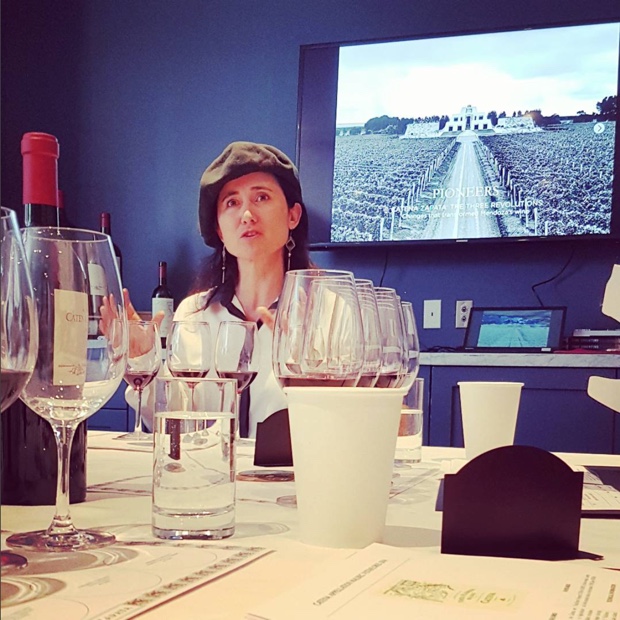

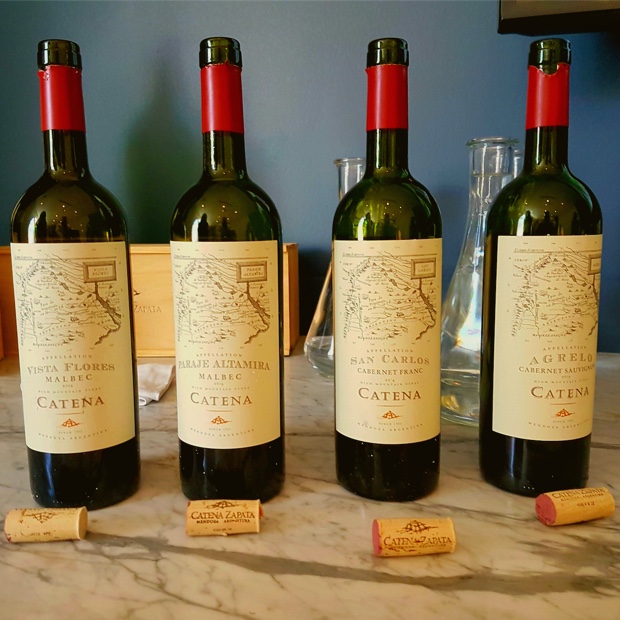
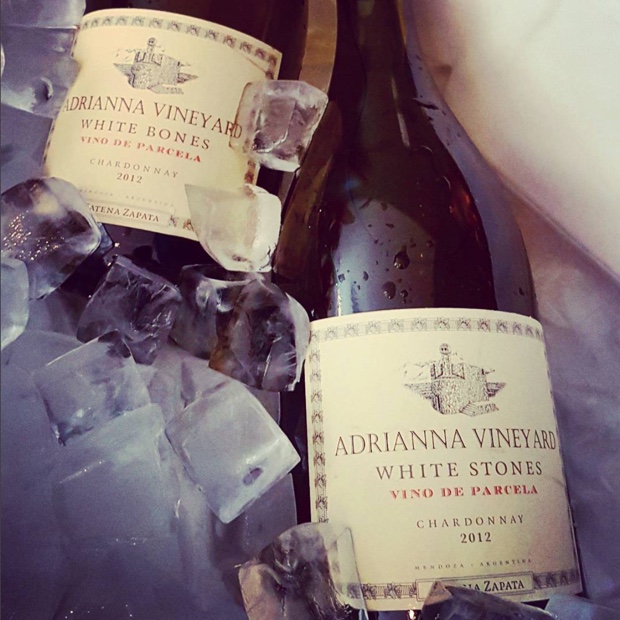
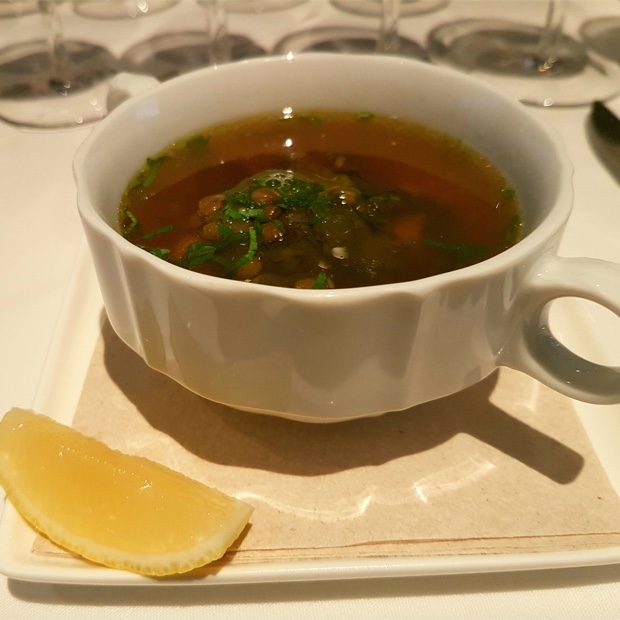
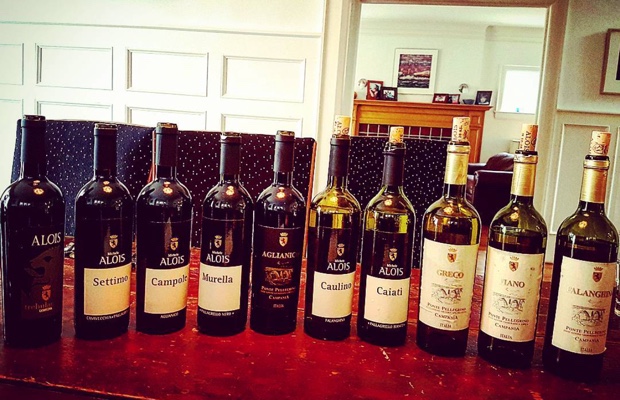
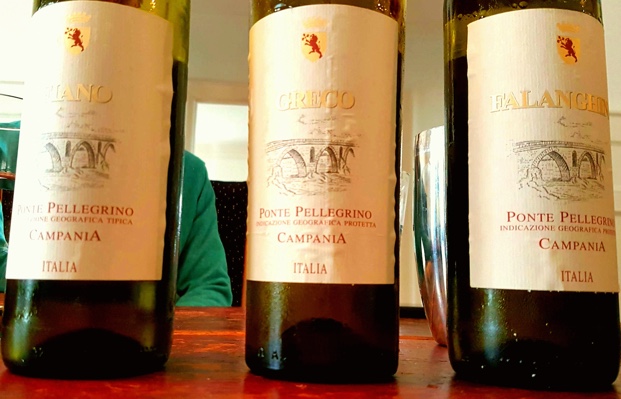
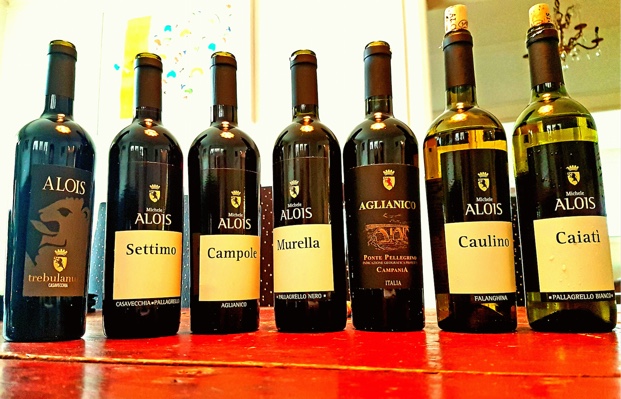
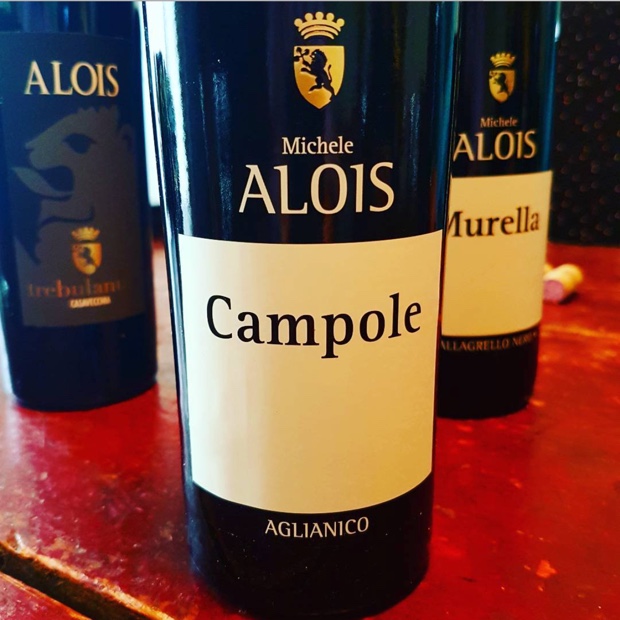
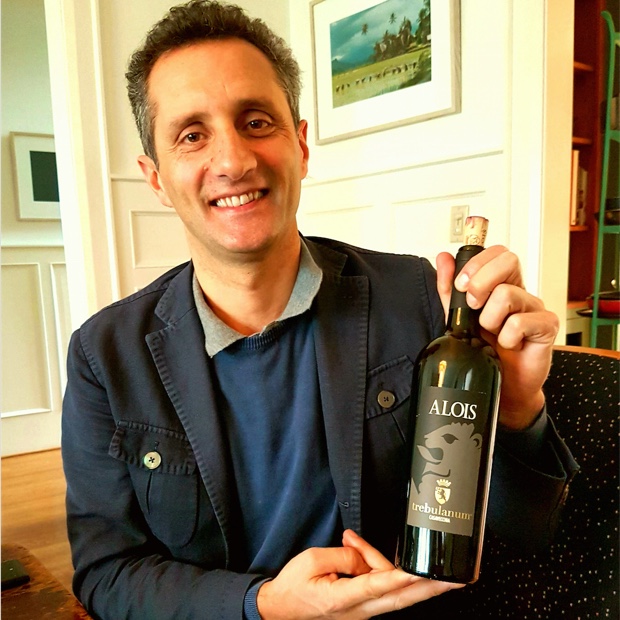
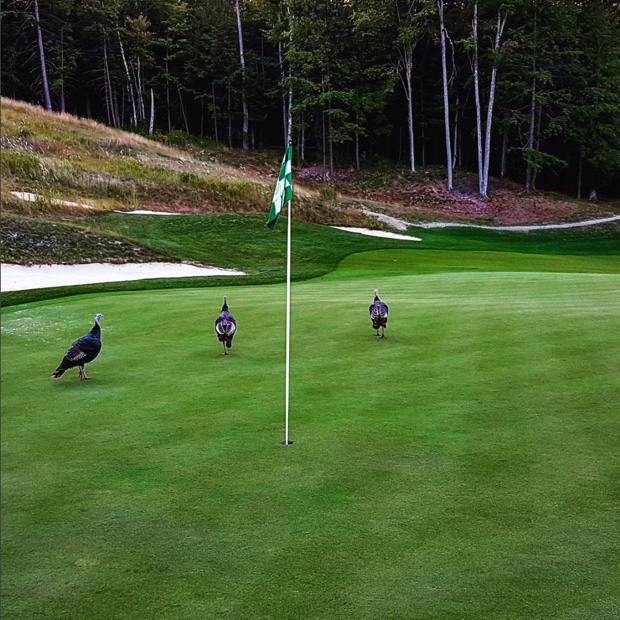
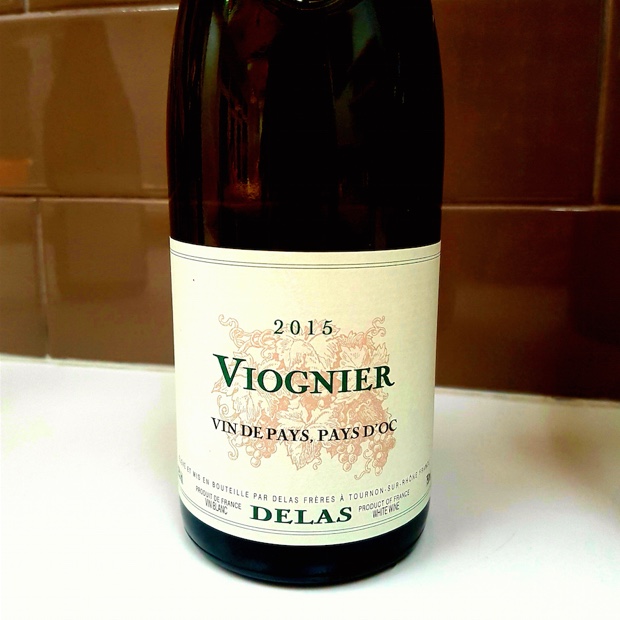
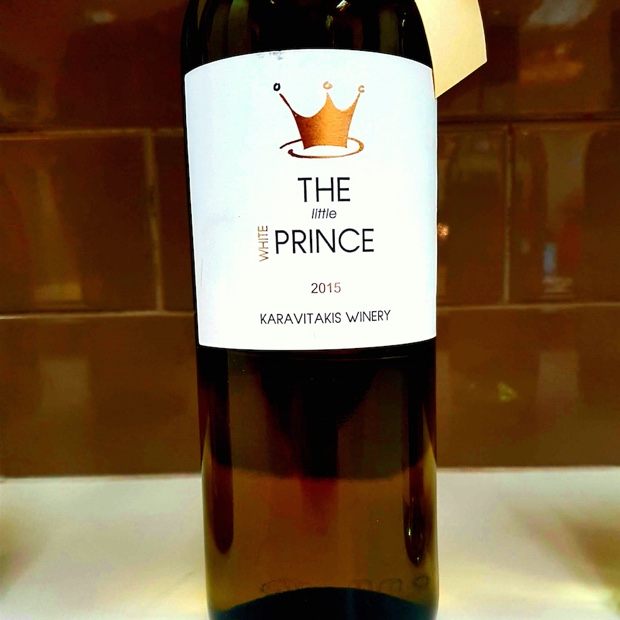
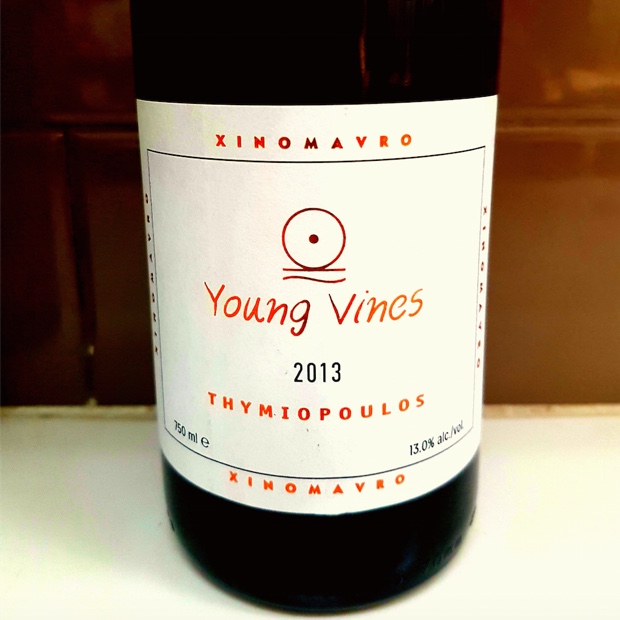
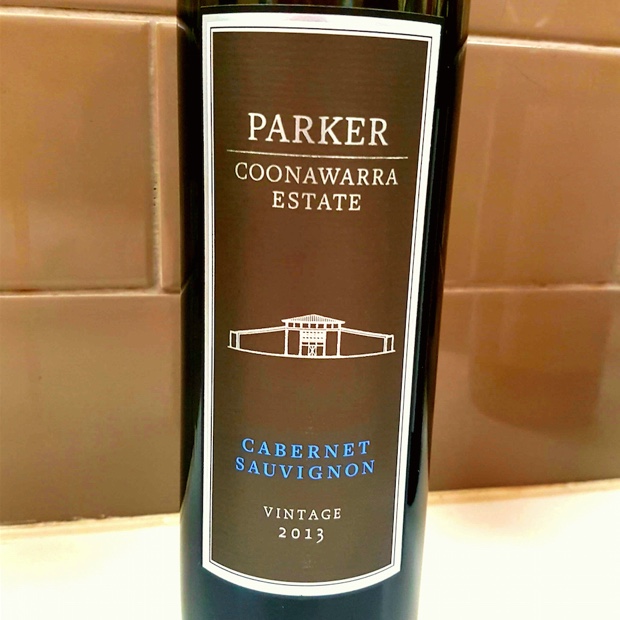
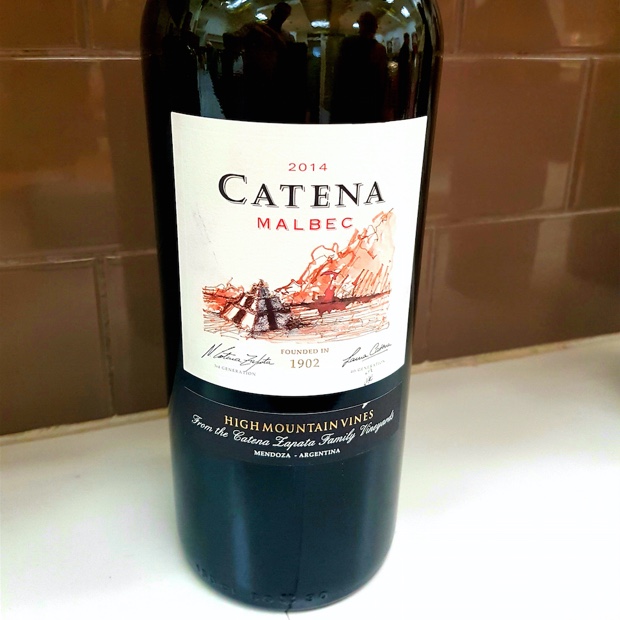

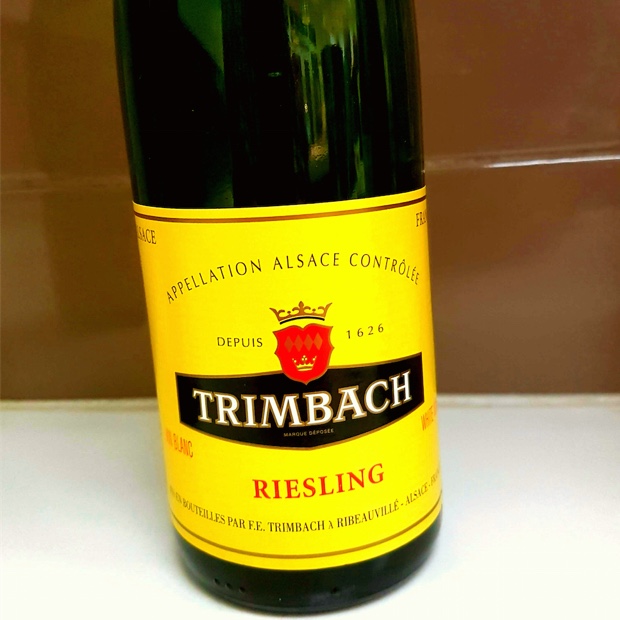
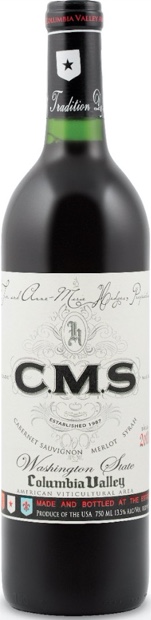
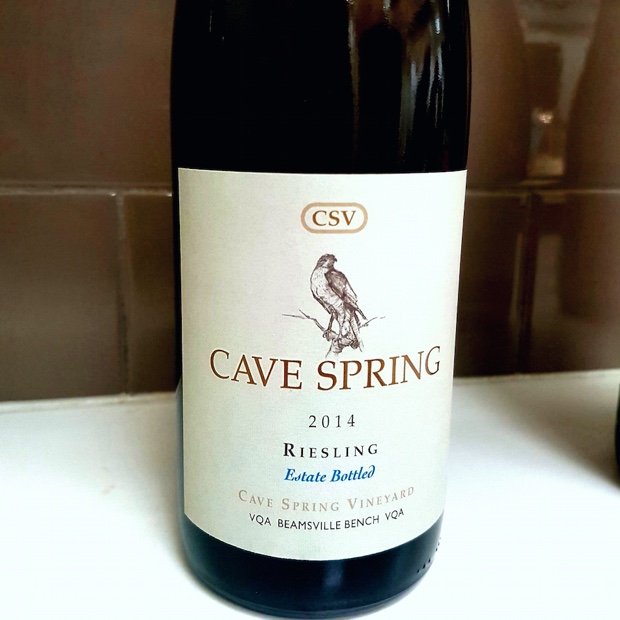
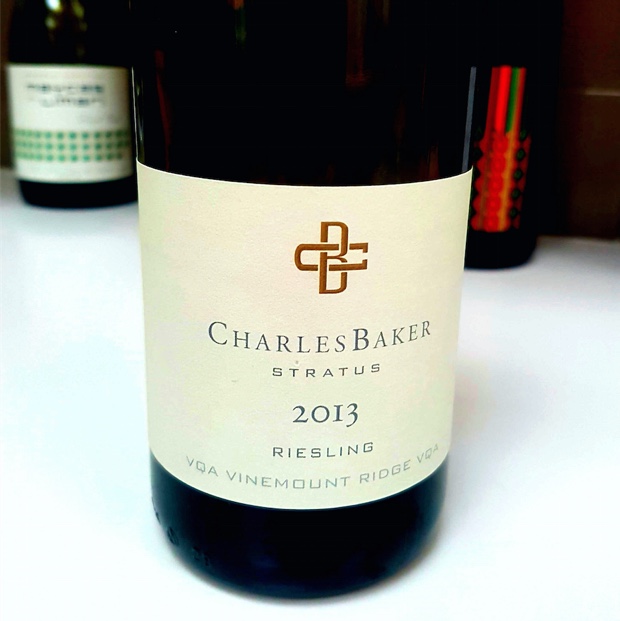

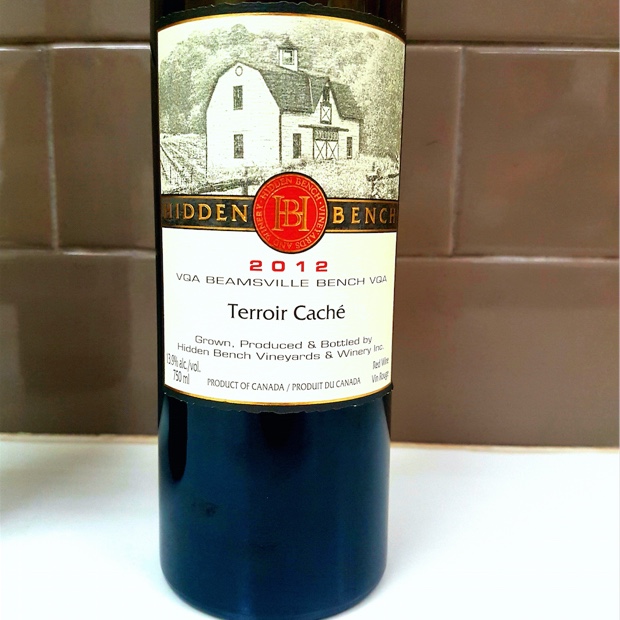
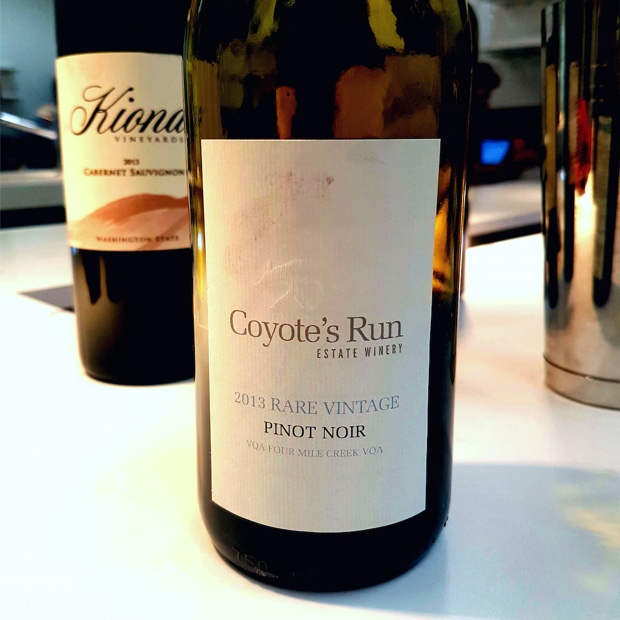
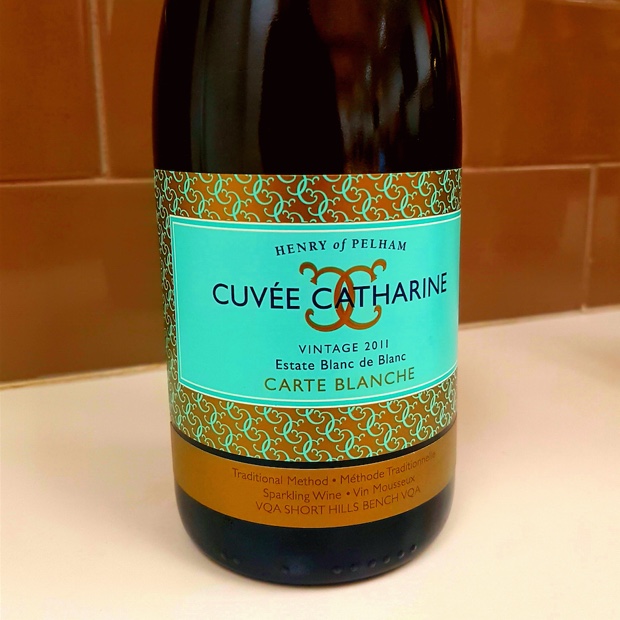


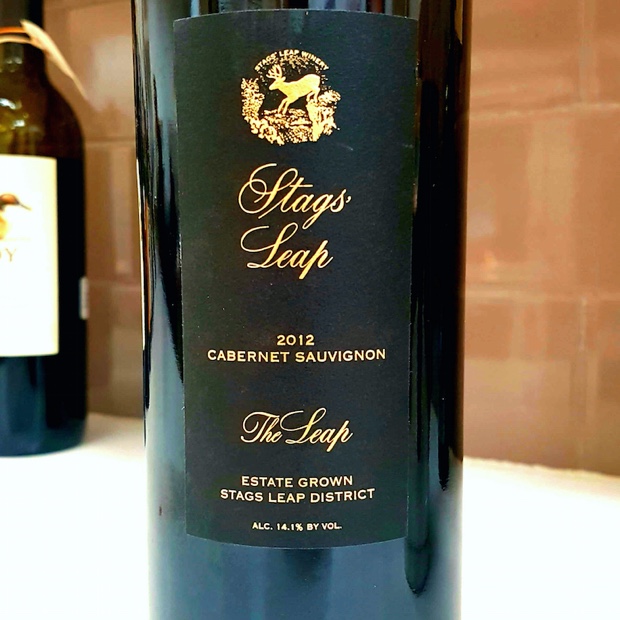
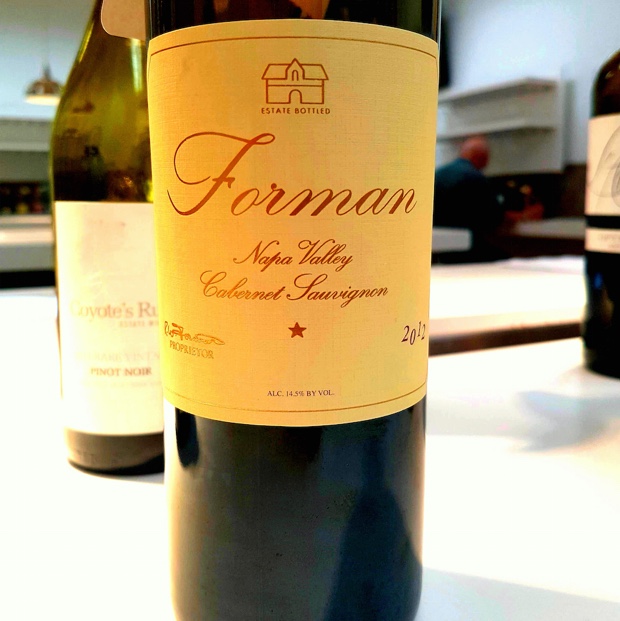
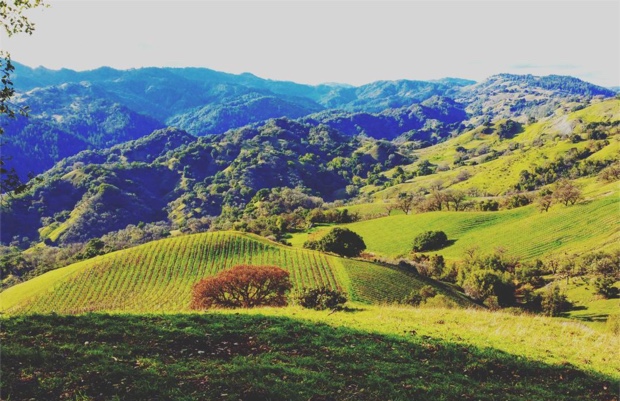
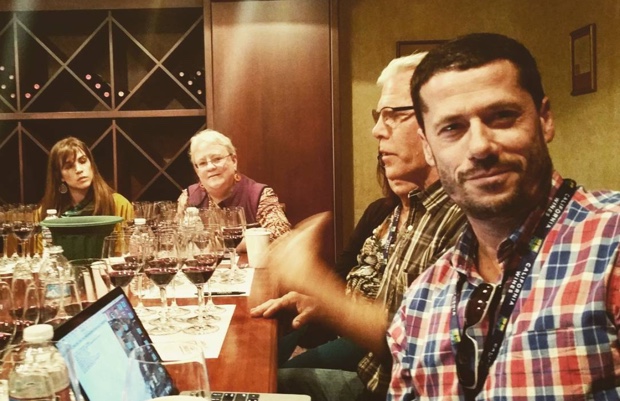
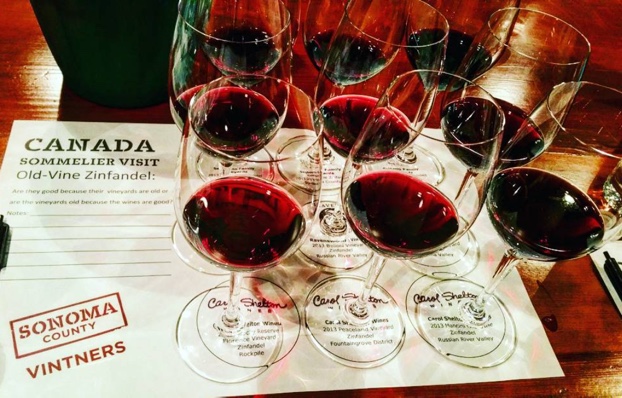
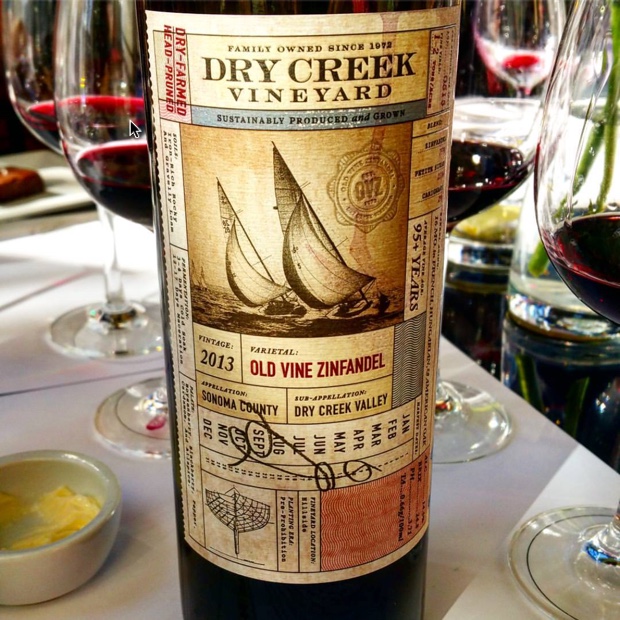


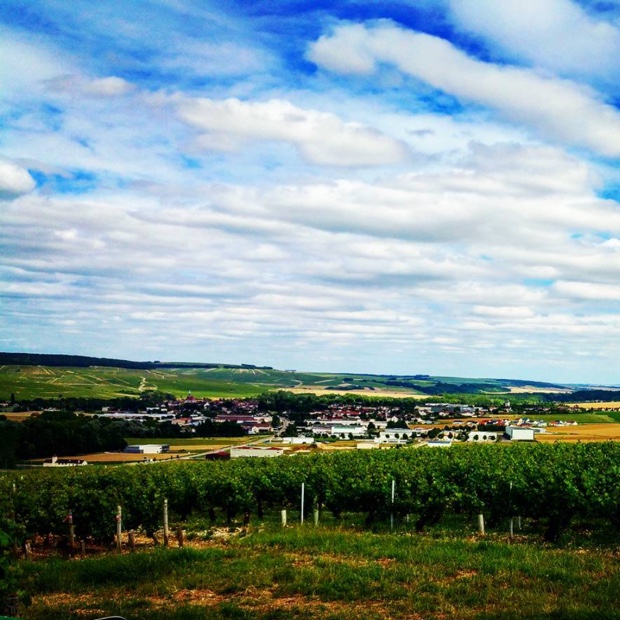
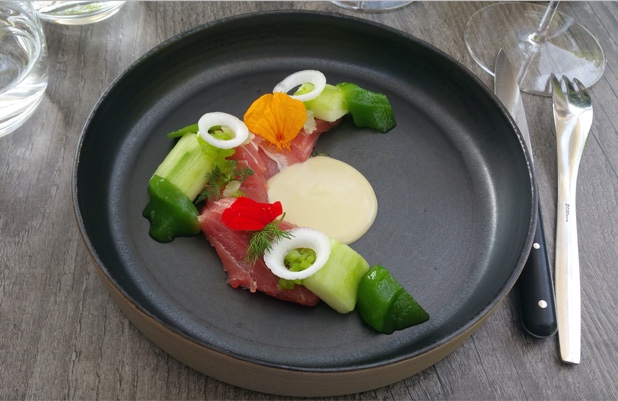

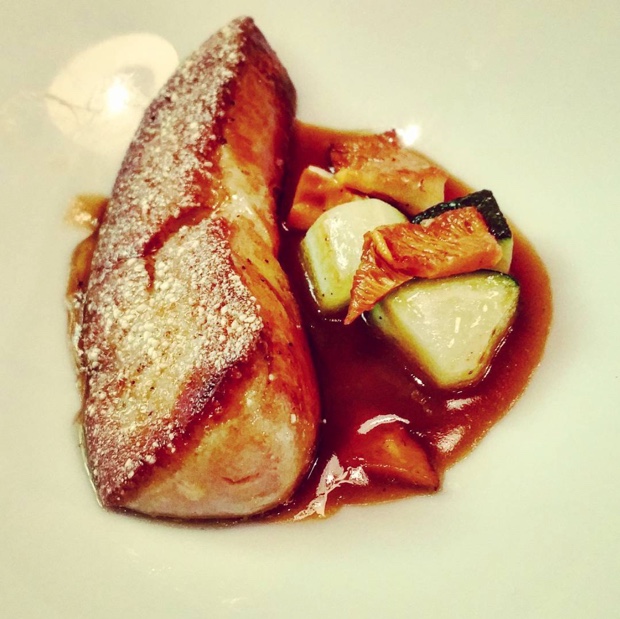

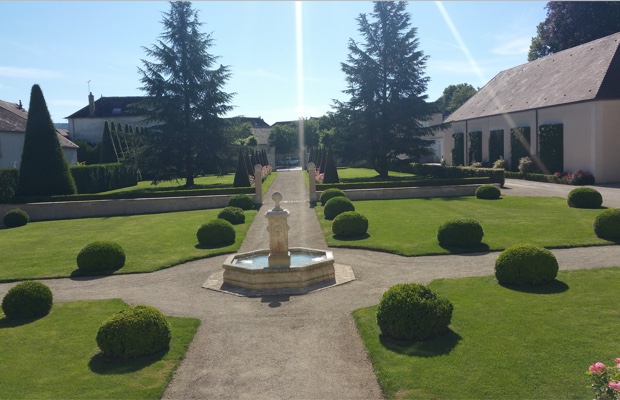
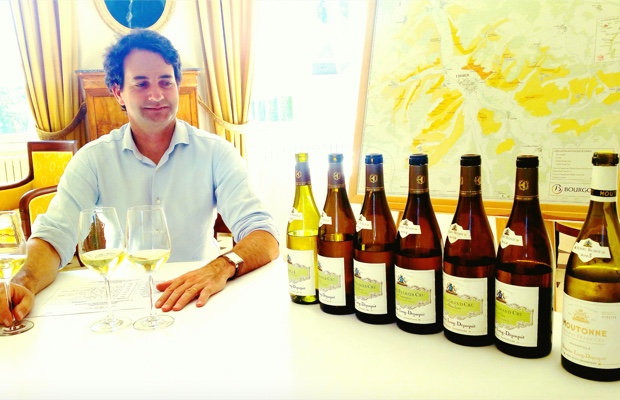

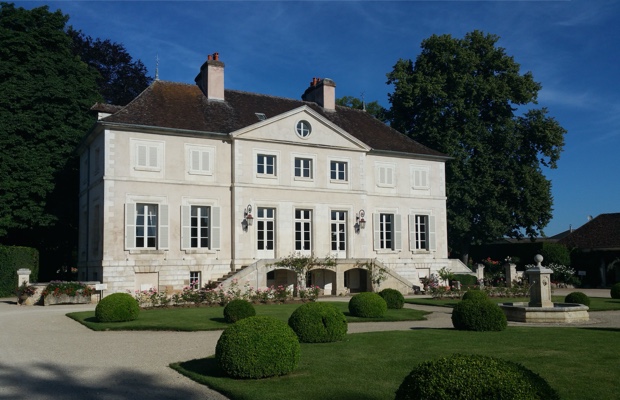


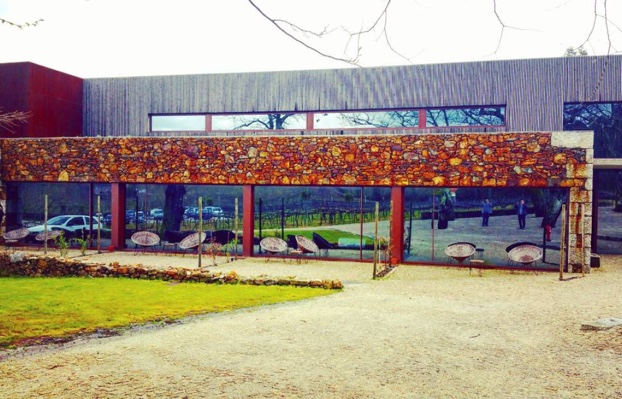
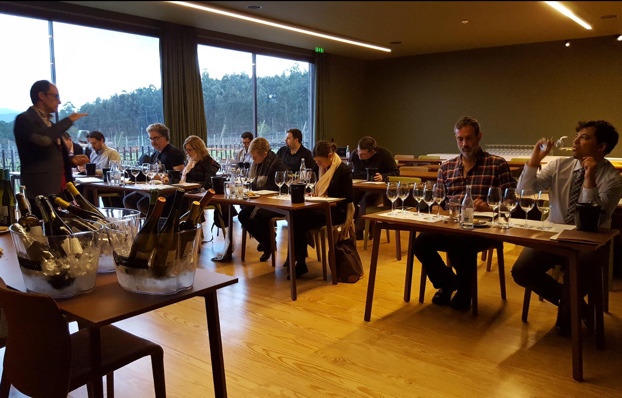
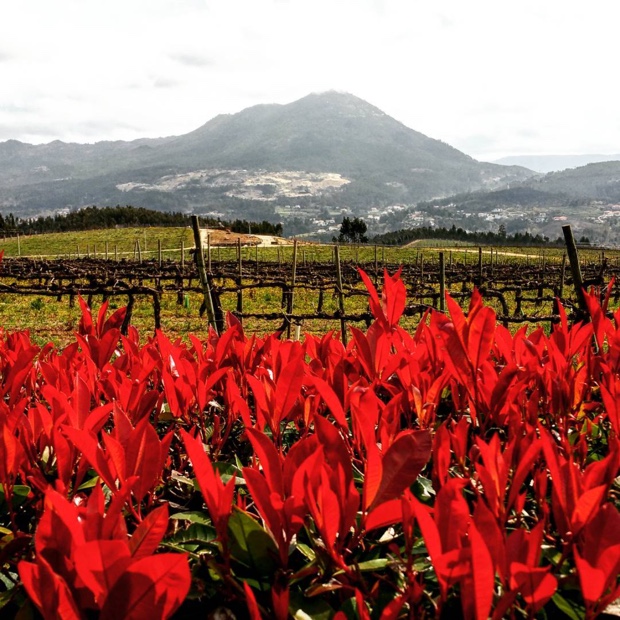
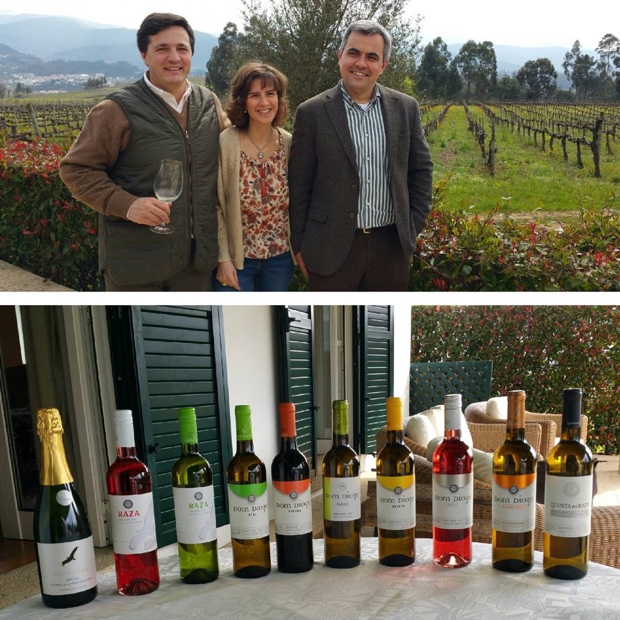
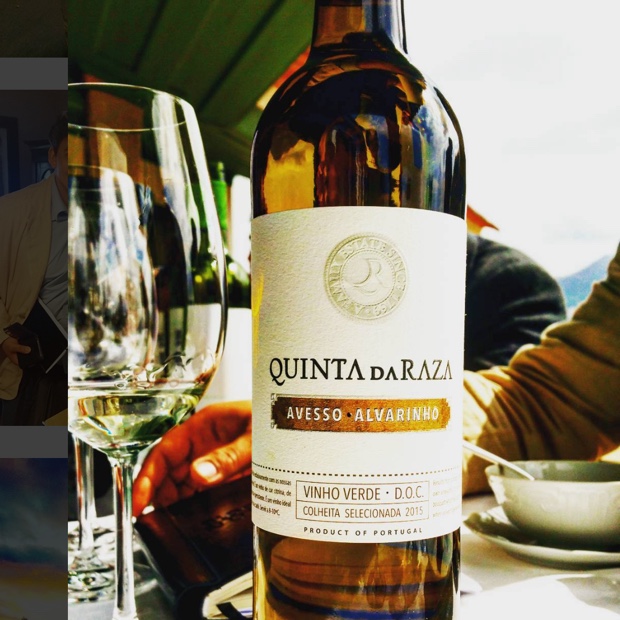
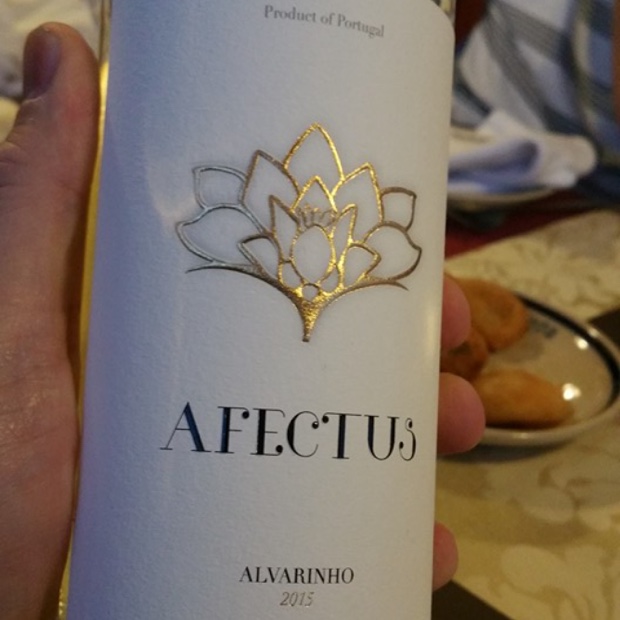
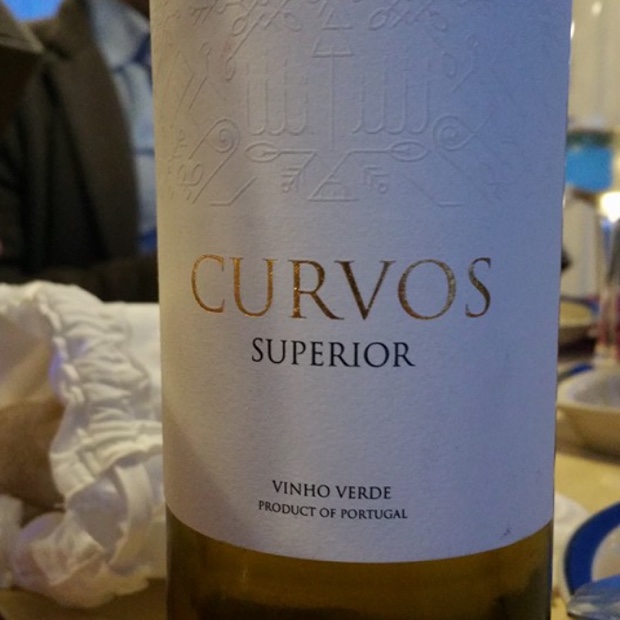
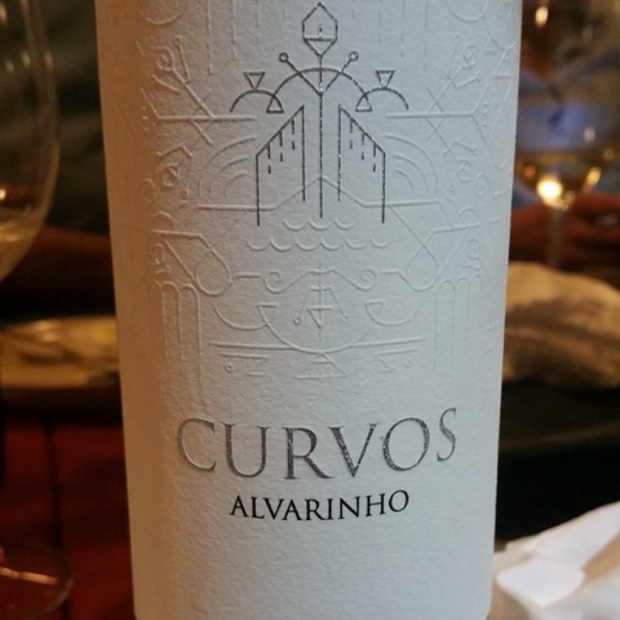
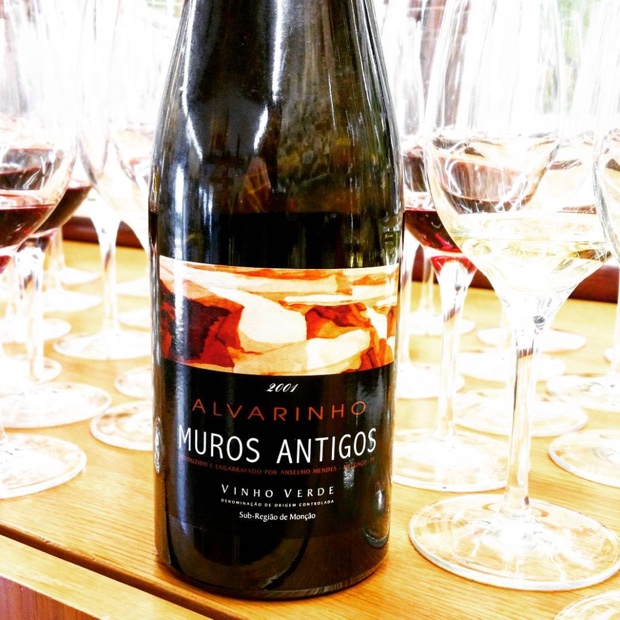
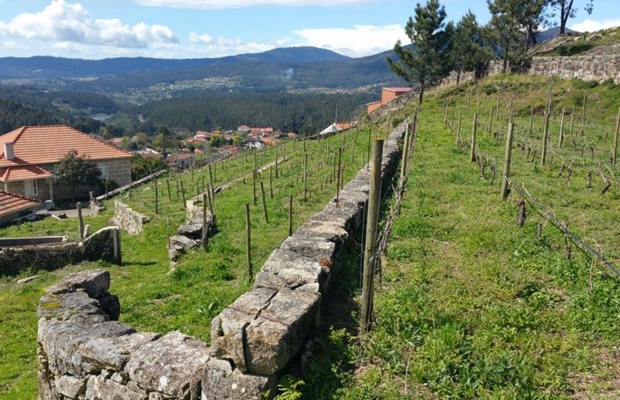

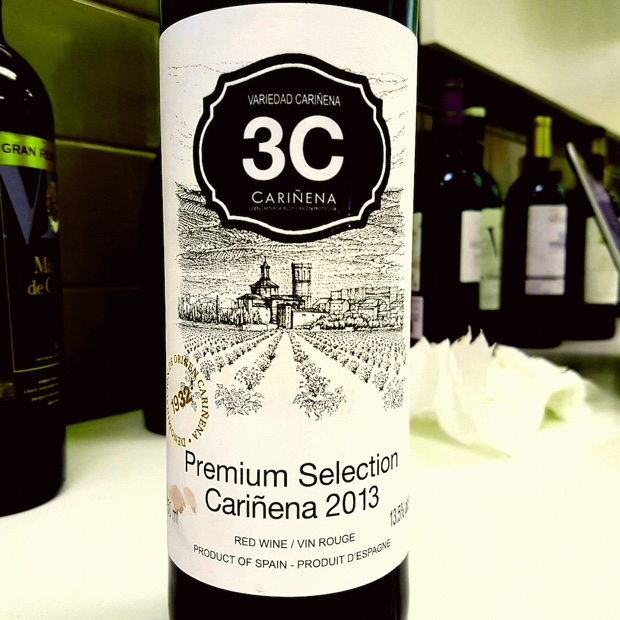
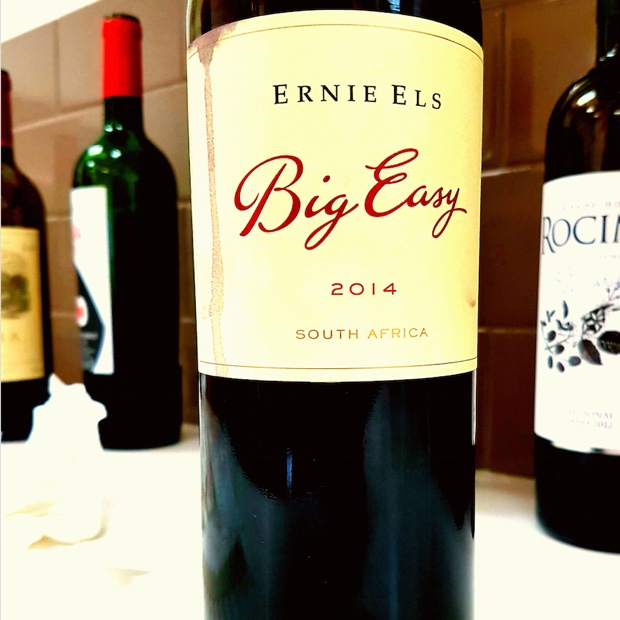
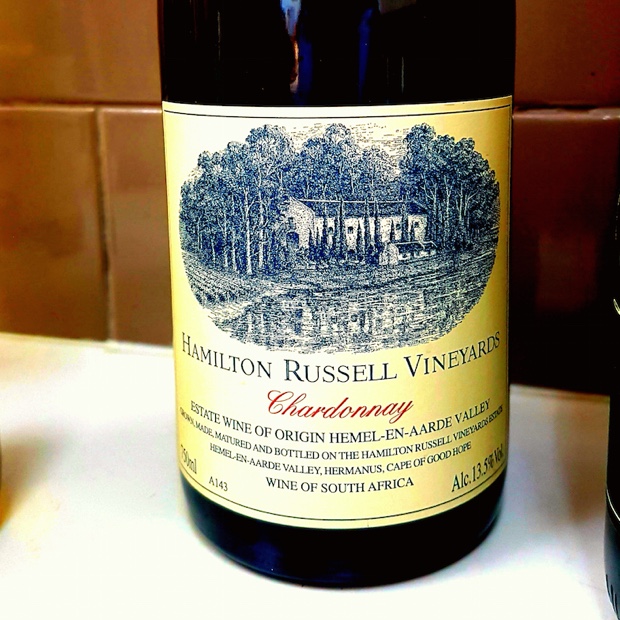
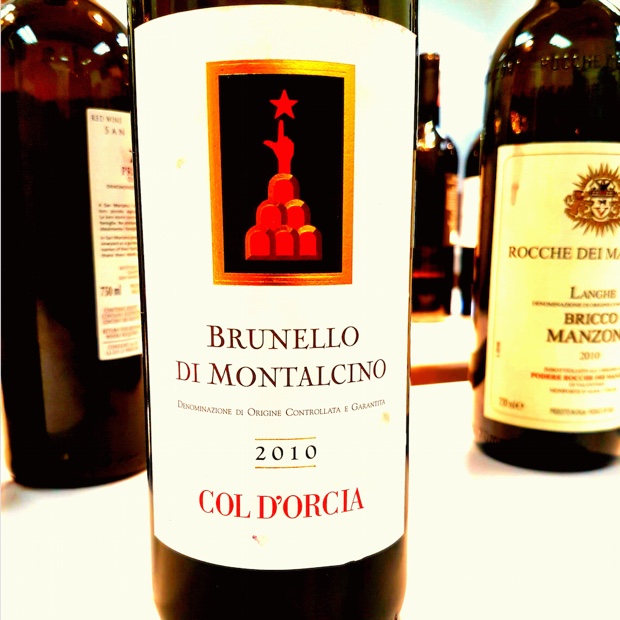


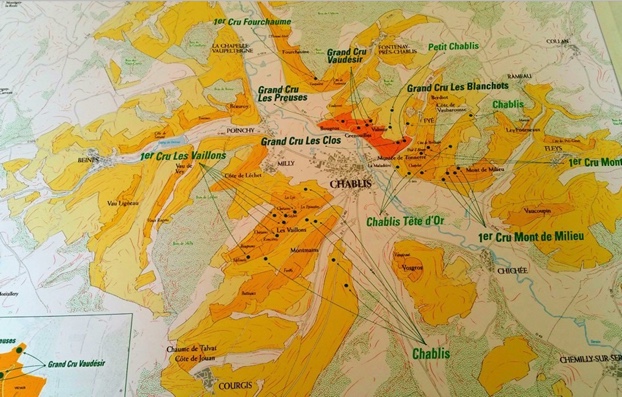
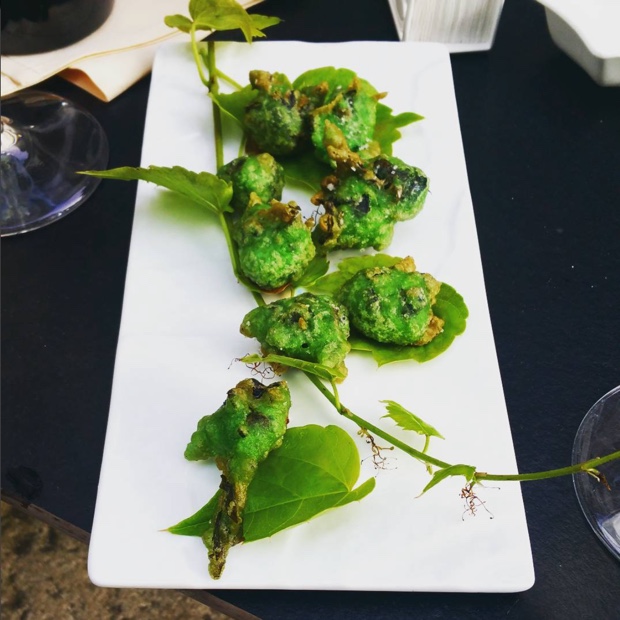
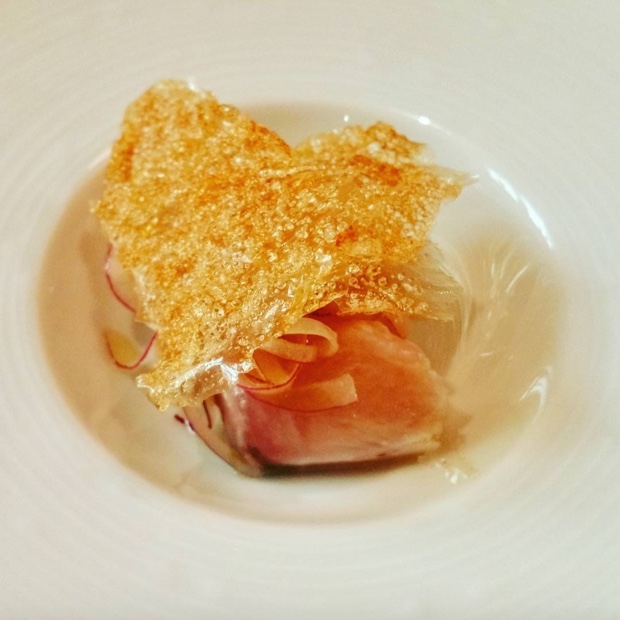
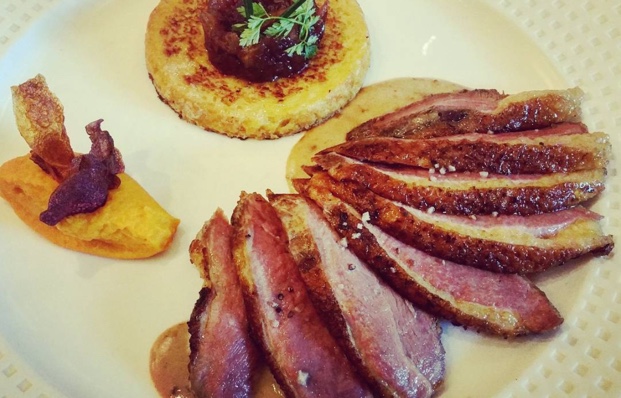
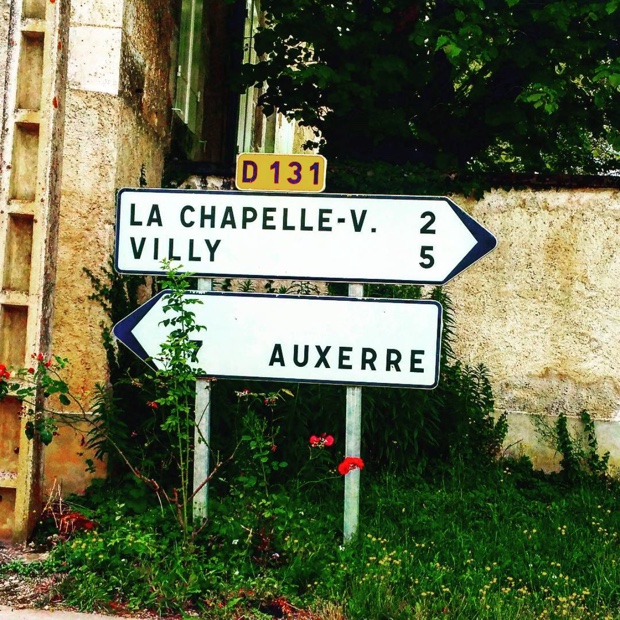
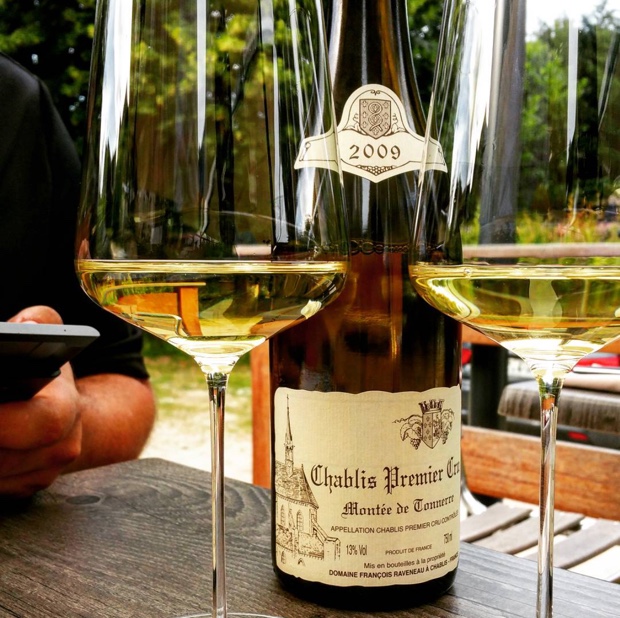
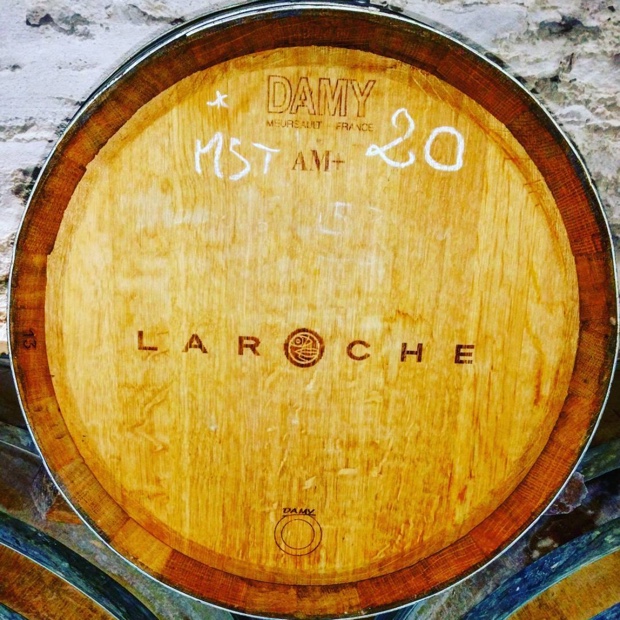
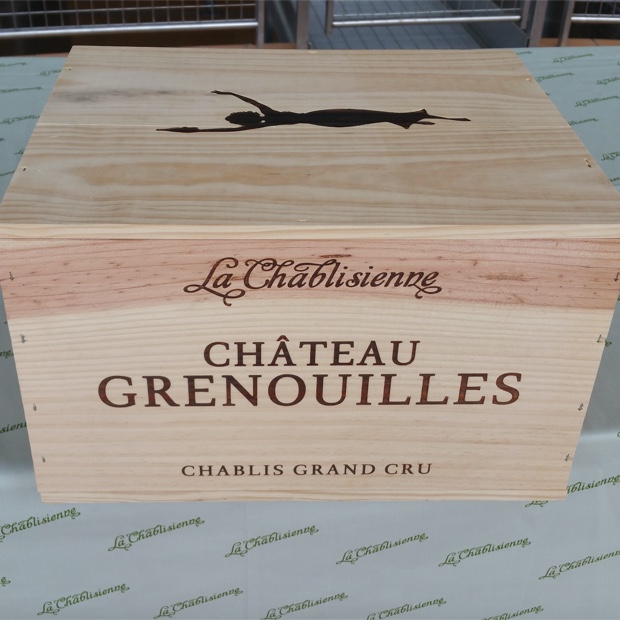
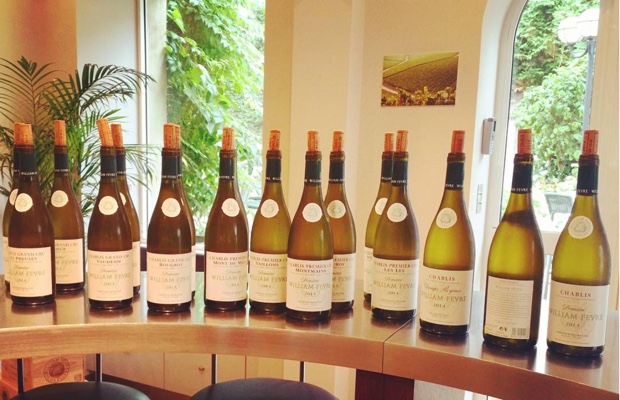
 Godello