Catena out of the bag

inclined-to-think-this-block-has-the-best-microbes-catenamalbec-lauracatenamd-noble_estates-perfectname-adriannavineyard-vinodeparcela-mundusbacillusterrae-catenazapata-winesofargentina-mend

Inclined to think this block has the best microbes @CatenaMalbec @LauraCatenamd @Noble_Estates #perfectname #adriannavineyard #vinodeparcela #mundusbacillusterrae #catenazapata #winesofargentina #mendoza #gualtallary #tupungato

Argentina’s Bodega Catena Zapata is in the throes of self-professed “Three Revolutions.” The first was inspired by Napa Valley, a grand success story that convinced Nicolás Catena Zapata to pursue the consciousness of emulation. He made the decision to plant, cultivate and produce high quality cabernet sauvignon and chardonnay. He infused his high-end domestic red with malbec, initiating a long history for this wine and a technique many others would follow. The old Italian traditions were eschewed for the Calif-French style. Catena has long since brought that wine to the world. The first revolution has been realized.

The development of extreme high altitude vineyards are at the crux of Catena’s second revolution. “When we talk about making a high altitude blend, we are actually taking about making a high altitude family of blends,” says Dr. Laura Catena, by way of introduction to a small faction of Toronto media. Plant selections and cuttings are employed with geneology and lineage. “To me climate has always been defined by latitude. Altitude is an entirely separate component. It’s a fact. Different soils give different flavours. I think the explanation lies in the microbes. Terroir needs to be redefined with these elements.”

Which leads to the third revolution, the current obsession defined by vinous archaeology, as if the Catena team are searching for fossils and signs of ancient life in the soil of their Adrianna Vineyard. They are in fact looking for diversity, variance and permutations, what viticulturists like to call micro-terroir. They are seeking to prove a French theory which attributes 100 per cent wine quality to terroir. Research is the mode de vie and who better to lead the revolution than the Harvard University-educated, biologist and physician Dr. Laura Catena. She and Head Winemaker Alejandro Vigil, along with Fernando Buscema and Vineyard Manager Luis Reginato have created the “Catena Institute of Wine.” What treasures they unearth will unlock the secret to the third “vineyard lot” revolution.
good-morning-lauracatenamd-vinodeparcela-altitudewines-appellationwines

Good morning @lauracatenamd #vinodeparcela #altitudewines #appellationwines

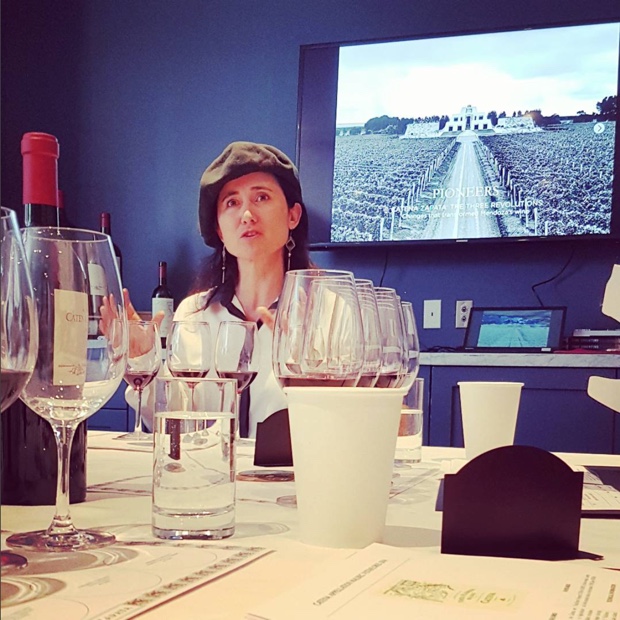
Their website reads “Leña Restaurante by Chef Anthony Walsh is an all-day dining destination, inspired by South American cooking, located at the corner of Yonge and Richmond.” Truer time-gastronomy continuum words are rarely spoken. We arrived early to meet Dr. Laura Catena, listened with great intent as she led us through nine appellation series and Adrianna Vineyard wines and then moved on to lunch. If ducking out early to catch an overseas flight were not an obstacle it would have added up to the better part of an all-day affair. I would have had no problem with that.

We are blessed in Toronto, this close-knit wine community of ours, with access to a never-ending flow of great wine. We are also graced by exceptional humans, wine purveyors, men and women who have assumed the thankless task of procuring the finest available products from around the globe, against all odds beneath the shadow of the world’s most tyrannical liquor system. Hats off to them.

tuna

Leña Restaurante’s Charcoal Bluefin Tuna, baked garlic potato, rapini, mojama, tomato

On November 9th Craig de Blois, Richard Dittmar and Mark Coster of Noble Estates, three smarter than your average bear, stand up guys played chaperone to Argentina’s Dr. Laura Catena in Toronto for this media tasting and trade lunch. We journalists and sommeliers are all well-versed in the Catena portfolio. My WineAlign colleagues and I had recently sat down with winemaker Ernesto Badja for a full-on, wide-scale investigation into a large section of the portfolio. This extraordinary and climat-precise sit-down went much further, deep into the soil for a compendious look at the proselytism of Catena culture.

Much of the discourse with Dr. Laura Catena during this visit focused on the science of soil, of microbes, bacteria and block by block vineyard investigations. I would expand further but I’ll just have to ask you to read the tasting notes below. Each of the very specific wines poured by Dr. Catena is driven by a particular block or a structured pyramid of amalgamated plots and the notes must speak to the science behind each expression. No more questions here. Just read the notes.
catena-appellation

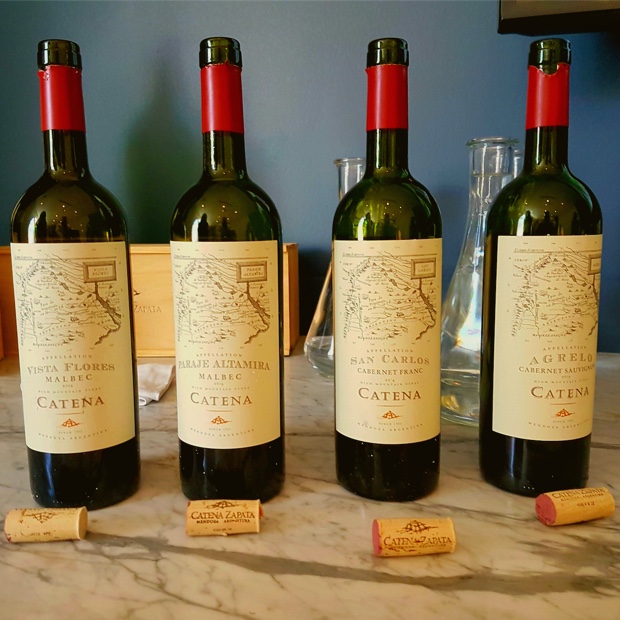
Catena Vista Flores 2014, Mendoza, Argentina (Agent, $22.95, WineAlign)

The humidity of Vista Flores (where there is much more rainfall) makes for another level of compression and density in malbec. A very floral red, from violets and roses, mixed in with deep, dark fruit. The tannins are sous vide and subterranean, throaty, tobacco-laced and rigid. Gifts a soft peppery bite, fine dust, even finer tang, minty meets calcari feel. The purpose here is to elevate Catena’s cabernet sauvignon and malbec essentials into more curious consumer territory. Value here is strong and purposed so there is nothing to fear. Single vineyards are not always commercially sustainable but single terroirs are so much more likely so. This is the epitome of that concept for malbec in Mendoza. Drink 2016-2020.  Tasted June and November 2016

Catena Paraje Altamira Malbec 2014, Mendoza, Argentina (Agent, $22.95, WineAlign)

Paraje Altamira refers to something that is distant, far away, separated, a terroir where plots and places are dotted, separated by one another by some distance. Here Catena procures the flesh of the land with a malbec that delves deeper into earth and clay and procures a fuller, riper rich berry that goes to blue and boys. Though the tones of aromatic intensity and acidity are elevated, the ceiling is finite and the malbec juice is brilliantly protected. The earthy, material funk is all in, in surround and prevalent even as it finishes with the effects of great soil structure variegations. There is modern nebbiolo meets South African schisty syrah from mineral, smoked meat and smoulder in here. It’s got tartare running through its blood. Wow. Drink 2018-2024.  Tasted June and November 2016

Catena San Carlos Cabernet Franc 2014, Mendoza, Argentina (Agent, $19.95, WineAlign)

Here in 2014 the single terroir series cabernet franc by Catena heads in the right direction with elevated aromatic tones, so different than the malbec. Well enough aside and beyond just location, it seems San Carlos accentuates the acidity and the herbal conditioning to fruit, making it taste more like plum and pomegranate than berries. The barrel weighs yet does trod lightly on the ripe red fruit. There is great persistence in its gait, with additional black fruit from currants and berries. The pyrazines are low to almost noon-discernible. Drink 2017-2021.  Tasted June and November 2016

Catena Agrelo Cabernet Sauvignon 2014, Mendoza, Argentina (Agent, $22.95, WineAlign)

The aromatics fly from this four vineyard blend, more than the malbecs and certainly with haute plaisir as compared to the cabernet franc. The far-reaching amalgamation comes by way of La Pirámide Vineyard in the Agrelo district of Luján de Cuyo, Domingo Vineyard in the Villa Bastías district of Tupungato, Nicasia Vineyard located in Altamira in the La Consulta district of San Carlos and the high-altitude Adrianna Vineyard in the Gualtallary district of Tupungato. Travels well beyond fruit into florals and a sense of one another’s cumulative soil. What happens in Agrelo’s soils reacts with cabernet sauvignon or rather it allows (or encourages) these vines to draw something other. Something that is deep into a richness of tang, not an elevated acidity but a round and circuitous one. Balance is unearthed (literally) and this wine is extremely fresh, in fact it’s bloody delicious. A bit dusty and a few drops of bitters fall into it late so there is a minor sense of char and tar. Lingers like cabernet can and should. Drink 2016-2020.  Tasted November 2016
"Bones sinking like stones, all that we fall for." @LauraCatenamd we live in a beautiful world when #chardonnay does this, and that #adriannavineyard #catenawines #bodegacatenazapata #gualtallary #tupungato #mendoza #vinodeparcela #whitebones #whitestones

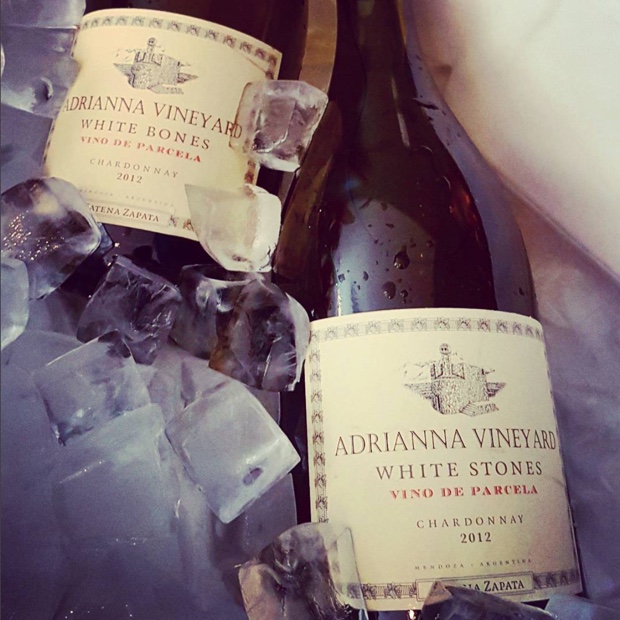
“Bones sinking like stones, all that we fall for.” @LauraCatenamd we live in a beautiful world when #chardonnay does this, and that #adriannavineyard #catenawines #bodegacatenazapata #gualtallary #tupungato #mendoza #vinodeparcela #whitebones #whitestones

Bodega Catena Zapata Adrianna Vineyard Chardonnay White Stones 2012, Mendoza, Argentina (Agent, $81.00, WineAlign)

The White Stones chardonnay from the altitude-aromatic-accelerating Adrianna Vineyard is part of Catena’s third revolution, in concert to understanding soil, led by Laura Catena, beginning here. From Laura’s passion for “parcelas,” micro-level soil locations, going back to an investigation that began in 2000. In a locale above a dried riverbed, leaving big rocks, limestone, sand and more rocks in various locations, with the use of 70 parcel bits per hectare showing what is where. Stones on the soil’s surface help to facilitate and create a micro-climate of warm days and very cold nights. From the outset it has to be said that no chardonnay from the southern hemisphere has ever intimated Burgundy as one smell and one taste as here it has done. It is noted as an impression deeply internalized from this single parcel within the vineyard. There are sticks and stones in elegant lines, subtle, demurred white flower aromas, lime-creamy fruit, petals and rock. A wow mouthfeel and flavour intensity. Wild-eyed acidity. All this could not have been laid clear, or bare, a year ago. Drink 2016-2020.  Tasted November 2016

Bodega Catena Zapata Chardonnay Adrianna Vineyard White Bones 2012, Mendoza, Argentina (Agent, $110.00, WineAlign)

The flip side of the Adrianna Vineyard is the antithetical White Bones, also part of Laura Catena’s third revolution, investigating and culling acuity from soil through the breakdown of the “parcelas.” These micro-level soil locations were first dissected in 2000 for the purpose of deconstructing Adrianna’s block-by-block diversity. The Bones necessarily draws from the ancient riverbed below, from its single parcel limestone, sand and rocks within the vineyard, though it seems quite deferential to the White Stones. It’s somehow fleshier and corporeal, of similar sticks but less stones. More bones, like an arm outstretched from the crackling skin of the roasting bird or swine. More gastronomy in that sense, less cool-climate and limestone a mere twinkle, not a shard or karst stuck like a needle into that arm. But the palate returns to join the stones with citrus and intensity. Chardonnay of concentration and balance with the soil crumbling like bones, shells and fossils into what is best described as Chablis. Drink 2016-2021.  Tasted November 2016
chicken-soup

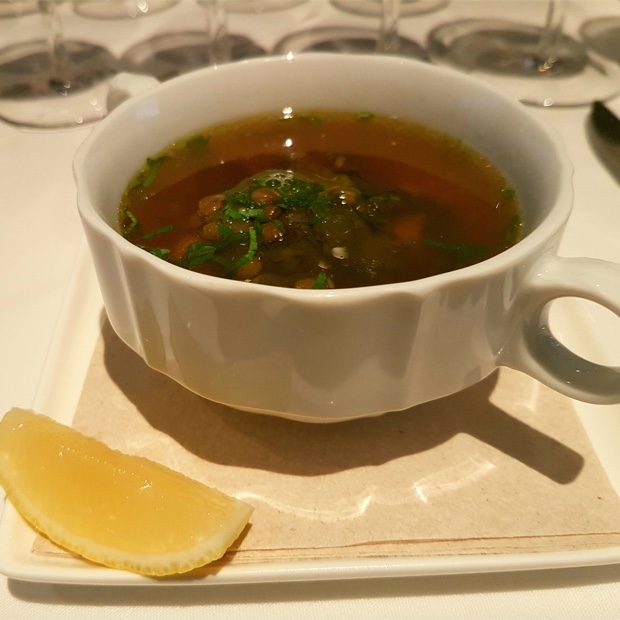
Leña Restaurante’s Mushroom and Lentil Soup, roasted chicken, swiss chard, lemon

Nicolás Catena Zapata 2011, Mendoza, Argentina (396960, $110.00, WineAlign)

The epiphany came after Jacques Lurton told Nicolás Catena “your cabernet sauvignon reminds me of the Languedoc.” So Nicolás went back to Argentina and planted at 5,000 feet of elevation. History changed. So the coolest (others insisted “you will never ripen at this altitude”) site produces this dry, dusty, intense cabernet sauvignon, the kind you can’t deny is possessive of powers unable to resist oozing dark black currants, chocolate and spice. Try musing about holes on the palate and if you find one it’s black into which once entered reveals no exit point. The back is very chocolate driven, of dark cacao, bitterless and strong. Note the balanced intervals of structure by fine-line drawn architecture and see where this will travel. For 10 more years until the fruit begins to dry and shrivel to further intensify. The mind’s obsession keeps returning back to the middle palate that drives the machine. Drink 2018-2024.  Tasted November 2016

Catena Adrianna Vineyard Fortuna Terrae Malbec Vino De Parcela 2012, Mendoza (Agent, $130.00, WineAlign)

Catena’s Adrianna has clearly emerged as its most important vineyard and its biological dissolution is spurred by Laura Catena’s medical state of being and an unpropitious thirst for viticultural, micro-level knowledge. The analogical thinking machine delves deep into soil locations from an investigation that began in 2000. This section of Adrianna draws aridity and subtlety (as opposed to power) from the subterranean riverbed, leaving the big rock and heavy clay impart to others. From this single parcel within the vineyard the surprisingly attenuated and reserved character creates a new order for malbec, from Catena and the single-vineyard entablature. Quite pretty, floral and less volatile than not just Catena’s way but Mendoza malbec as a thing. A natural cure in the flavour profile tends to salumi and comes late. But even more respect is awarded because the overall personality is achieved without shrouding, sheathing or smouldering. It’s a very transparent malbec of extreme clarity, engaging and inviting. Singular actually. Drink 2018-2025.  Tasted November 2016

Catena Adrianna Vineyard Mundus Bacillus Terrae Malbec 2011, Mendoza (Agent, $325.00, WineAlign)

In this extremely specific malbec from a diagnosed block of the Adrianna Vineyard we are graced with the micro-science of wine. And if you feel that using the name of an aerobic bacteria in the nomenclature is an odd choice, consider the mind of Dr. Laura Catena and her biological approach to viticulture. If we can understand and differentiate the microbes in the soil we can make better wine. It’s as simple as that. When wine is broken down to the biological level is becomes something entirely different and this is the road travelled by the Mundus Bacillus. Catena’s usage of 70 parcel pits per hectare has unearthed this single parcel within the vineyard, again completely different and the pinpointed microbial discussion initiates right here. The soil stakes a claim for this malbec only, certainly not in any way that tends to funk but surely as an impresario of soil. Talk about eugenics in the MBT because that science is compelling and can be related to in this wine. It can offer keys towards improving genetic quality of the vinous population. Here we are faced with rich and dusty, a mean streak of malbec intensity made elegant by earthly microbes. This section draws parallels to the (chardonnay) White Bones soil from which there transfers an excess of dry extract and tannin. Patience please for a malbec that will be long lived. Drink 2019-2027.  Tasted November 2016

inclined-to-think-this-block-has-the-best-microbes-catenamalbec-lauracatenamd-noble_estates-perfectname-adriannavineyard-vinodeparcela-mundusbacillusterrae-catenazapata-winesofargentina-mend

Good to go!

Twitter: @mgodello

Instagram: mgodello
WineAlign

Outward and inward nines for November 12th

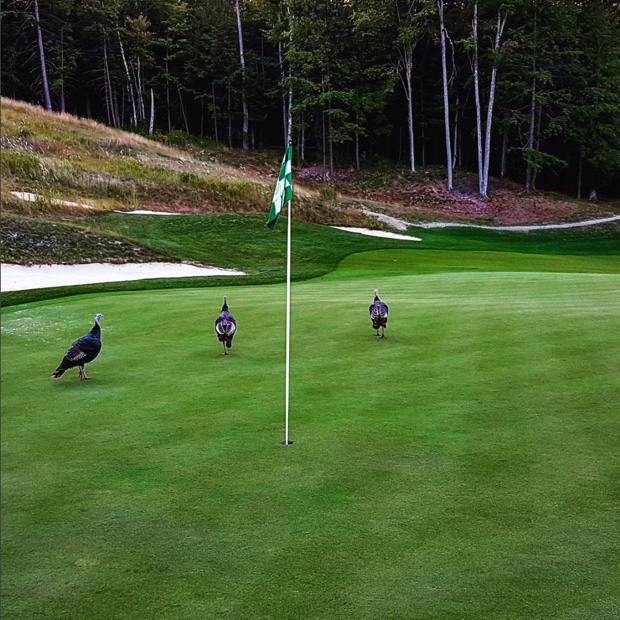
Can somebody get the pin? The ninth green at Summit Golf & Country Club

Can somebody get the pin? The ninth green at Summit Golf & Country Club

This will be the last weekend of play for most southern Ontario golf courses, or at least the ones who are smart enough to lock down and protect their precious 7,000 yards of turf from irreparable 2017 damage. For many players there are two seasons, golf and wine buying. Now that the exceptional 2016 year of 50-plus, sunshine-blessed rounds of 18 are done, the time has flipped over to loading up for the holidays and stocking the cellar.

My outward and inward nine recommendations from the VINTAGES November 12th release cover one and then the other. The front is marked by balance relative to par; wines of value, amiability, varietal purity and regional respectability. Just have a look at some of these iconic names: Delas, Catena, Trimbach, Gabbiano, Hedges and Cave Spring. The back takes swings into under and over par territory. Some are choices that polarize with buyers, critics and geeks. Are they worth the cash? Only you can be the judge. Along with some of Niagara’s greats are selections that include Chablis, Gran Selezione, Veneto and Napa Valley.

So put away the sticks and hit the stores. Here are my top 18 recommendations coming to VINTAGES this weekend.

Front Nine

delas

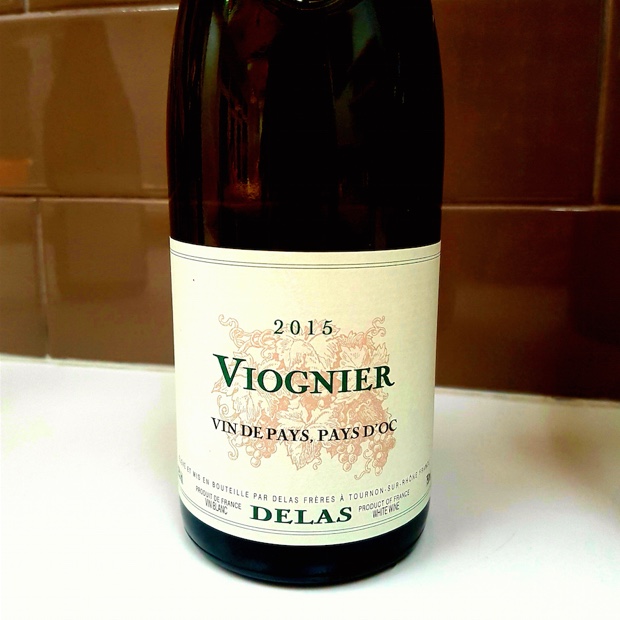
Delas Viognier 2015, Vins De Pays D’oc Rhone, France (462465, $13.95, WineAlign)

Pretty darn textbook viognier in the broadest sense of the varietal word, aromatically waxy, tropical and medicinal. The low alcohol, high flavour and commercially managed acidity is balanced by cream and citrus. No more, no less, precise and managed with utmost professionalism. Drink 2016-2019.  Tasted October 2016    @VINSRHONE  @UNIVINS

karavitakis

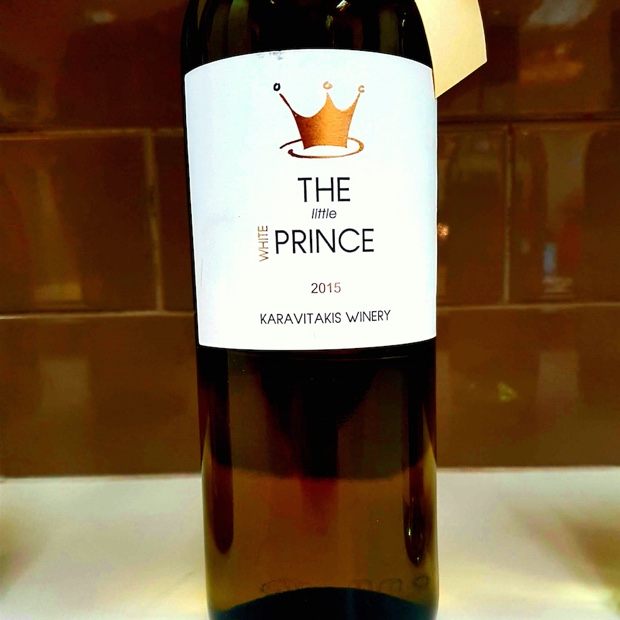
Karavitakis Winery The Little Prince White 2015, Crete, Greece (465930, $14.95, WineAlign)

Here an interesting bit of local vernacular, Cretan style, with vilana (65 per cent) and vidiano (35) dishing up a distinctly and singularly endemic mineral impression by way of subtle hints from tropical fruit. The palate is rich, broad and marzipan creamy. The acidity is round and rambling, tying the whole kit and Crete kaboodle together. A worthy side venture into the Greek Aegean hinterland. Drink 2016-2018.  Tasted October 2016   @karavitakiswine  @VictoryWine  @winesofcrete  @DrinkGreekWine

thym

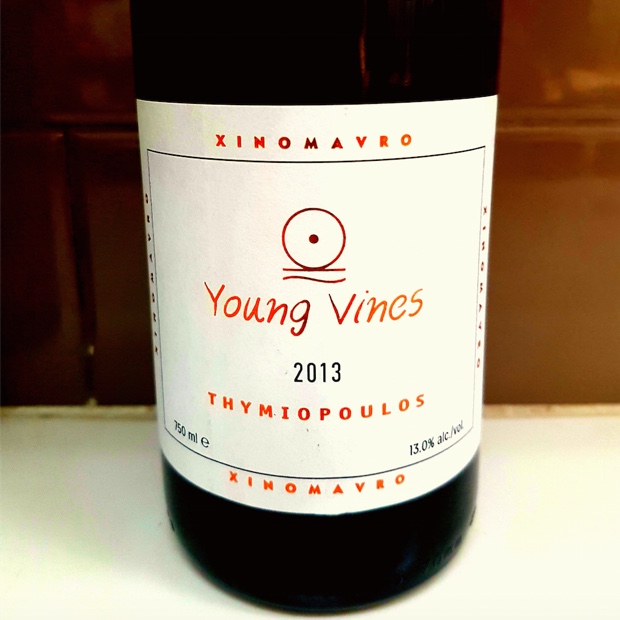
Thymiopoulos Vineyards Young Vines Xinomavro 2013, Naoussa, Greece (466474, $17.95, WineAlign)

The Young Vines is an orange to the Earth and Sky’s apple, of a change of fruit and a pace that is hot off the press. Yet it is not without some ancient wisdom. In some new world sites vines up to 15 years of age would be considered old growth adults. In a Greek vineyard like that of a Naoussan like Thymiopoulos, they are babies of the sun. The Xinomavro here is fresh, momentarily acts strikingly brazen, bracing and ultimately, blatantly beatific. With a glass of the young vines in hand to it I say, “it’s not the pale moon that excites me, that thrills and delights me. Oh no, it’s just the nearness of you.” Like Norah Jones in a glass, sultry, contemporary, lightly smoky, of a jazz aesthetic and a pop sensibility. And wild berries. So fresh, so good. Drink 2015-2019.  Tasted May 2015

parker

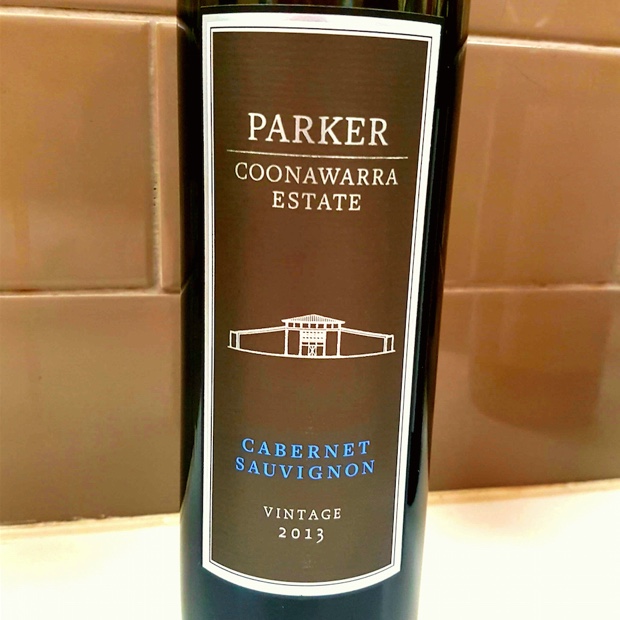
Parker Coonawarra Series Cabernet Sauvignon 2013, Coonawarra, Limestone Coast, South Australia, Australia (467571, $19.95, WineAlign)

The Coonawarra Series cabernet sauvignon is predominantly sourced from the Williams family vineyard (like that of the chardonnay) in Southern Coonawarra. There can be no separating Terra Rossa soil from what happens with (especially) cabernet sauvignon anywhere in the Coonawarra. Very cool and savoury cabernet with tart cranberry, currant and black raspberry aromas. Really crunchy, chewy and gritty wine with focus and grip. Drink 2017-2020.  Tasted October 2016  @parkerwine  @CoonawarraWine  @Select_Wines  @Wine_Australia

catena

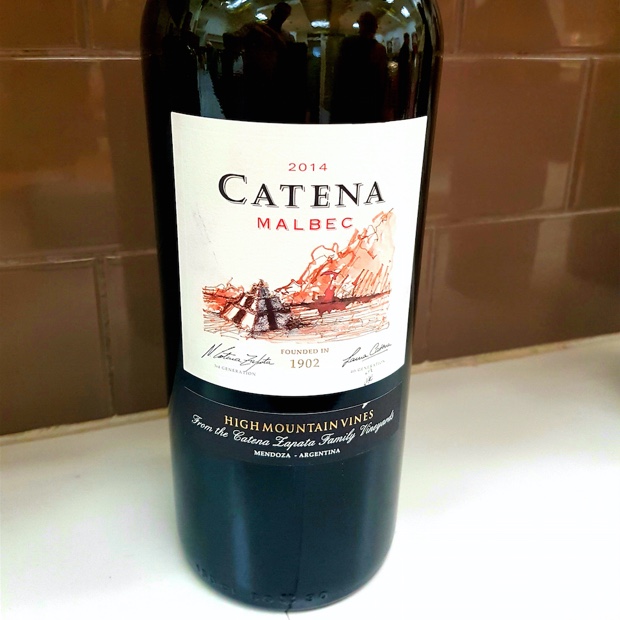
Catena Malbec 2014, Mendoza, Argentina (468066, 1500ml – $39.95, WineAlign)

High mountain vines bring more than altitude to Catena’s most commercially visible and successful malbec. In magnum format it accentuates the herbs and the dry, dusty qualities. In here there is sweetness but from tannin and extract. Acidity is the catalyst to make this sing a mountain hymn. Such proper winemaking brings rain. Love the format. Drink 2017-2020.  Tasted October 2016  @LauraCatena  @CatenaWines  @ArgentinaWineCA  @winesofarg  @Noble_Estates

gabbiano

Castello Di Gabbiano Chianti Classico Riserva 2013, Docg Tuscany, Italy (216309, $22.95, WineAlign)

First and foremost it is the wood, or the lack of wood that stands out in the CCR 2013. It may be observed as a different kind of wood, less polished and more natural but what really wins out is the fruit. The cherries are surfeited by impressed tannin and linger with good tonic for a good length of time. Great restraint shown by winemaker Federico Cerelli. Drink 2018-2024.  Tasted June 2016  @castgabbiano    

trimbach

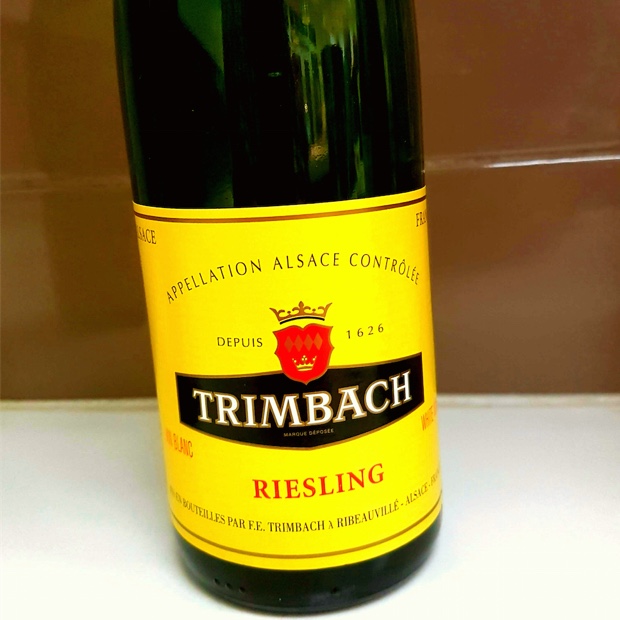
Trimbach Riesling 2013, Ac Alsace, France (734517, $23.95, WineAlign)

What pray tell might you ask more than this from Alsace riesling? Could you, would you demand more immediate gratification? Might you request more purity and clarity of soil, rock and regional understanding? Is there a need to better define citrus and dry extract in any finer way? Trimbach has it down and few can pinpoint with fewer words and more direct impression. How things ought to be. A tight vintage though, so wait 18 months before embarking on chapter one. Imagine the Cuvée Frédéric Emile possibilities. Drink 2018-2023.  Tasted October 2016  @trimbach  @annetrimbach  @WoodmanWS  @AlsaceWines  @ACT_Alsace  @VinsAlsace  @drinkAlsace

hedges

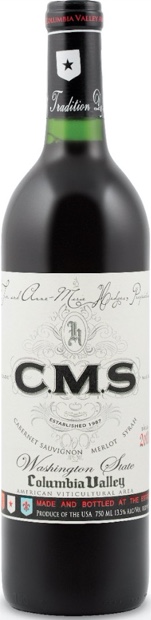
Hedges C.M.S. Cabernet Sauvignon / Merlot / Syrah 2014, Columbia Valley, Washington (948992, $23.95, WineAlign)

Copacetic and well-amalgamated vintage here for the Hedges CMS, a wine of deep singer-songwriter meets jazzy flavour and sensible grip. Though there are bitters and a display of fine if sweet tannic structure, this CMS hits not over the head or below the belt. Just a few jabs and a loving embrace. A blackstar Columbia Valley blend that flies past, like “seven tracks in 40 minutes and it’s musically distinct.” In this way it reminds me of Ben Greenman’s New Yorker piece, “The Beautiful Meaninglessness of David Bowie.” Or it makes me think of Bowie as so many Hedges wines do. It’s not that this wine offers no clear meaning but it dishes ambiguity in ways only it can do. Like the late glam star, it “can’t give everything. Away.” Or, as Greenman concludes, “unless, of course, that isn’t what it means at all.” Drink 2017-2020.  Tasted October 2016  @hedgeswine  @Noble_Estates  @WINESofWA

csv

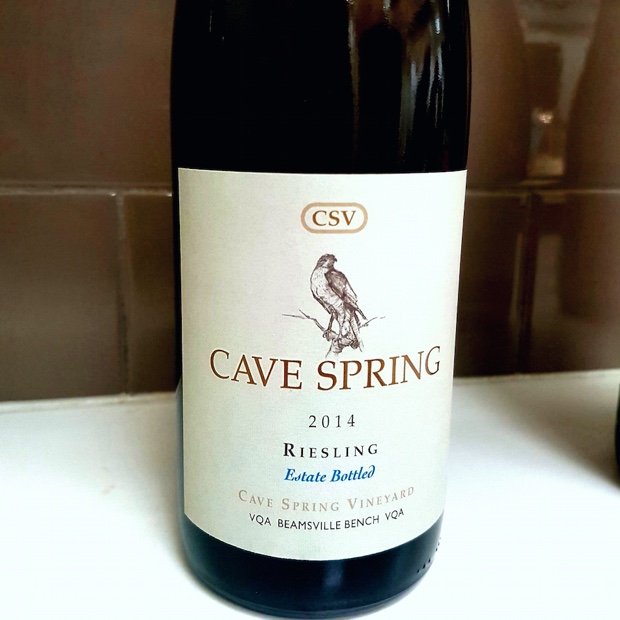
Cave Spring CSV Riesling 2014, Cave Spring Vineyard, VQA Beamsville Bench, Niagara Escarpment, Ontario (566026, $29.95, WineAlign)

The vintage brings a concentration and a compression and the most fruit imaginable for the Beamsville bench and the CSV. How this iconic riesling solicits immediate attention and fruit-juicy love is really something and hasn’t been seen in a few years. The citrus is all flesh and juice, the mineral aspect full of tang. Unction and viscosity define the texture and the palate. Drink early and enjoy the hell out of this forward CSV riesling. Drink 2016-2021.  Tasted October 2016  @CaveSpring  @TheVine_RobGroh

Back Nine

baker

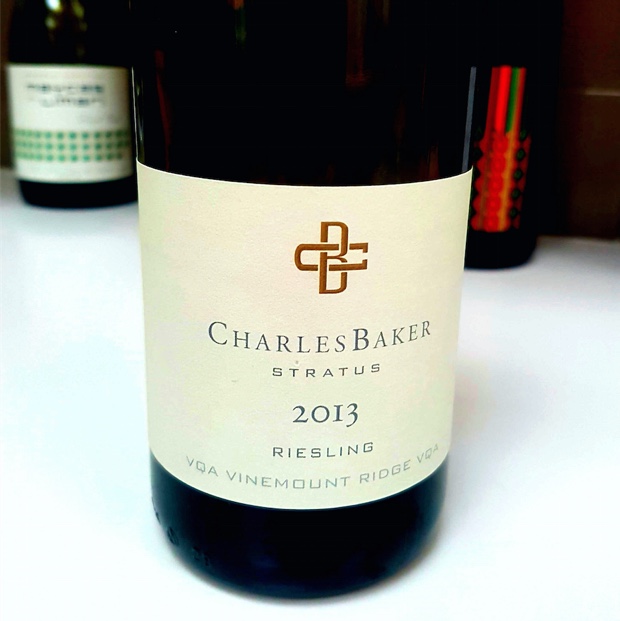
Charles Baker Picone Vineyard Riesling 2013, VQA Vinemount Ridge, Niagara Peninsula, Ontario (241182, $35.20, WineAlign)

There was this intuitive moment with Picone 2013 as if it was waiting on me. Not doting or soliciting, but waiting. I will admit to have been wondering, reeling and speculating. To peer or peek into what Mark Picone’s Vinemount Ridge vineyard would adjudge and then bestow Charles Baker’s riesling in 2013? Would it be a case of weight, hyperbole, a hang in the balance out of misjudged necessity? Nah. Picone is no longer a mature 20 year-old vineyard but now a wise old thirty year-old one. Picone 2013 is in fact a fun park mirrored image of itself, with haughty, aerified aromas and variegated, leaning to tropical fruit flavours, taut like a flock in line with the vintage. The riesling berries just seem to have imploded and the results that have followed are nothing if not intense. Imagine a Yogyakarta market and a two-wheeled, glass-cased push cart stacked with a pyramid of tart mangoes. The fruit had been picked just as the sugars had begun to run like sap and bleed sticky on the cracking skin. A mango is sliced and doused with the intensity of Java lime juice and then sprinkled with Laut Jawa salt. The flavours are searing, sweetly saline and quenching. Only this tart is this, where tart and acidity meet, intertwine and connect on an emotional level. Picone 2013. The first non-inoculated riesling at first and then touched up near the end. “The best vintage you could ask for in riesling,” notes Baker, “cloud-covered, a meeting of the minds, vibrant.” The arid, cranky one will live without fret for 15 years. Drink 2018-2028.  Tasted twice, October 2016  @cbriesling  @StratusWines

moreau

Louis Moreau Chablis Vaulignot Premier Cru 2014, Burgundy, France (525386, $36.95, WineAlign)

Vaulignot was created in 1976, one of the last Premier Crus to gain such status within the association. Note that Moreau’s nomenclature is Vaulignot instead of Vau Ligneau, but the meaning is exactly the same. Really round and rich Chablis with a relative and realistic purity specific to place. This alights as a sun-drenched and lemon waxy chardonnay with enough (thank you very much 2014) tension to keep it rolling right along. What Vaulignot brings to the Chablis table is stick to your tongue, mouth and ribs persistence and vitamin water mineral enhancement. In a way it is caught in the Chablis netherland between up front gregariously fruity and strikingly mineral/acidity piercing. Great length in this vintage. Drink 2016-2020.  Tasted October 2016  @MoreauLouis1  @vinsdechablis  @purechablis  @BourgogneWines  @vinsdebourgogne

hb

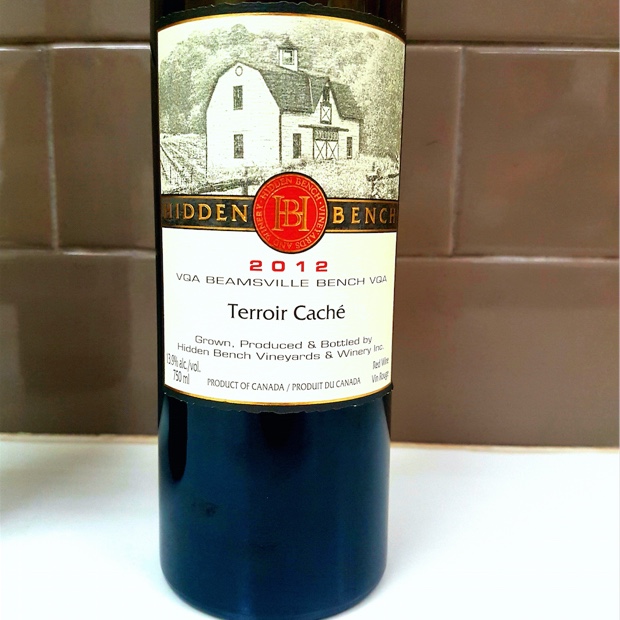
Hidden Bench Terroir Caché Meritage 2012, VQA Beamsville Bench, Niagara Peninsula, Ontario (505610, $38.00, WineAlign)

I would not have thought it possible but the ’12 TC Meritage is open for business. The fruit is near-perfect for what these parts of the Beamsville Bench can offer and the normal gnashing is frozen as if suspended, which it likely is. In its current state it is all berries and dusty tannins, ripe, ripe acidity and plenty of outright happiness. A wisely structured Terroir Caché from Marlize Byers as only she could coax and extend. Drink now (not) or wait five years. Points in between may be confounding. Drink 2020-2030.  Tasted October 2016  @HiddenBench  @BenchVigneron  @MarkAnthonyON

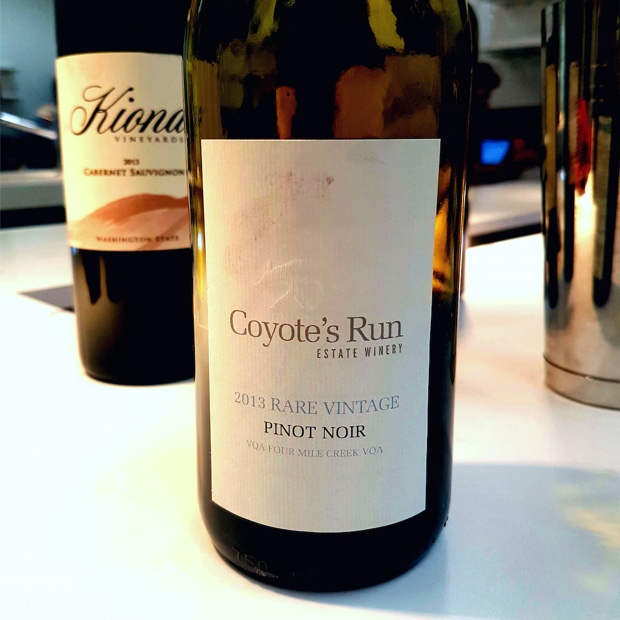
coyote

Coyote’s Run Rare Vintage Pinot Noir 2013, VQA Four Mile Creek, Niagara Peninsula, Ontario (296863, $39.95, WineAlign)

A tart and robust vintage for the rare pinot noir, deeply ingrained into earth, sun and savour. This is distinctly varietal to Four Mile Creek with haute sapidity and exceptional length. The rusty accents inject piercing citric life into strawberry rhubarb pie. The tannins gnash their terrible teeth and the fruit hides for dear life. I’m not sure any Rare Vintage David Sheppard-ed pinot noir has ever delivered such mean structure. The next Niagara growing season should contribute to an ever more impressive showing because the fruit will almost certainly be up to the tyrannical task. Not to mention the coincidental crossroads 30th Sheppard vintage of making wines in Ontario. Meanwhile, from the cloudy, windy 2013 vintage his pinot noir will live long and prosper. Drink 2018-2025.  Tasted October 2016  @coyotesrun

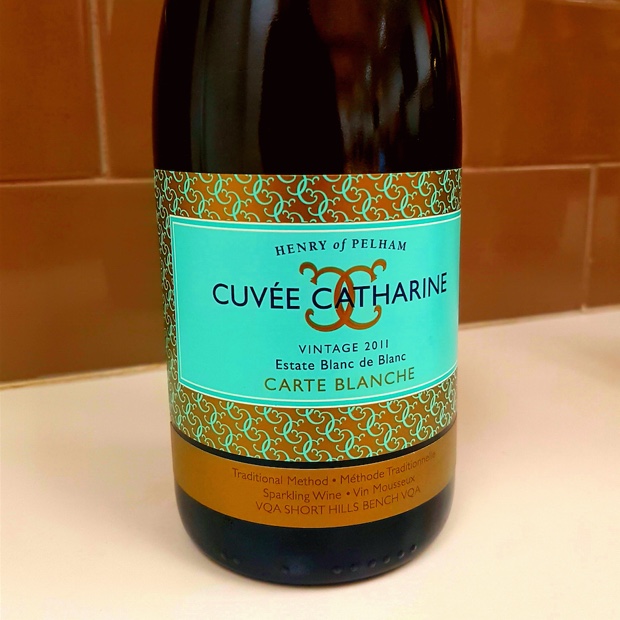
pelham

Henry Of Pelham Cuvée Catharine Carte Blanche Blanc De Blanc 2011, Méthode Traditionelle, VQA Short Hills Bench, Niagara Escarpment, Ontario (315200, $44.95, WineAlign)

t’s always a highly anticipated taste when a vintage dated Cuvée Catherine is on the table sidled and promoted with the bar raised to epic heights from a striking chardonnay vintage like 2011. With acidity a given as the elephant in the room the formidably elegant Blanc de Blanc glides ethereally to press upon the olfactory nerve major and then grace the palate with fine mousse, citrus and biscuits. This is a benchmark for Ontario and Canada with only Benjamin Bridge’s B de B styled Gaspereau Valley gemstone sparkler in the same elite league. Enjoy this now and for 15-20 blissful, fizz-friendly years. Drink 2016-2032.  Tasted October 2016  @HenryofPelham  @SpeckBros

brolio

Barone Ricasoli Castello Di Brolio Chianti Classico Gran Selezione 2012, Docg Tuscany, Italy (942607, $59.95, WineAlign)

A Chianti Classcio first borne in 1997 with the plan to create a maximum quality blend as an expression of the estate’s diverse terroir. A meticulous selection is combed from the estate’s vineyards, spread over 230 hectares of land. Though early on the fruit may have emerged out of good but not yet exceptional vineyards, nearly 20 years later the sangiovese (90 per cent) with cabernet Sauvignon and merlot (or perhaps petit verdot) adheres to grand vin excellence. The wood regimen is 18 months in tonneau followed by 18 in bottle. Perhaps you will not find a more accomplished, perfectly judged, matter of factly expressed Gran Selezione. Sangiovese in equality of spicing with fruit, acidity and tannin, perfectly integrated toast, wood impact and textural drive. Stefano Capurso admits this about the transition from Chianti Classico to Gran Selezione.”It’s a matter of compromise between what is needed for the small producers and the need to express through crus for the large ones.” Drink 2018-2025.  Tasted May 2016  @barone_ricasoli  @imbibersreport  @chianticlassico

quintarelli

Quintarelli Primofiore 2012, Igt Veneto, Italy (20867, $66.95, WineAlign)

Only and distinctly Quintarelli, of that Negrar perfume and the kind of salumi cure no other producer can seem to procure. Though an infant and a baby to more mature vineyard selection Quintarelli adult bottlings, the Primofiore is full of exotics, of clove, cardamom, liquorice and meaty char. There is a sweetness to Quintarelli fruit and a remarkable resistance to astringency. This particular 2012 IGT is smooth and soothing. It is dangerously easy to consume. Drink 2017-2027. Tasted October 2016    @LiffordON

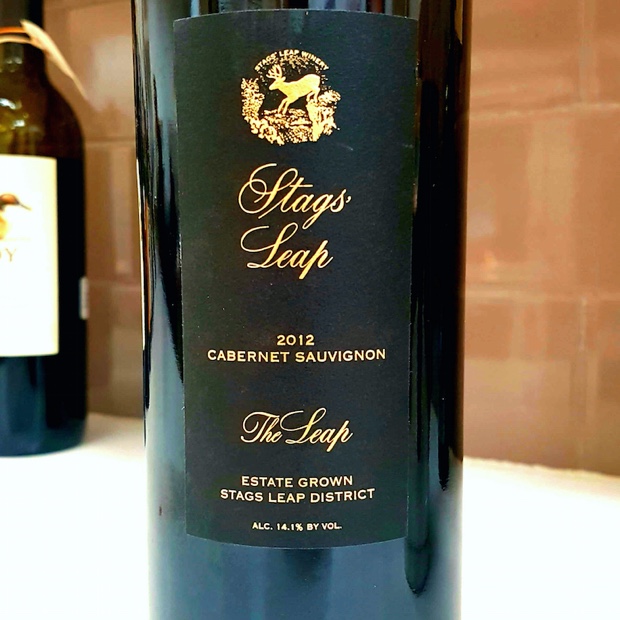
stag

Stags’ Leap The Leap Cabernet Sauvignon 2012, Napa Valley, California (142844, $89.95, WineAlign)

Signature cabernet sauvignon from Stag’s Leap from the first of the dry Napa vintages is dusty and high-toned to a high degree. Pure berry distillate and a savoury linger lead off and yet the closemindedness is still a youthful issue. There is a beautiful sense of florality behind the veil of aridity and big room tannin and yet the fruit is so very ethereal when it comes to tasting. Yes the dinging acidity and dastardly tannin will be a constant reminder of structure but without over compensation from the barrel the DJ Kylo driving beat will always be helpful. Gorgeous wine from Christophe Paubert. Put it in the time machine. I’ll take that leap in the dark. Drink 2019-2027.  Tasted October 2016  @stagsleapwines  @SLDistrict  

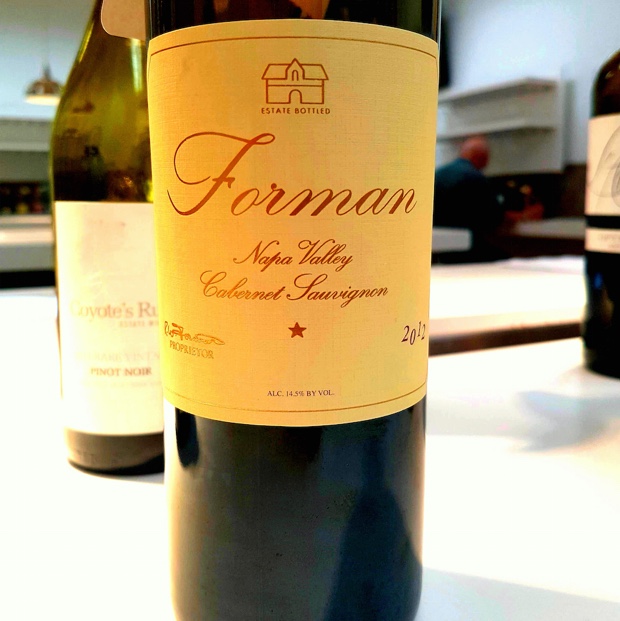
forman

Forman Cabernet Sauvignon 2012, Napa Valley, California (143925, $160.00, WineAlign)

Forman’s 2012 is a big, vibrant, robust and dusty expression, full of fruit, more fruit and nothing but fruit. Though the price is exceptional, the combined stylistic and level of honesty is formidably forman-ible. It is a rare opportunity and execution indeed when sweetness is culled from extract without the necessities of manipulated winemaking, oak usage included. The naked purity of this wine from an exceptionally dry, ripe and efficiently evolved vintage leads this cabernet sauvignon down a long, purposed and grandiloquent road. Drink 2018-2030.  Tasted October 2016  @rogcowines  @NapaVintners  

Good to go!

Twitter: @mgodello

Instagram: mgodello
WineAlign

Twelve days of wine to get you through the holidays

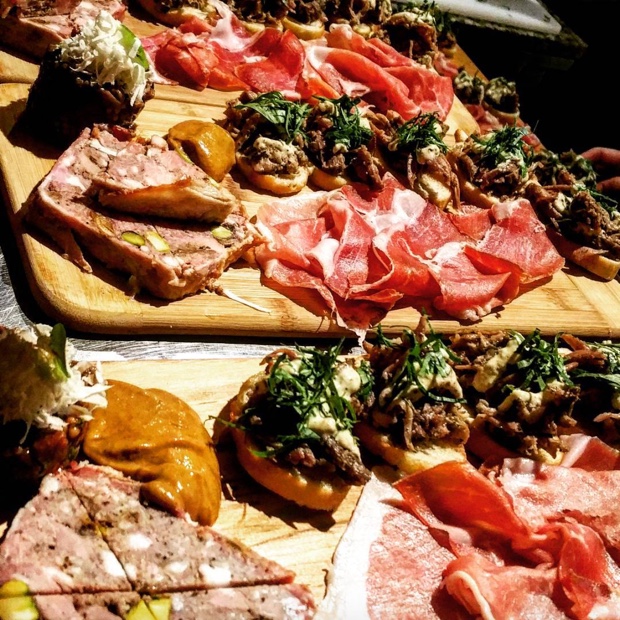
Charcuterie and Appetizers @barquebutchers by the GSF

Charcuterie and Appetizers @barquebutchers by the GSF

More reasons are requested, given, offered, presented and needed for purchasing and consuming wine during the month of December than at any other time of the year. And so, 12 more suggestions, falling this time within the realm of mortal affordability yet special enough to gift and to make you feel like you’ve done something nice for yourself. Go ahead, indulge. All from the November 28th VINTAGES release.

Casas Del Bosque Reserva Sauvignon Blanc 2014

Casas Del Bosque Reserva Sauvignon Blanc 2014, Casablanca Valley, Chile (974717, $13.95, WineAlign)

Could not be anything but Casablanca Sauvignon Blanc, movie quotes and all. Tossed like a cayenne dart at a yellow plum tree board. Sweet and salty, like white taffy and sprigs of rosemary on a bacon-wrapped scallop. Odd combo and why not. On the edge of tomatillo and nettle? Perhaps, but also composed with an acerbic wit, as time goes by. “It’s still the same old story. A fight for love and glory.” Drink 2015-2018.  Tasted November 2015  @CasasdelBosque  @azureau  @DrinkChile

https://www.youtube.com/watch?v=zaAqze81y4Y

Delheim Family Chenin Blanc 2014

Delheim Family Chenin Blanc 2014, Wo Stellenbosch, South Africa (429720, $17.95, WineAlign)

Flinty, smoky, reductive Chenin, certainly produced with quantity and accessibility in mind. Typically, succinctly Stellenbosch, with a level of sweetness available and in balance with the stony fruit that is marked by a mineral mine. Has good acidity and even better length. Drink 2015-2019. Tasted September and November 2015  @Delheim  @Noble_Estates  @WOSACanada  @WOSA_ZA

Arnaldo Caprai Anima Umbra Rosso 2012, Igt Umbria, Italy

Arnaldo Caprai Anima Umbra Rosso 2012, Igt Umbria, Italy (434266, $19.95, WineAlign)

So unexpectedly and remarkably fresh Umbrian of red fruit and ripe acids without any overkill from wood or tannin. This is a pure breath of fresh air in a world dominated by barrel, heat, over-extraction and covert winemaking operations. The fruit may not be Caprai’s most prized but it works a basic stratagem of interpretative and integrated, integral magic. It must be lauded for its honesty. Drink 2015-2018.  Tasted November 2015  @Arnaldocaprai  @StemWineGroup

Josef Chromy Pepik Sekt

Josef Chromy Pepik Sekt, Tasmania, Australia, (429704, $26.95, WineAlign)

A whole whorl of aromas kick up the dust from this pearl of a Tazzy with an arid and saline sense of destiny. Density and weight are surprising features, along with orchard fruit and wild machinations. Jams and swaggers with so much personality, from lime lining the velodramatic slopes of its groove to fish jumping out of its waters. Calling it alive would be an understatement. “Yeah, yeah, yeah, yeah.” Drink 2015-2020.  Tasted November 2015  @JosefChromy  @bwwines

Jean Max Roger Cuvée G.C. Sancerre 2014

Jean Max Roger Cuvée G.C. Sancerre 2014, Loire Valley, France (189126, $28.95, WineAlign)

Sweet scenting and spicy wafting Sauvignon Blanc, with white pepper and cool herbiage (mint, savoury, tarragon and basil). Good solid Sancerre, always, organically developed and of a verbiage that is modern, proper and articulate. Always spot on. Drink 2015-2020. Tasted November 2015 @oenophilia1  @LoireValleyWine

Spy Valley Envoy Sauvignon Blanc 2013

Spy Valley Envoy Sauvignon Blanc 2013, Waihopai Valley, Marlborough, South Island, New Zealand (429308, $29.95, WineAlign)

Elevated, reductive, flinty tones, noticeably crash course modern and reactive for New Zealand. Capsicum and juicy fruit gum, matchstick and tropical fruit, then citrus on the palate with opiate numbing. This is Sauvignon Blanc like Semillon, as if the winemaker at Spy Valley, with the best fruit possible from Waihopai Valley, had the intention of making the most serious SB on the planet. With a bit of barrel effect, though that may be a stretch I’m looking at a 10 year development here, into honey, rocks and a blast of propellent. Uncharted territory. Will have its share of naysaying anti-stylistic poo-pooers. Drink 2016-2026.  Tasted November 2015  @spyvalleywine  @SpyValleyUK  @nzwine  @TrialtoON

Château Bernadotte 2005

Château Bernadotte 2005, Ac Haut Médoc, Bordeaux, France (431775, $32.95, WineAlign)

A really nice drop of Bordeaux that has fully resolved from the semi-heat of 2005. This is good to go, with both acidity and tannin gracefully interconnected while the fruit remains. A good leathery hide and a slight ferric bleed fills the nooks. Lovely semi-old Bordeaux. Drink 2015-2017.  Tasted November 2015

Majella Coonawarra Cabernet Sauvignon 2012

Majella Coonawarra Cabernet Sauvignon 2012, Coonawarra, South Australia (301531, $33.95, WineAlign)

A massive combination of fruit, tannin and wood whorl in a ferric, tough, gritty and ready for nothing in any particular hurry Cabernet. That said, it is silky smooth, spicy and velvety too. A really big mouthful of so much goodness to last 20 years or more. Out it aside for all the major players to get in tune and it will be music to your ears. And pleasure to your lips. Drink 2017-2032.  Tasted November 2015  @aussiewineguy  @HalpernWine  @CoonawarraWine

Faustino I Gran Reserva 2004

Faustino I Gran Reserva 2004, Doca Rioja, Spain (976662, $35.95, WineAlign)

Rioja of another era, of tradition, curated history and the famous rusty liqueur. Steeping cherries, elongated acidity, rifling ripples of leather, cedar, cypress and chestnut. The right kind of Rioja with just a hint of plum and plenty of naturally orchestrated enjoyment. Drink 2015-2024.  Tasted November 2015  @RiojaWine  @Select_Wines

Stags' Leap Winery Petite Sirah 2012

Stags’ Leap Winery Petite Sirah 2012, Napa Valley, California (590356, $39.95, WineAlign)

Dark, dusty and devilishly rich. Must be noted from the start that this is quite restrained for Petite Sirah, cautiously oaked and modest in alcohol. It’s no introvert mind you. A note of volatility keeps it on the edge and the flavours are steeped in tea, coffee and cocoa nib. The vintage agrees with the varietal transplantation and the burgeoning acidity makes for a relationship built on mutual respect. Good and plenty. The handshake is currently quite gripped so waiting another 18 months or so should and will soften the clasp. Drink 2016-2022.  Tasted November 2015  @stagsleapwines

Künstler Hochheimer Stielweg Old Vines Riesling Trocken 2013

Künstler Hochheimer Stielweg Old Vines Riesling Trocken 2013, Qualitätswein, Rheingau, Germany (425041, $42.95, WineAlign)

Along with Rudesheim and Johannisberg, Hochheim was anointed by Goethe as one of the magnates of the Rheingau. From a singular cone-shaped hill locale on the unshaded east-west aspect of the Rhine River. The mediterranean micro-climate makes for, simply stated, stupid good Riesling. Riesling of richness and minerality, strength and length, perfectly good bitters and even better health assisting tonics. Fruit density in the realm of peach and apricot lives in due part because of the Cyrena marl and its soil matrix of dark, alluvial loamy loess. Bounty buoyed by energy. Layers and layers of health, wealth and old vines wisdom. Drink 2018-2035.  Tasted May and November 2015  @Noble_Estates  @germanwineca  @WinesofGermany

Catena Alta Cabernet Sauvignon 2012

Catena Alta Cabernet Sauvignon 2012, Mendoza, Argentina (959965, $46.95, WineAlign)

A very pretty, floral and flirtatious Cabernet, supported by extremely ripe and ripping tannins currently caught in a veritable uproar. Elongating drivers are chalky but not grainy and while the sweetness of those conduits are astonishing, the immediate gratification tells me I won’t see this continuing to develop for the better after the ten year mark. Five to ten will be just right. Drink 2017-2022.  Tasted November 2015  @CatenaMalbec  @LauraCatena  @winesofarg  @ArgentinaWineCA  @TrialtoON

Good to go!

Twitter: @mgodello

Instagram: mgodello
WineAlign: Michael Godel

Facebook

Three-chord wines, hold the rants

Wine on the rocks

Here are six rock ‘n’ roll wines, in four-four time, ready and willing to ease your mind.
Photo: Pavel Drozda/Fotolia.com

as seen on canada.com

The world’s most famous wine critic is not happy. His claim of “wannabe” scribes hell-bent to focus on obscure wines most consumers can never find has raised a maelstrom of retort. Robert Parker published a diatribe last month about “a vociferous minority” of “euro-elitists” vying for journalistic market share “perpetrating nothing short of absolute sham on wine consumers.”

Them’s fightin’ words. No, not that rant by Robert Parker about Robert Griffin III. Wine critic Robert Parker Jr. railed against a bevy of unnamed bloggers on the natural, honest and low-alcohol wine supporting bandwagon. His claim? Natural wines will be exposed as fraud. Parker’s would-be assailants are an outspoken generation who would seek to bring down those classic grapes capable of ripe extraction and elevated levels of sugar and alcohol, namely Cabernet Sauvignon, Pinot Noir and Chardonnay. The intensity-loving reviewer has positioned himself as the establishment, a victim agonizing over the sanctification of “godforsaken grapes,” like Blaufränkisch and Trousseau.

Alder Yarrow of Vinography took exception and proposed a cage match. His column: Debating Robert Parker At His Invitation. Rebecca Gibb’s take: Should Robert Parker Have Listened to Disraeli? Jamie Goode put in his ever-wry two cents: Novelty at the expense of quality? This after Jancis Robinson chimed in with Bottle fight: Novelty v classic wines. Talia Baiocchi had this to say: The Robert Parker Tirade, Continued. Eric Asimov brought it down to a New York state of mind with Why Can’t You Find That Wine? Meanwhile, Steve Heimoff took the other side: There are some kinds of blogs we just don’t need.

There isn’t a writer in the bunch I wouldn’t read, can’t learn from or don’t find funny, but the need to chime in on what is obvious and already understood leaves me dumbfounded. In wine, as in life, there are some things that just are what they are, like them or not. Mr. Parker, you carved your niche. Those who lay with you ate cake. The model worked. It held water and was extremely successful for a long time. You are this week’s Napa Wine Writers Symposium keynote speaker, where you will feel the love. No one will ask, what have you done for me lately? You created the establishment and are of course trying to protect the status quo. You’ve been ridiculously prolific. Integral to the high-frequency, high-end wine buyer. And you are just a writer. Really. So what if the dogs are seeing signs of Queegish dotage. You named no names in your rant, so who exactly did you mean to insult? The world is your oyster. What’s with the bitching?

https://twitter.com/KortvB/status/436175029676421120

Perhaps Parker touched an insecure spot, the one where self-doubt creeps in. The one that drives writers to defend themselves, even if the attack is not a personal one. The need to tear him down is strange at best. It smells of poli-campaign slander. If he’s no longer relevant, as a vehement bunch seem to scream and shout, why bother? Why is the wine writing community one where sides desperately need to be taken? To both sides I caution the high road. Let writers write and if you think they are wrong or have nothing to say, ignore them. Like a tree falling in the forest, is an unread writer ever really heard?

It’s understood that controversy sells and lively discourse is healthy. In this case it has produced more than a novella of interesting reads. The current generation of critics, bloggers and reviewers is replete with some stupidly smart writers who have chosen wine as their raison d’écrire. That they chime in and offer their take on everything from varietal obsessions to tasting bans and producer/journalist relationships is certainly fascinating. Arguing the merits of varietal worthiness is fine. Discussing the pros and cons of esoteric versus classic wines on restaurant cards is relevant. Throwing sticks onto the ice, choosing teams and starting fights simultaneous to the debate loses sight of the original topic. I am not suggesting a wine writer’s love in but would more levity and space not foster an environment where the wines themselves matter more than the people who talk about them?

Tasting, talking about and writing up wines seems the course to stay, whether it be reviews on varieties never heard of or an obnoxiously fat glass of buttery Chardonnay. Richard Auffrey fights the good fight but still takes a stab at the beast. The always dry W. Blake Gray floats on in his singular, ethereal way, and by doing so, gets it right. He wants you to know I’ll have some Roussillon, hold the Rivesaltes. With Tuba and Alto Sax. Perhaps Gray would agree with me. If I need a dose of scathing criticism or irony I’ll turn on Bill Maher, or put on a Bill Hicks Rant in E-Minor.

Music and wine can work magic when paired together. Jamie Goode has been exploring the possibilities. Sometimes it’s just a matter of breaking wine down to the base, choosing grapes from places where they are made in straightforward and simply powerful ways. Likewise, clicking an uncomplicated, three-chord arrangement on YouTube or the I-pod can really change the outlook of a day. Here are six rock ‘n’ roll wines, in four-four time, ready and willing to ease your mind.

Clockwise from left: Alamos Torrontés 2013, Lar De Paula Crianza Tempranillo 2008, Sophora Sparkling Cuvée, Grant Burge 5th Generation Shiraz 2012, Thorn Clarke William Randell Shiraz 2010, and Poderi Colla Dardi Le Rose Bussia Barolo 2008

Clockwise from left: Alamos Torrontés 2013, Lar De Paula Crianza Tempranillo 2008, Sophora Sparkling Cuvée, Grant Burge 5th Generation Shiraz 2012, Thorn Clarke William Randell Shiraz 2010, and Poderi Colla Dardi Le Rose Bussia Barolo 2008

Alamos Torrontés 2013, Salta, Argentina (81539, $13.95, WineAlign)

From Salta in north west Argentina, what is so appealing about this well-priced bottling is the salinity and outright humidity it always displays. Torrontés gives so much away aromatically, by way of flowers and the verdigris of mountain ferns. This Catena entry-level wine achieves all of the above and for a song. This Alamos is medicinal, reeks of orchids sweating in a greenhouse and teases with white pepper. It’s short and quick but efficient. Excellent value.  88  Tasted January 2014  @CatenaMalbec  @MalbecLife

Lar De Paula Crianza Tempranillo 2008, Rioja, Spain (358770, $16.95, WineAlign) From the VINTAGES Feb. 15, 2014 Release

Entry-level Rioja was nothing but a house party. Was surely rocking a year ago but now a fading, dry cake of rusticity, with the slightest hydration of charred sour cherry. Solid Crianza, though short-lived, with some bitter notes and good acidity in tight corners. Where once it “said move it, groove it,” now it laments “baby, don’t you lose it.”  87  Tasted February 2014  @HHDImports_Wine

Sophora Sparkling Cuvée, New Zealand (353656, $19.95, WineAlign) From the VINTAGES Feb. 15, 2014 Release

Frothy, gregarious sparkler from New Zealand with extraordinarily large bubbles, a soft downy texture and a cottony nose. Gentle spice, sweet easy bake brioche and juicy grapefruit is inviting, if advanced by mechanical means. Mellow, smooth, pure and clean with no obvious toast, soap or bitters. Well-priced, drink now fizz.  89  Tasted February 2014  @Select_Wines

Grant Burge 5th Generation Shiraz 2012, Barossa, South Australia, Australia (Agent, $20.00, WineAlign)

High powered, ocean size aromas here, expressing the power and pomp inflection of the Barossan attitude. Very berry and not alcohol shy though it’s a gathered heat and nothing shocking. Swirl this wave of big juice for long enough and though it will feel “like a tooth aching a jawbone,” it’s fleeting and releases to a softer finish. Still, a Shiraz more John than Jane.  88  Tasted January 2014  @GrantBurgeWines  @TrialtoON

Thorn Clarke William Randell Shiraz 2010, Barossa, South Australia, Australia (922773, $43.95, WineAlign) From the VINTAGES Feb. 15, 2014 Release

Surreal, impossibly dense and terrifically complex Barossa Shiraz, full of dark fruit blues and hard-rocking rhythms. Metallic zinc tincture, causing heavy breathing, steaming like a locomotive with “no way to slow down.” Steals words and all sensitivity from teeth and gums. Such a big expression but certainly not one of the all-time one-dimensional losers. So much more than jammy fruit. To put aside and revisit in 20 years.  91  Tasted February 2014  @pontewine

Poderi Colla Dardi Le Rose Bussia Barolo 2008, Piedmont, Italy (596890, $49.95, WineAlign) From the VINTAGES Feb. 15, 2014 Release

Pure Nebbiolo currency, bankable Barolo. This ’08 confirms the old-school austerity of the Colla caste and genre. Parlous handsome perfume, stark, raving Barolo, exact and definitive in angular tannin. Racy, deep and unctuous, nowhere even close to settled or responsive.  There is a lurking depth of flavour not yet willing to cooperate. My kingdom for your Bussia graces.  92  Tasted February 2014  @glencairnwines

Good to go!

Five wines are the apple of my I

Roasted Lobster with Tarragon Butter Sauce/Eric Vellend

as seen on canada.com

Over the past week I’ve offered up suggestions for great Ontario wines and screaming values from new sites in the Old World. My phone is now dialed in and my eye set on some bottles straight from the church of Our Lady of Blessed Acceleration. They may not be cheap but their 5g speed and spiritually restorative powers will see you through the decompressing weekends of your life.

The Sparkling

The grapes: Pinot Noir and Chardonnay

The history: Roederer Estate Brut was the first California sparkling wine to be produced by Champagne house Louis Roederer

The lowdown: Is there a better California sparkling wine than this Anderson Valley star?

The food match: West Coast oysters on the half-shell

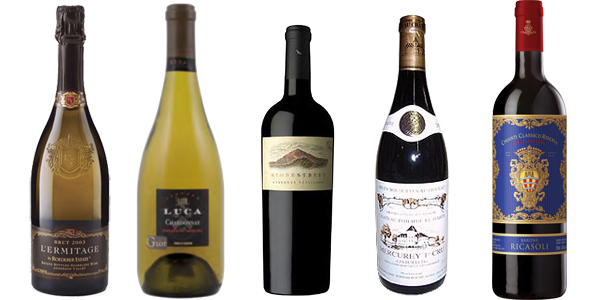
Roederer Estate L’ermitage Brut Sparkling Wine 2003 (183392, $54.95) nine years on whiffs more aromas than a perfume factory. There is yeast, of course, along with citrus, pear, lime, ginger, strawberry leaf, toffee and even tobacco. Utterly iridescent, at once feminine and erudite of Champagne and then shuffles to a leesy and tangy filled udder of rudesse. “Sparks fly on E Street” when the Ermitage “walk it handsome and hot.”  92

The White

The grape: Chardonnay

The history: Heavy-handed style from Laura Catena out of Mendoza

The lowdown: Full-on California treatment, complete with toasted oak and tropical fruit

The food match: Pan-roasted lobster, tarragon butter

Luca G Lot Chardonnay 2010 (167338, $27.95) casts a simple twist of fate as it’s tropically restrained and not overblown as found in previous vintages. Toast in balance, big on pineapple, passion and bananas, porcine but at the same time crustaceous. Tons of vanilla custard, crème catalana and spicy to finish.   89

The Reds

The grape: Cabernet Sauvignon

The history: Crafted from a blend of fruit from across different vineyard plots in the Mayacamas Mountains, 2,800 feet above the Sonoma valley

The lowdown: The moderating effects of mountain altitude combined with forested hilltops helps to produce profound Cabernet fruit

The food match: Roasted beef tenderloin, foraged mushrooms

Stonestreet Alexander Valley Cabernet Sauvignon 2008 (4002, $29.95) concentrates herbs, olives, cocoa and campfire smoke. Rides the oak train in first class. Alexander Valley does Cabernet in a Rhôneish way, more Streetheart than Rolling Stones. A coup de coeur under my thumb. Hard core CVR** for the price.   90

The grape: Pinot Noir

The history: From a stalwart Pinot producing village in the Côte Chalonnaise south of Beaune in Burgundy

The lowdown: Nothing entry-level about this Mercurey. This is serious juice from a less than household name producer

The food match: Seared and rendered duck breast, pinot noir and peach reduction

Château Philippe-le-Hardi Mercurey Les Puillets 1er Cru 2009 (295071, $29.95) is a resplendent sniffer, rich, robust and steeped in cherry wood. The tannins and back bite may cause a screwface but this open door to the heady 2009 Burgundy vintage shows off Mercurey’s potential.  “Oh, now! I tell you what red is!”   89

The grape: Sangiovese

The history: Named for one of the feudal properties of the Ricasoli family

The lowdown: Guicciarda is the type of wine that bridges the gap between ancient Chianti and the modern world

The food match: Tuscan braised beef short ribs, caramelized cipollini onions, kale

Barone Ricasoli Rocca Guicciarda Chianti Classico Riserva 2008 (943613, $24.95) is a velvet gloved, shag carpeted, darkly hued modern Tuscan. The sun-dried berries, spicy currants and granular acidity recall the momento mori, carrying its ancestors in it’s every gesture. The price has remained fixed for as long as I can remember so the Guicciarda retains it’s spot as best CCR under $25.  90

CVR** – Vintage Direct Curiosity-to-Value Ratio

Good to go!