
As we taste through the #NWAC17 finals we thank @ZWILLING_CA for the rocking great glassware. Canadian wines are better for these vessels.
I first published this year-end summary of Canadian wine excellence in 2013 and four years on that original list of 13 has expanded with four more. It’s a good thing too because four years later 17 wines is but a fraction of what could or should be included. This exercise is more than difficult. It’s biased, exclusive and decisive but it is meant to celebrate a select few with a mandate to elevate and exult the rest. It’s also a proclamation read to many who remain ignorant to an ideal of great wine being made in Canada, to tell the insolent they are not welcome here anyway. The winemakers in this country are in full command of their acumen, craft and future. They own it. Roll out the red carpet. Here they come.
Related – 16 Canadian wines that rocked in 2016
My writing about wine is a display that spills everything but subtraction, reduction and minimalism. It is an occupation whose reality is examined to points of madness, of long, run-on sentences, often at odds with grammatical winemaking realism. My tireless, tiring sentences and phrasing can at times offer a feeling that is potentially endless. So thanks for reading and putting up with me.
As I have noted before, I try to visit wines more than once before reviewing them, preferably from more than one bottle but even more importantly, with a good chunk of time having passed between assessments. The most complete picture is drawn from such a course of critical action but it’s not always possible. Not a single one of these 17 wines were decided upon at a single VINTAGES release, sterile and windowless LCBO laboratory tasting. The nearly 2000 wines (of which approximately were 20 percent Canadian) that I tasted in the LCBO lab in 2017 are kept, compartmentalized, reviewed and stored over at WineAlign. They are forged from and formed by a very specific, of the fleeting moment style. They are the results of root days and fruit days, often plagued by other writers present levels of distraction and time constraints. These 17 wines are children of repeated concentration and stand out because the makers went out of their way to bring them to me.
Please allow me to quote Wes Anderson. “It is an extremely common mistake, people think the writer’s imagination is always at work, that he’s constantly inventing an endless supply of incidents and episodes, that he simply dreams up his stories out of thin air. In point of fact, the opposite is true. Once the public knows you’re a writer, they bring the characters and events to you and as long as you maintain your ability to look and to carefully listen, these stories will continue to…,” continue to provide what you need to entertain your readers. Thank you to the winemakers for sharing their stories time and time again.
Related – 15 Canadian wines that rocked in 2015
Heartbreaker
If 2016 was a most difficult year, what does that say about 2017? It was a most dippy, derisory, barmy and yet chimerical one. Once again too many special people were taken from us and in Ontario, no one more important to everyone who works in wine than Karl Kaiser. It can and should be argued that the industry we all call home is at its 2017 state because of Mr. Kaiser and what he pioneered more than 40 years ago. Karl Kaiser was eulogized by Brock University’s Dan Dakin. Please take the time to read it.
Related – Karl Kaiser left indelible mark on Brock University
Once again we all lost someone close to us in 2017. Celebrity deaths, especially the ones of loved musicians seem to hit us the hardest because we relive moments of our lives when their songs are played. I’ll ask the social media trolls to walk on past and to once again, please respect our reminiscences.
Gregg Allman. Richard Anderson. Harvey Atkin. Walter Becker. Chester Bennington. Johnny Bower. Chuck Berry. Glen Campbell. David Cassidy. Chris Cornell. Jonathan Demme. Fats Domino. Dick Enberg. Stephen Furst. J. Geils. Robert Guillaume. Roy ‘Doc’ Halladay. Connie Hawkins. John Hurt. Al Jarreau. Martin Landau. Jerry Lewis. Erin Moran. Sir Roger Moore. Bryan Murray. Charlie Murphy. Bill Paxton. Tom Petty. Della Reese. Don Rickles. Sam Shepard. Joni Sledge. Keely Smith. Harry Dean Stanton. Y. A. Tittle. Mary Tyler Moore. Adam West. Malcom Young. Joanne Godel.
Don’t forget the pouring rain
There was more than enough good news out of 2017, especially from Ontario. After one of the wettest summers on record and this looming harvest of disaster everything changed. The temperatures hit 30 degrees and remained there for much of September. October obliged with warm and slowly declining temperatures with very little precipitation. Not only was the 2017 vintage saved but it became one of the great phenolic ripeness stories in wine country history. Quality high. Check. Quantity high. Check. Win win for wine.
The year continued to throw thousands of wines my way. I did travel more and so the international count ran higher at the expense of the local. I plan to fix that in 2018. Things have a way of balancing out anyway. Still I’m sure I tasted close to 1000 Canadian wines once again. We continued to pay great attention to Canadian wines at the WineAlign office. I once again joined the judging with Tony Aspler at the Ontario Wine Awards, in Wolfville, Nova Scotia at the WineAlign National Wine Awards of Canada and with David Lawrason at Gold Medal Plates.
Related – 14 Canadian wines that rocked in 2014
My wine on tap program at Barque Smokehouse and Barque Butcher Bar welcomed a third child to the family when we opened Barque Smokehouse Burlington in August. With that opening we were proud to partner with Rosewood Estates to join the family that over the years has included Tawse, Lailey, Norm Hardie, Creekside, Between the Lines, Kew Vineyards, Redstone, Stratus, Leaning Post, Between the Lines, Coyote’s Run, Vineland Estates and Creekside Estates.
It began, as it always does with Niagara’s Icewine Festival in January and in February there were Thirteen ways to taste Cuvée. In March I found Fifty ways to Taste Ontario and then travelled to Germany for Godello’s March through Prowein, The Ahr Valley and The Rheinhessen. As a Canadian and a representative of Wine Country Ontario I hung around the Canadian pavilion, talked with our coast to coast winemakers, vintners and marketing representatives, took in the seminars on cool climate wines led by David and Dr. Janet Dorozynski and of course, tasted some wines.
Related – 13 Canadian wines that rocked in 2013
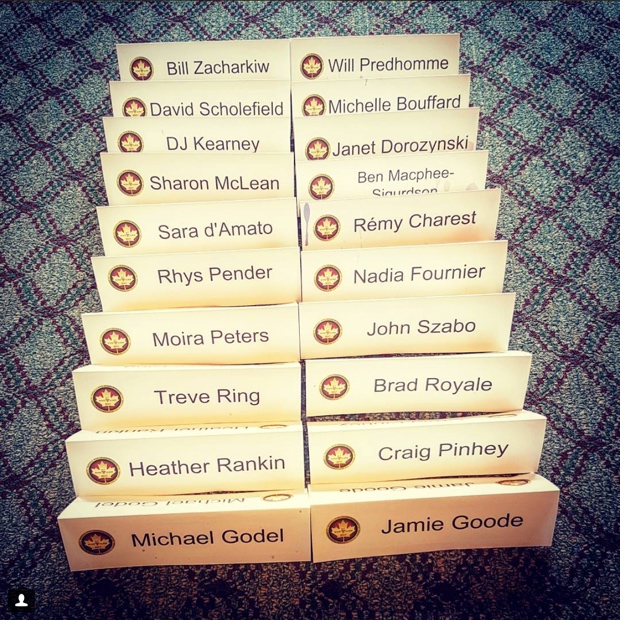
In the company of #family so thank you judges, friends and badasses #NWAC17 #killedit
Any major dude will tell you
At the Terroir Hospitality Symposium in May we debated the highly controversial new category of Skin-Contact wines in Ontario. Orange is the new smack should have been my title but instead I chose to talk through hushed tones in Pop goes VQA, a story in three parts, each one more misunderstood than the others. It would take months to come to better and more improved conclusions to that haughty complex story.
In June we convened the WineAlign Canadian Wine Awards in the Annapolis Valley. It was the first time that Nova Scotia hosted our motley crew and what a smashing success it was. Great thanks must go out to all our tremendous hosts including Wines of Nova Scotia, Domiane de Grand Pré, Benjamin Bridge Vineyards, Blomidon Estate, Annapolis Cider Company and Obladee Wine Bar in Halifax.
In July I once again made the pilgrimage to i4c, the International Chardonnay Cool Climate Conference, “the local mecca attracting thousands, arriving to praise chardonnay in all its glory. It’s chanted with incantatory connotation by patrons cantilevered like alluvial fans across the Niagara Peninsula. It teaches us about more than chardonnay because the rapidity of climate change is real and the desire for fresh is yet unquenched. This transcends chardonnay. It’s about growing grapes and making wines in places we all previously discounted. Recently scoffed at. It concerns farming higher, further and edgier. This conference and this grape together let us know that we must change.”
At i4c we welcomed California’s Karen MacNeil, Dr, Jamie Goode, Bill Zacharkiw, Treve Ring, Kurtis Kolt and Rhys Pender MW and then I penned 69 chardonnay reviews. What did Godello learn from Cool Chardonnay in 2017? After a visit to Pearl Morissette I learned from François Morissette, vigneron about oxidation.“Whatever we press, we oxidize. We do not oxidize wine, we oxidize must.” There’s a big difference. The stabilization of these wines are attributed to this idea of getting rid of all oxidizable compounds before they enter into the next stages of the winemaking process. Pleasing aromas, flavours, textures and ultimately the sum of the above elevates the cool chardonnay game and speaks to the future. But I did not learn enough. I needed to move beyond the ubiquity of cool climate. I wanted to understand more about cold soaking and whole berry fermentation. Just last week Pearl Morissette’s savant winemaker Brent Rowland sent me these words of enlightenment.
“This is the main reason I am such an advocate to whole bunch fermentation. The best tannin and worst tannin are seed tannin, depending on how you extract them…heat and alcohol rip out aggressive angular tannins. By keeping the berry attached to the rachis for as long as possible you are creating a little microenvironment for fermentation that is low heat and low alcohol, enabling you to slowly extract long polymerized tannins. This and perfume is the reason I do everything whole bunch. To me whole bunch has nothing to do with the stems, tannins from stems or flavour of stems.” He continues. “I absolutely think that skin contact wines can have elevated structure and texture. I also do not subscribe to the idea that some arbitrary number like “10 days” defines the genre. I did say that Orange wine is not an in-between wine but its own genre and I believe that. For the record I feel the less rigid the criteria for the category the better. As you state the broader the category the more opportunity for discovery of a valued category.” Thank you mate.

Be part of the Greatest Wine Revolution since Prohibition.
Where are we one year later?
I’ve two words for you. WineAlign Exchange. The WineAlign Exchange taps into the world of wines beyond the LCBO and delivers a curated, mixed case of top quality wines directly to your door. All the wines have been carefully chosen by our panel of critics for their quality and value. David Lawrason, John Szabo M.S., Sara d’Amato, Steve Thurlow and Godello. The first case delivered to hundreds of members was an all Platinum Award winners pack from the National Wine Awards of Canada. In terms of free trade we await a decision but don’t expect a miracle in 2018, Christmas or otherwise. As for the VQA panel in Ontario? Well, read my article referenced above and you’ll get my drift.
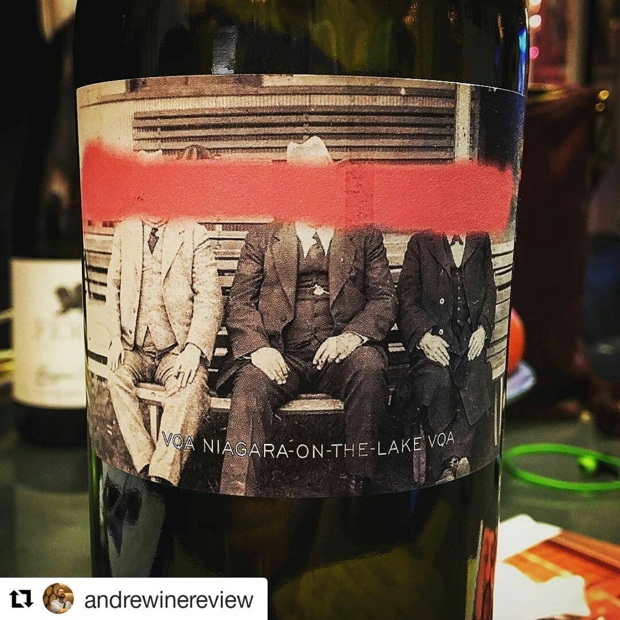
One of my favorite wines I tasted in 2017. All killer no filler. Beautifully ripe #cabernetfranc nice layers of cocoa, red, and black fruit. Tannin is liquid silk. Can_t wait for next
Let’s be Franc
Cabernet Franc is getting better all the time. In British Columbia the coolest sites are increasingly raising fresh, spirited and ultimately crushable wines with unmistakable west coast accents; savour, garrigue and mountain tea. With thanks to venn diagram circles drawn in and out of Niagara’s Lincoln Lakeshore, but also magically deep into the Prince Edward County limestone, the great Ontario hope is developing into what we thought it might be. Getable and structured red wine.
New World cabernet franc growing sites produce less delineation as compared to the various lieux-dites in the varietal homeland, France’s Loire Valley. Niagara is beginning to enter into an Old World state of mind, so now winemakers and by extension wine geeks, are posturing over micro-terroirs; Niagara-on-the-Lake, Beamsville Bench, Niagara Escarpment, St. David’s Bench, Lincoln Lakeshore, Four Mile Creek. The same is happening in British Columbia’s Okanagan Valley although the cumulative stylistic is worlds (four provinces to be exact) apart. In Nova Scotia Benjamin Bridge Vineyards’ viticultural and vinifying braintrust of Jean-Benoit Deslauriers and Scott Savoy are allocating serious resources to cabernet franc in the Gaspereau Valley. But how is it that decisions are made as to where to plant this crisp, juicy and crunchy grape? While many will disagree, if you consider growing sites as circles within the aforementioned venn diagram, in Canadian soils the shared subtleties can easily get buried or muddled within the common areas. The lines may be drawn but the web is tangled. That said, the story of franc terroir is getting clearer and clearer. Interloper carries the torch.
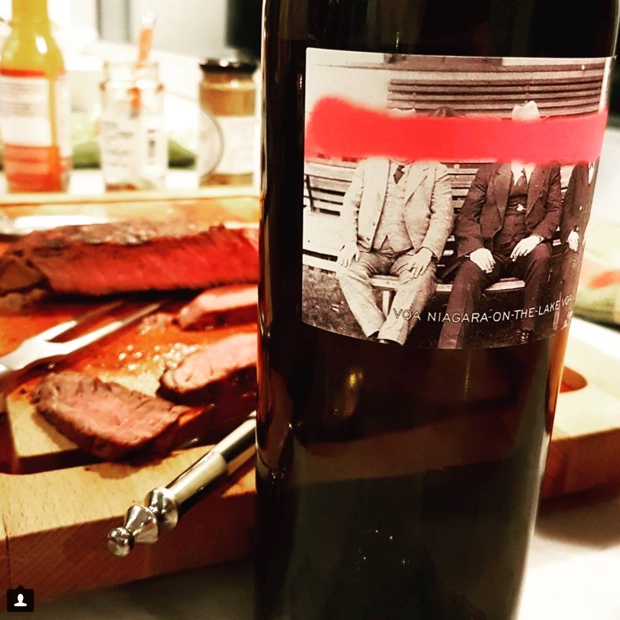
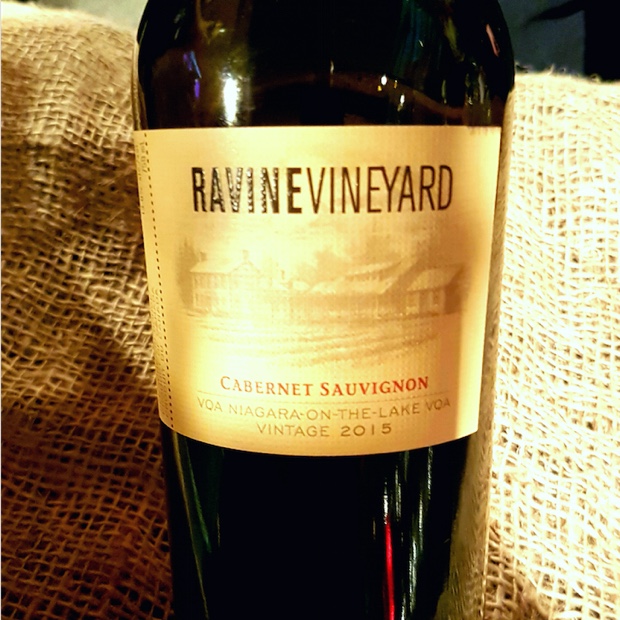
Tonight brought to you by #interloper and the inner beauty of #cabernetfranc @RavineVineyard #vqaniagaraonthelake
At this most recent NWAC17 judging experience the results from cabernet franc paints a more palatable picture than those brushed by both merlot and cabernet sauvignon. We are collectively impressed with and solidly behind the direction growers and winemakers are taking with this noble varietal. The 546 acres planted in B.C. are rising steadily and if I were merlot I’d be looking in the rear-view mirror. In Ontario more than 4,000 tonnes were harvested in 2015, third to only chardonnay and riesling. Four of five Gold Medals were Ontario in origin, 10 of 16 were awarded Silver and 10 of 17, Bronze. While only four in Ontario are labled “LL,” no less than 10 of the 24 winners were made with at least some significant amount of fruit grown in the Lincoln Lakeshore/Beamsville Bench circle of commonality. The sites we want to call “cru” are no longer a mystery.

Taskmasters not pictured #punchdowns #interloper
I can’t say this list is full of surprises, save for the first of 17. You see this particular wine is close to my heart because I had a hand in its concept and design. My partner Scott Zebarth and I teamed up with winemakers Marty Werner and Ben Minaker at Ravine Vineyards to produce what we all feel is the most exciting fresh breath of cabernet franc air to arrive in Ontario in quite some time. It’s obviously self-serving to put it on a best of the year list but we are very proud of this project and its inaugural effort. If you’ve tried it you know. If you haven’t, give me a ring. We’ll break Interloper bread together. To the other 16, welcome to the list.

Scott, Marty, Ben and I are proud to present the now SOLD OUT #interloper Cabernet Franc 2016. We’ll be back next year #vqa #niagaraonthelake #ravinevineyard
Interloper 2016, VQA Niagara-on-the-Lake, Ontario ($19.95)
Produced at Ravine Vineyard Estate Winery with the winemaking team of Martin Werner and Ben Minaker
Variety: 100 per cent cabernet franc
Fruit source: 55 per cent Estate (St. David’s Bench), 40 Creek Road, five Tanbark (Four Mile Creek)
Harvest Dates: October 26th and November 5th, 2017
Time on skins: Estate 26 days, Creek 21 days
Length and type of fermentation: Three weeks, ambient/wild for both
Élévage: Eight months in old 225 L French barrels
Case Production: 22
mgodello scottzebarth marty_werner benminaker23 ravinevineyard
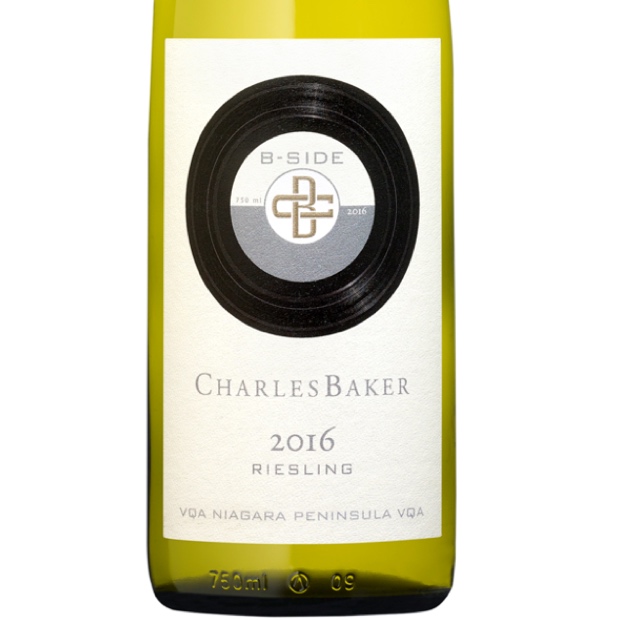
Charles Baker Riesling B-Side 2016, VQA Niagara Peninsula, Ontario (Winery, $22.00, WineAlign)
Vinyl records sound different because they are designed with grooves carved in that mirrors the original sound’s wave form. Their analog recording delivers a sensory feeling of warmth, an aural of texture, nuance and soul. There was a time when the hits spun over and over were also pressed onto the A-Side of 45 rpm singles. The discovery of a never before heard B-Side was a revelation because is was extra material from a favourite band and it was a great song. It meant the record was already too strong for that song to make the final cut and to choose it for a B-Side meant it would elevate the quality of the album. A well-chosen B was not an afterthought. This is the accomplishment of the first Charles Baker’s B-Side, for itself and for the vineyards of Iaen and Picone. Baker digs about in the Niagara Peninsula’s escarpment dirt for young vine, not ready for prime time riesling fruit. If perchance it seems like cheating on his per se Vinemount Ridge Picone and Ivan bottles so be it but one look at him and he’ll say “Hey, hey, what can I do?” His 2016 B-Side delivers a spray bottle Zeppelin expressing heady aromas, high in the stratosphere and raining down upon the earth. The notes are an all in, breath of classic Baker riesling air, blanketing from up above and with a landscape that reeks of lime and quivers with classic agitation. The fruit is wild and full, the salty grit infiltrating and gripping the bloody omniscience of this package. What is this B-Side and where will it be lead? To the top of the ridge, from earlier harvests, younger fruit and higher yields. Scratch the single vineyard elitism, just listen to the song and raise one up, to getting ‘er done before the conceptual singular side one and side two, Ivan and Picone. The Beatles? Forget it. Led’s flip side to the ‘Immigrant Song’ A is the one. Drink 2017-2021. Tasted November 2017 Charles Baker Wines stratuswines @cbriesling @StratusWines Stratus Vineyards
Tawse Riesling Quarry Road Vineyard 2016, VQA Vinemount Ridge, Ontario (198853, $24.50, WineAlign)
There is no substitute for seasonal Vinemount Ridge warmth when you are (or even if you’re not) trying to emulate a Mosel like, fleshy Kabinett tension. The Tawse Quarry Road riesling has shown signs of such mimicry in the past but here in 2016 the coincidence is uncanny. Riesling amounts to just 10 per cent of the 2007 planted vineyard, a Fly Road in Lincoln block where chardonnay (planted in 1998) and pinot noir (2007) are queen and king of the hill. But it is riesling that mines for limestone and uses it to distill, filter and enervate the outright fruity purposes of orange zest, lime juice and sweet grapefruit flesh. This ’16 has it all; adipose drupe, salty elements and stasis preserve. It will add some petrol and honey after a few years time and drink well for a few to a bevy more. Drink 2017-2023. Tasted November 2017 tawsewinery @Tawse_Winery @tawsewines

Malivoire Rosé Moira 2016, VQA Beamsville Bench, Ontario (Agent, Winery, $24.95, WineAlign)
Hard to believe what I see, a hue not blush nor pink, but gris. That “if my eyes don’t deceive me there’s something going wrong around here.” Forget about Provençe, don’t think too hard about Vin Gris but concentrate only on what Shiraz Mottiar has acceded with Rosé for Moira in ’16. Light and lithe do not begin to explain the rub. Rocks and stones are what come through the good earth on the nose. Is this the blush equivalent of mineralité, away from chardonnay and into pinot noir? “Is she really going out with him?” But the pinot noir component is almost non-existent so what is the phenolic advantage here? Has this gone too far or not far enough? Don’t mistake the things I say. This is delicious, understated and fully underestimated Rosé. It will have great appeal to a specific cognoscenti population and who could not think to drink it any day of the week? Commercially considered however, it may not speak a universal language. Drink 2017-2021. Tasted March 2017 malivoire shirazmottiar @MalivoireWine @ShirazMottiar @MalivoireWine
Flat Rock Riesling Nadja’s Vineyard 2016, VQA Twenty Mile Bench, Niagara Escarpment, Ontario (578625, $24.95, WineAlign)
Nadja, like the Bréton novel begins with the question, “Who am I?” A surrealistic trigger is incited by the first taste, with excitement running in many directions but like the book, Nadja’s non-linear structure is grounded in Twenty Mile Bench riesling reality. She is an elite varietal wine in 2016, excitable girl, gregarious, punchy and so bloody juicy. I don’t recall the last Nadja with so much up front zest fervency and writhing aromatic gait, “exploding international, the scenes, the sounds, and famously the feeling that you can’t squeeze ground.” The lime flesh and cordial infusion brings the flavours into a once tropical, twice bitten realm. The vintage delivers the electric version, the new pornographer for the vineyard and the song sung loud swan song for departing winemaker Jay Johnstone. Was it all for swinging you around? Drink 2017-2024. Tasted October 2017 flatrockcellars @Winemakersboots @FlatRockCellars
First Fruit: Field Day Pet Nat, Niagara Peninsula, Ontario (Winery, $25.00, WineAlign)
An escarpment Pet-Nat is born, thanks to the healthy and precocious idealism of winemaker Ryan de Witte and his Winona-based host Ilya Senchuk at Leaning Post Wines. The name “First Fruit: Field Day” carries three connotations; a reference to De Witte’s first commercial wine, the first crop off this particular block and the fact that it’s a field blend of two grapes. The erudite hat is thrown into the micro-cuvée, sparkling wine ring with interchangeable tracks of arts and science from near-equal parts muscat (60 per cent) and gewürztraminer. The style is pétillant-naturel, or as they say in Italy, Vino Rifermentato In Bottiglia, under crown cap with what Ryan notes “as much of the lees as I could get in.” The tightrope induces a two-fold increase, of reduction and for texture, from the nutrients fed the fermentation. De Witte’s math was sound because the effervescence is strong enough to blow the reduction off after a few seconds in the glass. One point for science. After tasting two samples I can safely say that the yeast deposit can’t be missed but it is those crafty and leaningpostwineconsolidated cells that drive the salvus meets salus machine. This lithe, re-fermented and crackling sparkler is both safe and healthy. You can feel its enzymes usher liquid happiness through your body and it makes you pause, leave the warrior behind and become at one with the experimental fizz. It’s raw and you want it to be so. The aromatic varieties collogue preserved lemon, ginger and aseptic vegetal scents in an almost funk-less Pet-Nat. It’s an impossible one actually, that is until you get a load of that slag at the bottom of the bottle. But the lack of danceable, rhythmic funk may deny you a Cissy Strut so think on it like Foam meets Talking Heads as in minimal, industrial, synth-pop. Or, in sparkling wine terms, one Pet-Nat’s riflessioni naturalische is another one’s clarity. One point for art. The intrigue here sets the bar high and looking ahead, when acidity can further provide boundless rhythm section support we’ll really have something to talk about. Inaugurals are never easy, nor is progress but the sophomore release will most certainly play on repeat. Let’s hope someone finds a category to place it for three-letter approval. Drink 2017-2018. Tasted Twice, February 2017 leaningpostwine @LeaningPostWine @Witte_Wine Leaning Post Wines Ryan de Witte
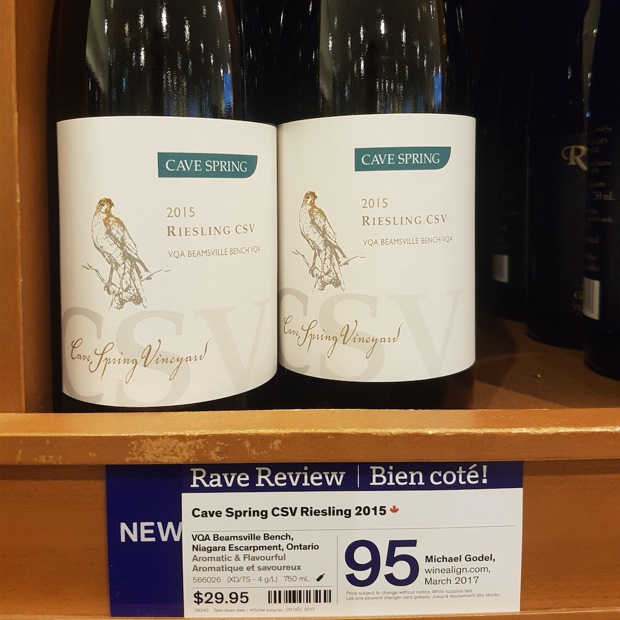
Cave Spring CSV Riesling 2015, Cave Spring Vineyard, VQA Beamsville Bench, Niagara Peninsula, Ontario (566026, $29.95, WineAlign)
In a word, balance. Well two, balance and brilliance. CSV in 2015 takes the reigns from itself and stands firm. The fruit is in charge, the mineral a support system unparalleled and the minor celebratory sweetness a mere afterthought when it comes to rounding out the complexity. CSV is pretty darn back in ancient dolomite time travel and escarpments high great in 2015, uplifting, serious but yet not so. The numbers trip the light fantastic, fooling like gold and bones dry are seemingly preserved in karst but impossibly not. The sensoria apprised reel from the finest acidity it can possibly carry in its veritable truth. Deep lemon intent and a new wax vernacular speak the clarity of a wine that listens to its own expert advice. Might as well have made itself. CSV 2015 is one of the finest rieslings ever made from Ontario grapes. Drink 2019-2031. Tasted March 2017 cavespringcellars thevineagency @CaveSpring @TheVine_RobGroh Cave Spring Cellars The Vine – Robert Groh Agency
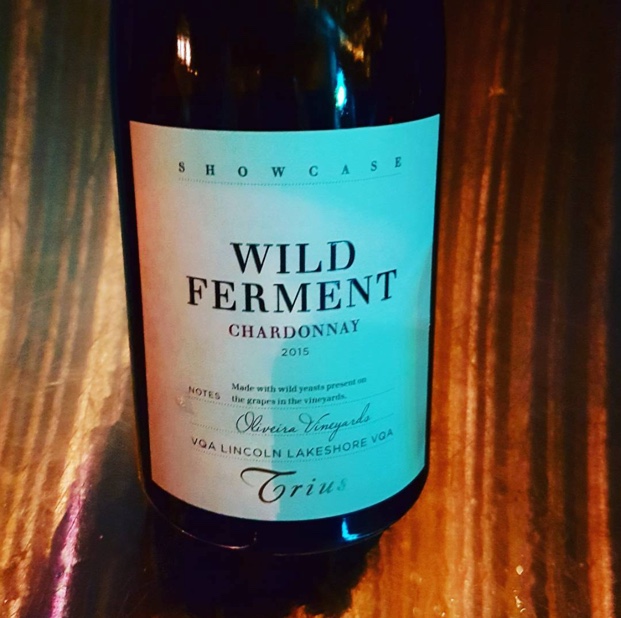
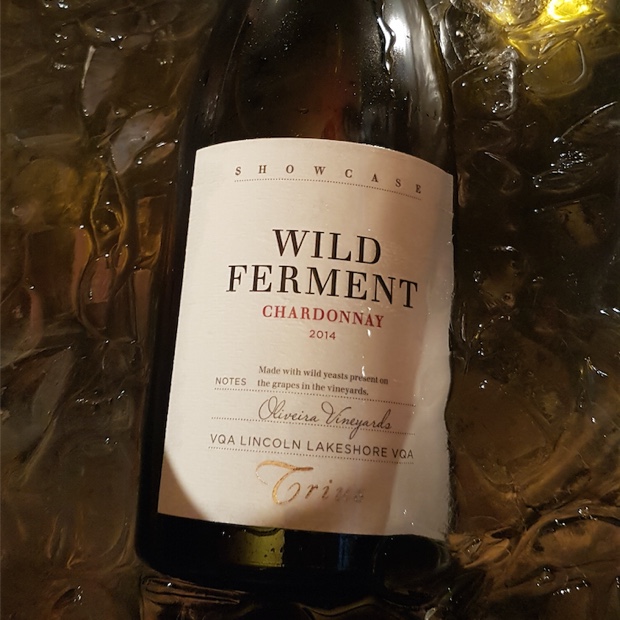
Sneak peak in the @TriusWines Meunier with Craig McDonald and a true Niagara Grand Cru @coolchardonnay site #lincolnlakeshore #oliveiravineyards #vqa #wildferment
Trius Showcase Chardonnay Wild Ferment Oliveira Vineyard 2015, VQA Lincoln Lakeshore, Ontario (Winery, $36.75, WineAlign)
When you consider the level of quality provided by the Wild Ferment 2014 it would be hard to imagine raising the bar any further but this is what winemaker Craig McDonald has managed with his exceptional 2015. The accomplishment is purely based on one year older, wiser and complexities developed Oliveira Farm vineyard fruit, the holy chardonnay grail, Lincoln Lakeshore playground. The site sits along the QEW below the escarpment’s Twenty Mile and Beamsville benches, a recipient of glacial till and rocks left behind by an ancient river running from a lake. It’s a chardonnay wonderland. Intensity of fruit purity, fleshy and real, remarkably juicy and notably crunchy has increased, upping the pleasure game and turning the impression knob up to 11. The windmill generates more power while always maintaining a classic Trius level of finesse. Then you think on the wood integration, equally impressionable because acidity is sweet and refined. Dry extract is also impressive, not to mention a fineness of grape tannin. The site’s unofficial designation as a Niagara Grand Cru should be upgraded with status. There is no better time than the present and the Wild Ferment’s 2015 ability is proof enough. Drink 2017-2023. Tasted July 2017 triuswines @TriusWines @triuswines

Pearl Morissette Cuvée Madeline Cabernet Franc 2014, VQA Twenty Mile Bench, Niagara Peninsula, Ontario (Winery, $38.00, WineAlign)
From the 19th Street Vineyard and wow, there is simply no cabernet franc like this cabernet franc. It pops and flies from the glass, in and out of your mouth, playful, buoyant, joyful, unbridled. A silky and spicy ripeness that’s also shed by its tannin, like shavings of a chocolate only a master knows to render, then currants electric and alive. Excels by its chewy mouthfeel and texture and you must ruminate on this cabernet franc. This is the it vintage, with all the enzymes in control, wrapped up in the enigma membrane and this low, classical Beethoven orchestral strings rumble, on a Verona stage, surrounded by the ancient rocks, acoustics perfect. You can get lost in franc like this. Drink 2019-2027. Tasted July 2017 pearlmorissette @PearlMorissette Pearl Morissette
Quails’ Gate Stewart Family Reserve Chardonnay 2015, BC VQA Okanagan Valley, British Columbia (639641, $43.95, WineAlign)
Some of the Okanagan Valley’s great chardonnay fruit is found on its eastern shore and makes its way into this Quail’s Gate Reserve. The story and place go back 60 plus years and wait if you can’t nose it in this top North American chardonnay. Forget comparisons, competitions and blind judgements but pull anything you want from Sonoma and watch this raise eyebrows and turn heads. The variegations are numerous and in replay. Richness, bite, energy, spirit and firm conceit. The barrel is everywhere and nowhere. What is a great chardonnay? It’s completely invisible, yet always in sight. It remembers what people hate. It anticipates the consumer’s needs before the needs are needed. A great chardonnay is, above all, discreet to a fault. Such is the Stewart Family Reserve. Drink 2018-2023. Tasted October 2017 quails gate hobbsandcompany @Quails_Gate @AMH_hobbsandco Quails’ Gate Hobbs & Co.
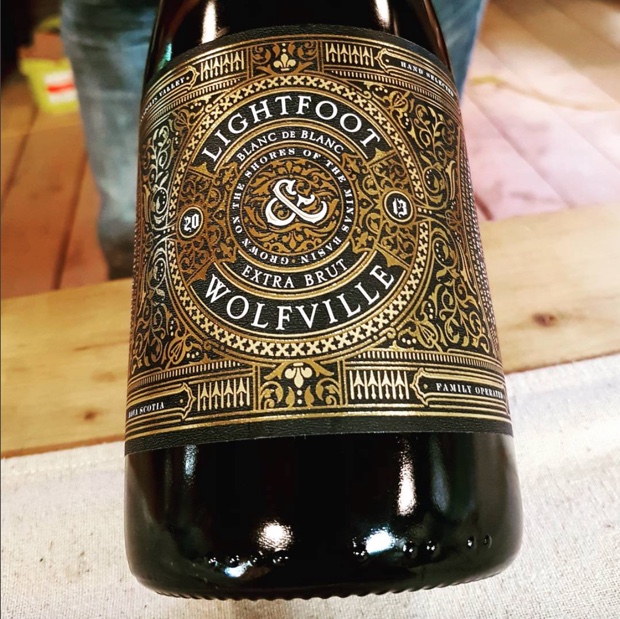
Sparkling wine you need to know @lwwines Blanc de Blanc Extra Brut 2013, from the shores of the #minasbasin #annapolisvalley #novascotia
Lightfoot & Wolfville Blanc De Blanc Extra Brut 2013, Nova Scotia, Canada (Winery, $45.00, WineAlign)
Josh Horton and Rachel Lightfoot presented an early, less leesy glimpse of their 100 per cent estate chardonnay at i4c in July of 2016. It was a different animal than this recently disgorged (late February/early March) sparkling wine. The Extra Brut lives up to its designation, from fruit grown on the shores of the Minas Basin under the auspices of a markedly warm year with exceptional phenolic ripeness and 25 per cent malolactic gain. The time relative to texture lees accumulation is approximately 40 months and it’s an accurate representation of Nova Scotia low and slow. The flavours are wisely developed ripe and spicy, leaning into a moment or two of oxygenation, but seemingly richer than the amount of lees time that was given. Now emerging from the shell of not just a warm but a great chardonnay year (as previously proven by the Ancienne released two years ago). The notion here is of a sparkling wine that has been brought home, a B de B that you need to get to know. There are layers and layers of character that fold and unfold. The precision, focus and rendering is citrus tamed, mouthfeel in perpetual expansion and contraction, length linear and elastic. And it’s just the beginning. Drink 2017-2023. Tasted June 2017 lwwines @lwwines Lightfoot & Wolfville

Blomidon Late Pick Sparkling Chardonnay 2011, Nova Scotia, Canada (Winery, $45.00, WineAlign)
The 2011 late-picked chardonnay, the “Hurricane” is a hyperbole of itself. Normally picked in later October, the frost-free weather allowed further time and development. Picked from seaside vineyards just ahead of another hurricane (in a season that included Irene), this is sparkling wine you just have to try. Though lean, taut and as intense as you are likely to taste, the developed character and complexity is visionary for Nova Scotia and Canadian sparkling wine. Three years on the lees brings the texture and fills the gaps, holes and voids created by such a tightly wound cool climate chardonnay. The dry factor is exaggerated in 2011 (a one-off says winemaker Simon Rafuse) but the wine takes full advantage of the Extra-Brut intent. Did it require the anxiety of a recent and an impending cyclone? Can it be duplicated? “That’s the story of the Hurricane.” Visionary for Nova Scotia and Canadian sparkling wine. Drink 2017-2022. Tasted March 2017 blomidonestate @BlomidonEstate Blomidon Estate Winery
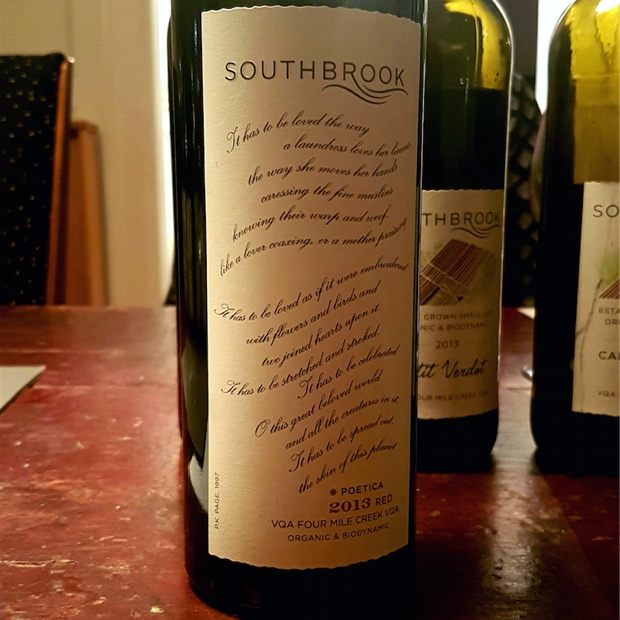
Southbrook Poetica Red 2013, VQA Niagara Peninsula, Ontario (355859, $69.95, WineAlign)
It seems at first that Poetica 2013 was chosen by winemaker Ann Sperling to be the deferential one. The blend is dominated by 74 per cent cabernet sauvignon, the highest number ever for the wine. Conversely the cabernet franc component is set to 23 per cent and far less petit verdot (3 per cent) rounds out the blend. That number had been 29 per cent in 2012 because the varietal elegance shown at that time necessitated the relationship. In 2013 it is the cabernet sauvignon that displayed with elegance and an uncanny ability to sow of its own accord and yes, it is an exceptional vintage so look for 2013 to age on a 15 year curve. The Witness Block CS-CF follows suit and the SV-PV is better off for the allocations. Every wine wins as a result. There is this deep-impressed sous-terre tang in here, a wisdom certainly, and when it is released later in the year the heads will turn. Poetica is often but here not overly tannic, but it is endowed with bones, spine and structure. The flavours, spice and magnetism give cause to salivate. Only Ann Sperling makes Niagara reds like this, wines that can develop such architecture without an excess of tannin, astringency and chalky chocolate from over-wrought wood exchange. Poetica 2013 will drink well young and comfortably into the end of the next decade. Drink 2018-2028. Tasted January 2017 southbrookvineyards thelivingvine @TheLivingVine @SouthbrookWine @SouthbrookWine The Living Vine inc.
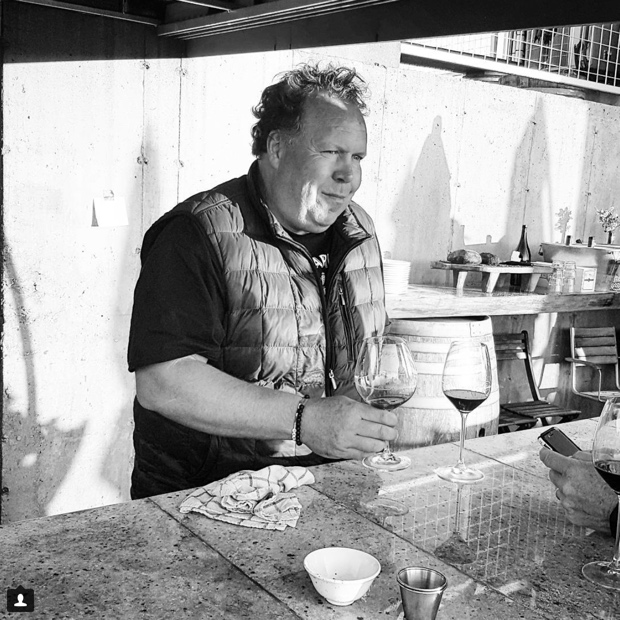
A finer man, winemaker and host you will not find. Thank you @normanhardie @keeponshucking @clarsenault @cuveeletittia @Mknow21 @mclauriault and all.
Norman Hardie Chardonnay Cuvée Des Amis 2014, Prince Edward County, Ontario (Winery, $150.00, 1500ml, WineAlign)
As exceptional as chardonnay may have seemed from out of the 2013 Ontario vintage you haven’t lived or loved until you get a taste of (only in magnum format) Norm Hardie’s 2014 Cuvées des Amis. This chardonnay attacks and ascends, recalibrating the inner workings of the brain and how it develops conceptualization. It is a state of the art and all-knowing elixir to remind that ’13 was a vintage with profitable yields and a generously stretched canvas on which to practice on, for when things begin to get real. The CdeA spent 18 months in barrel, the first 12 (in 35 per cent new), the next six in neutral and the last six in stainless steel on the fine lees. The spin class in the mouth manages agility, dextrous, furtive movement and completes many pirouettes. The dance is pure joy but the intensity is equally to disturbingly intrusive, suggesting more settling time is necessary. The flavour pearls are delicate and come straight from the oyster so they carry salinity, power and brine. Pure lemon essence is received by intravenous injection. Sumptuous is translated from Hardie-speak as a four-letter, Prince Edward County word. It doesn’t get more real than right here, with the best fruit, the tripping of the light fantastic, previously unheard and unseen unconscionable concentration. Drink 2019-2025. Tasted twice, June and July 2017 normanhardiewinery @normhardie Norman Hardie

Le Vieux Pin Équinoxe Syrah 2014, BC VQA Okanagan Valley, British Columbia (Winery, $80.00, WineAlign)
Èquinoxe is announced without equivocation as the Bricco of B.C. syrah and an absolutely lovely Bench expression from winemaker Severine Pinte. What came from these three-quarters Osoyoos Lake District and one-quarter Black Sage vineyards in 2013 was floral and peppery, with a fineness that belies a dessert climate but in 2014, well this is something more and other. You just have to think about texture here and a quality of acidity that is peerless in B.C. syrah. So juicy, beautifully tannic and rendered with culture and class. Drink 2018-2022. Tasted October 2017 levieuxpin @LeVieuxPin Le Vieux Pin Winery
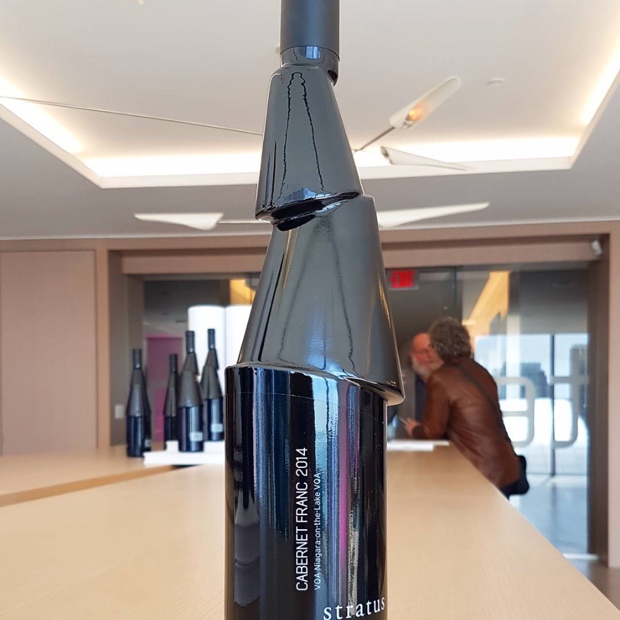
My eyes do not deceive me. It’s Decant @StratusWines #cabernetfranc bottled with lees #vqa #niagaraonthelake #karimrashid
Stratus Cabernet Franc “Decant” 2014, VQA Niagara On The Lake, Ontario (Winery, $95.00, WineAlign)
“A designer’s hands are tied. They are only as good as their opportunities.” The words of the brilliant bottle designer Karim Rashid fully apply to the mirrored universe in which winemaker J-L Groux works, here with a deferential and ulterior cabernet franc, bottled with its lees. When I first tasted it in February (in advance of this auspicious release), its unfiltered state spoke of a hyperbole of perfume, marked by exoticism. The aromatics gave far east five-spice, star anise, cardamom, miso and incense, all natural by-products of its purposed ferment. More grain spoke out but also a roundness of tannin and a smoothness both coating and comforting. There was chocolate accentuated by the treatment, with thanks to those lees left in the bottle. The chopped up and constructed bottle catches the lees while the volume flows out and the function out of form mimics the thought of lees delivering structure and yet they are invisible, caught in a hidden net or nook, out of sight, out of mind. But it’s not about pouring. It’s about the hand, or the slight thereof. Then there is the copycat idealism of strata in the vineyard, of geology transferred to the bottle and kept there, like a ship perfectly preserved inside. This cabernet franc will age better, as is the plan, with thanks to the lees that you’ll never have to deal with. There were 110 cases made. Drink 2019-2029. Tasted twice, February and May 2017 stratuswines @StratusWines Stratus Vineyards

Supper at Benjamin Bridge
Benjamin Bridge Méthode Classique Estate Blanc De Blancs 2013, Nova Scotia (Winery, $119.50, WineAlign)
Tasted from a bottle disgorged in May 2017, there alights a plugged-in, three-pronged, dazed, charged and enchanted energy about the Bridge’s ’13 Blanc de Blancs. The history of go it alone pure chardonnay is a relatively short one for the estate so this quickly makes up for lost time or rather with haste sets the timer and heads out at first light. “Like sittin’ on pins and needles, things fall apart, it’s scientific.” Wild, of talking heads temper and yeasts, done up in demi-muids, with a wilder secondary fermentative push riding on the coattails of the primary fermentation. Everything in this wine is a productive child of the vineyard, of no third party sugars or consultations. “How do you do that without making a Pétillant Naturel,” I wonder aloud. It’s a second ferment, non-contiguous is the reason, even if the former is both influencer and mentor to the latter. It certainly falls under the category of “micro-cuvée. Like its cousin and predecessor (Blanc de Noirs 2011), this ’13 BdeB is mired intensely inward within its own specificity and is not so much a sparkling wine with competitive soul. It is a pure representative of chardonnay grown in Nova Scotia for one purpose. So let’s talk about true stories and wild, wild life. “You get on board anytime you like.” Drink 2018-2024. Tasted July 2017 benjaminbridge caveman__jones winesofn @Benjamin_Bridge @benjaminbridgevineyards @WinesofNS @benjaminbridgevineyards @winesofns
As we taste through the #NWAC17 finals we thank @ZWILLING_CA for the rocking great glassware. Canadian wines are better for these vessels.
Good to go!
Godello
Twitter: @mgodello
Instagram: mgodello










 Godello