Select tasting through years of the Stratus Red and White

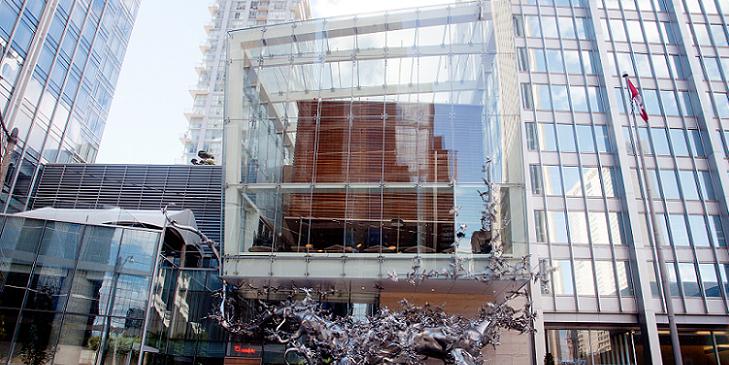
Stratus Winery and Vineyard, Niagara on the Lake
PHOTO: STRATUS WINERY

as seen on canada.com

Imagine this scene. It’s the year 2000 and all of the Stratus single varietal wines have been bottled.  J-L (Jean-Laurent) Groux and partner in wine at the time Peter Gamble are discussing the vintage and the merits of the individual varieties. “Something’s missing,” is the thought. “We can do better.” They decide to pour them out and reconstruct by blending whites into riddles wrapped in mysteries inside enigmas. They did what? They poured out Chardonnay, Riesling and Gewürztraminer, to reform the varieties by fractional assemblage? Crazy but true. History was made.

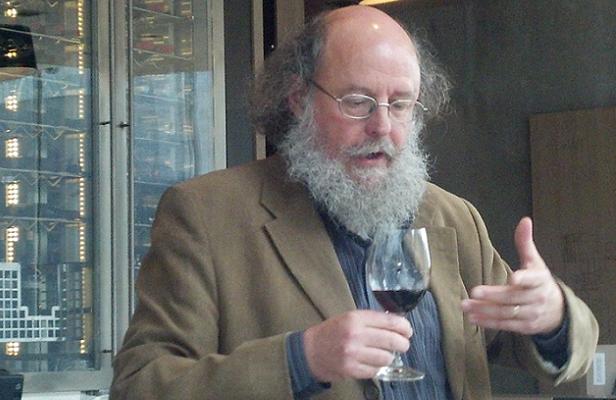
J-L Groux
Photo: Stratus Winery

J-L Groux is the winemaker at Stratus Vineyards, steward and maître d‘ to Niagara assemblage, the “art of combining several varieties to create a single wine.” The Stratus Red and White wines define that noble practice for Ontario. Groux’s M.O. is to select the best grapes from a single growing season, age them in oak barrels and then combine the SV’s for the purpose of achieving exceptional aromatics, a long aftertaste, vintage consistency and ageability. If any doubt has been cast over the idea of or the success of Groux’s methodology, upon his insistence that “there is no recipe for assemblage, only a goal,” the back-vintage vertical tasting at Le Sélect Bistro answered the multi-variety bell.

Cabernet Franc, Stratus Vineyard
Photo: Stratus Winery

So what has changed in the past 13 years? Most notable is the wisdom, experience and maturity of the vines and the winemaker. The wines and their maker have developed a symbiotic relationship with their environments. The oak barrels are crucial to the refinement of the Stratus signature wines. Cooperage time, though perpetually in oscillation, has generally increased over the years but levels of new oak have decreased. Groux’s declaration that it takes time to get the pyrazine (green character) out of the red grapes (especially Cabernet Sauvignon) indicates that oak must support but never lead. The Stratus Red vintage eversion is testament to a barrel program that is just getting better and better.

Rigorous vineyard management, including adjustments in fruit-thinning and maintaining fundamental, biological order have been key. “The vineyard is way more balanced due to all the hard work we have done,” boasts Groux. In 2010 they discovered it was no longer necessary to over-thin, but to concentrate on maintaining the organic matter needed. “We used to thin by two-thirds. 2010 was the hitching point.” Grape quality has never been better. “All these varieties are now making concentrated wine,” concludes Groux.

Re-thinking specific variety usage has seen a constant progression. Reds that used to rely on a categorical Bordeaux model (the three main grapes, Cabernet Sauvignon, Cabernet Franc and Merlot) have seen additions of Gamay, Syrah and Tannat over the years. In 2010, the archetype is again Bordeaux, with Petit Verdot in the mix. Malbec can’t be too far behind. My personal preference would be to see the beacon Gamay in grounding support. The grape really ties the room together. Whites once lead by Chardonnay have also angled Bordeaux.  “We discovered in 2008 that Semillon can make great wine in Ontario.” This was a pivotal turning point in the Stratus white evolution.

Gewürztraminer was also eliminated around this time, to ‘thin’ away a level of terpenes and to adjust the flavour profile towards more balance. “People would begin to say I smell Gewürz. Dammit!”  J.L. would say, “that’s not what I want them to smell. I want them to notice complexity. We want when people put their nose in this they say, this is serious.” Going forward, more Chardonnay will join the assemblage, moving towards more complexity, a less dry style.

The Select-Stratus tasting and lunch was hosted by J-L Groux and team: Charles Baker, Ben Nicks, Suzanne Janke and Sarah Walker. Chef Ponzo’s stoic, elegant plates prove that simplicity leads to good design as they ratify the sine qua non of Bistro cuisine.

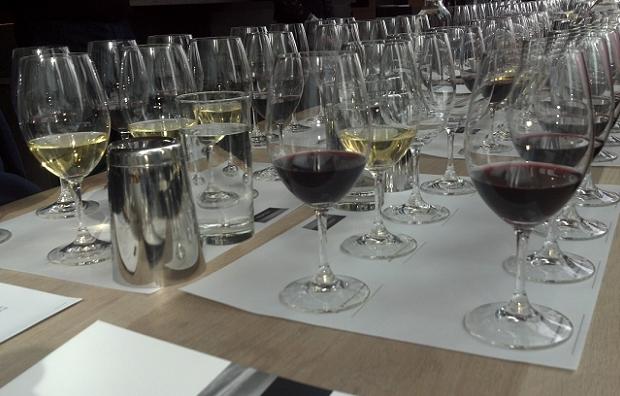
Stratus Select Line-Up
Photo: Michael Godel

Stratus Red and White Vertical

Tuesday September 24, 2013

Le Sélect Bistro, 432 Wellington Street West  (416) 596-6405

Chef Albert Ponzo, @AlbertPonzo

Stratus White

2010 sends me immediately towards Bordeaux, in neo-marmalade, but also buoyed in perfume and body by 25 percent Viognier. “This variety worked so well in the vineyard in 2010,” notes Groux. Niagara honey and near-botrytis via Semillon and Sauvignon Blanc void of grass, full of vigor. A sharp note, neither metallic nor mineral, but a combination of the two is present in this so very concentrated ’10. Of a warm vintage (self-explanatory) fully picked by October 23. Though loaded with early Spring maple sap, foie gras and appley terpines, its sharp and framed by “tannic” tang and protracted length.  92

2009 is a vintage you will notice a great similitude in that the Sauvignon Blanc and the Semillon number is consistent with ’10. This was a not preconceived plan insists J-L. Here the acidity level is so much higher, not as terpenic and veering citrus. Late picked UV’s on the berries are to thank but still the apples are there along with some pith. The Gewürztraminer glycerin, nutty aftertaste used to be there but now seems to have dissipated. This ’09 comes from a very small crop so the price “makes very little business sense, but you can’t win them all.” With time in the glass it dilates and modulates, becomes tropical, in pineapple and melon. This from 25 brix Sauvignon Blanc and to a lesser extent 23 brix Semillon. More stony and stark than the ’10.  89

2008 is formatively led by Chardonnay and certainly leans Chablis in a cool year. The highly aromatic grapes, at first mute, begin to emerge as the wine warms. This is the prettiest of the three thus far, with more citrus, fine balance and a wine that corroborates  J.L ‘s concept; consistency, long aftertaste and ageability. Achieves all three.  Keep swirling and the tropical notes make a play. Again consistency. This is effortless.  92

2007 has taken seven years to slow down the Gewürztraminer because the tiger army was so prominent back then, even at only 11 per cent of the mix. A “prisoner of the past and my heart’s dark desire,” with extreme efflorescent, ambrosial white flower and medicinal honey scents. The aromas are likely a residual effect of the Gewürztraminer, like jasmine or dried roses, or the floral aroma of some honey.  Even at six years old the Riesling is a distraction. This wine is very, very interesting, but also the hardest to assess. “Dried flowers pressed in pages of faded romance died.”  90

2006 was a “great recovery year,” after the winter damage of ’03, ’04 and ’05. A cool vintage, which required careful picking. The Sauvignon Blanc driven ’06 has the highest melon component, not to mention Boxwood. Yet that rose/floral/honey medicinal note is even stronger. Not over the hill at all and developing a graceful white wine character. Very French with late acidity and verve. Remarkable. Love this one. “This is a style of aged wine where I want to go,” says J-L. Nutty finish.  93

2005 was a deadly vintage (worst frost in Niagara on the Lake) and the only one with smacking aromas from the vineyard floor. “A zoo growing season,” notes Groux, “with grapes hanging high and low.” Chardonnay leads the troops in ’05, in elevated acidity and earthiness from grapes picked “in a different type of environment, near to the earth.” Highly textured and mature, leggy fruit. Though its best years are behind (because the fruit will no longer support the oak), the Groux seven-year ageing goal has easily been reached. The whiff of terroir does blow away and the honey liniment and rose emerges. So much consistency, so rapidly developed.  Amazing. Witness here the winemaking acumen out of an atypical vintage and confounding result.  90

Stratus Red

2010 is a study in restrained, gilt-edged use of only 15 per cent new oak during assemblage, especially with Cabernet Sauvignon in the lead and so prudent considering the extreme warmth of the vintage. Cabernet Franc imparts simple but intense spice.  Red talented, fresh finesse, the oak in support as a James Dean, cherry stained leather jacket. De facto fresh, with just enough trenchant acidity.  92

2009 is a very different and strange Cabernet animal, driven by Franc, its aromatics in spectacular form. Certainly ringing the bell pepper tocsin in a briny, cool climate and licorice carillon. Quite masculine for cool climate, cool vintage assemblage, assisted in kind that way by Tannat and Petit Verdot. “O Ominous Spiritus!” 88

2008 gives J-L reason to quip, “a cool year so therefore Cab Franc is king.” A smear of tarry black fruit is grounded by the dusty character that cool-climate reds so often display. Pepper, currant and more minerals meet metal aromatics. The ’08 Stratus SV’s collectively charm in special ways so there’s little reason not to be taken in by this assemblage. There’s just something about the vintage.  90

2007 puts a twinkle in Groux’s eye. “Still very enjoyable, agreeable and ageable,” he smiles and I note it’s not candied like it may have once been perceived.  A healthy and high 88 per cent dose of new oak but it’s not the encumbrance you might expect. Still quite tight, eking strawberry and plum, and indubitably a unique amalgamation. Will offer up five more years of pleasure.  91

2006 has reached a mellow stage in life, a middle age comfort zone, with no more edgy tannins. J-L is reserved and resolved to say it “has evolved to a nicely aged red wine.” Some sour funk continues to shine in bright acidity, seemingly fresh, though not as mature or concentrated as the others. Some grape leaf here, in a savoury way, like herb and starch stuffed tomato or ground meat in sweet peppers. Complex but not overly chichi.  89

2005 is a wine, according to J-L “you want to keep for a long run.” Laser focus, eagle-eyed cherry bears aloft by lingering acidity and rusticity. The warm vintage and oak aging has elongated the tannin chain. “Its passport for aging,” says Groux. “Can go the distance, we’ll find out in the long run.” That omnipresent dusty mulberry Merlot influence persists, along with black tea, carob, rhubarb and bokser. Herbal, savoury and highly complex.  93

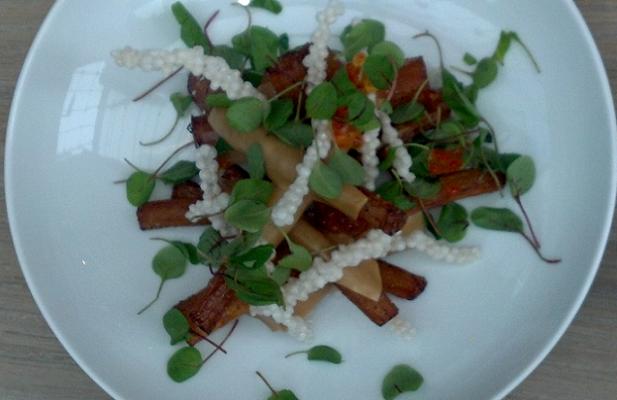
Terrine de Tête et Queue, head to tail, ‘meaty’ pork terrine

Tartare de Saumon, with lemon pearls, caperberries & frisée lettuce

Stratus White 2002
Photo: Michael Godel

Stratus White 2002 performs a demi-sec act which is not such a stretch, considering the late harvest actualities of the Gewürztraminer and the Riesling within.  Could pass for dessert-like, cool-climate French (Jura) though after the chimerical declension it’s still nothing but a Chardonnay-galvanized meritage. Like warm honeycomb buttering steamed crustaceous matter. That Stratus White medicine, in rose potpourri and honey completes the classic scene within the portal.  93

Confit de Canard, duck leg confit with crispy skin, served with vegs from the garden, potatoes au gratin

Joue De Boeuf Bourguignonne, beef cheek braised in red wine, with pork lardons and button mushrooms and a green pea purée

Le Sélect Bistro Duck Confit
Photo: Michael Godel

Stratus Red 2001 from two Cabs, Merlot and Gamay is a juicy, funky and earthy glass of vinous compost. Purple verdigris, verging to black and after all these years. Broods on despite memories of a hot “lady-bug” vintage. The NOL equivalent and coalescence between the French garrigue and the Italian animale. There should be nothing declassified about this black beauty.  91

Mousse au Chocolat, made with French dark chocolate

Assiete de Fromage, a selection of Artisan cheeses from Québec; Riopelle, Le Douanier and Bleu Benedictin

Stratus Special Select Late Harvest Cabernet Franc 2012

Good to go!

Red earth, white wine and September sparkling fire

Photo: ASK-Fotografie/Fotolia.co

as seen on canada.com

The weekend brought us autumn. A certain type of exhaustion creeps in when summer turns over, especially after two weeks of early September, hectic activity. So I sipped my weekend wine, let the ghosts come, allowed them to crash my dreams. It was the least I could do. Then, with a sibilant call, I cast out the spirits rattling like a guttering candle, browsed through some tasting notes and found many a wine reason to usher in the fall.

I did so with perfunctory ease. A bottle of red terroir here, a couple of neo-classical Ontario whites and a revelatory British Columbian sparkler there. Don’t let the sun go down on your wine year just because the mercury is falling. A red Mercurey from Burgundy might be all you need to enjoy the fall. That and some Canadian juice.

Canadian wine pilgrims are living in what is arguably the most exciting time in wine’s history. A time when the greatest wines are fetching the highest prices, where revolutionary activities are taking place in almost every realm of vinous endeavour. During this renaissance new world winemakers have had to re-calibrate their wine linguistics, so Bordeaux became “Meritage,” (Red) Bourgogne became “Pinot Noir” and Champagne became “Sparkling Wine.” The world’s data banks for terms and parlance (wine dictionaries) of examples in context is dwarfed by the collection winemakers all carry around subconsciously in their heads. Thus we have “White Palette” (Jean-Pierre Colas), “Sketches” (Paul Pender) and “Methode Classique” (Jason James). Pilgrim extraordinaire Thomas Bachelder gives us Pinot Noir opposite the iconic Domaine Faiveley’s Bourgogne.

Here are five wines of the lexicographical order to look for this coming weekend and to welcome the fall.

Clockwise from left: 13th Street White Palette, Tawse Sketches of Niagara Riesling 2012, Domaine Faiveley Mercurey 2010, Bachelder Pinot Noir Oregon 2011, and Sumac Ridge Steller’s Jay Methode Classique Brut 2008.

13th Street White Palette 2011 (207340, $15.95) is JP’s who’s who bottle of white grapes, a mad scientist’s blend, the flask filled with Riesling, Sauvignon Blanc, Gewurztraminer and Chardonnay Musque. A re-release and much improved with a year’s extra weight, its “got your body right now.” Fortified by a carapace of grape spirits and purposeful in a white meritage sense of community, plus citrus, pith and a far-reaching, right correct absinthian length. You better you bet.  88  @13thStreetWines

Tawse Sketches of Niagara Riesling 2012 (89029, $17.95) s’got quite the tropical warmth for Bench Riesling. When considered in terms of the vintage, this is nearly a Riesling in the service of a Pinot Gris. Very juicy fruit, dry but bursting in fricative verve. Extreme quality, low-cost. Now on tap at Barque Smokehouse.  89  @Tawse_Winery

Domaine Faiveley Mercurey 2010 (341925, $22.95, B.C. 486217, $28.99) is really quite nice TYVM. Dug from the pungent autumnal earth, expressing ripe cherry, cranberry and strawberry. Pure, elegant and charming. When first tasted and without knowing the price I made this note: “If it’s under $25 it’s a very, very good buy – assuming it is.” Sold.  90

Bachelder Pinot Noir Oregon 2011 (333278, $34.95) bleeds Willamette terroir. Punctiliously phenolic from marine sediment and seemingly obvious early-ripening. Provocative in ruby, sugar-sour cranberry meets redolent raspberry. Chalky, tannic and serious. It’s tough on me right now. Come on Thomas, would ya please lighten up? I don’t want to have to wait to drink the first case.  90  @Bachelder_wines

Sumac Ridge Steller’s Jay Methode Classique Brut 2008 (264879, $25.95) makes use of B.C.’s future, the necessary signature white variety Pinot Blanc with assistance from Pinot Noir and Chardonnay. Very fine lees and yeast aromas are followed by a fantastic jumping and grooving party in the mouth. Tart apples, dry and crisp. Sprightly with 3-D sparkling fire texture. Tertiary maturity has nearly arrived.  91  @SumacRidgeWine

Good to go!

New white wine love for ‘The Savvy’

Sauvignon blanc, a green-skinned grape variety from Bordeaux, France PHOTO: SHCH/FOTOLIA.COM

as seen on canada.com

There’s this grape I want to tell you about. Sometimes there’s a grape. I won’t say a gambler but certainly an opportunist. I’m talking about “The Savvy,” that green-skinned grape variety from Bordeaux, France. Its name may derive from the words “sauvage” and “blanc” but it’s not really a wild one, is it? Well, except for that time it hooked up with Cabernet Franc to produce the offspring Cabernet Sauvignon. It has participated in the proliferation of some wonderful examples in its native Bordeaux, especially when blended with Sémillon. Grown and produced out of the Loire Valley it has shown to be the prototype for his time and place in Sancerre. Then it migrated to Marlborough.

Even if The Savvy has at times been considered a lazy grape, when it found its way to New Zealand, everything changed. The Savvy became the most widely planted varietal and within a couple of short decades cornered the world market; incredible story. How did it happen so fast? West Coast writer Anthony Gismondi made reference to The Savvy’s “aromatic, lip-smacking fresh-tasting flavours” – very true. Meteoric rise, global acceptance and incredible sales numbers, but has the summit been reached? Suddenly it seems that now, not unlike the fate suffered by that other white dude, Chardonnay, the Savvy is losing ground, no longer currently feeling the love. New Zealand both gave it life and, through intense saturation, took it away. It may not seem obvious yet but as a story similar to Australian Shiraz, some noses are turning away from The Savvy.

Enter the Western Hemisphere. The Savvy is very much on the rise in these parts thanks to a profile built on fresh stone fruit, approachable acidity and best of all, a near complete absence of blanched green vegetables. What, no beans, no peas, no asparagus? Thank green goddess goodness. Though wine production techniques have improved dramatically over the past twenty years, there are still many Kiwi, South African and even Loire examples full of “excessively vegetative, bell pepper and canned asparagus notes and the bitter citrus rind flavours.” The Savvys from Ontario, California and Chile as a rule are clean and low on both the grassy and tropical polar ends of the spectrum. In fact, new, New World Sauvignon Blanc is not very Sauvignon Blanc-like at all.  So, thank you Savvy because “there’s a man, sometimes, there’s a man. Well, I lost my train of thought here. But… aw, hell. I’ve done introduced it enough.” The Savvy abides.

From left: Riverview Cellars Sauvignon Blanc 2012, Fielding Estate Sauvignon Blanc 2012, Veramonte Ritual Sauvignon Blanc 2011, and Cakebread Cellars Sauvignon Blanc 2011

The history: Sicilian roots, family farm, Niagara-On-The-Lake locale

The lowdown: Biochemist, oenologist and winemaker Angela Kasimos makes use of Niagara’s cool climate for aromatic success.

The food match: Beet and Quinoa Tabouli

Riverview Cellars Sauvignon Blanc 2012 (351494, $16.95) resides on the juicy plum fruit side of the Blanc spectrum, not unlike Pinot.  Friendly, hospitable and gracious, like Grillo. Effortless white, with a schwa for a mid-palate, a subtle vowel sound, a colourless murmur.  88 @RiverviewWinery

The history: Curtis and Heidi Fielding have confidently and meticulously built a small empire at Fielding Estate. Every angle, from exterior architecture to indoor design, to vineyard rows, to bottle images, is a study in fine lines and photographic possibility

The lowdown: SB reacts differently on the Beamsville Bench resulting in examples with more citrus and tropical fruit. Winemaker Richie Roberts finesses the you know what out of his grapes and makes no mistake with this warm ’12 vintage

The food match: Grilled Shrimp with Lime Powder and Parsley–Olive Oil Sauce

Fielding Estate Sauvignon Blanc 2012 (131235, $18.95) rolls across the tongue like a diphthong, gliding effortlessly along, with nothing out of sorts or over the top. The zest is in a note of lemon, the tropical nuance in passion fruit. Excellent and wondrous sipper, put in mind of its own astonishment. Serve on its own or with marinated maritime delicacies off the grill.  89 @FieldingWinery  @RichieWine

The history: Viña Veramonte from Chile’s Casablanca Valley

The lowdown: Chilean Sauvignon Blanc is noted for its racy and vibrant style, with bright fruit flavors and balanced acidity. Ritual was created to reach an elegant, yet approachable interpretation of Sauvignon Blanc

The food match: Elote al Echo Parque

Veramonte Ritual Sauvignon Blanc 2011 (328401, $19.95) after five months in French oak opens with a toasty, yet in check char. An SB of a different import entirely, with the acidity surrounding a ball of wet stone both encouraging and suppressing fruit bursts and releases. A bit built like a brick dunny, at times muddy and cranky, but possessive of tons of character. Hooting and hollering Savvy. One might say he lives.  90  @VeramonteWines

The history: Napa pioneer dating back to 1973. Their Sauvignon Blanc is fashioned from grapes throughout the Valley, with a large concentration from estate vineyards in the Rutherford, Calistoga, Carneros and southeastern Napa Valley regions.

The lowdown: This 2011 is the result of one of the coldest, wettest and latest vintages in memory. Whole cluster pressed SB, “Botox for white wine,” to keep the phenolics in check and to help the wine age quickly

The food match: Blueberry Cobb Salad

Cakebread Cellars Sauvignon Blanc 2011 (707224, $39.95) shows off the verve of the vintage in pinging fruit balanced by creamy coconut. The tartness of the fruit still tells beneath the syrup so it certainly straddles a line of both tropical and piercing. The green note is spiced mango and there is a candle nut component. Very long.  92  @CakebreadWines

Good to go!

B.C. wine: From Vancouver to your table

Vancouver’s Blood Alley PHOTO: SINIDEX/FOTOLIA.COM

as seen on canada.com

On a recent West Coast swing I sampled wines from British Columbia’s Okanagan Valley without ever leaving the city of Vancouver. A bicycle was all I needed to find Salt Tasting Room in Blood Alley. A couple of telephone calls to L’Abattoir and Fable Kitchen quickly and effortlessly landed me in the wine program hands of Robert Herman and Kathy Schleyer/Ron MacGillivray, all ready and willing to introduce me to a thing or two about B.C. wine. The Okanagan Valley’s indelible stamp is now etched upon my wild yeast, fermented brain.

PHOTO: Michael Godel English Bay Inukshuk

A well-known California wine writer recently lashed out against the city’s wine scene with this soul-searching, pharisaic headline. British Columbia: Okay Wines, Retarded Wine Culture. I feel for the author, who in his own right is possessive of a tremendous palate, for he could not locate a knowledgeable sommelier or a decent glass of B.C. wine anywhere in the city. But I suppose I shouldn’t blame him for never having solicited any advice from Anthony GismondiDJ Kearney, Jessica Bryans, Rhys Pender, Treve Ring, Frank Haddad, Kurtis Kolt, Andrea Vescovi, Lindsay Ferguson, Jay Whiteley, Barbara and Iain Phillip, Mark Taylor and Lynn Coulthard. Just a few names for next time. Nor can I hold him accountable for never having made it out to Penticton, or Kelowna. Two weeks later the Wine Blogger’s Conference in Penticton remained surreptitiously out of reach. I too am guilty of not being able to plan a side trip to the Okanagan during my quick western jaunt and yet I had no trouble unearthing several watering holes with more than a willingness to keep me in the B.C. wine loop. “It ain’t no big thing but it’s growin’.”

PHOTO: Michael Godel Second Beach, English Bay

Unlike Ontario, British Columbia has finally begun to emerge from the dark ages of wine legislation and pre-prohibition rules. Thanks to MP Dan Albas and the #freemygrapes movement, Ontario wineries (and others in Canada) can now ship their bottles to B.C., free from persecution. Private wine shops like Kitsilano Wine Cellar have begun to allot space to Ontario but the choices are few and far between. Blue Note agency’s Patrick Ellis is working towards more free movement of wine from Ontario to B.C.  Despite the prevailing tailwinds, shipping wines west to east remains taboo. Christy Clark will be handing out B.C. wines to fellow premiers at this week’s annual meeting. The ball is in your court Kathleen Wynne. People are talking.

The LCBO is so un-flush with B.C. wines the back-up is downright constipating. The monopoly threatens, the wall’s eastern bloc shows few faults and still B.C. wines (privately) flow east. Why? It’s the right thing to do. My table is set and ready for B.C. wine to be written all over it.

PHOTO: Michael Godel Summer table

Here are notes on eight Okanagan Valley wines tasted at Salt and on a hotel balcony overlooking phantasmagorical English Bay.

Salt Tasting Room, 45 Blood Alley, Gastown, Vancouver, BC V6B 0C4 (604) 633-1912

It’s 11 a.m. on a Tuesday, I’m in unfamiliar territory and Colin greets me with a turntable and Another Side of Bob Dylan. I know I’ve come to the right place. A half hour in I am turned over to Sommelier and General Manager Kyle Gartlan-Close, clearly a pragmatist when it comes to the wines of British Columbia. I sense he’s still waiting for the renaissance to happen and the local wines on his list must adhere to what are clearly his high standards of quality. I tasted 15 wines over a 90-minute stretch at the tasting bar. Not all were hits but Salt was clearly the portal to crawl through and cross over into Vancouver’s wine scene. All prices are B.C. at the winery, unless otherwise noted.

From left: Tantalus Old Vines Riesling Natural Brut 2010, Thornhaven Tortured Grape 2012, Pentâge Winery Sauvignon Blanc Semillon 2011, Poplar Grove Chardonnay 2011, 8th Generation Vineyard Riesling 2012, Synchromesh Pinot Noir Rosé ‘Palo Solara’ 2011, and Joie Farm Pinot Blanc 2012

Tantalus Old Vines Riesling Natural Brut 2010 ($35) at 11:00 am on the nose spins effortlessly out of the vinyl gate along with Dylan’s The Girl From North Country. No shrinking violet, this inaugural Brut, méthode Champenoise sparkler. Straining yeast, naphtha and prickling pear go crazy in acerbic pith. No Peggy Day neither, though “she stole my poor heart away.” Score one for Godello’s cellar.  90  @tantaluswine

Thornhaven Tortured Grape 2012 ($17.90) melds a kitchen sink of Okanagan Chardonnay, Riesling and Muscat. Slides down the pipe with edacious oomph, in a good way. The label’s eerie graphic might shock but this is no hollow or shallow white, but rather a hallow ode to blending with great floral intensity.  But, may I ask, who crop-thins with a scythe?  87  @ThornhavenWines

Pentâge Winery Sauvignon Blanc Semillon 2011 ($20) is classically styled white Bordeaux divided between 65 per cent SB and 35 Sem, though it’s true to its roots and rocks, speaking uniquely of its place. Glides coolly and reggae rhythmically in cohorts with Bob’s Kaya, is perfumed by humid sea salt and oyster shell. SB imparts near tropical fruit and Sem brings terrific texture. Goes to show you “can’t run away from yourself.”  88  @PentageWinery

Poplar Grove Chardonnay 2011 (338434, $27.95, B.C. 732958, $21.90) from Hot weekend wines and cool Chardonnay sees minimal (15 percent new French) oak influence and while there is a ripe coconut tang, a sense of creamy butter and a spike of citrus, there really isn’t too much of anything at all. Tasted this fresh Okanagan a second time in Vancouver, alongside Another Side of Bob Dylan at Salt Tasting Room, I decided I could drink a barge full of the stuff. “All I really want to do, is, baby, be friends with you.”  90  @poplargrovewine

8th Generation Vineyard Riesling 2012 ($20.90) from Okanagan Falls bolts rapido from the gate with the ripest fruit (pear, plum) and though there is citrus, it’s really quite semi-dry. At 12.9 per cent alcohol and 24gr/L of residual sugar this may as well be Mosel Trocken Spätlese. Fantastic presence and awesome winemaking from Bernd and Stefanie Schales. Got me by the vines and will be on my table. 92  @8th_Generation

Synchromesh Pinot Noir Rosé ’Palo Solara’ 2011 ($18.90) from an east-Kelowna vineyard is made using the traditional saignée method. The result is a cottony texture and clinquant cantaloupe hue. An alkali, dry Provence notion is raised dutifully by bright but savoury fruit notes, like rhubarb and watermelon. Only 150 cases produced and true to serious Rosé everywhere.  90 @SynchromeshWine

Okanagan Crush Pad Gamay (on Tap) rolls melodically around the mouth in fresh fruit flavours so it must be Piano Man time. Solid black cherry core, good extraction, simple structure and no hard lines combine for basic but beneficial keg effect. “La la la, di da da. La la, di da da da dum.”  87  @OKCrushPad

Joie Farm Pinot Blanc 2012 ($23) found at Kitsilano Wine Cellar elevates a yeoman’s grape to mountain heights. Okanagan acidity injects life to do away with “useful” and score a notch for necessary. Like Gamay, Pinot Blanc should receive more planting consideration in B.C.  Zesty, invigorating and refreshing. A tumbler of delectation when matched with a view of English Bay.  89  @JoieFarm

Good to go!
A sound return to North Fork wine

Kontokosta Winery, Greenport, Long Island PHOTO: MICHAEL GODEL

as seen on canada.com

Just under I year ago I trekked to the western reaches of the North Fork wine region of Long Island, N.Y. I visited a few wineries on a spit of land between Long Island Sound and Peconic Bay, an area no wider than the geography between the Humber and Don Rivers of Toronto. Tasting sessions at Clovis Point and Palmer Vineyards opened my eyes to the exceptional wines that can be forged from such a rugged landscape and demanding climate.

I returned in 2013 to seek out wines made further east, in Greenport and in Southold. The former, Kontokosta Winery, is a brand new facility just opened in June, 2013 and the latter, Sparkling Pointe, a specialist of Champagne-style fizz. The common thread is winemaker Gilles Martin and a sharp view of the future for the region’s grapes. The wines of New York’s North Fork are piercing, intuitive and kind. They speak of the stark terrain, the abrupt and spontaneous terroirand the eleemosynary earth.

Kontokosta Winery

825 North Road – Rte. 25, Greenport, New York 11944

Brothers Michael and Constantine Kontokosta are the owners of Greenport Long Island’s newest and most easterly winery, alone in Greenport and one of few LEED gold certified wineries in North America. Situated on sixty-two acres, the winery boasts over a quarter-mile of Long Island Sound waterfront. The winery’s sustainable elements include reclaimed wood siding, 90% recycled-content steel, an enormous wind turbine feeding the property energy, xeriscape method landscaping and an organic community garden that support local non-profits.

PHOTO: Michael Godel Kontokosta Winery tasting room exterior

Beginning with the 2012 vintage, the winemaker is Gilles Martin who is rapidly gaining a reputation as North Fork’s go to consultant. The first vines at Kontokosta Winery were planted in 2002 under the guidance of the late Long Island wine pioneer Ray Blum. Cabernet Franc, Merlot, Cabernet Sauvignon, Syrah, Viognier, Sauvignon Blanc and Riesling produce 3,000 cases annually, with some bottlings currently on offer having been fashioned from fruit sourced further west, mainly near Peconic Bay. Eric Fry of Lenz Winery made the wines prior to 2012.

I tasted the wines on Canada Day, July 1st, a mere 18 days after the winery’s opening. Despite such a brief time period of public interaction, Miles Trautman ushered me through with precision and passion. Though I was certainly no John Rambo to his cool, calm and collected colonel, I did my best to gain a true picture of the brother’s philosophy to “combine the latest technological innovations with centuries-old traditions in the cellar to develop and ensure the best expression of the unique Long Island vineyard site.” And by the way, the First Blood reference is real. Trautman is related to the uncle who was the writer’s inspiration for the fictional Richard Crenna chatacter.

PHOTO: kontokostawines.com Kontokosta Winery

Anemometer White NV ($16) combines Sauvignon Blanc from two vintages. The goal here is Loire so for parochial intents and purposes it succeeds. The fruit does yeoman’s works through the albedo of white grapefruit and a citric acid shell. Refreshing and acceptably tart.  86

Sauvignon Blanc 2012 ($25) is both ahead of the curve and a harbinger for white vinifera North Fork expectations resulting out of the warm 2012 growing season. Blessed by the luck of an early bud break and wisely picked ahead of Sandy’s torrent. Intimates the tropical flavours of pollarded, fruit trees but also races with vitesse.  89

Orient Chardonnay 2009 ($17) makes use of non-estate purchased fruit from out of the Sargon Vineyard bathed in neutral French oak to achieve an opinionated Chablis termagant in green apple and chèvre. Tongue-tying and teasing metallic but rolls out no stones.  89

Rosé 2011 ($15) is uniquely 100 per cent Merlot and though its girth is diluted by the rains of Irene, the herbiage, strawberry and rhubarb more than make up for the lack of concentration. Made in a decidedly French, dry style. Works the vin de pays grape with ease.  87

Viognier 2010 ($25) excels beyond expectation from one of only two local vineyards extolling the virtues of Condrieu. A touch of tiger balm but certainly not OTT, warm cashew buttery, viscous and radiant. Terrific sense of balance at 13.8 percent out of the maritime vineyards of the North Fork.  91

PHOTO: Michael Godel Kontokosta tasting room

Anemometer Red 2006 ($19) is 100 per cent untrodden Syrah having already laid down long enough to now give of itself. An angel of red raspberry, rhubarb, plum and loose tannin marked by lit charcoal. All told it brings Greek reds to mind, like Agiortiko. “Don’t let me hear you say life’s taking you nowhere.” Cool Syrah from young vines living beyond its golden years.   89

Merlot ‘Blum’ 2007 ($19) from the late grower’s Ackerly Pond Vineyards achieves toothsome mouthfeel from solid brix and 13.3 per cent Peconic Bay fruit at the hands of the local Long Island AVA pioneer. Here French oak imparts generous vanilla and spice and an ever so slight coat. Sinewy stickum from unresolved tannin settles and fleshes out while in the glass. Ends with a pretty, floral and feminine note. Just now beginning to fade, like the sun over the sound.  89

Merlot Estate 2007 ($29) elevates to 13.9 per cent in estate fruit, seemingly more masculine than the Blum. Richer, fuller in body mass, increased in concentrate.  Akin, if I may, to IGT Merlot, not quite Masseto but Super Tuscan (in hopes and dreams) nonetheless. Struts in increasedstrada tension, acidity and tannin. Less agreeability, more ageability.  90

Cabernet Franc 2007 ($29) remains dark and mysterious under the canopy though light creeps in on the edge of the forest. Spiralling cedars, bough smoke and vanilla from new oak have mellowed into a soft, approachable and aromatic cool climate Cab Franc. A red and black commingling of never too ripe fruit lingers on.  88

Cabernet Sauvignon 2010 ($22) achieves definitive varietal ripeness from what should be a harsh host environment. Soft red berries, an ebullience of ease and suave felt ready this warm vintage red for immediate and only immediate pleasure. Hard to coax much better out of the sand and grass.  88

Sparkling Pointe

39750 County Road 48 Southold, NY 11971

The winery can be found along Long Island’s North Fork Wine Trail and is the sole producer in New York State dedicated to the exclusive production of Méthode Champenoise Sparkling Wines. Fully estate grown seen 2007, don’t be fooled by the Brazilian carnival kitsch surrounding the tasting room. These bubbles are refined and serious. Sure, I will admit that Roederer EstateSchramsberg and Domaine Chandon make some terrific wines in the California sun but Sparkling Pointe speaks volumes towards yet another cool-climate region’s reason to make bubbles. If you lead them, they will follow. Look for more fizz on the North Fork in the coming years.

Champagne fans and founders Cynthia and Tom Rosicki manage 29 acres of vineyard, planted with the traditional Champagne grape varieties: Pinot Noir, Pinot Meunier, and Chardonnay. Their winemaker is North Fork’s super winemaking human Gilles Martin. Tasting room manager Kelsey Cheslock led me through a portfolio of six sparklers, half of which turned my head full round.

PHOTO: Michael Godel Sparkling Pointe

Brut 2009 ($29) goes long on tradition with 59 percent Chardonnay, 31 Pinot Noir and five Pinot Meunier, then bucks the trend by adding five per cent reserve wine into the mix. A fine mousse dissipates in haste from a bottle that had been opened longer than a while. Readied by oak influence with green apple flavour and tropical fruit from the added juice reserves. Despite the heavy rains of the vintage a citrus acidity carries on and the wine is remarkable dry.  88

Blanc de Blancs 2008 ($42) is 100 per cent Chardonnay noticeable in bread, biscuit and yeast. Four years spent on its fine yeast lees leads the toast to a bigger note than the plum fruit but a magnum of grapefruit and its pith are even stronger. Large in breadth and long on depth. Handsome B de B with a hairy chest. Selleckian.  90

Topaz Imperial 2010 ($37) is a dry, rosy Rosé composed of a 55/41 per cent Chardonnay and Pinot mix. Two and a half years spent sur lie here results in more toast, less tart and a vivid display of North Fork salinity. Watermelon, strawberry cream and a savoury note show the finesse, structure and balance of a wholesome, inviting and unintimidating natural wine. Sadly, there were none for sale.  91

Brut Seduction 2003 ($60) is a 51/49 Chardonnay and Pinot Noir mix and most clearly demonstrates the house style. Nuts, yeast bolts and an organoleptic finesse find their way inside this enigmatic fizz. A mature cuveé that would be interesting to taste blind against other house-blend Bruts, like Veuve or Bollinger.  92

Blancs de Noirs 2008 ($75) makes use of the year’s Pinot excess, is the first and only vintage of this Pinot man, with Meunier leading Noir 54 to 46. A copper patina, like a certain style of dry Rosé, shows off the contact with the red skins. Not quite as seductive like the 10 year-old Brut but this one is full frontal fruit with an accent of savoury, smoked meat, slow-roasting over shimmering red coals.  92

Cuveé Cardinal NV ($27) is a rare Merlot (66) and Chardonnay (34) blend, a one-off as the vines are now gone, replaced by Pinots. Flirty and forward with all kinds of fruit. Strawberry and rhubarb from the tangy Merlot, mango and apricot from the soft Chardonnay. Pushes sparkling boundaries, with a bowie knife in hand, in dramatic make-up and alternative dress. “You’ve got your mother in a whirl. She’s not sure if you’re a boy or a girl,” this rebel rebel.  87

Good to go!
Finding the wine pulse of the Finger Lakes

Grape crush at Shaw Vineyards

Grape crush at Shaw Vineyards
Photo: Shaw Vineyards

as seen on canada.com

New York’s Finger Lakes is the largest wine growing region in the state, located along and adjacent the south-north flows of Keuka, Seneca, Cayuga and Canandaigua. The pastures perched nearly 1000 feet high upon the plateaus terraced upwards from their shores teem in colour and fertility; in red cherry, in knobbly purple asparagus, in wild, green grasses and grapevines.

Though pastoral and eerily quiet, the Finger Lakes area is anything but boring or benign. It necessitates some required reading and historical courting. That begins with Elmira’s own Mark Twain and without question a visually stunning and cerebral cortex stimulating visit to the Corning Museum of Glass. The collection of royal and ancient glass, interactive exhibits and live demonstrations are mind-blowing and utterly unique. Best of all, the @corningmuseum is run like a business and a cooperative, free from the suffocating, bureaucratic strings of government interest. Employees are young, near-hipster, informed and confident, with and without attitude.

Drive north from Corning in the late afternoon sun and see deer grazing in farmer’s fields. Walk the pier at the southern tip of Seneca Lake and go old school dining. Watkins Glen State Park is the site of a set of waterfalls so gorgeous you will imagine yourself anywhere but in the heart of New York. Oft-referred to as the Grand Canyon of the East (a stretch for sure), it truly is something else.

https://twitter.com/mgodello/status/352941041390845953

The caveat to this report begins with an admission of remission to the wineries, distilleries and breweries not visited on account of not being located on the western trail of Route 14 up Seneca Lake. Certainly remiss to have missed visiting the iconic Dr. Frank, the emerging star Anthony Road, Two Goats Brewing and Finger Lakes Distilling. A pang of regret lingers for lost time spent underwhelmed at Magnus Ridge. The 1970’s tasting room and stemware felt like a mirror that adds 30 lbs and who can concentrate on MOR Riesling, Pinot Gris and Lemberger while the vineyard manager (at least that’s the part he seemed to be playing) sweats, rehydrates and flashes a never-blinking, hairy eyeball your way. I felt like Pudd’nhead Wilson, tasting through wines as Cauliflower, “nothing but cabbage with a college education.” I suppose a rain check benefit of the doubt should be extended, considering the owners were away in Florida.

A 10 deep tasting at Fulkerson Wines showed off every style under the FL sun and that was only a small percentage of what could have been sampled. Dry Rieslings, in particular the William Vigne showed best. Gruner Veltliner 2012 and Pinot Noir 2010 ponied up the highest level of intrigue to walk out with a bottle of each. Still, the excess of portfolio dilutes and commercializes the exercise.  Riesling and Cabernet Franc are and should be the region’s signature wines. Dabbles in Chardonnay, Gewürztraminer, Pinot Noir, Merlot and Brut-style bubbles are all to be encouraged.

“High and fine literature is wine, and mine is only water; but everybody likes water.”

The sense of community and cohesion that to me defines Ontario’s wine industry, especially in Niagara, is here not at once obvious. Many vintners make reference to the oenology research and development department at Cornell University and so it seems to be both the region’s patriarch and unifying factor. Next weekend’s Finger Lakes Wine Festival would likely go a long way to impress upon a taster a truer sense of famiglia. A myriad of wine making and production styles mark the region’s 100 plus wineries and two Seneca Lake houses struck me as buoy markers for the past and as harbingers for the future of viticulture in Yates County. Hermann J. Wiemer clearly sets the Finger Lakes standard while unheralded Shaw Vineyards shines as the hidden gem. Though polar opposites in attitude and execution, together they mark the Finger Lakes twain. They to me present a model to compare and contrast the stylistic spectrum of wine production found in the Finger Lakes.

Hermann J. Wiemer Vineyard

Dundee, NY, http://wiemer.com/, @HermannJWiemer

Hermann J. Wiemer Vineyard

PHOTO: wiemer.com
Hermann J. Wiemer Vineyard

To those who say that the concept of terroir is bullshit, the principals at Wiemer scream to disagree. They believe so strongly in micro-climates and site specific growing areas that they designed the greatest ever wine map of their vineyard holdings and hung it in the tasting room for all to see. “Seneca Lake is the conduit between the sun and soil, giving its blessing and transforming the land fortunate enough to be near it to become terroir.” Wiemer has set the modern era bar for excellence and international approval in the Finger Lakes. Their Riesling speaks of the soil, shale and bedrock below, their facility of grace, elegance and architectural fine lines. Sustainability and biodynamic practices are more than buzz words. I’ve never seen so many ‘regulars’ paying a visit to say hello, taste through the portfolio and walk away with so much product. Wiemer has it figured out – their finger is pointed directly upon the pulse of the lakes. Co-owner Oskar Bynke lead me through the distinguished line-up.

Hermann J. Wiemer Vineyard wine map

PHOTO: Michael Godel
Hermann J. Wiemer Vineyard wine map

Rosé Cuvée NV ($12.50) argues old-school values by blending vintages and does so in sheer modernity from Pinot Noir, Cabernet Franc and a quick date with Chardonnay. Suggests a dry, southern French attitude.  87

Dry Riesling 2012 ($18.50) seems near-Kabinett to nose but is really what Oskar calls “Trocken Spätlese,” or dry, late-harvest. A smack dosage of tree fruit in hyper-ripe tone gets upside and personal with your sense of smell. Terrific entry into the world of Wiemer Riesling.  89

Riesling Reserve 2012 (not yet released) tasted from a tank sample increases in viscous velocity and fueled tension. With this one “I think it’s gonna be a long, long, time ’til touchdown brings me ’round again to find” the reserve ready to offer Riesling gratification. In terms of this grape, in this part of the world, this one’s a rocket man90-91

Dry Riesling Magdalena Vineyard 2012 (not yet released) from tank ramps up the citrus and petrol and at an increased level of concentration. Magdalena comes from a more Northern site, away from the sheltered warmth of the lake. Cooler in dimension, not unlike the laser-pitch of Beamsville’s Thirty Bench Steelpost. This is dazzling juice, with diamond clarity and pure, cool-climate fruit.  91-92

Semi-Dry Riesling 2012 ($17.00) summers in warmer climes, snacks on ripe, tropical fruit and lays down for a siesta. Closest of the line-up to a true Mosel Kabinett, minus the slate, mineral and flint. Flirty and foxy, “a cute little heartbreaker.” Lady of the house.  88

Hermann J. Wiemer wines, from left: Dry Riesling 2012, Gewürztraminer 2012, Cuvée Brut 2006, Cabernet Franc Reserve 2009, Bunch Select Late Harvest Riesling (TBA) 2008

Hermann J. Wiemer wines, from left: Dry Riesling 2012, Gewürztraminer 2012, Cuvée Brut 2006, Cabernet Franc Reserve 2009, Bunch Select Late Harvest Riesling (TBA) 2008

Late Harvest Riesling 2012 ($24.50) emulates the Spätlese thematic and unlike its Ontario counterparts is really not like dessert wine at all. Has enough atomic weight to match food of spice and capsicum-laced ethnicity while still remaining earthbound. A honeyed accent speaks for the bees. Delicate and floral on the lighter (5.6 per cent alcohol) side of vinous life.  90

Gewürztraminer 2012 ($25.00) from the oldest plantings in the region is as good as it gets in North America. No, really. This is the best expression to date. Impeccable balance, nary a bitter note and all the varietal components are there. Rosewater, South-Asian tree fruit, almond blossom, citrus and density. Dry and dewy. Delish.  91

Cuvée Brut 2006 ($32.00) disgorged in 2013 is tightly wound around itself, magnetic, animated, indefatigable bubbles. Yeasty bread speaks of the Champenoise, as does the arid Tarlant Zero tart apple style. Good fizz.  90

Cabernet Franc 2010 ($23.00) spends time in neutral barrels so a scant trace of vanilla succumbs to ripe cranberry, red rose and July Chemung cherries. Peppery without ringing a bell and current but not tart currant. For pleasure in the here and now.  88

Cabernet Franc Reserve 2010 ($28.00) deepens the focus. Fermented in individual 100 gallon lots and aged for 10 months in new and older French oak barrels. More bite, grit and conversation here. “The average man don’t like trouble and danger,” but I’ll chew on this CF any day.  A Huckleberry Finn to the normale‘s Tom Sawyer.  90

Bunch Select Late Harvest Riesling (TBA) 2008 ($95.00, 375 mL) does German Trockenbeerenauslese like no one else on this side of the pond. As a dessert wine it walks that fine sugary line, refusing to sacrifice acidity for love. An expertly extracted and refined sweety that holds “the ends out for the tie that binds.”  Just a drop will do you.  Cash money.  93

Shaw Vineyard

Himrod, NY, http://shawvineyard.com/

Steve Shaw has been involved in Finger Lakes viticulture for 40 years. In appearance, he and his winery seem the antithesis of their state-of-the-art brethren down the road. But don’t be fooled by appearances. Serious winemaking and an experimental scientist’s work is at hand. Shaw is part J. L. Groux (Stratus Vineyards), Arlo Guthrie and Jim Clendenan. His wines currently on the market have been aged low and slow. “I know we are a little off the radar compared to other Finger Lakes wineries, but we kind of like it like that” he says. “We are working hard to offer a nice line up of aged and age worthy wines for the wine drinkers that want something a little different.” Shaw chooses not to focus on the over-discussed. He is unconcerned with disingenuous wine speak. He needs not linger over the merits of indigenous yeasts and pseudo bio-dynamics. He avoids bâtonnage, is frank about the necessity of sulphuring and concerning a winemaker’s duty to resist overburdening wine with heavy oak distraction. His reds reach healthy brix levels and they are encouraged to speak their mind. They are pure expressions of Seneca and Keuka Lake grapes and are truly made in the vineyard. He notes, “our unique approach to wine making uses gentle extraction methods with both our red and white wines.”

Kubota

PHOTO: Shaw Vineyards
Kubota

Chardonnay 2005 ($15.00) was whole cluster pressed and barrel aged in (two to three year-old) French oak for approximately 24 months. Reminiscent of older Chablis, in green apple, citrus and ever so slightly blooming cheese.  Lithe and ready to desist. Catch a Lake Trout, grill and match.  87

Sauvignon Blanc 2011 ($19.00) was hand-picked at optimal varietal ripeness and flavor, whole cluster pressed and shocked with an initial cold ferment. Shaw then went Dr. Frankenstein on his juice by choosing to leave it on the fine lees for over one year to help develop complexity and mouthfeel. Singular to itself, incomparable to Loire, Marlborough or Stellenbosch for that matter. Possessed of a perfume, like honey-fragrant dogwoods, like marshy white cranberry. “Nothing in the world smells like this” SB. “Smells like, victory.”  90

Riesling 2008 ($17.00) developed some Botrytis (noble rot), was whole cluster pressed, cool fermented,  properly sulphured and left on fine lees for 36 months. Riesling vinified by a rogue master’s attitude. Exculpates sweetness and humidity, turns arid and is metered by citrus cohones and prickly petrol. Crazy cool.  91

LiBella Pinot Grigio NV ($15.00) blends the cool ferments of 2011 (60 per cent) and 2012 (40) and also receives the Shaw proprietary lengthy 12-24 months of fine lees contact. Similar in aromatic profile to the Chardonnay but with a richer palate. Certainly not your Alto Adige PG, nor Veneto neither. All Finger Lakes.  85

Pinot Noir Reserve 2008 ($30.00) was unfiltered, unfined and subjected to a lengthy cold soak. Whole berry fermentation, repeated punch downs and gentle, low pressure pressing has allowed for what Shaw sees as a “fuller, more complex flavor and surprising aromatics.” Spent 36 months in French oak searching for and discovering the holy trinity balance between alcohol, fruit and acidity.  89

Keuka Hill Reserve 2007 ($30.00) looks to the Gironde with 40 per cent Cabernet Sauvignon, 30 Cabernet Franc and 30 Merlot. Deft and coddling vinification processes were employed as they are with all of Shaw’s reds. A lengthy 48 months in French oak barrels has done the tannin softening and perfused this Bordeaux blend with a complex, Old World style. A glass of warming, resolved and velvety carmine ink.  91

Cabernet Sauvignon 2007 ($35.00) saw very similar treatment and also spent 48 months in primarily French oak barrels but also some Pennsylvania oak, resulting in already soft tannins and subtle aromatics. Another one of Shaw’s gracefully-aged experiments “more interested in laying up the riches of the mind” than burdening the taster with mocha jam and crème anglaise.  89

Cabernet Franc 2007 ($35.00) slumbered cryogenically for 48 months in primarily French and with some American oak. The variety’s kinship with the climate and a winemaker’s keen understanding of crop reduction makes for a more aromatically profuse wine and so I prefer it over the Cabernet Sauvignon. Avoids the grape’s natural vegetative tendency and finds natural balance. Has retained more bite and looks to have plenty of life ahead.  90

Shaw Vineyard Riesling 2008

PHOTO: Michael Godel
Shaw Vineyard Riesling 2008

Good to go!
Mother’s Day barbecue wines

Barque Smokehouse Dry-Rub Ribs PHOTO: JILL CHEN/FREESTYLEFARM.CA

as seen on canada.com

One year ago to the day, I extolled the virtues of Chardonnay and why it was the wine of choice to drink with mom on Mother’s Day. I would be skirting the channeling of my inner, anti-ABC if that universal variety was left out this coming weekend so click here for an unoaked beauty in stores right now.

Related – more current releases

The sudden dramatic shift in the weather has had an immediate and necessary impact, with all points leading to barbecue. In order to please everyone involved, including mom, dad and carnivorous kin, a range of wines will be needed this coming Sunday afternoon. Being the wine consuming and recommending diplomat that I am, here are four white, rosé and red wines to share time in the proverbial sun and to assist with what comes from the kitchen, off the grill or out of the Mother’s Day smoker.

From left: Muga Rosé 2012, Colaneri Estate Riesling ”Stellucha” 2009, Balbas Reserva 2001, and Domaine Thomas & Fils Cuvée Grand Chaille Sancerre 2011

The grapes: Garnacha, Tempranillo and Viura

The history: Rioja winery so famous for its rich, red wine tradition

The lowdown: Perennial quality in Spanish rosé always priced to please

The food match: Barque Smokehouse Smoked Shrimp, Smoked Salmon, Bacon and Eggs Tapas

Muga Rosé 2012 (603795, $12.95) offers up honest to goodness, straightforward value. Pale pink grapefruit, gentle spice and dried roses marked by juicy acidity. “It can’t be too grand,” just as it shouldn’t be. No dinosaur here, no disguise, no bones, just simple, tasty and amenable. Afternoon sipper.  87  @bodegasmuga

Barque Smokehouse Smoked Shrimp, Smoked Salmon, Bacon and Eggs Tapas (Photo: Jill Chen/freestylefarm.ca)

The grape: Riesling

The history: Winemaker Andrzej Lipinski is a Niagara pioneer in Appassimento-styled wines, made by adding modified kiln-dried grapes to the ferment

The lowdown: Was worth the price of admission at $15.95 upon release. Now it’s a steal. This is quite full-bodied for Riesling but low in alcohol (11.3 per cent)

The food match: Scallop Ceviche, grapefruit, orange, pickled wild leek, basil, olive oil

Colaneri Estate Riesling ”Stellucha” 2009 (279778, $13.15) is built on 70% (John Howard) Beamsville Bench and 30% (estate) Niagara-on-the-Lake fruit. Exceeds expectations, acting as bridge from day to night. Works the midnight sky in a passion momento while a “shimmering crescent moon recedes into working dawn.” Faint apple, peach pit, high in citrus and a fulgor accent of lit kiln. Time has been and will continue to be a friend to this lily of the midnight sky.  89 @ColaneriWinery

Scallop Ceviche, grapefruit, orange, pickled wild leek, basil, olive oil (Photos: Michael Godel)

The grapes: Tempranillo and Cabernet Sauvignon

The history: Founded in 1777, this may be the oldest winery in Ribera Del Duero with the most modern approach to winemaking

The lowdown: A $20 bottle of wine in a $40 suit. This is without a doubt the best deal in Spanish wine since the December 7th, 2001 VINTAGES release of the Montecillo Gran Reserva 1991 at $18.95

The food match: Chicken Breast and Top Sirloin Shish Kebabs, cremini mushroom, wild leek pesto marinade

Balbas Reserva 2001 (85183, $20.95) while mature is so alive and grooved by a Beckian beat you would be hard pressed to blindly consider it 12-years old. Deep purple fruit with a hint of caramel, cedar and cigar. Qué onda Duero? I’ll tell you what’s happening. Aged Ribera, structured, in balance and very much alive for $21. Makes me want to “sing a banda macho chorus.” Screaming value.  91  @DrinkRibera

Chicken Breast and Top Sirloin Shish Kebabs, cremini mushroom, wild leek pesto marinade

The grape: Sauvignon Blanc

The history: True SB from the southern Loire Valley run by a ninth generation husband and wife team, Jean and Ginette Thomas

The lowdown: Limestone, clay and silica form a flint and sand mixture known as silex, making these Loire vineyards one of the premier growing soils in the world

The food match: Barque Smokehouse Dry-Rub Ribs

Domaine Thomas & Fils Cuvée Grand Chaille Sancerre 2011 (320242, $28.95) begs for significance and presents a ritual immersion by virtue of its base representation of ideal Sauvignon Blanc. Walks the flint and rocks of two Loire vineyards, marries them, then talks the caulk and chalk of those sites. If just a touch reserved at the moment, the Grand Chaille will grow out of its acidic twang five years forward to realize itself as excellent Sauvignon Blanc.  92 @LoireValleyWine

Good to go!

Top 10 wines for May Day

PHOTO: FABIOBERTI.IT/FOTOLIA.COM

as seen on canada.com

If April was the cruelest month (and in 2013 it certainly seemed like it was), May has just got to be better. A good, proper and solid bottle of wine would go a long way towards fashioning sunny and warmer days. Wine stores can seem like a waste land, filled with a sea of monochromatic bottles from which it’s impossible to choose from. You might ask your local product consultant, “what branches grow out of this stony rubbish?”

Related – More Spring wine releases

Fear not, for the answers to your mayday distress calls are answered. Here are ten current releases to pour at tonight’s May Day table.

Clockwise from left: Angels Gate Sauvignon Blanc 2011, Lionel Osmin Mon Adour Madiran 2008, Smoke & Gamble Reserve Cabernet Merlot 2010, Wittmann Riesling Trocken 2011, Domaine Du Petit Métris Les Fougeraies Savennières 2009, The Good Earth The Good Wine Betty’s Blend 2011, Il Marroneto Brunello Di Montalcino 2007, Hidden Bench Terroir Caché Meritage 2009, Rainoldi Crespino Valtellina Superiore 2006, and Loan Wines Unwooded Special Reserve Semillon 2004

Angels Gate Sauvignon Blanc 2011 (277590, $13.95) in comely, pale gold flesh and peach blossom nose is well designed if not grape-specific “correct.” And I thank her for that. Leads like a Jack Johnson ballad, gathering then tempering the vintage’s acidity and finishing with a soulful refrain. Outright proper Beamsville Bench white wine, even if it bears little resemblance to the Loire or Marlborough. Good on her, this angel, “she gives me kisses on the lips just for coming home.”  88  @angelsgatewines

The Good Earth The Good Wine Betty’s Blend 2011 ($17.95, 327791) led by Bench earth that simply knew is front ranked by Chardonnay trailed by reserves of Riesling and Sauvignon Blanc. Crafted from a ukase towards “petite lot, low yield” production, this laundered and commendable blend is tart in a sour key way. Fleur de sel and aquatic chalk add seasoning and texture. An umami latté.  87  @goodearthtweets

Loan Wines Unwooded Special Reserve Semillon 2004 (301127, $15.95) from Australia’s Barossa Valley is nearing fruit nugatory at nearly 10-years old. Lands right where aged Semillon should be, dry as the desert and tonically restorative. The colour of crystal gold and soda suppressing, spirited if not so sound fruit. Continues to speak in stinging tongues. I wouldn’t overlook its history.  89  @LeSommelierWine

Lionel Osmin Mon Adour Madiran 2008 (246850, $17.95) is no shrinking violet, in pitch, weight, cassonade (14.5 per cent abv) and tannin.  Tannat of an acute purple demanding in ocytone to match its spices and baked heat. A thick and syrupy southwestern French river of tar. Balks at brother Malbec and asks, “who’s the boss?”  89  @OsminCie

Smoke & Gamble Reserve Cabernet Merlot 2010 (332825, $18.95) just makes you want to head on down to Norfolk on Lake Erie’s north shore and set up camp. Roast some game by the campfire echoed by this satellite St. Emilion-styled blend’s aromas of licorice, smoldering cedar stick and plums poaching in the earth and acidity of the wine.  Gotta love the fitting rustic and campy label.  88  @DoverVineyards

Wittmann Riesling Trocken 2011 (320366, $20.95) may just be the driest Rheinhessen ever released. While there are no bubbles this Qualitätswein is like soda under immense pressure, inculcate of so much tension and threatening spontaneous combustion. Profound gold bouillon colour and the right amount of jolt to match the sec. Will magically quench any thirst, not leaving you hung out to dry.  88  @sir_neville

Domaine Du Petit Métris Les Fougeraies Savennières 2009 (319855, $23.95) screams “I am Chenin Blanc,” in honey on the pedal and maximum mineral metal. Aggressive, pursuing machine “stealing honey from a swarm of bees.” Petrol stinky, tangy thick, sticky with honey oozing everywhere, in comb and sweet-smelling suckle. Seriously huge and flashy. Will be stunning when it settles down.  92  @Savennieresaoc

Rainoldi Crespino Valtellina Superiore 2006 (316331, $31.95) is composed of 100 per cent Chiavennasca (Nebbiolo) from Lombardy. Grace, flowing ruby robe, striking. Lit by cherries bathing in a silica and gravel mineral bath, tightly wound in a swirling pensieve of real vinous thought. Elevated by cool, altitudinous breezes and gothic, statuesque like a Mantegazza. Northern, alpine and proud.  93  @VinumValtellina

Hidden Bench Terroir Caché Meritage 2009 ($32.95, winery only) is akin to a Canadian dining experience; like the highest quality smoked meat sandwich, or rare, lean game, fruit purée and demi-glacé. All in a wine. From my previous note: “Occupies hallowed Beamsville Bench middle ground between the beastly corpulence of 2008 and the rich, voluptuous 2010. Puzzling blend. Approachable and formidable. I sip and sip and sip her majesty in spite of her necessary acidity and tenacious tannin. “I want to tell her that I love her a lot but I gotta get a bellyful of wine.”  92  @HiddenBench

Il Marroneto Brunello Di Montalcino 2007 (190108, $46.95) in a tight, rusty-red dress flirts like a good ’07 should, sets her table with a bouquet of roses, dried fruit and herbs. She’ll be a star in five years,  reprising her role in alluring, candied rose perfume, cherries and fine leather.  92  @ConsBrunello

Good to go!
Part one: A 30 march of wines

Photo: Comugnero Silvana/Fotolia.com

as seen on canada.com

March ends in madness. Sydney Crosby breaks his jaw. The Toronto Maple Leafs are on their way to the Stanley Cup Playoffs. Wichita State is heading to the final four while a Canadian star guard leads Michigan to the same dance. Mass hysteria. Soon cats and dogs will be living together. Thank goodness for wine.

An atomic march of wine ushers in a change of season, a greening of the grey, a fresh start. Wines from all over this grape growing planet have hit the shelves. There is much to choose from, from sparklers and great whites to fresh, fruit-driven reds. Come back in a couple of days for a second list of 15 big, bold red recommendations.

Allow me another peculiar exegesis. I have touched on the health benefits of wine before. This time my concern centers around the 30th element on the periodic table. Zinc is needed for the proper growth and maintenance of the human body. Zinc deficiency can be a nutritional issue and studies indicate something in red wine enhances zinc absorption but no, it’s not the alcohol. According to two Hawaiian nutritionists, good diet and a moderate, appropriate amount of Zinc can help prevent Prostate Cancer. One way to introduce number 30 to your body is through bioactive polyphenols, naturally occurring chemicals found in foods, including fruits, some types of grains, wine, and tea. BP’s found in wine are reported to add health benefits for a variety of disorders, including cardiovascular diseases, various cancers, diabetes, obesity, and neurological diseases. Sounds like a plan.

This further cements an attitude as to why wine is my eminent companion. Of this I am counseled, not in shadowy reminiscence, but by a regular show of good fortune, through the generosity of others. Good Friday morphed to Great Friday thanks to my good man G, marked at the precise meta tasting moment of this phenomenal Sicilian.

Girolamo Russo Feudo 2010 (218479, $48). The last of the great Etnas in full volcanic, mineral splendor, dipping lentil into chocolate, a jam session of ripe cherries verging to black. Creamy development in butter, vanilla and pearl. “All five horizons revolved around her soul.”  94

On March 27th the good folks at Lifford poured a couple dozen wines from seven New Zealand producers at Soho House in Toronto. A fleeting moment of pathetic fallacy aside (after being reprimanded by a whining club staffer for taking a bottle photo), “there are no photographs allowed in this private club,” the event really was a treat to attend. The compositions of Ata Rangi, Carrick, Craggy Range, Felton Road, Mountford, Neudorf and Staedt Landt collectively impressed with finesse and refinement. Martinborough Chardonnay (Ata Rangi 2010, 91) will have a bright future, along with Syrah out of Hawkes Bay (Craggy Range 2010, $44.95, 91). Pinot Noir has been thrust into the Kiwi spotlight and the world is there for both stage and oyster taking, if only the price of admission matched the product. These two Pinots stole the Lifford show.

Felton Road Cornish Point Noir 2008 (2011 – $84.95) has developed more than a modicum of animale and mineral old world charm. Juicy black cherry, red licorice, fragrant spice, tea and rose petal tessellate in a weightier way than the lithe, elder Block 3 ’04, thanks in part to vines with more age. Quite refined.  92  @feltonroadwine  @liffordwine

Mountford Pinot Noir Estate 2008 ($80) is an overflowing bowl of ripe cherries so dramatic in aroma the 100% new oak is almost unnoticeable. Welcome to Waipara Pinot, wholly unique to the New Zealand landscape, prettier and graced by an unparalleled elegance. Made by blind winemaker C P Lin.  93  @mountfordestate  @liffordnicole

Now get out there and have a look for these just released wines.

From left: Mountford Pinot Noir Estate 2008, 13th Street Premier Cuvée 2008, Joseph Cattin Hatschbourg Pinot Gris 2010, The Foreign Affair Riesling 2009, and Erasmo 2006.

The Sparkling

Argyle Brut Sparkling Wine 2008 (258160, $29.95) is a rolling stone with diamonds on the soles of its shoes. So much chalcedony minerality, along with soda pop, russets blooming across pale cream, lime and ginger. Sings a “be bop a lu la.”  90  @ArgyleWinery

13th Street Premier Cuvée 2008 (142679, $34.95) continues to impress with its linear, rising and crescendoing attitude. Lavish like the finest pâté spread on buttery brioche. From my earlier note: “perpetuates the apple theme but here it is subdued, sweet and with blossoms too. There is honeycomb, citrus and an herbal, grassy component no other wine has shown. Lean, perhaps but that’s the minerals talking. Very pretty.”  91  @13thStreetWines

René Geoffroy Premier Cru Brut Rosé De Saigneé Champagne (245878, $55.95) is a strawberry cream, ice cream dream, if you know what I mean. Pinot Noir and nothing but Pinot Noir. A cool vintage marked by sweet pink grapefruit welling the vitrine, lit by laser acidity. Rocking rosé.  92  @ericbelchamber

The Whites

Mil Vientos Torrontés 2011 (307504, $15.95) is a tight, chunky, San Juan affair. Moscato-like, sugar sweetened, liquid lemon candy nose, followed by a taste of white toffee. Expressive Argentine and full of tang.  87

Joseph Cattin Hatschbourg Pinot Gris 2010 (260240, $19.95) is a flat out ridiculous, Alsatian Grand Cru deal at $20. The apricot jam, bon-bon, white nettle and redolent resemblance to SGN or Sauternes is uncanny. The palate remains dry, the finish on the side of absinthe. I remain transfixed by its intellect.  90  @DomaineCATTIN

Konrad Sauvignon Blanc 2011 (616243, $19.95) goes long on all that is typical and necessary for the survival of Kiwi SB. Asparagus, gooseberry and passion fruit in All Blacks formation, chanting, fierce, intimidating. Present alcohol though surprisingly light in body, huge in stature if gentle as a giant. Acts more nervy than many South Island peers and scores by trying.  89 

The Foreign Affair Riesling 2009 (127290, $24.95) retrofits 20% NP dried grapes in the Venetian appassimento method. The dehydrated drupe adds dye and sherbet texture, like the yellow and pulp of  Ataúlfo mango. The acqua turns rich, as if 1-2-3 jello were to meet candied lime and pear Gewürztraminer, with its mind centered on the holy varietal mystery. The outré oeuvre of winemaker Ilya Senchuk.  90  @wineaffair

Le Clos Jordanne Claystone Terrace Chardonnay 2009 (56929, $40.00, SAQ, 10697331, $41.50) sonars with a stealth shark attack of char and a cold, arctic shiver. Great Ontario white with full on spiced oak if nicked by unctuous platitude. Best LCJ Terrace in years from winemaker Sébastien Jacquey.  90  @LeClosJordanne

Bachelder Saunders Vineyard Chardonnay 2010 (324103, $44.95) is a wine to learn from yet feel humiliated by its eloquence. Creamy, buttery, lightly toasted soft seeds or nuts, like a melding to halavah or marzipan. White flower aroma, viscous exempt, a study in equilibrium. Thought this the best Bach yet when tasted back in February, that is until the “stuff of dreams” Wismer appeared as a silvered stone in bright dancing patches at Cuvée 13.  91  @Bachelder_wines

The Reds

Featherstone Cabernet Franc 2011 (64618, $16.95) hits the Ontario watermark with pinpoint ’11 attribution. Firm, fruity red currant spiked by peppercorn, slow-smoked and lacquered with tar. Spot on and one of the best Niagara Peninsula CF values.  88  @Featherstonewne

Paso Creek Cabernet Sauvignon 2010 (161141, $19.95) is a breakfast special of thirst quenching vanilla shake, bowl of berries and smoked bacon. Well-rounded Paso Robles fruit forward Cab, long and lean. A worthy California detour to a county not oft visited.  88  @PasoCreekWine

Erasmo 2006 (311837, $21.95) is a soldier home from war. Wounded, bruised but not beaten. This unfiltered, pure, natural and wild Chilean blend of two Cabs and Merlot is so Bordeaux and not so Bordeaux. Acts more austere and rustic like old Brunello or Nebbiolo with a vibrant, currant, pepper and balmy funk. Not so peculiar considering producer Francesco Marone Cinzano is the man behind Col D’orcia in Montalcino. Time in the glass unfurls gorgeous, opaque fruit. I’d like to see it evolve over the next five years.  91  @FMaroneCinzano

Good to go!
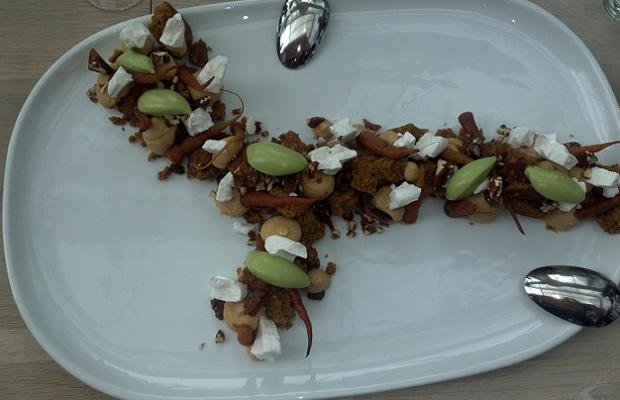
Stratus and Momofuku: Modernity incarnate

Momofuku Daisho

Momofuku Daishō
Photo: Gabriele Stabile

as seen on canada.com

Consider the winemaker’s style not merely embraced but created by J.L. Groux of Stratus Vineyards. Most wine folks know him as a mad scientist, a mathematician, as Niagara’s ‘Master of Assemblage.’ Groux is a precise counting man, proud to share the barrel fermentation periods of each and every wine in his stable. He reminds me of the Sesame Street guy, the one who shows up in elevators and emerges from swimming pools carrying painted number signs.

J.L. Groux, Winemaker, Stratus VineyardsPhoto: Michael Godel

J.L. Groux, Winemaker, Stratus Vineyards
Photo: Michael Godel

As I found out this past Monday, wine blends may be the maker’s M.O., what he refers to as “a way of life for us,” but Groux is also an artful dodger, proof laid thick by the pouring of nine single varietal wines alongside the art cum science cuisine of Matt Blondin at Momofuku Daishō. I quipped at a hypothetical Groux change of direction but the course will in fact be stayed.

The Stratus portfolio resides in a conspicuous niche, sometimes criticized for over diversifying and noted to employ the most opulent Niagara fruit but who can refute the underlying and unequivocally consistent thematic running through this solo tour.

Stratus Wine Tasting Glasses

Stratus Wine Tasting Glasses

David Chang’s New York Momofuku empire is embraced by those who appreciate the Luxecalme et volupté. The detractors complain and express loathing at a lack of somewhereness and that same bitter pill is sometimes offered up to Mr. Groux. This single varietal tasting shatters the naysayer’s venom as each wine calmly expresses its terroir. Chef Blondin is not unlike J.L. Groux, or Baudelaire. Chef’s plates are clusters of colour, texture and imagery offering an “escape to an imaginary, tranquil refuge.” Groux’s Stratus White and Red iconic blends enter such territory but these grape a capelle are the windows into the winemaker’s forays. The media lunch was a treat of the highest order, also thanks in part to Charles Baker and Suzanne Janke of Stratus, along with Beverage Director Jonathan Gosenhauser and the Momofuku Daishō team.

Stratus Line-Up

Stratus Line-Up

The Wines

Gamay 2010 ($29) from very low yields (2 tonnes/acre) is possessed of a soft mouth feel corrected by tart currants and is a deep, smokey and confounding example of itself. Pushing 15% abv with a concentration of sugars and mature phenolics. Vanilla, black licorice and though not like Pinot at all, you can tell it was treated that way. Naturally, through green harvesting, picked shriveled and “with patience.”  90-91

Syrah 2010 ($48) is picked early as compared to other well-known varieties like the Cabernets and this vintage saw a 25% yield decrease/concentration increase. Pretty, focused and indicative of candied flowers in replay with a note of citrus blossom. A Syrah that clearly speaks of Groux’s infatuation with aromatics. “What I do know, my Syrah is improving overall.”  89-90

Merlot 2010 ($32) was picked early enough (October 25th) so as to avoid a sun-burn and overcooked aromatics. Always a great contributor to assemblage in Ontario, this Merlot from clonal plantings in ’85, ’01 and some unknown old block of (clonal) fruit was picked at a restrained (24.7 brix) number on the sugar scale. Dusty and blessed with juicy, mulberry fruit, this to me is the epitome of the winemaker’s SV style. Delicious Merlot. Damn!  91-92

Malbec 2010 ($48) is imbued with the brightest hue and aromatic tenderness. Wild yielding from vines planted in 2001, a hard-cropped life is the grape’s necessity. From my earlier note: “Made with the help of consulting oenologist Paul Hobbs in an “Alta Vista,” high-altitude style. Cool-climate rendition, a window to the future for the grape in Ontario. Hits a blue note, kind of like Philly soul. Unheard of 10 years ago, this one’s saying “just trust in me like I trust in you.”  90-91

Petit Verdot 2010 ($38) seems the most muted thus far though it has the most acidity and tannin. The two seem to struggle with one another though the warmth of 2010 helps, as Groux notes “I’m not convinced they are not friends.” He also states “I think Petit Verdot makes better wine in Niagara than in Bordeaux.” From my earlier note: “with its bounce is the Happy Jack of the flight. Thick in weight and texture, a steak sandwich in a glass. Remarkable effort for stand alone Petit Verdot in Niagara-on-the-Lake. Has a certain Spanish modernity and is certainly neither “petite” nor “little.” Say what you want about this PV but never “prevent Jack from feeling happy.”  89-90

Chardonnay 2010 ($55) from natural yeast, full batch (bunch) pressing and heeded by Paul’s call to full malolactic fermentation, this fruit was picked on November 15th, a day “you had to go run and pick fast.” Groux is not trying to make California or Burgundy but make the best in Niagara. Clarity and sun drenched hue, tropical fruit dominance, sweetness, malo-butterscotch obviousness. Some tart orchard fruit late but certainly warm vintage wine. Not the most arid Chardonnay but blessed with great length. 90-91

Sauvignon Blanc 2010 ($29) is barrel aged (like the Chardonnay) on the lees to offer roundness, not residual sugar. It’s sweetness is related to sugar, but it’s not the real thing. So much cool gooseberry and passion but lacking acidity and there is very little asparagus stink. Perhaps a green pea or two. Groux seeks boxwood and hemlock and there are hints here. “I don’t care for any tropical style,” he says. This one clearly leans more Sancerre than anything else.  89-90

Sémillon 2010 ($32) is very fresh though muted in tone, verve and gumption. But this is Sémillon and I would not expect any sort of true personality indicator for at least three years. Elegant, with a hint of grapefruit and bigger palate developing in the glass. Awaiting the wax, sandalwood, lemon and honey.  88-89

SALSIFY, cured roe, tapioca, grains of paradise

SALSIFY, cured roe, tapioca, grains of paradise

Lunch

LAKE ERIE, ON PICKEREL, brassicas, celeriac, arctic rose

JERUSALEM ARTICHOKES, salt cod, pickled walnut, sorrel

SALSIFY, cured roe, tapioca, grains of paradise

Gewürztraminer 2011 ($29.95, 251447) has already improved since tasting it six weeks ago. “I’ve been working 20 years to make Gewürz,” says Groux. Micro oxidation protects the aromatics though they are low-toned, in rose and lychee. Uni-dimensional, not 100% dry, made with a homeopathic approach in mind, always with an eye on the assemblage white.  87-88

BEEF SHORTRIB, beet root, horseradish, caramelized fennel

SWEET POTATO, crème fraîche, amaranth, green onion

TOASTED BUCKWHEAT, pistachio, cured squab, preserved apricot

Stratus Cabernet Franc 2009 ($38) shows a bit of green but not of the inhibiting kind. From fruit picked on December 8th (what???) in Niagara-on-the-Lake, a type of gamble that can go very wrong, but Groux is a winemaker who knows his climate. Young at heart, full of smokey, tangy, currant baking aromas. Maternal but blessed with firm, plush tannin. “Some people like cupcakes,” I prefer a muffin man.  “Always a pleasure to grow (Cabernet Franc), if you are patient.  89-90

CARROT, condensed buttermilk, pecan, verjus

CARROT, condensed buttermilk, pecan, verjus

CARROT, condensed buttermilk, pecan, verjus

Mosaic 2010 ($25) is a balanced dessert wine giving equal credit despite the 70-30 Riesling-Gewürztraminer split. All natural sweetness, allowing a focus on the acidity. Only one ever made. Will they make it again? “Perhaps.”  89-90

Good to go!