Irresistible South Africa

Fynbos, Vergelegen Estate

Irresistible South Africa of exceptional quality at every price level, LCBO limited time offers and lingering memories of another unforgettable Cape Wine

as seen on WineAlign

This feature was commissioned by Wines from South Africa

Eight months have passed since my last great journey to the wine lands of South Africa’s Western Cape and memories nor great heart have faded even just one bit. The Cape’s beauty is everywhere, breathtaking beauty, at every turn, in vineyards, across estates and especially in people that give their all to craft some of the world’s most special wines. That is why the coming weeks present an opportunity by way of an increased presence and access because Wines of South Africa and the LCBO teem up once again. Prepare to be smitten by an offer of a set of Cape wines that collectively speak to both quality and value. Undervalued already, these limited time offers (LTOs) deliver a diverse set of varietal wines and appellative blends at prices 50 percent below what these wines are worth. To pass them by and not take advantage would be crazy. These are your summer wines, laid out like a shilling dinner and only a fool would scuffle past without purchase.

The LCBO’s Destination Collection includes the “Discover the Wines of South Africa” promotion headline that reads “with a 350-year winemaking tradition, South Africa blends high-quality production with eco-friendly practices, making it one of the most exciting and earth-friendly wine regions around.” Truth spoken. The LCBO’s Limited Time Offer (LTO) Program provides suppliers and stores with an opportunity to build excitement and awareness while offering a discount on selected products. Rates to the supplier or agent are charged based on the full reduction in retail for the number of units sold at the LTO price. Mandatory Pre-printed LTO (flat rate) signage costs are $1,500.00 per product, per Promotional Turn. To qualify for the program, a minimum discount of five percent or $1.00 per package (whichever is less) must be offered at retail. The maximum discount allowed is 20 percent off the regular retail price. Limited Time Offers start on the first Monday and end on the last Sunday of each Promotional Turn. The Wines of South Africa P4 offer is an opportunity for customers to spend a total of $30 on any South African wines to receive 40 APP (Aeroplan Points) and runs from Monday, June 19th through to Sunday, July 16th. See below for a WineAlign crü Buyers’ Guide to current LCBO and VINTAGES Essentials LTOs for South African wines.

Godello and Szabo in Hermanus

John Szabo MS and I were in the Cape together back in October of 2022 and over at WineAlign he has penned a piece he calls “Investment grade South African wines for the cellar.” It will be worth your time to open up a separate tab to read up on John’s outlook. As he explains here, “which, ounce for ounce, consistently overdeliver on sheer quality and pleasure for the price. Add in longevity and the capacity to develop and improve over many years, and you have the recipe for investment grade wine, especially if you consider it an investment in future pleasure and care less about re-selling the wines down the road for profit.”
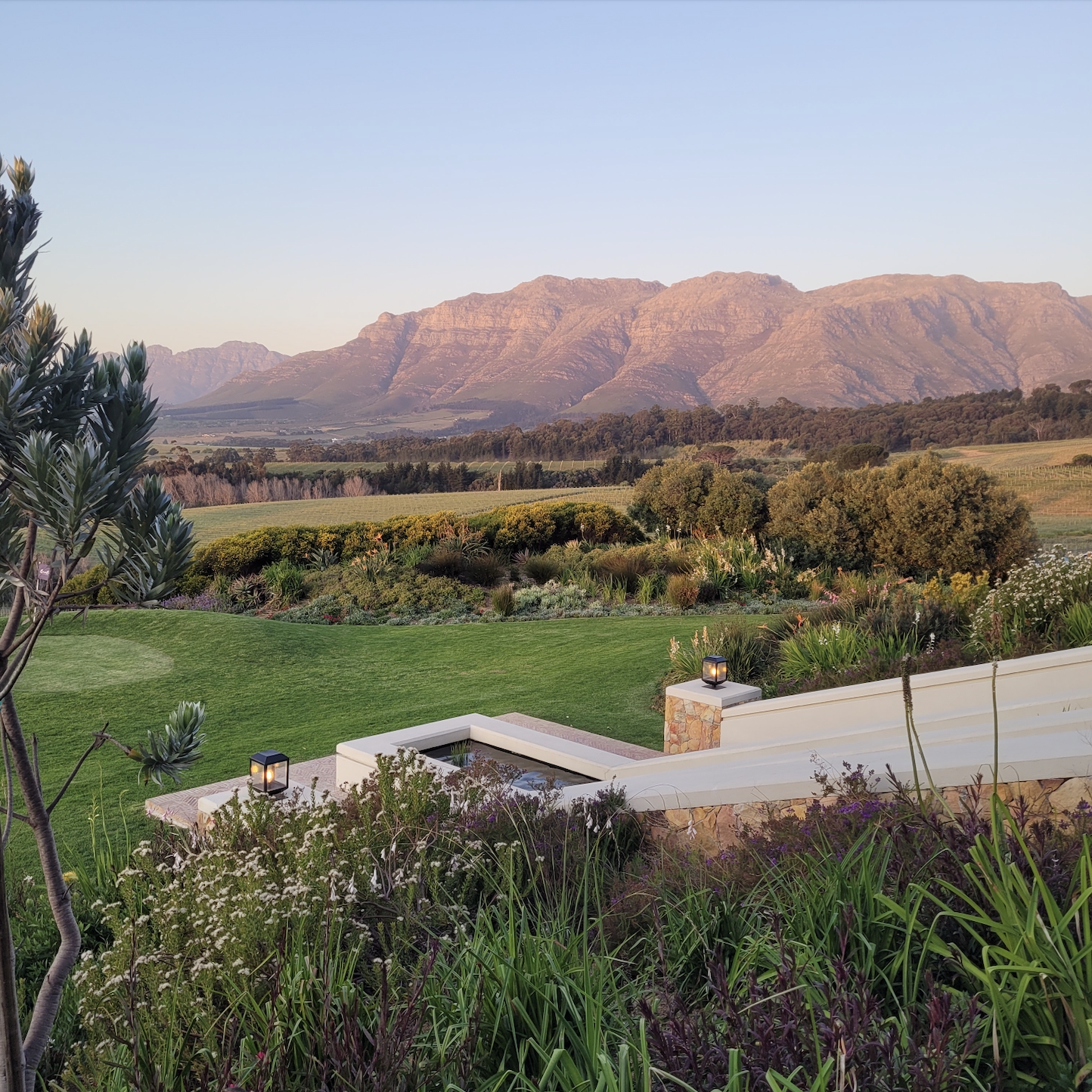
Ernie Els Estate, Stellenbosch

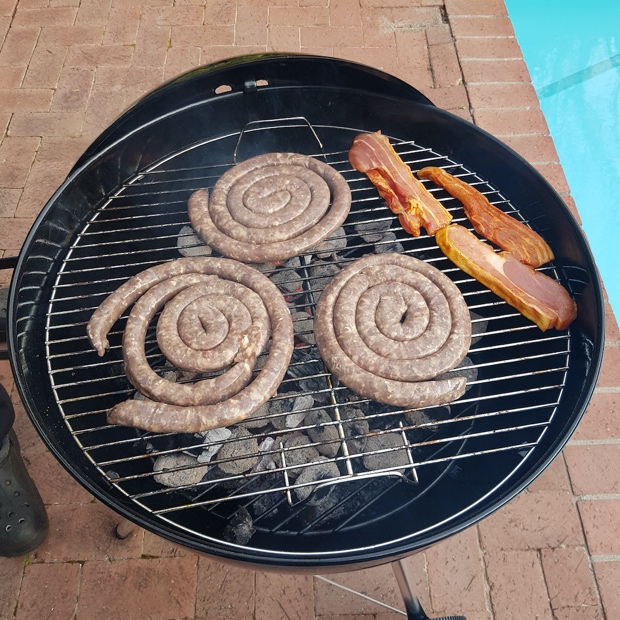
Reminiscences are part of everyday life but anyone who has traveled through South Africa will find those particular recollections as strong and vivid as any. Back in February I penned my post-Cape Wine 2022 article Seeing Western Cape stars: A guide to Cape Wine 2022 with a recounting of regenerative and creative farming, old vines, new frontiers, 80 recommended current releases and the deliciously addictive South African snack known as braai brekkies. Despite that post’s lack of brevity there was simply no way to fully package 11 days of tasting, eating, conversing and trekking in the Western Cape. Not to mention how much time it truly takes to fully assimilate and gain a deep understanding of what was seen, heard and felt on that trip. I am no stranger to extensive travel but there is no wine producing country that gets under your skin and keeps you perpetually energized like South Africa. Fatigue and jet lag are non issues but being anxious about missing something or skipping moments where the incredible are guaranteed to happen – now these are real issues. So allow me some latitude to recall and expand on some quintessential Cape moments. After two unforgettable visits in 2015 and 2018, the third Cape Wine expedition is now cementing into the stuff of legend.

Celebrating Rosa Kruger in Cape Town

The certification system for of Old Vines

It begins, as it must, with South Africa’s cast of characters, the beloved Old Vines Project’s André Morgenthal, original concierge of Wines of South Africa and Rosa Kruger, progenitor of the OVP. As I previously noted, “Over the past 20 years viticulturist (Kruger) has focused on discovering, classifying, cataloguing and certifying heritage vineyards. It was a great pleasure to chat with Kruger at a Wines of South Africa ceremony and tasting at Cape Wine 2022, which celebrated her 2022 Decanter Hall of Fame Award. And also with the legend (Morgenthal), orchestrator of the tasting of old vines wines. It is remarkable to see how many estates and producers have come on board — to celebrate and show off the wines they are making from 35-year-old (and older) dry-farmed bush vines. Many vines are even pushing or exceeding the century mark.” With thanks to André and Rosa there was an evening’s opportunity to taste dozens of certified old vines examples, many of which were covered in my last report. Here are but a dozen more worth knowing.

Chenin Blanc Data

Signatory authority Chenin Blanc

As for chenin blanc, if you are a grower, producer or winemaker in the Western Cape, signing a contract for yourself with chenin blanc, well then you’re good to go. Sign away. Planting, resurrecting, reviving, perpetuating and extenuating chenin blanc vine circumstances  to make varietal wines is like finding and selling gold. Since 2011, local chenin blanc sales have doubled, including an 11 percent increase between 2021 to 2022, while total exports (packaged and bulk) have nearly tripled in that 11-year span, also with an 8.5 percent gain from ’21 to ’22. These increases have occurred because the chameleon can play in any sandbox and become anything a consumer wishes it to be – this despite total planted hectarage having decreased 10 percent since 2011. Name a grape tied to a place’s success anywhere near equal to the symbiotic relationship between chenin and the Western Cape? Please don’t say malbec and Mendoza. The future will always be chenin blanc, worldwide and especially here in Canada. Canadians have embraced and fallen sick in love. If you are already one of them, or even if you are yet to have sipped the Kool-Aid, there is always a next level chenin blanc waiting for you.
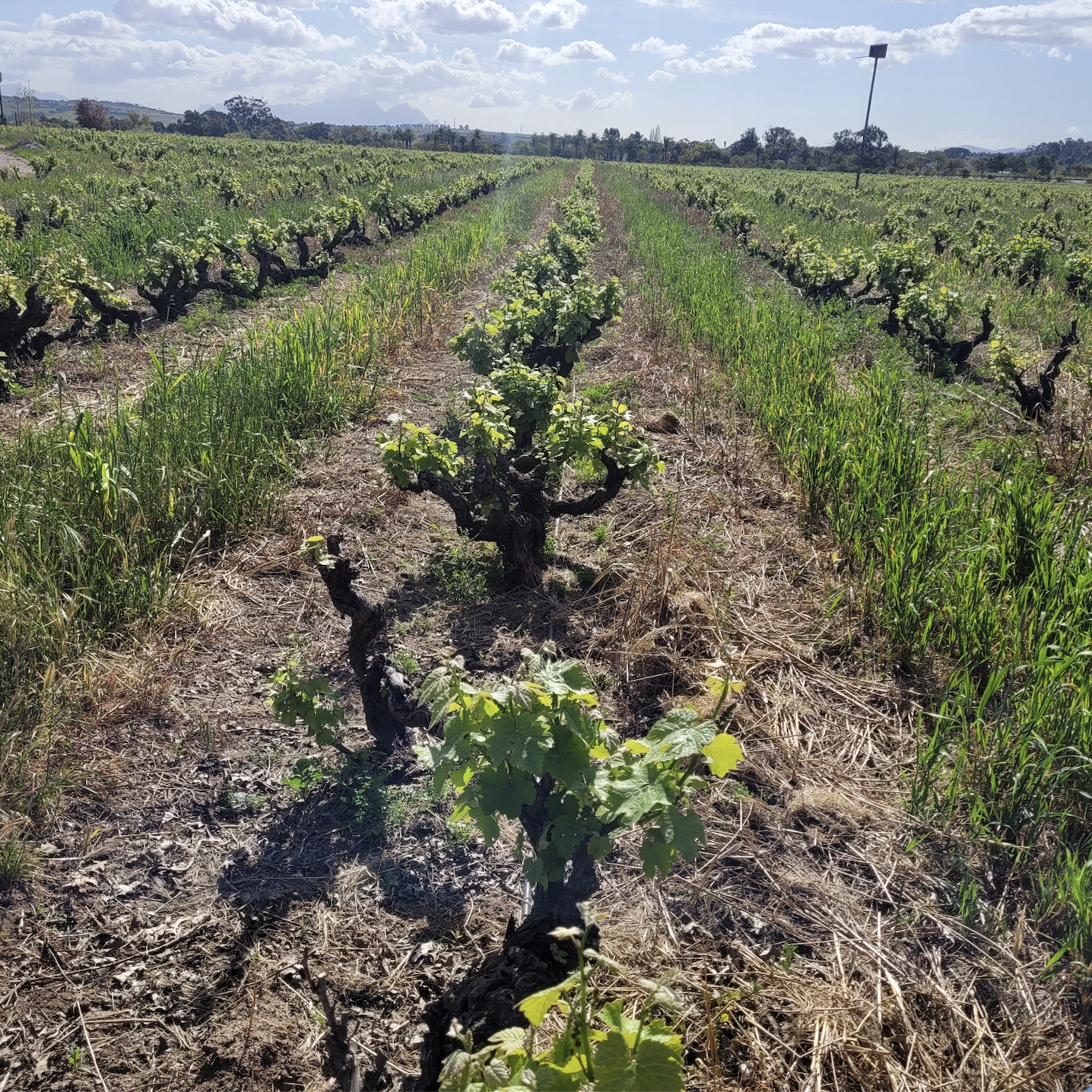
Old Vines Chenin Blanc, Ken Forrester Vineyard

Zeroing in on sites in reds and whites

Soon enough it will be ten years since I first referred to growing anything and everything in the Western Cape as being akin to a viticultural “wild west.” The ancient geology split between decomposed granites, Malmesbury, Bokkeveld or Witteberg shales and Table Mountain sandstone make for the most diverse and paradoxically hospitable grounds where the varietal spectrum is encouraged. The morphology of my personal understanding grew to look at land and vine as something more focused and the map of varietal matched to place began to take shape. Writing here in 2023 brings white and red varietal wines, plus the coalescence into appellative blends into pinpointed accuracy where winemakers make their mark based on experiential decisions. Heritage vineyards are nearly always key, magical conversion rates create situations unparalleled, but the very presence of rampant sustainable and regenerative agriculture is what truly separates and indeed defines the wine production of South Africa. The Western Cape faces never-ending challenges because of isolation, climate extremes and internal political struggle but I have written this before. “The (wines) are too good to miss, not just a handful but hundreds of outstanding examples. Quality has risen exponentially, virtually across all places of origin, including new frontiers. The stars are out, and they are aligned.” I give you 30 further examples; varietal whites and reds, white and red blends, plus one dirty little secret.
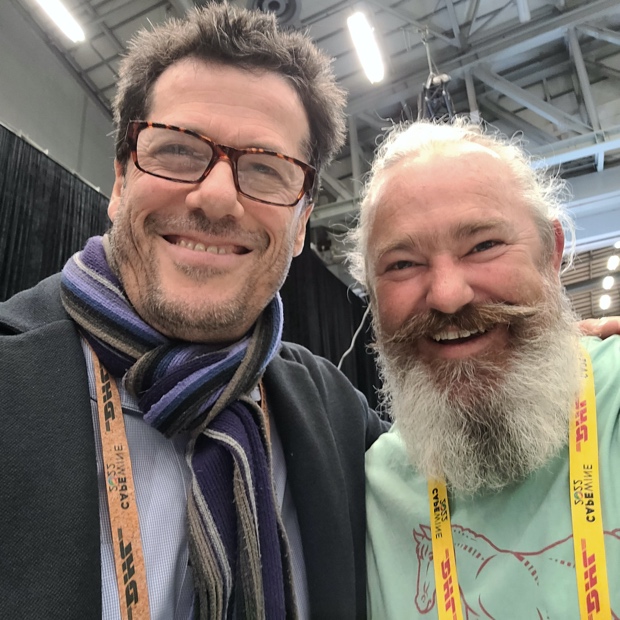
With Adi Badenhorst

Varietal Whites

A.A. Badenhorst Chenin Blanc The Golden Slopes 2021, WO Swartland

Bottled mid January and released in May. Single vineyard, quick ferments, high fructose content avoided, no sulphur needed until just before bottling. From plantings going back to 1968 and through the 1970s, the Golden Slopes had usually been aged in foudres but now so much more in concrete “to preserve that raciness as long as possible.” A true cracker scintillant of chenin to be sure yet with all the ripeness in phenols plus stone fruit texture possible. A capture of the 2021 Swartland chenin blanc vintage without repose. “This is really all about vineyard,” insists Adi Badenhorst “and the way we like to farm.” There is a dream, to sit on the Golden Slopes beneath the stars while sipping a glass of 2021. Preferably in 2025. Drink 2023-2029.  Tasted October 2022
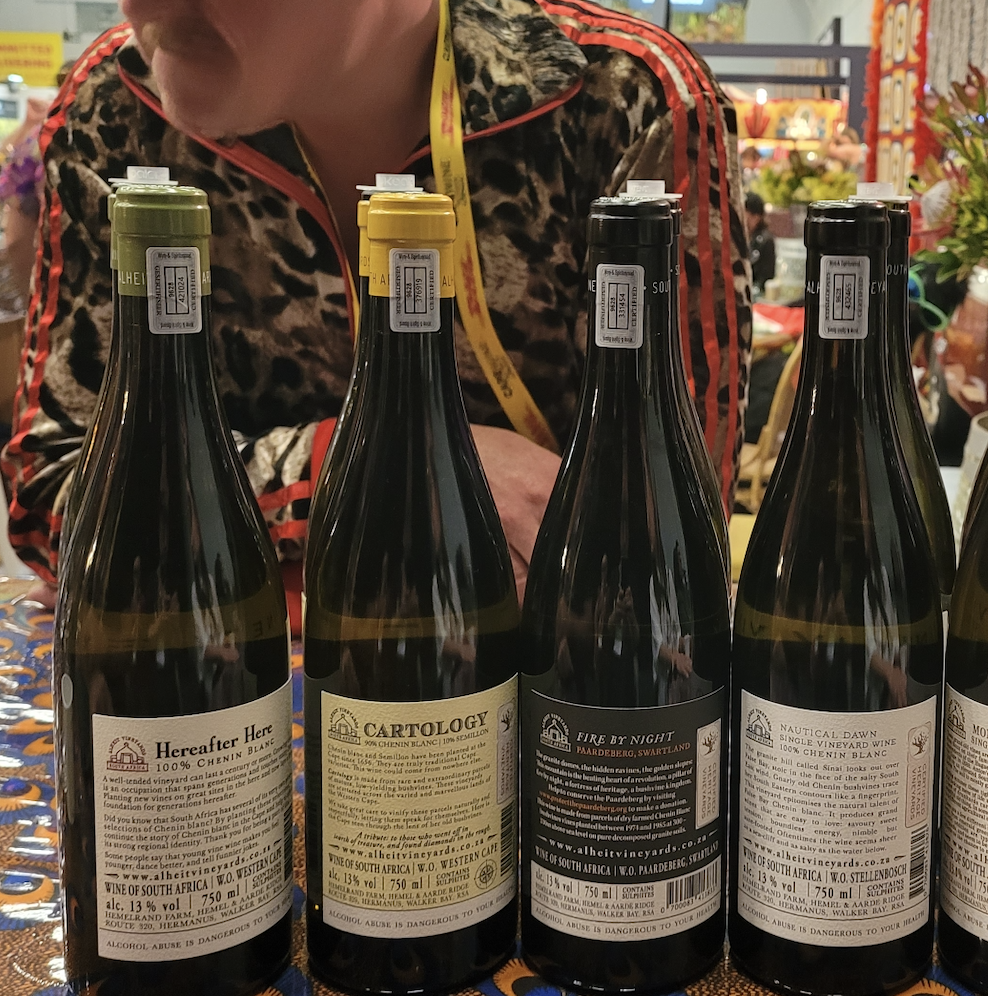
Alheit Vineyards Chenin Blanc Nautical Dawn 2021, WO Stellenbosch

Nautical Dawn as a single vineyard chenin blanc is drawn from a Paardeberg Mountain site with a view to the seaside and breathes out a defining wind that consistently blows through. Gusts of sodium run through this wine like no other member of the chenin blanc/old vines/Alheit temple. This is clearly a well established portent as elemental pierce, rehearsed without pause and arbitrarily close to the true value of the established parameter, in vintage after vintage. Lends this wine its distinct and cracker personality in a manner that is tight, bracing and complexly wound. Nautical Dawn carries itself with attitude and is a chenin blanc more than sometimes expressed as a great notion. From 2021 the values of place, experience and process concur to express inclination and ultimately belief. In Chris and Suzaan Alhet’s words, but even more so by their actions. Drink 2024-2030.  Tasted October 2022
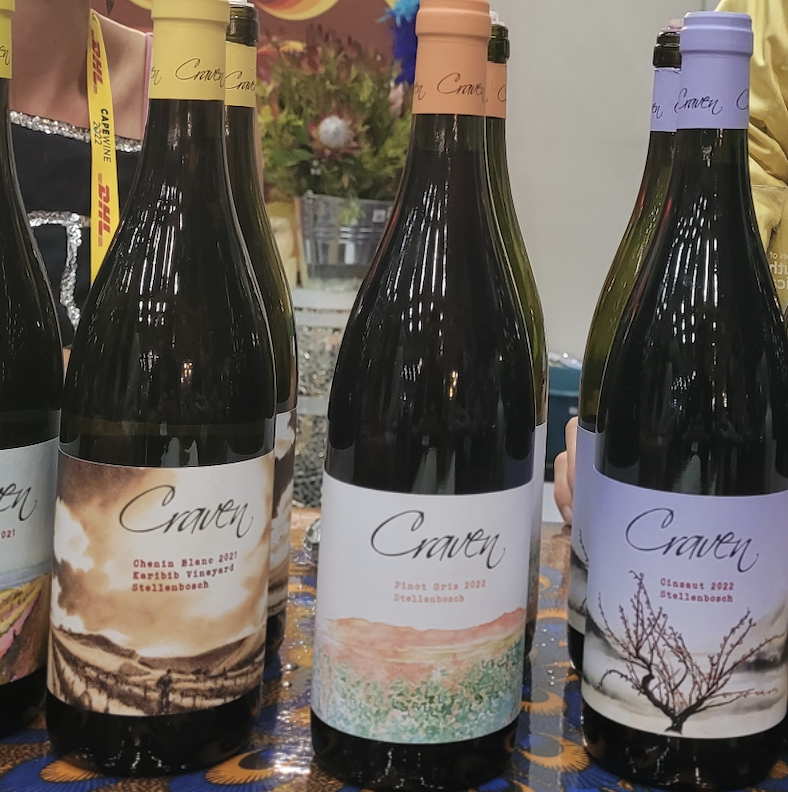
Craven Wines Pinot Gris 2022, WO Stellenbosch

Jeanine and Mick Craven’s Stellenbosch pinot gris continues to thrive and evolve by way of its base soil, that being the Koffieclip complex which is more and more proving to be where this grape thrives. A bit of skin contact, maybe six or seven days, unchanged for several vintages now but this is anything but a white wine made like a red. This and aging in concrete are two of the great things about the method, but not the necessity of creating crazy fresh and crushable pinot gris. This is that but also something other, with sneaky structure and underlying mischief to make sure the years ahead will bring about new fascinations. This is a wine that has come a long way. Truly, as memory knows this to be true. Drink 2023-2027.  Tasted October 2022

Crystallum Chardonnay The Agnes 2021, WO Western Cape

Five vineyards are contributors including three from the Hemel-en-Aarde-Ridge and older barrels nurture profound fruit for this the 15th vintage of a wine that first appeared in 2007. Perfectly staged, striped and reductive chardonnay, cracker piqued, peppery without any discernible overt pepper or capsicum. Wow, this hits the spot. Terrific “entry” chardonnay from Peter Allan and Andrew Finlayson. Drink 2022-2025.  Tasted October 2022

David And Nadia Sadie Wines Plat’bos Chenin Blanc 2021, WO Swartland

At a tasting where everything is Old Vines Project certified there must be something extraordinary about a wine to stand out from a crowd of greats. David and Nadia Sadie are in fact turning heritage vines chenin blanc (amongst other varietal explorations) into content born of context harboured though never paraded. They are rhythmic and scientific with just enough fantasy and romanticism, but never too much. Plat’Bos stands above Skaliekop and Hoë Steen because 2021 asks it to do so, not because it is better or more important, but it is surely chenin blanc profound. The 1981 Swartland planting is in the steady zone, shed of the mercurial and in ’21 so very linear yet salty of the earth in its sombre-sepulchral tone. There is reduction here because the poor soil nutrients demand that this chenin begins this way. The levels of tension and intensity are most elevated, sufficing to say as high as any from the Western Cape. Attention is paid unwavering to detail, sequencing is in order, purity incarnate, grape and place together pristinely kept. In Plat’Bos 2021 the palate is taken down to the whipping post by a wine built to endure. Given time there will be calm, healing and reward in the end. Drink 2024-2036.  Tasted October 2022
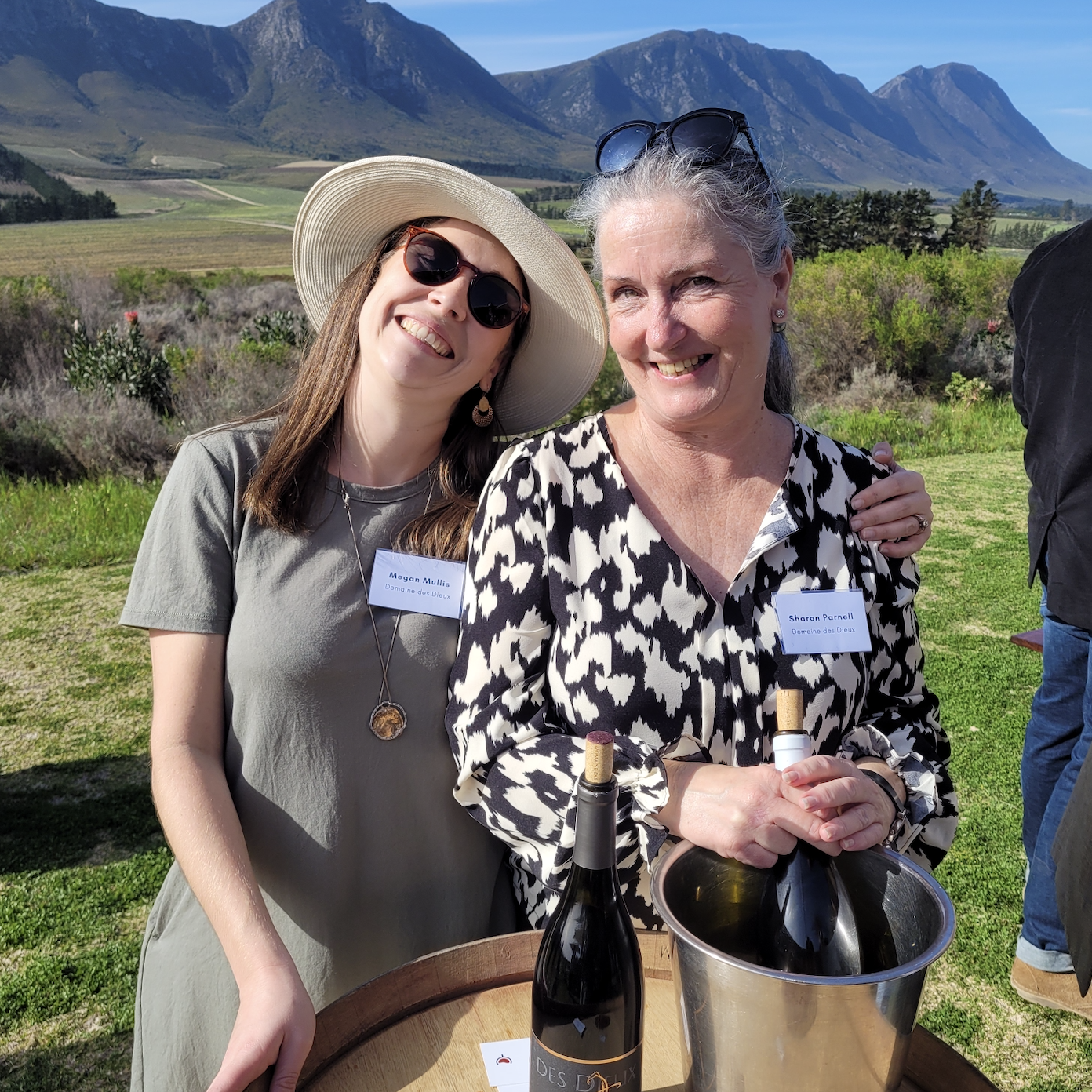
Megan Mullis and Sharon Parnell, Domaine des Dieux

Domaine Des Dieux Sauvignon Blanc Reserve 2018, WO Hemel-en-Aarde Ridge

From the start farming is opposite to chardonnay, exercised as Guyot pruning for a desire to increase yields as per what the variety will give and quality abides. Considered in unequivocal terms, this may just be the most, if perhaps the only Hemel-en-Aarde Ridge and in fact the whole of the Western Cape’s sauvignon blanc that truly intimates Pouilly-Fumé. The mix of macerated fruit cup juiciness and subtle if gentle smoulder delivers the mimicry, a wet rock struck kiss and kindest nurturing, finishing at lit paraffin. The winemaking lends reason to grow, raise and perpetuate sauvignon blanc right here on this ridge, in perpetuity. So long as the handling is as careful as it is here, to create varietal beauty incarnate. Drink 2022-2026.  Tasted October 2022

John Szabo MS, Anthony and Olive Hamilton-Russell and Godello

Hamilton Russell Vineyard Chardonnay 2021, WO Hemel-en-Aarde Valley

The uncanny taste of indelible memory stamped South African chardonnay defines this wine though there is a candied aromatic feel in this iteration. Chewy texture, elastic and stretched, creamed centre, fluid and generous. All lemon and lime up front and then recoiling, returning and finishing the same way.  Last tasted October 2022

A new return to a manageable vintage of warmth and generosity in which the beauty of Hemel-en-Aarde chardonnay comes across with sweeping charm, just as a vista will take in the scroll of hills, mountains and eventually fall, 100 kilometres away into the sea. The taut nature, tight control and expertly wound fruit behaviour follows a line of HR acidity like never before. The magnificence of the balance occupied by parts so known like home is what emanates from this chardonnay and the gracious people who make it. Can’t think of much better in South Africa. Drink 2023-2028.  Tasted July 2022
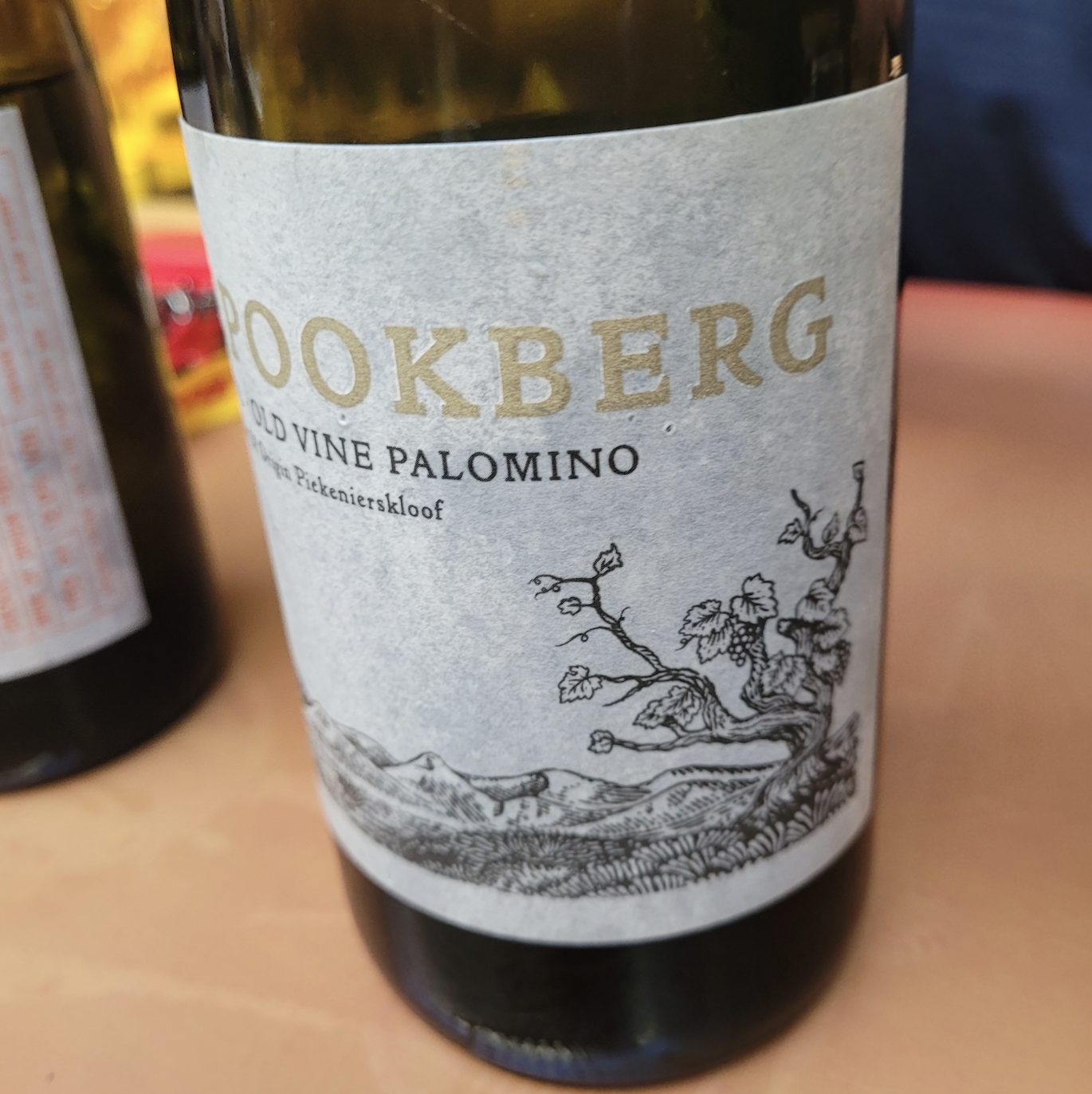
Huis Van Chevallerie Palomino Old Vines Spookberg 2021, WO Piekenierskloof

At harvest Christa von La Chevallerie is asked by the farmer “would you like three tonnes of palomino?” Who could say no to Spookberg, story of two wine lovers scouting the Swartland looking for the perfect old vines to tell stories the past? Know this about Christa von La Chevallerie. She is a Geisenheim-trained winemaker who checks her acid and pH numbers by sleeping in the vineyard, when others are on holiday. Christa knows the climate is changing and ever-menacing droughts are never the same twice. “Look at the sky and cry,” she says but fear not, for there is a way. The Spookberg recalls a castle and yes, ghosts as well and the parcel sits atop decomposed granite, direction Cederberg. Bloody great varietal wine because the fruit comes from this place, off of old vines and their destiny to Christa was all. The fino character is conditioned by both pH and acid in balanced conversion both mighty and releasing as sapid seriousness. No skin contact to mess things up, half de-stemmed, fermented in 400kg open bins. Wrapped, cooled and those whole bunches float on. They wait while the maker makes self-instructive demands. “Just have your hands on it and don’t be distracted by what you’re busy with. Keep the quality control.” These handsome old vines gift the best of both worlds; substantial South African fruit told as truth but also a quirk of idiosyncrasy because well, palomino. No interference, only a clear night’s signal and a varietal wine treated with respect.”They don’t like lava lamps.” Drink 2023-2028.  Tasted October 2022
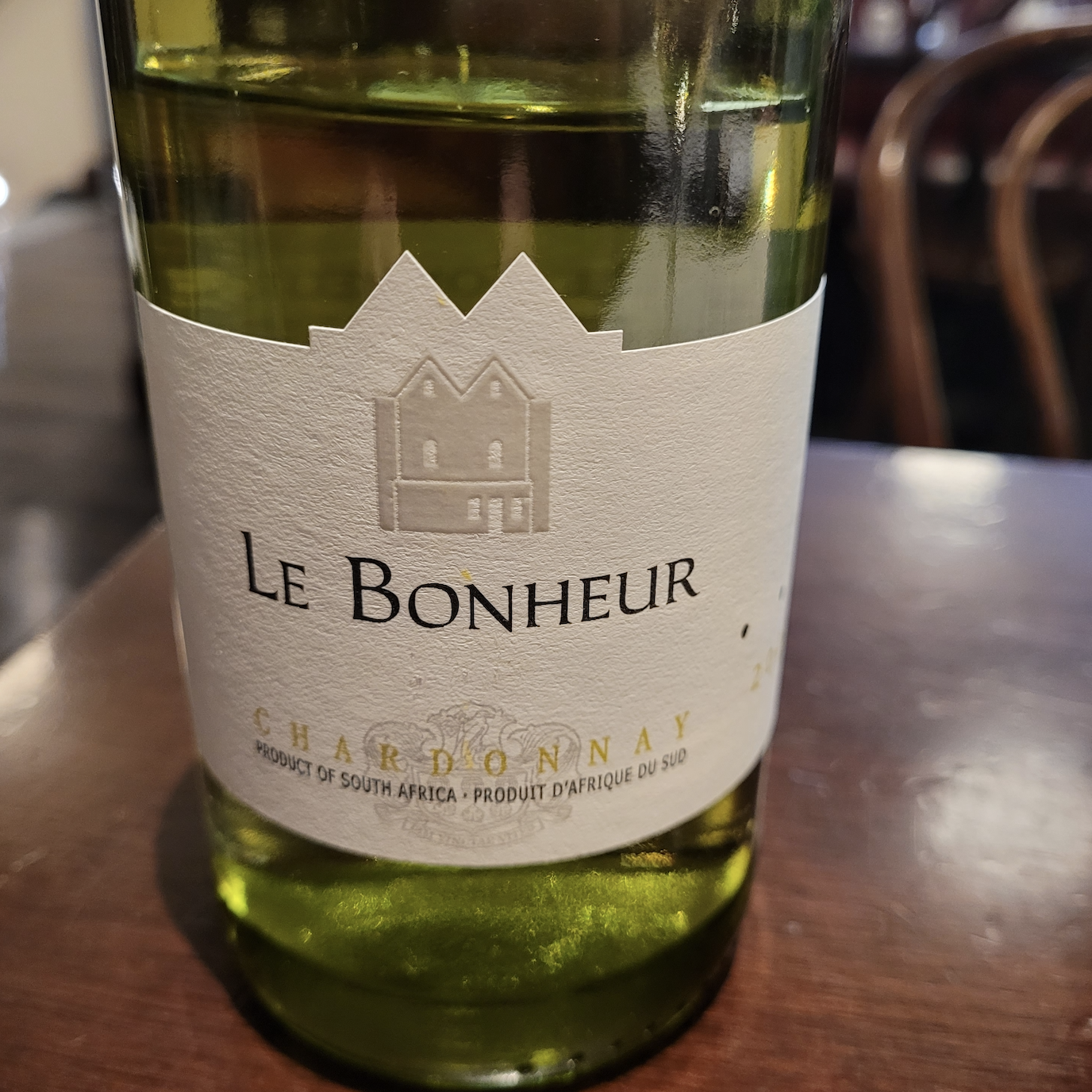
Le Bonheur Chardonnay 2022, WO Stellenbosch

Winemaker William Wilkinson is responsible for amassing a healthy quantity of this Stellenbosch chardonnay which makes the quality all that more impressive. Much of the fruit gains cooling benefit from the shadow of the Klapmutskop (Klapmuts Hill) which serves to extend the ripening season. Hard to get more lemon curd, zest and freshness than this with an undercurrent of fynbos that will never be denied. Clarity is one thing, length on a $16 chardonnay another. Will arrive in VINTAGES December 16th. Buy it up. Drink 2023-2025.  Tasted June 2023

Leeu Passant Chardonnay 2020, WO Stellenbosch

Chris and Andrea Mullineux started the project in 2013 with the help of viticulturist Rosa Kruger. “New” vineyards were unearthed and rehabilitated through four solid years of re-pruning, re-training and re-working of the soils. Then the wines could begin being made. A deconstruction and reconstruction, now seven years in and entering the opening gambit of true maturity stage for what is one of South Africa’s most unique heritage collections. Leeu means lions, a reference to a meandering walkabout, personified in these wines. They are made in the Franschhoek winery, certified organic, coming of age in their foray into regenerative agriculture, which says Andrea Mullineux, “in the southern hemisphere also means cultural and worker sustainability practices.” The 2020 is as fine a reductive but mainly lightning acidity charged chardonnay as a vineyard can determine. Located in the upper mid-slopes of the Helderberg facing the Strand with a clear view of False Bay. That said or perhaps out of necessity this is made in an oxidative way, which makes sure to keep the flinty and salty faith alive. The ’20 is possessive of fibres, threads, strings and wires braided to make a layered whole. Finesse and sophistication co-exist in a vacuum where waves crash upon one another in great open space, with no shore for to finish. If you would like to experience chardonnay in a way you’ve not likely done before than swim all the way out, well offshore, all in, all the way to this place. Turn around and off into the deep distance, gaze upon the strand. Drink 2022-2028.  Tasted October 2022

Momento Wines Grenache Gris 2021, WO Voor Paardeberg

Voor Paardeberg and its decomposed granite make for a wonderland from which to pull grenache in blanc and also gris. The vineyard is but nine years old and sits peerless in South Africa but to no surprise it is Marlise Niemann who finds it and makes it her own. Seven days on skins to accentuate the already grey-pink hue but even more so the pull of red citrus and other fruit aromatics; strawberry, rhubarb, sumac, pomegranate, pink lady apple skin and then the savoury greens of nightshades, in mildly spicy capsicum and wandering inveterate tomato. Old wood for 10 months is the obvious and right choice to maintain, prolong and extend these scents and create the taciturn of Momento gestures so befitting Marlise’s wines. Salty, taut and fresh but likely only a few more months away from blooming. Still there is enough grip with intensity to hold its flush for two or three years. Oh my does this country need more grenache gris and though it is very slow to propagate in the nursery Marlise will plant more on her farm when it becomes ready. Drink 2023-2027.  Tasted October 2022
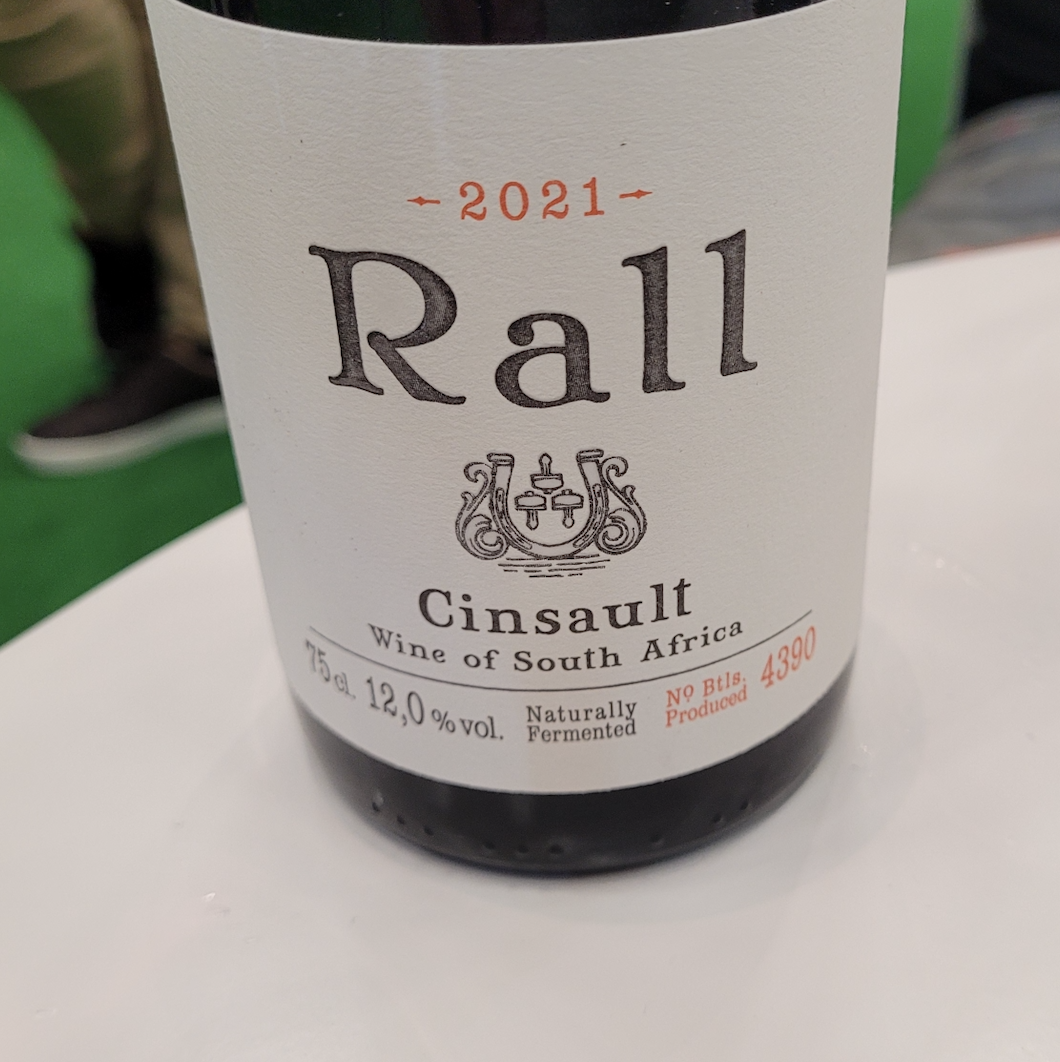
Rall Wines Cinsault Blanc 2021, WO Swartland

Fifth vintage, from a single 0.2 hectare vineyard and the first from a time when Donovan Rall just got the grapes for the first time. Here now 1,300 bottles, a “huge” quantity, all raised in amphora from Hout Bay, “a crazy potter,” tells Rall. Not as porous and a tighter, reductive environment. Delivers the benefit of true concrete but through the texture of clay. This wine is about heritage, manifested in texture and salinity. And of course the Swartland. “I’ve never worked with conversion rates this low,” says Donovan and this cinsault is a testament to the excellence and magic of the vintage. With no compromise to flavour, tannin, acidity and length.” The low alcohol at 11.8 is brilliant as no push to ripeness was needed to achieve these heights. Drink 2023-2027.  Tasted October 2022
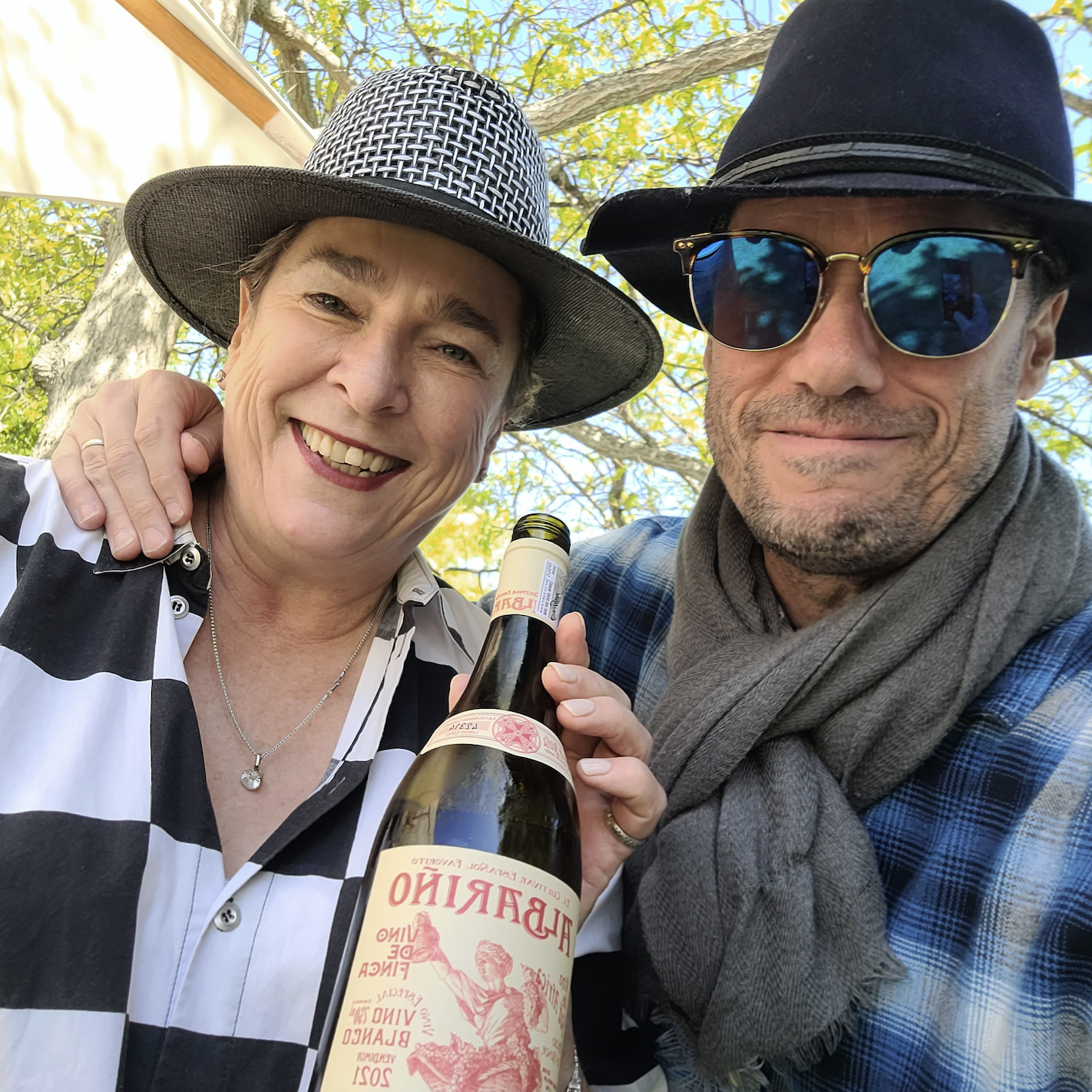
Jeanine Bruwer, Springfield Estate

Springfield Estate Albariño 2020, WO Robertson

Huge surprise to happen upon albariño but here it is, planted in 2010 “because we had to,” explains Jeanette Bruwer, “after a trip to Uruguay where we tasted the coldest bottle of wine anywhere.” Allow me to translate that as refreshing and I believe only Springfield Estate and Newton-Johnson are raising the Minho variety. These Robertson vines are from Hemel-en-Aarde cuttings, now comprising 16 hectares. Clay and granite are the impetus to imagine this salty and quenching albariño that sees a cold maceration, free run, pulled away at day 14 and left at negative four degrees. Only tank for four months and reminiscent of making moscato d’Asti in that suspended gelid animation way – save for finishing much dried and at higher alcohol. Cleanest juice determines the refreshment and this may be the Cape understatement of the year. Amazing case study! Drink 2022-2024.  Tasted October 2022

Varietal Reds

Hamilton Russell Ashbourne Pinotage 2020, WO Hemel-en-Aarde Valley

“There is a pinotage renaissance happening here and elsewhere,” are the words of Anthony Hamilton-Russell. He and winemaker Emul Ross make this example that is a one of a kind signature wine that’s just about as readily recognizable as any in South Africa. Wood is in the background, plum fruit and acid up front, structure present from start to finish. Comes in at just under 13 per cent alcohol out of a vintage where the yeast conversion rates were down across the Western Cape. Yields are 7.19 hL/L, ugly economics to be sure but this is the nature of quality pinotage to speak with great heart about the varietal matter. It’s the back end of this wine where the magic happens, but first a slow incline, then the plateauing before a subtle pause commits towards a long future ahead. Drink 2023-2029.  Tasted October 2022
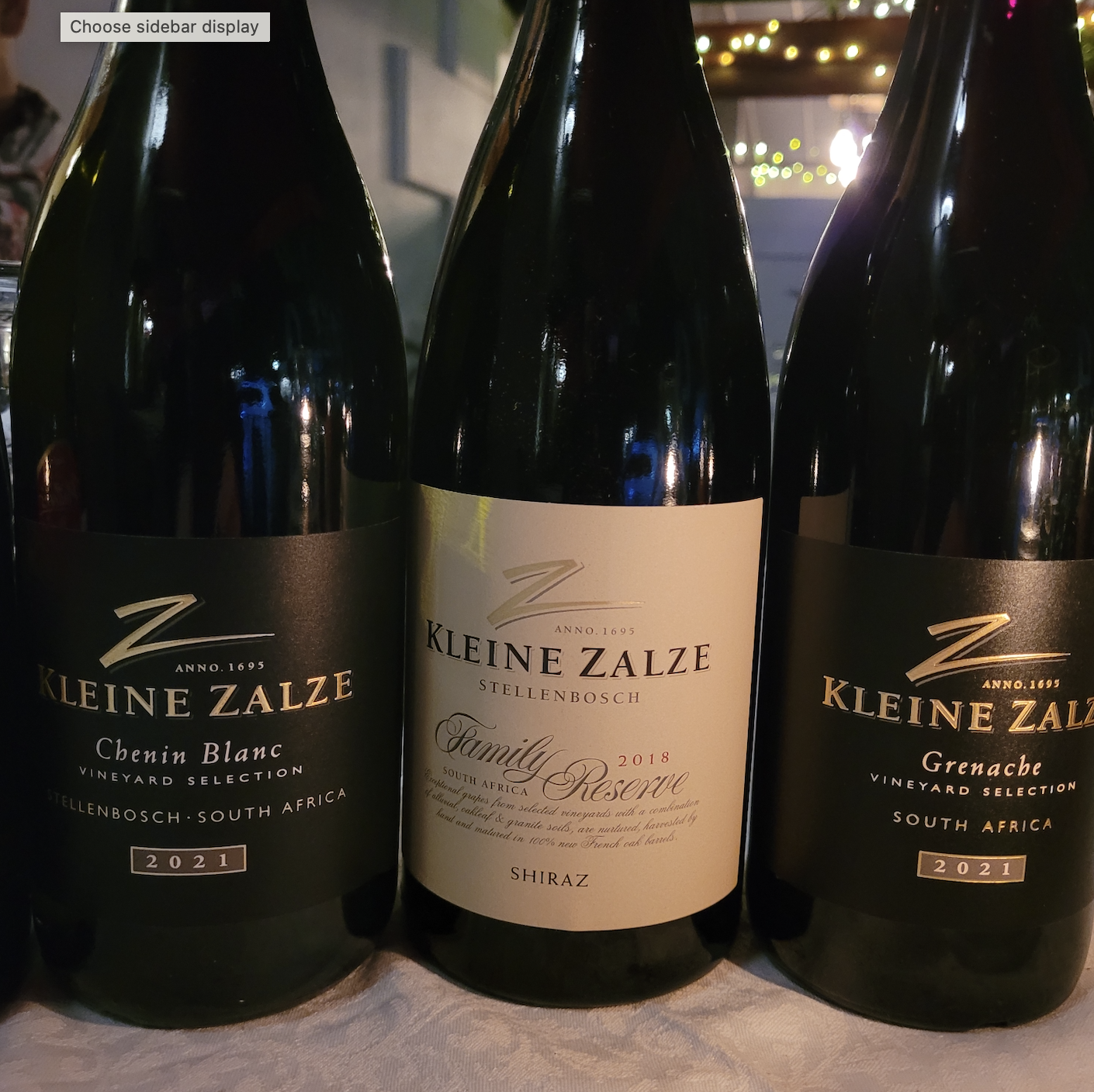
Kleine Zalze Grenache Vineyard Selection 2021, WO Stellenbosch

Quite ripe and heady grenache, chewy, clean and well extracted. Torque, as they say, a full 360 degree swing with balanced follow through. Hard not to note the Rhône influence and mimicry though in the end that Western Cape inimitability. Full grenache for your wishes and use of hard-earned cash. Meet the truth and real honour in this dedicated varietal wine. Drink 2023-2027.  Tasted October 2022

Porseleinberg Syrah 2018, WO Swartland

The large vineyard is situated in the SE corner of the Swartland, above the Berg River. The Porseleinberg is a bit older so there is some sandstone with the granite or schist below. It’s sedimentary metamorphic with weathered, worn away soils, and hard, harsh, poor growing conditions. There is this feeling that 2018 has begun evolving just a slight amount out of a vintage that is all about red, red fruit with a plethora of tannins and extract off the charts. This vintage was set up to be a beast of one, a perfect storm of climate interacting with the moonscape. Hard not to be in accord with Callie Louw – it will last 50 years. There’s no doubt. Small berries with the most intensity in the skins. Picked at 14.3, warm vintage but so implosive, from drought condition, rain in late October and November, totalling 221mm. The tannins are of the longest and most exquisite chain imaginable. A pulpy syrah with a magnesium mineral-salty finish. Drink 2024-2045.  Tasted October 2022

Craig Wessels, Restless River

Restless River Pinot Noir Le Luc 2021, WO Hemel-en-Aarde

Supremely, super-satisfyingly and aromatically saturated with all red fruits imaginable, of berries, stone and citrus. Blessed of high and layered tones, reaching a whole new level in terms of both composition and production. Layers pinot noir tracks upon tracks of perfume and flavour to create a richly symphonic sound. A wine of heightened awareness and a sensory grab to elicit awe by way of stunning melodies and lyrical themes. Sensory and musical, the Hemel-en-Aarde vinous equivalent of Pet Sounds, only instrumental, not wholly unexpected but surely fascinating and emotional. Something special indeed and likely RR’s best to date. A glass is such sweet happiness. Drink 2022-2028.  Tasted October 2022
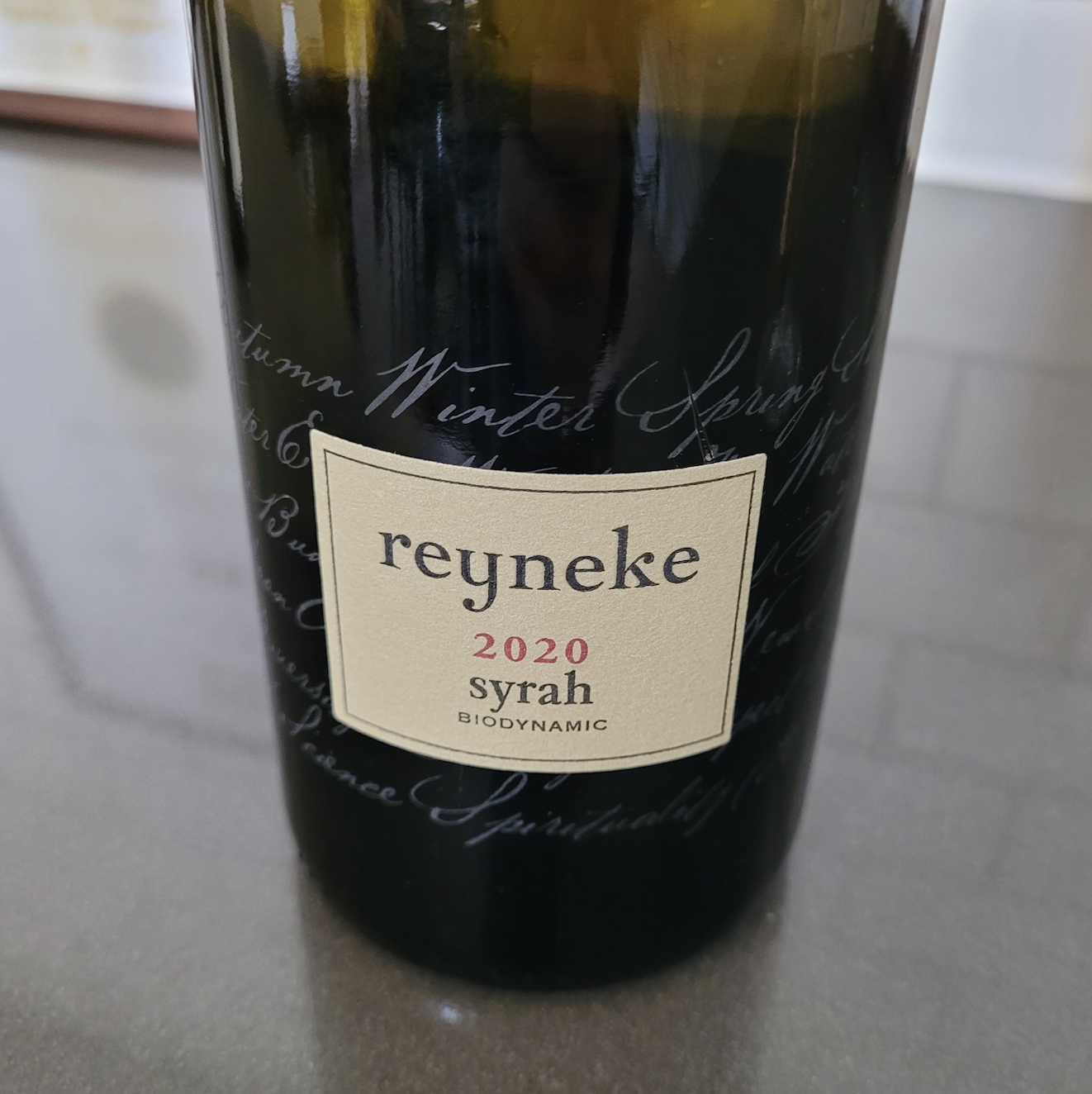
Reyneke Syrah Biodynamic 2020, WO Stellenbosch

Biodynamic and therefore 100 per cent estate fruit, a child of a fully submerged cap, sans pumpovers to create soft extraction, minimalist breakdown of the must and in the end a most gentle elevation in hue, aromatic perfume and poignancy. The glycerin texture and utter silk texture recalls wines like (Piemonte’s) Vajra and (Chianti Classico’s) Val delle Corti. There’s just something in this syrah-nebbiolo-sangiovese triumvirate vein that healthy grapes and adherence to maceration by way of capello sommerso winemaking will shed. Thinking on this as meaty is too basic as there are feelings of roasted nightshades, black olive tapenade and garrigue brush that consider syrah’s motherland and more so this sector of Stellenbosch. Complex and sink one’s teeth into. Drink 2024-2027.  Tasted October 2022

Saurwein Pinot Noir NOM 2021, WO Elandskloof

Jessica Saurwein’s profound (OM and NOM) pinot noir program is driven and focused, from two locations, the other being the Hemel-en-Aarde Ridge of Hermanus at Walker Bay. Here the site is the Kaaimansgat Vineyard in the Elandskloof Valley located at Villiersdorp. NOM, as in the ability to change from animal to plant, something the world cries for, needs and will have, eventually, out of necessity. But Saurwein is clearly both hopeful and nostalgic, “like an Adam and an Eve, waterfalls, the Garden of Eden.” Her talking pinot noir could very well be drawn from the heads of Sonoma Coast heights, from a place of warm days, fog and cold nights. Elandskloof is such a place, where phenolics are written in naked terms, like pictographs in ancient caves. The ripeness tells a detailed story of two and half hectares of fruit in recall of a varietal story, of plants given to a winemaker who knows and treats them well. What else could they ask for? Purity and beauty are everything and if Kaaimansgat is not quite the same ethereality as that from the valley they call heaven and earth, so be it. The mouthwatering acidity, fleeting and transparent condition of this pinot noir is perfect.”We used to microwave. Now we just eat nuts and berries. You got it, you got it.” Drink 2023-2026.  Tasted October 2022

Storm Wines Pinot Noir 2020, WO Hemel-en-Aarde Valley

It was a happy accident that pinot noir was planted here upon the Hemel-en-Aarde Valley’s Bokkeveld Shale in a zone which shares great affinity with Bourgogne’s Côtes de Nuits. In addition to Storm the decision benefitted Hamilton Russell and Bouchard Finlayson, amongst others. The soil composition and specialized geography makes for a different style of pinot noir, from fine grains of soil layered with clay and decomposed granite. Just seems to liquify in varietal form replete with a ying-yang of natural sweet and savoury complements, but also inner silk threading and an outer layer of botanical sweat. Unique, fundamentally different, with ample tension and an impressive amount of potential. Drink 2023-2027.  Tasted October 2022

White Blends

Avondale Cyclus 2019, WO Paarl

White blend, driven by roussanne (30 per cent), with chardonnay, chenin blanc, viognier and sémillon. Round about 75 per cent whole bunch pressing, pressed off to old (500L) French barrels. Ages on the lees for 12 months. It’s about oxygen, texture and mouthfeel, with an orange wine out of clay amphora Georgian Qveri involvement, three months on skins and stalks, basket pressed and back into the clay. About 25 per cent. Adds another layer of texture, weight and minus all the the adjectives, connotations and negatives. Length without tonic, elasticity and spice without bitters. So well managed and executed. Drink 2023-2028.  Tasted October 2022

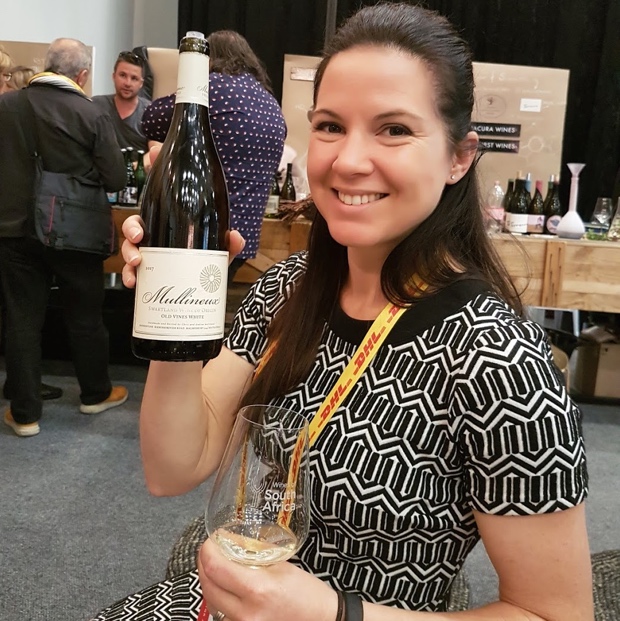
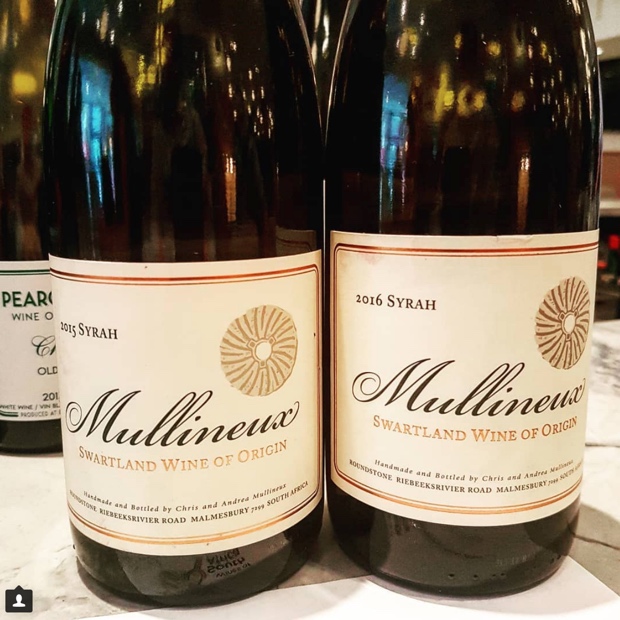
Mullineux Old Vines White 2021, WO Swartland

A style of South African white wine essentially started by Eben Sadie with Palladius back at the turn of the century. “Right away in 2001 when I first tasted it,” says Chris Mullineux, “it just made so much sense for the Swartland.” Adding some verdelho now, has only been the Swartland for 10 years but it’s really creeping in all over the Cape. It adds up to 14 percent alcohol, 9 TA and grippy phenolics to add force with some softer and generous white wines in the blend. This is vintage number 14 so if you like to think about things in lucky 7s then do the math and see this on the heels of what just must have been a most terrific 2014. The Granite and Schist ’14 Syrahs are pieces of Swartland heaven.  Last tasted April 2023

The chenin blanc involved is from vines up to 70 years old, two times into heritage status, refined in nature. here not a matter of more density but yes increased extract. Also contains viognier, clairette blanche, grenache blanc sémillon gris and verdelho. Crunchy as old whites come, especially this one, with just that righteous and ripping amount of alighted flintiness, lightning strike and claps of granite thunder. About two thirds are grown on the fine sandy, decomposed granite while schist, iron and quartz add grip, flesh and roundness. Full and layered composition of greatness. Drink 2023-2028.  Tasted October 2022
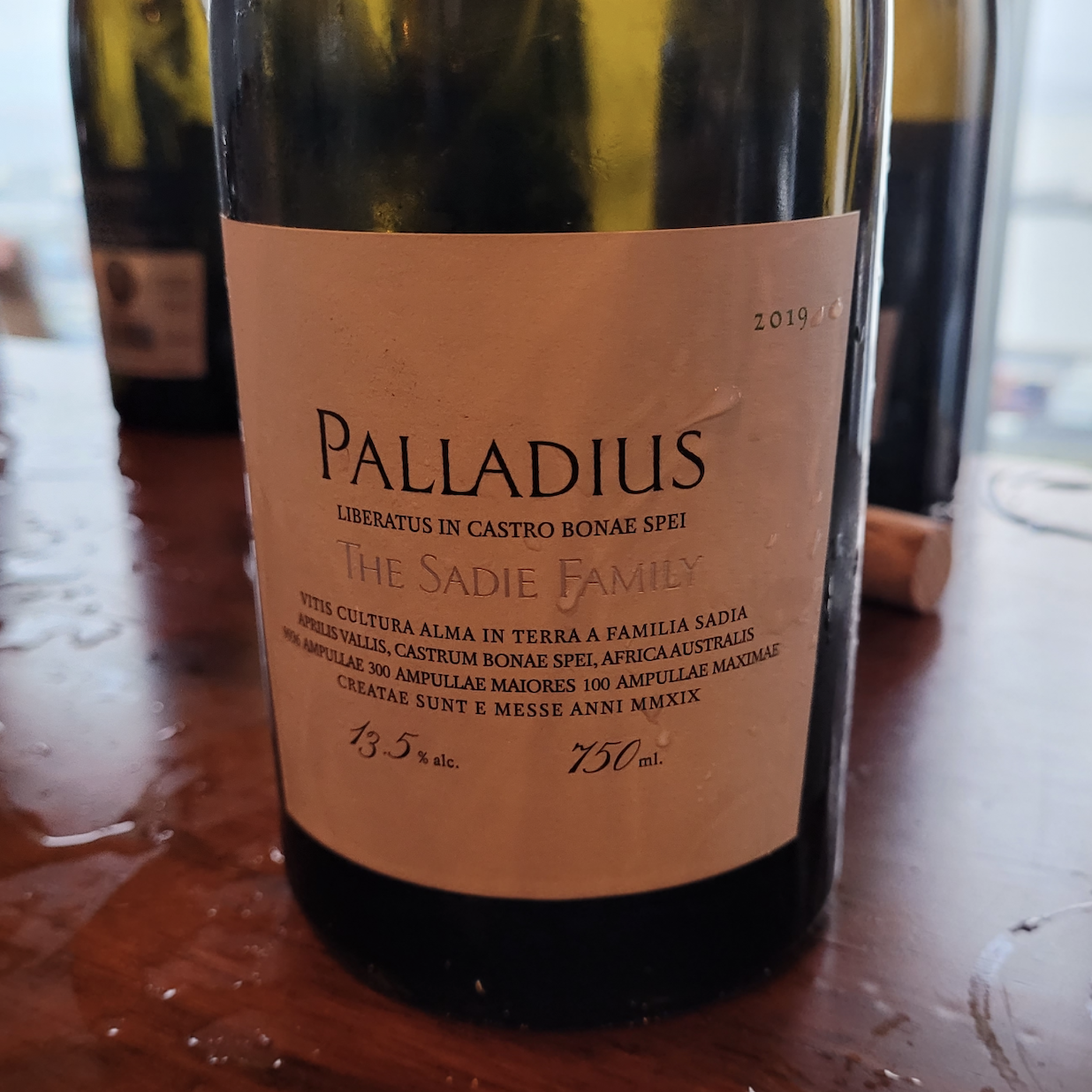
Sadie Family Palladius Liberatus In Castro Bonae Spei 2020, WO Swartland

Palladius, like Mev. Kirsten is a matter of the highest level of fruit concentration, extract and tannin but what separates is the flesh and the beauty noted so early on. Of chenin blanc, grenache blanc, viognier, roussanne and marsanne with palomino, sémillon gris, sémillon blanc, verdelho, clairette and colombard form 17 vineyards. Always the same 17 and it will become more once the experimental vines and blocks come to fruition. There are four co-plantations within and the wine is a mixed appellative and multifarious varietal bonanza of diversity and complexity. What a puzzle, maze and layering of so many different parts. How this works only Eben Sadie (and perhaps also his viticulturist, agriculturalist, winemaker, boys, electrician and plumber know). But does it matter? It finds you, grabs your palate, senses and shoulders, shakes your foundation and never relents. Drink 2024-2036.  Tasted October 2022
Red Blends

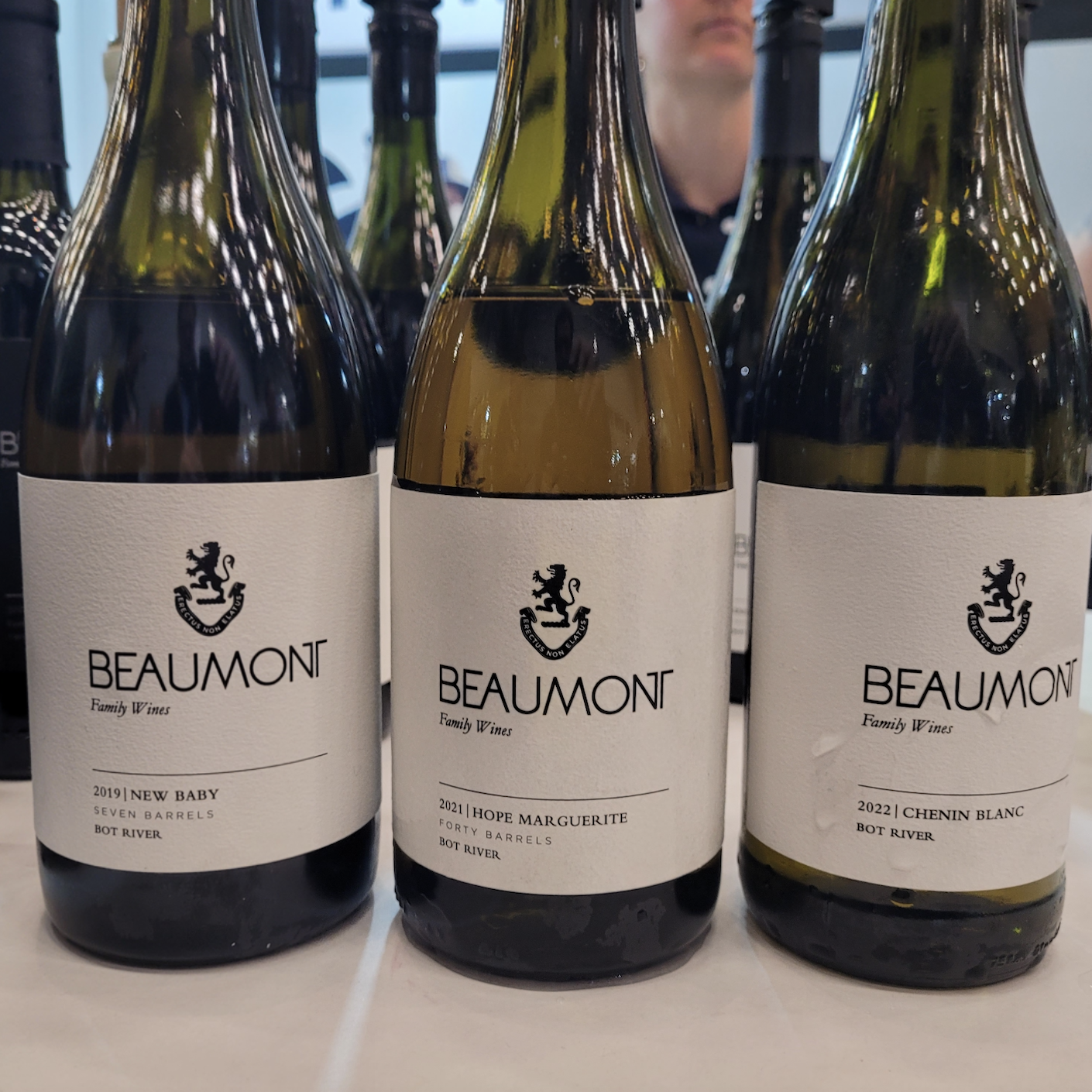
Beaumont Wines New Baby 2019, WO Bot Rivier

New Baby was released in June of this year and 2015 was the first vintage of a truly Cape conceptual wine. It was launched as a way to combine the idiosyncrasies and potentially complimentary personalities of different white grape varieties on the farm. In 2019 the lead is chenin blanc at 40 per cent with (30) sauvignon blanc plus smaller amounts of chardonnay, sémillon and colombard. They were all planted by Sebastian Beaumont’s father from 1974 onwards. The style and notion follow the line established by Hope Marguerite. “My mother said every vintage was like giving birth to a new child,” explains Beaumont. “Once you do something it’s hard to shake.” Yet another brilliant white appellative blend to define the Cape’s idiomatic meets wild west psyche and only in South Africa do the interpretations emerge like this. All in barrel and the vapour trail is palpable, especially in the flint and smoulder that come from the Bordeaux grapes. New Baby pops, piques, kindles and snaps, raises the senses and is just a perfect conceptual creation. Hard not to love this bloody wine. Drink 2023-2030.  Tasted October 2022
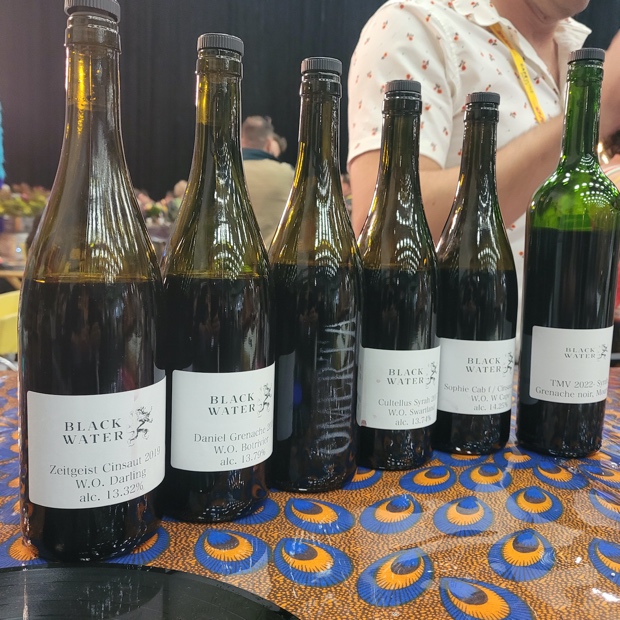
Blackwater Wines Sophie MMXX 2020, WO Western Cape

A new sku for Francois Haasbroek, inspired by old red Cape blends, not just a trend these days but a resurrection of style that is in fact new and improved fashion. Sophie is named after Francois’ daughter born in 2020, joining the Bot Rivier grenache named for her older brother Daniel. She is half and half Stellenbosch cabernet sauvignon plus Darling cinsault, affectionately reminiscent for a time when wines like these could be made and aged forever. “A classical blend,” tells Haasbroek though I’m not privy to any made in a 50-50 ratio with these two varieties. Nevertheless this maiden Blackwater voyage comes from three barrels of 30 per cent new wood. “Because it doesn’t get distracted by seeping up oak,” insists Francois and he is likely correct though we need to see where this travels. Long into the night it is suggested with fruit purity, strong facial features, good bone structure and an eye towards the future. Drink 2024-2029.  Tasted October 2022

La Motte Hanneli R 2015, WO Western Cape

The name of Hanneli Rupert, owner of La Motte. A blend of 58 percent syrah, (32) grenache and (10) petite sirah, full, more rounded than the Pierneef syrah and showing more barrel as well. The syrah comes from Elim and Franschhoek, the grenache from Walker Bay and the petitye sirah also from Franschhoek. Though truthfully speaking there is fineness, grace and elegance in the context of a big and fruit-centric wine. Acids are sharp, with iodine and this kind of concentrated pomegranate flavours. In the end there are waves of chocolate, not entirely bittersweet, succulent notions and clearly next level. Drink 2024-2028.  Tasted October 2022

Radford Dale Black Rock 2014, WO Swartland

Will admit to having a love-hate relationship with this wine which at times shows incredible beauty and at others goes straight over the top. The 2014 eight years forward is divine. A southern Rhône styled blend, composed of up to six varieties but does not have to every time out. Syrah often leads though not in this vintage because grenache showed the most promise for what needs to happen in this blend. Not the hottest of seasons and so in the context of South Africa there is red juiciness and a level of ethereal unlike itself, especially looking ahead to examples like ’17 and ’19. The carignan really surprises, but then again the vines are pushing 50 so their contribution is experientially significant. The ’14 has morphed, likely gone through dumb, swarthy and awkward stages but is now gentle and subtle in its testing meanderings. The fine and incrementally structured elements are clearly manyfold but now really coming together. A rager and a ranger, with some legs on it, still youthful and I will follow it anywhere. Drink 2023-2028.  Tasted October 2022

Savage Wines Are We There Yet 2021, WO Malgas

Duncan Savage continues his relationship with these blocks of touriga nacional and syrah planted by David Trafford back in the early 2000s on sites where Sijnn Wines produce the most fantastic red blends. Driving to Malgas from Stellenbosch or Cape Town often elicits an “are we there yet” cry because there are stretches on dusty back roads that feel like a journey to the ends of the earth. The southern most point in Africa more like it and Savage makes use of a few percent here and there with regards to blending grapes that change a wine’s perspective from year to year. He concedes that 2021 was a big sun, big canopy one, yet also following the droughts to create something beautiful and beneficial. Control is exercised and the mix carefully contorted for a red of nimble elasticity and then a Tetris effect occurs. Time and attention paid to tasting and thinking about Are We There Yet begins to pattern our thoughts, mental images and dreams. We are hooked and will be on this line for quite some time. Drink 2024-2029.  Tasted October 2022

Sijnn Red 2016, WO Malgas

Second vintage for Charla Bosman’s tenure at Sijnn and here her confidence shows in both the stunning aromatic profile and broad shouldered structure. The nurturing and comfort speak to a winemaker in the early subconscious stages of becoming a mother and a force of winemaking nature. Perfectly swarthy here and it’s really all about tannin management, controlling fermentation temperatures, whole bunch additions, punchdowns and easing extractions. “Channelling freshness but still staying true to the intensity that we have,” confirms Bosman. The quality of this red fruit with a touch of blue, acids of a natural nature and the suppleness of tannins makes this a wonder to behold. So many years of life still lay ahead. Drink 2022-2032.  Tasted October 2022

Something Other

Ken Forrester Dirty Little Secret Vin Blanc #3, WO Piekenierskloof

Seeds were sown for an auspicious beginning in 2015 when the inquisitive winemaker Shawn Mathyse was looking, asking questions about and in serious consideration of natural wines. His skeleton in the vat is an assemblage of chenin blanc out of a single vineyard Piekenierskloof site planted in 1939. There is some clairette blanche mixed in though according to the regulations it qualifies as chenin blanc. Four or five vintages are amalgamated from this sandiest of sandy soil, non-irrigated bush vine site. This is the third iteration which includes the vintages of (2017 through 2020). Scents and tastes of old chenin, clover honeyed, waxy and flint struck. The definition of natural wine the Ken Forrester way. Drink 2022-2025.  Tasted October 2022

Beauty in Hermanus

Buyers’ Guide to current LCBO and VINTAGES Essentials LTOs for South African wines

Whites

K W V The Vinecrafter Chenin Blanc 2022, WO Western Cape
Boschendal The Pavillion Chenin Blanc 2022, WO Western Cape
Spier Bay View Chardonnay 2022, WO Western Cape
Nederburg Sauvignon Blanc The Winemaster’s Reserve 2022, WO Western Cape
The Wolftrap White Blend 2022, WO Western Cape
With Love From The Cape Chenin Blanc 2022, WO Western Cape
Boschendal 1685 Chardonnay 2021, WO Coastal Region
Ken Forrester Old Vine Reserve Chenin Blanc 2021, WO Stellenbosch

Stellenbosch

Reds

Boschendal The Pavillion Shiraz Cabernet Sauvignon 2019, Pays d’Oc, Languedoc, France
Fairview Goats Do Roam Red 2021, WO Western Cape
The Wolftrap Syrah Mourvedre Viognier 2021, WO Western Cape
Porcupine Ridge Syrah 2022, WO Swartland

Good to go!

godello

Fynbos, Vergelegen Estate

Twitter: @mgodello

Instagram: mgodello
WineAlign

What comes next for the wines of South Africa?

A deep dive into the wine regions of the Western Cape, chenin blanc, and a Buyers’ Guide to South African wines

This feature was commissioned by Wines of South Africa, as seen on WineAlign


Several years back I commented that “the act of intense immersion into any important wine-producing nation and its diverse regional expressions can only leave a lasting impression if the follow-up takes a long, cool sip of its meaning.”

That was just the beginning of what I hoped to be a life-lasting fascination with South African wine and, seven years later, I can safely say the journey is going very well, if still only in the early stages of deep understanding. Just about exactly two months from today I will return to the Western Cape to rekindle, reconnect and extend my relationship with South African winemakers and their fascinating wines. Curiosity, anticipation and excitement have never been greater and so the questions is worth asking: What comes next for the wines of South Africa? At current the only answer forthcoming is how Cape Wine 2022 will be the most lekker experience of the year.

In all their combined iterations, the wines of South Africa are exciting communicators of heritage, history, emotions and declarative attacks. Collectively they spread with ripples like a large rock dropped into a pool of water. They are the beneficiary of effects created by two oceans and the great ancient, preeminent, decomposed and weathered soils found anywhere on this planet. Maturity is breathed into every phrase these wines are wont to play.

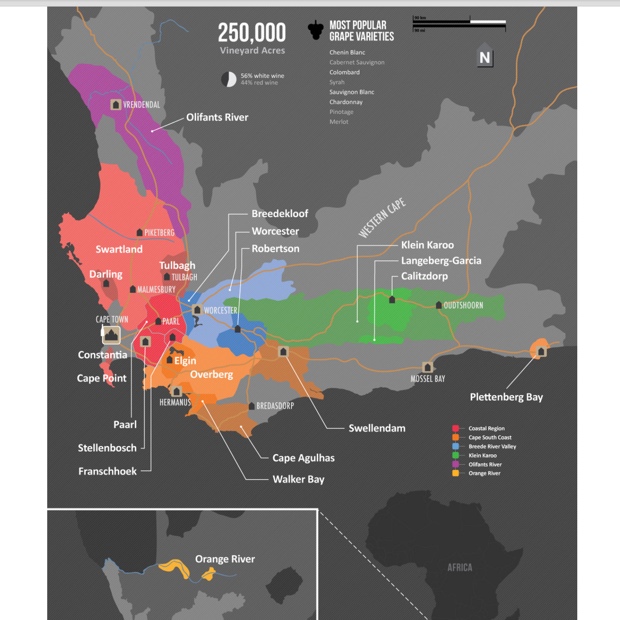
Growing regions of the Western Cape

South Africa is a medium-sized country that would fit into Canada eight times. It has a diverse population of 58 million people and is affectionately known as the ‘Rainbow Nation,’ a phrase aptly coined by Archbishop Desmond Tutu. Wine growing is limited to the southwestern region of South Africa, in the Western Cape Province, which is an area roughly the size of Greece. South Africa has been making wine for more than 360 years. The first grapes were pressed in 1659. The wines reflect the best of the old and the new; they present fruit-forward styles with elegance and finesse. The South African wine industry is one of the most technically advanced in the world of wine. There is an extremely rigorous Wine of Origin Certification Scheme, introduced in 1973, which guarantees that the wine is what it is designated or described. Each bottle carries a certification seal to guarantee that the claims regarding vintage, variety and origin on the packaging are true. South Africa has more certified Fairtrade wines than any other country. That is to say their products “guarantee a minimum price to cover the costs of sustainable production, as well as a premium to invest in social and economic initiatives in their communities.”

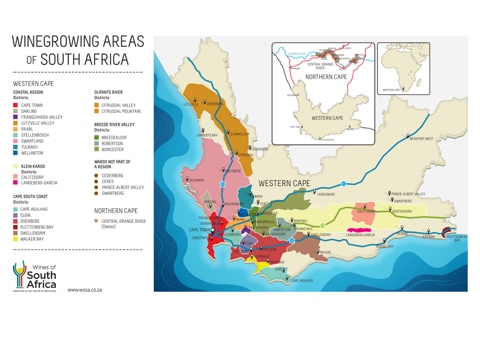
There are five officially demarcated regions of production — they are delineated based on the massive variations in soil, climate and location. The regions are: Breede River Valley, Coastal, Klein Karoo, Olifants River and Boberg. There is a commitment to environmentally sustainable wine production and wines can be certified by Sustainable Wine South Africa, which is part of the Wine and Spirit Board. The designation refers to grapes which are produced in harmony with nature, which allows vineyards to flourish alongside their natural habitat. The Biodiversity and Wine Initiative is a unique partnership between conservation bodies and the wine industry.

Cape Floral Kingdom – A World Heritage Site

More than 95 percent of the wine is produced in the Cape Floral Kingdom, where there are more than 10,000 indigenous plant species, more than reside in the entire Northern Hemisphere. This Kingdom has been created by a diversity of soils, produced from granite, sandstone and shale; as well as a diversity of climates and geography. This, in turn, has created a treasure trove of winemaking possibilities. As a result, South African wines have a huge array of flavour and aroma profiles, which lead to wines with intriguing character and drinkability.

Chenin Blanc

Chenin Blanc

While so many grape varieties take hold with utmost promise in the Western Cape, there is but one that persists, unwavering and timeless. Yes, it is true that grape varieties such as grenache, cinsault, syrah, pinotage, sémillon and many others are apt at aligning with covenant to their old vine sources but there can be little argument against chenin blanc residing at the top of that list, Chenin is the greatest beneficiary of age, fortitude and focus as provided by the old vine experience. The list of Western Cape chenin sites from Stellenbosch, Swartland, Citrusdal Mountains, Darling, Hemel & Aarde Ridge, Breedekloof, Bot Rivier, Walker Bay, Cederberg, Paarl and Robertson, reads like a biblical scroll; Bottelary Hills, Granite Hill, Helderberg, Kapteinskloof, Kasteelberg, Paardeberg, Perdeberg, Riebeek-Kasteel and Skurfberg. The grape variety has been in the country for more the 350 years, and can perform well in warm and dry conditions. The signature grape variety is South Africa’s golden ticket to global recognition and success. No other varietal message speaks with as much clarity and consistency than that of chenin blanc.

Stellenbosch vines and heritage vines planted in the 1970s and before are now performing at their best. Johan Reyneke speaks of the illness that had been running through South African soils and how he sought to build immunity and disease resistance through a holistic farming approach. Things did not transform overnight, so fathers and neighbours may have doubted the long, arduous and yet understood process. But it is that organic and sustainable approach for which today’s health and prosperity can be thanked. When it comes to searching for chenin blanc plant material, vineyard sourcing can be quite broad, of multifarious soil types and elevations, 40 to 50 year blocks on average, sometimes also including old vine sémillon. The distance from the first to the last vineyard in a chenin blanc cuvée might be 200 kilometres or more but, when brought together well, magic often happens.

Windy places help in so many respects, allowing a larger canopy to remain in place and exaggerate the dappling effect which chenin blanc so dearly loves. Reyneke’s is South Africa’s oldest Demeter-certified biodynamic winery, with vineyards on the top of an ancient granite mound and on less weathered soils lower in the valley floors. The vine struggle is real, a positive one for the wines and ultimately for wine lovers. Granite soils further up the Stellenbosch hills are less colluvial, really old and weathered, predating microbial life. The vines produce lower yields and the weathered earth gives life to chenin blanc. For Mullineux Wines and a Cape chenin blanc assemblage, it gives meaning to the gathered idea, like an AOC Chablis made by a houses in names of Fèvre, Drouhin, Moreau or La Chablisienne. Mullineux’s twist is the back blending with some old barrel ferments to balance new and “other” fruit components. A chenin blanc may be bottled the same year it was picked though that’s easier to do so in the southern hemisphere, where harvest happens in the first quarter months. The reasons are simple. Intense investigations through schist, granite and old vines floats the boat and raises the bar for more professional and accessible chenin blanc cuvées. With older heritage vines involved, as is the case for Chris and Suzaan Alheit, the concentration and density of the vines is inherent. The use of heritage material is the South African version of Atticism; that is a return to classical methods and rhythms in making really old chenin, but also the likes of sémillon.

Chardonnay vineyards in Robertson

Cap Classique

One of the sparkling wine world’s most important and impressive categories in origin is no longer called Méthode Cap Classique (MCC), but now Cap Classique. This South African term indicates a sparkling wine made in the traditional method (the same way Champagne is made), by which a secondary fermentation takes place inside the bottle. As it stands, Cap Classique must age on the lees for a minimum 12 months to be labelled as such, though this number will surely extend once the realization sets in that more is better. Cap Classique produces some of the finest, most complex and diverse sparkling wines in the world. In Champagne the annual production is somewhere in the vicinity of 350 million bottles so compare this to South Africa where a fraction of that amount is released to the tune of seven or eight million. Méthode Cap Classique bottles are made by 100-odd producers, 73 of which are listed on the website for the Cap Classique Producers Association (CCPA), an organization established in 1992. The name was derived from the fact that the classic art of winemaking was introduced to the Cape by the French Huguenots, and the first bottle-fermented sparkling wine produced at the Cape was called Kaapse Vonkel (Cape Sparkle).

It’s also very much a wine about terroir. In Stellenbosch the sparkling is often made from early picked, old vines chenin blanc grown on Duplex soils, colluvial decomposed granite overlapping gravelly clay. Ask Ken Forrester and he will tell you the gravels allow for good draining and the clays deliver a time release of water. All this helps during drought and the restriction of water creates texture on the palate. There are pioneers like Graham Beck’s Pieter Ferreira who are attacking with Brut Zero style “based on the philosophy of grower’s Champagne.” For others, like For Christa Von La Chevallerie, it’s a matter of “how far I can go with [the combination of] chenin and lees.”

“We’re making wines that develop too quickly,” insists Paul Gerber of Le Lude. Gerber believes the minimum time on lees should be raised to 15 months. As for sugar dosage, he’s like a cook in the kitchen. “Dosage is like seasoning. If you do it properly you don’t taste it.” Ferreira has put in the time and the research over 20-plus years to really understand the category but, more importantly, the potential. “You are always looking to express terroir,” he says. As for Gerber, he will say “sparkling wine is not a terroir wine? Please. This is completely untrue.” “For Brut we have to extend [the lees aging time] to 60 months,” explains Ferreira. “So there is no lipstick or eye shadow. ”For a deeper dive into Cap Classique please read my article post Cape Wine 2018.

Bot Rivier 

Bot Rivier lies southeast of Cape Town, sandwiched from south to north between Hermanus and Stellenbosch. “From the top of the Houw Hoek Pass, one gets the first glimpse of the vast, rolling hills and big sky of the Bot River area, where real people make real wine.” This is the credo of the family of wineries that farm and produce in the area. There are 12 members of the wine-growing association, all within a 10 kilometre radius of one another. Here chenin blanc might be crafted with just a hint of residual sugar (at just above 5 g/L), to balance the effects of a long, slow, ocean-proximate Bot Rivier growing season.

Paul Cluver with Ken Forrester’s Chenin Blanc

Elgin

There is so much diversity in the Capelands. There are rock n’ roll stars in the Swartland, R & B, soul & Motown in Stellenbosch, Jazz in Elgin, Classical music wherever you want to hear it. But what there is everywhere is flow. Reggae flow, soulful Stevie Wonder flow, hip-hop flow, Stan Getz, Ahmad Jamal, Dexter Gordon flow. Elgin also has layering, in riesling, pinot noir and chardonnay. The wines glide with cool climate ease of ability, with an unconscious penning of notes coming from a place that was always there from the beginning, with a creativity that comes out of effortless style.

Elgin’s Paul Cluver seems to be the first to label his chardonnay with the Bourgogne “Villages” idea. This tells us much about what we need to know — that Elgin vineyards are the fruit source if not site specific or singularly focused. But he also finds precision with his Seven Flags and Close Encounter wines. The wines of Thelema (and Sutherland) do the same, curating classic Elgin cool savour running linear like a beam through the joist of structure.

The Helderberg, Stellenbosch, Western Cape

Stellenbosch

Stellenbosch in undoubtedly South Africa’s most well-known region and home to the eponymous town that is the country’s second-oldest town. It sits a mere 50 kilometres southeast of Cape Town, capital of the Western Cape. Stellenbosch is the lushest of the Cape’s valleys, home to more than 200 wine producers and surrounded by the Drakenstein and Stellenbosch mountains. False Bay acts as the mitigator of this Mediterranean climate, creating ideal wine-growing conditions where just about any sort of grape variety can achieve ripeness. The reds of cabernet sauvignon and shiraz predominate on the granite-based soils farther west, while chenin blanc and sauvignon blanc thrive in the sandstone soils of the east.

Swartland Independents

Swartland

The Swartland is Afrikaans for “Black Land,” so named because of the dark grey endemic renosterbos (rhinoceros bush) that covers the landscape and turns black after the rains. The region of the Western Cape begins some 50 kms north of Cape Town and consists of the area between the towns of Malmesbury to the south, Darling in the west and Piketberg in the north. Home to the Cape’s greatest of wine revolutions, followed by a swinging era — and what comes next is anybody’s guess. What we do know is that the Swartland’s decomposed shales and granites provide some of the most existential and powerful growing sites in all of South Africa.

Bush vines, Groot Drakenstein Mountains, Franschhoek, South Africa

Buyers’ Guide to Wines of South Africa

Over the past two months there have been several opportunities to taste a wide range of wines from South Africa. Andrea Mullineux came through Toronto to give a seminar on chenin blanc, VINTAGES has seen releases with a dozen various examples and the WineAlign team recently tasted a box of stunning values. Just last week I taught a seminar on South Africa and poured five seminal wines. Here is a Buyers’ Guide that includes chenin blanc, Cap Classique, Bot Rivier, Elgin, Stellenbosch, Swartland and the Western Cape.

Western Cape

Boschendal The Pavillion Chenin Blanc 2021, W.O. Western Cape
$13.35, Lifford Wine & Spirits (Select Wine Merchants)
Michael Godel – Hard to knock the consistency but even more so the varietal representation and transparency of this perennial steal of a chenin blanc. Fruit that sings, bones that stand upright and just textural enough to make you feel like chenin can do no wrong.

Spier Signature Chardonnay 2021, W.O. Western Cape
$13.35, Sylvestre Wines & Spirits
Michael Godel – Labeled as Western Cape though kind of essentially Stellenbsoch from Spier in a chardonnay of green apple, dried herbs and lime. A hint of reduction and then bitters and while not fleshy this is surely satisfying.

Franschhoek Cellar Statue De Femme Sauvignon Blanc 2020, W.O. Western Cape
$16.99, Perigon Beverage Group
Michael Godel – Franschhoek does sauvignon very well, not as cool as say Elgin but surely (on average) more complex than Stellenbosch. Note the elongated phenols and terpenes in this most stimulating and succulent sauvignon blanc. Steal of a deal.

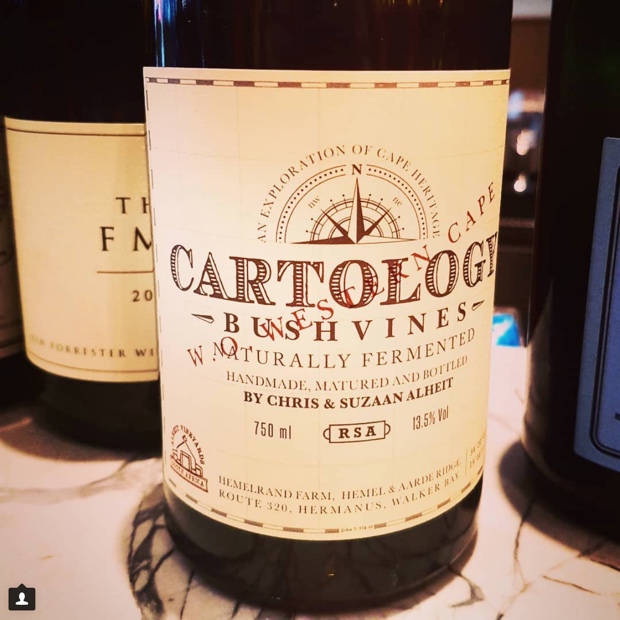
Alheit Vineyards Cartology Bush Vines 2019, W.O. Western Cape
$59.95, Groupe Soleil
Michael Godel –  Soil excellency layers in oscillations, waves and variegation in one of South Africa’s most curious to crafty blends in which chenin blanc is the focus to the core. You feel the sémillon, indeed you do because it streaks through the chenin, but not as a sprinter or a shooting star. Cartology is a correlated, traced and tabulated white blend that stands up to be counted.

Fairview Goats Do Roam Red 2021, W.O. Western Cape
$14.00, Univins (Ontario)
Michael Godel – Rhône blend based on syrah and the stylistic departure from the past to be über rich and dark is now more a matter of bright and effusive. Black fruit is now red, tar and tension given way to open and generous. Loving the modern acids, clarity, purity and simplicity.

Bot Rivier 

Beaumont Wines Chenin Blanc 2021, W.O. Bot Rivier
$29.95, The Small Winemakers Collection
Michael Godel – Hard to conceive and thus receive more aridity on the aromatics, surely flinty, part gun and part struck granite stone. Stretches this chenin blanc like the pull of elastics or fior di latte. Also herbal, sweetly so, with a chanterelle apricot note in the freshest of fungi specimens. Acids take over, spit and shine over this wise and elongated wine.

Elgin

Paul Cluver Village Elgin Chardonnay 2020, W.O. Elgin
$25.00, Buyers + Cellars Wine Purveyors
Michael Godel – Taut and tight, nicely reductive, orchard fruit focused with some bite and then a little bit of barrel smoulder. Not a smoky or toasty chardonnay but a balanced one with plenty of local, savour, savoir faire and flavour.

Stellenbosch

Ken Forrester Sparklehorse Cap Classique 2018, W.O. Stellenbosch
$29.95, Noble Estates Wines & Spirits Inc.
Michael Godel –  This may just be Ken’s most phenolic sparkling wine to date, emitting as a combination of blanched nuts and precious metals. Spent eight months in fermentation followed by 28 further on lees, in bottle. Creates orchard fruit flavours and textures while acidity retention keeps the groove and the balance.

Radford Dale Vinum Chenin Blanc 2020, W.O. Stellenbosch
$19.95, Nicholas Pearce Wines Inc.
Michael Godel – There is a feeling of warmth in Radford Dale’s 2020, not boozy per se yet the feeling is like cold sake going down. Then it’s all roundness and creamy fruit, ease and utter culpability.

Reyneke Chenin Blanc 2020, W.O. Stellenbosch
$29.95, Univins (Ontario)
Michael Godel – Johan Reyneke’s chenin blanc is his and his alone, of South Africa’s first biodynamic winery and a level of say it as it is passion that can’t be touched. More like do as I do and Reyneke’s takes no liberties, asks no favours, gives and gives again. Spices and textural meanderings are concentrated and greater. An exotic notion as well, like ripe longan fruit and then a compound flavour profile going on forever.

De Morgenzon Reserve Chenin Blanc 2019, W.O. Stellenbosch
$49.00, Family Wine Merchants
Michael Godel – A barrel fermented style that shows in a flinty, caramel and pineapple way, part Burgundy plus California yet all South Africa. Heeds the Reserve moniker well with buttery brioche richness and full sun gathered consciousness. This one is all in with an effect to invite a wide ranging if specific consumer response.

Boschendal 1685 Cabernet Sauvignon 2017, W.O. Stellenbosch
$19.95, Lifford Wine & Spirits (Select Wine Merchants)
Michael Godel – Big, dark, brooding, as much about place as it is about grape variety.What’s special is the equally grippy and forceful fruit, exaggerated because the acidity is like a reduction of black currant syrup. Sharp and soil rich this is a serious mouthful of cabernet, firm, tannic and in charge. Roasted herbs and grilled vegetable notes, and a ferric-sanguine quality that brings the BBQ braai to mind.

Warwick Professor Black Pitch Black 2017, W.O. Stellenbosch
$19.95, NAVBEV INC
Michael Godel – Six grapes get together in Pitch Black, mostly made with cabernets with (13 per cent) cinsault, (10) merlot and then bits of malbec and petit verdot. Inky in feel if not pitch, tarry by natural nature if not by hue and also more Rhône meatiness then Bordeaux savour. A big, ferric and hematic example with strong bones and flesh all over.

Jordan Jardin The Long Fuse Cabernet Sauvignon 2019, W.O. Stellenbosch
$30.00, Kolonaki Group
Michael Godel – Straight faced and matter of fact, all things being true in a cabernet sauvignon that reeks of variety and subtlety in spite of the violence required to excavate and plant a vineyard. Don’t sleep on the tension and the structure in a wine of meaning, profound as it gets for Stellenbosch.

Aslina By Ntskiki Biyela Umsasane 2020, W.O. Stellenbosch
$35.00, Gradwell Wine Agency
Michael Godel – Ntsiki Biyela is officially recognized as South Africa’s first black female winemaker and the meaning in her Bordeaux styled Umsasane blend is local vernacular for the umbrella acacia tree. The brand is called Aslina, tribute to Ntsiki’s grandmother and one can feel the love in this richly styled, boozy in relative balance blend.

Swartland

Mullineux Kloof Street Chenin Blanc 2020, W.O. Swartland
$19.95, Nicholas Pearce Wines Inc.
Michael Godel – Essentially chenin blanc and an example that pulls the full blessings and richness of the sun into a generous and gracious wine. Kloof Street is chenin blanc of feel, touch and “tekstuur.” The old vines concentration and density is inherent, the “frâiche, agréable and couvert de rosée” all over the palate with license and privilege.

A.A. Badenhorst Family White Blend 2018, W.O. Swartland
$57.99, Lifford Wine & Spirits (Select Wine Merchants)
Michael Godel – The adage bears repeating as recited by Adi Badenhorst. “Fantastic grapes from old vineyards,” in a jazz mixtronic blend of chenin blanc, roussanne, marsanne, grenache blanc, viognier, verdehlo, grenache gris, clairette blanche, sémillon and palomino. Yet another paradigm shift in Cape white appellative white blends that seduces with its steely veneer, vine experience and turbulent soul to deliver in every way imaginable.

Mullineux Chenin Blanc Granite 2019, W.O. Swartland
$79.00, Nicholas Pearce Wines Inc.
Michael Godel – All barrel fermented in only neutral oak, full malo and with the intention to truly experience and taste chenin blanc grown on granite soils. A wine kickstarted by natural stabilization, equally expressive of tart acidity and freshness, fully reasoned by sunshine yet also seasoned with effortless and variegate ease.  Such an experienced and robust wine without solicitation, nor swagger neither. The ability, presence and precision are tops. There’s no question.

Porcupine Ridge Syrah 2021, W.O. Swartland
$16.95, Univins (Ontario)
Michael Godel – Unmistakable syrah from the Boekenhoutskloof clan, always the meatiest and meat fats dripping example for the price. That and a profile more Swartland than what comes from say Stellenbosch syrah.

Good to go!

godello

Twitter: @mgodello

Instagram: mgodello
WineAlign

A Canadian summer for South African wines

Stellenbosch, Western Cape

Great heart and value from the Western Cape, alcohol bans, limited time offers and 15 reasons why you should support the wineries of South Africa 

by Michael Godel


as seen on WineAlign

There is an undeniable truth that South Africa is responsible for producing some of the finest wines in the world, at all price points and for every imaginable palate. A local perspective shows how fortunate Canadians are to have access to so many of the Cape’s essentials. Wines so very helpful as chaperones whilst Canada finds itself in the throes of a steamy and canicular July, still weeks ahead of the dog days when the star Sirius will first appear in the night sky. Essentials, as in chenin blanc, sauvignon blanc, chardonnay, Cap Classique, Rosé, syrah and cabernet sauvignon. The Capelands are the proviso and if there were ever a time to spend Canadian dollars on South African wine, that time is now.

Winegrowing areas of South Africa

As Canadian vaccination rates rise to a global lead and the economy continues to trend in an open and forward direction, here at home many wine consumers finally find themselves in a charmed position. Yet the story is not the same around the world. In Ontario visits to local wineries can now increase in earnest while looking ahead in anticipation for six further weeks of summer filled with touring, tasting and relaxing. South Africa’s situation is less fortunate and it’s wine industry remains in static, suppressed and uncertain limbo. The government continues to enforce a total alcohol ban while ignoring sound proposals from its very own constituents, to dire consequences. There just seems to be no consideration for South Africans who face job losses and poverty as their employers struggle to meet even the base and necessary tenets of the bottom line.

South African wine producers will tell you that the current moratorium on selling locally is the stuff of crazy town. The collective contention will express the view that the government’s decision making is rash, ill-considered and reactionary in the most peculiar ways. The President’s claim states that the ban on selling or drinking alcohol “is to ease the pressure on hospitals which are under strain,” yet anyone worth their salt in common sense and trusting medical professionals will acknowledge that keeping booze away from alcohol dependants will only add to hospital visits. The shut downs (and other restrictive government decrees) are now leading to protests, violence and bootlegging tactics. Canadians have little power to effect political will abroad but consumers can make the choice to support their friends and colleagues in the wine industry.

New development: Following the publication of this article on WineAlign the government of South Africa has since lifted the alcohol ban.

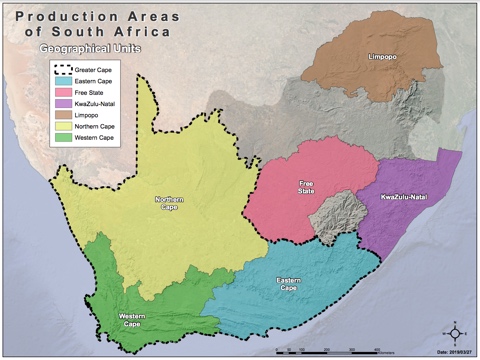
Production areas of South Africa

Related – Searching for great heart in South Africa

The LCBO is now doing their part. To make things easier and wholly accessible to an Ontario consumer, a joint “Flexspace” program between Wines of South Africa Canada and the LCBO launches July 19 and runs through August 15 with eight General List products. These LTOs (limited time offers) offer four weeks of discounted prices as incentive during down time summer holidays for people to try South Africa, if indeed they haven’t before. The LTOs coincide with the VINTAGES July 24th release inclusive of a thematic promoting the idea of young Cape winemakers.

Cape Wine 2018

Cape Wine 2021(2)

In a pandemic-free world Cape Town’s Cape Wine would be taking place just two months from now but the difficult and necessary decision by Wines of South Africa has moved the trade show from September 2021 to October 2022. Intensive planning for one of the great triennial wine fairs on the planet begins 18 months out and so with vaccine promise and good hope the industry has shifted preparations for a Spring 2022 “Capelands” revival. Soon enough the hurdles, obstacles, impediments and hoops of pandemic lockdowns, sponsorship landing and export bans will be added to the growing list of “what has been overcome.”

Nature, farmers and winemakers continue their work. Grapes are still growing and wines are still being made. Cape Wine is one of the greats, a collection and gathering by an industry of more varied character and industriousness than you will ever find. Let’s hope a global correction and stabilization brings everyone back together. In the meantime we focus are attention here in Ontario to General List, VINTAGES Essentials and VINTAGES release wines to do our part in support of a heavily challenged, beleaguered and surely resilient community of WOSA estates, farms, winemakers, distributors, retailers, marketers and supporters.

Andrea Mullineux

The Cape’s Young Winemakers

In two visits to the Western Cape (in 2015 and 2018) I had the pleasure of meeting and tasting with some of the most impressive, erudite and promising young winemakers anywhere on the planet. The list is long and winding, the resumés noteworthy and the wines crafted nothing short of inspiring. They are the present and the future of South Africa’s wine scene; Andrea Mullineux, Duncan Rall, Nomonde Kubheka, Chris Alheit, Emul Ross, Duncan Savage, Marlise Niemann, Carmen Stevens, Sebastian Beaumont, David and Nadia Sadie, Ryan Mostert, Jacques de Klerk, Sheree Nothangel, Ntsiki Biyela, Christa Von La Chevallerie, Alex Milner, Callie Louw, Patrick Ngamane, Francois Haasbroek, Eben Sadie, Tariro Masayiti, Lukas van Loggerenberg, Mick and Jeanine Craven, Samatha O’Keefe, Ernst and Nina-Mari Bruwer. This is but a small sampling and my sincerest Canadian apologies to those I fail to mention and also to those I have not yet had the pleasure to meet.

In South African winemaking terms and schemes, as the boomers and now the next generation have grown older their collective winemaking continues to mature and become exceedingly wiser. There will and should not be any abandoning for the call to uprising, subversion and experimentation, but there is a contiguous and concerted effort to create wines that are simply pleasurable to drink. Isn’t that the point? By the time I looked at Cape wines in 2018 assessment it seems that everyone had it all figured out. Tasting through 2019, 2020 and half of 2021, albeit here in Canada causes a persistent thought pattern wherein South African wines are cleaner by ‘n landmyl, with as much precision, purity, transparency and honesty than ever before. Their recent decades long developing epiphany is now ours as together we synchronically enter this new world of next level, reinvented and deeper understanding.

Eben Sadie and Rosa Kruger

Heritage Vines

According to founder and viticulturist Rosa Kruger, “aged vines bring an intensity, a perceived freshness, a texture, and a sense of place. They show less fresh fruit and varietal character, and more terroir and soil.” No discussion of the South African landscape can be introduced without a nod to the biodiversity and heritage work associated with the Old Vine Project. With great kudos first and foremost to long time champion of the Cape’s oldest plantings and pioneer Rosa Kruger, but also winemakers Johan Reyneke, Eben Sadie and OVP Manager André Morgenthal. Kruger, along with a select few viticulturists, started scouting for South African old vines in and around 2002. Then, just beyond 2006 Sadie released his first wine under the Old Vineyard Series, a Stellenbosch wine made from the oldest chenin blanc in South Africa.

Today winemakers all over the Western Cape are seeking out these old sites of dry-farmed, (un)trained bush vine plots of gold. “Stories sell wine,” says winemaker Johan Kruger, “and what better story the tell than the old vine one.” The Old Vine Project is all about preserving vineyards 35 years and older, through trade initiatives and sustainable projects to protect South African heritage. Only South Africa offers the possibility for wine labels to ensure certification by the regulatory authority. “Members of the Old Vine Project (OVP) can put a Certified Heritage Vineyards seal on bottles of wine made from vineyards of 35 years or older, together with the planting date. This is a guarantee to the consumer of authentic wines grown according to the OVP viticultural and winemaking guidelines.”

Chenin Blanc

Chenin Blanc

While grenache, cinsault, syrah, pinotage, sémillon and many others take great promise from their old vine sources there can be little argument against chenin blanc being the greatest beneficiary of age, fortitude, focus and acumen as provided by the old vine experience. The list of Western Cape chenin sites from Stellenbosch, Swartland, Citrusdal Mountains, Darling, Hemel & Aarde Ridge, Breedekloof, Bot Rivier, Walker Bay, Cederberg, Paarl and Robertson, reads like a biblical scroll; Bottelary Hills, Granite Hill, Helderberg, Kapteinskloof, Kasteelberg, Paardeberg, Perdeberg, Riebeek-Kasteel and Skurfberg. Just last month a chenin blanc day Zoom session with four Cape winemakers yielded this Polkadraai gem from Bruwer Raats.

Raats Family Wines Chenin Blanc Eden 2018

Raats Family Wines Chenin Blanc Eden 2018, WO Stellenbosch, South Africa ($80.00, Lifford Wine & Spirits)

A single vineyard chenin blanc and the first vintage to the Ontario market for a unique project celebrating the family farm called Eden. From their Stellenbosch ward of Polkadraai and high density plantings on dolomitic, granitic soils. Of a richness, an intensity of parts and a presence only a handful of South African blanc ever reach. A wine that achieves a level of status by its work underground (through root competition) and a clone called Montpellier that produces small berries and even smaller yields, not to mention the plot is just 0.6 hectares in size. Eden is the mothership and matriarch of this clone and for that variety in South Africa. All parts contribute to a wine of outrageous acidity that is never sharp, vivid or dominant. Fruit, mineral, focus, elements and precision. Wet stone is pure Polkadraai, vaporous, omnipresent, all over the wine. “The most successful winemakers (and wine projects) are ones that specialize,” says Bruwer Raats. This Eden follows the credo to a “T” and with a capital “E.” Really cerebral and also age-worthy chenin, in the upper echelon of the finest in the pantheon. If ever a chenin signified “Bringing it all Back Home,” the Raats Eden is it. “Discuss what’s real and what is not. It doesn’t matter inside the Gates of Eden.” Drink 2022-2030.  Tasted June 2021

Braai

The grape variety has been in the country for more the 350 years, can withstand warm and dry conditions and perform really well. The signature grape variety is South Africa’s golden ticket to global recognition and success. No other varietal message speaks with as much clarity and consistency than that of chenin blanc. And is there a finer example that also happens to be stupidly affordable than this.

Ken Forrester Old Vine Reserve Chenin Blanc 2019

Ken Forrester Old Vine Reserve Chenin Blanc 2019, WO Stellenbosch, South Africa (23128, $17.95, Noble Estates Wines & Spirits Inc.)

Gets me every time. Not just one of the finest meets best value chenin blancs available out of South Africa but an example to hang all your hats on no matter where white wine comes from in this world. Still the knowing nod and incredulous head shake that $18 CDN can buy you fruit from six blocks that are mainly 38 years of age but could possibly include 1974 Helderberg planted vines in Stellenbosch. “Core of the business” and arrow through a chenin heart. Great ferment, like a (catherine) wheel. Layers of design, creamy with thanks to secondary lees aging but somehow still texturally chewy. Barrel notes make a point in a vanilla brûlée way and yet each sip is like taking a bite from a piece of firm, ripe fruit. “I need more texture. You need to give me more texture, texture, texture. You need to give me more texture.” Old Vine Reserve obliges every time. Drink 2020-2026.  Tasted June 2020

Bruce Jack Chenin Blanc 2020

Sometimes you just need some fun, spirit and energy in a well-priced chenin blanc that speaks to everyone. This by Bruce Jack and former Hidden Bench winemaker Marlize Beyers is just the ticket.

Bruce Jack Chenin Blanc 2020, WO Western Cape ($13.95, LCBO 13356, VINTAGES May 29th, Lifford Wine & Spirits)

There’s a whack of chenin blanc personality in the 2020 by Bruce Jack, proprietor of The Drift, literary philosopher. The vineyards are located in the Breedekloof, in the west of the Breede River Valley, an arid rift of alluvial soils with a river running through. Here from the Western Cape’s newer wine route area chenin blanc is exulted as a most important varietal component. Older barrels, the alluvial soils and a warm location are involved, which are duly noted in the platinum hue, tropical fruit and developed ripeness. Sunshine chenin blanc Superman, especially considering the price. Sharp and in flight. Drink 2021-2022.  Tasted June 2021

The Heldeberg from Stellenbosch

Buyers’ guide to South African wines from current LTOs and the July 24th VINTAGES release

Back in late June (and we will do so again next week) the WineAlign cru sits down to taste through the LCBO LTOs and July 24th VINTAGES South African releases. When asked for his four top picks my colleague and mentor David Lawrason exclaimed, “Here you go Michael!  Kinda tough to narrow down these good values.” That’s exactly what you will find from these collective picks. Great value, as well as great heart from South Africa.

Haute Cabrière Pierre Jourdan Belle Rose Brut Sparkling

Haute Cabrière Pierre Jourdan Belle Rose Brut Sparkling, Traditional Method, WO Western Cape ($19.95, LCBO 18569, VINTAGES July 24th, LUSOCAPE)

This sparkling wine is part pinot noir, part Franschhoek and part traditional method in Cap Classique form. Haute Cabrière is the work of the von Arnim family in bubbles comfortably under a Brut number by residual sugar in attack mode made wholesome and free with a great pulse of acidity. Gingery and frothy, of red apple skins and a hint of blood orange. Also tannic, like rooibos tisane while ultimately sharp dressed, soda cracker crunchy and so properly defined. Good wine. Drink 2021-2025. Tasted June 2021

Rustenberg Petit Verdot Rosé 2020

Rustenberg Petit Verdot Rosé 2020, WO Stellenbosch ($14.95, LCBO 451773, VINTAGES July 24th, Woodman Wines & Spirits)

Here is what you get when you combine Rosé (first made in the 1980s) and petit verdot (first planted in the early 2000s). The grape is no longer employed solely for the John X Merriman Bordeaux blend but it is the same varietal stuff grown on Stellenbosch decomposed granite. Not exactly dry and salty with the specs tilting more to sugar over acidity but it is certainly balanced and quenching. Tons of fruit and flavour at $15 with a lovely side-step into adult lemonade. And it tastes like petit verdot, for what it’s worth. Drink 2021-2023.  Tasted June 2021

Robertson Winery Chenin Blanc 2020

Robertson Winery Chenin Blanc 2020, WO Robertson Valley ($10.00, LCBO 495507, Univins)

Made by winemaker Rianco van Rooyen as part of the “cultivar” range, of moderate acidity and a slightly higher content of residual sugar. Soft and cuddly, fuzzy peach, pear and apple slices. Simple and effective, Expect lots of floral perfume and plan to make use of this tropical chenin at brunch. Drink 2021.  Tasted June 2021

Fleur Du Cap Essence Du Cap Chardonnay 2018

Fleur Du Cap Essence Du Cap Chardonnay 2018, WO Western Cape ($12.95, LCBO 358960, PMA Canada)

The grapes were sourced from Stellenbosch, Somerset West, Elgin and Robertson. The oldest vineyard located in Stellenbosch was planted in 1990 while the rest of the vineyards were planted between 2000 and 2006. For 20 per cent of the wine, fermentation started in tank and was completed in French (90) and American (10) oak barrels. The remaining 80 per cent fermented in tanks on French (55) and American (45) oak staves. Quite heady, spiced and developed chardonnay for the cost with a flinty smoulder and notable reduction. Lots of wood feels but well integrated and pretty well in balance. Crafted with specific intention and there is lots of wine here for $13. Drink 2021-2023.  Tasted June 2021

Spier Seaward Sauvignon Blanc 2020

Spier Seaward Sauvignon Blanc 2020, Vegan, WO Cape Town ($15.95, VINTAGES July 24th, Sylvestre Wines & Spirits)

A coastal sauvignon blanc by winemaker Jacques Erasmus with plenty of marine influence. Healthy of alcohol and weight, with some sugar but even more so acidity to blow an ocean breeze through the wine. Notably pungent and exotically perfumed, all passion and grape fruit. More texture than many, crunchy, tin cup sweet and roasted cashew salty. Lots going on in here. Drink 2021-2023.  Tasted June 2021

Boschendal 1685 Chardonnay 2019

Boschendal 1685 Chardonnay 2019, WO Coastal Region ($14.95, LTO, Select Wine Merchants)

Always worth noting Boschedal’s connection to the natural world with the estate situated in the Cape Floral Kingdom, the smallest yet richest such plant biosphere on earth, with an astounding diversity of plant and animal life. Their lands are still in inhabited by indigenous creatures such as duiker, klipspringer, porcupine, mongoose, caracal and even leopard. Michael Langenhoven is Boschendal’s white winemaker, here with sources threefold; Stellenbosch, Elgin Valley and Boschendal Farm. Just lovely and amenable coastal-influenced chardonnay, easy, somewhat soft and no obstructions in the way. Neither reduction nor barrel do anything to distract and the wine’s touch of sweetness is well managed by herbs, elastic acidity and sapidity. Very well made. Drink 2021-2023.  Tasted June 2021

Lomond Sauvignon Blanc 2021

Lomond Sauvignon Blanc 2021, WO Cape Agulhas ($19.95, United Stars Corporation Group)

This 100 per cent Cape Agulhas sauvignon blanc is crafted and delivers specs eerily similar to the SSV, from the same sites on the farm’s upper reaches perched over the sea. Same soils and as a varietal wine the elements from various blocks are employed “to ensure that the result is greater than the sum of the parts.” Perhaps on a lower tier of complexity but surely expressive and satisfying. Drink 2021-2023.  Tasted June 2021

Lomond Ssv 2021

Lomond SSV 2021, WO Cape Agulhas ($19.95, United Stars Corporation Group)

Mainly sauvignon blanc (80 per cent) with sémillon (15) and viognier (5) from the Cape Agulhas growing area. High ranking acidity and near to bone dry attitude make for a wine that shares it’s true sense of place, in this case south facing blocks on the higher reaches of the farm, as well as within views of the sea. The soils are sandy, gravelly and highly weathered with a clay substructure. If you have yet to discover these saline, sapid and spirited whites of the Cape Agulhas then it’s high time and tide you did. Drink 2021-2024.  Tasted June 2021

Big Bill Shiraz 2018

Big Bill Shiraz 2018, WO Western Cape ($13.95, LCBO 10418, Philippe Dandurand Wines Ltd.)

William “Big Bill” Millar was a boxing champ, decorated war hero and most celebrated for so many South Africans as their Springbok rugby captain. Also the first General Manager of KWV. Like the larger than life man it is the largest of barrels that houses this shiraz, a 22,000L oak stuk vat. Pretty much classic (Western) Cape shiraz of heavy set red fruit, bone density and rippling musculature. A commercially viable drop of work ethic and muscle memory exuding attitude and confidence. The Michael Jordan of South Africa. Be like Bill. Drink 2021-2023.  Tasted June 2021

The Wolftrap Syrah Mourvedre Viognier 2019

The Wolftrap Syrah Mourvèdre-Viognier 2019, WO Western Cape ($14.00, LCBO 292557, Univins)

Generally speaking the Wolftrap by Boekenhoutskloof is two-thirds syrah and one-third mourvèdre with a few points splash of viognier. Malmesbury in the Swartland is the source where the dominant soil type is the aptly named Malmesbury shale. The 2019 brings out the sweetest and most proficiently perfumed Wolftrap yet, with less grip, spice and bite. There is a warmth that is especially noted on the back end, like a hematic seep of plasmatic liquid but felt quite subtly so. Fine if not exceptional acids keep the pulse and truth be told the mourvèdre really stands out. Drink 2021-2023.  Tasted June 2021

Glenelly Glass Collection Cabernet Sauvignon 2018

Glenelly The Glass Collection Cabernet Sauvignon 2018, WO Stellenbosch ($17.95, LCBO 132992, VINTAGES July 24th, H.H.D. Imports)

Fruit is Simonsberg-Stellenbosch from a most arid vintage with all aspects of the growing season having occurred with haste. Less than normal winter rains, early bud break and harvest in the third week of February. This is 100 per cent cabernet sauvignon with thriving acidity and a minor pinch of sweetness, fully versed from Cassis to Kirsch for a truly gelid, glycol and glycerin cabernet sauvignon. While seemingly soft and fruity at first it gains speed, traction and vitality because of the well captured acidity. Still seems just a tad sweet but overall the balance is quite good. Drink 2021-2024.  Tasted June 2021

Rustenberg Buzzard Kloof Syrah 2018

Rustenberg Buzzard Kloof Syrah 2018, WO Simonsberg-Stellenbosch ($24.95, LCBO 414151, VINTAGES July 24th, Woodman Wines & Spirits)

The artist formerly known as “Rustenberg Stellenbosch Syrah” is now the “Buzzard Kloof Syrah,” aptly named for the Jackal and Steppe Buzzards that circle the thermal currents rising above the kloof. The syrah vineyard sits in the Afrikaans ravine, a cool, sun-deprived location ideal for growing meaty, savoury and sapid syrah. This is in great Stelly hyperbole, like a grilled and sliced loin of lean, sweetly gamy and iron-rich Springbok. Optimum ripeness, cool acidity and finesse take this buzzard on swift currents through breezy skies. Bloody delicious. Drink 2022-2026.  Tasted June 2021

Kuier

Good to go!

godello

Stellenbosch, Western Cape

Twitter: @mgodello

Instagram: mgodello
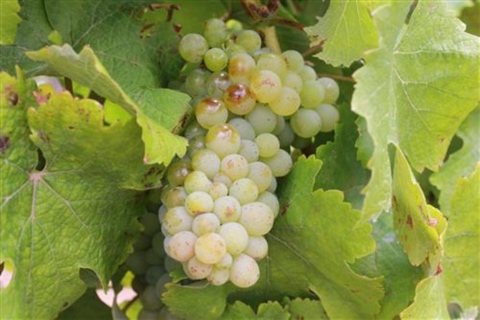
WineAlign

Going back to South Africa

In just a few more sleeps I’ll be back in South Africa. Since attending Cape Wine in 2015 I have had the great fortune to spend many mornings, evenings and excursions with several groups of South African producers here in Ontario. In the past year we entertained visits from the Premium Independent Winemakers (PIWOSA) and most recently this May Chris Mullineux led a masterclass on mostly Chenin Blanc at lbs. Restaurant. Chabrol Restaurant also held a tasting and lunch with representatives from seven outstanding South African wineries.

Related – Around the Cape in 50 wines

On my way to one of those events I was in the car and listening to the CBC. The DJ began talking about Handel as being the composer who could have become a hip hop artist. I’ll explain what he meant in a minute. When I think about South African wines it’s almost impossible to put your finger down to think of it as one thing, one style, or one type of music. You can apply this just about anywhere but in the Capelands there is so much diversity; there are rock n’ roll stars in the Swartland, R & B, soul & Motown in Stellenbosch, Jazz in Elgin, Classical music wherever you want to hear it. But what there is everywhere is flow. Reggae flow, soulful Stevie Wonder flow, hip-hop flow.  What the DJ was trying to say is that a composer who writes with this ease of ability, with an unconscious penning of notes coming from a place that was always there from the beginning, with a creativity that comes out of effortless ease, it just flows. South African wines, collectively, have flow.

Great soils, weather and a Mediterranean climate

When I returned from that 2015 Cape Wine congress I said that South African wine is not what we thought it was. This mantra can’t be repeated often enough. Introduce me to a winemaker who is not in tune with his or her terroir and I’ll show you a winemaker who is either faking it or blindly towing a company line. That breed is few and far between. In South Africa I met exactly none of that ilk.

Related – Once upon a time in the Western Cape

LK @wosa_ca introducing Chris @mullineuxwines for what will be a wild ride through the Western Cape ~ #winesofsouthafrica

I don’t feel the same way, not quite exactly the same way, three years later. Now I see the necessity of not planting whatever you feel like wherever you feel like, but specializing, picking out micro-plots of terroir for very specific grape varieties. Narrowing the focus, figuring out what works best and why. It’s the Burgundian way and indeed the way all great wine regions make their mark. I am also inclined to agree with the heritage seekers and protectors. Old vines, especially dry, bush-farmed vineyards are the backbone of South Africa’s diversity and possibility.

At the lbs gathering Chris Mullineux noted there was a time when chenin blanc tasted like sauvignon blanc, green and sharp, or creamy like chardonnay and sweet. There have been so many styles. Mullineux explained. “We’re no longer trying to make chenin taste like sauvignon blanc or chardonnay, or Huet for that matter.” The grape variety has been in the country for more the 350 years, since the 1650s and it can withstand warm and dry conditions and perform really well. No discourse on new versus old in South Africa can be addressed without first looking at the modish dialectal of Chenin Blanc. The combination of bush and old vines, coupled with indigenous ferments and skin contact addresses has elevated the stalwart, signature grape to its current reality. Sixteen wines were presented that morning, including eight by Andrea and Chris Mullineux.

Into the South African mystic ~ A formidable line-up led by @mullineuxwines with thanks to Chris, LK @WOSACanada JG @lbstoronto @wosa_za @NicholasPearce_

Simonsig Chenin Blanc 2017, WO Stellenbosch, South Africa (981167, $13.95, WineAlign)

From Stellenbosch, the pride and joy, the rainmaker, hay-maker, large volume wine. Decomposed shale provides perfume to chenin, picked over three passes, early acidity, middle palate savour and later harvest tropical fruit, namely guava. There is texture, something firm in its structure and a clear-cut ripeness of acidity. Drink 2018-2019.  Tasted twice, May 2018   simonsigwines  azureau  @SimonsigWines  @azureau  @SimonsigWines  @azureauwinesandspirits

MAN Family Wines Chenin Blanc Essay 2017, WO Western Cape, South Africa (Agent, $14.95, WineAlign)

‘Essay’ is MAN’s chenin blanc with more more stone and citrus fruit, crisp, almost crunchy, getting into texture and would really elevate the fish game. Drink 2018-2019.  Tasted May 2018   manfamilywines  vonterra  @MANVintners  @vonterrabev  @MANFamilyWines  @vonterra

Deetlefs Chenin Blanc 2016, WO Breedekloof, Western Cape, South Africa (465443, $16.95, WineAlign)

The youngest wine route in South Africa and just 90 km outside of Cape Town, the Breedekloof wine route lies in the Breede River Valley, which stretches from Gouda in the west, McGregor in the south, Montagu in the east and the Tankwa-Karoo National Park in the north. “We call it over the mountains,” explains Chris Mullineux, “around that bend from Cape Town.” It’s an area with a long history of chenin by the river bed. A place of fertile soils, where young vines have great vigour and then when they reach 35 years plus, deliver great concentration. Some green pepper and pyrazine here, a throwback to the sauvignon blanc ringer days and also more weight and laced up tightness. It’s a savoury but quite cool expression. Gets crunchy and chewy, one and then the other, like Napolitano pizza dough, in a way. Drink 2018-2020.  Tasted May 2018   deetlefswineestate  nicholaspearcewines  @Deetlefs_Wine  @Nicholaspearce_   @DeetlefsWineEstate  Nicholas Pearce

May 23rd, 2018 #lobsterroll by @lbstoronto ~ #lostinamoment ~ pairs beautifully with South African #cheninblanc

Pearce Predhomme Chenin Blanc Old Vine/Wild Ferment 2017, Clear Mountain, Stellenbosch, South Africa (Agent, $22.99, WineAlign)

The next chapter in the Nicholas Pearce-Will Predhomme chenin blanc joint is the richest to date, as a matter of unction without presumption. The great blended barrel and tank amalgamation dishes an orchard tone citrus smoothie with rigour, tension and then perhaps, yes, a posit tug of confident Stellenbosch belief. Presumption even, knowing that you will adore it. And you will. Drink 2018-2022.  Tasted May 2018   pearcepredhomme  nicholaspearcewines  willpredhomme  @PearcePredhomme  @Nicholaspearce_   @WillPredhomme  Nicholas Pearce  willpredhomme

Ken Forrester Old Vine Reserve Chenin Blanc 2016, WO Stellenbosch, South Africa (Agent, $17.95, WineAlign)

Texture from old plants can never be underestimated and this number two of four tiers in the Forrester stable digs so much deeper. It’s more passionately meets seriously defined out of a labour of love so you have to pause and stay with it.  Last tasted May 2018

Reserve is a funny term for wines like this because it speaks to the idea that it should be put aside for further use. I don’t think that is Ken Forrester’s plan and here he once again raises his old vines game with the 2016 chenin blanc. Fruit and mineral are entrenched in this great posit tug of war, each shredding the twain and meeting at the trenchant median. Stellenbosch continues to dole out some of the planet’s most striking and finest whites with chenin blanc at the centre of it’s value universe. With major thanks to Ken Forrester. Drink 2017-2020.  Tasted March 2017   fmcwine  noble_estates  @KFwines  @Noble_Estates  Ken Forrester  Ken Forrester  @NobleEstates

I want to eat the dishes chef wants to cook ~ @jwillcook killed it last night @lbstoronto with the wines of South Africa

Survivor Chenin Blanc 2017, WO Swartland, South Africa (Agent, $17.95, WineAlign)

Survivor is richer, deeper, creamier, the chardonnay chenin, in a way, with round and mild acidity. Very tropical, from guava and papaya to mango and ultimately, simple like a banana, with coconut and cream. Drink 2018-2019.  Tasted May 2018   survivorwines  kirkwooddiamondcanada  @SurvivorWines  @KDC_NATIONAL  @SurvivorWines  @KirkwoodDiamondCanada

Mullineux Kloof Street Chenin Blanc Old Vines 2017, Western Cape, South Africa (Agent, $27.26, WineAlign)

Still in the middle of drought, the 100 per cent chenin is so youthful right at this stage. Part Paardeberg, ancient granite decomposed into sand, plus rocky, shallow slate, better in the blend out of cooler years. Still a flint strike but also something verdant, smouldering too, like white tobacco, if there is such a thing.  Last tasted May 2018

You would think this came straight from the vines and into the glass because fresh was never this new, exciting and getable. In fact when thinking about tasting 2015, 2016 and now this 2017 there is no doubt this is the most immediate and gratification guaranteeing Kloof Street yet. It’s already in delivery of ripe citrus, orchard and tropical fruit, all three, fleshy, unctuous and divine. So juicy, unconsciously so and as drinkable as any chenin blanc on the planet. Drink 2018-2020.  Tasted January 2018   mullineuxwines  nicholaspearcewines  @MullineuxWines  @Nicholaspearce_  @MullineuxWines  @MullineuxWines  @MullineuxWines  @MullineuxWines

Mullineux Kloof Street Chenin Blanc Old Vines 2016, WO Western Cape, South Africa (Agent, $22.95, WineAlign)

From the very dry year this 100 per cent chenin is from 36 and 38 year old vines in two vineyards, so considered old vines because its certified (above 35, a labelling law that came into place this year). Natural ferment, freshness meets a terrific sense of place, with downy texture by one third barrel. Aging nicely.  Last tasted May 2018

Some older vines (in the 40 year range) combed off of variegated soil types from several Swartland vineyards combine for definitive Western Cape effect. Kloof Street is the poster child for the way in which Chris and Andrea Mullineux’s are taking South African by storm. Though they spend so much effort concentrating on specific soils with über specific wines, this chenin blanc is the multi-purpose white to teach a thing or two about the rest of their work. It’s exemplary of ripe and perfectly extracted, multi-sensory fruit and personality. Though this 2016 is a bit warmer and deeper than previous vintages (and the portion of barrel ferment is further felt), it continues the thread of honesty, decency and consumer educational necessity for the Cape wine oeuvre. It will also develop some peaches, herbs and honey with time. Drink 2017-2021.  Tasted March 2017

Mullineux Old Vines White 2016, Unfiltered & Unfined, WO Swartland, South Africa (Agent, $36.95, WineAlign)

The old vines are between 36 and 65 years old and the 60-65 per cent chenin blanc is blended with grenache blanc, clairette blanc and viognier. There is also a smidgen of sémillon gris, unique to sémillon, then mutated after 45-50 years, becoming like gewürztraminer. Really flinty, lightning across the sky moving with strikes through the glass, but somehow rich and grippy, then elastic, slippery, moving like an glacial ooze. Extraordinary really. Cryptic white blend, in the end.  Tasted again, May 2018

From French water mill to Swartland bread basket the Old Vines White continues to woo and sooth savages with its exceptional quality. From winemaker Andrea Mullineux this is equation building by chenin blanc (62 per cent) plus grenache blanc (15), viognier (11), clairette blanc (8) and sémillon. It may as well be Meursault Premier Cru Genevrières or Châteauneuf-du-Pape blanc transposed into the body of chenin-plus in South Africa. The combination of flinty strike and sun-fleshy body is perfectly tugged with posit force, stretching, flexing and relaxing with each effortless sway. The tease of lemon curd, sweet herbal pesto and creamy warm climate fruit never submit to the realities of ambition or extension. All remains calm, purposed and transfixed. As am I. Drink 2020-2028.  Tasted May 2018

Mullineux Old Vines White 2015, Unfiltered & Unfined, WO Swartland, South Africa (Agent, $36.95, WineAlign)

The Old Vine White 2015 is a revelation, built by 36-65 year-old vines, of 60ish per cent chenin blanc mixed with grenache blanch, clairette blanc, viognier and the mutated sémillon gris. A year adds almost nothing to the development save for a minor magnification of the flinty feeling but the linger, oh the linger. This is length unparalleled for South African white wine and how it is left to breathe in its broad expression is there forever. You can walk around the block and these old vines will be with you, by your side, in mind, body, spirit and never-ending flavour. Drink 2019-2028.  Tasted May 2018

Ken Forrester Chenin Blanc The FMC 2016, Stellenbosch, South Africa (37291, $64.95, WineAlign)

The straight-lined FMC is chenin blanc on a path of the shortest distance between two points from straight-shooting Ken Forrester. It’s ambitious and righteously so, a statement wine, no longer (if ever) Loire but now indelibly Stellenbosch stamped,. Not an off-dry, botrytis copying style but now from larger barrel and so minor oak and lack of noble rot addendum. It’s simply older vines from the same old vineyard and so comfortable in its own skin. Yes it has a honeyed note but it’s from the bees replete with a sexy, waxy feeling. The aging possibilities are long to endless. Drink 2019-2029.  Tasted May 2018

Varietal and single-vineyard wines are great but #cartology is forever ~ so pleased to get a chance at this today ~ another laser from @chrisalheit

Alheit Vineyards Cartology Bushvine Chenin Blanc Sémillon 2016, Western Cape, South Africa (Agent, $46.95, WineAlign)

Chris and SuzaanGroupe Soleil Fine WinesAlheit’s Cartology ’16 exhibits a citrus layering that separates it from other Western Cape white blends and an implosive intensity that is simply stunning, but also frightening. As a reminder the blend is a smaller amount of eighty year-old La Colline sémillon from Franschhoek running ambagious with 30-40 year old chenin blanc grown in Skurfberg, Perdeberg, Bottelary Hills and Kasteelberg. Few white wines anywhere in the world are even remotely positioned in this field where energy and light spin with infinite speed in the centrifuge of life. That doesn’t even speak to texture for a wine that is the topographical depiction of these nooks of the Western Cape. Needs two years to flesh out, evolve just a hair and bring another level of interest to the glass. Drink 2020-2028.  Tasted May 2018  chrisalheit  gsoleil123  @ChrisAlheit  @GroupeSoleilTO  Suzaan Alheit  Groupe Soleil Fine Wines

Mullineux Schist Chenin Blanc 2014, Swartland, South Africa (Agent, $89.95, WineAlign)

Mullineux’s Schist is a 100-120 case production (though only 72 in 2014), from schist, of course, not granite, which adds mid-palate weight and texture. Also from older (36 and 40 years) vines based from soils of the Kasteelberg. It’s a heartfelt message and cerebral pulling string from the 2014 density gifting vintage. Older barrels wrap like a blanket for fruit richer than you’d ever imagine, full-bodied, beautiful and robed in petticoat unction. It’s also dry as the farmland desert. Truly one of the finest chenin blancs from South Africa and beyond. Drink 2018-2027.  Tasted May 2018

Mullinuex Olerasay Straw Wine NV, WO Swartland, South Africa (Agent, $59.95, WineAlign)

Mullineux’s non-vintage Straw Wine is fashioned from grapes hung in trees for three weeks. The key is to concentrate the acidity which doubles from the pressing number, plus sweetness that is off the charts. No rain in the picking season means no fear of rot. The use is of chenin blanc from the same vineyard as Kloof Street and it’s amazing how the same grapes can deliver such a different expression from the same place but with the simplest adjustment of winemaking methodology. An amazing look from a healthy 14 barrels made, so distinct as a dessert wine, with pineapple, lemon preserve and apple purée. Bold and delicious. Drink 2019-2031.  Tasted May 2018

A little bit of this, a little bit of that. A little bit of schist, a little bit of granite. Amazing vintage variation, from ethereal to powerful. Singular @mullineuxwines

Mullineux Syrah 2016, Swartland, South Africa (Agent, $42.95, WineAlign)

The first drought vintage for the Swartland syrah and so the extract, concentration and density are all in compression mode. The change is felt with palpable impression, meatier, more char, even tar, and a little bit of dogma was necessary to bring in more granite-raised syrah to keep things swimmingly cool and savoury along. It’s a hematic one in 2016. To some this would be the bomb, the massive reason to believe and to others it might seem an impossible wall to scale. With a combination of love and patience the ’16 will please them all. Drink 2020-2028.  Tasted May 2018

Mullineux Syrah 2015, Swartland, South Africa (Agent, $42.95, WineAlign)

Mullineux’s Syrah is sourced from several different vineyards around the Swartland, from granite, schisty slate (structure and tannin), plus the mid-palate giver, from lighter, porous soil suited to arenicolous vines. Here is a complex weave of geology, barrel usage and ultimately textures. There is a meaty char but also a floral, violet potpourri. A wine with a lot of integrity and generosity. From a vintage widely considered fantastic everywhere, moderate in every respect; cool, rain, sun, wide picking window. Easy. Drink 2018-2024.  Tasted May 2018

Paul Cluver with Ken Forrester’s Chenin Blanc

A few wines from the PIWOSA visit, June 2017

Paul Cluver Riesling Close Encounter 2015, Elgin Valley, South Africa (Agent, $23.99, WineAlign)

Paul Cluver’s Close Encounter is a matter of remarkable contrast elevated by texture so that sugar and acidity are seamlessly meshed, gathering both apple orchard and mango grove into one sweet and sour package. Channels its inner Rheinhessen like no other southern hemisphere riesling but does so with pure Elgin elegance and individuality. Most excellent riesling.  Last Tasted June 2017

A more serious effort than the sibling ‘Dry Encounter’ because this riesling knows what it wants to be. On its left may be Alsace and on its right the Mosel but in truth this speaks to a Kabinett reasoning, with Elgin layering. At nine per cent alcohol, 36 g/L RS and 8.2 g/L TA it knows the difference and speaks the truth about off-dry riesling, with elevated and yet balancing acidity. It pretends to be nothing but what is of and for itself. Flint and an attainable stratosphere (between 300-500m above sea level) accept the airy drifts of oceans and the gathering returns to earth with the weight of wax and glade. If you think South African riesling is “a real nowhere man, sitting in his nowhere land,” taste Elgin and think again. The skeptical Nowhere man is ignorant to the new frontier for riesling and to him I say “please listen, you don’t know what you’re missing.” Drink 2015-2020.  Tasted September 2015  paulcluverwines  hobbsandcompany  @paulcluverwines  @amargarethobbs  @paulcluver  @HobbsandCo

De Grendel Op Die Berg Pinot Noir 2014, Elgin Valley, South Africa (Agent, WineAlign)

“The Latch” in Dutch it means, where once settlers used the hill as a beacon for navigation. A crunchy, chewy and soil driven pinot noir, so bloody terroir driven, as if the bleed of the earth wells in the bottle and glass. There is fineness to the tannin but more than this acidity that defines the structure, or drives it and leaves you sipping on repeat. Cool summer nights do the savoury, spicy accents. Clearly this piece of Elgin was meant to raise pinot noir. Drink 2017-2020.  Tasted June 2017   degrendelwines  churchillcellars  @degrendelwines  @imbibersreport   @degrendelwines  @imbibersreport

Exceptional lads of South African wine take Toronto @chabrolto led by fearless leader Will ~ @WOSACanada @WOSA_Za

Seven producers, seven varietal wines

This tasting was led by master South African messenger Will Predhomme at Chabrol, Toronto’s smallest space and largest kept secret in the hands of Niall McCotter and Chef Doug Penfold.

First up was Sean Griffiths introducing Mulderbosch, based in Stellenbosch, “the centre of the universe,” He spoke of how South Africa has a long history of winemaking and Mulderbosch started in 1659. Looking forward to 2019 that is 360 years, a perfectly symmetrical number, of degrees, coming around full circle.

Mulderbosch Sauvignon Blanc 2017, WO Western Cape, South Africa (933424, $17.95, WineAlign)

The 2017 is the 25th vintage and “we’re always looking for cool-climate fruit.” notes Sean Griffiths. Fermented with its lees in the search for a fuller, richer style. It is surely round, rich and finish-able. A wine of great heritage, for itself and South Africa as a bigger entity but it’s not a replica of anything, least of all “old world.” Hints at a subtlety of weight, pungency, citrus, thiols, vegetation and flint. It’s 100 per cent sauvignon blanc, more passion than pamplemousse, more fruit than mousse. Touched but not bound by tradition. Maritime salinity finishes the spirit. Everything is under control. Drink 2018-2020.  Tasted May 2018   mulderboschvineyards  abconwine  @MulderboschV  @AbconWine  @Mulderbosch  Abcon Wine

Next up, Johannes De Wet from pioneering chardonnay specialist De Wetshof in Roberston, an area of limestone presence and the context of that rock is important. All estate work; farming, winemaking and bottling. First regional planting of chardonnay was in the late 1970s and then in the early 1980s. Johannes’ dad was a chardonnay smuggler.

De Wetshof Limestone Hill Unwooded Chardonnay 2017, WO Robertson, South Africa (419622, $16.95, WineAlign)

From four vineyards on clay with high limestone content, and high pH soils. Citrus abounds, all around, first lemon peel, and then grapefruit. Lots of lees (110 days) but unoaked with the end result being a desired weight. The source is 80 kms from the sea, a place of wind and cold nights, not surprisingly a great area for bubbly. Limestone Hill is a ridge, a step up to the mountain. This chardonnay is striking, sharp, full of energy and then calm, so drinkable. Crunchy and pure, honest, transparent and in its way, just perfect. Drink 2018-2020.  Tasted May 2018  dewetshofwines  glencairnwines    @glencairnwines  @dewetshofwines  @GCwines

Marthinus van der Vyver is Country Manager, North America, Ken Forrester Wines. Ken began with five restaurants in Stellenbosch and one day he saw an auction sign and three hours later, boom he walked away with a winery. If you have met or just heard of Ken Forrester, you know he is a force not just in wine, but a figure larger than life and hugely responsible for putting South African wines on the world’s stage. Partly because of his work to establish a premium level Chenin Blanc but also because of a tireless ethic, an entrepreneurial spirit and certainly his ambassadorial work. Forrester is a team player in the way a Football or Rugby captain rallies his teammates, his club and his country. I’ve had the pleasure of a four-hour tasting session with Ken in Stellenbosch and that interaction is indelibly stamped in my memory forever. Great guy whom Marthinus has the pleasure of calling Dad. He is Ken’s son-in-law and is responsible for taking care of the most important treasures in his life.

Ken Forrester Roussanne 2016, WO Stellenbosch, South Africa (Agent, WineAlign)

The 2016 is the third vintage of this wine, from 39 year-old vines. ‘Tis a risk-reward white held at bay, away from the safety of blending, of barref fermentation, and time spent in 80 per cent used 400L barrels. The vineyard is on the second last farm before you reach the Heldeberg, where hot days give way to late afternoon sea breezes. These are 15 of 60 roussanne hectares in Stellenbosch. Striking aromatics, a flinty, saline and pulsating white with presence and a stand up demand to be noticed. Drink 2018-2022.  Tasted May 2018  fmcwine  noble_estates  @KFwines  @Noble_Estates  Ken Forrester  Ken Forrester  @NobleEstates

Stephen Joubert is viticulturalist at DGB. “My passion is to understand South African terroir and to figure out what grows best and where.” Ocean is the thing, heavy soils, cold winters, dry summers, sea breeze influence, to keep acidity and freshness. We happened to have been in Sicily at the same time back in May. I’m curious to see what grape varieties gave him ideas for what to do back home in The Cape.

Bellingham The Bernard Series Old Vine Chenin Blanc 2016, WO Stellenbosch, South Africa (12724, $29.95, WineAlign)

This Bellingham Estate chenin blanc from old vines watched over by viticulturist Stephen Joubert carries an indelible stamp of richness, from that vine age and the leesy style. From granite and weathered shales, a minor note of reduction climbs over top of the rich, chic, stylish and full fruit and while it seems like the wood is very much in play it’s really more lees than anything that terms the texture and renders the weight. Old vines provide the density and structure to allow wood to take part in an ambitious attempt to create longevity. The locked in    spirit will go a long way to seeing some developed fruition but there may be a bit too much extraction so an oxidative quality might creep in before the wood has fully settled and integrated. Should work out well in the mid-term. Drink 2019-2022.  Tasted May 2018   bellingham_wines  dionysuswines  @Bellinghamwines  @DionysusWines   @bellinghamwines  @DionysusWinesTO

Danie de Kock presents Spier from Stellenbosch, going strong since 1692, always family owned, most recently purchased in 1993 and since 1996 Johannes Smith is the viticulturalist. Using the word “Signature” on their labels infers or might be what the chef wants to be known for. You should recognize varietal and get what you expect from that name on the bottle. In Spier’s case merlot should be a grape that gives you a great big hug.

Spier Signature Merlot 2016, WO Stellenbosch, South Africa (454827, $15.95, WineAlign)

Spier’s Signature Merlot 2016 is raised on alluvial soils, some estate, some purchased. “We’re trying to show a good solid wine.” Receives seven to eight months of dance floor wood for the fruit to express its moves, of 3rd and 4th passage. The best selling South African merlot in the LCBO happens to be the only one. Acidity and tartness at good height and level while reduction is lower than low. Breadth is a matter that is chalky, in chocolate guise and far from reduced, cooked out, even with just a touch of honest pyrazine. Drink 2018-2019.  Tasted May 2018   spierwinefarm  @SpierWineFarm  @SylvestreWSON  @spierwinefarm  Stephen Marentette

Francois Bezuidenhout from MAN family wines explains how the estate’s seven varietal wines are each equipped with an Afrikaans name. The vintner started out with three friends looking to make everyday varietal wines in 2001, as an anagram after their wives, Marie, Annette and Nicky. MAN. Chenin is the signature white.

Man Vintners Shiraz Skaapveld 2016, WO Coastal Region, South Africa (71332, $14.95, WineAlign)

Named Skaapveld, meaning “sheep’s field” this shiraz is a spicy, deep plum and raspberry red fruit red, a touch reductive and rusty-firm-grippy-transparent. Fruit is essentially from Paarl (with also some out of Stellenbosch), on decomposed granite and clay, dry-farmed and not the usual irrigation because of water retentive soils. Liquid chalky, talcy, oozing of chocolate and a shot of espresso but always returns to the red fruit. Mediterranean, black olive mixed with the chocolate. Peppery rotundo and lovely really. Drink 2018-2020.  Tasted May 2018   manfamilywines  vonterra  @MANVintners  @vonterrabev  @MANFamilyWines  @vonterra

Murray Barlow manages the winemaking at the 880 hectare property, larger than Pomerol, from an estate who’s first wine was made in 1692. In the early 1800s it was split in two, one purchased by John X Merriman. Rustenberg was one of the first to re-plant vineyards after phylloxera. The pioneer owned it until 1926 and was also the last Prime Minister previous to modern day South Africa. In 1941 Peter and Pamela Barlow bought the estate. Their son Simon took over the running of the farm in 1987. Winemaker Barlow represents the third generation of his family to make wine at Rustenberg wines on the foot of the Simonsberg Mountain in Stellenbosch, South Africa. Murray is the vini, father Simon is the viti. The Barlows have been at Rustenberg for 77 years: the longest period any one family has owned the farm during its well over 300 years old term. It’s a new world estate and like many others is  much older than the Boredelaise.”

Rustenberg John X Merriman 2014, WO Simonsberg-Stellenbosch, South Africa (707323, $24.95, WineAlign)

This is from altitudes between 250-500m, of deep rich red granite, high iron soils at the foot of the Simonsberg Mountains. Always 100 per cent estate fruit, merlot on south facing slopes which are cooler spots and then cabernet from those leading west (for afternoon sun). Fruit that thrives on cooling influences but no frost or hail and including beneficial breezes. A wet season preceding three successive drought vintages. Wow in that it’s so very Bordeaux and that’s saying alot because so many varietal or regional ode South African blends are not like their old world ancestors. Here all five Bordelais varieties work together, see plenty of barrel (20 months) and bottle time (one year) for it all to come together. Tobacco, olive, chocolate, classic Bordeaux stylistically and in the hands of a true South African pioneer, right along with the Meerlust Rubicon. Best at 10-15 years but can go 30. Drink 2020-2030.  Tasted May 2018   rustenbergwines  woodmanws  @RustenbergWines  @WoodmanWS  Rustenberg Wine Estate  @WoodmanWS

Good to go!

Godello

Twitter: @mgodello

Instagram: mgodello

WineAlign