Planeta’s Sicily

Missed flight fifth order of business @planetawinery 2008 #santacecilia #docnoto

On a most recent trip to Sicily I tasted no less than 20 wines from Planeta’s five estates, most with winemaker Patricia Tóth and some all by my lonesome. I will be tasting more with the ethereally-worldy Tóth in just over an hour from now so what better time to share these notes than right now. There was a Chardonnay 2002, Eruzione Riesling and Santa Cecilia Noto 2008 as well but those notes need time, music and deeper thought.

Degustazione e bei tempi with the @planetawinery gang ~ #lookup #siciliaenprimeur #siciliaep18 #siciliaep2018

Planeta Grillo Terebinto Sicilia Menfi DOC 2017, Sicliy, Italy (Winery, WineAlign)

Planeta’s varietal grillo is raised at Cantina Ulmo in Menfi, a western Sicilian outpost where pebbly-inlaid deep soils are found around Lake Arancio. The terebinth is a Sicilian shrub with glossy fronds. a.k.a. Pistacia Terebinthus or white pistachio, used as rootstock for pistachio production. The Menfi grillo is pulled from a low lying clay vineyard at 50m. Aromatics and texture are equally rich at maximum ripeness as bottled sunshine, pomelo sago unctuous and so consumable. Mango trees are actually in the same family as pistachio but of more interest is the fact that the female trees produce the nuts while the male produces the pollen. Sounds familiar, not to mention that male and female pistachio trees are often grafted together to bring about pollination. Drink 2018-2019.  Tasted May 2018  planetawinery  plant dependent  noble_estates   @PlanetaWinery  @Noble_Estates  @planetawinery  Tóth Patricia  @NobleEstates

Planeta Alastro Sicilia Menfi DOC 2017, Sicliy, Italy (Winery, SAQ 11034361, $22.00, WineAlign)

Alastro amalgamates 70 per cent grecanico with 15 each grillo and sauvignon blanc for one tart, intense, highly aromatic, mineral and striking western Sicilian white blend. It’s certainly got a tropical feel but not in any creamy or humid sense. Also known as the bush La Segreta, meaning “broom,” the horny plant was used for natural fences and as a general intruder deterrent. Take note of the locked in neoteric and floral aromatics from this early September harvested blend, wild as its name suggests and best when youthfully fresh. Grecanico can age but this blend screams immediate gratification. Drink 2018-2019.  Tasted May 2018

Carnage for two please

Planeta Etna Bianco 2017, Etna DOC, Sicliy, Italy (Agent, $33.99, WineAlign)

The Etna is 100 per cent carricante produced at the Feudo di Mezzo winery in the Contrada Taccione, in Montelaguardia. Now labeled simply as Etna, not as the artist formerly known as Bianco and apparently for no reason at all. Seventeen was a really warm year here in the 690-720m vineyard and so the quickest maceration was performed due to so much sun-developed colour on hand. Stayed on lees until February, also less than usual but again the hot season saw quick development. The quotient distilled is a plentiful one, a brocade like golden silk, full and full of everything it can be. Not the sapid, mineral and volcanic salty carricante of let’s say 2014 but sometimes “luxury is the opposite of vulgarity…and complication, a necessity that begins where necessity ends.” Drink 2018-2022.  Tasted May 2018

Planeta Eruzione 1614 Carricante 2016, Doc Sicily, Italy (Agent, $42.99, WineAlign)

Passion projects are not for the faint of heart but they are perhaps reserved for winemakers too smart and too worthy for their own good. Eruzione is such an animal for Planeta’s winemaker Patricia Tóth, a varietal carricante ode (with 10 per cent riesling) to the great and tragic 1614 Etna eruption. If boys don’t cry I still shed a tear or two for history and for my love of this wine. It comes from the black volcanic soil of the Contrada Sciaranuova vineyard, next up the mountain from Contrada Santo Spirito. In ’16 it’s not measured by a low ’14-like pH, not quite as sharp, so therefore fuller and with more unction. It’s still an Etna-bled eruptive white, still beating raw by laser focus out of inspirational terroir. Readier too because it’s been held back a few more months for release. This wine will let you arrive at where you want to be. So many whites are mired in repeatable refrains. “Plastic passion is a Hyacinthe heart. Plastic passion is a transparent tart…Plastic passion is a gold guarantee. The plastic passion is murdering me.” Eruzione is life affirming and though other wines may pay the bills, this cariccante is the cure. Fill your prescription and drink up its passion. It’s the winemaker’s too. Drink 2018-2024.  Tasted May 2018

Planeta Rosé Sicilia DOC 2017, Sicily, Italy (Agent, $16.95, WineAlign)

Planeta’s Rosé is half nero d’avola and half syrah, the nero coming from higher elevations. “We want something that we like to drink,” is the matter of fact explanation from winemaker Patricia Tóth. The first vintage was 2007 and it has evolved into this lithe and yet lush blush, the syrah bringing crisp verve and nerve. It is perhaps not as aromatic as some high level Planeta but that’s the life where odd bedfellows compliment one another in a modern world. Salty and sexy equals good combination. Drink 2018-2019.  Tasted May 2018

Planeta Cerasuolo Di Vittoria DOCG 2016, Sicily, Italy (Agent, $29.37, WineAlign)

The only Sicilian DOCG in Planeta’s hands is noticeable, contractable and notable for quality consistency, both for the denomination and the estate style. Rich but tangy with so much soil voce, it flows effortlessly across the palate with malleable texture. Like Bourgogne Villages it starts at fruity and two years forward will begin to morph, into tobacco, funghi and salts of the earth.  Last tasted May 2018

Planeta’s Cerasuolo di Vittoria brings together nero d’avola and endemic frappato with only a stainless steel ferment in an anti-oxidative and naturally anti-oxidant way. This is nothing but freshness in a bottle with its ubiquitous red berry verve. You can just feel the breaths in this radiant Planeta, of winemakers and coveters of Sicilian treasures. You just have to taste Cerasuolo to understand how generous and graceful it is, earthy but of lovely clarity and spice all over the finish. Drink 2017-2021. Tasted November 2017
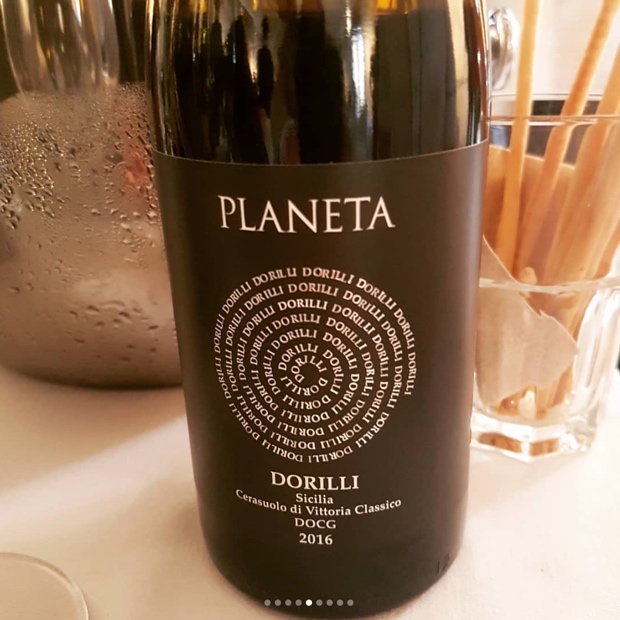
Planeta Cerasuolo Di Vittoria Classico DOCG Dorilli 2016, Sicily, Italy (Agent, $38.95, WineAlign)

Cerasuolo di Vittoria Classico is one thing, Dorilli 2016 is another matter altogether. The name of the estate marks the iconography of this Planeta blend, from a chosen vineyard carrying the dialectical tome of the river passing by. The old maps say Dirillo but through time this has changed, just like this Burgundian wine will draft through wake and evolve. There is a minor reduction here so it’s not as open as the normale though it’s offset by an extra year of aging for release 18 months after harvest. Blooming should happen some time in 2019 after the 70 per cent nero d’avola and (30) frappato begin to unfold out of itself for a full and layered Vittoria. Still there is the Cerasuolo fragrance from a guarantee by vintage and for texture. Drink 2019-2027.  Tasted May 2018

Planeta Nocera Sicilia DOC 2016, Sicily, Italy (Winery, WineAlign)

This is just the second vintage of Nocera, from the province of Messina and one of the most dramatic vineyard landscapes on the planet. La Baronia on Capo Milazzo is a long strip of a peninsula that looks out to the Aeolian islands. Nocera is by accounts an unusual variety made by approximately 15 producers, also in Faro and the total wines produced are from 28 hectares in total. The expectation is a marine wine of macchia, myrtle and garrigue. “It’s a beast,” says Patricia Tóth, especially in marine areas with huge clusters. It’s notable for its thickness and tannin, smelling of white pepper, maybe a note of geranium and it just might become a superstar. It’s like a child of cabernet franc and primitivo but with gamay plus pinot structure. Or like Bandol, with fleshy tannin and with time it will beocme a velvety version of its thick self. Don’t forget the salinity. Drink 2019-2025.  Tasted May 2018
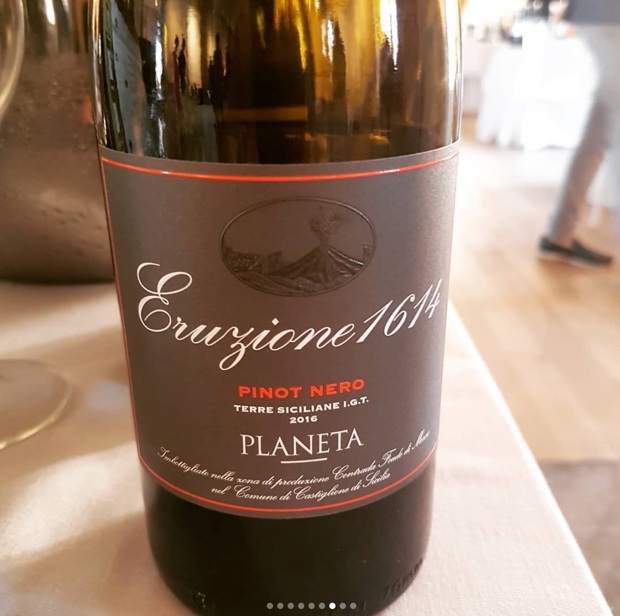
Planeta Eruzione 1614 Pinot Nero 2016, IGT Terre Siciliane, Sicily, Italy (Winery, $42.99, WineAlign)

Even within the erudite and super-investigative Eruzione 1614 series there is no internet or Planeta mention of the newest member Pinot Nero IGT Terre Siciliane 2016. It’s high volcanic mountain landscape time we talk about Etna and pinot noir. The symbiosis is a reality meeting necessity at a crossroads of potential. Not just any potential mind you but a Burgundian one. “We don’t want to talk about Bourgogne but Etna is the only Sicilian terroir where it can build a house,” says winemaker Patricia Tóth. The perfume, texture and tannic structure is all pinot noir, picked on a Saturday afternoon which was the moment of truth from green to spirit, the aha before moment the sun-dried plum is placed into the cognac. This is all heard in Sicily but it’s all true. There are now two terraces of fruit, so the current production of 1472 bottles may become 4000! Drink 2019-2027.  Tasted May 2018

Planeta Eruzione 1614 Nerello Mascalese Sicilia DOC 2016, Sicily, Italy (Winery, $42.99, WineAlign)

Like the yellow lorry carricante thriller it is Etna Rosso incarnate that is portrayed in this Eruzione red lorry nerello mascalese (with nine per cent nerello cappuccio) from up the mountain’s 890m vineyards of (Contrada) Sciaranuova, but with some fruit from lower altitude at 600m. The vine age is part 2008 and part 20 year-old vines and a small section going back 90 years but just a small spot. The higher you climb for nerello macalese the more finesse you acquire. This Eruzione is swimming through lava with it, smoothed by plenty of silky texture, raspberry and chalky liquid tannin. Nerello, “you ain’t nothing but a true embrace. You ain’t nothing but a hidden face.” Your Planeta edition gets neither more refined, elegant nor focused. You’ve been descried as the “alternative classic” or the new light pinot noir. Maybe frappato, but not you, nerello mascalese. Let’s leave you out of the discussion. Leave you alone. Talk about the weather. Drink 2019-2025. Tasted May 2018

Planeta Santa Cecilia Doc Noto 2015, Sicily, Italy (Winery, $54.99, WineAlign)

The first vintage was in the late 90s and the appellation eventually became DOC Noto, with the initial vintage of 2003 having been where it was fully done in Noto, but 2008 is the official DOC recognition. This is when both Noto and Sicilia are on the label for the DOC to be recognized as 100 per cent nero d’Avola. Comes by way of the white chalky soils of Noto and is deceptively rich, deeply rendered, of an incredible acidity, dark and viscous fruit. There is so much happening in violet florals and light. Did I mention the acidity, amazingly linear but waiting to circle and become ringing. Drink 2019-2025.  Tasted May 2018

Allemanda Sicilia Noto DOC 2017, Sicily, Italy (Winery, WineAlign)

Allemanda is made from 100 per cent moscato bianco and if you have not tried to sit on a beach in the shade with a bottle of this gently but forcefully aromatic farfalle of a Noto in Sicilia white then you have yet lived. The self-professed Baroque dance is truly an exotic reminder of jasmime blooms and tropical citrus. It’s actually a bit tannic and also extremely refreshing. Two hands in the air for Noto’s soils and sea-proximity to do what’s necessary and beautiful for moscato. Dangerously consumable. Drink 2018-2021. Tasted May 2018

Cometa Fiano Sicilia Menfi DOC 2017, Sicily, Italy (Winery, $49.99, WineAlign)

Cometa from Menfi is the other fiano, the somewhat rare and effusive fiano from Sicily. The elusive one is a Planeta speciality and one of winemaker Patricia Tòth’s great secret varietal weapons, a Mediterranean that pleases quickly, compliments all that is drawn from the sea and is capable of developing complexity with age. This is both floral and juicy, combining for this lychee meets honeysuckle into tropical territory. Streaks like a comet indeed, right across the palate and into your psyche. Not to mention your bleeding heart. Drink 2019-2024.  Tasted May 2018
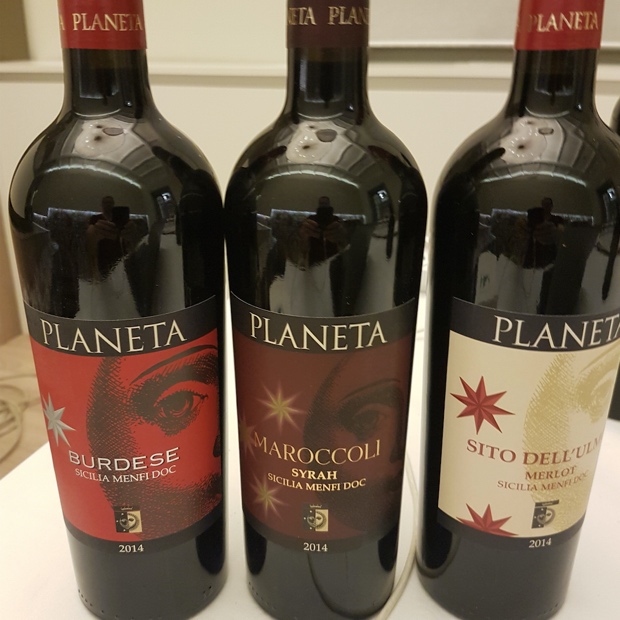
Burdese Sicilia Menfi DOC 2014, Sicily, Italy (Winery, WineAlign)

Burdese is cabernet sauvignon (70 per cent) and cabernet franc as the playful Bordelais blend, dialectical in nomenclature and in style. It’s an adaptation from “Bordolese” and into the land. The trilogy of sun-ripened phenolics, rich texture and silky tannins make this quite easy to drink, especially with four years past and medium rare protein on the plate. All aspects of sun-reasoned votes play notes, of tomato, dusty plum and dark currants. Flavour abounds with no sign of impending decline. Drink 2018-2022.  Tasted May 2018

Maroccoli Syrah Sicilia Menfi DOC 2014, Sicily, Italy (Winery, WineAlign)

The name Maroccoli is local for “ideally situated vineyard” and syrah must find its spots to shine. An elevated hill between lake and sea is this Maroccoli’s place in the sun and the syrah it delivers is spicy, high tonal and indelibly stamped with firm grip. It’s both meaty and exotic, wildly berry filled and sharp as a tack. It seems syrah could use an extra year or two beyond the Bordolese out of Menfi. Drink 2019-2023.  Tasted May 2018

Sito Dell’umo Merlot Sicilia Menfi DOC 2014, Sicily, Italy (Winery, WineAlign)

Here the biggest of the three Menfi reds and the varietal home from where the estate’s story really begins. No wood holds barred or lack of ripeness can keep this Bordolese down, not with such a firm grip by way of tannin derived off of sun-worshipping vines and generous barrels. On its own the merlot is more demanding than the Burdese and just as grippy-peppery as the syrah. It’s a wine best enjoyed when it reaches the balsamico-ganache-medicinal herbs stage. That has yet to happen. Drink 2019-2025.  Tasted May 2018

Missed flight fifth order of business @planetawinery 2008 #santacecilia #docnoto

Good to go!

Godello

Twitter: @mgodello

Instagram: mgodello
WineAlign

Release the summer wine

A white wine for all seasons, Pinot Gris, by Maison Trimbach<br />

A white wine for all seasons, Pinot Gris, by Maison Trimbach
PHOTO: http://www.trimbach.fr/

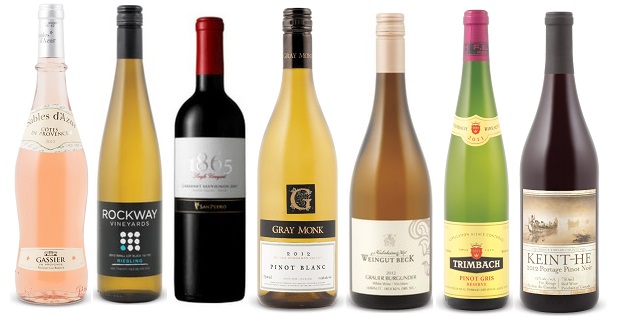
These are the wines of summer.  Dry, saline Rosé made from classic varieties; Grenache, Syrah and Cinsault. Crisp, flinty Riesling, turned to stone. All things Pinot. B.C. Cured Pinot Blanc struck by both juicy fruit and mouth-watering acidity. Pinot Gris from Alsace, impossibly dry. The same grape but from across the Rhine and under another name: Grauburgunder. Pinot Noir from Prince Edward County. Nothing else in the world smells like it. Smells like, teen spirit.

White wine that feigns bubbles and brings the wonder of Nova Scotia to the world. Chardonnay by a young winemaker in Ontario just coming into his own, ready to become a star. Classic varieties for summer grilling; Cabernet Sauvignon for a green day, Sangiovese to make your day, Merlot, Cabernet Franc and that melting pot of red wines, Châteauneuf Du Pape. All VINTAGES Ontario releases for July 19th. These are some of my summer wines. All 13 of them.

From left to right: Gassier Sables D'azur Rosé 2013, Rockway Small Lot Block 12 150 Riesling 2012, San Pedro 1865 Single Vineyard Cabernet Sauvignon 2011, Gray Monk Pinot Blanc 2012, Hedesheimer Hof Weingut Beck Grauer Burgunder Kabinett Trocken 2012, Trimbach Réserve Pinot Gris 2011, Keint He Portage Pinot Noir 2012

From left to right: Gassier Sables D’azur Rosé 2013, Rockway Small Lot Block 12 150 Riesling 2012, San Pedro 1865 Single Vineyard Cabernet Sauvignon 2011, Gray Monk Pinot Blanc 2012, Hedesheimer Hof Weingut Beck Grauer Burgunder Kabinett Trocken 2012, Trimbach Réserve Pinot Gris 2011, Keint He Portage Pinot Noir 2012

Gassier Sables D’azur Rosé 2013, Ac Côtes De Provence, France (33621, $14.95, WineAlign)

Always dry, dusty and salt lick oriented. A mineral bath of verdigris and rusty rainwater.  Light but all about minerals, salinity, beach and sun. What more should be requested and ascertained from value given Côtes De Provence Rosé?   Tasted June 2014  @MichelGassier

Rockway Small Lot Block 12 150 Riesling 2012, VQA Twenty Mile Bench, Niagara Peninsula, Ontario, Canada (372441, $18.95, WineAlign)

Noticeably dry but also earthy/funky. Struck match and plowed earth. As it settles into its skin and your consciousness it develops body, depth and acidity. Grows and expands, reaches heights you thought it would not. The vintage works wonders for the Twenty Mile Bench and this block has expansive stuffing to take it long, not to mention the earthy complexity to see it change and evolve. It may go through a disturbing, unusual phase but be patient and set one aside for 15 years from now. You will be amazed what honey and deep geology it discovers and uncovers.  Tasted June 2014  @RockwayVineyard

San Pedro 1865 Single Vineyard Cabernet Sauvignon 2011, Maipo Valley, Chile (37911, $19.95, WineAlign)

When it comes to Cabernet Sauvignon, “well, I heard it all before.” This Maipo beauty begs to be different. Here is a $20 Cab with a $50 reductive funk. A heady, heavy red that needs more than just a swirl. The average Joe may smell a green day and not get it straight away. My advice would be to hang in there because with 10 minutes aeration the fresh currant, mint and rain-soaked flower aromatics will come around. And come around they do. Mocha and semi-chocolate driven, tannic like crazy and banging out a beat of crazy acidity. A ton of wine for $20.  Tasted June 2014  @Dandurandwines

Gray Monk Pinot Blanc 2012, BC VQA Okanagan Valley, British Columbia  (321612, $19.95, WineAlign)

Ah, terrific cool climate Pinot Blanc, with juicy acidity from a bite into a nectarine just falling from the tree. On a night like this “it goes deep, it goes deeper still,” in neo-tropical fruit (from seemingly slightly elevated alcohol). A most cured white wine, with a tannic quality that gives it texture and structure. Strike another Lloyd Braun mark on the British Columbia-Pinot Blanc free competition continuum to develop this variety with prejudice.  Seamless, with excellent length.   Tasted June 2014  @GrayMonkWinery

Hedesheimer Hof Weingut Beck Grauer Burgunder Kabinett Trocken 2012, Prädikatswein, Germany (378349, $20.95, WineAlign)

This rare Pinot Gris VINTAGES sighting is a jet-gassy funky, disparate complex mess of penciled, earthy, grassy and off-dry stone fruit aromas. It’s also viscous, distracting, and propelled by thriving acidity. While the Grauburgunder hails from the other side of the Rhine, it shares a tannic, saline and mineral affinity with the Vosges PG’s of Alsace. Lives up to its Trocken designation through a rocky impart yet seems just slightly sweet in a very Kabinett way. Herbal and long. Contemporary Prädikatswein worth a look and a more than temporary place in the cellar.  Tasted June 2014  @TandemSelection

Trimbach Réserve Pinot Gris 2011, Ac Alsace, France (971762, $23.95, WineAlign)

For Trimbach this is a top quality vintage to make an example for one of the domain’s signature value wines. This firm and straight shooting Pinot Gris comes from limestone-dominant parcels not so different from the PG taken out of the winery’s Osterberg Grand Cru, just above Ribeauvillé. That a Pinot Gris can bring a nearly (8 g/L) elevated level of residual sugar to the table and come across bone dry, like a walkabout in the outback, remains one of life’s great mysteries. Picked prudently early, or as Alsatians like to say, “right on time,” this Trimbach is eloquent, reeks of wet, cold stone and lies over an ocean tasting of salty minerals. Pour it with the freshest, uncooked fish and a light vegetable pickle. Tasted June 2014  @trimbach

Keint He Portage Pinot Noir 2012, Prince Edward County, Ontario (373415, $25.00, WineAlign)

The most juicy, fruit forward and gregarious of the estate’s Pinots. Only Keint He Pinot smells like this, in Ontario, or elsewhere for that matter. Smells like teen spirit. It really is that unique but at the same time, undeniably Pinot. Just picked and torn cherry blossom petals and bitter chocolate dust strewn overtop fresh macerated cherries. Further coated with iron fillings. “And I forget just why I taste, oh yeah, I guess it makes me smile.” Prince Edward County Pinot Noir on the road to nirvana.  Tasted June 2014  @KeintheWinery

Benjamin Bridge Nova 7 2013, Gaspereau Valley, Nova Scotia (256289, $25.95, WineAlign)

From a bumper crop, there came to market 11,000 cases of this Nova Scotian feel good, faux-sparkling story. Winemaker Jean-Benoit Deslauriers’ Nova 7 dissimulation in bubbles is a true trick of the trade and though this white wine strikes as if it were a child of a warm vintage, there is a classic lightness of Rosé fizz being in its ever so slight effervescence. A singular wine in many hybrid incarnations, in Muscat ways, of pink Perle de Csaba, segmented and pressed for a sweet burst of grapefruit. It’s low (7 per cent) in alcohol, excellent in acidity, sweet and sour, citrus zesty, juicy and dry at the same time. Batch delineated and loyal to continence, though if the quantity creeps much higher that may come in to question. Grown up pink lemonade and so easy to consume.  Tasted June and July 2014  @Benjamin_Bridge  @jbdeslauriers

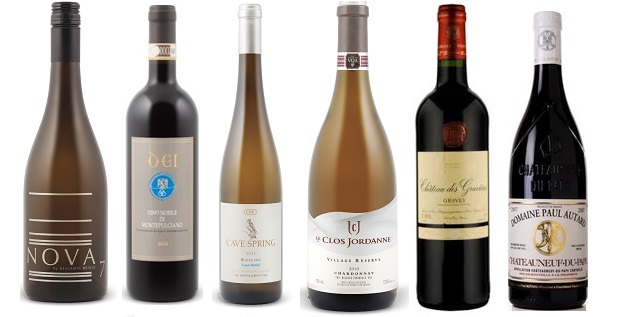
From left to right: Benjamin Bridge Nova 7 2013, Dei Vino Nobile Di Montepulciano 2010, Cave Spring Riesling Csv 2011, Le Clos Jordanne Village Reserve Chardonnay 2011, Château Les Gravières 2010, Paul Autard Châteauneuf Du Pape 2010

From left to right: Benjamin Bridge Nova 7 2013, Dei Vino Nobile Di Montepulciano 2010, Cave Spring Riesling Csv 2011, Le Clos Jordanne Village Reserve Chardonnay 2011, Château Les Gravières 2010, Paul Autard Châteauneuf Du Pape 2010

Dei Vino Nobile Di Montepulciano 2010, Docg, Tuscany, Italy (285510, $27.95, WineAlign)

The entry of Dei’s balanced Vino Nobile was very juicy but at the same time serious and brooding. At first rhythmic, tight and anxious, you couldn’t but help but feel the strong mocker of this Sangiovese. Iron, hard rocks, knocks and a day in medieval life. If it should be opened any time in the next five years it will require a rare fleshy partner and plenty of air time. Though there was nothing faint about it, with time it found a path to a crescendo and then changed chords. It sang like a bird for a verse or two, softened enough to open a window to its future and when it spoke “I went into a dream.” Finished with a piano bass note that droned on for nearly a minute.  Tasted June 2014  @LeSommelierWine

Cave Spring Riesling Csv 2011, VQA Beamsville Bench, Ontario  (566026, $29.95, WineAlign)

The 2011 issue is the driest, slate-driven, flinty Cave Spring Csv as it can ever be. Don’t be looking at its heart for richness and body but there is a wall of texture forged in stone. The Csv speaks “of everything that is alive in my blue world.” One taste and all goes electric, lights up and the orchestra begins to play. Turn the stone of this statuesque Riesling to drink in the long and true loyalty to ever fibre and fissure of its rocky being. Excellent. What more could you expect, or want?  Tasted June 2014  @CaveSpring

Le Clos Jordanne Village Reserve Chardonnay 2011, VQA Niagara Peninsula, Ontario  (33936, $30.00, WineAlign)

Winemaker Sébastien Jacquey’s “entry-level” Chardonnay currently resides in a bitten and certainly not shy mode. The 2011 is a Villages Reserve that is in a bit of a purgatorial place at the moment, closed down since its grand opening last summer. The rocks are speaking, as is the hubris of wood, but the fruit is up there, wafting in the proverbial wind. Let it blow and gather atmosphere, to return two or three years on, to reintegrate with the earthly elements and reform a convivial bond.  Tasted June 2014  @LeClosJordanne

Château Les Gravières 2010, Ac Saint-Émilion, Right Bank, Bordeau, France (257733, $36.85, WineAlign)

Highly concentrated, big berry crushed Saint-Émilion. Floral too and the fruits are exquisitely ripe and red. There is great tension and acidity. Crazy tannins. Exceptional wine but will need 15 years time to settle, integrate and play nice. Qualifies as the finest 14 per cent Bordeaux I’ve tasted in quite some time. A wild sense of mineral and animale climb on top. Highly ferric. Really fine.  Tasted June 2014

Paul Autard Châteauneuf Du Pape 2010, Ac, Rhône, France (380667, $49.95, WineAlign)

A refreshingly lithe and graceful 14.5 percent Châteauneuf Du Pape with every bit of richness necessary to fulfill its contract to typicity. Just a hint of both earth and animal musk, demanding tannin and more than its share of rocks and mineral give. A real winner for the vintage and in fresh air contrast to the gaining ridiculousness of extract and over-bearing alcohol-driven Rhônes. This might just be the bottle to reaffirm my waning faith in the region.  Tasted June 2014

Good to go!

Talkin’ ’bout my Generation Riesling

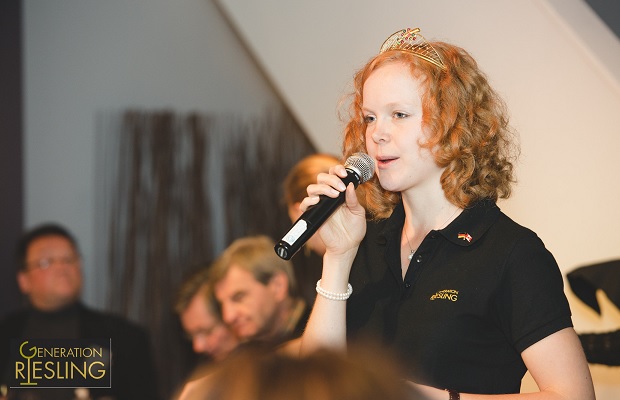
Nadien Poss, Generation Riesling PHOTO: http://germanwinecanada.com/

Nadine Poss, German Wine Queen
PHOTO: http://germanwinecanada.com/

I’m not trying to ’cause a big s-s-sensation (Talkin’ ’bout my generation)
 I’m just talkin’ ’bout my g-g-g-generation (Talkin’ ’bout my generation)

Nadine Poss from Windesheim in the Nahe region was elected 65th German Wine Queen back in September, 2013. That is a much bigger deal than you might think. Being chosen for the distinction is like winning the Miss America pageant and winemaker of the year at the same time, wrapped into one title. Ms. Poss travels the world to promote German wine. She represents 20,000 German wine growers nationally and internationally.

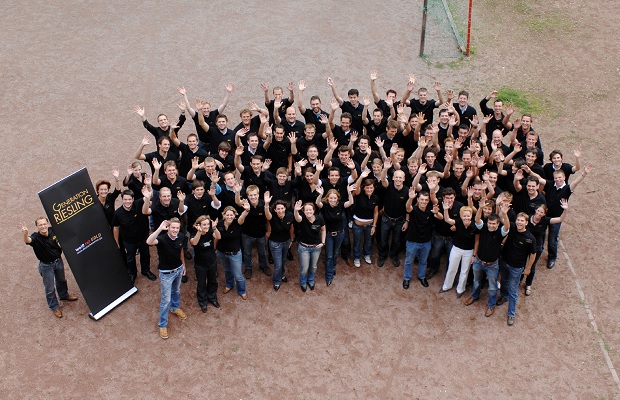
The 23 year-old Poss and Toronto Sommelier Will Predhomme presented Generation Riesling to a Toronto audience of writers, sommeliers, restaurant buyers and LCBO product consultants at Arcadian Court on May 20th, 2014. A walk around tasting followed with many a young face in the crowd. The concept and the intent is simple.  Generation Riesling is all about bringing German wine to young people, to the millennial, to an “innovative, open-minded, well-educated, internationally oriented, and ambitious younger generation.”

With the queen in tow, the marketing and appeal is clear. Bring on the young people, teach them to drink dry (trocken, halbtrocken, classic or selection) wine. They will concentrate on what they like and they are not afraid to try new things. The new German wine label no longer feels the need to inform the consumer of every aspect contained within the wine’s birth certificate. While the wine name’s estate, the grape variety and the vintage are all likely to be there, arbitrary listings like style, quality level, the region, the town, grower or cooperative indication and quality control numbers may become label distinctions of the past.

According to Predhomme, Generation Riesling is about highlighting the dry wines coming to market. “The important thing is that people are having the conversation.” It had been difficult to sell German wines, but this has changed, in the appeal to and with thanks to the aforementioned millennials. Riesling also pairs with hard to figure foods. “For egg yolks, turn to Riesling,” insists Predhomme. He means it.

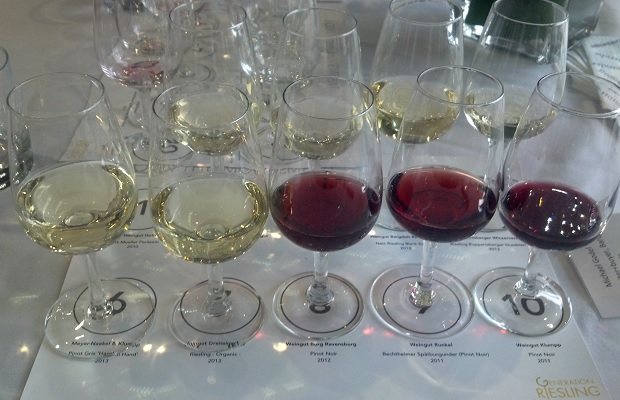
Generation Riesling Tasting

Generation Riesling Tasting

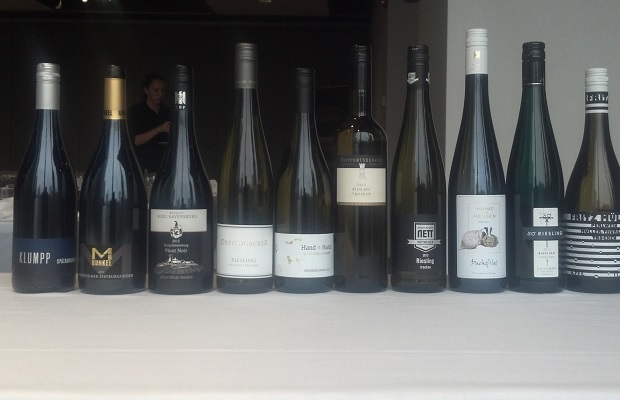
The 10 wines poured were anything but household names with each sample drier than the next. Not a single wine presented at the lunch seminar are available in VINTAGES or at the LCBO. These are wines that any progressive wine retailer must make available on their shelves. The choice of introducing new and under the radar producers to the Ontario market is brilliant as far as I am concerned. Now let’s see the style and vanguard approach gain market share. That ambiguity remains to achieve fruition and to be seen.

Weingut Willems & Hofmann/Fritz Mueller Perlwein 2010, Willems, Rheinhessen (agent, $18.95)

Tongue and cheek play on the Müller Thurgau grape, Prosecco style. On the fruity side, straightforward, compact and with good persistence. Aromas of pear, tarragon and a smooth, pale streak of concrete.  @LeSommelierWine

G.H. von Mumm’sches Weingut Riesling 50 Degrees 2013, Rheingau ($14.95)

Dry to be sure though the aridity is not furthered by the breakdown of elemental particles and the peach intent never drifts into off-dry territory. Though this lacks the acidity necessary for lift there’s a clean slate and atomically, soil-driven bent. Later on there’s a note of Muscat-like grapey reduction. Simple and effective.

Weingut Prinz von Hessen Riesling Dachsfilet 2012, Rheingau (agent, $41.95)

A step up for sure, with a bag of mineral tricks, aromatic heights, some tropical notes but only in zest and rind. Like a hybrid of watermelon and papaya. There’s an intensity here in the dry-fresh continuum but also balm viscidity and textural tiling.  Named one of Wines of Germany’s top 50 wines for 2014.  @KylixWines

Weingut Bergdolt Reif & Nett Riesling Trocken Black Edition 2013, Pfalz, (agent)

From a winery just south of Frankfurt blessed with a Mediterranean climate. Here this Riesling helped along with a cure of 20 per cent barrel ferment, “goes deep, it goes deeper still,” in golden, sun spot, citrus activity. Comes to it early, waxy, polishing, in a Semillon-like, dry, tight, mouth-watering well of deprivation. It’s not petrol but gas-driven. Something unnamed gives it air, this helium voiced, weightless, gravity defying Riesling. Could certainly drink this on a night like this, or any other.

Ruppertberger Winzerverein Riesling Ruppertsberger Nussbien Dry 2013, Pfalz (agent)

This has a stable periodic table of balance and concrete interference of the stellar kind. Layered and textural must in grape spirits moving through black forests. Tight and imbued of great tang. More intensity from Pfalz. Lime finish. Great match to the soubise.

Meyer-Näkel & Klumpp Grauburgunder Pinot Gris ‘Hand in Hand’ 2013, Baden (agent, $25.00)

A touch of laundry stink in this Pinot Gris is neither off-putting nor should it be ignored. It is one of intelligent character and intriguing interest. PG also quivering on the fruity, peachy and approachable spectrum, low on spark and pepper, low on spice accent. A clean vernacular, a quiet approach. The palate is another story. Alive, kicking, the spark is there, as is the push to greater, future moments.  @VonTeichman

Weingut Dreissigacker Riesling Organic 2013, Rheinhessen (agent, $27.50)

From winery’s name that means “30 acre,” here gifts a sour patch note and because of the arid profile, the lack of residual sends it into sundry territory. With air it climbs out of the tart and into straight dry, pauses and finishes in the desert. To the sour note it simply says “we used to be friends.” There is something textured about it that speaks of a barrel but it’s too dandy and riveting to be like the Nett. It seems to say “it was a greeting I send to you, short and sweet to the soul I intend.” The winemaker is not worried about roundness and though this has fermentative smells, that’s just fine.  @kswineimports

Burg Ravensburg Pinot Noir 2012, Baden (agent, $27.95)

Feminine and so very pretty for German Pinot Noir. A veritable potpourri of violets, orange skins and ripe cherries. The lack of paint is almost impossible. Just barely beyond 12 months of age on this wine. Not a lot of pop, but it’s softness is endearing. A palate that is expressive of strawberry. Not about power. Thoughts need not go there.  @TheLivingVine

Weingut Runkel Bechtheimer Spätburgunder (Pinot Noir), Rheinhessen 2011, (agent, $24.95)

Bright and earthy cherry and a really great bit of vineyard funk. Reminds me of Niagara’s 13th Street in style. There’s a fuzzy berry feel to it but it’s clear and precise, like a Bruce Cockburn instrumental. Vanilla in pods and juice from the middle onwards. Fresh scraped vanilla in sugar syrup extract. So very vanilla. Paint and vanilla, repeat. It’s a bit of imbalance but it carries the notes for great and with conviction. This is the most cerebral of the three Pinot Noirs. Spätburgunder at the end of all rivers@Matthias_Runkel

Weingut Klumpp Pinot Noir 2011, Baden (agent)

A much deeper, must and musky animal, earth-driven, black cherry Pinot Noir. More of a modern expression, higher in extract and seemingly longer hang time. The fruit has further development on it which will make for immediate gratification but not necessarily a longevity of gratitude. Strikes as coming from a hot vintage. SA citrus and persimmon vintage. Simply delicious, fleeting, now necessary Pinot.   @TheLivingVine

Generation Riesling Line-Up

Oliver & Bonacini Events, Arcadian Loft
401 Bay Street, Simpson Tower, 9th Floor
Toronto, ON  M5H 2Y4

Phone: 416.364.1211

Nicole Karmali – Operations Manager, O&B Events

Chef Michael Robertson – Executive Chef, Arcadian

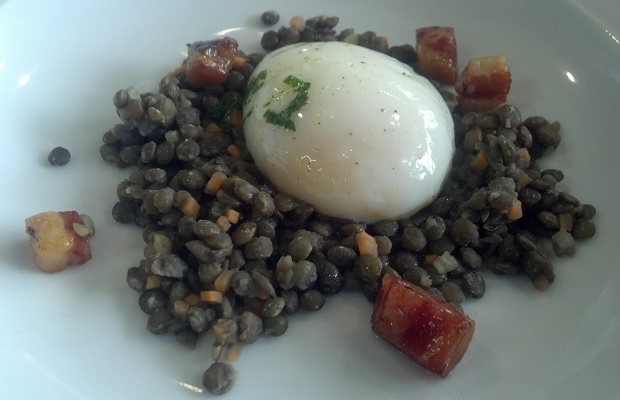
Generation Riesling Lentils
Poached Hen’s Egg, dupuy lentils, smoked bacon

Generation Riesling Menu

Monday, May 20, 2014

Scallop Crudo, sunflower, lemon balm

Poached Hen’s Egg, dupuy lentils, smoked bacon

Grilled Salmon, broiled asparagus, onion soubise

Thyme and Roasted Garlic Braised Beef Short Rib, braised cabbage, marinated beans

Nosey Goat Camelot, Comfort Cream, walnut and cherry compote, artisan chocolate

Generation Rieling Logo

Good to go!


Château Margaux hits the road

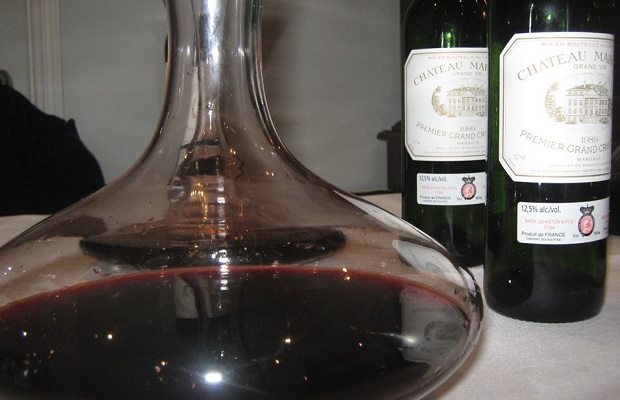
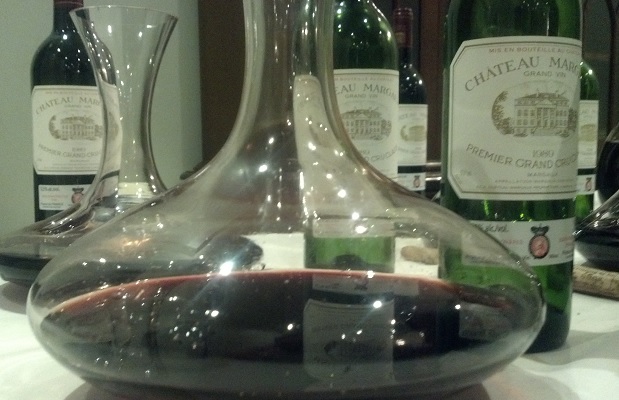
Decanted Château Margaux 1989, The National Club, Toronto, May 1, 2014 PHOTO: Michael Godel

Decanted Château Margaux 1989, The National Club, Toronto, May 1, 2014
PHOTO: Michael Godel

The wines of Château Margaux need no introduction. First Growth Bordeaux. One of the most famous brands in the world. Iconic and beyond mortal means, especially in the greatest vintages; 1953, 1961, 1982, 1989, 1996, 2000, 2009. So why is Paul Pontallier on the road to promotion? Do the wines not automatically sell themselves?

The answer is both yes, and no. Château Margaux annually produces 130,00o bottles of its Grand Vin. The 2009 is listed at nearly $1,800 in Ontario. They will sell through, if not this year, certainly eventually and inclusive of the calculated, incremental cost of inflation. The more pressing incendiary matter is a concern of distributive demand. Chinese and other south Asian markets have spent the better part of the last decade scooping up First Growths by the palette load. Mr. Pontallier clearly understands if you can’t see the forest for the trees, you risk losing touch with how you arrived here in the first place. Château Margaux needs to reconnect with North America.

Paul Pontallier is the Managing Director of Château Margaux. He joined the team of Corinne Mentzelopoulos in 1983. Along with Aurélien Valance, Senior VP Commercial Director, the most distinguished of Margaux houses came to Toronto’s The National Club at the facilitating invitation of wine agent Noble Estates on Thursday May 1, 2014. A 10:00 am start. Château Margaux for breakfast. “Probably the best time to taste wine,” quips Pontallier.

Château Margaux Tasting

Chateau Margaux Tasting

At the estate’s crux is the significance of territory. The wines are “not just a marketing ploy,” asseverates Pontallier, “they are based on the insistence of the terroir.” There exists a significant heterogeneity between the plots. “We try to protect them as much as possible. We can’t expand.” There is a sense of frustration in the director’s voice. “Château Margaux hasn’t changed since the late 17th century.”

Then there is savoir-faire. “Even three or 400 years isn’t a lot of experience. There is only one possibility, one harvest each year, for experimentation. But, the asset, the depth of experience is as important as the terroir.” Does the excellence of top Bordeaux require genius? No, contends Pontallier. He speaks of hard work, respect for history and the constant need to change, not just for its own sake, but to doubt what’s come before and to improve every gesture. Organic, though it won’t ever be noted on the label, is the end result of many years of research and development. “Our tradition in not a closed one. We are open to what science can bring us.”

On change? “How can we pretend that our tastes do not change. Language, accents, words, everything changes.” Though the accusation is of a response to market demand, the Margaux position is one that insists that it is about a natural evolution, not a response to consumer demand. Change is inevitable. “It would risk not reaching excellence. It would write off the wonderful experience we have inherited. We can adapt, we can play, within reason.”

On the 2013 (challenging) vintage from which weather during flowering affected the quantity. A wonderfully dry, hot summer gave way to damp and wet weather at the end of September. Perfect conditions were set up for rot (botrytis) to develop. Margaux rushed to pick five to six days earlier than usual. “In these conditions, the exceptionality of terroir was so important.” The conclusion? “Less complexity, less depth, less quality. In Bordeaux as a whole, the lesser terroirs were affected by the situation.” According to Pontallier the result of the mediocre conditions did not result in mediocre wines because of the technical progress achieved over the last 25-30 years.

Pontallier is a pragmatist, a funny thing to say considering the domain he oversees. “It’s not always the most impressive wines that are the most pleasurable to drink,” he admits. “Burgundy has a wonderful balance.” His thoughts on the primeur system? “It has always been efficient for some, or just a few wines. If you can find wines a few years later on the market at the same price, it doesn’t make sense.” Here are notes on the fives wines poured.

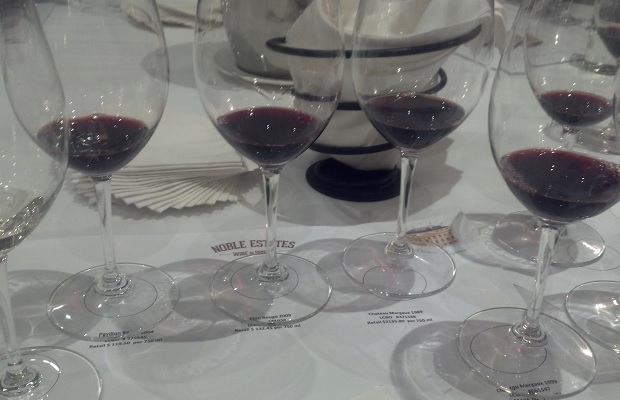
From left: Pavillon Blanc Du Château Margaux 2011, Pavillon Rouge 2004, Pavillon Rouge 2009, Château Margaux 1999, Château Margaux 1989

From left: Pavillon Blanc Du Château Margaux 2011, Pavillon Rouge 2004, Pavillon Rouge 2009, Château Margaux 1999, Château Margaux 1989

Pavillon Blanc Du Château Margaux 2011, Ac Bordeaux, France (374579, $142.40, WineAlign)

Extreme temperatures in June sent signals to convince the grapes to begin ripening in mid July. Though harvest would be the earliest since 1893, vintage imbalance was averted by cooler summer temperatures. A limited production, 100 per cent Sauvignon Blanc with 300 years of experience in its blood. Once known as Vin Blanc de Sauvignon, the Pavillon earned its modern era moniker in 1920. From a single block that was abandoned near the turn of the century because it was sensitive to frost. Re-discovered and re-planted in the 1970’s and 80’s, the plot is a haven for aromatic protection and preservation. Today’s Pavillon is made from only one-third of the estate’s Sauvignon Blanc production, the rest secretly sold off in bulk. The ’11 saw eight months in barrel, 25 per cent new oak. Sparks with intense minerality and creamy corpulence contained within an acidity enclosure. Feigns early advancement though not near ready to burst and bust open, with the sense that terroir will trump variety. A slow release of ripe fruit will be measured in decades. Tremendous concentration, density and depth. Has Sauvignon Blanc ever ingratiated itself with such poise? Will begin to open in two to three years and ripple in waves for 20-25 more.

Pavillon Rouge 2009, Ac Margaux, 2nd Wine Of Château Margaux, Bordeaux, France ($132.45, WineAlign)

From a wine that “used to be a tool,” comments Paul Pontallier to a “second wine” out of an incredible vintage “at least as good, or better than the four previous vintages of the first wine.” Them are fighting words and no sooner are they more truthfully spoken then over a swirling glass of the wine that has improved the most at Château Margaux. The Pavillon Rouge ’09 is indeed the best in modern times, in part due to immaculate selection and because it makes up just one-third of the total red grape production at Margaux. In the 1980’s it was the opposite but with a third wine now pushed to the European and Japanese restaurant market beginning in this vintage, Pavillon is now a grand brand, in a connected and assiduous way as never before. There are 100 lesser ’09 Bordeaux that fail to assimilate the wood and the crush of density, not to mention the tannin and Expressionist brushstroke. Pavillon manages a suppression of the admiral elements, including the scientific ones. The fruit is deeper, riper, with more brooding levels of pectin and anthocyanin. An earthy funk makes a late appearance on a finish of extended length to indicate where this Pavillon will range, forward 25-30 years and back to a 1989 type of history.

Pavillon Rouge 2004, Ac Margaux, 2nd Wine Of Château Margaux, Bordeaux, France ($119.50, WineAlign)

The Pavillon 2004 was and remains a “second wine,” insomuch that it predates the greatness of the modern Pavillon and because it finds itself sandwiched between two magnanimous harvests, 2003 and 2005. “We accept the fatalism of lesser vintages,” admits Mr. Pontallier, “selection is key to success.” The goal is to always make a good wine so it was necessary the Pavillon ’04 set out to benefit from “extreme” berry selection. Spent 18 months in 50 per cent new oak. Persistently young and overwhelmingly perfumed, in violet, tobacco and strawberry so ripe yet still must fight for aromatic airspace with dewy earth. Soft, velvety tannins envelop the Margaux notion of restraint and elegance. The ’04 has found success, despite the conditions, something that could not be said of the Château’s wines made 25-30 years ago. Drinking well now and will continue to do so for five to 10 more years.

Château Margaux 1999

Château Margaux 1999

Château Margaux 1999, Ac Margaux, Bordeaux, France (BCLDB 187799 $1,000.00, WineAlign)

The 1999 Château Margaux is a timeless wine. Tasted alongside the notorious 1989, its inhibitions are forced on display. Though repressed by the diluting effects of late September heavy rain, the 1999 may be subtle and modest, lack any discernible funk, but by no means is it soft. Wondrous aromatically like a hanging garden, with roses everywhere. “This is the perfume of Château Margaux,” notes Paul Pontallier. A difficult wine to describe. Its complexity, warmth and perfumed character define Margaux. Not as dense as the ’89, from grapes that benefitted from maturation conditions, from perfectly ripe if slightly diluted fruit. The proportions and shape (12.5 per cent alcohol by volume) are perfect and exacting but on a smaller scale. Smooth and resolved at a young 15 year-old, teenage age. The tenuous tranquility can be a point of deception. Beneath the lace there is body and hidden depth to give it 15 to 25 more years of growth. “Fall fall fall fall, into the walls. Jump jump out of time.” Though not the beast that is the ’89, this ’99 is a suffused bottle of remarkable concentration, of luxe, calme et volupté. A wine to help cure what ails.

Chateau Margaux 1989

Château Margaux 1989

Château Margaux 1989, Ac Bordeaux, France (176057, $1,645.00, WineAlign)

The 1989 Château Margaux wears the response to a mondo Bordeaux axiom on its sleeve. Are First Growth wines made for people who want darts of instant pleasure?” Twenty years earlier and now like the 2009, here is a quintessential and exemplary vintage, from day one of bud break to the last day of harvest. Its appraisal as anything but incredible is to assassinate it as if it were the Franz Ferdinand of Bordeaux. The examination 25 years later sees a mellow funk meet a peerless and sublime perfume. A wine cast in utmost density, complexity and length. It noses strength, warmth verging on heat but only for a fleeting moment, to gain attention. The iconic wine has reached the first major peak, up a ways from base camp. In this second phase of young adulthood it looks with conceit to the top of the mountain, seeing 25 to 50 more years on the climb. Mr. Pontallier regrets he won’t be around to taste this wine at full maturity. Moi aussi. The fruit lingers in its full, original state, from the moment it passes lips and for minutes onward. Violets trump roses. Château Margaux 1989 is from a vintage that offers the blessing of ethereal balance. Hear her sing, “Ich heisse Superfantastisch!”

Good to go!

Reds for a blood moon

Reds for a blood moon

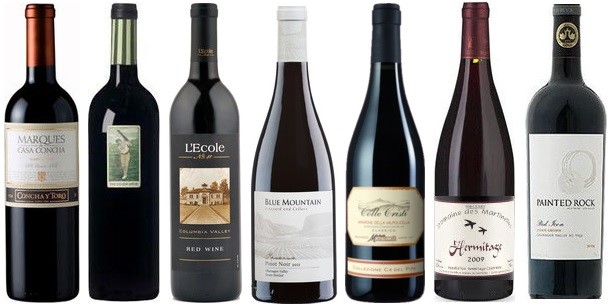
From left to right: Concha Y Toro Marques De Casa Concha Carmenère 2008, Jim Barry The Cover Drive Cabernet Sauvignon 2010, L’ecole No. 41 Red Wine 2011, Blue Mountain Reserve Pinot Noir 2011, Michele Castellani Colle Cristi Collezione Ca’ Del Pipa Amarone Della Valpolicella Classico 2008, Domaine Des Martinelles Hermitage 2009, Painted Rock Red Icon 2011

That the ‘Blood Moon” tetrad of 2014-2015 fall on Passover and Sukkot should come as no surprise. That it’s snowing again on April 15th while the Moon meets the Earth’s shadow for a total lunar eclipse is a cosmic connection that requires red wine. Big reds.

Last weekend’s VINTAGES April 12th release had some beauties and a recent tasting at WineAlign of B.C. wines showed that power and finesse can co-exist on the Left Coast. Who knew they would come in handy with the mercury again dipping below zero and people everywhere howling at a moon they can’t see. Crazy times.

Thanks to Dave Dickinson, the lunar phenomenon is broken down into laymen’s terms, in shades of red. “Does the eclipsed Moon appear reddish to you? What you’re seeing is the sunlight of a thousand sunsets worldwide, streaming through the Earth’s atmosphere into the shadow. This color can vary considerably from eclipse to eclipse, causing it to appear anywhere from a dark tea-stained color to a bright cherry red. This variation is due to the amount of dust currently in the Earth’s atmosphere, and is measured on what is known as the Danjon scale.”

Here are seven immense red wines, from three continents, each with their own unique style, to match with a blood moon.

Concha Y Toro Marques De Casa Concha Carmenère 2008, Peumo Vineyard, Rapel Valley, Chile (169862, $19.95, WineAlign)

A trifecta of regard makes this worth looking at, the least of which, at first thought, is the effect of some age. The Concha y Toro Carmenère examination, in Carmín de Peumo, in Terrunyo and in Marques de Casa Concha is the Chilean reference point for the variety. The impart of deep, clay soils and the expectation of gentle tannins make for a curiosity call when considering an ’08 specimen. Tough and gritty, on one hand, on the other soapy, sandalwood and waxy. The third hand has smouldering wood, berries and tannins. Very much like its Cab and Merlot brethren, the fruit is just starting to be outrun. Try it now and see what Carmenère can bring.  Tasted March 2014  @conchaytoro

Jim Barry The Cover Drive Cabernet Sauvignon 2010, Coonawarra, South Australia (677476, $26.95, WineAlign)

Young-ish vines on the site of the old Coonawarra Penola cricket ground receive perpetual hydro-mineral support from porous limestone under rich terra rossa soil. That fruit is then blended with extract from estate vineyards in the Clare Valley. Smashes the cover off the grapes towards a full on gain of flavour. Charred peppers and lush black berries are smothered and splintered by a 50/50 split of French and American oak in no less than a crush of conceit. Tannin, grit, joy, flesh, full on deep fruit and mineral. Obviously over-swung and with too much club (switching sports), like using Driver used when a long iron would have sufficed. But you drive for show and this Barry can putt for dough.  Tasted March 2014  @Jimbarrywines

L’ecole No. 41 Red Wine 2011, Columbia Valley, Washington, USA (366237, $29.95, WineAlign)

A really good, high-octane red blend if blatantly massive. Like the smell of a shiny, varnished, fresh wood cabin glazed by highly aromatic and resinous epoxy extract. That’s the simple tasting note. The more complex version includes a perfume potpourri of Bougainvillea, violet, orange peel, cinnamon, dark chocolate and a lumber factory. The electric, fully plugged in blend is Syrah, Merlot, Cabernet Sauvignon, Malbec, Cabernet Franc and Grenache (38, 36, 15, 6, 4 and 1). The quotient seeks learned Nirvana and with a little luck, some power chords, a bit of screaming and historical, retro-cult exoneration, it may just get there. Right now it just feels like High School. Impulsive and uncomfortable. Wouldn’t you believe it, it’s just my luck. No recess.”  Tasted March 2014  @lecole41

Blue Mountain Reserve Pinot Noir 2011, Okanagan Valley, British Columbia, Canada (Winery, $36.00, WineAlign)

The Reserve Pinot is intoxicating to say the list. Some whole clusters in the fermentation process add mouth feel, cure and needed grit but how this can not be viewed overall in the shiniest west coast light would be confounding. The reserve ’11 is both “sky as I kite, sticky as lips” and “as licky as trips.” If there was ever an Okanagan Pinot Noir to get you high, this would be the one. What a boisterous effort out of a less than scorching vintage and considering the modest to riches price, no shame in visiting with flavourful fare, imbued with spice, any day of the week.  Tasted April 2014  @BlueMtnWinery

Michele Castellani Colle Cristi Collezione Ca’ Del Pipa Amarone Della Valpolicella Classico 2008, Veneto, Italy (222109, $45.95, WineAlign)

The magic of age is a friend to Amarone and funk trumps fruit. In a nutshell the axiom describes the old-school Colle Cristi. A brooding Amarone, cut by zest that’s citrus-like and savoury/earthy in pine needles, juniper and a Venetian forest in autumn. Inviatura and Chiaroscuro. Caravaggio meets Giorgione. The most complex Valpolicella in the April 12th VINTAGES line-up.  Tasted March 2014

Domaine Des Martinelles Hermitage 2009, Rhone, France (112268, $54.95, WineAlign)

Clearly modern and style-heavy though not out-of-place in the world of Hermitage. From steep slopes of stony brown sand, a high level of grit might be expected but this Syrah is refined, lush and smooth as silk. At 14.5 percent it’s no shrinking violet, honest and futuristically traditional. At $55 it’s a mandatory, appellative Northern Rhone steal. Matter-of-fact acidity, verve and mineral content are all in, with elegance and balance. Really fine Syrah with a five to ten-year fruit-tannin power struggle ahead.  Tasted March 2014  @LeSommelierWine

Painted Rock Red Icon 2011, VQA Okanagan Valley, British Columbia, Canada (Agent, $55.00, WineAlign)

Painted Rock’s red icon could be considered more black than red, as exemplified by the layering of grapes, their pitchy extracts and the fruit associated with their gathering. If the man should ask, “tell him what we said ’bout ‘Paint It Black.’ Rock ‘n Roll is here to stay.” Yes, the Icon will be a big star someday and perhaps this ’11, despite the cooler vintage, will be the first. Might have to wait 13 years or more to find out because the tannic structure is in beast mode and will remain so for likely that much time. The wine plays memorable chords and its song lingers on the brain.  Tasted April 2014  @liffordwine  @PaintedRockJohn

Good to go!


Much ado about Napa

When Napa Valley comes to town, wine people (I know, peeps) show up and take a seat.
PHOTO: NAPA VALLEY VINTNERS ASSOCIATION

as seen on canada.com

I would be lying if I said that I’m not a fan of Napa Valley wine. If you read hidden meaning into that statement it’s not because I dislike that to a red, so many examples are gorgeously voluptuous and decadent, it’s just that I seem to feel less insecure when they’re not around.

As a wine taster, when faced with any more than two or three massive, young California red wines at a time, I begin to sweat. In tentative waves of anxiety I question my palate. Will I be able to note the nuance, the terroir, the dreaded question of “will this wine age, will it stand the test of time?”

Doug Shafer, arguably one of the three or four household names in modern Napa, summed up the entire quagmire in one fell swoop sentence.” Funny thing, if they age well out the chute, they age well.” Napa Valley winemakers, or at least Doug Shafer, are demanding of an attitude that wine must not be assessed based on ageability. That’s the kicker. When the discussion centers on bold California reds, I gotta disagree. Who is shelling out $100-300 on a bottle of wine to pop and pour?

When Napa Valley comes to town, wine people (I know, peeps) show up and take a seat. As Russ Weis (Napa Valley Vintners & Auction Napa Valley Board Vice President and General Manager, Silverado Vineyards) noted, “reputation is large, the area is small.” No doubt. The famous place responsible for a pittance (four per cent) of California’s wine output has risen meteorically to legendary status in just a few decades. I’m not sneezing.

What I am doing is pushing the point that reds from Napa and I’m really talking about Cabernet Sauvignon and associated blends, that these wines are beasts to taste and enjoy while they are young. Surely I am making unforgivable generalizations here but for brevity must serve the purpose of a personal hermeneutic. Longevity is the key to unlocking Napa Valley’s secrets.

The Napa Valley Vintners Association rolled through Toronto in October. WineAlign’s very own John Szabo, M.S. moderated a short but so very sweet tasting and libertine discussion on 10 then and now Napa reds. Mr. Szabo dug into the concept of ageability, “what is it and what causes it?’ he asked. “How does vine age affect it?” Looking squarely back at 1997 as being the watershed vintage, “a changeover year,” Szabo noted that ripeness became very important in terms of critical and by extension, commercial success.

Chris Howell, manager/winemaker of Cain Vineyards stressed “no analytic attribute will tell you whether your wine will age or not.” While Mr. Weis did not directly speak to the question of aging, his notations “we are cooler than the Mediterranean, we’re farming for high intensity and “the long form is in the glass” all point to the very question.

The ten wines poured at the seminar, while just a minute cross-section of what Napa Valley does well, proved my idiosyncratic and parochial point. Napa Valley’s big reds, especially those made in an era defined by hyper-ripeness, elevated brix and new oak influence, are most impressive in their immaturity. To belay any accusations of contradiction, the follow-up to that statement argues that the wines are far more interesting in their maturity. Time does not make them taste better but it does add provenance to their story.

Here are my ten notes on the wines poured at the ROM’s Peter Bronfman Hall Napa Valley trade tasting.

Clockwise from left: CAIN VINEYARDS RED BLEND 2008, LONG MEADOW RANCH WINERY CABERNET SAUVIGNON 2005, SOMERSTON CABERNET SAUVIGNON 2007, and SILVERADO VINEYARDS CABERNET SAUVIGNON STAG’S LEAP DISTRICT ‘SOLO’ 2009

CAIN VINEYARDS RED BLEND 2004 ($125, release price)

Chosen from 25 lots, divided between Cabernet Sauvignon (47 per cent), Merlot (25), Cabernet Franc (21), Petit Verdot (4) and Malbec (3). A quiet child of “gentle, moderate ripening conditions” which saw grapes harvested over a span of 43 days. Has completed its graceful aging and with the fruit beginning to wane, the tannins remain in grain. A Brett-tinged vintage to be sure though punched down by Cassis, vanilla crème and a gravel relish.  89  @rogcowines

CAIN VINEYARDS RED BLEND 2008 ($124.95, consignment)

The second vintage, marking a return to 100% Cain Vineyard, Estate Bottled, which means 100 per cent of the grapes were grown in their Cain Vineyard, Spring Mountain District, Napa Valley. A composition consisting of Cabernet Sauvignon (61 per cent), Merlot (15), Cabernet Franc (13), Malbec (6) and Petit Verdot (5). A small crop from a dramatic, wailing and tumultuous (rain, sleet and heat) growing season. The nose is especially top ranking, smelling fresh as the day it was bottled. The thin soils and Pacific weather here translate to rigour, anxiety and conviction. Though “they don’t want us to unite…they don’t want to see us come together,” these fab five find brotherly and sisterly love.  91

LONG MEADOW RANCH WINERY CABERNET SAUVIGNON 2005 ($65.00, winery)

Fully organic vines, reasonable brix meets abv number (13.2) and a tiny yet helpful two per cent Cabernet Franc added in for good measure. Exceptional showing from an endearing vintage. Pure black raspberry and red aspalathos tea integrated with the positive attributes of a bound stem fire starter of bell pepper, splintered cedar and twiggy black currants. All together they blow a blanket of background fog across fruit in a gentle holding pattern.  91  @LMRwine

LONG MEADOW RANCH WINERY CABERNET SAUVIGNON 2009 ($65.00, winery)

From a warmer yet moderate growing season the ’09 LMR solicits 10 per cent Merlot along with two per cent Cabernet Franc. Noticeably riper, with more cherry depth, lush mouthfeel and a dry, chalky, yet comfortable lengthy finish. Acids are lower and tension surely does not run high but the wine achieves a pleasant balance, if less complexity and offering increased pleasure.  91

SHAFER VINEYARDS CABERNET SAUVIGNON ‘HILLSIDE SELECT’ 2003 (NA)

Persists in full-blown hedonism. One would never accuse this of being treated with tartaric acid. Youthful, gorgeous and alone at 10 years-old. Cherry, berry, dusty grain swirl, a twister of iconic development and potential, realizing that potential in the here and now. Showing remarkably well with a transparency of ego, alcohol and a blender flurry of fruit and wood. While it holds court and its course now, flying time will likely be another three to four years.  92  @ShaferVineyards

SHAFER VINEYARDS CABERNET SAUVIGNON ‘HILLSIDE SELECT’ 2009 (735712, $285.00)

A huge SVCSHS from 100 per cent Shafer’s Hillside Estate Vineyard in Stags Leap District including vineyard blocks such as Sunspot, John’s Folly, Upper Seven, Hitching Post and Venado Ilegal. An absolute killer B; bigger, brawnier, bolder, badass. “Engines pumping and thumping in time.” Mouth attacking, saliva stealing, inner cheek suffering Cabernet that spent 32 months in 100 per cent new 60-gallon French oak barrels. Mercy. The skin contact, in colour and tannin, is a nearly unforgivable act. White flag. Tempting to compare it to huge Cabernet-based IGT’s. Waves of unctuous raspberry and blackberry in perpetual maceration. Has so much cake (15.5 per cent abv), built for speed and distance. Never finishes. In fact, I think it’s still going. For two decades.  94

SILVERADO VINEYARDS CABERNET SAUVIGNON STAG’S LEAP DISTRICT 1989 (NA)

From a vineyard originally planted in 1884, by Abel McFarland and fast forward – replanted between 1992 – 1996, by Ron and Diane Miller. This red may be heading for a graceful descent beneath a Pacific sunset and the vintage may have dumped diluting rain upon harvest but complexity will not be denied. Rare, seraphic fruit lingers on, enveloped in the resinous aromas of wood, leather and tobacco. There lifts too an elder/lingon-flower/berry beckoning and something mint-metal cool. Classroom Cabernet, to thank the procurer and to seek higher learning.  90  @SilveradoSolo

SILVERADO VINEYARDS CABERNET SAUVIGNON STAG’S LEAP DISTRICT ‘SOLO’ 2009 (89482, $119.00)

Built on the academic intuition, augmentation and advancement of UC Davis oenology Silverado clones. Reneges and makes waste of the past in a hurried two-day harvest, October 7th and 8th, 2009. A product of reasonable brix (23.5 degrees) and alcohol (13.9 per cent). Uncommonly shy, a young introvert, lost in dark, layered abstraction, in blues, blacks and hues in between. Dried herb, withering blueberry, a ballad in ode to greatness that came before and a promise for a promising future. “There’s more to the picture than meets the eye,” though no guarantee.  90 

SOMERSTON CABERNET SAUVIGNON 2007 ($120.00)

From proprietor F. Allan Chapman and winemaker Craig Becker, this is the flagship wine, distilled from two individual parcels, Soda Valley and Elder Valley, located high in the hills above Napa Valley. High brix (26.5 degrees) and alcohol (14.9 per cent) mark this cured Cabernet, something to ponder, to drink on a night like this. High-toned, in the realm of fig and prune, a big show of chocolate froth, mocha, vanilla and more. Thick and luminous, “it goes dark, it goes darker still. It goes deep, it goes deeper still.”  88  @SomerstonWineCo

SOMERSTON CABERNET SAUVIGNON 2010 ($120.00)

A scarcity of production (380 cases) and elevated further still, in brix (26.8) and alcohol (15.5). Sourced from the estates two best vineyard blocks; Queensberry block 30 and Oriental block 23, both hillside vineyards with an average elevation of 1250 asl. Shares an aromatic, cured profile with the ’07, though in its youth it waxes rich, lush and overtly tannic. Inflated drupe elongated by a magnitude of  Napa love. “I don’t care if Monday’s black…dressed up to the eyes, it’s a wonderful surprise.”  91

Good to go!

You can lead a county to the city

South Bay Winery vineyard in Prince Edward County PHOTO: POSTMEDIA NEWS

as seen on canada.com

It’s time to discover the wines of bucolic Prince Edward County in south-central Ontario, a place possessed and structured of a learned and cultured essence. If you were born in PEC you likely never left and if you did, probably returned. Then there are those who migrated in search of an anti-metropolitan lifestyle. The landscape is encompassed by water, dotted with folkloric towns, farms and cottages. Wine destination comparisons might be made; to Niagara, to Muskoka, the Finger Lakes, the North Fork of Long Island, to parts of California. No definitive connection is obvious. After tasting through the formidable pours at County in the City last Thursday at the Berkeley Church in Toronto, it became abundantly clear that the wines are unique in and amongst themselves and also bound together as one. The refrain holds true. It must be the rocks.

The grape growers, winemakers and 30 some odd wineries in PEC are no longer a gaggle of obscure, off the beaten path, parochial folk. Their serious VQA wines are establishing footholds in our metropolitan markets. The County’s adage may well be, “you can lead a farmer to grapevines,” a sure statement of the obvious. This event proved you can also lead them to the city.

Photo: Wine Align

Photo: Wine Align

“The County” as it is affectionately known is Ontario’s newest and suddenly dynamic wine appellation. It’s climate and geological make-up has been compared to Burgundy, the world’s benchmark region for growing and producing Chardonnay and Pinot Noir. Chardonnay is clearly the County’s signature variety, its staff of life, but the excitement extends well beyond that comfort zone. Cabernet Franc, Pinot Gris, Vidal and especially sparkling wines are making inroads along with Pinot Noir and Chardonnay. But what about Gamay? Casa Dea’s Paul Battilana crafts a Sparkling Rosé from estate grapes. Chadsey’s Cairns and Troumpour’s Mill both make solid Gamay Noir. Battilana makes a still Gamay, as does Hillier Creek Estates. Time for others to join the #GoGamayGo party.

Prince Edward County wineries are increasing their collective engagement in many ways. The PEC chapter of the Ontario Wine Society held their inaugural event April 27th, 2013, County Character at Hillier Town Hall. PEC winemakers have joined the progressive wine on tap program too, like Rosehall Run, Norman Hardie and sparkling wine specialist Hinterland Wine Company, who is kegging Charmat, Prosecco-style bubbles for Barque Smokehouse.  The coming months offer many opportunities to taste the County. The Terroir festival in late May is an annual showcase of the area’s rocks, soil and new release wines, put on by the Prince Edward County Winegrowers Association. Wassail takes place in late fall/early winter, celebrates the harvest and the laying of the vines to rest. The summer of 2013 will be a great time to visit PEC and follow its wine trail.

Here are nine wines of note tasted at Wine Align‘s County in the City at The Berkeley Church.

From left: Sandbanks Rosé 2012, Casa Dea Estates Winery Cabernet Franc 2009, Lighthall Gewürztraminer 2011, Huff Estates Cuvée Janine Sparkling Rosé 2010, Exultet Chardonnay ‘The Blessed’ 2011, and Closson Chase CCV Pinot Noir 2010

Sandbanks Rosé 2012 (244616, $12.95) whispers summer by the lake in the face of a fading pastel, pink sunset. A magical and inexpensive combination of subtle strawberry, cream and bright acidity. Who would ask for more?  87  @SandbanksWinery

Keint-He Vineyards Voyageur Vidal 2012 ($17, winery only) is a warm and aromatic expression having taken full advantage of the vintage. Yellow and orange flesh melon abounds in sweetness tempered by just enough limestone influenced acidity. Incredibly easy to drink. Breathes new life into white wine.  88  @KeintheWinery

Casa Dea Estates Winery Cabernet Franc 2009 (241612, $18.95, winery) coaxed maximum density from the vintage in fleshy, black cherry and yet is anhydrous from chocolate dust. Chalk up another redacted red from Casa Dea, in the same vein as the plush, ruby ’09 Pinot Noir. All of Paul Battilana’s wines are priced and offered like an open door. Mi Casa Dea et su Casa Dea.  88  @PECWinemaker

Norman Hardie Pinot Gris 2012 ($25, winery only) bottled one week ago, is not as you might think, in shock. A cleanse of pure pear purée with an open invitation for immediate gratification. Mellifluous and with no discernible A16 whatsoever. This one’s good to go. Who comes by chance will be the more easily let go. “Lay down my darling,” this PG ain’t for keeping.  91  @normhardie

Lighthall Gewürztraminer 2011 ($25, winery only) succeeds because less is more. Less lychee, more lightness of being. This is Glenn Symons’ 2nd vintage from the famed Wismer Vineyards in Niagara (Jordan). Refuses to club you over the head with “correctness.” Despite the lack of oily, nutty and tropical girth it’s suffused with crisp pleasure.  90  @lighthallvyard

Huff Estates Cuvée Janine Sparkling Rosé 2010 ($29.95, winery only) from 100% Pinot Noir grapes is a phenomenal, inaugural genesis effort. More sanguine in colour than one would imagine, this sparkler is wonderfully sweet but also “turns sweat, turns sour.” Pinot Noir is always potentially so dramatic but who knew it could be like this, like blood swirling in the glass. “Bottled in a strong compression,” with black raspberry, noticeable yeast and impressive finesse.  Out of the cage.  91  @HuffEstatesWine

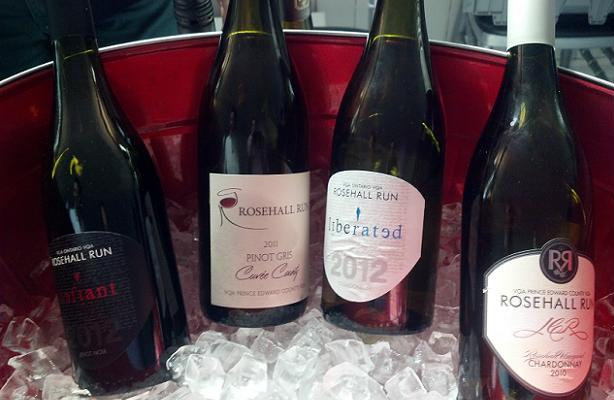
Rosehall Run Wines Photo: Michael Godel

Rosehall Run Wines
Photo: Michael Godel

Rosehall Run ‘The Swinger’ Syrah 2011 ($34.95, winery only) gets my attention not just because it’s the only commercially planted and bottled Syrah in PEC but because it stands in front of the orchestra. I gotta believe winemaker Dan Sullivan cares deeply about this wine from fruit sourced on Dick Singer’s Fieldstone Vineyard. Nothing fatuous about its smoky, tart cranberry, Sangioveseness kissed by the salty waves of an unseen ocean. The Swinger “ain’t no cherry bomb,” waits for no one, with its tobacco voice, gravel, rocks and sand. Like a sweet little bullet from a pretty blue gun.  90  @Rosehall_Run

Exultet Chardonnay ‘The Blessed’ 2011 ($35, winery only) is exemplary even if it may not be proprietor Gerard Spinosa’s favourite vintage. Commands an ineffable presence in gold sheen and parses meaning through balance and poise. The new oak is very noticeable but the ’11 acidity is grand. Their integration is seamless, the wine shines and a few years time will only increase its lustre.  92  @ExultetEstates

Closson Chase CCV Pinot Noir 2010 (310474, $39.95, winery) has improved dramatically over the course of a year, now red verging to black fruit, if only for a fleeting moment of temporary insanity, in a Sonoma state of mind. Silky smooth, “the textures coat my skin.” Though I have seen “the best (Pinot Noir) minds of my generation destroyed by madness,” this CCV uses a cured bresaola flavour and a vivid flower scent to invigorate, ground the humidity and the “earthy beet.” Musical, earthy beat, as in All Cats are Grey meets Howl.  92  @ClossonChase

Good to go!