Soft, smoky, fusible #fiorentina at #noce #queenstreet #mcgeefarms #canadianbeef
Every VINTAGES release we dig deep at WineAlign to pick a wine in response to the question “were we faced with buying only one, what would it be?” David, John, Sara and I do not take this responsibility lightly, nor do we approach the description of said wine without carefully scripting, editing and then publishing our thoughts. Most of our readers are pleased with the content. But you can’t please everyone. As a subscriber or passer-by, if there is something you don’t like, why wouldn’t you just keep moving on and choose to align with another?
Here is my preamble to my Only One from the VINTAGES, January 21st release:
“I am always on the lookout for wine off the beaten path. The term could actually be considered a metaphor for “authentic” and this is what winemakers and consumers, even if they need to be enlightened, really want. Winemaker Patricia Tóth’s Planeta Noto Nero D’avola 2012 is such a wine, grown on the white Sicilian soils of Noto and please do think about this. The mineral is salinity and that saline infiltration tears into bright bred red fruit, fragments it like the rock it came from and brings a brightness of being to otherwise dense and cimmerian nd’a. Today, the production from lesser, even totally unknown grape varieties, despite the zealous search for them by hipsters and geeks, is still considered a marginal pastime and a financial risk. Terrific wines like these are not inexpensive to produce. All sorts of meat clinging to and wishing to fall or be teeth-torn off the smoked bone will work wonders alongside this varietal-defiant, return to how things going forward must be Planeta nero d’avola.”
Is there anything in this section that is unclear? Is the term “beaten path” not obvious as the one I am referring to? Does the passage indicate that authentic wines MUST only be sought out in unusual locations or that seeking wines in unusual places is a metaphor for authentic wines? No. First off, I write “could actually” so I don’t make a blanket statement and secondly, the point I make is that authentic (or honest, if you will) wines are what we want. If they happen to be found off the beaten path than the interest level is increased.
The mineral discussion is always a heated one and like global warming, will always be challenged by those in denial and/or those who find it gets in the way of what they spend and what they earn. Grammatically and theoretically speaking, the words mineral and salinity can be interchangeable. Last I checked, both are nouns. I’ll even concede that the equation is predicated on perception, in aromatics, taste, texture or however else you wish to describe the sensation. Am I saying that the mineral one can detect in the wine is “saline” in quality? To some extent, yes. That much is obvious. But I am also saying that whatever trace minerals are found in soils do find their way into the grapes. And yes, salt, salty, saline and salinity are all ways of bringing the idea to the use of descriptors in a tasting note.
Writing is a tricky slope to navigate and there will be some who will read one’s words and it simply will not speak to them. To refer to something you don’t quite get as crap or someone who’s work you don’t like as a “slap in the face” is an opinion, not a fact. Or perhaps an alternative fact. We can all be judges and critics. Some of us do it better than others and those of us who do it for a living, work and stick together. “It is the difference of opinion that makes horse-races.” Thank you Pudden’head Wilson for that. And Mark Twain. And Samuel Clemens.
That Planeta wine, the preamble I penned in its support and more are the subject of my recommendations for the VINTAGES January 21st release. As always, please jump over to WineAlign to read the full reviews. You will also see a link to the presentation of our new wine revolution. Click on it. You are going to want to be a part of it. Thanks for coming and for reading. Your patronage is appreciated. Best regards, Godello.
Pop Art Red 2014, Pgi Evia, Greece (468686, $12.95, WineAlign)
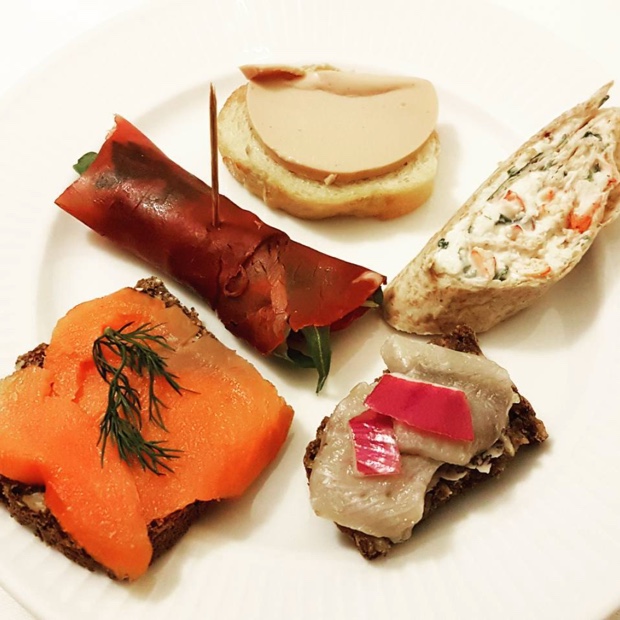
It’s only love when #french and #danish friends do dinner @michaelwuertz #herring #foiegras
I do like symmetrical things and prefer the irregular approach to writing and life. Method to madness is all in the perception and only really figured out when you learn to let your emotions run wild. You have to want to believe Godello as a writer knows what he’s talking about but you also need to trust the facts when you find them flooded into the seemingly unconnected mess of musical and multicultural references, veins and streams of consciousness.
Do you remember this commercial?
“You worked too hard and ate too much,
The cheesesteak made you green.
Let your aching head and stomach hear this message from old Speedy.”
Speedy here is voiced by the same guy (Dick Beals) that voiced Davey of “Davey and Goliath” and Ralph Phillips of “Looney Tunes.” Here we move forward, away from the mess and sting and sighs and slings of 2016, past the littering deaths of loved ones and icons, into the future that begins (in wine anyway), with the VINTAGES January 7th release. Forget the Alka Seltzer and listen up.
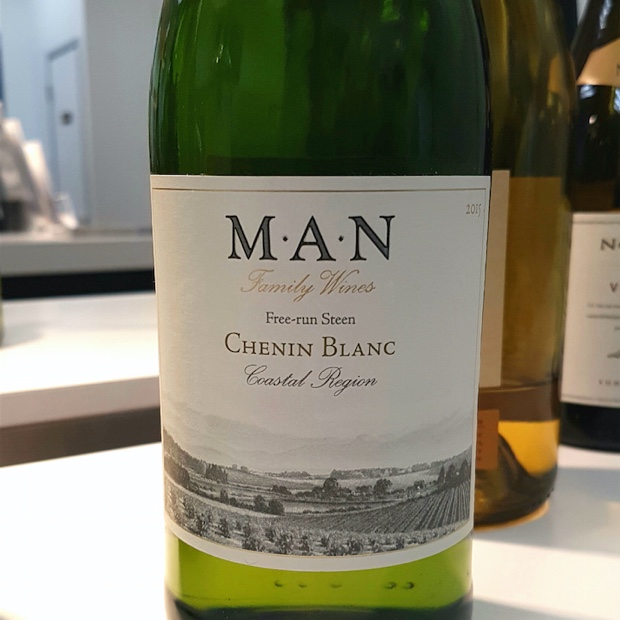
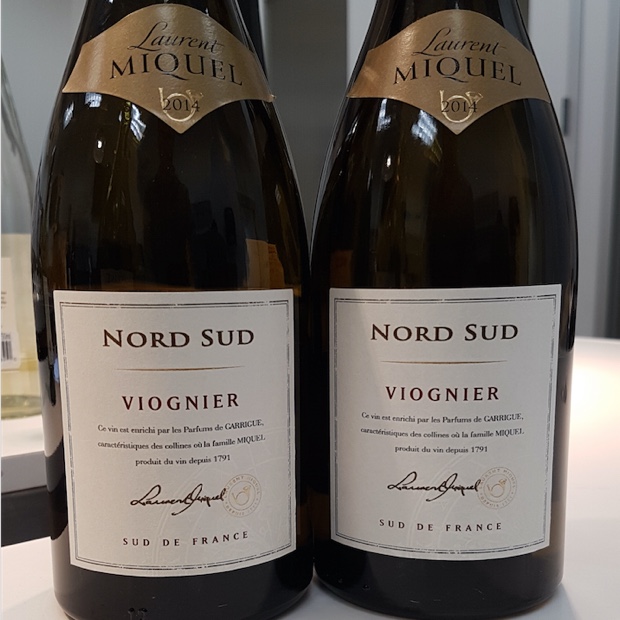
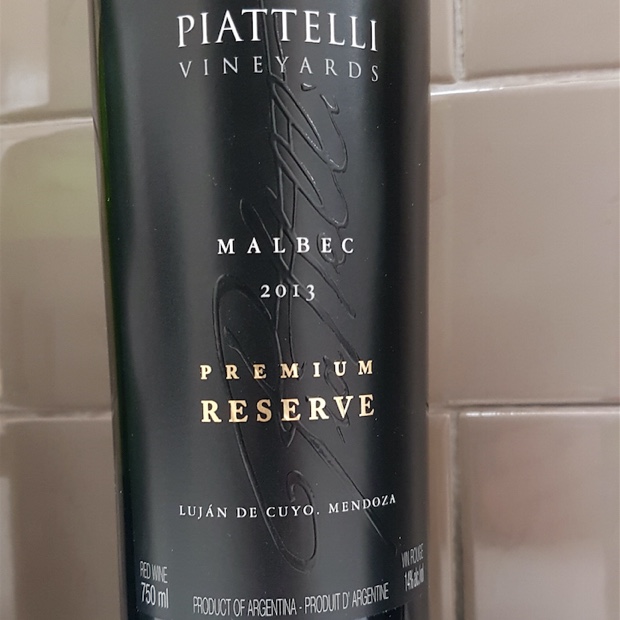
Drinking sparkling wine in January is a contagious and contiguous must for any self-respecting wine geek but who can afford Champagne after the bank-rolling of the holiday season? Fear not for alternative fizz is coming your way. So are tidy values for chenin blanc, viognier, grüner veltliner, malbec, negroamaro, tannat, graciano, sangiovese, garnacha, cabernet franc and syrah. You can also choose from five splendid blends from Dealu Mare, Valpolicella, Langhorne Creek, and Côtes Du Roussillon Villages. Please visit WineAlign for full reviews of these 17 in VINTAGES January 7th.
Budureasca Feteasca Regala 2015, Doc Dealu Mare, Romania (416800, $11.95, WineAlign)
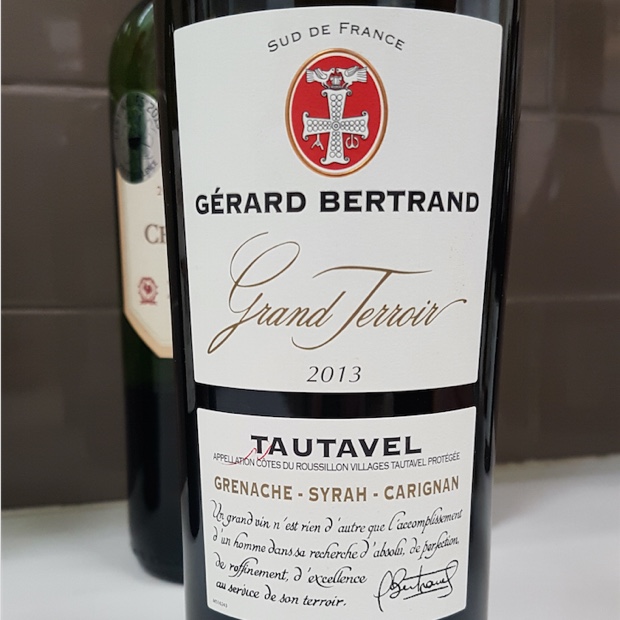
Gérard Bertrand Grand Terroir Tautavel Grenache/Syrah/Carignan 2013, Ap Côtes Du Roussillon Villages, Languedoc-Roussillon, France (272575, $18.95, WineAlign)
We’re going to do this three days in a row because it’s December and next week will just be too late. Canada, new world, old world. Mayhem in stores will begin this afternoon and carry through to the end of the weekend. It will slow for a day or two and then get crazy mid-week. By next Saturday these wines will be hard to find. The VINTAGES December 10th release is not a stellar one by any means, the best of the holiday season offerings having appeared in the previous two November releases. What is worth thrill seeking for drinking, cellars and gifts is encompassed in this triumvirate set of posts.
As a reminder my full tasting notes can be found on WineAlign for a small fee, a pittance actually, for mine and those penned by David, Sara and John. Eight more recommendations are here from new world locales, some of them big, brooding and Christmas boozy. Happy hunting.
Zuccardi Serie A Malbec 2014, Mendoza, Argentina (167619, $16.95, WineAlign)
As you all know I am one of the five principle critics for WineAlign in Ontario. This is a position I am extremely proud of and very fortunate to hold. That I am able to work alongside Ontario’s most notable experts is something I say thanks for and appreciate every single day. David Lawrason, John Szabo M.S., Sara d’Amato and Steve Thurlow are my friends and colleagues. I could not ask for association with a finer group of writers.
Which brings me to why you need to know that I am making some changes at godello.ca. Since February of 2012 I have been posting VINTAGES release recommendations and notes on this website. Though in March of 2014 I eliminated scores on Godello I have continued to publish full tasting notes. Every single one of my VINTAGES release picks has been simultaneously published on WineAlign (with scores), along with dozens more on wines that don’t make the shortlist.
I will no longer be publishing my current VINTAGES release tasting notes on Godello. You can still read them on WineAlign though there is a paywall behind which only premium paying subscribers are able to see the most recent reviews in the first 30 days. This is necessary and I hope you will all understand why I feel so strong about the time being right to effect such a change. WineAlign is the most important, comprehensive and trusted source in Ontario for critical review of VINTAGES wine releases. I fully support and endorse our protocol and hope that you will visit the website for your Ontario wine purchasing needs.
For those of you who wish to read my full tastings notes, I would highly encourage you to pay the WineAlign $35 yearly subscription fee (or $9.95 per quarter) to read the reviews and get the scores as they are published, to the second, in real time. You can still access my bi-weekly list of picks and to do so all you have to do is sign up as a non-paying member. I have a link called “Michael’s Mix” and my VINTAGES recommendations are assembled there.
As for now, here is my list for November 26th, if only as a teaser so that I don’t leave you all high and dry.
Inclined to think this block has the best microbes @CatenaMalbec @LauraCatenamd @Noble_Estates #perfectname #adriannavineyard #vinodeparcela #mundusbacillusterrae #catenazapata #winesofargentina #mendoza #gualtallary #tupungato
Argentina’s Bodega Catena Zapata is in the throes of self-professed “Three Revolutions.” The first was inspired by Napa Valley, a grand success story that convinced Nicolás Catena Zapata to pursue the consciousness of emulation. He made the decision to plant, cultivate and produce high quality cabernet sauvignon and chardonnay. He infused his high-end domestic red with malbec, initiating a long history for this wine and a technique many others would follow. The old Italian traditions were eschewed for the Calif-French style. Catena has long since brought that wine to the world. The first revolution has been realized.
The development of extreme high altitude vineyards are at the crux of Catena’s second revolution. “When we talk about making a high altitude blend, we are actually taking about making a high altitude family of blends,” says Dr. Laura Catena, by way of introduction to a small faction of Toronto media. Plant selections and cuttings are employed with geneology and lineage. “To me climate has always been defined by latitude. Altitude is an entirely separate component. It’s a fact. Different soils give different flavours. I think the explanation lies in the microbes. Terroir needs to be redefined with these elements.”
Which leads to the third revolution, the current obsession defined by vinous archaeology, as if the Catena team are searching for fossils and signs of ancient life in the soil of their Adrianna Vineyard. They are in fact looking for diversity, variance and permutations, what viticulturists like to call micro-terroir. They are seeking to prove a French theory which attributes 100 per cent wine quality to terroir. Research is the mode de vie and who better to lead the revolution than the Harvard University-educated, biologist and physician Dr. Laura Catena. She and Head Winemaker Alejandro Vigil, along with Fernando Buscema and Vineyard Manager Luis Reginato have created the “Catena Institute of Wine.” What treasures they unearth will unlock the secret to the third “vineyard lot” revolution.
Good morning @lauracatenamd #vinodeparcela #altitudewines #appellationwines
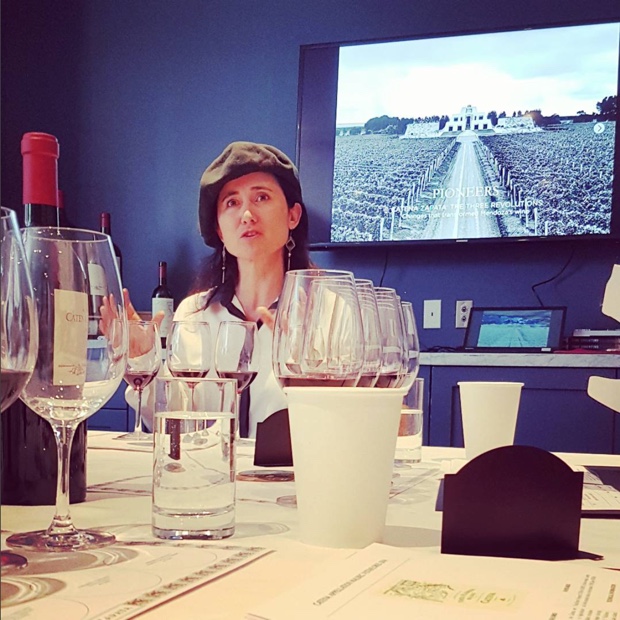
Their website reads “Leña Restaurante by Chef Anthony Walsh is an all-day dining destination, inspired by South American cooking, located at the corner of Yonge and Richmond.” Truer time-gastronomy continuum words are rarely spoken. We arrived early to meet Dr. Laura Catena, listened with great intent as she led us through nine appellation series and Adrianna Vineyard wines and then moved on to lunch. If ducking out early to catch an overseas flight were not an obstacle it would have added up to the better part of an all-day affair. I would have had no problem with that.
We are blessed in Toronto, this close-knit wine community of ours, with access to a never-ending flow of great wine. We are also graced by exceptional humans, wine purveyors, men and women who have assumed the thankless task of procuring the finest available products from around the globe, against all odds beneath the shadow of the world’s most tyrannical liquor system. Hats off to them.
On November 9th Craig de Blois, Richard Dittmar and Mark Coster of Noble Estates, three smarter than your average bear, stand up guys played chaperone to Argentina’s Dr. Laura Catena in Toronto for this media tasting and trade lunch. We journalists and sommeliers are all well-versed in the Catena portfolio. My WineAlign colleagues and I had recently sat down with winemaker Ernesto Badja for a full-on, wide-scale investigation into a large section of the portfolio. This extraordinary and climat-precise sit-down went much further, deep into the soil for a compendious look at the proselytism of Catena culture.
Much of the discourse with Dr. Laura Catena during this visit focused on the science of soil, of microbes, bacteria and block by block vineyard investigations. I would expand further but I’ll just have to ask you to read the tasting notes below. Each of the very specific wines poured by Dr. Catena is driven by a particular block or a structured pyramid of amalgamated plots and the notes must speak to the science behind each expression. No more questions here. Just read the notes.
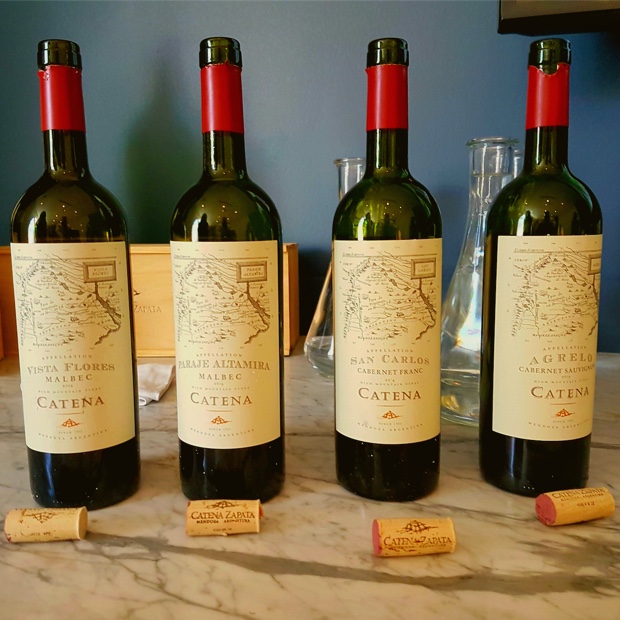
Catena Vista Flores 2014, Mendoza, Argentina (Agent, $22.95, WineAlign)
The humidity of Vista Flores (where there is much more rainfall) makes for another level of compression and density in malbec. A very floral red, from violets and roses, mixed in with deep, dark fruit. The tannins are sous vide and subterranean, throaty, tobacco-laced and rigid. Gifts a soft peppery bite, fine dust, even finer tang, minty meets calcari feel. The purpose here is to elevate Catena’s cabernet sauvignon and malbec essentials into more curious consumer territory. Value here is strong and purposed so there is nothing to fear. Single vineyards are not always commercially sustainable but single terroirs are so much more likely so. This is the epitome of that concept for malbec in Mendoza. Drink 2016-2020. Tasted June and November 2016
Catena Paraje Altamira Malbec 2014, Mendoza, Argentina (Agent, $22.95, WineAlign)
Paraje Altamira refers to something that is distant, far away, separated, a terroir where plots and places are dotted, separated by one another by some distance. Here Catena procures the flesh of the land with a malbec that delves deeper into earth and clay and procures a fuller, riper rich berry that goes to blue and boys. Though the tones of aromatic intensity and acidity are elevated, the ceiling is finite and the malbec juice is brilliantly protected. The earthy, material funk is all in, in surround and prevalent even as it finishes with the effects of great soil structure variegations. There is modern nebbiolo meets South African schisty syrah from mineral, smoked meat and smoulder in here. It’s got tartare running through its blood. Wow. Drink 2018-2024. Tasted June and November 2016
Catena San Carlos Cabernet Franc 2014, Mendoza, Argentina (Agent, $19.95, WineAlign)
Here in 2014 the single terroir series cabernet franc by Catena heads in the right direction with elevated aromatic tones, so different than the malbec. Well enough aside and beyond just location, it seems San Carlos accentuates the acidity and the herbal conditioning to fruit, making it taste more like plum and pomegranate than berries. The barrel weighs yet does trod lightly on the ripe red fruit. There is great persistence in its gait, with additional black fruit from currants and berries. The pyrazines are low to almost noon-discernible. Drink 2017-2021. Tasted June and November 2016
Catena Agrelo Cabernet Sauvignon 2014, Mendoza, Argentina (Agent, $22.95, WineAlign)
The aromatics fly from this four vineyard blend, more than the malbecs and certainly with haute plaisir as compared to the cabernet franc. The far-reaching amalgamation comes by way of La Pirámide Vineyard in the Agrelo district of Luján de Cuyo, Domingo Vineyard in the Villa Bastías district of Tupungato, Nicasia Vineyard located in Altamira in the La Consulta district of San Carlos and the high-altitude Adrianna Vineyard in the Gualtallary district of Tupungato. Travels well beyond fruit into florals and a sense of one another’s cumulative soil. What happens in Agrelo’s soils reacts with cabernet sauvignon or rather it allows (or encourages) these vines to draw something other. Something that is deep into a richness of tang, not an elevated acidity but a round and circuitous one. Balance is unearthed (literally) and this wine is extremely fresh, in fact it’s bloody delicious. A bit dusty and a few drops of bitters fall into it late so there is a minor sense of char and tar. Lingers like cabernet can and should. Drink 2016-2020. Tasted November 2016
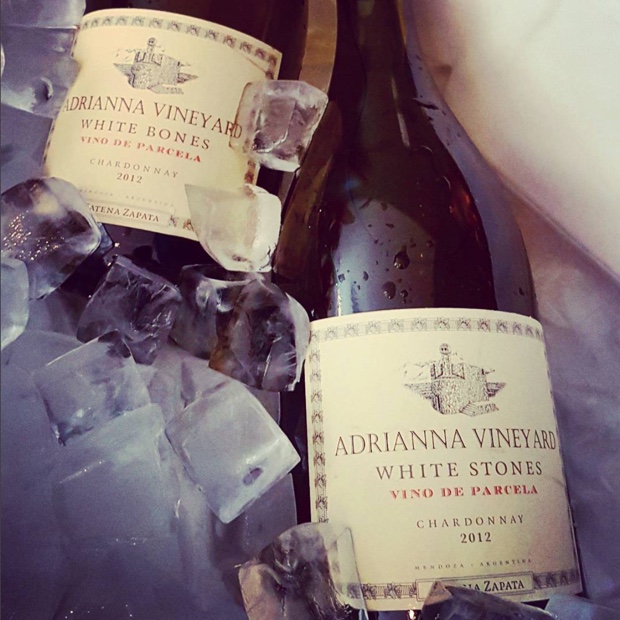
“Bones sinking like stones, all that we fall for.” @LauraCatenamd we live in a beautiful world when #chardonnay does this, and that #adriannavineyard #catenawines #bodegacatenazapata #gualtallary #tupungato #mendoza #vinodeparcela #whitebones #whitestones
Bodega Catena Zapata Adrianna Vineyard Chardonnay White Stones 2012, Mendoza, Argentina (Agent, $81.00, WineAlign)
The White Stones chardonnay from the altitude-aromatic-accelerating Adrianna Vineyard is part of Catena’s third revolution, in concert to understanding soil, led by Laura Catena, beginning here. From Laura’s passion for “parcelas,” micro-level soil locations, going back to an investigation that began in 2000. In a locale above a dried riverbed, leaving big rocks, limestone, sand and more rocks in various locations, with the use of 70 parcel bits per hectare showing what is where. Stones on the soil’s surface help to facilitate and create a micro-climate of warm days and very cold nights. From the outset it has to be said that no chardonnay from the southern hemisphere has ever intimated Burgundy as one smell and one taste as here it has done. It is noted as an impression deeply internalized from this single parcel within the vineyard. There are sticks and stones in elegant lines, subtle, demurred white flower aromas, lime-creamy fruit, petals and rock. A wow mouthfeel and flavour intensity. Wild-eyed acidity. All this could not have been laid clear, or bare, a year ago. Drink 2016-2020. Tasted November 2016
Bodega Catena Zapata Chardonnay Adrianna Vineyard White Bones 2012, Mendoza, Argentina (Agent, $110.00, WineAlign)
The flip side of the Adrianna Vineyard is the antithetical White Bones, also part of Laura Catena’s third revolution, investigating and culling acuity from soil through the breakdown of the “parcelas.” These micro-level soil locations were first dissected in 2000 for the purpose of deconstructing Adrianna’s block-by-block diversity. The Bones necessarily draws from the ancient riverbed below, from its single parcel limestone, sand and rocks within the vineyard, though it seems quite deferential to the White Stones. It’s somehow fleshier and corporeal, of similar sticks but less stones. More bones, like an arm outstretched from the crackling skin of the roasting bird or swine. More gastronomy in that sense, less cool-climate and limestone a mere twinkle, not a shard or karst stuck like a needle into that arm. But the palate returns to join the stones with citrus and intensity. Chardonnay of concentration and balance with the soil crumbling like bones, shells and fossils into what is best described as Chablis. Drink 2016-2021. Tasted November 2016
Nicolás Catena Zapata 2011, Mendoza, Argentina (396960, $110.00, WineAlign)
The epiphany came after Jacques Lurton told Nicolás Catena “your cabernet sauvignon reminds me of the Languedoc.” So Nicolás went back to Argentina and planted at 5,000 feet of elevation. History changed. So the coolest (others insisted “you will never ripen at this altitude”) site produces this dry, dusty, intense cabernet sauvignon, the kind you can’t deny is possessive of powers unable to resist oozing dark black currants, chocolate and spice. Try musing about holes on the palate and if you find one it’s black into which once entered reveals no exit point. The back is very chocolate driven, of dark cacao, bitterless and strong. Note the balanced intervals of structure by fine-line drawn architecture and see where this will travel. For 10 more years until the fruit begins to dry and shrivel to further intensify. The mind’s obsession keeps returning back to the middle palate that drives the machine. Drink 2018-2024. Tasted November 2016
Catena Adrianna Vineyard Fortuna Terrae Malbec Vino De Parcela 2012, Mendoza (Agent, $130.00, WineAlign)
Catena’s Adrianna has clearly emerged as its most important vineyard and its biological dissolution is spurred by Laura Catena’s medical state of being and an unpropitious thirst for viticultural, micro-level knowledge. The analogical thinking machine delves deep into soil locations from an investigation that began in 2000. This section of Adrianna draws aridity and subtlety (as opposed to power) from the subterranean riverbed, leaving the big rock and heavy clay impart to others. From this single parcel within the vineyard the surprisingly attenuated and reserved character creates a new order for malbec, from Catena and the single-vineyard entablature. Quite pretty, floral and less volatile than not just Catena’s way but Mendoza malbec as a thing. A natural cure in the flavour profile tends to salumi and comes late. But even more respect is awarded because the overall personality is achieved without shrouding, sheathing or smouldering. It’s a very transparent malbec of extreme clarity, engaging and inviting. Singular actually. Drink 2018-2025. Tasted November 2016
In this extremely specific malbec from a diagnosed block of the Adrianna Vineyard we are graced with the micro-science of wine. And if you feel that using the name of an aerobic bacteria in the nomenclature is an odd choice, consider the mind of Dr. Laura Catena and her biological approach to viticulture. If we can understand and differentiate the microbes in the soil we can make better wine. It’s as simple as that. When wine is broken down to the biological level is becomes something entirely different and this is the road travelled by the Mundus Bacillus. Catena’s usage of 70 parcel pits per hectare has unearthed this single parcel within the vineyard, again completely different and the pinpointed microbial discussion initiates right here. The soil stakes a claim for this malbec only, certainly not in any way that tends to funk but surely as an impresario of soil. Talk about eugenics in the MBT because that science is compelling and can be related to in this wine. It can offer keys towards improving genetic quality of the vinous population. Here we are faced with rich and dusty, a mean streak of malbec intensity made elegant by earthly microbes. This section draws parallels to the (chardonnay) White Bones soil from which there transfers an excess of dry extract and tannin. Patience please for a malbec that will be long lived. Drink 2019-2027. Tasted November 2016
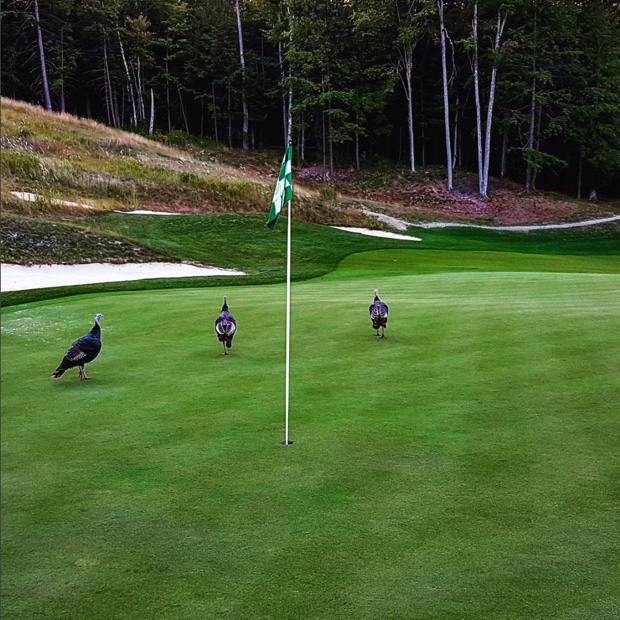
Can somebody get the pin? The ninth green at Summit Golf & Country Club
This will be the last weekend of play for most southern Ontario golf courses, or at least the ones who are smart enough to lock down and protect their precious 7,000 yards of turf from irreparable 2017 damage. For many players there are two seasons, golf and wine buying. Now that the exceptional 2016 year of 50-plus, sunshine-blessed rounds of 18 are done, the time has flipped over to loading up for the holidays and stocking the cellar.
My outward and inward nine recommendations from the VINTAGES November 12th release cover one and then the other. The front is marked by balance relative to par; wines of value, amiability, varietal purity and regional respectability. Just have a look at some of these iconic names: Delas, Catena, Trimbach, Gabbiano, Hedges and Cave Spring. The back takes swings into under and over par territory. Some are choices that polarize with buyers, critics and geeks. Are they worth the cash? Only you can be the judge. Along with some of Niagara’s greats are selections that include Chablis, Gran Selezione, Veneto and Napa Valley.
So put away the sticks and hit the stores. Here are my top 18 recommendations coming to VINTAGES this weekend.
Front Nine
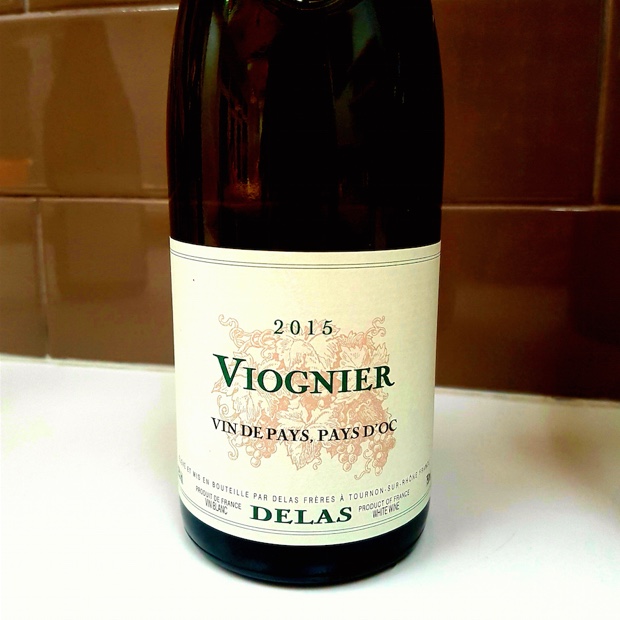
Delas Viognier 2015, Vins De Pays D’oc Rhone, France (462465, $13.95, WineAlign)
Pretty darn textbook viognier in the broadest sense of the varietal word, aromatically waxy, tropical and medicinal. The low alcohol, high flavour and commercially managed acidity is balanced by cream and citrus. No more, no less, precise and managed with utmost professionalism. Drink 2016-2019. Tasted October 2016 #Delas@VINSRHONE@UNIVINS
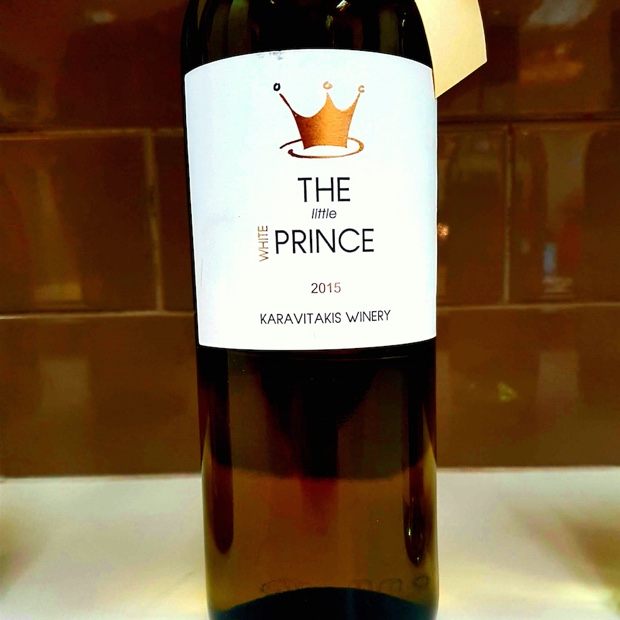
Karavitakis Winery The Little Prince White 2015, Crete, Greece (465930, $14.95, WineAlign)
Here an interesting bit of local vernacular, Cretan style, with vilana (65 per cent) and vidiano (35) dishing up a distinctly and singularly endemic mineral impression by way of subtle hints from tropical fruit. The palate is rich, broad and marzipan creamy. The acidity is round and rambling, tying the whole kit and Crete kaboodle together. A worthy side venture into the Greek Aegean hinterland. Drink 2016-2018. Tasted October 2016 @karavitakiswine@VictoryWine@winesofcrete@DrinkGreekWine
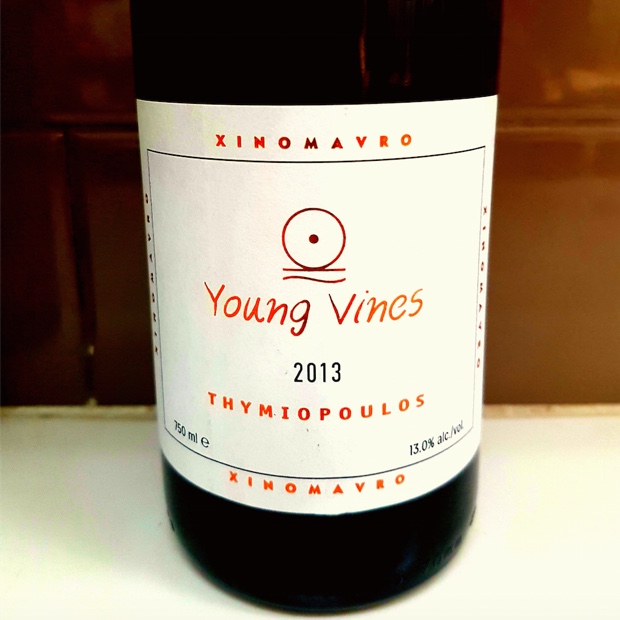
The Young Vines is an orange to the Earth and Sky’s apple, of a change of fruit and a pace that is hot off the press. Yet it is not without some ancient wisdom. In some new world sites vines up to 15 years of age would be considered old growth adults. In a Greek vineyard like that of a Naoussan like Thymiopoulos, they are babies of the sun. The Xinomavro here is fresh, momentarily acts strikingly brazen, bracing and ultimately, blatantly beatific. With a glass of the young vines in hand to it I say, “it’s not the pale moon that excites me, that thrills and delights me. Oh no, it’s just the nearness of you.” Like Norah Jones in a glass, sultry, contemporary, lightly smoky, of a jazz aesthetic and a pop sensibility. And wild berries. So fresh, so good. Drink 2015-2019. Tasted May 2015
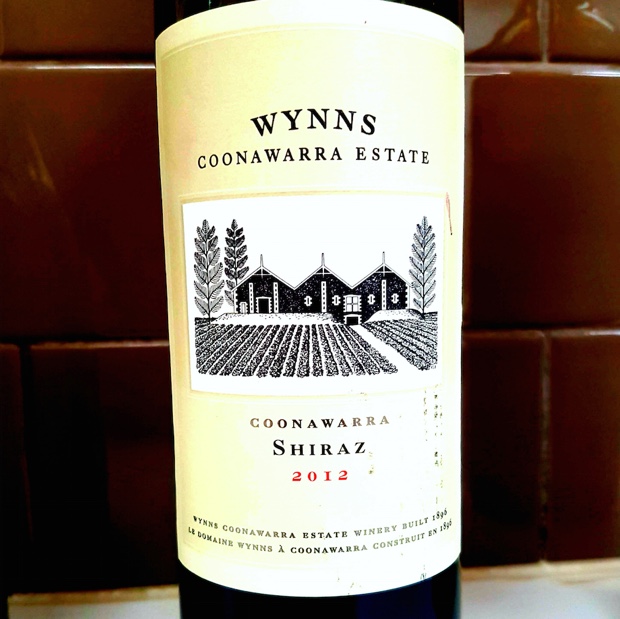
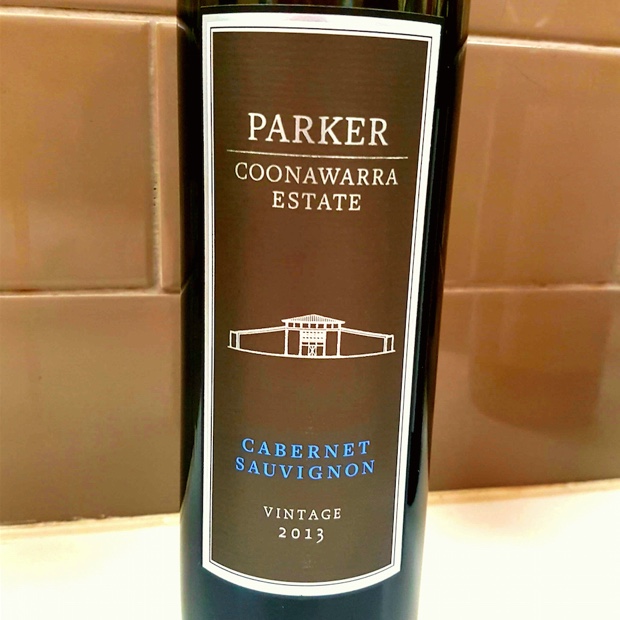
Parker Coonawarra Series Cabernet Sauvignon 2013, Coonawarra, Limestone Coast, South Australia, Australia (467571, $19.95, WineAlign)
The Coonawarra Series cabernet sauvignon is predominantly sourced from the Williams family vineyard (like that of the chardonnay) in Southern Coonawarra. There can be no separating Terra Rossa soil from what happens with (especially) cabernet sauvignon anywhere in the Coonawarra. Very cool and savoury cabernet with tart cranberry, currant and black raspberry aromas. Really crunchy, chewy and gritty wine with focus and grip. Drink 2017-2020. Tasted October 2016 @parkerwine@CoonawarraWine@Select_Wines@Wine_Australia
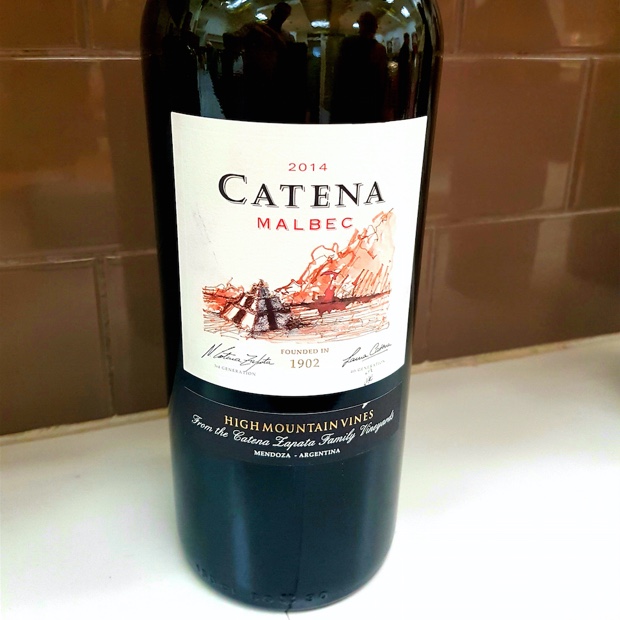
Catena Malbec 2014, Mendoza, Argentina (468066, 1500ml – $39.95, WineAlign)
High mountain vines bring more than altitude to Catena’s most commercially visible and successful malbec. In magnum format it accentuates the herbs and the dry, dusty qualities. In here there is sweetness but from tannin and extract. Acidity is the catalyst to make this sing a mountain hymn. Such proper winemaking brings rain. Love the format. Drink 2017-2020. Tasted October 2016 @LauraCatena@CatenaWines@ArgentinaWineCA@winesofarg@Noble_Estates
First and foremost it is the wood, or the lack of wood that stands out in the CCR 2013. It may be observed as a different kind of wood, less polished and more natural but what really wins out is the fruit. The cherries are surfeited by impressed tannin and linger with good tonic for a good length of time. Great restraint shown by winemaker Federico Cerelli. Drink 2018-2024. Tasted June 2016 @castgabbiano@chianticlassico#TreasuryWineEstates
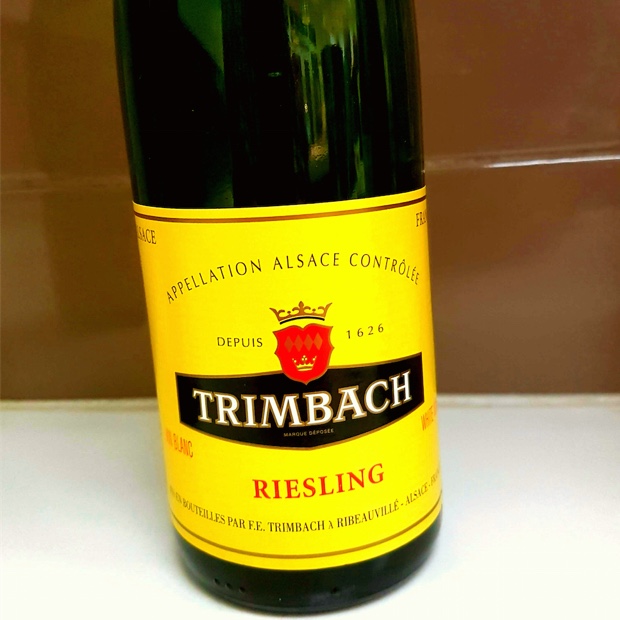
Trimbach Riesling 2013, Ac Alsace, France (734517, $23.95, WineAlign)
What pray tell might you ask more than this from Alsace riesling? Could you, would you demand more immediate gratification? Might you request more purity and clarity of soil, rock and regional understanding? Is there a need to better define citrus and dry extract in any finer way? Trimbach has it down and few can pinpoint with fewer words and more direct impression. How things ought to be. A tight vintage though, so wait 18 months before embarking on chapter one. Imagine the Cuvée Frédéric Emile possibilities. Drink 2018-2023. Tasted October 2016 @trimbach@annetrimbach@WoodmanWS@AlsaceWines@ACT_Alsace@VinsAlsace @drinkAlsace
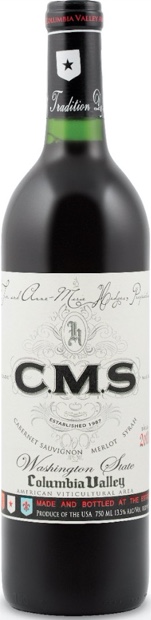
Hedges C.M.S. Cabernet Sauvignon / Merlot / Syrah 2014, Columbia Valley, Washington (948992, $23.95, WineAlign)
Copacetic and well-amalgamated vintage here for the Hedges CMS, a wine of deep singer-songwriter meets jazzy flavour and sensible grip. Though there are bitters and a display of fine if sweet tannic structure, this CMS hits not over the head or below the belt. Just a few jabs and a loving embrace. A blackstar Columbia Valley blend that flies past, like “seven tracks in 40 minutes and it’s musically distinct.” In this way it reminds me of Ben Greenman’s New Yorker piece, “The Beautiful Meaninglessness of David Bowie.” Or it makes me think of Bowie as so many Hedges wines do. It’s not that this wine offers no clear meaning but it dishes ambiguity in ways only it can do. Like the late glam star, it “can’t give everything. Away.” Or, as Greenman concludes, “unless, of course, that isn’t what it means at all.” Drink 2017-2020. Tasted October 2016 @hedgeswine@Noble_Estates@WINESofWA
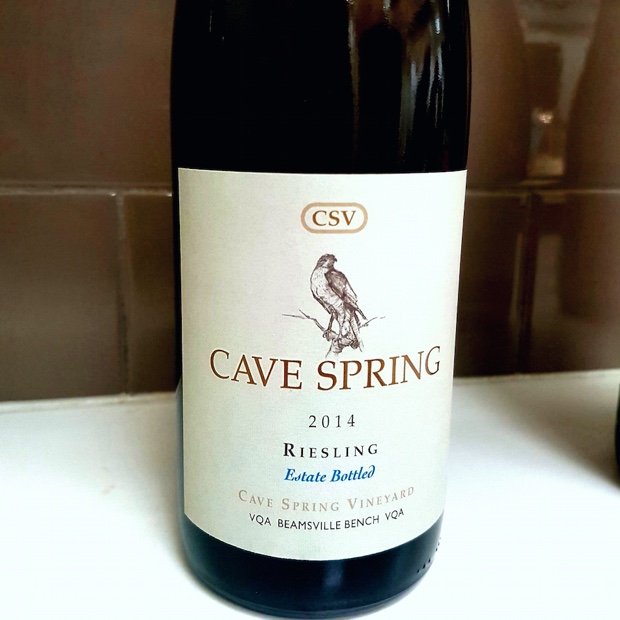
Cave Spring CSV Riesling 2014, Cave Spring Vineyard, VQA Beamsville Bench, Niagara Escarpment, Ontario (566026, $29.95, WineAlign)
The vintage brings a concentration and a compression and the most fruit imaginable for the Beamsville bench and the CSV. How this iconic riesling solicits immediate attention and fruit-juicy love is really something and hasn’t been seen in a few years. The citrus is all flesh and juice, the mineral aspect full of tang. Unction and viscosity define the texture and the palate. Drink early and enjoy the hell out of this forward CSV riesling. Drink 2016-2021. Tasted October 2016 @CaveSpring@TheVine_RobGroh
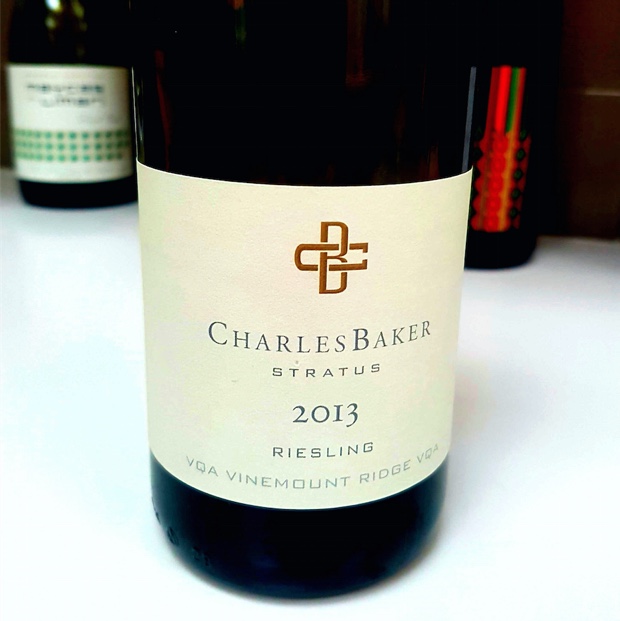
There was this intuitive moment with Picone 2013 as if it was waiting on me. Not doting or soliciting, but waiting. I will admit to have been wondering, reeling and speculating. To peer or peek into what Mark Picone’s Vinemount Ridge vineyard would adjudge and then bestow Charles Baker’s riesling in 2013? Would it be a case of weight, hyperbole, a hang in the balance out of misjudged necessity? Nah. Picone is no longer a mature 20 year-old vineyard but now a wise old thirty year-old one. Picone 2013 is in fact a fun park mirrored image of itself, with haughty, aerified aromas and variegated, leaning to tropical fruit flavours, taut like a flock in line with the vintage. The riesling berries just seem to have imploded and the results that have followed are nothing if not intense. Imagine a Yogyakarta market and a two-wheeled, glass-cased push cart stacked with a pyramid of tart mangoes. The fruit had been picked just as the sugars had begun to run like sap and bleed sticky on the cracking skin. A mango is sliced and doused with the intensity of Java lime juice and then sprinkled with Laut Jawa salt. The flavours are searing, sweetly saline and quenching. Only this tart is this, where tart and acidity meet, intertwine and connect on an emotional level. Picone 2013. The first non-inoculated riesling at first and then touched up near the end. “The best vintage you could ask for in riesling,” notes Baker, “cloud-covered, a meeting of the minds, vibrant.” The arid, cranky one will live without fret for 15 years. Drink 2018-2028. Tasted twice, October 2016 @cbriesling@StratusWines
Louis Moreau Chablis Vaulignot Premier Cru 2014, Burgundy, France (525386, $36.95, WineAlign)
Vaulignot was created in 1976, one of the last Premier Crus to gain such status within the association. Note that Moreau’s nomenclature is Vaulignot instead of Vau Ligneau, but the meaning is exactly the same. Really round and rich Chablis with a relative and realistic purity specific to place. This alights as a sun-drenched and lemon waxy chardonnay with enough (thank you very much 2014) tension to keep it rolling right along. What Vaulignot brings to the Chablis table is stick to your tongue, mouth and ribs persistence and vitamin water mineral enhancement. In a way it is caught in the Chablis netherland between up front gregariously fruity and strikingly mineral/acidity piercing. Great length in this vintage. Drink 2016-2020. Tasted October 2016 @MoreauLouis1@vinsdechablis@purechablis@BourgogneWines@vinsdebourgogne
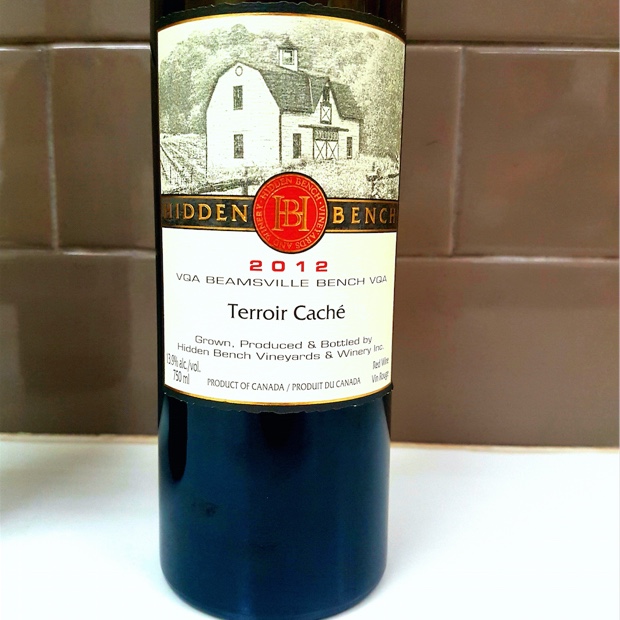
I would not have thought it possible but the ’12 TC Meritage is open for business. The fruit is near-perfect for what these parts of the Beamsville Bench can offer and the normal gnashing is frozen as if suspended, which it likely is. In its current state it is all berries and dusty tannins, ripe, ripe acidity and plenty of outright happiness. A wisely structured Terroir Caché from Marlize Byers as only she could coax and extend. Drink now (not) or wait five years. Points in between may be confounding. Drink 2020-2030. Tasted October 2016 @HiddenBench@BenchVigneron@MarkAnthonyON
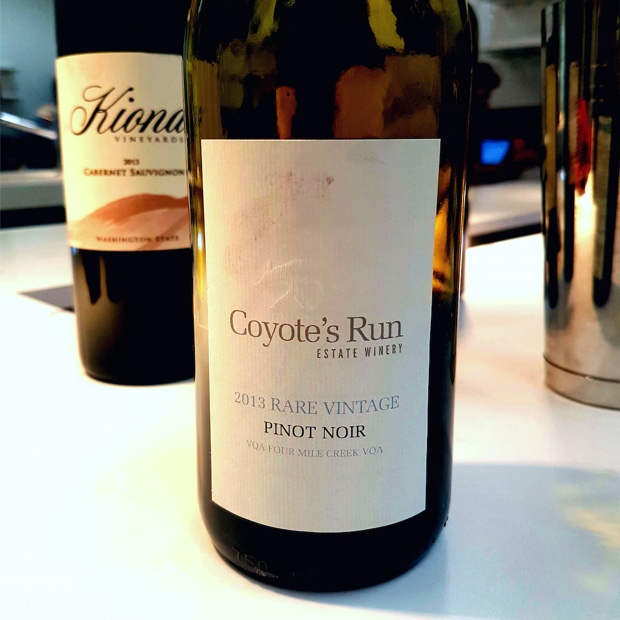
Coyote’s Run Rare Vintage Pinot Noir 2013, VQA Four Mile Creek, Niagara Peninsula, Ontario (296863, $39.95, WineAlign)
A tart and robust vintage for the rare pinot noir, deeply ingrained into earth, sun and savour. This is distinctly varietal to Four Mile Creek with haute sapidity and exceptional length. The rusty accents inject piercing citric life into strawberry rhubarb pie. The tannins gnash their terrible teeth and the fruit hides for dear life. I’m not sure any Rare Vintage David Sheppard-ed pinot noir has ever delivered such mean structure. The next Niagara growing season should contribute to an ever more impressive showing because the fruit will almost certainly be up to the tyrannical task. Not to mention the coincidental crossroads 30th Sheppard vintage of making wines in Ontario. Meanwhile, from the cloudy, windy 2013 vintage his pinot noir will live long and prosper. Drink 2018-2025. Tasted October 2016 @coyotesrun
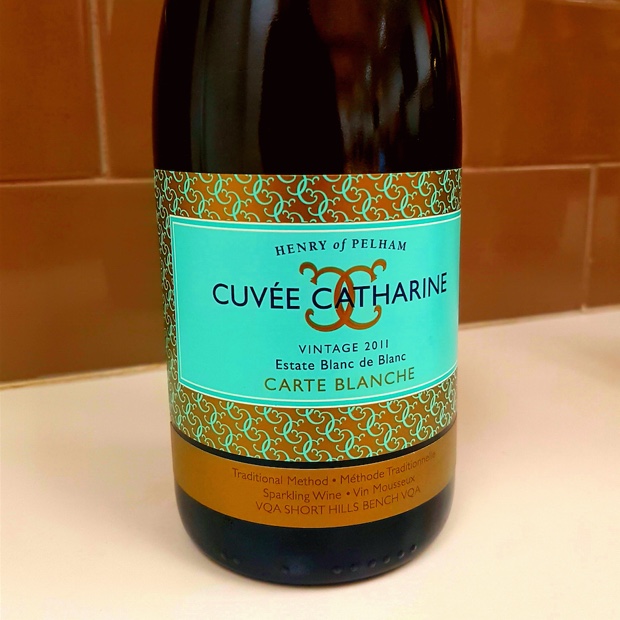
Henry Of Pelham Cuvée Catharine Carte Blanche Blanc De Blanc 2011, Méthode Traditionelle, VQA Short Hills Bench, Niagara Escarpment, Ontario (315200, $44.95, WineAlign)
t’s always a highly anticipated taste when a vintage dated Cuvée Catherine is on the table sidled and promoted with the bar raised to epic heights from a striking chardonnay vintage like 2011. With acidity a given as the elephant in the room the formidably elegant Blanc de Blanc glides ethereally to press upon the olfactory nerve major and then grace the palate with fine mousse, citrus and biscuits. This is a benchmark for Ontario and Canada with only Benjamin Bridge’s B de B styled Gaspereau Valley gemstone sparkler in the same elite league. Enjoy this now and for 15-20 blissful, fizz-friendly years. Drink 2016-2032. Tasted October 2016 @HenryofPelham@SpeckBros
Barone Ricasoli Castello Di Brolio Chianti Classico Gran Selezione 2012, Docg Tuscany, Italy (942607, $59.95, WineAlign)
A Chianti Classcio first borne in 1997 with the plan to create a maximum quality blend as an expression of the estate’s diverse terroir. A meticulous selection is combed from the estate’s vineyards, spread over 230 hectares of land. Though early on the fruit may have emerged out of good but not yet exceptional vineyards, nearly 20 years later the sangiovese (90 per cent) with cabernet Sauvignon and merlot (or perhaps petit verdot) adheres to grand vin excellence. The wood regimen is 18 months in tonneau followed by 18 in bottle. Perhaps you will not find a more accomplished, perfectly judged, matter of factly expressed Gran Selezione. Sangiovese in equality of spicing with fruit, acidity and tannin, perfectly integrated toast, wood impact and textural drive. Stefano Capurso admits this about the transition from Chianti Classico to Gran Selezione.”It’s a matter of compromise between what is needed for the small producers and the need to express through crus for the large ones.” Drink 2018-2025. Tasted May 2016 @barone_ricasoli@imbibersreport@chianticlassico
Only and distinctly Quintarelli, of that Negrar perfume and the kind of salumi cure no other producer can seem to procure. Though an infant and a baby to more mature vineyard selection Quintarelli adult bottlings, the Primofiore is full of exotics, of clove, cardamom, liquorice and meaty char. There is a sweetness to Quintarelli fruit and a remarkable resistance to astringency. This particular 2012 IGT is smooth and soothing. It is dangerously easy to consume. Drink 2017-2027. Tasted October 2016 #quintarelli@LiffordON
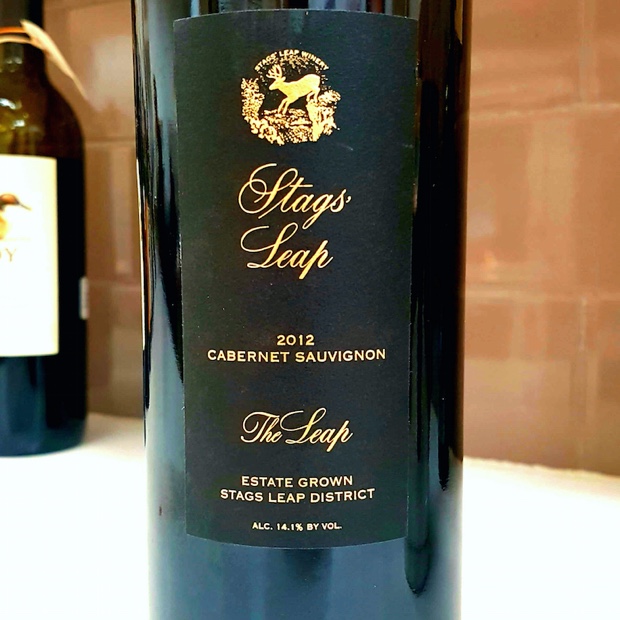
Stags’ Leap The Leap Cabernet Sauvignon 2012, Napa Valley, California (142844, $89.95, WineAlign)
Signature cabernet sauvignon from Stag’s Leap from the first of the dry Napa vintages is dusty and high-toned to a high degree. Pure berry distillate and a savoury linger lead off and yet the closemindedness is still a youthful issue. There is a beautiful sense of florality behind the veil of aridity and big room tannin and yet the fruit is so very ethereal when it comes to tasting. Yes the dinging acidity and dastardly tannin will be a constant reminder of structure but without over compensation from the barrel the DJ Kylo driving beat will always be helpful. Gorgeous wine from Christophe Paubert. Put it in the time machine. I’ll take that leap in the dark. Drink 2019-2027. Tasted October 2016 @stagsleapwines@SLDistrict#TreasuryWineEstates
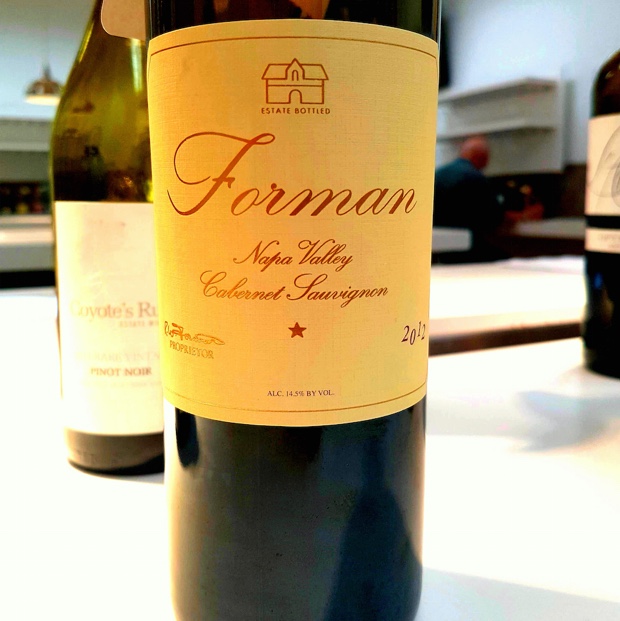
Forman Cabernet Sauvignon 2012, Napa Valley, California (143925, $160.00, WineAlign)
Forman’s 2012 is a big, vibrant, robust and dusty expression, full of fruit, more fruit and nothing but fruit. Though the price is exceptional, the combined stylistic and level of honesty is formidably forman-ible. It is a rare opportunity and execution indeed when sweetness is culled from extract without the necessities of manipulated winemaking, oak usage included. The naked purity of this wine from an exceptionally dry, ripe and efficiently evolved vintage leads this cabernet sauvignon down a long, purposed and grandiloquent road. Drink 2018-2030. Tasted October 2016 @rogcowines@NapaVintners#formanwines
Fear not dear Ontario wine consumer. Neither advertisement nor earworm jingle will be implanted inside your head, nor a benediction to invoke the virtues of Solaia or Sassicaia neither. There will be no mention of the X-word but like it or not, it has begun. The VINTAGES machine got going this past Saturday with its first big buying time of year roll-out on October 29th. For 11 months a year the $30-$3,000 category appeals to one per cent of the wine buying population but increases to perhaps five when the bells begin to ring. By my count there are 15 (or so) October 29th release big guns now on shelves, half of which are reviewed right here.
Domaine De Pignan Châteauneuf Du Pape 2013, Ac Rhône, France (473678, $36.95, WineAlign)
In 1989 Frédéric Charvin began to work his family’s vineyard, like Louis and René Pécoul, Pécoul François and Pécoul Antoine before him. His Domain goes back 160 years and the average age of Pignan’s vines are 60 years, three of them are a hundred years old. Subtle for Châteauneuf Du Pape (if that can even be such a thing) with mineral mourvedre and soild syrah funk streaking through the grenache. The other varieties add up to 11 per cent and we should not discount their blending capabilities, for structure and for balance. Equanimity is the name of the game in this esteemed section of the southern Rhône Valley and kudos to Pignan for bringing reason and reserve to the table. The potential here is 10 plus years and yet plenty of value and pleasure will be afforded along the way. Drink 2018-2025. Tasted October 2016 #domainedepignan@terroirtoronto@VINSRHONE
Zuccardi Zeta 2012, Uco Valley, Mendoza, Argentina (163725, $39.95, WineAlign)
Zeta is a vital and conspicuous malbec-dominated bottling from careful fruit selection for Jose and Sebastian Zuccardi. The fruit is chosen from specific lots out of La Consulta and triggered by catalyst cabernet sauvignon grown in the Gualtallary Vineyards. These two locales rank with Mendoza’s best and the effects of such ripe extracted fruit in combinative if combative cohorts is one of depth, layering and extreme warmth. The alcohol and acidity on top of massive fruit extraction is beholden to nothing. This one stands firm, confident, tall and with great conceit. It is a force to be reckoned with. Drink 2016-2019. Tasted October 2016 @SebaZuccardi@ZuccardiWines@FamiliaZuccardi@winesofarg@ArgentinaWineCA
Beringer Private Reserve Chardonnay 2014, Napa Valley, California (26682, $47.95, WineAlign)
Though richly aromatic and textured this is the first Private Reserve in many years to act with this kind of beautiful reserve. The barrel aging is less engaging than the previous, lets say, 17 years and so fruit is smartly in play. A bite of crisp apple while whiffing the early baking scents of pie is the conjuring in revelrous demure. Here a minor hypnosis from a delicious Beringer that will only improve with a year or two in bottle. Drink 2018-2022. Tasted October 2016 @beringervyds@NapaVintners@CalifWines_CA
Gallo Signature Series Cabernet Sauvignon 2013, Napa Valley, California (394197, $50.95, WineAlign)
The three-R guarantee of ripe, rich and robust from winemaker Gina Gallo accompanies the Signature Series cabernet sauvignon. Hue and structure addendum are provided by a combined five per cent petit verdot and petite sirah. William Hill is the primary source of fruit from Vaca foothills, rocky, thin and nutrient-deprived Silverado benchland soils. Monte Rosso and a few bucket loads of petite sirah from the Louis Martini Thomann Station Vineyard round out the accumulation. The parched vintage is responsible for this parged cabernet, juicy by Cassis and stereotypical blackberry but managed to further warmth with dried black fig and a barque char on brisket straight from the smoker. The naturally-flavoured bovine-bresaola charcuterie crust is so very Napa Valley hillside issue so ageability is yet another Gallo guarantee. Drink 2018-2025. Tasted October 2016 @GalloFamily@Winegirl23@NapaVintners@CalifWines_CA
Fattoria Dei Barbi Brunello Di Montalcino 2010, Tuscany, Italy (928028, $53.95, WineAlign)
Quite approachable for the normally firm and hands off in its youth Barbi. Always with a foot firmly rooted in the past and yet the house seems to be slowly waltzing into the modernity of the future. This has hallmark roses and cherries under leathery hides but also a beautifully bright and dynamic luminescence. It also carries a silky texture that should have it pause less than the habitual five years to fully shine. So, a newer and earlier gifting Sangiovese and that’s quite alright. Drink 2017-2023. Tasted January 2016 @FattoriaBarbi@ConsBrunello@Noble_Estates
Though it may long ago have been considered the quintessential one, there may be no other Alsatian gewürztraminer more important than Weinbach’s Cuvée Laurence. The reasons are manyfold but begin and end with memory and legacy. This was daughter and sister Laurence Faller’s prized wine, the wine she put her name to, that defined her gracious winemaking in echo of the estate she worked. Her family has carried the torch and yet her touch is all over this wine. Calm, composed, balanced and ethereal. Laurence is a clear expression of the marly limestone soil beneath the lieu-dit of Altenbourg, located at the base of the great Grand Cru Furstentum vineyard. Where else do you find gewürztraminer of such delicasse, from which classic aromas (rose petal, creamy to boozy-syrupy tropical fruit) and impossible unction combine without ukase? Nowhere. The acidity does not act with impulse. No, it rings, supports and lingers. The extract is intense but out of mind. Exceptional vintage. Drink 2018-2033. Tasted October 2016 #domaineweinbach@AlsaceWines@drinkAlsace@ACT_Alsace@VinsAlsace
Stony Hill Chardonnay 2010, Napa Valley, California (444471, $71.00, WineAlign)
Time has been kind to this Napa Valley chardonnay, with the score drawn up in fruit and wood fully settled and into calm denoument. The hard bite into green apple crossed with butterscotch candy is no sugary afterthought and the elastic viscocity perfectly in tune with the waning acidity. If middle age is a thing for Napa Valley chardonnay then here you have it. The length has yet to find the door. Drink 2016-2019. Tasted October 2016 @StonyHillWine@NapaVintners@CalifWines_CA
The firmness of the vintage uncouples and engages the eyes open wide with a Quintarelli presented so taut and so tense. Just the thought of how long it will take for this Valpolicella to not only open up but develop into secondary life is frightening. There are aromas here I can’t or don’t presently recall. Currants, fennel, tobacco, cedar, tar, roses. Or maybe I do. The figs and dried plums are there but either so faint or conjured up from memory of how things ought to be. This Quinterelli is designed as it needs to be. Young, unapproachable, deferential and miles away from nowhere. It may become one of the longer lived. Drink 2020-2035. Tasted September 2016 #Quintarelli@LiffordON
Olivier & Lafont Gigondas 2013 and Domaine La Fourmone Le Poète Vacqueyras 2013
When you face the reality of finding yourself in VINTAGES ambivalence, slowly pacing, randomly, to and fro across the wine map of the world. These are times when you don’t have the faintest clue why, or what, or, for what reason and to what end. It’s not simply a matter of what wine should you pick. No, it’s deeper than that and even if you don’t realize the magnitude of the decision, the lucubration is also there. The exercitation of the intellect incites the self-reflective question. Drink now or save it for later?
It does not matter if you have come to this place to purchase a bottle of wine for tonight’s dinner. It matters not if that wine is a dinner invitation gift, in fact, it matters more. You might bring that purchase home and decide that another more prescient bottle is ready. Your friend may choose to save your contribution for another, further down the cellared road day. And so every purchase is fraught with trepidation, with dichotomy, with doubt.
Price is the most obvious demarcation point for early, middle or late consumption. The number is not a hard one nor is there a guarantee for success. Everything is based on probability, risk, reward and chance. Twenty five dollars can buy you 10 years and in some cases, 10 months. If provenance is near-perfect, before and after purchase then the odds increase dramatically. Any bottle of wine, whether $10 or $100 that spent time in the sauna of a storage tank, tanker or storage tomb will take their leave in adolescence. You have to ask yourself the question, level up or level down? Spend $15 or $50. Crack it tonight or in 2025? Remember this. Contradictions are what make wine interesting. Consistency is for cooking.
I have spent the last 30 years considering wine in some respect. The last 15 much more so. The tries, trials, errors, tricks, and tribulations have taught me one thing. I prefer and receive much more instant gratification from drinking wines young but nothing compares to the insight and the exhilaration of partaking in older wines. Fifteen years are that terminus, at least for me. You will notice that five wines reviewed below fall into the near breaching $30 price category. A certain kind of sweet spot for wines that can spend quality time in the cellar.
As the weekend approaches, the VINTAGES June 11th release brings the two worlds together, as it always does, to tease buyers into making yet another bi-weekly decision. Drink now or save it for later? The answer is both. Some things never change. I’ve 15 recommendations for you. After all, isn’t that the magic number?
Crios De Susana Balbo Chardonnay 2014, Mendoza, Argentina (243196, $13.95, WineAlign)
Fresh, reductive and herbal scented chardonnay from winemaker Susana Balbo, nicely delineated from ripe 2014 fruit. There is a decidedly toasted barrel edgy spice and good tart complications. Simply stated, properly made chardonnay. Drink 2016-2018. Tasted May 2016 @susubalbo@sbalbowines@ProfileWineGrp@winesofarg@ArgentinaWineCA
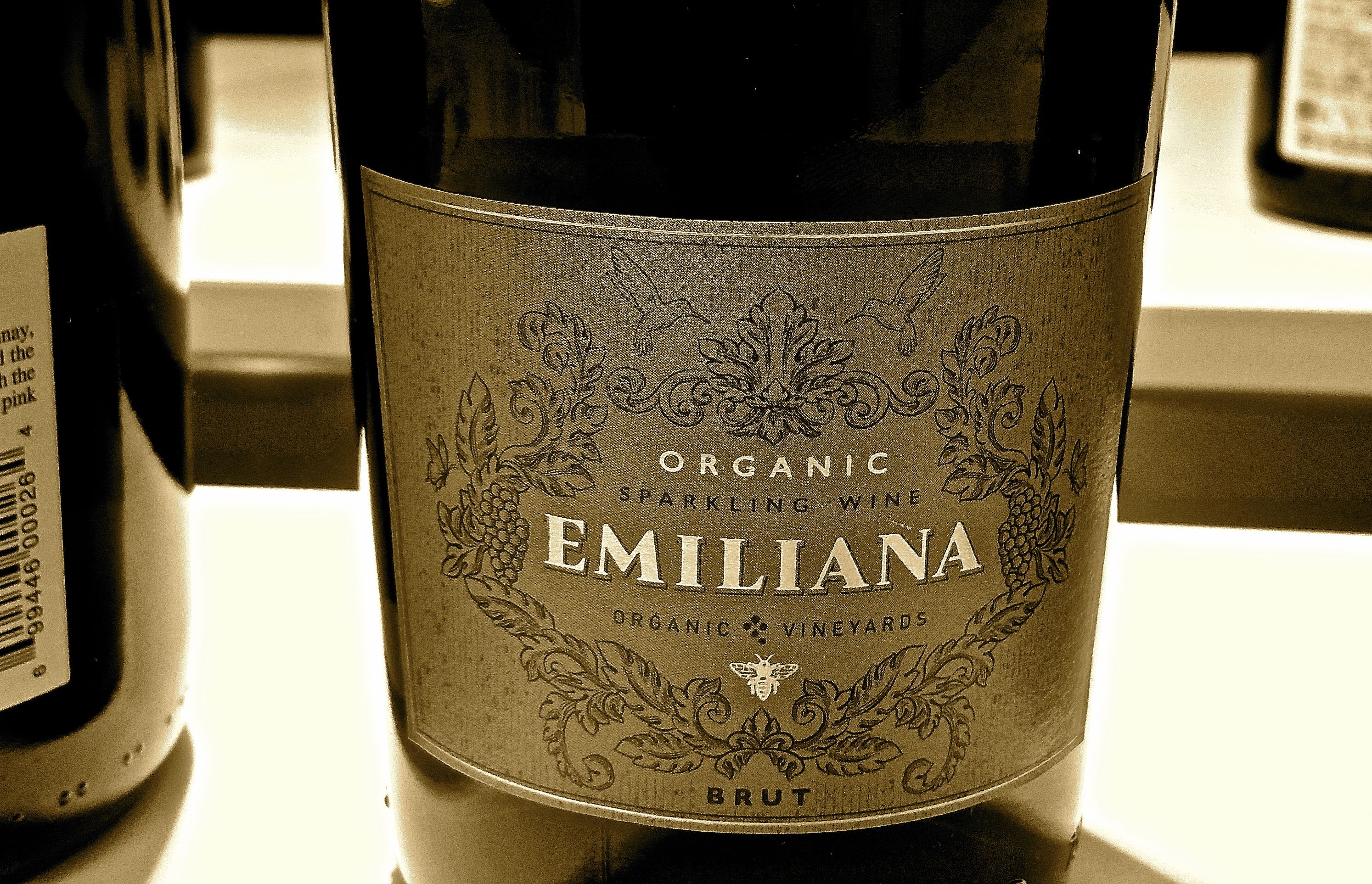
Waves of natural, fresh-air, verdant meadows running cool with rapid run-off springs aromas make this Casablanca Valley sparkler feel fresh and inviting. The palate takes it to a very citrus place, albeit within the context of pale, lucid and pellucid. Great value and fresh as there is. Drink 2016-2018. Tasted May 2016 @VinosEmiliana@WinesofChile@DrinkChile@WinesOfChile_CA
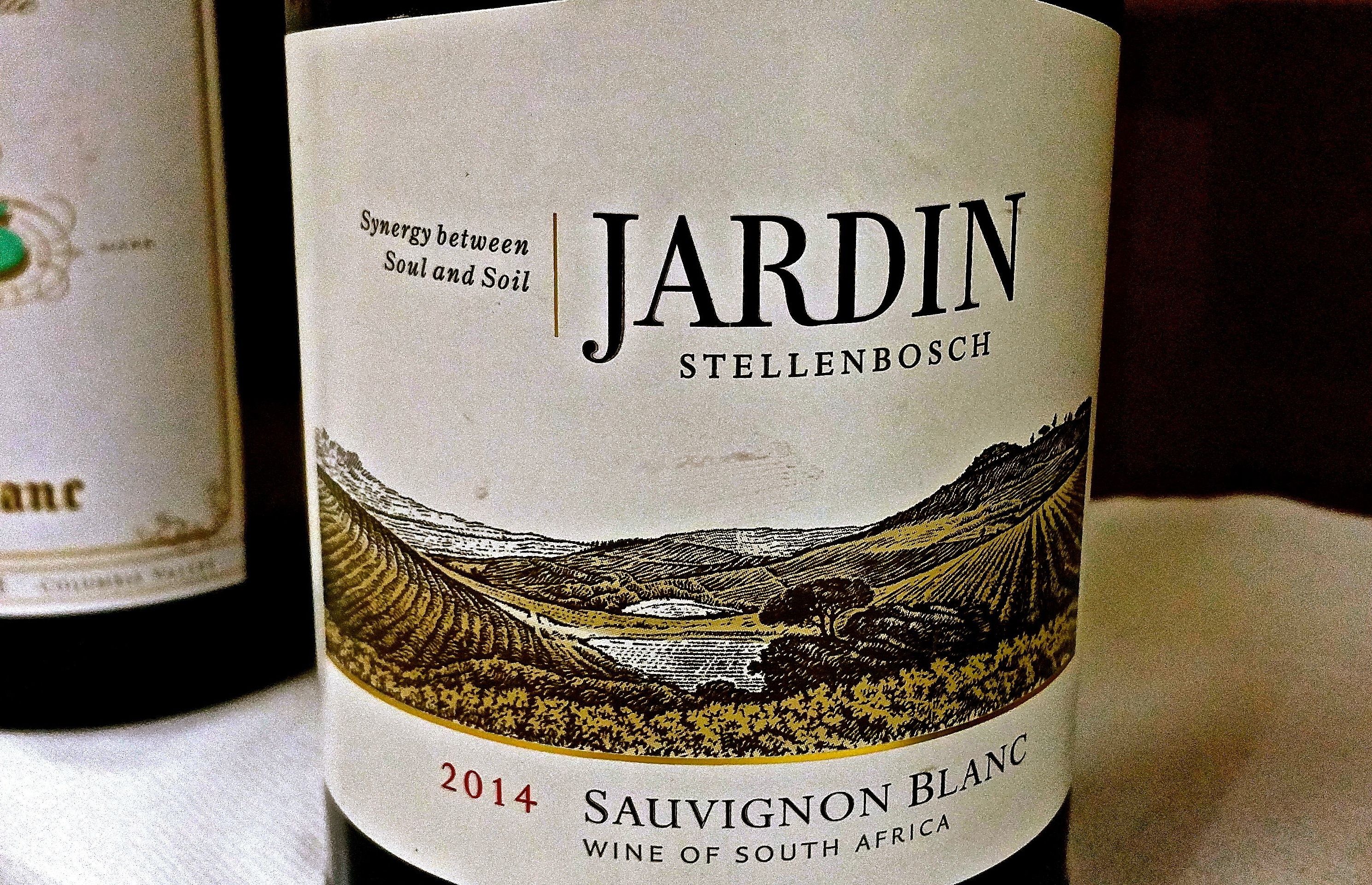
Jardin Sauvignon Blanc 2014, Wo Stellenbosch, South Africa (663302, $16.95, WineAlign)
Reductive and so very pungent, here we receive sauvignon blanc from Stellenbosch with a real sense of high-spirited purpose. Carries a bit of fresh Sancerre proposition in its heart and seeks to take matters up to another South African level. It mostly succeeds. Drink 2016-2018. Tasted May 2016 @AbconWine@WOSACanada@WOSA_ZA
Château Des Charmes Estate Bottled Old Vines Pinot Noir 2011, VQA Niagara On The Lake, Ontario (256834, $18.95, WineAlign)
Perhaps a difficult vintage for pinot noir but not so for healthy, established, confident old vines. From berries to beets and cola, all wrapped up in cozy sweetness, here pinot noir sings uninhibited and free. It is surprisingly easy to drink and not at all astringent. Thanks afforded the vineyard and the winemaker’s deft, less is more touch. Drink 2016-2020. Tasted May 2016 @MBosc
A rich, heady, toasty and vital Riesling from the terrific Twenty Mile Bench Limestone Road Vineyard, tilted out with preserved citrus and waxy, lemony concentration. At present this outlays on the sour-rutaceae-rusticae ledge and I can see why it would be both confounding and misunderstood. The vineyard and its riesling in sparkling form search for a coming together, in bottle, without the assistance of gross lees. A few years are required and needed for the sugars to work their magic and strike fear into the citrus for future balance. I think this will come around and really find its aim to please. Drink 2018-2022. Tasted May 2016 @Tawse_Winery@DanielatTawse@Paul_Pender
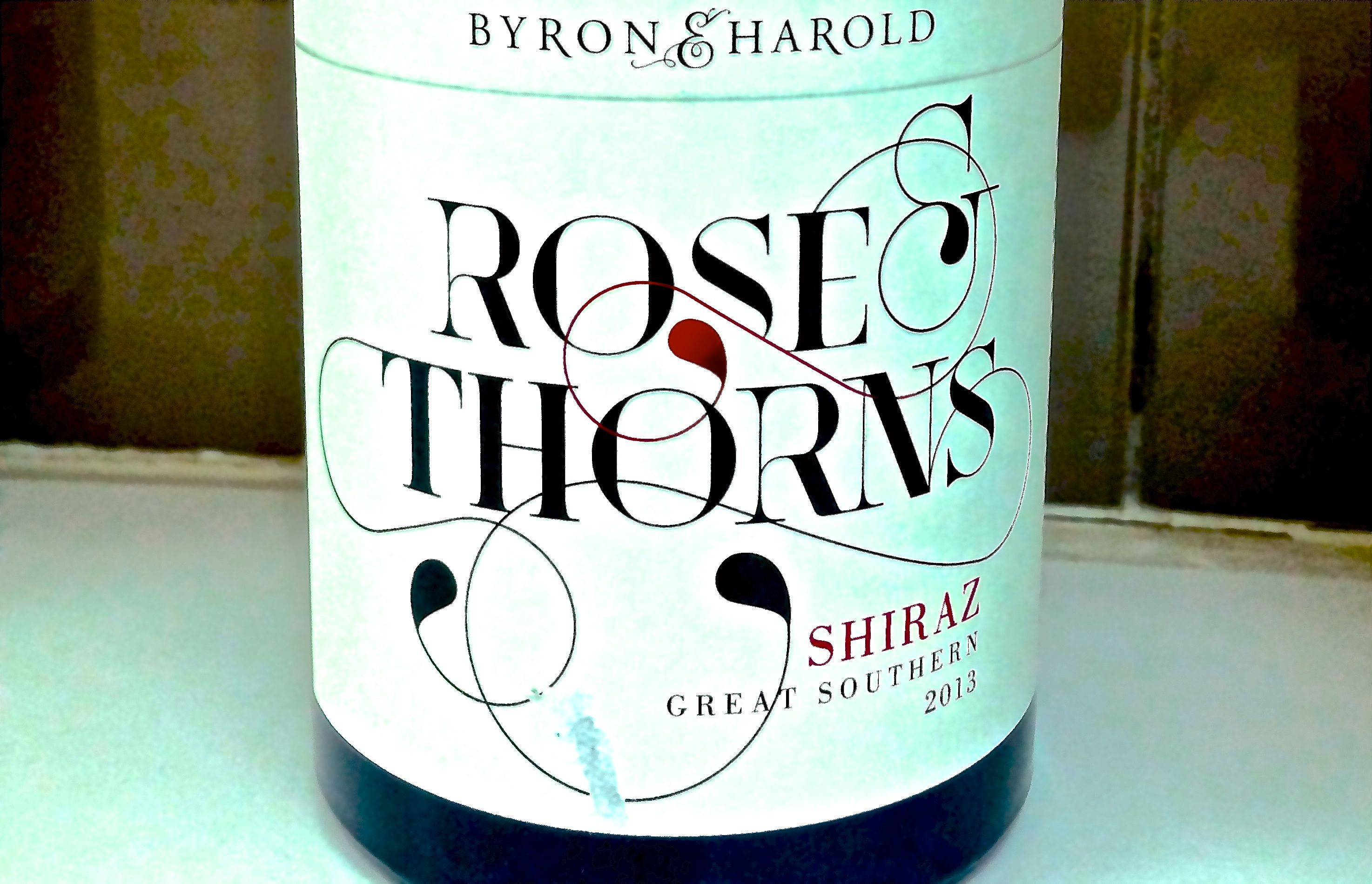
Byron & Harold Rose & Thorns Shiraz 2013, Great Southern, Western Australia, Australia (453183, $19.95, WineAlign)
Just as every rose has its thorn, Western Australia has its knight is shining armour in Great Southern. Shiraz from this place is possessive of its very own, singular and distinctive perfume, like roses in hyperbole and varietal specific oak-imparted exotic spice. Byron and Harold does shiraz as if by Shakespeare, of the Dane, with his courtesans on call. A cool, long drink of shiraz soliloquy, finished with currants, citrus and relative cool climate acidity. Special value here. You can pick the right poison with this power ballad. Drink 2017-2024. Tasted June 2016 @ByronandHarold@KylixWines@Wine_Australia
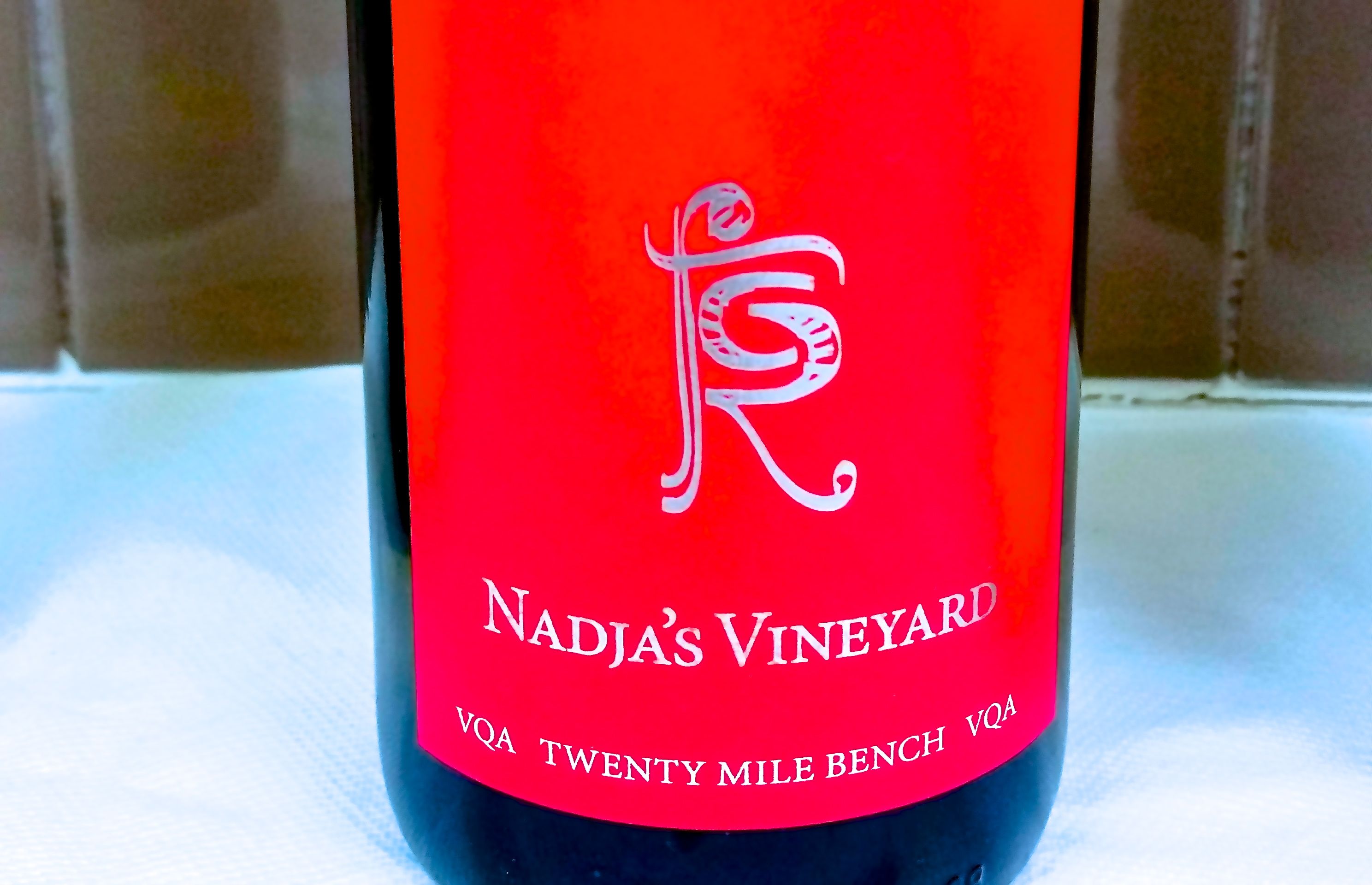
This is an outlier for the Nadja’s Vineyard riesling, with deeper concentration and compression than before. More Mosel and less Twenty Mile in 2015, of light alcohol and an increase in off-dry, extract meets acidity. There have been Nadja’s with more air and exhale but I can’t recall one with such density in vitality. A great Nadja to be sure but of a deferential sort of character. Two or three years should bring it back into its self-imposed and created line. Drink 2018-2024. Tasted May 2016 @Winemakersboots@brightlighter1@UnfilteredEd
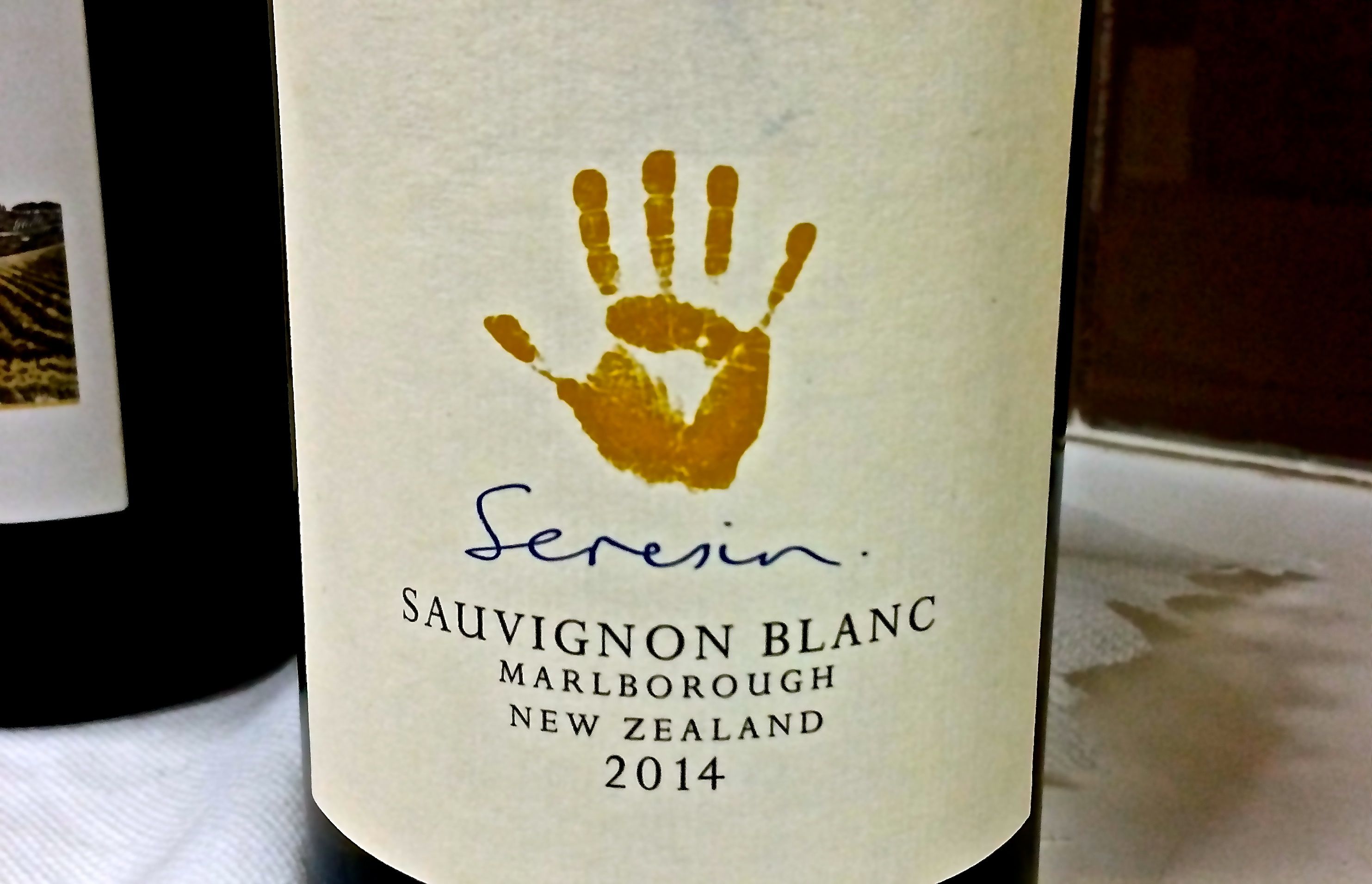
Seresin Sauvignon Blanc 2014, Marlborough, South Island, New Zealand (735043, $24.95, WineAlign)
Sauvignon Blanc borrows a page from its first Marlborough golden age in this Serezin 2014, finning balance in the most important facets of its character. Ripe fruit, natural acidity and memorable dry extract. The citrus is exotic, the stone fruit balanced between tart and ripe, the finish long and meaningful. With so much pungency in surround abound this exhales a true breath of fresh spring air. Were Marlborough Sauvignon Blanc always like this I would be glad with a glass, every day. Drink 2016-2019. Tasted May 2016 @SeresinEstate@DionysusWines@NZwineCanada@nzwine
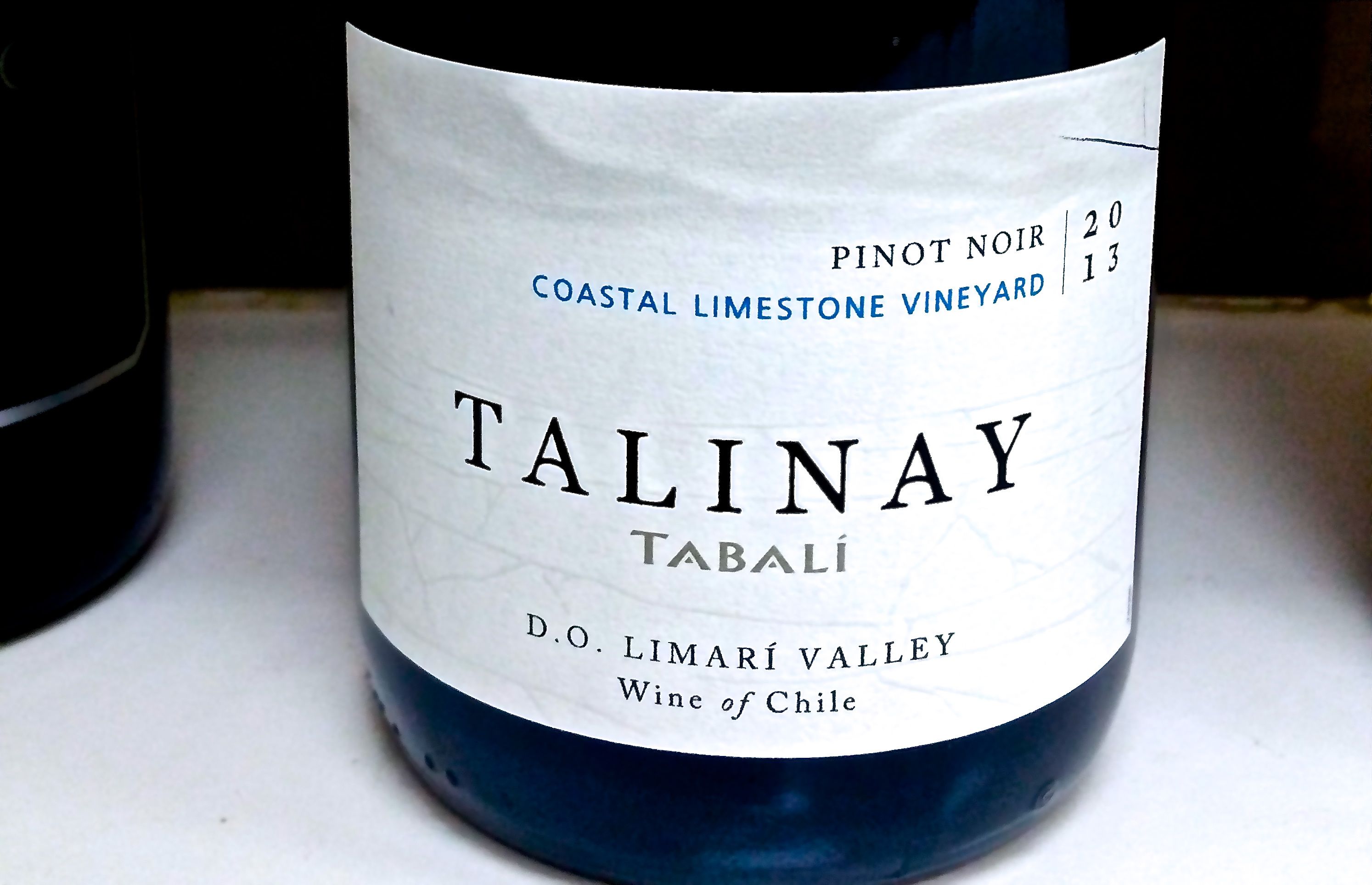
Limestone and martime influences converge in this highly perfumed pinot noir. It smells of red berries, soft, wet rock and mollusc shell. The crustaceous salinity is a new drift for pinot noir but not entirely out of the happy equation. Loquacious and malleable, the flavours replay what red berry meets white light the nose had given. This is quite singular in expression, natural and handsome. At $28 it is a terrific, unexpected find. Drink 2017-2023. Tasted May 2016 @TabaliWines@hobbsandco@WinesofChile@DrinkChile@WinesOfChile_CA
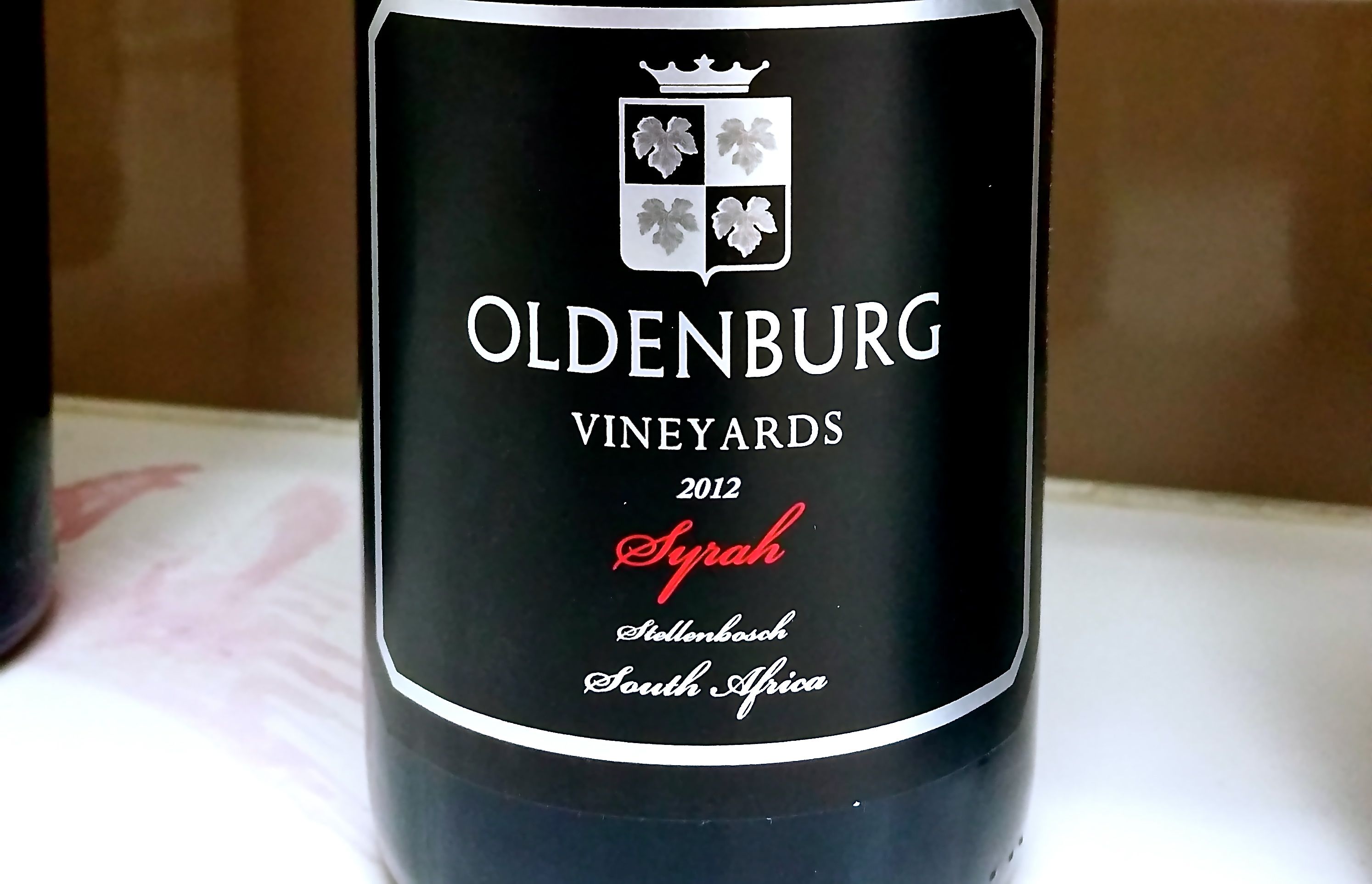
Oldenburg Vineyards Syrah 2012, Wo Stellenbosch, South Africa (443457, $27.95, WineAlign)
Indicative of the new and improved Stellenbosch for syrah, in which perfectly ripe phenolic fruit meets consumer appeal. Quite a traditional upbringing means clean, pure, rich and plenty but it does not embrace new or outside the box. For the price this represents tremendous, albeit traditional value in a syrah with no fraying or funky edges. It will live a perfectly long life. Drink 2017-2027. Tasted May 2016 @Oldenburgwines@WOSACanada@WOSA_ZA
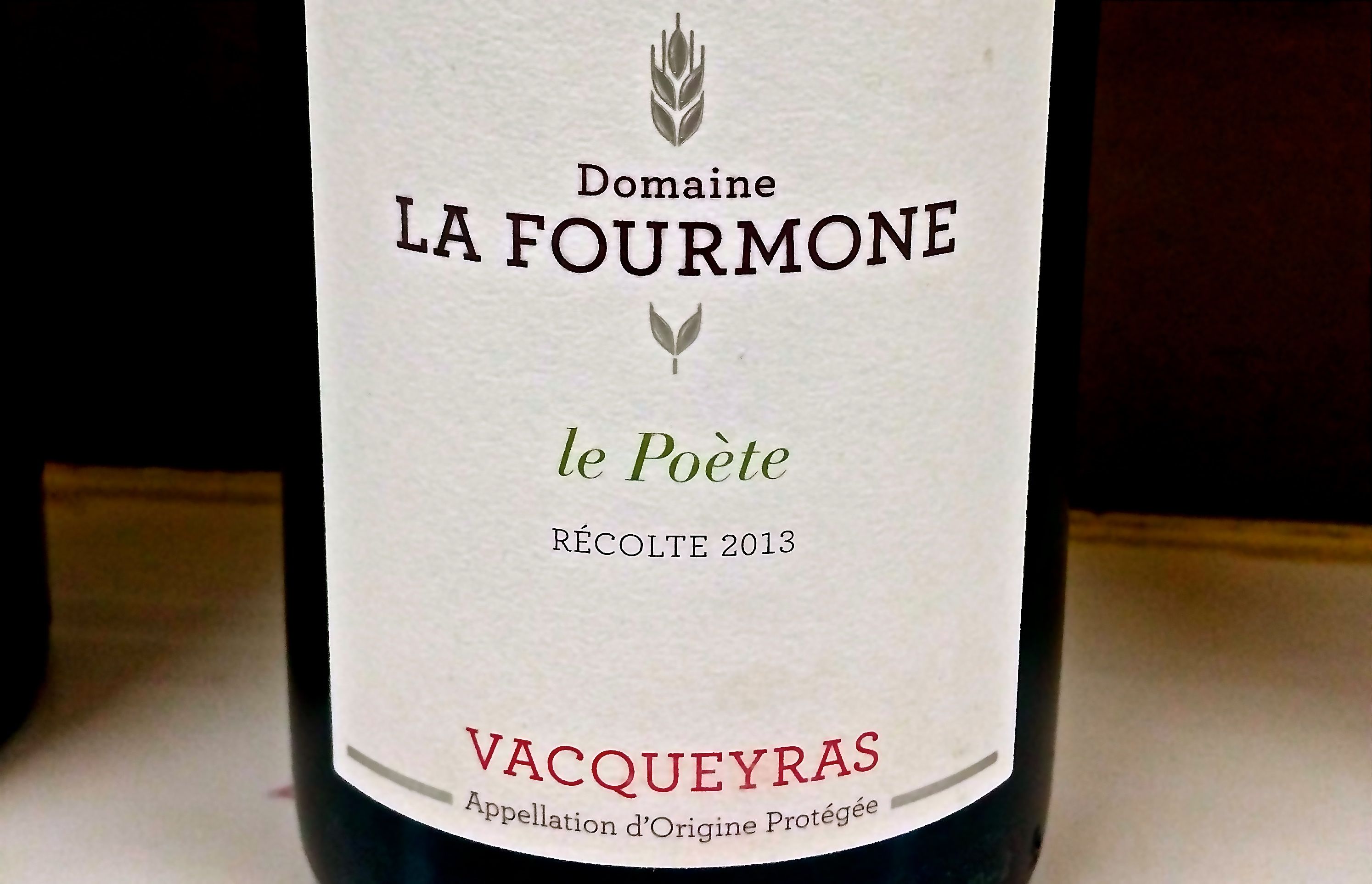
Domaine La Fourmone Le Poète Vacqueyras 2013, Ac Rhône, France (452268, $29.95, WineAlign)
Poetic and stunning Vacqueyras, so fluid, natural and effortless. From raspberry to plum, by garrigue and though dusty, delicate underbrush, the cure is cut with hands-off dedication. A certain kind of delicate spice just pricks here and there but you know it’s there. This is exactly what restrained Rhône and vacuous Vacqueyras need to be. The tannins are so fine. Such great structure will take this very long. Drink 2017-2025. Tasted May 2016 @Lafourmone@VINSRHONE@RhoneWine@TFBrands
Concha Y Toro Terrunyo Peumo Vineyard Block 27 Carmenère 2012, Entre Cordilleras, Peumo, Cachapoal Valley, Chile (562892, $29.95, WineAlign)
Concha Y Toro’s Block 27 has always dominated the price meets profundity of this signature varietal success story for Chile. Calling out a vineyard its equal for correctness and depth at under $30 Canadian is a tall order. Gobs, waves and oscillations of dark fruit, intense savoury scents and the rush gained from a syringe-injection of its lush elixir perpetuate in 2012. This albeit with a roast and a confiture of black currant and bell pepper. Or vice versa. Ripe acidity and tannin add layers, not opposition. The overall amalgamation seems a bit sweet though in actuality the grit is what stakes claim and standing. Nothing but huge in 2012. Drink 2018-2023. Tasted May 2016 @conchaytoro#escaladewines@WinesofChile@DrinkChile@WinesOfChile_CA
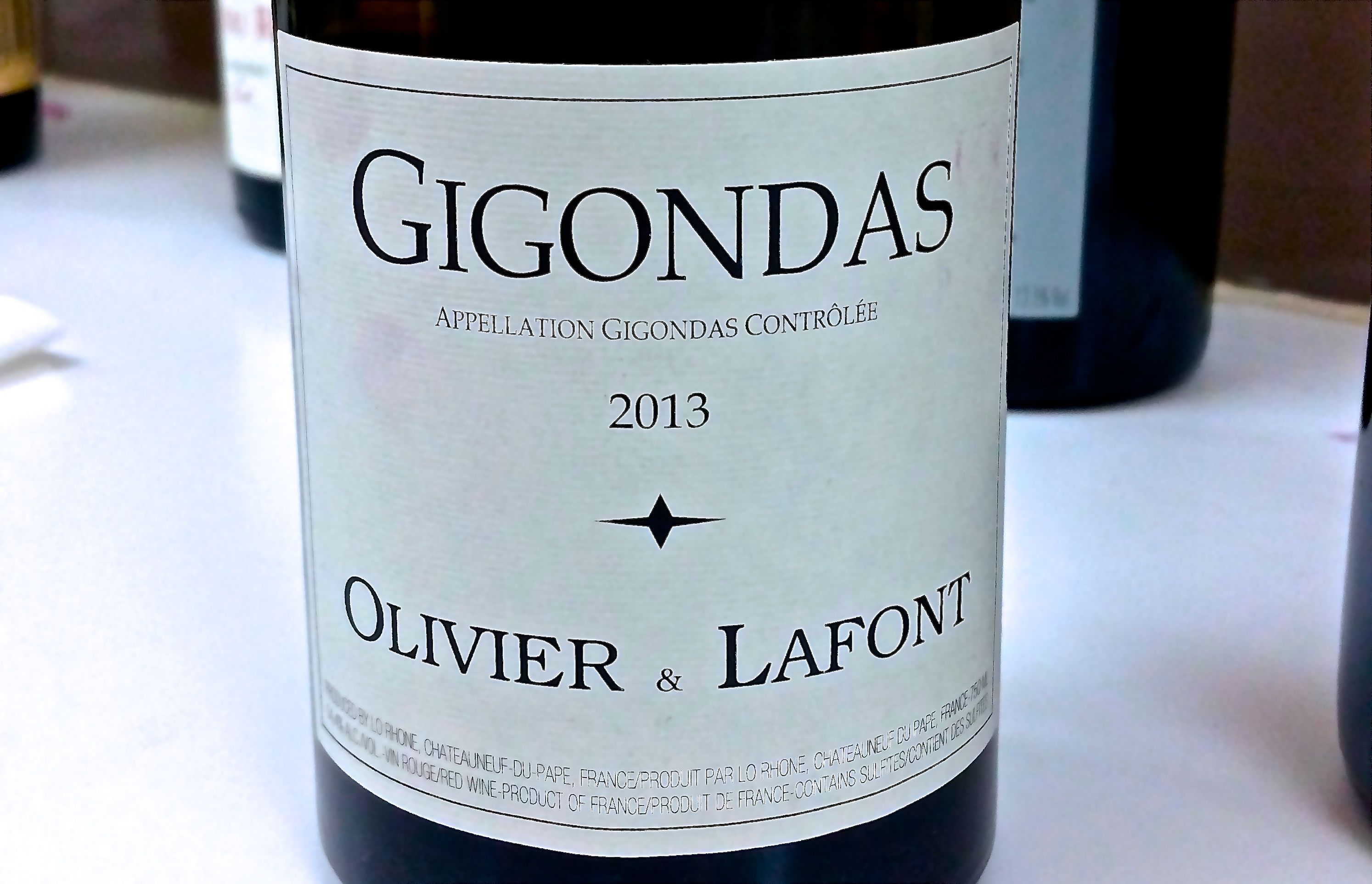
Olivier & Lafont Gigondas 2013, Ac Rhône, France (452300, $29.95, WineAlign)
Beautifully accomplished and confident Giogondas from messieurs Olivier et Lafont, ripe but restrained, balanced and carefully, contractually structured. Purity and silky albeit spicy textures wrap themselves up in flavour. No spikes, rips or fissures are to be found. Exemplary Gigondas. Drink 2018-2028. Tasted May 2016 @vonterrabev@VINSRHONE@RhoneWine
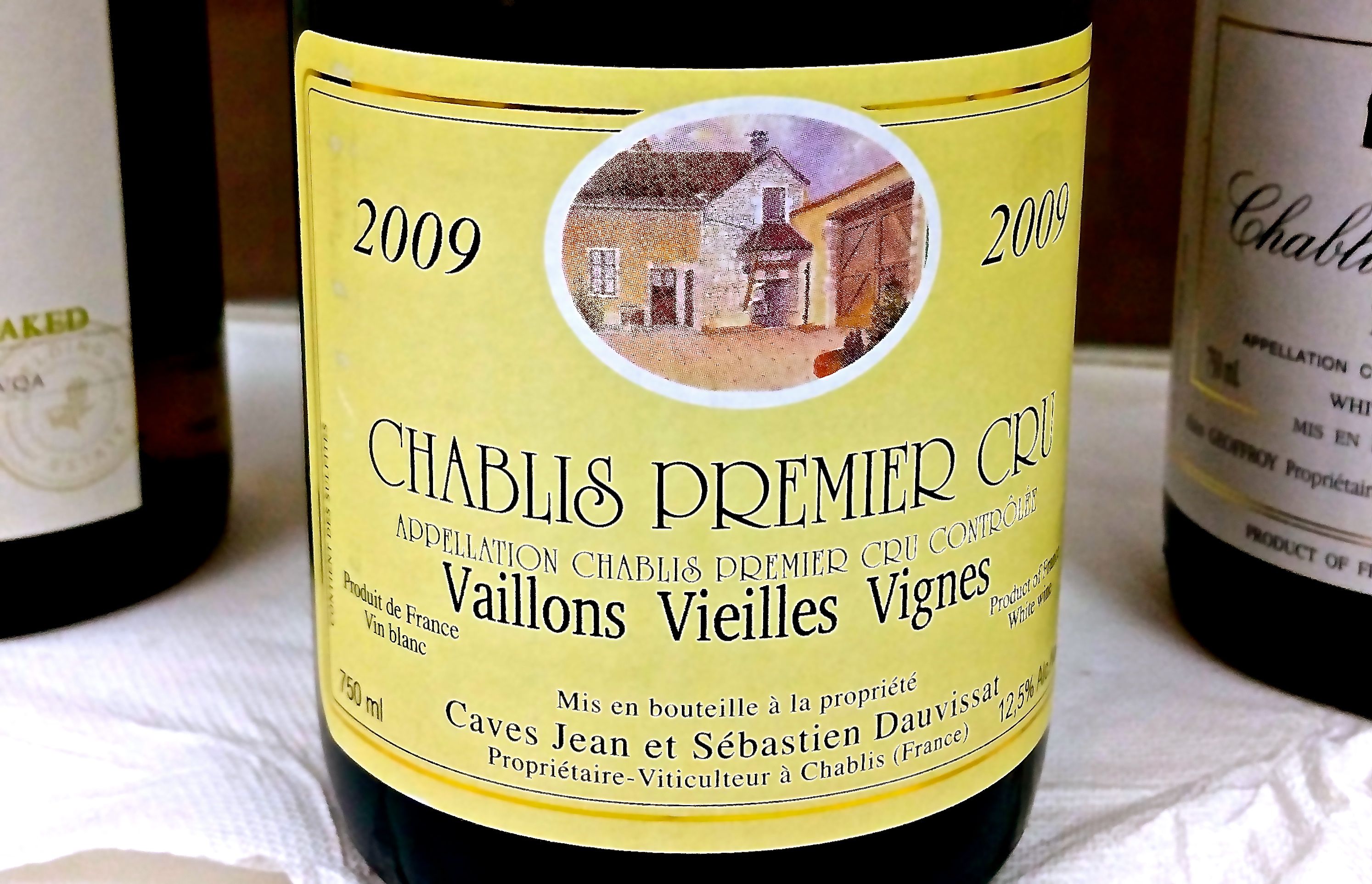
Jean Dauvissat Vaillons Vieilles Vignes Chablis 1er Cru 2009, Ac Burgundy, France (457002, $49.95, WineAlign)
Any signs that put this old vines Dauvissat into a time machine dating back to 2009 are less than obvious. Its freshness and composure are astounding. Chablis of structure as laid out in this Vaillons walks a particularly direct line and steadies effortlessly in one spot. The flint, toast and struck rock are subtle, atomically spicy, fine and unseen. The direct connectivity between vineyard and chardonnay is near perfect. Premier Cru would be hard pressed to exceed the limits of this Vaillons’ ability. Drink 2016-2024. Tasted May 2016 @BIVBChablis@BourgogneWines
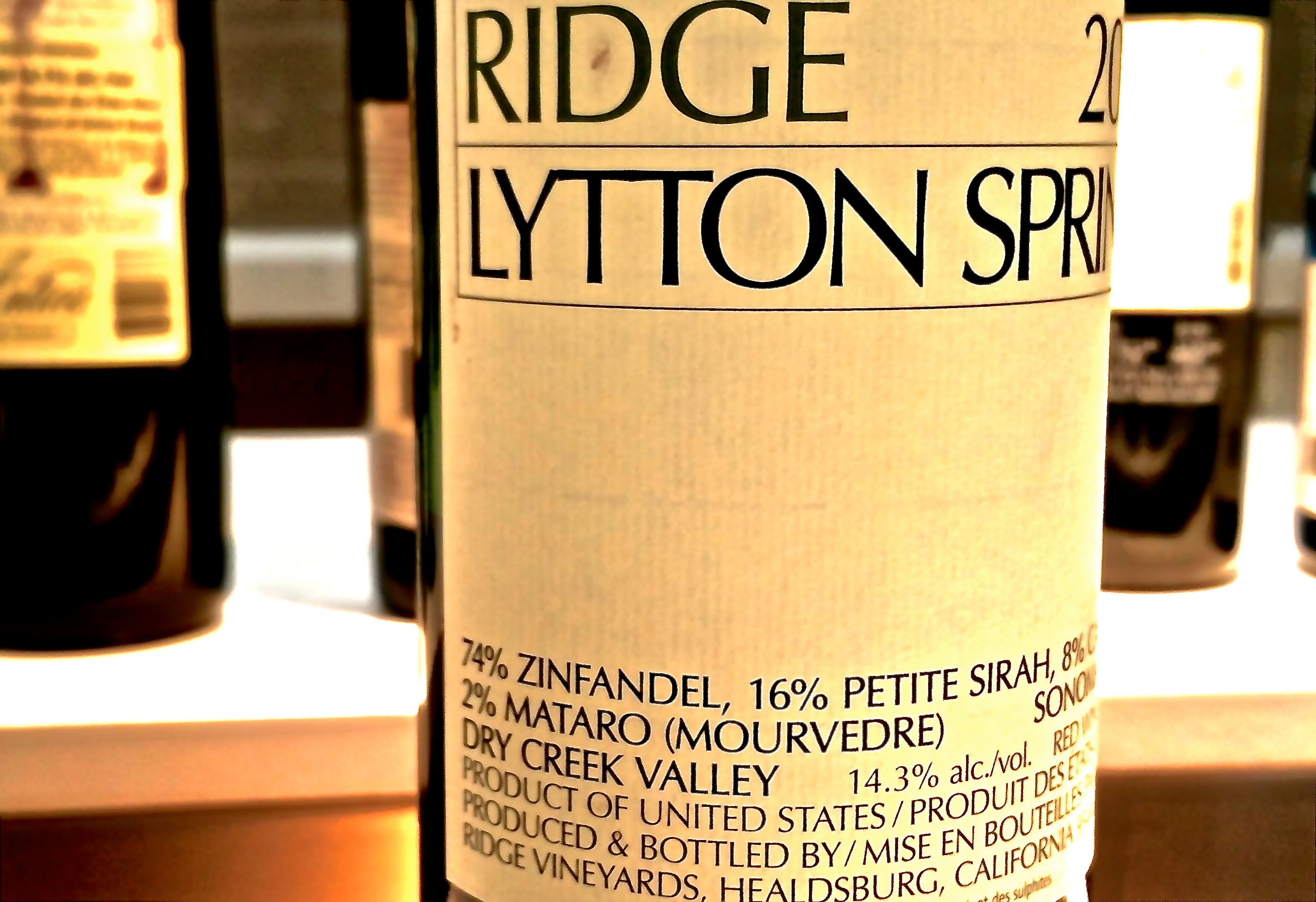
Ridge Lytton Springs 2013, Dry Creek Valley, Sonoma County, California, USA (982413, $57.95, WineAlign)
From the vineyard planted in 1902, with petite sirah as the number two support to Zinfandel (as opposed to Geyserville), the Lytton Springs is not as mineral but it has a deeper intent. Perfume repeats as it should and has to. Only Lytton Springs smells like this, more floral of fruit and its blossoms in opposition, interchangeable and in support of one another, out of a pretty aromatic vintage, It is the palate that digs into baked earth, so very masculine and tougher by tannin. Density is but ethereal, acidity so similar but this is certainly richer and retreats back to that feel of natural fermentation. A tremendous Lytton Springs, born this way, with wisdom and structure and will remain for 10 plus years before really beginning to change. Tremendous balance in a characterful field blend red. Drink 2018-2024. Tasted twice, May 2016 @RidgeVineyards@VinoTorino@rogcowines@sonomavintners@CalifWines_CA
“The knowledge of yourself will preserve you from vanity.” (Miguel de Cervantes)
“Vanity is the healthiest thing in life.” (Karl Lagerfeld)
“How long shall your vain thoughts lodge within you?” (Jeremiah 4:14)
“When you have a lot of success you don’t need vanity any more.” (Amelie Nothomb)
The headline reads as a current VINTAGES vanity plate. Nothing shouts VANITY like the bi-weekly VINTAGES releases, that is unless you can read between the lines, seek out anti-narcissistic wines made with honesty, from and for success. The LCBO is full of itself, as it should be, because billions of dollars of revenue for the monopoly and the province is a favourite sin. The consumer can protect themselves by knowing themselves, their personal tastes and which wines will see to personal success.
The Judgement of Paris happened 40 years ago. VINTAGES celebrates seven players that not only participated but were granted instant celebrity. Now 40 years later, VINTAGES puts the legends back in the spotlight. I tasted all seven wines. Were I afforded sackfuls of cash I would gladly indulge in their collective vanity.
For full reviews on all the Judgement of Paris wines, please visit me at WineAlign
It is indeed healthy to be a winemaker, distributor, agent or retailer of self-assurance, to believe in a body of work or portfolio, to know that it represents quality and to flaunt it for the world to relish in its revelry. It is equally healthy to know humility, to create with impunity in knowing the confidence of fashion has resulted in the singularity of accomplishment. All the better when verecundity is found in a wine made by a big house.
Eight current releases speak to success, beyond vanity. My notes.
Casal De Ventozela Loureiro Vinho Verde 2014, Portugal (445098, $14.95, WineAlign)
Loureiro from Villa Verde, grippy and mineral as it should be, marked by citrus, herbs and the slightest spark of CO2. This must have been prime, perfect in fact, in the wheelhouse even…six months ago. Still refreshing and yet savoury, nearly, though one step away from complex for the grape and a sense of place, from point A to B. Drink 2016. Tasted May 2016 #casaldeventozela@LeSommelierWine@vinhosverdes@VinhoVerdeCA@wines_portugal@winesportugalCA
The Rafael is an honest, purposed product culled from what such endemic grapes together with wood will combine for perfectly typical effect. Here the package is respectfully lithe and speaks of what Valpolicella may once have righteously been, should still and can eminently be. Fresh, wound tart, amenable and easy to love. Yes, please. Drink 2016-2019. Tasted May 2016 @Tommasiwine@UNIVINS@C_Valpolicella
Benmarco Malbec 2013, Unfined And Unfiltered, Uco Valley, Argentina (657601, $17.95, WineAlign)
Clearly ripe and ripping like so many malbec brethren and sistren but at 3,000 feet of Vistaflores altitude the Benmarco delivers an extra level of ratcheted intensity, especially at $18. Extreme aromatics, of black, blue and boysenberry fruit are bigger than the oak, the soil and the malbec genre. This is the best Benmarco since the formidable 2002, a wine that still drinks well today. Drink 2016-2028. Tasted May 2016 @sbalbowines@ProfileWineGrp@winesofarg@ArgentinaWineCA
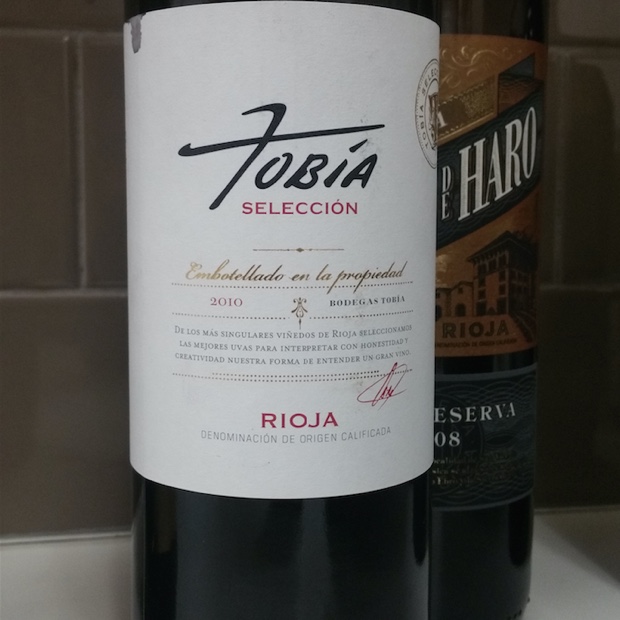
Most righteous Rioja, dusty and leathery but fresh, vibrant and alive. Terrifically rich palate, full of strawberry, liquorice and pastis. Acidity is all over the fruit, enveloping and then a short pause ensues, followed by the caressing tannins. There is more than a Crianza mouthful of wine in here. Wait one or two and then watch this turn over and over for the next 10 years. Drink 2017-2026. Tasted May 2016 #Tobia@_La_Rioja@RiojaWine_ES
A Chianti Classico with a foot in two worlds, the traditional (Greve) and the modern. The tart red berries are sour to nose and to taste but it’s the kind of sour that reels you in and gets you too beg for more. The level of clean, fresh lees is very 2013, something that Chianti Classico needs more of. Dry extract and tannin are spot on for the overall intent. Drink 2016-2020. Tasted May 2016 #Viticcio@chianticlassico@MajesticWineInc
Big mouth strikes again, with phenolic ripeness set against stinging nettle greens from out of the warmth in 2012 Niagara. “Sweetness, sweetness I was only joking.” Plums turning into prunes and back again, of fruit not sure if its coming in or heading out the door. Hanging in like Morrissey at a Smiths reunion concert. Drink 2016-2018. Tasted May 2016 @MegalomaniacJHC
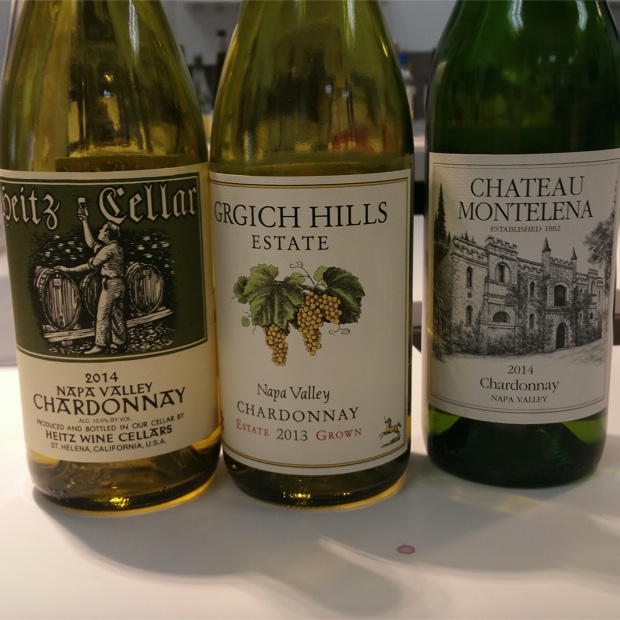
Heitz Chardonnay 2014, Napa Valley, California (205500, $49.95, WineAlign)
When the Napa Valley name Heitz is mentioned it is Cabernet Sauvignon that comes to most minds, 99 per cent of the time. Chardonnay is a Heitz thing, dating back to 1961. The 2014 rendition is the iron fist-velvet glove version of classic Napa Valley (usually reserved for Cabernet Sauvignon allusion). This is quite a rich and variegated Chardonnay full of typically warm Napa sunshine but it’s also a study in barrel restraint and judgement. The flavours are loaded with citrus, compressed and taut. Wound tighter than a wire around a boat winch, this just needs some time to settle in. Drink 2018-2021. Tasted May 2016 #Heitz@NapaVintners@CalifWines_CA
Judgement of Paris Chardonnay
Ridge Vineyards Monte Bello 2013, Santa Cruz Mountains, California (405332, $191.95, WineAlign)
From a serious drought vintage, dry, warm and demanding, the 2013 Montebello’s Draper perfume is as heady as ever, to such effect that after one whiff this is where daydreaming takes over consciousness. Montebello gets inside the head, with allegory, radio frequency waves and platonic thought, as if inside a cave. An 80 per cent Cabernet Sauvignon, Petit Verdot (8), Cabernet Franc (7) and Merlot (5) classic, lithe and restrained blend of sheer, utter exceptionality. The balance in 2013 is impeccable but dont be fooled into thinking this is not a big wine. The acidity is dramatic, the tannins fine and demanding and the amount of pure extract whorled and revelling. All in dark red fruit and a coolness through the mid-palate that threads like silk through fine stainless steel fibre. “This goes beyond me, beyond you.” Drink 2018-2030. Tasted May 2016 @RidgeVineyards@rogcowines@CalifWines_CA
“Every time I look at you I go blind.” #timetotaste @WineAlign
Saturday will bring forth yet another LCBO Ontario VINTAGES release. Every other Friday (and most Tuesdays) I taste through them, along with my colleagues at WineAlign (David Lawrason, John Szabo M.S. and Sara d’Amato), as well as a dozen or more multifarious and multi-motley wine writers. The wines and spirits are laid out with Warsaw Pact jibing intendment and we plod through, free as birds, privy with full disclosure for what we are assembled to inspect.
At WineAlign David, John, Sara, Steve Thurlow and I spend quality time with LCBO and/or VINTAGES destined products but we do so with wine-apprisement obliquity. When we arrive at the office and sit down to taste we are met with bottles covered with aluminum foil. We taste blind. Not completely mind you. A spreadsheet tells us the varietal(s) and region/country of origin. I too wonder if this can be truly be considered tasting blind.
The debate chases down critics and systems of evaluation with dogged persistence. Should wine be judged without any prior knowledge or preconceived notion about what’s in the glass? Must a tasting be conducted blind for a critic to objectively dispense an unbiased, unswayed and uninfluenced assessment of a wine?
The short answer is yes. Wine competitions are conducted blind, with only the varietal and perhaps place of origin as the sole bits of information with which to go on. The understanding is that if there are medals to be doled out, picking winners must be done with prejudice and favouritism set deliberately aside. But the wringer runs deeper. By definition, should any information be available at all?
To blind or not to blind, that is the question
As for grapes, a Gamay should be judged against other Gamays and so a critic may as well know that the flight is filled with nothing but Gamay. Mixing varietals within a flight distorts the playing field and skews the results. Place of origin is more complicated. While it is helpful to know where a wine hails from so that it may get a fair shake against competitors or peers composed of the same grape, that seemingly insignificant bit of information adds bias to the process. At the WineAlign Wine Awards of Canada the region is not pre-disclosed, except that the judges know that all the wines come from Canada. In competitions involving wines from around the world the regions are also excluded. Only the grape and price range is mentioned. Shouldn’t we do the same for all blind tastings? In fact, the bias of price might also be avoided.
The tougher question is whether we as critics should be tasting all wines blind, all the time, or at least whenever possible. That is to say, whenever investigations are being processed for the purpose of publishing tasting notes and perhaps more importantly, assigning scores or ratings. Who does not believe that wine must be tasted without any assistance from marketing, pedigree and prior experience? The devil’s advocate approach would declare it unfair to so many honest wines to not be given credit for many years of hard work and success. Why should a wine with a longstanding reputation for excellence have to begin again in every vintage just to prove itself? The rub I feel, is there.
The following 11 recommendations from the VINTAGES April 30th release were not tasted blind. They succeed because they are honest, well-made and accurate representations of varietal and place. I am confident they would all fare just as well had they been assessed without knowing what they were. Good wine has a habit of finding its way into a taster’s heart, blind, or not.
Mcguigan Bin 9000 Semillon 2015, Hunter Valley, New South Wales, Australia (444554, $14.95, WineAlign)
Distinguishes itself for the Hunter Valley oeuvre with impossibly pale yet rich and stark-dressed fruit. More fruity than most and so nearly, just on the cusp of getable at such a young age. A terrific example to gain entry into the valley’s great white varietal hope while waiting for the serious crew to open the doors to their longevity-accrued perceptions. Takes one for the team with bells ringing and whistles blowing. It will drink well for five years and just develop a bit of that aged Semillon character near the end of the fruit line. Drink 2016-2020. Tasted April 2016 @mcguiganwines@Wine_Australia@ChartonHobbs
Impressively expressive early to market 2015 Riesling, off-dry, partially pungent and markedly concentrated. The Black Sheep always smells and tastes like this; fifty-fifty fruit to mineral, concentrated and sweet from ripe extract and tannin. Whether you are an expert or a newbie to Niagara Peninsula Riesling, the Black Sheep is guaranteed. Drink 2016-2020. Tasted April 2016 @featherstonewne
El Maestro Sierra Pedro Ximénez Sherry, Do Jerez, Spain (451468, $17.95, WineAlign)
Now. We. Are. Talking. Vino dulce natural of quite reasonably low alcohol and extreme elevated unction. Nutty and full of dried apricots, sweeter than some but really well balanced. Dessert all by itself with just enough acidity. Tart and tight, nuts again, spice and marzipan. Really tricks the tongue and pricks the senses. Sweet. Drink 2016-2018. Tasted April 2016 @MaestroSierra@TFBrands
Montes Outer Limits Sauvignon Blanc Zapallar Vineyard 2015, Aconcagua Valley, Chile (389643, $19.95, WineAlign)
This is an exciting hyperbole of Chile, a Sauvignon Blanc from the coast with wild flavours and singing aromatics. An inwardly deliciousness SB filled from within by a lactic streak and an exceptionally reserved tartness. Great length. So different, so new, so exciting. If it’s a bit warm and perhaps higher than alcohol than it notes, so be it. It has real vitality. Job well done with this newly directed Montes. Drink 2016-2020. Tasted April 2016 @MontesWines@WinesofChile@DrinkChile@ProfileWineGrp
Stratus Vineyards Wildass Red 2012, VQA Niagara On The Lake, Ontario (86363, $19.95, WineAlign)
It would be hard to figure any sub-$20 red Ontario blend showing a deeper sense of ripeness, wood intent, sinew, cure, triturate resin and dry barbecue rub – than this Stratus ’12. It’s a bit of a head scratching, game-changing meritage, altering the course for $20 red blends forever. At the risk of forming comparisons, it puts me in mind of other places, like Roussillon, Campania and Navarra. It has coal running through its arteries and tonic spewing out of its fountains. Wild my ass? Yes. Drink 2015-2019. Tasted September 2015 @StratusWines
Four months has upped the funk for ’13, with tar and bitters still and thick as summer air. Rich and ripe, notable for its black cherry aroma and that J.P. Colas natural truncation. Unique, as always and very Gamay. Drink 2015-2019.
From my earlier note of December 2014:
Fruit was sourced from both the Sandstone and Whitty Vineyards for 13th Street’s Gamay Noir, a focused and gritty adjunct in ode to the Cru Beaujolais approach. This ’13 raises the aromatic and texture bar and just may be the most striking from a 13th Street estate mix. All the important berries are there, as are the mineral quandaries. In a Gamay moment this will lead you to gulp and giggle with #GoGamayGo delight.
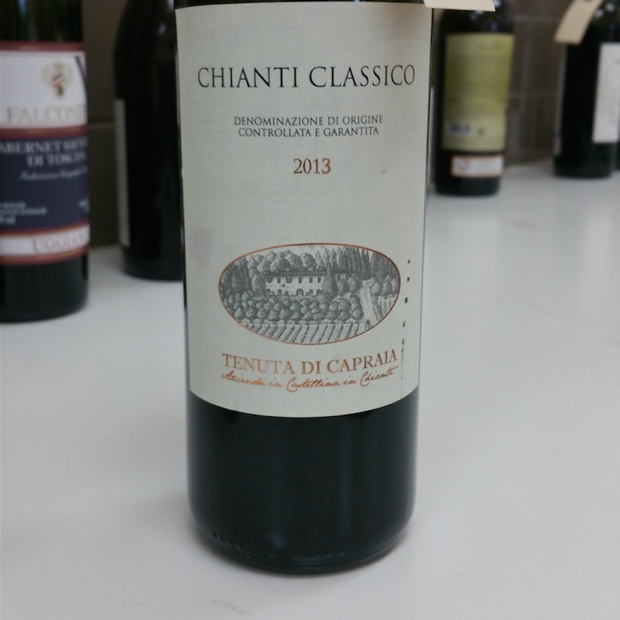
Extreme freshness, ripe red fruit and ripping acidity in such a young Chianti Classico. Possessive of an underlying mineral and dry tannic structure with such correct use of older oak and kept clean under the threshold of over-modernising alcohol. This reeks of some whole cluster work and tastes of the soil though never in any funky way. It’s extreme purity and cleanliness is second to none. This will last for longer than imagined. Drink 2016-2023. Tasted April 2016 #TenutaDiCapraia@chianticlassico@ProfileWineGrp
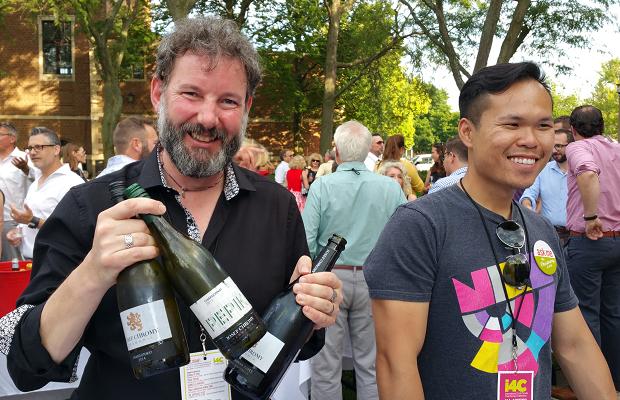
Jeremy Dineen of Josef Chromy Wines, Tasmania
Josef Chromy Chardonnay ‘Pepik’ 2014, Tasmania, Australia (378240, $22.95, WineAlign)
Combines beauty and bitters for a streak of natural selection through a field of texture. Heads for the cream risen to the top of rich, pulls over and steps aside to allow for a crunch of green apple. The bite is real, lit by match and cut with spice. Great length. Drink 2015-2020. Tasted July 2015 @JosefChromy@bwwines
De Grendel Shiraz 2013, Wo Coastal Region, Durbanville, Coastal Region, South Africa (174557, $24.95, WineAlign)
Strapping, youthful, dark as night Cape of Good Hope Shiraz, full of rich beginnings, soil reduction and barrel imaging. Vivid off the charts, rich red fruit, mineral undercurrent, wreaths of floral tethering and a rip tide riding rolling waves of cape intensity. Quite wow. Crazy good value. Drink 2018-2025. Tasted April 2016 @degrendelwines@WOSA_ZA@WOSACanada@imbibersreport
Vincent Mothe Chablis 2014, Ac Burgundy, France (390468, $26.95, WineAlign)
Perfectly pretty little village Chablis, flinty, lemon piercing and pouring like crystal clear, tiny drops of rain. Chardonnay on needles and pins, a white scintillant with tart berries, tannin and extra layers of dry extract. Terrific for so many reasons and with every reason to pair and to believe. While others moan “I been meek and hard like an oak,” with a glass of the Mothe I am blessed with “buckets of moonbeams in my hand.” If this were $20 it would be right up there with best ever. Close enough. This is a perfect example of why everyone should drink Chablis. Drink 2016-2019. Tasted April 2016 #VincentMothe@BIVBChablis@bourgognespress@BourgogneWines
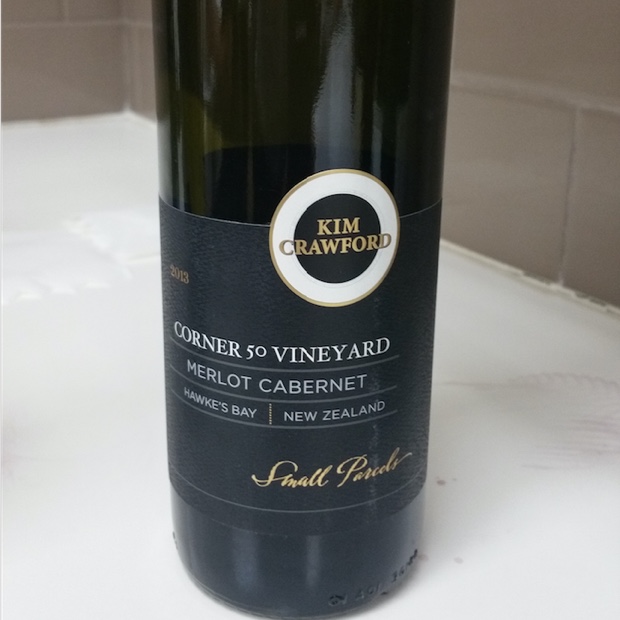
Kim Crawford Small Parcels Corner 50 Vineyard Merlot/Cabernet 2013, Hawkes Bay, North Island, Marlborough, New Zealand (447433, $29.95, WineAlign)
Made from fruit grown in the Corner 50 vineyard located in the Bridge Pa Triangle wine district on the western side of the Heretaunga Plains of Hawke’s Bay. Diverse soils of Ngatarawa Gravels, Takapau Silty-loam (free draining red metal of mixed alluvial and volcanic origin) work towards a Bordeaux kind of varietal character and charm. Red recreational fruit and ripe, ropey acidity interact together in this very spirited North Island red. A Hawke’s Bay beauty with vivid and spirited energy. The oak is still very much in play but in no way on top. The cake factor is very low, the lushness happening in texture though not on the level of plush. Really good effort. Drink 2016-2018. Tasted April 2016 @kimcrawfordwine@CBrandsCareers@nzwine@NZwineCanada
It’s hard not to compare Norman Hardie’s Niagara Chardonnay side by side with his County-grown and produced estate counterpart but also with other top end Niagara bottles. The fruit he sources from Duarte Oliveira’s Beamsville Bench farm offers the first leg up. The reductive and minimalist handling style is the second piece of the impossibility puzzle. Though not as closed as some in the past, freshness has never been so bright. The slow Hardie Chard evolution and painstaking road to malolactic could result in perdition but miraculously never does. The cumulative culled from out of patience leads to a reward in near perfect textural deference and defiance. The 12.2 per cent declaration of alcohol is exemplary though it could hardly cross the 11.5 threshold if it wanted to or tried. Chardonnay left alone, to find its way, fend for itself, unstirred, unassailed and deft above or beyond reproach. Enjoy a Hardie Niagara Chardonnay in its early youth. They are not meant to be stashed away forever. Drink 2017-2021. Tasted April 2016 @normhardie
Trapiche Terroir Series Malbec Finca Ambrosia 2010, Single Vineyard, Mendoza, Argentina (402941, $39.95, WineAlign)
The pitchiest Malbec of dark black fruit, weight and substance. Really ambrosial, a thick swath of berry, wood and tannin. This Malbec can run with the players any day of the week. Structurally sound and massive, fully, completely accomplished and offering much reward. There is a resinous, cedar and briar note of amalgamation and complexity. It will take three or more years to bring all the exceptional components together. Drink 2019-2024. Tasted April 2016 @TrapicheWines@winesofarg@ArgentinaWineCA



























 Godello