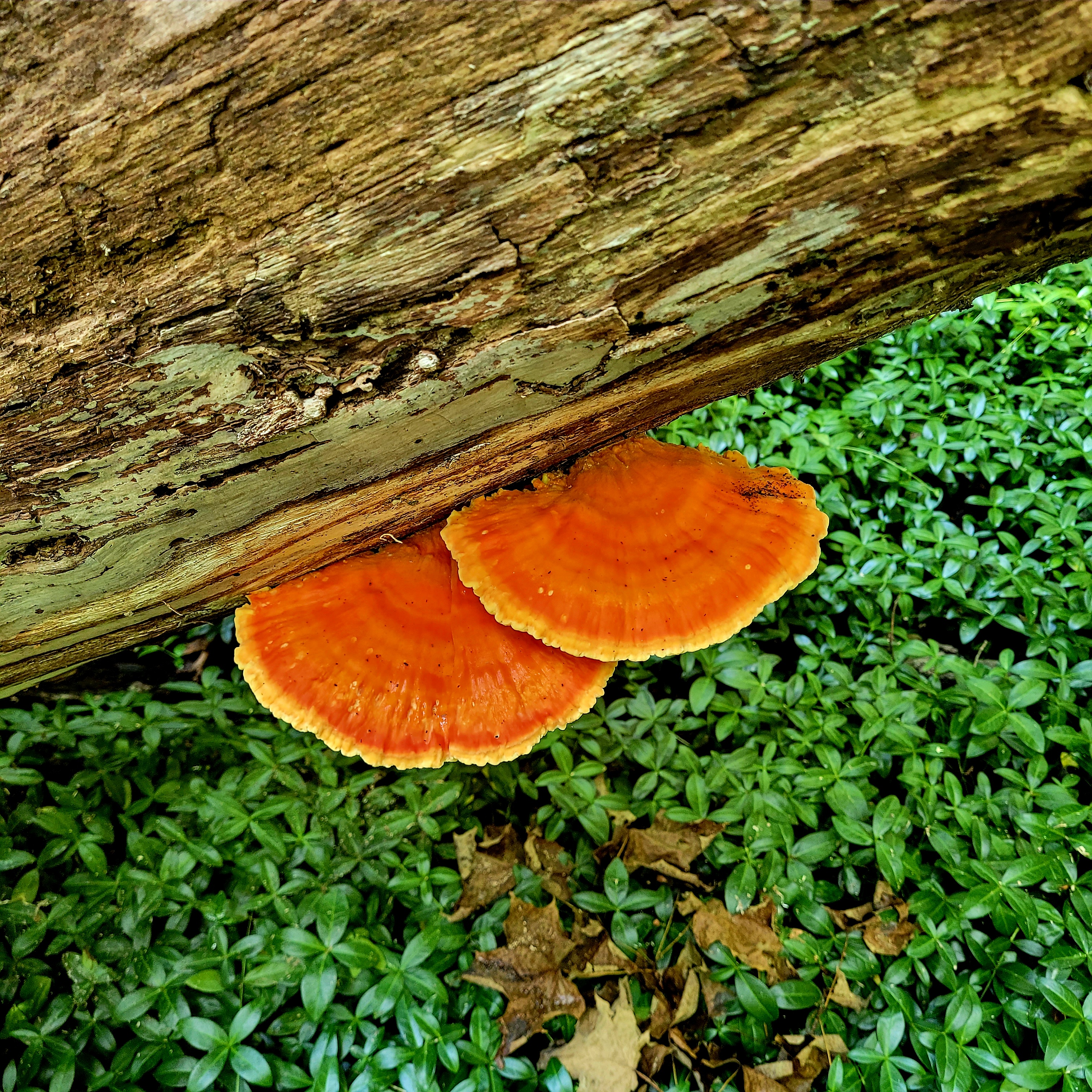
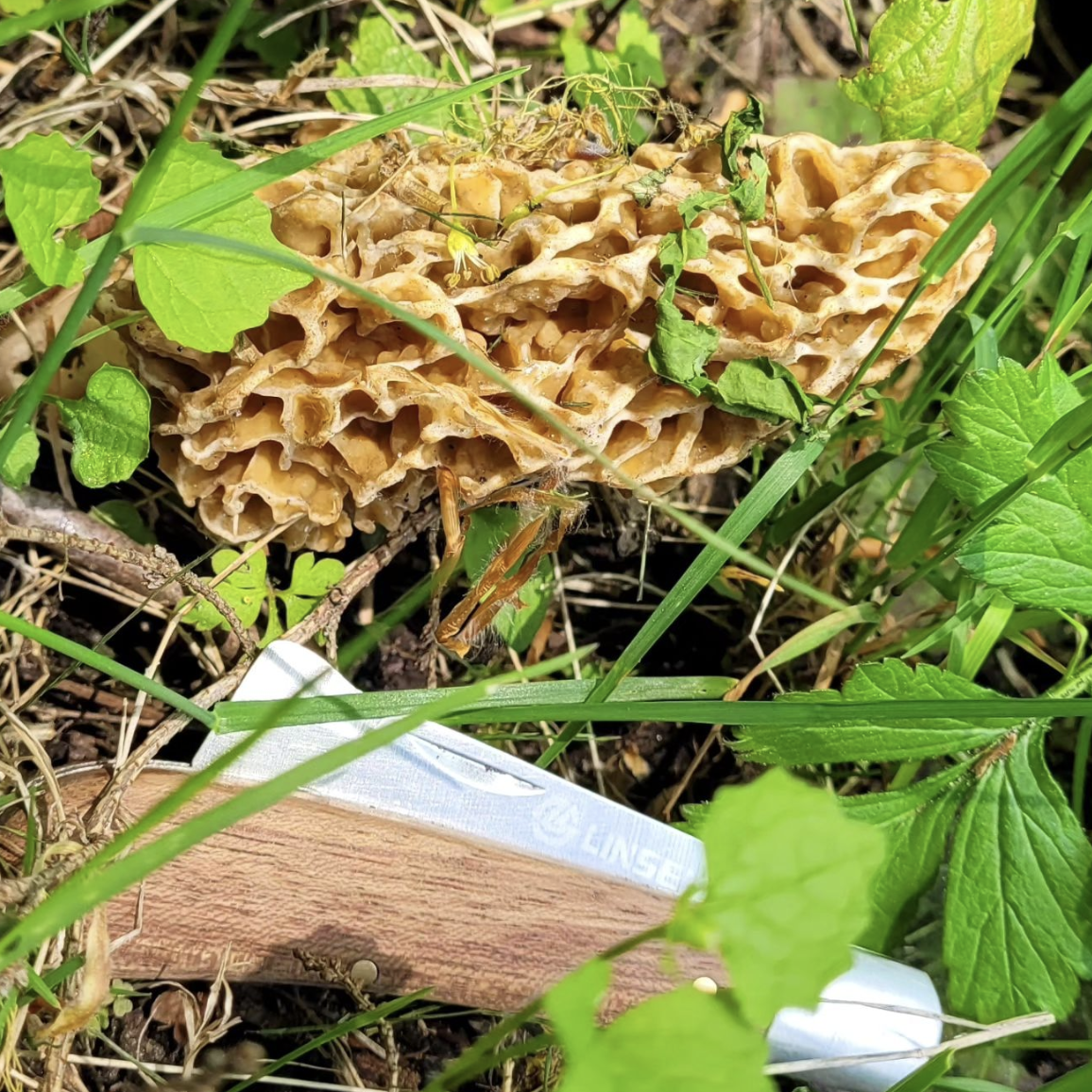
What makes a list? The question is like asking what makes a Martini dirty or how much VA is too much in sangiovese? There are some things in life that aren’t certain and others that are. The porcino is the king of all Italian mushrooms, just as the morel is in Ontario. This much is true. A young wild leek is best sautéed as briefly as possible in soft scrambled eggs while an older bulbous ramp should only be pickled. Chicken of the Woods mushrooms are the most striking fungi of them all and chanterelles are the only true frutto del bosco. Composing a best of list is not like these things but something other that takes time, a year’s accumulation of thought and above all else, patience. When more than 1,000 Canadian wines are tasted in a calendar year, narrowing it down to 23 feels like a weighty sense of responsibility and a profound task.
We are so far past discussing the merits or collective quality of wines produced in Canada. Canadian wines rock. They rock you like a hurricane, rock this joint and this town. They rock and roll all night, around the clock and the casbah. They are a rock and roll star, a rock and roll fantasy, old time rock and roll, a rock lobster and just a singer in a rock and roll band. Canadian wine is still rock and roll to me. Got it? This annual agglomeration gets easier to create and harder to define. In no particular order, in other words one through 23 are not systemized in any ascending or descending order. They are arranged to begin with this country’s most successful style of wine, that being sparkling, followed by riesling, chardonnay, pinot noir, cabernet franc, red blends and Icewine. These are Godello’s 23 Canadian wines that rocked in 2023.
Truly noses as blanc de blanc made from only chardonnay, orchard fruit suspended in sparkling animation. Gingery and rightly oxidative while tightly wound, grippy and ready for anything that is to follow. Flesh from the fruit of the trees fallen in to the hand even before it was picked from the stem. Croccante, succulent, a scintillant raciness in every respect, satisfying and long. Would really like to see this again after the decade strikes ten. Drink 2023-2032. Tasted blind at NWAC2023, June 2023
WineAlign National Awards of Canada judging in the Okanagan Valley
Traditional Method and the archetype for making bubbles to speak on behalf of a very specific terroir whilst using estate grown Prince Edward County chardonnay and pinot noir. Hinterland is THE PEC version of Grower’s Champagne because Jonas Newman and Vicki Samaras spend more time with their vines than anything else. Considering how many waters their toes dip into that says something and Les Étoiles means business. It is a serious sparkling wine, with intense flavours and the kind of backbone most fizz can only dream of hanging their flesh upon. The 2018 is precocious and wise yet the exploits of its behaviour have only just begun. So taut, so tightly wound and yet so bloody generous. Fresh and with gingery oxidative moments but ultimately in control and introspectively complex. Re-visit as often as possible for up to 10-plus years. Drink 2023-2030. Tasted March 2023
Consistently crafted as a Blanc de Blancs that sees 60 months on the lees from estate grown chardonnay. From a varietal growing season so ideally destined for sparkling wine because a cool and wet spring plus summer emerged in late August to hot days and cool nights through October. In the middle of that spell is the chardonnay pick for sparkling and as good, complex and riveting as this arch-classic Ontario bubble may have been beforev- well bring on 2017 for next level complexities. Tasty, piquant and toothsome, of toasty brioche like never before and this swirl of creamy fruits and exotic seasonings. Feels like aged Growers’ Champagne and the fact that it is from Niagara makes it all that much more satisfying. Plenty of crunch, succulence and acid-driven energy from a meticulous bubble. The benchmark for local. Drink 2023-2027. Tasted November 2023
Always pleased to welcome the BR R.D. into a glass and here is an old but a proverbial goody, that being 2014 and consumers must be reminded just how special this research and development is to determine the excellence of Blue Moutnain’s indagative sparkling wine. A blend of chardonnay and pinot noir, the first 10 percent more than the last with some of the most restrained, reserved and demure aromatics in the Okanagan Valley. All ways to say this is lovely, quietly generous and so settled to gift pleasure above all else. A most complex game of citrus and orchard fruit, distillate by nature, expertly seasoned with fine sea salt, white pepper and lemongrass powder. Such a gift nine years after vintage at a ridiculously reasonable price. Drink 2023-2027. Tasted November 2023
Here flies from the glass a sparkling gambit that has to be winemaker Mackenzie Brisbois’ most conventional wine. Just pinot noir and from an inverted vintage that gets better and better with time. A 2017 of wildly fantastical aromas and gravitas that make every aspect, component and iterated moment shine. This is a scintillant of excitation that delivers succulence we richly desire from Ontario sparkling wine. The mix of heady perfume, intensity of palate raciness and texture sliding into structure is truly something. If you are not put into an absolute tizzy and hypnotized by this fizz you may not be paying attention. Drink 2023-2028. Tasted November 2023
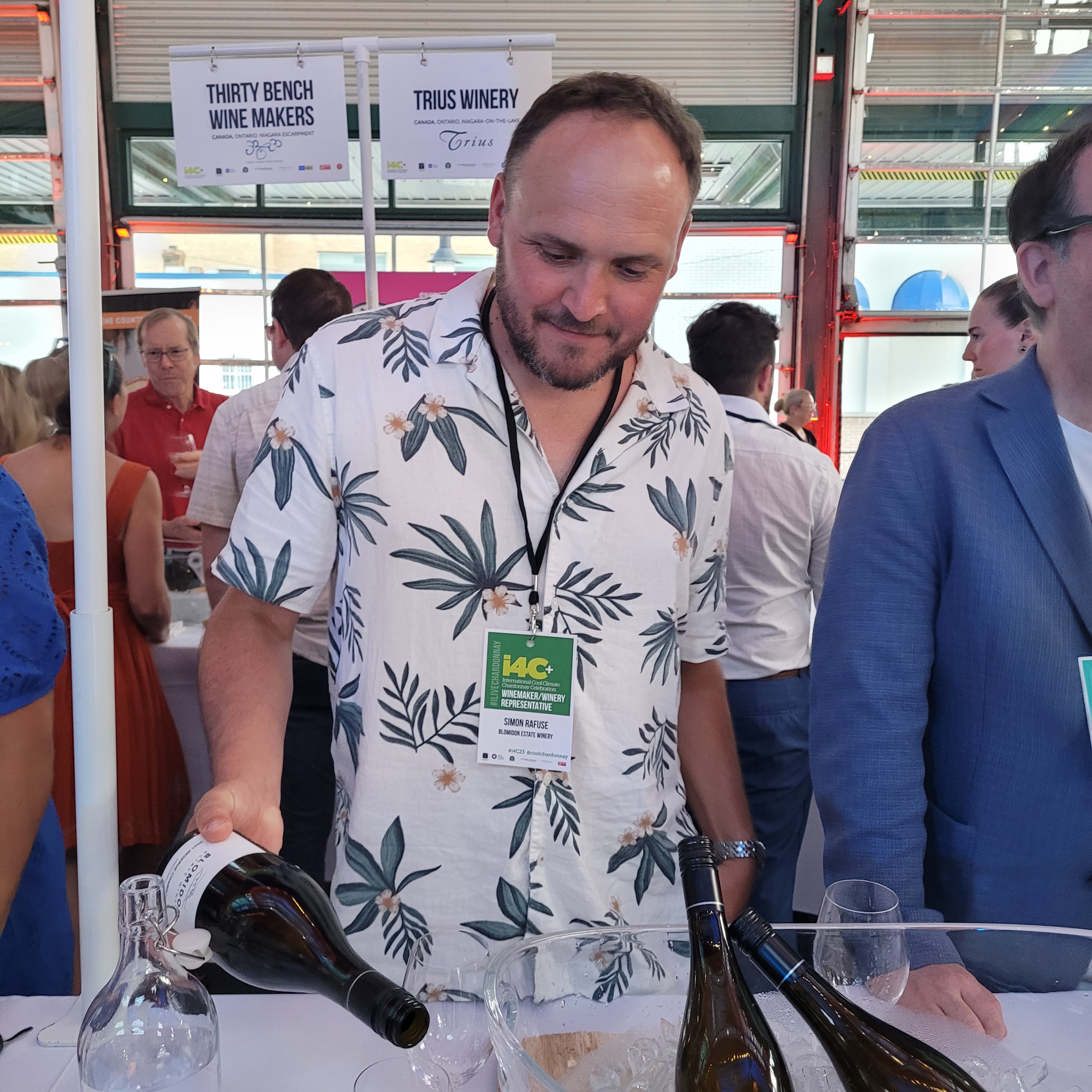
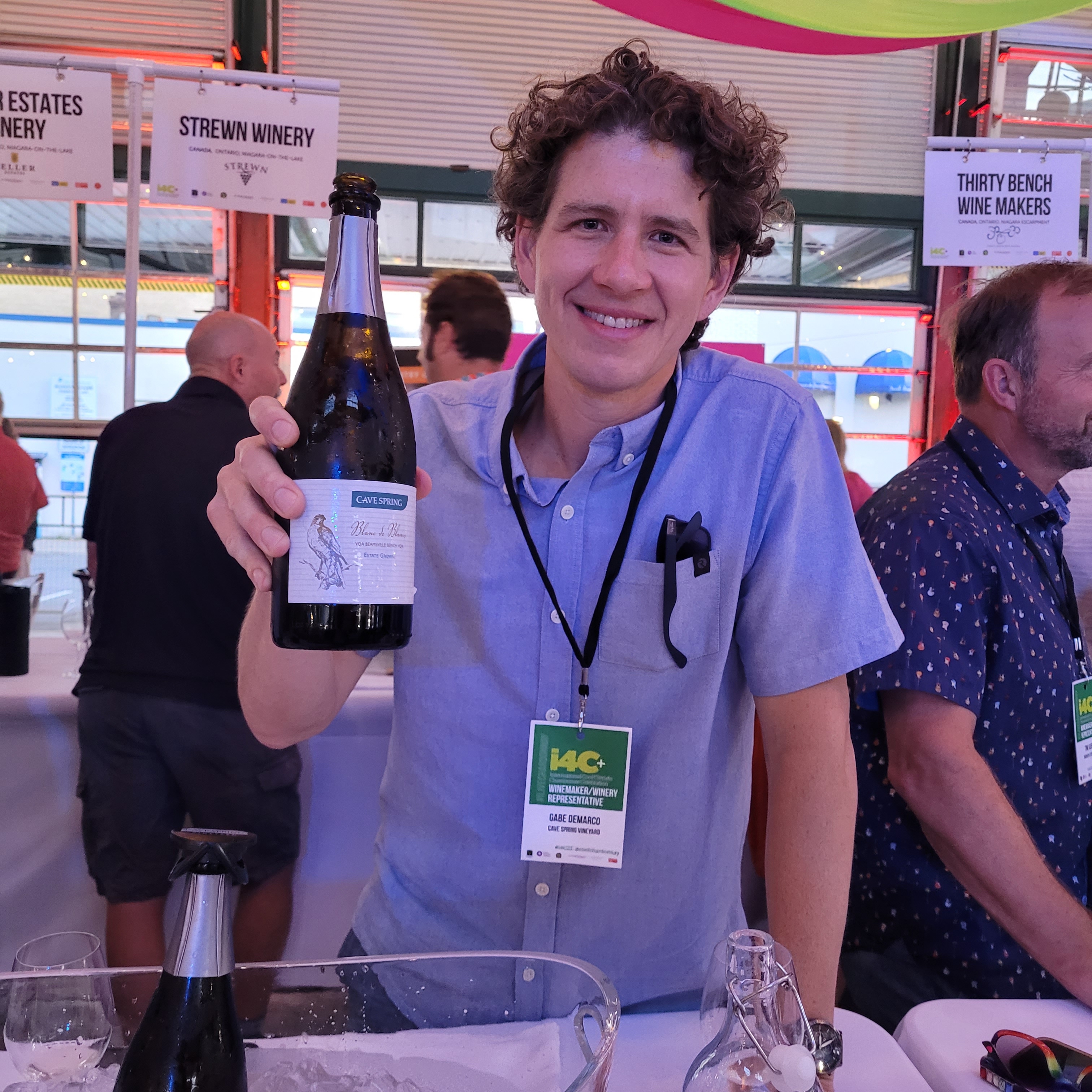
A 2016 Bland de Blancs that saw 60 months on the lees. Super aromatic and expressive as if breezes were blowing through, Fundy winds with sea kelp and wet clay. Ideal phenolics in an idealized B de B that surely captures place, especially in a vintage like this, but truth is tells Simon Rafuse, “extreme climate event weather in Nova Scotia is making vintage cuvées nearly impossible.” Much of the fruit here comes from the estate block on the bay north of Port Williams, a sandy site that makes for more gentle, elegant and abiding chardonnay. Using old barrels helps to fatten and flesh up that fruit. Seems like an ideal match for the scintillant style of traditional method Nova Scotia sparkling wine. Super fun and energetic bubble. Drink 2023-2027. Tasted at i4C, July 2023
Pinot Noir 85% Chardonnay 15%. If a bit too oxidative in tendency confirmed by the preserved lemon, well it also supports an ambitious style (reminiscent of top, top Cap Classique) that defines this traditional method, pinot noir controlled sparkler. Amazing toasty quality and just the right level of acid sourness to electrify and stretch in the finest nimble way while maintaining balance. Just has to be a top tier cuvée for this house. Drink 2023-2028. Tasted blind at NWAC2023, June 2023
As perfumed as it can ever get for Rosé with a salutary seasoning to elevate flavours up into a complex level of vinous gastronomy. Just scents like ripe pinot noir set up for food matching where plates like tamarind-glazed duck tacos, lemon thyme roasted game birds or anything spit grilled (a.k.a. al pastor) would willingly sidle alongside. Can handle a side of pickled onion, beet or turnip and also the truth. What a terrific use of Home Block and Simes vineyard pinot noir fruit, a white-like wine of protected aromatics, lees addendum, not to mention how blessed it is by a beautiful autumn that made sure Rosé could also be graced by true Okanagan phenolic ripeness. Perfect storm of a Rosé and we should all be thankful for the happenstance. Will age more than a bit as well. Drink 2023-2027. Tasted June 2023
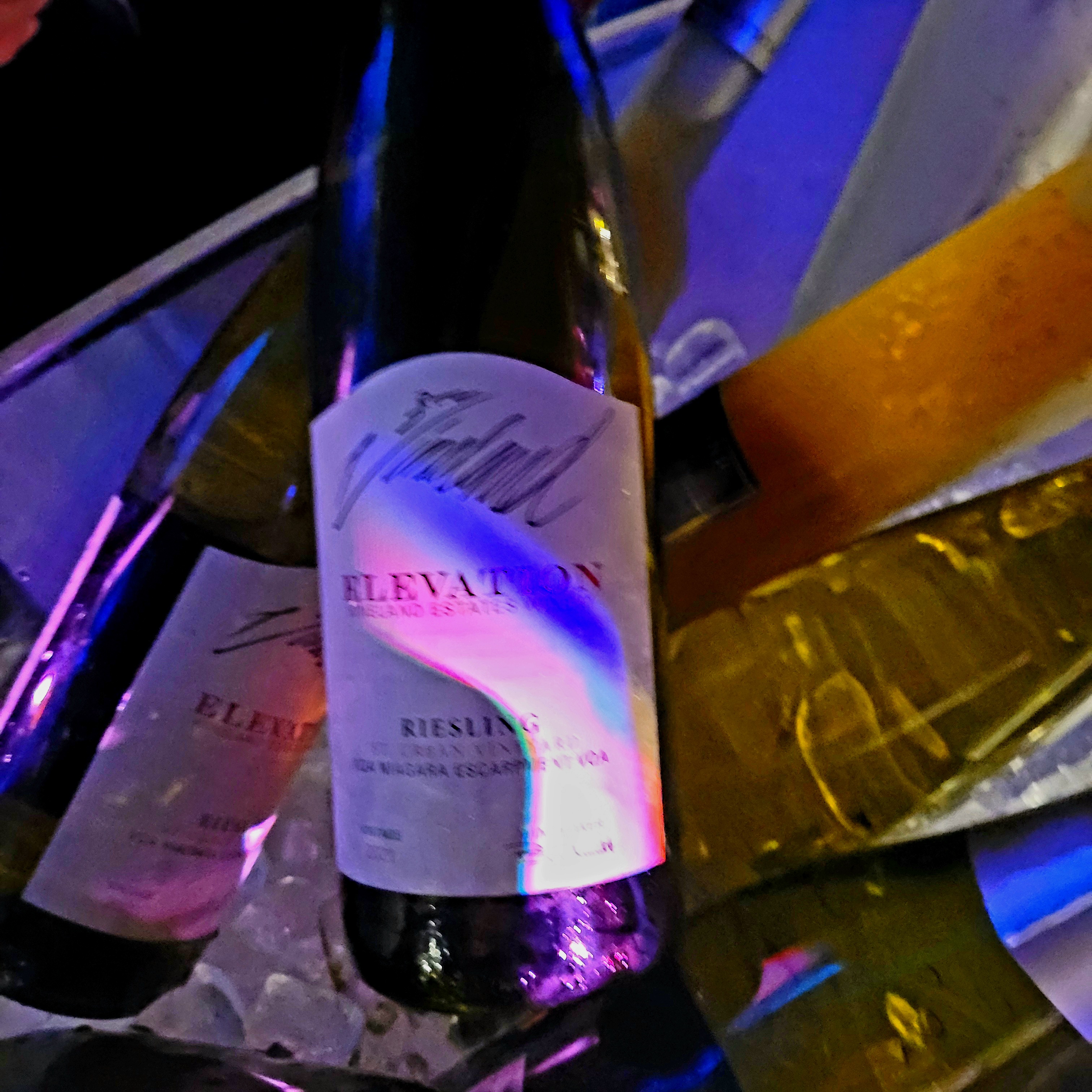
Credit know-how, track record and pedigree – all those essentials of a producer with varietal experience from THE place in this country where it all began. Yes, all this matters but step forward and know that Vineland Estates uses modern technology in both their farming and also winemaking practices in ways no one else seems to equal. So what does this mean for this archetype of an Ontario riesling? So much. St. Urban 2022 is the cleanest, freshest and most luxe yet, simply put it’s all about pinpointed accuracy, finesse and well, great science. The fruit is crisp, the acids purposed and the finish long, silent, salient and salty. This will age alongside some of the best, with noticeable phenolics in tow, making for sapid moments too. Drink 2023-2032. Tasted September 2023
From the first 2019 CSV holds the intangible riesling cards and feels well-ripened, despite the vintage not being one of the warmer ones up on the Niagara Escarpment. Truth is CSV ’19 wears its phenolics on both sleeves as noted in the botanical resins, melon skins and stone fruit pit aromas. Already possessive of a subtle petrol kiss and acidity of a clear and present high number. Nothing dangerous mind you and the phenol-acid relationship in the wine is quite static, stoic and immovable, at least in this stage of early youth. Will mature quicker than some though the mineral quotient will always ride shotgun. CSV 2019 feels like healthy drinking. It will likely assist in averting the damage of cells resulting from free-radical oxidation reactions and also promote anti-inflammation capacity. More than riesling. Drink 2024-2030. Tasted April 2023
Stoic, cool, gelid and reserved riesling in the vein of a cool climate though the palate richness suggests a warmer vintage. High sugar and also equally so in acid, well-balanced and bespoke where the relationship between grape and geology is ideally matched. This is extremely well made. Finish is extraordinary, with tremendous grip. Drink 2024-2032. Tasted blind at NWAC2023, June 2023
ed. The 2007 Carly’s Block tasted in July during a visit to Redstone Winery also rocked for 2023. One of Paul Pender’s great works indeed.
Crisp and crunchy but more importantly indelibly phenolic and with all parts moving as one, in synch and so incredibly harmonic. Symphonic riesling from the fabulous Baker boy out of 2019 and with this amount of time now passed, increasingly uncovering proof that it is indeed a vintage for the ages. Texture and intensity with shots of umami are created as a result of that stamp of particular Vinemount Ridge ripeness. Drink 2023-2032. Tasted April 2023
The 2020 may be as ideal as it gets for chardonnay across most sub-appellations of Niagara and Block 76 from Westcott up on the Vinemount Ridge proves the theory in so many ways. The statuesque musculature and moment frozen in time visage is something else from a chardonnay so stoic, confident and the kind of act sure attitude that speaks to farming and winemaking cohesiveness. From Garrett Westcott to Casey Kulczyk – there are no holes in this chardonnay. The barrel is huge and yet subtle, the fruit pristine and treated to precision, finesse and at the end of the day, Westcott family love. Benchmark for vintage, ridge and estate. Drink 2023-2028. Tasted August 2023
Estate chardonnay is a cracker 2020 for Hidden Bench and along comes single-vineyard Felseck to crank up the volume for something off the charts. The aromatic bites and flavour washes deliver a Beamsville Bench wall of varietal sound. This is driven, single-vineyard minded and stubborn chardonnay to put symphonies of sound in our heads. Like massed pianos, guitars and string arrangements from which pervasive aromatic perfume and transonic flavour intensity collect to personify cool climate Bench chardonnay. The farmer, maker and proprietor may not be the fruit themsleves, but Felseck 2020 is most definitely their wine. Drink 2023-2028. Tasted July 2023
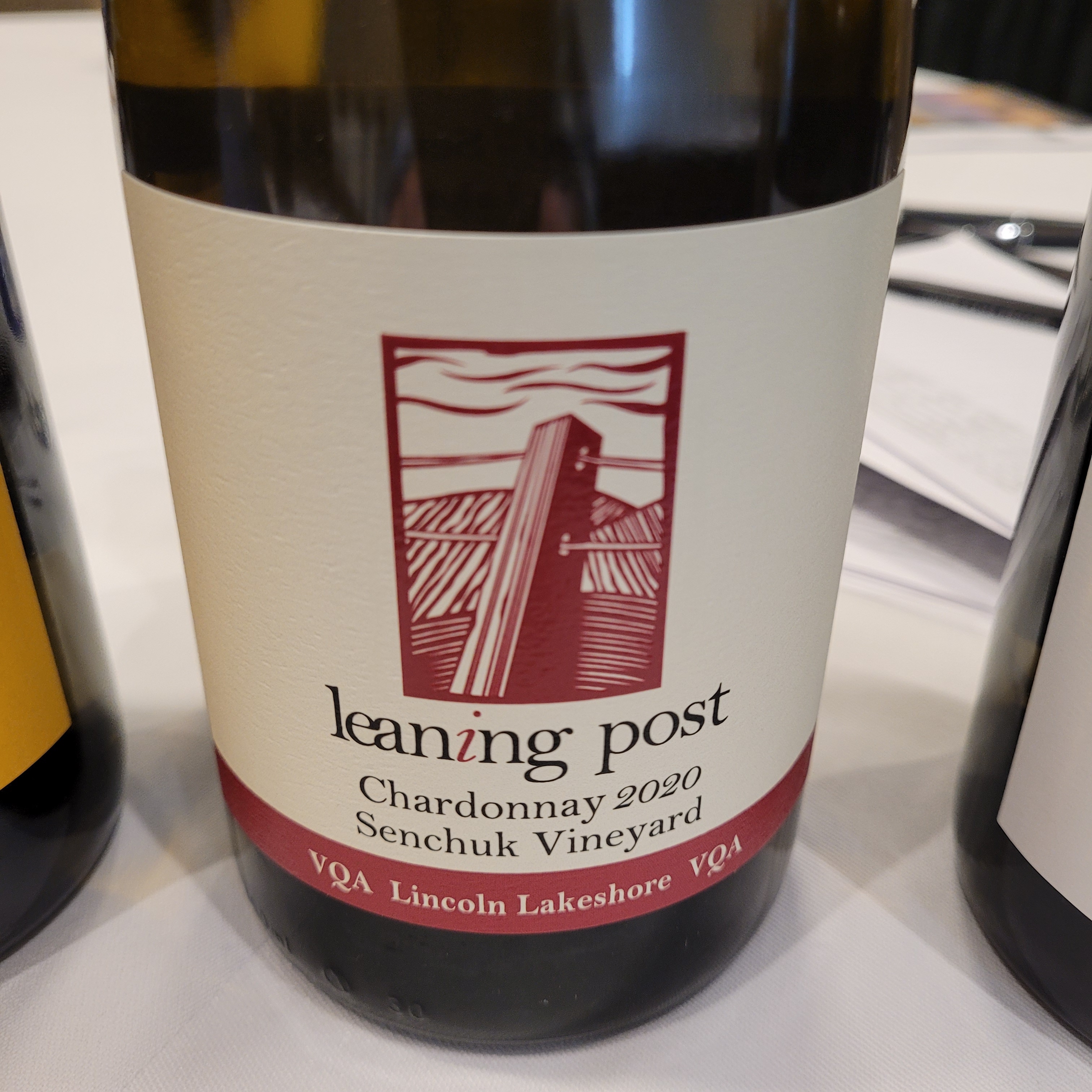
Not just the next vintage of the Senchuk homefront chardonnay but potentially one that will be talked about for a decade in retrospective tastings and longer. Whether or not a bottle is present, the reverberations will percolate through the ages. Not just a matter of varietal stuffing created by soils rich in clay and alluvial alloy in which stones feel pulverized into the textural fabric of this wine. You can chew this like taffy and feel the juices run as it liquifies and spreads across the palate. Hovering acidity keeps all the fruit covered, then lifted and placed just where you want this cleanest and purest of Lincoln Lakeshore fruit to be. We are all impressed and those who are not should be mystified due to reasons misunderstood. Drink 2023-2028. Tasted July 2023
The ode goes to Cindy Zwicker Reston, Rosehall Run co-founder and the honour is more about good deeds and love than it is just about name. St. Cindy is no small gift of a label and the good thing is Dan Sullivan’s work puts the saint in the Cindy. Few Prince Edward Country chardonnays were able to avoid ripening, softening, elevated alcohol and loss of tension but double R’s Cindy is the balanced one. Yes it is ripe and also rich but even more important is the pitch perfect seasoning, grip retention and finest moments where extract and tannin collide. This is really, really good chardonnay. The kind of stuff taught in chardonnay winemaking school but riffed upon in the real world. What else needs to be said? Drink 2023-2026. Tasted March 2023
Vintage number three from Grimsby Hillside Vineyard and now more specific by way of a split, with the Frontier Block as the plot within the larger plot, along with that of Red Clay Barn. Drilling down into this historical vineyard that has risen as fast as any New World terroir, just about anywhere these sorts of things are measured. Here named for the final frontier, that being the “last terroir” in Niagara and who knows, maybe it will soon be the first rolling off of everyone’s lips. GHV-FB 2021 is a force, that much is clear from the first look. Or nose, for what matters. Cool and stony style from a wide open space where limestone, shale and gravels conspire to create something new and with absolute potential. It’s already arrived thank you very much and while words like luxe and opulent do not come to the tip, others like succulent and scintillating do. Just something so real and right at your doorstep, vivid beyond chardonnay compare, a stealth fish swimming in clear waters. Truly complex for chardonnay and it must be noted, unlike any other in the world though at the same time feeling like something you’ve known your whole life. Make an exception to delve into this exception because when it comes to chardonnay, this is what we need. Remarkable clarity and distinction, precision extraordinaire and a wine to cast nets far and wide to secure as many bottles that could be found. Drink 2024-2032. Tasted December 2023
Warmest of vintages and yet as only pinot noir (especially from PEC) is want and capable of doing there is no dramatic rise in alcohol. Conversions will be conversions and they are almost always magical as it pertains to the County. The specificity of the Narrow Rows elicits a varietal human response like few, if no others out of the County and that means love. The wave of fruit effortlessly tumbling into sweet acidity and structure fitting like a glove makes all parts happy, singing and generous. They do their work with chivalry, philanthropy and love. The vintage is a conundrum for PEC reds but the Narrow Rows and subsequent actions will be judged as right in the future, in part because of the block and in part because the Stanners team abides by what this pinot noir needs to be. A top pinot for 2020 Prince Edward County. Drink 2024-2029. Tasted March 2023
Inviting, sexy and rising in high spirit, song sung hitting the high notes and a pinot noir that rocks from the first. The perfume is just so very brushy hillside or escarpment and perhaps a bit northerly in location. Crunchy and succulent, judiciously oaked and spiced. mid to more than that in weight, impressive concentration without density and length – such never-ending length. This is the right pinot for the people. Drink 2024-2032. Tasted blind at NWAC2023, June 2023
For Lowrey Vineyard go east young man, the east is the best – or at least east is oldest, planted in 1984 by the family for the legend Karl Kaiser. The lineage of alliances runs from Kaiser at Inniskillin with Jaffelin (now Rémoissenet), through Le Clos Jordanne and Bachelder forays into Oregon. Today the eastern block of old vines have passed their 35 year mark which means they are truly heritage, not only for Niagara but for anywhere in the world. A glacial heritage too, with limestone being a determining factor to make pinot like this seem soil-driven, mineral-bent and shaped by millennium. Bachleder’s job is to not fuck it up and though he never does, for 2021 he finds another gear. One that is measured and paced for pinot noir – which is exactly what it needs and wants. The sweetness and purity of both fruit and acidity is seamlessly braided to spin a wine that will surely be timeless. Truly special and deserving of much love so give it. Success? Did it come out? All his wines come out. Drink 2025-2033. Tasted December 2023
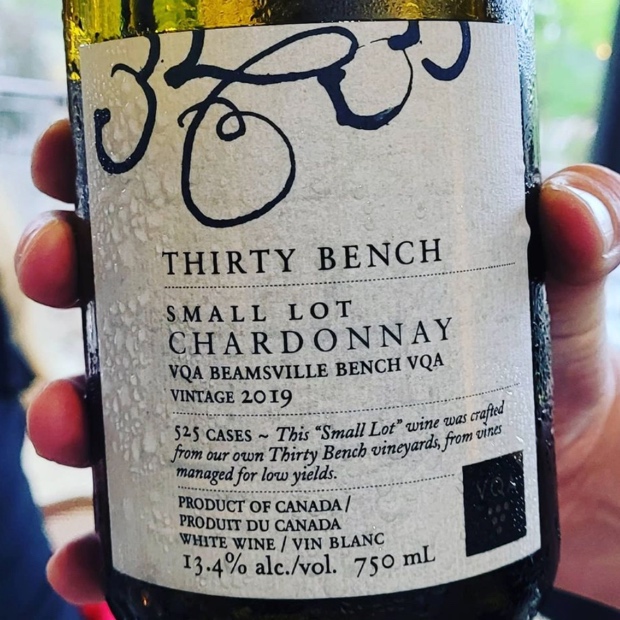
Full and splendid varietal expression with such a distinctly captured frank-ness in concentration that really sets the Bench on fire. All the fruit imaginable with help from ant ideal growing season and then the salt and pepper seasoning that sees wood do what’s right and also necessary. The linearity and even-keeled notions of this Thirty Bench are just so measured, persistent and incremental. Will age gracefully over 10 years time. Last tasted April 2023
If at first this may seem like middle road taken for grape and vintage, of medium specs all the way through, keep coming back to this wine. From fruit through acidity and into tannin there is harmony, seamlessly woven and without falter. Good pH balance connectivity to structure so that the cabernet franc doles in sapidity as much as anything else. Right amount of chalkiness and a temperament that is really quite fine. No mind that oak persists as a factor just on the right side of heavy for now. Should show beautifully in another year’s time and with (Bench) distinction for many years to follow. Equal parts salty and sapid is always great combination. Drink 2024-2028. Tasted blind with the Experts’ Panel, April 2023
The blend for Red is always vintage dependant but can’t say there is any shock to see cabernet sauvignon art 40 percent taking the 2020 lead. Next there is cabernet franc (27), followed by merlot and malbec (13 each) and finally petit verdot (7). Six weeks of picking between the merlot and the cabernet sauvignon with specs in the end right on par with that (latter) varietal wine. Meaning magnanimous, ambitiously structured and of a potential to see the 2020, 20th anniversary Red as becoming one for the Stratus ages. Certainly more juiciness and also fun (and pleasure) but make no mistake. These tannins bite back, the wood is far from integrated and years will be required to see this make good on its promise. Drink 2025-2032. Tasted September 2023
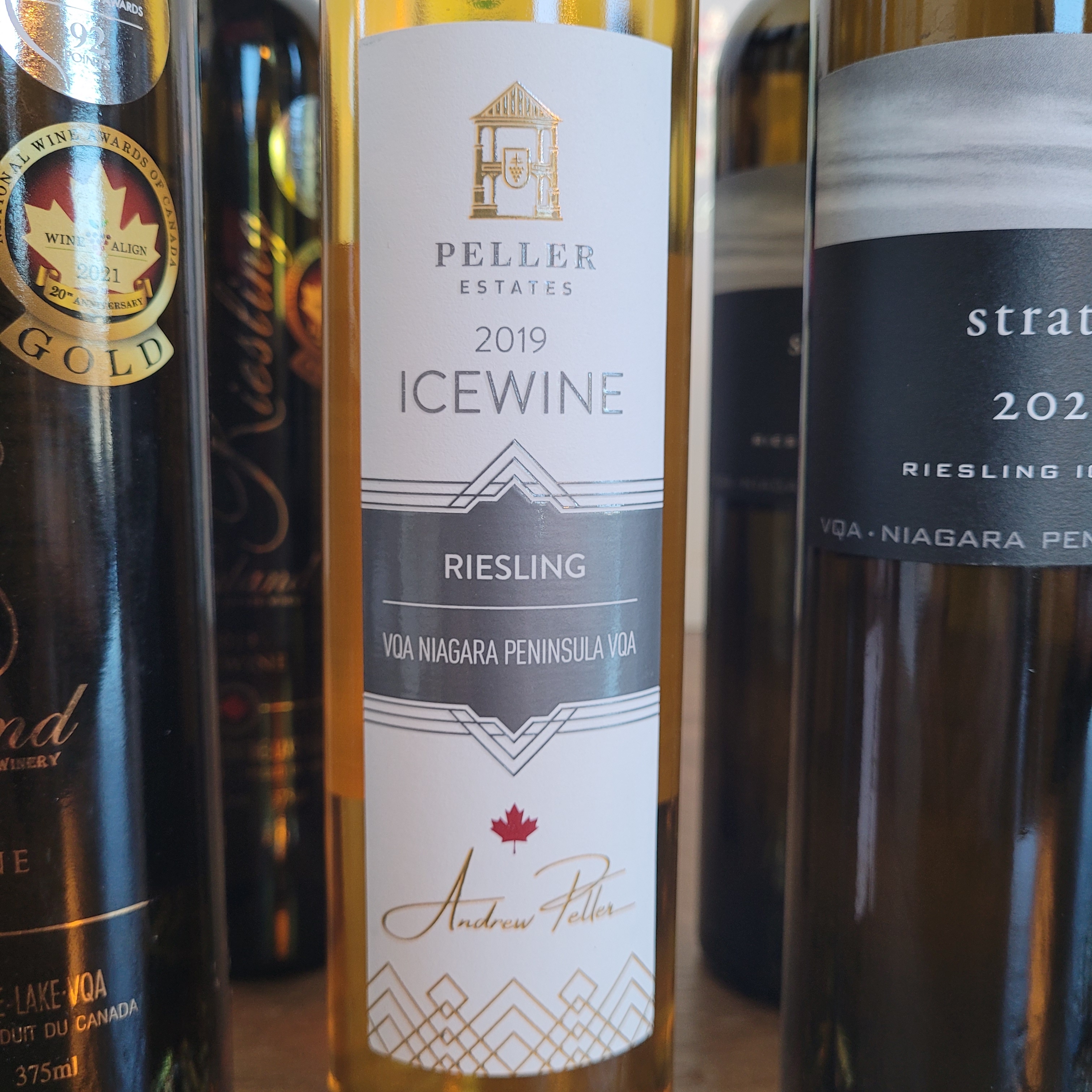
Densely concentrated and from the beginning an impressive balance in accord between sugars and acids so that the two move swimmingly along from the start through to a long lingering finish. One sip and the Icewine becomes one with your palate, hangs on, repeats upon itself and as far as that kind of attraction is concerned you welcome the linger. Special dedication and technique here to be sure. 179 gL RS and 10.5 percent abv. Last tasted January 2023
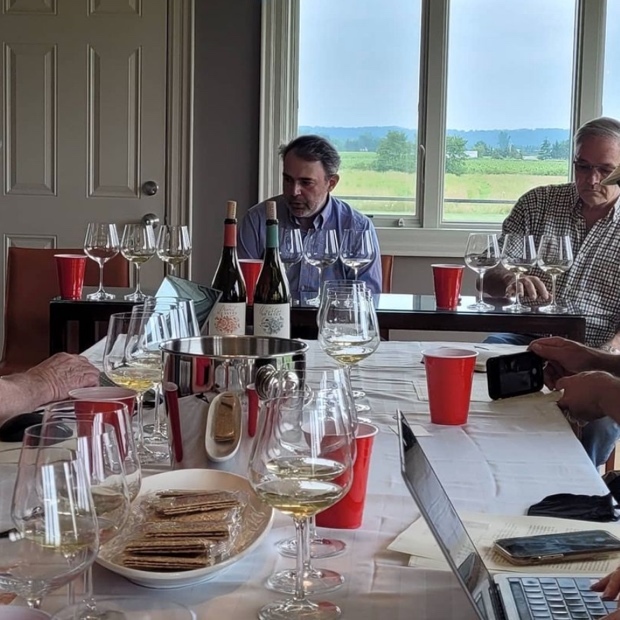
Niagara chardonnay, cornerstone of an industry, another one of nature’s mysterious constants, long-time member of both local and globally recognized greatness. A pandemic be damned the time had finally come to glide on down the QEW, inch by inch, to arrive in Niagara’s wine-lands and taste recently bottled vineyard bounty, plus some older surprises. At the behest, felicitations and facilitations of WMAO we the crü at WineAlign abided by the invitation. The visits included Le Clos Jordanne, On Seven Estate Winery, Stratus Vineyards, Trius Winery and Restaurant, Hidden Bench Estate Winery, Tawse Winery, Redstone Winery and Restaurant and the Bat Caves at Bachelder Wines. The next trip will take in at least seven more and after that, no less than seven again. And so on. Niagara is not conquered in a day, or a weekend.
And everybody tells me that it’s cool to be a cat Cool for cats (cool for cats)
The steamy and canicular July varietal sally coincided with the physical return, if only in part and to limited display, of the region’s annual i4c Cool Climate Chardonnay Celebration. Ontario’s most famous annual gathering inclusive of international winemaking stars is one that so many media, sommeliers, producers, importers, marketers and consumers have come to know, embrace and love. With a commitment for more arms to get jabbed and further progress towards community safety be made in these next 11 months, there should be every reason for optimism that i4c 2022 will return in full force next July.
In addition to chardonnay (that cool refreshing drink) there too were touring pours of sparkling wines, riesling, pinot gris, skin contact whites, rosé, pinot noir, cabernet franc and gamay. Those tasting notes are included in this report because quite frankly Niagara’s varietal diversity and inclusivity on full display should be duly noted. The festivities concluded on Sunday afternoon with not one but two Bat Cave barrel tastings with the stupefied, hyper-hypnotized and monkified winemaking tour de force himself, the other tall and thin white duke, Thomas Bachelder. No I did not make any formal notes on the dozens of chardonnay and gamay thieved from his barrels because frenetics and focus do not jive, not when Bachelder, barrels and argumentative discourse are involved. Bachelder began with some re-visits of finished “Villages” wines in the guise of Mineralité de Niagara and L’Ardoise, same same but for different markets (Ontario and Québec), both from the 2019 vintage. Then the surprise of the tasting emerged, two unmarked magnums, as of that very moment yet untasted and very special. “From the Heart Cuvée Number 1” is a project with fellow enlightened, philanthropic aiding and abetting abbot Steven Campbell. Their chardonnay crushes the concept with its dynamic and lush configuration. Why because of the very notion of being figuratively layered, blessed with a frictional vitality burnished into its collective heart and chardonnay soul. I had to stop after each sip to reassemble my nervous system and scrape my mind of the cosmos, not to mention the universe, galaxies and stars.
Crazy eyes in the throes of a four-hour Bachelder barrel tasting
The concept began as an annual Canadian Charity Wine Auction in support of the battle against climate change and then further developed into the Rescue the Grapes auction in NYC in partnership with Christie’s. Campbell and Bachelder convinced dozens of winemakers to donate small-ish lots of unfinished wines to be gathered and vinified as a single wine, an Ontario supergroup-cuvée if you will and finished by Thomas, acting as lead singer and songwriter. In Canada he and Steven are asking wineries to sponsor winemakers dinners in their home province and if they do host a dinner also support our auctions in the other two provinces. For the other province they donate a six pack of wine and will include VIP “Passport” to the winery to promote interprovincial wine tourism. So far in Ontario Trail Estate, Malivoire, Southbrook, The Farm, Trius, Cave Spring, Pearl Morissette, Bachelder, Henry of Pehlam, Tawse and Rosehall run have all stepped up with a few more in the wings. In British Columbia Black Hills, Stag Hollow, Burrowing Owl, Okanagan Crush Pad, Tin Horn Creek, Tantalus, Quails Gate, Mission Hill and an Arterra winery are in with more to come.
The Bachelder Vineyard Map
The chardonnays were pulled from Willms Vineyard, Wismer-Wingfield est and ouest, Wismer-Foxcroft, Saunders Organic and Bio and Grimsby Hillside Escarpment Red Clay Barn Block. The gamay barrels tasted were Bator, Jackson-Bai “Bai Xu,” Wismer-Parke, Hanck est and ouest. Thomas did reveal the first ever bottle of Grimsby Hillside Chardonnay. The personal connection to that storied plot along the Lincoln Lakeshore in Winona will be investigated to the fullest extent of Godello law in a report coming soon.
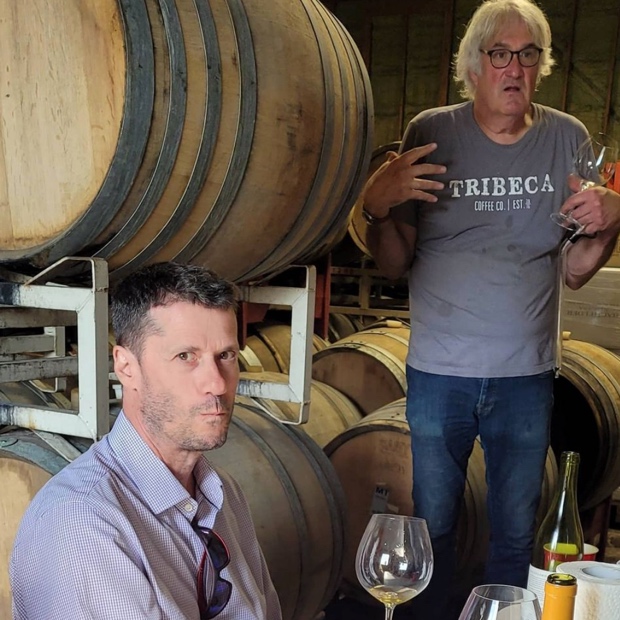
Godello with Hidden Bench winemaker Jay Johnston
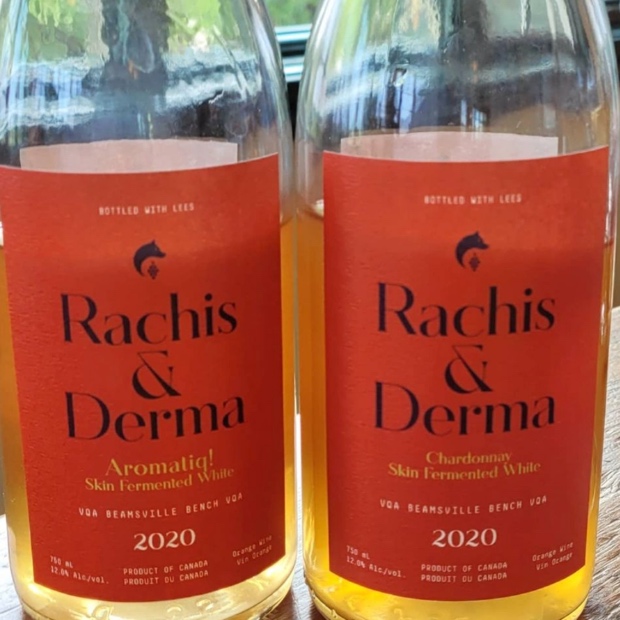
Has one really taken full advantage of a cool chardonnay weekend if one has not gone nose, palate, heart and mind deep into a seven year Hidden Bench Marlize Beyers to Jay Johnston Felseck Vineyard Chardonnay vertical? Methinks not. Not to mention a viticultural tour with J.J. and Joel Williams, Brut 2014, Rachis & Derma skin-contact and of course, Gamay. Thanks to proprietor Harald Thiel and congrats on being bestowed with the honour of “Champion Chardonnay of the year!” Couldn’t have happened to a more deserving and industry leading partner. 👏 👏 👏
Hidden Bench Winemaker Jay Johnston and Viticulturist Joel Williams
New to the Niagara Peninsula scene is On Seven Estate Winery, headed up by Vittorio de Stefano and with the charge in the hands of Canada’s most accomplished consulting winemaker Peter Gamble. Just as he has made giant viticultural and vinicultural strides with the likes of Stratus, Benjamin Bridge and Lightfoot & Wolfville, in typical, ambitious and big picture defining fashion it is Gamble who sees unlimited qualitative potential in the mineral-rich soils of OSEW’s Niagara-on-the-Lake soils.
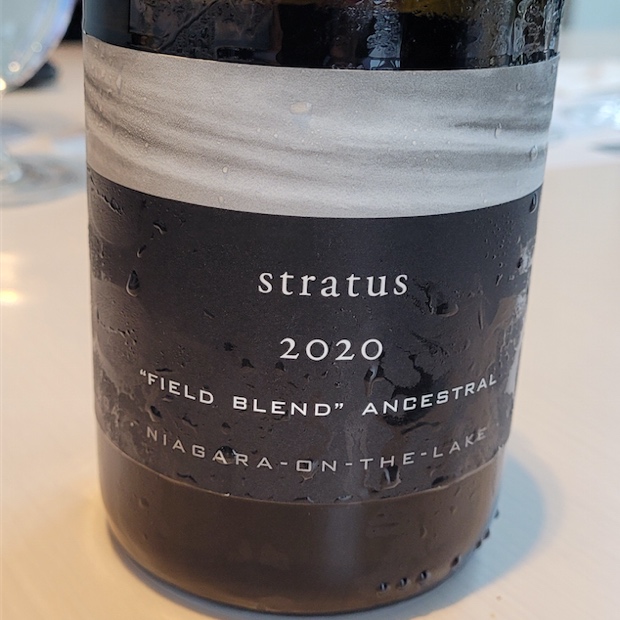
The sit-down at Stratus Vineyards titled “To lees or not to lees? That is the tasting” explained from the word go about the new direction concerns all things lees. To see two winemakers, they being J.L. Groux and Dean Stoyka existing on the same mad scientist solids page is something all Ontario wine pursuers should choose to follow. The pursuit is being played out in chardonnays and multifarious sparkling wines, in Blanc de Blancs, Brut Nature Zero Dosage and “Field Blend” Ancestral. For Ontario this means serious sparkling wine business.
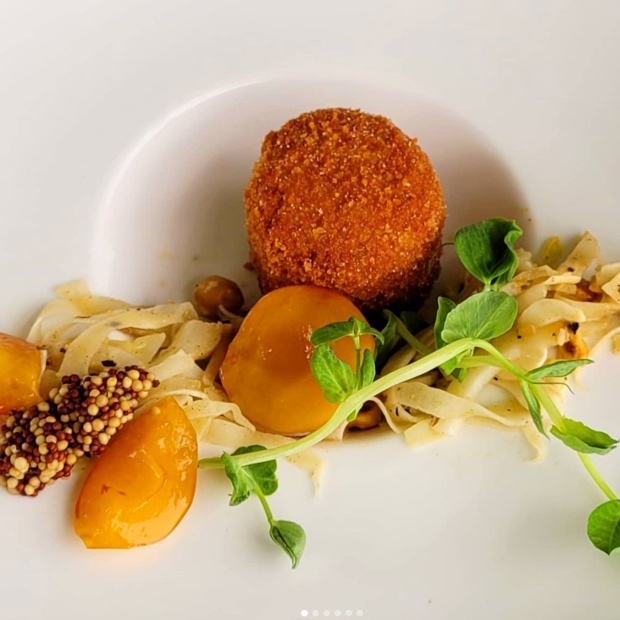
Panko-Crusted Pork Rilette, poached plum & charred fennel salad, toasted hazelnuts, honey dressing, pickled mustard seeds – Executive Chef Steve Sperling, Tide and Vine Oyster House
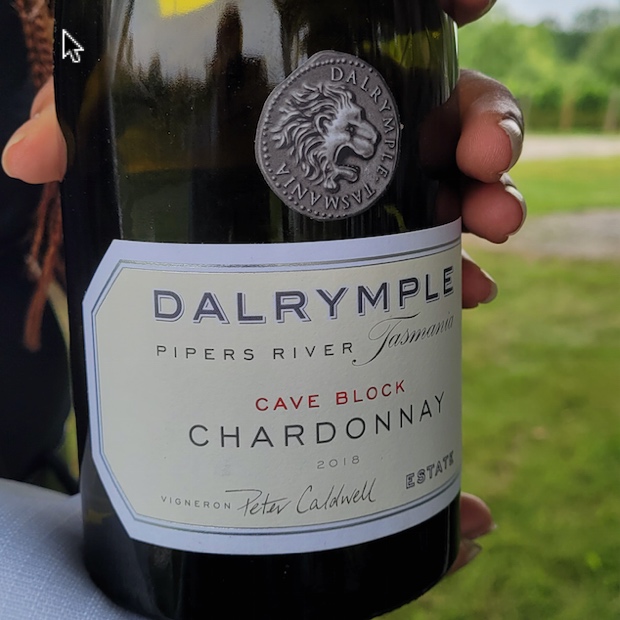
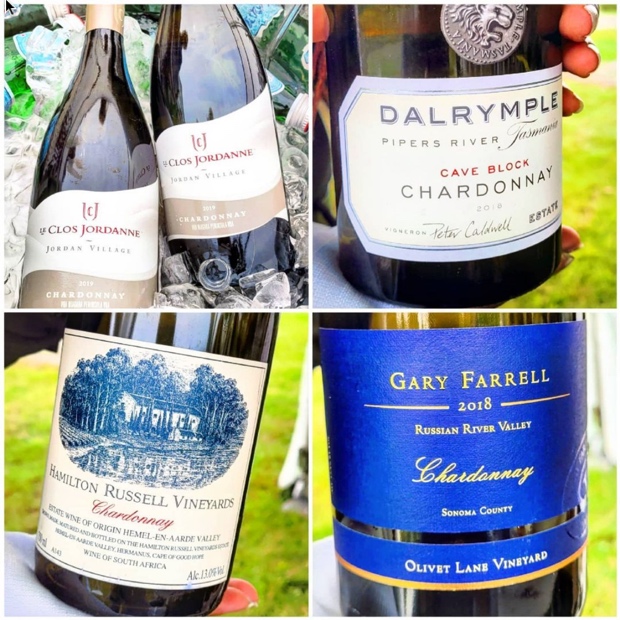
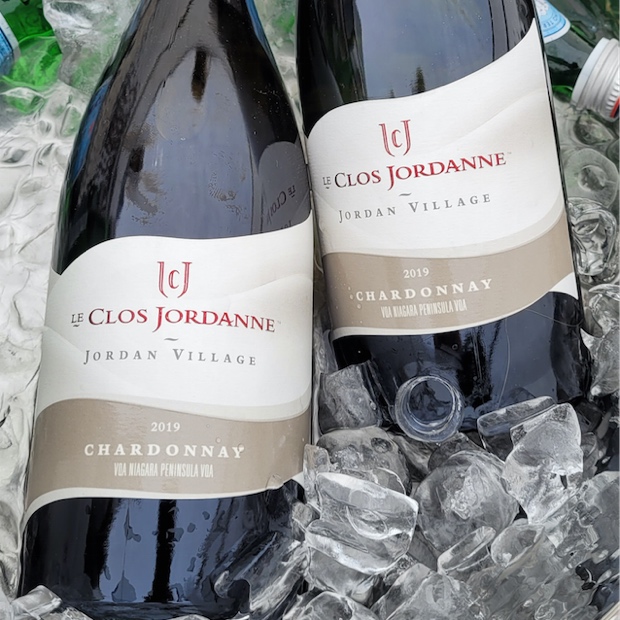
“Lunch and Launch in Le Clos Jordanne Vineyard” moved us in many ways, first through distant Upper and immediate Lower Jordan Bench views, of Le Clos, Talon Ridge and Claystone Terrace. Tide and Vine Oyster House was responsible for feeding us to the breaking point, by oysters, yellow fin tuna tartar, cold smoked salmon, vichyssoise, pork rillete, surf & turf and olive oil cake. The chardonnay flowed, with Village and Grand Clos examples by hosts LCJ, but also international stars; Tasmania, Australia’s Dalrymple, Hemel-en-Aarde, South Africa’s Hamilton Russell and Russian River Valley, Sonoma County, California’s Gary Farrell. Here are my notes on those three wines.
A steely year with the vineyard’s hallmark acidity in a cracker Tazzy chardonnay with lip-smacking energy, intensity and drive. Soil, site and place in relentless pursuit of a focus at the head of body and game. Crunchy, crisp, indelibly fresh and piqued with the finest wisp of white peppery kicks. Nuts, complexity, bolts and length. All in. Drink 2021-2026. Tasted July 2021
From the air-conditioned, cool breeze motivated vineyards (52 hectares) 100 miles from the ocean. Wet vintage, cool and long-hanging. Concentrated flavours in chardonnay that draws from all parcels which is more than just the Hamilton Russell way but in fact the only way. No fruit is wasted, all parts commit and contribute to the whole. A vintage like this is special, restrained, understated and one should not be misled by the shadowy depth and layering. Fruit is but a conduit for all else happening in this streamlined chardonnay. The alcohol and opulence are subtle, the pleasure calming, the capitulations promising. Methinks time will be long, slow and kind to HRV ’18. Drink 2021-2027. Tasted July 2021
Pellegrini’s 1975 planted Olivet Lane Vineyard sits on 65 acres of sloping benchland in the Santa Rosa Plain, in between the warmer Westside Road region and the cooler Green Valley. If taking a step up from Gary Farrell’s estate label is even a possibility then yes Olivet Lane is just such an animal. Threefold (or ten times) more expressive, from jump started to flying ahead, in freshness, vitality and tightly wound intensity. Flesh and opulence submit to energy, motion and emotion. Captivated and caught up in a bold embrace. Forget bracing but surely feel the fineness and the purpose towards effecting satisfaction. Top, right, fine. Drink 2022-2027. Tasted July 2021
Tres Cool Chardonnay
We’ve called on many estates over the last 10 years but truth is the visits were epic this time around, with thanks to the talent involved; Thomas Bachelder, Elsa MacDonald MW, Eugene Mlynczyk MW and the Arterra Wines Canada crew; Tide and Vine’s Mike Langley, Chef Steve Sperling and team; On Seven Estate Winery’s Vittorio de Stefano and Consulting Winemaker Peter Gamble; Stratus Vineyards Assistant Winemaker Dean Stoyka and Estate Director Suzanne Janke; Trius Winery and Restaurant’s Executive Chef Frank Dodd and team; Hidden Bench Estate Winery’s Winemaker Jay Johnston and Viticulturalist Joel Williams; Tawse Winery Winemakers Paul Pender and Jessica Otting; The Restaurant at Redstone Executive Chef Dave Sider and team; Thomas Bachelder and Mary Delaney. These are the 40 finished wines tasted over a near 30-hour period on July 24th and 25th, 2021.
Tasted as part of an #14c21 seven year vertical Felseck Vineyard retrospective. No stirring, “I don’t like bâtonnage,” tells winemaker Jay Johnston, “unless I’m trying to get a wine to dry.” Never mind the lees aeration or the emulsification because texture in this ’19 is extraordinary to behold, gliding across the palate with Bench orchard fruit cleverness, penetrating perspicacity and juices running through unblemished flesh. Tighter and taut than ’18, while seemingly improbable but here yet unwound, far from the pinnacle at which point full expression will surely ache to be. The ’18 may be a beautiful thing but the ’19 is structured, manifold in destiny and ideal for those who know, or at least think they do. Drink 2023-2030. Tasted July 2021
First a walk through the Felseck Vineyard and then a tasting with winemaker Jay Johnston and viticulturist Joel Williams as part of an #14c21 seven year vertical retrospective. Very warm season, much like 2016 though not quite as scorching and sun-filled. Would not call this stoic but would say that concentration, grace and all things stretched are in optimum balance this time around. Pretty quick turn around for Johnston to exact an ideal Felseck chardonnay just a year and a bit into his tenure at Hidden Bench. Just crunchy enough, more than ample and most importantly understated within the context of a great richness inherent in its varietal meets plantation DNA. There is no denying how enticing, invigorating and attractive this chardonnay is and will be to many who showed buyer’s foresight, but also those now lucky enough to come across its terroir-motivated beauty. Drink 2022-2028. Tasted July 2021
Tasted as part of an #14c21 seven year vertical Felseck Vineyard retrospective. A vintage of survival, saved by a glorious September and into October. Looks like the richness made it with thanks to the fall weather and yet the elongation, length, elasticity and texture are all what matters to speak, walk, talk and tow the Felseck line. Solid, mid-weight, mid-acid and structure chardonnay that acts with perfectly middling emotion between the warm ’16 and ’18. Last tasted July 2021
Felseck gifts what chardonnay needs with fruit equipped to start out subtle, gain traction and then commit to gliding into grace. That state of delicasse is now, with a natural orchard-stone-melon sweetness and an integration seamless, layered and eternal. Drinking this now makes great sense and the honey notes that may follow will only add to the mystique. The Ontario epitome of intelligent and refined chardonnay. Drink 2020-2025. Tasted May 2020
Tasted as part of an #14c21 seven year vertical Felseck Vineyard retrospective. Smoking hot season, much like 2018. No other vintage will impress and woo a more general if elevated palate than this ’16 (save perhaps the high award winning ’18) because both concentration and grace reside in the arena of the beautiful, together, side by side. Not the tightest grain in the vertical retrospective Felseck ship. Can’t say this will live as long as the ’13 and ’14 but there is plenty of life in this gorgeous and not so alone 2016. Drink 2021-2026. Tasted July 2021
Tasted as part of an #14c21 seven year vertical Felseck Vineyard retrospective. A short crop year, “we got slammed,” says winemaker Jay Johnstone, “but a wine of definite concentration.” Showing evolution and age in tones, developed richesse and caramelization well beyond both that of ’13 and ’14. No corn however, despite what the initial nose might have indicated. A faux creamed presentation that ended up more peach to apricot in drupe, not niblet. Nutty too, again idiosyncratic and a unique Felseck as such. Last tasted July 2021
Sometimes I’m “walking down the street, minding my own business” when a taste of a chardonnay makes my eyes go wide. Like this lovely thing of really compelling and nuanced aromatics, diverting, bright and effusive. Intoxicating really, “must have been the sun beating down on me.” A soulful chardonnay, Darondo luscious, strutting at you, with golden fruit, layers of slaty under-vein, a bit of ancient bivalve fossil shell, piqued and long. Gets its texture from a pinpointed cru for sure and is very cool-climate Canadian, almost certainly Bench Niagara, more than likely in Beamsville. Drink 2019-2025. Tasted blind at NWAC18, June 2018
Tasted as part of an #14c21 seven year vertical Felseck Vineyard retrospective. A short crop year but a solid year. Now expressive with croccante and cracker sensibility. Aromatically touched by croissant to brioche biscuit richness, with still pulsing acids and mouthfeel second to none. This is a next era Hidden Bench Felseck and the launch point from off of the work put in through the previous five or six vintages. Tasted blind four years previous to now was a completely different experience. Drink 2021-2026. Last tasted July 2021
Unction and creaminess, lost in a chardonnay dream because to nose it’s a sweet, floral, demure thing. Lees apparent so you can smell the work in progress and feel the texture. But it’s wound loosely tight with just enough give to make it so readily available. Beautiful little wine though I can’t help but imagine there’s more single-focus structure than a blind taste wants to give. Hope to come across this hard to get beauty again someday soon. Tasted blind at NWAC17, June 2017
Tasted with incumbent winemaker Jay Johnston as part of an #14c21 seven year vertical Felseck Vineyard retrospective. The vintage may very well be considered much like 2021 is shaping up to be, wet and humid, culminating in a late season. A short crop year but surely one of the Bench’s best dating back to 2009. Persistently flinty and aromatic, holding the citrus and stone fruit line, still quite tight and yet to evolve with any considerable haste. Not one to think on as a specific Bourguignons terroir per se but definitely Hidden Bench, amphitheatric Beamsville of origin, expression and conclusion. Drink 2021-2025. Tasted July 2021
The first attempt and rather obvious pronouncement towards creating a Bourguignons Villages wine is this over-delivering for the price chardonnay from Thomas Bachelder and the re-invented spirit of Le Clos Jordanne. Jordan Village as in grapes gathered from the lower and upper Jordan benches. When warmed in the glass and were it drawn from a warmer vintage there might be even more fleshy opulence but with 2019 and this collection of LCJ single vineyards there is fresh magnification and edgy dance moves, shimmer and glitter, not to mention of glimmer of what this commercially viable brand will ultimately bring to the collective entity that is cool climate Ontario chardonnay. Drink 2021-2024. Tasted July 2021
Le Grand Clos signals the return of the lower Jordan Bench and “I’m very happen it’s back in the (Escarpment) lexicon,” says winemaker Thomas Bachelder for a chardonnay of origins truly different than the upper benches in Beamsville, Vineland and Jordan. A svelte vintage, not lean by any stretch but surely tight and what some might say restrained. That may or may not include fine white caramel, liqueur glazed fennel and a mild sense of grilling. A chardonnay from vines in a season that needed not shut down to either hydric nor heat stress. Funny how both 2018 in Niagara and Hermanus produced similar results. The big “E,” fine-tuning, chiseled features and sneaky structure. Last tasted July 2021
Thomas Bachelder’s second vintage since the reprise of Le Clos Jordanne’s chardonnay and pinot noir is perhaps the most nurtured (and nurturing) because he and team treated this varietal fruit through all the early stages; newborn, infant, toddler and child. The attention to detail, from choosing cooperage, forests, barrels and in elévage design is both mathematical and surgical. After 22 months the result is just so imperfectly perfect. Unequivocally noted as a high acid vintage and rather then fatten up this fruit the monk chose the direction of vintage seasoning and identity. Drills down into the Clos and where it fits within the Twenty Mile Bench. The exiguity and heretical transparency makes this a great ’18 Le Clos because ambiguity is the enemy of accountability and also progress. As a forward thinking chardonnay it represents itself, the maker and proffers a sense of place. Perfectly easy to drink right now and imperfectly set up for aging, but that’s just not the point. Drink 2020-2025. Tasted November 2020
Seven acres, thus the name, in the hands of Vittorio de Stefano, “and a project paramount to wanting something sustainable that can compete at the international level and standard.” The vineyard is five acres and the property now 15.5. Planted half each to chardonnay and pinot noir, all organic. Bourgogne is the impetus, Niagara the goal. The genesis of planting decisions dates back to 2009, high vigour rootball SO4 rootstocks and clones finally acquired in 2014. Now at seven years of age the vines are ready to rock. A place of science, with oenological consultant/winemaker Peter Gamble at the fore and wines of minimalist approach starting out in reductive tendency, then finishing with longevity defining acidity. Richness and intensity meet at a general Côte d’Or vortex but in the end Niagara lake-proximate flesh and tension are the true meeting point. There is a distinct flintiness (and unlike other flinty chardonnays) but also a caramelization of high delectability and flavour. Vim and vigour, vivid and 20 per cent new oak over three years to gain such favour. Exotic too, with wood contributing to the extract, but surely essential trace elements; manganese, iron and calcium of causation allowing the minerals to make themselves heard. Intriguing wine if only at the beginning of a long story yet to be told. Only 82 cases made. The goal as the vines mature will be 800. Drink 2021-2024. Tasted July 2021
Perhaps not the highest of knowable excellence yet clearly the most intriguing chardonnay that may never be emulated any time soon, certainly not out of 2019 or 2020. Singular stylistic wine, reductive and opulent, more Pouilly-Fuissé (with thanks to 2017) and a warmth that creates such a textural buzz. More fat in spite of that 8 g/L acidity, but such energy and considering the age at this point it almost seems the wine is going a bit backwards. That said the vanilla and caramel comes in wafts and waves, the flavours and textures in layers, long, lingering, forever. Only 108 cases made. Last tasted July 2021
The newest Peter Gamble consulting joint is this from upstart The Pursuit of Seven. The chardonnay fruit is Niagara-on-the-Lake and the concentration suggest established vines (of at least 15 years-old it would seem) and no holds barred in terms of extraction and wood support. The density and fruit bang for buck are impressive and there is some volatility in distraction. Ambitious to be sure and the acumen employed true to form, not to mention distinctly clear. Drink 2020-2023. Tasted March 2020
Vittorio de Stefano of @onsevenwinery with consulting oenologist Peter Gamble
Imagine the minerals from these Niagara-on-the-Lake soils (manganese, iron and calcium) and the highest intensity fruit getting together in a tiny lot chardonnay case load. Then consider going against the grain with harder (elevated) turbidity in the ferments for more skin feel and purposed pulp for upfront loaded flavour intensity. That’s the direction and hyperbole of pursuit in The Devotion on Seven, an (only) 31 cases made chardonnay. Doubles (or perhaps triples) down on reduction, fulsome flesh and yet the warner vintage has as much to say as the inherent processes involved. Also a tannic chardonnay, in dramatic sensory extract as compared to the Pursuit on Seven ’18, though it can’t help but express more of everything as compared to the Pursuit of Seven. The acidity number of 8 g/L might seem extraordinary when considering the warmth and the ripeness of the vintage, however, and this matters most, ultimately it is the terroir that drives both the texture and the acidity of this special, barrel selection wine. Drink 2021-2025. Tasted July 2021
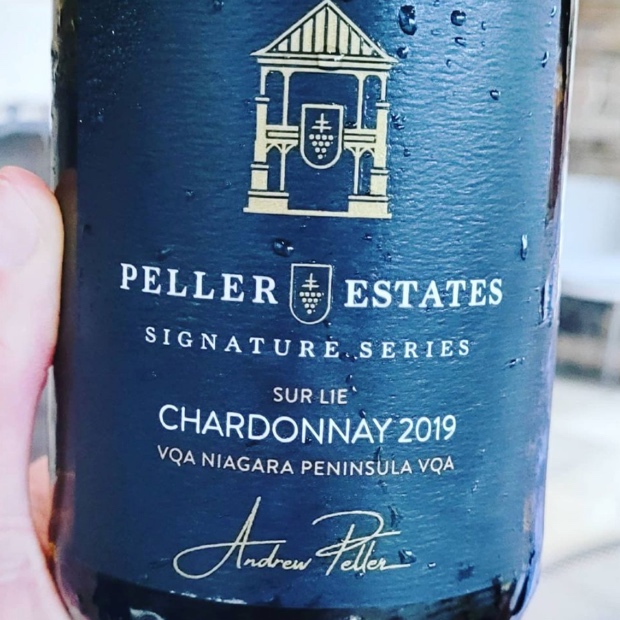
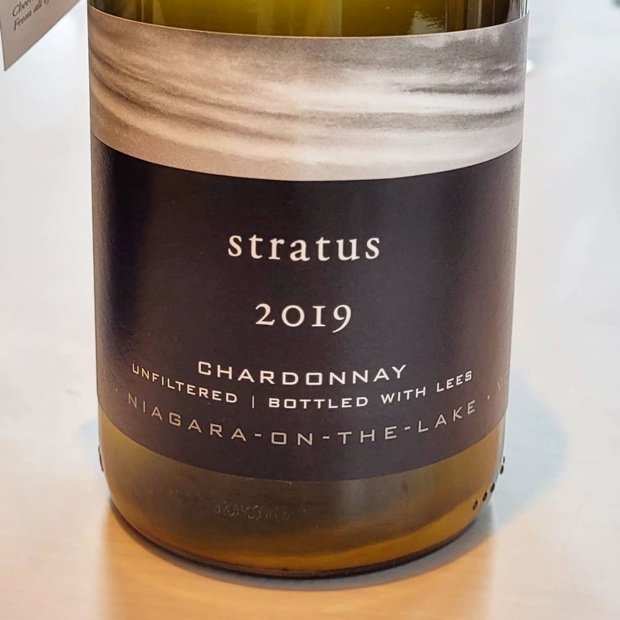
Yet another cracker 2019 chardonnay with the coolest of vintages meeting varietal bones and a karst of energy to drive the lees machine. Spent 10 months sur lie to be exact in a fully malolactic confirmed textural tang that benefits from a certain restraint only such a season can affirm. That being particularly cool and elongated for a chardonnay just crunchy enough to support the promise and extend enjoyment for a good, long and fruitful spree. Expect a future filled with a soft and creamy centre, eventuating in some creamed Niagara corn. Drink 2021-2024. Tasted July 2021
“It’s not that we’re trying to change something every year,” explains assistant winemaker Dean Stoyka, which means that the R and D projects are in constant motion and take four to five years to come to fruition. The October 18-26 stretch is the latest harvest in quite some time (since 2009), fermented in various clay vessels and French oak, 76 per cent in neutral barrels and (24) in stainless steel. Great naturally developed acidity and just enough ripeness to gain favour with the fully-completely accessed, utilized and kept in the bottle lees. So lemon, so balanced and very fine. There is a combinative effect of mad scientist acumen for a wine that needs to be explained to a consumer mixed with absolute pleasure and amenability. One of the finest chardonnay peaks conquered nut just in Ontario but anywhere cool varietal mountains are meant to be climbed. Last tasted July 2021
Tight one this 2019 chardonnay, seductively reductive and unwilling to relent this early in life. Knowable richness is optimized by being associated with green orchard fruit bite. Though so youthful and shrink wrapped at this time there are some ways to pair with potential and eek out enough charm. Boy do you feel the lees but the freshness really shines. Prosciutto comes to mind, as does mortadella, especially if it’s from Faenza. Drink 2022-2027. Tasted October 2020
Warm and ripe vintage if only because of a gorgeous September into October, more lees than ever before, no new wood and an extended elévage nearing a year in length. Alcohol has risen, as has the pH though neither are what you might call vivid. The palate is actually tightly strung, the texture fulfilling and a cloudiness so perfect for what the winemaking team had long wanted to achieve. Hard not to see 2017 as the teaching wine where lees usage is concerned, the (after the fact) ah-hah moment whereby knowing what to do and how deep to go was learned by how 2017 turned out. In this case fulsome of stone fruit, opaque clarity, an oxymoronic ying-yang of positives in apposite attractions. A Monet vintage, modernized and so very J-L Groux. A Stratus, unlike any other. Drink 2021-2025. Tasted July 2021
The 2014 vintage was essentially the first year when barrel lees would be left in the bottle and my how conservative this ’15 really was as compared to an evolution that culminates (currently) with the full on lees filed chardonnay vintage. Quite the opulent vintage mixed with aromatics still morphing, developing lees, brash and blushing by 40 per cent new oak, complimented by generous acidity. Showing with controlled drama and though the yields were low (only 88 tonnes) there is something quite special about this emotionally charged, vivid, scarce and remarkable chardonnay. Last tasted July 2021
Tasting with assistant winemaker Dean Stoyka as part of a vertical exercise in “to lees or not to lees.” Neither hue nor aromatics suggest much evolution though the low-ish acidity and tropical fruit tell an emerging secondary story. Creamy and centred, gregarious of flavour, nothing left unsaid, hidden or kept hidden away. Up front and talking vintage warmth, opulence and ripeness. Was housed in only 18 per cent new wood. For a good time, drink up. Last tasted July 2021
As per the house promulgation, in chardonnay, “still an assemblage process,” insists Groux, “no matter what we do.” Some grapes grown for Sparkling were added back in, for acidity, complexity and ultimately balance. That and though notably barrel burdened (a good, hard burden to bare) leading to a bargain, “the best I ever had.” Major key of whose who of Niagara fruit, power acoustic chords and 12-string harmonics. Drink 2015-2022. Tasted June 2015
A change in direction is duly noted with J-L Groux’s 2012 chardonnay, from fruit picked six weeks earlier than in 2010. The program is scaled back and the wine is more “typical” of the region, in weight, in barrel effect and in alcohol. Still quite defined by natural yeasts that “sometimes go a bit wild, but I’m getting better at it,” concedes the clinician of vinous letters. Those feisty microbes are difficult to work with, like dealing with a wine that lacks natural clarity. “You have to shut down the bacteria, teach the yeast to stop stealing the lees. In 2013 I really got it.” The ’12’s altered course is welcome and encouraged and the world should wait with bated breath for what ’13 will bring. Here the complexity of aromatics is matched only by the intensity of tropical fruit. Has balance and a soft, round feel. Again, more texture and aromatics than natural acidity. Classic J-L style. “It’s not about trying to imitate anyone. It’s about making the most interesting and most complex chardonnay in Niagara.” Tasted March 2014
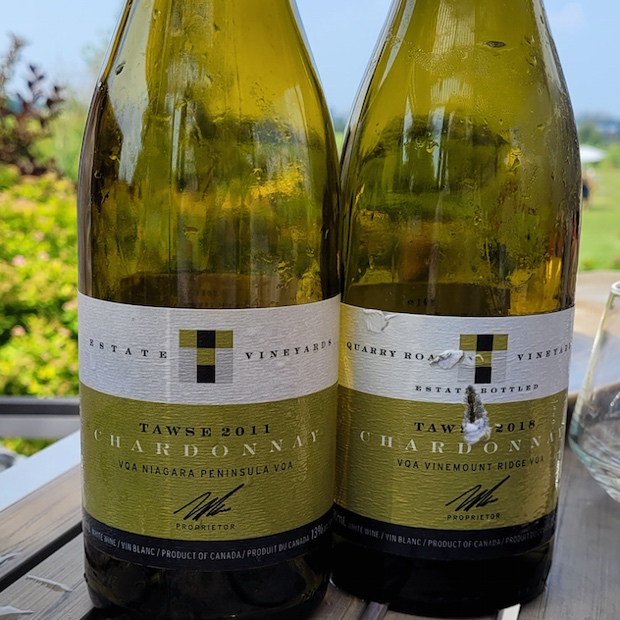
Definitely a warm vintage, picked on the early side, bite still clamped down, a bit of pesto and far from reductive as noted in Quarry Roads of the recent past (i.e 2011 and 2013). Pine nut pronunciation, no malic residual transformations (there will never me) and just bloody good freshness. Last tasted July 2021
No shocker that Quarry Road always finds a way to morph and change gears, meaning every so often, a year and up to two years later there will be some significant movement in this wine. Something about the Vinemount Ridge and how its players are in constant flux, adjusting sentiments and character to keep things curious, interesting and alive. Still the unencumbered and free-flowing expression it set out to be, free to be Quarry Road and as for me, I am always enamoured by how it marries personality with age. Natural (not unlike the Natural version of itself), enigmatic and very personal. Let it be. Drink 2021-2026. Tasted May 2021
Fantastic ten years after flinty reduction from arguably the most cracking vintage of the previous decade. As it is said, “you’ve got to feed the beauty, it doth not come cheap.” And that is what Paul Pender went for in 2011. At 10 Quarry is light on its feet, fresh, spirited jumping rope and spinning in concentric chardonnay circles. It simply reeks of beautiful Vinemount Ridge stone. Last tasted July 2021
The pinpoint accuracy and gemstone capture of the Quarry is exaggerated in ’11, amplified and fully plugged in. From my earlier, October 2013 note: “Carries that classic Paul Pender perfume; rocks and stones, flaxen, refulgent toast and the verdure Vinemount terroir. A free flying, linear, atmospheric smear of thermal fortitude and backbone. A polemic Bowie Chardonnay to make you believe “the strangest things, loving the alien.” Tasted May 2014
Resides on the mineral, slate and lime side of the tracks. The calcareous quality imparted by its eponymous SV terroir makes it the antithesis of David. Creamy, 24-karat fruit. Tasted March 2012 (barrel sample)
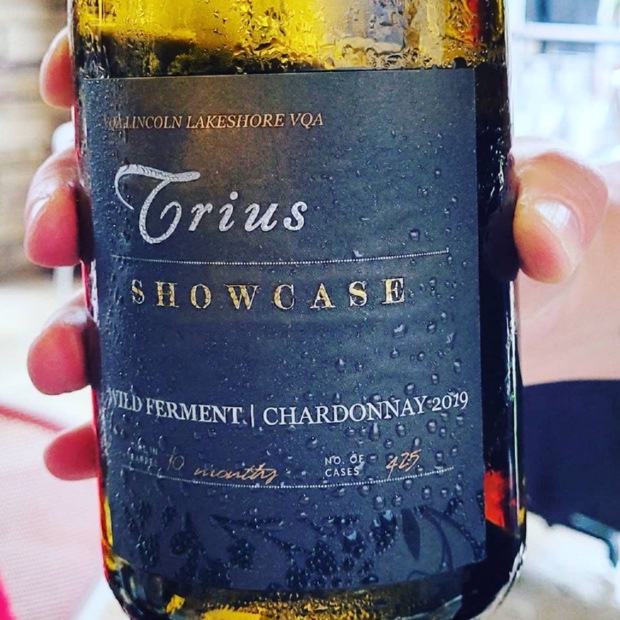
Prick, punch and torque from the conceptual vintage get-go, a classic 2019 in the making, if by so many yet to be understood standards. A chardonnay so cool it causes a brain freeze while simultaneously moving the soul. In fact put on some vinyl Gaye, get in on, or even disco foreshadowing Temptations, echoing the chardonnay law of the land. Don’t sleep on the high level fruit, not quite fleshy but surely potent and dynamic to match the season’s verve in acidity. Fine lees, better texture and all-around vitality so essential to chardonnay. Will improve with six more months in bottle. Drink 2022-2026. Tasted July 2021
A single-vineyard chardonnay once labelled Oliveira and then watching Tree Vineyard but no longer, though the source remains the same. Embraces a cool 2019 vintage played out through rewards in the guise of reduction, toast, flint and drive. In cool climate varietal terms this ’19 reminds of 2011 though to be clear and certain there is more focus where by the quantity and quality of ripenesses meet at the essential points of acidity and tannin. Here is a vintage to end a decade in the most poised and poignant way. Spot on, striking and graceful chardonnay. Drink 2021-2026. Tasted July 2021
Remarkable finesse, flavours and design @triuswines and Restaurant by Chef Frank Dodd with @coolchardonnay accompaniments.
Second vintage from a tightly contested and smaller crop, initiated by then winemaker Marlize Beyers and subsequently disgorged by Jay Johnston, following five years on the lees. Moves from the practice of poetics to the anticipatory embracing of tomorrow’s science. Full disclosure this was tasted while walking the Hidden Bench chardonnay vineyards with a traditional method sparkling wine in hand first disgorged in the summer of 2019, when the yeasts were removed and the bottle was topped with the same wine. This tasting featured a January 2021 disgorgement and the term “Brut Nature Zero Dosage used when no sugar is added to the finished wine, which provides the most authentic expression of (the Hidden Bench) terroir.” Truth and synchronicity, grace, striking engagement, pure citrus and pleasure. Who could not anticipate and wait on subsequent vintages of this wine? The best is yet to come. Drink 2021-2027. Tasted July 2021
Comes across a bit cloudy, at least as compared to the B de B with thanks to the natural, lees left intact style. The citrus component is so pronounced, as is the taut, direct, lean and intense manifold destiny of what is truly a singular Sparkling wine. That being a living, breathing, inhaling and exhaling wine, slowly releasing proteins, acids and realizing its B de B Nature dream. Just amazing what lees can do for sparkling wine. Last tasted July 2021
Released side by each with the Stratus Blanc de Blanc 2013 and while vintage and grape are the same, the similarities almost seemingly, ostensibly and allegedly end there. Yes in fact this 100 per cent chardonnay is a child of the most excellent varietal vintage and like the B de B spent six years on the lees. Comparisons cast aside it is the very fact that because much of the lees were transferred to bottle by a minimalist’s disgorging that this cloudy bubble with a Canadian artist’s series set of labels can’t help but elicit another memory. The Lilies of Monet and their clouds represent neither the horizon, nor the top or the bottom. Nor does a bottle of this Zéro Dosage Brut. The elements of water, air, sky and earth become intertwined in a composition without perspective, or so it goes in this hazy, opaque and dry as the desert sparkling wine. So many layers of lemon can be peeled, juiced and scraped away. If a Stratus wine could be a a riddle, wrapped in a mystery, inside an enigma then here it is. The texture here is palpable and the intrigue factor surely high, so it should be imagined that longevity will be this wine’s calling card. It’s more austere than the Blanc de Blanc but I think in fact it will. Drink 2022-2029. Tasted November 2020
One gram of dosage, disgorged in January 2020. Nearly six years on the lees based on the first R & D trials done in 2006 and 2007. High level autolytic entity, a toasted affair and an idea long time coming for the Stratus team. Fine tonic and bitters. With 15 minutes of air the blooming happens, floral, expressive and complex. This wine has really developed more layers, emotions and complexity. Last tasted July 2021
The first (commercial) J-L Groux foray into traditional method Sparkling wine has been six plus years in the making, or in this case, senescence as the lees fly and his Blanc de Blanc has finally arrived. A notable moment in the Stratus continuum as they too now own a program of development, time, investment, research and acumen. The nose on this bubble tells a pensive story, or as fantasy goes like dipping your face into a tale-spun pensieve as it takes you back in time. In 2013 chardonnay excelled on the Niagara Peninsula and still today in 2020 we are drinking vintage examples persistent in their freshness and durability of construct. That this reeks of varietal lore is a hallmark moment, that and a conscientious adherence to reverence for solids and the focus on rotational detail. Speaks a Blanc de Blanc vernacular as a chardonnay should, with a bite out of a sharp fall apple, a pesto of verdant aromatics and a crunch of texture before drifting saline, briny and fine. Pretty good work J-L. Kudos for getting from there to here with intelligence and humility. Drink 2020-2026. Tasted November 2020
The inaugural Stratus commercially labelled release is what winemaker Dean Stoyka refers to as “in the mindset of monks.” A field blend of sémillon, chardonnay, riesling and viognier. Pressed all together, fermented dry and then re-fermented in the bottle with no sugar added. Dry enough, or so it seems, non-disgorged, under crown cap and so very fruity. Floral, allspice and spiciness overtop apricot, pear and black walnuts conceptually turning into Vin de Noix or Nocino. A natural testament to assemblage and a great use of varieties without a home. 100 cases produced. Drink 2021-2024. Tasted July 2021
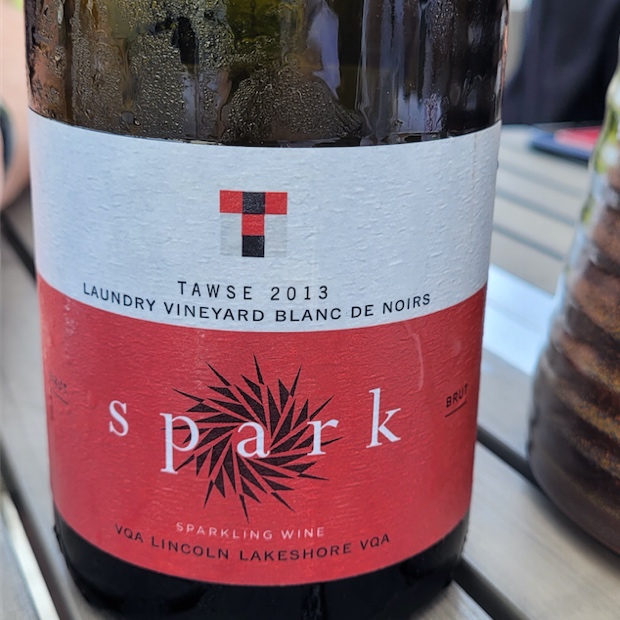
Actually quite shocked I’ve never tasted this wine before, a Spark about which winemaker Paul Pender exults by saying “2013 is my favourite vintage for all our sparklings.” Traditional method, pinot noir from Heather Laundry’s double L vineyard and a fizz that fits and sparks. Gingered and toasty, crunchy, wave cresting and fulsome by six years on the lees. The dosage was five to six g/L, in that Pender sweet spot all around, just right, so well and good. A little romanticism goes a long way where science is concerned, especially in this medium and in Spark Blanc De Noirs 2013 one is simply good for the other. Drink 2021-2025. Tasted July 2021
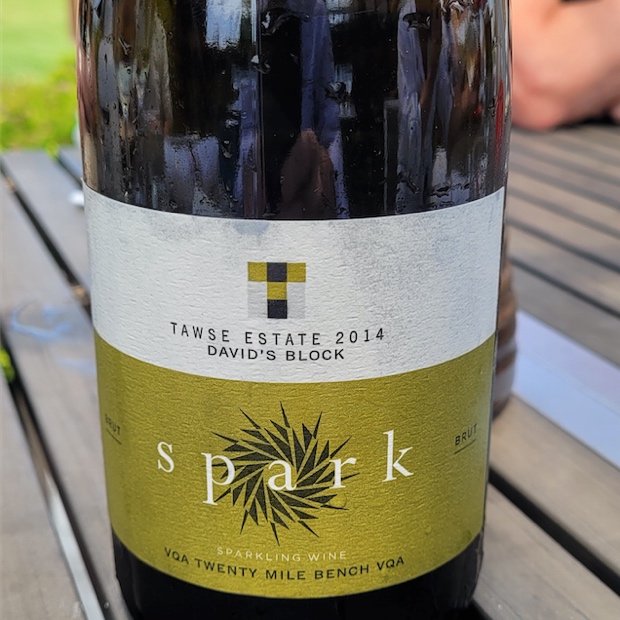
Tasted side by side with the 2013 Blanc de Noirs, making for a striking if surprisingly antithetical contrasting contract with this Blanc de Blancs. Aged three years on the lees and finished with the same 5-6 g/L of dosage yet here so upfront, centred and personal. More immediate richness than what pinot seems to do from Laundry Vineyard and so even in sparkling it is David’s Block and chardonnay that gift quicker satisfaction. Likely vintage driven (again, even in sparkling), very pear and shortbread, a savoury dessert of a sparkling wine. Like olive oil cake, all about the simple pleasures. Drink 2021-2023. Tasted July 2021
The dry as the desert Brut nature initiates with a yeasty faradism of excitement from what strikes as a minimum four to five years spent sitting on those fascinating lees. While the wine does not exactly smoulder with a toasty salutation that is no matter because textural acidity and blooming aromatics also arrive to an applause of immediate gratification. There is an exceptional level of “croccante” satisfaction that parlays that “texture” into a lasting display of bits and bites. The make up is 50 per cent chardonnay and (45) pinot noir with (5) pinot meunier and 2014 being the primary vintage source, though there is some 2013 involved. Zero dosage, top tier, notch and drop. Drink 2021-2027. Tasted July 2021
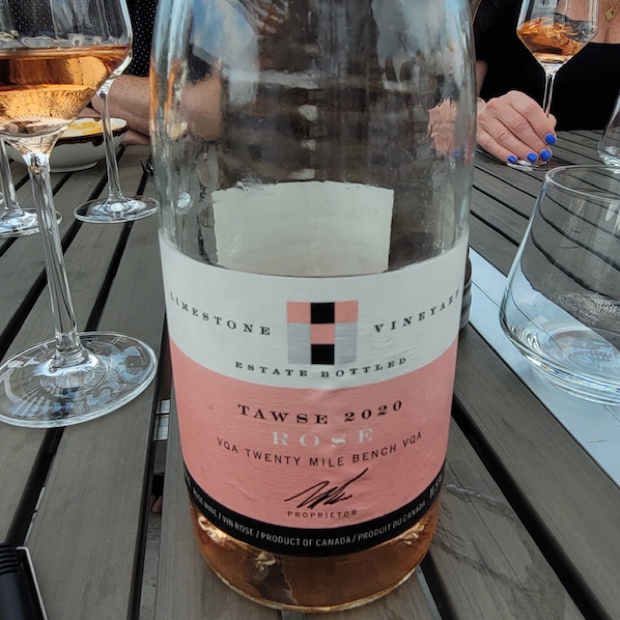
Tawse began crafting Rosé from (Vinemount Ridge) Quarry Road Vineyard fruit in 2017 and now here they come with Twenty Mile Bench pinot noir. From Limestone Vineyard this represents a heads and tails Rosé, meaning 40 per cent is used for Spark traditional method bubbles and the bookends is destined for this salty, straight-shooting and crisp-freckled single-vineyard blush. Double-redheaded wow! Grape, place and style all on side for so many good reasons. 1000 bottles made. Drink 2021-2023. Tasted July 2021
Not to be confused with the Lowrey Vineyard on St. David’s Bench and a best varietal vintage for Paul Pender. Far from being a “Miller-Lite or Corona” pinot gris, instead creamy, fulsome, well-versed and elastic. The furthest away from metallic and/or turbid, low on phenols, no bitters, nor tonics neither. Last tasted July 2021
Fresh and while this young is full of its original fruit, which is the biggest plus for pinot gris because dry varietal wines have a hard time after enough time has passed on by. Sulphur is not really an issue so this delivers the varietal and stylistic goods with fruit at the lead. Good acids, persistence and balance. Drink 2020-2022. Tasted October 2020
A sleeper vintage, not necessarily exacting out of the blocks, not heavy cropped, middle of the road in so many respects. If I tasted this before memory fails to draw any retrospective conclusions) but Carly’s ’15 has already turned towards the petrol sun, “let the shadows fall behind you, don’t look back, just carry on.” This perhaps began more than a year or two ago and today acts Rihanna outspokenly so. Lime and almost cordial by now, warm and friendly as a riesling liqueur. Quite stable, animated, holding its patterning, likely to do so for an additional three or fours years. Drink before it returns home. Drink 2021-2024. Tasted July 2021
Unlike the Carly’s ’15 (tasted at the same time) this Limestone ’12 has not moved forward with any vehement haste. The lack of advancing towards petrol is curious but the softening is surely comforting. Still resplendent with a particular 2012 meets Twenty Mile Bench acidity, now oscillating while integrating with waning fruit. Drinking beautifully. Last tasted July 2021
From the newest estate vineyard, the single-vineyard Limestone Ridge exteriorizes its name in a rubric of pressed rock, struck flint and chalky density. Paul Pender has coaxed a multiplicity oft linear character, with major notes of lime zest and juice, persistent from start to finish. A mid-pause of oozing, residual sinensis is the determinant towards the wine’s matrix of longevity. A longer, leaner, meaner and mightier Riesling charged by a different sort of power. Kinetic, frenetic and electric. Tasted twice, April and May 2014
Whole cluster sauvignon blanc, viognier and riesling, layered atop one another, full on hilt in spice, a hit of gingerbread, light in talc and salve. Good-natured and textured when well chilled, oxidative for sure, drinkable, pleasurable, done in one puncheon. Simple really. Drink 2021-2023. Tasted July 2021
Whole cluster chardonnay, more spirited than the Aromatiq!, crunchy even, definitely with more spice and plenty of bite. More tannin too, structurally sound to allow more secondary character and time spent developing cooler, more energetic waves of spirit. Wild ride yet just sound and subtle enough to attract the right kind of attention. Drink 2021-2024. Tasted July 2021
The inaugural gamay release from Hidden Bench is eight years in the planning and making, from 2013 through planting in 2017 and with third leaf fruit for this game changing 2019. That is because the grape and the maker were made for each other so the question begs, what took so long to take the plunge? No matter because such an auspicious start can never come too late. A wine of native yeasts, a properly prolonged, 24-day maceration, an eighth of new wood and the Lincoln Lakeshore being the ideal appellation for what wants and surely needs. More than impressive for such young vine fruit, of a light smoulder lending an essence of jasmine and by argan to red, red fruit, tightly winding acids and such gamay crunch, the likes of which are attributed to expectation, hopes and dreams. When the vineyard grows up there will be further anticipations, exegeses further afield to include cru and reserve concepts. That is a countable fact based on current evidence and credible speculation. Drink 2021-2023. Tasted April and July 2021
Naturally refined, welcoming, open-knit and my oh my, juicy as a basket of Niagara plums and peaches blended into rooibos kombucha. Rachis, “main axis or shaft, a stem of a plant, bearing flower stalks at short intervals.” Derma, or Dermis, “the inner layer of the two main layers of the skin.” In R & D the inner workings of gamay are accessed at the natural axis between light to fruity and joyful to dark, before sous serious and after vide structured. Middle ground, believable and exhibiting intrinsic purity. Drink 2021-2024. Tasted July 2021
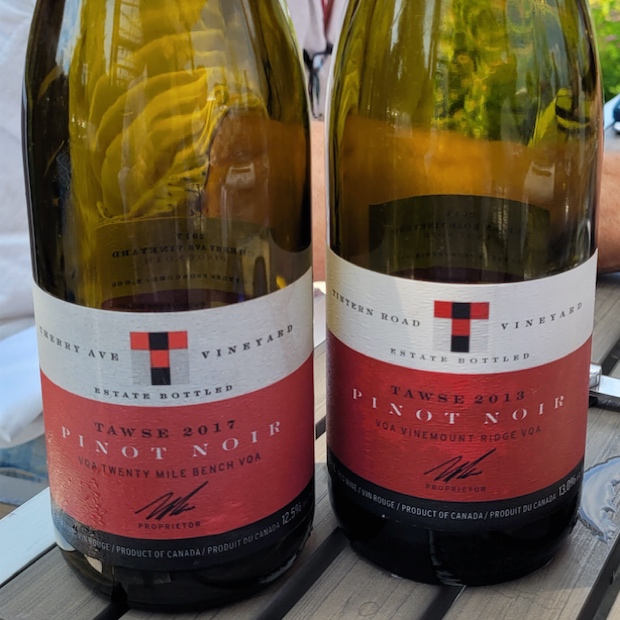
This July 2021 tasting is my first for Pinot Noir Tintern 2013 in bottle but I did run through two different barrels with Paul Pender back in March of 2014. The vines were only three years old at the time, on a site (next door to John Howard) Pender likens to “reclaiming the swamps,” or “the Golan Heights project.” From the Vosges medium toast the wine was already showing colour, freshness and drive. From the Vosges, medium plus toast it was a bit reductive, with more tannin and more sappy wood. This look back reveals not a vintage of varietal exhilaration but a malic one with credit due the high levels of potassium in the soil. A cherry generosity a la Central Otago by way of the Vinemount Ridge. Almost a volcanic presence, but not and yes a pinot from young vines come about as a result of winemaking. Up front, in motion, drinking really well. Drink 2021-2023. Tasted July 2021
Another high-toned pinot noir from an inverted vintage, in cherry spirit, a hit of fennel and enough lingering energy while there is a meld and morph towards darker black fruit. Broad shouldered, now tannic, settling in as a pretty big wine. Last tasted July 2021
As for Cherry Avenue the twain is met, somewhere between Tintern and Quarry, in the middle of vintage and classic Tawse styling. Both firm and bright, the fruit a cherry but a darkening black one and then the grip of place though well within vintage reason. Less structured than Quarry but not as hematic and brooding as Tintern. Solid pinot noir. Drink 2021-2025. Tasted June 2020
How remarkably fresh, inviting, enticing and that is just the aromatic front. Effusive, the greater good of burgeoning, smelling like Bourgeuil in uncanny resemblance. Nothing leafy here, just the smell of youth, post-adolescence and from a notably warm vintage. A freshness that just may be a foreshadowing of what’s to come from 2021. Heat and water, humidity and rain, yet no vine stress nor disease pressure neither. A product of great agriculture and an example of 2010’s longevity. “On the riper side but not overly ripe,” tells Paul Pender with a pragmatically raised brow. Indeed. Drink 2021-2024. Tasted July 2021
Whole-souled, benevolent and keyed up though that’s the vineyard, persistent and in perpetuity. Red to charcoal fruit, quite firm and tannic for the Tawse-varietal relationship and in that sense mostly related to vintage. Was not picked until November 15th and stayed in barrel for 18 months. Not showy really, not the ripest vintage after all but surely one to promote variegation, fruit/acid layers and particularities. Wait long enough (as in seven-plus years) and these things become complexities. Drink 2021-2023. Tasted July 2021




























 Godello