Wines of South Africa: It’s the fling itself

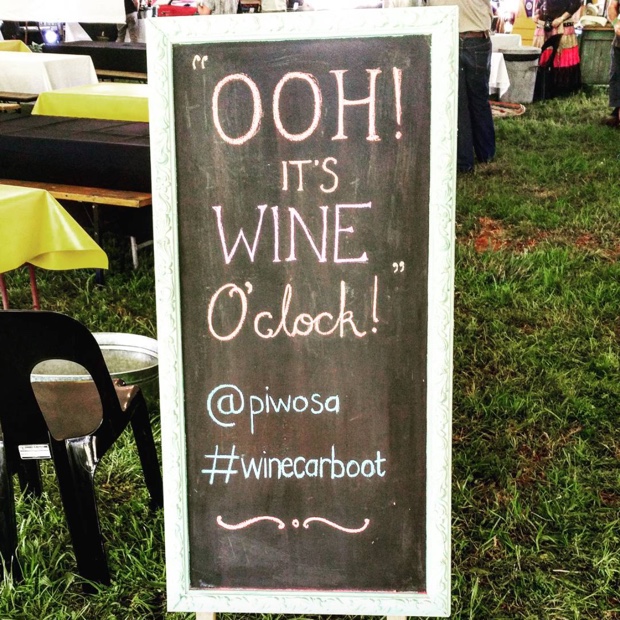
High five Sunday, at #winecarboot with @PIWOSA @WOSA_ZA @WOSACanada #journeysendvineyards #schapenberghills #sirlowryspass

High five Sunday, at #winecarboot with @PIWOSA @WOSA_ZA @WOSACanada #journeysendvineyards #schapenberghills #sirlowryspass

A few weeks ago there was this South African fling in Toronto. Anyone who fancies themselves as anything showed, because everybody was there. Joshua Corea and Archive Wine Bar graciously played host. Cape wine swelled like water and the mass of sommelier humanity flowed like wine.

After we had first returned to Canada from Cape Wine 2015, Will Predhomme and Wines of South Africa Canada’s Laurel Keenan had asked Rémy Charest, Scott Zebarth, Nicholas Pearce and I a question in requiem of some deep Jack Handey thought. Of the bottles we tasted in South Africa, what would we most like to see at a paradigmatic tasting back home? We offered up our lists and many of them were presented at Archive, along with a tumultuous quantity more. The likes of such an amassment had never been seen this side of the great pond. Cape Town loomed in de Chirico casted shadow in the backwater distance, watching, wondering, judging. So I tossed a pondered abstraction out to the winds that drift in the South African wine diaspora. “What page is loomed in the giver?”

Related – Once upon a time in the Western Cape

My mind travels back to the Western Cape. The retrospection remembers wines yet brought to North American light, to intrepid voyages still to disgorge and to stories ultimately untold. Looking back it occurs to me, from a northern point of view, having witnessed and experienced an immersion and exposure into the culture and wines of South African life, that it is not the thing you fling. It’s the fling itself.

It began with the trebuchet. At Journey’s End the Premium Independent Wineries of South Africa (PIWOSA) threw a car boot and catapulted some rather heavy objects at targets far away.

The prepossession laid out with tastes of The Drift Farm, The Winery of Good Hope, Glenelly Cellars and Mullineux & Leeu. Later the night begged and belonged to vignerons gathered at Longridge Estate, the following morning a tour of the Franschhoek Motor Museum and a tasting at Anthonij Rupert Estate.

Each of the three days at Cape Wine begat evenings in Cape Town of world’s away preoccupation. Velvet dissident South African Braai at Publik, her majesty’s secret service at Ellerman House and born in the USA-DGB in the Winelands. Events de facto, recondite and unshackled.
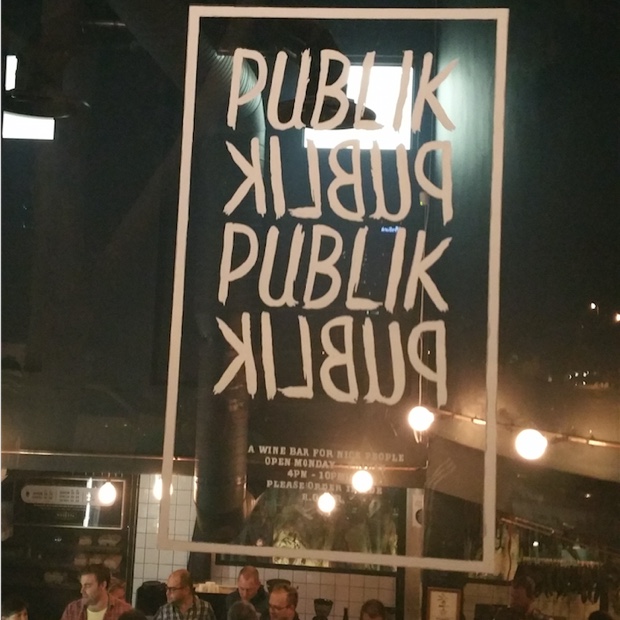
Publik, Cape Town

Publik, Cape Town

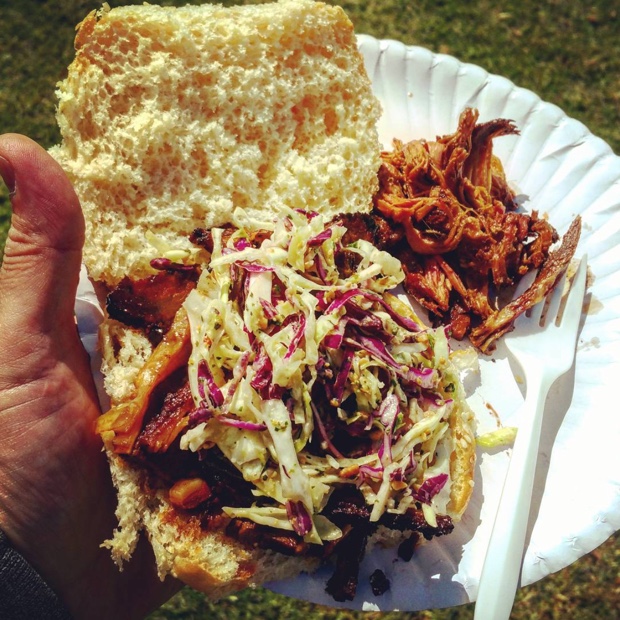
Then the Canadian boys played cricket with the Swartland cowboys and while our swings looked more like hockey snap shots and our bowls like little league change-ups, in the end we held serve and thankfully no one got hurt. True Swartland smoking at the hands of Callie Louw linked Groot Frankenstein to Barque Smokehouse BBQ.
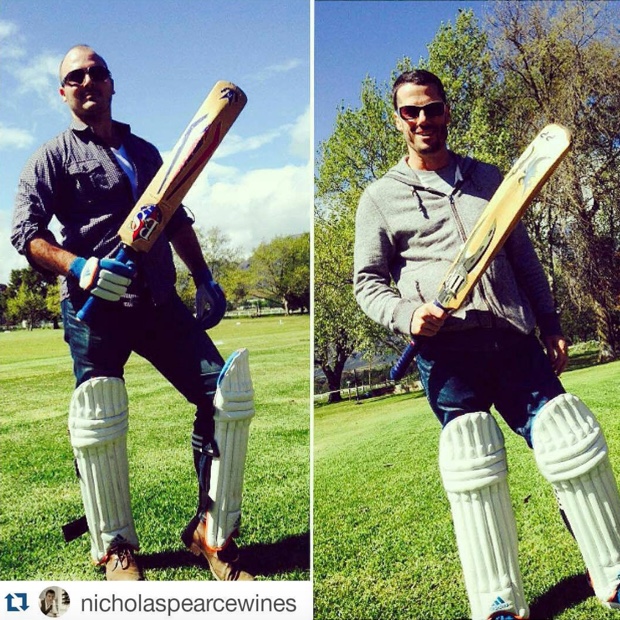
Cricket adversaries #swartlandswingers
Cricket adversaries #swartlandswingers

A #braai in the hand is worth two in the bush #callielouw #porseleinberg @SwartlandRev #swartlandindependents #swartlandswingers #swartland

A #braai in the hand is worth two in the bush #callielouw #porseleinberg @SwartlandRev #swartlandindependents #swartlandswingers #swartland

An epic 12 hours followed the matches, first with Ken Forrester and a speed tasting across a portfolio shot through the heart with some striking, older bottles. Then the group got down to trials at the Winery of Good Hope with Alex Dale and Jacques de Klerk. Remy Charest, Scott Zebarth, Kler-Yann Bouteiller and Godello helped mix, match, add and subtract percentages of fermented juice to decide upon the blend for the Pearce-Predhomme Stellenbosch Chenin Blanc. Nicholas and Will are now taking orders for delivery in the new year. Then in order, wagyu beef and Radford Dale wines at Ken’s 96 Winery Road Restaurant, World Cup Rugby and Burgundy.
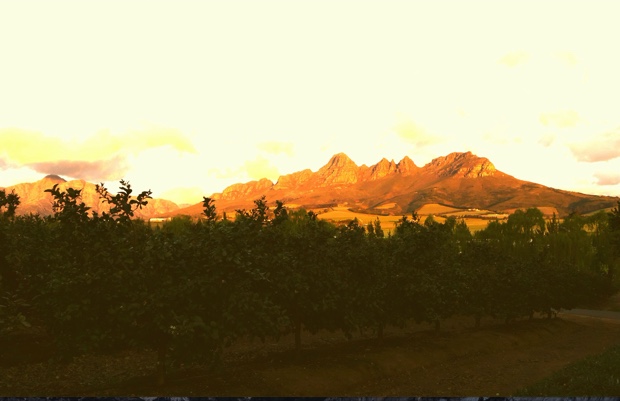
The view from the Winery of Good Hope

The view from the Winery of Good Hope

On the final day we paid a visit to the Hemel-en-Aarde Valley along the Hermanus wine route, with a tasting at Bouchard Finlayson and lunch at La Vierge winery.

I tasted hundreds of wines during the eight-day journey around the Western Cape. In due course I will put up tasting notes for as many as possible but for now here are a couple of dozen, specific to and in conjunction with the people and places that hosted us.

The PIWOSA Wine-Car Boot, Journey’s End Winery
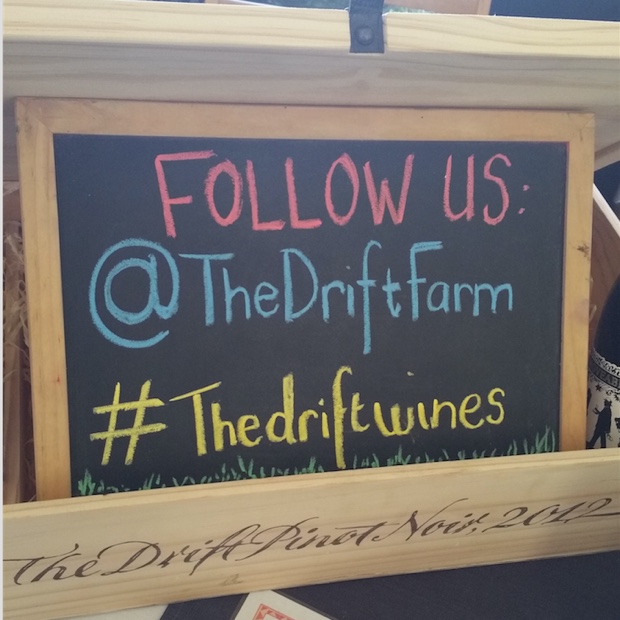
The Drift Farm

The Drift Farm

The Drift Wines Year of the Rooster Rosé 2014, Overberg Highlands, South Africa (Winery)

Winemaker Bruce Jack’s 100 per cent shaken, not stirred Touriga Franca was inspired by a trip to the Douro. Rhubarb and salinity rub the ripe fruit in the right way. If 007 were to drink Rosé, this would fit the metrosexual bill. From four barrels. Drink 2015-2016.  Tasted September 2015  @TheDriftFarm
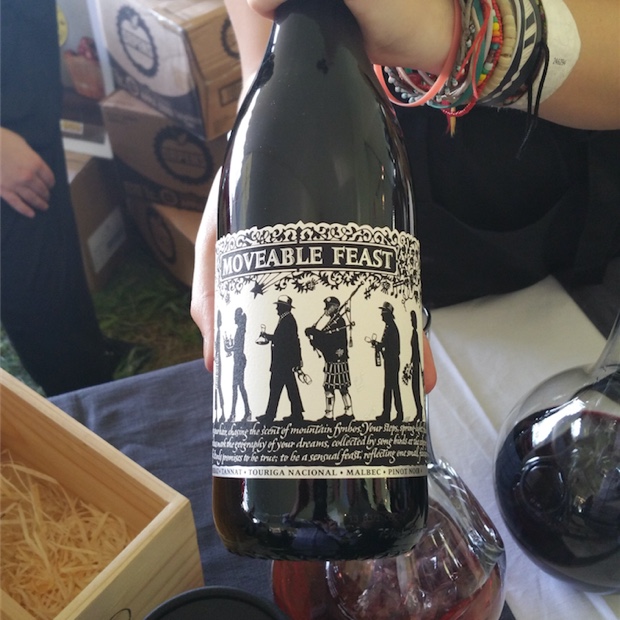
Drift Farm The Moveable Feast

Drift Farm The Moveable Feast

The Drift Wines The Moveable Feast 2013, Overberg Highlands, South Africa (Winery)

A blend (that drifts and changes every year) of Malbec and Shiraz with Tannat, Touriga Nacional and Pinot Noir. Though the notes are played without excess, the specs ruminate for infinite possibilities, with aspects as from mine run-off, ocean salinity, high body acidity, muted sunshine, rusticity and veneer. Rides a sonic highway, to “crossroads with nothing to lose.” The feast and the famine, a fighter, “put back together by a troubled groove.” From minimalist Hemingway to Foo from Grohl. Get the drift? Drink 2015-2019.  Tasted September 2015

The Drift Wines Mary le Bow 2011, Robertson, South Africa (Winery)

A farm-designate red blend (Wildepaardekloof, Langeberg Mountain) built upon Cabernet Sauvignon (38 per cent), Shiraz (31), Petit Verdot (23) and Merlot (8). In ode to the Cockney saint, big Bow Bell and crusader’s crypts. Extended barrel age and the deepest, darkest maturity makes for a brooding red reflective of a Kloof’s tale from a crypt. Not for the faint of red blends. Indeed it trembles with power. Drink 2017-2021.  Tasted September 2015
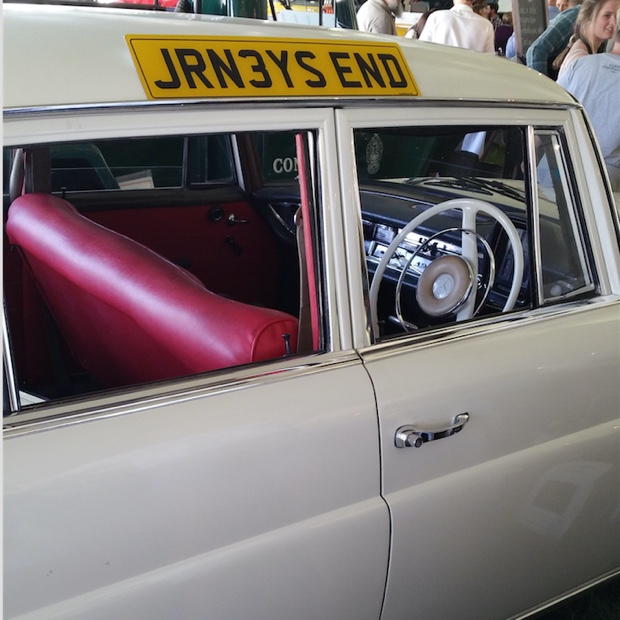
JRN3YS End

Journey’s End Sauvignon Blanc The Weather Station 2014, Stellenbosch, South Africa (AgentWinery, WineAlign)

A product of the first Sauvignon Blanc clones planted in South Africa (next to a weather station). The wine had been bottled less than a week ago so while the pyrazine factor is set to high the equal and mitigating fruit freshness trumps the green. Free spirited, of spice, in bite and quickly settling, into balance. Drink 2015-2018.  Tasted September 2015  @JourneysEndWine  @vonterrabev  @colyntruter

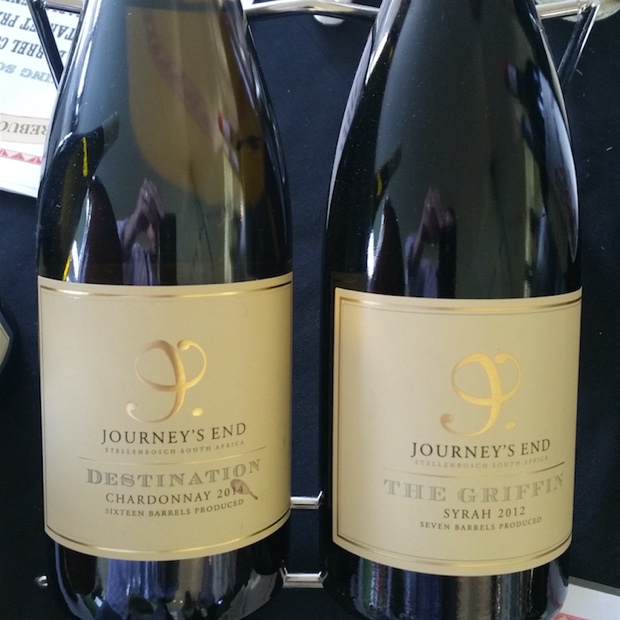
Journey’s End Destination Chardonnay 2014, Stellenbosch, South Africa (AgentWineryWineAlign)

A nicely, effectively minor reductive Chardonnay that knows the barrel well. Divides by mitosis the cells of mineral and spice into furrows, chiseling a secondary cytokinesis flavour profile in cut by brilliant gemstone flexure. From fruit fracture to cellular overlap, out of (approximately 10 months) wood and into impressionistic stone. Tasting accessed through four stages imagines time to be exigent; through reduction (prophase), oak (metaphase), stone (anaphase) and texture (telophase), until the ultimate descent toward’s the journey’s end. Drink 2016-2022.  Tasted September 2015
Journey’s End Trebuchet 2014, Stellenbosch, South Africa (AgentWinery, WineAlign)

Two Cabernets and a Malbec conjoin to catapult funk-less, heavy laden red fruit into an atmosphere of veneer. The flavours are inclusive of pomegranate and anise, with some rust and circumstantial metallurgical magnification. The tang is a factor to be reckoned with in this primeval red blend. Crushes unsuspecting objects upon landing. Let it settle for 12 months. Drink 2016-2020.  Tasted September 2015

Journey’s End Cabernet Sauvignon 2009, Stellenbosch, South Africa (AgentWineryWineAlign)

A 100 per cent varietal wine from a wind that blew through and away. The child of a markedly perfect vintage blessed with chalk, grit and terroir. Views from within the new barrel have diminished along with once terrible teeth gnashing tannin. At six years-old it sits cross-legged, big-boned, fruit fleshy, structured and sure. The evolution is far from complete with berries seemingly so presently ripe, the late spice and coffee kick making cause for yet jittery times. Two or three more years will offer further guarantees of pay dirt and peace. Drink 2017-2024.  Tasted September 2015
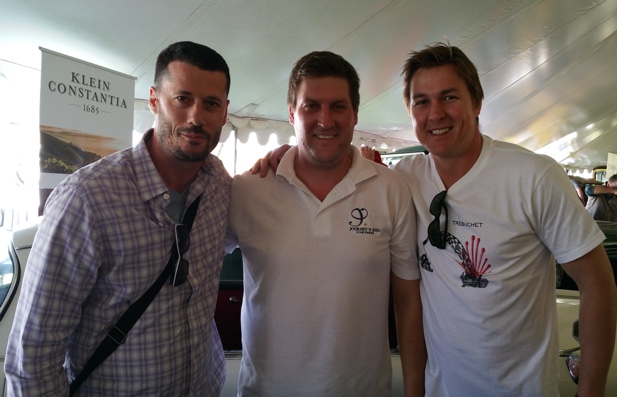
Godello, Leon Esterhuizen and Colyn Truter from Journey's End

Godello, Leon Esterhuizen and Colyn Truter from Journey’s End

Glenelly Estate Shiraz “Glass Collection” 2011, Wo Stellenbosch, South Africa (Winery, Agent, WineAlign)

Screw cap Shiraz reason number one here, fresh from Stellenbosch, single-vineyard, whole bunch fermented for aromatics and 10 months in one-third new oak, for maximum flavour. “These wines are to be drunk young,” notes export manager Nicolas Bureau, “within five to six years of the vintage.” And so, why put a cork in them? From the hands of winemaker Luke O’Cuinneagain and Secateurs minimal intervention wine consultant Adi Badenhorst. Sparkle, vigour and dew. Drink 2015-2021.  Tasted September 2015  @GlenellyWines  @VinexxWine
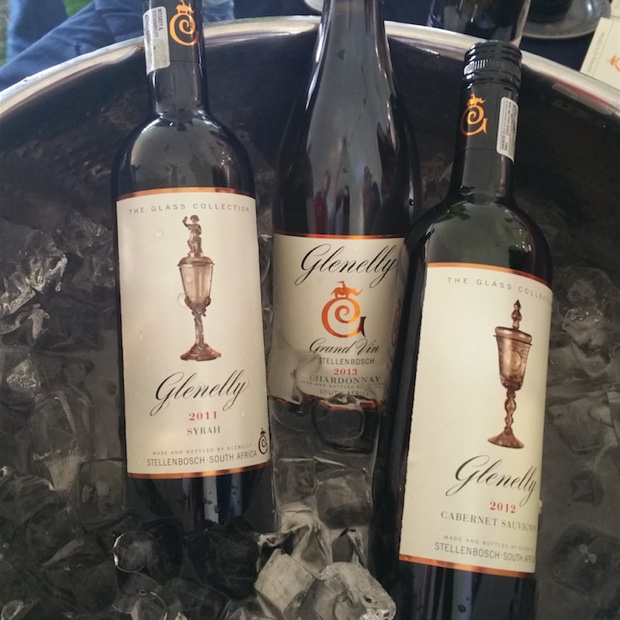
Glenelly Wines

Glenelly Wines

Grand Vin De Glenelly Red 2009, Wo Stellenbosch, South Africa (360339, $19.95, WineAlign)

There are components of the Shiraz and the Cabernet in the Grand Vin though its composure comes neither from sparkle nor funk. Nor does it pay direct homage any more to the Rhône than it does to Bordeaux. With time, the Grand Vin will go it alone, from Stellenbosch to the world. Time spent in oak was lengthy (18 months in one-third new) for a blend composed of Syrah (42 per cent), Cabernet Sauvignon (40), Merlot (14) and Petit Verdot (4). The estate clearly considers blends as more than the sum of parts. The Grand Vin is the thing. The Glenelly king. It’s hard to get under its skin, to comprehend its nuance, to know it as a child. The wood, the terroir and the structure yet relent to understanding. A matriarchal wine to be sure, a generation may need to pass for the Grand Vin to carry the torch. The Pichon Longueville connection is not lost or left to chance but this prodigy will need to find its own voice. Red wine of such eternal maturity exists towards a future that begins now. Or on in two to three years. Drink 2017-2024.  Tasted September 2015
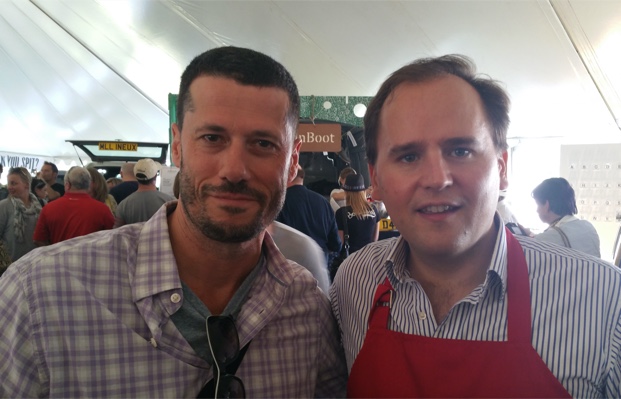
With Nicolas Bureau, Glenelly Estate

With Nicolas Bureau, Glenelly Estate

Mullineux & Leeu Syrah 2011, Wo Swartland, South Africa (Winery, Agent, SAQ 12490545, $36.00, WineAlign)

Grasps the subterranean funk of the Swartland terroir and runs with in, through fields of atmosphere, in a wholly singular way. A culling combination if shale, schist and granite, brushed by (15 per cent new) oak for 11 months. Pure, natural, fresh and rising, by citrus zest and inflating acidity. The oscillating flavours prick, pierce, push and pull with elemental and mineral inflections. Like a light show in the sky, Chris and Andrea Mullineux’s Syrah is a quiet spectacle. Drink 2016-2026.  Tasted September 2015  @MullineuxWines  @MullineuxChris  @Nicholaspearce_

Mullineux & Leeu Cinsault Rosé 2013, Wo Swartland, South Africa (WineryAgent)

Tangy tangerine, rhubarb and liquid chalk are the emotive emissions from this skin contact blush as much orange as it is pink. Wild in sauvage, perfectly musty, a Rosé of its own accord and spacing within the parameters of its very won world. Drink 2015-2017. Tasted September 2015

Mullineux & Leeu White 2013, Wo Swartland, South Africa (WineryAgentWineAlign)

An old bush vines blend of Chenin Blanc (80 per cent), Clairette Blanc (13) and Viognier, 10 per cent of which was fermented in old oak. A wild and carpeted ride for Chenin Blanc, melding into gentle acidity with layers of smithy portent and even a bit of Greekdom. “The son. And the heir. Of a shyness that is criminally vulgar.” There is so much spice and complexity, from the skins of many citrus fruits. Strips, stripes and skirts the mouth with layers of mineral life. How soon is now for wines like these in South Africa and to be shared with the world? Drink 2015-2023.  Tasted September 2015

Mullineux & Leeu Syrah Iron 2013, Wo Swartland, South Africa (WineryAgentWineAlign)

If such cure, grip, ferric grab and intense tannin has ever infiltrated South African Syrah it has not yet found its way over to me. In a side by side comparative tasting with the Schist Syrah this one wrestles to win. The Schist is all perfume and soft elegance. The Iron draws power to strength from strength. It is an unrelenting conduit of energy, from soil clearly designed to outlive humanity. The Syrah is a product of geological wonder and winemaking that steps aside to let the terroir speak its mind. Demanding and filled with tension now, time will soften the stranglehold and loosen the wires. Lots of time. Drink 2019-2028.  Tasted September 2015

Radford Dale Nudity 2014, Voor-Paardeberg, South Africa (Winery, AgentWineAlign)

From the Winery of Good Hope, vignerons Alex Dale and Jacques de Klerk. Ancient granite soil from a single-vineyard on Paardeberg mountain. Organic, dry-farmed, total consciousness, flowing robes, grace, striking. Low alcohol, high natural acidity, fresh, spirited, energetic Syrah. Impossible South African Syrah. Drink 2015-2022.  Tasted September 2015  @Radforddale  @WineryGoodHope  @deklerkjacques  @Noble_Estates

With the gang from Radford Dale

With the gang from Radford Dale

Radford Dale Black Rock 2013, Perdeberg-Swartland, South Africa (Winery, AgentWineAlign)

From old bushvine vineyards scattered amongst the granite outcroppings of the Swartland, the blend combines Syrah, Cinsault, Carignan, Grenache, Mourvedre and Viognier for full Rhône homage, if not necessarily effect or intent. The percentages change with each vintage, left to seek harmony in the hands of master blender de Klerk, a man who plays and has the mandate to do so. Natural fermentations persist, as they should and they rightfully accomplish goals of freshness, natural acidity and that elusive you’re born with cure that extends health and longevity. Modern South Africa of ancient longing here on display is just the tip of the bare essentials, in ferments and blends, yet to come. Drink 2015-2020.  Tasted September 2015

Working on South Africa with a sundown over Stellenbosch @WOSACanada

Working on South Africa with a sundown over Stellenbosch @WOSACanada

The Stellenbosch Experience, Longridge Estate
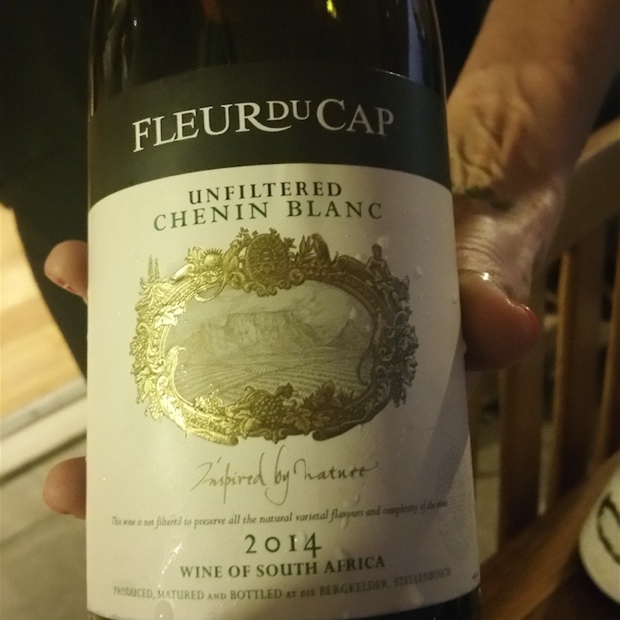
Fleur du Cap Unfiltered Chenin Blanc 2014

Fleur du Cap Unfiltered Chenin Blanc 2014

Fleur du Cap Unfiltered Chenin Blanc 2014, Western Cape, South Africa (Winery, Agent, WineAlign)

A markedly different and intriguing Chenin Blanc that saw seven to eight months in second and third fill barrels. Well-groomed, direct, crisp, clean and pure within the wooden framework and not even close to flirting with oxidative leanings or an overly creamy texture. A pleaser avec plaisir in excelsior, expression and exemplary restraint. Very tidy winemaking. Drink 2015-2019.  Tasted September 2015  @FleurduCapWines

Venison and salted chocolate, Longridge Estate

Venison and salted chocolate, Longridge Estate

Fleur du Cap Unfiltered Pinotage 2014, Western Cape, South Africa (WineryAgentWineAlign)

If it was not for this early sip of Fleur de Cap’s Pinotage on the first night of the South Africa trip I’m not sure the doors to new perception would have ever been opened. Fresh, red fruit juicy, base, natural and nearly naked. A step into giving new meaning for the great hybrid history and varietal future. Though other examples over the course of a week would blow my mind, this unfiltered beauty set the altering stage for what was to come. Unexpected excellent match to Venison with salted chocolate. Drink 2015-2018.  Tasted September 2015
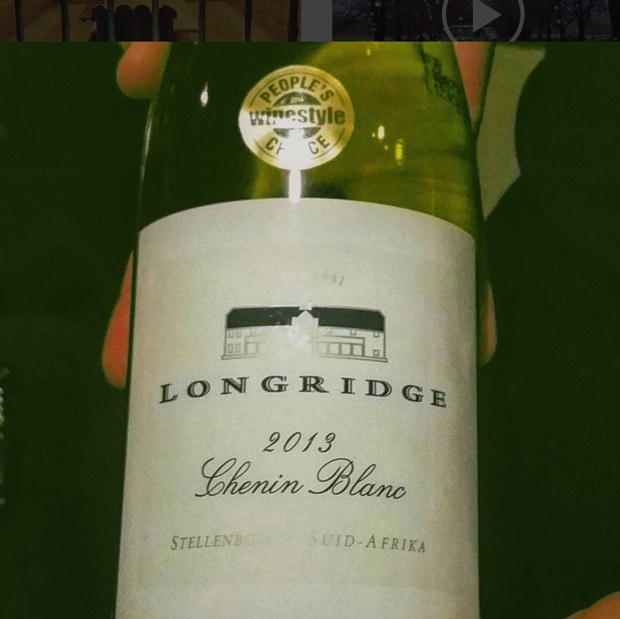
Chenin gem @LongridgeWines & munificent hospitality @StellWineRoute @WOSA_ZA @WOSACanada #stellenblog

Chenin gem @LongridgeWines & munificent hospitality @StellWineRoute @WOSA_ZA @WOSACanada #stellenblog

Longridge Estate Chenin Blanc 2013, Stellenbosch, South Africa (Winery, Agent)

Covers the essentials for Chenin Blanc in a Vouvray style; mineral, lemon, bitters and salinity. Emphasizes mastered qualities with proper stability and a strength of character. Will not usher in any sort of revolution but it takes beautifully bitter pear-like fruit from wizened vines and hits the target. And though it spent 11 months in second and third fill barrels you would never know it. A flinty fleeting moment, a slow ride and a shelter from residual sugar that might try to alter its corse. Instead it will munch on that sweetness to live on. Silky smooth, momentarily pungent and refreshing as can be. Stellar Chenin. Drink 2015-2020.  Tasted September 2015  @LongridgeWines
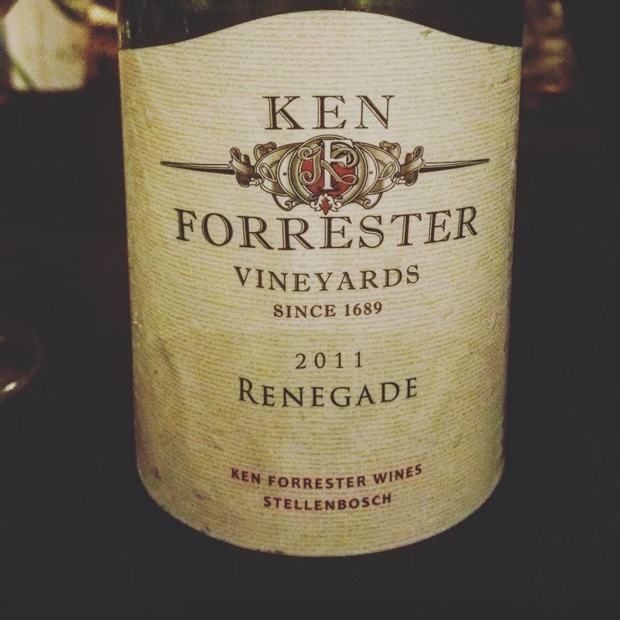
Ken Forrester Vineyards Renegade 2011

Ken Forrester Vineyards Renegade 2011

Ken Forrester Renegade 2011, Stellenbosch, South Africa (SAQ 10703084 $24.25, Winery, Agent, WineAlign)

Mainly Grenache and inculcated with varietal layers thereof, though in the end it is the Rhône blend accrual that bounds over hills and dales. I’m not sure any number of Stellenbosch investigations will unearth more expatriate quality for the coin than is found in the Renegade. A true marker of its maker, The specs are spot on to produce heft, strength and confidence from tireless work. Healthy pH, minimal sweetness, virile acidity and generous alcohol. Like a blood transfusion even though you weren’t sick. Like drinking snake’s blood in grain alcohol on the side of a Hanoi road. Like an hour of intense yoga. Ken Forrester, all in, fully, completely engaged. This red blend speaks in his voice. “Renegade! Never been afraid to say. What’s on my mind at, any given time of day.” It’s no jay but it covers the Stellenbosch bases, from A to Z. Drink 2015-2020. Tasted September 2015

Ellerman House

Godello at the edge of the world #capetown #ellermanhouse #banghoekuncorked #southafrica

Godello at the edge of the world #capetown #ellermanhouse #banghoekuncorked #southafrica

Tokara Sauvignon Blanc Reserve Collection 2014, Elgin, South Africa (Winery, Agent)

From the atmospheric growing conditions of Elgin, the new South African geographical epiphany for the cool-climate varietal future. From the winery’s Highlands farm, transported to Stellenbosch and fermented with tact, cold, stainless, with acidity intact. Tokara’s Sauvignon Blanc is bone dry (near and dear to 2.0 g/L of RS) and a straight piercing heart of an SB as ever there was. Takes the likes of Marlborough and teaches it a thing or two about the coastal ways of the Western Cape. Tasted with viticulturist Aidan Morton. Drink 2015-2017.  Tasted September 2015  @TOKARA_ZA
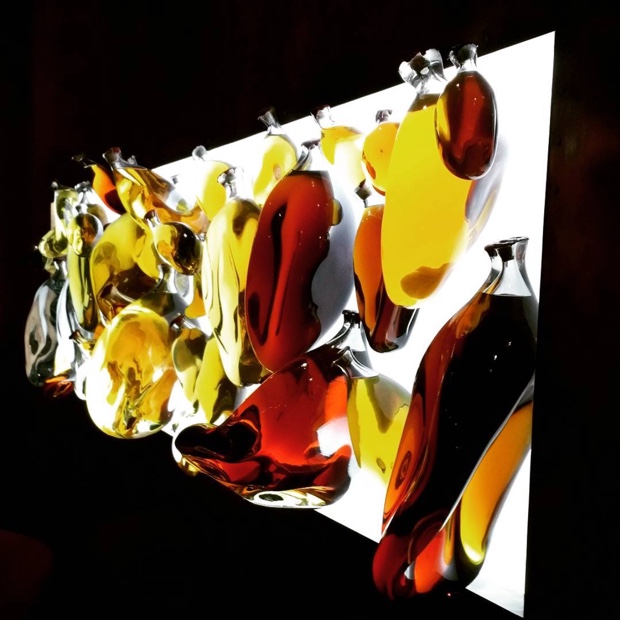
Brandy sculpture @Ellermanhouse @WOSA_ZA #banghoekUncorked #capetown #southafrica

Brandy sculpture @Ellermanhouse @WOSA_ZA #banghoekUncorked #capetown #southafrica

Oldenberg Vineyards Chenin Blanc 2014, Stellenbosch, South Africa (Winery, AgentWineAlign)

From vines planted in 2006 on alluvial soils. A tight, lean and bracing Chenin Blanc with seamless attribution. Simplicity of fruit meets oak (30 per cent ferment for 10 months in 300L French barrels, 50 per cent new) but somehow freshness wins outright. This in kind to sharp, feisty, sour-edged acidity that is lemon bracing and a linger for a good length of time. Also in spite of generous alcohol (14.11 per cent) and relatively low pH (3.21). Jasmine and honey? “Fields of flowers deep in his dreams (Ha ha, honey), lead them out to sea by the east (Ha ha, honey).” The reminder of Stellenbosch and Chenin Blanc. Drink 2015-2019.  Tasted September 2015  @Oldenburgwines  @HHDImports_Wine

Thelema Mountain Blanc de Blancs Méthode Cap Classique 2012, Stellenbosch, South Africa (Winery, Agent, WineAlign)

Sparkling generously donated to with agreeable richness from eight year-old vines out of Tukulu soil. Generous of yield (16 t/hL) at low red/yellow saturated slopes near the basin floor. The dosage keeps it comfortably Brut, the acidity cozily numb. Classic bubble methodology, including three years lees aging, in line for such fine elegance. Runs for a straight purpose, of citrus incarnate with a penchant for piercing. In its youth it knows nothing of oxidative and yet that dimension will lengthen its future. For 15 years it will reside in the refreshing valley in between. Though he is a multi-varietal maestro and with no disrespect to the rest of his Thelma and Sutherland portfolios, if Sparkling is not winemaker Rudi Schultz’s true calling then I’ll have to spend three more hours at dinner with proprietor Thomas Webb to find out what is. Drink 2015-2030. Tasted September 2015  @ThelemaWines  @tomwebbsa  @EpicW_S
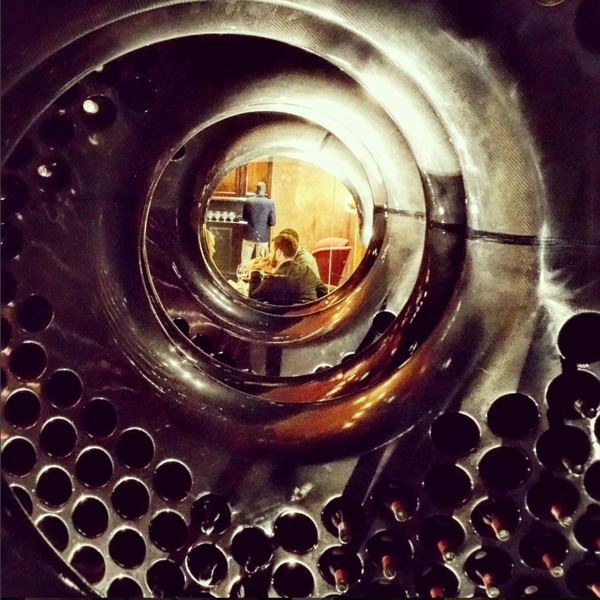
We've been expecting you, Mr. Bond #ellermanhouse #banghoekuncorked #007 #capetown

We’ve been expecting you, Mr. Bond #ellermanhouse #banghoekuncorked #007 #capetown

Thelema Sutherland Viognier-Roussanne 2012, Elgin, South Africa (WineryAgent, WineAlign)

In the realm of two-thirds to one-third ratio from Seven year-old (at the time) vines grown on Tukulu and Glenrosa soils. The ramp up of Roussanne percentage elevates acidity to balance the richer, broader and wide-ranging Viognier breadth. There is great grape tannin in this Elgin white with healthy yet balanced alcohol, negligent sweetness and that bouncy, bountiful acidity. Lays about happily in a pool of bleed from rock and stone. Possessive of the je ne sais quoi all impressionistic whites must have, vry of the land and tonic attention. In the end bitter grapefruit draws a cheek full of wince and sends goose bumps down the spine. Gotta love that. Drink 2015-2021.  Tasted September 2015
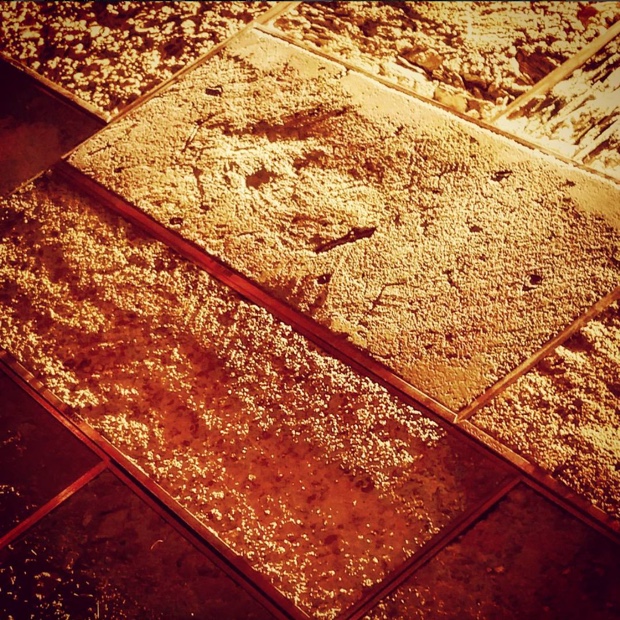
Panels of terroir @Ellermanhouse Face in the crowd #terroirwall #angustaylor #rammedearth #paulharris #winegallery #capetown

Panels of terroir @Ellermanhouse Face in the crowd #terroirwall #angustaylor #rammedearth #paulharris #winegallery #cape town

DGB in the Capelands

Others would kill for her Pinot fruit and Lizelle Gerber kills it for @BoschendalWines #dgb #DGBinthewinelands

Others would kill for her Pinot fruit and Lizelle Gerber kills it for @BoschendalWines #dgb #DGBinthewinelands

Boschendal Cap Classique Jean le Long Prestige Cuvée Blanc de Blancs, Stellenbosch, South Africa (Winery, Agent)

Chardonnay curried favour from impeccant and licid (2007 base wine) cool climate fruit and then ingratiated by 60 months plus one year on the lees. Of added significance by only having been sulphured at disgorgement. A yeasty B de B of beautifully beckoning oxidation and bone dry at 2.3 g/L of RS. Fizz of finesse and elegance, a feet sweeping, inveigling, influence exerting Stellenbosch cuvée. A skillfully applied mound of preserved lemon and freshly grated wild ginger, piled like airy mousse, or like lustrous wasabi without the burn. Benchmark for the Méthode Cap Classique B de B style. Drink 2015-2027.  Tasted September 2015  @BoschendalWines  @LiffordON  @liffordwine
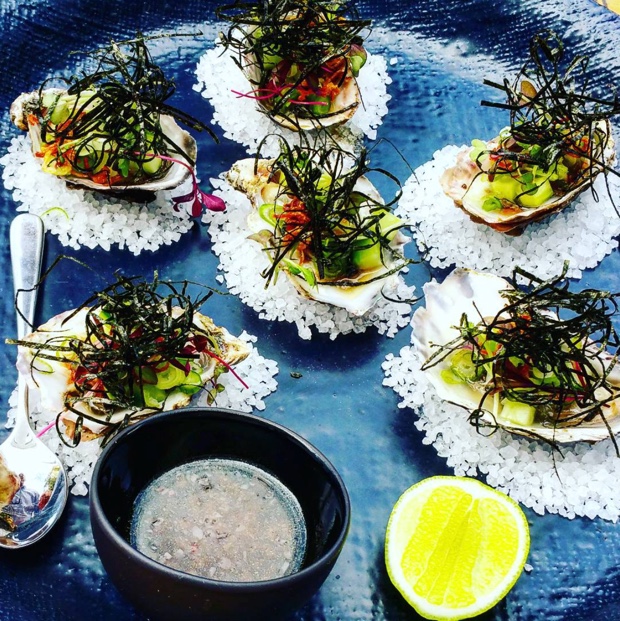
Cape Oysters Vietnamese #chefswarehouse #capetown

Cape Oysters Vietnamese #chefswarehouse #capetown

Boschendal Cap Classique Grand Cuvée Brut 2009, Stellenbosch, South Africa (Winery, Agent, WineAlign)

Time is the settler is this Pinot Noir (51 per cent) and Chardonnay (49) of aeration and ripeness from its days as a sun-worshipper. From fruit primarily sourced in Stellenbosch with some help from the Elgin Valley. Disgorged in the Spring of 2014, six months post 36 months on its yeasts have brought it to a very happy place. As it found itself in requiem of a less than Brut profile, the sugar level is higher (7.8 g/L), a munching magic mousse transformative indeed, enacted during secondary fermentation and measured dosage. Distinctly nutty, rich, torch toasty and presented in purview by citrus. For Cape oysters, at the least, or foie gras and with a bowl of salted nuts. Drink 2015-2029.  Tasted September 2015

Boschendal Cap Classique Grand Cuvée Brut 2009

Boschendal Cap Classique Grand Cuvée Brut 2009

Boschendal Sauvignon Blanc 2014, Elgin, South Africa (WineryAgent)

From the highest of and one of the latest ripening mountain plateau vineyards in Elgin, 500m above sea level and only 18km away from the Atlantic Ocean. The Eikenhof farm offers well-drained Bokkeveld Shale soils and with a healthy yet restrained sugar component (4.4 g/L), here Sauvignon Blanc goes at it rich and grassy, herbal and highly textured. The white pepper olfaction in lieu of capsicum makes a yummo aromatic impression. Here SB executes in expatiated flection, with layers waiting to be peeled away in discovery of what lays beneath. I would suggest not treading near the surface. You will miss out on the mysteries weighted in its depths. Drink 2016-2021.  Tasted September 2015
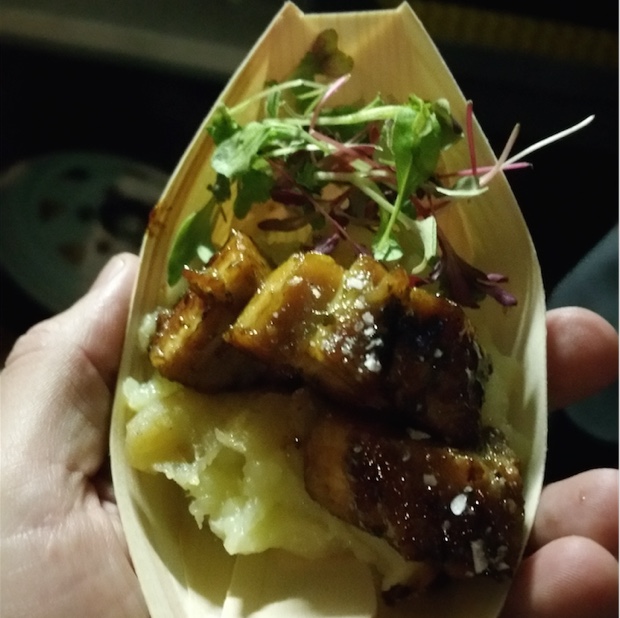
Pork Belly at DGB in the Capelands food truck event

Pork Belly at DGB in the Capelands food truck event

Boschendal Chardonnay 2013, Elgin, South Africa (WineryAgent)

Slow-ripened, low-yielding Chardonnay seasoned from unirrigated mountain slopes of Bokkeveld Shale mixed with some clay. Chardonnay paid attention in detail only a small farm can afford, followed by prudent picking in a warmer than average vintage. The barrel has its say in a heartfelt way, the integration with delicate fruit sprouting wings more effete than mannish. One quarter of the 80 per cent oak ferment is new and the rest either second or third fill. Fresh now, reductive to a necessary degree and built for a minimum five with an optimum seven to eight year shelf life. Drink 2015-2020.  Tasted September 2015
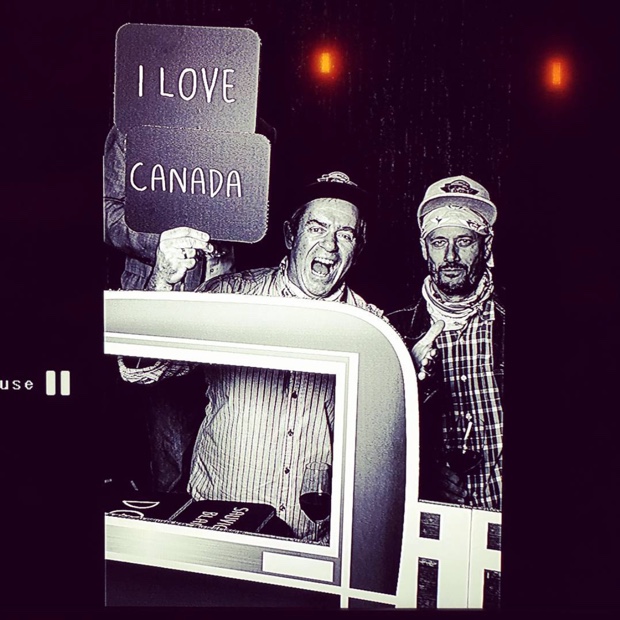
This guy loves Canada @WOSA_ZA #DGBinthewinelands #foodtrucks

This guy loves Canada @WOSA_ZA #DGBinthewinelands #foodtrucks

Boschendal Pinot Noir 2013, Elgin, South Africa (WineryAgent)

This is the bomb. Lizelle Gerber may be benevolently pegged as the white wine maker at Boschendal but place Pinot Noir fruit from the second highest vineyard in South Africa in her hands and shazam; welcome to the hallowed alchemy payoff. The treatment is not unlike what Gerber effects upon her Chardonnay; 50 per cent natural fermentation, 12 months barrel maturation in (25 per cent) new, (35) second fill, (15) third and (25) fourth French oak. Variability comes by way of heavy red clays, from Table Mountain Sandstone, Bokkeveld shale, Tukulu and Silica Quartz with underlying Caoline clay. So what? Balance, so what. Her Pinot Noir finds separation by soil. The small berries are so prized even the baboons want in. The windswept vineyards are a place of chaste, inviolable grounds, where Pinot Noir needs little human interference save for some predator protection. The gathering here imagines Willamette salinity, Otago purity and Beaune delicacy. Gerber’s Pinot is simple, cast from only overnight free-run juice, unpressed, pitch perfect, virtuous and riddled with the tension of decorum. It will age for 10 years plus. Drink 2015-2025. Tasted September 2015

Good to go!

Twitter: @mgodello

Instagram: mgodello

WineAlign: Michael Godel

Facebook

Take them home, County wines

County in the City PHOTO: Michael Godel

County in the City at the Berkeley Church

Life is old there, older than the trees,
Younger than the mountains, blowing like a breeze

Can you think of an island (leaving Australia, Tasmania and New Zealand out of the discussion) of greater interest anywhere for growing grapes and making world-class wine? Prince Edward County’s just a shade more than 1000 square kilometers, 800 kilometers of shoreline and tiny 22,000 population is that place. It’s geology and climate eerily mimics that of Burgundy. A superficial layer of limestone peppered clay loam hovers above penetrable layers of larger limestone. Fissures in that bedrock allow vines to reach deep into its crevices. It’s a veritable mineral wonderland.

Related – You can lead a county to the city

Huff Estates Photo: Michael Godel

Huff Estates

More than 30 wineries dot the land and water interspersed honeycomb of a wine trail. Pinot Noir and Chardonnay are the obvious cornerstone varieties but unique Riesling, Cabernet Franc and Pinot Gris have joined the attention gaining fray. Ontario’s finest Sparkling wine is being made at Hinterland. Vintners like Rosehall Run and Keint-He Winery exemplify top to bottom consistency. They and others like Lacey Estates are involved in the yeoman’s ambassador work, in the field, at tastings or through social media. Smaller production houses like The Old Third Vineyard, Hubbs Creek and Exultet Estates are sought after by those who know.

Stanners

Stanners

The County returned to the city on April 3, 2014 to showcase a cross-section of their wares at Toronto’s Berkeley Church. The usual suspects continued to impress, yet the collective needs to embrace the Sparkling example set by Jonas Newman and Vicky Samaras at Hinterland. If White Cap and Ancestral are any beacon to be drawn towards, plantings of Vidal, Riesling and Gamay should be employed in earnest in the turning towards pressure in the bottle. Lighthall’s Glen Symons gets it, as does Frédéric Picard, with his Cuvées, not to mention Bill Turnbull and his 3630 Bubbles. True, Casa Dea has the shy Dea’s Cuvée and the Grange makes a Sparkling Brut and a Riesling (346726, $24.95). But the questions begs, is fizz just another word for everything to lose in the County?

Here are notes on 23 wines tasted. The soundtrack to these PEC Wines includes Foo Fighters, Cracker, Nine Inch Nails, Modest Mouse, REM, Sufjan Stevens, The Beatles and Dire Straits.

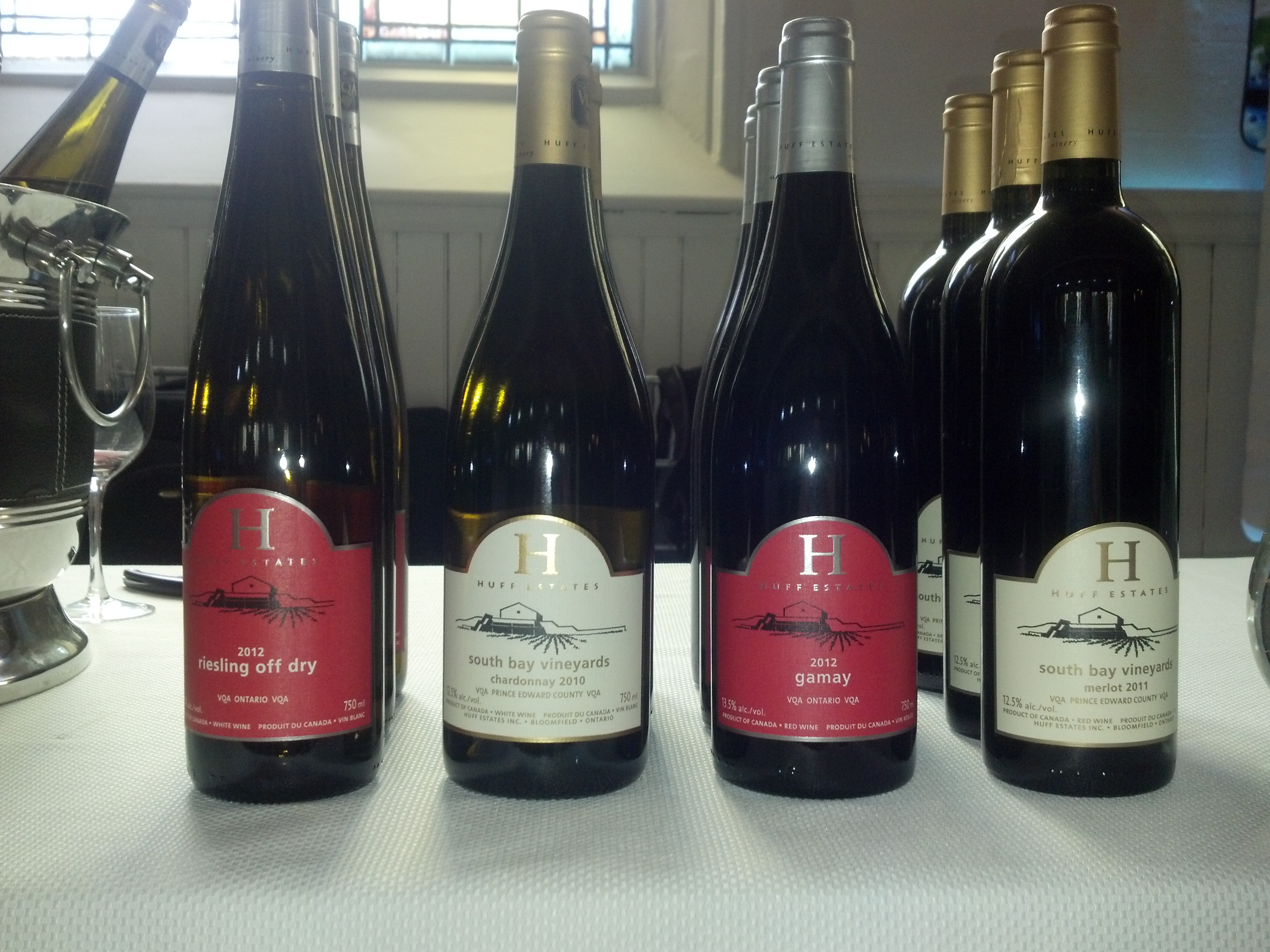
From left to right: Casa Dea Riesling 2011, Huff Estates Winery Off Dry Riesling 2012, Harwood Estate Pinot Gris 2012, Lighthall Progression Sparkling Vidal 2012, Norman Hardie Riesling 2012, Huff Estates South Bay Vineyards Unoaked Chardonnay 2012, Karlo Estates Lake On The Mountain Riesling 2012

From left to right: Casa Dea Riesling 2011, Huff Estates Winery Off Dry Riesling 2012, Harwood Estate Pinot Gris 2012, Lighthall Progression Sparkling Vidal 2012, Norman Hardie Riesling 2012, Huff Estates South Bay Vineyards Unoaked Chardonnay 2012, Karlo Estates Lake On The Mountain Riesling 2012

Casa Dea Riesling 2011, VQA Prince Edward County, Ontario  (winery, $16.95, WineAlign)

Pours and perches in the glass dry and stoic, as if bled from concrete or amphora. Swirled or not this fighter begins to rumble in a growing momentum of tang and acidity, as if it were being fed by sugar and feeding on yeast. So primary, like a sample in thief, yet already circling in complexity. A spike of spicy sweetness, a delicate dressing of aglio e olio, a chiffonade of basil on top. The County does this style of dry Riesling at this price in ways no one in Niagara can. This is no foo but rather a “blessing in disguise. Believe it or not, hands on a miracle.”   @casadeawinery

Huff Estates Winery Off Dry Riesling 2012, VQA Ontario (155606, $17.95, WineAlign)

Note the VQA Ontario designation, meaning the fruit is a combination of PEC and Niagara. The former brings limestone to the table while the latter weight and substance. Typically soda-driven and spatially atomic in maximum thrust. Turns towards the lake with sweet emotion and sails off into the sunset. Multi-purposed, works to great summer afternoon effect, especially with the waves of the bay lapping at the shore.  @HuffEstatesWine 

Harwood Estate Pinot Gris 2012, VQA Prince Edward County, Ontario (Winery, $18.00, WineAlign)

Light, airy, delicate and nearly ethereal Pinot Gris that takes few chances, instead choosing an acquiescence with life’s simple pleasures. The vanilla of Gris, malleable, agreeable and ready to pair with whatever comes its way. A minor spike of Hillier minerality gives accent to pears and its blossoms.

Lighthall Progression Sparkling Vidal 2012, VQA Ontario (Winery, $20.00, WineAlign)

A most non-pretentious sparkler that holds a pertinacious attitude towards anything but serious fun. From estate Vidal grapes that has seen a second fermentation using the Charmat Method, Lighthall’s ’12 picks up right where its solid ’11 left off. Picked early to preserve freshness and acidity, the Progression is big on tart green apple preserved by a squeeze of lemon. Chill it, refresh with it, serve it up and bring the house down.

Norman Hardie Riesling 2012, VQA Ontario (131169, $21.00, WineAlign)

Twenty Mile Bench in Niagara borrows 30 per cent County fruit to complete Hardie’s cracker Riesling. Low in alcohol (9.1 per cent) and residual, bound by jacked up acidity and tension. Pale platinum with an old-school aromatic sentiment that “fruit is rusting on the vine,” and flavours recalling that “the fruit is calling from the trees.” A masonic force of winemaking, “like being low, hey hey hey like being stoned.”  @normhardie

Huff Estates South Bay Vineyards Unoaked Chardonnay 2012, VQA Prince Edward County, Ontario (Winery, $21.95, WineAlign)

The Huff Chardonnay bent has seen a shift as strong as South Bay’s prevailing winds, away from the weight of barrel ferment to a clean, Chablis-like style. The ’10 might just have been the turning point and though they now make two versions, this ’12 is the cementing of the attitude. What is most amazing is that the texture, aromas and feel remain those of an oak-influenced wine. Huff manages the linear consistency without the need to encumber, toast or char the purity of its glade, glycerin and citrus fruit. Only Prince Edward County’s limestone soil can effect this kind of nine inch nails drive into Chardonnay without oak and only Huff can do it with this kind of elegance. A wine “less concerned about fitting into the world.” Do not miss this singular effort.  @HuffEstatesWine

Karlo Estates Lake On The Mountain Riesling 2012, VQA Prince Edward County, Ontario (Winery, $22.00, WineAlign)

Karlo’s take is Riesling in torsion, barrel fermented & aged in older (six-year) French Oak. The program adds wax and herbal mucilage to what otherwise would have been a frenetic study in bone chilling acidity. This unique and neo-progressive intuit invites a global Riesling symposium to the County to learn something old and something new within this single bottling. Riesling with attitude that’s got glycerin and a medicinal meets floral, pear extract meets candied lilac viscidity. Though so young, it seems wise, with an anamnesis for old Mosel, a coolant aroma and a taste that recalls white sangria. Yes, it’s different and eclectic. Anti-bracing stuff, not for everyone, but everyone should be for it.

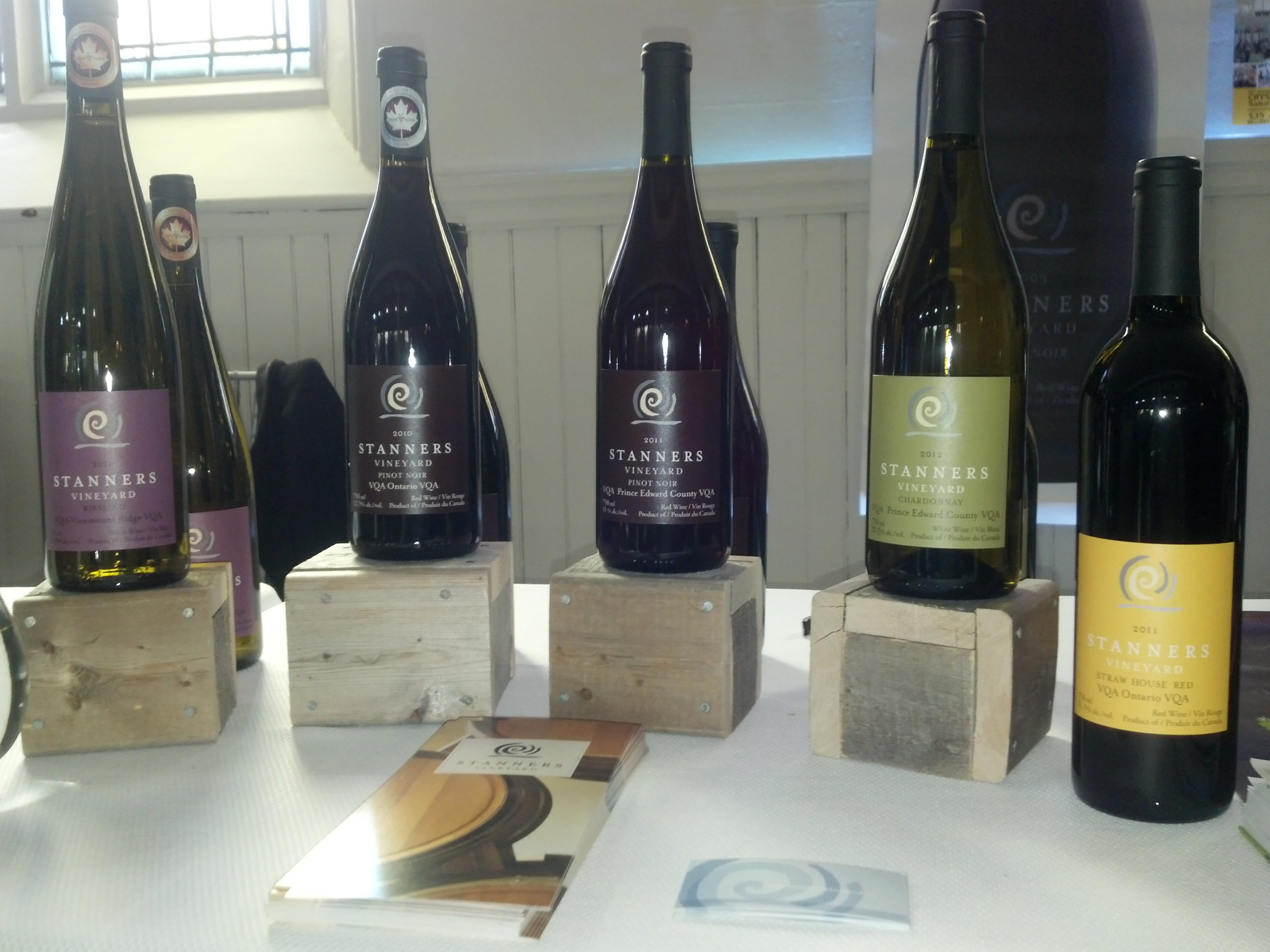
From left to right: Stanners Vineyard Riesling 2011, Closson Chase The Brock Chardonnay Unfiltered 2011, Lighthall Vineyards Gewurztraminer 2012, Karlo Estates Chardonnay C.H.O.A. 2012, Norman Hardie County Cabernet Franc 2012, Huff Estates South Bay Vineyards Chardonnay 2010, Closson Chase Vineyard The Loyalist Chardonnay 2012

From left to right: Stanners Vineyard Riesling 2011, Closson Chase The Brock Chardonnay Unfiltered 2011, Lighthall Vineyards Gewurztraminer 2012, Karlo Estates Chardonnay C.H.O.A. 2012, Norman Hardie County Cabernet Franc 2012, Huff Estates South Bay Vineyards Chardonnay 2010, Closson Chase Vineyard The Loyalist Chardonnay 2012

Stanners Vineyard Riesling 2011, Vinemount Ridge, VQA Ontario  (winery, $23, WineAlign)

This is the inaugural Riesling release for Stanners, from a single Vinemount Ridge plot. If it were not so winged-footed it might gain more positive repute from the appellation’s quarry effect, but in time and with experience, Colin Stanners will settle the grassy aromas into the limestone demand. For now it remains effortless and balanced with a dismounting of acidity and well provided apple and lemon flavours.  @StannersWines

Closson Chase The Brock Chardonnay, Unfiltered 2011, Niagara River, VQA Ontario (Winery, $24.95, WineAlign)

The 2011 Brock has settled into its Niagara River appellative skin, having now been in bottle 18 months. Working with fruit from 300 kilometres away increases the unknown quotient, magnifying the adage that you have “one chance to get everything right,” Closson’s ’11 is neither modest nor is it a mouse but it is less frenetic than it acted when tasted repeatedly last year. The hard deposits have oozed into liquid metal gold and the ripe orchard fruit has mellowed into a creamy pudding with a hint of spice. I don’t see the Brock as a very public wine, but more from a maker, for friends, from habit, for family. A wine that you need to get to know, to patronize with repeated listening’s, to accept.   @ClossonChase

Closson Chase The Brock Chardonnay, Unfiltered 2012, VQA Niagara River, Ontario (Winery, $24.95, WineAlign)

The 2012 Brock was only sulphured and bottled a month ago so it’s quite shocky and shaky. Still in the REM sleep stage, the ’12 is not quite ready to reveal the warmth so generously granted by the Niagara River appellation’s extending growing season. The ripe tropical fruit notes are there, if subdued and the omnipresent minerality will rear its rocky head before too long. This Brock will see a lifting “but gravity is holding” it down for now. Look to see the weights fall away late in 2014 “and in review,” you will have noted “the air was singing,” all the way to 2020.

Huff Estates Gamay 2012, VQA Prince Edward County, Ontario (winery, $25, WineAlign)

If $25 seems a premium to pay for Ontario Gamay, consider all that is on offer in winemaker Frédéric Picard’s take on the friendly French grape. Picard caddies for 13th Street (Niagara) fruit, vinifies it bone-dry with the minimalist edge of 14 months in 15 per cent new French oak.  The fruit is so very ripe, in raspberry and gritless, creamy blueberry. Like savoury adult ice cream, silky smooth and with nary a hint of chalky grain. Well-designed and consumer-friendly as any Gamay has ever graced the Ontario consciousness. So you’ve “got that going for you, which is nice.” Shack up with Huff’s Gamay treat.

Lighthall Vineyards Gewurztraminer 2012, VQA Ontario (Winery, $25.00, WineAlign)

Proprietor Glen Symons sources his fruit for this unctuous Gewürztraminer from Vineland at the base of the Escarpment’s steps. Highly tropical and exaggerated by the warm summer of 2012 to the point of candied, but with an edge. Just restless enough to divine temptation for further sips which when multiplied, relax the palate rather than excite it. The flavours turn nutty, waxy, even and calm. A mistral wind blows through in a breezy finish.

Karlo Estates Chardonnay C.H.O.A. 2012, VQA Prince Edward County, Ontario (Winery, $25.00, WineAlign)

It should be assumed that the four types of wood used to house this warm and inferential Choa (cherry, hickory, oak and ash) would smother and smoulder other aromatic suitors but those woods are actually quite subtle. The other woods, as in forest, backyard and compost are the acute players. The Choa goes from fromage to funky, from an enzymatic leesy feeling to inner, inward innards. It barks of a dogged persistence, I will give it that. Most definitely singular of style to be sure and will need a few years to settle down.

Norman Hardie County Cabernet Franc 2012, VQA Prince Edward County, Ontario (winery, $25.00, WineAlign)

Hardie’s 2012 Cabernet Franc comes of age out of a preternatural and ontological perfect storm. Casts odds into the river of ideal weather, procures phenolic grape ripeness out of the vineyard, avoids the green and embraces the brown stems. Ferments under the natural eye of indigenous yeasts and settles into its silky skin at a low, low 10.8 per cent (give or take a lab sample) alcohol. Cabernet Franc of impossible soul, its “burden is the weight of a feather.” Pepper and currants are noted, tobacco and tomato are not. Comes “bearing a sword” but seduces with primal proclamations. Radical County red.

Huff Estates South Bay Vineyards Chardonnay 2010, VQA Prince Edward County, Ontario (Winery, $29.95, WineAlign)

The oak repeal in decreased new barrel impact allows the County to speak in the clearest of voice. As it should, from a South Bay landscape and terroir as rugged and dramatic that can be found anywhere Chardonnay is made in Ontario. There is a honeyed unctuous and viscous feel to the South Bay ’10, no doubt a result of its middle filled in by a meritorious and pure lees. Limestone wraps up the fruit in a clean, crisp and pure package.

Closson Chase Vineyard The Loyalist Chardonnay 2012, VQA Prince Edward County, Ontario (Winery, $29.95, WineAlign)

The licensee only Loyalist is the micro-embodiment of the Deborah Paskus style. Rich, compact and built to satisfy a need for lush, nearly tropical Chardonnay. From a vintage that saw bud reducing spring frosts and resulting yields of only one tonne per acre. The oak influence comes to it with a scaled back embracing, allowing the County’s rock bent to connect and form a bond with the acidity’s bracing intent. Perhaps the profits will suffer from the year’s miniscule crop, but the level of quality will making it all right.

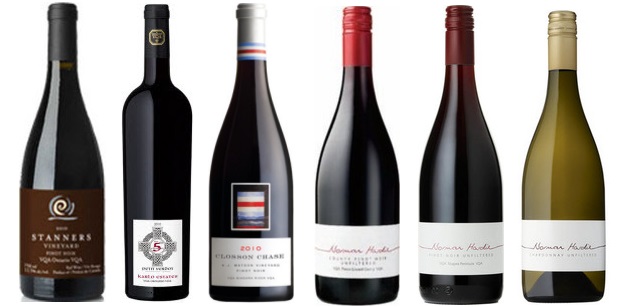
From left to right: Stanners Vineyard Pinot Noir 2011, Karlo Estates The Fifth Element Petit Verdot 2010, Closson Chase Pinot Noir K.J. Watson Vineyard 2011, Norman Hardie County Unfiltered Pinot Noir 2012, Norman Hardie Unfiltered Niagara Pinot Noir 2010, Norman Hardie Unfiltered County Chardonnay 2012

From left to right: Stanners Vineyard Pinot Noir 2011, Karlo Estates The Fifth Element Petit Verdot 2010, Closson Chase Pinot Noir K.J. Watson Vineyard 2011, Norman Hardie County Unfiltered Pinot Noir 2012, Norman Hardie Unfiltered Niagara Pinot Noir 2010, Norman Hardie Unfiltered County Chardonnay 2012

Stanners Vineyard Pinot Noir 2010, VQA Ontario (winery, $30, WineAlign)

A year later has softened considerable and thinking of laying down in softer pastures.  From my earlier, April 2014 note: “Combines 60% (horizontal) County fruit with 40 per cent (vertical) Niagara (Lincoln Lakeshore) grapes in balance and with finesse. Simply apply the distance formula to figure out the length of the hypotenuse. Bridging the kilometres that lie between, though inadmissible to some, comes by way of a deft winemaker’s vision and touch. Plum good, mineral rich and perceptibly tannic without breaching a threshold of varnish. Cherry toffee speaks of the sunshine and indicates time is of the essence. Will look forward to full-on County issue for 2013 in the hands of Cliff and Colin Stanners.”  Last tasted April 2014

Stanners Vineyard Pinot Noir 2011, VQA Prince Edward County (winery, $30, WineAlign)

After wetting their Pinot Noir feet with a few vintages that coalesced Niagara and County fruit, this is the first go it alone release for Stanners. It’s yet another effortless and quiet handed response to impressionist County fruit. A noticeable step up from what came before, this has primary balance, secondary (floral) aromatics and tertiary brightness. Like Hillier lavender, drying on the rocks in the waning afternoon sun.

Karlo Estates The Fifth Element Petit Verdot 2010, VQA Ontario (Winery, $33.00, WineAlign)

Mounds of respect are due any Ontario winemaker that decides to tackle single-varietal Petit Verdot, especially in a climate-forsaken locale like the County. Richard Karlo tackles such a struggle between good and evil, looking to elevate this fifth most important Bordeaux grape (not Malbec?) to great PEC heights. His dark, brooding wine of massive extraction starts off into the toffee, the after dinner mints and a suck of coffee cream through a wood straw. Twiggy, angular, resinous and wired, the wine then turns incredibly floral, in violets, from boron to aether and then returns to its roots. The rebound is to acidity, freshness and tang. An intriguing wine that “used to be angry young man” but the evolution it shows in glass bodes well for its future. Give it three to five years to achieve quintessence. “I’ve got to admit it’s getting better, a little better all the time.”

Closson Chase Pinot Noir K.J. Watson Vineyard 2011, VQA Niagara River, Ontario (Winery, $34.95, WineAlign)

Only 165 cases were produced of this Niagara born Pinot Noir. Discreet and unpretentious in every facet of its being. Like the colour of beautiful Rosé, the Watson causes such small-scale tannic pain. Though elegant and lithe, don’t be fooled. It’s not Burgundy. It’s Deborah Paskus. It’s Closson Chase. Profoundly appointed, in mind of those who mind. A signal to the understanding and knowledge of what the variety is and from this place. Clarity comes from an intensity in flowers, quality from a high sense of purpose.  Really fine.

Norman Hardie County Unfiltered Pinot Noir 2012, VQA Prince Edward County, Ontario (125310, $35.00, WineAlign)

Hardie’s 2012 County Pinot Noir is a beacon, a flashing light on the shore, an invitation to copycats because this is what making red wine from limestone foundations is all about. To taste this ’12 is to experience Hardie’s purest berry maceration and distillation to date. It’s as if there was no alcohol present and in fact, at 11.5 per cent it is a modest and transparent pronouncement. Longevity may not bless the ’12 as in other vintages but this is certainly the most groomed and coiffed County Pinot Noir.

Norman Hardie Unfiltered Niagara Pinot Noir 2010, VQA Niagara Peninsula, Ontario  (208702, $39.00, WineAlign)

The calcareous clay, the edgy stone, the molt of the earth. Dense, cluttered and clamorous fruit. A different animal then what walks the County. Magnanimous Pinot Noir full of fruity flesh and medieval attitude. From my earlier, October 2013 note: “That Norman Hardie can make Pinot Noir in Prince Edward County that could never be confused with any other makes it that much more incredulous to nose this Niagara cousin and know it can only be his. A barb on the very verge of ripe, tart cranberry and as smoky a nose as Hardie’s Pinot wants to be. Strawberry and raspberry red beret. Ashes to ashes but not funk to funky, we know Hardie is a Pinot junkie. Still, this is a warm and melodious example with only one coat of primer. Impressive.

Norman Hardie Unfiltered County Chardonnay 2012, VQA Prince Edward County, Ontario (184432, $39.00, WineAlign)

Norman Hardie’s uncanny ability to coax hyperbole at the lowest alcohol levels is again blatantly apparent in this climatically epochal, yet restlessly cool County Chardonnay. Recalling and expanding on the exceptional ’08, the tonality, texture and motion are achieved by way of a) early picking, b) indigenous yeasts, c) arrested fermentation, d) lees and e) moxie. The dire straits of the vintage wants to exaggerate the fricassee, the roasted nuts and the chemical flow but who might argue against the gape at Burgundian reduction? She’s a roller girl this ’10, taking chances. She skates away, “making movies on location,” all in the name of learning ahead of the curve.

Good to go!

The Wine Diaries: Grapes and Peaches

Má Pêche, Momofuku – Duck Two Ways PHOTO: GABRIELE STABILE

as seen on canada.com

If I had my little way

I’d eat peaches every day

Eat a peach. Listen to the music. Taste wine. Feel like a president. My wine codex is in full, binary cross-cultural mode. These days I can’t help myself singing (in a quiet whisper) Dave Grohl songs – I’m not even such a big fan of his music! Maybe it’s because he seems to be everywhere; in tweets about the SXSW Festival, on the cover of Delta’s in-flight magazine, on satellite radio in the rental car. Recent wine events and food experiences have left me with the distinct impression that “it’s times like these you learn to live again.”

Passionate chefs, exceptional “100km” wines, and a good cause are a triumvirate for success. Also, a city that never sleeps, a superstar chef’s empirical outpost, and sublime food are a second triad for victory. And what do these two scenarios have in common? Grapes and peaches.

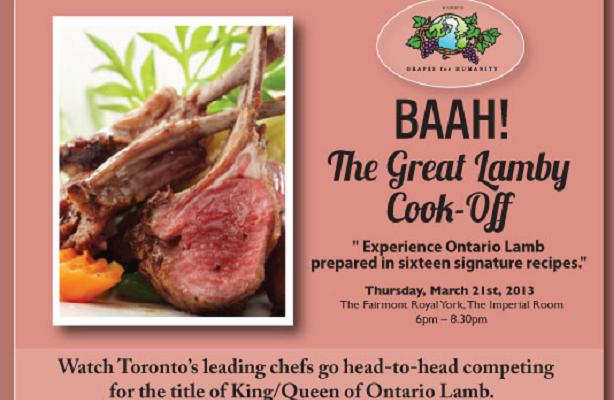
BAAH! The Great Lamby Cook-Off, Thursday, March 21st, 2013, Imperial Ballroom, Fairmont Royal York Hotel

BAAHTony Aspler knows more about wine than just about anyone I know. That he has taken his knowledge, his craft and his contacts in the food and wine world to champion a noble cause, well that is something to be admired. The organization he gives time to is called Grapes for Humanity, globally providing much needed relief to those less fortunate. Mr. Aspler organized yet another memorable GFH event, to benefit a child’s education by constructing a needed school in Guatemala. Twelve chefs, 12 lamb dishes, 12 wine pairings. You couldn’t spit without hitting a sommelier or a local oenologist. Chef Michael Pataran took home the top prize for his Goan Lamb Shoulder with a coconut, chili, lime chutney and paddle skewer. The best wine pairing went to the Henry of Pelham Baco Noir Reserve 2010, poured alongside Pataran’s “curry”; a double win. Stock Sommelier Zoltan Szabo directed the room with tireless energy.

Here, my favourite three wines at “BAAH”, plus a gorgeous Gigondas tasted in NYC on Saturday night.

From left: Rosewood Estates Merlot 2010, Tawse Merlot ‘David’s Block’ 2010, Norman Hardie ‘County Unfiltered’ Cabernet Franc 2011, and Domaine du Gour de Chaulé Gigondas 2007

Rosewood Estates Merlot 2010 (211896, $22.00) on this night walked a Niagara Wallendian tightrope of balance between heft and deft, sidling effortlessly up to Barque Smokehouse chefs David Neinstein and Tony Starratt’s ‘Mici‘ and travelling further on up the evolutionary road past “enjoyable if unremarkable.” From my earlier note: “Continues to show a reductive note in the form of vanilla and maple syrup, no honey actually, but all signs point to further excellence. High quality chocolate spiked by cherry, orange and a peppery, nasal tickle open up beautifully and expressively towards the dusty, berry main event. Knock your baby’s socks off with this double-stuffed Oreo and let the night unfold.  89 @Rosewoodwine

Tawse Merlot ‘David’s Block’ 2010 ($49.95) from certified organic and biodynamic estate fruit puts the double ‘L’ back in lush. Endowed of a caressing cashmere. Could act as spokesperson for Niagara Merlot announcing, “there are 10 kinds of people in the world, those who like Merlot, and those who don’t.” Calm, confident and marked by an insouciant nature. Earlier note: “Suffers no stenosis and instead flows as a sanguine and savoury riverine expression. Olives and the smokey whiff of yeasty bread on the grill. Not surprising considering the quality of Pender’s lees so often collected and added back to the next generation’s barrels.”  91  @Tawse_Winery  @Paul_Pender

Norman Hardie ‘County Unfiltered’ Cabernet Franc 2011 ($25) rolls the barrel out from a velvet underground into the Prince Edward County sun, pours singular Foster Vineyard fruit over crushed limestone then infuses the juice with ripe cherries. The warmth of 2010 lingers on in the ’11 CF’s pale blue eyes. Makes “the world as pure and strange as what I see.” Persists as the definitive expression of this grape in The County.  91  @normhardie

Dinner at Momofuku, Má Pêche, 15 w. 56th street, New York City, @momofuku

Má Pêche knows how to treat a lady, the President of the United States, and me. David Chang’s midtown eatery located in the Chambers Hotel opened in April, 2010. The Executive Chef is Paul Carmichael, a Barbados native who transmits Chef’s vision through elegant, restrained and poetic flavours. Carmichael and Chef de Cuisine Johnny Leach compose dishes as colourful canvasses but they are never over-painted nor monochromatic abstractions. Food of distinction and singularly distinct from plate to plate. Vegetables, many of the root kind, are succulent, glossy, al dente, and clearly defined. Service offers no pretense, no hovering, no massaging. Casual and professional. No hipster attitude neither.

Má Pêche AppetizersPhoto: Michael Godel

Má Pêche Oysters
Photo: Michael Godel

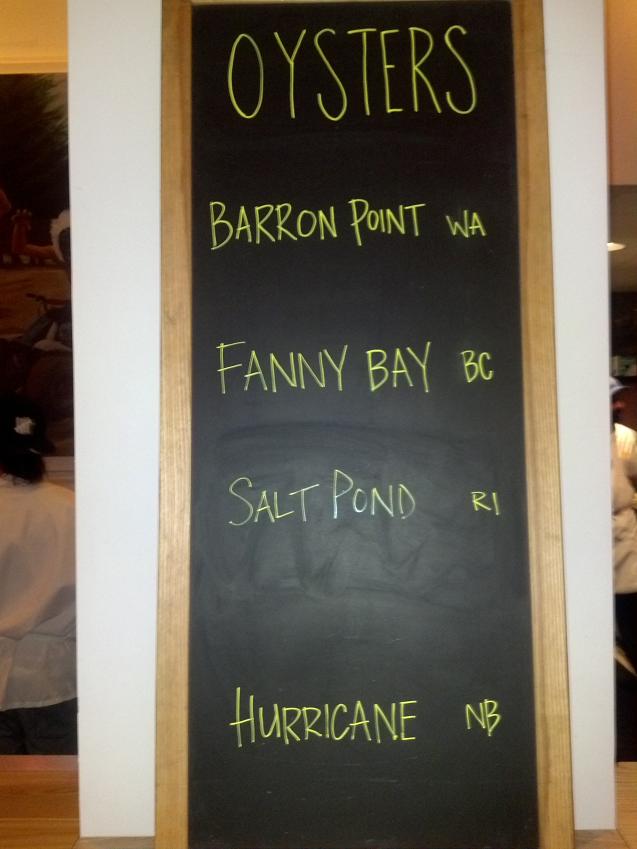
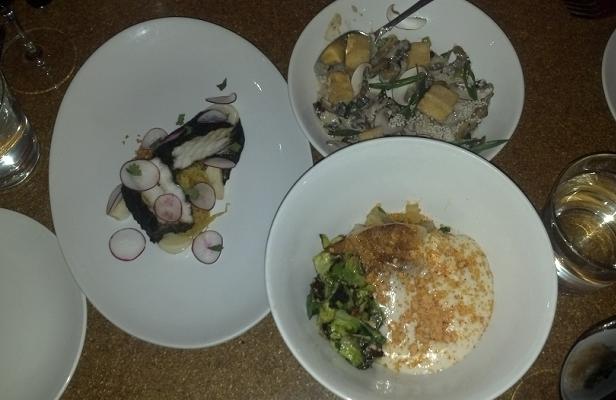
Oysters, especially New Brunswick Hurricane and Salt Pond Rhode Island are fresh makers, like spirits moving through the ocean. Washed those suckers down with 21st Amendment “Bitter American” Extra Pale Ale. Spanish Mackerel is a smokey, charred wave of umami with crisp, crunchy romaine and a silken tofu sauce, like citrus-spiked tahini. Barnegat Light Scallops are buttery, whispering, ethereal.

Appetizers

Má Pêche Appetizers

Chatham, MA Cod is foam cloud-enveloped, braised fish and brussel sprout ‘chips’ attenuated by malt vinegar. Jurgielewicz Farm, PA Duck two ways is perfect pink breast accented by candied orange rind and also piquant mici-like sausage, bucked by peppery spice. Provitello Fams, NJ Veal is fall apart, rosy neo-osso bucco, soft, supple and flat out delicious. The only non-wow moment comes from Barnegat Light, NJ Monkfish which shows indifference and a dry, dusty mole that barely mingles with needs to be further-rendered skin.

The wine list is more than thoughtful, embracing many needed food companion varieties, like Sylvaner, Trebbiano, Scheuerebe, Cabernet Franc, Nerello Mascalese and Teroldego. I opted for a southern Rhône Grenache blend imbued with just the perfect amount of age.

Domaine du Gour de Chaulé Gigondas 2007 ($31, Menu: 375 mL $32) of black/crimson mephitic and inky berry blush and lush, full-on sun-drenched fruit has reached full resolve. Licorice, kirsch and stony, meta-anthracite show off in the wine’s perfect window.  Decadent Gigondas.  92

Good to go!