Barque Butcher Bar Fried Chicken, ‘Bama Baby Back Ribs and 12-Hour Beef Brisket
The VINTAGES release program certainly lends structure and a targeted faculty of morphology to the selling and buying of courtly wine in Ontario. It’s a part of the LCBO juggernaut that deserves to be celebrated, particularly when it offers glimpses of hope and excitement. Optimism does exist and persist within the confines of an otherwise habitually oppressive system. A system that tends to function with coordinate construction, of paratactic verse that heavily promotes wines of narrative brunt.
On the other hand, VINTAGES is a mimetic project, which is a few projects too many. We wine trackers and writers are akin to Cricetinae, perpetually running in a wheel or like Sisyphus, forced to roll an immense boulder up a hill, only to watch it roll back down. We read the bi-weekly catalogue, pre-taste the newest offerings, make our lists and check them twice. In every batch there are 10-15 wines that stand out, as much about bell curve positioning as absence of singularity.
We don’t want to waste time drinking shite. There can be no good reason to swill sugar, contrived acidity or fast drink laboratory concoctions. Bring us wine of humility and humanity. Pour us truth and honesty. Separate the wheat from the chaff and don’t waste our time or insult our character. Give us wine from people, with roots and a sense of place. VINTAGES abides with a class of red shirt freshmen each and every release. That much I can concede.
From what I have tasted in advance of the VINTAGES March 5th release, what has excited me most is perhaps more a reaction to the unseasonably warm weather or maybe it’s just that I am presently satiated by tannic and acidity-molifiying white wines during winter. Last week I reported on the California stars as a follow-up to my recent Napa/Sonoma trip and in advance of April’s California wine fair. Brunello di Montalcino is in the spotlight what with Benvenuto Brunello coming next week. The Sangiovese Grosso line-up for March 5th is solid if underwhelming. My consensus pick of one is potentially polarizing. It will seem tired to some palates and precociously wise and cultured to others. The difference of critical opinion keeps the VINTAGES wheel turning and I am of sound mind to believe that’s a good thing.
Wine Country Ontario comes to the Royal Ontario Museum today for Taste Ontario in Toronto, the annual gathering of winemakers from The Niagara Peninsula, Prince Edward County and Lake Erie North Shore. On Saturday four peninsula whites will be released, three of which are typicity poster children for VQA good sportsmanship awards. Felicitous and regionally befitting Chardonnay, Riesling and Gewürztraminer that succeed as they should even while they bypass the idea that creative voices should be heard. Are we witnessing the dearth crumbling of stylistic freedom or is change coming, necessary and inevitable? The fourth white on offer is a shining example of the Ontario appellative blend, a category ever elusive, uncapitalized upon and necessary to the industry’s future success.
Superior South Africa, Vinho Verde Portugal not allowed to be labeled as such and Spanish Garnacha, white and red, grace this list. I also recommend an Ann Sperling Okanagan from the B.C. homestead and one freaking, awesome Sancerre. Here are 11 picks on March 5th in the year 2016. Enjoy.
Excelsior Sauvignon Blanc 2014, Wo Robertson, South Africa (382085, $13.95, WineAlign)
Warm climate conditions, a thunderstorm-inflicted harvest and prudent, hasty picking are what winemaker Johan Stemmet had to contend with in 2014. Kudos as a little something for the effort. Quiet and subdued aromatics are levied and bolstered by extreme fruit sensations exhibited on the palate. Crunchy green apple and green mango spritzed by lime forge a tight, angular and nearly tense relationship with linear and direct acidity. Sauvignon Blanc of meaning, unencumbered by the tenets of global style. A certain kind to be sure. Drink 2016-2019. Tasted February 2016 @Excelsior_Wines@WOSACanada@WOSA_ZA
Casa Do Arrabalde Avesso/Alvarinho/Arinto 2014, Vinho Regional Minho, Portugal (429324, $14.95, WineAlign)
Here $15 of pure Minho beauty, ripe and rich, regionally representative, if generalized in name because Alvarinho alights in the varietal mix. Smells and tastes just like a tart Mutsu apple picked post fully completed phenolics. The minor spritz on the tongue screams Vinho Verde, as does the stony eligibility. Well-chilled, warm day, grilled fish. Yes, please. Drink 2016-20218. Tasted February 2016
Talk about bottled up compression. Twist the screwcap and thwop! The cap nearly popped like a Champagne cork. This baby has energy and drive. The vintage is compressed and pile-driven as nosed by the density opposed by reticulated 9.5 per cent alcohol. This has Mosel tattooed on its being, from neck to bottom. A dead ringer for fine Kabinett, the tropical fruit in apricot and dragon reaching back to join Ontario, in apple and pear. A good flinty stone and raging acidity combine forces to exaggerate a Riesling reticulum in what is not the missive’s greatest ever vintage. Will live five to seven easy and just go for soda. Go ahead and quaff the hell out of this one, from 2015-2020, from bottles one through twelve. Tasted March 2015 and February 2016 @Winemakersboots@brightlighter1@UnfilteredEd
Henry Of Pelham Family Tree White 2013, VQA Niagara Peninsula, Ontario (251116, $17.95, WineAlign)
Very accessible and balanced white rabbet with tree fruit aromas and flavours, from yellow plum to white peach and back again. Straight up juicy circulation with a limestone tang amidst the weight of clay. Good value from the Peninsula to drink in the short term. An appellative blend to feed the category concept and perfect for sipping high in the skies. Pour this on your airplanes Air Canada. “Feed your head, feed your head.” Drink 2016-2018. Tasted February 2016 @HenryofPelham@SpeckBros
Residing on the correct side of off-dry with a waxy, lemon-honey drop secession from smell to taste. Brings proverbial lychee and rosewater into play, stirring the lees and pressing upon the palate in a faint, yeasty way. Ostensibly Fielding in conception to work with Vietnamese, Japanese and Thai. Food that is. Drink 2016-2020. Tasted February 2016 @FieldingWinery@RichieWine
Time has befriended Philip Dowell’s organic and creamery fresh-churned Chardonnay. The Kew is Bench defined and not shy in embrace of its wood. Abiding Chardonnay denuded in a healthy symbiotic relationship with ripe and recessive fruit. More mineral than before from Beamsville soil lands this somewhere along the pantheistic line featuring such stalwarts as Fielding and Hidden Bench. Will follow a casual down-to-earth grounding over the next five years. Drink 2016-2021. Tasted February 2016 @kewvineyards
Jaspi Blanc 2014, Do Terra Alta, Spain (439570, $23.95, WineAlign)
Such a culturally gregarious, aromatically generous and varietally gracious white blend from Terra Alta should be received with the most open of arms. This rare sighting in Ontario is mostly Garnatxa Blanca, with a minor (kept alive) amount of Macabeo, a grape of sweet realization and rainbow veraison. This is a classic indication of the subtlety that is derived from the soft, cuddly and rock-free panal soils in Terra Alta. A terraced white wine, cascading like lemon and bubbles, as if it were an ethereal, tart, savoury sabayon. Will be a pleasure to drink for the the next two to three years. Drink 2016-2019. Tasted February 2016 @cocaifito@doterraalta
Jardín De Lúculo 2012, Do Navarra, Spain (438655, $23.95, WineAlign)
Lovely, tidy Navarra with perfectly ripe cherries and an underlay of tension to give it real vitality. Oak (if any) bothers with nary an intrusive beat. Though there is a dried herb and drying savoury-minty ending it lingers, long after the paint has dried. Really necessary Navarra, a region portrayed in such a wine on the qui vive for exotic adventure. Drink 2017-2020. Tasted February 2016 @louisgeirnaerdt@vinosnavarra@navarrawines@navarrawine@hobbsandco@AMH_hobbsandco
Sperling Vineyards Pinot Noir 2013, BC VQA Okanagan Valley, British Columbia (382283, $27.95, WineAlign)
Here a vintage cementing a Sperling Pinot Noir into altruistic west coast territory occupied by the ripe and famous. Were I able to recall so much warmth, elevated tones and ripping aromatics while the wheels are spinning, still the memories remain in neutral. The gravelly grit and fine lined elucidation is in, but here things turn tropical, with far eastern spice and melted, oozing liquorice. Flavour coaxing is at an all time high but the question begs. Can you handle this hyperbole of efficiently convenient Okanagan truth? Drink 2016-2019. Tasted February 2016 @SperlingVyds@AnnSperling@CRUOntario@StratusWines
Jean Max Roger Cuvée Les Caillottes Sancerre 2014, Ac Loire, France (65573, $27.95, WineAlign)
Were all Sancerre this floral we might be forced to re-learn the typicity and the vernacular. Les Caillottes stands alone, if only for a few whiffs, before retreating back to the Sauvignon Blanc norm of mineral and white berry. Here Sancerre seems to take chances, steps out of the box and ventures into wild sage and thyme territory. Ends with lemon and lime, echoing the florally of tiny flowers on the tips of that thyme. I can imagine honey flowing in five years time, still gaining on the oxidative effects of time. Drink 2016-2022. Tasted February 2016 @oenophilia1@LoireValleyWine
More than a classic vintage for this seminal bottle of Sangiovese. The liqueur is so comfortably and rigorously distilled, the floral aspects fresh in their potpourri disguise. The aromatics, like eclipses, arrive early, but tend to exact themselves profoundly. Balance is everything with wine and transparently so for Brunello because if the tannins are overdone than pleasure can’t ever be truly discerned. Here they are like rhythmic, venting spasms at the end of a sentence. This offers early accessibility in spite of its ferocity. Drink 2019-2030. Tasted February 2016 @TrialtoON@ConsBrunello
“You can choose your philosophy of critiquing just as you choose how to live. The freedom to personalize or substantiate thoughts on structure sacrifices the detail to meaning and meaning to preciseness.” I wrote that nearly a year ago. It holds true, as before, near, dear and clear to me today.
Extreme cold ushered in January of 2015 and the obvious lede was Coming wine from the cold. Halfway through the month an epiphany of sorts knocked upside the cerebral cortex, elaborated upon in Varietal Spanish wine. That smithy precursor would lead to revelations in October.
As January wound down and I prepared to hit the Niagara Icewine Festival, (revealed in We the Icewine) I first asked a matter of fat cat factual question, Is writing making a mess of wine? “The combined fugitive pieces of wine and its critics pose questions without answers. They must be asked very slowly.”
The weeks of suffering through frozen days and night breeds reflection and thought. While the temperatures remained cursedly south of 20 I begged the question, Why drink that?, “looking for heroic entablature and architectural wonder in bottles of wine. We see them as DNA and in their liquids we can read their entire future. We sip them again and again until we taste them for the first time. To remember generations.” Have wine forget winter.
Good bye and thank you for your hospitality South Africa @WOSA_ZA @WOSACanada @CapeWine2015
In March I explained Why it matters to taste wines again, urged sharing through the practice of Take a bottle, leave a bottle and waxed parenthetical in yet another meaningful soul-searching moment. Why hate wine? was waged with a comment on “the wine geek who hates certain wines. The wine aficionado who picks on specific bottles, bullies them to the point of hatred. Slags them beyond reproach. Rants to the world about the injustice of their existence.” Bugger off.
The Old Third, Pinot Noir 2008
Then April. “The Ontario wine industry is the best kept secret in the world. It has grown, accelerated and advanced with more success than might have been imagined as recently as five years ago. Ontario winemakers have figured it out. The “world-class” comparative humanities of aging and longevity aside, the comprehensive and widespread phenomenon of excellence, regardless of vintage, is now an Ontario reality.” Now you know the answer to Why taste Ontario?
With Pablo Alvarez (#vegasicilia) and Laurent Drouhin (#josephdrouhin) at #fourseasonstoronto for #primumfamiliaevini…Can there be a more visceral wine experience than tasting some of the world’s greatest wine estates and all the while their principals just seem to only talk about history and family? Makes me think about parents, grandparents and children. About accomplishments, passing torches and smelling roses. Or something like that.
Pulled from four vineyards at 650-850m of altitude and from vines 19-42 years old. No skin contact though it shows a light, slight tinge of colour. Nearly platinum in its yellow hue, perhaps attributed to organics says Papagiannopoulos, Eighty per cent was achieved through natural ferment (with zero malolactic) plus “one tank for security.” Roditis can go clean or develop anti-austerity, texture, viscosity in the direction of a dirty projector. The Tetramythos glides “forward through the clover and the bergamot.” I can see what she’s seeing. Tasting like a leesy ripe peach, this is the best “basic” Roditis tasted in Achaia. Serious match of Aleria Restaurant‘s Sea Bass Tartare. Drink 2015-2020. Tasted July 2015
To taste again @lafouceller in @doterraalta is today’s master plan @VINOS_ICEX #lovegarnacha #garnatxablanca #crdoterraalta
Lafou Celler Garnatxa Blanca 2014, DO Terra Alta, Spain (Winery, Agent, WineAlign)
Ramon Roqueta Segalés, winemaker, soothsayer, visionary, seeker of the Garnatxa Blanca of today from “a narrow valley.” Ramon is very concerned with the valleys, the landscape, the geology, how the wind, the mediterranean climate and the ancient rivers that run through, having left their glacial deposits, all combine for this particular and most important expression of Garnatxa Blanca. Established in 2007, this wine was first released in 2011. Combines old and young fruit, some harvested fresher at a greener stage and others picked later, riper, brought together. Vinified separately, with some skin maceration, looking for fat to surround acidity. Ripe fruit (10 per cent) sees oak, the rest in egg shape concrete tanks with six to seven months of lees contact. Smells like a ripe peach, fresh and without sugar but instead a sprinkling of subterranean, ancient riverbed harvested salt. The tang is layered, variegated, mineral, mastered over and in corralling of oxidation, elaborated with gentle but forceful demand. “We learned that you can get a balance by harvesting and an early and a later stage, sometimes three times.” Finishes with lime, fresh squeezed, sweet tonic and distilled flowers. A wine that has succeeded in “mastering the oxidation process.” Plus the tannic (anti-oxidative) aspects offered in micro-oxygenation from the slightly toasted new oak. Approximate price $28.95 CAN. Drink 2015-2025. Tasted October 2015 @lafouceller@oenophilia1
Maps & Legends, from Cartology to Flotsam & Jetsam @ChrisAlheit @ZooBiscuitsWine #alheitvineyards #hermanus #capewine2015
Alheit Vineyards Flotsam & Jetsam Days of Yore 2014 (Winery)
Chris Alheit’s brand might allude to a chapter in J. R. R. Tolkien’s The Two Towers but Days of Yore must pay some homage to the 80’s thrash metal band and with great irony. This Cabernet Sauvignon and Cinsault blend is no Doomsday for the Receiver and certainly No Place for Disgrace. What it is instead is pure liquid brilliance. Old 1960 Cabernet Sauvignon bush vines are (even if unintentionally) farmed the way they used to be, back in the days of yore. Now cropped, tended and produced in pitch perfect cure, the resulting wine (when Cabernet is blended with Albeit’s dry-farmed, stomped and tonic-singular Cinsault) shows smoky depth and musicality. Sour-edged or tart can’t begin to describe the tang. It’s something other, unnameable, sapid, fluid and beautiful. It brings South Africa from out of the heart of its wayfinding darkness. Drink 2015-2025. Tasted September 2015 @ChrisAlheit@ZooBiscuitsWine
“If you can see the differences of terroir in Gewürz, then you won’t see it in Riesling” @AlsaceWines #olivierhumbrecht
Domaine Zind-Humbrecht Gewürztraminer Clos Windsbuhl 2011, Ac Alsace, France (Agent, $64.00, WineAlign)
This is the most northerly Zind-Humbrecht vineyard, in Hunawihr. Like oil and water from this to 2012. So much more richness, unctuousness, classic western European riverbank gluck and heavy weighted metal. Layers upon layers of texture though not nearly as dramatically sweet as it might appear to be. Hides it so well, thanks to those remarkable Windsbuhl gifting phenols and intense grape tannin. This has presence so very rare in Gewürztraminer. In the end its a glass full of liquid gems, polished, elegant and refined. Allow the sugars several more years to fully realize its potential relationship with the acidity. Drink 2018-2033. Tasted November 2015 @olivier_dzh@TrialtoON@AlsaceWines@VinsAlsace@drinkAlsace
Concha Y Toro Don Melchor Cabernet Sauvignon 2010, Maipo Valley, Chile (403980, $70.00, WineAlign)
The 2010 Don Melchor harkens backwards, to years like 2001 and 2003, rephrasing and rewriting the paradigmatic book. From seven contiguous, sub-divided blocks of Cabernet, the ’10 speaks most highly of Lot Two, emphasized by chocolate, menthol and mineral, in cohorts with Lot Four, in elegance and depth. Extended glom and time-lapse picking between April 22 and May 27 was the casualty turned blessing of a cooler growing season in the semi-arid Mediterranean-like scrub desert of Puente Alto. The alluvial motion hauteur of slow-ripened fruit can’t be overestimated. The frame by frame capture has resulted in aromatics wafting off the charts; violet, anise, roasting cocoa bean, garrigue, ferric filings, mortar on wet stone, Cassis and eucalyptus. There is no heat, rendering the 14.6 declared alcoholic irrelevant. Best of all, it smells like Chile as much as it does Cabernet. There is no need to discuss the (97 per cent) CS in terms of Bordeaux, that is until you taste. Then the tobacco angst and silky texture elicit Margaux. Black currants and fine chocolate melt on the finish, still with a mouthful of stones. For winemaker Enrique Tirado, this may be his “El opus.” It will age effortlessly for 12-15 years. For anyone who purchased this wine more than 10 vintages ago, comparing current cost can be a byproduct in natural preoccupation. Who would not want a return to the sub-$50 Don Melchor going back a decade or more? Yet while tasting the present decimus, $100 crosses the fiscal mind and seems completely apropos. At $70 the clarity and sonority of its value is the blazon of an epistle. Few Cabernet Sauvignon dominant wines from Bordeaux or Napa Valley can compare. Drink 2016-2025. Tasted April 2015 @conchaytoro@MikeAikins1@DrinkChile
Mullineux & Leeu Syrah Iron 2013, Wo Swartland, South Africa (Winery, Agent, WineAlign)
If such cure, grip, ferric grab and intense tannin has ever infiltrated South African Syrah it has not yet found its way over to me. In a side by side comparative tasting with the Schist Syrah this one wrestles to win. The Schist is all perfume and soft elegance. The Iron draws power to strength from strength. It is an unrelenting conduit of energy, from soil clearly designed to outlive humanity. The Syrah is a product of geological wonder and winemaking that steps aside to let the terroir speak its mind. Demanding and filled with tension now, time will soften the stranglehold and loosen the wires. Lots of time. Drink 2019-2028. Tasted September 2015 @MullineuxWines@MullineuxChris@Nicholaspearce_
Fleury Père et Fils Cépages Blancs Extra Brut Champagne 1990, Champagne, France (Winery, Agent, WineAlign)
The expediency of weighted oxidation in flight flies effortlessly as a traveller propelled with verve and intrepid behaviour. Dried tangerine and so many tannic aspects are exaggeratedly exceptional for Champagne, fast forward thrusted and draughted with effortless urge. Derived as if from concrete shaped in purest form, of and before life. The dried fruits and a pith so calming are gathered for a level of citrus almost never before encountered. A very, very special 25 year-old bottle of bubbles from a pioneering organic and biodynamic producer in Courteron. Drink 2015-2020. Tasted February 2015 @ChampagneFleury
Most exciting wines tasted in a long time @winesorarg #carasur #bonarda #criolla #argentina #valledecalingasta
Cara Sur Bonarda 2014, Barreal, San Juan, Agrentina (Approx. $140)
Dry farmed, mordant and agile varietal red, a garagiste of a dirt road, in minuscule production, from natural run-off water and wild yeast. Only 500-600 bottles are produced, from north of Mendoza, in the Valle de Callingasta and Zuccardi funded. The natural cure is off the charts, the Emidio Pepe of Argentina, in which winemaking is really just perfect. Smells like the scrape of the amphora, already imbued of the aromatics of years, the answers of age, the design of ancients. You could keep this in the glass for a week and it will hardly evolve. Imagined as a 40 year wine for sure. Purity incarnate. Drink 2015-2040. Tasted August 2015 @winesofarg
As I get on the 707 @penfolds 1999 #cabernetsauvignon carries me far away #treasurywineestates #southaustralia #bookofdreams
Jonata La Sangre De Jonata Syrah 2008, Santa Ynez Valley, Santa Barbara County, California (220517, $150.00, WineAlign)
A tremendously ripe, rich and layered Syrah that has few equals or rivals in California so in that sense the price is benevolently justified. Winemaker Matt Dees is no flash in the pan. His wines are cerebrated and cogitated with no stone left unturned. They are showy, chiselled wrestlers, boxers and ultimate fighters but they are the real deal. This ’08 is a veritable protein potpourri, of wafts from the finest boucherie, all hung limbs and wrapped sheep’s cheeses, in caves, on counters and under glass. The expression is also very Côte Rôtie meets côte de bœuf rôtie, with added luxe perfume, chalk and lacy grain. The fruit boundaries are endless, the chew meaty, cured and smoky. Ultra Syrah of never wavering red fruit in a packed vessel with alcohol declared at a meagre 14.9 per cent. Even if it is really more like 15.5, the wealth of fruit, acidity, tannin and structure can handle the heat. With so much happening, this wine will age like the prized hind quarters and mother’s milk solids it smells of. Jonata La Sangre De Jonata Syrah 2008 says something and I’d love to hear what that is 15 years down the road. Drink 2018-2028. Tasted May 2015 @WoodmanWS@CalifWines_CA
As I get on the 707 @penfolds 1999 #cabernetsauvignon carries me far away #treasurywineestates #southaustralia #bookofdreams
Penfolds Bin 707 Cabernet Sauvignon 1999, South Australia, Australia (Agent, $175.00, WineAlign)
The Bin 707 was first produced in 1964 though passed over from 1970 to 1975 and then in 1981, 1995, 2000, 2003 and 2011. With Grange in mind, were it to look in the mirror, it would see its reflection as Cabernet Sauvignon. A true South Australian Claret, multi-regional blend from Barossa Valley, Coonawarra, Padthaway, Robe and Wrattonbully. The ’99 was the 28th and as I get on board in 2015 and taste the 707, it carries me so far away. Today, in this world and how we play it, this is as fresh as Cabernet Sauvignon can be. It reads like a book of dreams. It is a miller of fruit, in secondary ester of refinement. It is a jet airliner, leaving behind a voluminous, velutinous trail of exhaust. “I feel like it’s all been done,” but not like this, aged for 18 months in 100 per cent new 300 litre American oak hogsheads. Not with this precision from veraciously selected fruit. Not like this. Look to 2025 for the tertiary period to begin. Drink 2015-2024. Tasted August 2015 @penfolds#treasurywineestates
Fino, Don P.X. ’86 and ’62 w: @sorgatoBTA @toroalbala @LeSommelierWine Magical, impossible, unchanging. Bucket list to revisit in 150 years #pedroximenez #bodegastoroalbala #montillamoriles #spain
Bodegas Toro Albalá Don P.X. Reserva Especial 1962, Do Montilla Moriles (424085, $205.00, WineAlign)
Unlike the 1986 which under recent European law (because it is not a red wine) must not be named Gran Reserva, this grandfather of a Pedro Ximenez is free to be what it’s supposed to be. A wine that was housed in a home somewhere in the village 10 years before the winery was created. A wine harvested in 1962, then took two months to ferment (to 7 or 8 per cent alcohol). Estate distillate was added to fortify and raise it to 17 per cent, followed by a slumber for two years in concrete vats. The final resting place was in American wood where it slumbered peacefully for 49 years until it was bottled in 2011. In a show of future forward thinking and in retrospect, of historical allegiance, the signature on the bottle belongs to its original maker. Egresses from such delicate aromas, from citrus to coffee and stands in remarkable freshness belying its 50 years. The nuts are smoked with a zesting by citrus and a dusting in nutmeg. Chestnut and hazelnut curiously form a crasis of sensation, airy and creamy like mousse, sabayon or Caudreau. If you allow it, the finish will not let go. The sugar (300 g/L RS) and acidity (5.73 g/L TA) are the tangible aspects of its futuristic longevity. Like the ’86 this is another dessert wine secured of natural preservatives; undefined, magical, impossible. These wines opened could last for 20 plus years, unchanged. Unopened that number could surpass 100, without question, no problem. Like honey, this is an earthly substance that can last, seemingly forever. So, one glass of P.X. every day, going forward, for self-preservation. Drink 2015-2060. Tasted October 2015 @LeSommelierWine
Give Emidio Pepe’s reds thirty odd years to develop and the impossible happens. To postulate in a moment’s assessment without remembering the pious tradition with which this was made would be a crime against Pepe, Abruzzo, the natural world and the wonders of the universe. With this much passage the spice cupboard that emits is wow times a thousand. Clove, cinnamon, cardamon, orange peel, galangal and like golden raisins that pass through quarries to become rubies. This wine is perfect. It has not broken down an iota. It requires no decanting. It defies logic, perception and time. There is no sediment, only energy. Speaks from the glass as if it were a child of destiny and mythology. The 1983 Emidio Pepe Montepulciano d’Abruzzo Riserva arrives from along the same road taken but its transmogrification proves that the result, with thanks again to the endemic froth, is different every time. Drink 2015-2029. Tasted March 2015
Gaia Gaja and 1978 Barbaresco #veryproud #nebbiolo @StemWineGroup
Tasted with Gaia Gaja as an added, as good a bonus as there ever was to an already exceptional line-up of Gaja wines, the 1978 Barbaresco is untangled, untwisted and liberated. Nebbiolo spoken with the utmost clarity. Cherries falling from the tree the moment the tips of fingers come within a hair of the touch. Spring is indeed in the air (despite it being early fall), a trick of the Gaja Genesis tale, “fields of incentive covered with green.” A mesmerizing Barbaresco, pure as driven snow, clear as a pool of fallen rain, quiet as an undisturbed slumber. Ancient longings of leather and dusty cocoa are but pipe stuffing, not yet lit. This Nebbiolo is pretty, feminine, beautiful and forcefully elegant. “When you’re asleep they may show you, aerial views of the ground, Freudian slumber empty of sound.” Only available from Nebbioli of the highest caste and order. Drink 2015-2028. Tasted September 2015
Five little ducks all in a row @BellaVistaVino #anothersongaboutthefizz #franciacorta #largeformats #1987 #1989
Bellavista Winery Brut Sparkling 1987, Franciacorta, Italy (From a Six litre bottle, Agent, Winery)
Tasted alongside a 750 mL, Magnum, Jeroboam and nine litre 1989. The Methuselah is the first wine to show similarly to any of the others so the comfort level rises and yet this rocks out flinty and reductive most like the 3L. The energy is consistent, but here the spice is magnified and the nutty sense that showed in the Magnum has come forth. This seems to combine the pique aspects of both the Magnum and the Jeroboam. A best of all worlds bottle plus what it brings that neither had. Absolute freshness. Does not evolve in the glass in its first few minutes like the others that came before. It evens glistens unlike the others, as if it knows how complex, special and alive it is. This is the bomb for sure. Dart straight through the heart. Crazy exceptional Sparkling wine. It should be interesting to try and assess, which is a major act of liberty in assumption, to gauge with accuracy how format affects age. To close one’s eyes tight and place a number on each wine, to where it has evolved and why. Here, Jeroboam still three to five years away from even that beginning. Truly. Drink 2018-2037. Tasted November 2015 @BellavistaVino@Noble_Estates
In October of 2015 WineAlign colleague Sara d’Amato and I travelled together with Christopher Waters of Vines Magazine. The trip’s mission was to discover Spain’s Wines of Garnacha in their natural habitat, the five distinct and allied Denominación de Origen in the regions of Aragón and Catalonia.
Our host in Zaragoza was The Spanish Institute for Foreign Trade (Instituto Español de Comercio Exterior, ICEX), the Wines of Garnacha campaign and the office of Garnacha Origen. The trip was orchestrated with expertise by Aragón Exterior Managing Director Ignacio (Nacho) Martinez de Albornoz and Head of Wines from Spain (ICEX) Alfonso Janeiro. Our chaperones were Ignacio, Sofía González Martínez, Ivo André Alho Cabral and Roser Mestre, in Zaragoza and on expeditions to the five DO’s that comprise the wines of Garnacha.
Crossed off the bucket list is a visit to the land of Garnatxa Blanca, Catalonian of the heart, in drive and from desire. The journey from Zaragoza to the furthest afield of Garnacha’s five D.O’s passes through vast stretches of landscapes in painted desserts and sculpted of mountain congeries. Soon the valleys begin to wind and snake their way between the limitless hills, tracing paths carved out in memory of long ago raging, ancient glacial rivers. The road slices through terraced panal, the spongy soils of Terra Alta, davenports to vines cultivated by the most prolific producers of white Grenache in the world. In Terra Alta, that number occupies 49 percent of the total Spanish production.
Terra Alta can be found in the southwest corner of the northeast corner of Spain. In a nutshell it may be incongruously defined as a large geographical area, “la más meridional de Cataluña,” with a small population of a mere 12,000 inhabitants. The prevailing winds, el Cierzo from the north and the summer Garbinades, “the Arab wind” from the southeast, add humidity, to protect from vine disease and to help finish a grape’s ripening process. Unlike its Aragonese brethren, the grape varieties grown in Terra Alta at times need a little help from their friends. To that end, five years ago an irrigation system was created, useable from May to September, to also help with the ripening process.
Interpid travellers in Terra Alta: WineAlign’s Sara d’Amato and Godello
It is fascinating to note that when Pablo Picasso was sick he came to Terra Alta for the air. He also came for the wine. He drank what was called vino brisat, skin macerated white wine, somewhere between orange and straw wine. After his health was restored, he returned three years later and apparently developed his cubist style in Terra Alta. Picasso, innovator and oenophile privy to 21st century thought, knowing that white wines produced with a maceration step contain significantly more health restoring and promoting polyphenols than those produced in a more traditional way. Records show that Garnacha has been grown in Terra Alta dating back to 1647.
Cracking the wonders of #garnatxablanca @lafouceller #concreteegg @doterraalta
Terra Alta’s trump soil card is the panal, with its ability to retain moisture with nary rock or stone encumbrance. There are also soils imbued of limestone richness and a lack of organic material. The mediterranean climate combines abundant sunshine with little rainfall. Of the 6,000 total hectares planted, 1,400 is devoted to Garnatxa Blanca and the average annual production is seven million kg of grapes or, 50 hectolitres per hectare.
The DO “Terra Alta” (DOTA) was recognised provisionally in 1972. Together with Alella, Conca de Barberà, Empordà, Penedès, Priorat and Tarragona it is one of the seven historic denominations of origin of Catalonia. The first label noted as D.O. Terra Alta was 1984 and that wine was white. And so, today there are two symbols of guarantee, one for the D.O. as a whole and the other granted for whites. “SOM Terra Alta Garnatxa Blanca – 100×100.” More than simply a guarantee of 100 per cent Garnatxa Blanca composition, these wines must be deemed to score at least 85 out of 100 points in sensorial quality by the Consell Regulador. “Or you don’t get the sticker,” says proprietor of Altavins Viticultors de Batea Joan Arrufí, current president of the D.O. “Everyone is on board because it is necessary to put Terra Alta on the map.” The credo is “Cuerpo Y Alma,” or in Catalan, “Cos I Anima.” Body and soul.
John, Paul, George and Ringo ready to play @doterraalta #garnatxablanca tunes for #loscanadienses
What is so curious about the White Grenache here is that more than any other Garnacha, red or white, produced in the five D.O’s of Aragon, the Blanca of Terra Alta has proven its ability to age. Arrufí tasted a 2001 the day before we arrived, saying “it’s perfect,” having changed from white fruits (banana, apple, apricot) to frutos secos (nuts), honey and almond flowers.
Winemakers presenting in today’s market are mostly young, the children of the older generation, adding freshness, elegance, new blood and a willingness to embrace technology. Unique to Terra Alta, the new generation is taking over the winemaking. Ask one how to prevent oxidation? Hand-pick, before the sun hits mid-sky, ferment at low temps and protect with lees. Good plan.
Borraja, potato, sauce of peas, Casa Lac, Zaragoza
The night before heading out on the long trek to Terra Alta we pre-tasted some of the region’s wines at Ricardo Gil’s Casa Lac in Zaragoza. In Gandesa we met with Joan Arrufí at the offices of the D.O and then travelled to taste with the winemakers at Lafou Celler, followed by another tasting in the restored shell that once housed Corbera d’Ebre‘s destroyed church. It was at this meeting where the most poignant event of the Aragon trip took place.
The art of survival and restoration #corberaderbe #spanishcivilwar #terraalta
During the Spanish Civil War the Nazi warplanes dropped their bombs and Corbera d’Ebre was completely destroyed at the Battle of the Ebro (25 July–16 November 1938). The upper part, known as Poble Vell (Old Town), including the church were kept. One of the bombs landed in the river, killing a young girl and tossing her brother into the water.
A beautiful gift to #teamcanada @waters_wine @saradamato from #terraalta #manuelalvarez #corberadebre #spanishcivilwar #canadiansoldier #mackenziepapineau
A Canadian soldier from the Mackenzie-Papineau batallion fished him out. That boy, Manuel Álvarez, spent his life looking for the soldier. He finally found him 40 years later, in Vancouver. El Soldado Alto (The Tall Soldier) is the book Álvarez wrote to thank him and keep the story alive. Upon arrival in Corbera d’Ebre the story was recounted to us, Los Canadienses, along with a presentation from Ramón Gironés Julia, treasurer of Associació del Poble Vell, with a copy of the book. The Canadian soldier’s battalion was named after William Lyon Mackenzie and Louis-Joseph Papineau, leaders of the rebellions of 1837 in upper and lower Canada. They sought liberty, social justice and democracy, a spirit which the Canadian volunteers carried to Spain. Our job now, as the next Canadians to visit Corbera d’Ebre, is apparently to save the wines of Terra Alta. We’ll do our best.
Sofía González, Wines of Garnacha and Señor Valiente, Vins de Mesies
Celler Batea Vall Major Garnatxa Blanca 2014, DO Terra Alta, Spain (Winery, WineAlign)
With the intent to drink in the first year and quality to price ratio in mind, here the entry to Catalonian Garnacha Blanca. Sees 12 hours of skin contact, stainless steel housing after and with previous attention paid to low fermentation temperatures. Fresh as a brook running through a green spring glade. Pretty flowers, scintillant of acidity, young as a “back up the truck” kind of white. It’s chewy too. Has length of itself, from itself and for itself. Me, myself and I Garnatxa Blanca. From low yields in one of the higher production areas of Terra Alta. Tiny bitters arrive late, but still, that Terra Alta length. Drink 2015-2016. Tasted October 2015 @CELLERBATEA1
Los Canadienses taste and talk with the winemakers of Terra Alta at Celler Lafou photo (c) La Botera
Vins La Botera Vila-Closa Garnatxa Blanca 2014, DO Terra Alta, Spain (Winery, Agent, WineAlign)
“It’s also a young wine,” admits Laia, the winemaker. Built on crisp acidity from young vines and more structure from some older ones. Then blended together for a balanced White Garnatxa. The older vines come bound with an increase in altitude. “We play with the two, hand in hand.” This has a deeper, slightly medicinal or tonic inflection. Mostly from Panal soil – so there is richness and citrus, a preserved lemon. Such a different expression – strikes as more complex but at the inconsequential expense of freshness. Approximate price $15.95 CAN. Drink 2015-2017. Tasted October 2015 @Bateabotera@thatslifewines
Vins La Botera Vila-Closa Garnatxa Blanca 2013, DO Terra Alta, Spain (Winery, Agent, WineAlign)
Tasted in Toronto nearly a year ago. The handpicked Garnatxa Blanca from 35 year-old vines left to develop on the riper side of the equation blended with acidity elevating, younger fruit. Real cold soak plus three months of lees contact in stainless steel. So yes, this is a steely version, very much in the vein of straight-up Chablis. Bottled simplicity, limestone reckoning. Could drink this like water anytime the mercury rises. Approximate price $15.95 CAN. Drink 2014-2016. Tasted November 2014
To taste again @lafouceller in @doterraalta is today’s master plan @VINOS_ICEX #lovegarnacha #garnatxablanca #crdoterraalta
Lafou Celler Garnatxa Blanca 2014, DO Terra Alta, Spain (Winery, Agent, WineAlign)
Ramon Roqueta Segalés, winemaker, soothsayer, visionary, seeker of the Garnatxa Blanca of today from “a narrow valley.” Ramon is very concerned with the valleys, the landscape, the geology, how the wind, the mediterranean climate and the ancient rivers that run through, having left their glacial deposits, all combine for this particular and most important expression of Garnatxa Blanca. Established in 2007, this wine was first released in 2011. Combines old and young fruit, some harvested fresher at a greener stage and others picked later, riper, brought together. Vinified separately, with some skin maceration, looking for fat to surround acidity. Ripe fruit (10 per cent) sees oak, the rest in egg shape concrete tanks with six to seven months of lees contact. Smells like a ripe peach, fresh and without sugar but instead a sprinkling of subterranean, ancient riverbed harvested salt. The tang is layered, variegated, mineral, mastered over and in corralling of oxidation, elaborated with gentle but forceful demand. “We learned that you can get a balance by harvesting and an early and a later stage, sometimes three times.” Finishes with lime, fresh squeezed, sweet tonic and distilled flowers. A wine that has succeeded in “mastering the oxidation process.” Plus the tannic (anti-oxidative) aspects offered in micro-oxygenation from the slightly toasted new oak. Approximate price $28.95 CAN. Drink 2015-2025. Tasted October 2015 @lafouceller@oenophilia1
Lafou Celler Garnatxa Blanca 2013, DO Terra Alta, Spain (Winery, Agent, WineAlign)
Tasted in Toronto nearly a year ago, the mind’s eye and memory back remember a gorgeous wine, full of salient alkali in zest form, calcified sweet white flowers and the cleanest, most elegantly drawn lines. A prodigy of anti-terse White Grenache statements, so obviously cared for, from healthy vines the mild treatment by lees, wood or common concrete. In a nutshell, worth every penny of its $29 tag. Drink 2014-2023. Tasted November 2014
Los Canadienses @waters_wine @saradamato & @altavins getting serious with @doterraalta #garnatxablanca #joanbautistaarrufi #terraalta #lafou
Altavins “IL” Ilercavònia Garnatxa Blanca 2014, DO Terra Alta, Spain (Winery)
Named for the people in the west of Catalonia, Iberians who lived in Terra Alta and the surrounding areas from the 6th to the 1st century BC. From old vines (up to 46 years) shown cold fermentation and three days of skin contact. Time in 400L oak barrels (five months) on the fine lees. Here the most bronzing of all the White Garncaha we’ve been shown, certainly on the oxidative side. Fine pretty flowers and equally fine bitters on the finish. Fine acidity as well. All of this speaks to the phenolics, all pieces of essential White Grenache, all aligned. Herbal and platinum, in hue forward to sensation. This is the adult expression and a wine that can and will age (2001 was the first and we are told it lives very much still). This is very grown up, another chapter all together. Already showing what it will be – very mineral and yet acidity not the same in any way, as compared to the others. Yet very long. slowly, evocatively, long. Drink 2015-2025. Tasted October 2015 @altavins
Los Canadienses taste with the winemakers of Terra Alta at Codera d’Ebre photo (c) La Botera
Edetaria Selecció White Vinyes Velles 2013, DO Terra Alta, Spain (Winery, Agent, WineAlign)
From a fourth generation family vineyard in Gandesa, a project that began in 2003. Fully, completely Garnatxa Blanca, from a group of old vineyards, cooled down a degree or two more than the norm for 24-48 hours, with skin maceration. Barrel fermented in small casks for eight months, this also leans oxidative but never gets there, even less than the IL. White flowers, imaginations of futures thickened by honey and glazed in apricot. Possessive of a Riesling-like nose, Sémillon lean and pinpoint accurate clarity. Such a proclivity to seek evolution this alternative custodian of the Garnatxa varietal necessity. Seeker and keeper of tradition and to let the world know what has always been possible. This has acidity. It really has it. Bridges so many philosophies, histories and realities; Alsace Riesling, South African Chenin Blanc, Greek Roditis. Approximate price $39.95 CAN. Drink 2015-2023 Tasted October 2015 @EdetariaCeller
Edetaria Selecció White Vinyes Velles 2012, DO Terra Alta, Spain (Winery, Agent, WineAlign)
Tasted in Toronto nearly a year ago. From the famous panal soil, fossilized sand dunes low in organic material and even lower in yields. Managed in go it alone ways for Terra Alta, with grapes kept gelid at zero degrees during the process and individual plot vinification prepared in 300L oak barrels. Primary aromas are the launching point and the end game. Eight months later a most unique aroma subsists and emits potency, leading to layering. A portent for pure distillation in White Grenache. Approximate price $39.95 CAN. Drink 2014-2021. Tasted November 2014
Edetaria Garnatxa Blanca 2013 and Mesies Garnatxa 2014
Ecovitres Vins de Mesies Garnatxa 2014, DO Terra Alta (Winery)
Founded in 2002, Ecovitres stands alone in philosophy meets execution. The organics are a no-brainer in their minds, in a land where the winds blow and vine disease is less than a deterrent or an issue. Here the producer of the eco-Garnatxa, from lots of cropping and the moving of soils for humidity, Such a soil impart in this Tinto, brimming with cure, natural charcuteries derived from a range of protein and fresh, liquid chalky red fruit.”This is what Red Garnatxa should be,” insists winemaker Señor Valiente. A wine of light colour, of natural yeasts, of freshness and of minimal sulfites. Just a minor pump over to keep the cap wet, from drying out and from letting foreign agents to enter. Very brave for making wine this way, without pre-pioneers. The irony is not lost, on me or Señor Valiente. Drink 2015-2020. Tasted October 2015 @VINSdeMESIES
One final wine, tasted at Nou Moderno Restaurant in Gandesa. The day was already 10 hours old, many courses had been consumed and we knew there were many more to come a mere three hours away. So I did not take notes here, but I can say this. Red Garnacha from Terra Alta has the ability to age.
In October of 2015 WineAlign colleague Sara d’Amato and I travelled together with Christopher Waters of Vines Magazine. The trip’s mission was to discover Spain’s Wines of Garnacha in their natural habitat, the five distinct and allied Denominación de Origen in the regions of Aragón and Catalonia.
Our host in Zaragoza was The Spanish Institute for Foreign Trade (Instituto Español de Comercio Exterior, ICEX), the Wines of Garnacha campaign and the office of Garnacha Origen. The trip was orchestrated with expertise by Aragón Exterior Managing Director Ignacio (Nacho) Martinez de Albornoz and Head of Wines from Spain (ICEX) Alfonso Janeiro. Our chaperones were Ignacio, Sofía González Martínez, Ivo André Alho Cabral and Roser Mestre, in Zaragoza and on expeditions to the five DO’s that comprise the wines of Garnacha.
The centuries have seen to winemaking in Somontano though it was not until April 30th, 1984 that the protected designation of origin was granted by the Spanish Ministry of Agriculture. What has transpired, transformed and transmogrified in 31 short years is astonishing.
Canadian journalists in the vineyards of Secastilla, Somontano. Photo (c) Ivo André Alho Cabral
The proof lies in a day of Somontano pudding. First a 130 km drive north out of Zaragoza, to the place they call “at the foot of the mountains” and a visit to the D.O office in the regional capital of Barbastro. A perfectly pressed early morning café and an overture of origen by local el presidente Mariano Beroz Bandrés sets the denominational stage. Second, a hike along with viticulturalist José Antonio through the highest bush vines vineyard belonging to Secastilla of Viñas del Vero.
Viñas del Vero’s José Antonio in the Secastilla vineyard
Next, a round table presentation, tasting and discussion at cellar door slash naturally lit, modernist Bodega Pirineos. Finally, remedying and restorative lunch at state of the art, colossal tanks and all, wine bottle art gallery installation, architecturally brilliant Vinos Enate.
The Barrel Cellar at @VinosEnate. Muchas gracias for the tour and the hospitality. Para todo @DOsomontano
The DO Somontano region is located at a height of between 350 and 1,000 metres above sea level and from Secastilla’s vineyard the six castles visible on peaks and throughout the Secastilla valley spread across the blue demure of a brilliant mid-autumn day. The view from Enate is nothing special, that is unless you are the kind of person that is moved by the awesome splendour of foothills and peaks fronting the drama of the Pyrenees.
Bodega Enate, Somontano
After lunch a tour through Enate’s labyrinth of great halls and hallways concludes with a mind’s daydream into a Sean Connery Bond film imagined.
Big tanks of Bodega Enate, Somontano
In the hills of Somontano low-fertility, brown limestone soil and its soft, permeable underbelly encourages roots to penetrate the earth, to extract just the right amount of limestone. The surrounding mountains protect the vines from the extreme cold and the rain.
Secastilla Valley, Somontano
Somontano is planted to 4200 hectares (of a total 205,000, 95,000 of it agricultural). There are 20,000 inhabitants, 43 villages, 424 growers, 31 wineries, 15 varietals, 200 wines and 15,000,000 bottles produced annually. Of that total, 70 per cent sold are domestically. The wide range of grape varieties cultivated are Cabernet Sauvignon, Merlot, Tempranillo, Syrah, Parraleta, Moristel, Pinot Noir, Chardonnay, Gewürztraminer, Macabeo (Alcañón), Sauvignon Blanc, Riesling, Red and White Garnacha. Six of these last varietal wines are involved in the Wines of Garnacha program. Mariano Beroz Bandrés talks about the collective approach for their wines. “Market niche, medium-high price, fresh, fruity, touch of oak, for young and innovative consumers.”
As we did each night previous to five D.O. visits around Aragon, we tasted the following day’s wines while at dinner in Zaragoza. Somontano accompanied Josechu Corella’s Michelen star Bal D’Onsera. Chef Corella’s cuisine is distinctly Aragonese adscititious of quality sea ingredients, to balance out any possible meat overkill on the heels of a Zaragoza week in celebration of the festival of the Pilar. Gastronomy harmonized, magnetized and gathered automatically for the people. Chef’s plates and bowls aligned, as if by invisible connections, to protein, from produce and by molecular touch, in textured attraction, together, without fail. Eleven courses of plentiful exigency chaperoned by the discreet and propitious staff. This amuse bouche was not one of the expected 10.
In the beginning: Oyster, seawater foam, sea algae, citrus teardrops @baldonsera #josechucorella #Zaragoza #amuse #estrellamichelin
The Somontano wines were tasted at Restaurante Bal D’Onsera, at Bodega Pirineos and over lunch at Bodega Enate.
Viñas del Vero La Miranda Secastilla Garnacha Blanca 2013
Viñas del Vero La Miranda Secastilla Garnacha Blanca 2013, DO Somontano, Spain (Winery, Agent, WineAlign)
The first vintage was 2002, from purchased pre-existing vineyards, going back 60 years. The vineyard source is “Pago La Miranda” in the Secastilla Valley. Four months in Allier Forest French Oak. Subdued specs design this white wine; ph of 3.1, even lower sugar at 1.5 g/l and moderate acidity in at 5.38 g/L. These are the specs of balance, restraint and impossible not to discover-achieve elegance. A re-discovery of the rarity here in Garnacha Blanca, replete with a mineral forest of fruit, rock and wood. That acidity rules and combines with texture for variegation. This has foothills brush, herb and citrus running through. It is as far from lean and miles from fat. It travels a river through the middle of a valley. Mediterranean temperament and a bite into olive, almond and caper. Sea brine and lemon that mines like teardrops that burst when bitten. Just as it hits the tongue it pops and releases a zesty, juicy, fresh citrus flavour. Though the clarity to age is yet unclear, at three years it will likely lean oxidative, though that development will appear as slow as an early autumn wind. Approximate retail price of $16 CAN. Drink 2015-2019. Tasted October 2015 @VinasdelVero@WoodmanWS
Ocean Martini Salad, green pea crème, eco-tomato foam, galician white tuna, cucumber sorbet, violet potato crunch #baldonsera
Viñas del Vero La Miranda Secastilla Garnacha 2013, DO Somontano, Spain (Winery, Agent, WineAlign)
Based on vines planted in 1998, beyond youthful in many terroirs but just a baby by Somontano-Secastilla standards. Blended with a minor amount of Syrah (12) plus the native varietal addition of Parraleta (3). Similar specs to the whites with just slightly elevated pH and rS. Vineyards are La Miranda, Prudence, La Mata and La Primade. Eight months in oak. The intent is fruit over savour, freshness beyond herbiage. It lies somewhere in the middle – the middle road trodden, the density is less than laden, the liqueur below a spirited threshold. High quality fruit from a giving vintage with acidity to prop up protein, lactic preparations and La Miranda itself. This Garnacha is focused and fortuitous, coming from solid fruit out of vineyards clearly delineated for their purpose and their capability. Clarity of Garnacha Tinto, with Mediterranean influence, manifested in olive brine and balsam, void of volatility, char and roast. No game, but with game in the name of purity. Elegantly cool, silk threaded and good length. Approximate retail price of $16 CAN. Drink 2015-2019. Tasted October 2015
Presented by Jesús Astrain Losilla, Director Téconico – Enólogo. From 12 year-old vines, located in traditional vineyard areas/sites, mixed with continental largesse in purple Mediterranean flora and snacks, such as almonds, olives, etc. This brings diversity and in combination with dry farming, vineyard selection for Garnacha and vinification, this ’13 goes at it beautiful, modern funky. Has the soil rubber reduction (it’s under screw cap, keep in mind) and the quick vanilla meets lavender impart of French meets American wood. Combines a barrel’s envelope with clay soil’s natural corrective. A lactic, chalky and liquid smoke impart. Chalk and rock, much red citrus. Most north facing vines for Garnacha in all Spain – makes for freshness. Really crushes as tomato just picked as well, with acidity fully intact – so the thought of such a gastronomy pairing would work well. A red wine for the “I only drink white wine” crowd. Reminds me so much of Alsace Pinot Noir, thanks to the little rainfall. This grows on you with complexity, if you give it time. More ease than demand. Does fruit, Garnacha, Somontano as it should and will. A Somontano statement, manifesto, declaration. Structure, structure, structure. Approximate retail price of $14 CAN. Drink 2015-2019. Tasted October 2015 @BodegaPirineos@TheVine_RobGroh
Batán de Salas de Beroz Garnacha 2011
Batán de Salas de Beroz Garnacha 2011, DO Somontano, Spain (Winery)
Nicolás Brun Aguerri makes the wines at this small bodega, in production of 300,000 kg’s of fruit annually. Pragmatically trying to make wines “for now and up to three to five years.” Here red Garnacha looking for something beyond freshness, working on aromatics, through a staggered harvest and six months in barrel, along with eight per cent Syrah mixed in. This has the deep sense of cure, like charcuterie, of meaty complexity. A solid second vintage and though there is tar, char, salinity, protein and grain, it has readily ranging though integrated acidity. Fresh is not the operative but alive and kicking butt is. Has reached this slight oxidative state and should linger there for two or three years more. A different style, not rebellious by any stretch and a great window in the Garnacha-Somontano potentiality. Drink 2015-2018. Tasted October 2015 @Batandesalas
Bodegas Osca Mascun Garnacha 2010, DO Somontano, Spain (Winery)
Produced since 1998, Mascun is always on point with 100 per cent varietal wines. Vines grow at between 350-550m. Mascun comes from the Latin, “house of witches.” After malolactic is completed the cask work is shared for 12 months between French and American oak. The first bottle indicates another slightly oxidative and pretty if verging on potent Garnacha, with a hint of tea. The supernatural Grenache, the witches Garnacha. A second pour is different, with more verve, acidity and fruit that stands out with much more hustle and animation. Drink 2015-2017. Tasted October 2015 @BodegasOsca
One of 10 paragons from chef’s menu degustation @josechucorella Grilled Galician White Tuna, salted radish, sea algae, sun-dried cherry tomato, sweet onion sauce, smoked olive oil #baldonsera #estrellamichelin #Zaragoza
Vinas del Vero Secastilla Garnacha 2010, DO Somontano, Spain (Winery, Agent, WineAlign)
Based on vines planted as far back as the 1940’s, from the Guardia, Miranda and Botiguero vineyards. The lost valley, a discovered vineyard and not far from 100 year-old vines. Non-irrigated, poor stony soils, low yield, high concentration all work to fight what oxidative tendency that Garnacha might gravitate towards. Vines at 700m interspersed with almond and olive trees. Ten months in barrel, stabilized naturally. New barrels, for structure and age. Those barrels go to La Miranda after the first year. (Whites come from Chardonnay). Possessive of perfectly complimentary volatility. Very alive and fighting. The lush texture is driven like a stake through a beef heart with the acidity and a fine grain of tannin and line. Approximate retail price of $32 CAN. Drink 2015-2019. Tasted October 2015
Alubias Estafadas and Guindilla, Bodegas Enate, Somontano
Bodegas Enate Chardonnay 2011, DO Somontano, Spain (Winery)
An oaked Chardonnay welling in gemstones, butter and salinity. Acidity end energy are set to full throttle. Fruit fills the crooks to brimming. Oak is not shy but rendered in decisive integration. Its reductiveness coupled with some years in bottle make for a showy wine in recognition of its own amour-propre. That ability to flaunt its wares is backed up by a surprisingly most excellent structure from what is not the most well-known Chardonnay region on the planet. Drink 2015-2019. Tasted October 2015 @VinosEnate
At the end of a Somontano day we drove further north to take in the medieval village of Alquezar. A bucolic, ancient place only needed be described in images.
“As we gaze out on, as we gaze out on,” #alquezar #somontano #pyrenees
“Looking up, I noticed I was late.” #alquezar #somontano #pyrenees
Good luck wild boar hooves of Alquezar
“In the middle of the road you see the darndest things” #alquezar #pyrenees #somontano
Estación de Delicias de Zaragoza at dusk #CarlosFerrater #aragon #espana
In October of 2015 WineAlign colleague Sara d’Amato and I travelled together with Christopher Waters of Vines Magazine. The trip’s mission was to discover Spain’s Wines of Garnacha in their natural habitat, the five distinct and allied Denominación de Origen in the regions of Aragón and Catalonia.
Christopher Waters, Ivo André Alho Cabral, Sofía González Martínez and Sara d’Amato in Zaragoza
Our host in Zaragoza was The Spanish Institute for Foreign Trade (Instituto Español de Comercio Exterior, ICEX), the Wines of Garnacha campaign and the office of Garnacha Origen. The trip was orchestrated with expertise by Aragón Exterior Managing Director Ignacio (Nacho) Martinez de Albornoz and Head of Wines from Spain (ICEX) Alfonso Janeiro. Our chaperones Sofía González Martínez, Ivo André Alho Cabral, Roser Mestre and Ignacio left no Aragonese or Catalonian stone unturned during a week-long investigation, immersion and intercommunication with the vineyards, winemakers, mayors, restaurateurs, residents and cultures of Aragón and Catalonia.
As a rule, the provincial link between traditional varietal and felicitous region gathers together ancient history and existentialist wine culture in the most acute of ways. The racking path from endemic to modernist is trod for the purpose of explaining why this place is an essential source for affordable wines of exceptional quality. This is the crux of what the Aragón and Catalonian vignerons are after. For decades they have been farming century-aged bush-vines, harvesting fruit that sells for one euro per kilo (plant) and seeing their wine demand a paltry $12-15 CAN (often the equivalent of $9.99 US). The lack of congruent nature of the equation and let’s be serious, the undignified injustice of the flow through is something that needs to be addressed. The challenge is one of necessity and immediacy.
The five DO’s of Aragón and Catalonia are heavily populated by cooperatives and very few wine-producing countries or regions (save perhaps for Chablis or Barbaresco) achieve so many positives from that kind of wine-producing philosophy and execution. This weight of such a collaborative culture is not lost on anyone.
Where didn’t the Romans build a wall? #citieswithruins #Zaragoza
The argument as to why the wines of Garnacha origin will not command justifiably higher prices defaults to geography and history. This northeastern quadrant of Spain (including Catalonia) has seen a lion’s share of war, famine, poverty and neglect. The people have suffered and persevered, albeit in a state of relative isolation. Terra incognita within a stone’s throw of (less than two hours to either Madrid or Barcelona) civilization. It is ironic that the wines are perhaps too comfortable, likewise fruit juicy and easy to consume. Global perception would imagine the wines of Campo de Borja, Cariñena, Somontano, Terra Alta and Calatayud as inaccessible, austere and rustic. Nothing could be further from the truth.
I would contend that the problem is that the wines are not tough enough. Garnacha is supported by all the fight corner help it needs but it’s just too darned soft. The lack of rain, abundance of wind, embarrassment of altitude and slope riches allow for levels of diversity and complexity other wine regions would kill for. Very few pockets of wine growing acreage have any trouble ripening grapes. Day and night temperature fluctuations are constant and in some areas, extreme. Disease is nearly non-existent thanks to the prevailing winds that blow nearly two out of every three days year-round. Soils are chalk full of rocks, stones and vine-affirming mineral. Plants must work hard to penetrate the poor soils. Climate, geography and geology are not the problem.
Why complain about wines that are perfectly ripe? Isn’t that what every farmer wants from his children, for them to complete their phenolic journey and grow up fast? I would argue no, that the grapes need to be picked when the graphing of ripeness and acidity are protracted at the crossroads of their perfect vertices. I would also argue that pressing needs to be done at colder temperatures and for the younger grapes, in certain situations, with some carbonic maceration.
As far as the old vines are concerned, the primary concern is shelf life. Most of the Garnacha produced in this part of Spain carries with it a potential for aging of no more than five years. Many producers keep that maximum goal in mind. A week of tasting through red and white Garnacha reinforced the point but there were a handful of wines that begged to differ. Laying down Garnacha is possible. The winemakers must be willing to take some risks.
Think of this. A producer presents two bottles of Garnacha Tinto, one from younger vines and one from 50-plus year-old bush vines. The first sees only stainless steel fermentation or perhaps three to six months in older oak barrels. The second sees an extended élevage though only a frugal amount (less than 20 per cent) of new wood. They both come in at a maximum 14 per cent alcohol, carry residual sugar numbers of less than 3 g/L and yet both maintain a vibrant acidity number of at least 5-6 g/L. In some cases concrete egg fermenters and/or large foudres are part of the processes. Their pedigree is brimming with history, tradition and physiographic earth sciences. Their agriculture is essentially organic (though they require no formal certification), the fruit is picked early to preserve optimum natural acidity and their fermentations are as wild as the day yeast came to be on this earth.
The young wine if fresh, clean, crisp, pure and full of vitality. It will drink well from now and up to five years. The more serious Reserva-style bottle will have the potential to evolve and develop, though it carries with it that impossible feeling of having already aged right from the start. It will drink beautifully for up got 20 to 25 years. The wines retail in Canada for $18.95 and $34.95, respectively. Which one would you buy? Seeing as how they compliment each other so well, why not both?
Campo De Borja
The Empire of Garnacha
The Empire of Garnacha
Of the five DO’s (Denominación de Origen) that comprise the collective wine growing regions located in Aragon and Catalonia, none walk with a swagger like Campo de Borja. President Eduardo Ibañez Aranda and Secretary José Ignacio “Nacho” Gracia Lopez rule the Empire of Garnacha, a self-proclaimed stewardship for the grape and for Campo de Borja as the centre of its universe.
The Cistercian Monasterio de Veruela
The two proud men have reason to state such territorial claim. Campo de Borja will play host to Grenaches du Monde. “The Weekend of Garnachas,” organized by the Roussillon Inter-professional Wine Council of France (CIVR). Grenaches of the World was held in France in its first three years. In 2016, Campo de Borja plays host to the competition.
Monasterio de Veruela
The oldest vineyards in Campo de Borja date back to 1145. A visit to the 12th century Cistercian Monasterio de Veruela, home to the offices occupied by the Denominación de Origen, wine shop and wine museum (Museo del Vino), answers the historical query. Marble columns in three-dimensionally sculpted relief show grape leaf craftsmanship dating back to the middle ages.
Veruela was the home of one of the most important Romantic Spanish poets: Gustavo Adolfo Bécquer, who lived in the abbey during 1863. He is the author of the following verses, maybe among the most famous pieces in the History of Spanish literature:
Qué es poesía?, dices mientras clavas en mi pupila tu pupila azul. Que es poesía? Y tú me lo preguntas? Poesía… eres tú.
What is poetry?, you say. As you fix my eyes with yours of blue. What is poetry!… You ask me that? Poetry… It is you!
Rima XXI, Gustavo Adolfo Bécquer
In Aragón, diverse soils, altitude, slopes and prevailing winds all contribute to grape growing excellence. Campo de Borja’s trump card is a mountain. Other regions such as Cariñena find benefit from Moncayo, but nowhere does its 2,315m in altitude have an effect on vines as it happens in Campo de Borja.
“Cierzo que almuerza y cent, dura tuna quincena”
Museo del Vino Campo de Borja
More than 2,000 hectares are 30+ yr-old vines. The climate receives an Atlantic influence and above all else there is the famous wind. El Cierzo blows 234 days a year, the “strong wind” blows after the rain, dries out the vines, eradicates disease and elicits increased probabilities for grape concentration. The saying goes “today is raining, tomorrow it will blow.” El Cierzo, as it has been called for 2,000 years, “has lunch and dinner lasts for a fortnight.” No one knows why. Maybe the Zaragozan Virgin of Pilar knows.
Campo de Borja is described as a “homogeneous physical space capable of producing wines with peculiarities.” Much of its viticulture, in kinship with the other four Aragonese DO’s, perpetuates the viñedo en vaso, “vines in a glass,” or bush vines, calculated at 2000 plants per hectare in density with three metres between rows.
The soils of Campo de Borja
Great fluctuations happen in this D.O., located 30 miles west of Zaragoza, where the earliest maturing, lowest section habituates the Ribera del Ebro at 239m and yet other vines are planted up to 1000m. At low altitudes (200-300m) there are finer, lighter soils. In between the vineyards of Ainzon, Borja and Fuendejalon are situated between 450 and 550 metres above sea level, occupied by the terraces of La Huecha river, a tributary of the Ebro with soils composed of stones and ferrous-clay. The D.O’s top plantations are in the upper reach, Moncayo foothills area of Alta de Ainzon and Fuendejalon, as well as the municipalities of Tabuena, El Buste and Vera. At these higher climes (up to 900-1000m) there is more limestone and iron, so darker soils with obvious increase of mineral.
Yields are quite low (30-35 hL/L), very vintage dependent and in some areas, in certain years it can be as low as 20-25. Yields are the key to understanding the value of wines from Campo de Borja, that and the iron-rich soil minerality.
Vines here see long cycles, with late maturing fruit of soft tannins and high glycerol concentration. Garnacha is a pro at climate and poor soil adaptation. It can be picked well into November and despite the lower tannins, treated properly it possesses the flexibility to develop complexity with short-term aging.
Every Grenache growing region of the world (The Rhone, Australia, South Africa) have their own special aromatic identity, whether it by garrigue, earthy reduction or soil-driven funk. A mountain herb called tomillo (thyme) grows everywhere around Moncayo. In Aragon there is an expression “when it is foggy in the morning there will be walking in the evening” and when it rains there is an all-encompassing scent in the air. That perfume is what gives these wines their special something. The amalgamation of mineral, earth and herb.
Meetings of the minds: Aragón Exterior Managing Director Ignacio Martinez de Albornoz, President Eduardo Ibañez Aranda Campo de Borja and Head of Wines from Spain (ICEX) Alfonso Janeiro
Christopher Waters, Sara D’amato and I sat down at the offices of the Campo de Borja for a presentation and a tasting of the D.O. wines with President Eduardo Ibañez Aranda, Secretary José Ignacio Gracia Lopez, Aragón Exterior Managing Director Ignacio Martinez de Albornoz and Head of Wines from Spain (ICEX) Alfonso Janeiro.
Santo Cristo Seleccion Garnacha 2013, DO Campo de Borja, Spain (Quebec Agent Ontario Agent, WineAlign)
From a cooperative in the town of Ainzon, a 100 per cent Garnacha distributed by Eurovin (in Quebec) from 30-35 year-old bush vines at 500-600m altitude. Smoking of a deep black cherry, with violets and mild anise giving the feigned attitude of a candied sweetness. Though it’s warm and accented with quite the spice, aridity reigns and folds into the voluminous mouthfeel. This is extreme velvet, approachable and really put together, structurally speaking. Will benefit from two years further in bottle. There is plenty of fruit to support such patience balanced by a char and a density on the long finish. Would retail for approximately $14 CAN. Drink 2016-2019. Tasted October 2015
Santo Cristo Seleccion Garnacha 2012, DO Campo de Borja, Spain (Quebec Agent Ontario Agent, WineAlign)
The 2012 vintage of the Ainzon cooperative’s 100 per cent Garnacha is a blend of separately vinified stainless steel tanks. The clean compound works in appendices here and there of liquorice, graphite and pencil lead. The simple, red fruit compounds upon itself in oak-less layers for straightforward, easy pleasure. Would retail for approximately $13.50 CAN. Drink 2015-2017. Tasted November 2014
Bodegas Aletta 2013, DO Campo de Borja, Spain (Agent, WineAlign)
From vineyards of 15-25 years old in Pozos de Mata and Aliagares at an altitude of 400-500m. A combination of soil types leads to a complexity of dichotomies, drawing from terraced stony, rich organic brown-calcaire and Moncayo mountain more stony, ferrous clay. Low yields (less than two Kg per vine) in this 100 per cent Garnacha seek an ever increasing perfume and aromatics from ripeness, urged on by a skill set of diverse fermentations. The minerals incite and an increase of tannin is found in this darker, deeper, yet persistently straight-up juicy Garnacha. Pressed straight to tank this is simply all juice and nothing but the juice. Still a highly clean and modern expression that sees no wood. Good length again. Would retail for approximately $14 CAN. Drink 2015-2018. Tasted October 2015
Blissful Zaragoza comfort food at Aura Restaurante local jamon, mushrooms, astir eggs
Bodegas Pagos del Moncayo Garnacha 2012, DO Campo de Borja, Spain (Agent, Winery, WineAlign)
Pedro Aibar was oenologist at Viñas del Vero and El Coto and now crafts wines from Grenache and Syrah plantings in the hills of Sierra del Moncayo. Produced with the Export company Axial, this 100 per cent old bush vines Garnacha from the eco-certified vineyard of La Marga saw 10 months in oak. At 14 per cent alcohol and deep as a cimmerian night it inhales and exhales in balanced Garnacha breaths. The barrel gives vanilla, chocolate and a bit of espresso. This is a nearly massive yet somehow laid back and accessible expression of Garnacha, foot-crushed, traditionally natural, with depth in its meaty cure. There were 70,000 bottles produced in the singular Campo de Borja that reaches for another layer, of earth and mediterranean funk. Would retail for approximately $20 CAN. Drink 2015-2020. Tasted October 2015 @louisgeirnaerdt
Bodegas Pagos del Moncayo 2012
Bodegas Ruberte Tresor 2013, DO Campo de Borja, Spain (Winery)
Made by Susanna Ruberte from 100 per cent Garnacha off of 10+ year-old vines. The winery was founded in 1948. From lower altitude Campo de Borja (350-400m) stony vineyards and of low-production, here is a very perfumed Garnacha, expressing the violet nature of the grape and also a tonality impressed by a touch of SO2. Just a hint of barrel (one month) inflects vanilla and spices, unrelated to fruit surrounded by near-acrimonious acetone. Spiked by an aridity that climbs inside the cheeks. Greatest asset is concentration and depth. Will price in the range of $13-14 CAN. Drink 2015-2017. Tasted October 2015 @BodegasRuberte
Solo Rosado Centofolia 2014
Bodegas Aragonesas Rosado Centifolia Solo 2014, DO Campo de Borja, Spain (Winery, Agent, WineAlign)
Garnacha of different plots, “offering unique organoleptic qualities.” So very lithe and pretty, saline but not briny. The fruit is certainly strawberry though low-pitched, the hue a pale complexion from the most fleeting skin contact. A luminescent gemstone pink. Like a slice of strawberry angel short cake. Garnacha grounded by a “pretty pink ribbon” of Moncayo earth, without it would be blown by the Cierzo and “float down to the sea.” Drink 2015-2016. Tasted October 2015 @B_Aragonesas
Bodegas Aragonesas Garnacha Don Ramón Imperial Roble 2012, DO Campo de Borja, Spain (Winery, Agent, WineAlign)
Aragonesas farms 55 per cent of the total production of the area, largest in Campo de Borja. This 100 per cent Garnacha is culled from various (450-800m) elevations. Another prime example of so much concentration, marked by a push-pull of bright-volatile, with dark fruits and liquorice. A date with American oak for six months brings vanilla and cocoa powder, chalk and grain, tar, char and a faint vinyl rub. Good solid held finish. This has power, presence and persistence. It successfully handles and owns its volatility. Quite the polish. Would price in Canada at $14-15. Drink 2015-2017. Tasted October 2015
Bodegas Aragonesas Garnacha Centenaria Coto de Hayas 2014, DO Campo de Borja, Spain (Winery, 94805, $12.95, WineAlign)
Young wine, old vines. A different sort of 100 per cent Garnacha, this time from arid slate soils close to El Moncayo. The scent of jamon, seemingly impossible, but it’s there. Four months in French oak. Vines are between 80-100 year old with drastically low (10-15 hL/L) yields and from 750m altitude. At 14.5 per cent the brightness pounds the volatility into relative submission but it’s still present, there can be no disputing that. Very smooth and silky, coming on the heels of those always in prevail violet and spice aromas. A smoky dash of Aleppo pepper. French oak, used for the higher end wine, gives a candied wood flavour and roasted flesh of a protein push and some sweet salinity to mineral compenium. Possessive of quite the inner vision meets juicing sensation. Drink 2015-2017. Tasted October 2015
Oh to be back in the truffle again. At Restaurante Asador “El Molino de Berola” #verademoncayo
Bodegas Aragonesas Garnacha Fagus de Coto de Hayas Selección Especial 2012, DO Campo de Borja, Spain (Winery, Agent, WineAlign)
Fagus is “beech tree” from the Latin and Coto de Hayas (small forest) from hillsides of the Cordillera Ibérica range. This ’12 is actually 85 per cent plus 7.5 per cent each from ’11 and ’13, all from 40-50 yr old vines. Yet another Garnacha of yields less than 1kg per vine and a slumber in French oak for 10 months. Fagus sweats the most prominent perfume though its level of volatility lies somewhere in the middle of the Coto de Hayas range. Here the OS is built on a foundation of earthy funk, sprites red citrus and is certainly the sweetest of the group. Like mixed berry play dough. A South African Rhone varietal style comes to mind, in earth meets vinyl. The special elaboration is of selected (toasted) barrels, with a hyperbole of vanilla, in waves, bean scrapes and baking elevation. Liquid chalk oozes on the finish, long and with bitters too. Would retail for between $22 and 25 CAN. Drink 2015-2020. Tasted October 2015
Restaurante Asador “El Molino de Berola” #verademoncayo
Bodegas Aragonesas Garnacha Fagus de Coto de Hayas Selección Especial 2009, DO Campo de Borja, Spain (Winery, Agent)
Fagus is “beech tree” from the Latin and Coto de Hayas (small forest) from hillsides of the Cordillera Ibérica range. The 2009 shows the most minor notes of evolution, still in command of fruit and well within the threshold of balance within its generous oak conditioning. A really good example struts forth here, to show what red Grenache can be at midel age for the DO, not too hard and not too soft. Not too cold and not too hot. Just about right. Drink 2015-2020. Tasted October 2015
They call it cheesecake at Aura Restaurante but this is something other, extraordinary, ethereal.
Near the end of September, at the invite of two exceptionally grounded wine men, Rob Groh and Derek Kranenborg of The Vine Wine Agency, I attended a tasting at Cava Restaurant with Technical Director Jesús Madrazo of Rioja’s Bodega Viñedos del Contino. With former Cava Chef Chris McDonald providing the worthy and soulful snacks, Madrazo poured eight wines. Eight to leave lasting memories in impression. Edibles to boot, complex concentrations by Chef McDonald with his last Cava days coming near. Everything about the tasting, in both wine and food, was intense. I hope all were paying attention.
Two of chef’s hors d’oeuvre-style compositions were Foie gras and partridge Croquetas and Frogsicles with Pimento Alioli. Both unique, both instrumental in elevating the old and wise Riojas upwards atop a rightful pedestal. The wines of Contino are very classic Rioja, at times understated and at others overwhelming. Contino’s Rioja buzz with energy and verve. They are very alive. They ooze earth and soil.
Bodega Viñedos del Contino is a part of the Cvne (Compañía Vinícola del Norte de España) stable. Founded in 1879, Cvne today is three distinct wineries; Cune, Viña Real and Viñedos del Contino. Contino was born in 1974.
In 2006 Madrazo began producing the white wine experience. The challenge was in getting approval from the board of directors. After much experimentation, the first vintage came in 2010. Grown on calcium carbonate soils, the white Viura draws energy from stones, some larger than the solar collecting galets of Châteauneuf-du-Pape. The rocks are the heliacal conductors to the vines, creating a paradox, of water loss and energy giving life. This, accomplished through dry, organic farming. “That’s how we play the game,” notes Madrazo.
At the Cava tasting, the ageability of the Riojas was the concept under investigation, but it was the three others wines poured, the flotilla leaders Blanco, Graciano and Viña del Olivo that really drove the point across. Longevity is the key to the Rioja heart. The Rioja Reservas are the soul. “In Spain,” says Madrazo, “we (continue to) fix everything. We release our Rioja in the 5th year.” Here are notes on the eight wines tasted.
The line-up at Cava Restaurant: Bodega Viñedos del Contino
The third vintage of Contino’s crown jewel white is (80 per cent) Viura with Malvasia (five per cent) and Garnacha Blanca (15). The latter will bull its way into future vintage mix with incremental proportion as a result of increased plantings. “The Queen” gets right up into the face and nose, indicating success for its primary goal. To seek a capacity for aging. “Viura can age,” insists winemaker Jesús Madrazo. “Here I can see at least six years of life, maybe ten.” The Blanco has a meddling mid-palate metal and creamy sensibility. Big (90 per cent new oak) barrels housed the wine for six months to seek its second goal; fruit spiciness. This effect is magnified by the south-facing, down to the river slopes, one of the warmest areas in Rioja. The third objective is acidity but with the malic tendency well-managed, to seek equilibrium. The single block Garnacha and Malvasia elevate and balance out the estate’s omnipresent, all over the map Viura. The paradox lies in the terroir, where hot, solar conduit stones cause evaporation and yet give energy in simultaneous activity. Old vines (some as much as 70 years) draw and release, draw and release. The ebb and flow in ardor gives this Blanco verve and it is showing with style right now. It will live as Jesús said it would but it’s life will be hard and fast. Drink now and for three or four years. Tasted September 2014
From a late harvest (two to four weeks behind the norm), the ’08 is an example of the philosophy yet entrenched in the past, with a desire for pure quality, regardless of the picking time. The conditions meant no single-varietal Graciano bottling and only a small case load of the Viña del Olivo. Quality was essentially earmarked for the Reserva, scoured from 62 hectares of Estate Tempranillo. The vintage is defined by straight up red fruit with some spice and a warm-climate, tree bark/resin effect. The wine’s personality come from out of the nerve centre’s tangy inflection. Though it’s a touch warm and zealous of alcohol (14.5 per cent), it speaks in cants of the Contino chateau style. Tasted September 2014
“If it’s not broke, we fix it,” admits Jesús Madrazo of Contino. The estate’s ’04 says exactly what it should and it must. Old barrels (50-50 French and American) plus two years in bottle bring out the hard vine life heartbreak and hyperbole in fruit grown on calcium carbonate soils with stones bigger than Les Galets of Châteauneuf-du-Pape. Stones that heat up from the sun, acting as solar conductors to the vines. Acidity may have been compromised but not structure. There is Rioja Alvesa sweetness, set against a whiskey town backdrop. There are plums, prunes and Phở. Yes, this is a quixotic and exotic Contino, ripe, spicy, floral, meaty but not gamy. Roast pork, Vietnamese style. Immaculate of youth, of original energy and of garrigue. The 2004 Reserva tells the Contino story like Ryan Adams sings about a broken heart. “Some things are born too strong, have to learn how to fight.” So, the Tempranillo will say, “you’ll have to excuse me if I break my own heart.” Tasted September 2014
Bodega Viñedos del Contino Rioja Reserva 1998, Rioja, Spain (Agent)
Not unlike the book that wrote ’08, the vintage challenged with cold weather during harvest, this coming on the fits meets stops on heels and tiptoe starts that defined the overall growing season. A first flawed bottle aside, a second one opened is musty in its own ancient and charming way. With only 10 per cent Graciano in the blend, this here is essential, old-school Tempranillo. Beyond the dust is a round and smooth elixir with a ferric vein of animal funk. There is liquorice and there is chalk. The grain of this Contino is like liquified barley or bulgur, with an earthy faro aroma, a creamy texture and long on glutinous structure. Earth keeps fruit in subterranean submission, though there will always be hints of dried plums and flowers to sustain life. Tasted September 2014
Bodega Viñedos del Contino Rioja Reserva 1980, Rioja, Spain (Agent)
Here the Tempranillo has walked the sands, survived the winds of time and has arrived at the sultanate’s tent, exhausted, somewhat delirious yet basking in the accomplishment. The tapestry woven by 34 years of development has laid on a platter a veritable feast of dried fruits; prune, apricot and date, all chewy and densely concentrated. A diesel fume aroma indicates a modernity evolved and the oiled track shows the way out of Damascus (or in this case, Álava). The ’80 is a bit funkified too, with great acidity and length that lingers for a most amazing amount of mouth time. Dried flowers, namely violets define the perfumed finish. A Tempranillo possessive of exceptional survival skills. Tasted September 2014
Bodega Viñedos del Contino Rioja Reserva 1974, Rioja, Spain (Agent)
An impossibly youthful 40 year-old Tempranillo, even surpassing the more evolved ’80 in that regard, with aniseed, coconut and beeswax in its current aromatic state. Less gamy and animal funky, yet persistent in earthy beats. The vegetal scents act as conduit to the light bulb shining brightly of circuitous flavours and resolved textures. Lingers in mouth feel, its layers of time slowly peeling back, revealing in length, a slide show of the wine’s life. With many year’s still ahead, this is a Tempranillo revelation and from one going back this far that gained no support from Graciano (because it was planted in 1979). Its apostle following instead comes by way of the white Viura. Pair with Chef Chris McDonald’s Foie Gras and Partridge Croquetas. Tasted September 2014
Contino’s SV Graciano is the estate’s portent into the portal of ageability, beyond Tempranillo. Such formidable aromatics are on display, a result of low pH and high polyphenolic compounds. Has got something, but what it is, I can’t seem to place. It’s neither flora nor fauna, not rock, nor fruit. A combination of them all and a piercing streak of acidity leads to the expanse of a broad mouth texture. Sense perhaps black fruit, currants and berries. A toast, macerations, citrus even. This Graciano, the soul of Contino. Crème de cassis, eucalyptus, camphor, menthol and aniseed are all seemingly there, in colour, natural acidity, alive and dancing. Or are they? I looked at this Graciano, “from both sides now, from up and down, and still somehow,” it’s a challenge to see through the clouds. It’s so very large, exceeding the ministrations of other alterior SV examples, like that of Petit Verdot, Malbec or Cabernet Franc. In here it’s Graciano’s illusions I recall so I suppose I really don’t know Graciano at all. Imagine drinking this for 20 plus years. Tasted September 2014
Bodega Viñedos del Contino Viña del Olivo 2011, Rioja, Spain (Agent)
The flagship wine from Contino has an uncanny braised pork belly in spirited wines reduction nose, spiced with star anise. The aromas then go straight to the back of the brain, bypassing the frontal lobes and acute senses of nose and tongue. A wine that drives a stake directly into the nervous system, leaves one twitching and paralyzed. From arid, calcareous clay, the 34 year-old vines are just deadly, direct and make for some seriously demonstrative fruit. The mineral expression can’t be denied; this represents the most in the estate’s terroir driven directive. The blend is Tempranillo (80 per cent), Graciano (10) and Garnacha (10). New oak (100 per cent) is split between French (70), American (20) and various other European wood. A wine that will need a minimum five years to reach adulthood and perhaps 10 more to enlightenment. Though it is marked and baked by chalk and cake the mineral keeps it so ver real. Tasted September 2014.
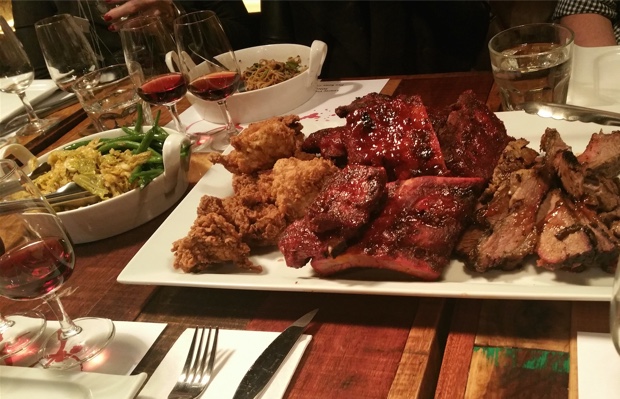
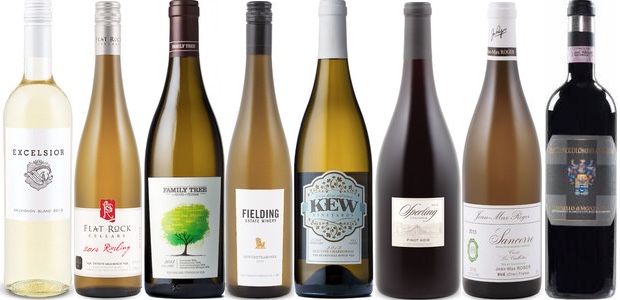

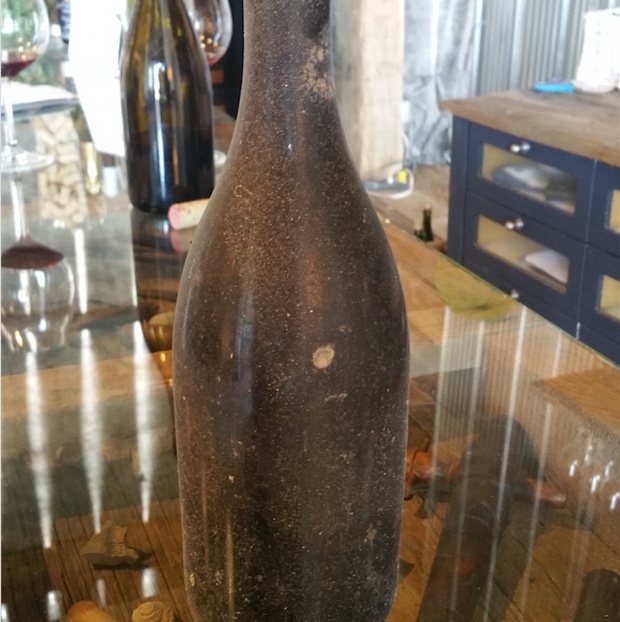
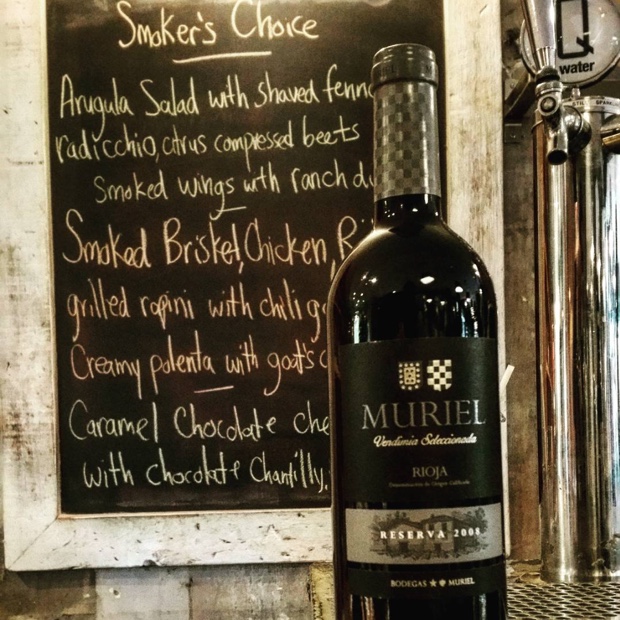

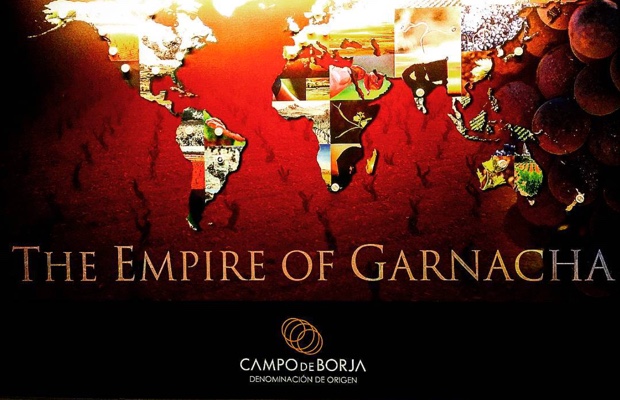
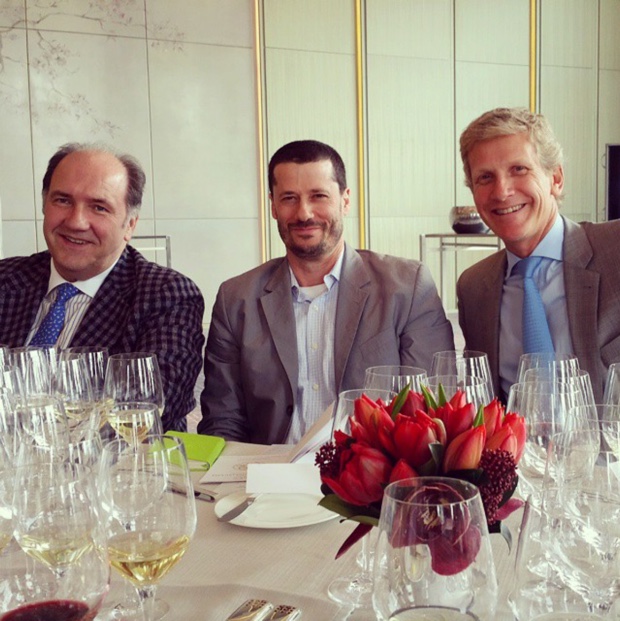

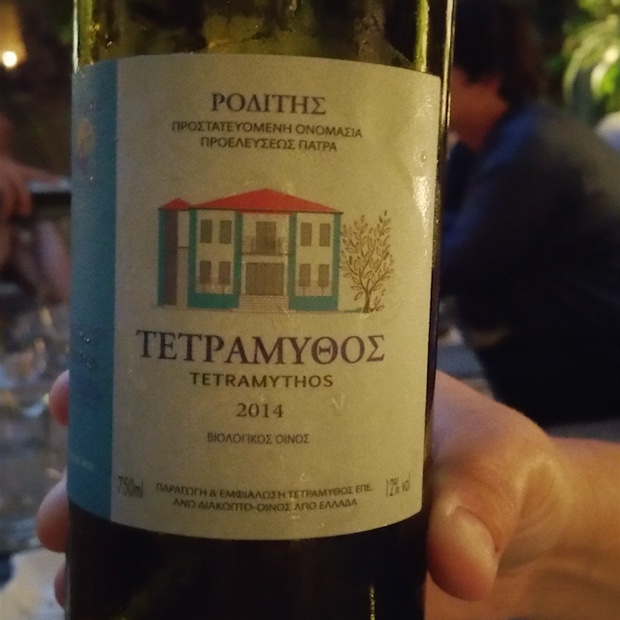
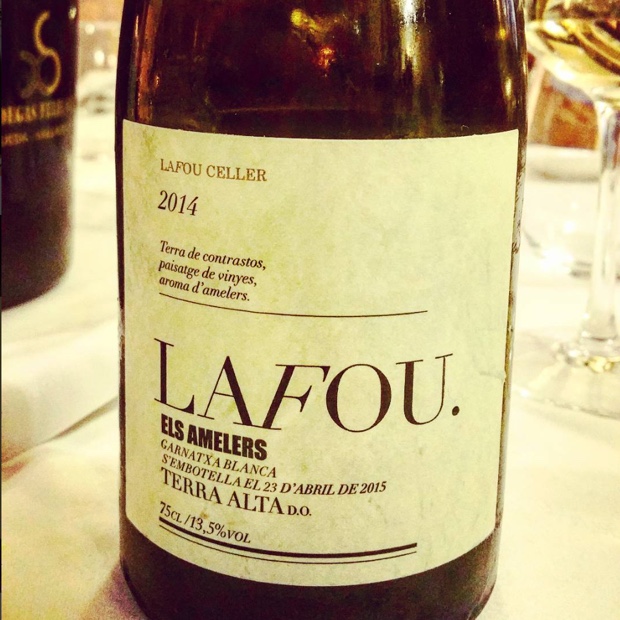

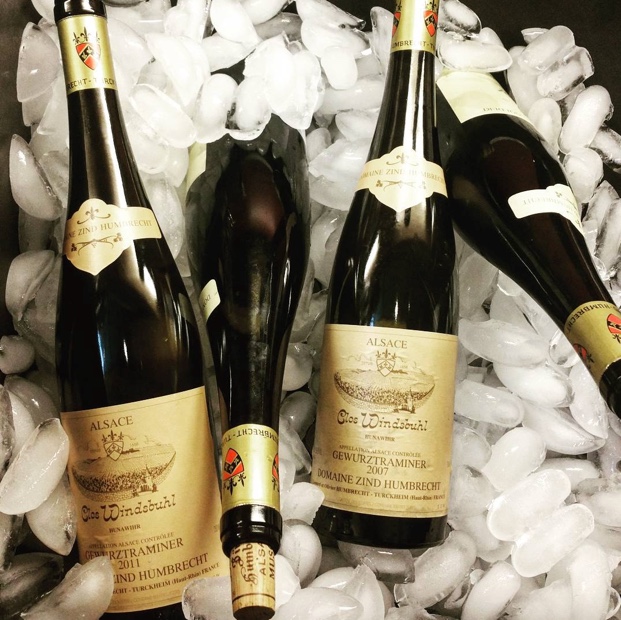

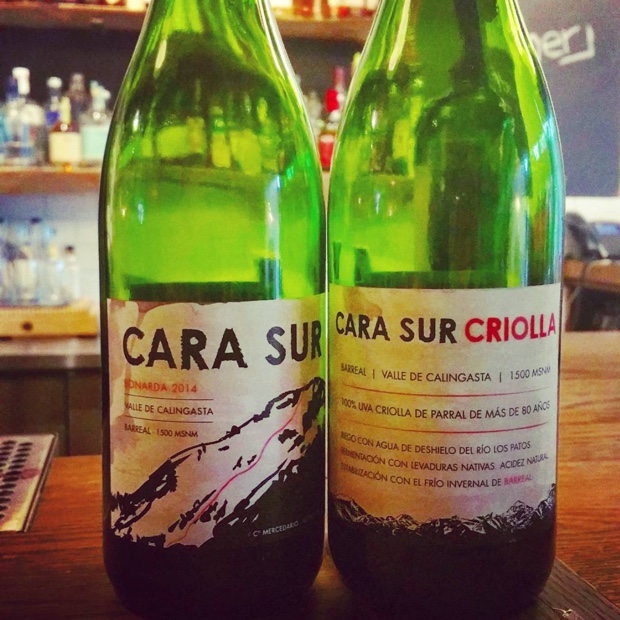
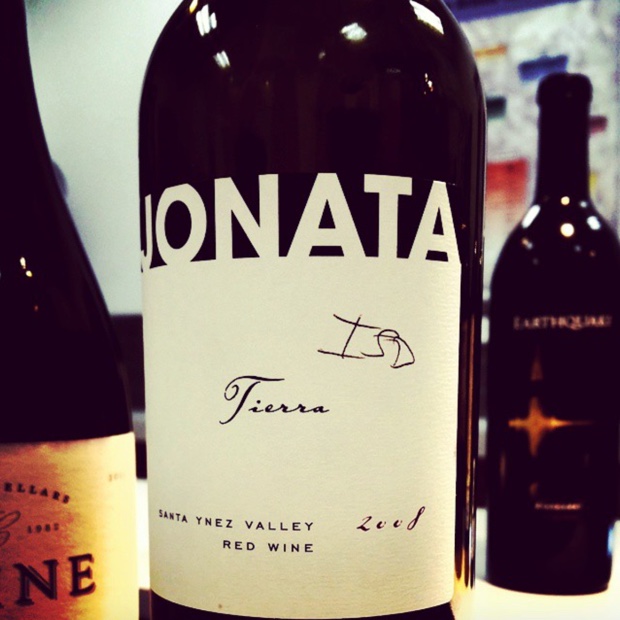


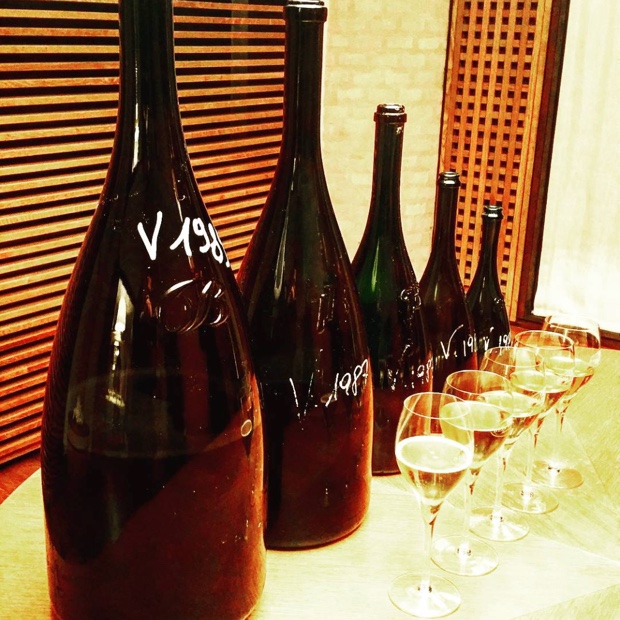
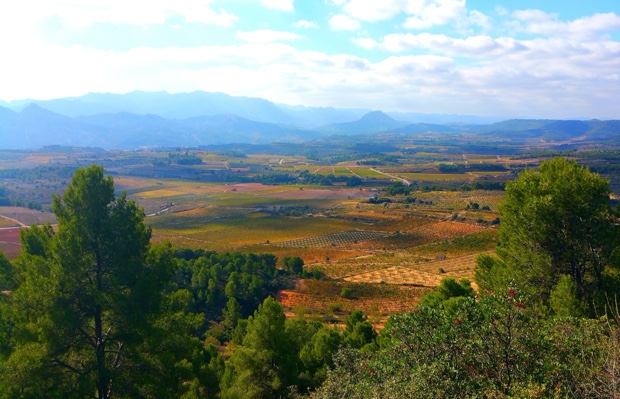

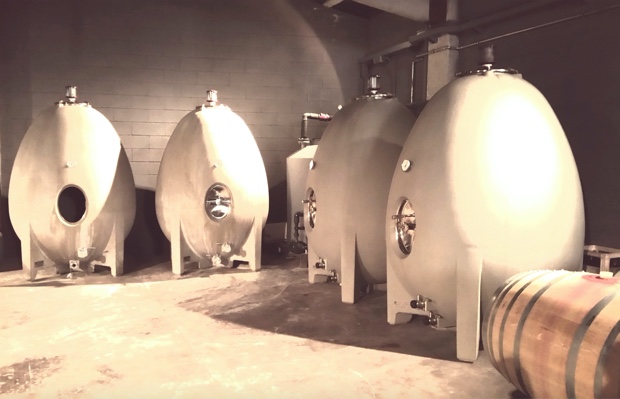
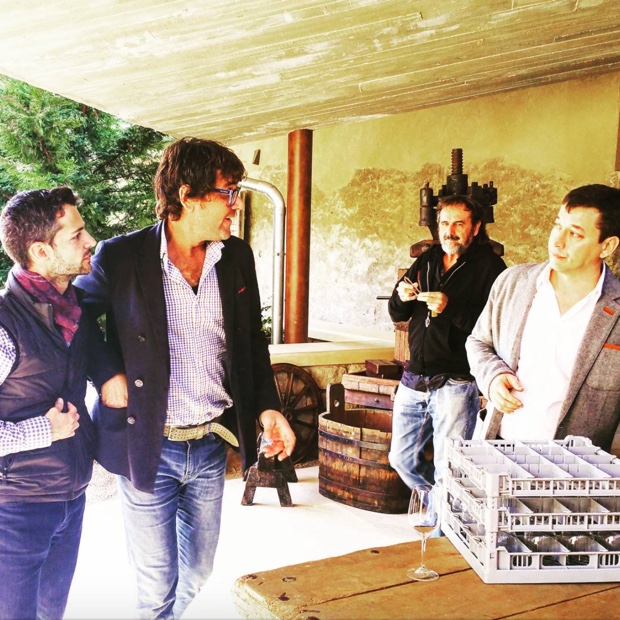
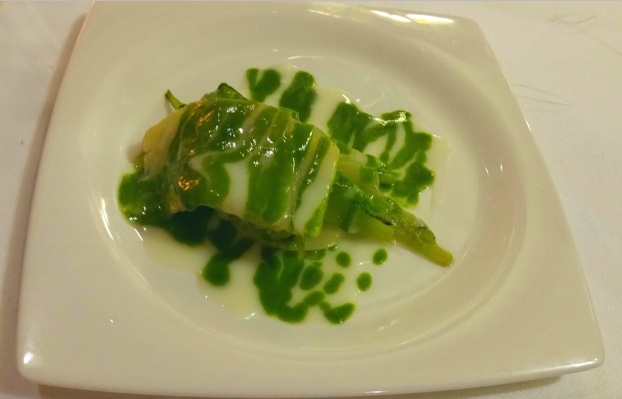
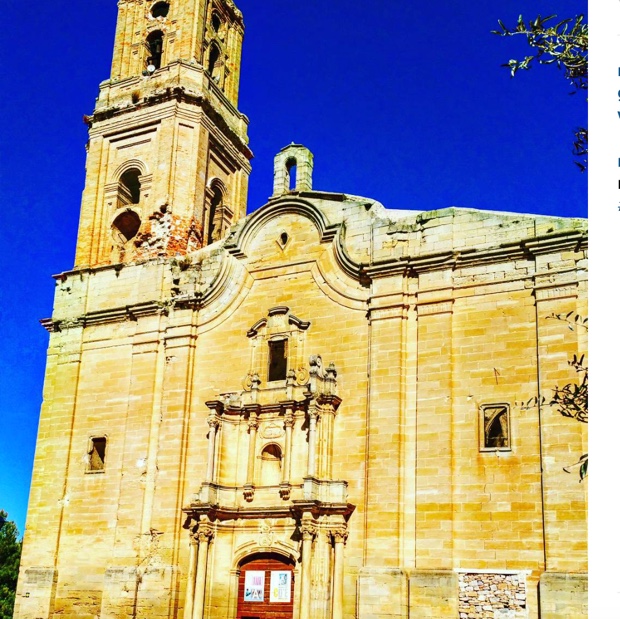

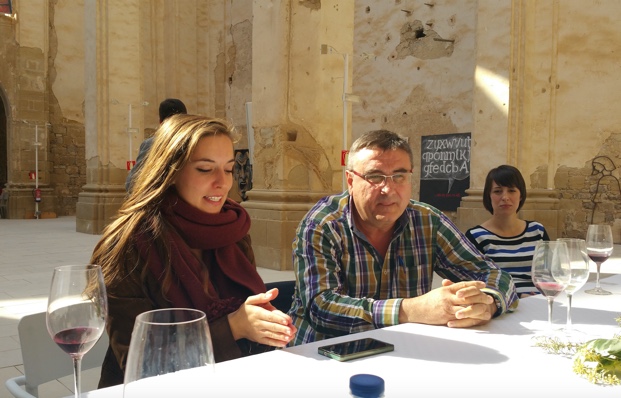
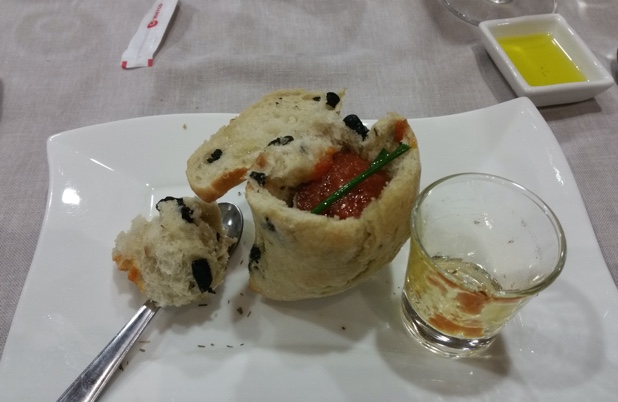
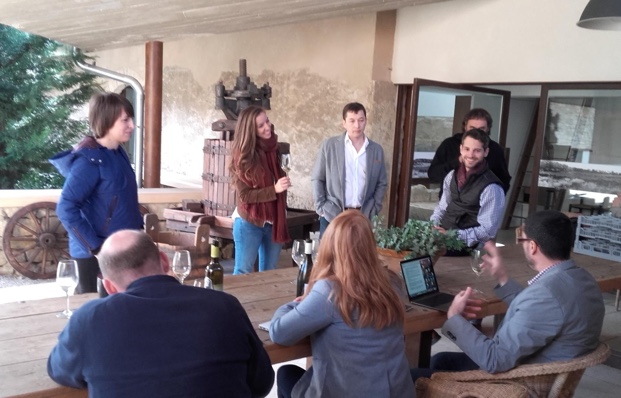
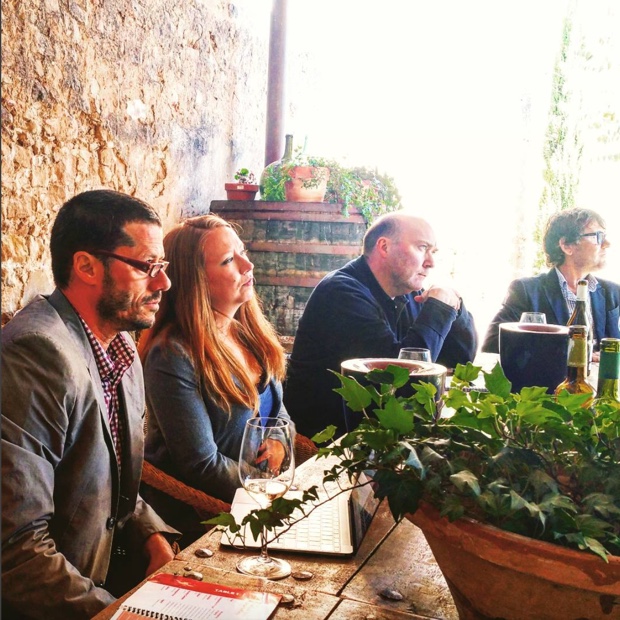


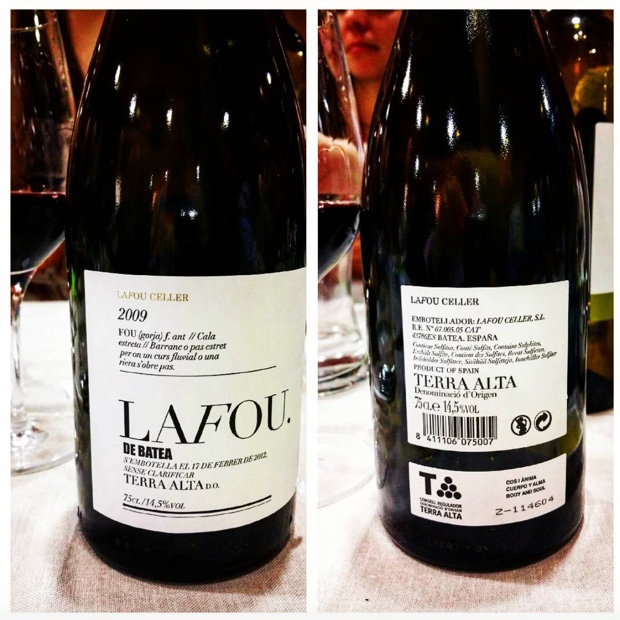
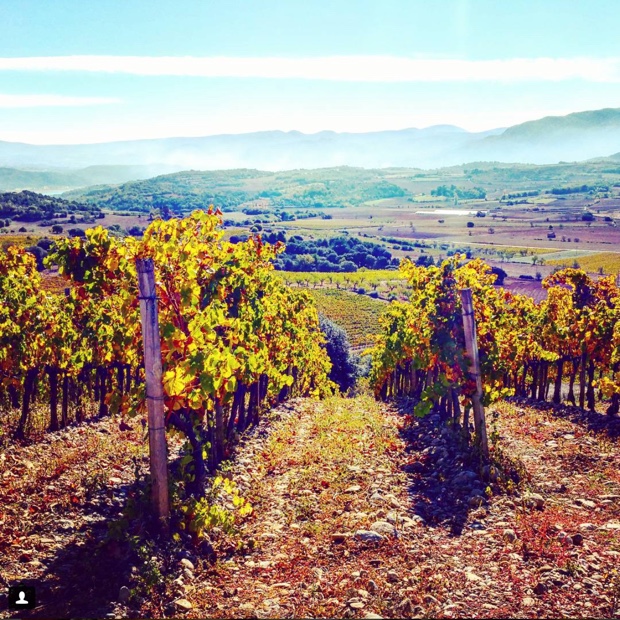

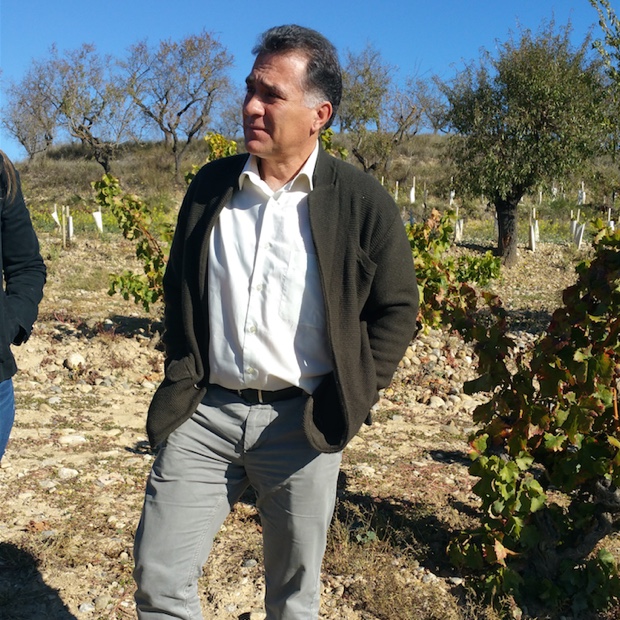
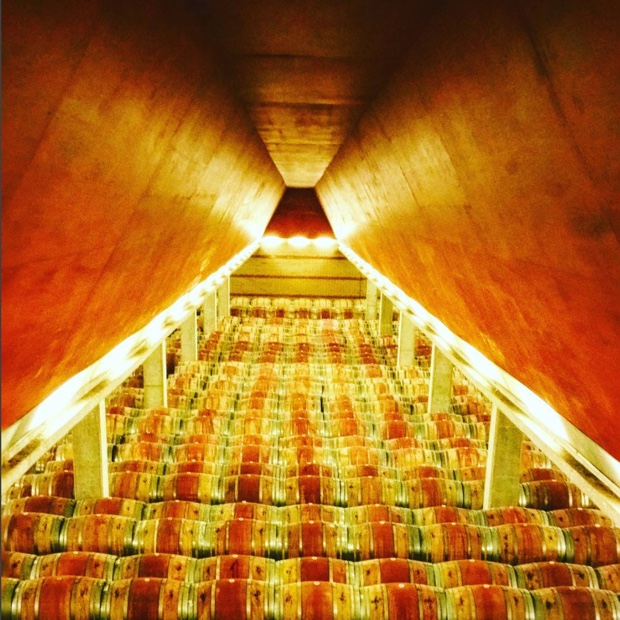
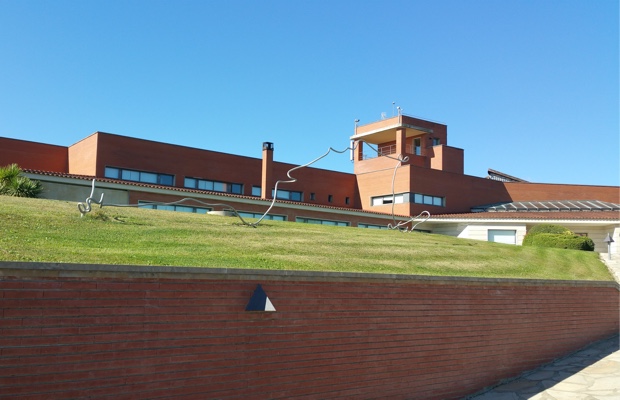
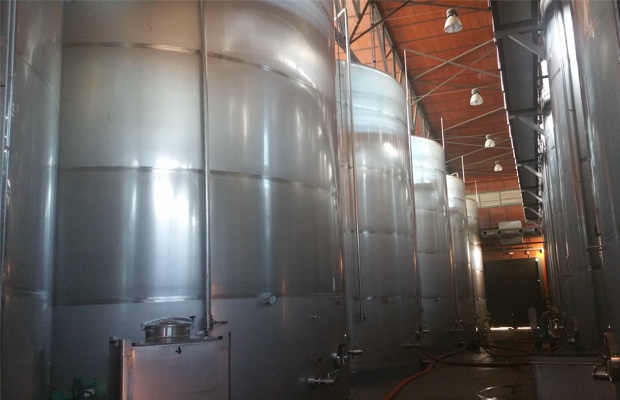
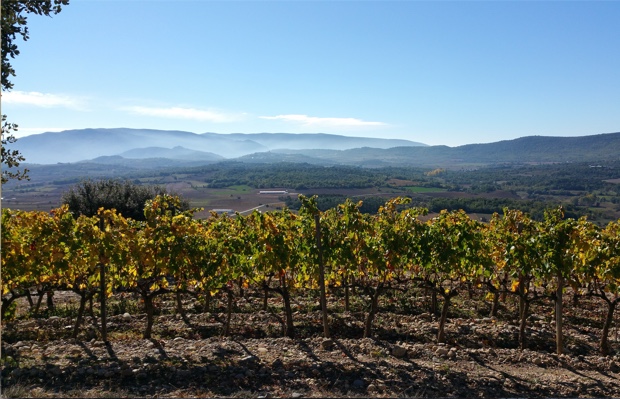
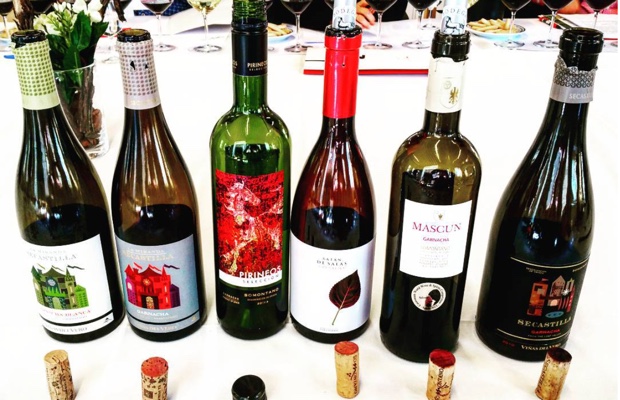
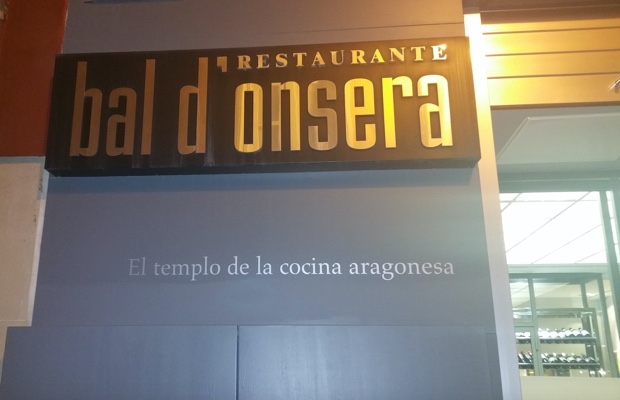

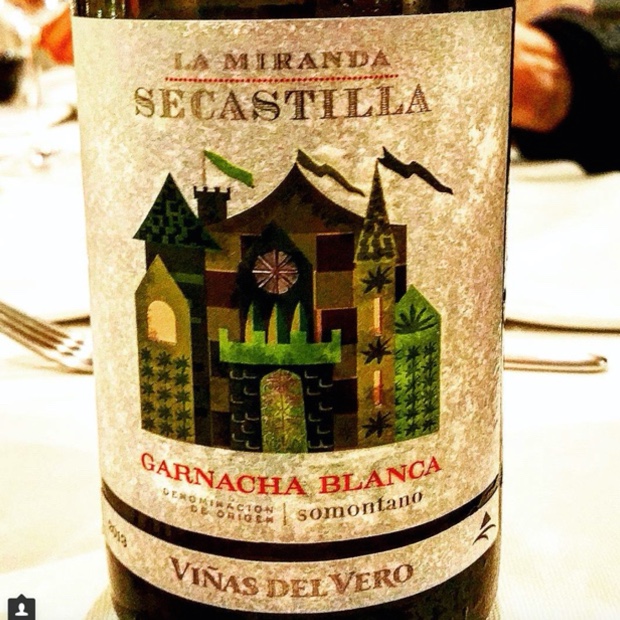
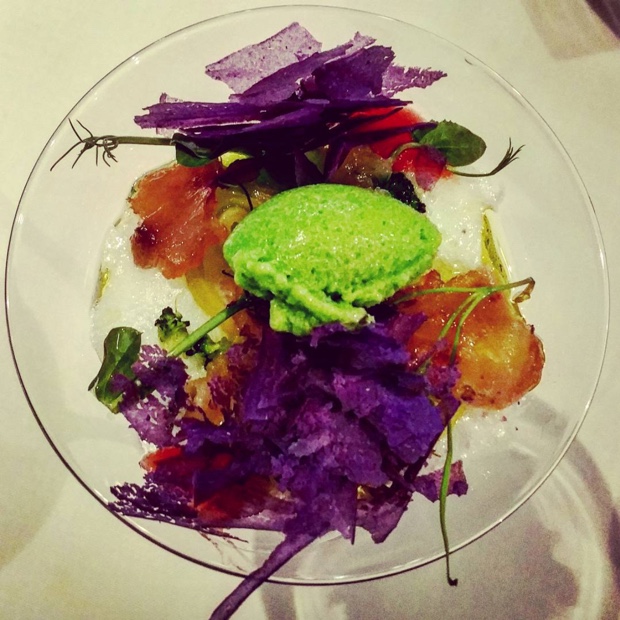


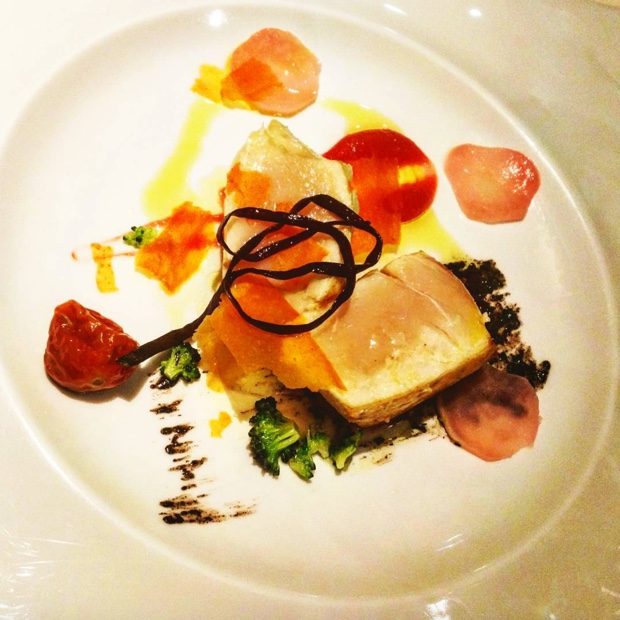
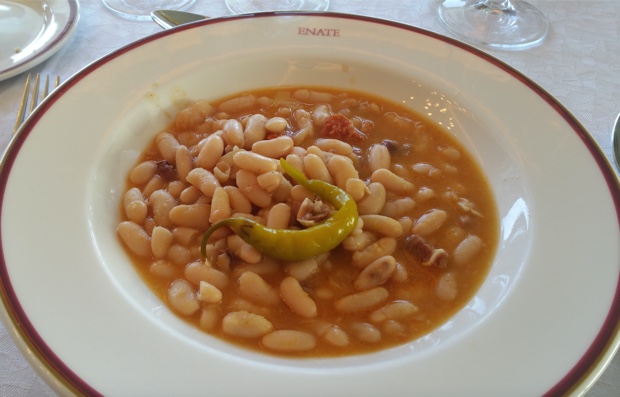

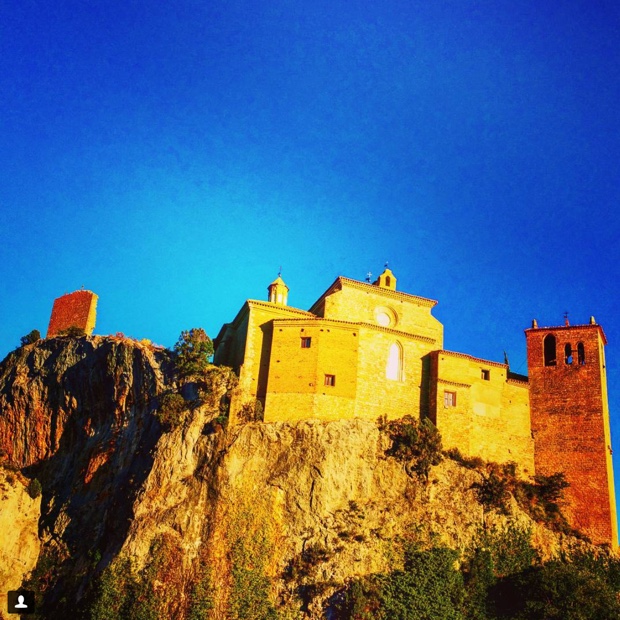
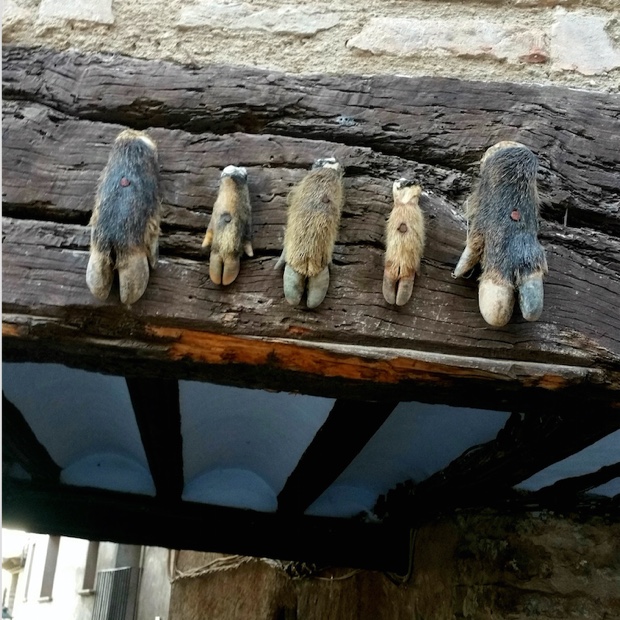
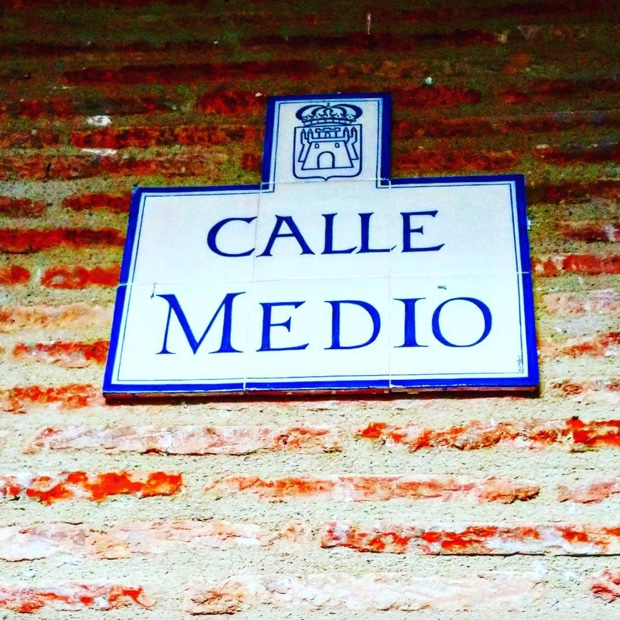
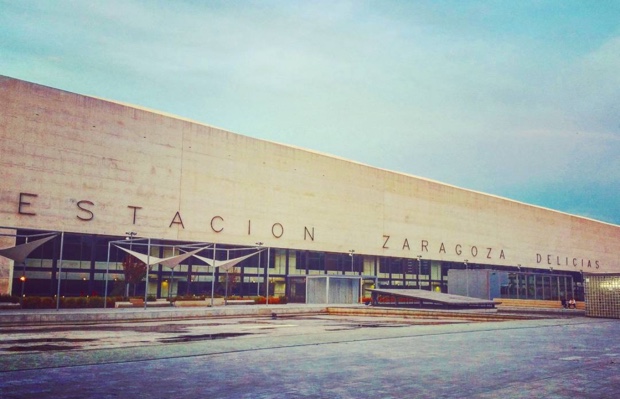
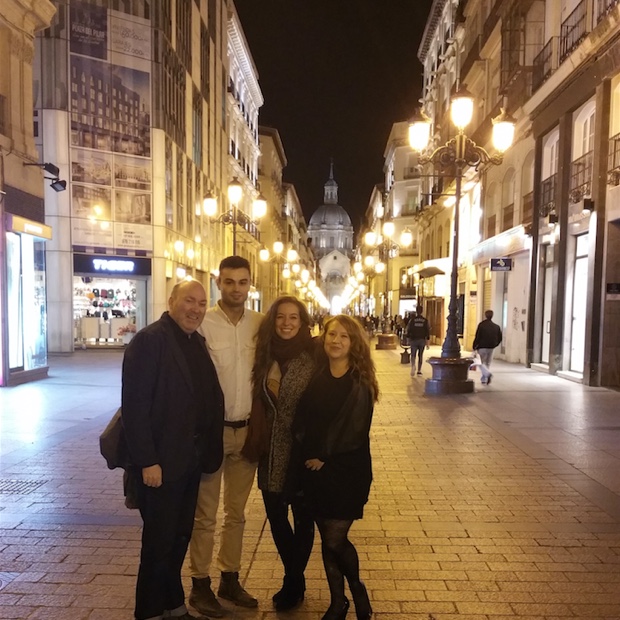

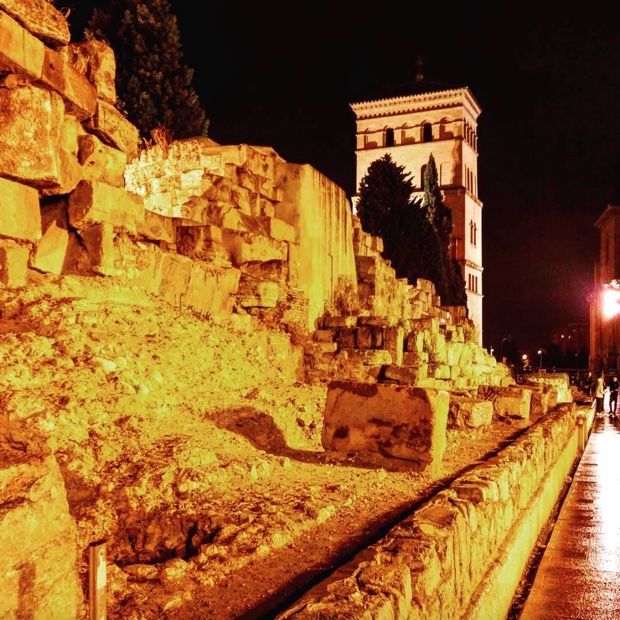
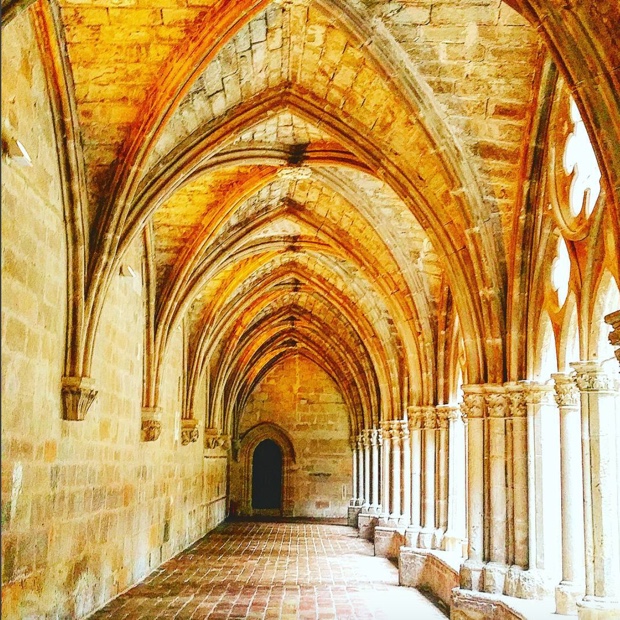

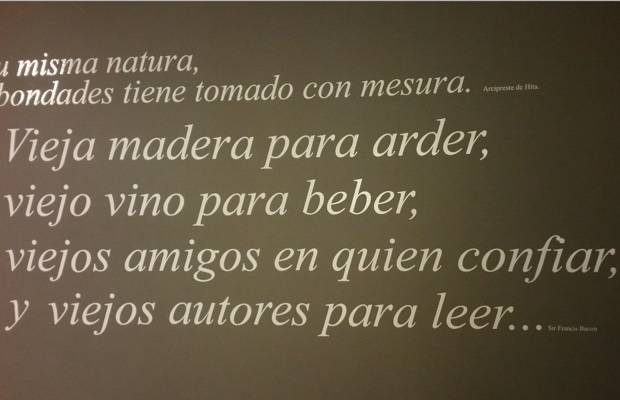
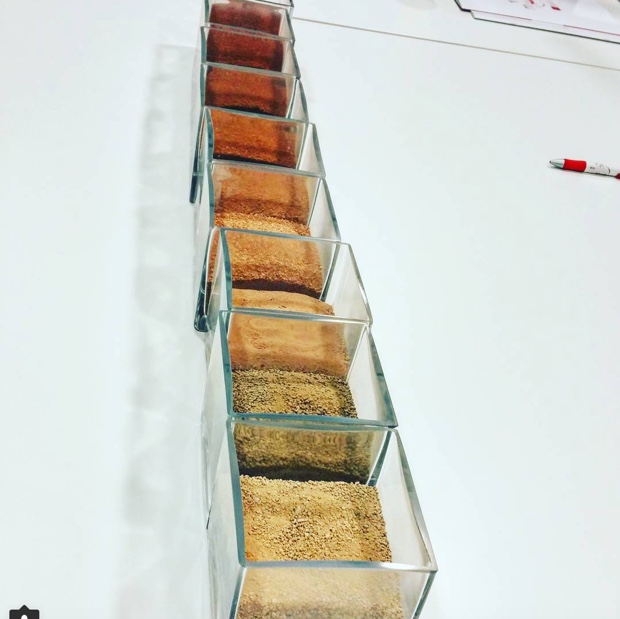


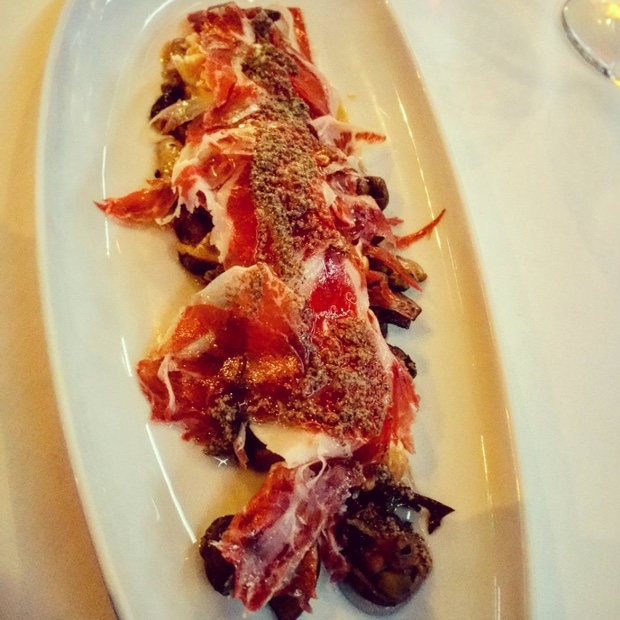
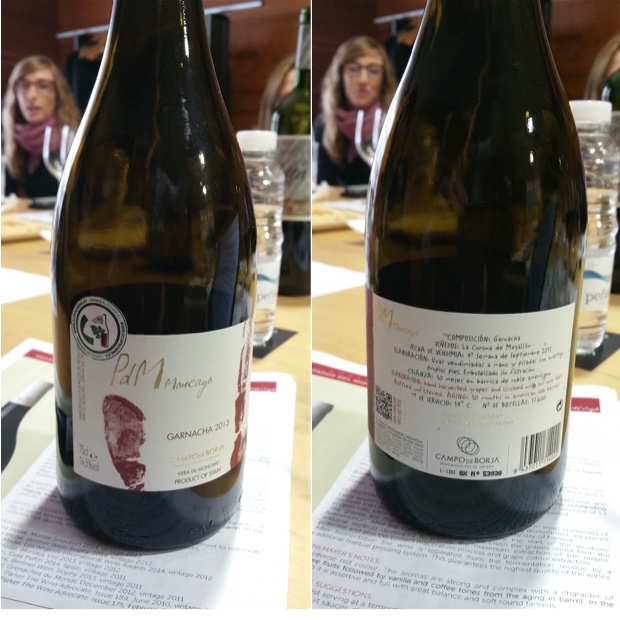
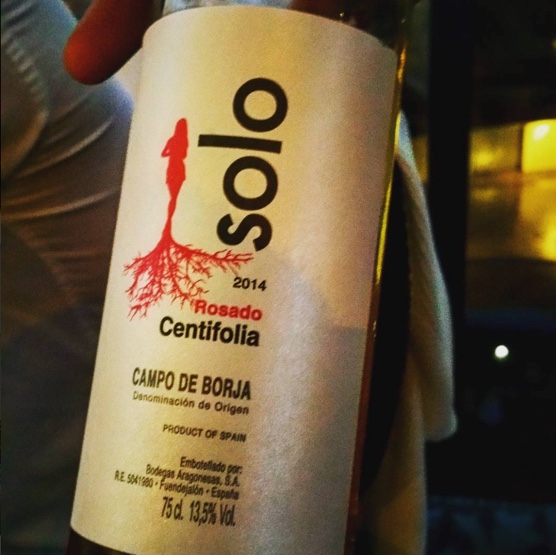
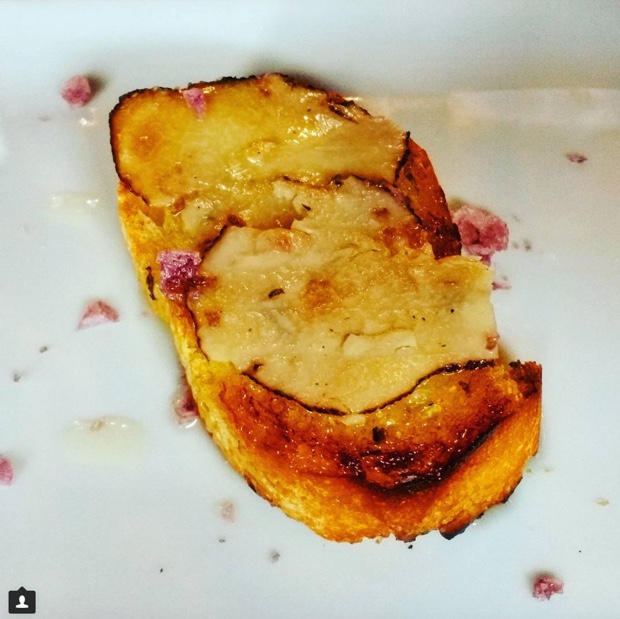
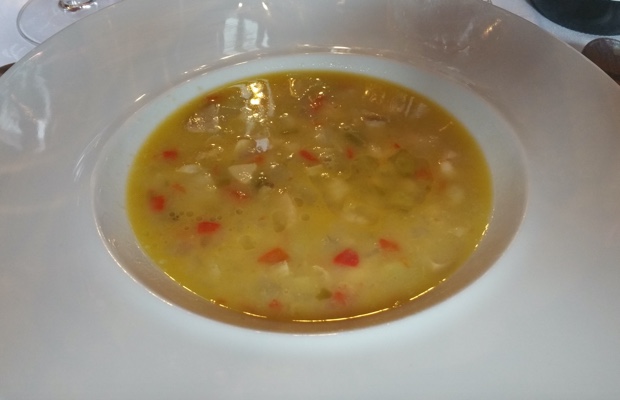
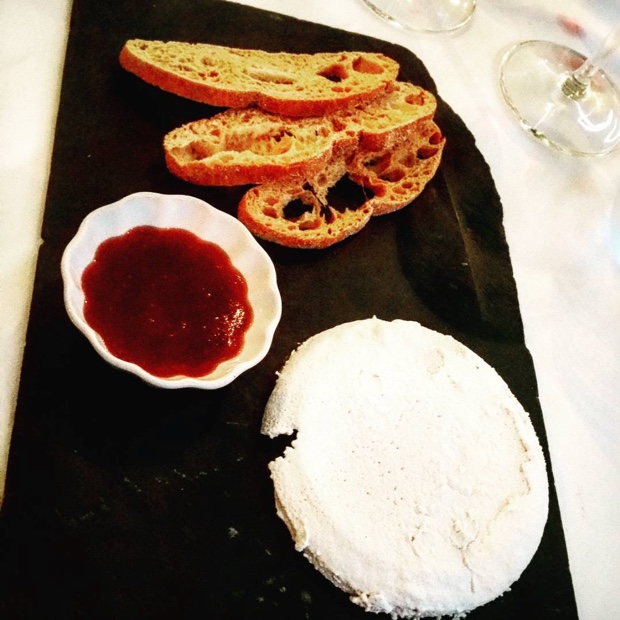

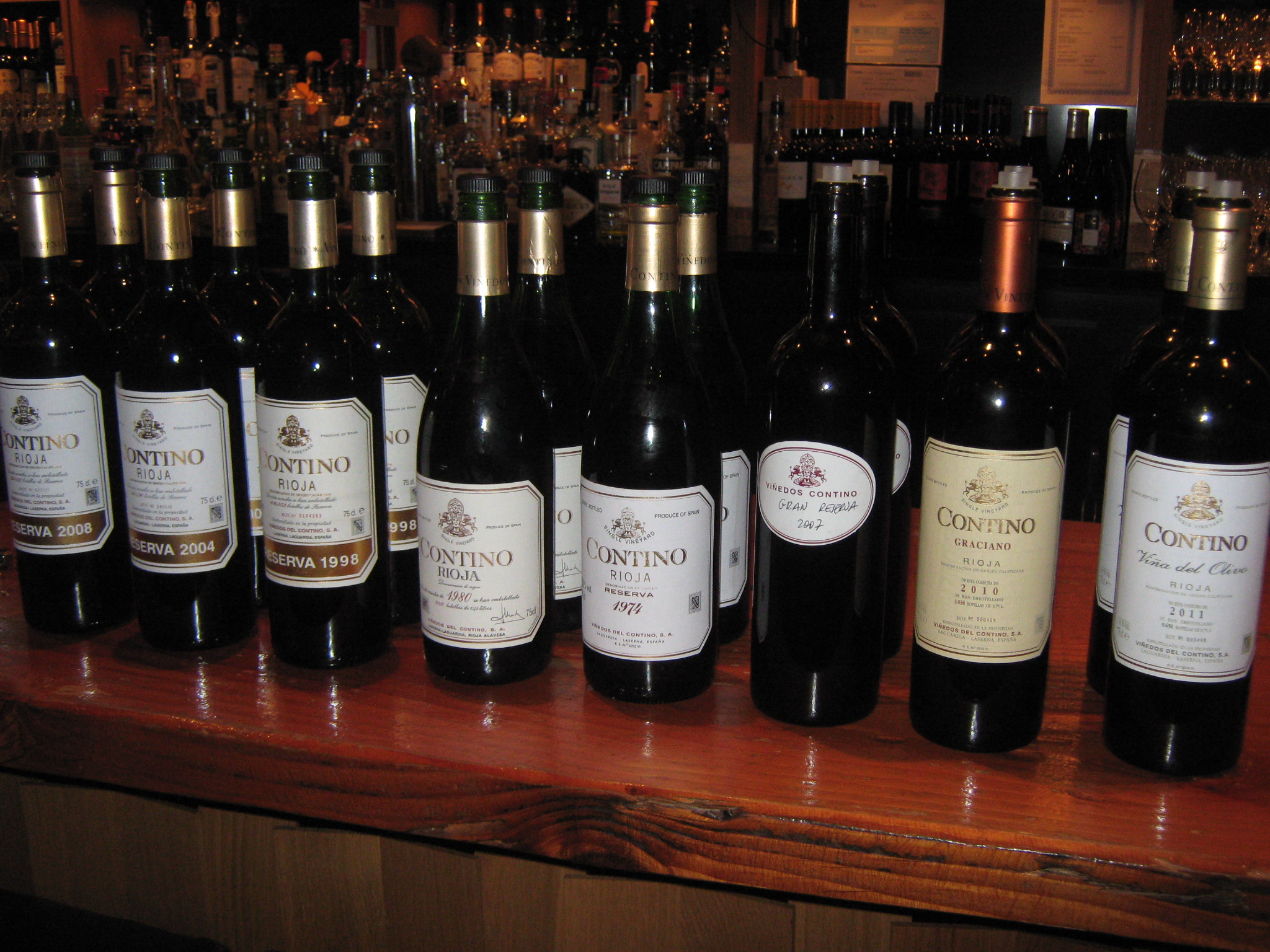
 Godello