Take this, #quinoa – With today’s post, “New year, 16 new Vintages releases” #beefshortribs
Inter alia, the winter holiday break is behind us and it is time to get down to business. Time to resume the empirical and experiential search for honest wine. Wines that satisfy at some necessary atomic level, avoid oaky embarrassment and hopefully fulfill basic human needs.
What we seek are bottles fashioned from grapes that are lucky to have been handed a benevolent evolutionary line, miraculously fortuitous in their ancestry, through categorical mutation and genetic modification. Varietal luck, pop and circumstance. That’s what we’re after.
The first VINTAGES release of 2016 makes an adjustment to previous editions with no less than a dozen really solid efforts below the $21.95 line to make Messrs. Charles Mason and Jeremiah Dixon proud. You too can save on quality wine this January. Read on to avoid getting lost in aught where unwanted wines are cast into a dull, scattered void.
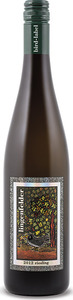
A return to entry-level glory out of a great vintage for this basic QbA with the acidity to thrive and the tannin to jive. Love the fruit mingling with mineral and the weight even when aridity is the key. A tropical note hits both the nose and the palate. What complexity for $15. Really. Best in many years with a beautifully bitter finish. Drink 2015-2018. Tasted December 2015 @RobLingenfelder@HHDImports_Wine@germanwineca
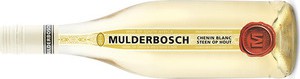
Mulderbosch Chenin Blanc 2015, Wo Western Cape, South Africa (675421, $14.95, WineAlign)
Properly, distinctly, effortlessly Stellenbosch Chenin Blanc. Of tang and here in 2015, more heft than many though in retention of aridity and super salinity. Has real verve and presence. Drink 2015-2017. Tasted December 2015 @MulderboschV@WOSACanada@WOSA_ZA@AbconWine
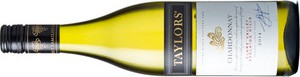
Wakefield Estate Chardonnay 2014, Clare Valley/Adelaide Hills, South Australia (711556, $14.95, WineAlign)
Rich and reductive with some Co2 and piercing acidity. Solid Chardonnay that needs a year or two to settle. Last tasted December 2015 @Taylors_Wines@ProfileWineGrp
Rich and dense, temperate in accessibility, splitting the Chardonnay mile. Works barrels with threadbare, throwback constituency and takes a comfortable trip down varietal, memory lane like predecessors in old world California. All in the name of proper and restraint. The palate is rich yet delicate. Good work. Drink 2015-2018. Tasted blind at WWAC15, August 2015
Nice tidy little Valpolicella here. Enough richness marked by tension to make it a real drop. A bit flushed with thickness though the tang in food-gifting acidity and arid tannin is again, very real. Solid stuff. Drink 2015-2018. Tasted December 2015 @Cant_Valpantena@MajesticWineInc@RegioneVeneto
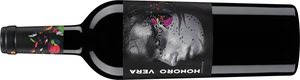
Honoro Vera Garnacha 2013, Calatayud, Spain (432997, $15.95, WineAlign)
Though playing a key of dusty and volatile minor, here Calatayud Garnacha from Bodega Atteca’s 60 year-old vines does its traditional duty in forthright varietal and regional honesty. Reinvents no wheels or identity with ripe fruit, early enough picked for preserving acidity and palate tension. The aridity and tang on the finish perform yeoman’s work in lieu of tannin. Drink now and for another year or two, preferably with cocina tradicional Aragonesa. Drink 2015-2017. Tasted December 2015 @docalatayud@ProfileWineGrp
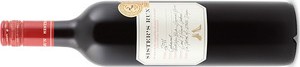
Sister’s Run Bethlehem Block Cabernet Sauvignon 2012, Barossa Valley, South Australia, Australia (360636, $15.95, WineAlign)
Very ripe, nearly, dangerously young and volatile, yet so very sweet smelling. Plums, cherries, Cassis, a hint of graphite and the wood from American stars ‘n bars. Good acidity burgeoning about with minor, kneeling, equitable tannin. Has a salty caramel taste that will require similar fare; a mole sauce would work. Good length on this varietal wonder. “All you have is memories of happiness, lingering on.” A shining light in the Sister’s Run stable. “Maybe the star of Bethlehem, wasn’t a star at all.” Drink 2015-2019. Tasted December 2015
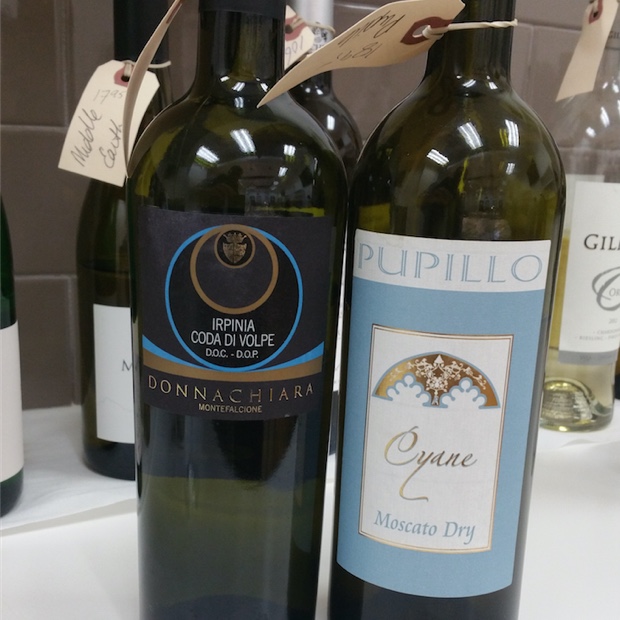
Here the no lo so of Italian white grape varieties, this Coda di Volpe, the fox vine “Alopecis,” a.ka. “tail of the fox,” with natural history recording creds to Pliny the Elder. A Campania concert of grape tannin and sea mineral melded together as one. A varietal happenstance where land meets the sea in a beautiful bond. This low-cost specimen is a friendship gift from Italy, with ripe fruit and even stronger feelings of subterranean impart, from fringe stone through the ambient abstraction of Roman mythology. Like a river Styx running through carrying the bravery of Herculean salinity. Drink 2015-2018. Tasted December 2015 @DonnaChiara@Reg_Campania@TheCaseForWine
Coda di Volpe and Moscato
Penthouse Pinot Noir 2013, Adelaide Hills, South Australia, Australia (432864, $16.95, WineAlign)
The berries, cherries and plums are a vivid smelling bunch with a cumulative tone occupying airspace at the border of mercurial. A silent request asked of this undomesticated (with 10 per cent whole cluster bunches in the wild ferment) Pinot Noir is “when are you gonna come down, when are you going to land.” With time, the extreme brightness turns to density, of rustic earth and silky encrustation. Its answer sings to the tune of “you can’t plant me in your penthouse, I’m going back to my plough.” Walks well beyond the yellow brick road of the Adelaide Hills and the varietal, to a place in OZ occupied by the curious and the songline follower. There is a lot of Pinosity is this $17 wine. The mid-glass transformation is a true plus. A heel click finish would have really sealed the deal. Drink 2015-2017. Tasted November 2015 @Nicholaspearce_@AHWineRegion
Terra D’uro Finca La Rana Toro 2011, Do Toro, Spain (424135, $17.00, WineAlign)
Terminable Toro, firm to juicy, earthy to mulled plum and liquorice fruity. Acidity rips in the short term and whatever tannin was gifted is quite resolved. Early 2016, in the dead of a northern hemisphere winter is the right time to settle in with a braise and Toro at five years of age. Very solid. Drink 2015-2017. Tasted December 2015 @VinodeToro
Gustave Lorentz Réserve Riesling 2014, Ac Alsace, France (641639, $18.95, WineAlign)
Bergheim terroir in a nutshell to the result marked by the essential, distilled down to this very base and necessary example of what dry Riesling just has to be. Along with Trimbach and in this price range brought to this market, the act is exemplary and export defining as citizens of the genre. From flint to citrus and back by way of ripe fruit. With weight and such a dry, to the point finish “and a crackling in the air.” What it is. Drink 2015-2021. Tasted December 2015 @GustaveLorentz@AmethystWineInc@AlsaceWines@VinsAlsace@drinkAlsace
Pupillo Cyane Moscato 2010, Igt Sicilia, Italy (156430, $18.95, WineAlign)
Wholly Sicilian metallurgy of a character absorption in ode to Alsatian Muscat. That and the weight of the sun bearing down on sugaring fruit. With eyes closed picture this heading into a 20-year honeyed and mineral territory, with ground nuts and fresh cracked pepper foil. Oxidative but just on that dangerous edge so that it can continue to develop for years without losing sight of the prize. Drink 2015-2025. Tasted December 2015 @loyalimportsltd@WinesOfSicily
Familia Zuccardi Cuvée Especial Blanc De Blancs, Tupungato, Mendoza, Argentina (435438, $19.95, WineAlign)
Bready, heady and lees elegant from years of yeasty rest towards an end marked by lactic sour mixed into lemon citrus. The tightest wire-wind of Chardonnay tonic with bitters running here and there. The nearly five years on the lees has made the texture thick and the mousse replete with bubbles popping left, right and centre. Much in the way of complexity for Blanc de Blancs from Argentina blessed with lots of altitude. You’ve not not likely been blown away by South American bubbles as you will be by this Mendozan, from Tupungato to Llullaillaco. Drink 2015-2020. Tasted December 2015 @FamiliaZuccardi@SebaZuccardi@ZuccardiWines@DionysusWines
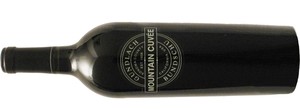
Gundlach Bundschu Mountain Cuvée 2012, Sonoma County, California, USA (397521, $19.95, WineAlign)
The fruit is ripe, there can be no argument there and the treatment is careful, calculated, restrained even. Exit stage left blend, running all the way. Sneaky, deft, stealthy, cat-like in behaviour. Always landing on all fours. Like a pink anthropomorphic mountain lion sporting an upturned collar, shirt cuffs and a string tie. Red blend with a great desire to be a stage actor, available to please all kinds of folks. “Heavens to Murgatroyd!” Sweet finish. Drink 2015-2019. Tasted December 2015 @gunbunwine@LeSommelierWine@sonomavintners
Domaine Saint Roch Vacqueyras 2014, Ac Rhône, France (437194, $21.95, WineAlign)
Some heat in the nose and even more spice with balance achieved by a lively to energetic, creeping up on frenetic palate. Earth crusts play in to the fray as much as the fruit, the posit tug working with one another in equal and opposing directions. The wine lingers on with grace in magical persistence. A pinch of dusty espresso and wishful fennel marks the back end. The reality check to imagine and realize a real Vacqueyras. Great value. Drink 2016-2021. Tasted December 2015 @VacqueyrasWines@VINSRHONE@RhoneWine
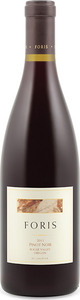
Foris Pinot Noir 2012, Rogue Valley, Oregon, USA (937128, $24.95, WineAlign)
A deft and reeling charmer, easy to drink and well-priced. Dark red fruit of the black cherry realm occupied by the ripe and fashionable Pinot Noir. That it so successfully woos with that kind of Oregon fruit to this kind of advantage in the absence of available underground salinity and tension is a Rogue Valley win. At 13.9 per cent it creeps comfortably under the hot radar gun and many will enjoy the uncomplicated style. Recommended for those who like it fun and unencumbered. Drink 2015-2017. Tasted December 2015 @Foriswine@SouthernORWine@Oregon_Wine
A satisfying and handsomely rustic biodynamic Sangiovese-led IGT blend with lead, graphite, dusty cherry and plenty of hide to leather antiquity. The firm vintage has evolved to this copacetic point, the expatriate meets endemic union no longer obtuse or extreme. This has settled really nicely, thanks to what was and lingers as solid acidity and once grippy tannin. Life from energy persists and though I would imagine there will be some who think it common or non-descript, there can be no denying the solid winemaking and balance struck. The older oak barrels have done their job, even if the fruit was a bit on the riper side of the rows. Drink 2015-2018. Tasted December 2015 @Caiarossa@3050imports
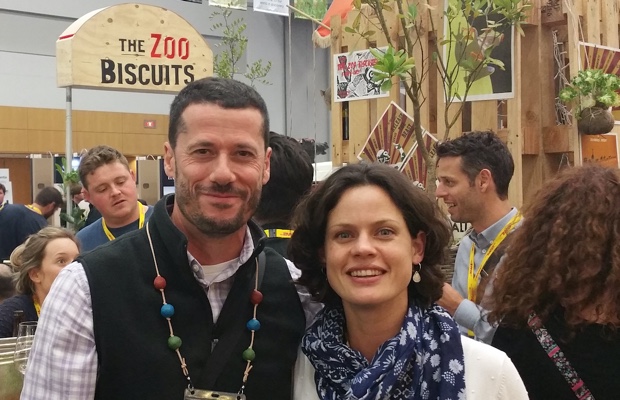
Independents, rebels, rogues, zoo biscuits, risk takers, revolution. Buzz words, gathered sects and constituents of rebellion. Clusters of assemblage ruminating, circulating and percolating at the latest edition of organized wine in South Africa.
Who among us might have foretold in dramatic foreshadowing the story of September’s Cape Wine 2015? Who could have known that the southern hemisphere’s largest gathering of producers, marketers, buyers, sellers, sommeliers and journalists would do more to quell preconceived notions and stereotypes for any wine producing country than any trade show that has come before? Total, utter energy.
PIWOSA
Centuries ago, when the fishing and trading boats would return west to the Cape they would mistakenly enter the wrong basin. “There’s that confounded bay again,” they would curse. False Bay. During the week preceding and following Cape Wine we climbed aboard cars and vans headed out from Cape Town or Stellenbosch. En route to a farm, estate or winery, more often than not, out the window, there was False Bay, like a magnet, drawing attention, setting and re-setting the excursion compass. As we watched the bay ache into and fade out of view each jaunt-acquiesced day, it just seemed as though we were always heading north and gaining altitude. Not really.
Cape wine country meanderings exist in requiem well beyond points A to B. Directional challenges are inclusive of L-shapes, U-turns and rotations. Lines draw as much east, southeast and northeast as they do falsely north. Journeys always conclude in a valley, at the base of a mountain or in an amphitheatre bound by geological reality. The getting there is often hazy but the arrival always comfortable.
South African wine is not what we thought it was. This mantra can’t be repeated often enough. Ventures into the wine lands compounded the about-face turn of mind. Tastings, tours and zealous immersion into Stellenbosch, Franschhoek, Swartland and Hemel-En-Aarde saw to that. South Africa is not what you thought folks, but it just might be what you dare to dream. If you’ve not visited you can’t possibly know what revelations lurk.
The frontier is inhabited by cowboys and their multifarious varietal schemes. It’s surfeited by demi-century established Chenin Blanc bush vines, painted pell-mell with expatriate rootstock and cuttings outside the Bordeaux and Burgundy box; Nebbiolo, Barbera, Tinta Barocca, Albarino, Riesling, Gewürztraminer, Pinot Gris, Tempranillo and Tannat. Nothing is sacred and everything is fair game. Rhône blends are the current rage and Cinsault is going it alone with nothing short of remarkable results.
The Zoo Biscuits
Natural fermentation, skin contact and carbonic maceration have infiltrated the winemaker’s psyche. The eco-bio movement has challenged the fundamentalist incumbency and forced sweeping reforms. Fresh, natural, orange, caliginous and tenebrous have taken the Cape by storm. Praetorian makers are changing their ways. Pinotage has abandoned decades of Bordeaux wannabe style to once again don bell bottoms and retro suede. In 2015 South Africa, cats and dogs are living together.
Zoo Biscuits poster
Introduce me to a winemaker who is not in tune with his or her terroir and I’ll show you a winemaker who is either faking it or blindly towing a company line. That breed is few and far between. In South Africa I met exactly none of that ilk. So what? What’s so special about a nation of winemakers who work as one with their soil, their meso-climate and their geology? You’re supposed to intuit those abstracts to make great wine. “You’re supposed to take care of your kids!”
No, what separates South African vignerons from the rest of the world is the playground mentality and the execution in consummation of those ideals. The soils and the weather are nothing short of perfect in the vast growing region known as the Western Cape, or in the local vernacular, the Cape Winelands. Any varietal of choice can find its way to achieve perfect phenolic ripeness virtually anywhere the grapes are planted. The mitigating effect of Cape winds eradicates all disease. The place is a veritable garden of viticulture eden. Or, as in the case of the Hemel-En-Aarde Valley, a verdant, fertile valley known as “heaven on earth,” the adage takes on the paradisiacal guise of the sublime. South Africa is the wine collective equivalent of the wild west. In the Western Cape, anything goes.
I will expand, in due course, on all the wines tasted during the eight days I spent in South Africa. A list of top wines and a preponderant unfurling are sure to follow in the form of fifty odd tasting notes. For now I will concentrate, in the name of lede consistency, on the varietal and stylistic revolution taking place.
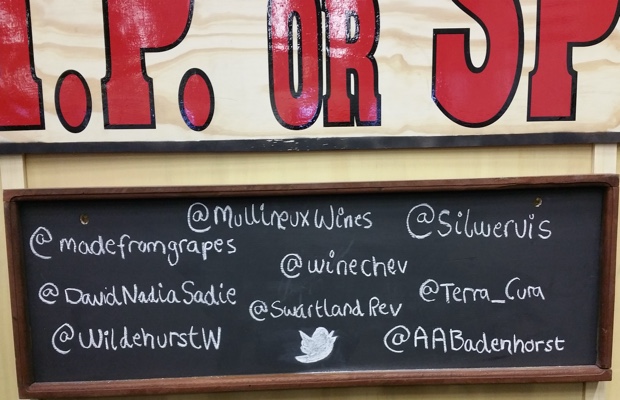
Swartland Independents
The following notes will unquestionably focus on three platoons, Premium Independent Wineries of South Africa (PIWOSA), the Swartland Independents and the Zoo Biscuits. The first is a collective of straight-shooting, accordant, premium, independent wine producers from across the diverse wine regions of South Africa’s Western Cape. The second comprises 25 (give or take) cricket playing, indigenous fermenting, Anglikaans-gabbing grape shepherds. The third may draw their name from beloved childhood memories of packaged iced silhouettes of animals on cookies when in actuality they are a gaggle of like-minded, boundary-pushing, fun-loving, serious winemakers.
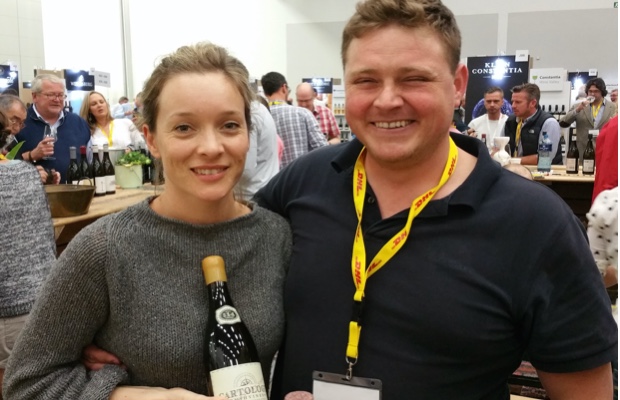
Suzaan and Chris Alheit
Cape Wine 2015 may have seen 300 presenters toting thousands of South African bottles but the swagger of 40 young vignerons stole the proverbial show. They did it with passion, innocence, acumen beyond years and attention to history. They go it alone and with a pack mentality. They care about old vines, tradition and respect for the land but they also have chutzpah. They don’t really give a fuck what the establishment thinks about their winemaking.
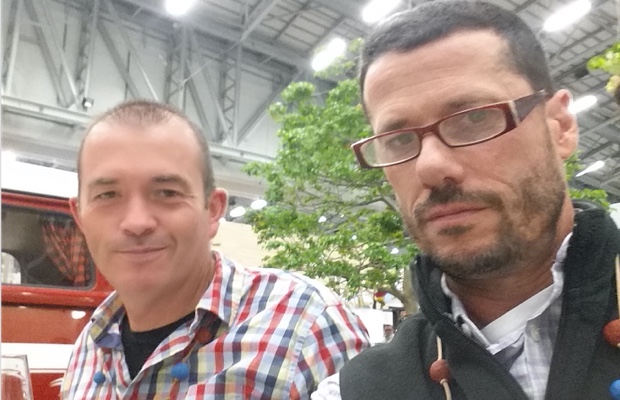
Jamie Goode and Godello, CapeWine2015
Three days at the Cape Town International Convention Centre allowed for extensive coverage of the South African wine scene. It was a perfectly organized show. Credit begins with the vignerons. Their work is tireless, especially when all must be dropped to focus on all-in, three relentless days of pouring while offering elaborate dissertations about their wines and their place in the South African scene.
At the lead there is Wines of South Africa, headed by Michael Jordaan and Siobhan Thompson, chair and CEO, respectively. André Morgenthal and Laurel Keenan head up communications, marketing, events and PR for WOSA, in South Africa and in Canada. The show and the excursions around the Cape Winelands were made possible by their collective efforts. Their immense efforts and impeccable work can’t ever be overestimated.
Chenin Blanc
No discourse on new versus old in South Africa can be addressed without first looking at the modish dialectal of Chenin Blanc. The combination of bush and old vines, coupled with indigenous ferments and skin contact addresses has elevated the stalwart, signature grape to its current reality.
Mullineux & Leeu Family Wines Chenin Blanc Skin Contact 2013, Swartland, South Africa (Winery)
It begins with viticulturist Rosa Kruger and the cleanest fruit this side of Matroosberg Mountain. Vigneron and winemaker Chris and Andrea Mullineux use egg inversion to press and skin contact lasts for three months. This plus old barrels hyper-intensify umami; part bread dough, some pine forest, all wild yeast and a hint of Matsutake mushroom. The meld into acidity is a wild carpeted Chenin ride. Exhibits layers of Greekdom, in spice and complexity. The long inosinate to guanylate finish arrives and lingers in thanks to the scraped skins of many citrus fruits. They strip, stripe and spank the mouth. The spirited lashing and accumulated bejewelling is a sign of spiritual and plentiful life. Drink 2015-2021. Tasted September 2015 @MullineuxWines@MullineuxChris@SwartlandRev
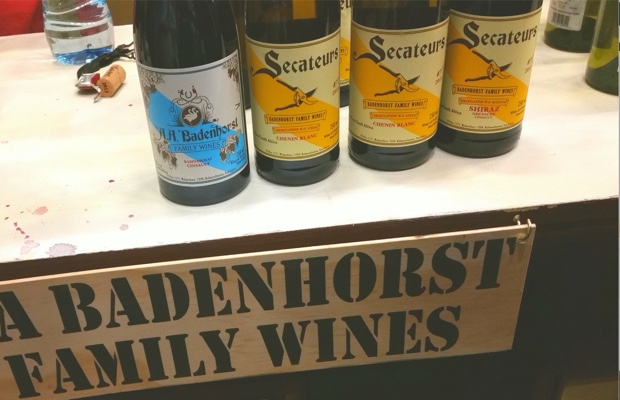
A A Badenhorst Wines
A. A. Badenhorst Secateurs Chenin Blanc 2015, Swartland, South Africa (Winery, SAQ 12135092 $18.05, BC $23.00, WineAlign)
From Adi Badenhorst, old bushvines planted in the 1950’s and 1960’s and whole bunch handled with no crushing or de-stemming. Fruit is transferred to concrete and 500l old foudres. The simple, minimalist approach and lots of less stirring, leading to great texture, right up there with the most complex Chenin. Also possessive of the righteous level in bitters, intense citrus and bookworm herbology. Lucent, lambent, capable Chenin Blanc. Drink 2015-2020. Tasted September 2015 @AABadenhorst@SwartlandRev
Riesling
Not exactly household or predominant by any stretch of the imagination, Riesling does play a bit part in the white idiomatic presentation of South African wine. With the emergence of Elgin as a cool climate growing area capable of expertly ripening both aromatic and aerified varieties, the future will crystallize with more Riesling, Gewürztraminer and offshoot concepts.
Paul Cluver Riesling Close Encounter 2013, Elgin, South Africa (Winery, LCBO 500396, $23.00 WineAlign)
A more serious effort than the sibling ‘Dry Encounter’ because this Riesling knows what it wants to be. On its left may be Alsace and on its right the Mosel but in truth this speaks to a Kabinett reasoning, with Elgin layering. At nine per cent alcohol, 36 g/L RS and 8.2 g/L TA it knows the difference and speaks the truth about off-dry Riesling, with elevated and yet balancing acidity. It pretends to be nothing but what is of and for itself. Flint and an attainable stratosphere (between 300-500m above sea level) accept the airy drifts of oceans and the gathering returns to earth with the weight of wax and glade. If you think South African Riesling is “a real nowhere man, sitting in his nowhere land,” taste Elgin and think again. The skeptical Nowhere man is ignorant to the new frontier for Riesling and to him I say “please listen, you don’t know what you’re missing.” Drink 2015-2020. Tasted September 2015 @paulcluverwines@PIWOSA
White Blends
A category not to be taken lightly, what with so many varieties available to work together and with the idea of appellative blends not necessarily so far off or far-fetched. Chenin Blanc is most certainly the pillar and the rock with support ready, willing and applicable from Clairette Blanc, Verdelho, Chardonnay, Viognier, Gewürztraminer, Semillon, Roussane, Marsanne, Grenache Blanc and Colombard.
A contiguous king blend of Chenin Blanc with Verdelho, Chardonnay and Viognier from vineyards allowing for increased production year after year. Natural fermentations acquiesce varying degrees and species of spiced dipped flowers set upon expressions of lees. The Chenin is 41 year-old Swartland (Paardeberg) fruit with Stellenbosch (Bottelary and Helderberg) quartz soil Chardonnay and Verdelho. Anise, star anise and pure white stone groove me in a gather of complimentary and controvertible Chenin (and friends) complexity. “Uhh! Awww, sookie sookie now!” @SwartlandRev
Other White
What obscure or less heralded white grape variety would you like to play with? Ask the Cape winemaker that question and he or she might keep you awhile. The rules again need not apply. Spin the wheel and work your magic. Odds are at even that a handful of least employed Châteauneuf and/or Gemischter Satz varietal wines show up at a CapeWine Fair sometime soon.
Cederberg Bukettraube 2014, Cederberg Mountains, South Africa (Winery, Agent, WineAlign)
David Nieuwoudt’s Dwarsrivier rare take on the cultivar (less than 77 hectares of vines remain planted worldwide) is a wine with altitude and attitude. Cederberg is one of only three South African farms in kind of these vines in Glenrosa and sandstone soils on the escarpment atop the Cederberg Mountains. Natural sugar of 25 g/L from the arrested ferment is toothsome in a next to Spätlese way, though the citrus and herbal crasis separates this from Riesling. What brings it circling again is the formidable acidity, circulating and rounding up, culminating in a viscosity and a palate coating that ends with none word. Delicious. Drink 2015-2020. Tasted September 2015 @Cederseun@imbibersreport@PIWOSA
Cinsault
There was a time when all South African Rhône varietal wines needed to be compared to the mother land and many continue to encourage the adage “you can take the varieties out of the Rhône but you can’t take the Rhône out of the varieties.” The modern Cinsault maker has turned expatriate exploits on its axiomatic head. You’ve not likely had your way with these versions of Cinsault and like me, once you have, you may never go back.
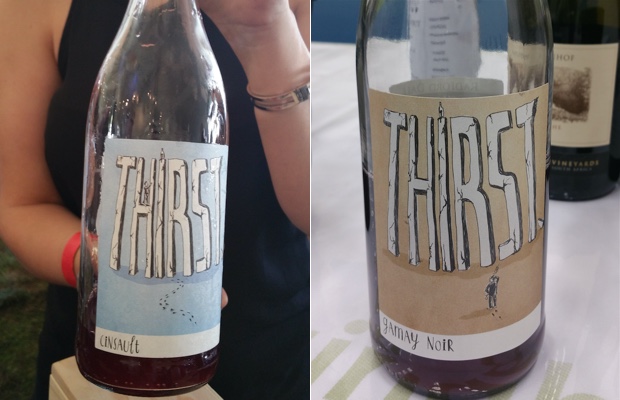
Radford Dale ‘Thirst’ Cinsault and Gamay Noir
The Winery of Good Hope Radford Dale Cinsault ‘Thirst’ 2015, Stellenbosch, South Africa (Winery)
If the Thirst Gamay from vignerons Alex Dale and Jacques De Klerk is “a live rock concert rather than a manufactured, boyband studio album,” the carbonically macerated Cinsault is weekend long palooza replete with music, clowns, acrobats and roaming minstrels. The wonders of natural, nouveau Gamay are well known but the natural fermentation application on Cinsault goes funky, wild and complex in a whole other attitude. Chilled properly this Thirst adds a Mad max factor to the circus, tannins even and most certainly an explosive grit. If the Gamay is smashable, the Cinsault is obliterateable. Drink 2015-2017. Tasted September 2015 @Radforddale@WineryGoodHope@Noble_Estates@PIWOSA
Syrah
The globe trekking grape has been backed into a corner, with blood primarily spilled at the hands of big box Australian producers but some blame has also circulated South Africa’s way. Heavy petting, elevated heat and alcohol, street tar and vulcanized rubber have combined in resolute, culprit fashion to maim the great variety. As with Cinsault, but in an entirely more mainstream way, the fortunes of Syrah are wafting in the winds of change. Natural fermentations, some carbonic maceration and especially prudent picking from essential Syrah sites are turning the jammy heavy into the genteel and dignified wine it needs to be.
Journey’s End
Journey’s End Syrah ‘The Griffin’ 2012, Stellenbosch, South Africa (Winery, Agent, WineAlign)
The ’12 signifies a departure and a new style for the winery and for Syrah in the Cape. Some (three weeks) of carbonic maceration leads to a dichotomous passion play in which the middle romance is acted out in seven barrels for 18 months of (70 per cent American and 30 per cent French) oak. It’s as if the grapes are shocked into an awakening and then slowly brought down to calm. As if the fruit develops a protective shell, protected from and coerced by and with ushering along by slow motion micro-oxidation. This is Syrah void of cracked nut, pepper, veneer and big league chew. It’s a terribly beautiful experiment, the Syrah equivalent of similar function world’s away, done with Chardonnay, in Orange and all the while with natural yeast that sling the fruit to destinations previously unknown. At least around here. Drink 2016-2022. Tasted September 2015 @JourneysEndWine@colyntruter@vonterrabev@PIWOSA
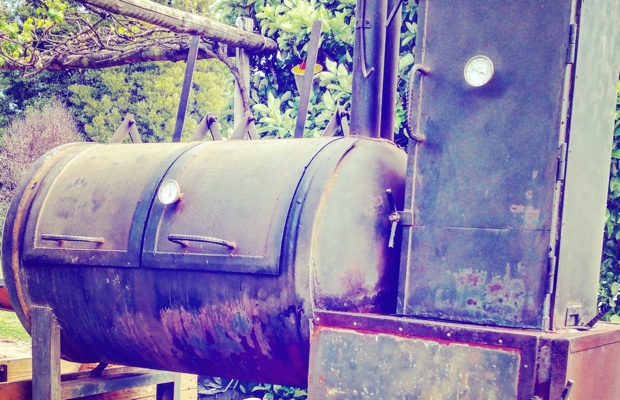
Callie Louw’s smoker
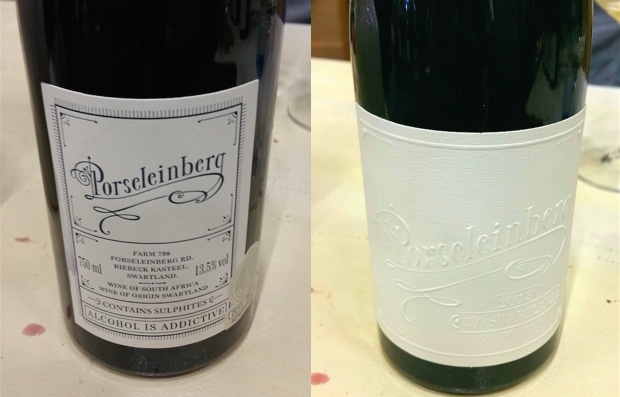
Porseleinberg Syrah 2013, Swartland, South Africa (Winery)
They call Callie Louw a lekker ou. Having played on his side and under his tutelage for a bowl and a bat or two, I can concur. He is a nice guy. Having eaten his smoked pork shoulder, brisket and wings, I can tell you that he is a master smoker. Having tasted his ’13 Syrah twice, I can also say he is a great winemaker. Louw is proficient at many things, including cricket and smoking Swartland’s best BBQ. Making Syrah from the schist soils of Riebeek Kasteel is his true calling and with thanks to Marc Kent (of Boekenhoutskloof) he is able to work with some of South Africa’s best fruit out of one of its harshest climats. Picked fruit is left to its own devices, 40 per cent in concrete eggs and 60 in larger foudres. I’d hate to smack a natural sticker on this one because it resides outside the realm of labels, generalizations and uneventful stipulations. It has killer tannins and the legs to walk the earth. What else do you need to know? Drink 2017-2030. Tasted September 2015 @SwartlandRev
Porseleinberg Syrah 2013
Pinot Noir
The future for Pinot Noir is bright beyond the pale, with certain exceptional growing sites producing varietal fruit so pure and of ripe phenolics as profound as anywhere on the planet. A few producers have found their way. More will follow and when they do, South Africa will begin to tear away at the market share enjoyed by the likes of New Zealand and California.
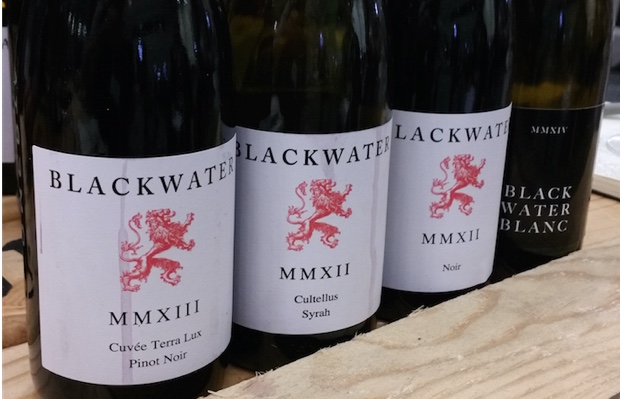
Blackwater Wines
Blackwater Wines Pinot Noir Cuvée Terra Lux MMXI 2013 (Winery)
Winemaker Francois Haasbroek is not merely on to something. He has it figured out. The elegance of his wines (sourced from vineyards across the Western Cape) share a strong affinity with one another. In a consistently distinguished line-up this Pinot Noir may not be his most accomplished but it is his most definitive bottle. From three Elgin Vineyards this spent 18 months in older 225L barrels and help me if this does not purely express the humanity of Pinot Noir. Oh, the natural funk of Elgin, where Pinot Noir need be embraced and fostered. Not unlike Haasbroek’s Syrah, the sweetness is impossible, the imagined imaging haunting and asomatous. With time the true luxe will emerge, in the form of mushroom, truffle and candied cherry. Drink 2016-2021. Tasted September 2015 @Blackwaterwine@ZooBiscuitsWine
Pinotage
For so long we ignorant, pathetic and far away people knew not from Pinotage. We imagined its machinations through, by way of and expressed like espresso, forced and pressed with nothing but wood in mind. That the grape variety could have a personality bright and friendly was something we had no reference from which to begin. A visit to the Cape Winelands re-charts the compass and the rebirth is nothing short of born again oenophilia. The new Pinotage may be what it once was but it is also what it can never be again.
David and Nadia Pardelbosch Pinotage 2014
David and Nadia Paardebosch Pinotage 2014, Swartland, South Africa (Winery, WineAlign)
From parcels of the highest possible elevation and black rock that imparts swarthy tannin on a frame of alcohol sharpened at 12.5 per cent. Nothing short of stunning aromatics. Whole bunch fermentation, three weeks of skin contact and minimal punch downs are directed with pinpoint precision to what Pinotage should and simply must be. Fresh, lithe and promising. Good-bye Pinotage being Pinotage. Hello Pinotage in pure, honest perfume. Older oak barrels (4th, 5th and 6th fill) round out the texture, amplify the arroyo seco and excellence washes through, with simple acidity and riverine length. Drink 2015-2019. Tasted September 2015 @DavidandNadia@SwartlandRev
Red Blends
The sky is the limit for what can be attempted and achieved with the varietal kitchen sink of availability. In consideration that any red variety can scour the Cape Winelands in a journeyed search for phenolic ripeness, a prudent pick, ferment (or co-ferment) will certainly, invariably conjoin towards assemblage nirvana. Rhône styling is most often mimicked, from both north and south but OZ indicators and even California flower child prodigies are both seen and heard. There is no tried and true in this outpost of red democracy. In the case of Cape wine, anarchy rules and there is really nothing wrong with that.
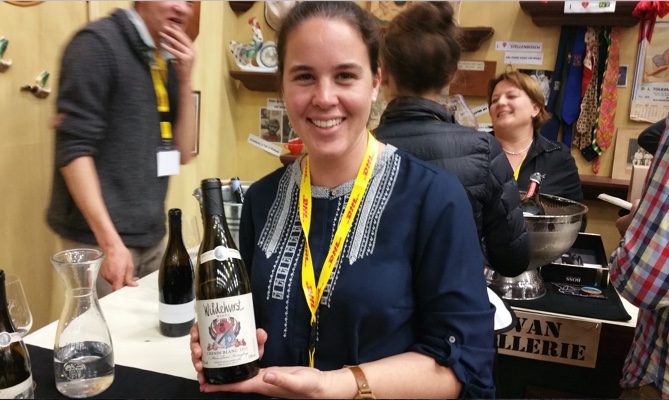
Sheree Nothnagel, Wildnhurst Wines
Wilde hurst Red 2012, Swartland, South Africa (Winery)
Shiraz (62 per cent) co-fermented with Viognier (5) is joined in rank by Mourvèdre (33, though is some years it’s Cinsault) in an unembellished red that not only lies back but rises in free spirit. A red to express the personality of its maker, Sheree Nothnagel. Silk and lace, cure and mace, spice and so many things nice are the aspect ratios of a very natal wine, like a prevailing wind. A real stretch in tannin, sweet and smooth of grain leads to length, from Koringberg to the slopes of the Picketberg and Paardeberg mountains. Drink 2015-2020. Tasted September 2015 @WildehurstW@ShereeNothnagel@SwartlandRev
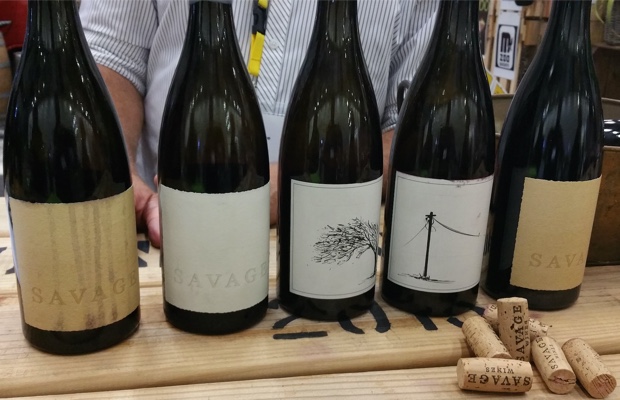
The Western Cape has likely never seen such polish and precocious affinity with its varied soils as it has or likely soon will when Duncan Savage is making wine. The blend of Cinsault (58 per cent), Grenache (21) and Syrah (21) is predominantly Darling grapes and shows a deeper, funkier understanding of Cape soil. Bright red cherry fruit supports life on this brooding planet and propagation is furthered with cinnamon-like spice and a purity for supplementary red fruit so direct and so very pure. The wine’s moniker comes from the farming expression “follow the line.” All rows lead to the farmhouse, eventually. All winemaking roads in the Cape will lead to the name Duncan Savage or at least involve him in the conversation. He is the farmhouse. Drink 2015-2020. Tasted September 2015 @ZooBiscuitsWine
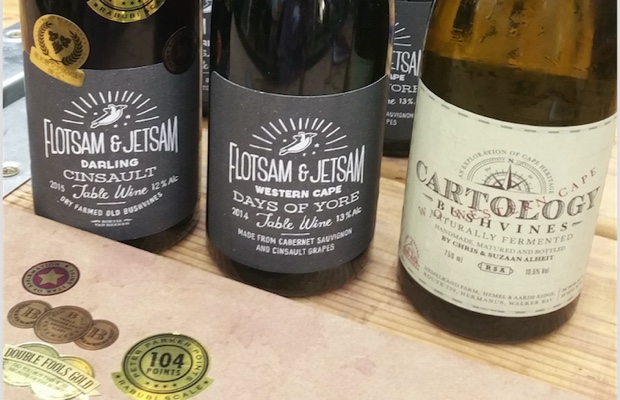
Alheit Vineyards Flotsam & Jetsam and Cartology
Alheit Vineyards Flotsam & Jetsam Days of Yore 2014 (Winery, WineAlign)
Chris Alheit’s brand might allude to a chapter in J. R. R. Tolkien’s The Two Towers but Days of Yore must pay some homage to the 80’s thrash metal band and with great irony. This Cabernet Sauvignon and Cinsault blend is no Doomsday for the Receiver and certainly No Place for Disgrace. What it is instead is pure liquid brilliance. Old 1960 Cabernet Sauvignon bush vines are (even if unintentionally) farmed the way they used to be, back in the days of yore. Now cropped, tended and produced in pitch perfect cure, the resulting wine (when Cabernet is blended with Albeit’s dry-farmed, stomped and tonic-singular Cinsault) shows smoky depth and musicality. Sour-edged or tart can’t begin to describe the tang. It’s something other, unnameable, sapid, fluid and beautiful. It brings South Africa from out of the heart of its wayfinding darkness. Drink 2015-2025. Tasted September 2015 @ChrisAlheit@ZooBiscuitsWine
Other Red
Momento Wines
Momento Wines Tinta Barocca 2013, Bot River, South Africa (Winery)
From a south-facing, 40 year-old, one and a half hectare vineyard in Bot River that Marelise Niemann convinced the farmer not to rip out so that she may continue to produce some 2,000 bottles of a variety you can’t really find or are want to grow anywhere else. This has been a small love affair since 2007 with this block. “My child, my charity case,” she admits. I am not sure I tasted any other wine in South Africa with such fresh, pure, unspoiled innocence as this Tinta Barocca. “You have to have a connection to the vineyard. To guide it.” The underlay of perspicuity is a streak provided by Bokkeveld shale. The clarity of red fruit and deferential tannin is too sacred to spit, too beautiful to spill and too genteel to waste. Drink 2015-2018. Tasted September 2015 @ZooBiscuitsWine
Putting out a top list of wines is not so much an exercise of commendation as it is a look back at an amazing year of tasting and writing about wine. Photo: michalzak/Fotolia.com
Last year I chose to highlight wines that fell into the under $15 niche. A subsequent column focused on the $30 threshold as the next level to make picks for wines of the year. In retrospect that made it very difficult for wines in the consumer sweet spot, the $15-20 set, to make it onto either list. So, $20 is the over/under this time around.
Ontario is well represented here, taking up five of the 20 spots. If prohibitionist Canada, and especially Ontario would FreeMyGrapes and allow us to taste more than just a handful of Canadian wines produced beyond these borders, I have little doubt that other provinces would have made an appearance here, especially British Columbia.
Countries conspicuously missing are Italy, Argentina and the United States, whereas Portugal, South Africa and Chile are represented twice and Greece once. Value is always found in wines that are good and original, unfortunately the parts that are good are not always original.
Putting out a top list of wines is not so much an exercise of commendation as it is a look back at an amazing year of tasting and writing about wine. It’s a retrospective view, a compilation to sum up the pulling of words like taffy until they become something altogether more pliable and palatable. Just like the swirled, sniffed and tasted wines they describe. While tasting notes are so often chewed and spit out as amphibological waste, the process of formulating them is base and necessary to the culture. Without them we would all just be drinking.
The wine agents that move thousands of diverse wines through our provinces face Herculean tasks to get their wines to the public. It is through their generosity that I am able to taste so many in a calendar year. I’d like to thank Robin Sirutis and Julie Hauser of the Licensee program along with Kelly Taylor, Jim Sheridan, Douglas Webster and team for allowing me into their LCBO home to sample 1000′s more wines from the bi-weekly and shop on-line VINTAGES releases. Not to be forgotten are the many world-class sommeliers who give so much of their time to offer memorable wine experiences, no matter the effort required. So, thanks to all of you, here is my list of top 20, under $20 wines in random order, tasted and reviewed in 2013.
From left: MARÉCHAL BRUT CRÉMANT DE LOIRE, TAWSE ‘SPARK’ RIESLING 2009, CHÂTEAU D’ANGLES LA CLAPE ROSÉ 2012, CALITERRA SAUVIGNON BLANC RESERVA 2013, and ANDRÉ BLANCK ET SES FILS ROSENBOURG PINOT BLANC 2011
Sparkling
MARÉCHAL BRUT CRÉMANT DE LOIRE, Loire Valley, France (141077, $15.95, WineAlign)
Foams frothy forth alive and expansive out of a yeasty starter, spins lightly on its A16 axis and revolves tightly wound around a citrus spindle. A working class Marechal, real and made for the people. Perhaps not La Grande Illusion but a wine that will “show the common humanity present across these divisions.” About as good as Méthode Traditionnelle sparkling Loire Chenin Blanc can be and priced to fly. 89 Tasted April 2013 From:See the humanity in real value wine
May just be that bottle of persuasive interrogation and torture to turn even the toughest hold-outs against Sparkling Riesling. A veritable homeland crush of signature grapes, put to a not so traditional test, emerge in piercing, capital dry scintillation. Sparks fly in Beamsville when winemaker Paul Pender and team, “the boy prophets walk it handsome and hot.” This sparkler does the E street shuffle and dances in the dark. The new deal in Ontario bubbles. “You can’t start a fire without a spark.” 89 Tasted October 2013 From: Top wines shine at Taste Ontario 2013 @Paul_Pender@Tawse_Winery
Rosé
CHÂTEAU D’ANGLES LA CLAPE ROSÉ 2012, Languedoc Roussillon (Midi), France (323386, $15.95, WineAlign)
Goes classic holy trinity Midi in Mourvedre, Syrah and Grenache. Creamy, frosty and savoury in strawberry, rhubarb, balmy tarragon and shrubbery. Finishes with salinity pressed like a salt herring. 91 Tasted June 2013 From: Hot weekend wines and cool Chardonnay@chateaudangles
ANDRÉ BLANCK ET SES FILS ROSENBOURG PINOT BLANC 2011, Ac Alsace, France (626606, $14.95, WineAlign)
High on lime citrus and heavy in stones, so much more so than in ’09 and ’10. Green apple in tart tonality, lean and mean. Much juicier and riper to taste, with the faintest lees note to ground it firmly on Alsatian terrain ferme. Love this designation. Same vintage release from a year ago. 89 Tasted July 2012 From: A paradox of wine accents@drinkAlsace
From left: DR. HERMANN ÜRZIGER WÜRZGARTEN RIESLING SPÄTLESE 2007, 2027 CELLARS RIESLING ‘FALLS VINEYARD’ 2012, ROSEWOOD ESTATES SÉMILLON 2011, DE WETSHOF LESCA ESTATE CHARDONNAY 2012, and TE AWA CHARDONNAY 2010
DR. HERMANN ÜRZIGER WÜRZGARTEN RIESLING SPÄTLESE 2007 (313528, $16.95, WineAlign) clocks in at a mere 8 per cent abv and is a nasal microchamber filled with dry ice but taste it and be soothed by its unguent goodness. Minerals, spice and everything nice out of red sandstone, slate soil and just barely beginning to act its age. OK, it may be a touch disjointed but at $17 they are giving it away. I could drink it like wheat grass all summer long. 90 Tasted March 2013 From: Masters wines in purple, yellow and green jackets
In contrast to brother Foxcroft, this is the more serious vineyard in my estimation. Falls compresses less limestone chalk and instead thunder rolls out glacial boulders. Here there is less grass, herbs, citrus and sea, but rather garrigue blanc, the windswept plain studded with gorse and deeper, sweeter, earthly purity. 91 Tasted October 2013 From: Top wines shine at Taste Ontario 2013@2027Cellars
The leader of the pack. The honey is uncanny. From an earlier note: “is frighteningly honeyed and its blatant acidity brings out all the right zest notes in the seafood. Major (three times) cropping from a “disease control vintage” by Orwinski who “knows the vineyard. It really is his home.” He’s still chanting “drop the crop!” in his sleep. The citrus and soda are glaring, exciting and invigorating in ’11, as is the aforementioned honey, the trump card keeping the Sémillon from being confused for Riesling. Fascinating study.” 91 Tasted twice, May 2013 From: Showcase Showdown: Rosewood Sémillon@RosewoodWine
DE WETSHOF LESCA ESTATE CHARDONNAY 2012, Wo Robertson, South Africa (355438, $18.95, WineAlign)
This is exactly what I come to expect and hope for in calcareous, gravel and clay Cape Chardonnay. Robertson study in balance, fortitude and anxiety. Palpable proof of De Westhof’s self-professed attitude towards “site-specific vineyard management and wine-making.” Really pretty white flowers, citrus in C minor and piercing acidity. Proficiently ripe, toasted without tempting caramel and really well-judged. All in for $19. No ifs and or buts. 91 Tasted November 2013 From: Twelve days of wine for Christmas
TE AWA CHARDONNAY 2010, Hawkes Bay, North Island, New Zealand (301135, $18.95, WineAlign)
Gives off a good dose of char but in a Penderish way with knowledge that it will dissipate, integrate and elevate this stony ‘River of God’ into a fine, swirling eddy of hard bop goodness. Gorgeous green enamel Ngaruroro meandering to gold. Oleic, alluvial consistency, with a sense of creamed corn, barren straw and built of a gravel verve, taking risks like a Sonny Rollins riff. 91 Tasted February 2013From: A march of French grapes to dinner@TeAwaWinery
Indicates grapevines grown of a mineral-rich terroir, like land left after the draining of a lake. Travels into the Loire Valley’s heart of darkness but also shows some increased honey in ’11, fattening the ever-present lemon drop, candied peel, ginger and stony goodness. Chenin as a man in pink pajamas. There is just no worthy value adversary to this tight, racy and wondrous Vouvray. 91 Tasted July 2013 From: Alternative wines for the August long weekend@ProfileWineGrp@LoireValleyWine
Like other Xinomavro shows that combination of pure fruit and ancient wisdom. Juicy and rustic at the same time, erupting in cherry and a lava flow of hot rocks. There is leather, dry spice and sun-dried fruit. Already bricking like Sangiovese, as if rustic Vino Nobile Rosso. There is simply no earthly reason not to drink this every night for the rest of the summer. 89 Tasted July 2013 From: A midsummer night’s chill red wine@boutari
QUINTA DOS CARVALHAIS DUQUE DE VISEU RED 2009, Doc Dão, Portugal (546309, $13.95, WineAlign)
Simple, straight cut, hedonistic Dão pleasure from winemaker Manuel Vieira and the Sogrape Vinhos’ empire. Nothing wrong with that except that at $14 it feels like stealing. An evincive blend of 50 per cent Touriga Nacional, 20 Tinta Roriz and 30 Jaen. Red and black fruit, mineral tension, somewhat gritty but lush in plum, licorice feel and flavour. Really good stuff. 89 Tasted November 2013 From: Twelve days of wine for Christmas@winePortugalCA
Speaks the language of vinous accommodation. Abundant very berry fruit if less knotty and peculiar and more accessible than most Niagara Bordeaux blends. No bones about it, languid Lailey in mind of its own wonder. Could drink it straight from the tap. 89 Tasted October 2013 From: Top wines shine at Taste Ontario 2013@Laileywinemakr
TSCHARKE BAROSSA GOLD MARANANGA CABERNET SAUVIGNON 2010, Barossa Valley, South Australia (289884, $15.95, WineAlign)
This is really good stuff. Tight attack, bold and tannic, brimming with figgy black fruit, dark chocolate, spirit cake and white pepper. The oldest Barossa Neoproterozoic Schist and Siltstone rocks impart piercing minerality as if the Marananga were blasted out of a cannon. Tests any Napa Cab under $50. 89 Tasted January 2013 From: Iconic wines, affordable prices@tscharkewines
VIA CHILCAS SINGLE VINEYARD CABERNET SAUVIGNON 2009, Colchagua Valley, Chile ($17.95, 309757, WineAlign)
From the Maule Valley, is graced by amazing freshness and vigorous, new wave energy. With an imagined dragon’s foot securely planted in the ancestry of Chilean wine, this radioactive red is a portal to the industry’s future. Roasted and brewed, in espresso yes but mocha, no. “Welcome to the new age, to the new age.” 91 Tasted September 2013 From: A Chile wind is blowing@ViaWines
ANETO RED 2009, Doc Douro, Portugal(314930, $19.95, WineAlign)
Reminds me of the deepest, earthbound southern French reds, like Minervois or La Clape. Stygian and shadowy, the Aneto’s rusticity is borne of xistous terra, baking spice and dried fruit. Puts on her make up for prevailing balance in a show of hydrated, in vogue, darling pretty maturity. She can “heal my aching heart and soul.” 91 Tasted January 2013 From: Super Bowl wine prediction: Red 49ers over black Ravens@liffordwine
DOMAINE MANOIR DE CARRA JULIÉNAS 2010, Ac Beaujolais, France (290981, $19.95, WineAlign) The pearl finally puts some funk into “an otherwise empty room.” Dandy, candied peony, cracking good, cinnamon scented and jammy in Rhôneish behaviour. More structure than most. Beaujolais’ daughter. 91 Tasted May 15, 2013 From: Go Gamay Go
THE FOREIGN AFFAIR THE CONSPIRACY 2011, VQA Niagara Peninsula, Ontario (149237, $19.95, WineAlign)
Kissed, re-passed over and threatening to push boundaries as if it were singing “if I could stick a knife in my heart, suicide right on stage.” This Ilya Senchuk beauty may only be ripasso but I like it. Eases my pain and my brain. Excellent verve and honed of a rock star’s capacity to be loved, with tart, red and black fruit in waves, tar and charcoal. Svelte balance in fruit, alcohol, sweet and sour. This is THE vintage for this wine. Ten plus years lay ahead for a long affair and it will be rewarded with praise in future tastings. 92 Tasted April 2013 From: ‘It’s Only Rock ‘n Roll’ (but I like wine)@wineaffair
JOURNEY’S END SHIRAZ 2007, Wo Stellenbosch, South Africa (337642, $19.95, WineAlign)
Initiates serious sanguine Stellenbosch intimacy with dusty black cherry and black pepper. Hard to break, like the Northern Rhône, or even Syrah-heavy Châteauneuf-du-Pape but swirl and she will open up. Meaty, gamey, anise, metal-mineral fruit. Hedonistic and certainly clothed in heavy coat but there is an underlying velvet dignity here, though it has not yet shed its bacon baby fat. I would follow this highly complex and intriguing South African for five to 10 years. Already a few years in and not nearly at its peak. Has ancient experience in its blood. 92 Tasted September 2013 From: Free my Canadian grapes and other love songs@JourneysEndWine
What to get dad this year for Father’s Day. Perhaps not the gifting conundrum that is Mother’s Day but no walk in the park either. The obvious gadgets present themselves; Iphone, Ipad, Kindle, Nook or Golf Course GPS, because no real man wants one for the car.
Forget the camera, video recorder and BBQ. Those things just tell dad he has to work harder. Give him something he can use. Better yet, choose something you can share with him.
VINTAGES Essentials are the Fine Wine and Spirits Division’s collection of always available products. Imagine it’s Sunday afternoon. You are a mere hours away from Father’s Day dinner. You have been tasked with bringing the wine. You need to pick promising bottles to match hors d’oeuvres, appetizer, main course, dessert and one special bottle for Dad to take home to his cellar. In between Soccer finals and gymnastics pick-up there is only time to stop in at the nearest LCBO. The VINTAGES kiosk at the store’s rear only carries certain release products and is sold out of everything you came looking for. That is where Essentials answers the bell. These products can be counted on to be found in most (decent-sized) Ontario stores.
I tasted through 90 VINTAGES Essentials two weeks ago. Here are six to bring to dad; five to share with him and one as a special parting gift for his singular day.
Thirty Bench Riseling 2010 (24133, $18.95) with it’s Huet of the Loire, Chenin Blanc-like citrus, pear and honey blast begs for some BBQ starters. Like good wurst and spicy mustard. Like Chinese BBQ glazed ribs. Incredibly youthful, living in a wild west end of the Beamsville Bench. “Greasy hair easy smile..this is the seventh heaven street to me.” A benchmark Riesling to put Niagara on the popular map. 90
Louis Jadot Chardonnay Bourgogne 2010 (933077, $18.95, LTO until June 24, 2012 at $16.95) keeps on caramelizing but less so in ’10. The oak barrel toast level quotient is down close to 200 for those of you counting at home. This allows a searing acidity to zap the mellow white cherry, rose and raspberry fruit into life. Best Jadot White Burgundy normale in quite a spell. Would serve well alongside soft taco or slider appetizers. Of fish, pork or chicken. Some cracklings would be nice. 88
Esporao Reserva Red 2009 (606590, $25.95) made from parochial Aragonés, the Tempranillo of Portugal. This particular vintage brings Spanish Montsantto mind, especially the wines of Celler Capçanes. A thread of ripe cherries, cocoa dust, milk chocolate and spice link it to a style also not unlike Napa. Stillwater runs deep for this deeply-hued, Portuguese raven and methinks it almost famous. Rubbed ribs and chicken await. 88
Robert Mondavi Cabernet Sauvignon 2009 (255513, $34.95, LTO until June 24, 2012 at $29.95) signals reform and a serious return to form. Dictionary Napa entry, a reigned and refined milkshake of California berries and dark chocolate. Solid mineral bones full of might, fight and planar, ferric-iron leucos-phosphite. This is the tetrameric rub that notches new found response and respect for the can be found everywhere, once Philistine Mondavi. Top cut, seared on high heat and rare of course. 89
Cave Spring Indian Summer Select Late Harvest Riesling 2010 (415901, $24.95) wins the race to accompany dessert for its Spätlese sensibility melded to a Niagara Crèvecoeur smoke and mildness mentality. The Peninsula’s typical lime, slate and chalk it shares with Germany’s Mosel are front and centre, cojoined by Icewine’s candied, orange marmalade. At half the tag, the Late Harvest is the leading Essentials sticky deal. 88
Tignanello 2008 (986786, $99.95) gets the nod for dad’s big gift because the singing Tig is flat out esculent. A smoked, Blueberry Margarita, Porcini Risotto with Tartufo di San Giovanni d’Asso and long espresso all rolled into one Super Tuscan. The Cabernet components don’t just get lucky, but are hugely supportive of the vernacular Sangiovese. The Tig might march you up a Florentine hill and get you singing “if you got a truffle dog, you can go truffling.” 90











 Godello