Yes we did. Who shucks’em cleaner anywhere close to the headwaters? #nobody @TideandVine
The VINTAGES April 15th release is all about value. I tasted through close to 100 over these past few weeks and wines under $20 are what stood out from the pack. My recommendations include four under $15 and six more under $18. Everything needed to get you through five months of impending warm weather is right here, right now. Enjoy.
Animus 2014, Doc Douro, Portugal (385302, $12.95, WineAlign)
Heartland Spice Trader Shiraz/Cabernet Sauvignon 2014, Langhorne Creek, South Australia, Australia (429241, $16.95, WineAlign)
From Langhorne Creek and reeking of exoticsim, the aptly-named Spice Trader is a glass of full-bodied shiraz-cabernet sauvignon savour. The seasonings are zesty, spirited, piquant and then finally, settled into a mulled warmth. Red peppercorn, cardamom and allspice bring a Malabar-Zanzibar, dhow-drift sail through the red fleshy fruit. No kernel is left uncracked and the spiked liquere leaves a lingering lift. More Langhorne than cabernet or shiraz but full of flavour. Drink 2017-2018. Tasted January 2017 @heartlandwines@TheVine_RobGroh
La Griffe Bernard Chéreau Muscadet Sèvre & Maine 2015, Sur Lie, Ap Loire, France (948182, $16.95, WineAlign)
Local best buys ahead of Taste Ontario and Cuvée, Kosher for Passover and searching for common ground
In advance of the fourth VINTAGES release of 2017 and just a shade post Valentine’s Day we find ourselves in anticipatory times. Here at the crossroads of February and depending on which overfed rodent’s shadow you align with, we may yet be faced with four more potential weeks of winter. Concerning ourselves with more important things, we turn to the Ontario wine industry’s lead in anticipation of Wine Country Ontario’s big month of March. Two seminal events lie in wait just around the corner, ahead of and into spring.
Taste Ontario! Toronto Trade and Media Tasting 2017 comes to the Royal Ontario Museum on March 6th and the 29th edition of Cuvée will happen in Niagara Falls. Brock University’s Cool Climate Oenology and Viticulture Institute (CCOVI) will host more than 800 guests at the Scotiabank Convention Centre for the Cuvée Grand Tasting on Friday March 24th.
After tasting at Cuvée in 2016 I noted how riesling and chardonnay have not relinquished any stronghold on their domination, nor should they anytime soon. I can’t help but feel and notice that winemakers continue to reach for the big red machine and wish upon an intangible Bordeaux star when they should be concentrating on fresh, gulpable cabernet franc and gamay. They should also take some risk-reward chances with these necessary, best Ontario option red varieties. Press less, reveal freshness and let natural ferments find low-alcohol impressions of impossible, ethereal beauty.
It’s not just a matter of what, but where. By sifting through leads in geography, in the orientation of escarpments, benches and lakeshore flats, in the gestalt of the archaeology of tomorrow, in the vineyard landscape of today we can perchance unlock the riddle of the what and the why for varietal planting. The end game is to unlock the mystery within the puzzle of terroir, to figure out what grapes will thrive and where they can be given the best shot at success. It is not just about what happens beneath the soil, but also what happens above, around, beyond and in the minds of growers and winemakers.
Passover is sill nearly two months away but ever the proactive agency, VINTAGES lays out the usual Kosher for Passover suspects in the February 18th release, some Mevushal (cooked or, flash pasteurized), some not. Let us first examine the concept and then, the cuisine. An understanding of the rules and laws that govern wine on Passover is on a need to know basis. There are really just three key variants of information essential to purchasing and consuming on Pesach. This applies to Jews and non-Jews alike.
Number one. Passover wine is specific to a Jew’s level of Kosher. From Reform, to Conservative, to Orthodox, all Jews have different variances of belief. A Reform Jew will likely drink any wine on Passover and then again, may not. But, he or she will almost certainly not require the bottle to be Mevushal. A Conservative may only drink Mevushal but in more cases than not, Kosher is good enough. An Orthodox Jew goes it only one way or the highway. Strictly Mevushal KFP, do not pass go, do not collect the Afikoman (the broken Matzah) money. Most Jews who appreciate a glass of good wine with dinner, and especially those who double as wine geeks avoid Mevushal wine at all costs, thought being, consuming heat-damaged wine is no way to go through life. That said, a good deal of the Kosher for Passover wines in our market are Mevushal (KPM) and some are really quite agreeable.
It’s quite simple, really. All wines labelled “Kosher for Passover” are kosher, but not all kosher wines are kosher for Passover. Further to that, wine does not become kosher by being blessed. It can be considered kosher (from the Hebrew; pure, proper) once it has complied with strict rabbinic criteria that render it acceptable for Orthodox Jews.
Few holidays put food under as much duress as Passover. The cooking is a science and an art unto itself, having to make use of Matzo, eggs and oil for eight days. It is a form of penitence, a tortuous walk through a culinary desert, at times horrific like a Fear Factor episode. Charred eggs, Haroseth, Chopped Liver, Kugel, Farfel Stuffing and desserts made with cake meal and Matzo Meal. Believe me, this chef has had nightmares.
Up until a year or two ago I noticed that Kosher wines seemed to have migrated bigger and bigger with each passing Lunisolar calendar year. Israel continued to race towards big, lush, often high alcohol reds. This trend could be seen as a masking or a compensating/mitigating strategy to oppose the rigours and past failings of making Kosher wine. It can also be viewed as a stylistic choice, to mirror what has taken place in Bordeaux, in California and in Australia for the past 20 years. For the first time, the reds on this VINTAGES release seem to collectively take an extraction and alcohol step back.
The Kosher contingent on the VINTAGES February 18th release continues to be Israel-focused, which is not a bad thing, but if you really want a better selection, head to one of three LCBO kosher boutique locations; 675 Wilson Ave., 180 Promenade Circle, Promenade Mall and 502 Lawrence Ave. W. It is here that the LCBO has stepped up their Kosher game.
As for scouring the best of the rest, WineAlign’s John Szabo laid down the low-down on Australia’s impressive showing in this release and found great value in a hodge-podge of VINTAGES value releases. I am searching for common ground and was quite impressed with two iconic southern French producers and their stellar-valued, pull no punches red and white. One hails from arid Côtes du Roussillon, the other off of old vines in Costières de Nîmes. Magic and lithe Oregon, endemic Greece and a most pleasurable drop of Sagrantino round out my shortlist. David and Sara shore up the global list with much needed and appreciated support with pertinent finds of their own.
While I sip and taste through Chianti Classico, Vino Nobile di Montepulciano and Brunello di Montalcino at Antiprime Toscane I hope you all find your gems from the February 18th release. See you in March for a taste of Ontario.
Rockpile AVA unparalleled in so many ways @mauritsonwinery #zinfandel #cabernetsauvignon — at Mauritson Rockpile Vineyard.
Late one afternoon on a seasonally warm February Healdsburg day we walked into the boardroom at Seghesio vineyards for a Zinfandel tasting appropriated off of some of California’s oldest and dearest vines. On hand were Seghesio’s winemaking brain trust, Andy Robinson and Ted Seghesio. It was Seghesio who explained pretty much everything you need to know about Zinfandel and field blends in one sweet sentence. “These old vines are California’s treasures. We haven’t pulled one out yet.”
“Are the wines good because their vineyards are old
or are the vineyards old because the wines are good?”
Cart before the horse. What came first, the chicken or the egg? Catch-22. If we follow the ideas of Aristotle and Plato then we simply say that zinfandel and old vineyards first had their beings in spirit. The dialectical answer can’t help but make use of formal, linear cause-and-effect logic and so results in a paradox because this caused that. Old vines and zinfandel, two things uniquely Californian entwined in a set of mutually dependent circumstances. The question is ultimately moot.
Joel Peterson’s hat was the centre of first attention, that is until the Godfather of zin himself began to explain why the varietal tenets of experienced and gnarly are so important to understanding why zinfandel is the untouchable one. Peterson makes the case for zinfandel Grand Cru vineyards by referring to them as “historical treasures, extremely valuable and they are California.”
Carol Shelton is herself no stranger to the royal and ancient vines. She imagines them as both children and grandparents or rather that they are one in the same, innocent and experienced, but needing coddling and care just the same. Shelton has a soft spot for vineyards that are organically grown, dry farmed and many decades old. On her website Carol quotes Antoine de Saint-Exupery in reference to the Rockpile Vineyard. “A rock pile ceases to be a rock pile the moment a single man contemplates it, bearing within him the image of a cathedral.” Pretty apropos. It seems Carol Shelton sees the old vineyard before the zinfandel. I think they all do.
The next day we explored Dry Creek Valley’s AVA’s with John Doxon of Dry Creek Vineyards and in the afternoon walked up the ridge between the two arms of lake Sonoma with Clay Mauritson to stand at the top of the Rockville AVA. The vineyards are planted between 800′ and 2000′, with strong winds, soils that range from granite to volcanic and the ever-dangerous Healdsburg-Rogers Creek earthquake fault running through. Three things popped into my head. One, difficult growing conditions make for low yields. Two, above the fog and in the breeze means major league diurnal temperature swings and zero pressure from pests and diseases. Three, this is one of the most strikingly beautiful places on earth.
Rockpile Ridge Vineyard’s Cabernet Sauvignon 2012 is a Sonoma County tour de force and a steal for the money ($50 at the winery). But I’m here to discuss zinfandel and so we’ll look down left and down right to the Cemetery and Jack’s Cabin Vineyards. These two stunners from Clay Mauritson may be the most unheralded zinfandels you’ve never heard of. The first family vineyards were planted in 1884. It is here in the northern-most reaches of Dry Creek Valley where zinfandel may just find its highest California calling. “Pure geo-political drama.” What is Rockpile? Time in AND time out. James Woodsian fun stuff. Keith Moon of zinfandel. That is Rockpile.
zeroing in on old vine #zinfandel significance @sonomavintners @seghesio #ravenswood @CBSbrands @WildThingZin
We tasted nine zinfandel with Ted, Joel and Carol, one with John plus two more with Clay. Here are the notes:
Seghesio Family Vineyards
Seghesio Zinfandel Rockpile 2013, Rockpile AVA, Sonoma County, California (Winery, $46.00, WineAlign)
Rockpile is Sonoma’s newest AVA, straddling the ridge between the two arms of Lake Sonoma. The Mauritson farm is perhaps the most dramatic inland vineyard site in Sonoma. It is a relatively cool-ish appellation in part because it is based on ridge tops but notes Ted Seghesio, “I don’t think we can dry farm up in Rockpile, it’s just too warm.” No wonder the zinfandel here develops rich, dusty, of high impact intensity, pressed and controlled with addendum by remarkable palate spice. It’s chewy and intense, without heat, though expected, but there is not. Saw the insides of 25 per cent new French oak, the rest neutral for 12-14 months. Flavours well up with the liqueurs from a multitude of ripe red and purple berries, hematic, loamy and all in. Somewhat imbrued with the folly of youth so exercise some patience. Drink 2018-2024. Tasted February 2016 @seghesio@sonomavintners
Seghesio Zinfandel Old Vines 2013, Sonoma County, California (Winery, $46.00, WineAlign)
From a blend of vineyards planted on the Dry Creek bench and the cooler southwest Alexander Valley. Old vine is often loosely interpreted and the general Seghesio rule is 50 years plus, though the average age is approximately 70 years-old, planted here because they were the original cheap, peasant purchased sites. True old vine zinfandel is distinguished by head-trained vines with thick, gnarled trunks and is planted with ancient clones dating back to the turn of the century. I personally am finding more warmth and a slick of oleaginous matter, like white pepper liquid smoke. The temper and texture are pure zin wisdom, knows exactly its place and the time. The early picked Old Vines offers a reference point for the accumulation of varietal time. You sense this though the briary spice of layering in the blending of two vineyards from berries through to that spice. The treatment was 25 per cent new wood, 14 months maximum on fruit that it typically at the extreme end of high acid and sugary fruit. Drink 2017-2022. Tasted February 2016
Seghesio Zinfandel Pagani 2013, Sonoma Valley, California (Winery, $55.00, WineAlign)
Sourced from the Pagani family’s deep-rooted, storied Ranch in Sonoma Valley. The dry-farmed vineyard provides for a rich and nuanced, though not necessarily the most age-worthy structure to the fruit. Certainly a whole other, darker matter, pitchy, rock-blasted cimmerian mess of density and temper. The increased character is a drawn-out dramatic affair, feigning sweetness, with a high amount of Alicante Bouschet mixed in (perhaps as much as 50/50) for what is ostensibly the original California red. “The curtain” is an abiding history marker and maker and yet is low in tannin so drink this during the freshness of its youth. Drink 2016-2020. Tasted February 2016
Ravenswood Winery
Ravesnwood Estate Zinfandel 2013, Sonoma Valley, California (Agent, $46.00, WineAlign)
Typically 20 per cent petite sirah field blended in, from five sites with a collection of zinfandel clones planted in Ravenswood’s heritage vineyard back in 1997. Now old enough to stand alone, these vines grew from budwood collected from several of Sonoma County’s finest old-vine zinfandel vineyards. Like the single-vineyard zins, all are made the same way, save for a few micro-decisions for each wine. Time is 18 months in 35 per cent new oak for a level playing field so that each will show typically of site. The quinate muddling is made moot by fruit picked early enough to ask the ripeness not to be the dominant character of the wine. So there is a cooling, not so much herbal but a methylated effect, with depth of cherry and leather and the fleshy underside of the animal. A texture comes across creamy and so different from Seghesio, with a dry-brush aroma and flavour led by dark chocolate. Drink 2016-2019. Tasted February 2016 @RavenswoodWine@CBrandsCareers@michellesaba
Ravenswood Zinfandel Belloni Single Vineyard 2013, Russian River Valley, California (Agent, $46.00, WineAlign)
Belloni carries a riper, naturally current cure, seemingly suspended in an evolutionary state of grace. The chocolate is tempered, smoothed into the reality of haute-ganache. It’s a bit of a teaser but there is length not yet found in rest of a nine-strong zinfandel the line-up. Will not yield to relinquishing length and still in such an amazing lingering state of berry flavour. “My middle-aged wine,” says Joel Peterson. From a site on Fulton Rd, of sandier soils above an ancient river bench. Riccardo Belloni planted it, around 1971, same time he purchased land on along Wood Road on the outskirts of Santa Rosa. Aye, there’s the saline and antediluvian rub. A very mixed vineyard, barely 75 per cent Zin, plus alicante, petite sirah, carignan and mourvedre. All tolled known as mixed blacks, the varietal melded, mixed and markedly RRV boysenberry is brighter and with great freshness. “It’s treated like pinot noir,” notes Peterson, “and we are conscious of how much oxygen it is gifted along the way.” A gracious Zin to be sure. Drink 2018-2024. Tasted February 2016.
Ravenswood Zinfandel Old Hill Vineyard 2013, Sonoma Valley, California (Agent, $75.00, WineAlign)
Old Vine, Old Hill is rich, smooth and chocolatey, from “Mr. Hill’s vineyard, William McPherson Hill,” who founded Old Hill Ranch in 1851. Joel Peterson is wistful in just thinking about it. “An important and historic vineyard,” resurrected by Otto Teller housing forty different varieties, re-planted in 1985. The vineyard is 68 per cent zinfandel with grenache, mourvedre, syrah, petite sirah, alicante and heretofore referred to as the black panther grape, all together called the Mixed Blacks. It is organically farmed and is indeed of the oldest vines in the Valley of the Moon. In 1983, Ravenswood began this vineyard designate Old Hill Ranch zinfandel, just as the vineyard was turning 100 years old. So at 130 years what further wisdom can it pass on? Plenty, with the classic house treatment of 18 months in 35 per cent new oak. A capacious, fruit-teeming, chestnut-ochre-liquorice-plum pudding zinfandel blend with texture threaded through ages from samite to mantua. The gift of old vines. Drink 2019-2025. Tasted February 2016
Carol Shelton Wines
Carol Shelton Zinfandel Rocky Reserve Florence Vineyard 2013, Rockpile AVA, Sonoma County, California (394510, $48.00, WineAlign)
Insieme with Rockpile by Seghesio in dusty, high impact zin, here liquid saturated and steeping of a complex berry syrup, silky, stylish ands with a certain palate spice thanks to American wood. Vanilla and liquid lavender, ichorous, fusible elasticity. Quite pretty and some heat in the tannins. Defined by elevation at 1400 feet (800 is required) above Lake Sonoma. Basically dry-farmed, planted in 1998, terraced, a morning sun vineyard that receives hot sun into the evening. Thus spiking the fruit but breezes temper ripening (as compared to Dry Creek Valley) so the tannins are polished. Built with cabernet-like structure and blended with 14 per cent petite sirah, in 40 per cent French oak (20 new) plus (40) American (20 new) plus some older irrelevant barrel. Drink 2017-2022. Tasted February 2016 @WildThingZin@KylixWines
Carol Shelton Zinfandel Peaceland 2013, Fountaingrove District, Sonoma County, California (Agent, $40.00, WineAlign)
The “Friedland” is ambient and racked of floral certainly and also elevated of its varietal tones, with even more blueberry and peppery backbone than the Rockpile. Has increased its viscous and elastic chew with a dollop of melted milk chocolate and the earth’s granola; hemp, chia and all things fibrous and healthy. The jammiest and most texture on the table. Planted in 2001, a “young wine” out of a historical 1800’s place, a commune at 1100 feet of elevation. Represents three different clones of zinfandel (DuPratt, Costa Magnum and St. Peter’s Church). The united zin of red and black fruit, plus 7 per cent petite sirah. The new kid on the block. Needs to get more comfortable in its skin. Drink 2016-2019. Tasted February 2016
Carol Shelton Zinfandel Mancini Old Vine 2013, Russian River Valley, Sonoma County, California (Agent, $50.00, WineAlign)
Mancini Vineyard is Carol Shelton’s tribute to old vines, planted in 1922 (one mile from Belloni) to mostly (78-80 per cent) zinfandel and a Northern California varietal who’s who; carignane, alicante bouschet, petite sirah, grand noir, mataro and some yet unidentified vines. This is a field blend of decided depth, very cherry and exponentially increasing of varietal to wood spice. There is much liquor emulsified into liqueur. Such a highly concentrated wine is ripped with red citrus acidity and strays far from bramble. A wine of high acid, pH and oak with never-ending gobs of dark fruit. A little monster. Drink 2016-2019. Tasted February 2016
There is no substitute for old vines #zinfandel @DryCreekVnyd — at Cafe Lucia.
Dry Creek Vineyard
Dry Creek Vineyard Zinfandel Old Vines 2013, Dry Creek Valley, Sonoma County, California (412288, $34.75, WineAlign)
As it should be this falls into the category of the mysterious and the enigmatic, a field-blend conjoining zinfandel (75 per cent) with petite sirah (23) and carignane. It takes nearly a month to bring in the multifarious and full-scope ripening varietal mix, between mid September and October. This elongation and elasticity mixes into the old vine magic and spits out strength and complexity. High pH and really pitchy acidity handle the bold and brooding fruit and then there is the presence of meaningful oak. Sixteen months in French, American and Hungarian oak, 29 per cent of it new. Dried fruit and spices rehydrate into a black fruit swirl of sweet leathery pods and perfumes. A blessed convocation is the result, part concoction, part confection and all in. Drink 2016-2020. Tasted February 2016 @DryCreekVnyd@WineLoversAgncy@drycreekvalley
Mauritson Wines
Rockpile Zinfandel Jack’s Cabin Vineyard 2013, Rockpile AVA, Sonoma County, California (Winery, US $45, WineAlign)
A haunted cabin settler’s story, of one Jack Ireland, of sheep, cattle, clearing the land, moonshine and nights spent in the county jail. A connection through three generations of Mauritsons. Such fresh red fruit is rare (these days) when alcohol (14.75 per cent) and oak (15 months in 90/10 French/American) work the room but welcome to the Rockpile elephant in the room. It’s called balance because of natural acidity, grapes that were not over-pressed and the magic-umami-impossibility of place. My mind digs for Sonoma equivalents in this scarlet, rubicund, ochre magnetic field but fails to draw a similar example. Except greatness from this AVA and winemaker Clay Mauritson in the years to come. Drink 2016-2023. Tasted February 2016 @mauritsonwinery#RockpileAVA
What is Rockpile? Time in AND time out. The fun stuff. Keith Moon of #zinfandel @mauritsonwinery #sonomacounty #jameswood
Rockpile Zinfandel Cemetery Vineyard 2013, Rockpile AVA, Sonoma County, California (Winery, US $47, WineAlign)
Look towards the other arm of Lake Sonoma and let your mind’s eye rest 250 feet higher than Jack’s Cabin Vineyard. The Cemetery plantation is a jagged, craggy outcropping with “a face uneven as a river jag and asperous as the mullein’s flannel.” The Mauritsons are Los Campesinos of Cemetery Vineyard in Rockpile. The rocks below resemble giant headstones along the Rogers Creek fault and you just have to believe all this immensity of geology impacts the vines. It does but don’t ask how or why, just settle into the cimmerian depth of zinfandel touched by black fruit, spice and the akimbo savour of glutamate and amino acid. Three further months in barrel (85 French plus 15 American) accentuates the spice, smoulder and espresso con crema texture. Ripeness of fruit, tannin and acidity are simply stellar out of this dramatic place. “You know us by the way we crawl and you know us by our cemetery gaits.” Drink 2017-2025. Tasted February 2016
Fear not dear Ontario wine consumer. Neither advertisement nor earworm jingle will be implanted inside your head, nor a benediction to invoke the virtues of Solaia or Sassicaia neither. There will be no mention of the X-word but like it or not, it has begun. The VINTAGES machine got going this past Saturday with its first big buying time of year roll-out on October 29th. For 11 months a year the $30-$3,000 category appeals to one per cent of the wine buying population but increases to perhaps five when the bells begin to ring. By my count there are 15 (or so) October 29th release big guns now on shelves, half of which are reviewed right here.
Domaine De Pignan Châteauneuf Du Pape 2013, Ac Rhône, France (473678, $36.95, WineAlign)
In 1989 Frédéric Charvin began to work his family’s vineyard, like Louis and René Pécoul, Pécoul François and Pécoul Antoine before him. His Domain goes back 160 years and the average age of Pignan’s vines are 60 years, three of them are a hundred years old. Subtle for Châteauneuf Du Pape (if that can even be such a thing) with mineral mourvedre and soild syrah funk streaking through the grenache. The other varieties add up to 11 per cent and we should not discount their blending capabilities, for structure and for balance. Equanimity is the name of the game in this esteemed section of the southern Rhône Valley and kudos to Pignan for bringing reason and reserve to the table. The potential here is 10 plus years and yet plenty of value and pleasure will be afforded along the way. Drink 2018-2025. Tasted October 2016 #domainedepignan@terroirtoronto@VINSRHONE
Zuccardi Zeta 2012, Uco Valley, Mendoza, Argentina (163725, $39.95, WineAlign)
Zeta is a vital and conspicuous malbec-dominated bottling from careful fruit selection for Jose and Sebastian Zuccardi. The fruit is chosen from specific lots out of La Consulta and triggered by catalyst cabernet sauvignon grown in the Gualtallary Vineyards. These two locales rank with Mendoza’s best and the effects of such ripe extracted fruit in combinative if combative cohorts is one of depth, layering and extreme warmth. The alcohol and acidity on top of massive fruit extraction is beholden to nothing. This one stands firm, confident, tall and with great conceit. It is a force to be reckoned with. Drink 2016-2019. Tasted October 2016 @SebaZuccardi@ZuccardiWines@FamiliaZuccardi@winesofarg@ArgentinaWineCA
Beringer Private Reserve Chardonnay 2014, Napa Valley, California (26682, $47.95, WineAlign)
Though richly aromatic and textured this is the first Private Reserve in many years to act with this kind of beautiful reserve. The barrel aging is less engaging than the previous, lets say, 17 years and so fruit is smartly in play. A bite of crisp apple while whiffing the early baking scents of pie is the conjuring in revelrous demure. Here a minor hypnosis from a delicious Beringer that will only improve with a year or two in bottle. Drink 2018-2022. Tasted October 2016 @beringervyds@NapaVintners@CalifWines_CA
Gallo Signature Series Cabernet Sauvignon 2013, Napa Valley, California (394197, $50.95, WineAlign)
The three-R guarantee of ripe, rich and robust from winemaker Gina Gallo accompanies the Signature Series cabernet sauvignon. Hue and structure addendum are provided by a combined five per cent petit verdot and petite sirah. William Hill is the primary source of fruit from Vaca foothills, rocky, thin and nutrient-deprived Silverado benchland soils. Monte Rosso and a few bucket loads of petite sirah from the Louis Martini Thomann Station Vineyard round out the accumulation. The parched vintage is responsible for this parged cabernet, juicy by Cassis and stereotypical blackberry but managed to further warmth with dried black fig and a barque char on brisket straight from the smoker. The naturally-flavoured bovine-bresaola charcuterie crust is so very Napa Valley hillside issue so ageability is yet another Gallo guarantee. Drink 2018-2025. Tasted October 2016 @GalloFamily@Winegirl23@NapaVintners@CalifWines_CA
Fattoria Dei Barbi Brunello Di Montalcino 2010, Tuscany, Italy (928028, $53.95, WineAlign)
Quite approachable for the normally firm and hands off in its youth Barbi. Always with a foot firmly rooted in the past and yet the house seems to be slowly waltzing into the modernity of the future. This has hallmark roses and cherries under leathery hides but also a beautifully bright and dynamic luminescence. It also carries a silky texture that should have it pause less than the habitual five years to fully shine. So, a newer and earlier gifting Sangiovese and that’s quite alright. Drink 2017-2023. Tasted January 2016 @FattoriaBarbi@ConsBrunello@Noble_Estates
Though it may long ago have been considered the quintessential one, there may be no other Alsatian gewürztraminer more important than Weinbach’s Cuvée Laurence. The reasons are manyfold but begin and end with memory and legacy. This was daughter and sister Laurence Faller’s prized wine, the wine she put her name to, that defined her gracious winemaking in echo of the estate she worked. Her family has carried the torch and yet her touch is all over this wine. Calm, composed, balanced and ethereal. Laurence is a clear expression of the marly limestone soil beneath the lieu-dit of Altenbourg, located at the base of the great Grand Cru Furstentum vineyard. Where else do you find gewürztraminer of such delicasse, from which classic aromas (rose petal, creamy to boozy-syrupy tropical fruit) and impossible unction combine without ukase? Nowhere. The acidity does not act with impulse. No, it rings, supports and lingers. The extract is intense but out of mind. Exceptional vintage. Drink 2018-2033. Tasted October 2016 #domaineweinbach@AlsaceWines@drinkAlsace@ACT_Alsace@VinsAlsace
Stony Hill Chardonnay 2010, Napa Valley, California (444471, $71.00, WineAlign)
Time has been kind to this Napa Valley chardonnay, with the score drawn up in fruit and wood fully settled and into calm denoument. The hard bite into green apple crossed with butterscotch candy is no sugary afterthought and the elastic viscocity perfectly in tune with the waning acidity. If middle age is a thing for Napa Valley chardonnay then here you have it. The length has yet to find the door. Drink 2016-2019. Tasted October 2016 @StonyHillWine@NapaVintners@CalifWines_CA
The firmness of the vintage uncouples and engages the eyes open wide with a Quintarelli presented so taut and so tense. Just the thought of how long it will take for this Valpolicella to not only open up but develop into secondary life is frightening. There are aromas here I can’t or don’t presently recall. Currants, fennel, tobacco, cedar, tar, roses. Or maybe I do. The figs and dried plums are there but either so faint or conjured up from memory of how things ought to be. This Quinterelli is designed as it needs to be. Young, unapproachable, deferential and miles away from nowhere. It may become one of the longer lived. Drink 2020-2035. Tasted September 2016 #Quintarelli@LiffordON
Rosé. It’s meteoric rise to prominence has shaken the foundation of wine consuming thought. Everyone’s doing it. Imbibing is at an all time high and celebrating the merits is exercised with commitment and conviction. This summer’s sweltering season has seen it skyrocket in sales. My restaurant lists are seeing the explosion first hand, up close and personal. The stress of ridicule or having the stuffing kicked out of you for sipping on a glass isn’t even a figment of imagination in the conversation. The reluctance to admit drinking rosé is a thing of the Neanderthal past. What happened? How did the pink stuff gain such traction and find its way into the hearts and minds of everywino?
Quality and diversity. First and foremost we are witnessing an increase in winemakers committed to making rosé from grapes grown specifically for the purpose. Second is the equality in money allotted by the vintners to research, experiment and condition the styles they produce. If you spend the same amount on your rosés as you do your whites and reds, your quality will follow. Third and so very important is diversity, not just stylistically but also regionally. Rosé production is increasing beyond the familiar confines of southern France. So many countries are on board with vested interest; Italy, Spain, Germany, South Africa, Argentina, Chile, Greece, Australia, New Zealand and Canada. Languedoc shares a rosé story:
I have never seen so many rosés come through VINTAGES as I have in the last four months. The shelves are teeming with the pink stuff and it’s selling like sunscreen. In February I penned ‘Twas the week before Valentine’s but specifically avoided the cliché of recommending rosés for the kissing holiday. The year before I discussed in after the fact hushed tones regarding Post Valentine’s polar vortex wines. I also said this:
“February 14th is so hyper-candied that ingredients like salinity, minerality, positive bitterness, animale and tannin are essential in the name of balance. Just don’t pair your dry red wine with chocolate.”
It’s not that I don’t believe in drinking rosé on Valentine’s but rather that I recommend not limiting as such and also prefer to choose rosés at all times of the year. So I saved up my recos for late summer, just in case you thought the season was already behind us. Two of my favourite critic-colleagues anywhere on this wine writing planet are Treve Ring and Jamie Goode. Both have recently written about rosé because, well, they understand its importance and its pantheonic place.
“While the world rosé wine consumption has increased 20% from 2002-2014, Canada was up 120% in consumption during that same period. When we keener Canucks like something, we really like it. The same study shows that Canadian pink drinkers were pretty evenly split between men and women.”
“Quality has improved, and although it’s rare to find an example that stops you in your tracks – it’s not a geek wine – there’s a real consistency to these wines. They are context wines, and in the right context you want the wine to do the job it is chosen for. And Provence rosé does this brilliantly.”
VINTAGES has rolled out more diversity than ever before. The increased number of different rosé wines available this year has climbed by around 30 per cent. The escalation has allowed the LCBO to release some of their most popular SKUs two to three times over the course of the spring and summer. According to Geneviève Tomney, LCBO Media Relations Coordinator, Corporate Communications, for the months of May through early August, VINTAGES sales of rosé wines have risen by 30 per cent year over year. Keep in mind that because the LCBO’s financial data is based on sales periods it fluctuates slightly where periods fall in the month. Sales for that time period in 2016 were $6.6M compared to the same period of time last year ($5.1M).
That’s nothing short of remarkable and sets the stage for some solid long-term category growth. Paul Farrell, VINTAGES Category Manager, European Wines, tells us that “rosé wine sales through VINTAGES have exceeded our expectations this summer. We have definitely brought in more rosé this year to support the growth trend in this style of wine. We also have plans to have more rosé wine available throughout the winter season and to bring in French rosés even earlier next spring to keep up with the incredible demand for these products.”
Here are 18 selections in VINTAGES stores and available direct through agents or Ontario wineries.
VINTAGES August 20, 2016 release
Famille Perrin Réserve Rosé 2015, Ac Côtes De Rhône, Rhône, France (719062, $15.95, WineAlign)
A bit more density and compression for 2015 Rosé, in forward demand by grapefruit citrus with plenty of absolute faith inflator flavour. Really fine example for the Rhône, in touch with further south impressions but faithful to more parochial roots. Drink 2016-2019. Tasted August 2016 @Beaucastel@VINSRHONE
Delas Frères Saint Esprit Côtes Du Rhône Rosé 2015, Ac Rhône, France (224964, $16.95, WineAlign)
Deeper and fuller of pressed flavour than noted in the previous few VINTAGES releases. Density, tart edges and typically savoury. Drink 2016-2018. Tasted August 2016 @UNIVINS
Gérard Bertrand Côte Des Roses Rosé 2015, Ap Languedoc, France (373985, $18.95, WineAlign)
A grenache, cinsault and syrah amalgamation from Languedoc, perfectly arid, tart and with a tiny bit of effervescence. Strawberry and cranberry waft in faint waves and thoughts. Lingers nicely. Chilled well it’s what you need right now. Drink 2016-2018. Tasted August 2016 @GBvins@FWMCan@LanguedocWines
Good, well and very nice 100 per cent cabernet franc, rusty and cherry juicy with salinity and brine. Nothing out of this world but so perfectly acceptable and fine. Simple words for simple blush. Drink 2016-2017. Tasted blind at NWAC16, June 2016 @Hinterbrook
Domaine Lafond Roc épine Tavel Rosé 2015, Ac (Jean Pierre Et Pascal Lafond), Rhône, France (950709, $18.95, WineAlign)
From Jean Pierre Et Pascal Lafond the blend in ostensibly classic Tavel; grenache (60 per cent), cinsault (20) and syrah (20). If you have not had the pleasure of sipping on Tavel Rosé from calcareous soils marked by galets and white quartzite than you need to. This is a ripping example, densely layered, highly saline and rich as the sun shines long in the Rhône Valley. Don’t come looking for lithe, pretty and ethereal. This is Tavel with guts but its aridity and piercing salinity makes for a wealthy drop. Drink 2017-2020. Tasted August 2016 @VINSRHONE@@hobbsandco
Ciao Bella Pinot Rosé 2014, Okanagan Valley, British Columbia (Winery, $20.75, WineAlign)
Love the early note of minor volatility to check and balance for soft and downy, simple and into pleasure. Smells like unripe pickled strawberry. Though some decent salinity and brine offer up a rosé reality there lacks a bit of ingratiating 100 per cent pinot noir charm. Improves and brings out some pinosity by good bitters, gin and tonic, orange zest and some spice. In the end it’s actually more than quite good. Drink 2016-2018. Tasted blind at #NWAC16, June 2016 @ciaobellawinery
Ravine’s Rosé spent the most minimal time on skins, from a posterior fruit position left out in the elements long and aided by leaf removal to break down the pyrazine. These were the second last grapes to pick (because the acidity is high in slightly overcropped fruit), on Slingerland Farm between lines five and six halfway up from Ravine to Highway 55. Though seemingly dry, the 6.0 g/L of RS is used “to bring it into balance for the consumer,” notes Marty Werner. This has some strawberry funk, as if it were macerated in a clay-calcaire bath, like balm as if steeped, cooled and poured over ice. It may be imagined as a saline, faintly honeyed berry granita with just the right amount of gelid texture alongside cool and savoury charcuterie. Simply put, what cabernet franc must be in warm niagara country. Drink 2016-2019. Tasted July 2016 @RavineVineyard@marty_werner@BMinaker23
Haywire Secrest Mountain Vineyard Gamay Noir Rosé 2015, Okanagan Valley, British Columbia (Winery, $22.90, WineAlign)
Really earthy 100 per cent gamay Rosé. Good mineral in here. This was made with a purpose. “Now everybody’s gonna tell you it’s not worth it. Everybody’s gotta show you their own thing.” There is balance and ballad ease. This is just so drinkable. “Is this the past or the future that is calling.” Gamay, I love the times you’ve come. Drink 2016-2018. Tasted blind at #NWAC16, June 2016 @Haywirewine@OKCrushPad
From a concrete (and full malolactic) fermentation and 12 hours left on the skins. A singular expression from the Secrest Mountain Vineyard in the Okanagan Valley. Great amber tang and wonderful extract, not to mention spirit. Tasted at Okanagan Crush Pad, June 2016.
Serendipity Winery Rosé 2015, BC VQA Okanagan Valley, British Columbia (Winery, $22.00, WineAlign)
Hello serendipitous salinity in this lithe yet dense Rosé that is somehow denied any real weight. Spicy strawberry on the nose and such strength moving forward in linear motion, all with feminine resolve. A perfect blush expression from the Naramata Bench. Great tart finish with terrific grip. Drink 2016-2018. Tasted June 2016 @Winespiration
Synchromesh Cabernet Franc Rosé Cachola Family Vineyards 2015, Okanagan Valley, British Columbia (Winery, $23.00, WineAlign)
The cabernet franc came in at 19 brix and the residual sugar is a whopping 0.0 g/L. The impossibility of significance is fraught with amazement and the inspired, touch-less magic whispered in the most inaudible of tones. What drives this fruit to make such bone-dry, pitch balanced blush? It’s hard to say but there are more than just a few moments in whiffs and over sips during which the perception of sweetness is a reality. The subtle onion skin, saline and briny oyster shell confection is oceanic at the least and planetary to the highest level of imagination. Another unthinkable wine from Alan Dickinson. It might even age into its 10th year as if it were riesling. Drink 2016-2022. Tasted June 2016 @SynchromeshWine
Château Léoube Rosé De Léoube 2015, Côtes De Provence, Provence, France (Agent, $28.95, WineAlign)
Organic, artisan Rosé by the sea from grenache, syrah, cinsault and mourvèdre, all harvested simultaneously by a big, local team. Co-pressed, all natural, whole cluster ferment and 90 per cent free run juice. Super aridity meets creamy layers in blush of determinate, crazy focus in average purport of 12.5 per cent alcohol. In spite of the process this sees full malolactic and despite the co-ferment there is blending done before bottling. Round acidity finds denouement in a dry finish but of one that is not drying. Freshness persists. Drink 2016-2019. Tasted April 2016 @chateauleoube@TheLivingVine@winesofprovence
VINTAGES August 6, 2016 release
Kir Yianni Akakies Rosé 2015, Ac Amyndeon, Macedonia, Greece (71050, $12.95, WineAlign)
Savouy rusty and varietally distinguished xinomavro with equal parts aridity and salinity to welcome the sapidity. Slightly bled for posterity and predisposed to Greekdom but from Amyndeon and with xino this finds relish and relishes brightness then finishes from the same straight from which it came. Drink 2016-2019. Tasted July 2016 #kiryianniWines@ShopGreekWine@KolonakiGroup@FlorinaAmyndeon
La Cadierenne Cuvée Grande Tradition Bandol Rosé 2015, Ac Provence, France (119453, $20.95, WineAlign)
Boozy (listed at 14 per cent) and beautifully balanced Bandol for the alternatively authentic and alliterative mouthful win. A citric acid, guava and himalayan rock salt spice rub for your mouth that with the level of saliva inducement turns to a slow developed variegation of flavour. Terrific mouthfeel and elongation. Tonic for and to your health. Drink 2016-2019. Tasted July 2016 #lacadierenne@winesofprovence@oenophilia1
VINTAGES July 23, 2016 release
Domaines Ott Château De Selle Coeur De Grain Rosé 2015, Ac Côtes De Provence, Provence, France (74617, $46.95, WineAlign)
Few vignerons take their viticulture and viniculture for the production of Rosé so seriously. Château Léoube is the other that comes to mind and here Domaines Ott puts resources aside to drive quality as high as it can go. This is not just delicious Rosé but it is exemplary Rosé. The level of pure aridity, salinity and the requisite faintness of fruit is highly commendable. Everything here is understated and ethereal. It finishes long and persistent. But it’s too bloody expensive. It’s Rosé and it must get over itself. I would never turn it away and conversely I would not spend $46 to assuage its ego. Drink 2018-2025. Tasted July 2016 #DomainesOtt@winesofprovence@AuthenticWineON
Aromatically off the charts for Niagara Peninsula Rosé, like strawberry mingling with marl. The sweetness on the palate is by extract and finishes dry. Acidity and tang merge at the intersection of soil and press. Wildass strikes ruby in 2015. Drink 2016-2018. Tasted June 2016 @StratusWines
There is an apical, salient substantiality inherent to Southbrook’s 100 per cent cabernet franc 2015. If it wasn’t for the cool skin soaking, gentle pressing and cool fermentation it might have fretfully ventured into a cloyingly cuspidated tripartite deluge of sweet, savoury and sour. It’s not aromatically gregarious but strawberry and cider do clear afield. This strikes as way more profound, intense and serious, akin to Tavel, in hue, breadth of character and sheer unctuous texture. I’m not sure winemaker Ann Sperling had this stylistic intent in mind and while 2014 hinted at such a Peninsula departure, 2015 cements the consummation. The junction may lead to further or it may sequester a scaling back. Very interested to see where 2016 will take the Triomphe Rosé. Either way, cabernet franc is deserving of the stage. Drink 2016-2018. Tasted June 2016 @SouthbrookWine@thesirengroup
VINTAGES June 11, 2016 release
Rustenberg Petit Verdot Rosé 2015, Wo Simonsberg Stellenbosch, South Africa (451773, $13.95, WineAlign)
The deferential Rosé from Rustenberg tries petit verdot, as uncommon a varietal play as there is. Such brevity of skin and extraction exchange does little to bring out the firm and direct character of petit verdot so the interest here has little to do with varietal. It does however, present a beautiful and typical exchange between Simonsberg Mountain and Stellenbosch Valley, up and down, when push comes to shove. Chill it down, raise it up. Drink 2016-2018. Tasted June 2016 @RustenbergWines@WOSACanada@WOSA_ZA
Qualitätswein carried to another sub $14 level, with dry extract, tannin and life as looked at two sides Rhine. There is nothing but pleasure derived from the magic bled faintly, lithely and with quick, cool-pressed restraint. Just enough sweetness to attract a crowd and more than enough savour to get with the geek. Drink 2016-2018. Tasted May 2016 @HHDImports_Wine@germanwineca
What sort of wine are you looking for? What do you want to find in that bottle you pluck from the VINTAGES shelf in your local LCBO? Do you wish for aromas unknown or unknowable? A reliquary filled with immiscible liquid? Flavours to incite a curious rictus? Would you hope for incredulity cut with familiarity? Enigmatic morsels or koans? None of the above?
No, none of the above. What you want in the here and now is to be satiated by simple pleasures. Whilst we find ourselves suspended in the throes of a scorching Ontario summer there can never be such a thing as too many thirst quenching wines, especially whites, like the Moschofilero I recommend below. Greece is the word and in terms of go to Greek whites Moschofilero may play second violi to Assyrtiko but Mantinia is a special place for the aromatic Peloponnese variety. Assyrtiko by the sea? Sure. Moschofilero by the lake or the pool? Bring it on. And 11 more great buys from today’s VINTAGES August 6th release.
Kir Yianni Akakies Rosé 2015, Ac Amyndeon, Macedonia, Greece (71050, $12.95, WineAlign)
Savouy rusty and varietally distinguished xinomavro with equal parts aridity and salinity to welcome the sapidity. Slightly bled for posterity and predisposed to Greekdom but from Amyndeon and with xino this finds relish and relishes brightness then finishes from the same straight from which it came. Drink 2016-2019. Tasted July 2016 @kiryianni@KolonakiGroup@DrinkGreekWine
Cavino Deus Mavrodaphne Of Patras, Ao Greece (452060, $13.95, WineAlign)
This is a rare sighting in Ontario for the Patras curated sweet mavrodaphne, a wine of history and tradition that price does nothing to indicate. The style is Tawny Port like, of dried fruits (figs and apricots) with a spicy edge from old wood and a long finish. This is a true divergence from just about any sweet wine you will have ever tasted because the red variety brings a tannic firmness and singular personality to the diversion. It’s balanced and worth checking out. Drink 2016-2025. Tasted July 2016 #Cavino@DrinkGreekWine
Tart and taut, with bright to bursting red fruit and tones off the proverbial Naoussa charts. Quite wildly composed, with berries from the woods, smoky underbrush and a forest floor undertone. Resin, leather and respect. Drink 2016-2019. Tasted July 2016 @TSANTALI_wines@KolonakiGroup@winesofnaoussa@DrinkGreekWine
Mantinia is a special place for Moschofilero and this ripping example from Troupis should not be missed. The straightforward citrus in the Fiteri version is lifted to hyperbole in the Mantinia with more salinity, mineral and top notch acidity. At this price ($17) the value quotient is simply crazy good bordering on ridiculous. The stony texture and piquant nature is revitalizing. There is also more weight and alcohol but never at a deterrent or a compromise to freshness. Whole grilled Branzino or Porgies with lemon and olive oil would make for a perfect foil. This Moschofilero also has the stuffing to age and develop some honey. Drink 2016-2021. Tasted July 2016 @TroupisWinery@VictoryWine@DrinkGreekWine
Thorn Clarke Eden Trail Riesling 2015, Eden Valley, South Australia, Australia (457242, $16.95, WineAlign)
A beautiful label gives way to a ripe and gregarious riesling from the most excellent of locales in the Eden Valley. The green mango and lime sherbet is a dry treat, stand alone and facing the crowd. Represents arid riesling from Eden for all the right reasons and succeeds without compromise. Will find peace in a land of milk and honey after seven years or so. Tremendous entry-level value to feign and accompany the single-vineyard and special selection courtesan kind from the Eden. Drink 2016-2022. Tasted July 2016 @thorn_clarke@LiffordON
La Griffe Bernard Chéreau Muscadet Sèvre & Maine 2014, Sur Lie, Ap Loire, France (948182, $16.95, WineAlign)
A rich and multi-crustaceous/mollusc edgy melon de bourgogne, briny, fleshy and beginning to develop. A most excellent example for a big chill and a mess of creatures edging out of their shells. Drink 2016-2019. Tasted July 2016 @HHDImports_Wine@LoireValleyWine
Mullineux Wines Kloof Street Red 2014, Western Cape, South Africa (460964, $19.95, WineAlign)
A six varietal blend with essential, yeoman’s work put in by shiraz (86 per cent) with bits of grenache, mourvedre, tinto barocca and cinsault. The schist and the simple combine to tell the world in entry-level vernacular of the Swartland revolution that’s happening right now. The purity found here is in an unidentified, free, indirect South African style of modernistic, red blend narrative. Chris and Andrea Mullineux are here represented at ground level with pure, unadulterated red wine joy. Everyone must spend $20 over and over to enjoy what this will offer. Drink 2016-2020. Tasted July 2016 @MullineuxWines@MullineuxChris@Nicholaspearce_@WOSACanada@WOSA_ZA
La Cadierenne Cuvée Grande Tradition Bandol Rosé 2015, Ac Provence, France (119453, $20.95, WineAlign)
Boozy (listed at 14 per cent) and beautifully balanced Bandol for the alternatively authentic and alliterative mouthful win. A citric acid, guava and himalayan rock salt spice rub for your mouth that with the level of saliva inducement turns to a slow developed variegation of flavour. Terrific mouthfeel and elongation. Tonic for and to your health. Drink 2016-2019. Tasted July 2016 #lacadierenne@winesofprovence@oenophilia1
Turtles is a southern block of infertile soil facing northwest (Greek for most excellent exposure) facing Petron Lake at Alpha Estate. The area was an ancient nesting place for the local species of Chelonii on the Amyndeon plateau in northwestern Greek Macedonia. A whiff of this rich and thoroughly modern red seems to shake the foundations of syrah and brings Amyndeon into the front page discussion. Some syrah in parts of Australia smell just like this; smoky, meaty, peppery and just plain strong. Built of big bones is the order of syrah call and here the gait and the structure is followed. This is quite emblematic of what can be accessed and accomplished from a special cool site that faces adroitly in the face of heat. The power and the corporeal design are nothing short of impressive. Drink 2018-2022. Tasted July 2016 @EstateAlpha@FlorinaAmyndeon@DrinkGreekWine
Buena Vista Chardonnay 2014, Sonoma County, California (396440, $24.95, WineAlign)
With thanks to the vintage and a smartly scaled ripeness versus barrel relationship, the Buena Vista Sonoma County chardonnay works out on the cool climate treadmill of style. The wood is proportioned with restraint in such a way as to allow fruit and acidity to spot one another. It’s still a commercial wine but it’s pretty, balanced and long. In 2014 the Buena Vista winemaker has smartly handed off this chardonnay to an implied community in village chorus, but the tune is new and improved. Drink 2016-2019. Tasted July 2016 @BuenaVistaWines@sonomavintners@UNIVINS
J. & J. Eger Kékfrankos 2011, Eged Hegy Vineyard, Hungary (446591, $24.95, WineAlign)
Though I have tasted this on no fewer than six occasions over the past 18 months, this is the first time I am penning a note on its behalf. It persists as ripe and succulent kefrankos with more than enough juice to stand up, be heard and defend itself. Here a wine of firm handshake and slight microbial aromas, tart and dripping humidity. There is still plenty of life as seen in how it cools itself, balancing the metabolic processes with savour and sapidity. Very charming red from Hungary. Drink 2016-2019. Tasted July 2016 @brixandmortar@johnszabo#Egedhegy
Colli Di Lapio Fiano Di Avellino 2014, Docg Campania, Italy (455253, $30.95, WineAlign)
Pitch near-perfect seafood companion from Campania, briny, stony, rock crag-crunchy and oyster shell myopic. Searing of sea breeze intensity with a calm demeanour so that it lingers without returning with storm-lashing discomfort. Fiano that gets to the crux of its own austerity is a beautiful thing as witnessed in the pure open vitality of this Colli di Lapio. Drink 2016-2021. Tasted July 2016 #collidilapio#fianodiavellino@Reg_Campania
Olivier & Lafont Gigondas 2013 and Domaine La Fourmone Le Poète Vacqueyras 2013
When you face the reality of finding yourself in VINTAGES ambivalence, slowly pacing, randomly, to and fro across the wine map of the world. These are times when you don’t have the faintest clue why, or what, or, for what reason and to what end. It’s not simply a matter of what wine should you pick. No, it’s deeper than that and even if you don’t realize the magnitude of the decision, the lucubration is also there. The exercitation of the intellect incites the self-reflective question. Drink now or save it for later?
It does not matter if you have come to this place to purchase a bottle of wine for tonight’s dinner. It matters not if that wine is a dinner invitation gift, in fact, it matters more. You might bring that purchase home and decide that another more prescient bottle is ready. Your friend may choose to save your contribution for another, further down the cellared road day. And so every purchase is fraught with trepidation, with dichotomy, with doubt.
Price is the most obvious demarcation point for early, middle or late consumption. The number is not a hard one nor is there a guarantee for success. Everything is based on probability, risk, reward and chance. Twenty five dollars can buy you 10 years and in some cases, 10 months. If provenance is near-perfect, before and after purchase then the odds increase dramatically. Any bottle of wine, whether $10 or $100 that spent time in the sauna of a storage tank, tanker or storage tomb will take their leave in adolescence. You have to ask yourself the question, level up or level down? Spend $15 or $50. Crack it tonight or in 2025? Remember this. Contradictions are what make wine interesting. Consistency is for cooking.
I have spent the last 30 years considering wine in some respect. The last 15 much more so. The tries, trials, errors, tricks, and tribulations have taught me one thing. I prefer and receive much more instant gratification from drinking wines young but nothing compares to the insight and the exhilaration of partaking in older wines. Fifteen years are that terminus, at least for me. You will notice that five wines reviewed below fall into the near breaching $30 price category. A certain kind of sweet spot for wines that can spend quality time in the cellar.
As the weekend approaches, the VINTAGES June 11th release brings the two worlds together, as it always does, to tease buyers into making yet another bi-weekly decision. Drink now or save it for later? The answer is both. Some things never change. I’ve 15 recommendations for you. After all, isn’t that the magic number?
Crios De Susana Balbo Chardonnay 2014, Mendoza, Argentina (243196, $13.95, WineAlign)
Fresh, reductive and herbal scented chardonnay from winemaker Susana Balbo, nicely delineated from ripe 2014 fruit. There is a decidedly toasted barrel edgy spice and good tart complications. Simply stated, properly made chardonnay. Drink 2016-2018. Tasted May 2016 @susubalbo@sbalbowines@ProfileWineGrp@winesofarg@ArgentinaWineCA
Waves of natural, fresh-air, verdant meadows running cool with rapid run-off springs aromas make this Casablanca Valley sparkler feel fresh and inviting. The palate takes it to a very citrus place, albeit within the context of pale, lucid and pellucid. Great value and fresh as there is. Drink 2016-2018. Tasted May 2016 @VinosEmiliana@WinesofChile@DrinkChile@WinesOfChile_CA
Jardin Sauvignon Blanc 2014, Wo Stellenbosch, South Africa (663302, $16.95, WineAlign)
Reductive and so very pungent, here we receive sauvignon blanc from Stellenbosch with a real sense of high-spirited purpose. Carries a bit of fresh Sancerre proposition in its heart and seeks to take matters up to another South African level. It mostly succeeds. Drink 2016-2018. Tasted May 2016 @AbconWine@WOSACanada@WOSA_ZA
Château Des Charmes Estate Bottled Old Vines Pinot Noir 2011, VQA Niagara On The Lake, Ontario (256834, $18.95, WineAlign)
Perhaps a difficult vintage for pinot noir but not so for healthy, established, confident old vines. From berries to beets and cola, all wrapped up in cozy sweetness, here pinot noir sings uninhibited and free. It is surprisingly easy to drink and not at all astringent. Thanks afforded the vineyard and the winemaker’s deft, less is more touch. Drink 2016-2020. Tasted May 2016 @MBosc
A rich, heady, toasty and vital Riesling from the terrific Twenty Mile Bench Limestone Road Vineyard, tilted out with preserved citrus and waxy, lemony concentration. At present this outlays on the sour-rutaceae-rusticae ledge and I can see why it would be both confounding and misunderstood. The vineyard and its riesling in sparkling form search for a coming together, in bottle, without the assistance of gross lees. A few years are required and needed for the sugars to work their magic and strike fear into the citrus for future balance. I think this will come around and really find its aim to please. Drink 2018-2022. Tasted May 2016 @Tawse_Winery@DanielatTawse@Paul_Pender
Byron & Harold Rose & Thorns Shiraz 2013, Great Southern, Western Australia, Australia (453183, $19.95, WineAlign)
Just as every rose has its thorn, Western Australia has its knight is shining armour in Great Southern. Shiraz from this place is possessive of its very own, singular and distinctive perfume, like roses in hyperbole and varietal specific oak-imparted exotic spice. Byron and Harold does shiraz as if by Shakespeare, of the Dane, with his courtesans on call. A cool, long drink of shiraz soliloquy, finished with currants, citrus and relative cool climate acidity. Special value here. You can pick the right poison with this power ballad. Drink 2017-2024. Tasted June 2016 @ByronandHarold@KylixWines@Wine_Australia
This is an outlier for the Nadja’s Vineyard riesling, with deeper concentration and compression than before. More Mosel and less Twenty Mile in 2015, of light alcohol and an increase in off-dry, extract meets acidity. There have been Nadja’s with more air and exhale but I can’t recall one with such density in vitality. A great Nadja to be sure but of a deferential sort of character. Two or three years should bring it back into its self-imposed and created line. Drink 2018-2024. Tasted May 2016 @Winemakersboots@brightlighter1@UnfilteredEd
Seresin Sauvignon Blanc 2014, Marlborough, South Island, New Zealand (735043, $24.95, WineAlign)
Sauvignon Blanc borrows a page from its first Marlborough golden age in this Serezin 2014, finning balance in the most important facets of its character. Ripe fruit, natural acidity and memorable dry extract. The citrus is exotic, the stone fruit balanced between tart and ripe, the finish long and meaningful. With so much pungency in surround abound this exhales a true breath of fresh spring air. Were Marlborough Sauvignon Blanc always like this I would be glad with a glass, every day. Drink 2016-2019. Tasted May 2016 @SeresinEstate@DionysusWines@NZwineCanada@nzwine
Limestone and martime influences converge in this highly perfumed pinot noir. It smells of red berries, soft, wet rock and mollusc shell. The crustaceous salinity is a new drift for pinot noir but not entirely out of the happy equation. Loquacious and malleable, the flavours replay what red berry meets white light the nose had given. This is quite singular in expression, natural and handsome. At $28 it is a terrific, unexpected find. Drink 2017-2023. Tasted May 2016 @TabaliWines@hobbsandco@WinesofChile@DrinkChile@WinesOfChile_CA
Oldenburg Vineyards Syrah 2012, Wo Stellenbosch, South Africa (443457, $27.95, WineAlign)
Indicative of the new and improved Stellenbosch for syrah, in which perfectly ripe phenolic fruit meets consumer appeal. Quite a traditional upbringing means clean, pure, rich and plenty but it does not embrace new or outside the box. For the price this represents tremendous, albeit traditional value in a syrah with no fraying or funky edges. It will live a perfectly long life. Drink 2017-2027. Tasted May 2016 @Oldenburgwines@WOSACanada@WOSA_ZA
Domaine La Fourmone Le Poète Vacqueyras 2013, Ac Rhône, France (452268, $29.95, WineAlign)
Poetic and stunning Vacqueyras, so fluid, natural and effortless. From raspberry to plum, by garrigue and though dusty, delicate underbrush, the cure is cut with hands-off dedication. A certain kind of delicate spice just pricks here and there but you know it’s there. This is exactly what restrained Rhône and vacuous Vacqueyras need to be. The tannins are so fine. Such great structure will take this very long. Drink 2017-2025. Tasted May 2016 @Lafourmone@VINSRHONE@RhoneWine@TFBrands
Concha Y Toro Terrunyo Peumo Vineyard Block 27 Carmenère 2012, Entre Cordilleras, Peumo, Cachapoal Valley, Chile (562892, $29.95, WineAlign)
Concha Y Toro’s Block 27 has always dominated the price meets profundity of this signature varietal success story for Chile. Calling out a vineyard its equal for correctness and depth at under $30 Canadian is a tall order. Gobs, waves and oscillations of dark fruit, intense savoury scents and the rush gained from a syringe-injection of its lush elixir perpetuate in 2012. This albeit with a roast and a confiture of black currant and bell pepper. Or vice versa. Ripe acidity and tannin add layers, not opposition. The overall amalgamation seems a bit sweet though in actuality the grit is what stakes claim and standing. Nothing but huge in 2012. Drink 2018-2023. Tasted May 2016 @conchaytoro#escaladewines@WinesofChile@DrinkChile@WinesOfChile_CA
Olivier & Lafont Gigondas 2013, Ac Rhône, France (452300, $29.95, WineAlign)
Beautifully accomplished and confident Giogondas from messieurs Olivier et Lafont, ripe but restrained, balanced and carefully, contractually structured. Purity and silky albeit spicy textures wrap themselves up in flavour. No spikes, rips or fissures are to be found. Exemplary Gigondas. Drink 2018-2028. Tasted May 2016 @vonterrabev@VINSRHONE@RhoneWine
Jean Dauvissat Vaillons Vieilles Vignes Chablis 1er Cru 2009, Ac Burgundy, France (457002, $49.95, WineAlign)
Any signs that put this old vines Dauvissat into a time machine dating back to 2009 are less than obvious. Its freshness and composure are astounding. Chablis of structure as laid out in this Vaillons walks a particularly direct line and steadies effortlessly in one spot. The flint, toast and struck rock are subtle, atomically spicy, fine and unseen. The direct connectivity between vineyard and chardonnay is near perfect. Premier Cru would be hard pressed to exceed the limits of this Vaillons’ ability. Drink 2016-2024. Tasted May 2016 @BIVBChablis@BourgogneWines
Ridge Lytton Springs 2013, Dry Creek Valley, Sonoma County, California, USA (982413, $57.95, WineAlign)
From the vineyard planted in 1902, with petite sirah as the number two support to Zinfandel (as opposed to Geyserville), the Lytton Springs is not as mineral but it has a deeper intent. Perfume repeats as it should and has to. Only Lytton Springs smells like this, more floral of fruit and its blossoms in opposition, interchangeable and in support of one another, out of a pretty aromatic vintage, It is the palate that digs into baked earth, so very masculine and tougher by tannin. Density is but ethereal, acidity so similar but this is certainly richer and retreats back to that feel of natural fermentation. A tremendous Lytton Springs, born this way, with wisdom and structure and will remain for 10 plus years before really beginning to change. Tremendous balance in a characterful field blend red. Drink 2018-2024. Tasted twice, May 2016 @RidgeVineyards@VinoTorino@rogcowines@sonomavintners@CalifWines_CA
Primum Familiae Vini tasting at Toronto’s Four Seasons Hotel, April 23rd, 2015
Can there be a more visceral wine experience than tasting some of the world’s greatest wine estates and all the while their principals just seem to only talk about history and family? Makes me think about parents, grandparents and children. About accomplishments, passing torches and smelling roses. Or something like that.
Perhaps it was the news of Etienne Hugel’s passing that was the impetus for me to relive this day, where giants gathered and mere mortals did their best to take in the magnitude of such a coterie of distinction. That afternoon gifted me and others their five minutes with Mr. Hugel, the epitome of Alsatian, a tireless ambassador for the Hugel brand, Alsace wines and the Primum Familiae Vini congregation of producers. Or maybe it was just the right time, a crossroads one year later where the confluence of circumstance and thought conjoined to let the notes come out.
Tastes of PFV
As a stark contrast to the increasingly agitating globalization of wine, the Primum Familiae Vini members stand out as leading wine families whose aim it is “to defend and promote the traditions and values of family owned wine companies, and ensure that such ideals survive and prosper for future generations.” The PFV is an international association of some of the world’s finest wine producing families from France, Germany, Italy, Portugal and Spain. Created in 1992, membership into the organization is by invitation only, with a maximum of 12 highly respected families contributing generations of expertise.
PFV
The PFV estate principals arrived in Toronto for an April 23rd, 2015 Press Lunch at the Four Seasons Hotel organized by wine ambassador Christophe Brunet. On hand were Hubert De Billy, Etienne Hugel, Laurent Drouhin, Egon Müller, Miguel Torres, Priscilla Incise della Rocchetta, Thomas Perrin, Allegra Antinori, Julien Beaumarchais de Rothschild, Pablo Alvarez and Rupert Symington. Each arrived to represent eleven of the world’s leading families that at the time of the tasting, made up the association: Marchesi Antinori, Château Mouton Rothschild, Joseph Drouhin, Egon Müller Scharzhof, Hugel & Fils, Champagne Pol Roger, Famille Perrin, Symington Family Estates, Tenuta San Guido, Miguel Torres and Vega Sicilia. Each family owns vineyard estates, is one of its country’s most prestigious producers, and enjoys an international reputation for its wines. Each year in turn, a member of the association is elected President. The 2014/2015 President was Alessia Antinori, while in 2015/2016 she was succeeded by Miguel Torres.
PFV wines
Primum Familiae Vini supports charitable causes, hosting gala dinners to raise funds for a local charity by auctioning a PFV Collection Case. The beneficiaries have primarily been focused on helping disadvantaged children, the handicapped and specialist hospitals including. Some of these beneficiaries have been Childhood Brazil, Brasil, San Patrignano Charity, Italy, Grapes for Humanity, USA, Somdetya Charity Fund, Thailand, Kidney Dialysis Foundation (KDF), Singapore, The Public Welfare of Bunkyo Ward, Tokyo and the The Toronto Foundation for Student Success. In total, over $325K has been raised.
Pablo Alvarez, Vega-Sicilia with Godello and Larent Drouhin, Maison Joseph Drouin
As you well know it’s all about the wine and the tasting note for Godello. The art of composing snapshots of wines tasted is a cathartic experience and the only way to bring about closure. It is a necessary process, cannot and will not be abandoned. The scores attached can stay put or go away. Neither relevant nor essential, scores are merely road signs on the exegetical path through wine. Once you pass them by their use is no longer needed.
My notes for the wines tasted are long and prosaic, even longer than most that I write, which says something about the profundity of such a tasting. That it took me the better part of a year to finalize my thoughts is not surprising. Until now I found no way to serve proper justice to these wines.
Primum Familiae Vini
Famille Hugel Riesling Jubilee 2010, Aoc Alsace, France (731448, $55.00, WineAlign)
The Jubilee’s style mirrors a reflection, of name, its maker and in the ripples it will gently spread as it progresses through time. Riesling that will eventuate to luxe, calme et volupté, like coming home after 50 years, resolved of sin, “in this year of jubilee each of you shall return to his property.” Hugel’s Jubilee is sourced from family-owned vines on the steep slopes of the Grand Cru Schoenenbourg above the village of Riquewihr. Terroir of great variegation; Keuper, marl, dolomite and gypsum, quaternary siliceous gravel, Vosges sandstone, Muschelkalk and periphery Lias marl limestones. The vintage is special, with no allowance for yields to climb and rife with sought after Riesling attributes. That of tannic intent, coursing coarseness of mineral condensation and repossessing acidity wrapped up in an enigma. Going forward it will gently give back but also remain rigid, slightly hidden, at times dormant, until such time when paraffin and honey take over. One of the finer Riesling cuvées of Alsace. Drink 2018-2022. Tasted April 2015 @FamilleHugel@HalpernWine@AlsaceWines@VinsAlsace@drinkAlsace
Super #champagne overture. I will always surrender. @Pol_Roger #sirwinstonchurchill 2002 #primumfamiliaevini
Pol Roger Cuvée Sir Winston Churchill Vintage Brut Champagne 2002, Champagne, France (SAQ, 12027016, $247.25, WineAlign)
From one of the great Champagne vintages of the last 20 years, the 2002 ode to the British Bulldog is full of French vigor and supernatant rationalism. In 2015 its hue is golden gingered and the fine mousse causes sensory skips in the heart’s beats. These bubbles pay attention and tease the most sensitive olfactory nerve endings. The brioche baking and crumbs toasting are still just mere twinkles in the aromatic eye. The year 1996 is on many tasters’ minds and this wine has no qualms telling a direct lineage tale. Can there be more proof than what is spoken in the structure of this young wine? The bitters are forged from compression, without weight and void of oppression. A pleasure to taste, this Champagne is a deactivated refugee from an ancient European dominion. It’s hard to imagine it ever being anything but elegant and cool. Drink 2016-2027. Tasted April 2015 @Pol_Roger@Champagne@HalpernWine
Scallop, kumquat, baby leek, caviar #fourseasonstoronto #julienlaffargue #primumfamiliaevini with #drouhin #chablis grand cru les clos 2012 and #egonmuller #riesling #scharzhofberger kabinett 1994
Joseph Drouhin Chablis Grand Cru Les Clos 2012
Joseph Drouhin Chablis Grand Cru Les Clos 2012, Burgundy, France (SAQ, 10998708, $88.00, WineAlign)
Drouhin’s Les Clos is Chablis incarnate. It delivers the importance of form and structure, with the incantatory power of storytelling to foresee the eventuality of its Moirai. It possesses the staying power to reveal the truth and reward with the fullness of gratification. Imagine pears, some dried and some fresh, pulverized and turned into gold stone. That is Les Clos. Barrels used are one to four years old and since 2004 there is no stirring of the lees. This determination arranges to opt for longevity of structure over immediacy in elegance. The enclosure is lacy organza, the interior filled with ripe fruit. Time (60 minutes) induces a mine of mineral wealth emergence, of shifting plates and rising outcrops from the quarry underfoot. Patience is required to bring all the moving parts in line. Drink 2017-2027. Tasted April 2015 @JDrouhin@BIVBChablis@BourgogneWines@FWMCan@Dandurandwines
Keep the car running. Magic 1994 #riesling from #egonmuller #primumfamiliaevini #scharzhofberger #rieslingkabinett
It must first be said that after 90 minutes in the glass the orange blossoms open in the early morning to release their spring fragrance into the room. In a conference room at Toronto’s Four Seasons Hotel. Now I don’t really know if the Scharzhofberg vineyard was actually planted by the Romans or if it was occupied by eighth century Trier St Marien ad Martyres monks. If following the French Revolution it was in the possession of the Duchy of Luxembourg I couldn’t say. I can equivocate, with irrefutable conviction that tasting Egon Müller’s 1994 twenty one years after its release confirms the vineyard’s reputation for housing irreverent Riesling. The arcade fire of remarkable hue, life-affirming aromatic energy and sky-lift brilliance is palpable. At 20 plus years the ideology, eventuality and passionate progression of purely distilled Mosel fruit is realized. Currently suspended in jet-trail animation, the sugars over gas of this Kabinett are quantitatively resilient. The relationship has seen a symbiotic feeding for longevity. Riesling of stoicism, classic prevalence and perfect balance. The specific Scharzhofberg tang has been revised to elevate a new order derivative recorded in every pure note. “There’s a weight that’s pressing down, late at night you can hear the sound.” Time held will move forward ever so slowly. Keep the car running. Drink 2015-2034. Tasted April 2015 #EgonMuller@germanwineca
Miguel Torres Mas La Plana 2010
Miguel Torres Mas La Plana Cabernet Sauvignon 2010, Penedès, Spain (129676, $59.00, WineAlign)
The Torres Mas La Plana explains to the world why Penedès is one of the most important Cabernet Sauvignon outposts on the planet. In deference to its moniker, flat is not the operative word. With such lifted exuberance, richness and depth of fruit, it must be dared said that Bordeaux wisdom speaks from its Spanish roots. If Mas La Plana can always be good, this vintage is great. The layering of wood over Penedès soil gives it spice and subterranean pungency; cinnamon, clove, truffle and morel. This wine is now an internationally-styled giant, an expatriate made French wine with Spanish flair. Layered, structured and so much special fruit. All about the fruit. Drink 2016-2023. Tasted April 2015 @TorresWines@dopenedes
The reds of lunch. #vegasicilia #moutonrothschild #sassicaia #solaia #chateaudebeaucastel #maslaplana #primumfamiliaevini
Château De Beaucastel Châteauneuf Du Pape 2005
Château De Beaucastel Châteauneuf Du Pape 2005, Rhône, France (711317, $89.95, WineAlign)
Expectations are high for 2005 and the opening notes of warmth, amenity and avail confirm the dream. Soon thereafter the Beaucastel plays hard to get, walks away and closes down. At this 10 year juncture its evolution is only matched by its elegance, especially considering the initial arterial ardor in mimic of the vintage. Resurfacing to conjure up character in aromatics, mint, eucalyptus, garrigue, coal and tar evince this pure Châteauneuf Du Pape. A wine of global receptiveness, the 2005 rendition tames the conception. There is very little about its personality that is parochial but rather it represents what it means to be a star, everywhere, omnipresent, for everyone. After 60 minutes it actually closes down again. This will be one of the longest lived Beaucastels. Drink 2017-2045. Tasted April 2015 @Beaucastel@RhoneWine@VINSRHONE@ChartonHobbs
Tasting the 2007 Solaia feels like looking directly skyward into the high noon sun with a semi-peeled orange in one hand, juices dripping, zest split and fragrant. Flowers bloom all around, cypress trees stand as sentries, sentient and giving off a savoury musk. The rosemary joins in, as do the lavender and the fennochio, because there is a breeze. Then there is only the pitchy darkness, the iron and the animale. This Solaia exudes sunshine, creme caramel and maturity. As per the style, especially in warmer vintages, Solaia always speaks of early evolved character though you know it will last for a very long time. This I have come to know, expect and believe. Drink 2015-2022. Tasted April 2015 @AntinoriFamily@HalpernWine
Now increasingly accessible, the ripe and ferric Sassicaia ’09 continues to roar but the gamy musk of the wild beast is on the subside. The tannins have begun to relent and yet no holes, empty spaces or time-outs are to be found. With 60 minutes of air time the fruit speaks of plum hyperbole and dried flowers fill the air. Ten more years lay comfortably ahead. Drink 2015-2025. Last tasted April 2015 #TenutaSanGuido@Smarent
Sassicaia 2009
From my earlier note of November 2012:
The raven brunette is anything but sappy or syrupy yet is impossibly viscous. Hints at ripe berries growing in the crags of maritime gravel and the most expected hits of sanguine, animal musk. A huge wine in the making, the adolescent hunter Sassicaia off-roads up a steep incline to go tell it on the mountain of tannin. Disappears into parts unknown and will only reappear as a mature adult. Look to 2025 and it may say “the perspective to say the very least, changes only with the journey.”
No cartoon. The real deal. Gehry lines. #chateaumoutonrothschild 2005 @PFvini #firstgrowth #paulliac #bordeaux #onceinalifetime #primumfamiliaevini
Château Mouton Rothschild 2005, Ac Pauillac, Bordeaux, France (SAQ 10654286, $965.00, BCLBDB, 649582, $1895.00, WineAlign)
Where to begin? That Cabernet Sauvignon can so facilely lay down the law, with deputy Merlot and deputized Cabernet Franc in support, that it can syncopate and elucidate the infinite, of soil information into warmth and depth, that is does so in such a wondrous way, well, that is the crux. Mouton of incredulous form, of a liqueur that is wholly unique, even to Bordeaux. An intoxicant and yes, funky, a distilled terroir, compressed, eschewing the fractional and essaying to integration. Reduced, layered and yet bereft of cheese, cloy or cake. Healthy as a community of organisms can be, wealthy in its archetypal discretion and drawn of an architectural line to ritualize structure. Precise, innate, insistent and balanced. The cleanest, purest and ripest fruit from 10 years ago had always and continues to cut an exegetical rug on one of the greatest dance floors of wine. An age exemplary Mouton in requiem of Italian sculptor Giuseppe Penone’s label design. After 60 minutes it neither closes nor shrinks away. Open for business. Drink 2015-2045. Tasted April 2015 #moutonrothschild
Vega-Sicilia Único 2004
Vega-Sicilia Único 2004, Ribera Del Duero, Spain (702852, $475.00, WineAlign)
In a room full of Primum Familiae Vini no iconic red stands out with more singular parlous deference than the 2004 Unico. Sitting next to Pablo Alvarez and seeing his immediate reaction speaks volumes about its place in time and how it is showing. Alvarez does not smile so much as he simply acknowledges the work put in. Unico is correct and it is priceless. Is Alvarez making a comparison in his mind? Is he thinking 1970 or perhaps 1994? It does not matter because this blend of Tempranillo (87 per cent) and Cabernet Sauvignon (13) obviates derivative characteristics and so exhibits a kind of synoptic insatiability. Its persona is simply me, myself and I. The liqueur is not Bordeaux or IGT. The aromatics are exotic to the nth degree. The succulence and sucking inward grape tension is old and wise but the wine has 30-40 years of undetected evolution ahead. There is no need for a longevity prayer, just let it be. My ears hear “mais qu’est-ce que c’est bon!” perhaps from Alvarez, or maybe it came from Laurent Drouin to my left. The youthful Unico is like Les Enfantastiques, it has the “no se que” and we can call it terroir, from place, soil, climat and culture. Something that advances this early and yet has gone nowhere should be impossible. The precocious wisdom is beyond years, has reached a point at 10 that is palpable and yet so far from what it may become. It should be left alone for five more to find out. Drink 2020-2055. Tasted April 2015 @Tvegasicilia@DORibera
1977 @grahams_port…Oh to live to 111 and re-taste in 2077. @PFvini #symington #symingtonfamilyestates #rupertsymington #port #vintageport #primumfamiliaevini
Graham’s Vintage Port 1977, Douro, Portugal (706663, $109.00, WineAlign)
The year 1977 was a huge one for the Douro and this Peter Symington vintage interpretation echoes the overemotionalism. The pitchy rim seems to be writhing, the aromatics roiling and my first thought is one of a houseguest that wishes he could escape an over vivid host. Vegetative freshness calms the savage beast; bouquet garni, garrigue and savoury herbiage from high yielding fruit. If cherries were roses and vice versa, they too would deter and distract. This VP has presence and distinction. It changes tempo, wades in the waters of age and treads with minimum effort. The toasted nut component is subtle, more than many and certainly in comparison to the modern era of Graham’s and others. The dry florals whiff as if the petals never dropped or ever will. The perfume drives upwards, to the ethereal. Nice little piece of Vintage Port history. Drink 2015-2022. Tasted April 2015 @grahams_port@winesportugalCA
I walked into a Fry’s in Scottsdale, Arizona on Tuesday this week. The wine section was very impressive for a store that also sells 25 varieties of processed cheese and double that in tortillas and cream-filled nuclear cake snacks. Adjacent the shelves was a walk-in fridge advisedly stocked with California imports along with a smattering of Brunello, Chianti, Barolo, Bordeaux and Burgundy. I found three exceptional oldish vintages of Cali Pinot and Cabernet, all at very reasonable prices.
The “amorous devil” indeed, bohemian, queen, crooner and axe smith. Fun to fervent, slow to start, picking up tempo, acting, feigning sweet and then boom, frantic until the heavy breathing denouement. “Is this the real life? Is this just fantasy? Caught in a landslide,” between fruity and properly bitter. Capable of causing gord and millennial alike to bob their heads in near-convulsive behaviour. Dries out on the lingering finish. Drink 2016-2018. Tasted February 2016 @VylyanPinceszet@WineofHungary@HalpernWine
Layers Shiraz/Tempranillo/Mourvèdre/Grenache 2012, Barossa, South Australia, Australia (138883, $17.95, WineAlign)
Here the red trilogy melds together for a naturally curated blend, with the firmness of Moruvedre lending strength to Tempranillo clearly grown in the right place, plus Grenache of pure red fruit flavour. Silky, working together, just about as balanced as it can be and with $18 on the table, the world is good. Mille-feuille layers with a touch of Barossa grace. Drink 2016-2020. Tasted February 2016 @plwines@Dandurandwines@Wine_Australia
If 2013 was procured in a lay, lady lay style, the follow-up 2014 is more of a girl from north country. Not so much more serious as hard working and in need of a coat. Here Pinot Noir nearly void of bob, varnish, tension, anxiety and plumped up with baby fat. “If you go when the snowflakes falls. When the rivers freeze and summer ends,” take this QRV along. Pinot Noir ready to dance and offer up her hand as a companion for the winter. Pinot Noir to walk with arm in arm. Drink 2016-2019. Tasted February 2016 @CreeksideWine@hobbsandco@AMH_hobbsandco
Roche De Bellene Cuvée Réserve Pinot Noir Bourgogne 2013, Ac Burgundy, France (299859, $19.95, WineAlign)
From Nicolas Potel who makes Bourgogne Pinot Noir more accessible with every passing vintage, redundancy notwithstanding. Bright and bing in simultaneous retort, from the sky to red cherry. There are some dried herbs and underbrush on the palate, through the basic but solid structure and into the surprisingly tannic finish. Drink 2016-2019. Tasted February 2016 @RochedeBellene@Gr8TanninWines@Nicholaspearce_@BourgogneWines
Pasolasmonjas 2011, San Martín De Unx, Navarra, Spain (438739, $24.95, WineAlign)
Oh ye musty, dusty and delicate Garnacha, especially one of moderate to strapping alcohol and tempered fruit. Unencumbered and unadulterated Garnacha, the way it needs to be, even from such a varietal outpost as Navarra. This is handled with Spanish care and shows how the grape needs no support when left to shine like this. Pure berry fruit and lashing acidity. Tapas and Pintxos come forth. Drink 2016-2019. Tasted February 2016 @SpainFoodWineCA@DSGvineyards@loyalimportsltd@navarrawine
Katnook Cabernet Sauvignon 2012, Coonawarra, South Australia, Australia (590471, $29.95, WineAlign)
Leave it to Katnook to do things the very right way. Yes to dark, rich, ripe and swaddled fruit, no to heat and pomp. This pumps up not, nor dopes it jack or jam. It sings and dances, trips across the tongue, slings corporeal fruit and brings cool rain in the form of acidity and tannin. Just right. And it’s pretty much ready to go. Drink 2016-2020. Tasted February 2016 @Katnook@imbibersreport@Wine_Australia
Cambria Julia’s Vineyard Pinot Noir 2012, Certified Sustainable, Santa Maria Valley, California (980482, $29.95, WineAlign)
Pinot Noir with a tenor tone and a floral lilt. It’s quite arid and even more racy at such a young age. Cherry and plum are subdued by acidity and a persistent activation by the working forces in its being. A very important Santa Maria Valley Vineyard has gifted more verve in 2012 than even it usually has. No fruit bomb here but with time, could very well become the bomb. Drink 2018-2023. Tasted February 2016 @CambriaWines@CalifWines_CA
Raymond Usseglio Cuvée Impériale Châteauneuf Du Pape 2012, Ac Rhône, France (22319, $57.95, WineAlign)
Taking the parameters into consideration, of alcohol, appellation, producer and style, it is surprising to note the muted aromatics. Hiding in waiting this CdP plays hard to get and in my opinion, is at first difficult to understand. The palate is slightly more gregarious but not exactly pushy. The late acidity and lashing tannin is a cruel reminder of the largesse mired in the here and now. This is a beast of modern Rhône proportions with a wink and a twinkle in its Grenache eye. I would suggest waiting five years for sure. I hope is turns into something exceptional. Drink 2020-2030. Tasted February 2016 @TheCaseForWine@VINSRHONE@RhoneWine
Take Godello to a place that’s far away and it will fill him with words. With memories still thick as Bredasdorp pea soup, it is hard to believe it has already been four months since travelling to South Africa in September for Cape Wine 2015. I think it wise for the reader to be offered fair warning. The following wayfaring log is not brief and while it may be broken up with images of food, bottle shots and scenery, there are five thousand plus words to wade through. Feel free to skim at your wine tasting note leisure.
For a comprehensive look at South Africa’s Capelands, read my report at WineAlign.
It has been four months since Cape Wine 2015 and many wines remain to be mentioned. My initial ramblings covered the three-day wine fair, varietal awakenings, Premium Independent Wineries of South Africa (PIWOSA), the Swartland Independents and the Zoo Biscuits.
Lemon butter poached crayfish tail, kale, parsnip puree and bisque, Open Door, Constantia
I tasted hundreds over three days at the bi-annual Cape Town event, along with dozens more in restaurants and at wineries in Stellenbosch, Swartland, Franschhoek and Constantia. One of the more memorable culinary experiences happened at Open Door Restaurant located at Uitsig Wine Estate in Constantia. The wine selection opened doors to new Cape perceptions and forward-thinking measures.
A visit to the Franschhoek Motor Museum at the Anthonij Rupert Wyne Estate rolled into a tasting of wines with Gareth Robertson, Sales and Marketing Manager at Anthonij Rupert Wines. Verticals were poured; Cape of Good Hope, Leopard’s Leap, La Motte and Optima L’Ormarins. Then the varietals of Anthonij Rupert Estate.
Hitching a ride on the Anthonij Rupert Estate
A full on Premium Independent Wineries of South Africa (PIWOSA) experience at the Car Wine Boot was nothing short of a wine-soaked, large object flinging hoedown throw down.
The act of intense immersion into any important wine-producing nation and its diverse regional expressions can only leave a lasting impression if the follow-up takes a long, cool sip of its meaning. Though just the beginning of what I hope to be a life-lasting fascination with South African wine, these 50 reviews prepare and pave the way.
Beaumont Family Wines Hope Marguerite 2013, Bot River-Walker Bay, South Africa (Winery, WineAlign)
Named after winemaker Sebastian Beaumont’s grandmother, Hope Marguerite Beaumont. Thirty-five (400L) barrels of Chenin Blanc from 1975 and 1978 plantings anointed by natural fermentation and maturation. Reductive, malo-avoidant and lees stirred for 10 months to dess effect. Acidity swallows and trumps sugar while bitters, well, these bitters don’t even realize they are bitters. Possessive of that torched orange peel, lime skin and hinting at something faintly tropical. Many shades of Chenin Blanc within one tight-knit bottle. A benchmark of species. Drink 2015-2022. Tasted September 2015 @Beauwine
Paul Cluver Riesling Dry Encounter 2013, Elgin, South Africa (Winery, $23.99, WineAlign)
Riesling from South Africa’s largest and nascent varietal growers, one of three Cluver bears and wholly antithetical to the “Close Encounter’ simply and primarily because of its omnipresent aridity in the face of 9.0 g/L of residual sugar. Based on fruit from a variegated 27 year-old block of ferricrete (surficial sand and gravel masses) layered over decomposed Bokkeveld Shale and/or light clay. From a basin, a true amphitheatre between the mountains. The dry one shows off the cooler climate charity, offering up the opportunity to make Riesling the way it needs to be. Floats boats of blossoms piled in apples, honey and native fynbos. Elevated in nervousness, tension and anxiety through the conduit of acidity. This guy is the tip of the spear that pierces the palate. Though dry to that pointed end it is the primitive passion of grape tannin that churns the combine. Drink 2015-2019. Tasted September 2015 @paulcluverwines@PIWOSA@paulcluver
Paul Cluver Gewürztraminer 2015, Elgin, South Africa (Winery)
If Riesling is a South African anomaly, the nine hectares planted to Gewürztraminer on the Cluver estate is at least preternatural if not verging on antediluvian. The throwback approach to varietal expression takes on the do anything in South Africa mandate and runs with it. A tightly wound white, like Riesling driven by acidity, inconsequential in sugar (10.2 g/L) and rushing with rivers of grape tannin. Lime is again the thing in a world where sweetness finds it hard to live. Anything but soapy, less than sticky and so very clean. Purity out of Elgin in Gewürztraminer. Drink 2015-2018. Tasted September 2015
Cape of Good Hope Riebeeksrivier White 2013, Swartland, South Africa (Winery)
From the stable of Anthonij Rupert Wines, a blend based on Chenin Blanc (65 per cent) with Rhône assistance from Marsanne, Roussanne and Viognier. Similar in a way to the old vines Chenin in its purest form in a clean amalgamation of weighty varietal relations. Naturally driven acidity and an increase in creamy texture is accompanied by lactic notes and a greener, sharp apple bite. A wow reversal of impression with an anise under current and a toasty, nutty omnipresence. Quite fine. Drink 2015-2020. Tasted September 2015 @AnthonijRupert
Rall Wines Red Coastal Region 2013, Swartland, South Africa (Winery)
Superior Syrah spine (85 per cent) with a 2014 Grenache (15 per cent) addendum. Healthy and happy in alcohol (14 per cent) from Swartland schist to cure what troubles and saps. Liquorice, easy tannin and illimitable fruit (for a two to five-year run) from the gifts of a terrific vintage. Open-knit, expressly serviceable with a not overly piquant, peppery finish. Tobacco moment is just a pinch between the cheek and gums. Easy on the extraction and 50 per cent stainless housing for nothing but Swartland fruit with some added stems for the perception os sheer freshness. Drink 2015-2018. Tasted September 2015 @SwartlandRev
David and Nadia Paardebosch Chenin Blanc 2014, Swartland, South Africa (Winery)
A blend of 1960’s, 1970’s and early 1980’s, mainly dry-farmed bush vine Chenin Blanc vineyards throughout the Swartland. Sweet textured Chenin with endemic herbiage and territorial tang. Varietal identity is never an issue for South Africa’s signature white but how does definition out of disparate plots come together? For the Sadies “the meaning always lies somewhere that’s right between the lines.” Connotation and significance in what’s left behind. Drink 2015-2020. Tasted September 2015 @DavidandNadia@SwartlandRev
David and Nadia Aristargos 2014, Swartland, South Africa (Winery)
David and Nadia Wines
A bush vines dominant, 12 vineyard, five-varietal interface of Chenin Blanc (35 per cent), Roussanne (25), Clairette Blanche (20), Viognier (15) and Sémillon (5). The latter (not inconsequential) addition is from a 1950’s planted vineyard. Round and round aromatics integrate Swartland harmonies in transition to palate promptitude of spry lemon and lime. Emits that fleshing four to five-year pursuit to honeyed possibility, in which the Sémillon is not lost on that ideal. We should all be willing to wait that long though not be greedy for anything more. Drink 2017-2019. Tasted September 2015
David and Nadia Grenache 2014, Swartland, South Africa (Winery)
A riveting (85 per cent) Grenache honed from two vineyards planted in granite mountain soils, mixed and matched with (15 per cent) fruit off of organic vines grown in deep iron rich soils. A scintillant of reductive freshness gets busy with chalk ou of ferric soil in romantic and heavy breathing passion. Though nearly carbonic, atomic and more exhalant than inhalant, the freshness is always halted by a weight in denouement. The obdurate cessation is helped along by 10 to 11 months in oak. Very thoughtful, engaging and consummated Grenache from the Sadies. Drink 2016-2020. Tasted September 2015
Godello and Billy Hughes at Cape Wine 2015
Hughes Family Wines Nativo White 2014, Swartland, South Africa (Winery)
Certified organic from the Kasteelsig Vineyards on the Hughes Family farm in Malmesbury. The blend is high in Viognier with Chenin Blanc, Roussanne and Grenache Blanc. Picked at three separate intervals, the bifurcate prongs of sugar, acidity and alcohol are remarkably streamlined towards an upwards push skyward. A very base and elemental white wine that hovers in the lower reaches of the stratosphere, wanting to rise but held secure by the heartstrings of older oak filaments. This is fresh and yet filled out by a density defined in Swartland ways. An appellative white blend with my thoughts of Cape Town’s Chef’s Warehouse crudo in mind. Drink 2015-2019. Tasted September 2015 @NativoWines
Crudo and Kimchi #tuna #kingclip #chefswarehouse #cape town
Hughes Family Wines Nativo Red 2009, Swartland, South Africa (Winery)
Certified organic from natural, dry-farmed estate Kasteelsig Vineyards on the Hughes Family farm in Malmesbury. The blend is Shiraz (56 per cent), Grenache (16), Merlot (13), Mourvedre (9) and Pinotage (6). Swartland’s local master of assemblage Billy Hughes (the J-L Groux of South Africa if you like) counselled separate and all natural fermentations, barrel malolactic, eight months in 225L barriques (none new) plus four more post blending. The core aroma to palate thematic is ingratiated by a grape in raisin initiation stage, habituating the right side of ripe. This is a soft-styled Swartland red having fully realized its progressive road to enrichment. Drink 2015-2017. Tasted September 2015
Hughes Family Wines Nativo Red 2010, Swartland, South Africa (Winery)
As in 2009, certified organic from natural, dry-farmed estate Kasteelsig Vineyards on the Hughes Family farm in Malmesbury. The blend is Syrah (52 per cent), Mourvedre (22), Grenache (13) and Pinotage (13). Fresher, lighter even than 2009, floral, feathery, feminine. Through the pretty dab of perfume there is the presence of clay, iron and a feeling of warm Cassis. The red fruit while anything but dark has a presence, an attitude, an unfailing condition. Will live longer than the previous vintage. Drink 2015-2019. Tasted September 2015
Wildehurst Velo White 2014, Swartland, South Africa (Winery)
Juicy Colombard, Chenin Blanc and Viognier in cohorts simply, basically and ostensibly about town for texture. Beautiful freshness, grace and grape tannin. The juice and nothing but the juice. Drink 2015-2017. Tasted September 2015 @WildehurstW@ShereeNothnagel@SwartlandRev
Wildehurst Velo Rosé 2014, Swartland, South Africa (Winery)
A multi-cultivar and double-hued blush by way of Grenache, Viognier, Mourvèdre, Colombard and Chenin Blanc. Really widens the fresh fruit spectrum, in manifold customary shades of red. From a hot vintage where sugars ran higher than 2013 yet still just about as dry as a skeleton way past tissue. Despite all attempts, the brine and herbiage outplay the salinity and aridity. Drink 2015-2017. Tasted September 2015
Wildehurst Chenin Blanc 2012, Swartland, South Africa (Winery)
The only straight up cultivar in Sheree Nothnagel’s portfolio from 30 year-old bush vines. Arranged low, natural and slow across a two month fermentation period in 3rd fill (225L) barrels towards a dry end. Matured on the lees for a further five months. Handy, prosaic and unostentatious Chenin Blanc of texture and mouthfeel. Drink 2015-2018. Tasted September 2015
Silwervis Cinsault 2014, Swartland, South Africa (Winery)
First introduced at the inaugural Swartland Revolution, winemaker Ryan Mostert is a key player in the South African Cinsault revival. His naturally exhibited (with only added sulphur) old-vine Swartland Cinsault was matured in one Nomblot concrete egg. His is the Allman Brothers, Creedence Clearwater Revival and Deerhunter rolled into one varietal ode “to the malleability and uniqueness of Swartland.”
One of hundreds of wines tasted over an eight-day period in requiem to exclaim, “I am saved, I am saved. And oh, would you believe it?” So fresh, salty, ultra-carbonic, russet roseate raspberry and orange peel. It really feels real, unlike anywhere else. The varietal and the reformation. “We’re in a revolution. Don’t you know we’re right. People can you feel it? Love is everywhere.” Drink 2015-2018. Tasted September 2015 @Silwervis@SwartlandRev@PascalSchildt
Silwervis winemaker Ryan Mostert is behind the new Terra Cura label with Samantha Suddons. From just outside of Malmesbury in the Western Cape. This cracker of a bottle is one hundred per cent Syrah from rolling hills rocking down to the sea. Ferric, burrowing into depths, rooted and heavy. Structured, chunky savoury, of wild sauvage, from a fierce and filthy athletic vintage. Reeks of potpourri, ambition and is yet remarkably ready to drink. A messenger to herald a land of opportunity, a revolution, the future. Drink 2015-2019. Tasted September 2015 @Terra_Cura
Johan Simons, Dragonridge Wines
Dragonridge Wines Supernova Ancestral 2014, Paardeberg, South Africa (Winery)
Chenin Blanc works with Sangiovese and with Pinotage to lead this ancestral method sparkling blend. From Joubertskloof’s Fynbos Estate, this fizz is really nothing like Méthode Cap Classique in that it adds nothing to the fermentation in the bottle, relying only on its own sugars and wild yeasts. When it does not explode it goes this way, so, so natural, all in. Winemaker Johan Simons happily sees it persist through the problem. “We do it because we can, and we want to.” From two blocks planted in 1964 and 1990 with a section going back to 1920. Picked on the 19th of January and from a ferment that finished two months early. These very old, unirrigated bush vines offer up lemon funky, low pH fruit. Goes straight to the roof of the mouth with rising, unassertive flavours. The question begs, is this an oasis of South African fizz or a desert where ancient longings go to die. The answer lies “caught beneath the landslide in a champagne supernova.” We’ll see about that. Drink 2015-2018. Tasted September 2015 @FynbosEstate
Dragonridge Wines Cabernet Sauvignon 2015, Paardeberg, South Africa (Winery)
No wood. From five barrels of naturally thick, free-run only juiced, patchy, basket pressed elixir. This is simply brilliant, drink the hell out of it until it’s gone Cabernet Sauvignon. Forget the barrel. Bring it on. Drink 2015-2016. Tasted September 2015
Elementis Skin Contact Chenin Blanc 2014
Intellego Wines Chenin Blanc ‘Elementis’ 2014, Swartland, South Africa (Winery)
A private label by Lammershoek’s Jürgen Gouws, from two 40 year-old bush vines parcels. A direct, right at you, citrus and dry-farmed tang Chenin simultaneously pretty and bitter. Three weeks of skin contact detour to grapefruit and guava with a level of great elegance in its laundry soaking up dirty water. Cloudy and slightly dangerous, Basque cider like and built by the bare necessities of salinity and trim, briny orange elements. As snake-driven a purposed accumulation as found anywhere in South Africa. Drink 2015-2017. Tasted September 2015 @jurgengouws
Intellego Wines Syrah Kolbroek 2013, Swartland, South Africa (Winery)
Same natural fermentation as the Chenin in this single-vineyard, 100 per cent Syrah. Comes up firing after time spent on its skins, soaking up and in its own tannic juices. Fresh if tight for elegance in Syrah. Refined bitters adhere to the supreme purpose which is an expression of spritely, red energy. Drink 2015-2018. Tasted September 2015
Black Oystercatcher Triton 2013
Black Oystercatcher Triton 2013, Elim, South Africa (Winery)
From owner & winemaker Dirk Human at Cape Agulhas, this is highly modern and refined Shiraz major (86 per cent) with minor Cabernet Sauvignon (12) and Cabernet Franc (2). Stylish without a whack of new oak, with independent varietal fermentation, maturation and ageing for 12 months. In a multiple choice Shiraz world of spicy, piquant, snappy and sharp the fill is all of the above. The present day South African cliché encompassing fresh, tight and elegant reds comes ’round again though here you can add cool-climate (southernmost tip of Africa) feel to the mix. What comes from the wood is in the finish, over charcoal and brushed by tar. Should show best in 2018. Drink 2015-2021. Tasted September 2015 @BOC_Wines
Francois Haasbroek, Blackwater Wines
Blackwater Wines Underdog Chenin Blanc (MMXIV) 2014, Stellenbosch, South Africa (Winery)
A mere 5500 bottles from winemaker Francois Haasbroek, a balanced tannin, alcohol (13.3 per cent), acidity (5.8 TA) and sugar Chenin, culled from high slope, (46 year) old bush vineyards of Bottelary Hills. Concrete tank housed ferments and aged on the fine lees for six months. Texture drives the green apple machine, fuelled by salinity and faux candy bursts. Drink 2016-2019. Tasted September 2015 @Blackwaterwine@ZooBiscuitsWine
Blackwater Wines Blanc (MMXIV) 2014, Western Cape, South Africa (Winery)
Chenin Blanc 80 (per cent), Sémillon (15) and Bourboulenc from vineyards in Durbanville and Ashton. The Chenin was skin fermented for 7 days and then blended with 2013 Sémillon (equipped with 12 months of texture gained on the lees) and what Haasbroek quips was a “smidge” of Bourboulenc. The 1200 bottle blend saw further time (16 months) in old (225L) barrels. Possessive of apples glazed in lemon polish, terrific, granitic grain in tannin and Deiss-esque Pinot d’Alsace surrealism. Drink 2016-2021. Tasted September 2015
Blackwater Wines Cultellus Syrah (MMXII) 2012, Swartland, South Africa (Winery)
Schist Syrah in its entirety, mineral warm and tempered, moderately spiked by its alcohol (13.7 per cent) and five-plus year controlled acidity (5.6 TA). Blackwater’s steep block of Riebeek Kasteel vineyards offers up fruit begging to left alone. Haasbroek consented to four weeks of contact on the skins, followed by nothing more indulgent then a drain & whole-bunch press into eight to ten year-old (600L) barrels. Twenty-six months later, sans filter, nary a fining and voila. Syrah in fancy-free finesse, smoky elegance, Swartland schist, sour cherry and more schisty ferric earth. Dynamic though never in danger of inflammation, inflammatory or flaming behaviour. In the end, the sweetness is impossible. Drink 2016-2022. Tasted September 2015
Blackwater Wines Noir (MMXII) 2012, Swartland, South Africa (Winery)
The largest output in the Blackwater portfolio with a whopping 6000 bottles. A multi-site Swartland Syrah (92 per cent), 10-15 per cent whole bunch fermented and then blended with Carignan and Grenache after a year of ageing. This follwed by an additional 12-14 months in old 500-600L barrels. Deep and meaty, but like modern Nebbiolo, of finesse in the clarity of its recesses. Marked by gnashing tannin and grippy structure. Drink 2016-2019. Tasted September 2015
Blackwater Wines Omerta (MMXIV) 2014, Swartland, South Africa (Winery)
It begins with a shush, this “code of silence,” although it has nothing to do with “criminal activity” and yet its aromatic sweetness should be illegal. Caring proposed in 100 per cent terms, off of 28 year-old Swartland bush vines, fully entrenched in the revolution and the revival, while in “refusal to give evidence to authorities.” The single vineyard, predominantly granite soils are the source of amazing purity and acidity as if by wrote. Healthy (30 per cent) whole bunch fermentation and a 25 day linger on the skins imparts more tannic by-product nectar. The older 500L barrels for 16 months makes for a dusty, carefully curated cure. When it comes to thinking about drinking this Omerta, “Old black water, keep on rollin’…I ain’t got no worries, ’cause I ain’t in no hurry at all.” Drink 2018-2022. Tasted September 2015
Savage Wines White 2014, Western Cape, South Africa (Winery)
In which Sauvignon Blanc (70 per cent) and Sémillon (30) keep good vibes, smile and celebrate a pure purée of progressive white tannin. This is the last of the straightforward Bordeaux Savage Mohicans with subsequent vintages adding more varietal diversification. Duncan Savage sees the future replete with appellative blends as per a Western Cape necessity, free from the posit tug of French heartstrings. This last kick at the Left Bank can is bright, pure and composed to reflect sunshine and stone. Drink 2015-2018. Tasted September 2015 @ZooBiscuitsWine
Savage Wines Red 2014, Western Cape, South Africa (Winery, WineAlign)
Essentially Western Cape fruit with a dab of Darling in a blend that emits polished Syrah (67 per cent) with naturally supportive Cinsault (12), Grenache (9) and Touriga Nacional (9). Duncan Savage procured 3500 bottles to market of this ranger, a red thinking cool Rhône thoughts and rooted firmly on the median line between his single-vineyard Syrah and the precocious Follow the Line. Will increase in complexity when Syrah gives away some floor time to the other grapes. Drink 2015-2018. Tasted September 2015
Savage Wines Syrah 2014, Western Cape, South Africa (Winery)
Perhaps the most personal of Duncan Savage’s wines, even more than the Farmhouse draw in his red blend Follow the Line. This SV Syrah is the home block, the place where he lives. His blends are a pure blur while this Syrah offers up a not too distant future filled with early life appreciation, graceful necessities and gifting niceties. It just hints at this now and subsequent wines will sing. Let this one and what’s left of the other 599 bottles produced sit for a year, to smooth out harsh bits and to integrate the Cape funk and Syrah cure. “Oh, it’s like an animal farm, but you’ll come to no harm in the country.” Drink 2016-2020. Tasted September 2015
Momento Wines Chenin Blanc-Verdelho 2014, Bot River, South Africa (Winery)
The Chenin Blanc (85 per cent) grows in old vineyards from Bot River and Darling and together with 11 year-old Bot River Verdelho (15) they reside in Bokkeveld shale, with portions of sand and clay. Five (400L old) French barrels carried natural Chenin ferments with some fine lees. Stainless tanks and older oak housed the riper Verdelho which joined the Chenin just before bottling. Winemaker Marelise Niemann was able to produce a healthy yet manageable quantity (200 cases) of a blend directed to deferential texture. This from a cloudy ferment once clarified turned to secondary, mineral flavours. The early pick and moderate (12.5 per cent) alcohol gained on bacteria and made for pure white fusion. The orchards are spoken for, from pit, through seed and back to pit. Drink 2015-2019. Tasted September 2015 @momentowines@ZooBiscuitsWine
Marelise Niemann, Momento Wines
Momento Wines Grenache 2014, Swartland, South Africa (Winery)
From porous, sandy soil, Grenache loving dryland (10 year-old) bush vines, for the time being at least, until the Bot River vines mature. A smaller (one half) production than the white raised in open fermenters, one-third punched down and only old barrels used. So opposite in feel to the Bokkeveld shale, regardless of the grape hue, bringing a foxy, natural cure to Grenache. Direct, tight and autotelic fresh, crunchy and popping. Unalloyed red fruit, hidden citrus and a racy finish. Drink 2015-2018. Tasted September 2015
Botanica Wines Chenin Blanc and Chenin Blanc Untitled #1 2014
Botanica Wines Chenin Blanc 2014, Citrusdal Mountain, South Africa (Winery)
Winemaker Ginny Povall draws fruit made on the Stellenbosch farm from 55 year-old vines set in a 1600m high dry-farmed vineyard. The location is the rugged Skurfberg slopes in the mountains of Clanwilliam, 40 kilometres from the sea. These vines are low yielding, producing a scant 2.5 tons per hectare and picked early. Half of the just on the lee side of ripe fruit is barrel fermented and matured in 400L French oak and spends nine months on the gross lees. Juicy, bright, full on citrus, striking and crackling Chenin. Wood adds some weight and oh, the Rooibos. Drink 2015-2019. Tasted September 2015 @ginnypovall
Botanica Wines Chenin Blanc Untitled #1 2014, Citrusdal Mountain, South Africa (Winery)
The approach is small batch, from lower Skurfberg altitude, chosen out of a specifically identified parcel and intentionally managed with 100 per cent (20 new) oak intervention. Lower alcohol, higher reduction and an ulterior, gemstone mineral manifestation. On one hand the Chardonnay like approach causes a perplexing feeling and on the other, a sense of wonder. The tropical abutment and real-time citrus symbiosis carries the weight and then the Rooibos, again. Occupies high ranks in the wooded Chenin outpost territory. Drink 2015-2022. Tasted September 2015
The Tea Leaf Chenin Blanc 2014, Piekenierskloof, South Africa (Winery)
Made by Donovan Rall for Boutinot in the anti-Western Cape unicorn region Piekenierskloof, from where Chenin Blanc seems to have risen to sudden and darling prominence. The 70 year-old vineyards are at 750m, which is not nothing and the fruit is cropped from 40 year-old vines. All natural fermentation is the modus in this fuller, deeper, mineral completed Chenin that runs the gamut from creamy to bitters. And unfermented redbush, Aspalathus linearis. Drink 2015-2019. Tasted September 2015 @BoutinotWines
Boekenhoutskloof Sémillon 2004,Franschhoek, South Africa (Winery, Agent, WineAlign)
If anything, Marc Kent’s decade and a year Sémillon has travelled down a long road to a very quiet place. That retirement home is filled with honey and dates, all gathered up nicely in tangy, gift wrapping acidity. The orchard fruits are gone and the truth no longer lies in the second half of the bottle. It speaks with early clarity. Time to drink up, sipping slowly, with the “sun going down, blood orange, behind the Simonsberg.” Drink 2015-2016. Tasted September 2015 @UNIVINS
Steenberg Nebbiolo 2013, Constantia, South Africa (Winery)
Another achievement in what can be cultivated, nurtured and brought to fruition with great success in South Africa. A ringer for Serralunga from Nebbiolo treated to 60 per cent second and 40 per cent third fill 225L French oak barrels for 14 months. Roses meet tar, tea, red citrus and bright, vital flavours. The life affirming and balanced qualities of Nebbiolo in the cooler, temperate and Mediterranean-mimicked Constantia climate will bring longevity to this wine. Should flesh out, settle and sing in three to five years. Drink 2018-2022. Tasted September 2015 @SteenbergWines@ConstantiaWines
Allesverloren Tinto Barocca 2013, Swartland, South Africa (Winery)
Dating back to 1704, Allesverloren is situated on the south-eastern slopes of the Kasteelberg near Riebeek West, is the oldest estate in the Swartland Wine of Origin district. “The Naked Winemaker” Danie Malan farms dryland, trellised vineyards, situated 140m above sea level and facing south-east, were planted between 1958 and 1996. Here exemplary bread basket viticulture with a perfectly habituated expatriate Portuguese grape, rich in warmth, tannin and texture after having been aged in second and third French oak for eight months. The hematic push is elevated, as per the Swartland soil give, so the brooding capitulation is both deep and vaulted. High pH mixed with upwards and capped acidity ensures brightness, to speak the correct dialect and fanciful expression. Finishes with style. Drink 2015-2019. Tasted September 2015 @AllesverlorenSA
Innemend teenage Cabernet @Uitkykwines
Uitkyk Cabernet Sauvignon 2000, Stellenbosch, South Africa (Winery)
From north-west facing vines planted in 1989 to 1993 in soils rich in decomposed granite at 300 meters above sea level. Aging was completed for 18 months in 300L French oak barrels of which 53 per cent were new, (35) second and (12) third fill. I begin with “Hello? Hello? Hello? Is there anybody in there? Just nod if you can hear me. Is there anyone at home?” The answer is very much yes. At 15 years of age the Uitkyk is a treat in the latter stages of a comfortably numb dream. Deep pink, raspberry dusty, funky of triturated earth and ground stone. Still much aridity and acidity hanging on for dear life. Seems to drone on with mostly rising breaths and strings in oscillation. A remarkable older drop. Drink 2015-2016. Tasted September 2015 @uitkykwinemaker
Grangehurst Cabernet Sauvignon Merlot 1995, Stellenbosch, South Africa (Winery)
Quite the treat to see this pouring at the older wines, help yourself tasting session at Cape Wine 2015. It was from what is widely considered Stellenbosch’s vintage of that decade and 20 years is not nothing for Paulliac let alone Stellenbosch. Grangehurst has made this wine in every vintage save for one, since 1992. What a remarkable old drop from winemaker Jeremy Walker, alive and kicking, as if by any means necessary. This from a guy who was quoted as saying “the more you surf during the harvest season, the better the wines.” His 1995 is replete with notes of cedar, thyme, coercing currants and really grand minerality. Has survived with acidity and tannin intact, stretching, yet persistent and working with what had to have been a harvest of such perfect fruit. Drink 2015-2017. Tasted September 2015 @grangehurst
Tamboerskloof Viognier 2015 and Shiraz Rosé Katharien 2015
Kleinood Farm Tamboerskloof Viognier 2015, Stellenbosch, South Africa (Winery, Agent, WineAlign)
From Tukulu and Kroonstad, augmented with nine or 10 percent Roussanne. Some barrel aging (nothing new, mostly 4th fill French 300L) plus a final 30-60 days in concrete eggs. Beautifully restrained, classically styled and tempered Viognier. The respectable alcohol (12.9 per cent), piqueing acid (6.0 g/l), low pH (3.22) and necessary residual sugar (4.4 g/l) are the specs of attentive and pinpoint winemaking. The result is remarkable freshness and purity with a bit of stuffing. Picked on the model of “flavour faith,” the softness “just dropped in to see what condition” the grip’s “condition was in. It was with cool fleshy fruit against a backdrop of warm, tropical flowers. Chic, first edition Viognier. Drink 2015-2018. Tasted September 2015 @Tamboerskloof
Kleinood Farm Tamboerskloof Shiraz 2011, Stellenbosch, South Africa (Winery, Agent, WineAlign)
The blocks are Tukulu/Kroonstad/Klapmuts/Witfontein and vines at 12 years of age. Five per cent Mourvèdre and a couple of points Viognier clean and lift the Shiraz while 10-12 days of skin contact roll out the red carpet of elixir vitae. Imagine the possibilities if Gunter Shultz had opted for 24-30. The engineering in l’élevage pays heed to 18-20 months in 300 and 500L French oak barrels, 15 per cent new, (20) second, (25) third, (20) fourth (20) fifth fill. A further 18 months in bottle delayed the patient and philosophic release. Shiraz rarely gains a compatibility like this. Big to elegant, brawn to finesse. The purity is only overshadowed by the youth. Five years are needed to reverse the ratios of cosanguinity. The Tamboersklook is a prime Stellenbosch example of thoughtful winemaking taking full advantage of technology and techniques firmly entrenched in the progressive and the forward thinking. Drink 2019-2026. Tasted September 2015
Big wines. Bigger, balanced finesse @Tamboerskloof @CapeWine2015 @WOSA_ZA #upperblaauwklippenvintners
Kleinood Farm Tamboerskloof Shiraz 2012, Stellenbosch, South Africa (Winery, Agent, WineAlign)
It’s quite amazing to see a wine made in virtually the exact same way as the forbearing 2011 turn out to be so different. The only noticeable adjustment is the few points increase in Shiraz but the approachability and accessibility factor is manifest tenfold. Lush fruit, plush texture and tannins sweeter yet still firmly structured lead this down a much friendlier road. For winemaker Gunter Shultz this could be the result of exceptional planning or just dumb luck. Does it matter? The fact that this can be enjoyed in just two years time while the 2011 broods and sulks means that four years on you could switch back and forth for maximum mini-horizontal enjoyment. Drink 2017-2027. Tasted September 2015
Kleinhood Farm Tamboerskloof Shiraz Rosé Katharien 2015, Stellenbosch, South Africa (Winery, Agent WineAlign)
Fundamentally bone-dry Rosé first picked at 20 brix and then at 24, so very lightly pressed and then finished at 13 per cent alcohol. Mostly stainless steel in ferment with some time in “odds and ends” of French oak barrels. A dry and dusty blush with Shiraz that goes straight to strawberry and candied fruits. The simple pleasures found. Drink 2015-2017. Tasted September 2015
Kleinood Farm Tamboerskloof Shiraz John Spicer 2010, Stellenbosch, South Africa (Winery, Agent, WineAlign)
Single-vineyard (Tukulu block), 100 per cent Shiraz from 20 months in 300L French oak, split between 25 per cent first, (20) second and the remainder third fill. As a comparison with the ’11 and ’12 (less than 100 per cent) Shiraz this is the one with the “devil’s grip, the iron fist.” Follow up to the maiden voyage, the motorhead 2010 broods under a moonless sky, a dark night and a wine with which you “walk in circle lose your track, can’t go on but you can’t go back.” Like the song, this is one of those wines you can actually lose weight while sipping. So hard to tame this ferric, oozing beast but the far eastern, temperate, somewhat fertile savour, from mint, eucalyptus and clove is nothing if not intriguing. Built from north facing, Clone SH470 Shiraz vines of cool acceptance, there also invades a Mediterranean brush of garrigue and délicasse. Enough finesse in its largesse causes pause for thought, that like any contemporary sound, smell or taste it often just takes getting used to. With time the immensity and reverberation settles and immunity sets in. A newer, larger expression will take centre stage and the old bark won’t seem so loud. John Spicer 2010 will seem like a ballad some day. Drink 2020-2030. Tasted September 2015
Alheit Vineyards Flotsam & Jetsam Cinsault 2015, Darling, South Africa (Winery)
Coined the Boetie Van Reenan Darling Cinsualt from dry-farmed fruit in a tertiary-carbonic, whole bunch stomped, gassed and left t0 reach one-third of the total ferment state. A short stay in old, left for naught oak barrels. The result is a wine the world knows not from or how. The resolution is where South Africa is heading, into fine, pure, fresh berry tonic territory. The clarity of the language is downright biblical. The elements are base and instructional, of carbon, hydrogen, oxygen, nitrogen, calcium, sulphur and a few other unnamed elements. Their accrued spirit is not one of sophistication but they succinctly prepare us for a path to civil and ceremonial wine consuming law. This my friends is a Monday to Friday breakfast wine. Drink 2015-2018. Tasted September 2015 @ChrisAlheit@ZooBiscuitsWine
Maps & Legends, from Cartology to Flotsam & Jetsam @ChrisAlheit @ZooBiscuitsWine #alheitvineyards #hermanus #capewine2015
Alheit Vineyards Cartology Chenin Blanc-Sémillon 2014, Western Cape, South Africa (Winery, Agent, WineAlign)
An exploratory cuvée of recherché to examine the diversity of mature dryland bushvines out of vineyards dotting the Western Cape. Eighty year-old Sémillon from Franschhoek is the catalyst to complement and ramble with heritage (30-40 year old) Chenin Blanc grown in Skurfberg, Perdeberg, Bottelary Hills and Kasteelberg. A natural fermentation is performed to imitate a cold night in the vineyard. The wine is a map with the compass to lead you back to the vineyards, to taste the grapes in their naked states. The South African version of atticism and rhythm in Cartology is utterly Western Cape and nothing else tastes just like this. It bleeds lime and stone with subterranean salinity trailing all the way. Criterion Chenin Blanc and paradigmatic Sémillon. Drink 2015-2022. Tasted September 2015
The wines of Diemersdal
Diemersdal Grüner Veltliner 2015, Durbanville, South Africa (Winery)
From a vineyard planted in 2009 of Scali and Hutton soil and South-West facing slopes. This third vintage of 12,000 bottles was 50 per cent fermented with “X5,” a Sauvignon Blanc-Riesling yeast and the balance with a traditional varietal strain from Austria, Oenoferm Veltliner. Sixmonths post fermentation lees are `stirred up to once a week. Classic mineral and fruit 50/50 GV style though equally and tangibly in poesy to regional Sauvignon Blanc; crisp with a touch of herbal spine. Vibrant, tightly wound acidity and a peppery bite on the back-end. The SB bent is written and exploited in the best possible way. Will be a great wine when the vineyard grows up just a bit. Drink 2015-2017. Tasted September 2015 @diemersdalwines
Diemersdal Sauvignon Blanc Eight Rows 2015, Durbanville Hills, South Africa (Winery)
When sixth generation winemaker Thys Louw wanted to make a block specific Sauvignon Blanc his father Tienie’s offer fell short. “Why get out of bed for three rows?” Eight it was. From soils of decomposed granite with high clay content off of vines nearly 30 years of age. The locale, pinpoint picking from carefully chosen contours and the attention to detail have come to a cleaner, finessed and wisely distinct Sauvignon Blanc expression. The ride is calmer than the reserve and the finish still replete with freshness. The citrus preserves, locks in and bottles acidity. The obvious grape variety avoids cliché and the obscurity of “stand by me…nobody knows the way it’s gonna be.” Instead the eight rows oasis produces a Sauvignon Blanc that understands where it comes from and knows what it wants to be. Knows where it’s going. Drink 2015-2019. Tasted September 2015
The Foundry Grenache Blanc 2014, Cape of Good Hope, South Africa (Winery)
From Meerlust’s cellar master, Chris Williams, in partnership with his Kumala brand manager, the Scot James Reid. Fruit sourced from growers across the Cape. The wines are produced at Meerlust in Stellenbosch. The Grenache Blanc comes from the Malmesbury shale and decomposed granite soils of the Voor-Paardeberg. A mineral streak runs through and this bears little resemblance to the Rhône, nor does it reminisce about Catalonia. This is futuristic Grenache Blanc, the kind only found in dreams because of its high level of sumptuousness despite the elevated stone count. Tack on scents of lead and/or graphite and the revelry ascends. Perhaps it should be looked at as a block of chilled rock as holding vessel for selling fruit. Longevity from 100 per cent Grenache Blanc is a rare, cool and beautiful thing. Drink 2015-2022. Tasted September 2015 @ChrisTheFoundry
The Blacksmith Vin Noir 2014, W.O. Coastal Region, South Africa (Winery)
A personal project of 600 bottles for Tremayne Smith, assistant winemaker at Mullineux & Leeu. A blend of 59 per cent Cinsault from Paarl and (41) Carignan from the Swartland. Neither Irish Planxty nor traditional folk Steeleye Span, the Vin Noir’s power chords and mineral metal imagines “uncrushable shields, power belts and magic rings.” A Falconer in Cinsault-Carignan clothing, smoky sweet, savoury emulsified, vaporous, beautifully murky. The Carignan is devilishly Rhône, built with spice, liquorice and dried sassafras. A slow release of red citrus Cinsault and a final, flinty feign of sweetness. A far cry from the old days of drinking South African tassies. Drink 2015-2017. Tasted September 2015 @tvsmith85
J H Meyer Cradock Peak Pinot Noir 2014, Outeniqua, South Africa (Winery, Agent, WineAlign)
From the Cape outpost of Outeniqua, of all deity forsaken places, in the mountains above George and named for the highest (1578m) peak. The montane fynbos terrain makes for Pinot Noir of wild depth, tannic breadth and a natural, unfined, unfiltered bush vine pressed sensation. Though so unknown, this southeast facing slope drives a point not just new but also important to the South Africa Pinot Noir discussion. This Cradock Peak is a pushy Pinot, plush and demanding. Drink 2016-2019. Tasted September 2015 @Nicholaspearce_@PublikWine
J H Meyer Cradock Peak Pinot Noir 2014, photo (c) Nicholas Pearce
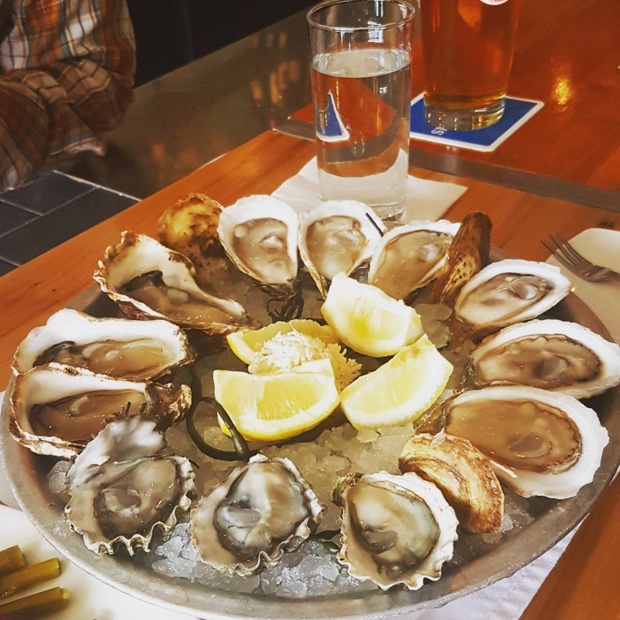


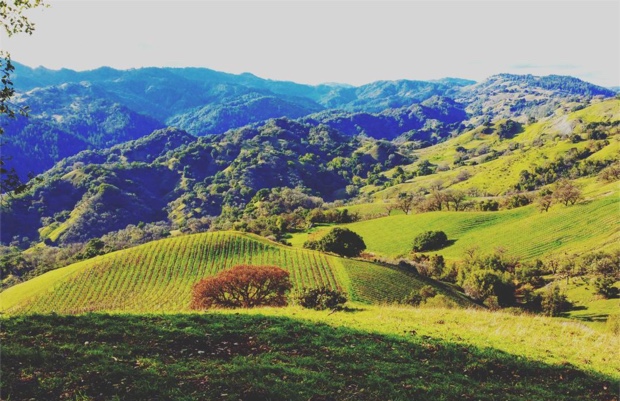
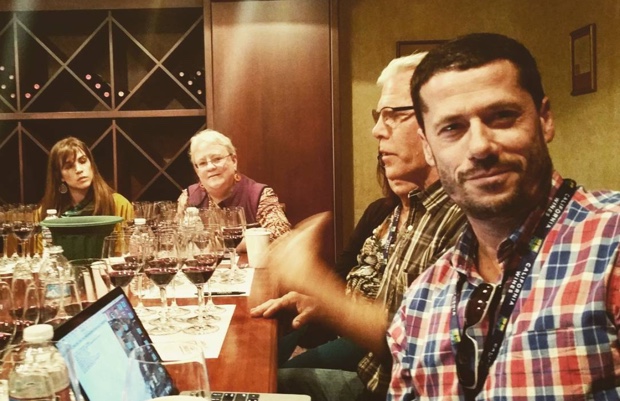
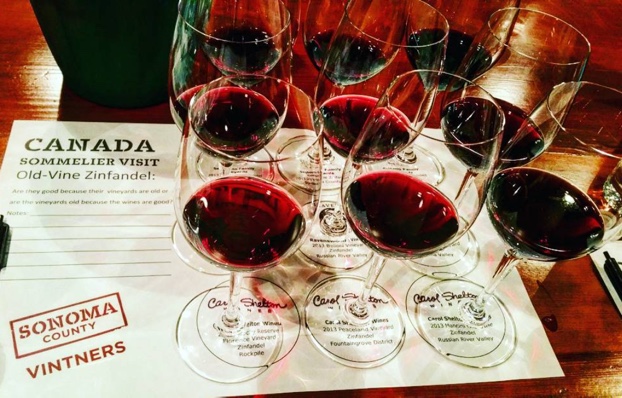
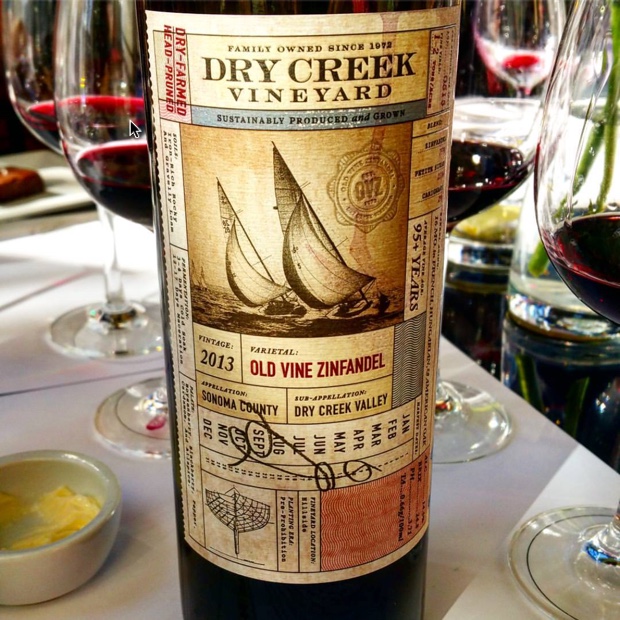


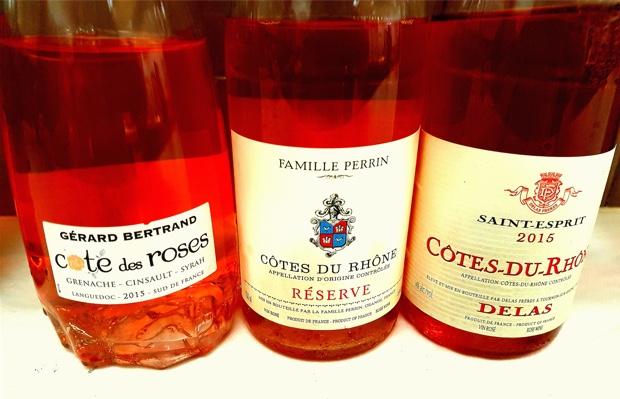

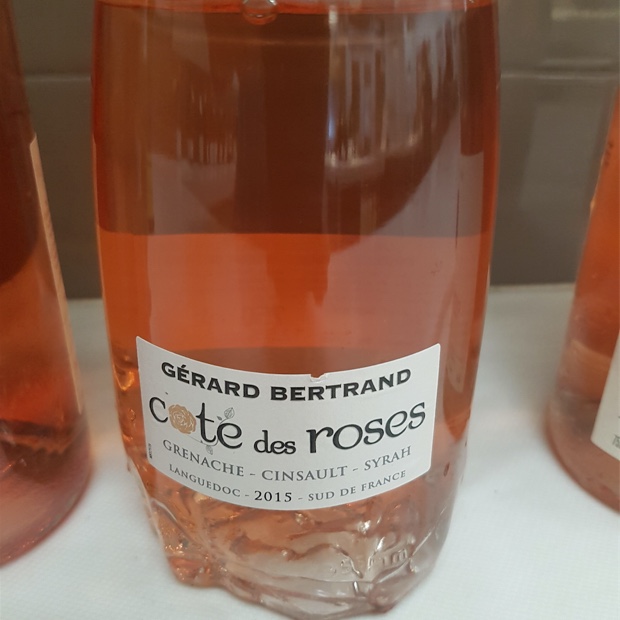


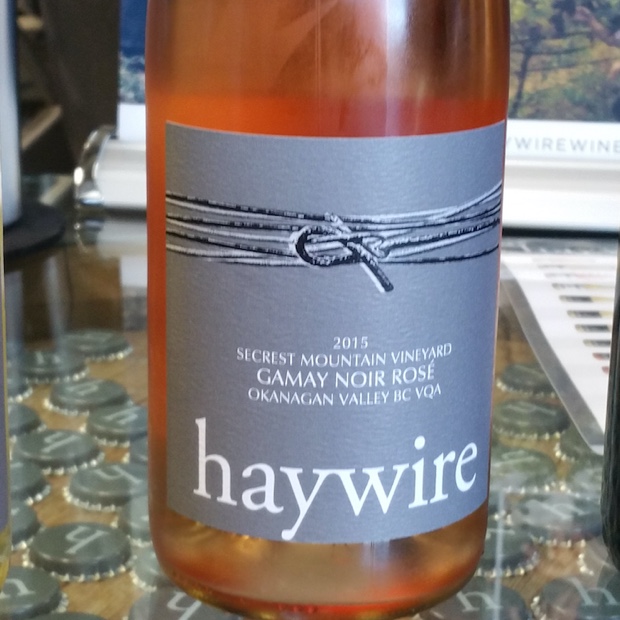

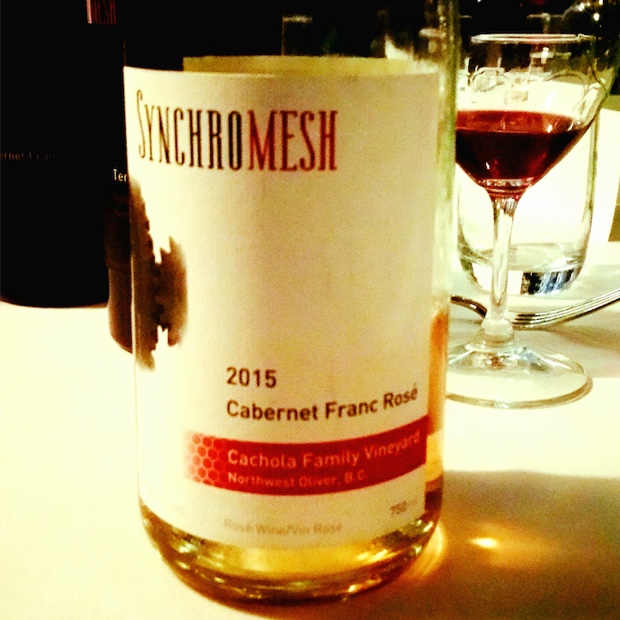

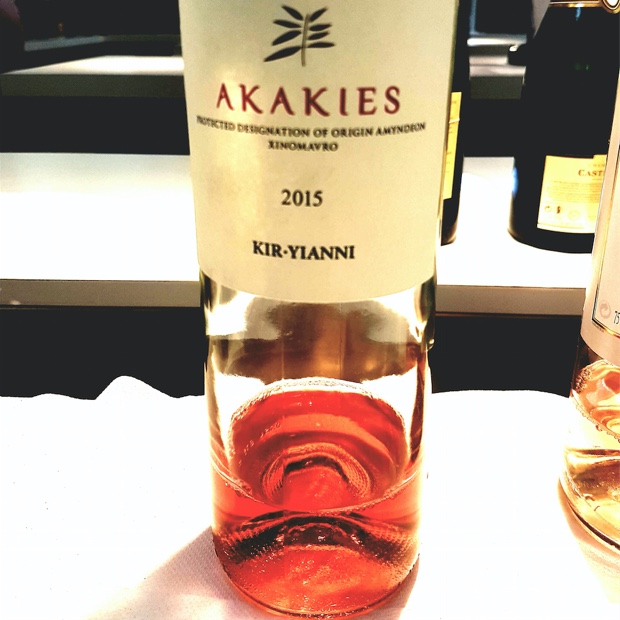
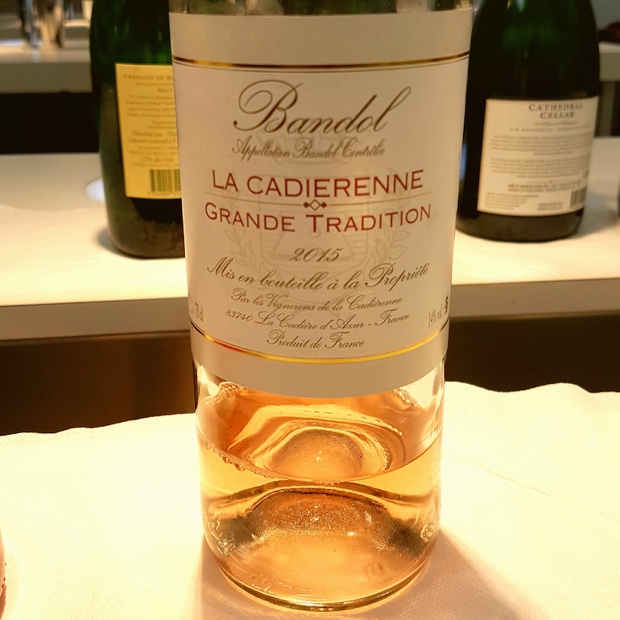
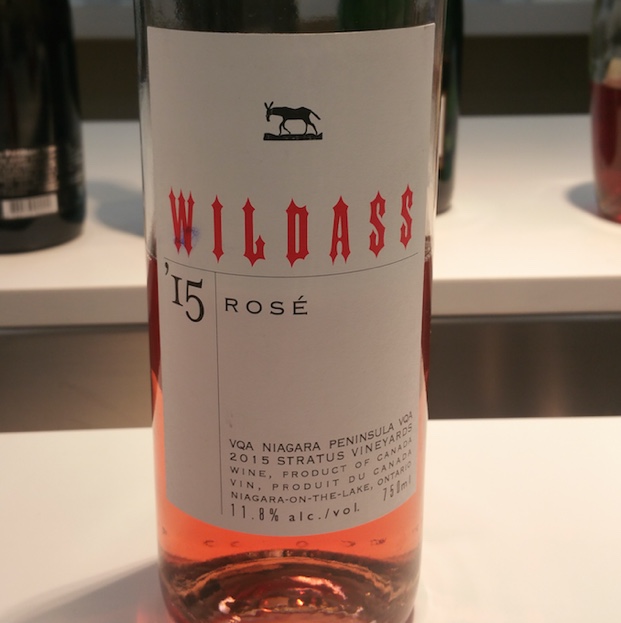

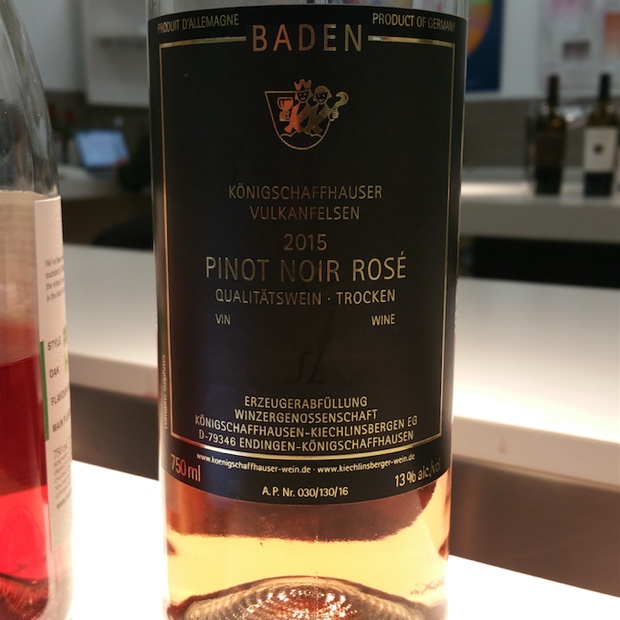

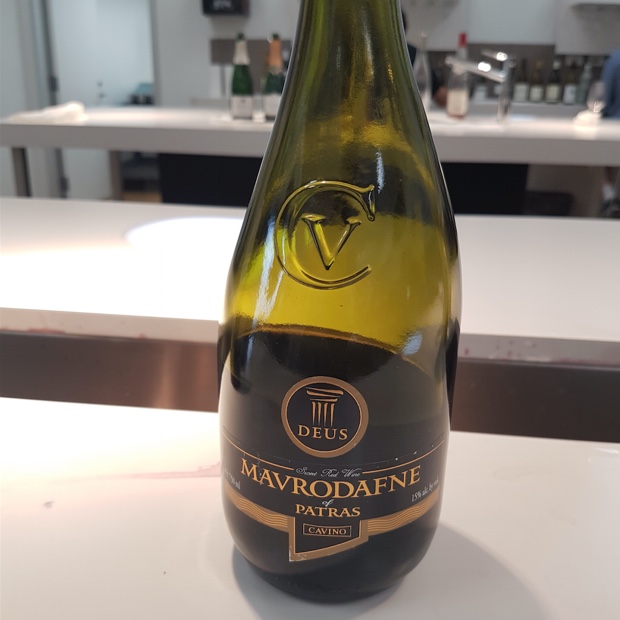

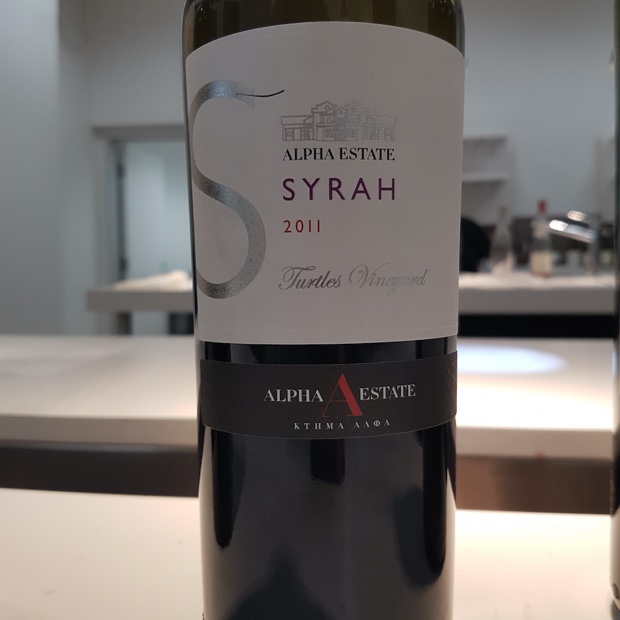
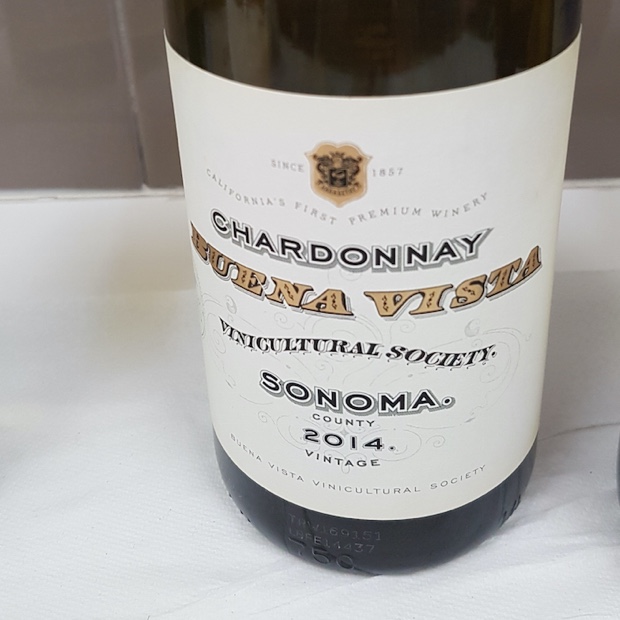
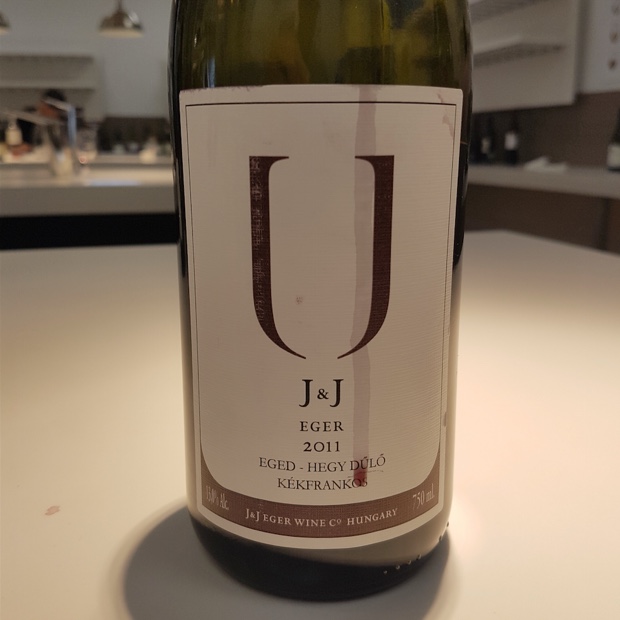
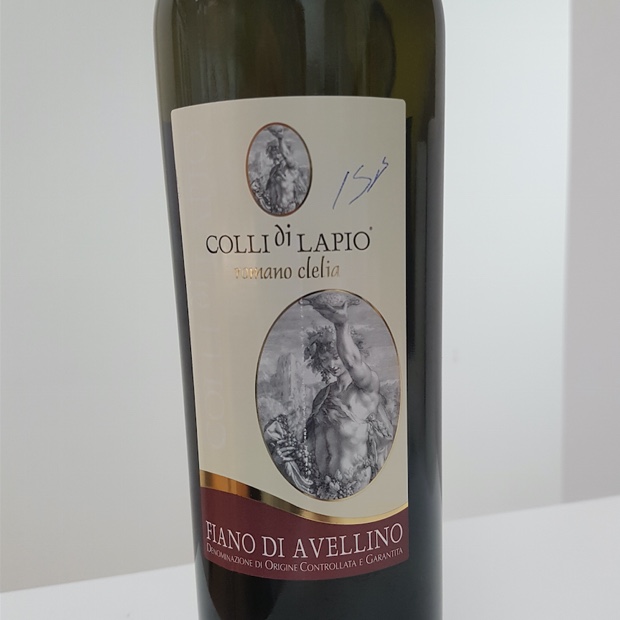


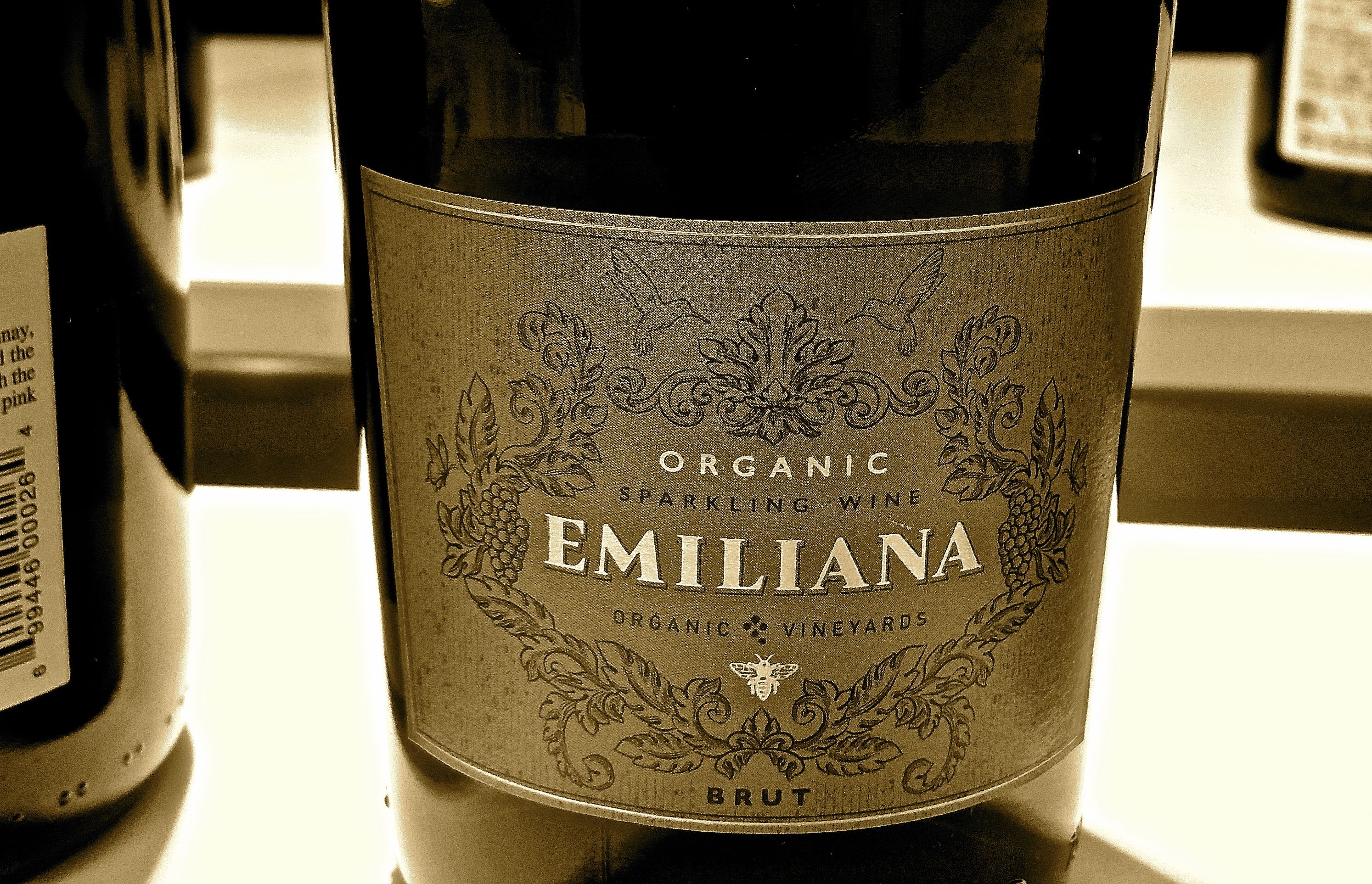
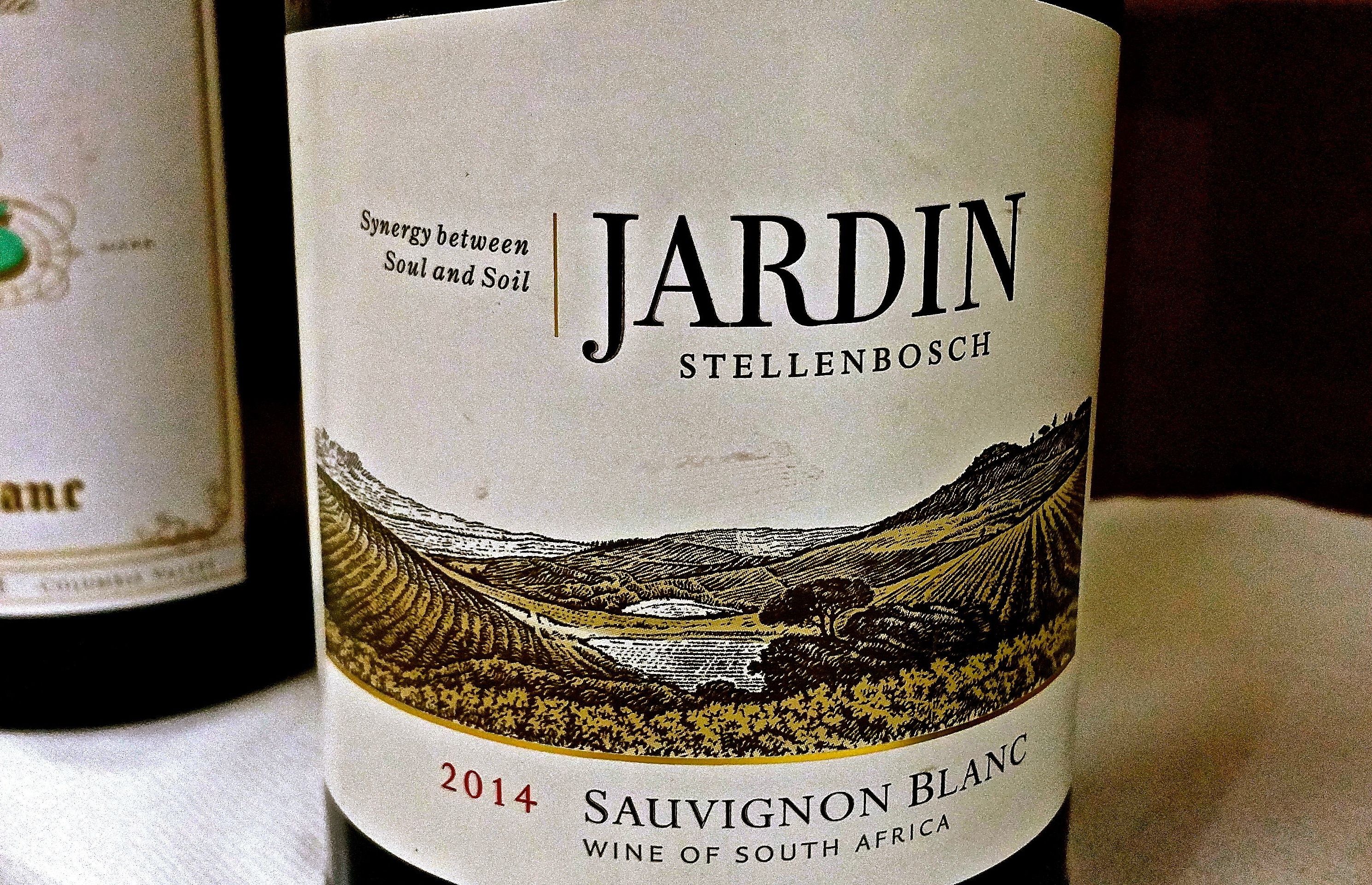
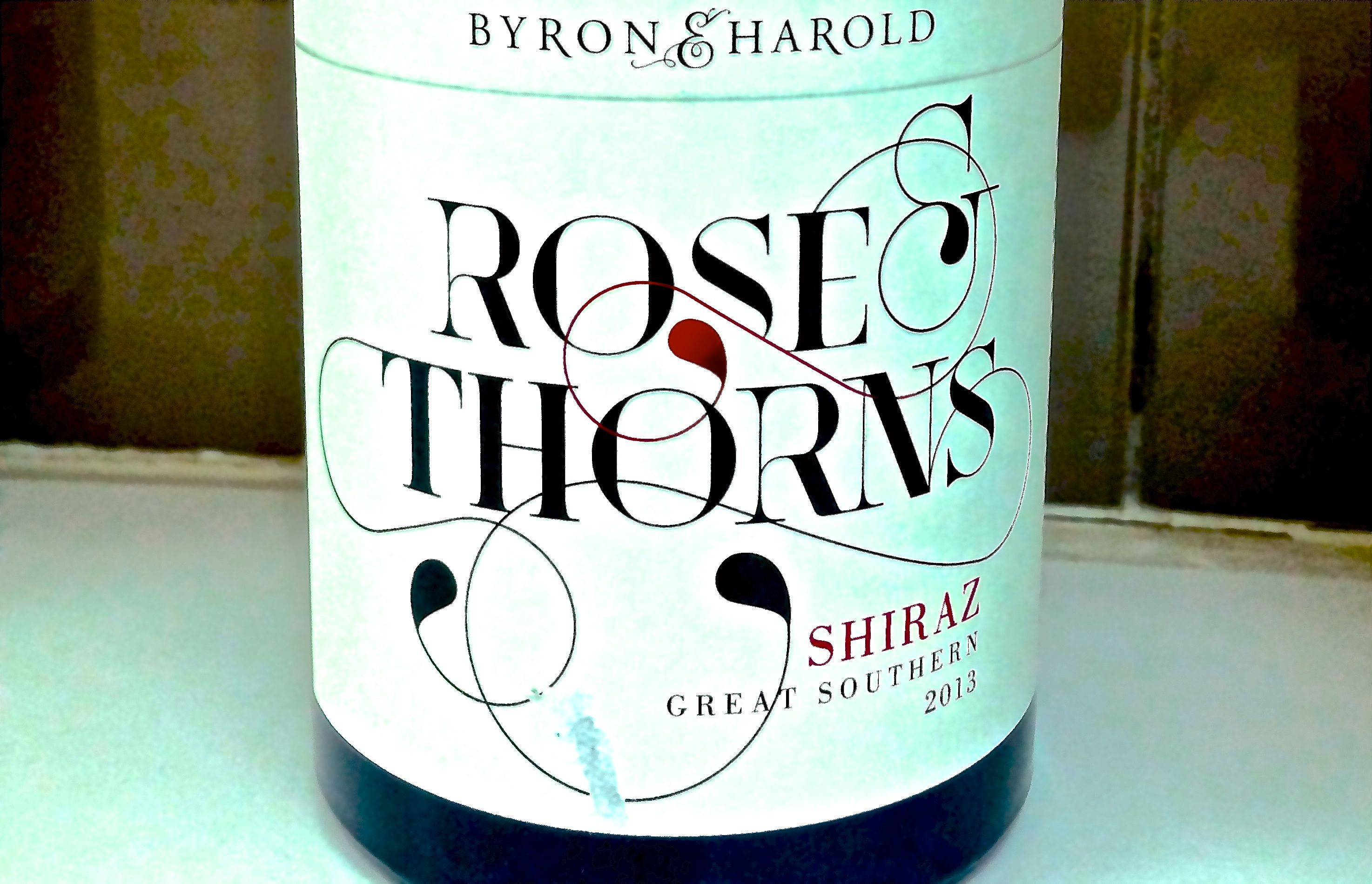
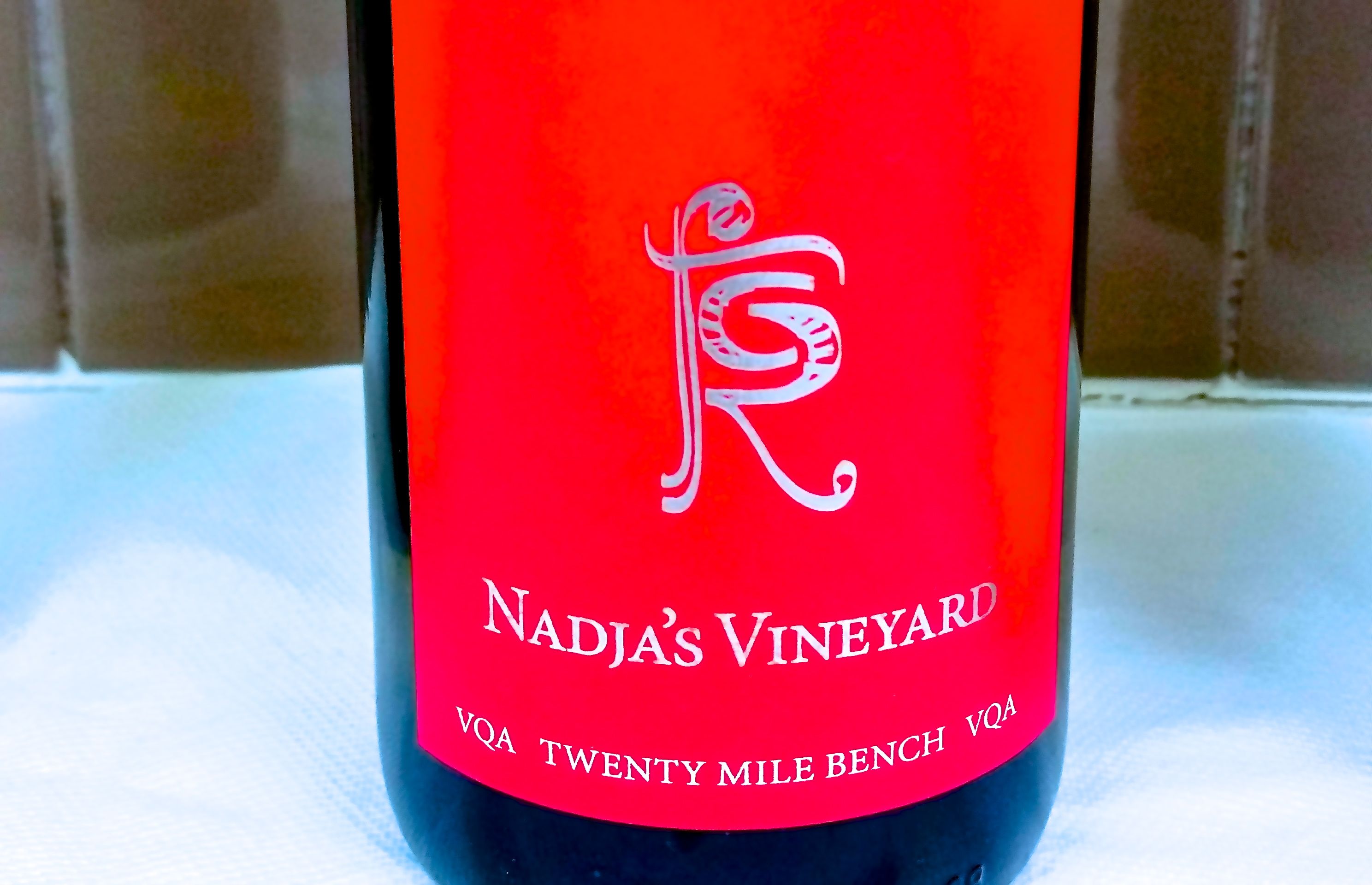
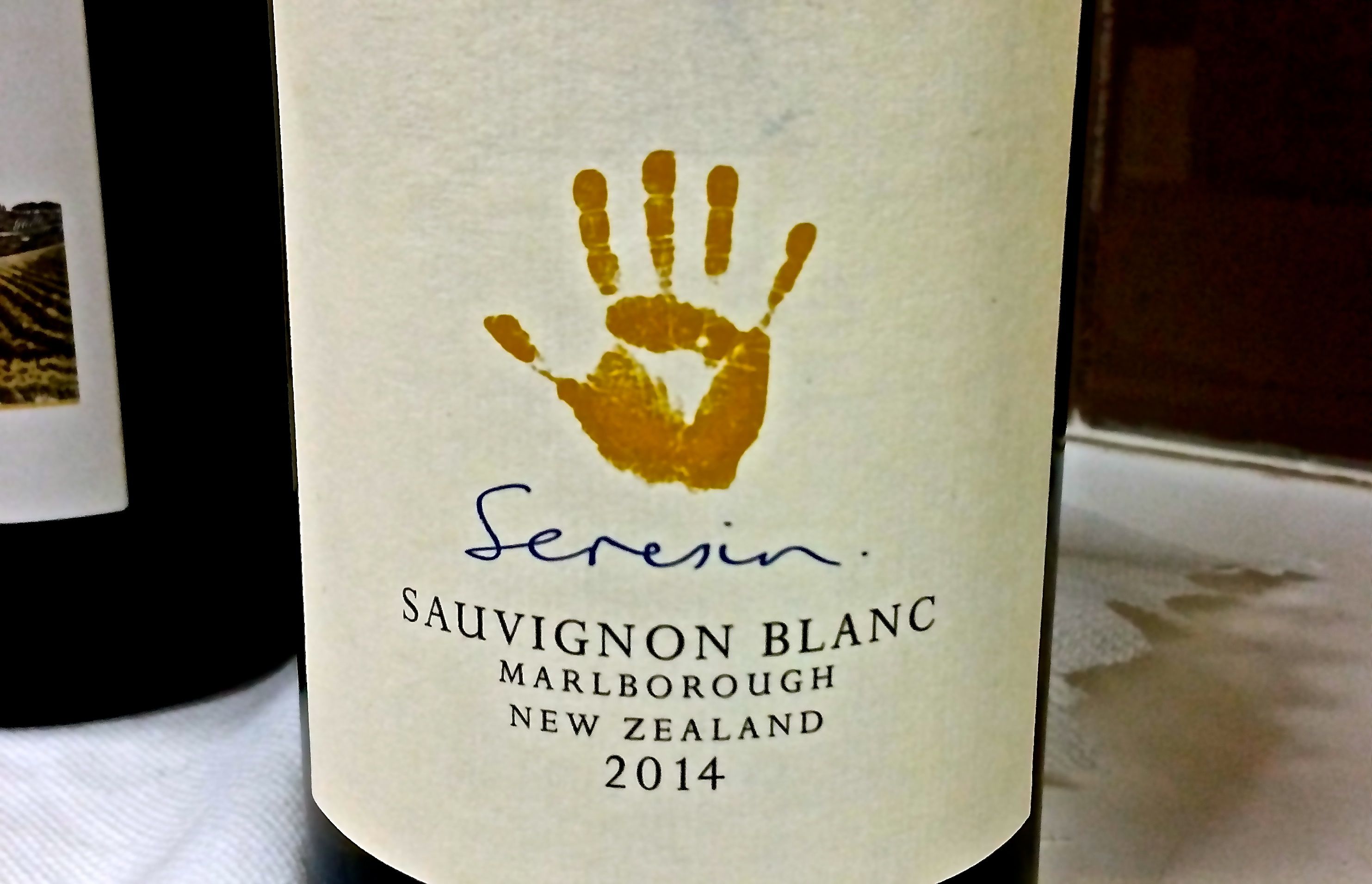
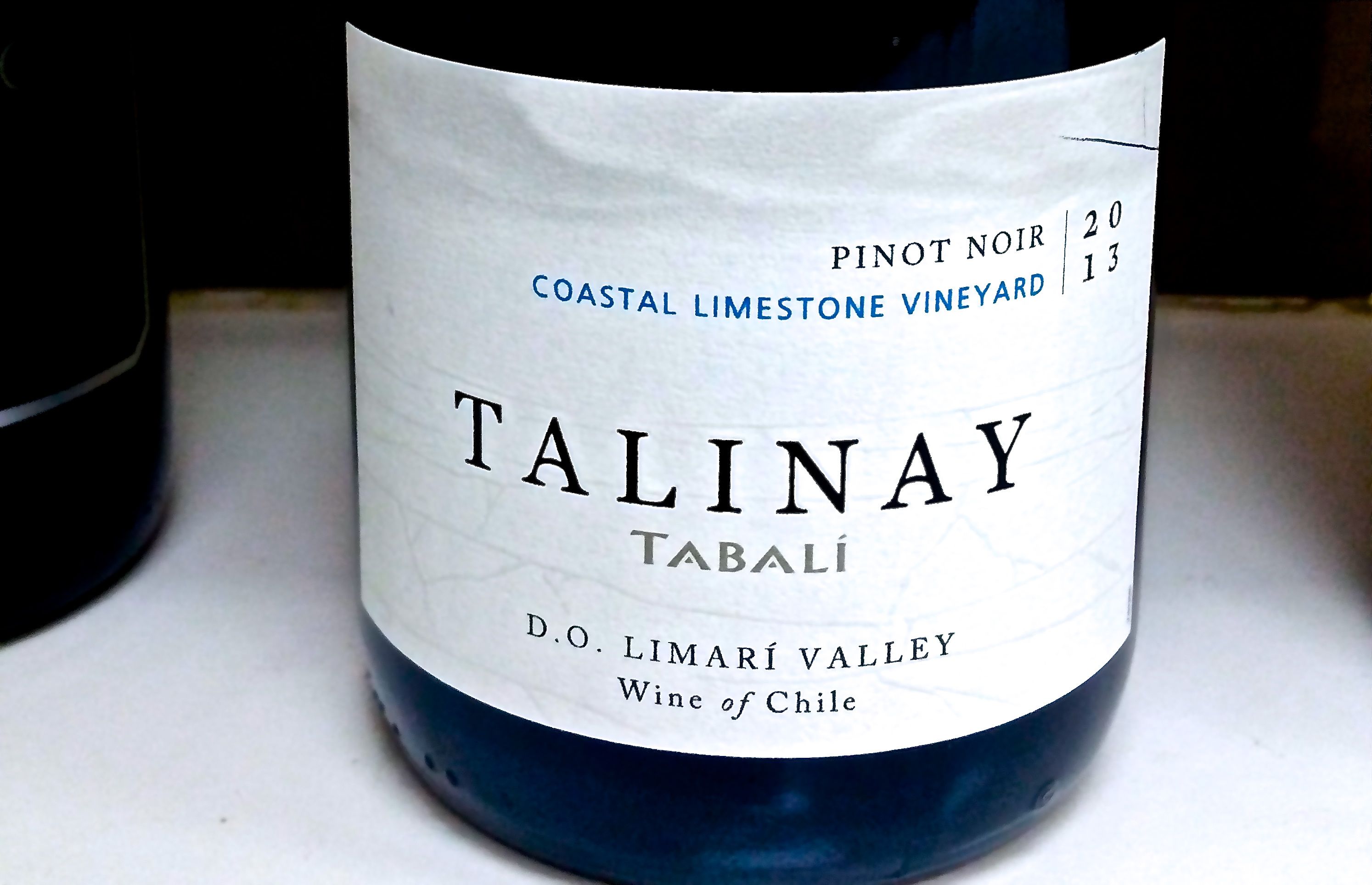
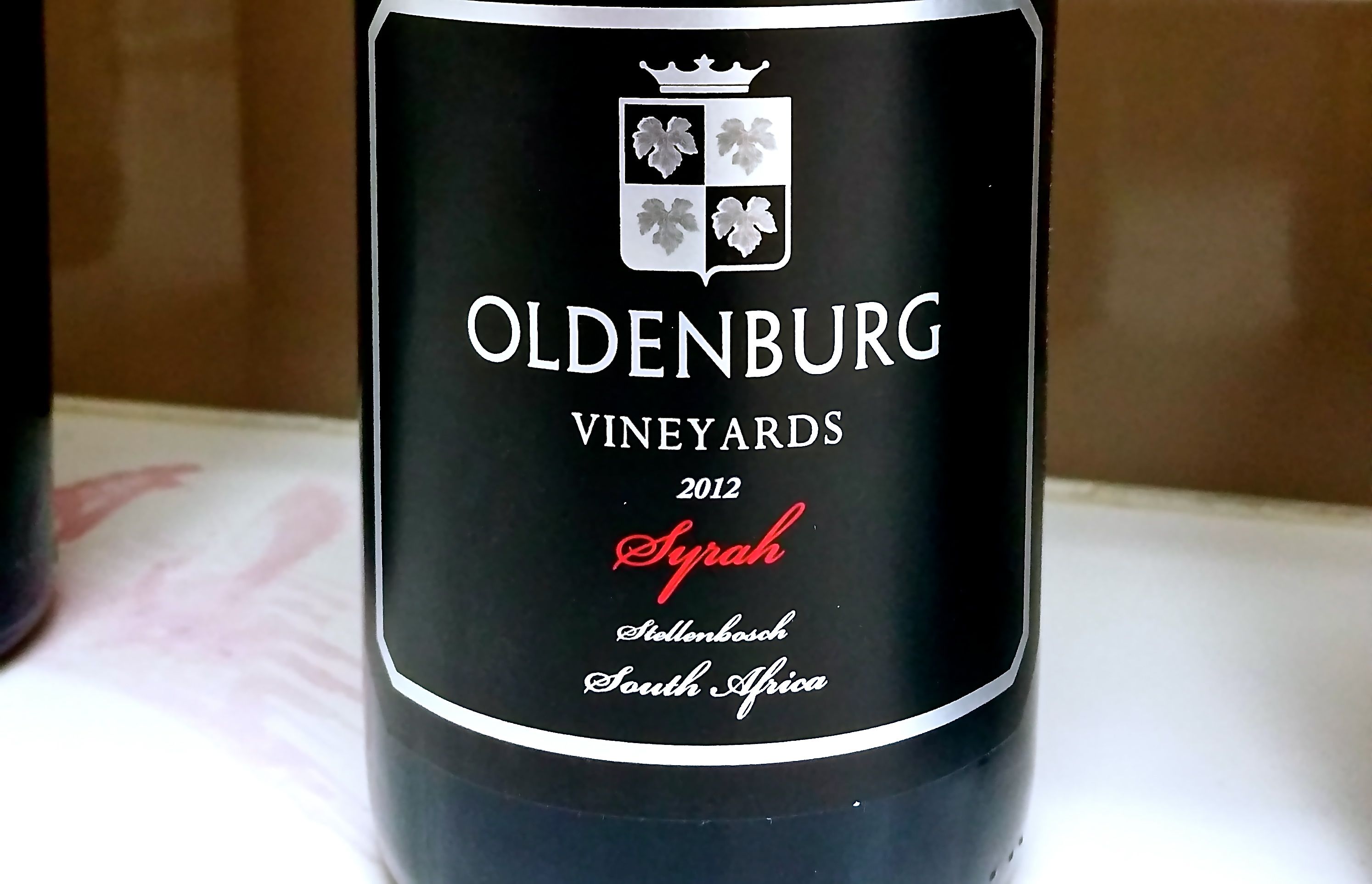
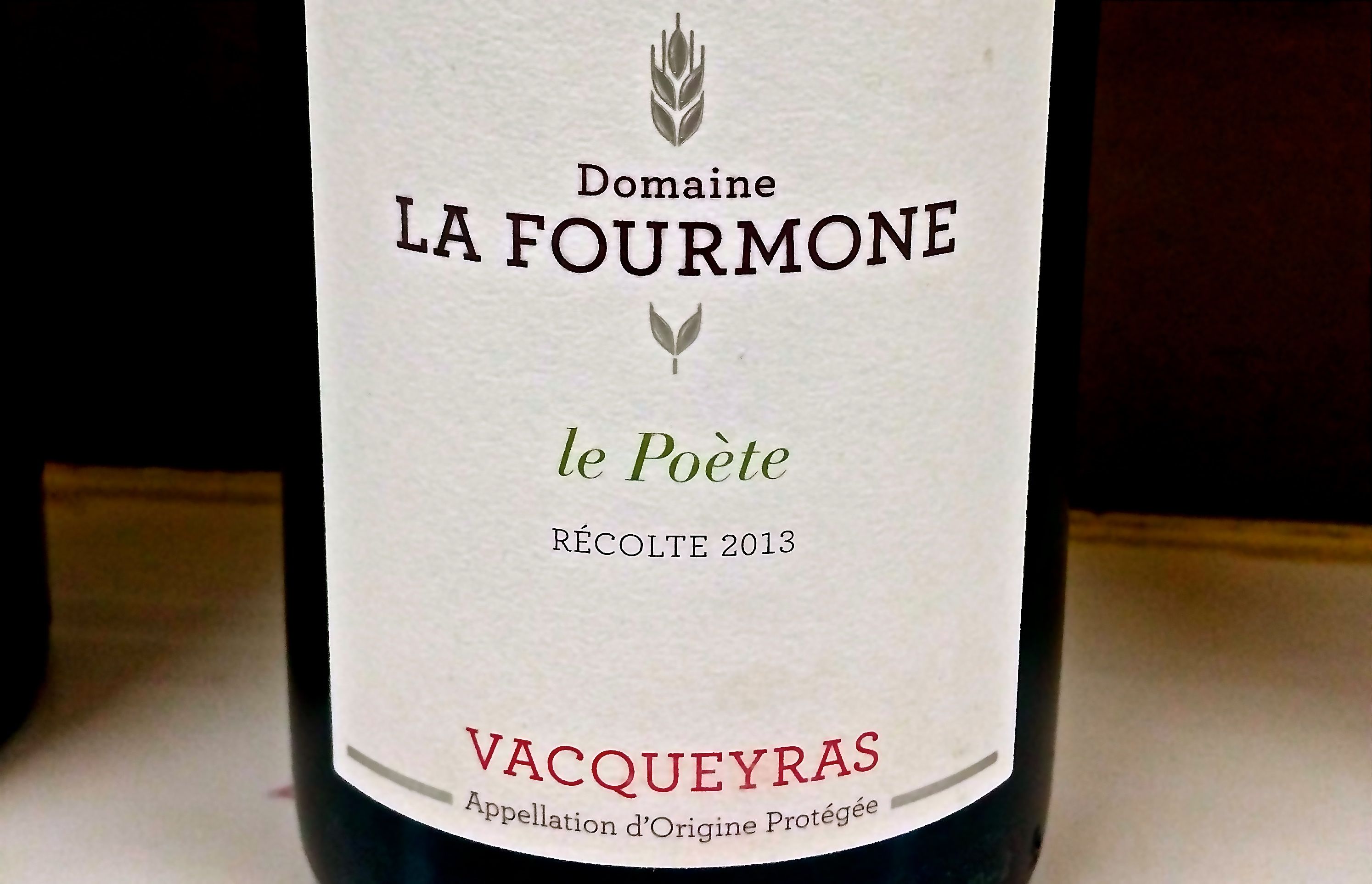

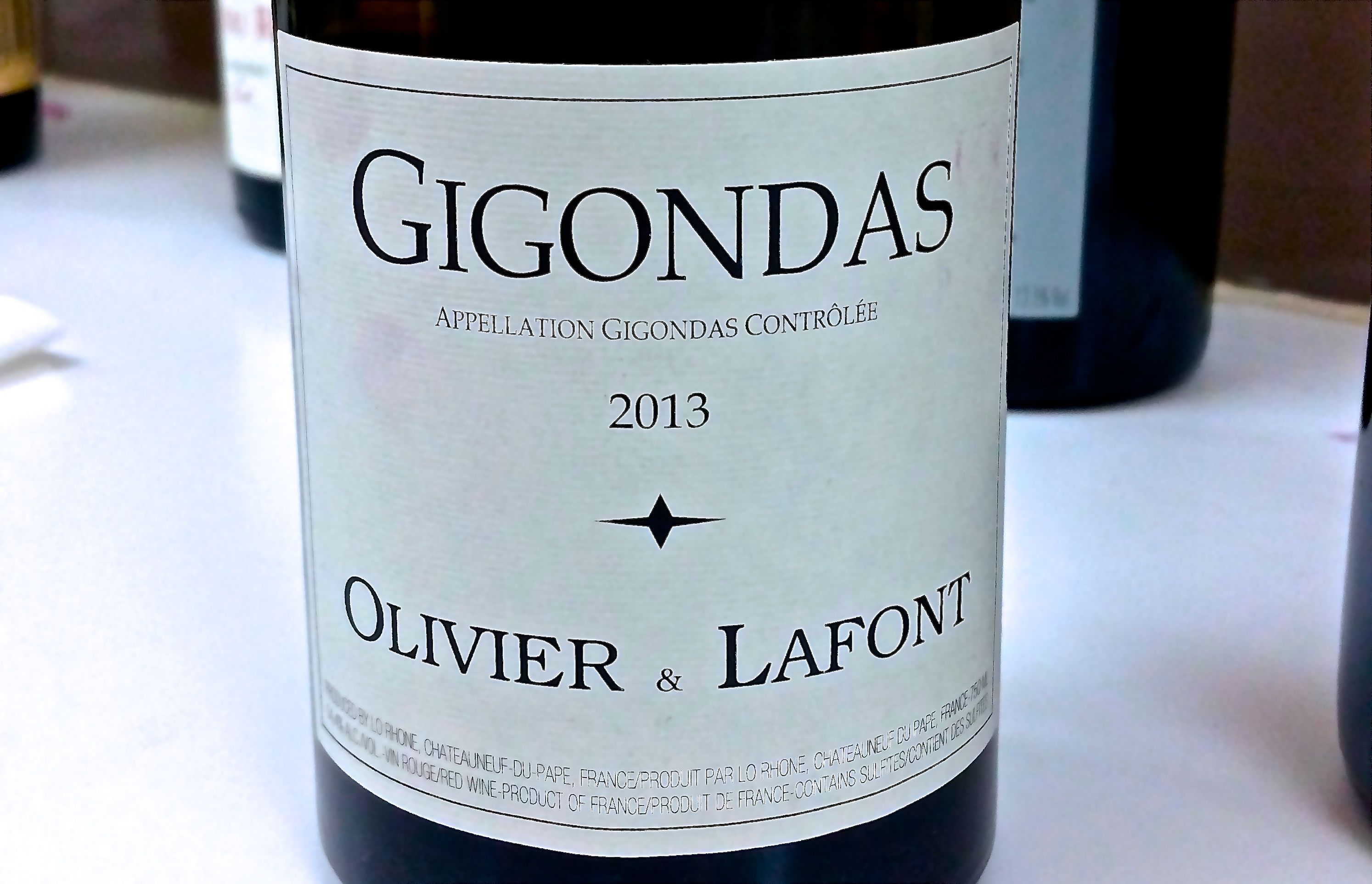
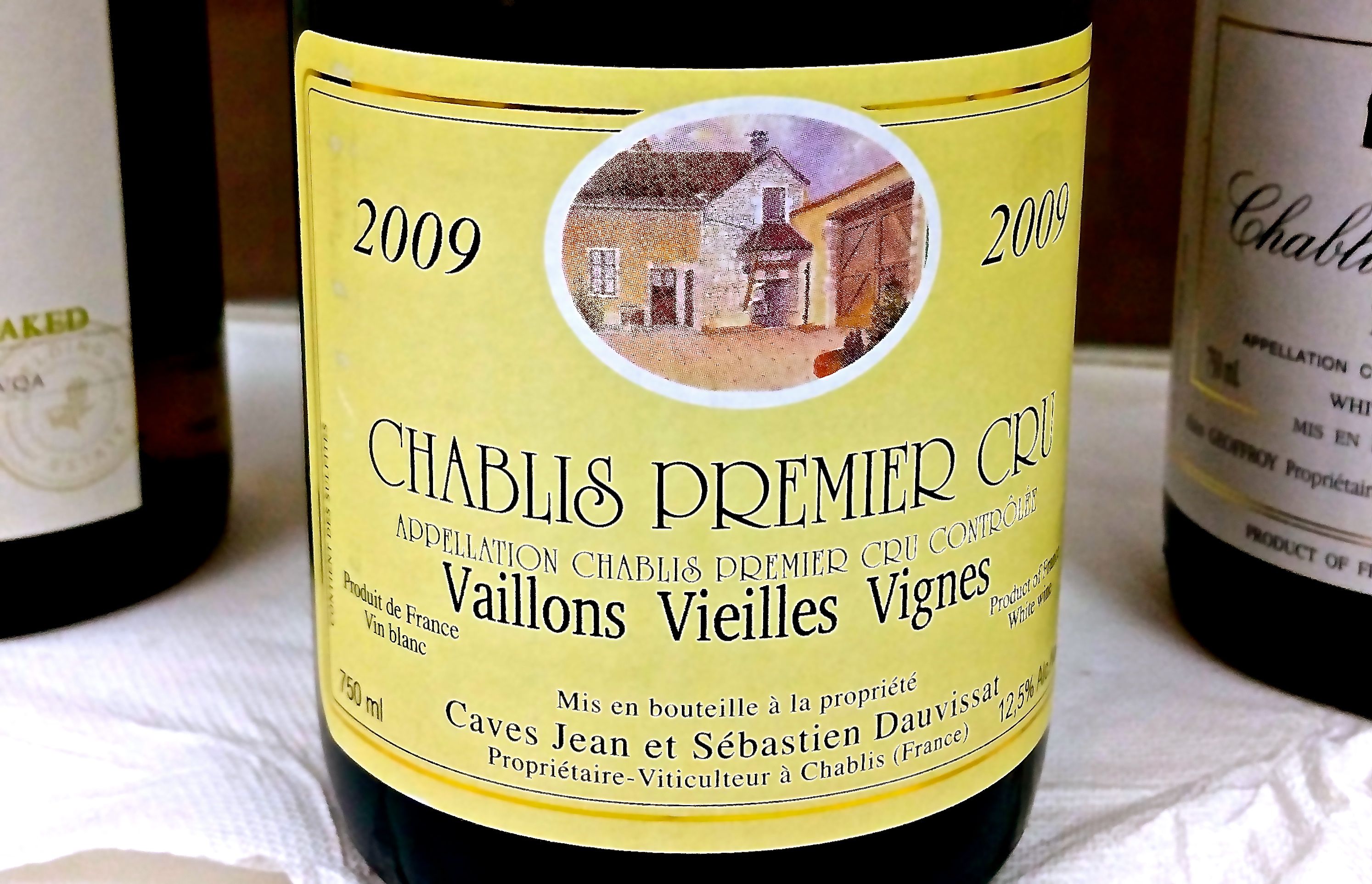
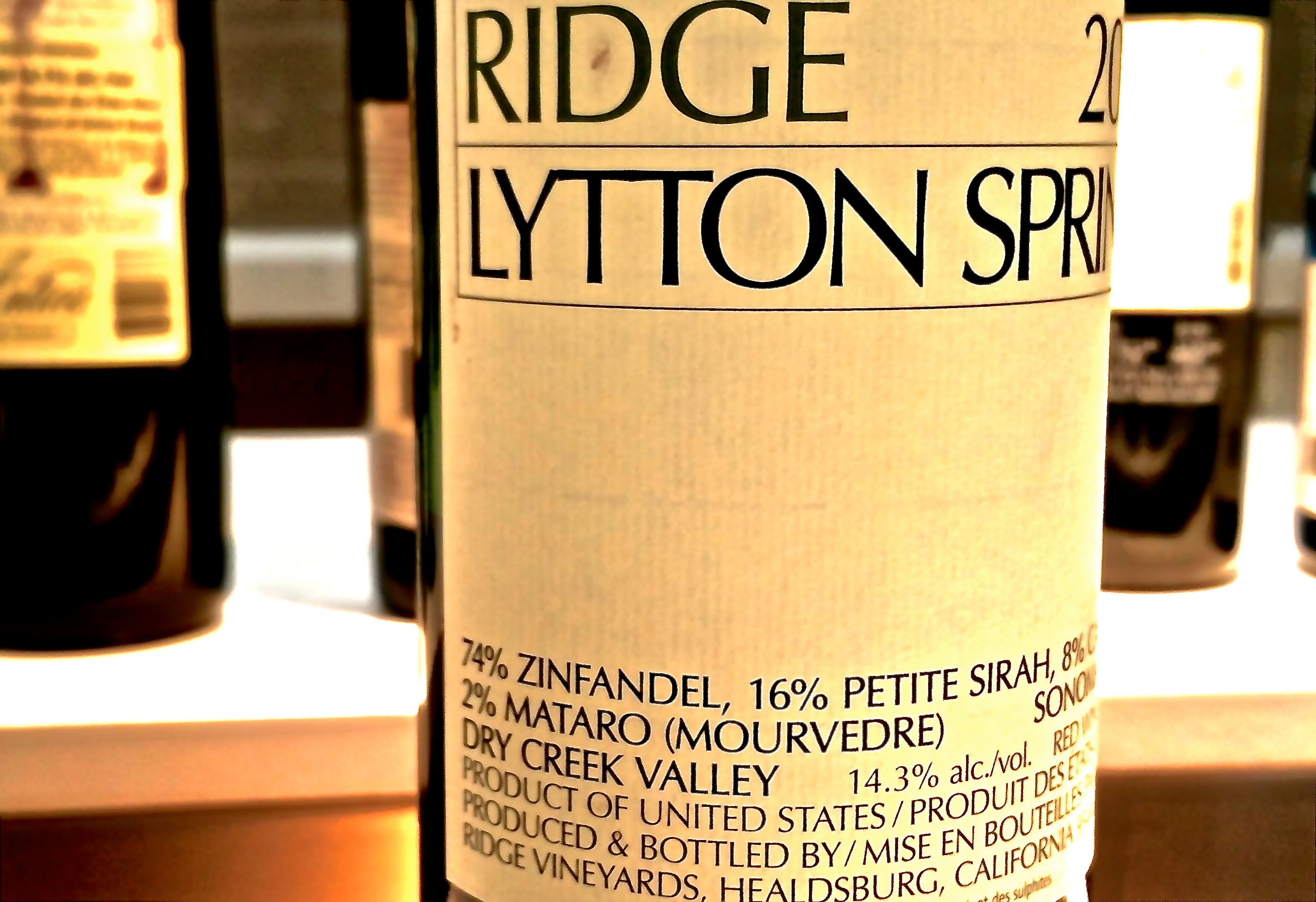
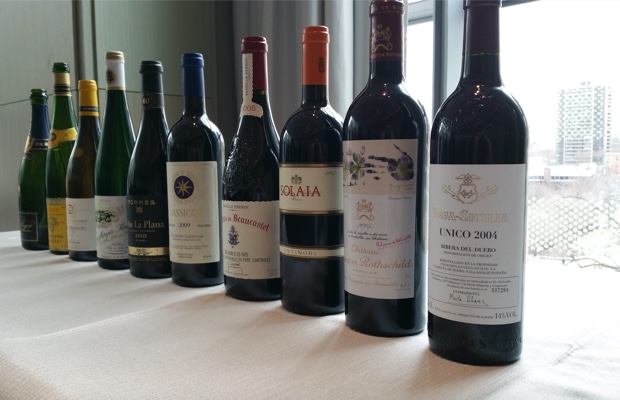
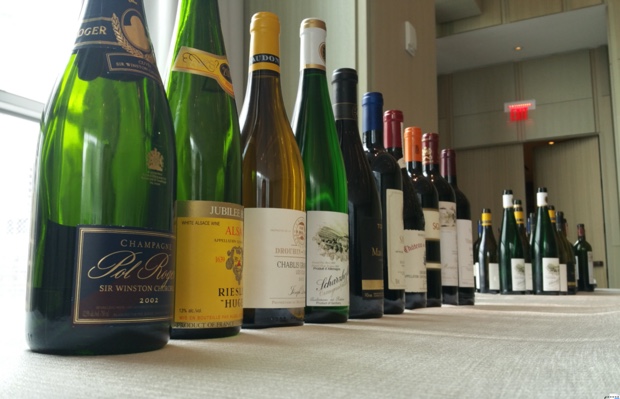
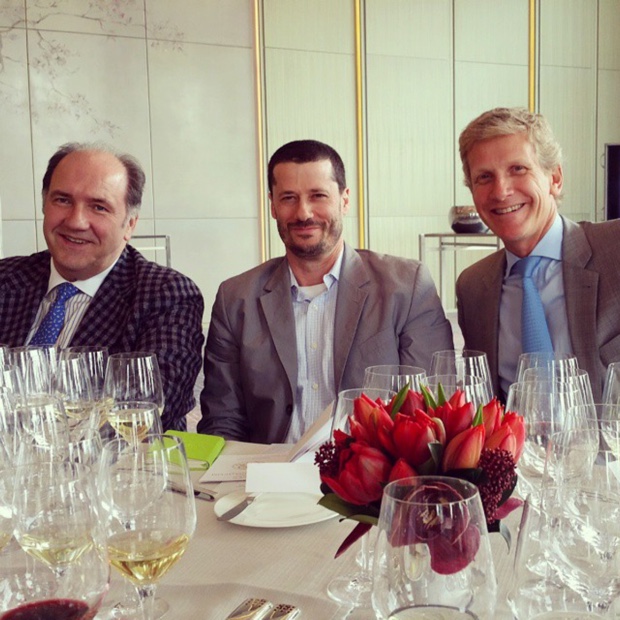
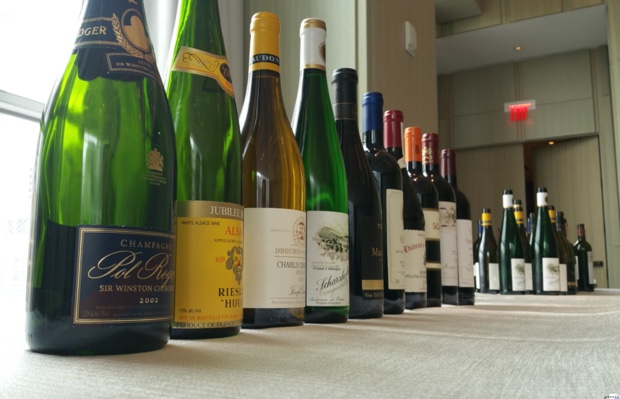
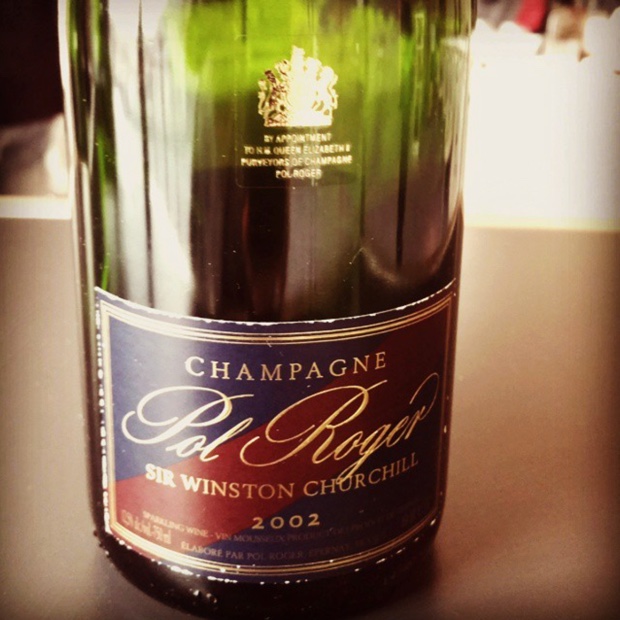
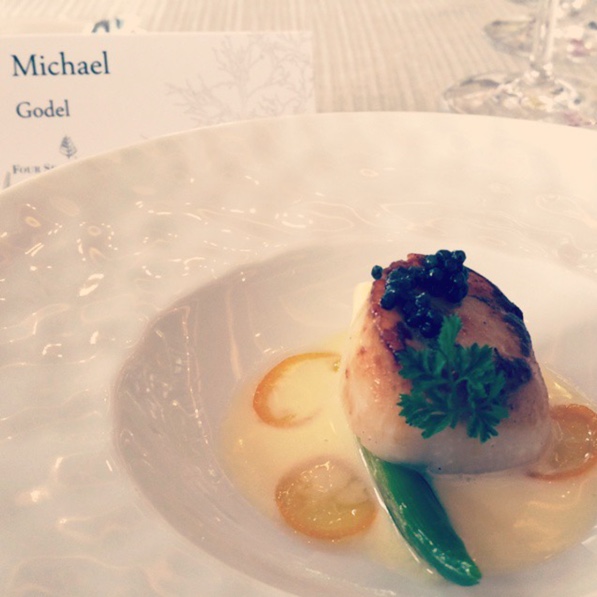
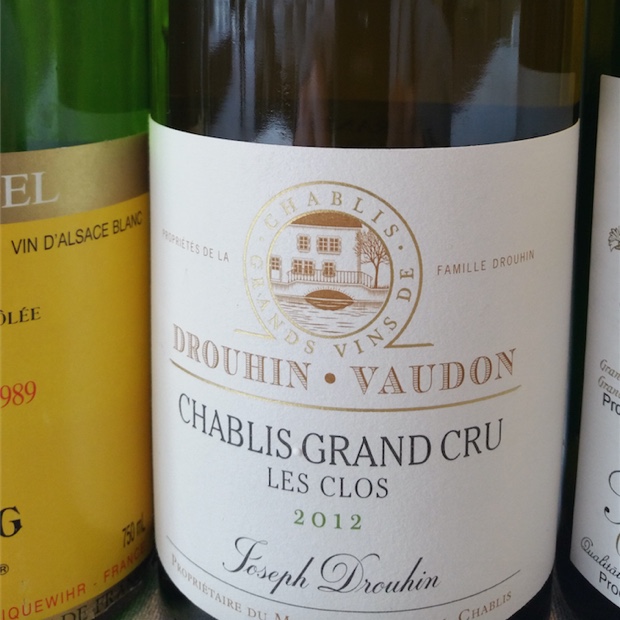
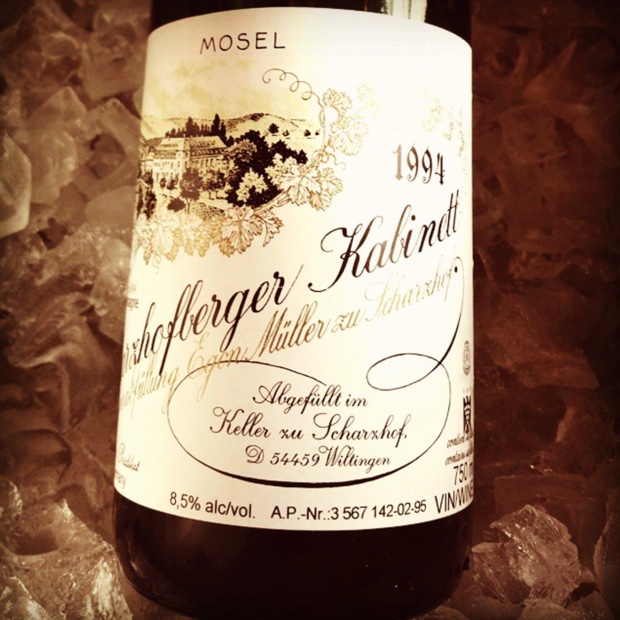


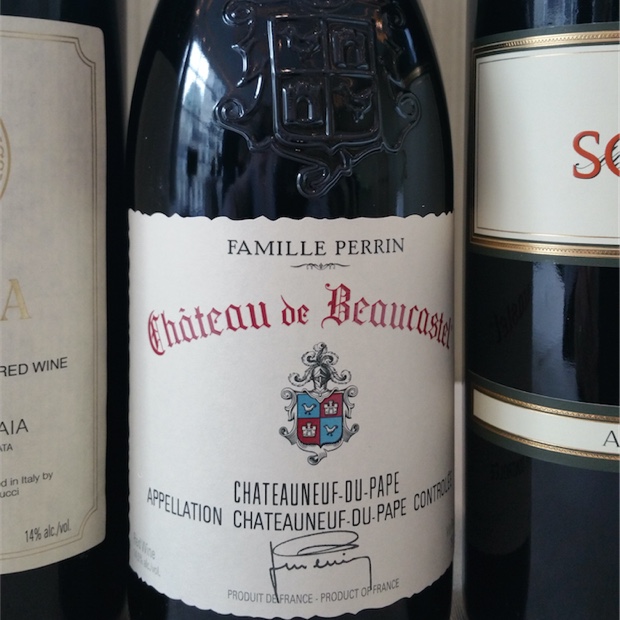
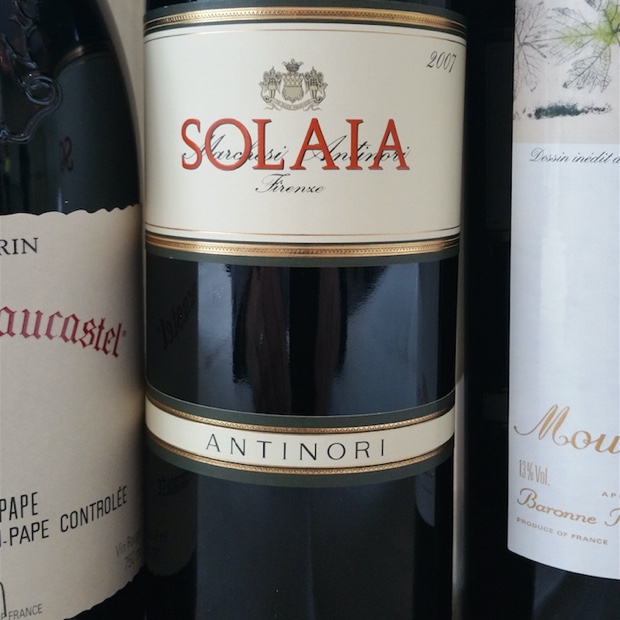
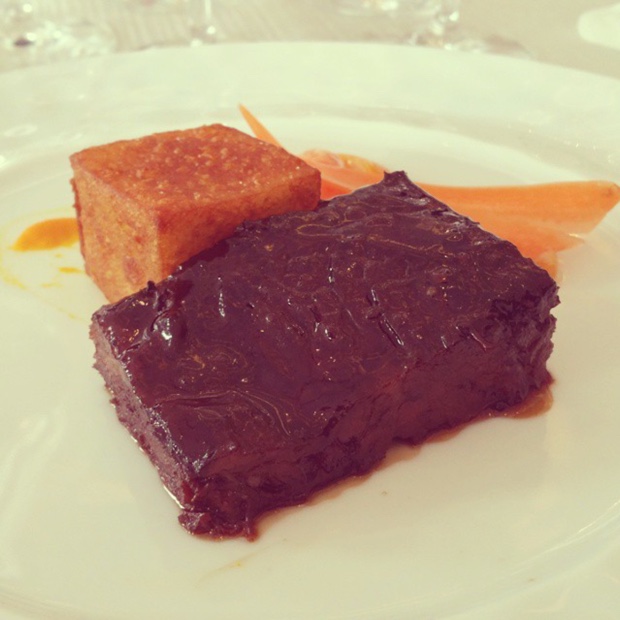
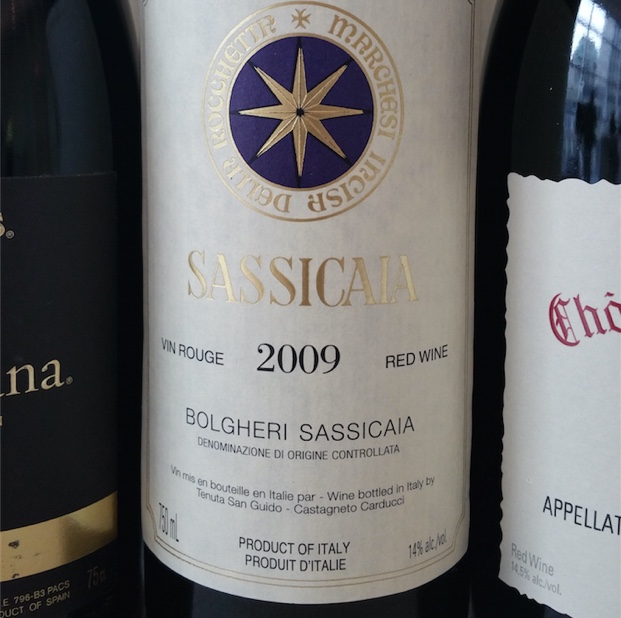
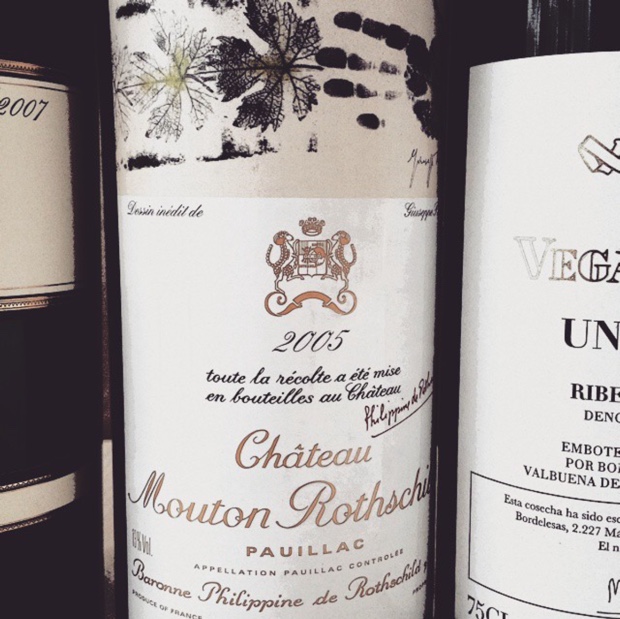


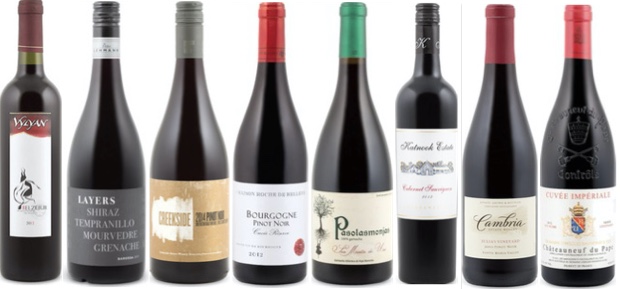
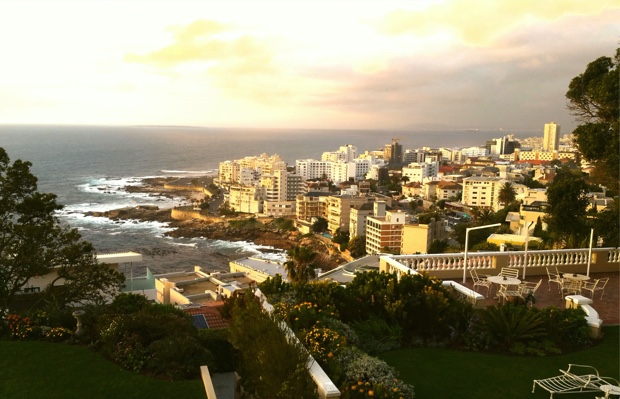




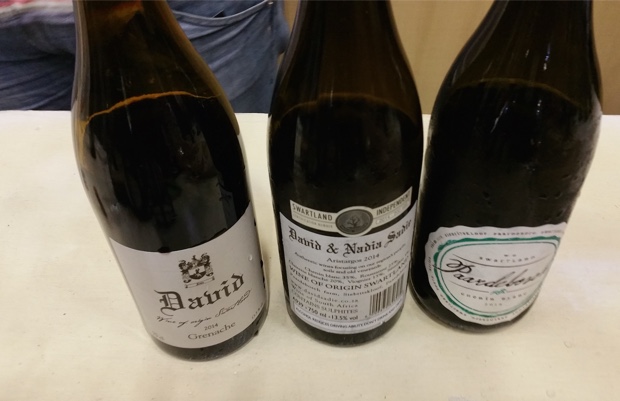


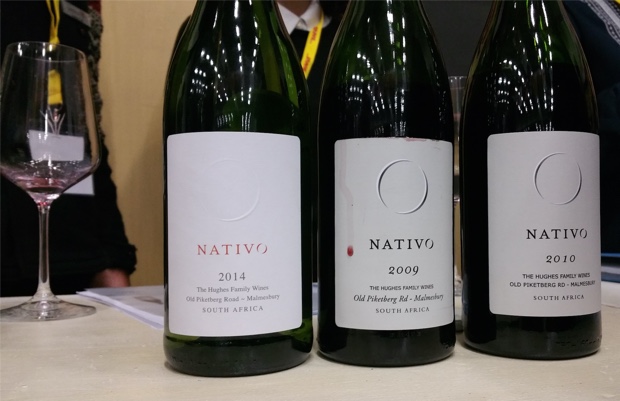


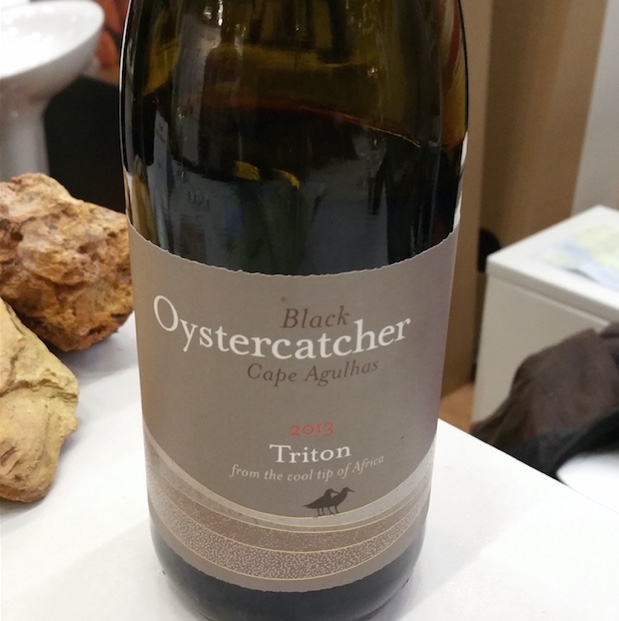

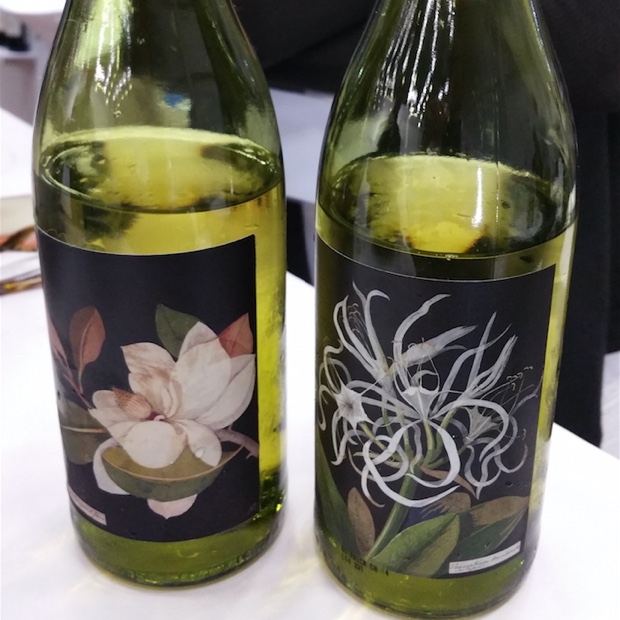


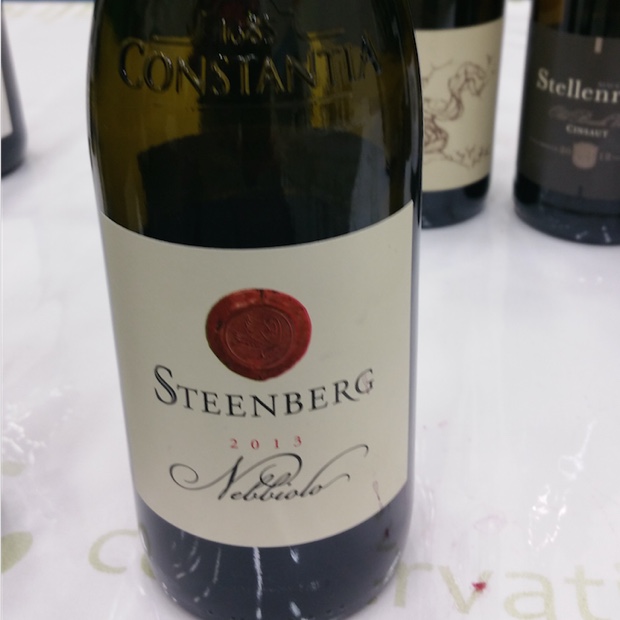
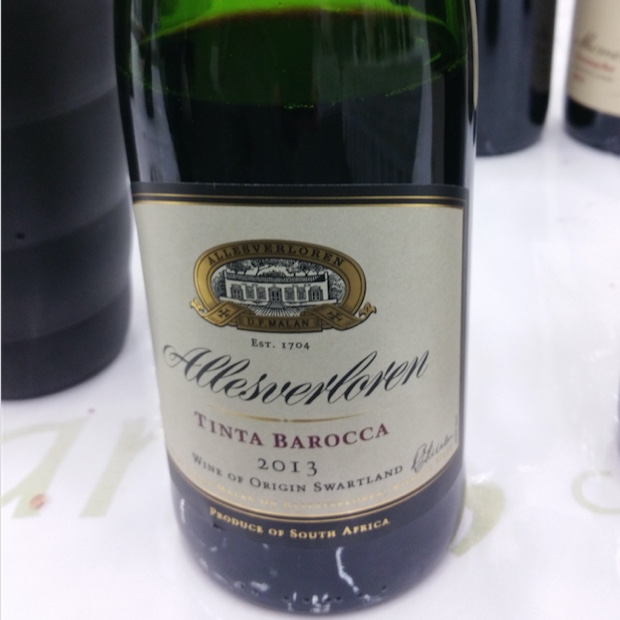


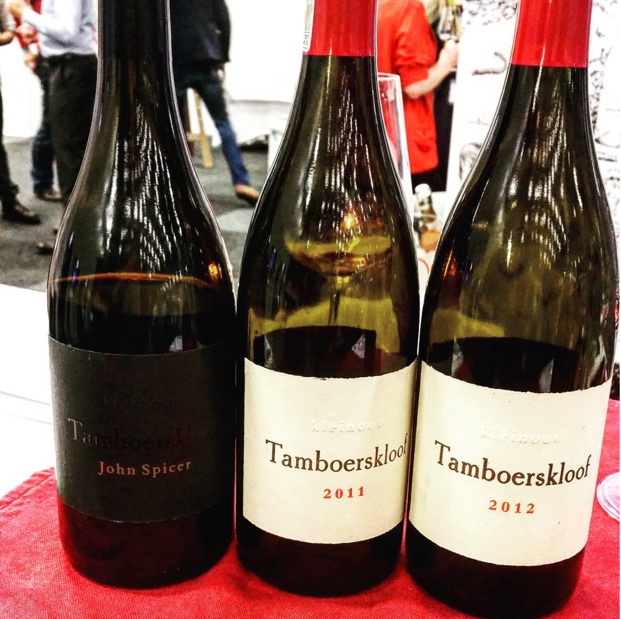


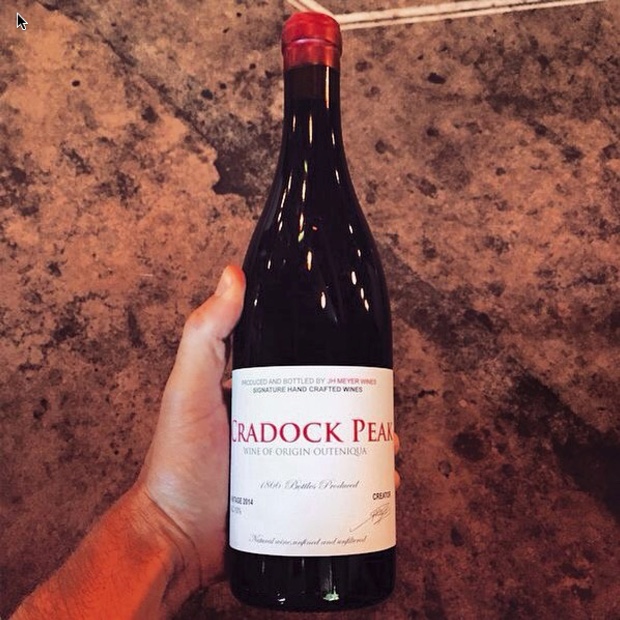
 Godello