100 Years of Chianti Classico and Collection Previews 2024

Cento Anni di Chianti Classico, Palazzo Vecchio, Firenze

Cento Anni di Chianti Classico, Palazzo Vecchio, Firenze

The year 2024 marks a historic one for Chianti Classico’s producers, their land and consortium. It was 100 years ago that Italy’s first Consorzio was formed and today it so effectively conducts affairs on behalf of and at the behest of the most important red wine of Italy. The ambasciatore Godello was a guest to the May 14th Gallo Nero celebrations and later in the month returned for another week of interviews. This on the heels of a most recent month-long journey spent in Tuscany, first taking in the Chianti Classico Collection, then followed by two full weeks of meeting with dozens of producers. The current preoccupation is with Chianti Classico’s next generation, whose daughters, sons, nieces and nephews are returning to work their farms alongside parents and grandparents at nearly forty estates. And counting. The region’s progeny and their view to the future ushers in an extant situation of meaning and promise. Feel free to read between the lines and envision what stories will next be revealed.

Related – Chianti Classico 2023: A year in review

Chianti Classico gives unconditionally and without seemingly ever needing to try we receive its gifts, all in and forever. There can never be enough days spent transversing its verdant hills, foraging in teeming forests, walking up and down rows through 10,000 hectares of vineyards or breaking bread with its people. It is simply never enough. Four decades of the Gallo Nero have occupied the writer’s mind, heart and eyes from a territory unlike any other and in the last eight years the association has bordered on obsession. Visits in the last six months have seen the author driving to all points taking in its 11 UGAs, talking, tasting and better getting to know acquaintances and friends. All in the name of “love for the territory, passion for quality, social cohesion, vision and foresight.”
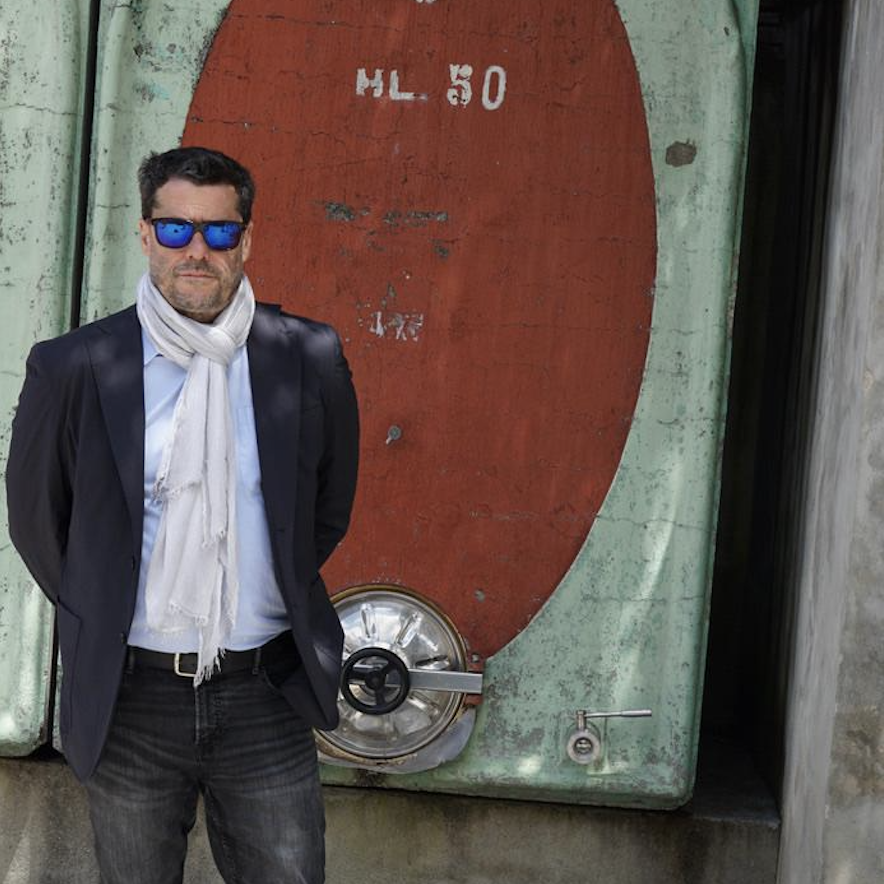
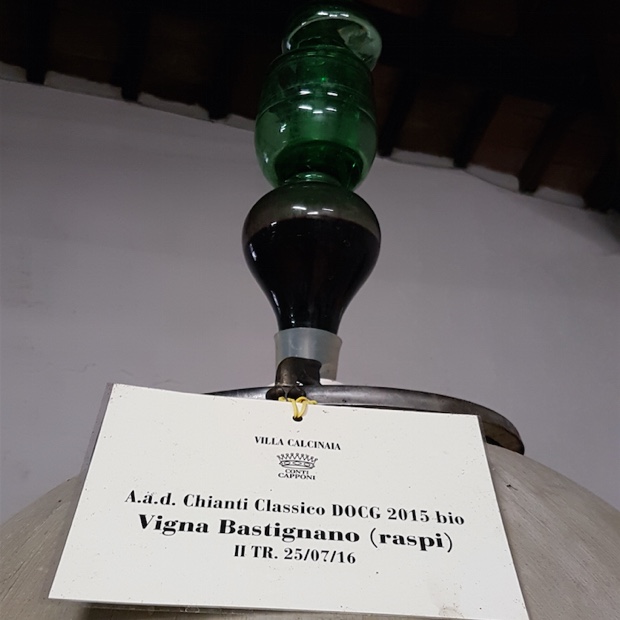
Godello at Villa Calcinaia

The promise of 2024 comes on the heels of a most challenging 2023 vintage which saw more spikes in extreme but also unpredictable climate events, but also 30 days of (May-June) constant rain that encouraged the nasty downy mildew issue called Perenospera. The serious pathogenic foliar disease reveals itself in the form of leaf spots, blights, and distortions, forcing the hands of growers to effect a strong, concerted and persistent attempt at spraying copper and sulphur to combat its deadly activity. This next vintage will fare much better, climate be willing, yet it remains to be seen just how resilient Chianti Classico vines will be.
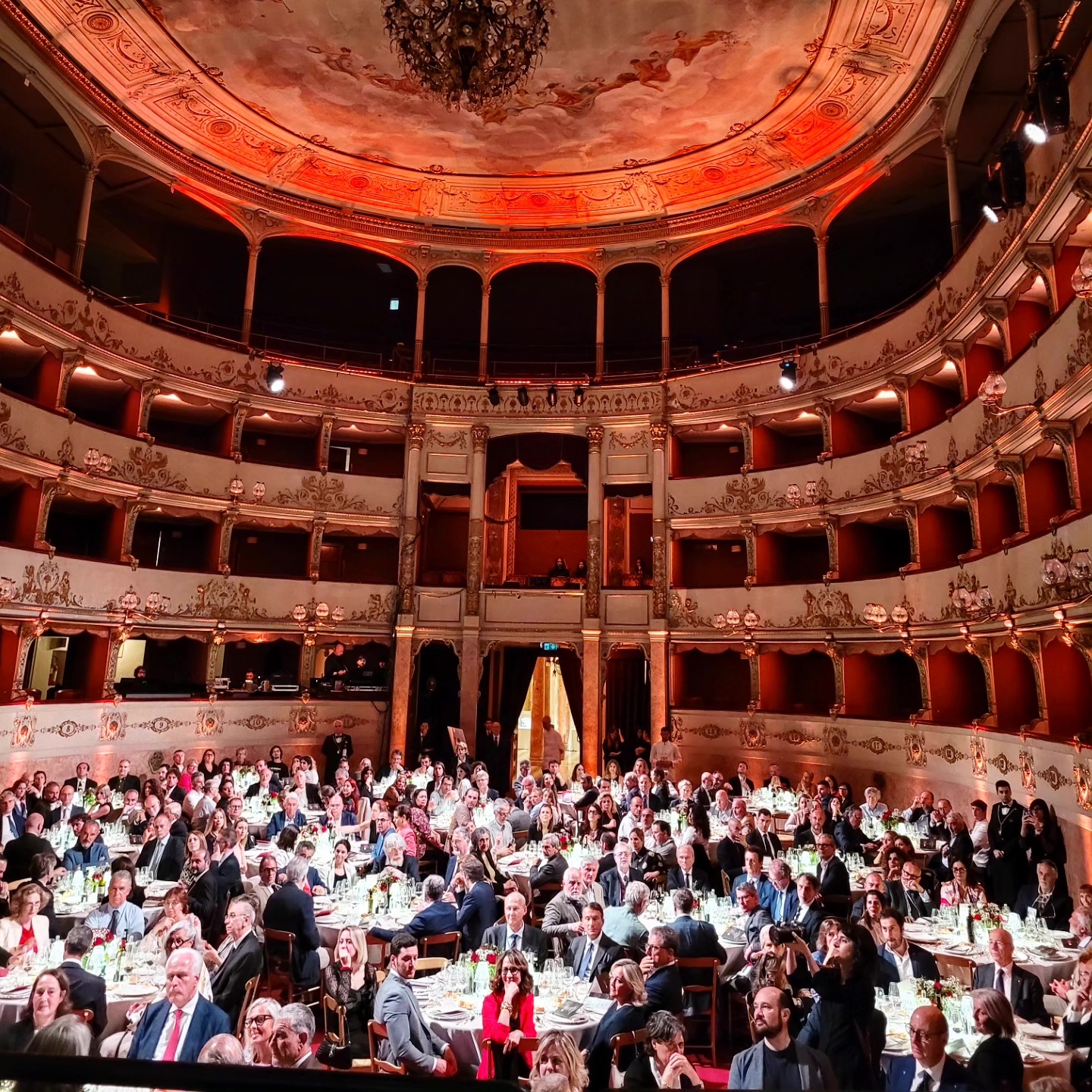
Consorzio Vino Chianti Classico Cento Anni Gala, Teatro della Pergola di Firenze

In the third week of May the three Capponi siblings, Tessa, Sebastiano and Niccolò hosted a grand celebration of Villa Calcinaia’s 500th anniversary. At Brancaia in Radda it was proprietor Barbara Widmer who poured 20 vintages of her Toscana IGT Ilatraia. A meaningful visit with Martino Manetti at Montevertine helped to recalibrate and reorganize thoughts about sangiovese and Chianti Classico. Back in December of 2023 the writer spent a few days with Isole e Olena’s Paolo de Marchi as he packed up to depart after four decades at Olena and blended his final wines at the San Donato in Poggio estate. Working with him briefly on VinSanto del Chianti Classico 2011 will never be forgotten. De Marchi is a Chianti Classico treasure and history will always regard him as a winemaker, thinker and great man who was integral to the appellations’ transition from the 20th into the 21st century. As will many other women and men of the territory who begin the conversion processes of passing their torches to the next generation. These last five years have seen the first stages of a paradigm shift now in full swing and these next five will see to Italy’s most fascinating transformation. The modern era of a next golden age is upon Chianti Classico and if you are not already paying attention, it’s high time to get on board.

Related – Chianti Classico goes to eleven
Cento Anni

On May 14th, 2024 the Chianti Classico Consortium celebrated its first century together with the city of Florence, one hundred years ago after its founding in Radda in Chianti. The first consortium established its offices in the historic Uguccioni Palace in Florence’s Piazza della Signoria and the 2024 occasion resumed its position in these headquarters located within the historic city centre. Godello was proud, privileged, overjoyed and content to have been invited to participate in such a sincere and consummately orchestrated occasion.
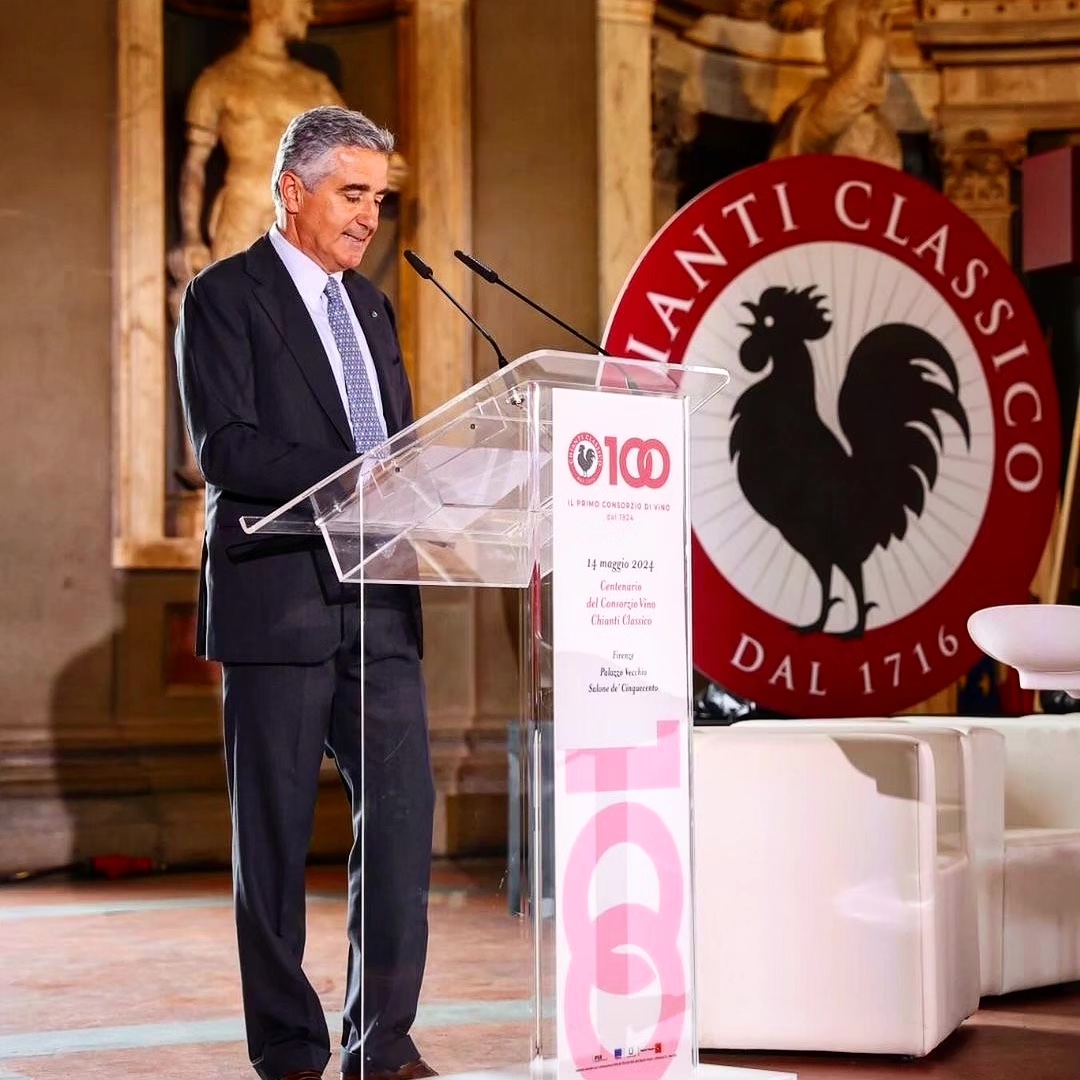
President Giovanni Manetti speaks at the Chianti Classico Consorzio Cento Anni, Palazzo Vecchio, Firenze

The day’s events began with the conference “Back to the Future: Sustainability and regional identity – The future of quality winegrowing,” moderated by Luciano Ferraro – Corriere della Sera in the Salone dei Cinquecento in the Palazzo Vecchio in Florence. First introductions by Consorzio President Giovanni Manetti and Director Carlotta Gori. Local speakers were Francesco Lollobrigida – Minister for Agricultural Minister, Food Sovereignty and Forestry; Eugenio Giani – President of the Regione Toscana; Dario Nardella – Mayor of Florence. Esteemed guests from other significant denominations were invited to offer up their congratulations; Matteo Ascheri – President of the Consorzio Barolo Barbaresco Alba Langhe e Dogliani, Italy; Gilberto lareias – President of Port and Douro Wines Institute, Portugal; Morgen McLaughlin – Executive Director of Willamette Valley Wineries Association and Wine Foundation, Oregon USA; Thiébault Huber – President of Confédération des Appellations et des Vignerons de Bourgogne, France; Maxime Toubart e David Chatillon – Co-presidents of Comité Champagne, France.

Related – Chianti Classico’s future is a three-letter word: UGA

Chianti Classico Cento Anni, Teatro della Pergola di Firenze

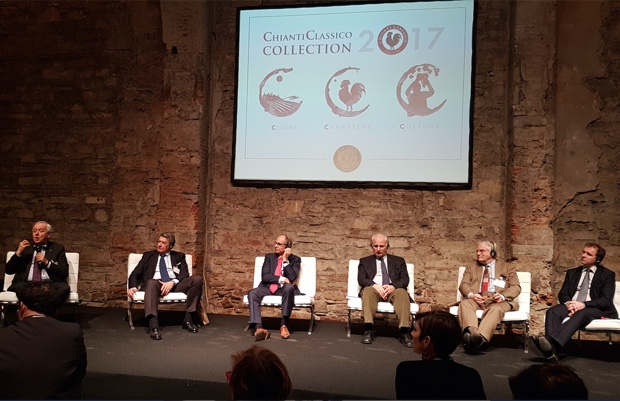
What followed was a dissertation and then a round-table discussion covering the intrinsic link between wine and land, the cultural landscape and sustainability. Speaking on Chianti Classico’s cultural landscape was Professor Paola Eugenia Falini – Head of science for the UNESCO application and her talk titled “The estate-villa structure in Chianti Classico.” Ferraro led the round-table with Giovanni Manetti, Piero Antinori, Tessa Capponi-Borawska, Giangiacomo Gallarati Scotti Bonaldi, David Gleave MW, Monica Larner, Prof. Andrea Lucchi and Alessandro Masnaghetti.
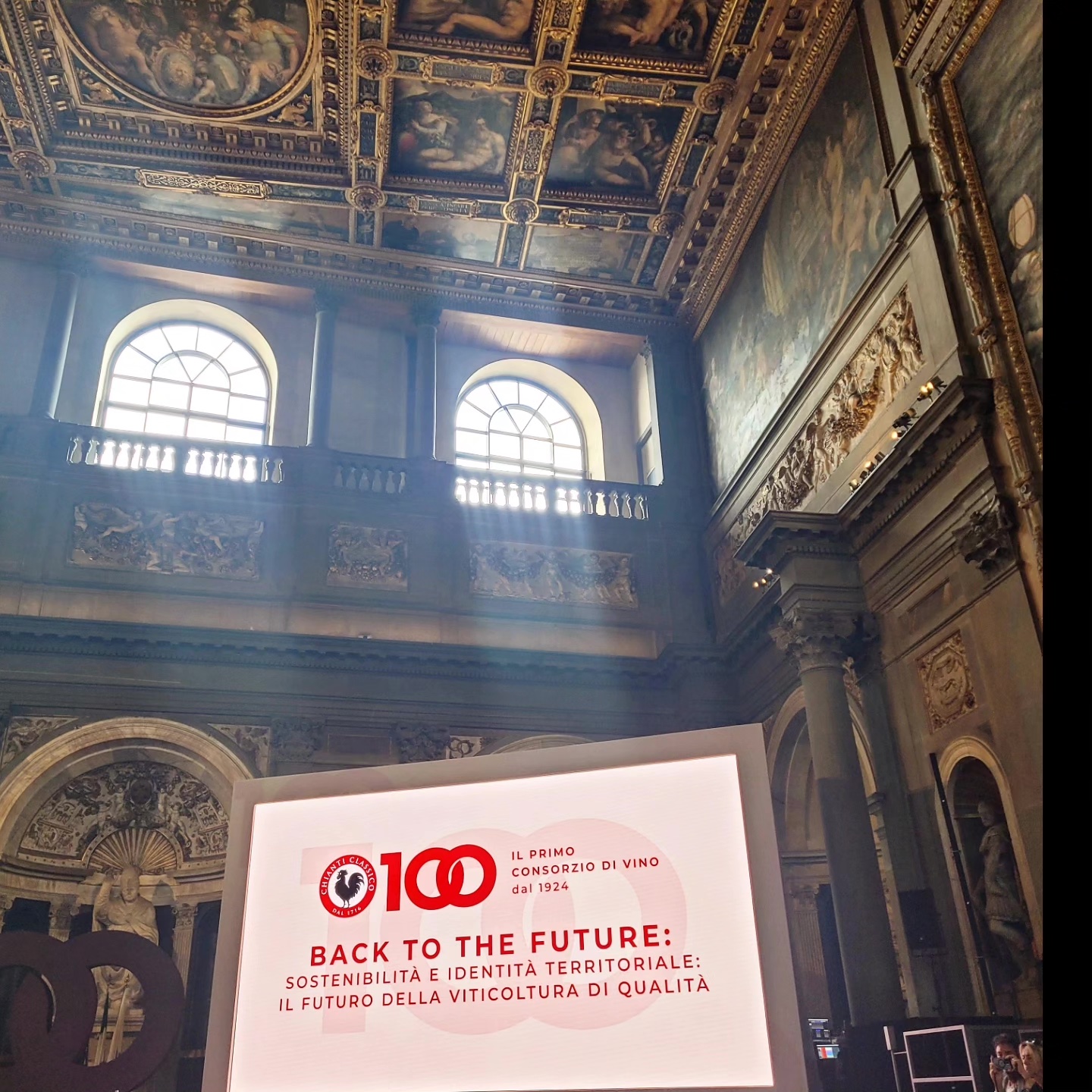
Chianti Classico Back to the Future

Nine other events took place over the course of three days in May; Five meetings with starred Florentine chefs, their plates paired with Chianti Classico wines, a musical pairing orchestrated by Leonardo Romanelli and conducted by Filippo Bartolotta. Of greater significance to the future of the Black Rooster were gatherings moderated of Falstaff Magazine’s Simon Staffler with the next generation of producers under 40 who are being passed the baton and given the keys to the territory’s future. The most exciting Cento Anni event took place in the evening of May 14th where 500 guests gathered at the Teatro della Pergola di Firenze for a gala dinner to win all gala dinners. Nothing in Italy recently experienced has compared to the night’s mix of spectacular and emotion.

Cento Anni at Prowein 2024

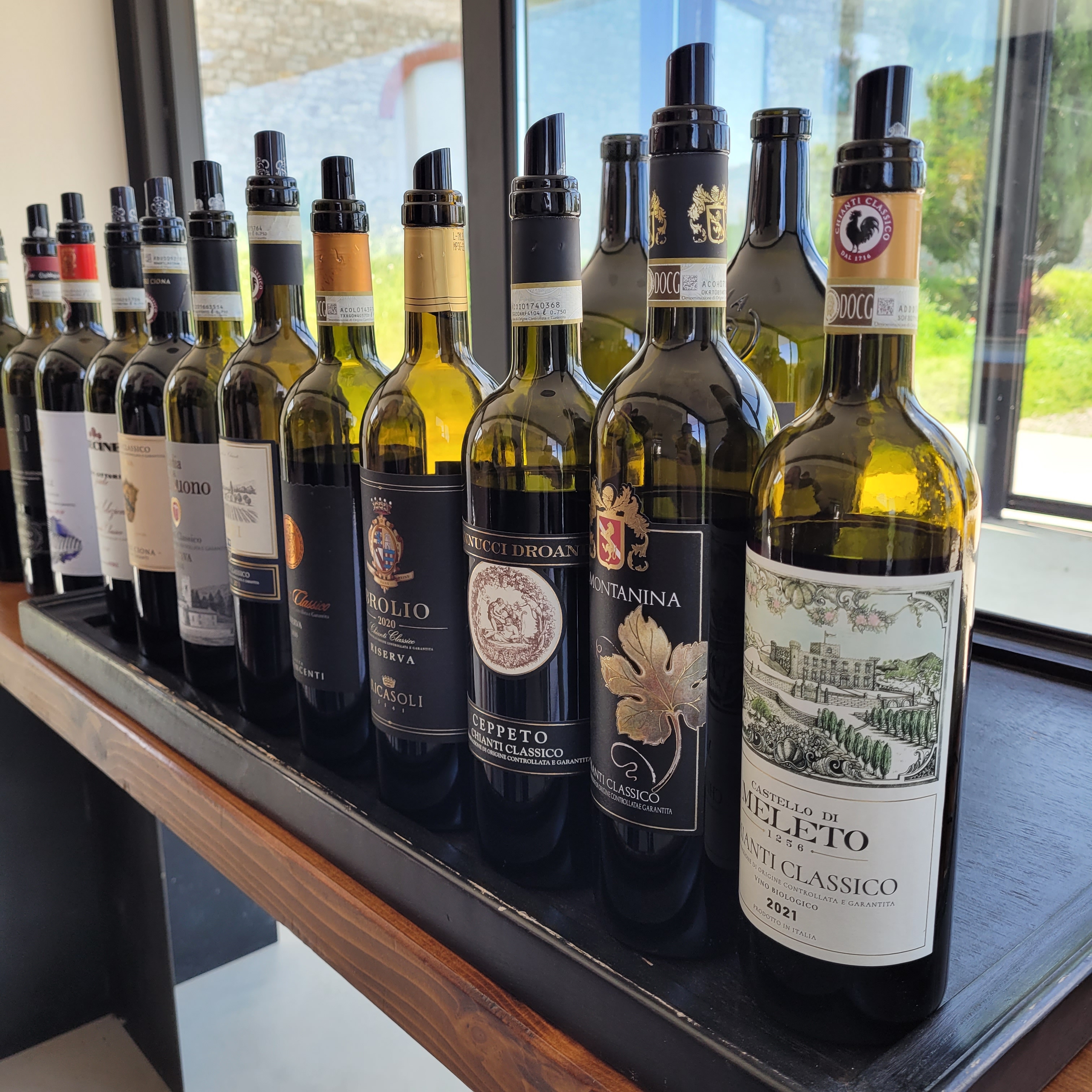
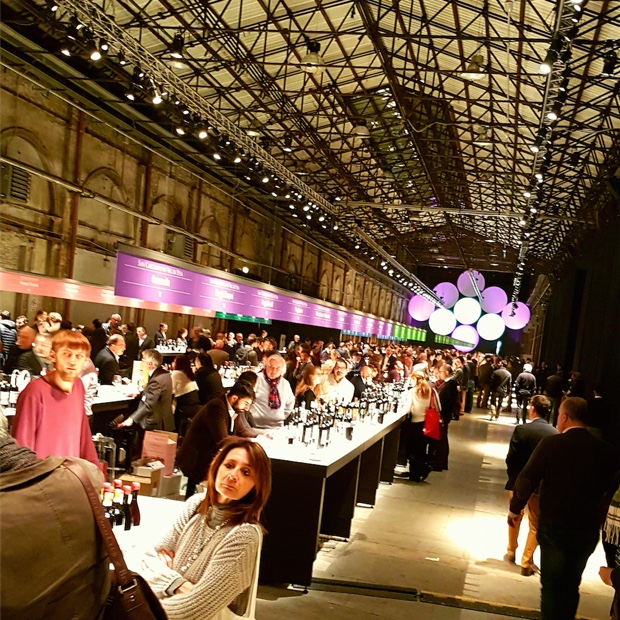
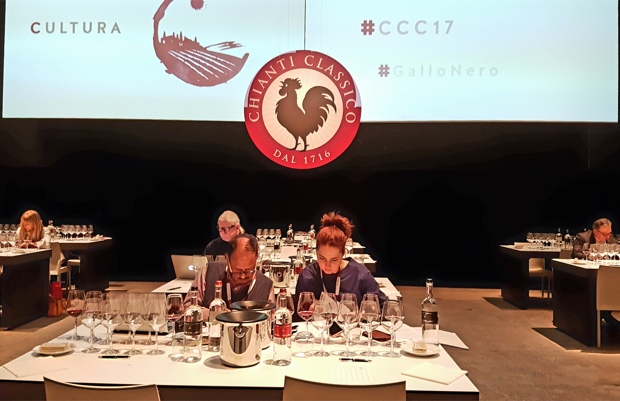
As with previous anteprime collections the vintages poured were varied and so it was the mix of 2022, 2021, 2020 and 2019 wines that collectively offered up an indication of what is happening in today’s Chianti Classico. Many of the ’22s were poured from campione, hit or miss tank samples often challenging to assess and so even at the Annata level the ’21s are considered to be the current vintage. Though lower in quantity it is  the 2021s that are of truly exceptional quality. The 2022s are stringently stubborn, requiring time and several producers chose to keep their wines behind to give these next releases a few more months in the bottle. In this report the lion’s share of wines tasted happened over the course of one week ahead of, during and across two further weeks following the 2024 Chianti Classico Collection at the Stazione Leopolda in Florence. Some additional notes are from visits made in December 0f 2023 that were not included in Godello’s recap report covering the second half of that calendar year. More tastings from May 2024 are also included in the following 403 reviews.
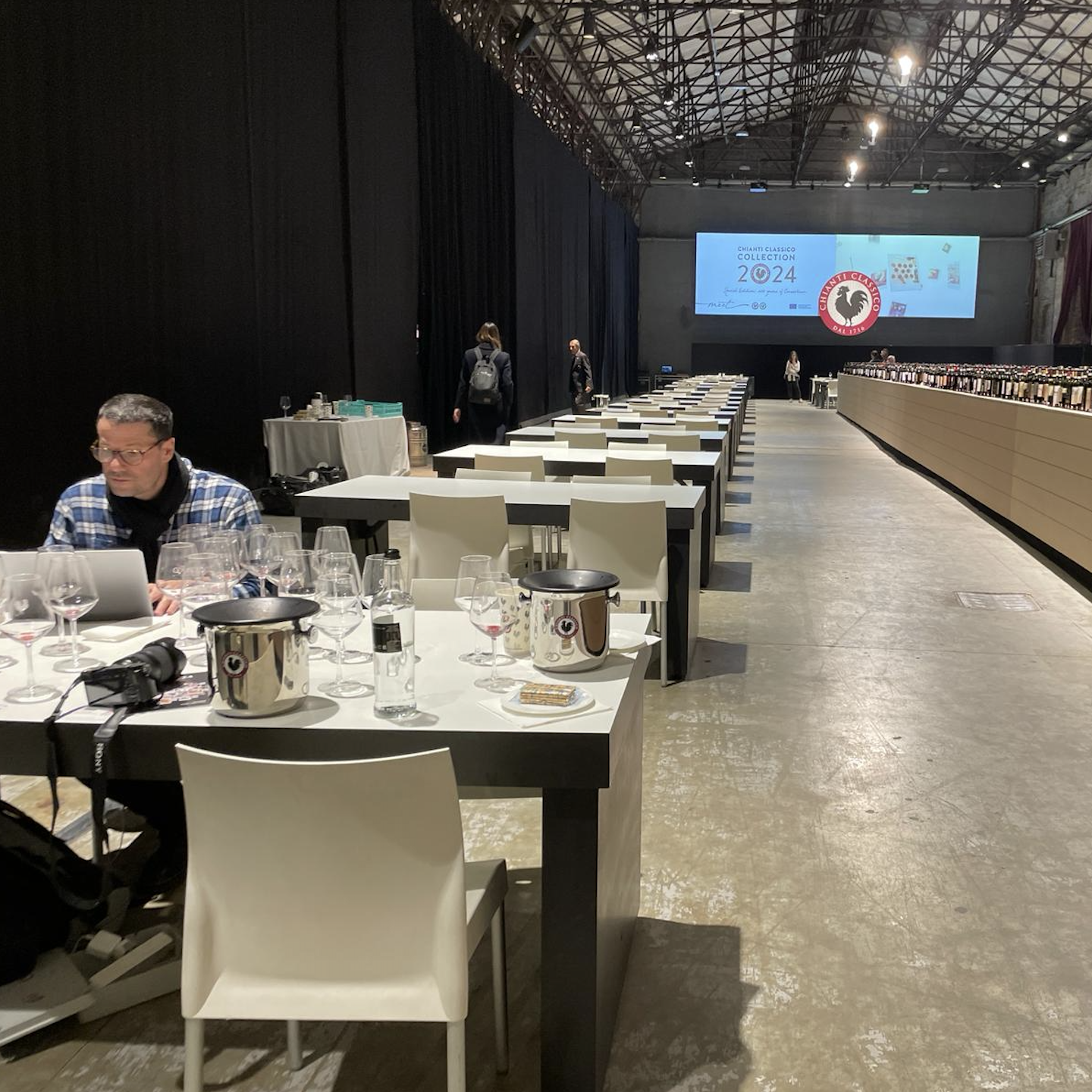
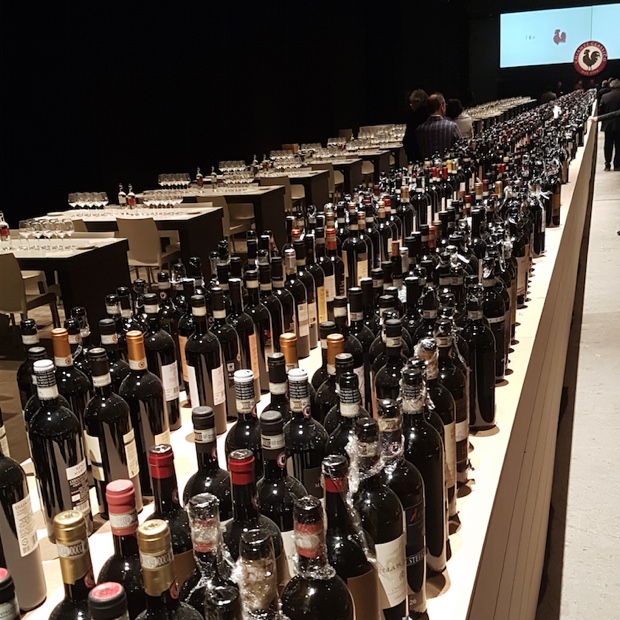
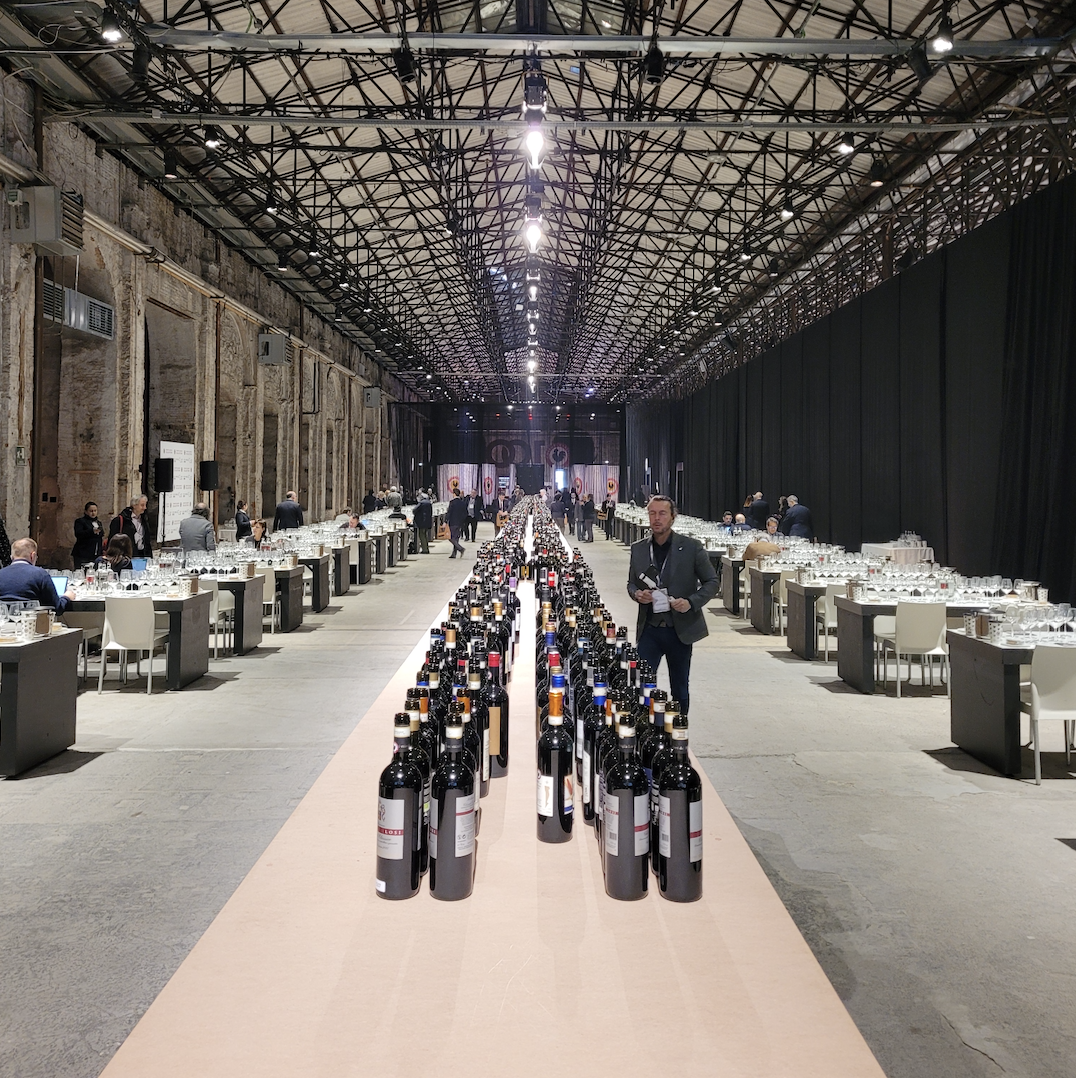
Last one standing (sitting and tasting) at the Chianti Classico Collection 2024

The breakdown is as follows: Chianti Classico DOCG 2022 (49); Chianti Classico DOCG 2021 (80); Chianti Classico DOCG 2020 (19); Chianti Classico DOCG Older Vintages (14); Chianti Classico Riserva DOCG 2021 (14); Chianti Classico Riserva DOCG 2020 (34); Chianti Classico Riserva DOCG 2019 (12); Chianti Classico Riserva DOCG older vintages (18); Chianti Classico Gran Selezione DOCG 2021 (7); Chianti Classico Gran Selezione DOCG 2020 (35); Chianti Classico Gran Selezione DOCG 2019 (20); Chianti Classico Gran Selezione DOCG older vintages (12); VinSanto del Chianti Classico DOCG (2); IGTs (87). Thank you to everyone for reading.
Chianti Classico DOCG 2022

Banfi Chianti Classico DOCG 2022, Castellina

Dusty and sweetly herbal sangiovese with the warmth of vintage and softness endearing through 10 percent cabernet sauvignon plus (5) merlot. A chewy texture, easy and getable, of no particular pinpointing, yet proper for its broad swath of distinction. Drink 2024-2026.  Tasted February 2024
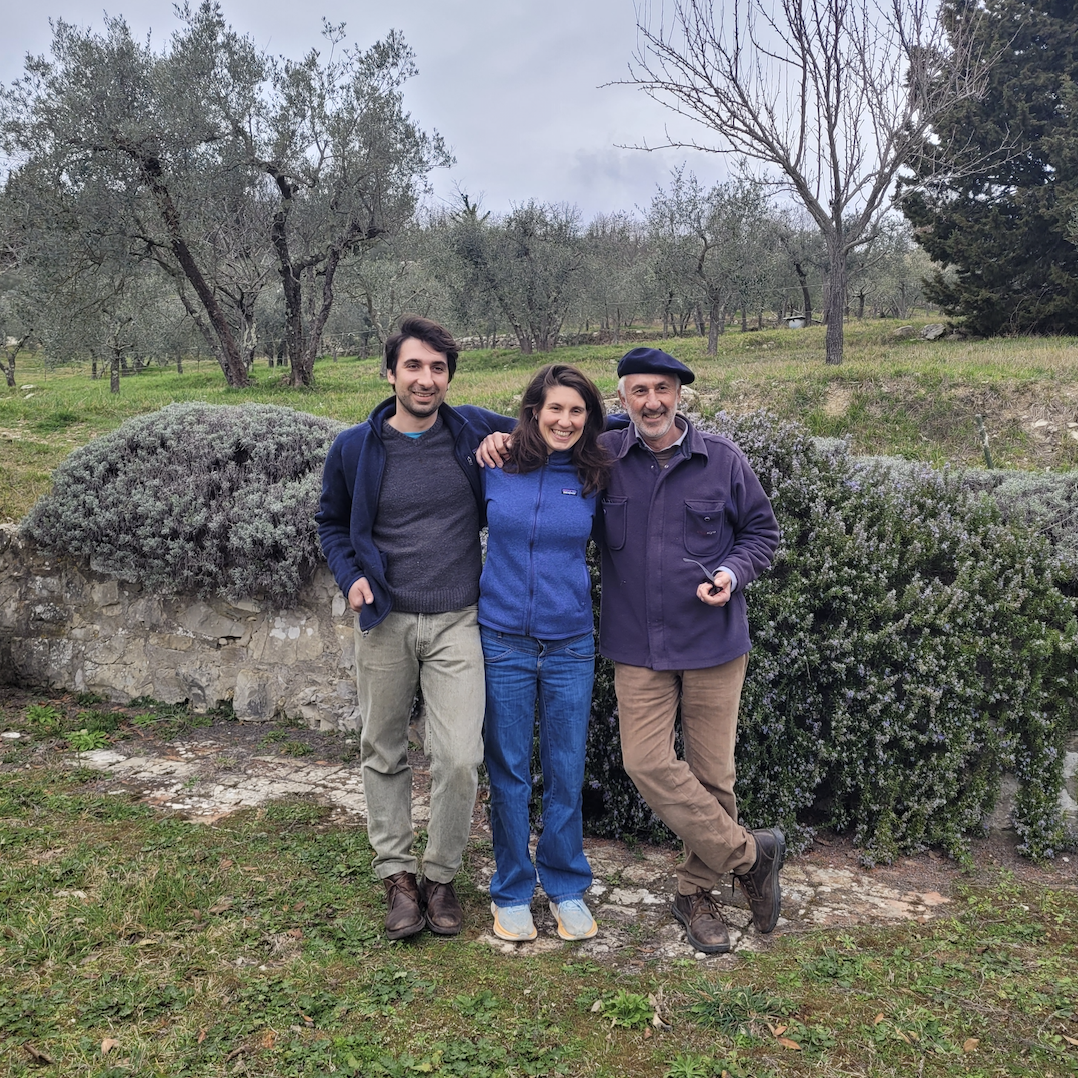
Errico, Marta and Gabriele Buondonno

Buondonno Chianti Classico DOCG Podere Casavecchia Alla Piazza 2022, Castellina

A finished wine already blended though drawn from a sample that will be bottled in December. A bigger production than normal and so a sangiovese of volume in more than one dimension. There was some rain in the summer to make the difference but not much, neither occurring too early or too late to compromise quality. Solo sangiovese in vitro projecting forward towards really important structure noted through some chalky tannins. Spiced and spicy notes, depth of fruit and also lifted acidty, all adding up to a Chianti Classico packed with more stuffing than many. This is as good as anything Gabriele has, but also now in collaboration with son Errico Buondonno have made to date. Drink 2025-2031.  Tasted December 2023 and February 2024

Castagnoli Chianti Classico DOCG 2022, Castellina

Great example of juiciness and acidity in the face of a dry, concentrated and hydric-stressed vintage. Alternatively crispy but there is some reserve-style, reductively backward actionability and yet conversely also forgiving character. Tart and expressive with two years needed to integrate and complete this picture. Drink 2026-2031.  Tasted February 2024

Castellare Di Castellina Chianti Classico DOCG 2022, Castellina

True blue 2022 still working through the motions of getting ready for the world and the journey ahead. Ripe fruit from 2022, like 2017 but with more succulence and generosity. Juxtaposed by an underlay of evergreen and a moment of creosote, but also clove. Concentrated from a well-pressed and extracted sangiovese made just that little bit sapid from five percent canaiolo. Wait a year at the very least. Drink 2025-2028.  Tasted February 2024

Cecchi Chianti Classico DOCG Storia Di Famiglia 2022, Castellina

Campione: Tight, reductive, a swirl of glycerol syrupy red fruits held in a tight acid embrace. This will be rich and also emulsified sangiovese made doubly thick and ready to impress one or two years from now. Take note and be ready. Drink 2025-2027.  Tasted February 2024

Querceto Di Castellina Chianti Classico DOCG L’Aura 2022, Castellina

L’Aura is another 2022 that shows a readiness and immediate appeal much sooner than most, with thick and unctuous fruit made fresh and bright by one of the higher points in Castellina. Great spicy accents, salt and pepper seasoning, thick pulpy red fruit and some of the vintage’s sweetest acidity. A terrific early to mid term sangiovese. Drink 2024-2027.  Tasted February 2024
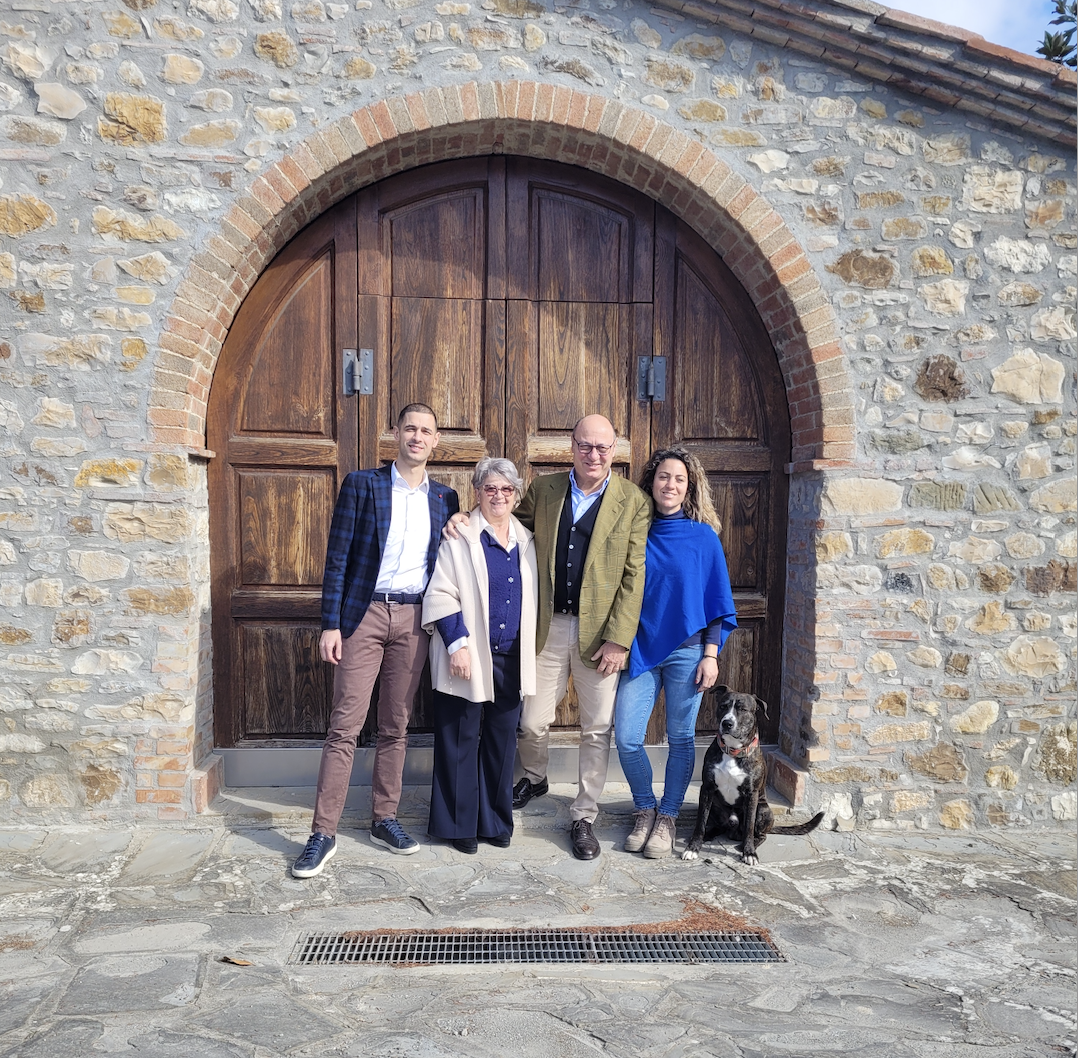
Andrea, Daniela, Sergio and Giulia Zingarelli – Rocca delle Macìe, Castellina

Rocca Delle Macìe Chianti Classico DOCG 2022, Castellina

The line of Rocca delle Maciè Chianti Classico is now separated from the single estate wines, but says Andrea Zingarelli “these are the wines that show where we were born.” Another hot vintage but perhaps more equilibrium overall than 2021 and it shows. This separates from Famiglia Zingarelli and yet it’s inextricably linked. There is five percent merlot that rounds it out and the fruit comes from all the (and only) Castellina estates. No noise, just the facts and the sounds, smells and tastes of the territory. This may just be the cleanest, naturally sweetest and perfectly drinkable Rocca delle Maciè Chianti Classico ever produced. It will appeal to any and all. Drink 2023-2026.  Tasted December 2023 and February 2024

Tenuta Di Bibbiano Chianti Classico DOCG 2022, Castellina

Arch classic Bibbiano for Annata, fresh, impeccably clean and open, more so than most 2022s. No reduction, oxidation or volatility but a pleat of substance and noble power. The acids of ’22 improve upon ’17 and ’18, tannins follow suit and all is known to be on the right track. Drink 2025-2028.  Tasted February 2024

With Sophie Conte – Tregole

Tregole Chianti Classico DOCG 2022, Castellina

The latest from Sophie Conte (also tasted from barrel on December 4th, 2023) is her first crowing moment, at least to date and in terms of her young career in making Chianti Classico Annata. De-stemmed and no pressing, fermentation at 24 degrees (celsius), 10-12 days, saturated with nitrogen, taste every day, separated when the skins release no more. Made with three vineyards’ fruit; Vigna del Bosco, Vigna del Strada and Casa, right by the house. “I’m pretty happy (we hit the point) in 2022,” admits Sophie. Brightness and freshness found, the goal achieved and bitterness kept not only at bay, but fully away. An aromatic swirl of pinpointed Castellina intensity that draws from the winds and the slopes to translate soil as best and purposed as any. You can feel the energy waiting and wanting to be released. No lack for structure from Conte’s 2022, young and yet to evolve into the polished solo sangiovese it is destined to become. Drink 2025-2032.  Tasted February 2024

Fèlsina Berardenga Chianti Classico DOCG 2022, Castelnuovo Berardenga

Surprisingly forthright and open knit for such a young and impressionable Annata from Fèlsina. Calm and relatively settled so soon after going to bottle. The acidity is both sneaky and essential with tannins so similar in their design and style. A full and complete Berardenga for Castelnuovo in 2022, getable earlier than ever before yet in no rush to mature. As clean and generous as ever from the estate. Drink 2024-2027.  Tasted February 2024

Tenuta Di Arceno Chianti Classico DOCG 2022, Castelnuovo Berardenga

Campione: Sample or not this smells just like Tenuta di Arceno. A southeastern Castelnuovo Berardenga dry, dusty, sharp red fruit and herbal aromatic swell that increases with air to a glorious vanishing point. What follows is another swell of the same fruit and equally sharp acids that carry on wayward along. As for 2022 well this may seem akin to 2017 but as an Annata so much brighter, cleaner, fresher and frankly better. Drink 2024-2027.  Tasted February 2024

Tolaini Chianti Classico DOCG Vallenuova 2022, Castelnuovo Berardenga

A finished wine though quite compact and reserved so seemingly caught in that limbo between the idea of campione and set to be ready. Quiet and tight, some leather and cherry but those typical notes don’t say so much. Strong-willed, forcefully tannic and frankly feeling pretty ambitious. Should rightly age long and successfully though the jury is out on where and what the end game will be. Drink 2025-2029.  Tasted February 2024

Villa A Sesta Chianti Classico DOCG Il Palei 2022, Castelnuovo Berardenga

Campione: Strong willed, boned and still in a state of reserve for a 2022 that not only needs to find the bottle but also further in bottle aging to open up any cracks in the structure. Rich and caky, wood a serious factor at this stage with a structural comport that will see a ’22 follow the sun towards a good long life ahead. Drink 2026-2031.  Tasted February 2024

With Arturo Pallanti – Castello di Ama, Gaiole

Castello Di Ama Ama Chianti Classico DOCG 2022, Gaiole

Only Ama could pull and gift this much upfront fruit to draw us in as quickly as we do. Richness accrued and balance incarnate, more than juicy acidity and fully encapsulating tannin. If this is what Annata is all about the ceiling is unlimited for San Lorenzo and the more interlocutory and focused single vineyard Gran Selezione. Drink 2025-2032.  Tasted February 2024

Castello Di Meleto Chianti Classico DOCG 2022, Gaiole

Intensity of red fruit, almost searing while this young and immovable but surely a far cry from overly pressed or done. Surely a matter of Gaiole and vintage with Meleto sure to respect and deliver what it’s meant to bring. Another ’22 that must be waited on, again confirming how different these are to 2017. Drink 2025-2029.  Tasted February 2024

Fattoria San Giusto A Rentennano Chianti Classico DOCG 2022, Gaiole

Campione: Super ripe of fresh blueberry and sappy at this awkward stage. No doubt about the tenets of depth, breadth and major substance, not to mention ripe, layered and sweet acidity followed by crispy tannins. Long life ahead that should begin to unfold in three years time. Drink 2026-2033.  Tasted February 2024

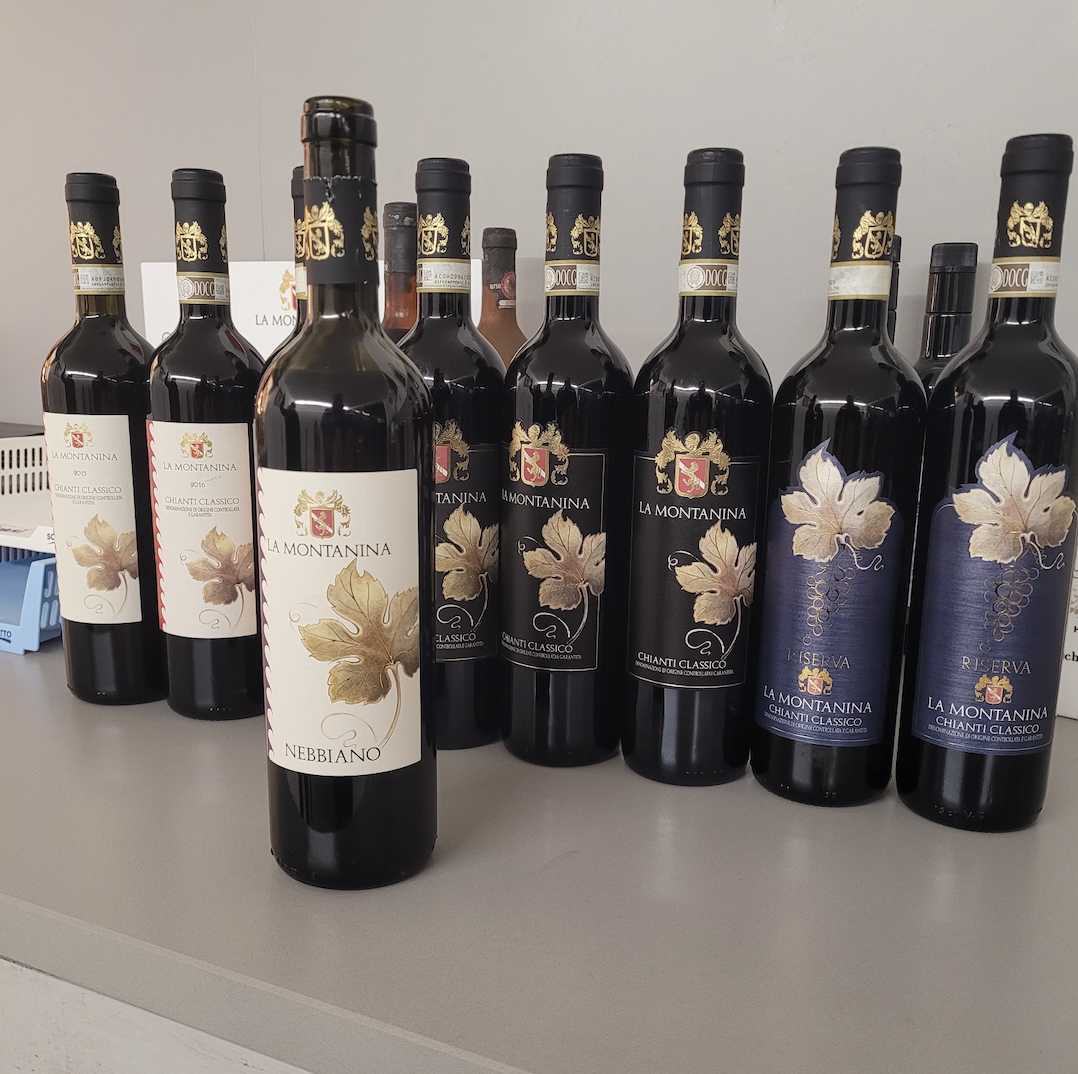
La Montanina Chianti Classico DOCG 2022, Gaiole

Campione: Less of a hard nut to crack as far as 2022 barrel samples are concerned because La Montanina’s has found and first turns to upfront fruit. The middle ground is a bit chaotic but then the finishing parts ate about as powerful as they are capable of brining it all together. Drink 2025-2028.  Tasted February 2024

Le Miccine Chianti Classico DOCG 2022, Gaiole

Campione: Stewed and pruned. Oxidative barrel sample that gives no indication as to the quality or any sense of what the finished wine will be. Palate tells a better story though it’s challenging to fit the pieces together when the launch point is problematic. An example that speaks to avoiding tasting samples.  Tasted February 2024

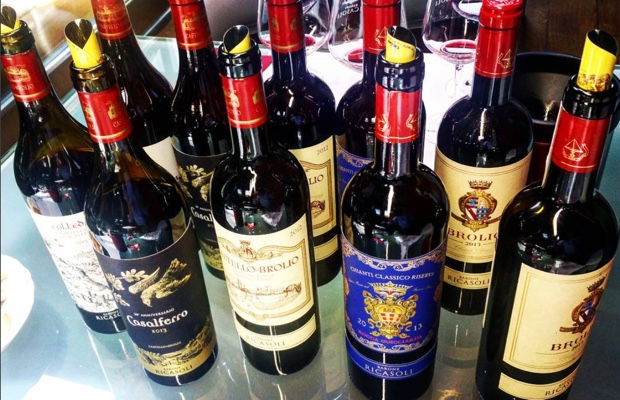
Ricasoli Chianti Classico DOCG Brolio 2022, Gaiole

Classic lift and high tone of a Ricasoli Annata, more so than those of the recent past. Several layers are here to unfurl, first from classic cherries, followed by Gaiole saveur and notable wood spice. Almost a smoulder but not quite, plenty of freshness and a true sense of 2022. Really well made and appreciated. Drink 2024-2027.  Tasted February 2024

Riecine Chianti Classico DOCG 2022, Gaiole

By now this unctuousness and thickened emulsification of the palate’s mouthfeel has become the calling card of 2022 Chianti Classico. Richness, sweet acidity and succulence with this by Riecine arrives as sweetly concurrent as they come. This means tannins as well, good for the gander if not for the long-term cellar. Drink 2024-2028.  Tasted February 2024

Rocca Di Castagnoli Chianti Classico DOCG 2022, Gaiole

You could blind these 2022 Chianti Classico and no matter the UGA they all deliver a thickening of glycerol texture and glide silkily across the palate. There is just a hint of reduction in the Rocca di Castagnoli with moments here and there of Gaiole savour before finishing with a pique of seasoning and spice. Good complexity and fine tannins seal the deal. Drink 2025-2029.  Tasted February 2024

Carpineto Chianti Classico DOCG 2022, Greve

Campione: Youthful an traditional sample, Greve classicism defined, dry and balsamic inflected, tannic and far from opening forward. Doors are closed and may not open for another year. Drink 2025-2028.  Tasted February 2024

Castello Di Querceto Chianti Classico DOCG 2022, Greve

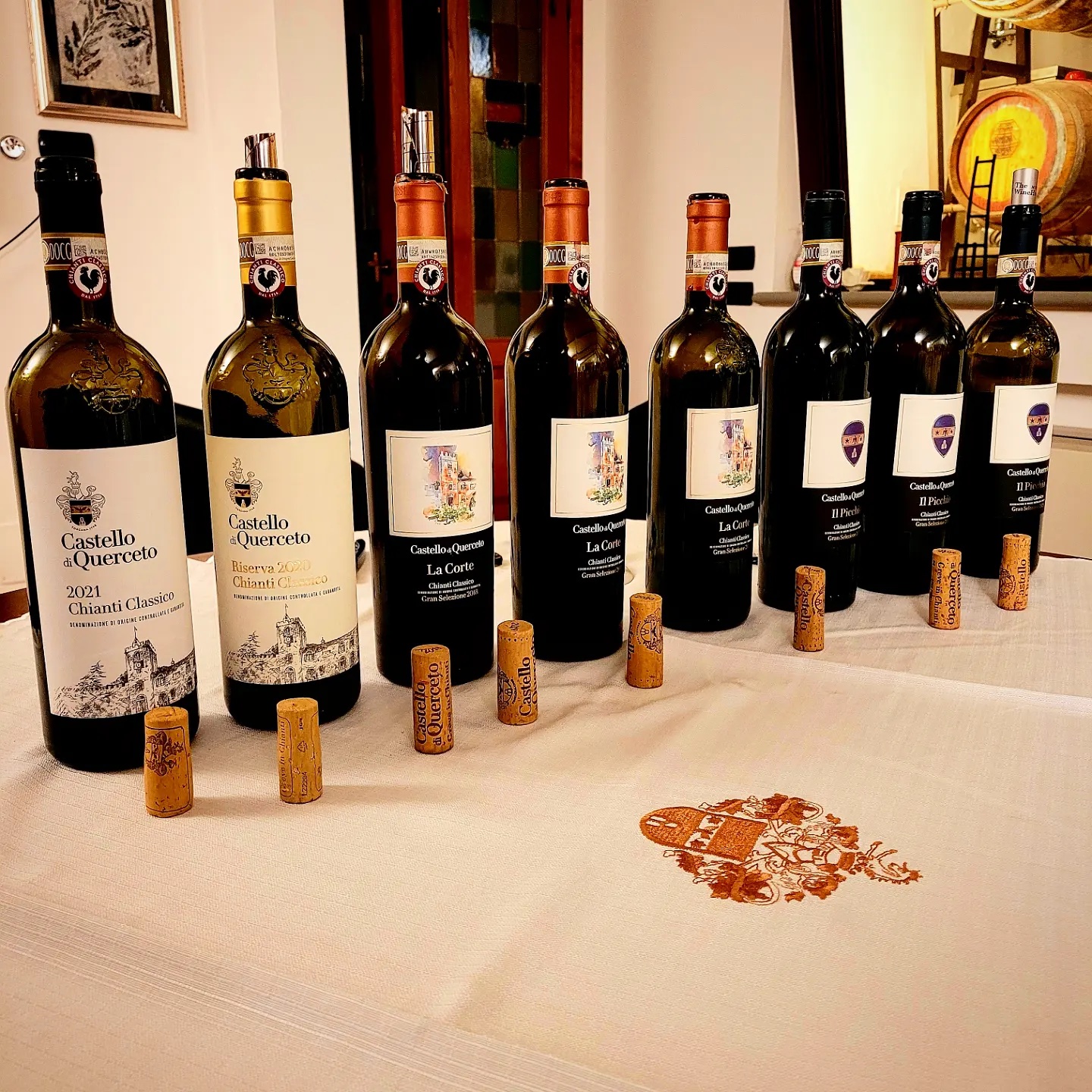
Comfortably reductive and set in its ways but also into skin because the quality of skins in this higher quantity Annata are in delivery of top freshness and potential. A fine example of vintage and one to set eyes on the future with peppery sweetness of fruit and spice. Crunchy and furthering the notion for how Castello di Querceto has truly cemented into the golden age of its Chianti Classico style. Drink 2025-2030.  Tasted February 2024
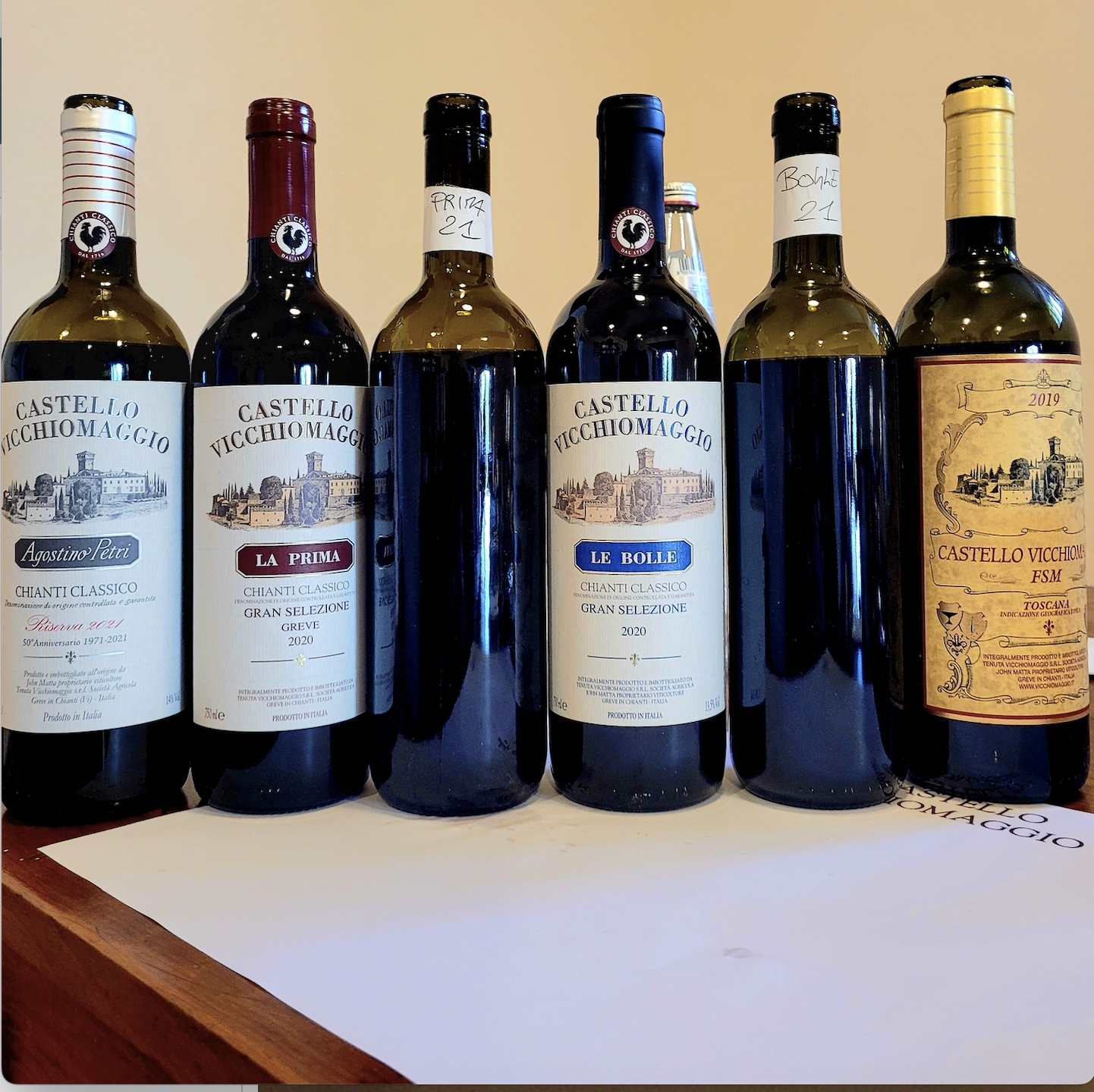
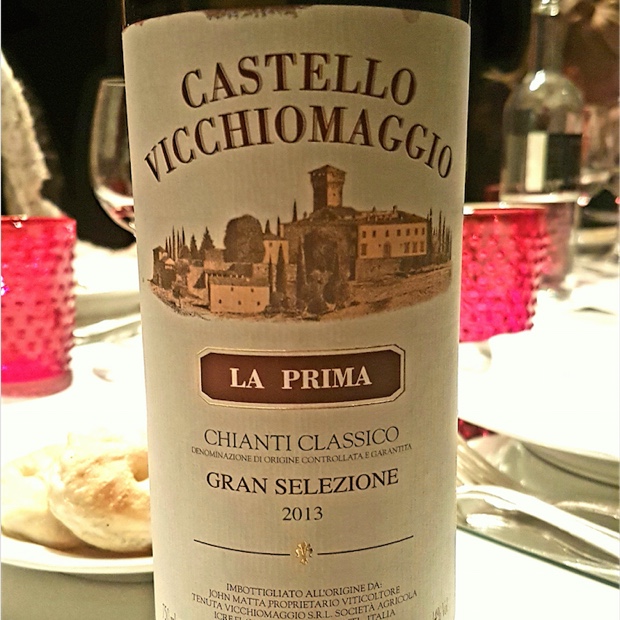
Castello Di Vicchiomaggio Chianti Classico DOCG Guado Alto 2022, Greve

Campione: Perfectly balanced sample of 2022 sangiovese, Greve and Vicchiomaggio, red fruit captured with as much perfumed ripeness as could be desired while also fulfilling palate needs. This is what should be expected and gifted from a Campione – a window to the drinking window and potential of the wine. No need for wonder or worry – you know you will get the right stuff from Guado Alto ’22. Drink 2025-2030.  Tasted February 2024

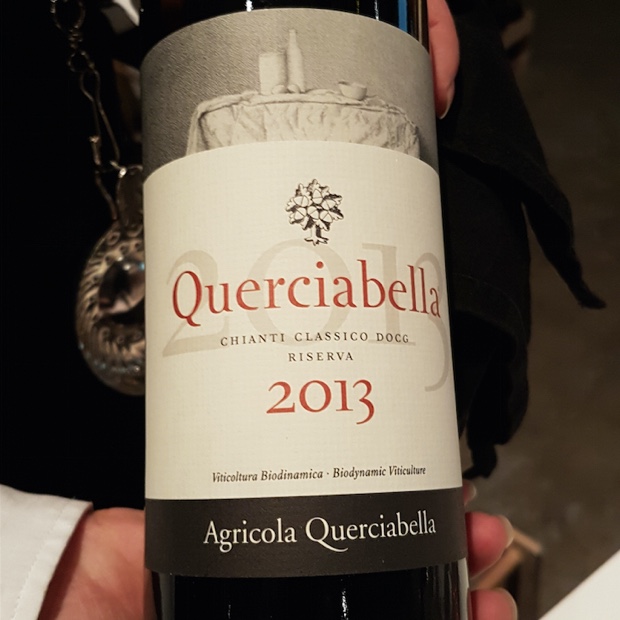
Querciabella Chianti Classico DOCG 2021

A blend of all vineyards, Ruffoli (Greve), Lamole and Radda, 100 percent sangiovese since 2010. Frost in April claimed many buds but the soldiering on resulted in high quality fruit from all three sources to create as fine an Annata, variegated as ever they could layer as Querciabella. Fruit, acid, tannin on perpetual repeat, mille foglia, maximizing natural purity and sweetness. Also as aromatically charged of tri-terroir perfume to lead where and for what a Querciabella attempting to express itself must be. Drink 2025-2032.  Tasted February 2024

Castellinuzza E Piuca Chianti Classico DOCG 2022, Lamole

Campione: Full on expression of the Lamole perfume, from violets and iris to the wet green moisture from calcareous hillsides and humid sandy soil elegance. A lovely swirl of fruit so glycerol in nature and that gentle pique of spiciness upon the palate. This is a 2022 that will be glorious because the team and their most focused of micro commitments have really found the vintage beauty out of the UGA. Drink 2025-2033.  Tasted February 2024

Lamole Di Lamole Chianti Classico DOCG Duelame 2021, Lamole

Full and substantial which is pretty much what we have come to expect from a Lamole (di Lamole) sangiovese and to a degree much higher than any other from that UGA. Perfumes yes but fruit and texture are the base ingredients to make this wine swell forth. Lots of love and deep space in L de L’s 2021 with a sleek Macigno feel throughout. Drink 2024-2026.  Tasted February 2024

Le Palaie Chianti Classico DOCG 2022, Montefioralle

High octane aromatics, petrol and plasticine, raw dough and reduction. A train wreck up front and then beautifully glycerin on the palate. Gives off the feeling of a Campione because of the early heat and oxidative sample. Thinking the finished wine will be a great improvement, Stay tuned for another taste somewhere down the line. Drink 2026-2030.  Tasted February 2024

Gagliole Chianti Classico DOCG Rubiolo 2022

Campione: Big, bold and promising Gagliole Annata sample, fortified by Alberese and Pietraforte stony soils, clearly large and impressive. Big tannic freight and profile for the appellation, two years away from settling and five more before the window is fully open. Drink 2026-2030.  Tasted February 2024

Il Molino Di Grace Chianti Classico DOCG 2022, Panzano

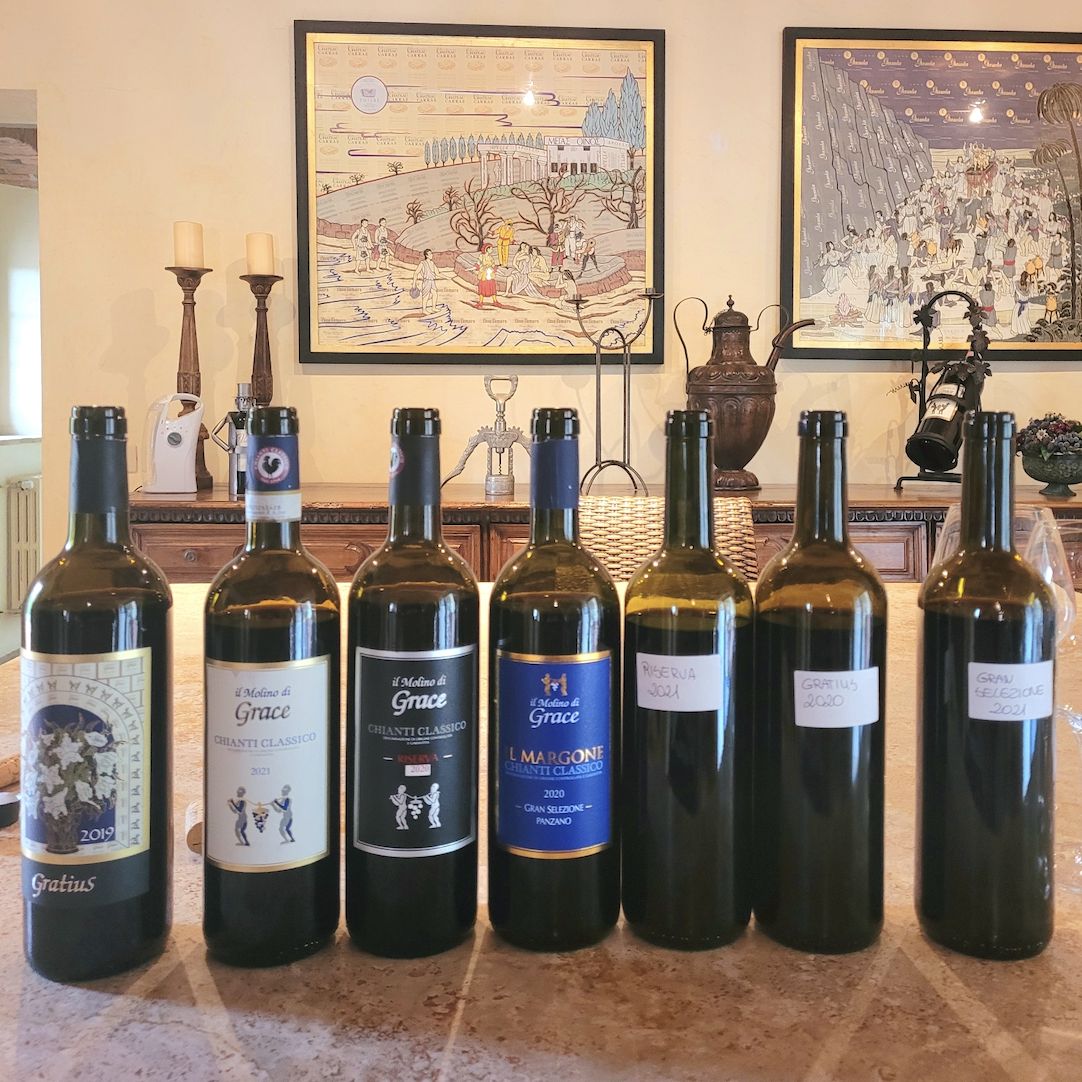
Though the journey for 2022 was a challenge it was also a vintage combining quantity an quality, then ultimately balance. Tasting from several tanks saw some variability in the samples but technical director Iacopo Morganti’s culm measures and crafty blending helped this sangiovese find its way. The cuvée has finished clean and moderate, certainly lighter than 2020 and 2021 but characterful to a great solo varietal degree. A clarified 2022 that fills the spirit, reminds of the place and provides conspicuous local macchia or balsamico. Treads lightly and delivers that Panzano at Radda’s border to a “T.” Fine wine, nothing big or impressive, but simply IMG sangiovese. Drink 2024-2027.  Tasted May 2024
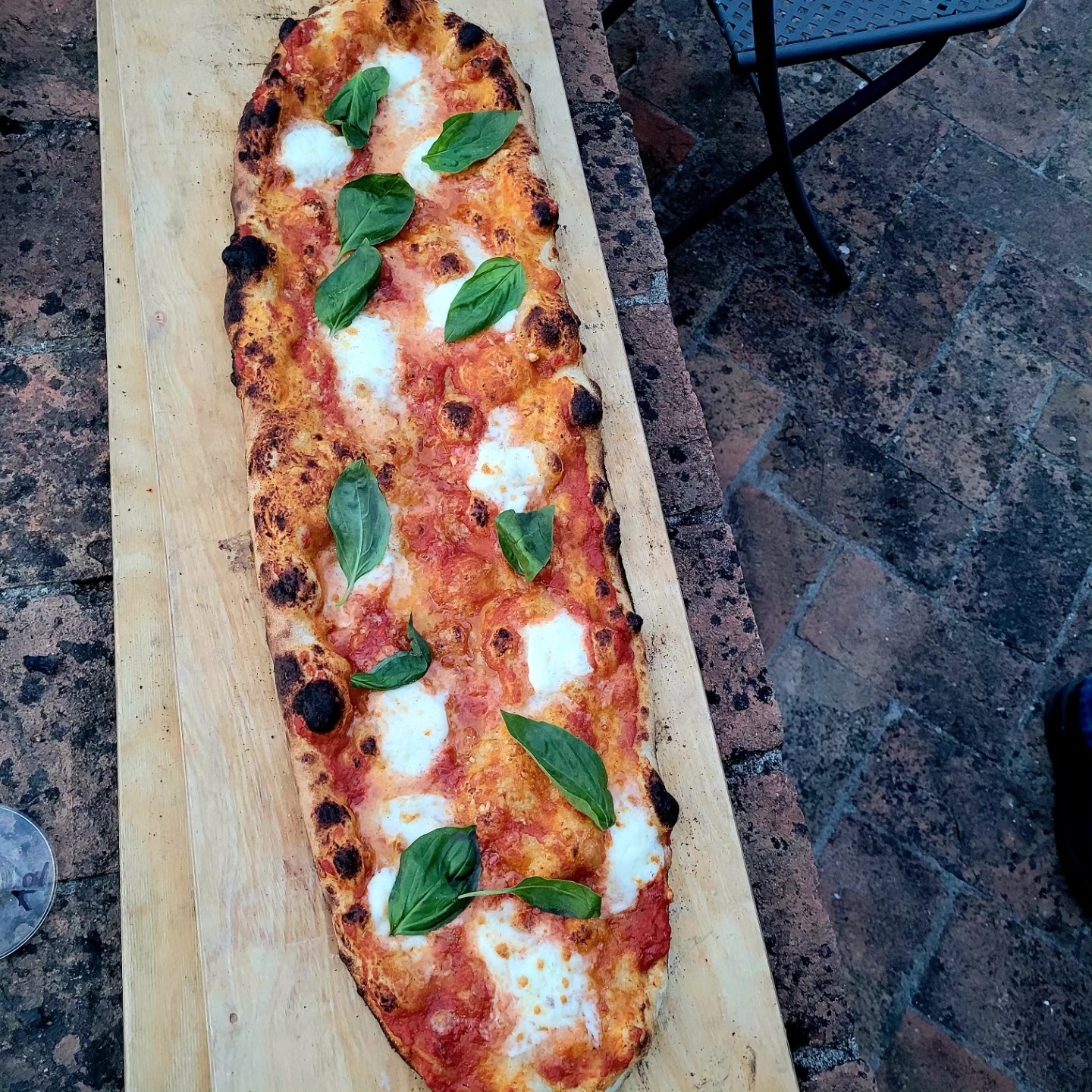
Pizza by Michael Schmelzer

Monte Bernardi Chianti Classico DOCG Retromarcia 2022, Panzano

Bottled in March, classically Montebernardi juicy as F and at the peak of Panzano perfume. Spiced chalky aromatics too, carried forward and that’s the segue in combination to accede a structured feeling for unlimited possibility. The appellative level seems not to matter because this is cracker fresh and pure sangiovese from the thinking grower and winemaker that is Michael Schmelzer. Drink 2024-2028.  Tasted again, May 2024

Campione: Just pulled from barrel so not yet blended and therefore not a finished wine. A perfumed, classically so vintage with succulence, crunchy and liquid peppery. Not its most refined vintage, neither vivid nor intense but it will surely show better once it settles in bottle. Truly perfumed and that will only increase as well with time.  Tasted February 2024

Monte Bernardi Chianti Classico DOCG Sangio’ 2022, Panzano

Fourth vintage of Sangio’, second of two Annata made by Michael Schmelzer, namely from the younger nine hectare parcels grown at the highest elevation. Brighter and yet chalkier than Retromarcia, though increasingly less of an almost “Riserva” style that the Retro M. has become. Delivers that blood orange sensibility in sangiovese. Tannins feel less experienced and stylish but the potential (looking ahead five-plus years) is nevertheless striking. Drink 2024-2027.  Tasted again, February 2024

A windy place between 550 and 600m above Panzano a few kms northeast of the estate, a wine with a less serious name but not so in terms of the classicism that defines cool climate sangiovese. Crunchy or as it is said croccante, a beautiful and important use of (10 percent) stems, profoundly Monte Bernardi and the sort of tannins that grab hold of the senses, hold on tight, smiling and we in turn nod knowingly each moment along the way. A cooler yet sunny place, Alberese limestone helping to maintain the acidity and 16 months aging (barrels but skewed more towards concrete) so that in the end the wine you want to drink flows consistently from the bottle.  Tasted February 2024
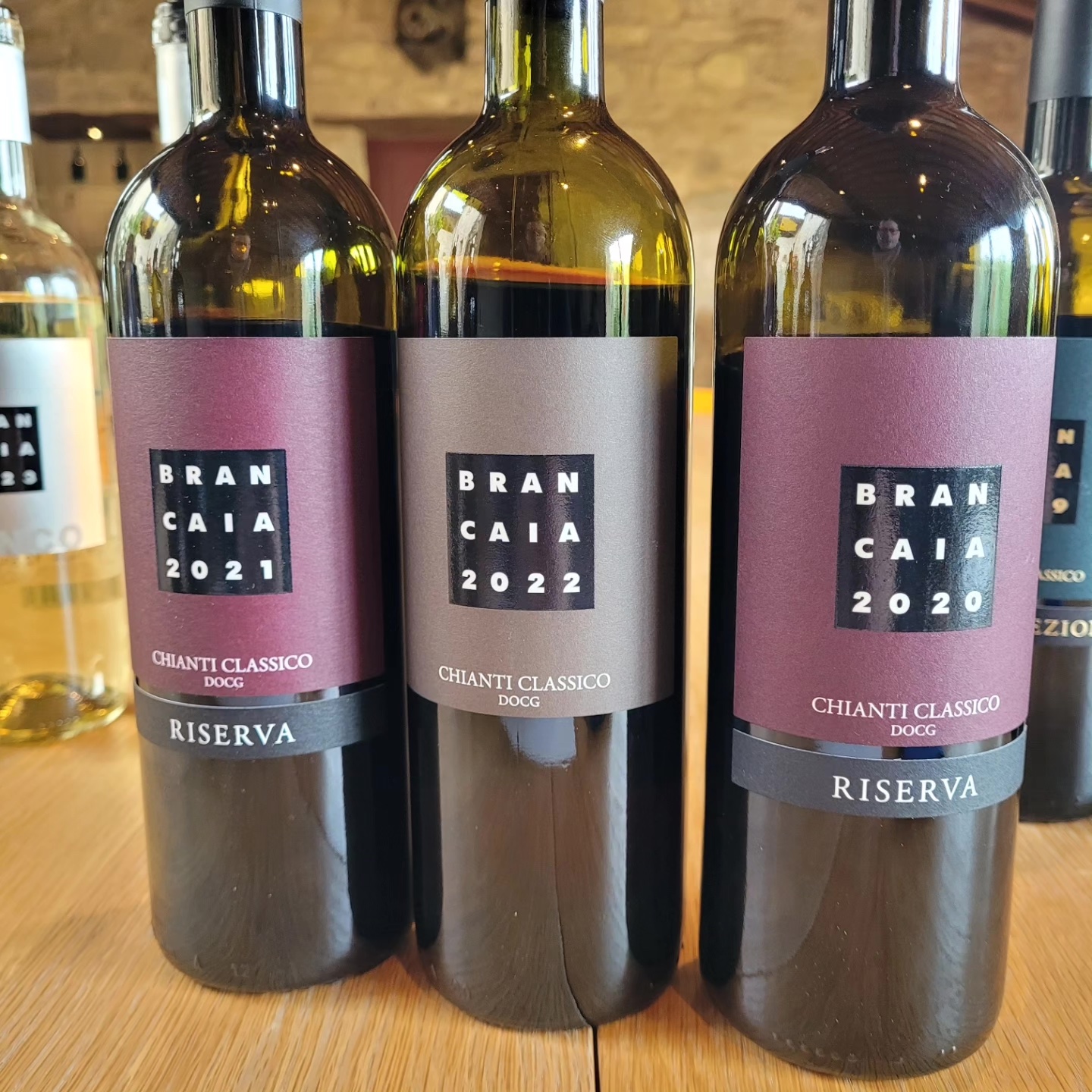
Brancaia Chianti Classico

Brancaia Chianti Classico DOCG 2022, Radda

All sangiovese with Radda and Castellina fruit, mostly in concrete (though not quite all) and only steel for the rest. Some fruit is or will be coming from Poggiolo Vineyard in Castellina, a property owned by Candians Rob and Darcy Gillespie. Juicy and simply freshness incarnate.  Last tasted April 2024

Sleek, suave and chic Annata for Brancaia out of 2022 with layers of red and blue fruit augmented by quality tannins. Early stages of reserve and reduction but there is no questioning the levels of substance. An extension of a change in style that began in 2019 with the move to bright and honest Classico, yet ’22 is clearly bigger, weightier and with increased structure. Drink 2025-2029.  Tasted February 2024

Castello Di Albola Chianti Classico DOCG 2022, Radda

Top Radda terroir, high elevation, rolling terrain, excellent exposure and no lack for biodiversity. Adds up to great potential while 2022 is currently rough and tumble. Chewy sangiovese with wood still noted and yet to melt into the whole. Time will be an ally so that the rustic elements soften and parts integrate better. Drink 2025-2027.  Tasted February 2024

At Radda nel Bicchieri with Angela Fronti and Lorenza Rossi

Istine Chianti Classico DOCG 2022, Radda

Campione: “Arancia sanguinella,” says Angela Fronti, that note of blood orange she always finds in her wines. A really dry summer and you find a level crunchiness and dried herbs from a vintage where picking continued consistently every morning through late September and early October. Clean the grapes as you go explains Fronto and in the end she was very happy with both quality and quantity. Crisp and crunchy Annata for Angela Fronti, undisclosed in its gratuity and wound up like Angela Fronti on a 100 foot high rock face. In other words focused, determined and competitive. Not sure this should even be tasted and assessed in any shape or form today. Come back soon.  Tasted February 2024

L’Erta Di Radda Chianti Classico DOCG 2022, Radda

Campione: Now the is a proper sample. Fresh, clean, energetic and persistent – doubly refreshing. Lift and beauty of sangiovese with that perfectly judged pH and sapidity raised by 10 percent canaiolo. The problem is this is the kind of sample that makes producers want to submit more of them and yet great showings like this from L’Erta di Radda are the few and far between. Drink 2025-2032.  Tasted February 2024

Monteraponi Chianti Classico DOCG 2022, Radda

Might come in thinking that tasting and assessing a 2022 and Monteraponi would not be a great idea in February of 2024 but this Braganti sangiovese shoots favourably straight out of the gate. A fulsome and handsome Radda as a varietal expression of fruit so ripe and unctuous you might consider drinking a bottle today. Surprising candour for a Monteraponi this early in its life but there it is, open and generous, social and genteel. Structured as well for many years to continue acting this way. Someone and something has surely softened. Drink 2025-2033.  Tasted February 2024

Cigliano di Sopra, San Casciano

Fattoria Cigliano Di Sopra Chianti Classico DOCG 2022, San Casciano

For Maddalena Fucile and Matteo Vaccari the hope is to increase to a maximum of 12 hectares and 35,000 bottles. “This is our dimension,” tells Matteo. And drinking others’ wines is key because if you don’t know what you like then you don’t know how to get where you want to go. The 2022 Annata was just bottled six-plus weeks ago, on August 31st and so this potential hinderance is kept in mind. The first vintage for which a portion was aged in the used Stockinger cask and some more stem (whole bunch) usage moved from (normally 20ish) up to 50-60 percent. You can sense the energy and increased power but still there is a transparency and a purity of red fruit that will not be denied. Comparisons are futile but those who seek out this style in cru Barbaresco or Côtes de Nuits Premier Cru will latch on here, likely to never let go. Next level for Fucile and Vaccari. Don’t care how young this wine happens to be – the potential can’t be ignored. Drink 2025-2033.  Tasted October 2023 and February 2024

La Vigna Di San Martino Ad Argiano Chianti Classico Riserva DOCG 2022, San Casciano

Campione: The tiniest of properties (one hectare) and smallest of productions (2,000 bottles) in San Casciano from Chiettini. A sample but one nose into this 100 percent sangiovese and you know you’ve found something meaningful. A wisdom in the wine born of great terroir and an agronomist’s acumen. The winemaker seems inconsequential or at least respectful to everything else. There is calm demeanour and a presence of freshness, soulful savour and weight without compression. Hard to know what it’s all about, but knowing more will be a next pursuit. Drink 2024-2028.  Tasted February 2024

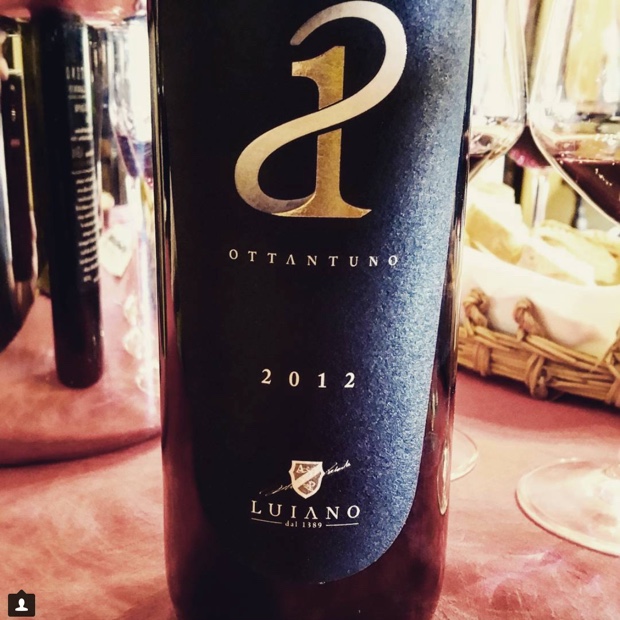
Luiano Chianti Classico 2022, San Casciano

As youthful as it gets for assessing 2022 Chianti Classico and in fact it’s hard to remember a vintage its equal. 2017? Not even remotely exactly. And yet the ’22 from Alessandro Palombo is a thing of San Casciano beauty, aromatically charged of local perfume with as much depth in red fruit as there can be. Clearly verdant as per the UGA’s way while the fruitiness marries happily and walks equally side by side. Merlot does indeed soften and alter the overall expression but why knock deliciousness? Drink 2024-2027.  Tasted February 2024

Montesecondo Chianti Classico DOCG 2022, San Casciano

Quite a taut and wound Annata for 2022 with the advantage of elevation next to woods for freshness and crispy preservation. Does well to foil the dried herbs, brushy savour and further aridity provided by austere tannins. Should all come together in two years. Drink 2025-2028.  Tasted February 2024

Poggio Torselli Il Contadino Cusano Chianti Classico DOCG 2022, San Casciano

Campione: Second vintage with oenologist Carlo Ferrini with a different process and yes the difference is immediately obvious. New tonneaux and 30 hL botti now housing the Annata, old barriques tossed out the window and the new balance is felt in the most palpable way. Rosso di Montalcino comes to mind and while that comparison may seem sanctimonious or anti-Classico, well just taste the style and level of quality. Juicy, blood orange in that regard and pretty much a finished wine. Stands up to be noticed. Drink 2024-2027.  Tasted February 2024

Principe Corsini Villa Le Corti Chianti Classico DOCG 2022, San Casciano

Villa Le Corti’s Annata is just about as ready in youth as they come for 2022 and that is not something that can often be said. Duccio Corsini’s work in the river stone strewn fields and modern approach in the winery have been showing recent gains but they keep on coming for sangiovese (and five percent colorino) for immediately gratifying appeal. This will be ready to please in full by the fall of 2024 and with zero reason to doubt. Drink 2024-2030.  Tasted February 2024

Casa Emma Chianti Classico DOCG 2022, San Donato In Poggio

Blend is 90 percent sangiovese, (5 each) canaiolo and malvasia nera. A 2022 and so a finished wine recently put to bottle but still reductive, reactive and closed beneath a hard structured shell. Full vintage fruit and acidity captured no doubt if hard to access because of extreme youth. Great potential lays ahead no doubt. Drink 2026-2030.  Tasted February 2024

Castello Di Monsanto Chianti Classico DOCG 2022, San Donato In Poggio

One of the prettier 2022s at this earliest of stages because there is nary a moment of reduction, nor drying notes of any sort to distract. Aromatically open and still secure though no impenetrable fortifications hiding the beauty of fruit or potential of the wine. Traditional sangiovese plus two complimentary varieties for a Monsanto take of the estate’s specific corner of San Donato in Poggio so proximate to Poggibonsi. A full and substantial Annata with a high ceiling as an example set for the UGA and also the territory. Drink 2026-2032.  Tasted February 2024

Le Filigare Chianti Classico DOCG 2022, San Donato In Poggio

Campione: Stewed and reductive, nearly impossible to assess. Rich an chalky fruit, loads of acidity and tannin. So very sangiovese with a sapid strike by canaiolo and intensity (also for colour) by colorino. Return after two years in bottle.  Tasted February 2024

Quercia Al Poggio Chianti Classico DOCG 2022, San Donato In Poggio

No other Annata is field blend relatable as this from Quercia al Poggio with at least four additional varieties filling out the 80 percent minimum of sangiovese. A largest portion of (12 percent) ciliegiolo and bits of canaiolo, malvasia near and colorino add up to quite a fantastical mix that truly compliment, season, spice, elevate and lift this Annata. A truly fine ’22, rich enough but so complex and quite frankly just has to be the top this far for Vittorio Rossi and oenologist Maurizio Castelli. Drink 2024-2031.  Tasted February 2024

Cantine Bonacchi Chianti Classico DOCG 2022, Vagliagli

Large production from Vagliagli, wood dominant in resinous and medicinal aromas. Lacks some clarity because the winemaking clouds the source and the wine turns toasted and pruned towards the end. Drink 2024.  Tasted February 2024

Terra Di Seta Chianti Classico DOCG 2022, Vagliagli

Southern Castelnuovo Berardenga within the western Vagliagli wing savvy and seductive character, big on fruit though more restrained out of 2022 than before. Deep of inflections reddening to black though again there is a level of admirable restraint. Quite tannic however and so consistent with previous vintages there is a need to exercise some patience. Drink 2025-2030.  Tasted February 2024
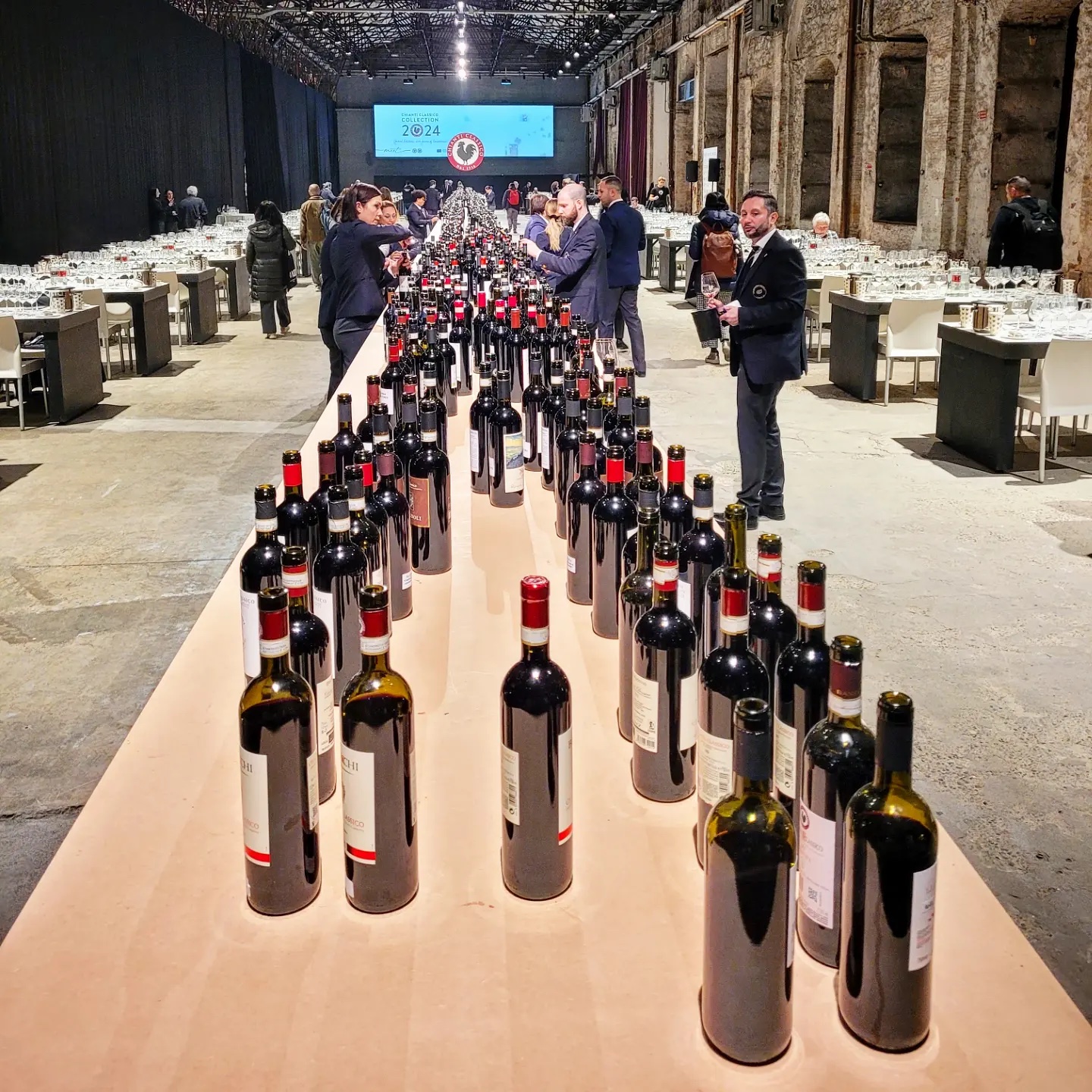
CCC2024 at Stazione Leopolda

Chianti Classico DOCG 2021

Cecchi Chianti Classico DOCG Storia Di Famiglia 2021, Castellina

The only Cecchi Chianti Classico produced as a négociant with some other Castellina grapes purchased for this Storia di Famiglia. The family wine, most distributed, easy to drink, just sangiovese and one that must be “a mirror to the vision,” inists Andrea Cecchi, which it clearly is in the most professional way. Drink 2024-2026.  Tasted May 2024

Cecchi Chianti Classico DOCG Primecolle Villa Cerna 2021, Castellina

Primecolle, the first hill that you see coming in to Villa Cerna with a 360 degree panorama. The expression is not the same as that of Storia di Famiglia but still freshness and Castellina savour that comes from the local argilla soil. More terroir involved, a balsamico and identity that’s even a bit rustic, austere and stringent. Crunchy sangiovese however, with a more trenchant identity and one to really sink your teeth into. Drink 2024-20267.  Tasted May 2024

With Enrico, Monica and Cosimo at Villa Pomona

Fattoria Pomona Chianti Classico DOCG 2021, Castellina

From Pomona comes beauty and also love, of sangiovese (with just two splashes of colorino because it’s there) and who would not intuit that Monica Raspi has become one of this territory’s great instinctual makers of Chianti Classico wines. Rich and understated, unctuous, restrained and refined. Precisely Raspi, Pomona and this drift of a vineyard space in southern Castellina. Something about this Annata is just perfect.  Last tasted February 2024

Monica Raspi’s acumen and comfort level have acceded the exceptional because she is passionate about making top echelon sangiovese as much as any winemaker, self-taught or not in Chianti Classico. The 2021 includes just five percent colorino, took 10 days to ferment and remained on its skins for somewhere between three and four weeks. This is a significant number, more prevalent in the region than it was just a few years ago and when managed right will transform Chianti Classico into sangiovese of the ethereal. A substantial, silken and seductive ’21 here from Pomona with its mix of sweet acidity and Castellina liqueur. The tannins are liquid Alberese chalky from a linear wine moving upwards and forwards in stride. This has the length and the balsamico specific to Pomona. A top body of Annata work from Raspi and just the sort of style to pass on to the next generation; Cosimo and Costanza. Drink 2024-2028.  Tasted October 2023

Lornano Chianti Classico DOCG 2021, Castellina

More richness and density than what we’re used to from a Lornano Annata, especially from one made with 100 percent sangiovese. Immediate warmth aromatically speaking and without pause to palate, nor as breaks in structure. A sensation of roasted nightshade vegetables and toasted meaty char. Would be a confusing wine poured in a blind tasting with some varietal examples from the southern hemisphere. Drink 2024-2027.  Tasted February 2024

Mazzei Chianti Classico DOCG Fonterutoli 2021, Castellina

Always traditional with a dried herbal, dusty and brushy component, but truth is the refinement in concrete really silkens and smooths out Annata for an enticing and getable drink now style. Challenging but conversely successful vintage because fruit stands up vertically with the gift from an outstretched sangiovese arm of immediate gratification. Top quality for the usually healthy production Classico for here, now and all to enjoy. Will show at its best a year from now. Drink 2025-2028.  Tasted February 2024
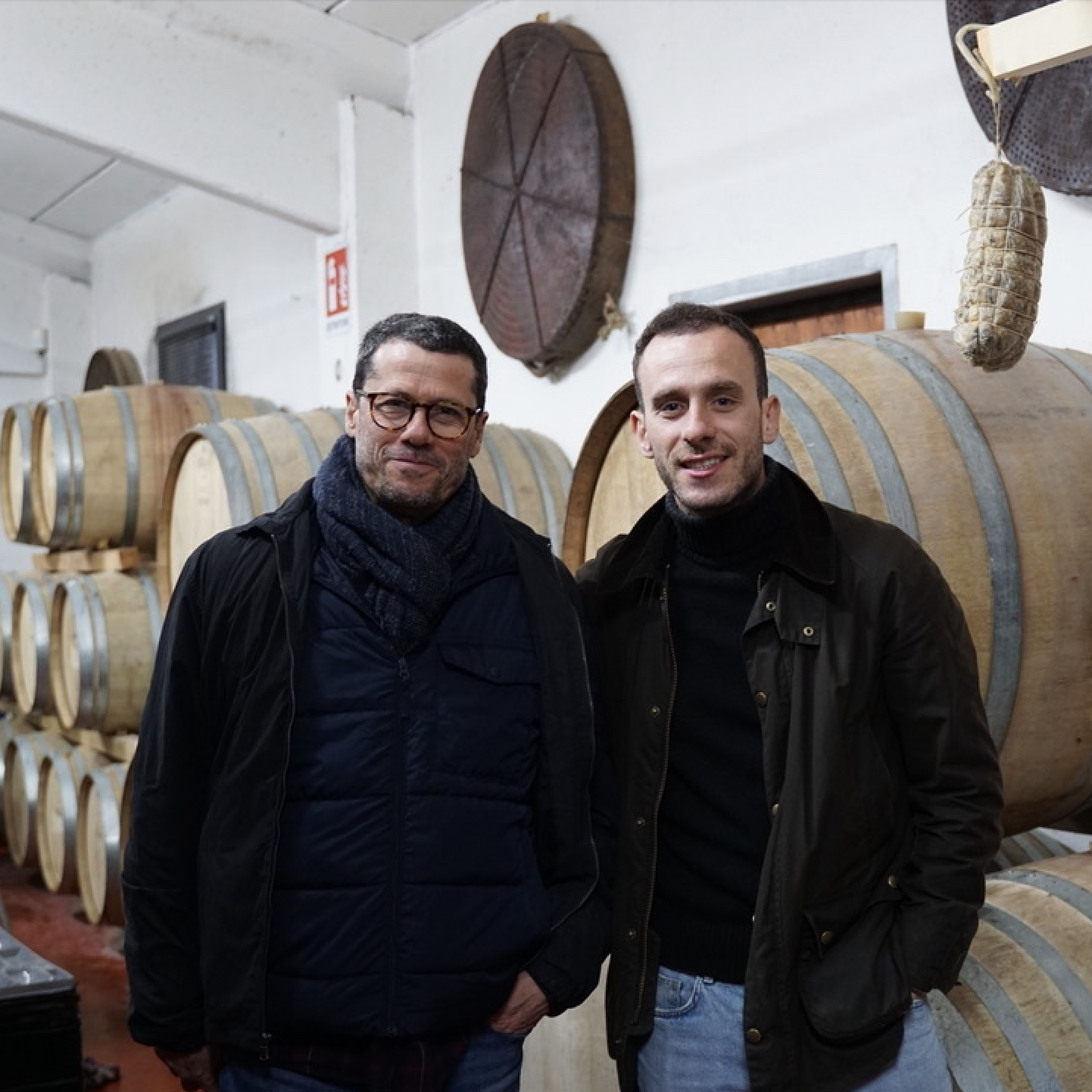
With Giacomo Nardi – Nardi Viticoltori, Castellina

Nardi Viticoltori Chianti Classico DOCG 2021, Castellina

For Giacomo the Classico is a “traditional blend and vinification.” Elevated and lifted aromatics from Castellina for Annata, aromatically charged, lifted, phenolic and allied to the palate with well ripened fruit. Sees time in Botti (Tuscan from near Ruffina) and Slavonian wood. Not so much a matter of volatility as about freshness, but a verdant stripe does run thorough the perfume’s middle. Cool, minty savoury, sapid and salty with a feeling of the endemic ethereal. Great curiosity and controlled intensity for Nardi’s 2021. Drink 2024-2029.  Tasted twice, February 2024

Nittardi Chianti Classico DOCG Belcanto 2021, Castellina

A beautiful song indeed and so a Chianti Classico appropriately named delivers a thing of vintage beauty. Proficiently perfumed, spices piquing on the palate and strategically structured to create a wholly reasoned and seasoned sangiovese. The “other” varieties, whatever they may be and comprising 10 percent do right and well by this fine 2021. Drink 2024-2028.  Tasted February 2024

Nittardi Chianti Classico Casanuova Di Nittardi DOCG “Vigna Doghessa” 2021, Castellina

Campione: Single vineyard or cru example and a sample with the uncanny aromas resembling anise or black liquorice. No missing that as distinct as it gets and this despite the reductive nature of the wine. Needs several years to unwind. Not the finest tank or barrel sample drawn but there is some idea where this is gong.  Tasted February 2024

San Fabiano Calcinaia Chianti Classico DOCG 2021, Castellina

Sangiovese with 10 percent canaiolo and colorino from the warm vintage down in quantity due to the April frosts, a year-plus spent in tonneaux followed by six months in bottle before release. That quantity was two-thirds of a normal production and concentration is surely above the norm in this 2021. Great acidity, highest level of the stuff and the fruit is ever-bearing ripe on the nose while tannins are overtly grippy and the wine needs another year in bottle to truly show its stuff. That said this will surely be the finest Annata from San Fabiano Calcinaia. Drink 2025-2031.   February 2023 and February 2024

Tenute Squarcialupi Chianti Classico DOCG 2021, Castellina

From Castellina vineyards primarily west of the village in a gully shaped like a half-pipe amphitheatre, an amazing Chianti Classico microclimate that gives a special purpose to Tenute Squarcialupi’s sangiovese. Add in the next generation ideas of Cosimo Bojola and the torch passing is in transition. This is the classic, clean and traditional Annata that carries the stamp of Tommaso Bojola but in 2021 the connection with son Cosimo’s winemaking wisdom is closer than ever before. Tenute Squarcialupi 2021 Annata stands up linear, vertical and to be counted. It should not be missed. Drink 2024-2029.  Tasted February 2024

Tenuta Di Lilliano Chianti Classico DOCG 2021, Castellina

Spices mark the aromatics, pique the senses, draw in the olfactory and take the stage. A force upon the palate, more spice circling through mouthfeel and some black cherry bitters clasp the finish. Traditional and serviceable to vintage.  Last tasted February 2024

A reminder that the Ruspoli were a high aristocratic family from Rome though originally from Florence. The estate is co-owned by brothers Giulio and Pietro Ruspoli and managed by Giulio Ruspoli since 1989. The 2021 Annata Classico is in fine shape, still chalky of tannins in the midst of its resolution and while it drinks well now (with some air), there are surely two to three years left for ongoing pleasure. Can’t see the fruit dissipating until late in 2026.  Tasted January 2024

There are many, not all mind you but a great number of 2021 Chianti Classico in delivery of this silken, glycerol and so very modern character. That and a firm grip with high level acidity captured. A big wine this time from Lilliano, stylish, chic and strutting. Fruit set and connectivity are well aggregated though this won’t be one to age indefinitely. Drink in the near term. Drink 2023-2026.  Tasted February 2023
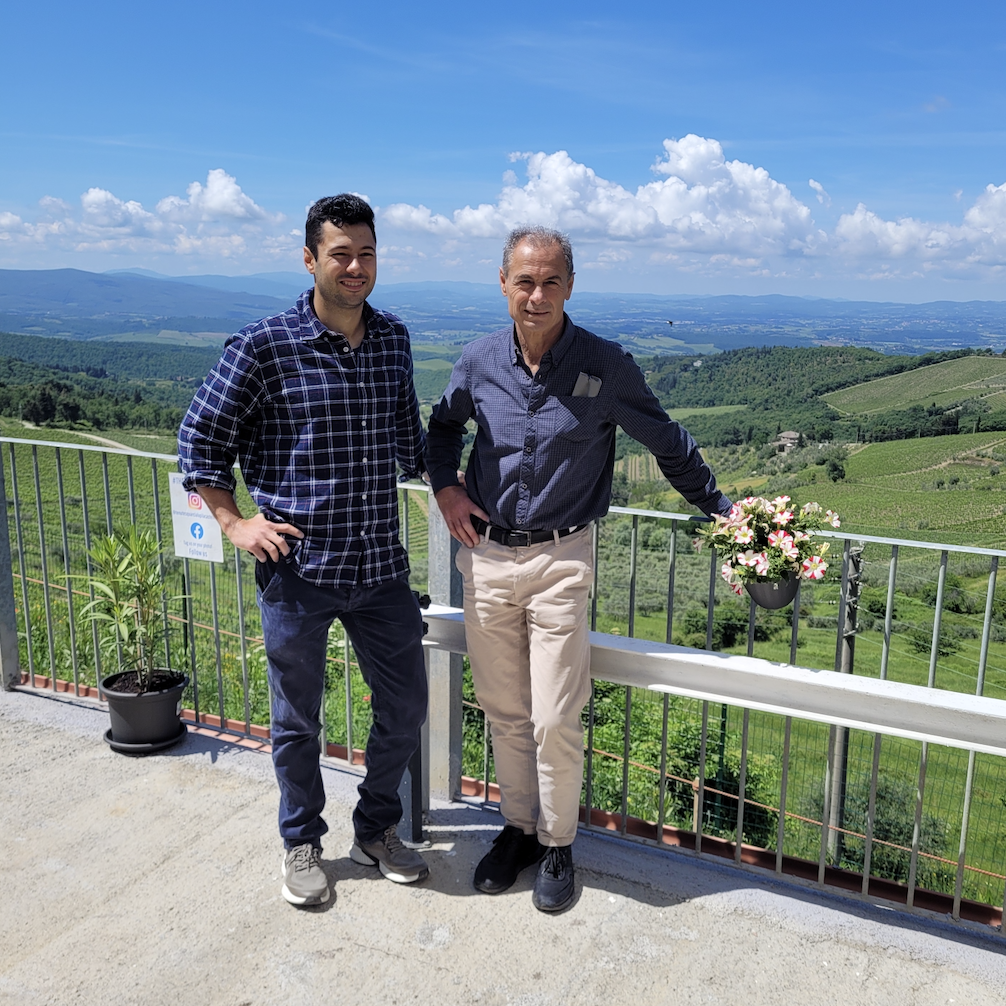
Cosimo and Tomasso Bojola – Tenuta Squarcialupi, Castellina

Tenute Squarcialupi La Castellina Chianti Classico DOCG Cosimo Bojola 2021, Castellina

“L’Alta” Annata for Squarcialupi is this amphora indiction of indication that is simply the brainchild of next generation winemaker Cosimo Bojola. Connected in a most familial way to the other Classico but texture and mouthfeel are altered, transformed and transmogrified in the most religious way. The piety is born of sangiovese passion, to see through an ulterior if respectfully concurrent lens and the result is something emphatically restrained. Brilliance of red fruit purity with an underlying earthiness and brightness that supports the textural movements. The palate is aroused and the senses are piqued. Impossible to look or taste away.  Last tasted February 2024

Squarcialupi farms 33 Castellina hectares plus 10 in Maremma. Tommaso Bojola’s is the only cellar in the village of Castellina. His father in law purchased the land, building, enoteca, restaurant and aging cellar in 1980. From 2020 all the wines are organic. Aged in amphora for 11 months, all sangiovese on skins, the label hand drawn by Cosimo himself. The only Chianti Classico DOCG for which 100 percent comes out of amphora and Cosimo’s is anything but light and yes it’s a different style but there is nothing idiosyncratic about this wine whatsoever. Blood orange, tar and roses, just sticky enough to solicit palate attention and really just a pure expression of sangiovese. A melt of sweet clay, very Galestro mineral. Drink 2023-2027.  Tasted February 2023

Carpineta Fontalpino Chianti Classico DOCG 2021, Castelnuovo Berardenga

Indelibly stamped Carpineta style while so very fresh for 2021, truly bright of great breaths of Castelnuovo Berardenga air. Aged in tonneaux after cement fermentation and to say this was judged with fine precision would be paying close attention to Gioia Crest’s acumen and always consistent deft touch. Spot on for 2021 in so many respects.  Last tasted October 2023 and February 2024

Wow the energy from 2021 Carpineta Fontalpino is off the charts, ergo there is this wide open sensation from Castelnuovo Berardenga that will not be denied. Fruit swells and impresses with its gingered-crimson beauty and the advances of egress by structural demand. While too youthful and awkward for all parts to hook up they will, in time, for all the right reasons and with zero regret. Drink 2025-2032.  Tasted February 2023

Castello Di Bossi C. Berardenga Chianti Classico DOCG 2021, Castelnuovo Berardenga

Big production of quality across the board, of fruit layered in a thousand ways, all working together for the most solid and qualitative expression of 100 percent sangiovese. Proper, correct and professional. Drink 2024-2028. Tasted February 2024
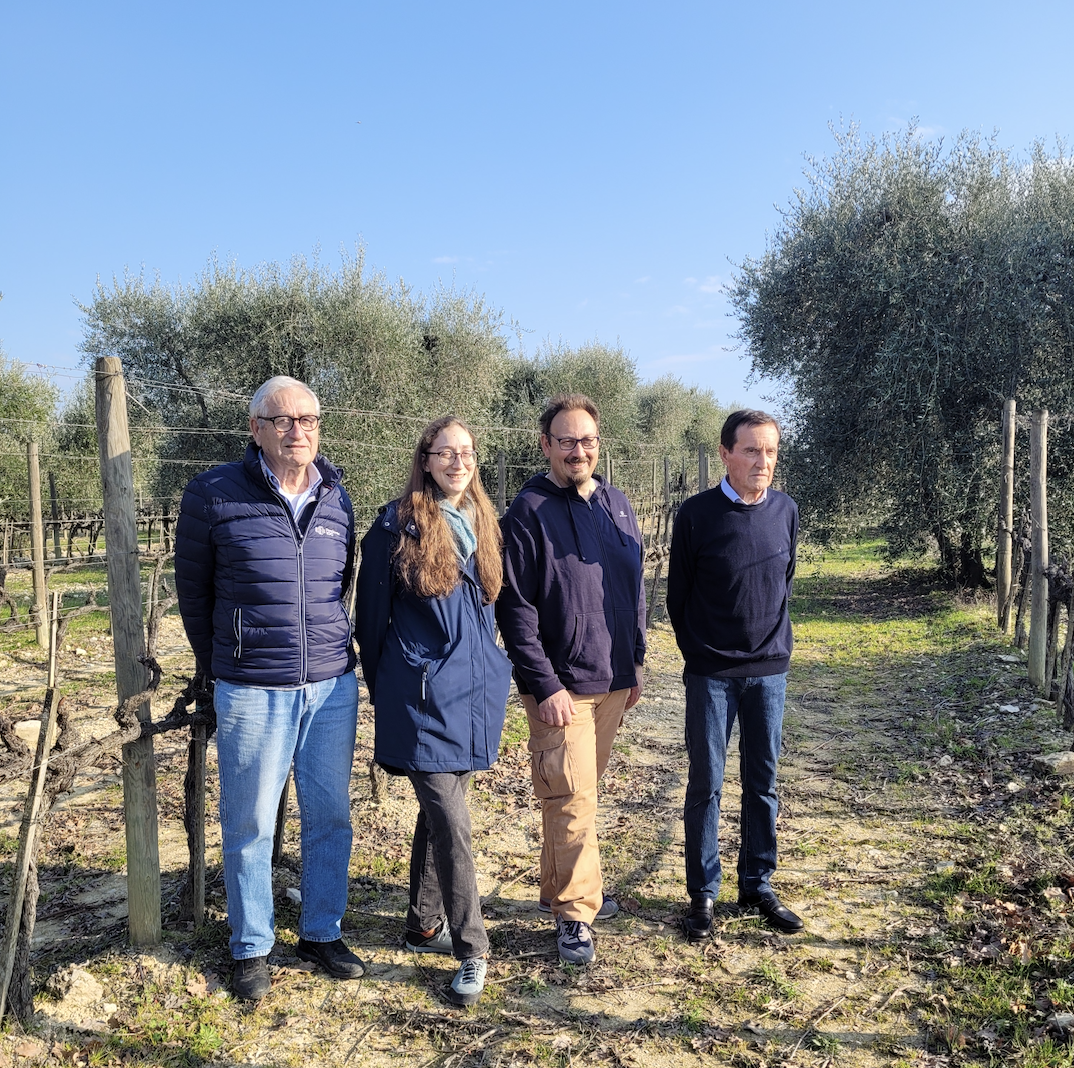
Famiglia Losi – Losi Querciavalle, Castelnuovo Berardenga

Losi Querciavalle Chianti Classico DOCG 2021, Castelnuovo Berardenga

Campione: High-toned, lifted, Alberese directed, sauvage of aromatics on display. A nosing of volatile compounds which are often part of the sample experience and one not wholly indicative of what the settled and cleaned-up finished wine will be. Losi’s sangiovese are exceptional for Castelnuovo Berardenga and this gives little insight into what they can be.  Tasted February 2024

Nicely settling in 2021 Annata from Arceno, compressing and compacting as it plays upon the palate, though underneath both acids and tannins continue to work their magic. These recent sangiovese (with 15 percent softening merlot) have found their rightful place on the Castelnuovo Beradenga spectrum. They are as clean, modern and generous as they come.  Last tasted February 2024

Tenuta Di Arceno Chianti Classico DOCG 2021, Castelnuovo Berardenga

A vintage for which merlot at 15 per cent does wonders to install calm and roundness into San Gusmé sangiovese of dusty, drifty and instigative tannin. There is a swirl of red to purple berry liqueur in this high glycerol content of an Annata to take Castelnuovo Berardenga into another stylistic and one not often reached. Modernized, renovated and refurbished. Drink 2024-2027.  Tasted February 2023

Badia A Coltibuono Chianti Classico DOCG 2021, Gaiole

The traditional estate blend, with canaiolo, colorino and ciliegiolo to compliment sangiovese. Two to three weeks of maceration, at the longer end from 2021 and for Gaiole this is just so Monti relatable with just about a 10 percent accent by Vagliagli within Castelnuovo Berardenga. Fine acidity for this Classico that hints at though stays quite clear of balsamico. Certified organic by Delineat, a private agro-forestry network now recognized by higher powers. The discipline includes solar work, carbon neutral footprint and lower levels of copper usage. Drink 2024-2029.  Tasted October 2023 and February 2024

Bertinga Chianti Classico DOCG La Porta Di Vertine 2021, Gaiole

Bertinga’s is expressly Gaiole, verdant of its greens and clearly an expression off of rocky soils. You sense the land in the freshness and clarity of the sangiovese. Truly crispy and crunchy, mineral and tannin streaking simultaneously in parallel lines and length unrelenting for as long as the palate would wish to keep tasting the wine. Will age really well. Drink 2024-2029.  Tasted February 2024

Cantalici Chianti Classico DOCG Baruffo 2021, Gaiole

Only sangiovese and about as obvious as a Gaiole UGA produced example as could ever be. The mix of dried herbals and forest brush, über savoury elements and drying tannins all add up to the tight and taut sort of Annata Classico so many know well. This must be cellared for a year our two before flesh and fruit pulpiness can be coaxed out of the structured shell. Drink 2026-2029.  Tasted February 2024

Casa Al Vento Aria Chianti Classico DOCG 2021, Gaiole

Campione: Closed and tart, tannins very much in the way and an awkwardness at this early stage. A must return no sooner than one year forward. Indicative of the perils of showing cask samples instead of finished wines.  Tasted February 2024

Castello Di Cacchiano Chianti Classico DOCG 2021, Gaiole

Real Monti in Chianti fixture within the Gaiole UGA with 2021 measuring 95 percent sangiovese, (4%) malvasia nera and (1) colorino. Noticeably reductive, intensity of focus and a Monti verdant quality captured to express terroir and also nature. Sifted softness owning the palate but also piques of spice and endemic character. Clearly a step up in quality and complexity for this truly historical estate. Drink 2024-2027.  Tasted February 2024

Fattoria San Giusto A Rentennano Chianti Classico DOCG 2021, Gaiole

While the wines are really intense with extreme concentration there is some current difficulty to see them as pleasing. They remain a bit closed, especially on the nose but the potential for aging is great. Though it had been that way for some there were not great frost problems, Not just aromatic intensity but spice and attack on the palate, This strikes as something a bit difficult to drink at this time but the structure is surely impressive. This is Annata that would be Gran Selezione for at the very minimum another 150 estates.  Last tasted February 2024

Extreme youth for a Fattoria San Giusto a Rentennano Annata and while this is a barrel sample truth is Luca Martini di Cigala’s offers up more fodder for assessment than many. This will be a most important vintage for two reasons. The first is quality and the second a matter of education, a view to master interpreter taking water (of Gaiole) and transforming it into wine. Not just Gaiole but a little peninsula between the arms of Vagiagli and Castelnuovo Berardenga on a promontory specific to San Giusto. Fine lines, angles and waves continually sweeping make this a most impressive Annata and one to savour for the next 15 years. Drink 2025-2035.  Tasted February 2023
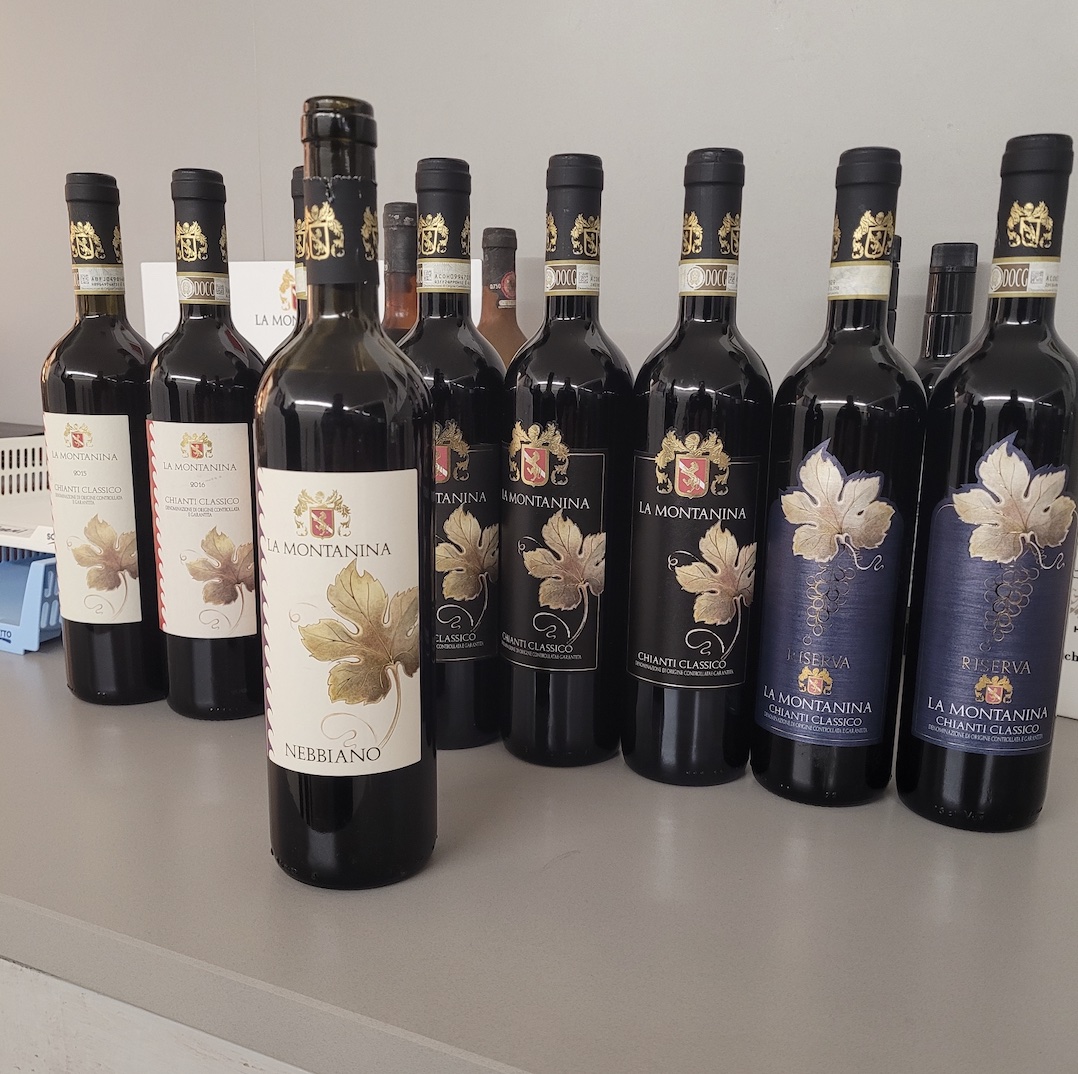
La Montanina Chianti Classico DOCG 2021, Gaiole

The work of Bruno Mazzoni whose maternal grandfather was producing wine here in Gaiole in the 1970s. Mazzoni started tarted in 2006 wth a rebuilding of the cellar, first produced Chianti Classico in 2012, but waited a few years to begin selling the wines. His 2021 is a new and very youthful vintage made by winemaker Maurizio Longi for a Chianti Classico that shows off the true character and nature of Gaiole sangiovese. Tension and yet a transparency because it’s a bit lighter (than say 2019 or 2016) but the potential for aging here is great. Crunchy and crisp, a wine you can grip between the teeth and bite down, then finishing with piques of energy and spice. This is a fine wine of purpose. Drink 2024-2028.  Tasted December 2023 and February 2024

Marchesi Frescobaldi Chianti Classico DOCG Tenuta Perano 2021, Gaiole

Today Tenuta Perano has a distinct advantage and that is elevation. Ten years ago that would not have been said but 550m is no longer considered a cold altitude and so critics and consumers alike should no longer dismiss this place. At Perano the sangiovese matures on both ripeness fronts and does so at a markedly reduced crop per plant. Results are more than simply a matter and meter of concentration. Lamberto Frescobaldi notes how the Chianti Classico from this part of Gaiole are those of “severity and specificity, and it can be tasted in the wines.” It comes from agriculture and can’t be missed. That is if the winemaking is expressed with humility. The verdancy and freshness by elevation are Gaiole and they foil the substantial elements, namely fruit and tannin. All of this is raised to the highest degree in the Annata 2021. “Especially when the plantings are on cooler sites but you really have to be careful, to push the harvest later.” The conclusions are captured acidity and a lovely expression on the nose. “You may not like sangiovese,” concludes Frescobaldi, “but you will always be intrigued by it.” Drink 2023-2028.  Tasted December 2023

Rocca Di Montegrossi Chianti Classico DOCG 2021, Gaiole

Sangiovese with canaiolo and colorino of a deep Chianti Classico hue that Marco Ricasoli explains “is fixed by the Alberese. It’s the calcium in the limestone that really helps this process.” So different than sangiovese coming from Macigno (as a general rule) yet here the colour is full and opaque. Fresh vintage, substantial fruit, quantity high, all things a winemaker wants from Chianti Classico. Purity of aromas, linear of style, stony moments from start to finish. Just beginning to open up and really quite salty. Will surely see this last through the decade in a nearly primary state.  Last tasted October 2023 and February 2024

Surprising grip and structure here from Rocca di Montegrossi’s 2021 Annata, well not exactly shocking but this is a vintage wine quite far from readying towards release. Tannins are fine chained, grained, unbreakable and of a saltiness really connecting the mineral dots of this wine. Some canaiolo and colorino bring added seasoning and so sapidity is a thing. Crunchy for Gaiole and less herbaceous than most. Should begin to open in 18 months or so. Drink 2024-2029.  Tasted February 2023

Castellaccio Chianti Classico DOCG Coste Di Felice 2021, Greve

Oxidative and a touch cooked in spite of acidity running high. Ample if decent fruit quality though it will travel quickly to where it needs to go. Drink as soon as possible.  Tasted February 2024

Montecalvi Chianti Classico DOCG 2021, Greve

Few (if any?) Chianti Classico sangiovese are augmented by the five percent mix of canaiolo and the rare canina nera, the latter of which has not been held with the greatest of reputation. Well, not since its popularity in the Middle Ages. Oft considered “a poor quality black grape that gives a terrible red wine with a dry and light flavour,” nevertheless here finding a way to elicit a positive effect. Winemaker Tim Manning has found the apex of excellence where fruit and acidity with that fineness of reduced sweet balsamic all meet and create a fine Chianti Classico 2021. Fine work no doubt. Drink 2024-2028.  Tasted February 2024

Terreno Chianti Classico DOCG Le Tre Vigne 2021, Greve

The three vineyards refer to Terreno’s Homefront Greve, across the ridge’s rift at Solano (also in Greve) and finally Montefioralle. This mix of three soils which includes Monte Morello, Pietraforte and Alberese makes for one of those Chianti Classico so well-rounded and thrice fortified. The palate senses three layers of stone bled sangiovese inter-connected yet here the air breezes through each and lifts it all together. Brava Sofia. You’ve found and created an ideal 2021. Drink 2024-2029.  Tasted February 2024

Torraccia Di Presura Chianti Classico DOCG Il Tarocco 2021, Greve

Big fruitful sangiovese from Torraccia di Presura, rich and suave, clean as a wet sponge wiping chalk off a blackboard which feels apropos because this is quite opaque and pitchy Classico. Ever so smouldering and shadowy swarthiness is ideal to break up the textural silkiness and remind us that sangiovese from 2021 and Greve is want to keep us on our tasting toes. This has much to give and give it will for three to five years. Drink 2024-2027.  Tasted February 2024

Fontodi Chianti Classico DOCG Filetta Di Lamole 2021, Lamole

The vintage is surely part of the equation but it’s almost impossible to believe that Lamole has come to this exquisite place. Perfumes as always present but tannins so very fine not just because of the sandstone but due to the maturity of the vines and the maker.  Last tasted February 2024

Pure macigno (sandstone) terroir on terraces fully surrounded by woods and what is most essential in Filetta is the perfume that just has to come from Lamole. From 2021 a most proficient and promising one, an effortless exhale and a seamless transition to mimicry upon the palate. Well structured, so subtly chalky and a succulence meeting exuberance that is as much vintage as it is place. Freshness meeting concentration at the highest level. A complete vintage, needing not be compared to any other. We’ll think in these kinds of terms seven to 10 years down the road. Drink 2024-2032.  Tasted October 2023

Fontodi Chianti Classico DOCG Pastrolo 2021, Lamole

The newest (along with San Leolino) of Fontodi’s Chianti Classico, from Lamole and a vineyard with unique geology, that being Macigno di Marne, a.k.a marine sandstone. Youthful and the oak flavours still act as a flannel blanket over the fruit but insists Giovanni Manetti, “it remains a question of time.” Second vintage of this label and destined to be a Gran Selezione when time, commissioned grants and the realization of a plan all come together in collective fruition. Average planting was back in the late 1970s with newer plantations going in. There were some mixed varieties, including canaiolo, trebbiano, malvasia and colorino. Meanwhile this is sangiovese, grippy, firm, austere and as they say, molto profumato. Drink 2025-2033.  Tasted October 2023 and February 2024

I Fabbri Chianti Classico DOCG Lamole Olinto Grassie E Figlio 2021, Lamole

Aged only in concrete, “The sangiovese just to show the Lamole terroir,” tells Susanna. “The vineyards at the top do this best.” Which means this deserves to be on the label, no matter the appellative level. No appropriation here, just heritage. The perfume is the crux and heart of this matter. Acidity too, running through like a fast moving stream over pebbles, all of which are felt across the palate. Just ideal freshness, “the beauty of the simplicity,” adds Susanna. So pure.  Last tasted February 2024

From the highest vineyard between 600 and 630m for a varietal sangiovese that separates itself from Olinto because that label holds 20 percent merlot, though 2021 will be the last vintage. From what Susann Grassi calls the “crispy” vintage” which translates as freshness incarnate and a crunchiness to the seriously spot on pure red fruit. This is so precise and the Lamole perfume exudes out of every pore. Only see concrete and at Annata level for Lamole that is the exact and proper thing to do. Brilliant. Drink 2023-2027.  Tasted October 2023

Jurji Fiore e Figlia

Jurji Fiore E Figlia Chianti Classico DOCG Puntodavista 2021, Lamole

All of Jurji Fiore’s cru wines are vinified in the same way, that being 18 months in Burgundian barriques, 30 percent new. Vines are 50-60 years old so surely not 100 percent sangiovese near to Grospoli. A field blend from a vineyard that Jurji has been renting for 30 years. His next gen daughter Sara smells chiodo di garofano which is, but is not clove, either way its a spice from a dried flower seed that scents out from this Annata. The palate is also wild and leaping with a moment of swarthiness yet is quite perfectly clean for top shelf, fresh and exciting sangiovese. As fine an Annata as there can be and so perfectly expressive of modern Lamole’s potential. Drink 2025-2033.  Tasted February 2024

Jurji Fiore E Figlia Chianti Classico DOCG Lamole Nonloso 2021, Lamole

The only cru that’s for sure 100 percent sangiovese because it comes from 20 year-old vines and is owned by the same farmer as Puntodavista in the Grospoli area. Lamole range, 18 months in three sizes of Bourgogne barrels, 30 percent new. The darkest and most intense because of recent clones playing a prominent role as compared to the others, also because those are field blends and representative of the traditional ways of the blending past. Same wood and timing but everything is elevated here, strung up inside a casing of acidity and an austerity of tannins. A sangiovese that needs time, to settle, for subsequent vintages to grow up, mature and join the balance that both Porcacciamiseria and Puntodavista already show. Drink 2026-2033.  Tasted February 2024

Lamole Di Lamole Chianti Classico DOCG Duelame 2021, Lamole

Full and substantial which is pretty much what we have come to expect from a Lamole (di Lamole) sangiovese and to a degree much higher than any other from that UGA. Perfumes yes but fruit and texture are the base ingredients to make this wine swell forth. Lots of love and deep space in L de L’s 2021 with a sleek Macigno feel throughout. Drink 2024-2026.  Tasted February 2024

Podere Castellinuzza – Paolo Coccia Chianti Classico DOCG 2021, Lamole

Upwards elevation even for Lamole, here between 550 and 600m on two exposures, one to the east and one to the north. In this sense we are looking at the cooler meeting higher sector and so expect a different, more evergreen type of savour to exaggerate the Lamole perfume in a wholly other way. Freshness incarnate, no wood, only cement aging for 20 months and a true authenticity about the expression. Really pure, if you appreciate the way. Classic, naked Lamole Classico. Drink 2023-2025.  Tasted October 2023 and February 2024
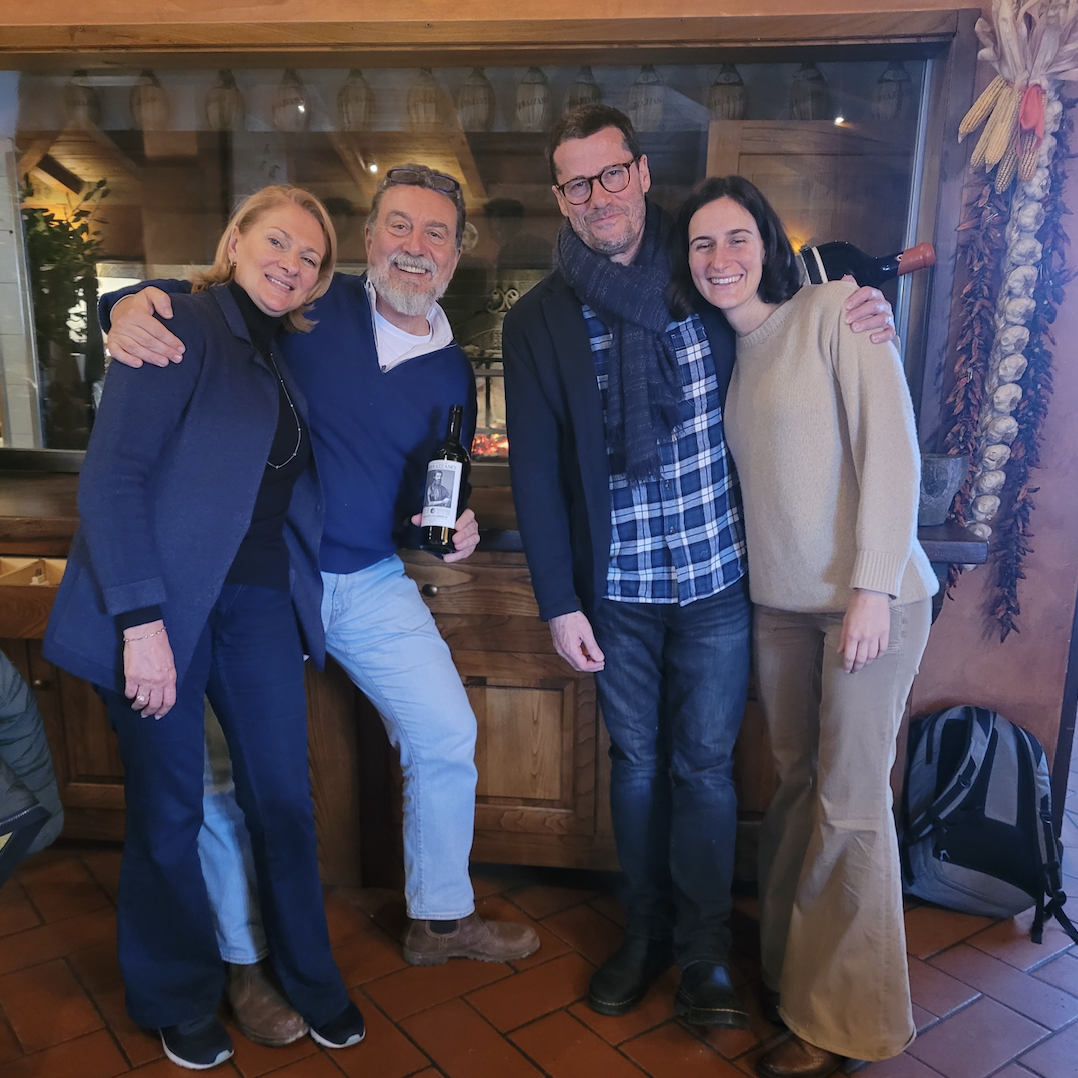
With La Famiglia Cappellini – Castello di Verrazzano, Greve

Castello Di Verrazzano Chianti Classico DOCG 2021, Montefioralle

For Verrazzano a complicated and in the end balanced vintage but who could have forecasted the restrained power and elegance. A 100 percent sangiovese vintage and one of somewhat shortened vindication to capture the grace and especially acidity of the vintage. A bit of maceration that hints at carbonic but no fizzy pulse. Almost a spicy sensation on the palate but really a matter of total energy. Bravo. Drink 2024-2028.  Tasted February 2024

Conti Capponi/Villa Calcinaia Chianti Classico DOCG 2021, Montefioralle

Chianti Classico 2021 is an example of that rare occasion when savoury, or what so many like to refer to as balsamico richness defines sangiovese. In this case an Annata of layered red citrus fruit pulled from a plethora of estate Greve-Montefioralle sources, including several vineyards trained to Alberello. A heightened aromatic example for the vintage, balanced and delicate. Low quantity and highest of quality. Drink 2024-2029.  Tasted May 2024

Jurji Fiore E Figlia Chianti Classico DOCG Altolà 2021, Montefioralle

Altolà, high elevation but from another UGA over there (that being across the valley in Montefioralle), but also a definition for the phrase “stop right there, at attention.” Another Villages wine but the paradox here is how the vineyard was in Panzano and after the UGA was created it fell under the auspices of Montefioralle. Clay soil with Pietraforte so very typically Panzano, darker of colour, fleshy, but with a fire touch. Closer to Nonloso than any of the other Lamole wines but here you have an old vineyard with other red varieties in the field mix. This is an incredible mix of the two, fleshy and rich yet lifted and elevated of incredibly sweet acids. Wow for a first vintage and so one can only imagine what’s to come. Drink 2026-2033.  Tasted February 2024

Maurizio Brogioni Winery Chianti Classico DOCG 2021, Montefioralle

Just a healthy splash of early ripening merlot softens and sweetens the Montefioralle sangiovese for a clean, technically sound and in its finest moments, also soulful Chianti Classico. Plenty of barrel involved, creating a resinous and soya sauced effect but fruit is bold, strong and able to handle the wood. Works out in the end though caramelization is coming soon. Drink 2024-2026.  Tasted February 2024
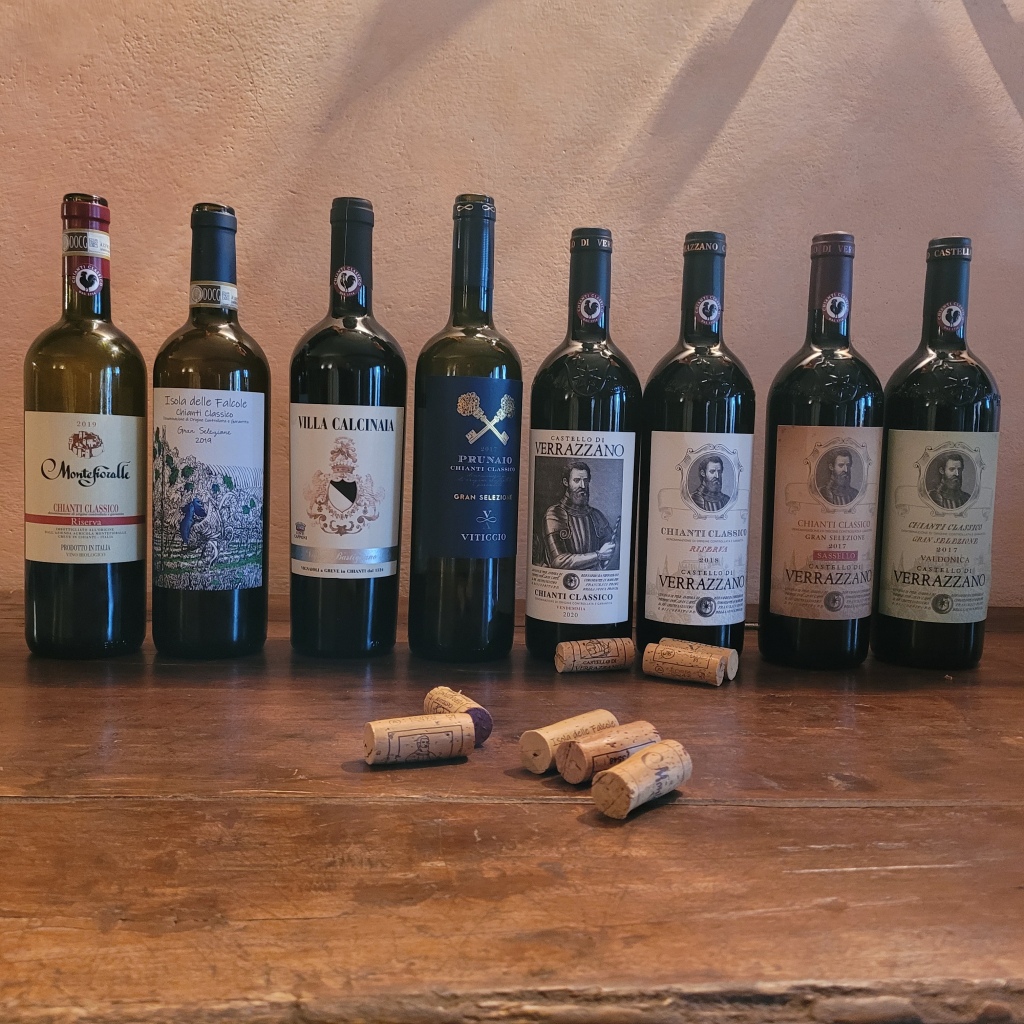
Montefioralle wines

Montefioralle Chianti Classico DOCG 2021, Montefioralle

Some heat in the ’21 perfumes but also a spice cupboard of exotics sifted into a masala as seasoning for seriously ripe sangiovese fruit. The six plus four percent of canaiolo and colorino are not to be forgotten because like the spices they are stirred and integrated so very well for a fully emulsified Annata. There is some lift and then piques of volatility which add to the warmth and the mystique. Drink 2025-2030.  Tasted February 2024

Viticcio Chianti Classico DOCG 2021, Montefioralle

Crispy sangiovese with a soft middle provided by five percent merlot and a fine example of suave 2021 Montefioralle Chianti Classico. Rich and the sort you can sink your teeth into for pairing with proteins of equal steading. ‘Tis a healthy and substantial Annata no matter how you slice, braise or roast it. Drink 2025-2028.  Tasted February 2024

Cafaggio Chianti Classico DOCG 2021, Panzano

Bonafide 2021 and exemplary varietal sangiovese from Panzano’s Cafaggio if one of the fleshier, riper and more glycerol examples. Tart and intense, acidity equal and opposing that fruit to carry forward all the way through. No hole or mid-palate fatigue but all in, all the time. A drink now and soon Annata with swagger and style. Drink 2024-2026.  Tasted February 2024

Ca’ Di Pesa Chianti Classico DOCG Burrone 2021, Panzano

Small production of the etichetta label called Burrone, a gulch or a gully and the feel of gravity’s pull compresses to see this 100 percent sangiovese lay low in that depression. Not weighty per se but yet set in the lower reaches of brightness and energy. It’s a style for one that will age for a few years still. Drink 2024-2027.  Tasted February 2024

Fontodi Chianti Classico DOCG 2021, Panzano

Always tasted second to Filetta and though perhaps 10 years ago that may have been the opposite the change has come. Truly salty veins running through the flesh of Panzano, with thanks to the mix of schist, calcaire and the great power of Pietraforte stone. Hold this 2021 for another year.  Last tasted February 2024

Like the Filetta di Lamole, the Panzano Classico was also bottled quite recently and is to be released in the Spring of 2024. A full on expression of the Classico for Fontodi from a vintage of everything; substantial fruit, quality and quantity, acidity at peak, generosity and potential. What more does there need to be? About as full and classic as it gets for this stalwart and even just that wee bit of Panzano swarthiness that give these sangiovese their intrinsic and inherent character. Caught with spot on simplicity and poise. Drink 2024-2030.  Tasted October 2023 and February 2024

Fontodi Chianti Classico DOCG Dino 2021, Panzano

A factor of the blue schist makes the call for amphora and if your mind is open and imagination runs loose then believe that the perfumes and flavours are truly connected to the soil. Leathery chew with infiltrate freshness, cake and chalk, tannin and acidity. Spices run amok. Everything captured and preserved, life still laid out long ahead. Just a bit of residual CO2 wards ofd oxidation and allows for lower sulphites usage.  Last tasted February 2024

The Chianti Classico that sees amphora, stainless steel and also French wood – but no Slavonian oak. The outlier and if it needs be said, the experimental Annata. That said it has evolved from its IGT (Toscana Centrale) origins and the soils are Pietraforte in this specific micro-climate (a cooler one) from which finer and dustier tannins come away. More about texture in Dino but this is also a bit of a crooner expressive of songs sung from its valley origins. Not a frost zone because it buds later and at harvest time there is the diurnal fluctuation from 30 degrees by day to 10 at night. Great but different acidity from Dino, sweeter but also a balsamic aspect. Unique Classico in every respect. Drink 2023-2027.  Tasted October 2023

Gagliole Chianti Classico DOCG Rubiolo 2021

Three terroir collection of Gagliole’s youngest vineyards across their estates, a macro of balancing related to soils built on Alberese, Pietraforte and Galestro. Brings all elements to the table; phenols, dusty savour and a mix of Classico acidities. In this vintage the pick was relatively late (especially in Panzano), as late as October 21 and 22. A management of vineyards leads to a capture of freshness so essential for the Annata level of Chianti Classico. Gagliole gets it in the most croccante way.  Last tasted May 2023 and February 2024

Rubiolo is 100 per cent sangiovese and Panzano fruit from 400-plus meters of elevation above and to the west side of the Conca d’Oro. Expressive of the two factions of Panzano character, texture and savour. Silky smooth liquidity and more accessible than what might have been pre-conceived though there is surely no lack of grip emanating through the cool ooze of this wine. Really quite fine. Drink 2024-2028.  Tasted February 2023

Il Molino Di Grace Chianti Classico DOCG 2021, Panzano

No, 2021 is not readying for the open window. Not yet. The tannins are still chalky and firm, the fruit bright and clean but they still submit to the tight clasp that grips and holds. No lacking for flesh and weight but yes the crisp character is what we are waiting for.  Last tasted February 2024

A low (450 quintale or 45,000 kg) production vintage due to April frosts though the quality was very high. Is 2021 the best I ask Iacopo Morganti.“Every time the last one has to be the best one…though 2021 is like 2001. Similar vintage, weather included but there was more production from 2001.” The style is similar, also colour of fruit, elegance, light and ethereal with purposed acidity. “In 2020 the fruit was darker, you feel more oak,” he adds. These ‘21s are typical wines as and for sangiovese. Pure, light and so elegant, bottled on the 21st of September. Hard to find a more amenably front-ended Chianti Classico but the tannins are still somewhat aggressive. Not Riserva in that sense because there is less flesh and body. Still this is a discreetly charming 2021 and a great wine to drink, whenever you feel ready. Aging will be somewhere between six and nine years, give or take and depending on the situation. Drink 2024-2031.  Tasted October 2023

Il Palagio Di Panzano Chianti Classico DOCG 2021, Panzano

The crunchiest and most piqued of Panzano vintages is juicy and peppery in the hands of Il Palagio di Panzano. Just ever so slightly reductive and in that space caught inside a hard shell, acids and tannins circulating like protons around the atom. Drink 2024-2027.  Tasted February 2024

Le Fonti Di Panzano Chianti Classico DOCG 2021, Panzano

This is truly a preview of the Le Fonti Chianti Classico 2021 because this is the vintage that will be poured at the Chianti Classico Collection held in Florence on February 15th and 16th. When frost struck the area on April 6th and 7th, 2021 Vicky Schmitt-Vitali said “Le Fonti is positioned quite open to the winds so most vineyards fared OK with the frost. Only one small patch protected by trees and bamboo at the bottom of the valley got freeze-burned. The other side of the valley got hit worse so we have to be grateful. Lucarelli (the small village in Radda just below Panzano) is always very cold and our tractor driver lives there and said that his house was minus six the past few nights. All fruit trees burned but his vines had not been out yet so he was lucky.” The result here is a top notch, clean, fresh and harmonious Annata that also happens to be a sangiovese of higher quantity than many out of the vintage. The acids here are just about perfect and the flavours are as enticing as they are diverse. Without a doubt one of the finest Chianti Classico ever made by Guido and Vicky at this appellative level. Drink 2025-2030.  Tasted January and February 2024
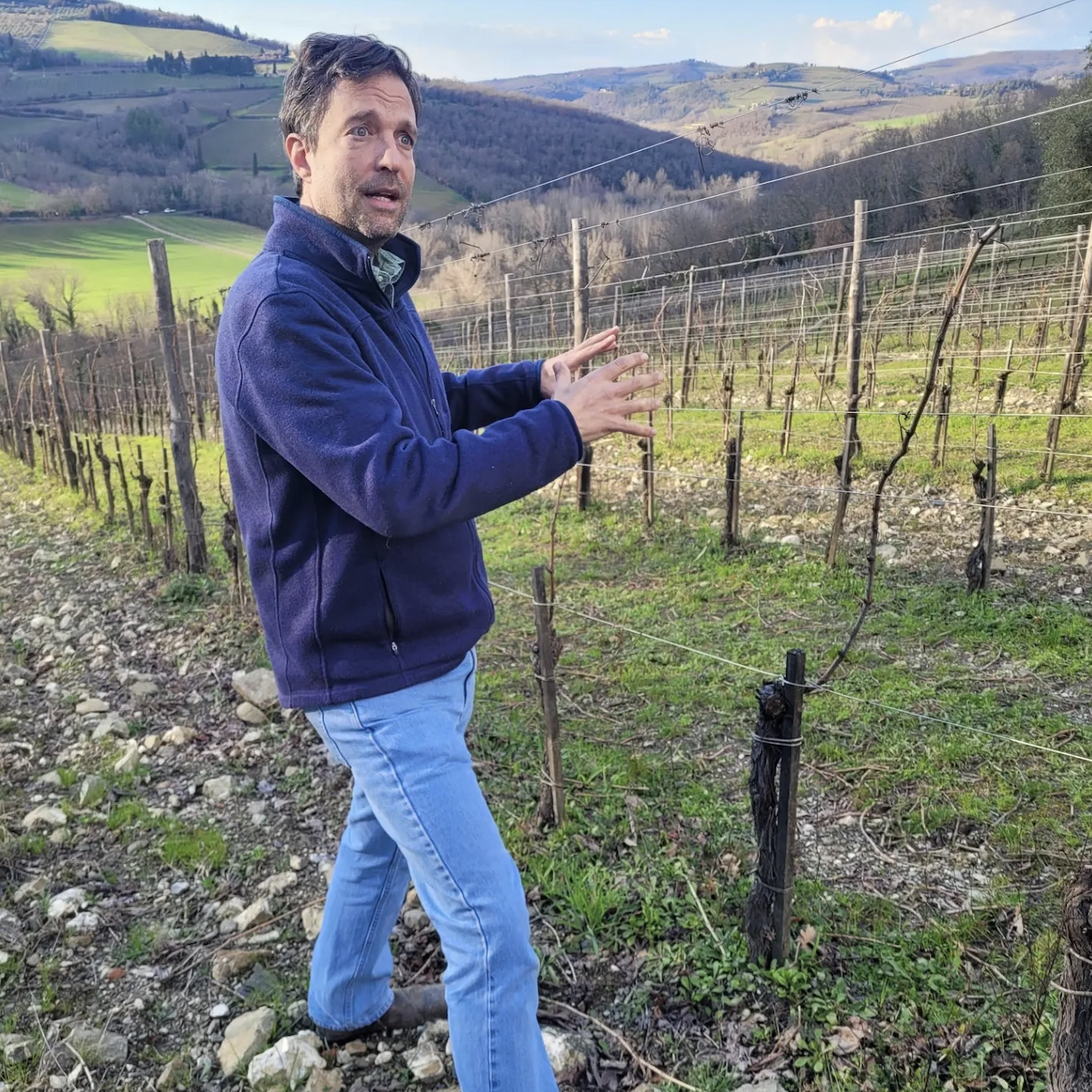
Michael Schmelzer – Monte Bernardi, Panzano

Monte Bernardi Chianti Classico DOCG MB1933 2021, Panzano

From the 90 year-old vigorous vineyard and insists Michael Schmelzer, “it would be insane to make it not the way it was planted.” Ten grapes which add up to a 100 percent field blend that may include sangiovese, colorino rosso, colorino bianco, malvasia nera, canaiolo, malvasia nera and ciliegiolo. Once again the respect to agricultural heritage and long maceration conspire for complexities and flavours that most people don’t associate with Chianti Classico. If this is what the old farmers were producing then quality was actually a thing, at least in 1933. MB is Marcello Bartolini, teacher and mentor who just retired in December 2023. Crunchy, tart, red citrus intensity and a char of herbs. Perhaps not quite a unicorn but surely one of the most singular wines made in the entirety of the Chianti Classico territory. If classic is also a thing than this would be it but what it is not is Riserva, or Gran Selezione. Drink 2025-2033.  Tasted February 2024

Cosimo and Sebastiano Gericke – Fattoria Rignana, Panzano

Fattoria Rignana Chianti Classico DOCG 2021, Panzano

Just a small amount of April frost damage happened in the lower part of the vineyards near the Pesa River but the rest of the higher reaches were unscathed and so quantity out of ’21 was fine, while quality ran high. Just stainless and concrete (no wood) for a truly fresh and sustainable Annata. The 15 percent canaiolo adds a dimension of sapidity as balance to what sensations high acid and saline sangiovese are want to deliver. Drink 2023-2025.  Tasted October 2023 and February 2024

Tenuta Casenuove Chianti Classico DOCG 2021, Panzano

Beautifully settled sangiovese with that quick sapid kick urged on by five percent canaiolo. A lovely swirl of fresh and clean red fruit, unmistakable glycerol, late arriving acidity and nearly resolved tannin. Drink 2024-2026.  Tasted February 2024

Arillo In Terrabianca Chianti Classico DOCG Sacello 2021, Radda

Taken from the largest parcel up the hill to the right of the church and no wood involved. Soft and suave, the silkiest Annata imaginable and one that coats the palate with its substantial fruit. Perfume and spice are Raddese, as is acidity, of course.  Last tasted May 2023 and February 2024

Intense sangiovese while also drying and tannic with potential to travel far and yet this is certainly not the early beauty of what came from 2020. More so a sangiovese of classicism that must have some time in the bottle before we know what will come. Great length here so there will be a future, that much is guaranteed. Drink 2025-2029.  Tasted February 2023

Borgo La Stella Chianti Classico DOCG 2021, Radda

Quiet entry, reserved and not exceptionally fruity though a feeling of a place lurks in the shadows. Fresh, bright, clean and high acid. Not particularly fleshy, of lightning red fruit and satisfying. Drink 2024-2027.  Tasted February 2024

Borgo Salcetino Chianti Classico DOCG 2021, Radda

Pure sangiovese, tiny production, tart, concentrated, verging on syrupy. Intensity of acidity and balsamico, a Radda stylistic magnified and hyperbolized for the world to see. Heart and sangiovese worn on sleeve. Drink 2025-2028.  Tasted February 2024

Castello Di Radda Chianti Classico DOCG 2021, Radda

Darker fruit adoration for the vintage owning to Castello di Radda’s south-central location within the UGA and the accumulation is duly noted. Levels of richness and yet this singsong quality that creates waves of fruit in and out of mild structure. Not the grippiest of ‘21s but one to enjoy in the near term. Drink 2024-2026.  Tasted February 2024

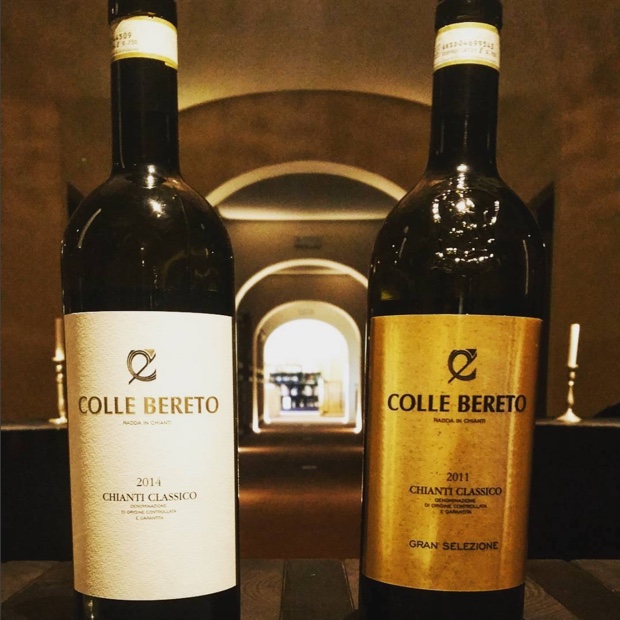
Colle Bereto Chianti Classico DOCG 2021, Radda

Classic Colle Bereto Annata, more estate style than Radda which is not a massive shock from the vintage. Clean, crisp and what can be thought upon as crispy, no departure from the UGA in that regard but the precision and clarity is expressly Colle Bereto. Grande, Bernardo Bianchi. Drink 2024-2029.  Tasted February 2024

Istine Chianti Classico DOCG Vigna Istine 2021, Radda

There can be little doubt that of the three Istine wines that could be Gran Selezione it is the homefront Vigna Istine that quietly settles upon the palate with the most elegance and grace. That and a private austerity, yet nothing to do with asilita, loosely translated as “skininess.” No, there is flesh and body but in an elastic and layered way. Then a return to the elegance and the grace. This is Istine of elevation and Alberese soils. Not labeled Gran Selezione. Drink 2026-2034.  Tasted February 2024

Belvedere Campòli Guicciardini Campoli Chianti Classico DOCG 2021, San Casciano

As far as bottle quantities are concerned this is a tiny production of Classico sangiovese (with five percent) merlot. One that delivers naturally sweet red fruit and true succulence by way of equally delivered acidity yet without tension due ti never demanding tannin. Ever the slightest cherry bitters that dissipate in fade to finish black. What’s left is purity and grace. Drink 2024-2027.  Tasted February 2024

Calcamura Chianti Classico DOCG 2021, San Casciano

Campione: Limited production, 100 percent sangiovese of San Casciano bones, saltiness and energy. Notable as always for the herbs and verdancy but this edges up in volatility before descending into its tannic well. Taut finish and in need of two years to settle. Drink 2026-2030.  Tasted February 2024

With Federica Capaccioli

Capaccioli – Poggio Niccolini Chianti Classico DOCG 2021, San Casciano

Dramatic and vivid Annata from San Casciano with all the wilds of soil, herbs, brushy plants and florals flying from the glass. The air is filled with orchids, violets, Macchia Mediterraneo, sweet sangiovese, Cassis bled cabernet and sapidity raising canaiolo. Top effort for the UGA with ample vintage personality. Drink 2024-2027.  Tasted February 2024

Casa Di Monte Chianti Classico DOCG Le Capitozze 2021, San Casciano

A 2021 and so a well and good finished wine not so long ago put to bottle but still reactive and closed beneath a hard structured shell. Full vintage fruit and acidity captured no doubt if still a challenge to access because of extreme youth. Full disbursement of great potential lays ahead. Drink 2025-2030.  Tasted February 2024

Castelli Del Grevepesa Chianti Classico DOCG Clemente VII 2021, San Casciano

Nicely settled and so a wise decision to pour 2022 for the anteprima. Can’t miss the rye bread toast and verdant streak for a Clemente VII of more substance and rallying cry than many. Professional tannins present in the room are tied by acidity as catalyst and bind. Drink 2024-2026.  Tasted February 2024
Cigliano di Sopra Vigneti Branca ready for labelling

Cigliano Di Sopra Chianti Classico DOCG Vigneto Branca 2021, San Casciano

A single vineyard, 100 percent whole bunch, 35 days on skins macerated best parcel (of massal selection planted in 1972) sangiovese that is the first true experiment in the young winemaking lives for Maddalena Fucile and Matteo Vaccari. Reminds of the Annata in that transparency, purity and focus are all there but imagine more energy, vibrancy, power, grip and intensified, implosive tannins. And yet, and yet the push here is just a bit overarching because a minor note of green austerity does arrive, however fleeting it may be. Nevertheless this is the summit of the current pinnacle of the duo’s CdS success. Next is to see how they will go next level, because when the going gets “maniaci,” the “maniaci” turn pro. Bottled on April 14th, 2023. Drink 2024-2029.  Tasted October 2023 and February 2024

La Sala Del Torriano Chianti Classico DOCG 2021, San Casciano

Spicy aromatics lead the way for La Sala’s ’21 Annata, nothing unusual about it, consistent with previous vintages and the estate’s search for aromatics. What separates this vintage is the fulsome and glissade quality gracing the palate that presents more fruit in waves, swells and even this oozing kind of feeling that sangiovese can give. San Casciano gets neither more fruity nor modern in Annata than this. Drink 2024-2027.  Tasted February 2024

Azienda Agricola Mori Concetta Chianti Classico Morino DOCG 2021, San Casciano

At this stage the ‘21 has now arrived as the finished wine it was intended to be. Hard to believe how much textural glissade, unction and modernity have accumulated in the wines of San Casciano with this by Mori Concetta right at the top of the list. Aromatically charged and perfumed with viscosity of fruit on the palate and liquid spice. Impressive 2021 from the man.  Last tasted February 2024

Quite a compliment of other endemic grapes not only aid and abet but work so properly too create cohesion and define this special Classico from San Casciano. The breakdown of 80 percent sangiovese, (10) canaiolo, (5 each) pugnitello and colorino is essential and creates a balanced 2021, of less tension than some but also pure without greens or greys mired in the void. A very successful and textured wine of silk and chalkiness for seven to ten years ahead. Drink 2024-2029.  Tasted February 2023

Castello Della Paneretta Chianti Classico DOCG 2021, San Donato In Poggio

Singular aromatic profile for Castello della Paneretta’s 2021 Annata, superbly perfumed if with a Ribena infiltrate cutting through the florals. More than obvious red fruit, especially citrus from the likes of blood orange and noticeable wood on the palate, Dries out and separates form the whole so be patient with this wine. Drink 2025-2029.  Tasted February 2024

Castello Di Monsanto Chianti Classico DOCG 2021, San Donato In Poggio

Youthful to a great degree and a reductive vintage for the Monsanto Annata, still frozen in time with the classic località aromatics lurking in the shadows of this wholly structural wine. Always the small percentages of canaiolo an colorino bringing the sapidity and also the energy to sangiovese that feels like it’s always been this way. Drink 2024-2027.  Tasted February 2024

Cinciano Chianti Classico DOCG 2021, San Donato In Poggio

High tonality, glycerin, volatility and perilously up there at the edge of the precipice. There is some Brettanomyces in this 2021, nothing that distracts or detracts with any gravity but it does co-exist with the fruit. Chewy mouthful for varietal sangiovese of warmth and intensity that will improve with age. Drink 2025-2029.  Tasted February 2024

Fattoria Le Masse Chianti Classico DOCG 2021, San Donato In Poggio

“So far 2021 is the one that gives me more pleasure, with more complexity and density, even more than 2021.” Now well into his tenure and so Robin Mugnaini has a pretty keen sense of where he’s at with respect to Chianti Classico. Still 20 percent whole bunch and two moths on skins, to be released in a year and a half. Really clean, fruit at the top of this San Donato in Poggio game and purity as verity. These are powdery tannins trying to liquify and integrate but it really is just a kid. Richer than any that have come before and of a structure that will see this travel for a few years. Drink 2024-2028.  Tasted October 2023 and February 2024

Il Poggiolino Chianti Classico DOCG Il Classico 2021, San Donato In Poggio

Celebratory vintage fruit swirl arrives first for Il Poggiolino and then to mind comes the character that is intrinsically perceived as San Donato in Poggio. Of red fruit so amplified you’d think citrus was squeezed, calcareous stone was bled and the mixture reduced to a glissade of syrup. Just a quick note of Brett in the 2021, nothing serious or distracting but there it resides on the back palate. Does not mess with the tannins but there is a peppery warmth at the end. Drink 2024-2027.  Tasted February 2024

Isole E Olena Chianti Classico DOCG 2021, San Donato In Poggio

The last blended Annata of Paolo de Marchi’s four and a half decade tenure at Isole e Olena is this 2021, lower in sangiovese and conversely higher in canaiolo, because he knew the blend needed to up its sapidity game. The canaiolo raises pH and works with the other splashes (including syrah but also vials of mystery) to elaborate and elevate sangiovese’s salted-elemental game. De Marchi has hit the vintage nail on the head with a 2021 that shows its cards but refuses to lay them on the table. This will always be his wine, in a figurative sense the last and most valuable work of his life as an Olena artist. He is the whooper swan and you pay close attention to the trumpets of fruit and clicks of acidity. Before too long the sounds will cease because there will be no more tannic threats and so both this 2021 and Paolo will move, embrace change and live on. Drink 2024-2028.  Tasted February 2024

Podere La Cappella Chianti Classico DOCG 2021, San Donato In Poggio

Another matter for San Donato in Poggio and 2021 is this by Podere La Cappella because there is a sleekness and silken quality to the fruit. This is especially felt in the mouthfeel because the wine simply glides and slides across the palate. You can also feel the merlot in 2021, only 10 percent but so ripe and impressionable. Plenty of sweet and supportive acidity, fineness of tannins and just so much pleasure gifted overall. Not as structured as some recent vintages but seductive for the short to mid term. Drink 2024-2027.  Tasted February 2024
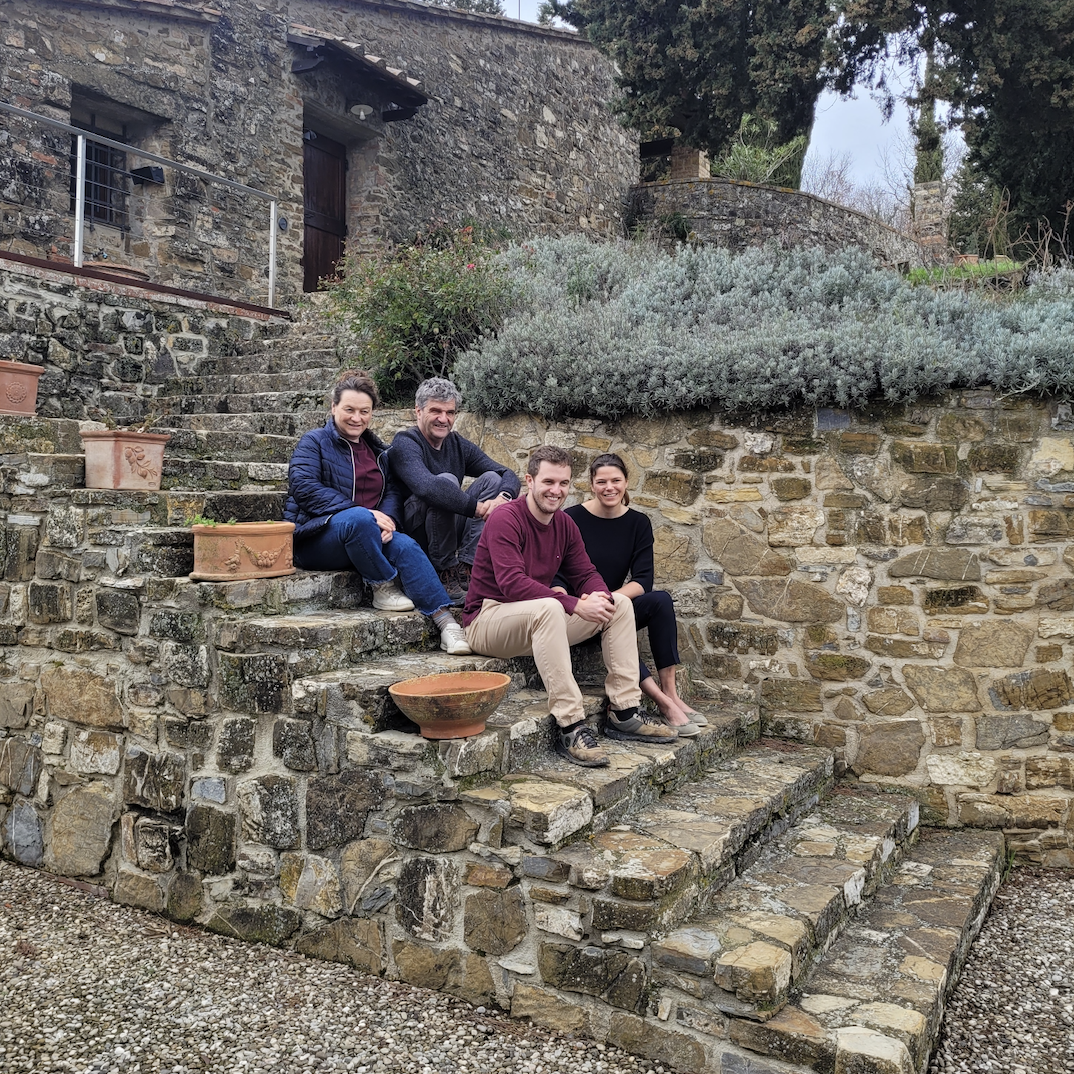
Davaz Family – Poggio al Sole, San Donato in Poggio

Poggio Al Sole Chianti Classico DOCG 2021, San Donato In Poggio

Poggio al Sole’s is Chianti Classico Annata aged in large format Stockinger Botti comes from a crossroads where San Donato in Poggio, Panzano plus a distinct profile that also draws from Badia a Passignano add up to one of the territory’s most complex sangiovese. An example with 90 percent sangiovese and (10) canaiolo that exhibits both salty and sapid elements for something that moves through many machinations. This is not to say that the extroverted PaS lacks precision because it is in fact finessed and pure, but there is so much going on that at moments its feels like energy running wild. Never thee mind because just another year and a half in bottle will see to all parts settling in as one. What Valentino Davaz calls “the business card,” accounting for half of the production in 2021. Drink 2025-2030.  Tasted twice, February 2024

Bindi Sergardi Tenuta Mocenni Chianti Classico DOCG La Ghirlanda 2021, Vagliagli

Campione: A sample from 2021 and this Ghirlanda is brighter, fresher and airier than its predecessor, but the bones and the verticality remain. The lift and high tone elevate a sangiovese that misses and wants for nothing, in fact it is so perfectly comfortable in its pliable if ageless skin. Annata worthy of a long life and treated with this level of respect which is incidentally incredible considering the other levels of Chianti Classic made at Bindi Sergardi. In any case this will quickly become brilliant Chianti Classico at the Annata level. Drink 2025-2033.  Tasted February 2024

Borgo Scopeto Chianti Classico DOCG 2021, Vagliagli

Indelibly stamped by Vagliagli and impressively consistent Annata from the Gnudi-Angelini family. May seem like a large bottle output at 170,000 but that is nothing compared to what it could be (without frost vintages) and in relation to other truly large production (a.k.a. commercial) wines. Nothing of the sort here but simply pure Chianti Classico softened and made colourful by five percent each merlot and colorino. Drink 2024-2027.  Tasted February 2024

Complicità Chianti Classico DOCG Assolo 2021, Vagliagli

A small and protective amount of reduction which helps in dramatic ways because this Vagliagli Annata comes at the palate in waves. Fruit for the most part with underlying spice but do not sleep on the sneaky structure of this Assolo by upstart Complicità. Complicated in the ways of complexity and variegation, aromatically stunning and then intricately woven with flavours and palate textures. A discovery of the highest order. Terrific work for sangiovese that feels like sangiovese born of a family and their land. Drink 2024-2027.  Tasted February 2024
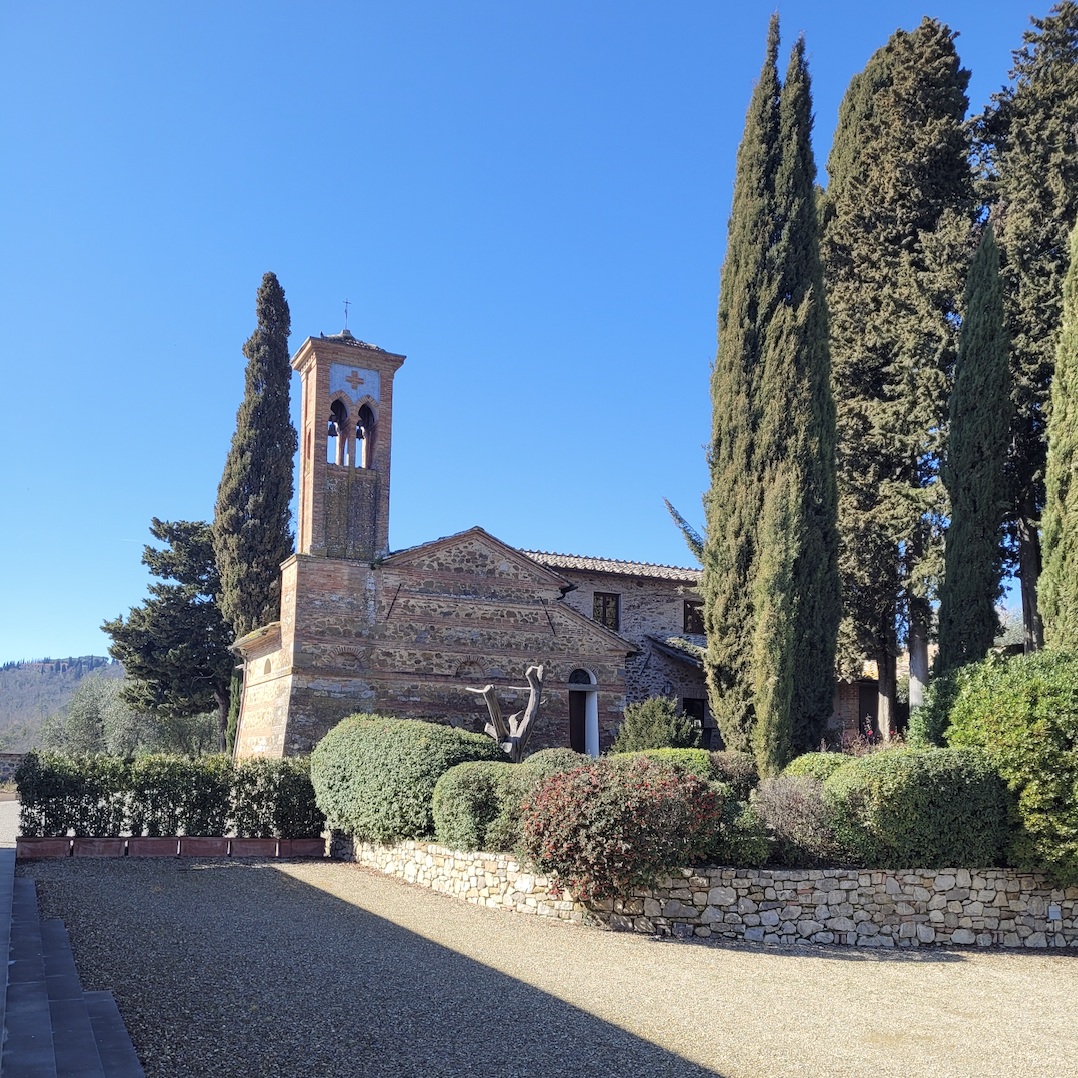
Dievole, Vagliagli

Dievole Chianti Classico Docg 2021, Vagliagli

Classic croccante sangiovese, rich if also herbal and brushy, a liqueur of red fruit that crunches when bitten. “The soul of Dievole,” says Stefano Capurso, representing the 700 hectares and 10-15 percent of that being vineyards predominated by sangiovese. Fermented in conical concrete (75 hL) and aged in botti only, no tonneaux nor barriques neither. A mix of all the terroirs and a philosophy led by agronomist Lorenzo Bertini that places soils microbes for maximum vineyard health to make sure roots dip deep for stones in touch with water. The land is a geological mix of Monte Morello and Macigno del Chianti (Sandstone), of clay, Alberese and Pietraforte. A combination of everything and the result is one of the most well-rounded Annata to be found anywhere in the territory. Do not hesitate because these sweet tannins and refreshing spice make 2021 ready for action. Drink 2024-2026.  Tasted February 2024

Fattoria Della Aiola Chianti Classico DOCG 2021, Vagliagli

Heady perfume so very Vagliagli but also the extras that five percent each colorino and merlot are want to deliver and infiltrate the sangiovese. Crunchy exterior and conversely chewy inside, like liquorice or al dente spaghetti with moderate structure for a few years of life though the best months have already begun. Drink 2024-2026.  Tasted February 2024

Chianti Classico Collection 2024

Chianti Classico DOCG 2020

Casale Dello Sparviero Chianti Classico DOCG 2020, Castellina

Noting a change in direction with this juicy and fruit-centric sangiovese with five percent canaiolo that lowers the salty factor that is always a consistent part of Sparviero’s character. Wood not much of a factor to allow the freshness to shine, even out of a warm vintage that in many cases produced very dense wines. Not here and the final clocking is 13.5 percent alcohol.  Last tasted May 2024

Canaiolo is used to augment sangiovese and here the five percent matters for the Annata from Casale dello Sparviero. Helps to distract from the barrel but then it seems the overall sentiment is wood and seasoning because the aridity is truly felt at all points on the palate. Needs time and yet the fruit will struggle to survive. Drink 2024-2026.  Tasted February 2023

Cecchi Chianti Classico DOCG Baldoni Villa Rosa 2020, Castellina

Ribaldoni is the name of the river and thus the vineyard laid below and around Villa Rosa. A sangiovese expression of its own, combining the scorrevole of SdF and the croccante of Primecolle. An ideal and balanced mix in what is the most layered and combinative of the three, powerful yet restrained and still in a place that feels a few years away from settling in. Drink 2026-2032.  Tasted May 2024

Piemaggio Chianti Classico DOCG Le Fioraie 2020, Castellina

Campione: Tight, peppery but only slightly reductive and quite fresh. Breathable and no oxidative moments as with so many samples taken from cask. Still the wine is far from shwoing any semblance of openness or readiness.  Tasted February 2024

Borratella Chianti Classico DOCG Insuella 2020, Gaiole

Quite upfront fruit, naturally sweet and teeming with red berries, nary a moment of tart or tang, soft and getable. The five percent cabernet sauvignon so very ripe in 2020 may have played a bigger part than its addendum might have suggested but there is no shortage of ease and playfulness in this ready to go Annata. Drink 2024-2025.  Tasted February 2024

Marchesi Frescobaldi Chianti Classico DOCG Tenuta Perano 2020, Gaiole

The 2020 Perano has arrived, showing know what it was once shy to do. Perano is at its juiciest and gifted height, crunchy of fruit still fresh, poised and in control, now into the best the two three years to express its Gaiole character.  Last tasted February 2024

You can always feel the white soil of Tenuta Perano and nowhere more so than from Annata level Chianti Classico. More than sangiovese with 10 percent merlot and (5) cabernet sauvignon for a silky smooth 2020 that wants to share its impression as early as it can. Cool and sappy, easy to understand and professional as they come. Drink 2023-2025.  Tasted February 2023

Castellinuzza Proprieta Cinuzzi Chianti Classico DOCG 2020, Lamole

Notable Brett for Castellinuzza 2020, perhaps a sluggish transition to malolactic being the catalyst to seeing the microbes creep in. Good glycerol in the fruit, rich and calming nature noted for the 95 sangiovese with (3) canaiolo and (2) malvasia nera. Lamole perfume surely captured and so will deliver great appeal to those who can handle a little bit of naturally winking truth in their Chianti Classico. Drink 2024-2027.  Tasted February 2024
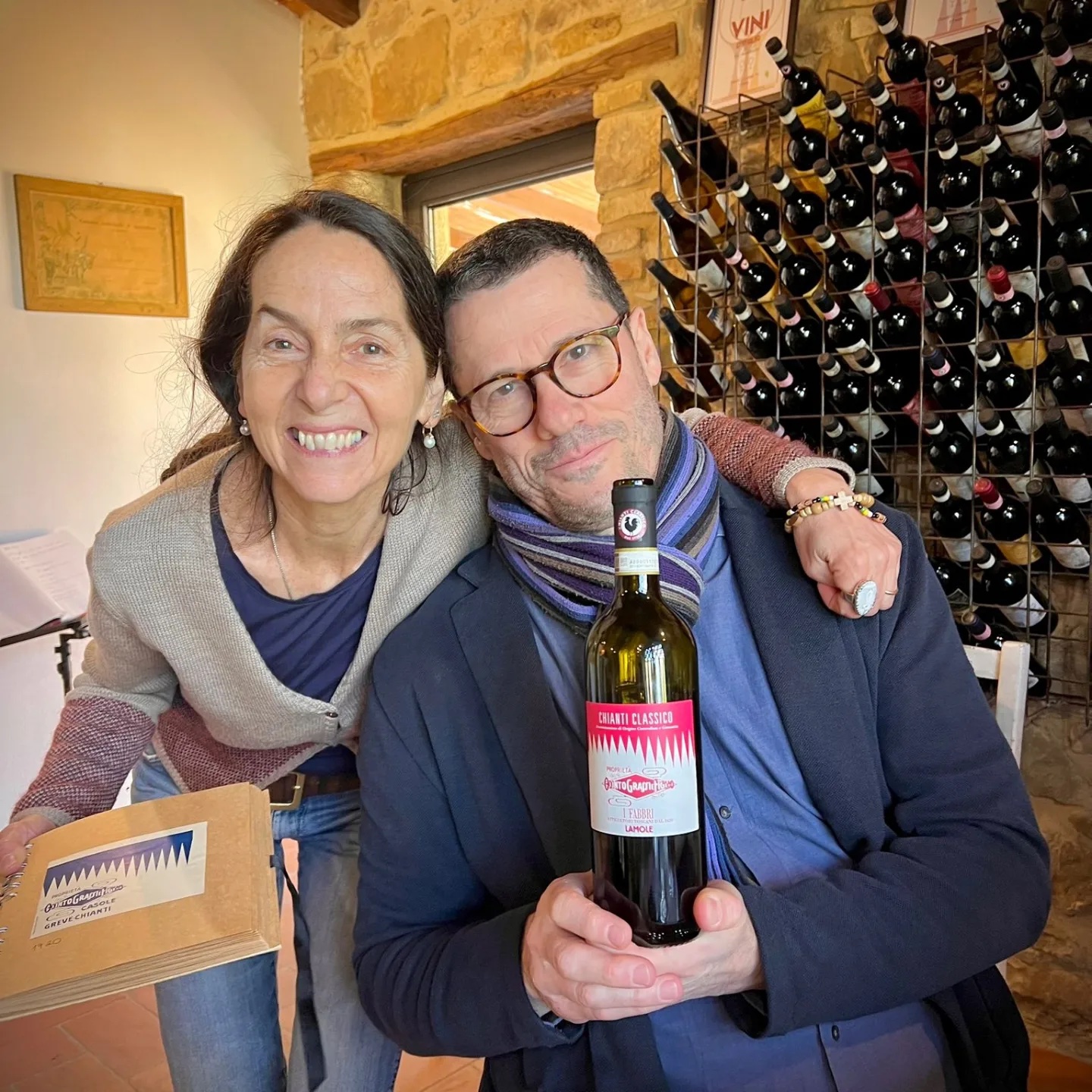
Susanna Grassi – I Fabbri, Lamole

I Fabbri Chianti Classico DOCG Terra Di Lamole 2020, Lamole

From the lower vineyard which means old vines at 550m, inclusive of a majority that are vines dating back to 1965. A mix of sangiovese (90 percent) and canaiolo, though there are some white grapes growing in the vineyard. Aging 50-50 in concrete and 500L French tonneaux for one year. “A very important vintage for us because it was the 400th anniversary of my family,” says Susanna Grassi, but no celebrations due to Covid, just a special bottling as Gran Selezione instead. Bouquet, acidity and though “lower” elevation for Lamole this is sangiovese that more than easily and credibly maintains the origins of Lamole. The bigger divergence here is vine age and so aromatic concentration is heightened, not necessarily freshness and brightness because this feels like a Lamole of more depth and breadth, but let’s be real. As fas as Chianti Classico are concerned this is about as fresh and crispy as it gets.  Last tasted February 2024

The adage must always be repeated. The perfume of Lamole is omnipresent, all-pervasive and impossible to separate from the wines themselves. How and why? The answer is difficult to articulate though it is surely a response to the Macigno soils and the climate circulating in the UGA’s amphitheatre. Stand anywhere on the ring road between Casole and Lamole village and you may just feel as though you are in a rainforest. The sandstones mixed with calcareous rock just has to mean mineral transferral onto fruit that in turn scents floral. Not in the classic bouquet of flowers sense but as an example it is Terra di Lamole by Susanna Grassi that makes all this happen. Behold a sangiovese born in the shadow of the Monti del Chianti that shines in its own special way. Terra di Lamole – the land of the UGA, definite, elegant and full of grace. Drink 2024-2030.  Tasted May 2023
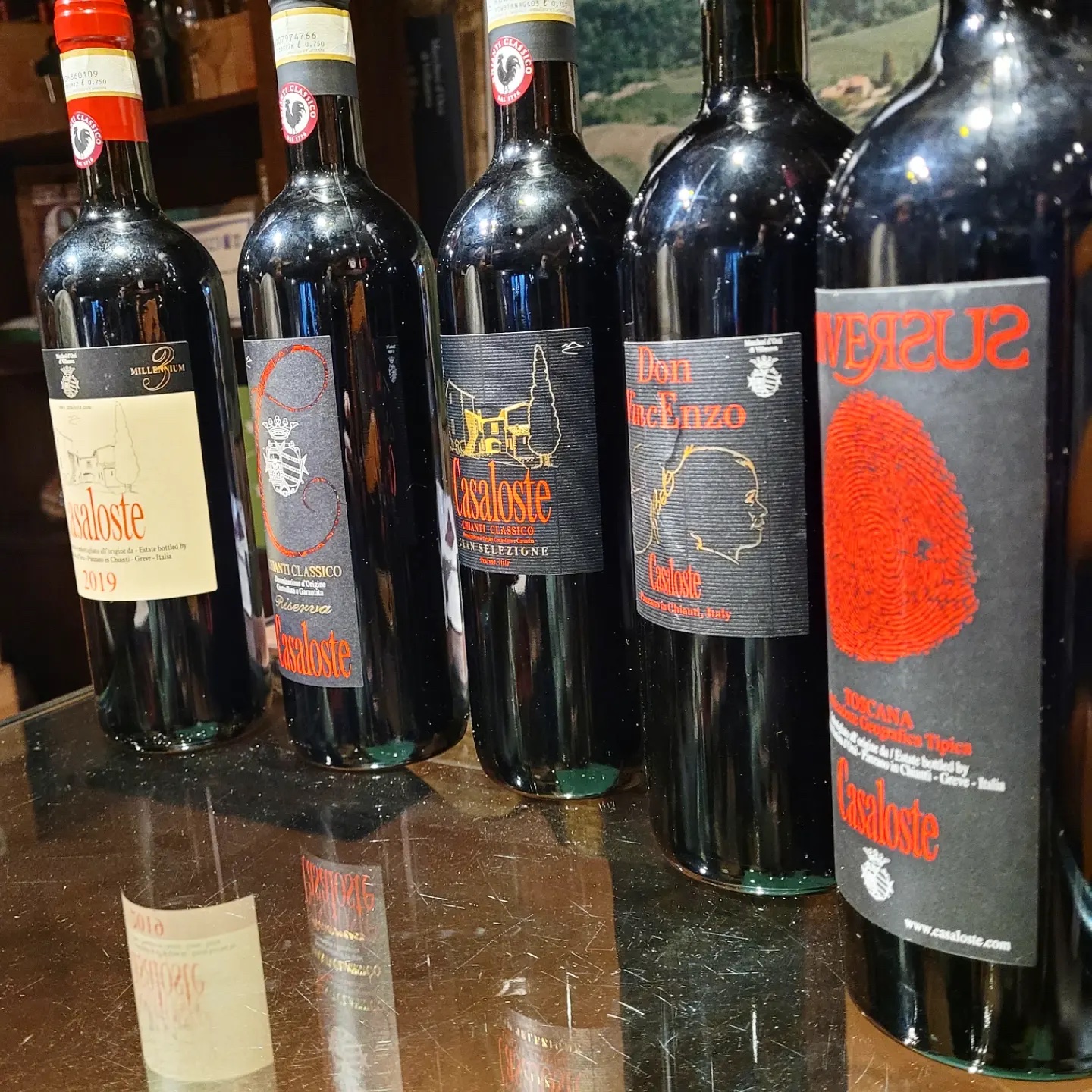
Casaloste Chianti Classico DOCG 2020, Panzano

Casaloste is Panzano but truth is Casaloste is Casaloste. The oenological and passion project work of Giovanni d’Orsi, self made, self-imposed and critically honest if also loving to work with sangiovese. The 10 percent merlot softens the seriousness and trenchant intention of Chianti Classico that as a wine can’t help but express the extensiveness and also the simple truth that is 2020. Bigger, darker and more intrinsic tannic value but truth is truth and Casaloste’s lets in the light. Drink 2025-2030.  Tasted February 2024

Renzo Marinai Chianti Classico DOCG 2020, Panzano

The uncanny note of chocolate mint is there, unequivocally and especially upon the palate. On the nose as well as a reurn to the first addendum to the serious glycerols that thicken and silken the palate. There are many who will see and crave the seduction while others will feel too much wood. In the end and several years forward neither will matter and the wine will deliver a fine sense of harmony. Drink 2025-2030.  Tasted February 2024

Vecchie Terre Di Montefili Chianti Classico DOCG 2020, Panzano

Tasted side by each with the 2019 there can be no missing the darker hue, stronger fruit and bolder notes sung by Vecchie Terre di Montefili’s 2020. It’s the vintage and also Panzano that create the unavoidable, each as forceful and imposing as the other. Then agin the trilogy of terroir, weather and place are intrinsic to the sangiovese that arrive each and every season. Big wine, tannins equal to the task and yet evolution will happen faster than 2019. Drink 2025-2028.  Tasted February 2024

Caparsa Chianti Classico DOCG 2020, Radda

Cement vat spontaneous fermentation (always done this way, manufactured in Val d’Arno, now 53 years old) for 100 percent sangiovese. Warm summer vintage but for Caparsa at 400-450m still very fresh and well, classic. In a perfect window of opportunity at this moment. Drink 2025-2028.  Tasted February 2024

Castello Monterinaldi Chianti Classico DOCG 2020, Radda

The 2020 Classico is currently on the market while the soon to be bottled ’21 shows as an anteprima though that vintage, as firm and grippy as it may be will entice and delight sooner than most. In fact the 2020 is in nearly the same kind of place and so this tells us that. Monterinaldi’s position in Radda and microclimate produce wines like no other. Their wines move like the turtle, aging low and slow, even if they showed up ready and willing from the start. For Monterinaldi there was no hydric stress and the growing season delivered a consistent and constant five month phenolic development. This was a 35-40 day skin-contract maturation without worrying about extracting green tannins. Only six to seven months of aging in wood and this all adds up to doing things differently than many neighbours and other UGA positioned estates.  Last tasted February 2023

No other 2020 seems to scent like this from Monterinaldi and so it is more than worth commenting on the sense of place that is their southwestern Radda location. Herbal and dried flower potpourri but also something unknowable, intangible, even mysterious. Yes there is some early reduction but it can’t suppress the open-air meets underbrush perfume. Equanimity between maceration and fermentation makes this a candidate for top mid-term aging Annata, in other words begin drinking soon and make great use for three to four years thereafter. Drink 2023-2026.   Tasted March 2022

Cortedomina Chianti Classico DOCG 2020, Radda

Lean, angular and tart, middle palate filled in and softened by 20 percent merlot. Not really tannic per se and easily ready for consumption. Tasted February 2024
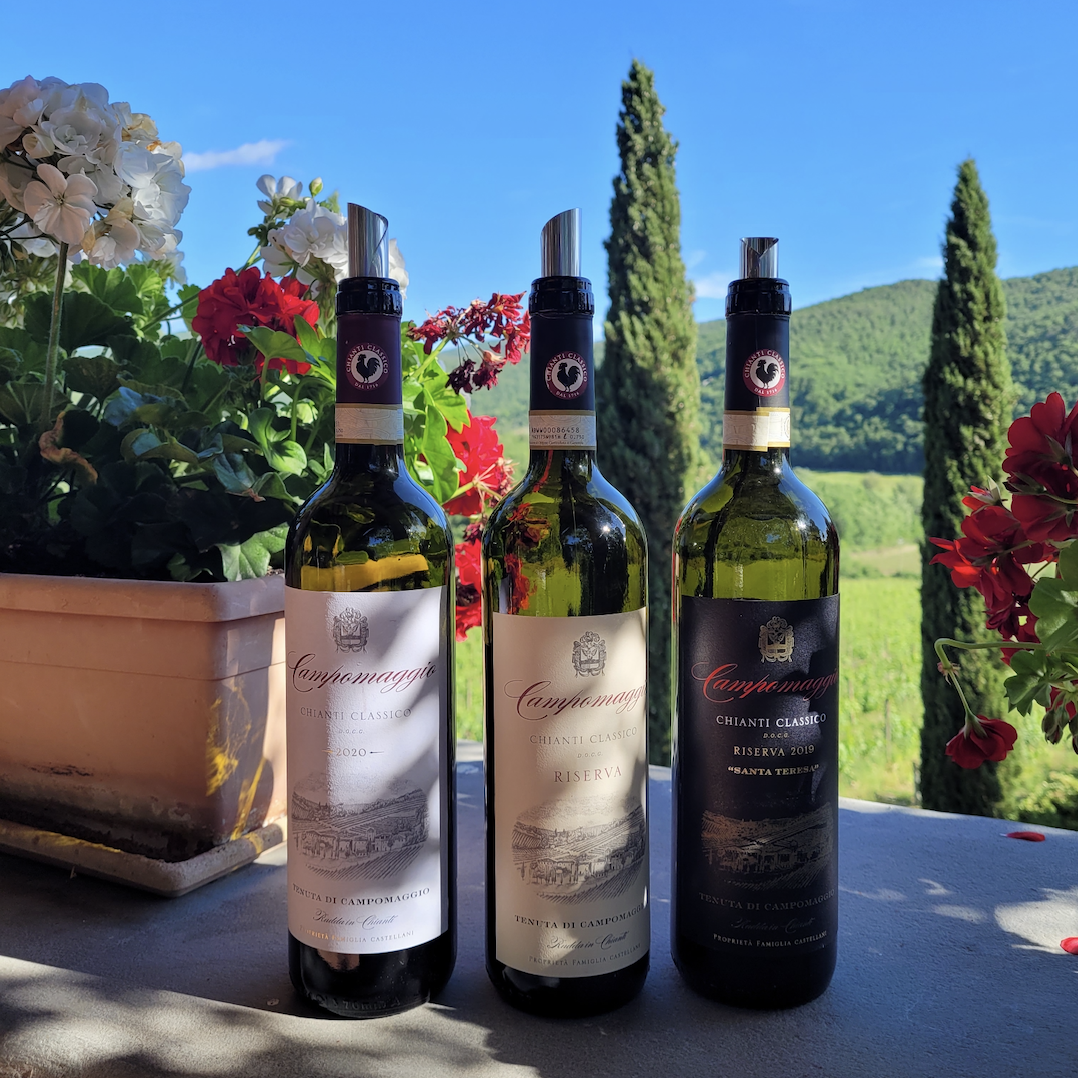
Tenuta Di Campomaggio Chianti Classico DOCG 2020, Radda

Every year we take the fruit from the three vineyards and say, which one is the most Radda,” says Giacomo Castellani. Not necessarily the best one but the one that is most representative of Radda. The plots are Ginestraia and Olmo marked by stony terroirs of Pietraforte, Macigno and Pietraforte again, highest, mid-slope and in the newest vineyard. Lithe, transparent, ethereal and so floral. A sangiovese in which the sweet natural fruit and also acidity are seamless, together, one in the same. Don’t come here looking for musculature or verticality – that is not this Annata. This is the sangiovese you want to have a second glass and truthfully the bottle will easily disappear.  Last tasted May 2024

Raddese from the start, acids singing, zinging and slinging the lightning red fruit to the fore. In youth clearly dusty while a clarity and purity exists in a vacuum where lightness mixed with barrel make for a truly spirited Chianti Classico. Expressly and dutifully Radda sangiovese. Drink 2023-2027.  Tasted March 2022

Val Delle Corti Chianti Classico DOCG 2020, Radda

A blend of parcels, many 25-30 years of age. Was a great spring during lockdown, long, sunny, pure through April and then suddenly cool and rainy in May. Then what followed was a variable, unsteady summer. Not the most equilibrium with late September cold and rain. Some difficulty in the selection because of differences in ripening. What does all that adversity, especially as it pertains to Radda add up to? Well, for one thing Roberto Bianchi’s Annata ’21 smells and tastes like Radda, transparent in its openness, cool, herbal and savoury. Truly, expressly, ostensibly and allegedly Radda with sangiovese born and raised in a very specific, high elevation part of Chianti Classico. Definitive, Macigno-stony and age-worthy, if not the fleshiest of them all. Drink 2024-2030.  Tasted December 2023 and February 2024

Poggio Torselli Il Contadino Cusano Chianti Classico DOCG 202o, San Casciano

Big fruit year and a sangiovese with 15 percent merlot (which also happened in 2015 and 2016). Chewy and with some stewed if also drying character that old barriques and the merlot conspired to deliver from a hot and bold vintage. This ’20 is already turning the corner into its next phase. Drink up!  Tasted February 2024

Cantina Tuscania Chianti Classico DOCG 2020, San Donato In Poggio

Truly low production for varietal San Donato in Poggio sangiovese and the warmth of 2020 juices the full extraction of blood orange for distinctive Chianti Classico. Pressed for success, macerated to gauge interest with all parts fulsome at the intersect of acid and tannin. Wait six months and drink for two more years. Drink 2024-2026.  Tasted February 2024

Casa Sola Chianti Classico DOCG 2020, San Donato In Poggio

The blend is 90 percent sangiovese with (4 each) canaiolo and cabernet sauvignon pus (2) merlot. This mélange of grapes augments sangiovese but you simply can’t take the San Donato in Poggio soil and climate from out of this Annata. Warming and blood orange juiced, as sanguine as they come though neither hearty nor gamey. Crispy sangiovese, tart and high acid, classically styled of tradition and sense of place. San Donato as a UGA is the ace up the sleeve and time is needed to integrate the grapes and structural parts. Great strides taken from this estate. Drink 2025-2029.  Tasted February 2024

Fattoria Le Fonti Chianti Classico DOCG 2020, San Donato In Poggio

Clearly and in this regard also distinctly San Donato in Poggio if edging towards the wood spiced and herbal side of the UGA. Yet another blood orange vintage and this is more than merely a trend, here a 2020 well macerated seemingly for two plus weeks or more to come away with this grand textural wine. Drink 2024-2027.  Tasted February 2024
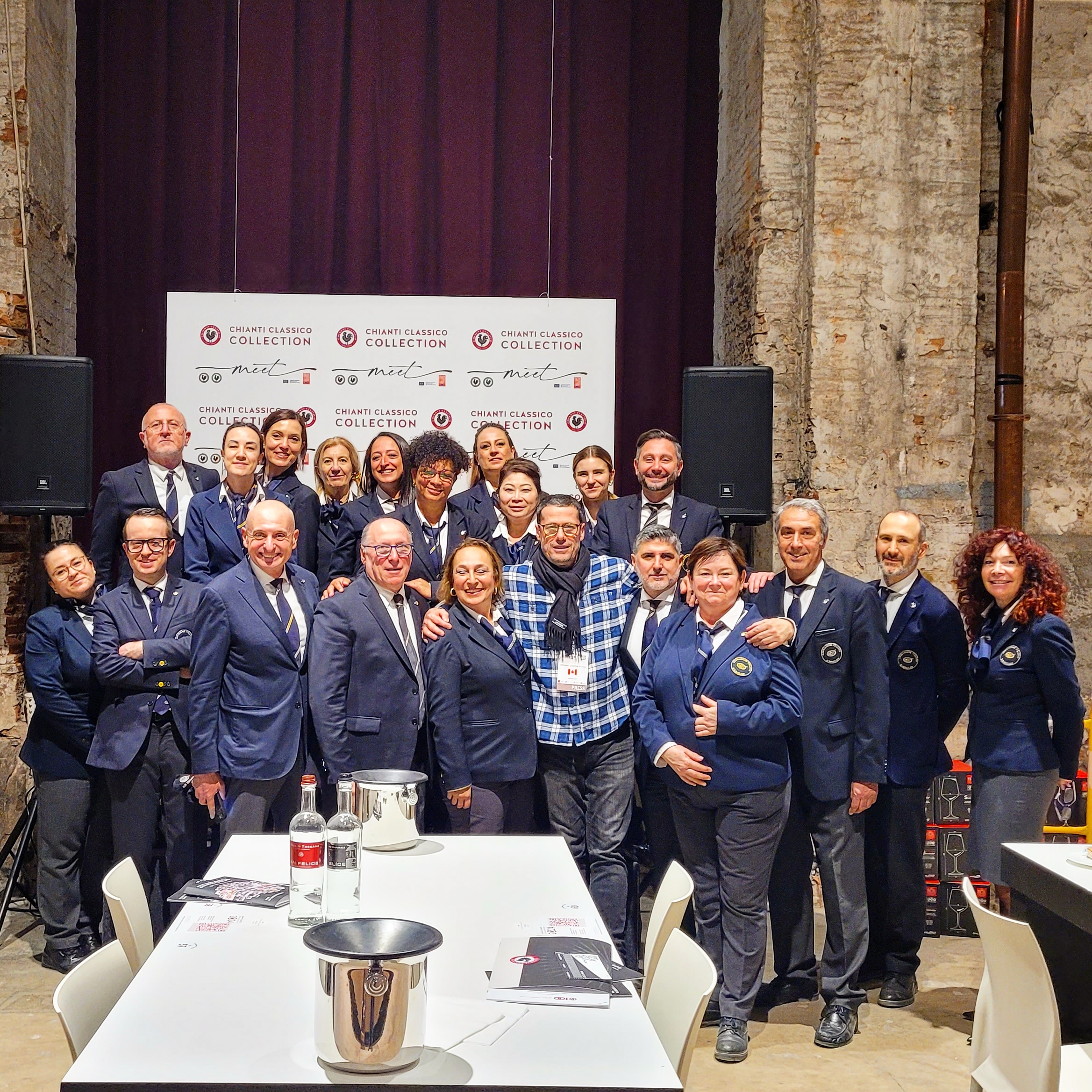
The Sommeliers of the Chianti Classico Collection 2024

Chianti Classico DOCG (Older Vintages)

Castell’In Villa Chianti Classico DOCG 2019, Castelnuovo Berardenga

Imagine the baseline and then the ceiling for Chianti Classico. Draw from as much experience as you have and then extrapolate towards the greatest of a vintage’s potential. Then put your nose into Castell’In Villa 2019. Everything rises to the surface and presents itself to be noticed. Note the calm, the precision and finesse, reach out and touch the fruit, recognize the quality and fitness of the acidity and realize potential, compounded in understanding after allowing the purity of the sangiovese to rest upon the palate. As near perfect and essential as it gets for Castell’In Villa without boundaries or limitations.  Last tasted February 2024

Leave to Castell’in Villa to do not just the right thing but carry the weight of necessity and hold back Annata to a point where it can be tasted and assessed with the respect it so richly deserves. Though this Castelnuovo Berardenga estate and their historic vineyards are equipped to create magic in the most challenging of vintages, well when a season like 2019 is gifted then the magic turns to the supernatural. Fruit is everything, as it must be and the aspects of climate, fermentation, maturation and all the accruements of seasoning add up to a speciality as no other Chianti Classico will create. This is a very special vintage of Castell’in Villa and one to rival any Riserva or Gran Selezione made in this vintage. Will live in infamy. Drink 2025-2038.  Tasted February 2023

I Fabbri Chianti Classico DOCG Terra Di Lamole 2019, Lamole

Surprisingly tannic, still in a state of structural fortification. Though the predominance of crispy sangiovese is what occupies our thoughts the rocks and stones are by far the strongest players.  Last tasted February 2024

The top “tier” Annata in Susanna Fabbri’s range is this main terroir sangiovese, the Terre di Lamole. Lamole at heights, in hyperbole, expressive and of course, so very perfumed. A veritable potpourri of Macigno del Chianti and all the florals imagined, tied up in one red petalled, native herb and mineral bouquet. Grace and understated charm, seamlessness and the sort of structure that build and builds but does so without mortar between the stones. Natural and beautiful. Drink 2023-2029.  Tasted March 2022

Vecchie Terre Di Montefili Chianti Classico DOCG 2019, Panzano

Can’t miss the terroir, bosco and micro-climate in the 2019 varietal sangiovese by Vecchie Terre di Montefili. In fact the troika comes to one decision, effect and result for a verdant and silken Annata that speaks to the ease and fullness of the vintage. Just that correct amount of swarthiness and verdancy, an evergreen streak and fineness of acidity that are purely and unequivocally Panzano. Drink 2024-2027.  Tasted February 2024

Carus Vini Chianti Classico DOCG Baldéro 2019, San Casciano

Showing some maturity or rather this sangiovese has matured to a point where the producer is comfortable with its release. May be 2019 and so not a true 2024 anteprima but instead an Annata that has shed its shackles to now be expressive of its San Casciano origins. Balanced in mid weight, tart blood orange juiciness and no lack for shilling a high level of continuing grip. Drink 2024-2027.  Tasted February 2024
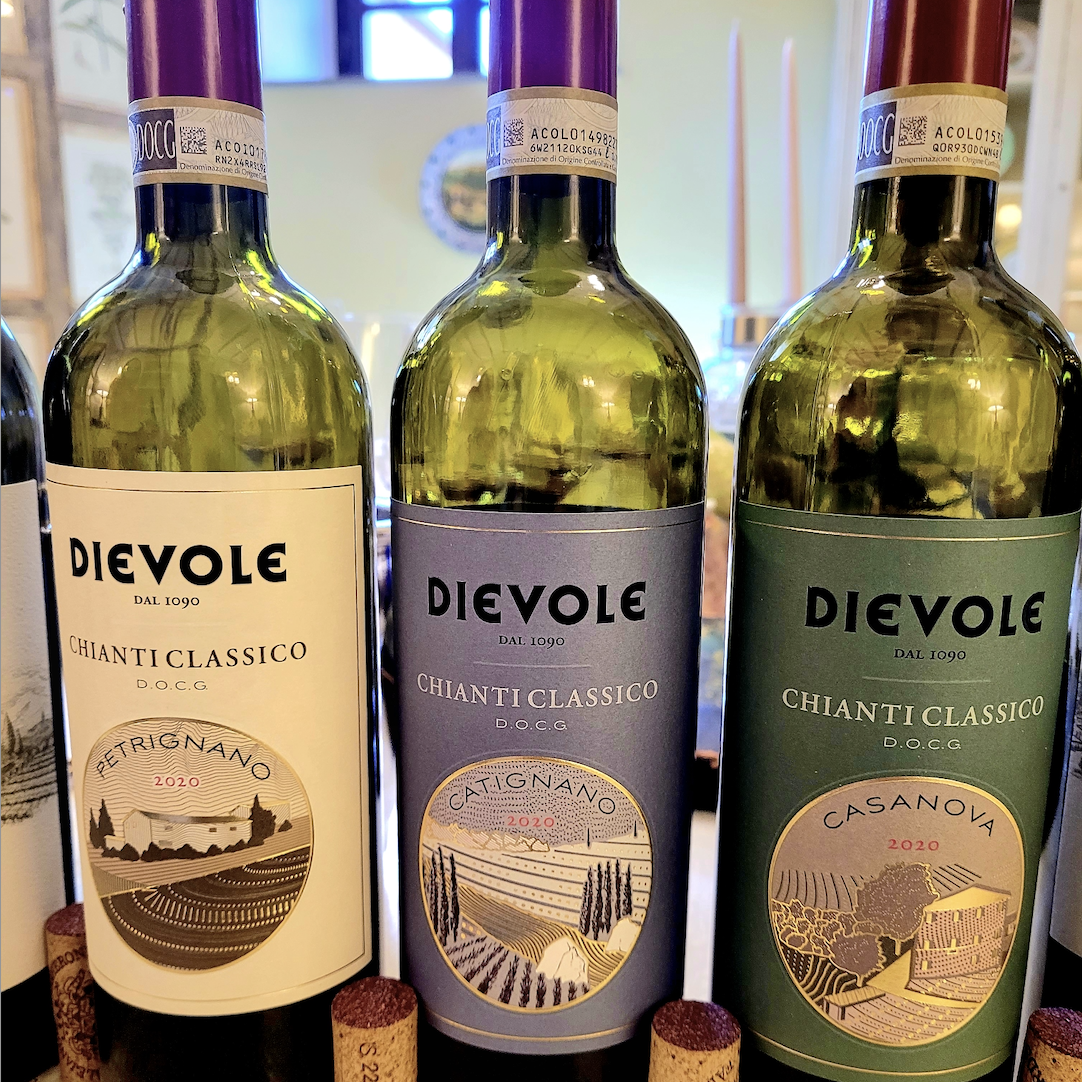
Dievole Chianti Classico DOCG Casanova 2019, Vagliagli

The first of three sangiovese under the auspices of the cru project to feature the sensitivity of the variety to different soil conditions. The sensation gained on the nose from Casanova is something very red, part fruit and part mineral from a Macigno soil. Makes for a gentle, restrained and finessed Classico, “reminding me of the sangiovese made in the 1980s” remembers Stefano Capurso. Blood orange bled from clay, linear as a factor of the stones in the small 2.5 hectare sandy vineyard and easy in terms of concentration. A lovely mid-term ager as a pure cru-focused sangiovese. Drink 2025-2032.  Tasted February 2024

Dievole Chianti Classico DOCG Catignano 2019, Vagliagli

From a round hill of 20 hectares facing full south, direction Siena. Calcareous Monte Morello soils with the clays and a windy place. A place of slow maturation where warm days and cold nights alternate. A different expression especially as compared to the Casanova, bigger, broader and yet spicy, of dusty and balsamico acidity. Plenty of lift here and it announces itself with a much noisier voice while the palate is richer and the texture thickens upon the palate. Second vintage of this cru, just about ready to go with only six months or so needed to get there. A bit austere, more so than Casanova and Petrignano. Drink 2026-2030.  Tasted February 2024

Dievole Chianti Classico DOCG Petrignano 2019, Vagliagli

From a vineyard at 350m, fully on Monte Morello formations, dual hillside site with Alberese more to one side and so there are two sides of this wine. Made in the same way as the other two Classico cru, from oak tanks to botti. Of the three cru wines it is Petrignano that holds the most concentration beautifully offset by high ranking and very sweet acidity. It feels like Petrignano is the one to pour for a consumer who wants these layers of complexity and richness. Holding its form quite well.  Last tasted February 2024

Petrignano is what Dievole assigns the lede of “a nuova voce del Chianti Classico,” a new voice, especially at the Annata level. The Gran Selezione is from Vigna Sessina and here 2019 is spoken through the younger vines and more precocious if not fully yet understood vineyard of Petrignano. Certainly a fresh and savoury Annata, sour citrus chalky and very primary. Almost nouveau but without the carbonic yet still this is as light and potentially sumptuous as it gets. Drink 2022-2023.  Tasted February 2022

Bucciarelli Antico Podere Casanova Chianti Classico DOCG 2018, Castellina

Reductive and conversely yet also complementary traditional, of mature fruit subjected to early oxidation as a protection against hasty advancement and then retreat. Bucciarelli’s pure sangiovese does in fact exist in a vacuum with elevated volatile acidity and a modicum of Brettnomyces though neither push the limits of danger. No in fact this 2018 is Chianti Classico so well structured to defy age and see aging as a necessary condition for what it shall become. Drink 2024-2030.  Tasted February 2024
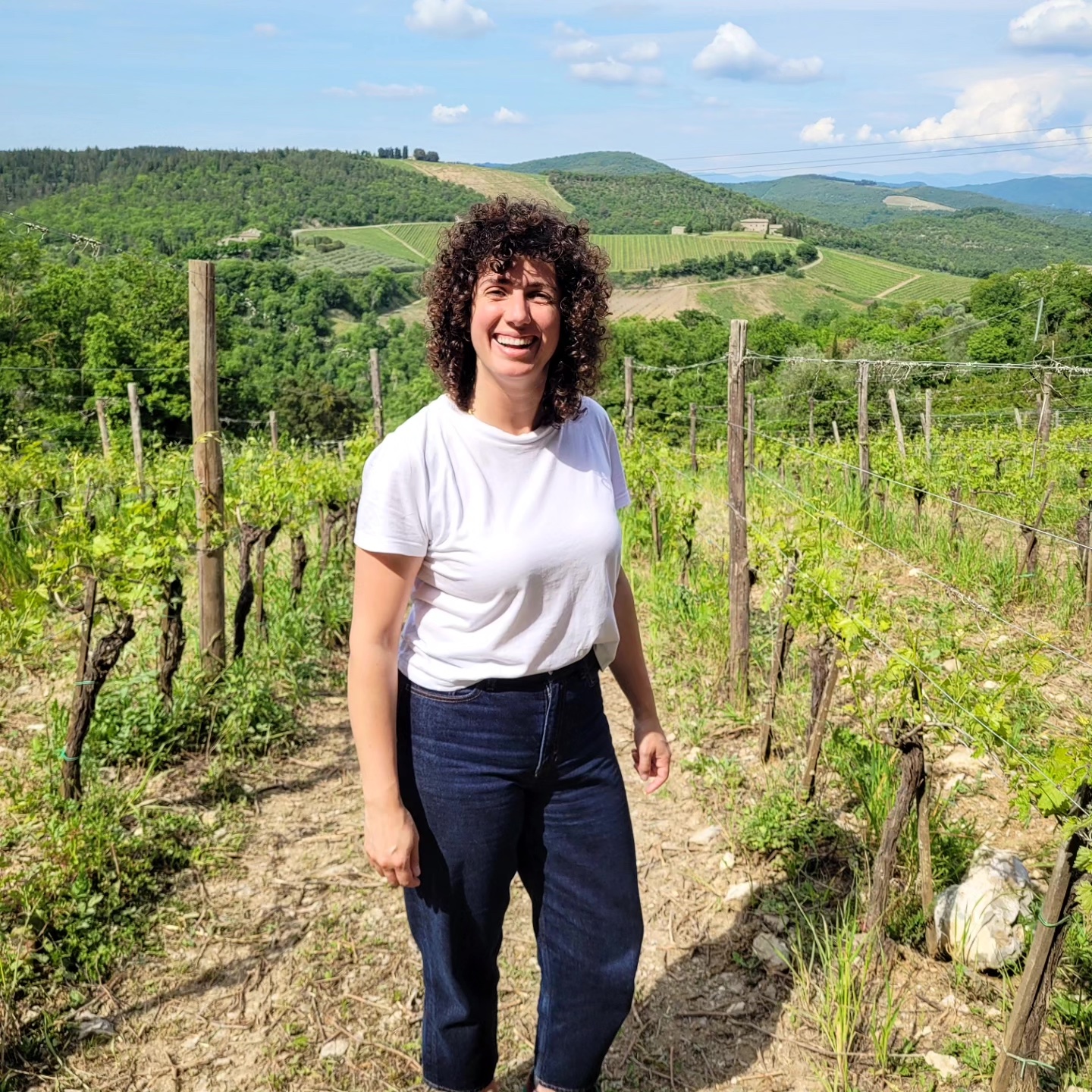
Sophie Conte – Tregole

Tregole Chianti Classico DOCG 2018, Castellina

Third vintage for Sophie Conte’s Annata from a wet and challenging year because of clement weather and disease pressure. Cement ferment followed by barriques (already quite old) and also tonneaux, for a year. Leaner yet just about as rigid still, as noted in the 2016. Consistent with 2016, wood on top, toasty, of orange skin, citrus and wet stone that sangiovese will show in certain vintages. Still pretty tannic and again, really curious to taste when you consider how much will have been learned and changed by the time Sophie Conte gets to 2022. Drink 2024-2025.  Tasted May 2024

Tenuta Carobbio Chianti Classico DOCG 2018, Panzano

Not the greatest of vintages, especially at harvest and Dario Faccin has known this, but his opinion has changed after a few years of aging. Like 1996 (especially compared to 1997) and namely because the tannins are persistently fresh. A slowed down maturation in September and into October is the reason. Yes it was warm every day and yet cold at night and yes there is some maturity to the fruit but the tannins are so refined. Aging in big botti has only helped these beautifully soft tannic sensations gained on the palate. Acidity kept and balance afforded for a great result.  Last tasted February 2024

A vintage of pure sapidity for Carobbio and Panzano, namely because of the late warm vintage conditions mediated by cold nights but mainly due to humidity through mineral accumulation in Galestro soils with shards here and there of Calcari and Pietraforte. Length is Cariobbio length, seemingly never-ending, glorious and rising. Grande Dario and team, this 2018 will live as long as any Annata in the territory. Vintages from the 80s, 90s and also those early in this decade have paved the road for an Annata like 2018 to live a very long life. Tasted May 2023

Then comes along Carobbio with a wine older than almost any other Annata in the collection and yet even from 2018 this sangiovese has yet to hit its stride. Dark fruit of baritone voice and depth puts this in unique territory and it would seem the grapes were mainly picked later, after the two day heat spike at September’s culmination. That said low nighttime temps kept the acidity and so 2018 from Carobbio should age as well as any Riserva and many Gran Selezione from the vintage. Drink 2024-2032.  Tasted February 2023

La Querce Seconda Chianti Classico DOCG 2018, San Casciano

High level aromatic vintage for La Querce Seconda’s Annata 2018 because of heat accumulated through many days of temperature adding up to this. Major lift and smoulder but also a small percentage of Brettanomyces. A bit distracting to be honest but all is fair in love, war, alcoholic and malolactic fermentation. Drink 2024-2027.  Tasted February 2024

Tregole Chianti Classico DOCG 2016, Castellina

First real vintage for Sophie Conte, no temperature control and longer (20 day) fermentation than what’s happening today. Cement, followed by barriques (already quite old). Holding court and hanging well though you can feel the wood. The notes are balsamico, liquorice and chewy leathery fruit and the wine is clearly more interesting now than it would have been in its early years. “Pouring you this wine is like showing you a picture of myself in high school. It’s a little bit weird,” says Sophie. Regardless the DNA of sangiovese grown at Tregole is what the picture shows. Drink 2024-2026.  Tasted February 2024

Castellaccio Chianti Classico DOCG Coste Di Felice 2016, Greve

Bruised and oxidized.  Tasted February 2024

I Fabbri, Lamole

I Fabbri Chianti Classico DOCG Terra Di Lamole 2012, Lamole

“What I remember is a nice harvest in Lamole,” says Susanna Grassi. “A regular vintage.” Aromas are mature and the palate is über fresh, full of energy, revitalizing for sipping and also expressive of the Lamole perfume. Cool, ethereal, ever so slightly salt-inflected and purposefully proper. An expression of culture and the story of old vines in an old vineyard. With a wedge of aged Parmigiana from a special breed of cow there become this exotic mix of acids and cultures that bring it all together. Drink 2024-2026.  Tasted February 2024

Conti Capponi/Villa Calcinaia Chianti Classico DOC 1969

DOC World: The annunciation of a document eventually to become the DOC; the Chianti wine famous worldwide. Just 356 years after the height of Niccola Capponi’s life and a time when the “Modo di Fare Il Vino Alla Franzese” was the winemaking order of that day in Firenze. Sixty years after Torquato Guarducci and the announcement that quality mattered little for merchants, so long as the bottle said “Chianti.” Piero Capponi was at the lead of changing this and was one of the 33 producers that created the consortium in 1924. Eight years later in 1932 the “Classico” is added, to distinguish the original Chianti delimited by Cosimo de Medici in 1716. Full on mushroom consomée at this stage 55 years after vintage, a porcini broth with drops of citrus and so fully balsamico-forest floor. Smells like chestnuts and yes the 50,000 bottles produced were fermented in chestnut wood vats. Can’t miss the linger of natural sweetness. As for the grapes involved, well that’s open to interpretation, especially considering some various red and white grapes were surely involved, including those from vines put in that had recently arrived from the Florence nursery without labels (due to flooding). Never mind because the acidity and persistence without absolute death is so bloody impressive for a Chianti Classico from 1969.  Tasted May 2024

Dinner at Fizzano, Rocca delle Macíe

Chianti Classico Riserva DOCG 2021

Rocca Delle Macìe Chianti Classico Riserva DOCG 2021, Castellina

Though 2022 is such a fine, amenable and drinkable vintage and 2021 more compacted in so many ways – well when you make a cuvée of all your Castellina estates and choose only the finer grapes – you can make a very proper and promising Riserva. Cool, just a kiss of wood and saltiness, violets and a bit of rounding softness from cabernet sauvignon. Sees 12-14 months in barrel and comes away rich, nurturing and silky smooth. For now and a few years but not much longer. Drink 2023-2026.  Tasted December 2023 and February 2024
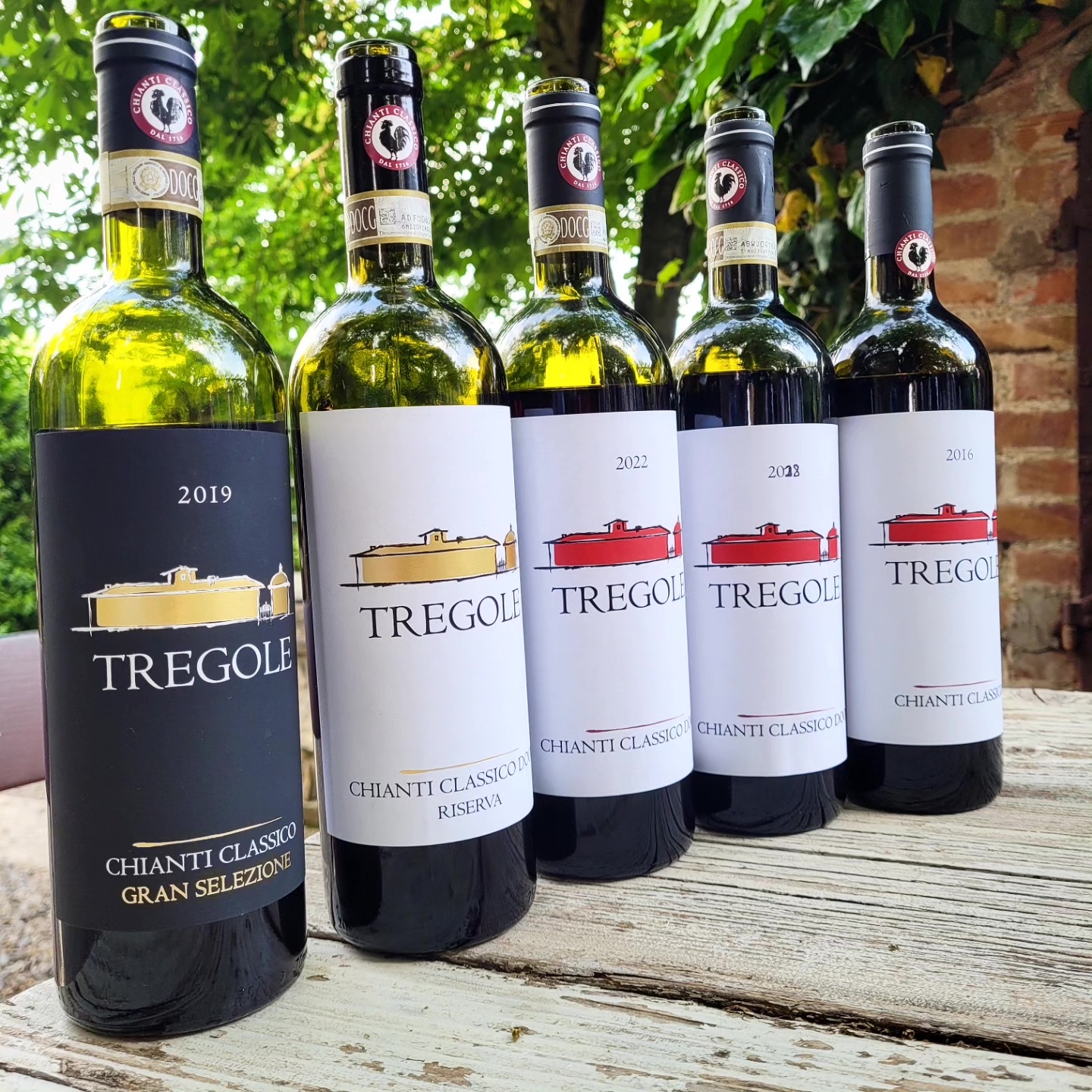
Tregole Chianti Classico Riserva DOCG 2021, Castellina

Bottled in November of 2023 and slated for imminent release. Floral yet reserved aromas and unequivocally sangiovese. La Riserva ages in (old) tonneaux of 700L and barriques. More brightness and freshness than the lion’s share of this appellative level in Chianti Classico, crisp and crunchy for Riserva but ultimately a matter of a specific vineyard, planted in 1985, as in the lower part beneath the younger vines. The warmest location where Ginestra blooms earlier and the fruit is saucy, a salsa of sangiovese, “sucoso,” the juices running from rare roast beef. But also blood orange and so a pulpy sensation. Drink 2026-2034.  Tasted May 2024

Fattoria San Giusto A Rentennano Chianti Classico Riserva DOCG Le Baròncole 2021, Gaiole

Campione: Sample from Fattoria San Giusto a Rentennano but my goodness what freshness, spirit and energy from Riserva 2021. Flies from the glass and grabs the senses by the tips and will not let go. Substantial does not begin to describe the feeling or do justice to assessment from what will surely become one of Luca Martini di Cigala’s long-lived and essential Le Baròncole to pour and revel in for a decade or two forward. Drink 2026-2036.  Tasted February 2024

Le Miccine Chianti Classico Riserva DOCG 2021, Gaiole

Campione: Also oxidative, lustre lost and energy waning. Hard to taste and assess late on day two of an Anteprima.  Tasted February 2024

Gagliole Chianti Classico Riserva DOCG 2021, Panzano

Truly youthful Riserva from Gagliole and a representation of 2021 that we as tasters simply want to drink. The nose delivers sweet mineral sensations drawn through Pietraforte stone and simply rendered juiciness with negligible to almost no noticeable barrel. Spicy and tart, tannic and linear, vertical and built for the perfect space between Annata, Gran Selezione and big boy IGT. This is what we call the sweet spot. Drink 2025-2032.  Tasted February 2024

Il Molino Di Grace Chianti Classico Riserva DOCG 2021, Panzano

A bit closed, not locked in or shut tight but quiet, in waiting, always the hardest part. Not the palate however, expressive, shot through with acidity, quite intense and with a few minutes passing the aromatics begin to come around. What is that scent? What perfume is that? A Panzano savour, balsamico, Pietraforte as active rock in transference to sangiovese. Sneaky tannins and conspicuous if clear-cut structure, elegant wine, not ready, a true Riserva. Would that it were a blast from the past but manifested clean, crisp and modern. Tops for Molino di Grace at this appellative level.  Last tasted February 2024

Campione (Sample): Riserva is high quality in 2021 though lessened in quantity thanks to an angry April frost around Easter time. Nothing much has changed in that Riserva takes the best fruit from special vineyards including that of Al Bosco. Very youthful so bottling in November or December may by necessary but there is tension, a twitchiness and an aggressive personality that speaks to top level structure. This will age very well. Smaller production of 18,000 bottles. Drink 2026-2033.  Tasted October 2023
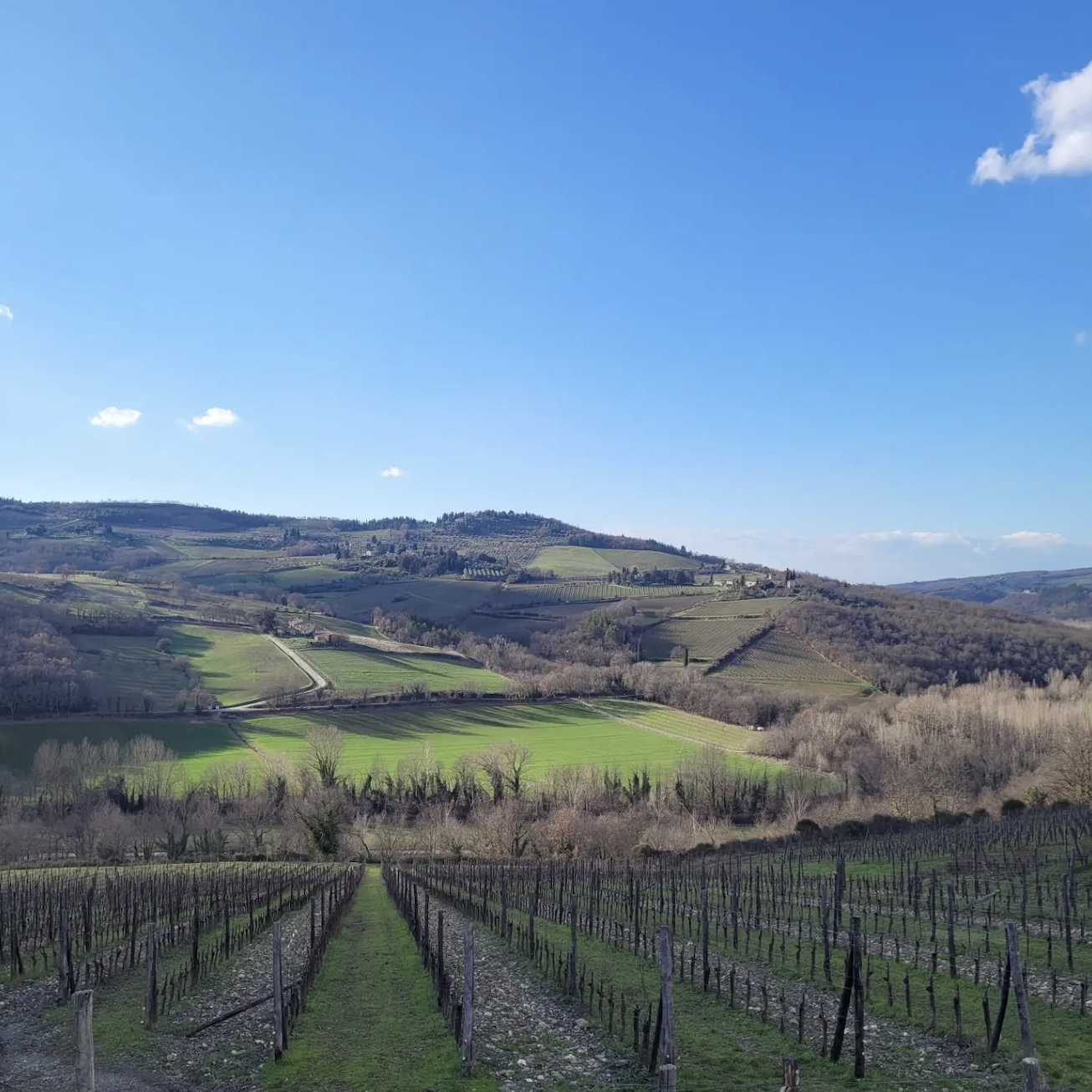
Vineyard at Monte Bernardi, Panzano

Monte Bernardi Chianti Classico Riserva DOCG 2021, Panzano

Purely from Galestro soil planted in 1968, lower down than the Pietraforte soil with five percent canaiolo field blended in the vineyard. Ages in large cask (only Stockinger) for 16 months followed by three in bottle. Almost seems better to compare this to 2021 Retromarcia (committed to memory) than the other ’22 wines because the vintages at Monte Bernardi are so very different. Though this may have shown like a closed stone (a Schmelzer quote) it still would have been more open then the 2020’s and is surely now come further as a result of this vintage’s progression. Generosity and energy, subtle “sfumatore” aromas and flavours here, there, in nooks and crannies, a Macerazione Piedmontese, 45-50 days post fermentation (60 total) on skins. The epitome of scorrevole. Drink 2025-2032.  Tasted February 2024

Monte Bernardi Chianti Classico Riserva DOCG Sa’Etta 2021, Panzano

Purely from Pietraforte (sandstone) soil, higher up than the Galestro and while the vineyard houses five percent canaiolo it is not included in the Sa’etta Riserva. Ages another year in bottle, nine months longer than the (Galestro) Riserva. Is this similar to the sister Riserva? The short answer is yes because the long maceration creates the texture and the palate succulence but the tannins are longer chained, shadowy in their aggression and attention but also so, so refined. Bigger and broader sangiovese as Riserva for 2021 though purity begets fineness and then bequeaths potential.  Tasted again, February 2024

Sa’Etta the block, planted in 1968. Sa’Etta ’21, well it would be hard not to be seduced and hypnotized by the beauty of this wine. Precision, clarity, focus, purity, style, grace, elegance – all of the above. Sees two years in 3000L Stockinger (Austrian Botti Grande) and comes away in the most vertical way. A mix of substantiality and weightlessness for sangiovese (with five percent canaiolo) so well adjusted to life as the varietal pillars they are, in this historic vineyard, as they are known. Vines as the Stonehenge of Panzano, in appearance and for the timeless Riserva they deliver. Drink 2025–2035.  Tasted February 2024

Brancaia Riserva Chianti Classico DOCG 2021, Radda

The opposite of light and juicy but looking for elegance through aging 16 months in tonneaux for the sangiovese and barriques for the merlot, on average 50 percent new. Outstanding vintage says Barbara Widmer, as opposed to ’20 merely being “good.“ But they are one in the same in many ways, acidity still thriving, fruit full and substantial, tannins very much in charge. True Riserva style, always and seemingly forever.  Last tasted April 2024

Brancaia Riserva takes off where Annata leaves off and seems a bit agitated at this early stage. Even with 20 percent merlot there is an uneasiness about the sangiovese and this may not be the best time to seek the truth. Nevertheless the 2021’s lift, heft and breadth indicate a swirl of substance in fruit that precedes structure, while power knows how much it’s in control. Drink 2024-2027.  Tasted February 2024

Castello Di Albola Chianti Classico Riserva DOCG 2021, Radda

Riserva 2021 does by Albola what ’22 Annata could not but we know that the comparison is simply unfair. Nothing against the next vintage and a sample or just bottled wine is a tough nut to crack but this, this 2021 is a lovely wine. A Radda speciality from a top vineyard of impressive elevation, slope and exposure. The sangiovese it breathes from the high quality, low quantity vintage is equal parts fruit freshness and sweet savour. Acidity follows suit and then softness remains. Drink soon! Drink 2024-2026.  Last tasted February 2024

Quite a pure red cherry fruit and simply structured Albola with early accessibility from a vintage much restricted in such matters. This is clearly designed to be purchased and cracked with haste to seek immediate gratification. Simple and proud. Well made. Drink 2023-2025.  Tasted February 2023
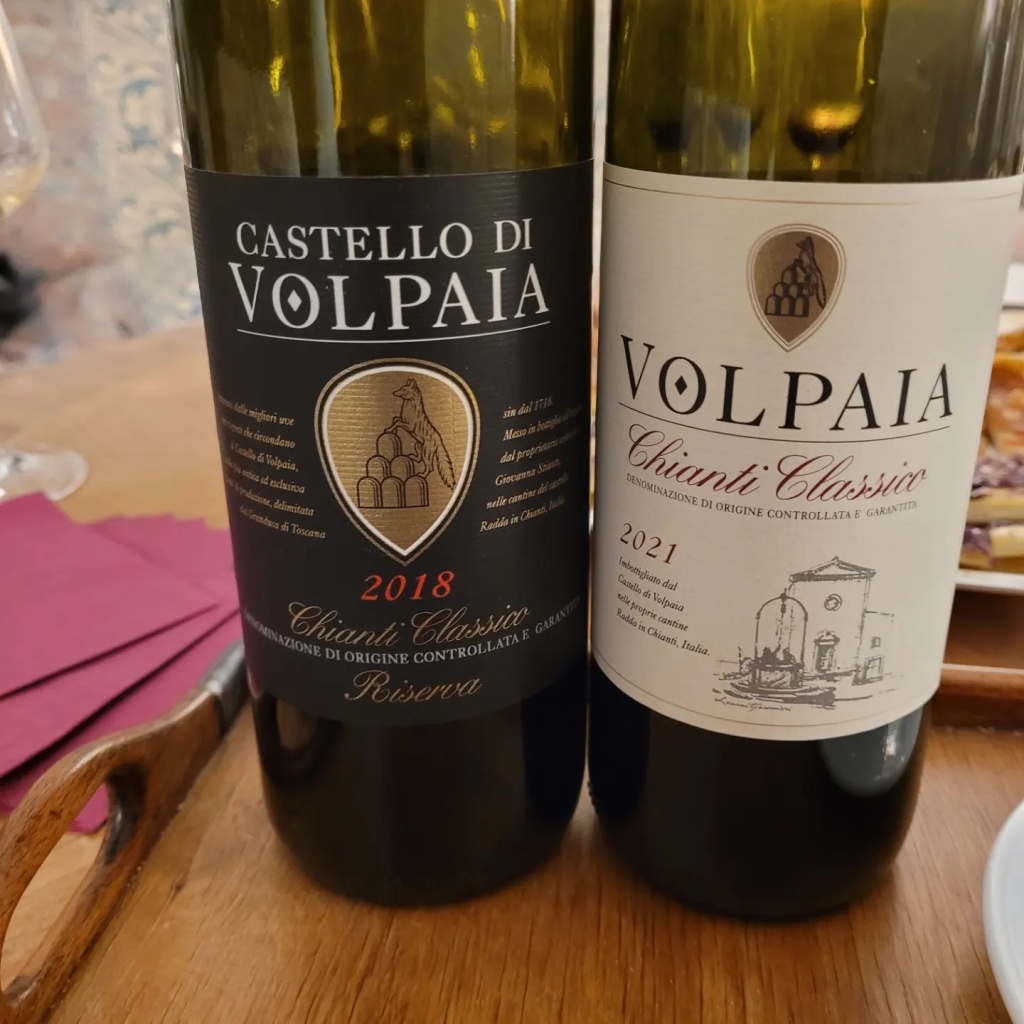
Castello Di Volpaia Chianti Classico Riserva DOCG 2021, Radda

Fine swirl of sangiovese with the highest quality 2021 fruit that must and will show the fineness of Volpaia’s high elevation Radda no matter the quantity gained or lost. And the vintage was not easy though the estate’s position was a plus for making cool and fresh Riserva from the vaults of a hot vintage. For Volpaia this is darker fruit, not full-on 2020 dark but thankfully the location is there to keep deep breathes alive with the freshest of Raddese air. Still this is bigger for Riserva and bones are truly strong. Drink 2025-2032.  Tasted February 2024
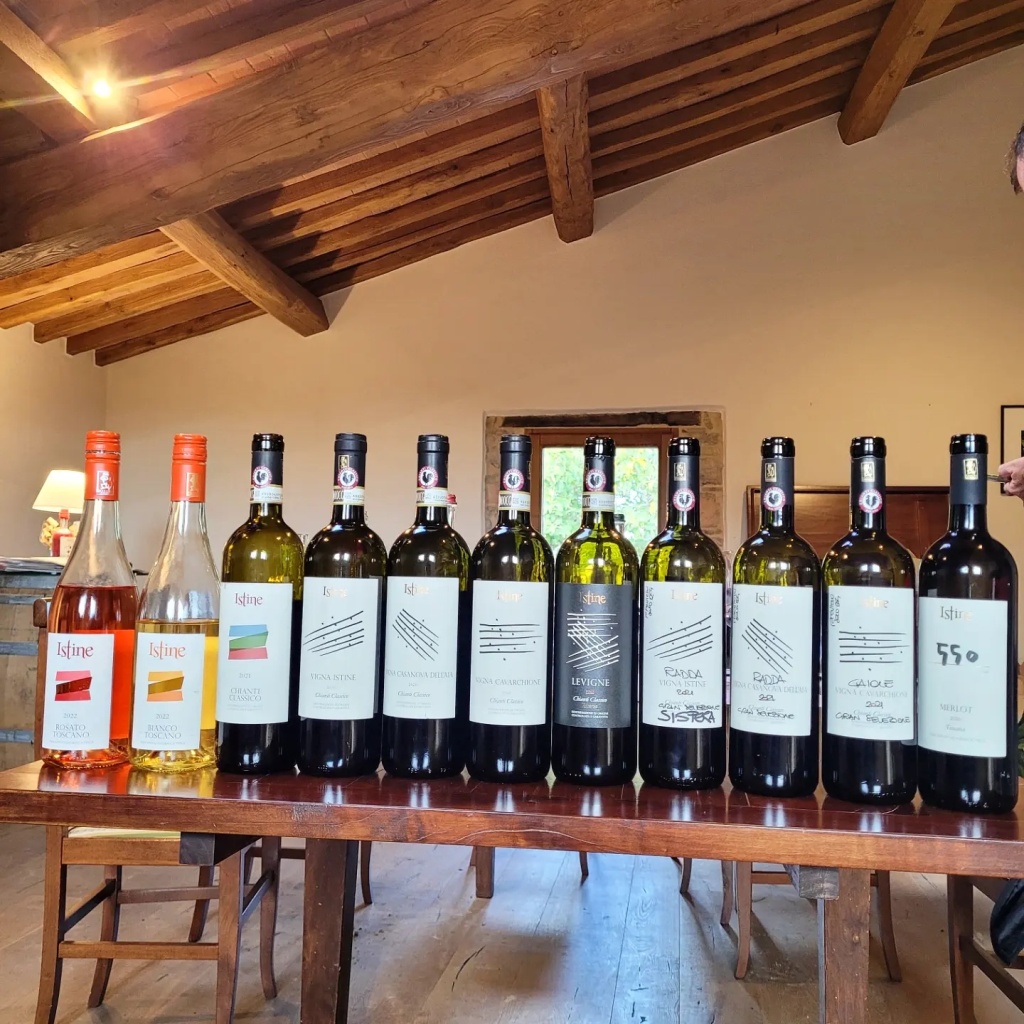
Istine Chianti Classico Riserva DOCG Levigne 2021

After experimenting for a few years this is Angela Front’s first use of whole bunches intero, approximately 20 percent in the mix, to wildly aromatic acclaim. Seriously, for better, worse or best, of a floral intensity now announced, with immediacy and the flavours burst, pop and finally explode upon the palate. Wholly complex notions and diversions that take you, here, there and everywhere. Dios mio Batman! Fronti has mixed in different percentages of whole bunch, 10 at first, 50 in the fermentative middle and 40 at another to arrive at the average of 20 and the final result is something extraordinary. You simply can’t look or turn away. The energy is palpable and infectious. Drama! Emozione. Drink 2025-2032.  Tasted February 2024

L’Erta Di Radda Chianti Classico Riserva DOCG 2021, Radda

Campione: Perfectly intact place, tact and effect as Riserva from Diego Finnochi at L’Erta di Radda. There is no doubt this sangiovese (and note no canaiolo in the Riserva) has many more acts and scenes to play out, but even at this earliest of early stages it is expressive of the concepts, ideals and plans that nature, the maker and life have in store. Amazing fruit quality, purity and succulence with acidity so Radda and ripe for these vineyards. Preferably speaking the time to drink 2021 would be three years forward but those who find bottles will have a hard time waiting that long. Drink 2026-2034.  Tasted February 2024

Monteraponi Chianti Classico Riserva DOCG Campitello 2021, Radda

Campione: Oxidative, soured and overtly tang-inflected example which means the end of a bottle on day two is no way to taste and assess a wine as important as this.  Tasted February 2024
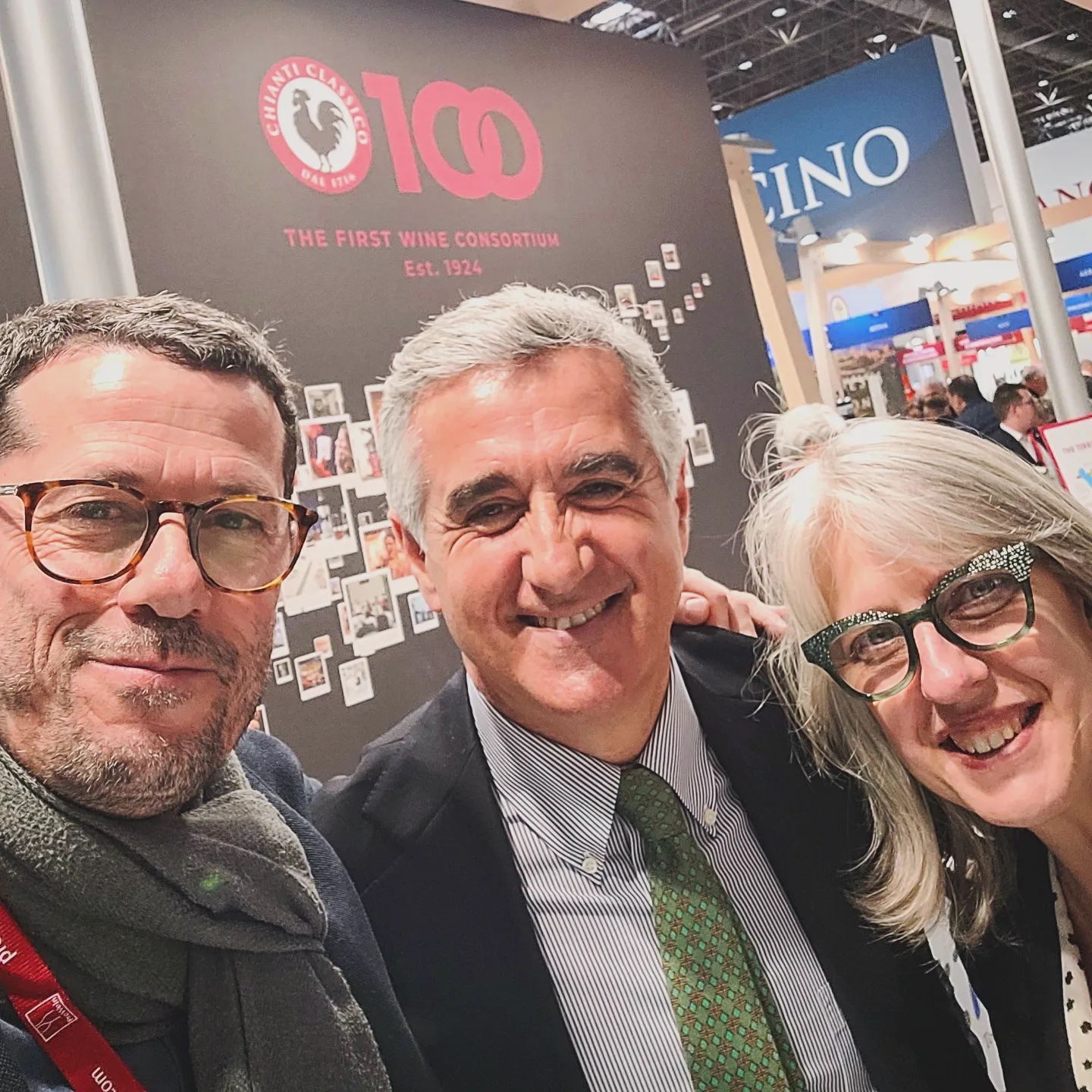
With Consorzio President Giovanni Manetti and Director Carlotta Gori

Chianti Classico Riserva DOCG 2020

Famiglia Cecchi Chianti Classico Riserva DOCG Villa Cerna 2020, Castellina

From the “Primocolle,” the first Villa Rosa hill comprising two vineyards, Solatino and Solare, for Riserva. A mix of luxe and savoury for what is ostensibly terroir relatable Riserva. Much more specific to its two part sense of place then say five years ago and so more focus at this stage of its tenure. Chewy fruit, somewhat leathery, indicative of Primocolle and exaggerated by the warm vintage. Also an herbaceous quality which is also a matter of how the hill translates sangiovese. Drink 2024-2026.  Tasted May 2024
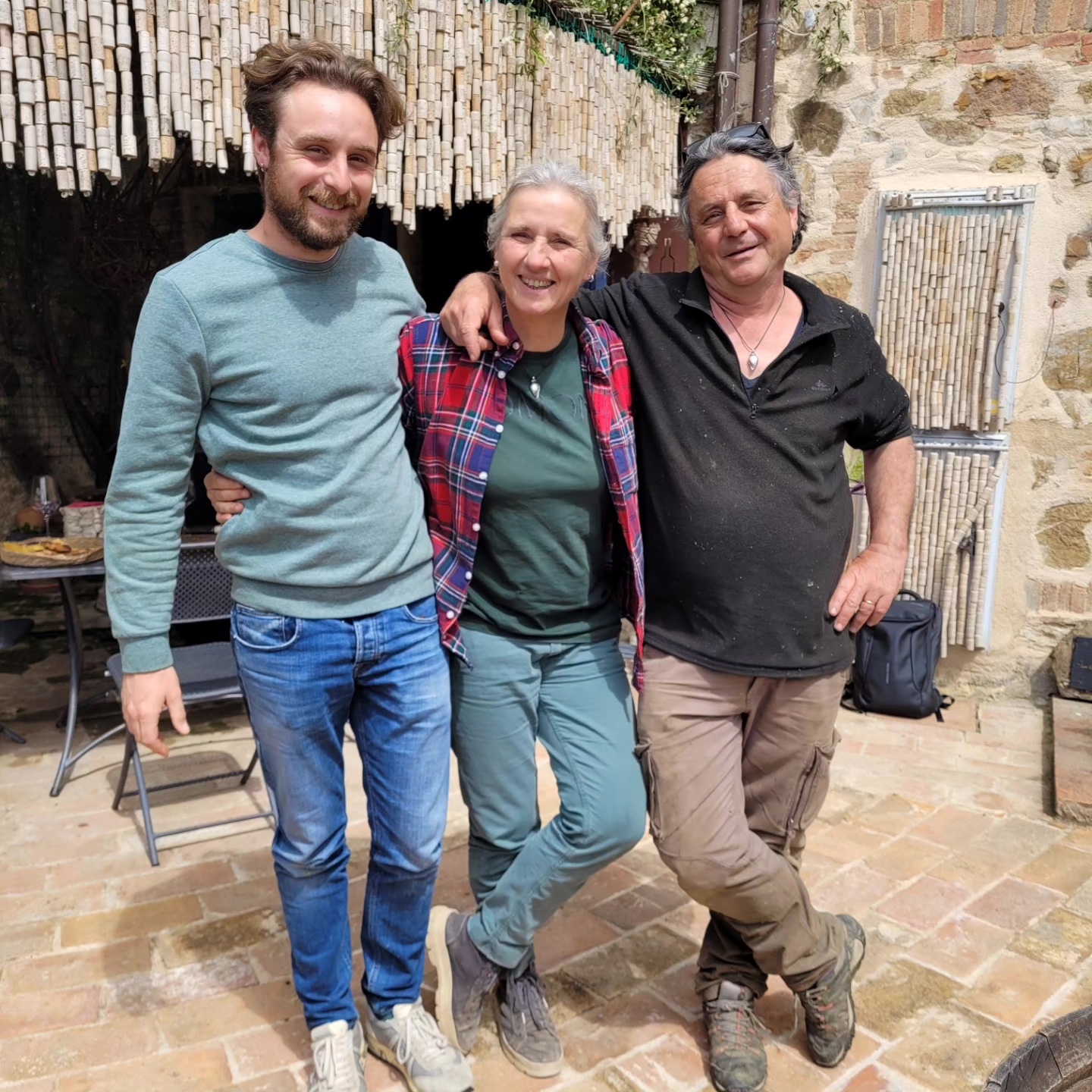
Pomona’s Cosimo Selvi, Monica Raspi and Enrico Selvi

Fattoria Pomona Chianti Classico Riserva DOCG Vigna Pomona L’Uomino 2020, Castellina

The artist formerly known as Bandini is not a Riserva of selection but one made from all the grapes picked out of the single Vigna Pomona. The fantasy name “L’Uomini” neither denotes uomo della strada nor uomo d’affari but definitely uomo d’onore and uomo alla mano because this Riserva cares. The vines would have been 23 years of age for this vintage and the resulting wine is spicier than the Annata, but also exhibits an exaggeration of the local balsamico. A kind of resin in there, a natural cure, savoury and like incense some might say. It is the strident and taut character that defines what’s really going on though this shall pass. Yet another example of just how well 2020s communicate and explain their potential. Slow development ahead and in the end will be a vintage held in great esteem. L’Uomini is not a man of the street or just about business. He is friendly and wears a badge of honour. Drink 2024-2030.  Tasted October 2023 and February 2024

Mazzei Ser Lapo Chianti Classico Riserva DOCG Ser Lapo 2020, Castellina

Ten percent merlot rounds out the sangiovese but also lends a bolder character, darker of fruit and quicker to the conflagration of alcohol, body and depth. The result is a Riserva that comes at you straight away in delivery of a warmer and more direct to palate vintage-relatable sangiovese. Riserva of a replicate kind, from nose to nose, sip to sip and middle ground structure so very easy to assess. Drink this now or hold for two to three years. Drink 2024-2027.  Tasted February 2024

Nardi Viticoltori Chianti Classico Riserva DOCG 2020, Castellina

“The Riserva is our diamond, in general,” says Giacomo Nardi, a reference truly applicable to his new vintage that is 2020. Same postcard of Castellina and the best selection of 100 percent sangiovese chosen from four parcels within the 10 hectares of the planted vineyard. Picked in and around the 10th of October, refined in Tuscan wood. A matter of elegant tannin following a local balsamico nose, a particularity of Tuscan wood and Riserva in the Nardi style. Riserva that captures sangiovese at peak no matter how late the harvest might be and that is truly important. Impressive acumen, protective fruit under a shaded canopy and gut instincts at harvest time to be followed for successful results.  Drink 2025-2031. Tasted February 2024

Tregole Chianti Classico Riserva DOCG 2020, Castellina

A good example of a sample, rich and my goodness the fruit and tannins are exceptional, full, established and intertwined. The potential here is positive and one could imagine that the next one for Sophie Conte’s 2021 Riserva will be unlimited. Drink 2025-2030.  Tasted February 2024

San Felice Chianti Classico Riserva DOCG Il Grigio 2020, Castelnuovo Berardenga

There is some peppery character especially on the aromatics and all the while the spices plus balsamic elements are consistent with the Annata, both from 2020 and 2021. Fruit is the same sourcing as the Annata but here the substantial quality by selection and extra aging in wood (mainly Botti Grandi, none of it new) means more weight and texture. Glycerol now, a silky-smooth elixir with chic style and more variegate tones. Ambient and plenty of succulence. Good structure from 2020. Drink 2024-2027.  Tasted October 2023 and February 2024
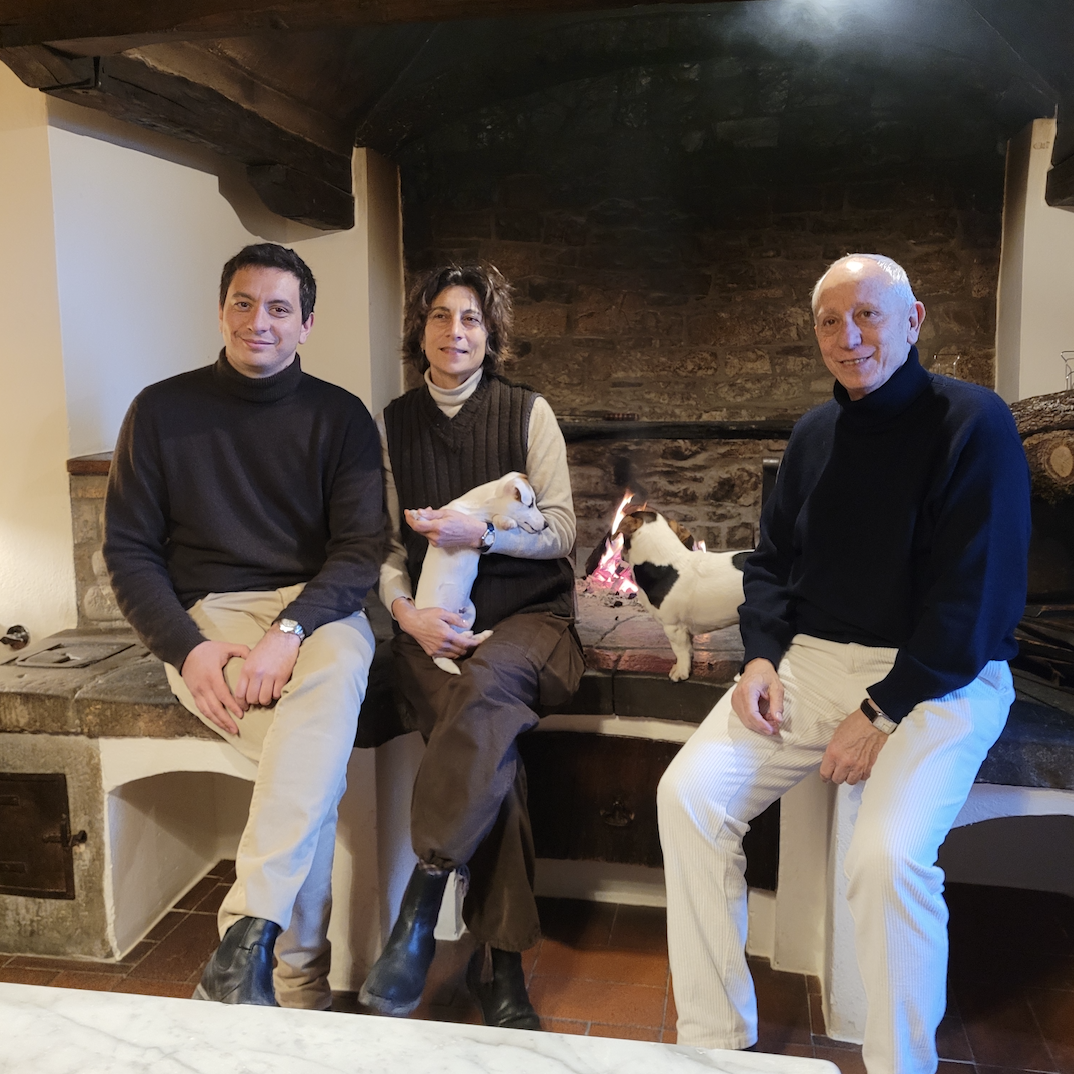
Arturo Pallanti, Lorenza Sebaste and Marco Pallanti – Castello di Ama, Gaiole

Castello Di Ama Chianti Classico Riserva DOCG Montebuoni 2020, Gaiole

Not atypical for the vintage and as Riserva the Montebuoni 2020 is so representative of all that is suave, stylish, ripe, fresh and free. The selection of fruit, warmth of weather, extra six-plus months of aging and finally appellative conditioning all add up to soft, mature and sweet endowment,. Not many reasons to wait or stack these away on the racks or in diamonds of the cellar. This is a vintage to drink, now, soon and with gratifying expectation. Drink 2024-2027.  Tasted February 2024

Fattoria San Giusto A Rentennano Chianti Classico Riserva DOCG Le Baròncole 2020, Gaiole

A beautiful harvest balanced by the last part of the summer with good morning temperatures and a reminder that the winter provided more snow than any season in the last 20-30 years. This is Riserva with a good balance between body and acidity. Luca’s nephew Federico sees both the ’20 Riserva and Percarlo as good as any that have ever come from San Giusto. He is correct when he comments about a balance that will endure.  Last tasted February 2024

Barrel sample and the youth of this San Giusto wine is something too behold. A fortification equal to both Siena and Firenze combined. Le Baròncole is serious, stone-faced and impressive. My goodness. Score and full assessment reserved to a much later date. Tasted February 2023

I Sodi Chianti Classico Riserva DOCG 2020, Gaiole

Heady and lifted aromas, spicy, intense and certainly a level of sauvage. More substance and layers of fruit than ever before. Tang in ways no other Gaiole sangiovese will show, no matter that 10 percent of softening merlot should round out the wine, especially at Riserva level. Drink 2023-2025.  Tasted May 2023 and February 2024

La Montanina Chianti Classico Riserva DOCG 2020, Gaiole

A combination of frescezza and warmth with fruit that yes is fresh but there is both weight and tension to this Riserva. Truly appellative, very wisely and obviously Gaiole, rich and yet vertical, tight and still fleshy so that you have to see this as generous. Top drop for La Montanana between 2015 and 2020. Last tasted December 2023 and February 2024.

My what a lovely Riserva! Fruit succulent and sweet and swirled so effortlessly into equally mouthwatering acidity of pitch perfect tone. Yes there is Gaiole savour and it’s presence is as a seasoning, with chef’s ability, emotion and touch. As for 2020 well this from La Montanina delves into passion and the aforementioned emozione as well and as much as any Riserva in the Classico area. Brava, Oretta Leonini. Grande Gaiole! Drink 2024-2032.  Tasted February 2023

Marchesi Frescobaldi Chianti Classico Riserva DOCG Tenuta Perano 2020, Gaiole

Google the words Perano + Gaiole + Chianti Classico and the first result should very well be “Tenuta Perano Chianti Classico Riserva Docg 2020, Gaiole.” Inescapable essence of Perano, essential sector of Gaiole and established representative of Chianti Classico. This is Riserva, a selection from the 90 hectares encompassing much of the estate, creating a sum total so substantial to see this 2020 as spokeswine for this agricultural place. Properly reductive while luxe and forward because in this case selectivity begets seduction, balance and structure. Drink 2024-2030.  Tasted December 2023

Campione: A sample, lifted, high spirited and high elevation Greve raised for sangiovese that’s in a league and class of its own. Richness and a swirl of fruit meeting wood that only acidity can tame. Its does and there is a low level amount of Brettanomyces that distracts. Tannins are a touch brittle as a consequence. Drink 2024-2026.  Tasted February 2024
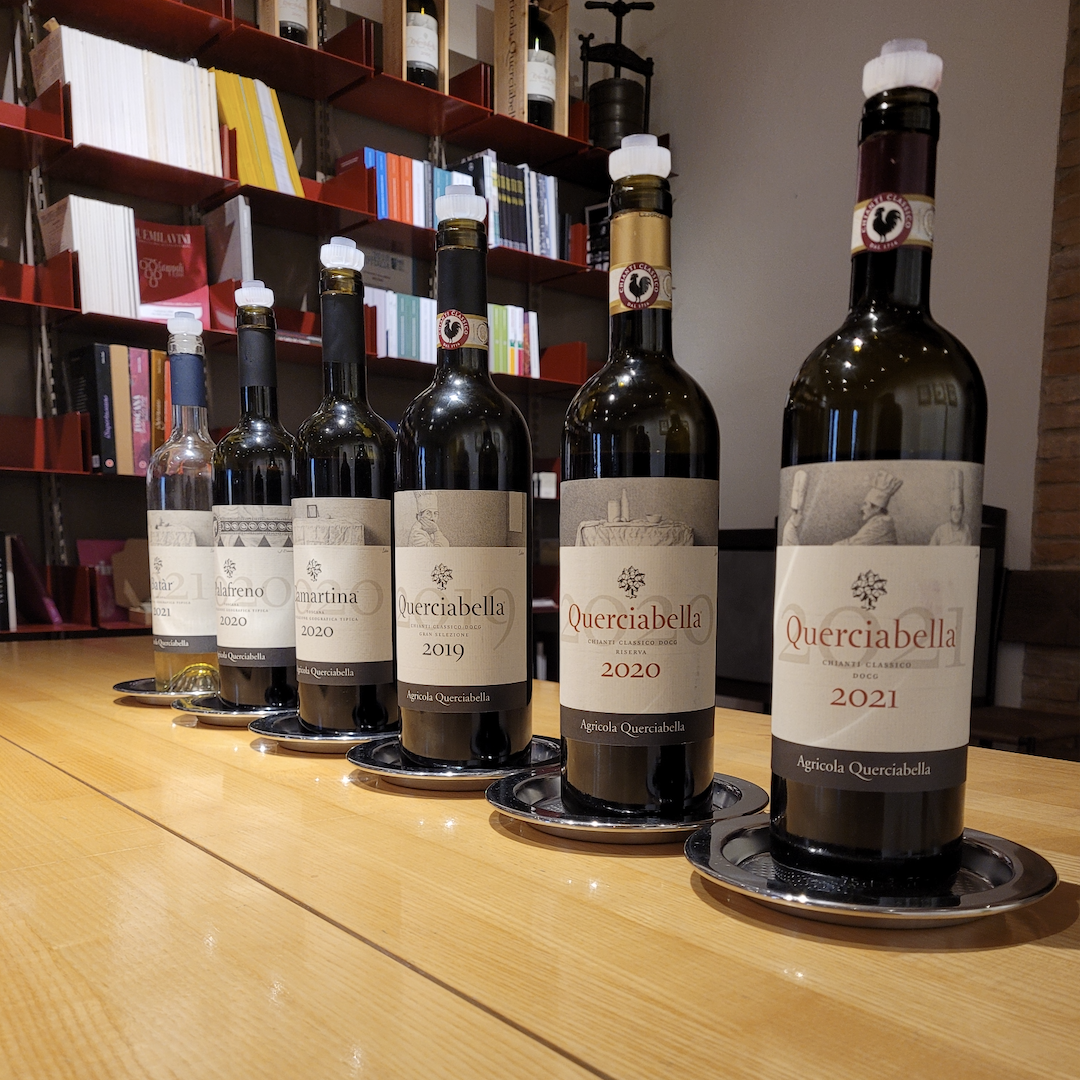
Querciabella Chianti Classico Riserva DOCG 2020, Greve

The first vintage where this is a nice percentage of sangiovese from Casole (out of the Lamole UGA) and yet another warm vintage. Once again it is that fruit that brings the lift. That and the small amount of whole bunch which winemaker Manfred Ing says “I can smell it” and you know something, he’s absolutely right. Crunchy Riserva or as they say, croccantezza, layered like the Annata with the volume turned up, oak usage not so, fruit more perfumed and again that lift which is so important. The delicate nature and delicacy of sangiovese is respected and preserved, the drink-ability factor as high as it has ever been. Drink 2026-2034.  Tasted February 2024

Castello Di Verrazzano Chianti Classico Riserva DOCG 2020, Montefioralle

Riserva is a thing of beauty and richness from 2020 for a vintage of raw power though with this sangiovese Verrazzano finds both restraint and controlled nervousness. The acidity is just about as well captured, preserved and musical as it gets for both appellation and vintage. An indication of present tense Verrazzano with this nervosity that’s never over the top or in danger of crossing into next level territory. The age worthiness of 2020 is tops. Drink 2025-2032.  Tasted February 2024

Il Molino Di Grace Chianti Classico Riserva DOCG 2020, Panzano

Showing vibrant and racy today, a really great place for Riserva, any Riserva that is but add in the current day trenchant intention to make fresher and cleaner sangiovese. Crispy if you will, dictated by the Pietraforte of these southeastern hills of Panzano. The 2020 has found its way and the window is now open. Will stay in this ideal drinking state for four to five more years.  Last tasted February 2024

Eight months later and Iacopo Morganti exclaims “Molto Buono!” The wood has not fully integrated, nor was that expected but now the aggressive aspects are relenting and the fruit-acid relationship is developing into the extraordinary. Another eight months and this will enter the “zone.”  Tasted October 2023

In line with the Classico yet with better quality material chosen there is higher acidity and that matters greatly. Tannins are finer as well, yet that same darkness of pitchy and perfumed fruit is consistent with tighter and stronger grip. Must be granted another year in bottle to settle the strongholds and the score. The barrel has much to say right how, noted in grains running through the veins of the sangiovese. Older vines including Al Bosco are Riserva bound. The linger and length on this is infinite, at least in Riserva terms. Drink 2024-2028.  Tasted February 2023

Le Fonti Di Panzano Chianti Classico Riserva DOCG 2020, Panzano

La Riserva is a factor and a child of vintage warmth, nurturing and in Le Fonti’s Panzano hands it comes away finely tuned. A full fruity expression with profound acidity and long chains of sangiovese tannin. The 10 percent cabernet sauvignon and merlot do effect the outcome but in these vineyards they act more Panzano than varietal when used as salt and pepper seasoning. Length is outstanding which speaks to a potential that will mean longer age-ability than many by this Riserva’s peers. Drink 2025-2032.  Tasted February 2024

Fattoria Rignana Chianti Classico Riserva DOCG 2020, Panzano

Led by sangiovese with 15 percent cabernet franc, mainly chosen in the vineyard because explains Cosimo Gericke, “over the years I know the vineyard and which ones produce the best sangiovese.” Spends two years in small and also large wood (Slavonian botti) but the barriques are being phased out in these years. Dark fruit, rich, deep and yes it’s a woody example of Riserva but it’s suave, mature, experienced and so very real within this kind of style. Full and substantial wine with really soft and fine tannins. Drink 2023-2027.  Tasted October 2023 and February 2024

Arillo In Terrabianca Chianti Classico Riserva DOCG Poggio Croce 2020, Radda

When when you take a sip of sangiovese and think aloud “wow, that’s pretty good,” well then something special is in the glass. Riserva Poggio Croce is a veritable glide of sangiovese in tutto, clear, present, clean and giving. A touch of residual sappy oak persists and will need to resolve before this as Riserva feels in touch with Poggio Croce and this unique part of Radda. That said the 2020 is not as big a wine as many in the territory, which is to say something very positive about what the (new) team is after. Drink 2025-2029.  Tasted February 2024

Brancaia Chianti Classico Riserva DOCG 2020, Radda

The opposite of light and juicy but looking for elegance through aging 16 months in tonneaux for the sangiovese and barriques for the merlot, on average 50 percent new. Outstanding vintage says Barbara Widmer, as opposed to ’20 merely being “good.“ But they are one in the same in many ways, acidity still thriving, fruit full and substantial, tannins very much in charge. True Riserva style, always and seemingly forever.  Last tasted April 2024

Brancaia Riserva takes off where Annata leaves off and seems a bit agitated at this early stage. Even with 20 percent merlot there is an uneasiness about the sangiovese and this may not be the best time to seek the truth. Nevertheless the 2021’s lift, heft and breadth indicate a swirl of substance in fruit that precedes structure, while power knows how much it’s in control. Drink 2024-2027.  Tasted February 2024
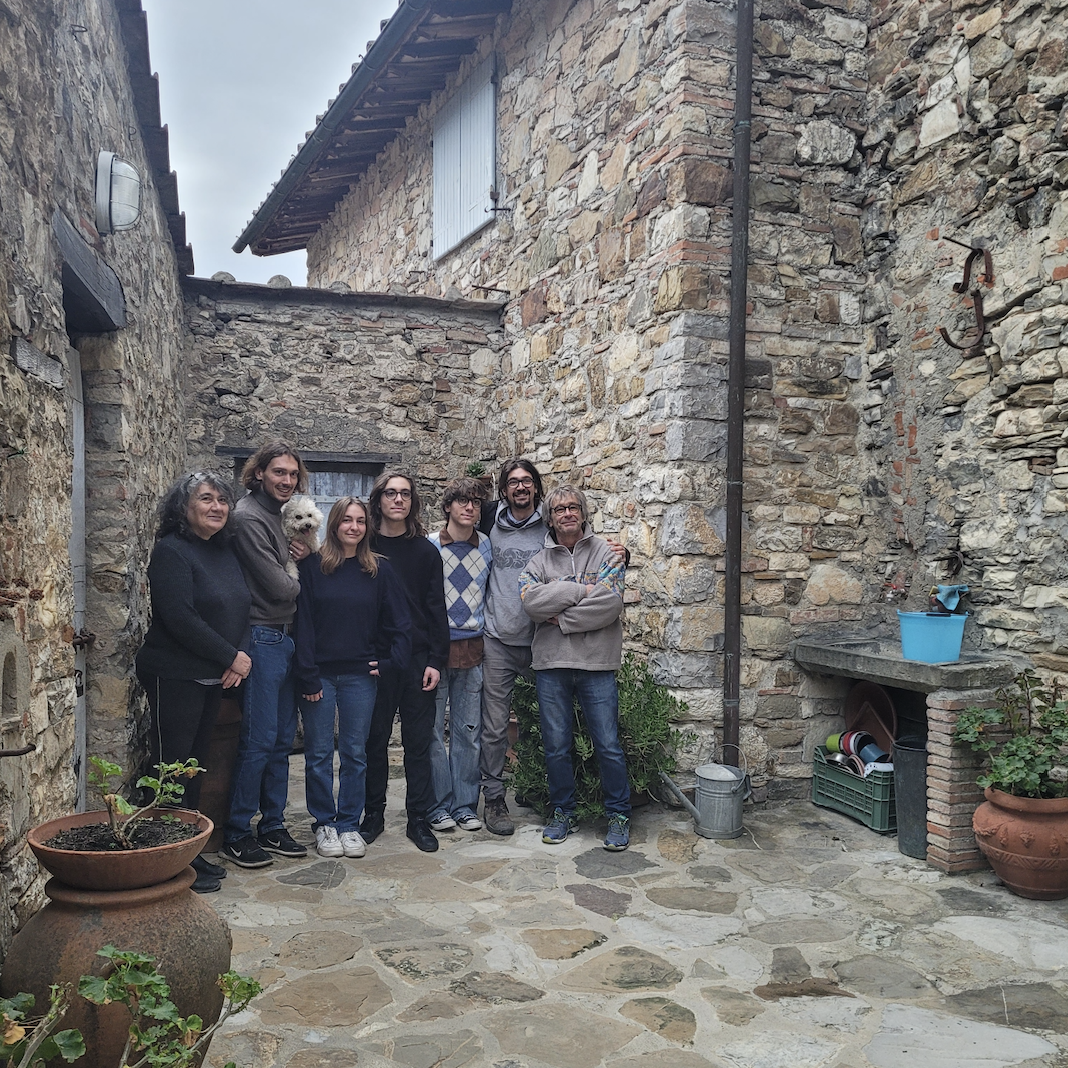
Famiglia Cianferoni – Caparsa, Radda

Caparsa Chianti Classico Riserva DOCG Doccio A Matteo 2020, Radda

Doccio a Matteo meaning the “spring” comes from the same vineyards as the Classico but as a selection because the top and bottom sections mature differently. The Riserva may not be the “freshest” but they are the best grapes that can be harvested. Includes three percent of colorino and aged in grandi botti of 1000L size. Calm and subtly fortified, open-knit and generous. Already there and will hold for several years. Drink 2025-2030.  Tasted February 2024

Caparsa Chianti Classico Riserva DOCG Caparsino 2020, Radda

The Caparsino always needs more time than both the Caparso and the Doccio a Matteo. Needs hours of air bit Paolo Cianferoni can’t explain why. Tannins surely, tighter chained and layered. These are chewier tannins and the only wine that’s simply not ready to drink. Rustic perhaps but when things stretch and elasticize there will be no shortage of penance served and southwestern Radda on offer. Drink 2026-2032.  Tasted February 2024

Val Delle Corti Chianti Classico Riserva DOCG 2020, Radda

Riserva comes from the steep 1974 vineyard to the left (north) of the house planted by Roberto Bianchi’s father Giorgio, aged for 30 months in botti and tonneaux. A true single plot that may or may not as well be wink-wink, nudge-nudge Gran Selezione. Cool and ethereal like Annata 2020 with some spice cupboard arriving at the same time as the tannins for that unresolved protein powder feeling. Still it is understood that Val delle Corti’s sangiovese are youthful, fresh, crunchy and tart. Full and corpulent with potential being the thing about this 2020 and what’s required to see it open three years later before beginning to tell its true story. A bit raw or “crudo” at this stage. Drink 2026-2033.  Tasted December 2023 and February 2024

Calcamura Chianti Classico Riserva DOCG 2020, San Casciano

Campione: Sample of sweet fruit, closed and intense with early the operative to sense and feel what’s coming. Tannins locked in tight with our palates bracing for impact.  Tasted February 2024

Castello Di Gabbiano Chianti Classico Riserva DOCG 2020, San Casciano

Richness incarnate, soft, billowy and downy texture but high ranging acidity puts the Gabbiano Riserva in a fine state to impress. The expression is pure richesse, velvet mouthfeel, sleekness and beauty. That acidity is the driver and will keep the flow, but also spirit alive for a few years yet. Drink 2024-2027.  Tasted February 2024

Marchese Antinori Chianti Classico Riserva DOCG Tenuta Tignanello 2021, San Casciano

Honestly speaking it would be hard not to recognize the hundreds of years of heritage and history in a wine that bears the name of the Marchesi. Not feeling the experience would not be paying attention and not seeing the professionalism would indicate a journalistic lapse in judgement. The 2021 Riserva is sleek (from vineyard) and sturdy by design. Vertical vintage, lower in quantity to a degree and higher in phenolics to a fault. A good one that is. Sangiovese con altre varietà complementari, part endemic and part expatriate. Drink 2024-2027.  Tasted February 2024

Marchesi Antinori Chianti Classico Riserva DOCG Villa Antinori 2021

The Villa as Riserva is a great compliment to the Marchesi, not grossly different but less of a linear, structured and age-worthy wine. Swifter and sweeter in the natural fruit sense, swelling with glycerin and pectin invoking flavours. This is the one that imagines so much fruit and generosity in the easiest of drinking ways. Truly getable and as Riserva bridges the gap between Annata and more elevated if also serious appellative examples. Drink 2024-2026.  Tasted February 2024

Poggio Torselli Chianti Classico Riserva DOCG 2020, San Casciano

A few more points of merlot than the Annata, up to 20 percent here and a dusty, also slightly musty Riserva, though acidity is quite fine. Two years in barriques but also the 3000L Grenier botti. More energy than Anaata but also more savour and verdancy. Drink over the next two years. Drink 2024-2026.  Tasted February 2024
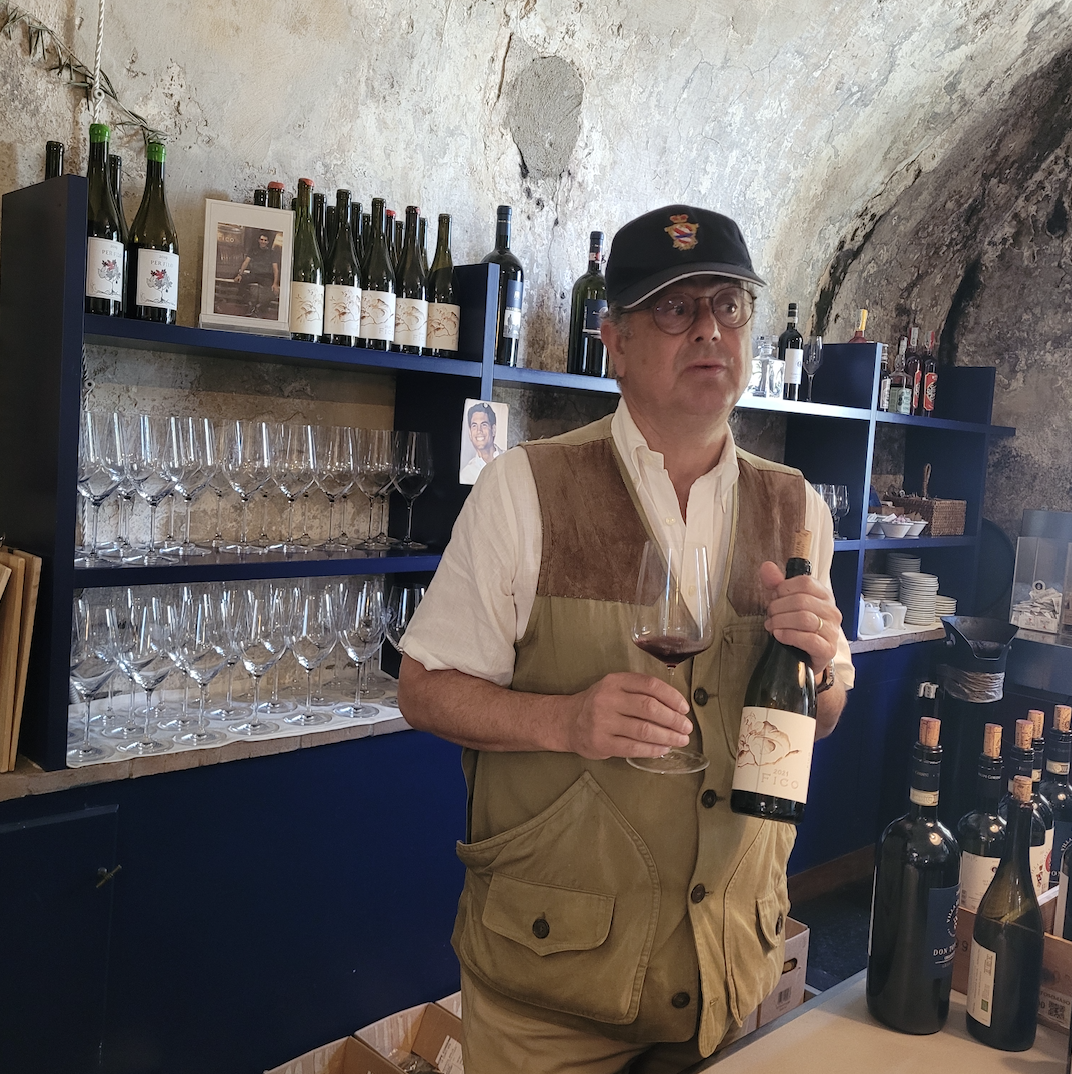
Duccio Corsini – Villa Le Corti, San Casciano

Villa Le Corti Principe Corsini Chianti Classico Riserva DOCG Cortevecchia 2020, San Casciano

As with Le Corti Annata the wines see 27hL casks and colorino is used, “only for the tradition.” The Cortavecchia is intrinsically connected to the Annata, they are brethren and the selection between one and the other happens after fermentation. First comes the spezzaturra and then the division. The river stone soil earthiness is carnale not animale and from 2020 there is more flesh and body then before. This means more settling and grounding but also roundness than what happened in 2018, but also surely what will come from 2021. Drink 2023-2029.  Tasted October 2023 and February 2024

Casa Emma Chianti Classico Riserva DOCG Vignalparco 2020, San Donato In Poggio

Campione: A sample though surely as close to the finished product as it will get for this 100 percent sangiovese. Hard not to note and feel the commodiousness of the vintage, from fruit phenolic in its well developed ripeness, acids fortifying, tannins stronger than ever before. Harder to express the vineyard (Alparco) and more challenging to shine a light but this is Emma and San Donato so be sure to taste the sanguine orange ornateness of the wine. Drink 2026-2031.  Tasted February 2024

Castello Di Monsanto Chianti Classico Riserva DOCG 2020, San Donato In Poggio

While there have been several warm vintages over the last five or six for Chianti Classico there are few that deliver this combination of concentration juxtaposed against such a high level of tannic command. The ’20 Riserva is essentially immovable at this early stage and should rightly require 18 further months to shed some of its assigned consignment, to unburden, lighten and be set free. Drink 2026-2032.  Tasted February 2024

Cinciano Chianti Classico Riserva DOCG 2020, San Donato In Poggio

Somewhere between six and seven thousand bottles are produced of this 100 percent sangiovese, from several vineyards and so the cuvée is indeed a selection. Definite spice cupboard of aromatics, coriander and ground red pepper, red fruit powder and then more attention paid because the wood is strong early on. Will be needing some time to liquify the chalkiness and emulsify into the textural fabric of the wine. Drink 2024-2027.  Tasted May 2023 and February 2024

Il Poggiolino Chianti Classico La Riserva DOCG 2020, San Donato In Poggio

Really unique for Classico and also San Donato aromatics, somewhat herbaceous, lifted and floral. Definitely salty while well-seasoned, namely with white pepper and a curious note of mirto. Quite a swath of unresolved wood and very much a thickened texture. As Riserva and especially San Donato goes this will need and benefit from time in bottle. Drink 2024-2028.  Tasted May 2023 and February 2024

Podere La Cappella Chianti Classico Riserva DOCG Querciolo 2020, San Donato In Poggio

Vineyards are 24-25 year-old for Riserva with some (25 percent) new barriques used for aging. Soft yet elastic tannins equip this 2020 for deeper term aging to the end of its first decade. Once again it is a matter of vintage and this one will see Riserva last several years longer than the Annata. Drink 2024-2032.  Tasted May 2023 and February 2024

Bindi Sergardi Chianti Classico Riserva Calidonia DOCG 2020, Vagliagli

Campione: A sample and always Calidonia – Calidonia, the three vineyard (Vigna della signora Chiara, Finocchi and Perone) from Mocenni estate as Riserva that is the sangiovese incarnation of its maker Alessandra Casini. A Riserva of grace and fluidity, of movement as if feet do not touch the ground and corporeal body gliding effortlessly across the palate. The wine senza sforzo nel movimento, still in youth with wood purposed and informing fruit to come for the soirée and stay for the pleasure. As do we because the ingredients will eventually emulsify into a fine varietal salsa. Drink 2025-2034.  Tasted February 2024
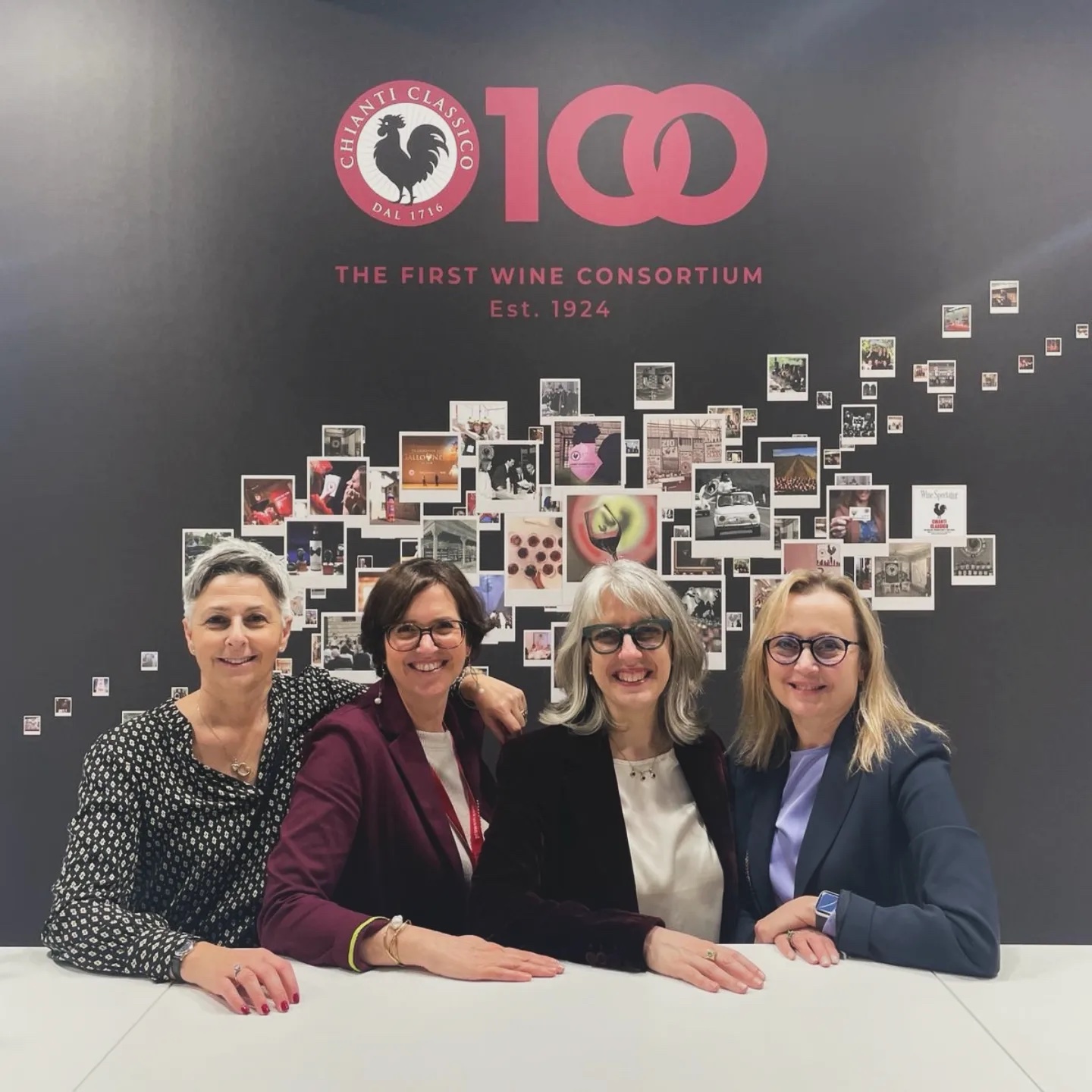
The women of the Consorzio Vino Chianti Classico

Chianti Classico Riserva DOCG 2019

Casale Dello Sparviero Chianti Classico Riserva DOCG 2019, Castellina

What a change from year to year, still under the guidance of Franco Bernabei, still some salinity but the sappy quality is gone and now the sangoivese has some backbone. Structure is now part of Riserva’s world and in turn our experience.  Last tasted May 2024

Perfumed to the hilt, a Castellina of quite mature fruit and seriously typical Riserva profile. Chalky as part of its tannic adjustment with wood a major part, espresso and dusty chocolate just omnipresent at the finish. Drink 2024-2027.  Tasted May 2023 and February 2024

Villa A Sesta Chianti Classico Riserva DOCG 2019, Castelnuovo Berardenga

Riserva is expressive of some more warmth and also spice as compared to both Annata and Gran Selezione. In this respect it’s truly Riserva, the concept made even more notable due to the aromatic richness in layers of seductive perfume. If the others are crunchy wines with energy and freshness than this is the chewy one, with a different energy and style. More “ruffiano,” the kind of sangiovese you eat slowly and savour every bit of the sauce. Gonna need a few pieces of bread to get every last drop. 70,000 to 80,000 bottles produced. The 2018 sold like crazy and so this ’19 is out at the same time as the 2019 Annata. Drink 2024-2027.  Tasted February 2024

Badia A Coltibuono Chianti Classico Riserva DOCG 2019, Gaiole

High Gaiole tones of sweet vintage fruit filling the aromatic spaces above and between. Field blend style with all the endemic bits of varieties spicing and saucing the nooks, butte chambers and crannies of this wine. There are no moments when 2019 Badia a Coltibuono is quiet or absent – the wine gifts and gifts again, and again. This is the future and wouldn’t it be nice if this family could carry on this way for another 1000 years. The privilege can never be taken for granted. Drink 2024-2029.  Tasted February 2024

Castellinuzza Di Claudia Cinuzzi Chianti Classico Riserva DOCG 2019, Lamole

Traditional Chianti Classico from high elevation and verdant hills for sangiovese (with bits of canaiolo and malvasia nera) that can’t and will not be separated from its place. That would be Lamole and Riserva simply compounds the UGA’s character, compresses its feelings and expresses the emotions of a territory’s coolest location. This is parochial red wine of a specific and insular heritage and few other wines deliver this kind of specificity. Drink 2024-2027.  Tasted February 2024
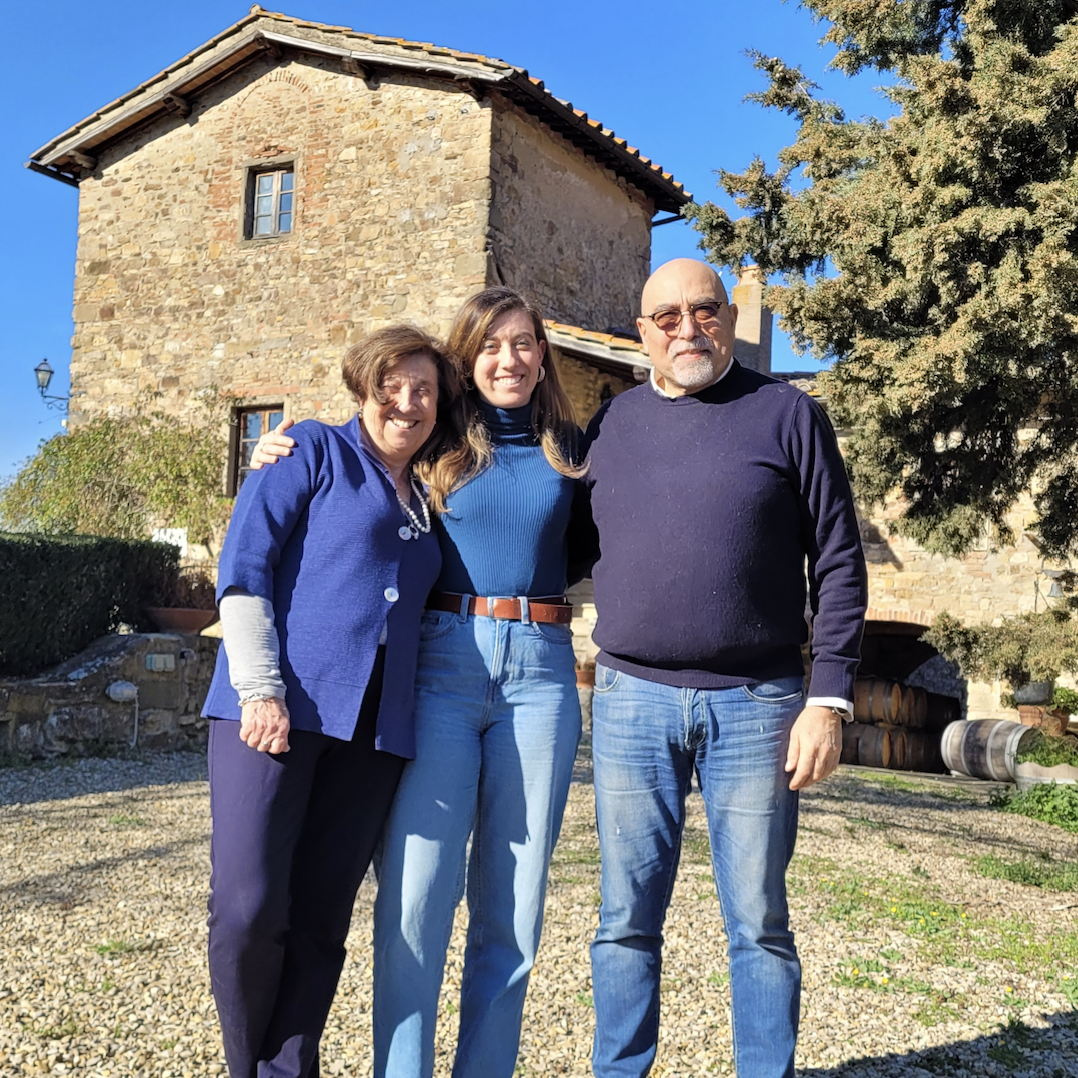
Emilia, Maria Giovanna and Giovanni d’Orsi – Casaloste, Panzano

Casaloste Chianti Classico Riserva DOCG 2019, Panzano

Just recently bottled three months ago and will be released this month. There is no doubt this is the finest Riserva Giovanni has made in his 30-pus years at Casaloste. Immediately notice the salty note, the mineral streak, the moving of all parts together in mimic of a vintage where phenolic maturity and sugars came about slowly and incrementally as one. Perhaps 2016 was similar or close but this, this finds harmony as easily as it can possibly happen. Length is outstanding. Drink 2024-2029.  Tasted February 2024

Tenuta Casenuove Chianti Classico Riserva DOCG 2019, Panzano

Riserva is 100 per cent sangiovese, a bit dusty and reserved, acids and tannins very much in charge. Crisp and crunchy for Riserva with notable fennel and balsamic notes with a nuttiness that is a palate extension from palate sweetness. A factor of new and used barriques with baking spice that in conjunction with full on ripeness to the edge creates a feeling of sleepiness. Enervating sangiovese. Drink 2023-2025.  Tasted February 2023 and February 2024

Caparsa Chianti Classico Riserva DOCG Caparsino 2019, Radda

“I remember 2019 when we tasted it together at the age that the 2020 is now,” says Paolo Cianferoni. “Now this 2019 is more relaxed.” Aromas are similar to the Mimma 2019, gently swarthy and fruity exotic, with a sense of that fruit becoming leathery but more floral along the way. “Here it’s a fresh place so the fruit is constant. The acidity is what makes the sangiovese so perfumed.” Paolo never touches the pH, no adjustments necessary because of the warming climate.  Last tasted February 2024

Aged in the big barrels, determined by a selection of higher quality berries and the cask size. How does Paolo know which are the best bunches? “I just know,” he says. “For more than 20 years I know where the best grapes live.” Might be where the cinghiale eat, where the clay is wet or not, in dry weather. More of a Riserva vintage for Caparso, added richness a bonus and without any wood distraction this glides and glistens, slices and dices across the palate. Solid sangiovese with a cerebral twist. Drink 2024-2027.  Tasted February 2023 and 2024

Caparsa Chianti Classico Riserva DOCG Doccio A Matteo 2019, Radda

Doccio a Matteo is more settled and ready to enjoy than Caparsino, yet equally perfumed as the 2019s all seem to be. Liquid chalky, a true expression of Paolo’s three combined soils, each one layered upon one another. Galesto di Scalia (di Argilla), Alberese mixed with Sabia (sand), and finally a mix of sand and clay. Lovely mix of perfumes, silky textures and blood orange reduction for a truly layered sangiovese.  Last tasted February 2024

Single vineyard sangiovese with just two percent of colorino raised in 1000L botti, 12-14 months, just like the Classico. Doccio Matteo is the name of an old spring in one of the oldest vineyards, highest in elevation (450m) where the winds blow hardest. “Doccio” is a shower in Italian and Matteo refers to San Matteo. More tannin and tension here, especially as compared to Riserva (Caparsino) and needing an extra year to integrate. Drink 2025-2030.  Tasted February 2023

Colle Bereto Chianti Classico Riserva DOCG 2019, Radda

Riserva from Colle Bereto’s Radda is about as pure, fresh and scintillatingly clean as it has ever been. What we should be incredibly thankful for is the patience to see this released as a 2019 in 2024. The tannins are well on their way to resolution while the acidity is maintained. A fine, fine example of all that Riserva can be in Chianti Classico. Classic, stylish and generous.  Last tasted February 2024

Big and brawny wine from Colle Bereto for Riserva and 2019 though of a concern with fruit cast in balance against structure lined up for low, slow and carefully curated development. And maturity with pure sangiovese raised and never braised, surely to be exulted and ultimately praised. Loving the acids within that structure and the chalkiness in smart ratio these vineyards seem to procure. Bravo Bernardo. Certamente. Drink 2025-2032.  Tasted February 2023
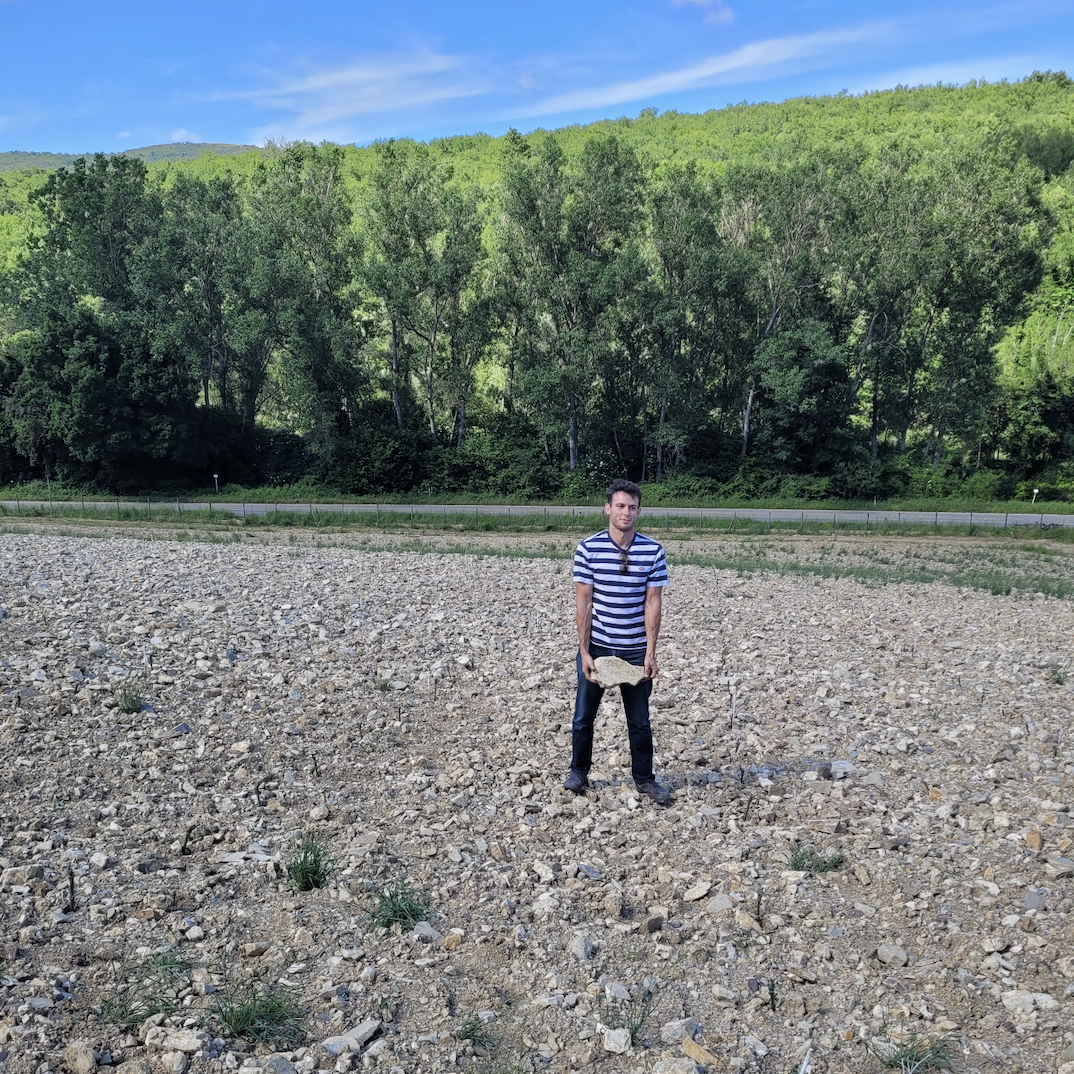
Giacomo Castellani – Tenuta Campomaggio, Radda

Tenuta Di Campomaggio Chianti Classico Riserva DOCG 2019, Radda

Riserva is a natural extension of Annata, as natural of fruit and acidity with a similar litheness and transparency. That said the concentration exceeds or steps up, without noticing wood even an iota more upon the structural parts. Here a blend of two vineyards, of Olmo and mostly Ginestraia. Fermentation in concrete and conical vats, aging for 18 months in the grandi botti. The mix of Pietraforte and Macigno soils will not be overstated and so Riserva comes away in doubled layers on repeat. There is no doubt that Riserva steps up from Annata but never abandons the basic Raddese fact of where these grapes are grown. Sangiovese with a double identity, of the two vineyards though from 2019 the Ginestraia Macigno holds more sway. Drink 2024-2029.  Tasted May 2024

Tenuta Di Campomaggio Chianti Classico Riserva DOCG Santa Teresa 2019, Radda

In 2019 the Riserva labeled Santa Teresa is pulled from the vineyard called “Telignie,” though Campomaggio is not able to use the name because the house at the bottom of the hill is called the same. This is the Pietraforte vineyard, vinified and aged in the Troncone vats, simply done but with no botti because the vintage saw this vineyard give the best quality and also quantity. Approximately 10 percent whole bunch included to bring a new layer of texture and also complexity. Almost no wood noted and only purity meets parity. Balanced and seductive, shoulders relaxed and flavours repeatable sip after sip. Only 5,000-7,000 bottles made, of a total 35,000 production. Drink 2024-2027.  Tasted May 2024

Dievole Chianti Classico Riserva DOCG Novecento 2019, Vagliagli

The label that represents the original and central part of Dievole, first made in 1990 that was essentially 900 years after the estate was born. Richer and bolder than Annata with a selection of best plots more concentrated on the higher elevations. The sangiovese receives a five percent mix of canaiolo and colorino, all aging in the big casks. Very blood orange, wealthy and juicy fruit, tannins balanced and integrated, spice all over the back end. That bite is urged on by the inclusion of 10 percent stems, many of them green. Still tight at the finish so we’ll see its best years beginning one from now. Drink 2025-2029.  Tasted February 2024
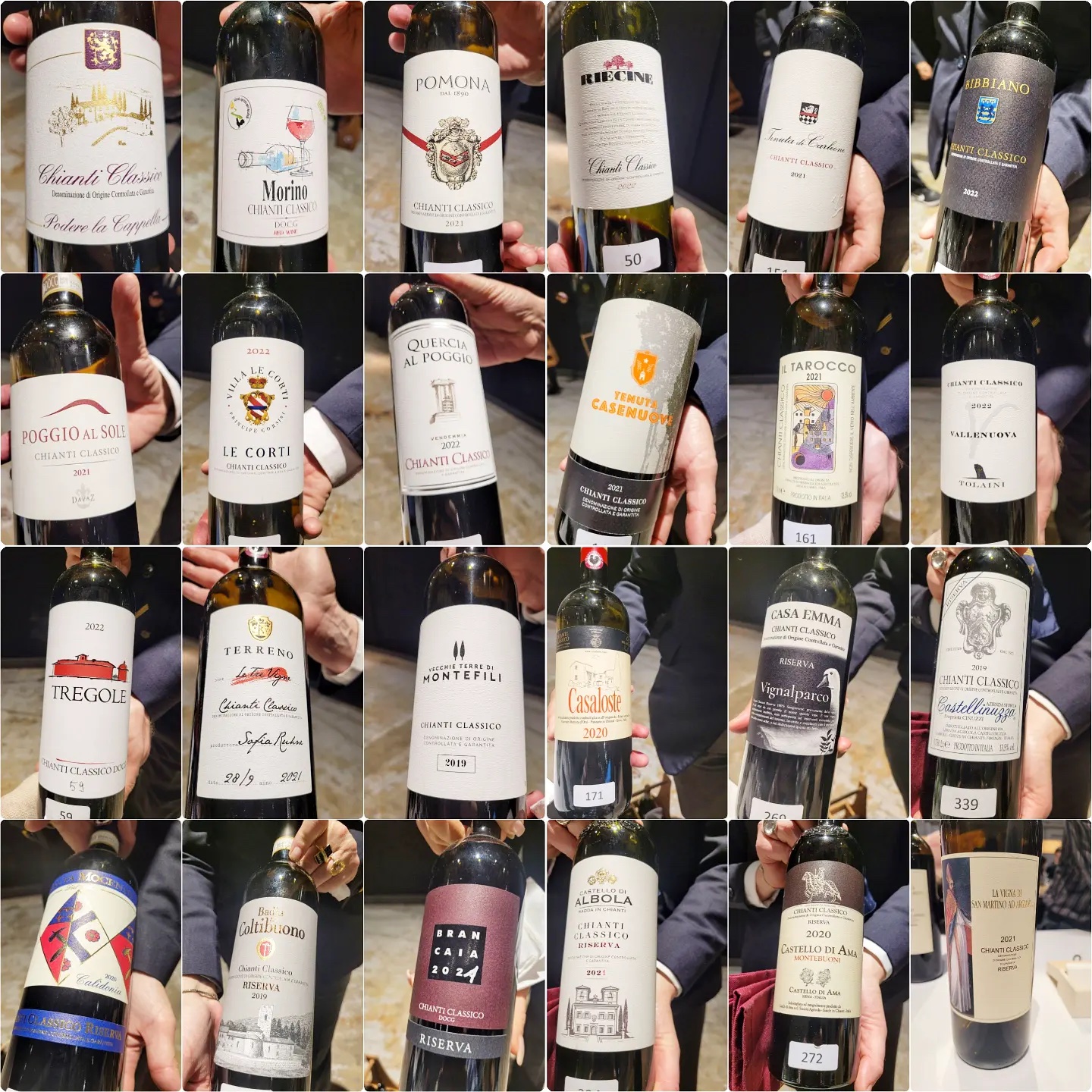
Annata and Riserva at CCC2024

Chianti Classico Riserva DOCG (Older Vintages)

Casale Dello Sparviero Chianti Classico Riserva DOCG 2018, Castellina

Quite a sappy and soupy 100 per cent sangiovese Riserva made by Attilio Pagli, before organics came in. A style for they who like sweet marmalata, a purée of minestre vegetable, an and after eight (chocolate mint), all of which can somehow be very appealing. Drink 2024-2026.  Tasted May 2024

Trasqua Chianti Classico Riserva DOCG Fanatico 2018, Castellina

Chewy Riserva, fully formed and developed with some of Trasqua’s finest fruit to date. Good acids too, more than most vintages and it feels like this would have been picked in late September because the ripenesses are both fully realized. Stands at attention and delivers all that it could have possibly had to offer. Drink 2024-2027.  Tasted February 2024
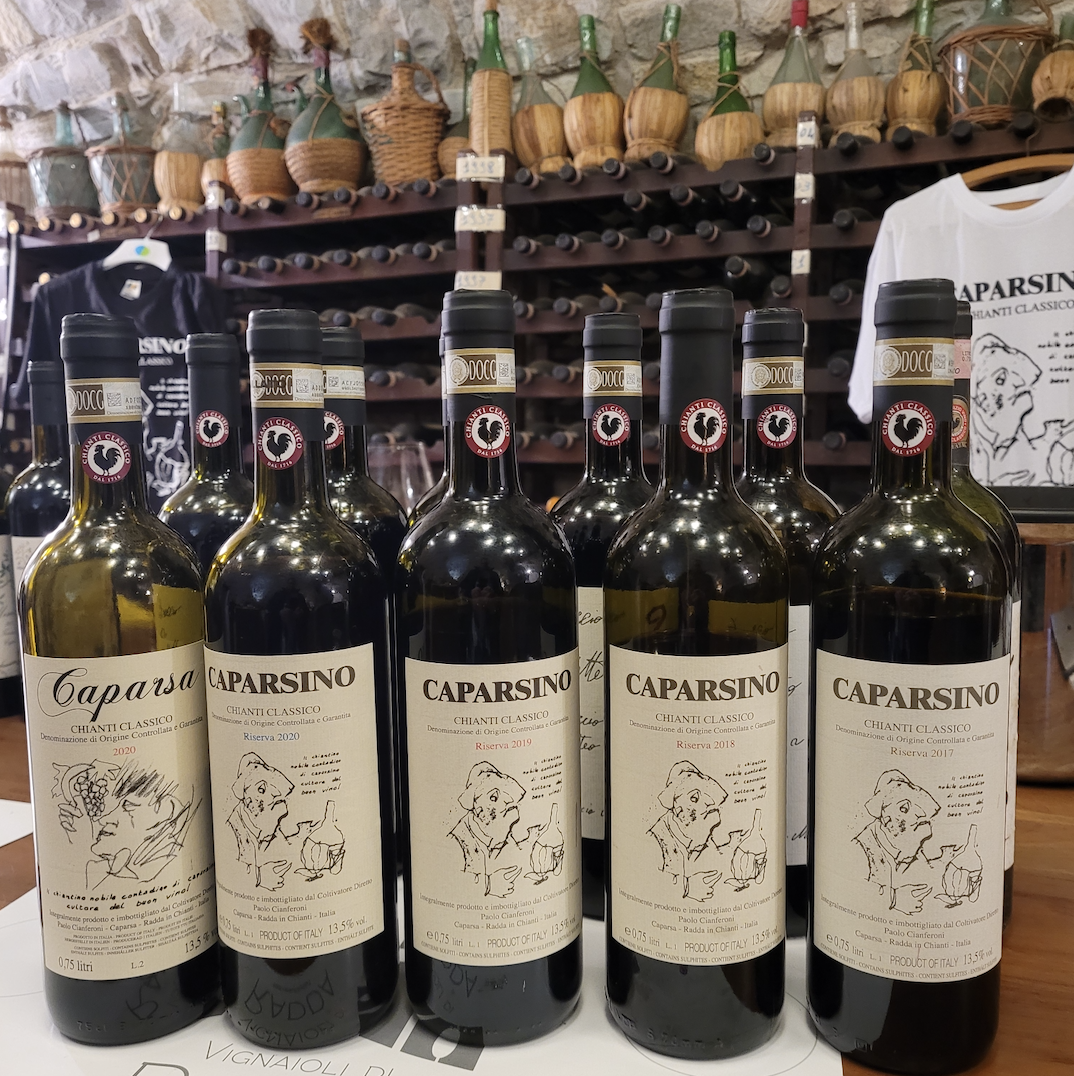
Caparsa Chianti Classico Riserva DOCG Caparsino 2018, Radda

Just a bit warmer than 2019, “but not too much.” You really feel the freshness and the acidity in a much greater way from this 2018. Extremely youthful wine with all the acidity and structure truly captured. A sangiovese and Chianti Classico lover’s wine. Drink 2024-2030.  Last tasted February 2024

Mature aromatics, chewy red fruit, all the leathery plum and liquorice that can be packed into a Chianti Classico Riserva. Developed to the drinking stage, earlier as a vintage than many, hot one mind you and showing that right now, and more. Some mineral and chalk to the structure but pretty much good to go. Drink 2023-2026.  Tasted February 2023

Caparsa Chianti Classico Riserva DOCG Doccio A Matteo 2018, Radda

“My favourite wine,” says Paolo, “it has for me the depth of the season.” Great richness juxtaposed against acids and freshness with true herbal bitters as sweet as they are grippy. Truly classic sangiovese and Riserva, even more so than the Caparsino.  Last tasted February 2024

Single vineyard sangiovese with just two percent of colorino raised in 1000L botti, 12-14 months, just like the Classico. Doccio Matteo is the name of an old spring in one of the oldest vineyards, highest in elevation (450m) where the winds blow hardest. “Doccio” is a shower in Italian and Matteo refers to San Matteo. Just as tannic and full of tension as per 2019 Doccio Matteo but also Chianti Classics Riserva and yet the ’18 Caparsino DOCG is beginning to fade. Not this former IGT with the potential to become Gran Selezione and which rages with energy plus drive. Let it ride. Come back in two years. Drink 2025-2030.  Tasted February 2023

Cantina Tuscania Chianti Classico Riserva DOCG Effige Nera 2018, San Donato In Poggio

Unequivocal and unmistakable as being a sangiovese from San Donato in Poggio for one reason alone and that is the blood orange perfume so bloody (pun intended) typical of this westerly UGA. Here as Riserva and from 2018 with its purity of red fruit so citrus is origin, fine grained though now liquefying tannin and from a vintage picked in late September yet balanced in alcohol, and ripeness ahead of a strange 48-hour spell cast by temperatures running daytime high and nighttime low. Really fine Riserva in the window at this very moment but will stay this way for three to four years easy. Drink 2023-2027.  Tasted February 2023 and 2024

Nardi Viticoltori Chianti Classico Riserva DOCG 2017, Castellina

Hot year and one of the great recent challenges for a Chianti Classico vintage but Nardi’s Riserva comes out at 13 percent alcohol. What is this witchcraft? What kind of wizardry or magic is practiced on this farm? Finished harvest on the 22nd of September, two full weeks after rains finally came and nearly fulfilling the requiem to arrive at phenolic maturity. Still this is Castellina and waiting through to October would habe been impossible. Yes acidity is lower but still very present and the wine has aged beautifully. You feel here that you are drinking the attention and passion of a small production with this being the very best that could have come from such a challenge. Fundamental instincts followed and sangiovese that speaks to the connection between family and place. Just a touch of drying maturity coming out at the finish. Drink 2024-2026.  Tasted February 2024

Castell’In Villa Chianti Classico Riserva DOCG 2017, Castelnuovo Berardenga

Latest release and coming to market as Riserva for Castell’In Villa is 2017, of course and for all the right reasons. Is there an equal in Chianti Classico for this conditioning of 100 percent sangiovese raised in traditional ways that age concurrent with their modern ability to deliver joy and profundity in equal ways? The answer is hard to find and so what comes from ’17 and Castelnuovo Berardenga’s vineyards in surround of the borgo and dressed throughout the forests is in fact nothing short of profound. One of the only wines in the entire territory that need not be spoken about in terms of fruit, acidity and tannin. The approach is different, in how senses, feelings and emotions are solicited and how responses are metered to consider in terms of gravity and other physical forces at work. Ethereality is an obtuse description, as was profundity but they are what they are and the things that come to mind. Sorry, not sorry. Drink 2026-2038.  Tasted February 2024

Tenuta Carobbio Chianti Classico Riserva DOCG 2017, Panzano

Lowest of low yields and great attention needed to be paid in both fields and cellar to result in this fine Riserva ’17. Reduced tomato and still a crunchy sangiovese that needs no introduction. Blood orange citrus and charred herbs, complexities left, right and centre. The tannins dry out more than ’16 but there is no doubt they are children of the same parents. Only 7,000 bottles produced. Drink 2024-2027.  Tasted February 2024

Caparsa Chianti Classico Riserva DOCG Caparsino 2017, Radda

Hottest vintage with sunburnt grapes but acidity remains high even while the wine may seem a bit toasted. Still plenty of freshness and a reminder that all the old vineyard fruit was used because Doccio a Matteo was not produced. Acids are strong and bright, fruit reduced but opening up and the wine is now in a proper drinking place. The answer to whatever question you are thinking is simple. Caparsa. It’s strong to be sure.  Last tasted February 2024

A vintage with no Doccio Matteo made because the grape quality and also quantity was not up to Radda par. “The wine is a mirror of the land, the people and the weather, like a dog.” The grapes here are from both Riserva selections and so quality reaches above par as only one of two, our two in one were produced. Severe at its moments and yet there is much concentration and compact elements, especially chalk and tension in this grippy 2017. Wait on it – the acids are also there to act as the fruition reaching catalyst. Drink 2024-2029.  Tasted February 2023

Tenuta Carobbio Chianti Classico Riserva DOCG 2016, Panzano

More off a volumetric Riserva as compared to the output and also the texture of 2017. Similar aromatics to be honest, of tomatoes and blood oranges but also fresh red plums in 2016. The identity of the winery and the vineyard could never come into question. Says Dario Faccin, “you change the quantity but you don’t change the quality.” 18,000 bottles produced as compared to 7,000 in 2017. Drink 2024-2027.  Tasted February 2024

Caparsa Chianti Classico Riserva DOCG Doccio A Matteo 2016, Radda

Always with three percent colorino and the Riserva that joins Caparsino through comes into being in a different way. True vintage richness but always the Caparsa freshness and spirit. This by way of acidity and intensity but who could not be seduced by the tannins and structure in spite of an “easy” season by Chianti Classico standards. A complete wine in every respect.  Last tasted February 2024

The 2016 Doccio a Matteo is the first sangiovese (in this line-up) from Paolo Cianferoni that’s actually ready to drink, in fact it’s very much there with some drying tannin mixed with dried fruit happening. Full and caky wine, rich and substantial. Must have salty protein to show best and for the win.  Tasted February 2023

A single-vineyard Riserva from the plot above the smaller second house called Caparsino and filled with all the soils; argile, Galestro and Alberese. Surely an absolute about face expression with higher volatility and a high, near and nigh potential for advancing porcini notes. A deeper and darker black cherry. Characterful and mature in such a different way, The acidity is uncompromising even while the wine acts oxidative with more wood than the other Riserva. Drink 2021-2026.  Tasted February 2020

Losi Querciavalle Chianti Classico Riserva DOCG 2015, Castelnuovo Berardenga

Needing time to open up and so 24 hours will always benefit this wine, mainly sangiovese with just a bit (0-5 percent) canaiolo fermented together and the end result is unmitigated integration. The blood orange vintage, slow oxidized and matured in big barrel for 24-30 months, a spice continuum all the way through. Menthol on the palate at the back end and more spice – so much texture and so far from going secondary. Fine Riserva vintage for Losi.  Last tasted February 2024

Losi Querciavlle, bastion of one of the globe’s most impressive Alberese landscapes and home to some of this territory’s finest chiselled sangiovese. Like marble structures slowly formed by only those who know how to separate the form from the mass. This is the intuition Pietro Losi and his prodigies know and gift to the world. Give their wines time and you will understand. Like this ’15 Riserva, strong, confident, understated, perhaps yet misunderstood but surely pure and true. Bravissimo. Drink 2023-2033.  Tasted February 2020
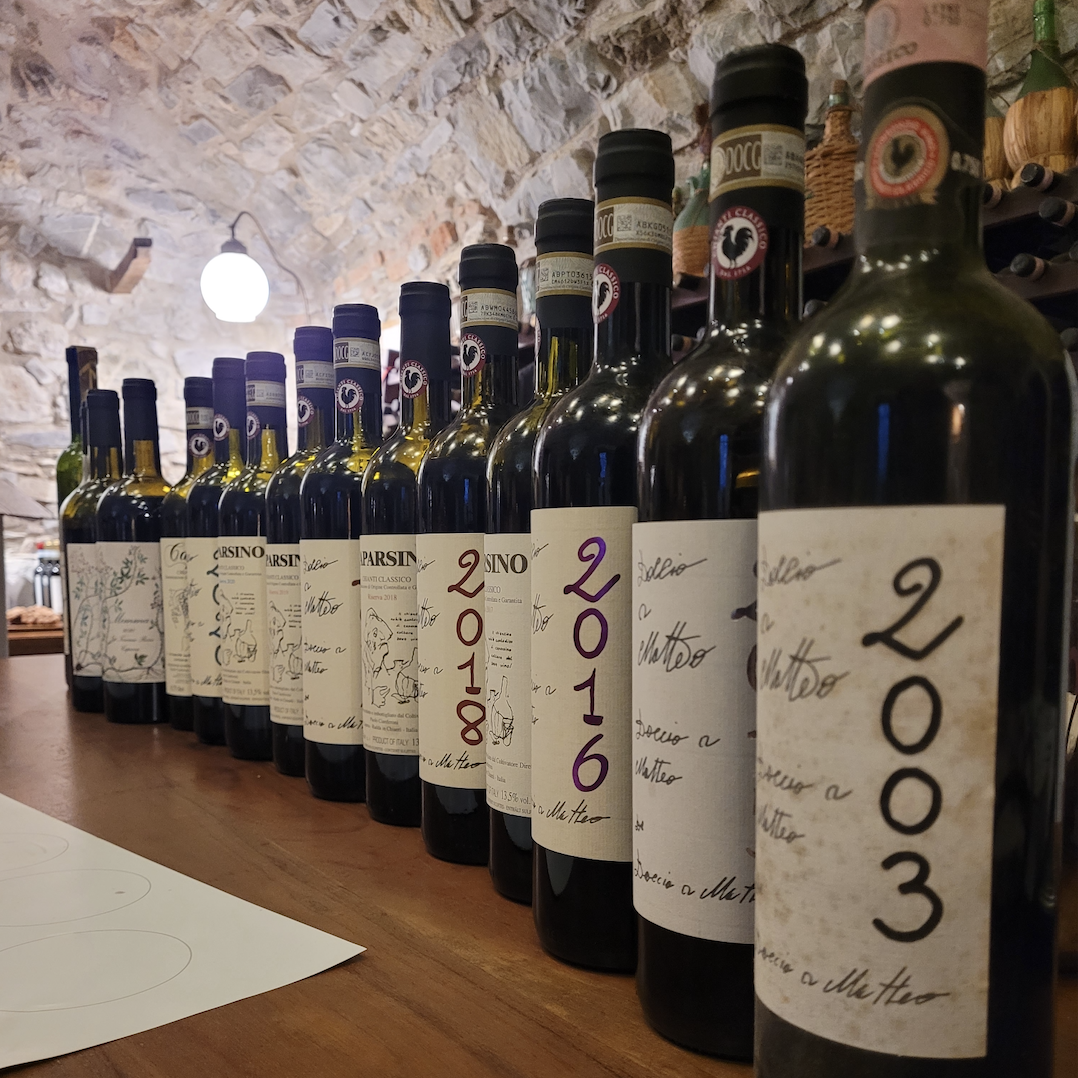
Caparsa Chianti Classico Riserva DOCG Doccio A Matteo 2015, Radda

“A real nuclear bomb, like 2017 the vintage was every hot in 2015 and the tannins very aggressive,” remembers Paolo. Salty on the aromatics and while the wine has done some settling it’s truly taut and tannic. A beast this one that still needs more time. Not typical for 2015 but the life of this Doccio A Matteo will be much longer than 2016.  Last tasted February 2024

A fresher and more spirited sangiovese as compared to 2016, energy still running full and yet you can drink this with the right amount of air. Chewy liquorice, some tar, iodine and soy. Chocolate, lots of the dark stuff. The wines showed more wood back in these vintages. Drink 2023-2027.  Tasted February 2023
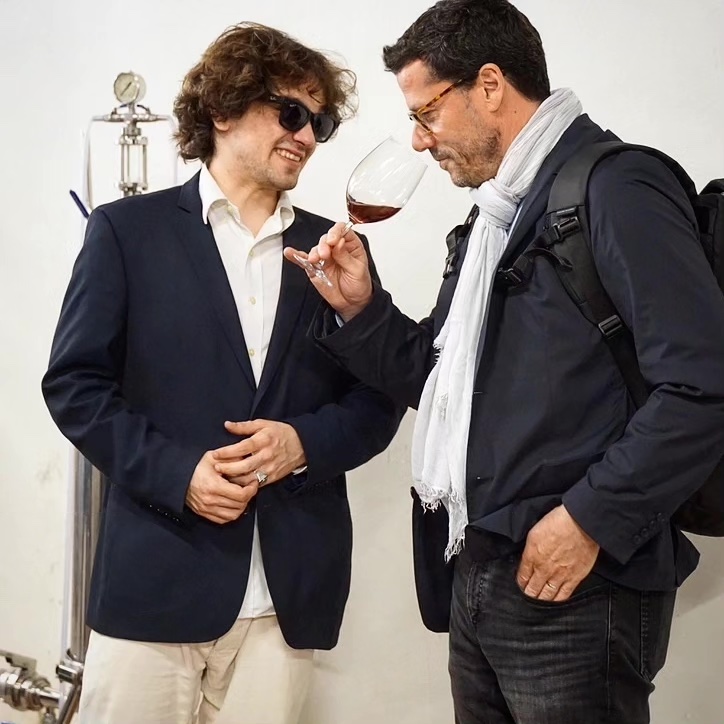
With Neri Capponi

Conti Capponi/Villa Calcinaia Chianti Classico Riserva DOCG 2010

Chianti Classico UNESCO World Heritage; the modern history of Chianti Classico and Villa Calcinaia up to its UNESCO candidacy. Only four years later and coinciding with the full separation away from all other Chianti wines for a 2010 so much more fresh, alive and intense than Bastignano 2006. This from a very hot vintage and a sangiovese that finished at 14.63 percent alcohol. A much more balanced and baller wine, here as Riserva for Chianti Classico with energy and vigour in modo vogue. 5,000 bottles were produced. Drink 2024-2026.  Tasted May 2024
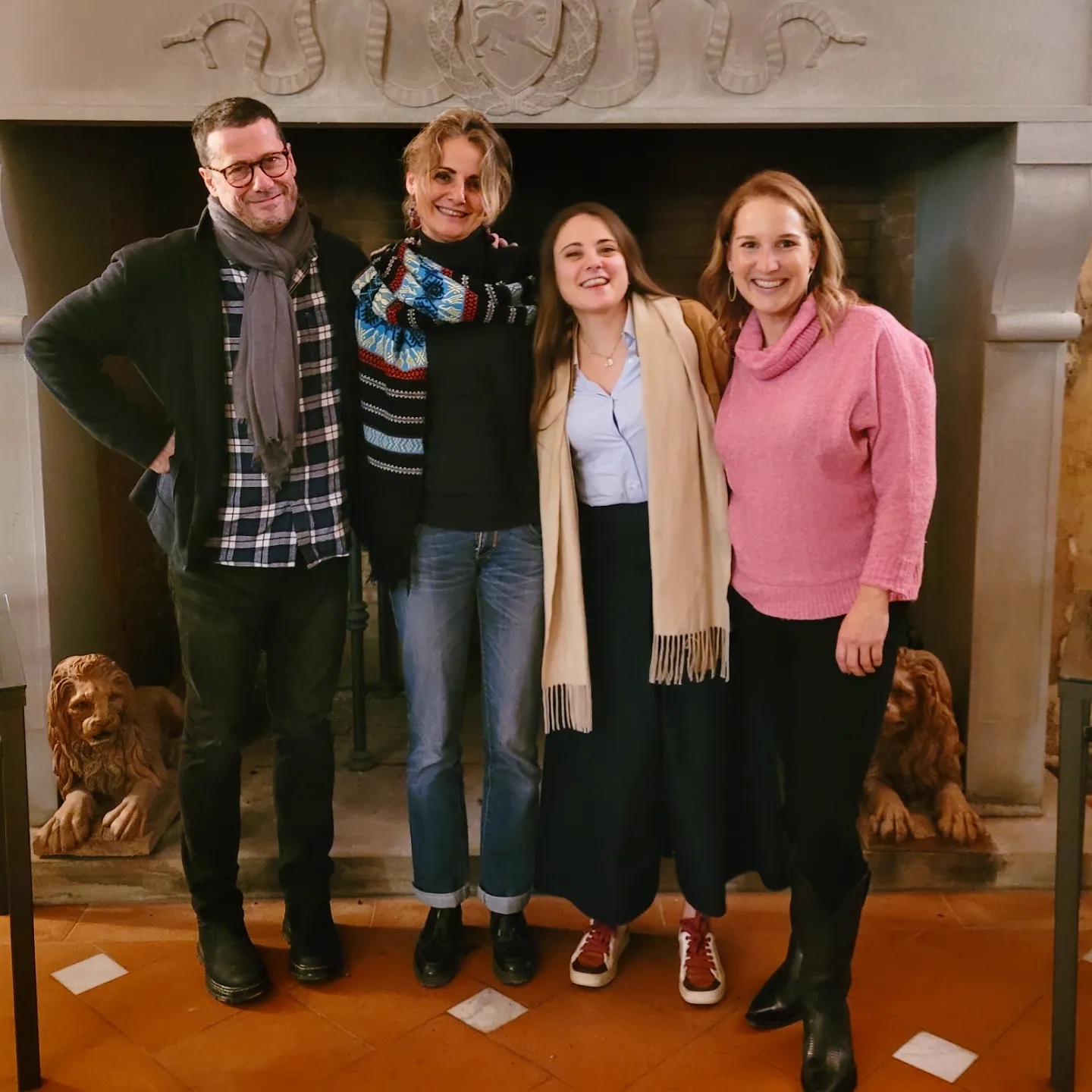
With Laura Bianchi, Giulia Cecchi and Jessica du Puy at Monsanto, San Donato in Poggio

Castello Di Monsanto Chianti Classico Riserva DOCG 2004, San Donato in Poggio

“One of the most elegant vintages in the early 2000s, not too cold, hot, hard or soft, and really well balanced,” explains Laura Bianchi. Aged in a combination of botti and tonneaux, now into full secondary comportment while still grippy and tannic. In truly fine condition though who could argue that the 1982 is fresher, of finer acidity and more balance than this ’04 made 22 years later. A sign of wood usage and the times, of pressing and extraction, of the sort of Chianti Classico that was desired 20 years ago. And yet, and yet the acidity and fine-grained tannin are together intrinsically connected for what can best be described as an unctuous union of the two. This wine just gets better and better in the glass. In fact the spirit and especially acidity are noted as they climb up the sides of the palate with sparks to a point just below the cheekbones. Drink 2024-2028.  Tasted February 2024

Caparsa Chianti Classico Riserva DOCG Doccio A Matteo 2003, Radda

Wild wine from a wild vintage, crazy hot at a time when vintages like this were not the norm though were beginning to be. Hot year but also high acidity, likely because of hailstorms in July that knocked off half of the production. The vines reacted by delivering more acidity to support grapes that were maturing quicker and heavier. Still this is Caparsa and freshness persists no matter the dried wild strawberry and oaky flavours. “It’s not my wine because I prefer lighter wines but this is very nice – if you like rich and expressive.” Just a few bottles left in Paolo’s possession. Now only 23. Drink 2024-2027.  Tasted February 2024

Castello Di Monsanto Chianti Classico Riserva DOCG 1982, San Donato in Poggio

One of the great vintages for Chianti Classico, in all of Tuscany, most of Italy and as everyone knows, also Bordeaux. At this point the 100 percent large Slavonian cask aging is in full swing for wood with which Fabrizio Bianchi began replacing his old chestnut barrels back in the early 1970s. This would have been a bomb when it first went to bottle, so massively structured and immovable in its first 15-20 years. Possibly up until 10 years ago but is now so crunchy and giving so that all is forgiven. About as ideal as a sangiovese can be, resolved, cool and impossibly fresh. Laura feels a connection looking forward to 2015. This remains to be seen. Come back after 10 minutes and the clove can’t be missed. Drink 2024-2029.  Tasted February 2024
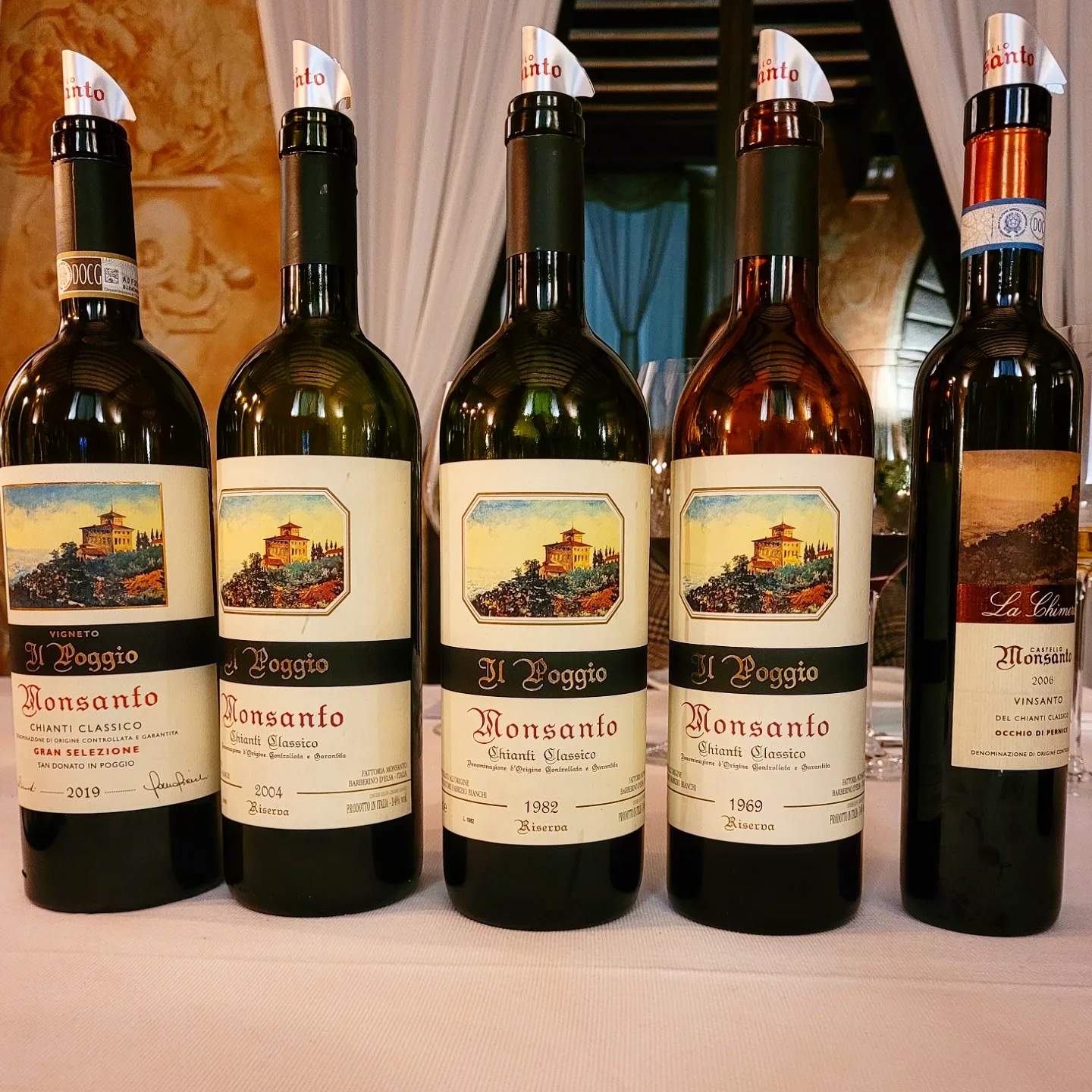
Monsanto, San Donato in Poggio

Castello Di Monsanto Chianti Classico Riserva DOCG 1969, San Donato in Poggio

One of the coolest vintages of the era and going back to a time when the wood was chestnut for aging sangiovese. Showing with end stage maturity, especially as compared to the 1968 and 1970 Riserva tasted at Monsanto. There is this feeling of chestnut sap reduction, a kind of soy and vanilla pudding, an herbal note and a sweetness. Imagination begets fantasy and fantasy fades into demure.  Tasted February 2024
With Maddalena Fucile, Matteo Vaccari and Bernardo Manetti at the 2024 Chianti Classico Collection

Chianti Classico Gran Selezione DOCG 2021

Castello Di Fonterutoli Chianti Classico Gran Selezione DOCG 2021, Castellina

This Gran Selezione is in fact 2021, shown here as an anteprima because the rules allow (after January 1st), but it surely won’t be released on the market anytime soon. The hold on the fruit is serious and the wine is still ground into a masala paste without having rehydrated, settled and showing what it should become. Nevertheless there is plenty of substance and tonic weight to rely on for a Gran Selezione that shall provide, like 2016, but also with modern timing in pocket. Drink 2026-2032.  Tasted February 2024
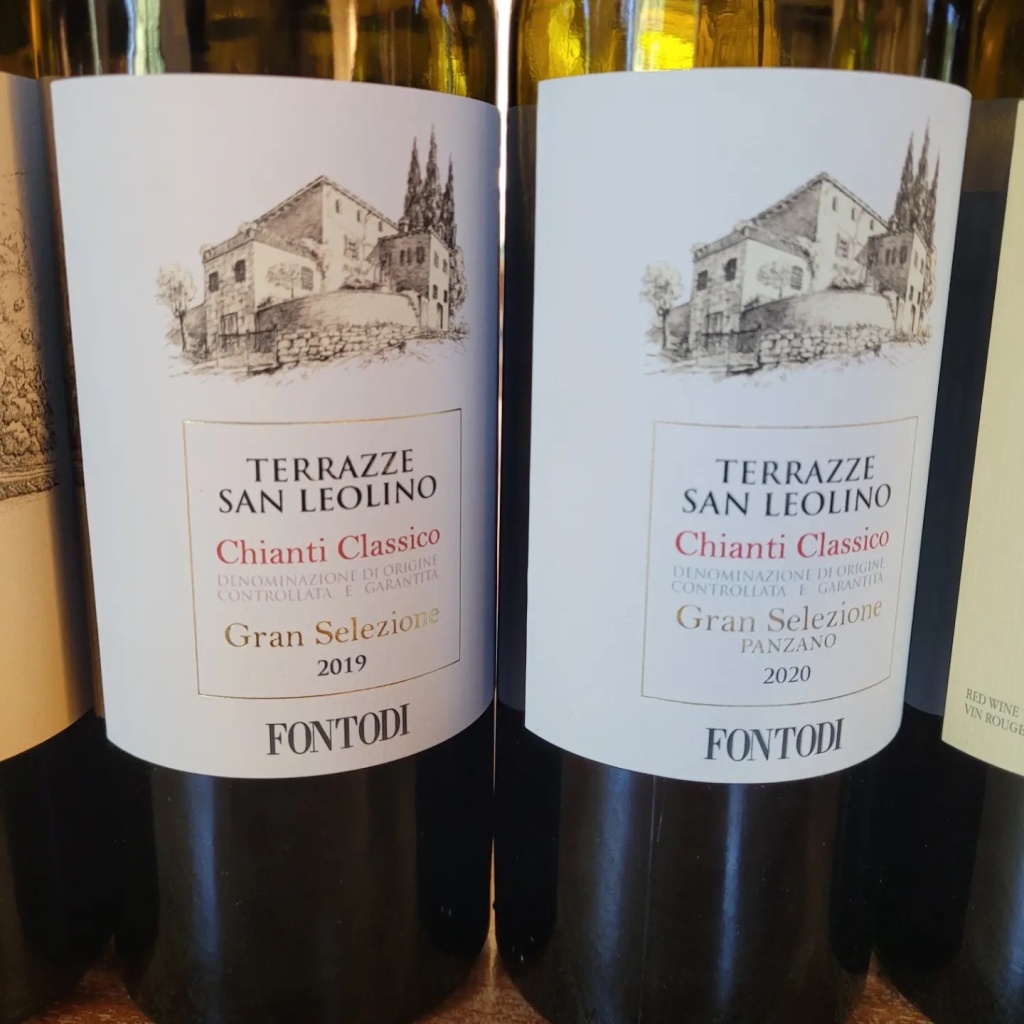
Fontodi Chianti Classico Gran Selezione DOCG Vigna Del Sorbo 2021, Panzano

Oldest plot of vines are just approaching 50 years of age growing in the schist with Galestro flaking above the soil. Giovanni Manetti decided to bottle Sorbo as a single vineyard in 1985 though it does come from three plots of plantings put in between 1965 and 1973. Though April frost affected quantity in 2021 there was no compromise to quality and in fact this is as balanced a Vigna el Sorbo as Manetti has ever produced. Bottled just three-plus weeks ago and so yes it’s tight and compact, especially the tannins that take control but truth is this will continue to happen for another few months at the very least. See past the first stage and imagine what will be, take stock of memory and project towards the future. Manetti once said “the fresh finish (of the 1993 wine) should be the trademark of Chianti Classico wines.” Perhaps 2021 will emerge this way. Drink 2026-2037.  Tasted February 2024

Fontodi Chianti Classico Gran Selezione DOCG Terrazze San Leolino 2021, Panzano

From the terraces around the old medieval Panzano church that the Manetti’s have and continue to restore for a Gran Selezione they were not sure would be made this early in their tenure of working with its fruit. Yet it shocked and surprised Giovanni and Bernardo to the point that it could be made at this level so early and so 2019 was the first, well ahead of schedule. This is a truly structured vintage, a trace of next direction, from the past and through the next generation, fruit so compact and mineral focused but tannins in complete control. The finish is beautifully salty and so completely Panzano. This puts San Leolino as Gran Selezione in next level and new light. Drink 2027-2038.  Tasted February 2024

Il Molino Di Grace Chianti Classico Gran Selezione DOCG Il Margone 2021, Panzano

An important selection, in 2021 mainly from the Al Sole vineyard but also some fruit coming out of Francesca. “A great vintage for us,” says Iacopo Morganti. Unfortunately the Easter frosts reduced quantity by 40 percent. No matter because Il Margone’s position is to offer a calm respite away from wines too big for their own good, pivoted towards elegance in a sangiovese so right and so pure. Puts this in the finest Panzano light as a wholesome Margone by Morganti and Il Molino di Grace that will slowly evolve over a near 15 year period with kept freshness and slow development.  Last tasted May 2024

Campione: Take a little trip forward along a linear and precisely drawn line from Riserva to Gran Selezione and see what will be. Not as aggressive or intense as Riserva but its own kind of powerful and grippy while also more charming. I believe its elegance will begin to show sooner rather than later, say in the first few weeks of 2021. The wood is more noticeable on the nose and the sangiovese needs time – but charm and grace is there. This you can count on. Smaller production of 8,000 bottles. Drink 2026-2038.  Tasted October 2023

Isole Delle Falcole Chianti Classico Gran Selezione DOCG 2021, Panzano

Campione: Will be bottled in August and released in 18 months. Since 2016 no frost issues and at this 400m-plus elevation site the April frosts have not been an issue. Striking Gran Selezione of lift, next level acidity and longest chains of tannic command. This may be a sample but it forges a connection between parts, to its Panzano vineyard, to some of Chianti Classico’s finest Galestro and iron soils, to the future. It’s all there, as are the passion plus hard work. The potential is almost impossible to imagine. The length is endless. 3,000 bottles will be made. Drink 2024-2029.  Tasted February 2024
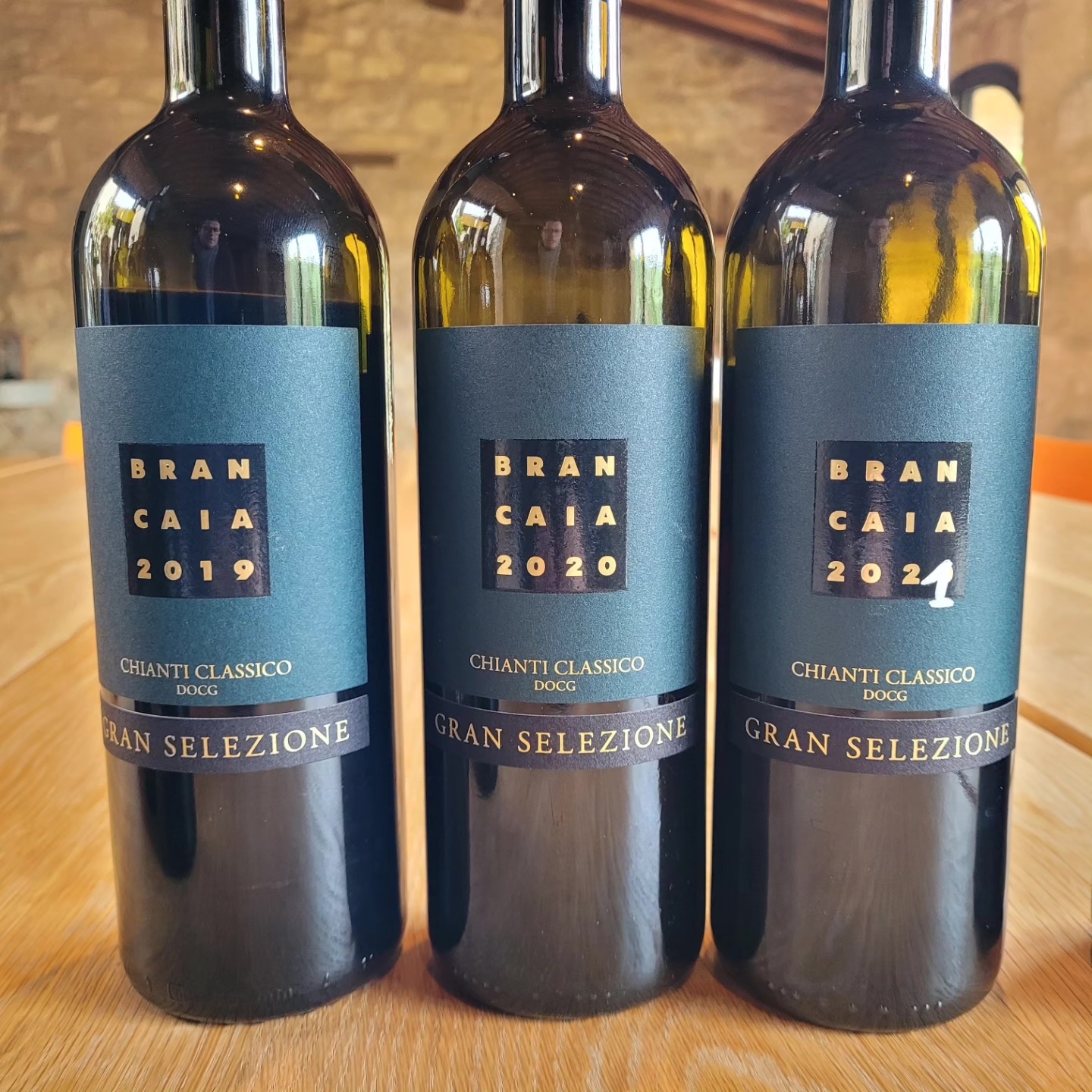
Brancaia Chianti Classico Gran Selezione DOCG 2021, Castellina

The aromas and perfumes are so much more prevalent and open for 2021 with stoniness and Castellina as the instigator for how this Gran Selezione is want to express itself. Crispy, savoury and the sort to really bite down and sink your teeth into. Last tasted April 2024.

New label not yet printed that likely indicated this has not been in bottle long and as a 2021 Gran Selezione that must surely be the case. Keep this in mind when you feel just how implosive and locked in the fruit is kept behind the wall of tannic sound. The freight is loaded in the compartments but the train has yet to leave the station – though as a 2021 there will be joy at the end of the line. With stops along the way because the vintage does not demand too much nor will it crash and burn. Brancaia’s 2021 is a ripe and primed GS to live out the decade and then for a few more years in the next. Drink 2026-2032.  Tasted February 2024

Marchesi Antinori Chianti Classico Gran Selezione DOCG Badia A Passignano 2021, San Casciano

If it looks like, smells like and tastes like Badia a Passignano, well then it must be Badia a Passignano. Then again as a 2021 the fullness, generosity and natural phenolic grip meeting sweetness is unparalleled. Yes the underlying verdant savour is always there, always the Badia’s corner of San Donato in Poggio, but honestly the pulchritude of substance feels extant, furthered and extra level for Passignano. For Antinori. Drink 2025-2030.  Tasted February 2024

Pietraforte meets Macigno and Galestro at Campomaggio, Radda

Chianti Classico Gran Selezione DOCG 2020

Capraia Chianti Classico Gran Selezione DOCG Effe 55 2020, Castellina

Big and let’s reiterate big vintage for Capraia’s Castellina sangiovese and as Gran Selezione the ideal elevates to the hyperbole of an idiom. Thick, rich, oaky and seriously intense but boy that wood has to to settle and integrate. Drink 2026-2030.  Tasted February 2024

Castello Di Fonterutoli Chianti Classico Gran Selezione DOCG 2020, Castellina

Clean, advanced to a finer point and really showing the sweetness of fruit at this stage. Open whenever you are ready yet can also be kept for four-plus years.  Last tasted February 2024

Castello di Fonterutoli’s 2020 is Gran Selezione like looking in the Castellina mirror because the purity of red, red, red fruit is the crux and at the core of what this wine wants to say. Hyper indicative of the vintage, clear and transparent, never too weighty or adamant and Fonterutoli puts everything in its rightful place. Drink 2024-2027.  Tasted February and October 2023

Cecchi Chianti Classico Gran Selezione DOCG Valore Di Famiglia 2020, Castellina

From Palagione where vines were first planted in 1965 and the material kept alive through massal selection. Here more structure and lower layers, compact yet breathable Gran Selezione that moves like an accordion. At once tight and playing bass notes but then open and making echoing sounds. A complex wine so young and yet with such a bright future ahead. Drink 2026-2031.  Tasted May 2024

Querceto Di Castellina Chianti Classico Gran Selezione DOCG Sei 2020, Castellina

Sei is long but Sei is right. Sei knows what’s what and is ready for the fight. With itself, a self imposed struggle that mimics the vines and what they had gone through in the vintage. A warm one but this amazing vineyard at 500m sprawled over a hill convex and rolling is the place where Castellina sangiovese turns out this kind of succulence. The maker knows what he’s got and delivers the goods, less in the face then many from 2020 and with grace. This is a fine wine. Drink 2025-2033.  Tasted February 2024

Tregole Chianti Classico Gran Selezione DOCG 2020, Castellina

Really, really dark blood orange, deeper, darker and richer than what will likely come next from 2021. Spicy nose, wild, almost ferocious and great complexity, wound tight and the palate acting so multifaceted as well, but yet to unwind. Persistence is wow, going on forever. A serious, polished and fabulous 2020 Gran Selezione. Drink 2025-2034.  Tasted May 2024

Fèlsina Chianti Classico Gran Selezione DOCG Colonia 2020, Castelnuovo Berardenga

Campione: A barrel sample but how can Colonia not be distinctive? Gotta be just about ready to get into bottle at this three-plus-plus year mark, savoury bits swirling and fruit layers compounded with great force. The way the warm and frankly big vintage manifests itself here is with fruit intensity and wood spice that piques here, there and everywhere. A Colonia that needs years to integrate and more time too settle in. Drink 2026-2036. Tasted February 2024
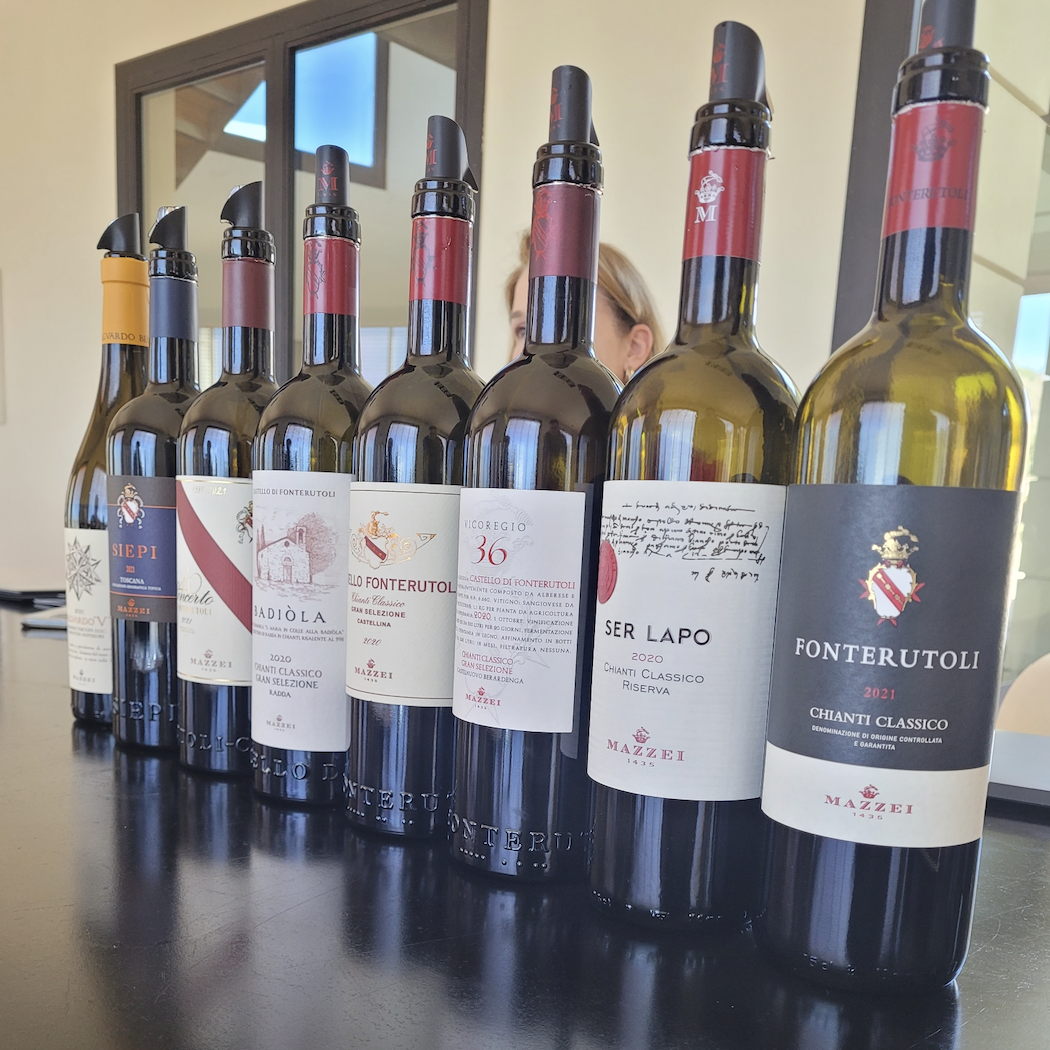
Mazzei Fonterutoli Chianti Classico Gran Selezione DOCG 2020, Castelnuovo Berardenga

“A vintage a little hidden between two great ones, 2019 and 2021,” tells Francesco Mazzei. The fruit comes from one special and large (nine hectare) parcel in Castelnuovo Berardenga on the Vagliagli side not far from Mocenni. A wild weave of expositions crisscrossing the apex and crests of a hill at 350m-plus with views to all directions. Makes for a complex patterning of fruit and acidities, a venn diagram of all that is Mazzei, the experience with Fonterutoli, the new frontier in Castelnuovo and Gran Selezione. Some variegate phenolics add to the mystique while dry and botanical Amaro comes later to expand upon the multiplicity of the wine. There is much going on and the need to wait a year or two is recommended. Drink 2025-2030.  Tasted February 2024

San Felice Chianti Classico Gran Selezione DOCG 2020, Castelnuovo Berardenga

The sangiovese comes from the highest of the San Felice vineyards with a few points here and there of other indigenous varieties like the variant of colorino (called abrusco), malvasia, pugnitello and ciliegiolo. So youthful with still gritty or sandy tannins, high tonality but always the balsamic, spices and herbs. Wood is very much in the aromatic mix but also on the texture, thick as thieves with those hard-working tannins. Give it five years and things will get oh so very interesting. Drink 2026-2034. Tasted October 2023 and February 2024

Castello Di Ama Gran Selezione Chianti Classico DOCG San Lorenzo 2020, Gaiole

San Lorenzo is one of the most unique Gran Selezione because, well it was always one, long before it was allowed to be labeled this way. The large vineyard was the Classico for Castello di Ama, the wine that represented the vineyards and estate in the most succinct way. That said it was always about breadth and quantity, as it is now though the vines have been been held, treated and farmed to the highest standard. The 2020 is an aromatic beast, meaty and floral, of evergreen and spices. A potpourri and a masala, the palate acting out the stew of all these aromatics accenting juices, fats and proteins for the most well-developed Gran Selezione in the territory. A fantasy of sangiovese with 13 percent merlot and (7) malvasia nera for 60,000 bottles. Drink 2025-2032.  Tasted February 2024

Barone Ricasoli Castello Di Brolio Chianti Classico Gran Selezione DOCG 2020, Gaiole

Exuberance and scintillant matter exude from Brolio’s energetic 2020 Gran Selezione which is truly a selection in the form of a “Villages” example taken from 270-pus hectares and at least five different terroirs. A layered and variegate mix of sand, clay and limestone, a lacustrine set of complexities lending all that is needed to create such a well-rounded example of Gran Selezione. Defines Gaiole and Ricasoli, discovers the vintage and delivers the goods. Drink 2024-2027.  Tasted October 2023 and February 2024

Barone Ricasoli Chianti Classico Gran Selezione DOCG Colledilà 2020, Gaiole

Colledilà, likely “lost” from the Welsh and yet this first Gran Selezione labeled with its Gaiole UGA will leave us all anything but. Like a an old and beautiful Welsh folk song about a love lost this is the sort of sangiovese that may just make you wistful and weepy. That is because Ricasoli has discovered what makes these grapes round out into a most ideal example of Gran Selezione. This is a soulful and spiritual hymn to Chianti Classic and specifically Gaiole, living, breathing and singing. There is charm, elegance and beauty here, not to mention to kind of structure built upon epochs of geology to see this linger well into the next and further decades. Drink 2025-2040.  Tasted October 2023 and February 2024

Riecine Chianti Classico Gran Selezione DOCG Vigna Gittori 2020, Gaiole

Yet juicy, not finally because it always was for a crispy vintage of Riecine’s top drop. What truly matters now is the incredible length to tell us that the wine is in a great position and the possibilities will travel long.  Last tasted October 2023 and February 2024

Wholly singular Gran Selezione aromatic set, a smoulder not noted in any other sangiovese, certainly not at this level. That said the red citrus of Riecine can’t be missed, that plus tar and roses notes so reminiscent of some nebbiolo. This would be a great ringer to throw into a mixed sangiovese and nebbiolo blind tasting with tasters struggling to decide which were which. Great length from Riecine and without a doubt a wine for cellaring. Drink 2025-2033.  Tasted May 2023

Terreno Chianti Classico Gran Selezione DOCG Asofia 2020, Greve

A Sofia, self denoted label for proprietor Sofia Ruhne and a Gran Selezione from the vineyard opposite the estate on terraces rising up the eastern hill of Greve. A 2020 of restraint, clarity and controlled intensity, many old vines imparting their wisdom to develop concentration, but never too much. There is a not too hard and not too soft aspect of this sangjovese. It speaks to the heart of the Terreno matter. Drink 2025-2032.  Tasted February 2024
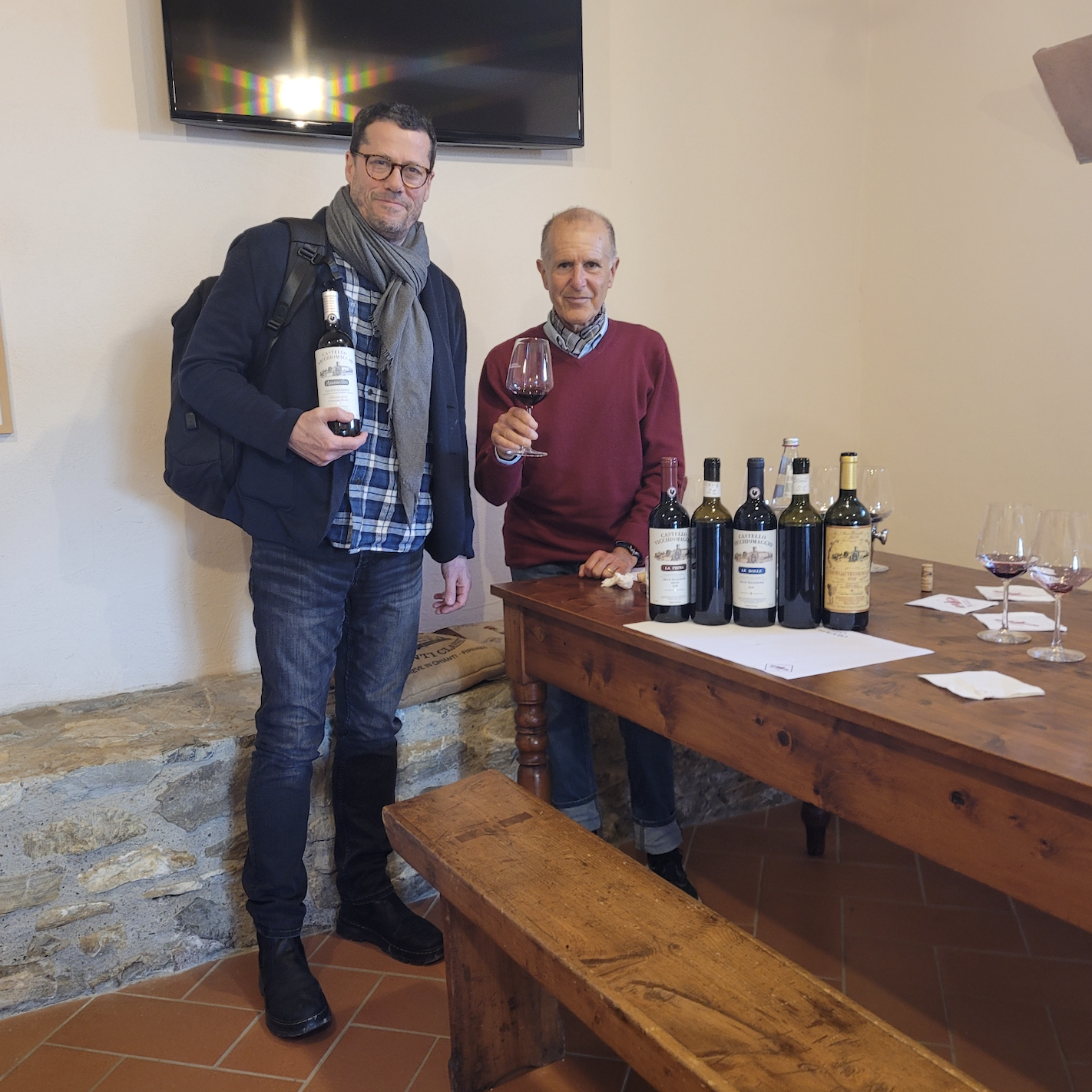
With John Matta – Castello di Vicchiomaggio, Greve

Vicchiomaggio Chianti Classico Gran Selezione DOCG La Prima 2020, Greve

La Prima is as it states, the first Gran Selezione and the larger of the two in terms of production for Vicchiomaggio. Richness and somewhat middle of the road structure but all falls into place without much obstruction. Stony and grippy, liquid chalky and quite fine all around, while also softened by 10 percent merlot. Not as complex as Le Bolle to be sure but a fine representative of Matta’s Greve nonetheless. Drink 2023-2027.  Tasted October 2023 and February 2024
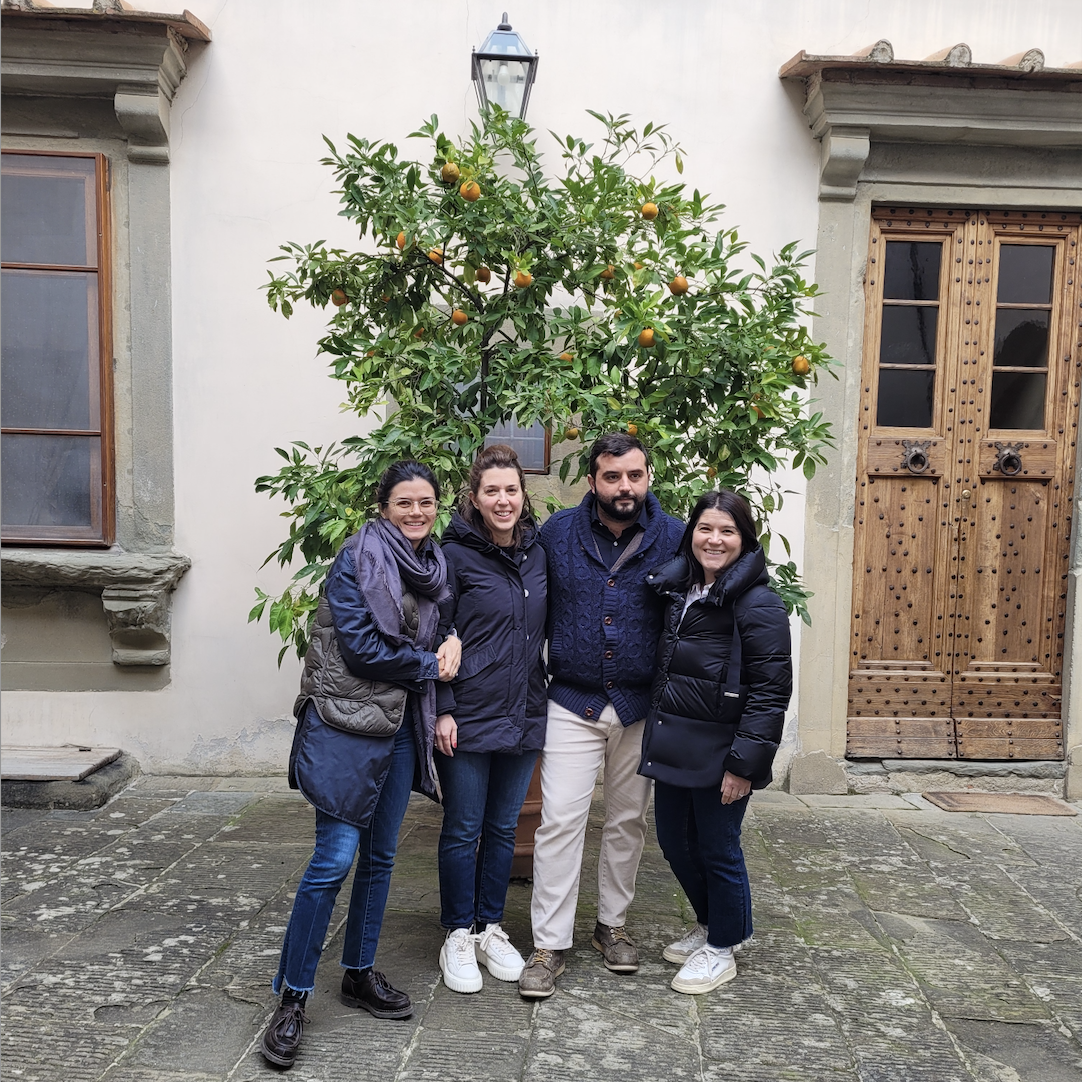
Victoria, Federica, Sebastain and Delfina Matta – Castello di Vicchiomaggio, Greve

Vicchiomaggio Chianti Classico Gran Selezione DOCG Le Bolle 2020, Greve

Sister Gran Selezione to La Prima, certainly not La Seconda but rather “Le Bolle,” literally the “bubbles.” Happens to be the name of the top parcel at Vicchiomaggio and a Gran Selezione that captures every ounce of fruit and moment of truth for the vintage. And yet at 13.5 percent alcohol it’s a bit of a throwback, a light and bright star for the appellation at the near minimum as far as discipline and rules are concerned. This is about as elegant and graceful as it gets for the appellation so that great food can be paired alongside for years to come. If I were designing a pairing menu today this would rise to the top of the list. Drink 2024-2030.  Tasted October 2023 and February 2024
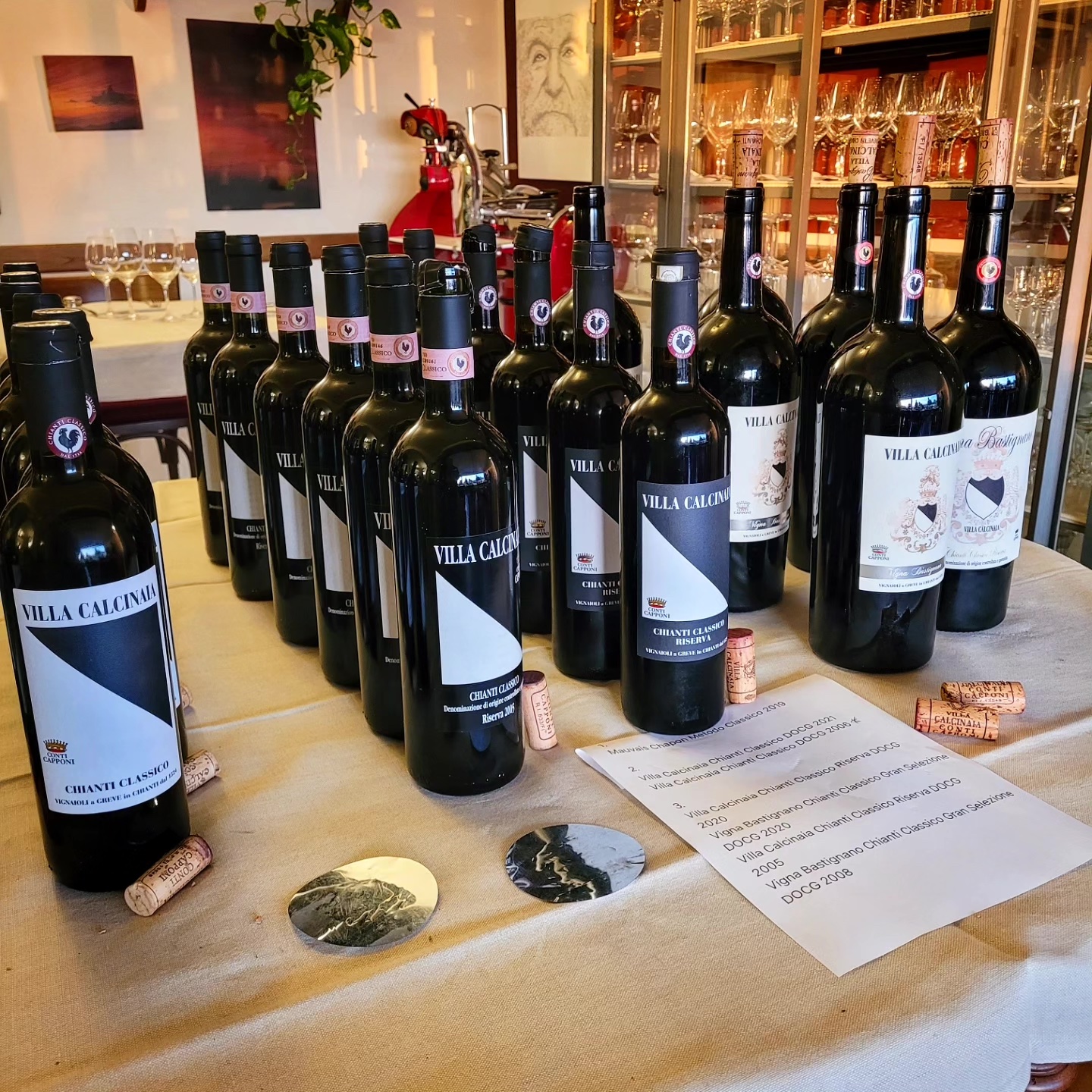
Villa Calcinaia Chianti Classico

Conte Capponi/Villa Calcinaia Chianti Classico Gran Selezione DOCG Vigna Bastignano 2020, Montefioralle

Campione: A sample but one at the three and a half year mark so let’s take it at face value. One of the baller and brazen Gran Selezione in Conti Capponi’s work, doubled down by a vintage of similar character. Intense minerals and elemensl streaking through chalky fruit that mimics and speaks to the terroir – an Alberese stone that will not be denied. This is indeed serious and structured. Wait a minimum four years people. Please. Drink 2027-2035.  Tasted February 2024

Conti Capponi/Villa Calcinaia Chianti Classico Gran Selezione DOCG Vigna Contessa Luisa 2020, Montefioralle

Campione: A sample but one at the three and a half year mark so let’s take it at face value. Richer, thicker, softer and less intense than certainly Bastignano and in fact the lack of power makes Contessa Luisa show its wood to much greater effect. Sure this needs to relax, settle, integrate and transform but Luisa will always be the softest and dreamiest of the Gran Selezione ‘20s. Drink 2025-2031.  Tasted February 2024

Conti Capponi/Villa Calcinaia Chianti Classico Gran Selezione DOCG La Fornace 2020, Montefioralle

Campione: A sample but one at the three and a half year mark so let’s take it at face value. If Bastignano is the beast and Contessa Luisa the beauty then where does that put La Fornace? Not exactly in the middle but shall we say at the mean with its complimentary mix of brawn and beauty, a handsome 2020 of warmth and energy, higher acidity and a burning desire to please. The furnace is on a heater but the flame will die down and eventually breeze to a flicker, after five or six years before fully softening at around 10 to 12. Drink 2026-2035.  Tasted February 2024

Terreno Chianti Classico Gran Selezione DOCG Sillano 2020, Montefioralle

Another 2020 from Terreno but this time the terrain is Montefioralle, off of Formazione di Silano geology and so there is grit and power that A Sofia does not show. A Gran Selezione of musculature but a toned and taut corporeal type. Also finer or at least sharper acids from the Sillano and more wood noted as well. May live longer than it’s sister but it shows less finesse – which is splitting hairs but that’s how we look at children of the same parents. Drink 2026-2034.  Tasted February 2024
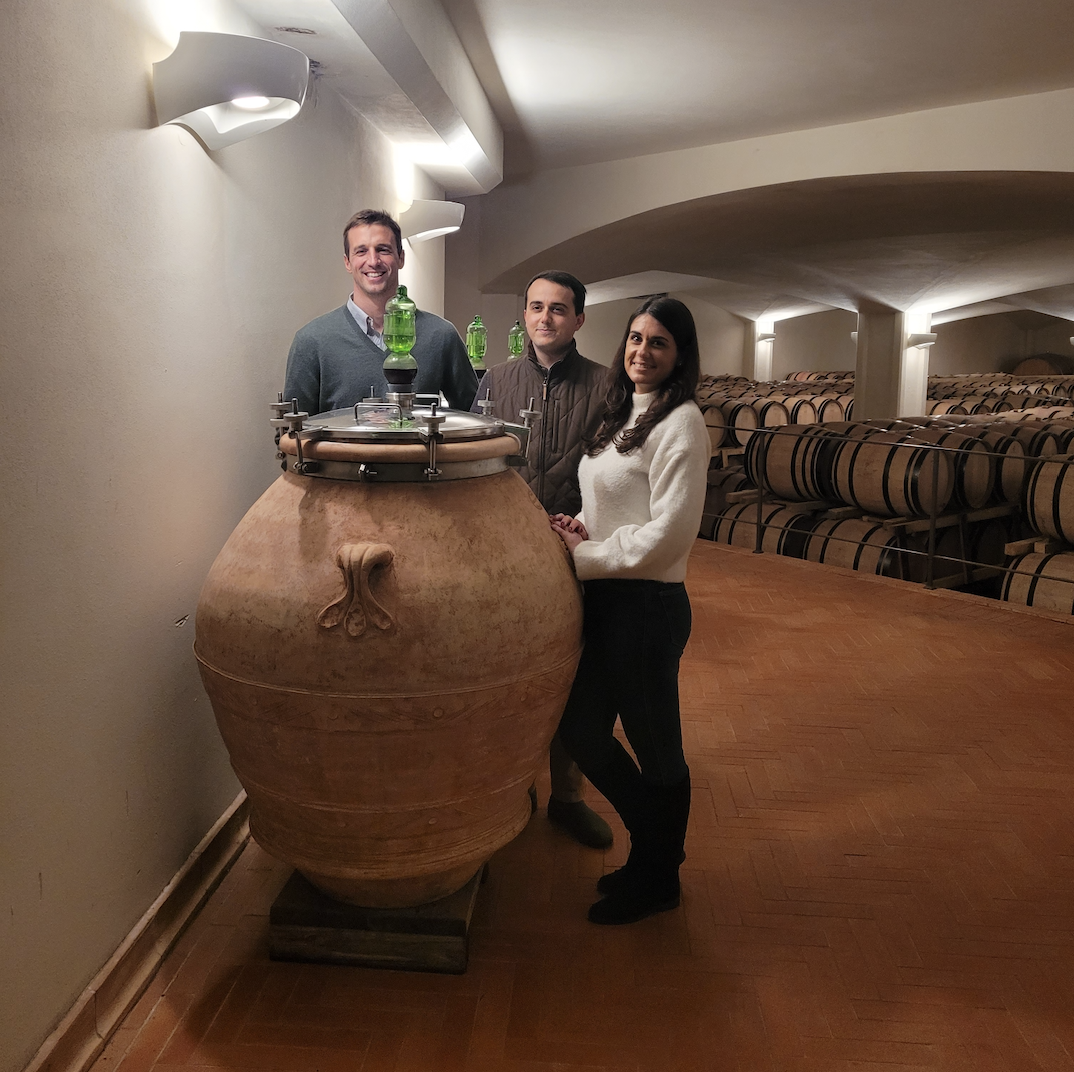
Corso, Bernardo and Margherita Manetti – Fontodi, Panzano

Fontodi Chianti Classico Gran Selezione DOCG Vigna Del Sorbo 2020, Panzano

If you think there has been movement from Vigna del Sorbo 2020 think again because the locks remain on the doors, the windows closed and the sign says “come back next season.”  Last tasted February 2024

Three parcels, two planted between 1965 and 1971 plus 1973, coming together because the uniqueness of these three plots are the schist soils that manifest above ground as Galestro. All about spiciness and mid-palate volume. The sorbo is a local fruit, specific to Tuscany, very dry and tannic, much like grapes. And hello to the Chianti Classico UGA within Greve commune because this is the first label to say Panzano, 40 years in the making and finally the mention is here. Structure is serious from a reduced crop yield due to frost in April and this is what Giovanni Manetti had to say at the time. “We had a couple of days very cold, April 6th and 7th but the damages are limited to the young vines. The majority of the buds of the other vines were still closed and were not hurt by the frost. In the rest of the CC territory there were some damages in the warmer areas and zero in the cooler ones like Radda and Lamole. The frost in 2017 was much more worse than this.” A linear Vigna del Sorbo this 2020, taut, extremely young and with a great potential. Drink 2026-2037.  Tasted October 2023

Fontodi Chianti Classico Gran Selezione DOCG Pastrolo 2020, Lamole

The sangiovese from Lamole of the vineyard strewn with stones of marine origin. Marne di Macigno is the derivative geological term used by Giovanni Manetti and who should argue with the logic? A vein of calcareous material runs through, surely come down from Monte San Michele, up above at 1000m direction Radda. Almost as if both Lamole and Panzano are present in this unicorn vineyard, a marriage of two UGAs in one thin strip of terraced steppes encompassing a single block. Fermentation in amphora “to highlight the fruit in another way,” tells Bernardo Manetti. The most textural of all the Fontodi wines, and indeed a pulpiness as opposed to the glissade of especially the Gran Selezione Vigna del Sorbo. “The nose is like music,” says Giovanni Manetti. Classically composed, lyrical and asymmetrically on repeat. Someday Pastrolo may become Fontodi’s biggest prize. Drink 2026-2036.  Tasted February 2024

Fontodi Chianti Classico Gran Selezione DOCG Terrazze San Leolino 2020, Panzano

How much does the human factor effect a wine like San Leolino? The answer lies in the relationship between the land, weather, vintage and in how the people who work the fields to maximize the gifts made available to them. From 2020 the quotient is high, above 2019 and ready to pass the torch to 2021. At least in these first three vintage the incline is palpable, the progression linear and more importantly vertical. This is great and 2021 will take it further. Allow the wood to settle for two more years.  Last tasted February 2024

From the vineyards surrounding the 9th century Pieve and you know what they say. “Sangiovese is planted, consequences follow.” A 15th century drawing found in a Florence museum proves that monks cultivated grapes on this property at that time. More perfume than the Classico level Panzano and so there is proof that this terraced land with high level Alberese soils provides aromatics and great structure in the way a Lamole plus Panzano might hypothetically get together for a similar result. Leolino is not a go between but something unique, something other. Special and of an aging potential that may just be more promising than that of Vigna del Sorbo, but let’s wait 10-15 years to see if that will come to be true. Drink 2026-2034.  Tasted October 2023
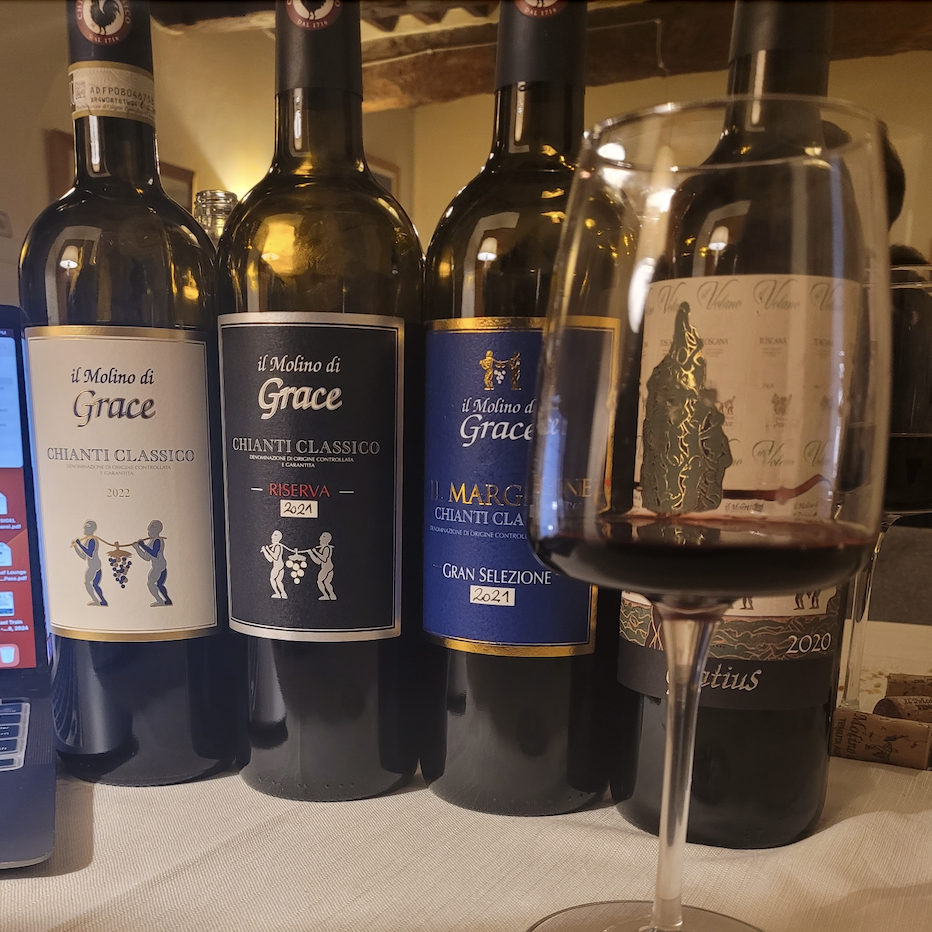
Il Molino Di Grace Chianti Classico Gran Selezione DOCG Il Margone 2020, Panzano

Tenth anniversary for the Gran Selezione appellation that was first launched by Il Molino di Grace with the 2010 vintage released in 2014. While Riserva may have come to a readied state Il Margone has not, because tannin times acidity come out doubly aggressive, like the Annata but magnified to the power of 10. Crazy Panzano acidity, sweet and extremamente ventoso.  Not far away but still not there.  Last tasted February 2024

The vineyard that gives the best quality is Magdalena Vineyard planted around 2010, both for 2020 and what’s to come in 2021. When you have less production it’s easier to separate the wheat from the chaff and so the lots fermented separately are easier to identify. This 2020 proposes an extreme set of tannic proportions but sweet fruit with heft, weight and flesh is up to the task.  Tasted October 2023

Fine tannic presence from Gran Selezione for 2020, several steps up from Riserva with less pitch and grab but still overt dark fruit. More diversity and complexity in perfume, notable violets and rose but really what stands out here is how the tannins allow the fruit to stay up front. There are no perceived grains or sand-papery textures involved, neither is Il Margone soft or fluffy. There may only be 8,000 or so bottles available at this quality and so a rare and must have wine it most certainly will be. Iacopo Morganti explains it well. “It’s not easy too make three different levels of Chianti Classico. You need to understand the vintage and the differences, especially when you have less quantity.” Drink 2025-2032.  Tasted February 2023

Isole Delle Falcole Chianti Classico Gran Selezione DOCG 2020, Panzano

The IdF 2020 will be released in two or three months and if the vineyard were registered as Panzano (and not Montefioralle) then it will be the first GS labeled with the UGA. A wholly apposite vintage to 2021, grippier with fruit shaded darker and brooding, but what really stands out is the ferric and the sanguine, intense and reductive iron blood of jove. Like eating grilled calf’s liver and now the deep red Panzano soil from this single vineyard really hits hard and flows through the corpulence of the sangiovese. The vineyard will be called Le Falcole on the label as of 2020. One of the most intense and identifiable expressions of any in all of Chianti Classico. Drink 2026-2036.  Tasted February 2024

Le Fonti Di Panzano Chianti Classico Gran Selezione DOCG 2020, Panzano

Campione: A sample but more developed as such than so many because Le Fonti, unlike many others does not feel the need to extract and press to impress. In fact there is a level of restraint and fineness that speaks to confidence but also a Gran Selezione made in the way it simply had to be made. Important as one hundred percent sangiovese and definitive of Le Fonti’s finest available fruit in their north-easterly aspect and exposure of Panzano. This is seriously good. Drink 2026-2035.  Tasted February 2024

Fattoria Rignana Chianti Classico Gran Selezione DOCG Villa Rignana 2020, Panzano

Gran Selezione is 100 percent sangiovese, just bottled in June of 2023. First vintage was 2013 and this 2020 is the first to see Panzano gracing the label under the new rules of the UGA. Similar elévage to the Riserva with all small barrels from a 2003 planted vineyard packed with lots of clay, Alberese lower down and Galestro at the top. Floral example, a bit of acetone, some wood scents of vanilla and coconut and finally balsamico. High acid, sharp, quite tannic and needing a few years to settle in. Will be a much better wine once the integration occurs. Drink 2025-2031.  Tasted October 2023 and February 2024

Brancaia Chianti Classico Gran Selezione DOCG 2020, Radda

Curious how 2020 shows a bit more maturity then the 2019 Gran Selezione and the vintage is a bit of a crossroads for this appellative level of a Brancaia Classico. Shows its wood with more aromatic and also textural density, acids are lower and a bit brooding while overall the feeling is of one very experienced and complete Gran Selezione. Balsamico at the finish and balance for sure.  Last tasted May 2024

The Brancaia from Castellina is expressly three things. First and foremost a matter of 2020, secondly Castellina of temperament and more than anything a Gran Selezione to speak of the current epoch of Brancaia. As far as vintages are concerned these 2020s are a thing of great beauty and accessibility, with respect to UGA the acidity and cool mentality are at the height of heights and finally, the transparency and see through honesty is exemplary of the current Brancaia world order. Fine, fine Selezione, drinkable and cellar-able. Do as you please. Drink 2025-2032.  Tasted February and October 2023

Castello Di Albola Chianti Classico Gran Selezione DOCG Il Solatìo 2020, Radda

Starting at Annata 2021, through Riserva 2021 and here to Gran Selezione 2020 we see, nose, taste and feel Albola’s progression, in descending order. The most fruit, sweetest acidity, finest integration and more generous gifts are in this wine. Less structured than many Gran Selezione while also less intense, brooding or formidable as many peers – but sometimes fruit is everything. As here with a 2020 that’s ready and willing to please. Drink 2024-2027.  Tasted February 2024

Castello Di Fonterutoli Chianti Classico Gran Selezione DOCG Badiòla 2020, Radda

The Radda Gran Selezione is born of high higher elevation, at 570m below the tiny abbey and truly aboard the glare of white sandy limestone with some Galestro flaking at the surface. The most lift, highest tone and brightest style, part soil and part elevation, but most of all forethought. The fact that the Mazzei decided to acquire this place in 1989, whether by brilliance, chance or both, it only matters that this is a special place today with the ability to create a beautiful and fascinating wine. The energy and finesse is next level from Badiòla 2020, fresh as it gets and with a potential to age for a decade plus.  Last tasted February 2024

Badiòla out of Radda is the work of Fonterutoli (out of Castellina) though the distance between cantina and vineyard is not that great. Lovely bit of swarthy behaviour and also an airy quality so elevation surely plays a role and Mazzei clearly sees the potential in this site. High toned and a notable acetone quality though it finds a way to play nice and stay well beneath dangerous thresholds. Good work and promise is clearly the thing. Drink relatively young if best after two more years and look for 2021 to surely be a cracker example of this Gran Selezione. Drink 2025-2030.  Tasted October 2023

Castello Di Gabbiano Chianti Classico Gran Selezione DOCG Bellezza 2020, San Casciano

Campione: A sample but a well nigh finished one because it has been in vessels for coming on three and a half-plus years. A Belleza not yet released because well, 2020. Biggest fruit, forested acidity and baddest tannins all conspire for a Gabbiano as substantial and powerful as there ever was. The 100 percent sangiovese aspect is a major component in the result but vintage takes the cake and eats it too. Drink 2026-2034.  Tasted February 2024
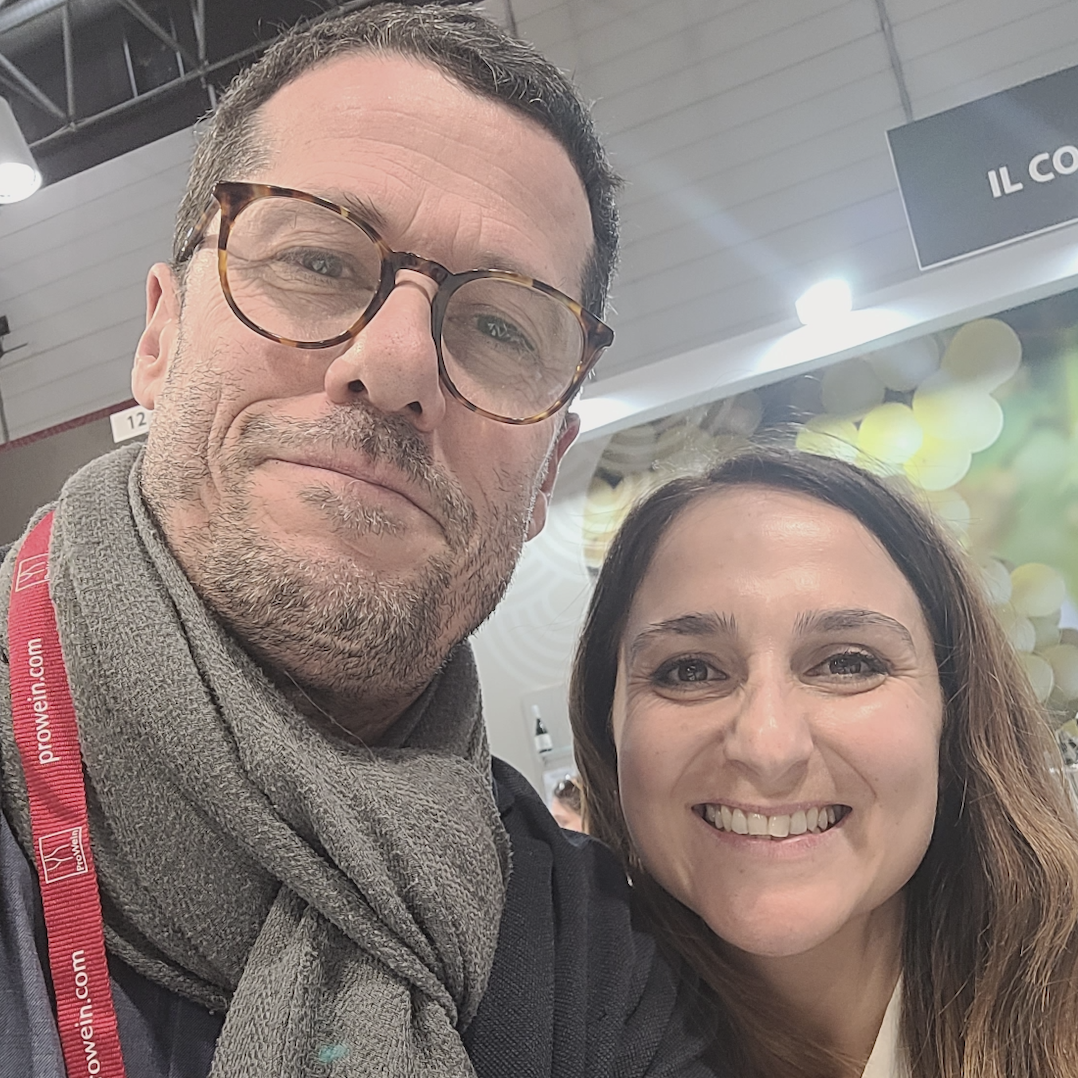
With Cristina Fonte – Poggio Torselli, San Casciano

Poggio Torselli Chianti Classico Gran Selezione DOCG 2020, San Casciano

Campione: Only sangiovese, single vineyard of the name Montecapri, a Gran Selezione first made in 2013, skipped for a couple of years and resumed in 2016. Concentrated grapes but more than that a different sort and a freshness that neither Annata nor merlot seemed able to find. Spicy fruit, 30 months in those big casks and so a protected but far from oxidative example with a maximum 5,000 bottle production. This is the beginning of a project that will only get better. Drink 2024-2027.  Tasted February 2024

Villa Le Corti Principe Corsini Chianti Classico Gran Selezione DOCG Don Tommaso 2020, San Casciano

The original Gran Selezione for Villa Le Corti, that being Don Tommaso, incidentally labeled with its UGA while “Zac” adds the Val di Pesa suffix, as per the commune. Quite the fleshy and substantially concentrated 2020, impressively so, rich, luxe and jam-packed with flavour. A mix of 80 percent sangiovese with merlot (that will not be available in 2023 due to no production because of downy mildew). A bit woody on the palate at this youthful stage but this will pass and Don Tommaso will drink dutifully if also effortlessly through the latter stages of this one and into the first stretches of the next decade. Drink 2024-2032.  Tasted twice October 2023 and February 2024

Casa Emma Chianti Classico Gran Selezione DOCG 2020, San Donato In Poggio

If Vignalparco is something to behold from the big, bad and bold vintage then Gran Selezione is not just another but an apposite matter altogether. Triply rich, fortified and tannic as a wall of hard Alberese, impenetrable and the wine just feels like it’s on the dark side of that moon. If there is one – and many have questioned the notion, but seriously this Gran Selezione is not nothing. Not hard mind you, just a force of Chianti Classico nature. Boom! Wait five years. Trust this is the truth. Drink 2027-2035.  Tasted February 2024

Il Poggiolino Chianti Classico Gran Selezione DOCG Le Balze 2020, San Donato In Poggio

Campione: Feels like a very mature Gran Selezione for 2019 and so perhaps some oxidation from this sample amplified by tasting it late on day two at the Collection Looking forward to another opportunity down the road.  Tasted February 2024
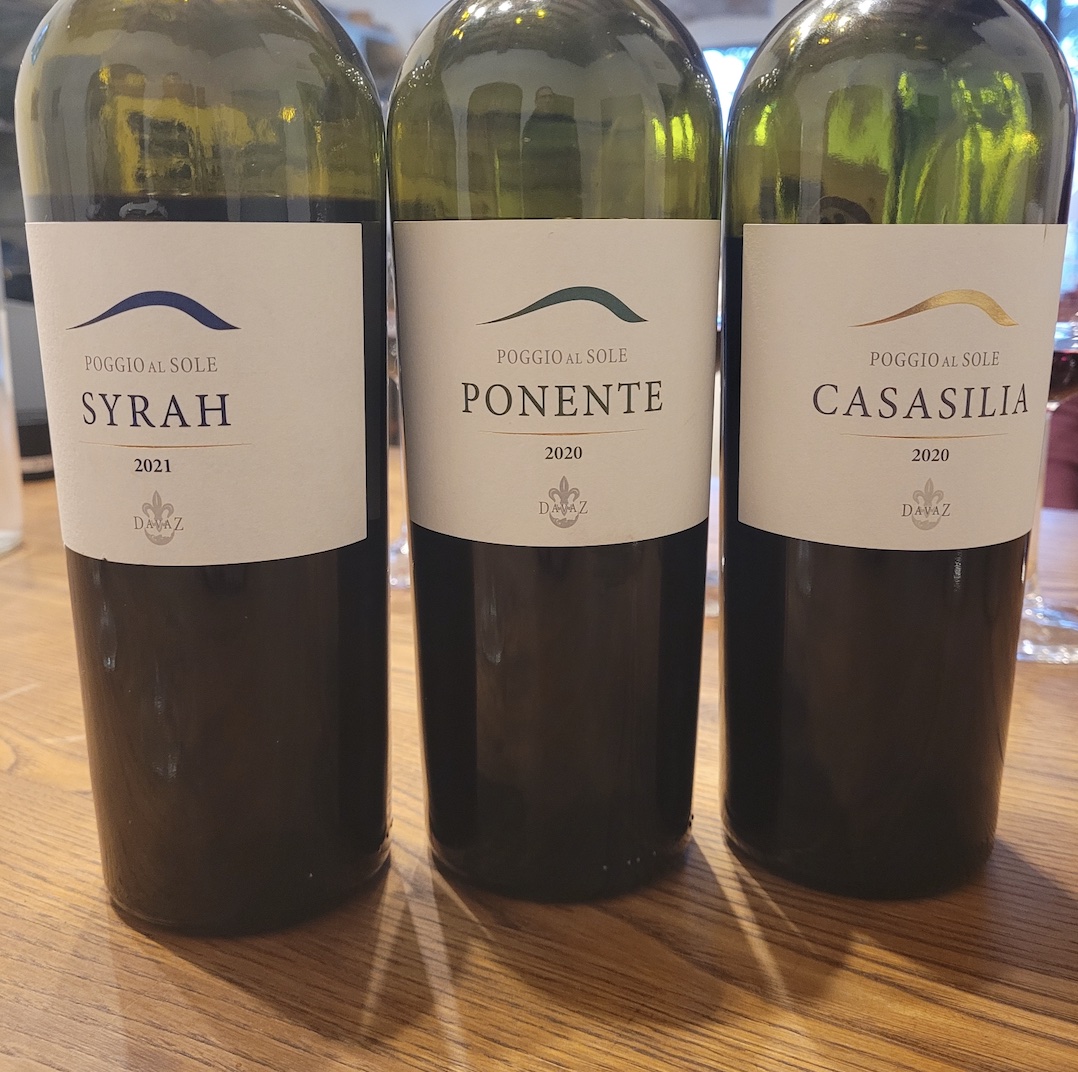
Poggio Al Sole Chianti Classico Gran Selezione DOCG Casasilla 2020, San Donato In Poggio

Casasilia which can mean “the blessed house” is tied to Badia a Passignano just one kilometre away and the pre-1990 name of Poggio al Sole under the previous ownership. The flagship wine that was Riserva changed to Gran Selezione as of the 2012 vintage. Best grapes, harvested a bit later and longer macerati”on. Once fermentation and maceration are complete the “130 percent sent to barriques (between 10 and 20 percent new) is then narrowed down to its 100 number. Hard to imagine or find more suave texture and refinement which in GS translates as scorrevole. Which tells us that Poggio al Sole has as much in common with Panzano as it does with San Donato in Poggio. Playful acidity, precision and fine tuning. Runs on Swiss time if you will. A mulch of grippy tannin on the back end suggests waiting a year or two. Drink 2025-2033.  Tasted December 2023 and February 2024
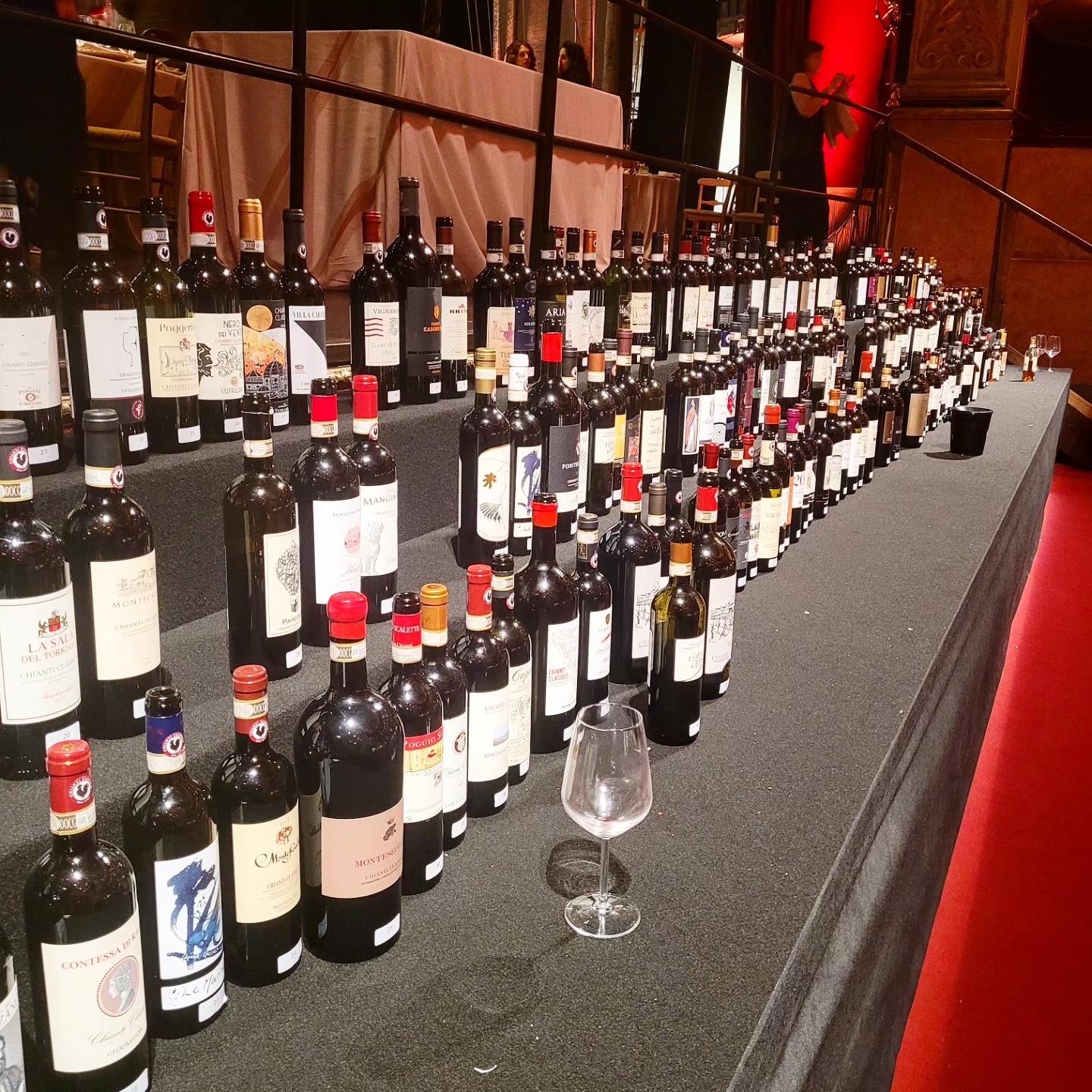
Cento Anni di Chianti Classico, Palazzo Vecchio, Firenze

Chianti Classico Gran Selezione DOCG 2019

Cecchi Chianti Classico Gran Selezione DOCG Villa Rosa 2019, Castellina

Single vineyard sangiovese from Casteto at the highest eastern heights of the Western Castellina vineyard. Most freshness and elegance of all the Cecchi sangiovese and from 2019 a wine so ready to drink you will find it hard to keep any bottles in the cellar. Not that structure is an issue because Villa Rosa will mature slowly over a five year run. Drink 2024-2028.  Tasted May 2024

Nardi Viticoltori Chianti Classico Gran Selezione DOCG Vigna Del Pino 2019, Castellina

First vintage from the one hectare vineyard, “our vision of the different sangiovese,” the dark soul and D12 (Emilia-Romagna) clone planted by Giacomo’s father back in 2002. Small bunches, strong and thick-skinned leading to a requiem of longer macerations (as many as 30-35 days). Darker of colour and a richer version of Nardi but more important is the “croccante” and “graffiante” nature of the tannins. Great acidity captured (at 6.2 tA), a full half to three-quarters higher than the Annata and Riserva. Th exposure is northeast (which makes dad look like a genius) and the soil is a very strong clay. Sees 20 months in Slavonian oak and evolution is low, slow and relatively forever. Balsamico finish and acidity (more than tannin) is the driver. Think Brunello if you like but this is purely Chianti Classico Gran Selezione. A father is and a grandfather would surely be proud. Drink 2026-2033.  Tasted February 2024

San Fabiano Calcinaia Chianti Classico Gran Selezione DOCG Cellole 2019, Castellina

Mainly Sangiovese with some colorino and a few splashes of merlot “that speaks Chiantigiana.” Also a 500m elevation for most of these grapes, the sangiovese planted in the 80s and converted to organic in the 90s. A stony Galestro soil opposite to the sandy clay and calcari, i.e Calcinaia around the borgo and winery. Only Cellole delivers this cool, liquid peppery swarthiness that the Classico does not show and also a combination of verdant but also distinct minerals notes. Tannins are exceptionally taut with at least two to three years remaining before they begin to truly integrate. Drink 2025-2033.  Tasted February 2023 and February 2024

Tregole Chianti Classico Gran Selezione DOCG 2019, Castellina

From the oldest vineyard planted by in 1972 by the Scalerandi family, two owners before Sophie Conte’s father purchased the estate. More obvious concentration than any of the other Tregole wines but also this settled, calming and fully nourished feeling. Have a glass of Gran Selezione 2019 and it will feel like the end of a great meal without having overeaten. The vineyard delivers great material and the layers of fruit are more than apparent. Having tasted vintages going back several years now you can see the development and the acumen growing in Conte’s world. This falls right in the middle but the learning curve is showing. There is a tiny bit of oxidative character on the back palate and so this vintage is more than ready with a delicious finish that reminds of certain dry amaro.  Last tasted May 2024
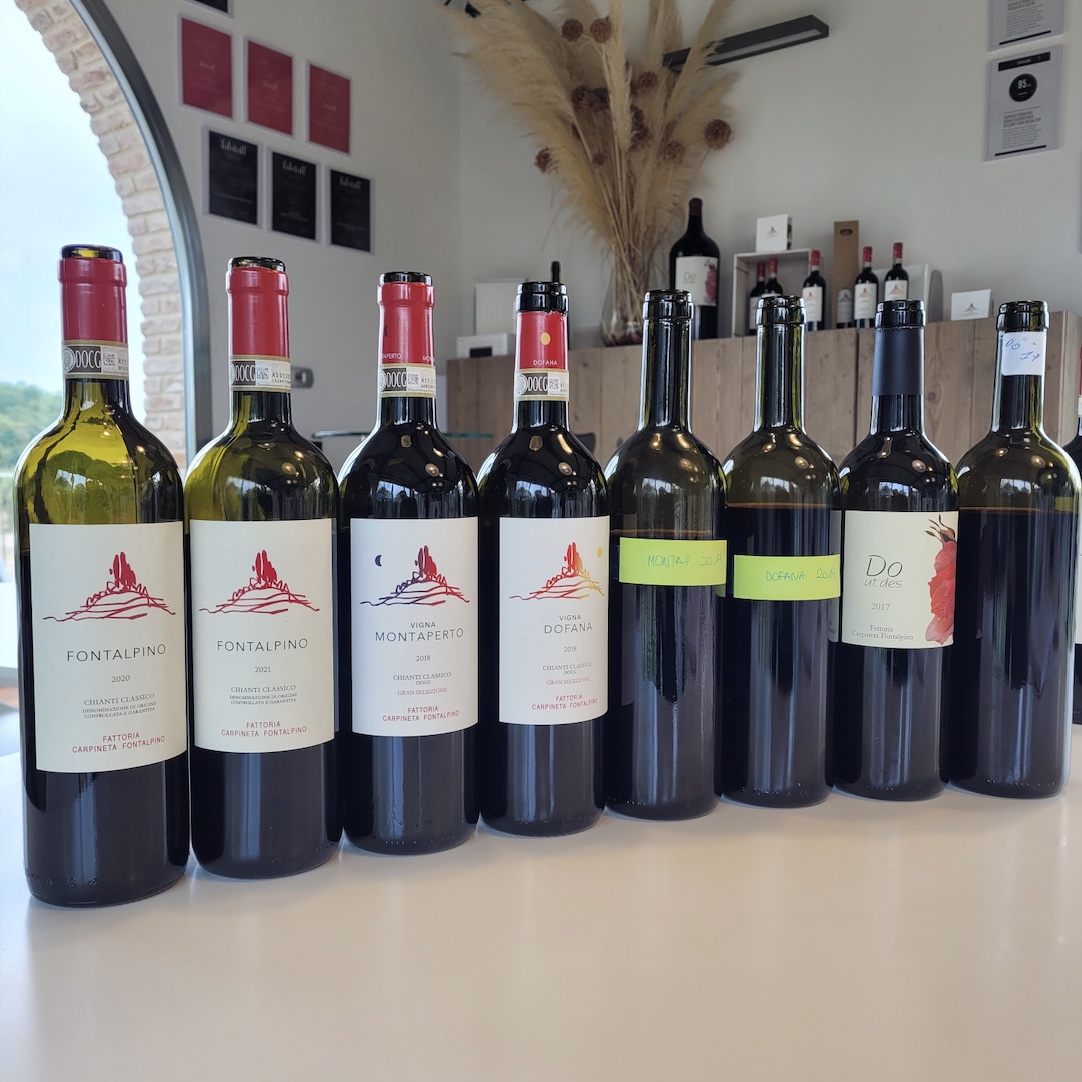
Carpineta Fontalpino Chianti Classico Gran Selezione DOCG Montaperto 2019, Castelnuovo Berardenga

A preview of 2019 that will shown at the Chianti Classico Collection in February of 2024 that are now finished wines “but to me they are young,” shrugs Filippo Cresti. The Montaperto layering of many red fruits are the crux of the perfumes and freshness out of ’19, they being pomegranate, currant and plum, juices running and so many layers to peel away. Focused vintage and “we love it,” adds Gioia. Return in a year and see just where it looks like this will go. Drink 2025-2033.  Tasted October 2023 and February 2024

San Felice Chianti Classico Gran Selezione DOCG Poggiorosso 2019, Castelnuovo Berardenga

Almost hard to believe but 2019 seems bigger, broader and in a way wilder than the 2020 Poggiorosso and yet this single vineyard Gran Selezione is a force to reckoned with, no matter the vintage. The vibrancy and especially the acidity is the wild aspect of a sangiovese that acts a bit the rebel, with cause. Quality here is tops in every respect, fruit is ripe on both ends and that acidity is really quite sweet. Splitting hairs compared to 2020 but this is something special. Amazing work from all new 500L tonneaux. Drink 2024-2037.  Tasted October 2023 and February 2024

Villa A Sesta Chianti Classico Gran Selezione DOCG Sorleone 2019, Castelnuovo Berardenga

A mix of energetic freshness and structured depth, somewhere ideally in between where Sorleone resides in this its sixth vintage as Gran Selezione (though its was not made in 2020). First vintage with new oenologist (Attilio Pauli) will be with the 2021 though the winemaking team in the cantina stays the same. In the window beginning now or perhaps just recently and this mix of glycerin and sweet spice does well to activate the salutary and imaginative senses. Fine shape for a fine wine. 3,000-5,000 bottles per year, this being on the higher end. Drink 2025-2029.  Tasted February 2024

Marchesi Frescobaldi Chianti Classico Gran Selezione DOCG Tenuta Perano Rialzi 2019, Gaiole

There was a local who knew the name of the vineyard and said it was called I Rialzi, which translates as “the lifted up,” or in another way of saying it, rizalto. The rocky location housed a ditch or a gully in the direction rising up towards Badia a Coltibuono. Over time the soils settled to hide the clough but the extreme rocky soils are still home to the vines. Says Lamberto Frescobaldi, “the vineyard matters most,” even more so than the estate or the denomination. In Gran Selezione terms at least. Frescobaldi was told “I don’t give a shit about a selection from you. I want a selection from one vineyard.” So, how does this make that happen, offer a taste or sense of Rialzi? It does so with aromatic volume and vigour, tension and the experience of fruit from a given vintage. As for 2019 well substantial and stress free is helpful but acidity and a wine’s anxiety are what drive Rialzi, no matter its philanthropy. In the end Rialzi is a gift, of Perano and Gaiole. Drink 2025-2033.  Tasted December 2023
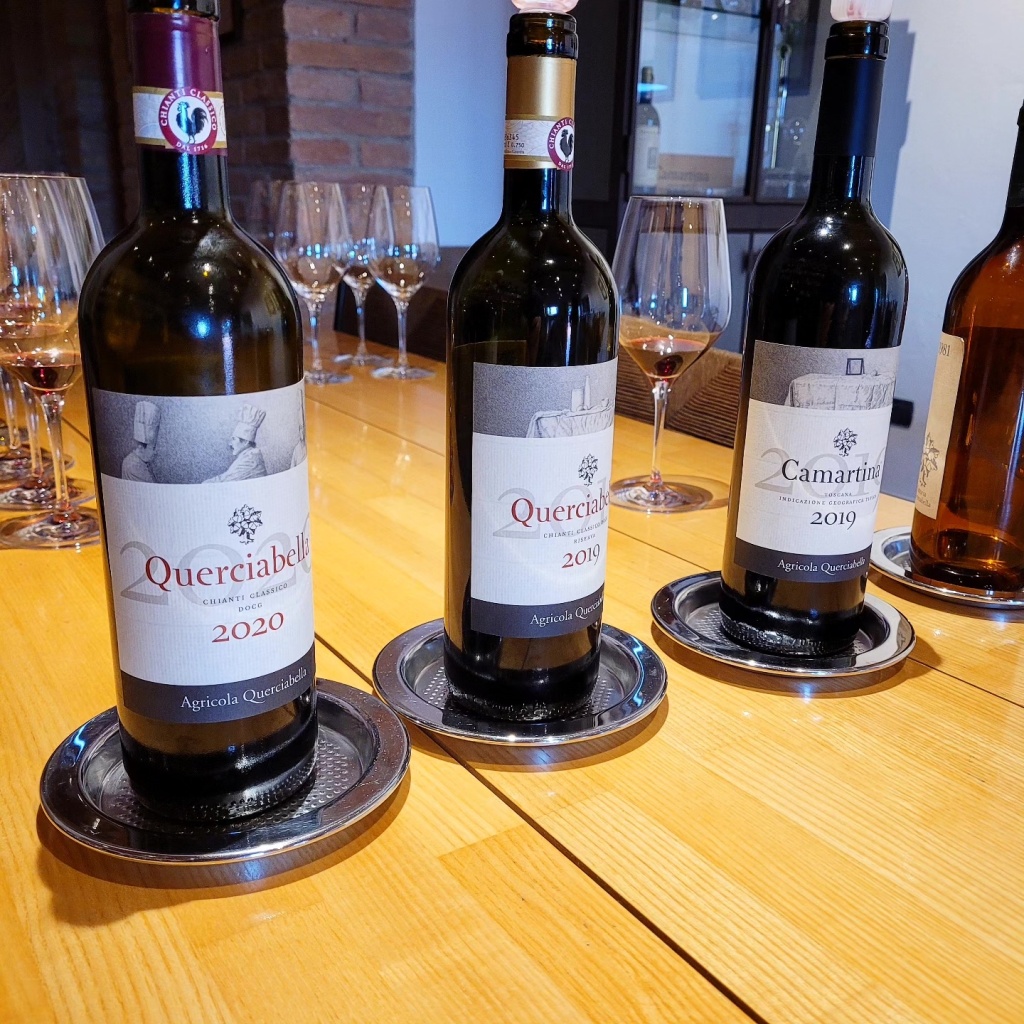
Querciabella Chianti Classico Gran Selezione DOCG 2019, Greve

The first commercially available vintage was 2017, from the highest reaches out of Querciabella’s vineyard parcels between 450 and 530m aboard the Ruffoli hill. Picked four weeks ahead of same altitude vines in Lamole because of exposure and well, Ruffoli. Treated to a submerged cap, i.e. capello sommerso methodology, a simmer of skins kept wet just as they have been doing forever in Barolo. This means a quality of tannin that comes out by infusion as opposed to extraction and with such an ideal vintage the result is uncompromising. Freshness captured, instinct incarnate, tannic freight compact, though the layers have breezes blowing through. Precise and focused as expected and the finale lingers forever. Drink 2027-2038.  Tasted February 2024
With Susanna Grassi – I Fabbri, Lamole

I Fabbri Chianti Classico Gran Selezione DOCG 2019, Lamole

From the oldest vines, including those planted back in 1965 and aged for two years in large cask, a.k.a. grandi botti. The old vines show what can be done from lowest of yields, highest of concentration and by way of a contract that seeks and attains the necessity of elegance. Everything about Susanna Grassi’s Gran Selezione speaks to the Lamole UGA, in sweetly herbal and savoury perfume, a floral note connected to the botany and grace under the pressure of structure so well defined. Drink 2025-2034.  Tasted October 2023 and February 2024

Podere Castellinuzza Chianti Classico Gran Selezione DOCG Vecchie Vigne 2019, Lamole

Old vines from Podere Castellinuzza’s high elevation Lamole location are the impetus to set this Gran Selezione apart while keeping in perfumed line with compatriots of that most unique UGA. Who does not want to own fruit from this location in today’s Chianti Classico and this family’s time has surely come. The next epoch of sangiovese from Lamole begins right here with succulence, energy and intensity. Floral and spicy, austere in a tannic way while gently rustic, but so very beautiful in all these ways. Drink 2025-2034.  Tasted October 2023 and February 2024
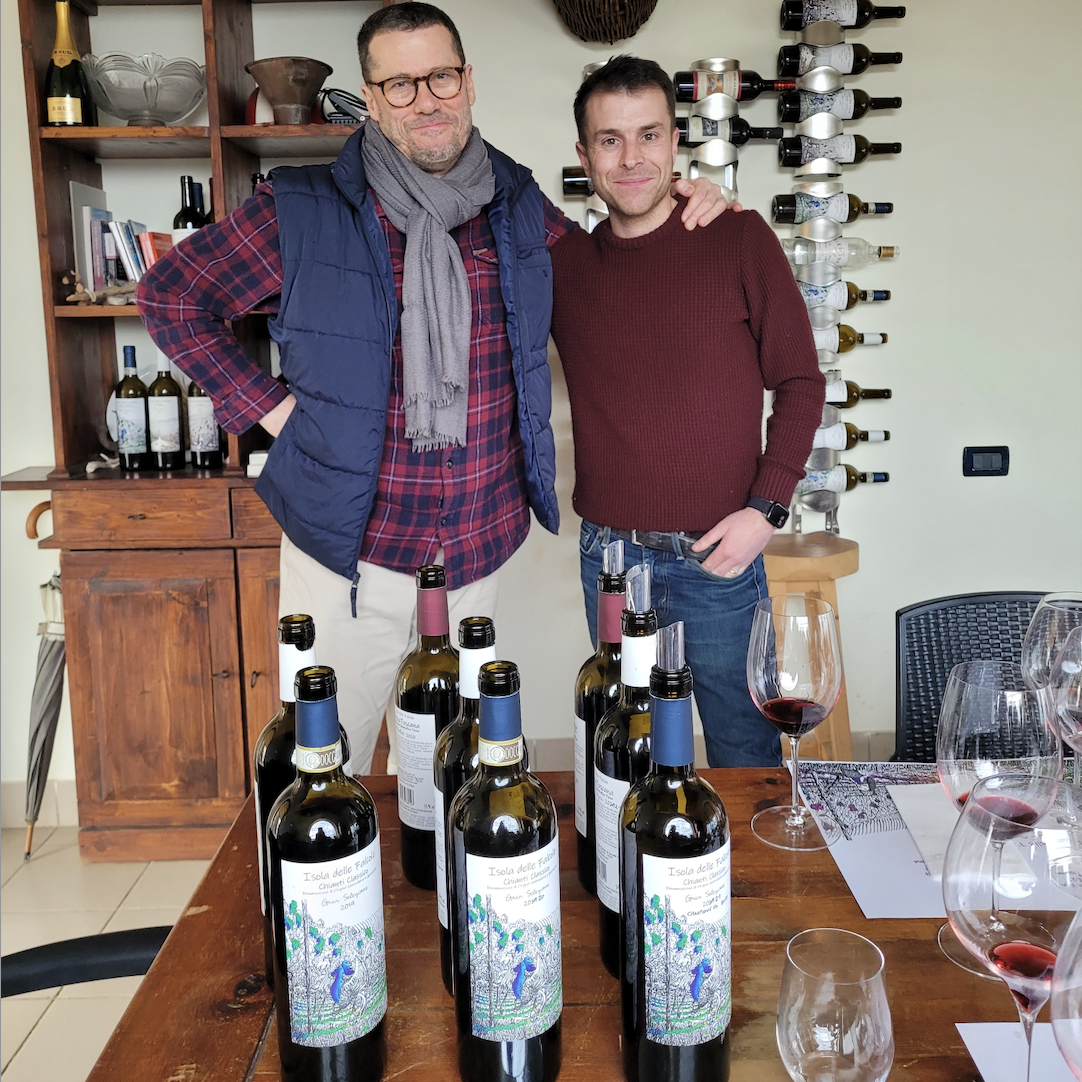
With Emanuele Graetz – Isole delle Falcole, Panzano

Isole Delle Falcole Chianti Classico Gran Selezione DOCG 2019, Montefioralle

Just beginning to open and emerge because the vintage delivers that kind of fruit generosity but the vineyard simply will not be quiet or separate itself from this always bloody sangiovese, not even for a moment. The heavy metal presence creates the most metallic, elemental and mineral trilogy, a triptych of sangiovese, acidity and powerful tannin to equip this Gran Selezione for a decade-plus of immovable life ahead.  Last tasted February 2024

The project of Emanuele Greatz, exporter of Roberto Voerzio, Il Molino di Grace, San Fillipo (Roberto Gianelli) and Barbaresco’s Russo. This is the early fruition of Emanuele’s dream, renting Panzano land in 2016 to eventually purchase and a first vintage in 2017. The land is officially Emanuele’s now. The name of the Conca or amphitheatre actually shares an affinity with the Conca d’oro, in shape, orientation and yet there is much more forest and also higher elevation. Total of four hectares planted, 1.2 up on the hill facing south at 420m and roughly two below the house, both set in Montefioralle. The final 0.8 for the Gran Selezione is in Panzano right next to Montefili and so Graetz calls it Montefili – internally.” It will be called Il Falcole. Gran Selezione 2019 is solo sangiovese sent to 30 months in big barrel combination of French and Slavonian. Purely Panzano through a Selezione of a pinpointed place and to be honest the fruit is a bit deeper and darker than many Panzano ‘19s. That said there are layers and layers to unfold, unfurl and open with high acidity from the high elevation vineyard up at 520m. Where else is Panzano (other than Montefili and Cenattoio) will express this elevation in this wild-eyed and excitable way? A harbinger of the future and initialization of the realization of Emanuele’s dream is in this glass, from this bottle. Wait three years to understand just a bit more and figure things out for 10 more thereafter. Drink 2026-2034.  Tasted February 2023 and 2024

Arillo In Terrabianca Chianti Classico Gran Selezione DOCG Terrabianca 2019, Radda

All sangiovese and nothing but the sangiovese in one of the first iterations of Gran Selezione under the guidance of new and improved ownership. Brightest of red fruit for a concept and work in progress that seeks to deliver utter transparency for lower (relatively speaking) elevation out of Radda. Firm enough though the tannins are anything but austere. Drink early GS, again, relatively speaking. Drink 2024-2027.  Tasted October 2023 and February 2024

Brancaia Chianti Classico Gran Selezione DOCG 2019, Radda

From the first vineyard purchased by Barbara Widmer’s parents, Brigit and Bruno, back in 1980. Ripped out and re-planted in 1999 with four clones chosen from the Chianti Classico 2000 project because massal selection was not viable at the time. Great fruit, grainy structure and time needed to heal the wounds and rusticity off the wine. There is so much character and potential with almost no maturity showing yet, however those tannins and that fruit do tumble around together. Wait another year, or so. Drink 2025-2032.  Tasted May 2024

Colle Bereto Chianti Classico Gran Selezione DOCG 2019, Radda

Like Riserva the Colle Bereto showing at the Chianti Classico Collection in 2024 is 2019 for Gran Selezione. Not quite as mature and resolved as the other appellative level but still en route and in a similar arena. More strength and power from these saucy tannins, long-chained and still visible, if also reverberating. The wood is still very much in control so be patient and allow a rendering, but also the disappearance of a mild swarthiness. Drink 2026-2033.  Tasted February 2024

Castello Di Monsanto Chianti Classico Gran Selezione DOCG Vigneto Il Poggio 2019, San Donato In Poggio

The arrival of an Il Poggio is greeted with great anticipation because luxury and fortune have beget tastings of several recent and also older vintages. So imagine what Monsanto’s 2019 will surely bring to the table out of San Donato in Poggio. No ordinary moment, but one likely to get frozen into time. Open heart and mind, dig into deeper understanding and intuitive possibility. Gran Selezione 2019 from the Bianchi family’s hilltop vineyard is sublime. Concentrated, understated, refined, precise and giving. Nurturing if edgy but always gracious and unselfish. A touch reductive, protected and of course stylish. A moment so vivid it causes ache, awe and longing. Too much waxing for a bottle of wine? Actually no but another Il Poggio for the ages. Drink 2026-2039.  Tasted October 2023

Fattoria Montecchio Chianti Classico Gran Selezione DOCG 2019, San Donato In Poggio

Bottled in September of 2023 though winemaker Riccardo Nuti is keenly aware how much more time is needed and so plans are to release this Gran Selezione after a full year in bottle. Sees 20 percent amphora because frankly Montecchio is not just a Fattoria of wine (and olives), but also a “fornace” for working with clay. An original in this regard and one of the pioneers for GS aging. The ’19 sings with pure and unadulterated sangiovese aromas, explicitly San Donato in Poggio because of the red florals, citrus and sanguine character. Also brings an added layer of palate texture, the kind that settles and coats, but fruit is the medium. With time the defraying will become a glissade but for now the verticality of this Selezione is not ready to relax or relent. Drink 2025-2033.  Tasted February 2024
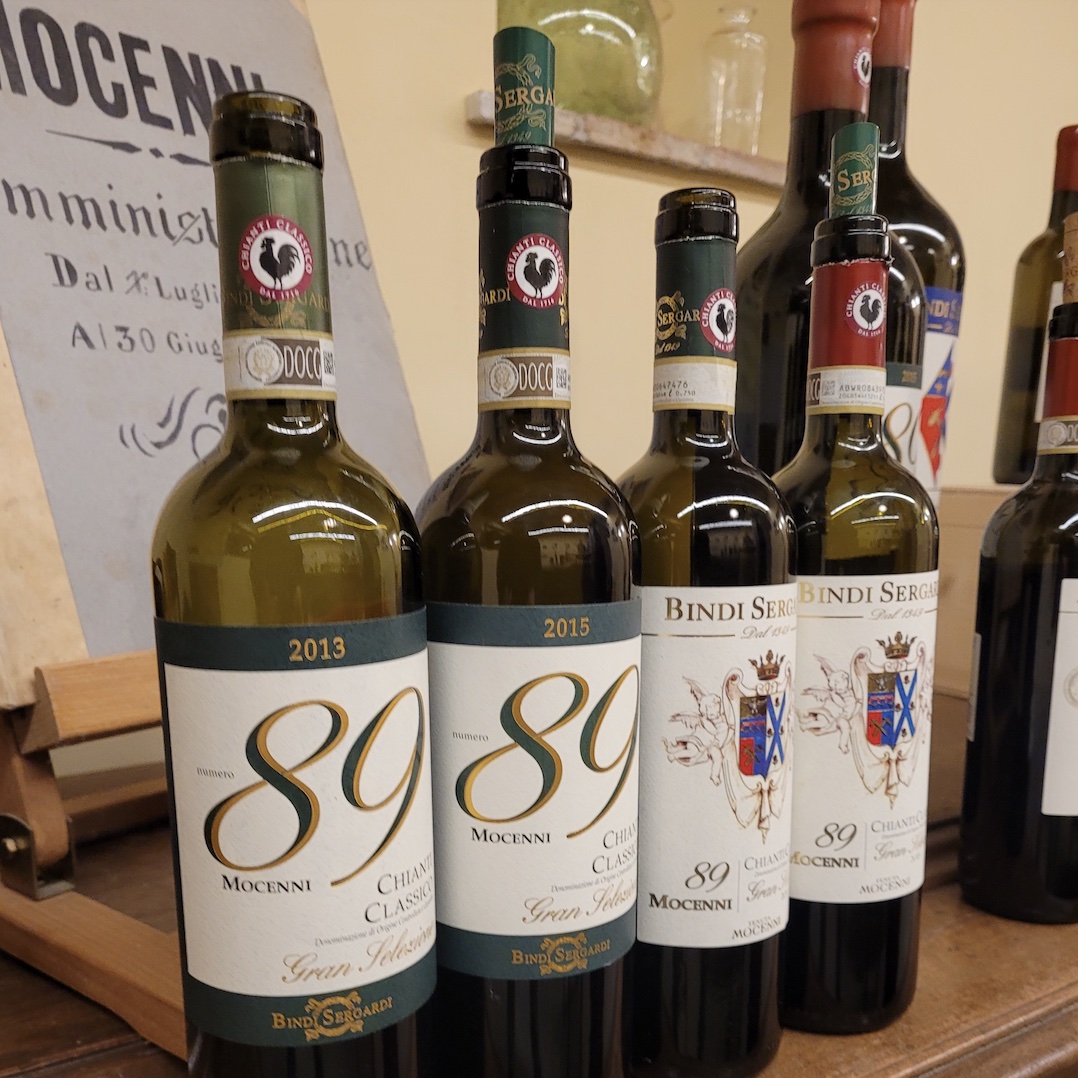
Bindi Sergardi Chianti Classico Gran Selezione DOCG Mocenni ’89 2019, Vagliagli

Tenuta Mocenni presides at one of the higher points in the Vagliagli UGA at 500m with vineyard blocks impounded with great Alberese stones and outcroppings of Galestro. The south facing amphitheater is one of Chianti Classico’s most impressive sites and sights. The latest vintage is not yet released and there is no shock how youthful and tightly wound you will find this 2019 to be. The one that follows will proudly display the UGA on the front label. More than just a few years of time in more than one kind of vessel has equipped this major potion of fruit with ample layers of structure in a Gran Selezione so bloody big, substantial and beautiful. Will most definitely require five to seven years of unwinding. Drink 2025-2034.  Tasted October 2023 and February 2024
Gioia, Sara and Filippo Cresti – Carpineta Fontalpino, Castelnuovo Berardenga

Carpineta Fontalpino Chianti Classico Gran Selezione DOCG Vigna Dofana 2019, Vagliagli

A preview of 2019 that will shown at the Chianti Classico Collection in February of 2024 that are now finished wines “but to me they are young,” shrugs Filippo Cresti. The dried balsamic quality of 2018 is here replaced but more freshness and spirit. A richer wine in 2019 as compared to Montaperto with the wood more involved – while the wine this young is trying to figure out its way through adolescence. The clay is fully involved in just how textured and fruity Dofana acts in this inimitably generous vintage. Flesh will come, with time. Drink 2025-2032.  Tasted October 2023 and February 2024

Dievole Chianti Classico Gran Selezione DOCG Vigna Sessina 2019, Vagliagli

A 6.4 hectare vineyard at 450m which qualifies as the highest point of Dievole. A south exposure with Macigno and outcroppings of clay to deliver more power than any other estate sangiovese. The aromatics are expressly consistent with Riserva (and also Casanova) but the musculature is taut and developed. That which Riserva commits to is magnified in this fourth vintage of the Gran Selezione, none more so than the tannins which grab, grip, secure and hold on tight. They compound and reside in the arena of the austere at the finish of this profound wine. Drink 2026-2033.  Tasted February 2024
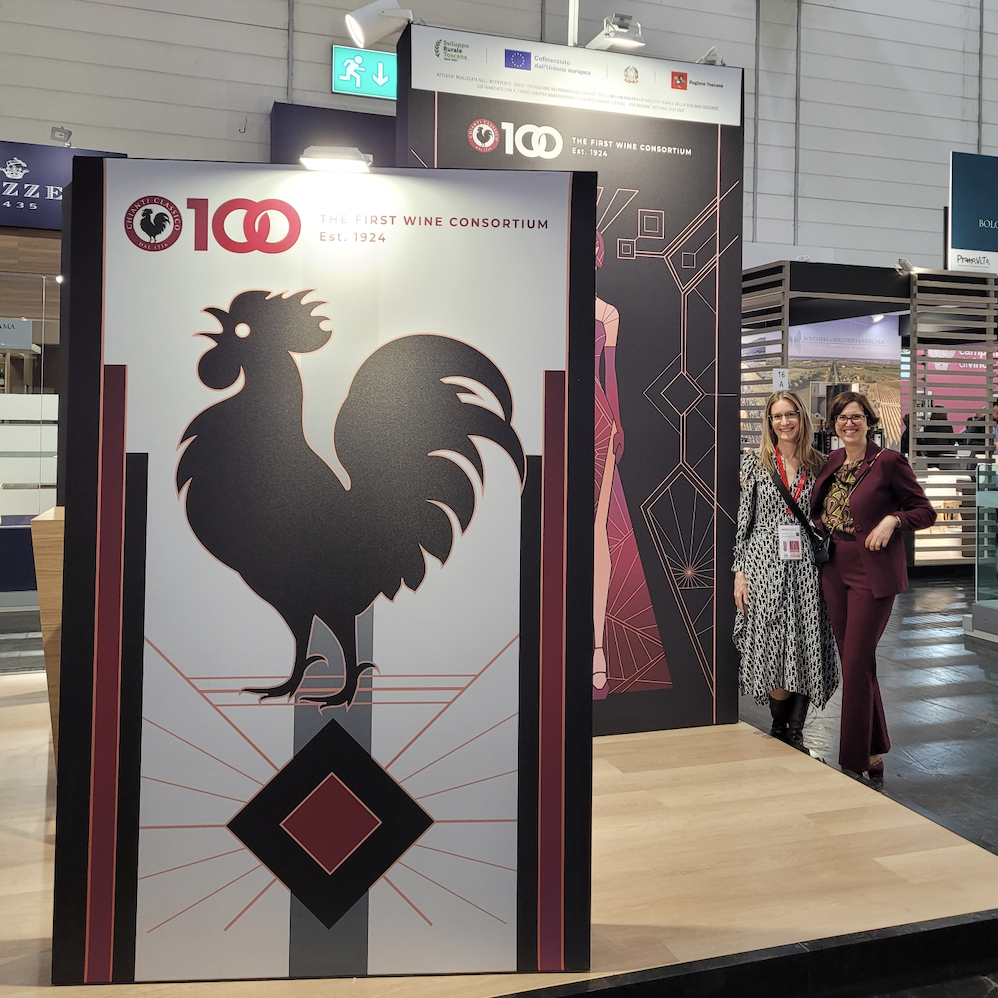
Michaela Morris and Christine Lechner at Prowein 2024

Chianti Classico Gran Selezione DOCG (Older Vintages)

Casale Dello Sparviero Chianti Classico Gran Selezione DOCG Paronza 2018, Castellina

Paronza is the name of the vineyard and comes from a hospital housed by a monastery that hosted pilgrims. Still the work of Atillio Pagli, sappy like the Riserva, fruit quality improved from the ’18 Riserva while so soft and creamy with that same kind of perceived sweetness. Ready.  Last tasted May 2024

Well traveled, maturing and warm Gran Selezione from Castellina’s Casale dello Sparviero, of high aromatic intensity to match stride for stride a sangiovese poised at the ready. Herbal for Castellina though neither brushy dry or brassy, but instead a juicy bleed of fruit and flora. Solid GS through and through, equivocating and evocative of the UGA.  Last tasted October 2023

Paronza is a buoyant and almost weightless, gravity defying Gran Selezione, easy of mind, body and alcohol. Aromatically reticent and a wine so young you really have to play, swirl and agitate to get any kind of emotive response. Perfume, red fruit and fresh sanguinity do emerge, followed by a sappy, almost syrupy texture dominated by liquid Galestro-willed tannins. Very Castellina, wholly vintage related and will drink well beginning two years or so from now. Drink 2024-2028.  Tasted February 2022

Rocca Di Montegrossi Chianti Classico Gran Selezione DOCG Vigneto San Marcellino 2018, Gaiole

There is ten percent pugnitello with the sangiovese, already meeting the new requirements of the Gran Selezione. From the 2020 vintage San Marcellino will say Gaiole on the label. Aging is 25 months in barriques, tonneaux and botti, 25 per cent new oak overall. Almost three years in bottle at this stage. Finest of San Marcellino tannins are coming about ever so slowly, surely to mature over a 15 year period. Tells Marco Ricasoli, “elegance does not mean weakness. The power does not affect your mouth.” Posit tug between salinity and sapidity.  Last tasted October 2023 and February 2024

So fresh, young and structured but my if there is another Gaiole Selezione with as much stuffing as San Marcellino it would be beneficial to hear about it. Thirty-plus year potential. Truthfully.  Tasted May 2023

The next San Marcellino Gran Selezione is a big one, strong willed and big-boned, laced with trace schisty-marl-Galestro elements and minerals from a vineyard capable of structuring wines like no other. This is Monti in Chianti, of all the red, blue and black fruits, coming away violet purple and speaking about a season. A warm one, all the way through to October and the phenolic ripeness here is off the proverbial charts. Wow. Drink 2025-2037.  Tasted February 2023
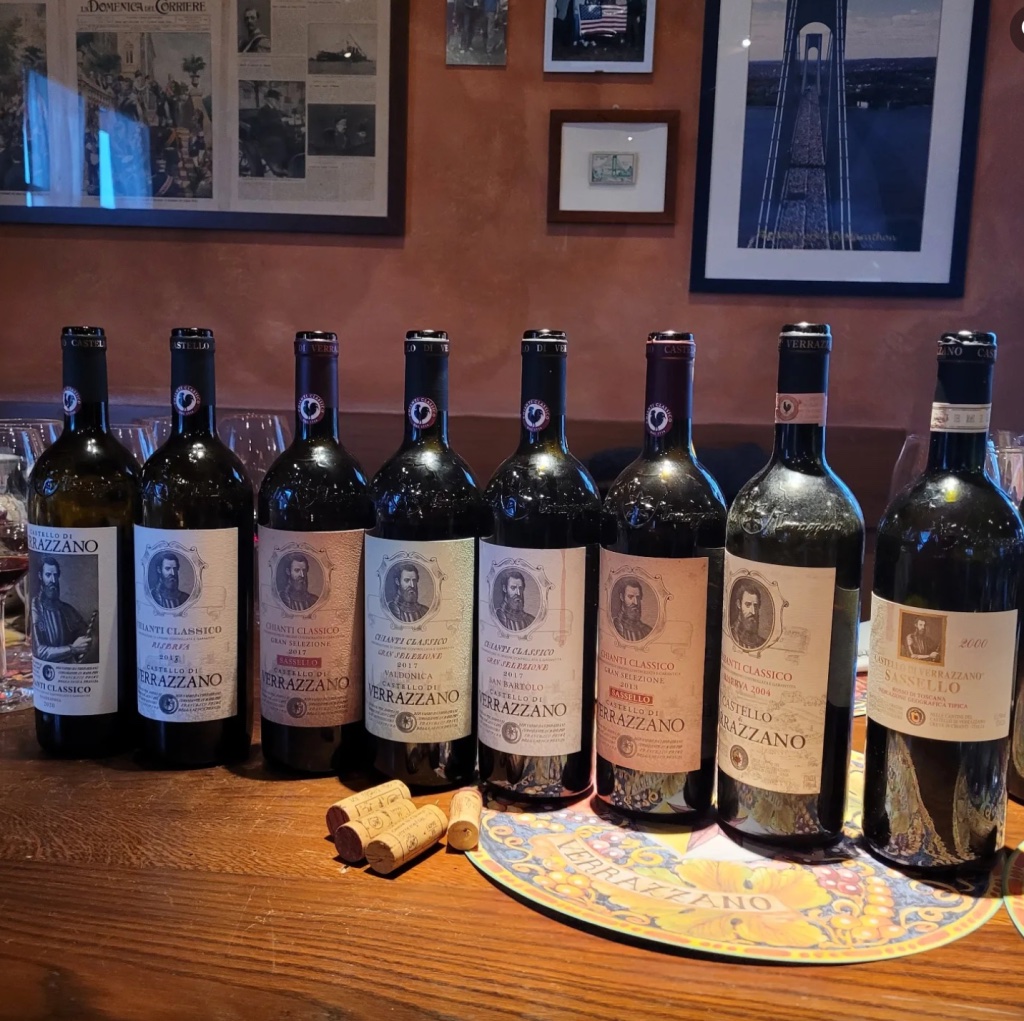
Verrazzano

Castello Di Verrazzano Chianti Classico Gran Selezione DOCG Sassello 2018, Montefioralle

Not yet released and will have at lest three more months in bottle before that can happen. A strong vintage and normally the release would be the fall but both wood and fruit need to time to find each other. The substance in Sassello 2018 is, well substantial, in fact something more than that. Richness at the height of Verrazzano’s abilities but my goodness this packs a punch while also showing off the modernity and harmony that define this estate today. Bravissimo. Drink 2026-2033.  Tasted February 2024

Castello Di Verrazzano Chianti Classico Gran Selezione DOCG Valdonica 2018, Montefioralle

The thing that connects Sassello and Valdonica is the vintage, the power and the full on substantial effects compactly packed yet carefully multi-layered. A swarthiness really separates this GS from Sassello in ways that put this in its own light. The aromas and flavours also bring in exotic spices but also a succulence that show how special and different this sangiovese truly is. It walks a fine line, flirts with danger and comes out singing. Drink 2026-2036.  Tasted February 2024
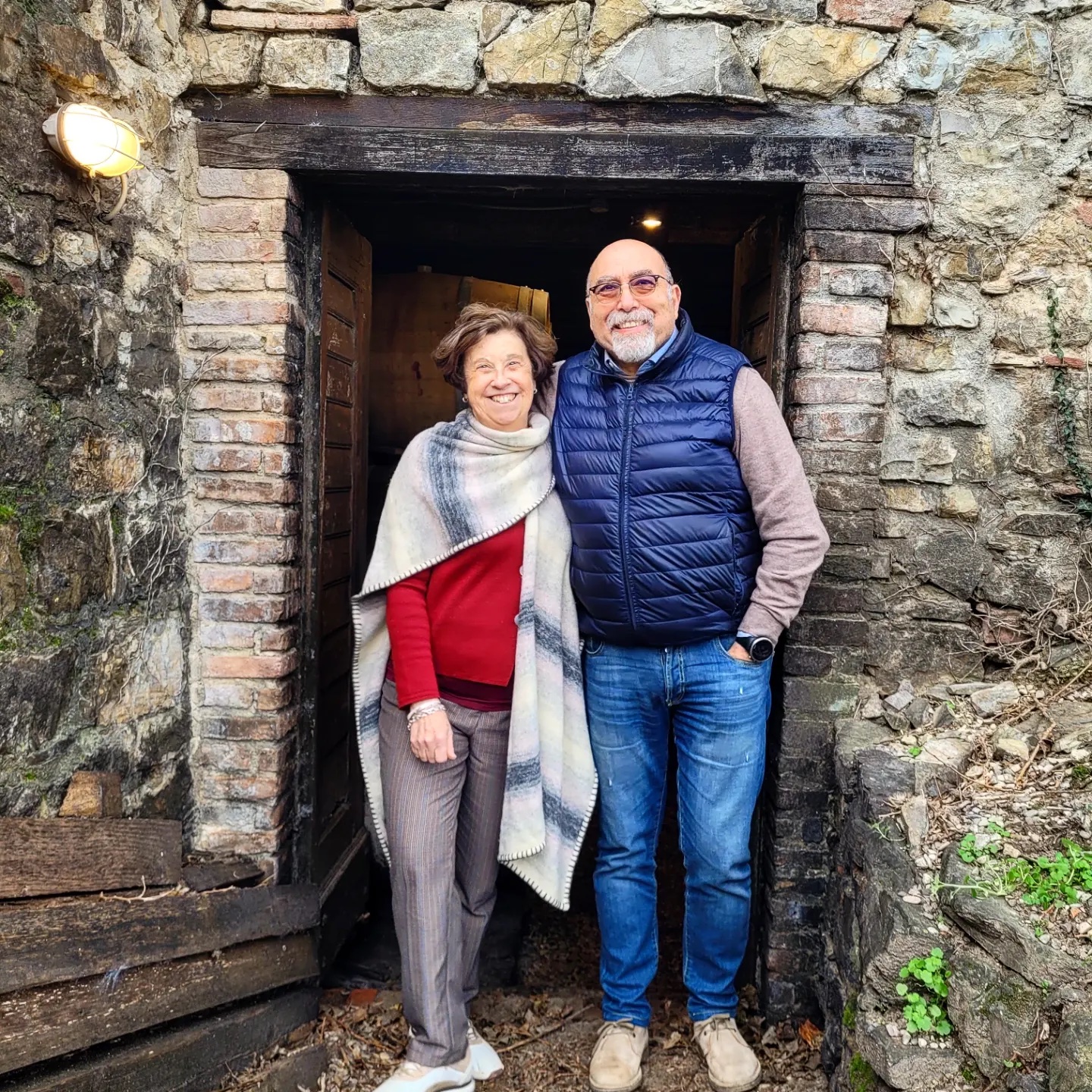
Emilia and Giovanni d’Orsi – Casaloste, Panzano

Casaloste Chianti Classico Gran Selezione DOCG 2018, Panzano

Fine swirl of sangiovese with voluminousness liquid peppery aromas from the word go that are commanding and unrelenting. Put your nose into Giovanni d’Orsi’s Gran Selezione from late (though properly timed) harvesting for what was necessary out of Panzano. For 2018 that is because late September heat by day and cold by night meant stem ripeness, higher alcohol and captured acidity. All of which put 2018 Casaloste into fine form, big and meaty, bountiful and elastic. Bravo. Drink 205-2032.  Tasted February 2024
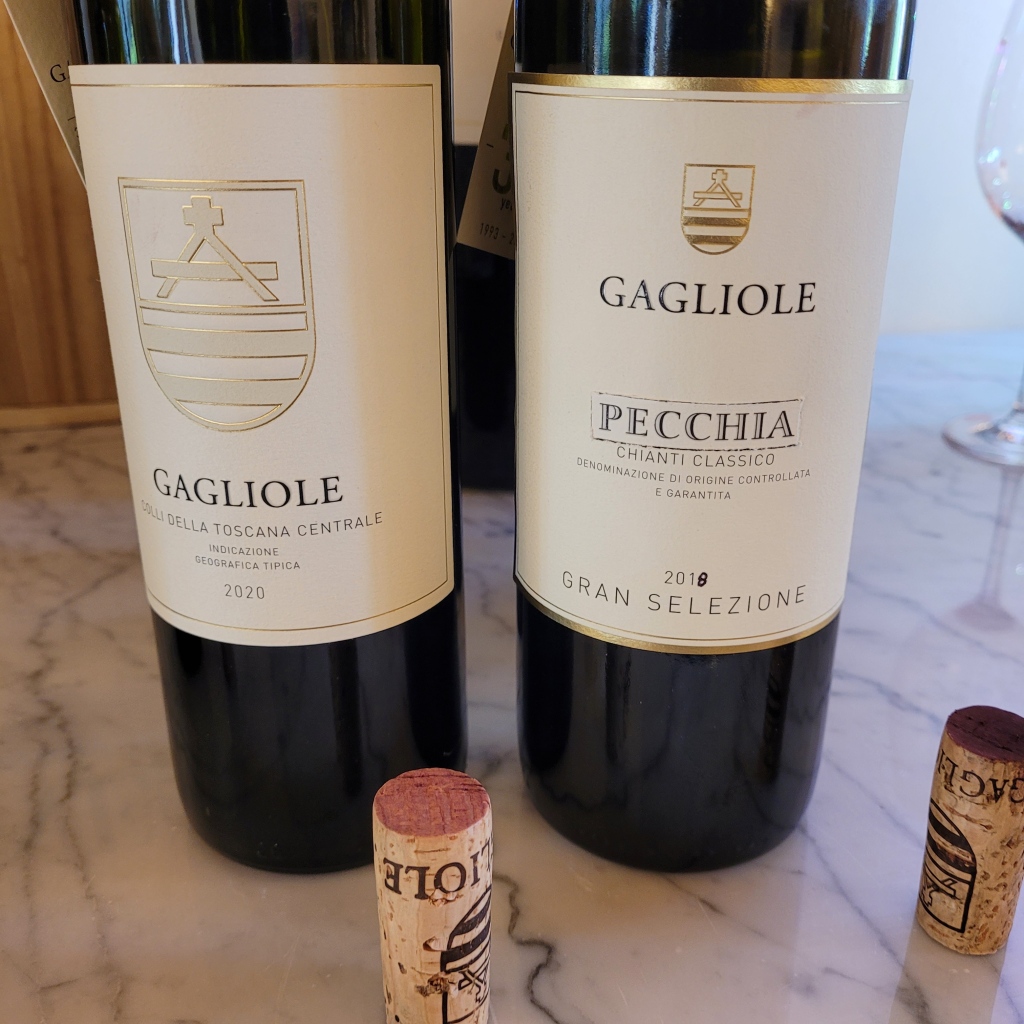
Gagliole Chianti Classico Gran Selezione DOCG Pecchia 2018, Panzano

Pecchia from only Pietraforte Panzano soils was IGT through the 2016 vintage, skipped in 2017 and brought into the Chianti Classico DOCG appellation in 2018 with the estates first Gran Selezione. Less transparency but clearly more polish and luxe disposition than Gallùle but what this expresses are hearty matters of spotless and seamless perfection. Structurally speaking the Pietraforte puts this sangiovese in a most precise place to establish a top position in every respect. Just 3,000 bottles produced and though there was great heat at the launch of harvest there were also low nighttime temps and all the acidity was preserved. Great graphite style and cool as an October Panzano night. Really special wine. Drink 2026-2035.  Tasted May 2023 and February 2024

Il Palagio Di Panzano Chianti Classico Gran Selezione DOCG Le Bambole 2018, Panzano

Campione: Of all the Gran Selezione samples this Le Bambole is one should be the nearest to be ready because, well it’s 2018. Now two years longer in waiting than most other unreleased samples and yet mon dieu this ’18 is still so far away from being ready. Uncanny how much Pietraforte strength Il Bambole is want to direct as itself and on our palates that feel both slaughtered and bamboozled. So befitting the name and also the vintage which delivered great late September heat. Cold nights too which is why this acidity is striking and frankly necessary. On par with 2016 which is a feat in itself. Drink 2026-2038.  Tasted February 2024

Villa Trasqua Gran Selezione Chianti Classico DOCG Nerento 2017, Castellina

Nerento offers up that super important and at times rare mix of maturity and results based on time having been the necessity to allow for an approach to drinking this Gran Selezione at this stage. The wood would have been obtrusive and on top just six months before and this timing is fortuitous to say the least. Some raisin and fig with high quality acid and a balsamic sweetness woven through the tannin. Not an extreme vintage as might be expected but surely a high-toned one. Drink 2023-2026.  Tasted October 2023 and February 2024

Marchesi Frescobaldi Chianti Classico Gran Selezione DOCG Tenuta Perano Rialzi 2017, Gaiole

Third vintage of Rialzi from a hottest and driest one, though always worth a reminder that Perano is high elevation Gaiole – meaning a cooler and fresher place. In Chianti Classico terms this means the vineyard and its cooling maintenance from rockiest of soils lends a much needed pulse, flux and regulating ability to ensure sangiovese’s credibility. Vigour and dewiness are preserved which allows Rialzi ’17 to grace the palate like clean early morning summer moisture on grass and bushes. Fruit was hung a little bit longer than many other single-vineyard Gran Selezione to be sure, full phenolic maturity has been acceded and the conclusion is about a full and favourable sangiovese. A unique one at that and one to surely benefit from some rest in the cellar. Drink 2025-2031.  Tasted December 2023

Cecchi Chianti Classico Gran Selezione DOCG Villa Rosa 2015, Castellina

In agreement with Andrea Cecchi whereby in some ways 2015 is still a baby, but on another level the maturity is there, or at least seen that wasy through one of the two open bottles. This second pour is not only the answer to a predictive moment made in September 2018 but a reconciliation of what Villa Rosa sangiovese is want to become. Youthful and yet ready, in the first stages of secondary character but at least five more years shall pass before the next phase begins.  Last tasted May 2024

These are not the richest and most extracted Chianti Classico and they are truly driven by acidity, a Castellina acidity to be sure, edgy, expected or not. The red fruit is direct and linear lightning, not overly complex and certainly true to consistent form. It’s actually quite amazing to note this form of sangiovese structure as being very specific to commune, very close to the Valore Gran Selezione and recognizable for place as much as any in the entire territory. This will evolve slower than the Valore, in fact I can’t see it changing all that much in the next five years. Drink 2019-2026.  Tasted September 2018

Losi Chianti Classico Gran Selezione DOCG Millennium 2013, Castelnuovo Berardenga

Still quiet and reserved, far from even hinting at the end of its first millennium in bottle. Full and still in a chaste state, a textural casted Gran Selezione that exults the finest selections of Losi’s vineyards. Gives and gives some more but its best and most complex days still lay ahead. Drink 2025-2032.  Tasted February 2024

Cecchi Chianti Classico Gran Selezione DOCG Villa Rosa 1988, Castellina

From 1988, raised on Piaggia, the top of the Villa Rosa hill and aged in chestnut barrels. In great shape, truly well kept and the toasted chestnut aromas are those caught in a time machine. Chianti Classico and sangiovese from another era, a savoury balsamico, however that is consistent if altered because of time. Time that has softened and dried out the fruit yet the palate delivers a level of freshness that needs to be tasted to be believed. Speaks to wine being made the right way at the time and yet you wouldn’t do things this way now because the sangiovese demands evolution and a new approach. A look back that says you can peer through a portal to see changes coming and for the next 40 years.  Tasted May 2024
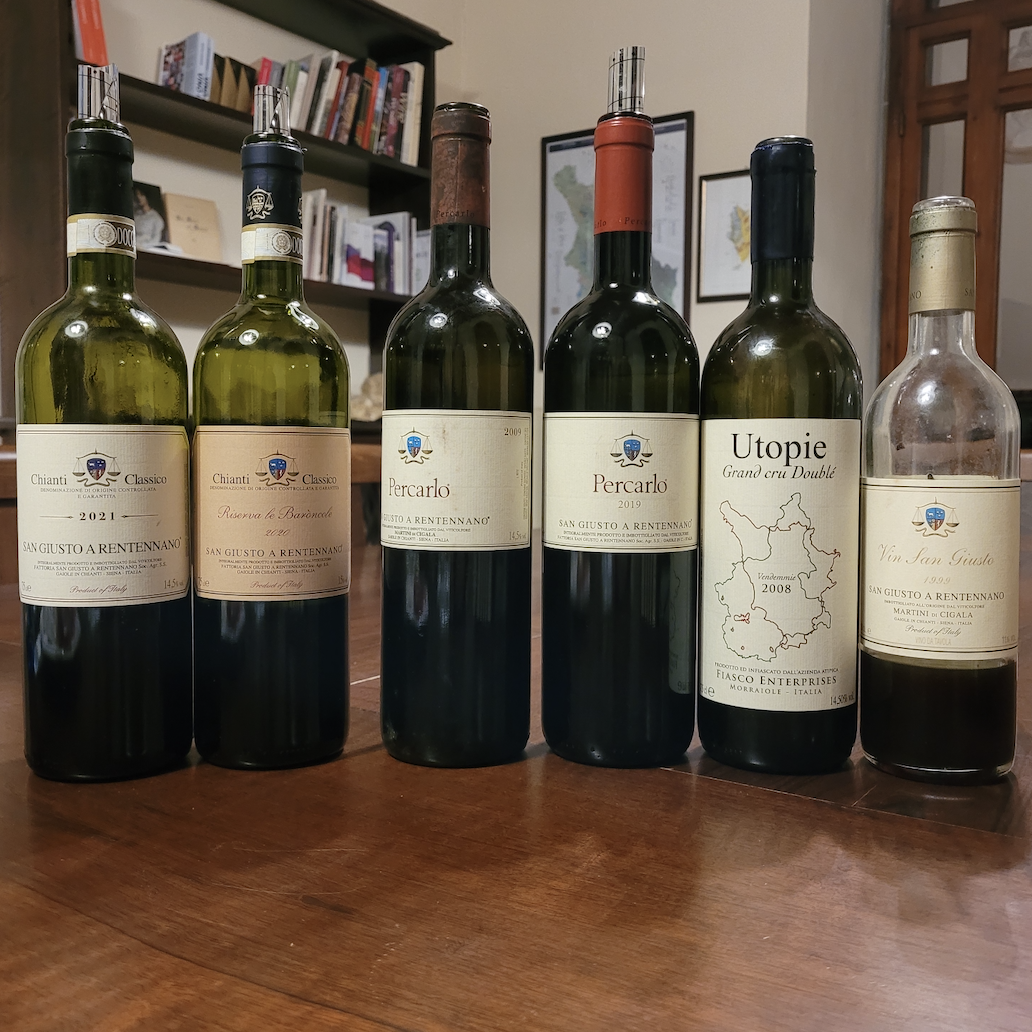
Vinsanto del Chianti Classico DOCG

Castello Di Monsanto Vinsanto Del Chianti Classico DOCG Occhio Di Pernice 2006

Rare and different for VinSanto, here as 100 percent sangiovese and in many ways nothing like the style that comes from those made with trebbiano and malvasia. Plenty more caramel and especially spice, of nutmeg, sweet lemon and iced tea. A really fine black tea, tannic and softened by clover honey. Sweetness, acidity and impeccably balanced. Drink 2024-2032.  Tasted February 2024

San Giusto A Rentennano Vinsanto del Chianti Classico DOCG Giusto 1999

Remember that a great vintage for reds might not succeed with Vinsanto and vice versa but this 1999 just feels like ideal middle ground. Intense sweetness (around 350 g/L) with lower volatility and solid acidity. Length simply outstanding, A treacle of deep caramel and caramelized fig, brown sugar syrup and finishing spice – cardamom and nutmeg. Crazy complexity if surely one in the sweeter and softer pantheon of San Giusto Vinsanto.  Last tasted February 2024

Vinsanto Giusto 1999 is from 90 per cent malvasia and 10 trebbiano dried on traditional mats then transferred to small oak (caratelli) barrels, with absolutely no botrytis allowed. The selection is extremely careful to avoid the noble rot. Perhaps the most viscous gelée of VinSanto ever put in mouth because 400 g/L of residual sugar will do that in the most concentrated and incredible of ways. The most intense VinSanto you will ever find. Could go three-plus decades further. Drink 2018-2035.  Tasted February 2018
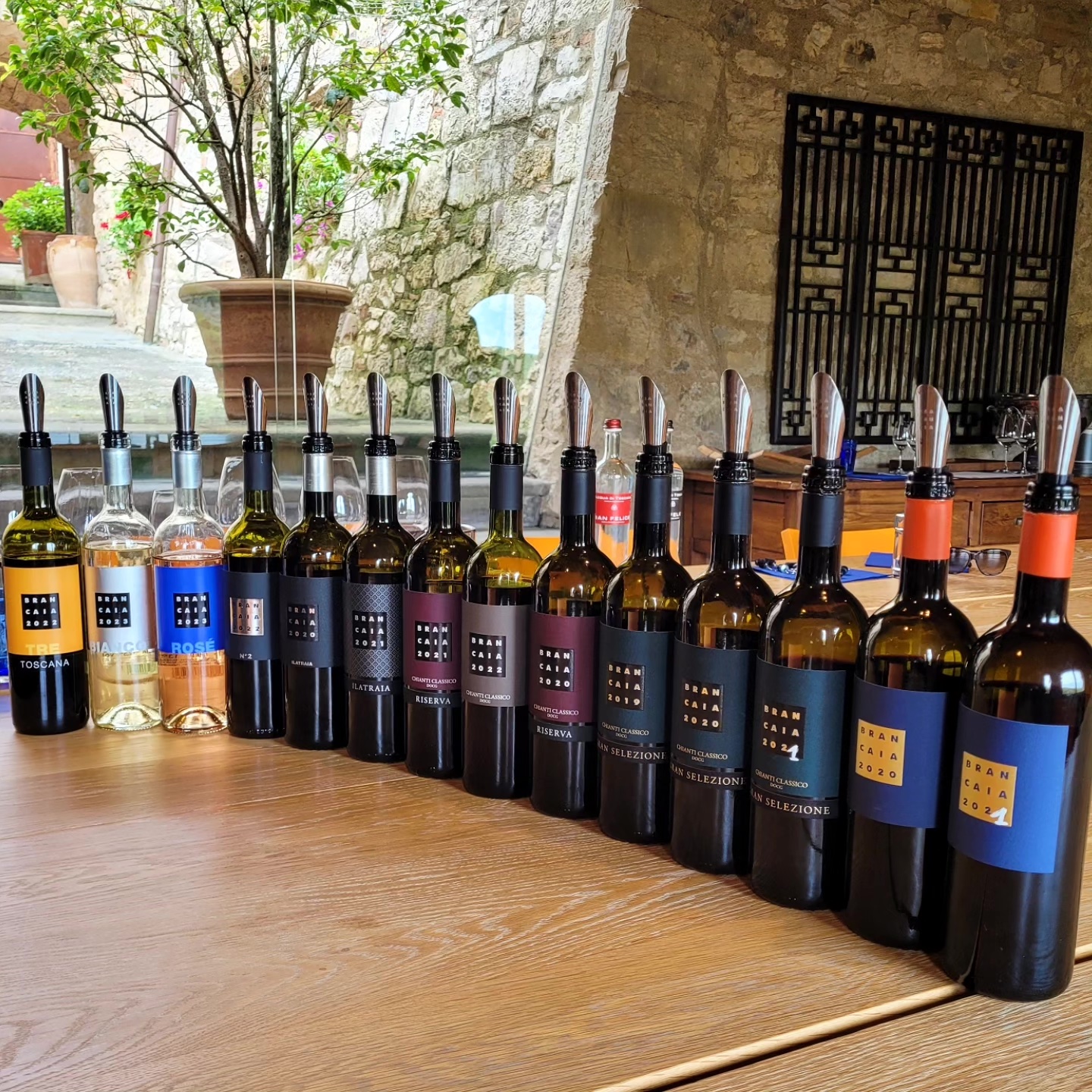
Brancaia Tasting

IGTs

Brancaia Rosé 2023, Toscana Rosato IGT

Made with 100 percent Maremma grown merlot picked earlier (mid-August!) than wine for the reds, keeping the alcohol down with light colour and high acidity. No skin contact, three months on lees for a creamy and sapid Rosato that goes down far too easy. Currants and faint strawberry but just easy and lovely. Summer go to Rosato. Drink 2024-2025.  Tasted May 2024

Brancaia Il Bianco 2023, Toscana Bianco IGT

All sauvignon blanc from Castellina vineyards, picked early (which would be late August) for the purpose of acidity, freshness, brightness and intensity. First Bianco was made in 2011 (though was a very different style at the time) and now the variety is a veritable facsimile of itself. Shows some aging potential for more layers to pop up and out, but not for 10 years. Crunchy and salty enough, not quite startling but surely creating a pop and a buzz on the palate. Drink 2024-2026.  Tasted May 2024

Brancaia Tre 2022, Toscana IGT

A blend of all three Brancaia properties, two-thirds from Maremma and one-third Castellina/Radda fruit. The varietal blend is 70 percent sangiovese with (15 each) cabernet sauvignon and merlot. Aging in tonneaux and concrete. Serious yet uncomplicated, coastal ripeness meeting Classico region acidity for layers, piques, rises and valleys in a red blend. Three layers of savour, gariga and balsamico with three distinct types of spice, some of it very related to wood. This just feels like a perfect match to veal shoulder or Ossobuco, braised in a few cups of Tuscan red wine, fresh tomato, mirepoix and saffron, then topped with Gremolata. Drink 2024-2027.  Tasted May 2024

With Barbara Widmer – Brancaia

Brancaia N°2 Cabernet Sauvignon 2022, DOC Maremma Toscana

Coastal cabernet is a unique thing unto itself and with the streak of salinity running through there is less density and brood than what might otherwise happen in today’s increasingly warming climate. There is an elegance to No. 2 and a beautiful sense of the brushy Mediterranean terroir. Tannic and finishing at dark chocolate with a shot of espresso. Drink 2026-2030.  Tasted May 2024

Brancaia Il Blu 2021, Toscana IGT

The mix is merlot from Radda blended with cabernet sauvignon from Castellina. Five of 15 hectares from Castellina and half (eight of 16) in Radda. All Chianti Classico area fruit and how they layer together is a matter of desire coupled with Barbara Widmer’s experience. True blue merlot with as much structure as any found anywhere this meeting of Tuscan varieties will occur. So different than Bolgheri (and obviously Maremma) but no shock to see. Seriously structured red, fine-grained tannins and intensity self-reflecting inwards and needing up to five years to expand. Very confident wine. Drink 2026-2031.  Tasted May 2024
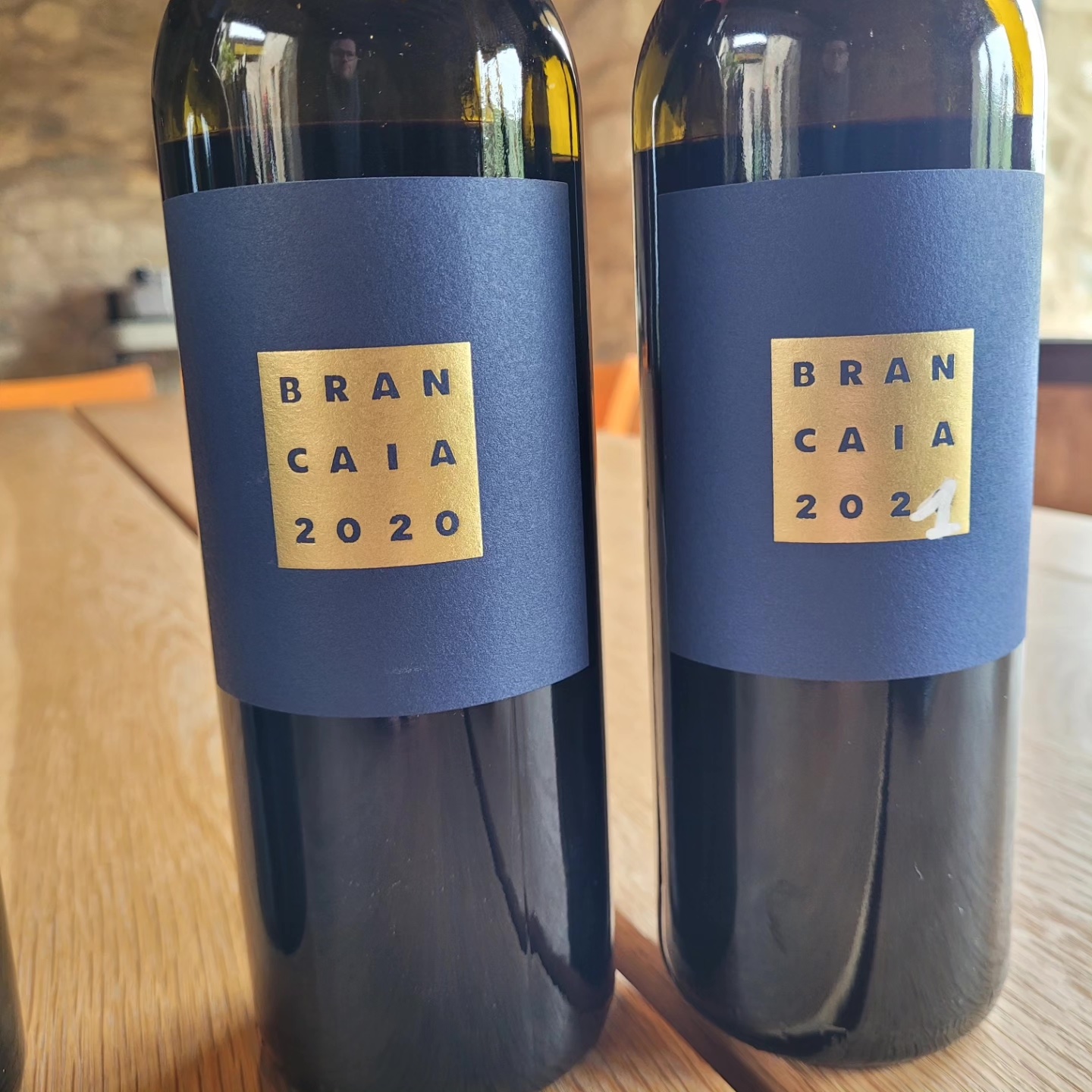
Just as with sangiovese there is a marked difference between 2020 and 2021, also for merlot and cabernet sauvignon. There may have been a time when ripening (especially the cabernet) was a challenge in terms but think that way no more. Some frost damage at Easter reduced yields but the quality here is exceptional, the flavours developed and true. This will age effortlessly for 10-15 years. Wait for three because the wood is still very much in play. Drink 2026-2033.  Tasted May 2024

Brancaia Il Blu 2020, Toscana IGT

The mix is merlot from Radda blended with cabernet sauvignon from Castellina. Five of 15 hectares from Castellina and half (eight of 16) in Radda. All Chianti Classico area fruit and how they layer together is a matter of desire coupled with Barbara Widmer’s experience. True blue merlot with as much structure as any found anywhere this meeting of Tuscan varieties will occur. So different than Bolgheri (and obviously Maremma) but no shock to see. Seriously structured red, fine-grained tannins and intensity self-reflecting inwards and needing up to five years to expand. Very confident wine. Drink 2026-2031.  Tasted May 2024

Brancaia Ilatraia

Brancaia Ilatraia 2021, Maremma Toscana IGT

A change to the labelling begins in 2021 now with a mix of the classic label. The 2021 is expressive of more Machia Mediterranea than any Ilatraia that have come before. The brushy savour and local gariga are so prevalent on the aromatics and the palate shows great succulence for this very special red blend. Not only is the label a next generation style and idea but the winemaking also seems to follow this route. Freshness and crispy quality creates something new, vibrant and exciting for what Ilatraia is now and also going to be. Really special vintage, extraordinary and of a potential unlimited.  Tasted a second time, May 2024

The repeatable 2021 blend of 40 percent each petit verdot and cabernet sauvignon plus (20) merlot does not equivocate as a carbon copy of the 2020, nor should it and acts to remind how Maremma vintages will alter and in turn pay heed to the terroir. This feels like Galestro in the mix, surfacing for scents of the petrichor of rocks and sea and air after a rain. Rich and elegant, flavours swirling of fruit, earth, elements, the sea, mineral and natural sweetness. Finely poised, chiseled, and structured to live a very long, good and proper opus of a life. Drink 2027-2036.  Tasted May 2024

Brancaia Ilatraia 2020, Maremma Toscana IGT

That blend since 2009 is 40 percent each petit verdot and cabernet sauvignon, plus (20) cabernet franc. The three months of “refinement” in concrete began with the 2019 vintage and here 2020 presents a wine of more energy and freshness. Chewy but also scorrevole, gliding and sliding across the palate with this glistening and glycerol style of fruit that says so much about modern day Maremma. A full and concentrated yet never gratuitous Maremma red blend so perfect in pitch, sway and glide as it shows so much grace today, but also to do so for many years going forward.  Tasted a second time, May 2024

The change for this 20-plus year-old IGT happened in 2009 when sangiovese was eliminated, petit verdot introduced and cabernet increased. Closed aromas for now, soon to change because 2020 will open much earlier than 2019 and also 2021. The petit verdot is aching to be untethered and understood, the other parts less so but will come soon thereafter. There is great personality and acidity to this 2020, a freshness unexpected and a diversity within a wine that comes in layers, marine waves and complexity. Wow vintage, again unexpected but then again, not really considering Maremma, Brancaia and 2020. Drink 2026-2033.  Tasted May 2024

Brancaia Ilatraia 2019, Maremma Toscana IGT

From 2019 the aging process changes, still 18 months in barrel but now followed up with three months in concrete before bottling. “To give the wine time to become a unit” explains Barbara Widmer. The 2019 feels more forward than 2018, maybe because of less stress during the season with ’19 allowing the team to breath after 2018, but there is so much fruit it seems the structure and therefore potential will be lessened. Rich and more wood sensations here, a chocolate expression with ganache painted all over the dark fruit. Tannins are of very good quality though they are softer and silkier than most vintages. A seductive Ilatraia this 2019 blend of 40 percent each petit verdot and cabernet sauvignon, plus (20) cabernet franc. Drink 2025-2032.  Tasted May 2024

Brancaia Ilatraia 2018, Maremma Toscana IGT

Rich vintage with layers and layers upon others of fruit, wood, fruit, wood and more fruit. “We were very afraid because of the heat and drought after 2017,” admits Barbara Widner, which means some negative linger or hangover might have been a part of the work during the ’18 season. But luck was on the Brancaia side with good winter rains, a fine spring and balance throughout the summer, all the way to harvest. “We were super, super lucky and were able to relax.” Concentration, restrained power because freshness and really good potential still lies ahead. Could see this drinking well, like 2004 for example, 20 years forward. Drink 2026-2038.  Tasted May 2024

Brancaia Ilatraia 2017, Maremma Toscana IGT

Remarkable acidity from 2017 when you consider the drought and heat that occurred from winter all the way through to harvest. A vintage that could have been a disaster and the blend of 40 percent each petit verdot and cabernet sauvignon, plus (20) cabernet franc seems to fit, no matter the vintage. Not only that but also the switch away from sangiovese was so smart because it could have truly been problematic in 2017. Yes this is ready to drink and yes it’s rich and extracted but once again it needs saying that acidity keeps the dream alive. Lovely work here with 2017 and a perfect Ilatraia to pour at wine dinners all over the world. Drink 2024-2028.  Tasted May 2024

Brancaia Ilatraia 2016, Maremma Toscana IGT

The 2016 is in the finest shape of any Ilatraia thus far, with great acidity and an energy that means business. Concentration yes but also layers upon layers of natural sweetness, kisses and the caress of what this wine does to nurture the palate. The most suave tannins of them all and a beauty, but also grace about the wine. Yes it it the most experienced and confident wine of the 20 in this vertical. Drink 2025-2038.  Tasted May 2024

Brancaia Ilatraia 2015, Maremma Toscana IGT

The 2015 is nothing but lovely, simple easy and slowly evolving in pretty much the way you would have expected to be. For winemaker and Widmer the closest comparison would be 2004 but there is such a fruity quality (yes it is younger) and that fruit has done little to advance out of its freshest stage. Not much will happen for another two years. Will drink for a few more years on top of the few imagined five ago.  Lasted May 2024

The blend changed in 2009 and here in ’15 it’s cabernet sauvignon (40 per cent), petit verdot (40) and cabernet franc (20). In a way too bad because the ’08 was quite glorious but here in a wholly antithetical way, now there is more brightness and vitality. Not that the barrel regimen is shy in any way but there’s really a lift and not merely because of vintage. Quite balanced and should age well for a few more years. Drink 2019-2024.  Tasted September 2019

Brancaia Ilatraia 2014, Maremma Toscana IGT

The most challenging of vintages, with 2015 no bargain, “even for Maremma on the wet side, along with the Suzuki fly in the vineyard.” Required a major amount of selection and in the end Barbara Widmer was quite happy with the result for this blend of 40 percent each petit verdot and cabernet sauvignon, plus (20) cabernet franc. Meanwhile the energy and persistence are more than fine and ample for the vintage with secondary character is coming on quite slowly. Drink 2024-2029.  Tasted May 2024

Tasting 20 years of Ilatraia at Brancaia

Brancaia Ilatraia 2013, Maremma Toscana IGT

A very good vintage for Maremma, considered tops even though the same could not necessarily be said for Chianti Classico. Loving the acidity and chalky liquidity of the 2013, a wine that was managed so well, partly because the vintage was so generous this way, but also because experience with place, blend and style have come to a very good place. Not sure this will have the same stuffing that 2012 is showing but the enjoyment now is really tops. Drink 2024-2029.  Tasted May 2024

Brancaia Ilatraia 2012, Maremma Toscana IGT

A full, substantial and concentrated wine from 2012 that clearly shows a progression speaking to what Maremma could and will be able to do with these kinds of blends. Acids and tannins are equal and available, up to the task in support and the harmony here is second to none. Experience and acumen are on display to say that Ilatraia is truly on the correct track. Drink 2024-2031.  Tasted May 2024

Brancaia Ilatraia 2011, Maremma Toscana IGT

If 2010 was showing top acidity and energy than 2011 takes these necessary longevity extended factors to another level altogether. What stands out here is the cabernet franc which gets more and more important in a blend with the 40 percent each petit verdot and cabernet sauvignon. The length here is outstanding and the vintage still expressive of its longevity and future potential. Drink 2024-2030.  Tasted May 2024

Brancaia Ilatraia 2010, Maremma Toscana IGT

The challenge of sangiovese not succeeding on the Maremma coast without irrigation meant a new blend having been initialized in 2009 and still in play through at least 2022. That would be 40 percent each petit verdot and cabernet sauvignon, plus (20) cabernet franc though it could vary by two percent from year to year. The acids in 2010 are remarkable, sweet and crucial to a warm and “big” year such as this. Another 2010 that surprises with its energy and also balance. The maturity into secondary epoch has happened with seamlessness and grace to put 2010 in top light. Great showing. Drink 2024-2028.  Tasted May 2024

Brancaia Ilatraia 2009, Maremma Toscana IGT

First vintage of the new blend, kicking out the sangiovese and so now with 40 percent each petit verdot and cabernet sauvignon, plus (20) cabernet franc. About half new French wood from two sources, Sylvan and Raimond. A wildly authentic Maremma IGT, aromatics full of the coastal Macchia Mediterranea, the balsamico by the sea, the brushy savour so specific to the Etruscan Coast. Richness and great climatic interest, a feeling of the dry maritime place and wood a big part, but more as an aid and abet, not the dominant driver. Drink 2024-2027.  Tasted May 2024

Brancaia Ilatraia 2008, Maremma Toscana IGT

Quite an advanced Ilatraia from cabernet sauvignon, sangiovese and petit verdot (60-30-10), the last vintage with not only this exact blend, but also sangiovese. Chewy, lots of chocolate, wood very much the dominant factor, the sort of Tuscan red that appeals to so many, especially those who were paying attention to this style back in 2007. Time in the glass helps open up more channels.  Last tasted May 2024

The blend is cabernet sauvignon (60 per cent), sangiovese (30) and petit verdot (10). A vintage of high acidity and exceptional structure. Has taken on as much wood as the fruit can handle or at least support. It’s a gathering of big bones with flesh still attached and a long finish. The year and the acumen are clearly on display for a project that seems to have hit its proper stride. Drink 2019-2023.  Tasted September 2019

Brancaia Ilatraia 2007, Maremma Toscana IGT

Much more maturity to 2007, especially after tasting the 2006 and yet the blend is just the same as it had been going back to 2002. That would be cabernet sauvignon, sangiovese and petit verdot (60-30-10), here quite integrated, with fine acids (if not quite ’05 or ’06 acids) and yet the charm here is really lovely. Very ready to go, please and make the experience a fully enjoyable one. Drink 2024-2027.  Tasted May 2024
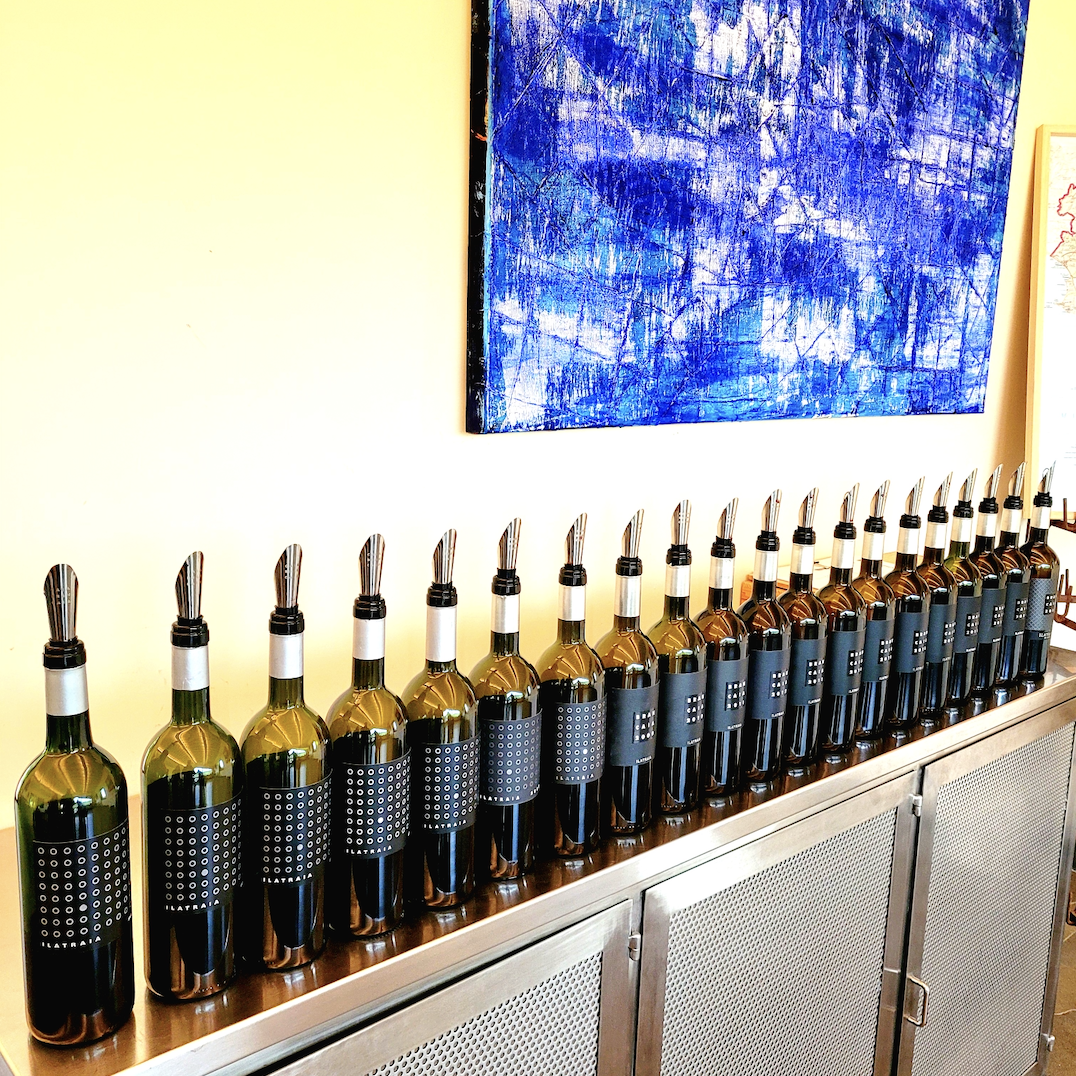
Ilatraia 2021-2002

Brancaia Ilatraia 2006, Maremma Toscana IGT

The blend beginning in 2002 and culminating in 2009 was was cabernet sauvignon, sangiovese and petit verdot (60-30-10). Big vintage and there is an aromatic spicy chalkiness to ’06, owing to ripeness and also high quality tannins. Surely a wine of the times and so very specific to where the wood really dominated and the wine is just now slowing down. Wow – how does this wine now show this way with so much confidence, character and attitude? Amazing really. Drink 2024-2032.  Tasted May 2024

Brancaia Ilatraia 2005, Maremma Toscana IGT

Remarkable vibrancy and energy from 2005, warm but balanced vintage as it was and the first to speak of the Brancaia experience for Maremma and what the young vineyards (planted in 1998) were willing to offer and eventually to mix and work with the last plants put in back in 1995. The blend from 2002-2009 was was cabernet sauvignon, sangiovese and petit verdot (60-30-10). More character and ultimate interest from 2005, at least as it goes for the first four vintages of Ilatraia. Drink 2024-2028.  Tasted May 2024

Brancaia Ilatraia 2004, Maremma Toscana IGT

Good if unremarkable vintage that “you would consider wanting to have every year,” says Barbara Widmer. You feel the wood on 2004 more than the vintage before and after, rich in chocolate, chewy fruit leather centre and cocoa dustier on the back end. Same blend as with ’02 and ’03, of cabernet sauvignon, sangiovese and petit verdot (60-30-10) More evolution here but also length…and harmony. Drink 2024-2029.  Tasted May 2024

Brancaia Ilatraia 2003, Maremma Toscana IGT

A warm year and you can smell the liquid smoke and also peppery heat on the nose but honestly the continuance from 2002 and into 2004 is surely there. The acidity is in great shape, sweet and vibrant, the finish forceful with cocoa and liquorice. Super fine and nice for the mouth from an Ilatraia where again the blend was cabernet sauvignon, sangiovese and petit verdot (60-30-10). Drink 2024-2027.  Tasted May 2024

Brancaia Ilatraia 2002, Maremma Toscana IGT

The initial idea behind Ilatraia was to find a place in Tuscany where you could ripen sangiovese in every and not just a here or there vintage. It was not conceived of an actual business plan back in 1998, definitely not to create a wine like Ilatraia. The first vintage was 2002 and the grapes were so good the decision was made to create this wine. And yet the vintage so maligned made it a challenge for Barbara Widmer to bottle all of the possible 20,000 bottles – and so she made just 10,000. From the start the blend was cabernet sauvignon, sangiovese and petit verdot (60-30-10), now in 2024 where there is no missing the preserve of freshness.  Last tasted May 2024

The blend is cabernet sauvignon (60 per cent), sangiovese (30) and petit verdot (10). Grapes come Maremma and Chianti Classico. A cool, rainy vintage and certainly no picnic for sangiovese and Chianti Classico, but pretty much a challenge in all of Tuscany. With a syrupy chocolate, iodine and balsamic quest having been reached. Has aged quite well and drinks with secondary pride, followed by a sweet finish. Drink 2019-2020.  Tasted September 2019
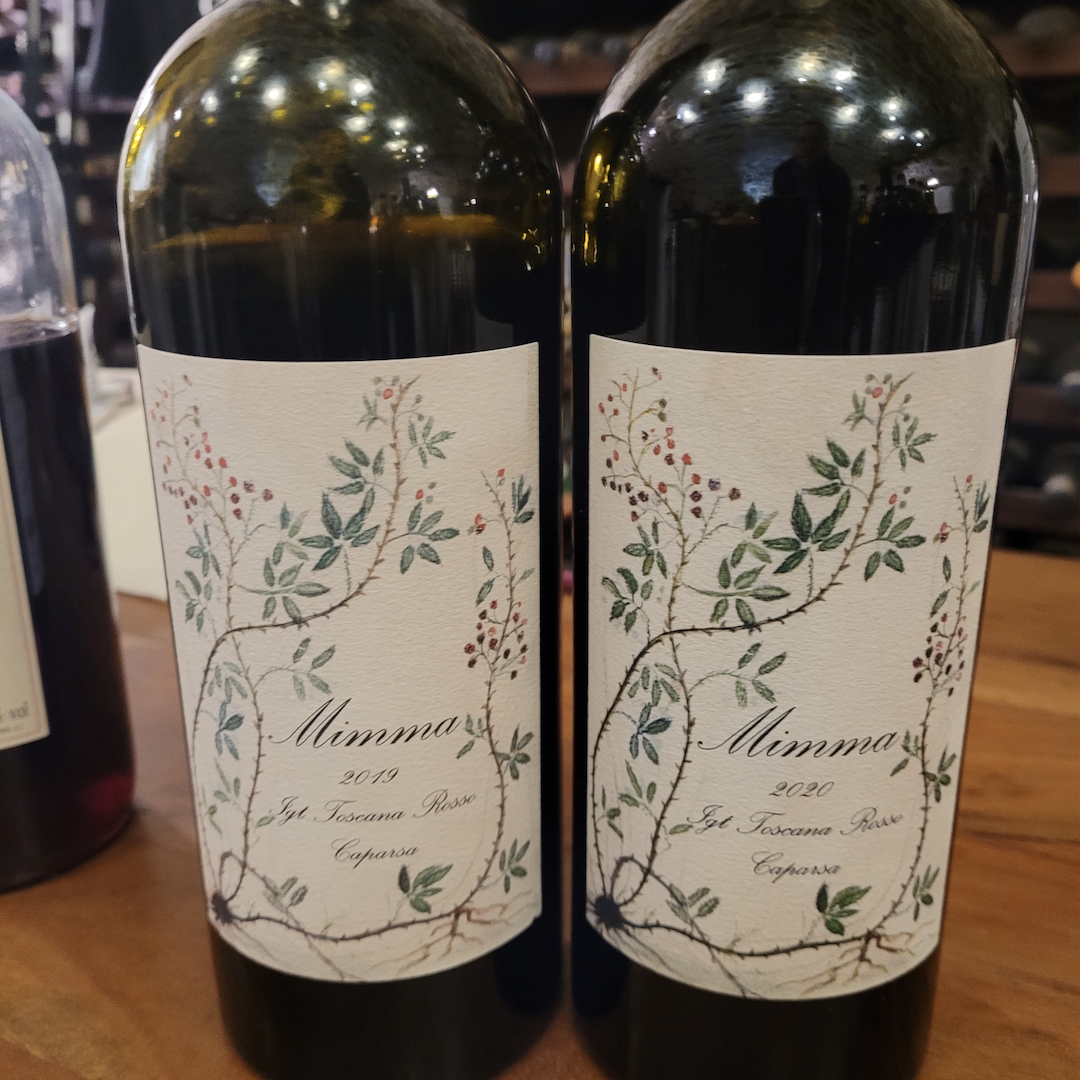
Caparsa Mimma 2021, Toscana IGT

With 30 percent whole bunch for the first time and a much higher production because the vintage was generous this way. Also more oak and fruit, saucy, pulpy and fleshy with the greatest potential of the three Mimma (2019-2021). This will be bottled in two weeks and so it’s still an anteprima but really is a finished wine. This is the be prepared to pair with red meat sangioevse that will clean your palate withe every sip. Fine and grippy tannins will see this live a log life. Drink 2025-2030.  Tasted February 2024

Caparsa Mimma 2020, Toscana IGT

Mimma is tannic, that much is clear from the first sip. Only the third vintage and mon dieu what a beautiful, fresh, clean and crispy sangovese. Love to sip and willing to lay it down. As you wish but best scenario would be to let this sangiovese have some time in the bottle. The women got is exactly right. Limited production of just 1,000 bottles. Drink 2025-2032.  Tasted February 2024

Caparsa Mimma 2019, Toscana IGT

Still a beautiful IGT but wholly different to the 2020, here the second vintage of Mimma made with grapes chosen only by Gianna and Fiamma Cianferoni.  Last tasted February 2024

Mimma could have been Chianti Classico, it could be Gran Selezione, dedicated to “all the girls of the area,” says Paolo in all earnest seriousness, hand-picked grapes by Paolo’s wife Gianna and daughter Fiamma. This is the flagship, small production less than 2,000 bottles, grapes from all over the vineyards, picked in the middle of harvest, during the second pass. There is a restrained intensity in this sangiovese and it does indeed make you think. That’s important, It means Gianna and Fiamma get it. Drink 2024-2028.  Tasted February 2023

Casa Emma Harenae 2022, Colli Della Toscane Centrale IGT

Harenae refers to the sandstone soil known locally as Arenaria but also what is used for terra cotta manufacturing in Impruneta. Fifth vintage for the solo sangiovese artist macerated by the process of “capello sommerso” for 60 days and aged a year in 1000L amphora. Bottled in October of 2023 and Paolo Paffi calls Harenae the “B-Side,” an ulterior way to look at sangiovese that can be a hit though it will always have its quirky, natural or alternative style. A sangiovese that is correctly and properly oxidative, drying, tannic to a great and serious degree. A tapestry woven of woolly texture that will not be denied. It’s freshness is driven by a sanguine character that is so very San Donato in Poggio. It’s just expressed in a very different way.Drink 2025-2029.  Tasted February 2024
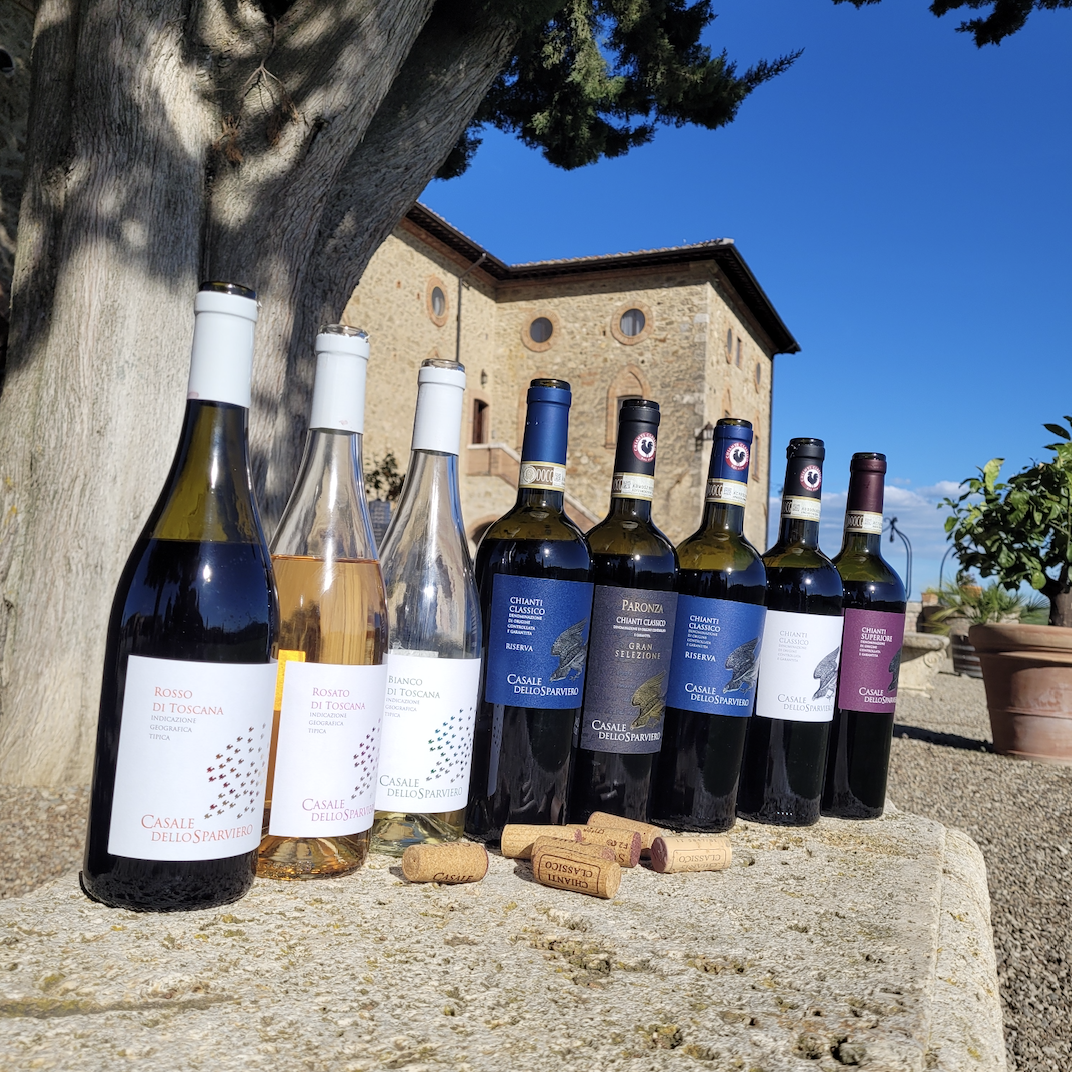
Casale Dello Sparviero Bianco Di Toscana IGT 2022

Drink straight away, fresh and salty, easy white for every day. Vermentino, malvasia and trebbiano. Drink 2024-2025.  Tasted May 2024

Casale Dello Sparviero Rosato Di Toscana IGT 2022

All sangiovese, just a couple of hours run-off juice, simple and salty like the Bianco, but exaggeratedly so. Relates to the high salinity in the soils and for Rosato this is the way to speak for this wide open geographical section of Castellina. Succinct, spot on and uncomplicated glou-glou of a Rosé. Drink 2024-2025.  Tasted May 2024

Casale Dello Sparviero Rosso Di Toscana IGT 2021

Sangiovese blended with merlot and cabernet sauvignon, proprietary IGT blend that drinks as succinctly and direct as imagination should ask it to. Unadorned, balanced and perfectly designed for that proverbial pasta, pizza and steak house pour by the glass. Drink 2024-2025.  Tasted May 2024

Casale Dello Sparviero Chianti Superiore DOCG 2020

Pure sangiovese rom the area around Poggibonsi, organic, about 10,000 bottles and well made. Bit of vanilla and simple sappy wood flavours, but quite clean and perfectly serviceable. Drink 2024-2025.  Tasted May 2024

Casaloste Don Vincenzo 2018, Toscana IGT

The signature wine is in ode to Giovanni’s father who helped Casaloste get its start in 1993 and this single two hectare vineyard is purposed grown for this wine alone. The vineyard delivers the most concentrated fruit and the most developed phenolics and it shows in the intensity but also form this warm vintage in the bold and compact layers of Casaloste’s sangovese. A wine first produced in 1995 (two years after the first Casaloste) and one that takes time to develop, piano, piano, lentamente, slowly but surely. Drink 2024-2029.  Tasted February 2024

Casaloste Inversus 2019, Toscana IGT

From the merlot vineyard facing west planted in 1999, with 10 percent sangiovese. The first (2003) vintage was 50-50, as an experiment to see the relationship between the two before slowly (2005-60/40, 2007-80/20, then in 2009- 90/10) working with more merlot. The 10 percent sangiovese is just the right amount to keep the connection. Inspiration came from Giacomo Tacchis who knew that the grapes had been here not 50 but 200 years ago. Silky with a fine tannic grain running through and the similar beauty shown by Riserva 2019. Lovely, lovely wine. Drink 2024-2029.  Tasted February 2024
Laura Bianchi and Giulia Cecchi – Castello di Monsanto, San Donato in Poggio

Castello Di Monsanto Chardonnay Collezione Dai Vigneti Di Monsanto 2022, Toscana IGT

At this point in the chardonnay’s tenure the percentage of wood is 30 percent which is a number that came into effect back in 2008, down from 50. From a Galestro strewn plot of five hectares facing northwest and still a fresh place and so a saltiness pervades, but the predominant feeling is what Laura Bianchi calls sapidity. That’s because there is a phenolic moment and also mineral grip that’s more than just or perhaps apposite to saltiness. A challenging vintage, very warm (amongst other extreme weather events) and still Monsanto’s 2022 chardonnay is bursting with energy and freshness. Flesh and richness too of course but balance is in full effect. Will this age with the best remains to be seen but today it seems to matter very little. Drink 2024-2028.  Tasted February 2024

Castello Di Monsanto Chardonnay Collezione Dai Vigneti Di Monsanto 2005, Toscana IGT

Vigneti Di Monsanto were planted to a special clone of chardonnay that has always seemed so resistant to disease, especially Perenospera and Laura Bianchi tells they’ve only lost a few vines in 40 years. At the time of the 2005 vintage the vines would have been 23 years of age and it’s kind of remarkable how this 18-plus year-old chardonnay emits a vapour trail like older riesling. That’s the phenolic push-pull of salty and sapid, the dichotomy of a Monsanto chardonnay that’s always in play. A fine moment and once again proof of this unique clonal-varietal relationship at work. That said 2005 is fading like a beautiful sunset over the hills of San Gimignano. Drink 2024-2025.  Tasted February 2024

Castello Di Monsanto Sangioveto 2018, Toscana IGT

One of the original “Super Tuscans,” second to (San Felice’s) Vigorello, of 100 percent sangiovese that could not be casted as Chianti Classico when that solo performance was not permitted. The Scanni vineyard and its calcareous soils with marine sediments puts the “S” in salty, so much more so than what happens in Monsanto’s Chianti Classico. Notable connection to Giulio Gambelli, of the planting of the Grosso and in how he and Fabrizio Bianchi would meet on a daily basis to discuss wine growing and making. Verdant streak of Poggibonsi-San Donato in Poggio woods, cool and slick, saline and ethereal. Absolutely and unequivocally Sangioveto from its place but also a wine that needs time. More than many and this lengthy 2018 will surprise many by living famously but also brilliantly for nearly two decades. Drink 2026-2037. Tasted February 2024

Cecchi Cobalto Val Delle Rosa 2021, Vermentino Superiore Maremma Toscana IGT

Vermentino done up three ways, in steel, wood and also amphora, for freshness, salinity and verticality married to structure and mouthfeel. Brings about a balance of all parts in not just one but several layers and level of elegance for white wines, not just from Maremma and Toscana but anywhere and everywhere. Cobalto is such a white wine, an experience that leaves you satisfied because it touches all the points that matter. Andrea Cecchi’s father was ahead of the curve with his decision to make vineyards in Maremma. Drink 2024-2026.  Tasted May 2024
Maddalena Fucile and Matteo Vaccari – Cigliano di Sopra

Cigliano Di Sopra Nuvola Del Cigliano 2022, Toscana IGT

Picked earlier to preserve acidity (5-ish g/L of TA) and says Matteo Vaccari, “we work with the lees for a good resolution. You can make mistakes with sangiovese but not with trebbiano.” Texture is of a terrific natural coarseness while energy improvises, improvise upon and rights the fabric of this white. Last tasted February 2024. A mix of 75 percent trebbiano and (25) malvasia, five days whole bunches for a quick syringe of carbonic and then a short, old wood stay. Comes away with just that quick strike of matchstick and a finish at 11 percent alcohol. Citrus is very lemon, juiced and gelid like curd but what stands out is the dry extract and sweet tannins. This can and will age – there is no doubt. Picked on September 17th, 2023 – a week later than previously – on the 24th. Less than 1,000 bottles made. Drink 2023-2027.  Tasted October 2023
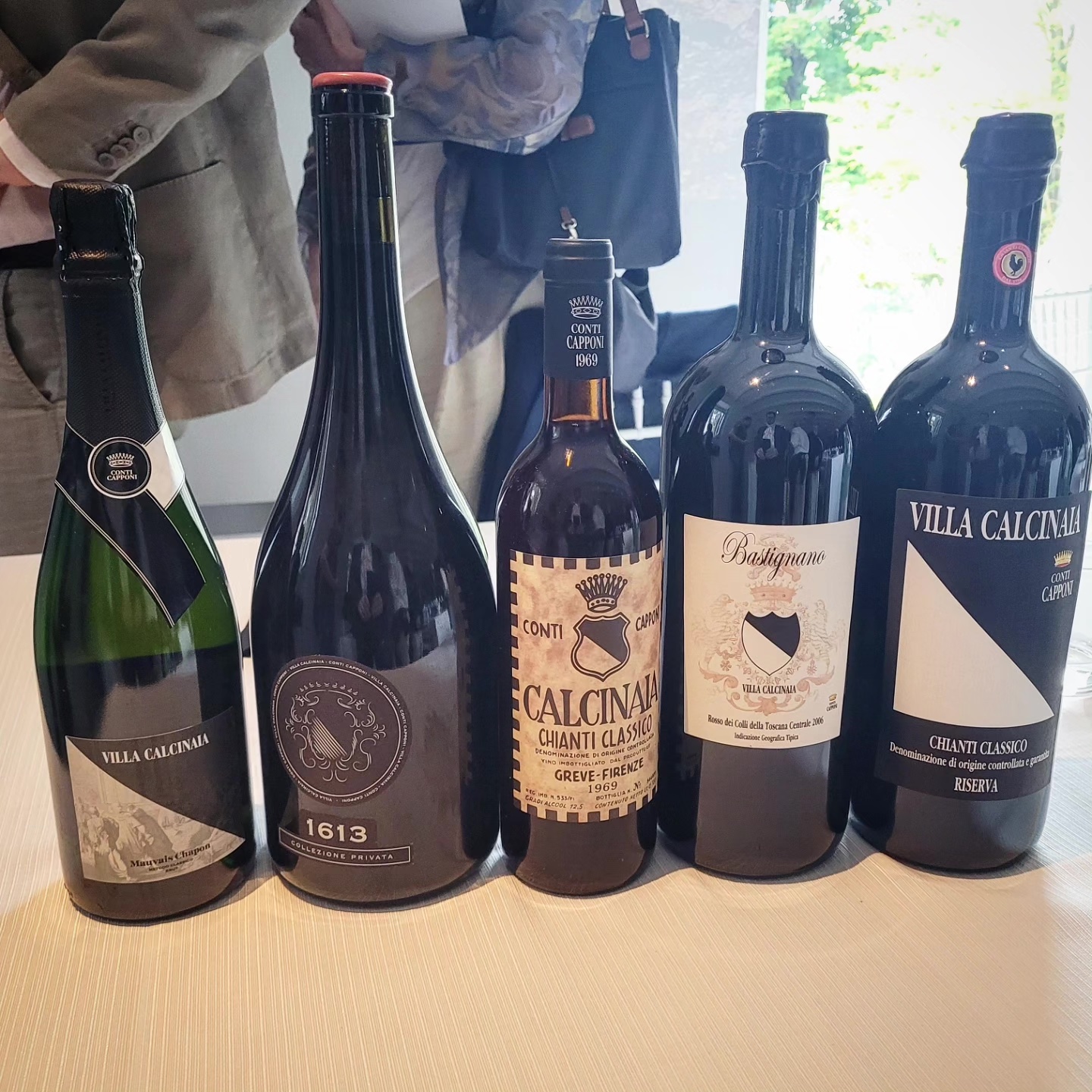
500 Years of Villa Calcinaia

Conti Capponi Villa Calcinaia Mauvais Chapon Rosato Metodo Classico 2018

Prequel: an intimate tale of Renaissance Florence; a description of the history of the Chianti area and the Capponi family up to the purchase of Villa Calcinaia. No not 1244, 1352, 1435 or even a reminiscence for Pier Capponi to 1494 but the toasty, gingered-oxidative style does suggest an older bubble. The name conjures antiquity, Chapon as Capone for Cappone, French influenced, as in Champagne method sparkling wine nearly 50 months on its lees and finishing dry as the Greve valley in a hot season. Orange skin, reduced lemon, lemongrass herbal, a kiss of pace (or “pace”) and a brush with sage success. Spicy, high acid, unrelenting and long. Drink 2024-2027.  Tasted May 2024

Conti Capponi Villa Calcinaia AD 1613 Rosso Toscana IGT 2011, Toscana Rosso IGT

The High Renaissance; from the Renaissance to the Grand Duchy, life at the villa and how it was organized. Old, alive and well, one-third each sangiovese (with mammolo and malvasia nera) in ode to the nearly 150 Chianti properties, especially villas owned by the Capponi in the 16th and 17th centuries. Alive more in spirit than corporeal standing because fruit fully waned has given way to frutta di bosco, secco and a creamy chestnut purée. Acids are persistent, the wine hangs loosely but tough enough to keep on keeping on.  Tasted May 2024

Conti Capponi/Villa Calcinaia Vigna Bastignano Rosso 2006, Colli Toscana Centrale IGT

World’s largest voluntary emigration, red gravy and Chianti; the Chianti Classico; the Capponi family plants the first non-promiscuous vineyard in the area. The Bastignano vineyard’s top estate drop comes out six years after conversion to organics and 10 years after the help of Roberto Bandinelli brought Calcinaia into its present state. Only 168 bottles (pus 50 magnums) were produced for this higher pH (3.44) and low alcohol 2006 (12.21 abv) for something that lasts with a continuance of acidity, though the fruit is dried, leathery, liquid cocoa flavoured and marked by a cupboard full of spice. A warm vintage that has evolved quite rapidly, or at least indicative by this bottle. Drink up with haste.  Tasted May 2024

Dievole Trebbiano 2022, Toscana Bianco IGT

The first vintage was 2017, originally aged in French wood but now in casks made by a Rufina craftsman called Carmignana. The mix is 80 percent Tuscan oak and (20) chestnut for trebbiano as a white in many ways acting more like a red. At least in terms of structure and coming form the west bank of the Arbia where a mix of soils bring all the elements to the vines. Harvested in mid October, incredibly and famously so, a new frontier for this area, a wine of acid and texture, notably phenolic, made rich by 10 months in the wood. Delivers that honeysuckle and acacia sensation, partial malolactic creaminess and a finishing note of honey. Good succulence and then length. Did not expect this level of complexity and it just might age for a spell. 20,000 bottles produced. Drink 2024-2027.  Tasted February 2024

The current vintage of the malvasia is the one that makes Valeria Losi think of Spring. The earliest roses, also not quite but maybe hinting at violets, but what it brings are flowery sensations, intense and stronger than fruit. This is a matter of eight to ten years ago really getting down and into vinifying malvasia on its own and finding the best of the variety for what it can do alone. It’s a tradition but a familial one and very specific to Losi. Super integrated tannins, non-aggressive and fine. A most unique and special wine. Drink 2024-2027.  Tasted February 2024

Famiglia Losi Cavalier Tranquillo 2022, Toscana Rosso IGT

A simple red, the way Valeria and Riccardo Losi’s grandfather used to make Chianti Classico when white grapes were permitted. Just a spice of white grapes, five percent in this vintage for a light, crunchy, fresh and simple red. Fun Rosso. Drink 2024-2025.  Tasted February 2024

Famiglia Losi Rondò 2021, Toscana Rosso IGT

Rondò, a kind of music but there happens to be a grape also called this way – but this gives the way of a round leaved foglia tonda and so this is a matter of onomatopoeia. Round and yet forceful, tannic and so implosive, intensely so. Mon dieu. What a massive but drinkable wine. Drink 2025-2029.  Tasted February 2024
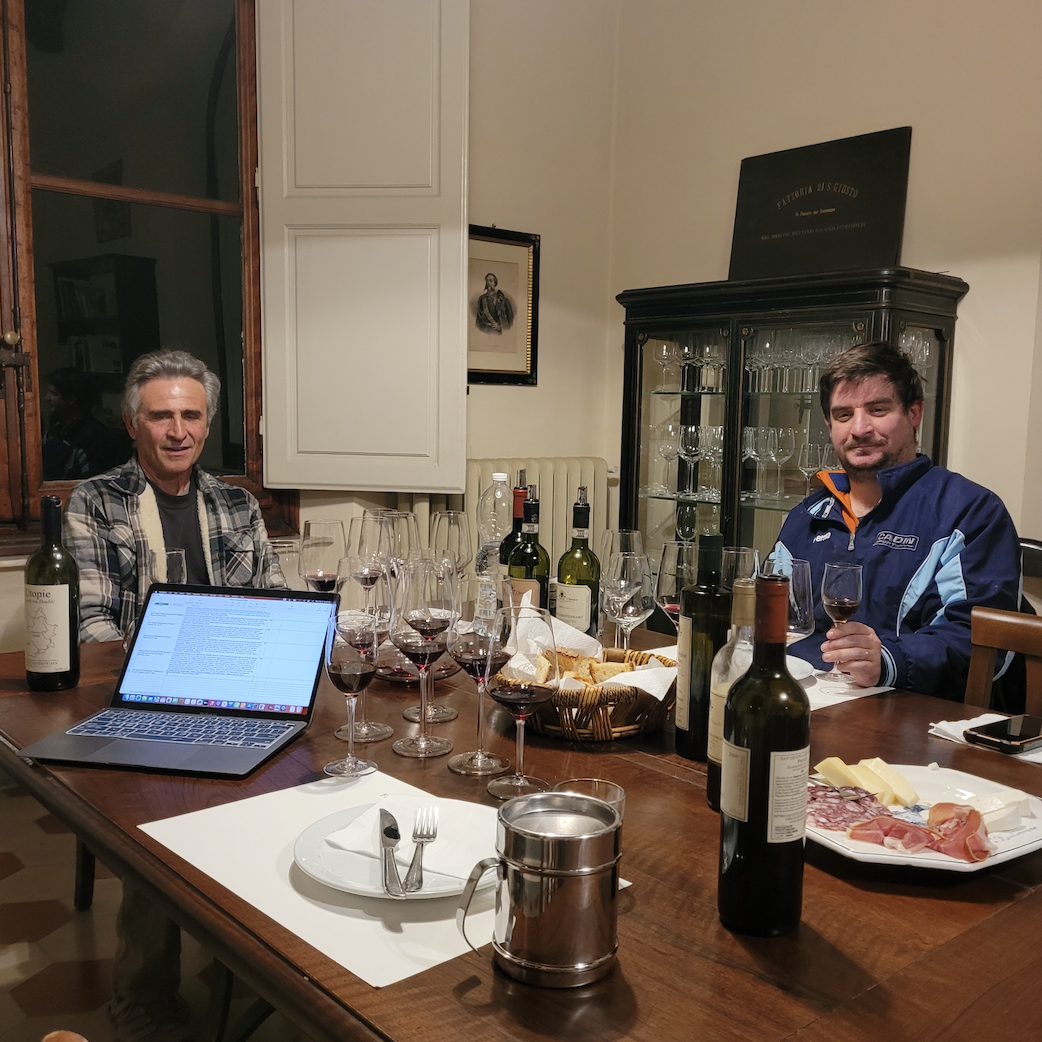
Luca Martini di Cigala and nephew Federico

Fattoria San Giusto A Rentennano Percarlo 2019, Toscana IGT

The 100 percent sangiovese that lives for itself and yet Luca Martini always feels that the wine shows the truest character of the place. Percarlo holds a higher percentage of grapes grown on Tufo soil (non volcanic sediment left behind by the water that was here three to four million years ago), a soil of sandy quality and pebbles. Results in a salty quality, a mineral quotient, a stream of airy brightness within a very structured and powerful sangiovese. Great saltiness and also fruit, a minty or mirto sensation that creates a cool, salt licked feeling. There is no other wine like this. Amazing freshness incarnate. Drink 2024-2034.  Tasted February 2024

Fattoria San Giusto A Rentennano Percarlo 2009, Toscana IGT

What do you remember about 2009? “The problem was in August with one very hot week (40-plus degrees) that stopped the plants,” says Luca Martini. Sangiovese however is a very resilient variety. Most thought the wines would have no staying power and they would have been wrong. This shows great freshness and subtle spice, more than amazing for a 15-ish year-old sangiovese. Still showing in the early to middle stages of secondary. Fine acidity, not so high but special. Supportive and always the catalyst to make the fruit sing. A remarkable showing for Percarlo and a wine drinking perfectly right now. Will linger this way for five or more years. “It may not have the potential to develop more complexity, “ says Luca, “but it will stay like this for many more.” Like Barolo, in a way. Drink 2024-2029.  Tasted February 2024
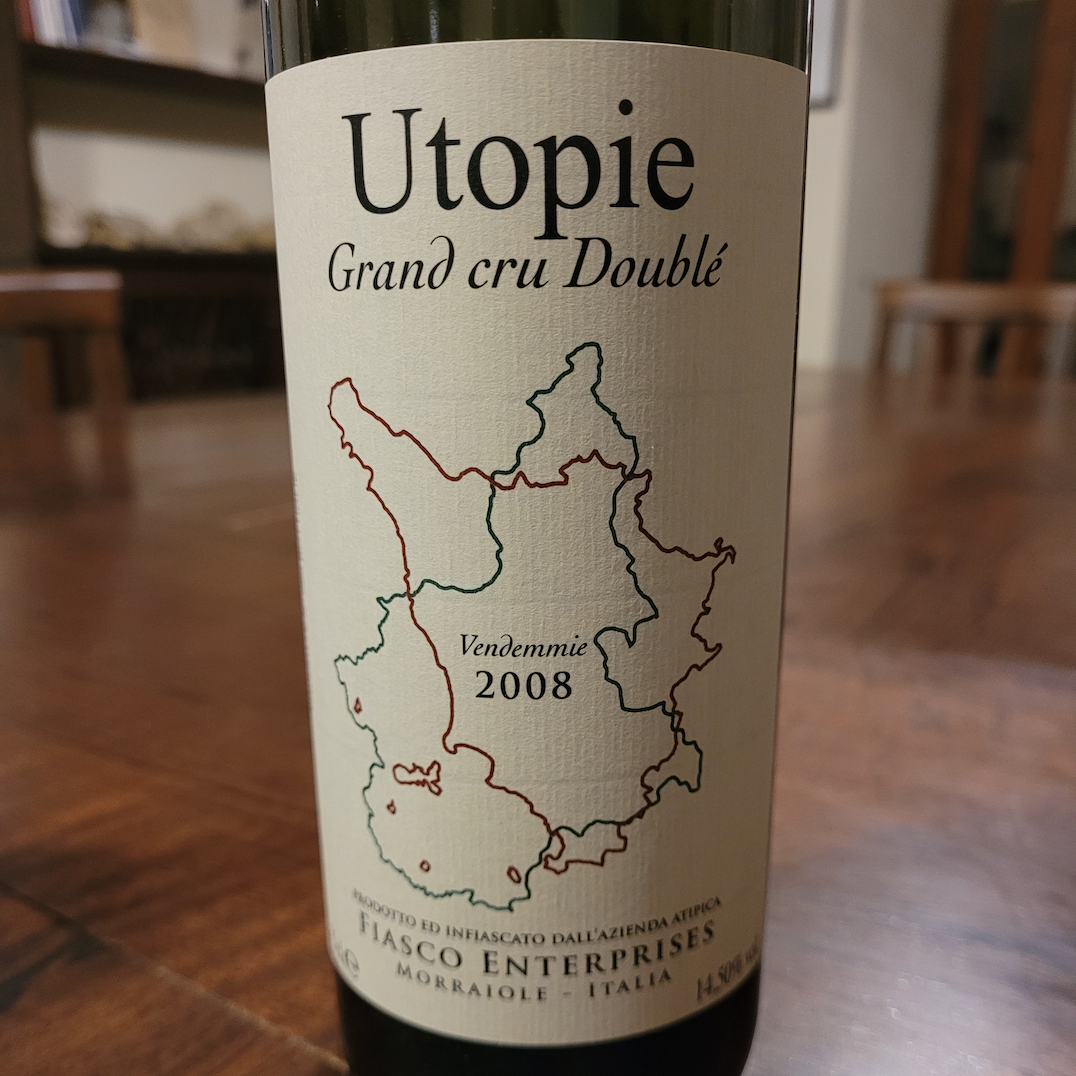
Utopie Grand Cru Doublé, Prodotto En Infiascato Dell Azienda Atipica, Morraiole 2008

A collaboration between Luca Martini and Roberto Voerzio, 50-50 Percarlo (sangiovese) and Voerzio Barolo (nebbiolo), more for fun at the time, for shits and ironically serious giggles than anything else. The question of course is why and can these two highly opinionated grapes work well together? Is the sum greater than the parts? Well, no of course but try to think about this in a different way. Only produced twice, in 2008 and 2010, the idea (and label design) by (journalist) Barton Anderson. Luca thought it was oxidized from the beginning so he called Roberto who replied, “you don’t know nebbiolo.” No trust for two years but then it began improving and hit its peak two or three years ago. The nebbiolo is more dominant, especially the style of the tannins and the fruit darker, a dusty example, more typically nebbiolo. Floral note just has to be Percarlo, that and the tufo mineral but still the nebbiolo wins. Maybe 2010 will be the opposite. The idea came from Maurizo Castelli and the sangiovese meets nebbiolo at Volpaia. Drink 2024-2026.  Tasted February 2024

With Bernardo, Corso, Margherita and Giovanni Manetti at Fontodi, Panzano

Fontodi Flaccianello Della Pieve 2021, Toscana Centrale IGT

The village of Flacciano, the old Latin name that became Panzano, though there is still a place in the vineyard’s valley that bears the name. The name of the church where the cross was located in that valley before the 18th century. The church where you made a payment of “indulgenza,” so that HE would pardon and gift your place in paradise. The 2021 is a truly generous if still shy Flaccianello of that necessary wish for balance between substantial fruit and structure, high acidity and an overflowing mouthful of pure sangiovese. Seems to taste lighter and hide alcohol, so much more so than it is truly built upon and the age ability is very great. No other sangiovese expresses the luxe and voluptuous capabilities of sangiovese grown on Pietraforte in Panzano like Flaccianello. That’s just a fact and yes it is true that some see this archetype in terms of densities and ponderosity. Consider what matters most. Balance determines outcome and 2021 is right there where it needs to be. Drink 2027-2039.  Tasted February 2024

Fontodi Flaccianello Della Pieve 2020, Toscana Centrale IGT

Very little movement from the magnanimous 2020 Flaccianello that made the most of its Pietraforte and there will be no doubt that it will age as well as just about any vintage of the last 40 years. The 2021 is conglomerate sandstone incarnate, of mineral and fruit bonds unbreakable and the fruit to shine through binds tied strictly tight.  Last tasted February 2024

The new generation says “Flaccianello is it’s own thing and I don’t want it to become something else.” The words of Bernardo Manetti and yet Dad will say. “It will become Gran Selezione – before I retire.” Them’s promising words for a wine of Pietraforte tannins and from 2020, another season for great concentration. Focused and precise and while tight there is something more immediately beautiful and gratifying about Flaccianello 2020. Drink 2026-2037.  Tasted October 2023

I Fabbri Rosato Castle Ros’ E’ 2023, Toscana IGT

Reserved sort of Rosato, lithely tart, malic and a colourful display that marks a stylistic choice for Susanna Grassi’s first kick at the blush can. The acidity of Lamole is the catalyst and the driver for expression and result. Just perfect with salumi artigianale and hard, salty cheese. Drink 2023-2025.  Tasted February 2024

Il Molino Di Grace Gratius 2020, Toscana Rosso IGT

Two things about Gratius, not just in this vintage, but two things that really stand out. One is how far from dark and opaque this vintage is when you think about how big and dark the wine should be. Second is how great a nose, or says Morganti, “it has a good nose,” realistic in tone, but the Gratius comment is as understated as anything he will ever say about anything. This is elegance and red fruit sangiovese incarnate, open and floral, so different in a complete way than any or all of the three appellative CCs. A new label design for 2020, busier, with more symbolism and commentary than ever before.  Last tasted May 2024

Unlike 2020 Riserva the underbelly of structure, depth and layered acidity combine for aggressiveness and tension. Bigger Gratius in 2020 with potential as high if not higher than that of 2019. A wall of sound, structure and vision.  Tasted February 2024

Campione: “With Gratius we work in a different way, aging in barriques and tonneaux,” explains Iacopo Morganti. From 2022 the aging will happen in 15 hL Austrian wood. Big wine from 2020 and that is not written, spoken and pronounced lightly. It is the vintage, hot and heavy, a romance between sangiovese and weather that does not happen so often. A lustfully romantic wine but be patient and allow the friendship and the longevity of the union to develop. Two years in wood and now needing a “cleaning” by way of vegetable gelatine (vegan, 3 g/l per 4hl) and then bottled by the end of the year. Very tannic finish. This should be Gran Selezione. It’s single vineyard and arguably the top wine. Starting with 2020 the artwork changes on the label with each vintage. Drink 2026-2033.  Tasted October 2023

Il Molino Di Grace Gratius 2019, Toscana Rosso IGT

Today it is worth talking about the difference between Gratius and Chianti Classico (as a combined mix of all three levels) because the freshness and qualities delivered by the field blend varieties create a posit tug between salty and sapid. Gratis 2019 is getting close to resolving the wood and its chalky river of tannin. Big and bountiful, a buzz of energy plugged in and time still the ally.  Last tasted February 2024

Gratius will make a very high quality Gran Selezione and the time is nigh to accord it the designation. All the qualities are inherent and intrinsic to the coming status, namely concentration, finest silken grains of texture and balancing tannin. Come now, the future is poetic and gracious.  Tasted October 2023

Choosing not to compare Gratius to Chianti Classico at any level, let alone Gran Selezione, is wise and for several reasons. For one thing the blending in of canaiolo and colorino changes dynamics by setting and settling acidity, elevating pH and stabilizing colour. For more reasons check out the manual but here are the Coles notes. Gratius delivers two-toned liquorice, more direct solar radiated brightness, finer and yet less immediately understood structure and a chewiness that sets it apart. What matters is here is that Gratius is the representative for the single San Francesco vineyard and so it is a profound IGT ready, willing and able to become a wine graced with the Gallo Nero and labeled as Panzano. Two new Austrian casks will conceive 3,900 bottles going forward and the future is all about DOCG quality at the highest appellative level. Drink 2024-2030.  Tasted February 2023

Isole Delle Falcole Vecchia Vigna 2021, Toscana IGT

Not released but already bottled. A bigger Vecchia Vigna, if surely because the old plot is a more than conjunctional mix of 70 percent sangiovese with ciliegiolo, colorinio, caniaolo, malvasia and trebbiano. if you compare to the 2022 barrel sample this ’21 now rests in a quieter, somewhat closed phase. Also a palate texture of silk and glycerol but acids are raging. This demure of aromatics marching alongside and matched up against intelligent if also incredible lift does the kinds of things to the palate that the Grand Selezione simply does not. Drink 2026-2033.  Tasted February 2024

Isole Delle Falcole Vecchia Vigna 2020, Toscana IGT

The crunchiest old vines field blend that anyone will ever taste, anywhere such wines are made. Why, well simpy because it is made with sangiovese plus reds and a white grape. So why were white wines planted with reds? To help fix the colours of the red, to add acidity and also to sweeten for table grapes, wrapped in wire nets to keep the animals and birds away. A cultural inclusion and a heritage imperative. This is so young, much like the GS 2020, immovable, powerful and tannic. But there are more fruits involved, especially cherries but also citrus. Tons of citrus. Almost like corbezzolo but also pomegranate. So fascinating!  Last tasted February 2024

An apposite vintage to 2018 for this unparalleled field blend of sangiovese, colorino, canaiolo, ciliegiolo, malvasia bianca and trebbiano though since 1948 much has changed and more sangiovese planted means less interruption or intrusion from the gaggle of other grapes. Just as juicy and gregarious while also vertical and filled with old school tension but also charm. Mid-weight and also alcohol, approximately 14 percent but this is a valley of elevation and woods so freshness just fills the air. This is very special. The 2018 was just a bit loose by comparison. Tannin on the back end suggest waiting two years. Drink 2026-2033.  Tasted February 2023

Isole Delle Falcole Vecchia Vigna 2018, Toscana IGT

Richer and rounder by a mile as compared to 2021 and 2020 (with 2019 not released because of some Brettanomyces, akin to Soldera to be honest). Crunchy acids and succulence, tart with natural sweet edginess and lots of wood still to resolve. The 2020 and 2021 hide the barrel or better integrate it with finer acumen.  Last tasted February 2024

The plot was originally planted in 1948 to sangiovese, colorino, canaiolo, ciliegiolo, malvasia bianca and trebbiano. Hard to find a field blend like this anywhere. Twenty plus percent is original vines and the rest planted, but also restored in 1982. Emanuele Graetz re-planted 1,000 (sangiovese) plants in 2022. Spends 18 months in older wood and yes, this is what you would expect, though how could you possibly know what to expect? Produces only 6,000 bottles from nearly two hectares and the purity is so real, with verticality, some leathery maturity but much more so a juiciness that determines the true spirit of the wine. Is this ready? No, not quite but man you want to drink it. Clean, honesty and remarkably focused despite the potential for tohu vavohu. Picked on the 24th of September. Drink 2024-2028.  Tasted February 2023

Isole Delle Falcole Merlot 2021, Toscana IGT

Merlot 2021 is another beast, tannic as the GS and VV but with a different sort of fruit sweetness and rounder disposition. Red fruit incarnate, a sweet an sour raspberry but a dark one, not the kind from Guatemala. Very Tuscan merlot, no in fact wholly Chianti Classico area merlot. No try again – distinctly Falcole merlot. The place always wins. Drink 2025-2031.  Tasted February 2024

Isole Delle Falcole Merlot 2020 2018, Toscana IGT

Merlot softens a bit sooner and while this bottle (at this moment) might feel just a touch mature the rest of the wine’s parts are all in perfect pitch. Lift is weightless and elevated, acidity sweet and touchless, tannins tight and in control. In the end the sand and Galestro rule the fruit to remind of place. A place called Falcole.  Last tasted February 2024

Will be called Auré which stands For Maurizio and Loretta, owners of the property who have sold to Emanuele and are responsible for planting the merlot in 1978. Just six rows making 1,200 bottles maximum and one of the few old vines examples gone solo in the Classico area. I mean you have to taste this merlot to believe. Plenty of fruit but red with no tar, char or smokiness. Instead all perfume, picked a week ahead of sangiovese, nothing drying or leathery but just the sweetest textures, aromas and tannins. A great site and yes merlot is special for where it comes. Drink 2025-2030.  Tasted February 2023

Jurij Fiore & Figlia Occhiorosso Diforì 2021, Alta Valle Della Greve IGT

The word diforì means “drunk” in old Tuscan, as when you would ask someone with red eyes, “are you drunk?” Therefore occhiorosso the grape and its translation as “red eyes.” Jurji Fiore grafted material from Sebastiano Capponi onto American rootstock in a rented vineyard called “Clos de l’Ingénieure” in Lamole surrounded by a short stone wall and the owner is in fact an engineer. The first vintage was 2019 (of only 75 litres) after 18 months aging in a demijohn’s worth. No production from 2020 and though the quantity was high enough to use a few casks, Fiore chose to continue in demijohn for the 2021 simply because it worked so well from that 2019. Nothing else smells or feels like this, so far from sangiovese and yet so very Rosso from inside the Chianti Classico territory. Some might at first feel something sangiovese about it but characteristics differ for this rare grape discovered by Professor Roberto Bandinelli of the University of Florence. Bandinelli was incidentally the consultant for Capponi’s Villa Calcinaia. Wait on this tannic and rustic red soloist for its legs to stretch out and charm to be released. Drink 2025-2031.  Tasted February 2024

Jurji Fiore E Figlia Lassù A Lamole 2022, Alta Valle Della Greve IGT

From the vineyard at Castello di Lamole near to Sono Cosi, down below the road, north facing and surround by wood. Only receives an hour of sun in winter and maybe two or three in summer. Freshest of places and especially for trebbiano. Jurji Fiore considered planting only chardonnay but wanted an Italian variety. Dad suggested famoso from Romagna and so he grafted some, along with chardonnay from Hauts-Côtes-de-Nuits. Lassù is a blend of the three, at the time to fill a tank and now its the recipe. Spice, body and freshness fill the space of this wine, from the three varieties emulsified together. A balanced trilogy from which you don’t feel anything too much, or weight for that matter and the three barrels of new, one and two year old do exactly what’s needed to lift, place and show this Lamole white blend. A bi-phenolic white, at times waxy and herbal, of high level citrus preserve and of an intensity that makes sure to hide the wood. Sara Fiore says it is very dissetante meaning thirst quenching. Fourth vintage and now in a well developed place, style and effect. Drink 2024-2028. Tasted February 2024

Jurji Fiore E Figlia l’Amore Classico Vino Spumante Di Qualità 2021

Second “just for fun” attempt at sparkling wine for Jurji Fiore (and he wasn’t happy with the first) with this having just been disgorged on January 26, 2024. Metodo Classico, blanc de noir, 400 bottles produced. A play on words between Lamole and Amore, sangiovese di Lamole. Great energy, toasted, gingery and all the spice comes out because it’s Pas Dosé, dry as the desert. All the fruit comes from Lamole, a sort of green harvest, in the first week of September more or less. Brilliant second effort. Drink 2024-2027.  Tasted February 2024

Mazzei Fonterutoli Concerto Di Fonterutoli 2020, Toscana IGT

The first of the Fonterutoli Super Tuscans born in 1981 of sangiovese with 20 percent cabernet sauvignon in Castellina at 350m of elevation. The vineyard is close to Ser Lapo where clays predominate. The sangiovese sees time in tonneaux while the cabernet sauvignon goes to barriques. Gives some muscle and punch with vanilla and lavender notes and fine tannins. The vintage is big and also lifted, quite so which means time is needed to settle the score. The tannins are austere and commanding at the finish. Drink 2026-2032.  Tasted February 2024

Castello Di Fonterutoli Siepi 2021, Toscana IGT

Siepi (first made in 1992) comes from the original vineyard aboard a plateau and 240m, from two parcels, one sangiovese and the other merlot. The latter was planted in the 1980s as an alternative to colorino and to help soften the austerity of the sangiovese at the time. The decision was made then too make a 50-50 blend, “a dream of a perfect wine,” says Francesco Mazzei, “of roundness, colour and style.” The sangiovese dominates today because things have changed with the territory’s climate and soils supporting mature levels of ripeness and finesse from the indigenous grape. The shift is welcomed and applauded because more than ever Siepi represents the identity of the place. Could have been 100 percent merlot 32 years ago “but we could not imagine a wine without sangiovese.” As it must. Drink 2025-2031.  Tasted February 2024

Mazzei Belguardo Vermentino Superiore 2021, Maremma Toscana IGT

A Tuscan coastal varietal white made from four clones and partially aged on skins for six months in amphora. The genesis is from 2011 though the concept has morphed to create the textural wine that it is today. Two of the clones are Corsican, the other two Sardinian. Fresh, clean and bright with that skin contact salve upon the palate, without weight or residue left behind. Slides and glides easily, extract and tannin are high while seasoning is sea salt and white pepper. If you like chenin blanc and/or grüner veltliner than this should appeal to you. “I think in ten years 50 percent of the wines in the Maremma will be vermentino,” predicts Francesco Mazzei. Drink 2024-2026.  Tasted February 2024
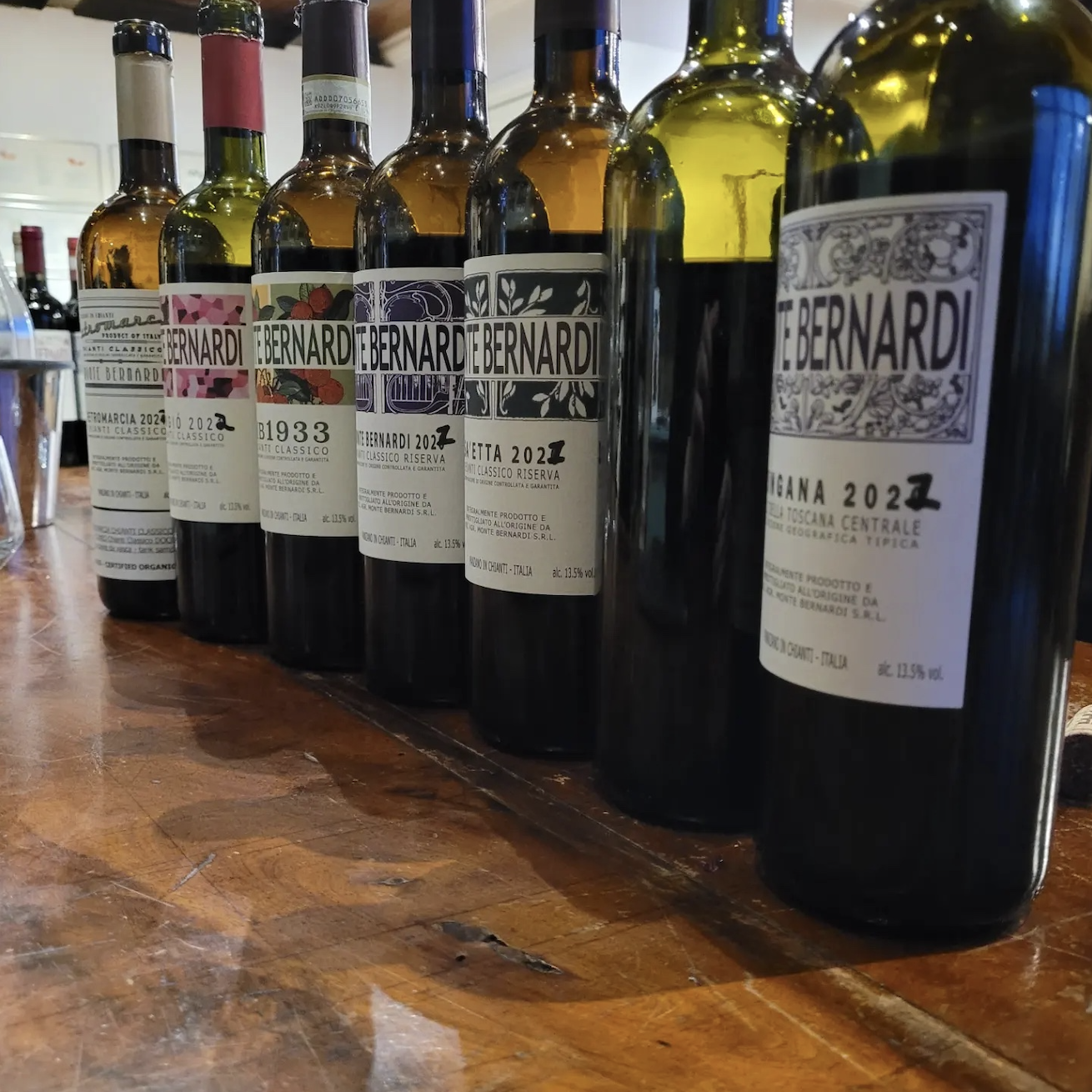
Monte Bernardi Tzingarella 2022, Colli Della Toscana Centrale IGT

Tzingarella is the Greek gypsy daughter with a blend of merlot, cabernet franc, cabernet sauvignon and colorino. All co-fermented from vines planted in the right zones where sangiovese should not be planted. Humidity zones has much to do with the decisions and so merlot will grow in the cooler locations, the franc in the highest. The young vines make this wine and while it’s very dark berry it’s also liquorice, sweet herbs, drying tannins and variegated richnesses. Violets and dark fruit perfumes but also this vivid quality. Drink 2025-2028.  Last tasted February 2024

Monte Bernardi Tzingara 2022, Colli Della Toscana Centrale IGT

Tzingara is the Greek gypsy mother and the wine from the older vines, powdery in perfume that really comes through in the duality of cabernets. They, the merlot and the petit verdot make for a Tuscan wolf in Bordeaux knit sheep’s clothing for a blend that is super fresh, tight, and floral. You can really chew this wine equipped of a palate that is like fresh leather but also noted in how juices are squeezed out to be swirled as it is worked by your palate. Great Scott fruit and even finer acidity captured. Super fun wine. Drink 2025-2030.  Last tasted February 2024

Montevertine Pian Del Ciampolo 2022, Toscana IGT

Mainly sangiovese with bits of canaiolo and colorino, first made in 1991 which was incidentally a cold and rainy season that followed the great 1990. A vintage when Martino Manetti’s father Sergio found himself in position possessive of second, third and fourth level quality grapes. Why not make something to drink? Everyone loved this wine right away. Made here and there but persistent demand determined producing it every year starting in the late 90s. Essentially the pressed wine from la prima Le Pergole Torte and seconda Montevertine. Great freshness from Pian del Ciampolo, as in the “plains of Gianpolo,” as per Dante’s Divine Comedy where Ciampolo appears in Canto XXII of the Inferno. Not much more than a resourseful modicum of structure and truthfully while this could be the equivalent of a Chianti Classico Annata the style and effect are purely Radda in Chianti Montevertine. Ripe acidity, slight Macigno chalkiness and this feeling that the plants and grapes have and are in a 15 year midst in their adjustment to climate change. You would never know this was a wine that came from a hot vintage. Drink 2024-2029.  Tasted May 2024

Montevertine 2021, Toscana IGT

A warm but balanced vintage, harvest in the first week of October, “the right time for us,” says Martino Manetti. From the vineyards planted in 1984 onwards, infusing fruit born in blocks from 1997, 2000-2008, 2012 and 2014. No barriques, only Slavonian cask and always made in the same way, going back to the oenological days of Giulio Gambelli and through the more current work of Paolo Salvi. Manetti is the first to admit that oenology is not his strongest suit and so a consultant has always been integral to getting the most out of these wines. The 2021 is a profound matter of subtlety and strength, with restraint and power being the hallmarks of Montvertine, but maybe here a bit more fruit, florals and near full-bodied punch as compared to some other vintages. Singular because, well Montevertine but this is truly a matter of the place above all else. There is a Macigno streak running through that speaks in terms defined as Radda and the acidity is expressly Raddese but again, the particularity of the 2021 is Montevertine. A wine made to tell a story of where it was conceived and also where it will go. Could imagine tasting a 2001 and/or a 2011 today and the wines would reveal as variations of a replicable performative theme. Still, with respect to this wine, it would be best to wait two years before seeing the true (2021) vintage light. Drink 2026-2035.  Tasted May 2024

Montevertine Le Pergole Torte 2021, Toscana IGT

As expected Le Pergole Torte expresses more volume and aromatic concentration than Montervertine mainly because its source are the oldest vines, namely the 1968 and 1972 original blocks. Twenty to 25 days of maceration with pump-overs, followed by a racking off and then a return to the concrete vats for another few months for malolactic fermentation. A year in barriques (on average 15-20 percent new) and another year in Garbellotto Slavonian cask, maximum 18 hL size. Martino Manetti is reminded of 2007, a vintage that acted closed early with the requiem of a minimum four to five years to be released from its tannic chains. And yet these days Manetti’s wines open sooner – it’s just a fact of change, maturity, growing and mapping out better sangiovese. The floral meets Macigno mineral expressiveness is present from the start yet without the intensity of 2017, nor is 2021 showy with the power of 2018. This 2021 resides right there in the balanced middle wheelhouse and should rightfully begin to give generously of itself starting in 2026. Some sangiovese are just in another league. Drink 2026-2040.  Tasted May 2024
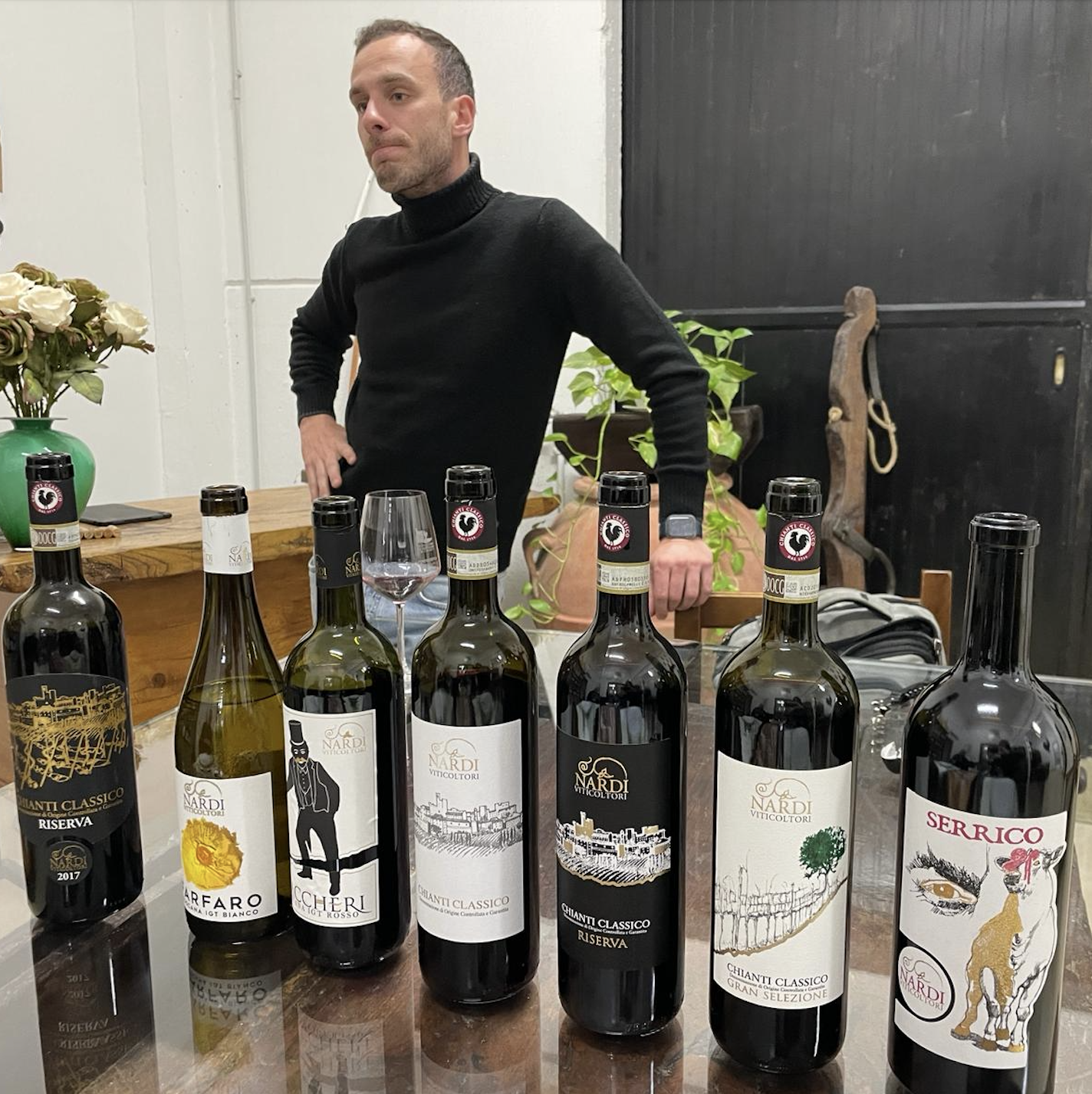
Giacomo Nardi – Nardi Viticoltori, Castellina

Nardi Viticoltori Farfaro 2022, Toscana Bianco IGT

Farfaro is the yellow flower that appears in the vineyards to mark the advent of Spring. Blends 80 percent trebbiano toscano and (20) malvasia chianti. “For me the white grapes are the last that I pick” explains Giacomo Nardi, simply because that’s how long they take to mature. From 270m on clay with a mineral stone called lignite, used for fire, a.k.a flint stone, as opposed to brown coal. Honeyed and fresh, dry and so very spring incarnate. You could close your eyes and imagine that you are drinking chenin blanc. Drink the you know what out of this clean white.  Drink 2024-2027. Tasted February 2024

Nardi Viticoltori Baccheri 2021, Toscana Rosso IGT

Baccheri is an ode to Giacomo’s grandparents, 60 percent sangiovese with (40) merlot, aged in older barriques and tonneaux. The gastronomic red, restaurant ready, fresh and the kind of wine to fill the mouth with soft waves of clean fruit. A fine example in a sea of Tuscan IGTs where consumers get very lost. Baccheri is easy to find. Drink 2024-2026.  Tasted February 2024

Nardi Viticoltori Serrico 2020, Toscana Rosso IGT

“This dream is possible because of what my father has done.” Though in general Giacomo may not love merlot, he makes an exception and put this together in a way that rises above the 100 percent new barrique aged soft chocolate examples. This ages 24 months in used barriques, followed by a selection of the top of the top. First vintage was 2017, followed by 2019 and this being the third. Elegant and rich, acids full and supportive, length outstanding. One of Chianti Classico’s top IGTs. Drink 2024-2027.  Tasted February 2024

Podere Capaccia Querciagrande 2020, Colli Della Toscana Centrale IGT

Tasted side by side with the ethereal 2019 and so 2020 by comparison is bigger, broader and more muscular. No shock there when you consider that when a vintage like this comes along there will be darker fruit and more of everything each time it happens. This is a factor of climate change that is not always considered, that the goalposts are moving and while sangiovese’s reaction is up and down, the median point continues to shift forward. Digressions aside this ’20 simply needs more time. The bones are so solid, upright and of a density that any wine of hopeful structure would die for. Sturdy like a mature “quercia grande,” immovable and secure. Less connection to the past but still the DNA is strong – it’s just that it shows this in terms of tannic austerity and foundation. Rich and intense, wood more noticeable and patience required. Drink 2026-2033.  Tasted February 2024

Podere Capaccia Querciagrande 2019, Colli Della Toscana Centrale IGT

Not only are Herman De Bode & Fanny Huygen restoring the borgo of Podere Capaccia, they are also doing their part to resurrect the past. Querciagrande comes from sangiovese vines planted in 2007 and when winemaker Alyson Morgan arrived in 2012 she wanted those vines to produce this wine. To rekindle the spirit within the place and the wines that were famous for their particularity. This vintage in particular reminds of a kind of red fruit from another era. There is a soft-spoken and simple charm about its ways, along with a generosity, kind spirit and most of all a nurturing for our palates. Very Capaccia yet Querciagrande is ushered into today’s world while maintaining a link to the past. Top vintage for what is surely the goal. Drink 2025-2031.  Tasted February 2024

Podere La Cappella Oriana 2020, Toscana IGT

Varietal vermentino, not usual for the Classico area yet here sense is made in San Donato in Poggio with winds from the Ligurian Sea blowing in, unhindered, no barriers in the way. First made in 1998, grafted over and then restarted in 2014. Not a coastal vermentino but one particular to the soil of Chianti Classico. Silken, glycerin mouthfeel, ripe, almost akin to viognier. The wine’s label by artist Antonio Manzi pays tribute to Bruno Rossini’s wife. Spicy finish, visceral and textural, again so reminiscent of viognier and without the salinity of the sea. Sapidity indeed. Approx. 2,500 bottles produced. Drink 2023-2027.  Tasted May 2023 and May 2024

Poggio Al Sole Sangiovese Bianco 2022, Toscana IGT

Speaking for his father Johannes Davaz it is Valentino who explains that there was no Bianco to pour for guests and also friends at the winery. Nor was there a Bianco from sangiovese available anywhere nearby. Davaz rented a chardonnay vineyard “for practice” and so white wine has been made since 2016. In 2019 the first vintage of sangiovese bianco was produced, “in purrezza.” Valentino notes that if you harvest too early, like it’s Rosé, nothing good will come. “What we have learned,” says Valentino, “is that anything less than 12.5 percent alcohol will result in boring wine. You need to find the sweet spot.” Johannes has now spent 10 years trying to understand and figure out the moving target. Practice makes (this current level) of perfect and so just 4.5-5.5 months of lees aging puts the white sangiovese in a world occupied by the likes of (top level Umbrian) trebbiano spoletino, super pure, salty and satisfying. Substantial palate presence and most of all authentic. Drink 2023-2027.  Tasted December 2023
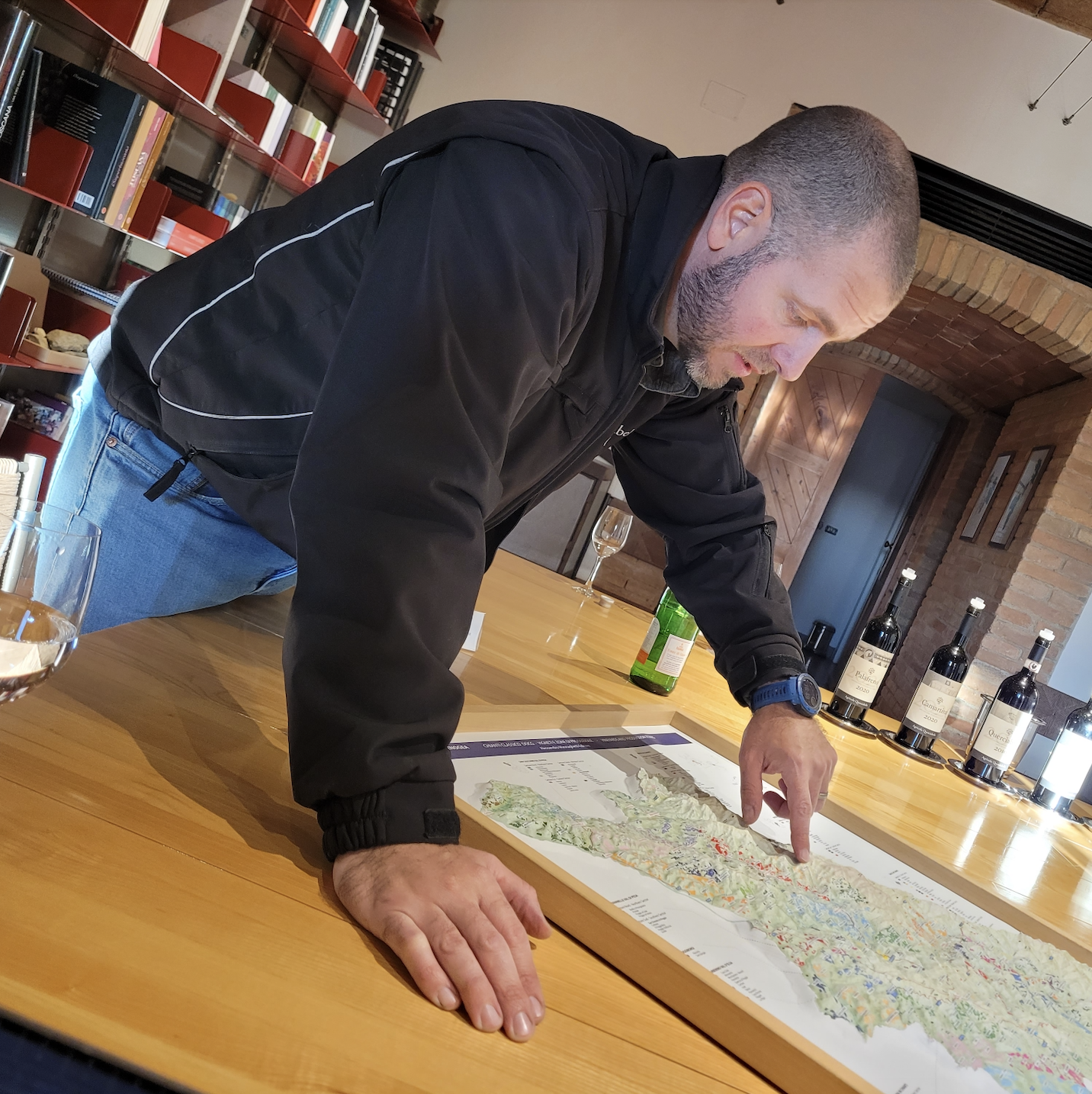
Manfred Ing – Querciabella, Greve

Querciabella Camartina 2020, Toscana IGT

A blend of 70 percent cabernet sauvignon with (30) sangiovese, also fruit coming off of estate vines upon the Ruffoli hill. Yes sangiovese is involved but a warm and bold vintage delivers full on, rich and throttled cabernet sauvignon treated in such a restrained and elastically stretched away. That said the youth and immovability put this is linear, vertical yet sleek and suave way. There can be little doubt that this 2020 will have an ability to age with the best of the Camartina so being in any kind of a hurry would be a damn shame. Shy now, two to three years away from just beginning to open and bloom, four to six from what will begin to be its early realities. There is some brotherly fighting happening now but these are varietal siblings that will always get along. They will have each others’ backs. Drink 2027-2039.  Tasted February 2024

Querciabella Palafreno 2020, Toscana IGT

A reminder that this 100 percent merlot became this way after the disasters of 2002, 2003 and 2004. Had been a blend before those nasty vintages. Merlot rarely shows lift and this 2020 has it, almost sangiovese attitude in a way, but obviously a Ruffoli thing. Is this succinctly Ruffoli or merlot? Has to be both but this vintage sways in a terroir direction, neither good nor bad but simply what it is. Calcareously chalky, grippy by sandstone mineral and climate directing a child’s every move. Palafreno 2020 does what needs. The highest production of the last 15 years which means a whopping 6,000 bottles. Drink 2026-2035.  Tasted February 2024

Querciabella Batàr 2021, Toscana IGT

The blend is 50-50 pinot bianco and chardonnay though 2021 lends a bit of a percentage towards the former. Low quantity vintage though it can never be forgotten that an abandoned vineyard in the early days delivered the original 100 percent pinot bianco. Was called “Bâtard Pinot” back in 1988. In 1992 chardonnay was added and the pinot was dropped. Then the Bâtard became a French faux-pas but the Milanese love child continued and finally the D was dropped. Still the homage to Bourgogne always hides under the covers. Skins are truly important for this ’21 and textures are everything. Are these components fine-tuned and refined to a level that really exults the wine Querciabella is trying to make? The answer is yes, in another way than before, though this current (already to market) vintage is so young it’s a crime to even discuss. Balance is spot on, subtlety and soft spoken voice sending positive messages and vibes, but ultimately it needs to be revisited in two or three years. Drink 2026-2033.  Tasted February 2024

Rocca Di Montegrossi Geremia 2018, Toscana IGT

A mix of merlot and (20 percent) cabernet sauvignon that may not be a wine of appellative origin but make no mistake. This shows Monti in Chianti as well as most though with an added richness and textural weave reminding us that this is in fact not sangiovese but an ulterior mix of the vinous and the opulent. Success with other varieties that grow very well in this southern part of Gaiole given acidity and freshness as a factor of the land littered with Alberese soils. The mix of wood is 10 percent new, (30) second passage, (50) third and finally (10) fourth. Spice and spiciness, from cinnamon through nutmeg and then the accumulation of finest expatriate grape tannins. Drink 2025-2033.  Tasted October 2023 and February 2024

Tenuta Carobbio Pietraforte 2015, Toscana IGT

A blend but the cabernet sauvignon is 98 percent, with (2) petit verdot. Says Dario Faccin, “for us considered one of the great vintages. “The vineyard is 42 years of age as of the 2015 vintage, the Alberello training now changed to Guyot back in 2013. Philosophy the same, berries selected manually beginning in late October and into early November. The softest extraction at low temperatures for 48 hours to fix essential colour, followed by 25-26 days of maceration and then malolactic in new French barriques. These barrels move on to be used for Riserva (Chianti Classico) in their second year. These are the most refined and softest tannins in Tuscan cabernet sauvignon, so much so that you can drink this now, though in fact it is already more than eight years old. It being a current release tells so much about how perfectly timed the decisions have been, all the way through. Adds Faccin, “history is really important and the wine is history, not the conversation.” Drink 2024-2030.  Tasted February 2024

Tenuta Carobbio Piluka Pinot Bianco 2022, Toscana IGT

Now the fifth harvest and while the vineyard has changed, especially with respect to maturation, though the work in the cellar remains the same. Dario Faccin has planted two more hectares and by 2026 there should be 25,000 bottles in production. Grapes are kept at zero degree temperature for a day, fermentation is cloudy and the wine in old oak is held for a year. Acidity is upwards and above 6.5 g/L, high and mighty for a Tuscan white wine. Creamy palate, acidity that pops and most important truly ripe fruit. If you like top shelf Sancerre, Chablis Premier Cru and chenin blanc from old vines in the Western Cape then this pinot blanc will be something special for you. Drink 2024-2028.  Tasted February 2024

Tolaini Sangiovese Mello 700 2021, Toscana IGT

Single site sangiovese grown at 700m on the western slope of Monte Luco, less than two hundred metres lower than Monte San Michele which at 893m is the highest peak of the Monti del Chianti. Luco is a place that just 10 years ago nobody would consider trying to ripen sangiovese and yet here we are. This has to be the highest planting in the Chianti Classico territory though IGT is the labelling because that elevation is above the parameters, though truth be told this was always going to be an IGT. For the time being. Welcome to the future, though Mello 700 is a costly endeavour, a project that requires the implementation of heroic agriculture and 50 euro ex-cellar pricing is the requiem. Aromas are incredible for this second vintage. Perfumes act the part of Lamole and/or Radda but the real factor is mountain air. Meaning freshness and stylistically speaking you might imagine something like nerello mascalese from Guardiola on Etna Nord. This location is one of ice and snow, not to mention hail but vines here actually sleep through winter. They awaken and by harvest time ripeness happens, though at least for now a verdant streak will always run through the sangiovese. A truly beautiful wine this is and my, what a discovery. Drink 2024-2030.  Tasted February 2024

Villa A Sesta Vas Oro 2019, Toscana IGT

The cabernet franc was planted approximately 15 years ago and this marks the second year as a varietal wine, hopefully to stay this way for a good long time. That said with only 3,000 bottles produced it’s spoken for, but so worth pouring to speak for what the grape can do from Castelnuovo vineyards. It really tastes like cabernet franc with notable chocolate and pyrazine then back again. Muscular franc, toned and handsome. Drink 2024-2027.  Tasted February 2024

Twitter: @mgodello

Instagram: mgodello

WineAlign

Chianti Classico 2023: A year in review

Godello
(c) Jamie Goode

Just 11 days ago the 2024 edition of the Chianti Classico Collection closed to a resounding and successful conclusion. There was the prodigal ambasciatore as per usual, also wearing his badge as journalist, in position at the Stazione Leopolda tasting tables before 9:30 am on Thursday. There he remained, steadfast and inchoate through 200 glasses of Gallo Nero before being the last one out at 7:00 pm Friday. No time to pause for reflection, nor wane in concentration because the sangiovese encouraged onwards by the Consorzio’s production and presentation of recent, nascent and exceptional vintages could easily sustain a high level of energy. Godello investigations, visits with producers and interviews with next generation offspring continued through the month of February. These first days of the 2024 season have seen nature and vines surely caught in a prolonged state of confused awakening but hot damn the weather has been incalculably beautiful. Unseasonal temperatures have risen into the high teens and despite intermittent rains (plus hail at the upper reaches of Monte San Michele) the region had come upon the culmination of a week straight of crystal clear blue skies to see Chianti Classico vineyards and its many villages bathed in golden winter light. Though the rains and cooler temperatures have now finally arrived, “winter” has shown to be traditional in timing only, because Spring had already sprung here in the Chiantishire.

The true Galestro

Related – Chianti Classico’s future is a three-letter word: UGA

Previous to this 2024 excursion there has not been any published material on Godello since a lengthy summary in coverage of the 2023 Chianti Classico Collection that took place now more than one year ago. Godello homecomings to the territory did in fact happen in May, July, October and December of that calendar year during which wines were both tasted at every turn and tasting notes committed to WineAlign pages, however no articles in synopsis or cumulative analytical thought had to date been published. That is until now.

Godello, Manetti, Goode and Szabo

In May of 2023 Godello played ambassadorial chaperone to nine Canadian Sommeliers representing as fine a national cross-section of that professional vocation as there has yet been assembled. The group consisted (from east to west) of Jeremy Bonia (Raymonds, The Merchant Tavern and Portage – St. Johns, Newfoundland), Alana Steele (Little Oak Bar, The Ostrich Club and Crush Pad Club – Halifax, Nova Scotia), Isabel Bordeleau (Institut de Tourisme et d’Hôtellerie du Québec), Cokie Ponikvar (Wine Vlogger, candidate for Master of Wine and Certified Sommelier | WSET 4 – Toronto, Ontario), Kate Dingwall (Writer at Forbes, Vogue, Maxim, Toronto Life, Wine Enthusiast, Etc. and Dreyfus – Toronto), Justin Madol (Don Alfonso 1890 – Toronto), Lexi Wolkowski (Restaurant Parquet – Toronto), Maude Renaud-Brisson (Apero Mode and This is Wine School – Vancouver, British Columbia) and Andrew Forsyth (L’Abattoir – Vancouver). The intrepid Canadian wine geeks were treated to seven days of sangiovese, the Gallo Nero, 13 estate visits with full UGA tastings, a tour with the Mapman Alessandro Masnaghetti through Radda, Gaiole, Castelnuovo Berardenga, Vagliagli, Castellina and Panzano, a night in Siena and two in Firenze. 

Goode, Harman, Szabo and Godello

Related – Chianti Classico goes to eleven

In October of 2023 the next excursion brought together a smaller group to complete a similar deep investigative dive into the region, this time with WineAlign colleague John Szabo M.S. (Toronto, Canada), Dr. Jamie Goode (Wine Anorak and latest book Regenerative Viticulture – England) and Emily Harman (Vina Lupa – England and Berlin, Germany). La squadra da sogno. This trip saw to 22 estate visits, a Gran Selezione tasting of 91 wines and another three-hour tour with Alessandro Masnaghetti taking in the Val di Pesa and ridges through San Donato in Poggio, Castellina, San Casciano, Greve and Montefioralle.

Calcareous rocks of Chianti Classico

Related – Forever in Chianti Classico

On a May tour with Masnaghetti the territory’s soils are considered, beginning with the Macigno (sandstones) which are lighter in colour, of less structure then the Formazione di Sillano which like the clays is darker and firmer of constitution. “It’s not only soil,” explains Alessandro, “I have to love the power. I love Alberese soils.” He tells the group that Galestro is the result of the degradation of shale and points out a rare 10m so of a vein in Panzano near Casenuove called Galestro focolaio, the “fire Galestro,” true and unique. Without exception something new and refreshing stirs where Chianti Classico wines are made. The ethos with sangiovese and its terroirs of Formazione di Sillano, Pietraforte, Macigno, Alberese, Argilla, Galestro and alluvial river stone soils meets at a new complex crossroads where new ideas and winemaking principles will challenge and potentially re-write the possibilities for this important region. Welcome to the future of Chianti Classico. The region and its eight communes share a commonality expressed in varietal and landscape but look to the maps, the ridges, hills and individual estates to note that there is more diversity than we can possibly absorb in one visit. When a visitor arrives in Chianti Classico they are intrinsically aware that the trip and each one that follows will add new dimensions to the legend and never-ending story. More to the point we are all hyper aware that the best is yet to come.

La nebbia di Radda

During the October week a tasting of 91 Gran Selezione opened the doors of perception to an appellation that has matured as it has grown by leaps and bounds since coming into play 10 years ago. The sangiovese (minimum 90 percent) and 11 UGAs (on labels beginning with the 2020 vintage) are collectively indicative of progress, intuition, incredible hard work and unlimited potential ~ This tasting was made possible by the Consorzio Vino Chianti Classico and a most positive response from the producers.

Monti del Chianti

A total of 372 wines were tasted over the course of those three 2023 Chianti Classico trips that occurred after the February Collection. The tasting note breakdown is as follows: Chianti Classico DOCG (112), Chianti Classico Riserva DOCG (64), Chianti Classico Gran Selezione DOCG (126), VinSanto del Chianti Classico DOCG (4), Campione/Samples (9) and IGTs (57). These are the reviews.

Antinori Estate

Estate Visits

Antinori – San Casciano

Antinori Chianti Classico DOCG Pèppoli 2022, San Casciano

A blend of 90 percent sangiovese with (10) merlot and syrah. Typical, freshness at the forefront, maintaining the identity of Pèppoli which is a 67 hectare place in San Casciano, but also fruit from small smaller farms around Tignanello and other locations. All of this is not not easy to accomplish considering the production. Sees nine months in cask and while fruity, it’s also savoury and floral, not to mention cinnamon heart spicy. Very made, well and good for what and who it services. One million bottles. Drink 2023-2025.  Tasted October 2023

Antinori Chianti Classico Riserva DOCG Villa Antinori 2020

Includes fruit from the recently purchased Castello di Sansano in Gaiole – much of that will become a second Gran Selezione, as of the 2021 vintage with the UGA “Gaiole” written on the label. As with the acquisition of an old Antinori property, that being the Cigliano vineyards destined to create a Gran Selezione for San Casciano. Villa Antinori needs some air time to blow off some taut and closed features. Blow off it does and reveals impressive fruit, again considering that Gaiole, Castellina and San Casciano’s multi-estate fruit are all involved.The amalgamation conjoins to create a sweet, savoury and salty balsamic effect with some rounded and softness due to 20 percent merlot and cabernet sauvignon in the mix. Twenty percent of new Hungarian wood makes this even rounder, spicier and sweeter. Production of approximately 480,000 bottles. Drink 2024-2027.  Tasted October 2023

Antinori wines

Antinori Chianti Classico Riserva DOCG Marchesi Antinori 2020, San Casciano

Fruit comes from only Tignanello estate with a similar blend to the Villa Antinori but there is some cabernet franc involved. A deeper, more substantial and rounder expression of Riserva that will also age longer because grip and power take matters steps further than the Villa Antinori. Greater succulence and finer acids as well, a purity but also tannins that hold their ground, swell, swirl and work well to carry the fruit. French instead of Hungarian oak here and so the spice is muted. Drink 2024-2028.  Tasted October 2023

Precisely what must be expected and frankly demanded from Antinori’s San Casciano Riserva and that would be a perfectly executed cuvée of sangiovese complimented by varieties that speak to exactly that. Glycerol and viscosity in a silken thread sewing fruit with the kind of acidity and tannin of the utmost professional kind. Nothing out of place and the window has officially opened. Drink 2023-2027.  Tasted February 2023

Antinori Chianti Classico Gran Selezione DOCG Badia a Pasignano 2020, San Casciano

Land purchased in 1987 and first vintage 1988. So very young and needing at least 10-15 minutes airtime to open and emit the piquancy of place. As much luxe riches as Badia a Pasignano pretty much ever expresses and mon dieu is this a mess of fruit, of all colours, a veritable hematoma of sangiovese. A matter of clays manifesting as Galestro aboard the surface in the soil of the vineyard.  Last tasted October 2023

Classic dried herbs and brushy Badia a Passignano style, here with the accessibility of 2020 though the fruit is pure red cherry with almost no darkening moments. Cool, almost minted with a creosote and cooling coals warmth through the chill of the air. This Gran Selezione is imagined as a perfect meditation in late fall, in a cabin in the woods, by a fire, dimly lit room and silence. Drink 2024-2028.  Tasted February 2023

Badia a Coltibuono

Badia a Coltibuono – Gaiole

Badia a Coltibuono Chianti Classico DOCG Cultusboni RS 2021

The “other” Chianti Classico with some fruit sourced off of the estate, other UGAs and villages, including San Casciano, Radda, Castelnuovo Berardenga and Gaiole. All sangiovese and mainly stainless steel for 80-90,000 bottles. Just about as fruit forward and well-rounded as any in the entirety of the territory. Turns a bit dusty though never tannic and finishes with a black cherry note – without ever descending into anything brooding or serious. The RS incidentally stands for Roberti Stucchi, proprietor of the estate. Drink 2023-2025.  Tasted October 2023

Badia a Coltibuono Chianti Classico DOCG 2021, Gaiole

The traditional estate blend, with canaiolo, colorino and ciliegiolo to compliment sangiovese. Two to three weeks of maceration, at the longer end from 2021 and for Gaiole this is just so Monti relatable with just about a 10 percent accent by Vagliagli within Castelnuovo Berardenga. Fine acidity for this Classico that hints at though stays quite clear of balsamico. Certified organic by Delineat, a private agro-forestry network now recognized by higher powers. The discipline includes solar work, carbon neutral footprint and lower levels of copper usage. Drink 2024-2029.  Tasted October 2023

Badia a Coltibuono Chianti Classico Riserva DOCG 2018, Gaiole

Smaller crop, lighter due to rain in August and how it might descend in terms of concentration it conversely rises with herbals, rose petals, sweet verdant sways and spices, from pickling to masalas. Freshness at the head of Classico in Riserva terms.  Last tasted October 2023

A Riserva from Badia a Colibuono is pretty much a Selezione matter and yet, not so much. The emotion is there if not the pack mentality and so Riserva is just Coltibuono. Almost startling to begin with but that is simply the acidity of place talking, distracting and exacting its power over a field blend-like gathering of varieties led by sangiovese. Riserva acts on behalf of and in the ways of the abbey and surrounding vineyards, were they personified would surely speak. Like the paintings along the cloister corridors and the occupants whose truths, history and tradition are what you need to hear. Drink 2024-2030.  Tasted February and May 2023

Badia a Coltibuono Chianti Classico Riserva DOCG Cultus 2018, Gaiole

What separates Cultus as a Riserva from the other is the fact that it began in 2001 as an Annata, moved to IGT (called Cultusboni, now the name of the second Classico) and recently switched to Riserva. Here sangiovese gains momentum and mellow roundness from several complimentary varieties, including pugnitello, ciliegiolo, malvasia nera, mammolo, foliotonda and sanforte. All in significantly riper, richer and liquid chalky with a tar, roses and juiced fennel effect. Just that soft touch of caramel and sweet soy. Drink 2023-2026.  Tasted October 2023

Badia a Coltibuono Vinsanto del Chianti Classico DOCG 2014, Gaiole

“Our peculiarity is using large barrels,” tells Roberto Stucchi, making for less oxidation and also concentration. Acidity is key and for 2014 it runs more than relatively high. From malvasia and trebbiano finishing at 185-190 g/L of residual sugar, balanced by high acidity an edgdimg to the upper reaches of allowable volatility. Intensely citrus, all in from lemon, orange and grapefruit, but also a tart persimmon note. Low level caramel yet honeyed with a tisane quality to its character. Drink 2023-2036.  Tasted October 2023

Badia a Coltibuono Vinsanto del Chianti Classico DOCG Occhio di Pernice 2008, Gaiole

The most unique Vinsanto made with only sangiovese and a much longer process, still in the larger and a small part in the half (caratelli) barrels. A vintage of top quality and quantity, quite different with sangiovese because it comes out much nuttier than the white grape cuvée. Some skin contact in the basket press happens post oozing and that contributes to the musky notes. Peppery as compared to the other Vinsanto with the citrus and cacchi (persimmon) aspect more marmalata in both aromas and also flavours. Sugars reach 210 g/L and yet alcohol does not rise too much, finishing at 13 percent because the yeasts are tough as nails. Wild ride in dessert wine. Drink 2023-2034.  Tasted October 2023

With Alessandra Casini – Bindi Sergardi

Bindi Sergardi – Vagliagli

Bindi Sergardi Chianti Classico Gran Selezione DOCG Mocenni 89 2019, Vagliagli

Tenuta Mocenni presides at one of the higher points in the Vagliagli UGA at 500m with vineyard blocks impounded with great Alberese stones and outcroppings of Galestro. The south facing amphitheater is one of Chianti Classico’s most impressive sites and sights. The latest vintage is not yet released and there is no shock how youthful and tightly wound you will find this 2019 to be. The one that follows will proudly display the UGA on the front label. More than just a few years of time in more than one kind of vessel has equipped this major potion of fruit with ample layers of structure in a Gran Selezione so bloody big, substantial and beautiful. Will most definitely require five to seven years of unwinding. Drink 2025-2034.  Tasted October 2023

Bindi Sergardi Chianti Classico Gran Selezione DOCG Mocenni 89 2018, Vagliagli

A bit warmer in Vagliagli as compared to the surrounding UGAs in 2018. There was some rain at the beginning of September after a very hot summer and harvest required three passes because there was some mildew pressure. Grapes were ready and “going away faster.” You can feel some maturity but also the blessed beauty of Mocenni’s elements, in rocks and stones feeding roots with nutrients. Very mineral. Truly.  Lasted tasted October 2023

Mocenni 89 is Vagliagli Gran Selezione born of tough decisions, love, prudent selection and know this. There are vineyards on Alberese and Galestro to choose from that steal the show, gifting fruit that will steal your heart and likely also take your breath away. This is 2018 in a void, vacuum and shuttered universe, fine and graceful, full and forceful, designed and cared for, nurtured like few other Chianti Classico sangiovese. A Chianti Classico exception at the peak of the pyramid that will drift, glide and age slowly for decades. That is what we call realizing potential. Drink 2025-2038.  Tasted February 2023

Bindi Sergardi Chianti Classico Gran Selezione DOCG Mocenni 89 2016, Vagliagli

Now ’16 is in a great if tight place but still so much potential and truth is a bit backwards at this stage. Length is outstanding and so potential will be long and so promising, timeless, as it is said.  Lasted tasted October 2023

A Gran Selezione from the Mocenni Estate in a wonderful state of equilibrium and almost calm suspension, of fruit at the pinnacle of vineyard selection with only two passages whereby the “lesser” grapes are taken out and the finest fruit is left until the first week of October to fully mature. Two years in large Gamba oak vats, Was an IGT from 2006, first GS vintage 2010. Sure these grapes from this vintage were some of the most consistent and non-variable of any recent vintage but the uniformity makes for a string and true set of wines, especially from Mocenni and up to this appellative level.  Tasted October 2021

Mocenni takes all the advantage that 2016 can possibly pass its way and runs carefree into the wind. The fruit is pretty much as ripe as there can ever be in sangiovese struck by silver acidity and gold tannins, so you can imagine the result. This needs 10 years to fully unfurl, unwind and unfold. Please give it at least half that much time. Drink 2024-2034.  Tasted February 2020

Bindi Sergardi Chianti Classico Gran Selezione DOCG Mocenni 89 2015, Vagliagli

leasant, so pleasant and that is ’15 for Mocenni, caressing of texture and nurturing as much as any as you will find in Vagliagli. Red fleshed fruit, succulent as well but also in the acids and then this liquid chalkiness about how its evolving and maturing. Giving generously of itself in so many ways. Lovely!! Alessandra says it wasn’t acting this way last year. Timing is everything.  Last tasted October 2023

There’s pure unbridled surprise in the delicasse and the gentility of this Gran Selezione, one of the more and even most charming of them all. The Mocenni texture is very present, very full, no holes, no peaks or valleys, just a calm and easy nature that finds no reason for stress. Pure fruit, Galestro and Alberese interwoven freshness. Proper, sweet and forward thinking tannins with a future ahead indeed. Drink 2020-2029.  Tasted February 2019

Bindi Sergardi Chianti Classico Gran Selezione DOCG Mocenni 89 2013, Vagliagli

The 2013 is so very different, quite unlike anything else that Mocenni has produced through 89 Gran Selezione. Rich and truly maturing but also because barriques were used and so it was different era through let’s say 2015. Really salty little sangiovese number back in 2013.  Last tasted October 2023

The Gran Selezione Numero ‘1989’ is consistently 100 per cent sangiovese and here we are in wholly, truly, inexorably inorganic, fully stony soil, from vines planted in 1998. There is this composure and this understanding in Gran Selezione that is at the top of the pyramid chart, a fineness of tannic structure, a roundness of acidity and a perpetual motive and emotive fruit that will not give up or in. This is the Bindi Sergardi expression, sultry and offers up every reason to believe in the category. This is the GS that tells us why and how the top of the quality pyramid begins to be explained, with intrinsic value and great confidence from this 2013 vintage. Approx. $58-62 US. Drink 2019-2031.  Tasted September 2017

Chianti Classico 2023 – Barrel Sample 

Quality and quantity, but how? “It’s a miracle,” smiles Alessandra Casini. “Joking aside it is the stony quality of our vineyards that allowed us to get in, put in the hard work and fend off mildew. We also had a lot of luck. ” A taste of a 2023 sample that has just finished fermentation reveals power and structure from true-blue Mocenni tannin.  Tasted October 2023

Canadian Sommeliers at Borgo Scopeto

Borgo Scopeto

Borgo Scopeto Chianti Classico DOCG 2020, Vagliagli

Perfectly round and normal, dictionary entry sangiovese with softness and intensity of hue, by colouring and merlot as a friend of sangiovese. Tart and just tight enough to hold on for a few years but for the most part this is meant to be consumed in the first two. Drink 2023-2025.  Tasted February and May 2023

Borgo Scopeto Chianti Classico Riserva DOCG Vigna Misciano 2019, Vagliagli

Single vineyard, Misciano being the name of the place and has always been called that way, Clay and Alberese in geological origin, Galestro outcropping above. Perfect view from this hilltop spot, airy and reflective in this fresh-scented Riserva. Also stemmy, and indicative of the aromatic brushy, Toscana gariga profile. Sweet fruit, a little bit of soy induction by barrels and definite balsamic finish. Drink 2024-2027.  Tasted May 2023

Borgo Scopeto Chianti Classico Gran Selezione DOCG 2016, Vagliagli

Remarkable consistency in Vagliagli sangiovese, here with lift and sharper angles, red fruit incarnate and that unmistakable Mediterranean herbaceous quality. The volatile acidity is a bit pointed, carrying onto the palate at the present moment and though there are some years already in, a few more will be needed to settle all the parts. Tannins are proper and will only continue to help in the overall regard. Drink 2025-2029.  Tasted May 2023

Borgo Scopeto Vinsanto Del Chianti Classico DOCG 2014, Vagliagli

Relatively traditional methodology though the grapes begin in larger barrels and when the volumes diminish they are then transferred to historically smaller caratelli. Very much a brown butter, nutty and dried apricot Vin Santo with more than an obvious honeyed element in play. Neither super concentrated nor cloyingly sweet but balanced and calming. Fine acids, chewy caramel and a note of citrus at the finish. Drink 2024-2030.  Tasted May 2023

Errico, Marta and Gabriele Buondonno

Buondonno

Buondonno Chianti Classico DOCG Podere Casavecchia Alla Piazza 2022, Castellina

A finished wine already blended though drawn from a sample that will be bottled in December. A bigger production than normal and so a sangiovese of volume in more than one dimension. There was some rain in the summer to make the difference but not much, neither occurring too early or too late to compromise quality. Solo sangiovese in vitro projecting forward towards really important structure noted through some chalky tannins. Spiced and spicy notes, depth of fruit and also lifted acidty, all adding up to a Chianti Classico packed with more stuffing than many. This is as good as anything Gabriele has, but also now in collaboration with son Errico Buondonno have made to date. Drink 2025-2031.  Tasted December 2023

Buondonno Chianti Classico Riserva DOCG Casavecchia Alla Piazza 2021, Castellina

A finished Riserva already blended drawn from a tank sample that will be bottled in just a week or two. Voluminous and a Riserva so cool, ethereal and in this vintage’s case a salty mineral or elemental streak running through. The acidity here is special even for Buondonno and that matters more every year because warmth, aridity and rising alcohol all need to be counteracted so that balance will be the end result. As it is here the wood is noted on the nose, likely because of some newer tonneaux but there is no doubt it will integrate and quiet easily so within a year or two. Again it is a matter of the ethereal, herbal coolness and a Riserva so easy to appreciate when forged into an ultra fine sangiovese like this. Drink 2025-2032.  Tasted December 2023

Marco Pallanti – Castello di Ama

Castello di Ama – Gaiole

Castello Di Ama Ama Chianti Classico 2021, Gaiole

The spice is so very quarried Ama rocks, Alberese mainly but also the Galestro that emerges and flakes above the soil. All of Marco Pallanti’s wines have their own particular style and balance and while this may be less powerful it is the land that exists and is so important towards seeing this wine’s eventual fruition.  Last tasted May 2023

Ama by (Castello di) Ama is a richly textured and high glycerol Annata with all the wealth and generosity from the vintage captured, pressed and patented for a stamp of quality and guarantee of success. Crunchy red fruit and limestone strike, not quite high-toned but rising and ethereal as far as Classico is concerned. So well made and a harbinger for Gaiole within the greater territory for 2021. Drink 2025-2030.  Tasted February 2023

Castello Di Ama Chianti Classico Riserva DOCG Montebuoni 2019, Gaiole

The last vineyard planted (in 1997) and its grapes used to go into San Lorenzo. This changed in 2018 to make a step between Ama (Annata) and Gran Selezione. “A good introduction into the style of Castello di Ama,” explains Marco Pallanti. The suave and settled sangiovese of the three tiers, with richness in a marked Chianti Classico Riserva style. Warm, enriching, nurturing, acids coming in sweet and savoury layers to remind that this is indeed is a factor of Gaiole.  Last tasted October 2023

“The wine is the goodness, to explain the place.” That being Montebuoni just 500m east of the Ama Borgo, just a bit different in exposure and soil conditions as compared to the Ama vineyards. A weathered place, reflected in the sangiovese and a perfect spot to create this go between, middle tier Chianti Classico. Feeling the tannins right now, as if the wine is working through something in order to pass over into beauty.  Tasted May 2023

Quite the aromatic lift and high-toned entry for a 2019 Riserva that must be pushing generosity of ripeness and also alcohol. Warm and floral, viscous and layered. High octane flavour profile, generous of juicy red berry fruit and also barrel. Quite classic in a modern vernacular for a sangiovese (with five per cent merlot) that has come to pass and be recognized for more than two-plus decades now.  Tasted February 2023

Direct descendant of Castello di Ama Riserva in a return to the appellation with this being the second such vintage. Falling somewhere between the Ama Annata and San Lorenzo Gran Selezione, Ama’s Montebuomi is so very Calcari, regardless of the level of appellation, intensely woven, idealized and structured. Such mineral virtuosity at the Riserva level captured however, linear, vertical and compact. A compression exists by dint of those vineyard soils and also the living and breathing Gaiole terroir. Drying for now, fleshing to come, settling in later. Drink 2024-2029.  Tasted March 2022

Castello Di Ama Gran Selezione Chianti Classico DOCG San Lorenzo 2019, Gaiole

 A reminder and to be clear – San Lorenzo comes from the San Lorenzo vineyard and also Montebuoni but not only. The Gran Selezione is both a name of fantasy but also connected to the vineyard that lends this top tier appellative wine its name. The step up in quality and precision from Montebuoni Riserva is really quite obvious though each are wines respective of their appellation and style. A very important vintage because there are times when Gran Selezione must be accessible early with unequivocal structure allowing it to age. This is 2019 from Ama as a personification of its maker. Marco Pallanti as Gran Selezione. Has a nice ring to it don’t you think? Drink 2024-2032.  Tasted October 2023

Castello Di Ama Gran Selezione Chianti Classico DOCG San Lorenzo 2018, Gaiole

Aromatic, spicy, lifted and genuine. Extra layers, fruit of course and then floral, calcareously white peppery, luxe as per the appellative level and a matter of time. Vintage but also patience, the latter needed to understand the former, warm and developed, compact and yet never dense. To achieve this kind of acidity is remarkable. A matter of matching same parts to make up a whole. As per Marco Pallanti’s decades of dedication. “I am not a flying winemaker, I am a pedestrian one.” Drink 2024-2034.  Tasted May 2023

Castello Di Ama Gran Selezione Chianti Classico DOCG San Lorenzo 2015, Gaiole

Looking back nearly halfway in time at Grand Selezione San Lorenzo (first made in 2010) is a most curious proposition. Frankly it is something to behold the freshness, not that this should be mature but it was enough of a generous and rich vintage. Complex aromatics, top ranking acidity and endearing piquancy.  Last tasted October 2023

Though not technically a single-vineyard wine the fruit source depends highly on this portion of the Gaiole in Chianti estate. As a blend of all the best plots of the property from a vintage with both La Casuccia or Bellavista having been produced it is truly fortunate that nature gifted so much promising fruit so that the right stuff could find its way into San Lorenzo. It is Gran Selezione of great history and no vintage has been as generous as this ’15. It’s accessibility above and beyond the category is astounding, probably because it shares the finest and sweetest acidities plus tannins. The plural is employed because the complexities are varied and variegated. Wonderful red fruit and seamless integration. Drink 20-2027.  Tasted February 2018

Castello di Querceto – Greve

Castello di Querceto Chianti Classico DOCG 2021, Greve

Fruit from vineyards all located in the Dudda Valley on the estate with a 16th century fortress built to defend the local villages during the Sienese-Florentine wars. Clearly a vintage of concentration, iron-rich and other elemental chalkiness. Savoury elements have come forward while grip stands firm, first and foremost as tannins in charge. A vintage calling card example that needs a few months more before speaking in clear Dudda dialect. Approximately 250,000 bottles made.  Last tasted October 2023

Fruit from vineyards all located in the Dudda Valley on the estate with a 16th century fortress built to defend the local villages during the Sienese-Florentine wars. Clearly a vintage of concentration, iron-rich and other elemental chalkiness. Approximately 250,000 bottles made.  Last tasted October 2023 As far as 2021s are concerned there is great youth and an unrelenting wall of structure in this sangiovse (with eight percent canaiolo) from Dudda Valley in northeast Greve. Too much wood noticed at this early stage and so the tart, tight and sapid red fruit is held in tight, closed and yet to sweeten, flesh out or fatten for that matter. Wait at least 18 months more. Drink 2024-2027.  Tasted February 2023

Castello di Querceto Chianti Classico Riserva DOCG 2020, Greve

Castello Di Querceto is one of the original 30 producers that formed the Consorzio, 27 years after Carlo François purchased the property. Riserva is intrinsically connected to Annata, especially now that the single Le Corte and Il Picchio vineyards are reserved for Gran Selezione. The red fruit in Riserva shows some pomegranate and currant piquancy while the wild things that grow in forests and along paths help to distinguish this as a most complex example of Dudda Valley sangiovese. Very Riserva style, a blanket covering cool fruit, a slight oxidative quality and longevity promised. Drink 2023-2027.  Tasted October 2023

Castello di Querceto Chianti Classico Gran Selezione DOCG Le Corte 2020, Greve

Le Corte is “the court,” second of two Gran Selezione out of The Dudda Valley by Greve’s Castello di Querceto. The one with more precision and refinement (as compared to Il Picchio) and it is this warm vintage 2020 that really captures the sunshine as manifested in true sangiovese concentration. The complexity comes from liquorice and resinous evergreen oils, a note of graphite, creosote and something unknown, or unnamed. Nevertheless there is a lot happening here and the wine should unwind with great intersect over a ten year period of time. Drink 2025-2031.  Tasted October 2023

Castello di Querceto Chianti Classico Gran Selezione DOCG Le Corte 2019, Greve

The 2019 Le Corte from the OG François family vineyard that is now housing 55 year-old vines is here in its third year as a Gran Selezione. Just as big, brawny, powerful and in harmony as the 2018 though in a much more consistent way. Not that it’s round but it pleases sooner, with more mineral and saltiness than the previous vintage. Crisp for sure, no matter the generosity, weight and size. Drink 2025-2033.  Tasted October 2023

Castello di Querceto Chianti Classico Gran Selezione DOCG Le Corte 2018, Greve

Le Corte is the original vineyard planted by the Alessandro François’ father in 1899, replanted in the early 1970s which makes them now approximately 55 years-old. The vintage was challenging and at the end of September the heat spike in Dudda (and other parts of the territory) was not only tempered by low nighttime temperatures but also the Mistral wind that blows through. And so 2018 is a big if balanced Gran Selezione, dark of fruit, higher of alcohol and singing in a baritone voice. Guts and glory. Drink 2024-2029.  Tasted October 2023

Castello di Querceto Chianti Classico Gran Selezione DOCG Il Picchio 2020, Greve

One of two Castello di Querceto 2020s in Gran Selezione form by way of the single vineyard located in Greve’s Dudda Valley. The less luxe of the two and as such it’s also the more savoury and resinous one. In that sense rustic and grippier as well. These are austere and forceful tannins plus there is more variegated acidity. Fruit is not the king in Il Picchio, incidentally “the woodpecker” though that moniker tells us nothing about the wine. Certainly not a Gran Selezione to have a good laugh at. Very serious stuff, stern and a bit grumpy. Drink 2025-2031.  Tasted October 2023

Castello di Querceto Chianti Classico Gran Selezione DOCG Il Picchio 2019, Greve

Like 2018 there is a darkness and depth of fruit from the gift of 2019 but what’s missing, as expected, is the resinous and essential herbal oil character. The balsamic is lessened and the five percent colorino shakes up the sangiovese to bring hue but also a change of fruit. Heart is still worn on the family sleeve and so Il Picchio delivers the history, passion, crest and culture of the family François. The richness of this vineyard’s clay really translates in terms of fruit, unction and structure. Drink 2025-2032.  Tasted October 2023

Castello di Querceto Chianti Classico Gran Selezione DOCG Il Picchio 2018, Greve

As with Le Corte 2018 there is size and weight to Il Picchio though coming from the small vineyard surrounded by forest this breathes of plants and herbs, in greens and oils. Much more vegetative scents and some resinous character as well. Higher tonality, balsamic that Le Corte never has and likely not to be found in 2019 Il Picchio though that remains to be seen. Dark fruit, intensity and length. Plenty of length. Drink 2024-2028.  Tasted October 2023

Castello di Verrazzano – Greve

Castello di Verrazzano Chianti Classico DOCG 2020, Greve

Oh, ah, the perfume of Verrazzano. Not just aromas from a wine producing estate but the complex aromatic weave of a veritable and traditional fattoria, of olive trees, gardens and forest. Not an Annata of structural potency but more so one of evident spezzatura, of superior phenolics and balance. The first half of the wine is sapid, the second turns and finishes salty. In that sense indicative of bordering Montefioralle and yet the mix of strong red fruit plus savour is purely Verrazzano. Returns full circle to strength of perfume. Drink 2024-2028.  Tasted February and May 2023

Canadian Sommeliers at Verrazzano

Castello di Verrazzano Chianti Classico Gran Selezione DOCG Sassello 2017, Greve

Sassello comes from the vineyard on the hill behind the Borgo at the highest elevation and while ripeness development will be slower there can be no doubt that 2017 was better here than most warmer and lower locations in Chianti Classico. The Sassello of this vintage is still stuck in first stage youth, quiet, dense and volumetric. The wine has moved but barely an inch, it speaks in fulsome texture and while yet to flesh out there is a roundness that will see it drink so well for years to come. The best of which will be two looking ahead and ten after that. Drink 2025-2035.  Tasted February and May 2023

Castello di Verrazzano Chianti Classico Gran Selezione DOCG Valdonica 2017, Greve

Valdonica is both lighter and more linear as compared to Sassello with more classic speazztura and Verrazzano aromatics. Also a chalkiness and barrel induced texture but without the volume in Sassello. Valdonica is more straightforward, not as intense in terms of substantial fruit and also more available at this early stage. Saltier finish as well, more in line with Annata while Sassello seems akin to Riserva. Notable balsamico in Valdonica. Drink 2024-2029.  Tasted February and May 2023

Gioia, Sara and Filippo Cresti

Fattoria Carpineta Fontalpino

Fattoria Carpineta Fontalpino Chianti Classico DOCG Fontalpino 2021, Castelnuovo Berardenga

Indelibly stamped Carpineta style while so very fresh for 2021, truly bright of great breaths of Castelnuovo Berardenga air. Aged in tonneaux after cement fermentation and to say this was judged with fine precision would be paying close attention to Gioia Crest’s acumen and always consistent deft touch. Spot on for 2021 in so many respects.  Last tasted October 2023

Wow the energy from 2021 Carpineta Fontalpino is off the charts, ergo there is this wide open sensation from Castelnuovo Berardenga that will not be denied. Fruit swells and impresses with its gingered-crimson beauty and the advances of egress by structural demand. While too youthful and awkward for all parts to hook up they will, in time, for all the right reasons and with zero regret. Drink 2025-2032.  Tasted February 2023

Fattoria Carpineta Fontalpino Chianti Classico DOCG Fontalpino 2020, Castelnuovo Berardenga

Starting to open with aromatic presence after a slow first year like so many 2020s and here yet another territorial example that should surely live longer than expectation might have predicted. Layered red fruit that unfolds, even further upon the palate. Fine work in blending estate, Dofana and Montaperto fruit from a producer so specialized in their cru investigations. Drink 2023-2027.  Tasted October 2023

Fattoria Carpineta Fontalpino Chianti Classico DOCG Dofana 2019, Castelnuovo Berardenga

A preview of 2019 that will shown at the Chianti Classico Collection in February of 2024 that are now finished wines “but to me they are young,” shrugs Filippo Cresti. The dried balsamic quality of 2018 is here replaced but more freshness and spirit. A richer wine in 2019 as compared to Montaperto with the wood more involved – while the wine this young is trying to figure out its way through adolescence. The clay is fully involved in just how textured and fruity Dofana acts in this inimitably generous vintage. Flesh will come, with time. Drink 2025-2032.  Tasted October 2023

Fattoria Carpineta Fontalpino Chianti Classico DOCG Dofana 2018, Castelnuovo Berardenga

The first thing that needs to mentioned and also discussed is place, that being the clay and Alberese, 300-plus meters of elevation and uniqueness, even for the place within the place. There is a sanguine character plus blood orange and liquorice, some dried herbs and just a touch of balsamic. Truly complex sangiovese from this cru, now entering into its ideal drinking time.  Last tasted October 2023

Carpineta Fontalpino is located in Castelnuovo Berardenga but their Dofana cru is a matter of Vagliagli, sibling UGA within the two-winged commune. Vigna Dofana, special place for the Cresti family, deliverer of Vagliagli as only this place can within the most complex and also yet fully understood UGA. Dofana now graduated or better said migrated to Gran Selezione as a subtle, shadowy sangiovese, like chiaroscuro where fruit and acid are light and also dark, yet with time one will become the other. The constant is Dofana and yet now the label speaks in territorial terms, appellative as Gran Selezione, something new and accepted by Cresti siblings Gioia and Filippo. Benvenuto ragazzi. We look forward to discussing this 10-15 years down the road. Drink 2024-2032.  Tasted February 2023

Fattoria Carpineta Fontalpino Chianti Classico DOCG Montaperto 2019, Castelnuovo Berardenga

A preview of 2019 that will shown at the Chianti Classico Collection in February of 2024 that are now finished wines “but to me they are young,” shrugs Filippo Cresti. The Montaperto layering of many red fruits are the crux of the perfumes and freshness out of ’19, they being pomegranate, currant and plum, juices running and so many layers to peel away. Focused vintage and “we love it,” adds Gioia. Return in a year and see just where it looks like this will go. Drink 2025-2033.  Tasted October 2023

Fattoria Carpineta Fontalpino Chianti Classico DOCG Montaperto 2018, Castelnuovo Berardenga

Montaperto cru is located in the western wing of the butterfly that is now considered Vagliagli though Gioia Cresti still likes to thinks in Castelnuovo Berardenga terms. And as such the labels starting in 2020 will say Castelnuovo. Montaperto currently exists in a truly fine moment, not frozen but suspended in a state of its earliest and most exciting drinking window. A wine that shows what kind of winemaking and wine style is cool again; effusive, elegant and inviting. So drinkable!  Last tasted October 2023

Certainly not expecting three months to change anything though new feelings will always come out when tasting Montaperto. Today there is an unspoken sense of generational lineage and that which makes us look deeper into how family leaves an impression on its wines.  Tasted May 2023

Apposite to Dofana for Vagliagli is Montaperto of Castelnuovo Berardenga, the grippy, forceful and tannic one. The immovable and unbreakable sangiovese so very linear, gripped by strength, of skeletal structure and needing time. Give it. Drink 2024-2029.  Tasted February 2023

Matteo Vaccari and Maddalena Fucile – Cigliano di Sopra

Fattoria Cigliano Di Sopra – San Casciano

Fattoria Cigliano Di Sopra Chianti Classico DOCG 2022, San Casciano

For Maddalena Fucile and Matteo Vaccari the hope is to increase to a maximum of 12 hectares and 35,000 bottles. “This is our dimension,” tells Matteo. And drinking others’ wines is key because if you don’t know what you like then you don’t know how to get where you want to go. The 2022 Annata was just bottled six-plus weeks ago, on August 31st and so this potential hinderance is kept in mind. The first vintage for which a portion was aged in the used Stockinger cask and some more stem (whole bunch) usage moved from (normally 20ish) up to 50-60 percent. You can sense the energy and increased power but still there is a transparency and a purity of red fruit that will not be denied. Comparisons are futile but those who seek out this style in cru Barbaresco or Côtes de Nuits Premier Cru will latch on here, likely to never let go. Next level for Fucile and Vaccari. Don’t care how young this wine happens to be – the potential can’t be ignored. Drink 2025-2033.  Tasted October 2023

Fattoria Cigliano Di Sopra Chianti Classico DOCG 2021, San Casciano

Settling in or better said, maturing and gaining confidence with every small step forward. So much of what the result happens to be in this ’21 is a matter of ideas and experiments that transpired between 2017 and this harvest. The ideals have evolved and subsequent vintages will not just reveal experience but evolution of technique and execution. Crispy still and juicy acidity but showing some dried notes and perhaps in temporary a downturn phase.  Last tasted October 2023

The use of 20-30 percent whole cluster tops up the open top fermenters, 15-20 days of fermentation and put to large old casks. Then 18 months, malo in the barrels and finally bottled in December. That perfect little lift of volatility so close to the edge without going over is just so enticing and delicious. A sangiovese of temptation and beauty, crunch and sweet savour. So much umami with thanks to those whole clusters that do their yeoman character building from old vines. Brilliant sangiovese. Truly.  Tasted May 2023

Behold yet another precocious and shockingly generous Annata from the team of Matteo and Maddalena at Cigliano di Sopra. That and an intensity of things intangible despite the very tangible, credible and knowable parts of this wine. So very singular and stand alone for San Casciano and yet a style but more so a way of being that just feels like the future. Too young to really know but it seems like this duo has learned how to keep their ferments from flying away and also from getting away. The professionals are in the house. Drink 2024-2029.  Tasted February 2023

Cigliano di Sopra Chianti Classico DOCG Vigneto Branca 2021, San Casciano

A single vineyard, 100 percent whole bunch macerated best parcel (of massal selection planted in 1972) sangiovese that is the first true experiment in the young winemaking lives of Maddalena Fucile and Matteo Vaccari. Reminds of the Annata in that transparency, purity and focus are all there but imagine more power, grip and intensified, implosive tannins. And yet, and yet the push here is just a bit overarching because a minor note of green austerity does arrive, however fleeting it may be. Drink 2024-2029.  Tasted October 2023

Robin Mugnaini of Le Masse

Fattoria Le Masse – San Donato in Poggio

Fattoria Le Masse Chianti Classico DOCG 2022, San Donato in Poggio

(Tank Sample) The first vintage that sees 70 percent new (5000L) concrete for aging to go along with the (30) in wood. Pure concrete, not lined, no resin. Once again 20 percent whole bunch and 60 days skin maceration. This is not a truly finished wine but a sample drawn to see progression. Some volatility and reduction still so come back in a year. Tons of stuffing and clearly on to something important because of the concrete use – not just freshness but succulence. The tannins are quite fine. The potential is great.  Tasted October 2023

Fattoria Le Masse Chianti Classico DOCG 2021, San Donato in Poggio

“So far 2021 is the one that gives me more pleasure, with more complexity and density, even more than 2021.” Now well into his tenure and so Robin Mugnaini has a pretty keen sense of where he’s at with respect to Chianti Classico. Still 20 percent whole bunch and two moths on skins, to be released in a year and a half. Really clean, fruit at the top of this San Donato in Poggio game and purity as verity. These are powdery tannins trying to liquify and integrate but it really is just a kid. Richer than any that have come before and of a structure that will see this travel for a few years. Drink 2024-2028.  Tasted October 2023

Fattoria Le Masse Chianti Classico DOCG 2020, San Donato in Poggio

The wildest of the three straight vintages of Le Masse’s Chianti Classico is this 2020, reductive and with just a hint of Brettanomyces on the palate. The fruit blooms greater and so at present the balance is easily struck though it remains to be seen how the knots will be untied and what will come next. Aromatic and Robin Mugnaini feels the problematic notes were worse six months ago and so the future might just be pure and sound. There is a gritty quality which might suggest otherwise but fear not because quality fruit and thoughtfulness will conspire for promise, just not so deep into the future. Drink 2023-2026.  Tasted October 2023

Fattoria Le Masse Chianti Classico DOCG 2019, San Donato in Poggio

Take the varietal sangiovese from 2018 and double the gift of fruit for a wine that saw two years in bottle after 30-35 percent aging in wood. More muscle and sweet structure out of 2019 by the combination of acids and tannins that can’t help but double down together. This is Chianti Classico that will make you smile and for so many reasons; organics, biodynamics, indigenous yeasts, limited sulphites and most importantly grace, purity, charm and beauty. True blue San Donato in Poggio blood orange, iron rich soil minerals, elements and ultimately a sensation gained that comes from this northwestern Chianti Classico terroir.  Last tasted October 2023

Le Masse’s 2019 is San Donato in Poggio come into its own, the window wide open and the wine is showing colours vibrant, fresh and clearly visible. A biodynamically produced wine of soul and true identity. Salty and conversely sapid, in great harmony between acids and pH, ying-yang, AC/DC, plus or minus all that needs to offer pleasure and just enough structure for aging.  Tasted May 2023

Pure and ready, amenable and readable Annata here from Le Masse’s San Donato in Poggio vines, treated with utmost respect and for all the right reasons. This is textural sangiovese and quantities are so low you should count yourself lucky to secure just a bottle or two. Grace, understatement and charm are what this feels like are the things that comprise its beauty.  Tasted February 2023

“To me, one of the best years for grapes,” tells winemaker Claudio Gozzi and the wood tank used for fermentation and now aging makes this noticeably a year wiser (than 2018) and so much more suitable to making this 100 per cent sangiovese. Even without tasting you can tell there’s a refinement, a calm and a settling that 2018 does not have. Cleaner, much more precision and seamless behaviour. Perfect volatility, sweet acidity and long, fine chains of tannin. Pure and honest, exacting, readier and will be just ideal with another year or so of time. Approximately 7,500 bottles produced. Drink 2022-2028.  Tasted October 2021

Fattoria Le Masse Chianti Classico DOCG 2018, San Donato in Poggio

The 2018 was the current release – until very recently. This was the last iteration of the old style or perhaps the transition to what Robin Mugnaini is trying to accomplish now. Fermentation in large wood vats, a month and a half on the skins, just sangiovese. Sent to 30-35 percent wood and the rest in tank. Lovely sweet perfume, fine silken texture and just that micro amount of swarthiness. Comes from soils of sand, clay and round river stones of an alluvial origin. Some iron in the soil particles, up in Marrocco near Sambuca. One of the only places with a view to much of Classico, including Badia a Passignano, Tignanello, San Donato in Poggio and Panzano. Three passes in the vineyard make for a layering that results in fine tannins and beauty. Charming Chianti Classico in every respect with a long, rewarding finish.  Last tasted October 2023

First vintage with new (large format) wood and it shows on the nose, from the vineyards in Morrocco, a land totally different from Le Masse’s estate lands. Not exactly like the Classico soils of Galestro and Alberese but still rocky, hard soil that drains easily and very different than Chianti nearby. Solo sangiovese, land directed, soil funky, fresh and vital. Partially fermented in wood tanks, a touch Bretty and notable tannic. Needs to and will settle in nicely. Drink 2023-2027.  Tasted October 2021

Le donne di Pomona

Fattoria Pomona – Castellina

Fattoria Pomona Chianti Classico DOCG 2021, Castellina

Monica Raspi’s acumen and comfort level have acceded the exceptional because she is passionate about making top echelon sangiovese as much as any winemaker, self-taught or not in Chianti Classico. The 2021 includes just five percent colorino, took 10 days to ferment and remained on its skins for somewhere between three and four weeks. This is a significant number, more prevalent in the region than it was just a few years ago and when managed right will transform Chianti Classico into sangiovese of the ethereal. A substantial, silken and seductive ’21 here from Pomona with its mix of sweet acidity and Castellina liqueur. The tannins are liquid Alberese chalky from a linear wine moving upwards and forwards in stride. This has the length and the balsamico specific to Pomona. A top body of Annata work from Raspi and just the sort of style to pass on to the next generation; Cosimo and Costanza.  Drink 2024-2028. Tasted October 2023

Fattoria Pomona Chianti Classico Riserva DOCG Vigna Pomona L’Uomino 2020, Castellina

The artist formerly known as Bandini is not a Riserva of selection but one made from all the grapes picked out of the single Vigna Pomona. The fantasy name “L’Uomini” neither denotes uomo della strada nor uomo d’affari but definitely uomo d’onore and uomo alla mano because this Riserva cares. The vines would have been 23 years of age for this vintage and the resulting wine is spicier than the Annata, but also exhibits an exaggeration of the local balsamico. A kind of resin in there, a natural cure, savoury and like incense some might say. It is the strident and taut character that defines what’s really going on though this shall pass. Yet another example of just how well 2020s communicate and explain their potential. Slow development ahead and in the end will be a vintage held in great esteem. L’Uomini is not a man of the street or just about business. He is friendly and wears a badge of honour. Drink 2024-2030.  Tasted October 2023

Fattoria Pomona Chianti Classico Riserva DOCG Bandini 2016, Castellina

“Not my best, but it’s perfect,” tells Monica Raspi. But it may just be the most elegant of all the Pomona sangiovese. In a great place now with the balsamico and the respect to the vineyard.  Last tasted October 2023

Purity of handsome fruit lingers left, right and centre within a commission of structural components designed by nature on the road past Villa Pomona up through Castellina in Chianti. The vintage is a rich and elastic one for Monica Raspi and one she must have just delighted in simply being a part of. Elegance as the opposite of vice. Reaches all the essential peaks, plateaus and precipices where supple fruit settles and rests. Drink 2021-2028.  Tasted February 2019

Fattoria Pomona Chianti Classico Gran Selezione DOCG 2021, Castellina Campione (Sample)

The 2021 will be a Gran Selezione and Castellina will be written on the label. As it stands this early in its tenure the future GS acts out a hyperbole of everything that is Pomona. The DNA of the top vineyard and family resemblances to L’Uomini and also Classico. Not just an uncanny look in a few mirrors but essential tenets to define these wines and keep them all in la famiglia.  Tasted October 2023

Fattoria Rignana

Fattoria Rignana Chianti Classico DOCG 2021, Panzano

Just a small amount of April frost damage happened in the lower part of the vineyards near the Pesa River but the rest of the higher reaches were unscathed and so quantity out of ’21 was fine, while quality ran high. Just stainless and concrete (no wood) for a truly fresh and sustainable Annata. The 15 percent canaiolo adds a dimension of sapidity as balance to what sensations high acid and saline sangiovese are want to deliver. Drink 2023-2025.  Tasted October 2023

Fattoria Rignana Chianti Classico Riserva DOCG 2020, Panzano

Led by sangiovese with 15 percent cabernet franc, mainly chosen in the vineyard because explains Cosimo Gericke, “over the years I know the vineyard and which ones produce the best sangiovese.” Spends two years in small and also large wood (Slavonian botti) but the barriques are being phased out in these years. Dark fruit, rich, deep and yes it’s a woody example of Riserva but it’s suave, mature, experienced and so very real within this kind of style. Full and substantial wine with really soft and fine tannins. Drink 2023-2027.  Tasted October 2023

Fattoria Rignana Chianti Classico Gran Selezione DOCG Villa Rignana 2020, Panzano

Gran Selezione is 100 percent sangiovese, just bottled in June of 2023. First vintage was 2013 and this 2020 is the first to see Panzano gracing the label under the new rules of the UGA. Similar elévage to the Riserva with all small barrels from a 2003 planted vineyard packed with lots of clay, Alberese lower down and Galestro at the top. Floral example, a bit of acetone, some wood scents of vanilla and coconut and finally balsamico. High acid, sharp, quite tannic and needing a few years to settle in. Will be a much better wine once the integration occurs. Drink 2025-2031.  Tasted October 2023

Giovanni Poggiali – Fèlsina

Fèlsina Berardenga – Castelnuovo Berardenga

Fèlsina Berardenga Chianti Classico DOCG Berardenga 2021, Castelnuovo Berardenga

The full-on Fèlsina aromatics are beginning their ascent, of brushy savour and spicy red fruits together expressive with leaps from the glass. Still a tight vintage no matter the generosity and yet Castelnuovo Berardenga sangiovese is the heart of the matter. Traces a line from 2019 to 2020 and then here for a vintage trilogy so clearly Fèlsina.  Last tasted October 2023

Firm yet fair Annata from Fèlsina and one off the harbingers not only for Castelnuovo Berardenga but surely Chianti Classico as a whole. The 2021s are a formidable group, like 2019 Barolo in certain structural and yet immovable respect. Though this entry is but an indicator, instigator and liquidator it does so with all possibilities and probabilities intact. Classic Fèlsina of a broad spectrum to speak on behalf of a wide breadth of fruit sourced out their many vineyard blocks. Drink 2024-2027.  Tasted February 2023

Fèlsina Berardenga Chianti Classico Riserva DOCG 2020, Castelnuovo Berardenga

When 2018 was tasted the suggestion was not to sleep on that vintage and while ’19 and ’21 may be heaped with greater praises, well do not sleep on 2020 either. One of the warmest on record at Fèlsina and most of Castelnuovo Berardenga but better water reserves and lower late season nighttime temps fully separate the vintage from 2017. Words like concentrated and substantial are key and offer up a keen sense of what kind of Riserva this is and will later become. There is wisdom and maturity here but also an unknown element, in other words possibility. That’s because CCR ’20 is a sangiovese of great acidity – important acids that buoy the fruit, stabilize its trajectory, set it upon the crests of waves that will see it fluidly travel well through to middle age. Truly well made and proper Riserva. Drink 2023-2029.  Tasted October 2023

Fèlsina Berardenga Chianti Classico Riserva DOCG Rancia 2019, Castelnuovo Berardenga

No let up in that excitative exuberance of herbal savour that can only Rancia. Five months since the last visit and this top Fèlsina Riserva remains immovable, unchallenged and in no hurry to change. Don’t ask it to.  Last tasted October 2023

Aromatically plush if less agitative and herbal than what showed 14 months prior though there is no denying the resins and bramble have yet to relent. The fruit waits, still in side the fortress but we know there is more than enough to peak for 10 years. Revisit in the spring of 2024. Nosing some vermouth today in wildly botanical and delectably aromatic style.  Tasted May 2023

A bright, lightning red fruit and herbal oil Rancia Riserva here in ’19, working through pine and cedar, rosemary, sage and elderberry, fennel too. All the resins are here in their youth, circulating and formulating an exit strategy. At this point the fruit, sweet as it is, is wrapped up in the bramble, impossible to reach without getting bitten by the thorny tannins of this wine. Just wait, and wait some more because there is so much happening and still to come. Drink 2024-2032.  Tasted March 2022

Fèlsina Berardenga Chianti Classico Riserva DOCG Rancia 2005, Castelnuovo Berardenga

Fèlsina’s first vinatge was 1967 with a label that exulted the name “Berardenga” in big letters, 54 years ahead of what would finally become the new UGA. “The land of light” is Fèlsina and no hill and its block of vines defines this place within Castelnuovo Berardenga more than that of Rancia. Takes its name from the house; a very dry place, markedly Mediterranean and thus every vintage of this Riserva scents of brush, mountain tea, garrigue, herbs and botanicals. Trust when it is said that no other Chianti Classico smells like Rancia and 2005 is an extreme example of that admonition. The ’05 is persistent in its reek, of fruit off of vines that transfer these aromas of wild fennel, sage, rosemary, marjoram, mint and other unnamed horticultural growth. It’s uncanny and with secondary umami elements now in full force the result is a sangiovese as complex as any from the territory for the last 20 years. Wild sauvage of flora captured and encapsulating a pinpointed territorial place. Drink 2023-2028.  Tasted October 2023

Pagliarese Chianti Classico Gran Selezione DOCG 2019, Castelnovo Berardenga

Likely the first Gran Selezione from the Pagliarese estate made by Fèlsina in the southeastern half of Castelnuovo Berardenga. A sharp and pointed example of the area with much in common shared with the Fèlsina sangiovese. Herbal and resinous to make you feel, smell, sense and inhale the land with as much local spirit as any. Not the most grippy example of GS but well-powered to drink well as soon as you wish and for three to five further seasons. Drink 2023-2027.  Tasted October 2023

Fèlsina Chianti Classico Gran Selezione DOCG Colonia 2019, Castelnuovo Berardenga

The Colonia vineyard is an important tract for many reasons. It was where Domenico Poggiali tried to clear and prepare but had to abandon back in the late 1960s because it was too difficult. Giovanni Poggiali succeeded in 1993 and then in 2009 this Chianti Classico became Gran Selezione. Colonia meant heliotherapy because this is the place people with diseases came to heal. “Helioteapica” it was, a sunny place at a tme when things were dire, including politically. Today Colonia may be a stone and a half’s throw up from Rancia but aromatically the sangiovese coming from its Alberese soils still result in a wine that is so obviously that of Fèlsinà. A diesel and pine note, charcoal, tar and evergreen resin, all rolled up with great red fruit that’s just so pure and substantial. Rich but no overtly so and luxe if always tempered by acids, wood and tannins exhumed from the depths of the grape’s must. So young, so fay away and so not ready to express its long-term goals. Drink 2025-2033.  Tasted October 2023

Fèlsina Chianti Classico Gran Selezione DOCG Colonia 2009, Castelnuovo Berardenga

Colonia Vineyard is a short jog up the hill past Rancia and through the woods. In 1966 Domenico Poggiali found a cellar set into the “tufa” hills of his Fèlsina estate. It was small, built of stone and with a wide brick vault. It was a start. In 1967 he chose to plant Colonia in an impossibly challenging and extreme Alberese limestone rocky location. He used dynamite because that was the thing at the time but it was soon outlawed and made clearing the land near impossible. Twenty-four years later Giovanni Poggiali resumed the project and planted its first vines in 1993, just before Domenico passed away. Colonia 2009 is La Prima, the first Gran Selezione and this look back is one to recall roots (tethered to 2006), familial traditions and passing of the Chianti Classico torch. This vintage separates and leaves its original designations in the rear-view mirror. At 14 years of age it remains austere but austere can be beautiful. As here, with severe and chiseled features though the savoury elements differ from Rancia. More resinous evergreen and forested aromas but also a chalkiness that speaks directly out of the Alberese. The thing is Colonia remains still young and fresh, while the powdered mineral persists unresolved. One of the most fascinating retrospective looks at aged Chianti Classico. Drink 2023-2036.  Tasted October 2023

Giovanni and Bernardo Manetti – Fontodi

Fontodi – Panzano

Fontodi Chianti Classico DOCG 2021, Panzano

Like the Filetta di Lamole, the Panzano Classico was also bottled quite recently and is to be released in the Spring of 2024. A full on expression of the Classico for Fontodi from a vintage of everything; substantial fruit, quality and quantity, acidity at peak, generosity and potential. What more does there need to be? About as full and classic as it gets for this stalwart and even just that wee bit of Panzano swarthiness that give these sangiovese their intrinsic and inherent character. Caught with spot on simplicity and poise. Drink 2024-2030.  Tasted October 2023

Fontodi Chianti Classico DOCG 2021 Dino 2021, Panzano

The Chianti Classico that sees amphora, stainless steel and also French wood – but no Slavonian oak. The outlier and if it needs be said, the experimental Annata. That said it has evolved from its IGT (Toscana Centrale) origins and the soils are Pietraforte in this specific micro-climate (a cooler one) from which finer and dustier tannins come away. More about texture in Dino but this is also a bit of a crooner expressive of songs sung from its valley origins. Not a frost zone because it buds later and at harvest time there is the diurnal fluctuation from 30 degrees by day to 10 at night. Great but different acidity from Dino, sweeter but also a balsamic aspect. Unique Classico in every respect. Drink 2023-2027.  Tasted October 2023

Fontodi Chianti Classico DOCG Filetta di Lamole 2021, Lamole

Pure macigno (sandstone) terroir on terraces fully surrounded by woods and what is most essential in Filetta is the perfume that just has to come from Lamole. From 2021 a most proficient and promising one, an effortless exhale and a seamless transition to mimicry upon the palate. Well structured, so subtly chalky and a succulence meeting exuberance that is as much vintage as it is place. Freshness meeting concentration at the highest level. A complete vintage, needing not be compared to any other. We’ll think in these kinds of terms seven to 10 years down the road. Drink 2024-2032.  Tasted October 2023

Giovanni Manetti – Fontodi

Fontodi Chianti Classico DOCG 2021 Pastrolo, Lamole

The newest (along with San Leolino) of Fontodi’s Chianti Classico, from Lamole and a vineyard with unique geology, that being Macigno di Marne, a.k.a marine sandstone. Youthful and the oak flavours still act as a flannel blanket over the fruit but insists Giovanni Manetti, “it remains a question of time.” Second vintage of this label and destined to be a Gran Selezione when time, commissioned grants and the realization of a plan all come together in collective fruition. Average planting was back in the late 1970s with newer plantations going in. There were some mixed varieties, including canaiolo, trebbiano, malvasia and colorino. Meanwhile this is sangiovese, grippy, firm, austere and as they say, molto profumato. Drink 2025-2033.  Tasted October 2023

Fontodi Chianti Classico Gran Selezione DOCG Vigna del Sorbo 2020, Panzano

Three parcels, two planted between 1965 and 1971 plus 1973, coming together because the uniqueness of these three plots are the schist soils that manifest above ground as Galestro. All about spiciness and mid-palate volume. The sorbo is a local fruit, specific to Tuscany, very dry and tannic, much like grapes. And hello to the Chianti Classico UGA within Greve commune because this is the first label to say Panzano, 40 years in the making and finally the mention is here. Structure is serious from a reduced crop yield due to frost in April and this is what Giovanni Manetti had to say at the time. “We had a couple of days very cold, April 6th and 7th but the damages are limited to the young vines. The majority of the buds of the other vines were still closed and were not hurt by the frost. In the rest of the CC territory there were some damages in the warmer areas and zero in the cooler ones like Radda and Lamole. The frost in 2017 was much more worse than this.” A linear Vigna del Sorbo this 2020, taut, extremely young and with a great potential. Drink 2026-2037.  Tasted October 2023

Fontodi Chianti Classico Gran Selezione DOCG Vigna del Sorbo 2019, Panzano

Openly aromatic and immediately generous Vigna del Sorbo from a vintage that it could not be helped but to acquiesce and create such a giving example of Gran Selezione. But do not be fooled because the tannic structure is equally generous though more importantly layered to a point that each month for the next 144 will reveal another aspect of what this sangiovese has surely been finessed to become. Will stand out in vertical, mixed sangiovese and multifarious high level wine tastings because it will always show with perfume, concentration and architectural lines. Profound Vigna del Sorbo from the ‘19 vintage. Drink 2025-2038.  Tasted October 2023

Fontodi Chianti Classico Gran Selezione DOCG Vigna del Sorbo 1988, Panzano

Deep colour and only bricking slightly at the rim but aromatics are truly mature, of soy, balsamic, resins and mushroom broth. That said there is great brightness with wonderful acidity and this blood orange meets caramelized or confit vegetables (like carrot and fennel) that give this a slow braised and purely plant-based feeling. So very cool to taste because the nose is not as inviting as we might have wished. Great energy and with some cabernet (10 percent) there is a just a wisp of Cassis but Panzano is clearly the origin. Perhaps not as fully evident as a similarly aged Flaccianello but you can’t take the place out of the Chianti Classico. Drink 2023-2026.  Tasted October 2023

Fontodi Chianti Classico Gran Selezione DOCG Terrazze San Leolino 2020, Panzano

From the vineyards surrounding the 9th century Pieve and you know what they say. “Sangiovese is planted, consequences follow.” A 15th century drawing found in a Florence museum proves that monks cultivated grapes on this property at that time. More perfume than the Classico level Panzano and so there is proof that this terraced land with high level Alberese soils provides aromatics and great structure in the way a Lamole plus Panzano might hypothetically get together for a similar result. Leolino is not a go between but something unique, something other. Special and of an aging potential that may just be more promising than that of Vigna del Sorbo, but let’s wait 10-15 years to see if that will come to be true. Drink 2026-2034.  Tasted October 2023

Fontodi Chianti Classico Gran Selezione DOCG Terrazze San Leolino 2019, Panzano

Truth be told just four and a half months have brought the new GS into fine illuminated light and though there is so much time ahead there is little doubt that partaking now would not a mistake. Sweetness of the holy trinity, they being fruit, acidity and tannin. They are all natural, lifted and in synch.  Last tasted October 2023

From Fontodi’s newest vineyard having now come into production, in and around the church of San Leonino on the east side of the Conca d’Oro and below the village of Panzano. Some maturity in this 2019 and a delicate if also suave type of (100 percent) sangiovese. The scents of liquorice and fennel, a dusty moment and just the right amount of differentiating scorrevole, always a trademark of a Manetti sangiovese, sliding with grace and ease across the palate. Drink 2024-2029.  Tasted May 2023

Canadian Sommeliers at Gagliole

Gagliole – Panzano

Gagliole Chianti Classico DOCG Rubiolo 2021, Panzano

Three terroir collection of Gagliole’s youngest vineyards across their estates, a macro of balancing related to soils built on Alberese, Pietraforte and Galestro. Brings all elements to the table; phenols, dusty savour and a mix of Classico acidities. In this vintage the pick was relatively late (especially in Panzano), as late as October 21 and 22. A management of vineyards leads to a capture of freshness so essential for the Annata level of Chianti Classico. Gagliole gets it in the most croccante way.  Last tasted May 2023

Rubiolo is 100 per cent sangiovese and Panzano fruit from 400-plus meters of elevation above and to the west side of the Conca d’Oro. Expressive of the two factions of Panzano character, texture and savour. Silky smooth liquidity and more accessible than what might have been pre-conceived though there is surely no lack of grip emanating through the cool ooze of this wine. Really quite fine. Drink 2024-2028.  Tasted February 2023

Gagliole Chianti Classico Riserva DOCG 2020, Panzano

Round acidity is the idea, to deliver true Riserva style and frankly not as a competition with either Rubiolo (Annata) or Pecchia (Gran Selezione). Quite a mouthful of 2020 fruit, truly circulative acidity and the kind of Panzano sangiovese that asks for consumption because it promises near immediate gratification, without strings or too much grip to prevent that kind of early enjoyment.  Last tasted May 2023

Fulsome and chewy Riserva for Gagliole with 100 percent Panzano sangiovese part beautiful and part structured, by Galestro and Pietraforte soils. This fruit comes from the heart and epicentre of Chianti Classico Pietraforte with a warm 2020 delivering waves of fruit and mineral, alternating, integrating and soon to be evolving. This 2020 feels like a Riserva quite close to reaching its peak, likely in two years but the wealth of fruit means the door will open sooner rather than later. Drink 2024-2028.  Tasted February 2023

Gagliole Chianti Classico Gran Selezione DOCG Pecchia 2018, Panzano

Pecchia from only Pietraforte Panzano soils was IGT through the 2016 vintage, skipped in 2017 and brought into the Chianti Classico DOCG appellation in 2018 with the estates first Gran Selezione. Less transparency but clearly more polish and luxe disposition than Gallùle but what this expresses are hearty matters of spotless and seamless perfection. Structurally speaking the Pietraforte puts this sangiovese in a most precise place to establish a top position in every respect. Just 3,000 bottles produced and though there was great heat at the launch of harvest there were also low nighttime temps and all the acidity was preserved. Great graphite style and cool as an October Panzano night. Really special wine. Drink 2026-2035.  Tasted May 2023

Godello and Iacopo Morganti – Il Molino di Grace

Il Molino di Grace

Il Molino di Grace Chianti Classico Riserva DOCG 2021, Panzano

Campione (Sample): Riserva is high quality in 2021 though lessened in quantity thanks to an angry April frost around Easter time. Nothing much has changed in that Riserva takes the best fruit from special vineyards including that of Al Bosco. Very youthful so bottling in November or December may by necessary but there is tension, a twitchiness and an aggressive personality that speaks to top level structure. This will age very well. Smaller production of 18,000 bottles. Drink 2025-2032.   Tasted October 2023

Il Molino di Grace Chianti Classico Gran Selezione DOCG 2021, Panzano

Campione (Sample): Take a little trip forward along a linear and precisely drawn line from Riserva to Gran Selezione and see what will be. Not as aggressive or intense as Riserva but its own kind of powerful and grippy while also more charming. I believe its elegance will begin to show sooner rather than later, say in the first few weeks of 2021. The wood is more noticeable on the nose and the sangiovese needs time – but charm and grace is there. This you can count on. Smaller production of 8,000 bottles. Drink 2026-2034.   Tasted October 2023

Il Molino di Grace

Il Molino di Grace Chianti Classico DOCG 2021, Panzano

A low (450 quintale or 45,000 kg) production vintage due to April frosts though the quality was very high. Is 2021 the best I ask Iacopo Morganti.“Every time the last one has to be the best one…though 2021 is like 2001. Similar vintage, weather included but there was more production from 2001.” The style is similar, also colour of fruit, elegance, light and ethereal with purposed acidity. “In 2020 the fruit was darker, you feel more oak,” he adds. These ‘21s are typical wines as and for sangiovese. Pure, light and so elegant, bottled on the 21st of September. Hard to find a more amenably front-ended Chianti Classico but the tannins are still somewhat aggressive. Not Riserva in that sense because there is less flesh and body. Still this is a discreetly charming 2021 and a great wine to drink, whenever you feel ready. Aging will be somewhere between six and nine years, give or take and depending on the situation. Drink 2024-2031.  Tasted October 2023

Il Molino di Grace Chianti Classico Riserva DOCG 2020, Panzano

Eight months later and Iacopo Morganti exclaims “Molto Buono!” The wood has not fully integrated, nor was that expected but now the aggressive aspects are relenting and the fruit-acid relationship is developing into the extraordinary. Another eight months and this will enter the “zone.”  Last tasted October 2023

In line with the Classico yet with better quality material chosen there is higher acidity and that matters greatly. Tannins are finer as well, yet that same darkness of pitchy and perfumed fruit is consistent with tighter and stronger grip. Must be granted another year in bottle to settle the strongholds and the score. The barrel has much to say right how, noted in grains running through the veins of the sangiovese. Older vines including Al Bosco are Riserva bound. The linger and length on this is infinite, at least in Riserva terms. Drink 2024-2028.  Tasted February 2023

Il Molino di Grace Chianti Classico Gran Selezione DOCG Il Margone 2020, Panzano

The vineyard that gives the best quality is Magdalena Vineyard planted around 2010, both for 2020 and what’s to come in 2021. When you have less production it’s easier to separate the wheat from the chaff and so the lots fermented separately are easier to identify. This 2020 proposes an extreme set of tannic proportions but sweet fruit with heft, weight and flesh is up to the task.  Last tasted October 2023

Fine tannic presence from Gran Selezione for 2020, several steps up from Riserva with less pitch and grab but still overt dark fruit. More diversity and complexity in perfume, notable violets and rose but really what stands out here is how the tannins allow the fruit to stay up front. There are no perceived grains or sand-papery textures involved, neither is Il Margone soft or fluffy. There may only be 8,000 or so bottles available at this quality and so a rare and must have wine it most certainly will be. Iacopo Morganti explains it well. “It’s not easy too make three different levels of Chianti Classico. You need to understand the vintage and the differences, especially when you have less quantity.” Drink 2025-2032.  Tasted February 2023

With Angela Fronti

Istine – Radda

Istine Chianti Classico DOCG 2021

The 2021 was taken to market last March though bottled a few times over four months. Crunchy Chianti Classico from Istine because the vintage says so with mostly (80 percent) coming off of Radda parcels – so it’s nearly a village wine, with 20 percent fruit out of Gaiole (lower part of Cavarchione plus Le Noci and Tibuca). High level freshness and what some like to describe as crispy, so typical of an Istine sangiovese. Sees a year in large format Austrian wood for 50,000 bottles produced.  Last tasted October 2023

Angela Fronti’s Annata is an expression of several vineyards, where rocks are such an important matter, in soils of Galestro plus Alberese, but also elevation and slope. The Classico’s grapes come mostly from Radda vineyards (Istine and Casanova dell’Aia) but also Gaiole (Cavarchione, Tibuca and Le Noci). Though a child of cool, calculated and mysterious ’21 there is quite a rouse of joy and untamed energy coming straight out of this pure sangiovese. Fronti has done well to coax pleasure with little tension or pain and as such you could very much have a glass as soon as you wish. Barrel sample or not and so when it does find its wine into bottle this 2021 will drink well from the start.  Tasted February 2023

Istine Chianti Classico DOCG Vigna Istine 2020, Radda

“For me this a project to show the territory,” explains Angela Fronti and each Istine micro-parcel does indeed show it’s particular place. An impressively paced sangiovese as a child of a submerged cap, not Piedmontese style per se, 30 days instead of 45-60 but the gist is there. Perhaps the single site Chianti Classico of the most transparency and purity but also lighting red fruit because of the Alberese, elevation at 550m and extreme slope. Intensity is off the charts, acidity also an electric strike and tannins in charge as a blast upon all other parts of the wine. 3,500 bottles produced. Drink 2025-2033.  Tasted October 2023

Istine Chianti Classico DOCG Vigna Casanova dell’Aia 2020, Radda

Off of limestone and clay at 500m on the other side of Radda from Istine and this particular cru delivers more unction, herbals and gritty tannins than those from Radda. Richer and more density with a layer of tannins and quite an impressive depth. 3,500 bottles produced.  Last tasted October 2023

One of three single vineyard Chianti Classico made by Angela Fronti (and one of two in Radda, the other being Istine) with this being the younger vineyard and a really transparent example of Radda. Fresh and up front strength, less intense than Istine without the Alberese structure and a very linear, upright and direct example. Of high acid Radda. Chalky tannins are fine-grained and needing time to integrate. Drink 2024-2029.  Tasted May 2023

Istine Chianti Classico DOCG Cavarchione 2020, Gaiole

A bit less elevation (at 420m) to Istine with similar soils if a bit more outrcropppings of Galestro. Frankly this shares more affinity in style with Istine as a Classico off of a single vineyard than the two Radda’s do so with each other. That said there is more depth to Cavarchione, more herbals and layers of both sweet yet fine acidities and tannins. It’s quite a brilliant expression and a pure one from this vineyard for 2020. 3,500 bottles produced. Drink 2025-2031.  Tasted October 2023

Istine Chianti Classico DOCG Levigne 2020

“If you are able to you can taste each single vineyard in the wine,” insists Angela Fronti. “You can find them,” she says confidently, if also with a nurturing smile. Levigne combines Istine, Casanova dell’Aia and Cavarchione for a super cru cuvée and quite frankly this is the isosceles triangle of Chianti Classico because each side and angle are equal, opposite and connected to each other. Three layers of harmony and equilibrium without any one of taking charge, centre stage or control. 3,500 bottles produced. Drink 2025-2032.  Tasted October 2023

Angela Fronti

Istine Chianti Classico Gran Selezione DOCG Istine 2021, Radda

(Sample) The three cru vineyards are all set to become Gran Selezione as of the 2021 vintage with the Istine Vineyard renamed as “Sistera” and Radda also named on the label. Impressively consistent with what has come before and though youth may cloud what possibility or better still the probability of this future, still you know this is Istine. The 2020 shows what will happen after just another six months and so where this will be next Spring is somewhere profound.   Tasted October 2023

Istine Chianti Classico Gran Selezione DOCG Casanova dell’Aia 2021, Radda (Sample)

The three cru vineyards are all set to become Gran Selezione as of the 2021 vintage with this to be labeled Radda iteration a matter of the Casanova dell’Aia Vineyard. Is this full-bodied? Well yes but then again no, because of its purity, sense of place, finesse, precision and directivity. This passes all tests with flying colours. Extremely important and proper vintage for Radda and a true testament to Gran Selezione.   Tasted October 2023

Istine Chianti Classico Gran Selezione DOCG Cavarchione 2021, Gaiole (Sample)

The three cru vineyards are all set to become Gran Selezione as of the 2021 vintage with this to be labeled Gaiole iteration a matter of the Cavarchione Vineyard. Riches but also lightning red fruit from Gaiole in 2021 with some of this vineyard’s finest acids ever cooked out of the cru surrounded by woods that breathe life into this sangiovese fruit. Length is about as impressive as any in the Istine pantheon of the last twenty years.   Tasted October 2023

La Montanina – Gaiole

La Montanina Chianti Classico DOCG 2021, Gaiole

The work of Bruno Mazzoni whose maternal grandfather was producing wine here in Gaiole in the 1970s. Mazzoni started tarted in 2006 wth a rebuilding of the cellar, first produced Chianti Classico in 2012, but waited a few years to begin selling the wines. His 2021 is a new and very youthful vintage made by winemaker Maurizio Longi for a Chianti Classico that shows off the true character and nature of Gaiole sangiovese. Tension and yet a transparency because it’s a bit lighter (than say 2019 or 2016) but the potential for aging here is great. Crunchy and crisp, a wine you can grip between the teeth and bite down, then finishing with piques of energy and spice. This is a fine wine of purpose. Drink 2024-2028.  Tasted December 2023

La Montanina Chianti Classico DOCG 2020, Gaiole

Still lifted, fresh and full-bodied though never dense or weighty.  Last tasted in December 2023

“It depends on where you are,” explains the President of the Gaiole association, Manuele Verdelli. That rings so true for La Montanina because elevation and forest are both integral in creating the freshness and lift in this Annata. High spirited lift, more than many, even from Gaiole. For Classico this expresses high acidity and also tannin, somewhat drying and austere yet beginning now to integrate with the Amaro-black cherry-like liqueur. Drink 2024-2027.  Tasted May 2023

La Montanina Chianti Classico DOCG 2019, Gaiole

New labels in 2019, more contemporary now and still the small amount of ciliegiolo mixed into the sangiovese. Freshness, tannins are fine-grained and there is some tension again, not too little and not too much. A just right 2019 that is befitting of the vintage and also Gaiole with herbs, breaths of fresh woods air and just that right amount of botti for structure and spice. Drink 2024-2028.  Tasted December 2023

La Montanina Chianti Classico DOCG 2018, Gaiole

No bottling in 2017 with the production sold off to bulk because of the heat of the vintage and so this ’18 is the follow-up to what was a high energy and tension filled 2016. Some good energy here as well yet in two years this will act more like the soft and round 2015. Feel the wood more in this sangiovese (always inclusive of five percent ciliegiolo) and so there is a note of caramel, bokser pod fruit and it is at the end where the acidity is felt. Very warm vintage as well, late picked and ready to drink. Drink 2023-2025.  Tasted December 2023

La Montanina Chianti Classico DOCG 2016, Gaiole

Similar to 2015 in that the Classico from this time is now rounded and at the later stages of its original character but straight away you note the tension and energy, even just from the aromatics. This is sangiovese, sharp and of a proper vintage acidity with grip and persistent intensity. Grabs a hold of the palate with several years to go before that attention will be softened. Drink 2023-2027.  Tasted December 2023

La Montanina Chianti Classico DOCG 2015, Gaiole

Some fresh fruits persistence put this warm weather vintage in a good place eight years later. Soft and amenable, round, just now entering that secondary zone. Yet the fruit has not dried our or become leathery but the acidity is soft and sweet. Lovely glass of sangiovese with five percent ciliegiolo that previous to had already been in the vineyard mix. Drink 2023-2024.  Tasted December 2023

La Montanina Chianti Classico Riserva DOCG 2020, Gaiole

A combination of frescezza and warmth with fruit that yes is fresh but there is both weight and tension to this Riserva. Truly appellative, very wisely and obviously Gaiole, rich and yet vertical, tight and still fleshy so that you have to see this as generous. Top drop for La Montanana between 2015 and 2020.  Last tasted December 2023

My what a lovely Riserva! Fruit succulent and sweet and swirled so effortlessly into equally mouthwatering acidity of pitch perfect tone. Yes there is Gaiole savour and it’s presence is as a seasoning, with chef’s ability, emotion and touch. As for 2020 well this from La Montanina delves into passion and the aforementioned emozione as well and as much as any Riserva in the Classico area. Brava, Oretta Leonini. Grande Gaiole! Drink 2024-2032. Tasted February 2023

La Montanina Chianti Classico Riserva DOCG 2019, Gaiole

Bruno Mazzoni owned shoe shops in Siena, no more but also works with real estate. At La Montanina there is also a agriturismo. Oretta is the “queen of the agriturismo, Bruno is the king of the cellar.” Rosa is his partner. The winemaker is Maurizio Longi. The vintage is simply reserved for the best and so Riserva as the first of its kind is because owner Mazzoni wanted to see several years of quality fruit before making this next level wine. Yes the concentration is next level and yet the blend is the same, that being five percent ciliegiolo in with the sangiovese. Sees 18 months in tonneaux and the wood is noted but already integrating so that this as Riserva will drink at its peak no more than a year to 18 months from now. Lifted for sure and so acidity is high caste. Only 2,000 bottles are produced. Drink 2024-2028.  Tasted December 2023
 

Luca, Veena and Valeria Orsini – Le Cinciole

Le Cinciole

Still the latest wine release because the 2021 will be bottled in January. The 2020 is still very youthful, lifted, high acid, tight and working toward its future. “I am satisfied enough for 2020″ tells Luca Orsini, “no particular problems, a normal season. A bit stronger than 2019.” Definitely more structure and very, very sangiovese.  Last tasted December 2023

Le Cinciole Chianti Classico Gran Selezione DOCG Aluigi Campo Ai Peri 2019, Panzano

Spiced aromatics, biscotti to ginger cookies, an eastern Panzano original, fresh and dusky, like the Frazione’s evening air. Tight and focused sangiovese, even more so Panzano on the palate, lightly glycerol and just so perfectly tart. Though a two-plus year old Annata this is really just about as fresh as it gets. Elevation contributes to the ideal, at 450m and near to the wines from Casole. Drink 2024-2027.  Tasted February 2023

Luigi was Valeria’s father who passed away in 2007, the same year that she and Luca planted their new vineyard. He was always very instrumental in their start between 1990 and 1991. The name of the vineyard is Campo ai Peri, the place “of two old pear trees.” The place was actually Graziella, the name of the old woman who lived in a house at that spot. Aluigi is in a great place today which speaks to the clay and position of the vineyard, the vintage for sure, longer time in bottle and so now it’s really just beautiful. Drink now and for seven to 10 more.  Last tasted December 2023

So very firm with a Gran Selezione that will remain in this position for the expected two-plus further years. There is great beauty and a handsomeness in this sangiovese, especially in the facial features but also upright strength in the bones.  Tasted October 2023

At once lovely but also striking vintage for Le Cincole’s Gran Selezione, 100 percent sangiovese from eastern Panzano. A 2019 with sapidity, not rare but also not exactly common. Juicy, through daggers or pricks on the palate and then taken over by austerely drying tannins. Length is dramatic and most invigorating. Drink 2025-2032.  Tasted May 2023

Podere La Cappella – San Donato in Poggio

Podere La Cappella Chianti Classico DOCG 2020, San Donato in Poggio

From vineyards approximately 20 years of age, aged in one or two year old bariques, An Annata in capture of place, full of red fruit and a singular kind of saltiness, Alberese mineral that is and from 2020 also tons of fruit, as much as any in San Donato in Poggio. This is what happens when a family heeds the vintage and makes what had to be made.  Lasted May 2023

Graceful and charming sangiovese with smoothness and texture added poignancy by 10 per cent merlot puts this 2020 in great vintage standing. Yes it is so very San Donato in Poggio but it’s also Podere La Cappella in a nutshell. The Rossini wines always express and taste this way, like bleeds from white limestone and a ripeness befitting this place. Also freshness by winds from the sea running through as a relish and a vim that keeps your hold of the palate. Drink 2024-2029.  Tasted February 2023

Podere La Cappella Chianti Classico Riserva DOCG 2020, San Donato in Poggio

Vineyards are 24-25 year-old for Riserva with some (25 percent) new barriques used for aging. Soft yet elastic tannins equip this 2020 for deeper term aging to the end of its first decade. Once again it is a matter of vintage and this one will see Riserva last several years longer than the Annata. Drink 2024-2032.  Tasted May 2023

The Davaz Family

Poggio al Sole – San Donato in Poggio

Poggio Al Sole Gran Selezione DOCG Casasilla 2020, San Donato In Poggio

Casasilia which can mean “the blessed house” is tied to Badia a Passignano just one kilometre away and the pre-1990 name of Poggio al Sole under the previous ownership. The flagship wine that was Riserva changed to Gran Selezione as of the 2012 vintage. Best grapes, harvested a bit later and longer macerati”on. Once fermentation and maceration are complete the “130 percent sent to barriques (between 10 and 20 percent new) is then narrowed down to its 100 number. Hard to imagine or find more suave texture and refinement which in GS translates as scorrevole. Which tells us that Poggio al Sole has as much in common with Panzano as it does with San Donato in Poggio. Playful acidity, precision and fine tuning. Runs on Swiss time if you will. A mulch of grippy tannin on the back end suggests waiting a year or two. Drink 2025-2033.  Tasted December 2023

Duccio Corsini – Villa Le Corti

Principe Corsini – Villa Le Corti

Principe Corsini – Villa Le Corti Chianti Classico DOCG 2021, San Casciano

Vino geloso, digestivo, balanced and beautiful, in perfect freshness and condition. Naturally sweet fruit, best ever Classico from Le Corti – or at least right there with some that have not yet been tasted.  Last tasted October 2023

Yet another Le Corti sangiovese darkened ever so slightly by (five percent) colorino of a style pure, San Casciano driven, warming and spiced. As luxe as it gets for Mediterranean scented and fleshed Chianti Classico with thanks to a particular mezo-climate and river pebbles in the soils. Finishes at sweet flavours and balsamic reduction.  Last tasted May 2023

Firm and apropos of maker and location, reddest of red San Casciano fruit developed with purpose in vineyards graced by river stones of vines in the path of beneficial marine winds. You can feel the breathability and even a shade of saltiness streaking through the red berry aromas. Crisp, crunchy and then chewy as the wine fleshes across the palate. Duccio Corsini gets better and better at making wines of clarity and profundity. Grande Principe! Drink 2025-2033.  Tasted February 2023

Principe Corsini – Villa Le Corti Chianti Classico Riserva DOCG Cortavecchia 2020, San Casciano

As with Le Corti Annata the wines see 27hL casks and colorino is used, “only for the tradition.” The Cortavecchia is intrinsically connected to the Annata, they are brethren and the selection between one and the other happens after fermentation. First comes the spezzaturra and then the division. The river stone soil earthiness is carnale not animale and from 2020 there is more flesh and body then before. This means more settling and grounding but also roundness than what happened in 2018, but also surely what will come from 2021. Drink 2023-2029.  Tasted October 2023

River stones, Villa Le Corti, San Casciano

Principe Corsini – Villa Le Corti Chianti Classico Gran Selezione DOCG Don Tommaso 2020, San Casciano

The original Gran Selezione for Villa Le Corti, that being Don Tommaso, incidentally labeled with its UGA while “Zac” adds the Val di Pesa suffix, as per the commune. Quite the fleshy and substantially concentrated 2020, impressively so, rich, luxe and jam-packed with flavour. A mix of 80 percent sangiovese with merlot (that will not be available in 2023 due to no production because of downy mildew). A bit woody on the palate at this youthful stage but this will pass and Don Tommaso will drink dutifully if also effortlessly through the latter stages of this one and into the first stretches of the next decade. Drink 2024-2032.  Tasted twice October 2023

Principe Corsini – Villa Le Corti Chianti Classico Gran Selezione DOCG Don Tommaso 2019, San Casciano

The original Gran Selezione for Villa Le Corti, that being Don Tommaso, incidentally labeled with its UGA while “Zac” adds the Val di Pesa suffix, as per the commune. Quite the fleshy and substantially concentrated 2019, impressively so, rich, luxe and jam-packed with flavour. A mix of 80 percent sangiovese with merlot (that will not be available in 2023 due to no production because of downy mildew). A bit woody on the palate at this youthful stage but this will pass and Don Tommaso will drink dutifully if also effortlessly through the latter stages of this and then into the first stretches of the next decade. Drink 2024-2031.  Tasted twice October 2023

Principe Corsini – Villa Le Corti Chianti Classico Gran Selezione DOCG Zac 2019, San Casciano

At the crested top of the Villa Le Corti (Chianti Classico) hill sits Zac, a 100 percent Gran Selezione that means everything in terms of memory, excellence and especially potential. This is a top tier wine that will realize potential in the most existential and reverential of ways because it does not celebrate what could have been but rather what will be. The vintage is seminal, essential and critical to moving forward. It’s fruit is substantial, youthfulness so beautiful and character to be admired. So much thought has gone into this focused Gran Selezione and it just may be the one. Above all else the most suave yet precise GS thus far for Le Corti. Note that this is labeled San Casciano in Val di Pesa, one year ahead of the curve, well two but nobody has really noticed. It’s about doing right things, not wrong ones. Now this is what this is, from great riverstone and clay in this northwest corner of Chianti Classico where a river ran raging six million years ago. This is magnanimously elegant stuff and it shows beautifully right at this very moment. And look 20 years forward to what it will become. “It’s not what I want – it’s what comes out of it,” says Duccio Corsini. “This is my ambition.” Drink 2025-2034.  Tasted twice October 2023

Manfred Ing – Querciabella, Greve

Querciabella – Greve

Querciabella Chianti Classico DOCG 2020

First vintage in which 10 percent of the new Casole (Lamole) vineyard provides lift by fruit at higher elevation, even upwards of the already 500m-plus Ruffoli vines in Greve. Some Radda and Gaiole fruit are still small percentages in the mix and so harmony is achieved by layering clones, villages, communes and UGAs in the most multifarious of ways. There have been stylish and luxe Querciabella Classicos in the past (like 1999) and this is surely one of those follow-up Annata (after 2019) that takes another step. A rise in lift and a furtive move into new grip, speaking in new slang and creating another decade initialization that forges a new epoch of Querciabella wines.  Last tasted May 2023

New directions, adjustments and mediations take Querciabella’s Annata into ever developing progressions and investigative accessing of new territory. Here from 2020 winemaker Manfred Ing finds new texture or next level mouthfeel for an Annata increasingly becoming and speaking on behalf of Greve and especially the Ruffoli hill. This vintage is not asked to over deliver and the statement made is one of drink-ability but also impression over expression. Top examples don’t try to impress – they simply do what’s necessary and so a deep impression is ultimately made. Drink 2024-2028.  Tasted February 2023

Querciabella Chianti Classico Riserva DOCG 2019, Greve

Riserva is of course a matter of sangiovese from Ruffoli and a very specific selection that looks to establish clarity and finesse. As transparent and delicate as Riserva will ever get in Classico, of fruit juicy red and then also orange citrus, taut, tightly wound and of a Ruffoli bled, calcari-macigno intensity. When you taste Riserva 2019 and Annata 2020 side by side you may just see how the latter will live longer while the former wants to please with extreme prejudice over the next five to seven years. Drink 2025-2030.  Tasted May 2023

Querciabella Chianti Classico Gran Selezione DOCG 2018, Greve

Hold the fort, or UGA, as they say. Dios mio man, Querciabella has done something extraordinary out of 2018 and that is make an elegant and ethereal example of Gran Selezione at low (14 percent) alcohol while delivering great concentration – to follow a most aromatic 2018. Extreme perfume and also unction with the ideal balance afforded to all parts, in synch, trodding and treading as one. It really does feel as though the fruit is suspended in liquid, as if weightless but fully formed and gliding though macerative juices. When everything comes together this will show as one of the great Chianti Classico Gran Selezione 2018s – for a decade and a half’s time. Drink 2025-2038.  Tasted October 2023

Rocca Delle Macìe

Rocca Delle Macie Chianti Classico DOCG 2022, Castellina

The line of Rocca delle Maciè Chianti Classico is now separated from the single estate wines, but says Andrea Zingarelli “these are the wines that show where we were born.” Another hot vintage but perhaps more equilibrium overall than 2021 and it shows. This separates from Famiglia Zingarelli and yet it’s inextricably linked. There is five percent merlot that rounds it out and the fruit comes from all the (and only) Castellina estates. No noise, just the facts and the sounds, smells and tastes of the territory. This may just be the cleanest, naturally sweetest and perfectly drinkable Rocca delle Maciè Chianti Classico ever produced. It will appeal to any and all. Drink 2023-2026.  Tasted December 2023

Rocca Delle Macìe Chianti Classico Riserva DOCG 2021, Castellina

Though 2022 is such a fine, amenable and drinkable vintage and 2021 more compacted in so many ways – well when you make a cuvée of all your Castellina estates and choose only the finer grapes – you can make a very proper and promising Riserva. Cool, just a kiss of wood and saltiness, violets and a bit of rounding softness from cabernet sauvignon. Sees 12-14 months in barrel and comes away rich, nurturing and silky smooth. For now and a few years but not much longer. Drink 2023-2026.  Tasted December 2023

Rocca Delle Macìe Chianti Classico Riserva DOCG 1995, Castellina

Good if at times cool and wet vintage, especially in August of 1995 with the style at the time being all about hanging for ripeness and creating power through extras provided by the barrel. Also more international grapes used at the time, with 15 percent cabernet sauvignon and merlot. Still some acid and freshness here with true fruit and wood sweetness. In really nice shape and who would not be pleased to have a glass with a braise of coniglio. Drink 2023-2024.  Tasted December 2023

Rocca Delle Macìe Chianti Classico Riserva di Fizzano DOCG 1995, Castellina

Very different from the Rocca delle Maciè Riserva in that maturity and depth are both increased though bright fruit and sweetness less so. An earthy and soy-juiced 1995, feeling older and clearly pushed a bit harder while also receiving more wood at that time. Still it’s a good showing for a 28 year-old sangiovese with its very noticeable cabernet and merlot. Tasted Drink 2023-2024.  Tasted December 2023

Rocca Delle Macìe Chianti Classico Riserva di Fizzano DOCG 1988, Castellina

Reeks of mint and a pine forest with aged balsamic. A massive aromatic display that feels old but oh so nice. Wow aromas and you feel like taking a sip is almost unnecessary to find the beauty in this wine. The palate is very consistent and carries the same message. Fresh and inviting from another sip, this from a 35 year-old wine out of Chianti Classico. Drink 2023-2024.  Tasted December 2023

Rocca Delle Macìe Famiglia Zingarelli Tenuta Le Maciè Chianti Classico Riserva DOCG Sergioveto 2021, Castellina

A single estate wine that used to be an IGT with 20 percent merlot and cabernet sauvignon but now 100 percent sangiovese from Tenuta le Maciè. A north exposition that just 20 years ago could not fully ripen. The acidity still runs high but the fruit ripeness has caught up and so a much more balanced wine, in the vein of lets say Radda Chianti Classico. This is harvested in October, later than many with calcari (Alberese) soil and its outcroppings of schist-flakey Galestro. No new wood, just 3rd and 4th passage for a light covering but the fruit still stands on its own. This is very refined and sleek with mid-term aging the sure and famous guarantee. Drink 2024-2028.  Tasted December 2023

Famiglia Zingarelli Tenuta Fizzano Chianti Classico Gran Selezione DOCG Il Crocino 2021, Castellina

The name Il Crocino is the name of the plot (within the larger vineyard) and the second of this label because it takes five years to receive approval after initial filing the application. From the upper part of the hill with 10 percent colorino and the only sangiovese that sees some tonneaux, along with Gamba botti. The soils are quite sandy, Arenaria style and so Fizzano delivers a finer, sleeker and less structured wine. Was literally the beach way back when and so that is the mindset you would have when drinking this Gran Selezione though preferably up on a terrace with simple if fine and delicate cuisine. Was bottled in July and so some five more months should be granted before really considering a first glass. These are fine tannins, lightly grainy but not chalky and age-ability from the very proper vintage should be up to 10 years after vintage. Drink 2025-2030.  Tasted December 2023

Rocca Delle Macìe Gran Selezione Chianti Classico DOCG Tenuta Di Fizzano 2020, Castellina

Moving forward 20 months and know this. Fizzano is in the zone, ready, willing, able and intent on pleasing as it can, must and should. And no, do not put these away for much longer, a year or two if you like but the best drinking times are now, in the immediate present tense. Some fresh noodles prepared by your favourite Italian chef with a ragù of veal or wild boar and behold: Sergio’s your zio!  Last tasted October 2023

Take the 2018 Riserva di Fizzano and move ahead with forward and current conditions acumen to open a new door, that being Tenuta di Fizzano. Makes great sense and so ideal to use this round, beautiful and amenable vintage for the change to make even greater sense. Sweetly concentrated fruit, good quality ’19 acids that never sear nor steal the spotlight all fall into a round and soft structural line. Even better value if not the vintage to cellar too long. Drink 2023-2026.  Tasted February 2022

Rocca Delle Macìe Chianti Classico Gran Selezione DOCG Sergio Zingarelli 2020, Castellina

Since 2014 has only been 100 percent sangiovese with this 2020 still so youthful in fact it’s a bit reductive so give these early opened bottles some agitation. Better to wait a few years and allow this to settle in. A bit of frost but nothing to fret about and a less complicated vintage as compared to the coming 2021. Only French wood with grapes coming from the single vineyard down from the winery on Alberese soil. Best selection from three of the five hectares and ripening was just about as even throughout from, top to bottom, 30 metres (330 to 360) in change on five terraces. Still a few harvests are made because the bottom retains more water and acts with great vigour. Rich and full, substantial and yet fresher than many Gran Selezione. Also the silkiest and smoothest, Castellina calling card of a Gran Selezione. Drink 2026-2033.  Tasted December 2023

Rocca Delle Macìe Chianti Classico Gran Selezione DOCG Sergio Zingarelli 2018, Castellina

Has been 20 months since first tasting the 2018 Zingarelli Gran Selezione and as it was expected the drinking window is by now open, but not fully so. A bigger and gripper wine than originally assessed with string bones and plenty of flesh hanging on this well-developed ’18 frame. In fine shape right now, the fruit showing some maturity and every reason to drink with a fine dining experience in this glass.  Last tasted October 2023

The team at Rocca delle Macìe surely heeded the vintage call and did nothing to press the situation. The pedal is not laid down to the metal and a slow travelling grace does indeed fill the glass from this 100 per cent sangiovese. Sweet berry and plum fruit in season, ripe and juicy lead to an easy glide and these are the softest Gran Selezione tannins from any Sergio Zingarelli made so far. Drink these young while the bigger and more demanding ’16 and ’17 take their time. Drink 2023-2027.  Tasted February 2022

Marco Ricasoli – Rocca di Montegrossi

Rocca di Montegrossi – Gaiole

Rocca di Montegrossi Chianti Classico DOCG 2021, Gaiole

Sangiovese with canaiolo and colorino of a deep Chianti Classico hue that Marco Ricasoli explains “is fixed by the Alberese. It’s the calcium in the limestone that really helps this process.” So different than sangiovese coming from Macigno (as a general rule) yet here the colour is full and opaque. Fresh vintage, substantial fruit, quantity high, all things a winemaker wants from Chianti Classico. Purity of aromas, linear of style, stony moments from start to finish. Just beginning to open up and really quite salty. Will surely see this last through the decade in a nearly primary state.  Last tasted October 2023

Surprising grip and structure here from Rocca di Montegrossi’s 2021 Annata, well not exactly shocking but this is a vintage wine quite far from readying towards release. Tannins are fine chained, grained, unbreakable and of a saltiness really connecting the mineral dots of this wine. Some canaiolo and colorino bring added seasoning and so sapidity is a thing. Crunchy for Gaiole and less herbaceous than most. Should begin to open in 18 months or so. Drink 2024-2029.  Tasted February 2023

Rocca di Montegrossi Chianti Classico Gran Selezione DOCG Vigneto San Marcellino 2018, Gaiole

There is ten percent pugnitello with the sangiovese, already meeting the new requirements of the Gran Selezione. From the 2020 vintage San Marcellino will say Gaiole on the label. Aging is 25 months in barriques, tonneaux and botti, 25 per cent new oak overall. Almost three years in bottle at this stage. Finest of San Marcellino tannins are coming about ever so slowly, surely to mature over a 15 year period. Tells Marco Ricasoli, “elegance does not mean weakness. The power does not affect your mouth.” Posit tug between salinity and sapidity.  Last tasted October 2023

So fresh, young and structured but my if there is another Gaiole Selezione with as much stuffing as San Marcellino it would be beneficial to hear about it. Thirty-plus year potential. Truthfully.  Tasted May 2023 The next San Marcellino Gran Selezione is a big one, strong willed and big-boned, laced with trace schisty-marl-Galestro elements and minerals from a vineyard capable of structuring wines like no other. This is Monti in Chianti, of all the red, blue and black fruits, coming away violet purple and speaking about a season. A warm one, all the way through to October and the phenolic ripeness here is off the proverbial charts. Wow. Drink 2025-2037.  Tasted February 2023

Rocca di Montegrossi Vinsanto del Chianti Classico DOCG 2013, Gaiole

The methodology at Rocca di Montegrossi is not simply one of drying grapes but hung on nets tied to rails where berries can be removed if they show negative mould. Vinsanto from Montegrossi and 2013 is a seriously unique iteration, transparently mahogany, deep and sonorous, acidity a rumble like a low bass line. The wine after pressing in January is kept for a few months in tanks at 16 degrees celsius which stabilizes and “cleans” the wine. Then to caretelli in mulberry and chestnut wood. As viscous as Vinsanto can get, texture developed after eight years plus three more in bottle. High sugar concentration, a maple syrup note, caramelized orchard fruit, quince, clarity and so clean. Only malvasia nera, finished at 13 percent alcohol. Ideal, nutty and as focused as it gets for this level and style of dessert wine. Drink 2023-2038.  Tasted October 2023

Canadian sommeliers tasting at Ruffino

Ruffino – Castellina

Ruffino Chianti Classico DOCG Aziano 2021

Multiple estates gathered Classico, mainly sangiovese with some canaiolo and only stainless steel. Herbal, dusty and deep in fruit, some fennel and true depth, but also local savour. Could only be Classico no matter the number of vineyards are organized, collectivized and championed inside this wine. Drink 2023-2025.  Tasted May 2023

Ruffino Santedame Chianti Classico DOCG 2019, Castellina

Single estate Classico, that being Santedame in Castellina and the next vintage will be certified organic. Augmented and stylized, in fact also made stylish by cabernet sauvignon and merlot to raise the sangiovese bar. Chewy and substantial, wood developed texture and a full on chocolate plus espresso finish. Drink 2023-2026.  Tasted May 2023

Ruffino Chianti Classico Riserva DOCG Ducale 2019

The Riserva that has always been made, in every vintage, as opposed to the Ducale Oro, only made in selected vintages, now and for the last 10-plus years as Gran Selezione. A selection from all of Ruffino’s Chianti Classico estates and truly the workhorse to connect quantity with quality. Wholly and recognizably impressive length tells us everything we need to know about Ruffino quality at the Riserva level. Especially considering there are often one million bottles produced. Drink 2024-2028.  Tasted May 2023

Ruffino Chianti Classico Gran Selezione DCCG Riserva Ducale Oro 2019, Castellina

With five percent merlot and (15) colorino but the merlot will disappear going forward. Take the Riserva Ducale and imagine every part elevated, exaggerated and taken to a more precise but also intensified level. That said there is a new idea of elegance not certain this historical wine has ever really shown. Just now entering a social and open place as we speak. Drinking beautifully. Drink 2023-2028.  Tasted May 2023

Ruffino Chianti Classico Gran Selezione DOCG Romitorio Di Santedame 2019,

Castellina Romitorio, the name of the vineyard, from an Italian word that means “not something mine or yours, an abbey or monastery that belongs to all.” Some toasty oak involved in this estate specific Selezione and a more structured composition that will require several years to loosen, freshen and eventually drink with distinction. My what a professional and designed expression of Chianti Classico. Drink 2025-2032.  Tasted May 2023

Leonardo Bellacini – San Felice

San Felice – Castelnuovo Berardenga

San Felice Chianti Classico DOCG 2021, Castelnuovo Berardenga

Mixing in colorino and pugnitello does more than just variegate the Annata but effects unique changes and reactions that sangiovese wants to achieve. That is to find an expression of its own and a way to interpret much of San Felice’s 150 hectares in one broad brushstroke of hue and texture. This is the crux, especially from what Leonardo Bellacini describes as a “buonissimo” 2021 and the spiced aromatics are accepted by balsamic to create the thing. The definition and dictionary entry into the world of San Felice is right here.  Last tasted October 2023

Annata or anything else by San Felice can only act like a child and a rebellious one at that when tasted so early in its tenure. Barrel and tannin are far from ready to relent and allow their wine its due. There is a fortress door to open and the substance behind the gates lies in waiting to be free. Two years methinks before that becomes reality. Drink 2025-2029.  Tasted February and May 2023

San Felice Chianti Classico Riserva DOCG Il Grigio 2020, Castelnuovo Berardenga

There is some peppery character especially on the aromatics and all the while the spices plus balsamic elements are consistent with the Annata, both from 2020 and 2021. Fruit is the same sourcing as the Annata but here the substantial quality by selection and extra aging in wood (mainly Botti Grandi, none of it new) means more weight and texture. Glycerol now, a silky-smooth elixir with chic style and more variegate tones. Ambient and plenty of succulence. Good structure from 2020.  Last tasted October 2023

San Felice Chianti Classico Gran Selezione DOCG 2020, Castelnuovo Berardenga

The sangiovese comes from the highest of the San Felice vineyards with a few points here and there of other indigenous varieties like the variant of colorino (called abrusco), malvasia, pugnitello and ciliegiolo. So youthful with still gritty or sandy tannins, high tonality but always the balsamic, spices and herbs. Wood is very much in the aromatic mix but also on the texture, thick as thieves with those hard-working tannins. Give it five years and things will get oh so very interesting. Drink 2026-2034.  Tasted October 2023

San Felice Chianti Classico Gran Selezione DOCG Poggiorosso 2020, Castelnuovo Berardenga

Poggiorosso as the second Gran Selezione is also labeled as Castelnuovo Berardenga for the first vintage under the new allowable UGA rules. Now from a single vineyard, an Alberese limestone source planted in 2000 and yet a consistent or at least seamless segue from the multi-site and multi-varietal GS. An extraordinary example of Selezione, rich and powerful but so accepting of its wood, seamlessly organized, oriented and original in every respect. Really elegant here from Leonardo Bellacini. Drink 2025-2035.  Tasted October 2023

San Felice Chianti Classico Gran Selezione DOCG Poggiorosso 2019, Castelnuovo Berardenga

Almost hard to believe but 2019 seems bigger, broader and in a way wilder than the 2020 Poggiorosso and yet this single vineyard Gran Selezione is a force to reckoned with, no matter the vintage. The vibrancy and especially the acidity is the wild aspect of a sangiovese that acts a bit the rebel, with cause. Quality here is tops in every respect, fruit is ripe on both ends and that acidity is really quite sweet. Splitting hairs compared to 2020 but this is something special. Amazing work from all new 500L tonneaux. Drink 2024-2037.  Tasted October 2023

With Sophie Conte

Tregole

Tregole Chianti Classico DOCG 2021, Castelllina

The Classico may be Castellina but the feeling is just as akin to Radda, because this is the border, in the vineyards above the river and a micro climate that brings swirling winds in from Montevarchi and the Apennines beyond. No frost here because of 500-600m of elevation (incredible for Castellina), one of two best harvests because again, cool climate, elevation and Macigno soils are all ideal to create this kind of mineral and glycerin sangiovese. Spent 10-12 days in fermentation at 23-24 degrees, a matter of whole berries (because tannins can be austere at Tregole) and then under hydrogen for 5-10 days and skin maceration 18-28 days, longer with the Riserva and GS. So bloody lovely, walking a tightrope line, at first volatile but the fruit swells and vertically elevates up to the level you wish for in the Annata. In fact there is more structure in Annata then most Chianti Classico. Drink 2024-2028.  Tasted December 2023

Tregole Chianti Classico Riserva DOCG 2019, Castellina

Comes from Vigna Adulta, the young one below the oldest planted vineyard. Spends close to three years in old barriques and part in the large (700L) tonneaux. Important time in cement as well but also in bottle before hitting the market. This was the first year it spent an extra year in bottle. Lower vineyard with more organic matter and it comes out meaty, almost gamey, with concentration and musculature. Tannins are very fine, no rusticity, less austere and more texture from the sweetness of the parts. Maybe less Tregole but more a matter of warmth and the mature ways of sangiovese. Drink 2025-2030.  Tasted December 2023

Sophie Conte – Tregole, Castellina

Tregole Chianti Classico Gran Selezione DOCG 2018, Castellina

Comes from the block called Asine (because there are donkeys on this part of the farm), and receives the longest maceration (nearly a month). The problem of 2018 was rain, for Tregole quite a bit in September and the picking happened three times because of unclean grapes and ripening variability. Tannins were green before October but the last few days of September brought heat (30 degrees) and nearly 30 degree drops at night. Saved the vintage with preserved acidity and while early appreciation may have been difficult in the beginning the llof of this Gran Selezione is surely improving over time. Great acidity and salty character, a bit sanguine and in the end a classic (this part of Chianti Classico) sandstone effect. More so than most that are not called Lamole. Drink 2024-2030.  Tasted December 2023

With Roberto and Lis Bianchi

Val Delle Corti

Val Delle Corti Chianti Classico DOCG 2020, Radda

A blend of parcels, many 25-30 years of age. Was a great spring during lockdown, long, sunny, pure through April and then suddenly cool and rainy in May. Then what followed was a variable, unsteady summer. Not the most equilibrium with late September cold and rain. Some difficulty in the selection because of differences in ripening. What does all that adversity, especially as it pertains to Radda add up to? Well, for one thing Roberto Bianchi’s Annata ’21 smells and tastes like Radda, transparent in its openness, cool, herbal and savoury. Truly, expressly, ostensibly and allegedly Radda with sangiovese born and raised in a very specific, high elevation part of Chianti Classico. Definitive, Macigno-stony and age-worthy, if not the fleshiest of them all. Drink 2024-2030.  Tasted December 2023 

Val Delle Corti Chianti Classico Riserva DOCG 2020, Radda

Riserva comes from the steep 1974 vineyard to the left (north) of the house planted by Roberto Bianchi’s father Giorgio, aged for 30 months in botti and tonneaux. A true single plot that may or may not as well be wink-wink, nudge-nudge Gran Selezione. Cool and ethereal like Annata 2020 with some spice cupboard arriving at the same time as the tannins for that unresolved protein powder feeling. Still it is understood that Val delle Corti’s sangiovese are youthful, fresh, crunchy and tart. Full and corpulent with potential being the thing about this 2020 and what’s required to see it open three years later before beginning to tell its true story. A bit raw or crudo at this stage. Drink 2026-2033.  Tasted December 2023

With Andrea Bianchi-Bandinelli – Villa di Geggiano

Villa di Geggiano

Villa di Geggiano Chianti Classico DOCG 2019, Castelnuovo Berardenga

Solo sangiovese aged in 500L tonneaux for 18 months. Dry ice is used during fermentation which means no to very little sulphites usage. Wines are stable, pure and eight months later this acts like it’s almost ready because of soft tannins – but think again. They are sneaky ones and while we are teased by the generosity we also know this ’19 will age a decade or two.  Last tasted October 2023

Geggiano must have time in a bottle, “ticking the moments that make up a dull day,” to come away later on, expressive of the Alberese soil (mainly) and deliver what has to be this place. Castelnuovo Berardenga that is and yet this valley with its ridges to the east and west is like no other place because winds, rain, sun and air flow differently, acting upon pure sangiovese to create wines like this. What this is exactly can’t be precisely said but this 2019 is the irrepressible essence indivisible to the history of the past. Also the present, right here in this glass, prescient, pure, persistent and built to last. Sangiovese from Geggiano is the future. Drink 2025-2033.  Tasted February and May 2023

Villa di Geggiano Chianti Classico DOCG 2003, Castelnuovo Berardenga

A most intriguing older vintage to taste because of the great heat that swept across the whole of Europe and here of a hue that could best be described as nero di sepia. Dark inflections, a grainy transparency and truth be told there is great freshness in this near 20 year-old Chianti Classico, certainly more than what shows in 2007 (or at least the bottle poured). The nose is what can be referred to as stern, a thing of age and yet blood orange and even more so sanguine character. Freshness again, dios mio, especially on the palate and tasted blind I might say 2010. Drink 2023-2027.  Tasted October 2023

Villa di Geggiano

Villa di Geggiano Chianti Classico DOCG 2000, Castelnuovo Berardenga

Aromatically similar to 2003 and perhaps even more maturity but it seems the wood was very much in charge. And yet the perfumes are essential and elevated, oils and distillate compounds that could have only come out in the last two or three years. Truffle and porcini, not quite a broth but more dried and then this frutta di bosco note. The finish is all caffé and liquorice. Very complex wine Drink 2023.  Tasted October 2023

Geggiano Chianti Classico DOCG Ai Lecci 2019, Castelnuovo Berardenga

The newest wine, from an east/southeast vineyard shaded with a line of silver oaks, thus the name Ai Lecci, a nod to these protectors of the block. A project of Andrea’s son Gregorio with a sensitivity to the natural world; organics, beeswax capped and the most minimal of sprays, but also motivations that express vineyard from the get go in a very young wine. Sharp, pointed, linear, focused, precise and of tannins so wise and very fine. Approximately 4,000 bottles will be released in January, 2024. Drink 2025-2035.  Tasted October 2023
 

With Cokie Ponikvar at Geggiano

Villa Di Geggiano Chianti Classico Riserva DOCG 2018, Castelnuovo Berardenga

There is five percent cabernet sauvignon to enrich the pure Geggiano micro-climate, organic and generously rich sangiovese. The concept of Geggioan’s Riserva is not to make the biggest, baddest and strongest but one of charm and grace. This is close to the latter yet still shows it teeth and there is some gariga in this ’18 – but also a classic balsamic “terziale” that comes from the combination of Riserva style and older vines. Seriously good from a variable vintage. Not quite ready.  Last tasted October 2023

Riserva is 90 percent sangiovese with (five each) canaiolo and cabernet sauvignon, vinified just like the Classico, with dry ice at the time of pressing. Only coarse filtered and by doing so keeping all the structure intact. Aged 18 months in 500L tonneaux and truth is the connection to Annata is guaranteed, simply because the micro-climate and generosity of the soils are sure to be the most important factors involved. Fruit concentration is as full, impressive and layered as it gets, tannins as ripe as they will be anywhere in the Chianti Classico territory. Will only improve with a few years in bottle. Drink 2025-2032.  Tasted May 2023

Villa Di Geggiano Chianti Classico Riserva DOCG 2016, Castelnuovo Berardenga

A particular perfume and very fresh ’16 as Riserva, deep in hue, berries also fresh with so much acidity intact and this mentholated (mentolato) note, with mirto and pepe lungo. Incredibly chalky and so adept at its structure, ready and willing to surprise with complexities known and also so many unknown. Drink 2024-2033.  Tasted October 2023

Villa Di Geggiano Chianti Classico Riserva DOCG 2012, Castelnuovo Berardenga

Always the same recipe with five percent cabernet sauvignon with this a cold and wet vintage but history tells us that these do end up being the kind of structured wines that surprise well into the future. Tells Andrea Bianchi Bandinella “to be honest we were suspicious in 2012 but made Riserva anyway.” Good thing because it has held up more than admirably, in fact the umami is extraordinary while the presence of Brettanomyces is anything but a distraction. Porcini broth and dried herbs line the inside walls and help to elevate the interest. Great showing.  Last tasted October 2023

The 2012 is the current release because they (Geggiano and sangiovese) need time in the bottle. They simply keep a firm grip on their youth for quite an extended period of time. Riserva for the Bianchi-Bandinelli brothers is a matter of the best vines and the better barrel samples. Creosote and graphite really come from this nose, with tapenade, blood orange and violets. It’s almost more red fruit than the Annata “but that’s alchemy,” says Alessandro BB. This is a great example of work done alongside sangiovese oenologist Paolo Vagaggini, to transfer the variegate of the vineyard, through the conduit of time, into the glass. Still so young with great chains of stretched tannins, to be better in three more years. Drink 2020-2031.  Tasted September 2018

Villa Di Geggiano Chianti Classico Riserva DOCG 2009, Castelnuovo Berardenga

Arguably the finest secondary character and now the initialization of the tertiary but there’s still this fresh plum note that keeps the wine in a state of macerate tremors. Showing as stylish and elegant as a 14 year-old sangiovese (with five percent cabernet sauvignon) and the sense of calm is meditative, zen and in the regulated place. Breathes are cool, even and the wine seems motionless. Remarkable place and time.  Last tasted October 2023

Tasted alongside the 2012 there is a marked humidity and warmth of vintage and now three years on the balsamico and chocolate are really beginning to emerge. Certainly more strength and depth, the chains of tannin and command are breaking down and the wine is entering its next stage of life. Warm, silky smooth and soothing. Drink 2020-2027.  Tasted September 2018

Villa Di Geggiano Chianti Classico Riserva DOCG 2007, Castelnuovo Berardenga

Very mature, silky and liquid chalky. Salty and mineral. Showing with great complexity if also quite a bit of age.  Last tasted October 2023

A warm and balanced vintage, older vines (between 20 and 35 years old) speak straight to me though proprietor Andrea Boscu Bianchi Bandinelli prefers his 2006. Geggiano’s Castelnuovo Berardenga Chianti Classico vineyards are located northeast of Siena and Ponte e Bozzone, a terroir composed of clay, river silt and galestro. Clean, pure and bright, this could easily pass for 2011, or even 2013. The aromatic brightness eases the mind and prepares the palate for the 10 year development of grit and power so in the end there is equity that leads to elegance. Chianti Classico Riserva as a gift of experience. Drink 2017-2021.  Tasted February 2017  

Tomasso and Cosimo Bojola – Squarcialupi

Tenute Squarcialupi

Tenute Squarcialupi La Castellina Chianti Classico DOCG Cosimo Bojola 2020, Castellina

“The vintage 2020 was for me the perfect combination between vineyards and amphora,” explains Cosimo Bojola, in how the mix of yeasts, fruit and time could come to what he and his oenologist wanted to achieve. Aromatic herbs are very prominent, of laurel (bay leaf) and teas mixed with minerals that induce the want for tasting another glass. Just about a year in amphora and the aromas can never escape this idea, but tasting this one year after a fresh and frankly too young 2021 is now the right time. Cosimo loves the sweetness of the nose and truthfully speaking this has settled so that it can be looked at as a finer structured wine than that of 2019. “I would like to reduce the amount of sulphur dioxide to increase the perception of sweetness,” says Cosimo, “but it can be a dangerous trick.” The finish is piqued with spiciness, a machia della terrenea, again of the wild Mediterranean herbs. Anaesthetizes the palate and leaves you wanting more. Drink 2023-2030.  Tasted December 2023

Tenute Squarcialupi La Castellina Chianti Classico DOCG 2020, Castellina

Much different expression than the Cosimo Bojola, here without amphora and also with five percent colorino. Not quite as easy drinking as the Bojola of tannins drier and tighter. The aromas and flavours but also textures are smooth, pliant and compliant but the wine overall still needs some time.  Last tasted December 2023

The label is a of a painter in the Squarcialupi Palace, drawn by Cosimo Bojola. Just over a year in medium sized cask, same vintage as the Amphora Chianti Classico yet darker of fruit which seems counterintuitive to this not remaining on skins for 11 months – as with the Cosimo Bojola. It’s the colorino, even at five percent doing the hue-mans work. Rich and unctuous, high acid tang, intense and a bit vivid. Stays its course all the way through, never wavering or being led to distraction, neither by overly aggressive tannins or astringencies. Drink 2023-2026.  Tasted February 2023

Tenute Squarcialupi La Castellina Chianti Classico Riserva DOCG 2018, Castellina

Aged part in barriques and part (Gamba) cask 15 and 26 hL sizes. Riserva sees the long maceration, as much as 60 days in the ways of macerazione Piedmontese, that being capello sommerso (under a submerged cap). For father and son Riserva must be made, for tradition, every vintage, even if you only make Gran Selezione once every few years. It is 100 percent sangiovese and one that does nothing to abandon its roots or what it means to its makers. Suave and smooth though there is a spiciness and a sweetness that can’t be denied. Extra layers to peel away and next moment to be revealed. A wine of thought and length, nearly in its right place.  Last tasted December 2023

All sangiovese, subjected to a prolonged capello sommerso maceration for up to two months. Spends two years in smaller wood, 10 and 14 hL sizes and going forward there will be at least some amphora aging for this wine. Much meatier and marbled than both Annata with Cinta Senese muskiness and peppery finocchiona spice. Complex Riserva in so many respects, plenty of fruit substance with minerals popping in and out at every turn. Drink 2023-2027.  Tasted February 2023

Tenute Squarcialupi Chianti Classico Gran Selezione DOCG 2016, Castellina

Single vineyard Gran Selezione made in a vintage that just seems to have been designed for this kind of appellative wine. Not labeled but the vineyard is called the “lavendere,” a place that was close to where the clothes were washed, like a “sorgente.” Deep and sonorous, a sangiovese that has settled with sauce and long-chained tannins. A remarkably centred if also vertical Gran Selezione that speaks to a very specific part of Castellina in Chianti. Can drink this now but will surely shows its best in two years.  Last tasted December 2023

A 100 percent sangiovese made from the sace vineyard as Riserva, of same prolonged maceration a la Capello sommerso. Aging in small Tuscan barrels made near Rufina, barriques and tonneaux of size. Adds a tougher and grippier feel to sangiovese, unlike the softness of French barriques. This Selezione has settled well and the fruit is remarkably fresh. All parts of this ’16 are in order, in symbiosis repeated and layered, folding back upon itself again and again. Ready to drink, wholly enjoyable, now and for a few more winters. Drink 2023-2026.  Tasted February 2023

Sangiovese of the Castellina UGA

Annata

Castellina

Buondonno Chianti Classico DOCG Podere Casavecchia Alla Piazza 2021, Castellina

The biggest and most fruit compacted vintage for Gabriele Buondonno, so free and natural, unhindered and with no distraction to take away from the fruit. No jam, not a bomb but compressed and just massive. Acids are neither shy nor lagging but right there in stride- though this does not qualify as the most tannic of Buondonno’s wines. Structure of a different accord.  Last tasted May 2023

High glycerin, notable alcohol and structure as well. A big wine as always for Gabriele Buondonno for several reasons, namely elevation and solar radiation but also the intangible of conversion rates and things just being natural, the way they simply have to be. Some vintages are bigger and greater than others and for sangiovese in varietal purity this out of 2021 will equivocate with superior strength, balance and trenchant intensity. Count on it. Drink 2025-2031.  Tasted February 2023

Fattoria Rodàno Chianti Classico DOCG 2019, Castellina

The name is not exactly known but records show that the property was a hospital for pilgrims on the French road to Rome. The name is preserved in books since the 13th century. Amazing aromatics, sweet florals and brushy herbs, neighbour to and so similar to Bibbiano but there really is no fully qualified comparison. Nice little bit of sausage felt on the palate for a truly characterful Classico. Sangiovese is 90 percent with (5) each canaiolo and colorino. Drink 2023-2026.  Tasted May 2023

Capraia Chianti Classico DOCG 2019, Castellina

The Castellina property of Gaiole’s Rocca di Castagnoli, upwards of Lilliano on the way up to Rodano and Bibbiano. Intense and dusty, feeling so very Alberese in its stony and really taut aromas. A wine needing quite a bit of time, that much is perceived from how wound and unforgiving it is at this time. Drink 2023-2025.  Tasted May 2023

Canadians sommeliers on tour with Masnaghetti

Casanuova Di Nittardi Chianti Classico Vigna Doghessa DOCG 2020, Castellina

All sangiovese from above the Conca d’Oro looking east and a neighbour of both Buondonno and also Bucciarelli. Quite a tannic 2020, dusty and filled with garriga. Savour of a unique and fulsome kind. Must be given time. Drink 2024-2027.  Tasted May 2023

Castagnoli Chianti Classico DOCG 2021, Castellina

Balsamic straight away from a deftly traditional Chianti Classico that speaks of place with bay leaf and perhaps some spice brought on by wood, especially barriques. Taut, tart and a new kind of Classico intensity, very fresh and young.  Last tasted May 2023

High octane red fruit with a decidedly higher acid drive puts this sangiovese in fine speed with trailing vaporous emission. Very young and this vintage of 2021 seems to need more time than most any looking back just about a decade of time. Yes a good deal will be released to the markets this year but it has been a while since needing time in bottle is more important than this particular vintage. Great length here on Castagnoli’s 2021 to speak of greater things yet to come. Drink 2025-2030.  Tasted February 2023

Fattoria Pomona Chianti Classico DOCG Vigna Pomona 2019, Castellina

Pomona was a goddess with a garden rich in fruit who preferred to be with plants then with a man. Smart deity that one. Riserva once called Bandino (after Monica Raspi’s grandfather Bandino Bandini). Only sangiovese and a precision at the highest level in a glycerin meeting structural composition. The combination of grace under pressure and finessed focus is something special with those who feel it, know it. Drink 2025-2034.  Tasted May 2023

Alessandro Masnaghetti

Fattoria Rodàno Chianti Classico DOCG 2019, Castellina

The name is not exactly known but records show that the property was a hospital for pilgrims on the French road to Rome. The name is preserved in books since the 13th century. Amazing aromatics, sweet florals and brushy herbs, neighbour to and so similar to Bibbiano but there really is no fully qualified comparison. Nice little bit of sausage felt on the palate for a truly characterful Classico. Sangiovese is 90 percent with (5) each canaiolo and colorino. Drink 2023-2026.  Tasted May 2023

Lornano Chianti Classico DOCG 2019, Castellina

No shock to say this ’19 from Lornano is still so young and immovable, a 100 percent sangiovese with all its character, love and passion locked in tight. Generous yes but not yet ready to open, flesh out and deliver what’s behind the wall. Savour and sweetness of natural fruit, compact and substantial, as big a bang for buck as there exists in Castellina. Sangiovese foot soldier. Drink 2025-2029.  Tasted May 2023

Piemaggio Chianti Classico DOCG Il Maggio 2019, Castellina in Chianti

Il Maggio may or may not make you feel what it means to be sangiovese from the 2019 Chianti Classico vintage but this much is true. Other grapes make their play and they feel like some kind of combination of canaiolo, colorino and/or especially malvasia nera. The rusticity, yang-yang mix of salinity and sapidity but most of all a gentle swarthiness indicate Castellina off a northwesterly position abutting the ridge coming down from San Donato in Poggio. The blood orange note is a much darker one here and the fruit depth delivers density. This is substantial Chianti Classico, ready to go. Drink 2023-2025. Tasted August 2023

Piemaggio Chianti Classico DOCG Fioraie 2019, Castellina

Highly aromatic sangiovese but also one with so much liquorice and the spice brought on by traditional cask aging. Proper bitter aspect. Tar, roses and old school sentimentality.  Last tasted May 2023 Most curious aromatic 2019 from Piemaggio with Chinese five spice all over the waft. That and preserved strawberry, tar and roses. Quite nebbiolo like in some respects with different tannins of course. Cool and savoury, notable evergreen and mint, finely designed and amply structured. Good example of red Castellina while setting its own course of style. Drink 2024-2027.  Tasted February 2023

Canadians Sommeliers at Villa Geggiano in Castelnuovo Berardenga

Castelnuovo Berardenga

Podere Lecci e Brocchi Chianti Classico DOCG 2020, Castelnuovo Berardenga

At the village of Villa a Sesta with Galestro above the red top soils, fruit coming at the palate in waves.Thick swells of reds with a markedly obvious ferric addendum. The red soils are very much in play, as is a minor sauvage, part volatile and part raw salsiccia. Chewy and cool, a specific kind of Castelnuovo savour and an aftertaste left behind that defines truly sanguine sangiovese. Drink 2024-2027.  Tasted May 2023

San Felice Chianti Classico DOCG 2021, Castelnuovo Berardenga

Annata or anything else by San Felice can only act like a child and a rebellious one at that when tasted so early in its tenure. Barrel and tannin are far from ready to relent and allow their wine its due. There is a fortress door to open and the substance behind the gates lies in waiting to be free. Two years methinks before that becomes reality. Drink 2025-2029.  Tasted February and May 2023

Tolaini Chianti Classico DOCG Vallenuova 2020, Castelnuovo Berardenga

Perfect place for Vallenuovo here and just 14 months later the concentration and flesh have not only increased but come together seamlessly. Tannins are anchored into the middle cheek, both sides now, “near and far, and still somehow.” Vallenuovo from Castelnuovo Berardenga’s Tolaini is an extracted, generously macerated and humorously concentrated 2020.  Last tasted May 2023

Castelo di MeletoThere is just something about Tolaini, an aromatic potpourri specific to this wine in great hyperbole. A bit reductive as many are so early in this vessel and yet agitation really does release the charm. A really well constructed Chianti Classico that will appeal to those who look for fullness, especially through the texture and the finish. Drink 2023-2027.  Tasted March 2022

Wines of Gaiole

Gaiole

Castelo di Meleto Chianti Classico DOCG 2021, Gaiole

Wonderful to feel the Gaiole spice straight away on a Classico of local aromas part forest and part stone. Both are encouraging and lifting up of fruit so very fresh and alive. Crunchy sangiovese, high acid and just that much rounded by five percent merlot. Just a few months have actually encouraged this ’21 to arrive in a great place and one so accessible for immediate gratification.  Last tasted May 2023 Very curious 2021 from Castello di Meleto, almost a sticky effect, like a savoury hard candy dissolving on the palate to reveal new character with each melting moment. Textural sangiovese with five percent merlot, one that works through aeration and on the palate then instigates the mind to imagine many developing possibilities. Sweet acids and tannins too, wanting to integrate but the wine is far too young to involve such foolery. Be patient, it’s sangiovese. Drink 2024-2027.  Tasted February 2023

La Montanina Chianti Classico DOCG 2020, Gaiole

“It depends on where you are,” explains the President of the Gaiole association, Manuele Verdelli. That rings so true for La Montanina because elevation and forest are both integral in creating the freshness and lift in this Annata. High spirited lift, more than many, even from Gaiole. For Classico this expresses high acidity and also tannin, somewhat drying and austere yet beginning now to integrate with the Amaro-black cherry-like liqueur. Drink 2024-2027.  Tasted May 2023

Manucci Droandi Chianti Classico DOCG Ceppeto 2019, Gaiole

As floral and also mature as any Gaiole sangiovese, lower in acid and conversely elevated in pH so as a result making for a more sapid wine. Lifted as well and so the acidity is more volatile than lactic, again contributing to the florals of this wine. Drink 2023-2025.  Tasted May 2023

Podere Ciona Chianti Classico DOCG Proprieta Gatteschi 2019, Gaiole

Intensely floral, cherries at peak, savoury and texturally Gaiole terroir. No matter what, where or how Podere Ciona may have previously interpreted their old vineyards it is this clarity and modernity that now speaks to the future. The rise and standing up to counted is a type of pronouncement felt in palpable ways. Great wines are coming. Drink 2023-2026.  Tasted October 2023

Sangiovese of the Greve UGA

Greve

Carpineto Chianti Classico DOCG 2020, Greve

A transparent wine from Carpineto, dusty and tart cherry wth a balsamico edge. The accents come straight from the source.  Last tasted May 2023

Carpineto’s Greve sangiovese is both unmistakable and akin to wines from another time, of thyme and incense, acids and innocence. You might swear this wine is wearing bell bottoms and preaching about peace and love. Love for the territory and especially the land underfoot. This smells like things that grow, of herbs and tea, resins and saps. Light and with a fluid glycerol feel. Lovely and herbal vintage for the Zaccheo team. Drink 2022-2025.  Tasted March 2022

Montecalvi Chianti Classico DOCG 2020, Greve

Full perfume from Greve, lift of fruit and really exotic for the UGA. That lift is a guarantee mixing with implosive intensity and then drift. Draughty but gritty, needing time to settle. Drink 2024-2027.  Last tasted May 2023

Barrel sample. Showing every minute not yet gained as a sangiovese with a few percentage points of various complimentary grapes (3) canaiolo plus (2) altri vitigni creating a push pull of saline-sapid notations. A bit swarthy and volatility needs to settle but a little bit of sulphur at bottling will do the trick.  Tasted February 2023

Tenuta Di Nozzole Chianti Classico DOCG Nozzole 2020, Greve

Evergreen and garrigue as per Greve in Chianti, silken textured with glycerol fill, more tense than combative. Verdant, piquant and yet to shed its wood. Needs some time though the green savour will always be there. Drink 2024-2026.  Tasted May 2023

Tenuta La Novella Chianti Classico DOCG Casa Di Colombo 2019, Greve

From 500m Località San Polo in Greve a reductive and earthy sangiovese in the dried red (bokser) pod fruit style and an almost blood orange appeal. Akin to San Donato in Poggio and so unique for Greve with an organic and biodynamic plus from a place just one hop and skip over from the Dudda Valley. This is Chianti Classico of a perfume never really nosed before. The mix of freshness and dried fruit should keep the wine in this state and allow it to age quite well. Drink 2023-2027.  Tasted May 2023

Sangiove of Lamole UGA

Lamole

Fattoria Castello di Lamole Chianti Classico DOCG Le Stinche 2016, Lamole

A whole other matter in Lamole from Paolo Socchi, reductive and older, having needed every moment of these seven years to arrive at a place of grace but more are warranted. So evergreen, feeling like a wine picked early and macerated long. In other ways it’s quite mature but one thing’s for sure this sangiovese is unlike any other, even for Lamole. Drink 2023-2025.  Tasted October 2023

I Fabbri Chianti Classico DOCG Olinto Grassie e Figlio 2021, Lamole

From the highest vineyard between 620 and 680m for a varietal sangiovese that separates itself from Olinto because that label holds 20 percent merlot, though 2021 will be the last vintage. From what Susanna Grassi calls the “crispy vintage” which translates as freshness incarnate and a crunchiness from seriously spot on pure red fruit. This is so precise and the Lamole perfume exudes out of every pore. Only sees concrete and at Annata level for Lamole that is the exact and proper thing to do. Brilliant. Drink 2023-2027.  Tasted October 2023

Wuth Susanna Grassi and John Szabo M.S. in Lamole

I Fabbri Chianti Classico DOCG Terra Di Lamole 2020, Lamole

The adage must always be repeated. The perfume of Lamole is omnipresent, all-pervasive and impossible to separate from the wines themselves. How and why? The answer is difficult to articulate though it is surely a response to the Macigno soils and the climate circulating in the UGA’s amphitheatre. Stand anywhere on the ring road between Casole and Lamole village and you may just feel as though you are in a rainforest. The sandstones mixed with calcareous rock just has to mean mineral transferral onto fruit that in turn scents floral. Not in the classic bouquet of flowers sense but as an example it is Terra di Lamole by Susanna Grassi that makes all this happen. Behold a sangiovese born in the shadow of the Monti del Chianti that shines in its own special way. Terra di Lamome – the land of the UGA, definite, elegant and full of grace. Drink 2024-2030.  Tasted May 2023

Il Campino di Lamole Chianti Classico DOCG Testardo 2020, Lamole

Frankincense, myrrh and clove? Smells like a church and feels like an R.E.M. song. From the newest project in Lamole and the aromatics are wild, the wine swarthy and something else altogether. Clove and incense, quinine-based Byrrh liqueur and so much coming from wood. Liquid chalky and somewhat cloying. Drink 2023-2024.  Tasted October 2023

Il Campino di Lamole Chianti Classico DOCG Testardo 2019, Lamole

Newest game in town, the neophyte producer making wine from high elevation in Lamole. Similar of expression to 2020 but with more elasticity and elegance. All those elements noted in the 2020 are hereless exaggerated; frankincense, clove, an old house, pine and cedar, amaro herbals and a cloying texture on the palate. But the stretchiness is a bit more stealth this time around. Tannins are finer as well. Drink 2023-2025.  Tasted October 2023

Jurji Fiore & Figlia Chianti Classico DOCG Sono Così 2022, Lamole

From Jurji and his daughter Sara, their Lamole vines at 580m on the west/southwest side on sabbioso limo (sandy silt) picked on the 13th of October. Perfumed to the Lamole hilt but make no mistake this is a Fiore wine, a red lightning scintillant of sharp red fruit that comes with some glycerol. The unction and refinement puts this is a rounded and getable place – a very attractive wine for lovers of nebbiolo (from Neive) and Etna Rosso from high elevation like Santo Spirito. Acids are stronger than words and tannin. Drink 2023-2027.  Tasted October 2023

Jurji Fiore & Figlia Chianti Classico DOCG Porcacciamiseria 2022, Lamole

An ancient word to say “bugger off,” yet in a polite way, or perhaps “shut the front door,” or maybe “what the flowers.” From a higher point than Sono Così at 650m which is about as high as it will get in Lamole. This has more breeze and also depth with less lightning red fruit and glycerol. Some grit and more endemic rusticity, in part because other endemic varieties join the sangiovese fray. Nutty and plenty of bitter chocolate grip the finish. Drink 2024-2028.  Tasted October 2023

Lamole di Lamole Chianti Classico DOCG Maggiolo 2020, Lamole

Quite a plate full of stuffing in Lamole di Lamole’s Maggiolo and so if talking turkey this is impressively concentrated and plush sangiovese from the producer that makes 50 percent of the wines out of the Lamole UGA. Luxe and silken, easy to like, no worries at all to push through what’s right, well and good from the Macigno terraces and terroir of the UGA. Drink 2023-2026.  Tasted October 2023

Podere Castellinuzza Chianti Classico DOCG 2021, Lamole

Upwards elevation even for Lamole, here between 550 and 600m on two exposures, one to the east and one to the north. In this sense we are looking at the cooler meeting higher sector and so expect a different, more evergreen type of savour to exaggerate the Lamole perfume in a wholly other way. Freshness incarnate, no wood, only cement aging for 20 months and a true authenticity about the expression. Really pure, if you appreciate the way. Classic, naked Lamole Classico. Drink 2023-2025.  Tasted October 2023

Podere Poggio Scalette Chianti Classico DOCG Lamole Nonloso 2020, Greve

Superlative aromatics flying out of the glass, first and foremost cinnamon with this combination of its evergreen host’s leaves and also the dried Cinnamomum cassia. Why cinnamon? Just because that’s what it is, a factor of Lamole but in a whole other and truly pinpointed way. Must be the woods nearest this vineyard and the kind of sandstone that pervades beneath its vines. Nonloso is graced by a label designed by Jurji Fiore’s daughter Sara that is so apropos for the gracious and confident expression so specific to the identified and exulted cru. Not to mention the fiery lightning red fruit that defines a Fiore sangiovese. Drink 2025-2033.  Tasted May 2023

Lamole-Greve-Montefioralle UGAs

Montefioralle

Villa Calcinaia Chianti Classico DOCG 2020, Montefioralle

From the moment you sniff and sip Sebastiano Capponi’s 2020 Chianti Classico you are either reminded or perhaps introduced into his Montefioralle UGA world of ripeness and harmony. Ideal pitch and sway, tactical forces playing off one another and everything in its right place. Always a challenging vintage but the words of Capponi in the Covid summer of 2020 speak to how far he and the territory have come. “I think that winemakers in Chianti Classico now have the ability, like Roberto Conterno had in 2002 when he made Monfortino, to interpret every single vintage without distorting what nature bestows to them.” And there is no distortion out of Calcinaia’s ’20, only similarity and continuation. It breathes sangiovese and lingers with demure philosophy, long after the last taste is gone. Will drink beautifully beginning next winter. Drink 2024-2028. Tasted August 2023

Panzano

Il Palagio Di Panzano Chianti Classico DOCG 2020, Panzano

Cool, lightly dusty and then salt-licked, intimating ethereal sangiovse from Il Palagio with a distinctly Pietraforte mixed with Galestro Panzano style. Hard to hide the terroir in 2020, not that it should ever be suppressed but there was no keeping it low this time around. Wood spice, almost of a cupboard masala and the graphite that comes from sangiovese in this part of the UGA.  Last tasted May 2023

As far as 2020 and Panzano are concerned there is a great deal of concentration and substance coming three ways from Il Palagio di Panzano’s Annata. Fruit, acid and tannin, all set to high intensity, each sucked and layered upon one another. A Classico in the great sense of the word and the appellation, pure and remarkable, not a sangiovese of any stringent notes despite how much has been pulled from these grapes. Juicy, no dustiness whatsoever and liquid running in soft waves. Drink 2024-2029.  Tasted February 2023

Le Fonti Di Panzano Chianti Classico DOCG 2020, Panzano

Bigger and clearly firmer vintage for Guido Vitali and Vicky Schmitt-Vitali’s Panzano sangiovese (with some merlot and cabernet sauvignon). That said there’s a glide about the aromas accented and spiced by pencil lead, fresh cut oak and balsamico. Aromatically tart fruit as well and so there is enough going on early to distract from the larger nature of this Annata. Thank goodness Vitali’s “svinatura” is slow and gentle otherwise there might be more here than our palates could handle. Instead there is wry and sly charm, do it yourself workability and in the end a fine example of 2020, Panzano and Le Fonti. Drink 2024-2028.  Tasted December 2023

Tenuta Carobbio Chianti Classico DOCG 2018, Panzano

A vintage of pure sapidity for Carobbio and Panzano, namely because of the late warm vintage conditions mediated by cold nights but mainly due to humidity through mineral accumulation in Galestro soils with shards here and there of Calcari and Pietraforte. Length is Cariobbio length, seemingly never-ending, glorious and rising. Grande Dario and team, this 2018 will live as long as any Annata in the territory. Vintages from the 80s, 90s and also those early in this decade have paved the road for an Annata like 2018 to live a very long life.  Last tasted May 2023

Then comes along Carobbio with a wine older than almost any other Annata in the collection and yet even from 2018 this sangiovese has yet to hit its stride. Dark fruit of baritone voice and depth puts this in unique territory and it would seem the grapes were mainly picked later, after the two day heat spike at September’s culmination. That said low nighttime temps kept the acidity and so 2018 from Carobbio should age as well as any Riserva and many Gran Selezione from the vintage. Drink 2024-2032.  Tasted February 2023


Candian Sommeliers at Terrabianca in Radda

Radda

Arillo in Terrabianca Chianti Classico DOCG Sacello 2021, Radda

Taken from the largest parcel up the hill to the right of the church and no wood involved. Soft and suave, the silkiest Annata imaginable and one that coats the palate with its substantial fruit. Perfume and spice are Raddese, as is acidity, of course.  Last tasted May 2023 Intense sangiovese while also drying and tannic with potential to travel far and yet this is certainly not the early beauty of what came from 2020. More so a sangiovese of classicism that must have some time in the bottle before we know what will come. Great length here so there will be a future, that much is guaranteed. Drink 2025-2029.  Tasted February 2023

Borgo Salcetino Chianti Classico DOCG 2020, Radda

Quite cool, minty, brushy and herbal to represent Radda in the most clear and knowable way. The level of tannin here is notable, markedly elevated for 2020 Chianti Classico and it is apparent that Radda at heights did not ripen at a level much above seven or 7.5 on the scale of these things. Quite a searing example for the season. Drink 2024-2026. Tasted February and May 2023.

Brancaia Chianti Classico DOCG 2021, Radda

Brancaia is Brancaia, 100 per cent sangiovese and only done up in concrete, accessible without any obstacles or reasons not to get at this perfect level of freshness. Uncomplicated, acids strong, tart and supportive, fruit all in. Drink 2023-2025.  Tasted May 2023

Colle Bereto Chianti Classico DOCG 2020, Radda

The most exotic perfume emits from Colle Bereto’s Annata in 2020 and there are none like it. Like cinnamon and coriander, pine and cedar, the forest and the spice cupboard fully involved. A truly structured and formidable wine, especially for 2020 and needing several years to resolve. That said the purity and quality are unwavering. Drink 2024-2027.  Tasted February and May 2023

Istine Chianti Classico DOCG Vigna Casanova Dell’aia 2020, Radda

One of three single vineyard Chianti Classico made by Angela Fronti (and one of two in Radda, the other being Istine) with this being the younger vineyard and a really transparent example of Radda. Fresh and up front strength, less intense than Istine without the Alberese structure and a very linear, upright and direct example. Of high acid Radda. Chalky tannins are fine-grained and needing time to integrate. Drink 2024-2029.  Tasted May 2023

L’Erta di Radda Chianti Classico DOCG 2021, Radda

Extreme perfume for a Diego Finnochi Annata and fully expressive of an iron-rich clay with above ground ensual of Galestro terroir. Really full, fleshy, juicy and substantial, acids tempered by a small percentage of (10 percent) canaiolo. Notable for the sanguine note that arrives on the palate and yet waiting to be drinking this Annata is not an issue. Lovely, consequently and subsequently structured stuff. Drink 2023-2027.  Tasted May 2023

Livernano Chianti Classico DOCG 2020, Radda

Uses the minimum (80 percent) sangiovese with merlot for as round as it gets as a Chianti Classico expression. Not hot or powered but dusty and lavender floral. Simple and a bit creamy. Drink 2023-2025.  Tasted May 2023

Poci Chianti Classico DOCG 2020, Radda

A rare Classico with alicante bouschet (10 percent) and as a reaction there is this grenache or zinfandel response. A bit oxidative and also lactic, dried fruit and a caramel creaminess.  Tasted May 2023

Podere Capaccia Chianti Classico DOCG 2020, Radda

The fineness of red fruit in layers and made to express breathes of fresh air in fine sprit by elevation in Radda sets this Podere Capaccia up for great success. Charming, graceful and yet grippy enough to stand up, defend its territory and survive for quite a stretch of time. Fine work from Alyson Morgan and team. Drink 2024-2027.  Tasted February and May 2023

San Casciano

San Casciano

Castelli del Grevepesa Chianti Classico DOCG Clemente VII 2020, San Casciano

Open, fragrant and fleshy, a sangiovese entirety, chewy, full of liquorice and plum. Getable, straight away, no reason to wait – so pop, pour and enjoy. Very well made Chianti Classico juice of classic proportion by design.  Last tasted May 2023

The San Casciano cooperative’s knowable and most recognizable bottle is this Clemente VII, who incidentally was Giulio Zanobi di Giuliano de’ Medici, head of the Catholic Church and ruler of the Papal States from November 19, 1523 until his death on September 25, 1534. The wine has not been made quite that long but it is one of the territory’s elder sangiovese statesmen and the 2020 version is a heady and fulsome one indeed. Higher in alcohol than some, concentrated to the fullest extent of the year (and Papal law if you like) with silky texture and sour acids. Classic really. Drink 2022-2024.  Tasted March 2023

Castello Di Gabbiano Chianti Classico DOCG Cavaliere D’Oro 2020, San Casciano

New label alert. The knight (Il Cavaliere) still rides but the name is removed so that Castello di Gabbiano is fron and centre. A 90 percent sangiovese with (10) split between merlot, cabernet sauvignon and colorino of wild fermentation, partial carbonic maceration and aged in steel with some cask. Finishes in concrete. Freshness incarnate, spicy notes and notable balsamico. Olive and gariga. Fine acidity.  Last tasted May 2023

Big production and from 2020 a sizeable wine for Gabbiano’s San Casciano Annata though do not be afraid to aerate and get at it in this calendar year. The fruit is up front even while some wood seasoning persists and assists in creating a classic sangiovese effect. Concrete helps to keep the freshness. Good linger so this 2020 will drink well for a few years to come. Drink 2023-2026.  Tasted February 2023

Montesecondo Chianti Classico DOCG 2019, San Casciano

Hard to find a sangiovese from this UGA as sweetley endowed, of fruit and acidity but also savour that celebrates pace. You can recognize estate through the transparency of vintage and the future is clearly expressed in Annata like this. Very special.  Last tasted October 2023

The work of Silvio Messana nearly 20 years into his San Casciano tenure, now with organic and biodynamic agriculture. Hard to find this UGA-specific sangiovese has sweetly endowed and structurally empowered as this, of fruit and acidity but also savour. Celebrates San Casciano in a most beautiful way and you can recognize place. Estate as well it seems, through a transparency of vintage and if this is the future of both then we call all look forward to many special wines. Drink 2023-2026.  Tasted May 2023

Pazzi Chianti Classico DOCG 2021, San Casciano

Nicely textured sangiovese, dry in may ways, warm and dry. Tannins are a bit resinous, brittle and astringent. New young producer with promise.   Tasted October 2023

Principe Corsini – Villa Le Corti Chianti Classico DOCG 2021, San Casciano

Yet another Le Corti sangiovese darkened ever so slightly by (five percent) colorino of a style pure, San Casciano driven, warming and spiced. As luxe as it gets for Mediterranean scented and fleshed Chianti Classico with thanks to a particular mezo-climate and river pebbles in the soils. Finishes at sweet flavours and balsamic reduction.  Last tasted May 2023 Firm and apropos of maker and location, reddest of red San Casciano fruit developed with purpose in vineyards graced by river stones of vines in the path of beneficial marine winds. You can feel the breathability and even a shade of saltiness streaking through the red berry aromas. Crisp, crunchy and then chewy as the wine fleshes across the palate. Duccio Corsini gets better and better at making wines of clarity and profundity. Grande Principe! Drink 2025-2033.  Tasted February 2023

Tenuta Orsumella Chianti Classico DOCG 2021, San Casciano

As intensely floral as it gets for San Casciano Chianti Classico, of violets and herbal blooms like lavender and rosemary so very beautiful. The UGA’s earthy-savoury underbrush is also there, mixing seamlessly with the flowers. Lovely vintage, airy, lyrical and unrestrained. Some chalkiness in the tannin so be confident this will be a four to six year Annata. Drink 2024-2027.  Tasted May 2023

Sangiovese of Viticoltori San Donato in Poggio

San Donato in Poggio

Casa Emma Chianti Classico DOCG 2021, San Donato In Poggio

The 2021s are being shown because many will indeed soon be released yet examples like this from Casa Emma are way too young and unresolved to really speak the language of its ancestry. But my what hides behind the curtain is so real, vivid to the point of acting out a passion play of psychological sangiovese thriller. An Annata with canaiolo and malvasia that twists and winds, sidles and turns through the sangiovese to aerate and intensify. All this said there are years needed to coordinate and allow Casa Emma to become the wine it wants to be. Even at Annata level. Always at Annata level. Drink 2025-2030.  Tasted February and May 2023

Fattoria Le Masse Chianti Classico DOCG 2019, San Donato In Poggio

Le Masse’s 2019 is San Donato in Poggio come into its own, the window wide open and the wine is showing colours vibrant, fresh and clearly visible. A biodynamically produced wine of soul and true identity. Salty and conversely sapid, in great harmony between acids and pH, ying-yang, AC/DC, plus or minus all that needs to offer pleasure and just enough structure for aging.  Last tasted May 2023 Pure and ready, amenable and readable Annata here from Le Masse’s San Donato in Poggio vines, treated with utmost respect and for all the right reasons. This is textural sangiovese and quantities are so low you should count yourself lucky to secure just a bottle or two. Grace, understatement and charm are what this feels like are the things that comprise its beauty.  Tasted February 2023 “To me, one of the best years for grapes,” tells winemaker Claudio Gozzi and the wood tank used for fermentation and now aging makes this noticeably a year wiser (than 2018) and so much more suitable to making this 100 per cent sangiovese. Even without tasting you can tell there’s a refinement, a calm and a settling that 2018 does not have. Cleaner, much more precision and seamless behaviour. Perfect volatility, sweet acidity and long, fine chains of tannin. Pure and honest, exacting, readier and will be just ideal with another year or so of time. Approximately 7,500 bottles produced. Drink 2022-2028.  Tasted October 2021

Isole e Olena Chianti Classico DOCG 2020, San Donato In Poggio

All the schist-bled, favourable exposure gratified and experiential positioning has conspired to raise spirits for the season from Isole e Olena’s standard bearing and load carrying Annata. Hard to find a more exacting example for the cuvée style in which a few varieties in higher percentages than the increasing norm are gathered for what a Chianti Classico can and to be frank, should be. The most sapidity is expressed by way of a Paolo de Marchi Classico and few roll off the tongue like an Isole. As good as it gets for 2020. Drink 2024-2032.  Tasted February and May 2023

Montecchio Chianti Classico DOCG 2020, San Donato In Poggio

Fullest sense of ripeness from 2020 that distinct blood orange note as strong as it gets for Montecchio. The estate right at the village is always consistent of a style for which 14 months in botti grande surely elasticizes and stretches the angles and lines of this persistent wine. Bigger than some vintages and yet also linear, rising and the peak will be reached in a year or three’s time. Drink 2024-2027.  Tasted May 2023

Quercia al Poggio Chianti Classico DOCG 2021, San Donato In Poggio

Purely, allegedly and unequivocally San Donato in Poggio here from Quercia al Poggio and an estate that writes the book on frazione definition. Sweetly natural red fruit from plum and citrus, tight and tart acidity but also warmth if kept fresh by breezes blown through. Another quality sangiovese from Vittorio and Paola with spicy bits and accents contributed by four supporting indigenous varieties. Drink 2024-2028.  Tasted February and May 2023

Le Filigare Chianti Classico DOCG 2021, San Donato In Poggio

Le Filigare is at the highest point in San Donato in Poggio, between 450 and 500, owned by Alessandra Casete-Burcchi. Dark fruit yet salty and surely a sangiovese come about as a factor of elevation and ocean breezes. Breezy and also a briny-kelp note that gives this Annata its umami finish. Drink 2023-2026.  Tasted May 2023

Torcilaqua Chianti Classico DOCG 2020, San Donato In Poggio

Darker of fruit, savoury and notable salinity. Also great freshness but that pitchy and developed fruit does work the glass as much as the minerals, elements and natural acidities. Drink 2023-2026.  Tasted May 2023

Masnaghetti and Godello

Chianti Classico Riserva DOCG

Castellina

Bibbiano Chianti Classico Riserva DOCG 2019, Castellina
 
My what and intense and tight example of Chianti Classico Riserva. Succulent and grippy, a best of two worlds Riserva that just seems to wrap around itself and persist in this unrelenting state.  Last tasted May 2023 My or should I say man is Bibbiano’s Riserva’s ’19 the most naturally sweet sensation of Castellina fruit that Tommaso Marrocchesi Marzi has ever produced. A well of sangiovese liqueur and liquidity of seasonings, fine spices, Mediterranean and even a bit exotique. I imagine he is most proud of this wine, traditionally Riserva but so above ground, out there and capable of running with his single-vineyard, one side of the estate or other, Gran Selezione wines. Drink 2023-2029.  Tasted March 2022

Casale dello Sparviero Chianti Classico Riserva DOCG 2019, Castellina

Perfumed to the hilt, a Castellina of quite mature fruit and seriously typical Riserva profile. Chalky as part of its tannic adjustment with wood a major part, espresso and dusty chocolate just omnipresent at the finish. Drink 2024-2027.  Tasted May 2023

Casina di Corina Chianti Classico Riserva DOCG 2016, Castellina

A bit cooked though clearly a stable sangiovese of clarity and charm, fruit mature and developed, advanced and in the proverbial ready zone. Still some sharp edges and formidable tannins. Needs time to settle but don’t give too much because the fruit is already moving forward. Drink 2024-2026.  Tasted May 2023

Fattoria La Ripa Chianti Classico Riserva DOCG 2019, Castellina

Strawberry, not a wild one but creamy, between layers of cake and liberally spiced. Very sweet, nearly candied fruit, repeated on the palate – almost cloying. Vanilla swirled in and so the wood is omnipresent and in charge of the fruit. Very little structure to speak of. Drink 2023-2025.  Tasted May 2023


Castelnuovo Berardenga

Fèlsina Berardenga Rancia Chianti Classico Riserva DOCG 2019, Castelnuovo Berardenga

Aromatically plush if less agitative and herbal than what showed 14 months prior though there is no denying the resins and bramble have yet to relent. The fruit waits, still in side the fortress but we know there is more than enough to peak for 10 years. Revisit in the spring of 2024. Nosing some vermouth today in wildly botanical and delectably aromatic style. Last tasted May 2023.

A bright, lightning red fruit and herbal oil Rancia Riserva here in ’19, working through pine and cedar, rosemary, sage and elderberry, fennel too. All the resins are here in their youth, circulating and formulating an exit strategy. At this point the fruit, sweet as it is, is wrapped up in the bramble, impossible to reach without getting bitten by the thorny tannins of this wine. Just wait, and wait some more because there is so much happening and still to come. Drink 2024-2032. Tasted March 2022

Pagliarese Chianti Classico Riserva DOCG 2019, Castelnovo Berardenga

A consistent and authentic expression for Fèlsina’s Pagliarese, here in its fifth revivalist vintage with DNA and lineage going back in time when Giulio Gambelli was in charge of making wines from this Castelnuovo Berardenga estate. Clearly more upfront fruit in 2019, still brushy and herbal savoury but the maturity strikes a raspberry-esque confiture pose. True sweetness from both nose and palate, in full bloom and toothsome activity. Not the vintage of great structure but so much is on offer from the word go. Drink 2023-2026.  Tasted May 2023

Tentuta di Arceno Chianti Classico Riserva DOCG 2018, Castelnovo Berardenga

Riserva is cast in dark violet light, plenty of barrel but violet fruit perched high in the sky. The fruit waiting to explode is felt with palpable concern. Please let Riserva sit in the glass for 15-20 minutes or more. It will change, develop floral aromas and juicy flesh will also come forth. That said, wait at least another year before the fireworks are want to begin. Drink 2024-2028.  Tasted May 2023

Tenute Poggio Bonelli Chianti Classico Riserva DOCG Bonelli 2018, Castelnovo Berardenga

Riserva from Bonelli is twice deep and dark (100 percent) sangiovese with quite mature fruit in early advanced stage form. All in, now and for the short term, generous of acid yet mild of welcome tannin with little to nary a moment of astringency. Clean, all about the fruit, high in alcohol. Drink 2023-2025.  Tasted May 2023

Gaiole

Tenuta San Vincenti Chianti Classico Riserva DOCG 2020, Gaiole

Dusty with a cooled white charcoal aroma and then suave, open and generous on the palate. Chalky and drying tannins, wood not fully integrated and time will help soften the harder angles. Family style Riserva incarnate. Drink 2024-2026.  Tasted May 2023

I Sodi Chianti Classico Riserva DOCG 2020, Gaiole

Heady and lifted aromas, spicy, intense and certainly a level of sauvage. More substance and layers of fruit than ever before. Tang in ways no other Gaiole sangiovese will show, no matter that 10 percent of softening merlot should round out the wine, especially at Riserva level. Drink 2023-2025.  Tasted May 2023

Lamole and Greve UGAs

Lamole

Castellinuzza di Claudia Cinuzzi Chianti Classico Riserva DOCG 2018, Lamole

A five percent mix of malvasia nera and canaiolo does wonders to stretch the salinity and change the elemental composition of sangiovese while adding exaggeration to the perfume that is Lamole. Grandi Botti (Slavonian) bring a true wood component that is like spiced resins but there is no make up to distract from the real situation. That being Lamole, of perfume and sweet savour. Nicely settled and mature by now. Drink 2023-2026.  Tasted October 2023

Lamole di Lamole Chianti Classico Riserva DOCG Lareale 2019, Lamole

More reserve and less glycerin than the 2020 Maggiolo while also a sangiovese from sandy Macigno soils that stretches with increased nimbleness and elasticity. Love the 2019 acidity and the sweet bitters to give this wine some salty bites and fine complexity. Much higher caste and well made wine by comparison. Drink 2023-2027.  Tasted October 2023

Podere Castellinuzza Chianti Classico Riserva DOCG 2020, Lamole

Reduction and youth, a hard candied shell of Macigno and fossilized wood that locks this great fruit in tight. Crunchy sangiovese, the epitome of croccante and a wine that speaks a true Riserva vernacular that is all about the cooler, minty and Amari reaches of Lamole. This has so much upside and positive structure to live a good long life. Great work from Paolo and Serena Coccia with oenologist Marco Chellini. Drink 2024-2028.  Tasted October 2023  

Panzano

Casaloste Chianti Classico Riserva DOCG 2018, Panzano

From primarily clay soils (with outcropping of Galestro) and made with with the unique technique of stacking sangiovese on the (five percent) of fermented merlot grapes. Suggestive of “appassimento” by way of a practice that began in 2000 and explains so much about the Casaloste wines tasted over the last seven years. Brings some dried and leathery fruit notes to mix with already fully ripened 2018 phenolics and yet just enough freshness is preserved. Exaggerates and accentuates just about every aspect, including what we think of as Chianti Classico Riserva. Drink 2023-2026. Tasted May 2023

Dr. Jaime Goode, Angela Fronti and Godello in Radda

Radda

Castello di Albola Chianti Classico Riserva DOCG 2020, Radda

Impressive perfume from Albola Riserva, candied rose and sweet, gently caramelized fennel. A bit boozy on the nose with the feeling of cherry or Amara as liqueur. High glycerol content, plum fleshy and spicy. Acid structure is bigger than the tannin and so in the end this is very much Radda as Riserva. Drink 2024-2027.  Tasted May 2023

Fattorie Melini Chianti Classico Riserva DOCG 2018, Radda

A bit reductive and fruit with serious traction, dark and of a paint can meets tomato paste character. Savoury though not entirely clean, with boozy aromas. Not spicy but a bit of nail polish or vinyl shower curtain. Oak is a major factor. Drink 2023-2025.  Tasted May 2023

Poggerino Chianti Classico Riserva DOCG Bugialla 2020, Radda

There is no riper fruit bomb character than Piero Lanza’s Riserva and the vineyard is the reason, or a certain portion thereof that delivers this amount of luxe flesh for Riserva. Generous in every respect and the wine must have wood and also tannin to balance out what happens when full ripeness is achieved. Clean, balanced, good acidity and ultimately a sangiovese offering great appeal. Look away from California cabernet and Aussie shiraz for a date with Bugialla. Drink 2024-2028.  Tasted May 2023

Val Delle Corti Chianti Classico DOCG 2019, Radda

It must always be reminded that Radda’s elevation and only that UGA’s acidity so instructionally Raddese are still the greatest determining factors for a Val delle Corti Classico. The operative just iterated is exactly that and while some might see vintages like ’18 and the coming ’20 as being the classics – well think again because this 2019 could not be more like the Chianti Classico of yore. Cleaner, purer and better made of course, but blasted if this Roberto Bianchi sangiovese does not take you back and intimate the best aspects of the past. For lovers of cool, salt-licked, sweetly savoury and ethereal Chianti Classico made in the past by the mamas, babbos, nonnas and nonnos of so many families. Coupled with today’s abilities Piemontazino effects and a trust in your own very special nook of the territory. The connection between Val delle Corti and 2019 forged, bonded and unbreakable. Drink 2024-2029.  Tasted February 2023

The soils of Chianti Classico

San Casciano

Castello di Gabbiano Chianti Classico Riserva DOCG 2019, San Casciano

Fulsome and also dusty vintage for the Gabbiano Riserva, deeper than so many, including previous iterations of itself. Mainly sangiovese with flavours and baritone notes that linger long after the wine’s song is sung. Goes on and on and on.  Last tasted May 2023 High glycerol, as per the vintage no doubt and a bleed from chalky Galestro with a nod to Pietraforte for Riserva of suave style and chic demeanour. The professionalism and faux fructose-pectin texture is like pure berry cream, without lactic or milky feels. Modern and so stylish. Drink 2023-2026.  Tasted February 2023

Coli – Fattoria Montagnana Chianti Classico Riserva DOCG 2019, San Casciano

Juiced exuberance of aromas, for sure namely blood orange and a low rumble of acidity with classic San Casciano verdant savour. Earthiness, plums and bokser pod, liquorice and openly accessible. Pop and pour. Drink 2023-2026.  Tasted May 2023

La Sala del Torriano Chianti Classico Riserva DOCG La Sala 2018, San Casciano

Brighter, high-toned, elevated acidity, vibrant and pulsating sangiovese from La Sala, no matter the hot vintage that was 2018. Crunch and crispness, fresh and ready to go. The trend in recent San Casciano wines is early accessibility, as here, on repeat. Drink 2023-2026.  Tasted May 2023

San Donato in Poggio

Casa Sola Chianti Classico Riserva DOCG 2019, San Donato In Poggio

Sweetly herbal, Amaro aromatics, botanical and quite wood sappy. Soy and just shy of mushroom-tartufo character. Secondary stage is imminent. With 10 percent merlot.  Tasted May 2023

Cinciano Chianti Classico Riserva DOCG 2020, San Donato In Poggio

Somewhere between six and seven thousand bottles are produced of this 100 percent sangiovese, from several vineyards and so the cuvée is indeed a selection. Definite spice cupboard of aromatics, coriander and ground red pepper, red fruit powder and then more attention paid because the wood is strong early on. Will be needing some time to liquify the chalkiness and emulsify into the textural fabric of the wine. Drink 2024-2027.  Tasted May 2023

Il Poggiolino Chianti Classico La Riserva DOCG 2020, San Donato In Poggio

Really unique for Classico and also San Donato aromatics, somewhat herbaceous, lifted and floral. Definitely salty while well-seasoned, namely with white pepper and a curious note of mirto. Quite a swath of unresolved wood and very much a thickened texture. As Riserva and especially San Donato goes this will need and benefit from time in bottle. Drink 2024-2028.  Tasted May 2023

Vagliagli

Bindi Sergardi Chianti Classico Riserva DOCG Calidonia 2019, Vagliagli

Calidonia, Calidnoia, my what a beautiful wine you have become, with three-plus years got behind your acids are softening and tannins fleshing, above and beyond their original anhydrous moments. Calidonia from the Casini/Bindi-Sergardi clan is purely Vagliagli and a 100 per cent sangiovese expressive of vineyards where Galestro and Alberese each impact upon vines. This is Riserva my dear readers. This is Riserva, from Vagliagli’s Craigie Dhu, a.k.a. Mocenni. “Oh, but let me tell you that I love you. That I think about you all the time, (Caledonia) you’re calling me and now I’m going home.” Drink 2023-2033.  Tasted February and May 2023

Fattoria della Aiola Chianti Classico Riserva DOCG Fortezza della Aiola 2019, Vagliagli

Aromatically particular, herbaceous with a mix of rosemary and cedar inclusive of essential oils acting resinous in. Mimic of really woody parts of bushes and trees. Pickling seasoning, finnochiona sausage, twiggy and an exceptionality of liquorice flavours. Very much sangiovese, concentrated and just a Riserva that scents of the land in great hyperbole. Drink 2024-2027.  Tasted May 2023

Vallepicciola Chianti Classico Riserva DOCG 2019, Vagliagli

Concentrated aromas, compact sangiovese and floral if in a brushy, herbal Mediterranean way. Like Rosemary and Ginestra in early May bloom, magic acid strength and truly juicy varietal palate. Riserva holds great restrained power and exudes energy for the vintage. Wood is obvious and integrated. A true Galestro expression, suave and structured enough to maintain freshness to evolve slowly over a five to seven year period of time. Drink 2024-2029.  Tasted May 2023

Vallepicciola Chianti Classico Riserva DOCG 2018, Vagliagli

No real surprise to find great and substantial fruit out of a warm, inviting and developing 2018 with more than ample grounding. A sangiovese well constructed of wood couverture and fruit coming into confiture. Showing some maturity yet systematically satisfying with a spicy finish. Drink 2023-2026.  Tasted May 2023

Godello at Enoteca Pitti Gola e Cantina, Firenze

Chianti Classico Gran Selezione DOCG

Castellina

Bibbiano Chianti Classico Gran Selezione DOCG Vigna Del Montornello 2019, Castellina

The sangiovese side of the tracks (as opposed to the Grosso for Cappanino) and a beautiful little amount of proper reduction imitates and reels in for what’s to come. As rich as 2019 needs to be yet Montornello crosses neither the macerated or extracted line to mesh with sweet acids and come out with all parts balanced and intact. Top quality 2019 for Castellina and one to age somewhere between the mid and long term. Drink 2025-2032.  Tasted October 2023

Bibbiano Chianti Classico Gran Selezione DOCG Vigna Del Capannino 2019, Castellina

The sangiovese grosso planted side of Bibbiano’s vineyard is not exactly the opposite of Montornello but the results are certainly another matter. More power, grip and firm shake of tannin after an aromatic front that rolls through like a threatening storm. The acids too are more in charge so in tandem there is a whole whack of structure in this very mineral expression of Castellina sangiovese. Must be the Alberese. Drink 2025-2034.  Tasted October 2023

Casale Dello Sparviero Chianti Classico Gran Selezione DOCG Paronza 2018, Castellina

Well traveled, maturing and warm Gran Selezione from Castellina’s Casale dello Sparviero, of high aromatic intensity to match stride for stride a sangiovese poised at the ready. Herbal for Castellina though neither brushy dry or brassy, but instead a juicy bleed of fruit and flora. Solid GS through and through, equivocating and evocative of the UGA.  Last tasted October 2023 Paronza is a buoyant and almost weightless, gravity defying Gran Selezione, easy of mind, body and alcohol. Aromatically reticent and a wine so young you really have to play, swirl and agitate to get any kind of emotive response. Perfume, red fruit and fresh sanguinity do emerge, followed by a sappy, almost syrupy texture dominated by liquid Galestro-willed tannins. Very Castellina, wholly vintage related and will drink well beginning two years or so from now. Drink 2024-2028 . Tasted February 2022

Castello Di Fonterutoli Chianti Classico Gran Selezione DOCG 2020, Castellina

Castello di Fonterutoli’s 2020 is Gran Selezione like looking in the Castellina mirror because the purity of red, red, red fruit is the crux and at the core of what this wine wants to say. Hyper indicative of the vintage, clear and transparent, never too weighty or adamant and Fonterutoli puts everything in its rightful place. Drink 2024-2027.  Tasted February and October 2023

Castello La Leccia Chianti Classico Gran Selezione DOCG Bruciagna 2020, Castellina

Here a Castellina Gran Selezione called Bruciagna, pure sangiovese sleek and hot-blooded. A 2020 of agility, speed, and spirit, well designed, fruit at the height of its powers and a sprinter as opposed to a long track runner. Structure is more power than endurance so drink in the near term for the win, place and show. Drink 2023-2026.  Tasted October 2023

Fattoria La Ripa Chianti Classico Gran Selezione DOCG 2017, Castellina

Well aged Gran Selezione and a good thing to tame what rusticity and woody savour would have been most in charge just a year or so ago. Varied in expression, of fruit ripeness and also slightly unripe stems but also the brush of hillsides and dried herbs. Quite rustic for Castellina though with the aforementioned age the spice and chalk have settled to make for some old school charm. Drink 2023-2025.  Tasted October 2023

Lornano Gran Selezione Chianti Classico DOCG 2017, Castellina

The last Lornano Gran Selezione tasted was 2012, absence makes the heart grow fonder and five vintages later expectations run high. Their’s are the most austere in youth, especially for Castellina because the bright red fruit of the UGA does not always ring the bells of structural alarm. But Lornano’s position and high Alberese content make them immovable when young and so three extra years is warranted for seeing them open up to the world. As with this 2017 which has indeed done so and yet maturity still seems far away. Great and luxe, juicy and even fresh fruit considering the vintage and so Bravo to the team for coaxing this kind of elegance. Drink 2023-2030.  Tasted October 2023

Villa Trasqua Gran Selezione Chianti Classico DOCG Nerento 2017, Castellina

Nerento offers up that super important and at times rare mix of maturity and results based on time having been the necessity to allow for an approach to drinking this Gran Selezione at this stage. The wood would have been obtrusive and on top just six months before and this timing is fortuitous to say the least. Some raisin and fig with high quality acid and a balsamic sweetness woven through the tannin. Not an extreme vintage as might be expected but surely a high-toned one. Drink 2023-2026.  Tasted October 2023

 
Certainly not expecting three months to change anything though new feelings will always come out when tasting Montaperto. Today there is an unspoken sense of generational lineage and that which makes us look deeper into how family leaves an impression on its wines.  Last tasted May 2023 Apposite to Dofana for Vagliagli is Montaperto of Castelnuovo Berardenga, the grippy, forceful and tannic one. The immovable and unbreakable sangiovese so very linear, gripped by strength, of skeletal structure and needing time. Give it. Drink 2024-2029. Tasted February 2023
 
 
Delightful, pretty, so very perfumed, florals flying from the glass. Well-aged, softening now with classic Castelnuovo Berardenga tannins, meaning non-aggressive, elastic and so complimentary to good vintage fruit. Fruit is just now transferring structurally to secondary staging, sweet and leathery if surely pliant and gracing the palate without tension or unnecessary effort. Drinking beautifully and we thank the estate for holding this Gran Selezione until this time. Drink 2023-2028.  Tasted May 2023
 
Tenuta Di Arceno Chianti Classico Gran Selezione DOCG Strada Al Sasso 2018, Castelnuovo Berardenga
 
Fourth vintage of Strada al Sasso, all from warm ones (aren’t they all) but ’17 and ’18 were seriously warm, especially in Castelnuovo Berardenga. Fruit is fully and I mean fully developed with powerful to nearly formidable tannins in surround. Such a mouthful, hard to handle but time with sooth, quell and solve many issues.  Last tasted May 2023 Tenuta di Arceno may be Castelnuovo and Siena is the closest city in the province but it exists as a world of its own, despite being referred to as “the most Senese Chianti Classico.” Strada al Sasso wholly and expectedly represents the remarkable diversity of soils including clay, sandstone, basalt and hard schist. They range from sediment-based near the riverbanks to extremely rocky in the higher elevations. Here drives but also drifts a deeply resonant and yet carefree Gran Selezione, if it may be said almost as if like Napa mountain fruit stylistically speaking. Where depth and air collide, from roots digging deep into the strata and fruit coming up for air. All parts walk the road. Drink 2023-2027.  Tasted February 2022
 

Quicker to fruition and though the driest of vintages there is an approachability from 2017 without aggressive tannins that will allow for immediate gratification. Some jam, almost impossible too avoid considering the desiccation of the grapes and so tomato confit and raspberry confiture are the two-toned notes. An herbal Amaro finish. Drink 2023-2025.  Tasted May 2023

Tenuta Canonica A Cerreto Chianti Classico Gran Selezione DOCG La Canonica Lady Anna 2019, Castelnuovo Berardenga

Quite the floral sangiovese Gran Selezione but there is no avoiding the landscape, fully expressed in herbaceous and dusty Mediterranean ways. Also balsamic this time around, serving to hyperbolize the style. Fruit is more than ample and swelling with blood orange like acidity and a scrape of citrus zest. Good energy here. Drink 2024-2028.  Tasted May 2023

Villa a Sesta Chianti Classico Gran Selezione DOCG Sorleone 2018, Castelnuovo Berardenga

Needing time but given that, there is indeed an explosion of fruit flavours in Villa a Sesta’s Sorleone. Simpler as an expression for Gran Selezione perhaps and readier than most this early. Rich as it gets, of a dusty and warm location and also climate exaggerated by vintage. Thick glass of black raspberry confiture. Drink 2024-2026.  Tasted May 2023

Gaiole

Barone Ricasoli Castello Di Brolio Chianti Classico Gran Selezione DOCG 2020, Gaiole

Exuberance and scintillant matter exude from Brolio’s energetic 2020 Gran Selezione which is truly a selection in the form of a “Villages” example taken from 270-pus hectares and at least five different terroirs. A layered and variegate mix of sand, clay and limestone, a lacustrine set of complexities lending all that is needed to create such a well-rounded example of Gran Selezione. Defines Gaiole and Ricasoli, discovers the vintage and delivers the goods. Drink 2024-2027.  Tasted October 2023

Barone Ricasoli Chianti Classico Gran Selezione DOCG Colledilà 2020, Gaiole

Colledilà, likely “lost” from the Welsh and yet this first Gran Selezione labeled with its Gaiole UGA will leave us all anything but. Like a an old and beautiful Welsh folk song about a love lost this is the sort of sangiovese that may just make you wistful and weepy. That is because Ricasoli has discovered what makes these grapes round out into a most ideal example of Gran Selezione. This is a soulful and spiritual hymn to Chianti Classic and specifically Gaiole, living, breathing and singing. There is charm, elegance and beauty here, not to mention to kind of structure built upon epochs of geology to see this linger well into the next and further decades. Drink 2025-2040.  Tasted October 2023

Castello di Cacchiano Chianti Classico Gran Selezione DOCG Millenio 2015, Gaiole

Maturing quickly now from a sangiovese with dried leathery fruit, now into truffle plus soy. Tannins are still a touch drying so air is needed but the wine needs to be consumed in the very near term. Drink 2023-2025.  Tasted May 2023

Castello di Meleto Gran Selezione DOCG 2019, Gaiole

Just terrific and suave sangiovese, another grand step forward for Castello di Meleto, fully formed with rich and concentrated, though never complicated fruit. Acids are sweet, supportive and glide across the palate to where even finer and sweeter tannins awaits. A delight in Gran Selezione and from a set of wines also occupied by the Meleto crü, by this “Villages” example from Gaiole is ready to go. Drink 2023-2027.   Tasted October 2023

Castello di Meleto Gran Selezione DOCG Poggiarso 2019, Gaiole

Vigna Poggiarso is a another tour de force in the new Meleto stable of cru and Gran Selezione wines, fine and pulsing with Gaiole savour. Perhaps the warmest, richest and most developed aromatic presence of the four and something that presents itself with great perfume. The palate neither disappoints nor takes a break from getting this single vineyard sangiovese of expressive personality to the finish line. That will happen in a few years time because all structural parts are locked in a tight embrace. Drink 2025-2034.  Tasted October 2023

Castello Di Meleto Chianti Classico Gran Selezione DOCG Vigna Trebbio 2019, Gaiole

As a cru example it is this Vigna Trebbio that defines a new focused era for Castello di Meleto Gran Selezione but also their wines as a whole. More richness and luxe comport fantasy than that of the Villages example with spice and a chalky-stony sensation that pervades throughout the length of the wine. Really spicy and complex finish with lots of tannin. Drink 2025-2032.  Tasted October 2023

Castello di Meleto Gran Selezione DOCG Vigna Casi 2019, Gaiole

Vigna Casi is apposite to Trebbio, sweeter of fruit and with more grace in the relative context of Gran Selezione. Still plenty of spice cupboard and complexities brought out and urged on by great vintage acidity and yet no matter the cru there is 2019 and Gaiole all over these wines. Sweet savour, the freshness of the air, aided and abetted by the woods and in the end, elegance and refinement. Casi is a more precise wine. Drink 2025-2032.  Tasted October 2023

Riecine Chianti Classico Gran Selezione DOCG Vigna Gittori 2020, Gaiole

Yet juicy, not finally because it always was for a crispy vintage of Riecine’s top drop. What truly matters now is the incredible length to tell us that the wine is in a great position and the possibilities will travel long.  Last tasted October 2023

Wholly singular Gran Selezione aromatic set, a smoulder not noted in any other sangiovese, certainly not at this level. That said the red citrus of Riecine can’t be missed, that plus tar and roses notes so reminiscent of some nebbiolo. This would be a great ringer to throw into a mixed sangiovese and nebbiolo blind tasting with tasters struggling to decide which were which. Great length from Riecine and without a doubt a wine for cellaring. Drink 2025-2033.  Tasted May 2023

Il Colombaio Di Cencio Chianti Classico Gran Selezione DOCG 2020, Gaiole

Gotta be Gaiole, aromatically lifted, herbal and filled with potpourri. Only Gaiole delivers this combination of fresh lift and dried fruit notes, not leathery but skin scraped ones. Unique for Classico Gran Selezione yet typical for Gaiole and that is not always so easy to do. A bit of extra wood compacts the finish yet time will do well to guarantee integration. Drink 2024-2029.  Tasted May 2023

Podere Il Palazzino Chianti Classico Gran Selezione DOCG Argenina 2019, Gaiole

Slightly reductive, not in a peppery or rubbery way but earthy. Sauvage and swarthiness here from Argenina, a term that makes reference to being of silver or silver coloured, as in the Latin “argentum.” The hue is so very 2019 and with Gaiole (and more specifically Monti in Chianti) as its origin there is a true breath of fresh air that serves as the silver lining to this Gran Selezione’s grippy character. Very well made, seductive and lengthy. That and the chalky tannins indicate a long life lays ahead. Drink 2025-2033.  Tasted October 2023

Podere Il Palazzino Chianti Classico Gran Selezione DOCG Grosso Sanese 2016, Gaiole

Truly dark fruit for Gaiole, say blackberry if you will, violets on the nose and a streak of red fruit running through. Power and restraint, lift and elasticity, dovetailing with the tannin, dangerous yet fine. Walks the edge and in the end the vintage has been respected, celebrated and ultimately refined. Drink 2023-2025.  Tasted May 2023

Rocca Di Castagnoli Stielle Chianti Classico Gran Selezione DOCG 2018, Gaiole

Has been but a mere five months since first tasting the 2018. Still and truth be told not much has changed save for an elective addition of juiciness to confirm the delicacy and potential of this fine wine. A real winner for 2018 Gran Selezione that will reveal great complexities over the coming years.  Last tasted October 2023 Classic in very respect, for a warm vintage, of Gaiole savour and red fruit lift. Tart and spicy, clearly structured for long life and slow evolution ahead. Drink 2025-2033.  Tasted May 2023

Rocca Di Montegrossi Chianti Classico Gran Selezione DOCG Vigneto San Marcellino 2018, Gaiole

There is ten percent pugnitello with the sangiovese, already meeting the new requirements of the Gran Selezione. From the 2020 vintage San Marcellino will say Gaiole on the label. Aging is 25 months in barriques, tonneaux and botti, 25 per cent new oak overall. Almost three years in bottle at this stage. Finest of San Marcellino tannins are coming about ever so slowly, surely to mature over a 15 year period. Tells Marco Ricasoli, “elegance does not mean weakness. The power does not affect your mouth.” Posit tug between salinity and sapidity.  Last tasted October 2023

So fresh, young and structured but my if there is another Gaiole Selezione with as much stuffing as San Marcellino it would be beneficial to hear about it. Thirty-plus year potential. Truthfully.  Tasted May 2023 The next San Marcellino Gran Selezione is a big one, strong willed and big-boned, laced with trace schisty-marl-Galestro elements and minerals from a vineyard capable of structuring wines like no other. This is Monti in Chianti, of all the red, blue and black fruits, coming away violet purple and speaking about a season. A warm one, all the way through to October and the phenolic ripeness here is off the proverbial charts. Wow. Drink 2025-2037.  Tasted February 2023

Greve

Castello Di Verrazzano Chianti Classico Gran Selezione DOCG Sassello 2017, Greve

Sassello comes from the vineyard on the hill behind the Borgo at the highest elevation and while ripeness development will be slower there can be no doubt that 2017 was better here than most warmer and lower locations in Chianti Classico. The Sassello of this vintage is still stuck in first stage youth, quiet, dense and volumetric. The wine has moved but barely an inch, it speaks in fulsome texture and while yet to flesh out there is a roundness that will see it drink so well for years to come. The best of which will be two looking ahead and ten after that. Drink 2025-2035.  Tasted February, May and October 2023

Lanciola Le Masse Di Greve Chianti Classico Gran Selezione DOCG 2017, Greve

Greve Quite the savoury and dusty Greve number here in Gran Selezione clothing with 2017 as the dry backdrop and that just can’t be ignored. Showing well if with parochial character to examine the rustic and local way of sangiovese. Some of this fruit is drying and desiccated, as are the tannins. Drink up.  Tasted October 2023

Tenuta Di Nozzole Chianti Classico Gran Selezione DOCG 2018, Greve

A Folonari property in the Greve UGA, western side on route to San Casciano, lower lying relatively speaking. By now mature and ready to roll with plenty of dry brushy elements, especially on the aromatics. Like fennel and sage, wild thyme and mirto. All about red fruit in classic sangiovese cherry with some softening from what usually comes by way of merlot though the sapidity could very well be imagined as canaiolo. No, just 100 percent sangiovese, tart as Gran Selezione, balanced and proper. Drink 2023-2026.  Tasted October 2023

Toraccia Di Presura Chianti Classico Gran Selezione DOCG 2019, Greve

Once aging the glycerine texture and concentration, satiny as a Gran Selezione with lots of wood up front. Captures the generosity and richness of the vintage with more style points than the previous 2018. The wood is also judged with finer acumen so that the maturity here will occur earlier and also linger longer, overall with pace as a slow release experience. Drink 2024-2030.  Tasted October 2023

Toraccia Di Presura Chianti Classico Gran Selezione DOCG 2018, Greve

Glycerol all the way, silky and concentrated while also a Gran Selezione with lots of wood on top. Relatively warm and developed example as far as 2018 is concerned and likely picked early, well ahead of the hot final days of September. The alcohol is lower than those that waited until October which also explains the particular Greve location. Just too much wood that needs resolution without having to wait years for that to happen. Drink 2025-2028.  Tasted October 2023

With Victoria and Sebastian Matta

Vicchiomaggio Chianti Classico Gran Selezione DOCG La Prima 2020, Greve

La Prima is as it states, the first Gran Selezione and the larger of the two in terms of production for Vicchiomaggio. Richness and somewhat middle of the road structure but all falls into place without much obstruction. Stony and grippy, liquid chalky and quite fine all around, while also softened by 10 percent merlot. Not as complex as Le Bolle to be sure but a fine representative of Matta’s Greve nonetheless. Drink 2023-2027.  Tasted October 2023

Vicchiomaggio Chianti Classico Gran Selezione DOCG Le Bolle 2020, Greve

Sister Gran Selezione to La Prima, certainly not La Seconda but rather “Le Bolle,” literally the “bubbles.” Happens to be the name of the top parcel at Vicchiomaggio and a Gran Selezione that captures every ounce of fruit and moment of truth for the vintage. And yet at 13.5 percent alcohol it’s a bit of a throwback, a light and bright star for the appellation at the near minimum as far as discipline and rules are concerned. This is about as elegant and graceful as it gets for the appellation so that great food can be paired alongside for years to come. If I were designing a pairing menu today this would rise to the top of the list. Drink 2024-2030.  Tasted October 2023

Vignamaggio Chianti Classico Gran Selezione DOCG Monna Lisa 2017, Greve

Well aged Gran Selezione as far as the category is concerned and ready to fly. Hot and dry season, middle of the road fruit, acidity well adjusted with and tannins readying for their final push. Solid if unexciting example and well-fitting or befitting the Greve oeuvre. Drink 2023-2025.  Tasted October 2023

Lamole

Castelli Del Grevepesa Chianti Classico Gran Selezione DOCG 2019, Lamole

The Grevepesa cooperative (out of San Casciano) grabs and works with fruit from Lamole with the UGA put front and centre on their label. This they do with Panzano as well and in both cases the Gran Selezione is written vertically, boxed and smaller in font. Celebrating an adjunctive location is most curious and when you think about it, quite clever. As with their Panzano Gran Selezione this Lamole 2019 is clearly parochial in origin with the UGA’s perfume up front and centre by way of a sandy Macigno mineral meets savoury character. Similar astringency but that all important bright red fruit keeps the faith alive. Rustic and will require a year to further settle in. Drink 2024-2027.  Tasted October 2023
 
 
Old vines from Podere Castellinuzza’s high elevation Lamole location are the impetus to set this Gran Selezione apart while keeping in perfumed line with compatriots of that most unique UGA. Who does not want to own fruit from this location in today’s Chianti Classico and this family’s time has surely come. The next epoch of sangiovese from Lamole begins right here with succulence, energy and intensity. Floral and spicy, austere in a tannic way while gently rustic, but so very beautiful in all these ways. Drink 2025-2034.  Tasted October 2023
 
 
Lamole sangiovese is always perfumed in ways no other UGA wines will express but here from Castellinuzza there is something other, wholly unique and fascinating. It is a combination of hillside savour and mineral meeting copious amounts of wood. Comes away smouldering, vanilla swirled and slightly cloying. A most unusual and hard to figure style but one that just might integrate, settle and become something altogether new. Remains to be seen. Drink 2025-2029.  Tasted October 2023

Castellinuzza e Piuca Chianti Classico Gran Selezione DOCG Vigna Piuca 2019, Lamole

Three types of vessels used, 10 months in cement, botti and steel, followed by ample (minimum) 14 further months in bottle to walk this Lamole path paved with herbs. They are all here; rosemary, curry leaf, fennel and marjoram, a veritable garden of greens and Amaro bitters. Complex and rustic, not too woody but there is some forest and stem feelings gained from this Gran Selezione. Drink 2024-2026.  Tasted October 2023

With La Susanna (Grassi) of I Fabbri – Lamole

I Fabbri Chianti Classico Gran Selezione DOCG 2019, Lamole

From the oldest vines, including those planted back in 1965 and aged for two years in large cask, a.k.a. grandi botti. The old vines show what can be done from lowest of yields, highest of concentration and by way of a contract that seeks and attains the necessity of elegance. Everything about Susanna Grassi’s Gran Selezione speaks to the Lamole UGA, in sweetly herbal and savoury perfume, a floral note connected to the botany and grace under the pressure of structure so well defined. Drink 2025-2034.  Tasted October 2023

Le Masse di Lamole Chianti Classico Gran Selezione DOCG 2016, Lamole

There are some issues in Le Masse’s Gran Selezione 2016, namely a composite and cabbage note but also maturity well beyond where it should be. Tasted blind it could be guessed early 2000s due to the caramel and soy. From a usually consistent producer and soy the two bottles tasted may well likely be to fault.  Tasted October 2023

Montefioralle

Conte Capponi/Villa Calcinaia Chianti Classico Gran Selezione DOCG Vigna Bastignano 2019, Montefioralle

Bastignano is beginning to show some of its charm and also beauty just eight months later but that iron fist in velvet glove feeling simply can’t be ignored. There is concentration in every respect, in balance and when all parts takes a few more breathes – well then all will be revealed, if slowly, over a ten year period of time.  Last tasted October 2023

More than promising vintage for this single vineyard Gran Selezione from Sebastiano Capponi and that is the operative word because Vigna Bastignano is beholden to time. From 2019 the one that suffices is such a structured sangiovese with broad shoulders with most substantial Montefioralle fruit to go the distance. More than suffices. Basti dire che. Drink 2025-2033.  Tasted February 2023

Conti Capponi/Villa Calcinaia Chianti Classico Gran Selezione DOCG Vigna Contessa Luisa 2019, Montefioralle

So challenging to pinpoint which of the three Capponi Gran Selezione will be the first to relent and open to their drinking window. Tempted to say Vigna Contessa Luisa because the fruit from 2019 is arguably the fleshiest and most openly aromatic. A gregarious and generous sangiovese she is, sweetly floral, like candied roses and the swirl of equally treacly mineral makes this wine so bloody seductive. There are some angles and also tension in the structural parts so beware of tannins drying at the finish, meaning wait two years to see this showing on reliant point. Drink 2025-2035.  Tasted October 2023

Villa Calcinaia Chianti Classico DOCG 2020, Montefioralle

From the moment you sniff and sip Sebastiano Capponi’s 2020 Chianti Classico you are either reminded or perhaps introduced into his Montefioralle UGA world of ripeness and harmony. Ideal pitch and sway, tactical forces playing off one another and everything in its right place. Always a challenging vintage but the words of Capponi in the Covid summer of 2020 speak to how far he and the territory have come. “I think that winemakers in Chianti Classico now have the ability, like Roberto Conterno had in 2002 when he made Monfortino, to interpret every single vintage without distorting what nature bestows to them.” And there is no distortion out of Calcinaia’s ’20, only similarity and continuation. It breathes sangiovese and lingers with demure philosophy, long after the last taste is gone. Will drink beautifully beginning next winter. Drink 2024-2028. Tasted August 2023

Conti Capponi/Villa Calcinaia Chianti Classico Gran Selezione DOCG La Fornace 2019, Montefioralle

The furnace continues to smoulder, long after the fire has gone out and the vintage has been safely tucked away in bottle. There are so many 2019 layers yet to peel aside and to see what measured moments in fruit meeting structure this Gran Selezione will deliver. Two years minimum before the walls begin to soften.  Last tasted October 2023

Incredibly youthful for a Gran Selezione and “the furnace” will surely always ensure to wrap a sangiovese tight, keep it from gregariously expressing itself when this young. The tannins are lined up in a long and unbreakable chain, the fruit set in a well below, textural juice not yet scooped and heaped upon the palate. This structure like karst from bedrock plus acids in skein formation hold flesh not yet put meat on these bones. These parts are all there above sangiovese lying patiently and resting in waiting. La Fornace is recited in refrain after verse after refrain with so many stanzas to come, chanted in canto over time and across decades ahead. Drink 2026-2037.  Tasted February 2023

Terreno Chianti Classico Gran Selezione DOCG Sillano 2019, Montefioralle

One of two Gran Selezione and harvested almost a week later on October 10th, referring to the place and little church near the village of Montefioralle. From 500m on calcareous soils (Essentially Alberese), not Formazione di Sillano as might have once been supposed because of the name of the place. No barriques or tonneaux, aged 24 months in 12 and 24 hL oak, finishing at 13.5 percent, much apposite to 2018 that finished at 15 percent. This is purely Montefioralle, exquisitely so, cool and fresh, elegant and if this isn’t an ideal vintage for the UGA then I for one will have no idea what is. Purity of parochial red fruit and a temperate state of being, calm and relaxed. The tension lies hidden in the shadows of this wine, non-explicit and as a result the sangiovese seems non-plussed. The tannins are upright, timely yet taut. All this to say that Sillano will be ready just a bit later than Asofia and will also live just that much longer. Drink 2024-2030.  Tasted February and October 2023

Viticcio Gran Selezione Chianti Classico DOCG Prunaio 2017, Montefioralle

Prunaio as in macchia di pruni, the blackthorn bush. Prunaio, made since 1985 and a Gran Selezione now for Viticcio out of the Monterfioralle UGA. A huge step forward for the estate with a pure, unadulterated and honest expression that will please anyone jonesing for a glass of proper sangiovese. No worries about hot and dry 2017 because this fruit was hung longer, caught at peak and with acids intact. Really fine if also chalky tannins with stones tying it all together. Finest work to date from Viticcio. Drink 2024-2033.  Tasted October 2023

Panzano

Panzano

Castelli Del Grevepesa Chianti Classico Gran Selezione DOCG 2019, Panzano

The Grevepesa cooperative (out of San Casciano) grabs and works with fruit from Panzano and they have chosen to put the UGA front and centre on their label. This they do with Lamole as well. In both cases the Gran Selezione is written vertically, boxed and smaller in font. Celebrating an adjunctive location is most curious and when you think about it, quite clever. Their 2019 is clearly Panzano in origin with that notable combination of glycerin fruit matched by Galestro-Pietraforte mineral swirls. There is some astringency here – yet more importantly bright red fruit. Needs a year to further settle in. Drink 2024-2027.  Tasted October 2023

Le Cinciole Chianti Classico Gran Selezione DOCG Aluigi Campo Ai Peri 2019, Panzano

So very firm with a Gran Selezione that will remain in this position for the expected two-plus further years. There is great beauty and a handsomeness in this sangiovese, especially in the facial features but also upright strength in the bones.  Last tasted October 2023 At once lovely but also striking vintage for Le Cincole’s Gran Selezione, 100 percent sangiovese from eastern Panzano. A 2019 with sapidity, not rare but also not exactly common. Juicy, through daggers or pricks on the palate and then taken over by austerely drying tannins. Length is dramatic and most invigorating. Drink 2025-2032.  Tasted May 2023

Le Fonti Di Panzano Chianti Classico Gran Selezione DOCG 2019, Panzano

As always at this appellative level Le Fonti’s is 100 percent sangioivese and as with Annata but also Riserva the house style chooses fruit over wood and seasoning over toast. The warm vintage finished with late season daytime highs juxtaposed against nighttime lows and this Gran Selezione emerged with glaring clarity, instrumental precision and parts on point. From fruit through structure round fits into round and square into square, nothing awkward, sharp or out of place. An aromatic sangiovese while the palate provides an experience and a half. Selezione ’19 is a prepared one, to withstand oxidation and develop supplementary character so that it may age well into the next decade. Drink 2024-2032.  Tasted February and October 2023

Le Fonti Di Panzano Chianti Classico Gran Selezione DOCG 2018, Panzano

Le Fonti surprises for the vintage. You know it, feel it, embrace it. Indelible stamp of north-central Panzano with the most perfume ever nosed from a sangiovese by Guido and Vicky (Schmitt) Vitali. Intoxicating, hypnotizing and simply put this is beautiful Gran Selezione worthy of every note, word and waxing praise. The aromatics are off the proverbial floral charts and the rest, as they say is gravy. Sweet fruit elixir with complex intrigue driving the imagination to places visited and those yet to find. There are sweet-tooth fungi and whitest of Porcino that release their sugars almost the moment they hit the pan. Would like to drink a glass of this nearly ready Gran Selezione with the crack of all snacks, that being fried fresh Porcini. Yes, that would be fine. Waiting another year or two would probably be the best advice. Drink 2024-2029.  Tasted October 2023

Renzo Marinai Chianti Classico Gran Selezione DOCG 2018, Panzano

Fully developed fruit at optimum ripeness for a Panzano Gran Selezione that truly exemplifies the appellative level with wholly substantial sangiovese. Fruit swells and texture created with no missing elements provided by wood. Chewy mouthful in just about every respect with near formidable tannins to see this live long and into which unlimited secondary characteristics will surely join the fray. Expect truffles before too long. Drink 2024-2029.  Tasted May 2023

Tenuta Casenuove Chianti Classico Gran Selezione DOCG 2018, Panzano

Firm, stoic and serious sangiovese from Casenuove situated at the top of the hill overlook with Panzano splayed out to the south and east, San Donato in Poggio and San Casciano behind, direction west and northwest. Glycerol and a depth of red fruit for a chic and stylish Gran Selezione that right here shows the real potential of these vineyards and what the future holds for Casenuove’s sangiovese. Tannins could use some time to resolve, the wood as well, before this settles into its pliable skin. Drink 2025-2032.  Tasted October 2023

Tenuta Di Vignole Chianti Classico Gran Selezione DOCG Créspine 2018, Panzano

Lovely fruit to structure balance to this Gran Selezione by Tenuta di Vignole with a marked propellant note mixed with tar and graphite. No lack for wood involved and a true note of the Panzano earth. Silky and saucy though the tannins are massive. Must give this plenty of time. Drink 2025-2030.  Tasted May 2023

Radda

Arillo In Terrabianca Chianti Classico Gran Selezione DOCG Terrabianca 2019, Radda

All sangiovese and nothing but the sangiovese in one of the first iterations of Gran Selezione under the guidance of new and improved ownership. Brightest of red fruit for a concept and work in progress that seeks to deliver utter transparency for lower (relatively speaking) elevation out of Radda. Firm enough though the tannins are anything but austere. Drink early GS, again, relatively speaking. Drink 2024-2027.  Tasted October 2023

Arillo In Terrabianca Chianti Classico Gran Selezione DOCG Terrabianca 2018, Radda

A departure from the recent past in terms of Terrabianca, wood involved but never in charge and fruit so reasoned, seasoned and true. Taut and spiced, a full cupboard of the stuff, sweet and fine-grained tannin so suave and supportive. Surely a Gran Selezione you just want to soak up and inhale every bit of aromatic potpourri. Delectable and succulent – a new era has begun. Drink 2024-2028.  Tasted May 2023

Brancaia Chianti Classico Gran Selezione DOCG 2020, Castellina

The Brancaia from Castellina is expressly three things. First and foremost a matter of 2020, secondly Castellina of temperament and more than anything a Gran Selezione to speak of the current epoch of Brancaia. As far as vintages are concerned these 2020s are a thing of great beauty and accessibility, with respect to UGA the acidity and cool mentality are at the height of heights and finally, the transparency and see through honesty is exemplary of the current Brancaia world order. Fine, fine Selezione, drinkable and cellar-able. Do as you please. Drink 2025-2032.  Tasted February and October 2023

Castello di Albola Chianti Classico Gran Selezione DOCG Santa Caterina 2019, Radda

Typically Radda and in more micro terms also Albola because we recognize the brushy Mediterranean scents as elements truly savoury. Dusty and balsamic style working in cohorts with substantial 2019 fruit though concentration is a bit modest in Santa Caterina, at least as it may compare to Il Solatio. A swirl of scents and flavours include both liquorice and dried fennel to double down on the initial response to this parochial sangiovese. Drink 2024-2027.   Tasted October 2023

Castello di Albola Chianti Classico Gran Selezione DOCG Il Solatìo 2019, Radda

Dusty, balsamic and Mediterranean brushy sangiovese, distinctly Radda and from what has to be angular slope meets aspect with elevation for breaths of inhalation and exhalation. Spa sangiovese, meditative, in the zen zone and ideal for those who want a soothing glass after relaxing treatments. All parts are naturally sweet from fruit through acids and into tannins. Fine lines, well made, sleek and of just enough grip meeting intensity. Drink 2024-2028.   Tasted October 2023

Castello Di Fonterutoli Chianti Classico Gran Selezione DOCG Badiòla 2020, Radda

Badiòla out of Radda is the work of Fonterutoli (out of Castellina) though the distance between cantina and vineyard is not that great. Lovely bit of swarthy behaviour and also an airy quality so elevation surely plays a role and Mazzei clearly sees the potential in this site. High toned and a notable acetone quality though it finds a way to play nice and stay well beneath dangerous thresholds. Good work and promise is clearly the thing. Drink relatively young if best after two more years and look for 2021 to surely be a cracker example of this Gran Selezione. Drink 2025-2030.  Tasted October 2023

Castello Di Radda Chianti Classico Gran Selezione Il Corno DOCG 2017, Radda

Though six years old there is still a wall of structure for Castello di Radda and a single vineyard Gran Selezione that’s far from showing its best and releasing the charm. Dries at the finish but when the wood and tannin subside that sensation should release. Two more years it would seem. Drink 2025-2029.  Tasted February and October 2023

With Giovannella Stianti – Volpaia

Castello Di Volpaia Chianti Classico Gran Selezione DOCG Coltassala 2020, Radda

One hundred layered tannins, unrelenting abd setting up for a 10-20 year run, very likely closer to the side of 20.  Last tasted October 2023

Sister to Il Puro and here not the 100 percent sangiovese but the “other,” the cuvée that includes five percent mammolo, less common in Chianti Classico and surely unique to Gran Selezione. Of a lighter, brighter and more sun-kissed stylistic, first of luminescent hue and veritably by way of lifted perfume. Lovely swirl of glycerol and velvety texture in a GS that entices and covers the palate form the start. Drink 2020 Coltassala years ahead of (2019) Il Puro and that relationship makes for a beautiful and complimentary appellative team. Drink 2024-2032.  Tasted October 2023

Volpaia Chianti Classico Gran Selezione DOCG Il Puro 2019, Radda

There can be little surprise that Il Puro is about as fresh, tight and immovable as there is in Gran Selezione but this from heights in Radda comes off of a vintage equipped with so much fruit there will always be unconditional love sent forth from the bottle. Like Cupid’s arrow shot straight through the heart the pure one captures imagination and appeals to our most sensitive emotions. Hooked, smitten and driven by passion we stay with a glass for minutes to try and steal a kiss but we are teased and left to try again. Keep at it, for as long as it takes for eventually Il Puro will cease playing hard to get. A twenty year relationship to look forward to. Drink 2026–2038.   Tasted October 2023

Castelvecchi Chianti Classico Gran Selezione DOCG “Madonnino Della Pieve” 2017, Radda

Well-aged (and held back two to three years) Gran Selezione from Castelvecchi out of mid-elevation Radda and a sangiovese paying tribute to La Madonna of her church. From the warm and veritably dry 2017 season but there is both flesh and also acidity riding high in this Gran Selezione. A top vintage for this appellative category because the healthiest fruit destined for the top wine did well to create promise. Still a bit austere and this was pressed just a bit heavy so the wine will always show a certain level of verdancy and tightness. Drink 2023-2026.  Tasted October 2023

Volpaia Chianti Classico Gran Selezione DOCG Coltassala 2018, Radda

Even just a few months have done wonders to coax out the waves of Coltassala perfume. No quiet phase here, only expressiveness, beauty and grace.  Last tasted May 2023 Full and expressive Coltassala with smoulder and sneaky tannins behind a wealth of dark cherry red fruit. Seasoned yet the wood is gentle, beautifully integrated and this is not the biggest and baddest of the Gran Selezione, even by Volpaia’s standards.  Tasted February 2023 Less openly fragrant and giving then 2017, only serving to show that some ‘18s are bigger and grander than too many people think, or have given them credit for. Regardless of a year having passed or not there is no doubt about the backbone in Coltasalla 2018, in Volpaia’s highly specific Raddese acidity and a tannic structure as long as a Radda autumn. In fact this was picked on October 22nd, a full month after 2017. The chains of command run deep and the connectivity remains unbroken for a Coltasalla that will undoubtedly stand the test of time, stay relevant and stay within secondary elements well into the next decade or more. Drink 2024-2036.  Tasted October 2021

San Casciano

Antinori Gran Selezione Chianti Classico DOCG Badia A Passignano 2019, San Casciano

Thick and unctuous, aromatically of fruit in swells, both blacks and reds, syrupy and viscous. Tons of wood still to integrate and there is no denying the depth, particular character and style of the wine. Spiced and sappy, rich, full and substantial. Return in two or even three years. Drink 2025-2032.  Tasted May 2023

Castelli Del Grevepesa Chianti Classico DOCG Gran Selezione Clemente VII 2019, San Casciano

The “other” or rather original San Casciano label for the Grevepesa cooperative is Clemente VII which just about anyone who has ever purchased a Chianti Classico in Ontario will surely recognize. The UGA verdancy and savour are so obvious, along with rustic moments that can’t be denied. That said there are more complexities than the Bibbione label and also grip. Expect this to outlive the other by a few years easy. Drink 2024-2028.  Tasted October 2023

Castello Di Bibbione Chianti Classico Gran Selezione DOCG 2019, San Casciano

Bibbione is a property (or label) of the Castelli di Grevepesa cooperative out of San Casciano and this would be their homefront UGA label. Classically parochial, red to black (cherry) red fruit matched by so much verdant savour and a local rusticity that is just part of the micro territory. A rather simple example of Gran Selezione that works in the short term. Drink 2023-2025.  Tasted October 2023

With Maddalena Fucile, President of the Viticoltori di San Casciano

Castello Di Gabbiano Chianti Classico Gran Selezione DOCG Bellezza 2018, San Casciano

Quite reductive and backwards for a sangiovese no matter the appellative level but as Gran Selezione this is in a funny place to be sure. Big swirl of fruit, soils and wood, all in chaos at the moment and likely to be a misunderstood 2018 for those trying to make sense of it all. Loads of stuffing and spice, chalkiness and intensity. The fact that the wood is really up front but also on top makes the wine seem rustic at present. It will soften, morph and step into a new void. I’d suggest waiting five years. Drink 2026-2030.   Tasted October 2023

La Sala Chianti Classico Gran Selezione DOCG Il Torriano 2019, San Casciano

Hard to control emotion with this follow-up Torriano by La Sala because a producer running from strength through strength can only make haste to greatness with a vintage like 2019. Such is the case with this Gran Selezione if mainly because what happens in the cantina resolves all parts and puts them in a lovely structured line. The fruit is ripe, that much is certain, perhaps even some raisin in the mix though the swirl of fruit, acids and stones makes for a truly ethereal result. As a representative of San Casciano there is a word for this example and that would be benchmark. Drink as soon as you feel you would like to get friends with this Selezione. Drink 2023-2029.   Tasted October 2023

Villa Mangiacane Chianti Classico Gran Selezione DOCG Z District 2018, San Casciano

It is possible for sangiovese to go reductive, if allowed and here is a prime example, über fresh and taut as it gets for Gran Selezione. Plenty of wood on this 2018 from a particularly warm vintage from out of one of Chianti Classico’s warmer hotspots. Classic San Casciano spice, black olive, caper and sweet espresso to finish. Drink 2023-2027.  Tasted May 2023

San Donato in Poggio

Castello di Monsanto Chianti Classico Gran Selezione Il Poggio DOCG 2019, San Donato in Poggio

The arrival of an Il Poggio is greeted with great anticipation because luxury and fortune have beget tastings of several recent and also older vintages. So imagine what Monsanto’s 2019 will surely bring to the table out of San Donato in Poggio. No ordinary moment, but one likely to get frozen into time. Open heart and mind, dig into deeper understanding and intuitive possibility. Gran Selezione 2019 from the Bianchi family’s hilltop vineyard is sublime. Concentrated, understated, refined, precise and giving. Nurturing if edgy but always gracious and unselfish. A touch reductive, protected and of course stylish. A moment so vivid it causes ache, awe and longing. Too much waxing for a bottle of wine? Actually no but another Il Poggio for the ages. Drink 2026-2039.  Tasted October 2023

Castello di Monsanto Chianti Classico Gran Selezione Il Poggio DOCG 2018, San Donato in Poggio

There can be little doubt that Gran Selezione is the wine to explain style from a place within a place, that being Monsanto’s Il Poggio Vineyard inside the UGA of San Donato In Poggio. Il Poggio is four things; famous, respected, stunning and structured to design formidably age-worthy sangiovese. Stylistically speaking this Gran Selezione is so very different than Riserva because older-school austerity and unrelenting tannic structure keep fruit locked in tight while also interpreting place with pinpoint precision. But 2018 is a warm and accumulating vintage and so all things being equal there are strong determining factors for the fate of this place. Highly aromatic, tripping with light, energy and the science of the soils, of Galestro and schisty fragments that must be a part of the make up, from stones through vines and vines to fruit. This Monsanto Selezione smells like the place’s dust kicked up by heels and hands dragged through the dirt. With 2018 in bottle there could be an argument that San Donato in Poggio’s are some of the richest of all the UGAs, but this is Monsanto where destiny is all. Drink 2025-2037.  Tasted February and May 2023

Fattoria Montecchio Chianti Classico DOCG Pasquino 2019, San Donato In Poggio

Seductive Gran Selezione here from Montecchio, not atypical for 2019 yet Pasquino takes the style to another level entirely. Blood orange, glycerol, silken texture and just as it has been said, seductive. Chic and classy without pretension or precious personality. Little maintenance required, only a glass, some salumi and fine cheeses, good people with which to share. Drink 2023-2027.  Tasted October 2023
 
 
Not just notably aromatic but so blood orange and sanguine. Typical of San Donato in Poggio sangiovese but the Badia a Passignano location can’t be forgotten. Lovely swirl of red to orange fruit and this stony bleed from limestone plus above ground flaky Galestro manifestations. Warm, concentrated and invited if finishing with just a wee bit of older-schooled rusticity. Tannins are in fact a touch austere. Spicy too.  Last tasted October 2023
 
Luxe if also closed, yet to relent, fruit darkness part of the mix, oak tannin very much compact and blocking the fruit. Needs years to integrate, settle and unwind. The fruit should last. Drink 2025-2030.  Tasted May 2023
 
Quercia Al Poggio Chianti Classico Gran Selezione DOCG Vigna Le Cataste 2018, San Donato In Poggio
 
The most important vineyard falling away from Vittorio and Michaela Fiore’s San Donato in Poggio peninsula is Le Cataste, the “stacks” or “piles” and yes the fruit, acid and tannin truly layer in this warm vintage 2018. And yet the self-taught Fiore acumen finds a way to keep alcoholic heat and weight low for a Gran Selezione that attracts with great style. There are some verdant and even reductive moments in this 2018 but agitation helps – time in bottle will do even more to soften the savoury edges. Drink 2024-2029.  Tasted October 2023

Vagliagli

Fattoria Di Valiano Chianti Classico Gran Selezione DOCG San Lazzaro 2019, Vagliagli

Very young and dusty sangiovese with good and substantial fruit but also tannins underlaid, waiting, biding time, working the room. A balanced wine through and through, professional and ample enough to well represent the appellation. Would set this aside for two or three years. Drink 2025-2030.  Tasted May 2023

Vallepicciola Chianti Classico Gran Selezione DOCG Lapina 2020, Vagliagli

Lapina, one word but likely ‘the pine” from Vallepicciola that nearly always communicates a verdant-evergreen sentimentality. The 2020 comes from a grander vintage, not full throttle Vagliagli dark berry but still a developed maturity at the top of what the UGA is nominally known to express. Lots of glycerol and silky texture from a rich yet understated Gran Selezione as suave as it is amenable. A drink sooner rather than later 2020 as far as that vintage is concerned. Drink 2024-2027.  Tasted October 2023

Toscana IGTs

Badia a Coltibuono Montebello 2018, Toscana IGT

Made since 2011 with equal parts of the nine varieties, one barrel of each, gathered together. Came about as a result of varietal experiments and most of these also get together with sangiovese for the Cultus Chianti Classico. A stacked Tuscan put together from their individual aging after a year in barriques. The future sees this as a field blend because why not put them together earlier. Quite different than the Cultus, here more wood noted in lavender and vanilla, but also violets, blue fruit and wood sweetness. The caramel and soy exaggerate in the 2018 Montebello for an expression more chic, suave and meant for another kind of consumer. Drink 2024-2028.  Tasted October 2023

Bindi Sergardi Tenuta Mocenni 91 2019, Toscana IGT

Varietal cabernet sauvignon from vines planted in 1980 on the Mocenni Estate in Vagliagli and the experience shows with power, finesse, elegance and intensity. Five years away (easy) and the Cassis is front and centre. Serious and beautiful, in control and charming. Impressive in a non sangiovese way.  Tasted October 2023

Borgo Scopeto Borgonero 2020, Toscana IGT

Toscana IGT makes Chianti Classico look rustic and über savoury by comparison while conversely showing truly sweet aromas and flavours. Far more barrel influence, sheathing and silkening for the most “international” and full-bodied expression available. Massive commercial appeal. Drink 2024-2027.  Tasted May 2023

Buondonno Campo Al Ciliegi 2020, Toscana IGT

Approximately 40 percent each merlot (’99 plantation) and syrah (’92) with (20) cabernet franc (also 1990s) for a blend thought of by Errico Buodonno, son of Gabriele who saw the merlot (in particular) getting too big and alcoholic. The syrah is the mitigating catalyst, to insert lift and energy into the other two, each of which were before made into varietal wines, but no longer. Also the vineyard in Tignano within Barberino Tavernelle, on the road past Casa Emma for Casa Sola, just one km outside of the Classico territory. Sangiovese is planted in 1.8 hectares with two more still to plant, including white grapes, likely trebbiano spoletino and even fiano. Cool and ethereal red blend here, neither salty nor phenolic but handsome and balanced. 4,000 bottles produced. Drink 2025-2032.  Tasted December 2023

Buondonno Lèmme Lèmme, Da Vecchie Viti Maritate Podere Casavecchia Alla Piazza 2021, Toscana IGT

A recent analysis of the field blend vineyard proves the existence of a few plants preserved of a variety thought lost to Tuscany. It is called bonamico and while that may seem insignificant, there are vitaceae texts that show it’s actually similar to canaiolo. It’s also known as “canaiolo roma.” The work was carried out by the nephew of the owner of the tower on Gabriele Buondonno’s property. This means another lovely catalyst to endure or rather encourage local sapidity because it will help to maintain pH and also temper acidity for a red and white field blend mix that thrives on its balance between the two poles. Hard to figure which reigns supreme in Lèmme Lèmme; salinity, sapidity or tannic chalkiness. All are important, in 2021 just about in near perfect equilibrium. Drink 2026-2034.  Tasted December 2023

Castello Di Gabbiano Alleanza 2018, Toscana IGT

The “alliance” is a re-styled sangiovese with its one specific hectare each of merlot and cabernet sauvignon aged in French oak, 50 percent of it new. Fully on top of the fruit though this will diminish but will take the same 14 months the wine had aged in those toasty barrels. The vines are grown on exposed clays, picked late when the leaves begin falling to the ground. In certain years the fruit can be co-fermented and both the best Belleza and Alleanza are made. The 2018 is a very good wine though one can’t help se the idea of seasoning new wood as a tool for future Gran Selezione. Drink 205-2028.  Tasted May 2023

Cigliano di Sopra Nuvola del Cigliano 2022, Toscana IGT

A mix of 75 percent trebbiano and (25) malvasia, five days whole bunches for a quick syringe of carbonic and then a short, old wood stay. Comes away with just that quick strike of matchstick and a finish at 11 percent alcohol. Citrus is very lemon, juiced and gelid like curd but what stands out is the dry extract and sweet tannins. This can and will age – there is no doubt. Picked on September 17th, 2023 – a week later than previously – on the 24th. Less than 1,000 bottles made. Drink 2023-2027.  Tasted October 2023

Fattoria Carpineta Fontalpino Boulé Vino Spumante di Qualità Metodo Classico Brut

Pas Dosé sangiovese because “I love Champagne,” smiles Gioia Cresti. This is simply the most easy, lovely and elegant sparkling wine in this territory, first made in 2019 and it’s just composed of the finest, lightest touch. Every occasion would benefit from a glass of Boulée. Single vineyard made in small quantity (5,000 bottles). Drink 2023-2025.  Tasted October 2023
 
 
At 200m on very clay soils with alluvial content and the presence of river stones. A mix of merlot, cabernet sauvignon and petit verdot. A bigger wine than the Classico and in many ways. True rich and luxe vintage for this Super Tuscan. A style so different that is a matter of the soil but “also my hand,” tells Gioia Cresti. Soft tannins here and though youthful there is an approachable aspect that the sangiovese do not allow for when they are this young. Drink 2024-2029.  Tasted October 2023

Fattoria Carpineta Fontalpino Do et Des 2017, Toscana IGT

Yes the vintage was a great challenge, including for Bordeaux reds with merlot being picked in late August, almost unheard of for any harvest time in Chianti Classico. Still there are soft tannins as per this blend and yet also dried fruit because of the vintage.  Last tasted October 2023

Do ut des brings cabernet sauvignon, merlot and petit verdot into mix, darker of fruit, herbal and full of both currants and roasted nightshades. A veritable caponata in a glass, Mediterranean, with black olive garnish. These are grapes that had an easier time in the dryness of the vintage and so the wine is soft but full, so very ripe and really gastronomic. Merlot pick started on the 21st of August, which is incredible, and yet it is soft and ripe. This wine is delicious now, won’t last like the sangiovese, but so ideal for restaurant pours. Drink 2022-2027.  Tasted November 2021

Fattoria Le Masse Forasacco 2022, Toscana IGT

A mix of chardonnay and (25 per cent) pinot gris from a 1986 planted vineyard on the farm purchased by Robin Mugnaini’s father in 1996. Just 1,800 bottles coming from steel only and the 2023 will improve quantity and Mugnaini feels also quality This ’22 amount is emarkable considering the Chianti Classico production will overall be down 50 percent. Feel the solar accumulation and as a result the phenolics that manifest as preserved lemon and sweet herbs with a side of textural lees. Five months that is and that really drives the point. Stays the course, never drifts away and finds its balance in the end. Drink 2023-2025.  Tasted October 2023

Fattoria Le Masse Camporella 2022, Toscana IGT

Varietal trebbiano, the orange wine, from a 1974 planted vineyard with perhaps (five percent) malvasia. Twenty percent whole bunch put to terra cotta pots, between eight and nine months, just two months on the skins (as opposed to six in 2021). Wild yeasts and no sulphites, organic (certified since 2020) and biodynamic. Clean, phenolic and quite precise, dry and a mild scotch note, neither smoky nor smouldering, nor paraffin neither. Good clarity and mouthfeel. Drink 2023-2026.  Tasted October 2023

Fattoria Le Masse Spruz 2022, Toscana IGT

Sangiovese as Rosato, label done by Robin’s sister, light, bright and under 12 percent alcohol. Shockingly aromatic in a terrific way, red current burst, pink grapefruit and juice that could have re-fermented as Pét-Nat but that risk-reward was averted and the result was better than what could have very possibly gone wrong. Quite a bit of colour for a quick drip as Rosé, salty like it should be and lingering with great presence, complex flavours and all that one could want for quenching satisfaction. Just 1,000 bottles made. Drink 2023-2025.  Tasted October 2023

Fattoria Le Masse Santa Goccia 2022, Toscana IGT

Bottled in June of 2023 so still in the cellar and not to be released until 2024. Comes away at 12.5 percent alcohol, a full percent higher than the 2021, “now just the way we want it to be,” notes Robin Mugnaini. “The ’21 was a bit strong for our intentions.” Fine showcase of reduction, on the gentle side of that stage, showing the verdant edges that the field blend of endemic red and white grapes are want to express at this level of competition. No it is not yet in a good place but when it settles, morphs in composition and decides what it wants to be – well then and with the lower alcohol this should change for the better. Feels a bit more like frappato or gamay now – less rustic then the 2021. Drink 2024-2027.  Tasted October 2023

Fattoria Le Masse Santa Goccia 2021, Toscana IGT

The blend is 70 percent sangiovese with a (20) mix of canaiolo, colorino and ciliegiolo plus (10) trebbiano. A wine that harkens back to the old Chianti recipe where a mix of endemic red and white grapes adhered to tradition as a true field blend. Mostly raised and aged in concrete, just a little bit more than 3,000 bottles. Two vineyards side by side, clay and sand, planted in 1974 and 1986. Chill, pop and pour concoction, grippy and phenolic, juicy as F and edgy. Don’t hold these – just enjoy the F out of them. Think Chilean Paìs or rustic gamay. This will attract a knowing and nodding crowd. Bottled in June of 2022. Drink 2023-2025.  Tasted October 2023

At Villa Pomona


Monica Raspi’s white made in Chianti Classico is something her son Cosimo surely takes interest in and so the future will likely see more of this kind of wine. Just a handful of rows of vines produce 200, maybe 300 bottles that Raspi insists are “to produce easy drinking wines.” As this is just that, a factor of 15 degree (celsius) fermentation, pressed 24 hours later and aged in concrete egg. A finer texture as compared to that first, reductive and raw ’21 which only saw stainless steel. Ever so slightly phenolic is this ’22 but that serves to pique curiosity. Well, anyway, just drink it. Drink 2023-2025.  Tasted October 2023
 
 
Piero is an ode to Monica Raspi’s brother, a communist who loved to drink red wine. The 2022 was just bottled a moth ago, a young vines sangiovese that sees only stainless steel. A really hot vintage and so if fruit concentration was the only qualifying criteria then Piero ’22 could very well be considered as Chianti Classico. Also substantial in mouthfeel and surprisingly tannic to tell us something important. Without wood aging those tannins are purely a result of pips and skins. Not the easiest drinking Piero but it is a Raspi wine from Pomona vineyards so there is of course a sweet level of charm. Works the glass, room and palate though choosing a food match is essential. Home Enrico-cured and transparently sliced pork shoulder for the win. Drink 2024-2027.  Tasted October 2023

Fattoria Pomona Cabernet Sauvignon 2021, Toscana IGT

No wood but only concrete which serves to avoid any density or heavy character. As far as cabernet sauvignon is concerned Pomona’s is pure and unadulterated, from exceptional fruit that simply delivers varietal personality. This would be high quality cabernet sauvignon anywhere and it is exceptional for vines grown in Chianti Classico. Cassis, pyrazine and a solid tannic presence. if sweetly so. Then the Pomona balsamico arrives to remind that place is just as strong as grape variety. The soils are so present and accounted for. Easy to drain two glasses. Drink 2023-2027.  Tasted October 2023

Fattoria Rignana Bianco 2022, Toscana IGT

Just 4,000 bottles made of this “white” sangiovese, chosen from younger vines in the lowest vineyards near the Pesa River where production is highest. Only stainless steel, wild yeasts and a proper saltiness to balance the phenolics of what transpires in treating sangiovese this way. Charcoal is added to the juice to remove the colour. Not a heroic wine but something more than curious and quite satisfying. Drink 2023-2025.  Tasted October 2023

Fattoria Rignana Rosato 2022, Toscana IGT

Same process to make Rosato as how the Bianco (white sangiovese is) yet fermented lower (13 degrees celsius) for 28 days. Bottled early in January or February of the following year. Truly clean and stable Rosé, absolutely no distractions, neither sharp, nor phenolic but yes it’s gastronomic. Pair with really fine salumi artigianale. Drink 2023-2025.  Tasted October 2023

Fattoria Rignana 2020, Toscana IGT

A 100 percent canaiolo, something very few producers will attempt and a very floral expression at that, some might say it scents like freisa. Smells like fresh roses and the texture is complimentary to the aromatics. Picked at the same time as sangiovese yet seems a bit riper if also variegate because the green notes are more prevalent. Not so much unripe but specific to the varietal style. Cosimo Gericke adds 10 per cent whole bunch on the top of the ferment and bingo, there’s the rub. Has been made five times, it really is curious and worthy of further investigations. Drink 2023-2025.  Tasted October 2023

Fattoria Rignana Il Riccio 2020, Toscana IGT

Il Riccio, the hedgehog because the estate once belonged to the family Ricci and the animal is found on their crests. A varietal cabernet franc, partly because winemaker Paolo Salvi agreed to work with it, even though Giacomo Tacchis considered cabernet sauvignon easily its equal. A rarity in Chianti Classico (also produced by Vignamaggio, Buondonno, Candiale and used with respect by Castello di Rampola) but that’s about it. Quite ripe and intense, high acid, some roasted fruit notes, figs, char, tar and balsamic. Lots of interest. Drink 2023-2025.  Tasted October 2023

Fèlsina I Sistri Chardonnay 2021, Toscana Bianco IGT

As luxe and rich a chardonnay as I Sistri has even been yet with a vintage that more than sufficiently supplies the substance. An IGT of sustenance yet there is a fine sharpness or tuning, a bite or chiseling, not quite green apple or stone but certainly a balancing measure to keep the wine from expressing too much voluptuous behaviour. Drinks beautifully and will continue to do so for a minimum three more years. Drink 2023-2026.  Tasted October 2023

Fèlsina I Sistri Chardonnay Selezione Privata 2019, Toscana Bianco IGT

Fruit comes off of a 15 year-old vineyard (at the time of this vintage) and a selection that makes this a Tuscan white that is essentially a “selezione speciale,” though Fèlsina chooses the addendum “privata.” The most special vines are chosen to separate and elevate this SP from the classico I Sistri label. Ostensibly a more concentrated version from this first, foremost and original (Chianti Classico producer) chardonnay. Yes it is luxe and volupté by comparison but its greatest significant asset is texture, exaggerated and extrapolated by way of viscosity. Hard not to name 2023 as the ideal time to see the best of this chardonnay, nor would it be odd to suggest four more very fine years lay ahead. Drink 2023-2027.  Tasted October 2023

Fèlsina Fontalloro 2019, Toscana IGT

Fontalloro is the two-part, 50-50 sangiovese with one foot in the southeastern tip of Chianti Classico and the other in the Chianti Colli Senesi. A joint between Fèlsina and Castello di Farnetella but each location is as important as the other. The former delivers limestone (Alberese), dry, dusty and tannic backbone while the latter offers clay-sandy fruit concentration, roundness and amenability. Like mixing Marsannay with Santenay but here in IGT sangiovese clothing. The 2019 leans more to the Colli Senesi because fruit is everything and not really a surprise considering the season was one of the easiest and most generous of a stretch between 2013 and 2023. This Fontalloro shows density and offers drinkability while explaining that cousins (and neighbours) are meant to blend and play together. Drink 2024-2029.  Tasted October 2023

Godello and la Famiglia Manetti

Fontodi Bianco 2022, Toscana Bianco IGT

A new sku for Fontodi and the inspiration comes from the next generation, that being Bernardo Manetti. Made with vermentino, 50 year-old vines, fermented in 600L barrels, 2nd passage (previously used for sauvignon blanc Merrigio). Low temps, every day bâttonage, whole cluster pressed, no skin contact and use of dry ice. Picked at high acid and this is just about spot on but thankfully a dry if not exceptionally hot season has resulted in great freshness, piquant personality and a truly linear Bianco. This is smart and focused. Just a bit more than 12 percent alcohol. 780 bottles produced. Drink 2023-2024.  Tasted October 2023

Fontodi Flaccianello Della Pieve 2020, Toscana Centrale IGT

The new generation says “Flaccianello is it’s own thing and I don’t want it to become something else.” The words of Bernardo Manetti and yet Dad will say. “It will become Gran Selezione – before I retire.” Them’s promising words for a wine of Pietraforte tannins and from 2020, another season for great concentration. Focused and precise and while tight there is something more immediately beautiful and gratifying about Flaccianello 2020. Drink 2026-2037.  Tasted October 2023

Fontodi Flaccianello Della Pieve 1983, Toscana Centrale IGT

Same as it ever was. Hardened and frozen in time, immovable, not to be modified and persistently itself as a manifestation of 1983.  Last tasted October 2023

E buono I say to Bernardo Manetti. “Of course it’s good” he answers, eyes rolled northwards, as if he’s responding to Dad Giovanni. Flaccianello 1983 was Manetti’s third vintage, a beneficial one with great potential and 38-plus years onwards the confirmation is indeed il budino. That and the hallmark of a wine aged, developed and inveterato by a Panzano and “al tempo Chianti Classico” freshness on the finish. Not to mention a parochial acidity still present, accounting for the super capacity to love and age. Truth be told more wood effect comes from ’83, even if the emotion is only now a matter of shadows. This truly does scent like dry aged beef and there is no doubt 2001 will access a similar funk but with even more succulenza. Here yet another Manetti sangiovese that slides with scorrevole ease across the nerves. Drink 2022-2024.  Tasted February 2022

Gagliole 2020, Colli Della Toscana Centrale IGT
 
First vintage was 1993, in what could be considered the second wave of Chianti Classico territory wines made as IGTs outside of the appellation, at the time inclusive of cabernet sauvignon. Today it comes from the finest selection in the Pietraforte of Panzano and is only sangiovese, crunchy and as UGA transparent as it gets. Time is the requiem to understand this wine and sangiovese in general. As for 2020 well it is hard to fathom how Gagliole could have coaxed this much finesse when so many things could have gone sideways. The level of trust in the process is to be admired. Drink 2025-2029.  Tasted May 2023

Il Molino di Grace Gratius 2020, Toscana IGT

Campione (Sample): “With Gratius we work in a different way,” explains Iacopo Morganti. “Aging in barriques and tonneaux.” From 2022 the aging will happen in 15 hL Austrian wood. Big wine from 2020 and that is not written, spoken and pronounced lightly. It is the vintage, hot and heavy, a romance between sangiovese and weather that does not happen so often. A lustfully romantic wine but be patient and allow the friendship and the longevity of the union to develop. Two years in wood and now needs a “cleaning” by way of vegetable gelatin (vegan, 3 g/l per 4hl) and then bottled by the end of the year. Very tannic finish. This should be Gran Selezione. It’s single vineyard and arguably the top wine. Starting with 2020 the artwork changes on the label with each vintage. Drink 2027-2035.   Tasted October 2023

Il Molino di Grace Gratius 2019, Toscana IGT
 
Gratius will make a very high quality Gran Selezione and the time is nigh to accord it the designation. All the qualities are inherent and intrinsic to the coming status, namely concentration, finest silken grains of texture and balancing tannin. Come now, the future is poetic and gracious.  Last tasted October 2023
 
Choosing not to compare Gratius to Chianti Classico at any level, let alone Gran Selezione, is wise and for several reasons. For one thing the blending in of canaiolo and colorino changes dynamics by setting and settling acidity, elevating pH and stabilizing colour. For more reasons check out the manual but here are the Coles notes. Gratius delivers two-toned liquorice, more direct solar radiated brightness, finer and yet less immediately understood structure and a chewiness that sets it apart. What matters is here is that Gratius is the representative for the single San Francesco vineyard and so it is a profound IGT ready, willing and able to become a wine graced with the Gallo Nero and labeled as Panzano. Two new Austrian casks will conceive 3,900 bottles going forward and the future is all about DOCG quality at the highest appellative level. Drink 2024-2030.  Tasted February 2023
 
 
Isole E Olena Cepparello 2021, Toscana IGT, Tuscany, Italy
 
Paolo’s first tasting of this finished 2021 Cepparello since bottling back in May is this right here. The frost vintage, namely on April 7th, with secondary buds on the Cordone vines being the source of most of the wine’s fruit. Not a disaster at Isole e Olena, maybe 35 percent loss in total but the quality was high and so less Chianti Classico was made. “That wine is less about the vintage for us,” says de Marchi and so this as the decision made to cope with the small crop. Once again (and since forever) Paolo employs the aromas and proteins inducing method of soft maceration, long délestage and skins connected back with already half fermented juice. The ’21 is a wine of frescezza and yet saying freshness does not do the description justice. There is tension and a nervous energy buzzing from Cepparello 2021 and one to really hold your attention. There may be no Italian word for texture but were there one that made any real sense it might be the dramatic threads of “weft” from this 2021 youthful work in progress. This will be a Cepparello for the ages, Buy it and bank on it. Drink 2026-2040.  Tasted December 2023


The Covid vintage, beautiful weather in late winter and early spring before intermittent rains through mid-May and June. Summer was very hot and thankfully water reserves were available to keep the plants healthy. The grapes did accumulate major sugars, maximum ripeness and the finish at 15 percent alcohol was matched by very well balanced parts, especially substantial tannins that are anything but aggressive. Like 2018 this was unavoidable unless you wanted to pick two weeks earlier along with what would have been green tannins. “A wine like this is really the result of the viticulture,” insists Paolo de Marchi. Also soft maceration, cap unbroken, long délestage for a result that is suave, stylish and democratic. The actual method is two days of maceration, Rosato liquid removed, four or five more days of the solids half fermenting. Then the liquid is added back, the cap is kept wet and the rest of fermentation happens with skins that hold already half fermented juice. The method induces more molecules in the aromatic compounds and also proteins are developed in added ways. An accommodating Cepparello, purity of sangiovese, rounder as a vintage, something that old and new buyers of this IGT will be drawn to, for early gratification and also long a life ahead. The following 2021 bottled last Spring will be Paolo de Marchi’s last finished vintage at Isole e Olena. Drink 2025-2038.  Tasted December 2023

Istine Rosato Toscano 2022, Toscana IGT

“My idea was a light Rosé that you can drink in good quantity.” – Angela Fronti. Three hours on skins then put to tank at maximum 18 degrees. More grapes come from Radda for freshness, picked 10 days ahead of the Chianti Classico, but also from Cavarchione in Gaiole. Fruit meets salinity at the junction where everything turns to stone. These are all hallmarks of Rosato made here that can only satisfy as it quenches thirst. 11,000 bottles produced. Drink 2023-2025.  Tasted October 2023

Istine Bianco Toscano 2022, Toscana IGT

The most unctuous and substantial of Angela Fronti’s whites may be trebbiano and malvasia bianca but tasted blind you might convince yourself that you are tasting white Châteauneuf-de-Pape. Good thing Angela Fronti chose these grapes for Bianco instead of Vinsanto because this is not the kind you can find in this region with any regularity. The malvasia may be a bit ripe but the acidity keeps the faith and the aging in terracotta pots delivers a far out amount of texture. Bâttonage in the early days stirs up quality lees and so mouthfeel gets the full treatment. Flavour profile is dry and savoury while honeyed with just that minor notation of beeswax. Drink 2023-2025.  Tasted October 2023

Istine 550 Merlot 2020, Toscana IGT

Rich and sweetly verdant with weight and massive tannins form this vintage. The name refers to the elevation and tonneaux are the vessels to age this varietal wine. Tat, serious tang and age-ability confirmed. Would wait at least five years for this special wine from Istine’s Chianti Classico lands. Drink 2025-2031.  Tasted October 2023

La Montanina Nebbiano 2019, Toscana IGT

Sangiovese in purrezza made with “a little bit of wood” and also concrete, like the Chianti Classico yet those appellative wines are slowly but surely settling in their last days in that vessel medium. This sees more time in concrete and so the lessening of tonneaux means more freshness and increased energy. What matters most is the verdancy that comes from Monti, the green notes of the forest, air and the vines. Here is what you call inniorante, the feeling of Monti that is quite frankly not translatable, something that is unknown by someone who does not know. Like birbi, as in naughty, or better yet clever or sly. This is to say typical of Monti sangiovese. Why not be a Gran Selezione? Drink 2025-2032.  Tasted December 2023

Le Cinciole 2022, Toscano Rosato IGT

First made in 2008 with the largest sangiovese berries chosen because they are the juiciest and most expressive for making Rosé. Salty and just a two hour contact with the skins which brings the subtlest bitterness that makes this more than just the aforementioned juicy and salty pink wine. All about satisfaction and thirst quenching. Just at the beginning of an evening, no more. Average production is 3,000 bottles. Drink 2023-2025.  Tasted December 2023

Le Cinciole Petresco 2019, Colli Della Toscana IGT

A fantasy name but it is the place and one full of stones, a.k.a. “la Pietra.” Solo sangiovese, not the juicy and open style that is Aluigi but something that comes form a more rocky soil, of Pietraforte, calcareous stones and schist which opens above as flaked Galestro. A much more structured sangiovese and you feel the rocks; sandstone and true calcium carbonate with some quartz. Feels like minerals and metals are piquing the palate with a real sanguine note. Serious and austere, not Gran Selezione but says Luca, “never say never.” Drink 2026-2034.  Tasted December 2023

Le Cinciole Camalaione 2018, Colli Della Toscana IGT

Camalaione, mainly cabernet sauvignon with (15 each) merlot and syrah. All from one vineyard and amphora is used for vinification. Wild ferment and for a few months before transfer to barrel. Inky and chalky with a true cabernet character coming through, truly of Cassis and this real Mediterranean brushy attitude. That said it’s juicy while also clearly structured for a wine that would make lovers of real Napa Valley stand up to request a glass. Drink 2024-2028.  Tasted December 2023

Podere La Cappella Oriana 2020, Toscana IGT

Varietal vermentino, not usual for the Classico area yet here sense is made in San Donato in Poggio with winds from the Ligurian Sea blowing in, unhindered, no barriers in the way. First made in 1998, grafted over and then restarted in 2014. Not a coastal vermentino but one particular to the soil of Chianti Classico. Silken, glycerin mouthfeel, ripe, almost akin to viognier. The wine’s label by artist Antonio Manzi pays tribute to Bruno Rossini’s wife. Spicy finish, visceral and textural, again so reminiscent of viognier and without the salinity of the sea. Sapidity indeed. Approx. 2,500 bottles produced. Drink 2023-2027.  Tasted May 2023

Podere La Cappella Corbezzolo 2016, Toscana IGT

Finest selection of sangiovese grapes, always having been labelled as IGT yet going forward from 2019 it will become Gran Selezione. There was time when it seemed as if Podere La Cappella would be one of the last to embrace the appellation but when yo have sangiovese as particular and expressive as Corbezzolo you may as well get with the program. Serious lift, elevating sangiovese to lofty status and a most structured wine with wood a much more accenting factor as compared to the Chianti Classico wines. Good and sapid, fresh and fine. Remains to be seen if the team will stay this course for a GS-designate Classico. Drink 2023-2029.  Tasted May 2023

Podere La Cappella Cantico 2015, Toscana IGT

Rich and structured, old vines merlot of an accord between San Donato in Poggio lands and a grape planted decades ago because times were different and it just felt right. Still is in pockets here and there with Podere La Cappella’s sector of San Donato in Poggio being one of those places where merlot continues to thrive.  Impressive and maturing though complexities will continue to develop for a few more seasons. Drink 2023-2027.  Tasted May 2023

Poggi al Sole Pontente 2020, Toscana IGT

Sangiovese with merlot and cabernet sauvignon with near equal parts facing the borgo of Badia a Passignano. Third vintage for the poetic red blend meaning “facing the sunset,” which speaks to the west-facing orientation of the vineyard. More evening sun which rounds the wine, especially the palate, as do the Bordeaux varieties. A five hectare vineyard (that is incidentally called Pontente) and the canaiolo also grows there. Acidity is higher but certainly sweeter, alcohol generous (at 14.5) but c’mon this is west facing and 2020. Integration is impeccable and balance the result. Very refined and age-able. Drink 2024-2029.  Tasted December 2023

Poggi al Sole Syrah 2021, Toscana IGT

The vineyard planted in 1992, same year Valentino Davaz was born and this is the lone survivor of dad Johannes’ varietal experimentations. Bottom line is people like syrah and this has its place, also in a different way then say Isole e Olena or Fontodi. A sommelier would be all over a syrah like this to sell to a customer who would be pleased to try a different wine from a classic place. Very vertical but even more so Tuscan and truth is defined by its Pietraforte soils in this unique corner of San Donato in Poggio. Which translates as a mix of Panzano sleekness and Badia a Passignano grip. The most lifted of the Poggio al Sole wines, the one with a balsamic edginess. Drink 2024-2030.  Tasted December 2023

Principe Corsini – Villa Le Corti Per Filo 2020, Toscana IGT

Per Filo, the most savage or wildest rebel of the Le Corti sangiovese but it’s a paradox of fruit and energy. The nose here with no added sulphites shows us the wild side but this will change. The palate is so very different and “it’s like a sunset that changes every moment you look and look again. You feel the sensation the whole way – it’s there.” Seriously austere tannins will also take quite some time. Reconvene in five years time. Drink 2026-2034.  Tasted October 2023

Principe Corsini – Villa Le Corti Figo Sangiovese 2020, Toscana IGT

Picked one week ahead of Zac (Gran Selezione) yet from the same vineyard sourcing. Less feral than Per Filo and yet more weight, flesh and the familiarity is so apparent, of brothers, sisters and cousins. Not as huge as Zac (at 15 percent) but something impressive in its own right. Austere tannins again but a juiciness that slings vitality and spirit. Wow. Drink 2026-2033.  Tasted October 2023

Querciabella Camartina 2019, Toscana IGT

First produced in 1981 as a Vino da Tavola, now a blend of 70 percent cabernet sauvignon and (30) sangiovese picked in late September to early October. So bloody young and virtually immovable, not merely tannic in an austere or compact way but something intangible happening to define structure. More herbal aromatics and compression that contend with the fruit’s energy and there feels like history and philosophy trapped in a bottle years away from expelling the story. Will unfold over a ten to fifteen year period. The shape of this IGT is so very different to Chianti Classico, by cabernet sauvignon of course but also the place that nurtures the vines from which Querciabella’s team are sure to abide so that it may lead this charge. Drink 2025-2036.  Tasted May 2023
 
 
The pinot bianco artist formerly known as “Batard” has morphed over the years though continues to keep track of what it was always meant to be. The current incarnation goes at the pristine style equal partners with chardonnay, all Ruffoli fruit at 450, 500 and 600m on Macigno (sandstone) soil with Galestro shelving. The “D” dropped is a tongue and cheek memory but now the opening “B” and finishing “R” connects Bourgogne with Ruffoli. Do you not feel the way this white blend just kind of takes your breath away? The nervous energy, like a strong wind before a storm, a deep inhale followed by a long, slow exhale. The pinot bianco and chardonnay equally proportionate to ensure balance and yet each sip incites a slight gasp. Move past this initial feeling of being frozen in time and then everything goes calm, the tempest not arriving with plenty of time still to enjoy the moment before it does. Drink 2024-2032.  Tasted May 2023
Andrea Zingarelli wanted to make a white wine, not any white wine but something more than just something simple and fresh to drink straight away. Chardonnay from Chianti Classico? No. Oxidative trebbiano? Uh-uh. Vermentino from the coast made the most sense but only with the freshest, cleanest and least sun-burnt berries. Grows on Macigno Toscano, non-calcareous, poor soils, of cooler temperatures overall than in Chianti Classico. Nine months on lees, racked off and the lees goes into to barrel, some of which will be added back into the mix. Just 1,800 bottles and a very aromatic white wine (vermentino is semi-aromatic) and the gemstone, metallic and mineral elements are all over the phenolic nose of this wine. This is a yeoman first iteration from a grand idea and with great potential. The future is wide open. Drink 2023-2025.  Tasted December 2023
 
Rocca Delle Macìe Vigna L’Aja Bruciata 2022, Maremma Toscana Vermentino DOC
 
Second vintage for the white wine brainchild of Andrea Zingarelli and the first labeled under the new DOC of Maremma Toscana Vermentino DOC. Winemakers Luca Francioni and son Duccio are very much a part of this project with the intention to make a vermentino of flesh and karst with some potential to age. This second attempt really makes an impression because of how it expresses place with more brightness and harmony between its parts. The citrus is here, as are those mineral elements from 2021 but without the overt phenolic and botanical aromas. Length is better, precision is finer and finesse bringing this vermentino into better focus. 3,241 bottles produced. Drink 2023-2026.  Tasted December 2023

Rocca Delle Maciè Ser Gioveto 1990, Vino Da Tavola Rosso Della Toscana

Before 1998 Ser Gioveto was 100 percent sangiovese and then up to 2013 it was made with 20 percent merlot and cabernet sauvignon. The first harvest was 1985 and so here in the sixth vintage the wine was created in one of the finest vintages for the Chianti Classico area. Keep in mind that this predates the creation of denominational IGT labelling. Arguably the best of its time and we are fortunate it was made as solo sangiovese, still bright, fresh and pure. Frescezza and salinity, finest Castellina acidity and hard to believe this is 33 years of age. Drink 2023-2026.  Tasted December 2023

Rocca di Montegrossi Rosato 2022, Toscana IGT

Always and only sangiovese, from all estate vines, including San Marcellino and picked later in ’23, starting on the 11th of September. Only one hour contact with the juice, fermentation lasts one month at low temperature (16 degrees celsius), CO2 added to each tank every day. Full oxidative prevention. Wine is never racked and the lees increases both character and structure, three months more or less. Then finally racked and put to bottle. Limestone salinity meets sangiovese sapidity. Dry as a bone and karst from vineyard stone for Rosato that is so satisfying with bonds between fruit and vineyard for something of true Chianti Classico identity, defined as gastronomy. Drink 2023-2026.  Tasted October 2023

Rocca di Montegrossi Geremia 2018, Toscana IGT

A mix of merlot and (20 percent) cabernet sauvignon that may not be a wine of appellative origin but make no mistake. This shows Monti in Chianti as well as most though with an added richness and textural weave reminding us that this is in fact not sangiovese but an ulterior mix of the vinous and the opulent. Success with other varieties that grow very well in this southern part of Gaiole given acidity and freshness as a factor of the land littered with Alberese soils. The mix of wood is 10 percent new, (30) second passage, (50) third and finally (10) fourth. Spice and spiciness, from cinnamon through nutmeg and then the accumulation of finest expatriate grape tannins. Drink 2025-2033.  Tasted October 2023

Rocca di Montegrossi Ridolfo 2017, Toscana IGT

Ridolfo was the son of Geremia in the Ricasoli family, builder of the fortress at Montegrossi. First vintage was 2015, making this the third. Marco Ricasoli was not looking for a new wine but by accident or happenstance he had conjoined 50 percent each pugnitello and cabernet sauvignon. Marco could not believe the seamless connection and juiciness so he felt compelled to turn the union into a new wine. His family holds the extra name Firidolfi, son of Ridolfi or the true meaning, “the Ricasoli coming from Ridolfo.” Ages longer than Geremia and is made in 2000 magnums. There is a sweetness of perfume that imagines violets more than anything else and while this also shows off the spice cupboard of Geremia it’s just as much a matter of the vineyard, meaning Alberese chalkiness, salinity and as per that of Chianti Classico – sapidity too. The pugnitello connection to San Marcellino is more than prescient and the longevity here will be long, slow and fascinating. Poured from Magnum. Drink 2025-2035.  Tasted October 2023

San Felice Vigorello 2019, Toscana IGT

The “original” Super Tuscan, a blend that used to be 100 percent sangiovese (born in 1968) but today that best fruit is destined only to the Gran Selezone. Now the blend is pugnitello, cabernet sauvignon, merlot and a splash of petit verdot. Still a wine with a Tuscan DNA and one that speaks to San Felice’s vineyards. Lovely vintage and that is no small feat for a wine based on pugnitello. The most elegant Vigorello to date. Drink 2024-2030.  Tasted October 2023

Vecchie Terre Di Montefili Vigna Vecchia 2018, Toscana IGT

High level acidity elevates the juicy and pulsating nature of this deeply hued and developed Gran Selezione by Vecchie Terre di Montefili. Tannins are nothing to ignore and their drying character makes sure to explain how young this sangiovese still is. Big-boned, high-toned and with captured freshness like few others. So many layers to unfold. Drink 2025-2032.  Tasted May 2023

Villa di Geggiano Rosato 2022, Toscana IGT

Non-saignée Rosato from sangiovese and syrah, the latter of which are from vines nearly 40 years of age. “We needed something for the cellar,” tells Andrea Bianchi Bandinelli and after white grapes were removed from the Chianti Classico rules it meant a new chapter for Geggiano. Just 1,000 bottles are made of this salty and briny Rosé, sharp, pointed and intensely flavourful. Great spirit with sapidity and citrus bitters on the finish. More gastronomy than patio sipper. Drink 2023-2026.  Tasted October 2023

Villa di Geggiano Bandinello 2021, Toscana Rosso IGT

A blend of 60 percent sangiovese with 20 each syrah and ciliegiolo. The dangerous wine because it can disappear so quickly and the label is the same that Andrea’s grandfather used for the fiasco bottles of the day. No wood, only stainless, juicy, snappy and super sharp. Cracker IGT with verse and juicy spirit.  Tasted October 2023

Good to go!

godello

Godello
(c) Jamie Goode

Twitter: @mgodello

Instagram: mgodello

WineAlign

All in with Chianti Classico

Ci vediamo domani @chianticlassico #cc17 #gallonero #chianticlassico

The Chianti Classico Collection 2017 was held over two days, February 13th and 14th at Stazione Leopolda in Florence, Italy. The largest of the Tuscan Anteprime poured more than 430 examples of DOCG sangiovese grown and produced from estates in the region. There is no other such opportunity to taste such a wide diversity of one multi-faceted entity in one place. Even if you’ve been privileged to attend before and are fortunate enough to be afforded the chance again, sitting in at Anteprima Chianti Classico should always be viewed as a once in a lifetime opportunity.

Related – Three days, eight estates, Chianti Classico

I must always remind you that what we are talking about is Chianti Classico, two words strung together that mean so much. One without the other diminishes the meaning and the significance. Chianti Classico was my rock, my galestro and my home base in and out of February Anteprime tastings. I made six new estate visits in 2017, bringing the total number visited in the last calendar year to 14.

In advance of the two-day affair I joined the Consorzio Vino Chianti Classico’s Christine Lechner on February 12th for a three-estate visit, first to Podere La Cappella, next to Bibbiano and finally, back to Villa Trasqua. I tasted in the most impressive and unparalleled of press rooms on the morning and into the early afternoon of the 13th, followed by a walk through on the producers’ side to assess further with winemakers and vintners. My focus on day one was Annata 2015 and 2014 with a short delve into some young Riserva examples. I took a break to take in a panel discussion led by the Consorzio’s Director Giuseppe Liberatore and on the night of the 13th attended the gala dinner.

Consorzio Vino del Chianti Classico Director Giuseppe Liberatore hosts an Anteprima panel discussion

On the second day of #CCC2017 I began with an Annata refresher and then worked my way through Riserva and Gran Selezione, careful to attack all vintages presented so as to gain some understanding into the tenets of agreeability, evolution, development and to be able to compare and contrast with these thoughts in mind. At the end of day two I jumped in Iacopo Morganti’s car and high-tailed it out of Dodge. We drove to Il Molino di Grace. The next day I joined Silvia Fiorentini for another two visit excursion, to Villa Calcinaia and Carobbio.

Anteprima Chianti Classico 2017

This step back into Chianti Classico time was purposed for an all in, taste as many sangiovese as is humanly possible two-day inculcation at Anteprima 2017. The uninitiated will wonder and ask how this is accomplished. How do you taste so many wines of the same ilk and differentiate from one to the next? The answer is really quite simple and straightforward. The sangiovese of Chianti Classico are like children. They are all different. They are snowflakes.

Related – The most important red wine from Italy

To a world who considers all sangiovese to be cut from the same cloth, from a fichu always woven of volatile acidity, fresh cherry and old leather, there are some things worth knowing. Like for instance did you know that both the Ricasoli and Carobbio estates are variegated with five unique and distinct soil types? Did you know that in Chianti Classico marl and limestone come in many variations, three of which are called Galestro, Alberese and Colombino? Soil matters for what differentiates hundreds of contrastive sangiovese.

But why or more importantly, how are they different? What factors separate Castellina from Tavarnelle Val di Pesa or Gaiole, San Casciano from Poggibonsi or Greve, Mercatale Val di Pesa from Barberino Val d’Elsa or Radda, Castelnuovo Berardenga from Monti, Lamole, San Donato in Poggio or Panzano. Take these last two micro sub zones and dig deeper still. How do the micro-terroirs within these sub-appellative areas like Panzano or San Donato in Poggio differentiate within themselves from one ridge, hill or valley to the next. How is it that one side of the Conca d’Oro is responsible for wines that so profoundly contrast with the other? The answers are never simple but let’s see if we can gain some understanding, especially through an analysis of the DOCG wines presented at the Chianti Classico Collection 2017. Later this month I will host a Masterclass at the Shangri la Hotel and we’ll look to acquiesce some answers through the eyes and the knowledge of seven outstanding producers.

Many of you will recognize the following potentially controversial quote from Roberto Stucchi’s “The Evolution of Chianti Classico.” Stucchi writes “this zone is too large and diverse to remain locked in the current DOCG regulations, which make no distinction between the extremely diverse expressions of Sangiovese in its original territory. The first natural level of evolution above the simple “Chianti Classico” appellation would be naming the Comune [township] of origin of the grapes for wines that truly represent their territory. The next step would be to define the village appellations, the smaller zones that are distinctive and that would clearly define some of the top wines in the appellation. So we could have Panzano, Monti, Lamole, as possible zones as well as the many others that have a common geography and history. This type of classification wouldn’t eclipse the current definitions of Classico, Riserva, Gran Selezione.”

Now I am not here to revive a discussion about breaking Chianti Classico up into sub-zones, based on geology or not, although I wouldn’t get in the way of highly experienced, intelligent and opinionated Chianti Classico folks from expressing their own views. We know that defining sub-zones and sub-sub zones is partially arbitrary, certainly based on subjective opinion, potentially discriminatory and so ultimately, controversial. There are no borders underground so to try and compartmentalize by geology is almost impossible. The only way to draw lines is above ground, by commune, village, river or road.

No, I am here to talk about the multiplicity of sangiovese. Though it is almost impossible to qualify what that means and by the end of this discussion we all may feel even further away from a clear and concise regional definition, we will have traveled through a healthy discourse that sheds more light on the personality and character of these wines. I’m not going to lead us into a pedagogical wasteland but rather open the door to the diversity of Chianti Classico. What we need is to talk about is the allogeneous capabilities of the grape, so that’s the plan.

#chianticlassico #gallonero #cc17

My friend and colleague Dr. Jamie Goode noted “The soils vary quite a bit, and it’s not easy to make a link between the geology and the way the wine tastes.” Jamie’s comment refers to the disconnect between geological zones and administrative boundaries. I don’t disagree with the challenge presented but I wholeheartedly oppose the idea that Chianti Classico’s variegated rocks and earth underfoot do not influence the taste of the wines. This is where the positive and as I have been warned, even the negative connotations of the word complexity come into play. Simply drawing lines and borders does not do justice to the multiplicity of sangiovese throughout the region. There are pockets of each of the many sub-soils found all over. Galestro is not confined to one location with a defined and easily traceable perimeter.  Wherever it is found, the other trace minerals, clay, silt, Macigno sandstone or calcareous tufa it might mix into will alter the character building nutrients it lends to the roots and their vines. Sangiovese in Radda with Galestro in the soil has a distinct character, just as it does a different one in Panzano. Even within Panzano the wines will differ, depending which slope and depression in the land on which the sangiovese digs deep into that galestro.

#cc17 #chianticlassico #gallonero

In Chianti Classico, just as there are anywhere grapes are grown, there are these schema of the earth created and then developed over millions of years. Just as one example there is this ridge, an escarpment really that works its way from Tavernelle and across to San Donato in Poggio. The intendment of this geology and geography and its unique aspects play a vital role in determining some of the most complex sangiovese. The significance of this is not lost on my mission.

Galestro is a sedimentary rock deposit left behind by the ancient Ligurian-Piedmontese ocean. When the Apennine mountain chain was formed the sediments were raised and pushed to the east giving rise to the Tuscan-Emilian Apennines. The galestro, clay and rock known as the “iolithium unit” is also referred to as “palombini” or “colombini” limestones, found (among other locations) in San Donato in Poggio, while in ​​Castellina in Chianti there is this gray-hazel limestone, of fine grain and concoid fracture.

After tasting through 150 sangiovese over two days at Stazione Leopolda in Firenze I joined Iacopo Morganti for the drive to a pin on the map south from Firenze along the Chiantigiana, sidestepping for the Florentine view from Impruneta, then through Greve and into Panzano. The reason for my return began as it always does, to adduce a lifelong pursuit deep into the meaning of sangiovese. It also fosters a fixation dug into the variegated soils of Chianti Classico and even further still, to the nurturing, sub-appellative specificity of sangiovese’s intaglio secrets. With each return it also ingrains a feeling of coming home. In this case home feels like Il Molino di Grace.

#pasta #perfetta #castagnoli

Related – Grace in Chianti Classico

I first visited Il Molino di Grace in May 2016 and was graciously welcomed into the family’s estate by Morganti. In the months leading up to that first visit I had opportunities to assess Chianti Classico, Chianti Classico Riserva and Chianti Classico Gran Selezione at LCBO media lab tastings in Toronto. I became an instant convert and a buyer even before I stepped foot onto Il Molino di Grace’s sloping Galèstro soil-driven vineyards in Panzano. After that May visit I was transformed into a life-long friend.

Later that May I was handed the keys to Chianti Classico’s Gran Selezione Masterclass presentation at The Four Seasons Hotel in Toronto. My role was to open the door to sangiovese perception before a crowd of Toronto sommeliers, agents, buyers and media. It was the Gallo Nero’s 300 year anniversary and its Ontario reputation was entrusted to me by the consorzio braintrust of President Sergio Zingarelli, Director Giuseppe Liberatore, Silvia Fiorentini and Christine Lechner. At that Toronto event I had the pleasure to meet and sit on the panel with Tim Grace.

To say that Il Molino di Grace is an authentic producer of terroir-driven Chianti Classico would be an understatement. Their vineyards are set upon some of the finest Galèstro soil in all of Chianti Classico. The permeations and permutations from that soil have separated this estate from so many others with a portfolio of wines constructed with power, finesse and yes, grace.

The Count Sebastiano Capponi of @villacalcinaia in his element #greveinchianti #ilconte #conticapponi #chianticlassico

Related – Six hundred years of Villa Calcinaia in Chianti Classico

The following morning, on a more than crisp and impossibly beautiful February morning, the Consorzio Vino Chianti Classico’s Silvia Fiorentini, Sebastiano Capponi and I took a walk around Villa Calcinaia, away from the Greve River and onto the fanned amphitheatre of a hill that encompasses the estate’s holdings. Within Calcinaia’s boundaries the soils change dramatically, not unusual for Greve, so the consistency of the landscape alters depending on the proximity to the river. Just across the road it changes again. At Calcinaia we tasted the four classico tiers of Annata, Riserva, Gran Selezione and Vin Santo along with a second line called Piegaia, also organic and produced from younger vines at a slightly more attractive price point.

Silvia Fiorentini and Dario Faccin

Related – Caro Carobbio

What about Tenuta Carrobio? Aside from the specialized plots that deal with Dario Faccin’s best wines, there is this specific, steep-terraced red clay soil vineyard he uses for Rosato. Rosé? Single-vineyard. Terra Rossa. Yes, this is what Chianti Classico brings to the table. A year ago in 2016, as I do now,  I repeat the mantra. Singularite, diversite, qualite. Tenuta Carobbio at Panzano in Chianti lies at the heart of Chianti Classico and below the hilltop town sits the “golden basin” of the Conca d’Oro, once a prized wheat producing area interspersed with grape vineyards and olive groves. Carobbio is not so easy to find. The tight twisting road from Panzano climbs and descends before turning off-road for the descent into the valley where tucked away and recondite Carobbio lies. It is no stretch to call Carobbio a hidden gem. The soils are characterized by a significant proportion of deep clay, sandstone, siltstone strata, marl and Alberese, the latter two most typical of Chianti Classico.

Related – The heart and the hearth of Podere La Cappella

The day before the Chianti Classico Anteprima I toured the region with the Consorzio’s Christine Lechner. Which brings me to this very special visit I made to see Bruno and Natascia Rossini at Podere La Cappella. You do your best to breathe in and with eyes wide open examine to commit to memory the simple and extraordinary truths that you see around a property such as this. You see it as beatific, elysian, baronial and devout, as a small piece of paradise in a sea of paradisiacal estates in Chianti Classico, but here unequivocal to San Donato in Poggio.

Related – Chilling with the bad boy of Chianti Classico

If you stand on the plateau at Bibbiano and look down one slope and then the other, another epiphany will follow. You listen to what Tommaso Marrocchesi Marzi has to say about his vineyards, how each affect his wines but also what happens when he combines the two together.  What stands apart with glaring clarity is the determinate or indeterminate Bibbiano slope each wine draws their fruit from, in some cases one or the other and yes still in others, a combination of the two. Montornello and Vigna del Capannino. The descending vineyards on either side of the Bibbiano plateau offer up an incredible study in contrasting Chianti Classico geology.

A study of the district of Castellina in Chianti and geomorphological Bibbiano is paradigmatic to the variety of the appellation. The estate is placed at the southwestern side of the area with altitudes varying from 250m to 600m. It’s plateau is perched on two slopes, on a late Miocene and early Pliocene seabed platform aged 5-10 million years. On one side the highest and eastern is based on primary boulder platforms; the lowest and western on silt sediments. More specifically it is broken down as calcareous silt and sediments of diverse kinds of clay mixed with round pebbles, rare sands, rare chalk veins on the NE estate side; pure gray clay with fragmented limestones, shattered schists on the SW estate side.

On that glorious February 12th afternoon in between Anteprime days I exited the car at Bibbiano and noticed this most beautiful stone wall bathed in Chianti Classico light. Castellina in Chianti light to be precise, overlooking the Elsa Valley towards the castle of Monteriggioni and I laid my body down for a quick rest. Here in Bibbiano with Montornello on the northwestern side and on the southwestern, Vigna del Capannino. A stillness filled the air. Minutes later, refreshed and ready, I sat down to taste Bibbiano’s wines. A river of adroit style runs through the wines of Bibbiano. They are uncluttered, ingenious, precise and successive sangiovese (and sangiovese grosso) wines of tradition and modernity. I tasted Chianti Classico Annata, Riserva, Gran Selezione.

A restful return and new visit with the #chianticlassico of #villatrasqua #castellinainchianti Thank you Sven. Thank you Giorgia. #graziemille

Related – A Chianti Classico return to Villa Trasqua

Like love, sangiovese from Chianti Classico can’t be owned because no two are the same. It was a return to Villa Trasqua where the revelation snuck into my brain and my heart because while their wines are no exception to the Chianti Classico rule, they are becoming increasingly exceptional and each are their own emotive exemption. I joined Sven Hulsbergen and Villa Trasqua’s Export Manager Giorgia Casadio for dinner and to taste through the estate’s current releases, not to mention some spirited conversation and debate.

I have tasted, assessed and reviewed 121 Chianti Classico Annata, Riserva and Gran Selezione since February 2017. Most of these tasting notes were taken at the Chianti Classico Collection and during my six estate visits. A handful were also done at ProWein 2017 in Düsseldorf, Germany in March.

Journalists at Chianti Classico Collection 2017

Chianti Classico DOCG (Annata) 2015

Villa Belvedere Campoli Chianti Classico 2015, DOCG Tuscany, Italy (WineAlign)

Since January 2016 the estate has been under the ownership of Conte Ferdinando Guicciardini, on the ridge of the hills between Mercatale and Montefiridolfi at an altitude of about 400 meters. Since the 18th century it was held by the Winchler family attending the court of grand duke Pietro Leopoldo of Lorene, located in the village of Mercatale Val di Pesa. The 2015 is notable for a remarkable fresh raspberry purée but with some firm and rich grip. Softens on the palate into a very easy, gulpable, gamay-like sangiovese. Just a fractive bit of sweet tannin comes up the backside, unannounced and soothing. Cool minty finish and ultimately noted as a mineral, Mercatale specific sangiovese. Drink 2017-2018.  Tasted February 2017   Villa Belvedere Campoli  #villabelvederecampoli

Cantine Bonacchi Chianti Classico 2015, DOCG Tuscany, Italy (Agent, WineAlign)

From Castelnuovo Berardenga. Quite bretty and old-school, not so funky but certainly earthy-volatile. Still reeling and not settled in its glass house. Scents of strawberry and the rubbed or bruised leaves, so the savour and herbiage is a good foil to the funk. Chalky finish. Drink 2018-2019. Tasted February 2017  @TheCaseForWine  Cantine Bonacchi  #cantinebonacchi

Castello di Ama Chianti Classico 2015, DOCG Tuscany, Italy (Agent, $34.95, WineAlign)

“The road from Radda leads to Amma,” where some of Chianti Classico’s most fertile land treats sangiovese vines as if they were planted in a garden. Hard not to experience this Gaiole Chianti Classico as a sangiovese of extreme youth for a quick to bottle Ama, so floral and what just has to be so as a result of some whole cluster, feigning carbonic and hyperbole of managed freshness. Some exotic spice in perfume and real, certain, credible clarity. Not that this will entertain notions of Ama longevity but the purity clarifies the 2015 vintage position of consumer and critical mass quality. Drink 2017-2019.  Tasted February 2017  @CastellodiAma  @castellodiama  @HalpernWine  castellodiama  halpernwine  @halpernwine

Castello Di Gabbiano Chianti Classico 2015, Docg Tuscany, Italy (219808, $17.95, WineAlign)

A broad brushstroke of sangiovese around San Casciano in Val di Pesa conjoins and completes Gabbiano’s Chianti Classico, a rich to riches ’15 of pure red berry and some plum fruit. Spice blankets the expression and is certainly needed to match and offset the level of ripeness. This is hands off, ultra-clean work from winemaker Federico Cerelli and über exemplary of the vintage. Consumers will not be able to resist. Drink 2017-2019.  Tasted February 2017  @castgabbiano  @MarkAnthonyWine  castellodigabbiano  markanthonyon  @castellogabbiano  Ivano Reali (Castello Di Gabbiano)

I Collazzi I Bastioni Chianti Classico 2015, DOCG Tuscany, Italy (Agent, WineAlign)

Collazzi has been producing this CC since 2002 from seven hectares located in the adjacent town of San Casciano. The exposure is south/south western on rocky, well drained soils. Quite firm and somewhat muted aromatic entry out of the good must but musty nonetheless. I’m getting white to grey clay but not much fruit. Really solid texture and structure to the palate though again not a Chianti Classico of fruit sort vintage. Austere and demanding though pleasure surely lies ahead. Not absent minded of a fruit deprived style but just that it’s too young. Drink 2018-2020.  Tasted February 2017    @CollazziVini  collazzivini

Colle Bereto Chianti Classico 2015, DOCG Tuscany, Italy (Agent,, $31.95, WineAlign)

From Radda in Chianti and one of Chianti Classico’s great young, forward thinking winemakers Bernardo Bianchi the wisdom is easily noted, deduced, accepted, considered and abided. Red fruit with an earth’s dusty, cracked crust allows for smells like fresh tiles and the just mixed mortar but that fruit is aching to burst forth. Very seamless for a young Chianti Classico, so this building will stand strong and last through the centuries, which in wine years equates to seven, maybe ten. Terrific sweet acidity, life-affriming sapidity and vitality. As good as young CC gets with the longest, pitch perfect tang in elongation, drift and persistence. Drink 2018-2025.  Tasted February 2017    @NokhrinWines  Azienda Agricola Colle Bereto  Azienda Agricola Colle Bereto

Dievole Chianti Classico 2015, DOCG Tuscany, Italy (WineAlign)

The Castelnuovo Berardenga fruit beyond the tart generalities of red cherry delves into something a bit deeper, of that next level from extraction. With this in mind there might be some expectation of tannin onto which fine bitters latch below but this ’15 takes the vintage’s best offerings and travels up the high road. High acidity is both the magnifier and the qualifier so this has to wait, at least a year plus before the mineral-chalk and sustainable grip begin to integrate. Look at this Dievole as existing in the modern Chianti Classico realm that will be at its best in the near but over the dale future.  Drink 2019-2022. Tasted February 2017  @Dievole  @dievole  dievole

Fattoria Nunzi Conti Chianti Classico 2015, DOCG Tuscany, Italy (WineAlign)

Another sangiovese in the slightly calm, quiet and demurred realm where some seem shy and not quite ready to speak. Though that being said the red fruit is gorgeous, alive, with great balancing acidity and tannin. This really works, strikes, reels, lashes again, reveals earth and fruit intertwined. A refined and actually quite modern CC from San Casciano in Val di Pesa. There is a very smart winemaker working this room. Drink 2018-2023.  Tasted February 2017    @famiglianunzicont  Antonio Nunzi Conti  #nunziconti

Fattoria Di Ruppiano Astorre Noti Chianti Classico 2015, DOCG Tuscany, Italy (WineAlign)

Quite tart to nose with funky meanderings and some microbial activity. Palate is better but the grainy, chalky, bitter and astringent tannin brings out the fruit, which happens to be green. From Castelnuovo Berardenga. Drink 2017-2019.  Tasted February 2017  @fattoriadiruppianoastorrenoti  #ruppiano

Pasolini dall’Onda Chianti Classico Sicelle 2015, DOCG Tuscany, Italy (WineAlign)

One of the freshest sangiovese, pure of red fruit, essence of ripe berries and a natural feel that is too often rarely there. This strikes as wild yeast organic, perfectly tart, thirst quenching and second, third and fourth sip inducing. No funk, so clean, precise and pleasing. Takes its Barberino Val d’Elsa hilly clay sloped with gravelly-ciotoloso streaks and runs like a river right through it. Ease of ability, confidence and just fruit to enjoy for the first two years of utmost most enjoyment. Drink 2017-2019.  Tasted February 2017  Fattoria Pasolini dall’Onda Borghese  #FattoriaPasolinidallOnda

Podere La Cappella Chianti Classico 2015, Tuscany, Italy (Agent, $28.95, WineAlign)

Every Chianti Classico tasting should begin with a 2015 and Podere La Cappella’s is the ideal portal. Breaks it consistently down with 90 sangiovese and 10 merlot because, as we are informed by Natascia Rossini, “if you want to make Chianti Classico and drink it (relatively) young, you need to blend in a little bit of merlot or cabernet.” This is the wise sangiovese, from vines seven to 10 years old and still the mineral gives, even from young vines. Important in that it is raised with no new oak and in which richness is balanced by the sort of acidity that tries to remain out of focus, out of the spotlight. The fruit is dark and broods in youth, so a comparison to ’14 will be smart. The contrast reminds us of a more getable, dare it be said commercial vintage in this two sides of the moon sangiovese. Robust, consolidated, sober and gorgeous. Still, a year will make a difference. Drink 2018-2025.  Tasted February 2017      #poderelacappella  Natascia Rossini

Podere Poggio Scalette Chianti Classico 2015, DOCG Tuscany, Italy (Agent, WineAlign)

The seventh vintage for the cement-aged Annata is a firm one, especially for 2015, of quick aromatic demand, already thinking ahead, not necessarily for the here and now. The sangiovese di Lamole from decent Greve in Chianti altitude (450m) delivers some hillside (mountain-isn) herbs and fennel with chicory too. To the palate comes a char on cinghiale roasting over the fire. Top quality acidity rounds out this traditional, fiery red sangiovese with grip and persistence.  Drink 2019-2024.  Tasted February 2017  @ProfileWineGrp    Podere Poggio Scalette  Podere Poggio Scalette

Renzo Marinai Chianti Classico 2015, Docg Tuscany, Italy (WineAlign)

You can take the boy out of the vintage but you can’t take the vintage out of the boy. It may very well be 2015 but the estate style is clear and vivid, wild and intense. This is a massive Panzano-fortified CC in relation to most others. Deep, dark fruit, wild acidity and crazy tannins. Not typically 2015, full of structure and quite the lion. Now is way too early to enjoy and if this is not the CC you want for the here and now so be it. Find another. This is the way of Marinai. This is built for a long journey ahead. But there is no worrying over the rise and fall of the cake. Drink 2018-2026.  Tasted February 2017    #renzomarinai  Renzo Marinai Panzano

Rocca delle Macie Chianti Classico 2015, Docg Tuscany, Italy (741769, $18.95, WineAlign)

Rocca delle Macie’s Chianti Classico 2015 makes the adjustment and will be perfect for the current market, now changing in style again, away from dark colour, with less cabernet sauvignon, to be so very sangiovese and to celebrate the vintage. The classic fresh, bright and righteously dusty red cherry is just so very subtle and refined for what sangiovese can be. You will be hard pressed to find a more amenable, reachable and commercially getable Chianti Classico from a vintage ready to roll. Drink 2017-2019. Tasted February 2017  @roccadellemacie  @roccadellemacie  @ProfileWineGrp  Profile Wine Group  roccadellemacie

Vignamaggio Chianti Classico Terre di Prenzano 2015, DOCG Tuscany, Italy (Agent, WineAlign)

The single-vineyard Greve in Chianti Prenzano is quite traditional sangiovese from vines are 15-20 years old. As with so many 2015’s the youth is glaring and in Vignamaggio coupled with elevated tones. The flowers are in bloom big time, the dark fruit just picked. The settling required here is more pressing so imagine this shed of its current stark realities softening in two years and gifting the warmth and balance of the vintage. Drink 2018-2021.  Tasted February 2017  @vignamaggio  @HHDImports_Wine  Vignamaggio  vignamaggio

Chianti Classico DOCG 2014

Bibbiano Chianti Classico 2014, DOCG Tuscany, Italy (168286, $23.95, WineAlign)

Taken out of both the north and south vineyards (the estate sits on the ridge of Bibbiano at 310m) from the difficult, rainy vintage. Tommaso Marrocchesi Marzi notes that “being organic you have to be very careful with your farming” but despite the adversity the fruit came clean. You get freshness, acidity, florals of a wide range, fennel-liquorice, mint and savour, taut sapidity, but not wound so tight you can’t gain access. The vintage solicited a careful selection, more so than usual but not so out of the ordinary. Yields were low as result. This is very sturdy, essential sangiovese of tradition, proper description of its dual terroir and what it means to be in this wine. From calcareous pebbles in variegated clay and sharp schist in red clay. Smells like the slopes and its natural growth, with just a touch of colorino, raised all in concrete and no wood. Is what it is, perfect and imperfect. Drink 2017-2021.  Tasted February 2017  @bibbianowines  VineWhys Wine Experts  @bibbianowines  bibbianowines

Bindi Sergardi Chianti Classico La Ghirlanda 2014, DOCG Tuscany, Italy (WineAlign)

The Castelnuovo Berardenga Ghirlanda vineyard is found on the Mocenni estate, near Vagliagli. The modern palate in search of Riserva in Chianti Classico will want this, of extraction and compression, not to mention density and a sweeping vat of deep black cherry liqueur. A nice mineral streak comes from soil rich in galestro and alberese at 450 meters. in the shadow of Monteriggioni. It’s tart and tannic but of tannins that are already fully engaged, chalky and established in their grip. It’s all in there now. Drink 2017-2018.  Tasted February 2017   @BindiSergardi  Alessandra Casini Bindi Sergardi  @bindisergardi  bindisergardi

Brogioni Maurizio Chianti Classico 2014, DOCG Tuscany, Italy (WineAlign)

Brogioni Maurizio is plain good funky Greve in Chianti Classico of its own sweet funk with a bounce in its step, a funk that does not so much blow away as carry on with the musicality of the fruit. The palate piles on with great harmonic volatility. The beat is part disco and part Funkadelic R & B  all wrapped and warped into one crazy fun wine.  Drink 2018-2020.  Tasted February 2017  Maurizio Brogioni  #brogionimaurizio

Silvia Fiorentini and Dario Faccin

Tenuta Carobbio Chianti Classico 2014, Tuscany, Italy (Agent, $37.95, WineAlign)

Chianti Classico 2014 is a Panzano in Chianti, Conca d’Oro sangiovese with five per cent merlot that takes just one whiff to gain an understanding of what’s going on with wine director Dario Faccin, Carobbio and where these wines are heading. From the start I would ask to leave vintage concern or controversy out of the equation and simply concentrate on the purity from a variegated sangiovese that is entirely specific to the vineyards here. The red to purple sangiovese, transversing a line from a classic to ultra modern without ever veering from what sangiovese must have been and quintessentially is, off of vines tendered into Carobbio’s soils. The only comparison thus far is the Radda in Chianti Colle Bereto from Bernardo Bianchi, here of course so different, but with perfect hue, avoidance of massive structure and bullish tannin, in a word or two, “molto elegante.” Precise. Drink 2017-2025.  Tasted February 2017  @Tenuta_Carobbio  @apparitionwines  @tenutacarobbio  carobbio_wine

Casa al Vento Chianti Classico Aria 2014, Tuscany, Italy (WineAlign)

In terms of Vendemmia 2014, Aria from Gaiole In Chianti is a wilder expression, more da capo than di sorbetto, with cherries so bright to the point of vivid and a deep exhaling, high-toned and rising still. There is a dusty fennel note as well mixed into the faint but frank acetone. This improves dramatically on the palate and with oak more presence than you would think would or could transmute. Quite fine for a 2014 and looking back on it, pressed deftly for success. Drink 2017-2019.  Tasted February 2017  @casaalvento  borgocasaalvento  @AgriturismoChiantiCasaAlVento

Castello di Monsanto Chianti Classico 2014, Tuscany, Italy (WineAlign)

Monsanto’s sangiovese (with 10 per cent canaiolo and colorino) comes from Barberino Val D’Elsa and the line here is walked by the darker fruit, albeit dusty with a shade of new leather, richness and depth. You can sense the low-yielding, classic savour of the 2014 vintage. Chianti Classico possessive of such fruit, spice, bite and chew. Feels a touch warm at present so needs some settling, but this is quite structured juice. Drink 2018-2022.  Tasted February 2017  @castelmonsanto  castellomonsanto  @castello.dimonsanto

Castello Monterinaldi Chianti Classico 2014, DOCG Tuscany, Italy (383604, $19.95, WineAlign)

The producer notes that the Annata “is both field blend and a cellar cuvée into a worth greater than the sum of Monterinaldi’s single vineyards.” The Castle of Monte Rinaldi is situated in the commune of Radda in Chianti and this sangiovese helps to amagine the air inside, closed and somewhat musty. This Chianti Classico is reserved, not giving too much away at such a young stage. What speaks now is more earth than fruit, with quite a clay grain running through and a hollowness to the mid-palate. Indeed “the Annata usually starts life in a secretive way before conceding herself.” Drink 2019-2021. Tasted February 2017  @monterinaldi  C & E Worldfinds  @monterinaldi  #monterinaldi

Cigliano Chianti Classico 2014, DOCG Tuscany, Italy (189803, $19.95, WineAlign)

Deep, dark and sombre inhalant of grand vineyard fruit in the premium selezione vein, this is indeed a sobering San Casciano in Val di Pesa Chianti Classico with wild berries, herbs and drops of fine liqueur, almost like Vin Santo but without sugar. Cigliano takes a certain road for 2014 and gets away with murder. This could have turned out hot and bothered but the balance is struck by chords of great acidity and tension. This pulls no sangiovese or vintage punches and is clearly the work of a rogue winemaker. Drink 2018-2023.  Tasted February 2017    DB Wine & Spirits  @VilladelCigliano  Fattoria Cigliano

Fattoria Di Corsignano Chianti Classico La Coppia 2014, DOCG Tuscany, Italy (AgentWineAlign)

From Castelnuovo Berardenga and quite the aromatic exotica, of cinnamon, a touch of clove but not too much, nearly and veering volatile but not in a breezy way. It’s an intense potpourri and a very sour-tart palate but the fruit is sound and clear. More old-school than at first thought of and quite tannic but the hue, texture, structure and potential are all pure sangiovese the way it’s supposed to be. Nothing modern, fetischistic or ambitious about it. Will live a decade or more, but it has to be your cup of sangiovese style. Regardless it’s just the vintage done right. Drink 2018-2027.  Tasted February 2017   @corsignano  @tenutadicorsignano  Don Ackerman’s Wines & Spirits  fattoriadicorsignano

Fattoria Terreno Chianti Classico 2014, DOCG Tuscany, Italy (WineAlign)

The typically stony and gravelly galestro south by southwest terraced vineyard at 350m sits in the heart of the Greve Valley. Its sangiovese (with 10 pert cent merlot) resides on the extracted, modern and expressive shore, of black cherry and cabernet sauvignon-esque Cassis meets Ribena. A deep inhalant with mint, clove and menthol repetition. Some pleasantries and expressiveness exist gainfully  on the palate. Quite bright and full of flavour, savour and grip. Really ripe and get me sangiovese.  Drink 2018-2021.  Tasted February 2017   @terrenovino  #fattoriaterreno

Fontodi Chianti Classico 2014, DOCG Tuscany, Italy (933317, $36.95, WineAlign)

No surprise here from stalwart Fontodi, to take a difficult vintage, push vanity aside and select the best fruit for a pure expression of sangiovese, natural and organically made, with precision and clarity. The red Panzano fruit spikes with cran-pom-rasp-currant bursting freshness. iI’s just the right amount of tart and sapid, carefully rippling in acidity. So well made. Drink 2018-2022.  Tasted February 2017    @rogcowines  Az. Agr. Fontodi  #fontodi

Fontodi Chianti Classico Filetta Di Lamole 2014, DOCG Tuscany, Italy (Agent, $35.95, WineAlign)

From the “forgotten corner of Chianti Classico,” Lamole of Greve in Chianti is perched in a natural amphitheatre between Volpaia to the south and Panzano to the west. Some of the vineyard’s older vines are still pruned in the alberello (bush) style. This is Giovanni Manetti’s inaugural vintage of the Filetta in cohorts with his cousin. So, decidedly a diffident partner and opposing force to the Fontodi Annata because the earthy-subterranean dwelling aromatics brood beneath the red, verging to riper and darker fruit. There is a liquor, aperitif amaro-ness to the Lamole. The clay must be darker and more compressed. The balance is struck though on deeper, more brooding and warmer alcohol-felt lines and in 2014, as if it were a Riserva. It’s an oak “vessel’ aged 100 per cent sangiovese, as opposed to other the estate’s usual use of barriques. It is perhaps counterintuitive but this acts more evolved than the “normale.” Neither better or worse but enjoyment time is now. Drink 2017-2019.  Tasted February 2017    @rogcowines  Az. Agr. Fontodi  #fontodi

Il Molino Di Grace Chianti Classico 2014, Docg Tuscany, Italy (85209, $19.95, WineAlign)

Incidentally the first vintage on which the label reads organic, 2014 captures the freshness and the true Chianti Classico, its nature and its truth. No mask, nothing to hide behind, nowhere to run. “In some ways 2014 is more typical a vintage,” suggests Iacopo Morganti, because like other passed over and quickly assessed ones of the recent past (such as 1996, 1998 and 2008) the intrepid purity of sangiovese is decisive and built to last. This is deeply hued Chianti Classico, refreshing, spirited and crafted with a very specific type of actionable drinkability. With pasta, with filetto, with friends. Will not change course for four years and drink comfortably for four more. Sangiovese accented with canaiolo, colorino and malvasia nero. Drink 2017-2025.  Tasted February 2017  @Ilmolinodigrace  Il Molino Di Grace  Frontier Wine Merchants  ilmolinodigrace

La Querce Seconda Chianti Classico 2014, DOCG Tuscany, Italy (WineAlign)

From the most northern Chianti Classico vineyard located in the area of San Casciano Val di Pesa, La Querce Seconda by Niccolá Bernabei is high-spirited, of tart to volatile brightest of bright red fruit with toasted fennel to nose. Quite a tart palate as well with furthered  spirit and quite sweet tannin. This is old school but alive and vital. Will live this kind of life for a spell.  Drink 2018-2022. Tasted February 2017    @LaQuerceSeconda  laquerceseconda

Le Fonti di Panzano Chianti Classico 2014, DOCG Tuscany, Italy (282848, $26.95, WineAlign)

From organic sangiovese from Vicky Schmitt-Vitali in Panzano this Annata caries a most unique sweet, candied nose, part cotton and part hard shell on red delicious apple. Also turkish delight, unusually so, especially for 2014 Chianti Classico. Very ripe fruit with what noses as perhaps a few botrytis berries in the mix. That said it drinks really well with solid acid levels and firm but immediately gratifying engaged tannins. Le Fonti’s is the deepest well of ripe sangiovese offering exceptional consumer appeal for the here and now. Drink 2017-2018.  Tasted February 2017  @LeFontiPanzano  Fattoria Le Fonti – Panzano  @TheVine_RobGroh  @thevineto  poderelefonti

L’Erta Di Radda Chianti Classico 2014, DOCG Tuscany, Italy (WineAlign)

No shrinker this L’Erta Di Radda, the deep clay and what smells perhaps like galestro and certainly an affinity with the Colle Bereto style, if here more of a pressed brooder. Convincing and precise of Radda soils rich in both galestro and alberese, a depth of everything is counted quickly and then countered with grip in tannic structure. This is serious sangiovese, a deep inhalant, welling with aromatic texture and the avidity of layered ripe fruit. I find it exceptional for the vintage. Everything about this is place, terroir, territory, tradition and ambition. Wow. This may be one of the best ’14’s period. Great structure-acidity to tannin continuum. A vacuum of moving parts all in unison and seamless despite the rage inside its machine. Plums and pepper on the finish with great grains of chalky-pebbles, fine, pearly, pomegranate/sour cherry, tapioca like. Drink 2019-2029.  Tasted February 2017 @lerta.diradda 

Machiavelli Solatio Del Tani Chianti Classico 2014, DOCG Tuscany, Italy (WineAlign)

From Grupo Italiano Vini and located in San Casciano Val di Pesa. With s distant connection to exiled Florentine Niccolo Machiavelli on the  of the ancient Fontalle estate the Solatio Del Tani is a bit dark and brooding, “solace for now” in sangiovese pressed for impression. Then the geosmin factor steps up as it goes sweaty and confined, musty and reductive. The reduction is more than the idea of the bacterial but at the end of the solstice there is some not so clean fruit in here. Drink 2017-2018.  Tasted February 2017      @VillaMachiavelli  #villamachiavelli

Montefioralle Chianti Classico 2014, DOCG Tuscany, Italy (WineAlign)

An ambitous ’14 Greve in Chianti Classico of a welling pool filled with cherries steeping in strong herbal, mint and potpourri, aromaticized and certainly romanticized as a sangiovese dream. This has Riserva aspirations and modern Brunello styling. Very commercial, quite delicious and ready to please. Sweetness on the palate confirms it all. Drink 2017-2018.  Tasted February 2017     Montefioralle Winery  Castello Di Montefioralle  montefioralle

Il Palagio di Panzano Chianti Classico 2014, DOCG Tuscany, Italy (WineAlign)

Not to be confused with the Sting-Toscana IGT-Message in a Bottle thing, this is from the truly Chianti Classico-sangiovese- Conca d’Oro-Monia Piccini and Franco Guarducci Il Palagio di Panzano. Quite pretty and pitch vintage perfect for 2014, accomplished with step-back care and respect. Reeks well and fine of the land, dusty, soil savoury and sweet herbal garnish fancy. Quite simply what the vintage wanted, requested and in this balanced CC, to with has been complied. There is a proper sense of tension and fine-grained tannin to bring it all together. Drink 2018-2021.   Tasted February 2017 @palagiodipanzano  palagiopanzano

Piegaia Chianti Classico 2014, Docg Tuscany, Italy (Agent, $19.95, WineAlign)

If the 2014 Chianti Classico vintage was a summons to contest then it was winemaker Sebastiano Capponi that met it head on. Challenging weather and low yields tested mettle and solicited acumen so just as the Villa Calcinaia won the battle, so does the Piegaia. My rudimentary understanding would take this to mean “pious earth,” and it is the clay, silt and mineral Greve in Chianti soil that helps to define this wine. Here is inter-personal sangiovese, umami-aromatic, salato e piccante. There may be less refinement (and maturity) than the older sibling but it does not lack for varietal purity or classic character. Piegaia also confirms if perhaps expands on the tart flavours that define sangiovese, with natural acidity and non-combative tannins. I can’t think of a wine list that wouldn’t benefit from this juicy, organic and time-honoured Chianti Classico. Drink 2017-2020.   Tasted May 2017  @villacalcinaia  @Nicholaspearce_  villacalcinaia  nicholaspearcewines  @calcinaia  Nicholas Pearce

Podere La Cappella Chianti Classico 2014, Tuscany, Italy (Agent, $28.95, WineAlign)

As with the coming unrestricted vintage, the 2014 get together is 90 per cent sangiovese and (10) merlot but such a different animal. The acidity needed to be stronger for deferential (but classic) fruit squeezed from minuscule yields after so much rain. It all called for the requiem of very strict selection and there is this rusticity in ’14 along with so much more herbology and perfume. Roses and fennel, less fruit, more perfume. There is structure in 2014 and it is a wine that will develop secondary character because of the umami that is necessary without as much fruit due to sun deprivation. Frutti di bosco sharing equal aromatic time with frutti di conifere. Walks a more traditional, taut, direct and unconsolidated sedimentary line for Chianti Classico, with time travel ability to a future blooming with Angiosperms. It’s simple really. The sangiovese usually reserved for Corbezzolo went to Riserva and for Riserva relegated to Chianti Classico. Structure is not compromised. Drink 2018-2026.  Tasted February 2017      #poderelacappella  Natascia Rossini

Podere Poggio Scalette Chianti Classico 2014, DOCG Tuscany Italy (Agent, WineAlign)

In the Greve in Chianti Scalette way this takes traditional methodology and strides confidently into the CC future. Shows what a year can effect on this fruit, with deeper richness than ’15 despite the vintages purporting the opposite. The palate tells the real story here with great acids and fine tannin enveloping, protecting and sealing in the purity of the fruit. This has depth and structure. It’s quite the mouthful, brings history into the present and services Chianti Classico with classicism and possibility. Drink 2018-2025.  Tasted February 2017  @ProfileWineGrp    Podere Poggio Scalette  #poderepoggioscalette

Querciabella Chianti Classico 2014, Docg Tuscany, Italy (728816, $37.95, WineAlign)

I am at first quite surprised by the aromatic candy and volatility on this Greve in Chianti Querciabella when considered after the extraordinarily balanced 2013 recently tasted. But this ’14 is still silly young and the sweet opening is just a portal in which to crawl through. Once inside there is this specific liquor, a pool filled with more wealth of sangiovese fruit than the basin can currently hold. So it’s spilling over the edges in its youth and it’s simply too much for the glass to hold. I think the house took this a bit too far in reaction to ’14’s weather and a bit of balance has been compromised. I’m not sure this will ever find the elegance that ’13 showed but it does match the ripeness and the necessary triumvirate opposition forces of grip, acid and tannin. Huge wine. Maybe it just needs five years to settle into its skin because of course the fruit is red bright, not dark, hematic and brooding. Drink 2019-2026.  Tasted February 2017  @Querciabella  @rogcowines  @querciabella  querciabella  querciabella

Renzo Marinai Chianti Classico 2014, Docg Tuscany, Italy (WineAlign)

Renzo Marinai’s Chianti Classico comes from down in the colata of the Conca d’Oro, across the valley from Carobbio. I tasted the 90 per cent sangiovese plus 10 per cent cabernet sauvignon with Managing Director Janmario Hero Reina who tells me that the vintage dictated production of only Annata, so no Riserva and No Gran Selezione, In this fact of matter way Marinai separates itself from other estates but the decisions are also driven by location. After all, Panzano is the organic centre of the Chianti Classico universe. Few CC’s carry this kind of weight, structure and depth of liqueur steeping fruit. There is a touch of pretty volatility so the traditional weight presses upon this sangiovese but it’s a smooth running operator. Needs a year to settle and integrate. Drink 2018-2024.  Drink February 2017    #renzomarinai  Renzo Marinai Panzano

Rocca delle Macie Chianti Classico 2014, Docg Tuscany, Italy (741769, $18.95, WineAlign)

A year in bottle has been kind to what Sergio Zingarelli refers to as “our most important wine,” a VINTAGES essential that despite the low yields, still kept up the quantity in 2014. This was made possible by fruit gathered from near and far by growers engaged in the Rocca delle Macie quality ideal. Quite firm and still some tannins run through like fine grains of sand. Tart in just the right balance and a touch of refining sweetness on the finish. Drink 2017-2020.  Tasted February 2017  @roccadellemacie  @roccadellemacie  @ProfileWineGrp  Profile Wine Group  roccadellemacie

Rocca di Montegrossi Chianti Classico 2014, DOCG Tuscany Italy (AgentWineAlign)

Even at three years the Rocca di Montegrossi Annata ’14 is too young so with a wink and a nod it is understood why the powers that be should hold back their wines longer for best commercial benefit. The classic Rocca amalgamation of sangiovese with equal (five per cent) addendum by colorino and canaiolo is both traditional and necessary. In Gaiole there is this unwritten mythical and antediluvian law that dictates such practice. Though too much stock should not be placed on which varietals, international or otherwise should support sangiovese, this is Monti in Chianti. Enough said. Big (500L) barrels administer the low-yielding, meticulously selected, certified organic grapes with the most subtle and slightest dusty ride through a decidedly old-school Chianti Classico maturation. Copacetic feelings are provided by dehydrated and consequently ripe rehydrated fruit that turns dark and rich. The firm grip at the back end tells us that two more years of development is needed. Drink 2019-2026.  Tasted February 2017  #roccadimontegrossi  @RoccadiMontegrossi  Devon Masciangelo  #roccadimontegrossi

Savignola Paolina Chianti Classico 2014, DOCG Tuscany, Italy (WineAlign)

This sings of of so many Chianti Classico sweet aromatics, ripe red strawberry and raspberry, more palate sweetness and so very easy on the tension. One of the easier, simpler and quietly pleasurable ‘14s, not just from Greve in Chianti but the whole of the territory. Tartness and sour-edged acidity are complimentary if far from elevating. Drink 2017-2019.  Tasted February 2017    Savignola Paolina  savignolapaolina

Vallone de Cecione Chianti Classico 2014, DOCG Tuscany, Italy (WineAlign)

In Panzano, this organic and biodynamic Chianti Classico is the old, wise and profoundly aromatic sangiovese. It’s also built with tidy structure, due in part no doubt to the canaiolo inclusion from a producer that treats the ancient variety with great respect. Their varietal canaiolo is a bright, elegant and architectural wine. Even 10 per cent canaiolo inclusion here lends credible accent and catalyst support. This CC strands ripeness on account of proportion with beneficial elevated acidity melting into richness. It offers the whole package in 2014. Drink 2018-2024.   Tasted February 2017    #vallonedicecione  @vallonedicecione

Villa Calcinaia Chianti Classico 2014, Docg Tuscany, Italy (Agent, $25.95, WineAlign)

From a challenging and low-yielding vintage that took away more than it gave. The varied renditions of Chianti Classico are all over the map so it’s a revelation to come across Sebastiano Capponi’s calm and beautiful ’14 life. His is a sangiovese that was allowed to just be itself, aromatic to savoury, immune from the pressures placed upon by vintage and expectation. Calcinaia’s is a Greve in Chianti of roses, violets, more amenability than most ‘14s and without any real bother from the barrel. Quite pure with very mature sangiovese flavours, circulating and by extension from natural acidity. The length is exceptional for annata. Drink 2018-2022.  Tasted February 2017  @villacalcinaia  @Nicholaspearce_  villacalcinaia  nicholaspearcewines  @calcinaia  Nicholas Pearce

Chianti Classico DOCG 2013

Bibbiano Chianti Classico 2013, DOCG Tuscany, Italy (168286, $23.95, WineAlign)

A rich liquere, weight and warmth define this sangiovese from Castellina in Chianti by Tommaso and Federico Marrocchesi Marzi. While the old school leather, cherries and steeping liquor are in line with many Brunello this is pure Chianti Classico and not Riserva. The clarity and purity of fruit make that determination even if the wine is warm to mulled in feeling. Will settle a bit and develop its mushroom, truffle and forest floor nuances sooner rather than later. For fans of bold CC and the way it can be thought as has to be. Drink 2018-2022.  Tasted January 2017  @bibbianowines  VineWhys Wine Experts  @tenutacarobbio  bibbianowines

Il Molino Di Grace Chianti Classico 2013, Docg Tuscany, Italy (85209, $19.95, WineAlign)

Nine months later so provocative and round, still imbued of the deep pulpier purple Il Molino di Grace hue with ruby tinges. Floral but not bursting, warm, in control and easy. Manages fruit purity and then by extension, the grip from 100 per cent sangiovese. Now gelling into a liqueur typical of ’13, smooth and rapidly developing into a multi-faceted sip. A drink earlier in full enjoyment vintage.  Last tasted February 2017

The 2013 point blank sangiovese Chianti Classico is a softer, rounder version of its normale self, with less spice and dust and as a matter of course, from double the output. A dreamy downy growing season saw to 100,000 bottles and each are so eminently drinkable. There is a soil in there that seeps through because of the vintage, that combination of marl and limestone known locally as galestro and so while the concentration is wontedly in measure to 2012, it is ultimately just a matter of differing result. One wine’s pale is another one’s edge. This ’13 will present for immediate pleasure while ’12 spends one more year coming into view. Drink 2016-2019.  Tasted May 2016  @Ilmolinodigrace   Il Molino Di Grace  Frontier Wine Merchants  ilmolinodigrace

Fattoria La Presura Chianti Classico 2013, DOCG Tuscany, Italy (WineAlign)

La Presura’s Greve in Chianti is indeed under pressure sangiovese with volatility and orange zest all over the nose. This is microbial big time, with nothing left to show on the palate, save perhaps some old raspberry and a bite into a brick wall. Drink 2017.   Tasted February 2017  @www.lapresura.it  #fattorialapresura

Ormanni Chianti Classico 2013, DOCG Tuscany, Italy (Agent, WineAlign)

Ormanni’s is Castellina in Chianti sangiovese of such a beautiful beginning, a demurred, soft and kind-hearted one. Pure red berry fruit and a downy disposition. The palate is less so, with some deep liqueur lost to the drift. Good acidity and grip though in the end a bit commercial and simple so like the Riserva ’10 from a similar vintage, not the finest value around. Drink 2017-2018.  Tasted February 2017    Rogers & Company  #ormanni

Calcinaia 1959

Villa Calcinaia Chianti Classico 2013, Docg Tuscany, Italy (Agent, $25.95, WineAlign)

Chianti Classico 2013 is a Greve in Chianti by-product of what winemaker Conte Sebastiano Capponi will refer to as a cooler vintage. Elongated ripening was trespassed by early September rain so harvest was delayed. Capponi’s tredici Annata is a demurred and soft one, as if the low-lying cloud-cover created a protective environmental layer to keep the perfume of sangiovese perfectly intact and now omnipresent on the aromatics. This is textured CC of a gentle touch and round acidity, pretty, feminine and downy. Fans of the scuola femminile style will live and breathe this in for its first few years. Drink 2017-2020.  Tasted February 2017  @villacalcinaia  @Nicholaspearce_  villacalcinaia  nicholaspearcewines  @calcinaia  Nicholas Pearce

Villa di Geggiano Chianti Classico 2013, Docg Tuscany, Italy (Agent, $35.95, WineAlign)

Villa di Geggiano’s 2013 Annata had only been in bottle one week at the time of tasting so kudos to its confidence, stage presence and all around acumen to show this well. The richness of fruit in this Siena and proximate Castelnuovo Berardenga (Vignone di Geggiano) sangiovese is ushered forth by 18 months in (500L plus 10 per cent new 225L) French barrels. A minor (three to five) per cent augment of cabernet sauvignon distills lush rounding though aromatically speaking this still sits in a state of quiet demure. Geggiano has come a long way since I first visited the estate in 1995. Brothers Alessandro and Andrea Boscu Bianchi Bandinelli, his son Gregorio and partner Malcolm Caplan have led the 16th century estate from a time when wine production was mostly personal and parochial to fashioning Chianti Classico and IGT of international ability. Certified organic and fast forward thinking practices such as the use of dry ice during pressing brings cold temperature freshness to CC, less oxidation and as a result, lower sulphur usage too. This is really grippy sangiovese, fine spun, pure and full bodied-wood spice structured. It’s also gentle and very representative of the Ponte e Bozzone terroir. Geology, earth, time and place. Lovely. Drink 2019-2027.  Tasted February 2017  @VilladiGeggiano  @BarrelSelect  villa_di_geggiano  andreaboscu  barrelselect  @VilladiGeggiano  @barrelselectinc

Villa Trasqua Chianti Classico 2013, DOCG Tuscany, Italy (Agent, $19.95, WineAlign)

Trasqua’s from the Hulsbergen brothers (Alan and Sven) out of an idyllic, naturally rippling and undulating Castellina in Chianti bowl is 100 per cent sangiovese. I have to admit to fully agreeing with Sven when he tells me “you can drink this with red sauce.” I did in fact follow him up on this and tasted it alongside one prepared by him at the estate. The round, soft yet structured CC was, for the vintage and the pasta a perfect match. It’s that simple and you should try it, on a Monday night, as we did, in Chianti Classico, or anywhere else. This is traditional with its tart and edgy red fruit and some tannin. More than that is its smoke and smoulder, coming as it has from eight months in big barrels, eight more in concrete and finally, steel. Drink 2017-2019.  Tasted February 2017      @tenutavillatrasqua  @HULSI_II  Frontier Wine Merchants  villatrasqua

Chianti Classico DOCG 2012

Castell’in Villa Chianti Classico 2012, DOCG Tuscany, Italy (SAQ, 908228, $21.80, WineAlign)

A 100 per cent  Castelnuovo Berardenga sangiovese with floral entry that waltzes in with really pretty albeit traditional red sour fruit aromatics and then stops for all the room to stare. The palate tells me this is no lightweight as it is the terroir and the soil herein that really speaks. It’s a calcareous clay, a red clay perhaps with some variegation. This is old school, firm and decisive CC. It is ready and will drink well for another year or two, not beyond mind you so go, now. Drink 2017-2019.   Tasted February 2017  Castell In Villa  Les Importations Olea inc.  marino_castellinvillarestauran

Il Barlettaio Chianti Classico 2012, DOCG Tuscany, Italy (WineAlign)

From Radda in Chianti, 100 per cent sangiovese and help back like a student a grade behind to get it just right. Sees 24 months in barriques followed by a further 12 bottle, there is nothing about this I would not refer to as old-school, traditional, classic or otherwise. It’s quite firm and internalized, antithetical to the modern concept of Annata Chianti Classico, layered aromatically upon itself with a distinct note of raspberry, sandalwood and the humidity of the earth. So confident, set to purpose and rich without lingering wood or pressed for impressive impression. There is some natural fruit, soil sweetness and the wood melted, integrated, dissolved and nearly disappeared. The evolutionary process has brought about the right time to be with the sangiovese you love. Drink 2017-2019.  Tasted February 2017  @barlettaio    ilbarlettaio

The #alberese of #querciavalle #pontiganello @valerialosi #agricolalosi #sangiovese #granselezione

Losi Querciavalle Chianti Classico 2012, DOCG Tuscany, Italy (Agent, $19.95, WineAlign)

The vintage and five years have seen to some evolution but the tannins remain and persist, firm, grippy and intense. The personality celebrates many generations of winemaking from the family’s south-facing “Leccino” vineyard, a place of high ground sandstone, plus Galestro and Albarese lower down. Sangiovese and canaiolo see 18 months in 50 hL barrels and in concrete. This is very traditional Chianti Classico of rational barrel influence, natural and poetic, both polemical and persuasive. Incarnadine fruit polished and clashing with mixed soil minerality adds up to a wealth of Chianti Classico riches. Drink 2017-2023.  Tasted February 2017  @Valerialosi  @NaturalVines  @marzia_gallo  valerialosi  @famiglialosi  Valeria Losi  Marzia Gallo

Rocca di Cispiano Chianti Classico La Rocca 2012, DOCG Tuscany, Italy (WineAlign)

Located in Castellina in Chianti. Bright and shower curtain volatile and severely old school. One hand will ask for more time but the other will tell you this will all magnify and increase. Extracted but hollow, alora, something went missing here. Drink 2017.  Tasted February 2017  @roccadicispiano  roccadicispiano

Villa Montepaldi Chianti Classico Tagliafune 2012, DOCG Tuscany, Italy (WineAlign)

From vines in San Casciano Val Di Pesa this is a lovely demurred and ultra-ripe Chianti Classico with now perhaps the exact amount of optimum time slid beneath its belt. Joins the dark side of the fruit spectrum with some fig, a layer of caramelization, chocolate, balsamic and the beginning soft soy and five-spice. Has seen its fair share of affectation characterized by wood in a big way (barriques it would seem) so you must decide which camp you are from. This is classic sangiovese but recent classic, like 1995-2005 with real citrus pith and bitters on the finish. It’s highly complex but not the cleanest CC in camp. Drink 2017-2019.  Tasted February 2017   @VillaMontepaldi    villamontepaldi

Chianti Classico DOCG 2011

Sottol’aia Chianti Classico La Lama 2011, DOCG Tuscany, Italy (WineAlign)

Castelnuovo Berardenga. Really pretty inhalant, deep but fresh and certainly with thanks to humidity, balance and delineation in the soil. A combinative excellence met for fruit through earth and into sapidity. There is some older barrel chocolate and a whiff of vanilla in this grown-up juice but all is well where balance is concerned. This comes from winemaking with many tears of expertise, an understanding of the world, trends, reality and what type of CC must be made from this terroir.  Drink 2017-2020.  Tasted February 2017  #SottoLAia  #sottolaia

Solatione Chianti Classico 2011, DOCG Tuscany, Italy (WineAlign)

San Casciano Val di Pesa. Firm, perfectly evolved from really pure fruit and lovely texture. acidity continues to manage the striking raspberry resemblance in a dry, really fine-lined, direct and just ever so slightly microbial CC. This is right in that Rioja-CC aged and will continue to age beautifully wheelhouse. Expert classic winemaking. Speaks a true vernacular. Drink 2017-2020.  Tasted February 2017    #solatione

Chianti Classico Riserva DOCG 2014

Castellare Di Castellina Chianti Classico Riserva 2014, Docg Tuscany, Italy (508507, $29.95, WineAlign)

Castellina in Chianti. If you could imagine sangiovese inside a vacuum or whirling with intense speed lost inside a void you might just get a picture of Castellare’s 2014 CCR. Well what you really find is the vintage itself in Riserva form this early in life. To make Riserva from the mountain scaling challenge you had to be more selective with grapes and barrels than almost ever but with so few Riserva quality grapes and certainly no visions of Gran Selezione the Riserva is king. This is buzzing, percolating, spinning in centrifuge. The fruit is markedly intense and the acidity reeling. A piercing Riserva wound with extreme tightness and if overly sour just blame it on the youth. Drink 2019-2024. Tasted February 2017  @CastellareWines  @CastellarediCastellina  @DionysusWines  @DionysusWinesTO  #castellaredicastellina

Castello Di Gabbiano Chianti Classico Riserva 2014, Docg Tuscany, Italy (216309, $22.95, WineAlign)

The difficulties presented by the vintage were determinate in excluding the Gran Selezione Bellezza from production so it is that bottle’s loss that became the Riserva’s gain. The single vineyard’s 2014 yield may not have been stellar but its significance is not lost on the overall Riserva gathering, down 40 per cent in quantity. It is here that we see the expertise of a winemaker like Federico Cerelli, to work with new parameters literally thrown at him by chaos and uncertainty. Less than 18,000 bottles came out of 2014 and the wine saw its expected time in barriques and botti, none of which were new. This is CCR of sangiovese brightness meets firm ’14 grip. The varietal freshness is preserved in ways previous vintages were not. Once again this incumbent year is put on vivid display, befallen to knowing hands and forward thinking minds. The aging potential here is excellent. From San Casciano in Val di Pesa. Drink 2018-2029.  Tasted February 2017  @castgabbiano  @MarkAnthonyWine  castellodigabbiano  markanthonyon  @castellogabbiano  Ivano Reali (Castello Di Gabbiano)

Dievole Chianti Classico Riserva Novecento 2014, Docg Tuscany, Italy (WineAlign)

So not surprising considering the ripe and rich house style but do not be fooled. The vintage rules and youth is a rebellious and renegade thing. Dievole’s is a meeting of the extracted and the terse but it’s also graced by really sweet and tight, tight-grained tannins. This needs years to unwind and meld its mineral-chalky spice into its formidable structure. Drink 2020-2026. Tasted February 2017  @Dievole  @dievole  dievole

Il Molino Di Grace Chianti Classico Riserva 2014, Docg Tuscany, Italy (382945, $23.95, WineAlign)

Riserva 2014 is certainly positioned further down that democratic line from the Chianti Classico, its hue more variegated with three to four variations of shade and fruit still popping fresh. These two pronto pieces of personality are the hallmarks of the Il Molino di Grace style and singularity. To employ such darker fruit without any compromise to freshness, this is the magic of this place. Iacopo Morganti says there is no magic. “I like to see the colour of the vintage.” It is true, 2014 is one of purple violet fruit so it speaks of a time. As a Riserva it demonstrates guts and creates a shell of protection for itself, sufferable to whoever thinks it may fail to validate the idea of a classic vintage, which it most certainly will turn out to be. Drink 2019-2029.  Tasted February 2017  @Ilmolinodigrace  Il Molino Di Grace  Frontier Wine Merchants  ilmolinodigrace  ilmolinodigrace

Podere La Cappella Chianti Classico Riserva Querciolo 2014, Tuscany, Italy (Agent, $46.95, WineAlign)

The most recent release of Podere La Cappella’s “small oak tree” is a vintage success, as always a sangiovese (90 per cent) and merlot configuration and no other Riserva will ever give such defined perfume and richesse. In this smaller than small crop of a vintage the under-rock current is the galestro and the savoury, here with some spice from increased barrel, though of course no new oak. There is some fine chocolate and there is this sweet defined acidity and tannin. When you taste this side by side by each with the 2012 and the 2013 you begin to note these recurrent themes. The smell of orange skin (and in 2013 it was persimmon) is specific to Querciolo. In the pantheon of CCR this is very refined. Drink 2019-2025.  Tasted February 2017      #poderelacappella  Natascia Rossini

Rocca Delle Macie Chianti Classico Riserva Famiglia Zingarelli 2014, Docg Tuscany, Italy (930966, $23.95, WineAlign)

It takes little time to find more ease, balance and immediately agreeable notions from the Zingarelli Castellina in Chianti CCR ’14. This is a wine that belies the vintage and the early to market release. The fruit is very ripe and supported by relatively copacetic acidity and tannin. The intention here is surely geared towards early gratification to imbibe while so many others gather their collective 2014, Chianti Classico Riserva thoughts. Drink 2017-2020. Tasted February 2017  @roccadellemacie  @roccadellemacie  @ProfileWineGrp  Profile Wine Group  roccadellemacie

Villa Calcinaia Chianti Classico Riserva 2014, Docg Tuscany, Italy (Agent, $43.95, WineAlign)

In the low-yielding vintage like 2014 the current state of Villa Calcinaia’s Chianti Classico Riserva shows the signs of a growth stock as opposed to one that is generating lots of cash. This sangiovese is obviously young and not yet telling its Riserva tale, nevertheless I find it quite soothing and cool but really without any herbs or savour (to speak of). Tannins are fine but not so sweet (like ’13) so this wine begs for more time. Its length and it’s quietude will confirm such a request. The return will be generous and a just reward for those who have exercised patience. Drink 2019-2026.  Tasted February 2017  @villacalcinaia  @Nicholaspearce_  villacalcinaia  nicholaspearcewines  @calcinaia  Nicholas Pearce

Highlights from #cc17 #chianticlassicoriserva 2013

Chianti Classico Riserva DOCG 2013

Bibbiano Chianti Classico Riserva Montornello 2013, DOCG Tuscany, Italy (AgentWineAlign)

Montornello is 100 per cent sangiovese grown on the eponymous northern slope, the one with the variegated soil. Montornello is the (five million years) younger of Bibbiano’s two geologies, a platform of several types of partly calcareous, loose clay; red, yellow, amber and white. As floral as the ’14 annata but more mellow, serious and of a noted confidence. Some barriques are employed but the fruit is not shrouded in any way. Scents of liquorice again, plus graphite, a toasty char, warm tar and some beneficial bitters. Finishes strong, seamless and cool. Drink 2018-2023.  Tasted February 2017   @bibbianowines  VineWhys Wine Experts  bibbianowines  @bibbianowines

A river of adroit style runs through it @bibbianowines #ingenuity #uncluttered #succession #precision #chianticlassico #chianticlassicoriserva #granselezione #bibbianaccio #tomassomarocc

Ca’ Di Pesa Chianti Classico Riserva Burrone 2013, Docg Tuscany, Italy (WineAlign)

Despite reservations or perhaps with great hope from the simplest of labels, like looking for the grail and choosing the least adorned chalice, this is a revelatory 2013 Riserva. So simple, bright and honest. It may have spent Riserva time in barrel but they were certainly large ones and old as the winemakers’s grandparents. What is so special however is the purity and prurient clarity of fruit and even more the way the fruit plays so nicely in the sandbox with the gentle infiltration of Greve in Chianti soil. This has acidity and mild tannin, will age for years without knowledge of its own passage in time or any one knowing any change has taken place, then fade gracefully into the sunset. Drink 2017-2023.  Tasted February 2017    @cadipesa  cadipesa

Capanelle Chianti Classico Riserva 2013, Docg Tuscany, Italy

Reductive, hard and fast Gaiole in Chianti winemaking have shocked the fruit’s system and rendered this nearly paralyzed in its youth. Chalky, tart, grainy and lacking acidity. Will peak and then fade quickly Drink 2017-2018.  Tasted February 2017

Peaceful afternoon in February light at #carrobio #chianticlassico #panzano

Tenuta Carobbio Chianti Classico Riserva 2013, Tuscany, Italy (Agent, $58.95, WineAlign)

For Chianti Classico Riserva the solo performance is 100 per cent sangiovese and just as 2013 must be this grabs you by the olfactory senses with elegant inhalant immediacy. You are immersed straight away into a wine without reserve in the way that the only the purest of Riserva can be. Philanthropic, generous and kind. Even more so and because it is Carobbio, there is no fence to jump over, hoop to hurl through or great wall to climb. Not in aroma and then what follows is palate texture and finally fine-grained tannin. Not even acidity will lash out but rather support, with more kindness. Everything is presented from the start with a wisdom that doesn’t rely on oxidative or cured character. Just elegance. Rich and affirming, for sangiovese and life. Humour this CCR ’13 and wait just one more year, per il rispetto. Drink 2018-2027.  Tasted February 2017  @Tenuta_Carobbio  @apparitionwines  @chianticlassico  @ChiantiClassUSA  @tenutacarobbio  carobbio_wine

Casa al Vento Chianti Classico Riserva Foho 2013, Tuscany, Italy (WineAlign)

Foho is the “fire” in Tuscany, an organic Chianti Classico Riserva from Gaiole in Chianti and like the ’14 Annata it’s similarly striking, bright, vivid and for 2013, vintage driven. There is a slight musty note to dredge the earth a bit and put this in a dry, simply stated realm. A small percentage of merlot and 18 months in barrel rounds out the edges. A demurred Riserva to be sure. Drink 2017-2019.  Tasted February 2017  @casaalvento  borgocasaalvento  @AgriturismoChiantiCasaAlVento

Castello Di Gabbiano Chianti Classico Riserva 2013, Docg Tuscany, Italy (216309, $22.95, WineAlign)

First and foremost it is the wood, or the lack of wood that stands out in the CCR 2013. It may be observed as a different kind of wood, less polished and more natural but what really wins out is the fruit. The cherries are surfeited by impressed tannin and linger with good tonic for a good length of time. Great restraint shown by winemaker Federico Cerelli. From San Casciano in Val di Pesa. Drink 2018-2024.  Tasted June 2016 and February 2017  @castgabbiano  @MarkAnthonyWine  castellodigabbiano  markanthonyon  @castellogabbiano  Ivano Reali (Castello Di Gabbiano)

Castello Di Paneretta Chianti Classico Riserva 2013, DOCG Tuscany, Italy (AgentWineAlign)

As sweet, floral and fine on the aromatic scale as there is likely to be found from CCR 2013 and that says something. Raspberry purée spreads all over the nose and continues onto the palate with more sweetness and dusty notes. I sense a higher percentage of canaiolo in this CCR. Likely 10 per cent at least and there’s certainly not anything wrong with that. It’s quite delicious in a savoury dessert kind of way. Very commercial friendly and eminently drinkable CCR from Barberino Val d’Elsa. Drink 2017-2019. Tasted February 2017  @panerettavino  @HalpernWine  agriturismo Castello della Paneretta  @halpernwine  Castello Della Paneretta  halpernwine  #castellodipaneretta

Castello di Monsanto Chianti Classico Riserva 2013, Tuscany, Italy (WineAlign)

Monsanto’s Chianti Classico Riserva shows the Barberino Val D’Elsa house is clearly fluent in vintage speak because as much as the annata ’14 is deep, savoury and serious, this ’13 is proportionally and deferentially brighter, richly reasoned and chock full of 13’s amenable energy. The strawberry to raspberry realm is covered and though the architectural design is classic, it’s an ornate style (a.k.a. Baroque). This strutting peacock of a Riserva solicits earlier requests for the proverbial dive in, to be poured early and to be enjoyed. Drink 2018-2022.   Tasted February 2017  @castelmonsanto  castellomonsanto  @castello.dimonsanto

Colle Bereto Chianti Classico Riserva 2013, DOCG Tuscany, Italy (Agent, WineAlign)

Colle Bereto’s is just one of those Chianti Classico Riservas that seem caught in the nether land between shy reservation and greatness. The nose speaks but not yet with what it really wants to say. I’d call it serious but what it really is seems so much more than that. The Radda terroir and the great curving amphitheatre of slopes is what matters, not the barrel or just the talents of a great winemaker, though both offer up respectfully obvious interference. The travel from aromatics to palate with texture and into the stabilizing and configuring components of acidity and tannin are all perfectly aligned. The melting pastille texture and effortless lingering of fruit tells me the stars are aligned, not quite in single-vineyard beneath the ancient monastery of perfect exposure way but a really close and respectful second. I imagine this is about as perfect a vintage for Bernardo Bianchi’s  CCR as there ever has or will be. Drink 2019-2028.  Tasted February 2017    @NokhrinWines  Azienda Agricola Colle Bereto  #colleberetowinery

I Sodo Chianti Classico Riserva 2013, Docg Tuscany, Italy (Agent, $29.95, WineAlign)

I Sodi’s Gaiole in Chianti Riserva is on the volatile and over the top youthful side but you can really get a grip upon the terrific red berry and herbal-savoury accents. Certainly led by raspberry but red currants are quite prevalent. Must admit the palate leaves a fuller and more demanding impression which is always important as opposed to the other way around. The change of gears from accelerated vitesse to grip on the road around turns and into pits is a sign of great Italian design. The finish carries dried fruit and compressed acidity with not overly aggressive tannin. Drink 2018-2022.  Tasted February 2017  Agriturismo Le Trappoline – Azienda Agricola I Sodi

Il Molino Di Grace Chianti Classico Riserva 2013, Docg Tuscany, Italy (382945, $23.95, WineAlign)

A better vintage for Riserva (as it is in Chianti Classico for merlot) because of the warmth and highest available poly-phenolic qualities. A return here to deep purple, Il Molino di Grace’s ’13 Riserva is akin to 2009 (though seemingly more in control of its fruit) and also with thanks somewhat like ’14 Chianti Classico, popping, fresh and with its stark moments. It is necessary to stick around, keep checking the glass and it too will lead you down a sexy, sultry, sumptuous road. Shows signs of 2010 in these flaunting ways, with a forward and upwards trajectory through the notions drawn from its very specific Panzano territory. There is chocolatey richness mixed with driving acidity, because “this is the vintage.” Will live long enough, perhaps developing some exoticism and balsamic and/or mushroom notes after seven or eight years time. Drink 2019-2027.  Tasted February 2017  @Ilmolinodigrace  Il Molino Di Grace  Frontier Wine Merchants  ilmolinodigrace

Il Palagio Di Panzano Chianti Classico Riserva 2013, Docg Tuscany, Italy (WineAlign)

This services one of the more interesting aromatic entries thus far, not quite exotic but certainly different. It’s partly reduction, genesis and youth but also a certain soil plus some new barrel. Perhaps the most tannic wine tasted all day, this is way, way too young to gain any sense early of. The structural steel and petrified wood components are massive and untouchable, immovable and indestructible. There is great fruit lurking there and that soil, “under the soil, the soil, the soil, yes, deep in the soil.” So wait at least three years before supper’s ready. Drink 2021-2029.  Tasted February 2017  @palagiodipanzano

Le Fonti di Panzano Chianti Classico Riserva 2013, DOCG Tuscany, Italy (Agent, $33.75, WineAlign)

More special organic Panzano sangiovese here from Vicky Schmitt-Vitali for Riserva this time, surely floral and beautiful but also with some vintage heat on the nose. More than brevity; essence or essential oils of and also smoky, charred meat and forest floor in warm sunlight. Big bright, naturally curated red, chewy, extremely chewy, some chalky substance but nearly liquified, plenty of acidity and so very Panzano. The Galestro runs through this like a beam of laser light. Really airtight example of modern CCR without resorting to the barrel’s swath or crème. Drink 2018-2025.  Tasted February 2017  @LeFontiPanzano  Fattoria Le Fonti – Panzano  @TheVine_RobGroh  @thevineto  poderelefonti

Melini Chianti Classico Riserva Vigneti La Selvanella 2013, DOCG Tuscany, Italy (WineAlign)

From southwest facing,  mainly alberese soils on estate vineyards in the commune of Radda in Chianti, this is a youthful, full-mouthful of rich and barrel-influenced sangiovese, but the fruit is decidedly red and chewy, not soft and chocolate creamy.  This has plenty of monolith coating tannin and needs two years to integrate, including the beneficial bitters. Drink 2019-2024.  Tasted February 2017

Montefioralle Chianti Classico Riserva 2013, DOCG Tuscany, Italy (WineAlign)

The Brett monster has come to play. The nose is all volatility mixed with deep red fruit and variegated clay. The palate is swathed in texture, some bitter chocolate and intensity, merging to join the volatile acidity. Time may take both by the horns and settle the merging beast. Character abounds but just how much can you take? From Greve in Chianti.  Drink 2019-2024.  Tasted February 2017    Montefioralle Winery  Castello Di Montefioralle

Fattoria Nunzi Conti Chianti Classico Riserva 2013, DOCG Tuscany, Italy (WineAlign)

Like the 2015 Chianti Classico from San Casciano in Val di Pesa tasted before, the Fattoria Nunzi Conti CCR is a just, beautifully floral and gingerly aromatic sangiovese with the faintest whiff of toast and smoulder. A sumptuously textured red berry sangiovese with great acidity, bright and zinging, followed by the kind of calcareous-chalky texture that recalls red citrus fruits and a red bleed of rock from clay. This will last a long time. It has both the fruit and the stuffing. Drink 2019-2028. Tasted February 2017    @famiglianunzicont  Antonio Nunzi Conti

Ormanni Chianti Classico Riserva Borro Del Diavolo 2013, DOCG Tuscany, Italy (435149, $42.95, WineAlign)

Borro Del Diavolo, “The Devil’s Gully” is a stunner in 2013, of very ripe and bright red fruit, some tart to note on the nose intertwined with tang. As before it’s a Riserva of really persistent ambition and large-scale balance, not to mention massive tannic structure. It succeeds in carrying all of its massive moving parts together, thanks in large part to the generosity and in turn, the mimic of the vintage. Not a CCR for the immediate gratification seeker nor the faint of sangiovese heart. Let it rest.  Drink 2020-2026.  Tasted February 2017    Rogers & Company

Querciabella Chianti Classico Riserva 2013, Docg Tuscany, Italy (AgentWineAlign)

This Riserva picks up right where the ’13 normale left you hanging and wishing for more. As is so often the case when it can be excellent CC but disappointing, or at least, not quite meeting high expectations from CCR. This Querciabella carries the same pure fruit but with another layer of concentration and purity. Where it really excels is in a combinative and almost but not quite too serious combative struggle between texture and structure. The acidity is red tapioca pearly fine and the tannins ridiculously fine. So appreciative of this Burgundian-style, Beaune winemaking for sangiovese. Certainly Premier Cru in quality though in the end, if only by a splitting hair, I will always choose the CC.  Drink 2019-2025.  Tasted February 2017  @Querciabella  @rogcowines  @querciabella  querciabella

Renzo Marinai Chianti Classico Riserva 2013, Docg Tuscany, Italy (WineAlign)

A high-toned Panzano 2013 and very Riserva, of deep strawberry and raspberry fruit, intense and variegated tart palate structure and then a very long finish. The tannic structure is grainy and a bit wild. Expect two years minimum to tame these wild moving parts. Drink 2019-2026.  Tasted February 2017    #renzomarinai  Renzo Marinai Panzano

Savignola Paolina Chianti Classico Riserva 2013, DOCG Tuscany, Italy (WineAlign)

The Greve in Chianti Savignola Paolina comes with a pretty nose, classic, elongated and slightly upturned. Still a bit of reductive winemaking at play but it’s almost ready to open up. Aeration helps and releases the endorphins. It’s one of those wines that softens the grip on the palate and goes all soft, silky and downy. May as well drink up. Pleasant and correct in a 2004 sort of way. Drink 2017-2018.  Tasted February 2017    Savignola Paolina

Torcibrencoli Chianti Classico Riserva Mariagiaconda 2013, DOCG Tuscany, Italy (WineAlign)

From Greve in Chianti, the Mariagiaconda, loosely translated as “the lies of Maria,” but in all seriousness is actually named for founders Marcello Pini and Maria Gioconda Bucciolini. A Riserva made by children and grandchildren that is quite bright and somewhat volatile but give it time. Great red citrus joins that old-school aromatic sour-edged and tart winemaking style, with more canaiolo (eight per cent) addition than most. Still it is the sangiovese palate that shows some raisin and evolution though the acidity and tannin are fully engaged. Chocolate and espresso are all over the finish. A wild ride, mostly in a conventional sense but with an unconventional result. Drink 2017-2020.  Tasted February 2017   @torcibrencoli

Vallepicciola Chianti Classico Riserva 2013, DOCG Tuscany, Italy (WineAlign)

The complexity of character in this Chianti Classico Riserva extends straight from the name and throughout its being. More than just the “little one,” the Vallepicciola is like the Wormwood, the holy grass of aromatic plants, assenzio maggiore, dry, without sweetness and sometimes without petioles. The irony is not lost here for the name can also translate to petiole. Certainly an off the charts pH and dry extract sangiovese with 10 per cent merlot, from the south facing Val di Picciola vineyard, left of the Arbia River in Castelnuovo Berardenga. The immediate impression given by this exceptional CCR is one of understanding and balance, with aromatics in the ripe berry and plum spectrum. Plenty of earth on the nose, mostly dry and cool forest floor but also some aromatic leaves, herbs and fronds. Like a fennel, porcini and fiddlehead smoothie, with parsley and basil for savoury measure. Remarkable smooth and silky palate, mouthful and viscous nature, followed by plenty of round acidity and forward tannin. Not quite powerfully tonic, febrifuge or anthelmintic but it needs three years to integrate, settle and tell a tale. I will personally really want to know more about this pure and complex specimen. It just tastes expensive. Drink 2019-2028.  Tasted February 2017  @Vallepicciola  @vallepicciola  @vallepicciola

Villa Calcinaia Chianti Classico Riserva 2013, Docg Tuscany, Italy (Agent, $43.95, WineAlign)

So very diffident to that annata Chianti Classico, Villa Calcinaia’s Greve in Chianti Riserva 2013 changes a gear (or three), as it should, into a more reductive and yes, reserved sangiovese. The perfume is deeper clay resolved, texture is amplified and the tannins are not only sweeter than the CC but more toothsome than many Riserva. The acidity is very in line with the annata but perhaps also on the sweeter, even a bit more delicate side. This Capponi walks a very balanced, forward, slow gaining of elevation line, like the vineyards themselves the way they rise with facile incline away from the villa and winery. The peaceful easy feeling gifted by this Riserva impresses the estate’s inclinations, something that is reproduced through a miniature architectural rendering of Calcinaia’s property and vineyards. If you ever pay a visit, don’t miss this fascinating model. Drink 2018-2024.  Tasted February 2017  @villacalcinaia  @Nicholaspearce_  villacalcinaia  nicholaspearcewines  @calcinaia  Nicholas Pearce

Chianti Classico Riserva DOCG 2012

Carpineto Chianti Classico Riserva 2012, DOCG Tuscany, Italy (47118, $29.95, WineAlign)

Really expressive, extremely tonal sangiovese, inching ever so close to that microbial slash volatility threshold, with red citrus lactic notes dominant early and staying persistent. Turns to tapestry texture on the palate with continued earthy-Bretty character. Sweet fruit is certainly well-extracted and an integral part of that impression. Very long finish, certain as a representative of the vintage and its Greve in Chianti sangiovese roots. Drink 2018-2021.  Tasted February 2017  @CarpinetoWines  @UNIVINS  Carpineto Wines  @agence.UNIVINS  carpinetowines  univinscanada

Le Cinciole Chianti Classico Riserva Aluigi 2012, DOCG Tuscany, Italy (WineAlign)

Yet another most excellent Panzano in Chianti sangiovese, from galestro clay/limestone schist and sandstone soils in a southwest facing vineyard. Only 3,000 bottles are made of what is quite a pretty and pulchritudinous nose with bright, puréed red berry fruit. It’s a warm inhalant to be sure and a fine gain is found running in criss-crossing acidity to match tannin on the palate. The variegation of tang and sour is quite something and will need two years to weave, layer and integrate. Drink 2019-2023. Tasted February 2017    Podere Le Cinciole  “Le Cinciole”

Lornano Chianti Classico Riserva Le Bandite 2012, Docg, Tuscany, Italy (230672, $19.95, WineAlign)

By Ontario standards Chianti Classico Riserva value does not come better than Le Bandite, “the bandits,” a sangiovese drawn like a fine line into white sand. Twenty months in “the big barrels” perpetuates the Silvio Campatelli and Nicolò Pozzoli approach to expose the purity of this 100 per cent varietal expression. The vintage gets its say with firm grip and formidable structure so perhaps the fruit is considered the hunted from these grounds where such activity is prohibited. This ’12 is as big as a Lornano ever really gets, possessive of a Castellina in Chianti meets Montereggioni Tuscan reality, positioned somewhere between the bright and the impossible. Its youth mixed into deep clay settles rigid and full on the palate, like ’09 once did and so a year will be needed to open things up. Drink 2018-2025.  Tasted February 2017  @LornanoWines  Frontier Wine Merchants  loran  @lornanochianticlassico

Quercia Al Poggio Chianti Classico Riserva 2012, DOCG Tuscany, Italy (Agent, WineAlign)

From Barberino Val D’Elsa, this aromatically speaking has it all going on. High tones of some markedly round volatility, extreme brightness of cinnamon heart, tart red fruit and cool, savoury, mint-influenced herbology. Quite the toast, roast and over the top carrying notes. There is just too much of too many good and exaggerated things. Drink 2018-2021.  Tasted February 2017  @quercialpoggio  The Small Winemakers Collection  @Smallwinemakers  Quercia al Poggio in Toscana  @smallwinemakerscollection  quercia_al_poggio  

Chianti Classico Riserva DOCG 2011

Losi Querciavalle Chianti Classico Riserva 2011, DOCG Tuscany, Italy (Agent, $24.95, WineAlign)

Not unusual for 2011 Riserva, this is still a bit reductive and along with the loaded combination of galestro and heavy clay there is an impressive level of concentration and compression. My how this settles into its profound acceptance of geological contention to express sangiovese with as much sense of place as any with a Castelnuovo Berardenga address. Aromatics are also unique to the Pontignanello terroir, with notes of lemon and pith, orange, pomegranate and some spicy barrel accenting exotica. Not quite incense but not far from it either. The liqueur is simultaneously bright and deep. The sense of setting the compass right to Querciavalle makes this a soulful and poignant CCR to make grandparents proud. Drink 2019-2026.  Tasted February 2017  @Valerialosi  @NaturalVines  @marzia_gallo  valerialosi  @famiglialosi  Valeria Losi  Marzia Gallo

Machiavelli Chianti Classico Riserva Vigna Di Fontalle 2011, DOCG Tuscany, Italy (WineAlign)

Machiavelli is located at Sant’ Andrea in Percussina (San Casciano Val di Pesa) and yes, the it is place where the Italian Renaissance historian, politician, diplomat, philosopher, humanist, and writer was exiled. This single-vineyard Riserva Vigna Di Fontalle is jammy, slightly raisined and coming into an oxidative period. It’s a bit past its prime which is too bad because there was at some point some really ripe and expressive,  if now just a bit baked fruit.  Drink 2017-2018.  Tasted February 2017    @VillaMachiavelli  #villamachiavelli

Il Palazzino Chianti Classico Riserva Grosso Sanese 2011, DOCG Tuscany, Italy (WineAlign)

Il Palazzino is owned by Alessandro and Andrea Sderci and is located in Monti in Chianti, in Gaiole in Chianti, 20 km northeast of Siena. Their flagship wine is this Grosso Sanese, a sangiovese of gorgeous aromatic waft with complexities provided by fresh cut roses, deeply mined minerality and fresh sliced morning summer fruit. Great tension, so much more variegation from the earth and a natural, let it be who it is and from laissez-faire from Monti village emotion. This is CCR with true soul and it truly is a really clean and natural wine. Really fine tannin, sweetness from round acidity and architectural design set in the past with innovation for the future. Amazing CCR. Drink 2019-2029. Tasted February 2017    Agriturismo Il Palazzino  #ilpalazzino

Vignavecchia Riserva Chianti Classico Odoardo Beccari 2011, Docg Tuscany, Italy (Agent, $33.95, WineAlign)

A consistent and terrific follow-up to 2010 from old vines in Radda in Chianti, this is warm and creeping north (or south depending on your explanatory orientation) from deep, religious aromatics. Fresh slices of fennel bulb and wet concrete are rich, wet, juicy and vaporous. Sweet acidity and tannin join spicy red fruit from what is ostensibly the most unctuous and deeply tangy sangiovese you are likely to ever taste. This is quite something else, both hedonistically indulgent and propitiously wild and engaging. You had better like it hot and bothered, fleshy, gregarious and sexy. This really has it all. Drink 2017-2024.  Tasted February 2017  #vignavecchia    @VignaVecchia

Villa di Geggiano Chianti Classico Riserva 2011, Docg Tuscany, Italy (AgentWineAlign)

Older vines are employed for the Riserva (between 25 and 40 years old) from Geggiano’s southern (Castelnuovo Berardenga) Chianti Classico vineyards northeast of Siena and Ponte e Bozzone. Like the Annata the use of carbon dioxide in the vat followed by autochthonous yeasts in steel tanks delivers the first layer of locked in freshness. The next lengthy step sees 18 months in (12 year-old) 500L casks with 15 per cent augment by new 225L barriques. Another year in larger casks (including 2,000L big boys) sets this CCR up for time-delayed/lapse character release and to this day has retained its freshness. So what’s the secret? “It’s not anything we do,” admits Andrea Boscu Bandinelli Bianchi, “it’s our soil.” An aggregate of clay, river silt and Galestro keeps humidity stable and balanced, when the vintage is warm (or not) and for 2011 this is remarkable. It is admittedly calm, gentle and settled but the brightness carries on. Drink 2017-2022.  Tasted February 2017  @VilladiGeggiano  @BarrelSelect  villa_di_geggiano  andreaboscu  barrelselect  @VilladiGeggiano  @barrelselectinc

Villa Trasqua Chianti Classico Riserva Fanatico 2011, Docg Tuscany, Italy (Agent, $29.95, WineAlign)

Though not declared on the label Fanatico is 100 per cent sangiovese in 2011 and very much in line, vein and style to the Annata Chianti Classico. The Bernabei entusiasta/amatore/appassionato for Trasqua’s exceptional Castellina in Chianti terroir comes across with CC amplifications so this does by its nomenclature in attitude, acidity and big red fruit. To stay clear of hyperbole balance was key to the vintage and here struck with firm, grippy and almost gritty amplitude. As a result it’s nearly atypical to traditional but it speaks to the specificity of Trasqua grown sangiovese. Drink 2018-2023.  Tasted twice, February 2017     Villa Trasqua  @HULSI_II  Frontier Wine Merchants

Chianti Classico Riserva DOCG 2010

Casuccio Tarletti Chianti Classico Riserva Campoalto 2010, DOCG Tuscany, Italy (WineAlign)

From the sandy/clay Ponte a Bozzone section of Castelnuovo Berardenga. A bit warm to be sure and on the coulis to jammy side with plenty of aromatic personality. Has hit its secondary stride and the greenery is coming into view; nettles, herbs and ferns. A full-fledged forest floor in late spring or early summer. Some toast and even a flinty note. Mineralogist of sorts from Campoalto and though the tart, slightly reasoned and raisining fruit is leaning to wax, this is the wise old Chianti Classico speaking. Loving the traditional and the classic in full-bodied form is nothing to be ashamed about.  Drink 2017-2020.  Tasted February 2017

Fattoria La Ripa Chianti Classico Riserva 2010, DOCG Tuscany, Italy (984401, $26.95, WineAlign)

In Castellina in Chianti Ripa ripeness is a virtue and the road is full of clay. This must be pulled from vines reaching deep into the caked and the crusted because the level of density through structure is felt with palpable concentration. It’s a bit stinky and minutely Bretty but well within acceptable reason. Plenty of black cherry blossom and chocolate on the nose in a semi-confected way. Large specimen of CCR, full on, in and with the big barrel inside. Acidity still rages and tannin coats with gamey and hematic brush. Huge wine. Drink 2019-2029.  Tasted February 2017    Nicolas Caramelli  nicolascaramelli  #fattorialaripa

Piemaggio Chianti Classico Riserva Le Fioraie 2010, DOCG Tuscany, Italy (WineAlign)

Le Fioraie is a flower garden indeed, filled with the love, demure and the grace in its aromatics; fresh and dried flowers, gardenia of lavender and rosemary, plus roses and even violets. Really ripe and tender fruit remains in great shape though not ushered along by any true sense of acidity or furthering structure. This represents Castellina in Chianti with the sort of exemplary CCR for current contemplative sipping. Drink 2017-2019.  Tasted February 2017  @Piemaggio  piemaggio

Chianti Classico Riserva DOCG 2009

Casa Di Monte Chianti Classico Riserva Le Capitozze 2009, Docg Tuscany, Italy (WineAlign)

Le Capitozze is a Riserva captured from the estate’s best grape selection out of the Chiesanuova Vineyard in San Casciano Val di Pesa. Here some age and extract signals a return to aromatic raspberry purée though curiously without the dusty, jammy Bordeaux stylistic so sangiovese is categorically preserved in the varietal display. Secondary life has come to this ’09 CCR, with a roasted meat note and sweet tannic interplay. There still persists a red citrus acidity on the finish so three of four more years will find “The Captains” drinking well. “Elegante e leggermente?” É vero. Drink 2017-2020.  Tasted February 2017  Azienda agricola Casa di Monte  #capitozze

A taste of @VilladiGeggiano poured from a fountain of @chianticlassico youth #bianchibandinelli #villadigeggiano #castelnuovoberardenga #chianticlassico #chianticlassicoriserva #cc17 #ga

Chianti Classico Riserva DOCG 2007

Villa di Geggiano Chianti Classico Riserva 2007, Docg Tuscany, Italy (AgentWineAlign)

A warm and balanced vintage, older vines (between 20 and 35 years old) speak straight to me though proprietor Andrea Boscu Bianchi Bandinelli prefers his 2006. Geggiano’s Castelnuovo Berardenga Chianti Classico vineyards are located northeast of Siena and Ponte e Bozzone, a terroir composed of clay, river silt and galestro. Clean, pure and bright, this could easily pass for 2011, or even 2013. The aromatic brightness eases the mind and prepares the palate for the 10 year development of grit and power so in the end there is equity that leads to elegance. Chianti Classico Riserva as a gift of experience. Drink 2017-2021.  Tasted February 2017  @VilladiGeggiano  @BarrelSelect  villa_di_geggiano  andreaboscu  barrelselect  @VilladiGeggiano  @barrelselectinc

Chianti Classico Gran Selezione DOCG 2014

Castello di Ama Chianti Classico Gran Selezione San Lorenzo 2014, Docg Tuscany, Italy (418897, $48.95, WineAlign)

Even with the benevolent San Lorenzo as the sample size, going at 2014 Gran Selezione is like trying to crack a walnut shell with your teeth, the husk so tough you might break two or more trying. What is noted in the single-vineyard San Lorenzo is a hyperbole of 2014’s general characteristics; firm grip, savour, herbology and liqueur. There is extreme Gran Selezione personality humming in San Lorenzo and help me if two years are needed simply for assessment and five for the drinking window to open. The attention to soil and Ama’s prized Gaiole in Chianti climat is duly noted, as is the careful selection from the vintage. I will say this. No amount of selection, barrel or time can allow Gran Selezione to escape from 2014. In the short term it will be a downfall, in the long, long, long run a blessing. Drink 2021-2031.  Tasted February 2017  @CastellodiAma  @castellodiama  @HalpernWine  castellodiama  halpernwine  @halpernwine

Rocca delle Macie Chianti Classico Gran Selezione Riserva Di Fizzano Single Vineyard 2014, Docg Tuscany, Italy (699454, $33.95, WineAlign)

Only 7,000 bottles (as opposed to 30,000 in 2013) were produced and I think I can say with utmost certainly that this single-vineyard Fizzano is and will be the most approachable Gran Selezione out of 2014. The vineyard demands ripe and bright fruit, not too much coveting and even less wood. There is no heat and little to less herbs and savour on the nose. The palate is all smoky raspberry, smouldering rich and very near to coming into present and accounted for balance. Sweetness follows, mostly from fine, resolving tannin and then a return engagement with the perfumed, coulis fruit. Sergio Zingarelli tells me the harvest said great things to his winemaking team so the vintage’s already earned reputation is not what is deserved. The Fizzano is unctuous and savoury but pure and structured and blessed with such chewy, crunchy red fruit. It carries that no lo so liqueur of fruit that will survive and seek a truffled addendum in its tertiary future. Drink 2018-2025.  Tasted twice, at Anteprima Chianti Classico, February 2017 and ProWein, March 2017  @roccadellemacie  @roccadellemacie  @ProfileWineGrp  Profile Wine Group  roccadellemacie

Villa Calcinaia Chianti Classico Gran Selezione La Fornace 2014, Docg Tuscany, Italy (Agent, $67.95, WineAlign)

La Fornace was planted in 1975 in close proximity to the Greve River and its sandier soils bring a contradistinct voice to Chianti Classico produced off of other vineyards on the estate. “The Furnace” is so aptly named because of its solar exposure and how the wine takes it in, bathes in it and extricates it to texture. The plot is not denied some of the typical brick-gray Calcinaia clay and the variegation leads to a beautiful exaggeration of the Capponi sangiovese stylistic. Compared to and in conjunction of what I tasted out of barrel for ’15 this completes the Fornace picture, in line with the texture but leaning away from those sweet accents and returning back to more pure and distinct sangiovese roots. Much time will be needed to elongate those angles. Drink 2020-2029.  Tasted February 2017  @villacalcinaia  @Nicholaspearce_  villacalcinaia  nicholaspearcewines  @calcinaia  Nicholas Pearce

Villa Calcinaia Chianti Classico Gran Selezione La Bastignano 2014, Docg Tuscany, Italy (Agent, $67.95, WineAlign)

I’m not certain whether La Bastignano should translate to “good fortune or “good luck,” (buona fortuna or in bocca al lupo) but regardless of the nomenclature this Chianti Classico Gran Selezione will bring great happiness at some point halfway through the next decade. It is actually called Bastignano after the name of the holding on which the vineyards grow and the name refers to one of the four originally poderi of 1524. Bastignano is to me the most poignant and specific gaze into the mirror rendering of sangiovese, the Villa Calcinaia estate and the maker, a.k.a. Conte Sebastiano Capponi. This Greve in Chianti GS is such an ulterior varietal expression from less clay, more silt, less texture and more elastic structure as a result. There is less density in Bastignano, it’s more elegant and in single-vineyard Gran Selezione, reaching for the ethereal, especially out of 2014, because it has been handled with delicate hands. You get the grilling meats, herbs and an impression that is all location. The wine of place more than any in the Calcinaia line-up, with just a hint of concentrated earth on the finish. Drink 2019-2030.  Tasted February 2017  @villacalcinaia  @Nicholaspearce_  villacalcinaia  nicholaspearcewines  @calcinaia  Nicholas Pearce

Ambassadors of @chianticlassico to the world. 2013 #castellodigabbiano #granselezione (not pictured) will blow your mind #treasurywineestates #sancascianovaldipesa #ilbellezza #chianticlassicoriserva

Chianti Classico Gran Selezione DOCG 2013

Castello Di Gabbiano Gran Selezione Bellezza Chianti Classico 2013, Docg Tuscany, Italy (652438, $39.95, WineAlign)

Tasted with winemaker Federico Cerelli alongside the new era ushering 2012, a wine with six months further resolve, which is really just a moment in life. Looking at this 2013 it clings to that ’12’s ideal, still firm and in need of down time, stirring still, wasting some time. Here a gear switch, alteration and adjustment. A reduction of new oak, an increase of the mineral cogitation specific to the Albarese soil, with tannins great like in 2012 but finer, more elegant. This is more classic in the sangiovese thought because what also is allowed is the level of dry extract, “over 30 for sure” notes Cerelli. This Bellezza is pure sangiovese, the best Bellezza in years, classic to remind of many years ago but a very modern wine. It is the Gabbiano predicament and the predilection to announce what Gran Selezione means so in a word, bravo. You could actually drink this now and then over 25 years. “What is Bellezza? This is the best block of the estate” is the answer as told by Federico. Great tannins, simply great tannins. Drink 2019-2032.  Tasted May 2016 and February 2017  @castgabbiano  @MarkAnthonyWine  castellodigabbiano  markanthonyon  @castellogabbiano  Ivano Reali (Castello Di Gabbiano)

Colle Bereto Chianti Classico Gran Selezione 2013, DOCG Tuscany, Italy (Agent, $67.50, WineAlign)

The current incarnation of the single-vineyard Gran Selezione from “la vigna del Convento” is a wildly rich and structured, intuitive and interpretive expression. The vineyard resides in a great Radda amphitheatre, situated on the slope beneath Il Convento di Radda in Chianti. Winemaker Bernardo Bianchi does nothing to veer away from the house-composed, let the vineyard speak style, from a sun-worshipping, ambitious yet wise, 22 year-old Galestro soil block at a high Chianti Classico 500m peak. All together making for the new super Riserva of restrained power and elegance. If the aromatics in 2011 were of a wow factor they are somehow, magically and inexplicably improved upon in 2013. The field of flowering greens, the deep way you inhale the fruit and above all else, the mineral of this Galestro. It pervades and attacks, especially on the palate but when you taste sangiovese like this you understand the disconnected exaggerations, over-stressed acidity and the (comparative) imbalance in some of the GS peers. Bereto’s is one of the finest Gran Selezione and worthy of every charged sip. Drink 2020-2035.  Tasted February 2017    @NokhrinWines  Azienda Agricola Colle Bereto  Azienda Agricola Colle Bereto

Le Fonti di Panzano Chianti Classico Gran Selezione 2013, DOCG Tuscany, Italy (AgentWineAlign)

From Vicky Schmitt-Vitali in Panzano, the ’13 Gran Selezione is already showing some lovely evolution. There is a sumptuousness and sweet culminating vintage victory in this fruit with certain deep clay mineral undertones. This really delves down and mines for Galestro and as a result is somewhat mysterious mineral stuff. Acidity is beautifully integrated though not quite of the magical layering that can be displayed by the greats in the greatest vintages. Drink 2019-2025.  Tasted February 2017  @LeFontiPanzano  Fattoria Le Fonti – Panzano  @TheVine_RobGroh  @thevineto  poderelefonti

Villa A Sesta Chianti Classico Gran Selezione Sorleone 2013, DOCG Tuscany, Italy (Agent, $61.95, WineAlign)

The sangiovese means of communication comes in many types, some old and some new, like Villa A Sesta, the sixth estate, from the Siena hills in Castelnuovo Berardenga. Sorleone, the lion’s lion, for the lion, a sangiovese of great presence, of fruit over matter, mineral over mind and acidity in every facet of being. While it’s certainly striking and leaves the deepest of impression, in one respect this is quintessential Gran Selezione because it’s so perfectly Chianti Classico and on the other hand it’s a raging machine. So the question begs how long it will take to simmer, integrate and roar down. How much time does the pride of the Gallo Nero need to find its new age, reggae rastafari, Judah zion beat? It will, but that’s in upwards of 10 more years time. Fantastic display of alpha male GS. Drink 2022-2030.  Tasted February 2017  @villa_a_sesta  @StemWineGroup  #villaasesta  stemwinegroup  @villaasesta  @stemwine

Vicchiomaggio Chianti Classico Gran Selezione La Prima 2013, DOCG Tuscany, Italy (Agent, $60.00, WineAlign)

Vicchiomaggio’s ’13 was released just two months ago from the single vineyard La Prima, named for the first vineyard planted by British-Italian winemaker John Matta. On a hill built upon Galestro soil, of rock and clay facing south towards Greve in Chianti. A warm and very heartening Chianti Classico this is, deeply rich in fruit but with both feet deeply planted in that mixed earth. It’s herbaceous in its sweet coulis and lingers long. It’s the structure upon this length that brings perpetual strength. This Gran Selezione would help to push that boulder up the hill. You can count on it. Drink 2019-2029.  Tasted February 2017  @vicchiomaggio  @SignatureWS1  castellovicchiomaggio  Castello Vicchiomaggio

Chianti Classico Gran Selezione DOCG 2012

Concadoro Chianti Classico Gran Selezione 2012, Docg Tuscany, Italy (WineAlign)

Concadoro, from Castellina in Chianti, as opposed to the Conca d’Oro, in Panzano. A slightly musty and even a touch more soil funky for Gran Selezione so aeration is an absolute must. Don’t be afraid to splash this one around and get your hands wet. It needs the air, the multi-decant and the love. It is so much better off for the attention. What you are gifted is great clay with minerals lying in soak at the water table’s basin. You get unnamed fruit, red and rusty, rosy and ruby, ropey and wildly pure. You have curative and restorative power from the sort of GS (that’s just got to be 100 per cent sangiovese) that was always this way and will go forward the same. The fruity roll up flavour is no child’s play candy. It is marbled and textured. Very fibrous sangiovese with tremendous upside, given the shake up and four more years of patience. The old happen upon Gran Reserva Rioja parallel is drawn upon once again. Drink 2021-2034.  Tasted February 2017    Agriturismo Concadoro  #concadoro

Il Molino Di Grace Chianti Classico Gran Selezione Il Margone 2012, Docg Tuscany, Italy (435115, $39.95, WineAlign)

Chianti Classico Gran Selezione Il Margone 2012 comes structured from a vintage with frost in May that compromised 50 per cent of the crop and as a result, bestowed lowest of low yields and concentrated berries. After that happenstance of natural selection the vintage turned to hot and dry, with great weather at harvest. This is and could only have developed into a fleshy and magnanimous Gran Selezione with acidity equivocal and anti-acrimonious to bones draped with the ripest of fruit. And it’s a good thing the acidity is set to high because that fruit and richness will need it going forward. Such a GS had to be crafted this way, with compound aggression and aggressive behaviour. Ultimately defines what it means to be affirmative action Gran Selezione. Drink 2021-2030.  Tasted February 2017  @Ilmolinodigrace  Il Molino Di Grace  Frontier Wine Merchants  ilmolinodigrace

Melini Chianti Classico Gran Selezione Terrarossa 2012, DOCG Tuscany, Italy (WineAlign)

Melini is found in Radda in Chianti and their Gran Selezione clearly ear marks from terra rossa soil, a red clay soil variegate found in Radda and other Chianti Classico locales, like Carrobbio in Panzano. A musty note but once again it’s aeration and agitation that opens the gates to charm and appreciation. I don’t get 100 per cent sangiovese here, more like merlot and cabernet mixed in with the dusty, currant, Cassis, tomato leaf and peppery jolts accenting and sidling alongside the sangiovese. The mineral-saline aroma sears ahead of the fruit which is also bright of light cherry. There is some microbial activity noted and the palate falls a bit flat so this is surely not the most sound example. Drink 2017-2019.  Tasted February 2017

Rocca Delle Macìe Chianti Classico Gran Selezione Sergio Zingarelli 2012, Docg Tuscany, Italy (Agent, $122.95, WineAlign)

This is the flagship wine from the famed estate, a Gran Selezione that bears the patriarchal Sergio Zingarelli name. As expected it is a richer, deeper and depth welling GS, clearly aimed towards the crowning achievement of place, more hedonism, but of course, seeking purity and elegance. The extra year or two in bottle means integration and wood having subsided a bit. “We decided to change the vineyard in 1974 in front of Rocca to be the best vineyard with the best grapes and we will produce our best wine,” I am told by Zingarelli as we taste at ProWein. What was 90 per cent sangiovese (planted in 1999-2000) this 2012 is accented by colorino but in 2014 it will be 100 per cent sangiovese. Elegant as much as sangiovese and Gran Selezione will likely ever strive to be. It is hard not to be impressed with this wine. It bursts with the essence of plums and richest of red cherries, but it’s not without it’s requisite crunch and chew. The absence of astringency is remarkable and speaks to the quality of the fruit and the gentle touch while working with such phenolic ability. Start drinking this anytime. Drink 2017-2025.  Tasted March 2017  @roccadellemacie  @roccadellemacie  @ProfileWineGrp  Profile Wine Group  roccadellemacie

Rocca di Montegrossi Chianti Classico Gran Selezione San Marcellino 2012, DOCG Tuscany Italy (Agent, $59.00, WineAlign)

When the names San Marcellino and Monti in Chianti are invoked for Chianti Classico it evokes a singular sort of tradition and understanding. Stir in the grapes of a vineyard raised in the shadow of the 1000 year-old Pieve San Marcellino, 20-25 per cent of which are pulled from vines 50-plus years old and some ghosts will be summoned. Historians will recall that in 1039 Azzi di Geremia Ricasoli gave his brother all the rights he had on the district and many territorial disputes were to follow. Now in 2017 this 2012 top quality Gran Selezione is the current embodiment of all that tortuous history with welling tension of its own. Two years in barriques plus two more in bottle should be plenty to sooth a savage beast but this ’12 is not there yet. Thankfully a five per cent inclusion (since 2006) of local, endemic Pugnitello raises the complexity, complexion and complimentary game, lifting the sangiovese to bright heights. Red to black fruits on the nose give way to a mouthfeel that is surprisingly unshackling for top-tier Chianti Classico, in fact it’s soothing and comfortable. This is a tale of two Gran Selezione in one glass so leave it be for two years. Seamlessness awaits. Drink 2019-2026.  Tasted February 2017  #roccadimontegrossi  @RoccadiMontegrossi  Devon Masciangelo  #roccadimontegrossi

Vignamaggio Chianti Classico Gran Selezione Di Monna Lisa 2012, DOCG Tuscany, Italy (AgentWineAlign)

Vignamaggio’s Monna Lisa is blessed of demurred and beautifully hazy spirit, like a painting imbued of an artist’s ability to render a spiritual glow. Aromatics are delicate and lifted, certainly ripe berry and rendered by south exposure sunshine. This Gran Selezione is classic Greve in Chianti in every way, riper than many other Chianti Classico because of hill orientation, exposition and location. As always, when such a wine delivers more on the palate than it had in its shy way on the nose, success is immediately qualified. This carries that necessary but never overbearing acidity. Ingenuity and genuine honesty collide in a perfect world from what has to be the Monna Lisa’s great GS vintage. Bravo. Drink 2019-2028.  Tasted February 2017  @vignamaggio  @HHDImports_Wine  Vignamaggio  vignamaggio

Two soils of Bibbiano

Chianti Classico Gran Selezione DOCG 2011

Bibbiano Chianti Classico Gran Selezione Vigna Del Capannino 2011, DOCG Tuscany, Italy (AgentWineAlign)

The vineyard “Del Capannino” was planted in the 1950’s by the late great Giulio Gambelli, assistant to Tancredi Biondi-Santi. Not surprisingly and in connection to Brunello di Montalcino it is a clonal planting of sangiovese grosso, with further propagation done in the 1990s. The rich Albarese soil of Del Capannino enjoys the finest exposure and microclimate on the estate and is considered the best expression of Bibbiano’s “genius loci,” the spirit of the place. The first single vineyard vintage was 1998 and the Riserva designation switched to Gran Selezione in 2014, retroactive to the 2010 vintage. Today Bibbiano uses Botti (di rovere) Grande and Tonneaux (beginning in 2008) after barriques had been used for years. Still and always has been 100 per cent grosso, the only producer to do so in Chianti Classico. And so theirs is a liqueur that of course takes your mind to Brunello but this is purely Castellina and Chianti Classico so don’t be confused or tempted to settle for idyll comparisons. This has freshness, purity and that enticing meets teasing acidity, certainly consistent with and of no divergence to Bibbiano style. Ties to CC and CCR are blatant, necessary and so very pleasing. There is great structure but you can think about drinking this in its youth. It wont let out all its secrets but it will begin to tell its story. A story of territory. Drink 2019-2028.  Tasted February 2017  @bibbianowines  VineWhys Wine Experts  @bibbianowines  bibbianowines

Casa Di Monte Chianti Classico Riserva Gran Selezione Le Capitozze 2011, Docg Tuscany, Italy (WineAlign)

From San Casciano Val di Pesa, Casa Di Monte’s Le Capitozze, perhaps meaning “the spires.” This is the outlier, deeply perfumed and full of mentholated deep rub that wafts with reckless abandon from the glass. The volatility is part Brett and part over indulgence in minty-herbaceous behaviour. Drink 2017-2020. Tasted February 2017  Azienda agricola Casa di Monte  #capitozze

Passolini Dall’onda Chianti Classico Riserva Gran Selezione Sicelle 2011, Docg Tuscany, Italy (WineAlign)

From Barberino Val d’Elsa Sicelle is a fine Gran Selezione is a fine example here of how rich, ripe and strident fruit walks side by side with ripping acidity, never quite forming a perfect unison of cells, yet finding a way to coexist parallel to one another. This is a strong and red liquid ruby, tart and powerful example that certainly needs time to settle. Drink 2019-2023 Tasted February 2017  Fattoria Pasolini dall’Onda Borghese  #FattoriaPasolinidallOnda

Renzo Marinai Chianti Classico Gran Selezione 2011, Docg Tuscany, Italy (WineAlign)

Marinai’s Panzano Gran Selezione 2011 is 100 per cent pulled from the lower slope beginning at 450m and up to 550 called I Cappano, adjacent to La Massa, facing southeast (and also towards Carobbio). At this apropos time it is showing some lessening and integrating volatility along with some drying red fruit, that GS liqueur and plenty of barrique. It’s real time barrel stay is nine months in big barrel plus 18 in barrique. The vines are still quite young (in and around 15 years-old) but the galestro here is a mineral of will and strength. The style is so very 1990’s but one that has been accomplished with great acumen and skill. It’s the style, loyal to the estate and with the accompaniment of great structure. Like 1997 in so many ways. If you want to know something about the house philosophy, the words of the poet Iori Marinai may shed some light. “Come si fa a morire senza aver mai baciato un fiore? Or… “How do you die without ever kissing a flower?” Drink 2019-2026. Tasted February 2017    #renzomarinai  Renzo Marinai Panzano

Villa Trasqua Chianti Classico Gran Selezione Nerento 2011, Docg Tuscany, Italy (459685, $39.95, WineAlign)

Nerento lies at the heart of the Trasqua Vineyards and the vines take root in the deep red soil. The name might be mythical, a tree of life reference or from the Latin “nerent,” meaning courting. This is Gran Selezione that courts like a suitor, charming and suave but built on power and a deep liqueur, like at the bottom of a pure well. The sangiovese is still very kissed by wood and locked shut. The first bottle (over dinner) needed more than one hour to open, eventually releasing fresh florals (violets especially), herbs, savour and forest floor. The second bottle next day was not so eager to do the same. This is compact, woven, textured and refined sangiovese with forceful (and the promise of) delicate tannins. Drink 2019-2026.  Tasted twice, February 2017     Villa Trasqua  @HULSI_II  Frontier Wine Merchants

Good to go!

Godello

Twitter: @mgodello

Instagram: mgodello

WineAlign

A Chianti Classico return to Villa Trasqua

I had been to Villa Trasqua once before, in May of 2016. Proprietor Sven Hulsbergen was more than kind and generous to say I would always be welcome back, so I took him up on that offer and returned in February 2017. I joined Sven and Villa Trasqua’s Export Manager Giorgia Casadio for dinner and to taste through the estate’s current releases, not to mention some spirited conversation and debate.

Related – The most important red wine from Italy

The following day in Florence inside Stazione Leopolda at Anteprime’s Chianti Classico Collection 2017 Sven and I run through the wines again with two Villa Trasqua associates, Francesca and Guilia. It is nearly impossible to gain a true sense of an estate’s Chianti Classico through the nadir scope of a single 12-hour window, even by tasting each bottle twice, yet such an ascent towards conceptualization and visualization leads to a higher probability of ken. I could not do this with just any Chianti Classico but Villa Trasqua’s wines are both encouraging and enabling. When sangiovese opportunity knocks, Godello walks through the varietal door.

A restful return and new visit with the #chianticlassico of #villatrasqua #castellinainchianti Thank you Sven. Thank you Giorgia. #graziemille

Related – Three days, eight estates, Chianti Classico

Located north of Siena in Castellina in Chianti with Monteriggioni rising majestically above the estate, Villa Trasqua is built around the ancient and exceptional vineyard known as Nerento. The estate dates back to 1965 and cultivates its 120 hectares and 10 vineyards in the oldest part of Castellina in Chianti. Trasqua is owned by Swiss brothers Sven and Alan Hulsbergen. Organically farmed vines and the gravity fed winery built on several levels are overseen by oenologist Franco Bernabei and Director Armand Metalla. The estate is represented in Ontario by Frontier Wine Merchants.

I tasted four new releases from Villa Trasqua, all from earlier vintages than the norm shown at the Chianti Classico Collection and held back because time in bottle is your ally and your friend. This is one of the ways that Bernabei refuses to let the estate’s wines melt into a puddle of conformity. The wines are not merely executed on behalf of comfort’s sake or stylized to emulate wherever the sangiovese grass is greener. They are specific to the soils with Nerento at the epicentre of it all.

The team at Trasqua takes what the land gives and allows each vintage to speak on its behalf. There are no forcing square pegs into round holes or the stealing of phrasing from other regional, or even more parochially, Castellina in Chianti micro-locales. Like love, sangiovese from Chianti Classico can’t be owned because no two are the same and Villa Trasqua’s are no exception but, they are becoming increasingly exceptional and each are their own emotive exemption. Here are the notes.

Annata, Fanatico, Nerento and Trasgaia

Villa Trasqua Chianti Classico 2013, Docg Tuscany, Italy (Agent, $19.95, WineAlign)

Trasqua’s from the Hulsbergen brothers (Alan and Sven) out of an idyllic, naturally rippling and undulating Castellina in Chianti bowl is 100 per cent sangiovese. I have to admit to fully agreeing with Sven when he tells me “you can drink this with red sauce.” I did in fact retroactively follow-up on this and tasted it alongside one prepared by him at the estate. The round, soft yet structured CC was, for the vintage and the pasta a perfect match. It’s that simple and you should try it, on a Monday night, as we did, in Chianti Classico, or anywhere else. This is traditional (perhaps even more so that their 2012) with its tart and edgy red fruit and some tannin. More than that is its smoke and smoulder, coming as it has from eight months in big barrels, eight more in concrete and finally, steel. Drink 2017-2019.  Tasted twice, February 2017     Villa Trasqua  @HULSI_II  Frontier Wine Merchants

Villa Trasqua Chianti Classico Riserva Fanatico 2011, Docg Tuscany, Italy (Agent, $29.95, WineAlign)

Though not declared on the label Fanatico is 100 per cent sangiovese in 2011 and very much in line, vein and style to the Annata Chianti Classico. The Bernabei entusiasta/amatore/appassionato for Trasqua’s exceptional Castellina in Chianti terroir comes across with CC amplifications so this does by its nomenclature in attitude, acidity and big red fruit. To stay clear of hyperbole balance was key to the vintage and here struck with firm, grippy and almost gritty amplitude. As a result it’s nearly atypical to traditional but it speaks to the specificity of Trasqua grown sangiovese. Drink 2018-2023.  Tasted twice, February 2017

Villa Trasqua Chianti Classico Gran Selezione Nerento 2011, Docg Tuscany, Italy (459685, $39.95, WineAlign)

Nerento lies at the heart of the Trasqua Vineyards and the vines take root in the deep red soil. The name might be mythical, a tree of life reference or from the Latin “nerent,” meaning courting. This is Gran Selezione that courts like a suitor, charming and suave but built on power and a deep liqueur, like at the bottom of a pure well. The sangiovese is still very kissed by wood and locked shut. The first bottle (over dinner) needed more than one hour to open, eventually releasing fresh florals (violets especially), herbs, savour and forest floor. The second bottle next day was not so eager to do the same. This is compact, woven, textured and refined sangiovese with forceful (and the promise of) delicate tannins. Drink 2019-2026.  Tasted twice, February 2017

Villa Trasqua IGT Toscana Trasgaia 2012, Tuscany, Italy (AgentWineAlign)

The IGT foray takes half sangiovese to mingle with two cabernets (35-40 per cent sauvignon and 10-15 franc) from the sandy Trasqua soils abutting Nerento. The name also combines and returns the estate to the earth. The conscious life of this blend centres around a currant crunch and a current of simplicity to solicit early and repetitive consumption with meals. This was bottled in May of 2016 so is now just coming into its window. There is a peaty, smoky note from the oak and this is one instance where sangiovese does not dominate, control or reign. It’s both rich and firm, typically Bernabei in style and with a tannic, beneficially bitter finish. IGT of a democratic and discreet kind. Drink 2017-2019. Tasted twice, February 2017

Good to go!

Godello

Twitter: @mgodello

Instagram: mgodello

WineAlign

The most important red wine from Italy

Singolarità, qualità, diversità. Grazie di tutto @chianticlassico

Singolarità, qualità, diversità. Chianti Classico

As seen on WineAlign

For three weeks in May my professional life focused entirely on the brave new world of Chianti Classico Gran Selezione. It began with a four day gambol through the heart of Toscana between two of the world’s great cities, Siena and Florence. It culminated with a Masterclass on Gran Selezione I guided for the Consorzio of Chianti Classico at Toronto’s Four Season’s Hotel.

The time in Italy brought me to eight estates plus a tasting of Gran Selezione at the former Convento di Santa Maria al Prato located in Radda in Chianti. It is here that the Consorzio has set up its new education and events centre to promote the wines of Chianti Classico. In Radda I tasted 12 selections with Consorzio president Sergio Zingarelli. The Masterclass in Toronto was organized as part of the region’s 300th anniversary celebration and the producers walked a crowd of 75 guests through eight Gran Selezione.

mondays-presentation-of-chianticlassico-granselezione-fstoronto-c-su-su-han

Monday’s presentation of @chianticlassico #granselezione @FSToronto (c) su su han

Related – Three days, eight estates, Chianti Classico

Critics comment and often complain that all Chianti Classico, Riserva and now Gran Selezione adhere to one style. They will say that because of minimum aging requirements that all wines are produced in the same way and towards the same end. Nothing could be further from the truth.

Today #toronto went to masterclass school on @chianticlassico #granselezione No going back now #chianticlassico #300years #300anni #gallonero #blackrooster

Today #toronto went to masterclass school on @chianticlassico #granselezione No going back now #chianticlassico #300years #300anni #gallonero #blackrooster

What Makes it Gran(d)

Gran Selezione must be composed of 80 to 100 per cent sangiovese and may contain up to 20 per cent red grapes (indigenous or international). It is produced from a single-vineyard or from a selection of the estate’s best grapes. The minimum aging requirement is 30 months, including three months in bottle before release. The manifesto portents a wine of new typology “at the summit of a denomination’s quality pyramid.”

“The use of the name ‘Chianti Classico Gran Selezione’ depends on issue of a suitability certificate based on chemical-physical tests conducted by authorized laboratories and approval of the wine’s organoleptic characteristics by special tasting committees as per Italian Ministerial Decree 16/12/2010 concerning batches of wine destined for bottling.” Some applications were granted retroactively for the 2009 vintage.

So, what is Gran Selezione? In the simplest terms, which means everything and yet nothing at all,  it represents a Chianti Classico producer’s finest Riserva expression at the top of the quality pyramid. Yes, it is aged longer, for an additional six months beyond Chianti Classico Riserva. But Gran Selezione is not simply one thing; it comes as a matter of interpretation. Some producers, like Nicolò Pozzoli and Silvio Campatelli of Lornano see others releasing the same wine already made, from the same vintage, with a new label and of course, a new price. Yet others see it as an opportunity to make a Selezione as a vineyard-designate Riserva, or as cru or climat based. For some it means opportunity, freedom, revelation or, like Pietro and Valeria Losi of Querciavalle, the realization of a dream.

Some quotes from producers:

“It’s a matter of compromise between what is needed for the small producers and the need to express through crus for the larger ones.” – Stefano Capurso, Barone Ricasoli

“It is not a military position.” – Bernardo Bianchi, Colle Bereto

“It is the best block of the estate.”  – Federico Cerelli, Castello di Gabbiano

“It is made in the vineyard,  from the best vines and the best grapes.” – Massimiliano Biagi, Barone Ricasoli

“It is from a mico-territory within a territory, a micro climate and geology, a climat, combined by exposure and soil, together with the work of a man.” – Alessandro Palombo, Luiano

“It is the best selection of barrels. We taste the wine in the cellar and decide the wine that will be, to the end.”– Iacopo Morganti, Il Molino di Grace

“Gran Selezione begins in the vineyard, in the barrels is too late.” – Pietro Losi, Querciavalle

“I already make my top wine so I simply now call it Gran Selezione.” – Sergio Zingarelli, Rocca delle Macie

Perhaps you remain skeptical. You may be unclear as to the clarity of the category and perhaps you do not find whole or justifiable insight. I can say this. In Chianti Classico I asked all 10 producers I met with this question. “What is Gran Selezione.” All ten responded immediately, emphatically and with unequivocal determination. All 10 answers were intuitive and no two were exactly the same.

Chianti Classico is not a small wine region by any means. It is home to upwards of 70,000 hectares (177,500 acres), of which a mere 10 per cent are planted to vines. Remarkably, impossibly even, no matter where you are, you can always travel from one estate to another in what seems like 30 minutes or less, using one of multiple routes. On my last day the Consorzio’s Silvia Fiorentini and I left Il Molino di Grace in Panzano and drove southeast to Radda in Chianti. We then travelled from Radda northwest to the Consorzio’s offices in Tavernelle Val di Pesa. Then Christine Lechner drove me north to Castello di Gabbiano in Mercatale Val di Pesa but I swear we passed by Panzano and Greve on route. Chianti Classico has more exposures and angles than any wine region I have been to. It would take many years to understand where you are in relation to where you’ve been and where you are going. The wines share an identical set of diverse parameters. Singularite, diversite, qualite.

A Look to the Past

More time has been spent making dry red wine in Chianti Classico than in Piemonte’s Barolo or Barbaresco, where it was essentially Recioto until the mid 18th century. Thus, more time has been spent understanding the hills and differing terrains of the region than Piedmonte for this purpose. Antinori and Brolio are families that have lived and gained an understanding in the region for centuries. Brunello has figured it out. It can certainly be done in Chianti Classico.

She may be hiding behind the scenes but you all need to know who Christine Lechner is. Christine is events coordinator for the Consorzio and along with Silvia Fiorentini is responsible for bringing Chianti Classico to the world. Silvia’s work with the Consorzio is threaded everywhere throughout the world. It is Giuseppe Liberatore, director of the Chianti Classico Consorzio who directs the troops to showcase the excellence of the region’s wines.

Critics will say that Chianti Classico is living in the past. With three hundred years of beautiful and profound history, from Grand Duke Cosimo Tre de’ Medici to incumbent Consorzio President Sergio Zingarelli, you are damn right they are living in the past. Gran Selezione wines exists in a realm far beyond just a shared fleeting moment with 21 carefully selected Chianti Classico Riservas. If I could name a wine region anywhere in the world with a commensurate kinship of family, lineage, conoscenza, storia and the contiguous passing forward of tradizione I would. But I can’t.

A Look To the Future

Gran Selezione can be interpreted in a number of ways, depending on producer. I do not stand alone in my need to ask many questions. Where does one truly understand the region and not just the producer? What ways can the consortium pursue to cherish their name, by not sharing it with many different versions of similar products. Can one of the producers explain the decision to raise the alcohol level requirement of the Gran Selezione? Or is it just a matter of fact, something that happens as part of the winemaking process.

How important is 100 per cent sangiovese to the GS discussion and when other varieties are blended in, does it matter if endemic ones are used, like colorinio and canaiolo, or international ones, like merlot and cabernet sauvignon? What about the decision to grandfather in some approved applications for older vintages to be labeled as Gran Selezione? How has the category progressed from the first vintage to the present one. And has the approach or the style already changed?

Is there any consideration to add subzones to the Gran Selezione label? Either in its simplest form, Siena or Florence, or more parochially, Radda, Gaiole, Castellina, Castelnuovo Berardenga, Poggibonsi, Greve, Barbaerino or San Casciano.

Sleep walking not advised #panzano #ChiantiClassico

Sleep walking not advised #panzano #ChiantiClassico

The Unione Viticoltori di Panzano is a recent development in the Chianti Classico region. Like Chianti Classico, they have their own logo that can be printed on labels that indicate the origin of place. The producers under one village have one common idea. To produce organic and/or biodynamic wine in and around the village just south of Greve. All of the vineyards are from 300-500 meters above sea level and represent the microclimate within the area. Whatever you think about organic, the common goal is something to appreciate.

These are all valid and important discussions going forward but the truth and the fact of the matter is simple. Barolo received DOC status in 1966, and Brunello in 1980. Brunello in 1980. Gran Selezione is a very recent development and growing pains will be a necessary part of its development. Patience and perseverance will see to reward. I would be shocked if Gran Selezione is not the most sought after red wine to come out of Italy by the year 2025. You heard me. Not just sangiovese. The most important red wine from Italy.

I tasted 21 Gran Selezione in Chianti Classico between May 11 and May 15. Here are my notes.

Complex by name, nature and nurture @chianticlassico #granselezione @luiluiano #ottantuno #fattoriadiluiano #alessandropalombo #sangiovese #antoniopalombo #luiano

Complex by name, nature and nurture @chianticlassico #granselezione @luiluiano #ottantuno #fattoriadiluiano #alessandropalombo #sangiovese #antoniopalombo #luiano

Luiano Chianti Classico Gran Selezone Ottontuno 2012, Docg Tuscany, Italy (Agent, $72.50, WineAlign)

From Luiano’s premier cru vineyard on white stones from an ancient natural spring that tumbled into a lake. The 85 per cent sangiovese plus (15) merlot are kept separate form the rest of the production. Here berries fold into mineral with wood-delineated spice (truffle, tumeric, saffron, etc.). An amazingly silky wine with that cartology of spice all over its map. The cru is one hectare that executes into 3000-4000 bottles per year. The nomenclature here is not a serious one, the “A” and and the “P” in representation of a signature by Alessandro and his father Antonio that also looks like an “8” and a “1.” It was Alessandro’s grandfather who built Luiano in 1959 and Antonio began working with him 1981. When you dream to make wine, you remember 1981 and when Alessandro was three years old in 1981, he said to his grandfather at lunch, “Ottontuno!” This is an extraordinary Gran Selezione, from a micro-territory within a territory, of a micro-climate and geology, a climat within Luiano. A terroir that combines exposure and soil, together with the work of a man, Antonio, planted in 1999. The merlot was added in 2001. The wine needed to be open for quite some time, to envisage the mineral florals and gain consciousness under the auspices of the spices. Drink 2018-2026. Tasted May 2016

Lornano Chianti Classico Gran Selezione 2011, Docg, Tuscany, Italy (Agent, $42.95, WineAlign)

Gran Selezione for Chianti Classico is a matter of interpretation, in this case a selection of the finest few barriques of both sangiovese and merlot. Lornano’s spent 30 months in all new barrels, resulting in the smooth operator that is this Gran Selezione, seductive and inviting within the context of its truth behind a veil of terribilita. This infancy is merely a window into 15 years of what may be, only a split second screen shot of the grand picture. To believe in anything but time would be short-sighted and disrespectful to what this sangiovese is capable of developing towards. Truth from vineyards built on stratified sands, shales, stony alluvials and limestone. History dating back to 1904. Drink 2017-2025.  Tasted May 2016

Structured and getable @chianticlassico via @LornanoChiantiC Il piacere è stato mio #NicolòPozzoli #SilvioCampatelli #montereggioni

Structured and getable @chianticlassico via @LornanoChiantiC Il piacere è stato mio #NicolòPozzoli #SilvioCampatelli #montereggioni

Lornano Chianti Classico Gran Selezione 2012, Docg, Tuscany, Italy (Agent, $42.95, WineAlign)

Lornano’s interpretation of Gran Selezione for Chianti Classico is a selection of the finest few barriques of both sangiovese and merlot. Thirty months in new barrels takes sangiovese through a fluid and rippleless ride, from the same élevage of 2011, though here showing its tannic teeth with more than just one less year by age. The cherries and the leather are both more extreme but this is a fleeting moment of assessment, from a sangiovese of acute youth, but the tannins are sweet. It is this crux that shows there is genetic lineage to scroll back through Chianti Classico and CC Riserva. More perfume in 2012, of violets and roses, even in the presence of human aromatic intervention. Drink 2018-2028.  Tasted May 2016

È vero, a special vineyard #VillaTrasqua @chianticlassico #castellinainchianti #montereggioni #granselezione

È vero, a special vineyard #VillaTrasqua @chianticlassico #castellinainchianti #montereggioni #granselezione

Villa Trasqua Chianti Classico Gran Selezione Nerento 2010, Docg Tuscany, Italy (Agent, $39.95, WineAlign)

Single-varietal, single-vineyard, sangiovese-vigna nerento Gran Selezione. From the vantage point of Villa Trasqua’s terrace you can look out and see the demarcation of this special plot, a cru that seems to throw a special light even at dusk and this Gran Selezione offers a changing luminescence as it warms and evolves in the glass. Nerento is a success from the early category days and not all producers were able to find commitment and distinction this early. At six years of age post vintage it drinks as it should, idiomatically fresh and precise in the unequivocal Castellina in Chianti way. Here is post modern Chianti Classico’s preferred exit because Nerento is an example that puts full trust in the grand theory and the ideology of the Selezione. Keep this in the glass for hours and contemplate; the vineyard, the perfectly cooked filet of beef and the quiet Chianti Classico night. Drink 2016-2022.  Tasted May 2016

The #alberese of #querciavalle #pontiganello @valerialosi #agricolalosi #sangiovese #granselezione

The #alberese of #querciavalle #pontiganello @valerialosi #agricolalosi #sangiovese #granselezione

Losi Querciavalle Chianti Classico Gran Selezione Losi Millenium 2010, Docg Tuscany, Italy (Agent, $39.95, WineAlign)

Every great wine dissolves a genre or creates a new one and in the context of Gran Selezione, Pietro Losi and Giorgio Baldi’s Millenium 2010 concludes the latter. In a category where so much changes and yet nothing at all, the choice to pick individual plants, specific vines and particular bunches of grapes as destined for a vision of greatness defines the ideal that wine is indeed made in the vineyard. This Chianti Classico Riserva sees 36 months in 10hL barrels and it is a wine that has essentially been made since since 1997. It went to market again in 1999 and then it was 2000 that prescribed the Millenium, followed by 2001, 2003, 2005, 2007 and 2009. Subsequent top quality vintages are 2011, 2012 and 2015. The selected vines and particular bunches produce on average and approximately 4800 bottles. Take note of the most perfume and yet not the most savour, forest or truffle but there are hints, with some fennochio and the most grip to lead a sangiovese (with five per cent each canaiolo and malvasia nera) structure. The finest tannic grain runs through, lifted by tang meets sour over tart so round and specific to Gran Selezione. This wine is a highly accomplished specimen and a portal in ode to a great grandfather who started his day with wine and cheese, for energy. He imbibed for everyday consumption, just as water would nourish as it should be with this wine for food and contemplation. A wine with a finish minutes long. Drink 2018-2028.  Tasted May 2016

Barone Ricasoli Castello Di Brolio Chianti Classico Gran Selezione 2012, Docg Tuscany, Italy (942607, $59.95, WineAlign)

A Chianti Classcio first borne in 1997 with the plan to create a maximum quality blend as an expression of the estate’s diverse terroir. A meticulous selection is combed from the estate’s vineyards, spread over 230 hectares of land. Though early on the fruit may have emerged out of good but not yet exceptional vineyards, nearly 20 years later the sangiovese (90 per cent) with cabernet Sauvignon and merlot (or perhaps petit verdot) adheres to grand vin excellence. The wood regimen is 18 months in tonneau followed by 18 in bottle. Perhaps you will not find a more accomplished, perfectly judged, matter of factly expressed Gran Selezione. Sangiovese in equality of spicing with fruit, acidity and tannin, perfectly integrated toast, wood impact and textural drive. Stefano Capurso admits this about the transition from Chianti Classico to Gran Selezione.”It’s a matter of compromise between what is needed for the small producers and the need to express through crus for the large ones.” Drink 2018-2025.  Tasted May 2016

Delivering purity with deep respect to exceptional vineyards @barone_ricasoli @chianticlassico #sangiovese #granselezione #merlot

Delivering purity with deep respect to exceptional vineyards @barone_ricasoli @chianticlassico #sangiovese #granselezione #merlot

Barone Ricasoli Castello Di Brolio Chianti Classico Gran Selezione Colledilà 2013, Docg Tuscany, Italy (AgentWineAlign)

Colledilà is the Ricasoli Chianti Classico “other side of the hill” cru developed and realized from 15 years of estate terroir sangiovese research. This vintage was cropped at less than six tonnes per hectare so no need for green harvest, out of limestone vineyards with southeast and southwest aspects on seven blocks. Only 15,000 bottles were produced from only the best grapes selected (the rest go into the Brolio GS). This 100 per cent sangiovese is the soil king agronomist Massimiliano Biagi’s favourite and it sees 18-20 months in 2nd fill tonneaux. Biagi is the custodian of the fractured mineral, the white rock, catalyst to this off-roading sangiovese of built in natural, shock absorbing structure. Notes of balsamic, baking spice, vanilla and lavender are antithetical to the Brolio GS. The Colledilà’s first vintage was 2007 and the seventh breadth is here remarkable, the acumen inherent, the result timeless. You should never give up on sangiovese and when I tasted this again upon return after the Casalferro I then came to realize and respect its power. But it is never overpowering. It whiffs the most perfume, in the end, in reverse. Drink 2018-2025.  Tasted May 2016

Il Molino Di Grace Il Margone Chianti Classico Gran Selezione 2011, Docg Tuscany, Italy (435115, $39.95, WineAlign)

What is Il Margone? “This is the best selection. We taste the wine in the cellar and decide the wine that will be, to the end,” explains Iacopo Morganti, director of Il Molino di Grace. The name must also refer to the particular construction of the vineyard at Montefili, on Panzano’s west side, of its altitude, slope and the Galèstro within. Il Margone is a kind of wine for the (Molino) windmill, where the water goes over the stone and it is a wine that was always the Gran Selezione, before and after, on the vine and in the barrels. Now it can be called what is has been whereas before it was the second Riserva but the more important one, the best one. It now spends 18 months in barriques, 50 per cent new and 18,000 bottles are made. It runs deeper still, far through the Galèstro and into the pietra forte, for the cementing of strong sangiovese (not just religious buildings). From the hot vintage of 2011 and with the alcohol to prove it (14.5 per cent), there is an inherent sense of yeasty culture, a sheep’s milk pecorino that runs through the warmth. It functions as a cooling centre, then compression, layered spice and tannin. That late attack co-conspires with acidity to freeze the mouthfeel and seek years of patient desire. Really energetic Sangiovese, iron-fisted and demanding but with so much seeping cherry fruit. Wait four years minimum. Drink 2019-2025.  Tasted May 2016

At the intersection of @chianticlassico and #singlevineyard there is #granselezione #collebereto

At the intersection of @chianticlassico and #singlevineyard there is #granselezione #collebereto

Colle Bereto Chianti Classico Gran Selezione 2011, Docg Tuscany, Italy (Agent, $67.50, WineAlign)

A single-vineyard Gran Selezione, as per the house interpretation of the category, from “la vigna del Convento” situated on the slope beneath il convento di Radda in Chianti. So very concentrated, modern, plush but unshaken, of no compression. Noses all the flowers and herbs of Radda in this glass; lavender, rosemary and many varieties of sage. “This is not a military position,” notes Bernardo Bianchi. The block is always in the sun over fully-occupied Galestro soil, 490m above sea level. All together making for a new Riserva of restrained power and elegance. Wow. Such mouthfeel and structure many Gran Selezione would kill for. The single monastery vineyard is very special at 20 years-old and has just entered its prime. Finishes with more mineral in what seems like Amaro bitters, but it’s mineral, all mineral and nothing but mineral. And it’s just a baby, at this time in bottle five months.  This is a very, very grown up wine. It solicits the requiem to be stashed away for future re-connection. Drink 2020-2031.  Tasted May 2016

Ambassadors of @chianticlassico to the world. 2013 #castellodigabbiano #granselezione (not pictured) will blow your mind #treasurywineestates #sancascianovaldipesa #ilbellezza #chianticlassicoriserva

Ambassadors of @chianticlassico to the world. 2013 #castellodigabbiano #granselezione (not pictured) will blow your mind #treasurywineestates #sancascianovaldipesa #ilbellezza #chianticlassicoriserva

Castello Di Gabbiano Gran Selezione Bellezza Chianti Classico 2013, Docg Tuscany, Italy (652438, $39.95, WineAlign)

Tasted with winemaker Federico Cerelli alongside the new era ushering 2012, a wine with six months further resolve, which is really just a moment in life. Looking at this 2013 it clings to that ’12’s ideal, still firm and in need of down time, stirring still, wasting some time. Here a gear switch, alteration and adjustment. A reduction of new oak, an increase of the mineral cogitation specific to the Albarese soil, with tannins great like in 2012 but finer, more elegant. This is more classic in the sangiovese thought because what also is allowed is the level of dry extract, “over 30 for sure” notes Cerelli. This Bellezza is pure sangiovese, the best Bellezza in years, classic to remind of many years ago but a very modern wine. It is the Gabbiano predicament and the predilection to announce what Gran Selezione means so in a word, bravo. You could actually drink this now and then over 25 years. “What is Bellezza? This is the best block of the estate” is the answer as told by Federico. Great tannins, simply great tannins. Drink 2019-2032.  Tasted May 2016

Selection of #granselezione @chianticlassico at the Convento di Santa Maria al Prato #raddainchianti

Selection of #granselezione @chianticlassico at the Convento di Santa Maria al Prato #raddainchianti

Castelli Del Grevepesa Panzano Chianti Classico Gran Selezione 2011, Docg Tuscany, Italy (SAQ 12626764, $38.00, WineAlign)

Fom San Casciano in Val di Pesa, a cooperative-produced Gran Selezione from vineyards all around the area. Quite barrel-influenced adding extracted layers around steroidal cherries, with aromas recalling shoe leather and polish. A rich and broad mouthfeel of elasticity like a stick of chewing gum with alkalescent flavours of lavender and vanilla. A highly oaked, cakey, middle of the road GS. Dusty as if surely some merlot would be the filler in here but it’s 100 per cent sangiovese. Well made coop Chianti Classico. Drink 2016-2020.  Tasted May 2016  @Grevepesa  @SelectFrechette

Mangiacane Z District Chianti Classico Gran Selezione 2011, Docg Tuscany, Italy (Agent, $49.95, WineAlign)

The big, heavy bottle, echoed in the wine’s tones, from wood and with extract. Very Igt in temper, with international varieties in here for sure, seemingly designed with cabernet sauvignon but perhaps also merlot (it’s actually the opposite). The intent here is a full expression of fruit, wood, acidity and tannin. A beast that requires years to integrate and settle. There is liquorice and fennel pollen in the later stages. It’s very chewy and certainly all in. Drink 2018-2022.  Tasted May 2016  @VillaMangiacane  @loyalimportsltd

Fontodi Vigna Del Sorbo Chianti Classico Gran Selezione 2012, Docg Tuscany, Italy (Agent, $95.00, WineAlign)

The plot specific, 100 per cent sangiovese Vigna del Sorbo is from organic vineyards in Panzano, now in its third year for re-branding the single-vineyard Riserva. Remarkably aromatic and in hyper reality of its unique and very own red fruit, high-toned, full bodied and certainly elevated of alcohol. A sangiovese of massive tannins and acidity but the fruit is equal to the task. This leans more to the modern wave of extraction and sun-drenching than any other Gran Selezione I have tasted recently, like 100 per cent grenache of say Chateau Rayas. A Chianti Classico tall, big, muscular and strong, of ample tannins, proportionate acidity, body, structure, all in and all together. A bit more elegance than Châteauneuf-du-Pape but along very similar lines. Also a product of the 2012 vintage. Drink 2018-2036.  Tasted May 2016  @rogcowines  #fontodi

Casaloste Chianti Classico Gran Selezione Don Vincenzo 2010, Docg Tuscany, Italy

From Gionanni Battista D’orsi, also from Panzano so organic. The vintner hails from Naples (note the tiny Vesuvius on the label), this is the first to show real acetone but it’s beneath the threshold. There is also wood in droves, woods and thickets with dark blackberry fruit to extreme ripe red plum. This needs years to settle down and play nice. It’s a very formidable GS, not so surprising considering the vintage as it is imagined. A bit less grit, girth and astringency will travel though future vintages although with Casaloste it’s certainly a stylistic choice. Drink 2018-2028.  Tasted May 2016  @Casaloste

Castello D’Albola Chianti Classico Gran Selezione Il Solatio 2012, Docg Tuscany, Italy (Agent)

From Radda in Chianti and owned by Zonin, this is typically lighter in body for the area. Composed of 100 per cent sangiovese, very much in red fruit and old-school Brunello-ish liqueur. Cherries macerating and gaining acidity in its pool, flavour is a ringer for Japanese omeboshi plum, and then fruit leather/roll-up made with strawberry. Liquid chalky and lactic. Great intensity. Drink 2017-2024.  Tasted May 2016

Premiata Fattoria di Castelvecchi Chianti Classico Gran Selezione “Madonnino della Pieve” 2010, Docg Tuscany, Italy

From Radda in Chianti, rich red to darkening fruit and some acetic dealings,. There is more than just a simple breadth of likeability in the layering and variegation of the red fruits in here.  Plenty of herbiage and more tonality on the second half of the ride. Somewhat old school and very taut, tight, vigorous and vital. Classic, traditional, ripe and attentive sangiovese. This will live quite long,  somewhere in the vicinity of 15-20 years. Drink 2018-2028.  Tasted May 2016    @BarrelSelect

Rocca Delle Macìe Gran Selezione Chianti Classico Riserva Di Fizzano Single Vineyard 2012, Docg Tuscany, Italy (699454, $32.95, WineAlign)

From Castellina in Chianti, another singular, unique and specifically to itself Gran Selezione, with dark red fruit and tones set above though there is nothing remotely acetic about the play. Purity from the Fizzano vineyard is apparent with much mineral (seems to be albarese) throughout. The mid-palate here is full and this strikes as both elegant and traditional. Great length, longer than many or even most. A very accomplished yet classico Classico. Re-branded and worth every bit of that advantage. Perfect transfer from single-vineyard Sangiovese (95 per cent) plus (5) merlot, to SV-GS. Even if you notice the wood in the mid-palate and through the structure, you do not finish with it. There are 26,000 bottles made for a wine first produced in 1986. Drink 2018-2024.  Tasted May 2016  @roccadellemacie  @ProfileWineGrp

Mazzei Castello Di Fonterutoli Chianti Classico Gran Selezione 2012, Docg Tuscany, Italy (Agent, $75.00, WineAlign)

From Castellina in Chianti by the Mazzei family, fashioned from 92 per cent sangiovese. There is so much wisdom in here, out of grace and for elegance with wood rounding out all the angles. Very much a particular and painstakingly precise selective Gran Selezione, from wide and far. Though curious to note that within the pantheon of the genre the Fonterutoli is almost middle of the road in style. This comes as a result of where is lies in the range occupied by the multifarious interpretations. This 2012 is demonstratively integrated with a high level of acidity spurring and embracing generational connectivity. Drink 2018-2030.  Tasted May 2016  @MarchesiMazzei  @TrialtoON

Castello di Cacchiano Chianti Classico Gran Selezione Millenium 2009, Docg Tuscany, Italy

From Gaiole in Chianti and one of the first to jump headfirst into the new category. Showing a bit of age, from a very warm vintage, this has the humid funk (and is consistent with the 2007 tasted earlier in the week). Rich, a bit caky, chalky and yet the acidity winds its way around with room-tying, rug-hooking ability. Older in schooling and traditionally-styled to be sure. Drink 2016-2019  Tasted May 2016

Rocca Di Castagnoli Stielle Chianti Classico Gran Selezione 2011, Docg Tuscany, Italy (SAQ 12489114, $47.00, WineAlign)

From Gaiole, with 20 per cent cabernet sauvignon, this is modish-modern, high-toned, rich and spicy, very wood apparent Gran Selezione. A bit splintered and flinty this early in toddler years but the mineral and high altitude vineyard impart is and will become gainfully employed as a major plus. Long finish. Strikes like a very modern Brunello in style and increasingly international with time in the glass. In some respects it may as well be Igt. Drink 2018-2024.  Tasted May 2016  @Roccacastagnoli  @ProfileWineGrp

Rocca di Montegrossi Chianti Classico Gran Selezione Vigneto San Marcellino 2011, Docg Tuscany, Italy (Agent, $59.00, WineAlign)

Supported by nine per cent pugnitello to accentuate hue, aroma and structure, this is organic sangiovese from Gaiole. Produced using the finest grapes from the San Marcellino vineyard that surrounds the namesake Church in Monti in Chianti. Saw 27 months in medium-toast Allier forest French barriques and tonneaux plus an additional 18 months in bottle before release. Yet another rich and high-toned example (pushing 15 per cent alcohol), with lots of liquorice and corporeal feel on the nose. A child of modern and rich styling with good animale tension, as well as ferric and hematic accents to the dark fruit. Very Tuscan Igt mixed with Classico ideals to speak for Gran Selezione through the voice of traditional varieties. Only 7,400 (plus 300 magnum) bottles were produced. Drink 2018-2028.  Tasted May 2016  

Good to go!

Twitter: @mgodello

Instagram: mgodello

WineAlign