Sometimes I hang with Chris too. In April of 2023 Chris Mullineux was in town and so I was thrilled to welcome him into my home. It was such a pleasure to play the host for a change. Time was too short but we managed to cover in-depth discussions about Swartland sites, cool-climate Stellenbosch, heritage vines under the auspices of the Old Vines Project, oxidative chardonnay winemaking and winemaker Gynore Hendricks’ beautiful, sustainable and profitable project called Great Heart Wines.
Most of the wines he poured were those that I had recently tasted on his side of the pond in the Western Cape back in October of 2022. It was with winemaker (and Chris’ wife) Andrea that I did most of those tastings and so this new revisit offered a new perspective. The couple are remarkably synched up but have different ways of expressing the nature of their farming and resulting wines. Not to mention my own second look with six further months in bottle. Reviews on all these wines first tasted with Andrea are now updated. Meanwhile, talk to Nicholas Pearce Wines about sourcing these South African lekkers.
Chris Mullineux
Before getting to the wines I asked Chris about the most recent vintage and harvest. “Not crazy hot, but Swartland was really dry and we began picking really early – January 15th. We were done just after February. It started raining just as we began picking Leeu Passant. In Stellenbosch you need a week of sun to drive out after rain and winds do not have to happen, (nor is it necessarily) common. In 2023 it kept raining from March 20 onwards but Leeu (Passant) was mostly picked 90 per cent in. There was some dilution to the fruit. In other words complex from beginning to end of harvest. With cabernet sauvignon that means 13-13.5 percent alcohol. We are a sunny place so the terroir must give a sense of place and that means ripeness – therefore cinsault in warm locations needs to be up there.” Returning to this remarkable set of Mullineux-raised and quintessential Western Cape wines, here are my notes from that day.
A style of South African white wine essentially started by Eben Sadie with Palladius back at the turn of the century. “Right away in 2001 when I first tasted it,” says Chris Mullineux, “it just made so much sense for the Swartland.” Adding some verdelho now, has only been the Swartland for 10 years but it’s really creeping in all over the Cape. It adds up to 14 percent alcohol, 9 TA and grippy phenolics to add force with some softer and generous white wines in the blend. This is vintage number 14 so if you like to think about things in lucky 7s then do the math and see this on the heels of what just must have been a most terrific 2014. The Granite and Schist ’14 Syrahs are pieces of Swartland heaven. Last tasted April 2023
The chenin blanc involved is from vines up to 70 years old, two times into heritage status, refined in nature. here not a matter of more density but yes increased extract. Also contains viognier, clairette blanche, grenache blanc sémillon gris and verdelho. Crunchy as old whites come, especially this one, with just that righteous and ripping amount of alighted flintiness, lightning strike and claps of granite thunder. About two thirds are grown on the fine sandy, decomposed granite while schist, iron and quartz add grip, flesh and roundness. Full and layered composition of greatness. Drink 2023-2028. Tasted October 2022
Planted on the shallow rocky soils of the Kasteelberg. More sunshine on the tiny berries which doles out big but oh so beneficial concentration. The grapes are thick-skinned and so pay attention to the finish to note phenolic spiciness. So much fruit and that grip mix together, also with thanks to the dappled sun effect for an eventuation at what we mark as complexity. Great intensity and because the wine carries so much extract there is a pause, a four second pause before the phenols show there attitude, passing again, returning, in between creamy textural moments and fruit repeats. The wine has to be dry to show this way, to elevate Swartland’s specific acidity and natural Chenin blanc behaviour. Last tasted April 2023
Roundstone, aka “ronde steen or rondklip” in Afrikaans but the farm is known by its English name. Another Western Cape account for struggling grapes while here the matter involves smaller canopies, clusters and grapes. The vineyard begets and raises a child of the land’s stony “dakteëls,” roof tiles where everything slides and so the tannins accentuate to procure wines of a certain toughness. This child is street smart and battle ready, got into a few fights in the early days, now able stand up for itself no matter the attack or the scene. Aromatically speaking there is a cheese rind scent in the dry comports of extreme aridity, resulting in intensity and directivity. A slightly higher pH makes this the sapid one, sliding across the palate with its über fresh scathe. This will age with the best of them, more like structured reds but so very capable as chenin blanc. Drink 2024-2034. Tasted October 2022
If you think about the entirety of the Swartland as a painting this syrah would be representative of the entire landscape. Comes off of Paardeberg granite and also Kasteelberg slate, on average 80 percent whole cluster but no carbonic, to allow the perfumes of both to play their parts. The iron soils bring the tomato leaf and meatiness and the aromatics leap with or without challenged cause by the fourth and last year of the Western Cape’s drought. Before flowering half the crop was eliminated, knowing the end result would be a tiny production but freshness, concentration and ultimately no stress balance Back in ’16 the vines dropped their own fruit to compensate in full abort mission. So much was learned that in ’17 the policy of one bunch per shoot became drought year religion. To find more fullness in syrah with iron cladding and flitting fillings like this is nearly impossible but this is how Mullineux delivers a sense of place. Broad in terms of wide open Swartland but if you want a definition, here it reads like an open book. Drink 2023-2025. Tasted April 2023
All syrah and nothing but from a combination of iron, schist and granite soils. Made in “large” upright wooden vats, for the grandness and roundness of Cape syrah’s capability, followed by cool grip, converting what was into what needs. And wants, inclusive of evergreen, meat juices and mainly perfume. There is an amenable nature, a nurturing and a caring is sharing sensibility to syrah, expressly as what it means to be Mullineux, part Andrea and part Chris. Drink 2023-2027. Tasted October 2022
From the rolling hills around Malmsebury, in between the mountains, ancient soils, weathered, stable and red iron rich, even with some clay. Comes away at 12.6 per cent alcohol but the site brings power and natural intensity. Very focused and precise for the terroir in fact it screams sanguinity and tomatoes through leaves and paste. So South African in the most complimentary and can’t turn away kind of way. Acids run high though they are circulative on the palate and the wine carries some tar, char and the finish takes your breath away. So much character, personality and intensity. The right grape farmed properly in the right place can make this happen. Drink 2023-2035. Tasted April 2023
Three vineyards together on the False Bay side of Stellenbosch. This is a piece of regional diversity, near to Somerset West, picked ripe late in April, only finishing at 13.5 percent. Only a piece of Stellenbosch like this can extend a season for a wine like this, of fully south facing part way from the Helderberg, with rich clay-iron soils, against the ocean. The most elastic, stretchable, seamless and pliable cabernet sauvignon imaginable. Freshness and firmness coexist so that you can drink whenever you like and also lay some down for two decades. Last tasted April 2023
Inspired by the old sophisticated graphite model, here cabernet sauvignon is drawn from the mid slopes of the Helderberg. The 2020 resides where richness and structure meet at a point determined through optimum picking and acumen. Moves from first year 500L wood to large 2500L vat and this is truly an ode to what was once a fixture of style in the Western Cape, albeit with modern beauty, current sensibility and truths spoken. The vines are 40 years old (as of 2020) and really just beginning to take ownership of the old vine necessity, aka they now sit in their pre-LP, shorter EP state. Cassis and fynbos combine for true a genesis of Cape cabernet sauvignon authority, but also what simply has to be. The question is whether or not this wine will continue its course of wind and wuthering. Will it remain tied to tradition with progressive style or begin to play with pop structures. What we know is that this vintage allows us to spot the grape, place, match of the day, inside and out, and pigeons. Drink 2024-2029. Tasted October 2022
“For me this allows us to work with Chardonnay unlike anywhere else, from Chablis to other parts of the Western Cape,” explains Chris Mullineux. In a way there is an extreme saltiness, made through death and resurrection, of no sulphuring for the first 18 months. Anything in the wine can and is oxidizing so it’s perfectly stable and then cleaned up ahead of bottling, racked off the lees post malo, then sulphured which binds the aldehydes and any oxidative properties so that it comes away so clean, and tight. You can do this so long as the vineyard site is tops. Chardonnay that is bullet proof, without the bends. Can age as well as any on the planet. Last tasted April 2023
Chris and Andrea Mullineux started the project in 2013 with the help of viticulturist Rosa Kruger. “New” vineyards were unearthed and rehabilitated through four solid years of re-pruning, re-training and re-working of the soils. Then the wines could begin being made. A deconstruction and reconstruction, now seven years in and entering the opening gambit of true maturity stage for what is one of South Africa’s most unique heritage collections. Leeu means lions, a reference to a meandering walkabout, personified in these wines. They are made in the Franschhoek winery, certified organic, coming of age in their foray into regenerative agriculture, which says Andrea Mullineux, “in the southern hemisphere also means cultural and worker sustainability practices.” The 2020 is as fine a reductive but mainly lightning acidity charged chardonnay as a vineyard can determine. Located in the upper mid-slopes of the Helderberg facing the Strand with a clear view of False Bay. That said or perhaps out of necessity this is made in an oxidative way, which makes sure to keep the flinty and salty faith alive. The ’20 is possessive of fibres, threads, strings and wires braided to make a layered whole. Finesse and sophistication co-exist in a vacuum where waves crash upon one another in great open space, with no shore for to finish. If you would like to experience chardonnay in a way you’ve not likely done before than swim all the way out, well offshore, all in, all the way to this place. Turn around and off into the deep distance, gaze upon the strand. Drink 2022-2028. Tasted October 2022
Great Heart is the special project for Gynore Hendricks who is assistant winemaker at Mullineux and she is joined by 21 other employees who profit from this wine’s special success. Old and young vines fruit, similar winemaking to Mullineux but only aged in steel. Freshness and fruit intensity yet precise, crisp and steely. On the lees (unstirred) with Swartland’s natural creaminess. Last tasted April 2023
This a newer project from Chris and Andrea Mullineux whereby the profits from these Swartland wines go to the owners of the label, they being the employees at Mullineux and Leeu Family Wines. The South African Wingtail is the mascot, a selfless bird and a beautiful one at that. This is chenin blanc of richness and most apropos, also of great generosity. So much ripe fruit and philanthropy. Quintessentially chenin while so eager to please. Talk about great heart in South Africa. Here it shows in the most human of ways. Drink 2021-2023. Tasted September 2021
The syrah is from the Mullineux sites, the tinta barocca from Adi Badenhorst’s Jakaalsfontein farm and the cabernet sauvignon comes from granitic Paardeberg. Great energy, brightness and pure varietal intensity. A terrific red counterpoint to the Great Heart chenin blanc by winemaker Gynore Hendricks as the leader of a project befitting and benefitting nearly two dozen Mullineux employees. Drink 2023-2026. Tasted April 2023
Vines from next to the Heldeberg, south facing, cooler and like the Leeu Passant the season runs long, phenolics slowly develop and yet the young vines create a quicker to access freshness and energy compound. This has the bokser effect in red wine. Last tasted April 2023
As a Mullineux wine Great Heart cabernet sauvignon feels akin to the highly focused Leeu Passant Stellenbosch varietal wine (aka the Helderberg Mountain bottling). As a concept Great Heart is all about staff empowerment in wines made by owners with a piece of the business. This is cultural sustainability at its finest, seeing livelihood improvements for members of the winery and their families. Like the LP cabernet sauvignon this performs as an “ode to what was once a fixture of style in the Western Cape, albeit with modern beauty, current sensibility and truths spoken.” Cassis and fynbos, tradition and progressive spirit. Quality combinations in all respects, forever searching for great heart in South Africa. Drink 2023-2027. Tasted February 2023
After the drought, cool and late vintage, with plenty of kept acidity. Same chenin that goes in the wild vines wine, picked same day, then air-dried for three weeks. Pressed and ferments for nine months. Only three weeks because it’s done outside. The sugar is approximately 300 g/L and the alcohol 18.5, TA at 11. So pure, lemon brûlée, marmalade and balanced. Brilliant Straw wine. 6,000 bottles made. “We make more straw wine than anyone in the world,” says Chris Mullineux. “One acre equals one bottle of wine.” When asked why do you do it? “Because its great wine and it’s part of who we are.” Heritage and imperative. Drink 2023-2032. Tasted April 2023
Irresistible South Africa of exceptional quality at every price level, LCBO limited time offers and lingering memories of another unforgettable Cape Wine
This feature was commissioned by Wines from South Africa
Eight months have passed since my last great journey to the wine lands of South Africa’s Western Cape and memories nor great heart have faded even just one bit. The Cape’s beauty is everywhere, breathtaking beauty, at every turn, in vineyards, across estates and especially in people that give their all to craft some of the world’s most special wines. That is why the coming weeks present an opportunity by way of an increased presence and access because Wines of South Africa and the LCBO teem up once again. Prepare to be smitten by an offer of a set of Cape wines that collectively speak to both quality and value. Undervalued already, these limited time offers (LTOs) deliver a diverse set of varietal wines and appellative blends at prices 50 percent below what these wines are worth. To pass them by and not take advantage would be crazy. These are your summer wines, laid out like a shilling dinner and only a fool would scuffle past without purchase.
The LCBO’s Destination Collection includes the “Discover the Wines of South Africa” promotion headline that reads “with a 350-year winemaking tradition, South Africa blends high-quality production with eco-friendly practices, making it one of the most exciting and earth-friendly wine regions around.” Truth spoken. The LCBO’s Limited Time Offer (LTO) Program provides suppliers and stores with an opportunity to build excitement and awareness while offering a discount on selected products. Rates to the supplier or agent are charged based on the full reduction in retail for the number of units sold at the LTO price. Mandatory Pre-printed LTO (flat rate) signage costs are $1,500.00 per product, per Promotional Turn. To qualify for the program, a minimum discount of five percent or $1.00 per package (whichever is less) must be offered at retail. The maximum discount allowed is 20 percent off the regular retail price. Limited Time Offers start on the first Monday and end on the last Sunday of each Promotional Turn. The Wines of South Africa P4 offer is an opportunity for customers to spend a total of $30 on any South African wines to receive 40 APP (Aeroplan Points) and runs from Monday, June 19th through to Sunday, July 16th. See below for a WineAlign crü Buyers’ Guide to current LCBO and VINTAGES Essentials LTOs for South African wines.
Godello and Szabo in Hermanus
John Szabo MS and I were in the Cape together back in October of 2022 and over at WineAlign he has penned a piece he calls “Investment grade South African wines for the cellar.” It will be worth your time to open up a separate tab to read up on John’s outlook. As he explains here, “which, ounce for ounce, consistently overdeliver on sheer quality and pleasure for the price. Add in longevity and the capacity to develop and improve over many years, and you have the recipe for investment grade wine, especially if you consider it an investment in future pleasure and care less about re-selling the wines down the road for profit.”
Ernie Els Estate, Stellenbosch
Reminiscences are part of everyday life but anyone who has traveled through South Africa will find those particular recollections as strong and vivid as any. Back in February I penned my post-Cape Wine 2022 article Seeing Western Cape stars: A guide to Cape Wine 2022 with a recounting of regenerative and creative farming, old vines, new frontiers, 80 recommended current releases and the deliciously addictive South African snack known as braai brekkies. Despite that post’s lack of brevity there was simply no way to fully package 11 days of tasting, eating, conversing and trekking in the Western Cape. Not to mention how much time it truly takes to fully assimilate and gain a deep understanding of what was seen, heard and felt on that trip. I am no stranger to extensive travel but there is no wine producing country that gets under your skin and keeps you perpetually energized like South Africa. Fatigue and jet lag are non issues but being anxious about missing something or skipping moments where the incredible are guaranteed to happen – now these are real issues. So allow me some latitude to recall and expand on some quintessential Cape moments. After two unforgettable visits in 2015 and 2018, the third Cape Wine expedition is now cementing into the stuff of legend.
Celebrating Rosa Kruger in Cape Town
The certification system for of Old Vines
It begins, as it must, with South Africa’s cast of characters, the beloved Old Vines Project’s André Morgenthal, original concierge of Wines of South Africa and Rosa Kruger, progenitor of the OVP. As I previously noted, “Over the past 20 years viticulturist (Kruger) has focused on discovering, classifying, cataloguing and certifying heritage vineyards. It was a great pleasure to chat with Kruger at a Wines of South Africa ceremony and tasting at Cape Wine 2022, which celebrated her 2022 Decanter Hall of Fame Award. And also with the legend (Morgenthal), orchestrator of the tasting of old vines wines. It is remarkable to see how many estates and producers have come on board — to celebrate and show off the wines they are making from 35-year-old (and older) dry-farmed bush vines. Many vines are even pushing or exceeding the century mark.” With thanks to André and Rosa there was an evening’s opportunity to taste dozens of certified old vines examples, many of which were covered in my last report. Here are but a dozen more worth knowing.
Chenin Blanc Data
Signatory authority Chenin Blanc
As for chenin blanc, if you are a grower, producer or winemaker in the Western Cape, signing a contract for yourself with chenin blanc, well then you’re good to go. Sign away. Planting, resurrecting, reviving, perpetuating and extenuating chenin blanc vine circumstances to make varietal wines is like finding and selling gold. Since 2011, local chenin blanc sales have doubled, including an 11 percent increase between 2021 to 2022, while total exports (packaged and bulk) have nearly tripled in that 11-year span, also with an 8.5 percent gain from ’21 to ’22. These increases have occurred because the chameleon can play in any sandbox and become anything a consumer wishes it to be – this despite total planted hectarage having decreased 10 percent since 2011. Name a grape tied to a place’s success anywhere near equal to the symbiotic relationship between chenin and the Western Cape? Please don’t say malbec and Mendoza. The future will always be chenin blanc, worldwide and especially here in Canada. Canadians have embraced and fallen sick in love. If you are already one of them, or even if you are yet to have sipped the Kool-Aid, there is always a next level chenin blanc waiting for you.
Old Vines Chenin Blanc, Ken Forrester Vineyard
Zeroing in on sites in reds and whites
Soon enough it will be ten years since I first referred to growing anything and everything in the Western Cape as being akin to a viticultural “wild west.” The ancient geology split between decomposed granites, Malmesbury, Bokkeveld or Witteberg shales and Table Mountain sandstone make for the most diverse and paradoxically hospitable grounds where the varietal spectrum is encouraged. The morphology of my personal understanding grew to look at land and vine as something more focused and the map of varietal matched to place began to take shape. Writing here in 2023 brings white and red varietal wines, plus the coalescence into appellative blends into pinpointed accuracy where winemakers make their mark based on experiential decisions. Heritage vineyards are nearly always key, magical conversion rates create situations unparalleled, but the very presence of rampant sustainable and regenerative agriculture is what truly separates and indeed defines the wine production of South Africa. The Western Cape faces never-ending challenges because of isolation, climate extremes and internal political struggle but I have written this before. “The (wines) are too good to miss, not just a handful but hundreds of outstanding examples. Quality has risen exponentially, virtually across all places of origin, including new frontiers. The stars are out, and they are aligned.” I give you 30 further examples; varietal whites and reds, white and red blends, plus one dirty little secret.
Bottled mid January and released in May. Single vineyard, quick ferments, high fructose content avoided, no sulphur needed until just before bottling. From plantings going back to 1968 and through the 1970s, the Golden Slopes had usually been aged in foudres but now so much more in concrete “to preserve that raciness as long as possible.” A true cracker scintillant of chenin to be sure yet with all the ripeness in phenols plus stone fruit texture possible. A capture of the 2021 Swartland chenin blanc vintage without repose. “This is really all about vineyard,” insists Adi Badenhorst “and the way we like to farm.” There is a dream, to sit on the Golden Slopes beneath the stars while sipping a glass of 2021. Preferably in 2025. Drink 2023-2029. Tasted October 2022
Nautical Dawn as a single vineyard chenin blanc is drawn from a Paardeberg Mountain site with a view to the seaside and breathes out a defining wind that consistently blows through. Gusts of sodium run through this wine like no other member of the chenin blanc/old vines/Alheit temple. This is clearly a well established portent as elemental pierce, rehearsed without pause and arbitrarily close to the true value of the established parameter, in vintage after vintage. Lends this wine its distinct and cracker personality in a manner that is tight, bracing and complexly wound. Nautical Dawn carries itself with attitude and is a chenin blanc more than sometimes expressed as a great notion. From 2021 the values of place, experience and process concur to express inclination and ultimately belief. In Chris and Suzaan Alhet’s words, but even more so by their actions. Drink 2024-2030. Tasted October 2022
Jeanine and Mick Craven’s Stellenbosch pinot gris continues to thrive and evolve by way of its base soil, that being the Koffieclip complex which is more and more proving to be where this grape thrives. A bit of skin contact, maybe six or seven days, unchanged for several vintages now but this is anything but a white wine made like a red. This and aging in concrete are two of the great things about the method, but not the necessity of creating crazy fresh and crushable pinot gris. This is that but also something other, with sneaky structure and underlying mischief to make sure the years ahead will bring about new fascinations. This is a wine that has come a long way. Truly, as memory knows this to be true. Drink 2023-2027. Tasted October 2022
Five vineyards are contributors including three from the Hemel-en-Aarde-Ridge and older barrels nurture profound fruit for this the 15th vintage of a wine that first appeared in 2007. Perfectly staged, striped and reductive chardonnay, cracker piqued, peppery without any discernible overt pepper or capsicum. Wow, this hits the spot. Terrific “entry” chardonnay from Peter Allan and Andrew Finlayson. Drink 2022-2025. Tasted October 2022
At a tasting where everything is Old Vines Project certified there must be something extraordinary about a wine to stand out from a crowd of greats. David and Nadia Sadie are in fact turning heritage vines chenin blanc (amongst other varietal explorations) into content born of context harboured though never paraded. They are rhythmic and scientific with just enough fantasy and romanticism, but never too much. Plat’Bos stands above Skaliekop and Hoë Steen because 2021 asks it to do so, not because it is better or more important, but it is surely chenin blanc profound. The 1981 Swartland planting is in the steady zone, shed of the mercurial and in ’21 so very linear yet salty of the earth in its sombre-sepulchral tone. There is reduction here because the poor soil nutrients demand that this chenin begins this way. The levels of tension and intensity are most elevated, sufficing to say as high as any from the Western Cape. Attention is paid unwavering to detail, sequencing is in order, purity incarnate, grape and place together pristinely kept. In Plat’Bos 2021 the palate is taken down to the whipping post by a wine built to endure. Given time there will be calm, healing and reward in the end. Drink 2024-2036. Tasted October 2022
Megan Mullis and Sharon Parnell, Domaine des Dieux
From the start farming is opposite to chardonnay, exercised as Guyot pruning for a desire to increase yields as per what the variety will give and quality abides. Considered in unequivocal terms, this may just be the most, if perhaps the only Hemel-en-Aarde Ridge and in fact the whole of the Western Cape’s sauvignon blanc that truly intimates Pouilly-Fumé. The mix of macerated fruit cup juiciness and subtle if gentle smoulder delivers the mimicry, a wet rock struck kiss and kindest nurturing, finishing at lit paraffin. The winemaking lends reason to grow, raise and perpetuate sauvignon blanc right here on this ridge, in perpetuity. So long as the handling is as careful as it is here, to create varietal beauty incarnate. Drink 2022-2026. Tasted October 2022
John Szabo MS, Anthony and Olive Hamilton-Russell and Godello
The uncanny taste of indelible memory stamped South African chardonnay defines this wine though there is a candied aromatic feel in this iteration. Chewy texture, elastic and stretched, creamed centre, fluid and generous. All lemon and lime up front and then recoiling, returning and finishing the same way. Last tasted October 2022
A new return to a manageable vintage of warmth and generosity in which the beauty of Hemel-en-Aarde chardonnay comes across with sweeping charm, just as a vista will take in the scroll of hills, mountains and eventually fall, 100 kilometres away into the sea. The taut nature, tight control and expertly wound fruit behaviour follows a line of HR acidity like never before. The magnificence of the balance occupied by parts so known like home is what emanates from this chardonnay and the gracious people who make it. Can’t think of much better in South Africa. Drink 2023-2028. Tasted July 2022
At harvest Christa von La Chevallerie is asked by the farmer “would you like three tonnes of palomino?” Who could say no to Spookberg, story of two wine lovers scouting the Swartland looking for the perfect old vines to tell stories the past? Know this about Christa von La Chevallerie. She is a Geisenheim-trained winemaker who checks her acid and pH numbers by sleeping in the vineyard, when others are on holiday. Christa knows the climate is changing and ever-menacing droughts are never the same twice. “Look at the sky and cry,” she says but fear not, for there is a way. The Spookberg recalls a castle and yes, ghosts as well and the parcel sits atop decomposed granite, direction Cederberg. Bloody great varietal wine because the fruit comes from this place, off of old vines and their destiny to Christa was all. The fino character is conditioned by both pH and acid in balanced conversion both mighty and releasing as sapid seriousness. No skin contact to mess things up, half de-stemmed, fermented in 400kg open bins. Wrapped, cooled and those whole bunches float on. They wait while the maker makes self-instructive demands. “Just have your hands on it and don’t be distracted by what you’re busy with. Keep the quality control.” These handsome old vines gift the best of both worlds; substantial South African fruit told as truth but also a quirk of idiosyncrasy because well, palomino. No interference, only a clear night’s signal and a varietal wine treated with respect.”They don’t like lava lamps.” Drink 2023-2028. Tasted October 2022
Winemaker William Wilkinson is responsible for amassing a healthy quantity of this Stellenbosch chardonnay which makes the quality all that more impressive. Much of the fruit gains cooling benefit from the shadow of the Klapmutskop (Klapmuts Hill) which serves to extend the ripening season. Hard to get more lemon curd, zest and freshness than this with an undercurrent of fynbos that will never be denied. Clarity is one thing, length on a $16 chardonnay another. Will arrive in VINTAGES December 16th. Buy it up. Drink 2023-2025. Tasted June 2023
Chris and Andrea Mullineux started the project in 2013 with the help of viticulturist Rosa Kruger. “New” vineyards were unearthed and rehabilitated through four solid years of re-pruning, re-training and re-working of the soils. Then the wines could begin being made. A deconstruction and reconstruction, now seven years in and entering the opening gambit of true maturity stage for what is one of South Africa’s most unique heritage collections. Leeu means lions, a reference to a meandering walkabout, personified in these wines. They are made in the Franschhoek winery, certified organic, coming of age in their foray into regenerative agriculture, which says Andrea Mullineux, “in the southern hemisphere also means cultural and worker sustainability practices.” The 2020 is as fine a reductive but mainly lightning acidity charged chardonnay as a vineyard can determine. Located in the upper mid-slopes of the Helderberg facing the Strand with a clear view of False Bay. That said or perhaps out of necessity this is made in an oxidative way, which makes sure to keep the flinty and salty faith alive. The ’20 is possessive of fibres, threads, strings and wires braided to make a layered whole. Finesse and sophistication co-exist in a vacuum where waves crash upon one another in great open space, with no shore for to finish. If you would like to experience chardonnay in a way you’ve not likely done before than swim all the way out, well offshore, all in, all the way to this place. Turn around and off into the deep distance, gaze upon the strand. Drink 2022-2028. Tasted October 2022
Voor Paardeberg and its decomposed granite make for a wonderland from which to pull grenache in blanc and also gris. The vineyard is but nine years old and sits peerless in South Africa but to no surprise it is Marlise Niemann who finds it and makes it her own. Seven days on skins to accentuate the already grey-pink hue but even more so the pull of red citrus and other fruit aromatics; strawberry, rhubarb, sumac, pomegranate, pink lady apple skin and then the savoury greens of nightshades, in mildly spicy capsicum and wandering inveterate tomato. Old wood for 10 months is the obvious and right choice to maintain, prolong and extend these scents and create the taciturn of Momento gestures so befitting Marlise’s wines. Salty, taut and fresh but likely only a few more months away from blooming. Still there is enough grip with intensity to hold its flush for two or three years. Oh my does this country need more grenache gris and though it is very slow to propagate in the nursery Marlise will plant more on her farm when it becomes ready. Drink 2023-2027. Tasted October 2022
Fifth vintage, from a single 0.2 hectare vineyard and the first from a time when Donovan Rall just got the grapes for the first time. Here now 1,300 bottles, a “huge” quantity, all raised in amphora from Hout Bay, “a crazy potter,” tells Rall. Not as porous and a tighter, reductive environment. Delivers the benefit of true concrete but through the texture of clay. This wine is about heritage, manifested in texture and salinity. And of course the Swartland. “I’ve never worked with conversion rates this low,” says Donovan and this cinsault is a testament to the excellence and magic of the vintage. With no compromise to flavour, tannin, acidity and length.” The low alcohol at 11.8 is brilliant as no push to ripeness was needed to achieve these heights. Drink 2023-2027. Tasted October 2022
Huge surprise to happen upon albariño but here it is, planted in 2010 “because we had to,” explains Jeanette Bruwer, “after a trip to Uruguay where we tasted the coldest bottle of wine anywhere.” Allow me to translate that as refreshing and I believe only Springfield Estate and Newton-Johnson are raising the Minho variety. These Robertson vines are from Hemel-en-Aarde cuttings, now comprising 16 hectares. Clay and granite are the impetus to imagine this salty and quenching albariño that sees a cold maceration, free run, pulled away at day 14 and left at negative four degrees. Only tank for four months and reminiscent of making moscato d’Asti in that suspended gelid animation way – save for finishing much dried and at higher alcohol. Cleanest juice determines the refreshment and this may be the Cape understatement of the year. Amazing case study! Drink 2022-2024. Tasted October 2022
“There is a pinotage renaissance happening here and elsewhere,” are the words of Anthony Hamilton-Russell. He and winemaker Emul Ross make this example that is a one of a kind signature wine that’s just about as readily recognizable as any in South Africa. Wood is in the background, plum fruit and acid up front, structure present from start to finish. Comes in at just under 13 per cent alcohol out of a vintage where the yeast conversion rates were down across the Western Cape. Yields are 7.19 hL/L, ugly economics to be sure but this is the nature of quality pinotage to speak with great heart about the varietal matter. It’s the back end of this wine where the magic happens, but first a slow incline, then the plateauing before a subtle pause commits towards a long future ahead. Drink 2023-2029. Tasted October 2022
Quite ripe and heady grenache, chewy, clean and well extracted. Torque, as they say, a full 360 degree swing with balanced follow through. Hard not to note the Rhône influence and mimicry though in the end that Western Cape inimitability. Full grenache for your wishes and use of hard-earned cash. Meet the truth and real honour in this dedicated varietal wine. Drink 2023-2027. Tasted October 2022
The large vineyard is situated in the SE corner of the Swartland, above the Berg River. The Porseleinberg is a bit older so there is some sandstone with the granite or schist below. It’s sedimentary metamorphic with weathered, worn away soils, and hard, harsh, poor growing conditions. There is this feeling that 2018 has begun evolving just a slight amount out of a vintage that is all about red, red fruit with a plethora of tannins and extract off the charts. This vintage was set up to be a beast of one, a perfect storm of climate interacting with the moonscape. Hard not to be in accord with Callie Louw – it will last 50 years. There’s no doubt. Small berries with the most intensity in the skins. Picked at 14.3, warm vintage but so implosive, from drought condition, rain in late October and November, totalling 221mm. The tannins are of the longest and most exquisite chain imaginable. A pulpy syrah with a magnesium mineral-salty finish. Drink 2024-2045. Tasted October 2022
Supremely, super-satisfyingly and aromatically saturated with all red fruits imaginable, of berries, stone and citrus. Blessed of high and layered tones, reaching a whole new level in terms of both composition and production. Layers pinot noir tracks upon tracks of perfume and flavour to create a richly symphonic sound. A wine of heightened awareness and a sensory grab to elicit awe by way of stunning melodies and lyrical themes. Sensory and musical, the Hemel-en-Aarde vinous equivalent of Pet Sounds, only instrumental, not wholly unexpected but surely fascinating and emotional. Something special indeed and likely RR’s best to date. A glass is such sweet happiness. Drink 2022-2028. Tasted October 2022
Biodynamic and therefore 100 per cent estate fruit, a child of a fully submerged cap, sans pumpovers to create soft extraction, minimalist breakdown of the must and in the end a most gentle elevation in hue, aromatic perfume and poignancy. The glycerin texture and utter silk texture recalls wines like (Piemonte’s) Vajra and (Chianti Classico’s) Val delle Corti. There’s just something in this syrah-nebbiolo-sangiovese triumvirate vein that healthy grapes and adherence to maceration by way of capello sommerso winemaking will shed. Thinking on this as meaty is too basic as there are feelings of roasted nightshades, black olive tapenade and garrigue brush that consider syrah’s motherland and more so this sector of Stellenbosch. Complex and sink one’s teeth into. Drink 2024-2027. Tasted October 2022
Jessica Saurwein’s profound (OM and NOM) pinot noir program is driven and focused, from two locations, the other being the Hemel-en-Aarde Ridge of Hermanus at Walker Bay. Here the site is the Kaaimansgat Vineyard in the Elandskloof Valley located at Villiersdorp. NOM, as in the ability to change from animal to plant, something the world cries for, needs and will have, eventually, out of necessity. But Saurwein is clearly both hopeful and nostalgic, “like an Adam and an Eve, waterfalls, the Garden of Eden.” Her talking pinot noir could very well be drawn from the heads of Sonoma Coast heights, from a place of warm days, fog and cold nights. Elandskloof is such a place, where phenolics are written in naked terms, like pictographs in ancient caves. The ripeness tells a detailed story of two and half hectares of fruit in recall of a varietal story, of plants given to a winemaker who knows and treats them well. What else could they ask for? Purity and beauty are everything and if Kaaimansgat is not quite the same ethereality as that from the valley they call heaven and earth, so be it. The mouthwatering acidity, fleeting and transparent condition of this pinot noir is perfect.”We used to microwave. Now we just eat nuts and berries. You got it, you got it.” Drink 2023-2026. Tasted October 2022
It was a happy accident that pinot noir was planted here upon the Hemel-en-Aarde Valley’s Bokkeveld Shale in a zone which shares great affinity with Bourgogne’s Côtes de Nuits. In addition to Storm the decision benefitted Hamilton Russell and Bouchard Finlayson, amongst others. The soil composition and specialized geography makes for a different style of pinot noir, from fine grains of soil layered with clay and decomposed granite. Just seems to liquify in varietal form replete with a ying-yang of natural sweet and savoury complements, but also inner silk threading and an outer layer of botanical sweat. Unique, fundamentally different, with ample tension and an impressive amount of potential. Drink 2023-2027. Tasted October 2022
White blend, driven by roussanne (30 per cent), with chardonnay, chenin blanc, viognier and sémillon. Round about 75 per cent whole bunch pressing, pressed off to old (500L) French barrels. Ages on the lees for 12 months. It’s about oxygen, texture and mouthfeel, with an orange wine out of clay amphora Georgian Qveri involvement, three months on skins and stalks, basket pressed and back into the clay. About 25 per cent. Adds another layer of texture, weight and minus all the the adjectives, connotations and negatives. Length without tonic, elasticity and spice without bitters. So well managed and executed. Drink 2023-2028. Tasted October 2022
A style of South African white wine essentially started by Eben Sadie with Palladius back at the turn of the century. “Right away in 2001 when I first tasted it,” says Chris Mullineux, “it just made so much sense for the Swartland.” Adding some verdelho now, has only been the Swartland for 10 years but it’s really creeping in all over the Cape. It adds up to 14 percent alcohol, 9 TA and grippy phenolics to add force with some softer and generous white wines in the blend. This is vintage number 14 so if you like to think about things in lucky 7s then do the math and see this on the heels of what just must have been a most terrific 2014. The Granite and Schist ’14 Syrahs are pieces of Swartland heaven. Last tasted April 2023
The chenin blanc involved is from vines up to 70 years old, two times into heritage status, refined in nature. here not a matter of more density but yes increased extract. Also contains viognier, clairette blanche, grenache blanc sémillon gris and verdelho. Crunchy as old whites come, especially this one, with just that righteous and ripping amount of alighted flintiness, lightning strike and claps of granite thunder. About two thirds are grown on the fine sandy, decomposed granite while schist, iron and quartz add grip, flesh and roundness. Full and layered composition of greatness. Drink 2023-2028. Tasted October 2022
Palladius, like Mev. Kirsten is a matter of the highest level of fruit concentration, extract and tannin but what separates is the flesh and the beauty noted so early on. Of chenin blanc, grenache blanc, viognier, roussanne and marsanne with palomino, sémillon gris, sémillon blanc, verdelho, clairette and colombard form 17 vineyards. Always the same 17 and it will become more once the experimental vines and blocks come to fruition. There are four co-plantations within and the wine is a mixed appellative and multifarious varietal bonanza of diversity and complexity. What a puzzle, maze and layering of so many different parts. How this works only Eben Sadie (and perhaps also his viticulturist, agriculturalist, winemaker, boys, electrician and plumber know). But does it matter? It finds you, grabs your palate, senses and shoulders, shakes your foundation and never relents. Drink 2024-2036. Tasted October 2022
New Baby was released in June of this year and 2015 was the first vintage of a truly Cape conceptual wine. It was launched as a way to combine the idiosyncrasies and potentially complimentary personalities of different white grape varieties on the farm. In 2019 the lead is chenin blanc at 40 per cent with (30) sauvignon blanc plus smaller amounts of chardonnay, sémillon and colombard. They were all planted by Sebastian Beaumont’s father from 1974 onwards. The style and notion follow the line established by Hope Marguerite. “My mother said every vintage was like giving birth to a new child,” explains Beaumont. “Once you do something it’s hard to shake.” Yet another brilliant white appellative blend to define the Cape’s idiomatic meets wild west psyche and only in South Africa do the interpretations emerge like this. All in barrel and the vapour trail is palpable, especially in the flint and smoulder that come from the Bordeaux grapes. New Baby pops, piques, kindles and snaps, raises the senses and is just a perfect conceptual creation. Hard not to love this bloody wine. Drink 2023-2030. Tasted October 2022
A new sku for Francois Haasbroek, inspired by old red Cape blends, not just a trend these days but a resurrection of style that is in fact new and improved fashion. Sophie is named after Francois’ daughter born in 2020, joining the Bot Rivier grenache named for her older brother Daniel. She is half and half Stellenbosch cabernet sauvignon plus Darling cinsault, affectionately reminiscent for a time when wines like these could be made and aged forever. “A classical blend,” tells Haasbroek though I’m not privy to any made in a 50-50 ratio with these two varieties. Nevertheless this maiden Blackwater voyage comes from three barrels of 30 per cent new wood. “Because it doesn’t get distracted by seeping up oak,” insists Francois and he is likely correct though we need to see where this travels. Long into the night it is suggested with fruit purity, strong facial features, good bone structure and an eye towards the future. Drink 2024-2029. Tasted October 2022
The name of Hanneli Rupert, owner of La Motte. A blend of 58 percent syrah, (32) grenache and (10) petite sirah, full, more rounded than the Pierneef syrah and showing more barrel as well. The syrah comes from Elim and Franschhoek, the grenache from Walker Bay and the petitye sirah also from Franschhoek. Though truthfully speaking there is fineness, grace and elegance in the context of a big and fruit-centric wine. Acids are sharp, with iodine and this kind of concentrated pomegranate flavours. In the end there are waves of chocolate, not entirely bittersweet, succulent notions and clearly next level. Drink 2024-2028. Tasted October 2022
Will admit to having a love-hate relationship with this wine which at times shows incredible beauty and at others goes straight over the top. The 2014 eight years forward is divine. A southern Rhône styled blend, composed of up to six varieties but does not have to every time out. Syrah often leads though not in this vintage because grenache showed the most promise for what needs to happen in this blend. Not the hottest of seasons and so in the context of South Africa there is red juiciness and a level of ethereal unlike itself, especially looking ahead to examples like ’17 and ’19. The carignan really surprises, but then again the vines are pushing 50 so their contribution is experientially significant. The ’14 has morphed, likely gone through dumb, swarthy and awkward stages but is now gentle and subtle in its testing meanderings. The fine and incrementally structured elements are clearly manyfold but now really coming together. A rager and a ranger, with some legs on it, still youthful and I will follow it anywhere. Drink 2023-2028. Tasted October 2022
Duncan Savage continues his relationship with these blocks of touriga nacional and syrah planted by David Trafford back in the early 2000s on sites where Sijnn Wines produce the most fantastic red blends. Driving to Malgas from Stellenbosch or Cape Town often elicits an “are we there yet” cry because there are stretches on dusty back roads that feel like a journey to the ends of the earth. The southern most point in Africa more like it and Savage makes use of a few percent here and there with regards to blending grapes that change a wine’s perspective from year to year. He concedes that 2021 was a big sun, big canopy one, yet also following the droughts to create something beautiful and beneficial. Control is exercised and the mix carefully contorted for a red of nimble elasticity and then a Tetris effect occurs. Time and attention paid to tasting and thinking about Are We There Yet begins to pattern our thoughts, mental images and dreams. We are hooked and will be on this line for quite some time. Drink 2024-2029. Tasted October 2022
Second vintage for Charla Bosman’s tenure at Sijnn and here her confidence shows in both the stunning aromatic profile and broad shouldered structure. The nurturing and comfort speak to a winemaker in the early subconscious stages of becoming a mother and a force of winemaking nature. Perfectly swarthy here and it’s really all about tannin management, controlling fermentation temperatures, whole bunch additions, punchdowns and easing extractions. “Channelling freshness but still staying true to the intensity that we have,” confirms Bosman. The quality of this red fruit with a touch of blue, acids of a natural nature and the suppleness of tannins makes this a wonder to behold. So many years of life still lay ahead. Drink 2022-2032. Tasted October 2022
Seeds were sown for an auspicious beginning in 2015 when the inquisitive winemaker Shawn Mathyse was looking, asking questions about and in serious consideration of natural wines. His skeleton in the vat is an assemblage of chenin blanc out of a single vineyard Piekenierskloof site planted in 1939. There is some clairette blanche mixed in though according to the regulations it qualifies as chenin blanc. Four or five vintages are amalgamated from this sandiest of sandy soil, non-irrigated bush vine site. This is the third iteration which includes the vintages of (2017 through 2020). Scents and tastes of old chenin, clover honeyed, waxy and flint struck. The definition of natural wine the Ken Forrester way. Drink 2022-2025. Tasted October 2022
Beauty in Hermanus
Buyers’ Guide to current LCBO and VINTAGES Essentials LTOs for South African wines
There is an undeniable truth that South Africa is responsible for producing some of the finest wines in the world, at all price points and for every imaginable palate. A local perspective shows how fortunate Canadians are to have access to so many of the Cape’s essentials. Wines so very helpful as chaperones whilst Canada finds itself in the throes of a steamy and canicular July, still weeks ahead of the dog days when the star Sirius will first appear in the night sky. Essentials, as in chenin blanc, sauvignon blanc, chardonnay, Cap Classique, Rosé, syrah and cabernet sauvignon. The Capelands are the proviso and if there were ever a time to spend Canadian dollars on South African wine, that time is now.
Winegrowing areas of South Africa
As Canadian vaccination rates rise to a global lead and the economy continues to trend in an open and forward direction, here at home many wine consumers finally find themselves in a charmed position. Yet the story is not the same around the world. In Ontario visits to local wineries can now increase in earnest while looking ahead in anticipation for six further weeks of summer filled with touring, tasting and relaxing. South Africa’s situation is less fortunate and it’s wine industry remains in static, suppressed and uncertain limbo. The government continues to enforce a total alcohol ban while ignoring sound proposals from its very own constituents, to dire consequences. There just seems to be no consideration for South Africans who face job losses and poverty as their employers struggle to meet even the base and necessary tenets of the bottom line.
South African wine producers will tell you that the current moratorium on selling locally is the stuff of crazy town. The collective contention will express the view that the government’s decision making is rash, ill-considered and reactionary in the most peculiar ways. The President’s claim states that the ban on selling or drinking alcohol “is to ease the pressure on hospitals which are under strain,” yet anyone worth their salt in common sense and trusting medical professionals will acknowledge that keeping booze away from alcohol dependants will only add to hospital visits. The shut downs (and other restrictive government decrees) are now leading to protests, violence and bootlegging tactics. Canadians have little power to effect political will abroad but consumers can make the choice to support their friends and colleagues in the wine industry.
New development: Following the publication of this article on WineAlign the government of South Africa has since lifted the alcohol ban.
The LCBO is now doing their part. To make things easier and wholly accessible to an Ontario consumer, a joint “Flexspace” program between Wines of South Africa Canada and the LCBO launches July 19 and runs through August 15 with eight General List products. These LTOs (limited time offers) offer four weeks of discounted prices as incentive during down time summer holidays for people to try South Africa, if indeed they haven’t before. The LTOs coincide with the VINTAGES July 24th release inclusive of a thematic promoting the idea of young Cape winemakers.
Cape Wine 2018
Cape Wine 2021(2)
In a pandemic-free world Cape Town’s Cape Wine would be taking place just two months from now but the difficult and necessary decision by Wines of South Africa has moved the trade show from September 2021 to October 2022. Intensive planning for one of the great triennial wine fairs on the planet begins 18 months out and so with vaccine promise and good hope the industry has shifted preparations for a Spring 2022 “Capelands” revival. Soon enough the hurdles, obstacles, impediments and hoops of pandemic lockdowns, sponsorship landing and export bans will be added to the growing list of “what has been overcome.”
Nature, farmers and winemakers continue their work. Grapes are still growing and wines are still being made. Cape Wine is one of the greats, a collection and gathering by an industry of more varied character and industriousness than you will ever find. Let’s hope a global correction and stabilization brings everyone back together. In the meantime we focus are attention here in Ontario to General List, VINTAGES Essentials and VINTAGES release wines to do our part in support of a heavily challenged, beleaguered and surely resilient community of WOSA estates, farms, winemakers, distributors, retailers, marketers and supporters.
Andrea Mullineux
The Cape’s Young Winemakers
In two visits to the Western Cape (in 2015 and 2018) I had the pleasure of meeting and tasting with some of the most impressive, erudite and promising young winemakers anywhere on the planet. The list is long and winding, the resumés noteworthy and the wines crafted nothing short of inspiring. They are the present and the future of South Africa’s wine scene; Andrea Mullineux, Duncan Rall, Nomonde Kubheka, Chris Alheit, Emul Ross, Duncan Savage, Marlise Niemann, Carmen Stevens, Sebastian Beaumont, David and Nadia Sadie, Ryan Mostert, Jacques de Klerk, Sheree Nothangel, Ntsiki Biyela, Christa Von La Chevallerie, Alex Milner, Callie Louw, Patrick Ngamane, Francois Haasbroek, Eben Sadie, Tariro Masayiti, Lukas van Loggerenberg, Mick and Jeanine Craven, Samatha O’Keefe, Ernst and Nina-Mari Bruwer. This is but a small sampling and my sincerest Canadian apologies to those I fail to mention and also to those I have not yet had the pleasure to meet.
In South African winemaking terms and schemes, as the boomers and now the next generation have grown older their collective winemaking continues to mature and become exceedingly wiser. There will and should not be any abandoning for the call to uprising, subversion and experimentation, but there is a contiguous and concerted effort to create wines that are simply pleasurable to drink. Isn’t that the point? By the time I looked at Cape wines in 2018 assessment it seems that everyone had it all figured out. Tasting through 2019, 2020 and half of 2021, albeit here in Canada causes a persistent thought pattern wherein South African wines are cleaner by ‘n landmyl, with as much precision, purity, transparency and honesty than ever before. Their recent decades long developing epiphany is now ours as together we synchronically enter this new world of next level, reinvented and deeper understanding.
Eben Sadie and Rosa Kruger
Heritage Vines
According to founder and viticulturist Rosa Kruger, “aged vines bring an intensity, a perceived freshness, a texture, and a sense of place. They show less fresh fruit and varietal character, and more terroir and soil.” No discussion of the South African landscape can be introduced without a nod to the biodiversity and heritage work associated with the Old Vine Project. With great kudos first and foremost to long time champion of the Cape’s oldest plantings and pioneer Rosa Kruger, but also winemakers Johan Reyneke, Eben Sadie and OVP Manager André Morgenthal. Kruger, along with a select few viticulturists, started scouting for South African old vines in and around 2002. Then, just beyond 2006 Sadie released his first wine under the Old Vineyard Series, a Stellenbosch wine made from the oldest chenin blanc in South Africa.
Today winemakers all over the Western Cape are seeking out these old sites of dry-farmed, (un)trained bush vine plots of gold. “Stories sell wine,” says winemaker Johan Kruger, “and what better story the tell than the old vine one.” The Old Vine Project is all about preserving vineyards 35 years and older, through trade initiatives and sustainable projects to protect South African heritage. Only South Africa offers the possibility for wine labels to ensure certification by the regulatory authority. “Members of the Old Vine Project (OVP) can put a Certified Heritage Vineyards seal on bottles of wine made from vineyards of 35 years or older, together with the planting date. This is a guarantee to the consumer of authentic wines grown according to the OVP viticultural and winemaking guidelines.”
Chenin Blanc
Chenin Blanc
While grenache, cinsault, syrah, pinotage, sémillon and many others take great promise from their old vine sources there can be little argument against chenin blanc being the greatest beneficiary of age, fortitude, focus and acumen as provided by the old vine experience. The list of Western Cape chenin sites from Stellenbosch, Swartland, Citrusdal Mountains, Darling, Hemel & Aarde Ridge, Breedekloof, Bot Rivier, Walker Bay, Cederberg, Paarl and Robertson, reads like a biblical scroll; Bottelary Hills, Granite Hill, Helderberg, Kapteinskloof, Kasteelberg, Paardeberg, Perdeberg, Riebeek-Kasteel and Skurfberg. Just last month a chenin blanc day Zoom session with four Cape winemakers yielded this Polkadraai gem from Bruwer Raats.
A single vineyard chenin blanc and the first vintage to the Ontario market for a unique project celebrating the family farm called Eden. From their Stellenbosch ward of Polkadraai and high density plantings on dolomitic, granitic soils. Of a richness, an intensity of parts and a presence only a handful of South African blanc ever reach. A wine that achieves a level of status by its work underground (through root competition) and a clone called Montpellier that produces small berries and even smaller yields, not to mention the plot is just 0.6 hectares in size. Eden is the mothership and matriarch of this clone and for that variety in South Africa. All parts contribute to a wine of outrageous acidity that is never sharp, vivid or dominant. Fruit, mineral, focus, elements and precision. Wet stone is pure Polkadraai, vaporous, omnipresent, all over the wine. “The most successful winemakers (and wine projects) are ones that specialize,” says Bruwer Raats. This Eden follows the credo to a “T” and with a capital “E.” Really cerebral and also age-worthy chenin, in the upper echelon of the finest in the pantheon. If ever a chenin signified “Bringing it all Back Home,” the Raats Eden is it. “Discuss what’s real and what is not. It doesn’t matter inside the Gates of Eden.” Drink 2022-2030. Tasted June 2021
Braai
The grape variety has been in the country for more the 350 years, can withstand warm and dry conditions and perform really well. The signature grape variety is South Africa’s golden ticket to global recognition and success. No other varietal message speaks with as much clarity and consistency than that of chenin blanc. And is there a finer example that also happens to be stupidly affordable than this.
Gets me every time. Not just one of the finest meets best value chenin blancs available out of South Africa but an example to hang all your hats on no matter where white wine comes from in this world. Still the knowing nod and incredulous head shake that $18 CDN can buy you fruit from six blocks that are mainly 38 years of age but could possibly include 1974 Helderberg planted vines in Stellenbosch. “Core of the business” and arrow through a chenin heart. Great ferment, like a (catherine) wheel. Layers of design, creamy with thanks to secondary lees aging but somehow still texturally chewy. Barrel notes make a point in a vanilla brûlée way and yet each sip is like taking a bite from a piece of firm, ripe fruit. “I need more texture. You need to give me more texture, texture, texture. You need to give me more texture.” Old Vine Reserve obliges every time. Drink 2020-2026. Tasted June 2020
Sometimes you just need some fun, spirit and energy in a well-priced chenin blanc that speaks to everyone. This by Bruce Jack and former Hidden Bench winemaker Marlize Beyers is just the ticket.
There’s a whack of chenin blanc personality in the 2020 by Bruce Jack, proprietor of The Drift, literary philosopher. The vineyards are located in the Breedekloof, in the west of the Breede River Valley, an arid rift of alluvial soils with a river running through. Here from the Western Cape’s newer wine route area chenin blanc is exulted as a most important varietal component. Older barrels, the alluvial soils and a warm location are involved, which are duly noted in the platinum hue, tropical fruit and developed ripeness. Sunshine chenin blanc Superman, especially considering the price. Sharp and in flight. Drink 2021-2022. Tasted June 2021
The Heldeberg from Stellenbosch
Buyers’ guide to South African wines from current LTOs and the July 24th VINTAGES release
Back in late June (and we will do so again next week) the WineAlign cru sits down to taste through the LCBO LTOs and July 24th VINTAGES South African releases. When asked for his four top picks my colleague and mentor David Lawrason exclaimed, “Here you go Michael! Kinda tough to narrow down these good values.” That’s exactly what you will find from these collective picks. Great value, as well as great heart from South Africa.
This sparkling wine is part pinot noir, part Franschhoek and part traditional method in Cap Classique form. Haute Cabrière is the work of the von Arnim family in bubbles comfortably under a Brut number by residual sugar in attack mode made wholesome and free with a great pulse of acidity. Gingery and frothy, of red apple skins and a hint of blood orange. Also tannic, like rooibos tisane while ultimately sharp dressed, soda cracker crunchy and so properly defined. Good wine. Drink 2021-2025. Tasted June 2021
Here is what you get when you combine Rosé (first made in the 1980s) and petit verdot (first planted in the early 2000s). The grape is no longer employed solely for the John X Merriman Bordeaux blend but it is the same varietal stuff grown on Stellenbosch decomposed granite. Not exactly dry and salty with the specs tilting more to sugar over acidity but it is certainly balanced and quenching. Tons of fruit and flavour at $15 with a lovely side-step into adult lemonade. And it tastes like petit verdot, for what it’s worth. Drink 2021-2023. Tasted June 2021
Made by winemaker Rianco van Rooyen as part of the “cultivar” range, of moderate acidity and a slightly higher content of residual sugar. Soft and cuddly, fuzzy peach, pear and apple slices. Simple and effective, Expect lots of floral perfume and plan to make use of this tropical chenin at brunch. Drink 2021. Tasted June 2021
The grapes were sourced from Stellenbosch, Somerset West, Elgin and Robertson. The oldest vineyard located in Stellenbosch was planted in 1990 while the rest of the vineyards were planted between 2000 and 2006. For 20 per cent of the wine, fermentation started in tank and was completed in French (90) and American (10) oak barrels. The remaining 80 per cent fermented in tanks on French (55) and American (45) oak staves. Quite heady, spiced and developed chardonnay for the cost with a flinty smoulder and notable reduction. Lots of wood feels but well integrated and pretty well in balance. Crafted with specific intention and there is lots of wine here for $13. Drink 2021-2023. Tasted June 2021
A coastal sauvignon blanc by winemaker Jacques Erasmus with plenty of marine influence. Healthy of alcohol and weight, with some sugar but even more so acidity to blow an ocean breeze through the wine. Notably pungent and exotically perfumed, all passion and grape fruit. More texture than many, crunchy, tin cup sweet and roasted cashew salty. Lots going on in here. Drink 2021-2023. Tasted June 2021
Always worth noting Boschedal’s connection to the natural world with the estate situated in the Cape Floral Kingdom, the smallest yet richest such plant biosphere on earth, with an astounding diversity of plant and animal life. Their lands are still in inhabited by indigenous creatures such as duiker, klipspringer, porcupine, mongoose, caracal and even leopard. Michael Langenhoven is Boschendal’s white winemaker, here with sources threefold; Stellenbosch, Elgin Valley and Boschendal Farm. Just lovely and amenable coastal-influenced chardonnay, easy, somewhat soft and no obstructions in the way. Neither reduction nor barrel do anything to distract and the wine’s touch of sweetness is well managed by herbs, elastic acidity and sapidity. Very well made. Drink 2021-2023. Tasted June 2021
This 100 per cent Cape Agulhas sauvignon blanc is crafted and delivers specs eerily similar to the SSV, from the same sites on the farm’s upper reaches perched over the sea. Same soils and as a varietal wine the elements from various blocks are employed “to ensure that the result is greater than the sum of the parts.” Perhaps on a lower tier of complexity but surely expressive and satisfying. Drink 2021-2023. Tasted June 2021
Lomond SSV 2021, WO Cape Agulhas ($19.95, United Stars Corporation Group)
Mainly sauvignon blanc (80 per cent) with sémillon (15) and viognier (5) from the Cape Agulhas growing area. High ranking acidity and near to bone dry attitude make for a wine that shares it’s true sense of place, in this case south facing blocks on the higher reaches of the farm, as well as within views of the sea. The soils are sandy, gravelly and highly weathered with a clay substructure. If you have yet to discover these saline, sapid and spirited whites of the Cape Agulhas then it’s high time and tide you did. Drink 2021-2024. Tasted June 2021
Big Bill Shiraz 2018, WO Western Cape ($13.95, LCBO 10418, Philippe Dandurand Wines Ltd.)
William “Big Bill” Millar was a boxing champ, decorated war hero and most celebrated for so many South Africans as their Springbok rugby captain. Also the first General Manager of KWV. Like the larger than life man it is the largest of barrels that houses this shiraz, a 22,000L oak stuk vat. Pretty much classic (Western) Cape shiraz of heavy set red fruit, bone density and rippling musculature. A commercially viable drop of work ethic and muscle memory exuding attitude and confidence. The Michael Jordan of South Africa. Be like Bill. Drink 2021-2023. Tasted June 2021
Generally speaking the Wolftrap by Boekenhoutskloof is two-thirds syrah and one-third mourvèdre with a few points splash of viognier. Malmesbury in the Swartland is the source where the dominant soil type is the aptly named Malmesbury shale. The 2019 brings out the sweetest and most proficiently perfumed Wolftrap yet, with less grip, spice and bite. There is a warmth that is especially noted on the back end, like a hematic seep of plasmatic liquid but felt quite subtly so. Fine if not exceptional acids keep the pulse and truth be told the mourvèdre really stands out. Drink 2021-2023. Tasted June 2021
Fruit is Simonsberg-Stellenbosch from a most arid vintage with all aspects of the growing season having occurred with haste. Less than normal winter rains, early bud break and harvest in the third week of February. This is 100 per cent cabernet sauvignon with thriving acidity and a minor pinch of sweetness, fully versed from Cassis to Kirsch for a truly gelid, glycol and glycerin cabernet sauvignon. While seemingly soft and fruity at first it gains speed, traction and vitality because of the well captured acidity. Still seems just a tad sweet but overall the balance is quite good. Drink 2021-2024. Tasted June 2021
The artist formerly known as “Rustenberg Stellenbosch Syrah” is now the “Buzzard Kloof Syrah,” aptly named for the Jackal and Steppe Buzzards that circle the thermal currents rising above the kloof. The syrah vineyard sits in the Afrikaans ravine, a cool, sun-deprived location ideal for growing meaty, savoury and sapid syrah. This is in great Stelly hyperbole, like a grilled and sliced loin of lean, sweetly gamy and iron-rich Springbok. Optimum ripeness, cool acidity and finesse take this buzzard on swift currents through breezy skies. Bloody delicious. Drink 2022-2026. Tasted June 2021
As this passage through weltschmerz marches on, the defining feeling of melancholy and world-weariness continues, no doubt magnified in the hearts and minds of the wanderlusts accustomed to consistent world travel. So the question begs, as it has for 12 months, how to summon thoughts that will keep a deep sadness about the inadequacy or imperfection of the world at bay? Speaking from a personal place, a simple and distracting way is to compose retroactive wine reviews, unearthing and editing nuggets of meaningful playfulness, tasting notes created in the past but never having found their way to the light of day. Recent thoughts about South Africa are the impetus for this story.
In a pandemic-free world Cape Town’s Cape Wine would be taking place six months from now but a difficult and necessary decision by Wines of South Africa has moved the trade show from September 2021 to October 2022. Intensive planning for one of the great triennial wine fairs on the planet begins 18 months out and so with vaccine promise and good hope the time has arrived for the industry to launch preparations for a Spring 2022 Capelands revival. Soon enough the hurdles, obstacles, impediments and hoops of pandemic, lockdowns, sponsorship landing and export bans will be added to the growing list of “what has been overcome.”
Wine trips afford tasting hundreds of wines in a week’s time and while all bottles poured by every producer are given full attention and solicit a hundred or so scribbled words on history, tradition, agriculture, winemaking, varietal and regional relativity, many remain in raw form, relegated to computer folders and on the pages of moleskin journals. Pulling them out months, if not years later can induce that elusive feeling of relief and in some extraordinary occasions, epiphany. This to the creator of course, not necessarily to the producer, wine prose seeker, consumer, regional administrator or marketer. Notwithstanding who may be watching or reading, the exercise is a satisfying one and stands on its own merit, if only to be soothed and take refuge in a safe prosaic haven, free from the savage talon grip of a world gone mad.
“What happens in Cape Town stays in Cape Town” carries a three year statute of limitation. With the inimitable Ken Forrester
Nature, farmers and winemakers continue their work. Grapes are still growing and wines are still being made. Cape Wine is one of the greats, a collection and gathering by an industry of more varied character and industriousness than you will ever find. Let’s hope a global correction and stabilization brings everyone back together. During the last edition in 2018 I published several articles and many notes but these are the fruits of unfinished business left unsaid, scattered and streaming bits of consciousness having patiently waited it out for this moment in the sun. With thanks to all these erudite producers who shared a few ounces, engaged in conversation and offered up their time. These are the 60 wines tasted 30 months ago, assessed, critiqued, enjoyed and until now, unpublished.
Simply a case of “fantastic grapes from old vineyards,” small parcels from Adi Badenhorst’s Kalmoesfontein farm, around the Swartland and the greater Paardeberg Mountain. A tienvoudig veldversnit of chenin blanc, roussanne, marsanne, grenache blanc, viognier, verdehlo, grenache gris, clairette blanche, sémillon and palomino. Hard to imagine that ten grapes could be so tactful and get together for such a discreet nose, but they are and they do. Secretive and seductive, full of mystery and enigma, ferments in 3000L vessels and then concrete, of a co-existence executing balance and a dedicated focus on texture. A ten-fold paradigm shift as part of the pioneering, Western Cape appellative white blend parade. Those who know it get lost in the varietal party and just like the makers the soirée will go on forever. Drink 2018-2022. Tasted September 2018
Grown further afield of the great old white grape vineyards, higher into mountainous terrain on the famed Bokkeveld shales. Makes for transitory, lifted pinot noir, “rain-slick’d, rubbed-cool, ethereal,” a little pastiche in a glass. Provides a cool flush of red berries, a note of allspice and truth is the fruit is really quite naturally sweet. Clean, characterful and only an afterthought of subtle savour. More than anything this pinot noir drifts and rises, kind of like reciting poetry. Drink 2018-2022. Tasted September 2018
Of the Badenhorst second tier of wines, a red blend though mainly cinsault (82 per cent) with (10) syrah and (8) grenache. Though this is technically a tank sample it will be bottled next week so essentially across the finish line. There will be 130,000 bottles of this unfiltered wine. Red fruit incarnate Cape style, sweet baking spices and from a band knowing what is needed for playing live in concert, lekker balance seekers capable of working with any instrumentation, including 4,500 and 7,200L blending tanks. Badass sound, fury and energy, dry rocket fuel, pure, raw emotion and precision. Drink 2018-2025. Tasted September 2018
From the home farm at Kalmoesfontein, a scant 1268 vines by lowest of low yields and considered to be the oldest (1951) grenache vines in South Africa. The Raaigras (ryegrass) is a vineyard choker so without human intervention it would literally strangle a vineyard. One of those wonderful whole bunch ferments though a portion is de-stemmed and well if this is not the right stuff from the right place, transparent, curative, a gastronomy of ancient meatiness and spice. Tannic yet elastic and one of those wines ready to go from creation but won’t likely change anytime soon. For now, long and wide. Feel free to think “see you in 15 years on the other side.” Drink 2019-2029. Tasted September 2018
A chenin blanc blend of 35-65 year-old 1960s, 70s and early 80s, mainly Paardeberg dry-farmed bush vine vineyards in the Swartland. Some shale and clay soils mix in for a top end chenin meritage with a faint if feigned salty vanilla sweetness. High and dry extract and grape tannin conspire in their conscription and into a stretched intensity requiring some patience for the opening up. Lingers forever thereafter. Drink 2018-2026. Tasted September 2018
Skaliekop, “hill of shale,” a curious dale of fine-grained, clastic sedimentary rock amongst the Paardeberg granite. For David and Nadia Sadie a chance to make a chenin blanc with both prescient soils lending their presence and tutelage. The people here speak of the Skaliekop, knowing well the wisdom and aridity, the windswept open space, exposed and warm. They recognize and tell of the difference it makes, how a wine such as this can act so implosive, salty, targeted and fervent. The vintage only serves to magnify a sentiment already assured, that fruitful and mineral will align, swell and expand as one from these first grapes to be harvested in the wider Paardeberg zone. Drink 2019-2029. Tasted September 2018
In 2017 a Swartland appellative white blend of chenin blanc (58 per cent), viognier (14), clairette blanche (13), sémillon (7), roussanne (5) and marsanne (3). David and Nadia’s only white that sees enough skin-contact to inch it up to but not quite breaching the natural-orange-amber stereotype so moving along now. A free-form, stacked blanc of multifarious juxtaposition, a Cape sensation that does this thing better and more interesting than anywhere else on the planet. Complex because florals and salinity get together and express the Swartland without a care in the world. What really comes across the palate is texture, downy and coddling with a finishing pesto of sweetly herbal fynbos and renosterveld. A perfectly broad expression overall though please don’t typecast or compartmentalize the Sadies’ white blend. Let it be. Drink 2018-2024. Tasted September 2018
An ever evolving or rather moving target, Rhône motivated but at this point in South Africa’s modern tenure just better to say Cape inspired. Has had many lead singers in its time; syrah, carignan and based on David Sadie’s language, who knows, perhaps grenache will take a turn at the microphone. Here in ’16 carignan (39 per cent) is centre stage with syrah (31), pinotage (16), cinsault (9) and grenache (5) rounding out the players. Elpidios means hope, as in “Cape of Good” and like the place itself there are so many layers to peel away from this heady foreland of a red wine. The berry aspect is magnified by the pinotage and you should know that David and Nadia treat this grape with utmost respect. A mix of styles and inspirations make this both muddled and brilliant as it stretches into breadth and potential. A nexus of varietal and micro-terroirs caught up in a whirlwind of extracts, flavours, liqueurs and expression. Still fresh, spirited and alive so drink this well over a ten year span. Drink 2018-2026. Tasted September 2018
“A collaboration between a bunch of young blokes, making of-the-moment wines from little-known vineyards around the Cape,” and under monikers that refer to “pushmi-pullyu animals.” Also with the winemaking help of Alexander Milner from Natte Valleij. Really quite the drinkable Rhône-ish blend of 56 per cent syrah, (26) grenache and (18) cinsault. Iron in multifarious soils (mainly granitic) make this hematic and deeply plum but still, not so difficult to knock back. Drink 2018-2021. Tasted September 2018
Ou Treffer, as in the ‘old hit’ in Afrikaans, also the old workhorse, in reference to cinsault of the Western Cape. Or if you will, like a hit song as the grape just seems to be the it one in South Africa these days. Or perhaps Traffic, by the Stereophonics. Beautifully aromatic, rich fruit and a soild funk from the particularities in these Stellenbosch vineyards. Half the ferment is de-stemmed, meaning the other half is whole bunch and old vines surely concentrate the fruit, stem funk and spun feeling all-around. Besides, “is anyone going anywhere? Everyone’s gotta be somewhere.” Drink 2018-2022. Tasted September 2018
The second cabernet franc release of the De Kleine Wijn Koöp boys’ Knapsekêrel (a.k.a the spiky little black Cape plant) comes from the Polkadraai Hills. Not just any vineyard mind you but one planted in 2000 and biodynamically farmed by Old Vines Project pioneer Rosa Kruger and current Stellenbosch guru Johan Reyneke. The winemaking hands of Lukas van Loggerenberg are to thank and while this shows the sultry smoky smoulder that often emits from Cape franc it is a challenge and work in project to find the varietal sweet spot. That’s because cool temps and long growing seasons are best but look out for this breadth of a team’s members to find what works. In the meantime the tobacco, dusty plum and pushed to the raisin precipice make up a tasty if humid treat in a glass. Drink 2018-2019. Tasted September 2018
As with the Knapsekêrel cabernet franc, the Polkadraai west of Stellenbosch is the fruit source, a biodynamic vineyard farmed by Rosa Kruger and Johan Reyneke. The boys at the Koöp are back in varietal town and refer to this all-around floral spiced cabernet sauvignon as running “with tannins as smooth as your grandmother’s polished imbuia coffee table.” No doubt and you can almost hear them singing in Phil Lynott workingman’s poetry. That said, this cab is no thin Lizzy, more like thick as a brick. Hung long and well-developed, of a liqueur that oozes of red, red fruit. Or perhaps, “man when I tell you she was cool, she was red hot. I mean, she was steamin’…” Drink 2018-2020. Tasted September 2018
A known fact that riesling and limestone make a great couple so this look at de Wetshof’s Robertson ’17 is met with great mineral anticipation. Yes the finest calcareous blocks are dedicated to chardonnay because Bourgogne is the de Wet inspiration but anyone who has learned a thing about riesling around the world will know that limestone can work wonders. Alsace of course, as in Clos Windsbul but also The Niagara Escarpment’s dolomitic limestone and Germany’s Muschelkalk (especially in the Rheinhessen, Pfalz and Franconia). And so Robertson joins the list as witnessed by this linguistically aromatic example, working the glass with a pure lime distillate notion. A nod to Alsace more than anything else with acidity that doesn’t need to scream and shout but it’s truly there. The potential to pioneer the movement is here, along with Elgin as Cape riesling standard bearers. Drink 2018-2022. Tasted September 2018
Youth and drought make for the most naked and transparent of the past few Limestone Hill chardonnays. Absolute cool Kelvin freshness and a 270 degree vineyard scope to gather de Wetshof’s Robertson fruit from an amphitheatre of slope and aspect so subtle yet so meaningful. A fulsome regional DNA creates varietal layers gathered to make this cuvée a true spokes-wine for the limestone-based estate. Set foot on these soils, spin around, take it in. Then feel and intuit the truth in chardonnay that speaks to a place. Drink 2018-2020. Tasted September 2018
Bataleur, as in a battalion of chardonnay soldiers, fruit up front, reduction and wood falling in, acids taking up the flanks and structure in support by land, air and sea. Or so it seems because this just marches like a military exercise in chardonnay. Flinty, biting back, yet buttered and toasted on the mid-palate with Roberston’s unique limestone felt from start to finish. Vanilla then white caramel with soft French cream fill and then the snap of lime acidity. Biting and downy, one and then the other, all tied up in robes and pearls, equalling out in the end. Fine work from 2016. Drink 2019-2023. Tasted September 2018
By this time 2000 is the 15th vintage of Hamilton Russell’s pinot noir and tasting both the 1986 and 1997 ahead of this only serves to heighten anticipation knowing full well longevity is by now a solid guarantee. The vintage seems like it must have been a demanding one because there is more hard grip, aridity and austerity here but it really has aged gracefully and beautifully. The posit tug between fruit and earth notes is performed like a string instrument’s bow, bending and angling with dexterity in balanced, fluid motion. Brings in the herbs and spices, wholly and truly of Hemel-en-Aarde origin, on hillsides and between rows of sagacious pinot vines. This is a treat and opens a portal into the future, beginning with the 2012 vintage that will usher in a string of sequentially impressive HR pinot noir. Drink 2018. Tasted September 2018
From a 32 year-old pinotage vineyard, great old vines that received some TLC from Old Vines Project pioneer Rosa Kruger. Secondary bottle fermented with a little help from “a special blend of liqueur de triage,” so unlike Prosecco in that regard. Early picked which is a given considering the granitic soil and therefore a “Rosecco” of low pH and severely high acidity. ‘Twas just a slight dosage and therefore comes across arid like the Swartland desert. A well cultured sparkling Rosé, crushable and easy like Sunday morning. Drink it for breakfast, lunch and dinner. Drink 2018-2021. Tasted September 2018
True reduction yet to dissipate as noted by the smoky smoulder with a healthy compliment of wood still needing to melt in and away. Looking to settle over the next six months or so and allow the combination of vanilla extract and green apple purée to integrate, compliment and go forward in agreement. Though creamy there is a bite back at the finish so while this is good now it still shows promise for improvement down the road. Drink 2019-2021. Tasted September 2018
Poured by Managing Director Hans Astrom in Cape Town alongside the 1987 labeled “Blanc de Blanc” and the 1994. The vines date back to 1979, with the first South African sauvignon blanc made in 1986. That ’87 was a B de B because of the botrytis-affected vintage. A 100 per cent varietal wine, built by the soil and so bloody mineral as a result. Oak texture but really that’s the end of wood talk, a salty streak, so direct and so personal. The kind of sauvignon blanc that invades your airspace and a vintage more Bordeaux than the rest. Or, if you will Sancerre but not so much this time around. Drink 2019-2023. Tasted September 2018
Poured by Managing Director Hans Astrom in Cape Town alongside the 1987 labeled “Blanc de Blanc” and the 2009. The vines date back to 1979, with the first South African sauvignon blanc made in 1986. That ’87 was a B de B because of the botrytis-affected vintage. The ’94 vintage was another story altogether, apposite, far away from developing noble rot. Not the baller and perhaps even a bit “weak” with less weight but a saltiness that is more than intriguing. Perhaps more Sancerre-esque as a result but certainly lends longevity credibility to those passed over cool vintages neither celebrated nor considered to carry much staying power. May not be fleshy but is surely a curious and electric surprise. Drink 2018-2020. Tasted September 2018
Andrea Mullineux continues to foster the Leeu Passant line of heritage vines wines with work from Rosa KrMuger alongside. The “post (leaf-roll) virus vineyard,” of smuggled in clean material planted in Stellenbosch in the 1980s. The site is home to loam-rich soils of the Helderberg and the wine stylistically modelled after the oxidative approach to chardonnay. “Death and resurrection,” as Andrea puts it, meaning after the fermentation you allow the must to oxidize again, literally to the colour of cola. Risk reward actionable take and one that requires some shall we say, cojones. This chardonnay is not about luck and the methodology can’t help but connect you to the vineyard. You end up with this unctuous, astonishingly rich chardonnay that bears a resemblance to the vines and the place from whence it came. Unlike the Mullineux chenins or Swartland and so say hello to Meursault. Drink 2018-2025. Tasted September 2018
The throwback, ode and homage to South African reds made in the 50s, 60s, 70s, rustic, tannic, structured and reeking of the ancient soils that gave them life. Three locales are in the mix; Wellington, Franschhoek and Stellenbosch. The vineyards are the first pro-Phylloxera planted sites, a willy-nilly varietal scattering, blocks of two cinsault, a cabernet sauvignon and a cabernet franc. “It’s a deconstructed reconstruction,” says Andrea Mullineux, “where you break down what you love and build it back up again.” First thing is to show utmost submissive respect to 95 and 117 year-olds, the oldest registered red wine vineyards in South Africa. So you hand harvest their low yields and keep a minimum half of the bunches intact for to ferment these wise and experienced grapes. They spend 20 months in barrel then emerge structured and fit for 20 years of longevity. As with those post mid-20th century wines the profile is rich, tart, spicy, robust and layered with serious grounding. Revivalist red, keeper of faith and a lost style, uniquely South African. Today that translates to vogue. Boom. Drink 2020-2032. Tasted September 2018
The Cape’s south coast work of Samantha O’Keefe, a (500L) barrel fermented sauvignon blanc made in an oxidative way, or rather a wine of early introductions made with oxygen. Flinty no doubt then rich and full on the palate, of throttling grape tannin who’s antidote is a sense of settled calm. Late spice, Bordeaux in temperament but cooler still, an almost northern Sancerre-ish dexterity and layering. Composed and so very genteel. Drink 2018-2024. Tasted September 2018
From the Cape’s south coast and Samantha O’Keefe’s original Greyton Farm, in re-build for a promising future. This ’16 is 90 per cent estate fruit, a natural ferment and all done up in neutral (300L) barrels, 11 months on lees. No malo except when a great vintage comes along. Simply an orchard and gingered and delight, a woven tapestry of backroads eccentricities and southern exposures, with a kick and twist of finishing spice. Drink 2019-2024. Tasted September 2018
From rose-quartz soil in cool Elgin, a 100 per cent viognier, so apposite relative to the achromatic shades of Greyton sauvignon blanc and chardonnay. High demeanour and a sense of vivid colour in the aromatic wonder but more so in the levels of palate, front through middle to back. They come like a rainbow, rolling, over stones, in “colours in the air, oh, everywhere.” Orange, peach, nectarine and fine, fine Elgin acidity. They are wrapped in sour spice yet sit cross-legged, in complete control. An aristocratic flower child, surely full of and situated in an age of grace. Drink 2018-2023. Tasted September 2018
Fruit from both Walker Bay and Elgin and 30 per cent whole bunch (the first vintage was 15). So very herbal, savoury, stemmy and honest. A beacon in pinot noir you want to drink that comes equipped with an edginess about it. Full purity on display, grip, intensity and packed with provisions for the picnic. Marks the early beginnings of a varietal journey with some naïveté and dreams but look out. Drink 2019-2024. Tasted September 2018
From South Africa’s furthest northern wine-growing area, a joint effort between grower Bertie Coetzee and winemaker Lukas van Loggerenberg. Wow does this ever smell like tannat with its depth of earthy fruit and suspension of oxidative animation. High acidity reminds of the really cool climate, more Niagara per se than southwest France. There really is something special here, as with Lowerland’s stellar whites, something singular, yet undefined, in enigma and mystery. Drink 2018-2021. Tasted September 2018
The viognier may scent of exotic flowers and tropical fruits but as with most of Alette de Beer and Bertie Coetzee’s range this is surely a cool climate wine. Subtly so and yet of a tension and a demand that accrue a sense of northerly South African wine-growing sense. The wine was made by JD Pretorius at the Constantia property Steenberg and it comes about quite normal, varietally speaking but also beautiful. There is a liquid chalky feel, a product no doubt of quality dry extract mixed with Prieksa soil of desert sand and silty clay. Lean and structured, a lanky viognier that in the end delivers quite the delight. Drink 2018-2021. Tasted September 2018
Literally “easy drinking blend,” spoken through an indigenous vernacular from “the place of the lost goat.” At the time a blend of merlot, shiraz and tannat but like the Herd Sire Reserve that too will change over time. A racy and ripe red, earthy and parochial though fruitful in its red, black and blue mixed berry basket. There really is nothing to compare this too, neither old world origin or varietal mash up so assess it on its own terms. Just knock it back. Drink 2018-2019. Tasted September 2018
A red blend that will evolve (varietally speaking) but in 2015 it is based on cabernet sauvignon with petit verdot and a small amount of merlot. Bordeaux being the message but that too will change because the north of South Africa may actually share more affinity with the southwestern French wine-growing than anywhere else. This unique Noord Kaap Wyn van Oorsprong’s cool climate makes for early drinking reds and the 13 year-old vines here follow the party line for a red blend ripe enough to do what needs. There is more liqueur and spice here than what is noted in the merlot/shirtaz/tannat and also increased acid intensity. Somewhat oxidative but holding well and doling pleasure. Drink 2018-2019. Tasted September 2018
After 28 of not bottling their own wines the husband and wife team of Ernst and Nina-Mari Bruwer began again in 2017. This is one of the first, a single vineyard chardonnay off of 12 year-old vines, barrel fermented and aged 11 months. Speaks of Robertson, not specifically by limestone but with that WO’s orchard fruit and realism, by passing spice that’s merely a thought. Lovely snap, crack and bite which is truly Robertson while in delivery of everyday texture and mellow disposition. The kind of chardonnay to stay quiet and simply sip. Drink 2018-2021. Tasted September 2018
“High And low,” in reference to the vineyard being a terraced block on clay. Heavy clay that is, a Robertson specialty and the Hoog En Laag receives the same elévage as the Kweekkamp chardonnay. Certainly a richer and fruit fulsome expression, less snap and bite. No subtle spice either and yet the barrel notes are equally noted. What this has is full-fledged texture, creamy and smooth, all day long. Drink 2018-2020. Tasted September 2018
The “big” chenin blanc because of the dense clay that gives nutrient life to the 32 year-old block of vines. Quite the steen intensity, ripping with fruit and a mineral streak for layer upon layer of Robertson quality. Naturally sweet pears, ripe and dripping, plus an unusual or unaccustomed to herbology. Perhaps it’s the famous local Rooibos talking. Really persistent chenin with loads of potential. Likely some flint and smoulder in its future. Drink 2018-2024. Tasted September 2018
A true Cape chenin blanc assemblage, in fact it gives meaning to the gathered idea, like an AOC Chablis made by a houses in names of Fèvre, Drouhin, Moreau or La Chablisienne. Mullineux’s twist is the back blending with some old barrel ferments to balance to new and “other” fruit components. A chenin blanc that is bottled the same year it was picked though that’s easier to do in the southern hemisphere where harvest happens in the first quarter months. Expectation always dictates value from the Kloof Street and 2018 does not disappoint with an attractive spiciness that speaks to the preservation of freshness in a chenin blanc possessive of no boundaries. One of the most versatile wines on the planet. Sheet pan sausages and fennel would be just ideal. Drink 2018-2022. Tasted September 2018
Soil is the single matter, catalyst and difference maker to dictate the peculiarities, idiosyncrasies and unique sets of behaviours in the Mullineux single-terroir wines. The chenin develops “freckles” in the sun, tells winemaker Andrea Mullineux and the warmth of the high presence of quartz retains and returns warmth, translating to a conduit of concentrated ripeness passing through the vines. Not a direct heat, otherwise the berries would burn but a reflected back-beat of light and one that is slowly transmitted with naturally occurring temperature control for how and when the plants are in need. The greatest positive is in the maturation of phenolics in the skins and not by a hasty overload in developed sugars. From out of the silica oxide comes vegetative growth that promotes and preserves a physiological process in retention of acid freshness. The result? A phenolic journey unique to chenin blanc as here with a striking 2017, dry as drought yet fresh as a daisy. Though there is some creamy texture there too is hyper intense clarity, a variegate of dappled aromatics and brindled flavours, all bound up in animated acid bounces. Drink 2019-2029. Tasted September 2018
In chenin blanc the Mullineuxs engage in this single-terroir comparison, first by Quartz and now through Granite. The reference is to the predominant mineral presence in the soil and in how it influences the chameleon varietal. In 2017 Quartz is a major concern but switching to sandy, decomposed rocky soil and everything changes. Berries leave the world of mottled and piebald to one of demure and decor with thanks to the diffused light set upon them. That and a place where roots must burrow, digging deeper through hunks of rock into the sub-strata. This is where trace elements and minerals are to be found in the water table below and while limestone and silex is not the tablet there is some ideological affinity here with the Loire. As such it is this Granite that speaks in a leaner, thoroughly mineral, less spice and increased sharpness vernacular. Precision cut, flint struck, metallic, a song of science and silence. Body and flesh are ambient, less “creamy” than in Quartz, linear in travels, long and of an aging potential surely cast forward. Focused all the way through, unrelenting but always in layers of overlap and subtlety. Drink 2020-2033. Tasted September 2018
Kloof Street is a “heritage blend,” says Andrea Mullineux, “it’s a wine about the love for making wine, but having preferences.” From vintage to vintage maybe check the bottle for varieties because there is no steadfast formula. Heritage, as opposed to Rhône means playfulness, choices and the inclusion of a structure fortifying grape like tinta barocca, truly integral to the Western Cape meritage experience. Here in 2017 there are some notable added layers of flesh, drying tannin and largesse. An early extracted wine in fast stages of maceration to coax out the fruit and deter astringency. Comes away rich and robust, rocking the free and new world. Drink 2018-2022. Tasted September 2018
“I still consider it a blend,” insists Andrea Mullineux,”because it comes from seven vineyards on three soils.” Spends up to six weeks on skins, depending on how big the tannins are. Big equals patience. Burly early with spice and elongation but that heft and girth will slowly melt away. An invisible friend called acidity will usher the transformation, those gnomes of silent structure. The next stage will celebrate the leathery cherry fruit and cumulative Swartland savour. Last tasted September 2018
The first drought vintage for the Swartland syrah and so the extract, concentration and density are all in compression mode. The change is felt with palpable impression, meatier, more char, even tar, and a little bit of dogma was necessary to bring in more granite-raised syrah to keep things swimmingly cool and savoury along. It’s a hematic one in 2016. To some this would be the bomb, the massive reason to believe and to others it might seem an impossible wall to scale. With a combination of love and patience the ’16 will please them all. Drink 2020-2028. Tasted May 2018
As with the two chenin blanc Quartz and Granite introspections there too is a Mullineux terroir combing of Swartland soils through the lens of syrah, there by Iron and here through Schist. The style or rather the result is befitting the monikers because Schist is the tamer one of the two and it is interesting to note that the syrah “blend” as Andrea Mullineux calls it is more like Iron than this elegant one. A huge January heat wave could have led this into the raisin danger zone because ripening under the shotgun is no way to approach harvest. Cooler heads and temperatures prevailed to allow for an unfurling, a plumping and a perking up. Schist comes out regal, aromatically civil and demure, but also juicier than a nosing might indicate. Acid retention is strong, sweet and quite friendly to work in cohorts with the cane and Baleni based spice. Dark in complexion, yes brooding yet sneakily serene, salty and so comfortable in its own skin. Drink 2020-2032. Tasted September 2018
The second of two Mullineux soil investigations for syrah is this dramatic and hematic nonpareil exemplar. Cultivar meets terroir, raised off of a heavy, gravelly clay, rich in iron, impressive and hallowed as antediluvian viticultural ground. That may not be completely Cape uncommon but this is clearly a paradigm shifter for drilled down South African syrah in attack meets beast mode, cimmerian, ferric and intense. Modish though, while inexorable character oozes from every pore and a mid-palate wells of extraordinary fill. Sharpens its wits on bullish tannin and expresses Northwest of Malmesbury iron with raw emotion and power, though without rusticity. What it may lack in elegance is made up by sheer force in reckoning, at first engaging and then gripping the palate by all means necessary. The velvet glove future lies somewhere in the next decade, likely latter first half. Drink 2022-2034. Tasted September 2018
Just a hint of evolution is showing in this five year-old pinot noir which is something because you had to work to find any in the just tasted 2009. The sweetest fruit comes from 2013, on of the riper, purest and most pristine vintages to express what Elgin has to offer. Ethereal actually, not loosely but effortlessly structured with a seamless bond forged between fruit and acids. Tannins are already subsiding in this elegant, balanced and slightly spiced pinot. Drink 2018-2026. Tasted September 2018
Such a composed vintage, cool, calm and collected. A Beaune Villages feel here, perhaps Aloxe-Corton with darker pinot noir fruit, almost black cherry but less obvious, more complex, full of baking spice. A genial and genteel Seven Flags nonetheless, elastic, pliable, amenable but not without undeniable and underlying composure. That backbone may bend with curvature ease but will not break. Provides the basis to see this Cluver from Elgin live easily up to and likely beyond its 12th birthday. Drink 2018-2023. Tasted September 2018
Harkens back to a time when the 1987 planted 113 clone was no longer the sole provider for the Seven Flags family after 115 and 667 had been planted in 2001. From 2009 it seems quite obvious the vintage was one to create big, robust, ripe and warm pinot noir. Even as it approaches its ninth birthday the evolution equation remains in early steps computation, perhaps just now moving to the next stage. Secondary development is still around the bend or on the next page, noted by the persistence of a cool climate, liquid but still grainy chalk. Also acts just a bit reductive which seems almost impossible but stranger things have happened out of South African vineyards. Just imagine the futuristic possibilities when these vines soon achieve heritage age. Remind me to ask Paul Cluver for a look at vintages from 2022 onward at Cape Wine 2039. Drink 2018-2023. Tasted September 2018
Poured by Callie Louw at Cape Wine 2018, this Riebeek Kasteel, Porcelain Mountain syrah somehow sits at a pantheon’s peak vintage after vintage, as if each one is a once in a lifetime effort. This must have been the epitome of such a consideration because Louw calls it “a fucking hard vintage, eh.” Strong talking words from the stoic and pragmatic BBQ smoker, winemaker and cricket master. Callie may have experienced a craftsman’s pain but the 70 per cent foudres and 30 concrete elévage not only tamed the savage beast, it helped to turn heads and remind of where greatness comes from. Tasted side by each with 2012 and 2013 only magnifies the massive structure in this ’16, a reductively bouncy, glycerin and impenetrable syrah in need of getting lost in the cellar. Will also need an epic song, “into the blue again, after the money’s gone.” Through the next decade and well into the following one this syrah will remain in light. “Same as it ever was.” Drink 2022-2040. Tasted September 2018
If you Google “South African white appellative blend” the number one result should surely be Eben Sadie’s Palladius and these are the 11 reasons why; chenin blanc, grenache blanc, marsanne, sémillon, sémillon gris, viognier, clairette blanche, roussanne, verdelho, colombard and palomino. Eleven blocks, all on granites, some from the Riebeek-Kasteel side. If looking forward to the brilliant ’16 and seeing it as a wine of mixed tenses, then this ’14 speaks in the imperfect because it strikes as the one to talk about the past and to say what used to happen. As in language, love, war and the past continuous, all is fair when it comes to assessing the verticals of wine, especially in descriptions. The 2014 Palladius is the back to the future vintage, of warmth and spice when things were picked overripe and new beginnings are constantly forged. But the citrus preserve and sheer electric lemon-lime energy looks ahead to the intensity of a youthful 2016, leaving a taster confounded, satisfied and awake all at the same time. This may go forward before it retreats once again. Drink 2018-2028. Tasted September 2018
When talking about the 2009 vintage Eben Sadie talks of the decision to add sémillon, clairette blanche and palomino to his appellative white blend that already held chenin blanc, colmbard, grenache blanc and viognier. “To up the acidity,” aid and abet the tendencies of fleshy fruit to fatten in overripe behaviour. More than just acidity mind you, Sadie also looked to heighten the “acoustics” in a wine that was quickly becoming a major Swartland concern. Tasting this is September 2018 it can’t help but be noted how development and evolution have nearly caught up to 2005, a vintage cause and effect action no doubt. Here is the spiciest, sauciest and flat out nasty attitude Palladius, unabashed and already having done most of its living. That said the track record of these wines tells us to stay put, be patient and continue to relish the sapid, saline and ever-changing paths carved out. Drink 2018-2023. Tasted September 2018
Part of Eben Sadie and family’s “Die Ouwingerdreeks,” the old vine series and a reference to either or both puff adder snakes and the small “bushman’s land” town in the Northern Cape. Can be 100 per cent cinsault though the percentage is 85 in 2017, aged in old but not Jurassic wood. The ideal, epitome and exemplar bench-land varietal wine, not to mention a pioneer in the South African paradigm shift to conscious exultation of a plan in collective commitment for varietal, heritage vine and whole cluster ferments. From granite shales (not the decomposed kind) and yet another red fruit incarnate, freshest of the fresh precision wines. Pure Cape cinsault is this, with tannin but the kind that is sweet and stretched. No bullshit here. Drink 2019-2025. Tasted September 2018
Afrikaans for “railroad,” perhaps a reference to the method of transportation that brought these European grapes to the Cape, depending on how far back tinta barocca arrived in the Swartland. In fact it was in the 1920’s and now just a bit more than 200 ha’s of this hardy, rustic, dark-skinned, early ripening and versatile red lay scattered about, accounting for two one hundredth’s of a per cent for vineyard area in South Africa. Sadie’s is a single-vineyard line running through the Darling side of Malmesbury, a cimmerian blackish red reeking of Renosterbos which is ironic because animal activists have always believed that the railroads threaten Rhino habitat. Digressions aside this is a prime example of why some might consider tinta barocca to be the future grape of Swartland. Sweetly floral and in 2017 both ways perfectly ripe. Botanicals abound, bosplante in bloom while flowers await the bees. Where this shares affinities with cinsault and grenache is in the curative and salumi aromas leading to sweet yet elastic tannins. The finish and length are expressly Swartland in nature. Drink 2020-2028. Tasted September 2018
Red counterpart to the Sadie white signature Palladius and residing in the upper echelon of Western Cape appellative blends. Ontario lays claim to the Stratus White and Red while the Cape knows these. Allowing for some levity there is a kinship to be considered between Eben Sadie and J-L Groulx, two of the more unlikely mad scientists able to capture the lit and woke disposition of mastered assemblage. Imagine Groulx also pouring varietal shots of many different farmed varieties from the back of his pick up truck during a lawn bowl in Niagara-on-the-Lake. The full name is Columella Liberatus in Castro Bonae Spei, Latin for “liberated in the Cape of Good Hope” and as a pillar of strength Columella’s syrah, grenache, mourvèdre, cinsault and tinta barroca ascend to dramatic expression. Variegated in every respect; hue, perfume, flavour and structure, at once layered and then stratified with doric strength, able to bear the most concentrated weight. Relative acidity, fluted or grooved, wider in youth to help support and lengthen. Intensely fortified with help from the barocca, naturally and of itself, intuitively wild yet controlled. Such a focused wine one rarely comes upon. Drink 2019-2030. Tasted September 2018
The “footpath” from both the Dutch (het Voedpad) and Afrikaans, also the name of Dirk Brand’s rooibos and wheat farm next to this oldest vineyard in the Kapteinskloof near Piketberg. Some say the oldest in South Africa, planted between 1920 an 1928, but others will say the first vines went in around the 1890’s through to the early 1900’s. Takes the Sadie Family “Die Ouwingerdreeks” to the farthest, most extreme reaches of the old vineyards idea. “The vines have seen it all,” tells Eben Sadie, “don’t fuck with us” is their message. “Don’t mess this up.” And so Eben co-ferments in an as is format but more importantly works at the agriculture to a point of obsession. Newer inter-plantings will go in, of sémillon, sémillon gris and palomino from massal selected material. To deal with drought cover crops will also be added between rows, all of course through an organic approach. The blend is sémillon, sémillon gris, palomino, chenin blanc and muscat d’Alexandrie, all processed together, but this is not about extreme winemaking. More like extreme farming, finding ways to keep these twisted kurktrekker and cavatappi bending vines alive for to produce their magic. The wine that emerges is all about tendencies and multiplicities of texture. The dry extract here is off the charts making it seem forcefully and fiercely tannic. Fantasy and zeitgeist just happens and the results are right there in the bottle. A remarkable wine and vintage from an isolated vineyard where drought is always a factor. Drink 2019-2033. Tasted September 2018
Burgundian ode, ancient method of making chardonnay, a rare approach these days, with wild yeasts and no fining or filtration. No surprise that Springfield Estate is willing to give it a go because that’s how they roll. The plan is for deep longevity by a method akin to anti-aging serum, though 15 to 20 years would be astonishing in any case. Ground control to major tang, circuits wired tohu vavohu and a lemon custard to curd constitution that is simply merveilleux. Yes it is true that a hint of orange could turn into Cointreau after a half decade or more and the mid-palate cloud cover will continue to deliver warmth and appeal. Curious methodology plus romantic acumen equates to one of a kind. We’ll see where this goes. Drink 2019-2024. Tasted September 2018
Often referred to as a pink wine but to choose this term to call Lukas van Loggerenberg’s 100 per cent cinsault grown on Helderberg granite would not tell the right story. Blanc de noirs is more apt but even then more detail is necessary to do it justice. Sees nine months of lees time, “to remove the tutti frutti,” snarks van Loggerenberg, without jest but can you really know when he’s being serious? Leaves the arena of the Rosé absurd and settles at a hue of proper B de N colour, as if that really matters. Saltiness is the thing, the granite kind, the sort to set your eyes ablaze and your heart to rest. Not really a wine about texture, though there is plenty, but that’s not the goal. Anything but sweet and a wresting away from norms into a matter of reckoning. And all about five knee surgeries, something the winemaker and the critic know all about. Drink 2018-2021. Tasted September 2018
While there are wines in Lukas van Loggerenberg’s world that travel down the kamikaze viaduct, Trust Your Gut is not one of them. In fact there is a normalcy, a recognizable structure and an older Euro soul to the way this chenin blanc acts and feels. Sees 10 months sur lie in old French oak but no bâttonage, nor malo neither. Three zones bring the fruit; 45 per cent each Stellenbosch and Swartland plus 10 from Paarl. Take chenin blanc and treat it like a Villages wine by imagining Loire aromatics merging with Chablis texture. This my friends is a classic example of amalgamated Western Cape chenin style. There is irony in the name and no shocker there. Drink 2018-2022. Tasted September 2018
Geronimo is 100 per cent cinsault, 60 per cent from Stellenbosch and 40 “Break a Leg” Paarl. The get together finds energy that one without the other would not find “because cinsault doesn’t have high natural acidity,” explains Lukas van Loggerenberg, “it is a very good indicator of vintage.” The 2017 is, wait for it, 80 per cent whole bunch and while that is a factor of the Western Cape’s ripen anything, anywhere, anytime great advantage, it’s still an impressive strategy no matter where you are making wine. Spends nine months in barrel and comes out smelling like roses, candied petals mainly but other florals, hibiscus and such. A handsome cinsault to be sure and one that will take precious time to unwind, great acidity or not. Like the red Cape equivalent of white friulano in Collio, sneaky long and structured. Drink 2018-2024. Tasted September 2018
A more than obvious ode to the Loire Valley, 100 per cent cabernet franc bearing the old world varietal name. Fruit drawn from Stellenbosch’s decomposed granite soils gets the 60 per cent whole bunch treatment, followed by 11 months in barrel. Transparent as cabernet franc is the understatement, open wide, ease of alcohol at 12.8 per cent and in delivery for the rapture of being alive. Lots of verdant tones but nary a green tannic moment. Seems like the beginning of a beautiful friendship so the future too is wide open. Drink 2018-2020. Tasted September 2018
A testament to non-pareil, Cape appellative white blend equanimity, of colombard, grenache blanc and viognier, 33 of each, give or take one per cent. Only the viognier is barrel fermented though the equilibrium os never compromised. Intensely herbal, of a nose uncanny in its fynbos reek, lovely glycerin texture, again balanced and knowing the place it wants to be. Acid structure travels though in a pas trop travaillé, no trouble way. Drink 2018-2021. Tasted September 2018
Barrel fermented and six months matured, 100 per cent chenin blanc, acting as if freshly spiced and in Cape terms, a really chewy white wine. Counterbalanced by a leanness in vintage while wound tight, just now perhaps beginning to unwind in repeat of its specific refrain. Acid structure makes up the lyrical couplets, sung again and again, as a reminder that fruit and wood will always align and submit to the citrus rhyme. Almost feels like still perlage and chenin blanc like this is very much a string of pearls, inclusive of tannins in long chains. Helps to explain the success of Wildehurst’s Méthode Cap Classique. Drink 2019-2024. Tasted September 2018
A blend of shiraz, grenache, mourvèdre, viognier and cinsault, aged in old French barrels for 18 months. Like the solo cinsault but an even more held back and hard to crack the savoury and sweet candied shell. Both elements emerge with good agitation, first the sweet variegate of red fruit and then the brushy and dusty fynbos bushiness, here acting as an energizer for equal opportunity. Spills over with that Wildehurst acid-tannin continuum as all the wines take their time to ready, pivot in the glass and then speak of their age ability going forward. Big bursts are all power and no cake. Rich yet elastic and surely capable of going deep. Drink 2019-2025. Tasted September 2018
Just two barrels were found to be extraordinary and thus pulled by Sheree Nothnagel, away from the red blend and into this solo album. Quite the richly emulsified and ropey red fruit cinsault and while it follows along the varietal Swartland thread the differences are as great as they are to the party’s similarities. That is due in respect to the Wildehurst style, tighter and more acid-structure intense, higher-toned and less in the meaty-salumi-curative vein. Still possessive of that red as red can be fruit but here more akin to barbera or sangiovese from high altitudes and limestone soils. There must be something about Koringberg and the other Swartland sites that bring a special je ne sais quoi to Joanne Hurst’s wines. Maybe in thanks to Swartland shale, granite, silcrete and alluvium Renosterveld. Who does not love the smell of Renosterveld in the morning? Drink 2019-2027. Tasted September 2018
From the Western Cape’s chameleon of a region where anything goes and all things are considered. Case in point this viura of Spanish roots as part of the single barrel series. Surely Swartland specific (as opposed to Paarl), 100 per cent viura and only 180 bottles produced. Less alchemy and more herbology, but flinty, sharp and exciting. Direct, full of fun and even a bit waxy, with a riesling or sémillon feel that can only mean some petrol in its future. So much citrus gets ya in the end. Drink 2018-2022. Tasted September 2018
Takeaways from Cape Wine 2018: Bot Rivier, new generation pinotage, regional spotlight on Robertson, Méthode Cap Classique, heritage vines, post revolution Swartland, wot varietal? Hannuwa and kuier
The last time I travelled across the Atlantic and down to the southern tip of Africa was in the warm days of September when I took in the three days of Cape Wine 2015. Beyond the Cape Town commotion of the triennial wine fair there was the added bonus of an expansive, wayfaring wine-lands itinerary. A deep understanding of the Western Cape’s wine landscape came to light, though at the time it seemed like being caught up in some kind of cultural and constitutional revolution. A return engagement with South Africa this past September changes but also cements the notions considered and the lessons learned. South Africa’s scene has now found itself comfortably cast in a post-revolution, full on republic state of wine. Allow me to expand.
I’m searching for the spirit of the great heart Under African sky
A deeper understanding
After my return three years ago I suggested that “what separates South African vignerons from the rest of the world is a playground mentality and their confident executions in consummation of those ideals. The soils and the weather are nothing short of perfect…the place is a veritable garden of viticulture eden…a certain kind of comparison presents South Africa as the wine equivalent of the wild west. In the Western Cape, anything goes. The landscape of South African wine is demarcated by ancient geology and by the geographical diversity of its regions, sub-regions and micro-plots. Varietal placement is the key to success. As I mentioned, South African winemakers can grow anything they want, to both their discretion and their whimsy. The choice of what grows best and where will determine the successes of the future.”
It’s satisfying to note that three years later the adages, analytics and perspectives remain constant with that initial intuition and yet the changes in mentality meeting execution are far greater than such a short passage of time could normally afford. Winemakers in South Africa are learning everything there is to know about making wine and from every corner of the world. Some are travelling to the sources for the knowledge while others are simply experimenting at home every day to get there. There is no style of wine that isn’t being attempted. I’ll say it again. “Natural fermentation, skin contact and carbonic maceration have infiltrated the winemaker’s psyche. Fresh, natural, orange, amber, caliginous and tenebrous have established Cape footholds with enzymatic force.”
The year 2018 will be remembered for many things but at the top of that list are resilience and tradition. After months and months on end of near catastrophic drought the country and in turn the wine producers have found a way to survive and to thrive. Thanks must be afforded the pioneers and those with the most experience, in other words, the people who have been through and seen it all. As a result it is the icons and archetypes of South African wine that stole much of this year’s spotlight. Though they are the antithesis of the young and free-spirited, the lines have begun to blur, or at least overlap in terms of who is who in the winemaking mise en scene. Three years ago these pirates with pirate eyes and pirate smiles made some good wines but a good deal of them were dirty, funky and flawed. Wine geeks gushed because of the cool, natural and revolutionary factor. It was a time of protest and free spirit. Once upon a time in the wild Western Cape. As the boomers have grown older their winemaking has matured and become wiser. There is no abandoning the call for uprising, subversion and experimentation but there is a concerted effort to fashion wines that are a pleasure to drink. Isn’t that the point? In 2018 it seems that everyone has it figured out. South African wines are cleaner by ‘n landmyl, with more purity, transparency and honesty than ever before. Their epiphany is now ours as together we synchronically enter this new world of deeper understanding.
It began at the Spier Hotel in Stellenbosch, home to Spier Wine Farm and Vineyards. It was unseasonably cold with the kind of crisp night air that just makes you think about acidity. The vines were infants at this time in the southern hemisphere vineyards but I could not help but imagine the 2019 harvest possibilities as having forged their beginnings with these early spring conditions. Next stop was Bot Rivier, first with a farm to table experience at Wildekrans Wine Estate. A quick stop to hang with the baboons at Sir Lowry’s Pass and a move to Kalmandi Township.
Performers at Amazink Live
This was a truly South African experience of ‘Ubunti’ at Amazink Live‘s township braai with the local entertainment troupe and a big bottle format of Smiley, Silvervis and Terracura with Ryan Mostert and Samantha Suddons. The fifth season of performance took place in what is called “a place of unity,” a safe space for all guests and groups. Amazink’s manager Zinthle explained that this club offers “a change in the perception of townships, the name alone means “it’s a nice home.” Kunandi Umalaba indeed. “It’s nice to be here.”
On to Roberston for three quick visits with Graham Beck Wines, Springfield Estate and De Wetshof Estate Wines. Then a night under the African sky, a 24-hour out-of-body experience at Sanbona Game Reserve and over to L’Avenir Farm for Pino Pistols – the next generation of pinotage young guns. The next morning at the Cape Town International Convention Centre for the start of three jam-packed days of Cape Wine 2018. An evening that can never be forgotten covered the classics – a regional four-decade vertical tasting with eight iconic producers. The trip culminated with lawn bowls in Malmesbury with the Swartland Swingers, artists formerly known as The Swartland Revolution.
Sundowners, Sanbona Game Reserve
Three years after that 2015 Cape Wine experience it’s duly noted how both flow and focus mean that the game is changing. The notion of planting whatever you feel like wherever you feel it just because it will ripen is evolving. Specialization, especially with respect to varietals like chenin blanc, cinsault, grenache and pinotage is the wave of the future and with this furthered isolation of micro-plots and terroir for these very specific grape varieties. Narrowing the focus, figuring out what works best and why. It’s the Burgundian way and indeed the way all great wine regions make their mark. The heritage seekers and protectors know what’s what. Old vines, especially dry, bush-farmed vineyards are the backbone of South Africa’s diversity and possibility.
Were South Africa not so far away from the rest of the wine-consuming world I truly believe it would blow every other wine region out of the proverbial water of supply and demand. South Africa’s wines represent the finest quality to price ratios in the world and there is plenty of product to go around. Lying a continent (and an ocean) away from both Europe and North America is an obstacle that will always be too distant to overcome but the global economy’s ability to coalesce and encourage trading of goods from the furthest of poles is only going to increase. If this upwards and positive trend is to continue the current wave of nationalist political tendencies must be curtailed, if only so that we as consumers can continue to enjoy the wealth of extraordinary wines that need to be exported out of South Africa.
Chef Gregory Henderson, Wildekrans Wilde Forage, Bot Rivier
New age of diversity: Bot Rivier
Bot Rivier is south-east from Cape Town, sandwiched from south to north between Hermanus and Stellenbosch. “From the top of the Houw Hoek Pass, one gets the first glimpse of the vast, rolling hills and big sky of the Bot River area, where real people make real wine.” This is the credo of the family of wineries that farm and produce in the area. There are 12 members of the wine-growing association, all within a 10km radius of one another. At Wildekrans we participated in a ground foraging experience alongside Chef Gregory Henderson. Beaumont Wines, Gabriëlskloof, Paardenkloof, Villion and Luddite Wines led us through a blending process to make a wine from samples supplied by all six. Four groups attempted the exercise to mixed reviews. Said Luddite’s Niels Verburg. “We gave you six beautiful wines and you gave us four bad ones back.” Their wines were significantly better.
Beaumont Family Wines Hope Marguerite 2017, WO Bot Rivier-Walker Bay, South Africa (Agent, $35.00, WineAlign)
The vintage clarity speaks to an unbelievable old vines imperative and in this case a stage presence imperative to scrape, zest and juice all the lemons, tangerines and peaches in the world. The fruit quality and integrity conjures a continuum where distant memory fast forwards to present day reality. ‘Tis an extraordinary time to taste chenin blanc in its modern vernacular, of so many styles with Sebastian Beaumont’s so high on the pyramid. The The 2017 accomplishment includes further complex compliments, dried pineapple, lemon peel and an herbal wonder powder. This is the sauce. “This is the day, your life will surely change. This is the day, when things fall into place.” Soul mining for chenin blanc. Drink 2019-2026. Tasted September 2018
Villion Family Wines Syrah 2017, WO Western Cape, South Africa (Winery, WineAlign)
A moment’s pause to consider the aromatics is unavoidable because the mid-palate complex notions swirl dramatically out of glass, through the mouth and straight into the mind. This with thanks in kind to more than half of the juice having matured for eight months in (36 per cent new) 300 and 400L French barrels. The fruit was not lost in fact it’s uncanny how mandarin orange it is, plus this old vine (30 years and older) mineral-flint strike to round out the third and most expected aspect of the total oeuvre. Rich, unctuous and structured is a great way for chenin blanc to go through life. Drink 2018-2021. Tasted September 2018 villionwines@VillionWines@VillionWines
Wildekrans Wine Estate Chenin Blanc Barrel Select Reserve 2017, WO Bot Rivier, South Africa (Winery, WineAlign)
From winemaker Braam Gerricke his chenin blanc layers and variegates richness and spice. There is nothing simple about the designation or the result, very much in the vein of old vines and barrel licked chenin with great expectation. The ceiling climbs high for this type of execution and with some age for this, followed by some adjustments for the rest the future looks very bright. These are wines poised to climb into another Cape echelon. Drink 2018-2022. Tasted September 2018 wildekrans@WildekransWines@Wildekrans
Gabriëlskloof Syrah The Landscape Series on Shale 2016, WO Bot Rivier, South Africa (Winery, WineAlign)
On Shale is forged of a single-vineyard, Bokkeveld site on the Gabriëlskloof property that makes for a stand apart syrah without comparison. A wild ferment encourages idiosyncratic, ferric and hematic tendencies of what can happen on this section of Western Cape geology. The theoretical possibilities from such shale do for syrah what Cape granite and Malmesbury shale won’t, making abstract connections liquid chalk bled through mudstone in the form of herbal amaro syrup. You notice it in the consistency too, so pure, so sappy oozing and in its very intuitive way, extroverted fine. Drink 2018-2021. Tasted September 2018 gabrielskloof_@Gabrielskloof@donniewine@Gabrielskloof
Luddite Shiraz 2014, WO Bot Rivier, South Africa (Winery, WineAlign)
Just a few years offers up so many more clues as to what is going on in Niels Verburg’s shiraz world. First of all the 24 months in barrel and the 24 months in bottle are structure building and basically tell us to stay away for an equally further amount of time. Not that you wouldn’t want to taste one or two along the way but time is the necessity. This is shiraz held back to “gain a balanced potential.” Meanwhile, no other Cape shiraz smells like this. Niels talks about the mattress of curry the khoi bushmen used to lie upon to raise them up above the ground and away from the insects. The plants known as “kerrie” have a very particular herbal-savoury scent, certainly present in Luddite’s shiraz and even more pronounced with a few years of time gone by. It’s exotic, an herbal-spice line trod with floral undertone and in part certainly a cause to that vineyard presence of the curry bush. Texture is fine spun silk, integrated and then comes exquisite acidity to complete the picture. Drink 2019-2027. Tasted September 2018 luddite_wines@LudditeWines@ludditewines
Paardenkloof Estate Cabernet Sauvignon 2017, WO Bot Rivier, South Africa (Winery, WineAlign)
Planted in 2002, it was 2006 that proprietor Mohseen Moosa first produced this cabernet sauvignon on the mountain that separates Bot Rivier from the Hemel-en-Aarde, three to four kms from the sea, as the crow flies. The cooling breezes help to coax, coddle and accentuate the varietal tendencies, “to promote the primary fruit of the vineyard,” tells Moosa. Beneficial balance and restrained intensity define this wine, from pockets of spice through ultra-violet floral rays. Pleasing fruit meets designate structure for the most solid of South African cabernets. Fine chalky tannins and all in all, really accomplished. Drink 2020-2027. Tasted September 2018 paardenkloof@PaardenKloof@PaardenKloofEstate
Chardonnay vineyard in Robertson
Regional spotlight: Robertson
The Robertson Valley is a singular and vast South African landscape, a place of wide open spaces and skies. It’s the ideal location for many things, including growing chardonnay and pinot noir for Méthode Cap Classique sparkling wines. It’s also possessive of the finest limestone soils in the Capelands which means chardonnay thrives and the ceiling for pinot noir can only raise higher. Pockets of sand and clay are also ideal for Bordeaux varietals; cabernet sauvignon and sauvignon blanc. The history, meticulousness and confidence of Robertson’s winemakers is more than evident. Springfield’s Abrie Bruwer was quick to remind us all “we’ve revolutionized (winemaking) three times over already and nobody’s noticed.” Robertson remains under the radar but know this. Old world defines the collective oeuvre.
Springfield Estate Sauvignon Blanc Life From Stone 2018, WO Robertson, South Africa (Winery,WineAlign)
What a jolt in how there’s a quick flash of Sancerre and then bam, straight back into a Robertson reality from the rockiest of parcels. The juice is kept at negative three degrees celsius to preserve the sheer freshness of the fruit. It’s not so radical but it’s also not done. What is does is prevent the flavours from disappearing into the enzymatic wind. They’ve been at this process for 11-12 years, seven of them with the entire crop. It’s about keeping the entirety of the lees suspended to buoy and ready the fruit for fermentation, at 13-16 degrees. The fruit is so variegated, at first mostly stone and the towards tropical tendencies, on the back of acidity wise and mature. Drink 2018-2023. Tasted September 2018 springfieldestate@springfieldwine@springfieldestate
De Wetshof Estate Unwooded Chardonnay Bon Vallon 2018, WO Robertson, South Africa (403675, $22.95, WineAlign)
The unwooded chardonnay from de Wetshof is a fascinating wine because it’s one of the very few in the style that needs some time to settle down and in. From the good valley at the lowest point between slopes there is more searing orchard and citrus fruit meeting pure, unaffected by wood nuttiness than a list that includes all of Robertson and perhaps the entire Western Cape. What is pulled from this limestone terroir and without any barrel time is almost impossible but wholly remarkable. It’s also consistently constructed vintage after vintage by the commitment to craft by the family de Wet. Drink 20189-2022. Tasted September 2018 dewetshofwines@DeWetshofWines@dewetshofwines
Graham Beck Prestige Collection Cuvée Clive 2012, Méthode Cap Classique, Robertson, South Africa (Agent,WineAlign)
Clive is Graham Beck’s most prestigious and important cuvée, what méthode cap classique cellarmaster Pieter Ferreira calls “a respect to Champagne. While previous incarnations were wines of “best selection” the 2012 chardonnay and pinot noir are drawn from a single-vineyard for the first time. Stand in the tasting room and there it spreads out below, on soil riddled with limestone to equip this crisp and arid sparkling wine with all the necessary attributes. Bronze-parched apple and dried quince are noted. Sentiment and data from a 10 year study project of varietal, lees and aging are collected and come to this; a toast demure, a love divine, a wild control. Brilliant sparkling wine and undoubtedly a South African gem. Drink 20189-2027. Tasted September 2018 grahambeckbubblyvinexxperts@GrahamBeckSA@Vinexxpert@grahambeckmcc@Vinexx
L’Avenir Wine Estate and Country Lodge
Pino Pistols – The next generation of Pinotage young guns
Heritage in South Africa is not just reserved for chenin blanc. “You know what old vines can give you,” says L’Avenir’s winemaker Dirk Coetzee. “We’re here to discuss a pinotage revolution. We’re here to discuss the next generation of pinotage.” Stellenbosch is host to the greatest concentration of Western Cape plantings and over the last ten years it has grown by 52 per cent. “Once we start making authentic product people will start thinking and the product will speak for itself.” In fact it has moved from being the sixth to the third most planted grape varieties. Beyerskloof winemaker Ani Truter adds, “what I tasted in the 80s was not pinotage, it was sabotage. It took 2,000 years for Burgundy to be successful. Don’t worry, it won’t take that long in South Africa.” Only a Châteauneuf-du-Pâpe winemaker could pay a compliment with such direct proposition.
David Sadie continued the analysis with his take on soil and cellar as being the reasons for making good and bad pinotage. “If you look at a bad pinotage today you can look at the cellar and not at the cultivar.” This in explanation for how pinotage has improved and is moving on from rubbery, toasted and burnt flavour profiles. “It’s about site selection, planting in the right areas.” It’s also about pH levels. “Your attention to hygiene is really important, it’s pH driven.” And finally, Jacques de Klerk of Radford Dale.” They used to be made at high alcohol levels and the margin for error was very precarious. It comes down to over extraction and over use of oak.” The times they are a-changin’.
Beaumont Family Wines Pinotage Sixty Barrels 2015, WO Bot Rivier, South Africa (Agent, WineAlign)
So interesting to taste this seminal pinotage by Sebastian Beaumont side by each with his 2009 “normale.” The same 1970s planted vineyard is employed, here from two blocks, one 44 years of age and the other being a spritely 21. The salty note on the aromatic top is faint, hidden beneath massive fruit ability, but it depends (of course it depends), on vintage. This one is full of wealthy possibilities and stealth opportunity, especially when the salt rises to the surface in thew clay. That clay effect is a fulsome one, really notable from 2015 to claim fruit, stash it away in reserve and wait for structure to build, crest and relent. Many years will pass as a result of this pinotage process. This is how you build varietal wealth and worth. One of South Africa’s finest. Drink 2019-2027. Tasted September 2018 beaumontwines@Beauwine@Smallwinemakers@beaumontfamilywine@smallwinemakerscollection
L’Avenir Pinotage 2016, WO Stellenbosch, South Africa (Agent, $14.95, WineAlign)
When it comes to pinotage there are few producers capable of delivering the triumvirate of quality, honesty and ignoring of sickly trends. There is no mocha in L’Avenir’s take on the mistaken identity grape. In this case it’s like you’d expect pinotage to be but also completely unexpected because it takes classic relief, alters the perspective and turns the architectural rendering on its head. Pinotage needs to keep you on your toes, confuse with trompe l’oeuil drawn trickery and offer up great surprise. That’s what makes it special. Here richness is met head on by tannin, dusty fruit by bold acidity and spice mix at the gate of intensity. Just imagine the possibilities in the estate’s single block. Drink 2019-2022. Tasted September 2018 lavenir_wine_estateselectwinemoments@LAvenirWines@SelectWinesTO@LAvenirEstate@SelectWinesCanada
Beyerskloof Pinotage Diesel 2015, WO Stellenbosch, South Africa (Winery, WineAlign)
The bush vines are in the 20 year range on gravelly Oakleaf and Klapmuts soil for this highly credible example of what is possible with pinotage, especially in Stellenbosch. This is nothing but a structured red, housed in 100 per cent new French oak barrels for 20 months. After maturation, only 20 barrels were selected out of a possible 300. The fruit is richer, the texture denser and the extraction at the top end of the ideal. There is more of everything here, including savour and it’s anything but reductive or ball bouncy. Big, roasting, boasting and blasting with an exceptional level of quality. Drink 2019-2023. Tasted September 2018 beyerskloofchurchillcellars@Beyerskloof_@imbibersreport@Beyerskloof@imbibersreport
B. Vintners Pinotage Liberté 2017, WO Stellenbosch, South Africa (Agent, $41.99, WineAlign)
Two oceans facing granitic soils at 250m are the impetus to raise this Cape dialectical, Atlantic meets Indian pinotage. It’s also a whole bunch matter, something that in increasingly important in the varietal lexicon. The plantings are east-west in orientation to avoid overbearing sun exposure, which is really a thing in pinotage and often the culprit for its unwanted “thickening.” Baking spice is all over the notes and fruit purity is duly counted. A very characterful red, spicy, smoky and just plain pleasurable, if on the confident side of all things being equal. Nice work between cousins Gavin Bruwer and Bruwer Raats. Drink 2019-2024. Tasted September 2018 raatsfamilywinesliffordgram@RaatsWines@LiffordONRaats Family Wines@liffordwineandspirits
Radford Dale Pinotage Frankenstein 2015, WO Stellenbosch, South Africa (Agent, WineAlign)
It took a few decades for someone to give Shelleyan props to Dr. Abraham Penold of Stellenbosch University,1925 grafter of cinsault and pinot noir to create pinotage. It’s a literary sidestep of a stretch to compare the science to Mary Shelley’s creature created by mismatched donors, but more than that it’s a cheeky shout out for a varietal often mistaken for a monster. Winemaker Jacques de Klerk grabs fruit from the white marl at the foot of the Helderberg Mountain for a pinotage troika of intention, ability and expectation. Three properties born of terroir, house and winemaker. All are on the same page written by an unspoken agreement to not abuse or confuse this grape. Frankenstein is smoky, curative, red raspberry ripe, right proper and built to last. Drink 2019-2026. Tasted September 2018 radford_dalereveriecheninnoble_estates@Radforddale@deklerkjacques@Noble_Estates@RadfordDaleWine@NobleEstates
Pinotage winemakers at L’Avenir
Kanonkop Pinotage 2015, WO Simonsberg-Stellenbosch, South Africa (Agent, $44.95, WineAlign)
Vines are between 30 and 60 years of age for this prototypical ode to how things were and going forward can almost certainly be in the world of pinotage. Wrinkled, gnarled, grizzled old veteran vines, the Gordie Howe of the genre, Mr. pinotage if you will. Trees of a vinous sort, able to shake of draughts and new wave mochafied drafts, with a hat trick of checks, balances and grit. These vines are the past but more importantly are the future, typified and exemplified in this kind of pinotage, a modern classic made from a place by a maker who knows what’s what. Smoky red fruit with this uncanny variegation of hue, cloudy transparency and complexity of character. Drink 2019-2025. Tasted September 2018 kanonkopwineestatenoble_estates@KanonkopEstate@Noble_Estates@Kanonkop@NobleEstates
David And Nadia Pinotage 2017, WO Swartland, South Africa (Winery, WineAlign)
David and Nadia Sadie’s pinotage is quite possibly and purposefully the lightest there is, clocking in at an impossibly low 12 per cent. It is both the next and other tier for the varietal reconnaissance with vanguard clarity and an honesty to speak of wine made under serious drought conditions. Bright red fruit and that low alcohol make it at once crushable but then sneaky structured. A maturity of vine, maker and grape conspire for such a dichotomy of bemusement though to be fair you could blindly be convinced that you were tasting lithe and ethereal northern Rhône syrah. The mixed magical condition certainly makes you take a step back and a seat to think. It’s a good conundrum and an excellent way to be drinking pinotage. Drink 2019-2027. Tasted September 2018 davidandnadia@DavidandNadia@DavidandNadia
Wildekrans Wine Estate
Wildekrans Wine Estate Pinotage 2017, WO Bot Rivier, South Africa (Winery, WineAlign)
A cooler, herbal and uniquely floral pinotage from Braam Gerricke. Bush vines grow on a shady site of small acreage and at altitude for the valley. Pinotage of chalky liquidity from you which you feel the oak and a real sour-sorrel tang. Was in barrel for 15 months and it will need a year or two to fully integrate, than drink well for four or five more years after that. Terrific persistence and length. Drink 2019-2023. Tasted September 2018 wildekrans@WildekransWines@Wildekrans
Graham Beck Winery, Robertson
Méthode Cap Classique
Plain and simple, Méthode Cap Classique (MCC) is a South African term indicating a sparkling wine made in the traditional method (the same way Champagne is made), by which a secondary fermentation takes place inside the bottle. That said, there is nothing simple about MCC and who would argue that as a category it produces some of the finest, most complex and diverse sparkling wines in the world. It’s also very much a wine about terroir. As it stands, MCC has to age on the lees for a minimum nine months to be labelled as such. “We’re making wines that develop too quickly,” insists Paul Gerber of Le Lude. Gerber believes the minimum should be raised to 15. “Sparkling wine is not a terroir wine? Please. This is completely untrue.” As for sugar dosage he’s like a cook in the kitchen. “Dosage is like seasoning. If you do it properly you don’t taste it.” It is Graham Beck’s Pieter Ferreira that has put in the time and the research over 20-plus years to really understand the category but more importantly the potential. “You are always looking to express terroir,” he says. “For Brut we have to extend (the less aging time) to 60 months. So there is no lipstick or eye shadow.”
Le Lude Vintage Cuvée Méthode Cap Classique 2012, WO Franschhoek, South Africa (Winery, WineAlign)
Le Lude’s winemaker Paul Gerber assembles two non-vintage Bruts, blended each vintage for a house style. The fruit is primarily Robertson with some addendum out of Franschhoek. The first vintage was indeed 2012 and this chardonnay (80 per cent) plus pinot noir comes sweet herbal straight out of the riddle with a sultry, piqued spiciness. Already showing a hint of secondary notation by way of a honeyed nougat melted into the soft and delicate mousse. Still plenty of intensity and drive with citrus in whole represent by lime, fresh and juicy. Less red fruit (much, much less) and more white flower with the idea of yellow and green fruit. Stylish, persevering and precise. At 2.6 g/L it’s perfectly albeit sparsely seasoned and mature with Champagne confidence. Drink 2019-2027. Tasted September 2018 leludemcc@LeLudeMCC@LeLudeMCC
L’Avenir Brut Méthode Cap Classique 2017, WO Stellenbosch, South Africa (Winery, WineAlign)
L’Avenir Estate’s Méthode Cap Classique is mainly pinotage with some chardonnay and arrives in the glass as a light and nearly delicate bubble. It’s a succulent, sweet rusty, lively enzymatic sparkling wine with an opinion and a plan of action. Pleasurable to sip from a definite MCC teachable moment. Drink 2018-2020. Tasted September 2018 lavenir_wine_estateselectwinemoments@LAvenirWines@SelectWinesTO@LAvenirEstate@SelectWinesCanada
Genevieve Brut Blanc De Blancs Méthode Cap Classique 2014, WO Bot Rivier, South Africa (Winery, WineAlign)
Genevieve is Cap Classique made by Melissa Nelsen and was first made in 2008, released in 2010. Now with 2014 the lees aging time is 48 months with total output in the 12,00-13,000 bottle range, up from the 5,000 of that first vintage. The goal is 20,000 in the very near future. It’s essentially blanc de blancs, 100 per cent chardonnay as a wise, calm, mature and elegant traditional method sparkling. Just lovely. Drink 2018-2021. Tasted September 2018 #melissagenevievenelsen@Genevieve_mcc
Graham Beck Brut Zero 2012, Méthode Cap Classique,Robertson, South Africa (435453, $23.95,WineAlign)
Slanghoek pinot noir (77 per cent) meets limestone-Robertson chardonnay for a driest of the dry sparkling wine that spent 60 months on the lees. Beck’s attack for the Brut Zero “is based on the philosophy of grower’s Champagne,” notes Pieter Ferreira and as such it surely ranks as one of the more mineral-toasty bubbles in the entire Cap Classique category. No sugar added during dosage allows the land to speak. There is a deeper intuition beyond flint-struck, something categorically chalky while delicate and flavour wise it’s simply limon-delicieux. The fineness is noted and the vintage too, from which the team saw enough to make use of the highest quality juice for a tête de cuvée wine. High ceiling for aging here. Drink 2018-2024. Tasted September 2018
Wildehurst Méthode Cap Classique NV, WO Swartland, South Africa (Winery, WineAlign)
Sheree Nothangel’s sparkling Cap Classique is composed of chenin blanc and chardonnay (56/44), at 4 g/L dosage after 24 months on the lees. This is the third year of the program and the first stage speaks to a style that acts in delicasse incarnate. Just lovely and creamy in which lemon billows with elastic solids as curd and there is a real feel of fine lees. Though downy it too is lifted but not explosive by acidity. Drink 2018-2021. Tasted September 2018 wildehurst@WildehurstW@wildehurst
Avondale Wines Armilla Blanc De Blanc 2011, Méthode Cap Classique, WO Paarl, South Africa (451930, $34.95, WineAlign)
The first vintage was 2003 for the Armilla blanc de blanc, now out of 2011 and having spent six years lees post whole bunch pressing. It’s a naturally fermented chardonnay of which two per cent saw some older barrel. After two years of coarse lees aging there began this formidable bringing of citrus and sharp apple bite. The following four on fine lees delivered the integration of acidity ahead of the gainful accumulation of toasted brioche. Richness at its best for this Méthode Cap Classique, of preserved lemon, fine aridity (under 5 g/L RS) and high acidulation (over 9 TA). Terrific MCC. Drink 2018-2024. Tasted September 2018 avondalewinesa@Avondalewine@RareEarth_Wines@AvondaleWinesRare Earth Wines & Spirits
It may be argued that South Africa’s most important work is being done through the Old Vines Project. “Old vines make wines with a unique character. Wines that reflect the vastness of our South African landscape – our harsh climate, our old and sometimes fragile soils, and our complex culture. They reflect the decades of growing in one place, in the unyielding sun, the cold winter rain, the storms and winds, on a mountain, on a plain somewhere and then producing these delicate but powerful wines.
The Old Vine Project wants to preserve vines older than 35 years by creating an awareness of the heritage of old vines. Winemakers can certify their wines as ‘Old Vine’ and the public will knowingly buy wines that are made from the many ancient and sometimes forgotten patches of vineyards. Through membership the wine drinker will be able to follow the history of these wines and see where they come from – the exact slope or site, the winemaker, the soils and the stories of each.”
It begins with Rosa Kruger, viticulturalist and long time champion of the Cape’s oldest plantings. Using funding from businessman and winery proprietor Johann Rupert, Kruger founded the project in 2016, cementing formal something that had been in the works since 2002. In 2018, the OVP launched its plaques, held tastings and developed certification seals. Kruger has tirelessly promoted the qualities of the Cape’s 2618 hA of old vines. Today the larger than life André Morgenthal instructs, educates and directs on behalf of the Old Vines Project.
Chris Alheit makes an archetypal wine from the poster child vineyard for this intense old block by block pre-occupation, called La Colline in Franschhoek. So what do heritage vines mean to the makers of wines that carry this luggage? “For a clear South African identity you must use old vineyards to call it Cape heritage wine,” insists Alheit. He and more than 40 producers are making wines from a dozen regions housing further dozens of heritage blocks. These are the history and lifeline of South African varietals. It’s not just about keeping old things alive. The Western (and Northern) Cape is one of the few places in the world where old vines continue to produce extraordinary fruit to make beautiful wines. It’s not just about where you come from, it’s also about where you are going. These are just a few of these examples.
Alheit Vineyards Sémillon La Colline Vineyard 2017, Franschhoek, Western Cape, South Africa (Winery, WineAlign)
“Qu’est-ce que c’est?” From a vineyard housing both light and dark-skinned sémillon and if there are others in this world I am not privy to the information. The resulting wine is 85-90 per cent blanc and 10-15 gris. La Colline was planted in 1936 on the southern slope of Dassenberg and is now farmed by grandson Anton Roux, a direct descendant of the Huguenot refugee Paul Roux who arrived in Franschhoek in 1688. The vines stretch up the hill from 310-350m and it is the fruit from the middle slope that is best to leave for picking long after the chenin blanc. This is the indispensable fruit used in Alheit’s Cartology. Thick skins elevate the natural talking tendencies, from a super healthy pH for drupe of apposite attack and confusing like great whites you would not or should not compare it to. Chris Alheit’s invades your head’s consciousness with this amazing depth for sémillon, with no definable context, pretence or precedent. The impossibility is totally unique in the world and yet utterly South African. It’s both tense and nervous but somehow I can still relax. Psycho Killer sémillon. Drink 2020-2028. Tasted September 2018 chrisalheitgsoleil123@ChrisAlheit@GroupeSoleilTOChris AlheitGroupe Soleil Fine Wines
gentle humans, givers, terroiristes, magical wine purveyors ~ suzaan and @chrisalheit ~ thank you for the enlightenment ~ #capewine2018 #zoocrew
Alheit Vineyards Chenin Blanc Magnetic North 2017, WO Citrusdal Mountains, South Africa (Winery, WineAlign)
Also from the Citrusdal Mountains SAVA, a.k.a the viticultural area also known as the Skurfberg, a 10 minute drive away at 550m, again red sand and clay. The vines are ungrafted chenin blanc on its own roots but the soil here is an even deeper red, more so than Huilkrans and so now that white hematic thing is happening. Like red blood cells carrying elements, nutrients, ferrous unction and a pulse of power as opposed to the calm in the white of Huilkrans. This is the tenor to the baritone, rich in its crazy depth of fruit and always seared, marked and injected with trace elements. Does it all on its own. There is no winemaking going on here, only a moving target, of intensity and mystery. The vineyard lies a few degrees off true north from the Alheit cellar, poetically licensed as their “Magnetic North.” Drink 2019-2028. Tasted September 2018
Mullineux Old Vines White 2017, Unfiltered & Unfined, WO Swartland, South Africa (556597, $37.95, WineAlign)
Predominately chenin blanc with grenache blanc, sémillon gris, clairette and viognier, ushered by natural yeasts and encouraged through malolactic fermentation. The new age textured acidity is accessed without a stir and a highly textured affair it is. The composure rests in seamless mille-feuille layering while vested in slow-developed, all you could dream about in a cape effect white wine. Welcome to the cumulative in Andrea Mullineux’s Old Vines bottling. While Granite and Quartz make pinpointed investigations this is the one to educate us all on what Western Cape and more specifically Swartland chenin blanc blends are capable of discerning. The weight is powerful and weightless, the effort strong and effortless. Amazing really. Drink 2019-2025. Tasted September 2018 and January 2019 mullineuxwinesnicholaspearcewines@MullineuxWines@Nicholaspearce_@MullineuxWinesAndrea MullineuxChris MullineuxNicholas Pearce
Huis Van Chevallerie Filia Brut Nature Kap Klaissque NV, WO Swartland, South Africa (Winery, WineAlign)
Filia is the daughter of the Paardeberg, a self-described and cheeky Swartland Kap Klassique chenin blanc made by Christa Von La Chevallerie, dogter to Juergen and the Nuwedam Farm just off the R45 outside Malmesbury. Not just any sparkling wine mind you. Although the early stages of this old vines project from the (mainly) 2015 vintage only gives 18 months on the lees it also provides 1974 planted chenin blanc, for shits, giggles and shut the front door attitude. For Christa it’s a matter of “how far I can go with (the combination of) chenin and lees.” Clearly just the entry point here, with an announced mix of richness and tension, not yet knowing what can and will happen. The coast is clear, the chenin blanc is ready, willing, able and the winemaker will stop at nothing to make this bubble in her own image and way. Look out sparkling world. Drink 2018-2022. Tasted September 2018 christalachevallerie@HuisChevallerie@ChevallerieZAChrista Von La Chevallerie
Natte Valleij Cinsault 2017, WO Darling, South Africa (Winery, WineAlign)
Malmesbury formation is the ground beneath the feet of these 1978ish planted bush vines. Milner calls them “the most isolated block in our collective…on a lonely hill surrounded by wheat fields and too many gates to remember.” The élevage is back into concrete egg here because the Darling fruit asks or even demands it. Alex is wanting the florality of violets to be celebrated and “put into a time capsule,” from one amazing environment to another. The egg is asked to capture that. It also brings texture and salve in the form of orange pastille, warmed and lingering. Of the four single investigative cinsault this is the most accomplished, with tannin and structure. Die koppie. Drink 2019-2022. Tasted September 2018 nattevalleij@nattevalleij@nattevalleij
Savage Wines Red 2015, WO Western Cape, South Africa (Agent, $54.99, WineAlign)
The kitchen sink is nearly full with syrah, grenache, cinsault and touriga nacional in a back to the farthing future beginning that was the first and now reminds of the regional ideal. While all of Duncan Savage’s other wines will already have evolved, in ’17 this will become a 100 per cent varietal syrah, in the name of fine tuning and a furthering of regional identity. The Red is the most perfumed, also elegant and delicate with a sneaky beauty in its phantom power. Really clocks in and knocks you upside like powerful. Like modern nebbiolo though you’d never really know it unless you were unafraid to ask. Who are you? Drink 2019-2025. Tasted September 2018 #savagewines#SavageWines#savagewines
The Heldeberg from Stellenbosch
Post revolution Swartland
They are no longer the Swartland Revolution but now the Swartland Swingers, a free and easy collective of South African winemakers who have this winemaking thing figured out. There is a swagger about these women and men who make wine from dry-farmed bush vines set into some of this planet’s craziest antediluvian soils. Their wines collectively have a very purposed focus but what they have more than anything else is flow.
Badenhorst Secateurs Chenin Blanc 2018, WO Swartland, South Africa (Agent, $23.00, WineAlign)
While Adi Badenhorst also produces some über fascinating and ultra-expensive chenin blanc (Klip Klop, Golden Slopes and Piet Bok se) the Secateurs, also known as pruning shears or “snoeiskêr” is the glue and the rock in his entire portfolio. It’s one of the original upscale chenin blanc to crack the North American market and open the portal to the rest of South Africa’s bush vine world. Some great old vines help usher this into its echelon and while it strikes with leaner and more direct lines than (especially) the textured Golden Slopes, it still exhibits its own palate wealth. A little bit of this, a little bit of vat, skin-contact, stainless and concrete ushers along the variegation so that feeling balances the fresh spirit of this steen. Salty rock and sweet basil come through at the finish. Drink 2018-2022. Tasted September 2018 aabadenhorsthannekebothawynbefoknoble_estates@AABadenhorst@Noble_EstatesAdi Badenhorst@aabadenhorst@NobleEstates
David And Nadia Grenache 2017, WO Swartland, South Africa (Winery, WineAlign)
For grenache the focus David and Nadia exert is on the red-brown schistous soils of the Kasteelberg, masculine terroir if you like (or will) as a brother to the Paardeberg where they make chenin blanc the order. About half the ferment is whole bunch, plenty enough for grenache and also six amazing weeks on skins. I can only imagine what the room began to smell like with this triumvirate of soil, varietal and execution happening. No other grenache anywhere in the world shows this type of terroir purity, or at least with such unequivocal and parochial relevance. The raspberry notes are uncanny and the transparency of transference is both light and in total control. Who knew so much character and structure could be coaxed from something desperately delicate. It’s like a spider’s web with bonds unbroken, capable of snaring the physical and the emotional while always remaining inherently meta. Aragon nor Rhône this is not, ethereal it is. Drink 2018-2027. Tasted September 2018 davidandnadia@DavidandNadia@DavidandNadia
Porseleinberg Syrah 2012, WO Swartland, South Africa (Winery, WineAlign)
If you would like to explore the pinnacle of richest restraint where South African syrah goes out to concrete then look to this off of Porcelain Mountain made by the phantom himself Callie Louw. A Riebeek Kasteel phenomenon was born out of a Boekenhoutskloof drive and it is the magical glycerin texture that behooves us to think, feel and linger with this top quality example. It’s also reticent, of great humility, needing no attention or introduction. It may be syrah of a certain aloof quality and yet the intensity unparalleled deserves all the accolades it may and will receive. Remembered, remarkable, stoic, unchanged and unchained. Drink 2019-2033. Tasted September 2018 #porseleinberg#callielouw#porseleinberg
Terracura Wines Red 2016, WO Swartland, South Africa (Winery, WineAlign)
Contributions are solicited, paid for and received from five different vineyards on three different terroirs in the Swartland; two on Riebeek schist, two on Paardeberg granite and one on Malmesbury ferrous clay. What does is all mean or add least add up to? It’s not Jamet dammit though it may be the most Cornas like because of the deep liqueur in this fruit. Also due in part to the Rhônish funk which gets into the mind of assessment in ahead of Western Cape terroir. It’s a combination of absolute perfection and downright absurdity. The olive brine and meaty cure are there, as is the tannin, like deep, dark sunken eyes. Ryan and Samantha don gothic costumes and zombie make-up, “with white lipstick and one thing on their minds.” Full moon syrah fever. Make a wine like this and you are no longer innocent winemakers. Nothing petty about that. Drink 2019-2023. Tasted September 2018 terracuraryanthewinegeekvinevenom@RyanTheWineGeek@SammelierSamantha SuddonsRyan Mostert@terracurawines
Mullineux Syrah Granite 2016, WO Swartland, South Africa (Agent, $152.95, WineAlign)
Moving in a muy from the seven vineyard syrah and into a Swartland side site committed to granite this is one of three Mullineux syrah specificities, the other being Schist and Iron. Granite is drawn of a single parcel of 19 year-old dry land, bush vines grown in the decomposed granite of the Paardeberg. Andrea Mullineux makes use of a 100 per cent whole cluster ferment and moves into larger (500L) barrels, all aimed at freshness and aromatics. Granite provides a flavour profile that is juicier, fuller, spicier and more provocative than the others but oh to be smitten by tannins so exceptional. There is a taste of blackberry incarnate, a fluidity of seamless transitions and length for Paardeberg days. Brilliant vintage for one of South Africa’s most important red wines. Drink 2021-2033. Tasted September 2018 mullineuxwinesnicholaspearcewineswosa_ca@MullineuxWines@Nicholaspearce_@MullineuxWines@WOSACanadaAndrea MullineuxChris MullineuxNicholas Pearce@WOSACA
Donovan Rall
Rall Wines AVA 2017, Swartland, South Africa (Winery, WineAlign)
The red blend carrying his daughter’s name is Donovan Rall’s 2.5 hectares sourcing from the schistose section of 18 year-old planted vines. This is consistent with many of the vineyards he works with, from dry land conditions, cause he’s the Schist Man. It’s varietal syrah of 1000 bottles, a true cimmerian beast, from struggling vines, between 50-60 whole bunch (as opposed to 100 in the RED). Pure ferric initiative, real hematic following. The glycerin, candied flower and aged balsamico is almost IGT, of Cortona but really more so in a mind’s eye memory of Cornas. Freshness is preserved and structure is infinite. Great, great acidity. One of the Cape’s greatest achievements in syrah. Drink 2020-2032. Tasted September 2018
Verticals
Anyone who chose not to attend Cape Wine’s eight wineries, four decades retrospective missed out on a tasting of a lifetime. Time was tight and so the ability to taste all eight and take proper notes in a walk-around format was challenging so here are five of the eight represented. Regrets to Vilafonté, Kanonkop and Warwick for the miss and here’s to hoping another opportunity will be afforded again someday.
How to have an epiphany. Taste 25-30 year-old #southafrican white wines. Case in point @kleinconstantia sauvignon blanc
Klein Constantia Blanc De Blanc 1987, Constantia, Western Cape, South Africa (Winery, WineAlign)
Poured by Managing Director Hans Astrom in Cape Town alongside 1994 and 2009. Planted in 1979, the inaugural vintage and the first South African sauvignon blanc was 1986. The 1987 was not labelled as sauvignon blanc but rather as B de B because of the botrytis-affected vintage. Honeyed but not in the way you might expect, not pushed by a petrol-fuelled sweetness but instead as the action of an old world inspired mash-up. Like Loire Jolivet Sancerre meeting Huet Demi-Sec chenin blanc head on. The collision explodes into a smoky smoulder with textural consequences. It’s a bees-waxy ethereal treading of chaotic spaces between worlds. The astral travel must have twisted through three decades of nether to arrive at this place, with the low pH vineyard soils to thank. And the magic, despite or perhaps in ode to the ’87 botrytis. In the end aridity wins and the wine drinks so proper, perfect and fine. Drink 2018-2020. Tasted September 2018 kleinconstantiahalpernwinewosa_za@KleinConstantia@HalpernWine@hansverbier@WOSA_ZA@KleinConstantia@halpernwine
Hamilton Russell Vineyard Pinot Noir 1986, WO Walker Bay, South Africa (999516, Agent, WineAlign)
Anthony and Olive Hamilton Russell went above and beyond in their interpretation of what is means to pour at a varietal tasting by including not only this first HR vintage but also sharing one of only three remaining bottles left in this world. Were the 1997 and 2000 perhaps better structured wines? Likely and even probably yes, but there’s something magical about a first effort. The innocence, hopes and dreams are all in there, along with the honesty and the sincerity. Believe it or not the acidity is still in full flight even if the fruit has vacated the premises and turned to duff. If you’ve ever reached your hands into the Hermanus earth, inhaled in the sense of place and perhaps a lick of stone then you might imagine what this ’86 is like. A combination of plant oils, geosmin and petrichor preserved just long enough before it’s too late. Anthony and Olive timed the opening of the bottles produced to last just long enough. Drink 2018. Tasted September 2018 olive_hamilton_russellnoble_estates@OliveHR@Noble_EstatesOlive Hamilton Russell@NobleEstates
Paul Cluver Pinot Noir Seven Flags 2008, WO Elgin, South Africa (Agent, WineAlign)
In a word meraviglioso, or as they say in Afrikaans, wonderlike. Paul Cluver’s 10 year-old Elgin whispering pinot noir is one to prove something very important. The get together of place, varietal and producer reaches a tri-point of agreement, all vintages being equal, at the 10 year mark. Here from this 2008 we intuit the apex, of tessellate beat and three points where two lines meet. We’ll allow for a give or take of one to two years, duly noted in this vertical that includes 2009, 2013 and 2015 but for 2008 the number 10 finds itself at a pinnacle of evolution. If you appreciate aged reds, developed pinot noir and wise South African wine than here you are. A glass of plum pudding elastic, textured and exemplary in entanglement; notable fruit, fine acidity and tannin of “streel.” An earthy intensity sprinkles over the finale. Drink 2018-2022. Tasted September 2018 paulcluverpaulcluverwines@paulcluver@paulcluverwinesPaul Cluver
Meerlust Rubicon 1991, WO Stellenbosch, South Africa (Agent, 64329, WineAlign)
Some vintage are surely more special than others and while Meerlust has blessed many of them with a speciality of Bordeaux inspired wine dissertation it is this 1991 that stands erect in a critical test of time. This was tasted during the second of two estate verticals afforded in one calendar year, the first having being drawn from 2010-2003, 1996 and 1984, with this second string consisting of 2015, 2009, 2001, 1991 and 1984. The fruit is both in original form and yet also dehydrated; rusty raspberry, bokser and orange peel. Still a tightness and a faint ramification of tannin but plenty of staying power. A top quality vintage no doubt. Drink 2018-2022. Tasted September 2018 meerlustwineliffordgram@meerlustwine@LiffordONMEERLUST ESTATE@liffordwineandspirits
Sadie Family Palladius 2011, WO Swartland, South Africa (SAQ 13098449, $88.00, WineAlign)
Though the upstart 2016 may well go on to become the best of the lot in a vertical that includes 2005, 2009 and 2014 there is no denying the way this 2011 draws you into its lair of fineness. “An incredible year,” says Eben Sadie and one during which the move was made to aging in foudres. Made for an instant alteration into the new texture and what Sadie notes as “starting to dial in.” This is by now one of the Western Cape’s most accomplished and paradigmatic appellative white blends and while certainly dogmatic it has earned the right to be so. A blend of 33 per cent chenin blanc, (16) roussanne, (11 each) grenache blanc and sémillon blanc plus sémillion gris and palomino, (6 each) viognier, clairette blanche and verdellho. What’s it all add up to? Layers and layers of stratified South African geology, history and potential. The ’05 and the ’09 show what was possible and this 2011 shows what is. Drink 2018-2027. Tasted September 2018 sadiefamilywines@SadieFamilyWineThe Sadie Family Wines
The 1980s called. They want their culture back.
Wot varietal?
“We’re no longer trying to make chenin taste like sauvignon blanc or chardonnay, or Huet for that matter,” noted Chris Mullineux. “The grape variety has been in the country for more the 350 years, since the 1650s and it can withstand warm and dry conditions and perform really well.” No discourse on new versus old in South Africa can be addressed without first looking at the modish dialectal of chenin blanc. The combination of bush and old vines, coupled with indigenous ferments and skin contact addresses has elevated the stalwart, signature grape to its current reality. That said the wines now being made in South Africa do not solely rely on the current chenin fashion and instead offers up a diverse lot of varietal, region and style.
Alheit Vineyards Cartology Bush Vines 2017, WO Western Cape, South Africa (Agent, $49.95, WineAlign)
Cartology exists in a vacuum without peers, in part because it charted and mapped a course ahead of the curve. The 2017 refuses to rest on laurels and pushes the destination even further away so that the journey still remains the thing. Chris and Suzaan Alheit employ 11 dryland bush (30-80) year-old parcels and the whole addition proposes an adage of place and not idea. This is Cartology, a snapshot of time and place. The smaller amount of eighty year-old sémillon is from La Colline in Franschhoek, while the 30+ year old chenin blanc is grown in Skurfberg, Perdeberg, Bottelary Hills and Kasteelberg. If Cartology was this rich before I cannot say and only Chris, Suzaan and the Cape can make this wine. Only them and in these places. Best to date. Drink 2019-2027. Tasted September 2018 chrisalheitgsoleil123@ChrisAlheit@GroupeSoleilTOChris AlheitGroupe Soleil Fine Wines
Rall Wines Cinsault Blanc 2017, Wellington, Western Cape, South Africa (Winery, WineAlign)
The fruit comes from a 32 year-old, tiny 0.2 hectares of certified vines and the only remaining vineyard planted to the varietal. Like red cinsault this thing drops acid as fast as anything else. What you will taste is only the grape, on the skins three days for phenolic pulling and then straight into the clay. Seven months only, not too far and so freshness is preserved. Not just spirit but mouthfeel with the lightest frame and 10.5 per cent alcohol, with nice dry tannins. It’s like a shout out louds very loud matter of “nothing is hard cause something always comes out.” Lemon like you’ve never experienced before, leaning lime, like clairette and grenache blanc, but then again no. It’s just this. Donovan Rall managed 1005 bottles. Drink 2018-2022. Tasted September 2018 #Rallwines#RallWines@RallWines
Smiley Chenin Blanc NV, WO Swartland, South Africa (Winery, WineAlign)
Poured from magnum as one does with a non-vintage, Swartland chenin blanc inspired by the white Rioja of Tondonia and the idiosyncratic whites of the Jura. Although these originals are most obvious as Ryan Mostert’s first loves of oxidative sensitivity and specificity his Smiley stylistic has surely changed him so that the point in space is in constant flux. And so his is now the precedent because the revolutionary pioneering (along with several of his peers) has established South Africa, which includes Smiley at the forefront as the new reference point. We qualify this by saying that its own way Smiley is a fixed point that stays still and does not move. Drawing on four or five vintages the chenin blanc is blended on the flor, of skin-contact and it’s really all about layers of texture, not to mention “no holds barred.” It’s not nearly as far out there as you’d expect in fact it used to be and is now so much closer to centre. Some might argue against such a compromise but it’s not one at all. It’s made clean, with focus and determination to vinify something bloody great to drink. It’s a Champagne supernova cuvée. Drink 2018-2023. Tasted September 2018 ryanthewinegeekvinevenom@Silwervis@RyanTheWineGeek@SammelierSamantha SuddonsRyan Mostert
Blackwater Wines Palomino Pleasure Garden 2017, WO Swartland, South Africa (Winery, WineAlign)
Francois Haasbroek goes retro with his first try at varietal palomino, turning it out ambient and atmospheric, tasted here like listening to the Big Thing exactly thirty years on. The Duran Duran of chenin blanc for Swartland is also known as fransdruif or vaalblaar, meaning “White French.” Haasbroek sources his fruit by way of vines grown on shale with Table Mountain sandstone. Clocks in at a light radio’s just over 12 per cent alcohol and there was no fining. It’s a micro-terroir 0.85 hectare block and this 2016 as mentioned is the first kick at the can. Textured, natural, talc silky, with notes of orange zest, kelp, algae and sea spray. Gets creamy with lovely lemon preserve. Palomino is not chenin blanc but it can be coaxed into charm and “if there’s secrets, she has to be party, to every one of them.” We too are listening in. Drink 2018-2022. Tasted September 2018 shot_of_time@Blackwaterwine@BlackwaterWine
Lowerland Colombard Vaalkameel 2017, WO Prieska Noord Kaap, South Africa (Winery, WineAlign)
Lowerland is the small northern exposure from Alette de Beer and Bertie Coetzee. Forget just about everything you think you know about wines from South Africa and settle in for something completely other. Drive 1000 kms north to a place 1000m above sea level, where the summers are hot and winters see temperatures of -10 celsius. Vaalkameel, the “pale camel” is not a reference to the wine’s hue but a note to mimic the local flora. Comes through in the most unique herbal way and so the thickets of horny bushes must have their garrigue say. Some natural grasses (no cover crops) line the rows of this arid and wild viticultural frontier where late summer rainfall and the Orange River supply all that is required. Lime citrus and moments of pith are coaxed into the cool, almost gelid but certainly textured fruit by whole bunch master winemaker Lukas van Loggerenberg. Only 1,000 bottles were made of this trés cool white. Drink 2018-2021. Tasted September 2018 bioboertievanloggerenbergwinesalette.waterboerlowerland_wines@CoetzeeBertie@AletteWaterboerBertie Coetzee@LowerlandFarmAlette De Beer
Avondale Wines Cyclus 2014, WO Paarl, South Africa (295220, $29.95, WineAlign)
The blend is one-third roussanne with smaller parts of chenin blanc, chardonnay, viognier and sémillon. Barrel fermented in bigger barrels plus 20 per cent in amphora with the whole bunch component. Toasty, first from the roussanne and then what the sémillon brings. Texture is quite silky and the acidity primps, prompts then lifts the richness of fruit. Such a smart mastering of the South African art of Cape assemblage. Drink 2019-2025. Tasted September 2018 avondalewinesa@Avondalewine@RareEarth_Wines@AvondaleWinesRare Earth Wines & Spirits
De Wetshof Estate Pinot Noir Nature in Concert 2017, WO Robertson, South Africa (Winery, WineAlign)
For a chardonnay focused estate the question posed to Johannes de Wet is why pinot noir? “Because my father loves pinot,” is the straight answer. The brothers grow it on the rockiest soils up the slope seven kms from the winery above and beyond the limestone blocks where the whites thrive. It’s truly uncharted territory, away from the clay and into the hard Robertson granite. “Quite ideal for a variety that is so hard to get right,” muses de Wet. This is beautiful purity of fruit taken from vines that really only see the morning sun. A direct wind and afternoon shadows supply the acidity from what may be the coolest spot and also the steepest. “It’s one of the best/worst decisions we’ve ever made,” continues de Wet. “We don’t make any money but we love doing it.” Clean, linear, striking and in the end, just because. Drink 2018-2022. Tasted September 2018 dewetshofwines@DeWetshofWines@dewetshofwines
Momento Wines Tinta Barocca 2017, WO Western Cape, South Africa (Winery, WineAlign)
In 2017 there are three equal sources for Momento’s tinto barocca; one-third each Swartland, Stellenbosch and Bot Rivier, all old, dry-farmed bush vineyards. The vintage saw 26 barrels made with 20 per cent whole bunch in the mix. “A tribute to old vines in South Africa explains Marelise Niemann.” Surely not the only one, but certainly the unique gatherer of the grape variety off of three distinct soils. Like making an estate Brunello or highest quality Bourgogne AOC, drawing from three apposite yet complimentary micro-terroirs to provide fruit, acidity and structure. The tannin accumulation submits to the possibilities of that structure and in turn, age ability. Brilliant. Drink 2020-2028. Tasted September 2018 momento_wines@momentowinesMarelise Niemann
Savage Wines Cinsault Follow The Line 2017, WO Western Cape, South Africa (Agent, $50.99, WineAlign)
Follow the Line investigates, celebrates and extrapolates the unbridled intensity of cinsualt defined, vital, incarnate. A small, seven points of Darling syrah is blended in for pure, spicy and red ropey fruit forward freedom. The full on fruit front is a pulsing current of currants and dried herbs but it’s also sneaky tannic. A creeping, seemingly idle ne’er-do-well this one but do not be fooled. Picked early and ready to explode. Wait for it, follow the line to the blood red shoes, “dancing with the lights on.” Wait for the fire like this cinsault of total excitement. Drink 2019-2026. Tasted September 2018 #savagewines#SavageWines#savagewines
Craven Wines Syrah The Faure Vineyard 2017, WO Stellenbosch, South Africa (Winery, WineAlign)
Like the sister Firs this Faure Vineyard site is also 21 years of age, east facing towards the Heldeberg, with rocks in the soils. The name is more than familiar to Jeanine Craven, who was a Faure before she merged with Mick. What really separates this place is the marine air, three kilometres from the sea, as far as the African Black Oystercatcher flies. Again the planning involves whole cluster pressing and on skins seven days, to make pure syrah. Separated by 15 kms the Faure is antithetical to the Firs, salted by the sea and of a furthered intensity in a different form. It’s near searing, linear, grippy and with acidity lifting everything. Really juicy, pushed by a wow factor, clean, no funk and so much spice. Drink 2019-2027. Tasted September 2018 cravenwines@cravenwinesJeanine CravenMick Craven
Lismore Syrah Estate Reserve 2017, WO Greyton, South Africa (Winery, WineAlign)
Samatha O’Keefe’s excellent work with sauvignon blanc, chardonnay, viognier and pinot noir using Elgin, Walker Bay and 2003 planted estate fruit is one thing but this first go it alone syrah from the home vineyard takes a breath, blows a mind and melts a heart away. The Cape’s south coast at Greyton is the new frontier and as O’Keefe admits, “I drove down a dusty road and the rest is history.” While the ’16 syrah made use of half Elgin fruit it is this next wonder of cool-climate South Africa where you need to simply open your eyes and do the math. Steep slopes, prevalent shale and diurnal temperature fluctuations egress to varietal necessity and bring the proverbial Hermitage house down. A wine where together winemaker and taster share a moment of epiphany, for her one of many, for me my first. “All I did was learned to let the terroir speak for itself and to stop making South African shiraz.” Purity, transparency, honesty and paradigm shift all wrapped into one enigmatic yet emblematic syrah. Pay great attention to Greyton. This is South African syrah. Drink 2019-2029. Tasted September 2018 lismorewinegreytontourism@lismorewine@LoveGreyton@LismoreWineSamantha O’Keefe@GreytonTourism
Van Loggerenberg Wines Graft 2017, WO Stellenbosch, South Africa (Winery, WineAlign)
Lukas van Loggerenberg remembers his oupa with this tongue in cheek reference for a red blend of cinsault and syrah (55/45) sourced from granitic soils on in the Polkadraai Hills. Grafting, whether it be vines or winemakers is what keeps tradition, hard work ethic and biological diversity alive. Lukas is a larger than life pragmatist methinks and he’s all about putting things together, in place, with the best fit possible. Not so much a master of assemblage as much as one of oversized zen. The two varietal vineyards are 800m apart and separated by 200m of elevation. They are Lenny and George, two parcels joined at the whole bunch hip and for 11 months in French oak. They only add up to 660 bottles. The Mediterranean styling is evident, in black olive, garrigue (or fynbos), pepperoncino and cimmerian darkness. Richness is met by an earthbound ropiness though it’s ripeness is belied by pique, punch and peppery klip. A big and wow tannic finish, but it’s a sweet one. Drink 2019-2027. Tasted September 2018 vanloggerenbergwines@LukasvLoggLukas van Loggerenberg
Ken Forrester Grenache-Syrah 1999, WO Stellelenbosch, South Africa (Winery, WineAlign)
There ain’t a whole helluva lot of precedence from which to go on in deciding what’s going on here save for sitting next to Ken himself and taking in that devilish smile. What an honour to have him pour a spot of this 19 year-old tea into your glass. I suppose it could be considered the older sibling to the Gypsy and elder to Renegade but really it’s just a Rhône blend from another era and mother. Smoke, pepper, spice and mild meanderings remind us of innocent but also difficult times for making wine in the Western Cape. This just feels like sundown in Stellenbosch, of a demurred and soft glowing light, a breeze that picks up and falls away, a stillness in the air. No man made light, at night very bright. A good feeling this wine doth give. Drink 2018-2019. Tasted September 2018 kenforrestervineyardsfmcwinenoble_estates@KFwines@Noble_Estates @KFwines@NobleEstates


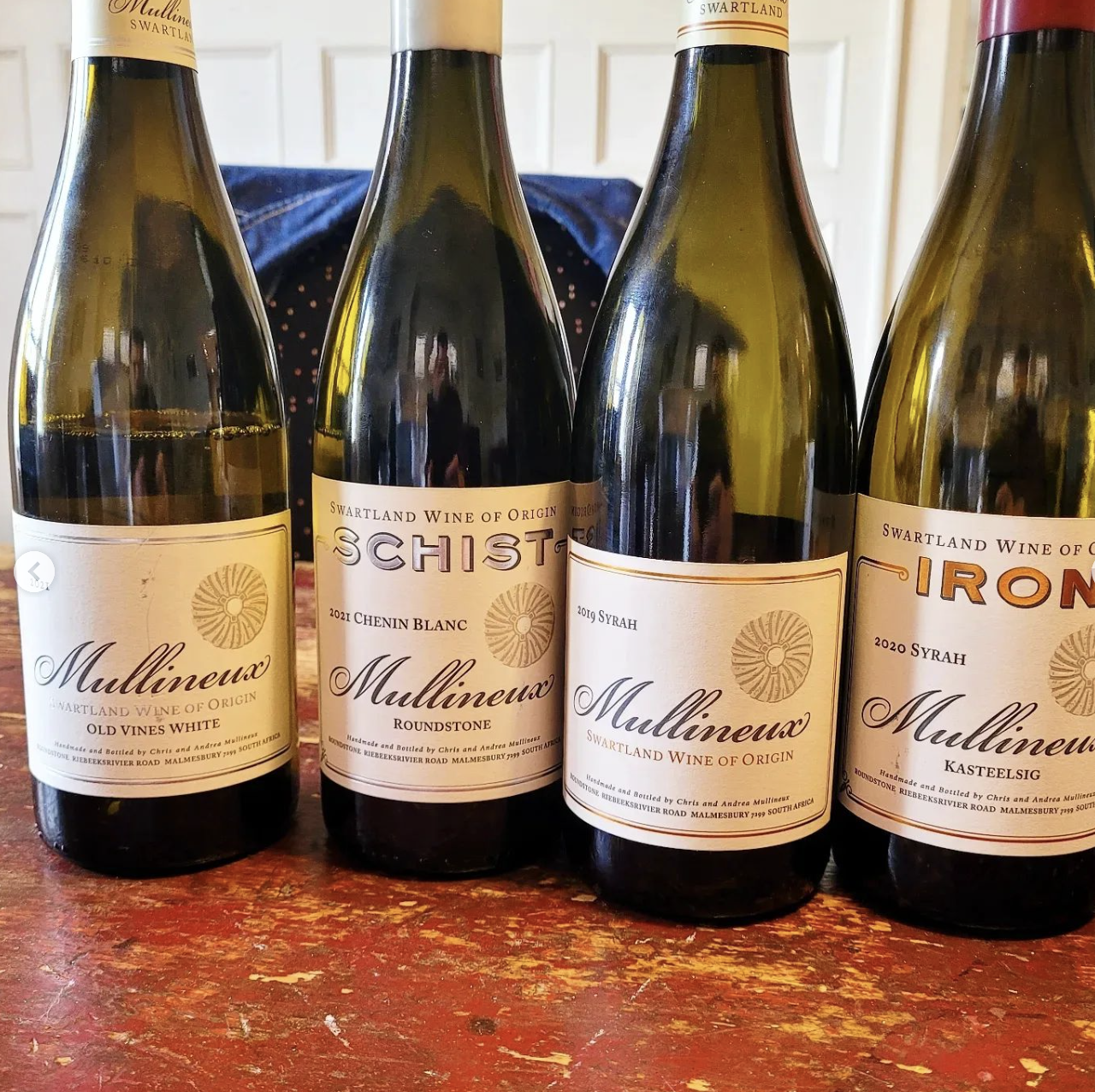


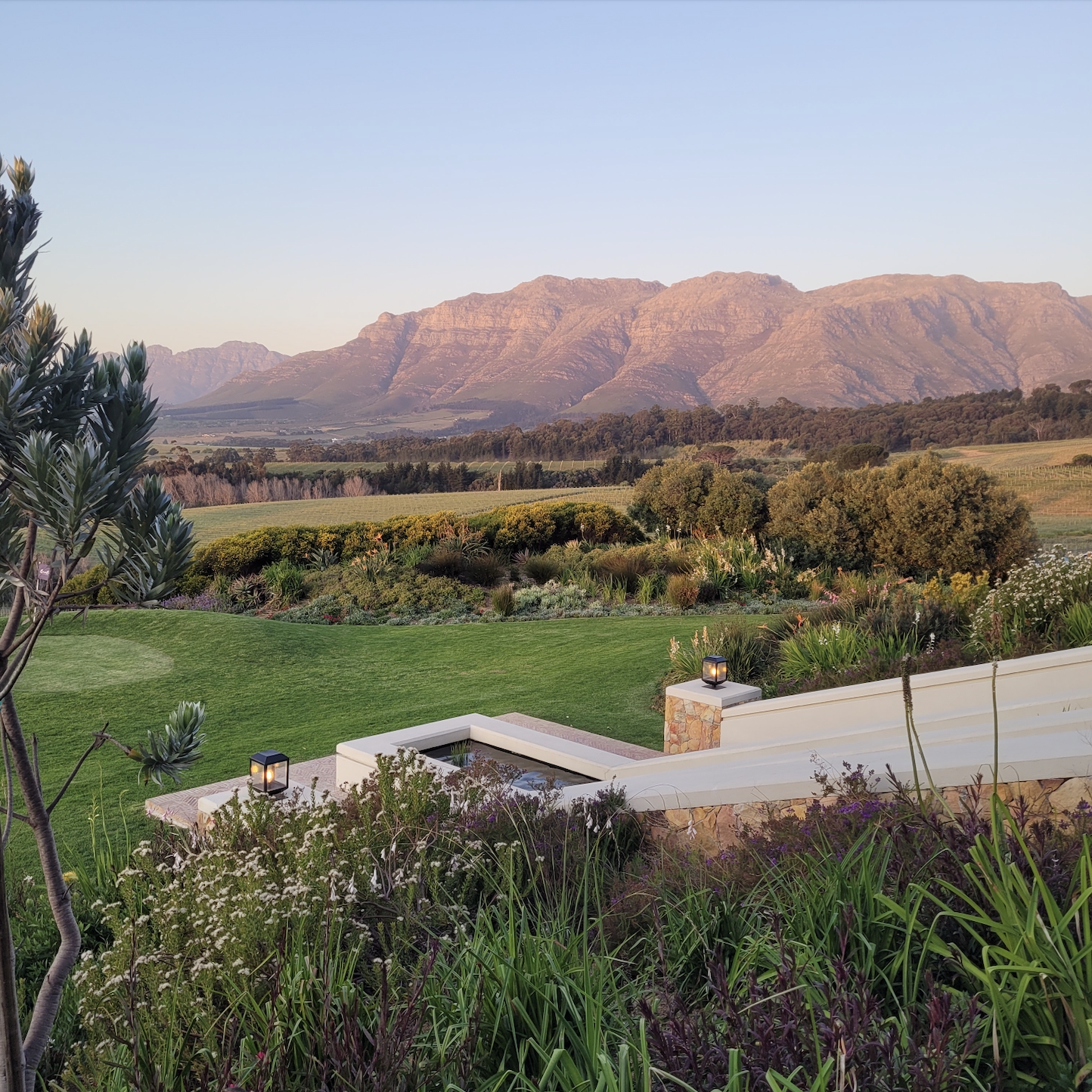


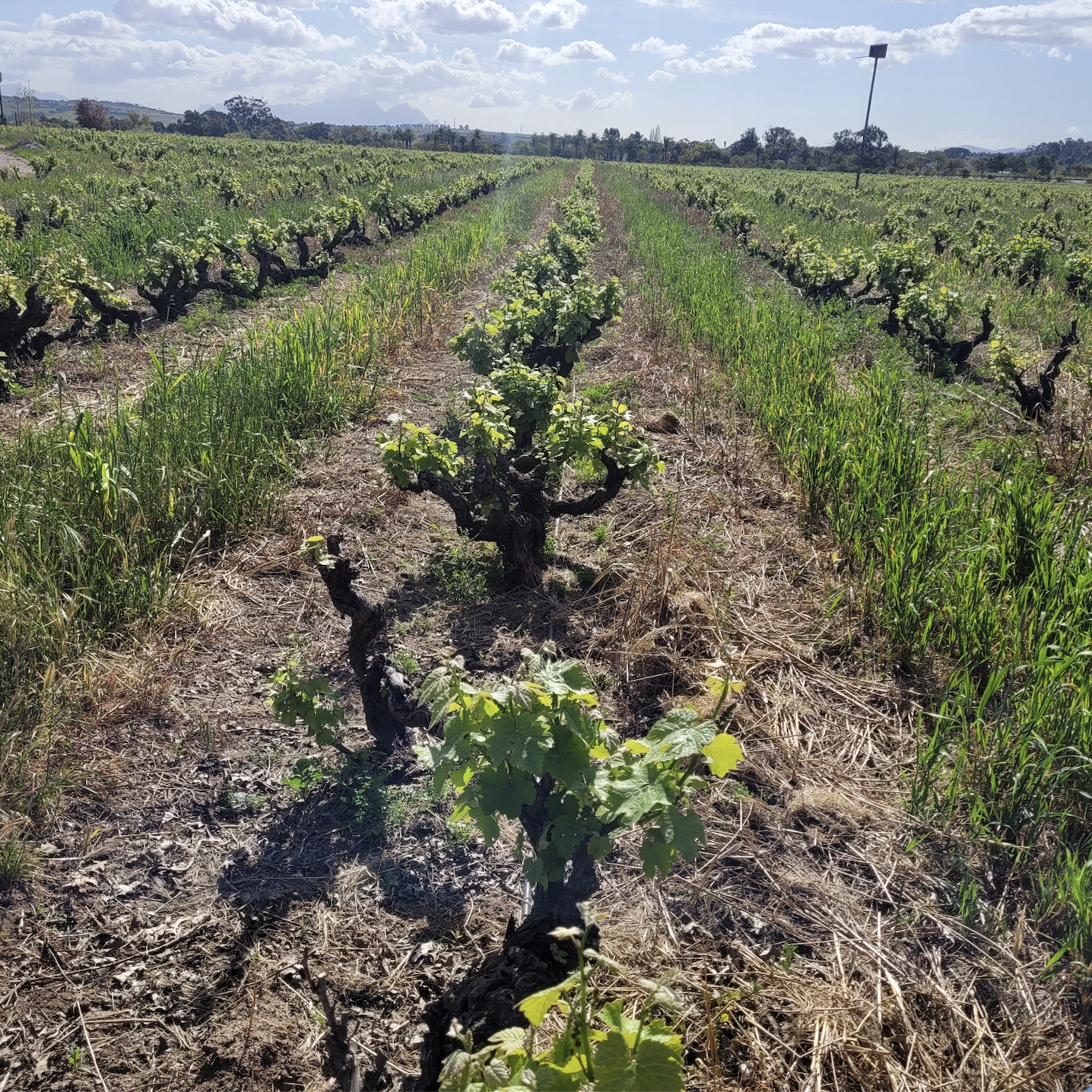
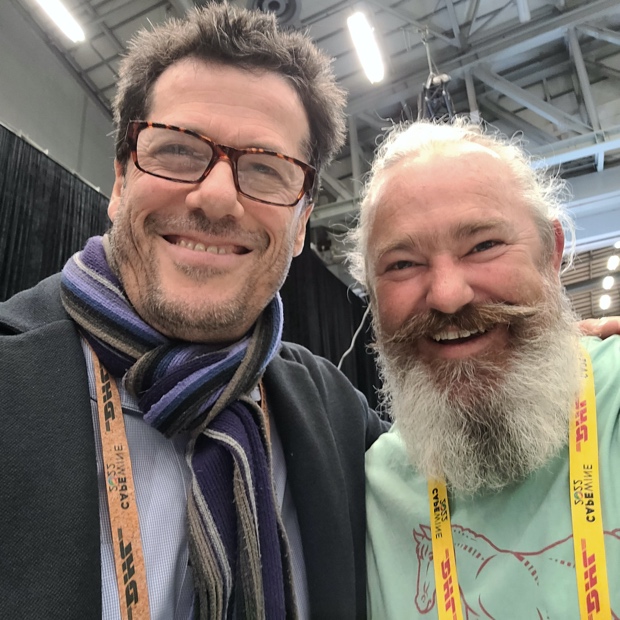
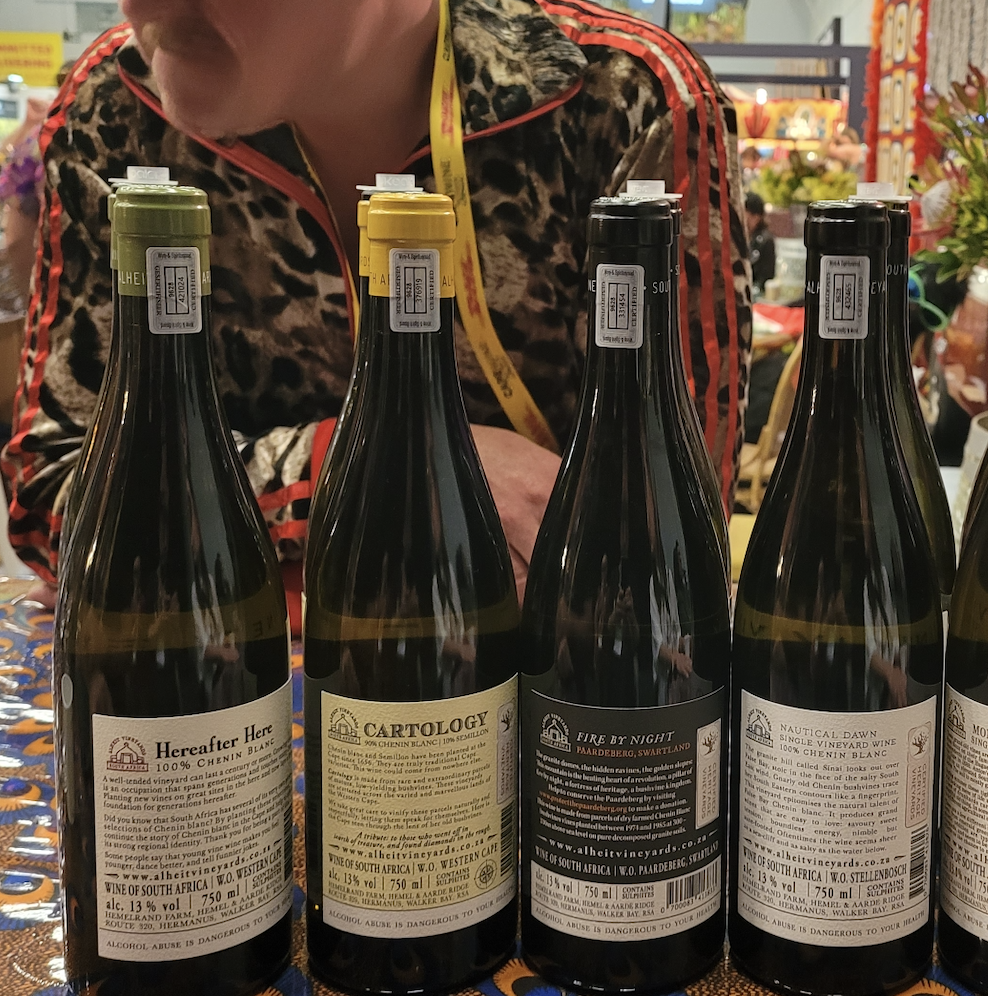
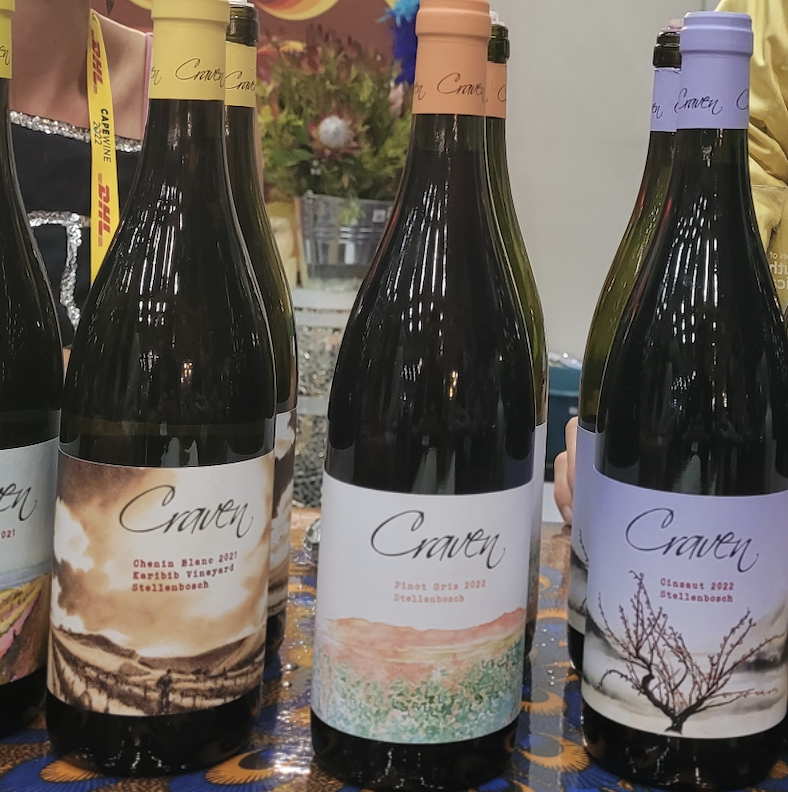


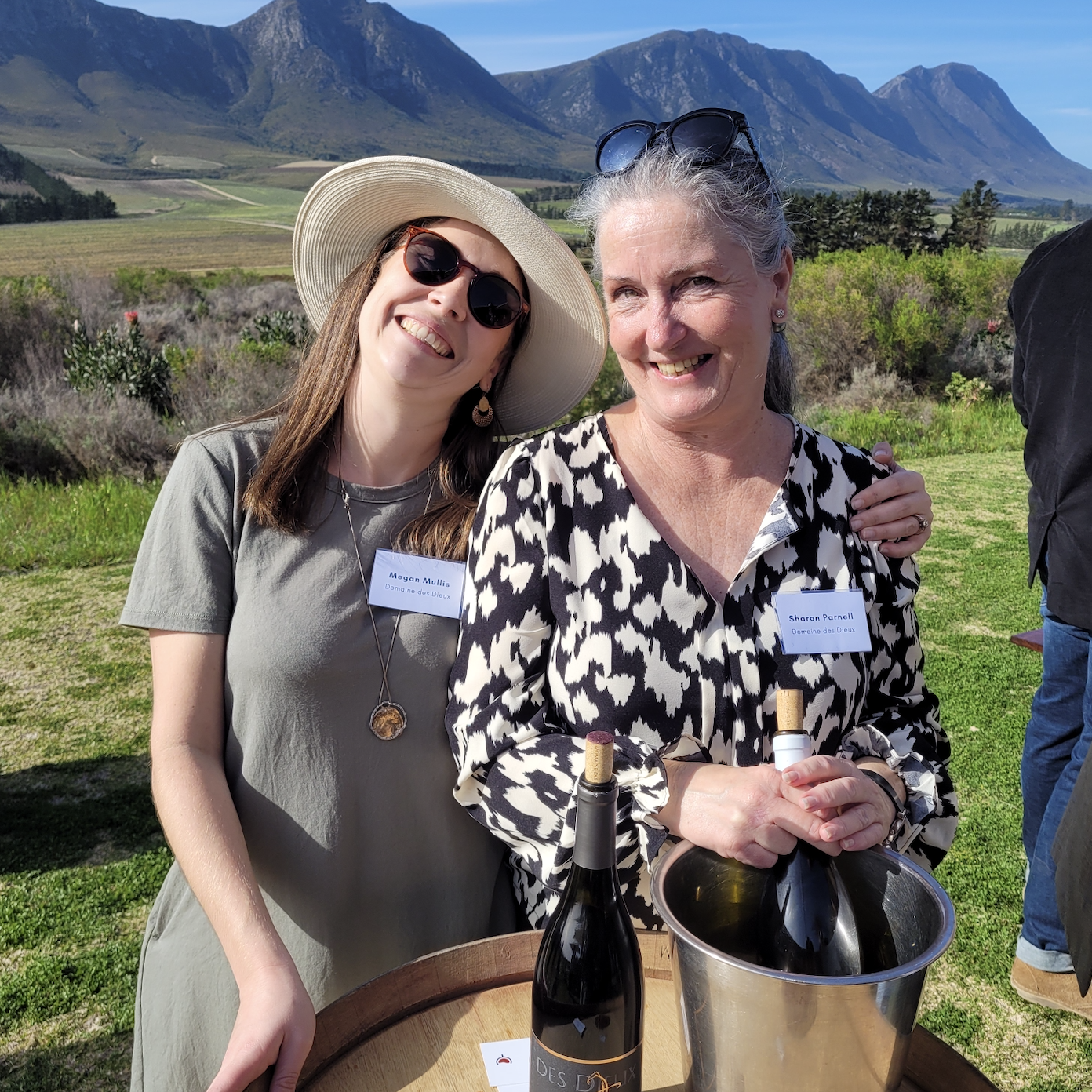

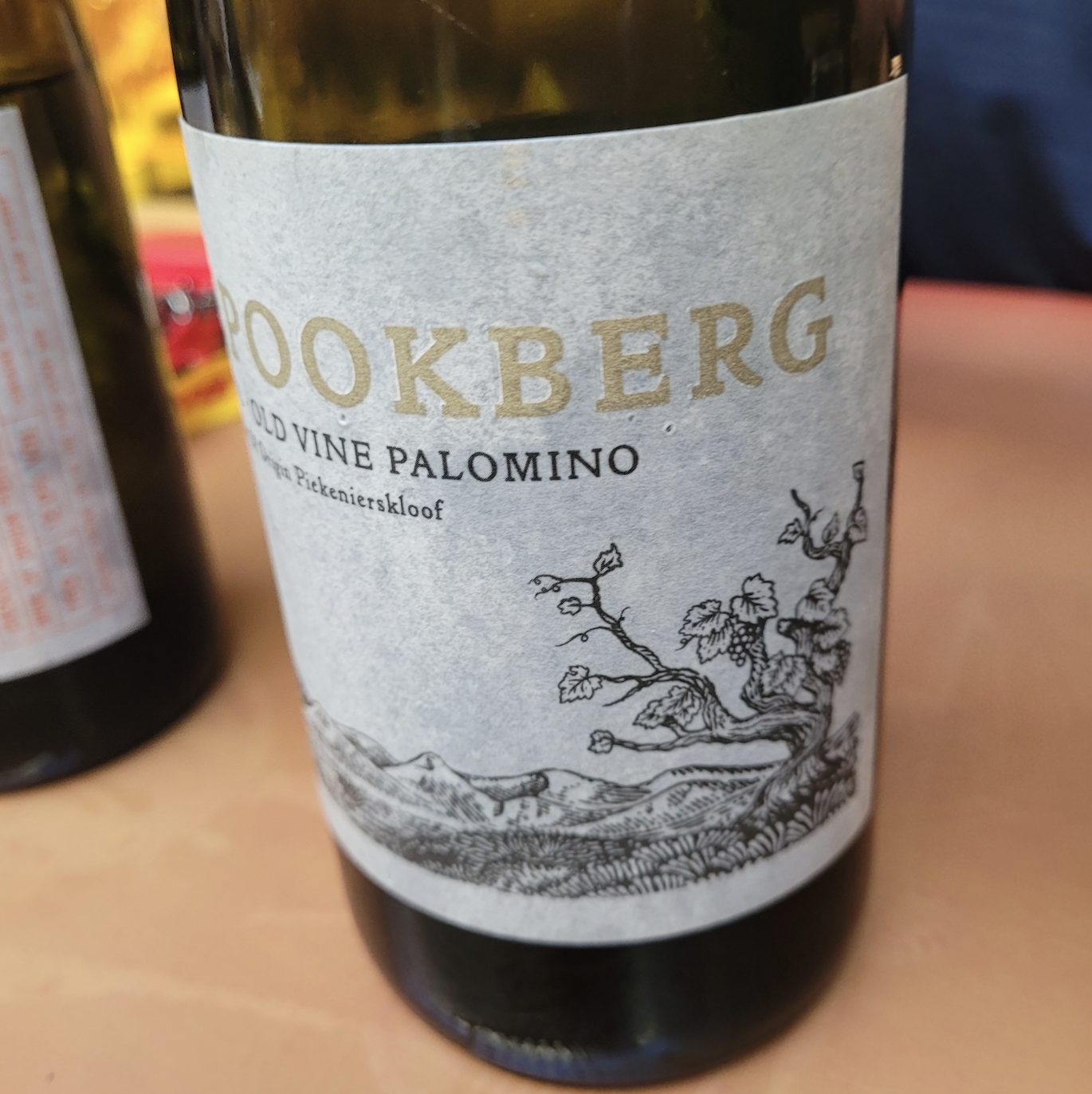
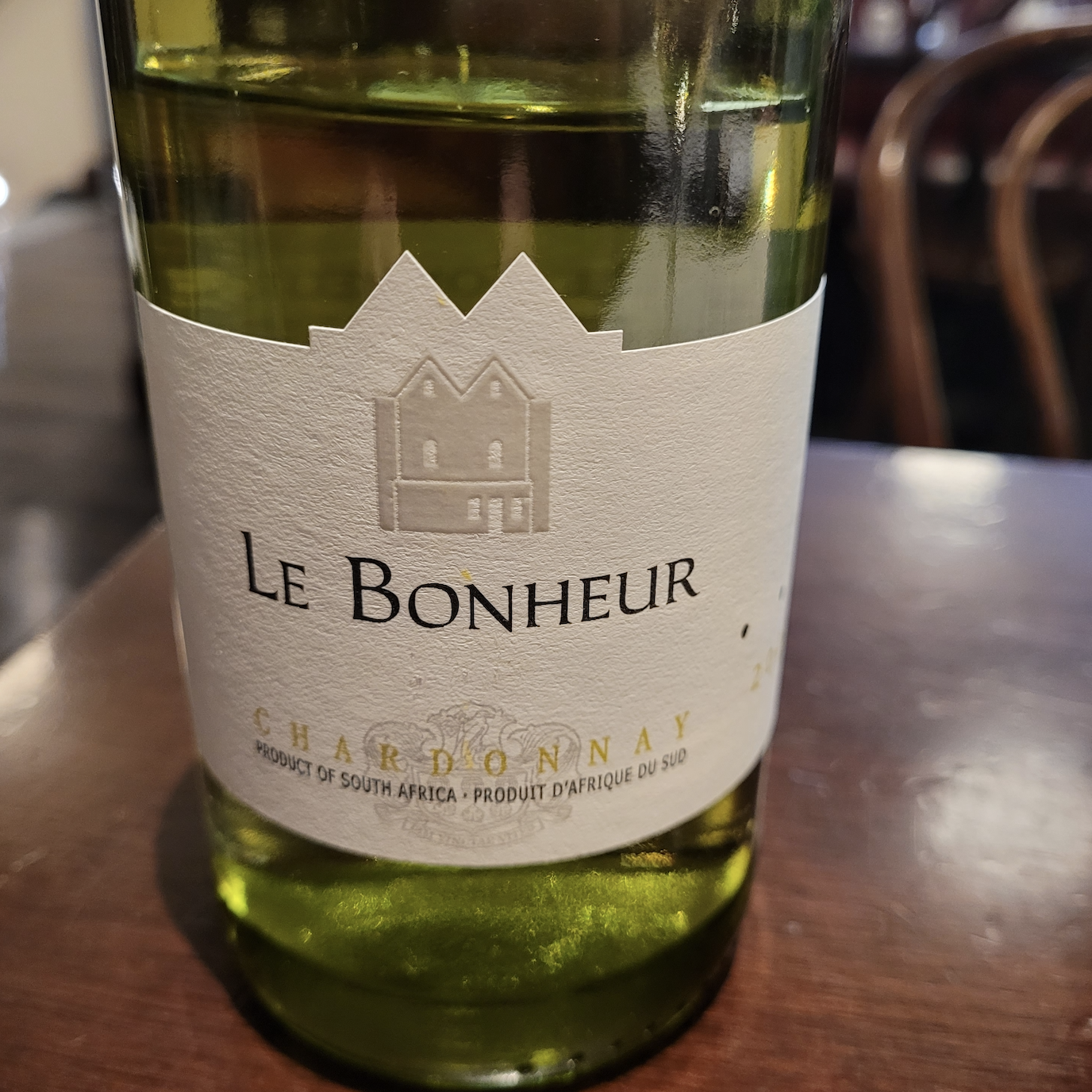


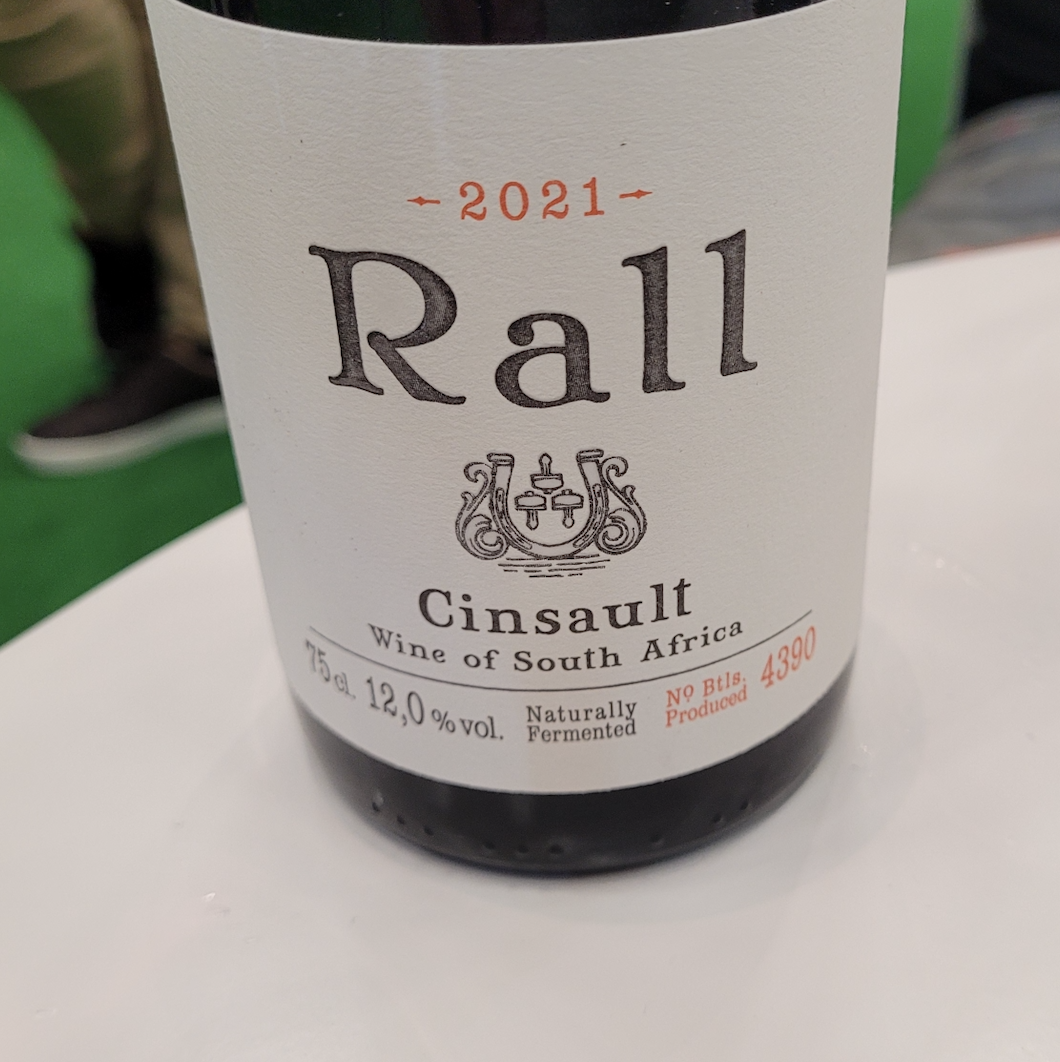

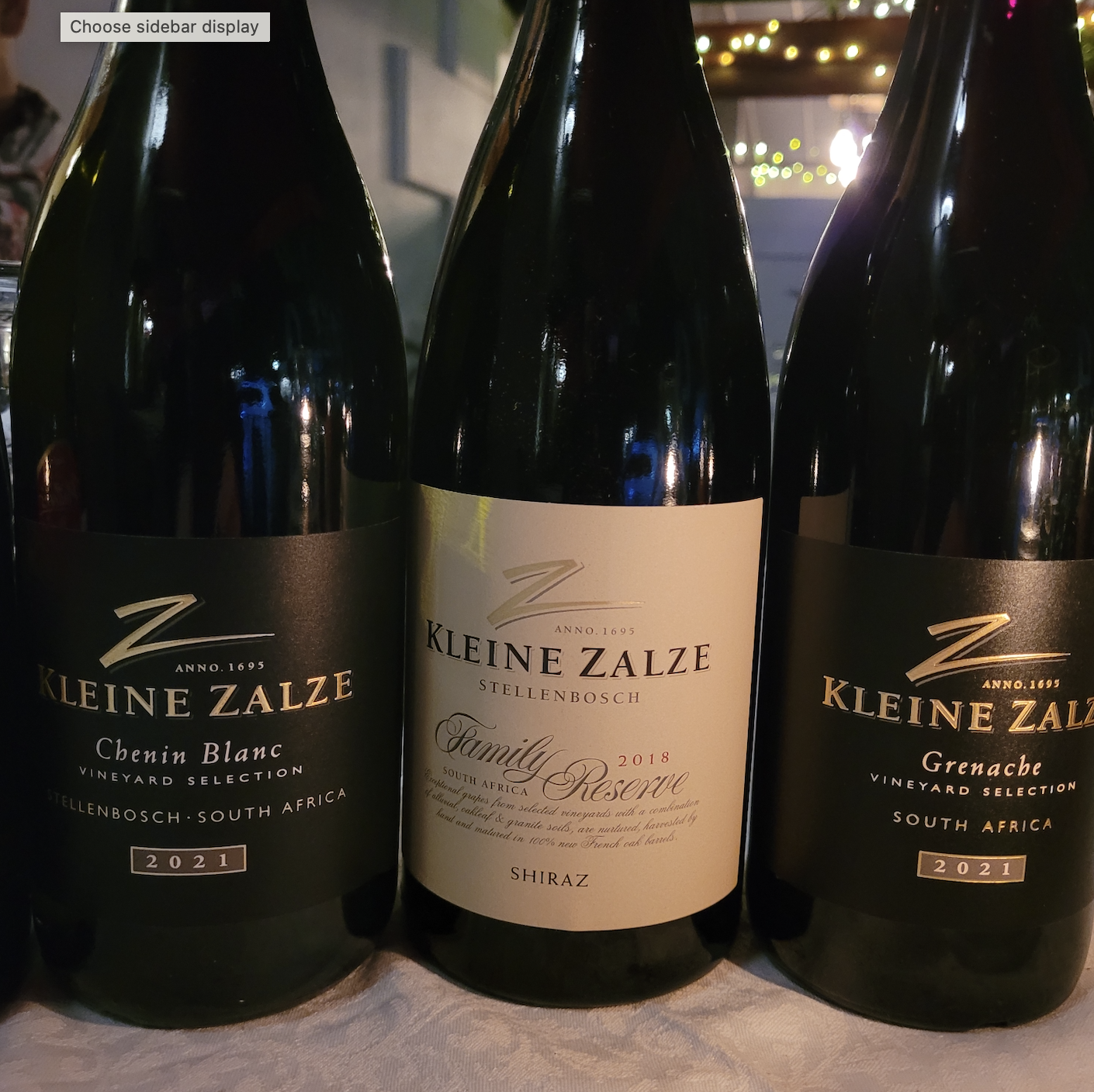


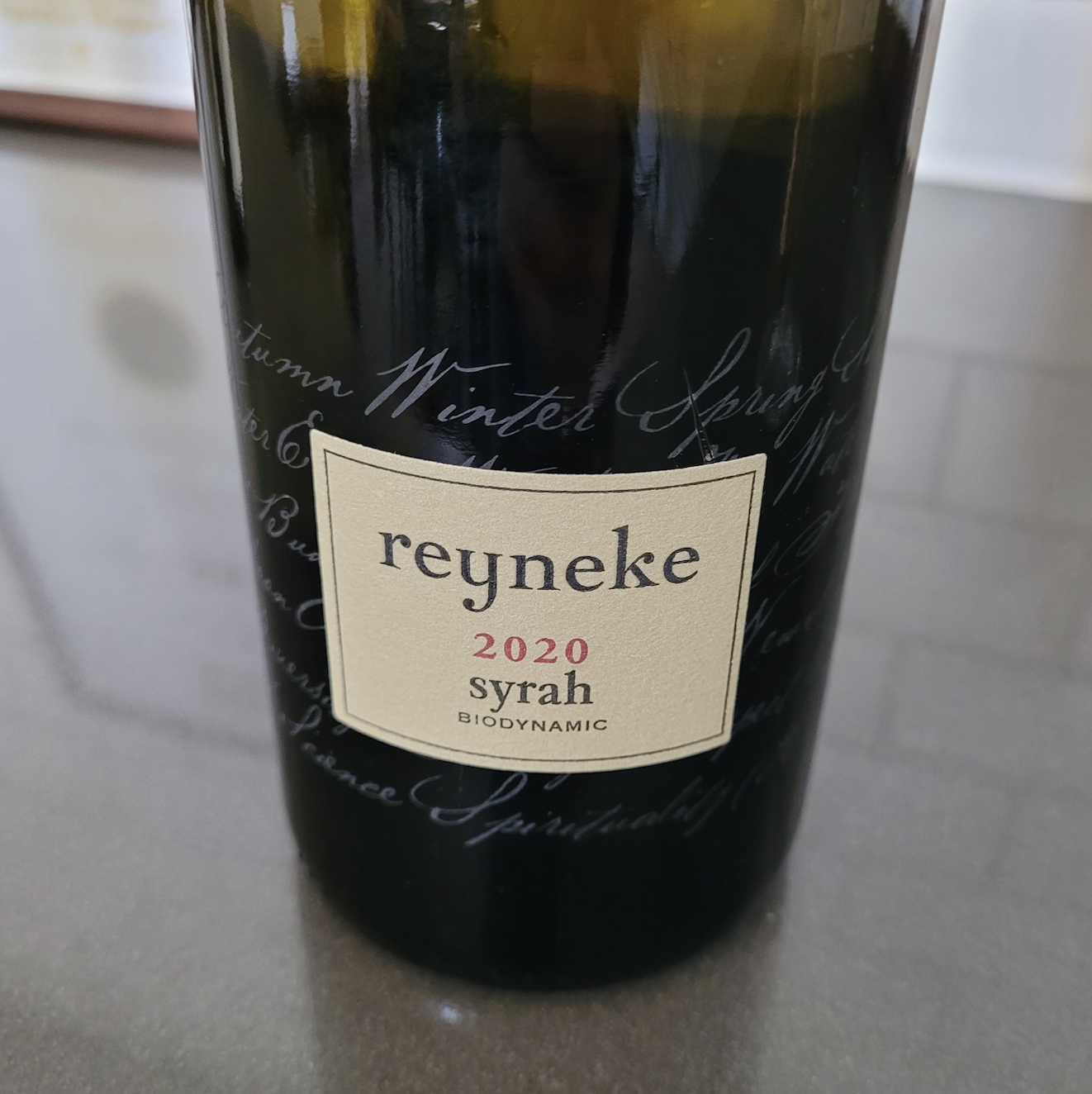


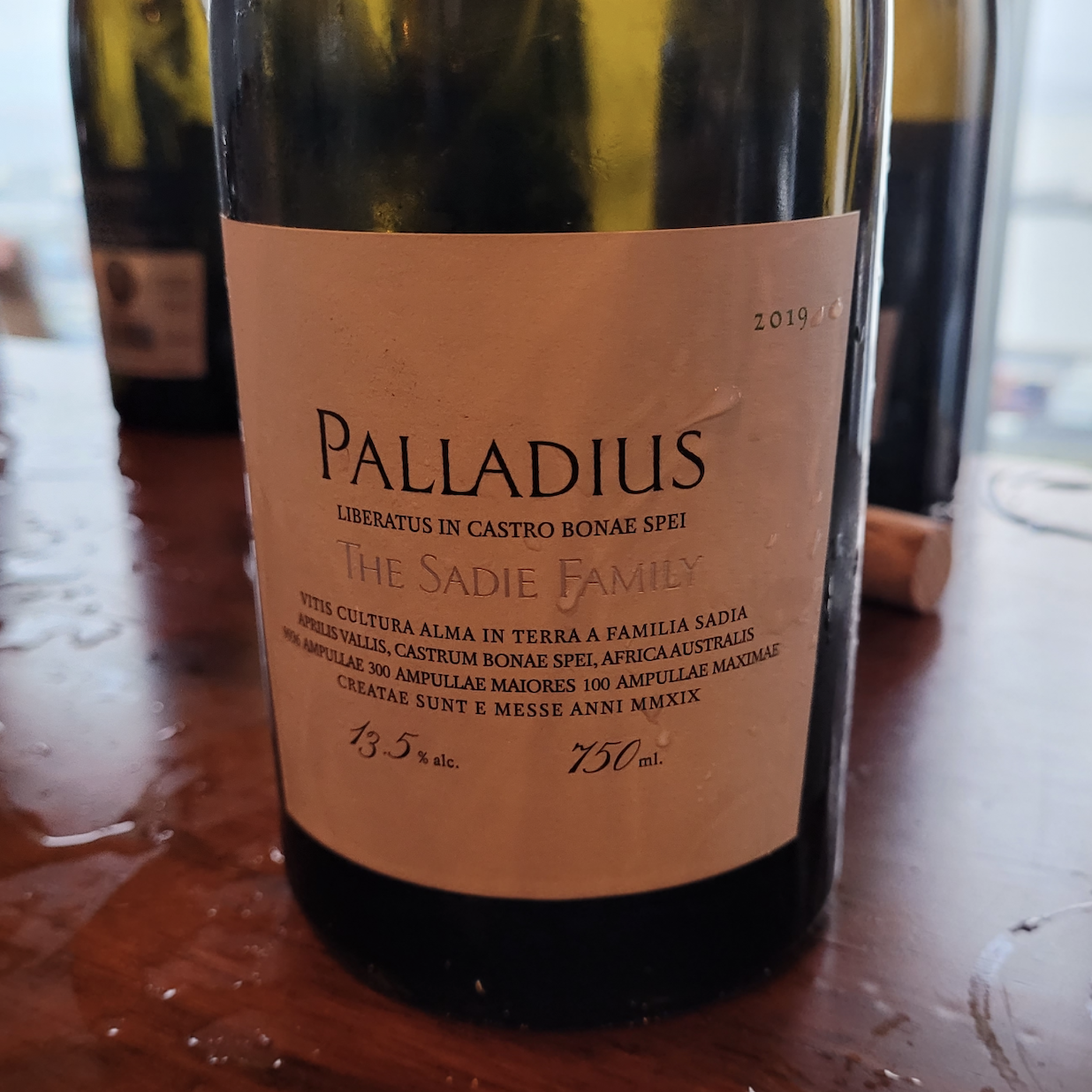
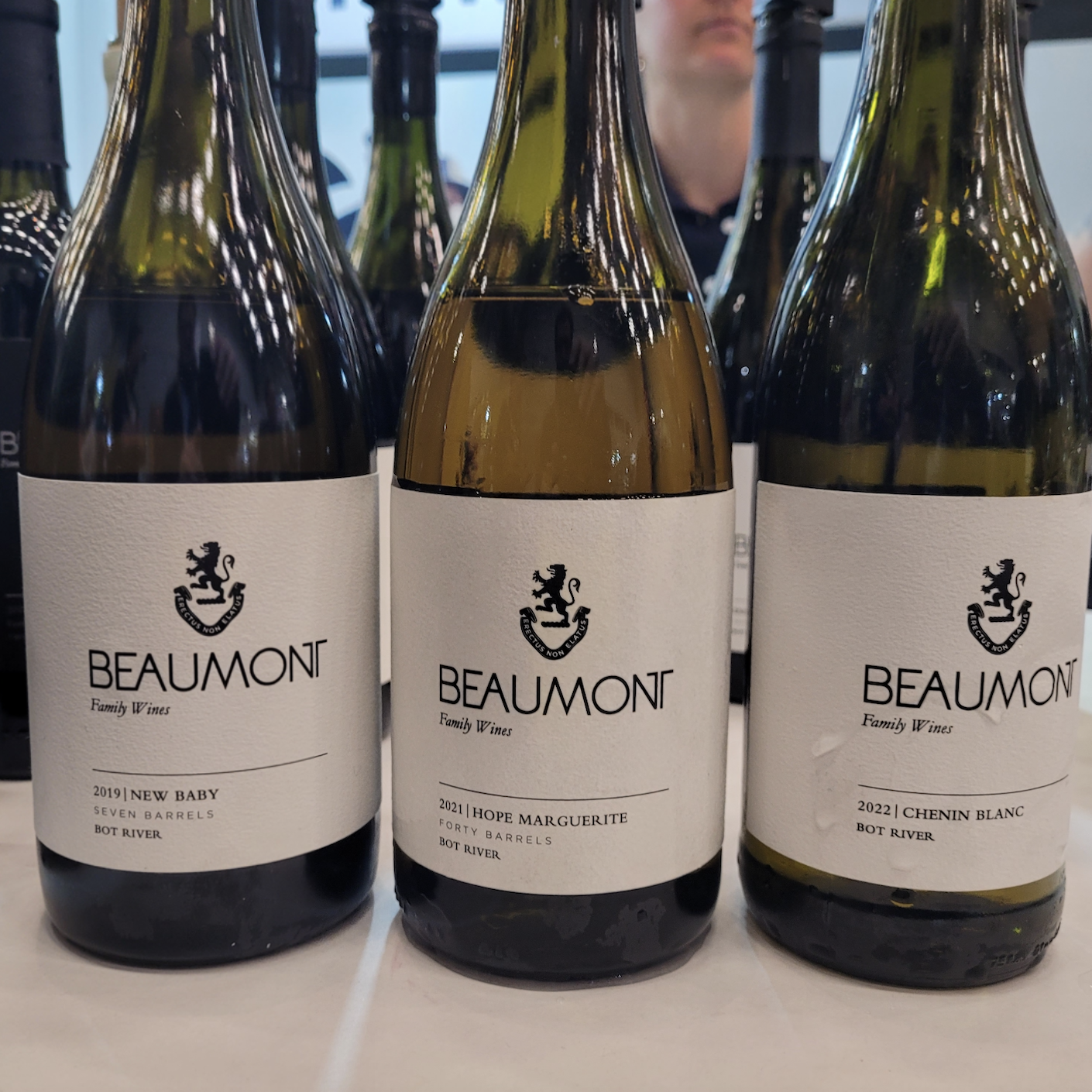
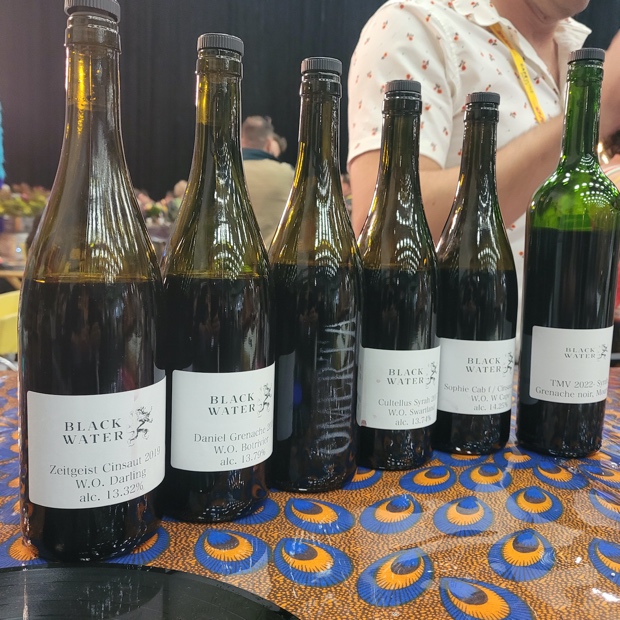


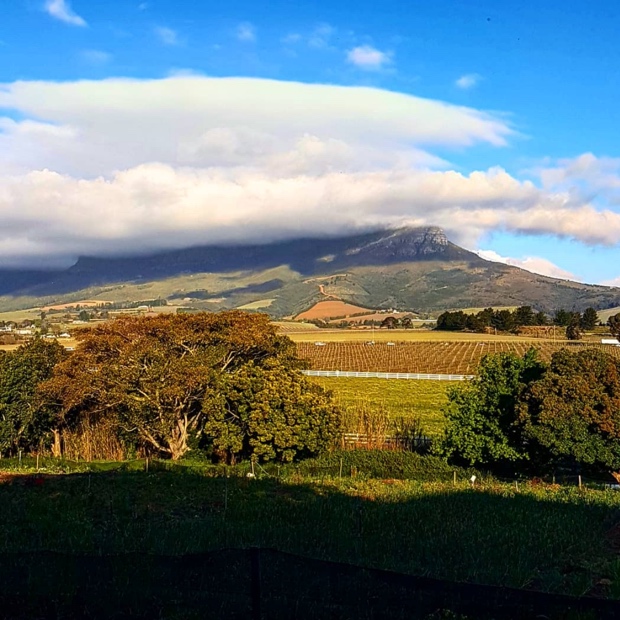
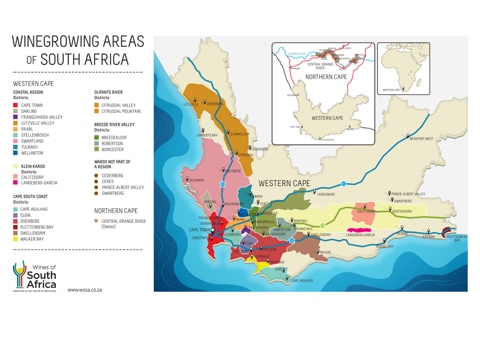
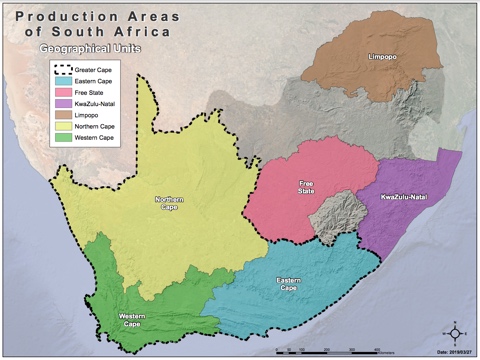
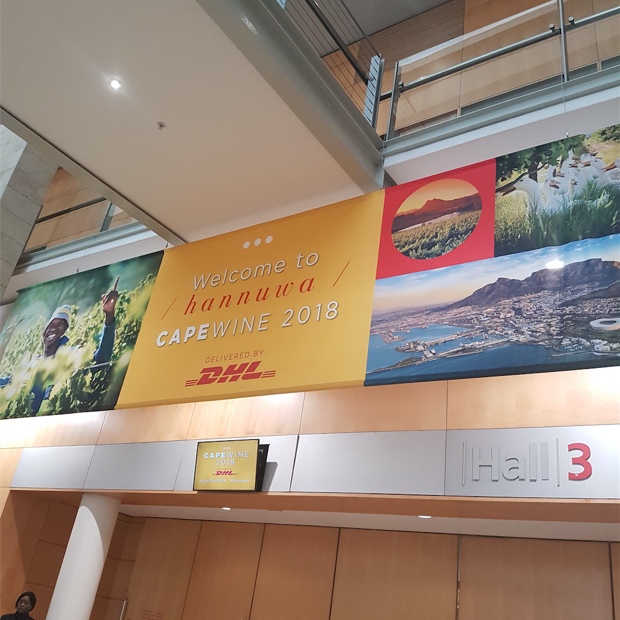
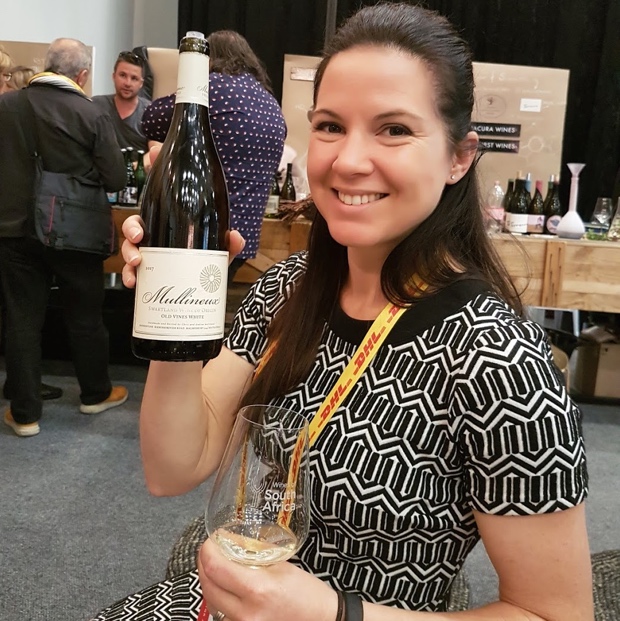
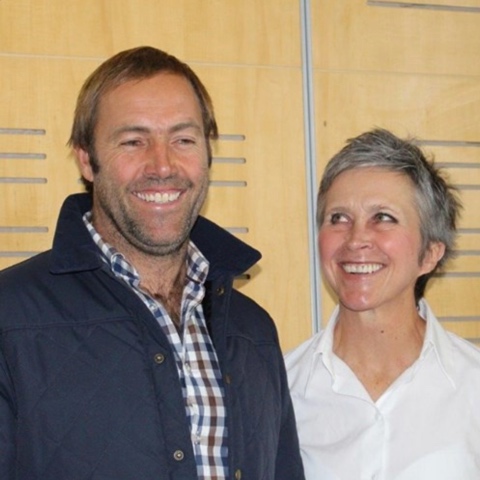
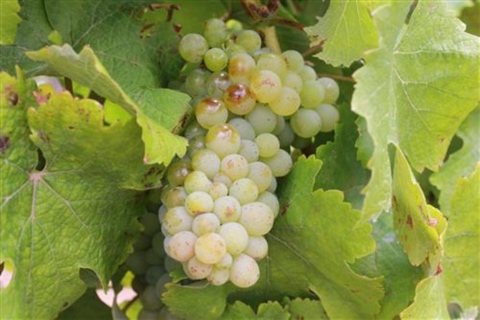

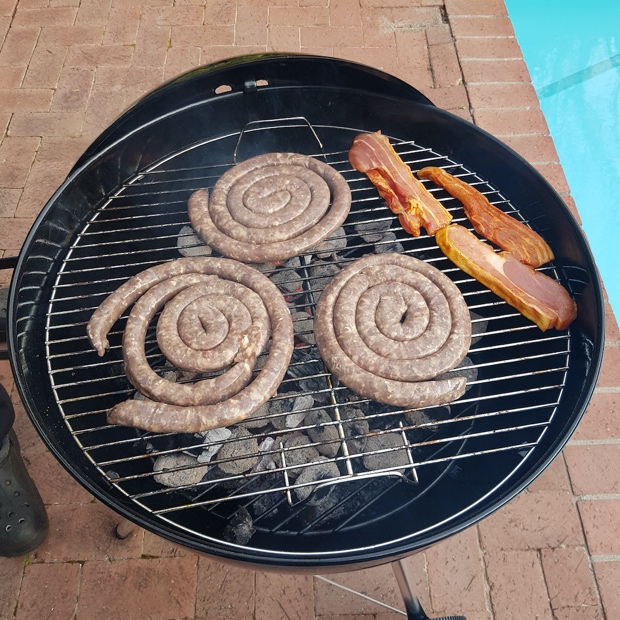


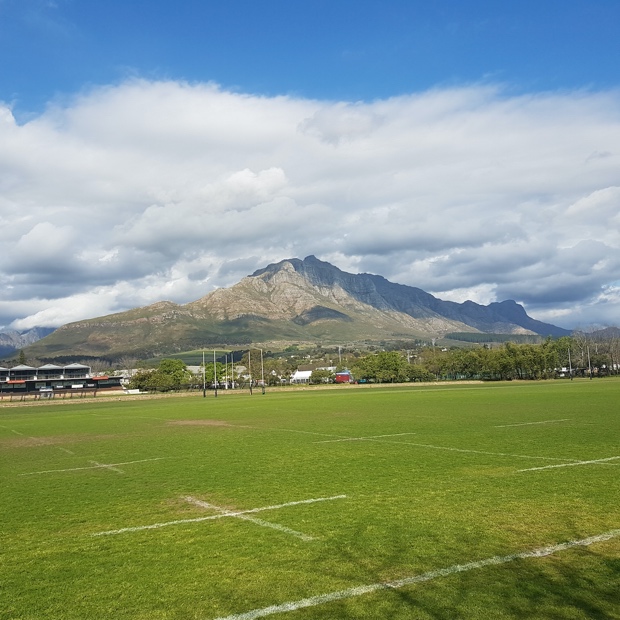



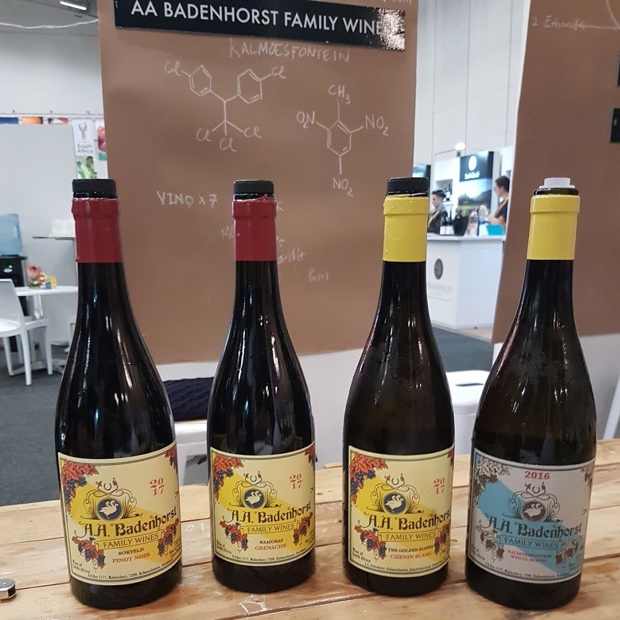



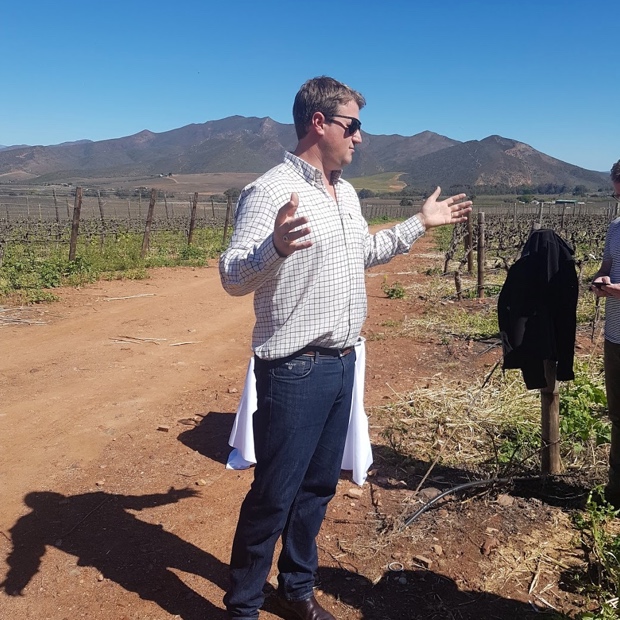
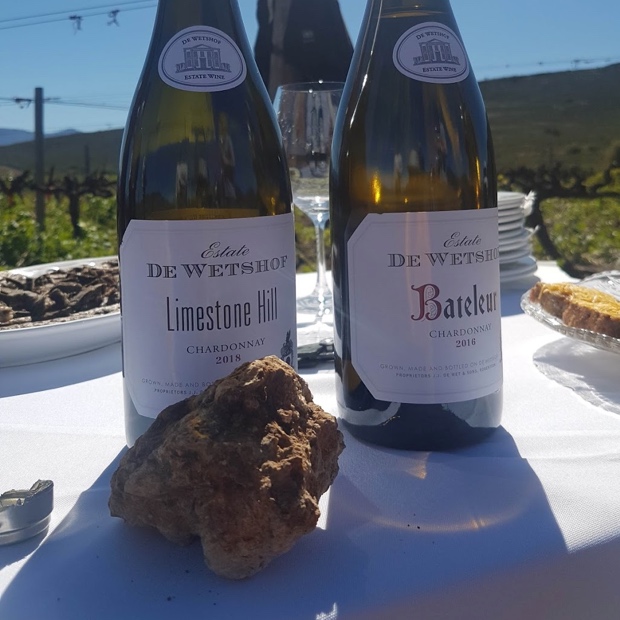
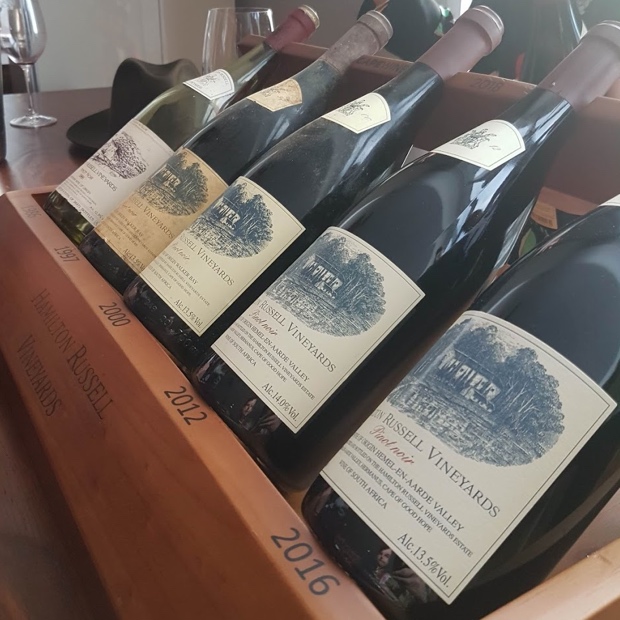

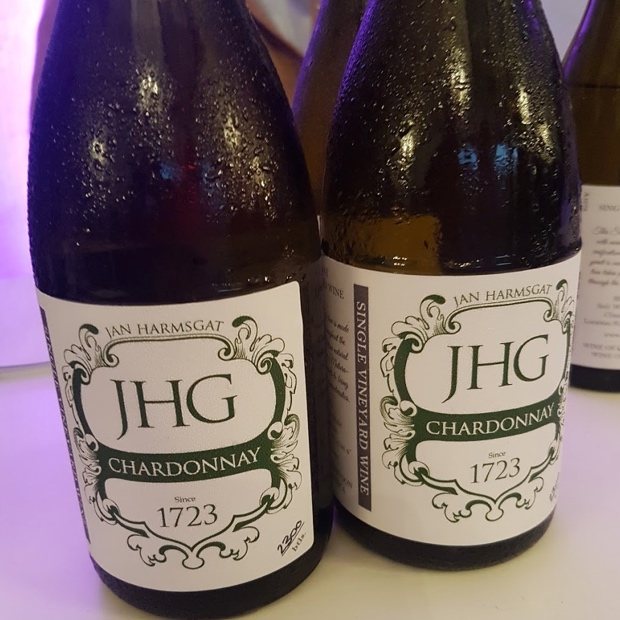
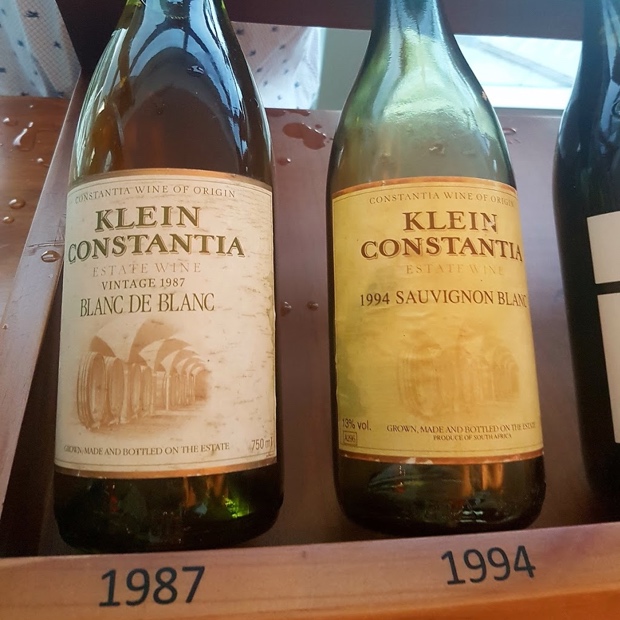


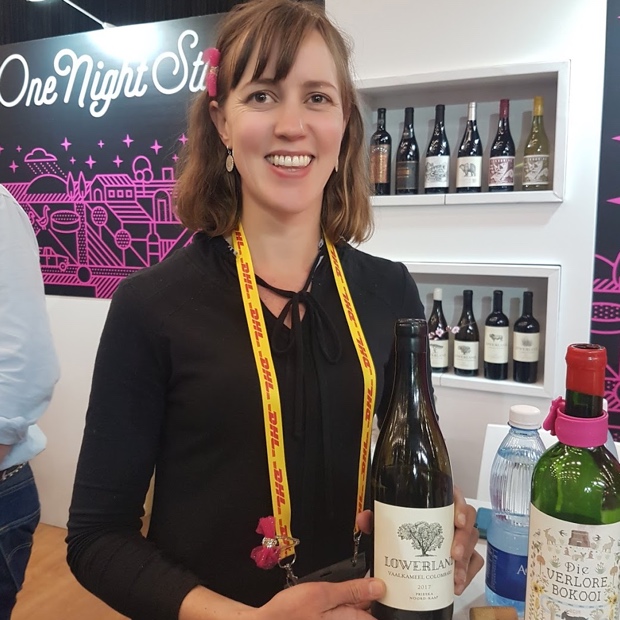
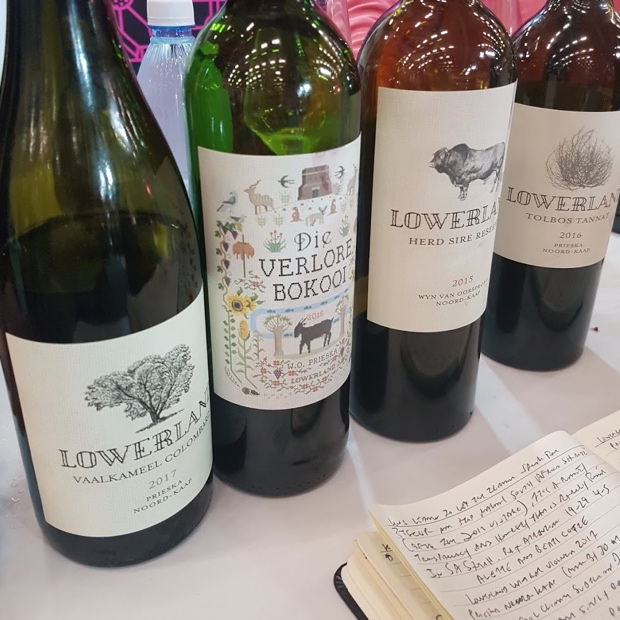
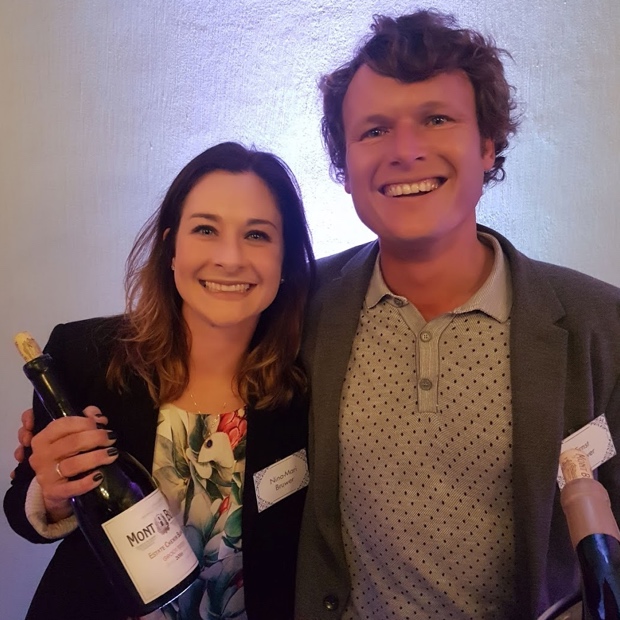

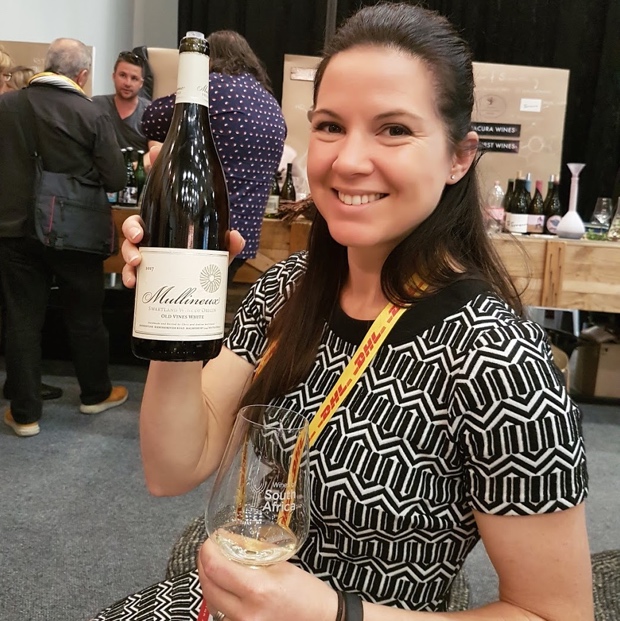
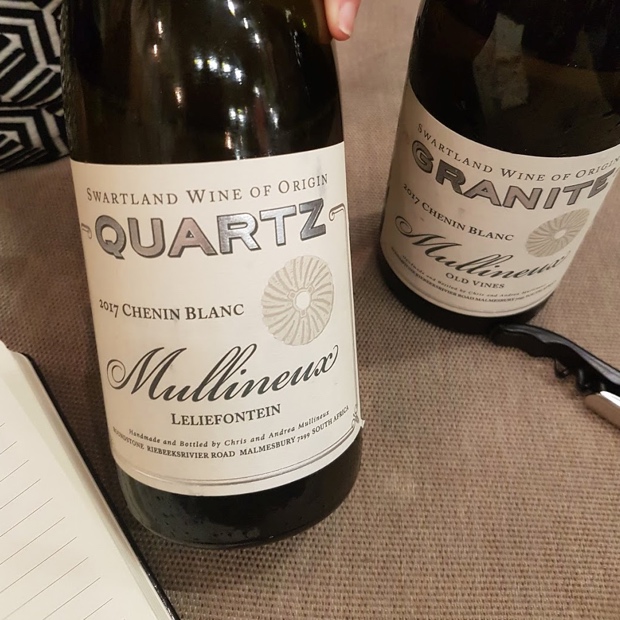


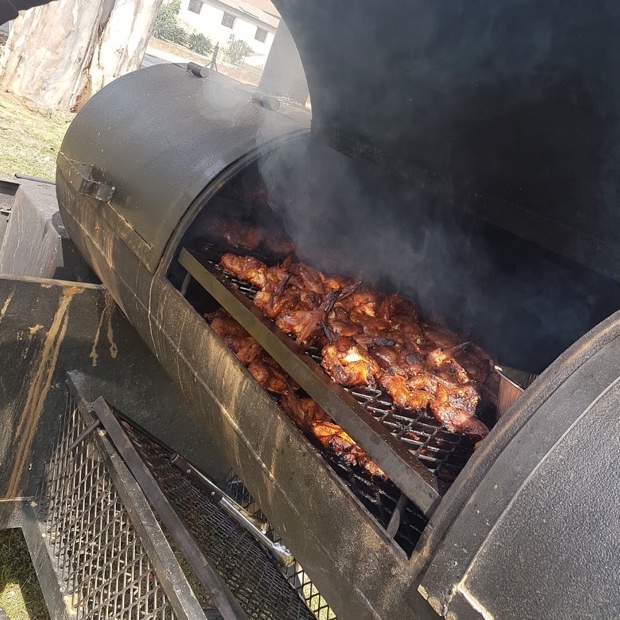
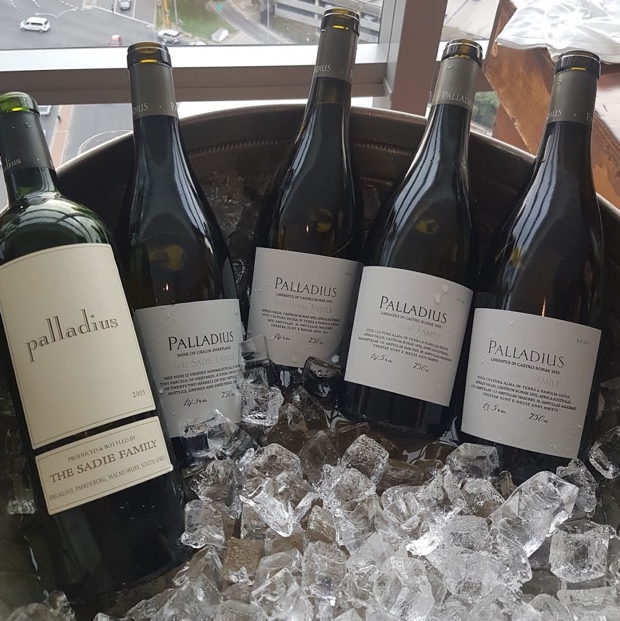

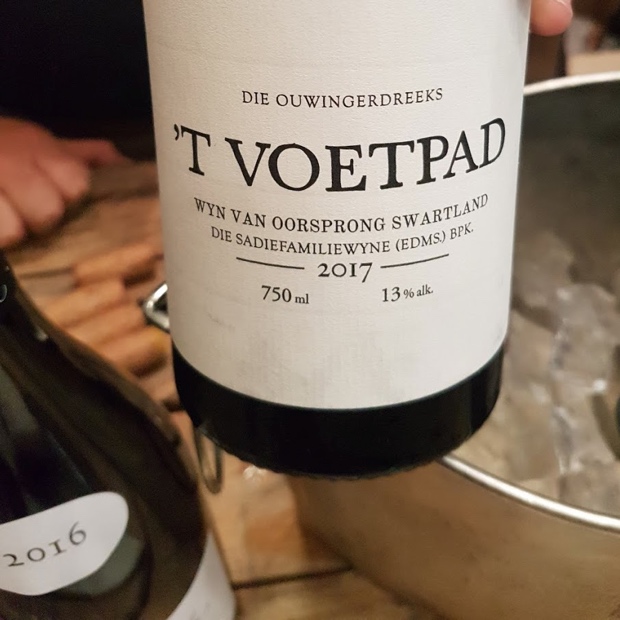

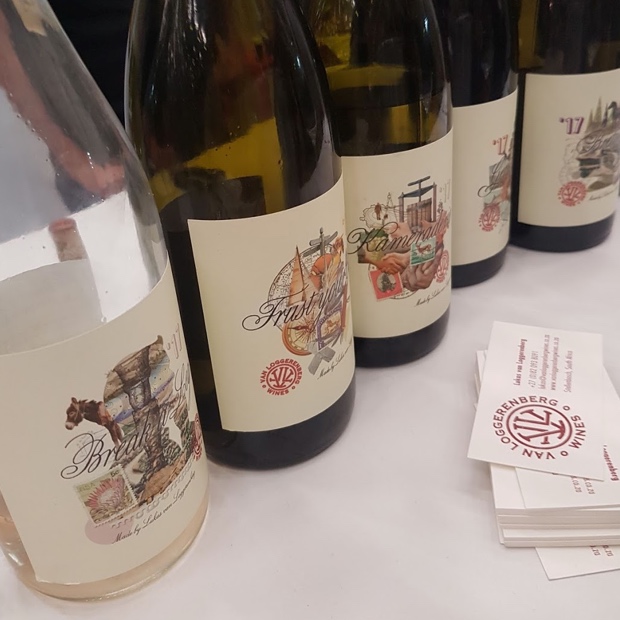


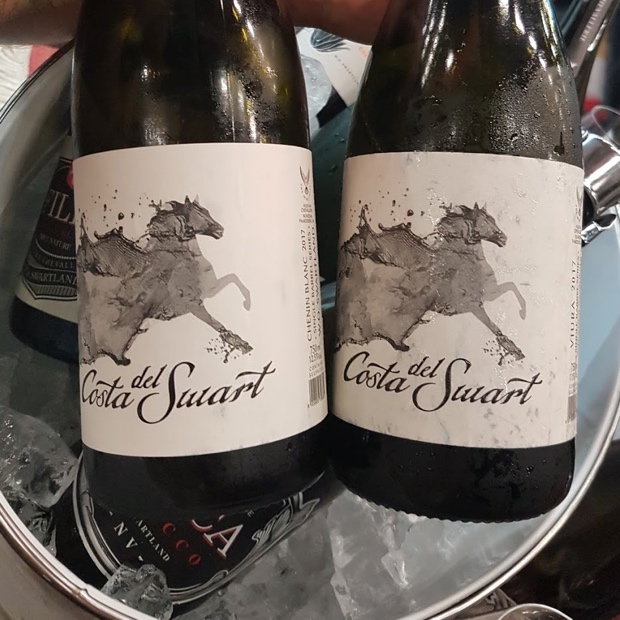

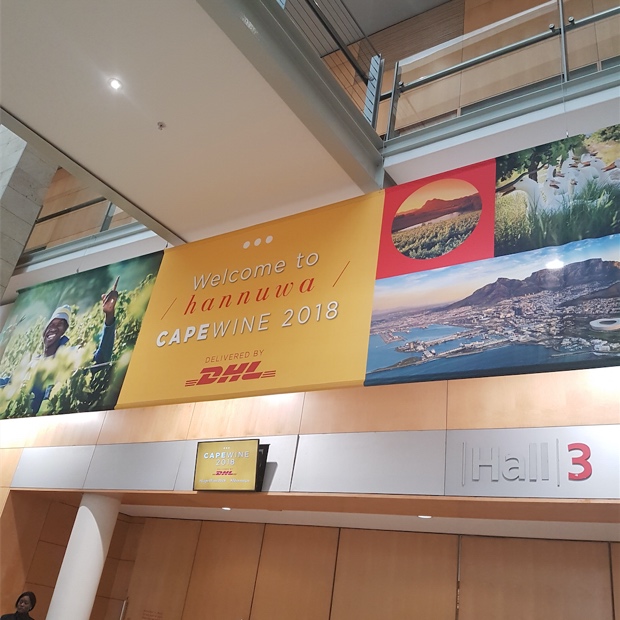
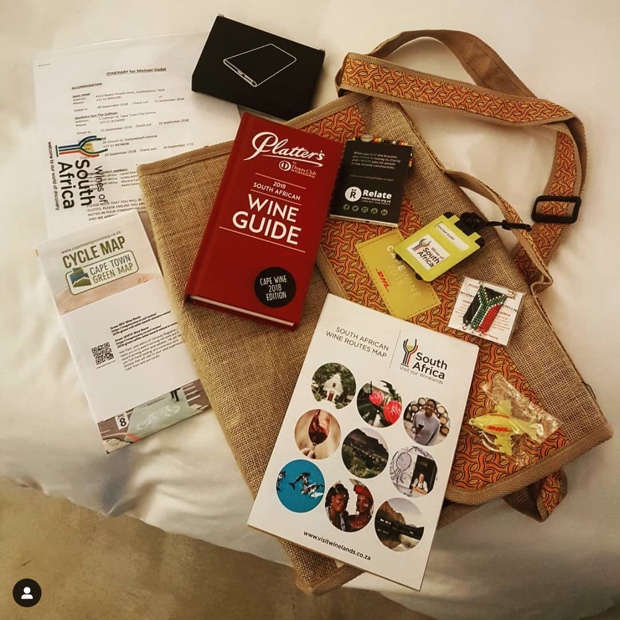


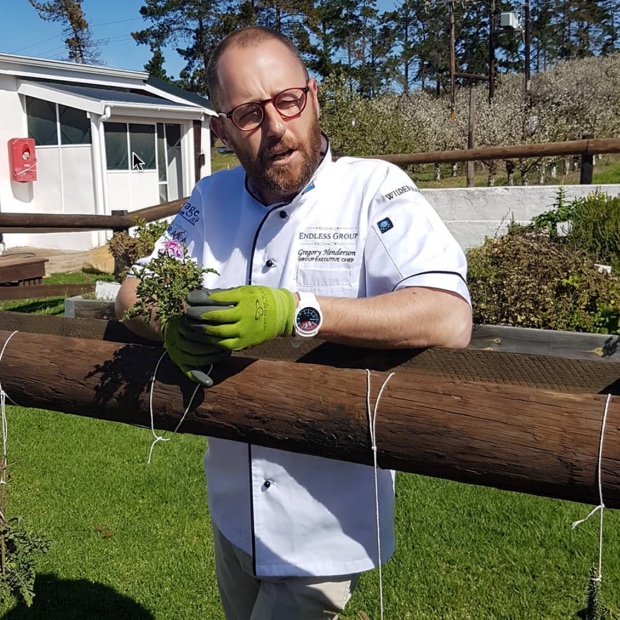


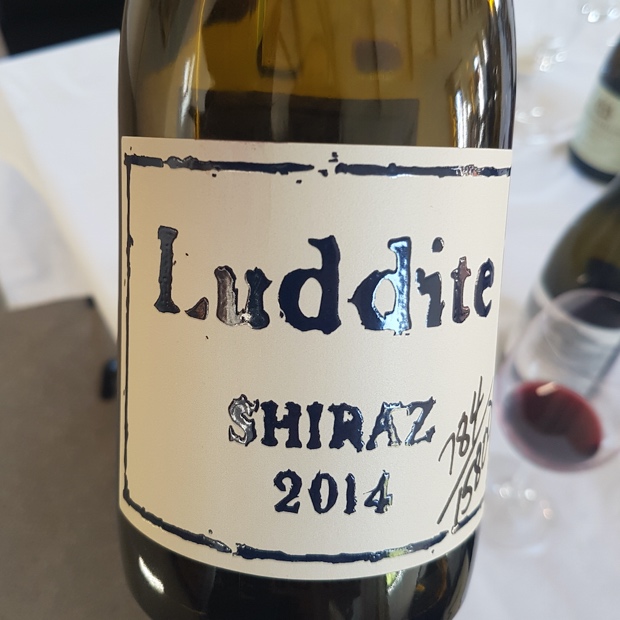


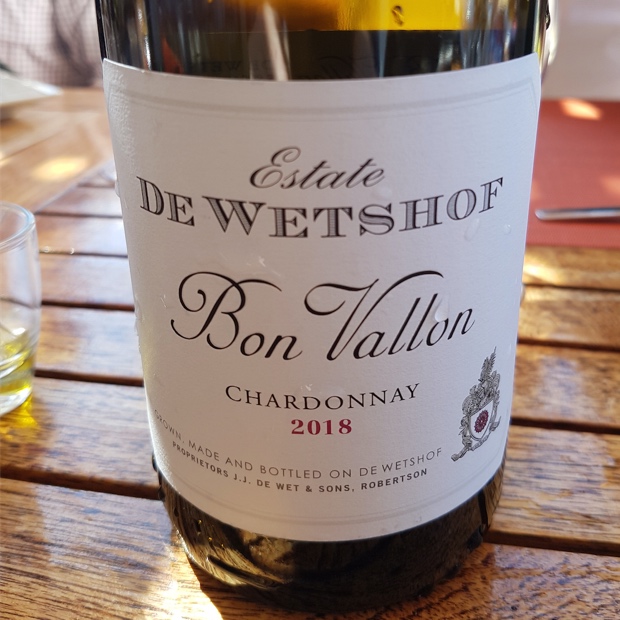


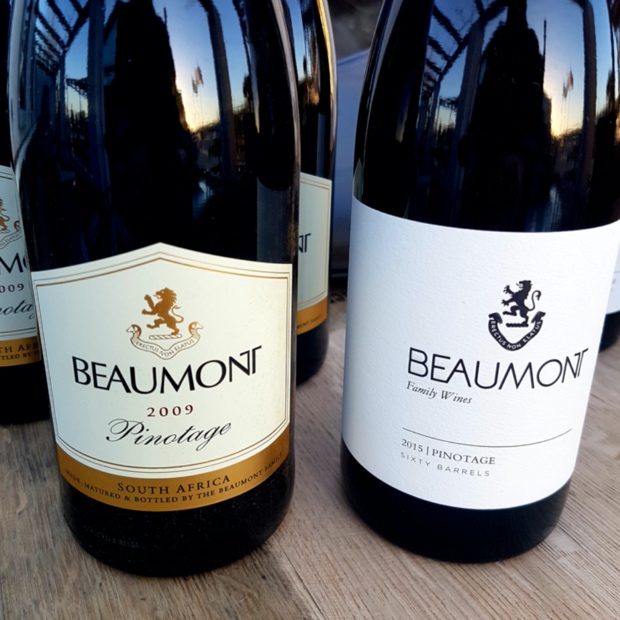


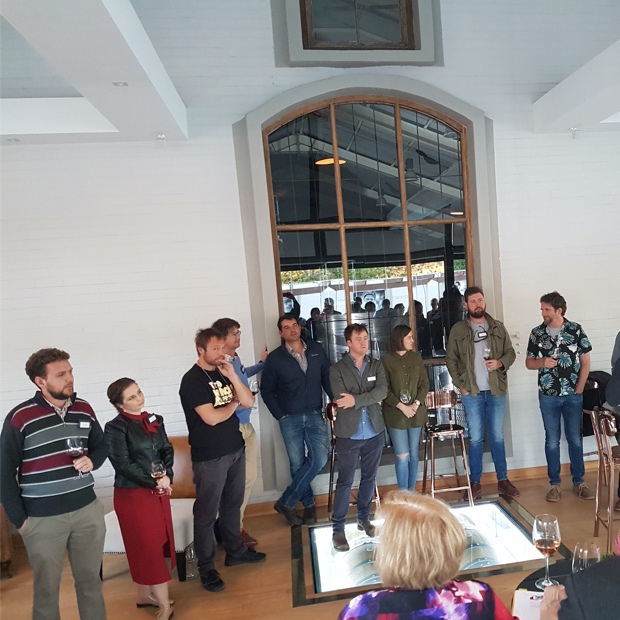

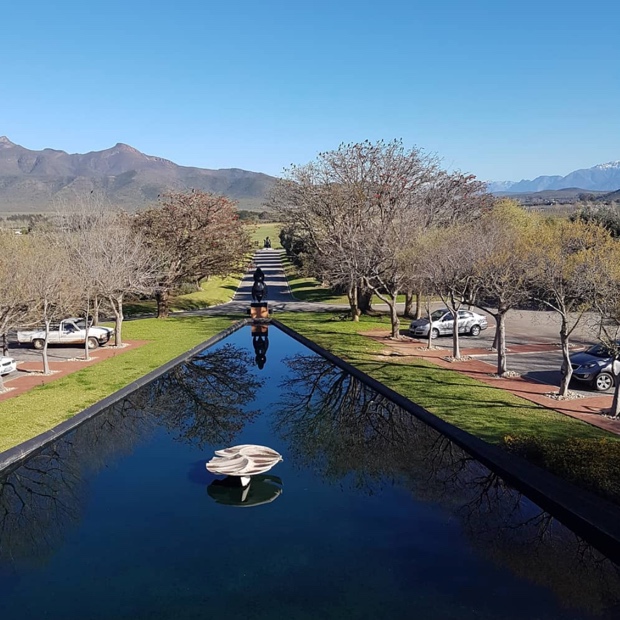
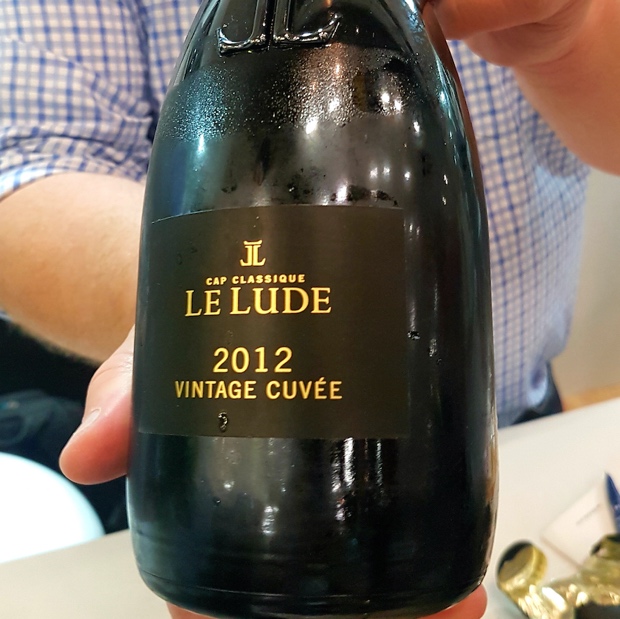


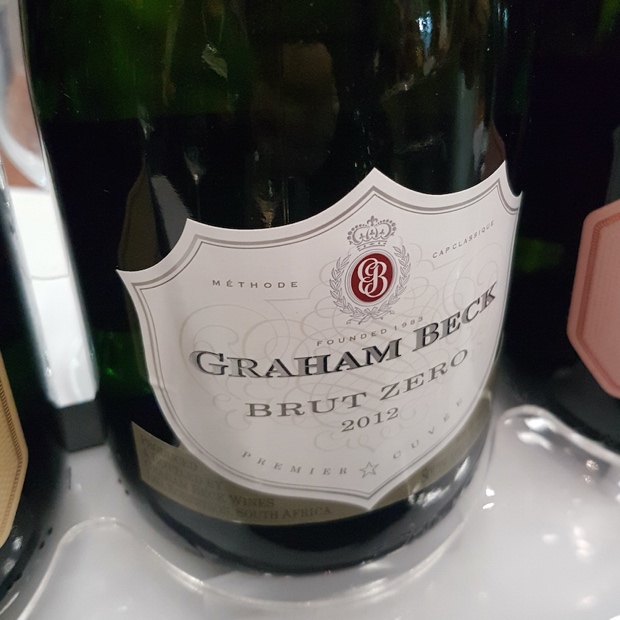
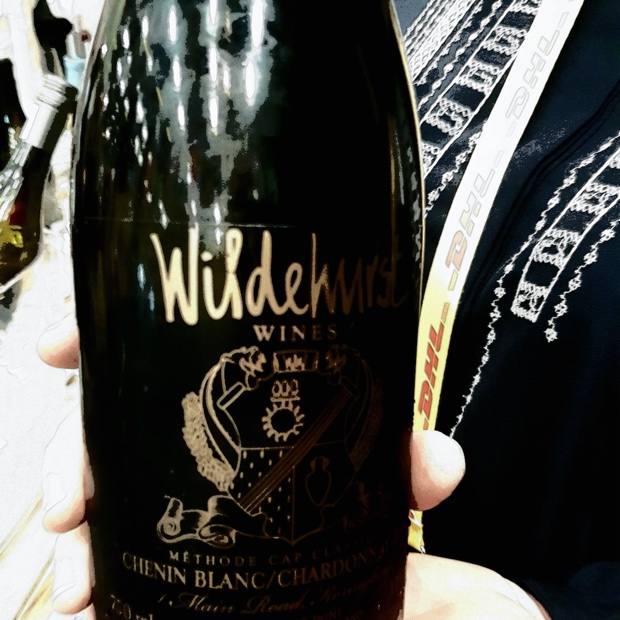
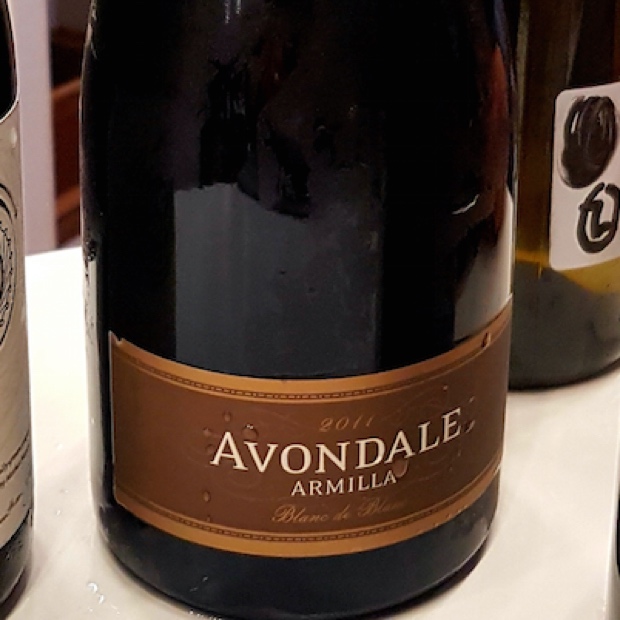


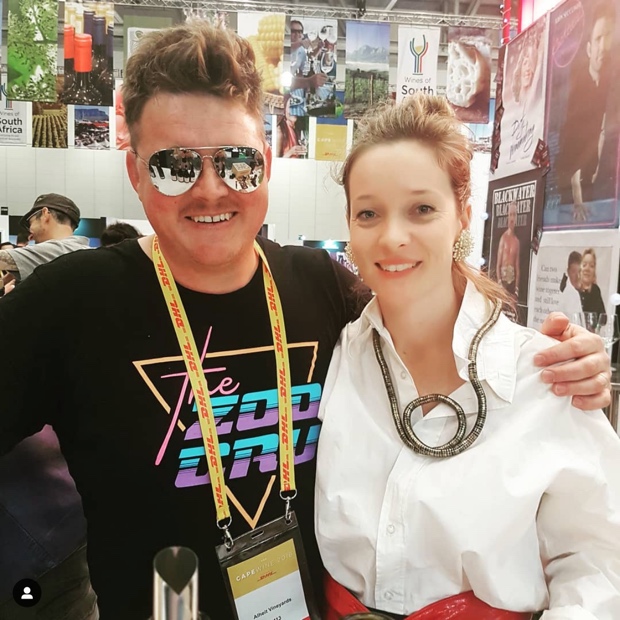

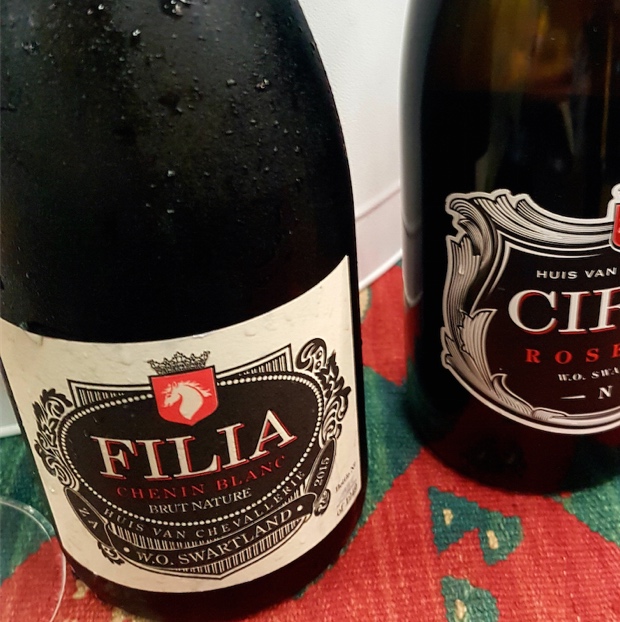
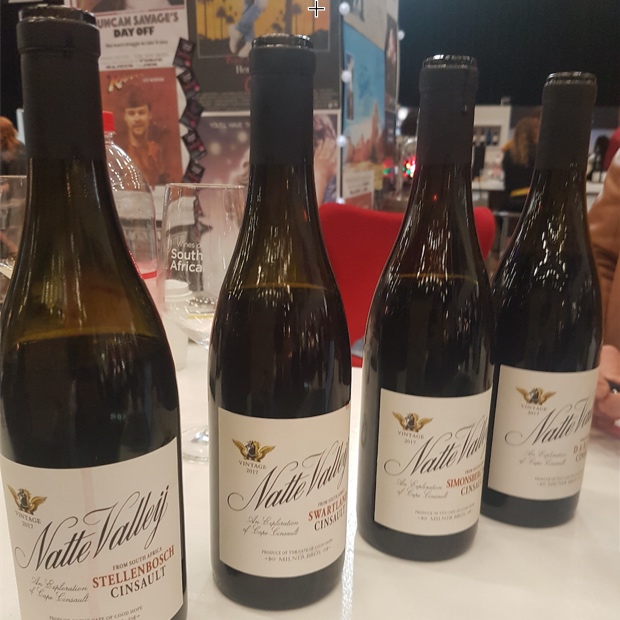


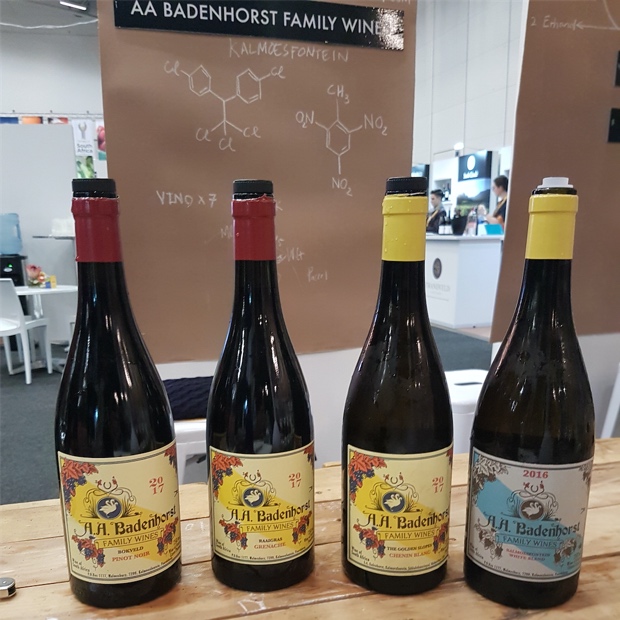
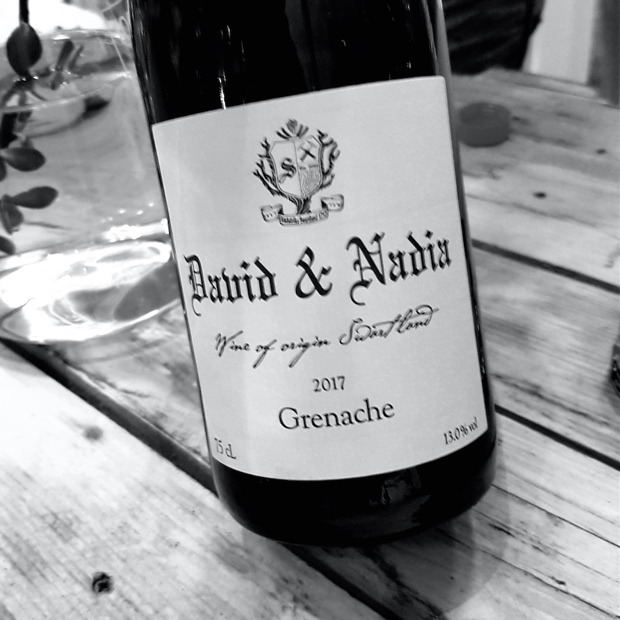

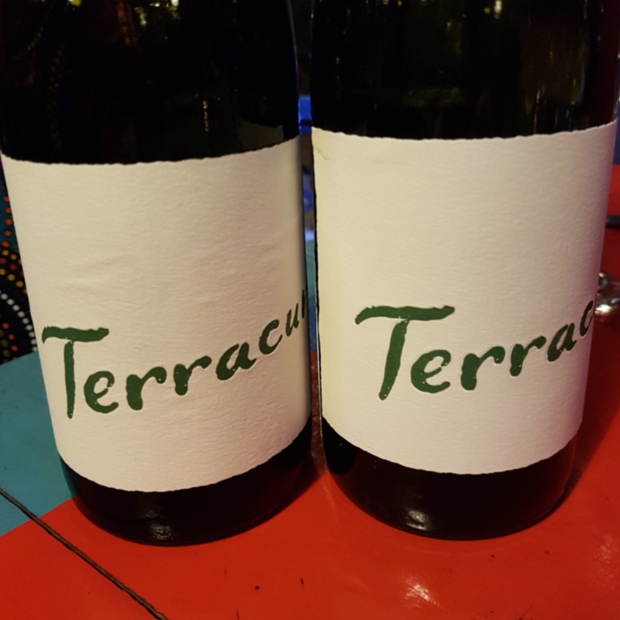


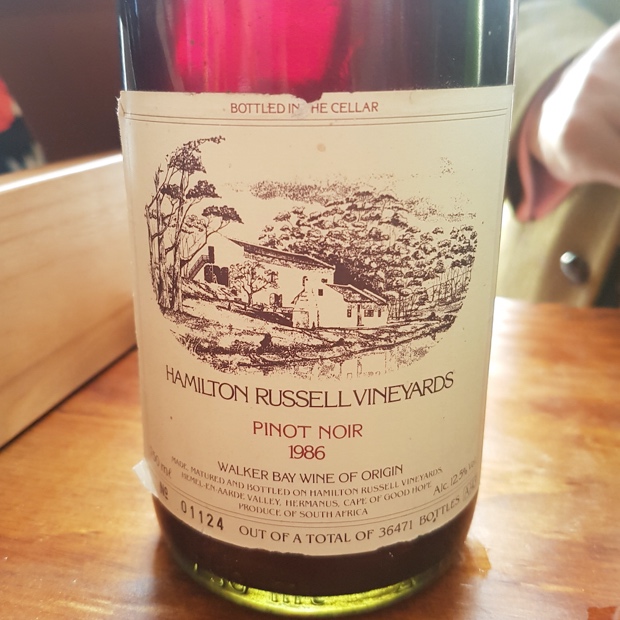
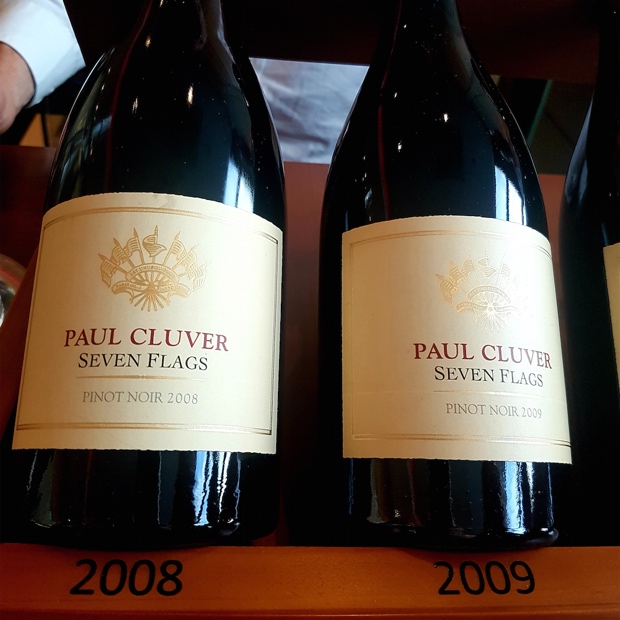

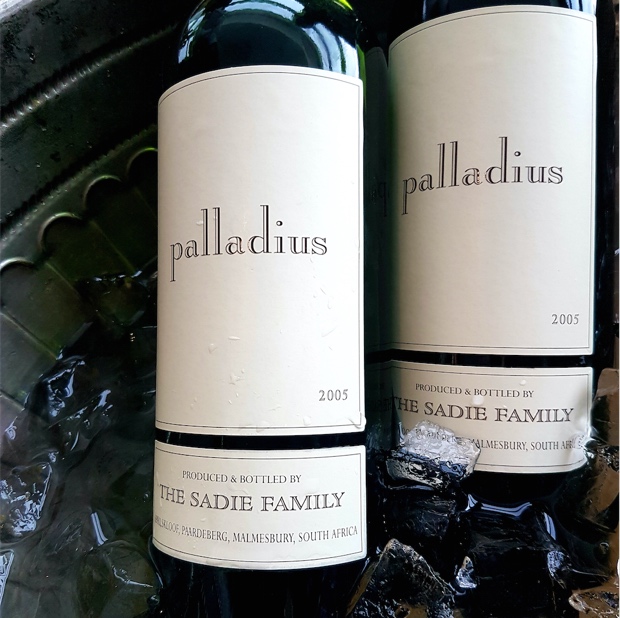
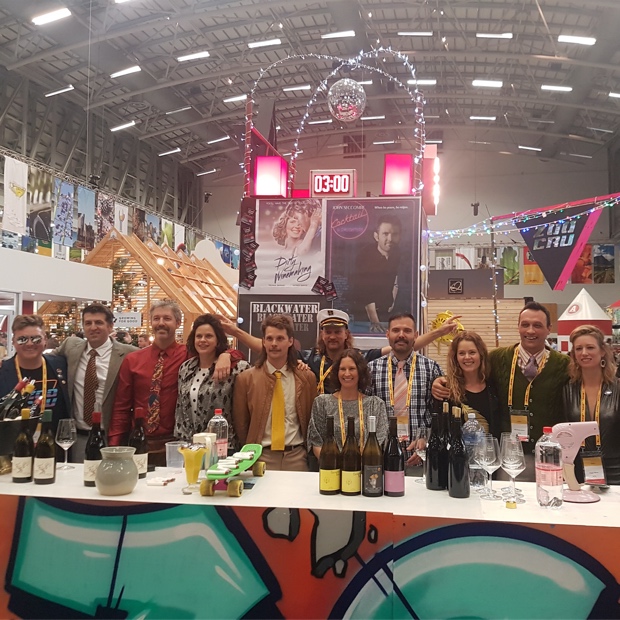
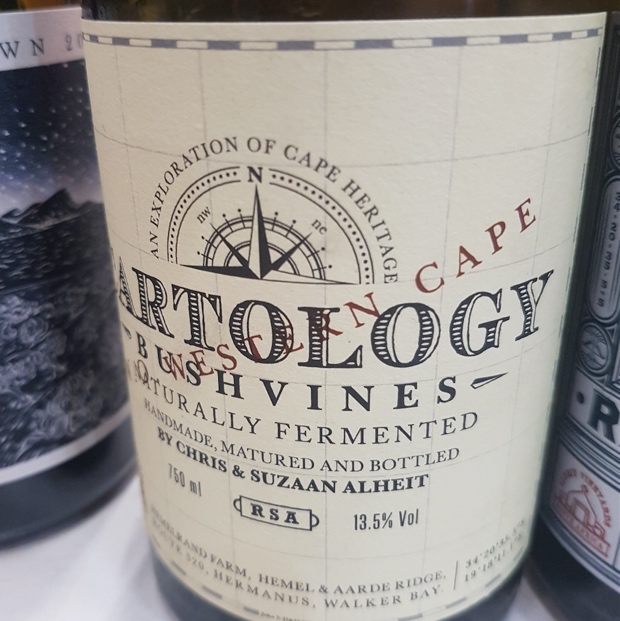
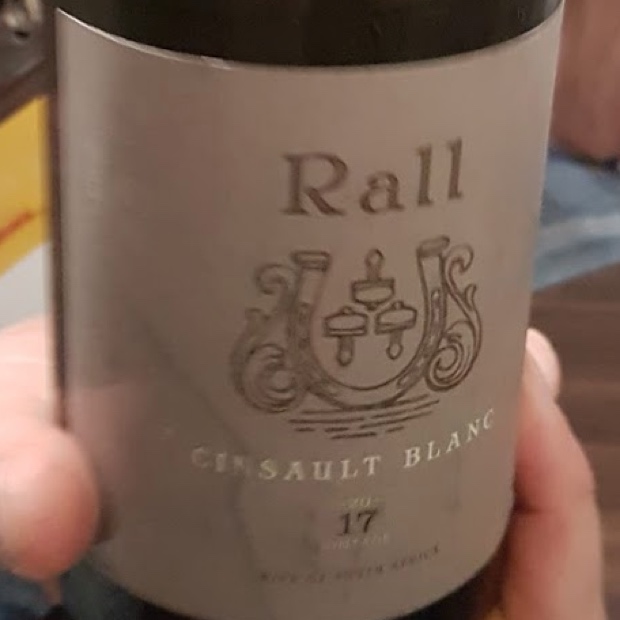

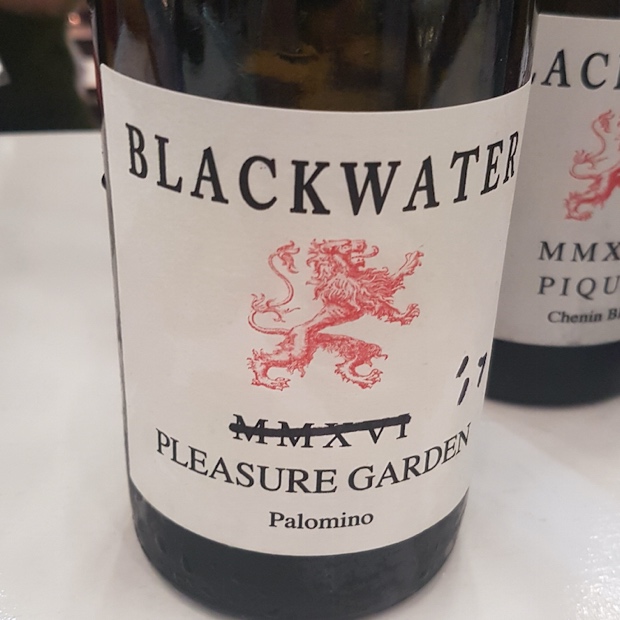
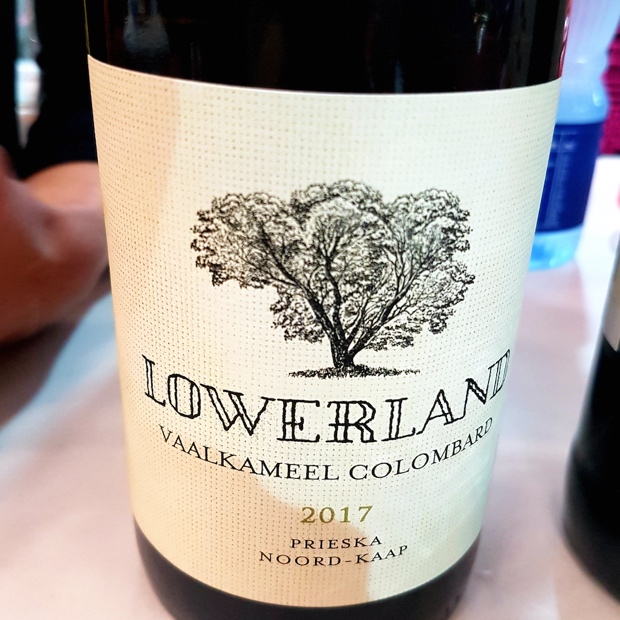


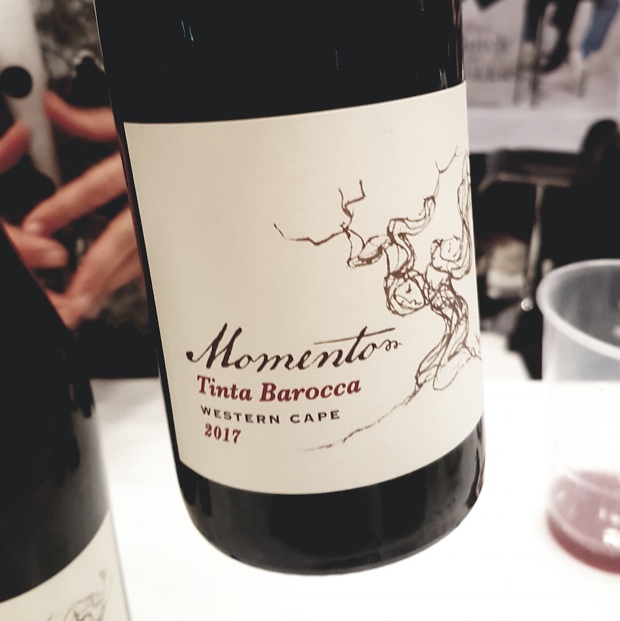
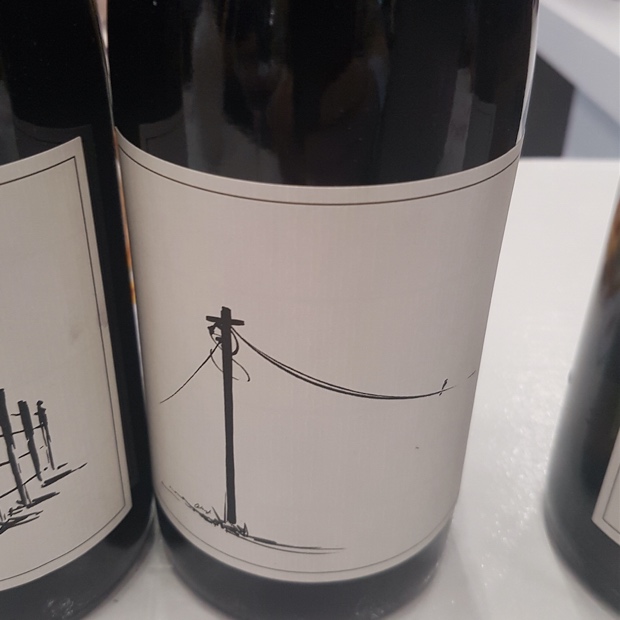


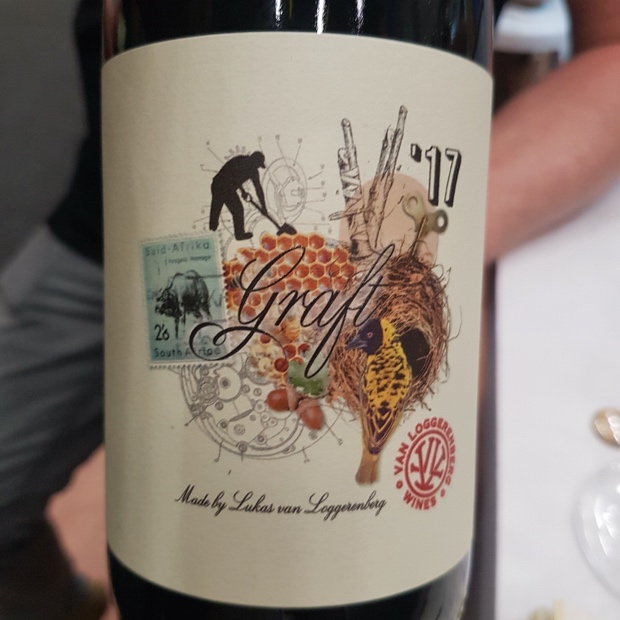
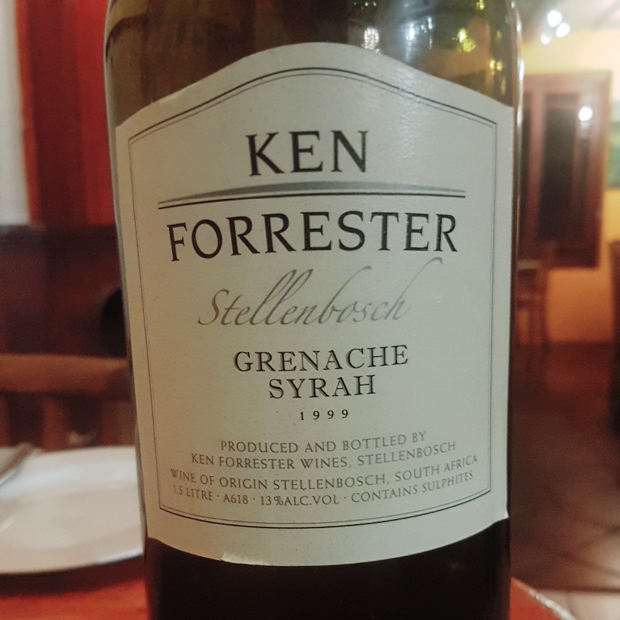
 Godello