
Cool Chardonnay on ice
In the cool cool cool of the evening
Tell ’em I’ll be there
In the cool cool cool of the evening
You better save a chair
The 15th International Cool Climate Chardonnay Celebration took place just a few weeks ago and while every annual Niagara chardonnay experience is cool, this above the clouds 2025 edition was something other. Unexpectedly Godello was tasked with steering the educational component as emcee for the Thursday School of Cool at White Oaks Conference Resort and Spa. An honour and indeed a privilege it was, to share a stage with Canadian and international winemakers, winery representatives, distinguished minds and presenters. There was a palpable buzz in the room at this year’s School of Cool and also an uncommon level of expert conviction conferred by the moderators and panelists. The Canadian wine industry has assuredly come of age and chardonnay’s cool weekend was the perfect time to express the explorative, collaborative and measurable maturity of experience. Over those four days from July 17-20, the i4C was the coolest place to be.
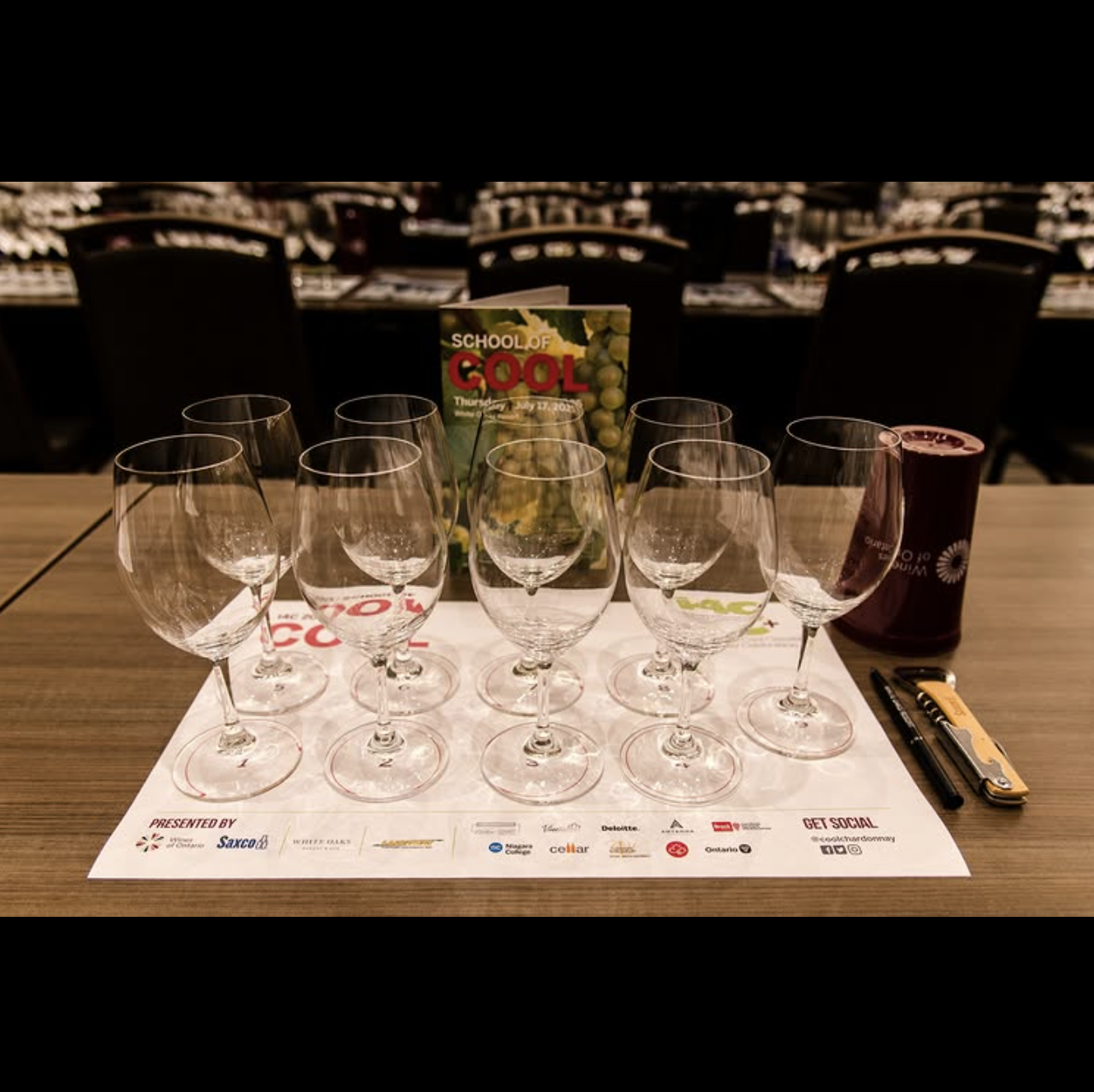
The School of Cool July 17, 2025 Edition
(c) Cool Chardonnay
Godello is pleased to share his words spoken to the audience that day.
“Good morning, and welcome to Day One of #i4c, the coolest conference in the world. My name is Michael Godel, a wine writer based in Toronto, sometimes in Italy and in my spare time I play both critic and partner at WineAlign. When I was asked to emcee this year’s School of Cool I thought hmmm, compared to those who have previously served this post, what can I contribute? I’m neither as funny or savvy as my colleague John Szabo, not as witty and sharp as Chris Waters, certainly less accomplished than both Magdalena and Suzanne. But I am good at surrounding myself with smart and talented people. I look forward to introducing many of them to you today.
We are thrilled to welcome all of you for the 15th year of the i4C! (Holds up applause sign). Every year winery representatives and people who adore chardonnay from around the world congregate here in the Niagara region to celebrate the variations, intricacies and philosophies behind making cool climate chardonnay. I once asked the question, How can i4c the future through cool chardonnay? Chardonnay is cool, then, and now. Don’t we always seem to foresee 4C a future filled with chardonnay?
This year at i4C we have 43 participating wineries, including 12 internationals from England, France, Tasmania, Argentina and two wineries from each British Columbia and Nova Scotia.
Today, we are meeting on Indigenous lands, over which Indigenous people still hold jurisdiction. In the Niagara Region, where 27 of our participating wineries operate, we are meeting on the shared lands of the Haudenosaunee, Anishinaabeg, Wendat, and Chonnonton nations. A key treaty governing this territory is the “Dish with One Spoon” agreement. This treaty between the Anishinaabe, Mississaugas and Haudenosaunee binds them to share the territory and protect the land. Subsequent Indigenous nations and peoples, settlers, and all newcomers, have been invited into this treaty in the spirit of peace, friendship and respect. We all share the responsibility of ensuring the “Dish” is never empty, meaning that we must take care of the land and the creatures we share it with.
I would like to take a moment to acknowledge and thank our Educational Committee: Scott Wilkins, Rob Power, Elsa MacDonald, Dr. Jennifer Kelly of CCOVI at Brock University, Peter Rod of CCOVI and Niagara College and Trisha Molokach, our esteemed, tireless and incredible Event Director. Twelve years Trisha has poured heart and soul into this event. Thank you.
This weekend is made possible by the contributions of a dedicated group of volunteers who have spent countless hours preparing for this weekend. We have a wonderful team of folks pouring wine for you today, so if you happen to see someone in a colourful I4c t-shirt, make sure you take the opportunity to thank them for their time and efforts. None of this is possible without them.
We would love to see any photos or videos that you take today, so please be sure to tag us. Our Instagram handle and the i4C hashtag are both listed on the bottom of your name tag and on your tasting mat.
At the end of the first session I will get to more specific housekeeping details and we do have a full schedule ahead of us today. There will be three educational sessions and tastings, with coffee breaks and a lunch in between, followed by a walk-around tasting in the afternoon. Please refer to the booklet provided at your seat for more information on timing and session details.
Before I proceed I would like to take a moment to remember a great friend of the i4C. Just a few weeks ago we lost Nicolas Potel, a great winemaker, négoce, father and friend. We miss you Nico and all of us wish you were here. But believe me I can’t think of anyone who would want us to just go out and have a grand time. Nicolas Potel came from Bourgogne for the very first event and his winery Domaine de Bellene was present here at i4C eight times, including last year when his son Alphonse joined us for the weekend. We should all raise a glass of cool chardonnay to the great Nicolas Potel.”
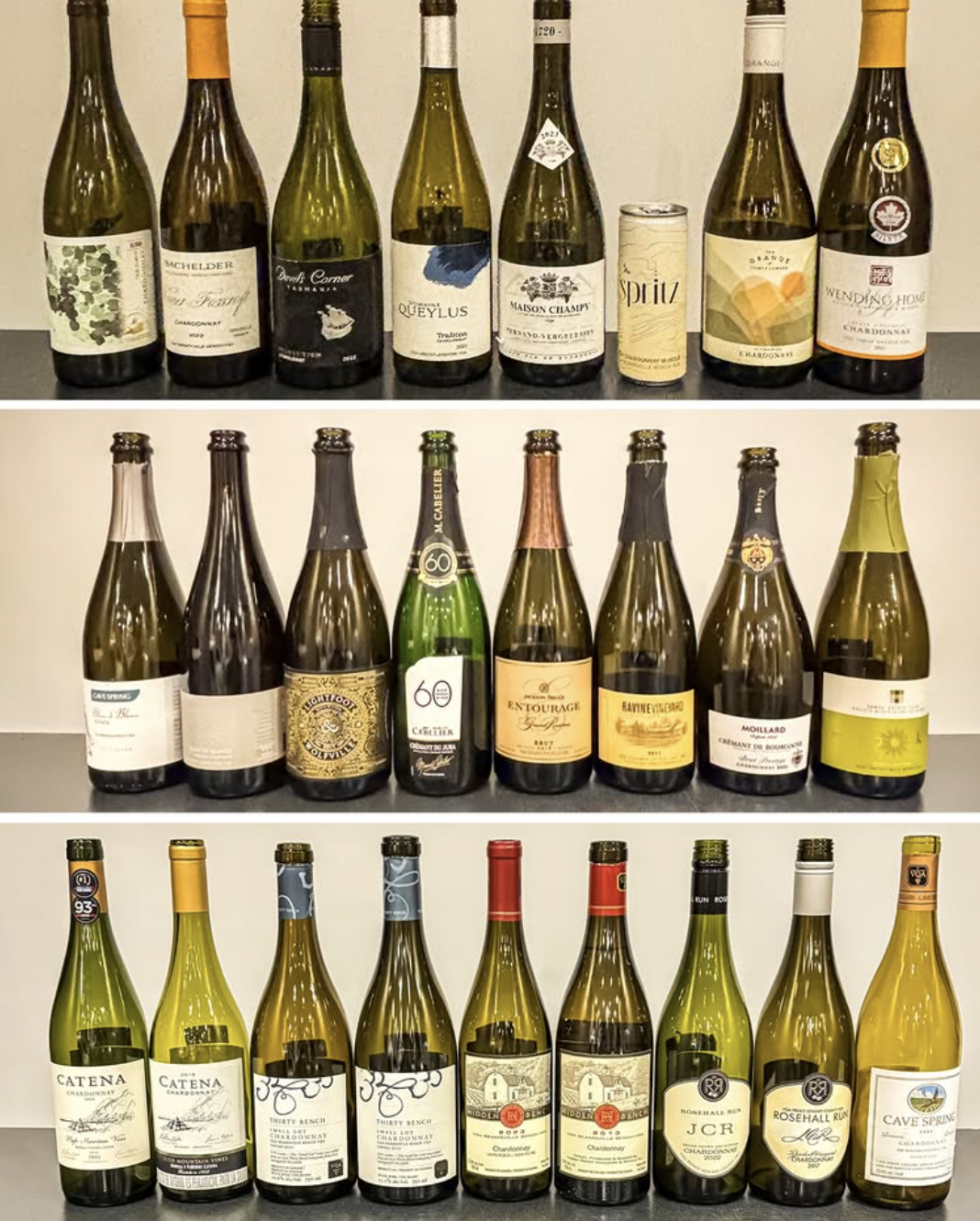
Coolest Chardonnay of The School of Cool (c) Cool Chardonnay
Session One
“Our keynote speaker for this year is Clive Pursehouse. Based in Seattle, Washington, Clive Pursehouse is Decanter’s US Editor and Regional Editor for the Pacific Northwest. He is the creator of the site Northwest Wine Anthem, Culture Editor at Peloton Magazine and the newly minted Fausto Magazine. This I gather makes him an avid cyclist. In fact I’m told he is a fan of Cyclocross, which is a unique, non-Olympic discipline of cycling that can be best described as a cross between road cycling, mountain biking and steeplechase. Wait, there’s more. Cyclocross takes place on technical outdoor courses of grass, dirt, mud, sand or sometimes snow. Snow. Still more – Pursehouse broke his pelvis cycling in the middle east and spent who knows how long in casts and wheelchairs. In other words and though I’ve just met him, not unlike a close friend I have known since nursery school who is an ultra-marathon runner, I would have to say that Clive is clearly nuts. And he’s from Pittsburgh (I like Pittsburgh!) but he does know a lot about wine, including chardonnay, especially those beauties from Washington and Oregon. I would say that his mix of intense exercise, the snow part and wine study make him ultra qualified for this role as our keynote speaker. When our Concierge asked if he had any allergies, Clive replied, “yah, tusk.” Tusk? Well Clive, this walk up song is for you. (Cue Tusk by Fleetwood Mac). Allow me to introduce Clive Pursehouse.”
Pursehouse began by saying “cool” starts with Miles Davis. Then there was Camus. “Cool is aloof. It resides on the fringe.” Finally a description that applies to Kim Gordon of Sonic Youth. “Cool is aspirational – It has an elusive character we find attractive.” Then like André 3000, “wine needs cool voices and cool critics. Cool is coming and it can’t be stopped.” Lastly, The Who because “the kids are alright, meaning it’s time to partner with cool, young voices who will celebrate edginess, low alcohol, fresh fruit and minerality. “The loneliness epidemic is real,” reminded Pursehouse, “and wine can be the healer, can bring people together and make things better.”
Session Two
“Eugene Mlynczyk is national sales manager and fine wine ambassador for Principle Fine Wines, the luxury team within Arterra Wines, Canada. He attended Stanford University in the 1980s, majored in art and earned a Master of Fine Arts degree in Painting from Indiana University. Eugene earned the title of Master of Wine in 2015 and I will always remember a memorable trip spent with him at Mondavi in 2017. Session Two is titled Sparkling Chardonnay – No Occasion Required. Please welcome moderator and Master of Wine Eugene Mlynczyk.”
“The world can’t get enough bubbles and chardonnay is at the heart of the world’s finest sparkling wines.”
Session Three
“Dr. Jennifer Kelly PhD has been a Scientist in Oenology at Brock University’s Cool Climate Oenology and Viticulture Institute since May of 2023. I had the pleasure of sitting on the 2024 Experts’ Tasting Panel with Dr. Kelly who brought a much needed scientist’s perspective to assessing Niagara wines in a room with nine winemakers, one sommelier and one journalist. Hanging around Jen certainly helped me to trust the science. I think you will all be intrigued by Jennifer’s approach and moderation for session three called Chardonnay’s Coming of Age – A Retrospective. Please welcome Dr. Kelly.”
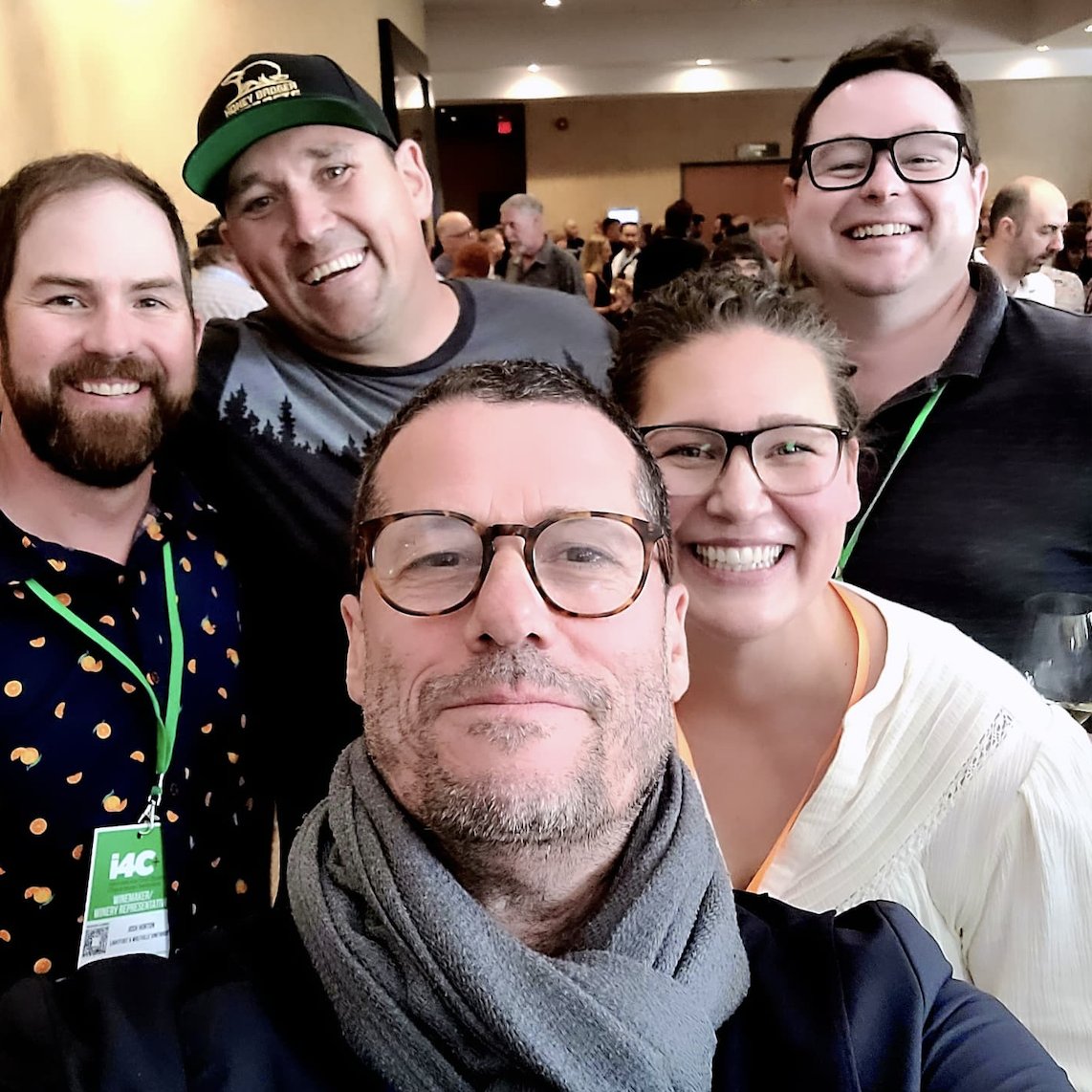
School of Cool squadra; Josh Horton (Lightfoot & Wolfville), Marty Werner (MW Wines), Ben Minaker (Andrew Peller) and Dr. Jennifer Kelly (CCOVI)
“This has been a true pleasure for me, to be a part of being a messenger for cool chardonnay. I am grateful for the opportunity. To the i4C committee, Trisha and her unbelievable team, our terrific AV guys and the White Oaks staff. Bravo. Thank you to Clive for leading us into cool territory with a refreshing approach. I loved the image of Kim Gordon but personally Clive I would have chosen Tina Weymouth or Kim Deal – but we can argue that out later. Kudos to our three session moderators, Clive, Eugene and Jennifer. Your time and attention is seriously appreciated. To all our panelists, your insights are what we come for and to learn anew each and every year at the School of Cool. And to all of you for being here, I hope there was something here for everyone and we’d love to see you back next year. Remember, Chardonnay is never too cool for school. Just outside the doors you will find all the chardonnay available at a walk around tasting which is scheduled to last until 6:15 pm. Happy tasting and thank you all for coming and see you again in 2026!”
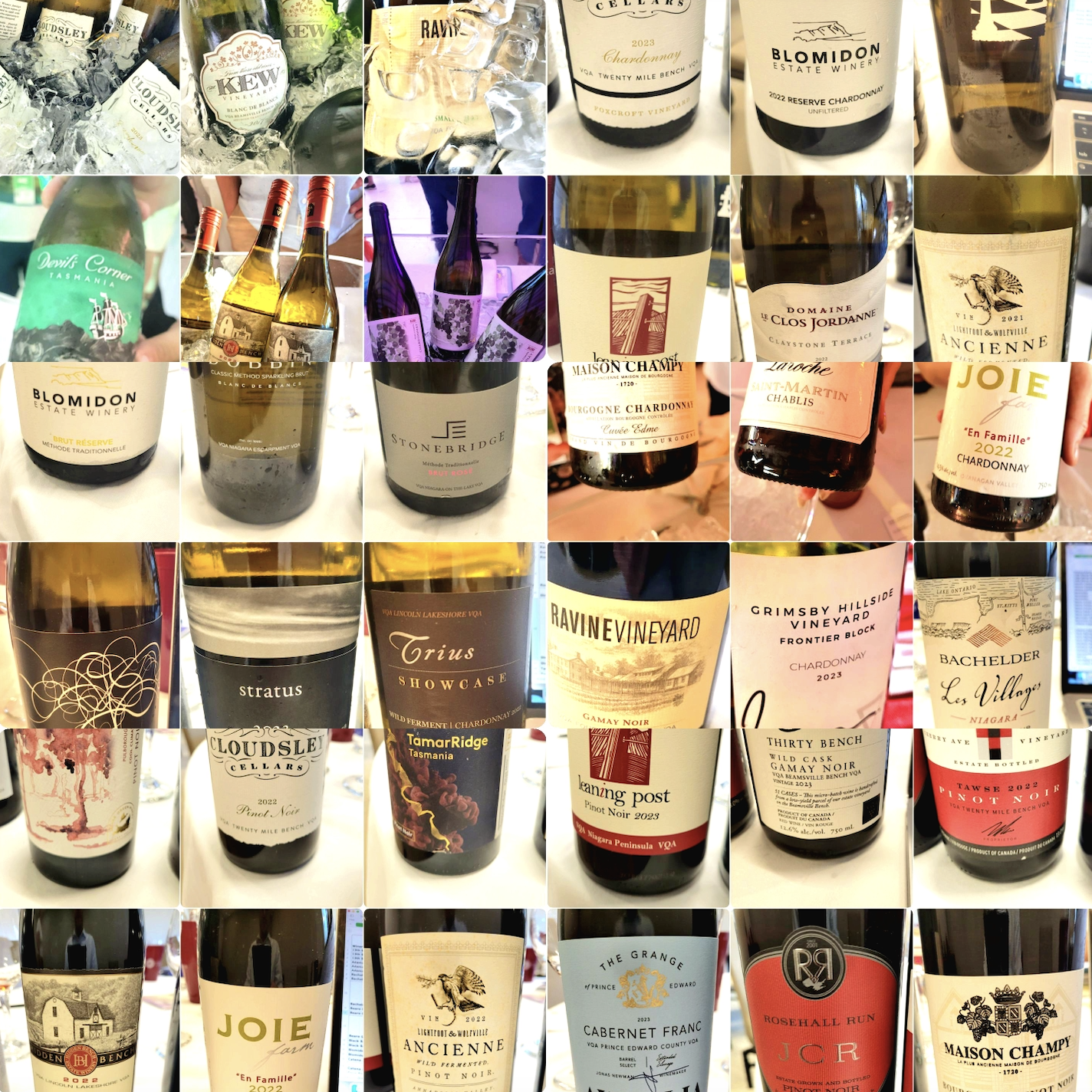
Godello tasted and has reviewed 80 wines during the four-day conference; At the School of Cool; In the White Oaks media room set up by the Wine Marketing Association of Ontario team led by Andrea Peters; At visits to Cave Spring with Gabriel Demarco and Malivoire with Shiraz Mottiar; An evening at Ravine Vineyard with Jeff Moote of Divergence Wines, Jonas Newman and Marlise Ponzo of The Grange of Prince Edward, Chris Thompson and Stephen Del Degan of Volta Estate Winery and Ron Giesbrecht from Wending Home Estate Vineyards & Winery; Lunch at Black Bank Hill with Taylor Emerson, Jonathan McLean and Meg McGrath; At the evening events held at Friday Night Flights, Niagara District Airport, Niagara-on-the-Lake and at Chardonnay in the Vineyard World Tour Tasting and Dinner at The Riverbend Inn, Niagara-on-the-Lake. Here are the notes.
The Sparkling
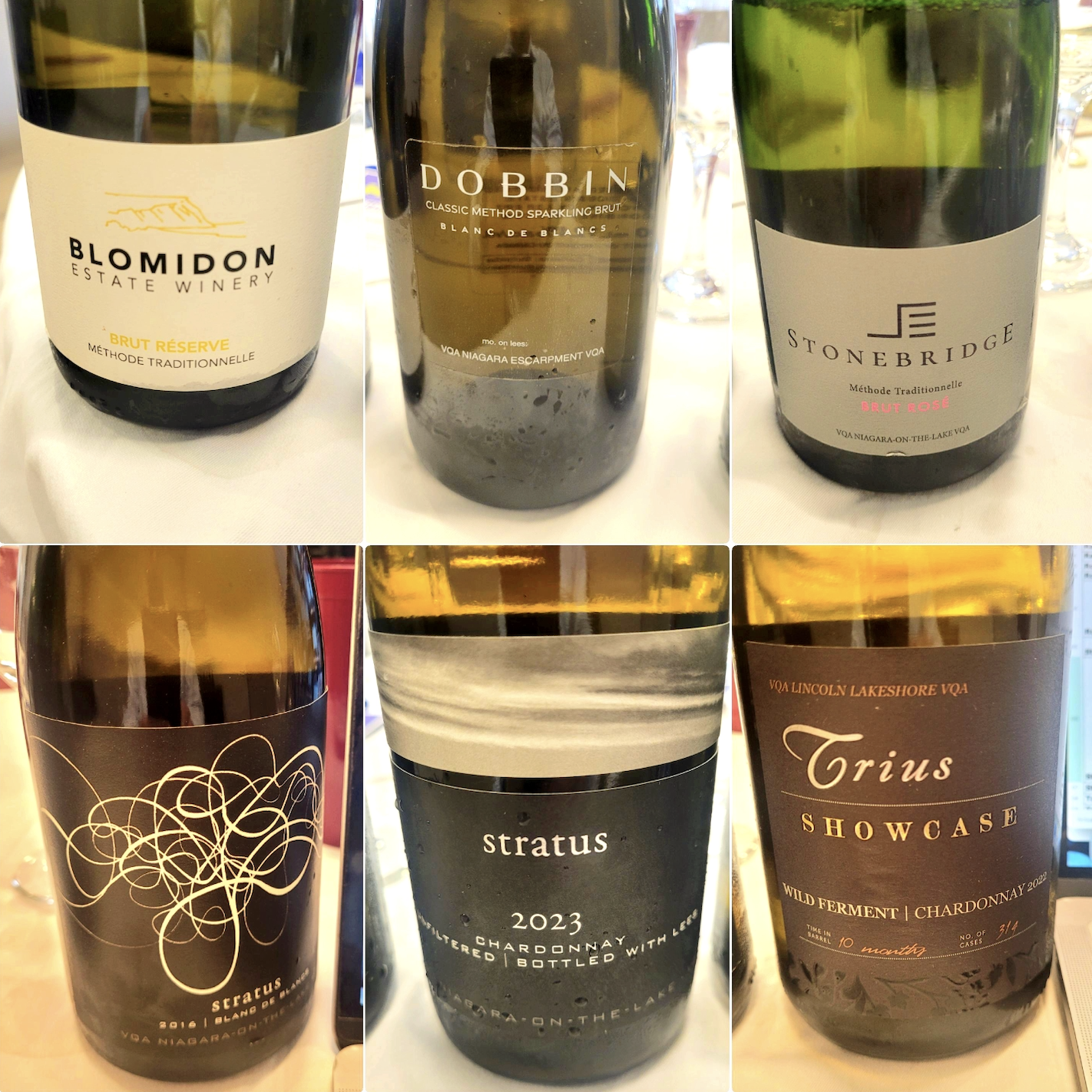
Blomidon Brut Réserve NV, Annapolis Valley, Nova Scotia
Next year and disgorgement, same five years on lees for Blomidon’s signature sparkling wine and now more depth. Once again time is the impetus (and requiem) to see results, both of which have manifested into a bubble of greater charge than so many peers. Mainly chardonnay from that strip of land running up from the Minas Basin and jutting through the Bay of Fundy. Depth yes and also a low rumble of botanicals that make this a most agreeable sapid sparkling wine from Nova Scotia, like a cool night that follows a warm day. Last tasted at i4C, July 2025
Put to bottle in 2019 and so five years on lees ain’t nothing to develop complexities, eccentricities and potential variability. This pour comes out of sound and vision, disgorged in March of 2024, set to be released in the early Fall. Makes great use of 2016 and 2017 fruit, plus a small amount of the frost vintage 2018. Youthful, appropriately Blomidon Peninsula/Annapolis Valley tightly wound and in a way very chardonnay, though not glaringly so. “For us this is the future for non-vintage,” explains Simon Rafuse, “and to save the cooler vintages for Blanc de Blancs.” It’s a reverse engineering kind of approach. Simply put, in cooler vintages you can’t push wines through malolactic and so chardonnay is best purposed for sparkling when acids are high and pH levels are low.” Like 2011, but not 2010 and Rafuse adds that “the problem is you have to wait many years to see the results. But it’s worth it because they are really good.” True that. Drink 2024-2028. Tasted at i4C, July 2024
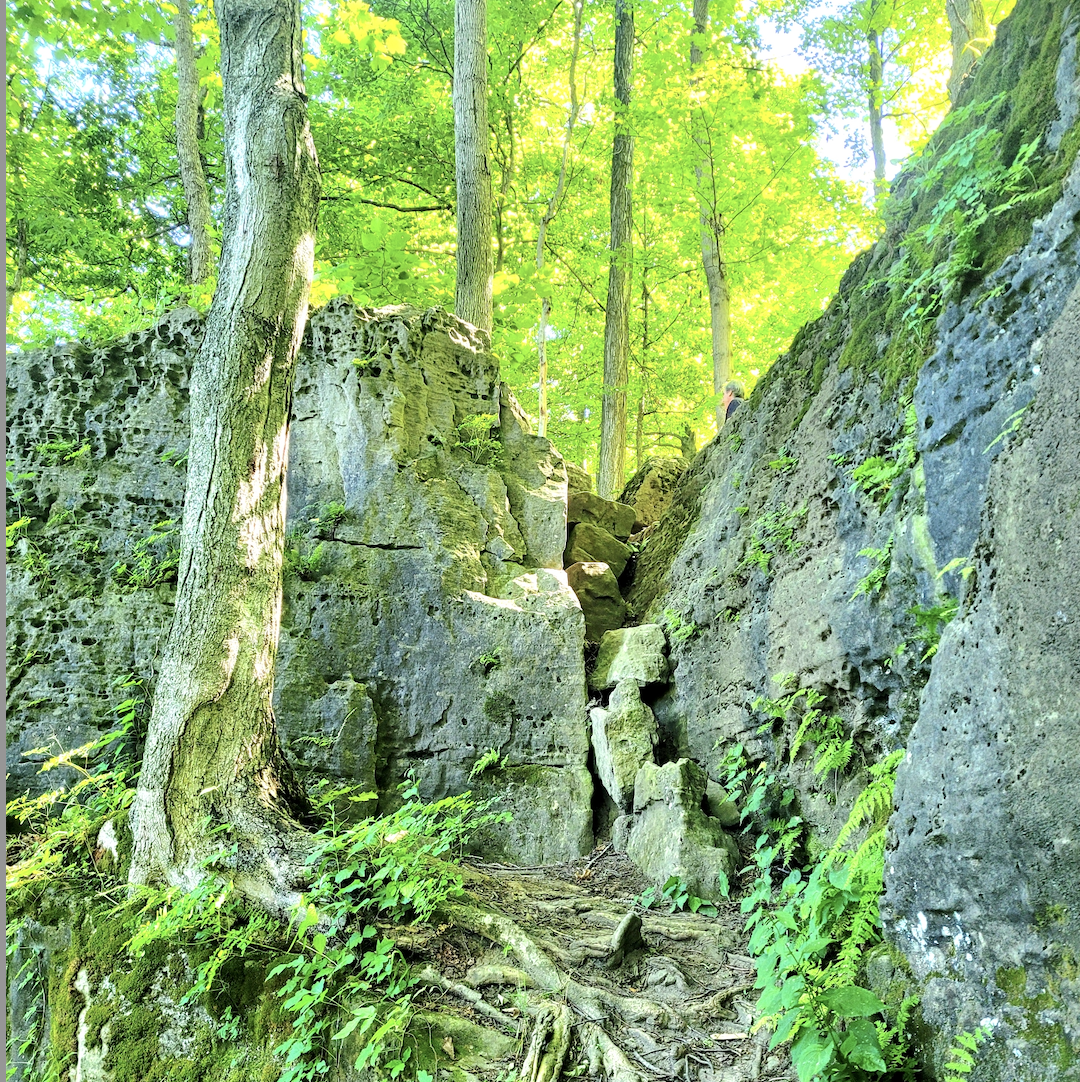
The Adam Steps, Niagara Escarpment
Cave Spring Estate Blanc De Blancs NV, VQA Beamsville Bench, Ontario
Over the course of tasting the non-vintage Blanc de Blancs over 13 years it is noted how the chardonnay bubbles have evolved yet stayed the course and ultimately improved. From strength to strength with a wine that now bears the stamp and waves the banner for cool climate sparkling wine made with its most essential grape. The team has struck balance for a wine to be used, enjoyed, employed and celebrated all the bloody time. Simply put “ripe fruit and acid structure” said by by winemaker Gabriel Demarco, “putting in accumulated knowledge to recognize a place.” Which by the way includes 50 percent clone 777 chardonnay musqué originally built into the program by OG winemaker Angelo Pavan. Drink 2025-2030. Last tasted at i4C, July 2025
It matters not whether this Beamsville Bench Blanc de Blancs is p[riced at $24.95 or $32.95 because it still represents the finest Ontario value in chardonnay sparkling wine. Bar none. Why trust your hard-earned, looking to celebrate or drink bubbles on a Tuesday dollars on anything else. Last tasted November 2024. Classic, sharp, intense and ideal. A ripper, “and I love that” says Stephen Gash. Dry as the desert in such a playfully proverbial way. Scintillant extraordinaire. Last tasted at i4C, July 2024 and November 2024
For the first time in quite some time the next look at the Cave Spring Estate Blanc De Blancs is bang on one year later and so yes, freshness is the thing. Crisp and crunchy, stylistically so consistent and really set up to act as the dictionary entry for chardonnay as sparkling wine out of Niagara. It’s just so spot on, high in energy and exacting for style, place and estate. Tasted November 2023
Sees a minimum 30 months on lees ahead of disgorging and this chardonnay was likely sprung in the Spring of 2022 with a good dose of 2019 fruit layered within. In other words a true-blue varietal vintage to espouse the latest virtues and expound upon the great elevator in Niagara Blanc de Blancs sparkling wine. Never disappoints and continues to rise, surge ahead, power forward and capture necessary tension. The offset here is more botanical tonic and weight. A new complexity. Tasted November 2022
It seems every three years is the interval for reviewing this arch-classic Ontario sparkling wine but be assured that the time in between actually drinking this fine Niagara wine is a much tighter and repetitive proposition. Terrific balance accorded and afforded from this latest cuvée with equal and opposing trips switched on by yeast and lemon, ginger and tea. Good toasty bubble for any and all toasts, plus innocuous glasses for drinking in between. Tasted October 2020
Angelo Pavan and Cave Spring sure do love to fashion a toasty sparkling chardonnay. Still in the biscuity, flinty and textured Champagne vein though really far from the last B de B tasted back in May 2014. No longer a case of fruit from in and around the 2008 vintage it would have to be the cool as lightning 2011 by my calculations with likely some warm and rich 2012 fruit. The relationship delivers the best of all worlds; tart, bright acidity and linear functionality with creamy, rich orchard and stone fruit, generous and round. All together now. Tasted September 2017
Today a fine misty Blancs, looking very much the coppery, crisp slice of apple it need be. Slate stone tone directive, grapefruit very much in play. A slice of tart key lime pie. Tasted July 2014
From my earlier May 2014 note: The freshest style of the #ONfizz B de B flight. Fruit, escarpment bench stone layering, richesse, biscuits and toast are all in. Acidity meets complexity
From my earlier, December 2012 note: Sees no malolactic fermentation and sits at the top end of dry (12-14 dosage). Most of the fruit is 2008, despite the NV designation. A soda fountain of argon and nitrogen bunsens forth through clean lines and carries an entire cider house orchard of Spartan apple. This one certainly hints at Champagne-like characteristics, of brioche and toast. The apples never relent
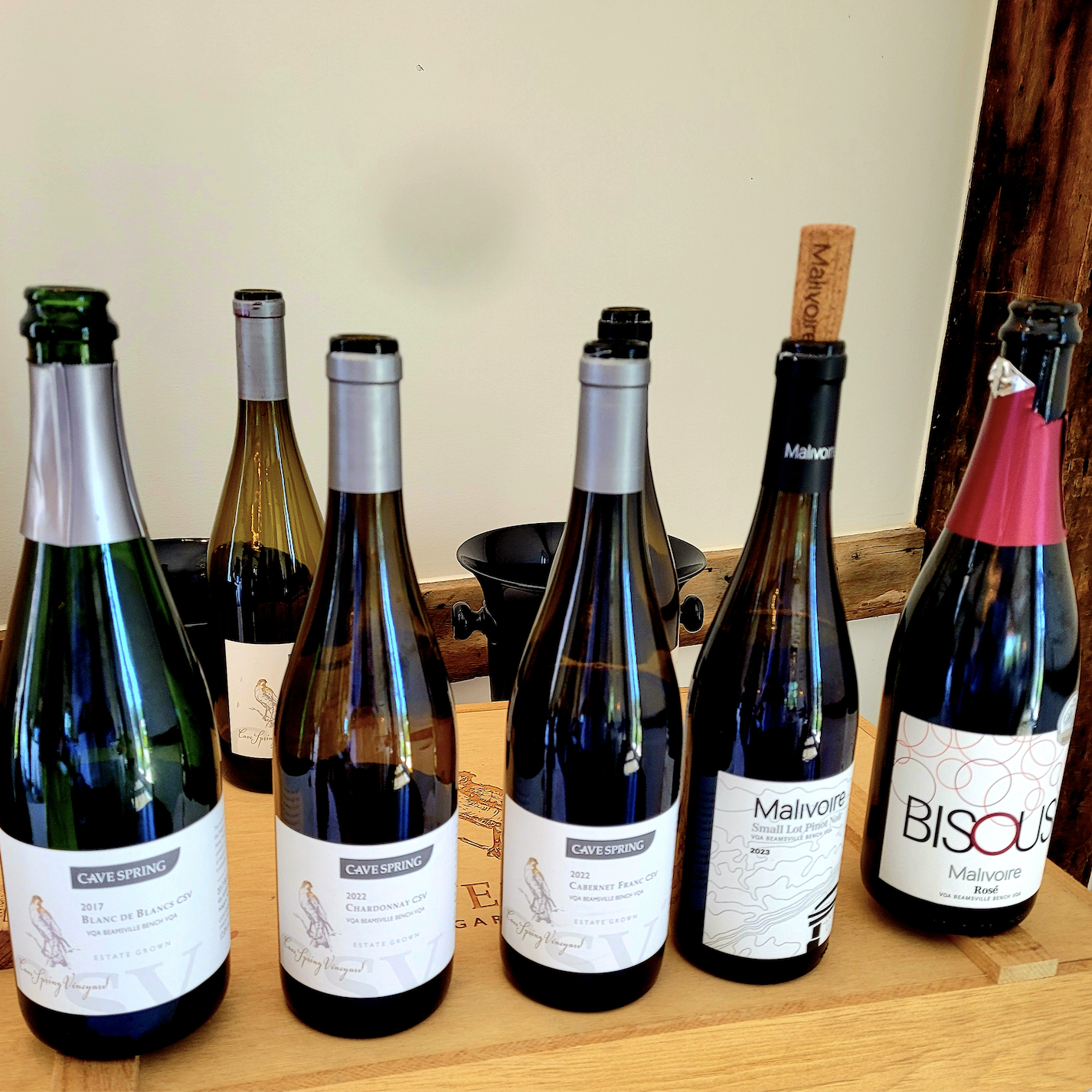
Cave Spring CSV Blanc De Blancs Natural Brut 2017, VQA Beamsville Bench, Ontario
The chardonnay scintillant for a toasty style of Blanc de Blancs in pointed appeal. Must be 80-plus months on the lees for this disgorgement and a bubble as fresh as the day it was conceived. Controlled or let’s say restrained excitement, vertical, a sparkling wine of backbone without hitch or bend, taut though generous of flavour. In a terrific place right here and now. Last tasted at i4C, July 2025
Home (Cave Spring Vineyard) which means old chardonnay vines for Blanc de Blancs with added human experience to set up for top regional excellence. This from the upside down vintage which meant that chardonnay ripening was not the same as it ever was and so come here expecting something different. In fact the 2017 takes a turn for the toasty and excitable, into tart and scintillant territory for B de B of a singular style. Even for the most consistent sparkling wine house of them all but all things being equal this Beamsville Bench bubble creates a new fashion all its own. Drink 2024-2027. Tasted November 2024
Divergence Blanc De Blancs Hughes Vineyard 2020, VQA Lincoln Lakeshore, Ontario
Made from a place “of big skies and lots of sunshine,” tells winemaker Jeff Moote and that is why he chose the double “L’ to make his inaugural sparkling wine. The clay-loam-till with a strain of limestone delivers richness for chardonnay and into sparkling wine. Eight months further, seemingly the same disgorgement (October 2024) and a slight exaggeration of the toasty-autolytic notes, but now with more of a soft creamed centre. Orange flavour now coming through, perhaps owing to that CLT terroir. Last tasted at i4C, July 2025
Small production of less than 600 cases for a 100 percent chardonnay from the Lincoln Lakeshore sub-appellation’s Hughes Vineyard. A whole cluster pressed, cuvée juice only used and the base wine barrel fermented in neutral French wood where it is aged six months on lees. Follows with 42 months en tirage and just two g/L of sugar added. Essentially dry and in the scintillant style for Blanc de Blancs, screaming grape and acidity, accented by dried herbs and orchard fruit. In a serious vein, not what could be described as generous and conversely needing bottle time to settle into its parched and piqued skin. A bit severe and this from a warm vintage. Intensity is all in. Drink 2025-2029. Tasted November 2024
Dobbin Estate Brut Blanc De Blancs, VQA Niagara Escarpment, Ontario
The newest and ambitious chardonnay in the Dobbin project is Blanc de Blancs, Brut in style and non-vintage. Perfumed and chock full of relatively ripe chardonnay flavours, accessible and immediately enjoyable. It should likely be surmised that subsequent releases will have seen longer lees aging time with this shedding the feel of 30-36 months. No doubt strikes an almost perfectly equanimous balance between sugars and acids in the 7-ish g/L range. Not yet developed into the ambient, enigmatic and complex sparkling wine it is detailed and destined to become – yet there is elegance, softness and charm in this (presumably first) issue. Smells, tastes and feels like celebration. Drink 2025-2027. Tasted at i4C, July 2025
Jackson Triggs Niagara Entourage Grand Reserve Brut 2018, VQA Niagara Peninsula, Ontario
The 14th vintage of this silver medal winner at the 2025 WineAlign National Wine Awards of Canada and a unique Brut made in an ulterior intensified fruit style. An entourage of a bubble, a word that can translate as “surroundings” and the concentration of chardonnay emotions meeting flavours speaks to a grand place on the Niagara Peninsula. Entourage is half and half chardonnay plus pinot noir with two percent pinot meunier. Tastes like a mouthful of minerals with a dusting of sugar dosage and a shot of botany, a.k.a. tonic at the finish. Drink 2025-2028. Tasted at i4C, July 2025
Lailey Stonebridge Méthode Traditionnelle Brut Rosé 2021, VQA Niagara-on-the Lake, Ontario
Classically composed and delineated Brut Rosé blessed by top quality fruit, a strawberries in cream softness transposed against a frothy bubble of vitality and airiness. Tons of flavour here, from the red berries through savoury elements inductive of leafy chicory greens and nettles. A beautiful bitterness juxtaposed against reliable dosage, harmonious while still expressive of individual parts. Trusted and effective, on the road to knowledge and future finer results. Last tasted at i4C, July 2025
A chardonnay purposed grown and cropped then “pinkified” with just two or three percent Lailey zweigelt for what it truly an original look at Niagara sparkling wine. Picked on September 12th and 13th with just a bit left for still wine and perfectly ahead of the September rains. Recently disgorged (after approximately 20 months on lees) and of a season that reminds Ann Sperling of 2006. Very phenolic vintage of high caste character, just not the most intensity and power. Crunchy like the other ’21 Rosés, salty and as mentioned, quite phenolic. Not an autolytic fizz but definitely one that combines precision with pleasure. Just a tweak of tannin at the finish. There are 83 cases made and the wine will be released in a few months. Drink 2023-2025. Tasted April 2023
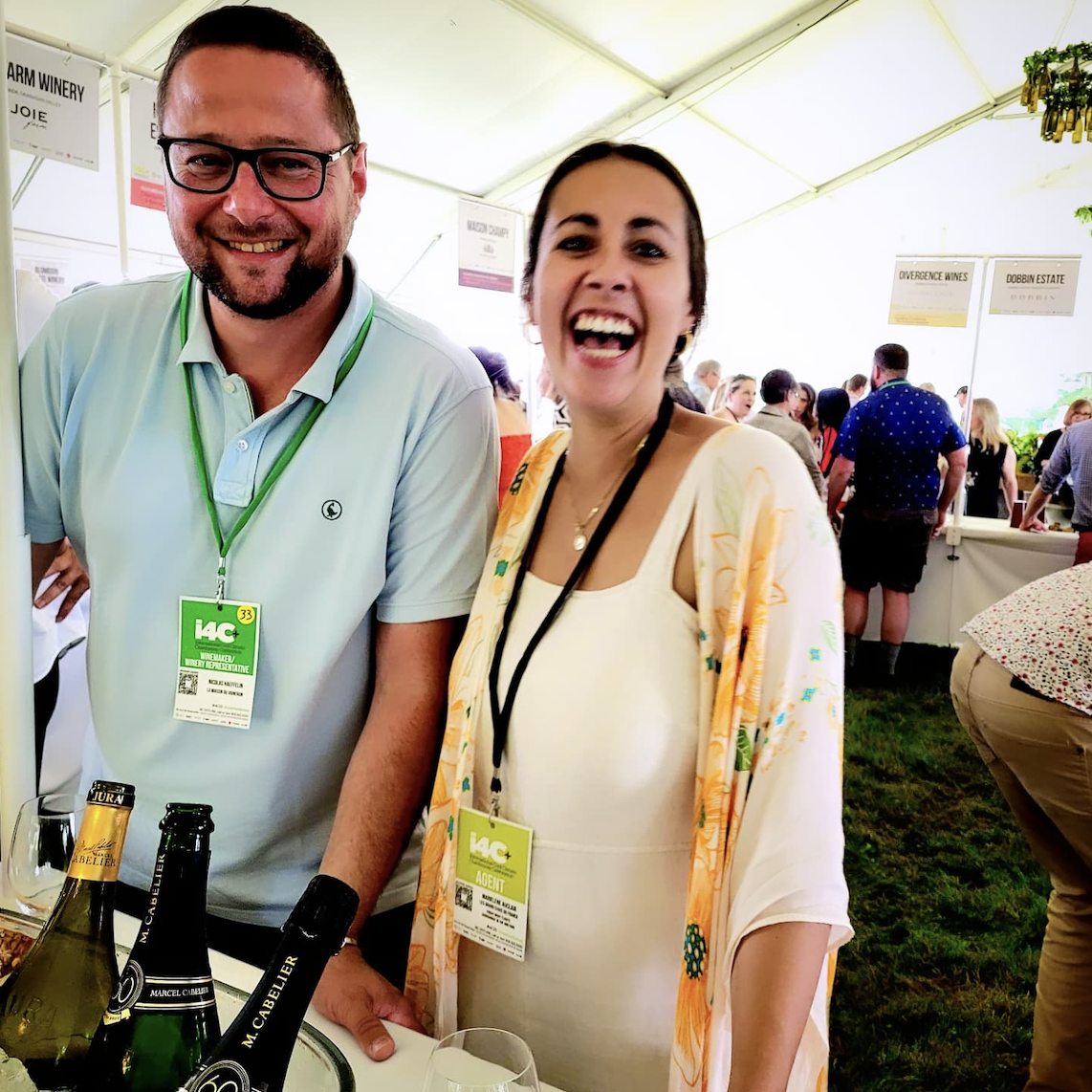
The team from Maison du Vigneron
La Maison Du Vigneron Crémant Du Jura Marcel Cabelier NV, Jura, France
Truly Jura, no matter whether the chardonnay is made into still or sparkling wine, with the unmistakable earthenware aspect speaking vividly to terroir. This may be non-vintage but there just feels to be a lot of sunshine accumulated into this fruit and so the orchard is well represented in the chardonnay bubble. Lower acidity (at 4.15 g/L) and the creamy palate is as generous as they come. Drink 2025-2026. Tasted at i4C, July 2025
Lightfoot & Wolfville Brut 2019, Nova Scotia
Surely more richness from the 2019 Brut and still the cool interpretation of the Annapolis Valley’s maritime climate. You must consider this amazement of success from a place that resides at the furthest edge of viticultural promise. “It’s challenging” says Josh Horton, “and we’re starting to see the odd hot vintage” which this wine somehow expresses. “Chardonnay checks all the boxes for us, acidity, structure, complexity and versatility, not mention walking right through a winter with a polar vortex.” Brut 2019 is fleshier and balanced, ripe and zesty. Yes, angularity can be beautiful. Drink 2025-2029. Tasted at i4C, July 2025
Malivoire Chardonnay Musqué Spritz (In Can) 2024, VQA Beamsville Bench, Ontario (250ml)
Perhaps the first Ontario chardonnay musqué packaged in a can, experimental, light, minimally frothy, also with sweetness and floral. A semi-sparkling wine of arrested fermentation at nine percent alcohol with 40 g/L of residual sugar. Easy drinking, like juice with some alcohol, almost moscato d’Asti stylistically speaking. Candied, of fuzzy peach and ginger for adults only. Fun stuff from winemaker Elisa Mazzi and quenching for what gets you hot. Tasted at i4C, July 2025
Malivoire Bisous Brut 2012, VQA Beamsville Bench, Ontario
Tiraged in 2013, of 60 pinot noir and 30 chardonnay for what was at the time just winemaker shiraz mottiar’s third kick at the sparkling can. Fermented in older barrels and aged 10 years on the lees. Oxidative and gingered, full cupboard of exotic spices. Dynamic, pulsating, pretty dynamite experimental bubble. Only 20 bottles made. First release of Bisous was 2016. Make more of this shiraz. That’s an order. Drink 2025-2027. Tasted at i4c, July 2025
Malivoire Bisous Brut NV, VQA Beamsville Bench, Ontario
Of 70-ish chardonnay with 30-ish pinot noir disgorged in May 2023 and so think about fruit from 2019 which means a top sparkling vintage because neither fruit nor acidity saw any compromise. Nearly dry with just 2 g/L of dosage, a negligible number that only helps to coax out the natural sweetness in the wine. Quintessential house bubble for anyone who seeks and can see the top value (along with Cave Spring) in a $30-35 traditional method Ontario sparkling wine. Drink 2025-2028. Last tasted at i4C, July 2025
Having recently tasted Bisous just four months ago you might think there would be no change when in fact things have. Tension is now juxtaposed by a truly creamy feel on the palate and so next tasting is next level gained. Bisous is now a perfect foil for tortellini and crispy pancetta with a drizzle of basil infused oil and some aged pecorino. Please. Tasted November 2024
Not simple. Fine and mighty toast, a mix of autolysis and oxidative minutia, full-flavoured and complex, of orchard plus stone fruit and more than just chardonnay. Feels like some pinot noir mixed in and the blend creates a terrific variegate experience. Tasted blind at i4C School of Cool July 2024
Good and simple if also plenty but very simple. Drink 2024-2026. Tasted blind at #NWACS24, June 2024
Moillard Prestige Blanc De Blancs 2021, Crémant De Bourgogne AOC, France
Crémant de Bourgogne labeled as Blanc de Blancs, of fruit left to ripen a bit longer than many, in maintenance of acidity though furthest from the racy style. Richness incarnate for chardonnay in sparkling clothing. Nothing searing about this one and truly accessible. Spends 24 months on lees with 6 g/L of dosage. Drink 2025-2027. Tasted at i4C, July 2025
Ravine Vineyard Brut NV, VQA Niagara-on-the Lake, Ontario
There is a real depth behind this Ravine Brut, packed with flavour and what now feels like deeper concentration than just over a year ago. A huge style, classically blended and true to its roots, but also an extension from what others have done as they came before. Last tasted at i4C, July 2025
Quiet and demure sparkling wine made from a mix of 60 percent chardonnay and (40) pinot noir for a pretty and soft example. Feels like a relatively short to mid-term time on lees, Considered blanc de noirs despite its lean to the white side and while the custardy lemon-osity sprinkled by white pepper runs high it is the smooth softness that dictates the order of this wine. Drink 2024-2026. Tasted blind at #NWACS24, June 2024

Charlotte Hickey and and Suzanne Janke, Stratus Vineyards
Stratus Blanc De Blancs 2016, VQA Niagara-on the Lake, Ontario
Eight months further on lees, now deeper meaning, more complex behaviour and a compounding of the autolytic meets mature flavours in full concentric abound. Quite savoury now, more herbal than botanical and like a scape pesto with cilantro, best with fish, boiled fingerling potato, or grilled flank steak. Last tasted at i4C, July 2025
Still noting the grip and aromatic compaction due to high level phenolics, a trenchant autolytic intention and a level of seriousness in the realm of Blanc de Blancs. Hides some aspect of chardonnay fruit and also texture but the elemental quotidian is impressive to say the least. Not an elastic B de B, nor is it a scintillant per se but something other, something mature, developed and of the earth. Singular in that regard. Tasted November 2024
Some phenolic grip on this blanc de blancs takes chardonnay into a metallic and distillate place. The base wines involved were likely pressed for success and as such have collectively adjudicated, settled and come to this place. If it seems at present to lack some tension there is clearly function and the shrouding of flavours righteously complex. Notably autolytic and may leave some wondering when the energy will revive. Which it will because the stuffing and cunning will most certainly raise the bar and encourage a realizing of potential. Drink 2024-2028. Tasted blind at NWAC2023, June 2023
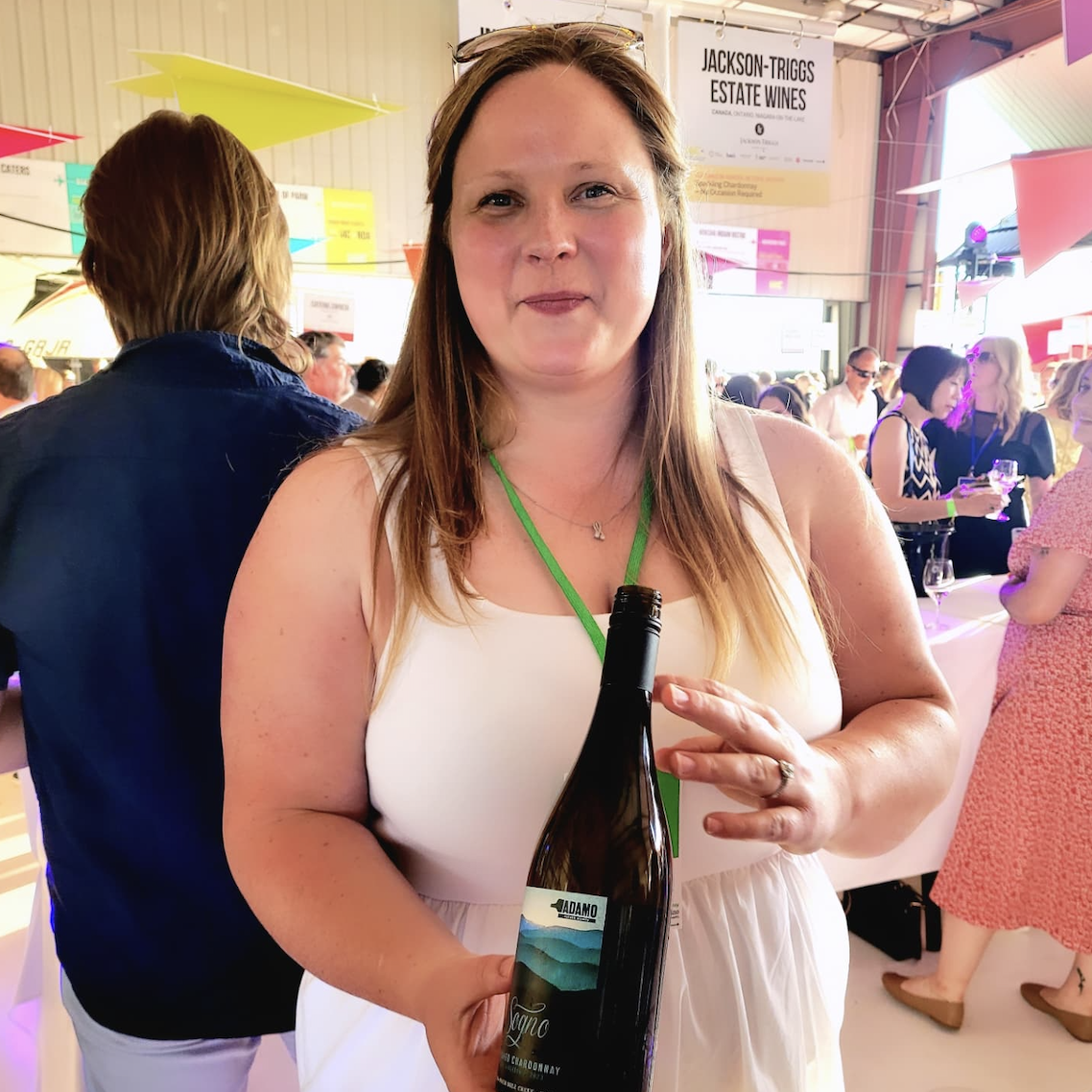
Vanessa McKean, Adamo Estate
Chardonnay
Adamo Sogno Chardonnay Unoaked Lore Vineyard 2023, VQA Four Mile Creek, Ontario
From the 1980s planted Four Mile Creek Lore Vineyard with some chardonnay musqué involved to consistently add a floral muskiness. No wood and now quite the experienced fresh and layered chardonnay in the hands of winemaker Vanessa McKean. A pyramid of activity because of a change by way of employing three ferments and three different yeast strains to see what complex results might result. Lees does the yeoman work without needing to blender pulse the fruit, but just to simply act as catalyst for the transference from vineyard to glass. Drink 2025-2027. Tasted at 14C, July 2025
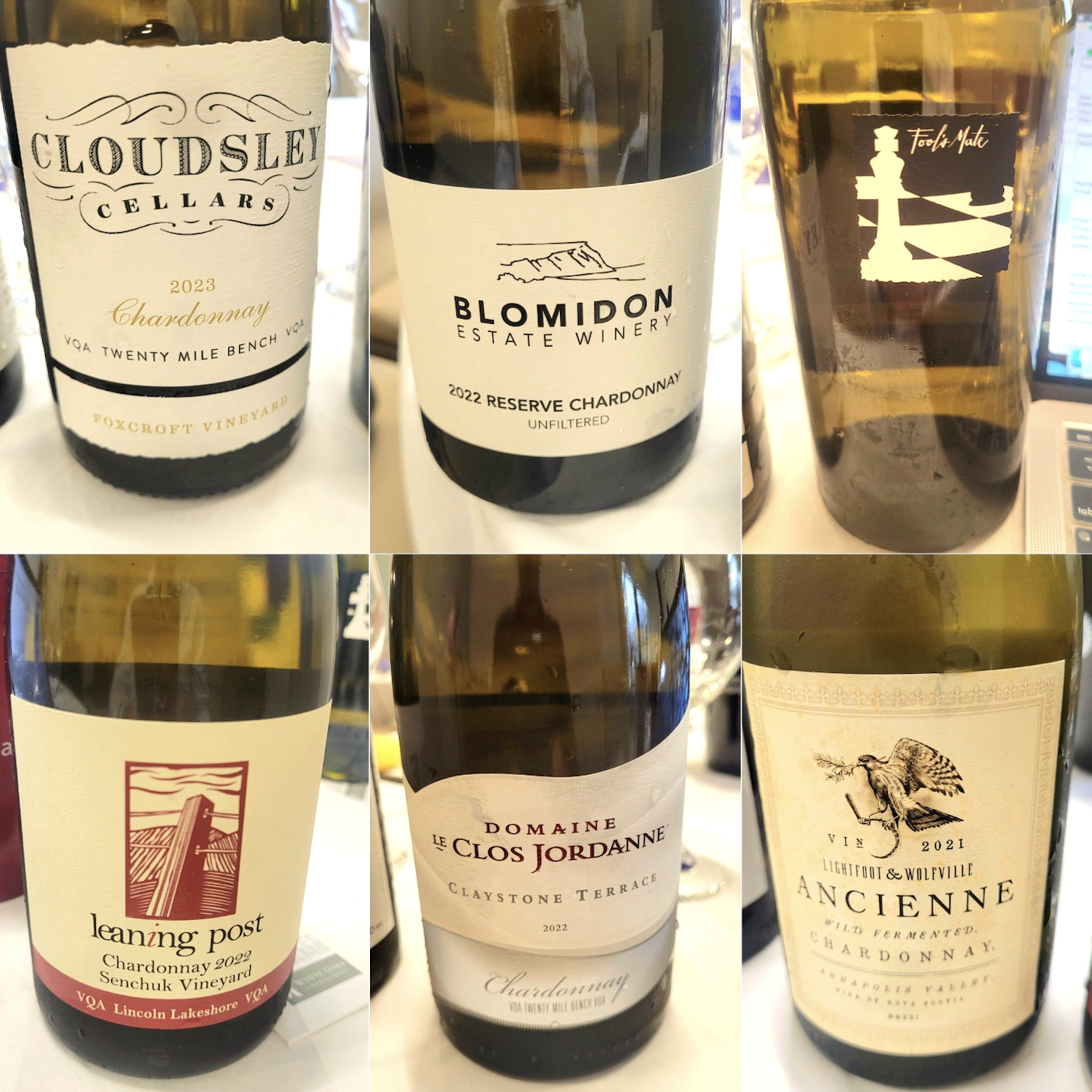
Bachelder Chardonnay Wismer-Foxcroft Parcelle Nord 2022, VQA Twenty Mile Bench, Ontario
Fascinating to get a nose into Wismer-Foxcroft not quite a year but easily eight or nine months later. A Toussaint forward moment for chardonnay still maintaining its touch with the flinty beginnings and the storied act of fleshing out is corroborated today. Late July is a terrific time to re-taste a November Bachelder release of the previous year. This showing drives the point and marks an important moment on the curve. Last tasted at i4C, July 2025
Does not get more knowable or established for Bench chardonnay than the Foxcroft block in Wismer’s expansive vineyard and who but Thomas Bachelder knows this place as well as anyone. A similar story to Wismer Parke with pinot noir in that this vintage just somehow feels like the culmination of a decade-plus worth of experience. Wismer-Foxcroft 2022 is a truly mature and adult version of its reliable self, seamless, punctual and responsible. Substantial, harmonious and structured. All of the above. Drink 2024-2028. Tasted November 2024
Beare Green Winery Chardonnay Clonal Blend 2023, Surrey, England
From Wine with Jimmy’s (jimmy Smith) and a project that started in 2022 with a real core aim to make “low intervention English wine.” A wine made beneath a “perennial dark cloud in a marginal maritime climate” tells Jimmy. A chardonnay of a short ripening season, an average of 700mm of rainfall (and 1,700 in 2024) for lean, edgy, on the edge of cool wine production. “I want English wines to have electric acidity,” says Smith. His chardonnay is lean yet charming, more than somehow because the wine is balanced in spite of its searing intensity. The intrigue is palpable and real. This chardonnay may age for a very long time. Drink 2025-2028. Tasted at i4c, July 2025
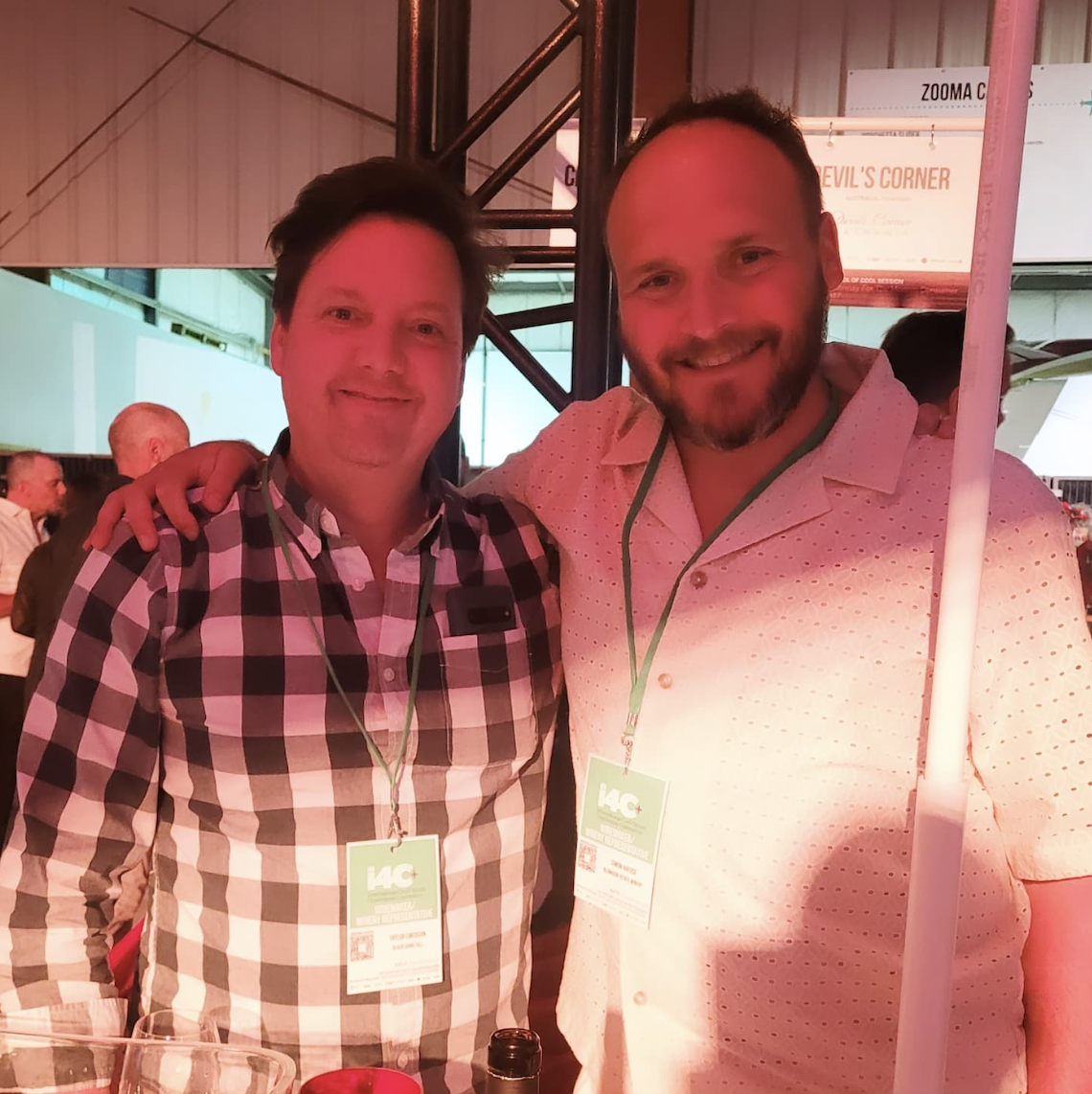
Taylor Emerson, Black Bank Hill and Simon Rafuse, Blomidon Winery
Black Bank Hill Chardonnay Runway 2023, VQA Lincoln Lakeshore, Ontario
A reminder that the name is an homage to service people and the part the property played in the First World War. All the land from here to the lake was an aerodrome and a runway ran right through the field along Sanna Rd. Now showing its lactic-citrus angle without any give or relent to high voltage acid backbone. Come to think of it there is just something Tantalus chardonnay about this ’23 chardonnay in how it rises vertical, controlled within its intensity and built to travel forward. There could very well be four to six years remaining in this singular high wattage way. Last tasted at i4C, July 2025
Gotta be the first chardonnay out of the gates from the 2023 vintage and if this cracker example is any indication of what’s coming then hold on to your senses. Recently bottled and even with an early (September) pick this saw less than 10 months of aging, but the mix of indelible lees and high voltage (8.5 g/L) total acidity put this in scintillant, dare it be said Blanc de Blancs styled territory. So very different to the Runway White (blend) because of its intensity but also warmth at 13.8 alcohol, not quite torridity, but a white peppery scorch nonetheless. Wild and exciting shift from vintner Taylor Emerson and winemaker Jonathan McLean. Will be hard to wait and anticipate what the next level chardonnay turns out to be. Drink 2024-2026. Tasted at i4C, July 2024
Black Bank Hill Chardonnay 2022, VQA Lincoln Lakeshore, Ontario
Warm vintage for Lincoln Lakeshore chardonnay fruit, layers more compressed, aromatics to flavours, resulting in a fullness of mouthfeel quite opposite to 2021 and apposite to the situation. Just the right mathematical problem is written should reduction keeps the freshness and vitality in motion. That said there is warmth and some development, already showing maturity yet time will graciously be kind, at least for a spell and behold a top tier pairing wine is born. Foie Gras with Membrillo and Sherry Vinegar anyone? Drink 2025-2029. Tasted at i4C, July 2025
Black Bank Hill Chardonnay 2021, VQA Lincoln Lakeshore, Ontario
With Twenty Mile Bench fruit in the rear-view mirror Black Bank begins their estate journey with Lincoln Lakeshore fruit accepting and abiding by barrel aging with a precociousness that belies its youthful experience. This from a less than heat unit cumulate vintage and still the body of this 2021 is fleshy and impressive, its elastic length dutiful in helping fruit, acid and texture all come together as one. Should drink beautifully for a few more years. Drink 2025-2030. Tasted at i4C, July 2025
Classic styling for chardonnay, from a winemaking perspective more so than the viognier and also the reds in the Black Bank portfolio. Neither reductive nor oxidative, reactive nor submissive, obsequious nor domineering. No risks taken, nor aversions neither. Buttery yet with good acids, natural sweetness and also wood spice. Right there in that space between, still a wine for its makers to continue figuring out, in terms of wishes and direction. For now a glass in hand is a good one. Drink 2024-2026. Tasted May 2024
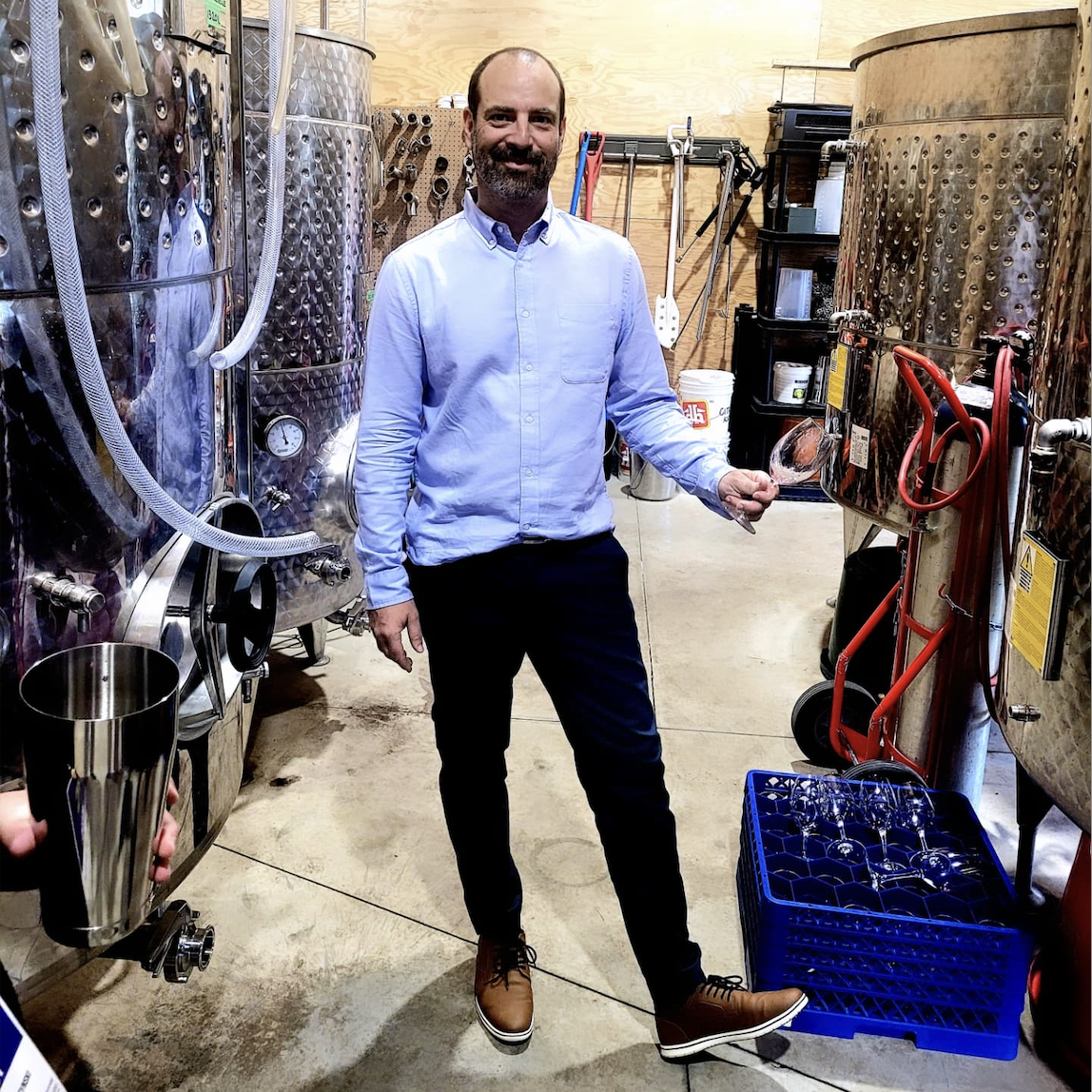
Winemaker Jonathan McLean, Black Bank Hill
Black Bank Hill Chardonnay Wingfield 2020, VQA Twenty Mile Bench, Ontario
Top end chardonnay for Black Bank Hill in the Wingfield section of the Wismer Vineyard, riper and of a concentration that celebrates a vintage, especially now that full integration has come about. The stylized and chic feel is fuller than 2018 and more than a shade less than 2019, with no imminent sign of maturity. But these are oranges as compared to apples even though they come from cousin plots within the larger vineyard. And so Wingfield brings everything to the table; concentration, backbone, linearity, energy and acids wrapping it all up in a fine sharp bow. Top tier chardonnay right here for lovers of the Okanagan, Sonoma, Napa and Ontario, not necessarily in that order. Drink 2025-2028. Tasted at i4C, July 2025
Black Bank Hill Chardonnay Foxcroft 2019, VQA Twenty Mile Bench, Ontario
The 2019 Foxcroft has matured faster than the 2018 and now shows some caramel with more obvious vanilla by way of its conceptual French wood styling. Has done its time, run amok, gone lactic, now softened and finishing its run. Drink 2025. Tasted at i4C, July 2025
Black Bank Hill Chardonnay Foxcroft 2018, VQA Twenty Mile Bench, Ontario
Fruit was sourced from Foxcroft within Wismer Vineyard for the first chardonnay made at the time Black Bank Hill was a virtual winery. The wines were made by Adam Lowry at Cloudsley Cellars and knowledge is power in knowing what a seriously good vintage it was for chardonnay. Age able as well with 2018 persistently fresh, piqued, energetic and thriving. Might have been reductive and tight to begin but time has been generous and kind for Foxcroft 2018 to arrive at this ideal moment in time. Drink 2025-2027. Tasted at i4C, July 2025
Blomidon Reserve Chardonnay 2022, Nova Scotia
Hard to find more chardonnay substance and texture than in Reserve 2022 from winemaker Simon Rafuse at Blomidon. Spiced piques, crunchy apple bites, barrel blanketing and fruit involved at all points for what define the character of this wine. More about flavour than aroma, not out of character for chardonnay but beyond fruit comes sea air and the crushed shells of fossils. There is a Bourgogne feeling gained but not an old school one. Close your eyes and imagine young, modern and inspired from the Motherland. Last tasted at i4C, July 2025
A chardonnay that shows how in the context of a flight of eight wines just how different Canadian chardonnay will be from one to the next. Which also means from one province through to another. Juicy, orchard juiced fruity and simple, if a fine coolest climate expression from the grape to gift high energy character, belied by easy and accessible drinking. Drink 2025-2027. Tasted blind at NWACs, June 2025
Catena Chardonnay High Mountain Vines, Sustainable 2023, Valle De Uco, Mendoza, Argentina
A chardonnay of four sites, Agrelo (950m), Villa Bastías (1,120), Gualtallary (1,450) and El Cepillo (1,090). Classic Catena, of respectfully farmed fruit to optimum ripenesses, phenolics included and ease of barrel blanketing to oxygenate and elevate. Partial (60 percent) malolactic because why compromise acidity when you’re making mountain chardonnay? A higher level of affordable chardonnay prepared and meant for all, of fullness in concentration and experience to get things balanced and just right. Another unmitigated success, delivered without surprise. Drink 2025-2027. Tasted at i4C, July 2025
Catena Chardonnay 2019, Mendoza, Argentina
Well settled, buttery warmth and a nut butter oiliness having entered the arena of delicious and snackable. Drink up although there are two more years available in this state. Drink 2025-2026. Tasted at i4C, July 2025
With every passing vintage the solar radiation affecting high altitude vines increases and dramatizes the gainful effect of Argentina’s darling value-priced chardonnay. It has come to this. A wine of great concentration, generous of fruit and equipped with the tightest spiral of complexity and then, unwind. That the winemakers have figured out how to dial in and expound upon an already well figured out scheme is nothing short of outstanding. Do not dismiss this as a regular, easy to knock back $20 white wine. The substance and the fanning out of notes and pleasures is just too much to simplify, no matter the quantity of output. Drink 2021-2025. Tasted January 2021
Cave Spring Chardonnay Reserve 1995, VQA Niagara Peninsula
Made by Angelo Pavan and we are drinking the last drops of this wine. Picked at 22 Brix in 1995! And yes the wine is showing beautifully. Spiced and piquing with spiciness on the tip of the palate from a chardonnay that was so perfectly oxidative from the beginning with just the right amount of skin contact to see it age remarkably for 30 years. Magic. Tasted at i4C, July 2025
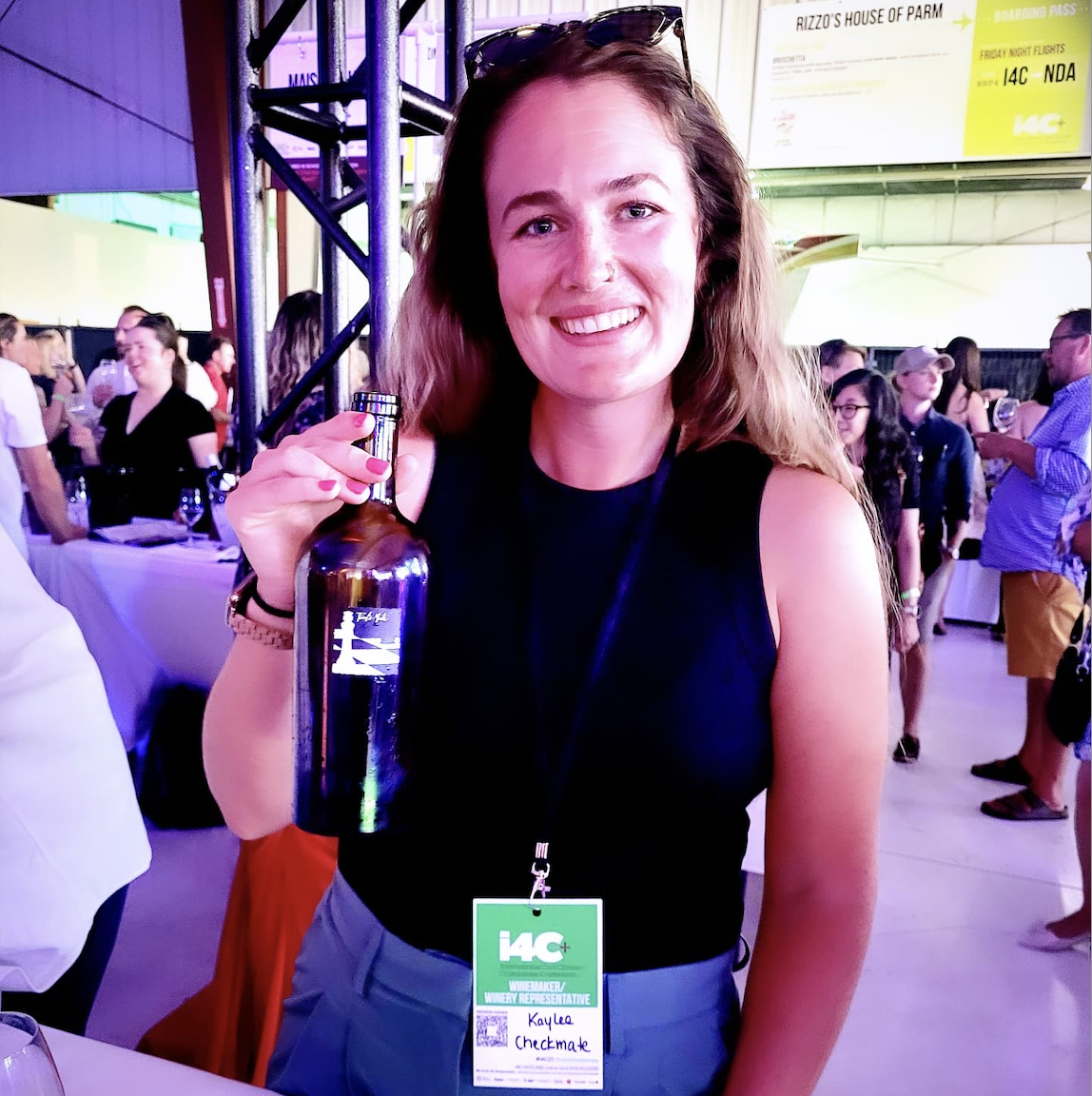
Kaylee Barss, Checkmate Winery
Checkmate Chardonnay Fool’s Mate 2020, VQA Okanagan Valley, British Columbia
Hard to find a fuller, more substantial and all in chardonnay than the Fool’s Mate, but also one with this much finesse, charm and grace. Ridiculously pleasing and dealing in immediate gratification, Checkmate’s 2020 has now settled into its skin to be the kind of wine that literally makes you sigh. So much textural fabric and Okanagan essence from a top-tier focused, sophisticated, considered and flawlessly executed chardonnay. Drink 2025-2029. Tasted at i4C, July 2025
Cloudsley Cellars Chardonnay Foxcroft Vineyard 2023, Twenty Mile Bench, Niagara Peninsula, Ontario
For 2023 winemaker Matt Smith and proprietor Adam Lowry take their Foxcroft chardonnay to another level. The integration of sharply dressed orchard fruit in barrel clothing is a suave and handsome design, look and feel. This stands upright, expresses varietal linearity and is just about as fit and taut a Foxcroft as there has ever been. Essential Wismer Twenty Mile Bench chardonnay, focused and got so right. Raises the bar and ceiling for estate and vineyard. Drink 2026-2030. Tasted at i4C, July 2025
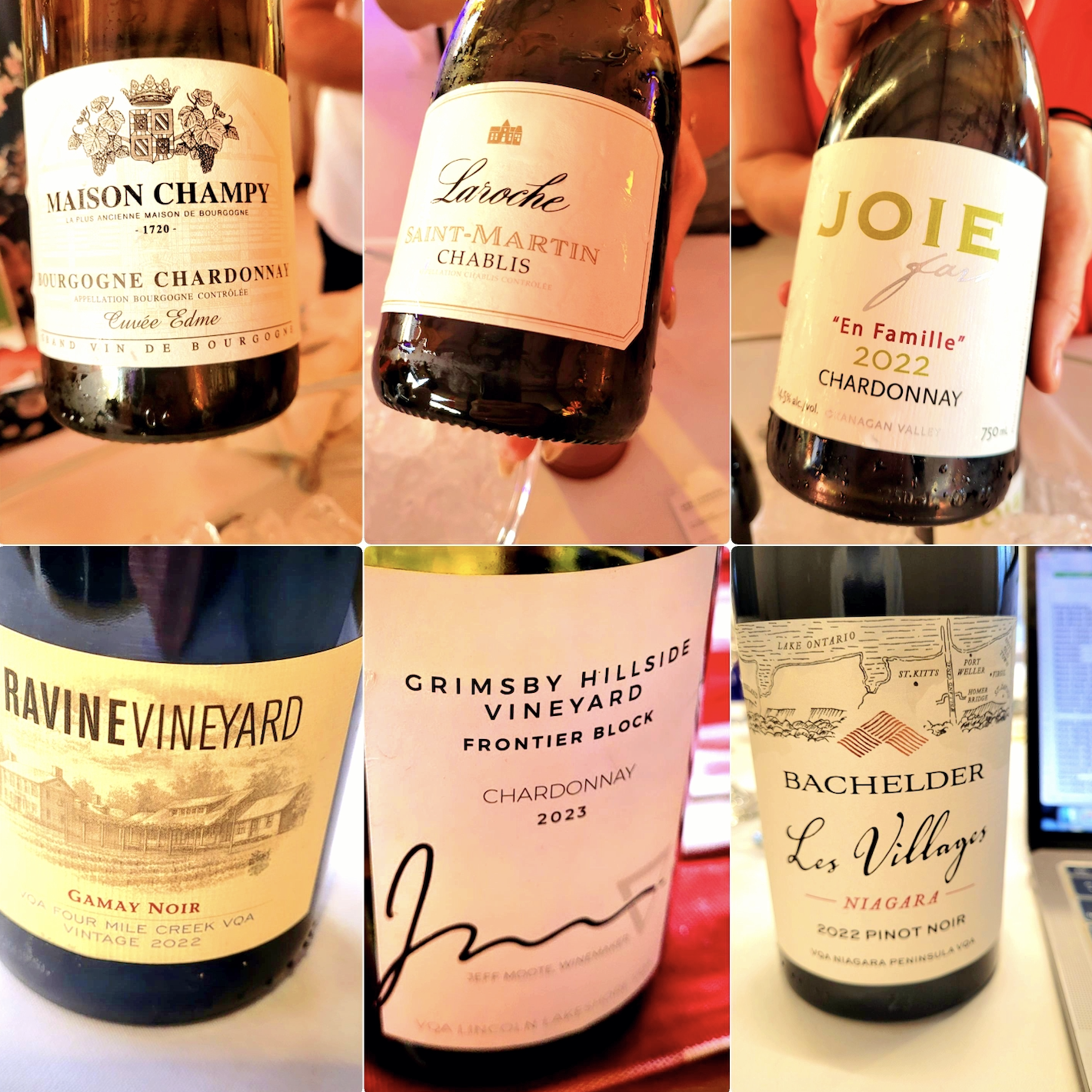
Domaine Laroche Chablis Les Vaudevey Premier Cru 2022, AC Bourgogne, France
Terrifically balanced, harmonious and gracious Chablis for 2022 from Les Vaudevey. A Left Bank beauty with joyous acidity that lifts this Premier Cru up to a place where eager palates will find bliss in chardonnay. Truly a factor of kimmeridgian soil and soul, seamlessly integrated, layered and also elastic in mouthfeel. Spot on with persistent aging potential. Last tasted at i4C, July 2025
The word precise is often used to describe Chablis and many other global chardonnays, sometimes gratuitously but here perfectly applies to the Laroche Vaudeyey. Les VdV ’22 is focused to a virtue with its equality, equanimity and equilibrium from start to finish. A lexical entry to figure out the crux and relationship between cru and village. Tasted a second time, July 2024
Domaine Queylus Chardonnay Tradition 2023, VQA Lincoln Lakeshore, Ontario
“We’re growing the wine and not really making it in the cellar. It’s really challenging, you have to be proactive and also reactive on a vine by vine basis.” The words of winemaker Kelly Mason. From leaf thinning to green harvest and hopefully at the right time, all within the parameters of vintage variation. “Like being the pit crew and driver at the same time.” From the Lincoln Lakeshore vineyard for a ’23 Tradition leaner than some other years, a linear drive with a platinum gold hue and mineral feel. Less than 20 percent new wood, no stirring, “out to barrel and leave it to sit.” Ever so slightly acetic, well within reason and with a pinch of natural chardonnay sweetness. Drink 2025-2027. Tasted at i4C, July 2025
Hidden Bench Chardonnay Béton 2023, VQA Beamsville Bench, Ontario
A unique Bench chardonnay because the fruit has all been taken from the 2009 planting in the Felseck Vineyard. The younger vines are perfectly suited to this Béton’s raising, as in the label’s meaning which is 10 months in concrete for briny and über fresh chardonnay with its own kind of bite. Also tension with no wood to attract attention from the sharp, pointed and direct display of chardonnay. The middle is creamy, that much is true and the juxtaposition makes for an open invitation to imbibe. Drink 2025-2028. Tasted at i4C, July 2025
Hidden Bench Chardonnay Estate Organic 2023, VQA Beamsville Bench, Ontario
Youngest and freshest of Ontario’s 2023 chardonnay aged and then aged further in bottle for what should be this precise release point. Any earlier and it might have played hard to get, any later and freshness would not be this pitch perfect. Assemble a group of wine lovers without extensive cool climate experience or bring this on the road and serve it to consumers beyond these borders for what will be a cool chardonnay teaching moment at a time in history when these wines can turn even the most ardent disbeliever. Drink 2025-2029. Tasted at i4C, July 2025
Hidden Bench Estate Chardonnay 2013, VQA Beamsville Bench, Ontario
Seduction from the word go, nose to glass and if surprise well this could be forgiven considering this is an 11-plus year-old chardonnay from the Beamsville Bench. Then again in 2013 winemaker Marlize Beyers, Hidden Bench and many Bench wineries were already keenly aware of how to make high quality and also structured chardonnay. This wine has drifted slowly and comfortably into its ripe maturity at an age with beauty and of respect. Special is the understatement. FYI for corks nerds out there the 2013 was bottled under Diam-10. Last tasted at i4C, July 2025
A best of both worlds Chardonnay; indicative of the giving vintage (in quality, not quantity, prestige, not prosper) and an Estate, house style with some cosmetics to enhance the consequence. Really typifies and explains what a Marlize Beyers Chardonnay is. Elegant, stylish, with perfect skin, tones, understated beauty and the soft vernacular of few yet precise words. The texture and feel of this Chardonnay is downy, lacey and so very understated. You simply can’t take your eyes off its charms and your palate away from its soft feel. A wine of character and poise. Drink 2015-2020. Tasted August 2015
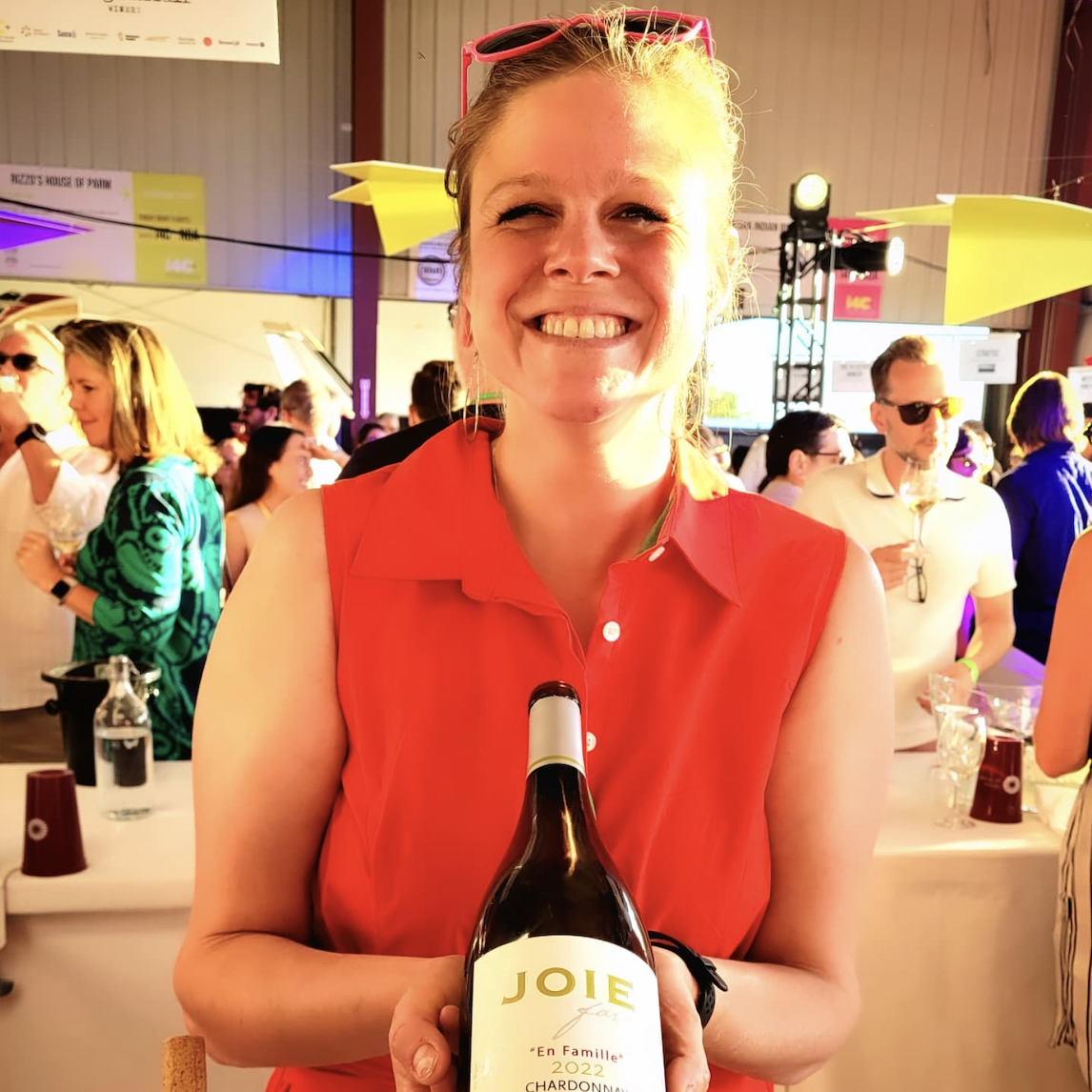
Jennifer Carter, JoieFarm
Joiefarm Chardonnay En Famille Reserve 2022, BC VQA Okanagan Valley, British Columbia
En Famille is the line of signature Joie wines that define, but also distinguish a family’s and team’s fulfillment for everything they’ve accomplished. All in the family celebrates a history and the present, here with chardonnay from a terrific vintage that takes every binate advantage given. Is this not the epitome of a Naramata season, to induce seduction, generosity and philanthropy. Gives and then gives some more, like ripe stone and orchard fruit at peak ripeness, the subtlety of barrel and fineness of acidity. The sweetest kind and thing that could be, natural, at hand to induce consequential pleasure and gratification. Drink 2025-2028. Tasted at i4C, July 2025
Joiefarm Winery Chardonnay Con Vida Vineyard 2022, BC VQA Okanagan Valley, British Columbia
The pinnacle of En Famille for chardonnay drills deeper into place with Con Vida Vineyard, meaning “alive” or “with life,” a term of endearment to celebrate a piece within the greater good. Winemaker Richard Charnock takes chardonnay to the next level, particularly in amplitude and opulence for the kind of wine no mere mortal could resist, Or deny its succulence and generosity. Thankfully the sweetness and elasticity of acidity extends the character, fortune and play before giving way to warmth, a buttery brioche-ness and fluid forward motion extended well into the lingering minutes of a palate’s perception. Drink 2025-2029. Tasted at i4C, July 2025
Leaning Post Chardonnay Senchuk Vineyard 2022, VQA Lincoln Lakeshore, Ontario
Sharp and pinpointed without equivocation in home base chardonnay of vines further matured into early adulthood. Now in delivery for fineness and a development into true realism in western Niagara chardonnay. In fact place does not get any more west and so we begin to believe that the west is indeed the best. The concept may express a subjective opinion and also convey a preference for a specific geographic region but who can deny what the Senchuks have accomplished with the clay based block behind the winery. The 2022 is in fact a warm chardonnay from a cool climate that shows just the existential where and when history of a wine like this. With depth of flavour, rise and length. Drink 2025-2032. Tasted at i4C, July 2025
Le Clos Jordanne Chardonnay Claystone Terrace 2022, VQA Twenty Mile Bench, Ontario
Claystone for 2022 chardonnay notes reductive character in a restrained and fruit encapsulated manner. Separates itself from Jordan Village through more varietal and place specifics with higher aromatic pitch and pinpointed flavours to make you think and feel the sickle curved nook on a plateau aboard the Twenty Mile Bench. Terrace that is, where clay and decomposed stone are the impetus for chardonnay of an identified speciality, coaxed and brought to life by Bachelder and team. Sharp and focused with the earth of a vintage packing its pockets and fleshing out its fruit. Last tasted at i4C, July 2025
If anyone were to ask, what does a chardonnay from Le Clos Jordanne taste like, the answer would be this. This 2022 Claystone is exactly it, a chardonnay of selection from a specific block, a development of fruit hung to optimize aromas, favours and intangibles, a wealth wrought of barrel choices made to accentuate all the fresh meeting mature nuances of Twenty Mile Bench chardonnay. Top stuff at eye level shelf for this sku in the hands of three skilled wine crafters that make Niagara proud. Phillip Brown, Kerri Crawford and the monk himself, Thomas Bachelder. Drink 2025-2028. Tasted July 2025
Lightfoot & Wolfville Chardonnay Ancienne Wild Ferment 2021, Annapolis Valley, Nova Scotia
One nose into Ancienne 2021 and you know the change has come. The first epoch of evolution now paves the way for another, the last one having developed and experienced over the past eight years, now come to full fruition. The new and improved Ancienne will one day beget a decades old chardonnay that truly defines its ancient name, looks to its past and reflects on what has been accomplished. As we will do in kind, to have believed everything was possible and was meant to be. This ’21 owes its DNA to place and previous vintages but there is are new parameters of warmth, richness and ripeness, aspects now present in more vintages than not, no matter the climate extremes and obstacles that are want to diminish quantities. My goodness what great chardonnay is being made on such a consistent basis by a winemaker as present and confident as Josh Horton. The underlay of Fundy spray saltiness in the heart of juiced and zested lemon is an irresistible mix for chardonnay. They who take this wine’s subtleties and potential for granted are missing the point. Drink 2025-2029. Tasted at i4C, July 2025
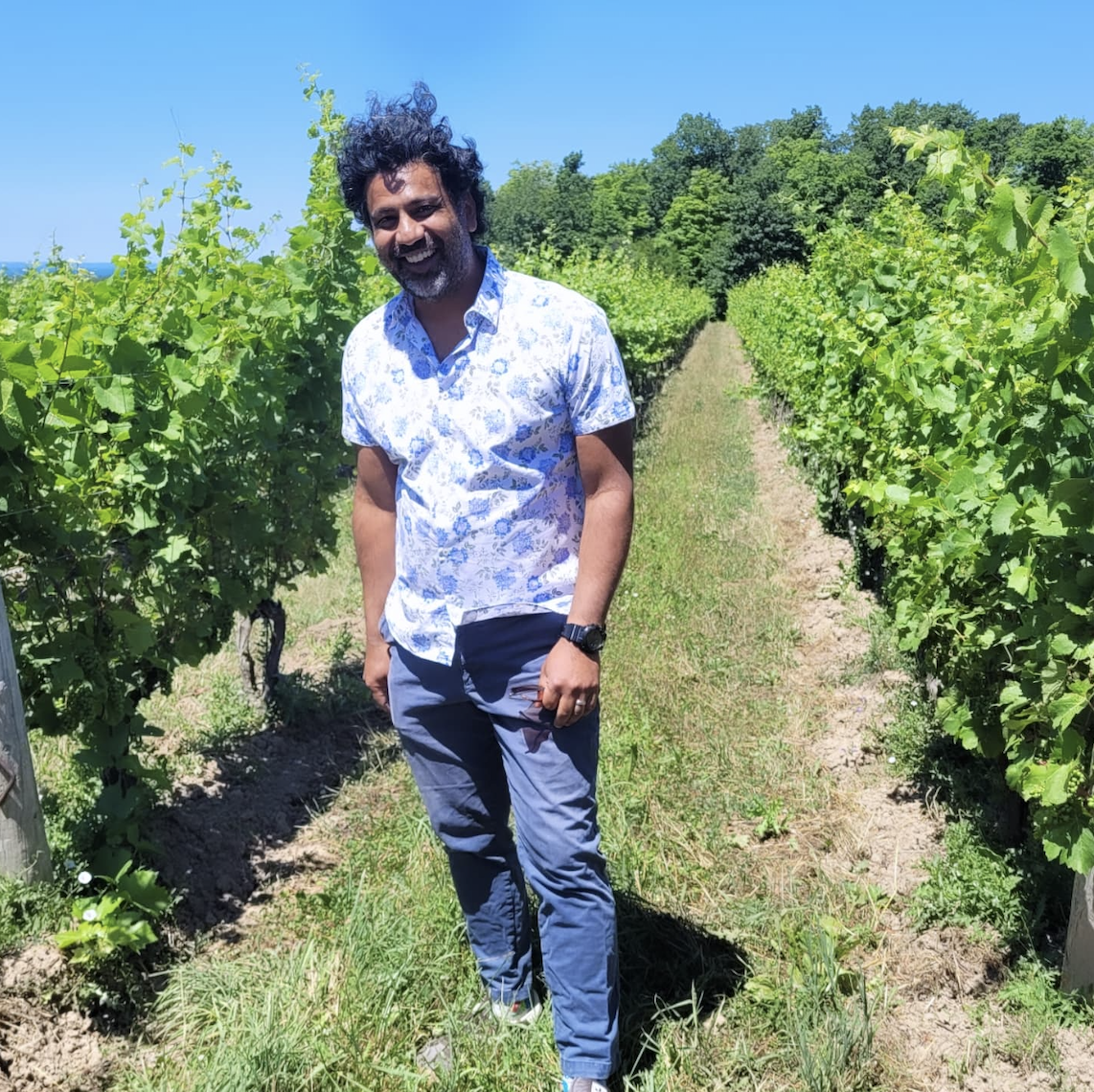
Shiraz Mottiar in his home vineyard
Malivoire Chardonnay Mottiar 2021, VQA Beamsville Bench, Ontario
From Shiraz Mottiar’s home vineyard and the wet vintage, moderately cool and one of those times that fruit dropping and rigorous sorting could and would lead to great chardonnay. That is this, taut and opening slowly, incrementally, in no hurry, nearly yet still not ready to go. Not the open flower yet and will be soon when fleshier times will fill the glass. A newfound yes to 2021. Last tasted at i4C, July 2025
“A disaster (yet high volume, up 30 percent) vintage but I’m really happy what came from there,” admits winemaker Elisa Mazzi. No matter the rain and fog because there is flesh and substance in the ’21 from Shiraz Mottiar’s vineyard. Not a fully natural fermentation with some yeasts used but also not a full malolactic fermentation. Stopped halfway, winemaking on numbers instead of taste so to speak. Some wet concrete notes, washed hard cheese rind and surely different for a Malivoire chardonnay, leaner and linear but ready as ever to go out and please. Drink 2024-2026. Tasted March 2024
Malivoire Chardonnay Mottiar 2018, VQA Beamsville Bench, Ontario
Pronounced flintiness from 2018, “it’s just vintage,” says Shiraz Mottiar and it lends a Beamsvile-ness to chardonnay, not unlike 2011 but ’18 was warmer. Translates to an added layer of richness with just the right amount of wood felt at this six-plus year stage. Last tasted at i4C, July 2025
Intensely youthful chardonnay is a scent to behold, especially from a vineyard block picked on the high-low dichotomy of acid and pH then naturally fermented with bunches intact. I wonder if the barrel time was extended slightly because of the promise of 2018 and that may add to the taut nature of this Mottiar. That said there is no lack of freshness or shortage of cool climate bite. After all, this is chardonnay that speaks the vernacular of stoicism, structure and length. Drink 2022-2027. Tasted October 2020
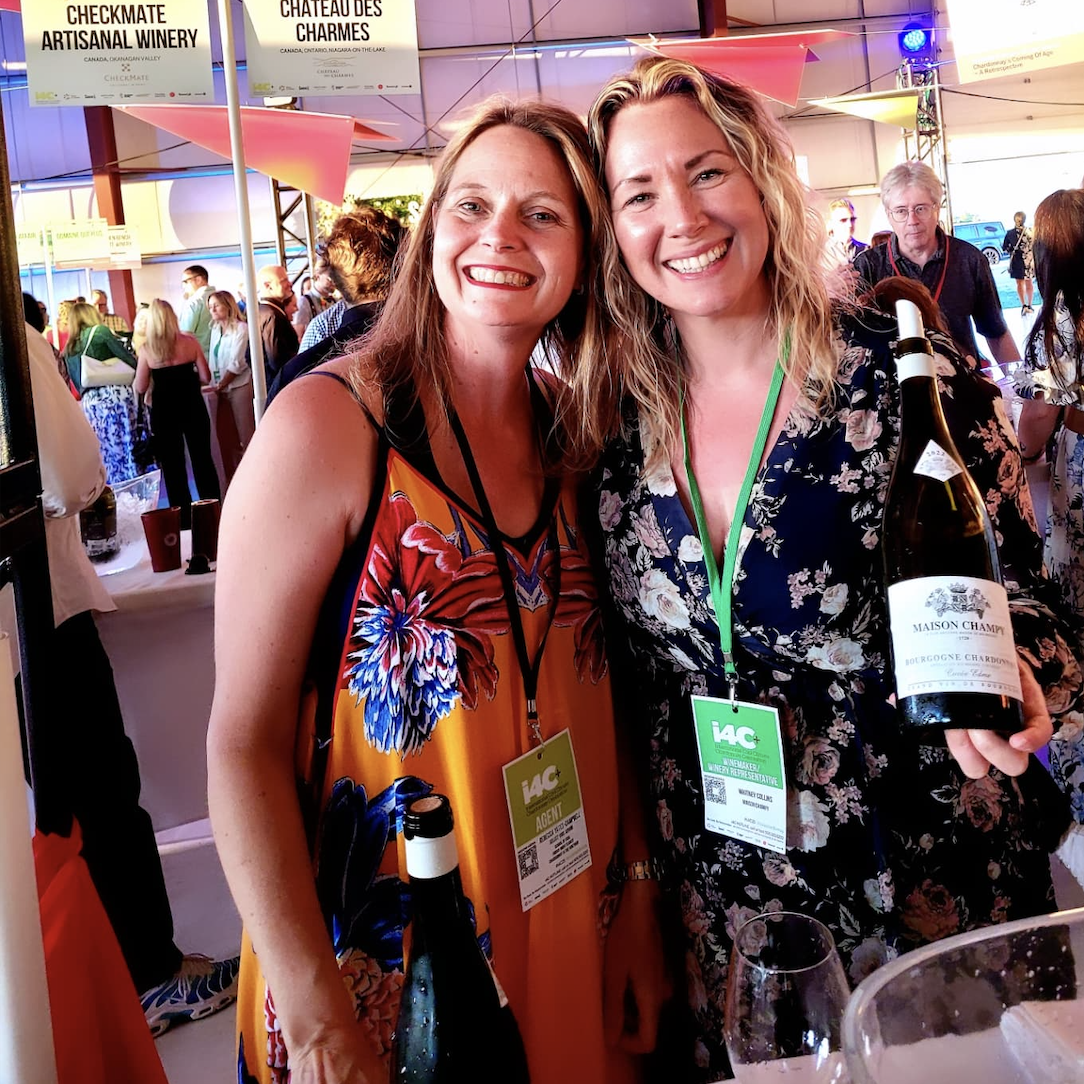
Rebecca Yates-Campbell and Whiney Collins, Advini (Maison Champy and Domaine Laroche)
Maison Champy Pernand Vergelesses Blanc 2023, Bourgogne AOC, France
The appellation and terroir must direct a classic movement in chardonnay and Champy ensures its orchestration finds what we are all looking for. That would be lighter, mineral-acid freshness from a large local landholder with more cards than many to mix, match and most importantly adapt. Organics and the essential ideal of sustainability translate into a chardonnay that is truly technically proficient to the edge of perfection. Translates terroir, talking points and acumen into great chardonnay. One of innovation for timelessness. Drink 2025-2029. Tasted at i4C, July 2025
Organized Crime Chardonnay Limestone Block 2022, VQA Beamsville Bench, Ontario
Sharp value chardonnay cut from stone and to deliver top quality varietal goods from a fantastic Beamsville Bench terroir. Crisp as it gets for a 2022 Bench chardonnay, sweetly herbal, crispy and taut yet with no shortage of fluidity and flesh. Distinct and still recognizable for grape and place with wood the pique in spice at the tip and also back end of the palate. Acidity fills the voluminous space between. Drink 2025-2028. Tasted at i4C, July 2025
Organized Crime Chardonnay Sacred Series Cuvée Krystyna 2021, VQA Beamsville Bench, Ontario
Higher end and inviting pinpointed cuvée from the cooler and wetter if humid vintage to determine ultra specific chardonnay. In a way surprisingly soft with a cream-centred mid-palate, pH elevated and acidity mild. The truth is this feels and drinks like a “Reserve” style of Ontario chardonnay with no questioning the quality of fruit ripeness, purity and wood. Comes together nicely and still drinks with purpose, though these immediately arriving years will see a waning of freshness. Drink 2025-2027. Tasted at i4C, July 2025
Rosehall Run JCR Chardonnay Rosehall Vineyard 2017, VQA Prince Edward County, Ontario
Were you to say upfront that this was a Prince Edward County chardonnay from 2017 it would not be believed. Still cracker energy and freshness, crispy and crunchy character and blessed County beauty. Last tasted at i4C, July 2025
As a follow-up to the warmth and phenolic heights of 2016 you’ll have to imagine a meandering through zig-zagging directions for ’17. Despite the ups, downs and ups again this chardonnay has indeed found its way, charming us with insights and how richness ensues. The surety of this fruit and this composure ensures and enriches the great sleeper County chardonnay that continues to explain the concept of cool climate viticulture done right. It’s not really all that reductive but it is protective and crafted with indefatigable structure in surround of high quality ingredients. Another winner from Dan Sullivan. Drink 2019-2023. Tasted June 2019 and May 2020
Stratus Chardonnay Unfiltered And Bottled With Lees 2023, VQA Niagara-on-the Lake, Ontario
The Stratus chardonnay lees program is simply fascinating. Options, possibilities and abilities learned have developed and been banked for hits that keep on coming, but what is most striking about the 2023 unfiltered is how perfectly clean it is. Like you would never know there were significant lees bottled and so here there feels like a return or in a sense a throwback to chardonnay from say 2012. Of a clarity, purity and acceptance of barrel in proper tones and with effortless ease. The agriculture is everything anyway, so to be sure a chardonnay like this will improve and be sure to bless a consumer with the last vintage produced being the best. Which means 2023. Drink 2025-2029. Tasted at i4C, July 2025
Tamar Ridge Devil’s Corner Chardonnay Resolution 2022, Tasmania, Australia
Man does this smell like Tasmanian chardonnay, but what does that mean? Cool, for one thing, taut and tart with a Champagne profile minus the bubble. Also a chardonnay provided with a western rain shadow, a moderating body of water and north-facing sun capture for optimum ripening. Much of the fruit comes from the river that makes a moderating temperature effect horseshoed around the vineyard, that and 15 percent from the coastal vineyard. Like a bite into a strong green apple with satisfying juiciness and acidity. Drink 2025-2028. Tasted at i4C, July 2025
Thirty Bench Chardonnay Small Lot 2021, VQA Beamsville Bench, Ontario
In a ripe and settled place, fruit over acidity and barrel, fresh in its persistence and pulpy by texture. Green apple bite and spice more than many, exaggerated from a cooler vintage for excitability, gastronomy and complexity. Last tasted at i4C, July 2025
True to Bench chardonnay sprit and energy, standing upright, demanding to be noticed and in turn we are paying notice. A harvest of demand forces the team to focus and pay extra attention, to do everything possible for greater returns. Picking and sorting strategies finds the best available fruit to create something cool, gelid, succulent and shockingly Chablis like. In fact at 12.6 percent (low) alcohol this acts in a stoic and matter of fact way, without airs and confidently what it needs to be. Will not overwhelm any palate, nor will it takes any breath away. That said it should age longer than first anticipated. Last tasted twice in July 2024, including at at i4C
Small Lot just has to be the owner of the lowest of low alcohol number as it pertains to the Beamsville Bench and at 12.6 percent the conversion rate falls under the categorical auspices of magic. This is not a light chardonnay but it is a lithe, elastic and effusive one. Aromatically demure yet soft and almost caressing, without peppery (and sharp apple) bites or jolting in any way. The palate runs a similar course, gracing with soft and round flavours that are easy and stretched. Lovely and amenable 2021 here from Emma Garner and one to savour slowly, in a calm and tranquil setting. Drink 2023-2025. Tasted July 2023
Trius Showcase Chardonnay Wild Ferment Watching Tree Vineyard 2022, VQA Lincoln Lakeshore, Ontario
Single vineyard, optimum fruit picked right at peak in a warm vintage and just the wild facts before barrel time rounds out the edges and corners. They still point and stand out with reductive style being the impetus for freshness and how this chardonnay will age, journey and thrive. There is a crunchy green apple quality, a flinty moment our two and fine lees as pure as ever. Last tasted at i4C, July 2025

Volta Estate Winery Chardonnay Unoaked 2023, VQA Prince Edward County, Ontario
One of three Volta chardonnays, the second being barrel-aged and the third raised in (sandstone) amphora. Fruit comes from Hillier’s Ramirez Family Farm, at one time sourced by Lighthall Vineyards, a fun fact that indirectly forms a connection with new winemaker Chris Thompson who used to work at there. This steely chardonnay is stirred and closely mimics a Chablis perspective, youthful style that is with languid drift, elasticity, freshness and cool finishing spice. Acids are spot on for this ultra correct chardonnay. Drink 2025-2026. Tasted at i4C, July 2025
Volta Estate Winery Chardonnay Amphora Ramirez Family Vineyard 2023, VQA Prince Edward County, Ontario
As with the first Volta chardonnay the source is Hillier’s Ramirez Farm but here the aging is done in French (sandstone) amphora-style vessels. A freshness does not merely drift but flies out in a way that rarely happens from these pots (when made with concrete or clay) and so the medium surely creates some sort of revolutionary housing. Purity incarnate and no salve drip or texture melted upon the palate makes this so bloody different. Highlights the fruit and not reduction while micro-oxygenation comes into effect in the neatest way. Drink 2025-2027. Tasted at i4C, July 2025
Wending Home Chardonnay Estate Vineyards 2021, VQA Creek Shores, Ontario
First tasted 13 months ago and no shock to find this chardonnay right in the heart of its open window. The spice is melting and infiltrating every pore of this wine for pervasive seasoning and flavour. Just delicious at this stage. Last tasted at i4C, July 2025
Bit of a cool banana smoothie here, extracted and sweet though naturally so with that tropical spectrum feel, especially like pineapple. Chewy for chardonnay and the wood is very much there, finishing with a buttery swath pasted across the palate. A bit heavy handed (though not overdone) in terms of bâtonnage to effect honeycomb and creaminess, however those who like the style will do very well with this example. Drink 2024-2026. Tasted blind at #NWACS24, June 2024
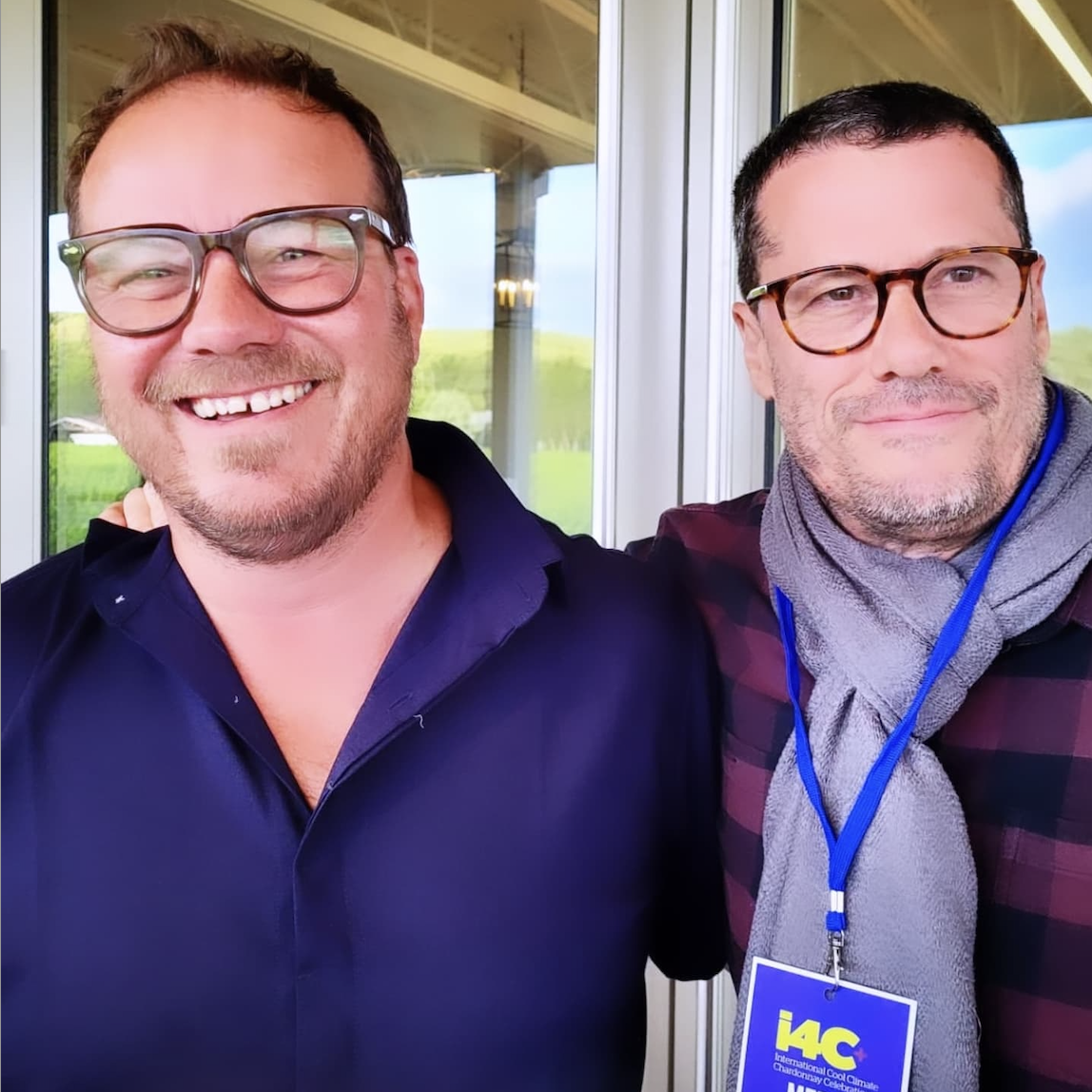
With Jonas Newman, The Grange of Prince Edward
Other Whites
Divergence Wines Sauvignon Blanc Creek Road Vineyard 2023, VQA Four Mile Creek, Ontario
In the past Jeff Moote sourced his sauvignon blanc from Hughes Vineyard in Beamsville and this is the first from Creek Road near Virgil in the Four Mile Creek sub-zone. The vineyard may be most famous for cabernet franc but this white grape cousin makes for a fine, ripe and complex wine. Saw 20 hours of skin contact, enough to effect colour and texture but not enough to adhere in any unwanted way aboard the palate. There are notes of green fig and yellow peach from what is ostensibly tight, vaguely tannic and corporeally solid white wine. Drink 2025-2027. Tasted at 14C, July 2025
Grange Of Prince Edward Sauvignon Blanc Newfield Block 2024, VQA Prince Edward County, Ontario
From vines planted in 2003 though never really ever made into a dry sauvignon blanc. Now in the hands of winemaker Jonas Newman that changes with a stirred yet no wood version, although Newman feels that could come into play sometime soon. “To make a more complex and sophisticated sauvignon blanc,” but the quality of this feels like there will need to be two. This ’24 is joyous and eye-opening stuff. Drink 2025-2028. Tasted at i4C, July 2025
Grange Of Prince Edward Pinot Gris Isabella Block + Northfield Block 2024, VQA Prince Edward County, Ontario
Truly ABG, anything but grigio in dry, salty, crisp and enticing pinot gris. Gris for gris’ sake, solid, purposed and drinking effortlessly. Drink 2025-2027. Tasted at i4C, July 2025
Malivoire Pinot Gris 2024, VQA Beamsville Bench, Ontario
Aromatic for gris with flowers, part fresh and part desiccated. Vaguely turbid with an acetic moment that distract from the purity of intended local pinot gris flavours. A bit troubled by its youthful style and perhaps it will “clean itself” up with a few to more to six months in bottle. Drink 2025-2027. Tasted at i4C, July 2025
Malivoire Melon 2024, VQA Beamsville Bench, Ontario
Fresh, ultra fruity and light style, decidedly void of long lees aging. Originally conceived and continues to be made for proprietor Martin Malivoire because this melon de bourgogne is exactly what he prefers for oysters. As will you because the 2024 delivers both substance and salinity, key ingredients in the pairing. Drink 2025-2028. Tasted at i4C, July 2025
Malivoire Melon De Bourgogne Demo Series 2022, VQA Beamsville Bench, Ontario
The ulterior methodology and stylistic for melon de bourgogne, here aged 22 months on the lees. No we have not walked up from the river to Nantes, but there is some fantasy in that regard. Salty and the feeling of wet concrete, so proper for oysters but frankly an exciting melon on its own. Flinty and still youthful. Drink 2025-2029. Tasted at i4C, July 2025
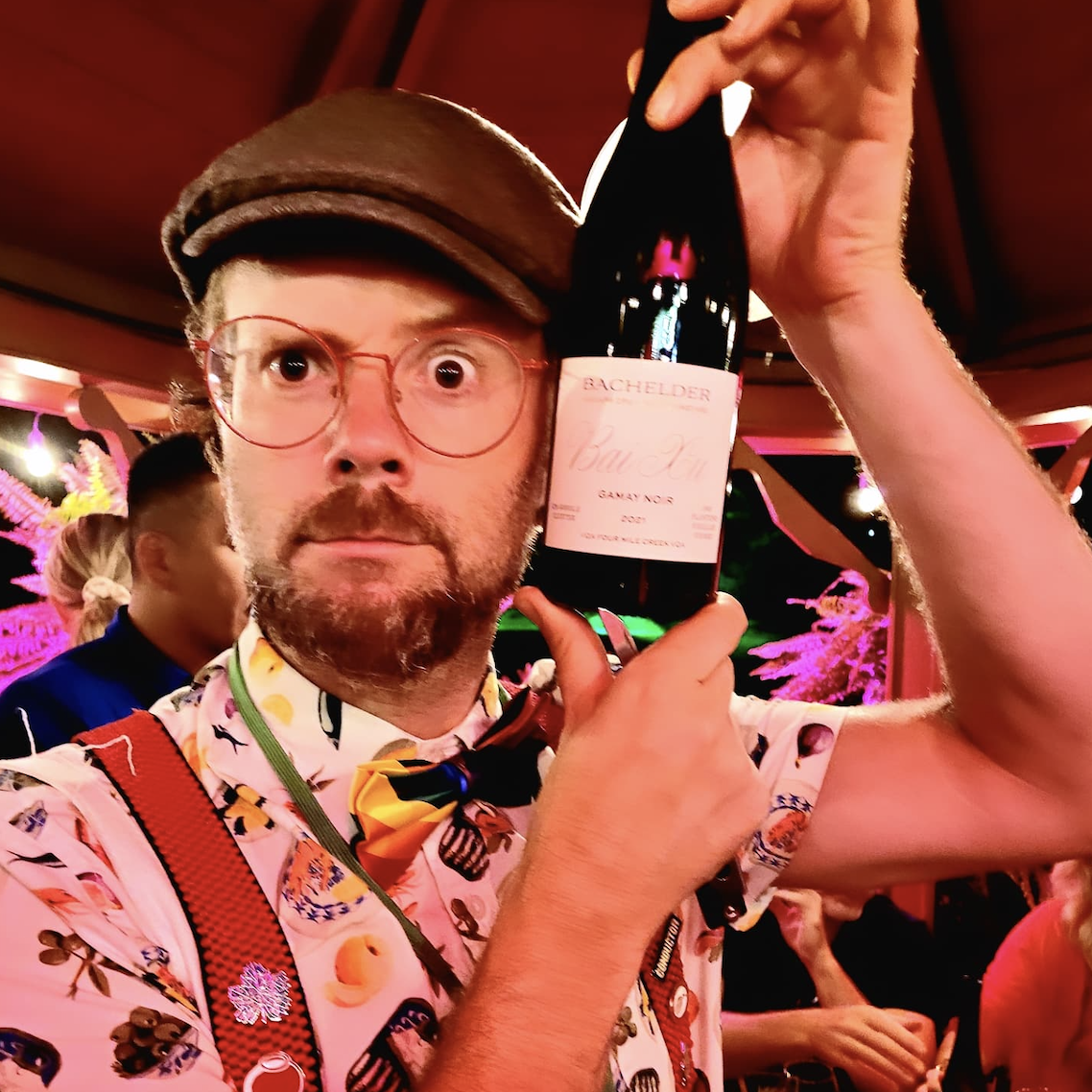
Jimmy Smith, Beare Green Winery and Wine with Jimmy
The Reds
Beare Green Winery Pinot Noir Pulborough Cool Climate Clone 777 2023, Surrey, England
The Surrey project of Wine with Jimmy (Smith) comes from Pulborough, a tiny village where the fringe of cool climate viticulture is practiced and planted to pinot noir clone 777. Beare Green’s is a natural varietal treat with acetic meanderings and like the chardonnay, leanness is belied by its charm. Yes it is in fact acid tart and sax jazzy while also crunchy and intensely cherry sour. A ton of clash but the prospects and possibilities feel like a high ceilinged future awaits. The intrigue is great with much looking forward to watching this passion project grow. London and the world are calling. “J-a-zee zee, J-a-zed zed, J-a-zed zed, Jimmy Jazz.” Satta Massagana Jimmy. Drink 2025-2027. Tasted at i4C, July 2025
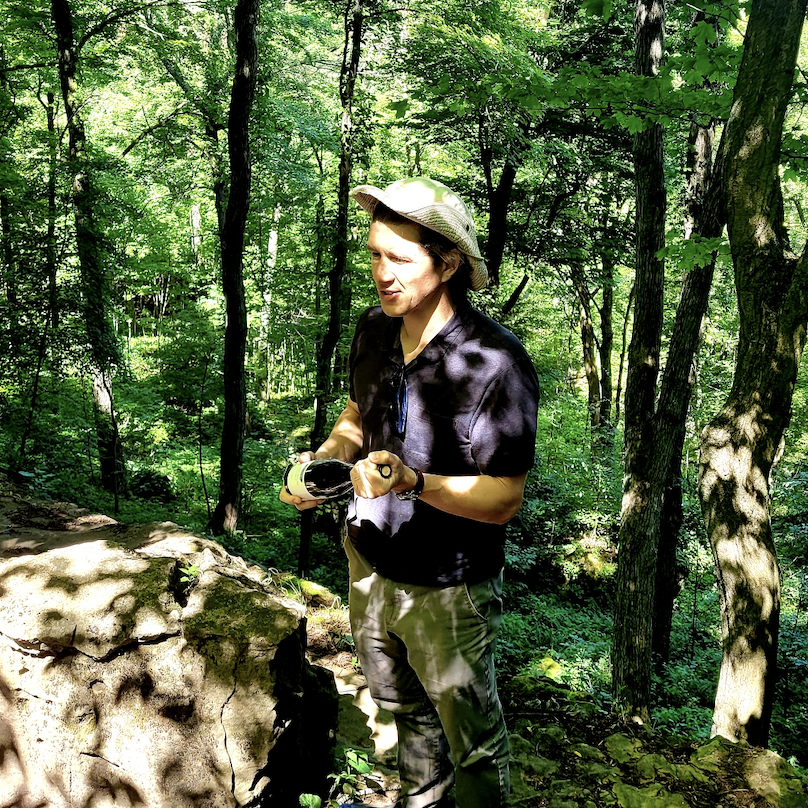
Cave Spring winemaker Gabe Demarco speaking at the Adam Steps
Cave Spring Cabernet Franc CSV Estate Grown 2022, Sustainable, VQA Beamsville Bench, Ontario
Warm vintage, a richness of fruit optimized from highest attention to farming and chosen right there in the field. In June no less because identifying blocks ahead of canopy management is key to drawing up the map for Cave Spring wines. CSV is the varietal meow, also with cabernet franc and while the ’22 carries deeper meaning there is no denying the sheer purity. Wood used generously is the requiem to elevate and extend the grip, spice, texture and potential of this wine. Last tasted at i4C, July 2025
Juicy, unfettered in terms of exuberance and yet finely restrained as cabernet franc because it pulls no gratuity, nor punches for that matter. Only a kiss of the barrel is felt and the proper herbaceous greens are noted, as they rightly should. Speaks to the Cave Spring Vineyard and the important farming adjustments made over these last few years by Gabe Demarco and team. The fruit is singing because their host vines are well loved. It’s as simple as that. Drink 2024-2027. Tasted September 2024
Cloudsley Cellars Pinot Noir 2022, VQA Twenty Mile Bench, Ontario
Adam Lowy’s Twenty Mile Bench pinot noir really is the mirror into a vintage with its mix of vineyard fruit, lithe transparency and aromatic spicing of a season. That’s the thing – His pinot noir does not go into bottle without proper, correct and frankly spot on salt & pepper seasoning in order to coax out the truth of fruit. Its decisive resource is concentration and depth without unnecessary over-extraction or heft. Would say to drink this early in its tenure and also pour it to those who question the viability and comparability of Ontario pinot noir. Drink 2025-2028. Tasted at i4C, July 2025
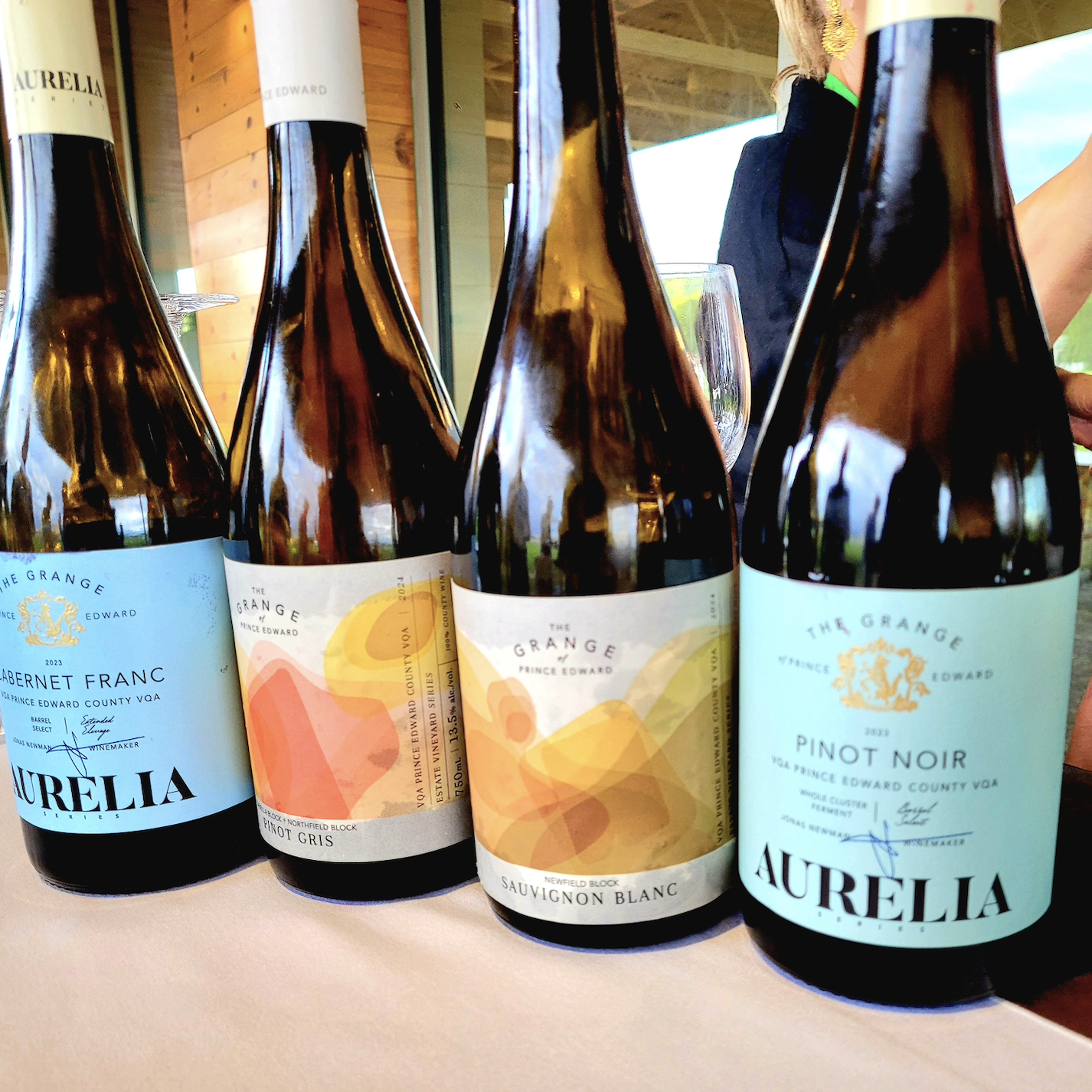
Grange Of Prince Edward Pinot Noir Aurelia 2023, VQA Prince Edward County, Ontario
Tart with an acetic edginess because of its raw energy and DIY ethic. Red fruit intensity, implosive, dangerous, rebellious and still workable. It is County pinot noir, the punk rock of Ontario’s varietal sound, purposefully shock chord driven and fast. Try to keep up. Last tasted at i4C, July 2025
The golden one, Aurelia, from the Latin Aurelius and if you want to delve deeper, the name for Marcus Aurelius Antoninus, Roman emperor from 161 to 180. Even deeper still the character portrayed by Richard Harris in Gladiator. Also the top of the opus pinot noir at The Grange and what a golden one it surely is. Needs to be because it is bloody expensive but just 98 cases were made of a varietal harbinger that gets the full on spa treatment. Double sorted, first in the vineyard, then at the table. Whole cluster fermented, including carbonic for five days and then foot trodden. Ten days of délestage before being pressed off and blended to finish ferment in tank. Ages in the most expensive wood for 10 months, 33 percent new. Burgundy anyone? Yes this is the idea and the result is a pretty good approximation, all the while tended to by that County high life in acidity with a generous amount of volatile compound effect. Yet the fruit and that acidity are in cahoots, sweet, inviting and enlivening. At nearly $75 there is a whole lot of swagger, ambition and confidence but if money were no object I’d happily drink through a few bottles. Drink 2024-2027. Tasted December 2024
Grange Of Prince Edward Cabernet Franc Aurelia Series 2023, VQA Prince Edward County, Ontario
What absolutely killer, beautiful and appropriate volatility in the sweetest and most elastic vein. There are Loire and Ontario cabernet franc and then comes along Aurelius at Prince Edward County’s Grange made by Jonas Newman – and the skies re-open. Feels like a cabernet franc epiphany sent after a storm with order restored post chaos and darkness. The wine’s opening salvo is something understood to be professional and artisanal rolling into the proverbial emergence from risk relatable to reward. Brightness and potential ensues. Near, near absolutely brilliant bottle of cabernet franc. The pinnacle is coming soon. Drink 2026-2031. Tasted at i4C, July 2025

With Jennifer Carter, JoieFarm
Joiefarm Winery Pinot Noir En Famille 2022, BC VQA Okanagan Valley, British Columbia
A treat to taste a signature JoieFarm pinot noir from a most rewarding Okanagan Valley – Naramata Bench vintage, especially under the auspices of the En Famille autograph. A true “farm” wine, emphasizing a connection between Naramata and these varietal wines. The ’22 brings fullness and generosity in a most familial and joyous way. Ripeness is just right there and softness ensues to ensure the highest level of drinkability for always and whenever. Drink 2025-2028. Tasted at i4C, July 2025
Leaning Post Pinot Noir 2023, VQA Niagara Peninsula, Ontario
The NP pinot noir falls into the Leaning Post line wedged somewhere on the line between The Fifty and the single vineyard labels of Senchuk, Hemeris, Lowery and Grimsby Hillside Vineyard. What’s right and charming about 2023 is how it settles into our varietal psyche for a vintage neither as warm or concentred, while returning to varietal basics. This feels like 2009 or 2009, wines ripe and structured enough that in Ilya Senchuk’s hands that are able to please early yet surely age gracefully forward several years. There is purity and potential magic from vintages like this with no exception for one labeled as an LP pinot noir. Less than epic, but they can’t all be and my how good ’23 will be for years to come. Drink 2025-2031. Tasted at i4C, July 2025
Lightfoot & Wolfville Pinot Noir Ancienne Wild Ferment 2021, Annapolis Valley, Nova Scotia
Feels like only yesterday when pinot noir planted, nurtured and made into wine at Lightfoot & Wolfville was born, but here we find this special Annapolis Valley example come upon a decade into its tenure. Things have changed in terms of ripeness, knowledge and experience, but still this is Nova Scotia wine. Unequivocally and beautifully, with tension and this rise of high tonality up high into a Fundy-Minas Basin air. The 2021 still rises but also settles in term of its tannin structure. This says drink away and be keenly aware of how time will dramatically change this pinot noir across all of its character; volatility, emotional well-being and spirit. Drink 2025-2028. Tasted at i4C, July 2025
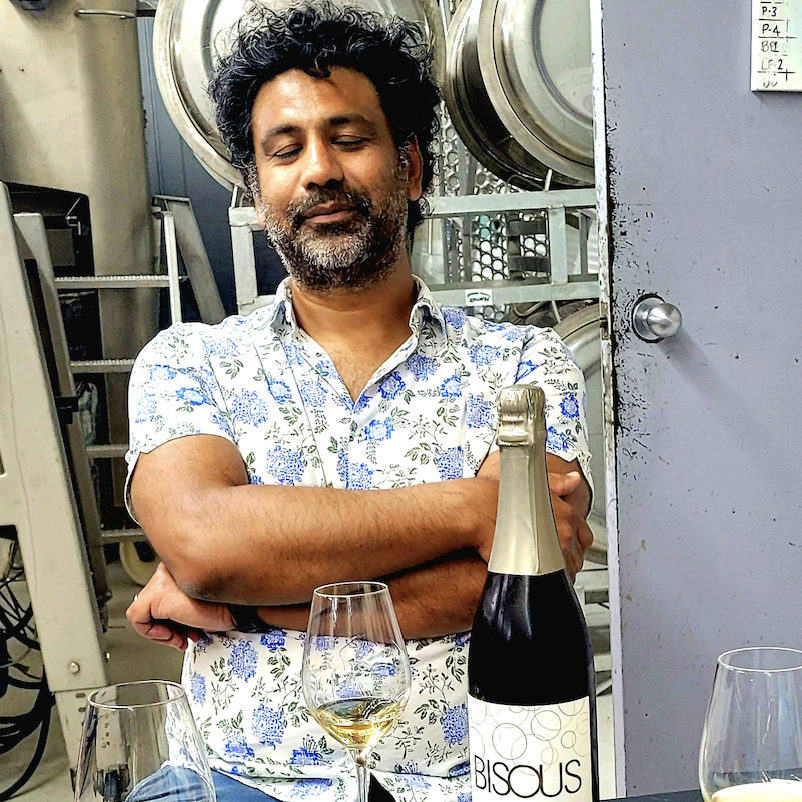
Shiraz Mottiar, Malivoire
Malivoire Gamay Small Lot 2023, VQA Niagara Escarpment, Ontario
Some carbonic from 30 percent whole cluster gamay. Pretty tight, spot on, clean and correct gamay with ample concentration stopped short of density and so no noted chalkiness. Aromatic spice and Villages stylistic captured to represent keen varietal aspiration bred from rooted Escarpment function. Drink 2025-2028. Tasted at i4C, July 2025
Malivoire Gamay Le Coeur 2023, VQA Niagara Escarpment, Ontario
A hundred percent carbonic from same number whole cluster gamay and if there once was risk involved that anxiety is long gone. The all in number has been a factor since 2017 and one time trepidation is now a gamay that knows exactly what it is from makers who know exactly what they’ve got. Firm and with elastic tension for gamay that reaches out, snaps back and does it again. Repeats its processes on the palate with pulse and meter. Amazing. Last tasted at i4c, July 2025
Punchy for gamay, so very Niagara style, likely Lincoln Lakeshore or the steppes of the Beamsville Bench. Fruit, leafiness and a mild earthiness (as in reduction) together with top level perfume of spring flowers (hibiscus), fresh dill and that induction of reductive aromas. and a Villages emotion that speaks volumes about a general sense of place. Less demanding in terms of tannin and a declension of flavours while not quite as fleshy or full as expected to follow what came at the first. Will this flesh out? Quite likely because it grows and grows on you. Tremendously solid varietal wine – if not so adept at aging. Drink 2024-2026. Tasted blind at #NWACS24, June 2024
Malivoire Gamay Courtney 2022, VQA Beamsville Bench, Ontario
Courtney releases a year later than Small Lot and Le Coeur because it’s more traditional without any carbonic maceration. Warmer vintage, more depth and peppery quality in a pinot meets syrah sort of way. A unique and mature vineyard brings warmth and depth, the treatment in the cellar meant to add breadth and lengthen what is possible. That it does. Last tasted at i4C, July 2025
Juicy and effusive gamay, such sweet perfume and candied goodness in that aromatic regard. Leafy and savoury infiltrates within and then a repeat on the palate that speaks to harmony within and also without. Maybe some RS sweetness but it is forgiven because all parts work well and together, Acidity over tannin and that’s perfectly fine. Just a bit sour at the finish. Drink 2024-2026. Tasted blind at #NWACS24, June 2024
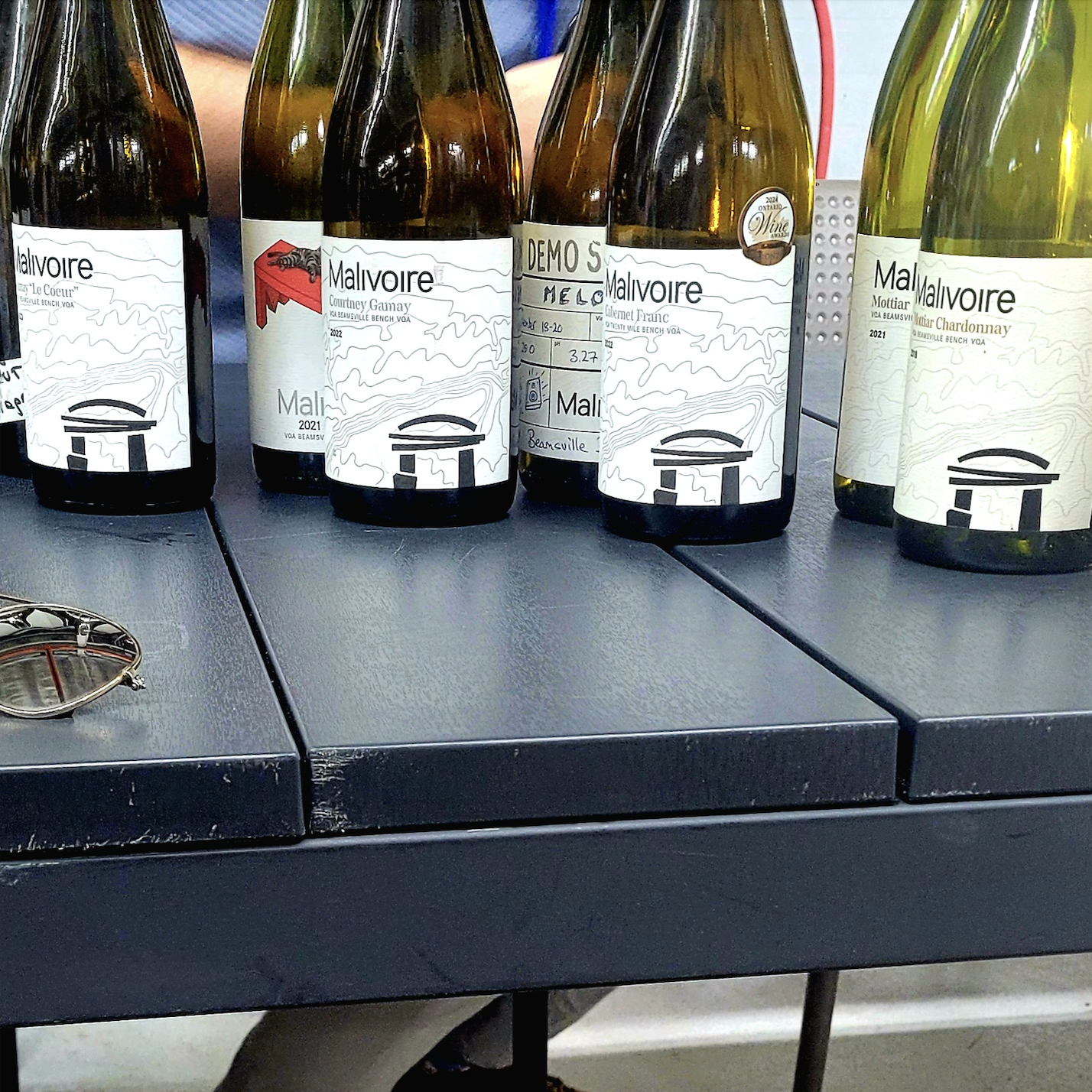
Malivoire Cat On The Bench Gamay 2021, VQA Beamsville Bench
Hard not to think comparatively but the musky funk of Cat on a Bench really does imagine Cru Beaujolais, specifically Morgan from a famous producer or two. “We got the funk, we got the funk!” Just one barrel makes 30 cases, first vintage was 2007 and who is the cat? Is it one of three or is it Martin? And which bench, the one next to the barn or The Bench? All adds up to fantasy, to Beaujolais and benches, to the impossibility of herding cats and the uniqueness of gamay from Moira vineyard. In any case this hits the proverbial off the beaten path spot. Last tasted at i4C, July 2025
New gamay sku here for Malivoire, one of if not Niagara’s (and Canada’s for that matter) benchmark gamay houses. Martin Malivoire planted vines more than 25 years ago and at the time of bottling it was winemaker (now head of all things Malivoire) Shiraz Mottiar who had been running hither and thither with the varietal program. The iterations included Small Lot, Farmstead, Courtney, Le Coeur, Wismer-Foxcroft, Concrete and Genova. Mottiar has been playing with whole bunches, carbonic maceration, wood, concrete and things we may not fully be privy too. The Cat series includes three $50 chardonnays called Steel, Stave and Skin, while this looks to a new pinnacle for what the team surely saw as the finest estate fruit to date. “Cat on a Bench” may just be the mendicant four-legged feline on a hot tin roof because it’s survival depends on instinct and cunning, its energy nervous, hot, desirous and bothered. In a good way. Yes this is structured gamay, notably firm, sour, crunchy and somehow finds a way to reflect the realities of normal gamay life. And it is $60, surely unprecedented for Canadian gamay. Cru Beaujolais as well. A one off? We shall see. Drink 2024-2027 . Tasted August 2023
Malivoire Pinot Noir Small Lot 2023, VQA Beamsville Bench, Niagara Escarpment, Ontario
Brightest of the Malivoire pinot noir and a high acid, toned and intensity example with less concentration than the previous 2022. Classic cool climate correctness and standard bearer. Takes what it’s given and stays the varietal to place course. Drink 2025-2028. Tasted at i4C, July 2025
Malivoire Pinot Noir Mottiar 2023, VQA Beamsville Bench, Ontario
Just a small amount of whole cluster, maybe 10 percent because of the variety’s penchant to elevate in volatile acidity. Still a little bit goes a long way and the wine just pops here from 2023. First there were the fiddlings of Shiraz Mottiar and now Elisa Mazzi, two winemakers who have confidently figured out how to master pinot noir from the small Mottiar vineyard. Do not fear “if you”can’t find the conductor who created the whole cluster” in this wine, but trust that their signature is there. As is the fruit and how it expresses this peekaboo of a block on the Beamsville Bench. If Val were pinot noir this would be her song and she would find her way off the train. It’s the theme of humankind and making pinot on the Bench. Drink 2026-2029. Tasted at i4C, July 2025
Malivoire Pinot Noir Cat On The Bench 2022, VQA Beamsville Bench, Ontario
Malivoire’s Cat on the Bench in pinot noir is expressive of a similar whole cluster funk as noted with the Cat on the Bench gamay. Here however it combines with and is elevated in spice, but also increased depth and it all formulates as a serious pinot noir with a wildly invigorating result. COTB is a layered varietal wine that will take years to peel away and figure out what full possibilities await. The vintage is key to constructing and ultimately resolving the pressing and evolving questions. Hard to make a final decision on just how important the 2022 really is because tasting bottles along the way will surely re-write the script. Drink 2027-2031. Tasted at i4C, July 2025
Malivoire Cabernet Franc 2022, VQA Twenty Mile Bench, Ontario
Crispy, crunchy and chalky cabernet franc, deep and sonorous, herbal with herbaceous piques, edgy and structured. Will still take a few years to figure itself out, push the fruit to the fore and find its core of balance. Last tasted at i4C, July 2025
Very different vintage to the light and stretched ’21, now fleshier and fulsome, 18 months total wood time, the last eight of which were in older barrel. From a vineyard in the valley below Ball’s Falls, this being Cascade adjacent to the Wismer cabernet franc block. Classic varietal expression, truly classic, tasting like and from limestone, impressively forward enough considering it was bottled just two weeks ago. Crunchy currants and red pepper, tart and tannins still a bit austere. Drink 2025-2028. Tasted March 2024

Rosehall Run Pinot Noir JCR Rosehall Vineyard 2022, VQA Prince Edward County, Ontario
Sweet floral aromatics for Rosehall’s JCR 2022, a pinot noir that scents like an open book after a warm season. The dictionary entry for effusive, a Prince Edward County welcome, of “approval in an unrestrained or heartfelt manner.” A far as pinot noir in JCR steading goes there is a drinkability factor quickly underscored and yet a few more sips come to regard a stealth and sneaky structure under the underscore. This is the way of a Rosehall Run drug, especially in pinot noir, waging war within itself and at times struggling to make itself understood. Like an ocean of pinot personality beneath the waves and remember, “it always gets so hard to see, right before the moon.” Drink 2026-2031. Tasted at i4C, July 2025
Tamar Ridge Devil’s Corner Estate Pinot Noir 2023, Tasmania, Australia
Tamar Ridge’s Devil’s Corner is Tasmanian branding for four equal parts salty, sapid, sweet and sour pinot noir. In other words a four-poster balanced cuvée of vineyards’ fruit that draws lines to four corners within an a varietal enclosure and repeats the process ad infinitum. Stage presence and a profound personality stood up to be recognized, investigated and counted. Firm, grippy and impressive. Drink 2026-2030. Tasted at i4C, July 2025
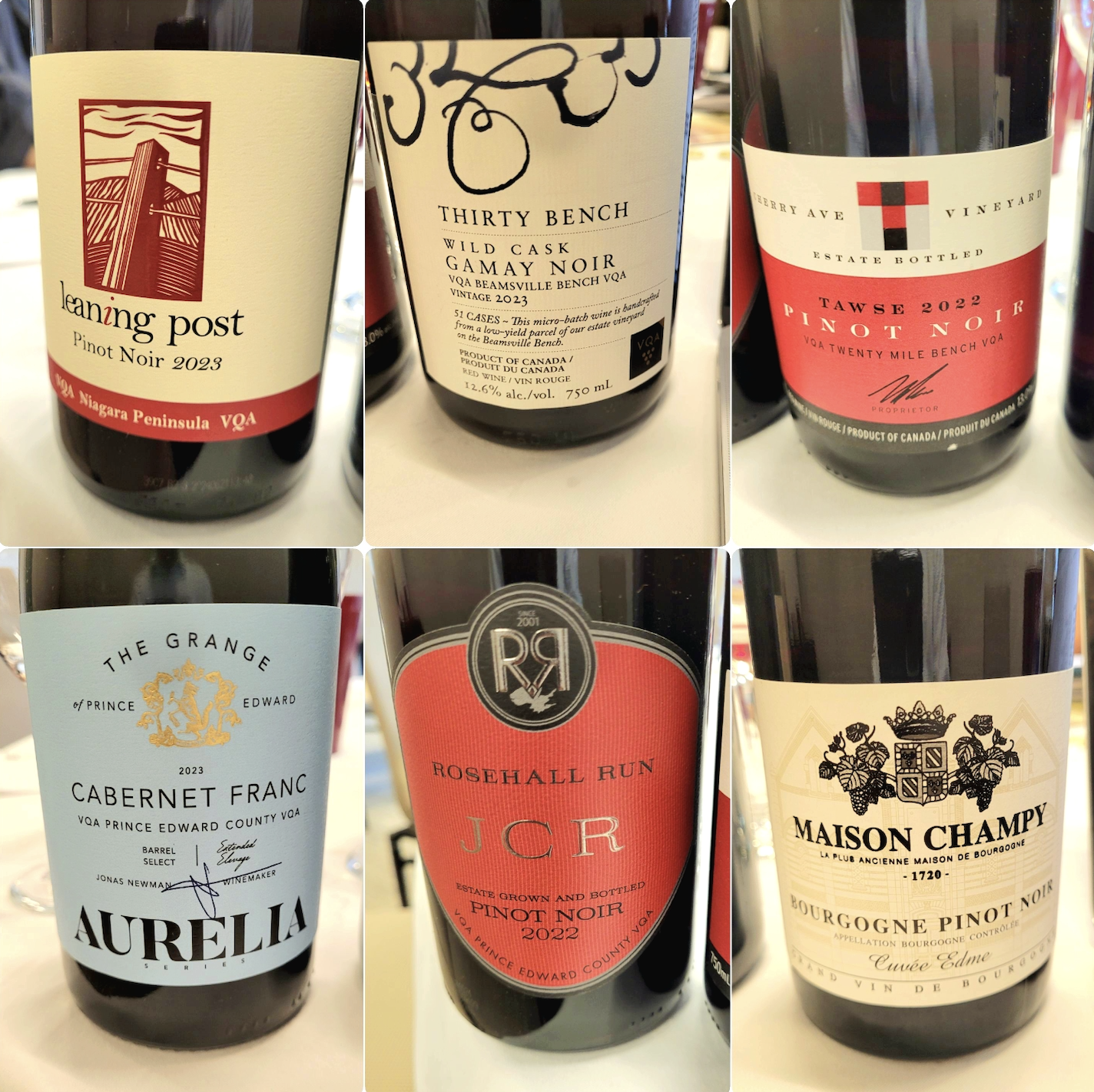
Tawse Pinot Noir Cherry Avenue 2021, VQA Twenty Mile Bench, Ontario
No shock to experience a young Cherry Ave pinot noir in a state of rigid and closed control because it defines restraint for the Twenty Mile Bench. Quiet and diffident though we do detect a half wink and wry smile as it teases aromatics if obtusely giving little of its charm away. Noting the classic red crayon and concrete stiffness, breathing diaphragmatically, fuller and longer of inhalation and exhalation, costal speaking. This means low and slow evolution, a few years yet before things begin to open up and a long life ahead. The child of a wet and often cool vintage, showing as it should, made in a style that expresses vintage and place with distinction. Even if these things are not yet known. Drink 2026-2030. Tasted at i4C, July 2025
Thirty Bench Gamay Noir Wild Cask 2023, VQA Beamsville Bench, Ontario
Only 51 cases were made of this ultra unique Bench gamay noir which will appear as the lightest and leanest of them all. Do not be fooled by colour because there is varietal concentration, intensity, structural integrity and pent up power in Emma Garner’s wine. Not exactly puff up the chest and egocentric, but rather capability, probability, possibility and promise. Balanced, sweetly volatile and singular with wood spice and a white pepperiness that is unlike the rest. Should hazard a guess the kids will love this and in these times can afford it too. Drink 2025-2029. Tasted at i4C, July 2025
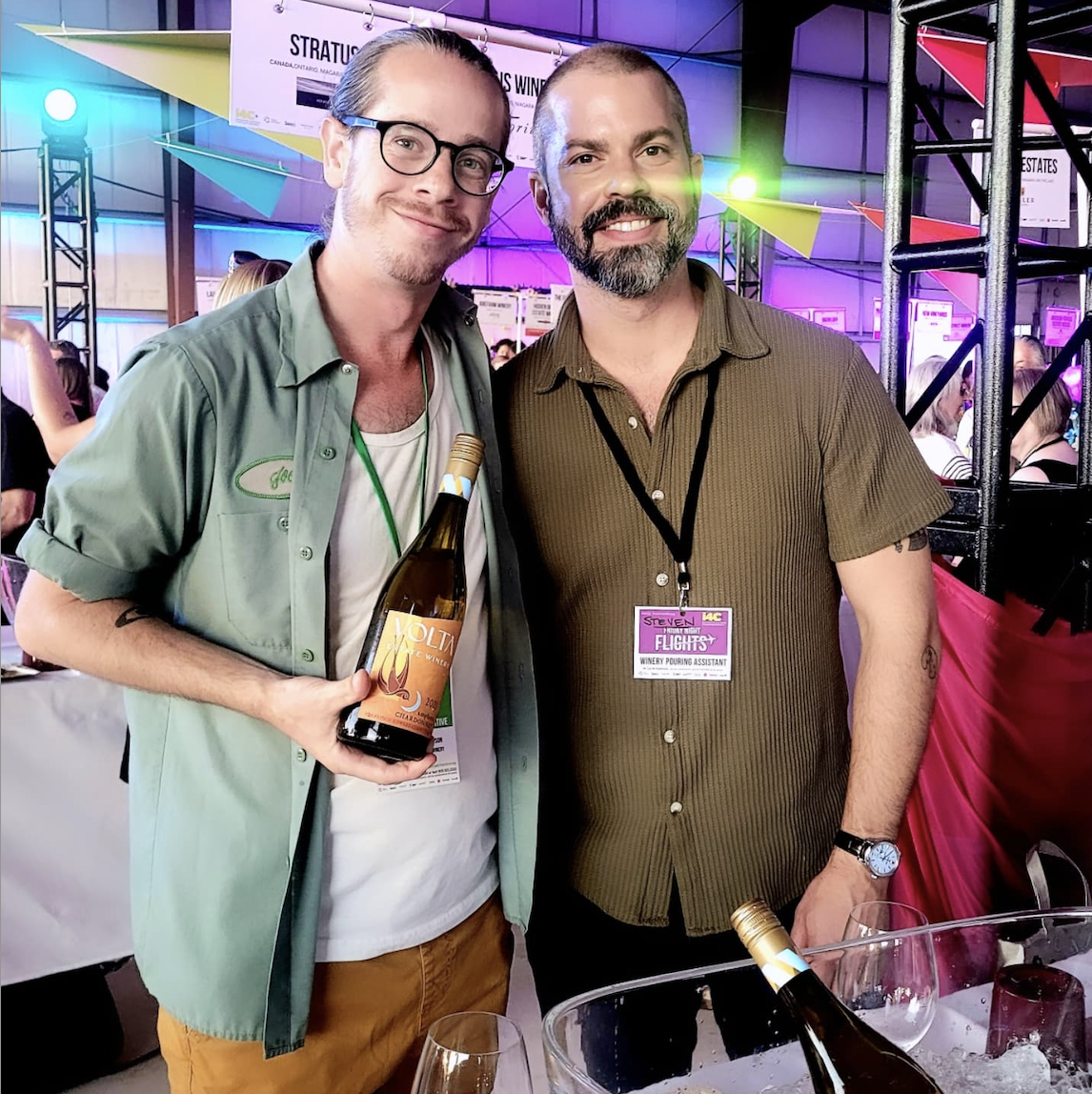
Chris Thompson and Stephen del Degan, Volta Estate
Volta Estate Winery Pinot Noir Knotty Vines Vineyard 2023, VQA Prince Edward County, Ontario
Welcome to the future. The Del Degan family are a new County player standing up to immediately be noticed and reckoned with. Just a short time ahead will be filled with elevated Prince Edward County importance to include Rosehall’s Volta Estate Wines under the guidance of winemaker Chris Thompson. Hard to fathom how quickly a wine like this 2023 rises to prominence for the region but here it is in all its ripeness and crucial balanced glory. A more precocious and richer start from the corner of Greer and 33 where 18-24 inches of topsoil separate 12 year-old plantings from solid limestone bedrock. This is simply a remarkable, yet surely well-reasoned and calculated beginning. Drink 2025-2027. Tasted at i4C, July 2025
Good to go!
godello
Cool Chardonnay on ice


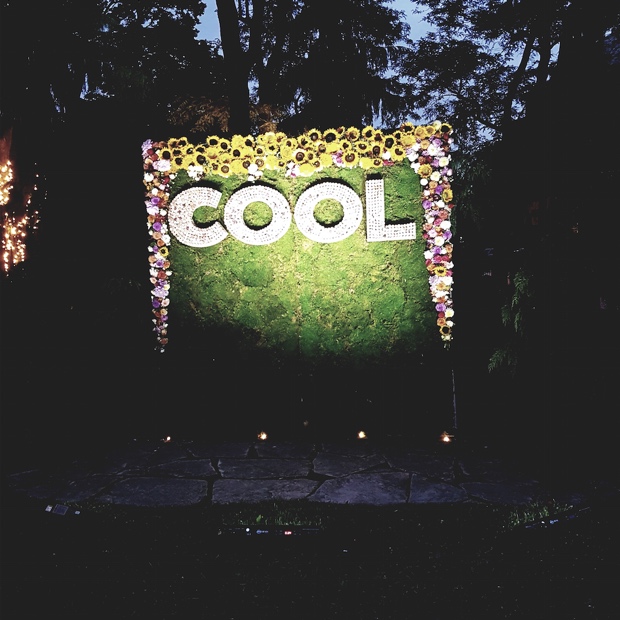



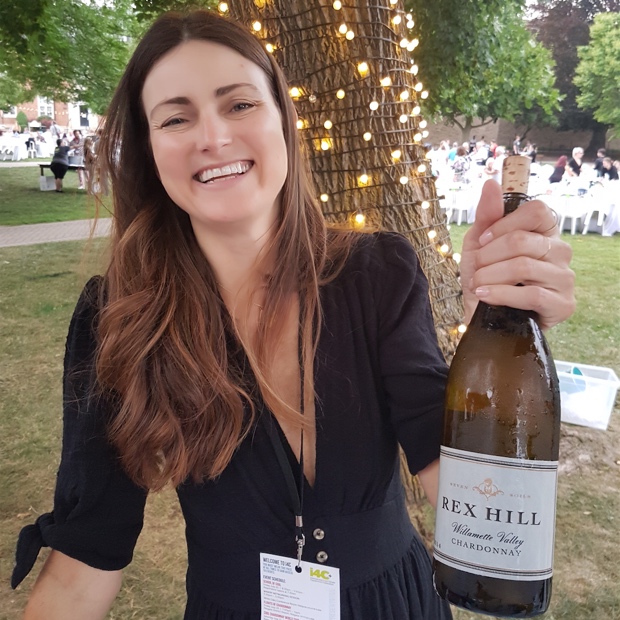

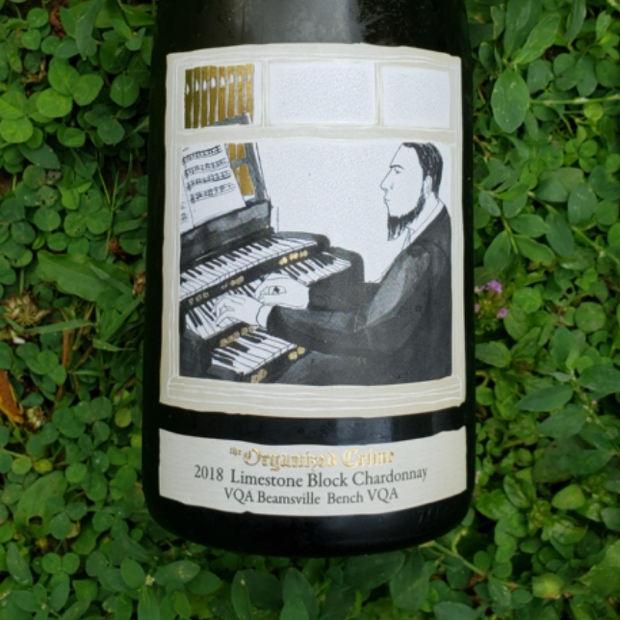
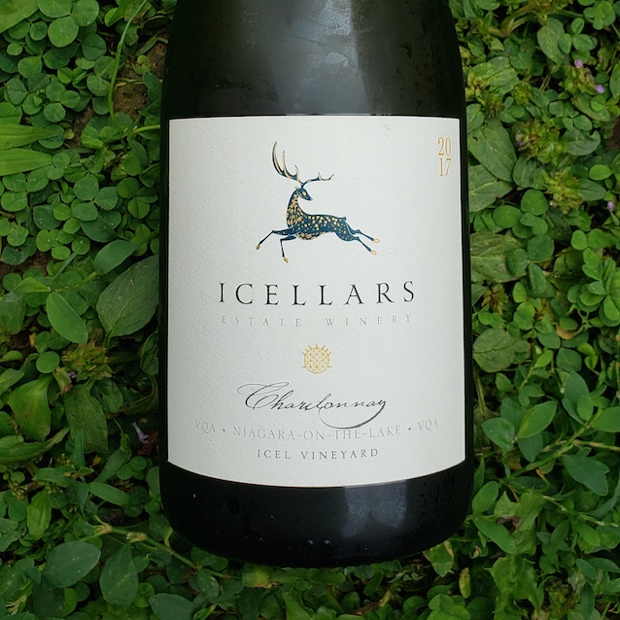
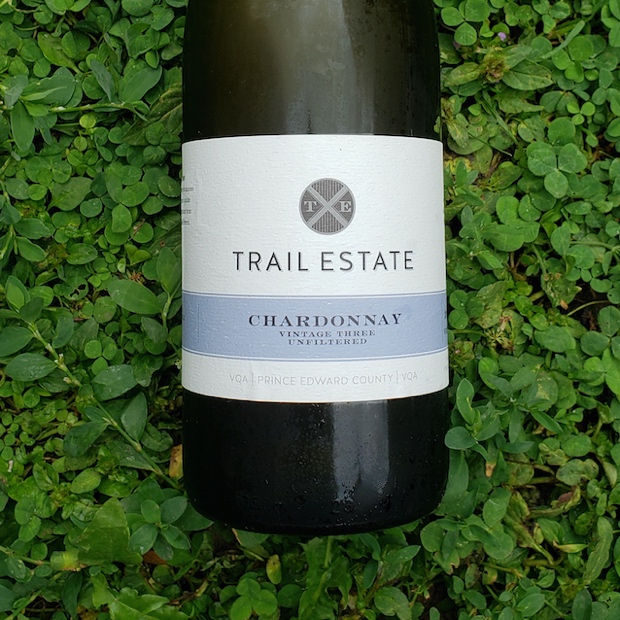
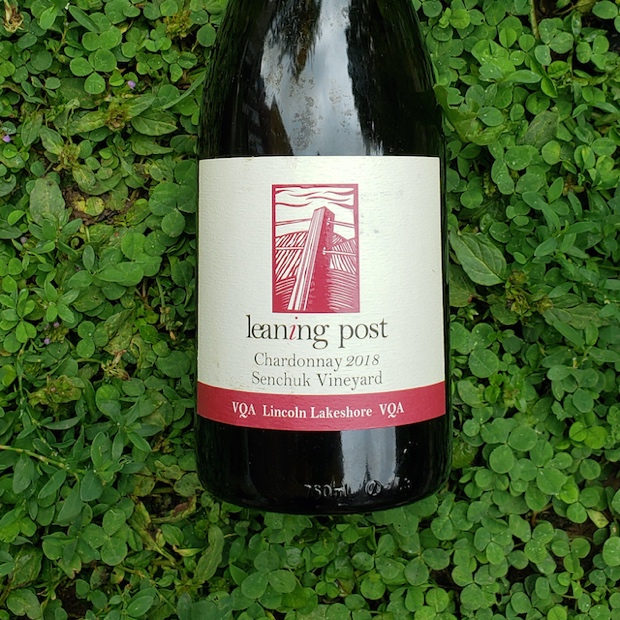



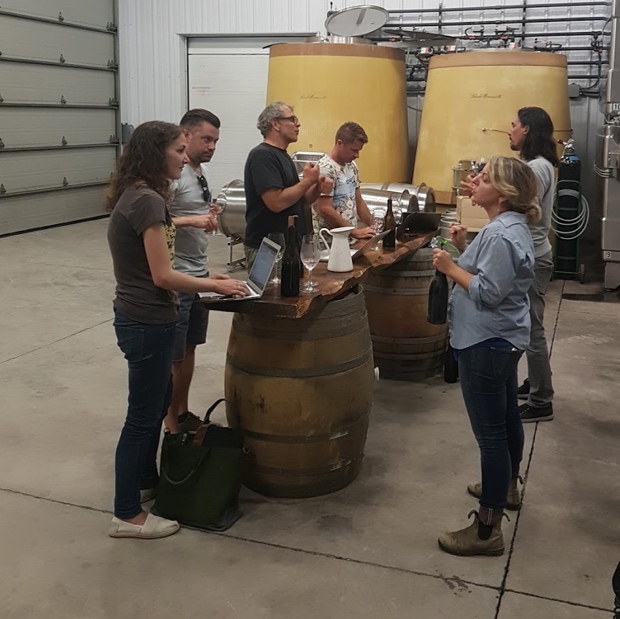
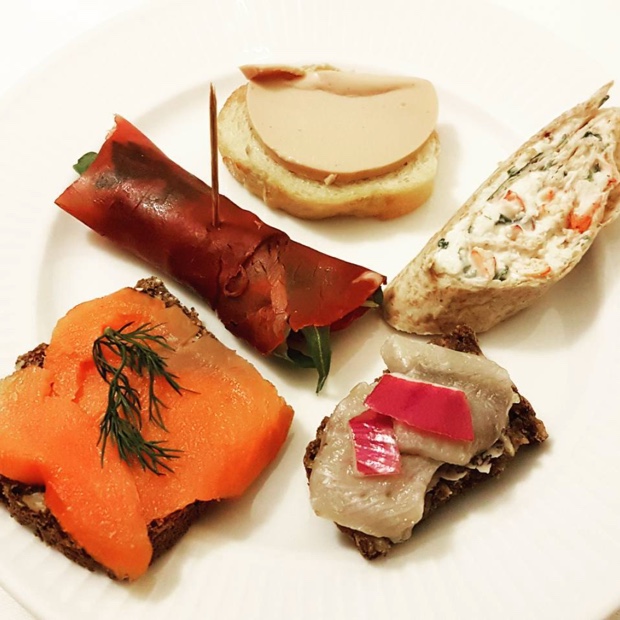

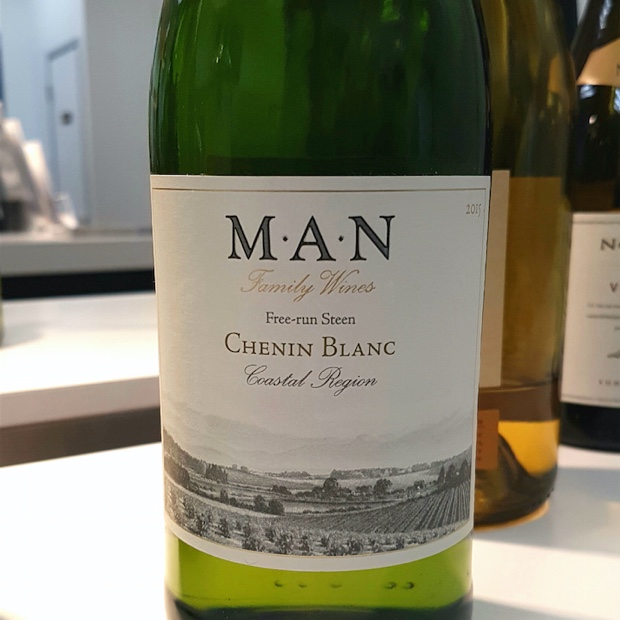
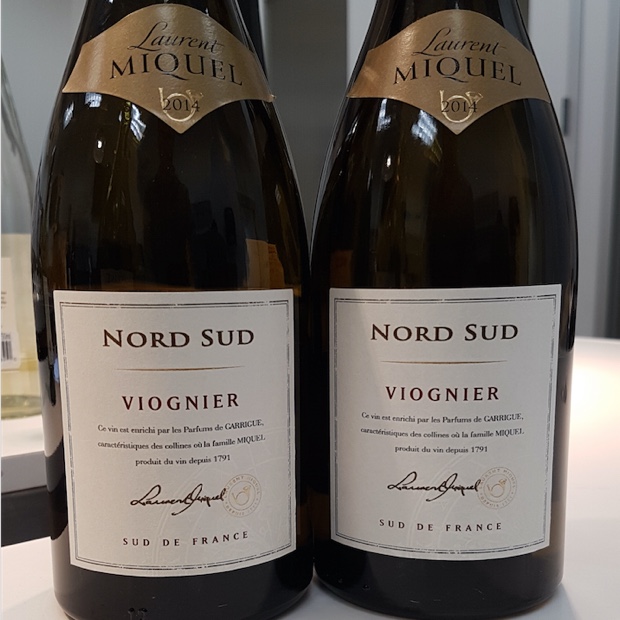


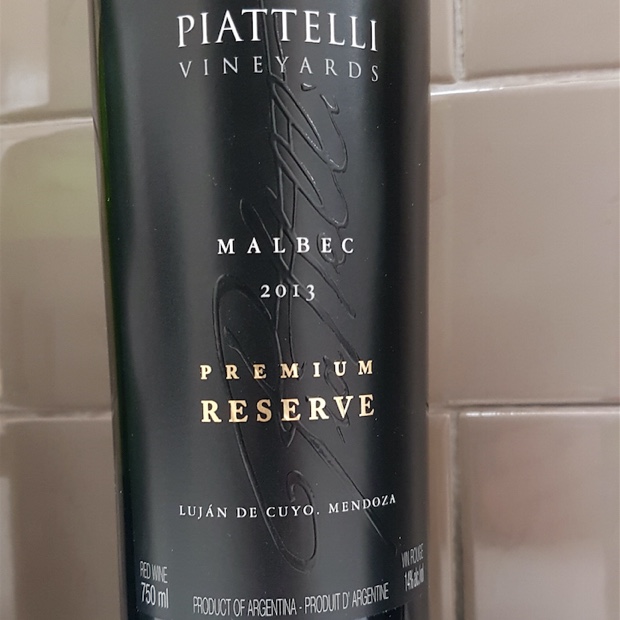


 Godello