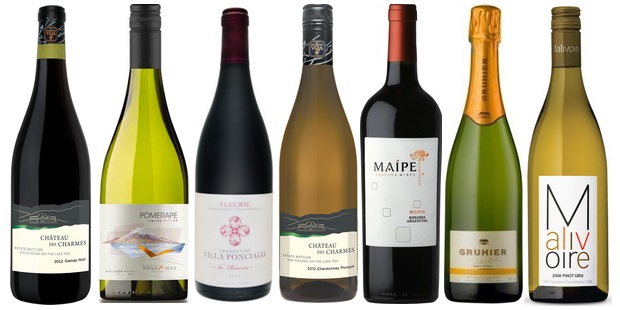
Taste Ontario’s polarity of personality

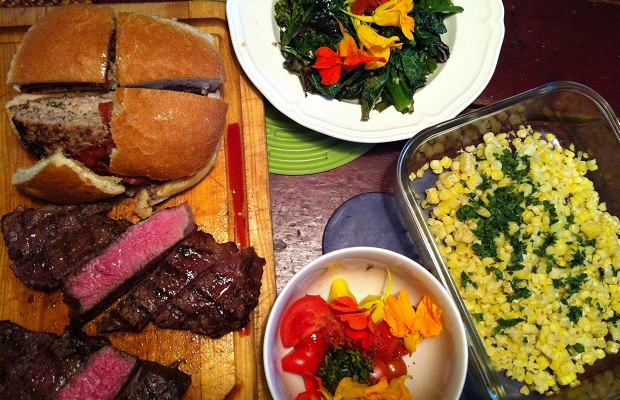
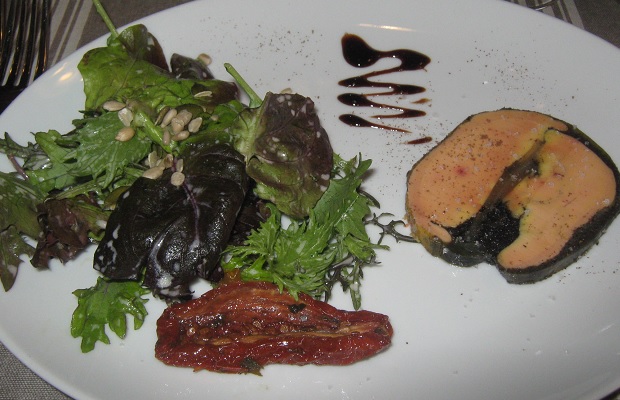
Ontario home cooking Photo: (www.godello.ca)

Ontario home cooking
Photo: (www.godello.ca)

Wine Country came to town last week betwixt what has seemed like the most expansive sectarian LCBO campaign in recent memory, or possibly ever. Hashed out, tagged and promoted by such catch slogans as #LCBOtastelocal, #LCBOGoLocal and #LoveLocal, Ontario’s wine superstars have been dancing on the monopoly’s main stage and in stores, since September 15th and through to October 11th. As part of the phrontifugic campaign, the LCBO has quaintly persisted in matching local wine with pie.

https://twitter.com/LCBO/status/519554566119899136

It has not just been a talking affair, this love for the wine regions of Niagara, Prince Edward County and Lake Erie North Shore. VINTAGES walked the walk by welcoming 55 Ontario wineries last Thursday, October 2, 2014 to Toronto’s Bronfman Hall at the Royal Ontario Museum.

Related – Top wines shine at Taste Ontario 2013

Taste Ontario is a curated and correlated gathering and the sixth annual did something the first five failed to accomplish. The agglomeration left no book of wines behind on the varietal bus. This year the offering sought a cogent cross-section of everything Ontario works its vinicultural tail off at, from stalwart signatures Chardonnay and Riesling through to the global gamut of expatriate Vinifera. Pinot Noir and Cabernet Franc continued their most righteous and requisite climb to prominence. The increasingly genuflected niches occupied by Pinot Gris, Sauvignon Blanc and Red Meritage Blends upped the ante and their game. Finally and with much market grab ado, Sparkling, Gamay and Syrah crossed the bridge to be more than gratuitously represented.

This is what happens when Wine Country Ontario, the LCBO and the winemakers do whatever it takes to get on the same page. The miserable and disenfranchised put their gripes aside. There was no talk of private wine stores, organics, biodynamics and wishes to reformulate the VQA certification process. No, all of the important issues facing the Ontario wine industry were swept under the rug to focus on one thing. Current and recent releases.

Ontario’s expansion in diversity and prosperity has not climbed aboard the gravy train without challenges. Growing, nurturing and manufacturing (despicable term, I know) the varieties of the European shtetl is a labour of New World love. The results have polarized the region, dividing its critics into glass half full or empty rural planners, into partisans and dissidents. The wines themselves can be brutally honest takes, but also classic, arguably heroic examples of despair refusing to take itself seriously.

The critic will tell the Ontario winemaker who strays from the comfortable cool home confines for Chardonnay, Pinot Noir, Riesling and Cabernet Franc that all else is a complete waste of viticultural time. They will insist that you can’t have doppeltes Glück, that your bread cannot be buttered on both sides. Cake is not to have and eat it too. The winemaker will respectfully disagree.

Never before, in the presence of so many Ontario wines at a single tasting, have the poles been blurred, bent and bemused. Martin Werner’s 2013 Riesling challenges the laws of typicity, even while it expands on the boundaries of what can be achieved. VQA found no fault. Francois Morissette did the same (and more) and yet his Cuvée met with the ball’s black curtain. Ravine’s Riesling barely caused a batting of the VQA lash. Gordon Robert’s Gamay 2013 has a sense of Cru with a tension that belies Beaujolais. Others found it thin and volatile, yet it breaks new ground and carries a #GoGamayGo torch. Marynissen Estates has re-invented itself (with Pinot Gris and Chardonnay in tow) and still the paradigmatic radar gun is silent, its registry empty and reading zero in the wrist slap department. Is everyone paying attention?

Taste Ontario has bore the ancient marvelous into the modern everyday. The gathering has developed as a show of VQA magic realism, a look at the mundane through a hyper-realistic lens. While there are many consumers who would still not drink these wines at a Leamington tomato auction, the number of converts increases exponentially with each passing congress. With yet another Taste Ontario in the books, the conversation has been furthered, the level of fitness elevated and the report card in. Ontario wine is worthy of cerebral ramparts. Discussion to ensue.

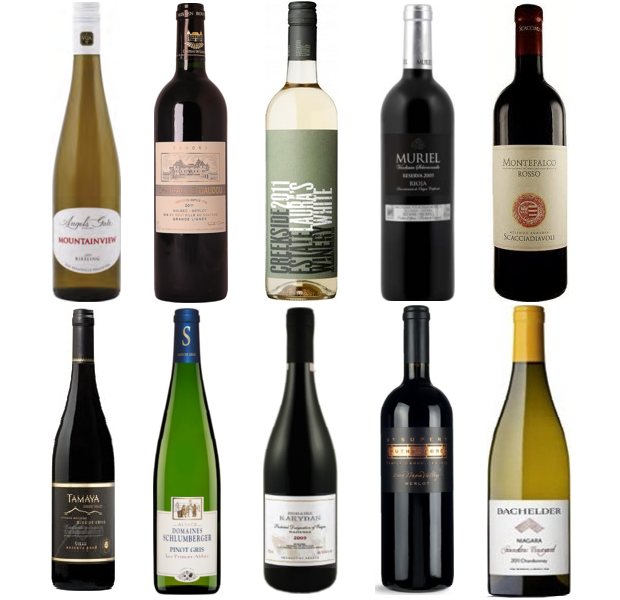
I tasted more than 50 wines through the course of the provincial day and with time, space and brevity as my leader, I have thus far reviewed but a lagniappe, beginning with those that spoke with the clearest voice and tender personality. Polarized or not, here are 10 new releases assessed, in a wide range of categories, tasted at Ontario’s signature event.

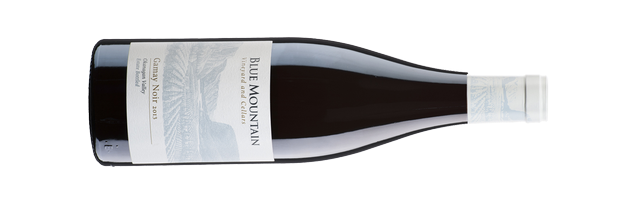
From left to right: Marynissen Estates Gamay Noir 2013

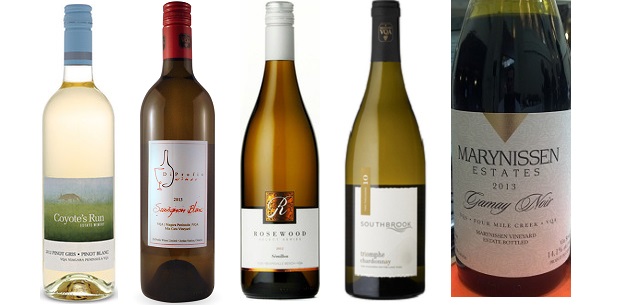
From left to right: Coyote’s Run Pinot Gris/Pinot Blanc 2013, Rosewood Select Sémillon 2013, Di Profio Wines Limited Sauvignon Blanc 2013, Southbrook Vineyards Triomphe Chardonnay 2013, Marynissen Estates Gamay Noir 2013

Coyote’s Run Pinot Gris/Pinot Blanc 2013, Niagara Peninsula (112144, $15.95, WineAlign)

A most pleasant symbiosis of Pinots in this rhyming wine. Juicy equal parts align and run together in fresh time. Extraction is bang on, with gentle lime pressings layered in line. Scents of orange rind and lemon thyme. Reminiscent of another land and another time, gathering up old knowledge and I me mine. “No one’s frightened of playing it, everyone’s saying it” and this white blend is “flowing more freely than wine.” Very functional, with just enough Loire meets Alsace, which is fine, working in unison to keep a welcoming consumer feel the sun shine.  Tasted October 2014  @coyotesrun

Rosewood Select Sémillon 2013, VQA Beamsville Bench, Ontario (winery, $18.00, WineAlign)

After tasting Rosewood’s ’12, I urged the region’s cultivation of the great white wolf variety. Then the winter of 2014 happened. Rosewood’s vines were wiped clean off the map, erased like a child of parents who never met. The ’13 Sem is the last Mohican and its 12.5 per cent alcohol (down two from ’12) is a fitting, subdued and graceful epitaph to an amazing Beamsville run. This final cut is lean, stark, raving mad. So very savoury, tannic and built to linger for longer than most. The Rosewood honey is in hiding,”far from flying high in clear blue skies,” but like all memorable vintages of this wine, it will emerge in time. This Sémillon asks, “and if I show you my dark side, will you still hold me tonight?” Yes is the answer, and not just because she is the last one. Terrific curtain call.  Tasted October 2014  @Rosewoodwine

Di Profio Wines Limited Sauvignon Blanc 2013, VQA Niagara Peninsula, Ontario (winery, $18.00)

From estate fruit out of the Mia Cara Vineyard in Jordan Station. Not sure any Ontario SB has ever hit the nail on the proverbial head like Fred Di Prfio’s ’13. Subtle touches of wet hay, mowed grass, capsicum, juiced berries, goose feathers and passing through the rising steam of just about to be blanched green vegetables. Acidity brings the party to another level but it’s not an all night affair. The verve is quick, dancing on tongues, layered on the floor, spread on a raft of herbs, ready for smoking beneath the fish just out of the river. Great, late balm, like after the rain in an equatorial zone. Yes to this beauty.  Tasted October 2014  @diprofiowines

Southbrook Vineyards Triomphe Chardonnay 2013, VQA Niagara On The Lake, Ontario (172338, $22.95, WineAlign)

The immediate impression is the increased richness as compared to 2012, as if the “Richness” fruit were here in the Triomphe. What this will mean in terms of the Whimsy’s potential should be cause for anticipation. This is the most triumphant essential Southbrook Chardonnay to date and much thanks must be awarded the Saunders Vineyard for helping to bolster the mix. The gentle Beamsville Bench of old-vine Chardonnay impart is ephemeral, in mineral and lushness. The layered result atop Niagara flatland fruit in Triomphe ’13 is texture. This is the key and the king component. In that sense what you have here is a wine of social heredity. It is drinking well now and will do so for five plus years.  Tasted October 2014  @SouthbrookWine

Marynissen Estates Gamay Noir 2013, VQA Four Mile Creek, Ontario (winery, $25.00, WineAlign)

Really clean Gamay, ripe but entangled nowhere in the vicinity of over extraction. Ambrosial entry, nectarous middle and sweet finish. Has a sense of Cru with a tension that belies Beaujolais. Cherries in fleshy drupe simulating veraison to black cherries, anise in legume gumming to licorice. What’s not to like? Its vapours, tranquilized and centred by meditation are the furthest thing from volatile. A new genesis of anesthetizing Gamay, like a “Freudian slumber empty of sound.” This does the #GoGamyGo train proud.  Tasted October 2014  @Marynissen

From left to right: Bachelder Lowrey Vineyard Pinot Noir 2012

From left to right: reekside Estates The Trad Reserve 2011, Tawse Meritage Grower’s Blend 2011, Ravine Vineyard Riesling 2013, Creekside Estates Broken Press Syrah Queenston Road Vineyard 2011, Bachelder Lowrey Vineyard Pinot Noir 2012

Creekside Estates The Trad Reserve 2011, VQA St. David’s Bench, Niagara Peninsula, Ontario (winery, $28.95, WineAlign)

The Trad ’11 has a classic toast and yeast aromatic waft and so it goes that everything that follows is embraced with curiosity and an open mind. Ginger, citrus, bronze and the sweet scents of the inside of a candy machine, its candy long gone. Creekside’s winemaker Rob Power will never be accused of dialing this sparkler in. Tasting trials help determine the necessary, final blend. The single, Queenston Road Vineyard puts 56 per cent Pinot Noir and (44) Chardonnay, aged 2 years in bottle, together for a highly effective, expansive but not explosive fizz. At 8.7 g/L of residual its dry but not quite falling off the bone. The sweetness is tempered by elevated (9.98 g/L) acidity and tension. Spent 24 months on the lees and was bottled back in February. There is balance and pleasure and a good, stretchy finish. No band-aid. Clean, precise, fizz of the day.  Tasted October 2014

Tawse Meritage Grower’s Blend 2011, VQA Niagara Peninsula, Ontario (winery, $29.95, WineAlign)

Having tasted through single-varietal Bordeaux barrels with Paul Pender last January, I was amazed to be informed at Taste Ontario that much of that juice was declassified into this inaugural Grower’s Blend. At that time the richness and poise of the varieties seemed destined for the winemaker’s top of the heap Meritage. That loss is this blend’s gain. Composed of Cabernet Sauvignon (42 per cent), Merlot (40) and Cabernet Franc (18), the GB brings together the hallways of always high quality David’s Block Merlot, Cabernet Sauvignon and Redstone Cabernet Franc. So very juicy, the fruit is mastered by a tannic anxiety so in its current state, the wine is haunted by its own house. This Tawse 2011 is a haunting idle, “an instrumental that serves as a breath-catcher,” If the finish of minutes riding the quark is any indication, sometime between five and 10 years from now this union will speak with wonderful clarity.  Tasted October 2014  @Tawse_Winery

Ravine Vineyard Riesling 2013, VQA St. Davids Bench, Niagara Peninsula, Ontario (winery, $30.00, WineAlign)

Martin Werner’s botrytis-affected 2013 accesses virgin territory, embraces a unique if puzzling style and challenges Niagara Riesling scholarship. Something in this St. David’s Bench yield reminds me of Rolly Gassman’s (Alsace) Pflaenzerreben but also the eccentric and magnetic Benjamin Bridge (Gaspereau Valley) Sauvignon Blanc. The winemaker lineage from Werner, through Peter Gamble to Jean-Benoit Deslauriers is cause for fellowship-fraternity thought. The methodology here makes use of 40 per cent noble rot impaired (organically and biodynamically raised) grapes that were arrested in fermentation at a residual sugar number in the 35-40 g/L range. The intent may have been Germanic (or more specifically, a Mosel one) but the vernacular spoken in yogurty tones and the abrupt dry finish confound thoughts at seeking direct comparisons. Its hydrated puffballs of bacterial fuzz give intensity and yet this is a Riesling that defies known laws of atomic weight. So interesting, so unique. Requires a re-visit in five years time.  Tasted October 2014

Creekside Estates Broken Press Syrah Queenston Road Vineyard 2011, VQA St. David’s Bench, Niagara Peninsula (202127, $39.00, WineAlign)

Only Creekside Syrah smells like this, like bending down to smell black raspberries on the shores of a briny capsicum lake in the middle of a pine forest. The 2011 Syrah has fruit residing on the edge of impossibly ripe, factored inside a pipeline, while piping lavender and plum pastry cream float atop rare duck breasts. If Syrah were to ooze or drip without sticking to surfaces along the way, this would be it. If Syrah came forth from the maw of the beast it would speak in these demanding tones. Creekside’s BP talks the tense, nervous and twitching talk. It’s smeared with a coat of epoxy spread over fine grain in wood. It sweats an air of metallic cordiality. If given five years to come together it will vape and realize togetherness.  Tasted October 2014  @CreeksideWine

Bachelder Wines Lowrey Vineyard Pinot Noir 2012, VQA St. David’s Bench, Niagara Peninsula, Ontario (361816, $44.95, WineAlign)

To those who wonder aloud about the annual love affair with this vineyard, suck it and see. This connectivity and this wine renew again. Same time, this year. Bursts of all that have come from it before, are here now and in temptation of what will be for years to come. Has “the type of kisses where teeth collide,” a Sam Cooke ages to Arctic Monkeys kind of reckless serenade. It’s also a balladeer, this scaled back Bachelder, if that can be said to be done. Here now soft, elegant, perfumed, demurred, sweet, downy, pretty, not yet fleshed, surprisingly void in tannin, anxiety and tension. Work with it for 10 minutes and it will then begin to bite back, show its teeth, pearly white as they are, grind it out. There will be 10 years of development in this Lowrey, if not less, but in ’12, that is more.  Tasted October 2014  @Bachelder_wines

Good to go!

The LCBO and WineAlign go local

Grange of Prince Edward Trumpour's Mill Gamay Noir 2012, Southbrook Triomphe Cabernet Franc 2012, Norman Hardie Unfiltered Niagara Pinot Noir 2011, Stoney Ridge Estate Excellence Pinot Gris 2010

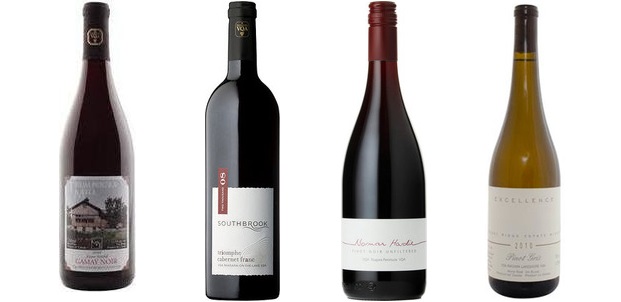
Grange of Prince Edward Trumpour’s Mill Gamay Noir 2012, Southbrook Triomphe Cabernet Franc 2012, Norman Hardie Unfiltered Niagara Pinot Noir 2011, Stoney Ridge Estate Excellence Pinot Gris 2010

If you ask  Heather MacGregor or Lisa Murray, the two responsible for leading the LCBO’s media relations and communications department, they will tell you this. “For the last 23 years LCBO has been a steadfast and proud supporter of locally produced Ontario VQA wine.”  That is certainly true.

Three things would add measurable weight to that statement. Private VQA wine stores, increased shelf space in current LCBO stores and a lifting of  the embargo for “typicity” qualifying standards of locally and exceptionally produced wine. Not to mention speaking out publicly on the necessity of developing a Canadian wine culture by allowing the importing of VQA wine into Ontario that is made in other Canadian provinces. Oh, but I seriously digress.

Sales performance and trends

In fiscal 2013-14, sales of Ontario wine at LCBO were $396 million, 4.1per cent higher than the year before. VQA sales ended the year at $123 million, growth of nearly 2.1 per cent over fiscal 2012-13. Year-to-date 2014-15, VQA wines are up an impressive 5.8 per cent and significantly outpacing imports. Give credit where it is due. With their backs to the proverbial sandbox wall, the LCBO is working feverishly to put Niagara, Prince Edward County and Lake Erie North Shore on the monopoly map. They can thank Wine Country Ontario for the support, the expertise and the professional lead.

Growing product selection

The LCBO WINES category offers 526 Ontario- produced wines, including 330 VQA wines. What makes up the other 196 might be questioned and that category could be improved were it to include, let us say, for the purposes of argumentation, a Pearl Morisstte Riesling. That said, 330 is a highly significant number. Good on you LCBO.

Our Wine Country Boutiques

Three stores in St.Catharines, Niagara Falls, and Windsor boast excellent local wine selections. The sommelier and restaurant community in Toronto has embraced Ontario wines. Their presence at events like Cool Chardonnay and the Ontario Technical Sparkling Wine Symposium are proof of the phenomenon. So are dozens of wine lists city-wide. The question is why does an Our Wine Country Boutique not exist in a flagship store such as Queen’s Quay or Bayview Village? The Toronto consumer requires chiding and the flock will submit if shown the righteous path. Bring OWCB’s to the city.

The LCBO is doing yeomans work to help small wineries in their own parochial scene and the bigger picture is taken care of through VINTAGES releases. The work has just begun. Change and progress are necessary. A good first step is an event such as was held on Thursday August 14th: Taste Local, Love Local. The match was to pie, kitschy yet effective. There were 21 wines on hand. These were the best three.

Grange of Prince Edward County Gamay Noir 2012, VQA Prince Edward County, Ontario (615062, $14.95, WineAlign)

As Gamay continues to gain traction, it is examples such as this ’12 from Grange that will help to solidify its position as a go to variety for versatile food matching and pure, simple quaffing pleasure. Though this ’12 and its warm vintage baggage render it beefy, spicy and veering to black cherry, it holds freshness and juicy acidity in retainer. The ripe tree fruit sensation never really relents so the style is heady but it shows the strength and excellent value to be found in Gamay.  Tasted August 2014  @grangewinery

Southbrook Triomphe Cabernet Franc 2012, VQA Niagara On The Lake, Ontario (275958, $21.95, WineAlign)

The 2012 Triomphe Cabernet Franc receives a meld of mellow, blending support from 12.4 per cent Merlot and the marriage is quietly non-contentious. That blending decision by winemaker Ann Sperling, along with the praiseworthy choice to forgo obtrusive oak is as good as a golpe on the Niagara Cab Franc oeuvre. The use of large format (80 hectolitre), no splinters allowed oak vats over wood spice and milkshake imparting barrels is an easy swallow for sore palates. The ’12 Triomphe is an elongated and elastic Cab Franc, with nary a foray into the tobacco, bell pepper and cloying currant currency of so many predecessors. The co-fermenting of disparate, north and south, estate blocks in those vats has done wonders on the preservation of a warm vintage’s, judiciously-picked (21.8 per cent brix at harvest) fresh fruit. Terrific decisions all in for a highly accessible, brand and varietal ambassador for Niagara.  Tasted August 2014  @SouthbrookWine

Norman Hardie Unfiltered Niagara Pinot Noir 2011, VQA Niagara Peninsula, Ontario (208702, $39.00, WineAlign)

Hardie’s 2011 Pinot Noir comes out of deep clay, 20 Mile Bench soil, an impart not lost in the rich though dusty character of the wine. The flesh is both corporeal and marbled and a chalky grain runs through, with thanks to what feels like smithereens of limestone blasted through. “It was long ago, seems like yesterday,” that Norm’s Niagara Pinot carried an unwieldy level of anxiety but here the tannins have settled, the volatility has relented and there is a curious combination now, of blood and roses. Though meaty, the ’11 Pinot’s juices are concentrated, contained, not running out. The aromas are floral, heightened and intoxicating. Once again, classic comes by way of low alcohol and minimalist intervention.  Tasted August 2014  @normhardie

Meanwhile, back at the WineAlign ranch, yet another local standout is available for tasting. This Pinot Gris was a most excellent surprise.

Stoney Ridge Estate Excellence Pinot Gris 2010, VQA Niagara Lakeshore, Ontario (Winery, $24.95, WineAlign)

From the deep soil of the Twenty Mile Bench sub-appellation, this is certainly made in a honeyed, Pinot Gris, noble bitter excellence style, conjuring up a Pierre Frick Pfaffenheim reminiscence. The golden hue and blanched nut aroma indicate a slight yet subtle advanced oxidation but the low (3.4) pH and necessary fortifying (5.8 g/L) acidity round-up and subdue the sugar (4.5 g/L) and alcohol (13.3 per cent), whose specs are nothing to cause any real concern in the first place. The intensity is only overshadowed by the natural sweetness which comes across the palate by way of texture and tannin. A mineral underlay is noted with props to a limestone and shale drip from the Bench down through soil towards the Niagara Lakeshore. This 2010 found symmetry in moving parts to reach its current peak and to propel the Excellence towards a 10 year future of graceful decline.  Tasted August 2014  @stoneyridgewine

Good to go!


A day in WineAlign life: 15 new releases from Ontario and B.C.

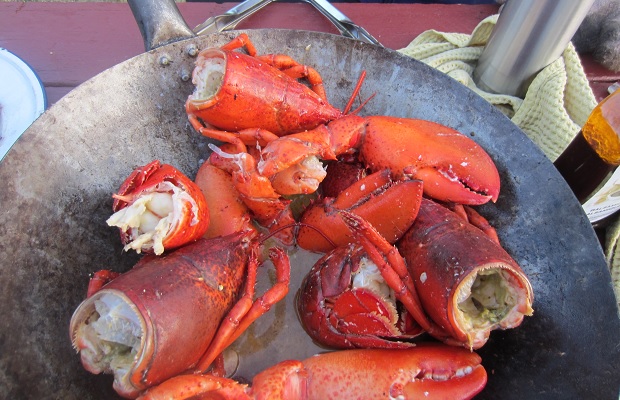
East Coast Lobsters Photo: Michael Godel

East Coast Lobsters
Photo: Michael Godel

Yesterday I settled in at the WineAlign offices with the critics crew (David Lawrason, John Szabo, Steve Thurlow and Sara D’Amato) to taste some new releases. I chose to focus on British Columbia because of all the wines that cross my path, those from out west seem to be the few and the far between. Some Ontario wines not yet investigated were open and available so I worked through a handful of them as well.

Here are my notes, posted to WineAlign, gathered together here, in one place.

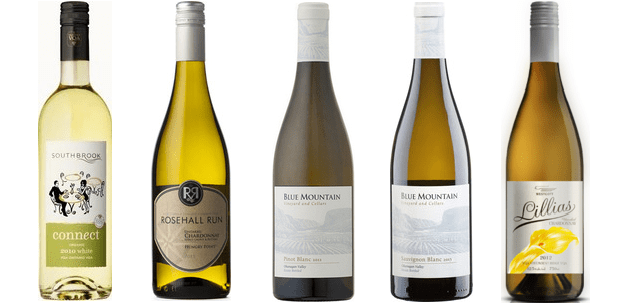
Southbrook Connect White 2013, Rosehall Run Hungry Point Unoaked Chardonnay 2013, Blue Mountain Pinot Blanc 2013, Blue Mountain Sauvignon Blanc 2013, Westcott Lillias Unoaked Chardonnay 2012

Southbrook Connect White 2013, Rosehall Run Hungry Point Unoaked Chardonnay 2013, Blue Mountain Pinot Blanc 2013, Blue Mountain Sauvignon Blanc 2013, Westcott Lillias Unoaked Chardonnay 2012

Southbrook Connect White 2013, Ontario (249078, $14.95, WineAlign)

Gone from the blend in 2013 is the Reimer Vineyard Gewürztraminer, essentially replaced with an increase of Vidal. A solid dose of Riesling and a smidgen of Sauvignon Blanc round out the blend. The sum of the parts means a stoic and supine white wine, submissive and malleable, ready for anything it needs to be. That it’s organic is a matter of good choice though not necessarily a contributing factor to this simple drinker’s personality. This is not a wine from stressed vines nor will it ever be in any sort or state of distress. Quality yet round acidity keeps it buoyant and free from any excess oxidation, allowing the flavour of basic orchard fruit with a lemon squeeze to shine. Perfectly good juice.  Tasted August 2014

Rosehall Run Hungry Point Unoaked Chardonnay 2013, VQA Prince Edward County, Ontario (Winery, $19.95, WineAlign)

What is so striking about Dan Sullivan’s unaoked Chardonnay is the classic and unmistakeable County perfume that can only be his. No matter the grape, a Sullivan white is a cold play of pear and citrus, made most obvious when oak is not around to confuse. A Rosehall white is always the most glycerin-textured in the County and Sullivan’s light touch ensures this PEC Chard is made in the vineyard. There is a lightness in its being but it is one of the better unoaked wines made in the region.  Tasted August 2014

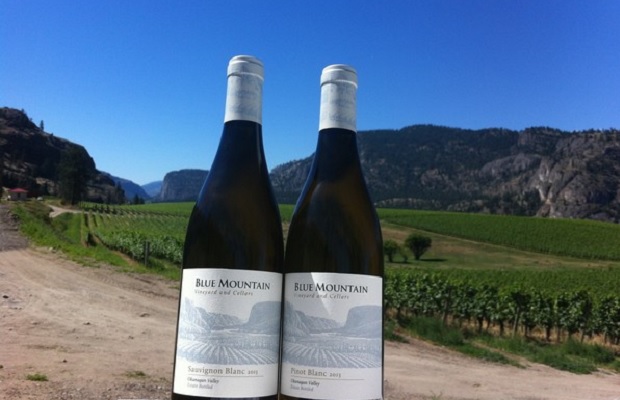
Blue Mountain Pinot Blanc 2013, Okanagan Valley, British Columbia (winery, $17.90, WineAlign)

Incredibly youthful Pinot Blanc, still in possession of its infant’s smell. A combination of baby powder and unadulterated sweat, in other words, a recent sulphuring and bottle unsettling. Peering beyond it is nearly quintessential B.C. PB. Hints of green apple, tangy white candy, lemon basil and lime sherbet make for a savoury-sweet appetizer in a glass. Got verve this Blue Mountain and when it relaxes by early fall it will be as versatile a shot of pure white wine adrenaline as you could ever hope to find. Will bring simple cohabitation pleasure to a wide range of food, from raw to smoked, from marinated to reduced.  Tasted August 2014

Blue Mountain Sauvignon Blanc 2013, Okanagan Valley, British Columbia (Winery, $18.90, WineAlign)

Upfront, come and get me, juicy expression of Sauvignon Blanc, free of encumbrances. Avoids grass and spice, reaching instead for tree fruits, both stone and orchard. A bit ambiguous for that reason, acting less varietal and more Okanagan, but that is a very good thing. Has terrific sapidity and more than admirable length. A touch of distracting, caustic herbal intensity on the finish.  Tasted August 2014

Westcott Lillias Unoaked Chardonnay 2012, VQA Vinemount Ridge, Ontario (Winery, $20.00, WineAlign)

You may ask who is Westcott and what is Lillias? They are Grant and Carolyn Westcott, a new player in the Chardonnay market and Lillias is a most unique expression from the Vinemount Ridge appellation. There is a grape spirit sensation, a limestone-influenced lemon-lime chord and a moscato-like medicinal glade component. Though it’s a bit scattered, unsure whether its softer or harder and running anyway, anyhow, anywhere, the personality is certainly on display. Though it “don’t follow the lines that been laid before,” there is always room for a new kind of Chardonnay, one that pushes boundaries and lays new tracks. Winemaker Arthur Harder has it all happening here; viscous fruit, citrus zest, limestone impart, milky texture, minute oxidation and rapturous acidity in a Chablis vein. The most serious unoaked Chardonnay, if not yet everyone’s cup of tannin. Auspicious beginning.  Tasted August 2014

Laughing Stock Pinot Gris 2013, Laughing Stock Blind Trust White 2013, Upper Bench Zweigelt 2012, Laughing Stock Viognier 2013, Upper Bench Pinot Noir 2012

Laughing Stock Pinot Gris 2013, Laughing Stock Blind Trust White 2013, Upper Bench Zweigelt 2012, Laughing Stock Viognier 2013, Upper Bench Pinot Noir 2012

Laughing Stock Pinot Gris 2013, BC VQA Okanagan Valley, British Columbia (123604, $22.00, WineAlign)

This Pinot Gris will get you high and the question is will it leave you dry. Laughing Stock’s whites are not shy, elevated in alcohol (here 13.8 per cent) and full-out striking in texture and tannin. The wondering here is if there may be enough dry extract so to keep the wine fresh, lively and willing to bend. Or, will it dry out and leave you hanging, with a head full of radio fuzz and wanting more fruit. This is a surly and brazen attempt at slightly botrytized Pinot Gris, with enough grit and grind to set it apart from a cloud of every day juice. It’s just a bit tough and overdone in my opinion.  Tasted August 2014

Laughing Stock Blind Trust White 2013, BC VQA Okanagan Valley, British Columbia (123604, $25.00, WineAlign)

Two Pinots (Blanc and Gris) and nearly a fifth of Viognier conjoin to conspire in cohorts for this well-defined B.C. white. Put your trust in winemaker David Enns as he leads you on this trip around the Okanagan through the eyes of co-existing white grapes. The first steps are those of spice and tree fruit pith, the second steps are those of good medicine. Dogged persistence brings near closure and a desire for another sip. Tasted August 2014

Upper Bench Zweigelt 2012, BC VQA Okanagan Valley, British Columbia (Winery, $25.00, WineAlign)

Of all the international varieties to plant and attempt to establish a cottage industry in B.C., Zweigelt should certainly be near the top of the list. The grape lends well to the cool climate and the altitude. It grows well in sandy and loam soils, especially with some gravel content. Penticton should become a haven for Zweigelt. Upper Bench’s take is overtly flavourful, sweet-smelling and easily approachable. It’s respectably dry (2.3 g/L residual) and appropriately balanced with good acidity. The flavours of black cherries come directly to mind. There’s the rub. Like many New World (and even some Austrian) Pinot Noir, the dark fruit flavours of ripe fruit, while they may taste delicious, lead the wine down a road of immediate gratification and a short stay. Personally I would like to see subsequent vintages picked earlier and at lower brix (here at 24.2) for a fresher and more vigorous take on Zweigelt. There is much promise in this program.  Tasted August 2014

Laughing Stock Viognier 2013, BC VQA Okanagan Valley, British Columbia (B.C., $26.00, WineAlign)

Of all the big whites in the Laughing Stock range, this Viognier fits the style and ragged glory pursuant the course. This hits the mark with flying colours, a rich and juicy wine full of peach flavours punching along with orchard fruit and white flower aromas. This is really crunchy and vigorous Viognier, with a kick of pepper along with some highly tropical moments along the way. Long finish to what will be 10 years of evolution. Tasted August 2014

Upper Bench Pinot Noir 2012, BC VQA Okanagan Valley, British Columbia (Winery, $28.00, WineAlign)

This is a lovely, fragrant and boisterous Pinot Noir with a warm heart and a balanced personality. Notes of orange and cherry blossom circle around the black cherry centre with just a hint of dusty chocolate. That is the 14 months in 30 per cent new French oak talking, adding a bit of sinew, but mostly dusty cocoa flavours and fine-grained tannin. A well made Pinot Noir with that wood adding a finishing touch of spice strung along the linear acidity.  Tasted August 2014

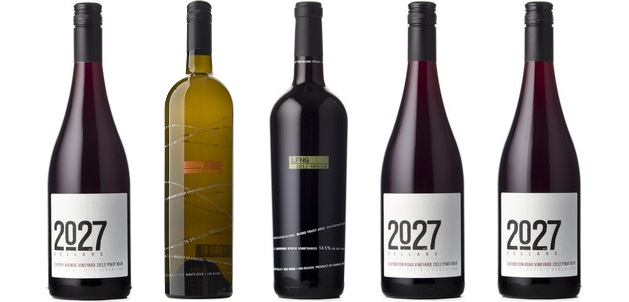
2027 Cellars Cherry Avenue Vineyard 2012, Laughing Stock Vineyards Amphora Vrm 2013, Laughing Stock Blind Trust Red 2012, 2027 Cellars Pinot Noir Queenston Road Vineyard 2011, 2027 Cellars Pinot Noir Queenston Road Vineyard 2012

2027 Cellars Cherry Avenue Vineyard 2012, Laughing Stock Vineyards Amphora Vrm 2013, Laughing Stock Blind Trust Red 2012, 2027 Cellars Pinot Noir Queenston Road Vineyard 2011, 2027 Cellars Pinot Noir Queenston Road Vineyard 2012

2027 Cellars Cherry Avenue Vineyard 2012, VQA Twenty Mile Bench, Ontario (Winery, $30.00, WineAlign)

There are a scant 105 cases made of this Cherry, a site close to a similar national Pinot Noir made by Paul Pender at Tawse. The vineyard encourages a scrap of the vinous kind between earth and its manifest cherry-scented fruit. Cherry seems to hold back its charms and ask that patience be the virtue. “Loose lips sink ships,” so “can we show a little discipline” and leave it alone? The ripeness is certainly here but what is most promising is the lack of heat, the absence of volatility and the wall of pure fruit. Though a bit subdued this is a much more approachable, not quite as serious and all around friendly expression of Twenty Mile Bench Pinot Noir. The price is more than reasonable for the quality in the glass. Wait three years and watch it age easily to 2020.  Tasted August 2014

Laughing Stock Vineyards Amphora Vrm 2013, Okanagan , BC VQA Okanagan Valley, British Columbia (agent, $30.00, WineAlign)

Here blends one-third each Viognier, Rousanne and Marsanne, a veritable Rhône orgy in wild fermentation, aged on the skins in terra-cotta and amphorae. While I would not go so far as to call it an “orange wine,” I will use the “N” word to describe its agrarian ways. As natural as anything you are likely to taste out of B.C., this is a most untamed experiment and should not be missed. It verges on oxidation but refuses to climb over the edge. It’s floral, spicy and crowded. The texture is chalky and so full of rusty, clay rubbed streaks. Everything about this is unkempt and exotic, including the never cease and desist fermenting lychee and longan feel. Hard not to be wowed by this blend’s presence.  Tasted August 2014

Laughing Stock Blind Trust Red 2012, BC VQA Okanagan Valley (B.C., $30.00, WineAlign)

“Past performance is not an indicator of future returns.” A statement on the bottle insists that full trust be afforded the winemaker, his whimsy and the blending choices made from vintage to vintage. Not unlike a similar program that Ann Sperling employs at Southbrook, albeit not nearly as brash or brazen in attitude. The ’12 BT has the swagger and the oomph. A powerhouse of a Cabernet-based blend, full of B.C.’s finest black fruits and teeth gnashing tannins. Is this wine too serious for its own good? I don’t think so but it is no shrinking violet (though it smells like some, in a very modern Maremma or even Nebbiolo way). Thick juice, ramped up and yet delicious if too much young syrup to work past one full glass. Time will sooth the savage beast but it will never be a pussycat.  Tasted August 2014

2027 Cellars Pinot Noir Queenston Road Vineyard 2011, St. Davids Bench, Niagara Peninsula (Winery, $35.00, WineAlign)

There is definite gregarious character to this Pinot Noir and it finds a positive, altruistic methodology in its gathering of some obvious Niagara traits. Increased ripening from its Queenston Road Vineyard on the warm St. David’s Bench is its most obvious pronouncement. A shyness from out of what is an enigmatic Pinot vintage walks with the later harvest, dusty and earthy fruit. Most of all it can’t help but be Niagara Peninsula Pinot Noir, albeit in high caste and hyper-sensitive attention to detail. There is cola, rust, cherry, paint and extreme acidity. It’s hot, actually. Would like to see where this goes with anti-volatile time. Methinks a settling will happen. Tasted August 2014

2027 Cellars Pinot Noir Queenston Road Vineyard 2012, St. Davids Bench, Niagara Peninsula (Winery, $35.00, WineAlign)

A highly perfumed Pinot Noir from winemaker Kevin Panagapka in 2012, complete with an exotic spice box of aromatics; potpourri, roses, cassia, clove and aamchur. The profile hydrates to a mulled simmer as the wine is once again warmed by the vineyard’s ability to ripen, exaggerated in ’12 but with more grace, bringing its personality in line with its modest (13 per cent) alcohol. The cherry flavour veers black with a paste of tar and charcoal, but again, the psyche is smooth and elongated. Long finish to this Queenston which should see it sing to 2018 and beyond. Tasted August 2014

Good to go!
https://twitter.com/mgodello


The cru chief of Alsace: Zind Humbrecht

Le Clos Windsbuhl de Hunawihr PHOTO: http://www.zindhumbrecht.fr

Le Clos Windsbuhl de Hunawihr
PHOTO: http://www.zindhumbrecht.fr

Were Olivier Humbrecht, MW a Rock ‘N Roll star, he would be the guy, the man, the boss, the one everyone wants to hang around. He’d be invited to every benefit concert, like No Nukes at MSG, Live Aid, Live 8 and a Tribute to Heroes. He would sing the biggest parts on the raise awareness and relief funds records like We are the World. He would headline every star-studded gathering to celebrate an influential musician’s career, like that of George Harrison, Roy Orbison, Chuck Berry and Bob Dylan.

Olivier Humbrecht is a winemaker. He’s also smart, France’s first Master of Wine, rooted in his region’s history and hyper aware of every nuance in each terroir. He’s an extreme scientist, biologist, geologist, viniculturalist and viticulturalist. Olivier Humbrecht is a student of many Alsace genres, techniques and methods. He’s a bit of a perfectionist. So are many Alsatian winemakers. But Olivier also has the charisma, the persona and the drive to strive for bigger and better. People want to be near that.

The rock star complex manifests itself at a tasting of the Zind-Humbrecht portfolio. Olivier has laid 14 wines on the cellar room table for a group of eight journalists and sommeliers. After leading the group through the lot, he checks his watch and sees there are a few minutes left in the allotted time. He opens two more bottles, then two more. Time is up. The group must press on. He opens another. Just one more, “for perspective,” he says. He can’t stop. The adrenaline is pumping. One more encore. Just one more Sélection de Grains Nobles…

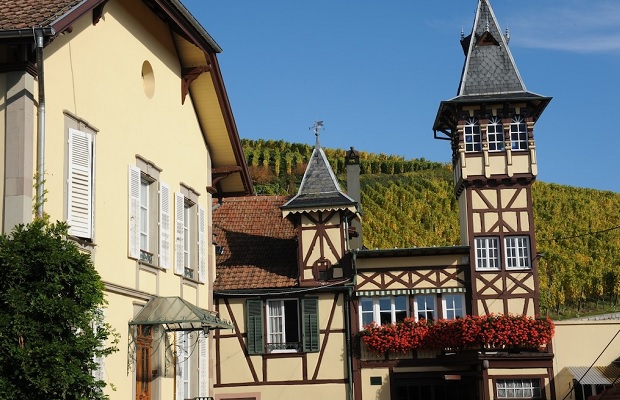
Domaine Zind-Humbrecht is well-known to the world, considered the consummate professional vigneron d’Alsace. The wines are immaculate to a fault; pure, precise considerations out of a multitude of variegated and diverse terroirs; of those around the winery’s home in Turckheim, Wintzinheim, in Gueberschwihr, Thann and in Hunawihr. The Grand Cru holdings of Brand, Hengst, Goldert and Rangen de Thann provide the stuffing for exceptional produce but can any other winery in Alsace lay claim to so many exceptional wines from their lieu-dit and single-vineyards not classified Grand Cru? The trifecta phenomena of the Zind-Humbrecht hill parcels, “Les Clos”; Häuserer, Windsbuhl and Jebsal may as well be Grand Cru squared. The wines from these most worthy soils are dreamy and in top vintages, impossibly perfect.

Most vintners in Alsace are connected to a village, have vineyard holdings surrounding or on slopes leaning upwards from the town. Many crush and ferment in caves beneath their homes right there in the ancestral village. Above ground Zind-Humbrecht is more modern than most, in many ways the embodiment of the 21st century Alsatian facility but Olivier’s wines are deeply connected to Turckheim, the village closest to a large proportion of his vines. The region’s regulatory board decision to eliminate a village like Gueberschwihr from being used on a Riesling label is both curious and counter-productive. Olivier is an island here, not having found any other producer’s support to keep such a designation alive. The irony is not lost. A winemaker incredibly passionate about soil having to label his wine by that very concept and against his will.

I had the opportunity to taste with Olivier Humbrecht on two occasions, thanks to CIVA and SOPEXA, at the winery and at the Millésimes Alsace trade event on Monday, June 16th, 2014. Humbrecht’s brain is in constant churning motion. He will never rest and settle for the status quo. He has learned everything and has everything yet to learn.

Biodynamic farming is at the nucleus of Zind-Humbrecht’s practicum and by now spoken as an apothegm, not ad nauseam. Olivier notes that Colmar, the vinous hub of Alsace and just down the road from Turckheim, is the driest town in France. “We are in a region that in the past we had to fight for ripeness. This is not the case anymore. I have not had to chaptalize in 20 years.” Global warming has had a great effect on phenols but Olivier stands firm on timing. Plants, including grapevines, have very specific life cycles, from flowering to ripening. “I will be ready for picking September 1st,” he insists, “regardless of the weather.”

On varieties, Muscat D’alsace remains “important and fantastic.” Humbrecht insists on keeping it viable and alive. “Reds are trendy,” but not significant to Zind-Humbrecht, adding up to less than one per cent of total production. Ninety per cent are single-varietal wines. Riesling persists as the core variety. It’s a grape that hates to ferment so noble rot should be avoided, because it arrests fermentation.” For Riesling to succeed? “You need a majority of tartaric acid, slowly, coolly, through the cold of winter, to achieve proper malic acid, to achieve good Alsace Riesling. Basically you don’t even want to know it’s happening.”

Olivier is an ally to both phenol and tannin. “Phenols in white wine is something that is always neglected,” he says, and “I do appreciate tannins in white wine, especially in low acidity grapes like Gewürztraminer.” Too many people do not understand the aging capabilities in the wines of Alsace. “We’ve gotten rid of too many phenols in white wine,” he complains. “We love the anti-oxidants, which will not allow the wines to age well, with no protection against oxidation.”

The phenol-tannin-sugar-acidity sequence only succeeds when PH is in the mix. “PH is more important than acidity. Low PH is a guarantee for good evolution in bottle, and good phenols.” That said, skin contact is to be avoided in Humbrecht’s world. “Alsace already has high aromatics so contact is contradictory.” It can lead to the inclusion of green phenols which would be detrimental to making sound wine. Ripe phenols come from the vines and Olivier continues to refer to structure and acidity as a direct consequence of what happens in the vineyard.

The ZH processes include high density planting, hand harvesting, gravity feeding, cold cluster pressing and the use of wild (indigenous) yeasts. The total annual output is approximately 300,000 bottles from 40 hectares, a capacity reached in the mid 1990’s. “We are not interested in getting any bigger,” concedes Humbrecht.

The last piece and going forward of the Zind-Humbrecht puzzle concerns vintages. “Vintages are very important and different in Alsace,” says Olivier. “2014 is very precocious.” Flowering was done the first week of June, almost two weeks ahead of the norm. This is similar to 2003 and 2011. “We made a lot of mistakes then, because it was the first time we had this.” The plan is to adapt to the climate by cooling down the soil, with more grasses to retain moisture. They will also let more branches grow to restrict sun and more canopy management. Biodynamic farming at work.

Olivier Humbrecht and Godello PHOTO: Cassidy Havens, http://teuwen.com/

Olivier Humbrecht and Godello
PHOTO: Cassidy Havens, http://teuwen.com/

Here are notes on the 20 Zind-Humbrecht wines tasted in Alsace on Monday June 16th and Wednesday June 18th, 2014.

Pinot Noir 2012

To Olivier Humbrecht, the location and managing the ripeness of Pinot Noir is key. “You can’t hide green character in Pinot Noir,” he asserts. Fruit comes from the Heimbourg vineyard, from west-facing slopes out of marl and limestone. This is a cooler, later ripening position with a draught between the hills. At 13 per cent alcohol it is pleasantly ripe but not as rich and intense as 2009. Still ripe enough for positive and effective phenols. Tannins are present and accounted for, wrapping a veil over the chalky, chewy, slighted coated fruit. The mineral is felt in texture coming from what is a simple, proper and elegant palate.

Muscat Goldert 2012

Like any self-respecting winemaker in Alsace, Olivier Humbrecht is intent on keeping Muscat d’Alsace alive with hopes that someday it will once again thrive. The white and red coloured, longer ripening, small berry Muscat Petite Grains receives minor (one or two per cent) support from grapey, soft and aromatic Muscat Ottonel. Raised from olitic limestone and marl soil, this Muscat is blessed with terroir inducing greater acidity and a dichotomous, silty ripeness, like a green, unripe Sauvignon Blanc. One has the sense that in this unique vintage the noble variety may age with an almost unexpected stride through the years.

Riesling Terroir d’Alsace Vin Sec 2012

This is the most basic and tenable wine in the Zind-Humbrecht portfolio. For the uninitiated it is an ideal embarkation point from which to engage the dry elegance and saline minerality of Alsatian Riesling. This “entry-level” effort is from 11 year-old vines, a slow ripening vintage and the stark reality of granite soils. The ever-present Humbrecht honesty and richness is here but in its most subtle (and only 2 g/L residual sugar) scale. Quick notes of lime, chalk and ginger. Olivier says it is made for the Brasserie or the Gastropub market. Never mind that it’s the most junior of his Rieslings. Nobility begins here with this reassuring, air-dried, easy to understand wine.

Riesling Herrenweg de Turckheim 2012

Here rolls the rock of the ZH stable. From gravelly, well-drained, poor soils around the winery. The citrus factor is front, centre and in surround sound but a natural richness and sweetness brings balance. This means the wine will gracefully incline through to a dry yet fruity future. A savoury austerity will increase the ageing quotient, in addition to the omnipresent mineral flavours by way of old (47 year-old) vines that burrow deep in the gravel, providing grit and strength, especially in drought vintages.

Riesling Calcaire 2012

The artist formerly known as Gueberschwihr is no longer. The new regulation regarding the production of village wines became effective with the 2011 harvest so, alone in its support for the quality of wine for the village, Humbrecht had no choice but a switch to the Calcaire nomenclature. From richer, cooler, alkaline soils. A touch more sugar (8 g/L) than the Turckheim counterparts, this also has higher acidity. Technically not so dry but this is the elevated, though not quite astronomical PH talking. It is dry enough to be considered Sec. Momentarily stuck in the proverbial petrol and mineral fence. The door will open shortly, to the ZH airy density and so physically speaking, this will taste drier as it ages. Even if “all this science I don’t understand,” I do know “it’s gonna be a long, long time” before the Calcaire comes down to earth and settles into its skin. Ten years to be sure. Rocket man.

Riesling Clos Häuserer 2012

Also Turckheim in origin (specifically Soedlen) but from marl soil atop really aggressive limestone from just under the Grand Cru Hengst’s nose. One of the highest in PH, this is austere and currently shut tight within a dry (4 g/L sugar) free lime zeppelin drum. Though aromatically mute, the mineral density on the palate is striking, like a reduction of half and half spread on sourdough toast. The 18 month lees program is most noticeable here and this Riesling will be led towards a petrol induction future. When it gets there, a taste will bring you into the Häuserer of the holy. The deep marl soil on top of calcareous Oligocene mother rock will speak and it will ask  “are you dizzy when you’re stoned?”

Riesling Brand Grand Cru 2012 (SAQ 11532951 $73.00, WineAlign)

There is a roundness to the Brand, in beautiful calming aromatics in defiance of the hard biotite granite, black and white mica soils. The pure mineralized clay silica brings heat to the land, with a high surface exchange quotient, not so different from the Schlossberg. This is precocious and precious Grand Cru that demands the wisdom and the fortitude of old vines, of a minimum 25-30 years of age. Zind Humbrecht’s average 66! With two per cent noble rot in the mix the wine reaches for more sugar (11.5 g/L) out of its desperately low yields. There is a high mineral ripeness and a tropical tingling, in melon and clementine.

Riesling Clos Saint Urbain Rangen de Thann Grand Cru 2012 (SAQ 12133871 $101.00, WineAlign)

The Thann is a 22-hectare, low yielding Grand Cru. The terra is volcanic and dark sedimentary soil, very steep and homogeneous. The high mineral altitude and poor attitude means the Zind Humbrecht ambition is aromatically challenging to assess, even if to taste it’s so obviously exquisite in concentrated depth. Such a rich, intense grapey nose but the flint smothers the smoky smoulder that should be present. A tight, angular and sobering expression, more isometric and idiosyncratic than anything tasted to this point. An island in the line-up. Not the most loveable Rangen, like its name, which is too old to even know its meaning.

Riesling Heimbourg 2012

From the village of Turckheim, the vines are planted on the steepest aspect of the marl covered, oligocene limestone slope. More noble rot present here than in the Brand, resulting in, naturally higher sugar (15 g/L), richer fruit and a deeper hue. “The sweetest Riesling we’ve made in 2012,” admits Olivier. A most interesting specimen too, an upside down cake in alternating layers of apricot and crushed rocks. The flavours are high-toned, not necessarily tropical, but lush.

Riesling Clos Windsbuhl 2011, Alsace, France (agent, $80.00, WineAlign)

“Vintages are very important and different in Alsace,” notes Humbrecht, exemplified by this blasted 2011 in contrast to all the ’12’s at these tastings. Here the fruit leans in the most elevated petrol direction, from a warm year and an earlier harvest. A younger evolution is taking place, showing immediate and gratified balance. The terroir is cool, rocky limestone with shells, similar to Burgundy. The clos is a gently sloping, six-hectare parcel. Overall it’s anti-floral, wet chalky creamy and striped by linear acidity. Only 4.5 g/L of sugar. These last two numbers mean nothing if you don’t recognize the PH because there are different acidities in wine. Here the acidity walks the fine line, side by side with its partners.

Riesling Clos Windsbuhl 2007

From a different era, this was fermented bone-dry, dire, with less than 1 g/L of residual sugar. A Riesling to show just how tight the Zind-Humbrecht band was back then and it is just beginning to communicate in its mid-life, mineral voice. If as a lieu-dit subject it was once “incommunicado,” with no comment to make, this has changed. The notes are layered and together, the mid-palate extraordinarily full, the length in reverberating, extended play. Here in today’s communique he’s come clean, having moved on from the strict, straits style, once spun unbending. The experience of great players and exceptional monopole (Grand Cru deserving) terroir has given the ’07 Windsbuhl the foundation to realize a classic Riesling.

Pinot Gris Calcaire 2012

Fruit comes from the Heimbourg, providing pure limestone effect and a great nutty character. The sugar is nothing to forget about (10.6 g/L), here already commissioned and integrated. Provides support for Olivier’s declaration that “if anything should happen to a wine, it should be before you bottle it.” Much more accessible than the fastball-curveball-changeup, out of the strike zone ’11. Here it’s all down the middle,  juicy, hittable fastballs.

Pinot Gris Rotenberg 2012

The Rotenberg’s shallow, red soils (located on top of the Hengst) bring a whole new set of parameters to Pinot Gris, in stark contrast to the Calcaire. Two bottles were poured. A two-day old sample showed settled and mellow flavours. A new bottle was crackerjack reductive, leesy and with a shocky aridity so unusual for Pinot Gris. The soils bring concentration, here magnified and compressed by the hastened moment. All the hallmarks of the Zind-Humbrecht style are there, if suppressed; tang, herbiage and a spicy spike. Very dry (4 g/L) and really invigorating white wine.

Pinot Gris Clos Saint Urbain Rangen de Thann Grand Cru 2012 (SAQ 11545233 $74.25, WineAlign)

The noble grape in this Muschelkalk (calcareous) vineyard comes through in high concentration, with an increase in noble rot from very low yields (12 hl/L). There was hail here in 2012, just after flowering, not a devastating storm but enough to minimize quantity. The sweetness (35 g/L) is heightened and uncompromising yet always mitigated by intense mineral activity. The richest and most unctuous wine of the morning (to this point) with direct, pure ripe tree-fruit flavours. This is a Pinot Gris that remains firm against the dangers of oxidation and it will develop smoky and toasty aromas. The structure is what I would call remarkable but not exceptional. Time will tell. Here the wait needs to be a minimum five years and then to drink well past 2025.

Gewürztraminer Calcaire 2012

As of the 2011 vintage, the Wintzenheim bottling became the Calcaire, for village designation (or lack thereof) reasons. Fruit here in 2012 is mostly (not necessarily typically) from the Hengst Grand Cru vineyard. The marl and limestone leads to a very typical Alsatian and even more typical Zind-Humbrecht Gewürztraminer. Full on glycerin, creamy, perceptibly sweet and protracted wine. Even at 35 g/L it is tempered by high tannic animation, as much as in Burgundy. Skin tannins are much more interesting than those from oak because they elevate the acidity by way of contrasting balance to the sugar. This is why they succeed.

Gewürztraminer Hengst Grand Cru 2012

From old vines of the Hengst, the yield is half of the Calcaire, the concentration raising the bar in the opposite direction. The residual number is the same but the sugars are more complex, intensely natural and variegated. The texture and flavours cover a creamier, wider spectrum and even though some typical rose petal/lychee components are noted, they remain submerged beneath the piquancy and the richness. This Hengst will gain flesh and weight as it ages, elevating the potential for late harvest sensations and alcohol.

Gewürztraminer Clos Windsbuhl 2012

The Muschelkalk calcareous, southeast facing slopes of this Clos employ slightly cooler temperatures and the stretched elasticity of slow-ripening to bring a sense of balance and poise to Gewürztraminer. The same can’t be said for Riesling on the same site, at least not in 2012. The Windsbuhl here speaks in more sweetness and less alcohol. “If you can see the differences of terroir in Gewürz,” says Olivier, “then you won’t see it in Riesling.” Here is an example that backs up one of his most telling axioms. “It’s the phenols of the grape that make it age gracefully better.” Age it will. Drink this beginning in 2020 and through 2040.

Gewürztraminer Vendanges Tardives Hengst Grand Cru 2011

A wine not often made because of the dry climate in this Herrenweg vineyard. The gaining of full botrytis expression only happens once in every five or six years and when it does, this eager and vivid sweet wine is the result. Harvested at high ripeness and proportion (50 per cent) of noble rot, with a quick (one month) fermentation to achieve a sweet balance (vin liquoreux) not that far from some SGNs. At 102 g/L it is obviously quite sweet though once again, with acidity, PH and exceptional phenolic character it strikes a balance. I don’t normally imagine late harvest wines to speak in terms of elegance or restraint and I’m not sure those are the most apt descriptors here. Yet the Hengst is as subtle as it gets for the genre and never enters the arena of the cloyingly sweet and absurd.

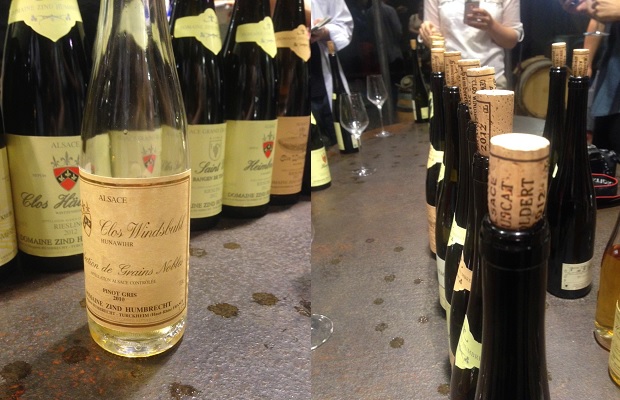
Pinot Gris Clos Windsbuhl Sélection de Grains Nobles 2010 and the tasting table PHOTO: Cassidy Havens, http://teuwen.com/

Pinot Gris Clos Windsbuhl Sélection de Grains Nobles 2010 and the tasting table
PHOTO: Cassidy Havens, http://teuwen.com/

Pinot Gris Clos Windsbuhl Sélection de Grains Nobles 2010

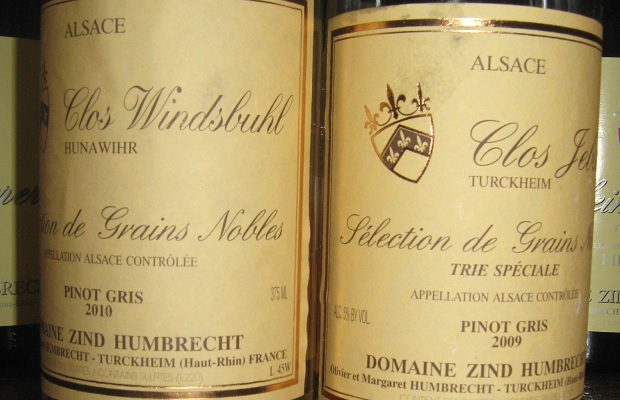
The residual on the 2010 Windsbuhl is remarkably high, this as a result of its long but (not compared to 2009) fermentation. From a historic vintage, with top-notch acidity (the goal was 16 g/L) and clean, precise botrytis. With the complexity and structure provisos of the Muschelkalk calcareous terroir and (43 year-old) vines, this exceptional dessert wine was given all the tools necessary for success. A parabola of a dessert wine, one sip and “we barely remember who or what came before this precious moment.” Attacks the mouth with an unparalleled sugar/acidity/tannin continuum. The flavours bring to mind quince, apricot and creamy mangosteen in out of control concentration. There is a reason sweet wines like these are so rare and receive such high praise. Exceptional fruit of uncompromising quality and a winemaker’s reverence are the reasons. Olivier Humbrecht prepared this 2010 to succeed and to live for decades. Drink from 2025 to 2055.

Pinot Gris Clos Jebsal Sélection de Grains Nobles Trie Spéciale 2009

A south-facing, very steep slope of grey marls and gypsum. A vineyard that yielded a miniscule 10 hl/H. A stratospheric residual sugar quotient (in the realm of 500 g/L) and incredulous acidity to prevent the development of the yeasts. A fermentation that finally finished in the late winter of 2012. A wine aged in demi-guid. Selection of grapes of a botrytis so pure and dry. These are the specs of a wine I may never taste again. Olivier concedes he “really tries not to obtain the highest sugar concentration possible” but this 2009 is a “monster of a wine.” It will take forever to assimilate and digest the sugar. Unctuous, lush, rich and gorgeous does not do it justice. Pure distillation of fruit and stone, accented by spice, wild herbs and flowers. Like an injection of pure, Pinot Gris adrenaline. All this from dry extract, slowly rehydrated with magic pixie dust and the wonders of the natural world.  Will live for a century and then some.

Pinot Gris Clos Jebsal Sélection de Grains Nobles Trie Spéciale 2009

Pinot Gris Clos Windsbuhl Sélection de Grains Nobles 2010 and Pinot Gris Clos Jebsal Sélection de Grains Nobles Trie Spéciale 2009

Good to go!

Release the summer wine

A white wine for all seasons, Pinot Gris, by Maison Trimbach<br />

A white wine for all seasons, Pinot Gris, by Maison Trimbach
PHOTO: http://www.trimbach.fr/

These are the wines of summer.  Dry, saline Rosé made from classic varieties; Grenache, Syrah and Cinsault. Crisp, flinty Riesling, turned to stone. All things Pinot. B.C. Cured Pinot Blanc struck by both juicy fruit and mouth-watering acidity. Pinot Gris from Alsace, impossibly dry. The same grape but from across the Rhine and under another name: Grauburgunder. Pinot Noir from Prince Edward County. Nothing else in the world smells like it. Smells like, teen spirit.

White wine that feigns bubbles and brings the wonder of Nova Scotia to the world. Chardonnay by a young winemaker in Ontario just coming into his own, ready to become a star. Classic varieties for summer grilling; Cabernet Sauvignon for a green day, Sangiovese to make your day, Merlot, Cabernet Franc and that melting pot of red wines, Châteauneuf Du Pape. All VINTAGES Ontario releases for July 19th. These are some of my summer wines. All 13 of them.

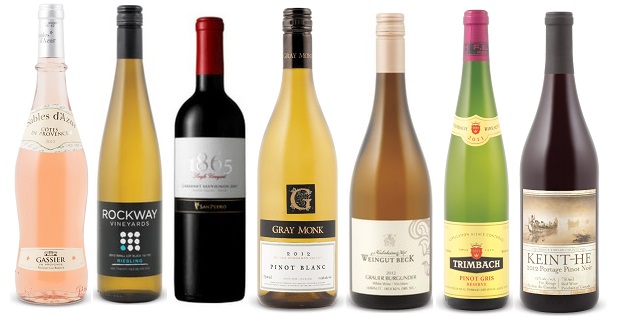
From left to right: Gassier Sables D'azur Rosé 2013, Rockway Small Lot Block 12 150 Riesling 2012, San Pedro 1865 Single Vineyard Cabernet Sauvignon 2011, Gray Monk Pinot Blanc 2012, Hedesheimer Hof Weingut Beck Grauer Burgunder Kabinett Trocken 2012, Trimbach Réserve Pinot Gris 2011, Keint He Portage Pinot Noir 2012

From left to right: Gassier Sables D’azur Rosé 2013, Rockway Small Lot Block 12 150 Riesling 2012, San Pedro 1865 Single Vineyard Cabernet Sauvignon 2011, Gray Monk Pinot Blanc 2012, Hedesheimer Hof Weingut Beck Grauer Burgunder Kabinett Trocken 2012, Trimbach Réserve Pinot Gris 2011, Keint He Portage Pinot Noir 2012

Gassier Sables D’azur Rosé 2013, Ac Côtes De Provence, France (33621, $14.95, WineAlign)

Always dry, dusty and salt lick oriented. A mineral bath of verdigris and rusty rainwater.  Light but all about minerals, salinity, beach and sun. What more should be requested and ascertained from value given Côtes De Provence Rosé?   Tasted June 2014  @MichelGassier

Rockway Small Lot Block 12 150 Riesling 2012, VQA Twenty Mile Bench, Niagara Peninsula, Ontario, Canada (372441, $18.95, WineAlign)

Noticeably dry but also earthy/funky. Struck match and plowed earth. As it settles into its skin and your consciousness it develops body, depth and acidity. Grows and expands, reaches heights you thought it would not. The vintage works wonders for the Twenty Mile Bench and this block has expansive stuffing to take it long, not to mention the earthy complexity to see it change and evolve. It may go through a disturbing, unusual phase but be patient and set one aside for 15 years from now. You will be amazed what honey and deep geology it discovers and uncovers.  Tasted June 2014  @RockwayVineyard

San Pedro 1865 Single Vineyard Cabernet Sauvignon 2011, Maipo Valley, Chile (37911, $19.95, WineAlign)

When it comes to Cabernet Sauvignon, “well, I heard it all before.” This Maipo beauty begs to be different. Here is a $20 Cab with a $50 reductive funk. A heady, heavy red that needs more than just a swirl. The average Joe may smell a green day and not get it straight away. My advice would be to hang in there because with 10 minutes aeration the fresh currant, mint and rain-soaked flower aromatics will come around. And come around they do. Mocha and semi-chocolate driven, tannic like crazy and banging out a beat of crazy acidity. A ton of wine for $20.  Tasted June 2014  @Dandurandwines

Gray Monk Pinot Blanc 2012, BC VQA Okanagan Valley, British Columbia  (321612, $19.95, WineAlign)

Ah, terrific cool climate Pinot Blanc, with juicy acidity from a bite into a nectarine just falling from the tree. On a night like this “it goes deep, it goes deeper still,” in neo-tropical fruit (from seemingly slightly elevated alcohol). A most cured white wine, with a tannic quality that gives it texture and structure. Strike another Lloyd Braun mark on the British Columbia-Pinot Blanc free competition continuum to develop this variety with prejudice.  Seamless, with excellent length.   Tasted June 2014  @GrayMonkWinery

Hedesheimer Hof Weingut Beck Grauer Burgunder Kabinett Trocken 2012, Prädikatswein, Germany (378349, $20.95, WineAlign)

This rare Pinot Gris VINTAGES sighting is a jet-gassy funky, disparate complex mess of penciled, earthy, grassy and off-dry stone fruit aromas. It’s also viscous, distracting, and propelled by thriving acidity. While the Grauburgunder hails from the other side of the Rhine, it shares a tannic, saline and mineral affinity with the Vosges PG’s of Alsace. Lives up to its Trocken designation through a rocky impart yet seems just slightly sweet in a very Kabinett way. Herbal and long. Contemporary Prädikatswein worth a look and a more than temporary place in the cellar.  Tasted June 2014  @TandemSelection

Trimbach Réserve Pinot Gris 2011, Ac Alsace, France (971762, $23.95, WineAlign)

For Trimbach this is a top quality vintage to make an example for one of the domain’s signature value wines. This firm and straight shooting Pinot Gris comes from limestone-dominant parcels not so different from the PG taken out of the winery’s Osterberg Grand Cru, just above Ribeauvillé. That a Pinot Gris can bring a nearly (8 g/L) elevated level of residual sugar to the table and come across bone dry, like a walkabout in the outback, remains one of life’s great mysteries. Picked prudently early, or as Alsatians like to say, “right on time,” this Trimbach is eloquent, reeks of wet, cold stone and lies over an ocean tasting of salty minerals. Pour it with the freshest, uncooked fish and a light vegetable pickle. Tasted June 2014  @trimbach

Keint He Portage Pinot Noir 2012, Prince Edward County, Ontario (373415, $25.00, WineAlign)

The most juicy, fruit forward and gregarious of the estate’s Pinots. Only Keint He Pinot smells like this, in Ontario, or elsewhere for that matter. Smells like teen spirit. It really is that unique but at the same time, undeniably Pinot. Just picked and torn cherry blossom petals and bitter chocolate dust strewn overtop fresh macerated cherries. Further coated with iron fillings. “And I forget just why I taste, oh yeah, I guess it makes me smile.” Prince Edward County Pinot Noir on the road to nirvana.  Tasted June 2014  @KeintheWinery

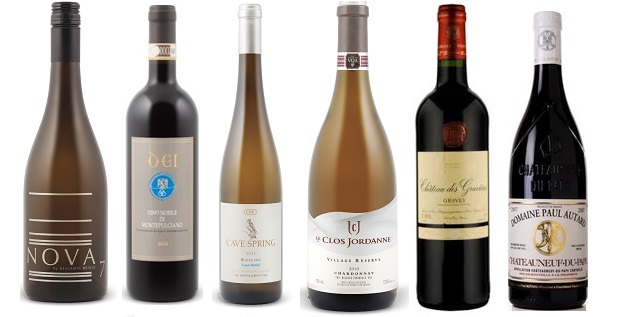
Benjamin Bridge Nova 7 2013, Gaspereau Valley, Nova Scotia (256289, $25.95, WineAlign)

From a bumper crop, there came to market 11,000 cases of this Nova Scotian feel good, faux-sparkling story. Winemaker Jean-Benoit Deslauriers’ Nova 7 dissimulation in bubbles is a true trick of the trade and though this white wine strikes as if it were a child of a warm vintage, there is a classic lightness of Rosé fizz being in its ever so slight effervescence. A singular wine in many hybrid incarnations, in Muscat ways, of pink Perle de Csaba, segmented and pressed for a sweet burst of grapefruit. It’s low (7 per cent) in alcohol, excellent in acidity, sweet and sour, citrus zesty, juicy and dry at the same time. Batch delineated and loyal to continence, though if the quantity creeps much higher that may come in to question. Grown up pink lemonade and so easy to consume.  Tasted June and July 2014  @Benjamin_Bridge  @jbdeslauriers

From left to right: Benjamin Bridge Nova 7 2013, Dei Vino Nobile Di Montepulciano 2010, Cave Spring Riesling Csv 2011, Le Clos Jordanne Village Reserve Chardonnay 2011, Château Les Gravières 2010, Paul Autard Châteauneuf Du Pape 2010

From left to right: Benjamin Bridge Nova 7 2013, Dei Vino Nobile Di Montepulciano 2010, Cave Spring Riesling Csv 2011, Le Clos Jordanne Village Reserve Chardonnay 2011, Château Les Gravières 2010, Paul Autard Châteauneuf Du Pape 2010

Dei Vino Nobile Di Montepulciano 2010, Docg, Tuscany, Italy (285510, $27.95, WineAlign)

The entry of Dei’s balanced Vino Nobile was very juicy but at the same time serious and brooding. At first rhythmic, tight and anxious, you couldn’t but help but feel the strong mocker of this Sangiovese. Iron, hard rocks, knocks and a day in medieval life. If it should be opened any time in the next five years it will require a rare fleshy partner and plenty of air time. Though there was nothing faint about it, with time it found a path to a crescendo and then changed chords. It sang like a bird for a verse or two, softened enough to open a window to its future and when it spoke “I went into a dream.” Finished with a piano bass note that droned on for nearly a minute.  Tasted June 2014  @LeSommelierWine

Cave Spring Riesling Csv 2011, VQA Beamsville Bench, Ontario  (566026, $29.95, WineAlign)

The 2011 issue is the driest, slate-driven, flinty Cave Spring Csv as it can ever be. Don’t be looking at its heart for richness and body but there is a wall of texture forged in stone. The Csv speaks “of everything that is alive in my blue world.” One taste and all goes electric, lights up and the orchestra begins to play. Turn the stone of this statuesque Riesling to drink in the long and true loyalty to ever fibre and fissure of its rocky being. Excellent. What more could you expect, or want?  Tasted June 2014  @CaveSpring

Le Clos Jordanne Village Reserve Chardonnay 2011, VQA Niagara Peninsula, Ontario  (33936, $30.00, WineAlign)

Winemaker Sébastien Jacquey’s “entry-level” Chardonnay currently resides in a bitten and certainly not shy mode. The 2011 is a Villages Reserve that is in a bit of a purgatorial place at the moment, closed down since its grand opening last summer. The rocks are speaking, as is the hubris of wood, but the fruit is up there, wafting in the proverbial wind. Let it blow and gather atmosphere, to return two or three years on, to reintegrate with the earthly elements and reform a convivial bond.  Tasted June 2014  @LeClosJordanne

Château Les Gravières 2010, Ac Saint-Émilion, Right Bank, Bordeau, France (257733, $36.85, WineAlign)

Highly concentrated, big berry crushed Saint-Émilion. Floral too and the fruits are exquisitely ripe and red. There is great tension and acidity. Crazy tannins. Exceptional wine but will need 15 years time to settle, integrate and play nice. Qualifies as the finest 14 per cent Bordeaux I’ve tasted in quite some time. A wild sense of mineral and animale climb on top. Highly ferric. Really fine.  Tasted June 2014

Paul Autard Châteauneuf Du Pape 2010, Ac, Rhône, France (380667, $49.95, WineAlign)

A refreshingly lithe and graceful 14.5 percent Châteauneuf Du Pape with every bit of richness necessary to fulfill its contract to typicity. Just a hint of both earth and animal musk, demanding tannin and more than its share of rocks and mineral give. A real winner for the vintage and in fresh air contrast to the gaining ridiculousness of extract and over-bearing alcohol-driven Rhônes. This might just be the bottle to reaffirm my waning faith in the region.  Tasted June 2014

Good to go!
The froth on Crémant d’Alsace

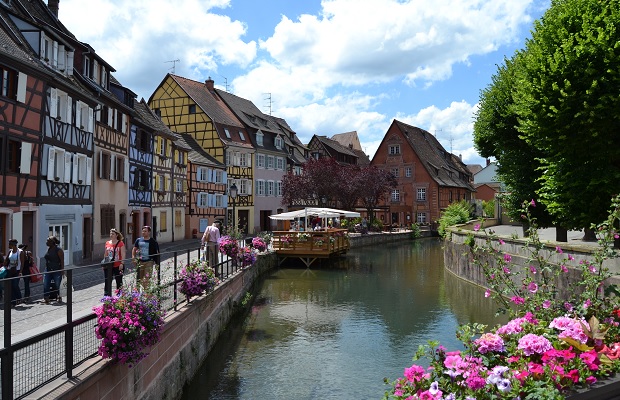
Colmar Canal PHOTO: Cassidy Havens, http://teuwen.com/

Colmar Canal
PHOTO: Cassidy Havens, http://teuwen.com/

The production of fizz by way of secondary fermentation in bottle is nothing to be ignored in Alsace. More than one in every five wines forged from the region’s vines is filled with bubbles. Most recently (in the past 18 to 24 months), certain things have come to light. A salient spike has been witnessed, with Sparkling wine increasing from 15 to more than 20 per cent of the region’s annual wine production. This means that Alsace now ranks second in France with a yearly production of more than 30 million bottles.

Six grape varieties are permitted for the production of Crémant d’Alsace; Auxerrois, Chardonnay, Pinot Blanc, Pinot Gris, Pinot Noir and Riesling. Chardonnay can only be used for Crémant and only Pinot Noir may be fermented to bottle a Rosé. More rules must be followed like grapes having to come from vines into its’ 3rd growing season and wines must rest a minimum nine months on the lees before bottling. Most lay longer, which helps to define this genre of Crémant’s creamy texture, matched in contrast by its stony, flinty and mineral style.

The effervescence of Crémant d’Alsace is known as prise de mousse. Basic wine is bottled with liqueur de tirage for second fermentation. Bottles are left to rest sur latte. Autolysis occurs and the dead yeast is removed by way of remuage. After aging on the fine lees, bottles are turned, deposits form in the collar, brought to the freezing point, evacuated by carbonic gas and replaced in volume by liqueur de dosage or liqueur d’expedition which yields a Crémant d’Alsace of three styles; Brut, Sec, or Demi-Sec. A balanced vintage for sparkling in 2012 yielded 270,000 hl of Crémant d’Alsace.

During my week in Alsace and with thanks to the Conseil Interprofessionnel des Vins d’Alsace (CIVA) I was able to taste more than 30 producer’s Crémant. Here are my notes on 14.

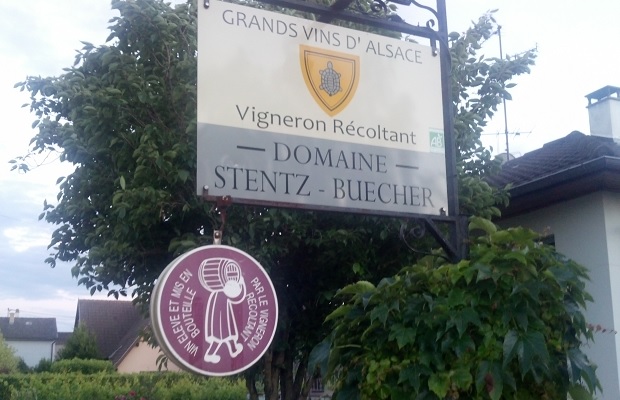
Crémant d'Alasace at Domaine Steuntz-Buecher

Crémant d’Alasace at Domaine Steuntz-Buecher

Jean-Marie Haag Crémant d’Alsace, tasted at Domaine Stentz-Buecher with Les diVINes d’Alsace

Exemplary bubbles from Soultzmatt in la Vallée Noble, 20 km south of Colmar, from out of clay-limestone soils. Grapes here are Pinot Blanc, Pinot Auxerrois, Riesling, Pinot Gris and Pinot Noir. A close-knit aridity and platinum tang are pronounced in an idiomatic lees-inflected language with a lightly oxidized lilt. A retaining wall of freshness and a slice of bitter honey-almond tart round out the complexity, intended or not, with elevated levels of Pinot vibrations making themselves known. Calls for a must return to see if it’s a one-off or a truly significant house style. Drink alongside a salty buffet.

Valentin Zusslin Crémant D’Alsace Sans Souffre Brut Zero, tasted at Domaine Stentz-Buecher with Les diVINes d’Alsace

The old vines blend from Clos Liebenberg is predominantly Pinot Auxerrois (95 per cent) with minor amounts of Chardonnay and Pinot Gris. It’s important to note the non-sulphur designation in that the not insignificant practice takes the wine to another level of Crémant sophistication. There is a savoury nut character to the Auxerrois but never in a fat, round or blanched way. The caryopsis are not like an almond but more like a roasted pistachio upon the mid-palate. Moving forward it’s like the smell of a nut-based, warm cereal. It’s quite intoxicating and lingers well into the finish.

Louis Hauller Crémant D’Alsace, tasted at Domaine Stentz-Buecher with Les diVINes d’Alsace

From 100 per cent Chardonnay, this is a fine, subtle, stylish, finessed and elegant interpretation that is a different sort of Alsace discrimination. Spent 11 months on the lees and sports more citrus than most others. Subtle bubbles here, with less froth and more Chardonnay character. Very good length.

Sipp Mack Crémant D’Alsace Rosé, tasted at Domaine Stentz-Buecher with Les diVINes d’Alsace

The smell of strawberry cream and the crème fraiche sapidity by way of sudoric lees. Fun and characterful if a bit of an ancestral taste.

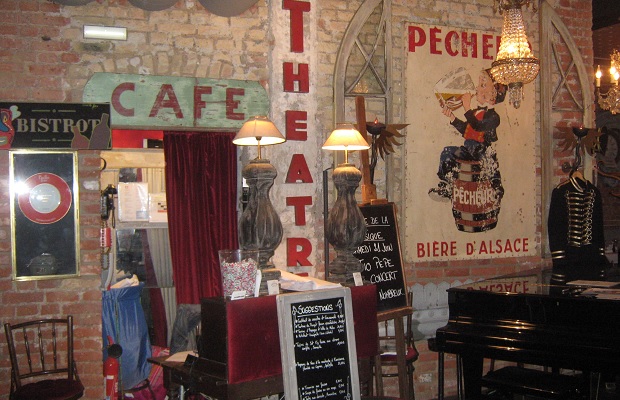
Restaurant Le Théâtre, Colmar

Restaurant Le Théâtre, Colmar

Albert Mann Crémant D’Alsace Brut 2011, tasted at Restaurant Le Théâtre, Colmar with Albert Mann’s Marie-Thérèse Barthelme

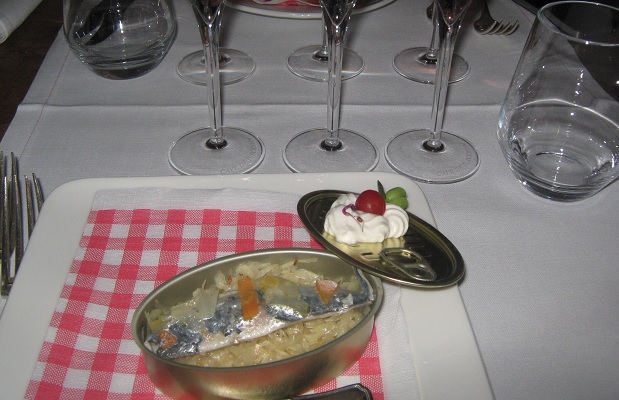
A four-squared Pinot affair, in Blanc (66 per cent), Auxerrois (16), Noir (12) and Gris (6). This from a bottle that had just been disgorged one week prior to tasting. Out of clay-limestone and sand soils in vineyards from Kientzheim and Wettolsheim. Like album art, the Mann label is a crucial, sixth sense aspect of the wine experience. The 2011 Crémant is the artwork of François Bruetschy, “like a turnstile of fireworks while projecting fine sparks.” The 2011 Mann is very fine, misty, delicate, wistful and waiting in longing for an amuse bouche of mackerel with choucroute in a can. The wine makes me long for a walk in the vines.  @albertmannwines

Mackerel and Choucroute, Restaurant Le Théâtre Colmar

Mackerel and Choucroute, Restaurant Le Théâtre Colmar

Gustave Lorentz Crémant D’Alsace, tasted at Restaurant Le Théâtre, Colmar with George Lorentz

Though the label denotes this as non-vintage, the blend of Chardonnay, Pinot Noir and Pinot Blanc is essentially from the 2011 vintage. This is what Lorentz describes as 2nd-tier house sparkling, with more ripeness in this bottle. That fruit maturity is all apple, with a minor note of oxidation and the full effect of 16 months on lees felt through texture. Once again the inclusion of Chardonnay takes the Crémant schematic condition to another level. Bring on the top-tier.

Louis Sipp Crémant D’Alsace Rosé, tasted at Restaurant Le Théâtre, Colmar with Etienne Sipp

The Sipp Crémant comes from various parcels in Ribeauvillé, from Weinbaum, Sulz and Rengelsbrunn. Etienne tells us it is made from Pinot Noir and Pinot Noir, playfully mocking the AOC’s rule that only that variety can be used for sparkling Rosé. Sipp’s Pinot is grown in mainly heavy and deep clay soils. Picked at optimum ripeness, this is fizz that has spent 18 months aging in bottle after not having gone the way of malolactic fermentation. The result is a dry, dense, savoury and layered Pinot Noir Rosé. This third Crémant in a group with Mann and Lorentz proves that though tonight is not a competition, we see that all three have won.

Hummus, La Table de Gourmet, Riquewihr<br />

Hummus, La Table de Gourmet, Riquewihr
PHOTO: Cassidy Havens, http://teuwen.com/

Paul Zinck Crémant D’Alsace, tasted at La Table du Gourmet, Riquewihr with Phillippe Zinck

An efficient, sparkling requiem for success in a blend of three vintages and varieties; Pinot Noir (60 per cent), Chardonnay (30) and Pinot Blanc (10). A soft receptive, inviting and proper amalgamation in which mousse apropos peach and soft French cream delight without needing to be tough or street savvy in any way. Crémant giving like une crème de luxe, to sip with Hummus, La Table de Gourmet style and with nary a difficult moment.

Domaine Bott-Geyl Crémant D’Alsace Cuvée Paul-Edouard Brut Millésime 2007, tasted at La Table du Gourmet, Riquewihr with Jean-Christophe Bott  @JLBrendel   

Jean-Christophe Bott’s may be the most complex and intriguing bottle of Crémant you would have a chance to taste in the course of a week in Alsace. Bott gathers top quality Pinot Blanc, Chardonnay and Pinot Noir from growers then lays the fruit low for four years on their lees. The rich and sunny vintage is vinified in what is really an Extra Brut style without any dosage whatsoever. This is small production Alsatian bubbles (2500+ bottles) disgorged in 2011 and in very early stages of development. The acidity stands in upright attention while the fruit submits to wait. The rocks and salinity raise upwards to march in extreme lengths. A sublime match to an Amuse Bouche of Cured Watermelon, pistachio, basil and mustard flower.

Foie Gras at Restaurant L'Épicurien, , Colmar

Foie Gras at Restaurant L’Épicurien, , Colmar

Charles Baur Crémant d’Alsace, tasted at Restaurant L’Épicurien, Colmar with Arnaud Baur

After its second ferment this blend of Pinot Blanc (40 per cent), Auxerrois (40) and Chardonnay (20) spent a compages-inducing 24 months on the lees. This is Baur’s main cuvée for Crémant, always made from two vintages, in this case 2009 and 2010. Most definitive and classic for the appellation. Falls within the aromatic white fruit/white flower spectrum with flavours that tease ripe Mirabelle, apricot and peach. Soft, elegant, feminine, demurred and clean. Baur’s take is a Catherine wheel of Alsatian bubbles with “all the things you dream while spinning ’round.”

Audrey et Christian Binner Crémant d’Alsace KB, tasted at Restaurant L’Épicurien, Colmar with Christian Binner 

Binner’s exotic-scented sparkling is from Kayserberg, “the emperor’s mountain,” next to the Schlossberg Grand Cru site. Old vines out of colder parcels more appropriate for making Crémant consist of Auxerrois, Pinot Blanc and Pinot Gris. The terroir here is granitic and poor in soil, if that is what it can be called. The house style is quite oxidative and distinctively earthy, as if the rocks were breaking down into a fine, funky soil remineralization. The most terpenes yet from bubbles tasted in Alsace, with a bruised apple hematoma, a pickle of some colonialist kind and a spice cupboard to fill a curry recipe. In the end this is unusual, yet vivid and jazzy fizz.

Schoenheitz Picnic<br />

Schoenheitz Picnic
PHOTO: Cassidy Havens, http://teuwen.com/

Vins Schoenheitz Crémant d’Alsace Millesimé 2007, tasted on the steep slopes of the valley of Munster with Dominique, Henri and Adrien Schoenheitz

Primarily focused upon Pinot Auxerrois and righteously so, with just a 10 per cent buoyancy from Pinot Blanc. The combination of striking Auxerrois fruit grown on the estate’s (400-500m) high altitude steep slopes and a memorable Alsace vintage is just deadly. The varietal choice in low acidity out of a vintage with character and temper here translates to aridity (1 g/L residual sugar) and long on lees texture. Like a Ron Sexsmith ballad, a listen, one look at its bronze patina, one taste and you will “see the forest for the trees,” because there’s gold in them hills. Perfect timing to break out an all-natural, no dosage ’07, marked by gratuitous acidity and mountain verve. An auspicious start to a picnic in the hills.  @VinsSchoenheitz

Pierre Frick Crémant d’Alsace 2013, tasted at Domain Pierre Frick with Jean-Pierre Frick

Jean-Pierre Frick poured two just bottled yet raw examples meant to set a perspective table for the 2013 finished wine that followed. The 50/50 Pinot Blanc et Noir (NV and 2013) were both picked ripe (nearly overripe), pressed direct and treated with nothing, nada, niente, zilch, rien. No sulphites, yeast or sugar. With zero dosage and opening too soon in evolution, these bottles were marked by arrested fermentation. The absence of the second fermentation meant for a flat, oxidative result. The experiment may have meant no Crémant but it helped to organize, define and ultimately assess the ’13. Same minimalist method but with a secondary ferment, this bottle (though warm) offered high citrus and biting, forceful, sharp acidity. When returned to an hour later and from a cold bottle, the wine was much brighter and atomically fresh. Frick’s method and style mean his sparkling must spend a minimum one year in bottle before it can be sold.

Casks at Jean-Pierre Frick

Casks at Jean-Pierre Frick

Pierre Frick Crémant d’Alsace 2012, tasted at Domaine Pierre Frick with Jean-Pierre Frick

One of JP’s “funny wines.” Once again, no sulphur but this time with natural yeasts. Notated by a slight coppery, salmon tinge and minimally oxidative, though in no way over the top. “My idea was a dry Crémant but he’s not dry. C’est la vie.” To Frick this is a wine for young and really old people. Toasted brioche, buttered toast and almond extract are joined by a late arriving, very interesting, savoury sweetness. The finish smoulders, with that ever-bearing herbiage adding another layer. This Pinot Noir and Pinot Blanc split comes in at 12.5 – 13.5 per cent alcohol. Frick doesn’t really know. “I write 13 per cent because I just have to put something on the bottle.”

Good to go!

A go long weekend wine list

Pâté en Croûte, Niedermorschwihr, Alsace, France PHOTO: Michael Godel

Pâté en Croûte, Niedermorschwihr, Alsace, France
PHOTO: Michael Godel

The first long weekend of the 2014 summer is on the way. A fortuitous confluence of the calendar means a longer than usual respite from the tribulations of work, construction and city angst. Bottom line is with four straight days of nothing you’re going to need more wine. Last weekend’s VINTAGES release was filled with admiral and admirable choices, short on Canada’s finest mind you, but long on global composition.

Here are ten wines tasted, reviewed and given the Godello stamp of approval.

Clockwise from left to right: Angels Gate Mountainview Riesling 2009, Château De Gaudou Grand Lignée Malbec/Merlot 2010, Creekside Estates Laura's White 2012, Muriel Reserva 2008, Scacciadiavoli Montefalco Rosso 2009, Tamaya Syrah Gran Reserva 2011, Domaines Schlumberger Les Princes Abbés Pinot Gris 2011, Domaine Karydas Naoussa 2009, Bachelder Saunders Vineyard Chardonnay 2011, St. Supéry Rutherford Merlot 2010

Clockwise from left to right: Angels Gate Mountainview Riesling 2009, Château De Gaudou Grand Lignée Malbec/Merlot 2010, Creekside Estates Laura’s White 2012, Muriel Reserva 2008, Scacciadiavoli Montefalco Rosso 2009, Tamaya Syrah Gran Reserva 2011, Domaines Schlumberger Les Princes Abbés Pinot Gris 2011, Domaine Karydas Naoussa 2009, Bachelder Saunders Vineyard Chardonnay 2011, St. Supéry Rutherford Merlot 2010

Angels Gate Mountainview Riesling 2009, VQA Beamsville Bench, Niagara Peninsula, Ontario (373175, $16.95, WineAlign) From the VINTAGES June 21, 2014 release

Riesling that could dry tears. Just seems to write the Bench book. Dry and drier, numb and number. Though hard to see past the stark aridity there cries and froths forth a spirited and significant citrus zest.  A Riesling to be told, “don’t tell me you don’t know the difference, between a lover and a fighter.” The cry lingers for a Costello verse or three, then tiptoes away in everyday refrain. Drink up.  Tasted May 2014  @angelsgatewines

Château De Gaudou Grand Lignée Malbec/Merlot 2010, Ac Cahors, Southwest, France (370239, $18.95, WineAlign) From the VINTAGES June 21, 2014 release

This southern French ArtPop blend of Malbec and Merlot will sell through a boat load of bottles if the post-modern palate gets a hold of its velvety crush and ambient oak overture. Decidedly more Malbec than Merlot in approach though the latter does offer softness and dusty grain. Wood spice and tobacco are fervent and ardent suppliers of good, peppery fun. A red meat, outdoor grill wine if there ever was one, its aridity only eclipsed by its ladylike modernity. If it went deeper toward le zone des buts it would merit more applause. As it is, geeks, critics and pop culture freaks will go gaga for it.  Tasted May 2014  @wineonline_ca

Creekside Estates Laura’s White 2012, VQA Niagara Peninsula, Ontario (121764, $18.95, WineAlign) From the VINTAGES June 21, 2014 release

With a tilt of the head to 90 degrees the bottle is assessed and the glass contemplated. She’s a flirt, a gregarious girl this Laura, so orchard driven and with a perfumed attraction. From my earlier, February 2014 note: “Laura’s White combines Sauvignon Blanc, Pinot Gris, Chardonnay, Riesling and Gewürztraminer in a kitchen sink blend that sees a bit of oak. What’s notable about the ’12 is the omission of two highly aromatic components, the previously employed stalwarts Viognier and Chardonnay Musqué. The adage is justified in that you take what the vintage gives you. If it gives you lemons, (shift tangents) you let the busy aromatics of more flavourful grapes (like Chardonnay) do the floral work. Laura’s ’12 will be a standout for the concept, a revivalist blend to help bring back some religion to the region’s renditions. Coming to VINTAGES in June.” Last Tasted May 2014  @CreeksideWine

Muriel Reserva 2008, Doca Rioja, Spain (276030, $19.95, WineAlign) From the VINTAGES June 21, 2014 release

Call it tradition or simply forget the pleasantries and call a Bret a Brett. This old-school Tempranillo oozes character and the vineyard layering of a quilted past, never mind that it’s such an inexpensive young stud. Big, ripe red fruit, the stable’s terra mierda and iron rust. If you like a funky red with coarseness and a bit of age under its saddle, not to mention a penchant for the past, then this Rioja is for you.  Tasted May 2014

Scacciadiavoli Montefalco Rosso 2009, Doc Umbria, Italy (372458, $21.95) From the VINTAGES June 21, 2014 release

Rockin’ it old school goes this Montefalco with more terroir than fruit, more vine earth than crush. Great spice, old wood notes, licorice and stretched bitterness. A gritty, coarse, fun and combative wine. If there are fruits they are very red. Such tension. Great value.  Tasted May 2014

Tamaya Syrah Gran Reserva 2011, Limari Valley, Chile (374306, $21.95) From the VINTAGES June 21, 2014 release

Sweet candied bacon and cool mountain scents. Salinity, tight and wonderful. Big, brawny, minty mountain herbs and greenery. Tobacco. Complex.  Tasted May 2014

Domaines Schlumberger Les Princes Abbés Pinot Gris 2011, Ac Alsace, France (21253, $22.95, WineAlign) From the VINTAGES June 21, 2014 release

Always exceptional value in Pinot Gris, picked on time and before any real discernible level of botrytis can set in. While it would never be considered truly dry, the round white tannins and salinity from volcanic subsoil in Schimberg’s Guebwiller valley give this bottling good structure, density and muti-national flavours. This vintage seems a bit softer though it is never a high acid monster. Juicy orchard fruit leading layers of flesh and zest grow better with time and develop a sweetness which stems from the purity and quality of the fruit.  Tasted May 2014  @VinexxCanada

Domaine Karydas Naoussa 2009, Dop Naoussa, Greece (272013, $26.95, WineAlign) From the VINTAGES June 21, 2014 release

Spicy Xinomavro, a veritable bonfire of Greek humility and good fortune in cinnamon, clove, anise, wood-spice, wood smoke and tobacco. Intriguing and worthy of its place. Not a young fresh red fruit-styled Xino but more so a deeper, earthy and smouldering one. A touch of matchstick and even more campfire. Great acidity and wow length. Yes sir.  Tasted May 2014  @KolonakiGroup

Bachelder Saunders Vineyard Chardonnay 2011, VQA Beamsville Bench, Niagara Peninsula, Ontario  (324103, $44.95, WineAlign) From the VINTAGES June 21, 2014 release

Yet another look at the Saunders ’11 confirms its tapestry of texture and its density. A Boulangerie’s roll of perfect, flaky puff pastry filled with a honey drizzled nougat and marzipan filling. Very bright, full-on sunshine driven Chardonnay. From my earlier February 2014, November and July 2013 notes: “Saunders is quiet right now, in cool waiting and in display of the most elegance I’ve encountered from any Bachelder Chard, at anytime, anywhere. Background spice, backing vocals are in the isolated spotlight. This I am keying on as much as any note, in any wine here tonight. Not giving it up as easy as before. Extra swirl time required. Will re-visit in the summer. Right, Thomas? From my earlier July and November 2013 notes: “From Beamsville, right beside 30 bench, has a texture, a depth and a mouth feel in ’11 that bounds and leaps towards the ethereal. A dancing stag, displaying, performing a mating ritual dance. Melons, ripe and fleshy are in this Saunders. “What’s carrying this wine is site, site and site.” A great clay slice of the Beamsville Bench. From my earlier note: ”Takes the baton from Wismer ’10 in a transfer of power, tension and excitement. Clarity of textural fruit is driven by Beamsville Bench clay-silt soil. Highly dependent on yeast chains, sticking, spreading and expanding. Savoury, buttered stones show negligible encumbrance due to vines that will not carry an excess of new oak.”  Last Tasted May 2014  @Bachelder_wines

St. Supéry Rutherford Merlot 2010, Napa Valley, California, USA (376939, $58.95, WineAlign) From the VINTAGES June 21, 2014 release

Enormous Merlot in sonic youth, pushing ripeness boundaries but with so much natural fighting and balancing acidity. If you like dusty, cake-layered, oak oil-sweating, sweetly viscous bleeding Merlot, well, this is for you. It has all the stuffing with its huge fruit and big acidity, not to mention formidable tannins. Imbued in “shards of sweet shine of voice and flute.” This will go long, something like 20 years, into a dripping dream, slowly and gracefully integrating its largesse, all the while being generous for all that time.  Tasted May 2014  @StSupery


Good to go!

In a Grand Cru state of mind

Grand Cru Riesling, Alsace

Grand Cru Riesling, Alsace

I have been in Alsace now just over 48 hours and already feel as though I have been introduced to a lifetime of wine. Yet with every taste of the Alsace pansophy I am reminded just how long the unfathomable road to the region’s enlightenment remains to be. The combination of nuance, complexity and acuity of the Alsatian wine spirit may have no equal. Some highlights of the first two days in Alsace with SOPEXA and CIVA.

Domaine Steuntz-Buecher

Domaine Stentz-Buecher

What a way to be introduced to Alsace in 2014. Les diVINes d’Alsace, an organization of 70 industry women and Domaine Stentz-Buecher rolled forth a genealogical pedigree of Alsace past and present with food station matching in the winery’s garden and in the barrel rooms. First Crémant, then whites of many incarnations; Pinot Gris, blends, Gewürztraminer and many, many Rieslings. The final prize at the end of a long scroll of grand achievements were Grand Cru Riesling from the vintage 2000. The eight acted out a Grand Cru finale of generous spirit via and the women of

Louis Haller Brut Crémant D'Alsace / @diVINeSDaLSACE

Louis Haller Brut Crémant D’Alsace / @diVINeSDaLSACE

Les vigneronnes Mélanie Pfister and Carolyn Sipp introduced the three year-old organization, the winemakers, winemaker’s wives and sommeliers that form the membership of l’Association des Femmes de la Vigne & du Vin d’Alsace. “We are feminine but not feminism,” quipped Sipp. The idea began in 2009, following in the footsteps of similar women in the Rhône, Bourgogne and the Southwest of France. Women who have banded together to promote their region’s wines.

Laurence Hauller showed the 100 per cent Chardonnay Louis Hauller Crémant d’Alsace, a fine, subtle, stylish, finessed and elegant interpretation of Chardonnay that is a different sort of Alsace discrimination. Eliane Ginglinger presented her bone dry, citrus in laser focus Ginglinger Riesling Vieilles Vignes 2012. Myriam Haag offered up Domaine Jean-Marie Haag’s Riesling Grand Cru Zinnkoepfle 2011, an enervating wine with richness bled from rocks and a finishing noble bitterness. Myriam Schmitt brought her Domaine François Schmitt Riesling Grand Cru Pfingstberg 2012 that though in sweet emotive intention remains buoyant in the persevering air of aridity. It defines the transformative trend towards Dry Alsatian Riesling. Josiane Griss of Domaine Maurice Griss’ Riesling Sonnenberg 2010 if asked the question, “how long have you been a Riesling” would surely answer simply, “from creation.”

Grand Cru Riesling 2000

Grand Cru Riesling 2000

The Riesling Grand Cru from 2000 were a varied and electric bunch. The Caves François Schmitt Riesling Grand Cru Pfingstberg 2000 is a baby still and in hallmark readiness of its necessary terroir. The Domaine Sipp-Mack Riesling Grand Cru Rosacker 2000, also young and primary teases and feigns late harvest but don’t be fooled by its sunshine. This chew of salted stones has a long, long finish. the show stealer was the Magnum of Riesling Grand Cru Kaefferkopf 2000 by Vins Jean-Baptiste Adam. Incredibly atomic with a vineyard flinty stink that exhumes and exudes the benevolent bitterness of time. Wildness and purity.

Godello and Pierre Gassman of Rolly Gassman

Godello and Pierre Gassmann of Rolly Gassmann

The main event of Monday, June 16th was the Millésimes Alsace, the professional trade fair for Alsace, Wines. Nearly 90 exhibitors showed off their terroir, in Crémant d’Alsace, Riesling, Pinot Gris, Gewürztraminer, Pinot Blanc, Sylvaner, Auxerrois, Muscat and Pinot Noir. A morning Master Class seminar featured eight world-class Sommeliers leading the room through seven “typical” Alsace wines. Maison Rolly Gassmann’s Riesling Kappelweg de Rorschwihr Vendanges Tardives 2000 is late harvest mineral expression in bitterness unchained yet restrained.

Trimbach Cuvée Frédéric Emile 1990 and Domaine Weinbach Gewurztraminer Furstentum 1994

Trimbach Cuvée Frédéric Emile 1990 and Domaine Weinbach Gewurztraminer Furstentum 1994

The afternoon Master Class covered older vintages. Trimbach Riesling Cuvée Frédéric Emile 1990 lays in an evolution that has come to a balance in weightlessness. Domaine Weinbach Gewürztraminer Furstentum 1994 has a tannic impression and smells like flowers from warmer France. Caroline Furstoss reminded everyone that it is “an expression of a daughter.” Impeccable balance.

Mélanie Pfister

Mélanie Pfister

The third of a most excellent Alsatian vintage trilogy was represented by Domaine Pfister’s Riesling Grand Cru Engelberg 1990. With a clotted cream note the wise Cru remains youthful and nearly primary.

The wines of Jean-Marie Haag

The wines of Jean-Marie Haag

Domaine Jean-Marie Haag’s Riesling Cuvée Marion 1999 showed rich, viscous complexity with the sensation of star anise and menthol.

Kuentz-Bas Riesling 1983 and Domaines Schlumberger Riesling Grand Cru Kitterlé 1945

Kuentz-Bas Riesling 1983 and Domaines Schlumberger Riesling Grand Cru Kitterlé 1945

The high point of the day came with a rare and beautiful chance to taste the Domaines Schlumberger Riesling Grand Cru Kitterlé 1945. The heart and the hearth. Just the thought of producing this wine at that time is unfathomable. There are no superlatives to do it justice. This must end on that note. More on the Kuentz-Bas Riesling 1983 another day.

Good to go!
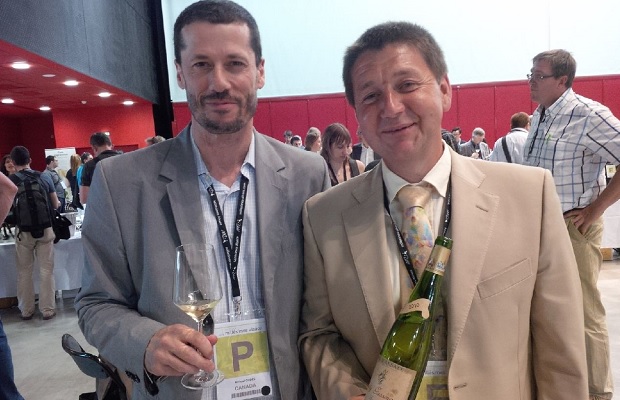
Thirteen wines ‘ere Friday the 13th

Ribs meet Turkey PHOTO: Michael Godel

Ribs meet Turkey, rubs by Barque Smokehouse
PHOTO: Michael Godel

The last four times the calendar’s folklorique confluence brought a Friday and the 13th of a month together occurred in December and September of 2013, July and April of 2012. On that April Friday the arbitrariness shared a birthday with the sinking of the titanic. That kind of anti-kismet “does not bode well for the superstitious kind.” So once again, if you are one of the many inflicted with paraskevidekatriaphobia then tomorrow may not be your favourite day. If you also suffer from oenophobia, I feel for you.

Here are thirteen things that make me think of the number thirteen.

  1. Apollo 13. Moon mission gone bad.
  2. Thirteen years ago this week Radiohead went to No. 1 on the UK album chart with their album Amnesiac.
  3. The Leviathan, Thomas Hobbes, Chapter XIII: “The weakest has strength enough to kill the strongest.”
  4. Thirteen Days, The Movie. John F. Kennedy and the Cuban Missile Crisis.
  5. Friday the 13th in Port Dover, Ontario.
  6. The song “13” by Big Star.
  7. The 13 Principles of Jewish Faith.
  8. 13th Street Wines.
  9. The thirteenth man. How the Saskatchewan Roughriders lost the 2009 Grey Cup.
  10. June 13th, 1913. The New York Yankees win their 13th game of year after losing 36 games.
  11. The 13th Amendment to the US Constitution abolishing slavery and segue to the great Nelson Mandela, who died on December 5, 2013.
  12. Steve Nash. Dan Marino. Wilt Chamberlain. Mats Sundin. Godello.
  13. 13” the name of the new album by Black Sabbath.

Nice list. Of even greater importance is choosing some wine for the fitful 13th day of June and for Father’s Day on the weekend that follows. Thirteen wines ‘ere Friday the 13th, for and with dad.

From left to right: Château Des Charmes Gamay Noir 2012, Volcanes De Chile Pomerape Limited Edition Sauvignon Blanc 2011, Villa Ponciago Beaujolais Villages 2012, Château Des Charmes Chardonnay Musqué 2012, Chakana Maipe Reserve Bonarda 2011, Gruhier Extra Brut Crémant De Bourgogne 2010, Malivoire Pinot Gris 2012

From left to right: Château Des Charmes Gamay Noir 2012, Volcanes De Chile Pomerape Limited Edition Sauvignon Blanc 2011, Villa Ponciago Beaujolais Villages 2012, Château Des Charmes Chardonnay Musqué 2012, Chakana Maipe Reserve Bonarda 2011, Gruhier Extra Brut Crémant De Bourgogne 2010, Malivoire Pinot Gris 2012

Château Des Charmes Gamay Noir 2012, VQA Niagara On The Lake, Ontario (57349, $12.95, WineAlign) LCBO General List

Give this vibrant crush of boyish red fruit a slight chill and with this pinnacle ideal vintage, at this ridiculously right price, go hither and convince a world of Gamay naysayers to get on board. Never mind the many years of “uninspired, drenched and tired” Gamay beach songs and tired voyages. Never mind the bad rap and out of tune harmonies thrust upon the world by dull vintages and bulk fruit. This CdC Gamay continues to breach the value quotient. Here is fresh, pure, unadulterated adult’s juice. It cruises from harbour with a clove-studded orange spritz and sets out past a rocky jetty to open seas. “Sail on, sail on sailor.”  Tasted June 2014  @MBosc

Volcanes De Chile Pomerape Limited Edition Sauvignon Blanc 2011, Leyda Valley, Chile  (371138, $14.95, WineAlign) VINTAGES June 7, 2014 release

So very peppery and Ají Cristal notes come from this warm weathered Chilean Sauvignon Blanc, indicating a Leyda Valley specificity that can’t be denied. So much unctuous character swallows whole the herbiage and schmaltz, as does the rapid fire acidity. Powerful SB, not subtle, not understated. There is no shortage of fruit, with nettles and a volcano in current eruption. It’s as if it would plead, “spider got eight legs and I got two. This guitar got six strings, what about you, well, what do you got?” So much going on, with more palate tingling white pepper, bending notes and angles. Jacks from ballad to wailing guitar, from rhapsodic to metallic. A Sauvignon Blanc with fly farm blues. I think it has an appeal to a red wine drinker who wants to drink a big white and I think it will age quite well, something like five to seven more years.   Tasted May 2014  @WoodmanWS

Villa Ponciago Beaujolais Villages 2012, Ac, Beaujolais, France (325134, $15.30, WineAlign) LCBO General List

When this Villages Millésime was mentioned for the purpose of offering a contrast to Ponciago’s La Réserve, it was honestly assessed as having “paint and tar notes.” When considered on its own merit it’s all about softness, perfume and poise. Pure red berry fruit just seems encased in a web of gossamer texture, it’s that pleasant to drink. Though it may lack the stuffing of La Réserve and Les Hauts Du Py, at $15 and change this is the real deal in Beaujolais. Even more impressive in consideration to the challenges of the vintage.  Tasted June 2014  @WoodmanWS

Château Des Charmes Chardonnay Musqué 2012, VQA Niagara On The Lake, Ontario (640516, $16.95, WineAlign)

Clone 809 strikes again. The pioneering Bosc family tells the usual oak suspects to stay clear of their pure St. David’s Bench meets Seven and Seven Vineyard fruit so the intensity of flowers and blanketing minerality can speak with utmost clarity. Never mind all that, this ’12 is the most tropical Chardonnay Musqué yet made by CdC. Its heart is a drum, “free as a driving wheel, circling around your iron will.” OK, so that Seven and Seven soil makes for alloy heaven. Just ring this clone and she will be at your beck and call.  Tasted May 2014  @MBosc

Chakana Maipe Reserve Bonarda 2011, Mendoza, Argentina (361212, $18.95, WineAlign) VINTAGES May 24, 2014 release

Bonarda is on the rise and threatening to challenge Malbec in Mendoza, especially when it poses with such an obvious, rich and cakey Andean attitude. This example is clearly culled from a state of the art production facility because despite the slightly funky, gritty, tense and nervous layering and radio fuzz, it shows such a polished quality. Picked & mixed by real humans, this is varietal desert euphoria paradise, full of plum drive and chocolate coating.  Tasted May 2014  @Oenophilia1

Gruhier Extra Brut Crémant De Bourgogne 2010, Burgundy, France (375428, $18.95, WineAlign) VINTAGES June 21, 2014 release

The Grahier is an exhilarating, extremely arid, purposed blend of Pinot Noir (60 per cent) and Chardonnay (40). Though technically Extra Brut (less than 6 g/L residual sugar) this highly stylish Crémant teases with a perceived ripe orchard fruit sweetness. Versatility comes across in every spice and toast-driven bubble, for a cocktail pour, to blend into a cocktail or to match a wide range of dinner flavours. So useful and so smart. Offers up unparalleled value in Bourgogne sparkling.  Tasted June 2014  @Oenophilia1

Malivoire Pinot Gris 2012, VQA Beamsville Bench, Niagara Peninsula, Ontario (591305, $19.95, WineAlign) VINTAGES June 7, 2014 release

Malivoire presents a Pinot Gris in good temper, better balance and even greater controlled anxiety to add grit on top of the sweet, spicy pepper and lightly pickled palate. Really approachable, workable and elastic in extended length.  Tasted May 2014  @MalivoireWine

From left to right: Creekside Estates Laura’s Red 2010, Nyarai Cellars Viognier 2012, William Fèvre Champs Royaux Chablis 2012, Thirty Bench Red 2011, Smith Madrone Chardonnay 2011, Brokenwood Maxwell Vineyard Semillon 2007

From left to right: Creekside Estates Laura’s Red 2010, Nyarai Cellars Viognier 2012, William Fèvre Champs Royaux Chablis 2012, Thirty Bench Red 2011, Smith Madrone Chardonnay 2011, Brokenwood Maxwell Vineyard Semillon 2007

Creekside Estates Laura’s Red 2010, Queenston Road Vineyard, VQA St. David’s Bench, Niagara Peninsula, Ontario (117906, $19.95, WineAlign) VINTAGES June 7, 2014 release

Wonderfully balanced blend with a bit of wood spice, plenty of good character and tannin. Tense fruit, layered and tight. Tighter than I last tasted it. Must be the accumulation. From my earlier, February 2014 note: It’s funny, more than any other wine tasted, this Laura has that Niagara varnish other Creekside reds seem not to possess. “Stock up in the big years” suggests Matt Loney, and “consolidate in the tougher ones.” It could be argued that you can make more interesting wines in the lean years but this blend of Cabernet Sauvignon, Merlot, Syrah, Malbec and Petit Verdot lays a claim to seriousness, if needing at least three years to settle down. There is much cassis, sweet oak, iodine and a milk/dark chocolate swirl. Complexity for sure if just a bit huge within its own skin.  Last tasted May 2014  @CreeksideWine

Nyarai Cellars Viognier 2012, VQA Niagara Peninsula, Ontario (Winery, $21.95, WineAlign) On the card at Barque Smokehouse  @barquebbq

Look, I get it. Wine is made from grapes so why command a host of other fruits to offer context for aromas and tastes? Just have a moment with Steve Byfield’s “virtual” Viognier 2012. Virtual tree meets stone fruit. Smells just like a ripe peach. The flavour bears an uncanny resemblance to apricots. Virtual my Equus africanus asinus. The winery is virtual, the Viognier anything but. Speaks a Condrieu varietal truth by way of Niagara’s Redfoot vineyard. Carries a soil-driven, mineral-flecked, microscopically-oxidized metal tang so essential to invigorating Viognier. Blessed stuff from a Shona’s humble hands.  Tasted twice, March and June 2014  @NyaraiCellars

William Fèvre Champs Royaux Chablis 2012, Burgundy, France (276436, $22.05, WineAlign) LCBO General List

The Champs Royaux from mainly purchased fruit may be the runt of the Fèvre litter but it’s no austere duck soup and this despite the challenging vintage. Chalk another win for organic viticulture, here again worked to great effect. The practice encourages acidity levels to consistent ends aligned with ripe fruit and year in, year out betterment of the wines. The ’12 Champs Royaux exudes the idea of classic unoaked and flinty Chablis, as well as seawater and the smell of a lit halogen bulb. Elemental without being metallic, it blinks from a citrus flash before finishing balmy and warm.  Tasted June 2014  @BourgogneWines

Thirty Bench Red 2011, VQA Beamsville Bench, Niagara Peninsula, Ontario (320986, $24.00, WineAlign)

The consistency and subtlety in red wine of the earth in this perennially approachable Bench wine can’t be overestimated. Really high quality red purity is ascertained from this blend, its spicy, tangy, moving parts coming together to unionize the fruit. Just enough tension to keep traffic moving, with Merlot really doing its yeoman’s work, Cabernet Franc as sweet and expressive as it can be without going over to the shaken, splintered and mocha chocolate dark side. This is always red and red-fruited. Ready, willing and will offer pleasure for five to seven years.  Tasted May 2014  @ThirtyBench

Smith Madrone Chardonnay 2011, Spring Mountain District, Napa Valley, California, USA (363556, $39.95, WineAlign) VINTAGES June 7, 2014 release

Holy reductive toast Napa man. Aromas of buttered toast, glade, duck fat and pencil graphite, which I must say is one stellar note. Flavours of ripe Mutsu (specifically) apple and a resinous chew of late autumn sweet forest needles. Yes the toast is high but so is the quality. Don’t blame the barrel, he’s just the messenger. A great Chardonnay for shellfish and molluscs of the briny kind. Linger on in your golden yellow eyes.  Tasted May 2014  @SmithMadrone

Brokenwood Maxwell Vineyard Semillon 2007, Hunter Valley, New South Wales, Australia (371484, $47.95, WineAlign) VINTAGES June 7, 2014 release

A lifelong search for great Sémillon is fraught with peaks and valleys. Finding greatness is so rare it’s blue. The Hunter Valley in New South Wales beckons for a rush to strike gold. Many roads lead nowhere and others, like the dusty lane up to Brokenwood’s Maxwell Vineyard, lead to OZ. This young one has barely broken bread, or even a sweat. Sémillon of primary concern, like a tank sample. Varietal beauty as a cryogenically frozen specimen inundated by the table, the whole periodic table and nothing but the table. Guided by a laser beam of focus, great intent and expectations. Bob’s your uncle this David to the world’s white wine Goliaths. Son of racing studs and mares. Wow Sémillon. Not a faint moment about or in it.  Tasted May 2014  @Brokenwood

Good to go!
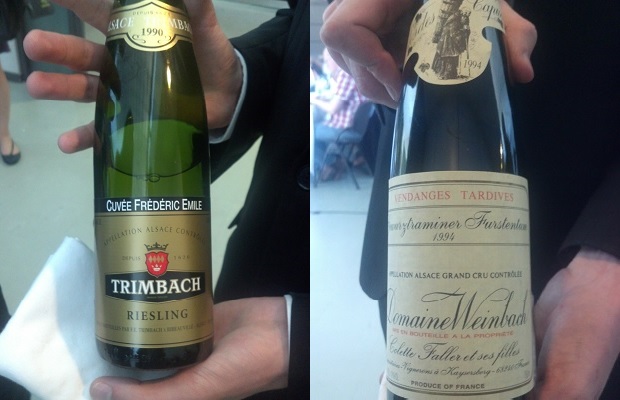
Talkin’ ’bout my Generation Riesling

Nadien Poss, Generation Riesling PHOTO: http://germanwinecanada.com/

Nadine Poss, German Wine Queen
PHOTO: http://germanwinecanada.com/

I’m not trying to ’cause a big s-s-sensation (Talkin’ ’bout my generation)
 I’m just talkin’ ’bout my g-g-g-generation (Talkin’ ’bout my generation)

Nadine Poss from Windesheim in the Nahe region was elected 65th German Wine Queen back in September, 2013. That is a much bigger deal than you might think. Being chosen for the distinction is like winning the Miss America pageant and winemaker of the year at the same time, wrapped into one title. Ms. Poss travels the world to promote German wine. She represents 20,000 German wine growers nationally and internationally.

The 23 year-old Poss and Toronto Sommelier Will Predhomme presented Generation Riesling to a Toronto audience of writers, sommeliers, restaurant buyers and LCBO product consultants at Arcadian Court on May 20th, 2014. A walk around tasting followed with many a young face in the crowd. The concept and the intent is simple.  Generation Riesling is all about bringing German wine to young people, to the millennial, to an “innovative, open-minded, well-educated, internationally oriented, and ambitious younger generation.”

With the queen in tow, the marketing and appeal is clear. Bring on the young people, teach them to drink dry (trocken, halbtrocken, classic or selection) wine. They will concentrate on what they like and they are not afraid to try new things. The new German wine label no longer feels the need to inform the consumer of every aspect contained within the wine’s birth certificate. While the wine name’s estate, the grape variety and the vintage are all likely to be there, arbitrary listings like style, quality level, the region, the town, grower or cooperative indication and quality control numbers may become label distinctions of the past.

According to Predhomme, Generation Riesling is about highlighting the dry wines coming to market. “The important thing is that people are having the conversation.” It had been difficult to sell German wines, but this has changed, in the appeal to and with thanks to the aforementioned millennials. Riesling also pairs with hard to figure foods. “For egg yolks, turn to Riesling,” insists Predhomme. He means it.

Generation Riesling Tasting

Generation Riesling Tasting

The 10 wines poured were anything but household names with each sample drier than the next. Not a single wine presented at the lunch seminar are available in VINTAGES or at the LCBO. These are wines that any progressive wine retailer must make available on their shelves. The choice of introducing new and under the radar producers to the Ontario market is brilliant as far as I am concerned. Now let’s see the style and vanguard approach gain market share. That ambiguity remains to achieve fruition and to be seen.

Weingut Willems & Hofmann/Fritz Mueller Perlwein 2010, Willems, Rheinhessen (agent, $18.95)

Tongue and cheek play on the Müller Thurgau grape, Prosecco style. On the fruity side, straightforward, compact and with good persistence. Aromas of pear, tarragon and a smooth, pale streak of concrete.  @LeSommelierWine

G.H. von Mumm’sches Weingut Riesling 50 Degrees 2013, Rheingau ($14.95)

Dry to be sure though the aridity is not furthered by the breakdown of elemental particles and the peach intent never drifts into off-dry territory. Though this lacks the acidity necessary for lift there’s a clean slate and atomically, soil-driven bent. Later on there’s a note of Muscat-like grapey reduction. Simple and effective.

Weingut Prinz von Hessen Riesling Dachsfilet 2012, Rheingau (agent, $41.95)

A step up for sure, with a bag of mineral tricks, aromatic heights, some tropical notes but only in zest and rind. Like a hybrid of watermelon and papaya. There’s an intensity here in the dry-fresh continuum but also balm viscidity and textural tiling.  Named one of Wines of Germany’s top 50 wines for 2014.  @KylixWines

Weingut Bergdolt Reif & Nett Riesling Trocken Black Edition 2013, Pfalz, (agent)

From a winery just south of Frankfurt blessed with a Mediterranean climate. Here this Riesling helped along with a cure of 20 per cent barrel ferment, “goes deep, it goes deeper still,” in golden, sun spot, citrus activity. Comes to it early, waxy, polishing, in a Semillon-like, dry, tight, mouth-watering well of deprivation. It’s not petrol but gas-driven. Something unnamed gives it air, this helium voiced, weightless, gravity defying Riesling. Could certainly drink this on a night like this, or any other.

Ruppertberger Winzerverein Riesling Ruppertsberger Nussbien Dry 2013, Pfalz (agent)

This has a stable periodic table of balance and concrete interference of the stellar kind. Layered and textural must in grape spirits moving through black forests. Tight and imbued of great tang. More intensity from Pfalz. Lime finish. Great match to the soubise.

Meyer-Näkel & Klumpp Grauburgunder Pinot Gris ‘Hand in Hand’ 2013, Baden (agent, $25.00)

A touch of laundry stink in this Pinot Gris is neither off-putting nor should it be ignored. It is one of intelligent character and intriguing interest. PG also quivering on the fruity, peachy and approachable spectrum, low on spark and pepper, low on spice accent. A clean vernacular, a quiet approach. The palate is another story. Alive, kicking, the spark is there, as is the push to greater, future moments.  @VonTeichman

Weingut Dreissigacker Riesling Organic 2013, Rheinhessen (agent, $27.50)

From winery’s name that means “30 acre,” here gifts a sour patch note and because of the arid profile, the lack of residual sends it into sundry territory. With air it climbs out of the tart and into straight dry, pauses and finishes in the desert. To the sour note it simply says “we used to be friends.” There is something textured about it that speaks of a barrel but it’s too dandy and riveting to be like the Nett. It seems to say “it was a greeting I send to you, short and sweet to the soul I intend.” The winemaker is not worried about roundness and though this has fermentative smells, that’s just fine.  @kswineimports

Burg Ravensburg Pinot Noir 2012, Baden (agent, $27.95)

Feminine and so very pretty for German Pinot Noir. A veritable potpourri of violets, orange skins and ripe cherries. The lack of paint is almost impossible. Just barely beyond 12 months of age on this wine. Not a lot of pop, but it’s softness is endearing. A palate that is expressive of strawberry. Not about power. Thoughts need not go there.  @TheLivingVine

Weingut Runkel Bechtheimer Spätburgunder (Pinot Noir), Rheinhessen 2011, (agent, $24.95)

Bright and earthy cherry and a really great bit of vineyard funk. Reminds me of Niagara’s 13th Street in style. There’s a fuzzy berry feel to it but it’s clear and precise, like a Bruce Cockburn instrumental. Vanilla in pods and juice from the middle onwards. Fresh scraped vanilla in sugar syrup extract. So very vanilla. Paint and vanilla, repeat. It’s a bit of imbalance but it carries the notes for great and with conviction. This is the most cerebral of the three Pinot Noirs. Spätburgunder at the end of all rivers@Matthias_Runkel

Weingut Klumpp Pinot Noir 2011, Baden (agent)

A much deeper, must and musky animal, earth-driven, black cherry Pinot Noir. More of a modern expression, higher in extract and seemingly longer hang time. The fruit has further development on it which will make for immediate gratification but not necessarily a longevity of gratitude. Strikes as coming from a hot vintage. SA citrus and persimmon vintage. Simply delicious, fleeting, now necessary Pinot.   @TheLivingVine

Generation Riesling Line-Up

Oliver & Bonacini Events, Arcadian Loft
401 Bay Street, Simpson Tower, 9th Floor
Toronto, ON  M5H 2Y4

Phone: 416.364.1211

Nicole Karmali – Operations Manager, O&B Events

Chef Michael Robertson – Executive Chef, Arcadian

Generation Riesling Lentils
Poached Hen’s Egg, dupuy lentils, smoked bacon

Generation Riesling Menu

Monday, May 20, 2014

Scallop Crudo, sunflower, lemon balm

Poached Hen’s Egg, dupuy lentils, smoked bacon

Grilled Salmon, broiled asparagus, onion soubise

Thyme and Roasted Garlic Braised Beef Short Rib, braised cabbage, marinated beans

Nosey Goat Camelot, Comfort Cream, walnut and cherry compote, artisan chocolate

Generation Rieling Logo

Good to go!