Olá, a partir de Vinho Verde. At the moment I am whirling about in a scalene triangle of grapes up here in the cool, rainy, verdant north west region of Portugal. Alvarinho, Trajadura and Loureiro are on my mind, not to mention what red revelations lurk in Vinhao. I will return before you can shoot “look, there’s the Super New Moon.” No waxing prosaic preamble today folks while I scour the hills and cellars of Vinho Verde for the next great white epiphany. Next weekend’s April 2nd VINTAGES release is full of spills and chills, along with some fine values for spring sun and for 10 degree rainy days.
I will return next week with a report on what’s available for Passover taken from the March 19th release. For now here are seven sub-$20 values for April 2nd.
Château Haut Philippon 2014, Ac Entre Deux Mers, Bordeaux, France (445171, $14.95, WineAlign)
More and more the wines of Entre-Deux-Mers creep into the positive vibrations of Sauvignon Blanc pleasure. This highly expressive beauty makes great work of the ideal with 20 per cent Semillon and 10 Muscadelle lending balancing left and right hands. The herbiage is a cool savour and on the ripe mineral edge of flinty. The value quotient runs high between the seas. Drink 2016-2019. Tasted March 2016 @FWMCan
Dr. Hermann From The Slate Riesling 2013, Qualitätswein, Mosel, Germany (446617, $17.95, WineAlign)
Lovely mineral weight compresses the sugars in this mildly flinty and even more so, slight and lithe by citrus Riesling. Doctor, my eyes now see the light into this Qualitätswein from the house that Hermann built. “Cause I have wandered through this world and as each moment has unfurled,” because of acidity, in which there mingles tropical and beneficial bitters. The action makes for a great little drop from soils fractured with slate. Exemplary Mosel, especially at the gifted price. Drink 2016-2020. Tasted March 2016 @germanwineca@WinesofGermany
Fabre Montmayou Reserva Malbec 2012, Mendoza, Argentina (261867, $18.95, WineAlign)
Made up in the direct, in your face, ripe and firm Mendoza style, from full on sunshine-fleshy Malbec with a decidedly ferric undertone. This has attitude and gumption. It needs a few years to settle into its leathery hide. Always one of the better value propositions although spiked in price for 2013 to where it should rightfully be. Drink 2018-2022. Tasted March 2016 @FabreMontmayou@ArgentinaWineCA@winesofarg
Exemplary Barbera, firm and with tart red fruit, spikes of spice and nicely drying tannin. The sour lactic flavours are full of bright red berries and an edge of astringency while the length is more than merely exceptional. Bricco to win. Drink 2016-2019. Tasted March 2016 @LiffordON
Marques De Gelida Exlusive Brut Gran Reserva Cava 2010, Do Penedès, Spain (441956, $19.95, WineAlign)
The aromas are painted at dusk, misty, musty and compressed. The palate shows much more vitality and even a shot of exuberance. By the time the two ends of the sparkling spectrum come to an accord the baking spices of ginger, cardamom and turmeric have taken charge. Painted bottles and an oxidative Cava. Packaged to sell. “Painted ladies and a bottle of wine mama…They took my money like I knew they would.” Drink 2016-2019. Tasted March 2016
Deu La Deu Alvarinho 2014, Monção E Melgaço, Doc Vinho Verde, Portugal (40642, $19.95, WineAlign)
Rich and unctuous Vinho Verde, full in with lemon and custard, like a Pasteis de Nata swimming in a pool of Moscatel liqueur. High in tang and even more so with spirit. Nothing really lithe about it though it expresses Vinho Verde life with clear and concise language. A far cry from the commercial Vinho Verde found on most LCBO shelves. Drink 2016-2019. Tasted March 2016 @terroirimports
Ravenswood Old Vine Zinfandel 2014, Lodi, California (942599, $19.95, WineAlign)
The old vines advantage is exercised with altruistic gifting in Joel Peterson’s 2014 through a stealth advent in savoury, smoky red fruit, a smouldering olive branch and off the Zinfandel chart, blooming roses. This has a fine streak running through, not mean, but assuredly firm, mildly tannic and very, very mineral. It reminds at times of schist Syrah and alluvial flats Grenache. There’s something about Zinfandel old vines that educes such a pipe dream. The metal backbone is neither copper nor rust but something umami ore other. Terrific complexity from OV Lodi. Let it rest a bit just to be sure you can handle its orthodoxy. Drink 2017-2021. Tasted March 2016 @CBrandsCareers
I spent more than 20 years cooking. It was hard work and it was fulfilling work. When I was 19 a fellow McGill student asked my why I cooked so much. I said that when I was cooking I never thought I should be doing something else. I never felt guilty that I wasn’t studying or considered that I might be wasting time. I started writing about wine in 2005 and really had no plans to make a career out of it. I would have been content occupying my time working as hard as any wine professional, writing tasting notes and developing prose for eight or nine hours a day. I began the wine writing partly to avoid working on harder things but also for the pleasure of it.
Here I am 11 years later, working as a professional in wine. I feel like Dick van Patten, sitting at my desk in a house where kids come and go, typing away, solving life’s problems one wine at a time. Tom Bradford did not have VINTAGES bi-weekly releases to keep him busy but lucky me, I get to review 150-plus wines every month from the endless cycle of offerings.
For April 2nd and in the category of “expensive but affordable because they’re good” I think that eight is enough. Here are my notes.
Possibly an ode to the 17th century fairytale “Lo cunto de li cunti,” the tale of tales, or story of stories, now called Pentamerone by seventeenth-century Italian poet and courtier Giambattista Basile. Maximum ripeness, almost into dried fruit but on the naturally cured and curated edge. Pallagrello Nero finds its way into ethereal while living dangerously close to that razor’s edge. Dry tannic finish, firm and ragged. If that collection of tales could influence the form of fairytales in Europe, perhaps the Alois Palagrello Nero can do the same for natural wine. Drink 2016-2021. Tasted March 2016 @vinialois@Reg_Campania
Maison Chanzy En Rosey Rully 2013, Ac Burgundy, France (446153, $26.95, WineAlign)
Rusty and firm Pinot Noir from Rully with enough bright fruit and acidity to keep it from hiding in caves and stepping into shadows. Even brighter on the palate with Côte Chalonnaise’s own specific tangy red fruit flavour and really ripe tannins. Terrific Rully, better known for its Chardonnay but this is a stellar example of its Pinot Noir. A poor person’s Burgundy bargoon. Drink 2017-2022. Tasted March 2016 @le_tastevin@maisonchanzy@BourgogneWines
Ruffino Modus 2012, Igt Toscana, Italy (912956, $29.95, WineAlign)
A VINTAGES re-release for the ostensible Tuscan, a perennially accessible Super food with as much mineral feel and ferric substance as it has ever shown. Not so much a showy vintage as it is a production made for best in show. Red stone fruit bounds fleshy and just a touch of properly bitter accents are provided by wood, much appreciated by the weight and pitch. A tight but lyrically measured Modus of restraint and moderation that would do well with a major decant and some char on an aged hunk of flesh on the bone. Walk before you run to find this ode. Drink 2017-2021. Tasted March 2016 @RuffinoWines@CBrandsCareers
Chianti Classico Riserva rarely smells like this these days. It’s not as though this harkens back twenty years but it certainly recalls a time from the turn of the century when Sangiovese was Sangiovese and Tuscans were Tuscans. The musk, sour cherry, leather, pannetone, meat and gladiator brawn from honest fruit sent to spend time in big casks sitting like giant buddhas underground. Here CCR does what it once did best, preserving and freezing time, only to emerge unscathed, healed and ready to tell a life-time of stories. Drink 2016-2023. Tasted March 2016 @ProfileWineGrp@chianticlassico
Sylvain Mosnier Côte De Lechet Chablis 1er Cru 2013, Ac Burgundy, France (318139, $35.95, WineAlign)
Classic Chablis from a very old vineyard (belonged to the Pontigny’s monk) with southeast exposure west of the town of Chablis and just above the small village of Milly. Mosnier’s parcel gifts delicate fruit, just so fortuitous in quantity and quality of lees overtures on stony lime-driven texture. Chardonnay in hands of terroir so flinty, lacy, organza fine. What more could be asked of for this next to nothing 1er Cru Chablis price? Drink 2017-2024. Tasted March 2016 @BIVBChablis
Burrowing Owl Syrah 2013, BC VQA Okanagan Valley, British Columbia (73072, $40.95, WineAlign)
More Northern Rhone depth drives a beefy steak through the desert heart of Burrowing Owl’s 2013 Syrah, a wine of smelting liqueur and fierce ooze. The layers are so compressed, like tumbled earth and rock at the bottom of a steep slope. The flavours are covered in a rich ganache for the time being but a gravelly unearthing is already starting to begin excavations. This is a big Syrah with plenty of time on its side. “Let it ride. Let it ride easy down the road. Let it take away all of the darkness.” Drink 2018-2024. Tasted March 2016 @BurrowingOwlBC@LeSommelierWine@winebcdotcom
Jean Luc Colombo Terres Brûlées Cornas Syrah 2012, Ac Rhone, France (448837, $72.95, WineAlign)
The darkest knight for Colombo full of every crush imaginable. Hematic and welling up with tension. Rich behind the pale and with acidity that scales it back, not elevates it out of reach. Wild berries and some vineyard funk. Quite the mouthful and spicy kick on the back. Wow Cornas, sumptuous Syrah. Drink 2018-2025. Tasted March 2016 @vinscolombo@bwwines@RhoneWine@VINSRHONE
Groth Cabernet Sauvignon 2012, Oakville, Napa Valley, California (606517, $112.95, WineAlign)
Exactement. Exacting 2012 to explain the weather in Napa Valley from a vintage all were thankful for. High brix. Optimum ripeness. Rich and spicy. How does this Groth fall in line with the question to age? Ten years for sure. What about 25? Though it remains to be seen, today’s ripeness quotient in cool, dry, elongated years is not consistent with 1982, 1992 or 2002. This Groth ’12 finds itself poised in balance and answers no skewed questions of structure. It is more accessible than many peers and also as compared to itself, right now, or with the equivalent of a one year decant. Drink 2017-2024. Tasted March 2016 @GrothWines@TheVine_RobGroh@NapaVintners
In February, Cuvaison Estate Wines in Carneros, The California Wine Institute and Napa Valley Vintners welcomed a group of curious Canadians for a walk in the fields and a comprehensive tasting. Some older and old-ish bottles were opened in the session with Cuvaison’s winemaker Steve Rogstad, Groth’s Suzanne Groth, Schramsberg’s Hugh Davies and Trefethen’s Loren Trefethen. Journalists and sommeliers are always pleased to see some (bottle) age in a tasting.
Youthful ingress into back pages of @GrothWines nearly three decades past @NapaVintners @CalifWines_CA #napavalley
We drink wine to experience moments that do not occur in other situations, settings or with other beverages. When we taste older wines we look into the past and pause, for thought and for who might have had a hand in this glass, back then, for us to wonder about now. To dislike older wines is to arraign a censuring of the past and a refusal to let it testify on its own behalf. The dismissal of aged wine is an act of complacent idleness. It is spiteful, incurious and therefore inept. It may seem pedantic to harp on the anti-older wine curmudgeon but let’s face it. The act of self-moralizing without admitting to being a moralist is just not cool.
In 1981 Napa Valley became the first Califronia-designate American Viticultural Area to hold such a distinction. You have to pay a visit not only to comprehend its beauty but also its stature. In terms of size it is just 30 miles long and a few miles wide, is planted to a mere five per cent for viticulture and represents just four per cent of California’s wine grape harvest. And it’s a mammoth in the global wine industry.
Cuvaison, Carneros, Napa Valley
Los Carneros is the largest AVA and the only appellation located at the crossroads of two major wine regions, the Napa and Sonoma Valleys. The area is influenced by the maritime breezes and fog from its southern border with the extension of the San Francisco Bay. Cuvaison is a Pinot Noir and Chardonnay specialist taking full advantage to use that cool fog for its rolling hills perched above San Pablo Bay. Time spent in Carneros with winemaker Steve Rogstad and President Jay Schuppert leads to a coveting, of its undulating vineyards and its tasting room warmth. A room with a view and an uncanny ability to turn all into calm.
A great Manitoban tastes at Cuvaison
A motley Canadian crew of Quebeckers, Ontarians and one great Manitoban saunter through the winter mustard with Schuppert and Rogstad who explains that the plant material in Napa Valley then (twenty-five plus years ago) was not what it is today. There was so much virus so ripeness conversion was very different. Today with everything being so clean, ripeness is less of a challenge.
Though this is one of the first stops on the compressed and consigned three-day Napa Valley tour, the thematic is already unfolding like the bedtime transformation inside a sustainable, high-tech, architecturally modish, 800 square foot, pre-fab home. Napa Valley’s chief concern, like the home’s comfort, efficiency, giving back to the grid and common sense, equates to ripeness. It’s what everyone is after. It’s what matters. If a grape completes its phenolic journey and achieves optimum ripeness, related to and specific to site, then the mission is complete. What follows is less important.
Though the quest for ripeness is easily assessed in 2016, especially because the last four Napa vintages have seen to produce perfect fruit, there is something to be said for what happened back in the day. Napa Valley garnered attention long before the vines were this clean of disease and virus. Ripeness was a virtue and still is, but today’s definition has little or nothing to do with what passed for fulfillment in the 8o’s and 90’s. Today’s wines are bigger, darker, deeper, higher in alcohol, hedonistic and lush. They are not this way because of stylistic divergence. They are this way because that’s what the weather and the vines are giving. My recent visit confirmed this sense of clarity.
We tasted eight comparative wines with Hugh, Steve, Suzanne and Loren. Here are my notes.
Schramsberg Sparkling J. Schram 50th Anniversary Late disgorged 1999, Napa Valley, California (Winery $175 US, Agent)
In celebration of Schramsberg’s golden anniversary, 50 years after Jack and Jamie Davies revived the historic Schramsberg estate for the purpose of making the nation’s first Chardonnay and Pinot Noir based, bottle-fermented sparkling wines. A North Coast (57 per cent Napa, 25 Mendocino, 15 Monterey and 13 Sonoma) blend of 74 per cent Chardonnay and 26 Pinot Noir. Seventeen years have come to ginger, cumin, coriander and galangal in laminous, oxidative ingenuity, wholly arid in kicking up the aromatic dust. Flavours of pressed lemon, bitter brioche and then tannin, yes tannin. From a protracted year, picked as late as October 19th, disgorged in August of 2014 at a dosage of (very necessary) 11.5 g/L RS. Blessed with high natural acidity of 9.8 tA. How can I not concur with Hugh Davies. “What we’re really showing here is Napa Valley Chardonnay.” Drink 2016-2031. Tasted February 2016 @Schramsberg@TheVine_RobGroh
Schramsberg Sparkling J. Schram 2007, Napa Valley, California (Winery $120 US, Agent)
A Blanc-domainted sparkling dedicated to Schramsberg’s founder Jacob Schram, gathered from the very best base wine lots of approximately 250 that simmer each year. North Coast (65 per cent Napa, 19 Sonoma, nine Mendocino and seven Marin) Chardonnay (84 per cent) and Pinot Noir (16) from significantly low pH, high habitual acidity and healthy dosage define the signature sparkler in the arsenal of winemakers Sean Thompson and Hugh Davies. Spent seven years on the lees and was disgorged less than a year ago. So similar to 1999 but obviously brighter, though the profile is a microcosmic version. With citrus more pronounced, by lime and grapefruit in addition to the lemon. I wonder if they might fully dissipate with time. Not as dense and pressed but again, thank/blame time and/or vintage relations, not to mention evolutionary stresses. Earlier dosage is certainly a factor. This 2007 is a more moderate bubble from a vintage finished by the end of September. Drink 2016-2024. Tasted February 2016
Steve Rogstad
Cuvaison Pinot Noir Estate 2009, Los Carneros, Napa Valley, California (Agent, $42.95, WineAlign)
Very expressive Pinot Noir that within the context of tone I find the VA noticeably elevated, as are the aromas of fennel and a transition from balsamic to soy. Quite advanced while aerating brings out a floral foil, namely violet. A sweet and tart palate comes with a bite of what seems ironically like mustard seed, thoughtfully Japanese in origin and condiment. This would pair well with the eclectic flavours of teppanyaki. Drink 2016-2018. Tasted February 2016 @cuvaison@LiffordON
Cuvaison Pinot Noir Spire 2013, Los Carneros, California (Agent, Winery, $52.00 US)
Part of winemaker (since 2002) Steve Rogstad’s Single Block Series, from a drought vintage’s fruit aged for 16 months in French oak puncheons. Fresh and bright, within and without, from a solid black cherry core to framed by the same. Cool from San Pablo Bay fog, savoury and dusty with cocoa to long espresso. Typical Carneros ripe and pure Pinot Noir to the nth degree. Drink 2016-2022. Tasted February 2016
Groth Cabernet Sauvignon Reserve 2012, Oakville, Napa Valley, California (Agent, $179.95, WineAlign)
Tasted alongside the alluring 1987 with Suzanne Groth. Extremely primary and struck as if by cool fog and mineral mist. Unmelted and unshaken tempered chocolate to be sure, cracked and fissured into shards. The flavours welcome Cassis and graphite with quite the lightning on the tongue. Enervating Cabernet, pulsating and tingling. Should age long but not quite like the 1980’s. Contains 12 per cent Merlot and saw 22 months in 100 per cent oak, but notes Suzanne, “other than that everything is completely different.” Drink 2018-2032. Tasted February 2016 @GrothWines@TheVine_RobGroh
Groth Cabernet Sauvignon Reserve 1987, Oakville, Napa Valley, California (Agent, WineAlign)
Not so much the look but it is the feel that is fuelled by dill weed and a touch of mushroom soy. Almost inconsequential older aromas are dissed by the positivity of flowers, some dried into potpourri while other’s drape sprung and stoic in the hanging pot’s balance. A slice of dried orange sits on the wrought iron porch table. Here is the wonder of 28 year-old Cabernet that persists as a pleasure to drink, not because it’s exciting but because its lovely and alive. Blessed with a truffled finish. Quite amazing actually. A child of a small crop and very healthy year, with 10 per cent Merlot, 22 months in 100 per cent French oak and the nerve to emerge like this in 2016, which is quite incredible. Made at a time when the fruit was protected from burn. “Definitely tastes like Cabernet from the 1980’s.” Drink 2016-2018. Tasted February 2016
Trefethen Family Vineyards Cabernet Sauvignon Oak Knoll District 2001, Napa Valley, California (Agent, Winery $60 US)
From one of Napa Valley’s lithesome and adroit plots, the gravelly soils in the northwestern quadrant of Trefethen’s estate vineyard. Fifteen year-old Cabernet in a demurred state of grace, pausing, reflecting its own incredible condition. Cool and stretchy, still so primary, kernel coated in chocolate and dark berries. Mineral too with a few plus a couple of years to go. A creature conditioned by a soil’s alluvial fan giving courage and strength. Drink 2016-2021. Tasted February 2016 @trefethenfamily@Vinexxperts
Trefethen Family Vineyards Cabernet Sauvignon Oak Knoll District 2012, Napa Valley, California (Agent, Winery $60 US)
Forceful, almost brooding, with a plethora combined of chocolate and savour, from mint and with a touch of eucalyptus. Wonderful fruit components are accented by spice. Here the accumulated knowledge of re-planted vineyards has come to this in which elegance meets power and with your next great meal in mind. Loren Trefethen notes the use of double T trellising so that the grapes are subjected to a dapple light effect with which they are neither tanning nor shaded. Certainly some levied tones that will need to settle. Fascinating wine of geology, vineyard management and a redux return to an older way of fashion. Drink 2018-2029. Tasted February 2016
You need only spend a few days in Napa Valley to gain a basic understanding of what drives the machine. Immerse yourself into three or four structured tastings and hear the mantra repeated. Listen to the winemaker and the viticulturist talk about the growing seasons and intuit the very basic premise, the essential doctrine and the constitutive aspect on everyone’s mind. Ripeness.
The 2011 vintage was an unmitigated disaster. Cold, rain and low brix levels made for less than stellar Napa Valley reds and whites. At the time it wasn’t so much swept under the rug as much as shrugged off. Still some very good wines were made. Even today critical proponents of cool-climate and understated wines will champion the elegance and proportion of 2011 Napa reds, especially the Cabernets. Talk to or listen to a local winemaker speak and know they will (mostly) all agree to disagree with those ideas. There was little to no phenolic journey fully completed in 2011. Relativity is the general, special and principle quizlet to compare and contrast Napa Valley wines. The next vintage afforded the opportunity to put 2011 behind them. The proximate three relegated 2011 to the footnotes of history.
What followed 2011 was drought, extended drought, difficult times drought. Grapevines do quite will when they struggle, provided their keepers have equipped them with the organic and self-preserving tools to survive without water. While the rest of the state suffered, Napa Valley grapevines produced exceptional fruit. From 2012 to 2015 the pilgrimage to maturity happened with ease. Quality over quantity? Sometimes both. In 2012 there was a huge crop from an incredible growing vintage. Along with 2013 they are being heralded as two of the best vintages in the last 30 years.
If a tutored Napa Valley tasting is centred around Cabernet Sauvignon and parent grape variety Sauvignon Blanc then the mind may wander into comparative territories with Bordeaux clearly on the analogous radar. Cabernet defines Napa Valley, hook, line and sinker. Nearly everyone grows it, bottles it and employs it to define who and what they are. The numbers corroborate the abstraction. Cabernet is still the king. The interesting diversion is Sauvignon Blanc. In the context of Bordeaux it is not a diversion at all but Napa growers and producers are infatuated with it. It makes for good but rarely great wines. Chardonnay has proven its Napa Valley pedigree. So why Sauvignon Blanc?
If Bordeaux epitomizes a mono-worshipping culture then deconstructing Napa Valley reflects the effort of extricating monotheism out of a polytheistic context. But Napa is not Bordeaux and also avoids the affectation and mannerisms of monotheistic worship, something that is very specific to Bordeaux and even more so to other ancient wine-producing regions. In Napa there is great interest and time set aside for Chardonnay but also some love Pinot Noir and Zinfandel. Cabernet Sauvignon leads with authoritarianism on a chilling scale and Sauvignon Blanc exists in a polar opposite vacuum. Nothing is inexpensive to grow and most markets expect to pay a premium for quality. Demand will perpetually support Cabernet, Merlot, Chardonnay, Pinot Noir and Zinfandel. Sauvignon Blanc above $20 and not from Bordeaux is different. It is Napa’s greatest curiosity, made with great care and thrown caution to the marketplace wind. And it sells. Looked at from both sides clarity is noted in the adage that Napa Valley is not Bordeaux.
Berry to bottle
On February 9th, 2016 nine Canadians sat down to taste with the principals of three Napa wineries, Joseph Phelps, St. Supery and host Silverado Vineyards. Karen MacNeil is a wine author, journalist, educator and consultant. MacNeil moderated a two-varietal tasting with Bill Phelps (President of Joseph Phelps Vineyards), Emma Swain (CEO at St. Supery), Russ Weis and John Emmerich (GM and winemaker at Silverado). From berry to bottle was organized by the California Wine Institute and Napa Vintners.
“Dirt is once again the sexy part of the business,” began MacNeil’s presentation. “Place is the core construct and inescapable construct.” The hills, slopes, ridges and valleys of the Valley are indeed intricate and the soil sets as diverse as you are want to find anywhere. Napa Valley contains 33 soil series with more than 100 soil variations and half of the soil orders that exist within the world can be found in the Napa Valley. At the end of the day ripeness follows. At all other times it leads. We tasted six wines that day. Here are the notes.
Cabernet Sauvignon and Sauvignon Blanc
Joseph Phelps Sauvignon Blanc 2014, St. Helena, Napa Valley, California (Agent, $59.95, WineAlign)
Graced by and driven for texture, with lees, out of second fill barrels and finished struck across a scraped mineral tang. Highly refreshing compression of density and weight. Long linger of stone fruit, primary peach and secondary apricot. Non-discernible citrus. Phelps has been producing this wine since 1975 from the home ranch vineyard, typically in increments of 2500 cases. If Sauvignon Blanc were made in Alsace, this is what it would be like. Unpronounced acidity and a floral note pay thanks to integrated Musque clones Bill Phelps says are integral to the mix. Drink 2016-2019. Tasted February 2016 @josephphelps@LiffordON
Joseph Phelps Insignia 2012, Napa Valley, California (710400, Agent, $299.95, WineAlign)
The 2012 Insignia had me at first whiff. At first sip I could not be reached. Massive aromatics blast from this formidable Insignia, clearly noted with immediate clarity as a proprietary blend for the ages. The current torrent is so plugged in and highly climatic, like a visibly sparking conduit, storm and fire all wrapped into one electric happening. The peaks, valleys, waves and intonations are bred of perfectly ripe fruit sets traveling as one in perfect syncopation. The ripe, chain-link tannins will take this very, very far. This is as fine a California wine as I have ever tasted. The first vintage was 1974. All five bordeaux varietals are represented which is not often the equation. In 2012 the blend is 75 per cent Cabernet Sauvignon, 10 Merlot, 10 Petit Verdot with bits of Malbec and Cabernet Franc. Drink 2018-2045. Tasted November 2015 and February 2016
St. Supery Estate Vineyards and Winery Sauvignon Blanc Dollarhide Estate 2014, Napa Valley, California (Agent, Winery, $35 US)
An altitude effected, single-vineyard, warm days, cool nights Sauvignon Blanc so much more in residence of varietal hyperbole, from grass to gooseberry, apple terpenes and finishing spice. Highly emotional SB of San Pablo Bay cooling and antithetical drought thanks to Sierra Nevada snowpack, or lack thereof. Stainless on lees stirred weekly bolstered in texture by 18 per cent barrel fermentation. Aussie expat winemaker Michael Schultz controls this big, vivid and vital style. Drink 2016-2019. Tasted February 2016 @StSupery@vonterrabev
St. Supery Estate Vineyards and Winery Cabernet Sauvignon Dollarhide Estate 2012, Napa Valley, California (Agent, Winery, $100 US)
Dollarhide was a cattle farm, a 1530 acre enormity of a ranch, now one of the more impressive Napa vineyards of altitude, micro-climate and heterogeneous soil series. The 2012 is a 100 per cent Cabernet Sauvignon cornered from the finest (number eight) 30 year-old vines parcel, planted in 1982. It is youthful and even a bit reductive, with dark red fruit and cooler savoury curation. Possessive of some black olive and mint-like coolness. Sweet tannins and espresso, specified and agreed from all French oak, left to decide a hillside expression. A fine chocolate finish is far from bitter with paid homage to that parcel which is a combination of volcanic and ancient sea sediment. Large shells have been found in the vineyard at 1200 feet. Tres cool. Drink 2018-2027. Tasted February 2016
Silverado Vineyards Sauvignon Blanc Miller Ranch 2014, Napa Valley, California (Agent, Winery, $35 US, WineAlign)
Fruit from vines burrowed into seep soil on a Yountville site between Hopper Creek and the Napa River (though 5 per cent is from Soda Creek Vineyard). A small elbow (four per cent) of Sémillon injects a shot of vitality into the arm of Sauvignon Blanc. For winemaker Jon Emmerich Miller Ranch in a climate sweet spot, a go between in which cool evening and morning temperatures mitigate the sweat of warm sunshine. Its home soils are blessed with terrific water capacity. No de-stemming is performed and the wine sees a long, cold (up to two months) fermentation. All in the name of aromatics. And so the Silverado home ranch Sauvignon Blanc lies somewhere in between the excitable and the elegant. Quite Bordelais but also grapefruit refreshing, with a slight spritzy tingle. Drink 2016-2018. Tasted February 2016 @SilveradoSOLO@KylixWines
Silverado Vineyards Cabernet Sauvignon Solo 2012, Napa Valley, California (Agent $119.00, Winery, WineAlign)
From heritage Cabernet Sauvignon vines recognized by the University of California, Davis, in other words, a clone unto itself. The home ranch estate vineyard was planted in 1968 and over two decades the vines adapted to Silverado’s steep, shale soils and mutated. Through meticulous field selections an entirely new clone of Cabernet Sauvignon emerged. Here is one of only three Cabernet Sauvignons to attain this status and the only one from Stags Leap District. Who knew such magic lurked in the Napa hills? The stuff of Roald Dahl imagination. This is a dusty and grounded red, of chaparral in arid, arenose, hillside forest floor character. Higher tones (there is a bit of VA) leaps with this SOLO’s Cabernet metamorphosed self, in a semblance of the clone it used to be. It honours a perfect growing season. From General Manager Russ Weis: “In Stag’s Leap we are not looking for something mouth-filling as much as mouth coating.” Drink 2019-2028. Tasted February 2016
If reporting on the VINTAGES wine release wheel were considered as a species of religious writing, say like Marilynne Robinson in her Emersonian Gilead, then the bi-weekly offer would be like the morning, a splendid dawn passing over each of our houses every two weeks on its path to Ontario wine stores. We the consumer roll out of sleep and into the constant, grandly announced VINTAGES light and we just turn over in it.
So every VINTAGES release is in fact the selfsame release, materializing every two weeks and within which everything turns to light. Or like Keats, “therefore, on every (wine), are we wreathing.” The $15 Chenin Blanc, the $24 Méthode Cap Classique and the $58 Pinot Noir, all from South Africa. The $18 and $27 Syrahs, from Chile and France. The $29 Kiwi Sauvignon Blanc and the $32 Sonoma Pinot Noir. The $40 Spanish Tempranillo, the $47 Châteauneuf Du Pape and the $57 Haut Médoc. There are many others that might be invited up to the sanctuary in one of the most unconventional conventionally popular wine programs of the 21st Century. Limits must be imposed for reasons 0f space and clarity and so these are the 10 wines on the March 19th altar.
Vinum Africa Chenin Blanc 2013, Wo Stellenbosch, South Africa (739995, $15.95, WineAlign)
Flinty, reductive, lemon scented and weighty Chenin Blanc with just the right amount of strength. A Winery of Good Hope product of master blending by winemaker Jacques de Klerk. Always great value. Drink 2016-2019. Tasted March 2016 @WineryGoodHope@Noble_Estates @WOSACanada@WOSA_ZA
Fathoms of red fruit, tones to match and the unwavering smoky beat of slow meat roasts and smoulders beneath herbal branches. Black olives, their brine and aromatic bark are thrown into the pit. Pitchy tannin and then finally, after the smoke clears, that fruit, unquestioned in its ripeness. A well-crafted and priced Colchagua Syrah that finishes with heaps of tar and tannin. Drink 2016-2020. Tasted March 2016 @WinesofChile@DrinkChile@KirkwoodDiamond
Graham Beck Premier Cuvée Brut Blanc De Blancs 2010, Robertson, South Africa (907568, $23.95, WineAlign)
Robertson Chardonnay with a purpose, a Champenoise intent and success by way of controlled and slow-evolving micro-oxidation. The autolytic effect is one of slow release, the oxidative lean just a tease at present. There is near-ethereal weight (or lack thereof) on the palate and the citrus injects drive and meaning into airy mousse. Some bitters, pith and stone fruit pit add complexity. Drink 2016-2022. Tasted March 2016 @GrahamBeckWines@Vinexxperts@WOSACanada@WOSA_ZA
Château De L’ou Infiniment Syrah 2012, Igp Côtes Catalanes, Roussillon, Midi, France (440610, $26.95, WineAlign)
Massive, brooding, full on chocolate Syrah with enough structure to house an addition with no further need for supports. The cantilever of fruit, wood and grain is synched to impossibly obscene. Can a wine be so bloody versed in the ways of modern Syrah architecture and still achieve balance? With tannin and length to match the effective conclusion here would seem to say yes. That’s the objectivity of assessment. Will it please? You get to answer that. Maybe wait a year to find out. Drink 2017-2022. Tasted March 2016 @ChateaudeLou@Vins_Roussillon
Clos Henri Sauvignon Blanc 2013, Marlborough, New Zealand (675629, $28.95, WineAlign)
Full on flavour wildly maxed out, all in Sauvignon Blanc, with bright acidity, ripe fruit and a mineral quality. Beautiful from start to finish. carrying itself with class and focused, positive direction. Grapefruit is juicy, lemons are preserved and lime is sweet. Very nice. Should age into honeyed territory. For now serve this darjeeling limited SB as a refresher to passengers settling in their cars. Drink 2016-2021. Tasted March 2016 @ClosHenri@ChartonHobbs@nzwine
La Crema Pinot Noir 2013, Sonoma Coast, California (732040, $31.95, WineAlign)
The brightest red cherries infiltrate the notes in every aspect of this Sonoman crafted from vines in Sonoma Coast, Russian River Valley, Los Carneros and Green Valley. Then exhilaration of a great Pinot Noir vintage comes across with mid-palate spice and late structure bite. You can’t deny the quality of 2013 fruit nor can you argue what the winemaker has left for it to pursue. Really good length lines the immediate to near future time frame. Drink 2016-2019. Tasted (from both 375 mL and 750 mL) March 2016 @LaCremaWines@sonomavintners@bwwines@thesirengroup
Muga Selección Especial Reserva 2010, Rioja, Spain (712067, $39.95, WineAlign)
A rich, concentrated and effectively tangy Tempranillo, full of cedar, leather and baking spice. The Muga Seleccion Especial straddles the north/south, old school/new class line better than any with one foot mired and the other wired to new social convention. The flavours are flirtatious and yet markedly sunken into the sands of Riojan time. Many grains gather, sift and re-collect to speak of history and filter progress. This drink now Tempranillo will give five years more of elementary pleasure. Drink 2016-2021. Tasted March 2016 @bodegasmuga@RiojaWine_ES@Vinexxperts
Château Mont Redon Châteauneuf Du Pape 2011, Ac Rhône, France (959627, $46.95, WineAlign)
Ripe and warm though structure from the outset is a thing in 2011. Mount Redon celebrates firm fruit, tannin and acidity no matter the level of phenolics so in 2011 the all in mentality will carry the torch and send this deep into the next decade. The level of concentration and intention is less than massive but there is decadence to be sure. This is a balanced Chateauneuf with temperament and understanding resting comfortably on its side. Drink 2019-2029. Tasted March 2016 @MontRedonWines@VINSRHONE@RhoneWine@FWMCan
Château Coufran 2005, Ac Haut Médoc, Bordeaux, France (446666, $56.95, WineAlign)
Bang on righteous, well made and properly preserved Haut-Medoc that while not inexpensive is a must buy for those who can afford and want to drink older Bordeaux. There is some earthy complexity and cheveux de cheval but there is plenty of brightness and unshaken personality. Does not swagger but rather dances. A show piece for the dinner table without having to raid someone else’s cellar. Drink 2016-2020. Tasted March 2016 @imbibersreport@BordeauxWines
Hamilton Russell Pinot Noir 2013, Wo Hemel En Aarde Valley, Walker Bay, South Africa (999516, $57.95, WineAlign)
It’s a funny direction to go, having tasted the 2014 HR back in September, six months ahead of this 2013, but one whiff and I get the feeling the order was pre-ordained for a reason and a purpose. This 2013 needed the extra time. It must have been a demanding drop in its early youth, as it still is, but the fine-grained fruit and even finer tannin can now speak its Hemel-en-Aarde vernacular mind. Only that valley brings this type of sweetness, not sweet, but sweetness. The red fruit, painted ochre and then mineral, juxtaposed, intertwined and bled from the earth. Though the days of $40 and $45 are gone, the price is justified for such Grand Cru South Africa. Drink 2016-2020. Tasted March 2016 @OliveHR@TrialtoON @WOSACanada@WOSA_ZA@hermanuswine
“Sun come up it was blue and gold.” #cuvee2016 #pictureinaframe #niagarafalls
The Ontario wine industry has powered through many big weeks during the tenure of its young but wise, short howbeit concentrated history. None seemed larger than the first week of March, beginning with Taste Ontario at the Royal Ontario Museum and ending with the 28th edition of Cuvée at the Scotiabank Convention Centre in Niagara Falls.
And now #cuvee2016 @CCOVIBrockU #vqa @winecountryont #scotiabankconventioncentre
In between and as a preamble to Ontario’s annual gala celebration there was the presentation of the Tony Aspler Cuvée Award of Excellence, presented by Mr. Aspler to viticulturist Lloyd Schmidt, for advancing viticulture in Ontario by accessing the best vinifera varietals from nurseries around the world and fighting bureaucracy to do it.
Tony Aspler Cuvée Award of Excellence winner for 2016 viticulturist Lloyd Schmidt and Tony Aslper (c) Brock University
Father and son grape growers Howard and Wes Lowrey from St. David’s were honoured with the Cuvée Vineyard of Excellence Award sponsored by BASF Canada Inc. The 2016 category was best red vinifera and the Lowrey’s were recognized for their Cabernet Sauvignon vineyard. The winner is chosen by an expert panel that makes field visits throughout the growing season to monitor quality.
Cuvée Vineyard of Excellence Award winners Wes and Howard Lowery are flanked by grower Matthias Oppenlaender and Julia Harnal, BASF Canada Inc. (c) Brock University
The VQA Promoter’s Awards are designed to recognize exceptional contributors to Ontario’s wine industry. The honours were endowed as follows. For Education, Peter Blakeman of The Canadian Food and Wine Institute at Niagara College. The Promoter-at-Large, Norm Hardie of Norman Hardie Wines. In the LCBO category, Nina Hofer, Product Consultant. In Hospitality, Peter Elmhirst of Elmhirst Resort. For Lifetime Achievement, Peter Gamble, formerly of Hillebrand, VQA, Stratus and Ravine, now consulting winemaker at Benjamin Bridge, Lightfoot & Wolfville and Versado Wines.
Proceeds from the Cuvée Grand Tasting go to support the Cuvée Legacy Fund established after the 2015 event. The fund has already awarded $15,000 in academic scholarships and contributed $13,000 toward industry-driven research projects. At the awards ceremony, the 2015 scholarships were also handed out.
Cuvée 2016 was orchestrated by Brock University’s Cool Climate Oenology and Viticulture Institute who will also play host to the Expert’s Tasting of Ontario wines in April. At this year’s reception 52 VQA wineries each poured one carefully selected wine for the Grand Tasting and were joined by 13 culinary partners. Earlier that week, Taste Ontario was hosted by VQA Wines of Ontario and Wine Country Ontario. Upwards of thirty producers contributed more than 125 wines to the media and trade event.
Taste Ontario reds
The food establishments on hand were granted the space and signage to show off and showcase their talents. Having their names projected onto the walls around the perimeter of the room made it very easy to locate who was placed where. The wineries received no such similar sort of spotlight signage so happenstance played a significant role on what got tasted. Still it was nice to see a Toronto neighbourhood friendly face in Ossington joint Actinolite Restaurant with chef Justin Cournoyer acting out his special brand of an Ontario forest passion play.
Forest flavours of Actinolite
The pork belly ‘Lollipops’ from Vintage Inn – Escabeche by Chef Chris Smythe, Korean fried chicken by Garrison House Chef David Watt and Duck Mu-shu from Golden Lotus Restaurant’s Chef Sing How were exceptional. Also on hand was omnipresent Niagara events food contributor Artisan Ontario presented by Chef Mark Hand and Mario Pingue. I somehow missed out on Backhouse Chef Ryan Crawford’s burrata and braised beef short rib ravioli tasting plates. No chef had a longer line-up all night long.
Pork belly ‘Lollipops’ from Vintage Inn – Escabeche Chef Chris Smythe
Insofar as an assessment of Ontario wines is concerned, from a varietal point of view, Riesling and Chardonnay have not relinquished any stronghold on their domination, nor should they any time soon. I can’t help but feel and notice that winemakers continue to reach for the big red machine and wish upon an intangible Bordeaux star when they should be concentrating on fresh, gulpable Cabernet Franc and Gamay. They should also take some chances with these necessary, best Ontario option red varieties. Press less, reveal freshness and let natural ferments find low-alcohol impressions of impossible, ethereal beauty.
Pingue Prosciutto
At Cuvée there was no shortage of Riesling, Chardonnay, Pinot Noir and big red blends. Where was the Cabernet Franc? Kudos to Brian Schmidt of Vineland Estates for his varietal choice, albeit in a perfect little tidy $15 package. It was the only one. That is a travesty. Kacaba’s 2013 Cabernet Franc was a Platinum Award winner at the 2015 WineAlign Awards of Canada. They can’t be blasted for pouring their 2012 Syrah and you can only pick on but others should have seized the opportunity. J-L Groux of Stratus Vineyards offered up his 2013 Gamay from magnum. Brilliant! Where was the rest of Ontario’s Go Gamay Go arsenal? Varietal lampoonery I tell ya.
Perhaps I can be accused of filtering my view of the evening through the oculus of an infundibuliforms installation. Just maybe I’m a wee bit harsh in my assessment of choices made but there were several wines poured at Cuvée that we’ve seen many times before. While the inevitable will influence choices because of inventories and the bottom line, the event is not about finding buyers. The purpose and long-term vision should focus on teaching, on educating and ultimately on celebrating what Ontario does best. Not just what, but where. Choosing what to pour must come out of a disseminated varietal necessity so that sub-appellations can be further defined and understood.
My top ten wines tasted at the two bookending events were these.
Cattail Creek Small Lot Series Old Vines Riesling 2014
Cattail Creek Small Lot Series Old Vines Riesling 2014, VQA Niagara On The Lake, Ontario (Winery, $21.95, WineAlign)
A Cattail Creek joint starring Roselyn Dyck and consulting winemaker Steve Byfield, from a block of Clone 21 (Weiss) Riesling planted in 1976, one of the oldest in Ontario. This OV loitered in subdued maturation because of a brutal winter, a cold spring and a cool summer. A beautiful fall abrogated what came before and brightened the possibilities. Dyck and Byfield took full advantage, channeled their inner Mosel science of the mind, dialled back the sugar and submitted to the vintage’s desires. The result is a scintillant of Riesling with texture and acidity getting together to”grab a piece of something that you think is gonna last,” reelin’ in the year and shining like new. Steely Riesling at its Niagara flats finest, short of bracing and far from cloying. Though a long ways from the Bench, put this ’14 in the vineyard cru discussion with Picone, St. Urbain, Carly’s Block, Triangle, Steelpost and CSV. Drink 2016-2020. Tasted March 2016 @CattailWinery@TerroirLover
If the 2013 from Fielding Estate helped decipher the code of the how, where and why of Peninsula Viognier, this follow up 2014 speaks at the symposium. Sourced from the Four Mile Creek sub-appellation, a locale fast becoming the consensus ground zero for the option, this single-vineyard is farmed by grower Rick Smith. Low-cropped and hand-picked, this is the cleanest Viognier in town.The spice kick starts au fait late, sneaks up the backside and boom. Gotcha! Winemaker Richie Roberts has a vested investigated interest in this white variety amongst Niagara choices deeply pondered and painstakingly explained. Some off-roading chances taken going forward will elevate this wine into territory occupied by the excellent and the outstanding. Drink 2016-2020. Tasted March 2016 @FieldingWinery@RichieWine
Henry Of Pelham Speck Family Reserve Chardonnay 2014, VQA Short Hills Bench, Niagara Peninsula, Ontario (Winery, $29.95, WineAlign)
Vintage in and out this is the manifestation of an unequivocal Niagara icon for Chardonnay. An unwavering, stylistically consistent, best fruit first cuvée from Pelham’s oldest (1988) estate vineyards in the Short Hills Bench. Quite reductive and dramatic Chardonnay in 2014 with multi-macerated flavours. Needs some time for the barrel and the malo to get together with tangy, soil-driven fruit. A bit clunky at the present time. Should be fascinating to watch it develop, oscillate, flip-flop and ultimately settle into something fine over five years time. Drink 2016-2021. Tasted February 2016 @HenryofPelham@SpeckBros
Call this an experiment if you will and while winemaker Regan Kapach was blessed with a perfect ferment (and one that would not, could not be repeated in 2014 and 2015), don’t believe for a moment that divine skill was not integral to making this wine happen. Like an early 1990’s MTV production of Neil Young, David Bowie and Nirvana all wrapped up into one unplugged special, here is what happens when unfined, unfiltered and unsulphured jam as one. One major “un” omission, or inclusion in this case is French oak, the catalyst and the glue to keeping this freak of Chardonnay nature together. True, this is the one grape that can handle such a hands off winemaking process, but in Ontario? Not so simple. From the Little Vineyard up on The Bench, the Tenacity is not so much. It’s dreamy, creamy, lightly toasty and full of gelato texture and flavour. It glides and slides, lifts and cleanses. It’s a beautiful impossibility. Drink 2016-2019. Tasted March 2016 @16milecellar
Rosehall Run Ceremony Blanc De Blanc Brut, Prince Edward County, Ontario (Winery, $34.95, WineAlign)
A little ceremonial joy in the division here with Dan Sullivan taking some fizz chances to create a new PEC sparkling order. A multiple vintage cuvée from estate grown fruit of weight, substance, tang, drive, a shot put of citrus, servitude to PEC Chardonnay, certitude to B de B style and structure. Just enough pierce to go through and come out clean, even in the face of oxidative time, on the other side. Dips into the well of Champagne to recover its fearless tactility. These are bubbles that “travel first and lean towards this time.” Timing is everything. Drink 2016-2021. Tasted February 2016 @Rosehall_Run@sullywine
Oh, the accessibility of Quarry Road in 2012. Still totes the emerald shine, the gemstone tannic scrape and yet the flesh is rendered rich, ripe, ratcheted and riled up. This has tonality like never before, layered and strudel buttery. At this point the vines for Quarry are 17 years of age, sophic and erudite, compounded by the organic, biodynamic and prudent pruning practices that have cemented its vigour. The clay-limestone, fresh-mineral, push-pull is a veritable careening of expression. Though its longevity may not pile towards a compressed future like that of ’09 or ’11, the earlier and often response will act both as Chardonnay charming and Quarry Road magnetizing. For the next five years it will be very hard to turn away. Drink 2017-2020. Tasted April 2015 @Tawse_Winery@DanielatTawse
Cave Spring CSV Blanc De Blancs Brut 2008, Beamsville Bench, Ontario (237198, $39.95, WineAlign)
As expected the Cave Spring 2008 Chardonnay Sparkling solicits thoughts and ideas centred around age. It elicits a complexity response and one taste means a succumbing to the contagion of its vitality. With its autolytic character shining bright, Cave Spring’s BdeB acts out a fantasy up on a silver screen. Another seven year itch is realized in guaranteed Ontario age ability. Has acted way past simple citrus and yet remains a little closed, just now entering the window of showmanship. Another year or two and this will vie for an Oscar. The bubble program production is unparalleled at Cave Spring, perhaps more than any studio in Ontario. Tasted February 2016 @CaveSpring@TheVine_RobGroh
Creekside’s website waxes about the vintage, noting “the 2012 growing season felt like it had been imported up from California.” This is a type of pragmatic truth (as opposed to correspondent or coherent) because it is useful in applying winemaker Rob Powers’ gathering of phenolic ripeness in lieu of extraneous matter to make this Broken Press. When perfect provisos give you perfect fruit you listen to the winds of the vintage and just go with it. Viognier conditions the mess of richness with more pragmatism in 2012, lifting the aromatics and hooking the rug, up and away from drought conditioning. This BP dips into the earth of the northern Rhône to recover its fearless tactility. And so you feel the autumn’s moderate, crucial rainfall in this wine, its warm days and cool nights. The harvest on October 2nd from the St. David’s Bench Queenston Road Vineyard amounted to nine barrels, eight older French and one new Hungarian, leading to 210 cases. This is the best Syrah from QRV made to date. It will live long because of that aforementioned pragmatic truth. Drink 2016-2024. Tasted March 2016 @CreeksideWine@hobbsandco@AMH_hobbsandco
Oh yes the vineyard speaks, like previous vintages but with clenched teeth and a hyperbole of natural yeast and soil funk. The most charcuterie salts and dehydrates from the middle sibling in 2013, with wisdom and a tale of future memories created in the here and now. Then you will return, to this time that will be its past, when things were so different and the assessment a figment of later imagination. At least three years (and possibly five) will pass before things are set straight for this past to be revealed. The level of smarts and savvy riches are amplified in the Réserve 2013. It is the strongest reminder that reconciliation takes time. Drink 2016-2022. Tasted June 2015 @QueylusVin
Beautifully floral Lowrey from Thomas Bachelder, squeezed with restraint and pressed for pitch perfect Niagara Pinot fashion. Lowrey at its elegant best, ripe red though on the edge of anxious, eyes rolling and persuasions lolling though just shy of any sentimentality. Another layer of lovely infiltrates a taster’s psyche, grabbing hold of the heartstrings and then relents, lets go, stays on the righteous path of peurility. The ’13 Lowrey Vineyard gifts such texture and tannins that flirt with danger. It is a wine of life-affirming footnotes. I ask of it, “oh ye teasing beautiful Pinot Noir. When can I drink of thee?” Soon, but not yet. There is no greed from this vineyard and in these hands. As always, Thomas does the right thing. Drink 2017-2022. Tasted March 2016 @Bachelder_wines@LiffordON
They diverge and divulge so much @FattoriaBarbi @Noble_Estates @mrkcstr Raffaela Guidi Federzoni #brunellodimontalcino #2004 #vignadelfiore #riserva
As we head into the March break, here is a little something to think about in advance of next weekend’s VINTAGES March 19th Italian themed release. The offer is substantial and it comes on the heels of last week’s brilliant display of Sangiovese Grosso at the Art Gallery of Ontario for the recent coming of Benvenuto Brunello 2016.
Two of my favourite actors (Lee Marvin and Jeff Bridges) played pivotal roles in John Frankenheimer’s adaptation of Eugene O’Neill’s famous play. The Iceman Cometh is set in 1912 America with hard characters who live a pipe dream in their collective search for political and religious salvation. In one way or another they seek the sentimental reminiscences of their glory days and form a covenant to return to them tomorrow. The Iceman represents a sort of messiah meets grim reaper, killing the fantasy of the “tomorrow movement,” offering not salvation, but death.
So what does this have anything to do with Italian wine? Pretty much absolutely nothing, except for the plain and simple analysis about the Italians on offer for March 19. I recommend some beauties so don’t think that the death or the apocalypse of Italian wine is upon us. In fact, the greater category is booming, selling more product in Ontario and Canada as a whole then it ever has. Last month’s Vancouver International Wine Festival laid testament to the fact.
No, it’s just that so many of the reds and whites in the themed release walk a straight, boring and predictable path right down the middle of the road. Italy’s vast pool of talent would love to send us the best of the best, at $15, $50 and $150, if only the monopoly would receive. And so my friends, today I choose to consider the LCBO as the Iceman, all in good fun, of course. Who takes me seriously anyway? Certainly not me, fool as I am.
Here we have six stars from the VINTAGES release and six ethereal Brunelli still ringing in my ears and singing in my mouth. Sangiovese with the uncanny and impossible ability to linger for four days. There were many more worth mentioning because when you are holed up in a room full of Brunello, life is perfectly grand.
Where for art thou Brunello?
La Fiorita Brunello di Montalcino
La Fiorita Brunello Di Montalcino 2009, Tuscany, Italy (Agent, $65.00, WineAlign)
La Fiorita’s 2009 normale is a special bottle of Brunello from a best of all worlds vintage. It exhibits the charms and shares the gifts of a posit tug between firmness and elegance. At this seven-year stage it evidences the first signs of secondary character, with spices dissolved in mulled liqueur and a new fathom of depth perceived. The measure of intensity is not one of dank, darkness or even pitch but rather profundity. The translation reads as both Sangiovese chapter and verse. Excellent 2009 example just beginning to drink as it should. Drink 2016-2023. Tasted March 2016 @vadoapiedi
Col D’orcia Poggio Al Vento Brunello Di Montalcino Riserva 2008, Tuscany, Italy (0965525,$129.00, WineAlign)
Only 8,000 bottles were made of Col D’Orcia’s always formidable and classically structured Brunello. Elegance offers a glimpse of hopeful emergence even while its firmness is still fully intact. The added determination and epic struggles of the vintage translate to a singular Sangiovese type of funk from a vineyard, like so many other south-facing Montalcino slopes, of what may just be the greatest physical involuntariness in the world. The fruit and texture are delicate, of a veritable Tuscan gastronomy, pure vernacular and of a leathery lightness of brogan being. The youth in this Brunello is palpable, nearly awkward but certainly not backward. It is progressing as it should, lentamente, lentamente. Three more years minimum is needed to coax it out of its coriaceous hide. Drink 2019-2028. Tasted March 2016
Fattoria Dei Barbi Brunello Di Montalcino Riserva 2004, Tuscany, Italy (Agent, $100.00, WineAlign)
The Riserva contains no single vineyard (Vigna del Fiore) fruit and is composed of a selection dictated by different vineyard qualities, not necessarily all on equal footing and all brought in to be vinified separately. As per the directive, an average of three years is spent in oak, followed by a transfer into stainless tank. The aim is a traditional, classic, typical, true masculine expression of Sangiovese Grosso. With the firm intent kept in mind, the 2004 is unstirring, closed, macho and fist clenched, even after all these years. An hour later it extends an outstretched finger or two of kept fruit and bred in the bone funk in your direction, but no more. This Riserva is gripped by a fine dust and even finer, senescent and patrician grains of tannin equal in quantity to the stars in the sky. If 2004 is not one of Barbi’s better to greater vintages for Riserva the constellations will have to be re-drawn. To me this represents a foregone conclusion to purchase, further cellar briefly and open when the skies are blue. Drink 2018-2029. Tasted March 2016 @FattoriaBarbi@Noble_Estates
Fattoria Dei Barbi Brunello Di Montalcino Vigna del Fiore 2004, Tuscany, Italy (Agent 93609, $100.00, WineAlign)
The Vigna del Fiore single-vineyard designate Sangiovese tells an engraved, emblematic and heraldic Montalcino story. First made in 1981, the infamous Barbi Grosso was originally crafted as a celebration for Francesca Colombini’s 50th birthday. Previous to that inaugural release the grapes from the most southeastern part of the property were used in the blend of the Brunello Riserva. Inferential importance exists within the context of familial connectivity in this Blue label Barbi. Ancestral lineage matters, as does the nurturing femininity of the undertaking. Spends its first, early developing year in older French barriques, followed by two years in traditional, regionally employed (700L) traditional Slavonian oak. If the 2004 (or subsequent vintages) are perceived as expressive of an international style, chalk that up to effete but so much vineyard and next stage, secondary through tertiary evolution agrees to confound. The ’04 lays in soft exude with the wise smell of its original, naturally curated state, of cherries, roses and earth. Today the texture floats in the optimum buoyant air above a contiguously circled round globe, begs for and speaks of aged Tuscan cheese, like Brillo Pecorino DiVino or Toscano Stagionato. The next few years will be the best. Drink 2016-2020. Tasted March 2016
La Mannella Brunello Di Montalcino 2010, Docg Tuscany, Italy (279083, $47.95, WineAlign)
Tasted alongside La Mannella’s 2010 Riserva this seems tame, elegant and baby-faced in comparison but it is no shrinking Sangiovese Grosso violet. No, sir. Assessed on its own it is in itself a wholly complex and beastly thing. The tonality is stratospheric, with a distant, amplified and magnified set of cherry to leather parameters. Very floral and blessed by holy drops of liquor. All that said, this 2010 Brunello of basic and modest means can be approached in the here and now provided a good decanting is strictly followed. Drink 2016-2022. Tasted March 2016 @LaMannella@Nicholaspearce_
Oh #brunello where art thou? You are here @PodereLeRipi listening to the vines @agotoronto #benvenutobrunello #brunellodimontalcino #50thanniversary #italiantradeagency
Podere Le Ripe Lupie Sirene Brunello Di Montalcino Riserva 2009, Tuscany, Italy
A classy and classic, traditionally-styled, pure and ripe Sangiovese. Cherries, leather, sweet liqueur and anise confer in perfume. What a revelation, with late spice and a chocolate-laced finish. Lovely and really fine. The right stuff and though on the sweet side, that should dissipate with five to eight years in bottle. Drink 2017-2024. Tasted March 2016 @PodereLeRIpi
Lovely dry, dusty, musty and prickling Sardignian, properly Grenache rustic and approaching a level of divine. Cannonau of chew, leather, carbon fruit sketch, arid and rehydrated in residual freshness endowment. Get behind all $18 of this honest weighted red and put your char on. Drink 2016-2020. Tasted March 2016 @AntichiPoderi
Terredora Di Paolo Loggia Della Serra Greco Di Tufo 2014, Docg Campania, Italy (983197, $19.95, WineAlign)
Herbal is the understatement, saline the connecting cable, texture the conduit for extreme unction. Cumulatively intellectual qualities that endow this Greco di Tufo with more sumptuousness than it had achieved in recent times. Aromatic wealth comes by way of citrus preserved, pressed and layered. The overall impression is warmth, stress without breakdown and excessive personality. Still somehow its strikes as endemic, ancient, weird and wonderful. Drink 2016-2019. Tasted March 2016 @Terredorawines@HalpernWine@Reg_Campania
Il Molino Di Grace Il Margone Chianti Classico Gran Selezione 2010, Tuscany, Italy (435115, $39.95, WineAlign)
In a VINTAGES feature of more MOR Italy then should be rolled out in one media tasting, at least here we have multiple semblance of personality. Not quite sure we’ll call to celebration $40 of dynamism but there are inherent deep invested Sangiovese characteristics nonetheless. Tight angles, rigid corners and a Brunello-Sangiovese-like liqueur. Grosso in as much as CCR can be, with some dedicated rusticity and tannins still in action. Dries out nicely on the finish. Put some away for a 2020 rainy day. Drink 2018-2024. Tasted March 2016 @Ilmolinodigrace@chianticlassico
Donatella Cinelli Colombini Brunello Di Montalcino
Donatella Cinelli Colombini Brunello Di Montalcino 2008, Brunello Di Montalcino, Tuscany, Italy (431718, $56.95, WineAlign)
A vintage perceived as tough, difficult, demanding and volatile is just now entering the zone of changing perceptions. It has taken all this time to realize its abilities. Longevity for one. Beauty behind the mask, the other. Concentration is not so much ripeness and richness but of deeper meaning than that. Nothing here sits on the surface. Peel away a layer of orange, spice bark and bulb husk to taste from the inner fruit. From the core. “There is fire, there is life, there is passion, fever and fury.” That is Brunello. The tannins persist with near nastiness but there is so much to look forward too. Wait two more years. Drink 2018-2028. Tasted March 2016 @news_donatella@ConsBrunello@LeSommelierWine
Giuseppe Quintarelli Rosso Ca’ Del Merlo 2007, Igt Veneto, Italy (722470, $99.95, WineAlign)
Rich Ca’ del Merlo from Quintarelli heeded with volatility and consumption. Veneto of war and peace, light, bracing, angular, seeping, steeping, macerated, tea leave studded and tannic for further thought. In this 2007 it is hard to not get caught up in the amalgamation’s bright sweep. Corvina, Corvinone, Rondinella, Cabernet Sauvignon, Nebbiolo, Croatina and Sangiovese, like reading Tolstoy, all together “alive, and very much so.” Will live for quite some time, but wait two years before embarking on the journey. Drink 2018-2030. Tasted March 2016 @RegioneVeneto@LiffordON
Takes the purity of 2011, furthers the integration and mimics the precision, then pumps up the volume. Takes a breath and then, with soluble efficiency it refines the intricately woven lines a few steps furtrher, if that is even possible. I will say that the tannins are a bit tougher in ’12, with a tight string wound depressively around the fruit’s long and elegant tendrils. Fruit is the determinate factor, pure, blossoming and fragrant. It adds up to a consensus of one thought, that this vintage is yet another legend in the making, a fine and linear Ornellaia that should travel 30 plus years, perhaps longer. What liqueur, such botanicals and endless valleys passing through fertile hills. Drink 2019-2045. Tasted November 2015 @Ornellaia@AuthenticWineON@AuthenticWine
The British, reports Aaron Saltzman, are developing a taste for fine Canadian vintages, and not just Icewine. “It’s a niche market, but it’s being received quite well.” Even though Icewine still accounts for 75 per cent of sales in England (1.2 out of a total 1.59 million Canadian dollars), in 2015, Canada sold $168,500 worth of table wine to the U.K. That number was five times lower in 2013, at $34,889.
In Decanter Magazine’s April 2016 issue they discuss “The best Pinot Noirs in the world (outside Burgundy).” Five from Canada are nominated out of more than 80 total. Ian d’Agata included the Bachelder 2013 Lowrey Vineyard, along with two others from Ontario, Flat Rock Cellars Gravity 2012, Twenty Mile Bench and Norman Hardie Winery, Cuvée L 2012, Prince Edward County. The two recognized from the Okanagan Valley in British Columbia are Meyer Family Vineyards 2013, McLean Creek Road Vineyard and Tantalus Vineyards 2012.
The Canadian wine renaissance is attributed to high-end, artisan winemakers like Norman Hardie and Thomas Bachelder. That’s the cool factor. The truth of the matter is that Canadian winemakers have realized and capitalized on the significance and exceptionality of their terroirs in regions such as Niagara, Prince Edward County and the Okanagan Valley. Journalists and buyers from around the globe know it and have begun to spread the Canadian gospel.
Dr. Jamie Goode has had a profound effect on alerting fellow Brits to the Canadian thing and that ambassadorship has filtered through to the wine shop owners and trickled down to the consumer. Much of the education is attributed to Dr. Janet Dorozynski, Global Practice Lead for Canadian Wine, Beer and Spirits, Foreign Affairs and International Trade Canada in Ottawa. Dr. Dorozynski has brought the wines and their makers to England and pried open the doors to perception.
Last week I tasted through a hundred or more Ontario wines at Taste Ontario and at Cuvée 2016 in Niagara. Those notes are coming soon. For now let’s concentrate on the VINTAGES March 19th release. Here are some of the Canadian wines up for grabs.
Really striking Sketches Riesling here in 2014, aromatically wild and full of complex flavours. So representative, lemony beyond lemon and full of juicy acidity. Almost too much of a good thing but it should settle a bit and replace some of that stark contrasting acidity with copacetic sweetness. Great fruit in 2014. Drink 2016-2019. Tasted March 2016 @Tawse_Winery@DanielatTawse
Culmina Decora Riesling 2014, BC VQA Okanagan Valley, British Columbia (444836, $24.95, WineAlign)
Judging from the ripeness, strength, density and effective grape tannin this may as well be noted as pulchra, decor, charissima, that is, powerful, beautiful, charming. All three are apropos in this really forward and mineral tangy Riesling. Could this come from anywhere but the Okanagan Valley? Should develop with intellect into a honeyed, elastic expression. Drink 2016-2022. Tasted November 2015 and March 2016 @CulminaWinery@winebcdotcom
Riesling squared- Culmina Decora 2013 and Charles Baker Picone 2012
Henry Of Pelham Estate Cabernet/Merlot 2012, VQA Short Hills Bench, Niagara Peninsula, Ontario (395855, $24.95, WineAlign)
Exceeds elegant expectations with poise and presence, a Bordeaux blend so refined it pleases. Effectively restrained and remedies with tonic. Circulating acidity ranges while chocolate whips, but wholly within reason. Spice accents assist in the celebration (why not?) to effectuate this red’s firm grip and grasp of Claret reality. Drink 2015-2020. Tasted blind at WWAC15, August 2015 and March 2016 @HenryofPelham@SpeckBros
The Dream is a ripping, layered and well executed appassimento from Barclay Robinson. Much oak influence but with that fencing there is more than the spice is right. Sweetness is valued in the context of ripeness, acidity and burgeoning tannin. Here we find a big wine and well within the parameters of the sensibility. Tasting and thinking on the dried and rehydrated grape approach can leave you “lost in the dream, or just the silence of a moment, it’s always hard to tell.” With the ’12 Abbraccio, “Il Sogno” shares the passion for the planning and shows that “love’s the key to the things that we see.” And a little bit of unknown appassimento magic. Drink 2017-2020. Tasted March 2016 @wineaffair@BarclayRobinson@EpicW_S
A vintage that begged to be protected in the vineyard, meaning no leaf plucking and no thinning. A most excellent goal of (0.691895068 kg / m2), or 2.8 tons an acre was realized, as opposed to one in 2010. Heavy vigor slowed down the ripening (leaving that kind of tonnage on the vine), to an elongated balance. Comes from terroir Baker nods to as “a barren tundra,” which you don’t get down the hill. In 2012 there was no waste, no rot, no problems. Its residual climbs to 15 g/L but you’d never know it. There is a confit of citrus, a mellifluous sensation of preserved lemon. Total count is 600 cases. From my earlier, March 2014 note: “Baker’s iconic child yet breathes in unsettled, spumous emission from out of a warm vintage. So primary and such a hard act to follow. Vanguard Vinemount Ridge, arid as the desert and citrus, carbonic tight. Treated with cool, cooler and colder methods to seek result and strike balance in an opulent, lees-appertained, tangy finish. A Picone that says I don’t live today, so it is told and canvassed, “uh, get experienced, are you experienced?” Last tasted March 2016 @cbriesling@StratusWines
Barque Butcher Bar Fried Chicken, ‘Bama Baby Back Ribs and 12-Hour Beef Brisket
The VINTAGES release program certainly lends structure and a targeted faculty of morphology to the selling and buying of courtly wine in Ontario. It’s a part of the LCBO juggernaut that deserves to be celebrated, particularly when it offers glimpses of hope and excitement. Optimism does exist and persist within the confines of an otherwise habitually oppressive system. A system that tends to function with coordinate construction, of paratactic verse that heavily promotes wines of narrative brunt.
On the other hand, VINTAGES is a mimetic project, which is a few projects too many. We wine trackers and writers are akin to Cricetinae, perpetually running in a wheel or like Sisyphus, forced to roll an immense boulder up a hill, only to watch it roll back down. We read the bi-weekly catalogue, pre-taste the newest offerings, make our lists and check them twice. In every batch there are 10-15 wines that stand out, as much about bell curve positioning as absence of singularity.
We don’t want to waste time drinking shite. There can be no good reason to swill sugar, contrived acidity or fast drink laboratory concoctions. Bring us wine of humility and humanity. Pour us truth and honesty. Separate the wheat from the chaff and don’t waste our time or insult our character. Give us wine from people, with roots and a sense of place. VINTAGES abides with a class of red shirt freshmen each and every release. That much I can concede.
From what I have tasted in advance of the VINTAGES March 5th release, what has excited me most is perhaps more a reaction to the unseasonably warm weather or maybe it’s just that I am presently satiated by tannic and acidity-molifiying white wines during winter. Last week I reported on the California stars as a follow-up to my recent Napa/Sonoma trip and in advance of April’s California wine fair. Brunello di Montalcino is in the spotlight what with Benvenuto Brunello coming next week. The Sangiovese Grosso line-up for March 5th is solid if underwhelming. My consensus pick of one is potentially polarizing. It will seem tired to some palates and precociously wise and cultured to others. The difference of critical opinion keeps the VINTAGES wheel turning and I am of sound mind to believe that’s a good thing.
Wine Country Ontario comes to the Royal Ontario Museum today for Taste Ontario in Toronto, the annual gathering of winemakers from The Niagara Peninsula, Prince Edward County and Lake Erie North Shore. On Saturday four peninsula whites will be released, three of which are typicity poster children for VQA good sportsmanship awards. Felicitous and regionally befitting Chardonnay, Riesling and Gewürztraminer that succeed as they should even while they bypass the idea that creative voices should be heard. Are we witnessing the dearth crumbling of stylistic freedom or is change coming, necessary and inevitable? The fourth white on offer is a shining example of the Ontario appellative blend, a category ever elusive, uncapitalized upon and necessary to the industry’s future success.
Superior South Africa, Vinho Verde Portugal not allowed to be labeled as such and Spanish Garnacha, white and red, grace this list. I also recommend an Ann Sperling Okanagan from the B.C. homestead and one freaking, awesome Sancerre. Here are 11 picks on March 5th in the year 2016. Enjoy.
Excelsior Sauvignon Blanc 2014, Wo Robertson, South Africa (382085, $13.95, WineAlign)
Warm climate conditions, a thunderstorm-inflicted harvest and prudent, hasty picking are what winemaker Johan Stemmet had to contend with in 2014. Kudos as a little something for the effort. Quiet and subdued aromatics are levied and bolstered by extreme fruit sensations exhibited on the palate. Crunchy green apple and green mango spritzed by lime forge a tight, angular and nearly tense relationship with linear and direct acidity. Sauvignon Blanc of meaning, unencumbered by the tenets of global style. A certain kind to be sure. Drink 2016-2019. Tasted February 2016 @Excelsior_Wines@WOSACanada@WOSA_ZA
Casa Do Arrabalde Avesso/Alvarinho/Arinto 2014, Vinho Regional Minho, Portugal (429324, $14.95, WineAlign)
Here $15 of pure Minho beauty, ripe and rich, regionally representative, if generalized in name because Alvarinho alights in the varietal mix. Smells and tastes just like a tart Mutsu apple picked post fully completed phenolics. The minor spritz on the tongue screams Vinho Verde, as does the stony eligibility. Well-chilled, warm day, grilled fish. Yes, please. Drink 2016-20218. Tasted February 2016
Talk about bottled up compression. Twist the screwcap and thwop! The cap nearly popped like a Champagne cork. This baby has energy and drive. The vintage is compressed and pile-driven as nosed by the density opposed by reticulated 9.5 per cent alcohol. This has Mosel tattooed on its being, from neck to bottom. A dead ringer for fine Kabinett, the tropical fruit in apricot and dragon reaching back to join Ontario, in apple and pear. A good flinty stone and raging acidity combine forces to exaggerate a Riesling reticulum in what is not the missive’s greatest ever vintage. Will live five to seven easy and just go for soda. Go ahead and quaff the hell out of this one, from 2015-2020, from bottles one through twelve. Tasted March 2015 and February 2016 @Winemakersboots@brightlighter1@UnfilteredEd
Henry Of Pelham Family Tree White 2013, VQA Niagara Peninsula, Ontario (251116, $17.95, WineAlign)
Very accessible and balanced white rabbet with tree fruit aromas and flavours, from yellow plum to white peach and back again. Straight up juicy circulation with a limestone tang amidst the weight of clay. Good value from the Peninsula to drink in the short term. An appellative blend to feed the category concept and perfect for sipping high in the skies. Pour this on your airplanes Air Canada. “Feed your head, feed your head.” Drink 2016-2018. Tasted February 2016 @HenryofPelham@SpeckBros
Residing on the correct side of off-dry with a waxy, lemon-honey drop secession from smell to taste. Brings proverbial lychee and rosewater into play, stirring the lees and pressing upon the palate in a faint, yeasty way. Ostensibly Fielding in conception to work with Vietnamese, Japanese and Thai. Food that is. Drink 2016-2020. Tasted February 2016 @FieldingWinery@RichieWine
Time has befriended Philip Dowell’s organic and creamery fresh-churned Chardonnay. The Kew is Bench defined and not shy in embrace of its wood. Abiding Chardonnay denuded in a healthy symbiotic relationship with ripe and recessive fruit. More mineral than before from Beamsville soil lands this somewhere along the pantheistic line featuring such stalwarts as Fielding and Hidden Bench. Will follow a casual down-to-earth grounding over the next five years. Drink 2016-2021. Tasted February 2016 @kewvineyards
Jaspi Blanc 2014, Do Terra Alta, Spain (439570, $23.95, WineAlign)
Such a culturally gregarious, aromatically generous and varietally gracious white blend from Terra Alta should be received with the most open of arms. This rare sighting in Ontario is mostly Garnatxa Blanca, with a minor (kept alive) amount of Macabeo, a grape of sweet realization and rainbow veraison. This is a classic indication of the subtlety that is derived from the soft, cuddly and rock-free panal soils in Terra Alta. A terraced white wine, cascading like lemon and bubbles, as if it were an ethereal, tart, savoury sabayon. Will be a pleasure to drink for the the next two to three years. Drink 2016-2019. Tasted February 2016 @cocaifito@doterraalta
Jardín De Lúculo 2012, Do Navarra, Spain (438655, $23.95, WineAlign)
Lovely, tidy Navarra with perfectly ripe cherries and an underlay of tension to give it real vitality. Oak (if any) bothers with nary an intrusive beat. Though there is a dried herb and drying savoury-minty ending it lingers, long after the paint has dried. Really necessary Navarra, a region portrayed in such a wine on the qui vive for exotic adventure. Drink 2017-2020. Tasted February 2016 @louisgeirnaerdt@vinosnavarra@navarrawines@navarrawine@hobbsandco@AMH_hobbsandco
Sperling Vineyards Pinot Noir 2013, BC VQA Okanagan Valley, British Columbia (382283, $27.95, WineAlign)
Here a vintage cementing a Sperling Pinot Noir into altruistic west coast territory occupied by the ripe and famous. Were I able to recall so much warmth, elevated tones and ripping aromatics while the wheels are spinning, still the memories remain in neutral. The gravelly grit and fine lined elucidation is in, but here things turn tropical, with far eastern spice and melted, oozing liquorice. Flavour coaxing is at an all time high but the question begs. Can you handle this hyperbole of efficiently convenient Okanagan truth? Drink 2016-2019. Tasted February 2016 @SperlingVyds@AnnSperling@CRUOntario@StratusWines
Jean Max Roger Cuvée Les Caillottes Sancerre 2014, Ac Loire, France (65573, $27.95, WineAlign)
Were all Sancerre this floral we might be forced to re-learn the typicity and the vernacular. Les Caillottes stands alone, if only for a few whiffs, before retreating back to the Sauvignon Blanc norm of mineral and white berry. Here Sancerre seems to take chances, steps out of the box and ventures into wild sage and thyme territory. Ends with lemon and lime, echoing the florally of tiny flowers on the tips of that thyme. I can imagine honey flowing in five years time, still gaining on the oxidative effects of time. Drink 2016-2022. Tasted February 2016 @oenophilia1@LoireValleyWine
More than a classic vintage for this seminal bottle of Sangiovese. The liqueur is so comfortably and rigorously distilled, the floral aspects fresh in their potpourri disguise. The aromatics, like eclipses, arrive early, but tend to exact themselves profoundly. Balance is everything with wine and transparently so for Brunello because if the tannins are overdone than pleasure can’t ever be truly discerned. Here they are like rhythmic, venting spasms at the end of a sentence. This offers early accessibility in spite of its ferocity. Drink 2019-2030. Tasted February 2016 @TrialtoON@ConsBrunello
Having recently returned from a week spent sizing up Napa Valley and Sonoma County it is personally apropos for VINTAGES to roll out this California release next weekend. Like any high quality engrossing preoccupation, the trip changed everything. Whatever I thought I knew or felt about the California wine industry now needs to be rewritten. The most pertinent question now in my mind is this. Can European wine keep up with the fictionality of North American reality?
When you travel to wine regions in Europe you can’t help but be struck by history, tradition and a general sense that things are the way they are because, well, just because. California reinvents the wheel. It shakes the foundations of thought. Forget Socratic maieutics. Questions that probe assumptions, implications or consequences are so European. You don’t ask a California winemaker “are you picking earlier to preserve acidity or because of global warming.” Ripeness is everything and a given.
Prices are not cheap when it comes to great wines made anywhere but in the case of California the outrageousness carries many meanings. The cost of land, labour and water sends grape purchasing through the roof. You are not being hosed by California wine. It costs what it costs for many good reasons. I will expand on all this in 10,000 words or more coming soon. For now, here are eight beauties in VINTAGES March 5th.
VINTAGES March 5th
Frei Brothers Reserve Pinot Noir 2012, Russian River Valley, Sonoma County, California (91025, $26.95, WineAlign)
Very ripe Pinot Noir from winemaker Scott Kozel, to no one’s surprise. What is surprising is the level of tension and soil tang, exposed in tone that is elevated above and beyond the rich, bing cherry fruit. This is true aggregate, composite, regionally amalgamated Pinot Noir made in large batches for commercial amassment and appeal. It works dutifully within the framework and the intent. Drink 2016-2019. Tasted February 2016 @gallocareers@GalloFamily@sonomavintners
The barrel cellar at Frei Brothers Ranch
Treana White 2013, Central Coast, California (11247, $29.95, WineAlign)
In which Marsanne and Viognier co-exist for pure, unadulterated pleasure. While the former does not dominate the latter, it does win the aromatic tug in floral inertia and gaseous minutia. A very golden California sun worshipping Rhone-ish blend with a candied flavour and texture tang. Certainly warm and blustery in style. A char on Char or shellfish would hold up well to its unctuous demand. Drink 2016-2020. Tasted February 2016 @hopefamilywines@TrialtoON
Macrostie Chardonnay 2013, Sonoma Coast, California (244467, $35.95, WineAlign)
Sonoma Coast Chardonnay in definition and carefully realized misty commotion, raised with classic barrel toast and celebrating expertly gaged ripe fruit out of a foggy, cool-climate California shell. The fruit is viscous and elastic, gaining texture because of that wood, along with spice and exoticism. Finishes with beneficial bitters. Nothing shocking and everything excellent pulled from expectation. Drink 2016-2021. Tasted February 2016 @MacRostie@sonomavintners
Cuvaison and Brandlin winemaker Steve Rogstad
Brandlin Estate Cabernet Sauvignon 2012, Mount Veeder, Napa Valley, California (340513, $54.95, WineAlign)
This walks a lovely mid-point between two styles of Napa Cabernet. It is neither stark nor blowsy, currant-focused or mocha chocolate obsessed. At $55 it marks the exact twain, exhibiting aspects of both camps and is regionally exacted for the Mt. Veeder appellation. Cabernet Sauvignon can sing like this sometimes. “Got my indignation but I’m pure in all my thoughts. I’m alive.” Brandlin’s sings like a Vedder ballad, with solemnity and hope. It may lack the Pearl Jam swagger but it’s stripped down beauty maintains an exceptional level of integrity. Guaranteed. Drink 2017-2022. Tasted February 2016 @BRANDLIN_wine@LiffordON@NapaVintners
Storybook Mountain Mayacamas Range Napa Estate Zinfandel 2012, Napa Valley, California (682989, $69.95, WineAlign)
Warm berry, bramble and Red Twizzler Zinfandel secured with full and necessary extraction. The pool is wide and deep for Mayacamas run-off, coruscation and welcome alterity. Appreciation must be afforded the red ochre aspects, from soil through crusted fruit as this Zinfandel stops well short of over-exposure and over-wrought tonality. It’s well judged mired within the accountable coffers of its bigness. Drink 2016-2019. Tasted February 2016 @StorybookWines @TheVine_RobGroh@NapaVintners
Jonata Todos Red 2011, Santa Ynez Valley, Santa Barbara County, California (218941, $79.95, WineAlign)
The 2011 Todos by winemaker Matt Dees at $80 dares a superfluity of surfeited California peers to hold water, weight, candles or dovetail to match up against its prodigious abilities. Blending never tasted so worthy. Syrah (75 per cent), Merlot (7), Cabernet Sauvignon (7), Sangiovese (4), Petit Verdot (4), Viognier, (2) and Cabernet Franc (1) add up to something fine. Better than Morocco, “the dreams are rolling down across the places in my mind.” Anise and charcoal mark the entry, ripe berries fill in early, expert acidity gains control and sweet, charred, fine-grained tannins take hold. This is warm but within reason and the length is exceptional. Love the bitter finish. Like early Jackson Browne. Drink 2017-2025. Tasted February 2016 @WoodmanWS
Frog’s Leap Cabernet Sauvignon 2013, Rutherford, Napa Valley, California (932400, $83.95, WineAlign)
This is a welcome respite from heat, alcohol and maximum extraction. The fruit is ripe and just because there is an underlying green note it should not be perceived as unripe. The current rings a bell and draws red currants through. The spice is wood-derived and complimentary. This wine is lauded for its antidisestablishmentariansim. Give it some love. It has fine tannins and plenty of life ahead. And it will drink with different and alternating strokes for five to ten explicitly characterful years. Drink 2016-2023. Tasted February 2016 @frogsleap@rogcowines@NapaVintners
To my mind the McCrea Vineyard is the coolest climatic Kistler, a Sonoma Mountain parcel that exudes a gemstone and tart orchard fruit personality. The ripe, ropey phenolics and slick barrel impart run from strength to strength, with a piercing sensation zip-lining in ascension through and carrying along the generosity of aromatics. Here we find Kistler at its juicy, mineral best. This is a striking Chardonnay with impressive, 25,000 bottle quantity produced length. Drink 2016-2022. Tasted February 2016 @TheVine_RobGroh@sonomavintners

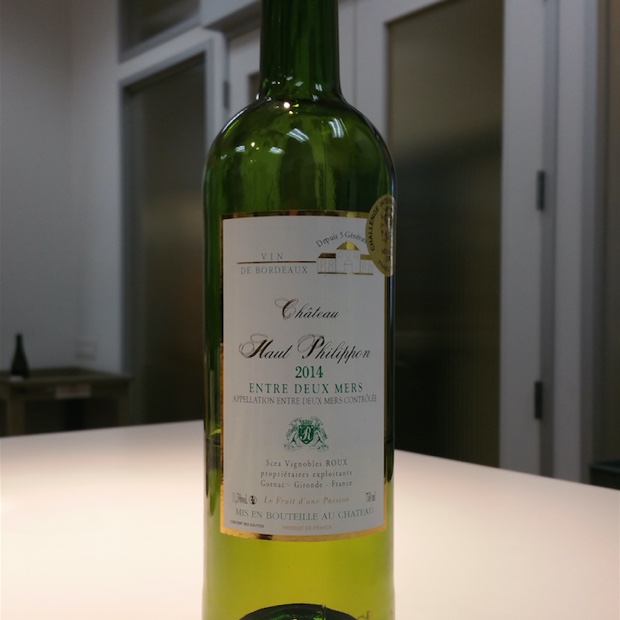


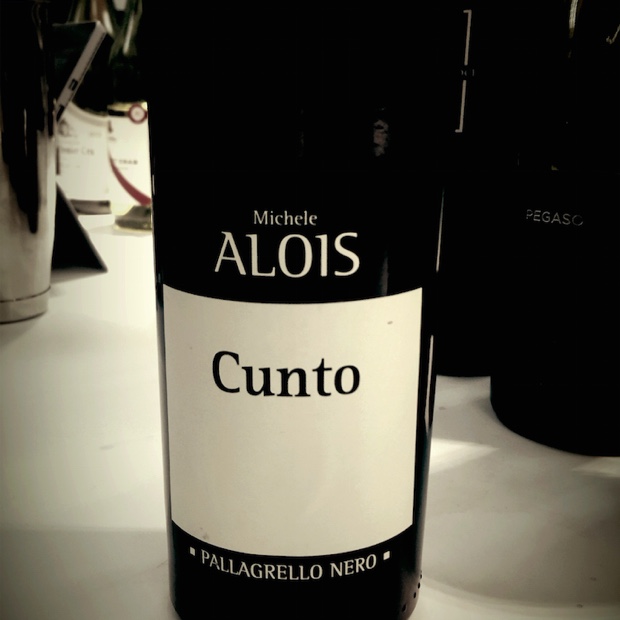

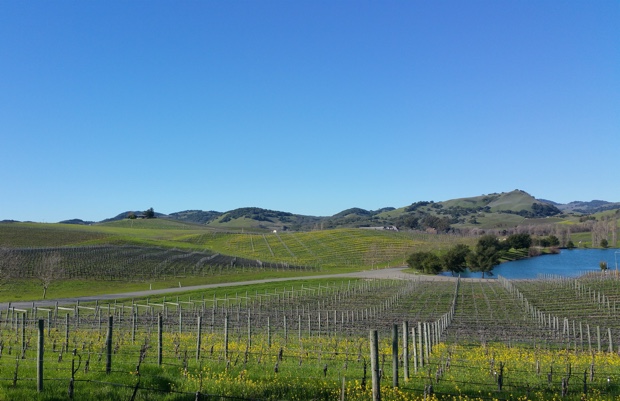
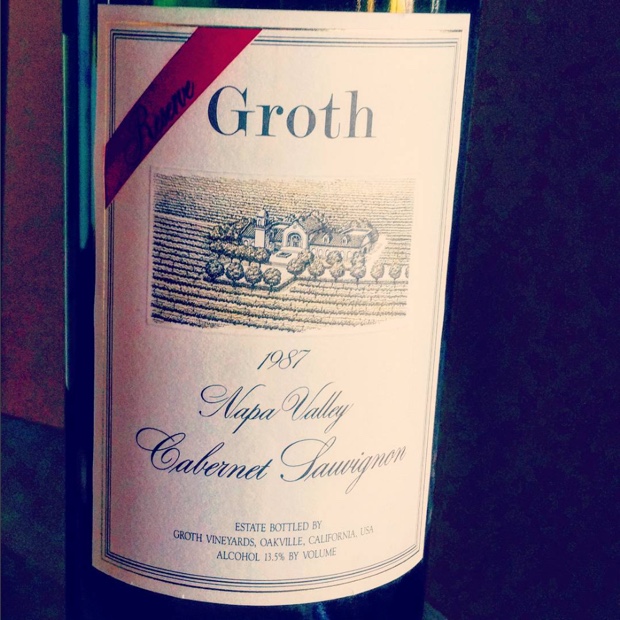
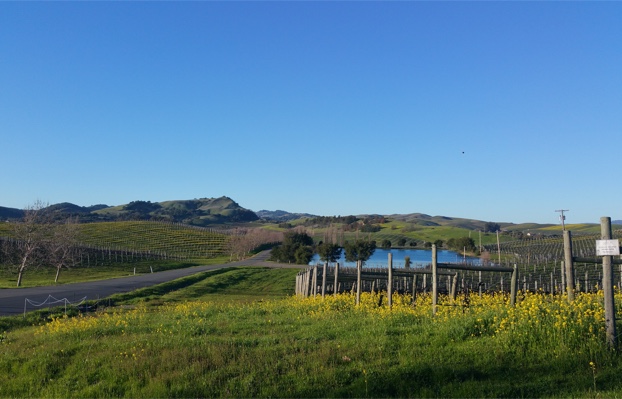


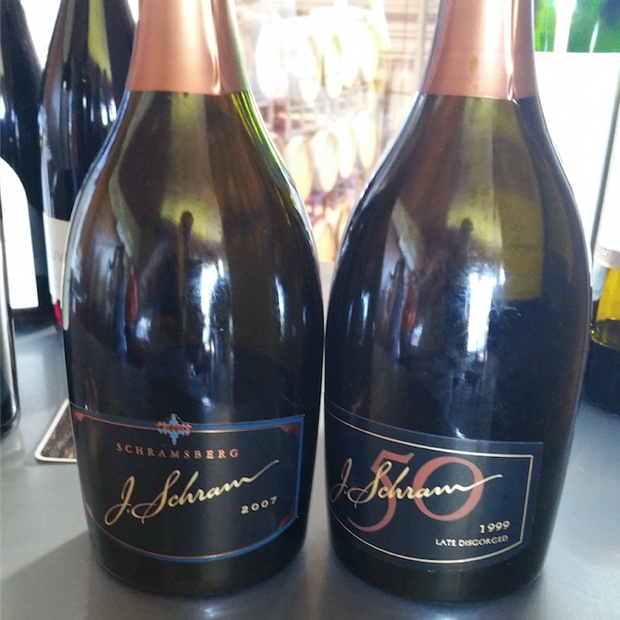


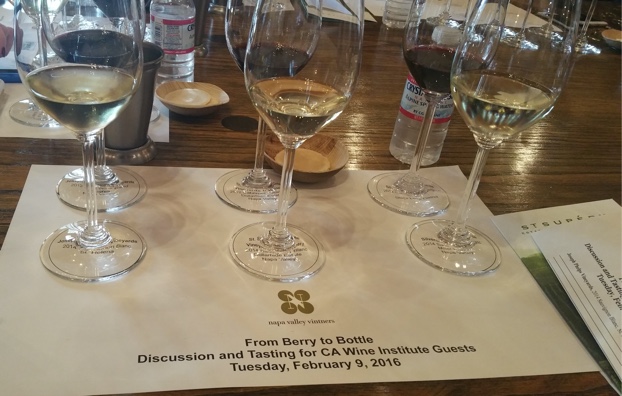


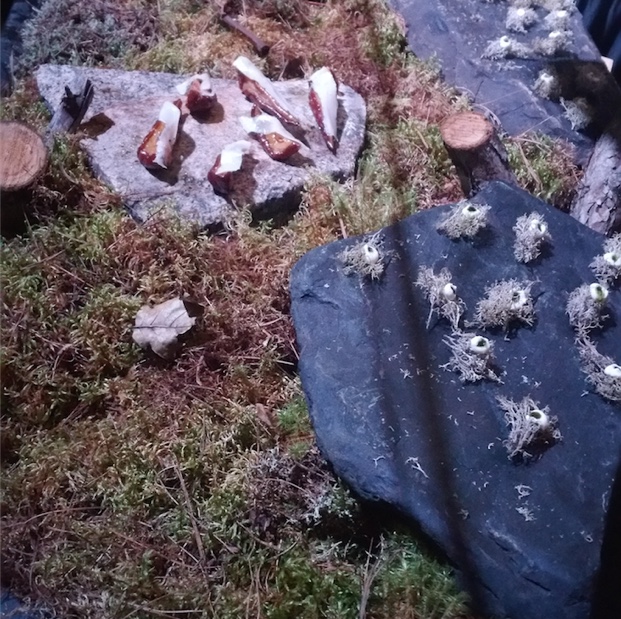

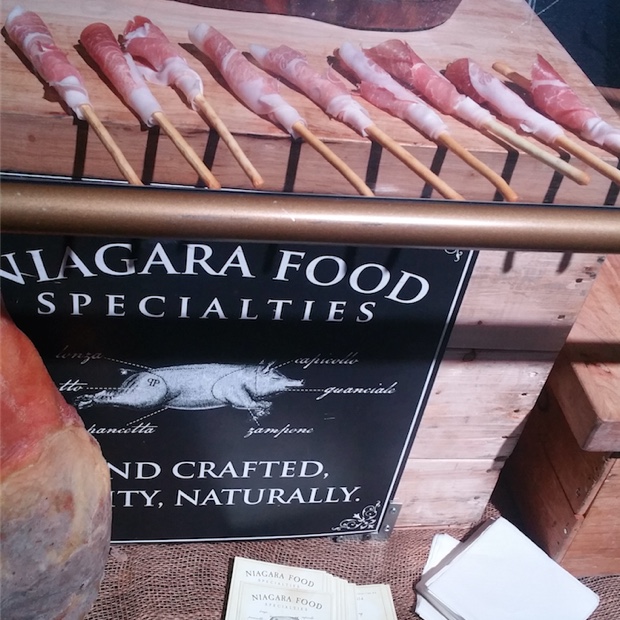


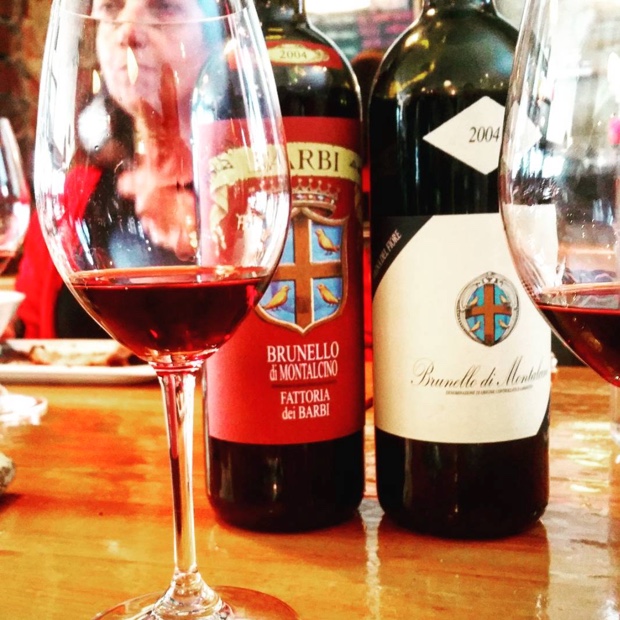
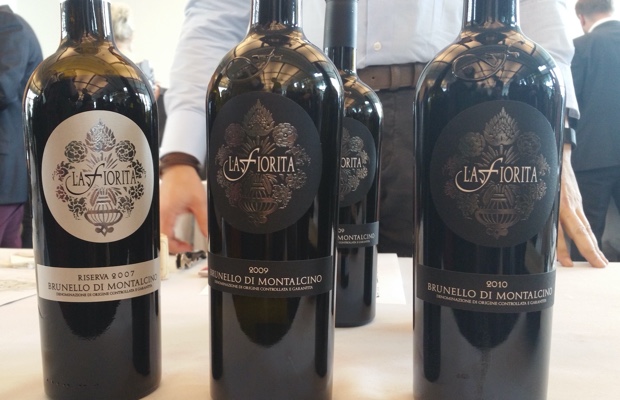
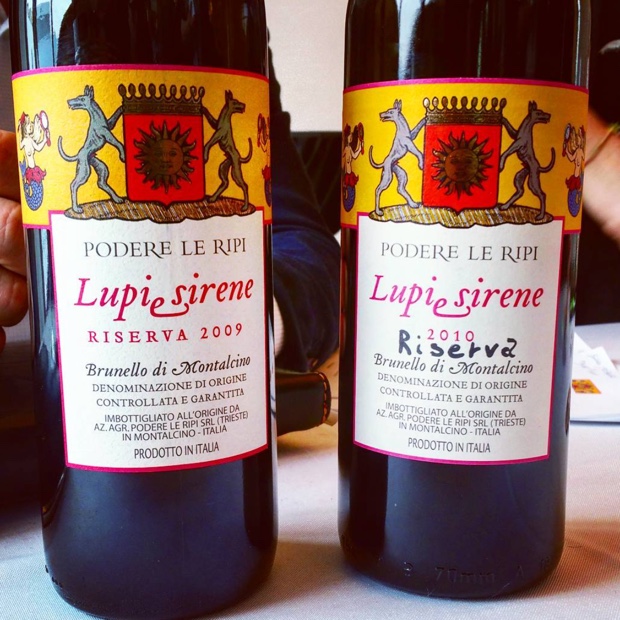


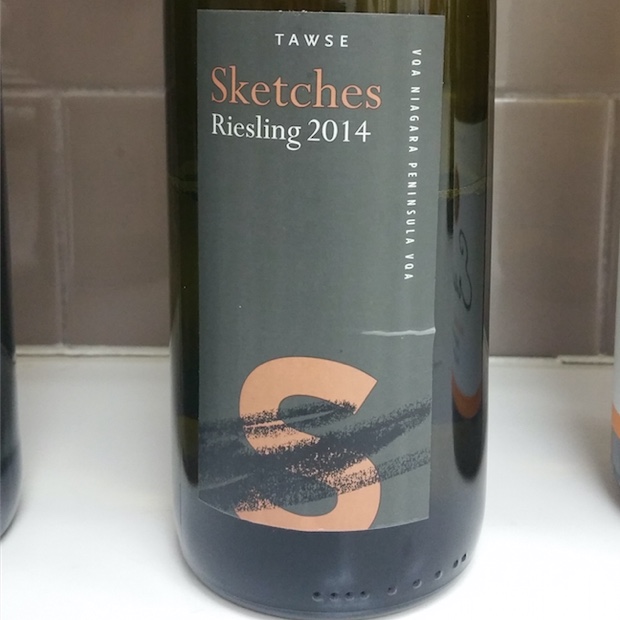
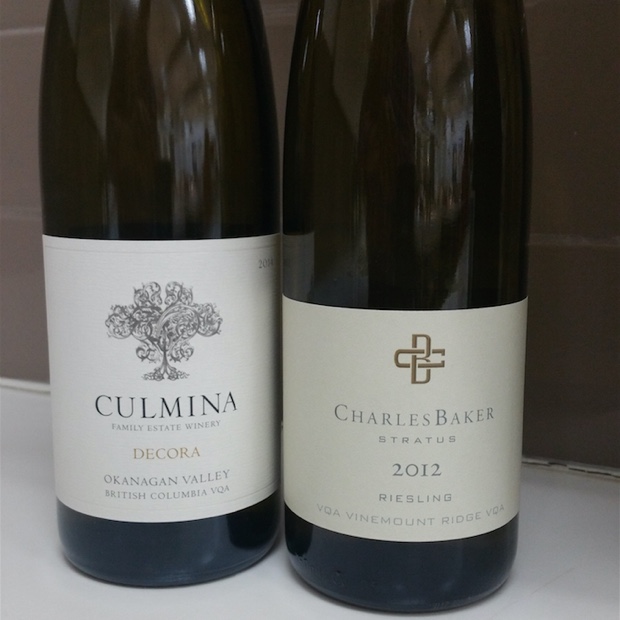
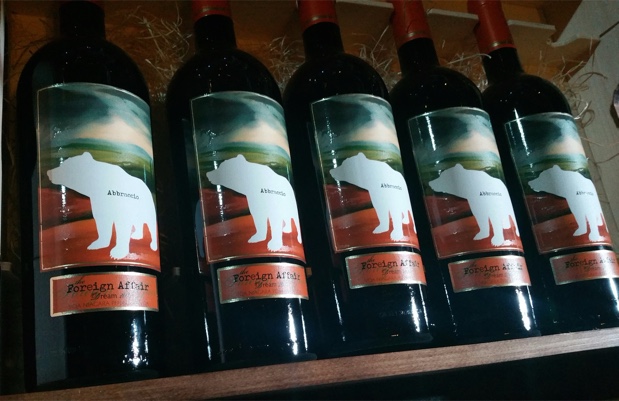
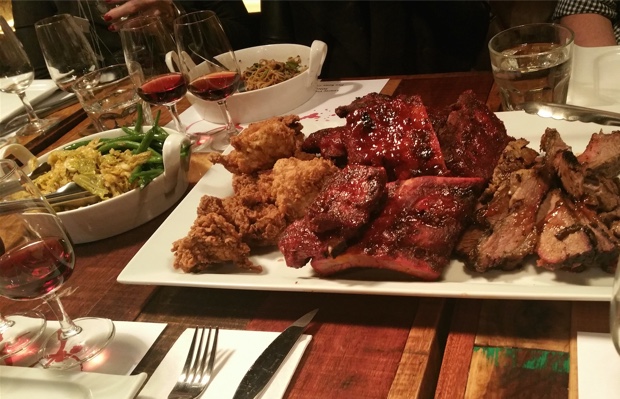
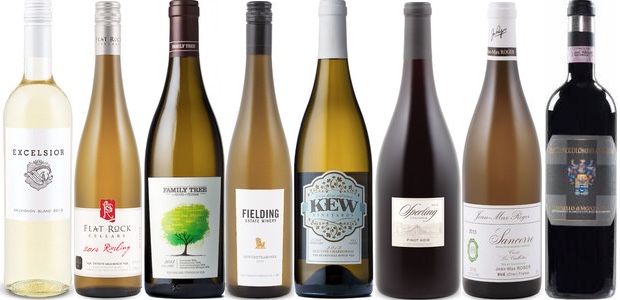

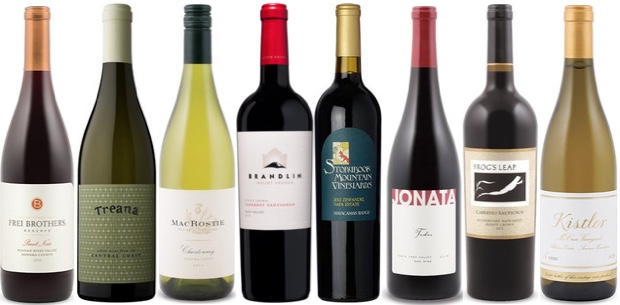
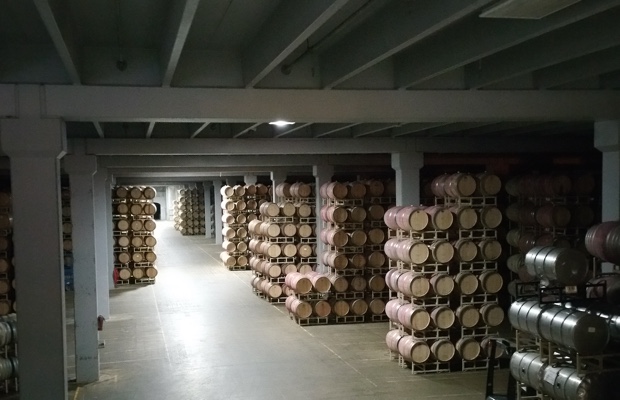
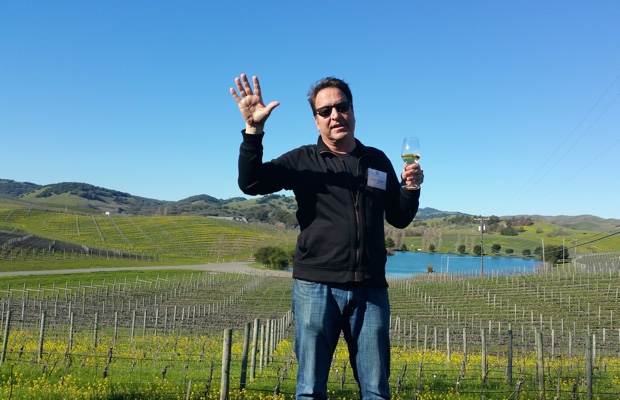
 Godello