These are the wines of summer. Dry, saline Rosé made from classic varieties; Grenache, Syrah and Cinsault. Crisp, flinty Riesling, turned to stone. All things Pinot. B.C. Cured Pinot Blanc struck by both juicy fruit and mouth-watering acidity. Pinot Gris from Alsace, impossibly dry. The same grape but from across the Rhine and under another name: Grauburgunder. Pinot Noir from Prince Edward County. Nothing else in the world smells like it. Smells like, teen spirit.
White wine that feigns bubbles and brings the wonder of Nova Scotia to the world. Chardonnay by a young winemaker in Ontario just coming into his own, ready to become a star. Classic varieties for summer grilling; Cabernet Sauvignon for a green day, Sangiovese to make your day, Merlot, Cabernet Franc and that melting pot of red wines, Châteauneuf Du Pape. All VINTAGES Ontario releases for July 19th. These are some of my summer wines. All 13 of them.
From left to right: Gassier Sables D’azur Rosé 2013, Rockway Small Lot Block 12 150 Riesling 2012, San Pedro 1865 Single Vineyard Cabernet Sauvignon 2011, Gray Monk Pinot Blanc 2012, Hedesheimer Hof Weingut Beck Grauer Burgunder Kabinett Trocken 2012, Trimbach Réserve Pinot Gris 2011, Keint He Portage Pinot Noir 2012
Gassier Sables D’azur Rosé 2013, Ac Côtes De Provence, France (33621, $14.95, WineAlign)
Always dry, dusty and salt lick oriented. A mineral bath of verdigris and rusty rainwater. Light but all about minerals, salinity, beach and sun. What more should be requested and ascertained from value given Côtes De Provence Rosé? Tasted June 2014 @MichelGassier
Rockway Small Lot Block 12 150 Riesling 2012, VQA Twenty Mile Bench, Niagara Peninsula, Ontario, Canada (372441, $18.95, WineAlign)
Noticeably dry but also earthy/funky. Struck match and plowed earth. As it settles into its skin and your consciousness it develops body, depth and acidity. Grows and expands, reaches heights you thought it would not. The vintage works wonders for the Twenty Mile Bench and this block has expansive stuffing to take it long, not to mention the earthy complexity to see it change and evolve. It may go through a disturbing, unusual phase but be patient and set one aside for 15 years from now. You will be amazed what honey and deep geology it discovers and uncovers. Tasted June 2014 @RockwayVineyard
San Pedro 1865 Single Vineyard Cabernet Sauvignon 2011, Maipo Valley, Chile (37911, $19.95, WineAlign)
When it comes to Cabernet Sauvignon, “well, I heard it all before.” This Maipo beauty begs to be different. Here is a $20 Cab with a $50 reductive funk. A heady, heavy red that needs more than just a swirl. The average Joe may smell a green day and not get it straight away. My advice would be to hang in there because with 10 minutes aeration the fresh currant, mint and rain-soaked flower aromatics will come around. And come around they do. Mocha and semi-chocolate driven, tannic like crazy and banging out a beat of crazy acidity. A ton of wine for $20. Tasted June 2014 @Dandurandwines
Gray Monk Pinot Blanc 2012, BC VQA Okanagan Valley, British Columbia (321612, $19.95, WineAlign)
Ah, terrific cool climate Pinot Blanc, with juicy acidity from a bite into a nectarine just falling from the tree. On a night like this “it goes deep, it goes deeper still,” in neo-tropical fruit (from seemingly slightly elevated alcohol). A most cured white wine, with a tannic quality that gives it texture and structure. Strike another Lloyd Braun mark on the British Columbia-Pinot Blanc free competition continuum to develop this variety with prejudice. Seamless, with excellent length. Tasted June 2014 @GrayMonkWinery
This rare Pinot Gris VINTAGES sighting is a jet-gassy funky, disparate complex mess of penciled, earthy, grassy and off-dry stone fruit aromas. It’s also viscous, distracting, and propelled by thriving acidity. While the Grauburgunder hails from the other side of the Rhine, it shares a tannic, saline and mineral affinity with the Vosges PG’s of Alsace. Lives up to its Trocken designation through a rocky impart yet seems just slightly sweet in a very Kabinett way. Herbal and long. Contemporary Prädikatswein worth a look and a more than temporary place in the cellar. Tasted June 2014 @TandemSelection
Trimbach Réserve Pinot Gris 2011, Ac Alsace, France (971762, $23.95, WineAlign)
For Trimbach this is a top quality vintage to make an example for one of the domain’s signature value wines. This firm and straight shooting Pinot Gris comes from limestone-dominant parcels not so different from the PG taken out of the winery’s Osterberg Grand Cru, just above Ribeauvillé. That a Pinot Gris can bring a nearly (8 g/L) elevated level of residual sugar to the table and come across bone dry, like a walkabout in the outback, remains one of life’s great mysteries. Picked prudently early, or as Alsatians like to say, “right on time,” this Trimbach is eloquent, reeks of wet, cold stone and lies over an ocean tasting of salty minerals. Pour it with the freshest, uncooked fish and a light vegetable pickle. Tasted June 2014 @trimbach
Keint He Portage Pinot Noir 2012, Prince Edward County, Ontario (373415, $25.00, WineAlign)
The most juicy, fruit forward and gregarious of the estate’s Pinots. Only Keint He Pinot smells like this, in Ontario, or elsewhere for that matter. Smells like teen spirit. It really is that unique but at the same time, undeniably Pinot. Just picked and torn cherry blossom petals and bitter chocolate dust strewn overtop fresh macerated cherries. Further coated with iron fillings. “And I forget just why I taste, oh yeah, I guess it makes me smile.” Prince Edward County Pinot Noir on the road to nirvana. Tasted June 2014 @KeintheWinery
Benjamin Bridge Nova 7 2013, Gaspereau Valley, Nova Scotia (256289, $25.95, WineAlign)
From a bumper crop, there came to market 11,000 cases of this Nova Scotian feel good, faux-sparkling story. Winemaker Jean-Benoit Deslauriers’ Nova 7 dissimulation in bubbles is a true trick of the trade and though this white wine strikes as if it were a child of a warm vintage, there is a classic lightness of Rosé fizz being in its ever so slight effervescence. A singular wine in many hybrid incarnations, in Muscat ways, of pink Perle de Csaba, segmented and pressed for a sweet burst of grapefruit. It’s low (7 per cent) in alcohol, excellent in acidity, sweet and sour, citrus zesty, juicy and dry at the same time. Batch delineated and loyal to continence, though if the quantity creeps much higher that may come in to question. Grown up pink lemonade and so easy to consume. Tasted June and July 2014 @Benjamin_Bridge@jbdeslauriers
From left to right: Benjamin Bridge Nova 7 2013, Dei Vino Nobile Di Montepulciano 2010, Cave Spring Riesling Csv 2011, Le Clos Jordanne Village Reserve Chardonnay 2011, Château Les Gravières 2010, Paul Autard Châteauneuf Du Pape 2010
Dei Vino Nobile Di Montepulciano 2010, Docg, Tuscany, Italy (285510, $27.95, WineAlign)
The entry of Dei’s balanced Vino Nobile was very juicy but at the same time serious and brooding. At first rhythmic, tight and anxious, you couldn’t but help but feel the strong mocker of this Sangiovese. Iron, hard rocks, knocks and a day in medieval life. If it should be opened any time in the next five years it will require a rare fleshy partner and plenty of air time. Though there was nothing faint about it, with time it found a path to a crescendo and then changed chords. It sang like a bird for a verse or two, softened enough to open a window to its future and when it spoke “I went into a dream.” Finished with a piano bass note that droned on for nearly a minute. Tasted June 2014 @LeSommelierWine
The 2011 issue is the driest, slate-driven, flinty Cave Spring Csv as it can ever be. Don’t be looking at its heart for richness and body but there is a wall of texture forged in stone. The Csv speaks “of everything that is alive in my blue world.” One taste and all goes electric, lights up and the orchestra begins to play. Turn the stone of this statuesque Riesling to drink in the long and true loyalty to ever fibre and fissure of its rocky being. Excellent. What more could you expect, or want? Tasted June 2014 @CaveSpring
Le Clos Jordanne Village Reserve Chardonnay 2011, VQA Niagara Peninsula, Ontario (33936, $30.00, WineAlign)
Winemaker Sébastien Jacquey’s “entry-level” Chardonnay currently resides in a bitten and certainly not shy mode. The 2011 is a Villages Reserve that is in a bit of a purgatorial place at the moment, closed down since its grand opening last summer. The rocks are speaking, as is the hubris of wood, but the fruit is up there, wafting in the proverbial wind. Let it blow and gather atmosphere, to return two or three years on, to reintegrate with the earthly elements and reform a convivial bond. Tasted June 2014 @LeClosJordanne
Château Les Gravières 2010, Ac Saint-Émilion, Right Bank, Bordeau, France (257733, $36.85, WineAlign)
Highly concentrated, big berry crushed Saint-Émilion. Floral too and the fruits are exquisitely ripe and red. There is great tension and acidity. Crazy tannins. Exceptional wine but will need 15 years time to settle, integrate and play nice. Qualifies as the finest 14 per cent Bordeaux I’ve tasted in quite some time. A wild sense of mineral and animale climb on top. Highly ferric. Really fine. Tasted June 2014
Paul Autard Châteauneuf Du Pape 2010, Ac, Rhône, France (380667, $49.95, WineAlign)
A refreshingly lithe and graceful 14.5 percent Châteauneuf Du Pape with every bit of richness necessary to fulfill its contract to typicity. Just a hint of both earth and animal musk, demanding tannin and more than its share of rocks and mineral give. A real winner for the vintage and in fresh air contrast to the gaining ridiculousness of extract and over-bearing alcohol-driven Rhônes. This might just be the bottle to reaffirm my waning faith in the region. Tasted June 2014
The production of fizz by way of secondary fermentation in bottle is nothing to be ignored in Alsace. More than one in every five wines forged from the region’s vines is filled with bubbles. Most recently (in the past 18 to 24 months), certain things have come to light. A salient spike has been witnessed, with Sparkling wine increasing from 15 to more than 20 per cent of the region’s annual wine production. This means that Alsace now ranks second in France with a yearly production of more than 30 million bottles.
Six grape varieties are permitted for the production of Crémant d’Alsace; Auxerrois, Chardonnay, Pinot Blanc, Pinot Gris, Pinot Noir and Riesling. Chardonnay can only be used for Crémant and only Pinot Noir may be fermented to bottle a Rosé. More rules must be followed like grapes having to come from vines into its’ 3rd growing season and wines must rest a minimum nine months on the lees before bottling. Most lay longer, which helps to define this genre of Crémant’s creamy texture, matched in contrast by its stony, flinty and mineral style.
The effervescence of Crémant d’Alsace is known as prise de mousse. Basic wine is bottled with liqueur de tirage for second fermentation. Bottles are left to rest sur latte. Autolysis occurs and the dead yeast is removed by way of remuage. After aging on the fine lees, bottles are turned, deposits form in the collar, brought to the freezing point, evacuated by carbonic gas and replaced in volume by liqueur de dosage or liqueur d’expedition which yields a Crémant d’Alsace of three styles; Brut, Sec, or Demi-Sec. A balanced vintage for sparkling in 2012 yielded 270,000 hl of Crémant d’Alsace.
During my week in Alsace and with thanks to the Conseil Interprofessionnel des Vins d’Alsace (CIVA) I was able to taste more than 30 producer’s Crémant. Here are my notes on 14.
Exemplary bubbles from Soultzmatt in la Vallée Noble, 20 km south of Colmar, from out of clay-limestone soils. Grapes here are Pinot Blanc, Pinot Auxerrois, Riesling, Pinot Gris and Pinot Noir. A close-knit aridity and platinum tang are pronounced in an idiomatic lees-inflected language with a lightly oxidized lilt. A retaining wall of freshness and a slice of bitter honey-almond tart round out the complexity, intended or not, with elevated levels of Pinot vibrations making themselves known. Calls for a must return to see if it’s a one-off or a truly significant house style. Drink alongside a salty buffet.
Valentin Zusslin Crémant D’Alsace Sans Souffre Brut Zero, tasted at Domaine Stentz-Buecher with Les diVINes d’Alsace
The old vines blend from Clos Liebenberg is predominantly Pinot Auxerrois (95 per cent) with minor amounts of Chardonnay and Pinot Gris. It’s important to note the non-sulphur designation in that the not insignificant practice takes the wine to another level of Crémant sophistication. There is a savoury nut character to the Auxerrois but never in a fat, round or blanched way. The caryopsis are not like an almond but more like a roasted pistachio upon the mid-palate. Moving forward it’s like the smell of a nut-based, warm cereal. It’s quite intoxicating and lingers well into the finish.
Louis Hauller Crémant D’Alsace, tasted at Domaine Stentz-Buecher with Les diVINes d’Alsace
From 100 per cent Chardonnay, this is a fine, subtle, stylish, finessed and elegant interpretation that is a different sort of Alsace discrimination. Spent 11 months on the lees and sports more citrus than most others. Subtle bubbles here, with less froth and more Chardonnay character. Very good length.
Sipp Mack Crémant D’Alsace Rosé, tasted at Domaine Stentz-Buecher with Les diVINes d’Alsace
The smell of strawberry cream and the crème fraiche sapidity by way of sudoric lees. Fun and characterful if a bit of an ancestral taste.
Restaurant Le Théâtre, Colmar
Albert Mann Crémant D’Alsace Brut 2011, tasted at Restaurant Le Théâtre, Colmar with Albert Mann’s Marie-Thérèse Barthelme
A four-squared Pinot affair, in Blanc (66 per cent), Auxerrois (16), Noir (12) and Gris (6). This from a bottle that had just been disgorged one week prior to tasting. Out of clay-limestone and sand soils in vineyards from Kientzheim and Wettolsheim. Like album art, the Mann label is a crucial, sixth sense aspect of the wine experience. The 2011 Crémant is the artwork of François Bruetschy, “like a turnstile of fireworks while projecting fine sparks.” The 2011 Mann is very fine, misty, delicate, wistful and waiting in longing for an amuse bouche of mackerel with choucroute in a can. The wine makes me long for a walk in the vines. @albertmannwines
Mackerel and Choucroute, Restaurant Le Théâtre Colmar
Gustave Lorentz Crémant D’Alsace, tasted at Restaurant Le Théâtre, Colmar with George Lorentz
Though the label denotes this as non-vintage, the blend of Chardonnay, Pinot Noir and Pinot Blanc is essentially from the 2011 vintage. This is what Lorentz describes as 2nd-tier house sparkling, with more ripeness in this bottle. That fruit maturity is all apple, with a minor note of oxidation and the full effect of 16 months on lees felt through texture. Once again the inclusion of Chardonnay takes the Crémant schematic condition to another level. Bring on the top-tier.
Louis Sipp Crémant D’Alsace Rosé, tasted at Restaurant Le Théâtre, Colmar with Etienne Sipp
The Sipp Crémant comes from various parcels in Ribeauvillé, from Weinbaum, Sulz and Rengelsbrunn. Etienne tells us it is made from Pinot Noir and Pinot Noir, playfully mocking the AOC’s rule that only that variety can be used for sparkling Rosé. Sipp’s Pinot is grown in mainly heavy and deep clay soils. Picked at optimum ripeness, this is fizz that has spent 18 months aging in bottle after not having gone the way of malolactic fermentation. The result is a dry, dense, savoury and layered Pinot Noir Rosé. This third Crémant in a group with Mann and Lorentz proves that though tonight is not a competition, we see that all three have won.
Hummus, La Table de Gourmet, Riquewihr PHOTO: Cassidy Havens, http://teuwen.com/
Paul Zinck Crémant D’Alsace, tasted at La Table du Gourmet, Riquewihr with Phillippe Zinck
An efficient, sparkling requiem for success in a blend of three vintages and varieties; Pinot Noir (60 per cent), Chardonnay (30) and Pinot Blanc (10). A soft receptive, inviting and proper amalgamation in which mousse apropos peach and soft French cream delight without needing to be tough or street savvy in any way. Crémant giving like une crème de luxe, to sip with Hummus, La Table de Gourmet style and with nary a difficult moment.
Domaine Bott-Geyl Crémant D’Alsace Cuvée Paul-Edouard Brut Millésime 2007, tasted at La Table du Gourmet, Riquewihr with Jean-Christophe Bott @JLBrendel
Jean-Christophe Bott’s may be the most complex and intriguing bottle of Crémant you would have a chance to taste in the course of a week in Alsace. Bott gathers top quality Pinot Blanc, Chardonnay and Pinot Noir from growers then lays the fruit low for four years on their lees. The rich and sunny vintage is vinified in what is really an Extra Brut style without any dosage whatsoever. This is small production Alsatian bubbles (2500+ bottles) disgorged in 2011 and in very early stages of development. The acidity stands in upright attention while the fruit submits to wait. The rocks and salinity raise upwards to march in extreme lengths. A sublime match to an Amuse Bouche of Cured Watermelon, pistachio, basil and mustard flower.
Foie Gras at Restaurant L’Épicurien, , Colmar
Charles Baur Crémant d’Alsace, tasted at Restaurant L’Épicurien, Colmar with Arnaud Baur
After its second ferment this blend of Pinot Blanc (40 per cent), Auxerrois (40) and Chardonnay (20) spent a compages-inducing 24 months on the lees. This is Baur’s main cuvée for Crémant, always made from two vintages, in this case 2009 and 2010. Most definitive and classic for the appellation. Falls within the aromatic white fruit/white flower spectrum with flavours that tease ripe Mirabelle, apricot and peach. Soft, elegant, feminine, demurred and clean. Baur’s take is a Catherine wheel of Alsatian bubbles with “all the things you dream while spinning ’round.”
Audrey et Christian Binner Crémant d’Alsace KB, tasted at Restaurant L’Épicurien, Colmar with Christian Binner
Binner’s exotic-scented sparkling is from Kayserberg, “the emperor’s mountain,” next to the Schlossberg Grand Cru site. Old vines out of colder parcels more appropriate for making Crémant consist of Auxerrois, Pinot Blanc and Pinot Gris. The terroir here is granitic and poor in soil, if that is what it can be called. The house style is quite oxidative and distinctively earthy, as if the rocks were breaking down into a fine, funky soil remineralization. The most terpenes yet from bubbles tasted in Alsace, with a bruised apple hematoma, a pickle of some colonialist kind and a spice cupboard to fill a curry recipe. In the end this is unusual, yet vivid and jazzy fizz.
Vins Schoenheitz Crémant d’Alsace Millesimé 2007, tasted on the steep slopes of the valley of Munster with Dominique, Henri and Adrien Schoenheitz
Primarily focused upon Pinot Auxerrois and righteously so, with just a 10 per cent buoyancy from Pinot Blanc. The combination of striking Auxerrois fruit grown on the estate’s (400-500m) high altitude steep slopes and a memorable Alsace vintage is just deadly. The varietal choice in low acidity out of a vintage with character and temper here translates to aridity (1 g/L residual sugar) and long on lees texture. Like a Ron Sexsmith ballad, a listen, one look at its bronze patina, one taste and you will “see the forest for the trees,” because there’s gold in them hills. Perfect timing to break out an all-natural, no dosage ’07, marked by gratuitous acidity and mountain verve. An auspicious start to a picnic in the hills. @VinsSchoenheitz
Pierre Frick Crémant d’Alsace 2013, tasted at Domain Pierre Frick with Jean-Pierre Frick
Jean-Pierre Frick poured two just bottled yet raw examples meant to set a perspective table for the 2013 finished wine that followed. The 50/50 Pinot Blanc et Noir (NV and 2013) were both picked ripe (nearly overripe), pressed direct and treated with nothing, nada, niente, zilch, rien. No sulphites, yeast or sugar. With zero dosage and opening too soon in evolution, these bottles were marked by arrested fermentation. The absence of the second fermentation meant for a flat, oxidative result. The experiment may have meant no Crémantbut it helped to organize, define and ultimately assess the ’13. Same minimalist method but with a secondary ferment, this bottle (though warm) offered high citrus and biting, forceful, sharp acidity. When returned to an hour later and from a cold bottle, the wine was much brighter and atomically fresh. Frick’s method and style mean his sparkling must spend a minimum one year in bottle before it can be sold.
Casks at Jean-Pierre Frick
Pierre Frick Crémant d’Alsace 2012, tasted at Domaine Pierre Frick with Jean-Pierre Frick
One of JP’s “funny wines.” Once again, no sulphur but this time with natural yeasts. Notated by a slight coppery, salmon tinge and minimally oxidative, though in no way over the top. “My idea was a dry Crémant but he’s not dry. C’est la vie.” To Frick this is a wine for young and really old people. Toasted brioche, buttered toast and almond extract are joined by a late arriving, very interesting, savoury sweetness. The finish smoulders, with that ever-bearing herbiage adding another layer. This Pinot Noir and Pinot Blanc split comes in at 12.5 – 13.5 per cent alcohol. Frick doesn’t really know. “I write 13 per cent because I just have to put something on the bottle.”
The Ontario Sparkling Wine Technical Symposium. Like a Trekkie convention for oenophiles. To a wine geek it was eight hours spent searching for the meaning of life. To a consumer who just likes to drink it would have been time lost forever with no chance to get it back. The Brock University Cool Climate Oenology & Viticulture Institute’s Pond Inlet was the setting. The presentations were very technical, that is until Dr. Jamie Goode took the podium and breathed context into the room.
According to the LCBO, in 2013, sales in Vintages of VQA sparkling wine were up 59.2 per cent from 2012 sales data. In Canada there are 36 wineries producing sparkling wine and that number is growing. As it should.
The abstruse conditions of the #ONfizz event set the table as a vocational assurance draw for Ontario winemakers, viticulture and viniculture research specialists. Seated at my table were a butcher, a baker and a candlestick maker. That should be loosely translated as a scientist (Dr. Jim Willwerth), a product manager (LCBO’s Ontario expert Astrid Brummer) and two winemakers (Hinterland’s Jonas Newman and Gaspereau Vineyards’ Gina Haverstock).
Brock’s Dr. Debbie Inglis introduced Bertrand Robillard, Ph.d., Director of Research and Development at the Institut Oenologique de Champagne. Before getting to the subject at hand, on disgorging, gushing and foaming, he first laid an open attack on beer. “The form is always better in a crystal glass,” insisted Robillard. For Champagne. Not beer. “That’s just false. It’s just appearance. People in Champagne do not appreciate this kind of resolute,” comparing the pouring of Champagne to beer.
Then on to Sparkling wine’s integral and necessary marketing draw. Bubbles. “No dishwashing,” begged Robillard. “It’s a very efficient way to kill the foam.” By principle, to have foam you need bubbles. It’s all about stabilizing the foam. High ethanol (five per cent) in fizz is good content for foam stabilization. CO2 (protein concentration and polysaccharides) all contribute to stability.
So why do the bubbles collapse? Why do they not make it from the centre to the wall of the glass? Why is a hole in the middle created and the bubbles fall into the hole and disappear? The answer is gushing. A “shameful disease” that can be considered as a disequilibrium between foam formation and foam collapse. Bubbles cannot exist if their radius are less than 0.1 microns, or they will dissolve into the wine. Bubbles are detached when gravity forces are higher than capillary forces.
The conclusion? Surface area and CO2 are the driving force behind gushing. Contaminations inside the wall of the bottle must be eliminated. Oxygen heterogeneity is essential, even more so more than CO2 and sugar. The news that there is no relationship between wine composition and gushing means winemakers can make the Sparkling wine style of their choosing. The representative from Champagne said so.
Next up was Ed Carr, Sparkling winemaker, Accolade wines in Australia. Carr plies his trade in Tasmania. Not the Tasmania of The English Passengers full of exiled convicts, invading Brits, sinister men like Dr. Thomas Potter and his thesis about the races of men. No, Carr makes bubbles on an island quickly becoming a (vinous) garden of Eden, known to a heroic aboriginal and envisioned by Reverend Geoffrey Wilson. Carr explained the company’s choice of locale. “These (cold and mostly maritime influenced climate) numbers are a gross simplification of what the world is really like, but this is why we went to Tasmania, looking at that 1000 number for heat degree days.”
On spacing: “The guy growing your vines is likely using the same tractor to grow spuds.” On vineyard management: “Lots of leaf plucking done, bunch thinning…canopy management is key. Supplemental irrigation a must.” On Sparkling wine stylistic choices: “Oxidation is a big thing, a real style choice. Chilling picked fruit reduces phenolic extraction and oxidation but also reduces fruit.”
On flaws: “Brettanomyces I refer to the ‘black death of Europe’ for wine. The little buggers love sulphur dioxide conditions. Residual sugar left in the bottle on the way to second fermentation helps the yeasts on their way. Rapid ferment and as dry as possible is the way to go.”
On closures: “I don’t really think you apply screw cap closure trials from still wines to sparkling. It does not translate to the reductive character of sparkling. We primarily believe in the use of traditional cork, with some agglomerate closure usage.”
Third speaker was Larry Mawby of Michigan’s Leelanau Peninsula L. Mawby Vineyards. “The thing that I realized was negatively impacting on my ability to make good sparkling wine was the fact that I wasn’t just making sparkling wine.” The response from Hinterland’s (Prince Edward County Sparkling wine maker) Jonas Newman. “I like his style.” I can hear you thinking, Sparkling wine in Michigan? More than this. Mawby makes 21 different renditions, with the usual suspects, Chardonnay and Pinot Noir, in traditional ways. He also goes at it Charmat-style with Riesling, Pinot Gris and Vignoles. Not to mention Cayuga, Vidal, Regent, Marechal Foch and Muscat in the Cuve Close method.
Continued Mawby, “in this century we’ve made nothing but sparkling wines.” During the terrible winter of 2003 there were temperatures of 45 degrees (Fahrenheit) and below. “Killed any vine not beneath the snow. I panicked.” So Mawby added his ‘Cuve Closed’ a bulk production, Charmat-style sparkling wine. On the technicalities of making fizz: “I don’t believe the chemistry of fruit should be your guideline. What does the fruit taste like?” On varietal integrity: “Almost nobody on the planet buys Sparkling wine based on grape variety.”
Jamie Goode, Ph.D., London-based wine writer (www.wineanorak.com) and wine columnist, The Sunday Express talked on wine closures and purchaser perception of local, national and international sparkling wines. Mostly he spoke about incontestable truths.
On closures: “Traditional is best but the Mytik in an excellent alternative.” It now closes 192 million of 6 billion bottles. The Crown Cap? “Yes, why not? It’s recognizable, like beer and comfortable. With the right liner it’s OTR transmission is very acceptable.” Dr. Goode’s closure talk resulted in some wine writer comedy.
@BillZacharkiw@jamiegoode can you saber crown capped sparkling? Author Jamie Goode about to demonstrate @WineCouncilOnt
On the world’s most famous fizz: “Champagne can be wonderful, but there’s some ropey stuff coming to the UK. With Champagne, your expectation is everything.” On Cava, “People don’t really like it. It’s made in the traditional method and it should be a really good product but it’s trying to be something it’s not.”
On vintage dated bubbles, Goode spoke from an unequivocal marketing perspective. “People don’t really care about vintage.” On the emerging Canadian and British sparkling wine industries. “Do English or Canadian wines need a special name?” No.”
On the now-universal nomenclature: “Sparkling wine has become an accepted one, not a pejorative one.” Goode’s perspective is always fresh, nearly cynical and full of truth. On leaving the country he bade farewell with thanks.
Goodbye canada. You exceeded my already high expectations. See you again in June
Participants also had the opportunity to taste two sparkling wine research trials that are currently underway at local wineries as well as a comparative blind tasting. The blind tasting presented a selection of local and international Sparkling wines and Champagnes and was moderated by Jamie Goode. The three flights featured Blanc de Blancs, Cuvée/blends and alternative varieties. Thank you can never be said too many times to Barbara Tatarnic, Magdalena Kaiser-Smit and Trisha Molokach for their generosity in invitation and unwavering hospitality. I am always humbled to be included in their warm world of wine.
I will admit that I would have liked to see more Ontario representation in the flights, as well as at least one example from both British Columbia and especially Nova Scotia’s Gaspereau Valley. With that emerging region and vintners like Benjamin Bridge and Gaspereau Vineyards on the Sparkling stardom stage/horizon, including their wines would have upped the complexity factor tenfold. Not to mention something British. New York State’s Finger Lakes (Chateau Frank Célèbre) and North Fork of Long Island’s (Sparkling Pointe Brut Seduction) should definitely be players in the next #ONfizz symposium.
Brock University CCOVI Sparkling Wine Technical Symposium
Sparkling Wine Trial Tasting – Unfinished samples from Trius Wines
Trius Base on lees two years. Chardonnay (70 per cent), Pinot Noir (25), Pinot Meunier (5). Each (cane sugar) dosage was 20 mL towards an end of 8 g/L of residual sugar. Barrel fermentation and barrel aging leans this towards an oxidixed style. Arid, high in citrus and high-toned oak character.
Blanc de Noirs 2009. Left on the lees for four years. Use of cane sugar. Less giving and resolute in micro-wood spice. This sample is from the oldest (sparkling) wine in their cellar.
From the Trius Brut wine. Dosage again with cane sugar. Acts the most polished and finished, the most accomplished. This is the rock and the anchor.
Comparative Blind Tasting – Flight 1: Blanc de Blanc
Family Estate Cuvée No. 1Blanc De Blancs NV, Méthode Traditionelle, Marlborough, New Zealand (56358, $34.95, WineAlign)
The sample poured at the OSWTS was unfortunately corked but here was my previous review: “Aromatic rhetoric would argue this Marlborough bottle of bubbles is a ringer for classic Blanc de Blancs. Promises pleasure and class from the first whiff. Decidedly lemon citrus tight and stony until an herbal, splintered, stemmy tarragon balm takes over, rendering the wine more of its place than what it tries to emulate. Still, a really terrific effort.” Tasted November 2013 @oenophilia1
From left to right: L. Mawby Vineyards Blanc de Blanc Chardonnay NV, Cave Spring Blanc De Blancs Brut, Henry Of Pelham Cuvée Catharine Carte Blanche Blanc De Blanc 2008, Drappier Signature Blanc De Blancs Brut Champagne, House of Arras Blanc de Blancs 2004
L. Mawby Vineyards Blanc de Blanc Chardonnay NV, Michigan, USA (winery, US $23)
Like distilled white Swedish berries high on acidity. Herbal, tight, gainful simplicity. Pear ciderish and clear as a cool climate bell. @mibubbly
A not so dry (9.8 g/L residual sugar) stylistic choice leads this angel to sparkling late harvest territory with ripe orchard fruit that buzzes with terpenes, surface bruises and slight oxidized notes. The archangel rolls over a knife’s edge and sits too long in the sun but it’s neither cut nor cooked. There is beauty in its 90’s big hair, big sound and you might tell her that “tears drop like diamonds from your golden eyes.” There’s yet a spring in her step and a hay note from afield. Tasted May 2014 @angelsgatewines
House of Arras Blanc de Blancs 2004, Tasmania, Australia (winery, $80 AUS)
Big barrel oak influence leaves splinters in the mouth, albeit gentle and dissolvable ones. Creamy and chalky like ice cream made from tea. Not much yeast and biscuit activity as it’s all about fruit and barrel. @AccoladeWinesAU
Cave Spring Blanc De Blancs Brut, VQA Niagara Escarpment, Ontario (213983, $29.95, WineAlign)
The freshest style of the #ONfizz B de B flight. Fruit, escarpment bench stone layering, richesse, biscuits and toast are all in. Acidity meets complexity. From my earlier, December 2012 note: “Sees no malolactic fermentation and sits at the top end of dry (12-14 dosage). Most of the fruit is 2008, despite the NV designation. A soda fountain of argon and nitrogen bunsens forth through clean lines and carries an entire cider house orchard of Spartan apple. This one certainly hints at Champagne-like characteristics, of brioche and toast. The apples never relent.” Last tasted May 2014 @CaveSpring
Drappier Signature Blanc De Blancs Brut Champagne, Ac, Champagne, France (599860, $46.95, WineAlign)
Here showing a bruised apple note with the lees and PH on steroids. Fruit seems to be in from a less than stellar vintage and so the lack of consistency is disappointing. “It’s a style,” says Jonas Newman. “He’s a natural wine guy.” NV Champagne needs aggregate scoring so my 90 comes down. From my earlier, April 2013 note: “Continues a VINTAGES string of excellent value in Champagne releases. Made from 100% Chardonnay, this BdB is pronounced in , yeasty dough definition, hinting at agave and unwashed cheese rind. Where there’s bubbles there’s a way and I like where this one is going. The agave replays in sweet waves, as does the sour in faint yet discernible sloshes. Much to contemplate in this NV sparkler.” Last Tasted May 2014
Henry Of Pelham Cuvée Catharine Carte Blanche Blanc De Blanc 2008, VQA Short Hills Bench, Niagara Peninsula, Méthode Traditionnelle, Ontario (315200, $44.95, WineAlign)
Rocks the driest end of the free world Blanc de Blanc spectrum. Lets carte blanche reign in a taut style and reeks of a minimum four years of autolytic lees activity. In that sense it loses some of its sense of place, in Catherine’s case that Short Hills Bench clay-silt-loam-gravel agglomeration. The soil composition usually brings vigor and richness to Chardonnay but here as a sparkling wine the sensation is of citrus soaked concrete. Racy bubbles of intensity that do not quite match the weight and elegance of the 2007. @HenryofPelham
From left to right: Château Des Charmes Brut Méthode Traditionnelle, Fielding Estate Brut NV, Cattier Brut Premier Cru, Tarlant Brut Reserve Champagne, House of Arras Rosé 2005
An impressive debut for winemaker Richie Roberts and team. This is a classic Chardonnay (55 per cent) and Pinot Noir (45) cuvée from Fielding’s Tufford Road vineyard. A surprisingly rich example, toasty and with a sweet meets sweaty, minty-herbiage. A primer for even greater vintages (this is essentially 2009) to come, where the focus will be more on yeast fielding to citrus and less about yielding to a non-metallic elemental finish. @FieldingWinery
L. Mawby Vineyards Talismon NV, Michigan, USA (winery, US $37)
Tasted blind this strikes out as heteromorphic fizz from less than charted territory (like Michigan) with juicy, hybrid acting histrionics. Though it’s actually a blend of Pinot Noir, Pinot Gris and Chardonnay it lacks vinifera varietal complexity. The fruit is clear and fair but the méthode champenoise brings no enzymatic or citric display.
Tarlant Brut Reserve Champagne, France (325167, $43.95, WineAlign)
Here is a cuvée of égalité that combines one-third each Chardonnay, Pinot Noir and Pinot Meunier. Like the varietal make-up, these slightly reductive yet elegant bubbles offer up thirds of brioche, toast and demi-glacé. Fashioned from the 2006 harvest with reserve wine added and aged in oak. Chic and affordable but in no shape or form a knock off of the real deal. There’s a theoretical Champagne void within filled with citrus, sharp ginger and pungent spice. Blessed with unmatched length as compared to the others in the #ONfizz cuvée flight.
House of Arras Grand Vintage 2004, Tasmania, Australia (winery, $60 AUS)
“A polarizing wine,” notes winemaker Ed Carr. Full of savoury, herbal notes but also the unmistakable scent of that other white meat. The cure is indeed a porcine one, sweating in a hung game way, which gives this fizz such an old-world, old cellar quality. A slow (spring) malolactic evolution in barrel gives this (65.9 percent) Chardonnay and (34.1) Pinot Noir its silky, milky feel. Good to even better than good length.
Cattier Brut Premier Cru, Champagne, France (325720, $44.60, WineAlign)
This is really bitter, in a really good way. The nobility in brine is likely a result of whole (non-separated) bunch pressing, the Pinot Noir skins impart giving the fruity must its resident bitterness. A highly distinctive style of high caste and longevity, composed of Pinot Meunier (45 per cent), Pinot Noir (35) and Chardonnay (25). As deep as any tasted at #ONfizz 2014.
Château Des Charmes Brut Méthode Traditionnelle, VQA Niagara On The Lake, Ontario (224766, $22.95, WineAlign)
Chardonnay (75 per cent) and Pinot Noir (25) at an attractive price. Attacks with a gently cloying, weeping sweetness, string-bending terpenes and fades out with a savoury, bitter finish. Light, approachable and wide-reaching style. Bubbles with broad appeal. @MBosc
House of Arras Rosé 2005, Tasmania, Australia (winery, $60 AUS)
The composition here is Pinot Noir (62.5 per cent) and Chardonnay (37.5) from pickings in Lower Derwent, Upper Derwent and the Houn Valley. Emerges out of a year where warmer temperatures coaxed an increase of richer fruit from the rounder and fatter white grape. Good lees effect (seven years) in 2005 and also a balmy tarragon accent atop strawberry, verging to cherry fruit. Finishes with expert balancing acidity, this fizz trumps its Blanc de Blanc and Grand Vintage sistren at this tasting.
From left to right: Hungaria Grande Cuvée Brut, Girls’ Night Out Sparkling, Giusti Brut Prosecco Asolo, Brédif Brut Vouvray NV, Hinterland Ancestral 2013
Comparative Blind Tasting – Flight 3: Alternative Varieties
Spent 12 months ageing ‘sur lie’ in the estate’s underground sparkling caves. Winemaker Craig McDonald comments to the negative effect of light on bubbles. “Light strike causes a serious reaction on sparkling wine.” Here a mephitic aroma should likely be attributed to reduction or the beam of sunlight blanketing the room. There is a resinous salinity to this SB that does not want to blow off. Needs to be revisited from 2015 to 2018.
Green Extra-Sec by M. Lawrence, Michigan, USA (winery, $15)
The Green is part of Larry Mawby’s colourful, sexy and artfully named M. Lawrence investigation into the diversity of Sparkling wine. Absurdly dry, this put together Vidal and Cayuga concept is all about musky grape dehydration. Its cool climate constitution rescues the fruit to rehydrate and act like an orange picked straight from the greenhouse tree. There’s a malic medicinal tone that buries the sweet (17 g/L residual), resulting in a tart, low in alcohol, unwoven bottle of slim bubble.
Girls’ Night Out Sparkling, Ontario VQA, Ontario, Canada (215632, $14.95, WineAlign)
Here is a modest and useful 100% Riesling, Charmat Method, Cuve Close bottle of fizz from Lake Erie North Shore producer Colio Estates. With a residual remainder of nearly 20 g/L it falls into the off-dry category with aromatic notes that stroll directly through Ontario orchards. Tasty, easy to enjoy and smelling peculiarly like bubble gum. Well-made, good quality bubbles nouveau.
A 100 per cent Glera, from Veneto’s Montello and the Asolo hills. As per Giusti’s description, this definitive Prosecco is “appropriately evanescent, with fine and lingering perlage.” Though reserved on the nose, the palate is very lively. A case in point for any aridity-driven examples to follow.
Brédif Brut Vouvray NV, Loire, France (352179, $20.95, WineAlign)
A touch yeasty, with citrus and large bubbles. Good verve, complex palate with a Champagne bent, or at least a toasted sentiment. From my earlier, November 2013 note: “Arid, frothy and fitful, atomically speaking. White peach and preceding spring flowers. Charcoal rubbed, also clean and fine. Sparkling Chenin Blanc done right.” Last tasted May 2014
Hungaria Grande Cuvée Brut, Hungary (619288, $12.25, WineAlign)
A more than interesting set of aromatics define and drive this blend of Királyleányka Rizling (Rhine Riesling), Pinot Noir and Chardonnay. A stinky, reductive twang is joined by peach, rubber, pencil, duff and sandy sediment. Although the palate is a bit dullish with a taste of wet concrete there thickens a liqueur-like viscous texture to win sweet hearts. Would win even more were the residual (9 g/L) even higher.
Hinterland Ancestral 2013, Prince Edward County (winery, $25, WineAlign)
Released back in October of 2013, the Ancestral is what Hinterland’s Vicky Samaras refers to as the “unicorn” or the “babymaker.” This is Gamay Noir in postal service of the ancient process known as méthode ancestrale. Fermentation, which produces the carbon dioxide, occurs in the bottle and lees disgorgement is skipped. Hinterland’s Ancrestral brings sweet currant jelly, strawberry and mint notes (36 g/L residual sugar) to a wine low in alcohol (8 per cent) yet high in balancing (7.8 g/L) natural acidity. The components are all lifted to such great heights. A babymaker because the aromatics, palate, texture and finish “are mirror images and when we kiss they’re perfectly aligned.”
The wines of Stratus Vineyards and the cuisine of Momofuku Toronto. On Monday, May 26th and for the second straight year they conspired together in a beautiful collision of mutual beneficence. The single varietal mad science of winemaker J-L Groux and the singular, multifarious snacks of Momofuku Daishō. The food and wine play leaves wine writers satiated, thankful and speechless.
Stratus Single Varietal Tasting at Momofuku Daisho
This 2014 media lunch dubbed Stratus, the right to free assemblage forged yet another treat of the highest order, once again with the necessity in participation of Charles Baker, Suzanne Janke and Sarah Walker of Stratus, along with Momofuku Beverage Director Jonathan Gosenhauser, Service Director Steve De Sousa, Assistant FOH Manager Nicholas Papadatos and the Daishō team.
An introduction by Charles Baker of Stratus Wines
Wildass Rosé 2013, Niagara On The Lake, Ontario (Winery, $16.95, WineAlign)
At 13.9 per cent the kitchen sink blend is unwittingly light on its feet, with uplifting floral and stony scents. The patronage seems as though it could be a shot (or more) of an aromatic white addition like Viognier. This ’13 is a new approach to the Wildass Rosé, a metallic meets orange and berry citrus flavour explosion. Will be an August VINTAGES release at this modest and honest tag, certainly more accessible than in years past.
Stratus at Momofuku Daisho
The single varietals
Sauvignon Blanc 2011, Niagara On The Lake, Ontario (Winery, $29.00, WineAlign)
Technically Niagara Lakeshore but labeled Niagara on the Lake, winemaker J-L Groux insists this is the anti-New Zealand Sauvignon Blanc, a truism to get behind in this ’11’s more tropical style. “Depending on the year we adapt to the climate,” so here J-L’s classic boxwood seeking stands out. The combination of picking time and barrel aging on the lees has everything to do with style. The Stratus hangs (picked October 11th) and hangs out (641 days in French oak). Shows off the most metal mineral that Niagara can give to the variety, from a season with a totally rainy spring and fall but a torrid summer in between. “On whites it was certainly a better year to work with,” though the lack of acidity is due to a wet fall. It’s high-octane, “I’m not running after alcohol. I’m picking on aromatics. If I’m making barrel aged Sauvignon, I have to be patient, otherwise it’s not worth putting in barrel.” Nutty, toasty and full. The middle reaches for the end in an elastic and stretched full chain and connection. Rounder as opposed to acidic, it’s character comes by way of a periodic, numbers game in aromas. Zero hay, high phenols, very ripe.
Chardonnay 2012, Niagara On The Lake, Ontario, (Winery, $48.00, WineAlign)
A change in direction is duly noted with J-L Groux’s 2012 Chardonnay, from fruit picked six weeks earlier than in 2010. The program is scaled back and the wine is more “typical” of the region, in weight, in barrel effect and in alcohol. Still quite defined by natural yeasts that “sometimes go a bit wild, but I’m getting better at it,” concedes the clinician of vinous letters. Those feisty microbes are difficult to work with, like dealing with a wine that lacks natural clarity. “You have to shut down the bacteria, teach the yeast to stop stealing the lees. In 2013 I really got it.” The ’12’s altered course is welcome and encouraged and the world should wait with bated breath for what ’13 will bring. Here the complexity of aromatics is matched only by the intensity of tropical fruit. Has balance and a soft, round feel. Again, more texture and aromatics than natural acidity. Classic J-L style. “It’s not about trying to imitate anyone. It’s about making the most interesting and most complex Chardonnay in Niagara.”
Sémillon 2011, VQA Niagara On The Lake, Ontario, (Winery, $32.00, WineAlign)
The warmth of those July and August days has brought a combination of grapefruit and honey to the 2011 Sémillon, a highly aromatic vintage. Typically you don’t have very high acidity with this variety and though this was a difficult vintage to work with, here it teases late harvest, straight from the hip. The in-glass progression scales back and walks the wire with semi-high (6.9) acidity. “With illusions of someday, cast in a golden light,” the ’11 Sémillon will need time to marshal the erudition of (627 days) in barrel. At present the tragically declared fact that 24.6 brix equates to 11.6 per cent alcohol might just be lauded as another conversion rate, ahead by a century.
Sangiovese 2010, Niagara On The Lake, Ontario, (Winery, $42.00, WineAlign)
A variety that can be picked much earlier than others, like Cabernet Sauvignon and Cabernet Franc. Do the aromatics do Sangiovese? Yes, but in a mutated, concentrated and highly floral, expressive way. Clean, clear and embossed by surprising freshness and purity. The notes of typicity involve red fruits and a scorch of the earth. Handsome Sangiovese actually, anything but rustic and of a middle fleshing that threshes to mulct a citrus note on the end. This effort shows the most promise of the three expatriates (along with Tempranillo and Tannat) vying for J-L Groux’s new slang, varietal attention.
Tempranillo 2010, Niagara On The Lake, Ontario, (Winery, $42.00, WineAlign)
Were Rioja to come and take over Niagara this introduction would succeed in fulfilling expectations but not necessarily dreams. I will confess that it functions in ways California (where it’s simply too warm in places like Paso Robles and Santa Barbara) does not. Likewise Australian takes (“cool” Victoria and New South Wales) have yet to convince. Niagara’s climate is not such a stretch (though in most vintages too wet), but in 2010 the conditions were ripe for this experiment. The wine is admittedly lumbering, backward and chunky. It has that dusty, nearly funky nose, but it should be extolled in the name of character. High on vineyard aromatics and the density of wood, in ways so much more defined than the Sangiovese. Strangely Riojan and tasted blind would make for a curious ringer. Not huge by any stretch and blessed with good acidity and persistence.
Tannat 2010, Niagara On The Lake, Ontario, (Winery, $42.00, WineAlign)
The wooden slumber (555 days) in 50 per cent new oak is just what the dark-skinned grape doctor ordered for the Niagara debut. You know it will be pitchy and tannic but the goal is to be looking for some striking acidity and balance of concentration. Violets are prominent in the highly floral aromatics. There is certain density and fine structure and so while Tannat is an integral Stratus assemblage variety it shows here that it can be very expressive and long on its own. Perhaps the equal of Malbec for Niagara and with great potential.
Malbec 2011, Niagara On The Lake, Ontario, (Winery, $42.00, WineAlign)
If the Stratus 2010 Malbec’s blue note belted out Philly Soul, the delicacy and structure of the ’11 plays a softer sound, a Stax, Memphis Soul. Stylish, funky and uptown without conceding to pop. Active but with less brawn and higher acidity than previous years. An and now aromatic session of so much tobacco and even more cigar box, in wafts, waves, puffs, billows and club clouds of smoke. A soul jam of black fruit, Booker T. finger roll acidity and tannin.
Cabernet Franc 2010, Niagara On The Lake, Ontario, (Winery, $42.00, WineAlign)
Some white pepper dust, not too much mind you, works with the sun “and that’s what makes Cabernet Franc find its ripeness.” That it has in spades here in ’10, giving it fullness without raisins, density without being plugged in. A rich and near berry chalk sample but finely judged. This is one of the best SV’s J-L has made. Incredible aromatics. From my earlier April 2014 note: “Patient as ever with the cool-climate, slow and low ripening Cabernet Franc, winemaker J-L Groux stuck with belief, regardless of the warm 2010 vintage. The Stratus single varietal space and time continuum of let it hang (though not to December), 20ish months of aging, nearly half in French oak barrels, has brought forth the most dense and luxe Cabernet Franc to date. “It’s never old school, all brand new,” with Groux so this red swells in wholly pure black currant fruit and is as big as it gets for J-L, which is saying something. This beastie boy will age over a 20-year period. Style is the thing, and yes, the aromatics.”
Cabernet Sauvignon 2010, Niagara On The Lake, Ontario, (Winery, $55.00, WineAlign)
The declared alcohol on this is 14.6 per cent but to all of me, that is really hard to believe. Really elegant, 100 per cent Cabernet Sauvignon, perfectly unabridged in phenolic ripeness but in such fine rhythm and blues. Were it a score it would be euphonious without encumbrance and void of splinters. The most subtle and gentle J-L Groux crafted red wine I’ve yet to encounter, with a back palate combination of mushroom and citrus to follow pure red fruit. Resoundingly circular with curves, no hard edges and “perfect imperfections.” This Cabernet goes at it with Graves character and poise. It will be a Niagara legend.
Gewürztraminer 2012, Niagara On The Lake, Ontario, (Winery, $29.95, WineAlign)
Early harvested and vinified with the least amount of winemaker intervention, this is Gewürztraminer left to find its own way. In 2012 the natural sugars speak in clear and clean tones without needing too much attention. Has the most off-dry sensibility yet. It’s very floral, nearly medicinal and tacking. A zigging and zagging Gewürz, wavering, weaving, oscillating between its personalities, on one hand new and progressive, on the other, a nod to Alsace. There is really nothing dry about it. Dense on the palate, this Stratus single white varietal is textured and quickly making friends.
The 2010 was the first and only one made at the time. When asked if he would make one again, J-L Groux replied “perhaps.” Well, three years later the 2013 enters considerably drier than that ’10 but full of stone tree fruit. The profile here is so different, now Gewürztraminer (78 per cent) dominated, with less residual assistance from Riesling (17) and Sémillon (5). The aromatics are medicinal and ashen before the attack turns so palate sweet, in marmalade and with a finish of noble bitterness.
Mystery Pour
Botrytis Affected Sémillon Late Harvest 2012, Niagara On The Lake, Ontario
Tasted blind this non-clarified sticky is high on grapefruit for sure, smells (for a fleeting moment) a bit like cat pee, is decidedly smoky and once again, is grapefruit all in. Stony sauternes, Niagara style. This can be used to great advantage. With 70 plus g/L of residual sugar and 7.9 of total acidity the sugar-acid continuum is expertly lucky. The grapes were picked on December 14th, causing another exclamation of WTF? Really delicious. Really.
Botrytis Affected Sémillon Late Harvest 2012
Following the single-varietal tasting, Momofuku Daisho rolled out eight signature dishes.
Spring Radish Salad, sherry vinegar, chive, crispy yuba
Spring Radish Salad, sherry vinegar, chive, crispy yuba
Snap Pea Salad, horseradish, jowl bacon, lily bulbs
Stratus White 2010, VQA Niagara On The Lake, Niagara Peninsula, Ontario, (660704, $44.00, WineAlign)
From my September 2013 note: “Sends me immediately towards Bordeaux, in neo-marmalade, but also buoyed in perfume and body by 25 percent Viognier. “This variety worked so well in the vineyard in 2010,” notes Groux. Niagara honey and near-botrytis via Semillon and Sauvignon Blanc void of grass, full of vigor. A sharp note, neither metallic nor mineral, but a combination of the two is present in this so very concentrated ’10. Of a warm vintage (self-explanatory) fully picked by October 23. Though loaded with early Spring maple sap, foie gras and appley terpines, its sharp and framed by “tannic” tang and protracted length.” Last tasted May 2014
Stratus Red 2010, VQA Niagara On The Lake, Niagara Peninsula, Ontario, (131037, $44.00, WineAlign)
Tasted again, I do declare this to be the reigning bomb of Ontario red blends. Showing even better than I judged it two weeks ago. Intense ruby meets claret in every facet of its make-up. Rouge tomate, fresh and racy at the same time, with just enough chalk to lengthen the chain. You can actually imagine the hum in the clang and rhythm of its magic. Fleet of foot, mac-nanimously rendered red blend. “Chain keep us together, running in the shadow.” From my earlier note: “A study in restrained, gilt-edged use of only 15 per cent new oak during assemblage, especially with Cabernet Sauvignon in the lead and so prudent considering the extreme warmth of the vintage. Cabernet Franc imparts simple but intense spice. Red talented, fresh finesse, the oak in support as a James Dean, cherry stained leather jacket. De facto fresh, with just enough trenchant acidity.” Last tasted May 2014
So you make wine from Ontario-grown grapes and it fails VQA inspection. The economic impact is potentially crippling. Here’s the short story. The sale of an Ontario VQA-certified bottle of wine sends approximately 15-20 per cent of the profit to the province. Without the stamp the tax cost is upwards of 50. There is no money to be made if your wine has not been blessed by VQA. Here is the long version:
The total Landed Cost (what the winery keeps) is calculated based on this:
Basic Price (retail price)
minus Environmental Tax fee (same for VQA and non-VQA)
minus Bottle Tax/Levy (same for VQA and non-VQA)
minus LCBO Wine Levy (applied to non-VQA only, yet minimal – $1.15 for $26btl)
minus LCBO mark-up (which is completely different between VQA and non-VQA – $0 for VQA, $8.5039 for a non-VQA wine based on a $26)
For a $25.20 ($25 + bottle deposit) bottle of wine, this is what the winery (Total Landed Cost in VQA language) keeps:
VQA retail: $20.56
VQA licensee: $20.56
non-VQA licensee: $12.44
These numbers come from a calculator, designed by VQA and the LCBO themselves that gives you the breakdown, once you enter the retail price.
François Morissette has that crazed look in his eye. The Quebec native faces the professional fight of his young winemaking life and has no intention of backing down. There will be no compromise of the viniculture oeuvre. Morissette’s day in, day out plight has been instigated by the Vintners Quality Alliance (VQA), the regulatory board that determines whether or not a wine made in Ontario gets its stamp of approval. It has already happened four times. VQA has rejected his Rieslings.
The pearl Morissette Cuvée Blackball Riesling 2011 is a $26 (retail price including bottle deposit) non-VQA bottle of wine and so the winery’s profit (before operating and production costs) is $12.98. Do the math. Sounds like a loss leader to me.
Pearl Morissette pigs
Morissette makes the wines at Pearl Morissette out of the Twenty Mile Bench in Jordan, Ontario. He’s opinionated and sometimes just plain pissed off. There are those who surely consider him a rogue, a dissident and an SD but at the end of the day, just how is he so different from his Niagara brethren and sistren? He is a farmer and a purveyor of fermented grapes. Granted his methods are progressive and experimental but the goal is the same as any honest and passionate winemaker. François Morissette wants to make memorable wine. Last July François Morissette told me “it’s not that we don’t want to make natural wines. We want to make wines with the least amount of impact.”
Talking about being different and distinct and staying the course – for a reason. pic.twitter.com/wxsYiwGVry
— Pearl Morissette (@PearlMorissette) May 23, 2014
In July of 2013 at the i4CCool Chardonnay Conference in Niagara, Francois expounded on some of the more important facets of making wine in Ontario. “Climate is the number one terroir driven aspect. The clone is nothing without the rootstock. They are inextricably linked.” He is a man who believes wholeheartedly in natural acidity. “You will have riper fruit on dry matter.” These are the ideas of a “rebel,” of a winemaker willing and ready to push the envelope. “I cannot ever apply what I learned in Burgundy as a farmer to Niagara. It’s a totally different animal.” These are the words of “pot-stirrer” Francois Morissette.
Foudre at Pearl Morissette
Today, Monday, May 26th, François and his girl Friday Svetlana Atcheva will once again go before the powers that be at VQA. In their meeting with Executive Director Laurie Macdonald they will argue that their four-time rejected Riesling is bio-chemically sound, that it is a wine with no technical faults. The question of penalizing innovation will be raised, albeit in the spirit of cooperation. They will assert that the level of residual sugar (which the VQA panel seems to feel is “atypically” too low) and perceived sense of dryness must not be the focus. Morissette and Atcheva will explain to the panel that their Riesling is not oxidized but that the use of wood foudres (in addition to typically employed stainless steel tanks) allows for a gentle yet natural, controlled oxygen transfer. Ms. Macdonald will be asked the question on everyone’s mind. “How can an organization that reigns over such a young wine region be so sure what is correct and what is not?” What they should really say is “who are you to play God with wine?”
The sensory evaluation panel and decision makers maintain the necessity that “VQA wine grapes meet standards such as minimum ripeness levels (degrees brix) attained through careful viticultural practices.” This statement suggests that the Pearl Morissette Riesling fails to meet the criteria laid out by the decided governance. Does the system not sound like it is seeking conformity in the name of typicity? I spoke with Atcheva last Monday at the Generation Riesling tasting and she adamantly refutes the VQA position on Pearl Morissette’s wines. Skin ripeness, not sugar levels, indigenous yeasts, minimal interventionist winemaking and most of all quality should be the determining factors to passing their Ontario wine to VQA status. François just wants to be free to sell his wines to whoever he pleases without being shackled to taxes and bureaucracy. “My preference would be for 1,000 people to buy one bottle. But that takes time.”
Atcheva spoke at length this past weekend with a senior LCBO product consultant who elaborated on the selection process for the VQA panel. Up until a few years ago panel members were chosen based on their tasting experience. Today seniority lands spots on the tribunal. Work an LCBO cash for fifteen years and you too can decide the financial future of an Ontario winery.
Conrete Egg Fermenter
For a full account on VQA evaluation processes and the rejection of Morissette’s wines, read Rick VanSickle’s article, The ‘black-balled’ Riesling from Pearl Morissette in Niagara and the storm that’s brewing over VQA rejection: Let’s talk about it. Another response by Tim Reed Manessy brings the VQA system’s shortcomings into proper focus. Behind the ‘Black Ball’ is Manessy’s take on his blog, Somm on the Run.
Hinterland’s Jonas Newman, François Morissette, Montreal Gazette and Chacun Son Vin’s Bill Zacharkiw, WineAlign’s John Szabo M.S. , Wine Country Ontario’s Magdalena Kaiser Smit and Assistant Winemaker Ryan Corrigan tasting Cabernet Franc
Through the generosity of François Morissette, Naomi Laurie, Ryan Corrigan, Cameron MacDonald and Svetlana Atcheva I have had the opportunity to taste, consider and assess the wines of Pearl Morissette out of tank, barrel, concrete egg fermenter and bottle on several occasions in the past year. Here are my notes on many of those moments.
This introduction to the experimental oeuvre of François Morissette holds attention and water. The delve into texture shaping by way of progressive malolactic fermentation during primary fermentation is a stirring exercise in character building. The ’10 is a conjoined cuvée of two, one of which contained 20% botrytis affected grapes. It spent eight months on fine lees in stainless steel and finished so very dry, at 1.27 g/L residual sugar. Biochemically correct, reeking and bleeding of the Peninsula’s veins, Blackball was submitted for VQA approval four times and rejected because it “lacked varietal typicity.” Perhaps it was the lack of human intervention, the anti-Bonzai approach, that doomed this diffident Riesling. Perhaps the texture should take it on the cheek for its brilliant disguise, for changing the subject and forcing the taster to open their mind and act innocent for a moment in time. The Blackball has that effect. Sadly, it too will be typical one day. Tasted July 2013
The 2011 Cuvée Blackball picks up where the ’10 left off. When tasted from a stainless steel, not yet labeled sample in bottle back in July of 2013 it showed high acidity and citrus but also a bottle-shock musky note. Nearly one year later the wine has fleshed into that sought after experimental texture, as if it were aged in foudres. It’s flexibility was encouraged by three months of aging on its fine lees. The ’11 is the jumping off point and the bridge towards understanding where the Riesling program is heading. Others will follow. “There’s no real reference for these wines,” admits Morissette and that’s the clue to understanding why haste judgments are passed. Fear of the unknown empowers tradition to stagnate and end up getting left behind.Tasted July 2013 and May 2014
The craving for texture led François Morissette to employ small barrels to ferment a small (68 case) amount of 2011 Riesling, in this instance eight year-old neutral barriques. Close-minded, new world wine geeks might fear anarchy but ask any winemaker from Pfalz and they would say, “tell me something new.” The succor is so benign and simultaneously, subtly huge. The increased lees contact on small volumes of wine promotes corpulence and viscidity. The methodology results in more fruit presence; in pear and yellow plum, not to mention that unmistakable Niagara citrus. This ’11 has the most levels of expression. There is nothing revelatory or regulatory about it, beyond the fact that it works and that it would stand out as an excellent example in a flight of Trocken Riesling. The ’11 exemplifies the flesh versus acid continuum. The freshness of this Riesling has emerged, thanks to meticulous sorting, ne0-liberal winemaking and the use of a -1°C fridge. François Morissette does not like to race against time. His Riesling speaks volumes about that. Tasted July 2013 and May 2014
When tasted in July of 2013 the ’12 Barrique had only been in bottle for three days so the musk was quite front and centre. Aged in foudres (neutral, old wood casks) it held much latitude at such a young age with notes of herbiage (mint, tarragon), nary a drop of residual sugar and a wholly unique type of dry acidity. “It will not always show this way,” commented Morissette. Tasted 10 months later I can say this. The ’12 Riesling Barrique avoids excessive malic and tartaric acid, not to mention any amount of volatile acidity. It is viable, vital and technically sound. “This is a wine that will take time,” pleads François . “I care about texture, not about varietal character.” Though perplexing and untamed, the wine has undeniable body and that noble bitterness in its unsung tang. It is the anti-Riesling hero, full of experiential conceit and needs to be revisited often, to see where it will go. Tasted July 2013 and May 2014
Stylistically speaking, the bottles (and kegs) that emerged from the 225L hemorrhaging of Cabernet Franc from both oak and concrete vessels have no reference point. In fact, the advertence is one created by Francois Morissette. The flexible disposition is difficult to pinpoint and without trying to sound blowsy in assessment, this goes places yet visited by bone-dry Rosé. If it were the only wine made on premises the barn doors would always be banged upon. A most current wine, exigently red and almost indiscernible as Cabernet Franc. It suffers no stenosis and does not live a single green day. Another VQA rejected wine, the LPR walks down a boulevard of broken dreams and it sings, “I walk a lonely road, the only one that I have ever known.” Last tasted November 2013
With utmost integrity Pearl Morissette chose not to vinify Pinot Noir from the fruit of the 2008, 2009 and 2010 vintages due to unacceptable levels of sour rot. With the 2011 harvest came inspiration. It was noted that local tree fruit farmers make use of the practice of storing their harvested fruit at 1° Celsius in a large refrigerator. This pseudo-cryogenic cooling practicum worked to halt the progression of the dreaded rot. Buying time allowed the crew to clean sort without having to worry about a single berry contaminating the lot. So what? So a pure, clean Pinot Noir was the result. Tasted four months after bottling, the modest (12.7 per cent alcohol) and vinified so dry (2 g/L residual sugar) ’11 held barking fruit on a tight leash and a moonscape of dusty, grainy tannin. Nine months later (to the day) the sensory evolution became as if cherries, strawberries and the tension in seeking ripe perfection were wine. Tasted July 2013 and April 2014
François Morissette’s 2010 is a pioneering example towards defining Bench appellation Cabernet Franc isomeric reactions. Relationships between grapes of a growing area and their ultimate destination in bottle. An affair of veraison, leaf drop, frost, hand harvesting, whole cluster sorting and berry oak fermenting. Indigenous yeast, punch downs and overs for phenolic skin extraction and polymerization. Neutral oak and sulfur dioxide to provide antimicrobial and antioxidant protection. An eighteen month somniac’s rest, fine lees and no filtration. The structural arrangement in cohabitation of radicals and ions leads to such a Cabernet Franc. Fully expressive of an endemic, very ripe, vegetal varietal vicissitude that is both inbred and necessary. Currants and peppered berries of power and grit. Dry (2 g/L residual sugar), plump (13.7 per cent alcohol) and scarce (618 cases made). Reflective of the warm 2010 vintage and will always act in stark contrast to the elegant 2011. Tasted July 2013 and March 2014
19th Street Cabernet Franc 2011, VQA Twenty Mile Bench, Niagara Peninsula, Ontario (winery, $38, WineAlign)
First tasted from a barrel sample in July 2013. “From what is turning out to be a very elegant vintage, the 2011 Cabernet Franc is early proof that on the Twenty Mile Bench “we can turn a vineyard very quickly, in three years we can turn a vine.” This is significant in consideration that in Europe, vine age is always key.” Now in bottle the aromatics are hyper-pronounced and though the tannins are less rigid, less exerting and less demanding, they are not nearly ready to throw in the towel. Longevity will define ’11 and it will be the genesis of Pearl Morissette’s CF program used to compare future vintages. “The day of judgement’s come,” and you can bet that the wine’s been “resting, for this testing, digesting every word the experts say.” With the ambient transition of a hairless heart, the 2011 Cabernet Franc segues from anxiety to counting out time. Tasted May 2014
Was the ’09 DN this lush and so pretty last summer? Was it bronzing as if sun-kissed and so delicate? Tasted alongside Chef Cameron MacDonald’s White Bean Cassoulet, duck and pork neck wrapped pate it sings in a Lindley-esque falsetto. From my earlier, July 2013 note: “Tragically singular in expression, regardless and in spite of the terroir, mixes metaphors and pulls it off. “Takes arms against a sea of troubles,” by convincing ADHD fruit of an uncertain vintage to settle, play nice and “by opposing, end them.” Now entering the load out zone, this Hamlet cuvée is “the first to come and the last to leave, working for that minimum wage.” A sentimental ballad here to stay, be remembered and to set the stage for all dix-neuvième to come.” Last tasted May 2014
Having had the opportunity to taste the 2010 Cuvée Dix Neuvieme on several occasions over the past 10 months, every layer and fibre of its being has ingratiated itself to me. The tropical, solar 2010 vintage required that steps were taken to preserve freshness for when the final blend was to be assembled. A small portion of the juice was fermented separately in stainless steel tank and then injected into the 18-month, neutral barrel mass. The ’10 is full of verve, rigor and grinning elegance. It speaks of a salinity so typical for PM Chardonnay which comes from the usage of lees. This is what could be referred to as a “tannic” white. While it lacks the intensity of the bookending vintages on either side, as a middle sibling it is the glue and the rock that speaks diplomatically and most eloquently for the family. Last tasted May 2014
A child of a hot and dry summer, a stress-free winter slumber and a non-invasive spring awakening. Sets out lean, tight and mean, but the dry extract invites spicy, stone fruit and an emergence of tropical lushness. Can there be another specimen that so rightfully defines Pearl Morissette, the top of the Bench or Niagara as a whole in 2011? Tasted July 2013
Barrel and Tank Samples tasted July 2013 and May 2014
19th Street Cabernet Franc 2012
Tasted in July 2013 from one of two barrels, it’s not so (amazingly reductive) and redolent of the most earthly currants. From a very immense year, in primary quality, barely evolved. Blessed with such ripe tannins this will have even bigger structure. Francois declares “I’m now a believer that Cabernet Franc is the most important grape to grow in Ontario (on this side of St. Catherines). Nine months later, with the wine still sitting on its primary lees and not yet racked “it’s so torqued,” notes John Szabo. “We made a monster CF without cream,” adds François . Pure, énorme, immovable yet so stable. There was a nearly volatile spike during fermentation and malo but it’s done. A death metal beast. Tasted July 2013 and May 2014
19th Street Cabernet Franc 2013
From juice housed in concrete, wood and open top fermenters this occupies impossible Cabernet Franc colour territory. Sweaty, chalky and bloody, it’s a bit reductive in extract and intensity. Lifted florally and very savoury, this is quintessentially Cabernet Franc in character. Crunchy tannins come late in magnanimous fashion. Tasted May 2014
Chardonnay 2013
Tighter than it looks, sitting on its lees, pushing the envelope. In a German 2,500L barrel it’s rounder and softer. In second fill Alsatian Foudre it gains tang, spirit and backbone. From the Koscis Vineyard’s heavy red clay there is less texture and mid-palate. Out of a smaller (228L) barrel the wood is felt in fluidity, structure and creamier, clearer fruit. The largest barrel adds (10 per cent) new oak and finishes the ferment the earliest. It brings textural tack and a chewy finish. “New oak doesn’t make it better. It energizes the wine,” says Morissette. Overall this will be a rich, ripe-fruit based opulent Chardonnay, high in potential (13+ per cent) alcohol with a remarkable sweetness despite little or no residual sugar. Tasted May 2014
Chardonnay from barrel with Ryan Corrigan, Jonas Newman, Francois Morissette and John Szabo
Rosé 2013
If this Cabernet Franc is flirting with an acetic danger it is not enough to scare me away. Certainly edgy and there is a chance it may be pushed to the fringe, hippest markets but that also may just be a necessity if it is once again rejected as VQA. And it should not be. Tasted May 2014
Bill Zacharkiw making notes at Pearl Morissette
Gamay 2013
In July 2013 Francois Morissette made this statement. “If we can’t make Gamay in a Cru Beaujolais Style, I’m not interested.” In May 2014 his ’13 Gamay causes Bill Zacharkiw to comment with blatant honesty, “just line up at the tank. Forget the bottle.” From 100 per cent whole clusters sent to cement fermenters. Once again the hue is just impossible. Sulphur-free, this walks a fine and perfect line of Cru banana Gamay. Pushes the Gamay envelope in that it’s gulpable but with a duress to remind you not to overdo it. A Gamay with a chamber of 32 doors. In it “I’d rather trust a man who doesn’t shout what he’s found.” François Morissette. Tasted May 2014
From left: Jean Maurice Raffault Chinon Rosé 2013, Anselmann Edesheimer Rosengarten Siegerrebe Spätlese 2012, Delas Frères Les Launes Crozes Hermitage 2011, Tabalí Reserva Especial 2009, Flat Rock The Rusty Shed Chardonnay 2011, Quails’ Gate Merlot 2011
We’ve pleaded, we’ve begged. We’ve been down on hands and knees. We’ve asked for spring. It has finally (sort of) arrived. There is only one thing left to say. Let it wine.
Just in case you happen to live in Ontario and were not aware of the system’s system (or you’ve forgotten), here is a friendly primer and reminder. VINTAGES rolls out a new set of wines every two weeks. We (the wine media) taste them a month ahead and comment on their correctness. Sometimes we even admit which ones we really like.
More reviews than space here permits are available, along with other critics’ thoughts at WineAlign, the place to go for access to bi-weekly previews of critics’ release notes and their top recommendations for all VINTAGES new releases.
These wines are in stores now. They are just six of my recommendations from the May 10th, 2014 release.
Jean Maurice Raffault Chinon Rosé 2013, Ac, Loire, France (119693, $16.95, WineAlign)
There is a cautious though skilled reservation in this Rosé, the Cabernet Franc currant and peppery aromas a faint and subtle thought. Light and refreshing Chinon as dry as dry ice and built with tang and length. The late note is of slightly charred bell pepper. Excellent food versatile Rosé, even if it falls away quicker than should be. Tasted April 2014 @LeSommelierWine
A really fun wine. Siegerrebe is not meant to be contemplated by a panel of ancient philosophers with modern doctorates. In its most basic incarnation it is a sipper, a warm weather, sundowner tipple to quaff on its own or as an aromatic lifter in conjunction with fortifiers in a light, fizz-induced cocktail. This Spätlese (late harvest) later-picked variation offers a step up the beanstalk of residual sugar-laced complexity. At the price it begs to be tried. The fruit is both sweet and drying at the same time, like Moscato in a waxy, soapy, juicy fruit, bitter way. Tasted April 2014
Tabalí Reserva Especial 2009, Limarí Valley, Chile (107540, $22.95, WineAlign)
A mating of masculine, slow, open-grill smoked meat and cooking bacon aromas and a dehydrated Syrah lees, coarse pepper crust is tempered by feminine, cool eucalyptus and juniper accents. A big wine that is rounded and grounded by some Cabernet Sauvignon and Merlot. Anxious, tight, modern and a real finisher. Tasted April 2014 @TabaliWines@oenophilia1
Delas Frères Les Launes Crozes Hermitage 2011, Ac, Rhône, France (701359, $22.95, WineAlign)
What a gorgeous flower and wet stones nose in this Syrah. So pretty and inviting. Tart, sweet berries, smooth and integrated fruit acid continuum, very sure and correct. A perennial righteous bottling, anything but excessive and a tremendous value is every way. Don’t be Delas to know. Tasted April 2014 @HHDImports_Wine
Flat Rock The Rusty Shed Chardonnay 2011, VQA Twenty Mile Bench, Niagara Peninsula, Ontario, (1552, $24.95, WineAlign)
The Shed’s balance is best in ’11, the equation solved. A sweetness on the palate is buttery, the length languid, smooth and graceful. A very pretty Shed. A spirit in the night. “Stand right up and let it shoot right through you.” From my earlier February 2014 note: “Conspicuous by its texture from a mild to middling vintage “when you picked before or after the rain.” Though combined, the antechamber of acidity and good cheer trumps the mudroom of funk and doldrums. A Guns ‘n Roses vintage, a pull in two directions, with a potential for breakdown. “Ev’rything was roses when we held on to the guns.” A soft, buttery note tempers the tang and yet that tang lifts the fruit. The tension is what sets the ’11 up for a classic run. Last tasted April 2014
Quails’ Gate Merlot 2011, BC VQA Okanagan Valley, British Columbia (169961, $25.95, WineAlign)
From estate vineyards on the Boucherie Mountain bench, this is cool Merlot, from a cooler vintage, with cool climate anxiety. The conditions and the style wave a finger to promote some vineyard funk to speak, along with Merlot’s characteristic dust and powder. “A big red beacon,” as in berries and plums, earth and spice. Red all around. Smoky, still so young, with lots of acidity and tannin that will need five years to come together. Kneel down to show some appreciation for this quality Merlot. A bit of late bitter stringency but of no real matter. Tasted April 2014 @Quails_Gate
It was the weekend of Godello’s excellent Cuvée adventure, a Niagara winepalooza that included the Brock University Cool Climate Oenology and Viticulture Institute’s Expert’s Tasting. On the road to The Falls there happened an extensive tank, barrel and vertical go round at Flat Rock Cellars and then, with chef riding shotgun, the next essential stop came up on Creekside Estates, a seventeen year-old Jordan winery on 4th Avenue.
Creekside Estate Winery
2170 4 Ave. Jordan Station, ON L0R 1S0
1 (877) 262-9463 or (905) 562-0035
Creekside was founded in 1997 by owner Laura McCain on a 15-acre vineyard at the 4th Ave. site. The early days of the winery saw an attitude towards varietal antidisestablishmentarianism, with Sauvignon Blanc and Shiraz at the forefront of production. Daring to be different from the start, Creekside has carved an antithetical, Niagara Peninsula religious wine belief, slightly devious, with a manifesto towards creating wickedly good wines.
In the early days there was winemaker Rob Power and mad scientist partner in crime Craig McDonald, now the chief of what happens in bottle at Trius. Powers graduated in the first oenology class out of CCOVI and began his vinous stirring with Creekside, a post he continues to develop, never-resting on earlier laurels. Back then the two cubs fermented and blended together, with caution swirling tohuvavohu in the wind. Some of those Meritage blends from the early 2000’s were brilliant strokes of luck, or as winemaker’s like to call it, hard work. Or destiny, or god’s favour. The Creekside credo has never wavered. Being overly serious is not an option. Having made decisions such as purchasing the unparalleled Queenston Road Vineyard on the St. David’s Bench on its side, Creekside thrives by an exhibition of capricious behaviour, adroit winemaking and the rope savvy marketing of veracious and affordable wines.
Leans and veers to the tropical side, no doubt as a result of a record-setting sugar vintage, but this ’12 manages to finish very dry. The arid descent follows a warm and fuzzy peach feeling, set about by some skin contact and buoyed by citrus and zest. Front yard value.
A Creek Shores SB that bridges the gap between spring and summer fruit. From a year in which the choice was made to not blend off into the estate bottling. Recognizable Creekside aromatics stand out in a more than obvious mineral deposit and grapefruit zest way. Here the band plays across The Great Divide so “just grab your hat, and take that ride.” Will be a VINTAGES August 30 release.
Seven barrels make up the Reserve, ferments new (four) and old (three), leading to a richer, fatter and spicier style. Dreamy really, as matchstick and flint join the fray in a Pouilly-Fumé way. That pierre à fusil is exaggerated by the warmth of 2012, with an elevated tang, rendering the flavours even more akin to Old World, Loire Sauvignon Blanc. Close your eyes and when you awake, “when you believe, you will relieve the only soul that you were born with, to grow old and never know.” The Creekside band created an old SB soul in ’12.
Laura’s White 2012, VQA Niagara Peninsula, Ontario (121764, $18.95, WineAlign)
Laura’s White combines Sauvignon Blanc, Pinot Gris, Chardonnay, Riesling and Gewürztraminer in a kitchen sink blend that sees a bit of oak. What’s notable about the ’12 is the omission of two highly aromatic components, the previously employed stalwarts Viognier and Chardonnay Musqué. The adage is justified in that you take what the vintage gives you. If it gives you lemons, (shift tangents) you let the busy aromatics of more flavourful grapes (like Chardonnay) do the floral work. Laura’s ’12 will be a standout for the concept, a revivalist blend to help bring back some religion to the region’s renditions. Coming to VINTAGES in June.
A 60-80 cases annual production from the Queenston Road Vineyard is not nothing because “ya take what ya need and ya leave the rest.” Aside from a miniscule addition out of stainless steel tank, this is all neutral barrel fermented fruit. Reigned in, less boozy and subordinate in oleaginous slide than in the sweaty years. Translation? A superlative vintage. The night they drove a whopping six rows of old ’11 Dixie Viognier fruit down for crushing the band began to play. This, knowing full well there would be no dirty peach martini, but rather a perfumed dropper distilling flowers, wildflower honey and wild tarragon. Rises and falls to verse like a Richard Manuel keyboard march with length to match the Queenston Road.
A Cabernet Sauvignon (71 per cent) and Cabernet Franc (29) full-on saignée Rosé with colour balancegiven by way of the CF bleed. An arid entry creeps to sweet with a pause amongst the whispering pines, finishing tinny and with a breath of fresh herbs. Niagara Rosé can get lost sometimes, in extract, hue and a candied, sinking feeling. This is a scaled back vintage which is more than a good thing, so there’s no waiting, “until it all goes round…the lost are found.”
A healthy 3,200 cases are managed and executed with ease from mostly estate fruit. Certainly warm in this vintage, dare I say, like McLaren Vale. If it must not be said, too bad, but it’s also a bowl of fresh berries with a rocky Rhône intent. Terrific tar and ash finish.
A traditional Oz combination of Cabernet Sauvignon (55 per cent) and Shiraz (45), clearly new world in style, as Yvonne Irvine says, like “trying to make a big, rich, unctuous Shiraz.” The question could be posed, “temptation stands just behind the door, so what you want to go and open it for?” This one goes right to the jawbone with serious backbone and streak of acidity. Not to mention chalk, grain and a Shiraz solo. The American oak accent is clear and the tannins say wait two to three years, please. The fruit may, or may not comply.
Laura’s Red 2010, Queenston Road Vineyard, VQA St. David’s Bench, Niagara Peninsula, Ontario (117906, $19.95, WineAlign)
It’s funny, more than any other wine tasted, this Laura has that Niagara varnish other Creekside reds seem not to possess. “Stock up in the big years” suggests Matt Loney, and “consolidate in the tougher ones.” It could be argued that you can make more interesting wines in the lean years but this blend of Cabernet Sauvignon, Merlot, Syrah, Malbec and Petit Verdot lays a claim to seriousness, if needing at least three years to settle down. There is much cassis, sweet oak, iodine and a milk/dark chocolate swirl. Complexity for sure if just a bit huge within its own skin.
Here is a wine that is aging gracefully, works with and fits into the vintage, Merlot as objet d’art, grown in stature as if by wizened verdigris. Smells like Goulash or Côte de boeuf à la Bordelaise, even cured meat. Might also be considered in terms of funk, a note sometimes brought on by Hungarian oak. Tons of red fruit, pencil, anise and “the smell of the leaves, from the magnolia trees in the meadow. King Harvest has surely come.” Few Ontario reds succeeded in ’08 like this Queenston Road stunner and few will live as long. Another classic by the band.
Impeccable correctness in terms of the variety from a year where the heat giveth and the heat taketh away. Works Cabernet properties properly, embracing and minimizing oak without pretending it’s not there. This red is expressly lush and oak driven, as it should be, it being Cabernet and all. Leaves its appendages out for a Mediterranean pedicure, a glaze of Cassis, black olive and black cherry dug in a chair entrenched in the warm confines of the St. David’s Bench.
Lost Barrel Red 2007, VQA Niagara Peninsula (46470, $65.00, WineAlign)
Just 60-80 cases are made from the tips of the best barrels through a process that takes 56 months to complete. The secret ingredient is Sangiovese and bless the band‘s soul if the ferric, iron and animal musk is not attributed to the addition. This is a different kind of wine, with lees in the bottle, not unlike some big, bad Spanish wines. It’s ’07 and still reductive which makes it seem peculiarly modern (note, Spanish) but it’s really not. Despite the monster tannins, it “just gave my heart a throb to the bottom of my feet and I swore as I took another pull,” the Lost Barrel can’t be beat. Up on Creekside Estates.
Listening to Flat Rock Cellars’ winemaker Jay Johnston rattle off the numbers and particulars of his 2013 Pinot Noir harvest you can’t help but survey the odds of something preternatural. Vintage speculation for 2013 in Niagara has met with tempered interpretation, a play down on the effects of weather and generalizations that it was just another normal meets classic year. Nothing to see here. You sure about that?
This according to VQA Ontario. “2013 was an interesting year with some significant weather variations through the growing season…weather conditions during the 2013 season were quite variable…with some isolated late frosts in Niagara…temperatures through September and October were slightly higher than normal but October was wet putting pressure on harvest schedules and many wineries worked long hours to optimize harvest strategies around the weather.” Sound the alarm?
Flat Rock’s vineyard is a wondrous bit of topography. Peer out from the conclave tasting room and witness a rolling set of undulating and breaking waves, ascending, descending and demarcating the landscape. Let Ed Madronich point out individual plots and blocks. Imagine each sub-section of the vineyard as its own little hermetic world, with its own soil biology and guided by its own little set of rules. Now taste Pinot Noir tank samples from 19 disparate parcels. Internalize, disseminate, deconstruct and reconstruct. As if you were the master of single varietal assemblage. Mind blowing actually. Nerdy, but mind-blowing.
House and Home Food Editor Eric Vellend and I sat down with Johnston and Madronich at the winery for a comprehensive look at those ’13 Pinots, fresh out of their infancy and just beginning to offer a glimpse of what they will be. A total of 185 tonnes were harvested at a more than modest 24 to 24.5 brix, a sugar quotient effectuated by timing as much as sunshine. Nineteen chapters delineate the story, in 160 barrels and in the end there will be two wines. The 2011 Block Series experiment will once again go unrepeated, though Jay notes a return could be considered for 2014.
PHOTO: Eric Vellend Flat Rock Cellars Pinot Noir samples from the 2013 vintage
The tank room was very cold on this last day of February 2014 (you don’t say) so Johnston brought up the samples in what can only be described as a highly classified, secret society of winemakers, high-tech way; in plastic water bottles and Erlenmeyer Flasks. The goal was to offer a representation of the fingerprint of the vineyards and the fermentation management through full composite blends of each batch. We tasted through eight of the 19. The first three are from batches that end up in the Flat Rock Estate Pinot Noir. Clonal selections are noted in brackets.
PHOTO: Michael Godel Flat Rock Cellars 2013 Tank Samples
South (115)
Tang at the forefront, a mineral streak, red berries and a lingering whisper of citrus squeeze from recent (X-mas) sulphuring.
Horseshoe (777)
Dusty and also juicier, from an icy, polar beginning to come back around, calm down and seek a softer, common (to South) end.
Road (777)
Beastly, meanest sucker of the three, speaking with the most rock. The only one (of the first set of three) with some funk.
Monster (A blend of clones)
Funkadelic funky but also the fresh maker. Cherries and high-toned perfume, a feral hint in a leafy, good compost way.
Pond (667/777)
Most like cousin Monster, with increased ferrous activity and striking as the most recognizable to be Flat Rock Pinot Noir, even at only four months of age.
Mountain (667)
The darkest hue yet, with more smoke, heavy rock and a fuller structure.
Bruce/Summit
Bottom and top of the (west) vineyard collide with a mineral tie connecting the two. Grit and toughness here, depths of Mordor and Prunus Serotina, cherries gone black. The combo effect confuses the fruit, rendering the B/S the least subtle and distinctive.
Bruce West
Back to dust but also tang and bigger tannins. Vines with less vigor and smaller berries to thank.
These eight samples all begin in antipodal and far away places but come together to seek common ground. As a window to the outlook for 2013 I can say with unequivocal doubt that if these wines were in bottle they could all be enjoyed right here and now. Pinot Nouveau. They are possessive of a computation in complexity to each tell an individual story. It would be hard to figure Jay and Ed waiting a full 12 months to see them into bottle, especially from the showy blocks. Look for Flat Rock to knock some off to racking in late spring to preserve their amazing level of freshness. The 2013 vintage looks to offer immediate gratification. Its longevity remains to be seen.
PHOTO: Michael Godel Vineyard view, Flat Rock Cellars. Note the warmest rows.
Nearly 4000 cases will be available of this nearly-unfiltered, very established and always well-thought out Pinot Noir. A consideration of the plots and barrels micro-management that determine the crasis of this Estate wine demands an extrapolation in full-on assessment. The medium-coarse Chinois filtering lends to a tannic chain of texture thick in grain and chalk. A heavier Estate because when the weather gives you heat you make a climate appropriate wine. This monkey is not a product of arctic air and it “got too deep, but how deep is too deep?” Thermal vintage melt, ritzy ripe cherry stuff in 2012. From the Ritz to the Rubble, if you like, or the Flat Rock. 88
There will be 660 cases of this barrel cherry-picked, now iconic Bench Chardonnay. The warm vintage called for a combo-malo approach, part batch all in, part arrested development. Gravity influenced top down blending also work to seek a svelte elegance and this ’12 really straddles the humid line. Thinks to be ribald but remains chaste, only allowing a kiss from the barrel and a caress from the rocks beneath the soil. Accept immediate but know that deferred gratification is the hallmark of this bottling. 89
From a sample just pulled from the tank. Jay Johnston’s concept for Nadja is to create many fermentations together, using 2000L tanks and some barrels. The ferments are arrested when they achieve balance and then blended. Nadja still has her young fizz on and she’s exaggerated in Metallica meets a wondrous kind of sour. Already showing an unfurling of (mostly citrus) fruit but also spice and hurried depth. Frantic Riesling, will she “stop to warm at karmas burning, or look ahead, but keep on turning?” 89-90
Tasted from a tank sample. The 2013 Rosé marks a change in direction and approach. No longer a one-dimensional, typical method blush made by saignée, bled off cold soaks, the ’13 goes at it half and half through skin fermenting. As soon as the skins dry out they are removed. The result (though not really apparent four months in) will be aridity with the sweet balance arriving by way of a six to seven percent sulphured dose of Gewürztraminer. The sample swims both upstream and down, through waves of salinity and dulcitude. Will lay claim to being one of the more interesting Rosés from the vintage. 87-88
Tasted from a barrel sample, this singular Bench brew of Syrah, Merlot and Pinot Noir. After 14 months in barrel, all separated at birth, the varieties were blended in mid-January and will be bottled this March. Yet unsettled, there is a level of unctuousness and cake layering. A big red for the believers, for those who lust for big reds. Currently showing its wood, freshness, acids and potential for balance. 87-88
Tasted with proprietor Ed Madronich at the winery. This was Flat Rock’s first ever Sparkling wine made in a challenging vintage. The base wine was fermented dry and sent to neutral barrels. Sugar and yeast were added after eight months and it then entered the bottle. Newer vintages may see time stretched to 20 months. At this stage it is very much alive, showing the whole orchard and nothing but the orchard, albeit with some fallen fruit. Some sugar lingers but not enough to pull it from dry. With time the orchard gives to grapefruit. In the end it’s big and biscuitous. Says Madronich, “Our wines can go 15 years, no problem.” We’ll see about that. 89
Tasted with proprietor Ed Madronich at the winery. Six and a half years have done this unoaked Chardonnay six and a half years of wonder. Green herbs and apple jam spread on a whole wheat cracker. To believe there is not a day of oak on this wine is to bury one’s head in the sand and begin again. It’s that stubborn Bench limestone doing the fooling. “We have great soil,” grins Ed. A few minutes and a few more swirls in it begins talking in the vernacular of Chablis, in a matchstick tone. It’s also fleshing as it goes. Six plus years and $17? “It’s crazy.” 90
PHOTO: Eric Vellend Flat Rock Cellars Rusty Shed Vertical
Barrel fermented, barrel aged, gravity fed. No other Niagara winery can offer up a vertical like this, in this price range. If there is another, let me know and I’m there.
2011 (WineAlign) Conspicuous by its texture from a mild to middling vintage “when you picked before or after the rain.” Though combined, the antechamber of acidity and good cheer trumps the mudroom of funk and doldrums. A Guns ‘n Roses vintage, a pull in two directions, with a potential for breakdown. “Ev’rything was roses when we held on to the guns.” A soft, buttery note tempers the tang and yet that tang lifts the fruit. The tension is what sets the ’11 up for a classic run. 91
2010 (WineAlign) Increased sugar from a hot year with early ripening. Picking decisions played a crucial role, the prudent winery avoiding the heat of the day. This was key to preserving freshness and acidity. Though the aromas are soft and muted, the palate is lush and plush with a mid-section of adolescent body fat. 89
2009 (WineAlign) A slow and even ripening season culminated with a warm and dry harvest. Ideal harvest conditions. This ethereal ’09 has that late harvest come of age feel but is unwavering from a dry sense of humour. Acting as fresh as the day it was bottled, ole’ blue eyes is in ownership of the best of all the surrounding vintages. It was a very good year for the old Rusty Shed, like “life as vintage wine from fine old kegs, from the brim to the dregs and it poured sweet and clear.” A classic crooner, with wood now neutral and supportive, that will last alongside fruit, to the autumn of its years. 91
2008 (WineAlign) From a cooler, wetter, “Burgundian” vintage. Noticeable terpenes and delineated streaks in the aroma, palate continuum. Like mild cider in a diluted but not watered down way. A matter of elegance and refinement. The oak integration may be the most calming yet and the wine has maintained its freshness. A vintage to measure with clonal ancestors and distant cousins if not Flat Rock siblings. 90
2007 (WineAlign) From a very warm and dry vintage with low yields. Dichotomous, with clean fruit working with and against some barrel and earthy notes. Was a tough year to “manage acidity and freshness,” a fight that was paramount to success. Flint and matchstick also work this ’07, as much like Riesling as Chablis so in that sense this is reminiscent of the Unplugged. In another way, the earth says this is as much of a Brett-influenced vintage as any. 89
2006 (WineAlign) Like the 2007, this has that golden hue so it appears that seven to eight years is the marker for the apogee of consumption. A vintage tough on reds, good on whites. Though not high on opulence, the ingot sheen is like fool’s gold and the trickery works to great effect. A fortune is won in patience because this elegant ’06 eventually sheds its rust, gives up fresh apple and palate cleansing acidity. A show of age and propriety. 90
Less than a case is left of this first Pinot Noir made by Ed Madronich. At the time Flat Rock made just 500 cases, including two Rieslings (Estate and Nadja) plus two barrels (43 cases) of Chardonnay. From a cool vintage, 11 years on this Pinot is reddening to maroon, with sour cherry flavours submitted to earth. A hint of soy and toffee. Herbaceous, young vine minted, accented by dill and mushroom. Holding on and showing that older vintages had (not known at the time) depth and structure. Creamy texture if not the cleanest Pinot ever made. First world problem. 88
Putting out a top list of wines is not so much an exercise of commendation as it is a look back at an amazing year of tasting and writing about wine. Photo: michalzak/Fotolia.com
Last year I chose to highlight wines that fell into the under $15 niche. A subsequent column focused on the $30 threshold as the next level to make picks for wines of the year. In retrospect that made it very difficult for wines in the consumer sweet spot, the $15-20 set, to make it onto either list. So, $20 is the over/under this time around.
Ontario is well represented here, taking up five of the 20 spots. If prohibitionist Canada, and especially Ontario would FreeMyGrapes and allow us to taste more than just a handful of Canadian wines produced beyond these borders, I have little doubt that other provinces would have made an appearance here, especially British Columbia.
Countries conspicuously missing are Italy, Argentina and the United States, whereas Portugal, South Africa and Chile are represented twice and Greece once. Value is always found in wines that are good and original, unfortunately the parts that are good are not always original.
Putting out a top list of wines is not so much an exercise of commendation as it is a look back at an amazing year of tasting and writing about wine. It’s a retrospective view, a compilation to sum up the pulling of words like taffy until they become something altogether more pliable and palatable. Just like the swirled, sniffed and tasted wines they describe. While tasting notes are so often chewed and spit out as amphibological waste, the process of formulating them is base and necessary to the culture. Without them we would all just be drinking.
The wine agents that move thousands of diverse wines through our provinces face Herculean tasks to get their wines to the public. It is through their generosity that I am able to taste so many in a calendar year. I’d like to thank Robin Sirutis and Julie Hauser of the Licensee program along with Kelly Taylor, Jim Sheridan, Douglas Webster and team for allowing me into their LCBO home to sample 1000′s more wines from the bi-weekly and shop on-line VINTAGES releases. Not to be forgotten are the many world-class sommeliers who give so much of their time to offer memorable wine experiences, no matter the effort required. So, thanks to all of you, here is my list of top 20, under $20 wines in random order, tasted and reviewed in 2013.
From left: MARÉCHAL BRUT CRÉMANT DE LOIRE, TAWSE ‘SPARK’ RIESLING 2009, CHÂTEAU D’ANGLES LA CLAPE ROSÉ 2012, CALITERRA SAUVIGNON BLANC RESERVA 2013, and ANDRÉ BLANCK ET SES FILS ROSENBOURG PINOT BLANC 2011
Sparkling
MARÉCHAL BRUT CRÉMANT DE LOIRE, Loire Valley, France (141077, $15.95, WineAlign)
Foams frothy forth alive and expansive out of a yeasty starter, spins lightly on its A16 axis and revolves tightly wound around a citrus spindle. A working class Marechal, real and made for the people. Perhaps not La Grande Illusion but a wine that will “show the common humanity present across these divisions.” About as good as Méthode Traditionnelle sparkling Loire Chenin Blanc can be and priced to fly. 89 Tasted April 2013 From:See the humanity in real value wine
May just be that bottle of persuasive interrogation and torture to turn even the toughest hold-outs against Sparkling Riesling. A veritable homeland crush of signature grapes, put to a not so traditional test, emerge in piercing, capital dry scintillation. Sparks fly in Beamsville when winemaker Paul Pender and team, “the boy prophets walk it handsome and hot.” This sparkler does the E street shuffle and dances in the dark. The new deal in Ontario bubbles. “You can’t start a fire without a spark.” 89 Tasted October 2013 From: Top wines shine at Taste Ontario 2013 @Paul_Pender@Tawse_Winery
Rosé
CHÂTEAU D’ANGLES LA CLAPE ROSÉ 2012, Languedoc Roussillon (Midi), France (323386, $15.95, WineAlign)
Goes classic holy trinity Midi in Mourvedre, Syrah and Grenache. Creamy, frosty and savoury in strawberry, rhubarb, balmy tarragon and shrubbery. Finishes with salinity pressed like a salt herring. 91 Tasted June 2013 From: Hot weekend wines and cool Chardonnay@chateaudangles
ANDRÉ BLANCK ET SES FILS ROSENBOURG PINOT BLANC 2011, Ac Alsace, France (626606, $14.95, WineAlign)
High on lime citrus and heavy in stones, so much more so than in ’09 and ’10. Green apple in tart tonality, lean and mean. Much juicier and riper to taste, with the faintest lees note to ground it firmly on Alsatian terrain ferme. Love this designation. Same vintage release from a year ago. 89 Tasted July 2012 From: A paradox of wine accents@drinkAlsace
From left: DR. HERMANN ÜRZIGER WÜRZGARTEN RIESLING SPÄTLESE 2007, 2027 CELLARS RIESLING ‘FALLS VINEYARD’ 2012, ROSEWOOD ESTATES SÉMILLON 2011, DE WETSHOF LESCA ESTATE CHARDONNAY 2012, and TE AWA CHARDONNAY 2010
DR. HERMANN ÜRZIGER WÜRZGARTEN RIESLING SPÄTLESE 2007 (313528, $16.95, WineAlign) clocks in at a mere 8 per cent abv and is a nasal microchamber filled with dry ice but taste it and be soothed by its unguent goodness. Minerals, spice and everything nice out of red sandstone, slate soil and just barely beginning to act its age. OK, it may be a touch disjointed but at $17 they are giving it away. I could drink it like wheat grass all summer long. 90 Tasted March 2013 From: Masters wines in purple, yellow and green jackets
In contrast to brother Foxcroft, this is the more serious vineyard in my estimation. Falls compresses less limestone chalk and instead thunder rolls out glacial boulders. Here there is less grass, herbs, citrus and sea, but rather garrigue blanc, the windswept plain studded with gorse and deeper, sweeter, earthly purity. 91 Tasted October 2013 From: Top wines shine at Taste Ontario 2013@2027Cellars
The leader of the pack. The honey is uncanny. From an earlier note: “is frighteningly honeyed and its blatant acidity brings out all the right zest notes in the seafood. Major (three times) cropping from a “disease control vintage” by Orwinski who “knows the vineyard. It really is his home.” He’s still chanting “drop the crop!” in his sleep. The citrus and soda are glaring, exciting and invigorating in ’11, as is the aforementioned honey, the trump card keeping the Sémillon from being confused for Riesling. Fascinating study.” 91 Tasted twice, May 2013 From: Showcase Showdown: Rosewood Sémillon@RosewoodWine
DE WETSHOF LESCA ESTATE CHARDONNAY 2012, Wo Robertson, South Africa (355438, $18.95, WineAlign)
This is exactly what I come to expect and hope for in calcareous, gravel and clay Cape Chardonnay. Robertson study in balance, fortitude and anxiety. Palpable proof of De Westhof’s self-professed attitude towards “site-specific vineyard management and wine-making.” Really pretty white flowers, citrus in C minor and piercing acidity. Proficiently ripe, toasted without tempting caramel and really well-judged. All in for $19. No ifs and or buts. 91 Tasted November 2013 From: Twelve days of wine for Christmas
TE AWA CHARDONNAY 2010, Hawkes Bay, North Island, New Zealand (301135, $18.95, WineAlign)
Gives off a good dose of char but in a Penderish way with knowledge that it will dissipate, integrate and elevate this stony ‘River of God’ into a fine, swirling eddy of hard bop goodness. Gorgeous green enamel Ngaruroro meandering to gold. Oleic, alluvial consistency, with a sense of creamed corn, barren straw and built of a gravel verve, taking risks like a Sonny Rollins riff. 91 Tasted February 2013From: A march of French grapes to dinner@TeAwaWinery
Indicates grapevines grown of a mineral-rich terroir, like land left after the draining of a lake. Travels into the Loire Valley’s heart of darkness but also shows some increased honey in ’11, fattening the ever-present lemon drop, candied peel, ginger and stony goodness. Chenin as a man in pink pajamas. There is just no worthy value adversary to this tight, racy and wondrous Vouvray. 91 Tasted July 2013 From: Alternative wines for the August long weekend@ProfileWineGrp@LoireValleyWine
Like other Xinomavro shows that combination of pure fruit and ancient wisdom. Juicy and rustic at the same time, erupting in cherry and a lava flow of hot rocks. There is leather, dry spice and sun-dried fruit. Already bricking like Sangiovese, as if rustic Vino Nobile Rosso. There is simply no earthly reason not to drink this every night for the rest of the summer. 89 Tasted July 2013 From: A midsummer night’s chill red wine@boutari
QUINTA DOS CARVALHAIS DUQUE DE VISEU RED 2009, Doc Dão, Portugal (546309, $13.95, WineAlign)
Simple, straight cut, hedonistic Dão pleasure from winemaker Manuel Vieira and the Sogrape Vinhos’ empire. Nothing wrong with that except that at $14 it feels like stealing. An evincive blend of 50 per cent Touriga Nacional, 20 Tinta Roriz and 30 Jaen. Red and black fruit, mineral tension, somewhat gritty but lush in plum, licorice feel and flavour. Really good stuff. 89 Tasted November 2013 From: Twelve days of wine for Christmas@winePortugalCA
Speaks the language of vinous accommodation. Abundant very berry fruit if less knotty and peculiar and more accessible than most Niagara Bordeaux blends. No bones about it, languid Lailey in mind of its own wonder. Could drink it straight from the tap. 89 Tasted October 2013 From: Top wines shine at Taste Ontario 2013@Laileywinemakr
TSCHARKE BAROSSA GOLD MARANANGA CABERNET SAUVIGNON 2010, Barossa Valley, South Australia (289884, $15.95, WineAlign)
This is really good stuff. Tight attack, bold and tannic, brimming with figgy black fruit, dark chocolate, spirit cake and white pepper. The oldest Barossa Neoproterozoic Schist and Siltstone rocks impart piercing minerality as if the Marananga were blasted out of a cannon. Tests any Napa Cab under $50. 89 Tasted January 2013 From: Iconic wines, affordable prices@tscharkewines
VIA CHILCAS SINGLE VINEYARD CABERNET SAUVIGNON 2009, Colchagua Valley, Chile ($17.95, 309757, WineAlign)
From the Maule Valley, is graced by amazing freshness and vigorous, new wave energy. With an imagined dragon’s foot securely planted in the ancestry of Chilean wine, this radioactive red is a portal to the industry’s future. Roasted and brewed, in espresso yes but mocha, no. “Welcome to the new age, to the new age.” 91 Tasted September 2013 From: A Chile wind is blowing@ViaWines
ANETO RED 2009, Doc Douro, Portugal(314930, $19.95, WineAlign)
Reminds me of the deepest, earthbound southern French reds, like Minervois or La Clape. Stygian and shadowy, the Aneto’s rusticity is borne of xistous terra, baking spice and dried fruit. Puts on her make up for prevailing balance in a show of hydrated, in vogue, darling pretty maturity. She can “heal my aching heart and soul.” 91 Tasted January 2013 From: Super Bowl wine prediction: Red 49ers over black Ravens@liffordwine
DOMAINE MANOIR DE CARRA JULIÉNAS 2010, Ac Beaujolais, France (290981, $19.95, WineAlign) The pearl finally puts some funk into “an otherwise empty room.” Dandy, candied peony, cracking good, cinnamon scented and jammy in Rhôneish behaviour. More structure than most. Beaujolais’ daughter. 91 Tasted May 15, 2013 From: Go Gamay Go
THE FOREIGN AFFAIR THE CONSPIRACY 2011, VQA Niagara Peninsula, Ontario (149237, $19.95, WineAlign)
Kissed, re-passed over and threatening to push boundaries as if it were singing “if I could stick a knife in my heart, suicide right on stage.” This Ilya Senchuk beauty may only be ripasso but I like it. Eases my pain and my brain. Excellent verve and honed of a rock star’s capacity to be loved, with tart, red and black fruit in waves, tar and charcoal. Svelte balance in fruit, alcohol, sweet and sour. This is THE vintage for this wine. Ten plus years lay ahead for a long affair and it will be rewarded with praise in future tastings. 92 Tasted April 2013 From: ‘It’s Only Rock ‘n Roll’ (but I like wine)@wineaffair
JOURNEY’S END SHIRAZ 2007, Wo Stellenbosch, South Africa (337642, $19.95, WineAlign)
Initiates serious sanguine Stellenbosch intimacy with dusty black cherry and black pepper. Hard to break, like the Northern Rhône, or even Syrah-heavy Châteauneuf-du-Pape but swirl and she will open up. Meaty, gamey, anise, metal-mineral fruit. Hedonistic and certainly clothed in heavy coat but there is an underlying velvet dignity here, though it has not yet shed its bacon baby fat. I would follow this highly complex and intriguing South African for five to 10 years. Already a few years in and not nearly at its peak. Has ancient experience in its blood. 92 Tasted September 2013 From: Free my Canadian grapes and other love songs@JourneysEndWine
A Stratus pairing last Spring defined modernity incarnate. Dinner at David Chang’s Má Pêche in NYC’s Chambers Hotel introduced me to “dishes as colourful canvasses, never over-painted nor as monochromatic abstractions.” Supper at Toronto’s Daishō this past September acquainted me with chef’s meticulous small plates and the finest crab dip the city has ever seen.
A 200 year-old Champagne house tasting was my fourth Momofuku experience and though it flashed before my eyes, it may have left the deepest impression. The Daishō kitchen and team, most notably Beverage Director Jonathan Gosenhauser and Front of House Manager Steve Sousa popped and poured five renditions of Henriot Champagne in expedient time. With out missing the beat of a room full of writers’ bleeding hearts, the gang then delivered six sublime courses in 15 minutes flat. Impossible. No.
The group was in a hurry to travel 20 minutes north on foot to the Royal Ontario Museum for the Napa Vintners Association seminar and tasting. With no disrespect intended, I would have been quite content to spend some further quality time with cellar master Laurent Fresnet of Henriot, our hosts Russell, Jason and Rachel Woodman, Mr. Gosenhauser and the all-day textures of Daishō’s plates. Another time.
PHOTO: champagne-henriot.com Champagne Henriot
The wines of Champagne Henriot are a relatively new addition to the Ontario market. Founded in 1808, under Apolline Henriot, this is one of the last independent and family-owned houses in Champagne. Chardonnay is Henriot’s muse and each of the five wines at the Momofuku tasting stood singularly in contrast to one another. If I had to consider one to define the Henriot style, it would have to be the assemblage of their Blanc de Blancs. First, the plates.
PHOTO: Michael Godel Momofuku Daishō’s Falafel Bun, sesame, turnip, yogurt
From left: Brut Souverain NV, Blanc De Blancs NV, Brut Millésimé 2005, and Cuvée Des Enchanteleurs 1998
Brut Rosé NV (Consignment) from 15 blended crus, contains a smidgen of Pinot Meunier along with a shade less than 15 per cent Pinot Noir to mantle the Chardonnay in bronze patina. Though not intended as a “visual wine,” Fresnet noted “We blend rosé in dark glasses so we’re influenced only by nose & taste, not by colour.” The quip that followed: “Perhaps everyone should blend in dark glasses.” Limitless aromatics, pear, ginger and the ticking kicker, the freshest peach. An alluvial toast, citrus emergence and a bull’s-eye of atomic probing all wrap this blush into one consumer-friendly basket of bubbles. Boundless beyond base. 92
Brut Souverain NV(959643, Nov. 9th, $59.95) from upwards of 25 crus hunts house parity in Chardonnay and Pinot Noir. Looking back in retrospect of the tasting, the Souverain is a brutally honest vampire in binding a consistency of the stable’s house style. So much so, “you found you’ve walked along these halls.” Faux-fumé, in a way, with toasted nuts, spice, grapefruit citrus and charcoal. An arid arrow through my Champagne heart, perfect for weekend sipping. 89
Blanc De Blancs NV (Private Order) is an assemblage of Chardonnay grapes mainly from the Côte des Blancs and village crus: Mesnil sur Oger, Avize, Chouilly, Vertus, Montgueux, Trépail, Epernay and the Vitry region. Though a blend of vintages, this B de B sulks and broods in adolescence. Red, skinless apple and citrus pith are its card of youthful exuberance. Gorgeous in reserve juice with a brioche waft on the back end. In a phase of careful consideration, this NV fizz will be held in kind hands for a good, long time. 91
Brut Millésimé 2005 (Private Order) is a du pareil aumême complex union of Chardonnay and Pinot Noir from 15 crus, mainly Côte des Blancs and Montagne de Reims; Mesnil sur Oger, Avize, Chouilly, Mareuil-surAÿ, Avenay, Verzy and Verzenay. In light of its own accord and magnificence from increased toast and an exotic level of perceived sweetness. The most ethereal of the line-up. 92
Cuvée Des Enchanteleurs 1998 (83774, VINTAGES Classics) is a mother of pearl, equipoise of Chardonnay and Pinot Noir from six Grand Crus: Mailly Champagne, Verzy, Verzenay on Montagne de Reims, Mesnil-sur-Oger, Avize and Chouilly on Côte des Blancs. Shows plenty of lively, savoury goods; caper berry, herbal sauvage, marmite jam, baking orchard fruit, aromatic bitters. The elaboration is confounding and a lesson in 15 year-old Champagne humility. The deciduous, Crazy Mary of the line-up. One Champagne lover’s edulcoration is another one’s bitter pill. “Take a bottle, drink it down, pass it around.” 90
Cuvée Des Enchanteleurs 1990 (Private Order, from magnum) from 15 crus, including the most prestigious: Mesnil-sur-Oger, Avize, Chouilly, Mareuil-surAÿ, Oger, Verzy, Verzenay, Ay and Vertus. Showing more youth than that bottle of blooming ’98. Spoons out more segmented grapefruit, more saveur, more washed Langres rind. Blithesome like an evergreen forest after rain. Wild fennel and citrus in the most parched way. Linear nobility and mobility that appeals to my mathematical mind. Speaks as if to say, “I want to change your mind, said I want to set it right this time.” Moving Champagne. 94
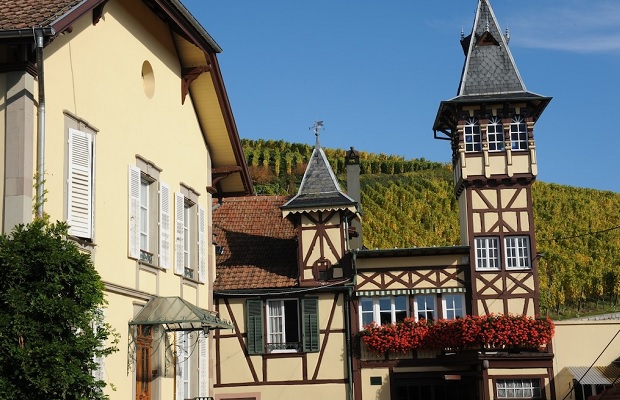
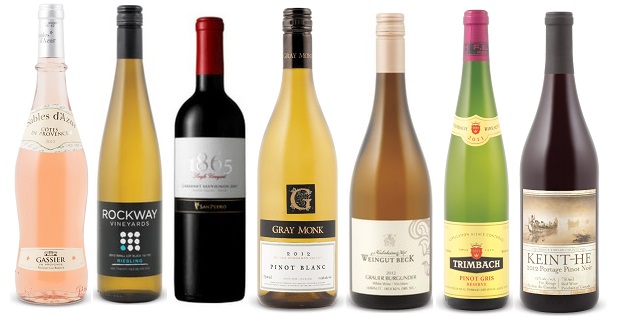
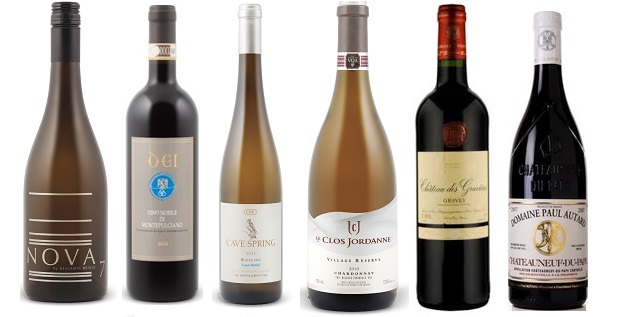
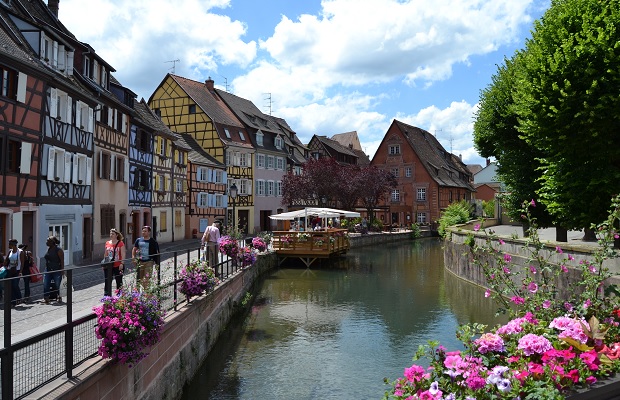

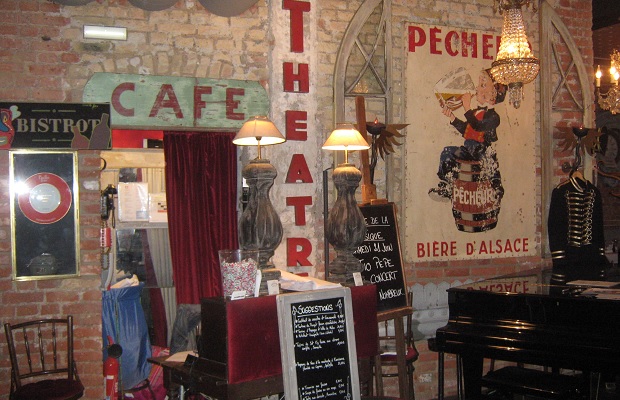
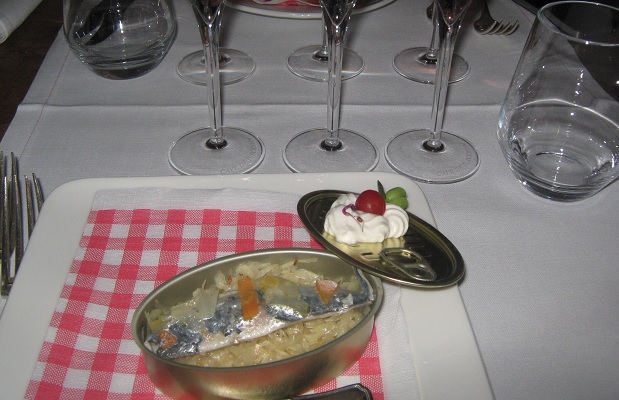

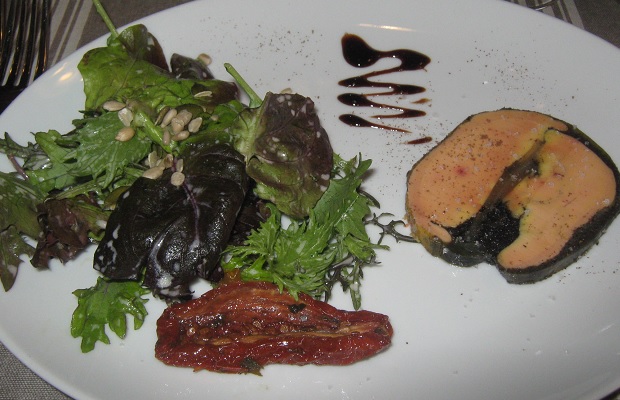
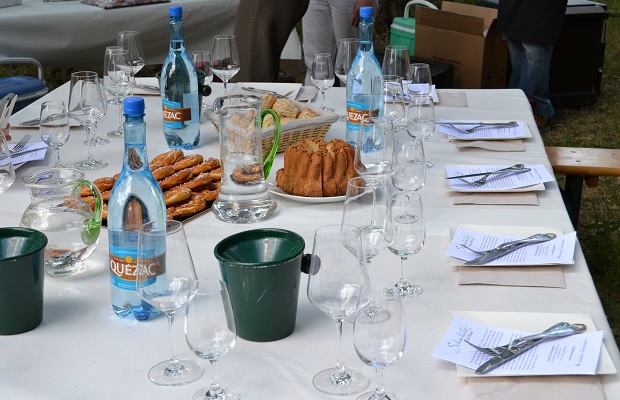
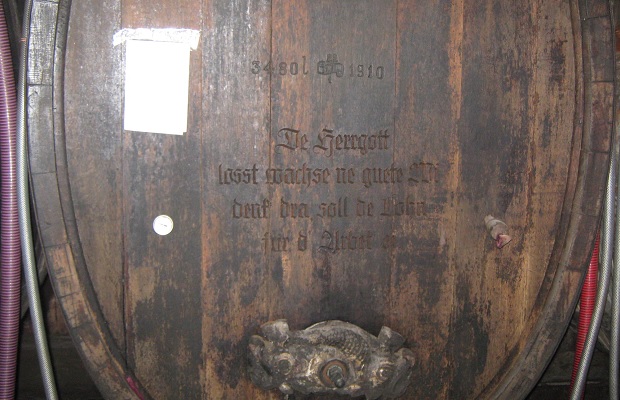
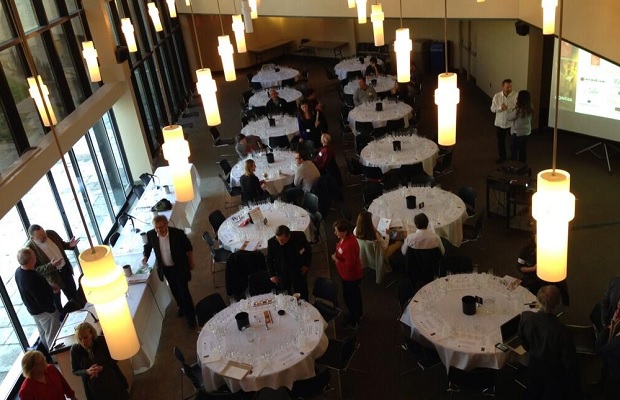
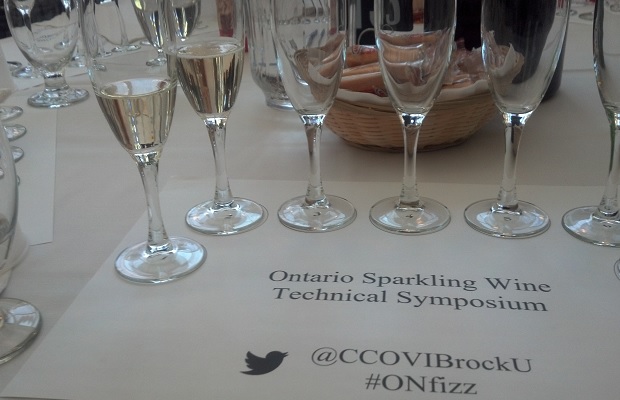

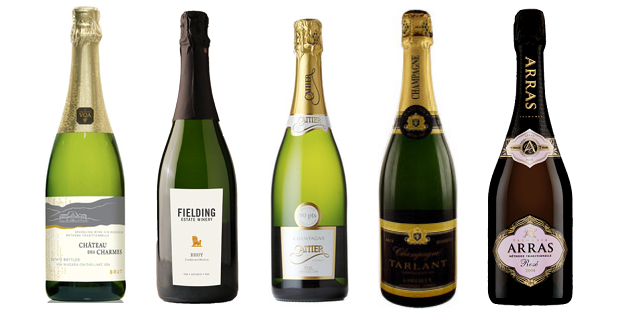
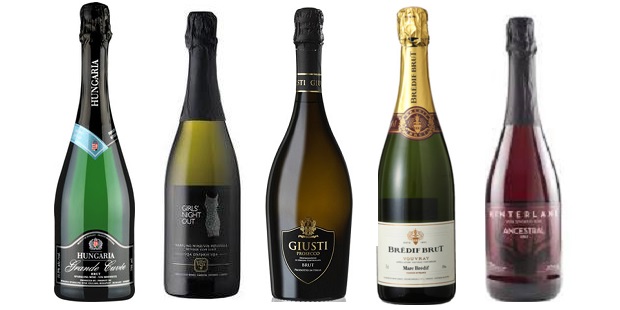
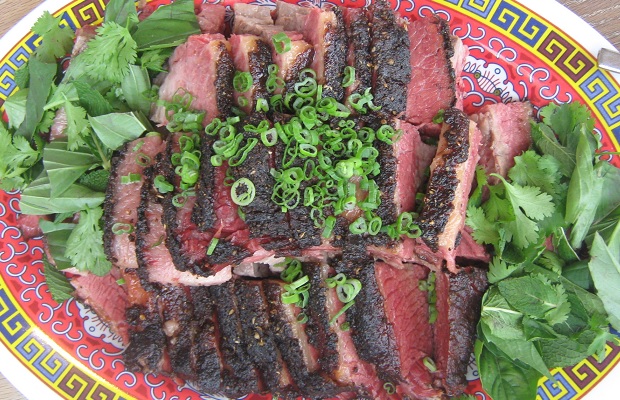

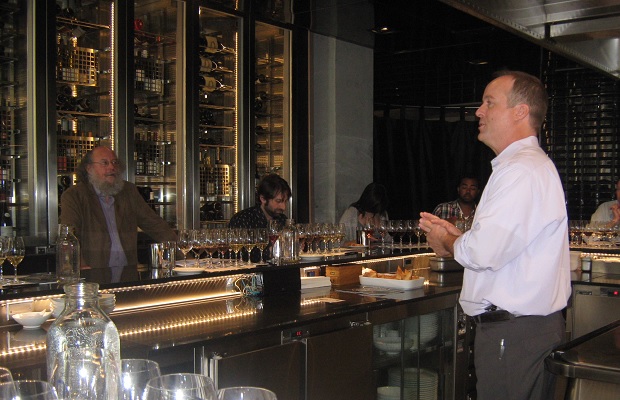
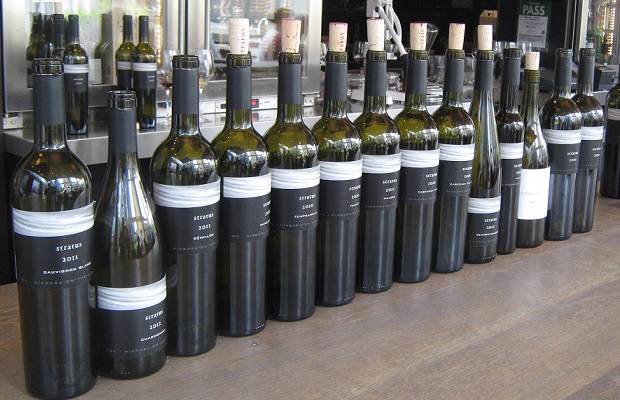
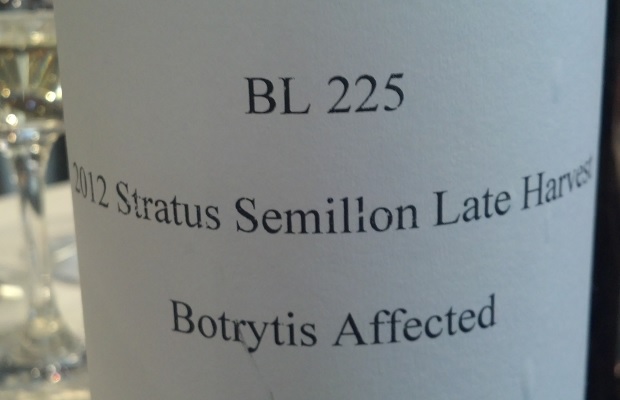
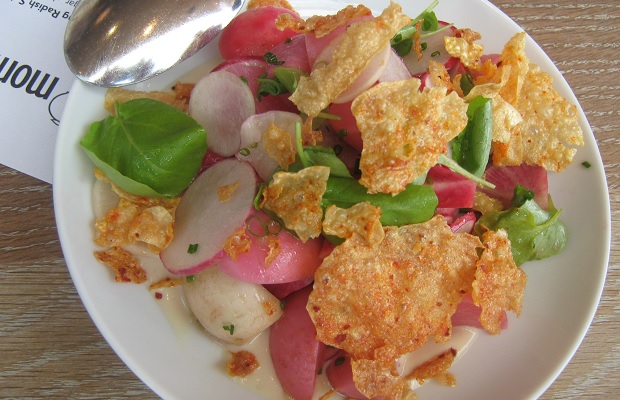
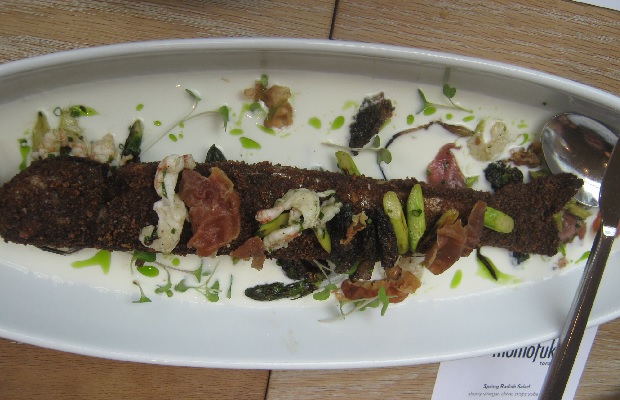
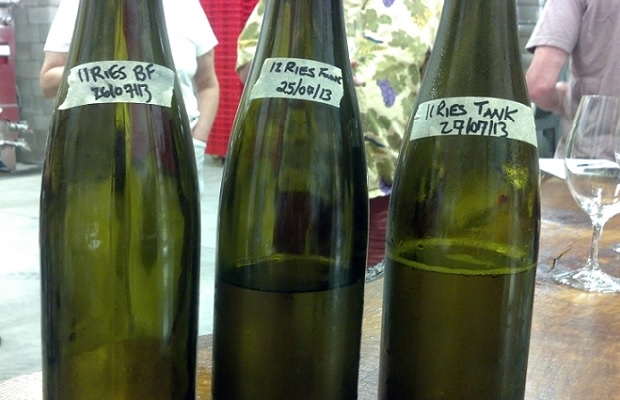
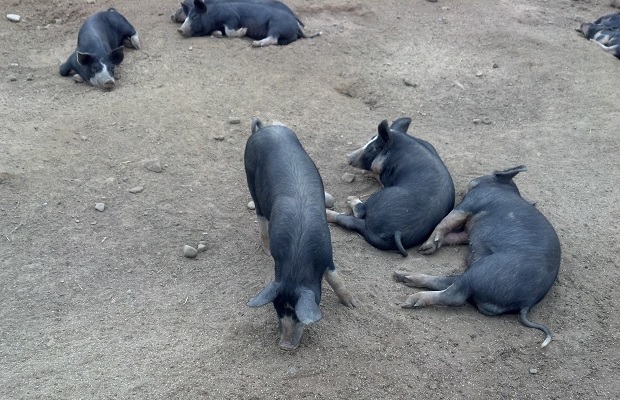
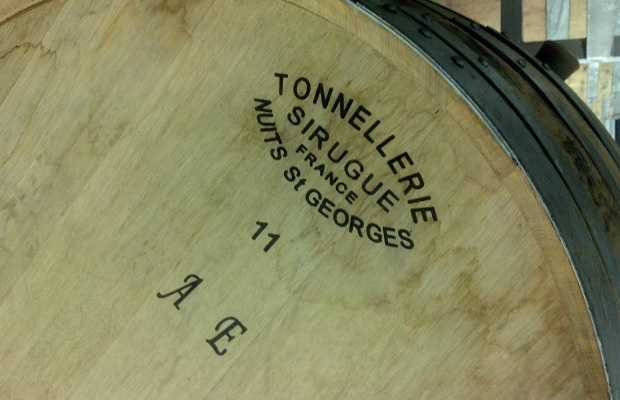
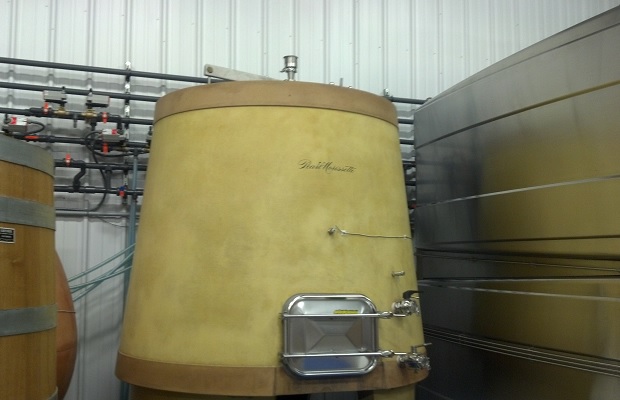
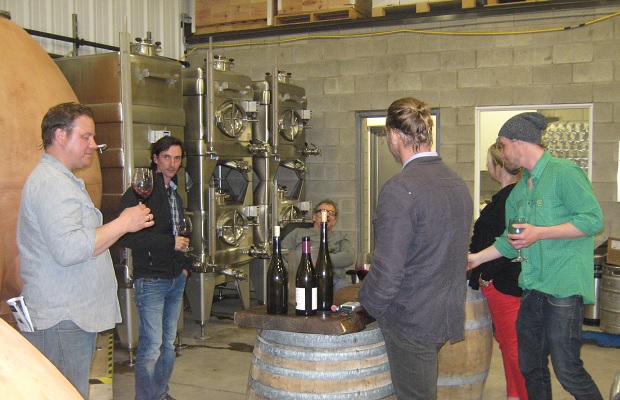

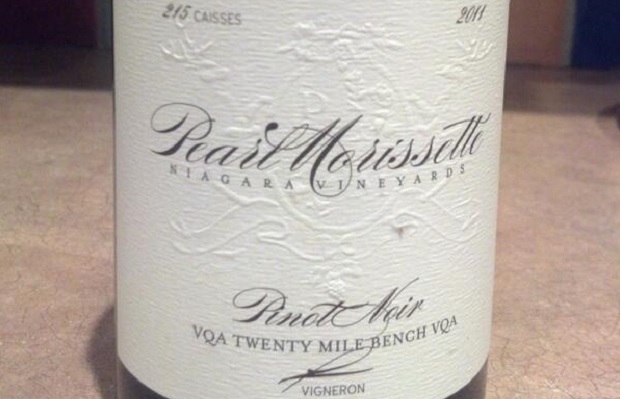
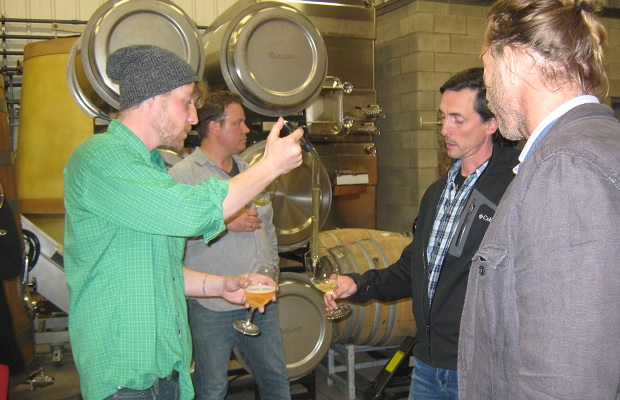



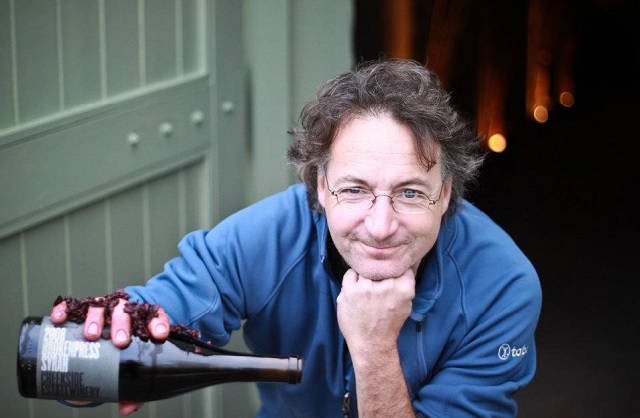


 Godello