First wild leeks of the season with grilled rib-eye steaks and burgers PHOTO: Michael Godel
Not that there is ever a bad time to partake in the wonders of Gamay, but with the mercury rising, spring is the right time to be with the Gamay you love. If you’ve never experienced the nuanced pleasure of great Gamay, whether it be from Beaujolais in Burgundy’s southern reaches or from Ontario’s cool-climate hinterlands, its prime time you did.
Dr. Janet Dorozynski coined the hashtag #GoGamayGo and it’s a good thing she did. Sometimes a little catch is all you need to get a ball rolling. Rhys Pender MW has written two prime articles on the subject, Gamay – The Grapes of Wrath and Gamay in British Columbia. Canadian winemakers are expanding production so the Gamay train is puling into wine stations across the country.
In May of 2013 this column noted “I wait for the #GoGamayGo network to convince our councils, marketing boards and vintners to establish a Canadian Cru system, or at least a comprehensive tasting of Canadian Gamay.” A varietal togetherness has yet to materialize but the appreciation is growing. Ilya Senchuk of Leaning Post Wines will be releasing his first Gamay go round from Wismer Vineyard 2013 fruit. “Gamay costs half of what Pinot Noir and Syrah do,” he notes. Conclusion? A small operation like Ilya’s can make an “entry-level” and consumer affordable wine for less money and without compromising their winemakeing oeuvre.
Gamay from Beaujolais in east-central France is thin-skinned, low in tannin and (more often than not), in acidity too. It is extremely versatile in its chameleon-like abilities and matches to more types of foods that you can likely prepare with any sense of range or flair. It makes much better wine than you think and it can outsmart you. Dismissing Gamay as in any way inferior is short-sighted and lazy.
Recent Gamay sightings and tasting are the impetus for these tasting notes. Ontario renditions were on display at Somewhereness and at County in the City. Woodman Wines and Spirits presented the Fleurie of Villa Ponciago at a recent Burgundy tasting. This spring, it’s go Gamay go time.
From left to right: Manoir Du Carra Fleurie 2010, Villa Ponciago La Réserve Fleurie 2012, Malivoire M2 Small Lot Gamay 2012, Villa Ponciago Cuvée Les Hauts Du Py 2012, 13th Street Sandstone Old Vines Gamay Noir 2012, Villa Ponciago Cuvée La Roche Muriers 2011
Malivoire M2 Small Lot Gamay 2012, Niagara Escarpment, Ontario (Winery, $19.95, WineAlign)
A six-month lay in French oak for 60 per cent of the Gamay fruit sourced exclusively from Malivoire’s Beamsville Bench estate vineyard is just what the go doctor ordered. Only Malivoire’s Gamay smells specifically like this; of tart and savoury capers, of small, earthy gemstones, of peppery currants, of meaty braising Bouille. A striking wine from a fortuitous Gamay vintage and great value that puts me in mind of how special the Courtney will be. Though the soils may differ, proximity wise they are close cousins. Tasted at @Somewhereness, April 2014
Huff Estates Gamay 2012, Prince Edward County, Ontario (winery, $25, WineAlign)
If $25 seems a premium to pay for Ontario Gamay, consider all that is on offer in winemaker Frédéric Picard’s take on the friendly French grape. Picard caddies for 13th Street (Niagara) fruit, vinifies it bone-dry with the minimalist edge of 14 months in 15 per cent new French oak. The fruit is so very ripe, in raspberry and gritless, creamy blueberry. Like savoury adult ice cream, silky smooth and with nary a hint of chalky grain. Well-designed and consumer-friendly as any Gamay has ever graced the Ontario consciousness. So you’ve “got that going for you, which is nice.” Shack up with Huff’s Gamay treat. Tasted at County in the City, April 2014
Guiltless and virtuous straight out of stainless, the meaty side of Gamay game boldly goes where few from the Bench have gone before. Like a rare venison steak sitting in a silky pool of lavender-scented demi-glace. Floral like Fleurie and despite zero new oak, vanilla joins the gravy. A Senchuk steal of quality Wismer fruit sets this Gamay up for easy sell success. Tasted @LeaningPostWine, April 2014
Manoir Du Carra Fleurie 2010, Ac, Beaujolais, France (364992, $24.95, WineAlign)
When the Gamay from Fleurie is spot on, the smells of meat and of flowers work both aromatic ends of the Beaujolais spectrum. Add some age to a solid core of black cherry fruit and voilà, get a nose of this Manoir Du Carra. Clearly humid and drifting into a soft decline, the claymation action here weighs down and grounds this Gamay in an earthy impression. Would benefit by the company of some serious salty, savoury and roasted fare. In the name of balance. Fun to drink now, improvement with time is not in the Carra cards. Tasted April 2014
13th Street Sandstone Old Vines Gamay Noir 2012, VQA Four Mile Creek, Niagara Peninsula (130195, $29.95, WineAlign)
If roses were stones they would produce an aroma that only 13th Street’s Sandstone Gamay would recall. Some previous vintages have pushed the boundary to sky-high excess and a subterranean ferrous burrowing but in 2012 the perfume is both grounded and ethereal. The sandy tuff rock is so in that glass, like the smell of a rugged beach, mist and salinity spraying and rising off the rocks. The ’12 now knows “I don’t have to sell my soul.” Wholly singular Gamay and with hopes it will always be this going forward. Where as before it said “I want to be adored,” it now confirms “you adore me.” Tasted at @Somewhereness, April 2014
Villa Ponciago La Réserve Fleurie 2012, Ac, Beaujolais, France (Agent Only, $30.00, WineAlign)
Slow ripening from up to 30 year-old vines on altitudinous slopes atop pink, granitic crystalline rock leads to increased elegance for La Réserve, beyond the paint and tar notes of the Millésime bottling. Cran-raspberry fruit gains density and vibrancy from the mineral-rich earth, transcending towards ripe strawberry. The lack of anxiety and tension is welcome and necessary for the simple pleasures given generously by this exemplary Gamay. For the short-term, to 2016. Tasted @WoodmanWinesBurgundy event March 2014
Villa Ponciago Cuvée Les Hauts Du Py 2012, Ac Fleurie, Beaujolais, France (Agent Only, $37.00, WineAlign)
From a critical high ranging and angling vineyard of granite bedrock with a vein of quartz running through it. Les Hauts Du Puy suffered during the 2012 season, with gloomy wet weather, storms and hail. Thanks to a September anticyclone return, the fruit was able to dry and then slowly mature, thus avoiding being blinded by the light. This single vineyard uses that white crystal like a thread of silk, allowing the coats of harder aromas to hang but never clamber aboard. More angst than La Réserve in the form of tannin and structure, something that can be attributed to the terroir of the Puy. Pure Gamay with a spring in its step, resolutely defined and with a cooler, blue fruit feel, tight, mineral-fed and charred on the finish. Tasted @WoodmanWinesBurgundy event March 2014
Villa Ponciago Cuvée La Roche Muriers 2011, Fleurie, Beaujolais, France (Agent Only, $60.00, WineAlign)
The harshest of the domain’s climatic and soil conditions lay a lashing of demand on this Gamay as much as any on the planet. It is nothing short of remarkable that it can maintain such a level of refinement and elegance so the fruit purity of this vineyard’s Gamay is noted and obvious. The most Burgundian of any Gamay out there today. Gone is the cranberry and tar of lesser locales, replaced by deeper tones and longer, elastic chains of tannin. A Gamay that nods knowingly and with impact. Tasted @WoodmanWinesBurgundy event March 2014
Chablis Mont De Milieu Premier Cru 2012, Pommard Rugiens Premier Cru 2012, Meursault Genevrières Premier Cru 2012, Nuits St Georges Les Cailles Premier Cru 2012, Chablis Les Clos Grand Cru 2012, Beaune Grèves Premier Cru Vigne De L’enfant Jésus 2012, Corton Charlemagne Grand Cru 2012
In a geographically focused world defined by its very own diacritic caste system, in climat, in villages, premier et grand cru, the wines from Burgundy will always be royal. The Pinot Noir and Chardonnay are entrenched in such status not because of wealth or conceit, but because of “humility and unassailable references” from hills, plots, rocks, soils, sun exposure and the test of time. They are, as Woodman Wines and Spirits’ Jason Woodman notes, from a place “where history, religion and quality intersect.”
From Wine-Searcher.com “Burgundy (Bourgogne in French) is an historic and highly respected wine region in eastern France. Burgundy wines have long had devout followers throughout the world and continue to do so today. Although Bordeaux produces about four times as much wine every year, Burgundy’s estimated 74,000 acres (30,000ha) of vineyards are considered to be of equal importance, producing some of the most exclusive wines on Earth.” Equally important? We’ll see about that.
To most wine-loving mere mortals, great Burgundy is inaccessible, a prepossessing supposition that supersedes reality. The pragmatic wine buyer imagines the best Pinot Noir and Chardonnay to personify greatness, without ever owning one. Most of the rest are viewed in a light of feigned eminence. The overpriced and the under-delivered. Quality time is spent sniffing out the paragons, the most difficult of all wines to find.
The song, Royals “is about how today’s music is all about what is considered the “good life,” filled with riches and fame, but not everyone can live that life, and so the average person is desperately reaching…” The wines of Burgundy certainly gravitate into the hands of a wealthy minority but behind the dollar signs they are simply bottles of farmed and fermented grapes.
The wines of the Côte de Nuits, Côte de Beaune, Chablis, Côte Chalonnaise and the Maconnais speak more clearly of their terroir than anywhere else in the world. They need not boast nor flaunt their wares. They simply are what they are and Burgundy is what it is. Affordable to so few, disregarded as out of league and untouchable by the rest. “That kind of luxe just ain’t for us,” might be the complaint of the anti-Burgundian wino. Regardless of where you sit in the Burgundian aperçu, you are not alone. The Brannigan will always be debated.
There are more expensive Burgundies. There are bigger names. Houses like Jayer, Romanée-Conti, Leflaive, Roumier, Leroy, Faiveley, Coche-Dury, Comte Liger-Belair, Dugat-Py, Ramonet and Rousseau. Golden escarpment producers that fetch higher prices for their top wines. There are just as productive and wide-reaching Burgundy conglomerates, like Latour and Boisset. But at the end of the day, is there a producer of red and white Burgundy that combines quality and quantity like Domaine Bouchard Père & Fils? The estate stretches over 48 km from north to south and is composed of 450 different vineyards. The Bouchard family has “been telling the history of Burgundy’s wine and its great appellations for over 280 years.” In Chablis, the rock stars may be Dauvissat and Raveneau, but who can argue the aggregate éclat of Domaine William Fèvre?
On March 24, 2014, Woodman Wines brought the two need no introduction Burgundy producers to the Royal Canadian Yacht Club for a very grand tasting. The “rare and miraculous” 2012’s from Domaine Bouchard Père & Fils and Domaine William Fèvre. Pinot Noir and Chardonnay of pedigree and learning. Producers with holdings in Burgundy as historic and regal as the domains of Kings and Queens. From places where winemaking is religion, where terroir is everything. The wines are expensive (in some cases frighteningly so) but they are a treat to taste.
Domaine Bouchard Père & Fils
Aligoté Ancien Domaine Carnot Bouzeron 2012, Burgundy, France ($28.00, WineAlign)
From the Côte Chalonnaise between Chagny and Rully this was a rare chance to taste Aligoté and from the first village to receive AOC status for the variety. Bouzeron sits in what Bouchard describes as a “windswept funnel,” which might explain its crazy, natural acidity and spirited character. Begins “with a low whisper, windswept on the air.” To nose it is smooth, creamy, soft and fruity. To taste it’s tight, racy and lifted by a metallic tang. For the price it ferries exceptional quality and personality. “Windswept is on the tide, a feeling only or state of mind?”
Montagny Premier Cru 2012, Burgundy, France ($79.00, WineAlign)
From the Côte Chalonnaise, the most southerly portion of the Côte d’Or. A higher amount of Marly soil mixed with White Burgundy-loving limestone imparts richness and a soft, Malo creamy texture. At present there is a sulphur presence that stretches its legs and hides beneath a level of tart fruit. The wood effect is in a spicy radish tone adding complexity to the lightly dressed salad flavours. Finishes with terrific length.
Meursault Genevrières Premier Cru 2012, Burgundy, France ($119.00, WineAlign)
Bouchard’s Genevrières speaks in a definitively, regional tone, a Côte-d’Or oriental vernacular with absolute and utter clarity. A wine this pure and at the head of its class means “time flies, doesn’t seem a minute.” From East and Southeast vine exposures above obvious and necessary limestone that vacuums a metallurgy mixed with the finest, circular centrifuge of acidity. This is the wrapping that envelopes richness, depth and fresh produce of a fruit/vegetable continuum. One night in Genevrières “makes a hard man humble.” A contemplative moment with this ’12 Bouchard may cause longing, to look east. “Don’t you know that when you play at this level there’s no ordinary venue.”
Chassagne Montrachet Morgeot Premier Cru 2012, Burgundy, France ($130.00, WineAlign)
From a plot of land that was called Morga, from the Latin margo which means edge border, in this case between the Côte d’Or and Saone-et-Loire. The soils in this mid-slope vineyard with a south-easterly exposure combine limestone and Marl and so Bouchard’s 2012 take shows an increased richesse and concentration. A Chardonnay with drive, determination and delineation. Noticeably toasty and though mostly quiet now, even it its youth it is already showing resurgent citrus and nutty tones. It will oscillate back and forth between the poles for five years or so and come together for many more beyond.
Corton Charlemagne Grand Cru 2012, Burgundy, France ($250.00, WineAlign)
The Bouchard description of “a scarce and promising vintage” will apply to this flagship Grand Cru as much as it will to any in the stable. Corton’s ode to King Charlemagne’s not to be stained white beard is the most difficult to contemplate, assess and articulate in its steely, whispering youth. This rare vineyard planted to both Pinot Noir and Chardonnay, if just by chance it “crossed the diamond with the pearl,” is no cause for concern. This Charlemagne is just a kid, yet unaware of how it will rule with purity, personality and impunity. It does not yet know this and when it matures, it might be asked “did you realize that you were a champion in their eyes?” The creamy texture, subtle toast and extraordinary flavours are all there. Lay it down for 10 years and relive its limestone treasures for 20 more.
Gevrey Chambertin 2011, Burgundy, France (661330, $49.95, WineAlign)
With the largest number of Grand Crus is the area, is it any wonder how one Gevrey Chambertin finds a way to set itself apart from the others? This 2011 Bouchard does so with this refined, restrained and cleansing Pinot Noir. Earthy and sugary beet flavours echo similar aromas. Picking time was certainly key. Foregoes grit, girth and a belt’s tannic lash for elegance and a directive to balance along a straightforward, pleasing line. Will do its best work in short-term gains, from now to 2018.
Savigny Lès Beaune Les Lavières Premier Cru 2012, Burgundy, France ($62.00, WineAlign)
From a limestone and clay vineyard in Bouchard’s control for just over 100 years. Filled with “laves,” the big flat stones that characterize the land, this 1er Cru is painted by the soil, with a charred, mineral glaze. It’s also sweeter and scented by high-toned red fruit, less refined than other Beaune vineyards but all the while offering near-immediate gratification. Could use a couple of years to settle and will drink well for five or more.
Gevrey Chambertin 2012, Burgundy, France ($66.00, WineAlign)
In this vintage the Gevrey is a magnified version of itself, seemingly drawing every atom of mineral and fossil from its Triassic limestone bed. The table of clay potassium, phosphorous and iron are all in this bottle, expressed in earthy Pinot Noir character. This might be the Bouchard blazon and secret weapon; dangereux, tight, sharp and pointed. The fruit is pure and clearly defined but will require time to shed its tough outer layer. Put the 2012 Gevrey away for five years and look to see it open up to 2022.
Chambolle Musigny 2012, Burgundy, France ($76.00, WineAlign)
From the shallowest of Côte-d’Or soils, Bouchard’s Chambolle Musigny is extracted from delicate berries that rely on its vine’s roots to crawl down into limestone’s fissures in search of nutrients. Though many a Chambolle exhibits tenderness and elegance, this Bouchard hard-working vine has produced a quilted, tactile wine of texture and contour. It opens with its own special vineyard stink, a note of subterranean terroir that dissipates with a swirl. A wildly woven combination of chalk, grain and chewy licorice makes for a varied and salubrious mouthful. As big as it gets for the appellation and surely worth a go from 2018 and for a decade more.
Volnay Ancienne Cuvée Carnot Caillerets Premier Cru 2012, Burgundy, France ($118.00, WineAlign)
Caillerets and the term tête de cuvée go back as far as 1855 and with this iconic bottling there is proof in perpetuum that Bouchard knows Volnay. This is the house’s first vineyard dating to 1775 so it goes without saying that 237 years of experience is nothing to dismiss. The 2012 Cuvée Carnot is refined in a state of heightened awareness. The aromas are smoky, meaty and the favours concentrated. Distinctively opaque like a Pensieve with a swirling torrent of tannin pushed along by centrifugal force. Will need 10 years to immobilize, then to age rhythmically for 10 more.
Pommard Rugiens Premier Cru 2012, Burgundy, France ($146.00, WineAlign)
Bouchard’s Pommard Rugiens goes at the Pinot Noir diapason from every angle. At once fibrous and rigid, it is also highly perfumed by flowers, most notably violets. The rich iron-red soil imparts a large measure of ferrous aroma but the pure fruit sustains the mineral and the wine remains a good conversationalist. A metrosexual, acting out both masculine and feminine parts. The rest of the Bouchard red Burgundies tend to choose one side or the other but the gregarious Pommard lives on the edge. A streak of char and chalky tannin shows late and lingers throughout the lengthy finish.
Nuits St Georges Les Cailles Premier Cru 2012, Burgundy, France ($146.00, WineAlign)
A gorgeously refined wine built on finesse, clarity and concentration. All its graceful parts move in synch through structured stages of class, refinement and with a goal towards a realized, long evolution. Noticeable but sweet tannins are gained by a bleeding of the terroir‘s oolithic chalk by way of hard stones. Silky and feminine perfumed red fruit never wavers from its intent, to seduce and give pleasure. No dying quail this Nuits St Georges, nor a frozen rope, the wine hangs in balance effortlessly and for a long, long time. Enjoy it for 10-15 years.
Beaune Grèves Premier Cru Vigne De L’enfant Jésus 2012, Burgundy, France ($146.00, WineAlign)
From the just a shade under four hectare, formerly owned by Carmelites vineyard within the famous 32 hectare “Roi Soleil” Grèves appellation. Like its namesake (in reference to Louis XIV), this Bouchard is the red that displays the most control and Type-A personality. A wine that draws every bit of modern terroir from the gravelly clay. A wine of great excess, state-of-the-art, jeweled, luxurious and crafted with the heaviest hand. The sun king goes for much glory, but at what price? The price of needing to be loved in its youth. The question is will that cost L’enfant Jésus 2012 long-term success? With more abundant fruit than a Versailles Trianon and the guts to soldier on, it’s hard to imagine it not aging for 20 or more years.
Domaine William Fèvre
Saint Bris 2012, Ac, Burgundy, France ($25.00, WineAlign)
From the commune of Saint-Bris-le-Vineux, this is light, cool-climate tension Sauvignon Blanc. A wine of impetuous and quick-step moments. The rush of just opened soda, the spray of a freshly bitten green apple, the knife cutting through juicy lemons and limes. A hyper-clean rendition of the Loire grape, this northern rendition will work an oyster with ease.
Chablis Les Lys Premier Cru 2012, Burgundy, France ($58.00, WineAlign)
Of the Fèvre Premier Cru designations, Les Lys exhibits the softest, downy touch and the more muted or demurred personality. The fine lees is distributed through the texture and the limestone gives way to chalk on top. Offers up more spongy fruit than Montmains or Monte de Milieu and finishes with charm.
Chablis Mont De Milieu Premier Cru 2012, Burgundy, France ($69.00, WineAlign)
The Fèvre Mont De Milieu is the smallest of the domain’s Premier Cru holdings with a struck by flint personality that is quite intense. Neither Les Lys or Montmains show such dynamic mineral effect. The most righteous of the Chablis Serein River banks brothers maintains that matchstick loving feeling, though it is temporarily relinquished to a honeyed moment. It’s “a love you don’t find every day, so don’t, don’t, don’t let it slip away.” Fear not, for the gathering is beautifully concentrated and the rocky, mineral bent never fully dissipates. A Milieu to savor from 2017 to 2025.
Chablis Bougros Grand Cru 2012, Burgundy, France ($97.00, WineAlign)
While the appellation may not be the most sought after in terms of Chablis Grand Cru, the dominant Fèvre presence, experience and dedication to making Chardonnay in Bougros can’t be ignored. A good, if not exceptional vintage, 2012 is appropriate and defining. The sensations are of precious gems and metals and the exuberance restrained, but this Chablis seems on the verge. It’s as if a match has touched the strip and is about to alight. A powdering of Kimmeridgian clay is saturated by a smack of late lashing acidity. The Fèvre Bougros rises with energy from a standstill to high-speed. It will age harmoniously into the next decade.
Chablis Les Clos Grand Cru 2012, Burgundy, France ($143.00, WineAlign)
The Fèvre take on Les Clos is the cradle of all the domain’s wines, in every respect. Intensely concentrated, this is Chardonnay expressive in every facet of its surroundings. The impart from compressed white limestone, ancient fossils and Jurassic minerals in distillate may seem abstract in description but how else can the feeling of a mouth full of rocks be conveyed? The remarkably complex Les Clos and its structured palate that goes on forever has come out of its Chablis vineyard cradle and will live on as one of the best ever. “It’s not a place, it’s a yearning. It’s not a race, it’s a journey.” There is no rush to drink it up. It will offer immense pleasure for 20-25 years.
From left to right: Concha Y Toro Marques De Casa Concha Carmenère 2008, Jim Barry The Cover Drive Cabernet Sauvignon 2010, L’ecole No. 41 Red Wine 2011, Blue Mountain Reserve Pinot Noir 2011, Michele Castellani Colle Cristi Collezione Ca’ Del Pipa Amarone Della Valpolicella Classico 2008, Domaine Des Martinelles Hermitage 2009, Painted Rock Red Icon 2011
That the ‘Blood Moon” tetrad of 2014-2015 fall on Passover and Sukkot should come as no surprise. That it’s snowing again on April 15th while the Moon meets the Earth’s shadow for a total lunar eclipse is a cosmic connection that requires red wine. Big reds.
Last weekend’s VINTAGES April 12th release had some beauties and a recent tasting at WineAlign of B.C. wines showed that power and finesse can co-exist on the Left Coast. Who knew they would come in handy with the mercury again dipping below zero and people everywhere howling at a moon they can’t see. Crazy times.
Thanks to Dave Dickinson, the lunar phenomenon is broken down into laymen’s terms, in shades of red. “Does the eclipsed Moon appear reddish to you? What you’re seeing is the sunlight of a thousand sunsets worldwide, streaming through the Earth’s atmosphere into the shadow. This color can vary considerably from eclipse to eclipse, causing it to appear anywhere from a dark tea-stained color to a bright cherry red. This variation is due to the amount of dust currently in the Earth’s atmosphere, and is measured on what is known as the Danjon scale.”
Here are seven immense red wines, from three continents, each with their own unique style, to match with a blood moon.
Concha Y Toro Marques De Casa Concha Carmenère 2008, Peumo Vineyard, Rapel Valley, Chile (169862, $19.95, WineAlign)
A trifecta of regard makes this worth looking at, the least of which, at first thought, is the effect of some age. The Concha y Toro Carmenère examination, in Carmín de Peumo, in Terrunyo and in Marques de Casa Concha is the Chilean reference point for the variety. The impart of deep, clay soils and the expectation of gentle tannins make for a curiosity call when considering an ’08 specimen. Tough and gritty, on one hand, on the other soapy, sandalwood and waxy. The third hand has smouldering wood, berries and tannins. Very much like its Cab and Merlot brethren, the fruit is just starting to be outrun. Try it now and see what Carmenère can bring. Tasted March 2014 @conchaytoro
Jim Barry The Cover Drive Cabernet Sauvignon 2010, Coonawarra, South Australia (677476, $26.95, WineAlign)
Young-ish vines on the site of the old Coonawarra Penola cricket ground receive perpetual hydro-mineral support from porous limestone under rich terra rossa soil. That fruit is then blended with extract from estate vineyards in the Clare Valley. Smashes the cover off the grapes towards a full on gain of flavour. Charred peppers and lush black berries are smothered and splintered by a 50/50 split of French and American oak in no less than a crush of conceit. Tannin, grit, joy, flesh, full on deep fruit and mineral. Obviously over-swung and with too much club (switching sports), like using Driver used when a long iron would have sufficed. But you drive for show and this Barry can putt for dough. Tasted March 2014 @Jimbarrywines
L’ecole No. 41 Red Wine 2011, Columbia Valley, Washington, USA (366237, $29.95, WineAlign)
A really good, high-octane red blend if blatantly massive. Like the smell of a shiny, varnished, fresh wood cabin glazed by highly aromatic and resinous epoxy extract. That’s the simple tasting note. The more complex version includes a perfume potpourri of Bougainvillea, violet, orange peel, cinnamon, dark chocolate and a lumber factory. The electric, fully plugged in blend is Syrah, Merlot, Cabernet Sauvignon, Malbec, Cabernet Franc and Grenache (38, 36, 15, 6, 4 and 1). The quotient seeks learned Nirvana and with a little luck, some power chords, a bit of screaming and historical, retro-cult exoneration, it may just get there. Right now it just feels like High School. Impulsive and uncomfortable. Wouldn’t you believe it, it’s just my luck. No recess.” Tasted March 2014 @lecole41
Blue Mountain Reserve Pinot Noir 2011, Okanagan Valley, British Columbia, Canada (Winery, $36.00, WineAlign)
The Reserve Pinot is intoxicating to say the list. Some whole clusters in the fermentation process add mouth feel, cure and needed grit but how this can not be viewed overall in the shiniest west coast light would be confounding. The reserve ’11 is both “sky as I kite, sticky as lips” and “as licky as trips.” If there was ever an Okanagan Pinot Noir to get you high, this would be the one. What a boisterous effort out of a less than scorching vintage and considering the modest to riches price, no shame in visiting with flavourful fare, imbued with spice, any day of the week. Tasted April 2014 @BlueMtnWinery
Michele Castellani Colle Cristi Collezione Ca’ Del Pipa Amarone Della Valpolicella Classico 2008, Veneto, Italy (222109, $45.95, WineAlign)
The magic of age is a friend to Amarone and funk trumps fruit. In a nutshell the axiom describes the old-school Colle Cristi. A brooding Amarone, cut by zest that’s citrus-like and savoury/earthy in pine needles, juniper and a Venetian forest in autumn. Inviatura and Chiaroscuro. Caravaggio meets Giorgione. The most complex Valpolicella in the April 12th VINTAGES line-up. Tasted March 2014
Domaine Des Martinelles Hermitage 2009, Rhone, France (112268, $54.95, WineAlign)
Clearly modern and style-heavy though not out-of-place in the world of Hermitage. From steep slopes of stony brown sand, a high level of grit might be expected but this Syrah is refined, lush and smooth as silk. At 14.5 percent it’s no shrinking violet, honest and futuristically traditional. At $55 it’s a mandatory, appellative Northern Rhone steal. Matter-of-fact acidity, verve and mineral content are all in, with elegance and balance. Really fine Syrah with a five to ten-year fruit-tannin power struggle ahead. Tasted March 2014 @LeSommelierWine
Painted Rock Red Icon 2011, VQA Okanagan Valley, British Columbia, Canada (Agent, $55.00, WineAlign)
Painted Rock’s red icon could be considered more black than red, as exemplified by the layering of grapes, their pitchy extracts and the fruit associated with their gathering. If the man should ask, “tell him what we said ’bout ‘Paint It Black.’ Rock ‘n Roll is here to stay.” Yes, the Icon will be a big star someday and perhaps this ’11, despite the cooler vintage, will be the first. Might have to wait 13 years or more to find out because the tannic structure is in beast mode and will remain so for likely that much time. The wine plays memorable chords and its song lingers on the brain. Tasted April 2014 @liffordwine@PaintedRockJohn
David Pearson has been the CEO of Opus One since February of 2004. His job is both simple at heart and complex of mind. Two legendary wine men, California’s Robert Mondavi and Bordeaux’s Baron Philippe de Rothschild combined (in 1978) to create one of Napa Valley’s most iconic wines. “At its core, Opus One is an idea,” relates Mr. Pearson. The wine is a blend of Mondavi and Mouton, a reflection of the character of two families.
Pearson is responsible for all production, marketing, sales and administrative activities at Opus One. He is the caretaker of a single bottle of wine. Can there be another brand, anywhere in the world (not called a First Growth) that carries such weight or specificity of concentration? The job requires serious moxie and intuition. The soft-spoken David Pearson is Opus One. That much is clear. Thirty-five years later “we’re just at the beginning of the process,” explains Pearson, “In evolution, of developing this great marriage.” For the uninitiated, Opus One is a Bordeaux table blend of the traditional five varieties, Cabernet Sauvignon, Cabernet Franc, Merlot, Petit Verdot and Malbec, made in a “California style.”
It started as a pure concept, with no actual vineyard, in the Baron’s bedroom back in the 1970’s. “The wine is a child that resembles its parents,” notes Pearson. He sees its growth has now reached a maturity stage for individual vintages to be judged as either that child or as an adult. Pearson, Craig de Blois and Mark Coster of Noble Estates brought four vintages of Opus One to Luma Restaurant on March 27th. Pearson asked that the group of sommeliers and wine scribes decide which of these wines have left their parent’s home. The exercise seemed simple enough, especially with a level of clarity made readily available by the fact that all four vintages poured were fostered and nurtured by current winemaker Michael Silacci. Silacci joined Opus One in March 2001 as director of viticulture and enology and became winemaker in January of 2004. After tasting a stunning set from 2010, 2009, 2006 and 2001, the solicited clarity was revealed.
All natural acidity, an ever-earlier picking stratagem and less frequent racking define the Opus direction. The Opus team considers their winemaking “minimalist” and though in wine-speak that is certainly a relative term, as a group the wines do present with a meritorious level of fruit purity. That can’t be said for many Napa Valley brands that seek more hedonism than is often necessary. Saying that the price of a bottle is inflated by a historical elevage of personality and fashion branding neither does Opus One an injustice nor does it relegate the commenter as a castaway to a deserted island. Opus One is a brilliant and gorgeous red. It’s also very expensive.
Opus One Tasting at Luma Restaurant Photo: Eric Vellend
In September of 2012 I had the pleasure of tasting the Opus One 1989. My tasting note:
Opus One 1989 Unbelievable. A lesson in Napa iconoclasm. What every great 22-year old New World wine should strive to become. In harmony with every part of itself; fruit, tannin, acidity. Beauty within and without. Dark, sultry, full of all things berry and oak. The full gamut of red and black fruit, vanilla, mocha and chocolate. Like walking into your childhood and being handed the keys to Charlie’s factory. Another M gem.
Notes from the March 2014 tasting: Opus One, Napa Valley (26310, $399.95 – 2009 vintage)
2010 (WineAlign) The blend is Cabernet Sauvignon (84 per cent), Cabernet Franc (5.5), Merlot (5.5), Petit Verdot (4) and Malbec (1). Fiercely approachable, a rope of gemstones falling effortlessly into the palm of a velvet glove. Imminently modern, reeking of toothsome Napa and working without Old World parental support. Dense texture, high acidity and exceptional length. Layers upon layers of fruit powered by audacity and prowess. Even this formidable ’10 will struggle to find immunity from the weird vintage. It’s ripe, anything but green and manages an admirable level of elegance. Lives for today. Will it age like its older siblings? Yes, but not as long.
2009 (WineAlign) The blend is Cabernet Sauvignon (81 per cent), Cabernet Franc (9), Petit Verdot (6), Merlot (3) and Malbec (1). The immediate and obvious cerebration is all about its incredible sense of balance. A garden of perfume, the most Bordeaux-bent of the tasting and a mineral reverberation carried on through a seemingly never-ending finish. Blessed by a long and sweet chain of tannin. This ’09 has that Mediterranean brush stroke of garrigue and black olive smothered by a smear of sun-drenched California fruit. Another challenging vintage where picking time was so crucial. That September 21st to October 20th window must have been the right one.
2006 (WineAlign) The blend is Cabernet Sauvignon (77 per cent), Merlot (12), Cabernet Franc (5), Petit Verdot (3) and Malbec (3). A kinaesthesia with age is sent forward by the tertiary complexity of its make-up. Dusty, still marked by acidity, along with a note of toffee and a raisining of the fruit. Savoury too, in gentle middle-age, it gives away strange sensations and aromas that suggest a potpourri of powders; rose, bacon, espresso and Filé. Full of grace and contentment. A cool year that saw no end-of-year heat spike, this is a most unique Opus one.
2001 (WineAlign) The blend is Cabernet Sauvignon (87 per cent), Merlot (6), Malbec (3), Cabernet Franc (2) and Petit Verdot (2). The ’01 conjures up instant funk and “the beat is really soothing.” The Bretty streak stretches, dissipates and is cleansed as the wine aerates, but the groove lingers on. An Opus that clearly states “I got my mind made up.” Of the vineyard and for the vineyard, with a note of wet forest. The Bar Mitzvah boy is acting as one would expect, as an agent to a coming of age law, like a leather satchel filled with dehydrating, concentrated fruit. Swirl some more and that jerky is then drizzled by a Mickey of berry liqueur and dusted by 13 year-old dirt. A vintage defined by 14 per cent alcohol, still vital, powerful and neo-gritty. Forty-five minutes in, the lingering funk is fading but the thought, the chalk and the grain sends this Opus One back across the Atlantic, to the world of Mouton.
As time goes by, I am hearing less comments like, “well that one got a 95,” and “that one is better value because it got a 90.” Wine ratings may increasingly becoming maligned and less frequently employed but that does not mean they don’t have their place. Scores continue to be necessary as a way to evaluate wines that lack a certain level of honesty. Wines on the edge of being dodgily made, encumbered by heavy-handed, industry-fed, mass marketing machines. Scores separate and differentiate the wheat from the chaff when dealing with over the top residual sugar, hyper-acidification, bloated alcohol and (lack of fruit) masking. Embrocating one Malbec an 85 over another’s 84 makes a comment on the relative validities of those two sweetened confections.
Attaching a rating to a tasting note is not a question of right versus wrong. Ratings measure a bottle of wine against its peers. That is the simple answer. The problem is that the tasting experience is a subjective one and each reviewer has personal preferences, so in order to align with one (or more), the consumer must self-calibrate alongside a critic whose palate they’ve figured out. Very difficult to do, so relying on scores has always been the easiest road to travel.
Part of the problem is that tasting notes, on their own, are often fleeting and impossible to grasp. Guilty as charged. Fred Swan put this is the most eloquent terms. “Tasting notes are like photographs, portraying a subject at one brief moment in time and without a back story.” If tasting notes are just snapshots, is that not compelling testimony as to the need for an accompanying score? Or is the rating simply a tool understood within the context of marketing?
Jamie Goode’s take. “I find myself in a tricky position: I use points even though I don’t like to because readers find them useful. And I have to calibrate my scale with the major critics. This pushes me into a corner.”
Still the debate is growing and for good reason. The wine community is tiring of seeing scores, especially those tabulated using the Robert Parker Jr. anointed 100-point scale, attached to a critic’s wine tasting note. The question has always been this. Why would you need scores to sell wine?
Mr. Parker feels so strongly about the entrenched longevity of his system that he’s announced the launch of a new lifestyle magazine called “100 Points by Robert Parker.” Does this sound like a last gasp fling from a captain going down with his ship? Bill Zacharkiw seems to intimate the idea, but the Montreal Gazette wine critic is smarter than to lash out and drag anyone through the mud. Taking a high road, Zacharkiw writes, “from grapes to wine styles, there is truly a wine for everyone. I have my taste, you have yours, and Parker has his.” No, nor scores neither. Nor scores neither.
The fervor and sometimes rage in the argument reminds me of the (second) most famous of Hamlet soliloquys. “Why it appeareth nothing to me but a foul and pestilent congregation of vapours. What a piece of work is a man!” Most of the voices chiming in on this hot topic only see the ratings world in black and white. There are more shades of grey than many would freely admit. Scores have their place.
Meanwhile, Decanter is reporting that Château Pontet-Canet made a bold decision to test (more than 20 years) of uncharted waters by setting their en Primeur pricing in advance of the taste and ratings levies by the major critics. Since the nineties the likes of Parker, Decanter and Wine Spectator have all but determined Bordeaux Futures pricing. Pontet-Canet’s move is being seen as another nail in the 100-point coffin. One Bordeaux négociant commented, “If other chateaux follow this same pricing model, we might as well go home now.”
The real issue is the bottle itself. In the new world of wine, who has not thrown new stock and a vested interest into wines made naturally, in sustainable, biodynamic or organic ways? Who has not made a resolution to drink more honest wine? Producing good wine still trumps the natural theatre of viticulture and viniculture but honesty is the new order. Honest wines should go forth and be free of wine ratings.
Wine scores can be ignored if we concentrate on what matters. Like apiculate yeast, fermentative vigor, microflora, clonal selection and soil. We also need to talk more about and mention flaws, like chlorinated compounds, hydrogen sulphide and volatile acidity. These are things that are too often brushed under the rug.
I will continue to post ratings of the wines I review on WineAlign because as a community of critics we offer a round table of opinions that allow the wine buyer to make gathered, educated and informed decisions. In consideration that this forum is a singular expression of opinions, this column will no longer attach scores to tasting notes. It’s quite obvious, plain and simple. I only write about honest wines for canada.com. The prose speaks for itself.
With spring beginning this Friday, no joke, here are the last of the great big winter reds. Five wines recently tasted that thrilled by way of their fairness, their honor and their virtue. Wines that need no score.
From left: Mi Terruño Reserve Cabernet Sauvignon 2010, Pearl Morissette Cabernet Franc Cuvée Madeline 2010, Ruffino Ducale Oro Riserva Chianti Classico 2008, The Hess Collection Cabernet Sauvignon 1990, and Château Calon Ségur 2010, Ac Saint Estèphe
Mi Terruño Reserve Cabernet Sauvignon 2010, Mendoza, Argentina (364133, $15.95, WineAlign) From the VINTAGES March 29, 2014 Release
Stands out for its honest fruit, this Mendozan from San Roque district in Maipú county. Qualified by an admirable level of restraint, low in residual sugar and alcohol, straightforward, unencumbered. Winemakers María Eugenia Baigorria and Sergio Giménez have let the fruit speak in clean, level tones, in red berries, licorice red and black, a dusting of spice, red cherry and even strawberry. This is textbook hands off winemaking with nearly exceptional length and simply solid from start to finish. Mi sueno, mi terruño. Tasted March 2014
Pearl Morissette Cabernet Franc Cuvée Madeline 2010, VQA Twenty Mile Bench, Niagara Peninsula (winery, $38, WineAlign)
Francois Morissette’s 2010 is a pioneering example towards defining Bench appellation Cabernet Franc isomeric reactions. Relationships between grapes of a growing area and their ultimate destination in bottle. An affair of veraison, leaf drop, frost, hand harvesting, whole cluster sorting and berry oak fermenting. Indigenous yeast, punch downs and overs for phenolic skin extraction and polymerization. Neutral oak and sulfur dioxide to provide antimicrobial and antioxidant protection. An eighteen month somniac’s rest, fine lees and no filtration. The structural arrangement in cohabitation of radicals and ions leads to such a Cabernet Franc. Fully expressive of an endemic, very ripe, vegetal varietal vicissitude that is both inbred and necessary. Currants and peppered berries of power and grit. Dry (2 g/L residual sugar), plump (13.7 per cent alcohol) and scarce (618 cases made). Reflective of the warm 2010 vintage and will always act in stark contrast to the elegant 2011. Tasted July 2013 and March 2014 @PearlMorissette On the card at Barque Smokehouse
Ruffino Ducale Oro Riserva Chianti Classico 2008, Tuscany, Italy (353201, $43.95, WineAlign) From the VINTAGES March 29, 2014 Release
A re-release showing an exuberance of advanced character. Now acting out the strikingly rich and golden vintage, in Lamé and gilded iron. Speaking a most Tuscan, elite vernacular, already recognizable and evolving into its own skin, with a notion towards herbaceous, dried fruit. A classic pasta and roasted meats red wine. Nonna’s Trattoria kitchen in a glass. Drying just a touch, so drink up. Earlier note: “Slight earthy funk, imparted by the vineyard floor and in part from the wood. Sappy, resinous, distinctively warm-blooded, plummy fruit. Tuscan tang though light on pucker.” Tasted October 2013 and March 2014
The Hess Collection Cabernet Sauvignon 1990, Mount Veeder, Napa Valley, California, USA (662015, $59.00, WineAlign)
A seminal bottling from a game-changing year, for two all important reasons. One, it was a great vintage for Napa reds and two, the Mount Veeder sub-appellation was established. While only 24 years ago, a mere five wineries existed there at the time, including Mayacamas, Mt. Veeder and Hess. No hyperbole to say this is tasting a piece of history. Despite my “shouting all about love,” this splendidly aged Cabernet is not so much about resilience as it is persistence and infinite wisdom. All those years ago there were Napa reds made at a mere 12.5 per cent alcohol, with finesse and a sense of George-like calm. With little aeration there is fig, prune and toffee gently weeping but with air the aged fruit is swept away by a wave of gob stopping Cassis before its time. Preconceived notions of banausic, early days Cabernet are smothered by the magic dust of this Hess religion, a Dharma of licorice, ash and enlightenment. A wine to make you forget where you are. Depth, length and up to a half decade yet of reserved life lay ahead. Tasted March 2014 @HessCollection
Château Calon Ségur 2010, Ac Saint Estèphe, Bordeaux, France (259010, $149.85, WineAlign) An In-Store Discovery from the VINTAGES March 29, 2014 Release
A blend that in 2010 is extremely high in Cabernet Sauvignon (86 per cent), with support from Merlot (12) and Petit Verdot (2). Immaculate hue in blue jasmine meets red ochre, echoed by blue and red fruit aromas. A purity of freshness and an exotic perfume distracts from the absurdity of the price, if just long enough to become intoxicated by its qualifications. It really does have it all. Red velvet layer cake made of the finest chocolate, the world’s least refined and highest quality sugar, spices only found in places reached and hand-picked by agile, primate-like humans. So approachable and marked by sweet tannins that will carry this Saint Estèphe for three decades. Tasted March 2014
Andrew Wiggins, #22 of the Kansas Jayhawks, drives upcourt as Marcus Smart, #33 of the Oklahoma State Cowboys, defends during the Big 12 Basketball Tournament quarterfinal game at Sprint Center on March 13, 2014 in Kansas City, Missouri.Photo: Jamie Squire/Getty Images
Choosing wines from a wall of brace and girder filled options presents as much a degree of difficulty as picking winners from an NCAA March Madness bracket. When it comes to teenage basketball, do you stay the favourite course and go with all number one seeds? Should you think underdog, like Coastal Carolina Chanticleers or the Albany Great Danes? Who will be this year’s 2013 Florida Gulf Coast Eagles? Or the other 2013 final-four sleepers from Wichita State? Or Virginia Commonwealth in 2011? Butler, Davidson, George Mason, Kent State, Indiana, Loyola Marymount, Villanova, this list goes on. Who can forget the Jimmy V. coached 1983 North Carolina State Wolfpack?
When you consider what wines to open alongside the march to the Final Four, or what to drink in March, are you thinking Cinderella story or go to, can’t miss favourites? Being partial to the underdog, the lesser known, smaller lot, less marketing backed bottle is not only smart but worth the risk. Winning the pool because you chose the right lower seed and picking out a wine gem from a sea of same-old, same-old is a winning combination. Here are six unsung heroes, dark horse wines to seek out this March. Get a little madness in your life.
Clockwise from top left: Casa Do Valle Grande Escolha 2012, Maison Adrien Vacher Les Adrets Altesse Roussette De Savoie 2012, Rockway Vineyards Small Lot Reserve Red Assemblage 2011, Niagara Peninsula, Tawse Gamay Noir 2012, Prà Soave 2012, and Le Clos Jordanne Le Clos Jordanne Vineyard Pinot Noir 2011
Casa Do Valle Grande Escolha 2012, Vinho Verde, Portugal (276220, $15.95, WineAlign) From the VINTAGES March 1, 2014 Release
Up a buck but for its nerve, ball fake, back-door cut and caution thrown to the wind, deserves to be so. Fast breaking mineral Vinho Verde without the hot spring, travertine effervescence. Rocks upon rocks, torched by the sun and set beneath a ripe apple orchard. A good bitterness, blanched nuts and lime in full-toasted flavour. Not your avô’s VV and that’s a good thing. Progress matters. 89 Tasted February 2014 @winesportugalCA
Maison Adrien Vacher Les Adrets Altesse Roussette De Savoie 2012, Savoie, France (365163, $16.95, WineAlign) From the VINTAGES March 1, 2014 Release
Expectations run high for this montane white to be light, ethereal and delicately floral. To the contrary, the Savoie Altesse/Roussette (sort of like saying Bourgogne Blanc/Chardonnay) is at first an offensive foul, a bit stinky, sweaty and humid, like the efflux of a runny, unwashed rind cheese. Auto emissions too, acquired aromas for sure, with more mineral to taste, along with funky apples on steroids. Thoroughly invigorating. Can you get on board? 89 Tasted February 2014 @ProfileWineGrp
Rockway Vineyards Small Lot Reserve Red Assemblage 2011, Niagara Peninsula (321893, $16.95, WineAlign) From the VINTAGES March 29, 2014 Release
Backs up the 2010 with another vintage that offers talented local ”Meritage balance for under $20.” The blend of Cabernet Franc, Cabernet Sauvignon and Merlot is a Nik Stauskas-like pure shooter, a thing of BEEF: Balance, eyes, elbow, follow through. Solid extract winged by top-notch acidity and nicely packaged with waves of fruit. The extraction may not allow this modestly priced red to age without some deconstructing so enjoy the fresh and vibrant fruit now and for two or three more years. Will really work with game nights. 88 Tasted February 2014 @Rockway Vineyard
Tawse Gamay Noir 2012, VQA Niagara Peninsula, Ontario (322545, $18.95, WineAlign) From the VINTAGES March 29, 2014 Release
The Tawse 2012 Gamay is a roaming shark with a Hammerhead-butt of (the serious side of) varietal aromas; tar, char and cherry pie. Capable of scoring points in the paint, a double-double even, like the twin tower Brampton brothers at New Mexico State. A very humid ’12, as per the vintage, with full-on flavour and in avoidance of the floor’s splinters. Forsakes the shaken and reductive instability of some young Tawse (big reds in barrel) for easy buckets kissed off the glass. For now and with every meal, including breakfast. Tang, inhibition, ball-stripping, #GoGamayGo. 89 Tasted February 2014 @Tawse_Winery
Prà Soave 2012, Veneto, Italy (74534, $19.95, WineAlign) From the VINTAGES March 1, 2014 Release
Enter screw cap, exit the designation Classico. Pra Soave the man repossesses its self-respect and re-brands itself under the name “Otto.” This Garganega ventures into rangy, rambunctious, starburst territory. The tang pitches in many tones, there is texture to chew and it travels to lengths not typical for entry-level Soave. Bold Venetian. Madness even. “And I remember how we’d play simply waste the day away,” something the Otto will gladly encourage. The only Soave you might consider eating on a plate but Otto insists “couldn’t enjoy it any more, Mom. Mm, mm, mmm.” And one! 89 Tasted February 2014 @TheVine_RobGroh
Le Clos Jordanne Le Clos Jordanne Vineyard Pinot Noir 2011, VQA Niagara Peninsula, Twenty Mile Bench (33902, $45.00, WineAlign) From the VINTAGES March 29, 2014 Release
Extremely good showing for this stalwart in what is becoming a classic Twenty Mile Bench vintage. Cran/Raspberry earthy-straw scents layered in a cake of overlapping, alternating flavours in raspberry (again) and quality chocolate. More intensity than the other ’11 LCJ’s at this early stage, simultaneously concentrated and light, like a ball-distributing point guard with 20-20 vision. Increased oak in dribble drive motion really ties the spiced flavours together, without sacrificing freshness. This will improve for five years, if not more. Winemaker Sébastien Jacquey must have called on his muse for this LCJ because “some kind of madness has started to evolve,” and from here on in this Pinot will solicit a “need to love.” 92 Tasted February 2014 @LeClosJordanne
The winter that never ends. White out conditions, snow squalls, wind advisory and chill warnings. Everything just feels heavy. The OPP’s request? Just stay home, Ontario. Prepare for the worst, hunker down and warm the belly with full-bodied wines, strong mocker, beer and hearty winter meals. The weather will step aside in April. Until then, satiate yourself.
Here are six strength fortifying libations to ride the final wave of winter’s brutal conditions.
Clockwise from left: Innis & Gunn Irish Whiskey Finish, 13th Street White Palette 2011, Ara Single Estate Pinot Noir 2011, Planeta Chardonnay 2010, Bachelder La Petite Charmotte Nuits Saint Georges 2011, and Antinori Pian Delle Vigne Brunello Di Montalcino 2008
Stout matured over American Oak Heartwood and infused with Irish Whiskey. A Cimmerian entry in hue and hunger peels back to a curious lightness of being. The wood tends to an Arabian mocha aroma, the whiskey to molasses and gingerbread baking spice. The 7.4 per cent alcohol is integrated though an incendiary smoky magic weighs in to toast biscuits and braise a beefy pot au feu. “The Smoky Life is practiced everywhere,” in the I & G. A beer of good charm, smooth, silky, singing in melodic grace and with confidence. 90 Tasted March 2014 @InnisandGun
The grapes: Riesling, Sauvignon Blanc, Gewürztraminer and Chardonnay Musqué
The history: Niagara winery founded in 1998. Chablis native Jean-Pierre Colas joined 13th Street as winemaker in 2009. Co-owners of the winery, the Whitty family has been farming fruit in Niagara for well over 100 years
The lowdown: Much of the fruit comes from the estate’s Creek Shores appellation vineyards, sedimentary, well-drained lighter soils on a landscape highly dissected by its many streams.
The food match: Fish Tacos
13th Street White Palette 2011,VQA Niagara Peninsula (207340, $15.95, WineAlign) From the VINTAGES March 15, 2014 release
JP’s who’s who bottle of white grapes, a mad scientist’s blend, the flask filled with Riesling, Sauvignon Blanc, Gewurztraminer and Chardonnay Musque. A re-release and much improved with a year’s extra weight, its “got your body right now.” Fortified by a carapace of grape spirits and purposeful in a white meritage sense of community, plus citrus, pith and a far-reaching, right correct absinthian length. You better you bet. 88 Tasted October 2013@13thStreetWines
Fish Tacos Photo: Michael Godel
The grape: Pinot Noir
The history: From Marlborough on the western side of the Waihopai Valley. The name is both the indigenous Maori word for “pathway” and Latin for “altar”
The lowdown: “With rugged mountains on either side and two icy rivers cutting through, it’s a pretty extreme place. The very definition of raw, cool climate conditions.”
Ara Single Estate Pinot Noir 2011, Marlborough, New Zealand (361279, $23.95, WineAlign) From the VINTAGES March 15, 2014 release
Immediate impressions are of a user-friendly Pinot Noir in conceit of black cherry, chocolate and blueberry spice. These are surface notes quickly displaced by an adventurous senses of living on the edge. The wine dips into a brine and lithic earth saturated by glacial melt. This is a different sort of Marlborough Pinot that speaks a modern english, if too young to be understood. “I’ve seen some changes but it’s getting better all the time.” Will try the Ara again in a year or two and likely say I melt with you. 89 Tasted February 2014 @AraWine_UK
The grape: Chardonnay
The history: Planeta first made this wine 20 years ago in 1994. It has become “the image illustrating the changes taking place in Sicilian wines.”
The lowdown: From Ulmo (calcareous with sections of deep vegetable matter) and Maroccoli (medium clay soil rich in limestone) vineyards in the area of Sambuca di Sicilia. Powerful Chardonnay.
The food match: Taco Night
Planeta Chardonnay 2010, Sicily, Italy (109652, $38.95, SAQ 00855114, $39.15, WineAlign) From the VINTAGES March 29, 2014 release
Wantonly lavish, heavy and tropically delicious. If ever there were a red wine substitute this is the one for the wishful thinker. Tasting this Sicilian is like liquid breathing sweet and salty, drawn butter. It’s a glass of dessert Chardonnay, dichotomous and oxymoronic in congealed warmth like cold-stabilized, oxygen-rich, perfluorocarbon. The tropical warmth is a combination of honey and lemon-glade, like Savennières with an unexpected aged Jura, oxidized, herbal angle. There can be no arguing the complexity of this Sicilian dream. Extreme humidity, with a bitter middle streak and ground nut flavours. 90 Tasted March 2014 @Noble_Estates@PlanetaWinery
Taco Night Photo: Michael Godel
The grape: Pinot Noir
The history: Thomas Bachelder, flying winemaker, architect of the Bachelder Project, of trois terroirs, in Niagara, Oregon and Burgundy
The lowdown: “Burgundy is my favourite place to make wine,” admits Thomas Bachelder. “The large négociant control all (44) 1er cru vineyards so there are not a lot of small growers working with Beaune fruit.” Enter terroirman.
The food match: Roast Chicken, Potatoes, Swiss Chard
Bachelder La Petite Charmotte Nuits Saint Georges 2011, Burgundy, France (357228, $49.95, WineAlign) From the VINTAGES March 15, 2014 release
Is so floral, mineral, intense and hypnotic it might be dubbed the Serpent Charmer. Iron and wine indeed, the iron of Nuits, the perfume of Beaune. This provocative bottling represents the third year of production, is conspicuous in Anisde Flavigny and an underlying gate. If montagnes is the harming one, this is the charming one. These are all from the same barrels, so what really affects the wines the most? Land and hand. 93 Tasted November 2013 @Bachelder_wines
Roast Chicken, Potatoes, Swiss Chard Photo: Michael Godel
The grape: Sangiovese Grosso
The history: The family has been in the wine business since Giovanni di Piero Antinori joined the Florentine Guild of Vintners in 1385. The Antinori estate is responsible for some of Tuscany’s most famous wines; Solaia, Tignanello and Guado al Tasso.
The lowdown: As stalwart a Brunello as any, Pian Delle Vigne is not immune to critical conjecture. Applying kudos to any big house in this polarizing vintage will raise an eyebrow or two. Why not Antinori?
Antinori Pian Delle Vigne Brunello Di Montalcino 2008, Docg, Tuscany, Italy (651141, $59.95, Nova Scotia 1006431, $64.80, WineAlign) From the VINTAGES March 15, 2014 release
Goes at it older, bolder, tried and truer than had recently been the case, especially in 2007. Leather, cherries, seeping tea and peppery, earthy, funky dates. Purity of fruit, obviousness in Sangiovese Grosso aromatics and it is only when you taste that you are dealt with the full effect of its power and girth. Quite viscous on the palate, tough, gritty chain of tannin and qualified, felicitous bitters on a very long finish. Best Pian delle Vigne in some time, at least back to 2001. 93 Tasted November 2013 @AntinoriFamily
The study was prefaced through the idea that “compounds of plant origin and food components have attracted scientific attention for use as agents for cancer prevention and treatment. Wine contains polyphenols that were shown to have anti-cancer and other health benefits.” Put two and two together and voilà. The group investigated the “effect of wine on proliferation and survival of human non-small cell lung cancer (NSCLC) cells and its effects on signaling events.” The findings are nothing short of astonishing.
The operative observation here is that low doses (read: moderate consumption) of wine may have anti-cancer and chemo-preventive properties.” White wine’s cancer fighting properties exist (at two per cent concentration) though they are not in the same league as Red wine (five per cent). Or, you need to (very rough math) drink 250 per cent more white wine to reap similar benefits. Such a quagmire.
Evangelia Litsa Tsiani, associate professor of community health sciences at Brock University added “our next step is to use doses of wine that correspond to moderate wine consumption in humans – one to two glasses per day – and examine the effect on tumor growth in mice.”
We already know that the Brock University Cool Climate Oenology and Viticulture Institute’s lecture series (now in its seventh season) has had a major impact on the global grape industry. Dr. Belinda Kemp, CCOVI Scientist, Oenology noted that “they’re a great resource for the wine industry and wine researchers anywhere in the world.” I wonder if the department has plans for a wine and health benefits lecture during its eight season. Hint, hint.
The ancients, or late Bronze Age people’s such as the Egyptians, Arameans, Assyrians and Babylonians used the natural world to prevent sickness and disease. Archaeologists recently discovered wine in an Israeli wine cellar, dating back to 1700 BCE. Think the Greeks invented wine? This discovery is 1,262 years older than the Parthenon. That’s nearly as old as the Pyramids. Wine and health relations go back to a time when a woolly mammoth still walked the earth, a time when The Hammurabi code was written. The premise? A commitment to protection of the weak from being brutalized by the strong. Just like wine.
In an attempt to justify what may be construed as profligate connections, the fact of the matter remains. With each passing study conjured up and proven by internationally recognized educational institutions, the health benefits of wine continues to develop as a thing of undeniable valence. Take honest wine with food, take it regularly and live longer. Here are 10 current releases to help keep the wolves of virus and disease at bay.
From left: Dante Robino Bonarda 2011, Domaine Des Amadieu Cuvée Vieilles Vignes Cairanne Côtes Du Rhône Villages 2011, Bodegas Olarra Anares Reserva 2006, Fantinel Sant’helena Pinot Grigio 2012, and Mike Weir Limited Edition Riesling 2012
Dante Robino Bonarda 2011, Mendoza, Argentina (277640, $14.95, WineAlign) From the VINTAGES March 1, 2014 Release
Sourced from the Santa Rosa sub region of Mendoza. From sandy soils and built upon a brooding, musty set of wood-influenced aromatics that put the lurking fruit to test. Painfully dry with pronounced flavours of red licorice, sour black cherry, spice and baked figs. Gains richness as it breathes and then the drying tannins take over. Quite an effort for $15. Worth a look for something different and in spite of the idiomatic value it speaks. 88 Tasted February 2014 @DanteRobino
Provenant de la sous-région de Santa Rosa de Mendoza. De sols sableux et construit sur un ensemble de moisi couvaison des composés aromatiques du bois d’influence qui mettent le fruit qui se cache à l’épreuve. Péniblement sec aux saveurs prononcées de réglisse rouge, griotte, d’épices et de figues cuites. Les gains richesse comme il respire, puis les tanins de séchage prendre le dessus. Tout un effort pour 15 $. Cela vaut le coup pour quelque chose de différent et en dépit de la valeur idiomatique elle parle. 88 Dégusté Février 2014
Domaine Des Amadieu Cuvée Vieilles Vignes Cairanne Côtes Du Rhône Villages 2011, Rhone, France (354233, $18.95, WineAlign) From the VINTAGES March 1, 2014 Release
Paying a bit of extra attention to lower-priced, high alcohol Rhônes can offer rewards. There is much metal and merit in this Cairanne. At the price it imitates the grandeur of more expensive villages, like Châteauneuf-du-Pape and to a more realistic extent, Vacqueyras. Hued in drupe, holly berry pitch, saturated in berries, spiked by berry liqueur and seeping along with spices and extracts. Outwardly generous in flavour, knowing well that “while we’re on the way to there, why not share.” All in all he ain’t heavy, he’s my brother. 89 Tasted February 2014 @Amadieu_G
Payer un peu d’attention supplémentaire à bas prix, Rhônes forte teneur en alcool peut offrir des récompenses. Il ya beaucoup de métal et de mérite dans cette Cairanne. Au prix il imite la grandeur de villages plus chers, comme Châteauneuf-du-Pape et dans une mesure plus réaliste, Vacqueyras. Hued en drupe, houx hauteur de baie, saturé dans les baies, dopés par baie liqueur et infiltration avec des épices et des extraits. Extérieurement généreux en saveurs, sachant bien que “pendant que nous sommes sur le chemin de là, pourquoi ne pas partager.” Dans l’ensemble, il n’est pas lourd, il ya mon frère. 89 Dégusté Février 2014
Bodegas Olarra Anares Reserva 2006, Rioja, Spain (244723, $19.95, WineAlign) From the VINTAGES March 1, 2014 Release
Perhaps it’s just as a comparison to the rest of this Spanish armada fiasco I am in the throes of tasting but this Tempranillo with minor support from two G’s, Garnacha and Graciano, really has got a hold on me. I grant that it’s a bit faded and heading to melted toffee but at $20 and with the idea to enjoy it now, the wild raspberries, gariga and spicy wood notes are a treat. Savoury, licorice, roast tomato and grilling baby veal flavours will help with a slow braise of the animal’s tougher cut. 90 Tasted February 2014
Peut-être c’est juste que la comparaison avec le reste de cette armada fiasco espagnol je suis dans les affres de la dégustation mais ce Tempranillo avec le soutien mineur de deux G, Garnacha et Graciano, vraiment a obtenu une prise sur moi. Je reconnais que c’est un peu défraîchi et la position de caramel fondu mais à 20 $ et avec l’idée de profiter de ce moment, les framboises sauvages, gariga et des notes de bois épicés sont un régal. Salés, réglisse, rôti de tomate et griller saveurs bébé de veau aideront avec un lent braise de coupe plus difficile de l’animal. 90 Dégusté Février 2014
Fantinel Sant’helena Pinot Grigio 2012, Collio, Friuli, Italy (310144, $19.95, WineAlign) From the VINTAGES March 1, 2014 Release
High quality Pinot Grigio from Friuli, with an Alps to Adriatic micro-climate ideally suited to both warm and cool the needs of the variety. You might ask, what difference does that make? Plenty. So much more distinct than reputation would hold and anything but just a Northern Italian white. Lit candle waxy and spiced in Sandalwood, with a lemon peel feel, cool climate salinity and gravelly, silt-inflected Spring run-off. The world’s fleet of Pinot Grigio “have been through hell and high tide,” but thanks to Friuli, the grape keeps its respect. Full flavoured, with smithy verve, punchy, more than practical. 90 Tasted February 2014 @ProfileWineGrp
Mike Weir Limited Edition Riesling 2012, VQA Beamsville Bench, Niagara Peninsula, Ontario (229286, $22.95, WineAlign) From the VINTAGES March 1, 2014 Release
The off-dry nose is an anomaly and I’m very curious to see where this goes. Persists very sweet to taste, without enough acidity, unfortunately, though the tropical flavours are boisterous and plentiful. This is a more than admirable attempt at a Kabinett style done right by a Mosel intimacy and attitude, though it’s lacking in body and structure. Still, it will age longer and develop more secondary characteristics than many a Niagara Peninsula Riesling, especially for the price. Worth tracking a case of 12 for five to 10 years. 89 Tasted February 2014 @WeirWine
Le nez de demi-sec est une anomalie et je suis très curieux de voir où cela va. Persiste très doux au goût, sans suffisamment d’acidité, malheureusement, bien que les saveurs tropicales sont bruyants et copieux. Il s’agit d’une tentative plus admirable à un style Kabinett bien fait par une intimité Moselle et de l’attitude, si elle fait défaut dans le corps et la structure. Pourtant, il va vieillir plus longtemps et développer des caractéristiques plus secondaires que beaucoup de Niagara Peninsula Riesling, surtout pour le prix. Suivi d’un cas de 12 pour cinq à 10 ans la peine. 89 Dégusté Février 2014
From left: Southbrook Triomphe Cabernet Sauvignon 2012, Trimbach Réserve Riesling 2010, Le Clos Jordanne Village Reserve Pinot Noir 2011, Marchand Tawse Meursault 2011, and Kistler Mccrea Vineyard Chardonnay 2011
Southbrook Triomphe Cabernet Sauvignon 2012, VQA Niagara On The Lake, Ontario (193573, $22.95, WineAlign) From the VINTAGES March 1, 2014 Release
Southbrook’s seminal Cabernet has become that kind of go to, reliably delicious and affordable red, not unlike Sterling’s Napa bottling that emerged in the late 1990’s. That this can happen in any vintage out of the Niagara Peninsula is really quite amazing. Even more incredible is that here in 2012, it’s almost too much of a good thing, too hot, too sweet. Still, only Triomphe smells like this and on that note I must give it my thumbs up. The Peninsula’s earth, the purity of that warm, rich ’12 fruit, a touch of disco, that Sperling perfume. The palate is explicitly sweet, on that I’m sure most would agree but the wood is an afterthought. Alcohol is in check, berries are ripe, tannins are refined, ready to resolve slowly, efficiently and with pleasure. Direct, solid and righteous, despite the sugar high. 89 Tasted February 2014 @SouthbrookWine@TrialtoON
Trimbach Réserve Riesling 2010, Alsace, France (995316, $27.95, WineAlign) From the VINTAGES March 1, 2014 Release
Such a dry and powerful Alsatian example. Tight, angular, typically piercing and even more citrus-driven than ever. Jacked up, better than your average Joe Riesling. As a textbook example from a place where the variety rules, it tells “me that this world is no place for the weak.” Still, I find the Reserve bottling a bit overpriced, not having as much personality such as the cost-equivalent Zind-Humbrecht Herrenweg de Turckheim. Another Trimbach that’s just “gotta have no illusions” and look sharp. 90 Tasted February 2014 @trimbach@WoodmanWines
Un tel exemple alsacien sec et puissant. Tight, angulaire, généralement perçant et même plus agrumes axée que jamais. Mis sur cric, mieux que votre moyenne Joe Riesling. Comme un exemple classique d’un endroit où les règles de la variété, il dit “moi que ce monde n’est pas un endroit pour les faibles.” Pourtant, je trouve la Réserve embouteillage un peu trop cher, ne pas avoir autant de personnalité tels que le coût équivalent Zind Humbrecht Herrenweg de Turckheim. Un autre Trimbach qui est juste “Gotta Have pas d’illusions” et regardez pointu. 90 Dégusté Février 2014
Le Clos Jordanne Village Reserve Pinot Noir 2011, VQA Niagara Peninsula, Ontario (33894, $30.00, WineAlign) From the VINTAGES March 1, 2014 Release
Something’s missing, or rather something is happening here. The LCJ omnipresent warm Pinot coat of harm is conspicuous in its absence, or has it been reigned in? This 2011 is so much more friendly, more soft-spoken, expertly judged and picked ripe fruit richer than before. Plenty of tang and tannin but the pronouncement is in a savoury basil/chervil kind of way. Not just another high made by just another crazy guy. A most excellent, bright, Roxy Village Reserve, full of atmosphere and ambient music. 91 Tasted February 2014 @LeClosJordanne
Il manque quelque chose, ou plutôt quelque chose qui se passe ici. Le manteau chaud omniprésent LCJ de Pinot de préjudice brille par son absence, ou at-il été régné en? Ce 2011 est beaucoup plus convivial, plus à la voix douce, experte jugé et ramassé des fruits mûrs plus riche qu’avant. Beaucoup de saveur et de tanin mais la déclaration est dans un savoureux basilic / cerfeuil sorte de façon. Pas seulement un autre haut fait par juste un autre gars fou. Un excellent, clair, roxy Village Reserve, plein d’atmosphère et musique d’ambiance. 91 Dégusté Février 2014
Marchand Tawse Meursault 2011, Burgundy, France (285866, $66.95, WineAlign) From the VINTAGES March 1, 2014 Release
Winemaker Pascal Marchand possesses post-modern abilities to coax the most richesse from out of the basic of basic appellations in the Burgundian universe. This ’11 elevates an umbilical villages to exalted heights and it has really settled into its skin since I last tasted it in May of 2013. The land is speaking and oozing in a primordial drenching. The tang and verve melts in the mouth, like foiegras cotton candy. What sets it apart is the end game mellow melding of pronounced flavours left to free fall effortlessly into a black hole of critical mass. 92 Tasted May 2013 and February 2014
Vigneron Pascal Marchand possède des capacités post-modernes pour amadouer le plus Richesse de l’extérieur de la base des appellations de base de l’univers bourguignon. Cette ’11 élève un villages ombilical à des hauteurs exaltées et il a vraiment installé dans sa peau depuis que j’ai goûté en mai 2013. La terre parle et suintant dans un trempage primordial. La soie et la verve fond dans la bouche, comme le foie gras de barbe à papa. Ce qui le distingue est la fin du jeu fusion douce de saveurs prononcées de gauche à la chute libre sans effort dans un trou noir de masse critique. 92 Dégusté mai 2013 et Février 2014
Kistler Mccrea Vineyard Chardonnay 2011, Sonoma Mountain, Sonoma County, California (353706, $92.95, WineAlign) From the VINTAGES March 1, 2014 Release
The vineyard speaks first, has the microphone, tells of its volcanic, limestone story going back to 1988. Talks in a Chablis whisper which may come across as narcissistic or somehow simple, but surely deserving to receive the benefit of the doubt. The kind of toast that has you reaching for the last jar of homemade berry jam. Lemon/lime reduction, as a gelée, consommé or demi-glace of fine Chardonnay whiffed by subtle smoke and non-discernible fat. The most subtle of all the Kistlers. 93 Tasted February 2014 @TheVine_RobGroh
Le vignoble parle d’abord, a le microphone, raconte sa volcanique, calcaire histoire remontant à 1988. Pourparlers dans un murmure Chablis qui peut apparaître comme narcissique ou en quelque sorte simple, mais sûrement digne de recevoir le bénéfice du doute. Le type de pain que vous a atteint pour la dernière pot de confiture de petits fruits maison. Citron / réduction de la chaux, comme une gelée, consommé ou demi-glace de fin Chardonnay whiffed par la fumée subtile et graisse indiscernable. Le plus subtil de tous les Kistlers. 93 Dégusté Février 2014
Sometimes you can go home again. Too often we forget to do just that. As wine agitators we yearn to be blown by a birr to scour the world’s rarely visited vineyards for pearls of indigenous excellence. We are desperate to be curious, to be the first in and we do it for sport. We want to extol the virtues and the natural wonderment of Etna’s Nerello Mascalese and Santorini’s Assyrtiko. We champion the esoteric and the cool.
In the 1970′s American winemakers bottled white wine, including Chardonnay and called it ‘Chablis‘. The same New World daredevils were of the first to put ‘Cabernet Sauvignon’ on the labels of their wines, as opposed to ‘Graves’ or ‘Médoc’. Those were innocently sweet times. The early days of wine as comfort food, wines that reached a consumer comfort zone. The wines themselves were not the attraction, but rather the idea they represented. Cabernet Sauvignon has never looked back and now stands accused as being a ’colonizer’ at the expense of autochthonous varieties. Is the criticism warranted? Should a champion at the top of its game be castigated for its hard-earned, commercial success?
Today’s world of wine is mind-scrambling complex, in a state of sensory overload and full of patent argumentation. Writers, critics and sommeliers agree to disagree about a wealth of topics. They rant about inaccessible restaurant wine lists, feckless wine columns and shoddy blog posts. What grapes to promote heads the heated discussion. There is a constant ebb and flow of complaint, especially with regards to a too cool for school ravenous appetite for the most obscure grapes.
In the name of balance, a return to what got us here is both necessary and welcome. Bordeaux and Burgundy are original and safe terms of endearment. Cabernet Sauvignon and Chardonnay are the grapes of dreams. If you produce them, people will come. They will pull the bottles off the shelves, “not knowing for sure why they’re doing it.” They’ll arrive at the wine store, “as innocent as children, longing for the past. The one constant through all the years” has been Cabernet Sauvignon and Chardonnay. “It reminds us of all that once was good, and that could be again” in the world of wine.
Here are eight renditions of the world’s most planted and famous of varieties, coming soon to a store near you.
From left: Cicchitti Gran Reserva Cabernet Sauvignon 2004, Dry Creek Vineyard Cabernet Sauvignon 2010, Hedges Family Estate Three Vineyards Red 2011, and Maison Roche De Bellene Vieilles Vignes Bourgogne Chardonnay 2011
Cicchitti Gran Reserva Cabernet Sauvignon 2004, Mendoza, Argentina (301465, $21.95, WineAlign) From the VINTAGES March 1, 2014 Release
Sing-song, spongy sweet Cabernet Sauvignon with not much beyond rich, splintered fruit. Gets behind the wheel, drives over pavement tar, cooks with gas and nine years on it’s conspicuously copacetic. Is what was and will be should it avoid the mouth of the desert as we “watch a yarn of twine unravel.” 87 Tasted February 2014 @winesofarg
Chantante, spongieux doux Cabernet Sauvignon avec pas beaucoup au-delà de riche, fruit éclaté. Obtient le volant, peasily ousse sur le goudron de la chaussée, cuisine avec gaz et neuf ans c’est visiblement copacetic. Est-ce qu’il y avait et il sera devrait éviter l’embouchure du désert comme nous “regardons un fil de ficelle démêler.” 87 Dégusté Février 2014
Dry Creek Vineyard Cabernet Sauvignon 2010, Dry Creek Valley, Sonoma County, California, USA (642207, $25.95, WineAlign) From the VINTAGES March 1, 2014 Release
Dry Creek Valley Cabernet Sauvignon often walks a tightrope between ripe extraction and savoury pepper. When it holds ground and refuses to bite in either direction the result is increased complexity. Compare and contrast this DCV idea to the Ridge Lytton Springs blends of Paul Draper and then see even greater value from Dry Creek Vineyard. Proper, anaesthetizing alcohol gives gingerly away to winter savory, currant, red pepper flakes and Cab Franc-ish coolness. Creeping tannins, gathering and sucking the daylights out of the fruit will allow for future ever-berry resilience and shine. “That’s the magical kind ’cause it’s flowin’ all of the time.” Let this DCV play its slow hand, settle and enjoy it five-10 years further on down the road. 91 Tasted February 2014 @DryCreekVnyd
Dry Creek Valley Cabernet Sauvignon marche souvent sur une corde raide entre l’extraction mûre et de poivre savoureux. Quand il détient sol et refuse de mordre dans les deux sens, le résultat est une complexité accrue, comme le Ridge cabines de Paul Draper et encore plus les valeurs de Dry Creek Vineyard. Bon, anesthésier l’alcool donne précaution loin de sarriette, de cassis, de flocons de piment rouge et de sang-froid Cab Franc-ish. Creeping tanins, la collecte et sucer les Daylights des fruits permettra avenir résilience jamais-berry et brillance. “C’est le genre magique parce que c’est flowin ’tout le temps.” Que ce DCV jouer son lent main, à s’installer et profiter de cinq-dix années plus loin sur la route. 91 Dégusté Février 2014
Hedges Family Estate Three Vineyards Red 2011, Red Mountain, Yakima Valley, Washington, USA (1594, $32.95, WineAlign) From the VINTAGES March 1, 2014 Release
A most interesting Washington blend out of a vintage worth seeking out. Abstruse fruit package in five varieties, conjoined like a semi-sweet chocolate dessert of flourless proportions and marked by a grain and an exceptional, altitudinous presence that can’t be denied. Berries of all colours and levels of sweet/tart, evergreen verdigris, velvety texture, richesse, luxury magic mountain air. “Walk in the sun, up on Magic Mountain, Red mountain wine, everybody laughs.” This Hedges has that effect. A more than sensible price for all that’s going on and anything but a burden. 92 Tasted February 2014 @hedgeswine
Un mélange de Washington le plus intéressant sur un millésime vaut vraiment le détour. Paquet de fruits abscons en cinq variétés, uni comme un dessert de chocolat mi-sucré de proportions sans farine et marquées par un grain et une présence altitudinous exceptionnelle qui ne peut être niée. Baies de toutes les couleurs et des niveaux de sucré / acidulé, à feuilles persistantes vert de gris, texture veloutée, Richesse, luxe magie air de la montagne. “Promenade au soleil, sur Magic Mountain, le vin rouge de la montagne, tout le monde rit.” Cette Hedges a cet effet. Un prix plus que raisonnable pour tout ce qui se passe et tout, mais un fardeau. 92 Dégusté Février 2014
Maison Roche De Bellene Vieilles Vignes Bourgogne Chardonnay 2011, Burgundy, France (299867, $18.95, WineAlign) From the VINTAGES March 1, 2014 Release
Technical information overload on the back label indicates attention to detail and something special this way comes. Flamboyance for $19, unabashed, buttery Chardonnay, soft and very, very generous. The expansive palate parches, draws moisture, making for wanting more. As a harbinger for what will be a classic vintage, this RdB offers a gratuitous entry, greater value and likely as much complexity as compared to many wines at twice the price. A bit herbal and vegetal on the back-end, but not out of control. 88 Tasted February 2014 @Rochedebellene
Informations techniques surcharge sur l’étiquette arrière indique l’attention au détail et quelque chose de spécial cette manière vient. Flamboyance pour 19 $, éhontée, beurre Chardonnay, doux et très, très généreux. La bouche large de la dessèche attire l’humidité, ce qui pour vouloir plus. Comme un signe avant-coureur de ce qui sera un millésime classique, ce RdB offre une entrée gratuite, une plus grande valeur et probablement autant complexité par rapport à de nombreux vins à deux fois le prix. Un peu de fines herbes et végétaux sur l’arrière, mais pas hors de contrôle. 88 Dégusté Février 2014
From left: Rustenberg Chardonnay 2012, Keint He Portage Chardonnay 2012, Keint He Chardonnay FoxCroft Vineyard 2012, and Le Clos Jordanne Village Reserve Chardonnay 2010
Rustenberg Chardonnay 2012, Stellenbosch, South Africa (598631, $19.95, WineAlign) From the VINTAGES March 1, 2014 Release
Subtle and reserved for Stellenbosch Chardonnay, in its own dépêche mode, not in any hurry or trapped by fashion. Speaks in the dialect of the green apple orchard and subtle spice helps to render its baby fat. Amenable and approachable, chanting, building power as it goes, restoring faith in the variety. Your own personal Chardonnay Jesus. Would reach out to touch so many imbibing ways. To sip with small bites, with the fish of the day and with a sweet lemon dessert. 90 Tasted February 2014 @RustenbergWines@WoodmanWines
Subtil et réservé à Stellenbosch Chardonnay, dans son propre mode de dépêche, pas pressé ou piégé par la mode. Parle dans le dialecte du verger de pomme verte et d’épices subtiles contribue à rendre sa graisse de bébé. Prête et accessible, le chant, renforcer le pouvoir comme il va, rétablir la confiance dans la variété. Votre propre Jésus de Chardonnay personnelle. Devrait atteindre pour toucher tellement de façons de imbibition. Pour siroter avec de petites bouchées, avec le poisson du jour et un dessert au citron doux. 90 Dégusté Février 2014
Keint He Portage Chardonnay 2012, Prince Edward County, Ontario (Winery, $20.00, WineAlign)
Made from estate County fruit augmented by some bunches from Lighthall Vineyards. Same 12-month oak treatment (as the Voyageur) though typically more wood-spice pronounced on County fruit. Same goes for the feeling of minerality and a warm note of creamed wheat. The spice is one of peppercorn, the angles in lemon and green apple, the often tragically hipster terpenes not overwhelming and the opulence of the vintage remains king. There is a kinship here to the Niagara Vinemount Ridge’s Quarry Vineyard. Bury this 2012 treasure for three years and “let’s just see what tomorrow brings.” 89 Tasted February 2014 @KeintHeWinery
Fabriqué à partir de comté immobilier fruits augmentée par quelques grappes de Lighthall Vineyards. Même traitement de chêne 12 mois (comme le Voyageur) mais en général plus de bois épices prononcé sur le comté de fruits. En va de même pour le sentiment de minéralité et une note chaude de blé à la crème. L’épice est l’un des grains de poivre, les angles de citron et de pomme verte, les terpènes souvent tragiquement hippie pas écrasante et l’opulence du millésime reste roi. Il ya une parenté ici pour Quarry Vignoble du Niagara Vinemount Ridge. Enterrer ce trésor 2012 pour trois ans et “nous allons voir exactement ce que l’avenir nous réserve.” 89 Dégusté Février 2014
Fruit sourced from a single Niagara block. Despite having made the yeomans voyageur trek out to the County for vinification, integrity of the Foxcroft vibe has been maintained. Freshly cored Kenyan pineapple juice poured atop oat grain in a limestone molcajete. Bottled on Sept. 15th, like all the ‘12’s. Fullish, bullish extraction and at 13.5 percent abv, this Foxcroft has been handled with Wise acumen, with more rich texture than the others. A chew of nutty, non-acidic hard pineapple comes later and this finishes with a mild-mannered, even keel feel to it, like the winemaker and the estate’s keeper. 90 Tasted February 2014
Le Clos Jordanne Village Reserve Chardonnay 2010, VQA Niagara Peninsula, Ontario, Canada (33936, $30.00, WineAlign) From the VINTAGES March 1, 2014 Release
Here’s a Niagara Chardonnay that provides a sense of oneness or connectedness to place and community. Big atomics in ecstasy and a warm set of opulent accessories that steal the visual and aromatic show. The tinges are gold, platinum and patina all layered into one. Smells of a well thought out barrel program and of the land. Tastes earthy, sweet and racy. Huge NP expression “and I can see, hear, smell, touch, taste. And I’ve got one, two, three, four, five senses working overtime.” There may be too much going on but this is a wine that will run on high energy for 10 years. Winemaker Sébastien Jacquey waited patiently, honed and reigned in his golden vintage. Take note from here on out. 91 Tasted February 2014 @LeClosJordanne
Voici un chardonnay du Niagara qui fournit un sens de l’unité ou la connectivité de lieu et de la communauté. Big atomiques en extase et un ensemble chaleureux d’accessoires opulents qui volent le spectacle visuel et aromatique. Les reflets sont l’or, le platine et patine tous posés en une seule. Les odeurs d’un programme de canon bien pensé et de la terre. Goûts terreux, doux et racé. Expression de NP énorme ”et je peux voir, entendre, sentir, toucher, goûter. Et j’ai eu un, deux, trois, quatre, cinq sens des heures supplémentaires.” Il peut y avoir trop de choses, mais c’est un vin qui se déroulera sur une grande énergie pendant 10 ans. Oenologue Sébastien Jacquey attendit patiemment, poli et régna à sa cru d’or. Prenez note à partir de maintenant. 91 Dégusté Février 2014
On Bachelder’s choice of grapes: “The great thing about making Pinot and Chardonnay is they take 16 months so you have to leave them alone, go away and let them be.” Photo: PAO joke/Fotolia.com
Thomas Bachelder is a quote sprinkler. Like this: “It’s not because you can’t tell something blind that it doesn’t exist.” On Monday, February 10th, the Quebec native courted and mesmerized a room of 50 Ontario Wine Society members, guests and wine writers at the University of Toronto’s Faculty Club. If there is another winemaker’s brain that can dish out dissertations with gifted, hypnotic babble like Bachelder, I’ve yet to hear it. All so unbelievable and believable at the same time. Whatever the former Le Clos Jordanne and Lemelson winemaker is selling, I’m buying.
I would crawl up any staircase, rearrange busy schedules and mobilize the troops to taste the wines of Thomas Bachelder. So, when the call came from OWS President Ken Burford to join Bachelder and partner Mary Delaney for another tasting of the Bachelder Project, mobilize I did.
For a brief history on the Burgundy, Oregon and Niagara terroirist, check out my November 2013 tasting report, with thanks again to Tony Aspler.
The nine-deep tasting focused on the 2011 vintage, with one (2010) exception. While it was not a perfect storm of the entire (15 wine) Bachelder portfolio, it was a pretty damn good attempt. It’s hard to believe that a Canadian citizen who happens to make wine in three countries is forbidden to hoard enough of his own wines to conduct tastings at his leisure. Canadian cross-border restrictions meant Bachelder had to deliver his Oregons to a New York post office box and then carry them across at Fort Erie. Imagine the scenario. Customs officer: “What are the wines for?” Bachelder: “I am the winemaker and they are for a tasting in Toronto and for my cellar.” Beyond absurd. The rest were sourced from SAQ and LCBO stores scattered about the two provinces.
Tasting these '11 @Bachelder_wines for the 2nd, 3rd and in some cases 4th time, I am struck by the feeling I am becoming friends with them
The serendipity and synchronicity of the three winemaking regions has meant the stars have aligned in Bachelder’s favour. These tastings simply write themselves. The year 2010 was warm in Burgundy, Oregon and Niagara, classic in 2011 and in 2012 warm again. The 2013 vintage looks to be another trifecta classic. “If the wines are all of a similar weight, you can really see each country’s terroir for what it is.”
Ontario Wine Society Bachelder Tasting
“Burgundy is my favourite place to make wine,” admits the flying vintner. ”I’m not ashamed to say that (in a room full of Ontario Wine Society members) it’s exciting to be tasting wines from other places.”
On Pinot Noir: “If you push too hard and try to make that darker Pinot, you lose elegance. You can’t try to make a hot vintage an elegant one. You have to live with it.”
On Niagara: “Are we still prejudiced against Ontario wines? If you are standing in a store with Oregon, Niagara and Burgundy in front of you and $50 in your pocket, what are you going to choose? No one ever passes a $50 Burgundy my way because I look like a nice guy.”
On barrel aging: “It’s not about the oak flavour, it’s about the texture. That’s aging Chardonnay in oak. What’s happening in the barrel is a reduction sauce, a demi-glace, sucking the moisture out of the wine. Humidity leaves the wine and the alcohol stays. It’s a permeability stage, in the fight against residual sugar and low acids, which are poison to balance.”
On his choice of grapes: “The great thing about making Pinot and Chardonnay is they take 16 months so you have to leave them alone, go away and let them be.”
On Stelvin (screwcap) vs cork, he avoids the question and says it’s the bottle with the thick neck he wants, the one that pours with ceremony.
1,500 cases is just about the maximum Bachelder intends to make in each of the three regions. On expansion: “There’s only so much you can do in a person’s cellar without them saying what the hell are you doing here.” These refreshed tasting notes are transcribed in the prescribed order poured by Bachelder and though I’m still not sure of the method behind the line-up’s madness, call me crazy if I wasn’t transfixed.
From three blocks, Wismer, Saunders and Wismer-Foxcroft. Has gained fleshy weight and waxy polish in three short months, despite the tightness of the vintage. Juicier now, with zest akin to Clementine. Should this upward trend continue, cool down often and always with this exemplary Niagara Chardonnay. From my earlier November 2013 note: “Lean and mean Niagaran, in a hue and a style that brings Burgundy to mind. Comblanchien layers of limestone salinity, like a villages from Côte de Beaune. Tang, pine forest, Warheads sour candy and just a hint of the barrel but you know it’s there. A simple, Chuck Berry three chord arrangement. “I was anxious to tell her the way I feel,” even if I had no particular place to go.” 90
Pinot Noir Oregon 2011, Willamette Valley, Oregon, USA (333278, $34.95, WineAlign)
On a night like this Bachelder’s recently gravelly Oregon Pinot ’11 seems to have shed its tough outer layer. Signals the evolutionary advance with a Parliament Cordell Boogie Mosson space bass note, which then blows quickly away. The wine exudes spirited cherries, Barbarescish tar and duly scented rose. Thomas notes that Burgundy should be the reference point though it does not specifically emulate Chambolle-Musigny. Built of a specific Oregon mindset but with a broad inter-connectivity to Bachelder’s other terroirs, especially considering the 2011 vintage kismet between the mothership convention of Niagara, Oregon and Burgundy. Thomas describes this Pinot as, “just shy of perfect ripeness, but not green, which is a perfect indicator of terroir.” She is perhaps advancing quickly. Is she too beautiful.? From my earlier September 2013 note: “Bleeds Willamette terroir. Punctiliously phenolic from marine sediment and seemingly obvious early-ripening. Provocative in ruby, sugar-sour cranberry meets redolent raspberry. Chalky, tannic and serious. It’s tough on me right now. Come on Thomas, would ya please lighten up? I don’t want to have to wait to drink the first case.” 90
Pernand Vergelesses 1er Cru ‘La Creux De La Net’ 2011, Burgundy, France (SAQ 12089524, $38.50, WineAlign)
A metallurgical slant this time around and iodine, though sweet, like a geologist’s preferred cocktail. The palette is Rothko maroon and in cohorts with what is ascertained by the palate, scheme fruits and hearts both red and black. From my earlier November 2013 note: “Has the sense to be subtle, effortless and akin to Chambolle. Not so much openly ripe fruit but more the flowers that come before. Cherries dabbed by a citrus fragrance, or the spritz of squeezed zest and an unusually smoky musk. Insinuates new world (think Oregon) though it tells a rubble tale of its limestone slope climat.” 90
Legerdemain from what must be posited as a parcel capable of proliferating the richest and most structured Niagara Pinot Noir. Remarkable purity out of this magic vineyard, lissome tannins and an unmistakeable blooming rose note here now, fragrant like never before. Yet unknown but very known vineyard, especially if you have also made the acquaintance of Five Rows and Leaning Post. Peerless local Valentine’s Pinot. From my earlier October 2013 note: ”Springs eternal from an ocean of cranberry and an island of spice. The somewhereness of this St. David’s vineyard can’t be denied, and in the hands of Thomas Bachelder the extraordinary happens. I am simply blinded by the light, by the weight and the weightless gravity. By a sweetness that just isn’t sweet, like exotic red fruit that knocks you sideways upside the cerebral cortex. Not to mention an iron madness that “plays that song with the funky break.” 94
Pinot Noir Johnson Vineyard 2011, Willamette Valley, Oregon, USA (SAQ, 12065338, $44.25, WineAlign)
Devastating underestimation on my part when first sampled back in November. How could I have been so blind to the depth, density and irresistible pastry chef layering. The Bachelder Chardonnay may be the stuff of demi-glace but the Pinot is so much more a thing of chemistry. A wall of sound, of no moving parts, with no separation and if an astringency was ever there, it has since departed. Since November, this has improved more than any other wine in the room. From my earlier November 2013 note: “Here there wafts an increased “blister in the sun,” more terroir from a tight vintage full of pumped over tannins. An accented aromatic membrane envelops this Johnson, of orange zest and studded rind, in violet tendency, with more flesh. Even if she speaks in Frainc-Comtou dialect when she walks through the door, she walks out distinctly Oregonian singing as a Violent Femme. Pure and clean up front, she builds, then leaves a trail of tangy fruit behind. Tangled web of Pinot. 93
Chardonnay Oregon 2011, Willamette Valley, Oregon, USA (273334, $29.95, SAQ, 11845359, $29.95, WineAlign)
Yet another three months later re-taste to show Bachelder’s Oregon terroir may be the most difficult to assess in its infancy. This short slumber has changed everything. Oregon distinction, smell it, commit it to memory and you’ll never forget it. “Picture yourself staring at a loved one in a restaurant,” says Thomas. “Would you be able to pick this out as Chardonnay?” Some ciderish activity, from sedimentary and volcanic soils that used to mingle with ocean waters, give this a sea salt and fossilized lava stillness. More buttery (dare I say, popcorn) goodness than the rest. And restrained tang. And length. Wow. From my earlier November 2013 note: While Burgundian in hopes and dreams, this is very much a $29 Oregon white. No mask, no hidden altruism, simply the right Chardonnay for the right price. Bone dry, orchard driven, high acid, void of harmful terpenes. There is a salinity and piquancy not influenced by PH, perhaps by the ocean, by sandstone, but regardless it’s unique to place, unlike Niagara, Prince Edward County, or for that matter Burgundy.” 91
Saunders is quiet right now, in cool waiting and in display of the most elegance I’ve encountered from any Bachelder Chard, at anytime, anywhere. Background spice, backing vocals are in the isolated spotlight. This I am keying on as much as any note, in any wine here tonight. Not giving it up as easy as before. Extra swirl time required. Will re-visit in the summer. Right, Thomas? From my earlier July and November 2013 notes: “From Beamsville, right beside 30 bench, has a texture, a depth and a mouth feel in ’11 that bounds and leaps towards the ethereal. A dancing stag, displaying, performing a mating ritual dance. Melons, ripe and fleshy are in this Saunders. “What’s carrying this wine is site, site and site.” A great clay slice of the Beamsville Bench. From my earlier note: ”Takes the baton from Wismer ’10 in a transfer of power, tension and excitement. Clarity of textural fruit is driven by Beamsville Bench clay-silt soil. Highly dependent on yeast chains, sticking, spreading and expanding. Savoury, buttered stones show negligible encumbrance due to vines that will not carry an excess of new oak.” 93
Increased richesse and oomph and though I continue to hesitate to admit it, Saunders is the (Jackson Browne) elegant bottling in ’11. Wismer the (Warren Zevon) gregarious, mineral character werewolf of Niagara, what with its a touch of anxiety, fuller texture and “bite down…draw blood!” From my earlier November 2013 note: “From the Wingfield Block within the 20 Mile Bench grand cru vineyard, ’11 Wismer is greener, in apple and sapid behaviour. The tension is palpable, quarryful, querulous, more calciferous. Fruit here is picked at an altitude as high as the lowest part of Flat Rock’s vineyard. Can a spot be pinpointed, anywhere on the peninsula that produces more piercing Chardonnay in 2011 as this Wismer micro-block?” 91
Bourgogne Chardonnay 2010, Burgundy, France (272005, $29.95, WineAlign)
Bathed in medicinal permeate, a white rose mingling with marigold floral tone. Waves the hot flag of the vintage draped like a humid blanket over the wholly palatable, imbued netherweave, mineral tang. Still the omnipresent Bachelder acidity tempers the heat. It’s not oxygen on the nose, it’s more carbonic, oleaginous too, with a solar aromatic, malolactic presentation that gives this Chardonnay soft, stable, holistic age. Qualities unique to Puligny and Mâconnais. 90
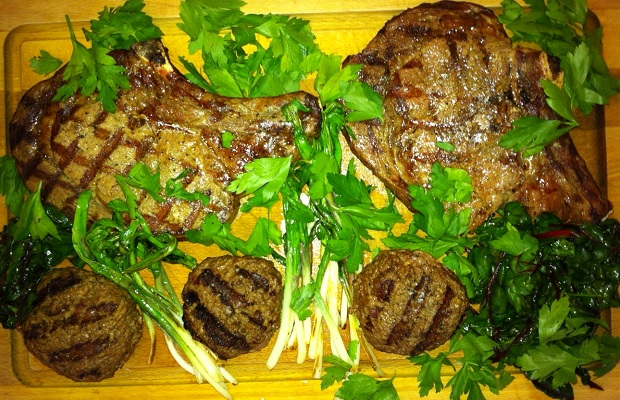
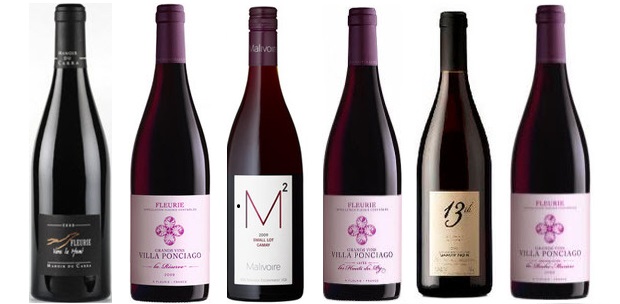
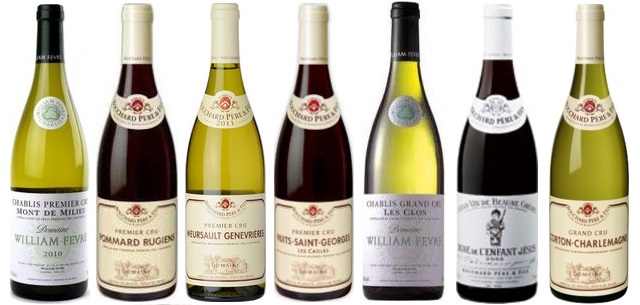
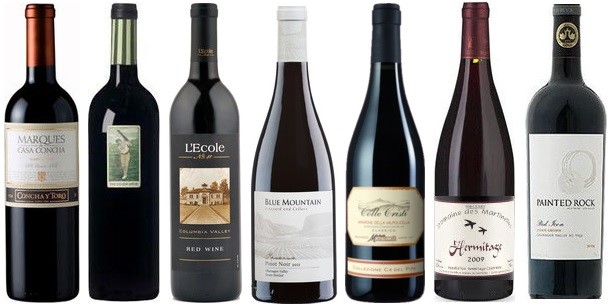

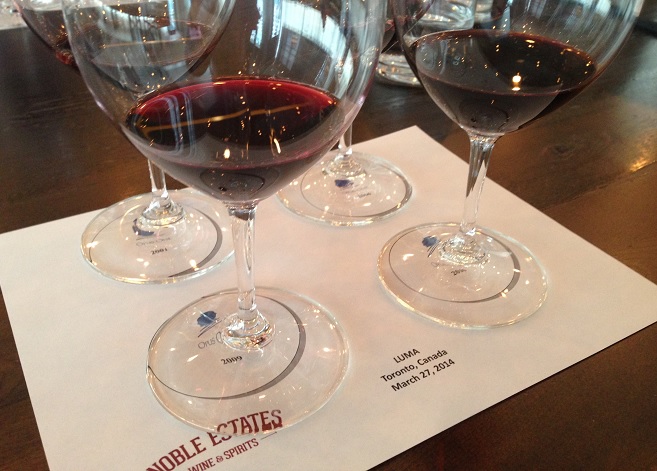


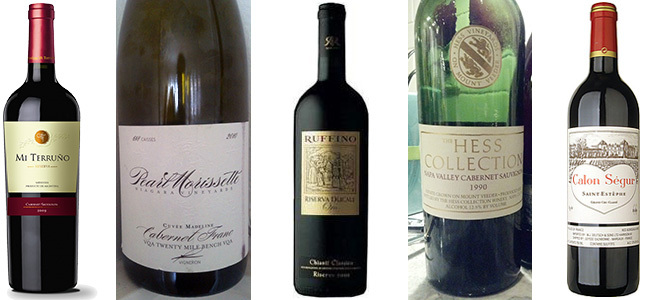


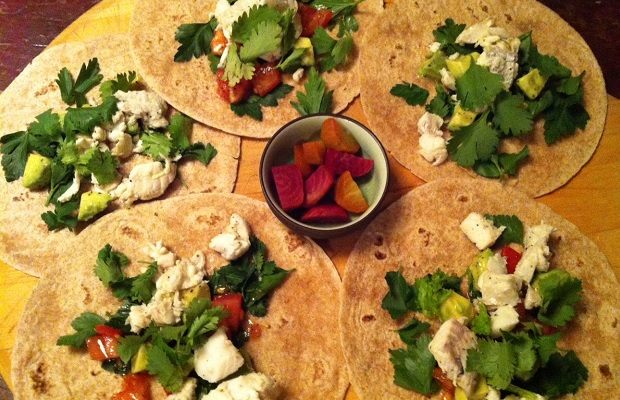
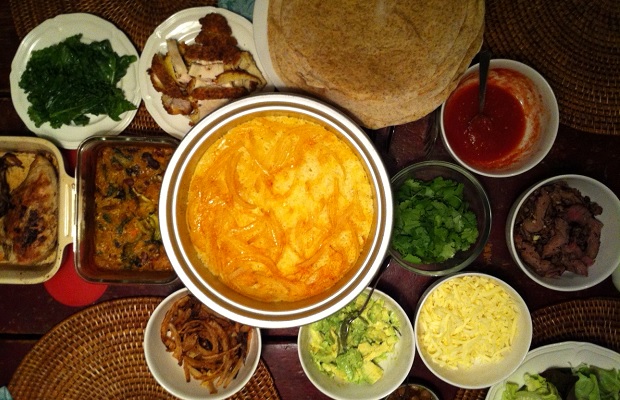
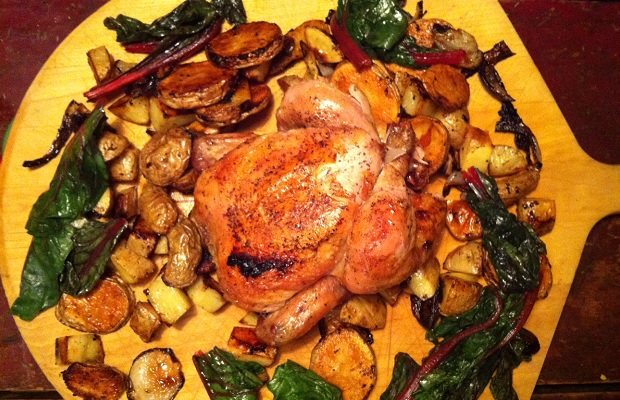


 Godello