Olá, a partir de Vinho Verde. At the moment I am whirling about in a scalene triangle of grapes up here in the cool, rainy, verdant north west region of Portugal. Alvarinho, Trajadura and Loureiro are on my mind, not to mention what red revelations lurk in Vinhao. I will return before you can shoot “look, there’s the Super New Moon.” No waxing prosaic preamble today folks while I scour the hills and cellars of Vinho Verde for the next great white epiphany. Next weekend’s April 2nd VINTAGES release is full of spills and chills, along with some fine values for spring sun and for 10 degree rainy days.
I will return next week with a report on what’s available for Passover taken from the March 19th release. For now here are seven sub-$20 values for April 2nd.
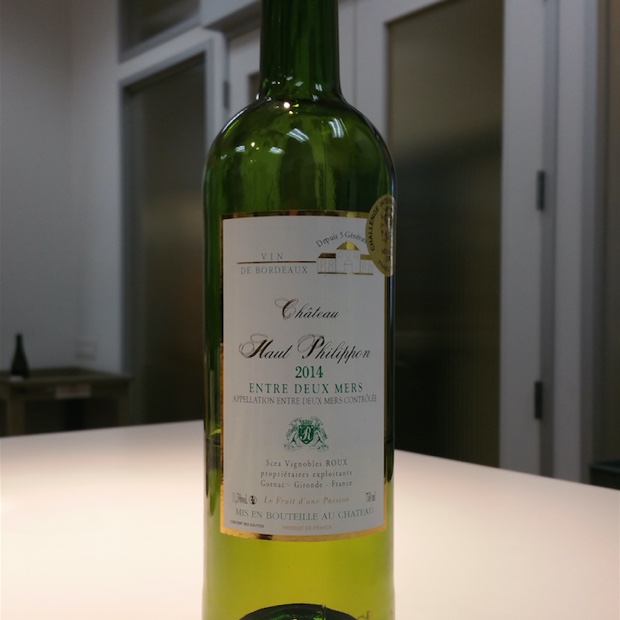
Château Haut Philippon 2014, Ac Entre Deux Mers, Bordeaux, France (445171, $14.95, WineAlign)
More and more the wines of Entre-Deux-Mers creep into the positive vibrations of Sauvignon Blanc pleasure. This highly expressive beauty makes great work of the ideal with 20 per cent Semillon and 10 Muscadelle lending balancing left and right hands. The herbiage is a cool savour and on the ripe mineral edge of flinty. The value quotient runs high between the seas. Drink 2016-2019. Tasted March 2016 @FWMCan
Dr. Hermann From The Slate Riesling 2013, Qualitätswein, Mosel, Germany (446617, $17.95, WineAlign)
Lovely mineral weight compresses the sugars in this mildly flinty and even more so, slight and lithe by citrus Riesling. Doctor, my eyes now see the light into this Qualitätswein from the house that Hermann built. “Cause I have wandered through this world and as each moment has unfurled,” because of acidity, in which there mingles tropical and beneficial bitters. The action makes for a great little drop from soils fractured with slate. Exemplary Mosel, especially at the gifted price. Drink 2016-2020. Tasted March 2016 @germanwineca@WinesofGermany
Fabre Montmayou Reserva Malbec 2012, Mendoza, Argentina (261867, $18.95, WineAlign)
Made up in the direct, in your face, ripe and firm Mendoza style, from full on sunshine-fleshy Malbec with a decidedly ferric undertone. This has attitude and gumption. It needs a few years to settle into its leathery hide. Always one of the better value propositions although spiked in price for 2013 to where it should rightfully be. Drink 2018-2022. Tasted March 2016 @FabreMontmayou@ArgentinaWineCA@winesofarg
Exemplary Barbera, firm and with tart red fruit, spikes of spice and nicely drying tannin. The sour lactic flavours are full of bright red berries and an edge of astringency while the length is more than merely exceptional. Bricco to win. Drink 2016-2019. Tasted March 2016 @LiffordON
Marques De Gelida Exlusive Brut Gran Reserva Cava 2010, Do Penedès, Spain (441956, $19.95, WineAlign)
The aromas are painted at dusk, misty, musty and compressed. The palate shows much more vitality and even a shot of exuberance. By the time the two ends of the sparkling spectrum come to an accord the baking spices of ginger, cardamom and turmeric have taken charge. Painted bottles and an oxidative Cava. Packaged to sell. “Painted ladies and a bottle of wine mama…They took my money like I knew they would.” Drink 2016-2019. Tasted March 2016
Deu La Deu Alvarinho 2014, Monção E Melgaço, Doc Vinho Verde, Portugal (40642, $19.95, WineAlign)
Rich and unctuous Vinho Verde, full in with lemon and custard, like a Pasteis de Nata swimming in a pool of Moscatel liqueur. High in tang and even more so with spirit. Nothing really lithe about it though it expresses Vinho Verde life with clear and concise language. A far cry from the commercial Vinho Verde found on most LCBO shelves. Drink 2016-2019. Tasted March 2016 @terroirimports
Ravenswood Old Vine Zinfandel 2014, Lodi, California (942599, $19.95, WineAlign)
The old vines advantage is exercised with altruistic gifting in Joel Peterson’s 2014 through a stealth advent in savoury, smoky red fruit, a smouldering olive branch and off the Zinfandel chart, blooming roses. This has a fine streak running through, not mean, but assuredly firm, mildly tannic and very, very mineral. It reminds at times of schist Syrah and alluvial flats Grenache. There’s something about Zinfandel old vines that educes such a pipe dream. The metal backbone is neither copper nor rust but something umami ore other. Terrific complexity from OV Lodi. Let it rest a bit just to be sure you can handle its orthodoxy. Drink 2017-2021. Tasted March 2016 @CBrandsCareers
Next Saturday, January 23rd, VINTAGES is set to roll out its cover superheroes in a South American feature dubbed the ‘dynamic duo.” Within the parameters of that pop culture reference, between Chile and Argentina, who is Batman and who is Robin?
Chileans and Argentines would each lay claim to elite crime fighter status and perhaps choose to consider the other a trusty sidekick. To pick one over the other is an existential impossibility. To say that one wine-producing nation has been exceedingly more successful than the other would be a skewing of data and facts. To postulate either as a more deserving micro-manager would create a disturbance and delve out a disservice to the one theorized as junior or inferior.
Separated by the long, rugged, dramatic peaks of the Andes Mountains, the two South American superpowers are anything but mirror images or parallel siblings. Argentinian vineyards climb slopes to the greatest grape growing heights possible to find cool climate balance. Their existence is predicated on verticality. Chileans are a horizontal viticultural group, looking to spread north and south across the vast plains, slopes and foothills on the Pacific side of the Andes.
Malbec has put Argentina on the map but the diversity of its varietal abilities goes well beyond. Like South Africa, ripening is the least of a grower’s problems and is used to great effect. When just about anything can complete a phenolic journey, the possibilities are endless. Multeity is the name of the game.
Chile has made Carmenère its poster child and to great effect but there is so much more happening, in obscure places and lunar landscapes. Original root stocks are key to heterogeneity on ocean coastlines and across slopes. Grapes grown on the edges and creeping into deserts give dry farming a whole new meaning.
Both Chile and Argentina are huge vinous success stories. They are legitimately proficient in creating some of the world’s best value wines and are equally adept at crafting both off the beaten path gems and high-end masterpieces. I will not choose sides. I will recommend the best buys from the upcoming release. Seven top my list.
Trapiche Broquel Bonarda 2013, Mendoza, Argentina (55558, $14.95, WineAlign)
Big-boned Bonarda with just a mess of dark fruit and a brooding, badass bent in its behaviour. Ripe plums, rich liqueur and oozing tar. Drips with sweat and bittersweet chocolate. So much here for $15. Must like your Bonarda big and ready to brawl. Drink 2016-2022. Tasted January 2016 @TrapicheWines@winesofarg@ArgentinaWineCA@Dandurandwines
Undurraga Sibaris Gran Reserva Pinot Noir 2013, Leyda Valley, Chile (439414, $15.95, WineAlign)
Lovely little Leyda,”you got the love I need. Maybe more than enough?” The flowers, the elegance, the lifted spice, the love, yes, the love. So much so to forgive the elevated (14 per cent declared), over the hills and far away alcoholic warmth. So let’s get this straight. Gran Reserva, $16 and this much fruit? Get the lead out. Drink 2016-2019. Tasted January 2016 @UndurragaWines@DionysusWines@DrinkChile@WinesofChile
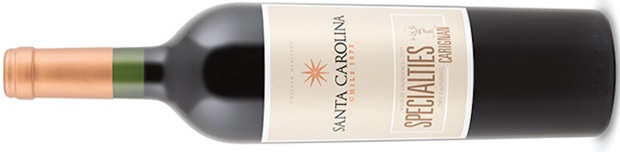
Santa Carolina Specialties Dry Farming Carignan 2011, Cauquenes Valley, Chile (213520, $15.95, WineAlign)
Breaches the summit of warm, cozy, fuzzy and furry I must say but I’ll cuddle up into its up and up blanket any cold winter day and well beyond. The five-year wait has done this dry-farmed and wholly extracted Carignan a proud and elongated duty. Has that cure, that endemic pride and the return to the past. Rich, brooding and spicy with a very bearable brightness of being. Drink 2016-2022. Tasted January 2016 @carolinawines@ChartonHobbs@DrinkChile@WinesofChile
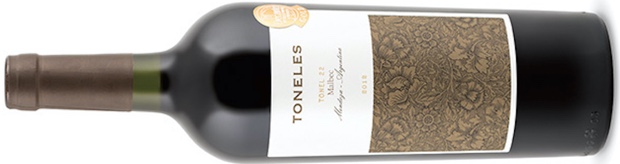
Toneles Tonel 22 Malbec 2012, Mendoza, Argentina (415018, $17.95, WineAlign)
Here an interesting nose on a Malbec with new intentions, sensations and bell ringing announcements. Very pretty, violet floral, blue fruit specimen that reminds me so much of the old Leasingham Clare Valley Malbec and Cabernet Sauvignon. A stretch of kinship proportions. Great balance of meaty, cured, black olive continental and sweetly tannic. This is fun. Drink 2016-2020. Tasted January 2016 @ElTonelWinery@hobbsandco@winesofarg@ArgentinaWineCA
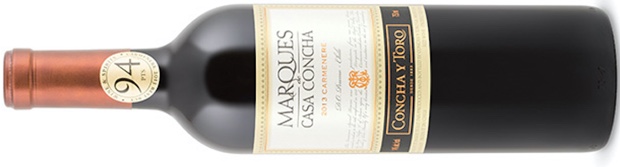
Concha Y Toro Marques De Casa Concha Carmenère 2013, Peumo Vineyard, Cachapoal Valley, Chile (169862, $18.95, WineAlign)
The dark Carménère, knight in purple armour, rich and distinctive for its clean layers, void in sour currant and light on the tobacco. Surely rich and full of classic Carménère fruit. Sweet too but more tang than sour. Proper if so very modern. Drink 2016-2019. Tasted January 2016 @conchaytoro@DrinkChile@WinesofChile
Cono Sur Single Vineyard El Recurso Block 18 Cabernet Sauvignon 2014, Maipo Valley, Chile (439364, $18.95, WineAlign)
Quite the reductive emanation from a varietally correct Cabernet indoor with the obvious intention to send this further down the agreeable cellaring road to freedom. Rich, cakey and red lactic fruit with plenty of sour acidity and some astringent tannin. Tar and char. Quite kindred with volcanic Sicily actually. Spicy wood endings. Might turn into something flowing with lava grace from all this power. Drink 2017-2021. Tasted January 2016 @ConoSurWines@AuthenticWineON@DrinkChile@WinesofChile
Viña Cobos Felino Chardonnay 2014, Mendoza, Argentina (119099, $19.95, WineAlign)
Very woody Chardonnay with intentions from full extraction, maximum ripeness and optimum flavour. Goes to those lengths with the wood in full control. There is a whole lot of wine here for $20, if you can handle it. One large tumbler is enough for me, gladly, happily. Drink 2016-2019. Tasted January 2016 @VinaCobos@AuthenticWineON@winesofarg@ArgentinaWineCA
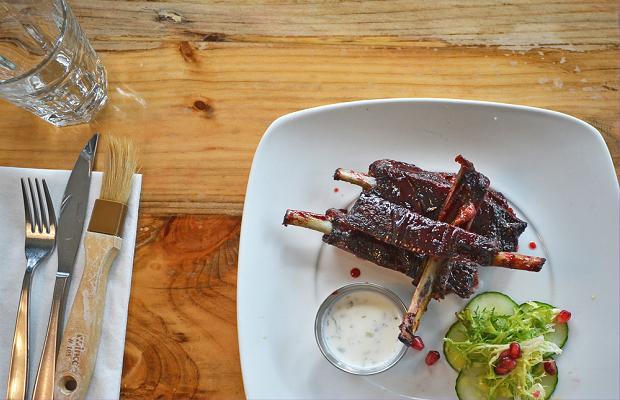
Take this, #quinoa – With today’s post, “New year, 16 new Vintages releases” #beefshortribs
Inter alia, the winter holiday break is behind us and it is time to get down to business. Time to resume the empirical and experiential search for honest wine. Wines that satisfy at some necessary atomic level, avoid oaky embarrassment and hopefully fulfill basic human needs.
What we seek are bottles fashioned from grapes that are lucky to have been handed a benevolent evolutionary line, miraculously fortuitous in their ancestry, through categorical mutation and genetic modification. Varietal luck, pop and circumstance. That’s what we’re after.
The first VINTAGES release of 2016 makes an adjustment to previous editions with no less than a dozen really solid efforts below the $21.95 line to make Messrs. Charles Mason and Jeremiah Dixon proud. You too can save on quality wine this January. Read on to avoid getting lost in aught where unwanted wines are cast into a dull, scattered void.
A return to entry-level glory out of a great vintage for this basic QbA with the acidity to thrive and the tannin to jive. Love the fruit mingling with mineral and the weight even when aridity is the key. A tropical note hits both the nose and the palate. What complexity for $15. Really. Best in many years with a beautifully bitter finish. Drink 2015-2018. Tasted December 2015 @RobLingenfelder@HHDImports_Wine@germanwineca
Mulderbosch Chenin Blanc 2015, Wo Western Cape, South Africa (675421, $14.95, WineAlign)
Properly, distinctly, effortlessly Stellenbosch Chenin Blanc. Of tang and here in 2015, more heft than many though in retention of aridity and super salinity. Has real verve and presence. Drink 2015-2017. Tasted December 2015 @MulderboschV@WOSACanada@WOSA_ZA@AbconWine
Wakefield Estate Chardonnay 2014, Clare Valley/Adelaide Hills, South Australia (711556, $14.95, WineAlign)
Rich and reductive with some Co2 and piercing acidity. Solid Chardonnay that needs a year or two to settle. Last tasted December 2015 @Taylors_Wines@ProfileWineGrp
Rich and dense, temperate in accessibility, splitting the Chardonnay mile. Works barrels with threadbare, throwback constituency and takes a comfortable trip down varietal, memory lane like predecessors in old world California. All in the name of proper and restraint. The palate is rich yet delicate. Good work. Drink 2015-2018. Tasted blind at WWAC15, August 2015
Nice tidy little Valpolicella here. Enough richness marked by tension to make it a real drop. A bit flushed with thickness though the tang in food-gifting acidity and arid tannin is again, very real. Solid stuff. Drink 2015-2018. Tasted December 2015 @Cant_Valpantena@MajesticWineInc@RegioneVeneto
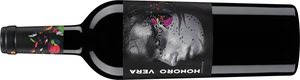
Honoro Vera Garnacha 2013, Calatayud, Spain (432997, $15.95, WineAlign)
Though playing a key of dusty and volatile minor, here Calatayud Garnacha from Bodega Atteca’s 60 year-old vines does its traditional duty in forthright varietal and regional honesty. Reinvents no wheels or identity with ripe fruit, early enough picked for preserving acidity and palate tension. The aridity and tang on the finish perform yeoman’s work in lieu of tannin. Drink now and for another year or two, preferably with cocina tradicional Aragonesa. Drink 2015-2017. Tasted December 2015 @docalatayud@ProfileWineGrp
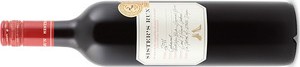
Sister’s Run Bethlehem Block Cabernet Sauvignon 2012, Barossa Valley, South Australia, Australia (360636, $15.95, WineAlign)
Very ripe, nearly, dangerously young and volatile, yet so very sweet smelling. Plums, cherries, Cassis, a hint of graphite and the wood from American stars ‘n bars. Good acidity burgeoning about with minor, kneeling, equitable tannin. Has a salty caramel taste that will require similar fare; a mole sauce would work. Good length on this varietal wonder. “All you have is memories of happiness, lingering on.” A shining light in the Sister’s Run stable. “Maybe the star of Bethlehem, wasn’t a star at all.” Drink 2015-2019. Tasted December 2015
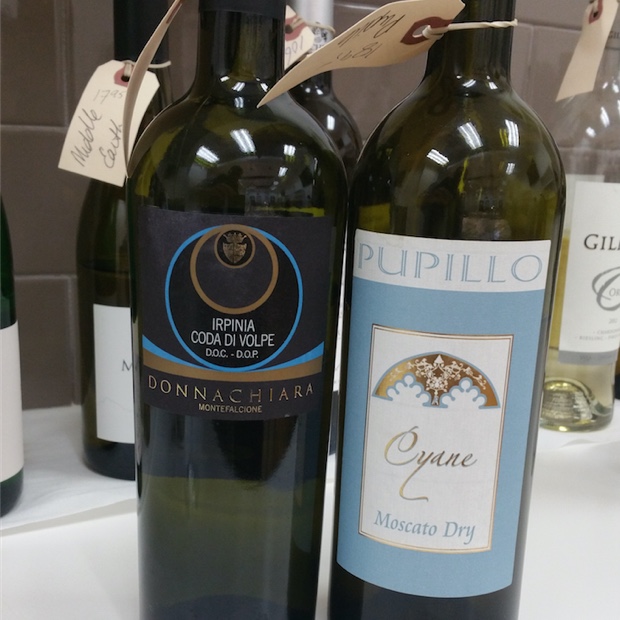
Here the no lo so of Italian white grape varieties, this Coda di Volpe, the fox vine “Alopecis,” a.ka. “tail of the fox,” with natural history recording creds to Pliny the Elder. A Campania concert of grape tannin and sea mineral melded together as one. A varietal happenstance where land meets the sea in a beautiful bond. This low-cost specimen is a friendship gift from Italy, with ripe fruit and even stronger feelings of subterranean impart, from fringe stone through the ambient abstraction of Roman mythology. Like a river Styx running through carrying the bravery of Herculean salinity. Drink 2015-2018. Tasted December 2015 @DonnaChiara@Reg_Campania@TheCaseForWine
Coda di Volpe and Moscato
Penthouse Pinot Noir 2013, Adelaide Hills, South Australia, Australia (432864, $16.95, WineAlign)
The berries, cherries and plums are a vivid smelling bunch with a cumulative tone occupying airspace at the border of mercurial. A silent request asked of this undomesticated (with 10 per cent whole cluster bunches in the wild ferment) Pinot Noir is “when are you gonna come down, when are you going to land.” With time, the extreme brightness turns to density, of rustic earth and silky encrustation. Its answer sings to the tune of “you can’t plant me in your penthouse, I’m going back to my plough.” Walks well beyond the yellow brick road of the Adelaide Hills and the varietal, to a place in OZ occupied by the curious and the songline follower. There is a lot of Pinosity is this $17 wine. The mid-glass transformation is a true plus. A heel click finish would have really sealed the deal. Drink 2015-2017. Tasted November 2015 @Nicholaspearce_@AHWineRegion
Terra D’uro Finca La Rana Toro 2011, Do Toro, Spain (424135, $17.00, WineAlign)
Terminable Toro, firm to juicy, earthy to mulled plum and liquorice fruity. Acidity rips in the short term and whatever tannin was gifted is quite resolved. Early 2016, in the dead of a northern hemisphere winter is the right time to settle in with a braise and Toro at five years of age. Very solid. Drink 2015-2017. Tasted December 2015 @VinodeToro
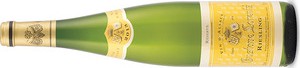
Gustave Lorentz Réserve Riesling 2014, Ac Alsace, France (641639, $18.95, WineAlign)
Bergheim terroir in a nutshell to the result marked by the essential, distilled down to this very base and necessary example of what dry Riesling just has to be. Along with Trimbach and in this price range brought to this market, the act is exemplary and export defining as citizens of the genre. From flint to citrus and back by way of ripe fruit. With weight and such a dry, to the point finish “and a crackling in the air.” What it is. Drink 2015-2021. Tasted December 2015 @GustaveLorentz@AmethystWineInc@AlsaceWines@VinsAlsace@drinkAlsace
Pupillo Cyane Moscato 2010, Igt Sicilia, Italy (156430, $18.95, WineAlign)
Wholly Sicilian metallurgy of a character absorption in ode to Alsatian Muscat. That and the weight of the sun bearing down on sugaring fruit. With eyes closed picture this heading into a 20-year honeyed and mineral territory, with ground nuts and fresh cracked pepper foil. Oxidative but just on that dangerous edge so that it can continue to develop for years without losing sight of the prize. Drink 2015-2025. Tasted December 2015 @loyalimportsltd@WinesOfSicily
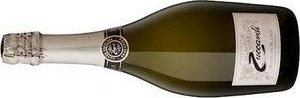
Familia Zuccardi Cuvée Especial Blanc De Blancs, Tupungato, Mendoza, Argentina (435438, $19.95, WineAlign)
Bready, heady and lees elegant from years of yeasty rest towards an end marked by lactic sour mixed into lemon citrus. The tightest wire-wind of Chardonnay tonic with bitters running here and there. The nearly five years on the lees has made the texture thick and the mousse replete with bubbles popping left, right and centre. Much in the way of complexity for Blanc de Blancs from Argentina blessed with lots of altitude. You’ve not not likely been blown away by South American bubbles as you will be by this Mendozan, from Tupungato to Llullaillaco. Drink 2015-2020. Tasted December 2015 @FamiliaZuccardi@SebaZuccardi@ZuccardiWines@DionysusWines
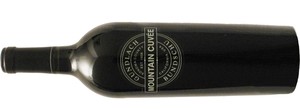
Gundlach Bundschu Mountain Cuvée 2012, Sonoma County, California, USA (397521, $19.95, WineAlign)
The fruit is ripe, there can be no argument there and the treatment is careful, calculated, restrained even. Exit stage left blend, running all the way. Sneaky, deft, stealthy, cat-like in behaviour. Always landing on all fours. Like a pink anthropomorphic mountain lion sporting an upturned collar, shirt cuffs and a string tie. Red blend with a great desire to be a stage actor, available to please all kinds of folks. “Heavens to Murgatroyd!” Sweet finish. Drink 2015-2019. Tasted December 2015 @gunbunwine@LeSommelierWine@sonomavintners
Domaine Saint Roch Vacqueyras 2014, Ac Rhône, France (437194, $21.95, WineAlign)
Some heat in the nose and even more spice with balance achieved by a lively to energetic, creeping up on frenetic palate. Earth crusts play in to the fray as much as the fruit, the posit tug working with one another in equal and opposing directions. The wine lingers on with grace in magical persistence. A pinch of dusty espresso and wishful fennel marks the back end. The reality check to imagine and realize a real Vacqueyras. Great value. Drink 2016-2021. Tasted December 2015 @VacqueyrasWines@VINSRHONE@RhoneWine
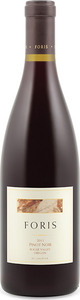
Foris Pinot Noir 2012, Rogue Valley, Oregon, USA (937128, $24.95, WineAlign)
A deft and reeling charmer, easy to drink and well-priced. Dark red fruit of the black cherry realm occupied by the ripe and fashionable Pinot Noir. That it so successfully woos with that kind of Oregon fruit to this kind of advantage in the absence of available underground salinity and tension is a Rogue Valley win. At 13.9 per cent it creeps comfortably under the hot radar gun and many will enjoy the uncomplicated style. Recommended for those who like it fun and unencumbered. Drink 2015-2017. Tasted December 2015 @Foriswine@SouthernORWine@Oregon_Wine
A satisfying and handsomely rustic biodynamic Sangiovese-led IGT blend with lead, graphite, dusty cherry and plenty of hide to leather antiquity. The firm vintage has evolved to this copacetic point, the expatriate meets endemic union no longer obtuse or extreme. This has settled really nicely, thanks to what was and lingers as solid acidity and once grippy tannin. Life from energy persists and though I would imagine there will be some who think it common or non-descript, there can be no denying the solid winemaking and balance struck. The older oak barrels have done their job, even if the fruit was a bit on the riper side of the rows. Drink 2015-2018. Tasted December 2015 @Caiarossa@3050imports
It’s December, baby. In Ontario that means one thing. Cash money for the LCBO. Lineups longer than a 1988 Moscow bread line. If you’re from somewhere other than this magical, monopolized place we call wine central you just wouldn’t understand. You would not be privy to and giddy with isles stacked in pyramids of critter red and whites, Bailey’s Irish Cream and Absolut Durian. Wait, that would be cool.
No, not la vida loca. We are not talking about living the crazy life to make you cool. No party trick, no Spanglish, no politically incorrect, Urban Dictionary Ricky Martin slur. Not this either. “The awkward silence and/or major anticlimax that follows the confession of a big secret that everybody else already knew.”
You want it all in December, the most wine for the money, for gifts, to bring to the holiday party, to stack some away in the cellar. You want the Garden of Eden in a bottle.
In a gadda da vida, honey.
Let me tell ya.
With the ghosts of Christmas gem releases now just a strange, uncomfortable and debilitating nightmare trailing away in the rear-view mirror of Visa cards maxed out past, now is the time to focus on what’s real. To concentrate on purchasing wines in your price bracket, wines that speak of people, places and who will be drinking them.
I have combed, tasted and considered the releases now on shelves for this weekend’s December 12th offering. The parameters are $15 to $35, something for everyone, to purchase with confidence and to equip you with a most necessary advantage, to present them with pride no matter the circumstance. Ten wines to work the holiday room.
Cabriz Reserva 2012, Doc Dão, Portugal (21410, $17.95, WineAlign)
Such a juicy red, of honest imporosity and primed with acidity to prop and speculate. Bang on for the price, in its weight class and with the charm of sweet adolescence. Solid Dao with a whole lot of propensity to mix and match with the multitude of foods at your table. Drink 2015-2019. Tasted November 2015 @wines_portugal@winesportugalCA@Noble_Estates
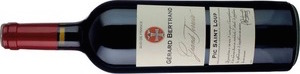
Gérard Bertrand Grand Terroir Pic Saint Loup 2011, Ap Coteaux Du Languedoc, France (376491, $18.95, WineAlign)
Syrah, Mourvedre and Grenache blend from the Pic Saint-Loup mountain peak and limestone cliff flanks of the the Coteaux du Languedoc. Sharp with concentrated red fruit, tight acidity and just enough tannin to render this marketable to a five-year plan of evolution. Real and as naturally forged as they come from Gérard Bertrand’s Cross Series reds of southern France. Prime example from and one to celebrate a terroir like Pic St Loup which continues to play the unheralded outlier. Really fine and just the right and correct amount of attitude. Drink 2015-2020. Tasted November 2015 @GBvins@FwmWine@LanguedocWines
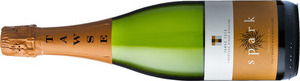
Only a year and in conjunction with an improved Sparkling wine vintage for Riesling, short work has elevated the young Spark’s game. A repeat lees performance initiates the conversation, of cheese melted overtop composite laminate, with yeast burgeoning about. In 2013 the concrete crispness is cemented deeper, etched into stone and thus completing the sub-$20 legacy. That winemaker Paul Pender can coax Riesling character, striking Sparkling wine resolve and yet hover in the air of litheness, well, this is the kneading. Silty, salty earth and soft transitions to citrus acidity are a requiem for success as per the Twenty Mile Bench/Limestone ridges vouchsafe common. Can even imagine a bit of time turning this into sparks and honey. Drink 2015-2019. Last tasted November 2015 @Tawse_Winery@Paul_Pender
Ernie Els Big Easy 2013, Wo Western Cape, South Africa (220038, $19.95, WineAlign)
Big Easy, Stellenbosch
A massive amount of fruit, caked earth and big, bouncy reduction is packed into this free swinging Western Cape red blend. The reduction mixes with Rhone bacon and its own regional gamey notes. This is both typical and radical. It is made in a style that many love and will continue to love and yet others will balk at its generational specificity. The clean, pure focus in Rhone varietal terminology teams up to subdue the Cabernet though that variety does add lushness to smooth out some of the hard edges. Tons of flavour. Drink 2015-2020. Tasted November 2015 @ErnieElsWinery@WOSACanada@WOSA_ZA
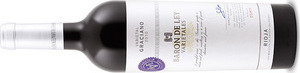
Another terrific vintage for the varietal Ley, wrapping a wreath of pure Graciano fruit around your neck and letting you lay back with a sip of something beautiful. Pure floral liqueur, the violets and the sweat, the sweet fruit and the citrus accent. Soft lactic acid and chewy with an accent of dark chocolate and spice. A bit more burly than the ’09 and certainly increasingly oak apparent but a good mouthful nevertheless. Let it rest for two years to let the wood sink in. Drink 2017-2022. Tasted November 2015 @BaronDeLeyRioja@RiojaWine@AMH_hobbsandco
Stratus Evergreen Red 2008, VQA Niagara On The Lake, Ontario (437434, $24.95, WineAlign)
Where has this been? This harmonious composition, like a Starland Vocal Band, Cabernet Sauvignon (30 per cent) plus Cabernet Franc (30) friendship with a healthy dose of Merlot (27) and a bit of Petit Verdot (4) in minor support. The acidity and the tannin have nearly fully waned but it’s a real pleasure to drink at this seven-year mark. Pretty fruit, creamy texture, just enough energy left to keep the party grooving, weightless and soaring in the air. Some chocolate and dessert like tendency but with the right kind of salty main course or just a few sips leading to that point, this will be an afternoon delight. “My motto’s always been ‘when it’s right, it’s right.’ Why wait until the middle of a cold dark night?” Herbal finish is cool and Northern Ontario like in its slow, easy exhalation. Extra points for the foresight, the opportunistic release point and the effort in a hit or miss vintage. The Evergreen Brickworks market’s loss is the LCBO’s gain. Drink 2015-2018. Tasted November 2015 @StratusWines
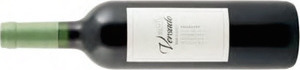
Versado Malbec 2013, Luján De Cuyo, Mendoza, Argentina (317008, $25.95, WineAlign)
The rocks beneath the earth precede the rich, dark fruit. After the berries and the candy beets and the spices subside the flowers grow and take over the room. The vintage brings more layers than before. Malbec of character and belief, even a touch of good VA, a coat that only the Southern Hemisphere can provide. It is not usually present in Mendozan Malbec so it’s really a breath of fresh paint here in the Versado. Great purity. Protracted length. Most expansive and intriguing vintage to date. The Reserva will be killer. Last tasted November 2015
A rich, nearly creamy mouthful of Xinomavro, full on red fruit and as much scorched earth as prescribed to be necessary. There is plenty of front end acidity and back-end tannin though the pathway between is rocky, jagged and bumpy. I’d like to see this again in two or three years to see if it has smoothed out. For now it’s certainly edgy and divided though I will admit it has gained my full, undivided attention. Time will tell. Drink 2017-2022. Tasted November 2015 @KolonakiGroup@winesofnaoussa@DrinkGreekWine
Domaine Hamelin Chablis Beauroy Premier Cru 2012, Burgundy, France (391805, $33.95, WineAlign)
May just be the most well-rounded Premier Cru Chablis in the Ontario market today and orbits would not be its prescribed or described path. Linear more like it, star-shooting with trailing sparks from its steely beginnings out of stainless silo. Well-rounded because it draws fruit from every level of Kimmeridgien subsoil up and down the hills, from the bottom of the valley to the top of the slopes. Also because of its pinpoint unoaked Chablis accuracy, from mineral on the tongue to citrus receding and recoiling. So very clean old bones fruit (up to 35 years old) and direct at a price point most Premier Cru fail to touch. Drink 2015-2021. Tasted December 2015 @BIVBChablis@oenophilia1
Classic and I mean classic Chianti Classico, cured, ancient, fruit forward. Modern, gritty, tannic, spicy, desperately in love and bound by leather. Tea and liqueur, all in Chianti Classico. Some iron and animale, bitters, tonics, cherries, medicines, all of the above. Acidity raging, thunder clapping, lightning striking. Needs seven years to shed emotional tears, fully settle and be a memory of its intense self. A wine that will remember. Drink 2018-2026. Tasted November 2015 @chianticlassico@rogcowines
Only on the rarest of occasions do I consider the Zodiac. Same goes for the constellations though if you slump my tired body into the comfort fitting contours of a Thermarest on a Killarney campsite I’ll happily, dreamily stare up into a near-northern sky. Or on a dock in cottage country if the Aurora Borealis happens to make a magical appearance.
In September I spent some time scanning a South African, southern hemisphere sky with Ken Forrester. Ever the romantic, Ken offered up a short dissertation on one of the special treats afforded a stay in Stellenbosch. I have seen the Southern Cross several times before and yet standing there at 10:30 pm with the South African vigneron-poet, taking in the twinkling balls of time travel, something struck me anew.
I like to line things up. Wine tasting notes with music; a lyric or an artist. You may have noticed. I also find ways to forge bonds, synaesthetic perceptions and Chaldean correlations, regardless of whether they are there for the connecting. Sometimes you just need to fulfill the urge to divide the ecliptic into 12 equal, 30 degree pieces of a pie. Perhaps it’s just the M.O.T. in me.
This coming weekend VINTAGES rolls out the first major release in preparation for the looming holiday addiction. The headlines of “stars of the season,” and “star-studded” can mean only one thing. Expensive and iconic wines will dominate LCBO shelves from now through Christmas. And most of these high ticket items will sell through. Why is that you ask? Mainly because many of them are really good wines. Mostly because desperate people will buy anything when faced with holiday gift-giving deadlines.
My job is to separate the exciting from the boring, the exceptional from the drab. I’ve chosen 12 bottles, each with their own horoscopic identity, wines that illustrate their own idiosyncratic hook-up with a sign of the zodiac. It’s a stretch to be sure but it’s my stretch, so deal with it. If you connect and agree with just one, it may change your perception too.
From left to right: J. Fritsch Riesling 2014, Closson Chase Chardonnay Closson Chase Vineyard 2013, Segura Viudas Brut Reserva Heredad Cava, La Chablisienne Montmains Chablis 1er Cru 2012, Hidden Bench Terroir Caché Meritage 2011 and Stratus White 2012
Sure-footed, hard worker, self-disciplined, over-achiever
J. Fritsch Riesling 2014, Ac Alsace, France (430520, $19.95, WineAlign)
Kientzheim Riesling, full, fleshy, opulent but not tropical in style, aromatically fleshy and full of orange rind, lemon zest and tonic. Has that necessary mineral bleed and rock tang. Schlossberg like but not as tannic and certainly ready for prime time at a much younger age. Hints at sweetness but acidity by way of early picked fruit is key. Granite feel. Drink 2015-2019. Tasted October 2015 @VinsAlsace@Alsace_info@AlsaceWines@drinkAlsace
Closson Chase Chardonnay Closson Chase Vineyard 2013, VQA Prince Edward County, Ontario (Winery, $27.95, WineAlign)
This CCV Chardonnay is one of departed winemaker Deborah Paskus’ final acts at Closson Chase. It will forever be noted as a legacy-cementing, swan song of career excellence. Crafted by Paskus and bottled by the next one, current winemaker Keith Tyers, the 2013 CCV is simply a tour de force. No such combination of richness, tropicality and pure grape tannin has ever infiltrated this Chardonnay, from this vineyard. I’m not sure there is a comparison in Ontario, at this level of excellence and at this price. A wine of pure impression, with Montrachet-like structure and Folatières-like precision. Seemingly capacious, its facile legerity is hypnotizing, quantitatively escalating in assembly of aromas, flavours, through texture and finally to longevity. The wine spent 16 months in a mere (17.25 per cent new) oak. That it notes 12.5 per cent alcohol on the label is next to impossible. The substance is just too buttressed to be so tender and effete. Impeccable balance, refinement and mineral finish. This is Chardonnay to confuse the world’s fine white collectors, to wreak havoc at international tastings for five to 10 years. Only 712 cases are available and at $27.95, is down $2 in price from the 2012. Best ever, hands down. Drink 2017-2023. Tasted March 2015 @ClossonChase
An intricate and elaborate Reserva elevation of Cava, even a bit skunky in the most endearing of ways, like a 55 day dry-aged steak cooked rare. A waft of yet blown sulphur is managed and tempered by smartly sweet yeast. At once clunky and disjointed, then heavy in citrus and the shells of molluscs. Citrus climbs all over the finish, from lime to lemon and into pomello. Complex Cava with the taste of acquired affection in requiem of a very open mind. Drink 2015-2019. Tasted October 2015 @hseguraviudas@imbibersreport@cavaswine
La Chablisienne Montmains Chablis 1er Cru 2012, Ac Burgundy, France (265090, $32.95, WineAlign)
In a word, yes. Beautiful girl this Montmains, layered of delicate aromas, from flowers through kimmeridgian soil and into fresh forest glade. A child of the cooler, Butteaux sub-climat in which the citrus melds into the soft wooden (228L barriques) notes and all is elevated by such pinpoint-posted acidity. The oak lends cream, the lees fine spun silky texture and the talc a grape tannic ingrained sense of fullness. Terrific wine. Drink 2015-2022. Tasted October 2015 @VinexxCanada@chablisienne@BourgogneWines@BIVBChablis
There is so much floral presence in 2011, a showy perfume that parades the relative elegance of Niagara’s Bordeaux reds in the vintage. Structure is comparable to 2010, not in beast mode but rather with a delicacy derived from less burning, high-toned fruit. Still here lays a wine so young, of social encumbrance that might be passed off as a mark of impertinence. This faintly embarrassing condition can be suppressed in a dark cellar, in which the foundation can be laid for the beginning of a cure. The Terroir Caché 2011 will show its best between 2017 and 2020, then develop, slow down, suspend animation and age further, effortlessly and exceptionally. Drink 2017-2024. Tasted April 2015 @HiddenBench@BenchVigneron@LeSommelierWine
Stratus White 2012, VQA Niagara Peninsula, Ontario (660704, $44.20, WineAlign)
In magnified aromatic persistence, on and over top of even two months earlier, in such a hyper-grapey way with terrific dry extract chained to tannin and humid minerality. The many months of leave in gentle oak is stating its technically procured, quote unquote de-classified case.
From my earlier note of April 2015:
In 2012 the blend is Chardonnay, Sauvignon Blanc and Riesling. Viognier was left out because according to winemaker J-L Groux “it did not work in blending trials.” The vintage has laid the foundation for the most density and unctuous fruit for the Stratus White in what must be, ever. At the high aromatic end there is peppery beeswax, reverberating and echoing in scales and arpeggios. Like an open string singing warmly, the vintage, extraction and residuum combine for texture in mottled unction. Sapid lemon, more beeswax and lanolin mark the palate and then the White drifts into spaces occupied by smoky back beats and bites. This has great pitch with a knowledge of the path to pleasure. Drink 2017-2025
From left to right: Stratus Red 2012, Bachelder wines Niagara Chardonnay Saunders Vineyard 2012, Ca’marcanda Promis 2013, Versado Malbec Reserva 2011, Flowers Sonoma Coast Chardonnay 2013 and J. Christopher Bella Vida Vineyard Pinot Noir 2011
Stratus Red 2012, VQA Niagara On The Lake, Ontario (131037, $44.20, WineAlign)
The Stratus Red 2012 resides both in a virtuoso’s hollow and in a pantheon inhabited by some of Niagara’s great reds. The fact that such ripe phenology can anticipate and foretell to balance and freedom in the byplace of the blending process is nothing short of amazing. Sinuous and exact, of berries so indefatigable, layering raspberry over blackberry atop strawberry. Cedar and red citrus compound, without jamming the fluidity, but certainly accentuating the Fragaria vesca. Confident and fluid in movement, the ’12 neither shakes nor stirs and its acidity is flat out terrific. At this early point in its evolution it is showing as well as could be expected, or hoped for. Its core of fraises du bois will always be there. Time will be kind, gentle and patient. Drink 2015-2024. Tasted April and June 2015
From a site 2.5 km’s from the lake, right on the highway at 30 Bench. Derives its plushness from mere proximity so “serve it first,” pleads Thomas. So much lush, more richesse and yet today, Saunders is a bit closed, primary even. Will yet need some time to find its way. Drink 2015-2021.
From my earlier note of May 2014:
Though presently showing a bit inferential, no amount of Bachelder reduction can keep good fruit down nor can it dismantle the mastery of mineral impart. An arras of texture conceals the portal to both vineyard and barrel with streaks of salinity, charcoal and chalk. The 2012 rendition is a canvas laden with pure golden paint, concealing “hidden forms and shifting states.” Thomas has found a rhythm in Saunders through thick brush strokes, full and advancing. This warm vintage is not a receding one, its flavours and its texture do the opposite. They jump out at you in waves. For Thomas, the sublime is now.
In the only vintage for which such a trial was performed (2003), the chance was had to taste this 2013 under cork side by side with that vintage under screw cap. The difference was vividly palpable, for good or bad, better or worse. Under cork the young wine is like a perfectly shone lump of cool, refulgent coal with so much spice and accent in permeate of an aromatic fruitcake wheel. Under Stelvin the 12 year-old Promis’s freshness is amplified, of early immortality, with the ripest of tannins. The acidity is markedly formidable and yet both wines display a cured nature in undercurrent. Two 10 years separated Promis of spine, spirit and grounded in earth. Leave this 2013 be for two more years, screw cap or not. Drink 2016-2024. Tasted October 2015 @StemWineGroup
Adventurous traveller, mythological and experiential
Versado Malbec Reserva 2011, Luján De Cuyo, Mendoza, Argentina (316984, $59.95, WineAlign)
Peter Gamble describes the ’11 Reserva as “integrated right out of the gate” and blessed with “a little more fruit component.” That is can show such freshness this early in its life span (especially in consideration of the beasts that are 2009 and 2010) is nothing short of a Malbec miracle. This is a wine that saw spontaneous fermentation, which made for very nervous times in the winemaking hands of Roberto de la Mota. Stems were used and their participation lends a Mediterranean feel, in the aromatic impart of sea salinity and kelp. The oak is scaled back a touch so the chalk push, while present, integrates in finer grain within the gritty, iron structure. This is the softest (hyper-relatively speaking) Reserva to date with a newly defined massive attack. The temperature fluctuations of the vineyard are integral in its structure and the question needs to be asked, “how can you have a day without a night?” In the Versado Reserva 2011 you have both. It is a Malbec of unfinished sympathy. Drink this sooner, starting in 2017 and for longer, to 2030. Tasted September 2014 and October 2015 @VersadoWine@winesofarg
If 2013 is turning out to be the first truly great Chardonnay vintage of the century out of Sonoma, the Flowers SC is categorically up front and centre in that discussion. The epic’s lead paragraph initializes here in a wine that is severely accurate, a blinding and gorgeous expression that brings the flowers in its game. A wield of pulchritude and balance by acidity spot on. Pure flavour extract expands and the components zing on the finish. Could there lurk a Meursault notion in its lace? You know what, forget that. Strike comparisons from the record. The Flowers is extraordinary of Chardonnay, by Chardonnay and for Chardonnay. Drink 2016-2025. Tasted July 2015 @FlowersWinery@rogcowines@sonomavintners
Secretive, perceptive, intense, insightful, with a strength of will
J. Christopher Bella Vida Vineyard Pinot Noir 2011, Dundee Hills, Willamette Valley, Oregon (432823, $64.95, WineAlign)
Lithe and extremely pretty Pinot Noir, reeking of that ancient underground, saline Willamette stream and above ground, Dundee Hills fresh summer berries. Has the best tense intentions, readily available sultry, soluble tannins and just pitch perfect, happy helping acidity. This has the svelte cure and the natural tug of positivity. Sanguine, hematic, volcanic. Great stuff. Drink 2016-2022. Tasted October 2015 @BellaVidaWine@Oregon_Wine@Select_Wines
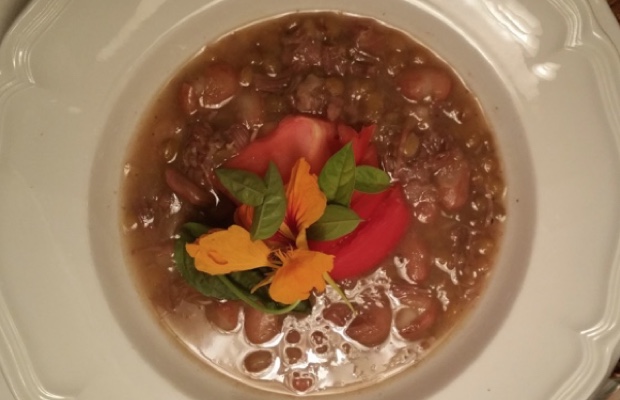
Beef shank, romano bean and lentil soup, tomato, basil, nasturtium
Just over two weeks separates us from another federal election, a national concern in address of criminal activity. Criminal because the choice, at least in the hazy, politically discharged context of my age of voting lifetime, has never been more difficult to make. This I can say. If any of the three leaders pulls out an October surprise from their proverbial political hat, I’m calling their bluff.
Political theory and editorial aside, the one organization that clearly invokes the OS trump card repeatedly and with outright conceit is the LCBO. The operating system is predicated on spin tactics to influence booze czars and to turn business reports inside out. Every month of the year can be aligned with surprise, to make certain the Province of Ontario and whichever elected (or keys to the castle given) Premier stays on the lee side.
Ontario beer, wine and spirit commentary aside, the VINTAGES release calendar continues to cycle on through with expert efficiency and en ever-increasing delightful, thoughtfully purchased and seemingly never-ending supply of quality wine. In 2015, the October surprise is one I can get behind, support and outright cheer for. Finding 10 wines I’d feel honoured to sip, pour and relegate to the mid-life crisis racks of the cellar is nothing short of shooting fish in a barrel. For October 3rd, here they are.
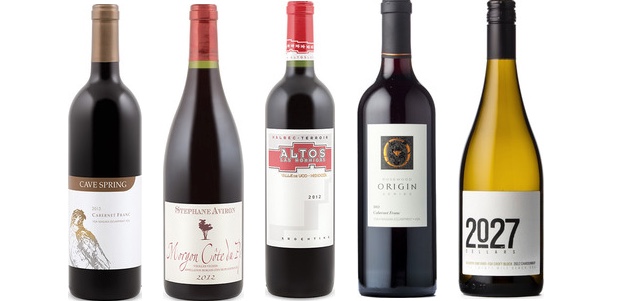
From left to right: Cave Spring Cabernet Franc 2013, Stephane Aviron Vieilles Vignes Morgon Côte Du Py 2012, Altos Las Hormigas Terroir Malbec 2012, Rosewood Origin Cabernet Franc 2013 and 2027 Cellars Wismer Vineyard Fox Croft Block Chardonnay 2012
Cave Spring Cabernet Franc 2013, VQA Niagara Escarpment, Ontario (391995, $19.95, WineAlign)
Another notch on the Escarpment knows Cabernet Franc totem, with similar if deeper, earthy red fruit character in 2013 for the Cave Spring. The tonalities are further elevated in a vintage that should offer more balance. That it does in terms of handling ripeness in opposition to acidity but at a young age it is further from its intended truth than was the ’12. This may be a better, bigger and deeper CF of potentiality but it’s awkward right now. Give it a year plus to answer the bell. Drink 2016-2019. Tasted September 2015 @CaveSpring@TheVine_RobGroh
Stephane Aviron Vieilles Vignes Morgon Côte Du Py 2012, Ac Beaujolais, France (424804, $19.95, WineAlign)
Like dark cherry for freshness, maceration for thickness. Entirely, satisfyingly and flat-out rung up in juicy Côte de Puy. Meaty and leaning to roasted, this consistent Morgon makes an honest bedfellow with the Cru. Drink 2015-2018. Tasted September 2015 @Nicholaspearce_
Altos Las Hormigas Terroir Malbec 2012, Uco Valley, Mendoza, Argentina (366005, $22.95, WineAlign)
Tremendously different Malbec, within the context of largesse. Deep, natural funk, like Syrah of meaty, smoky, porcine intent, from the northern Rhone or Franschhoek. But as Malbec, to Cahors, or not, it is simply cimmerian, intense, of iodine and blood, of minerals not often sensed. Well scripted by a big box outfit with much on its plate. High commendation to be sure. Drink 2016-2020. Tasted September 2015 @ALHmalbec@winesofarg
Cabernet Franc moving with all the correct intentions. Plods a disciplined direction of self-harnessing variegated power out of the ripening challenges abetted by The Bench’s rolling hillside vineyards. Esteemed of low alcohol, on a knife’s edge verge of ripe, ripe fruit and with tannin to add necessary stuffing. Depth of Cab Franc terroir clay, simulating the beautiful rascal flats of the lakeshore, here up higher, crusted by the Escarpment, combining for depth and matter. This matter. This bottle matters, this varietal necessity, this excerpt. It has meaty, smoky, binging bent. It will age for a minimum five and likely, efficiently, for an excavating seven or eight. Drink 2015-2023. Tasted September 2015 @Rosewoodwine
In the hands of winemaker Kevin Panagapka, Craig Wismer’s fruit retains un underlay of power not recognized in other Foxcroft Chardonnays. Neither Thomas Bachelder nor Ross Wise (Keint-He) make anything near spirited as this 2027 take. Chardonnay loves the sun in the Foxcroft Block and Panagapka loves to see that sun hook up with the inside of a barrel. This ’12 makes a nice date for a wood wedding. A product of the Dijon 96 clone, the reduction in this Chardonnay drives its fresh, spritely if mettlesome nature, with a bark and a barrel bellow, but longevity will not suffer as a result. This could take 30 years to oxidize, it’s that audacious and also courageous. Let it and its buttered popcorn rest a while. Drink 2017-2025. Tasted May 2015 @2027cellars
From left to right: Penfolds Bin 128 Shiraz 2013, Vina Real Gran Reserva 2008, Kenwood Jack London Vineyard Cabernet Sauvignon 2012, Burrowing Owl Cabernet Franc 2013 and Le Vieux Donjon Châteauneuf Du Pape 2013
Penfolds Bin 128 Shiraz 2013, Coonawarra, South Australia (509919, $34.95, WineAlign)
One thing is certain, never judge a Penfolds by its cover, in its youth. Here Shiraz is meaty and pepper laces the brawny fruit. A purely bovine expression with enough ganache to ice a birthday cake for 50. But the level of structure, brick laying foundation and utter momentous occasion means this must be assessed with a waiting for the compression to emerge, from out beneath the cumbrous suppression. In time, that it will. Drink 2017-2022. Tasted September 2015 @penfolds@alyons_wine
Vina Real Gran Reserva 2008, Rioja, Spain (280545, $36.95, WineAlign)
Highly volatile at this stage and perhaps will be at further stages, but the fruit slinging to acidity bringing it to and from tannin is immense and beautiful. Big structure, stuffing and stage one temper. Has every right to fly its name up high because this represents firm 2008 Rioja with distinction and is as real as it gets. Needs three years to settle down and play a proper, righteous Rioja tune. Wow. Drink 2018-2023. Tasted September 2015 @Cvne@vonterrabev
Kenwood Jack London Vineyard Cabernet Sauvignon 2012, Sonoma Mountain, Sonoma County, California (944843, $39.95, WineAlign)
Always fruitful, full and necessary. No holes, plentiful in high quality chocolate and bountiful by way of stuffing. Deep and intense. Big tannins. Tells it from Sonoma Mountain in the way the author would have prescribed. In the proper function of Cabernet, “to live, not to exist. I shall not waste my days in trying to prolong them. I shall use my time.” Persists as a top under $40 California Cabernet, as it always has. A London for the 10-15 year haul. Drink 2017-2025. Tasted September 2015 @KenwoodVineyard@sonomavintners
Burrowing Owl Cabernet Franc 2013, BC VQA Okanagan Valley (349019, $44.95, WineAlign)
No combination of ripeness and desert derived concentration can be found in any Cabernet Franc, not just in this country but really anywhere. That the Owl can achieve such massive structure and red fruit containment is remarkable, unparalleled and in singular ownership of style. Extraction clearly matters, layering is key and quality must ride with ripeness. “You know what I’m saying baby,” this is a sky rocket of a Cabernet Franc. Full on, flat-out expression, without compromise. Drink 2015-2020. Tasted September 2015 @BurrowingOwlBC@LeSommelierWine
Le Vieux Donjon Châteauneuf Du Pape 2013, Rhône, France (700922, $58.95, WineAlign)
A thankful. restful and wistful return to form, away from heat and into perfume. Cherry melting into garrigue, beautiful musty wood, the way things were, not so long ago, when the evening meal and the garden mattered. As things do and will again. This Donjon will be a part of future’s past. Drink 2017-2024. Tasted September 2015 @VINSRHONE@RhoneWine
On January 18, 2013 I began adding wine reviews to WineAlign. Review ground zero was Mallory & Benjamin Talmard Mâcon Uchizy 2010, an inauspicious little Burgundy described in “the coat of white.” A Genesis of great #ffffff value.” Beginnings, Genesis, ground zero. The Godello thing.
Two plus years and 2,023 reviews later much has changed. The wisest of wine scribes David Lawrason and WineAlign head wineaux Bryan McCaw asked if I would like to become a part of the April 4th, VINTAGES release newsletter and buyer’s guide. With renaissance banzai and Master Sommelier John Szabo leading the charge, along with most generous guidance and help from cake baker and palate extraordinaire Sara d’Amato, I have joined the fray.
This week’s guide leads WineAlign subscribers to Easter Lamb and red wine, plus pre-dinner whites and a glass for dessert. The three recipes cover everything you could possibly want at your table on the resurrection weekend. The recipes are for Traditional Easter lamb by John, Moroccan lamb loin chops by Chef Michael Pataran and Barque‘s smoked lamb ribs.
Here is what John wrote in his introduction of me. “If at first you don’t understand Michael’s reviews, just drop a couple of hits of acid, smoke a joint or put on some classic 70s tunes and they’ll all make more sense. Maybe.” The irony is that amongst the seven wines I contributed to the newsletter I made only one musical reference. Oh, and one to the Grand Budapest. So, maybe you will understand them. Maybe.
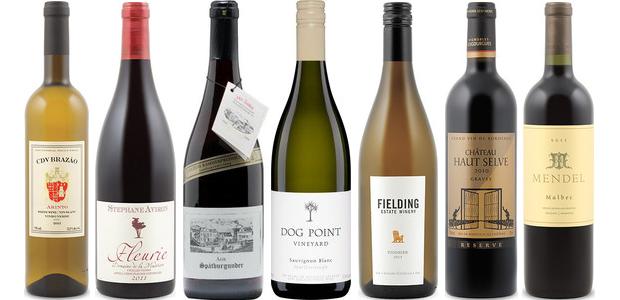
From left to right: Cdv Brazão Colheita Seleccionada Arinto 2013, Stéphane Aviron Domaine de la Madrière Vieilles Vignes Fleurie 2011, Mayschoss 140 Jahre Jubiläumswein Trocken Pinot Noir 2013, Dog Point Sauvignon Blanc 2014, Fielding Estate Viognier 2013, Château Haut Selve Réserve 2010 and Mendel Malbec 2011
A highly unique Vinho Verde that works as a sipper and as a solid, pair me with just about anything table wine. Savoury and blessed with a Bica de Queijo cheese aroma, you’ll be glad you gave it a swirl and a whiff. There is nothing shinking or violaceous about this. It’s medicinal like Moscato, toasty like Pouilly-Fumé and gangly like Garganega. Citrus juice and flesh add body and beautify its inherent male pattern baldness. Perhaps a bit of a river fish of a Vinho Verde but very fresh and a great catch. This Arinto will tie appetizers together and buy time until the bird, hock or shank is on the table with the feast’s big reds. Drink from 2015-2017. Tasted March 2015 @vinhosverdes@exCellarsWines
Stéphane Aviron Domaine de la Madrière Vieilles Vignes Fleurie 2011, AC Beaujolais, Burgundy, France (405779, $21.95, WineAlign)
Old vines and Fleurie scream holiday dinner wine in my books. Here struts out where it’s at Gamay from a terrific Cru, of maturity, chutzpah and depth. Bang on 13 per cent alcohol, most mature and munificent, so very forward and yet of a depth, richness and layering in fruit meeting acids. Black cherry with an accent of mint, sour citrus drop and blueberry. A minor chalky grain, just enough to evoke oak tenderness, but not enough to be cut by splinters. Very Burgundian, where it’s at and even better length. Talk about a red wine that could equally double down for the Easter and Passover table. Gamay that swings both ways, AC/DC, “it’s got two turntables and a microphone.” Drink 2015-2022. Tasted March 2015 @DiscoverBojo@warren_walden
Ahr Pinot Noir (as opposed to those from Germany’s Baden region) are just that much more accessible and wider table friendly. That’s because of volcanic soil and older vines like you find in this Qualitätswein. The fruit is richer, the cure more refined, the flavours full and the wine structurally sound. Give this some air and the roast swine will make an entry, with intoxicating aromas, balanced by earthy notes, ripe plums and berries. Structurally sound, the ripeness continues into a fleshy cure of wurst with good bite. The citrus tang is round and barkless. No matter the colour of your braise or roast, this Pinot Noir will compliment the hue. Drink 2015-2021. Tasted March 2015 @LeSommelierWine @WinesofGermany
Dog Point Sauvignon Blanc 2014, Marlborough, South Island, New Zealand (677450, $24.95, WineAlign)
So orderly and aligned, from ripe picked fruit with fervent acidity and all proportions in perfect working order. Four months in bottle has settled only worked to reinforce positive opinions. Grassless and flinty but no discernible elemental vagary, certainly no sulphur. This Sauvignon Blanc may just be the most consistent in every vintage, not only stylistically but also for the hedging of probability bets for guaranteed Marlborough quality. This is a superb vintage for the pied-à-terre phraseology. Like school in fall, winter and spring, the Dog Point is all class. Drink from 2015-2024.
From my earlier note of November 2014:
The prototypical Marlborough Sauvignon Blanc hitting all the classic numbers is right here in the Dog Point 2014. Low pH, high acidity, minuscule residual sugar and elevated aromatics. It’s ripe but ripped by citrus juice and zest. Like cubes of honeydew, bitter winter melon and dried lemongrass soaking in and flavouring a dish of briny scallop carpaccio with coarse sea salt and capers. The sapidity is palpable, the excesses vivid. I would avoid too much variegated gastronomy when sipping this wine. Opt for simpler fare because its talents would otherwise be mimicked and suppressed.
Winemaker Richie Roberts has worked tirelessly with Viognier to find out where it fits into the lexicon and ambience of Niagara Peninsula white grape varieties. The 2013 vintage marks a turning point in his and by extension, all of our understanding. The tropical fruit is now reigned in and the tension on the back bite a perfect foil to that well-judged, rich fruit. Trumps the layered ’12 with a new, aerified floraility that gives it more prototypal Viognier style. Short of leaving fruit to hang into late harvest (not recommended for the variety) this is like being wrapped in banana leaf along side young bamboo. Sip it joyously on its own or bring on the Easter Rijsttafel and a strolling procession down the cuisine of Kho San Road. Drink 2015-2020. Tasted March 2015 @FieldingWinery@RichieWine@Heidi_Fielding
Château Haut Selve Réserve 2010, Ac Graves, Bordeaux, France (235424, $27.95, WineAlign)
Who wouldn’t want to find a well-priced and expertly made Bordeaux to accompany an Easter feast? The abstraction is not as easy as it may have once been but once in a Paschal full moon a wine comes along and affords the opportunity. Stately structured, mid-range Graves that is so very much a combination of Cabernets. It reeks of currants, cool mint, Cassis, caramel and chocolatey oak. Kept shy in alcohol (13 per cent) and heat, the tannins are mildly grainy and though just a touch oxidative, it is a a most serviceable, generous and honest Bordeaux. From a workingman’s vintage of the century. This Graves will seal the Easter deal with its cool savour and chocolate hops. Drink 2015-2019. Tasted March 2015 @BordeauxWines@ProfileWineGrp
Mendel Malbec 2011, Mendoza, Argentina (108225, $27.95, WineAlign)
On the rare occasion when a Mendoza Malbec exhibits restraint, balance and all around congenial behaviour, it is imperative to sit up and take notice. This is finely fashioned juice, albeit rich, smokey red fruit swathed in good quality chocolate and a late kick of spice. Suppose there’s nothing really wrong with that. The Mendel will seduce, hypnotize and cause general swooning. Like a Grand Budapest Hotel box of treats, it will sooth even the savage beast. Ripe tannins will make this drinkable now to 2020. Tasted March 2015 @MendelWines@TrialtoON@winesofarg
We’re really just like moths, we seekers of wine, slaves to a fiery obsession, stopping occasionally to smell the adjectives, taking unnecessary financial risks and with any luck, happening into and finding enchantment. To remember generations. Is this why we drink wine?
We are looking for heroic entablature and architectural wonder in bottles of wine. We see them as DNA and in their liquids we can read their entire future. We sip them again and again until we taste them for the first time. We derive textures and flavours so solid, so tangible, it seems we can reach into the glass and grab handfuls of it. The glass itself has become the varietal, the engineering having expanded the notes and completed them, amplified and contained them. Is this why we drink that?
Not really. Sure we are looking for relevant encounters but what we really want is pleasure. Pleasure and escape. What we seek is value for our money. When we hit the stores and open or wallets we want honest juice at the lowest price. Bullshit aside, here are seven great values, in stores, by agents and down the road in our Niagara backyard.
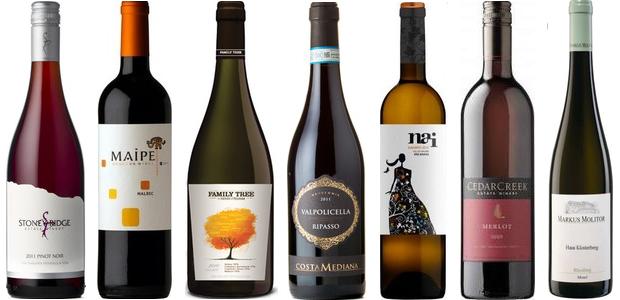
From left to right: Stoney Ridge Pinot Noir 2011, Maipe Malbec 2013, Henry Of Pelham Family Tree Red 2012, Costa Mediana Valpolicella Ripasso 2011, Nai E Senora Albariño 2013, CedarCreek Merlot 2012, Markus Molitor Haus Klosterberg Riesling 2013
Classic Niagara Peninsula aromas, of tart berries, pomegranate, cherries and wet clay exude and display. Stoney Ridge is simply giving this Pinot Noir away. Vinified bone dry (1.9 g/L residual sugar), pricked with acidity (7.2 g/L) and kissed by (eight months) of oak, this acuminates, as opposed to dials, in. The honing is crystalline, in bright and vibrant tones. There is a refined sugar aspect to its ratio but it’s really quite clean and nervy. The length impresses and sweeps to seal the $14 deal. Tasted February 2015 @stoneyridgewine
Maipe Malbec 2013, Mendoza, Argentina (93823, $14.95, WineAlign)
Quite intense, juicy and peppery for a $15 Malbec. A mix of red and black berries is accented by liquorice. Some chalky overlay, which goes short on integration, would do well to play nicer were it an underlay. A bit musky with cool savoury reserve and a very effective use of high (3000m) altitude fruit. Tasted February 2015 @chakanawines@oenophilia1@Chakana and Maipe: wines with an andean spirit
Henry Of Pelham Family Tree Red 2012, VQA Niagara Peninsula, Ontario (247882, $15.75, WineAlign)
Only 945 cases were made of this Shiraz (48 per cent), Cabernet Franc (23), Cabernet Sauvignon (20) and Merlot (9) blend. And that’s a shame. Some further bottle time has brought out the best in show. There is as much clear class and enjoyable drinking as a Niagara red blend is likely to earn by wing. The concept is quite OZ, the coalescence very Niagara and the sensibility so sly, Speck family. The brightness, oak influence and acidity linger as one to stretch and bound about in elastic joyeuse. Crosses Charlemagne-like stone swords of accessibility and put me aside confidence with vintage gain and restraint. Keen winemaking decisions by outgoing winemaker Ron Giesbrecht have produced great results. Made for everyday people, were the Family Tree Red pouring from keg it would fill my glass on a daily basis.”And so on and so on and scooby dooby doo.” Tasted February 2015 @HenryofPelham@SpeckBros
Costa Mediana Valpolicella Ripasso 2011, Veneto, Italy (377648, $16.95, WineAlign)
Re-taste. Beautiful red fruit, in density. clarity and showy Valpolicella dress. Thinks good clean fun and thoughts, open-knit and its tannins mingle with multiplying acidity. Would benefit from two to three years more time in bottle. It will then drink as it was intended and as it should. From my earlier, September 2014 note: “Solid if newfangled Veneto that swivels from sulphur to sweetness. Has a Niagara Peninsula varnished quality, not so typical for the homeland. Also presses from both vineyard earthy and barrel stinky notes. Somewhat this and insipid but the late influx of fresh cherry brings it back and stretches its length.” Last tasted February 2015 @Select_Wines@C_Valpolicella@MGMMondodelVino
Nai E Senora Albariño 2013, Rias Baixas, Spain (Agent, $16.95, WineAlign)
A very mineral driven Albariño with little fruit expression to ascertain. Though the grapes give way to fine-grained chalky salinity, is that not coequality from and for the quarry? Soil and stone lead a path to cool and collected acidity, not one so linear but more extrapolated, as if from lime in pith, not zest. A very composed Rias Baixas but not overly accessible. Rich broth with small bits of fresh fish would pair delectably and foil perfectly; keep it from doing the “rise up, rise up,” into aerified, out of this world, parachute club territory. A nip of this and “spirits time has come.” Tasted February 2015 @LeSommelierWine@RiasBaixasWines
CedarCreek Merlot 2012, BC VQA Okanagan Valley, British Columbia (BCLDB and BCVQA 408666 $19.95, WineAlign)
Quite the glass of liqueur, with fully ripe, rich and dense fruit. Admittedly on the twiggy and good green side of the varietal, in the right ways, with Merlot bells of chalk, grain and tannin in whistling interplay. A correct correlation and in certain kinship with St. Emilion but with Okanagan footprints. Handles its 14.5 per cent alcohol quite easily and transfers its weight through a cool centre and into an even cooler finish. Along that route are notes of mint, eucalyptus and graphite, not unlike Coonawarra or Stellenbosch. Fun Merlot at an attractive price. Another gem from CedarCreek. Tasted February 2015
Markus Molitor Haus Klosterberg Riesling 2013, Mosel Valley, Germany (Agent, Approx. $25.00, WineAlign)
Architecturally precise, of cleanly drawn lines, like the Mosel Vinothek acquired and restored by Molitor in 1984 and winner of the “Architekturpreis Wein 2013.” The Riesling mimics the juxtaposition of historical and modern, seemingly steeped in the past and transposed to the present by state-of-the-art winemaking. This has slate, steep steppes rising from subterreanean acquired salinity and ingrained aridity. There is no way to hide from the scree of the past, avoid the incline towards the future, nor can it exist without the run-off of mineral left behind. Brilliant hue, matched density, matchstick wisp and wild tang. Honeyed and suckling porcine in an early roasting stage, with terrific texture. The beautiful arid length is purposed and linear, with much oomph in its gait. Will linger for five to 10 years easy. Tasted February 2015 @TrialtoON
Wine today is suffocated by an industrial and disproportionate number of writers, critics, reviewers and judges. There are so many voices vying for airtime, filling up virtual white pages with their comments, feelings and dissertations. There are homers and there are curmudgeons. When in balance, both keep the ship afloat, but more often than not the questions begs. Which ones are causing the wreck? The answer is both. The problem is not the intent but rather the execution.
You may have noticed that when I write about wine, which is pretty much all of the time, I use a whole lot of words. A mess of vocabulary. An inordinate amount of adjectives. A boundless number of references to music, song and pop culture. It’s how I roll. And it has got me thinking, again.
Tis’ about that time of year. A period for reflection and review, not on what was so great in the previous vintage but about the things that will be critical going forward in this new one. Please excuse the interlude while I hang suspended within the interval of hermeneutic, contemplation and debate. Reading books on anthropology, art world shenanigans and a post-holocaust personal journey are seeping into my thoughts like Sémillon into Sauvignon Blanc and the varietal blend is coming up complicated.
Old guard tasting notes are losing their relevance and not because they are wrong or inaccurate. They just don’t speak to wine in the 21st century. They don’t tell a story and they surely don’t have any fun. So what? Imagine taking a video of yourself working on your computer, browsing the internet, reading and interacting on social media. What would you see? A world of links and associations. A world where thoughts and comments bounce around like children in a jumpy castle. This is the realm of the new tasting note. This is what wine can do for you in the 21st century. It can lead you forward and take you back. Most of all it can really tie your life together.
Then the whining. The constant shrill voice of conceit mixed with complaint. The words minced to poison with a hunger to attack. Paragraphs penned to warn of apocalypse and to relegate decent writers to the scrap heap and back to the depressing nine to five. Writers reacting only to what others do without creating anything of their own. Comedians of the wine world lashing out, ranting, shouting “got ’em, need ’em, hate ’em.”
These attitudes and still the truth is not to be ignored. Reading a wine through a tasting note is like kissing a woman through a veil. “Translation is a kind of transubstantiation,” where one wine becomes another and another. You can choose your philosophy of critiquing just as you choose how to live. The freedom to personalize or substantiate thoughts on structure sacrifices the detail to meaning and meaning to preciseness. The winemaker is the writer or poet, moving from vines to vinous language. The critic moves in the opposite direction, or should, by attempting to read between the lines, to identify what can’t be seen, to interpret the mysterious implications of smell, taste and texture.
The lede firmly and flatly backs the headline, states, if asks, “is writing making a mess of wine?” Yes, that is a double entendre, a loaded gun of meaning and hypothesis, a million dollar question. While we want to know who’ll stop the rain, we also desperately need to understand the meaning of wine. So we put it down in words. We explain how wonderful life is with wine in the world. We also break it down, grape by grape, to a point where it often lies broken, disassembled, deconstructed, left for naked. What is it for? Are wine writers leaving behind a city of ruins?
Have they decided and determined that the winemaker’s works can be used to make a point? A point that belongs to the critic? Has the wine writer taken away the artist’s right to be, has the intent been obscured, or worse, the opposite and turned it into a curator’s right?
There are wines that claim you and wines that warn you away. Maybe the writers are just looking for wine that would teach them everything, like searching for one language, just as some would look for one woman’s face. The combined fugitive pieces of wine and its critics pose “questions without answers.” They must be asked very slowly.
To the beleaguered point five wines are here venerated and disfigured, assessed and cut to size. They are sniffed and sipped, thought of in song and regurgitated on the page. Do they lift or bury their maker’s plan? You be the judge.
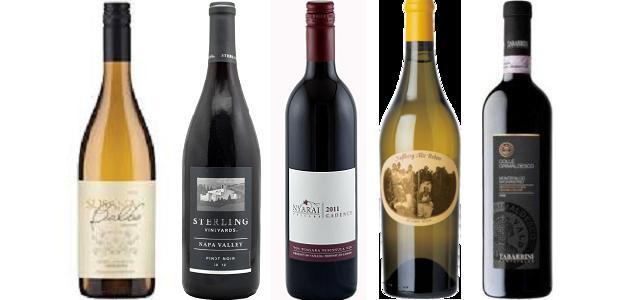
From left to right: Susana Balbo Signature Barrel Fermented Torrontés 2014, Sterling Vineyards Pinot Noir 2012, Nyarai Cellars Cadence 2011, Wieninger Nußberg Alte Reben Gemischter Satz 2012, Tabarrini Colle Grimaldesco Montefalco Sagrantino 2009
Susana Balbo Signature Barrel Fermented Torrontés 2014, Uco Valley, Mendoza, Argentina (384339, $17.95, WineAlign)
Here, from Dominio del Plata, an experiment with clear merit. The attributes are so sizeable, with weight depth and no compromise. The dramatic effect works to ignore the “clouds of mystery pourin’ confusion on the ground.” The floral aromatic integrity of Torrontés is upheld within the leaden shackles of the wood, as is the savour. This is a honeyed white, suckling and mellifluous, like fully extracted ripe Sémillon, from and with the benefit of a warm vintage. Puts the fun back into varietal revival by way of a giant leap up from the thin, medicinal water clogging the arteries of South American white wines so often put to market. Here is a Torrontés to stop the rain. Tasted January 2015 @ddpwinery@ProfileWineGrp
Sterling Vineyards Pinot Noir 2012, Napa Valley, California (424179, $19.95, WineAlign)
There are so many reasons not to find a thrill in this regional blend of Pinot Noir fruit but none of them stick. Sweetness, simple syrup silky fruit, brown sugar, every red and purple berry in all varieties of fields (plus ripe plums) and warm to temperate alcohol (14.5 per cent declared) all combine for full California sunshine effect. All this and I just can’t turn away. With all the excess fruit, texture and multiplicity in good times, how can I? I ask this Pinot, “how come you, how come you dance so good?” The answer lies in the feel and the ability to turn a Noir trick or two. Not to mention a rolling of barrels and Napa Valley stones through its very core. Well done. Tasted January 2015 @sterlingwines@Diageo_News
Steve Byfield’s crimson blend of Cabernet Franc (42 per cent), Merlot (33), Cabernet Sauvignon (20) and Syrah (5) is at once so very Niagara while acting out anomalously in the 2011 vintage. Ripe, extracted fruit appears warm-vintage drawn, with its coated layers of primer, brushstroke and plummy stone fruit. The warmth is tempered by savour, oranges, figs and psalms. Its ability to find cadence and cascade keeps it “cool in the shade.” The varietal combining is delineated in balance, “sliding mystify, on the wine of the tide.” This effort, with its new name, could become one of the king’s amongst Ontario blends. Tasted January 2015 @NyaraiCellars
Wieninger Nußberg Alte Reben Gemischter Satz 2012, Vienna, Austria (Agent, $40.00, WineAlign)
Here, the intensity of multi-varietal wine defined. From next to the Danube, out of the Ulm Vineyard, on a very steep southern slope on the eastern part of the Nussberg. The composition is nine-fold; Weissburgunder, Neuburger, Welschriesling, Grüner Veltliner, Sylvaner, Zierfandler, Rotgipfler, Traminer and Riesling. The aridity (1.3 g/L RS) is visionary. Beneath the vineyard there is coral from the tertiary period and in this wine you can hear the Geiger counter amplifying the faint eupnea of fossilized shells, thousands of years ago. Its resinous, sappy and majestic floating flowers are like “potions in a traveling show.” The layering is heavy (14.5 per cent ABV) and variegated, like sands and snails in a bottle or a vessel filled with an alcohol made from nature’s natural and fermenting bounty; carboniferous forest cosmology and the unpronounceable names of exotic fruit. Then there is the wooden smoulder, the white rock solder, the pine and the scene where “I sat on the roof and kicked off the moss.” The Gemischter Satz is granular but in liquid form, marbled and with a lovely wisp of oxidation. It exudes lemon custard and tonic in a wild yet beautiful breath of sauvage. It is your song. Tasted January 2015
Here thickness is applied in every way imaginable. Sagrantino from the maw of the beast; raw, big-boned, musky, chewing sinew and spitting out teeth. Though fierce and ancient, eliciting vegetal scents as if Pliny’s natural history were scoured for every trace of pungent plants grown in iron rich earth, it is also the most modern expression of Umbria, or all of Italy even. In so many ways it’s pretty Gestanko, composted and of an incomparable spume. But it also desensitizes and endears in a soulful, ethereal way “like scattered leaves,” blowing in a stiff breeze. It folds back the skin of time, in waves of heat and at times is so very sweet. Bring this to the apocalyptic marshmallow roast. Leaves the red wine city in ruins and in the dust. Sagrantino at 16.5 %. Burn, baby burn. Tasted January 2015 @TrialtoON@TABARRINI





















 Godello