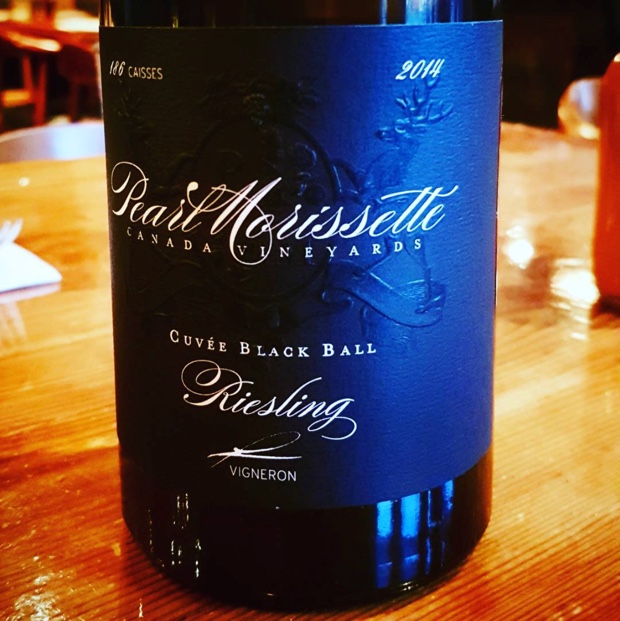
Twenty-three Canadian wines that rocked in 2023

What makes a list? The question is like asking what makes a Martini dirty or how much VA is too much in sangiovese? There are some things in life that aren’t certain and others that are. The porcino is the king of all Italian mushrooms, just as the morel is in Ontario. This much is true. A young wild leek is best sautéed as briefly as possible in soft scrambled eggs while an older bulbous ramp should only be pickled. Chicken of the Woods mushrooms are the most striking fungi of them all and chanterelles are the only true frutto del bosco. Composing a best of list is not like these things but something other that takes time, a year’s accumulation of thought and above all else, patience. When more than 1,000 Canadian wines are tasted in a calendar year, narrowing it down to 23 feels like a weighty sense of responsibility and a profound task.

Related – Twenty-two Canadian wines that rocked in 2022

Related – Twenty-one Canadian wines that rocked in 2021

We are so far past discussing the merits or collective quality of wines produced in Canada. Canadian wines rock. They rock you like a hurricane, rock this joint and this town. They rock and roll all night, around the clock and the casbah. They are a rock and roll star, a rock and roll fantasy, old time rock and roll, a rock lobster and just a singer in a rock and roll band. Canadian wine is still rock and roll to me. Got it? This annual agglomeration gets easier to create and harder to define. In no particular order, in other words one through 23 are not systemized in any ascending or descending order. They are arranged to begin with this country’s most successful style of wine, that being sparkling, followed by riesling, chardonnay, pinot noir, cabernet franc, red blends and Icewine. These are Godello’s 23 Canadian wines that rocked in 2023.

Related – Twenty Canadian wines that rocked in 2020

From the Naramata Bench

Tantalus Blanc De Blancs Traditional Method 2020, VQA Okanagan Valley, British Columbia

Truly noses as blanc de blanc made from only chardonnay, orchard fruit suspended in sparkling animation. Gingery and rightly oxidative while tightly wound, grippy and ready for anything that is to follow. Flesh from the fruit of the trees fallen in to the hand even before it was picked from the stem. Croccante, succulent, a scintillant raciness in every respect, satisfying and long. Would really like to see this again after the decade strikes ten. Drink 2023-2032.  Tasted blind at NWAC2023, June 2023
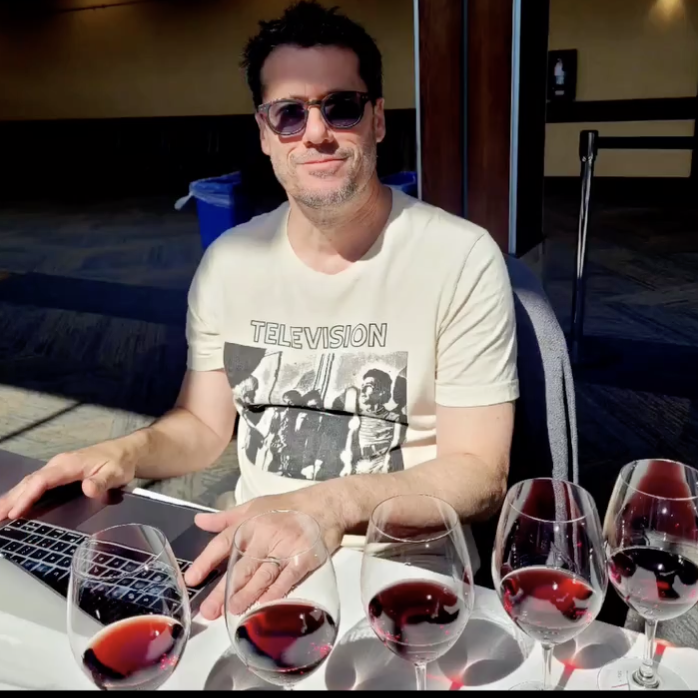
WineAlign National Awards of Canada judging in the Okanagan Valley

Hinterland Les Étoiles 2018, VQA Prince Edward County, Ontario

Traditional Method and the archetype for making bubbles to speak on behalf of a very specific terroir whilst using estate grown Prince Edward County chardonnay and pinot noir. Hinterland is THE PEC version of Grower’s Champagne because Jonas Newman and Vicki Samaras spend more time with their vines than anything else. Considering how many waters their toes dip into that says something and Les Étoiles means business. It is a serious sparkling wine, with intense flavours and the kind of backbone most fizz can only dream of hanging their flesh upon. The 2018 is precocious and wise yet the exploits of its behaviour have only just begun. So taut, so tightly wound and yet so bloody generous. Fresh and with gingery oxidative moments but ultimately in control and introspectively complex. Re-visit as often as possible for up to 10-plus years. Drink 2023-2030.  Tasted March 2023
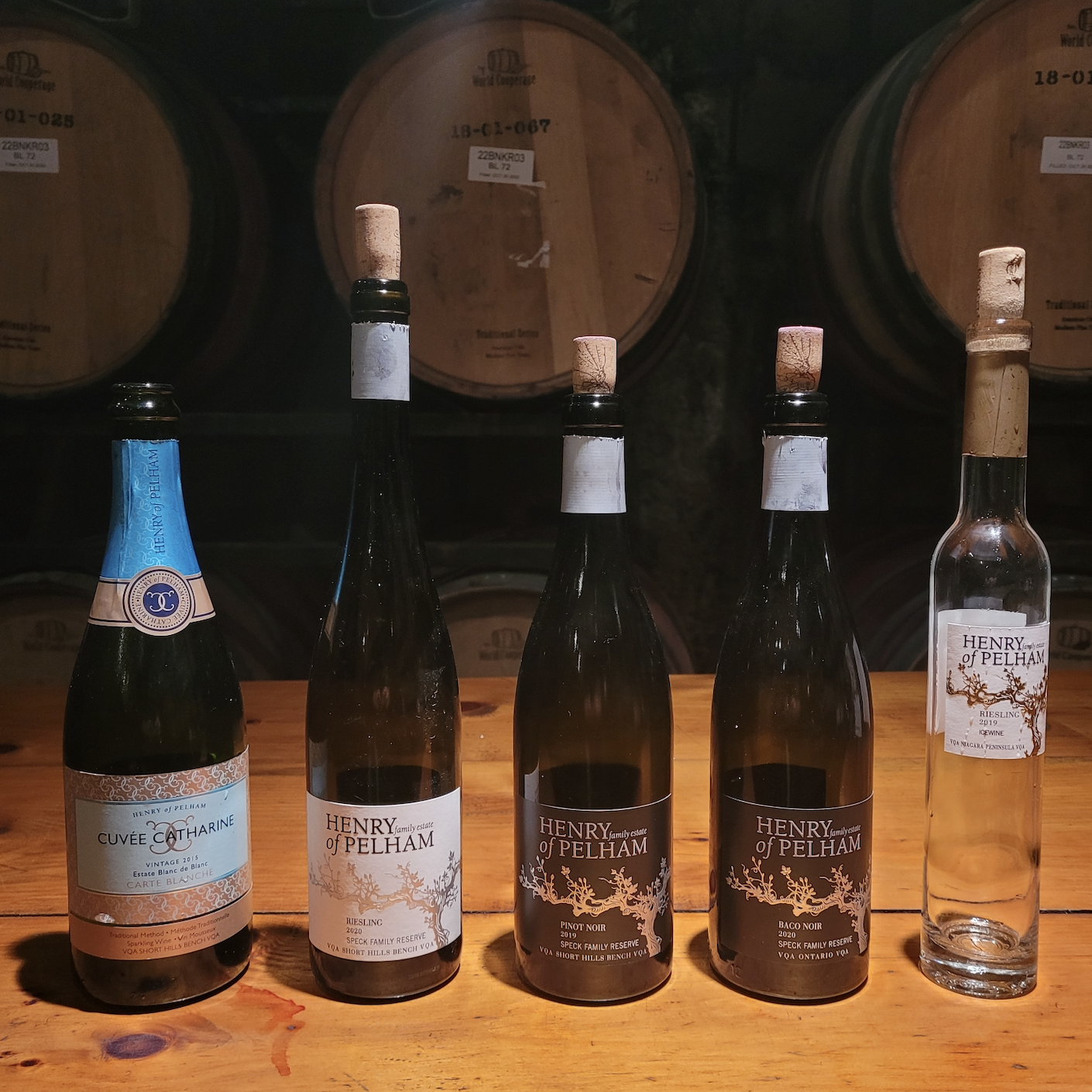
Henry Of Pelham Cuvée Catharine Carte Blanche Estate Blanc De Blancs 2017, Traditional Method, VQA Short Hills Bench, Niagara Escarpment, Ontario

Consistently crafted as a Blanc de Blancs that sees 60 months on the lees from estate grown chardonnay. From a varietal growing season so ideally destined for sparkling wine because a cool and wet spring plus summer emerged in late August to hot days and cool nights through October. In the middle of that spell is the chardonnay pick for sparkling and as good, complex and riveting as this arch-classic Ontario bubble may have been beforev- well bring on 2017 for next level complexities. Tasty, piquant and toothsome, of toasty brioche like never before and this swirl of creamy fruits and exotic seasonings. Feels like aged Growers’ Champagne and the fact that it is from Niagara makes it all that much more satisfying. Plenty of crunch, succulence and acid-driven energy from a meticulous bubble. The benchmark for local. Drink 2023-2027.  Tasted November 2023

Related – Nineteen Canadian wines that rocked in 2019

Okanagan Valley

Blue Mountain Reserve Brut R.D. 2014, VQA Okanagan Valley, British Columbia

Always pleased to welcome the BR R.D. into a glass and here is an old but a proverbial goody, that being 2014 and consumers must be reminded just how special this research and development is to determine the excellence of Blue Moutnain’s indagative sparkling wine. A blend of chardonnay and pinot noir, the first 10 percent more than the last with some of the most restrained, reserved and demure aromatics in the Okanagan Valley. All ways to say this is lovely, quietly generous and so settled to gift pleasure above all else. A most complex game of citrus and orchard fruit, distillate by nature, expertly seasoned with fine sea salt, white pepper and lemongrass powder. Such a gift nine years after vintage at a ridiculously reasonable price. Drink 2023-2027.  Tasted November 2023

Trail Estate Pinot Noir Sparkling (P.N.17) 2017, VQA Ontario

Here flies from the glass a sparkling gambit that has to be winemaker Mackenzie Brisbois’ most conventional wine. Just pinot noir and from an inverted vintage that gets better and better with time. A 2017 of wildly fantastical aromas and gravitas that make every aspect, component and iterated moment shine. This is a scintillant of excitation that delivers succulence we richly desire from Ontario sparkling wine. The mix of heady perfume, intensity of palate raciness and texture sliding into structure is truly something. If you are not put into an absolute tizzy and hypnotized by this fizz you may not be paying attention. Drink 2023-2028.  Tasted November 2023
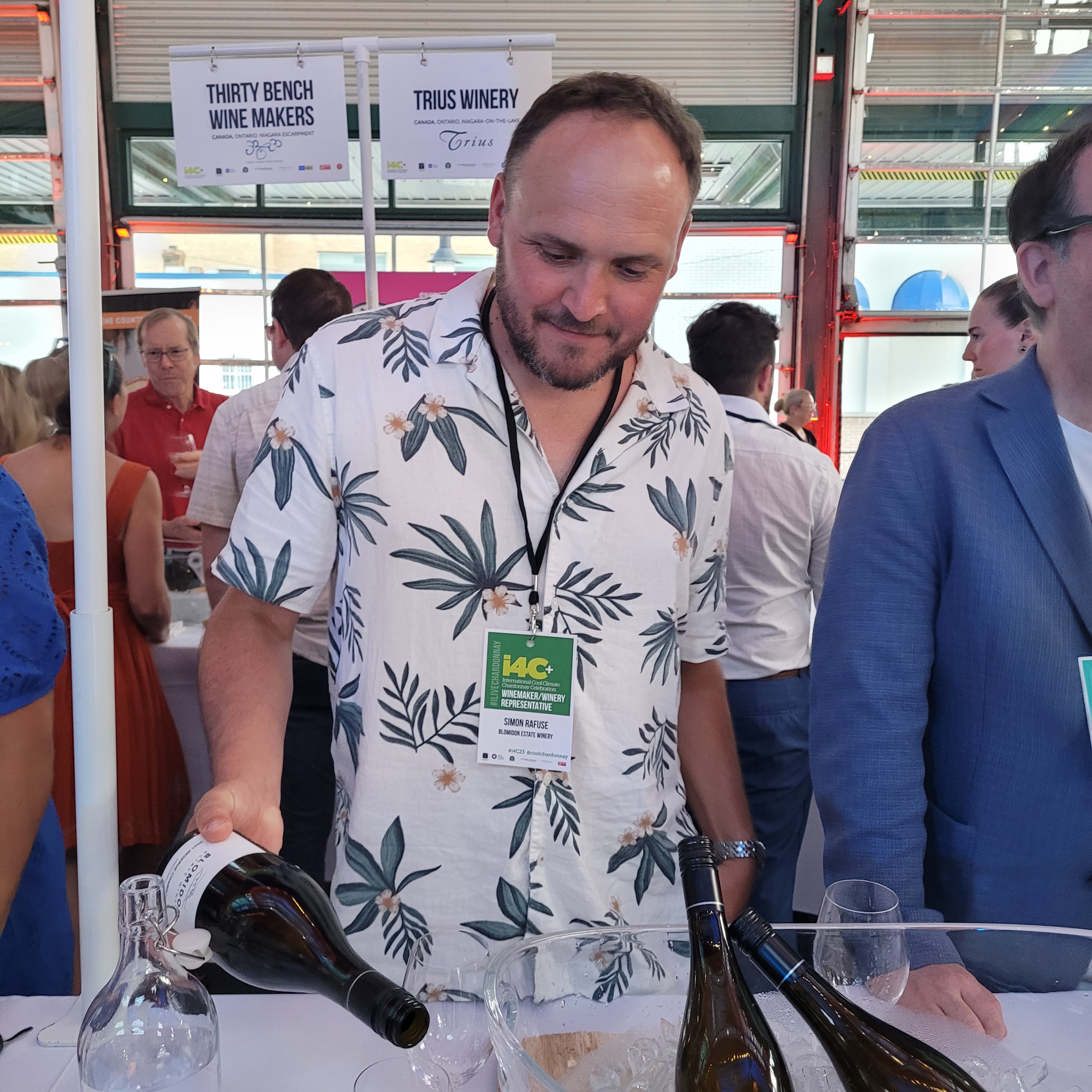
Simon Rafuse, Blomidon Estate

Blomidon Estate Winery Brut Blanc De Blancs 2016, Nova Scotia

A 2016 Bland de Blancs that saw 60 months on the lees. Super aromatic and expressive as if breezes were blowing through, Fundy winds with sea kelp and wet clay. Ideal phenolics in an idealized B de B that surely captures place, especially in a vintage like this, but truth is tells Simon Rafuse, “extreme climate event weather in Nova Scotia is making vintage cuvées nearly impossible.” Much of the fruit here comes from the estate block on the bay north of Port Williams, a sandy site that makes for more gentle, elegant and abiding chardonnay. Using old barrels helps to fatten and flesh up that fruit. Seems like an ideal match for the scintillant style of traditional method Nova Scotia sparkling wine. Super fun and energetic bubble. Drink 2023-2027.  Tasted at i4C, July 2023

Related – Eighteen Canadian wines that rocked in 2018

Lightfoot & Wolfville estate vines overlooking the Minas Basin

Lightfoot & Wolfville Cuvée Evelyn, Nova Scotia

Pinot Noir 85% Chardonnay 15%. If a bit too oxidative in tendency confirmed by the preserved lemon, well it also supports an ambitious style (reminiscent of top, top Cap Classique) that defines this traditional method, pinot noir controlled sparkler. Amazing toasty quality and just the right level of acid sourness to electrify and stretch in the finest nimble way while maintaining balance. Just has to be a top tier cuvée for this house. Drink 2023-2028.  Tasted blind at NWAC2023, June 2023
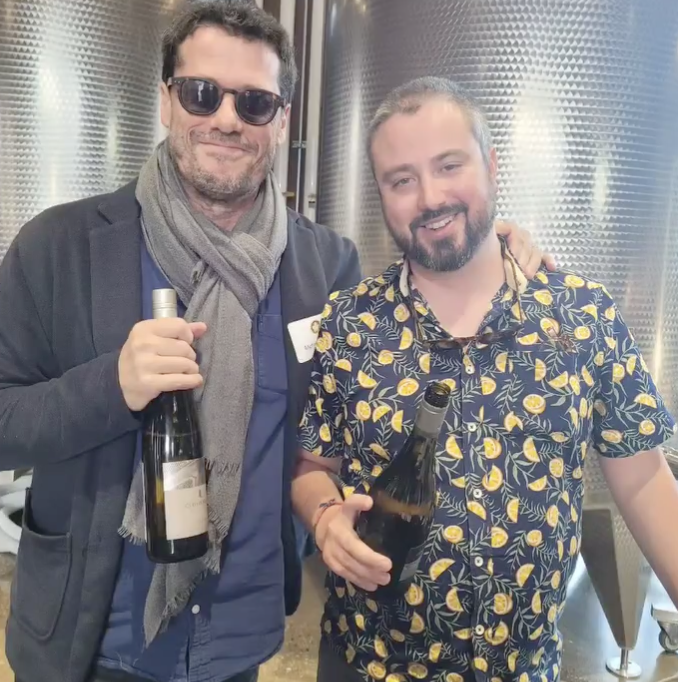
Godello and Taylor Whelan, CedarCreek Vineyards

CedarCreek Pinot Noir Rosé Platinum South Kelowna Slopes 2022, BC VQA Okanagan Valley, British Columbia

As perfumed as it can ever get for Rosé with a salutary seasoning to elevate flavours up into a complex level of vinous gastronomy. Just scents like ripe pinot noir set up for food matching where plates like tamarind-glazed duck tacos, lemon thyme roasted game birds or anything spit grilled (a.k.a. al pastor) would willingly sidle alongside. Can handle a side of pickled onion, beet or turnip and also the truth. What a terrific use of Home Block and Simes vineyard pinot noir fruit, a white-like wine of protected aromatics, lees addendum, not to mention how blessed it is by a beautiful autumn that made sure Rosé could also be graced by true Okanagan phenolic ripeness. Perfect storm of a Rosé and we should all be thankful for the happenstance. Will age more than a bit as well. Drink 2023-2027.  Tasted June 2023
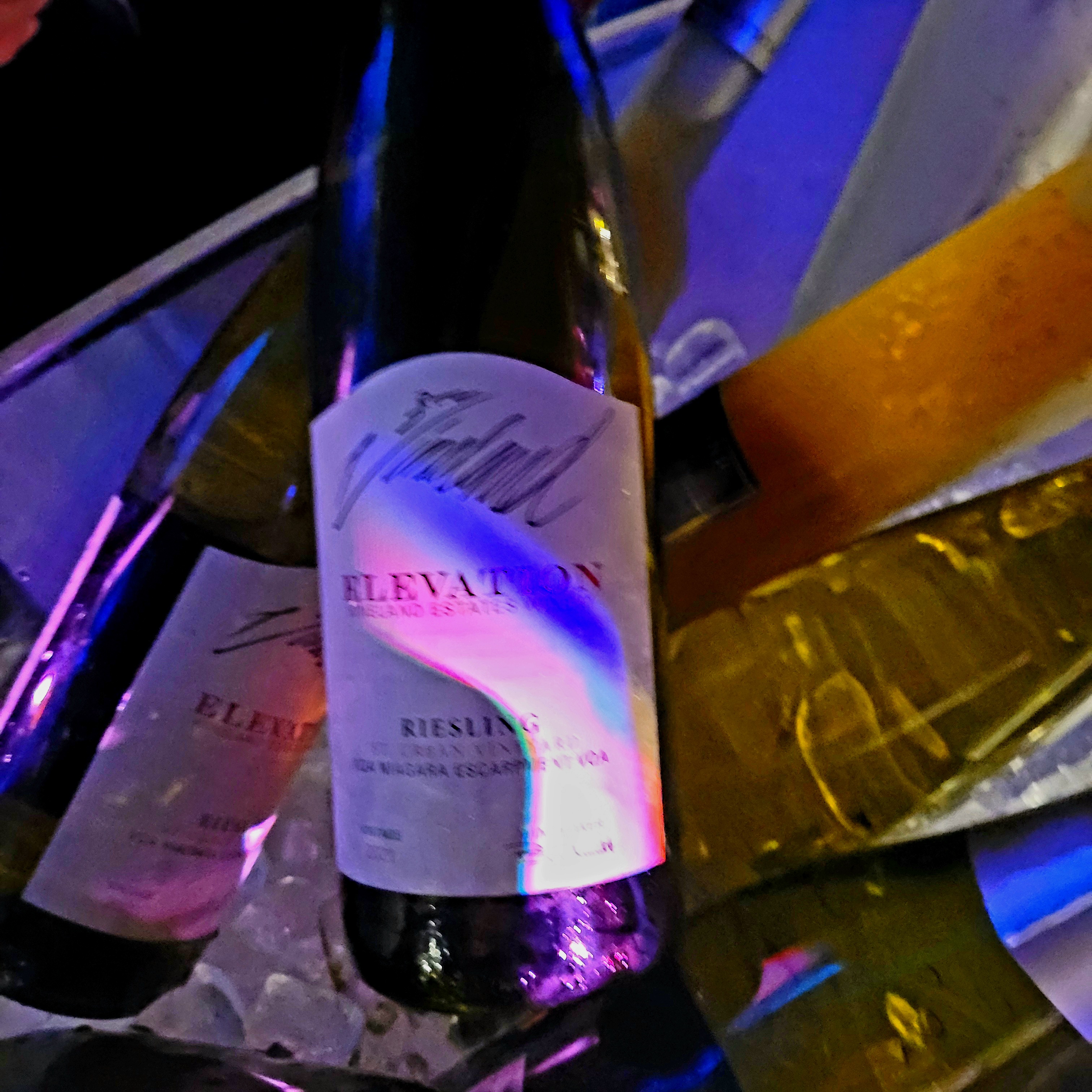
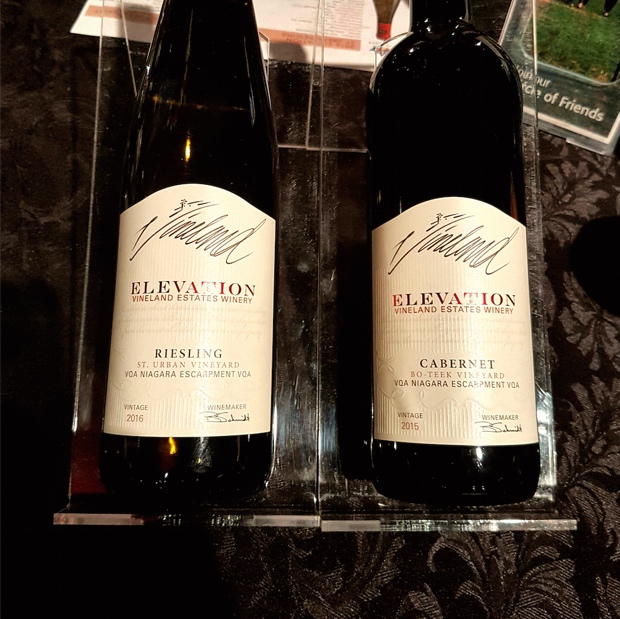
Vineland Estates Riesling Elevation St. Urban Vineyard 2022, VQA Niagara Escarpment, Ontario

Credit know-how, track record and pedigree – all those essentials of a producer with varietal experience from THE place in this country where it all began. Yes, all this matters but step forward and know that Vineland Estates uses modern technology in both their farming and also winemaking practices in ways no one else seems to equal. So what does this mean for this archetype of an Ontario riesling? So much. St. Urban 2022 is the cleanest, freshest and most luxe yet, simply put it’s all about pinpointed accuracy, finesse and well, great science. The fruit is crisp, the acids purposed and the finish long, silent, salient and salty. This will age alongside some of the best, with noticeable phenolics in tow, making for sapid moments too. Drink 2023-2032.  Tasted September 2023

Related – 17 Canadian wines that rocked in 2017
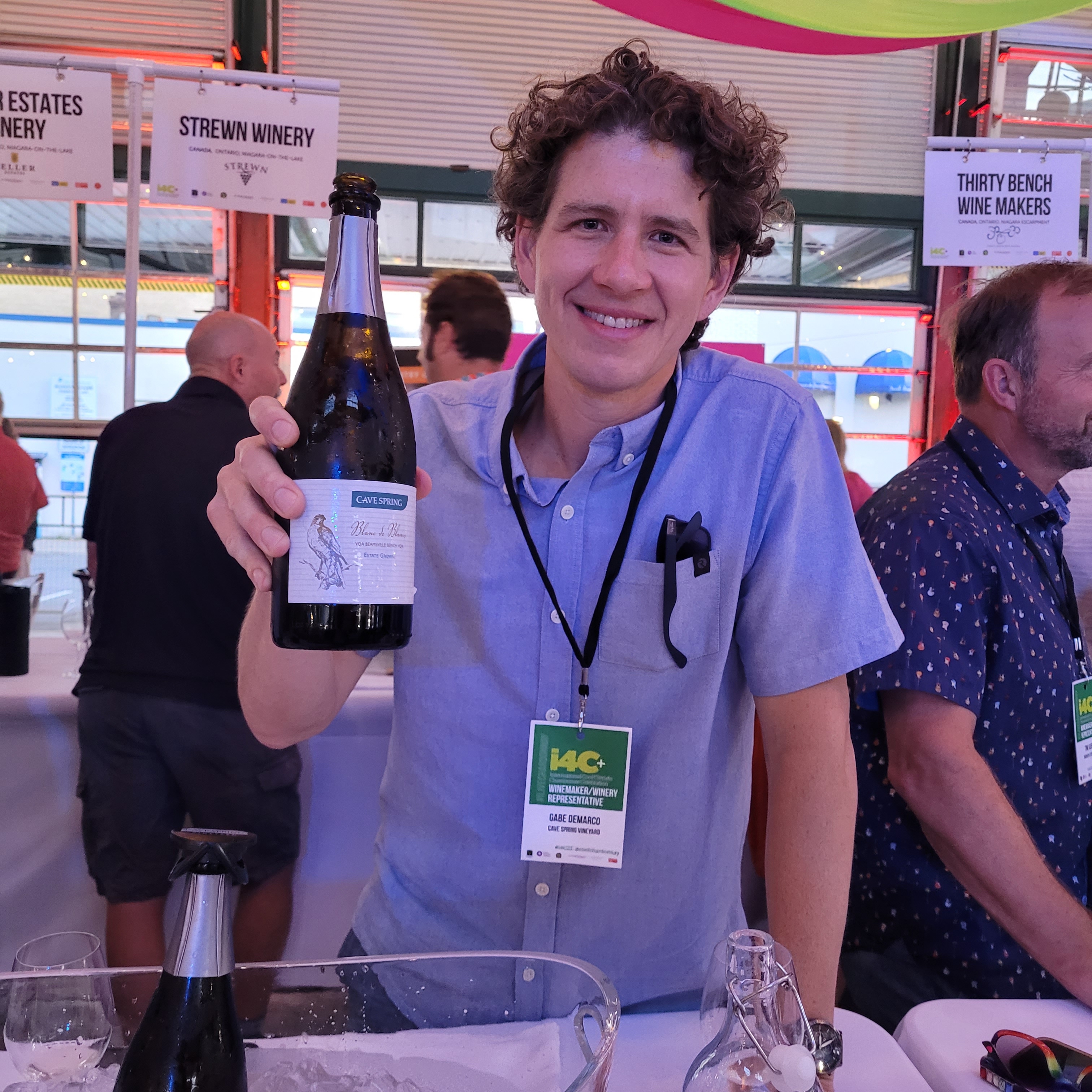
Gabriel Demarco, Cave Spring Cellars

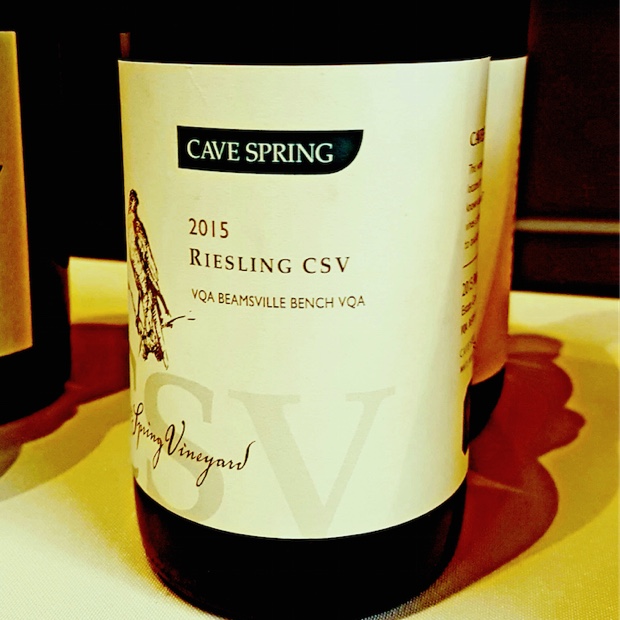
Cave Spring Riesling CSV 2019, VQA Beamsville Bench, Niagara Escarpment, Ontario

From the first 2019 CSV holds the intangible riesling cards and feels well-ripened, despite the vintage not being one of the warmer ones up on the Niagara Escarpment. Truth is CSV ’19 wears its phenolics on both sleeves as noted in the botanical resins, melon skins and stone fruit pit aromas. Already possessive of a subtle petrol kiss and acidity of a clear and present high number. Nothing dangerous mind you and the phenol-acid relationship in the wine is quite static, stoic and immovable, at least in this stage of early youth. Will mature quicker than some though the mineral quotient will always ride shotgun. CSV 2019 feels like healthy drinking. It will likely assist in averting the damage of cells resulting from free-radical oxidation reactions and also promote anti-inflammation capacity. More than riesling. Drink 2024-2030.  Tasted April 2023

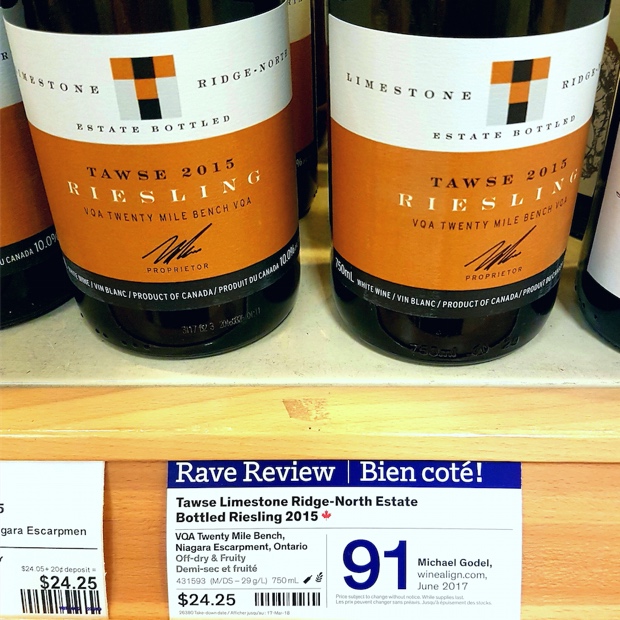
Tawse Riesling Carly’s Block 2020, VQA Twenty Mile Bench, Ontario

Stoic, cool, gelid and reserved riesling in the vein of a cool climate though the palate richness suggests a warmer vintage. High sugar and also equally so in acid, well-balanced and bespoke where the relationship between grape and geology is ideally matched. This is extremely well made. Finish is extraordinary, with tremendous grip. Drink 2024-2032.  Tasted blind at NWAC2023, June 2023

ed. The 2007 Carly’s Block tasted in July during a visit to Redstone Winery also rocked for 2023. One of Paul Pender’s great works indeed.

Charles Baker

Charles Baker Riesling Picone Vineyard 2019, VQA Vinemount Ridge, Ontario

Crisp and crunchy but more importantly indelibly phenolic and with all parts moving as one, in synch and so incredibly harmonic. Symphonic riesling from the fabulous Baker boy out of 2019 and with this amount of time now passed, increasingly uncovering proof that it is indeed a vintage for the ages. Texture and intensity with shots of umami are created as a result of that stamp of particular Vinemount Ridge ripeness. Drink 2023-2032.  Tasted April 2023

Related – 16 Canadian wines that rocked in 2016
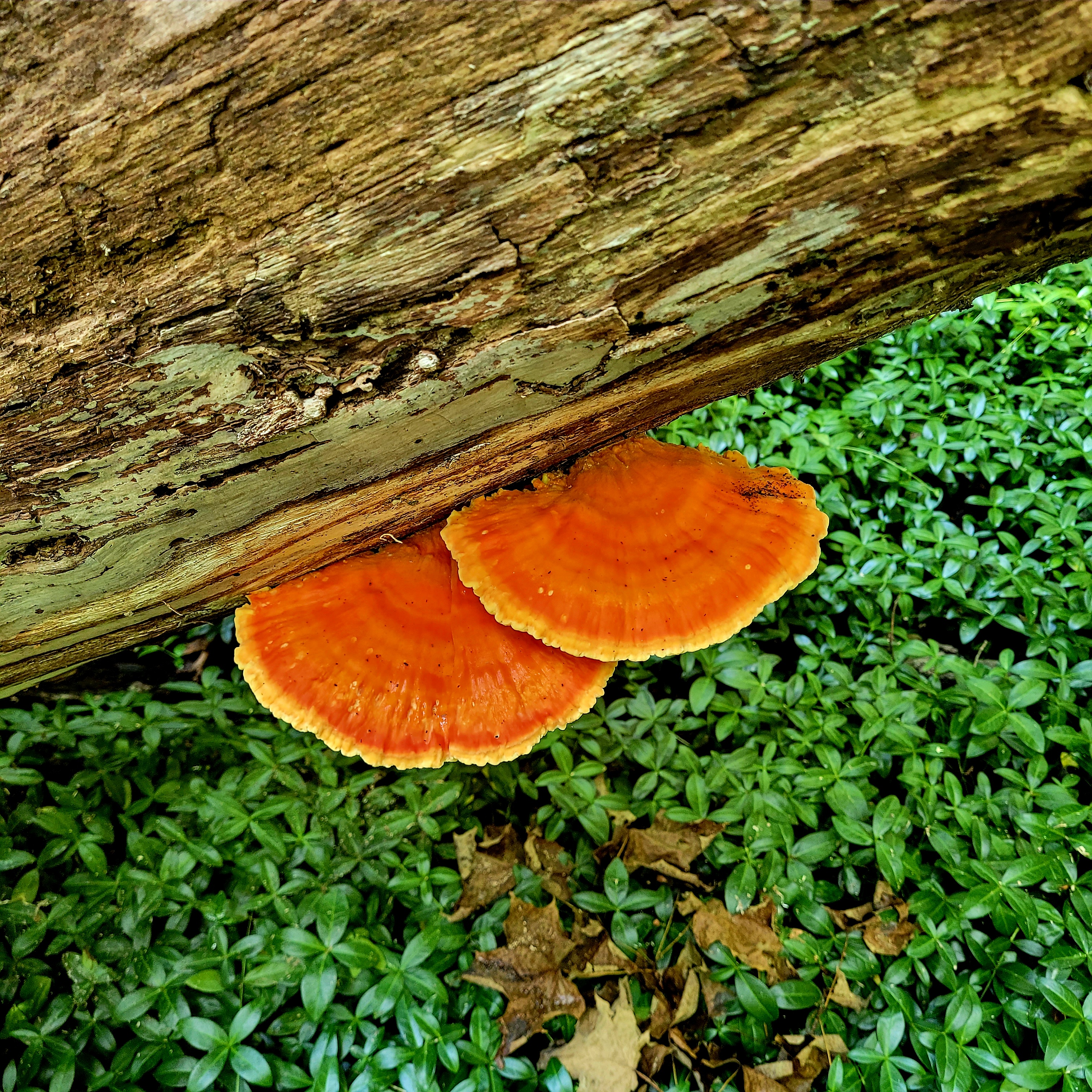
August Chicken of the Woods

Westcott Chardonnay Block 76 2020, VQA Vinemount Ridge, Ontario

The 2020 may be as ideal as it gets for chardonnay across most sub-appellations of Niagara and Block 76 from Westcott up on the Vinemount Ridge proves the theory in so many ways. The statuesque musculature and moment frozen in time visage is something else from a chardonnay so stoic, confident and the kind of act sure attitude that speaks to farming and winemaking cohesiveness. From Garrett Westcott to Casey Kulczyk – there are no holes in this chardonnay. The barrel is huge and yet subtle, the fruit pristine and treated to precision, finesse and at the end of the day, Westcott family love. Benchmark for vintage, ridge and estate. Drink 2023-2028.  Tasted August 2023

Hidden Bench Chardonnay Felseck Vineyard Unfiltered 2020, VQA Beamsville Bench, Ontario

Estate chardonnay is a cracker 2020 for Hidden Bench and along comes single-vineyard Felseck to crank up the volume for something off the charts. The aromatic bites and flavour washes deliver a Beamsville Bench wall of varietal sound. This is driven, single-vineyard minded and stubborn chardonnay to put symphonies of sound in our heads. Like massed pianos, guitars and string arrangements from which pervasive aromatic perfume and transonic flavour intensity collect to personify cool climate Bench chardonnay. The farmer, maker and proprietor may not be the fruit themsleves, but Felseck 2020 is most definitely their wine. Drink 2023-2028.  Tasted July 2023
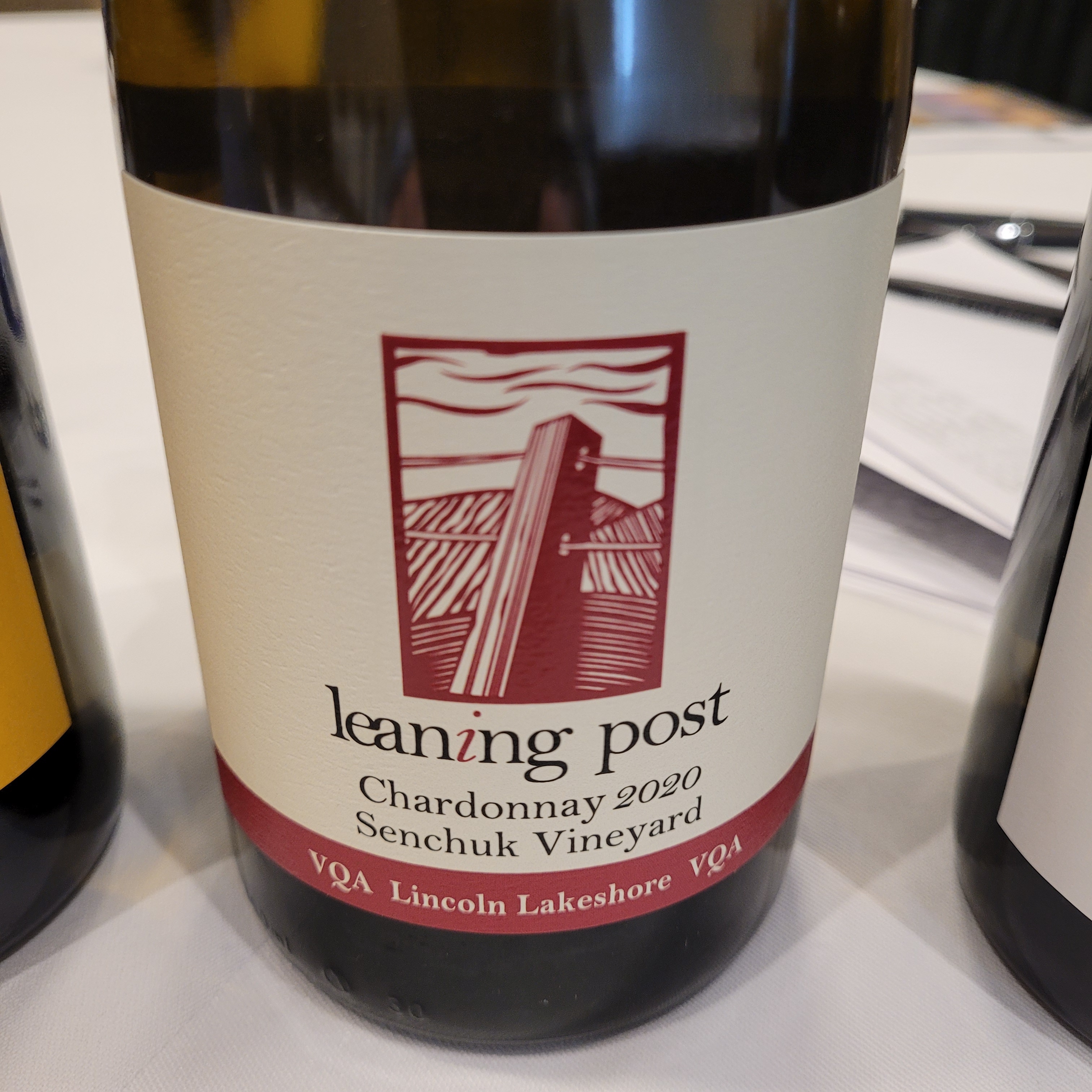
Leaning Post Chardonnay Senchuk Vineyard 2020, VQA Lincoln Lakeshore, Ontario

Not just the next vintage of the Senchuk homefront chardonnay but potentially one that will be talked about for a decade in retrospective tastings and longer. Whether or not a bottle is present, the reverberations will percolate through the ages. Not just a matter of varietal stuffing created by soils rich in clay and alluvial alloy in which stones feel pulverized into the textural fabric of this wine. You can chew this like taffy and feel the juices run as it liquifies and spreads across the palate. Hovering acidity keeps all the fruit covered, then lifted and placed just where you want this cleanest and purest of Lincoln Lakeshore fruit to be. We are all impressed and those who are not should be mystified due to reasons misunderstood. Drink 2023-2028.  Tasted July 2023

Related – 15 Canadian wines that rocked in 2015

Chardonnays of i4C 2023

Rosehall Run St. Cindy Chardonnay 2020, VQA Prince Edward County

The ode goes to Cindy Zwicker Reston, Rosehall Run co-founder and the honour is more about good deeds and love than it is just about name. St. Cindy is no small gift of a label and the good thing is Dan Sullivan’s work puts the saint in the Cindy. Few Prince Edward Country chardonnays were able to avoid ripening, softening, elevated alcohol and loss of tension but double R’s Cindy is the balanced one. Yes it is ripe and also rich but even more important is the pitch perfect seasoning, grip retention and finest moments where extract and tannin collide. This is really, really good chardonnay. The kind of stuff taught in chardonnay winemaking school but riffed upon in the real world. What else needs to be said? Drink 2023-2026.  Tasted March 2023

Grimsby Hillside Vineyard

Bachelder Chardonnay Frontier Block Grimsby Hillside Vineyard 2021, VQA Lincoln Lakeshore, Ontario

Vintage number three from Grimsby Hillside Vineyard and now more specific by way of a split, with the Frontier Block as the plot within the larger plot, along with that of Red Clay Barn. Drilling down into this historical vineyard that has risen as fast as any New World terroir, just about anywhere these sorts of things are measured. Here named for the final frontier, that being the “last terroir” in Niagara and who knows, maybe it will soon be the first rolling off of everyone’s lips. GHV-FB 2021 is a force, that much is clear from the first look. Or nose, for what matters. Cool and stony style from a wide open space where limestone, shale and gravels conspire to create something new and with absolute potential. It’s already arrived thank you very much and while words like luxe and opulent do not come to the tip, others like succulent and scintillating do. Just something so real and right at your doorstep, vivid beyond chardonnay compare, a stealth fish swimming in clear waters. Truly complex for chardonnay and it must be noted, unlike any other in the world though at the same time feeling like something you’ve known your whole life. Make an exception to delve into this exception because when it comes to chardonnay, this is what we need. Remarkable clarity and distinction, precision extraordinaire and a wine to cast nets far and wide to secure as many bottles that could be found. Drink 2024-2032.  Tasted December 2023

Ramps of 2023

Stanners Pinot Noir The Narrow Rows 2020, VQA Prince Edward County, Ontario

Warmest of vintages and yet as only pinot noir (especially from PEC) is want and capable of doing there is no dramatic rise in alcohol. Conversions will be conversions and they are almost always magical as it pertains to the County. The specificity of the Narrow Rows elicits a varietal human response like few, if no others out of the County and that means love. The wave of fruit effortlessly tumbling into sweet acidity and structure fitting like a glove makes all parts happy, singing and generous. They do their work with chivalry, philanthropy and love. The vintage is a conundrum for PEC reds but the Narrow Rows and subsequent actions will be judged as right in the future, in part because of the block and in part because the Stanners team abides by what this pinot noir needs to be. A top pinot for 2020 Prince Edward County. Drink 2024-2029.  Tasted March 2023

Related – 14 Canadian wines that rocked in 2014
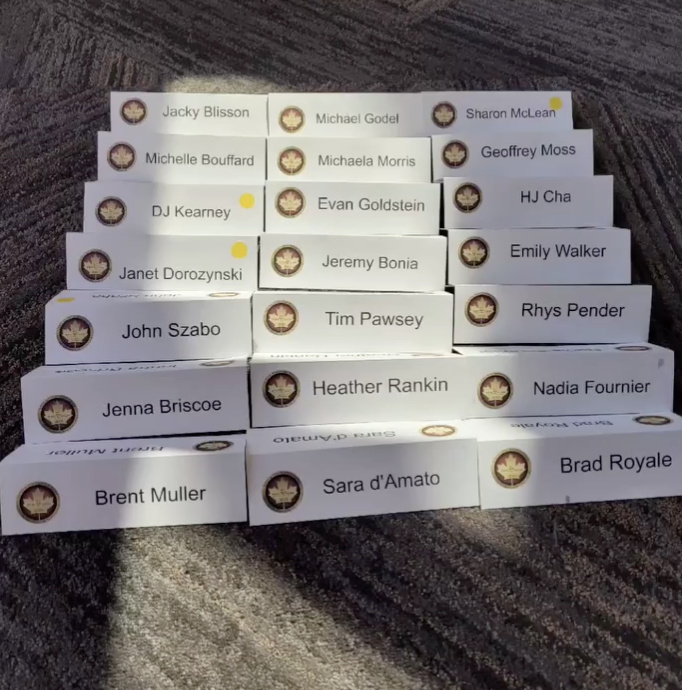
Judges of the 2023 WineAlign National Wine Awards of Canada

Privato Tesoro Pinot Noir Woodward Collection 2020, BC VQA Okanagan Valley, British Columbia

Inviting, sexy and rising in high spirit, song sung hitting the high notes and a pinot noir that rocks from the first. The perfume is just so very brushy hillside or escarpment and perhaps a bit northerly in location. Crunchy and succulent, judiciously oaked and spiced. mid to more than that in weight, impressive concentration without density and length – such never-ending length. This is the right pinot for the people. Drink 2024-2032.  Tasted blind at NWAC2023, June 2023
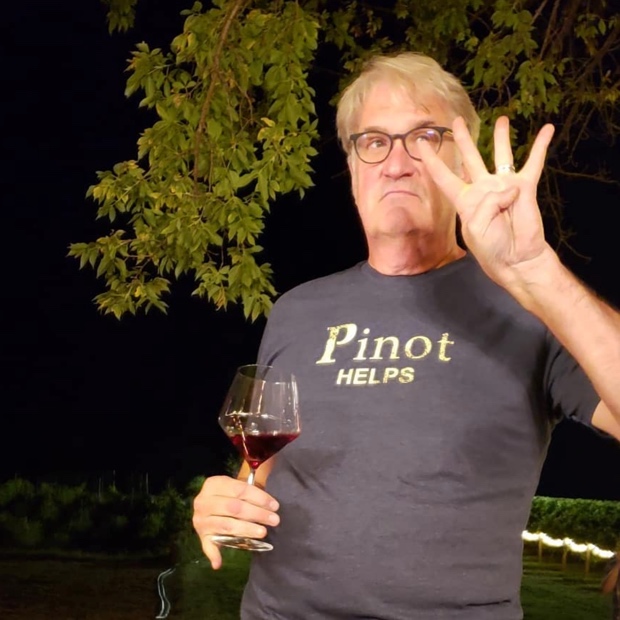
Thomas Bachelder

Bachelder Old Eastern Block Lowrey Vineyard Pinot Noir 2021, VQA St. David’s Bench, Ontario

For Lowrey Vineyard go east young man, the east is the best – or at least east is oldest, planted in 1984 by the family for the legend Karl Kaiser. The lineage of alliances runs from Kaiser at Inniskillin with Jaffelin (now Rémoissenet), through Le Clos Jordanne and Bachelder forays into Oregon. Today the eastern block of old vines have passed their 35 year mark which means they are truly heritage, not only for Niagara but for anywhere in the world. A glacial heritage too, with limestone being a determining factor to make pinot like this seem soil-driven, mineral-bent and shaped by millennium. Bachleder’s job is to not fuck it up and though he never does, for 2021 he finds another gear. One that is measured and paced for pinot noir – which is exactly what it needs and wants. The sweetness and purity of both fruit and acidity is seamlessly braided to spin a wine that will surely be timeless. Truly special and deserving of much love so give it. Success? Did it come out? All his wines come out. Drink 2025-2033.  Tasted December 2023
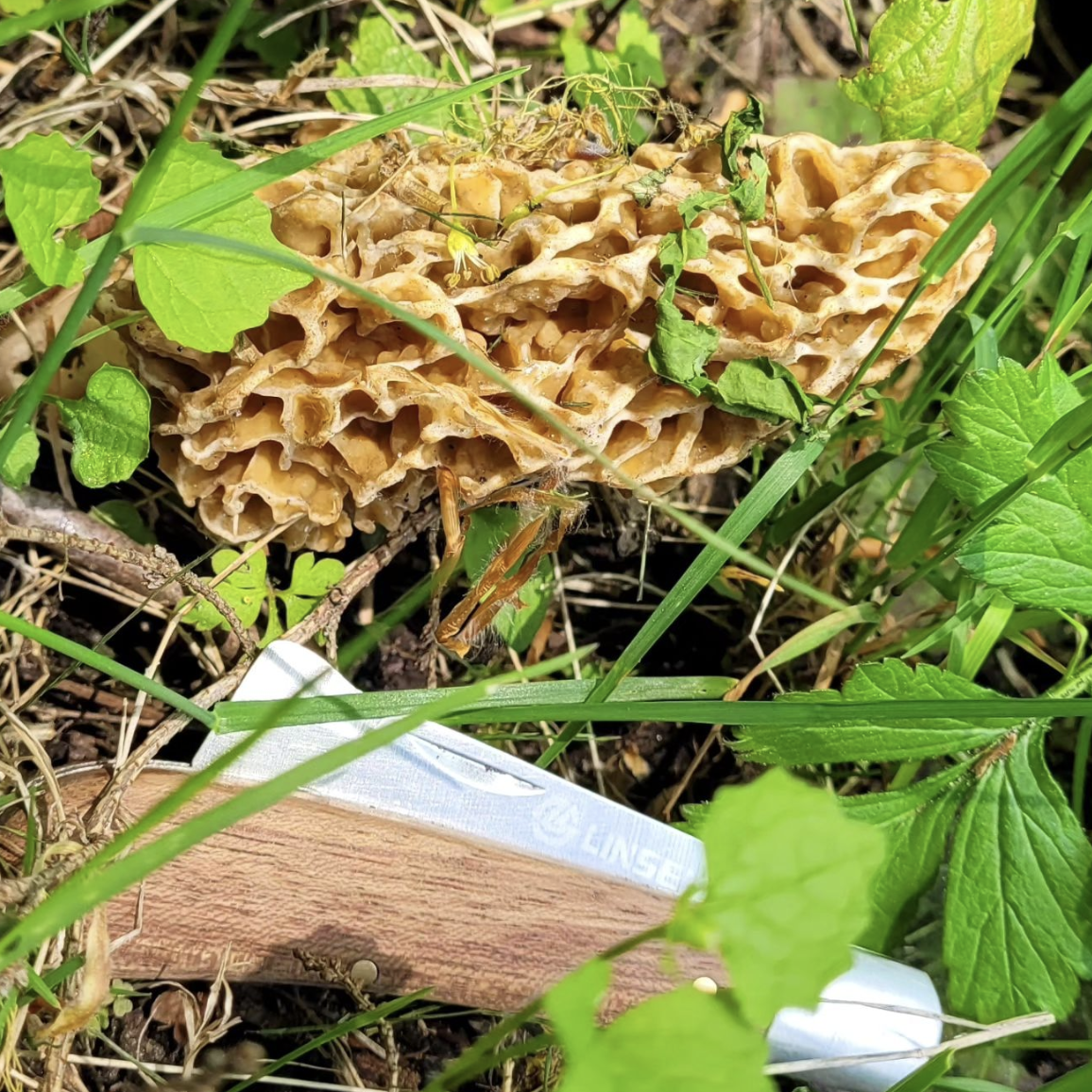
The first Morel of 2023

Thirty Bench Cabernet Franc Wild Cask 2020, VQA Beamsville Bench, Ontario

Full and splendid varietal expression with such a distinctly captured frank-ness in concentration that really sets the Bench on fire. All the fruit imaginable with help from ant ideal growing season and then the salt and pepper seasoning that sees wood do what’s right and also necessary. The linearity and even-keeled notions of this Thirty Bench are just so measured, persistent and incremental. Will age gracefully over 10 years time.  Last tasted April 2023

If at first this may seem like middle road taken for grape and vintage, of medium specs all the way through, keep coming back to this wine. From fruit through acidity and into tannin there is harmony, seamlessly woven and without falter. Good pH balance connectivity to structure so that the cabernet franc doles in sapidity as much as anything else. Right amount of chalkiness and a temperament that is really quite fine. No mind that oak persists as a factor just on the right side of heavy for now. Should show beautifully in another year’s time and with (Bench) distinction for many years to follow. Equal parts salty and sapid is always great combination. Drink 2024-2028.  Tasted blind with the Experts’ Panel, April 2023

Related – 13 Canadian wines that rocked in 2013
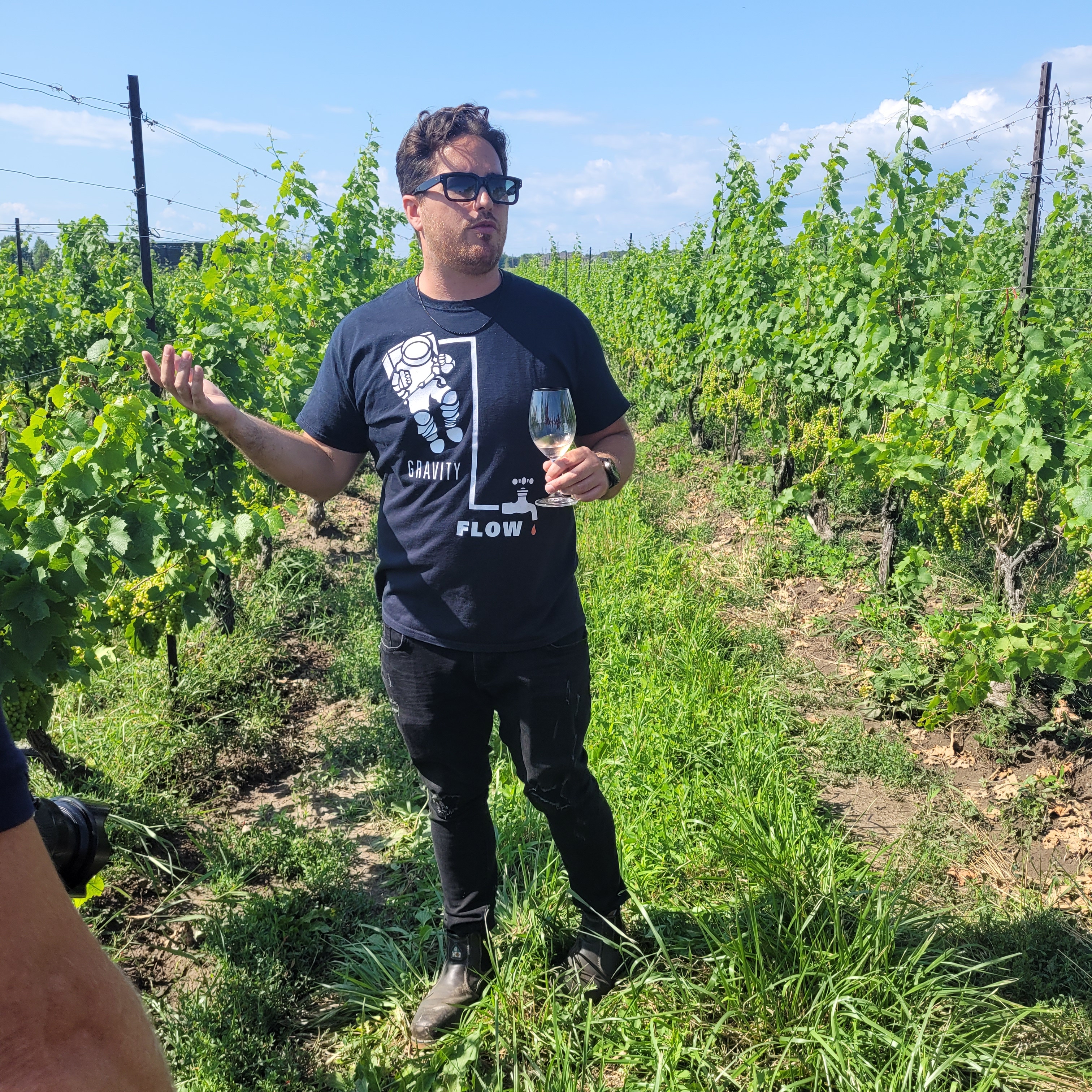
Stratus White Label Red 2020, VQA Niagara-on-the Lake, Ontario

The blend for Red is always vintage dependant but can’t say there is any shock to see cabernet sauvignon art 40 percent taking the 2020 lead. Next there is cabernet franc (27), followed by merlot and malbec (13 each) and finally petit verdot (7). Six weeks of picking between the merlot and the cabernet sauvignon with specs in the end right on par with that (latter) varietal wine. Meaning magnanimous, ambitiously structured and of a potential to see the 2020, 20th anniversary Red as becoming one for the Stratus ages. Certainly more juiciness and also fun (and pleasure) but make no mistake. These tannins bite back, the wood is far from integrated and years will be required to see this make good on its promise. Drink 2025-2032.  Tasted September 2023
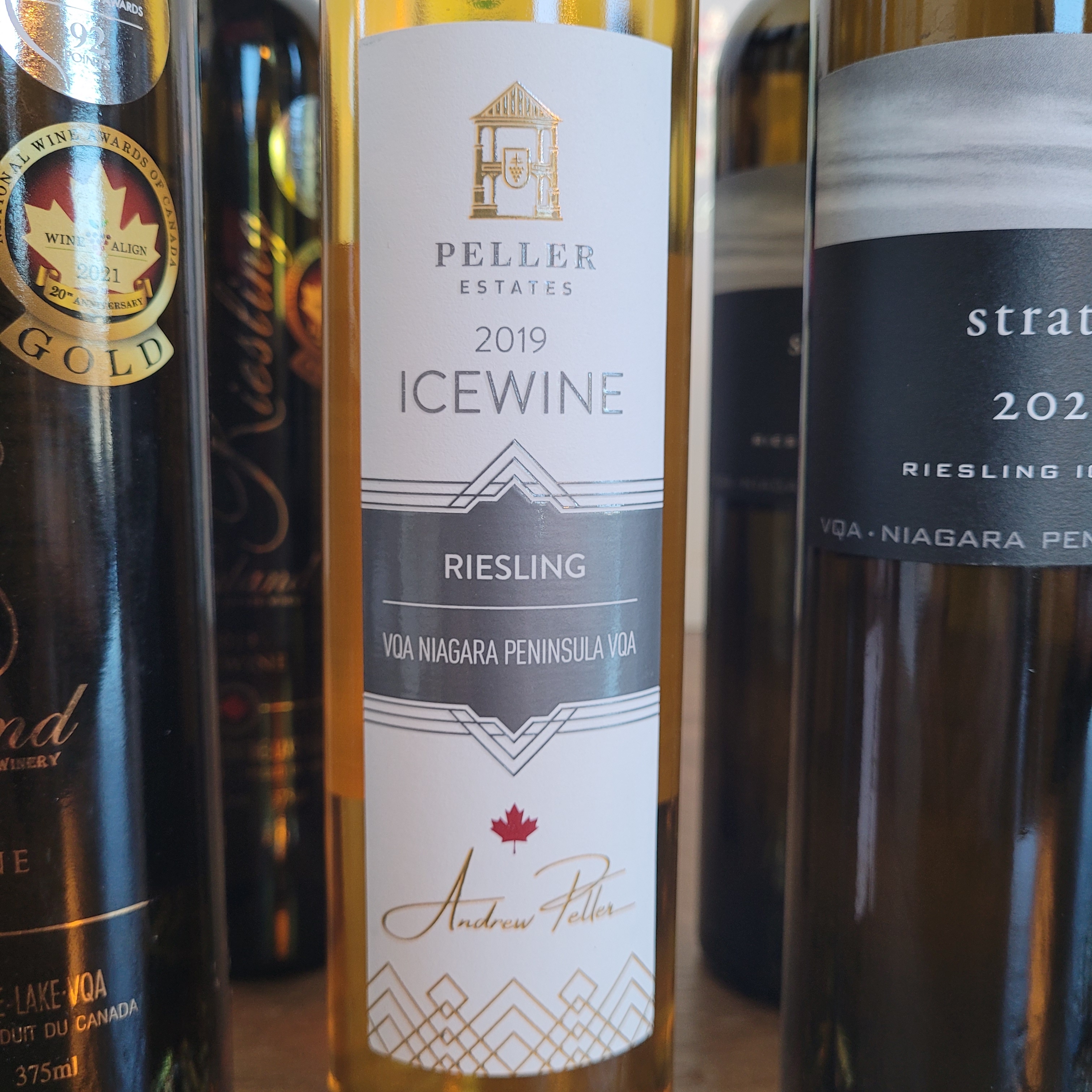
Peller Estates Riesling Icewine Andrew Peller Signature Series 2019, VQA Niagara Peninsula, Ontario

Densely concentrated and from the beginning an impressive balance in accord between sugars and acids so that the two move swimmingly along from the start through to a long lingering finish. One sip and the Icewine becomes one with your palate, hangs on, repeats upon itself and as far as that kind of attraction is concerned you welcome the linger. Special dedication and technique here to be sure. 179 gL RS and 10.5 percent abv.  Last tasted January 2023

Good to go!

godello

Twitter: @mgodello

Instagram: mgodello

WineAlign

To Icewine and beyond

The Tunnel at Niagara Parks Power Station

Icewine. A Niagara wine-growing region speciality, long-suited to place, world renowned and in a way a curse because mistakenly global perception thinks only this kind of wine can be made great out of this coldest of cool viticultural climates. For quite some time Icewine has been Canada’s infinity, a national star and success story that have been the Ontario wine industry’s burden to bear, it being the ONLY wine capable of excellence in the minds of consumers and also many wine industry peeps worldwide. This is finally changing, in no small part thanks to ambassadors like The Wine Marketing Association of Ontario’s Magdalena Kaiser and Canadian Trade Commissioner Dr. Janet Dorozynski PhD. They, along with dozens of Canadians producers and winemakers have presented many years of Canadian wine tastings in London, at Germany’s Prowein Trade Fair and most recently through masterclasses in Copenhagen and Berlin. Their efforts and an exponential leap in collective quality have helped to raise the profile of the great breadth of Canadian wines.

The Wine Marketing Association of Ontario’s Magdalena Kaiser

Is it not finally time to prove two 21st century facts? First that wine consumers from Timmins to Torino are actually privy to a vinous Canadiana scene that includes but is no longer confined to the gelid, glycerin and bracing late harvest elixir. Second, Icewine and other forms of fermented grapes are evermore intrinsically connected, bonded by their growers and makers whose climate change evolving portfolios are now the sort that are chock full of inclusivity. Is it not possible to celebrate Icewine without sacrificing the progresses made by other styles of wine? Of course it is and our Ontario (and also British Columbia, Nova Scotia, New Brunswick and Québec) includes all walks of appellative, varietal and stylistic life.

The Horseshoe Falls lit up in Pride colours

The time has come to reflect upon Icewine as an entity the likes of say VinSanto or Sauternes, sweet labours of love perpetuated because of tradition and climates that continue to encourage their production. Icewine in Ontario are intrinsically connected to a winery’s portfolio; to the consumer-friendly, classic and small lot wines. European wine producing regions were once sweet-centric too and Ontario is at long last maturing into a new epoch where Icewine the founder is begetting table wines, the current board of directors. They and all Canadian wines are prepared and experienced to travel far, well outside the Icewine universe. Their destination looks past infinity, to the beyond.

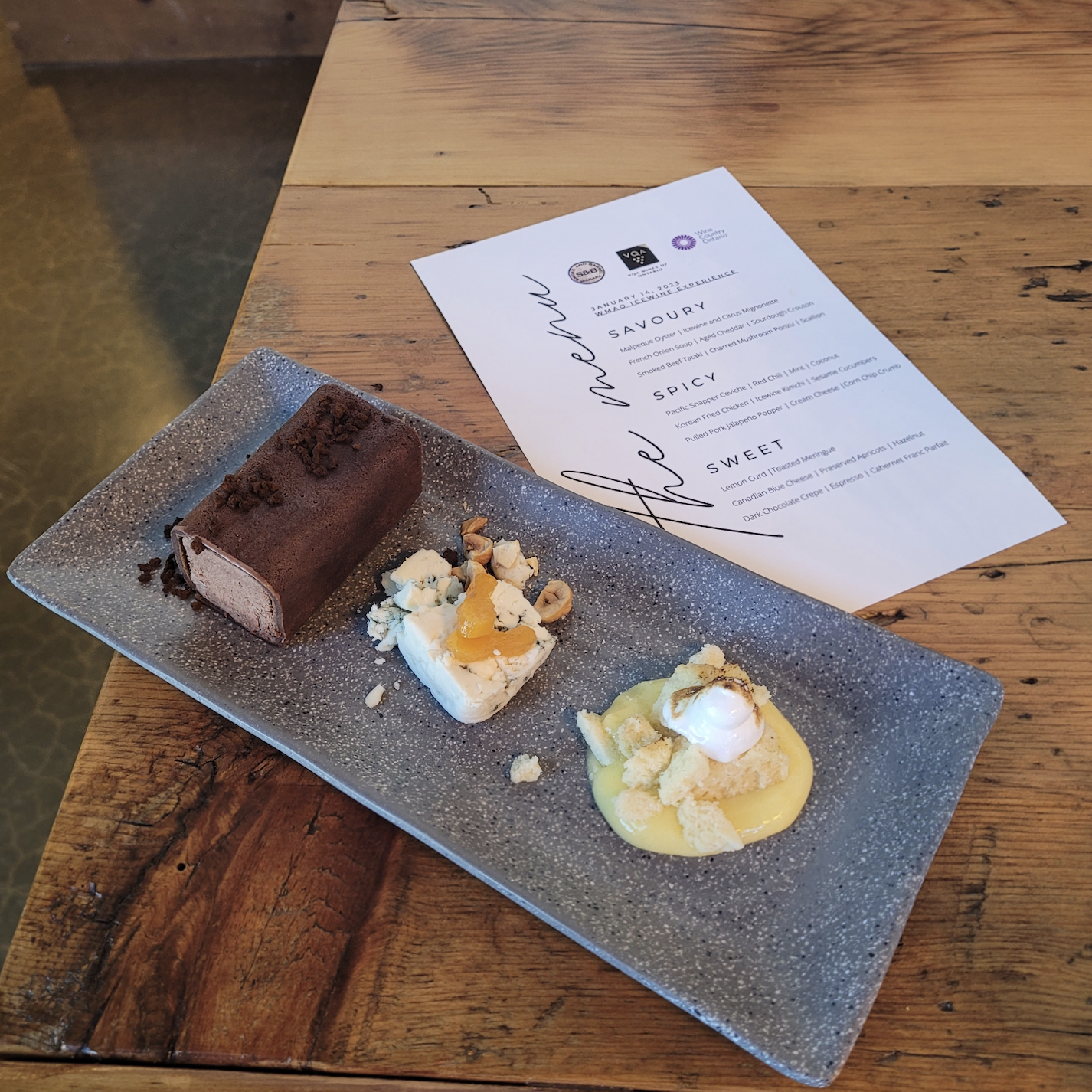
The Savoury – From Chef Tim Mackiddie’s “Savoury, Spicy and Sweet” Icewine pairing preparations

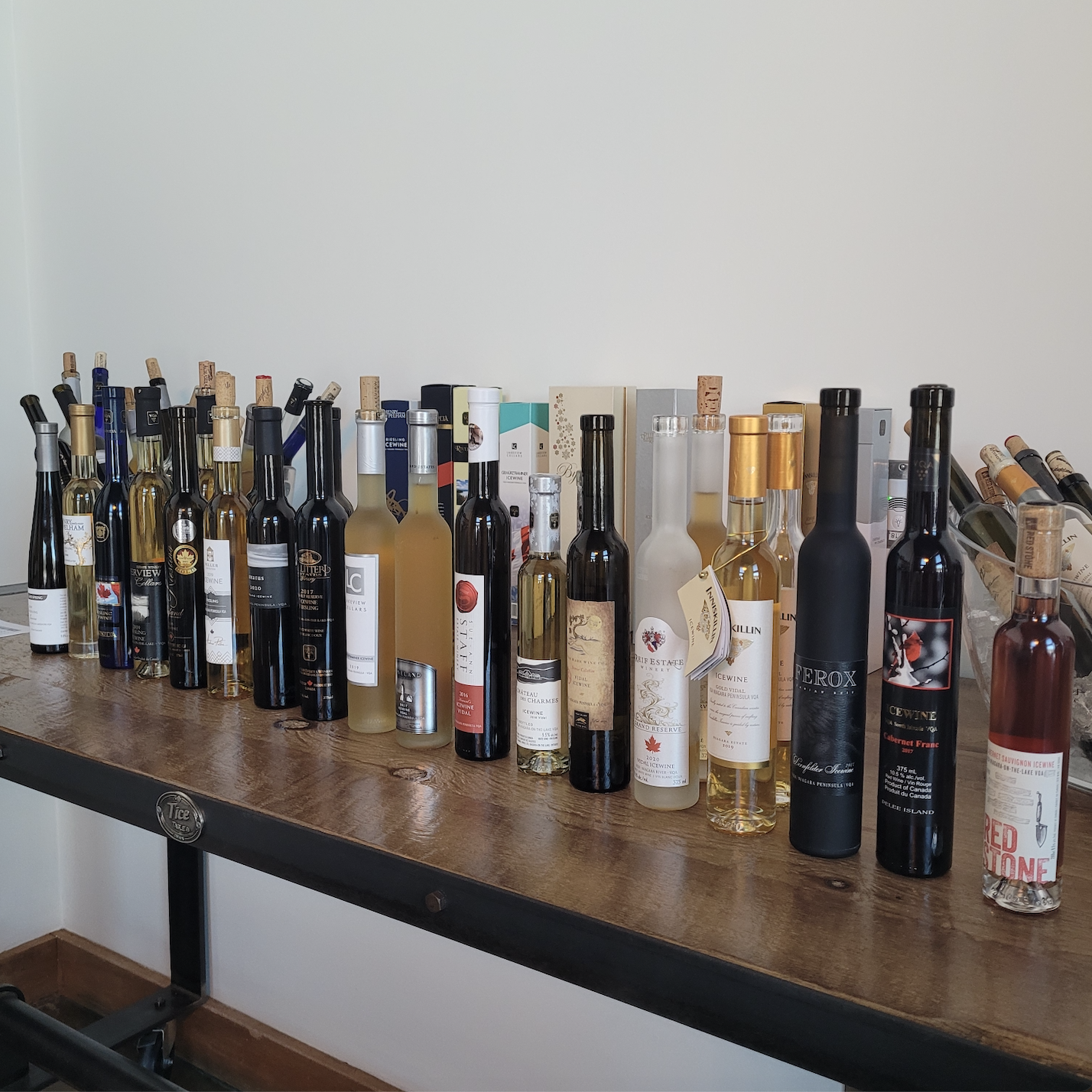
Back in January the WineAlign crü shuffled off to Niagara Falls for the 2023 iteration of Niagara’s Icewine Festival. It was inside the renovated event space halls of the Niagara Parks Power Station where the gala event was held. If you’ve not been the time has come to make a visit because the installations are spectacular. Then there is the inspiring experience that is a 600m walk through the early 1900s tunnel construction that empties beneath the Horseshoe Falls. Many Icewine and other Ontario wine samples were tasted that evening, this following a truly special Icewine Masterclass given by WMAO’s Kaiser at the tasting room of The Hare Wine Company. Kaiser put together an 18-strong Icewine line-up in conjunction with Chef’ Tim Mackiddie’s “Savoury, Spicy and Sweet” pairing menu, all to fascinating results. “Icewine is the strongest post pandemic recovery for a Niagara wine category,“ informed Kaiser. “Younger males lead the resurgence.” She noted an increased use in cocktails, making use of Icewine instead of simple syrup because the traditional dessert wine is such a high quality ingredient, with natural sweetness. At the gala it was Kaiser’s son Maximilian Smit, creator of the Niagara Icewine Sour, who mixed up two unique and bloody delicious Icewine cocktails for hundreds of guests. The masterclass and the cocktails demonstrated how Icewine is no longer just about dessert. 

The Spicy – From Chef Tim Mackiddie’s “Savoury, Spicy and Sweet” Icewine pairing preparations

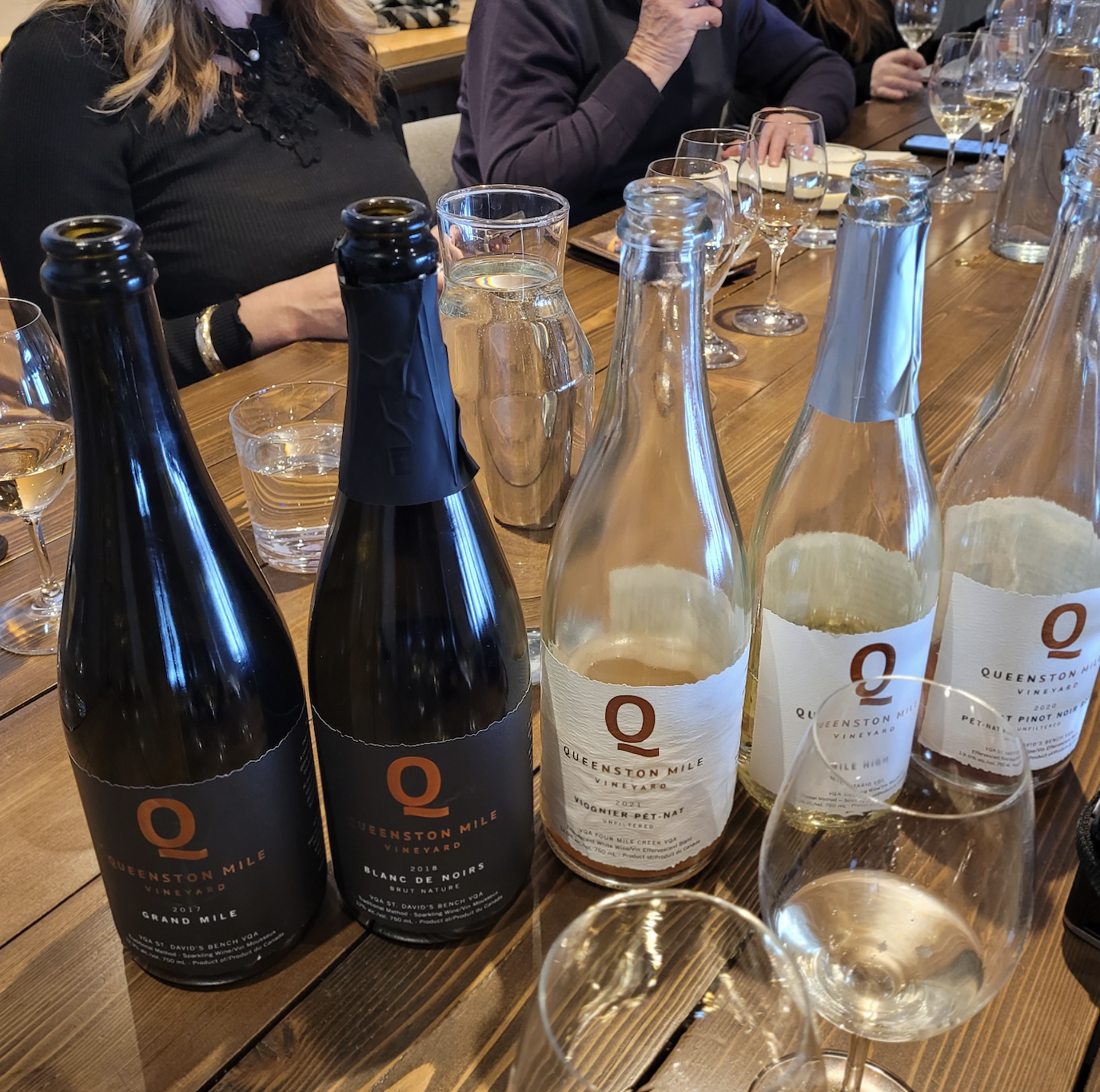
On Sunday after the Icewine fète the group paid two visits, to Queenston Mile Vineyard and Henry of Pelham Family Estate. The following 30 tasting notes cover Magdalena’s Masterclass and the wines tasted at the two Sunday morning stops.

Cave Spring Riesling Icewine 2019, VQA Niagara Peninsula

Stars and acids through the proverbial roof with thanks to a November 14th harvest, earliest on record by what has to be a long-shot. Specs come in at 245 g\L RS, 15.3 TA, and 9 percent abv. Full aromatic wealth and viscosity, apricot and golden pineapple, acids coming through on the nose to set up everything wanted and needed on the palate. As unctuous and fell-throttle expressive an Icewine from riesling that could ever be. Kudos to the vintage and to the makers for capturing all parts at peak. Top performer without a doubt. Drink 2023-2029.  Tasted January 2023

Henry Of Pelham Riesling Icewine 2019, VQA Short Hills Bench

Part scintillant and part fruit bomb with high active acidity in great categorical respect. Lemon, apricot and pineapple all in, gelid and cool, high in balancing acid from one of the earliest picks by one of the earlier pickers so certainly in the first two weeks of November. Also as much a petrol and airy aromatic propulsion signalling near equal to any indicators the fruit might elicit for Icewine temptation. With sugar plus acid so high and meshing together there are no spikes, searing moments or overt richness, though in the end there is a white peppery warmth. Lemon and tea, heavy sweetener and naturally tannic. Unique Icewine when you get down to the brass tacks. Registers as 9.5 percent alcohol and what’s also special is a saline streak running through. Sweet lemon desserts only serve to accentuate the sweetness and the lemon. Drink 2023-2027.  Tasted January 2023

The WineAlign Crü with Magdalena Kaiser

Magnotta Riesling Icewine Niagara Peninsula Limited Edition 2019, VQA Niagara Peninsula

A nose of ulterior style leading to different sort of reactions though the palate is much more classic, standard and expected. Reserved and limited and then exuberant, forceful, heavy steel reinforced. Really attacks the sides of the mouth upwards to the upper wisdom corners and pineapple is everywhere. Old school, white fleshed and high acid. 194 g\L of RS and 10 percent abv.  Last tasted January 2023

The lemon iced tea in Icewine makes riesling go its own direction and run with the ideal. This has energy and pizzazz, style that makes one want to know more and more. Great tension and acidity puts this in a place of its own. Drink 2024-2030.  Tasted blind at NWAC2022, June 2022

Riverview Cellars Estate Winery Riesling Icewine 2019, VQA Niagara-on-the Lake

Exotic scents in riesling out of 2019 running the mango to pineapple, papaya to litchi gamut of ripe, tart, rich and creamy. Extreme sweetness and delectable flavour profile. Chewy stuff, heavy concentrate of the tropical doused by heavy yellow citrus. Lacks a bit of balance. 189 g\L of RS, 11 abv. Drink 2023-2025.  Tasted January 2023

Byland Riesling Icewine 2019, VQA Niagara-on-the Lake

Some understatement here, aromatically speaking at the very least and the first in a comprehensive Icewine tasting to feel herbal, stem-scented and evergreen savoury. Mint and fennel, sweetness never overloading the palate or making any demands. Almost a tonic or cocktail bitters note near the finish, though persistently subtle and agreeable. Unique Icewine is every which way but loose. 192 g\L RS, 11 abv. Drink 2023-2026.  Last tasted January 2023

Byland Estate Winery is a newer Niagara-on-the-Lake, 13-acre vineyard owned by Jackson Bai since 2015. It was acquired from Frank Di Paola and his three decades of grape growing experience. The vineyard has been providing grapes for Magnotta Winery for 25 years. Their riesling Icewine is high-toned, aggressively tart and intensely implosive. Lemon and also lemongrass nose, orange crème brûlée and lime flavours with some bitterness inherent in all that layered citrus. Good length here.  Tasted November 2020

Peller Estates Andrew Peller Signature Series Riesling Icewine 2019, VQA Niagara Peninsula 

Densely concentrated and from the beginning an impressive balance in accord between sugars and acids so that the two move swimmingly along from the start through to a long lingering finish. One sip and the Icewine becomes one with your palate, hangs on, repeats upon itself and as far as that kind of attraction is concerned you welcome the linger. Special dedication and technique here to be sure. 179 gL RS and 10.5 percent abv.  Last tasted January 2023

Stratus Riesling Icewine 2020, VQA Niagara Lakeshore

Perhaps the most aromatic, palate density and intense character of any in a long Icewine flight but also a lovely swarthiness to take things to an entirely new level. Of promise and age-worthiness, to imagine a wine equipped with structure and fortitude, to change with incremental tempo (and opposite of haste), to spend a couple of decades evolving. Impressive and intoxicating in every way while sweetness is lowest in importance. 142 g\L RS, 9.3 tA, 14 abv. Drink 2023-2033.  Tasted January 2023

Densely concentrated, heavy fuel and sweetness overload Icewine that delivers all the expectations in that dessert wine category. Classic example, not overtly exotic but full of stone fruit in the peach, nectarine and yellow plum spectrum. Not the longest yet of a more than ample lingering finish. 235 g\L RS, 8 tA, 10 abv. Drink 2023-2026.  Tasted January 2023

Lakeview Cellars Gewürztraminer Icewine 2019, VQA Niagara Peninsula

Über sweet Icewine, oily of viscosity, a chewy mouthful of stone fruit fleshiness. Pulpy in textural feel, a mouthful all the way through. Yeoman acidity work and moderate length in a correct to highly proper example. Expressly gewürztraminer so it’s got that going for it, which is nice. 188 g\L RS, 9 TA, 9 abv. Drink 2023-2026.  Tasted January 2023

Vineland Estates Vidal Icewine 2017, VQA Niagara Peninsula

Wildly aromatic Icewine, unique and savoury, almost smells like charcuterie with pork rillette and a mix of pickles. Does not act so overtly sweet as compared to so many others and is remarkably characterful. But just look at the numbers. Residual sugar of 271 g\L, 8.2 TA, 9 abv. Onion skin and the musky cured skin of pork salumi. So bloody interesting. Would age this a year or two. 271 g\L, 8.2 tA, 9 abvDrink 2025-2033.  Tasted January 2023

Sue Ann Staff Howard’s Vidal Icewine 2017, VQA Niagara Peninsula

Desperately sweet and intensely concentrated Icewine, as fortified and full as they come. Not a tropical one but certainly the kind that makes one think of ripe stone fruit after a different sort of Ontario summer that turned into a hot September. Good capture of a season that was turned on its head that delivered something new. 209 g\L RS, 11 abv. Drink 2023-2027.  Tasted January 2023

Chateau Des Charmes Vidal Icewine 2018, VQA Niagara Peninsula

Concentrated of fruit times more fruit sweetness to define the style and quality of this vidal in Icemen clothing. Pineapple and apricot namely, lemon drop and a tisane finish. Quite tannic, unexpectedly so. Drink 2023-2026.  Last tasted January 2023

Lithe and charming use of vidal in Icewine from Château des Charmes, of such proper middle ground concentration and intensity. Sweet pear and caramel apple, mango purée and maple syrup on snow. Simple and oh so very effective.  Drink 2020-2023

The Sweet – From Chef Tim Mackiddie’s “Savoury, Spicy and Sweet” Icewine pairing preparations

Hare Wine Frontier Collection Vidal Icewine 2019, VQA Niagara-on-the-Lake

Impressive concentration meets a savoury edginess, white peppery dusted and full on character of an Icewine made with vidal. Classic preparation and presentation, no side-steps or derivations but simple, capable and proud. Really well made. 171 g\L RS, 10.3 abv. Drink 2023-2026.  Tasted January 2023

Reif Estate Grand Reserve Vidal Icewine 2018, VQA Niagara Peninsula

Indelibly stamped and incredible density from an Icewine that delivers maximum fruit substance from maximum effort. Here the work and the patience is justified because this is what the wine has to be. Acids do well to keep up with some much sweetness and fruit character. The crème brûlée of vidal all the way. 270 g\L RS, 10.5 tA, 9.5 abv. Drink 2023-2028.  Tasted January 2023

Ferox By Fabian Reis Dornfelder Icewine 2017, VQA Niagara Peninsula

Pungent in so many ways with serious wood elements that manifest as soy, carob, dill, tar and chocolate. In a way tastes like Cherry Blossom in childhood memory recall but its clearly more complex that that. Pot of Gold perhaps, the finest Laura Secord mixed box and so much more. Chocolate and red jam persist long after the wine has been swallowed. As much like Port as it is representative of Icewine. Picked at -10 degrees Celsius and fermented for six weeks. 90 percent stainless steel and (10) neutral French oak. 250 g\L RS, 6.4 tA, 10 abv. Drink 2023-2026.  Tasted January 2023

Pelee Island Winery Cabernet Franc Icewine 2017, VQA South Islands

Truly savoury, wholly identifiable as cabernet franc and ultimately a varietal wine that stands tall. Lacks concentration to be sure but ultimately this does the yeoman work. 187 g\L RS, 11 abv. Drink 2023-2025.  Tasted January 2023

Really does taste like cabernet sauvignon but what really stands out is the candied red apple skin character above all else. A petrol note as well however subtle and always that truth in red fruit, of currant, pomegranate and cherry character. Quality Icewine from less than classic varietal origins. 224.5 g\L RS, 10.3 tA, 9.5 abv.  Last tasted January 2023

This is a well-priced Icewine made from cabernet franc with tell-tale varietal signs. Smells like red currants, roasted peppers, strawberry or cherry pie and Ju Jubes, a Canadian Candy classic or wait, Swedish Berries. Nicely concentrated with mid-weight Icewine feel and really good length. Quality, not over the top and a pique of relish make this a highly plausible dessert wine for red wine drinkers. Drink 2020-2024.  Tasted November 2020

Queenston Mile Vineyard Blanc De Noirs Brut 2018, VQA St. David’s Bench

Two-hour cold soak for colour and spends 38 months on lees for one of Niagara’s most fully developed and also bodied Blanc de Noirs, bar none. Fruit comes from The Mile’s original 25 year-old plantings, totalling 33 acres. A light toasty and generously expressive traditional method sparkling wine not so much pink as platinum gold shaded subtly of pink salmon. High acid above 9 g\L of tA and just a few pinches (in and around) 4 g/L of residual sugar. Taut and residing somewhere between bracing and embracing in a balanced pinot noir off of these deep and heavy clay St. David’s Bench soils, to suit up sparkling from pinot noir ready, willing and able to abide. Dry and focused, precise, proper and balanced. Just a few more than 300 cases are produced. Drink 2023-2026.  Tasted January 2023

Queenston Mile Vineyard Grand Mile 2017, VQA St. David’s Bench

Just about half the production of the Blanc de Noirs (at 155 cases total) and a traditional method example with 11.2 g/L of tA and higher sugar than the B de N, upwards of 9 g/L. Aged 39 months on the lees, fuller and though the acid is so high there’s actually some creamy and mouth filling expansiveness to this pinot noir based sparkling wine. The matching sugar walks hand in hand along with the pierce of intensity so expect nervous energy and tension from this antonym to the straight pinot noir. Needs more time to integrate, seek and accede its intended balance.  Last tasted January 2023

Odd climatic vintage and while chardonnay had little trouble staying the course the same could not be said for pinot noir. It was late and it was all strawberry in 2017 so at 40 per cent of the classic mix it just can’t be denied. White strawberry in sparkling that is, leafy and savoury, unique beyond. Nearly 40 months on lees puts this is a justice league where Niagara sparklers congregate and debate with philosophical force. Grand Mile is a contemplative one, its tension suppressed yet ready to rise anytime. The moment has not yet arrived but when it does sometime in 2023 this fizz will stand up to be noticed. Such are the important matters of sparkling wine programs like these in Ontario. Drink 2023-2026.  Tasted November 2022

Queenston Mile Viognier Pét-Nat 2021, VQA St. David’s Bench

There have been still viogniers and pinot noir Pét-Nats but methinks this to be the first ancestral method viognier for The Mile. Cloudy and aromatically tart, a 100 per cent, estate fruit viognier that acts as much like a yeasty sour beer as much as it might seem to fit into the sparkling wine system. Pretty clean to be honest and there is certainly a mashed banana, creamed mango and puréed pineapple feel from this pèttilant speaking directly to hipster fashion. It’s the bacon for vegans and the air-conditioner for fans of fans. Drink 2023-2024.  Tasted January 2023

Queenston Mile Vineyard Pinot Noir Pét-Nat Sparkling Rosé 2020, VQA St. David’s Bench

Strawberries in a glass, through and through, the brain trust, child and wild thing amour of winemaker Yvonne Irving and if asked, I would imagine winemaker partner Rob Power saying, “I love all my children and I want them to discover themselves.” Which is what this pink P-N is want to do but more so allow a curious crowd the ability to get with trends, ancient method resurgences and wild thing vibes. Much drier than expected with a bin full of play dough, rye bread in the proofing stage and stewing strawberry/rhubarb. There is an unusual and au naturel, dancing in the dark profile to be sure but this kind of enzymatic presence is something to behold. Mon dieu Cellar Monkey! Well, remember this. “You can’t start a fire without a spark.” Drink 2023-2025.  Tasted January 2023

Queenston Mile Mile High NV, VQA St. David’s Bench

A Charmat method sparkling wine in a heavy fruit matched by sour lactic yogurt meets lime doused mango kind of profile. More than ample to impressive complexity for an Italian method sparkling wine though without the traditional lees aging there is a brief exchange of values and shorter finish. No surprise and because much is happening both on the nose and the palate this services the intellect although the story ends in an abrupt way. Drink 2023-2024.  Tasted January 2023

Queenston Mile Vineyard Chardonnay 2020, VQA St. David’s Bench

From the estate Queenston Mile Vineyard and spends a year in neutral barriques plus undergoes partial malolactic fermentation. Flinty and really quite yeasty for chardonnay, a raw bread dough note which seems to be something that happens in many of the QM still and especially sparkling wines. Fine bitters too, the kind you wish for in your cocktail with that kiss of oak you cherish and are so pleased it’s that and no more. Some capsicum and sweet basil come later, integrating and making for a complex and quality chardonnay. Drink 2023-2025.  Tasted January 2023

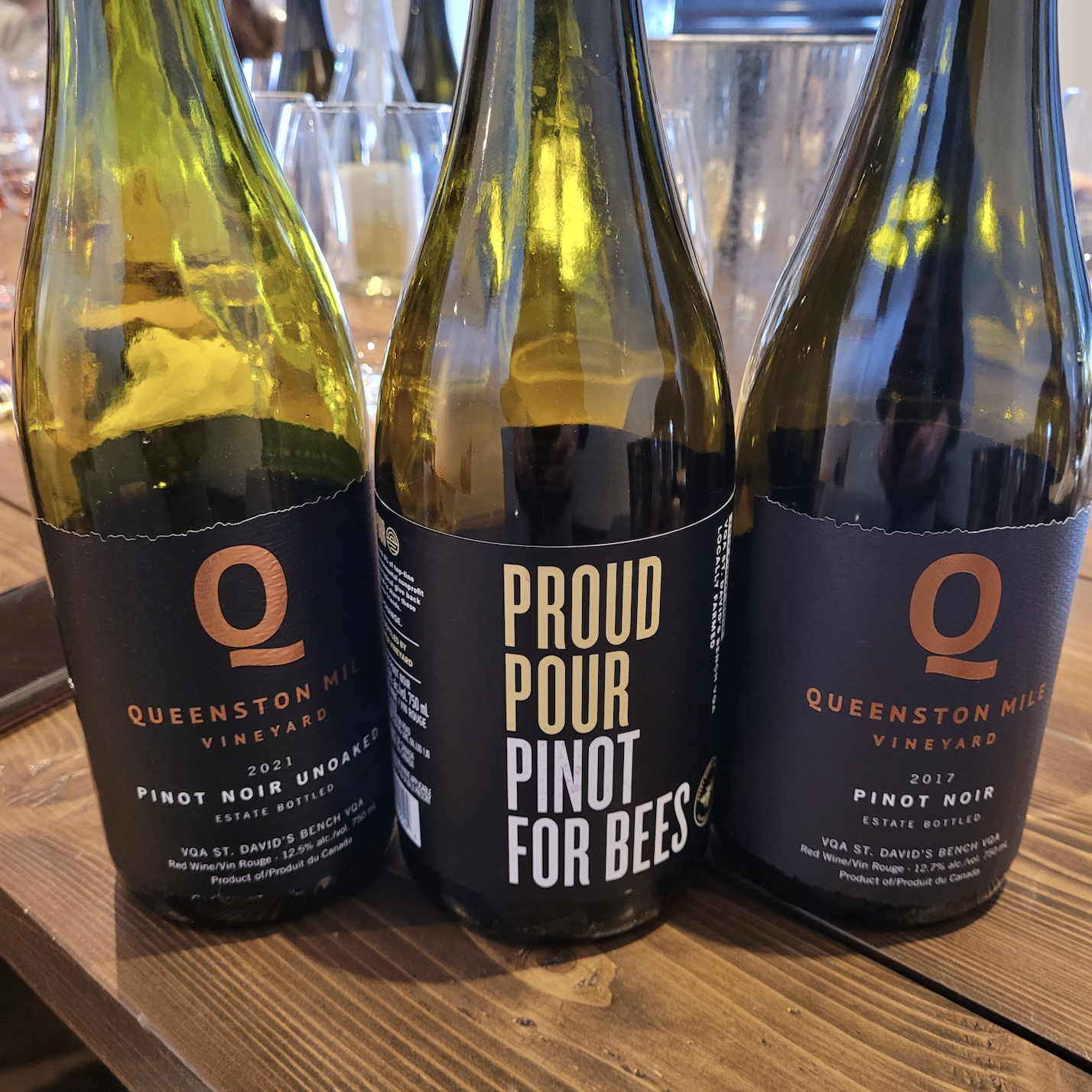
Queenston Mile Pinot Noir Unoaked 2021, VQA St. Davids Bench

As advertised there is no wood employed to ink or embellish this neutral St. David’s Bench pinot noir and the natural result is just that. Maybe not a first but writing “unoaked” on a pinot noir label is certainly not the norm and here we are with Queenston Mile’s fresh 2021. Would like to say this is all about fruit but my there are so many more goings on. Likely a healthy stem inclusion because the notes from nightshade and other sundry vegetables are swirling in the checkered and mottled aromatic profile. Some resin to varnish scents, gentle swarthiness manifesting the rusticity but naked is naked and this wine wears clarity on its sleeve. Smells like a September tomato canning day and tastes like a strawberry-rhubarb fruit roll up, though much more of saline piquant-tang than that of any level of sweetness within. Crunchy as well with a good long finish. Imagine the excitement and vinous intensity were there a higher level of whole bunch and carbonic maceration methodology involved. Drink 2023-2025.  Tasted twice, January 2023

Queenston Mile Proud Pour Pinot Noir For Bees 2020, VQA St. David’s Bench

A wine that exults the idea of “Cheers to Change” as five per cent of profits gives back to 20 non-profit organizations. Sees eight months in wood to put it in the middle tier of the three QM pinots. Gains a sweetness and a cream-centred textural verging towards Turkish Delight in a pinot not that is eminently and imminently drinkable from the day it’s bottled. No tension or sharp angles here, just roundness and amenability. Drink 2023-2024.  Tasted January 2023

Queenston Mile Vineyard Pinot Noir 2017, VQA St. David’s Bench

Nearly three years have passed and things have really changed, as they should have and now the whole bunch retreats from its original attack, fruit flanks running short in residual terms. The verdancy of stem inclusion makes this feel almost reductive but mostly it is the toasted and roasted notes that remain. The flavours are most important at this stage and so food pairing is truly key. Duck confit and crispy potatoes but also a sweetened fruit demi-glacé would elevate the wine and leave the savoury exaggerations behind.  Last tasted January 2023

The ’17 is even dustier than ’16, in fact it’s sitting compressed and pressed in a bowl inside a bin. Roasted, toasted and intense, particularly string, grippy and potent. The warmth of St. David’s and the heat of September really speaks but curiously noted and question asked is where is the strawberry jam? Lost in the foil provided by whole bunches it would seem. Drink 2021-2025.  Tasted March 2019

Queenston Mile Vineyard Cabernet Franc Icewine 2017, VQA Niagara Peninsula

Once again a wine from a vintage turned upside down with cool summer weather resolving into the hottest September and early October on record. For cabernet franc the harvest date was January 2, 2018 and yet for 2017 that would have been a vintage where acidity was easily maintained to that date. Clocks in above 9 g\L to match the 204 g\L of residual sugar with esteem and balance for Icewine of proper red fruit character, part raspberry and part red currant. Nice level of tart here but there is a roundness to what could have been sharp edges. Well made to be sure. Drink 2023-2027.  Tasted January 2023

Henry Of Pelham Cuvée Catharine Carte Blanche Estate Blanc De Blanc 2015, Traditional Method, VQA Short Hills Bench

From a specially identified block of chardonnay vines. Best of the best are destined for this top Niagara sparkling and it was Matthew of the Speck Bros. that determined the direction of this Ontario essential. One quarter barrel aged and 60 months on lees, as gently toasted and smooth sailing as a Blanc de Blancs can be – in the context of fizz that is always a scintillant without repose. Some warmth now emitting from 2015 matched by intensity and so very long.  Last tasted January 2023 

As always 100 per cent chardonnay and 2015 is perhaps the vintage of the most golden toast, as if made by agemono, with the most lemon and lees ever assembled in a Cuvée Catharine, vintage-dated Sparkling wine. An intensity of aromas swirl around in citrus centrifuge into which the gross cells don’t seem to want to go. On the palate is where they rest, layered and leesy, textured with a sense of weightlessness and wonder. Henry of Pelham channelling an inner Japanese cooking technique. Feels like some time is warranted to pull all this together. Drink 2021-2025.  Tasted October 2020

Henry Of Pelham Speck Family Reserve Riesling 2020, VQA Short Hills Bench

When winemaker Lawrence Buehler came on board in 2017 he quite soon thereafter introduced 3000L foudres to age riesling. For Henry of Pelham it continues to evolve as a game changer. Tames acidity to an extent while in certain years the truth spoken by this varietal wine in the SFR line is truly indicative of Henry of Pelham’s raison d’Être. Not merely a matter of high intensity (though there is plenty of that in high regard) but the warm 2020 season concentrates the fluid to gelid texture up the middle of this balanced wine. Youthfulness supersedes what secondary notes might choose to emerge but there is a sense of early emission, namely petrol or the equivalent aching to emerge just around the bend. Drink 2023-2027.  Tasted January 2023

Henry Of Pelham Speck Family Reserve Pinot Noir 2019, Sustainable, VQA Short Hills Bench

Vines upwards of 30 years of age provide the drupe and great Scott (or Speck) fruit it is indeed for what is almost Willamette sweet in correspondence and style. That strawberry purée and raspberry coulis effect comes pure, unadulterated and about as natural as one might imagine a varietal wine of this level of quality could come to be. Some sugar involved, maximizing around 7 g\L. Not a year of major tension but they can’t all be so drink this young, for four to five years after harvest, for best results.  Last tasted January 2023

Not so crazy young anymore in fact the perfume has become an intoxicant, spellbinding, hypnotic even. But also because the oak vanillin swirls through and is further imagined as sweetness on the palate. In the zone, as they say, all parts melted and melded together. These next six months will mark the height of this SFR Reserve with the succeeding two years being the slowly descending denouement.  Last tasted November 2022

Crazy young but somehow lovely aromatic potpourri to the SFR ’19 and a benchmark as such for the Short Hill sub-appellation. What you want to nose from the are that borders, ties and links all surrounding pinot noir lands together, especially Twenty Mile and St. David’s Bench. This just fits right in and into itself with snug togetherness. Juicy fruit, fine acids and tightly coiled tannin. Just the right kind of sour tang. Real varietal gastronomy and ideal for three to four years, some salty protein and even a side of pickle. Drink 2020-2024.  Tasted November 2020

Henry Of Pelham Baco Noir Speck Family Reserve 2020, VQA Ontario

The top seller of all of its Pelham wines and just about as promising a vintage there could possibly be for this scientifically orchestrated varietal wine. High yielding season, absence of stress, plenty of ripe fruit for a hybrid variety and ultimately the best there can really be. Picking time is crucial to ward off incoming and oncoming funk which this fruit-centric wine does not show. No barnyard, earthiness nor swarthy character neither. No – it’s so very blackberry and dark cherry, void of the feral and so well assimilated of its American oak. Pure honest tang and even though the residual sugar pushes 12 g\L it’s not the most prominent aspect of the wine. Tannins are also sweet, plush and positive. It just works, like it or not. Drink 2023-2026.  Tasted January 2023

Good to go!

godello

Twitter: @mgodello

Instagram: mgodello
WineAlign

Eighteen Canadian wines that rocked in 2018

2017 Aldé Rosé, Interloper and As Is

The inaugural year-end summary of Canadian wine excitement posted to godello.ca was in 2013 and this sixth instalment naturally includes five more than the first. The necessity begs of the process to expand because five years later even the paltry number 18 is but a fraction of what could or should be noted, publicized and celebrated. This exercise is one of the most arduous writing assignments of the calendar year, difficult to pin down, even harder to leave wonder out in omission. As I’ve said before “it’s biased, exclusive and decisive but it is meant to celebrate a select few with a mandate to elevate and exult the rest. It’s also a proclamation read to many who remain ignorant to an ideal of great wine being made in Canada, to tell the insolent they are not welcome here anyway. The winemakers in this country are in full command of their acumen, craft and future. They own it.”

Related – 17 Canadian wines that rocked in 2017

Another year of tasting Canadian wine, another year of thousands of examples shared my way. Even more international travel made it difficult to keep up the pace but I’m sure I tasted more than 1000 wines once again. We are relentless in our attention paid to Canadian wines at the WineAlign office. The WineAlign National Wine Awards of Canada convened in June at the convention centre in Penticton B.C. and judging Ontario wines happened with David Lawrason at The Great Canadian Kitchen Party, the artist formerly known as Gold Medal Plates.

Related – 16 Canadian wines that rocked in 2016

Over the past 12 months my partner Scott Zebarth and I have upped our little négoce game with the fine folks at Ravine Vineyard Estate Winery. With the help of Marty Werner, Ben Minaker and Eden Garry we managed to crush, ferment, blend and bottle three new wines. In April there were 594 magnums of Aldé Rosé 2017, a 100 per cent VQA Niagara-on-the-Lake cabernet franc. Then in September we released the second vintage of Interloper Cabernet Franc 2017, VQA Niagara-on-the-Lake and our newest wine, As Is Field Blend 2017, VQA Niagara Lakeshore.

As Is Field Blend 2017, VQA Niagara Lakeshore, Ontario ($19.95)

The third wine in the little project with partner Scott Zebarth and Ravine Vineyard Estate Winery’s Marty Werner, Ben Minaker and Eden Garry A dream of fields, single-vineyard one-third each blend of pinot noir, merlot and cabernet franc, co-fermented with ambient yeasts. As Is.  scottzebarth  marty_werner  benminaker23  ravinevineyard  @Scottsomm  @marty_werner  @BMinaker23  @RavineVineyard  Scott Zebarth  Martin Werner  Ben Minaker  @RavineVineyardEstateWinery

In 2016 there were 16 wines noted. In 2015 I counted 15 on the filtered list. In 2014 the highlights numbered 14, just as in 2013 the number chosen to cant, recant and decant excellence in Canadian wine was 13. Last year you are correct, the list held 17 spots. Roll out the 2018 red carpet. Here are the 18 most exciting Canadian wines of 2018.

Back up the truck, glug glug Gamay Rosé Flipping the Bird by @hatchwines and where’s J-do?

The Hatch Wines Gobsmacked Flipping The Bird Pink 2017, Okanagan Valley, British Columbia (Winery, $21.99, WineAlign)

We pulled this Rosé from the ice and were utterly astonished and astounded at this particular bird. It was Jason Parkes, “he named you the bird. It’s how you were generally referred. We never really understood, never really thought about much.” So we tasted again and we raised a brow, got excited and then were utterly gobsmacked. Sometimes, there’s a wine. And I’m talkin’ about the Bird here. Sometimes, there’s a wine, well, he’s the Rosé for his time and place. Mostly go gamay go with some cabernet sauvignon, utterly fresh at the peak of perfect natural volatility, red berries and grapefruit. No salve texture nor trans fat feeling left in mouth behind neither. Crushable by any amount desired. A portion of the profits from the sale of this wine are donated to Parrot Island, a non-profit sanctuary for abandoned and abused exotic birds in Peachland BC. “With time, it only made more sense, As time went by, it just made more sense. You are the bird. You are the bird.” Thank you Jason, thank you Dude. Thank you Gord. Drink 2018-2019.  Tasted June 2018  hatchwines  @HatchWines  @hatchwines

Two years in a row. Well-deserved and just because.

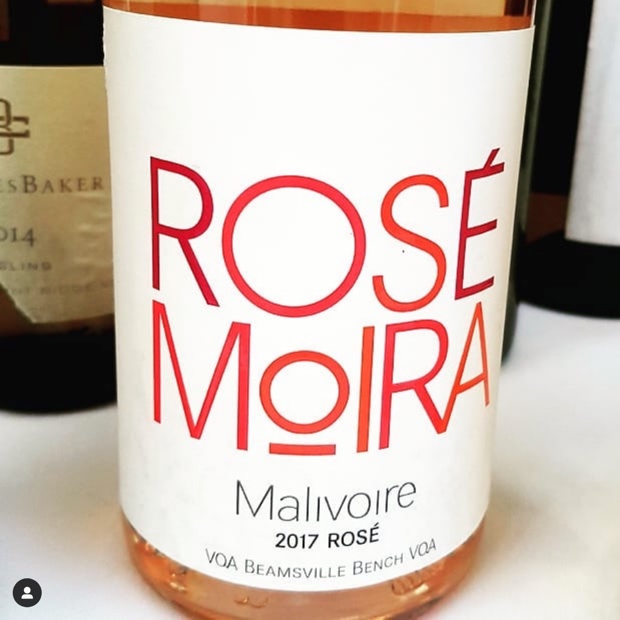
Malivoire Rosé Moira 2017, VQA Beamsville Bench, Niagara Escarpment, Ontario (Agent, $24.95, WineAlign)

Malivoire’s most important and benchmark Ontario Rosé is one of the first to the table from the 2017 vintage and why not because its quick soak and lightness of being takes no time at all to get ready. This is the antithetical beauty of Rosé and how it must be approached for best results. Malivoire does not take a step forward from the most perfect ’15 and ’16 wines but there is more fruit in this ’17. You can actually nose and taste strawberry plus a hint of tart raspberry. This will appeal to more of the general Rosé loving populace without any compromise for the provincial, provençal geeks everywhere else. It’s ostensibly a better wine in 2017 because it will attract that growing audience without having made any concessions or dis to authenticity. Drink 2018-2021.  Tasted February 2018  malivoire  noble_estates  @MalivoireWine  @Noble_Estates  Malivoire Wine  Noble Estates Wine & Spirits

Fitzpatrick Fitz Rosé 2014, Okanagan Valley, British Columbia (Winery, $48.98, WineAlign)

Long lasting flavours of impression. Candied ginger, dried strawberry, every fruit shade of red, for redheads everywhere.  Last tasted December 2018  fitzwine  @FitzWine  @FitzWine

This pinot noir is lovely, quiet and mild, a lemon-strawberry aromatic blush of the faintest noir. Fine spun, wild yeasty, truly wound tight, so focused and persistent. Drink 2018-2022.  Tasted blind at NWAC18, June 2018

Trail Estate Riesling Foxcroft Vineyard Unfiltered 2016, VQA Twenty Mile Bench, Ontario (Winery, $35.00, WineAlign)

In 2016 the next wrinkle is a wild ferment (as opposed to the inoculated ’15), unfined and unfiltered, because as time progressed “I liked it more and more,” says winemaker Mackenzie Brisbois. No coarse filtration means some minor sediment will settle in the bottle. Smashed layers of tote-filled grapes are brought to the crushpad, in lieu of the crusher, to extract from the skins and stems, making use of the punchdown tool, while waiting before pressing. Recently bottled in December 2017 the BFR is something completely other and if 2015 was considered not, this follow-up is markedly fruity now, because it always was, all the way through during just more than a year in really old barrels. It’s a blonde riesling as per M. Gustave, if you will. “Why blonde? Because they all were.” This is the wisest of Mack Brisbois’ rieslings, calm, confident, collected and shining brightly from the word go. You don’t have to wait on this one, it’s riper, it’s unfiltered, made with a lot less sulphur than the skin contacts and those “dirty” 15s. “I like to see how little (sulphur) I can get away with,” notes Brisbois. The most accomplished riesling that she has made to date, the 16’s balance is spot on now and you will not have to wait for it to come into its cinematic stage. Drink it now and keep it longer. Drink 2018-2024. Tasted April 2018  trailestatewine  mackbrisbois  @TrailEstateWine  @MackBrisbois  Trail Estate Winery  Mackenzie Brisbois

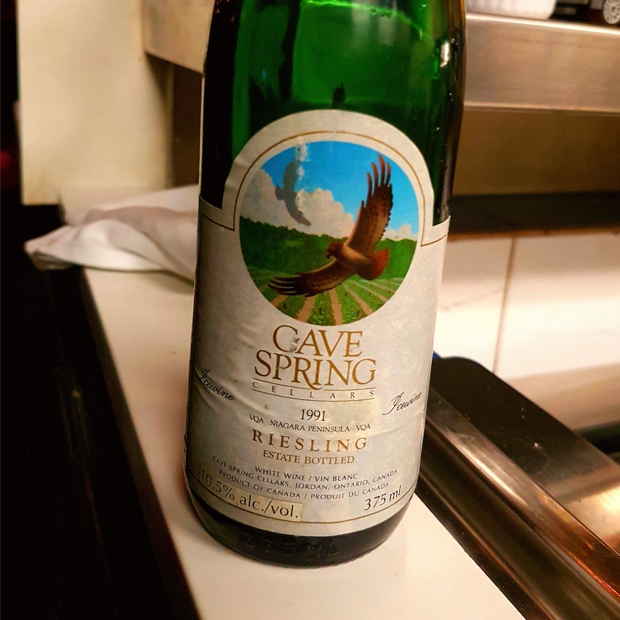
Hard not to put the 1991 Cave Spring on the list but is there any good reason to not place the CSV on the list every single year?

Cave Spring CSV Riesling 2016, Cave Spring Vineyard, VQA Beamsville Bench, Niagara Escarpment, Ontario (566026, $29.95, WineAlign)

The CSV from a warm 2016 really expresses the vintage on the nose with a heavy dose of wet stone and every part of a ripe peach. You have to get past the early sulphur but once you do you take a good bite into the flesh of this riesling and the juices will run with accents and angles fit by tonic, pith, tangy, nervy acidity and a hidden sweetness. The sugars are surely more elevated than realized or will ever be felt because the combination of acidity and pith are covers that will never peel back. Size matters and this CSV is built with great Escarpment architecture, stepping out of the paradigmatic 2015 shadow and into another age. This 2016 begins an epoch of structural expressionism and should easily carry its construct through to the next decade. That consequently, is when this CSV will really be ready to rock and roll for a full decade more. Drink 2020-2030.  Tasted March 2018  cavespringcellars  thevineagency  @CaveSpring  @TheVine_RobGroh  Cave Spring Cellars  The Vine

Godello and Paul Pender of Tawse
PHOTO: Steven Elphick & Associates

Tawse South Bay Vineyard Chardonnay 2015, VQA Prince Edward County, Ontario (Winery, $35.15, WineAlign)

The South Bay Prince Edward County fruit from Huff Estates lands is simply exceptional produce, from where winds blow-dry leaning vines perched aboard a passel of solid limestone sliding into Lake Ontario. Tawse has always coveted this fruit and when Paul Pender is allowed to play with it he does so with great mindfulness in search of greater apogee. Methinks Pender both picked a few days to a week earlier and also worked the most mineral meets Ceres toast his barrels can afford. There is a deep, sonorous and resounding regard about this chardonnay. It’s both sumptuous and serious, with a flinty-mineral meets toasted hazelnut interplay. It is perhaps an Ontario nod to Les Caillerets, or just a far away coincidence, but regardless you just have to know that it’s a very special wine. Drink 2019-2026.  Tasted December 2018  tawsewinery  @Tawse_Winery  @tawsewines

Domaine Queylus Chardonnay Réserve Du Domaine 2016, VQA Niagara Escarpment, Ontario (Agent, $37.95, WineAlign)

Still in the vein of the Queylus chardonnay tradition where a winemaker is always on the watch, meaning you never take your eyes off the child or the prize. The Réserve is a matter gathered from the best barrel selections but says Kelly Mason “the treatment and the worry are the same.” Slides easily away from the tropical and sidles up the the rocky places from whence it came. Chardonnay is often round and liked that way but Queylus is direct, linear, angled and also far from angular. When the Escarpment rule is followed and traced along the lines of a malolactic ruler marked by clones (in this case 76 as opposed to 95) then structure is assured. The ambition is real, the intention serious and there is no roaming far to the west or the east. All that and richness is found through every bright sip. Drink 2018-2024.  Tasted July 2018  queylus  @Queylus  Domaine Queylus Winery

Hidden Bench Chardonnay Tête De Cuvée 2011, VQA Beamsville Bench, Ontario (278812, $45.20, WineAlign)

Still so youthful, now noted by smoked quince with a shot of peppermint schnapps where no sugar lives save for the sweetness of nature.  Last tasted December 2018  hiddenbench  markanthonyon  @HiddenBench @MarkAnthonyWine  Hidden Bench Estate Winery  Mark Anthony Wine & Spirits

Tête De Cuvée by Hidden Bench, like a Champagne best of the best abstraction, makes an appeal to self-esteem and esteem for others, to consumers who have come to recognize Niagara and even more specifically, the Beamsville Bench for head of the class, cool climate Chardonnay. That mouthful congregates and works in congruence with the quality in the Tête’s composition; full-on freshness, density, weeping cerate texture, toasted and popping kernel, fine-grained localization, utterly integrated barrel. There was scant quantity (32.5 hL/h) from some very old and wise vines, pronounced like others but louder than most, from the bullhorn of a stentorian vintage. What is felt and spoken about the quality inherent from out of the finest parcels in the Locust Lane and Rosomel Vineyards Chardonnay fruit is more than a patent observation. The ability to take on toast cuts to the nougat and the synoptic rises to the ethereal ozone. Not to mention gross minerality. On the shortlist for best Niagara Chardonnay to date. Drink now and beyond 2025. Tasted twice, September and October 2014

Roche Wines Pinot Noir 2016, Okanagan Valley, British Columbia (Winery, $24.90, WineAlign)

The 2016 is purchased pinot noir fruit by Dylan and Pénélope Roche from Kozier organic vineyard on the Naramata Bench. Hand harvested and fermented in stainless steel tanks with regular pumping over and pressed after three weeks on skins. The press wine was separated from the free run and aged for 10 months in stainless steel and neutral French oak. Knowing what I know after the first blind assessment it now turns this love of love into inspiration, away from the soulless, blind pinot noir love and to something real. If there is a more honest and crushable one I’d be shocked. So exciting and new.  Also tasted at Bench 1775, June 2018  rochewines  @RocheWines  @rochewines

Really ripe, I mean really ripe, a hematic liqueur that few others in the flight can match. From a warm site to be sure, full and thick as pinot nor  thieves. Not as structured but so very, bloody and reasonably drinkable. Drink 2018-2021.  Tasted blind at NWAC18, June 2018

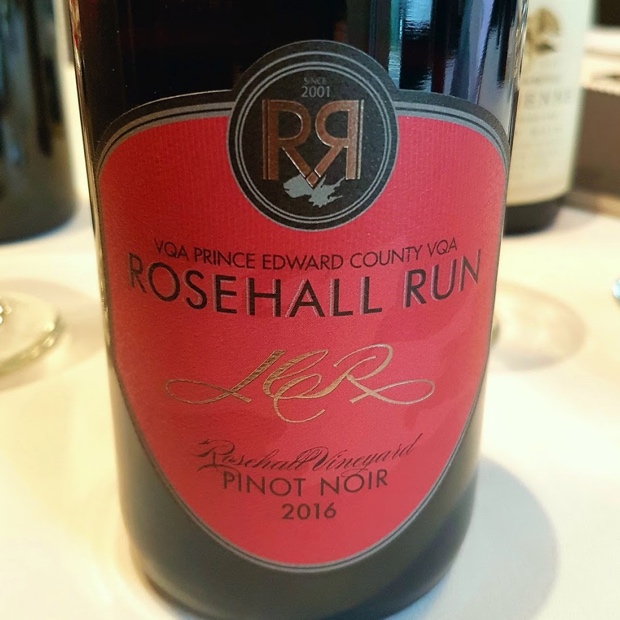
Rosehall Run Pinot Noir JCR Rosehall Vineyard 2016, VQA Prince Edward County, Ontario (Winery, $39.00, WineAlign)

Though statements of monadical hyperbole should very much be avoided, a taste of Dan Sullivan’s ’16 JCR makes one think it has all come to this. The glycerin fruit endowed with so much natural sweetness and magnificently low alcohol feels like an impossibility. In a way it is but it’s also a County reality. This may just be the least astringent PEC pinot noir ever produced and at the same time seems entirely void of tension. Yet there is structure and cohesion, two functors so very necessary to see it drink well for 10 years, with great charm and further curiosity for five more after that. Drink 2018-2028.  Last tasted July 2018  rosehall_run  sullywine  profilewinegroup  @Rosehall_Run  @sullywine  @ProfileWineGrp  @RosehallRun  Dan Sullivan  @ProfileWineGroup

Bright, red raspberry, light and effusive with a simple, liquid chalky feel. Really drinkable. The tart is part of a delight in composition. A good chew.  Tasted blind at NWAC18, June 2018

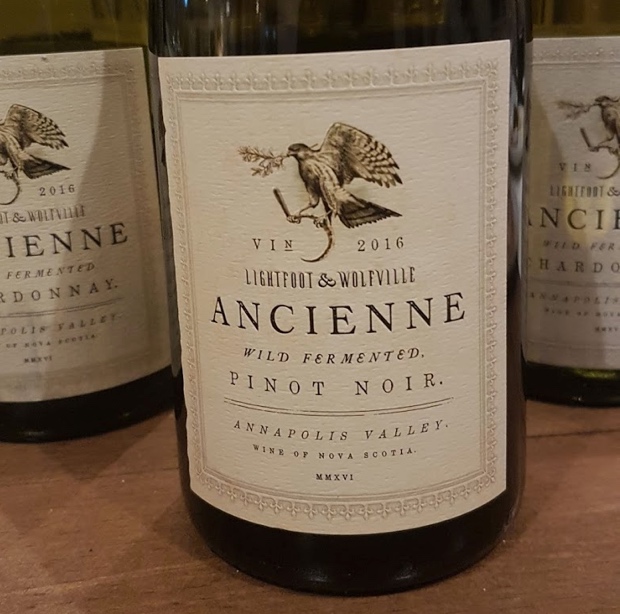
Lightfoot & Wolfville Ancienne Pinot Noir 2016, Nova Scotia, Canada (Winery, $40.00, WineAlign)

Driest year on record with nary a moment of disease pressure. Spent 18 months in older French oak, less one barrel. This is the richest Ancienne and Nova Scotian pinot noir to date, with firm grip, structure and outright intensity. Welcome to the pinnacle of the first L & W pinot wave, the culmination of the first epoch, after which nothing will be the same and so much learning will have been achieved. Begs the question of what happens next? The vines get better is what, in fact I walked the 2018 pinot noir vines today. Their maturity and contiguous consistency will be the answer to future questions and debate. They will speak for and on behalf of themselves. Drink 2019-2026.  Tasted October 2018  lwwines  rachhlightfoot  jhortonns  korilightfoot  @rachel_hope  @lwwines  @lightfootandwolfvillewines  Rachel Lightfoot  

Two Sisters Cabernet Franc 2014, VQA Niagara River, Ontario (Winery, $54.80, WineAlign)

Released on Monday July 16th and now a Platinum Award winner at NWAC18. “This has everything that ’13 had but just a bit more weight, structure and complexity, plus volume, those last three meaning on the palate,” explains winemaker Adam Pearce. Down in volumes (30 per cent), beautifully aromatic, low-cropped, (1.25 tonnes per acre), 15 per cent new wood, 32 months in barrel, in bottle for an additional 10 months. The focus, presence and confidence of this wine stand apart, all worked specific to place and the uniqueness of the appellation. Benefits from a double-lake effect and different soils. Chalk and river stone liquidity running as a river of its own right through. Drives the point of patience, to allow a vineyard the chance to speak of its singular phraseology. The 2014 Niagara River cabernet franc may still be a ways from reaching its full potential but it has certainly hit its stride. Drink 2019-2027.  Tasted July 2018  twosisters_vineyards  apearcevino  @TwoSisters_wine  @apearcevino  Two Sisters Vineyards  Adam Pearce  

Benjamin Bridge Cabernet Franc Small Lot 2016, Nova Scotia, Canada (Winery, $57.95, WineAlign)

Still from the Kingsport farm fruit, a whole cluster ferment, no messing with stems, fully oxygenated, no carbonic maceration, 30-40 per cent whole bunch. Total output is “a barrel and a bit.” An infused aromatic ferment, green spice and a char of tobacco, utter intensity, compelling and a phenolic reality. “A myth buster incarnate,” says Jean-Benoit Deslauriers, ripened beyond the sensory borders, miles away from other territories, with generosity and juicy ripe legs. From a warm vintage, nine months in neutral oak plus nine in the bottle. Then a decant and oh how the florals open up, furthered, blooming and intoxicating. More than just a fun little experiment so please wake up and smell the Gaspereau Valley. So lively, a wee salty and all energy. Drink 2018-2024.  Tasted October 2018  benjaminbridge  caveman__jones  scott.savoy  @Benjamin_Bridge  @benjaminbridgevineyards  Jean-Benoit Deslauriers  Scott Savoy  

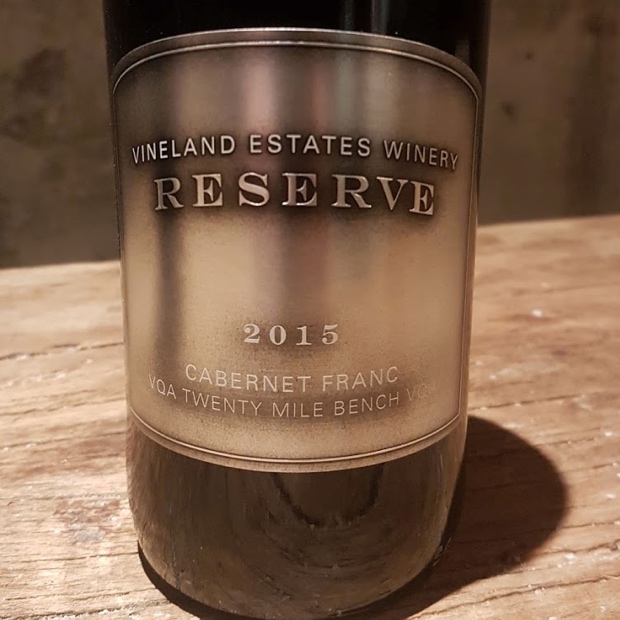
Vineland Estates Cabernet Franc Reserve 2015, VQA Niagara Peninsula, Ontario (Winery, $50.00, WineAlign)

Winemaker Brian Schmidt’s investigations into cabernet franc border on obsession but truth be told it’s not rocket science that makes so many fine varietal tiers. There are the six growers combed from six Niagara sub-appellations that add up to one entry-level, over-delivering cabernet franc. Then there is Bo Teek, the large estate vineyard planted in 1996 to clone 327 in the south and in 2006, to clone 214 in the north. Not to be forgotten in the cabernet franc make-up is the limestone substratum, highly significant for the trace mineral, elemental push up into these vines ensuring that no over-the top make up is required for varietal elevation, explanation and consummation. Vineland’s Reserve spends 16 months in barrel, none of which are any newer than from 2009. Fermentation, barrel, bottle, repeat. That’s it. No racking. This Reserve is the marriage of north and south, 60 and 40 per cent respectively, a combinative attack both phenolic and aromatic. The northern fruit sings some blues with crooning volatility whilst in delivery of sweet blackberry fruit. The south is all about stretched, nimble and elastic tones, elegant, more fragrance, black to red berries and less brooding. As one it’s a deeper and more intense wine than Bo Teek or Elevation, bottled in November, with higher acidity. The corollary variegation expands above what Bo Teek seems capable of executing solo. The structure here tells us it will not switch gears as early and live longer. Look for some secondary notes in the vein of black truffle, sweet balsam and dried lavender to show up after the turn of the decade. Drink 2020-2027.  Tasted April 2018  vinelanestates  benchwineguy  @VinelandEstates  @benchwineguy  @winery.vinelandestates  Brian Schmidt


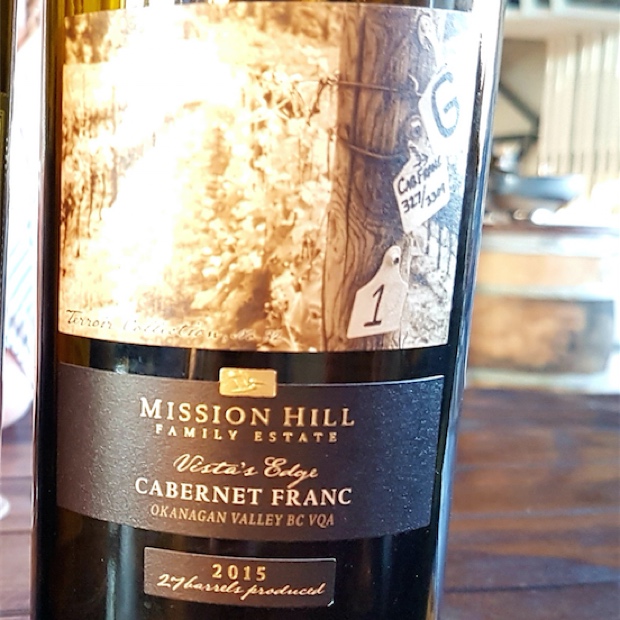
Mission Hill Terroir Series Vista’s Edge Cabernet Franc 2015, Okanagan Valley, British Columbia (Winery, $50,00, WineAlign)

You have to wonder why Mission Hill had not kicked at the can before because the Vista’s Edge is one of British Columbia’s brightest cabernet francs. It’s an important and exciting first effort from East Osoyoos fruit pulled from one of the Okanagan Valley’s farthest southern plantings. It’s a top three per cent single-vineyard, special terroir series edition that smells, tastes, feels and acts like cabernet franc. Nothing about this, not by barrel nor like varietal reminds of cabernet sauvignon. There are currant and peppery reductive meets pyrazine notes as red, bright and fresh as you’d hope they would be. The pitchy darkness of structure and hue falls because night must always follow the day and that’s what happens when cabernet franc is made this way. A long life ahead is conformed by the diphthong finish. Drink 2019-2026.  Tasted June 2018  missionhillwinery  @MissionHillWine  @MissionHillWine

Leaning Post Syrah Keczan Vineyard 2016, VQA Lincoln Lakeshore, Ontario (Agent, $45.00, WineAlign)

The eureka moment for syrah, Lincoln Lakeshore, Keczan and Leaning Post came years ago, for it, that, they, them and I. Not together mind you but passion knows no limits and opens doors to transcend time and space. This pinpointed farm on that flat expanse so perfectly proximate to the lake is where syrah can express itself without hindrance or opposition. Here the lake is like the Mediterranean and the river like the Rhône. Together they address the clay, create a moisture gathering effect, ship out the cold fronts and usher in the warm. They make syrah like this, rich in humus, hummus and hubris, olive tapenade and sweet brine. Fruit is fruit, also sweet, but savoury, acidulated and fine. Acidity is perfect in this vintage. Length is exceptional. A new benchmark, bred from passion with the intendment to inspire commitment. One of Ontario’s best red wines. Drink 2020-2032.  Tasted September 2018  leaningpostwine  nicholaspearcewines  @LeaningPostWine  @Nicholaspearce_  Leaning Post Wines  Nicholas Pearce

Kacaba Signature Series Reserve Syrah 2015, VQA Niagara Escarpment, Ontario (Winery, $44.95, WineAlign)

It’s about time we get something straight. Kacaba knows Syrah, in fact they should receive serious consideration for the title of Ontario’s top Syrah specialist. Two vineyards (with plantings that date back to 1997) provide fruit for several tiers, including the syrah from Terrace and Silver Bridge Vineyards and the highest quality chosen, hand-harvested fruit for this Signature Series Reserve. An escarpment’s dolomite limestone effect plays into these hands from fruit that arrives into glass through the body of arguably Ontario’s finest current syrah. The aromatic waft of a warm pastry crust is laden with red and blue berries that also fill the cool flavour centre of a pastille. The savoury candy gives way to a peppery kick before featuring a cure of salumi and a return full circle to that serious fruit. The apposite and complimentary smells and tastes are only intensified with a bottle’s decant so just imagine the possibilities that age will bestow. This is special work from Michael Kacaba with winemakers John Tummon and Vadim Chelekhov.  Last tasted February 2018  kacabavineyards  vadimwineguy  @KacabaVineyards    Kacaba Vineyards and Winery  Vadim Chelekhov

Oh what a beautiful peppery syrah, ripe and floral, all of its aspects, angles and components agreed upon, all in. When Canadian (and in this case, somewhere in Ontario) syrah gets down to business, gets straight to the meaty and smoky point it does so tart, tight and coiled around your tongue and finger. This, right here just nails it. It is the best of times. This is the man. Drink 2019-2027.  Tasted blind at #NWAC17, June 2017

Stratus Vineyards Sémillon Botrytis Affected 2016, VQA Niagara On The Lake, Ontario (Winery, $38.00, WineAlign)

One of the most unique dessert wines in Ontario this is neither late-harvest nor Icewine in origin. Only the third time it has been made, the 2016 sémillon launches with a smoky beginning, as expected and yet, is always appreciated. Some of the fruit is harvested early, but other bunches in the same vineyard are some of the last to be harvested. This low alcohol anti-sticky is from the warm vintage and from the same spot in the vineyard, vintage in vintage out. Most interesting is how these pristine botrytis affected grapes are picked ahead of the rest of the clean fruit used for the dry sémillon. It’s a very vinous sém with distinct apricot and longan notes. Great acids in 2016. Has still retained some waxiness and found some tropical fruit despite the early pick. All of the counterintuitive ideals tell us that the warm vintages can make for top quality dessert wine. This is the masquerade party wine made by the Way Outs band. “That’s where the fun is, way out, WAY OUT!” Drink 2019-2028.  Tasted October 2018   stratuswines  @StratusWines  @StratusWines

Good to go!

godello

2017 Aldé Rosé, Interloper and As Is

Twitter: @mgodello

Instagram: mgodello

WineAlign

Tasting Ontario Part One: Riesling

Riesling at Vineland Estates, 161 days on skins

Riesling is again on the rise and the reasons why are as varied as the artistry it’s equipped to display. It has been 40 years since the Pennachetti family of Cave Spring Vineyard and German vintner Herman Weis planted riesling in St. Urban Vineyard on what is now Vineland Estates. My how things have changed. The trending line ascends as the general public comes around and warms to the versatile grape so popularity is not just in the hands of geeks, oenophiles and connoisseurs. Ask your favourite sommelier, product consultant or wine writer. Riesling’s neighbourhood is beginning to gentrify in a big way but it’s also expanding experimental and ancestral horizons. It will always be just riesling but today’s varietal vernacular goes beyond dry, off-dry, semi-sweet, Süssreserve, late harvest and Icewine to now include skin-contact, barrel fermented, unfiltered, wild ferment, Blackball and The Geek.

A few weeks back I attended my 7th Cuvée in Niagara Falls to celebrate the next chapter with and for our wine industry, fresh on the heels of the 2018 Tasted Untamed edition of Taste Ontario in Toronto. Just a month before I rambled through the Niagara Icewine Festival in Jordan and the Icewine Gala in Niagara Falls. It was at the Icewine Gala where we watched and listened in on a great tribute to Ontario’s iconic pioneer, Karl Kaiser. We owe so much to Mr. Kaiser with respect to everything Icewine but also to how far we have come in terms of riesling.

A lovely tribute to #karlkaiser tonight at #icewinefestival gala

Just two weeks ago in Toronto we tasted the current offering of Prince Edward County wines at Taste of the County. Today we will immerse ourselves into the culture of global food and local wine at the Terroir Symposium and on Tuesday the Wine Council of Ontario will hold its first annual Ontario Craft Wine Conference. It has been a very saturated and intensive start to 2018, something that must be attributed to the maturity, confidence, preparedness and excitement of and towards Ontario wine.

My personal opportunities to taste wines from the Niagara Peninsula, Prince Edward County, Lake Erie North Shore and Ontario’s South Coast have been many. Before too long there will be greater access to the wines of emerging regions like the Oak Ridges Moraine, Georgian Bay the Northumberland Hills. Prior to 2017 I used this wine processing platform of godello.ca as a vehicle to review and discuss Ontario wines with much greater frequency but circumstances have changed. My work with Italian and French wine regions, most notably Chianti Classico, Brunello di Montalcino and Bourgogne have occupied a great deal of my time. So has tasting and reviewing many potential submissions for the WineAlign exchange and acting as a consistent contributor to the WineAlign Buyers’ Guides to the VINTAGES releases.  I 2017 I ceased publishing my bi-weekly tasting notes because it’s important that readers check them out on WineAlign. All this as added up to less constant coverage of Ontario wines on the site.

And a few of my favourite wine writers. Thx for coming to #cuvee2018 #vqawinesofontario

That is why I’ve decided to post a series of articles over the next few weeks solely dedicated to Ontario wine and I’m going to split them up by grape varieties, beginning today with Ontario’s great white hope, riesling. I’ve written about the grape many times before and my belief in its varietal power, finesse and omniscient existentialism for a signature and singular Ontario purpose is perpetual and unwavering. This work is possible because of the organizations and the people behind them who make it all possible. The Wine Marketing Association of Ontario, The Wine Council of Ontario and VQA Ontario are a triple-edged force that keep our wines flowing. Thank you to Richard Linley, President of WCO, Magdalena Kaiser, Head of Marketing and Public Relations for WMAO, Brian Schmidt and Laurie Macdonald, President and Executive Director respectively of VQA. The Icewine Festival Gala and Cuvée are not possible without the work of Fallsview Casino, Scotiabank Convention Centre and of course Brock University. Gala and Experts’ Tasting coordination is possible because of The Cool Climate Oenology and Viticulture Institute’s Barb Tatarnic, Manager, Wine and Sprit Education Trust and Kaitlyn Little, Marketing and Communications Officer.

Inaugural Winemaker of Excellence Award winner and riesling maker extraordinaire, Angelo Pavan of Cave Spring Cellars, with Donald Ziraldo

At Cuvée, the inaugural Winemaker of Excellence Award winner was Angelo Pavanchosen in a unanimous decision for his major contributions to the industry, his commitment to excellence and his mentorship to winemakers across Canada. Pavan, Vice-President, Winemaker and Founding Partner at Cave Spring Cellars, is known for his encyclopedic understanding of viticulture in Niagara. He was among the first in the province to work with numerous grape varieties and was a pioneer in the quest to improve wine quality and sustainability in vinifera varieties.

“It is humbling to be the first recipient of this great award,” said Pavan. “It validates the passion, time, effort and commitment of over 30 years dedicated to this great wine growing region and having participated in its evolution to international recognition.”

Pavan is also a founding member and Chair of the Vintners Quality Alliance (VQA) Standards Development Committee and has played a key role in determining the most suitable winemaking practices applicable in Ontario. As the founding Chair of the International Riesling Experience, held in conjunction with CCOVI, Pavan has also been instrumental in solidifying Niagara’s place as one of the world’s pre-eminent Riesling producing regions.

Related – Three Rieslings to believe

One of my first bold statements about Ontario riesling was this. “There are many reasons to believe in riesling, that versatile and brutally honest grape. Riesling holds no punches, speaks its mind, tells it like it is. Grown worldwide and vinified in so many varying styles, riesling is not so much a chameleon but rather a mutant. It takes root in every vineyard, marking its terroir, expressing itself singularly and without apology. Over the past two-four months I have exonerated and upheld with the highest riesling belief that (Ontario) does the variety justice above and beyond the pale, in the vineyard and in the glass. More reviews have been written, designed and pushed down your throats on (local) riesling than on any other grape. What’s up with that? Quality, that’s what.”

Related – 100 kilometre wine for spring

And this. “Riesling. Can there be a more versatile white grape? From natural, mineral spring, bone-dry to concentrated, candied sweet, this grape runs the diversity gamut like no other. ‘The Bench’ is home to a mineral wealth of local riesling, singular in composition not only by way of a global comparison, but also from plot to plot, soil to soil and vineyard to vineyard.”

Riesling Vine

Related – Are you wine experienced?

We held a symposium at Brock University a few years back and the technical, chemical side was addressed by Cornell University Sensory Researcher Terry Acree. For riesling, Acree focuses on chemicals that correspond to the strongest identified smells, the most important and prevalent of which is TDN (Trimethyldihydronaphthalene). TDN the chemical or diesel/petrol the sensation as an “odour strength (Damascenone) as related to by human subjects.” In order for the wine taster to “experience” these sensations, two things have to be there. “Memories of different kinds of features and features themselves.” That said, Acree believes you can only smell three things at once, a notion he borrows from M.F.K. Fisher.

Acree sees odour as “an evolutionary human response to history.” If you have never come into contact with a banana, you will never smell banana in Chardonnay. TDN is the dominant aroma and where riesling grows, more sunlight means more fruit and more TDN. TDN is a precursor but its prevalence does not necessarily increase as a wine ages. A very common theme when nosing an aged Riesling is to comment on the secondary aromatic emergence of a gas or petrol note. Acree believes that identifying increased petrol notes in aged Riesling is a bit of a misnomer. It had to already be there. “I’m just inventing a new, confusing way to discuss minerality,” he concludes.

At that time Toronto wine writer Mike Di Caro and I talked about Ontario riesling and we agreed that sugar levels are both arbitrary and unpredictable so Niagara’s best is and should be of the dry variety. I don’t think that way anymore. My friend and colleague Bill Zacharkiw of the Montreal Gazette wrote this last year.”Rieslings, especially from cool climates like the Mosel in Germany and Niagara tend to have residual sugar. Don’t be scared. You know what? I love them. The sugar makes the aromatics go “boom,” while the acidity keeps the wine tasting dry.” Bill is correct and it is also those sugars that allow the wine to stay alive, age and develop those aforementioned petrol notes.

Related – I shall be Riesling

Here is how VQA chooses to define typical Ontario riesling. “Classically exhibits refreshing citrus, peach or floral aromas with a light “petrol” element and racy acidity on the palate. Made in a range of dry, off-dry and sweet styles, including Icewine. Typically not oaked but good examples will age well with the petrol nose evolving.” Many would agree but there is so much more to think about. You don’t know anything about riesling and aging until you begin tasting them at five years only know then can you begin to understand. Some examples will stay the course of pure lemon, so taut and tight, perhaps shouldn’t even be released until they are ready. The acidity might be the most unwound, with pent-up aggression, a fighter in search of balance. Not typical perhaps but very much a part of the Ontario mix.

The curious thing about Ontario riesling is how it has pushed me to wax with unlimited hyperbole, as in “to purchase in increments any less than a case may be considered a crime against Riesling” and “one of the finest rieslings ever made from Ontario grapes.” For Treve Ring’s take on the great grape, head over to WineAlign for what she had to say after the 2017 WineAlign National Wine Awards of Canada (The Nationals). Treve writes,  “as our palates progress, we often shy away from these simpler, fruity styles for more structured, savoury and minerally wines, which again, brings us full circle (close the ring) back to serious and ageworthy riesling.”

Related – Moved by Riesling

I have been moved by riesling many times. In Alsace it happens every day and it has happened in Ontario, most notably after having comes across (any one of four or five) Charles Baker Picones and Emma Garner Thirty Bench Small Lots. Or in particular, Jay Johnston’s Nadja’s from Flat Rock and most notably Brian Schmidt’s Vineland Estates St. Urban. With Cave Spring it happened after tastes of Cave Spring CSV. It has happened again and again. It will continue this way.

As I mentioned, this is merely the first part in a long series of articles to come, including exposées on sparkling wines, chardonnay, other white varieties and appellative blends, gamay, pinot noir, cabernet franc, plus other reds and red blends. To begin this Ontario varietal march through spring here are 26 recently tasted riesling, plus a handful visited in 2017 yet to make it to godello print, all to give a glimpse into the portal of how far Ontario has come and to where it may be heading.

Riesling at the Carriage House, Vineland Estates Winery – March 7, 2015

Redstone Riesling 2014, VQA Niagara Peninsula, Ontario (Winery, $14.95, WineAlign)

So much lime, in flesh and zest, all over the lime map. Really juicy riesling for the cost of a song. Cool climate stamp right here; glade, citrus, wax and air up above. The palate follows, albeit thin and tinny. Ideal for current consumption though not likely made with the stuffing to evolve. Regardless it’s good value. Drink 2017-2018.  Tasted blind at NWAC July 2017 and October 2017  redstonewinery  @RedstoneWines  Redstone Winery

Featherstone Riesling Black Sheep 2017, VQA Niagara Peninsula, Ontario (80234, $16.95, WineAlign)

The Black Sheep strikes again, same price, same typicity and balance. This is the riesling we’ve come to expect and relish, with elevated sugar and acidity levels walking hand in hand. Plenty of lime spirit is more Bench styled than ubiquitous Niagara Peninsula so you can guess what fruit lurks to lead such a suspicion. Always high quality and quick to market, sip, rinse and repeat. You’ll see this wine in release cycles four or five times over, available at all times. Drink 2018-2020.  Tasted April 2018  #featherstonewinery  @featherstonewne  Featherstone Estate Winery

Flat Rock Cellars Riesling 2016, VQA Twenty Mile Bench, Niagara Escarpment, Ontario (43281, $17.95, WineAlign)

There are two types of traditional riesling made up on the Escarpment’s benches, both equally accessible and correct but so very different. There is the other way; dry, stoic and intense. And there is the Flat Rock way, slightly further adrift off-dry, weightier and to be honest, less serious and happier. Not that one style is more important than the other but if I’m a consumer expecting sweet riesling but hoping to learn how the other half lives and breathes it would be this Flat Rock that would help educate and ultimately help me grow into the new riesling lover I’d want to be. The sugar (while nothing extraordinary here) is balanced by equal acidity and athletic chic. Drink 2018-2021.  Tasted February 2018  flatrockcellars  @Winemakersboots  @FlatRockCellars

2027 Cellars Riesling Wismer Vineyard Foxcroft Block 2016, Twenty Mile Bench, Ontario (225490, $18.75, WineAlign)

The wind is so tight and the expressive fruit bound up in a ball of fire and acidity but aching to break free. The pent up energy here is palpably felt, like a needle in the side, leaving you seized up, protective and tense. There is so much juicy citrus and fineness of acidity it’s hard not to see this riesling taking five years to unwind and five more towards developing characterful secondary personality. This is perhaps Kevin Panagapka’s best. Drink 2019-2026. Tasted July 2017 and March 2018  2027cellars  @2027cellars  2027 Cellars

Konzelmann Estate Winery Riesling Reserve Old Vines 2016, VQA Niagara Peninsula, Ontario (Winery, $18.95, WineAlign)

The by now classic house style of using late harvest fruit off of old vines on the estate’s lakefront property and barrel fermentation are the things that delve into the Konzelmann glück, density and complexity. Preserved lemon, grapefruit sorbet and mineral-mandarin cream define this riesling of zero trepidation, utmost confidence and old world charm. Who’s to say you aren’t sipping this in some Rhineland-Palatinate village instead of Niagara on the Lake. There will always be a place in hearts for riesling made this way. Drink 2018-2022.  Tasted March 2018  konzelmannwines  @Konzelmann  @konzelmannwines

Megalomaniac Riesling Narcissist 2017, VQA Niagara Peninsula, Ontario (67587, $18.95, WineAlign)

Narcissist takes a turn to the flint with great citrus intent in 2017, simulating great German riesling that have been coming for generations and eons before. There is a youthful funky reductive yeastiness that tests the aromatics but in looking for balance we find tart fruit, fine acidity and a leanness that strikes like a laser through the microbial fog. Wow is this interesting and in a show of great potential. Drink 2019-2023.  Tasted March 2018  megalomaniacjhc  sobmegalo  @MegalomaniacJHC  @seb_jacquey  Megalomaniac Wine

Fielding Estate Bottled Riesling 2016, VQA Beamsville Bench, Niagara Escarpment, Ontario (251439, $19.95, WineAlign)

Though neither single-vineyard nor block specific make no mistake. This estate riesling from Fielding is a carefully selected and curated one with not a single wasted note in the varietal tune it plays. The chords are pure citrus, the arpeggio rising from stone fruit skin meets flesh and the overall score ambient in its keyboard hold. It’s so bloody juicy, mouth watering and intense, riesling in which there’s a torrent that rises gently. There’s a wind, like a drug, in new material from a great year to make a new record. Worth listening to and drinking in, on repeat, with a deeper understanding. Should develop a layered feel, of honey and petrol, with time. Drink 2017-2022.  Tasted October 2017 and March 2018  fielding winery  richiewine  @FieldingWinery  @RichieWine  Fielding Estate Winery  

Vineland Estates Riesling Elevation St. Urban Vineyard 2016, VQA Niagara Escarpment, Ontario (38117, $19.95, WineAlign)

By now the St. Urban Vineyards vines are as old as 37 years, a fact in longevity and experience never lost on this archetypal Niagara Escarpment riesling. There is a certain kind of interest here, first from track record and then because of the deferential vintage for the flagship variety. The nose is quite waxy, lemon-scented and vaguely sweet-fruity. There is even a bit of Niagara Gold cheese mixed with fresh florals, of white roses and then persimmon. So now the mind travels to the tropics, for flavours imagined of mango, marquesa and mangosteen. Warm days and nights will do that to riesling and while this may not live into its twenties it will go complex and curiously fascinating into the petrol and honey with more early unction, like 2012 but even more, akin to 2010. Drink 2018-2028.  Tasted December 2017  vinelandestates  benchwineguy  @VinelandEstates  @benchwineguy  Vineland Estates Winery  Brian Schmidt

Hidden Bench Riesling Bistro 2016, VQA Beamsville Bench, Ontario (Winery, $20.00, WineAlign)

If Ontario riesling can be referred to as classic it would be something as traditional and acumen-factored as this ’16 by Hidden Bench. This is due to the middle road meets the fine, direct and essential line taken, where along the way balance is struck with notable fruit, just shy of off-dry styling and a fashion of natural acidity. Correct is, as correct does. Drink 2018-2021.  Tasted March 2018  hiddenbench  @HiddenBench  Hidden Bench Estate Winery  

Creekside Estates Riesling Marianne Hill 2016, VQA Beamsville Bench, Niagara Escarpment, Ontario (Winery, $21.95, WineAlign)

The next Marianne is a conundrum, low in alcohol and yet quite lean, avoiding both high strains of citrus and flesh. The nose is both inviting and very mineral but the palate is a bit staid, understated and seemingly dry. The skins of pears and peaches are touched but it’s just a bit too quiet right now. We’ll see what the future holds. Drink 2019-2022.  Tasted April 2018  creeksidewine  @CreeksideWine  Creekside Estate Winery

Southbrook Vineyards Riesling Triomphe 2016, VQA Niagara Peninsula, Ontario (Winery, $22.95, WineAlign)

With all of her other varietal talents I wouldn’t normally pontificate winemaker Ann Sperling as exemplifying the riesling whisperer (at least in Niagara) though a pass at this warm and inviting 2016 may change that and with haste. At the risk of sounding a bit too establishment this is classic and typical Niagara but it accedes into such a category with impeccable sugar, acid and texture balance. Treating the fruit with respect, avoiding any unhinged decisions and delivering the three-pronged effects of sweet, tart and bitter with seamless intertwine is the work of a total pro. Gotta have the lime and the essential possibility of honey. Triomphe 2016 does just that. It’s what you want and need. Drink 2018-2021. Tasted January and March 2018  southbrookvineyards  @SouthbrookWine  Southbrook Vineyards

Mulled riesling anyone? Hidden Bench at Icewine Fest

Hidden Bench Riesling Estate 2016, VQA Beamsville Bench, Ontario (183491, $23.95, WineAlign)

Just a lovely bit of spring sun and dew picks up the stimulus, pace and attitude right from go in the Hidden Bench ’16. This is not only definitive for riesling by house, for estate and to regional necessity but also to all varietal wines done up right in this pinpointed place. The orbiting acidity is twisted like ties around wires along a circle drawn to lock in freshness, by fruit more lemon and lime citrus than stone or up the stairs. It’s a near perfect vintage for the omniscient one and sets the table for Roman and Felseck Vineyard rieslings to come. Drink 2019-2023.  Tasted April 2018  hidden bench  markanthonyon  @HiddenBench @MarkAnthonyWine  Hidden Bench Estate Winery  Mark Anthony Wine & Spirits

Hidden Bench Riesling Felseck Vineyard 2014, VQA Beamsville Bench, Ontario (Agent, $23.95, WineAlign)

Felseck delivers a concentrated, compact and direct riesling, very focused along linear Locust Lane lines, truly Beamsville stony, precise and even a bit demanding. Few Ontario rieslings can distill lemon, lime, green apple and stone like this without jumping around. That Felseck can stand firm in one place with such stoic and unwavering calm is a testament to a winemaker’s attention to detail. It begins in the storied vineyard and finishes with the same fineness of finesse. Drink 2017-2023.  Tasted October 2017  hidden bench  markanthonyon  @HiddenBench @MarkAnthonyWine  Hidden Bench Estate Winery  Mark Anthony Wine & Spirits

Perfect match to riesling? Some might say

Cave Spring Riesling Adam’s Steps 2016, VQA Beamsville Bench, Ontario (901211, $24.95, WineAlign)

Adam’s Steps is Cave Spring’s riesling with a bit more of everything, more depth, body, sweetness and texture. It really is the outlier in their varietal bunching, closer to the Estate than the CSV in style and yet firmly positioned in its own category. There is a true sense of spirit and energy, especially on the lively palate, with a waxy, almost peach coulis and lemon-lime pastille note that lingers like sucking on a riesling candy. Clearly dolomite in origin but fleshy and full. Holds the age ability card for a five-plus year run. Drink 2017-2022.  Tasted October 2017 and March 2018  cavespringcellars  thevineagency  @CaveSpring  @TheVine_RobGroh  Cave Spring Cellars  The Vine

Lundy Manor Riesling 2016, VQA Niagara Peninsula, Ontario (Winery, $24.95, WineAlign)

The fruit source is Wismer Vineyard for winemaker and Niagara College graduate Adam Kern’s ’16 riesling. Kern also makes the wines with Chris Fornasier and Bench Trial Wines. His straightforward varietal wine for Lundy’s Manor speaks of peach and tart citrus with a surprisingly tannic thrush. The equanimity between fruit and acidity keeps it in the airy space above the pull by extracted weight and will serve it well for two or three years time. Drink 2018-2020.  Tasted March 2018  lundymanorwinecellars  @LundyManorWine  @lundymanorwinecellars

Stanners Vineyard Riesling 2015, VQA Lincoln Lakeshore, Ontario (Winery, $25.00, WineAlign)

The Stanners Riesling evolution is upon us, happening and ready to blow. In replay of 2014 this is Niagara meets PEC fruit, two days of skin contact, six months on the lees, dry is as dry does and yeasty funky. In my mind it’s pretty much a repeat of that just about leesy enough and pear textured 2014 without anything new added or realized. But, for Colin Stanners it must be the vintage that wakes him up to what he needs to do next so this ’15 is therefore the first next step towards and set up man for what’s to come in 2016. This is a must step to taste on that ladder of evolutionary understanding so make sure to take it. Drink 2018-2020.  Tasted April 2018  stannerswines  @StannersWines  Stanners Vineyard

Keint-He Riesling 2016, VQA Niagara Peninsula, Ontario (Winery, $25.00, WineAlign)

It’s quite amazing how the texture, sugars and acidities all rise up as one, together for the common good, layered and in-synch. Labeled Niagara Peninsula but really noses and tastes like Twenty Mile Bench riesling. Lime sherbet and mandarin orange gelée. Nothing but pleasure from winemaker Lee Baker’s first start to finish wine at Keint-He. Drink 2018-2021.  Tasted April 2018  keinthewinery  @KeintheWinery  Keint-he Winery & Vineyards

@mackbrisbois brought the past, the present and the future @trailestatewine to taste. Thanks Mack! Indeed, to my pleasure and my education. Delete Comment

Trail Estate Wild Ferment Riesling 2016, VQA Ontario (Winery, $28.00, WineAlign)

In 2016 the WFR is a blend of Foxcroft and BTL fruit, respectfully and respectively farmed by Craig Wismer and Greg Wertsch. This is tannic and textural, the sweetest of all the Trail rieslings, through some skin (or stem) whole cluster contact. The notes are not mind-blowing or expanding ones, of apple, pear and peach skin, again very textural and from a ferment stopped on taste. It’s loaded with 28 g/L of RS but good winemaking makes it seem drier than it is. “Everything else is dry so I guess when I go sweet, I go big” admits Mack Brisbois. So yes this is light, lean, not as fleshy and seemingly drier than it obviously is. Carries forward with a nice candied flower, citrus finish. It’s pretty middle of the road, perfectly correct and enjoyable, especially for a winemaker with an off the beaten track sensibility, antithetical modus vivendi and go beyond the pale ability. Drink 2018-2021.  Tasted April 2018  trailestatewine  mackbrisbois  @TrailEstateWine  @MackBrisbois  Trail Estate Winery  Mackenzie Brisbois

Stanners Vineyard Riesling 2016, VQA Ontario (Winery, $28.00, WineAlign)

I find it curious that this Stanners Riesling is 95 per cent Lincoln Lakeshore fruit but now labeled as VQA Ontario, whereas previous vintages called VQA LL had less Niagara and more PEC fruit. No matter really because again this is Niagara meeting PEC with two days of skin contact, but elevated by 12 months on the lees. That time spent can’t be discounted, nor can the dry as a bone, mad as a hatter summer, not tom mention another year of understanding for Colin Stanners. In the end the acidity out of a chart topping pH and fruit accumulation (not in quantity but in phenolic brilliance) leads this riesling to great heights. Malolactic fermentation was allowed to occur naturally, helping to bring the acidity (and everything else) into balance. Lime, toast, flint and energy, boundless and invigorating. What a riesling, what a story. Drink 2019-2024.  Tasted April 2018  stannerswines  @StannersWines  Stanners Vineyard

Cave Spring Riesling CSV 2016, Cave Spring Vineyard, VQA Beamsville Bench, Niagara Escarpment, Ontario (566026, $29.95, WineAlign)

The CSV from a warm 2016 really expresses the vintage on the nose with a heavy dose of wet stone and every part of a ripe peach. You have to get past the early sulphur but once you do you take a good bite into the flesh of this riesling and the juices will run with accents and angles fit by tonic, pith, tangy, nervy acidity and a hidden sweetness. The sugars are surely more elevated than realized or will ever be felt because the combination of acidity and pith are covers that will never peel back. Size matters and this CSV is built with great Escarpment architecture, stepping out of the paradigmatic 2015 shadow and into another age. This 2016 begins an epoch of structural expressionism and should easily carry its construct through to the next decade. That consequently, is when this CSV will really be ready to rock and roll for a full decade more. Drink 2020-2030.  Tasted March 2018  cavespringcellars  thevineagency  @CaveSpring  @TheVine_RobGroh  Cave Spring Cellars  The Vine

Trail Estate Skin Contact Riesling Hughes Vineyard 2016, Ontario (Winery, $30.00, WineAlign)

Times changes, as do winemakers, their hunches, hopes and dreams. Mackenzie Brisbois takes a sidestepping approach to this trailblazing riesling from the vineyard tended by Ed Hughes. It’s now all wild ferment elongated to 19 days on skins. Takes its time this little big one, moving no less than 25 per cent slower than ’15, in part because of the vintage but also because its wild pressed. More a dry matter of when over how or why, still in its aromatic infancy, suffocated by its nature. Also a case of a young wine caught in the 9 g/L total acidity crossfire of a sci-fi battle scene. Will most certainly take another 18 months to change. It does exhale this curious note of garrigue, like Peloponnese mountain tea and Alto Adige sweet fennel frond in broth, with apple and onion skin doused by shots of lime juice. There is even a chewy feel in the leafy texture, quite herbal with a mild pique in a green tea finish. Trust me, this will become something both fascinating and delicious at some point in 2020. There are approximately 76 cases made. Drink 2019-2023. Tasted April 2018  trailestatewine  mackbrisbois  @TrailEstateWine  @MackBrisbois  Trail Estate Winery  Mackenzie Brisbois

Leaning Post Riesling The Geek 2015, VQA Twenty Mile Bench, Ontario (Agent, $35.00, WineAlign)

The second instalment of the Geek takes Ontario riesling experimentation not just to another level but to a specific methodology that no one else has really attempted thus far. The geeking out goes further and edgier into territory both new and misunderstood. If it seems unconvincing it’s a case of both searcher and searched not yet on the same page but that’s what research and development are all about. All the 2015 lees from Leaning Post’s classic riesling and chardonnay were added to the Geek. As if that wasn’t enough solid, texture-variegating matter, the 2014 riesling lees were also employed. Two years later the Solera ideal was put to bottle. The complex equation comes out to the most autolytic riesling ever made in Ontario, distinctive in that it’s like drinking traditional-method sparkling wine, 36 months on the lees but without any fizz. It’s unusual and fascinating, full of baking apples, biscuits and citrus. It does not meet the expected and the normal, not just because it’s dry as the desert but because it’s enzymatic behaviour is self-cannabalistic. It writes a riesling idiom, having a meaning not deducible from the individual parts. It’s a neo-impressionist idiosyncrasy, a reaction to the empirical realism of “typical,” VQA-cornered and pigeon-holed riesling, accomplished by relying on scientific theory to achieve predetermined textural effects. While The Geek undergoes an oxidative process it’s not exactly Solera-styled because young wine does not replace a percentage of removed older wine. It’s a positive accumulation of solids and therefore a strict and formalized composition. The argot R & D will go on and winemaker Ilya Senchuk asks, “how much lees is too much lees? Only The Geek knows.” Drink 2018-2021. Tasted March 2018  leaningpostwine  nicholaspearcewines  @LeaningPostWine  @Nicholaspearce_  Leaning Post Wines  Nicholas Pearce

Trail Estate Skin Contact Riesling Hughes Vineyard 2015, Ontario (Winery, $35.00, WineAlign)

At the time of making this wine and then putting a label on a bottle there was no Ontario defined category and in fact this pioneering effort is one of the unheralded forerunners. From fruit sourced out of Ed Hughes’ vineyard it’s a shaggy yet ambitious riesling made mellifluent by 14 days skin contact, inoculated to keep the lees strain constant with with other 15s, meaning the Lakeview and Foxcroft brethren. Now smells just like riesling, unlike in its early “orange” wine days. No longer demanding and tannic, the high acidity too has mellowed and a petrol note has emerged, plus a pepper flake meets peach skin aromatic sedge. Still with the liquid salve texture, coming into its destined balance, dry and persistent in pulse by acidity but calm enough and settled. A great flesh of lime and raining complexity, with a final note of orange skin too. Drink 2018-2020.  Tasted April 2018  trailestatewine  mackbrisbois  @TrailEstateWine  @MackBrisbois  Trail Estate Winery  Mackenzie Brisbois

Trail Estate Barrel Ferment Riesling Foxcroft Vineyard 2016, VQA Twenty Mile Bench, Ontario (Winery, $35.00, WineAlign)

In 2016 the next wrinkle is a wild ferment (as opposed to the inoculated ’15), unfined and unfiltered, because as time progressed “I liked it more and more,” says winemaker Mackenzie Brisbois. No coarse filtration means some minor sediment will settle in the bottle. Smashed layers of tote-filled grapes are brought to the crushpad, in lieu of the crusher, to extract from the skins and stems, making use of the punchdown tool, while waiting before pressing. Recently bottled in December 2017 the BFR is something completely other and if 2015 was considered not, this follow-up is markedly fruity now, because it always was, all the way through during just more than a year in really old barrels. It’s a blonde riesling as per M. Gustave, if you will. “Why blonde? Because they all were.” This is the wisest of Mack Brisbois’ rieslings, calm, confident, collected and shining brightly from the word go. You don’t have to wait on this one, it’s riper, it’s unfiltered, made with a lot less sulphur than the skin contacts and those “dirty” 15s. “I like to see how little (sulphur) I can get away with,” notes Brisbois. The most accomplished riesling that she has made to date, the 16’s balance is spot on now and you will not have to wait for it to come into its cinematic stage. Drink it now and keep it longer. Drink 2018-2024.  Tasted April 2018  trailestatewine  mackbrisbois  @TrailEstateWine  @MackBrisbois  Trail Estate Winery  Mackenzie Brisbois

Charles Baker Riesling Picone Vineyard 2014, VQA Vinemount Ridge, Niagara Peninsula, Ontario (241182, $35.20, WineAlign)

Can it be helped if the first 30 seconds with Charles Baker’s 2014 riesling seem like the opening of a film noir classic. Hushed tones, chiaroscuro shadows, off-screen characters and dramatic foreshadowing all solicit the need or the necessity to make use of a wild imagination. There have been older Baker vintages that acted with similar, almost hard to crack quietude. Perhaps it’s with ’13 etched in persistent memory but as a vintage it was (moderately) cooler and in the end, quite average. This ’14 works the benefits and the notes here are quite omnisciently lemon; curd, preserve, citrus tablet and then smeared by a bees-waxy salve. It’s really quite atypical for Baker and for the windswept Vinemount Ridge but misunderstood youth is a bitch. I’d like to revisit in 2019 and beyond to unearth and relish in the hidden meanings. Drink 2019-2027.  Tasted November 2017 and March 2018  cbriesling  stratuswines  cruwinemerchants  @cbriesling  @StratusWines  @CRUOntario  Stratus Vineyards  

Pearl Morissette Riesling Cuvée Black Ball 2015, Ontario (416073, $36.20, WineAlign)

The new age 2015 was tasted as part of a retrospective that included 2014, 2013, 2012 and 2011. Anyone who is interested in gaining a deeper understanding of what might be construed as idiosyncratic or antithetical riesling should be so fortunate to be involved in such a demonstration. The Pearl Morissette riesling endeavour was pretty much bone dry from day one. The Mosel style really never spoke to François Morissette. “We have 220 hang time days so we started fermenting riesling chardonnay style, then in 2012 and 2013 in foudres, which tightened them too much. So in ’14 we moved into concrete egg for aromatics but it was too intense.” So here in ’15 the joint between foudres and cement marks the new beginning. The juice is then transferred to become clear while the lees are kept and recycled for future vintages. This had just been bottled days before with almost no free sulphur “because they can take it.” Such low pH (2.97ish) and the up front skin contact brings tannin and then this silk road texture is followed by more tannin on the back palate. It’s a vintage Blackball and a vintage-driven riesling. A phenolically ripe one. The exercise proves that we really don’t know a thing about riesling, Cuvée Blackball and aging until we begin tasting at five years on. In order, 2011 is “a confirmation that we are on the right road,” ’12 may never be ready, ’13 messes with the riesling paradigm and ’14 is more like riesling of expectation. So what does that make 2015? Nothing yet, really. Have you not been paying attention? Drink 2019-2024.  Tasted July 2017  pearlmorissette  @PearlMorissette  Pearl Morissette

Riesling at Vineland Estates, 161 days on skins

Good to Go!

Godello

Twitter: @mgodello

Instagram: mgodello

WineAlign