Mr. Pearson’s Opus

David Pearson has been the CEO of Opus One since February of 2004. His job is both simple at heart and complex of mind. Two legendary wine men, California’s Robert Mondavi and Bordeaux’s Baron Philippe de Rothschild combined (in 1978) to create one of Napa Valley’s most iconic wines. “At its core, Opus One is an idea,” relates Mr. Pearson. The wine is a blend of Mondavi and Mouton, a reflection of the character of two families.

Pearson is responsible for all production, marketing, sales and administrative activities at Opus One. He is the caretaker of a single bottle of wine. Can there be another brand, anywhere in the world (not called a First Growth) that carries such weight or specificity of concentration? The job requires serious moxie and intuition. The soft-spoken David Pearson is Opus One. That much is clear. Thirty-five years later “we’re just at the beginning of the process,” explains Pearson, “In evolution, of developing this great marriage.” For the uninitiated, Opus One is a Bordeaux table blend of the traditional five varieties, Cabernet Sauvignon, Cabernet Franc, Merlot, Petit Verdot and Malbec, made in a “California style.”

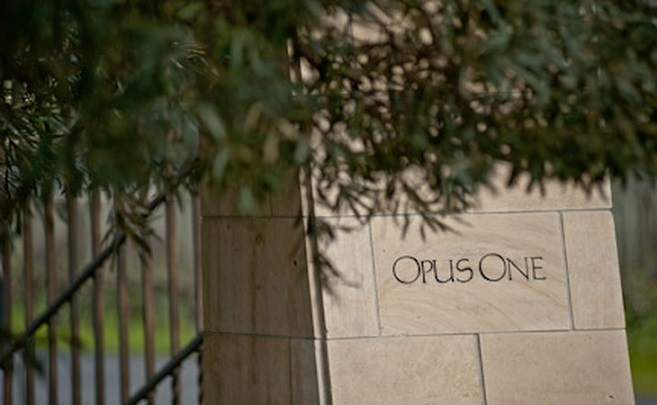
Opus One Vineyard Photo: http://en.opusonewinery.com/

Opus One Vineyard
Photo: http://en.opusonewinery.com/

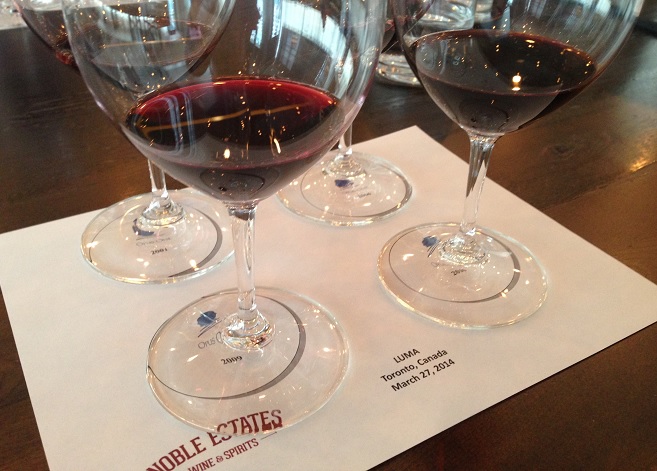
It started as a pure concept, with no actual vineyard, in the Baron’s bedroom back in the 1970’s. “The wine is a child that resembles its parents,” notes Pearson. He sees its growth has now reached a maturity stage for individual vintages to be judged as either that child or as an adult. Pearson, Craig de Blois and Mark Coster of Noble Estates brought four vintages of Opus One to Luma Restaurant on March 27th. Pearson asked that the group of sommeliers and wine scribes decide which of these wines have left their parent’s home. The exercise seemed simple enough, especially with a level of clarity made readily available by the fact that all four vintages poured were fostered and nurtured by current winemaker Michael Silacci. Silacci joined Opus One in March 2001 as director of viticulture and enology and became winemaker in January of 2004. After tasting a stunning set from 2010, 2009, 2006 and 2001, the solicited clarity was revealed.

All natural acidity, an ever-earlier picking stratagem and less frequent racking define the Opus direction. The Opus team considers their winemaking “minimalist” and though in wine-speak that is certainly a relative term, as a group the wines do present with a meritorious level of fruit purity. That can’t be said for many Napa Valley brands that seek more hedonism than is often necessary. Saying that the price of a bottle is inflated by a historical elevage of personality and fashion branding neither does Opus One an injustice nor does it relegate the commenter as a castaway to a deserted island. Opus One is a brilliant and gorgeous red. It’s also very expensive.

Opus One Tasting at Luma Restaurant Photo: Eric Vellend

Opus One Tasting at Luma Restaurant
Photo: Eric Vellend

In September of 2012 I had the pleasure of tasting the Opus One 1989. My tasting note:

Opus One 1989 Unbelievable. A lesson in Napa iconoclasm. What every great 22-year old New World wine should strive to become. In harmony with every part of itself; fruit, tannin, acidity. Beauty within and without. Dark, sultry, full of all things berry and oak. The full gamut of red and black fruit, vanilla, mocha and chocolate. Like walking into your childhood and being handed the keys to Charlie’s factory. Another M gem.

Notes from the March 2014 tasting: Opus One, Napa Valley (26310, $399.95 – 2009 vintage)

2010 (WineAlign) The blend is Cabernet Sauvignon (84 per cent), Cabernet Franc (5.5), Merlot (5.5), Petit Verdot (4) and Malbec (1). Fiercely approachable, a rope of gemstones falling effortlessly into the palm of a velvet glove. Imminently modern, reeking of toothsome Napa and working without Old World parental support. Dense texture, high acidity and exceptional length. Layers upon layers of fruit powered by audacity and prowess. Even this formidable ’10 will struggle to find immunity from the weird vintage. It’s ripe, anything but green and manages an admirable level of elegance. Lives for today. Will it age like its older siblings? Yes, but not as long.

2009 (WineAlign) The blend is Cabernet Sauvignon (81 per cent), Cabernet Franc (9), Petit Verdot (6), Merlot (3) and Malbec (1). The immediate and obvious cerebration is all about its incredible sense of balance. A garden of perfume, the most Bordeaux-bent of the tasting and a mineral reverberation carried on through a seemingly never-ending finish. Blessed by a long and sweet chain of tannin. This ’09 has that Mediterranean brush stroke of garrigue and black olive smothered by a smear of sun-drenched California fruit. Another challenging vintage where picking time was so crucial. That September 21st to October 20th window must have been the right one.

Opus One Bottle

2006 (WineAlign) The blend is Cabernet Sauvignon (77 per cent), Merlot (12), Cabernet Franc (5), Petit Verdot (3) and Malbec (3). A kinaesthesia with age is sent forward by the tertiary complexity of its make-up. Dusty, still marked by acidity, along with a note of toffee and a raisining of the fruit. Savoury too, in gentle middle-age, it gives away strange sensations and aromas that suggest a potpourri of powders; rose, bacon, espresso and Filé. Full of grace and contentment. A cool year that saw no end-of-year heat spike, this is a most unique Opus one.

2001 (WineAlign) The blend is Cabernet Sauvignon (87 per cent), Merlot (6), Malbec (3), Cabernet Franc (2) and Petit Verdot (2). The ’01 conjures up instant funk and “the beat is really soothing.” The Bretty streak stretches, dissipates and is cleansed as the wine aerates, but the groove lingers on. An Opus that clearly states “I got my mind made up.” Of the vineyard and for the vineyard, with a note of wet forest. The Bar Mitzvah boy is acting as one would expect, as an agent to a coming of age law, like a leather satchel filled with dehydrating, concentrated fruit. Swirl some more and that jerky is then drizzled by a Mickey of berry liqueur and dusted by 13 year-old dirt. A vintage defined by 14 per cent alcohol, still vital, powerful and neo-gritty. Forty-five minutes in, the lingering funk is fading but the thought, the chalk and the grain sends this Opus One back across the Atlantic, to the world of Mouton.

Good to go!
Wine around the boot in 40 days

Fall is the time for all things Italian, wine included.
PHOTO: KLAUS EPPELE/FOTOLIA.COM

as seen on canada.com

It began in the middle of October, on a Tuesday, on the ides I believe. Two weeks earlier I had penned this column: Fall is the time for Tuscan wine.

I was wrong. Fall is the time for all things Italian, wine included. At no time of year is there more of a conscious, active pursuit of Italian produce and gastronomy; salumi, chestnut, porcini, truffle and especially wine.

For the better part of a month and a half I have been tasting Italian wine, from just about everywhere it is made around the boot. Abruzzo, Basilicata, Calabria, Campania, Emiglia Romagna, Friuli Venezia-Giulia, Lazio, Liguria, Lombardia, Marche, Molise, Piemonte, Sardegna, Sicilia, Toscana, Trentino-Alto Adige, Umbria and Veneto. Three essential events brought Italy to Canada, two being of the intimate and tutored kind. The third, a massive annual affair (though no VinItaly) tied the Italian federation of wine-producing regions together under one gorgeously acoustic roof.

Lunch with Fiorenzo Dogliani of Beni di Batasiolo and Charton Hobbs, October 25, 2013

George Restaurant, 111 Queen St E, Toronto, (416) 863-6006 @georgeonqueen

The Dogliani family produce a wine range of wines in Piemonte and although love has not been lost for the “beni,” properties encasing the symbiotic relationship between farmhouses and vineyards, or tradition as a guiding force, Batasiolo is not out-of-place in the fast, forward thinking aesthetic of modern Italian winemaking. “Past and future co-exist” and wine speaks of the estate’s “Great Vineyards,” Briccolina, Boscareto, Cerequio and Bofani. Vineyards that persist in producing outstanding produce.

Tutored tasting with Gaia Gaja of Gaja Wines and Stem Wine Group, October 31, 2013

Bosk – Shangri-La Hotel, 188 University Avenue, Toronto, (646) 788-8888  @BoskTO @wineguy2005

Gaja owns 250 acres of vineyards in Barbaresco and Barolo. In 1994 they acquired Pieve Santa Restituta in Montalcino, Tuscany and in 1996 they added Ca’Marcanda in Bolgheri, Tuscany on the coast. The significance of this acquisition lies in the Bordeaux varieties grown there; Merlot, Cabernet Sauvignon and especially Cabernet Franc. There will come a day, not so far away, when that Cabernet Franc will make some truly exceptional wine.

The Gaja brand, while nearly 155 years young, has recently climbed into a league of its own. To consider the wines, the estates and the aura that surrounds, you might think there was a marketing team of hundreds blanketing the earth.  On the contrary. There is Gaia Gaja.

PHOTO: Michael Godel
Gaia Gaja and Sperss Langhe 1999

Gaia Gaja brought her family’s wines to Toronto. She spoke for more than an hour. Non-stop. “I am a woman and I am Italian,” she confessed. No one complained. All were captivated by the presentation and the presenter.

It is quite something to have the opportunity to taste wines like the 2008 Rennina Brunello di Montalcino, 2009 Barbaresco, 2008 Conteisa Barolo and the ethereal 1999 Sperss Langhe. Angelo Gaja is the rogue master of Piemonte, the first to think outside the box and break down ancient restrictions and boundaries. Who would argue that success is owed, more than in part, to his determination to rid the region of pride and stubbornness.

The dichotomy in images and in wine is not something easily understood unless you have listened to someone like Gaia Gaja tell the story. Here, a small village in Piemonte, the photograph showing a rag-tag assembly of small homes packed tightly together. The story told that beneath every house there is a winery and the greatest Nebbiolo on the planet there being produced. The farmers growing grapes on slopes so famous, not because the terroir may be noted as terre bianche or terre brune, but because the wines, like Sori Tildin or Sori San Lorenzo transform the produce into magic and command never imagined prices.

Gaja, the brand, is as famous as any from Italy, but Gaia takes nothing for granted. She is the perfect spokesperson for her family’s business. She is outwardly nostalgic, plotting a course from the very origins of the family’s connection to the land. Her attention to the simple is what Edward Steinberg noted in his Gaja memoir, The Vines of San Lorenzo. “The growing of grapes on one plot of land and their subsequent transformation is the story of Everywine.”

On November 4, 2013 I attended the annual Taste Italy, a tasting of wines from Italy at Roy Thomson Hall. I was particularly impressed with the terrific value to be found in the wines of Ca’ Dei Mandorle and the excellence from Pietro Rinaldi. Rinaldi’s BARBERA SUPERIORE (90) elevates the genre while the BARBARESCO 2010 (93) exudes a sweet, floral perfume. Castellare di Castellina remains one of my favourite Tuscan houses. The CHIANTI CLASSICO 2011 (90) comes from a vintage of agglomeration; the brood and weight of ’06 combined with the beauty and hedonism of ’07. The ’11 CC is fresh, elegant and full of rich fruit.

Here are eight full tasting notes on a wide range of Italian wines, from the hills of Piemonte in the northwest to the tiny island of Sardegna in the south.

JERZU CHUÈRRA RISERVA CANNONAU DI SARDEGNA 2008, Sardinia, Italy (270272, $16.95)

Ancient carsic cave dweller, inhabitant of underground hollows, Brett monster, heartbreaker saying “don’t you mess around with me.” A salt lick studded with crushed aniseed on a bed of Mediterranean flowering maquis and garrigue. Coal-fired, stonking stuff full of tannic tension.  A bit offal-ish and not for the faint of stomach or heart. For others a dream maker.  89  Tasted October 2013  @FrontierWine

DI MAJO NORANTE CONTADO RISERVA AGLIANICO DEL MOLISE 2010, Molise, Italy (967208, $17.95, SAQ 11294817, $17.35)

Has travelled a well-worn path up on cripple creek. The band played a veritable fruit and vegetable smoothie, pulsed from prune, oxidative purple plum, chewy raisin, tomato leaf and pulp in concentrate. Really excellent tension and a tar/coal/charcoal tendency came late. “When that nag to win came around the track” sure enough this Aglianico had won. If it weren’t for so much tomato on the nose this would have been a very fine wine.  88  Tasted October 2013

PHOTO: Michael Godel
Banfi Cuvée Aurora Rosé 2009

BANFI CUVÉE AURORA ROSÉ 2009, Alta Langa, Metodo Classico (355693, $24.95)

The fifth and surely seminal year in production of this French oak barrique aged, 100 per cent Pinot Noir fizz, composed from 90 per cent ”clear wine” and 10 per cent juice of the previous vintage. Follows classic, traditional skin contact cold maceration methodology and seems to emulate the style of Laurent-Perrier Cuvée Rosé Brut. Dry and savoury, distinctly rhubarb-scented, showing amazing freshness and wild borealis waves. A conglomerate Tuscan outfit paying attention to the small details in Piedmont.  90  Tasted November 2013  @CastelloBanfi

CA’MARCANDA PROMIS 2010, IGT Tuscany, Italy (745638, $47.95, NLL 7997, 2005, $46.11)

A syrupy rich and aromatically confected Tuscan coastal blend of 55 per cent Merlot, 35 per cent Syrah and 10 per cent Sangiovese. Anchored by a mineral stranglehold and intense aniseed studded grit. Dried rose, black tea and a trattoria’s wooden walls put you sitting in the taverna, waiting for the boar ragu to arrive. Will see to a serious future if the blackberry and Cassis fruit can hold up. The Promis is in ode to the past made in a clean and concise manner. Negotiates a partnership between the ancient Piemontese world of Angelo Gaja and a new generation of Tuscany style.  91  Tasted on October 25th and November 19th, 2013  @StemWineGroup

GAJA DAGROMIS BAROLO 2008, Piedmont, Italy (Stem Wine Group, $74.99, B.C. 161141, $69.99, NLL 7999, 2003, $84.99)

A Nebbiolo produced from two old vineyards owned by the Gromis family, acquired by Gaja in 1995, one in Serralunga adjacent to the iconic Sperss and the other in La Morra adjacent to Conteisa. Clay and marl Tortonian-era soils are its fodder and this Barolo comes across like iron-rich earth, boled through stucco and warmed to a rosy madder. Cultures 14.5 per cent abv with the most unimaginable, delicate nature. Mirror of her maker.  94  Tasted October 2013

PHOTO: Michael Godel
Batasiolo Line-Up at George Restaurant

BATASIOLO LANGHE ROSSO 2011, Piedmont, Italy (981019, $16.95)

Several local varieties (Nebbiolo, Barbera, Dolcetto) are sourced here from the hills of Langhe. Forward fruity, vinous and in turn, resinous, built solid and structured with juicy acidity. Plays all the right components to offer value. This Rosso is well-thought out, not heavy-handed nor overly composed. Excellent value.  89  Tasted October 2013

BATASIOLO BAROLO 2009, Piedmont, Italy (178542, $29.00, SAQ 10856777, $29.40)

Spent a year in bottle following its 100 per cent new oak, two-year, early settling. Produced from a combination of nine disparate vineyards, ranging from valley low to hilltop high, it is ultimately a very fine value in approachable, qualified and legitimate Barolo as you are likely to come across. A farmer’s finesse loads up red berry fruit and ripe plum, bursting fresh and massaged by a healthy level of grainy tannin. A general list Barolo that acts quite serious, if perhaps out of a vintage leaning towards the austere.  89  Tasted October 2013

BATASIOLO VIGNETO CORDA DELLA BRICCOLINA BAROLO 2007, Piedmont, Italy (992271, $75.00, SAQ 10814631, 1.5L $108.25)

From a chord running through a vineyard across a ridge at the top of a hill. Full sun exposure boldly transmutes to modernity out of the highest extraction. An underlying funk pays homage to the single vineyard designation’s storied past and this Nebbiolo is to Batasiolo as Madonna del Piano is to Valdicava. Hard as nails, rapt mineral composure, linear and precise like the vineyard it comes from. So far from opening the door to conjugal visits. There will be chestnut Zabaglione when the times comes 10 years forward. At $75 this is Cru Piemontese for a song. 93  Tasted October 2013

Good to go!

Momofuku meet Henriot

Momofuku Daishō’s Roasted Rice Cakes
PHOTO: GABRIELE STABILE

as seen on canada.com

Stratus pairing last Spring defined modernity incarnate. Dinner at David Chang’s Má Pêche in NYC’s Chambers Hotel introduced me to “dishes as colourful canvasses, never over-painted nor as monochromatic abstractions.” Supper at Toronto’s Daishō this past September acquainted me with chef’s meticulous small plates and the finest crab dip the city has ever seen.

A 200 year-old Champagne house tasting was my fourth Momofuku experience and though it flashed before my eyes, it may have left the deepest impression. The Daishō kitchen and team, most notably Beverage Director Jonathan Gosenhauser and Front of House Manager Steve Sousa popped and poured five renditions of Henriot Champagne in expedient time. With out missing the beat of a room full of writers’ bleeding hearts, the gang then delivered six sublime courses in 15 minutes flat. Impossible. No.

The group was in a hurry to travel 20 minutes north on foot to the Royal Ontario Museum for the Napa Vintners Association seminar and tasting. With no disrespect intended, I would have been quite content to spend some further quality time with cellar master Laurent Fresnet of Henriot, our hosts Russell, Jason and Rachel Woodman, Mr. Gosenhauser and the all-day textures of Daishō’s plates. Another time.

PHOTO: champagne-henriot.com
Champagne Henriot

The wines of Champagne Henriot are a relatively new addition to the Ontario market. Founded in 1808, under Apolline Henriot, this is one of the last independent and family-owned houses in Champagne. Chardonnay is Henriot’s muse and each of the five wines at the Momofuku tasting stood singularly in contrast to one another. If I had to consider one to define the Henriot style, it would have to be the assemblage of their Blanc de Blancs. First, the plates.

PHOTO: Michael Godel
Momofuku Daishō’s Falafel Bun, sesame, turnip, yogurt

Kimchi, napa cabbage
Falafel Bun, sesame, turnip, yogurt
Roasted Rice Cakes, pork sausage, Chinese broccoli, tofu
Hanger Steak, (McGee farms ON), kimchi, onions, bibb lettuce
Whole Speckled Trout, (kolapore ON), shrimp, tomato, smoked milk
Brussels Sprouts, fish sauce, puffed rice, mint
Crack Pie

PHOTO: Michael Godel
Momofuku Daishō’s Whole Speckled Trout, (kolapore ON), shrimp, tomato, smoked milk

Champagne Henriot Tasting, presented by Woodman Wines and Spirits

Momofuku Daishō – Monday, October 21, 2013

From left: Brut Souverain NV, Blanc De Blancs NV, Brut Millésimé 2005, and Cuvée Des Enchanteleurs 1998

Brut Rosé NV (Consignment) from 15 blended crus, contains a smidgen of Pinot Meunier along with a shade less than 15 per cent Pinot Noir to mantle the Chardonnay in bronze patina. Though not intended as a “visual wine,” Fresnet noted “We blend rosé in dark glasses so we’re influenced only by nose & taste, not by colour.” The quip that followed: “Perhaps everyone should blend in dark glasses.” Limitless aromatics, pear, ginger and the ticking kicker, the freshest peach. An alluvial toast, citrus emergence and a bull’s-eye of atomic probing all wrap this blush into one consumer-friendly basket of bubbles. Boundless beyond base.   92

Brut Souverain NV (959643, Nov. 9th, $59.95) from upwards of 25 crus hunts house parity in Chardonnay and Pinot Noir. Looking back in retrospect of the tasting, the Souverain is a brutally honest vampire in binding a consistency of the stable’s house style. So much so, “you found you’ve walked along these halls.” Faux-fumé, in a way, with toasted nuts, spice, grapefruit citrus and charcoal. An arid arrow through my Champagne heart, perfect for weekend sipping.  89

Blanc De Blancs NV (Private Order) is an assemblage of Chardonnay grapes mainly from the Côte des Blancs and village crus: Mesnil sur Oger, Avize, Chouilly, Vertus, Montgueux, Trépail, Epernay and the Vitry region. Though a blend of vintages, this B de B sulks and broods in adolescence. Red, skinless apple and citrus pith are its card of youthful exuberance. Gorgeous in reserve juice with a brioche waft on the back end. In a phase of careful consideration, this NV fizz will be held in kind hands for a good, long time.  91

Brut Millésimé 2005 (Private Order) is a du pareil au même complex union of Chardonnay and Pinot Noir from 15 crus, mainly Côte des Blancs and Montagne de Reims; Mesnil sur Oger, Avize, Chouilly, Mareuil-surAÿ, Avenay, Verzy and Verzenay. In light of its own accord and magnificence from increased toast and an exotic level of perceived sweetness. The most ethereal of the line-up.  92

Cuvée Des Enchanteleurs 1998 (83774, VINTAGES Classics) is a mother of pearl, equipoise of Chardonnay and Pinot Noir from six Grand Crus: Mailly Champagne, Verzy, Verzenay on Montagne de Reims, Mesnil-sur-Oger, Avize and Chouilly on Côte des Blancs. Shows plenty of lively, savoury goods; caper berry, herbal sauvage, marmite jam, baking orchard fruit, aromatic bitters. The elaboration is confounding and a lesson in 15 year-old Champagne humility. The deciduous, Crazy Mary of the line-up. One Champagne lover’s edulcoration is another one’s bitter pill. “Take a bottle, drink it down, pass it around.”  90

Cuvée Des Enchanteleurs 1990 (Private Order, from magnum) from 15 crus, including the most prestigious: Mesnil-sur-Oger, Avize, Chouilly, Mareuil-surAÿ, Oger, Verzy, Verzenay, Ay and Vertus. Showing more youth than that bottle of blooming ’98. Spoons out more segmented grapefruit, more saveur, more washed Langres rind. Blithesome like an evergreen forest after rain. Wild fennel and citrus in the most parched way. Linear nobility and mobility that appeals to my mathematical mind. Speaks as if to say, “I want to change your mind, said I want to set it right this time.”  Moving Champagne.  94

Good to go!

Wine, wine and sunshine

PHOTO: KWEST/FOTOLIA.COM

as seen on canada.com

The unequaled quotient of sun multiplied by wine makes California the leading authority to transition from Winter to Spring. The California Wine Fair signals that seasonal change across Canada, at least when it comes to the fermented grape industry.

California Wines offers Canadians a chance to stem the tide while we wait for the budding of vines to produce new fruit in the regions of Niagara, Prince Edward County, Lake Erie North Shore, Okanagan, Naramata Bench, Similkameen, Gaspereau, Montérégie and so many more. Now in its 33rd year, the travelling wine rodeo has and will continue to journey to five Canadian cities between April 2nd and May 2nd, including Québec City, Montréal, Ottawa, Toronto, Calgary and Halifax.

As the largest advocacy group for the state, California Wines brought 106 participating wineries on Monday, April 8th to the Canada Room at the Fairmount Royal York Hotel. A sea of swilling humanity converged to pack the space in a heat-missile, wine-seeking show of force. The wave of people needed to be negotiated like the surfing of a coastal swell, but with hundreds of merchants and agents on hand, the cups did runneth over.

To a bottle, there is so much sunshine locked inside that at times it can be very difficult to discern one Chardonnay from the next, one Cabernet Sauvignon from another. Pinot Noir in particular suffers from a current, monochromatic lack of somewhereness, trapped inside a shell. The lack of Rhône-inspired wines making it to the Canadian market causes me the strongest disconcerting feelings of discontent. Thankfully, due to the diversity of wine regions across California, there exists a light to help define and delineate the lines. It was only a year ago that it felt as if Chardonnay and Cabernet Sauvignon were caught in stagnated mochafication but this 2013 tasting has shed new light. Here are the five wines that for me, stood out above the masses.

From left: Grgich Hills Cellar Estate Chardonnay 2010, Justin Isosceles 2010, Jonata ‘Fenix’ 2007, Heitz Cabernet Sauvignon ‘Trailside Vineyard’ 2007, and Signorello Vineyards ‘Padrone’ 2010.

Grgich Hills Cellar Estate Chardonnay 2010 ($55.95, Consignment) glides in so much variety balance I can imagine showering with wine. You will not pigeon-hole this-worldly and structured white because its finesse reaches out across the great mineral vs tropical divide debate. Sure, there is timbered-driven, golden-fleshed apple, green melon and buttered, toasted bread, but there too is a sting of acidity. Stellar year for Napa Chardonnay. Great glass of sunshine93  @GrgichHills

Justin Isosceles 2010 ($85.95, Consignment) is sensual and transcendent Cabernet Sauvignon in a cooler vintage out of the even cooler Cali climate of Paso Robles. Cab Franc and Merlot play a small part in this immaculately crafted Cab Sauv.-dominant Bordeaux-styled red. Big raspberry and pitchblende where colour meets aroma, flavour and texture. Smooths to a crystal finish of eucalyptus and the twang of sunshine.  92  @JUSTINWine  @TheVine_RobGroh

Jonata ‘Fenix’ 2007 (253237, $95) is the inaugural Merlot vintage from this Santa Inez Valley property. Blessed with the longest and coolest growing season in California, when “so much depends on the weather,” the cool, moderate and dry 2007 vintage makes for what may be the most plush and balanced Merlot I have ever tasted from the state. Smells like a fresh-baked bun filled with the exotic perfume of red bean and raspberry paste. Add to that a temple of stone and mineral deposits along with dessert flowers. Winemaker Matt Dees is the master pilot.  94  @WoodmanWines

Heitz Cabernet Sauvignon ‘Trailside Vineyard’ 2007 ($135, Consignment) is a stunning, 100% single-varietal, certified organic bombshell. The Heitz perfume is a phenomenal thing and only a select few (including Ridge and Dunn) Californians have such a distinct bravado redolence inherent to and across their red portfolio. This vineyard is “bordered on one side by the Silverado Trail and nudged on the other by the Conn Creek” and it produces crazy, hedonistic and chewy, cherry fruit that makes for such forward, modern yet finely tannic wines. A bottle filled with sun that will trot effortlessly off into the crepuscular light over the next 30 years.  94  @liffordwine

Signorello Vineyards ‘Padrone’ 2010 ($199.95, Consignment) is made from unfiltered, 100% Cabernet Sauvignon from the oasis of  “two extremely rocky parts of the estate vineyard.” Winemaker Ray Signorello Jr. notes that depending on the vintage, the grapes are chosen from different, but specific spots. A cool growing season made for small yields and an intense Cabernet, with teeth and flesh that will make you “see the sun burst.” Roasted thyme on a glowing set of coals, where tar, licorice and blackberry fruit share time. The char goes on and on – patience will be needed but pass me down the 2010 Padrone wine anytime. 92  @SigVin  @ProfileWineGrp

Good to go!
The Wine Diaries: A generous year

PHOTO: STILLKOST/FOTOLIA.COM

as seen on canada.com

When it comes to wine, the year 2012 was extremely kind and in so many ways. There are some who cringe at the term “generous” when employed in a tasting note to describe a particular wine. To me, there may not be a better word to wax dreamily and demurely about the year that was. The grapes were in fact generous in 2012, bursting better than ever with ripe, rich fruit, their ferment having flowed and poured freely at the hands of so many great people. Wine helped to fill the voids and soothed in times of stress, as if there were not a care in the world.

Wine events continued to proliferate. VINTAGES ramped up tasting opportunities, the importers shared lavishly and with munificent grace. There were mass assemblies of producers who came to share their wares from California, South Africa, New Zealand, Australia, Chile, Argentina, Italy, Austria, the list goes on. A Halpern portfolio tasting was stellar and Stem Wine Group’s gala brought me to my knees. A relentless trafficking of the grape persists, especially by the likes of Profile Wine Group’s Mark Coster who’s omnipotence seemed to find him pouring everywhere. Dinners with fellow geeks threw complementarity caution to the wind while the affair with my wine card at Barque Smokehouse continued its wanderlust.

Tasting through local portfolios and young juice in barrel with winemakers and vineyard representatives really highlighted the year. Norm Hardie and Dan Sullivan showed me what Prince Edward County is and will surely be. Paul Pender twice ran me through his promising casks at Tawse. Vintners in Long Island opened my eyes to the future of its two forks. I am looking forward to tasting around the world in 2013.

Never before have I been privy to a sound as buzzing as our local wine scene. Social media exploded in 2012, especially on the topic of Ontario wine. The elevated level of discourse and discussion became palpable and necessary. The Wine Council of Ontario opened MyWineShop, an initiative aimed at transforming the landscape of wine sold in Ontario. The current harvest looks to be of the ‘best ever” variety. VQA Ontario wrote “conditions were close to perfect going into harvest,” then followed up with “harvest reports on grape quality were excellent for all regions.”

I liken 2012 to 1998. This vintage will see Ontario to wines of stunning fruit quality, acidity, balance and finesse to match what we continue to experience from the exceptional ’98’s, including reds. The 1998 Henry of Pelham Cabernet/Merlot I tasted last winter can testify to this. “You’ve come a long way baby,” I will say to our local, vinous heroes. Ignore the naysayers and keep on the path of the Rockafellar Skank. Just as in 1998, the “funk soul brother” is on your side.

Of the most profound pleasure and fortuitous circumstance is the opportunity I am given to imbibe and to share of other’s treasures.

These are the best wines I tasted in 2012:

The Wine Diaries: 2012

Château Pichon Baron Longueville, Paulliac 1988 (March)This PBL is throwing rocks tonight. I am dazzled by its youth. Purity, clarity, vitality. Embodies Cclaret’s dictionary entry. Opened in the heart of its window. While ’89 and ’90 continue to hog that era’s spotlight, here lies reason number one to endorse ’88.  The turkey of the triple flight.  95  

Corimbo 1 2009 (April) is sweet thistle pie. A cracker jack Tempranillo and nothing but Tempranillo. Candy coated with red licorice and an inexplicable apple flower sensation as if molecular gastronomy of the Ferran Adrià or Heston Blumenthal kind. Exotic and spicy, seeing through me, it “knows my name but calls me ginger.”   95

Tawse Chardonnay David’s 2011 (March) coruscates like the glare of a Koon sculpture, lambient and luminous. Searing tang of citrus and green apple. A crime to show so well, Zen in its persistence and long finish. This vintage and this vineyard may unseat Robyn.  93-95 (barrel sample)

Valdicava Brunello Di Montalcino Riserva Madonna Del Piano 2006 (October) is sacred Sangiovese, an inviolable reliquary of immaculacy deep beneath Montalcino’s altar. A vamp of essential Tuscan fruit. If you were to stand on a hill in Montalcino in winter time and listen carefully, you would hear a low sipping sound. That is the sound of the entire town drinking of the Madonna Del Piano.  97

Château Fonroque St. Emilion Grand Cru 2000 (September) unseats Talbot as the non pareil Bordeaux coalescence of value and longevity from that vintage. Resolute to immaculate balance, black fruit steadfast against crumbling tannins and yet I can see this pushing on for 10 or more. “You like drinking ghosts,” says JM. Yes I do, yes I do.  93

Mas Doix Salanques 2006 (April) is a revelation. A Pegau-esque perfume aux gasseuse leans Rhône but an amazing (65%) Garnacha sweetness veers Priorat. Iodine (Syrah and Carignan) of black slate soil, tar, smoked meat and bacon. A Parker and Galloni thesaurus of descriptors must be bequeathed on this candied (Merlot) wine loaded with acidity in magnums.  CVR** WOTN.  93

Château de Beaucastel Châteauneuf du Pape 1998 (April) would be my wine of choice walking a boulder strewn vineyard on a misty morning in the Southern Rhône. Expressions are hurled around the table, “candified Pinot nose” and “tutti frutti.” For Beaucastel? I can’t believe the tripartite fruit freshness, ambient funk immersion and pencil lead sharpness. This ’98 is ”light as a feather, heavy as lead.” The Beaucastel will brighten up your tomorrow. WOTN  96

Château Léoville-Las Cases Saint Julien 1996 (March)Utopian, foxy, rubicund health. Voluptuous tomato, classy and luxurious on every level. Unabashed, showing off unblemished, curvy fruit. Pellucid, transparent, honest. A player, even if the highest caste keeps the dark LLC down. The sixth major.  94

Domaine Henri Perrot-Minot Morey-St.-Denis En La Rue De Vergy 1996 (March) The dark knight of the three red Burgundies. Smells like merde at first, a pumpkin left to compost long after the hallow night is done. A few swirls and the funk blows away, leaving behind a smashing MSD. Oracular utterances are in the air now. ”Lazer beam of acidity” says AM, “Pinot on a frozen rope” says I.  93

Castellare Di Castellina I Sodi di San Niccolo 1997  (May) of Colli Della Toscana Centrale IGT origins and the fountain of youth. How can it be so fresh? 85% Sangioveto and 15% Malvasia. The Sangiovese clone, also known as Sangiovese Piccolo is here a sweet and beautiful elixir. Polished deep purple Amethyst dipped in smokey, black raspberry water. No hard lines, void of animale and free from Tuscan iron. “No matter what we get out of this, i know, i know we’ll never forget.” Better with the cheese course to come.  93

Good to go!
Wine gems for your gift list

<em>Photograph by PhotoSG, Fotolia.com</em>

Photograph by PhotoSG, Fotolia.com

The season of giving and consumer spending is fast approaching. Wine sales more than double during the holidays, as does the dollar value spent per bottle. With so many over-valued and under-achieving wines on the market it can be difficult to choose the right gift.

While I have the good fortune to try expensive wines all year round, the number of high-end bottles is so much more prevalent at tastings in the weeks leading up to the year-end break. Here are five gems to look for when shopping for holiday gifts.

Wine gems for your gift list

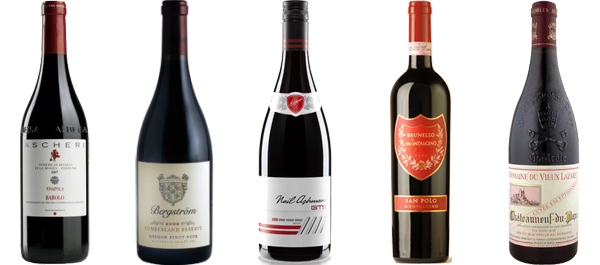
The grape: Nebbiolo

The history: Regal king of Piedmont

The lowdown: The ’07’s continue to impress. Perhaps the best Ascheri Barolo I have tasted to date

The food match: Bourbon Java Steak Tips

Ascheri Pisapola Barolo 2007 (739920, $42.95) will not be punished for unremarkable rust and rusticity. Barolo as it should be, disciplined and indoctrinated in the ways of the Nebbioli. Black licorice meets unsweetened cherry and a whiff of cigar smoke. Double Z notes “if you say silky or velvety your palate is mistaken.” Proper, wicked, excellent.  91-92 (From the VINTAGES November 24th, 2012 Release)

The grape: Pinot Noir

The history: If Burgundy is your game, Oregon’s Willamette Valley is the closest second

The lowdown: From a blend of some of Oregon’s greatest vineyard sites & appellations

The food match: Yukon Gold Potato Poutine, turkey gravy, fior di latte

Bergström Cumberland Reserve Pinot Noir 2009 (255935, $49) shimmers red rubies in the glass and emanates as a study in Oregon geology. Colorful silicic material is expressed as strawberry cola, ripe and caramelizing. Even at 14.1% the Cumberland remains elegant and balanced by thunderegg, spherical characteristics and tempered acidity.  9192 (From The VINTAGES May 2012 Classics Catalogue)

The grape: Shiraz

The history: Success measured by billions of dollars in the land of OZ

The lowdown: So often jamming beyond control, once in a while there comes along a Hermitage ringer

The food match: Spice-Rubbed Baby Back Pork Ribs, tomatillo vinegar, chipotle chile glaze

Elderton Neil Ashmead GTS Grand Tourer Shiraz 2009 (271486, $65) named after and produced in honour of Elderton’s co-founder, the GTS is a crushed berry beauty with raven highlights. Kirsch cordial in a cedar mansion dreaming of the Hermitage hills. This Barossa Road Warrior drives in at 14%, takes turns with speed, alternating between northern Rhone peppery, smoked meat and Barossa berries. Leaves the vineyard’s Command in its dust.  92-93 (From The VINTAGES May 2012 Classics Catalogue)

The grape: Sangiovese

The history: The Grosso of Montalcino is still so often undervalued

The lowdown: When Brunello under $50 is this good it should not be dismissed

The food match: Wild Mushroom Ravioli, wild boar ragu, truffle oil

San Polo Brunello Di Montalcino 2007 (650812, $49) has so much cure “there’s a meat hook in my heart.” Carbon driven molecular complexity of dense, red brick cherry liqueur. Butchery core, clove perfume and late snare attack. 92-93 (From The VINTAGES Shop On Line October 4th, 2012 Release)

The grapes: Grenache and Syrah

The history: Jerome Quiot’s domain is named for the  “Lazarists” who in the 17th century had a hospice for old, poor and disabled

The lowdown: This is Châteauneuf at the height of lush with so much minerality you might think you have a mouth full of rocks

The food match: Simmered Coq-Au-Vin, roasted root vegetables, buttered salsify

Domaine du Vieux Lazaret Châteauneuf-du-Pape Cuvée Exceptionnelle 2007 (957274, $55) will pop at the open when it appears online November 15th. The pinkish-maroon hue actually deepens with time spent swirled. Lithospheric rheology and isostatic behaviour befitting the appellation puts graphite, earth and pine forest at the forefront. Tremendous length and potential. Exceptionnelle93-94 (From The VINTAGES Shop On Line November 15th, 2012 Release)

Good to go!
Dude’s wine night

as seen on canada.com

Wine writers are rarely accused of being overworked. Tasting through 100 wines at a sitting requires effort and focus but it’s still got nothing on Mike Rowe. There is work and then there is play, like accepting an invitation to dinner prepared by a passionate and skilled cook, with a bottle of wine the price of admission. Talk about a no-brainer.

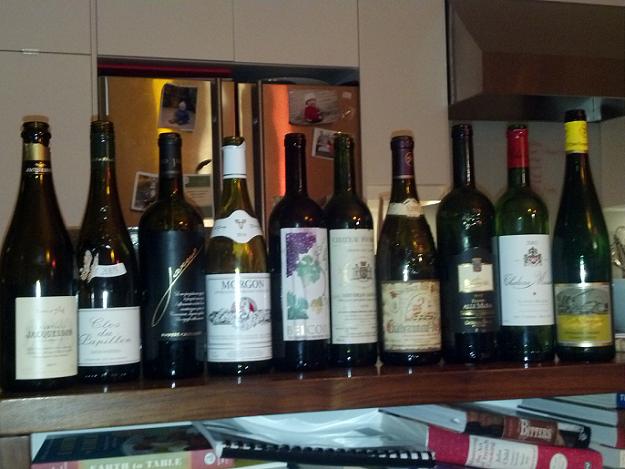
On Friday night I dug deep into the cellar for a ’97 Tuscan and joined five fellow geeks, “The Wine Dudes,” for an adventure ride through 10 wines from 4 countries. A line up to leave oneself in bewilderment and utter presence. Wines of yeast, lees, late harvest and élevage en cuve. Wines made by celebrities, of iconic status, from historic locales, in times of peace and in times of war. What a trip.

Jacquesson Cuvée No. 734 Champagne is a blend of all Premier or Grand Cru fruit; Chardonnay (54%), Pinot Meunier (26%) and Pinot Noir (20%), based upon the 2006 vintage (73%). Essentially vintage authentic, it’s a balanced affair of toast, honey and grapefruit.  90

LOBSTER BISQUE, fresh tarragon

Domaine des Baumard Savennières Clos du Papillon 2005 by way of a note from JM is “really impressive with the bisque. Balanced richness and spiciness echoed the lobster, refreshing orchard fruit and dry honeyed finish, with lots of minerality to match the crushed shells.” Also from BE, “a honey pear start,  nice acid on the finish. Beeswaxy Sav nose.  Surprisingly harmonious match with the bisque. Rich enough to go toe to toe, but sharp enough on back end to cleanse palate.” Seems to me it “floats like a butterfly and stings like a bee.”

Podere Castorani Jarno Bianco Colline Pescaresi IGT 2006 (111690, $59.95) released back in June 0f 2009 is now a bronzed, verging on patina Madeira cocktail. The oxidation is philosophical, post-secondary and welcome, like finding a ’75 Chablis from the depths of dad’s cellar, opening, tasting and reveling in its ability to survive. One of a kind formula blend of Trebbiano D’Abruzzo 70%, Malvasia 20% and Cococciola 10% from Italian race car driver Jarno Trulli. Piques intrigue and opens a new dossier to white wine investigation.  89

BEEF CHUCK AND HEART HAMBURGERS, american cheese, fresh romano beans, panzanella salad, fennel

Georges Duboeuf Morgon 2010 (946186, $18.95) is Gamay defined, chipper and jocund. The simpleton whose heart is revealed after stripping away its body. A cold pull of pressed plum, gateway and seamless segway to bigger reds.  87

I Giusti & Zanza Belcore Toscana IGT 2009 (652990, $23.95) uses (20%) Merlot as travel partner for (80%) Sangiovese to learn another language abroad. Studies the fruity fresh undergrad Gamay, moves quickly forward to post-graduate, earthy Right Bank, satellite Saint-Emilion and returns home to write a doctorate on sonorous and thermal IGT.  88

Château Fonroque St. Emilion Grand Cru 2000 unseats Talbot as the non pareil Bordeaux coalescence of value and longevity from that vintage. Resolute to immaculate balance, black fruit steadfast against crumbling tannins and yet I can see this pushing on for 10 or more. “You like drinking ghosts,” says JM. Yes I do, yes I do.  93

Bosquets Des Papes Châteauneuf-du-Pape 1998 is deep into tertiary life, displaying prune and dried, Amarone-like fruit. Hangs on with nary a sign of further development or decline for hours so good on the Papes for its frisson of retribution.  90

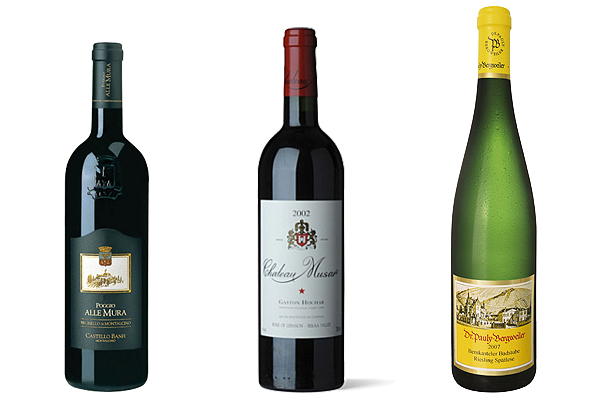
Castello Banfi Brunello Di Montalcino Poggio Alle Mura 1997 is bloody in so many ways; good, hell, yeah. “Like killing a stag and eating it” or ” like peeling a scab and eating it” is over heard. The elixir is pure silk, the fruit dark and divine. To be honest, this ’97 (nice coincidence) Brunello has entered a La Vita è bella window. All I can say to the now bite-less and bella Banfi is “Buono giorno Principessa!”  93

Château Musar 2002 (109413, $54.95) from the Bekaa Valley, a place more famous for air strikes than grapevines. The Bordeaux blend is here exceptional, prodigiously candied like Sonoma Pinot a la Merry Edwards, but with an added depth of ash and earth. A sponge of lush red fruit, “gargle material,” notes chef. Spends seven years in their cellars. In a peaceful world it would be called a shmita. Lebanon’s vinous muse.  91

FIRE POACHED FIGS, roasted chestnuts, ice cream

Dr. Pauly Bergweiler Bernkasteler Badstube Riesling Spätlese 2007 shows remarkable poise and lack of cloy. A cooperative of residual sweetness and acidity, still freshly ensconced in its primary stage of Riesling maturation. More perennial than petrol, more pear than paraffin.  92

Good to go!
Napa Valley Cabernet Sauvignon. Desert island wines?

Vertical Restaurant

Vertical Restaurant


http://blogs.canada.com/2012/05/02/napa-valley-cabernet-sauvignon-desert-island-wines/


Comparative 2008 Napa Cabernet Tasting

By Featured Writer Jascha Baraness

Vertical Restaurant, 100 King Street West, (416) 214-2252


The comparative/competitive tasting event was hosted by Merryvale winery of Napa Valley, California.  An assembly of 30 Sommeliers sat down to a blind tasting split into two flights. We were to rank our favoured wines from most to least.

The first blind flight consisted of five Napa Cabernet Sauvignons from the 2008 vintage, all from houses of great repute.

Before I continue, I’d like to mention that I started out by taking detailed tasting notes (sight, nose, taste, finish and overall impressions) but that after the 4th wine, I realized that the differences in the notes were so minute. It became abundantly clear that notes were going to be futile in helping me pick my favourites.

All the wines were very young, taught, with firm tannins and could certainly use another ten years in bottle.  I’d like to also let you know that my red wine preference tends to lean towards the old world. I look for high acidity, austerity and fruit as secondary, so, although I could appreciate the quality of the winemaking, I wouldn’t take any of them to a desert island.  This was an afternoon that tested even the most discerning of palates.

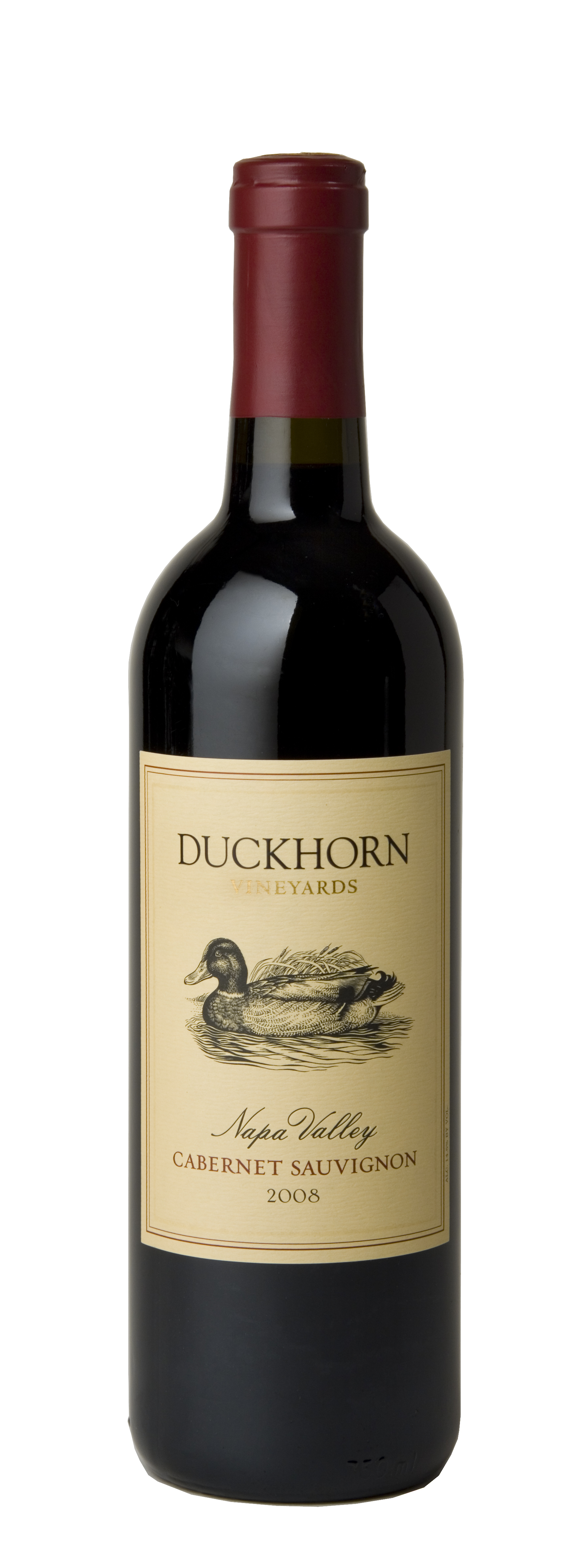
Duckhorn Napa Valley Cabernet Sauvignon 2008

Duckhorn
Napa Valley
Cabernet Sauvignon 2008


The wines of the first flight were: (listed in my order of most to least favourite – retail prices attached)

  1.    Duckhorn ($80)
  2.    Merryvale ($90)
  3.    Caymus ($80)
  4.    Cakebread ($99)
  5.    Joseph Phelps ($75)


 The second flight consisted of six prestige cuvées, all from great Napa houses.  Once the wines were revealed, I was pleased to find out that my palate had not let me down, and that the Napa prestige cuvées that I’ve always felt an affinity for, were the ones that came out on top of my list.

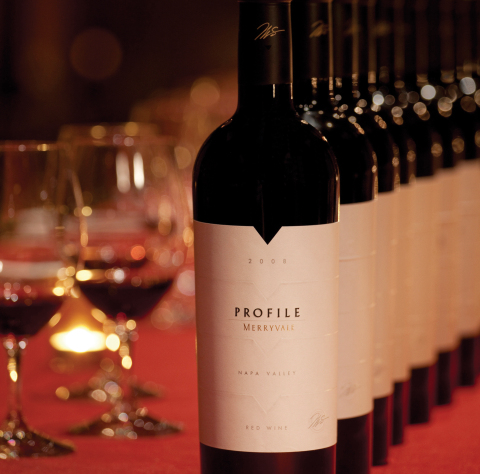
Merryvale Profile 2008 - Business Wire

Merryvale Profile 2008 - Business Wire


  1. Profile, Merryvale ($180)
  2. Dominus ($150)
  3. Insignia ($199)
  4. Quintessa ($120)
  5. Opus One ($365?!)
  6. Caymus Special Selection ($120)


It was an enlightening tasting that showed similarities, yet subtle differences in wine making techniques.  Like all great Napa wines, there were no issues with grape ripeness, however the challenge remains balancing fruit and acidity and the better examples were able to negotiate that tightrope seemingly with ease.

It was a purple-toothed farewell as I thanked the organizers and made my way home.


Thanks Jascha, good to go!


VINTAGES Classics, May 2012 – Six “values” under $69

 VINTAGES Classics May 2012 

April 30, 2012

VINTAGES 


http://blogs.canada.com/2012/04/30/vintages-classics-may-2012-six-values-under-69/?postpost=v2#content


The bi-annual fine wine catalogue is “free to those that can afford it, very expensive to those that can‘t.” Have been burning the midnight must, wondering from which discretion inspiration will come, trying to forge a splurge decision on a $100+ icon. A Bouchard or Dublere Corton Charlemagne Grand Cru? Champy Mazis-Chambertin GC? Beaucastel Hommage or CDP Blanc? Messorio, Clos Mogador, Quintarelli Alzero? What about the Vérité Le’s and La’s? Head shake as if oscillating, eye-level hung boxing punch bag. Have now come to my senses. Presenting a shortlist of six under $69.


Rex Hill Reserve Pinot Noir 2009 (275735, $39) quiet, honest and of a certified sustainable winery represents the best fruit from prized vineyard sources situated around Oregon’s Willamette Valley. It has been said and may be true that early on some vintages at Rex Hill were more promise than delivery. Notes on the 2009 swing the pendulum in this outfit’s favour, “…just a lot of depth and flavor for the money,” “…loquacious and slightly acidic, yet well behaved” and “…focused, satiny and elegant.” Released at $48 US, prices hovered around the $30 mark last summer and if you were to find it now, the average price nets over$40 US.

Rex Hill Reserve Pinot Noir 2009

Rex Hill Reserve Pinot Noir 2009


Paul Hobbs Pinot Noir Russian River Valley 2009 (119081, $45) gumshoes while the iconic Littorai and Sea Smoke divert attention. Comfortably comparative, unrestrictive $10-15 tag versus our neighbours to the south. Make no mistake, this is deeply hued, 14.4% ABV Sonoma Pinot. Resides in that not yet greedy, none too precious wheelhouse once inhabited by Kosta Browne. Matthew Jukes says the Hobbs RRV owns an “…innate understanding of the celestial Pinot form.” The Scores are RP (92) , WS (91)JR-ST (90) and CT’s (91).

Paul Hobbs Pinot Noir Russian River Valley 2009

Paul Hobbs Pinot Noir Russian River Valley 2009


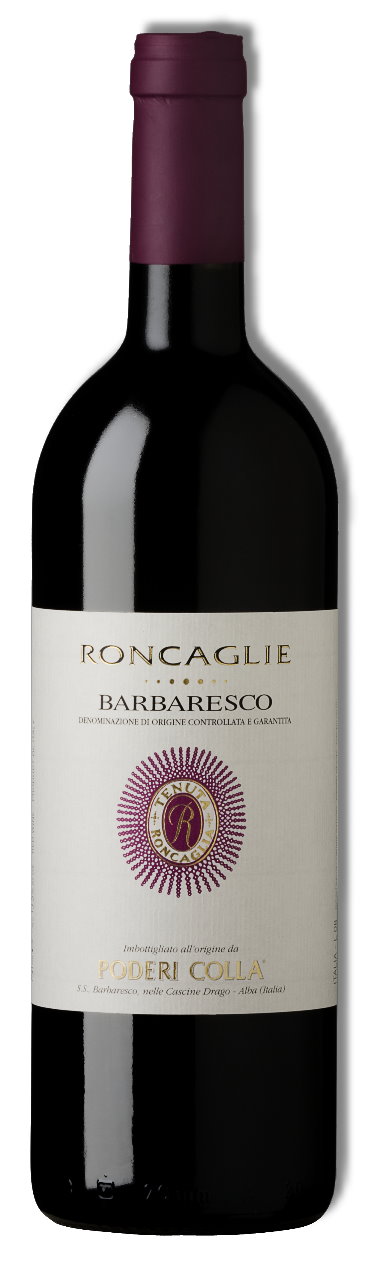
Poderi Colla Roncaglie Barbaresco 2007 (715763, $49) totes Cru vineyard status and reminds me that Barbareschi offer some of the greatest $50 value. A tangerine site the Roncaglie, “she is my queen,” producing a shimmering wine with Nebbiolo country flourish. Galloni (94+) is joined by Kyle Phillips (**)Michael Franz (93)  and Monica Larner (91) on the butter pat.

Colla Roncaglie Barb 2007

Colla Roncaglie Barb 2007


Von Strasser Cabernet Sauvignon Post Vineyard 2006 (261982, $65) will fill the “going to California with an aching in my heart” hole in my current wine voyage life. A hovering Zeppelin of 100% Cabernet Sauvignon replete with Left bank lead blown by Pacific winds over Diamond Mountain. Mr. Laube at WS (82) is the sole detracting critical voice so skim his dis off the bottom, along with the (96) hyperbole from W & S, from off the top. The middle ground notes black fruit, high, coarse tannins and a wooden depth of flavour. Priced and continuing to sell near the $75 US mark so a steal by VINTAGES, California standards. Here some more critical thought from WE (93), WN (92), RJ (91), Vinography (9-9.5) and the CT’s (91).

Von Strasser Cabernet Sauvignon Post Vineyard 2006

Von Strasser Cabernet Sauvignon Post Vineyard 2006


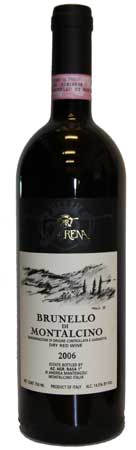
La Serena Brunello Di Montalcino 2006 (149583, $69) the highly clicked Sangiovese will clog the Classics queues. The (97) from Spectator guarantees a lottery effect. A child might ask, “what’s so special about this wine, what’s its magic?” If Brunello is your thing, you have to put in a ballot. Oh Serena, “when I come to lie in your arms, you should not treat me like a stranger.”

La Serena Brunello Di Montalcino 2006

La Serena Brunello Di Montalcino 2006


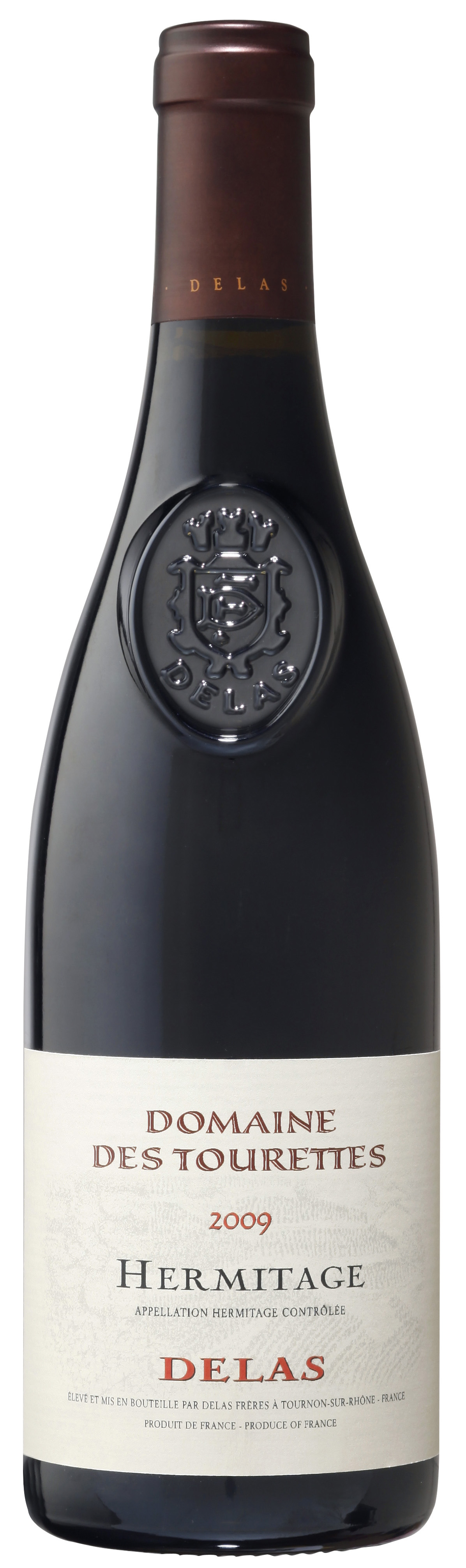
Delas Frères Domaine Des Tourettes Hermitage 2009(91652, $69) will be the singularly most requested wine of mortal value from this catalogue. Robert Parker rated it (98). Drop me a line if your ticket comes in.

Delas Frères Domaine Des Tourettes Hermitage 2009

Delas Frères Domaine Des Tourettes Hermitage 2009

Other Wines of Note:

LOUIS JADOT CHEVALIER-MONTRACHET LES DEMOISELLES GRAND CRU 2008 (261032, $399)

JOSEPH DROUHIN MONTRACHET MARQUIS DE LAGUICHE GRAND CRU 2007 (670323, $675)

DELAS FRÈRES LA LANDONNE CÔTE-RÔTIE 2009 (92197, $149)

DELAS FRÈRES LES BESSARDS HERMITAGE 2009 (92205, $149)

PAUL JABOULET AÎNÉ HERMITAGE LA CHAPELLE 2009 (973735, $255)

CHÂTEAU DE BEAUCASTEL HOMMAGE À JACQUES PERRIN CHÂTEAUNEUF-DU-PAPE 2009 (985622, $325)

DOMAINE DE LA JANASSE CHAUPIN CHÂTEAUNEUF-DU-PAPE 2009 (940379, $85)

CHÂTEAU DE BEAUCASTEL VIEILLES VIGNES CHÂTEAUNEUF-DU-PAPE BLANC 2009 (596098, $159)

PENFOLDS GRANGE 2006  (279695, $499)


Good to go!


Would Air Canada Serve These Wines?


March 19, 2012 

http://blogs.canada.com/2012/03/19/would-air-canada-serve-these-wines/

Union disputes, factory closures, protests, pilot book-offs, flight delays. Rachel Sa was grounded. Did Air Canada spoil your March break party? More importantly, if you did manage to fly on time, did they pour you stellar wines? Not likely. My March break concluded with a defrosting lake and a growing fort. Also with a little help from friends, family, food, sunshine and of course, fine wine.


Cline Zinfandel Live Oak Vineyard 2000 ($30) was the price I paid through VINTAGES Classics a decade ago. Intuition (and 15.5% alcohol) at the time suggested a lengthy cellar slumber. Good thinking. Heavens to murgatroyd! Ten years on the power of this Zin sets a land mine off in the mouth. Imbued of chewy caliginous thew, berries super concentrated still while tannin and acidity proliferate. Milk Chocolate character acts out the vineyard’s name. Fruit could last at least five more years.  91


Beni di Batasiolo Barola Vigneto Corda della Briccolina 1998 may not be a wine to blow my mind yet there remains enough ro, ro rosey to be the apple in my cherry pie. Faintly herbal, sweet as fiori d’arancio. Expertly evolved tone, sound down low and baked of a colour as if weathered bricks that fashioned the backyard oven.  91


Marchese Antinori Chianti Classico Riserva 2007 (512384, $29.95) posolutely states its case as spokesperson for modern CCR. User-friendly, ruber-rich tree fruit cup runneth over. Chroma of pigeon’s blood corundum. Molto crema; gelato, cassis and anglaise89


And the fort is really taking shape.


Good to go!