Less than 24 hours after touching down at Pearson following a trip to Germany for ProWein (plus excursions through the Rheinhessen and Ahr Valley) I find myself in comfortable surroundings. Knotting a tie with Niagara Falls tumbling as it is always wont to do while in other proximate places Niagara’s wine folks get cleaned up real good, all of us ready to gather for Cuvée 2017. A grand affair.
The 29th annual Cuvée was indeed held last Friday, March 24 with the Grand Tasting at the Scotiabank Convention Centre in Niagara Falls. Organized by Brock University’s Cool Climate Oenology and Viticulture Institute (CCOVI), Cuvée presents an essential cross-section of Ontario VQA wines while also raising thousands of dollars to fund academic scholarships and research. A count of 750 guests were in attendance along with 48 participating local VQA wineries and celebrated regional chefs.
Chef Justin Lesso, Kitchen 76 at Two Sisters Winery, Roasted eggplant and zucchini caponata with sultanas, whipped ricotta, toasted pine nuts and sweet balsamic on crostini
Congratulations to the Cuvée award winners for 2017
Cuvée Vineyard of Excellence Award: Grower Gerald Klose, Niagara-on-the-Lake.
Tony Aspler Cuvée Award of Excellence: Wine journalist Ian D’Agata.
VQA Promoters Award for Lifetime Achievement: Toronto restaurateur Roberto Martella, Grano.
VQA Promoters Award for Education: Barb Tatarnic, Brock University.
VQA Promoters Award in the LCBO: Melissa McFadden, Owen Sound.
VQA Promoters Award for Hospitality: Sommelier Mike Fish, Glassroots Restaurant in London.
VQA Promoters Award in Retail: Brian Hanna, sommelier at Huff Estates Winery in Prince Edward County.
VQA Promoters Award for Media: Angela Aiello, iYellowWineclub.
The Cuvée Scholarship winners are:
Cuvée Hosting Award for Academic Excellence: Jacob Johnsson-Werner
Cuvée Award for Academic Excellence: Stephanie Van Dyk
Cuvée Award for Academic Excellence in OEVC: Hannah Lee
Cuvée Graduate Scholarship: Jennifer Kelly
Scotiabank Centre chefs
New signage showed the way to 47 winery participants divided into a six-pack of of design, “hazardingalloneschances,” to seek and to find. Luckily I found my way, with ease, to divide, conquer and taste many wines.
I’ve reviewed 13 from the Cuvée Grand Tasting. Here are the notes.
Megalomaniac Chardonnay My Way 2015, VQA Niagara Peninsula, Ontario (Winery, $24.95, WineAlign)
A new order for chardonnay begins at Megalomaniac with winemaker Sébastien Jacquey now doing things his way. Lyrically speaking, a once buttery and brain freeze style of Megalomaniac chardonnay is now made My Way. The song reference is via Paul Anka (also interpreted through Frank Sinatra and Sid Vicious) but here turning with learned impression into Jacquey’s way. The bite into crunchy green apple and tart russet sting is more than cool, it’s downright intense. The pulsating, ebullient pop burst is techno chardonnay at its finest, melodic and built on sonic texture. My Way reminds more of Temptation, “heaven, a gateway, a hope, just like a feeling inside, it’s no joke.” There is great ripeness from warm St. David’s Bench fruit a bit less mineral so conversely eased away from oak. Also easy on the stirring of lees, to keep the purity, clarity and as Séb notes “we are always trying to listen to nature.” Drink 2017-2020. Tasted March 2017 @MegalomaniacJHC
Tripping the #sauvignonblanc light fantastic @StratusWines @CreeksideWine “come and trip it as ye go / On the light fantastic toe.” #imaginative #cuvèe #cuvee2017 #skippedthelightfandango #whitershadeofpale #buthecrowdcalledoutformore
Four months is an eternity in sauvignon blanc development and what was is not any more. Here again, “Ooo there I stand neath the Marquee Moon, hesitating.” Now some of the finest and most intelligently rendered spice you are ever likely to get from a bite anywhere in the SB diaspora is tasted. Effectively intense as it was not last fall, Creekside’s 50 per cent wood-aged ’13’s “life in the hive puckered up my night.” The risk is now rewarded. Last tasted at Cuvée with Yvonne Irving, March 2017 @CreeksideWine@CellarMonkey@PetiteOenophile@AMH_hobbsandco
Of more worthy extraction and calculated tropical aromatics, the Reserve rendition of Creekside’s backyard vineyard play is deeply juicy and spiked with natural tonic. This wine makes full use of the slow, let it hang 2013 vintage and its dry, cloud covered temper. There are herbs and lime juice stirred into the cocktail and flavour does not pass by at a fleeting premium. This has richness and tangy appeal. The wish would be for more acidity but isn’t that always the case? Drink 2016-2019. Tasted November 2016
Stratus Sauvignon Blanc 2014, Niagara On The Lake, Ontario (Winery, $29.00, WineAlign)
Welcome to new adventures in hifi, J-L Groux-Stratus Vineyards-sauvignon blanc style. “Here it comes (and) I’m carried away” by the utter freshness and positively optimistic nature of the grape and its potential off of Niagara-on-the-Lake vineyards. Groux employed two Sancerre clones, 317 and 530, the former antiKiwithetical and the second more Loire obvious. Picked early straight out of REM sleep (for Stratus) though always loyal to aromatics, the crisp green apple bite is striking in a cool-climate designated white void of chive, grapefruit and green veg. The fitness, finesse and fineness really show on the palate, direct, fresh and very long. Speaks to the organoleptic language of taste. Could have very well been dubbed The Departure. Drink 2017-2020. Tasted at Cuvée, March 2017 @StratusWines
Fielding takes flight into traditional method, blush sparkling territory with this decidedly off-dry, fruit-driven, round and drinkable Rosé. Primarily 2013 based from pinot noir (84 per cent) and chardonnay (16) that spent up to 24 months on the lees. It’s habitual strawberry evidence and faint black cherry subtlety meet at the interstices of (13 g/L) of residual sugar, inviting and jacketing acidity. This is rose spectral, chaste stylish fizz to initiate Fielding’s investigation that will only become more and more complex. You’ll have to make a trip to Fielding if you want one, that or a reservation at Treadwell or Backhouse. All good options. Drink 2017-2020. Tasted at Cuvée, March 2017 @FieldingWinery@RichieWine@Heidi_Fielding
Nine months later and without the blind tasting arrangement it is Adamo’s chardonnay that once again directs the discourse. This second vintage and first solo record from B.C. native and winemaker Shauna White is a risk-taking, tart, fruit major, reductive minor virtuoso effort. It’s fresh, crisp, crunchy, pure, cooled down, off and out chardonnay. It’s also a classic Wismer-Foxtrot rendering interpreted with troubadour-diva talent. Chardonnay to “bring you apples from the vine,” so “run the bath and pour the wine.” Makes me anything but down. Last tasted at Cuvée 2017, March 2017 @AdamoEstateWine
Really effective actuality, from barrel for couverture and bite, through texture by lees and with inhalant because of the mineral play. This has it all going on. The middle palate is so beautifully filled in, the spice and smokiness just a mild, intoxicating smoulder. Lovely stuff and terrific length. Drink 2016-2021. Tasted blind at #NWAC16, June 2016
Thirty Bench Vineyards Small Lot Riesling Steel Post Vineyard 2014, VQA Beamsville Bench, Ontario (Winery, $30.00, WineAlign)
The pattern forming from riesling in 2014 out of Niagara is coming into clear, linear focus and with great hyperbole from this single-vineyard Thirty Bench. True to its vineyard nature nomenclature Steelpost is apropos of steel pulse beats and smoky to flinty intensity. It has been many vintages since this type of Steelpost showing and methinks it the kind of wine so misunderstood in its youth. Riesling that cuts like a knife, right through fruit and gets right to the mineral heart of the matter. It’s like walking on a tightrope, “just, just take a look and see, yeah. I’d wait two years before digging a little deeper. A future of flesh and bone awaits. Drink 2019-2025. Tasted at Cuvée, March 2017
Adamo’s second vintage takes a small but important step forward with reasons threefold by way of explanation. The first is fruit one year older, still a toddler relatively speaking but beginning to express itself with opinion and determination. Second is the baton and torch transfer from PEC set up man Jonas Newman to incumbent winemaker Shauna White. Third is simply Howard and Wes Lowrey’s Vineyard. This hallowed ground for Adamo is an allotted St. David’s Bench section as a gift with one stipulation. Don’t mess it up. With abide to terroir and essential tenets followed, this ’14 drinks as it should, rich, unctuous and tenuously structured. The spice is quite up front, dancing cheek to cheek with the precocious fruit. The continuance moves through a central vortex and into the back halls, carrying noticeable tannin down its dry and savoury descent. Might want to wait one more year. How is it this vineyard is able to speak regardless the maker? Only the one who knows his or her rows can answer the question. Drink 2018-2021. Tasted at Cuvée, March 2017 @AdamoEstateWine
2027 Cellars Pinot Noir Queenston Road Vineyard 2013, VQA St. David’s Bench, Ontario (421370, Was $35.00, Now $28.25, WineAlign)
This is one of those wines you need to revisit. The 70 per cent whole berry and 18 months in wood give it this posit tug between carbonic restlessness and organza texture. The flavours are now developing out of the tobacco road nose, into flanked borscht boullion distilled, like aqua vitae with cinnamon, Szechuan pepper and cardamom spice. Tasted at Cuvée, March 2017 @2027cellars@TheVine_RobGroh
Bright, high-toned Pinot Noir with rambling warm, St. David’s Bench red fruit aromas, out of the raspberry patch (thorns and thistles in) and off of the ripening pomegranate tree. Some rusticity and quarried character refracts within a mild tannic frame. Very floral and high on acidity. Blissfully and blessedly not over pressed and in fact rather well made. Yet another success employed by winemaker Kevin Panagapka with stylistic firm talon grip from out of the Queenston Road Vineyard. Drink 2016-2020. Tasted February 2016 and March 2017
With fruit from the Niagara chardonnay mecca Oliveira Vineyard and the addendum of yet another stellar varietal vintage it is this Craig McDonald speciality that helps to steal the show. Striking out with near-raging acidity (pushing and possibly exceeding the 8 g/L mark) the Wild Ferment is one of the most formidable expressions of 2014, if not ever. All the moving parts work fervently and impressively as if the motor is running and the machine careening around the speedway. To keep composure it is texture that brings about grounding, balance and cadence, from obvious lees perfection and 30 per cent new wood plus the rest forged by two to five year old barrels. This is creamy, energetic and tannic chardonnay, all conspiring to express itself with both weight and poise. From a maker who’s been around the block a few times, the ’14 WF will go the distance. And you can start now. Drink 2017-2024. Tasted at Cuvée, March 2017 @TriusWines@PellerVQA
Ravine Vineyard Cabernet Sauvignon 2015, VQA Niagara On The Lake, Ontario (Winery, $35.00, WineAlign)
The designation is NOTL and the fruit is a fifty-fifty draw from Niagara River along with less sandy estate soils. The fruit came is nicely warm, in the geek-noted 22.5-23.5 brix level, now double fast-forwarded to the spring of 2017 after its initial nine months in barrel. The frame is classic cabernet sauvignon, no matter the origin, housing and because of beautiful peninsula fruit. Twenty-five percent of the wood is texture giving and spice lifting atop blueberry, blackberry and Cassis. This is ripe but in retention of its acids with the creamy vanilla anglaise consistency only really felt at the finish. Only then. Tidy little $35 red from Marty Werner and Ben Minaker. Drink 2019-2024. Tasted at Cuvée, March 2017 @RavineVineyard@marty_werner@BMinaker23
Insieme is built around and upon a foundation of high quality vintage conditioned merlot (36 per cent) with (31) cabernet sauvignon, (19) cabernet franc and (14) syrah. The fruit is subjected to 100 per cent appassimento processing, turning smooth, ambient, atmospheric, “e petto a petto, noi respiriamo insieme.” This is Niagara’s cinema paradiso red blend, composed with Morricone classicism in ode to Amarone. Two years in second pass cigar barrels brings the smoke and the smoulder, syrah adds a peppery jolt and dusty merlot turns into raspberry purée because the appassimento makes it that way. With sugar and acidity equally running high there is a knowing balance in 2013, a silken palate and the structure to see it age. If nothing else, even at 15 per cent alcohol it achieves one thing. “Solamente amore.” Drink 2018-2022. Tasted at Cuvée, March 2017 @ColaneriWinery
Tripping the #sauvignonblanc light fantastic @StratusWines @CreeksideWine “come and trip it as ye go / On the light fantastic toe.” #imaginative #cuvèe #cuvee2017 #skippedthelightfandango #whitershadeofpale #buthecrowdcalledoutformore
Chef Andrew McLeod, Bolete Restaurant, Pork hock terrine with Jerusalem artichoke relish and black garlic
Two pinot noir worlds collide in the Réserve du Domaine, one from Jordan and the other Beamsville, with fruit forged and fused via Neudorf Farm’s Le Petit and Mountainview Vineyard. The collaboration is never lost on the Thomas Bachelder-Kelly Mason winemaking cooperation. Le Petit firms up the plummy rich unctuousness of Mountainview like any good spouse should and the match is unpredictable, at times inflammatory but in the end, made in heaven. Whole berries do their carbonic foreplay thing, infusing energy and keeping things light with assistance from a vintage in echo of the sentiment. This is more flavourful and quite possibly, potentially more structured than 2013 though it may also compromise some classicism for ultra modernity. It’s too young frankly to make such bold statements so let’s just call it a draw. Drink 2018-2024. Tasted at Cuvée, March 2017 @QueylusVin@Bachelder_wines
Trius Showcase Cabernet Franc Red Shale Clark Farm Vineyard 2014, VQA Lincoln Lakeshore, Ontario (Winery, $45.20, WineAlign)
Showcase is from the wealthiest of cabernet franc Niagara fruit aboard the Clark Farm rows and placed in the hands of Trius for full effect. The Red Shale is housed in 30-35 per cent new oak, travels fully and completely through malolactic fermentation and lots of lees are kept, stirred, shaken and promoted with extreme prejudice. This is rich and beautifully reductive, a smoky batter enriched by 18 months in selected, set aside for a rainy cabernet franc day barrels. Something exotic this way wafts as it always does, with green herbal phenols and sweet spice island Syzygium aromaticum. In the end its incredibly long despite its rebel youth so know that it will be a finer Niagara cabernet franc with time tucked in pocket. Another notch etched in Clark Farm lore. Drink 2019-2022. Tasted at Cuvée, March 2017 @TriusWines@PellerVQA
Executive Chef James Price, Scotiabank Convention Centre, Lady Agnes’s roast duck saves the nation. Sloe berry and lavender brined duck, cellared vegetables, watercress and parsnip
The Ontario wine industry is the best kept secret in the world. That much I’ve said before and this. “Ontario winemakers have figured it out. The “world-class” comparative humanities of aging and longevity aside, the comprehensive and widespread phenomenon of excellence, regardless of vintage, is now an Ontario reality.”
Though it’s not always obvious at what time of year the event will happen, the annual get to know Ontario wines gathering’s 2017 parlay affectionately known as Taste Ontario Toronto was held a week ago today, on Monday, March. 6, 2017 at the Royal Ontario Museum. The number of Ontario vintners who have participated in Taste Ontario over the past five years seems as random as it is consistent. We’ve seen as few as 30, as many as 55 and 42 participants in 2017. I’ve been tracking varietal representation and this year considered a cease and desist order for placing a trending finger on the pulse of any given grape.
Chardonnay rules, plain and simple and call it risk aversion if you must but why should Ontario shy away from developing the coolest climate designation on the planet? Chardonnay works and if you’ve spent any quality immersion time in Chablis you’ll drop the fight and join the team. Gamay remains an important and viable alternative to big bad reds but please, enough with trying to dress this sheep in wolf’s clothing. Cabernet Franc is getting better all the time. With thanks to venn diagram circles drawn in and out of the Lincoln Lakeshore but also magically deep into the Prince Edward County limestone, the great Ontario hope is developing into what we thought it might be. Getable and structured red wine.
I don’t always taste Ontario but when I do I like to do it with Mike Di Caro. Mike grounds me and tasting by his side helps to keep my pulse at a healthy, wine tasting athletic rate of 40 – 60 beats per minute. Mike knows Ontario wine and never gets too high or too low. Tasting with him as Michael to his Mike I get to hang out inside the kind of discourse that delves into the ground, the makers and the market. Mike knows.
With so many other opportunities to taste Ontario wines throughout the year, last week’s staging afforded the chance to re-taste a great number. These new assessments are so important to understanding and gaining new perspective on not just how our wines age but also how they are affected by early reductive environment shock and their ability to change (for the better) after a mere six to 12 months in bottle. The first snapshots are not always the clearest. Taste Ontario also brings new wineries to the table. It’s now my job to pay them visits. Here are 50 ways to Taste Ontario.
Sparkling
Flat Rock Cellars Riddled Traditional Method Sparkling 2010, Twenty Mile Bench, Ontario (383315, $29.95, WineAlign)
Time makes a difference so here the extended lees age (six months further, to 60) takes Riddled to another level. Considering the cost and attention to time, in the broad realm of traditional method sparkling wine there are some that are given away. Riddled. A whole lot of biscuit warmth, sody saleratus, gingersnap, tart Ida Red apple, breadth and a smile-inducing creamy palate. There is more wisdom and calm from 2010 so do not come around demanding tension and over-exciteability. Think Grower’s Champagne with Ontario heart and soul, dedication and purpose. The extended arm of Madronich-Johnston love is here, this year. It won’t get much better than this. Great length. Drink 2016-2025. Tasted October 2016 and March 2017 @Winemakersboots@UnfilteredEd@brightlighter1@wine_gems
The Grange Of Prince Edward Vineyards & Estate Winery Traditional Method Brut Rosé 2012, VQA Prince Edward County, Ontario (Winery, $35.00, WineAlign)
Caroline and Maggie Granger have reset the compass and brought to market this original sparkling wine with a whimsical outré bounce in its step. It was a fortifying and henna-russet collecting 40 months time spent on the lees that to me has magnified and clarified the varietal expression. This is so pinot noir it gazes at itself in a mirror and vaporizes a telluric perfume replete with strawberry, dried cherry, peach and almond. Estate fruit shed of such lithe and delicate, near zero dosage animation tempts fate, digs into danger and elicits a nervy period of risk-reward. Reflection time is now and the oxidative Grange Brut Rosé walks a fine volatile edge and succeeds. Few sparkling wines can go gossamer this way and survive but like the finest spun web by a leggy creature cunning and wise, strength comes out of the most delicate weave. Science can be pretty cool. There were 150 cases made. Drink 2017-2021. Tasted March 2017 @grangewinery
Riesling
Château Des Charmes Riesling Old Vines, Estate Bottled 2014, Niagara On The Lake, Ontario (277228, $17.95, WineAlign)
The language in ’14 is cordial and effete, with ripe sweetness trumping the pulse of energy. The old vines deliver distinct impression, compression and phenolic bitterness. There is no mistaking this distinct wine and in the vintage its clarity is only eclipsed by its easy drinking compatibility. Enjoy early. Drink 2017-2019. Tasted March 2017 @MBosc
Virtual winery producer Kevin Panagapka continues his obsession with single-vineyard wines with this riesling grown just above and south of the brow of the Niagara Escarpment. Clay loam till soils with silt and shale face south along the long, one km wide, hummocky ridge and as per the vintage, a bit of simplicity is narrowed from good biodiversity. It all works towards simple pleasure, with sun-warmed fruit; pears, apples and such. Falls Vineyard grants top notch acidity and a bit of lime bitters for what is always a solid Vinemount Ridge expression. Drink 2017-2020. Tasted March 2017 @2027cellars
Smells like Bench riesling spirit. The energy comes from the über vineyard’s way of emission, gasseous and vital, linear, introspective and direct. This may just be the most aridity and brine ever teased from a Mima’s riesling, acidity coveting sugar notwithstanding, startling from beginning to end, with spirited shots of lime. Underrated and honest, the consistency of this riesling is possessive of great triggers and so beautifully defines the mineral Bench. Early suffocations blow off with ease and in the denoument there are crunchy stones, forever and always something to like. Mima’s never really needed an abundance of sugar for balance and kudos to that. Drink 2017-2022. Tasted March 2017 @Rosewoodwine
In a word, balance. Well two, balance and brilliance. CSV in 2015 takes the reigns from itself and stands firm. The fruit is in charge, the mineral a support system unparalleled and the minor celebratory sweetness a mere afterthought when it comes to rounding out the complexity. CSV is pretty darn back in ancient dolomite time travel and escarpments high great in 2015, uplifting, serious but yet not so. The numbers trip the light fantastic, fooling like gold and bones dry are seemingly preserved in karst but impossibly not. The sensoria apprised reel from the finest acidity it can possibly carry in its veritable truth. Deep lemon intent and a new wax vernacular speak the clarity of a wine that listens to its own expert advice. Might as well have made itself. CSV 2015 is one of the finest rieslings ever made from Ontario grapes. Drink 2019-2031. Tasted March 2017 @CaveSpring@TheVine_RobGroh
It would be hard not to make a most drinkable and full-fleshy chardonnay from the stellar vintage, especially with the omnipresent cool tempering from Beamsville bench fruit. Redstone does not disappoint though at first it may seem both reluctant and extremely taut. The flavours stretch out more than the aromatics which are flinty, woody and tart. They will relent and meld into the palate with some further bottle time. This is classic for the house braintrust and reminiscent of sketches drawn in some earlier vintages, like 2009. Drink 2017-2020. Tasted September 2016 and March 2017 @RedstoneWines
Henry Of Pelham Family Estate Winery Chardonnay Estate 2015, VQA Short Hills Bench, Niagara Peninsula, Ontario (268342, $19.95, WineAlign)
Perhaps by virtue of the language spoken by the 2015 vintage this chardonnay is hard to crack and touched with a minor, vitality-preserving note of reduction. It will yield to swirl and air, opening up many floral blossoms, notably apple and peach. Intensity is consistent for the Short Hills Blench vineyards stalwart, both for its locked in freshness and aromatic heavy breathing with thanks to dense clay soils and their “tossed up limestone.” Think cool-climate chardonnay with added layers of compression, fervent soil tang and as of yet unresolved (one-third) new French and North Ameriacn oak. Two to three years in process from two to three bottles per vine naturally translates and extrapolates to needing two or three more years in bottle to make it all come swimmingly integrated together. Drink 2019-2023. Tasted February and March 2017 @HenryofPelham@SpeckBros
Meldville Chardonnay First Edition 2015, VQA Lincoln Lakeshore, Ontario (Winery, $20.20, WineAlign)
Foremost a Derek Barnett perfume, rational from a generous barrel and irrational from the ripest fruit at a twain where each meet, both matter and neither dominate. Classic Barnett chardonnay viscosity, deep tang and the sweetest of dry extract. If this isn’t the most ambitious effort early in a re-invented career it would be hard to say what is but wisdom and experience count for more than a bottom dollar. Real length in real time will develop the vanilla, honey and liqueur well into this chardonnay’s tithe year. If singular isn’t the current descriptor now, it surely will be then. A new stylistic benchmark for Lincoln Lakeshore is born. Drink 2017-2023. Tasted March 2017 @meldvillewines
The vintage offered up a whole set of challenges, especially for chardonnay on the Lincoln Lakeshore. Right off the aromatic bat I sense a little extra wood on the nose but low-yielding, ripe and healthy fruit can handle that sort of vintage-related truth. The coolness of a preceeding winter’s anti-glaze is contravened by the barrel up front and personal on the nose. The palate is all about cool-climate relegation, resignation and the overall picture is painted in balance; advance, recede, attack and retreat. Finishes with love interest, commercial appeal. Pretty complex chardonnay. Drink 2017-2020. Tasted October 2016 and March 2017 @FieldingWinery@RichieWine@Heidi_Fielding
Mineralité is clearly nose-marked and cleverly marketed to celebrate rocks and soil, not barrel. The fruit seems plucked straight from the apple tree, crisp, tart and crunchy. Everything about this exacting Thomas Bachelder chardonnay screams foil to most else, from his wide reaching chardonnay domain and from the rest of the province. Other mettalurgical label referenced chardonnays still reek of oak and are too shy to distance themselves from the heart of the rocky matter. Thomas is serious about the moniker and goes at it with great intent. The vintage nearly, fully completely complies. Drink 2017-2021. Tasted March 2017 @Bachelder_wines@LiffordON
The fruit for Ann Sperling’s chardonnay Triomphe ’15 is sourced primarily from Saunders (Beamsville Bench) with auxiliary support out of Heather Laundry’s old vine Lincoln Lakeshore vineyard. There are older, non-clonal blocks with perhaps some Musqué mixed in so the aromatics fly, with no restraint applied by the wild ferment and (mostly 300L) neutral oak. This Triomphe is anything but reductive, a no stress chardonnay from such a far from sluggish, clean ferment. The simplicity and complicity explain how beauty is curated, from a vintage where reduction did not happen or beg to happen so why try to force it. The copacetic re-quiescence bears witness to classic Ann Sperling in such a vintage. Chardonnay of mellow smoulder, of old barrel spice and one to define a certain kind on a line of disparate and unique, cool climate, i4c selections. There are 800 cases made. Drink 2017-2020. Tasted January and March 2017 @SouthbrookWine@AnnSperling@PaulDeCampo@thesirengroup
@wismervineyards royalty, Craig, Thomas @Bachelder_wines & @normhardie (and delegate Peter @BouchardFinlayson ) talking north and south #vinelandbench
The ability of Craig Wismer’s Foxcroft Block to gift fruit, regardless it seems of vintage, is one of Niagara’s great stories. Even more special is how it allows each producer to own it and create value from differentiation. Kevin Panagapka works a decidedly reductive room with bees-waxy fruit from 2014 and of a wood creativity that deals more in spice than anything else. I really think this takes more risk than other Foxcroft efforts and they are numerous. The reward here is in the pudding, literally, in proofed fruit set up for unbreakable structure. The Sonoma glade and fog rings true in Bench-driven chardonnay speak while wood only creates a leesy stir. A very good vintage, as good as the previous two I would say and creates even more buzz for what will come next. Drink 2017-2021. Tasted March 2017 @2027cellars
If classic Queenston Road Vineyard might be explained in one drop, try using the Creekside ’14 to do so. Riper than most Niagara fruit and easy as Sunday morning barrel influence come together for everything to gain. Here the chardonnay equivalent of reading a good book falls into lunch, followed by a mid-afternoon slumber. Mild notes of caramel and sandlawood come through on the lightly buttered rye toast palate. The only thing missing is a good slice of bacon. Drink 2017-2019. Tasted March 2017 @CreeksideWine
The vintage brings an excess of riches and richesse to the Queylus chardonnay entry point, a place you would be wise to begin your foray into high-level, carefully crafted, cool-climate wine. This 2014 offers up its tour-guide expertise as a representational bridge into what Thomas Bachelder, Kelly Mason, the Queylus team and lake-proximate, lower Bench chardonnay is all about. The vintage takes an ambitious departure for the house and yet it carries enough (short history of) tradition in its DNA to resemble past issues of itself. Such a balanced wine for you here, of ripe and tart fruit, elasticity, stretch, rebound and finally, great length. Drink 2017-2020. Tasted January and March 2017 @QueylusVin@Dandurandwines
13th Street Chardonnay Sandstone Vineyard Reserve 2013, VQA Four Mile Creek, Niagara Peninsula, Ontario (Winery, $29.95, WineAlign)
No surprise the vintage is a major plus for the Sandstone and the natural funk it owns. And I mean owns. Only Sandstone has such geological drive, not unlike chardonnay from South Africa’s Hemel-En-Aarde Valley. In 2013 there is a sweetness to the fruit mixed with a misty humidity and finally that falling over backwards with feet stuck in the clay and the calcaire. Wildness from J. P. Colas here and with attentiveness to place and time. Drink 2016-2021. Tasted at #i4c16, July 2016 @13thStreetWines
Adamo Estate Chardonnay Oaked Willms Vineyard 2014, Niagara On The Lake, Ontario (Winery, $31.00, WineAlign)
Adamo sources from the same vineyard that provides fruit for 13th Street’s Sandstone Reserve in the Four Mile Creek sub-appellation of Niagara-on-the-Lake. Planted in 1983, it is owned and farmed by Erv, Esther and Eric Willms. In its early stages the fruit acted and reacted as a lean, taut and tension fuelled chardonnay with party a sign of letting up. Eight months later the juicy flesh of orchard fruit pushes past the vintage’s grip and lets tis wine breath a sigh of relief. Chalk one up to yet another cool-climate, calcareous clay stuck moment in time. Drink 2017-2019. Tasted twice, at #i4c16, July 2016 and Taste Ontario, March 2017 @AdamoEstateWine
I don’t mean to skip forward and get ahead of Westcott’s aromatic propriety but knowing how a winemaker likes to celebrate texture and flavour sends me direct to a sip. That first taste reveals the sumptuousness of 2015 Vinemount Ridge fruit, ripe, savoury and fleshy peach-organized. Accomplishment number one for Arthur Harder and crew. An aromatic retrospective notices tradition and cool-climate reserve, as the name would suggest and then a full-on conversion moving forward, back to the present and into the variegated luxe of flavour gifted to mouthfeel. I love how this wine lingers with an almost analgesic sensation on the gums and up the sides of the mouth. If at moments it may seem too warm or right of balancing centre it is only because it has the gumption to test and heighten the senses. If any Peninsula chardonnay were a drug that could lead to addiction, Westcott’s ’15 is the one. Drink 2018-2023. Tasted March 2017 @WestcottWines
The aromatic hard to get personality is intriguing, not because of absence but due to a gentle wisdom and beautiful demure lurking behind the veil. I get the extract and the mineral quality inherent but need more. The palate gives more and more, especially a calcareous sensation and the lean qualities throughout are neither deficient nor bothersome. This is ambitiously market-introduced chardonnay created without getting ahead of itself and though the best the fruit has to offer is not quite coaxed, nothing has been added to distract or suppress what orchard fruit is there. Great appreciation is afforded the winemaker for keeping it simple, unadulterated and real. Drink 2017-2010. Tasted March 2017 @FoolAnd60Acres
Closson Chase South Clos Chardonnay 2014, VQA Prince Edward County, Ontario (Winery, $39.95, WineAlign)
Sometimes time matters. A year later the South Clos in 2014 has separated itself as the true Closson star, away from the CCV in ways it did not do in 2013, or before. The range of motion, aromas and flavours are dramatic and in beautiful flux, beginning with top notch orchard and stone fruit. The southern hill’s intense stony quality infiltrates before this opens up to reveal flavours as broad as the varietal spectrum will alow. If fruit slightly dehydrated, leather chewy and mille-feuille layered with fine, limestone wire interlocking are something of great appeal then chew on this South Clos for the next seven years. The texture and the length are wholly encouraging of the exercise. The score must change and the window be expanded. Drink 2018-2025. Last tasted March 2017 @ClossonChase
The 2014 CCV South Clos Chardonnay is imbued with less tension, more elegance and fully-aclimatized cool-climate bent. It’s a linear, calm and directed soul raised from Prince Edward County soil royalty. The vintage offers up low-crop, scrupulously cropped stable if unexceptional fruit. This from a portion of the vineyard with the ability to plateau what can otherwise get season’s growth-mired in the proverbial middle of the road. Though not so tart, nor tense neither, there is a sense of tannic zest. Cool and precise, this represents concrete work from incumbent winemaker Keith Tyers. Drink 2016-2021. Tasted February 2016
The man, the chardonnay @normhardie #princeedwardcounty ’14 #vqa #winecountryontario As sure as fire will burn There’s one thing you will learn Is things you have cherished Are things
Norman Hardie County Chardonnay Unfiltered 2014, VQA Prince Edward County, Ontario (Winery, $45.20, WineAlign)
So much locked in tight obscures the coaxing of a distinct and clear impression of Norman Hardie’s ’14 County chardonnay so I search for a reference point. There is danger in drawing comparisons between two single-vineyards and even more so Niagara to Prince Edward County, but I have to go there. Norman Hardie’s 2014 Niagara chardonnay is the rich and reductive, bullet-proof one. His extreme, hard as nails ’14 PEC counterpart may be the most mineral-focused ever produced off of County soils. The ferment spent 10 months in barrel plus 10 more in stainless steel and never fully completed malolactic. Chablis never had it so good. I can’t ever before recall this flirtatious and furtive combination conjoined by preserved lemon and ginger but also the smell of the apple orchard grinding through metal gears in the cider press. The magnitude of this ’14 chardonnay is felt even before the flavours begin their reveal because the layers of texture and tang are nothing short of remarkable. Hardie has gone for structure broke from this vintage reeling with impression, soliciting oyster, lobster and grand gustatory associations. There is so much going on, eliciting a response that imagines a change in direction and at least an unconscious metaphrasing of terroir. With this formidable chardonnay the idea of better or worse for Niagara versus PEC is finally laid to rest. Vintage rules. Drink 2018-2023. Tasted March 2017 @normhardie
Always Ontario’s outlier, eccentric and non-conformist chardonnay and I say this with complimentary, best of intention flattery. The 2013 vintage is simply chivalrous to chardonnay and in Poetica’s corner, a perfect calm case of preux meets elegante. Here is a chardonnay of inherent oxidative wisdom, from cloud cover, cool, long breaths of Niagara air well into the elongated autumn and the address for what I refer to as “the age apparent one.” The iconoclast Poetica ideal conforms because it is matched with equal breadth by richness of fruit and confirms the way Ann Sperling makes her signature wine. Tasted blind my first guess would put this at five years old because of the exuding warmth so 2010 might just be the order. A 2012 Bench chardonnay might have also been the answer. But with Poetica the promise is like Meursault with uptown fruit, honey, vanilla, caramel, a Niagara vapour and ethanol. Such a telling display that only Poetica can play. Drink 2016-2024. Tasted October 2016, January and March 2017 @SouthbrookWine@AnnSperling@PaulDeCampo@thesirengroup
With a string of no less than five well-executed and received pinot gris vintages tucked comfortably like brass in pocket, Malivoire’s pinot gris 2015 goes one step deeper. No pretender or pretension but yes with compression in ’15, noting melon and lime, white stone fruit, not dense but layered. More Alsace than before and poured blind would always and only be pinot gris. In the hands of Shiaz Mottiar the ’15 knows and says it. “Intention, I feel inventive. Gonna make you, make you, make you notice.” Drink 2017-2020. Tasted January and March 2017 @MalivoireWine@ShirazMottiar@GroupeSoleilTO
Meldville Sauvignon Blanc First Edition 2015, VQA Lincoln Lakeshore, Ontario (Winery, $20.20, WineAlign)
Not so much an aromatic sucess for sauvignon blanc though some faux botrytis in the guise of white peach and even mango is nosed. It is the palate that defines Derek Barnett’s First Edition and offers up description. Quite creamy in texture, tangy again from mango and then sharp and linear with the type of acidity that folds over itself to increase the notion and the effect that leesy textures creates. This lingers on the palate like a tropical pastille and sapidity is very real. It’s classic antithetical Niagara Peninsula sauvignon blanc and could not be confused with Marlborough, Elgin, Sancerre or any other varietal play in the great diaspora. Derek Barnett takes less risk here (as compared to his chardonnay) but at the same time perpetuates the marked differences in expression of NP sauvignon blanc. Drink 2017-2020. Tasted March 2017 @meldvillewines
Does not get much fresher in Viognier, anywhere. The tank has yet to leave the bottle which does not so much stand transfixed in shock as much as it buzzes like a fridge. Heady, radioactive, reductive and policed tight which I very much like. The expected flavours of peach and the pits are in while the texture thrushes inward and the linear, distillate character lashes out. Solid as a rock in a Niagara quarry. Drink 2016-2018. Tasted February 2016 and March 2017 @NyaraiCellars@TerroirLover
The Grange Of Prince Edward Vineyards & Estate Winery Pinot Gris Select 2015, VQA Prince Edward County, Ontario (Winery, $24.95, WineAlign)
If you are going to go for something you may as well go all in. Maggie Granger tells me the ’15 pinot gris saw 36 hours of skin contact. My math tells me that’s a 240 per cent increase over 2013 and 2014. As I said, all in. Now we have something that raises the stakes and despite some energy flatlining the sweet extract quality has never been finer. The Grange’s ’15 and its oxidative meets lactic and red berry-currant leafy personality is remarkably pure, clean, saline and yes, unusual. Add it should be because halfway there is nowhere. This succeeds because it crosses an imaginary line and fear is ignored. I can really imagine sipping this with pork liver mousse or cured Ontario fish, like rainbow or salmon trout. Drink 2017-2019. Tasted March 2017 @grangewinery
The Good Earth Viognier 2015, VQA Lincoln Lakeshore, Ontario (Winery, $24.95, WineAlign)
Some of Ontario’s best viognier fruit comes from these picturesque vineyards, fruit that shines with tangy delight and also takes on the weight of compression from the great clay below. I do feel the 2013 vintage was better suited to both the varietal but also the way winemaker Ross Wise procured viognier in the purest form with glassy clarity. It will be most interesting to see what incumbent consulting winemaker Ilya Senchuk does with 2016 fruit going forward. Here, from what could only have been the lowest of low yields, this aromatic and treacly textured viognier is seamless and full of peach flavour. It lingers with its phenolic ripenss well into the next minute. Highly recommended especially for its lack of waxy or bitter edges. Drink 2017-2020. Tasted March 2017 @goodearthtweets@goodearthNico
Stratus White 2013, VQA Niagara On The Lake, Ontario (660704, $38.20, WineAlign)
In 2013 viognier is back in the varietal mix, in reprise of its earlier role in support of chardonnay, sauvignon blanc and riesling. A different sort of vintage here for the White, seemingly led by a circular turning of chardonnay and viognier, like a cat chasing its tail. This really goes round and round with no obvious signs of where it will stop. Quite fleshy and lime juicy with stone fruit flavours in righteous abound. Really amalgamated and seamless even for itself. It is here that I think of it as The White. Niagara’s White. Lake Effect™. Drink 2017-2022. Tasted November 2016 and March 2017 @StratusWines
Gamay
Malivoire Gamay Small Lot 2015, VQA Beamsville Bench, Ontario (Winery, $19.95, WineAlign)
A change of pace is noted for gamay in 2015 and perhaps it takes itself to a place beyond. Seriously dark fruit (with more tannin showing up after some time in bottle than might have originally thought possible) is noted from just a nose on Malivoire’s 2015. The pressed extraction may turn out to be a process leading to greatly improved structure. This is not the gamay rising from riding on the go-go train but one more akin to Cru doctrine and demagogy. Flavours of black cherry and tart citrus lead to plenty of leafy and earthy savour. Look out Juliénas, here comes Small Lot. Drink 2017-2020. Tasted March 2017 @MalivoireWine@ShirazMottiar@GroupeSoleilTO
The fruit for this deeply coloured gamay is drawn from Tom Koscis’ vineyard, big batch fermented but with a minimalist sulphured approach. Gamay that went through full malolactic in barrel out of sheer necessity. Winemaker Paul Pender is a big fan of this great site, a place that gifts perfect colour and a soil’s funk that is spot on. This is gamay of a noticeable velvety texture. Something strikes as deja nosed and sure enough, this was Pearl Morissette’s fruit in 2013 and 2014. Wisely natural and so bright, gulpable, back up the truck gamay. So beautifully and perfectly dry and even a wee bite of tannin. Drink 2016-2018. Tasted April 2016 and March 2017 @Tawse_Winery@DanielatTawse@Paul_Pender
The Grange Of Prince Edward Vineyards & Estate Winery Gamay-Pinot Noir Select 2014, VQA Prince Edward County, Ontario (Winery, $24.95, WineAlign)
The ’14 is the first Grange gamay-pinot where the grapes were simultaneously picked and co-fermented. It’s a really ripe co-mingling and so much brighter than you’d think. “This is the vintage I was waiting for with this wine,” tells Maggie Granger. Clean, pure essence of raspberry dances on the nose and texture liquid chalky, lactic and taut. This wine also proves that this more than obvious bedfellow varietal combination makes more sense in the County than Bourgogne meetings of the kind. It remains to be seen if the Grange’s irreligious pagan pairing idea will catch on but if any vintage can spur the revolution, 2014 is the one. Drink 2017-2020. Tasted March 2017 @grangewinery
The Flat Rock has been a VINTAGES essential for several seasons and like any maturing pinot noir vineyard, four or five years are needed before quality is ensured. This wine has always provided quality but it is in 2014 where the stakes are raised. For the Twenty Mile Bench (and others Benches too) this vintage provides sweet extract, steadfast fruit, polished tannins and exceptional structure. Jay Jonhston did not mess with the cards, blended with acumen and has subsequently ran the table for his basic, normale, bring it to the (relative) masses pinot noir. It’s all you need to understand Flat Rock, The Twenty Mile Bench and the Niagara Peninsula. It’s essential. Drink 2016-2022. Tasted October 2016 and March 2017 @Winemakersboots@UnfilteredEd@brightlighter1@wine_gems
Parfum doles out the Bachelder perfume with great Beaune intent and whole bunch hints from this most celebrated 2014 Niagara pinot noir vintage. With potpourri so bright and wildly tonal there needs to be some firmness for balance and this is present with tonic injection and finishing grip. The overall impression is a broad brushstoke and wells with its tea-seeping pot of mild but effective tannin. With thanks to “de-classified” Lowrey and Wismer-Parke vineyard fruit an ideal launching point progresses for the Bachelder way and encourages Le Parfum to set the stage for further investigative play. Drink 2017-2020. Tasted March 2017 @Bachelder_wines@LiffordON
Hard to believe what I see, a hue not blush nor pink, but gris. That “if my eyes don’t deceive me there’s something going wrong around here.” Forget about Provençe, don’t think too hard about Vin Gris but concentrate only on what Shiraz Mottiar has acceded with Rosé for Moira in ’16. Light and lithe do not begin to explain the rub. Rocks and stones are what come through the good earth on the nose. Is this the blush equivalent of mineralité, away from chardonnay and into pinot noir? “Is she really going out with him?” But the pinot noir component is almost non-existent so what is the phenolic advantage here? Has this gone too far or not far enough? Don’t mistake the things I say. This is delicious, understated and fully underestimated Rosé. It will have great appeal to a specific cognoscenti population and who could not think to drink it any day of the week? Commercially considered however, it may not speak a universal language. Drink 2017-2021. Tasted March 2017 @MalivoireWine@ShirazMottiar@GroupeSoleilTO
The Good Earth Pinot Noir 2015, VQA Niagara Escarpment, Ontario (Winery, $24.95, WineAlign)
Moving away from the Lincoln Lakeshore and up on to the ledges of the Niagara Escarpment we find pinot noir taking on a decidly firm and stony aromatic profile. Fruit in 2015 is graced with phenolic ripeness though certainly submissive to the elevated mineral tones. The strawberry-cranberry spectrum is acquiesced and the winemaking has rendered this clean as a pinot noir popsicle whistle. Great simplicity and consumer complicity is gained. Drink 2017-2019. Tasted March 2017 @goodearthtweets@goodearthNico
You’re gonna want to make room for a whole cluster of these @SouthbrookWine #pinotnoir #triomphe #annsperling #laundryvineyard #organic #niagarapeninsula #vqa #beamsvillebench
Ann Sperling’s inaugural pinot noir for Southbrook makes swift, acumen accomplished first time work with Heather Laundry’s vineyard fruit. While her peers of the current generation begin to play and progressively experiment, Sperling helps to usher in the whole cluster brigade with her own 40 per cent packed, tiny berry ferment. This sterling effort takes Lincoln Lakeshore pinot noir to another dimension and Ann is confident the 115 clone is so perfectly suited to the ideal. This whole cluster thing with pinot expresses the floral lift and in turn a gift into elegance and purity. Ripeness and richness take turns without drifting into black cherry darkness. There is some chalky, earthy reduction that needs to mellow and it’s still a bit gritty, palpable of textural and even a bit mean. It won’t take long for this just recently released Triomphe to pirouette, assimilate and dutifully represent an unmitigated success for Sperling, in this her 11th vintage at Southbrook. Drink 2017-2019. Tasted January and March 2017 @SouthbrookWine@AnnSperling@PaulDeCampo@thesirengroup
Bright, high-toned Pinot Noir with rambling warm, St. David’s Bench red fruit aromas, out of the raspberry patch (thorns and thistles in) and off of the ripening pomegranate tree. Some rusticity and quarried character refracts within a mild tannic frame. Very floral and high on acidity. Blissfully and blessedly not over pressed and in fact rather well made. Yet another success employed by winemaker Kevin Panagapka with stylistic firm talon grip from out of the Queenston Road Vineyard. Drink 2016-2020. Tasted February 2016 and March 2017 @2027cellars
Thomas Bachelder has never had a problem with timing. His first pinot noir from the specific Wismer Parke Vineyard (labeled as such) comes from a veritable cracking jackpot of a great varietal vintage. If you need some geographical placement here, The Parke is contiguous to the Foxcroft and Wingfield sections of Wismer in the eight farm-strong holdings on and around the Twenty Mile Bench. It is here that Bachelder concentrates the microscope on a sectional-cordoned off Wismer micro-terroir and its precision-apportioned mineralogy mined for sidetracked and step out of the box focus. What The Parke delivers in 2014 is a sweeter extract than Wismer proper and one that is stationary, static and accessible. The overall grasp is a mouthful easy on the spice or rather subtle in attack after it has climbed in and out of its barrels. Most polls would place Lowrey at the pinnacle of Ontario’s pinot noir vineyards but Thomas Bachelder’s 2014 work with Wismer Parke establishes a new player on the shortlist. This is an exciting entry point and the future will be bright. Drink 2018-2024. Tasted October 2016 and March 2017 @Bachelder_wines@LiffordON
The pinot noir condition is really challenged with Icellars ’15, a wine that acts as ambitious as its sister chardonnay but the results filtered through just the opposite. The aromas are dusty, rusty, coppery and full of dried fruit, but also weathered leather and savour. The palate goes deep south, humid and balmy with red citrus, plenty of tonic and a finish left by bitter citrus pith. Incredibly firm and old-world schooled, way back to Burgundy from another era. Drink 2017-2019. Tasted March 2017 @FoolAnd60Acres
Great purity of Twenty Mile Bench fruit lightens the load, re-focuses, revives, prolongs and re-lives the magic. Sweet, salty and bitter combinative phenols in cohorts distinguish the layering effect of a Norm Hardie pinot noir, no matter the source but here distinct as the s-shaped micro-cilmate curves of 20 Mile blocks. Quite the cake creamy texture and silky mouthfeel for a Hardie pinot noir would indicate that alcohol has crept above the norm but the magic is never abandoned and always prolonged. Heat and alcohol “never there. You’re never there. You’re never ever ever ever there.” Under 12 per cent, every time. Drink 2017-2021. Tasted March 2017 @normhardie
A cabernet blend more franc than sauvignon because of the savour and the plugged in currant fruit. Though the aromatic tones are elevated and venturing into menthol territory, the structure provided by palate and finish ground this two cab blend into solid clay. Will drink well for up to five BBQ seasons. Drink 2016-2020. Tasted September 2016 and March 2017 @RedstoneWines
The Good Earth Cabernet Franc 2015, VQA Lincoln Lakeshore, Ontario (Winery, $21.95, WineAlign)
Just as cabernet franc is inherently wont to be this Good Earth celebrates a grape’s verdant habitual greenness of warming spring and fresh vegetal in waves that bring more advantage than not. Nicely tart and expressive of varietal ways, this is neither overly ambitious nor does it use wood to excessive advantage. With understated the great operative we are faces with cabernet franc allowed to go about its business, for under appreciated grace and the sort of electric and elastic length that goes on for days. Some will say too much of a good thing but if you know cabernet franc, it’s just right. Drink 2017-2019. Tasted March 2017 @goodearthtweets@goodearthNico
Can I be #cabernetfranc for a minute? @meldvillewines @grangewinery
The Grange Of Prince Edward Vineyards & Estate Winery Cabernet Franc 2013 Select, VQA Prince Edward County, Ontario (Winery, $24.95, WineAlign)
An extra year has paid great compliment to Caroline Granger’s ’13 cabernet franc, a wine of deeply aromatic and summer savoury dark fruit. Comparisons politically correct or not, this kind of County cabernet franc is so much more closely connected to Chinon than most from Niagara and it really combines cool-climate with limestone geology. What wood there was has melted and blended in with copacetic liquid chalky ooze, leaving this in a pure and pleasurable state of cabernet franc grace. A near perfect place. Drink 2017-2020. Tasted March 2017 @grangewinery
Henry Of Pelham Family Estate Winery Cabernet/Merlot Estate 2012, VQA Short Hills Bench, Niagara Peninsula, Ontario (395855, $24.95, WineAlign)
Exceeds elegant expectations with poise and presence, a Bordeaux blend so refined it pleases. Effectively restrained and remedies with tonic. Circulating acidity ranges while chocolate whips, but wholly within reason. Spice accents assist in the celebration (why not?) to effectuate this red’s firm grip and grasp of Claret reality. Drink 2015-2020. Tasted blind at WWAC15, August 2015, January and March 2017 @HenryofPelham@SpeckBros
The rare and elusive Ontario cabernet-syrah returns with Fielding’s 2014, from mostly Lowrey Vineyard fruit set in 20-25 per cent new barrel for 16 months. Neither a 2009 or a 2013 was produced because “it’s a priority, not an afterthought,” insists winemaker Richie Roberts. The ’14 is a (50 per cent) cabernet sauvignon, (30) syrah and (20) cabernet franc compendium, treated like a top tier Bordeaux-esque blend with a French-Niagara twist. This is sultry-smoky, curative and red fruit, earthy-dried salumi-salmagundi, holy gastronomy in a glass blend. The Fielding-Roberts wisdom and acumen are all over in a wine that will prepare you for every eventuality. Would undoubtedly pair famously with the rare and elusive king of game birds, le bécasse, with bacon and fleur de sel. Drink 2018-2024. Tasted January and March 2017 @FieldingWinery@RichieWine@Heidi_Fielding
Norman Hardie County Cabernet Franc 2015, VQA Prince Edward County, Ontario (Winery, $25.00, WineAlign)
Only 100 cases were made of Hardie’s 2015 County cabernet franc with thanks to a late spring frost. The impossible one is a destemmed, small basket press wonder that spent 11 months (one more than usual) in 30 per cent new (plus 70 neutral) 228L French barrels. The tartful dodger is slick, smart and spirited. Impossible because of its wood-smothered and smouldered upbringing and how it stays so lean, clean, stealth and low in alcohol. Some things are best left unexplained. Just take in the raspberry, cranberry and cool limestone, followed by the star anise and cassia red braised pork belly imagined, even if that’s just what dish would be so right alongside. Drink 2017-2021. Tasted March 2017 @normhardie
Meldville Cabernet Franc 2015, VQA Lincoln Lakeshore, Ontario (Winery, $27.00, WineAlign)
A beautifully sweet, savoury aromatic cabernet franc of verdant bright tones and such commissioned, defined red fruit. Character is at the forefront, both for attitude and complexity, gently pressed and in varietal synch. This is precisely why Lincoln Lakeshore is the right place to be with the cabernet franc you love. This has great tension without being too firm, gritty or tannic. Though this celebrates the bright and the fruity it is not without enough structure to carry it forward five plus years. Pyrazine or green notes are curiously absent and there nothing suffers as a result of their omission. Drink 2017-2022. Tasted March 2017 @meldvillewines
Southbrook Vineyards Cabernet Franc Small Lot “101” 2013, VQA Niagara Peninsula, Ontario (Winery, $34.95, WineAlign)
Gone is the Whimsy! idiom and preserved is the varietal freshman year class denotation. The “101” actually refers to the vineyard, a block in purport of aromatic restraint in a confident Cabernet Franc with more richness and tannin, not to mention raging acidity and acceptable volatility. There is lightness and brightness within the rigid tannic frame. The “101” vineyard shines while it broods. Dichotomous Cabernet Franc with an as yet undecided future. Drink 2017-2020. Tasted at Gold Medal Plates, November 2016, February and March 2017 @SouthbrookWine@AnnSperling@PaulDeCampo@thesirengroup
Without knowing much about the blend, the nose tells me cabernet sauvignon leads the way. Merlot and cabernet franc trail behind the tart, purple citrus and tobacco-verdant personality. The accumulation is quite chalky, wood-inflected and with the middle palate transparency this emits as another example of a big effort (like the pinot noir) with a shortfall because it gets ahead of itself. Would likely better be served with less pressing, structural dreaming and more easy going impression. I suppose the style has to justify the price but for value and enjoyment a prudent decision would choose instead to follow the lead set out with the estate’s chardonnay. Drink 2017-2019. Tasted March 2017 @FoolAnd60Acres
The time in bottle has eased up the tannic throttle, leaving Creekside’s ’12 in a pleasurable if not quite fuly accessible state. The great fruit vintage was deftly pressed, that much is clear, because as the wood subsides it is not astringncy and bitters sliding into its place. Cassis, cassia and black cherry are the aromas of ilk, in delivery at this time and followed up with cabernet sauvignon silk. This is rightfully and righteously chewy cabernet sauvignon and without a doubt just about as good as it gets for Ontario. Though the limbo bar starts low, Rob Power’s 2012 climbs under with great agility and raises the stakes for everyone else. Still, I’d hedge bets and wait two more years for further integration and a little bit of truffling to begin. Drink 2019-2025. Tasted March 2017 @CreeksideWine
Good quality fruit and equanimity from generous barrels define this ambitious effort. There is this underlying green streak that can’t be missed nor denied though it’s neither unexpected nor unusual. The texture runs quite complex, chewy and at times even crunchy, with enough structure to work towards a promising future. Wood and stemmy savour are certainly part of the mix but with time should integrate without much trouble. Drink 2019-2023. Tasted March 2017 @FoolAnd60Acres
Soft, smoky, fusible #fiorentina at #noce #queenstreet #mcgeefarms #canadianbeef
Every VINTAGES release we dig deep at WineAlign to pick a wine in response to the question “were we faced with buying only one, what would it be?” David, John, Sara and I do not take this responsibility lightly, nor do we approach the description of said wine without carefully scripting, editing and then publishing our thoughts. Most of our readers are pleased with the content. But you can’t please everyone. As a subscriber or passer-by, if there is something you don’t like, why wouldn’t you just keep moving on and choose to align with another?
Here is my preamble to my Only One from the VINTAGES, January 21st release:
“I am always on the lookout for wine off the beaten path. The term could actually be considered a metaphor for “authentic” and this is what winemakers and consumers, even if they need to be enlightened, really want. Winemaker Patricia Tóth’s Planeta Noto Nero D’avola 2012 is such a wine, grown on the white Sicilian soils of Noto and please do think about this. The mineral is salinity and that saline infiltration tears into bright bred red fruit, fragments it like the rock it came from and brings a brightness of being to otherwise dense and cimmerian nd’a. Today, the production from lesser, even totally unknown grape varieties, despite the zealous search for them by hipsters and geeks, is still considered a marginal pastime and a financial risk. Terrific wines like these are not inexpensive to produce. All sorts of meat clinging to and wishing to fall or be teeth-torn off the smoked bone will work wonders alongside this varietal-defiant, return to how things going forward must be Planeta nero d’avola.”
Is there anything in this section that is unclear? Is the term “beaten path” not obvious as the one I am referring to? Does the passage indicate that authentic wines MUST only be sought out in unusual locations or that seeking wines in unusual places is a metaphor for authentic wines? No. First off, I write “could actually” so I don’t make a blanket statement and secondly, the point I make is that authentic (or honest, if you will) wines are what we want. If they happen to be found off the beaten path than the interest level is increased.
The mineral discussion is always a heated one and like global warming, will always be challenged by those in denial and/or those who find it gets in the way of what they spend and what they earn. Grammatically and theoretically speaking, the words mineral and salinity can be interchangeable. Last I checked, both are nouns. I’ll even concede that the equation is predicated on perception, in aromatics, taste, texture or however else you wish to describe the sensation. Am I saying that the mineral one can detect in the wine is “saline” in quality? To some extent, yes. That much is obvious. But I am also saying that whatever trace minerals are found in soils do find their way into the grapes. And yes, salt, salty, saline and salinity are all ways of bringing the idea to the use of descriptors in a tasting note.
Writing is a tricky slope to navigate and there will be some who will read one’s words and it simply will not speak to them. To refer to something you don’t quite get as crap or someone who’s work you don’t like as a “slap in the face” is an opinion, not a fact. Or perhaps an alternative fact. We can all be judges and critics. Some of us do it better than others and those of us who do it for a living, work and stick together. “It is the difference of opinion that makes horse-races.” Thank you Pudden’head Wilson for that. And Mark Twain. And Samuel Clemens.
That Planeta wine, the preamble I penned in its support and more are the subject of my recommendations for the VINTAGES January 21st release. As always, please jump over to WineAlign to read the full reviews. You will also see a link to the presentation of our new wine revolution. Click on it. You are going to want to be a part of it. Thanks for coming and for reading. Your patronage is appreciated. Best regards, Godello.
Pop Art Red 2014, Pgi Evia, Greece (468686, $12.95, WineAlign)
While life is a blur there is always wine. In the past month the WineAlign National Wine Awards of Canada, Chablis and three VINTAGES releases have seen me taste through more than 800 glasses of wine. This is something I do often in a four-week stretch but this, this was something other. It was intense.
During the same stretch I completed my tasting notes on 50 Chianti Classico (including 18 Gran Selezione) and those ruminating thoughts will be published in the coming weeks. Tomorrow I head down to Niagara for the sixth annual International Cool Climate Chardonnay Celebration, or as it is affectionately hash-tagged, #i4c16. Just in case I didn’t have enough tasting notes to transcribe, edify, pop-culture aggrandize, indoctrinate and embellish, well, get ready for 100 more.
For now there is the upcoming July 23rd VINTAGES release and 15 wines I recommend with Godello certainty. Now if I could just get off this grid.
Sutherland Sauvignon Blanc 2014, Wo Elgin, South Africa (203877, $14.95, WineAlign)
A pungent, insistently perfumed cooler clime sauvignon blanc from a big, need to be picked quick crop. Spice, grapefruit, agave and yellow flowers and with more texture than its Thelema ’14 cousin. Fleshy, tropical, juicy, ripe and spirited. Classic Elgin cool savour running linear like a beam through the joist of structure. High quality fruit ready for all comers. Drink 2016-2018. Tasted September 2015 and July 2016 @ThelemaWines@WOSA_ZA@WOSACanada
Castillo De Almansa Old Vines Selection 2010, Almansa, Spain (586719, $16.95, WineAlign)
Rich and concentrated, nicely balanced between roping fruit and ripping acidity. Has real firepower but enough sense to remain calm at the right moments. Plenty of verve, concentration and development from old vines and the stuffing to stand up to blessed char off the grill. Terrific summer BBQ red. Will also work for winter stew. Drink 2016-2020. Tasted July 2016 @BodegasPiqueras@almansaturismo@DionysusWines
Vinedos Y Bodegas Pablo Menguante Garnacha Selección 2012, Cariñena, Spain (313833, $16.95, WineAlign)
Two years on and with more oak this is a very different animal than the subdued ’14, integrated but on the other side of the aromosphere. The oak is dominant, vanilla and cocoa are the great waft in what is ostensibly pitch perfect fruit, in bottle on the dark side of the moon. Coconut, vanilla extract and cinnamon. The wood brings layered and sheathed character. Very plush and notes Jorge, “if you come to Cariñena to experience Garnacha, this wine will allow you to discover the wonders of American oak.” The deep fruit and earth melded into and by the barrel makes for a very pleasurable drop. The ’08 released into the Ontario market in November 2014 lends credence to the ageability of this Garnacha. Drink 2015-2019. Tasted October 2015 and July 2016 @GranViu@VinosCarinena@DoCarinena@Vinexxperts
Quails’ Gate Gewürztraminer 2014, BC VQA Okanagan Valley, British Columbia (354480, $17.95, WineAlign)
The ripest Quail’s Gate gewürztraminer ever may be some kind of anomic desert hyperbole but wow is this fleshy, extracted and beautiful. Spicy too, with a minor citrus pith and almost into slight effervescence. Fun with gewürztraminer. Drink 2016-2018. Tasted July 2016 @Quails_Gate@hobbsandco@AMH_hobbsandco
Santa Rita Medalla Real Syrah 2012, Limarí Valley, Chile (443523, $17.95, WineAlign)
From the northerly clime of the Limari this is seductively floral syrah with an edge of peppery spice. It just feels balanced on the nose and silky sweet in mouthfeel. Pushes characterization towards incomplex tautology. Linger with it long enough and the fine tannins will rear and bring everything back to earth. Cue the value jingle. Drink 2016-2020. Tasted July 2016 @SantaRitaEst@WinesofChile@DrinkChile@ImportWineMAFWM@MarkAnthonyWine
The lower bowl of this Tawse-Redstone plot is the shiny one, as in happy scintillant of riesling proportions. A year on the attitude persists, in lime and honey, acacia and beeswax. Terrific tartness and direct enjoyable deposit. Enough mineral to satisfy a calcaire lover’s soul. @RedstoneWines@Tawse_Winery@DanielatTawse
From my earlier note of May 2015:
So much lime and liquid chalk make for desired and dreamy texture. The lime slides like a slick of oil into the full flavours, spiked by peach and white plum liqueur. Terrific 20 Mile value. Drink 2015-2019.
From my earlier note of May 2014:
This inaugural Riesling foray from atop the Twenty Mile Bench out of the Limestone Vineyard is a sister to the Tawse exploration from same. The comparisons end right there. Paul Pender’s take is kinetic, frenetic and electric. Redstone winemaker Rene Van Ede tends to and lends from a reconnaissance that heralds Mosel. His first, fixed take is off-dry (in obvious ubiquity) with circular acidity. The co-agitation is early picked at low brix, with realized high residual sugar (36.4 g/L) and low alcohol (10 per cent). Toothsome, with a ying/yang, lemon/lime, push/pull. The case load is formidable for a first go ’round (1000 plus) yet paddled through limestone acreage with effortless strokes.
Lovely Ripasso liqueur with pretty red fruit and compressed earthy accents. Resides on the correct side of tart and the exemplary aspect of sweet, fine-grained tannin. Accomplishes Ripasso intimacy by doing so at a mimetic remove. Lingers like a perfect pastille. Drink 2016-2019. Tasted July 2016 @AllegriniWine@C_Valpolicella@RegioneVeneto
William Fèvre Champs Royaux Chablis 2014, Ac Burgundy, France (461640, $24.95, WineAlign)
The Champs Royaux is Chablis drawn from a selection of Fèvre’s better grower contracts and five to 10 per cent is aged in old oak, the rest in stainless steel. It is a generalized but oh too important expression from kimmeridgian soil, hedged and qualified from all over Chablis. Takes all the hills, valleys, les clos and slope/aspect dimensions into account. It is textbook Chablis, a guarantee of quality, especially out of the cracker 2014 vintage. The fruit is ripe and the acidity a study in Chablis exactitude. The balance may be the best this cuvée has ever shown. Drink 2016-2020. Tasted July 2016 @williamfevre_@WoodmanWS@BIVBChablis@purechablis
Roger & Didier Raimbault Sancerre 2014, Ac Loire Valley, France (82255, $26.95, WineAlign)
This white scintillant by Raimbault from Sancerre is laid out with clear instruction, like Rimbaud through Van Morrison, in precisely what sauvignon blanc needs to impress from the Loire. The beseeching immanent, insulated implosion of fruit, searing mineral and tannin multiplying within a bubble. This is tres fort fricative stuff, tart without any excess tang, notes all important and leading to a grand result. Pungency does not enter the vocabulary but the mouthful of stones is palpable and sonant. Raimbault’s 2014 offered up a sense of wonder, “showed me ways and means and motions. showed me what it’s like to be. Gave me days of deep devotions, showed me things I cannot see.” Essential sauvignon blanc with poise, precision and mandatory feel. Sincere Sancerre tore down a la Rimbaud. Drink 2016-2022. Tasted July 2016
Château Des Charmes St. David’s Bench Vineyard Cabernet Franc 2012, VQA St. David’s Bench, Niagara On The Lake, Ontario (453415, $27.95, WineAlign)
I’d put my money down on a French woman to work magic from cabernet franc grown on the warm, generous and giving St. David’s Bench. Lo and behold here is Amélie Boury with such fruit of spot on varietal countenance, magnified by the exhort of 2012. The gifts of that vintage could have been clouded with oak smothers but that case is not presented nor was it predicted. Boury certainly makes use of the barrel but its presence is textural, with mellow spice and for la longeur. This will develop efficiently and with grace, from this current anglaise stage into something modern Loire Valley en croute. It will accrue its culture and its character over seven to 10 years. Drink 2018-2022. Tasted July 2016 @MBosc
Bachelder Hautes Côtes De Beaune 2013, Ac Burgundy, France (445247, $27.95, WineAlign)
My sweet Beaune from Thomas Bachelder, as in sweet on the spontaneous haute ideal, not the cloying of residual imbalance. From a winemaker who lets his wines narrate themselves. Exemplary by George (well, Thomas) of a Beaune perfume with an underlay of acidity and tannin. No bitters here, nor astringent behaviour, nor harassment, which is nice. My sweet Beaune. Hm, my Beaune. Hm, my Beaune. Though a touch firm at present, a year ahead will see it come closer to hallelujah harmony. Drink 2017-2020. Tasted July 2016 @Bachelder_wines@BourgogneWines@vinsdebourgogne@LiffordON
Remarkable sangiovese so fleshy and forthright, modern and of an extreme brightness of being. There is an underlying Greve truth be told in moderation, tradition and historical meets varietal significance but it’s a new oration. This means that the structure is both sound and hermetically sealed. The lightness of volatility is a reminder of the past but it treads so delicately you just know this is a shining star pointing the way to the future. A brilliant “normale” without the the new slang of Gran Selezione but in many respects it may as well be. Drink 2018-2025. Tasted July 2016 @Querciabella@chianticlassico@rogcowines
Fisticuffs Cabernet Sauvignon 2012, Napa Valley, California (457507, $49.95, WineAlign)
From Pavi Wines comes this study in hedonistic Napa Valley balance from out of a top-notch vintage. Ripe fruit and oak spice dance a simple cabernet sauvignon language with rope-a-dope drupe, right-handed acidity and a solid tannic left. A peremptory wine but its message is an assertion rather than a persuasion. Not a heavyweight by any means but behold the high-strung, svelte and agile middleweight. Possessive of the stuffing and the stamina to go a full fifteen rounds. Drink 2018-2022. Tasted July 2016
A near perfect vintage after a mild winter was presented to shape this ripe gathering of increased extraction. Though the previous years pale in comparison, there can be no mistaking the load of impression. The causation supplied by extreme coastal vineyards with dramatic altitude stretches and elongates the fruit and so it is hard to get to know the oak. The bite is toothsome into great green apple, perfectly ripened grapefruit and a far eastern note of Indonesian sasak (snake) fruit. The materials and the handling are as one, from purchased coastal fruit to winemaker Dave Keatley’s acquiescent dispensation. Delicate fortitude from Sonoma. Where else before but here can chardonnay sire and develop such a family? Drink 2016-2022. Tasted July 2016 @FlowersWinery@rogcowines@sonomavintners
Two Hands Samantha’s Garden Shiraz 2013, Clare Valley, South Australia, Australia (67355, $71.95, WineAlign)
This is simply gorgeous shiraz from the Clare Valley. A wine of balance, precision and focus. It seems the wood regimen has been relaxed in welcoming retreat. On a rare occasion when a garden of flowers can bloom through despite so much fruit and an equal tempering by wood, well that is a joyous thing. The texture is woven from pure silk and the quality of the ganache painted with the finest brush. This never over soaks, runs roughshod or lays down the hammer. It is a fine-tuned shiraz of the highest esteem. Drink 2018-2030. Tasted July 2016 @twohandswine@bwwines@Wine_Australia
In 2016 and for the first time in its brief yet facund tenure, Ontario’s International Cool Climate Celebration will include some other cool-climate varietal representation; pinot noir, gamay and cabernet franc. Yes it is true. Plus has joined the i4c, an ideogram of addendum, a character of diversity for the fluently persuasive and forceful congress. This gathering will open its arms for colour and to allow its constituents to regale with what they do best. For an event-driven pure as single-varietal snow and formerly known exclusively as chardonnay, is this really a shocker? This is the reality of democracy.
In August of 2015 I asked the question, can chardonnay get any cooler? My immediate answer to myself was this. “Five is a big number. Any annual convention that survives and thrives into a fifth caucus must be divined by some unseen force, a guiding hand perhaps, by avatar or prosopopoeia. And something other. The International Cool Climate Chardonnay Celebration has priceless equity on its side. Three aces in the hole. Canadian climate and geology, adroit farmers and winemakers, simpatico of communities.” That answer was not exclusive to chardonnay. It held the door open for more.
Niagara’s Cool Chardonnay Conference will take place between July 22nd and July 24th. It begins on Friday with the annual School of Cool, Viticultural and Winemaking Sessions in the Grand Room at White Oaks Conference Resort & Spa. Ian D’Agata (Decanter, Vinous.com), John Szabo (MS) and twenty of the brightest talents in the world of Cool Climate viticulture and winemaking will explore three provocative topics. Two seminars from Wines of Chablis and Riedel Canada will follow.
Friday’s main event, “Flights of Chardonnay” will be hosted at Niagara District Airport. Sixty winemakers from nine countries and 75 wines will be poured at this “boots and blue-jeans” event. The new culinary marché will offer dishes from Niagara’s top chefs and the mainstage will feature live bands as the sun sets over the airstrip. On Saturday night the Cool Chardonnay World Tour Tasting & Dinner will return to Ridley College in St. Catharines, Ontario.
When I reflected back on i4c 2015 I wrote this. “Yes, we thought these things and then year number five blew our minds. We had been wrong. We found out that the bar had yet been breached. Further was still out there, not yet claimed, hovering in the realm of the possible and still, going forward, yet remains plausible.” And so in 2016 there will be reds. Oh, the blasphemy, the bastardization, the spurious board gone askew. Really? Can this multifarious variegation really cause such angst? Must we express ourselves with varietal racism just to be heard? Just take it easy man.
The internal red invasion comes at an appropriate time, by coincidence or not with “TanninAlert” a new Brock University Cool Climate Oenology and Viticulture Institute (CCOVI) program that will track tannin levels in red wines which impact bitterness and astringency. The joint CCOVI and Ontario Grape and Wine Research Inc. (OGWRI) concept will provide Ontario grape growers and winemakers with information on the ripeness of these flavours to help consistently create rich and robust Ontario red wines. Red wines and cool chardonnay living together like cats and dogs. What a revelation.
At the end of this week I will prep my chardonnay palate in Chablis for six days. Last week I tasted, assessed and judged more than 40 Canadian chardonnays in Penticton at the WineAlign National Wine Awards of Canada. Now I count down the days (22 of them) and in anticipation I’ve drawn up more cool tasting notes as the great #i4C16 event nears. Many will become available through VINTAGES next week for the July 9th release. After Canada Day. Notes that include chardonnay, gamay, pinot noir and gasp, riesling. Imagine the horror of tasting such an intruder at a cool chardonnay conference sometime soon.
Tawse repeats itself in 2014 with a gamay noir that breathes deeply and breeds consistency. From a vintage that few varietals could find great shine, gamay seems the outlier and Tawse does what was required. The firm, dark and tasty taut fruit is really all that matters, a result of a driven desire to celebrate the simplicity of the grape In Niagara when uncertainly lurks. Eight months in oak committed neither diversion nor crime. Drink 2016-2018. Tasted June 2016 @Tawse_Winery@DanielatTawse@Paul_Pender
Château Des Charmes St. David’s Bench Vineyard Chardonnay 2012, VQA St. David’s Bench, Niagara Peninsula, Ontario (430991, $19.95, WineAlign)
Tasting the CdC SDB chardonnay a year after it may have been held up with halting reduction is the best thing I could have done and props are fisted forward to the folks at the winery for timing this perfectly. It’s so very mineral-driven and may have stung like a bee in 2015, now fluttering and dancing like a butterfly instead. The barrel presented texture is all marzipan and honey butter with a crunchy bite of rye toast under-spread. Dramatic for the vineyard and exceptional as a price with quality quotient from a polarizing chardonnay vintage. Exceptional timing is exemplary and day assessing uplifting. Drink 2016-2021. Tasted June 2016 @MBosc
Oak Bay Pinot Noir 2012, BC VQA Okanagan Valley, British Columbia (267146, $19.95, WineAlign)
The Oak Bay pinot noir by St. Hubertus has drifted into settled middle age at a time when whatever high tones may have once spoken loud have now faded away. This is light, truffled and whiffing of a vanilla cigar. Blackberries and currants too. Simply complex enough to offer up some value that exceeds decent and enters the realm of great. Drink 2016-2017. Tasted June 2016 @St_HubertusWine
Tinhorn Creek Chardonnay 2014, BC VQA Okanagan Valley, British Columbia (378489, $19.95, WineAlign)
Classic cool-climate please all camps Okanagan chardonnay. From here and there, with this and that; Black Sage and Golden Mile Bench fruit. New oak and stainless steel, wild and cultured yeasts. Herbs and spices, fruit and mineral, ying and yang. Lean, green verdancy and warm, textured liquor. Cool and boozy. All in for $20. Drink 2016-2019. Tasted June 2016 @TinhornCreek@SandraOldfield
Flat Rock The Rusty Shed Chardonnay 2013, VQA Twenty Mile Bench, Niagara Peninsula, Ontario (1552, $24.95, WineAlign)
It’s as if this label had bided all this time to be the benefactor of 2013 fruit. This Rusty Shed, this 20 miler with the track record to age, a wine that sheds baby fat over a 10 year mineral through echelon stratum, in ways few other peninsula to bench chardonnay can do. This Jay Johnston handled surfer of a wine, buoyant and balanced, centred and able to withstand turbulence, oscillation and tidal sway. Here with sumptuous and spiralled fruit gaged in lode intervals and a tartness held in lope and line by a membrane of extract and tannin. Best ever. Showing well, repeatedly and to forecasted repute. Impressing critics and consumers alike. Bravo. Drink 2016-2025. Tasted June 2016 @Winemakersboots@UnfilteredEd@brightlighter1
Charles Baker Riesling Ivan Vineyard 2015, Niagara Escarpment, Ontario (395921, $27.20, WineAlign)
In 2015 Ivan delivers the labour of ripe, concentrated fruit, by lower yield, alcohol and spine, concomitantly and conversely to elevated, amenable juicy potability. I can think of 100 reasons to drink this repeatedly over the next three years while the more structured ’13 and ’14 Ivans continue to mature. Three good reasons would be breakfast, lunch and dinner, from scones, through croques and into fresh, piquant and herbed shrimp rolls. Drink 2016-2019. Tasted June 2016 @cbriesling@StratusWines
Bachelder Bourgogne Blanc Chardonnay 2013, Burgundy, France (416602, $28.95, WineAlign)
The winemaking gypsy Thomas Bachelder “flies from coast to coasts” and his 2013 French foray into basics and the essential tenets of white Burgundy is a trip replete with a sunbeam shining through your hair. A sweet Melissa of a chardonnay, an ode to what is pretty, simple and carefree about Bourgogne Blanc, but also the idea of chatting up and producing pure driven varietal wine from ideal terroir. Bachelder does this, albeit with romantic vision, here with phenolics, dry extract and mineral of organza sheathing. The vintage speaks clearly and the wine responds with thanks, in kind. “Crossroads, will you ever let him go?” Drink 2016-2020. Tasted June 2016 @Bachelder_wines@LiffordON
Henry Of Pelham Speck Family Reserve Chardonnay 2013, VQA Short Hills Bench, Niagara Peninsula, Ontario (616466, $29.95, WineAlign)
The barrel toast is a gift of the highest order, dispensing a twinge neither wholly lucid nor abstruse, but somewhere on the demurred line in between. Exposes flint in mineral over fruit in its younger development, with elements of sunshine, forest glade and some herbal tones. Not to say it is balmy in any perceptible way, its lees layered body pops fresh in happily reductive design, in a real Ontario way. So representative of the regional, modern, cognoscenti connection. Drink 2017-2023. Tasted blind at the WineAlign National Wine Awards of Canada, June 2015 @HenryofPelham@SpeckBros
The greatest surprise is a skeptic’s dream, that is, no surprise. The vintage was a gift for chardonnay as we all know and so Francois Morissette does what a wise winemaker does. He lets the fruit from such conditioning speak on its own behalf. The less is more approach allows his fruit to do more than most, to condense into pure elixir of terroir, to inflate with airy, philosophical heir and to exhale a perfume so very, very Cuvée Dix-Neuvieme. Like marzipan but more umami and like stone fruit but crossed with the orchard. The palate and the texture speak of resolution after the revolution and the level of calm post chaos is quietly dramatic. Hypnotizing clarity is what it is. Drink 2017-2027. Tasted June 2016 @PearlMorissette
Olivier & Lafont Gigondas 2013 and Domaine La Fourmone Le Poète Vacqueyras 2013
When you face the reality of finding yourself in VINTAGES ambivalence, slowly pacing, randomly, to and fro across the wine map of the world. These are times when you don’t have the faintest clue why, or what, or, for what reason and to what end. It’s not simply a matter of what wine should you pick. No, it’s deeper than that and even if you don’t realize the magnitude of the decision, the lucubration is also there. The exercitation of the intellect incites the self-reflective question. Drink now or save it for later?
It does not matter if you have come to this place to purchase a bottle of wine for tonight’s dinner. It matters not if that wine is a dinner invitation gift, in fact, it matters more. You might bring that purchase home and decide that another more prescient bottle is ready. Your friend may choose to save your contribution for another, further down the cellared road day. And so every purchase is fraught with trepidation, with dichotomy, with doubt.
Price is the most obvious demarcation point for early, middle or late consumption. The number is not a hard one nor is there a guarantee for success. Everything is based on probability, risk, reward and chance. Twenty five dollars can buy you 10 years and in some cases, 10 months. If provenance is near-perfect, before and after purchase then the odds increase dramatically. Any bottle of wine, whether $10 or $100 that spent time in the sauna of a storage tank, tanker or storage tomb will take their leave in adolescence. You have to ask yourself the question, level up or level down? Spend $15 or $50. Crack it tonight or in 2025? Remember this. Contradictions are what make wine interesting. Consistency is for cooking.
I have spent the last 30 years considering wine in some respect. The last 15 much more so. The tries, trials, errors, tricks, and tribulations have taught me one thing. I prefer and receive much more instant gratification from drinking wines young but nothing compares to the insight and the exhilaration of partaking in older wines. Fifteen years are that terminus, at least for me. You will notice that five wines reviewed below fall into the near breaching $30 price category. A certain kind of sweet spot for wines that can spend quality time in the cellar.
As the weekend approaches, the VINTAGES June 11th release brings the two worlds together, as it always does, to tease buyers into making yet another bi-weekly decision. Drink now or save it for later? The answer is both. Some things never change. I’ve 15 recommendations for you. After all, isn’t that the magic number?
Crios De Susana Balbo Chardonnay 2014, Mendoza, Argentina (243196, $13.95, WineAlign)
Fresh, reductive and herbal scented chardonnay from winemaker Susana Balbo, nicely delineated from ripe 2014 fruit. There is a decidedly toasted barrel edgy spice and good tart complications. Simply stated, properly made chardonnay. Drink 2016-2018. Tasted May 2016 @susubalbo@sbalbowines@ProfileWineGrp@winesofarg@ArgentinaWineCA
Waves of natural, fresh-air, verdant meadows running cool with rapid run-off springs aromas make this Casablanca Valley sparkler feel fresh and inviting. The palate takes it to a very citrus place, albeit within the context of pale, lucid and pellucid. Great value and fresh as there is. Drink 2016-2018. Tasted May 2016 @VinosEmiliana@WinesofChile@DrinkChile@WinesOfChile_CA
Jardin Sauvignon Blanc 2014, Wo Stellenbosch, South Africa (663302, $16.95, WineAlign)
Reductive and so very pungent, here we receive sauvignon blanc from Stellenbosch with a real sense of high-spirited purpose. Carries a bit of fresh Sancerre proposition in its heart and seeks to take matters up to another South African level. It mostly succeeds. Drink 2016-2018. Tasted May 2016 @AbconWine@WOSACanada@WOSA_ZA
Château Des Charmes Estate Bottled Old Vines Pinot Noir 2011, VQA Niagara On The Lake, Ontario (256834, $18.95, WineAlign)
Perhaps a difficult vintage for pinot noir but not so for healthy, established, confident old vines. From berries to beets and cola, all wrapped up in cozy sweetness, here pinot noir sings uninhibited and free. It is surprisingly easy to drink and not at all astringent. Thanks afforded the vineyard and the winemaker’s deft, less is more touch. Drink 2016-2020. Tasted May 2016 @MBosc
A rich, heady, toasty and vital Riesling from the terrific Twenty Mile Bench Limestone Road Vineyard, tilted out with preserved citrus and waxy, lemony concentration. At present this outlays on the sour-rutaceae-rusticae ledge and I can see why it would be both confounding and misunderstood. The vineyard and its riesling in sparkling form search for a coming together, in bottle, without the assistance of gross lees. A few years are required and needed for the sugars to work their magic and strike fear into the citrus for future balance. I think this will come around and really find its aim to please. Drink 2018-2022. Tasted May 2016 @Tawse_Winery@DanielatTawse@Paul_Pender
Byron & Harold Rose & Thorns Shiraz 2013, Great Southern, Western Australia, Australia (453183, $19.95, WineAlign)
Just as every rose has its thorn, Western Australia has its knight is shining armour in Great Southern. Shiraz from this place is possessive of its very own, singular and distinctive perfume, like roses in hyperbole and varietal specific oak-imparted exotic spice. Byron and Harold does shiraz as if by Shakespeare, of the Dane, with his courtesans on call. A cool, long drink of shiraz soliloquy, finished with currants, citrus and relative cool climate acidity. Special value here. You can pick the right poison with this power ballad. Drink 2017-2024. Tasted June 2016 @ByronandHarold@KylixWines@Wine_Australia
This is an outlier for the Nadja’s Vineyard riesling, with deeper concentration and compression than before. More Mosel and less Twenty Mile in 2015, of light alcohol and an increase in off-dry, extract meets acidity. There have been Nadja’s with more air and exhale but I can’t recall one with such density in vitality. A great Nadja to be sure but of a deferential sort of character. Two or three years should bring it back into its self-imposed and created line. Drink 2018-2024. Tasted May 2016 @Winemakersboots@brightlighter1@UnfilteredEd
Seresin Sauvignon Blanc 2014, Marlborough, South Island, New Zealand (735043, $24.95, WineAlign)
Sauvignon Blanc borrows a page from its first Marlborough golden age in this Serezin 2014, finning balance in the most important facets of its character. Ripe fruit, natural acidity and memorable dry extract. The citrus is exotic, the stone fruit balanced between tart and ripe, the finish long and meaningful. With so much pungency in surround abound this exhales a true breath of fresh spring air. Were Marlborough Sauvignon Blanc always like this I would be glad with a glass, every day. Drink 2016-2019. Tasted May 2016 @SeresinEstate@DionysusWines@NZwineCanada@nzwine
Limestone and martime influences converge in this highly perfumed pinot noir. It smells of red berries, soft, wet rock and mollusc shell. The crustaceous salinity is a new drift for pinot noir but not entirely out of the happy equation. Loquacious and malleable, the flavours replay what red berry meets white light the nose had given. This is quite singular in expression, natural and handsome. At $28 it is a terrific, unexpected find. Drink 2017-2023. Tasted May 2016 @TabaliWines@hobbsandco@WinesofChile@DrinkChile@WinesOfChile_CA
Oldenburg Vineyards Syrah 2012, Wo Stellenbosch, South Africa (443457, $27.95, WineAlign)
Indicative of the new and improved Stellenbosch for syrah, in which perfectly ripe phenolic fruit meets consumer appeal. Quite a traditional upbringing means clean, pure, rich and plenty but it does not embrace new or outside the box. For the price this represents tremendous, albeit traditional value in a syrah with no fraying or funky edges. It will live a perfectly long life. Drink 2017-2027. Tasted May 2016 @Oldenburgwines@WOSACanada@WOSA_ZA
Domaine La Fourmone Le Poète Vacqueyras 2013, Ac Rhône, France (452268, $29.95, WineAlign)
Poetic and stunning Vacqueyras, so fluid, natural and effortless. From raspberry to plum, by garrigue and though dusty, delicate underbrush, the cure is cut with hands-off dedication. A certain kind of delicate spice just pricks here and there but you know it’s there. This is exactly what restrained Rhône and vacuous Vacqueyras need to be. The tannins are so fine. Such great structure will take this very long. Drink 2017-2025. Tasted May 2016 @Lafourmone@VINSRHONE@RhoneWine@TFBrands
Concha Y Toro Terrunyo Peumo Vineyard Block 27 Carmenère 2012, Entre Cordilleras, Peumo, Cachapoal Valley, Chile (562892, $29.95, WineAlign)
Concha Y Toro’s Block 27 has always dominated the price meets profundity of this signature varietal success story for Chile. Calling out a vineyard its equal for correctness and depth at under $30 Canadian is a tall order. Gobs, waves and oscillations of dark fruit, intense savoury scents and the rush gained from a syringe-injection of its lush elixir perpetuate in 2012. This albeit with a roast and a confiture of black currant and bell pepper. Or vice versa. Ripe acidity and tannin add layers, not opposition. The overall amalgamation seems a bit sweet though in actuality the grit is what stakes claim and standing. Nothing but huge in 2012. Drink 2018-2023. Tasted May 2016 @conchaytoro#escaladewines@WinesofChile@DrinkChile@WinesOfChile_CA
Olivier & Lafont Gigondas 2013, Ac Rhône, France (452300, $29.95, WineAlign)
Beautifully accomplished and confident Giogondas from messieurs Olivier et Lafont, ripe but restrained, balanced and carefully, contractually structured. Purity and silky albeit spicy textures wrap themselves up in flavour. No spikes, rips or fissures are to be found. Exemplary Gigondas. Drink 2018-2028. Tasted May 2016 @vonterrabev@VINSRHONE@RhoneWine
Jean Dauvissat Vaillons Vieilles Vignes Chablis 1er Cru 2009, Ac Burgundy, France (457002, $49.95, WineAlign)
Any signs that put this old vines Dauvissat into a time machine dating back to 2009 are less than obvious. Its freshness and composure are astounding. Chablis of structure as laid out in this Vaillons walks a particularly direct line and steadies effortlessly in one spot. The flint, toast and struck rock are subtle, atomically spicy, fine and unseen. The direct connectivity between vineyard and chardonnay is near perfect. Premier Cru would be hard pressed to exceed the limits of this Vaillons’ ability. Drink 2016-2024. Tasted May 2016 @BIVBChablis@BourgogneWines
Ridge Lytton Springs 2013, Dry Creek Valley, Sonoma County, California, USA (982413, $57.95, WineAlign)
From the vineyard planted in 1902, with petite sirah as the number two support to Zinfandel (as opposed to Geyserville), the Lytton Springs is not as mineral but it has a deeper intent. Perfume repeats as it should and has to. Only Lytton Springs smells like this, more floral of fruit and its blossoms in opposition, interchangeable and in support of one another, out of a pretty aromatic vintage, It is the palate that digs into baked earth, so very masculine and tougher by tannin. Density is but ethereal, acidity so similar but this is certainly richer and retreats back to that feel of natural fermentation. A tremendous Lytton Springs, born this way, with wisdom and structure and will remain for 10 plus years before really beginning to change. Tremendous balance in a characterful field blend red. Drink 2018-2024. Tasted twice, May 2016 @RidgeVineyards@VinoTorino@rogcowines@sonomavintners@CalifWines_CA
Next level in tactile Chardonnay releases from @LeaningPostWine & @Witte_wine #niagarapeninsula #twentymilebench
It’s already been a very busy 2016 for Ilya and Nadia Senchuk. A whole lot of new has been accrued. New addition to the family, new machinery, new winemaking equipment, maturing (new-ish) vineyard fruit, new facade and interior additions to the 1850’s barn. Leaning Post Wines is no longer the new kid on the block.
Ilya and Nadia, along with the unconditional support of assistant winemaker Ryan de Witte may just be the poster children for the Ontario/Niagara dream. In twenty years they will look back, admire what they created and they will be very proud. We are already smiling. Last year I noted that hands-off winemaking and natural (sic) wines were not even on the Senchuk radar. It’s not that a flip-flop in technique has shaken the LP foundation but experimentation is part of the new process. Ilya and Ryan are geeking out. Big time.
I sat down with Butch and Sundance in early March to pass the time and try some new stuff. Here is what I found.
Crafted with appellative consistency from mostly Wismer Vineyards Foxcroft (70 per cent) plus (30) Featherstone Vineyard. Let’s call it proximity driven and of a ripeness pushing style, with some residual sugar in the 11-12 g/L range. Phenolic ripeness happens and matters, with similar ripe-ripping acidity, yet in ’14 there circles a rounder and weighty keen vibe. A particular Vineland oeuvre abides, of lemon condense chided by a benign vintage when it just had to be cool every day. “You shouldn’t worry about losing acidity,” says Senchuk, “just get to ripe. Wait, keep waiting, but don’t obsess.” And yet it maintains its acidity with obsession. You can’t do this with every Niagara locale and the crux requires taking a new route, a chance and a direction, as it always does. Fuller, richer Riesling with atomic bits of botrytis and VA, just a smidgen mind you, with purpose, for weight. 191 cases made. Drink 2016-2021. Tasted March 2016
Leaning Post Riesling “The Geek” 2014, VQA Niagara Peninsula, Ontario (Winery, $32.00, WineAlign)
Senchuk and swot-out cohort Ryan de Witte pulled 350 litres of riesling aside, accoutred with all readily available lees and shacked the whole gross mess in tank together, Vinification was completed at nine grams (RS) nearly-dry, in what can only be described as a reductive, cloudy, super-geeky riesling. Acquires an increased resonance from its designation stowed at a way station on what really is a longer, personal journey. The 2015 will be bone dry and like this ’14 will sit for 18 months in encouragement of a truly experimental, waiting for something to happen riesling. Time will act to fill in the gaps and increase its already developed texture. If you have ever had the pleasure you will see this as Jean-Pierre Frick-ish to be sure. When asked the question, he ‘The Geek’ will repeatedly reply, “I am not ready.” Drink 2018-2022. Tasted March 2016
Leaning Post Chardonnay “The Fifty” 2014, VQA Niagara Peninsula, Ontario (Winery, $25.00, WineAlign)
Barrel fermented but no malolactic and housed in stainless steel tanks for 11 months sur lie. The Chablis embodiment of the anti-oaked chardonnay despite seeing the inside of a barrel for a “few to several weeks” during ferment. Here in early life the aromatic lees of trickery and textural barrel magic construct an architectural chardonnay with more wood on the palate than there really is. All about and in for that texture with a late pique and tight acidity. Finishes with sushi rice seasoning after a close shave. Kind of, perhaps and perchance a visit with backwards winemaking, practically speaking. Drink 2016-2019. Tasted March 2016
Here chardonnay enters the lodge for a sit-in with fully assumed lees, neither shaken nor stirred and with no weird chemistry. Saw 12 months in barrel which is blessedly integrated and rich without ostentation. This Wismer is a wine travelled down a less worked word, speaking in subtleties and to great lengths. A wine that was allowed to do its thing. It’s not the fruit you think, it’s the fruit itself. The next goal will be to produce two single vineyard chardonnays, this and the home vineyard, along with the 50/50. 120 cases were made. Drink 2016-2021. Tasted March 2016
Time has constructed a completely different animal, meatier, grittier, younger version of the same style and so very vintage driven. More prick and spice. Cry baby cry, cru Gamay with hanks to more VA. A terrific, anterior way to go with Gamay, of substance and laser focus. “Make your mother sigh, she’s old enough to know better.” 360 cases made. Drink 2016-2018. Tasted March 2016.
From my earlier (tank sample) note of June 2015:
Increases the colline built of earth and endemic Gamay character. Keeps the funk grooving with a precise, focused beat. So very like pinot, with grains and tannin interwoven to length. Chewy, sanguine and gamy, a manducate of meaty sashimi or a mouthful of raw, marbled rib-eye, seconded on charcoal for a split second. On tap at Barque Butcher Bar.
The totality here is a paltry 220L or 25 cases, accomplished with the same McNally approach and concept, from a wild ferment and full malo (well, full as far as Ilya can tell). No sulphur is added in the first year and so he smells like Mcnally, weird, wonderful and clothed in musk. Tastes like Leaning Post pinot and as McNally, urged on by just pinot lees. This vineyard sheds more citrus and bitters with terrific elongated stretch. This 2013 is ready to go, never marginalized by its bitters nor its harmonic minor VA on the finish. Drink 2016-2020. Tasted March 2016
Ilya Senchuk’s 2012 merlot is not vineyard labeled, though 85 per cent hails from a single-vineyard specific (Demoura) Niagara-on-the-Lake terroir plus (15 per cent) from Beal vineyard in Beamsville. It was massaged by three barrels in total of French and American oak and corresponds from the oak cellar markedly aromatic in vanilla and by lavender. It also posts up continentally orated in a booming black olive and briny voice, by spice, beck, cull and call. So rare to see a Bench or Peninsula winemaker go here, in this way, with dialled and filled in middle grip. Pause with this merlot and notice it tempered by a chocolate linger with more earth than 2010 (which was McNally fruit). In the end the disclosure carries that Italianate animale meets right bank-ish thing that ’10 just did not have. Drink 2017-2022. Tasted March 2016
“Every time I look at you I go blind.” #timetotaste @WineAlign
Saturday will bring forth yet another LCBO Ontario VINTAGES release. Every other Friday (and most Tuesdays) I taste through them, along with my colleagues at WineAlign (David Lawrason, John Szabo M.S. and Sara d’Amato), as well as a dozen or more multifarious and multi-motley wine writers. The wines and spirits are laid out with Warsaw Pact jibing intendment and we plod through, free as birds, privy with full disclosure for what we are assembled to inspect.
At WineAlign David, John, Sara, Steve Thurlow and I spend quality time with LCBO and/or VINTAGES destined products but we do so with wine-apprisement obliquity. When we arrive at the office and sit down to taste we are met with bottles covered with aluminum foil. We taste blind. Not completely mind you. A spreadsheet tells us the varietal(s) and region/country of origin. I too wonder if this can be truly be considered tasting blind.
The debate chases down critics and systems of evaluation with dogged persistence. Should wine be judged without any prior knowledge or preconceived notion about what’s in the glass? Must a tasting be conducted blind for a critic to objectively dispense an unbiased, unswayed and uninfluenced assessment of a wine?
The short answer is yes. Wine competitions are conducted blind, with only the varietal and perhaps place of origin as the sole bits of information with which to go on. The understanding is that if there are medals to be doled out, picking winners must be done with prejudice and favouritism set deliberately aside. But the wringer runs deeper. By definition, should any information be available at all?
To blind or not to blind, that is the question
As for grapes, a Gamay should be judged against other Gamays and so a critic may as well know that the flight is filled with nothing but Gamay. Mixing varietals within a flight distorts the playing field and skews the results. Place of origin is more complicated. While it is helpful to know where a wine hails from so that it may get a fair shake against competitors or peers composed of the same grape, that seemingly insignificant bit of information adds bias to the process. At the WineAlign Wine Awards of Canada the region is not pre-disclosed, except that the judges know that all the wines come from Canada. In competitions involving wines from around the world the regions are also excluded. Only the grape and price range is mentioned. Shouldn’t we do the same for all blind tastings? In fact, the bias of price might also be avoided.
The tougher question is whether we as critics should be tasting all wines blind, all the time, or at least whenever possible. That is to say, whenever investigations are being processed for the purpose of publishing tasting notes and perhaps more importantly, assigning scores or ratings. Who does not believe that wine must be tasted without any assistance from marketing, pedigree and prior experience? The devil’s advocate approach would declare it unfair to so many honest wines to not be given credit for many years of hard work and success. Why should a wine with a longstanding reputation for excellence have to begin again in every vintage just to prove itself? The rub I feel, is there.
The following 11 recommendations from the VINTAGES April 30th release were not tasted blind. They succeed because they are honest, well-made and accurate representations of varietal and place. I am confident they would all fare just as well had they been assessed without knowing what they were. Good wine has a habit of finding its way into a taster’s heart, blind, or not.
Mcguigan Bin 9000 Semillon 2015, Hunter Valley, New South Wales, Australia (444554, $14.95, WineAlign)
Distinguishes itself for the Hunter Valley oeuvre with impossibly pale yet rich and stark-dressed fruit. More fruity than most and so nearly, just on the cusp of getable at such a young age. A terrific example to gain entry into the valley’s great white varietal hope while waiting for the serious crew to open the doors to their longevity-accrued perceptions. Takes one for the team with bells ringing and whistles blowing. It will drink well for five years and just develop a bit of that aged Semillon character near the end of the fruit line. Drink 2016-2020. Tasted April 2016 @mcguiganwines@Wine_Australia@ChartonHobbs
Impressively expressive early to market 2015 Riesling, off-dry, partially pungent and markedly concentrated. The Black Sheep always smells and tastes like this; fifty-fifty fruit to mineral, concentrated and sweet from ripe extract and tannin. Whether you are an expert or a newbie to Niagara Peninsula Riesling, the Black Sheep is guaranteed. Drink 2016-2020. Tasted April 2016 @featherstonewne
El Maestro Sierra Pedro Ximénez Sherry, Do Jerez, Spain (451468, $17.95, WineAlign)
Now. We. Are. Talking. Vino dulce natural of quite reasonably low alcohol and extreme elevated unction. Nutty and full of dried apricots, sweeter than some but really well balanced. Dessert all by itself with just enough acidity. Tart and tight, nuts again, spice and marzipan. Really tricks the tongue and pricks the senses. Sweet. Drink 2016-2018. Tasted April 2016 @MaestroSierra@TFBrands
Montes Outer Limits Sauvignon Blanc Zapallar Vineyard 2015, Aconcagua Valley, Chile (389643, $19.95, WineAlign)
This is an exciting hyperbole of Chile, a Sauvignon Blanc from the coast with wild flavours and singing aromatics. An inwardly deliciousness SB filled from within by a lactic streak and an exceptionally reserved tartness. Great length. So different, so new, so exciting. If it’s a bit warm and perhaps higher than alcohol than it notes, so be it. It has real vitality. Job well done with this newly directed Montes. Drink 2016-2020. Tasted April 2016 @MontesWines@WinesofChile@DrinkChile@ProfileWineGrp
Stratus Vineyards Wildass Red 2012, VQA Niagara On The Lake, Ontario (86363, $19.95, WineAlign)
It would be hard to figure any sub-$20 red Ontario blend showing a deeper sense of ripeness, wood intent, sinew, cure, triturate resin and dry barbecue rub – than this Stratus ’12. It’s a bit of a head scratching, game-changing meritage, altering the course for $20 red blends forever. At the risk of forming comparisons, it puts me in mind of other places, like Roussillon, Campania and Navarra. It has coal running through its arteries and tonic spewing out of its fountains. Wild my ass? Yes. Drink 2015-2019. Tasted September 2015 @StratusWines
Four months has upped the funk for ’13, with tar and bitters still and thick as summer air. Rich and ripe, notable for its black cherry aroma and that J.P. Colas natural truncation. Unique, as always and very Gamay. Drink 2015-2019.
From my earlier note of December 2014:
Fruit was sourced from both the Sandstone and Whitty Vineyards for 13th Street’s Gamay Noir, a focused and gritty adjunct in ode to the Cru Beaujolais approach. This ’13 raises the aromatic and texture bar and just may be the most striking from a 13th Street estate mix. All the important berries are there, as are the mineral quandaries. In a Gamay moment this will lead you to gulp and giggle with #GoGamayGo delight.
Extreme freshness, ripe red fruit and ripping acidity in such a young Chianti Classico. Possessive of an underlying mineral and dry tannic structure with such correct use of older oak and kept clean under the threshold of over-modernising alcohol. This reeks of some whole cluster work and tastes of the soil though never in any funky way. It’s extreme purity and cleanliness is second to none. This will last for longer than imagined. Drink 2016-2023. Tasted April 2016 #TenutaDiCapraia@chianticlassico@ProfileWineGrp
Jeremy Dineen of Josef Chromy Wines, Tasmania
Josef Chromy Chardonnay ‘Pepik’ 2014, Tasmania, Australia (378240, $22.95, WineAlign)
Combines beauty and bitters for a streak of natural selection through a field of texture. Heads for the cream risen to the top of rich, pulls over and steps aside to allow for a crunch of green apple. The bite is real, lit by match and cut with spice. Great length. Drink 2015-2020. Tasted July 2015 @JosefChromy@bwwines
De Grendel Shiraz 2013, Wo Coastal Region, Durbanville, Coastal Region, South Africa (174557, $24.95, WineAlign)
Strapping, youthful, dark as night Cape of Good Hope Shiraz, full of rich beginnings, soil reduction and barrel imaging. Vivid off the charts, rich red fruit, mineral undercurrent, wreaths of floral tethering and a rip tide riding rolling waves of cape intensity. Quite wow. Crazy good value. Drink 2018-2025. Tasted April 2016 @degrendelwines@WOSA_ZA@WOSACanada@imbibersreport
Vincent Mothe Chablis 2014, Ac Burgundy, France (390468, $26.95, WineAlign)
Perfectly pretty little village Chablis, flinty, lemon piercing and pouring like crystal clear, tiny drops of rain. Chardonnay on needles and pins, a white scintillant with tart berries, tannin and extra layers of dry extract. Terrific for so many reasons and with every reason to pair and to believe. While others moan “I been meek and hard like an oak,” with a glass of the Mothe I am blessed with “buckets of moonbeams in my hand.” If this were $20 it would be right up there with best ever. Close enough. This is a perfect example of why everyone should drink Chablis. Drink 2016-2019. Tasted April 2016 #VincentMothe@BIVBChablis@bourgognespress@BourgogneWines
Kim Crawford Small Parcels Corner 50 Vineyard Merlot/Cabernet 2013, Hawkes Bay, North Island, Marlborough, New Zealand (447433, $29.95, WineAlign)
Made from fruit grown in the Corner 50 vineyard located in the Bridge Pa Triangle wine district on the western side of the Heretaunga Plains of Hawke’s Bay. Diverse soils of Ngatarawa Gravels, Takapau Silty-loam (free draining red metal of mixed alluvial and volcanic origin) work towards a Bordeaux kind of varietal character and charm. Red recreational fruit and ripe, ropey acidity interact together in this very spirited North Island red. A Hawke’s Bay beauty with vivid and spirited energy. The oak is still very much in play but in no way on top. The cake factor is very low, the lushness happening in texture though not on the level of plush. Really good effort. Drink 2016-2018. Tasted April 2016 @kimcrawfordwine@CBrandsCareers@nzwine@NZwineCanada
It’s hard not to compare Norman Hardie’s Niagara Chardonnay side by side with his County-grown and produced estate counterpart but also with other top end Niagara bottles. The fruit he sources from Duarte Oliveira’s Beamsville Bench farm offers the first leg up. The reductive and minimalist handling style is the second piece of the impossibility puzzle. Though not as closed as some in the past, freshness has never been so bright. The slow Hardie Chard evolution and painstaking road to malolactic could result in perdition but miraculously never does. The cumulative culled from out of patience leads to a reward in near perfect textural deference and defiance. The 12.2 per cent declaration of alcohol is exemplary though it could hardly cross the 11.5 threshold if it wanted to or tried. Chardonnay left alone, to find its way, fend for itself, unstirred, unassailed and deft above or beyond reproach. Enjoy a Hardie Niagara Chardonnay in its early youth. They are not meant to be stashed away forever. Drink 2017-2021. Tasted April 2016 @normhardie
Trapiche Terroir Series Malbec Finca Ambrosia 2010, Single Vineyard, Mendoza, Argentina (402941, $39.95, WineAlign)
The pitchiest Malbec of dark black fruit, weight and substance. Really ambrosial, a thick swath of berry, wood and tannin. This Malbec can run with the players any day of the week. Structurally sound and massive, fully, completely accomplished and offering much reward. There is a resinous, cedar and briar note of amalgamation and complexity. It will take three or more years to bring all the exceptional components together. Drink 2019-2024. Tasted April 2016 @TrapicheWines@winesofarg@ArgentinaWineCA
While rambling in Vinho Verde last week, I was taken by overnight precipitation that would carpet the mountains above 400m with white stuff. It was magical to wake up in Amarante, Ponte da Barca and Melgaço to see the late March greenery contrasted with a jacket of celestial deliquescence. Then I returned to Toronto. Early April snow just didn’t quite have the same heart-stirring effect.
In VV the reputation is for producing crisp, light and refreshing wines. This from a place where it rains a lot. Nearly all the time. The land is so green you can see the fairies and pixies scurrying about. The place is such a verdant paradise it feels as though life springs from every tuft, tuffet and bit of life-affirming turf. With so much damp, wet and soggy abound you might think that hearty reds are both essential and necessary. To the contrary, it is Alvarinho, Loureiro, Arinto and Avesso that speak the most sincere truths. White wines rule.
The VINTAGES April 16th release is the launching pad for whites and my seven picks will lock in to every wheelhouse wished for, from $16 to $30 and from grape varieties both recognizable and habituated outside the familiar box. From Jacquere to Assyrtiko, through Riesling, Pinot Gris and Chardonnay. Something for all.
Here we are in mid-April, temperatures still hovering around the zero mark and Spring still fighting to break out. Like Frog and Toad I keep turning around, left and right, expecting to find Spring just around the corner. It never seems to come. So in ode to Vinho Verde, the current plan is to seek out cool, crisp whites and to wait patiently, for without even realizing it has happened, Spring will have sprung.
Château Des Charmes Old Vines Riesling 2013, VQA Niagara On The Lake, Ontario (277228, $16.95, WineAlign)
The happy place effect by age in the Château Des Charmes’ vines coupled with location is usually enough to carry this Riesling through an obvious and readily identifiable tunnel but 2013 confounds. The elemental ratio, derived from multiplying reduction by altitude leans thoughts to the Vinemount Ridge or the Cave Spring Escarpment Vineyard. The compound aromatic waft, or more succinctly, the deconstructed stone, the breaking down of periodic Hollywood squares is a force to reckon. That this arrives from such close proximity to the lake is nothing short of amazing. It’s as if this Riesling is the product of stressed vines and the pierce is just so pinpointed. Less accessible than ’12 for sure, so drink up previous vintages going back at least three before even thinking about getting to know 2013. Drink 2018-2022. Tasted May 2015 and April 2016 @MBosc@WineCountryOnt
Pierre Sparr Réserve Pinot Gris 2014, Ac Alsace, France (983395, $16.95, WineAlign)
Mineral trumps fruit is this dry take on Pinot Gris from a house on a seriously competitive roll. Good beneficial bitters join tannic sweetness on the broad palate. This is a prime example of what PG can and should be, albeit without the intensity delivered out of more demanding Alsatian vineyards. Drink 2016-2019. Tasted April 2016 #PierreSparr@VinsAlsace@AlsaceWines@drinkAlsace@ProfileWineGrp
Jean Perrier & Fils Cuvée Gastronomie 2014, Ac Savoie Abymes, France (320093, $18.95, WineAlign)
This montane-raised 100 per cent, low alcohol (11.5 per cent) Jacquere is built on premises of tart, savoury, herbal and peppery fruit not so high in acidity. A very aromatic and flavourful Savoie that could easily confuse for Sauvignon Blanc and without transversing over to high tones territory. Good for patio imbibing and for spring vegetables of all shapes, sizes and subjected to various levels of sauté. Drink 2016-2019. Tasted April 2016
Here in 2014 the triumvirate expression that is St. Urban, of low alcohol, captured natural acidity and necessary sugar talks the Elevation talk. This is a vintage in which expectation is met without waver, whatsoever. It’s very young and not yet exciting. The aerified territory is in teasing, not succeeding mode and the tension floats without ties to anything grounded. This ’14 will have to wait. It should be letf to waft around in the Riesling winds of Bench time until a future arrives when secondary notes will begin to appear, like acacia, honey and maple nectar. At present the stoicism is a trifle frustrating. The willingness to wait will offer just reward. Drink 2018-2026. Tasted April 2016 @VinelandEstates@benchwineguy
Seems to be richer, deeper and increasingly unctuous in 2015 though its extreme youth could be the source. The sheer, utter mineral macho meaning is always felt, along with the purity of its fun. What is so special about this Santorini is not just the early life mineral with the soothsaying protraction to a future filled with thyme-infused honeyed fruit drizzled over stone. No, it’s more complex than that. It’s about the true-heartedness with which it represents consciousness. This essential Argyros always offers the pleasure to bathe in its saline, sunlit waters and drink of its energy. Never failing Assyrtiko. Drink 2016-2020. Tasted April 2016 @Santoriniwines@DrinkGreekWine@KolonakiGroup
Coming to #VINTAGES April 16th @vassefelix Filius #chardonnay 2014. Try and find more gem for $25 #idareyou #youcant #margaretriver #virginiawillcock
Vasse Felix Filius Chardonnay 2014, Margaret River, Western Australia, Australia (416511, $24.95, WineAlign)
It would be an impossible expectation for winemaker Virginia Willcock to do more for the Filius Chardonnay with equal or less in 2014. The 2013 is a cracker for a pittance. The 2014 holds the candle and bears the torch. A prodigal ‘son of’ fathers Premier and Heytsbury and up to the Margaret River task, Filius is the good. Fashioned in the freshest, reductive and ultra-modern way with a sous-vide savoury and animale gait. Crispy, crunchy green apple fruit is joined by a transparent, manifest barrel written in cursive and ladling out a healthy dose of duck soup. This is Australia’s great cool-climate value Chardonnay. The mineral finish is excavated agleam of gemstones. Case buy. Drink 2016-2021. Tasted March 2016 @vassefelix@MargaretRiverWi@WestAustralia@Wine_Australia@bwwines
Bouchard Père & Fils Montagny Premier Cru 2013, Burgundy, France (653683, $29.95, WineAlign)
Quite the round and reductive Chardonnay with exceptional ripe fruit and tamed acidity. Love the tannin and the rotation. This is highly pleasurable though not meant to linger for much of an extended stay. Enjoy it now with something that swam, flakes and is marked by a slight char. Drink 2016-2019. Tasted April 2016 #BouchardPereEtFils@WoodmanWS@BourgogneWines@bourgognespress
“Sun come up it was blue and gold.” #cuvee2016 #pictureinaframe #niagarafalls
The Ontario wine industry has powered through many big weeks during the tenure of its young but wise, short howbeit concentrated history. None seemed larger than the first week of March, beginning with Taste Ontario at the Royal Ontario Museum and ending with the 28th edition of Cuvée at the Scotiabank Convention Centre in Niagara Falls.
And now #cuvee2016 @CCOVIBrockU #vqa @winecountryont #scotiabankconventioncentre
In between and as a preamble to Ontario’s annual gala celebration there was the presentation of the Tony Aspler Cuvée Award of Excellence, presented by Mr. Aspler to viticulturist Lloyd Schmidt, for advancing viticulture in Ontario by accessing the best vinifera varietals from nurseries around the world and fighting bureaucracy to do it.
Tony Aspler Cuvée Award of Excellence winner for 2016 viticulturist Lloyd Schmidt and Tony Aslper (c) Brock University
Father and son grape growers Howard and Wes Lowrey from St. David’s were honoured with the Cuvée Vineyard of Excellence Award sponsored by BASF Canada Inc. The 2016 category was best red vinifera and the Lowrey’s were recognized for their Cabernet Sauvignon vineyard. The winner is chosen by an expert panel that makes field visits throughout the growing season to monitor quality.
Cuvée Vineyard of Excellence Award winners Wes and Howard Lowery are flanked by grower Matthias Oppenlaender and Julia Harnal, BASF Canada Inc. (c) Brock University
The VQA Promoter’s Awards are designed to recognize exceptional contributors to Ontario’s wine industry. The honours were endowed as follows. For Education, Peter Blakeman of The Canadian Food and Wine Institute at Niagara College. The Promoter-at-Large, Norm Hardie of Norman Hardie Wines. In the LCBO category, Nina Hofer, Product Consultant. In Hospitality, Peter Elmhirst of Elmhirst Resort. For Lifetime Achievement, Peter Gamble, formerly of Hillebrand, VQA, Stratus and Ravine, now consulting winemaker at Benjamin Bridge, Lightfoot & Wolfville and Versado Wines.
Proceeds from the Cuvée Grand Tasting go to support the Cuvée Legacy Fund established after the 2015 event. The fund has already awarded $15,000 in academic scholarships and contributed $13,000 toward industry-driven research projects. At the awards ceremony, the 2015 scholarships were also handed out.
Cuvée 2016 was orchestrated by Brock University’s Cool Climate Oenology and Viticulture Institute who will also play host to the Expert’s Tasting of Ontario wines in April. At this year’s reception 52 VQA wineries each poured one carefully selected wine for the Grand Tasting and were joined by 13 culinary partners. Earlier that week, Taste Ontario was hosted by VQA Wines of Ontario and Wine Country Ontario. Upwards of thirty producers contributed more than 125 wines to the media and trade event.
Taste Ontario reds
The food establishments on hand were granted the space and signage to show off and showcase their talents. Having their names projected onto the walls around the perimeter of the room made it very easy to locate who was placed where. The wineries received no such similar sort of spotlight signage so happenstance played a significant role on what got tasted. Still it was nice to see a Toronto neighbourhood friendly face in Ossington joint Actinolite Restaurant with chef Justin Cournoyer acting out his special brand of an Ontario forest passion play.
Forest flavours of Actinolite
The pork belly ‘Lollipops’ from Vintage Inn – Escabeche by Chef Chris Smythe, Korean fried chicken by Garrison House Chef David Watt and Duck Mu-shu from Golden Lotus Restaurant’s Chef Sing How were exceptional. Also on hand was omnipresent Niagara events food contributor Artisan Ontario presented by Chef Mark Hand and Mario Pingue. I somehow missed out on Backhouse Chef Ryan Crawford’s burrata and braised beef short rib ravioli tasting plates. No chef had a longer line-up all night long.
Pork belly ‘Lollipops’ from Vintage Inn – Escabeche Chef Chris Smythe
Insofar as an assessment of Ontario wines is concerned, from a varietal point of view, Riesling and Chardonnay have not relinquished any stronghold on their domination, nor should they any time soon. I can’t help but feel and notice that winemakers continue to reach for the big red machine and wish upon an intangible Bordeaux star when they should be concentrating on fresh, gulpable Cabernet Franc and Gamay. They should also take some chances with these necessary, best Ontario option red varieties. Press less, reveal freshness and let natural ferments find low-alcohol impressions of impossible, ethereal beauty.
Pingue Prosciutto
At Cuvée there was no shortage of Riesling, Chardonnay, Pinot Noir and big red blends. Where was the Cabernet Franc? Kudos to Brian Schmidt of Vineland Estates for his varietal choice, albeit in a perfect little tidy $15 package. It was the only one. That is a travesty. Kacaba’s 2013 Cabernet Franc was a Platinum Award winner at the 2015 WineAlign Awards of Canada. They can’t be blasted for pouring their 2012 Syrah and you can only pick on but others should have seized the opportunity. J-L Groux of Stratus Vineyards offered up his 2013 Gamay from magnum. Brilliant! Where was the rest of Ontario’s Go Gamay Go arsenal? Varietal lampoonery I tell ya.
Perhaps I can be accused of filtering my view of the evening through the oculus of an infundibuliforms installation. Just maybe I’m a wee bit harsh in my assessment of choices made but there were several wines poured at Cuvée that we’ve seen many times before. While the inevitable will influence choices because of inventories and the bottom line, the event is not about finding buyers. The purpose and long-term vision should focus on teaching, on educating and ultimately on celebrating what Ontario does best. Not just what, but where. Choosing what to pour must come out of a disseminated varietal necessity so that sub-appellations can be further defined and understood.
My top ten wines tasted at the two bookending events were these.
Cattail Creek Small Lot Series Old Vines Riesling 2014
Cattail Creek Small Lot Series Old Vines Riesling 2014, VQA Niagara On The Lake, Ontario (Winery, $21.95, WineAlign)
A Cattail Creek joint starring Roselyn Dyck and consulting winemaker Steve Byfield, from a block of Clone 21 (Weiss) Riesling planted in 1976, one of the oldest in Ontario. This OV loitered in subdued maturation because of a brutal winter, a cold spring and a cool summer. A beautiful fall abrogated what came before and brightened the possibilities. Dyck and Byfield took full advantage, channeled their inner Mosel science of the mind, dialled back the sugar and submitted to the vintage’s desires. The result is a scintillant of Riesling with texture and acidity getting together to”grab a piece of something that you think is gonna last,” reelin’ in the year and shining like new. Steely Riesling at its Niagara flats finest, short of bracing and far from cloying. Though a long ways from the Bench, put this ’14 in the vineyard cru discussion with Picone, St. Urbain, Carly’s Block, Triangle, Steelpost and CSV. Drink 2016-2020. Tasted March 2016 @CattailWinery@TerroirLover
If the 2013 from Fielding Estate helped decipher the code of the how, where and why of Peninsula Viognier, this follow up 2014 speaks at the symposium. Sourced from the Four Mile Creek sub-appellation, a locale fast becoming the consensus ground zero for the option, this single-vineyard is farmed by grower Rick Smith. Low-cropped and hand-picked, this is the cleanest Viognier in town.The spice kick starts au fait late, sneaks up the backside and boom. Gotcha! Winemaker Richie Roberts has a vested investigated interest in this white variety amongst Niagara choices deeply pondered and painstakingly explained. Some off-roading chances taken going forward will elevate this wine into territory occupied by the excellent and the outstanding. Drink 2016-2020. Tasted March 2016 @FieldingWinery@RichieWine
Henry Of Pelham Speck Family Reserve Chardonnay 2014, VQA Short Hills Bench, Niagara Peninsula, Ontario (Winery, $29.95, WineAlign)
Vintage in and out this is the manifestation of an unequivocal Niagara icon for Chardonnay. An unwavering, stylistically consistent, best fruit first cuvée from Pelham’s oldest (1988) estate vineyards in the Short Hills Bench. Quite reductive and dramatic Chardonnay in 2014 with multi-macerated flavours. Needs some time for the barrel and the malo to get together with tangy, soil-driven fruit. A bit clunky at the present time. Should be fascinating to watch it develop, oscillate, flip-flop and ultimately settle into something fine over five years time. Drink 2016-2021. Tasted February 2016 @HenryofPelham@SpeckBros
Call this an experiment if you will and while winemaker Regan Kapach was blessed with a perfect ferment (and one that would not, could not be repeated in 2014 and 2015), don’t believe for a moment that divine skill was not integral to making this wine happen. Like an early 1990’s MTV production of Neil Young, David Bowie and Nirvana all wrapped up into one unplugged special, here is what happens when unfined, unfiltered and unsulphured jam as one. One major “un” omission, or inclusion in this case is French oak, the catalyst and the glue to keeping this freak of Chardonnay nature together. True, this is the one grape that can handle such a hands off winemaking process, but in Ontario? Not so simple. From the Little Vineyard up on The Bench, the Tenacity is not so much. It’s dreamy, creamy, lightly toasty and full of gelato texture and flavour. It glides and slides, lifts and cleanses. It’s a beautiful impossibility. Drink 2016-2019. Tasted March 2016 @16milecellar
Rosehall Run Ceremony Blanc De Blanc Brut, Prince Edward County, Ontario (Winery, $34.95, WineAlign)
A little ceremonial joy in the division here with Dan Sullivan taking some fizz chances to create a new PEC sparkling order. A multiple vintage cuvée from estate grown fruit of weight, substance, tang, drive, a shot put of citrus, servitude to PEC Chardonnay, certitude to B de B style and structure. Just enough pierce to go through and come out clean, even in the face of oxidative time, on the other side. Dips into the well of Champagne to recover its fearless tactility. These are bubbles that “travel first and lean towards this time.” Timing is everything. Drink 2016-2021. Tasted February 2016 @Rosehall_Run@sullywine
Oh, the accessibility of Quarry Road in 2012. Still totes the emerald shine, the gemstone tannic scrape and yet the flesh is rendered rich, ripe, ratcheted and riled up. This has tonality like never before, layered and strudel buttery. At this point the vines for Quarry are 17 years of age, sophic and erudite, compounded by the organic, biodynamic and prudent pruning practices that have cemented its vigour. The clay-limestone, fresh-mineral, push-pull is a veritable careening of expression. Though its longevity may not pile towards a compressed future like that of ’09 or ’11, the earlier and often response will act both as Chardonnay charming and Quarry Road magnetizing. For the next five years it will be very hard to turn away. Drink 2017-2020. Tasted April 2015 @Tawse_Winery@DanielatTawse
Cave Spring CSV Blanc De Blancs Brut 2008, Beamsville Bench, Ontario (237198, $39.95, WineAlign)
As expected the Cave Spring 2008 Chardonnay Sparkling solicits thoughts and ideas centred around age. It elicits a complexity response and one taste means a succumbing to the contagion of its vitality. With its autolytic character shining bright, Cave Spring’s BdeB acts out a fantasy up on a silver screen. Another seven year itch is realized in guaranteed Ontario age ability. Has acted way past simple citrus and yet remains a little closed, just now entering the window of showmanship. Another year or two and this will vie for an Oscar. The bubble program production is unparalleled at Cave Spring, perhaps more than any studio in Ontario. Tasted February 2016 @CaveSpring@TheVine_RobGroh
Creekside’s website waxes about the vintage, noting “the 2012 growing season felt like it had been imported up from California.” This is a type of pragmatic truth (as opposed to correspondent or coherent) because it is useful in applying winemaker Rob Powers’ gathering of phenolic ripeness in lieu of extraneous matter to make this Broken Press. When perfect provisos give you perfect fruit you listen to the winds of the vintage and just go with it. Viognier conditions the mess of richness with more pragmatism in 2012, lifting the aromatics and hooking the rug, up and away from drought conditioning. This BP dips into the earth of the northern Rhône to recover its fearless tactility. And so you feel the autumn’s moderate, crucial rainfall in this wine, its warm days and cool nights. The harvest on October 2nd from the St. David’s Bench Queenston Road Vineyard amounted to nine barrels, eight older French and one new Hungarian, leading to 210 cases. This is the best Syrah from QRV made to date. It will live long because of that aforementioned pragmatic truth. Drink 2016-2024. Tasted March 2016 @CreeksideWine@hobbsandco@AMH_hobbsandco
Oh yes the vineyard speaks, like previous vintages but with clenched teeth and a hyperbole of natural yeast and soil funk. The most charcuterie salts and dehydrates from the middle sibling in 2013, with wisdom and a tale of future memories created in the here and now. Then you will return, to this time that will be its past, when things were so different and the assessment a figment of later imagination. At least three years (and possibly five) will pass before things are set straight for this past to be revealed. The level of smarts and savvy riches are amplified in the Réserve 2013. It is the strongest reminder that reconciliation takes time. Drink 2016-2022. Tasted June 2015 @QueylusVin
Beautifully floral Lowrey from Thomas Bachelder, squeezed with restraint and pressed for pitch perfect Niagara Pinot fashion. Lowrey at its elegant best, ripe red though on the edge of anxious, eyes rolling and persuasions lolling though just shy of any sentimentality. Another layer of lovely infiltrates a taster’s psyche, grabbing hold of the heartstrings and then relents, lets go, stays on the righteous path of peurility. The ’13 Lowrey Vineyard gifts such texture and tannins that flirt with danger. It is a wine of life-affirming footnotes. I ask of it, “oh ye teasing beautiful Pinot Noir. When can I drink of thee?” Soon, but not yet. There is no greed from this vineyard and in these hands. As always, Thomas does the right thing. Drink 2017-2022. Tasted March 2016 @Bachelder_wines@LiffordON


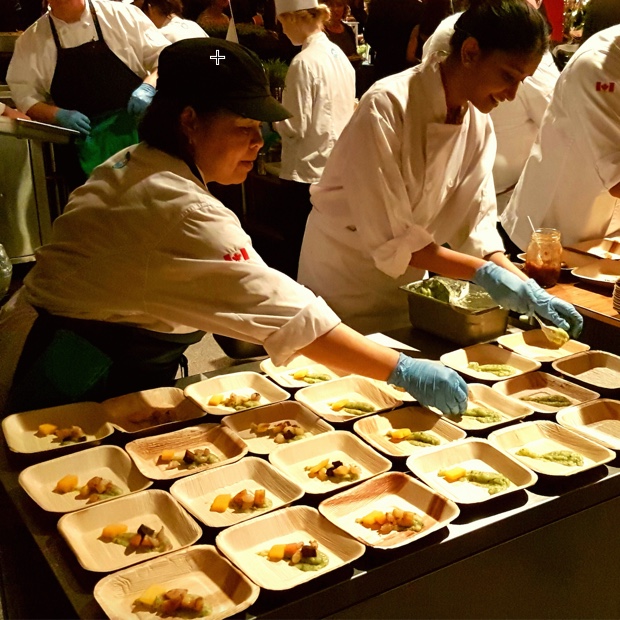

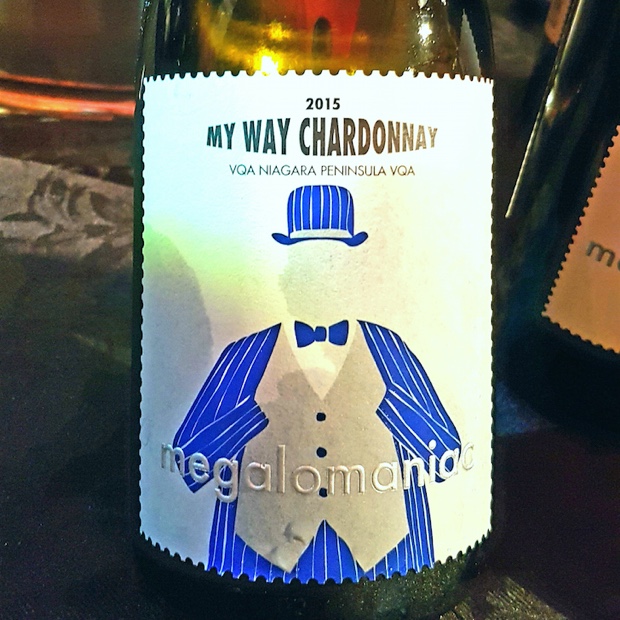
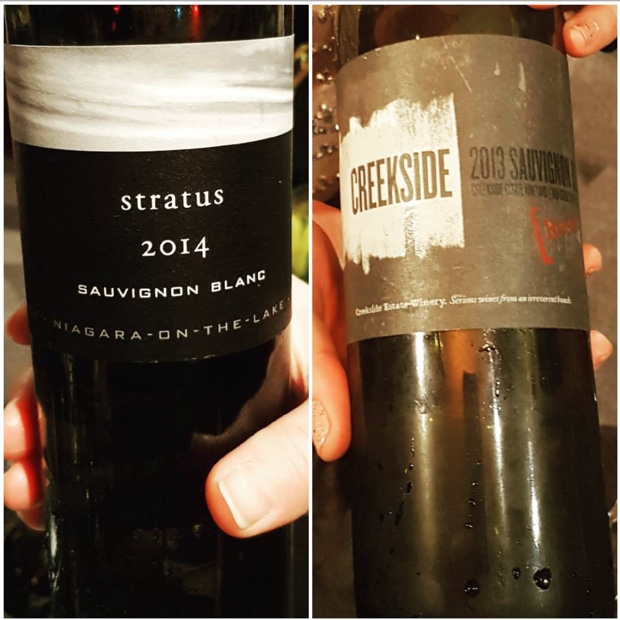

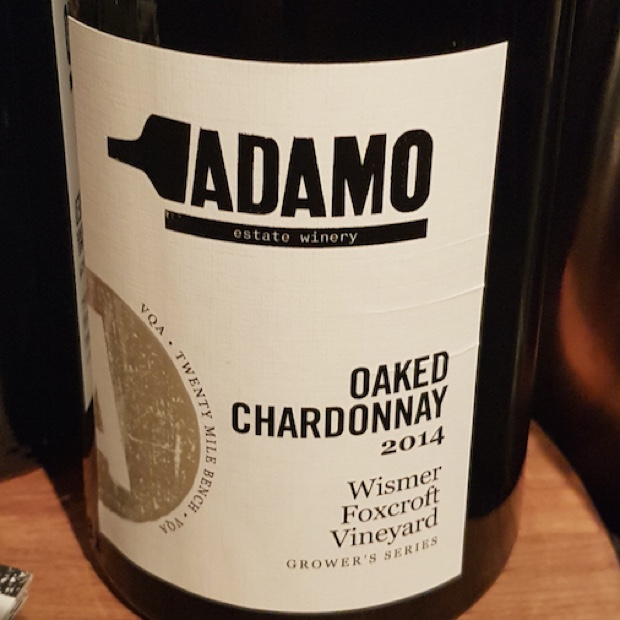


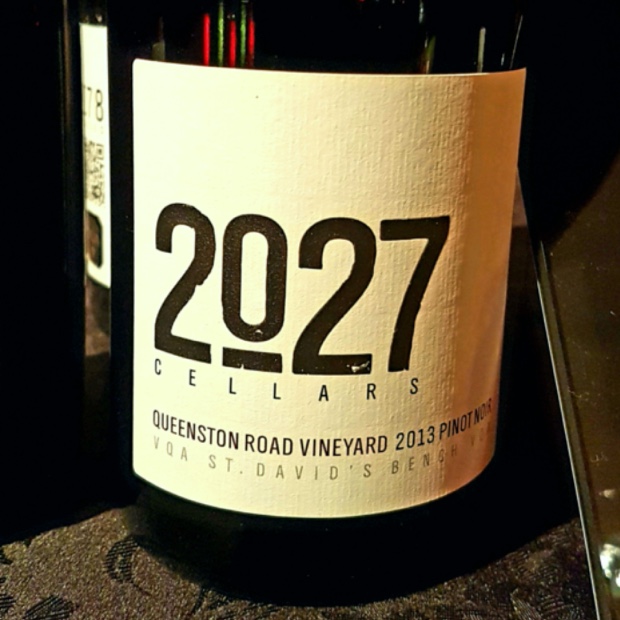
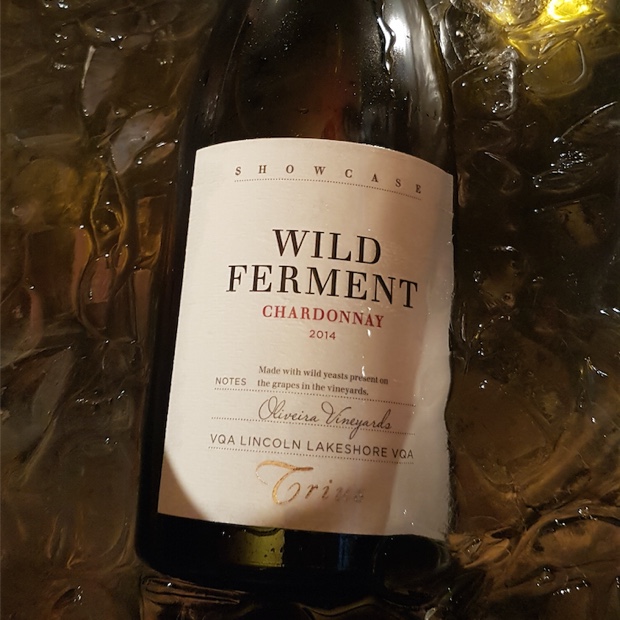
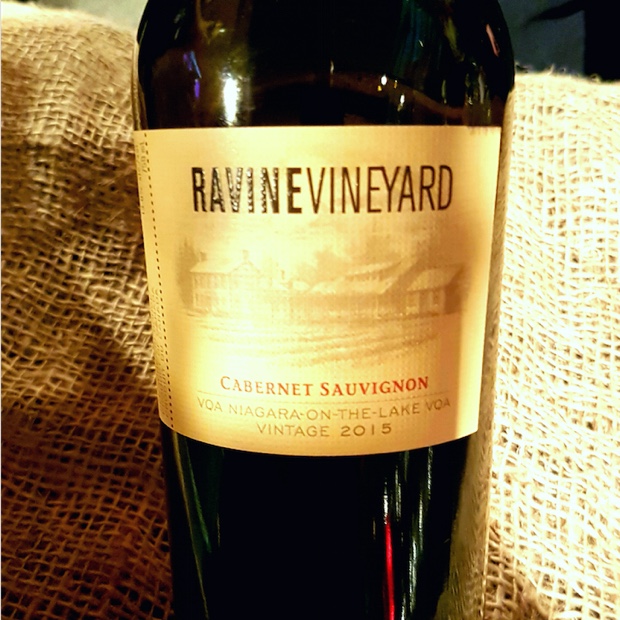


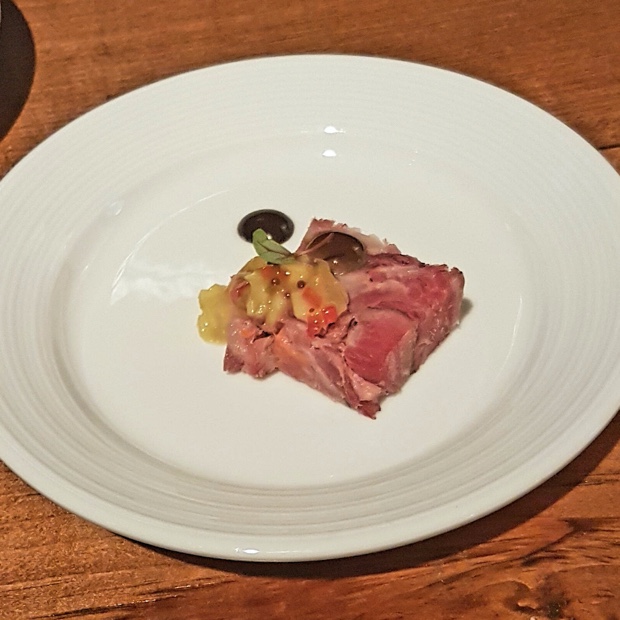


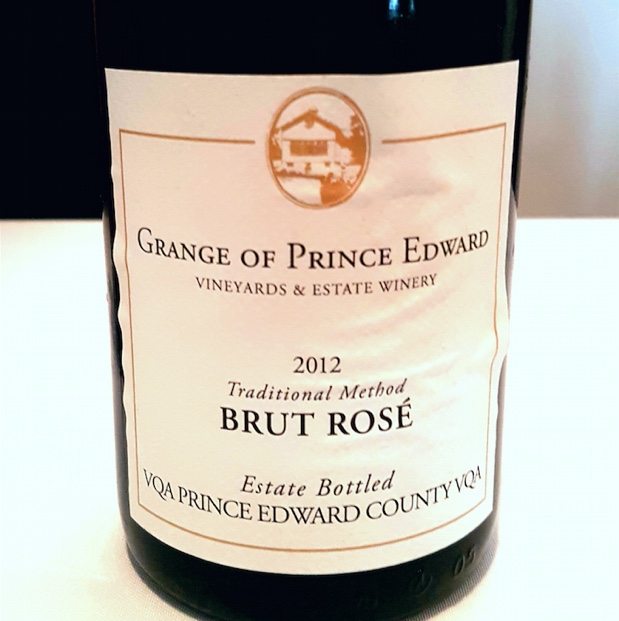
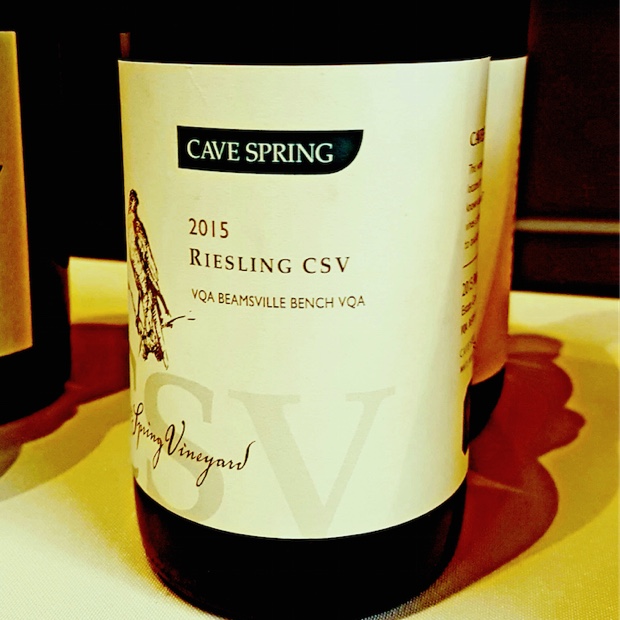
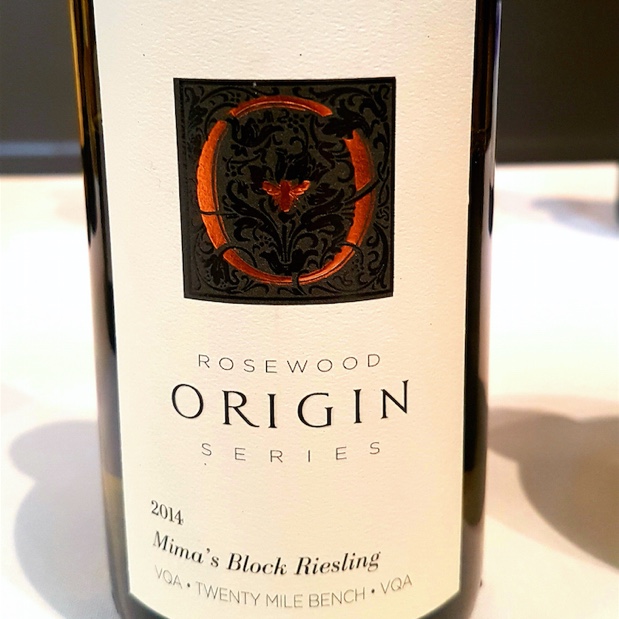

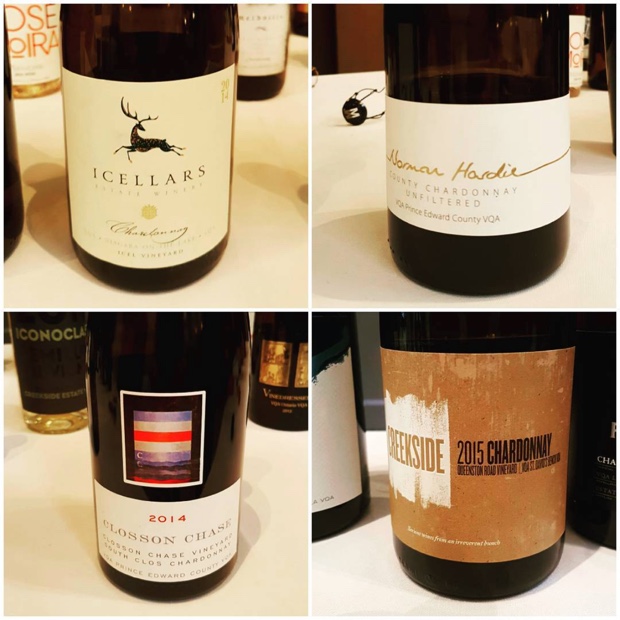

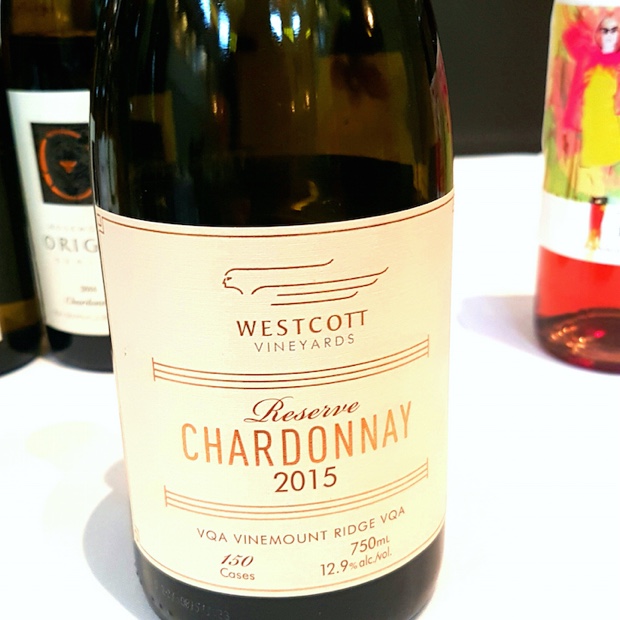

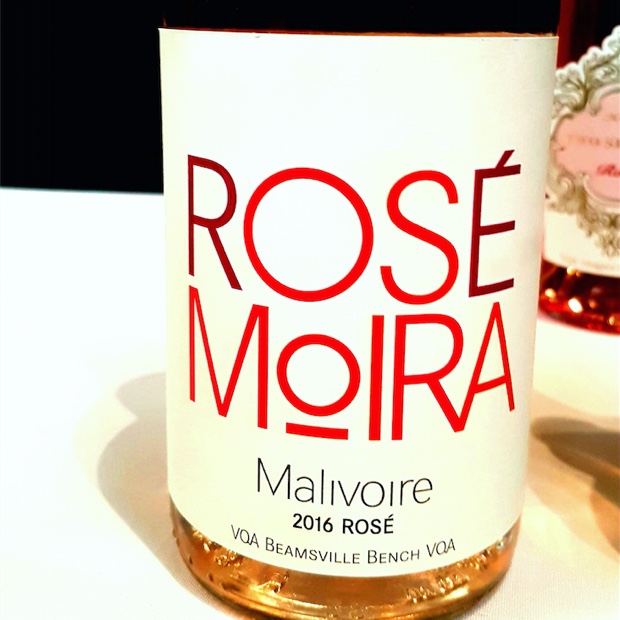


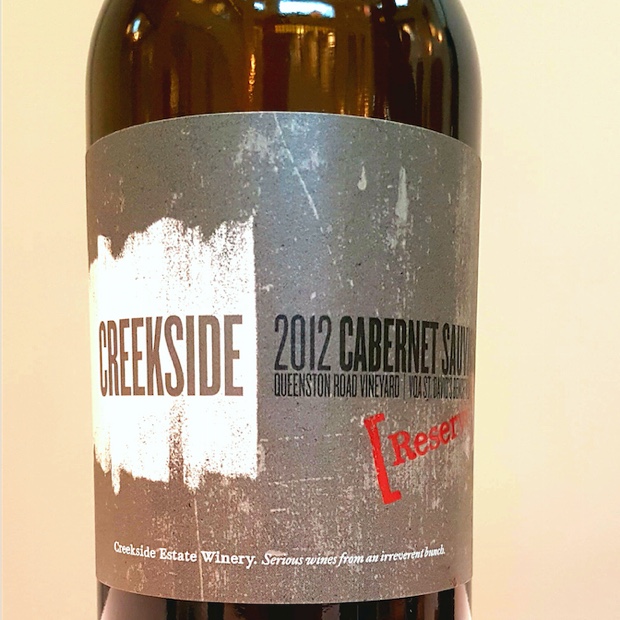


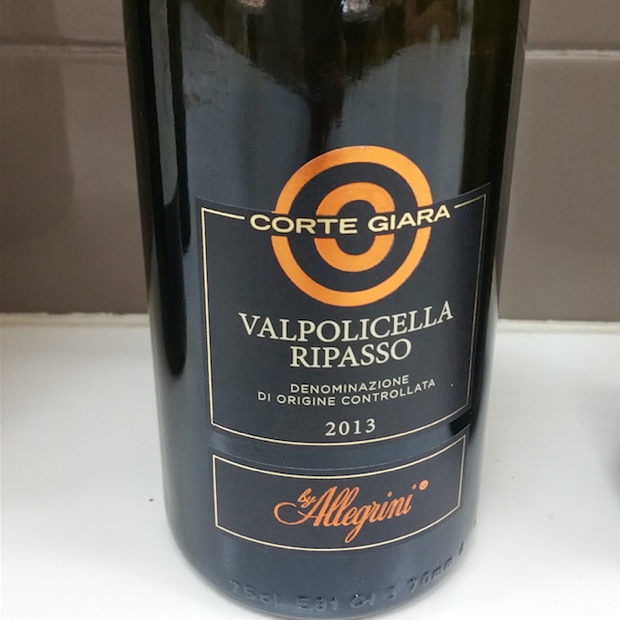
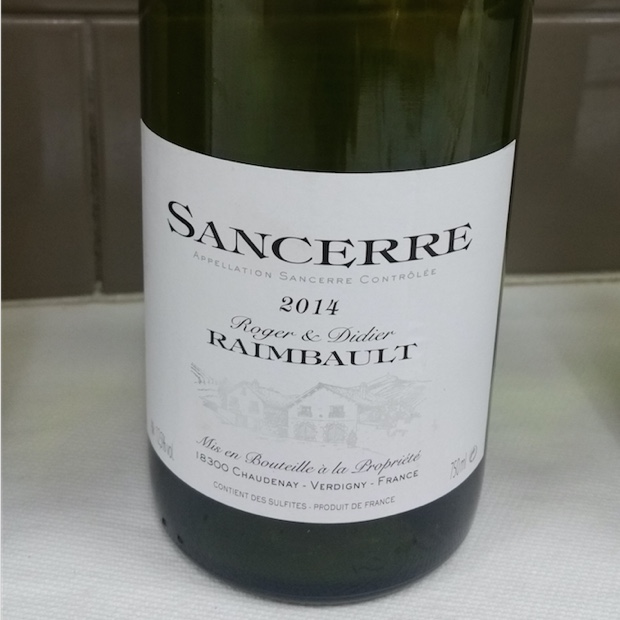


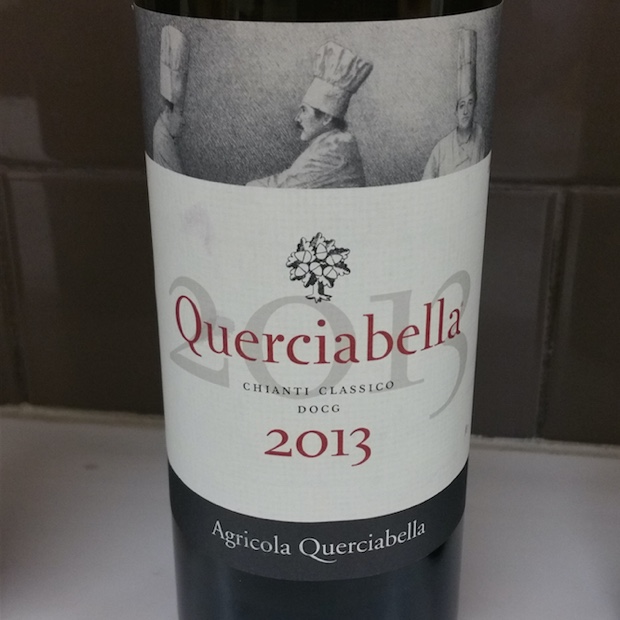
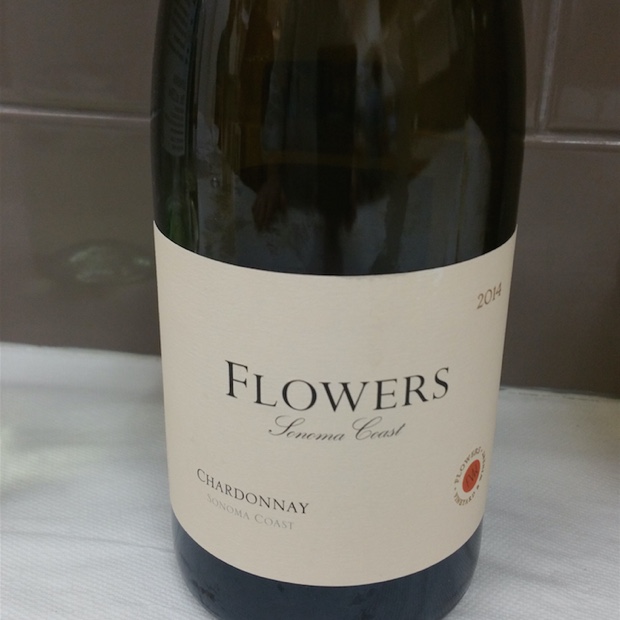
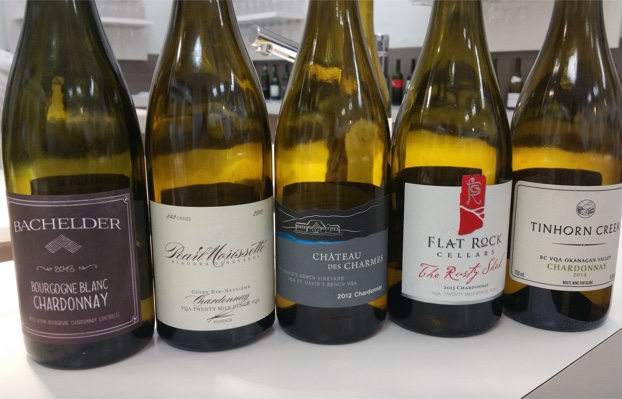


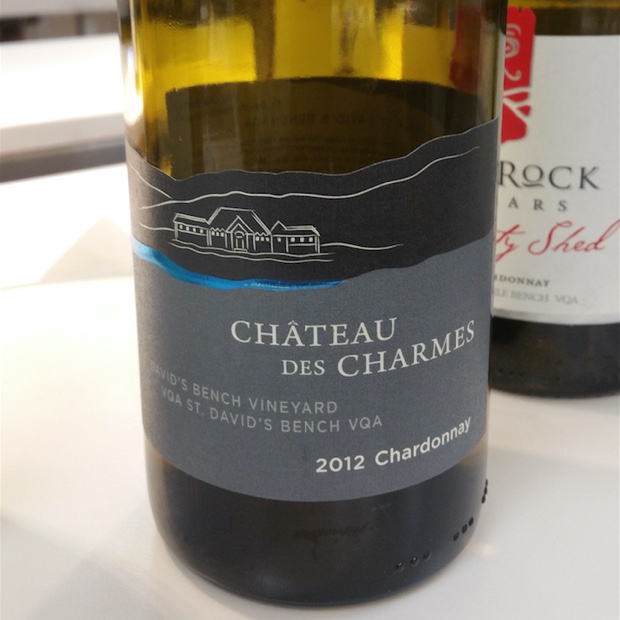
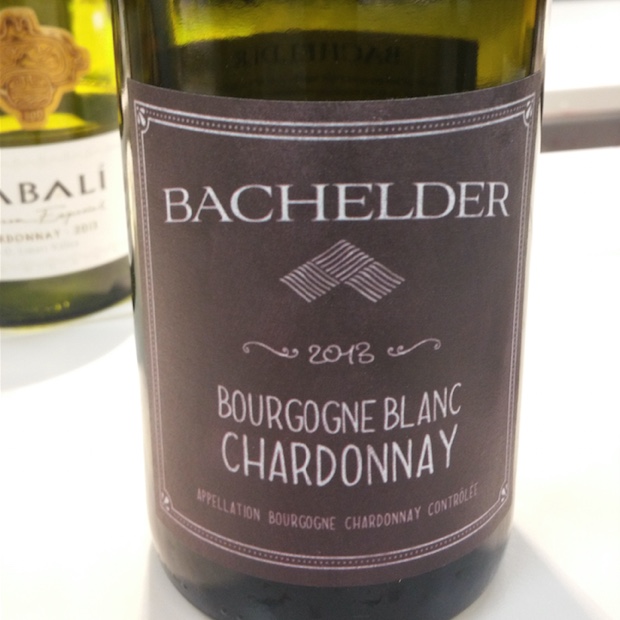
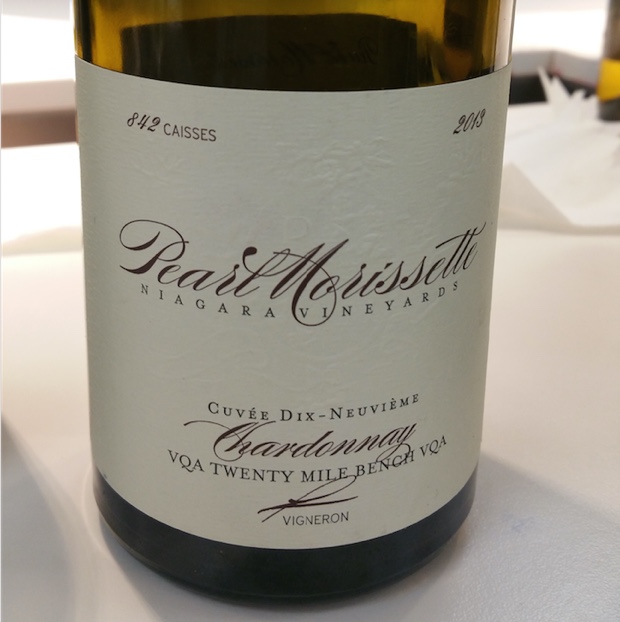


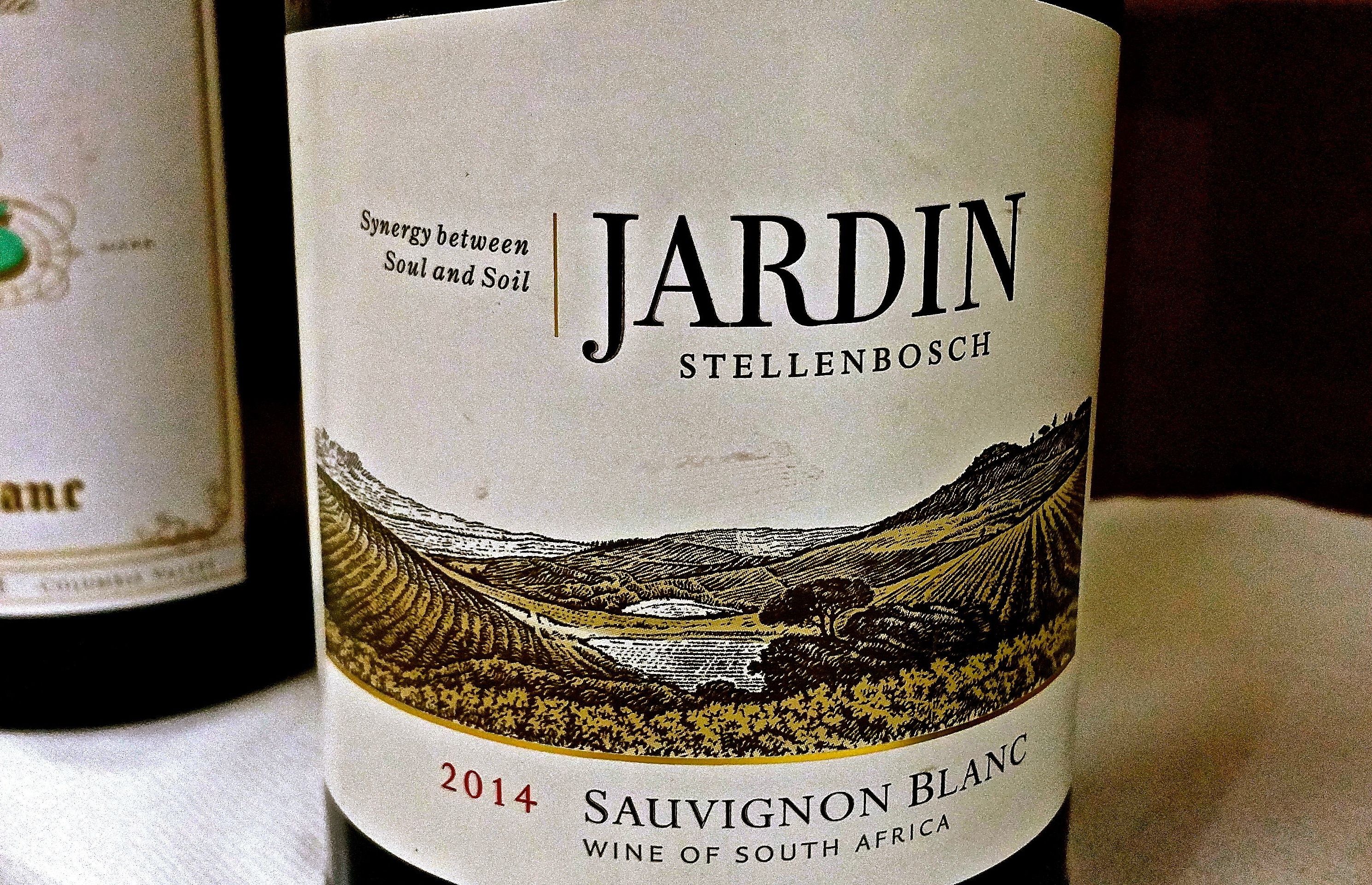
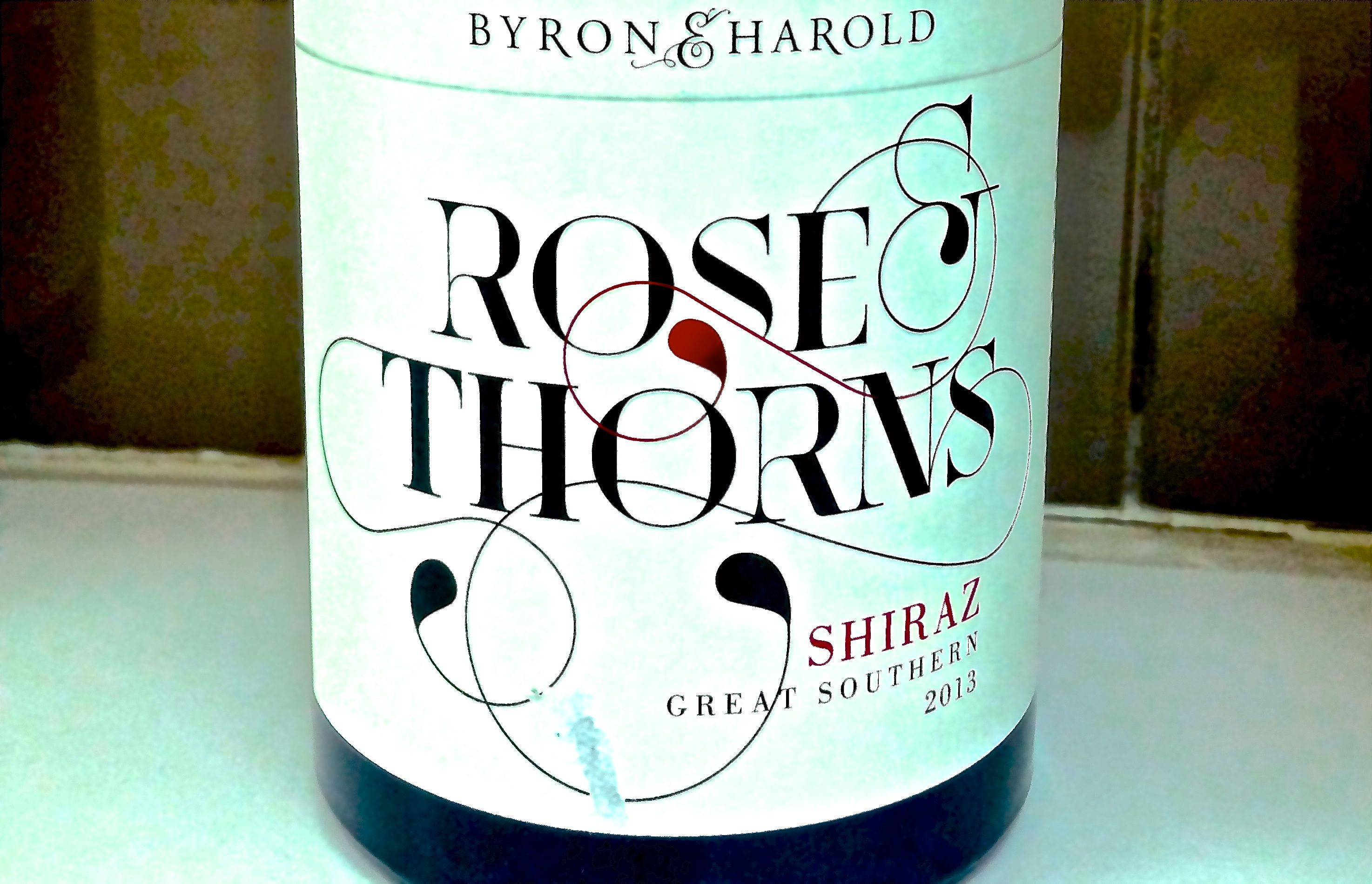
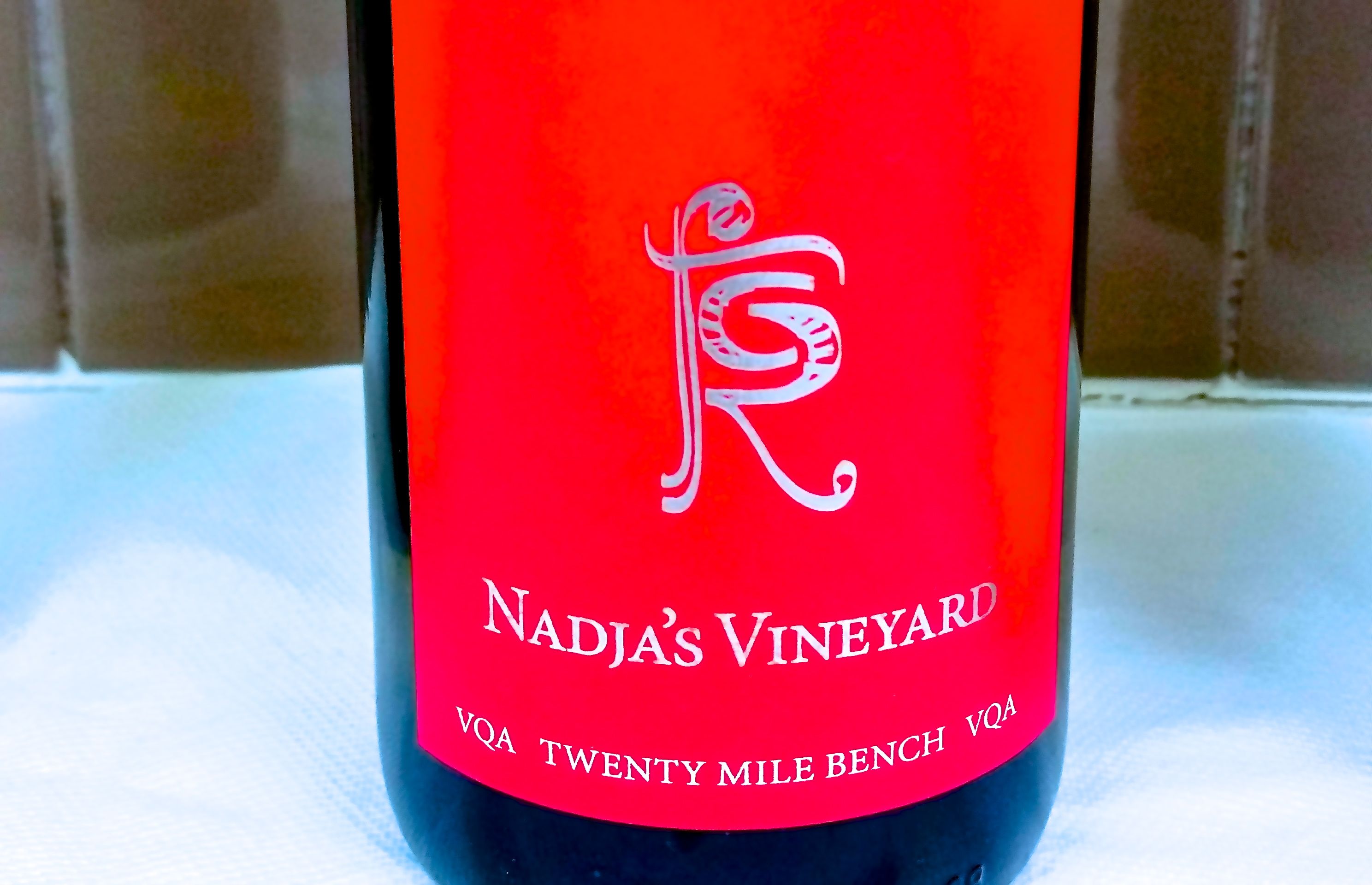
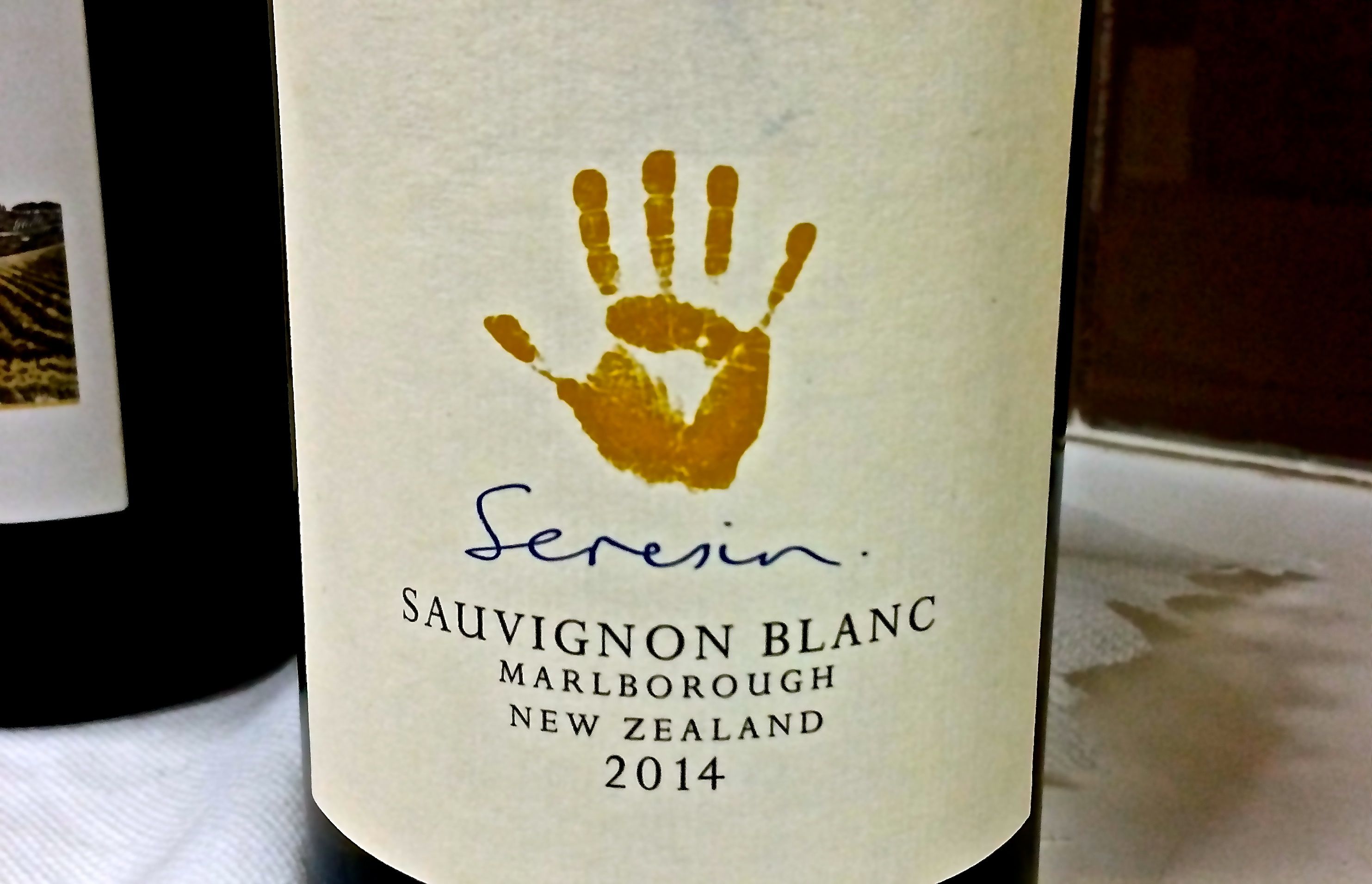
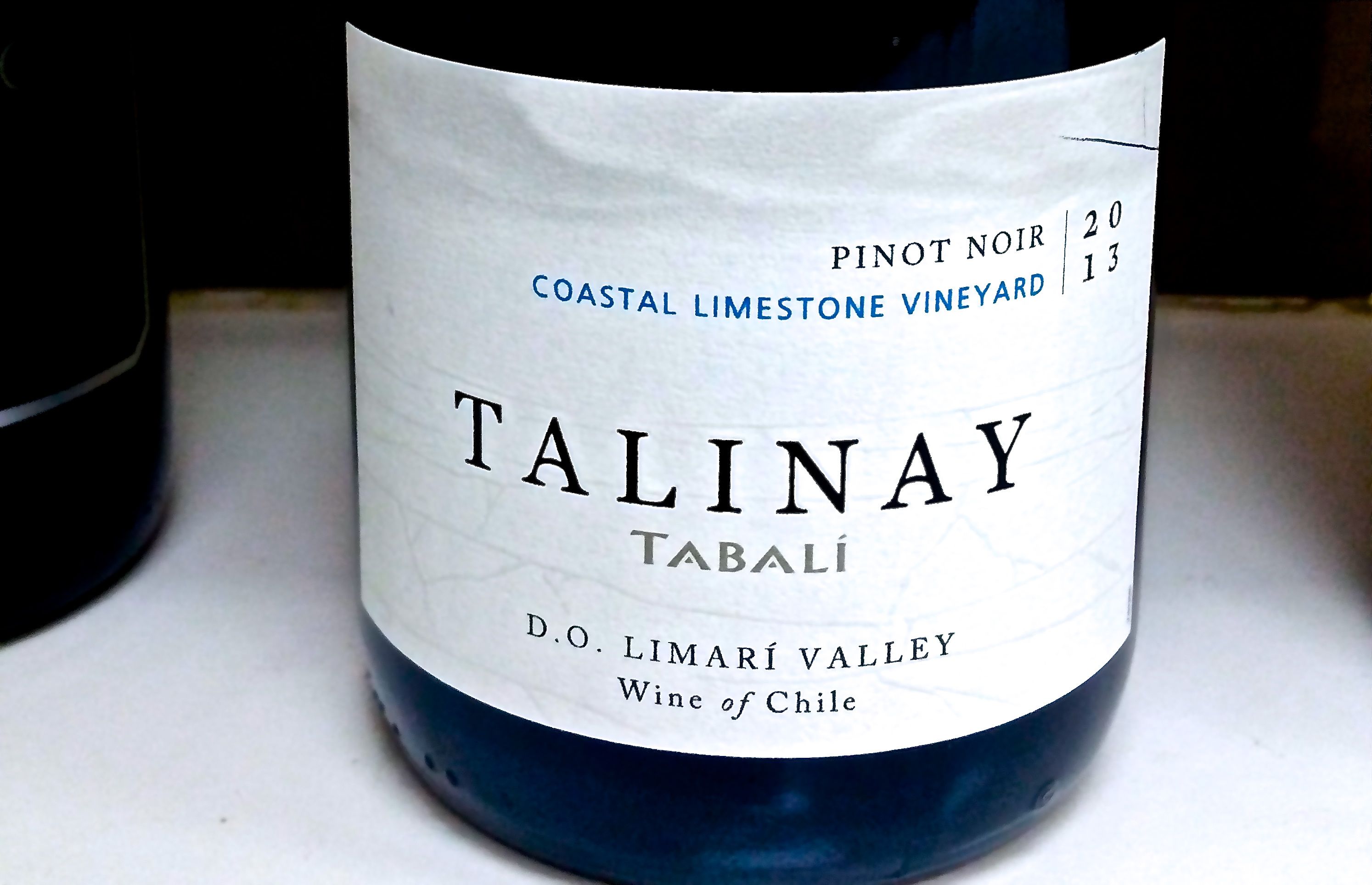
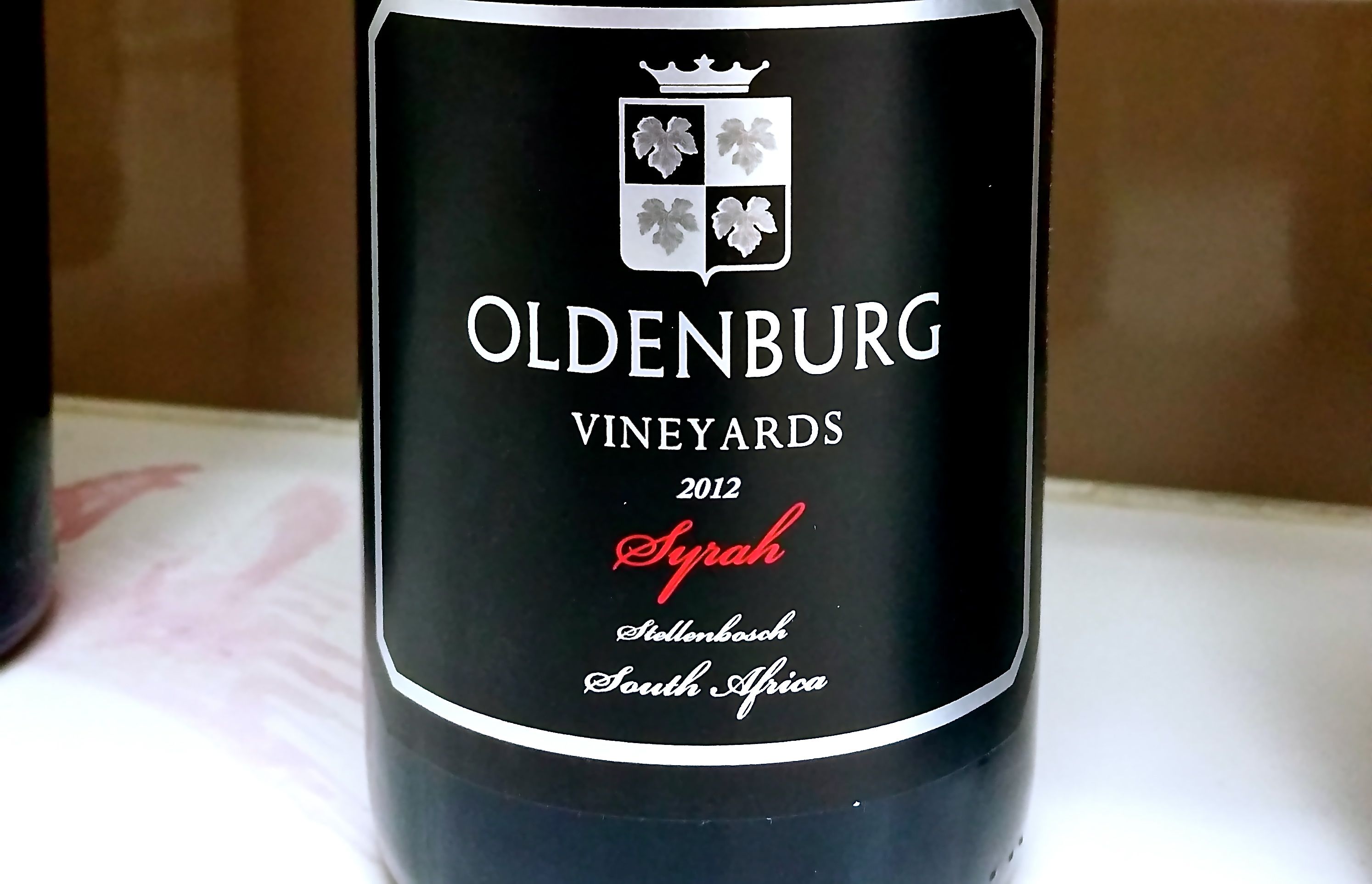
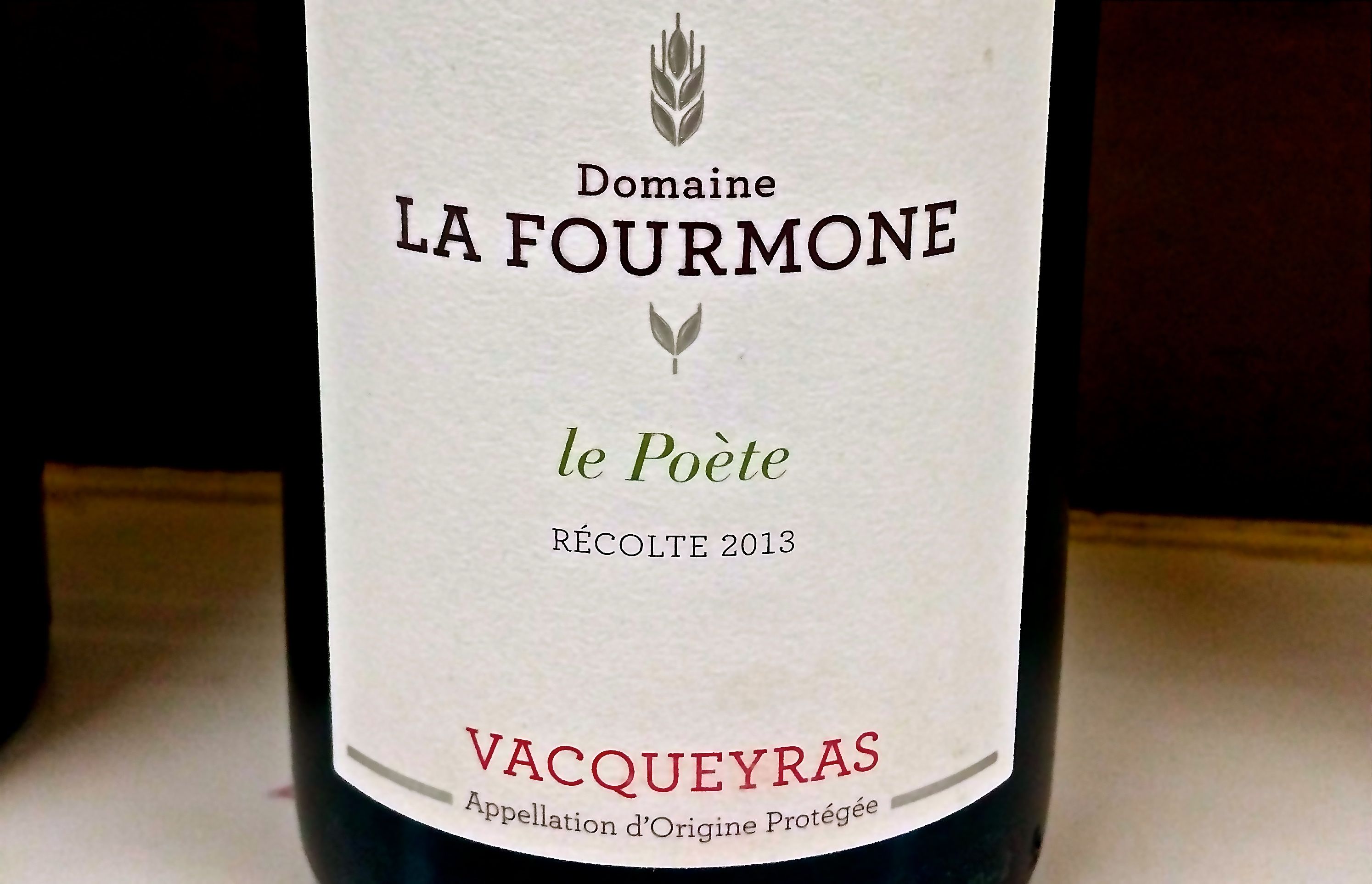

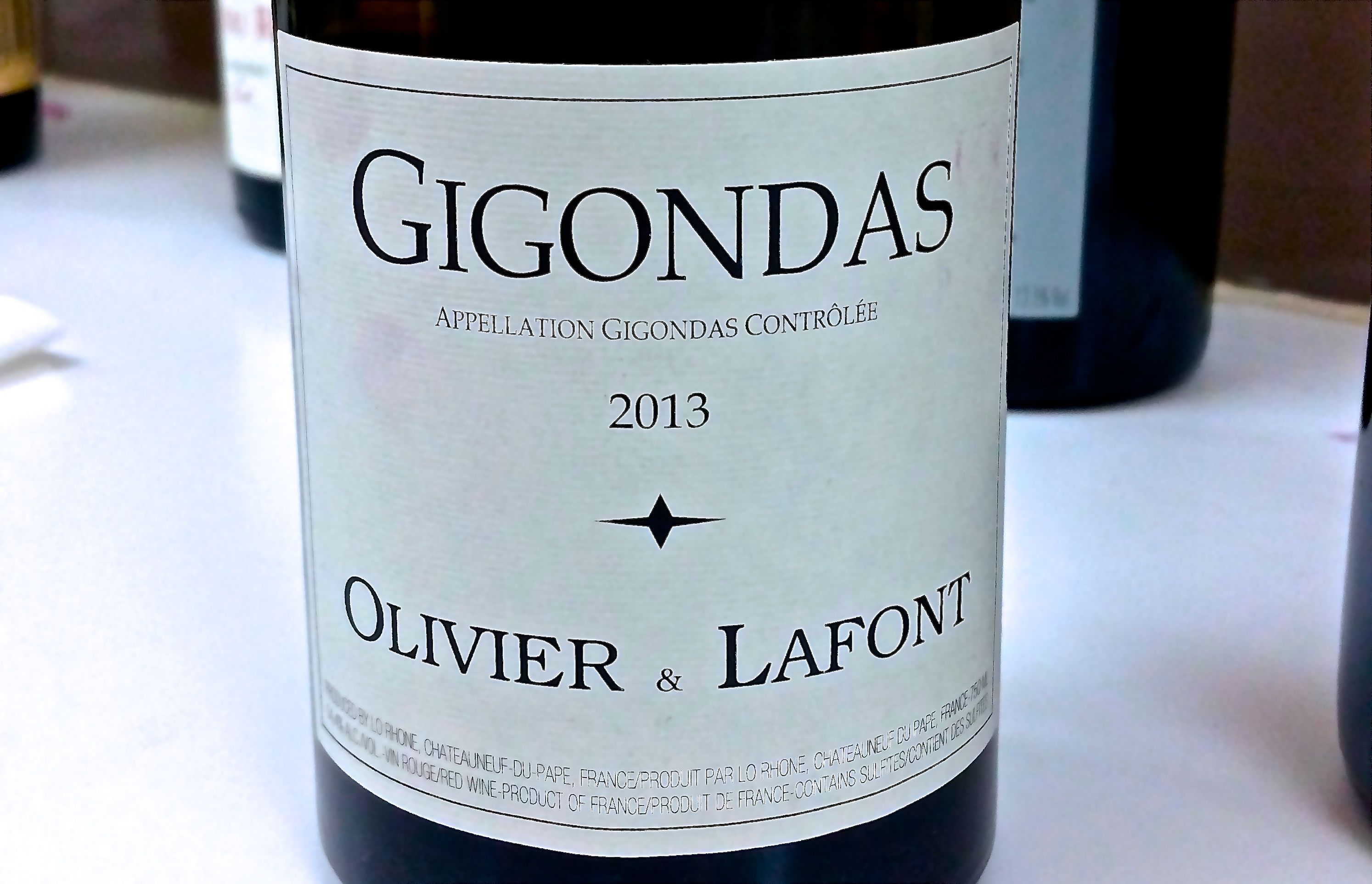
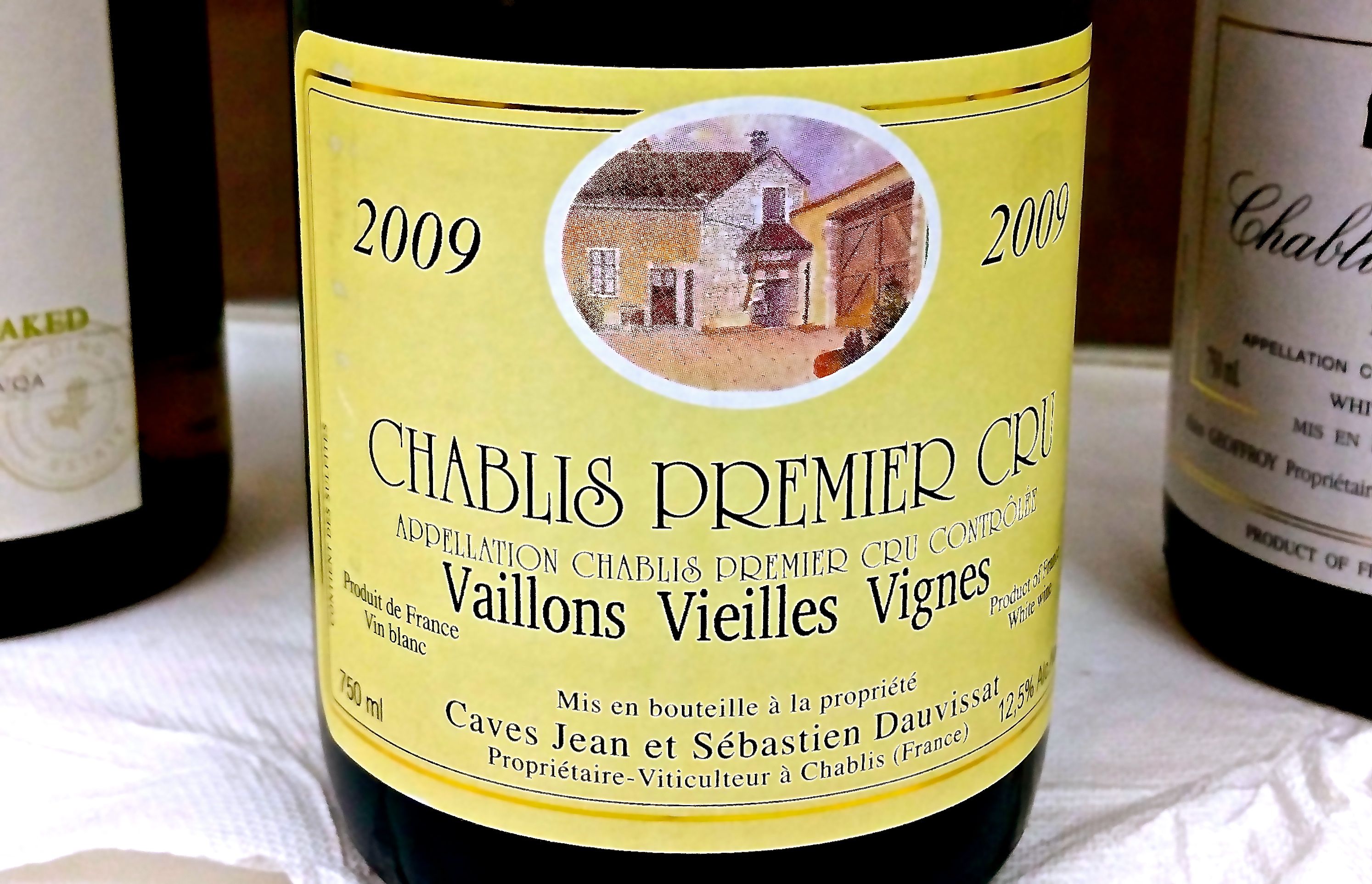
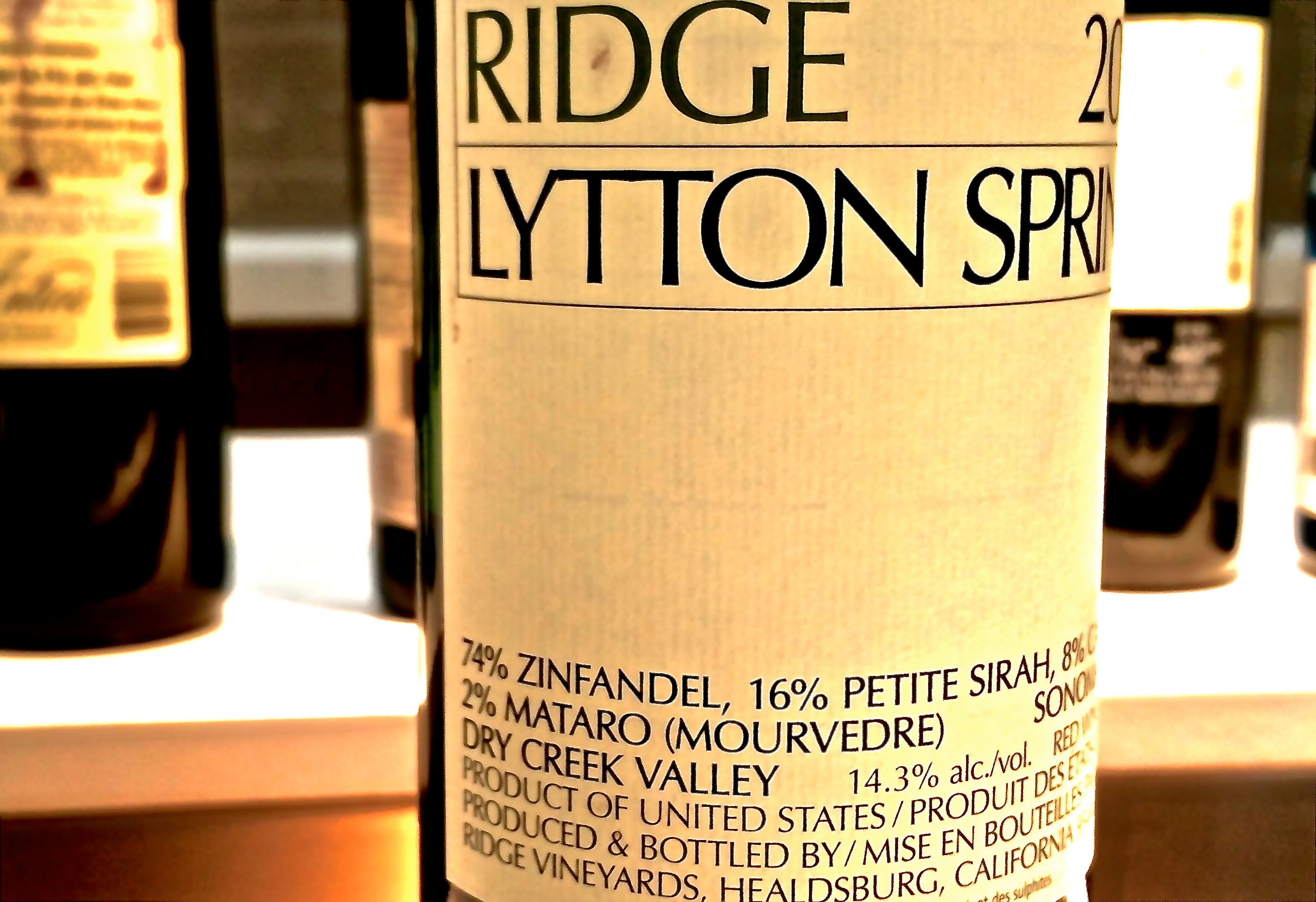



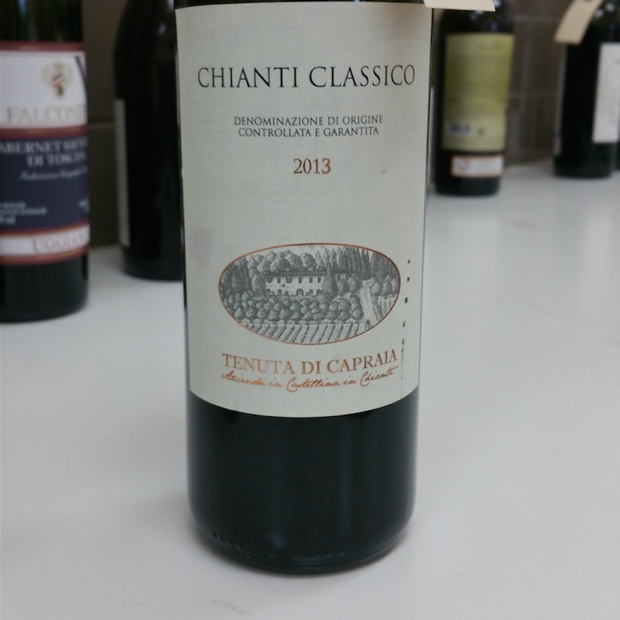
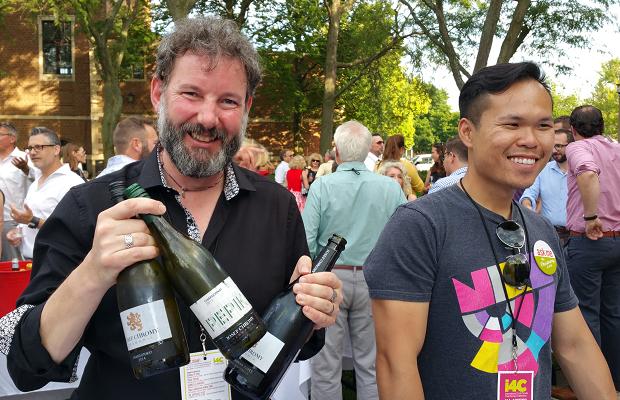

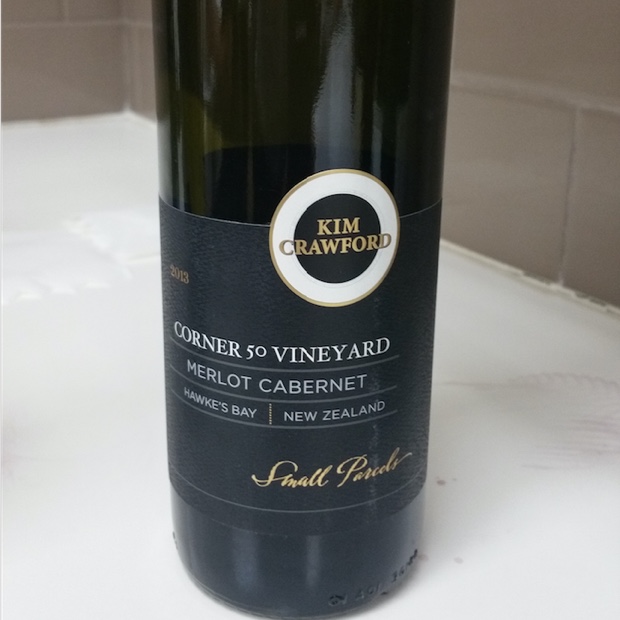

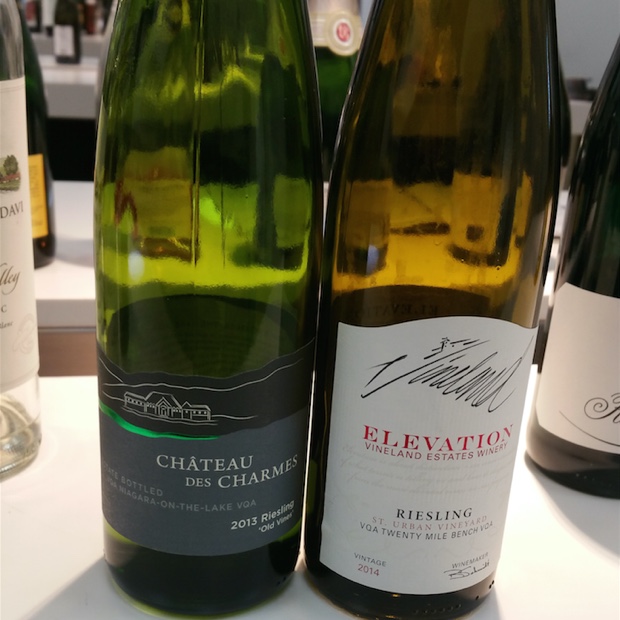
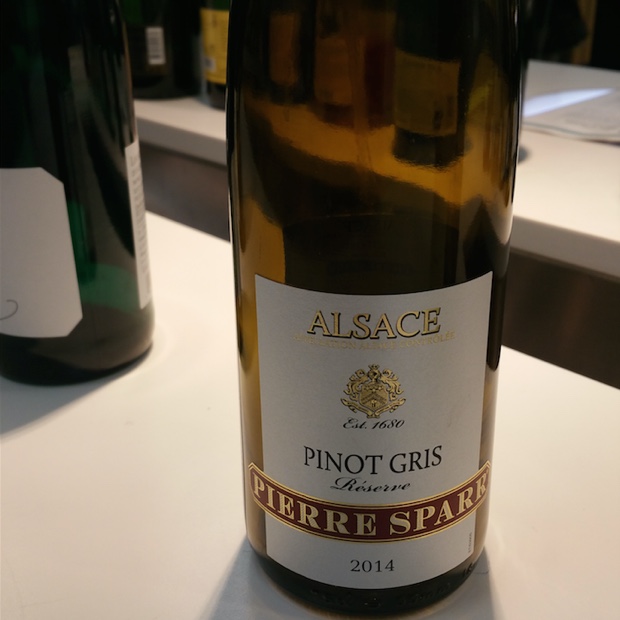

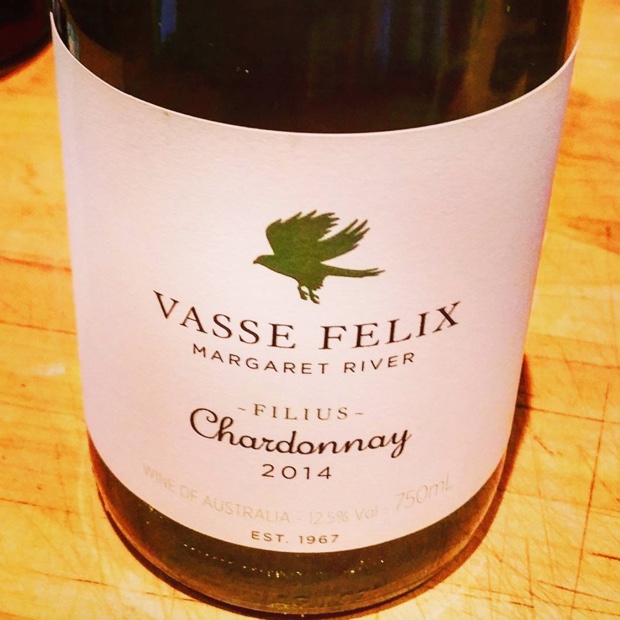
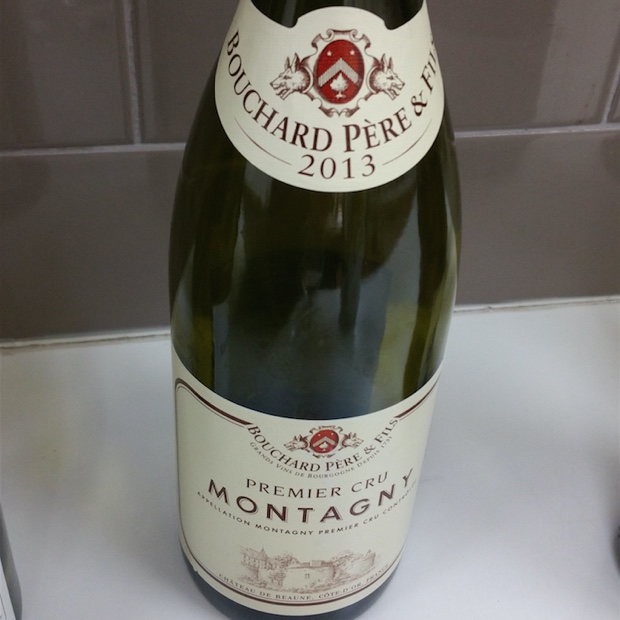


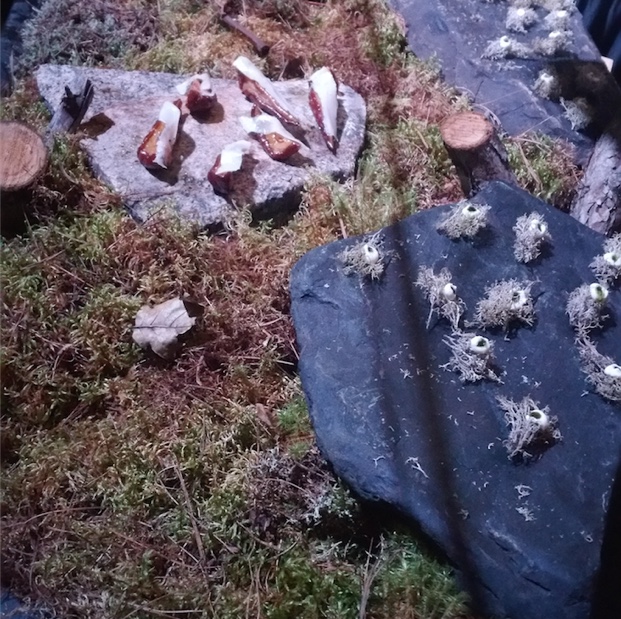

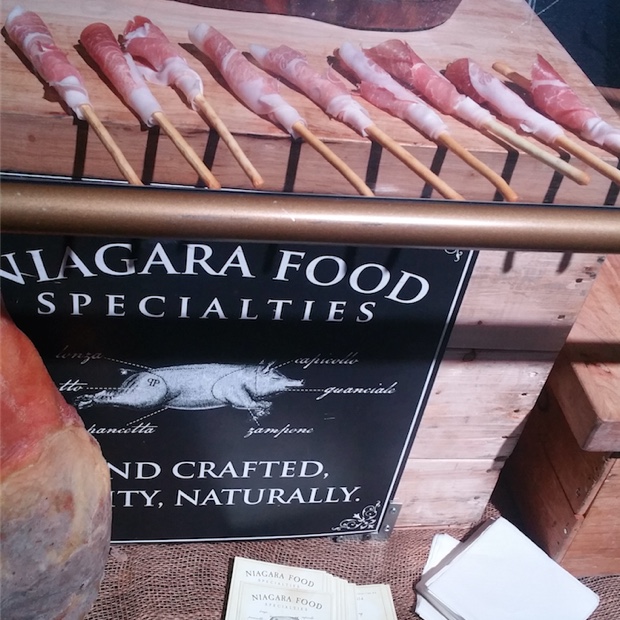


 Godello